The Better Effect
KINNARPS AB GROUP’S SUSTAINABILITY REPORT 2025
Kinnarps / Drabert / MartinStoll / Materia / Skandiform / NC
ABOUT THE REPORT
This sustainability report relates to the Kinnarps AB Group for the financial year 2025 (01/09/2024–31/08/2025). The previous report was published in October 2024. We follow an annual reporting cycle. This report has been prepared in accordance with the provisions of Chapter 6 of the Swedish Annual Accounts Act. The Board of Directors is responsible for the preparation of the report.
This sustainability report is clickable. Click on the section in the table of contents that you wish to read to go directly to that section. Tip!
Getting better – together
The Kinnarps AB Group is one of Europe’s leading suppliers of interior design solutions for offices, schools and healthcare facilities. Kinnarps’ comprehensive offering includes a needs analysis, interior design, implementation and follow-up. We help our customers create sustainable and future-proof spaces with our own brand portfolio, a wide range of services and complementary partners. Our curiosity and interest in sustainable solutions mean that we are continually working to reduce our climate impact, enhance wellbeing, and create timeless spaces. In this Sustainability Report, we focus on six key areas in which all of us in the Group, together with our clients and suppliers, can work to create a better effect for future generations.
Together we create long-term solutions
At Kinnarps, we are driven by a clear ambition: to create interior design solutions that last over time. Our philosophy is based on long-term thinking, quality and resource efficiency — values that mean a low life cycle cost for our customers and, in practice, a lower environmental impact.
Sustainable interior design solutions start with conscious choices. We therefore prioritise helping our customers create the best solution for their business, right from the start. To support this work, we offer needs analyses that help our customers map out and understand the real needs of their organisation. With our knowledge of how the physical environment affects people and organisations, we create well-thought-out interior design solutions based on flexibility and quality. This results in spaces that not only meet today’s needs, but can also evolve with the business.
In creating interior design solutions that last over time, circularity is an important tool, and for us it’s about more than just creating circular flows. We focus on sustainable circularity and as such, our designs are high-quality and flexible right from the start to create the best conditions for a long life cycle for both the interior design solution and the products. By developing furniture that can be maintained, renovated and updated, its function and value are preserved over time. This gives our customers the greatest possible benefit from their investment, while reducing climate impact and saving resources.
But to achieve this, customers also need to base their evaluations on the right things. Focusing solely on the lowest price has the risk of being a short-term solution and can lead to higher costs, not only monetarily, but also for the environment. When sustainability and quality are considered in the evaluation, it instead results in the most long-term and economically advantageous solution. During the year, we have therefore increased our efforts to disseminate knowledge about how sustainability and quality can become a natural part of procurement.
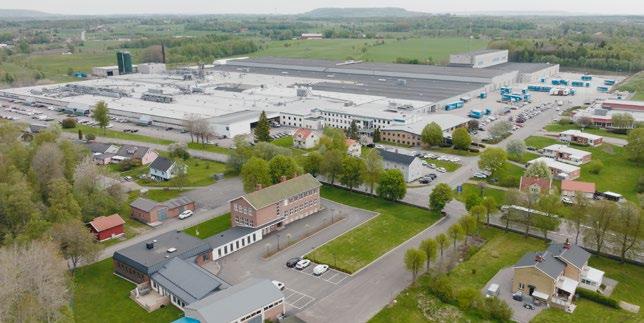
We are proud of our Swedish production, which meets high environmental requirements and creates jobs with good conditions. Our factories are largely powered by fossil-free energy and we invest continuously in developing our facilities. Our unique logistics system is an example of how we combine sustainability with smart solutions for our customers. By using blankets instead of disposable boxes, we can transport more furniture per truck, cutting down on the number of transports and lowering the climate impact. In addition, this way of packing furniture enables us to install it in half the time compared to the industry average, thereby minimising the impact on the customer’s business. Having such a large portion of the chain under our own control, from component production to delivery and subsequent services, we secure supply and strengthen our ability to deliver reliable solutions to our customers.
Looking back on the 2025 financial year, we see that our long-term, focused work has yielded results. Among other things, we have managed to reduce our carbon dioxide emissions by 51% compared to the base year of 2019, and going forward we are raising the bar even higher. We are committed to setting targets according to the Science Based Targets initiative and have joined the UN Global Compact. This further reinforces our fundamental principle of doing good business responsibly, providing good working conditions, respecting the environment and having zero tolerance for corruption.
ROBERT PETERSSON CEO KINNARPS AB
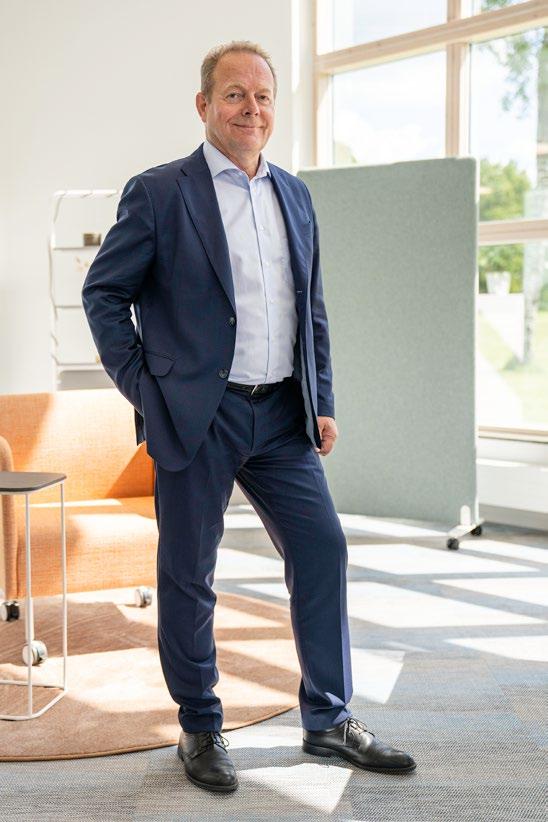
” We prioritise helping our customers come up with the best solution for their business, right from the start.
ROBERT PETERSSON CEO KINNARPS AB
The year in brief
The year we look back on is filled with exciting customer projects and clear progress in our sustainability efforts. Some of the events that have shaped the year.
KINNARPS JOINS UN GLOBAL COMPACT AND SBTI
During the year, we took an important step in our sustainability work by joining the UN Global Compact and Science Based Targets initiative (SBTi). This means that we are now committed to internationally recognised principles for human rights, working conditions, the environment and anti-corruption. We are also setting climate targets in line with research to limit global warming to 1.5 degrees.
For us, this is a natural extension of work already in progress. The principles of the UN Global Compact have long been at the heart of our Code of Conduct, but by becoming part of the networks, we improve our transparency and have a greater opportunity to share experiences with companies that share our ambition.
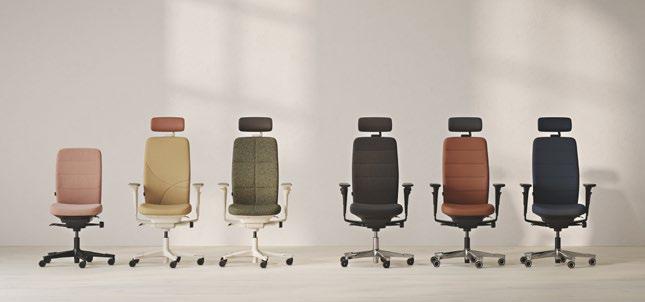
CAPELLA X - MADE IN SWEDEN
In 2025, we launched Capella X — a completely new generation of task chairs that create natural movement during the working day. 82% of its components are manufactured in Sweden, 48% of which are manufactured in our own factories. Only 4% of the components are of nonEuropean origin. Read more about this chair series in the ergonomics section of the report.
KINNARPS AB ACQUIRES KINNARPS OY
Kinnarps OY has been active in Finland since 1990 and has been run as a freestanding Kinnarps retailer. Kinnarps AB has now acquired all shares in Kinnarps OY, which means that the scope of this sustainability report has been extended.
”It would be a pity to let the professional knowledge of our employees go to waste because of language shortcomings. This is an important investment in the development and wellbeing of our employees.
THOMAS WILSON PRODUCTION MANAGER
NORDIC ECOLABELLED FOSSIL—FREE DIESEL
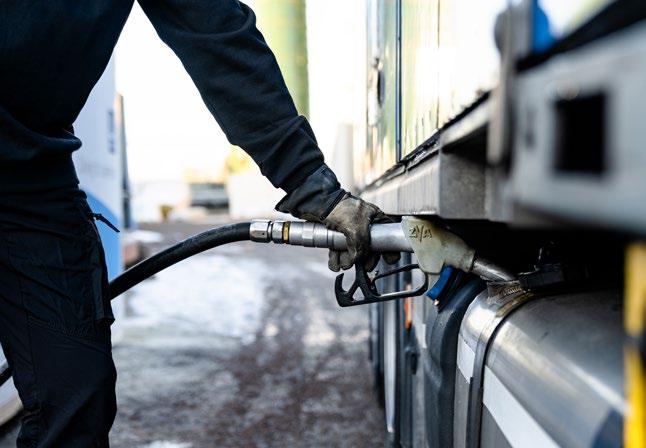
As of April 2025, we use Nordic Swan Ecolabelled renewable fuel at our filling station in Kinnarp. This fuel cuts CO 2 emissions by 17% compared to our previous renewable fuel – and by as much as 90% compared to conventional diesel.
INDUSTRIAL SWEDISH IN SKILLINGARYD
During the spring, we collaborated with Campus Värnamo to offer our employees in Skillingaryd a course in industrial Swedish. The course was designed for people with limited language skills and focused on words and phrases from everyday work. Participants have reported that the course has given them a stronger network in the workplace and more confidence and courage to ask questions when they don’t understand.
Sustainability is part of our DNA
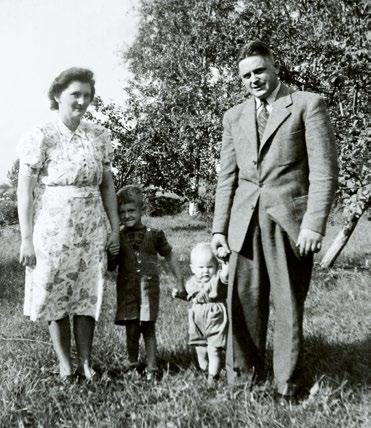
It all began with a young couple’s dream of a small carpentry factory over 80 years ago. Today, we are one of Europe’s leading suppliers of interior design solutions for offices, education and healthcare facilities. Since the company was founded in 1942, we have had a passion for sustainability and a vision that everything can be done a little better.
Using resources sparingly and creating long-term solutions are part of our DNA and the core of our business. We are constantly curious, and continue to develop sustainable and successful interior design solutions that enable both organisations and people to thrive. The Kinnarps AB Group currently comprises six production units, all located in Sweden, and has a brand portfolio of seven brands. The Group has been a family-owned business since the beginning, and the values that have been embedded in the company from the outset are still a major part of our heart and soul.
Employees
Turnover
We are
FINLAND
During the year, Kinnarps AB acquired Kinnarps OY
Headquarters and production unit
Sales companies
Production units
THE KINNARPS AB GROUP COMPANY STRUCTURE
KINNARPS HOLDING AB
SALES COMPANIES
KINNARPS AB
MATERIA GROUP AB
AB SKANDIFORM AB
Our sustainability work over the years
Since 1942, we have taken conscious steps to conserve natural resources and create long-term solutions. Many times we have come up with ideas that later became the industry standard. The timeline shows important milestones that have shaped the company and the sustainability work we continue to do today.

1942 Kinnarps is founded by Jarl and Evy Andersson.
1959
Our own transport system and packing with blankets instead of disposable boxes.
1997
ISO 14001 certified.
1952
Start working with ergonomists in product development.

1980
UV lacquering replaces solventbased lacquer.
1993
ISO 9001 certified.
1977
Wood waste from production is used for heating in the factory and surrounding communities.
2002
FSC ®certification.

2008
Start of in-house production of padding and Re:fill.
2010
First Möbelfaktalabelled product.

2016
Fill tanks with 50% biodiesel.
2018
The High Capacity Transport project is launched for more efficient transport.
2022
The first EPD is published.
2022
Open webshop for reused furniture.
2009
Introduction of a supplier code of conduct, which is continuously updated.
2018
Change to chipboard containing only half of the formaldehyde content limit (half E1).
2011
Start offering our customers workplace analyses.
2021
All production units are ISO 45001 certified.
2025
Join the Science Based Targets initiative (SBTi) and the UN Global Compact.
Sustainability all the way
SUSTAINABILITY STARTS WITH WELL-CONSIDERED CHOICES
When designing their working environments, our customers face choices that affect the climate, economy and people’s wellbeing. Here, Kinnarps plays an important role in contributing knowledge and facts that make it easier to make the right choice: when large organisations with high volumes choose sustainable alternatives, it has a great impact.
For us, sustainability is about more than individual products or material choices. It is a philosophy based on a long-term perspective that permeates all our work, from needs analyses to utilisation. To clarify what we mean by “sustainability all the way”, we divide our work into three perspectives — spaces, people and investments. Together, they shape the whole and help our customers achieve their sustainability goals.
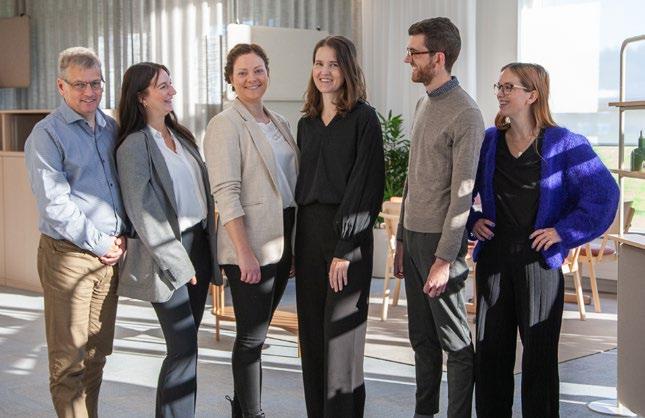
Kinnarps Group’s sustainability team. From left to right: Per Wikström Sustainability Manager of Skandiform, Amanda Djerf Sustainability Manager of Materia, Isabell Vesterberg Product Labelling Coordinator of Kinnarps, Johanna Ljunggren Sustainability Manager of Kinnarps, Rickard Thil Sustainability Coordinator of Kinnarps, Moa Ulfsson Sustainability Manager of NC.
At Kinnarps, we look at sustainability from the perspectives of sustainable spaces, sustainable people and sustainable investment. It’s when these three work together that you achieve sustainability all the way.
Sustainable investment Sustainable spaces Sustainable people
Sustainable materials • Quality
Function • Correct type and quantity • Flexibility
Space optimization
Life cycle cost
Productivity • Sick leave
SUSTAINABLE SPACES
High-quality and sustainable material choices are givens in our products. But a sustainable space is much more than that. For us, it’s also about creating solutions that are customised to each customer’s specific needs. The right type and number of spaces for the customer’s way of working, which can also be customised as needs change.
SUSTAINABLE PEOPLE
The people spending time in the spaces we design should thrive both physically and mentally. They should feel happy and healthy, and have the right conditions for performing their tasks in the best possible way. When this is achieved, it encourages operational creativity, productivity and efficiency. That is why we create interior design solutions and spaces based on a holistic approach to ergonomics that supports the physical, organisational and social environment.
SUSTAINABLE INVESTMENT
Our customers get an interior design solution at a low life cycle cost. This means that the interior design lasts over time while supporting the business and the people who work in it. A well-planned solution enables spaces to be optimised in the best possible way and environments to be designed to enhance wellbeing, efficiency and productivity.
Holistic ergonomics: Well-being • Involvement
Belonging • Pride
Our tips for making choices that are sustainable all the way
• Map and analyse your needs for a long-term solution that suits your organisation.
• Ensure quality and safety – through e.g. European standards.
• Choose suitable materials and colours that are adapted to your spaces.
• Choose high-quality furniture that is designed so that it can be renewed.
• Look for ecolabels and certifications, such as FSC® , Möbelfakta and OEKO-TEX®
• Question how and where the furniture is manufactured.
• Look into how the furniture is transported and how the interior design is implemented.
• Specify qualitative sustainability requirements for both new and reused furniture.
• Be particular in selecting evaluation parameters.
Mapped needs show the way
The greatest sustainability impact is achieved by choosing the right interior design solution from the start. To be able to do this, it’s important to map out and analyse your needs, and create a business adapted and flexible solution that lasts over time.
Over the years, we have helped numerous clients design value-creating transformations in their physical space. We do this through our needs analyses Next Office ® , Next Education ® and Next Care ®, which help to create business adapted and sustainable spaces. Thanks to our many years’ experience in workplace strategy, we know that solid preparatory work creates success. The key is to map the client’s unique needs and work patterns. This creates the conditions for achieving the best and most sustainable solution.
Our needs analyses help the client gather valuable knowledge and data before designing their spaces. With specially developed tools, our experienced workplace strategists guide the management team to establish the vision, goals and framework for the project. Through
workshops, lectures and an online survey, they then help to map needs and work patterns and involve all stakeholders in a carefully considered way. The analysis provides the client with facts, a solid knowledge base and a qualitative basis for how their workplace can be designed to best meet their needs.
Well-considered, well-planned working environments that meet the needs of both the organisation and employees promote everything from wellbeing and creativity to efficiency and productivity. This leads to an efficient use of the available space, a reduced risk of accidents and sick leave, and a stronger brand, which facilitates both the recruitment and retention of staff. In other words, a good and sustainable investment.
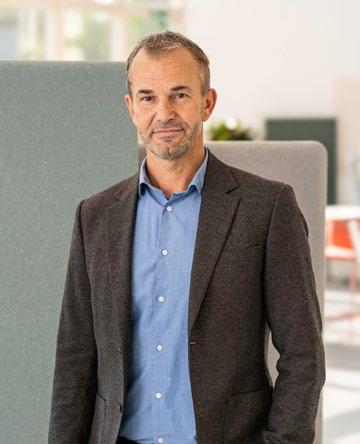
“The more you know about what you want to achieve, the better the project outcome.”
HENRIK AXELL HEAD OF WORKPLACE STRATEGY, KINNARPS AB
ANALYSIS
ANALYSIS
DEFINE THE END RESULT
Our needs analyses lay the foundation for how your workspaces should be designed to support employees and the organisation in the best way possible.
INTERIOR DESIGN SOLUTION
IMPLEMENTATION
INTERIOR DESIGN SOLUTION FROM IDEA TO ACTION
We help you convert the needs analysis results into a design concept, layout and tangible drawing. We review ergonomics, functions and sustainability.
IMPLEMENTATION INTRODUCING THE POTENTIAL
Through our own efficient logistics and delivery system, we deliver and install your interior completely according to drawing. We help you introduce and implement environments, furniture, ergonomics and working methods so that everyone understands the potential.
FOLLOW-UP
FOLLOW-UP
KNOWING IS BETTER THAN GUESSING
Based on your needs analysis, you can then continuously follow up on how your workplace is working and identify whether your needs have changed.
An invaluable value chain
Our business model and value chain aim to understand and fulfil companies’ and organisations’ needs for interior solutions with associated services. We are a total interior solution provider who is proud to have a large portion of the chain in-house. Here we describe the main features of the value chain. Read more about how we work under our focus areas.
Raw materials
Upstream
Processing Supplier (tier 1)
Indirect material/ service
Forests
Oil
Wool
Animal
Mines
Recycled materials
Processing Refinement, component manufacturing
Finishing, component production, mounting
Material
Wood, textile, metal, plastic, chemical products
Finished component
Finished furniture
Complementary products
Carpets, curtains, lighting, furniture, etc.
UPSTREAM
The constituent raw materials in our furniture come mainly from mines, forests, oil and livestock. Recycled materials are also used and replace virgin materials. The raw materials are refined and processed at later stages in the supply chain. Our primary suppliers include suppliers of materials that we process into components, suppliers of components that are assembled into finished products, and suppliers of finished products and accessories. The chain also includes partners who add to our offering to create a complete solution.
OUR OWN OPERATIONS
We design and develop furniture with the customer’s needs in focus. We are a total interior solution provider that helps our customers from analysing needs and coming up with an interior design solution to doing the
The Kinnarps AB Group
implementation and providing associated services. The production of furniture takes place on the basis of customer orders and includes the manufacture of plastic, metal, foam, wood and textile components as well as assembling the furniture. With our own logistics system, we deliver products from all our brands directly to clients.
DOWNSTREAM
Our customers are companies and organisations in offices, education and healthcare. Our own sales outlets are complemented by a dealer network, together reaching more than 40 markets. During the life cycle, we offer services such as refurbishment and reuse to extend the life of products. When the product has reached the end of its life cycle, it is handled in local waste management flows.
Downstream
Customer benefits
Our offer consists of these five benefits. Together, they ensure that our customers get the best possible value for their investment.
Total interior solution provider
From needs analysis and interior design solution to implementation and follow-up.
Holistic ergonomics
Spaces that promote wellbeing, creativity and productivity.
Design with a purpose
Innovative interior solutions and products characterised by high quality and attractive functionality.
Sustainability all the way
Interior design solutions with a long lifespan and low environmental impact, which promote healthy and efficient working environments.
Total economy – low life cycle cost
An offer with good total economy that provides the customer with a sustainable investment.
Our focus areas
In order to identify which sustainability areas are most important for our business, we maintain a dialogue with our stakeholders and conduct an annual materiality analysis.
STAKEHOLDER DIALOGUE
Which issues are important to the people who influence or are influenced by our operations? Knowing this is essential to enable us to pursue our sustainability work effectively, and we therefore maintain a regular dialogue with our stakeholders. This is done by methods including interviews, focus groups, surveys, and ongoing meetings in our daily operations.
THE KEY STAKEHOLDERS WE HAVE IDENTIFIED:
Clients / Regulators / Owners / Employees / Trade unions / Authorities / Society / Media / Retailers / Suppliers / Lenders / Insurers / Certification bodies / End users / Workers in the value chain
Materiality analysis
Occupational health and safety
Far-sighted, responsible entrepreneurship
Skills and development opportunities
Local involvement
MATERIALITY ANALYSIS
Which sustainability issues are most relevant for our operations? On the basis of the stakeholder dialogue, we carry out a materiality analysis, which is revised annually. The analysis not only identifies the areas in which Kinnarps’ stakeholders have the highest expectations but also those of major importance to our business strategy. We have summarised the most important areas in our six focus areas.
Product and service quality
Pure materials and chemicals
Social responsibility
Transport and resource management
Circularity
Climate
Waste and emissions
Transportation
Ergonomics and health
Responsible raw wood
Product labelling
Sustainability strategy and long-term sustainability goals
Kinnarps’ sustainability strategy is based on our overall vision and business plan, which involves creating inspiring and effective interior design solutions –to contribute to prosperity and wellbeing.
We have evaluated our operations against the 17 UN Sustainable Development Goals and identified the ones that we have the greatest opportunity – directly or indirectly – to influence. We have then linked them to our most prioritised areas.
Long-term objectives
RAW MATERIALS AND RESOURCES
Our goal is for all raw materials in our products to be traceable and from responsible sources. All wood raw material should be FSC certified or recycled. Materials should be used in an even more resource-efficient manner.
CLIMATE
We aim to halve our greenhouse gas emissions by 2030 and reach net zero emissions by 2050. We’re also working continuously to improve energy efficiency throughout our operations and to use more energy from fossil-free sources.
SOCIAL RESPONSIBILITY
Our goal is to have verified good working conditions throughout our value chain, contributing positively to the social development on the sites where we and our partners operate.
CIRCULARITY
Our goal is for all our products to be designed for a long lifespan, and for our interior design solutions to be part of a circular flow that extends the life of products and materials. We use more recycled materials in our products and find innovative ways of using leftover material from our operations.
PURE MATERIALS
Our goal is to create healthier working environments, with fewer chemicals, and free from materials classified as harmful to public health or the environment.
ERGONOMICS
Our goal is to create working environments that promote the health and wellbeing of everyone who spends time there. Holistic ergonomics is central to our interior design solutions, and our products are inclusive and individually adaptable.
UN Sustainable Development Goals
Goals and outcomes 2025
The short-term goals we set to drive our sustainability efforts forward stretched to 2025. In the table below, we report the outcome of these goals and how well we have succeeded in achieving them. We are now setting new goals for 2030 that will lead us further towards long-term sustainable development. Read more about them under each focus area in the report.

nearly fulfilled
not fulfilled Comments
Read more on Page 32
more on Page 33
Read more on Page 41
Read more on Page 43
Read more on Page 42 17 23 12 20,0
The total use of VOCs has decreased by as much as 76% since 2019. The lacquered surface has also decreased, and our focus has been on using lacquers with as low a VOC content as possible and finding cleaners with a lower VOC content. Our work continues, but we are not renewing the goal.
Read more on Page 58
more on Page 72
Raw materials and resources
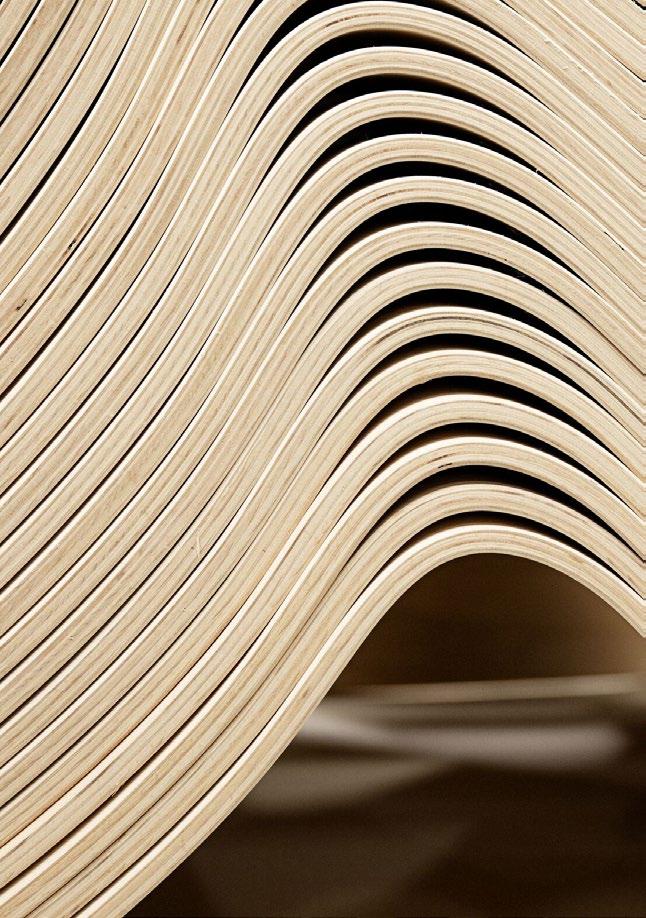
Conserving natural resources is crucial. It’s an important part of Kinnarps’ identity and a prerequisite for all sustainable operations. In other words, we take responsibility all the way from choosing the right raw materials to finding the right manufacturing procedure – for the sake of our planet.
Definition
The materials we use in our products, and how they are manufactured, has a huge significance for our environmental impact. It’s also important that we use these materials efficiently and minimise waste, in order to reduce the consumption of natural resources.
Materials used in our production
The diagram shows the proportion of material procured on the basis of its procurement value.
PLASTIC METAL
CHEMICAL PRODUCTS TEXTILES
Long and complex supply chains
The extraction of raw materials and the manufacturing of materials are part of a complex global context. For us as an individual operator, it’s a huge challenge to trace the origin of raw materials such as oil, plastic, ore and metal, and monitor the conditions under which they were produced. It’s much easier for us to influence our direct suppliers. Longer supply chains are more complicated to map, as we do not have the financial relationship with the suppliers, which also means that we have less ability to influence them. For the same reason, it’s challenging for us to influence the efficiency of material
Strategy
use in the supplier chain.
Wood is unique in that there are good traceability certifications and this is why we have set particularly high targets in this area. But the availability of certified wood is limited at the best of times and has declined even further as a result of the war in Ukraine. Nor is it enough for the wood to have traceability certification –it also needs to meet our high quality requirements.
Material requirements and resource efficiency
MATERIAL REQUIREMENTS
We stipulate that all our suppliers sign up to accept and comply with the requirements specified in our Code of Conduct in relation to social conditions and environmental considerations during production, and that they forward these requirements up the supply chain. We insist that all articles we procure must meet material requirements based on the criteria in the relevant ecolabels. We also obtain information about the country of manufacture and have procedures for monitoring the origin of all wood raw material. We do not accept wood from forests with high conservation values, areas which have been converted from natural forest into plantations, or forests where there are ongoing social conflicts. Our units in Kinnarp, Skillingaryd, Tranås and Vinslöv all have FSC Chain of Custody traceability certification. FSC labelling is a guarantee that the raw material comes from
environmentally-adapted, socially responsible and economically sound forestry.
RESOURCE EFFICIENCY
We are constantly working to streamline our production processes and material utilisation in order to reduce waste. We have made major investments in the Skillingaryd factory, in order to increase the utilisation rate of textiles with more precise cutting. Of the waste that still arises, we sort out polyester fabrics that, together with recycled PET bottles, are used for the sound-absorbing material Re:fill in new products. In addition to this, we’ve invested in an efficient level laser for our factory in Jönköping, which reduces sheet metal waste by 15 percentage points.
With the help of a cyclone in the powder coating of metal components, we can make use of overspray of powder paint and reuse approx. 80% for lacquering
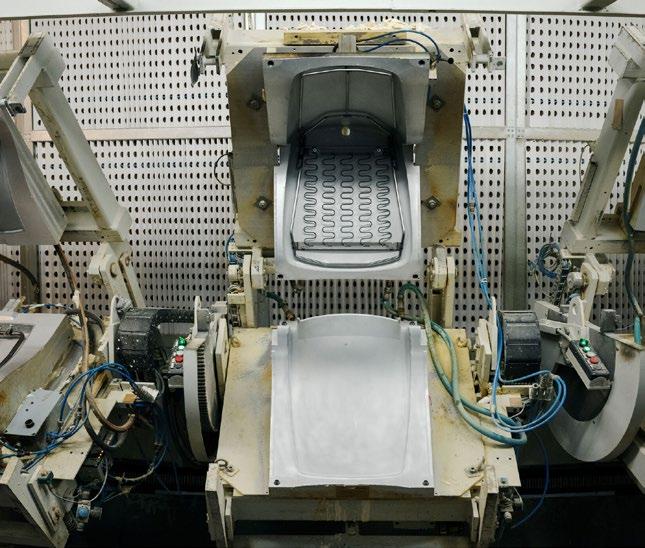
again. In Skillingaryd, we cast the plastic shells for the Leia chair, and when we change the colour in the machines, for example, some of the shells may get discoloured or acquire other blemishes.
Because the quality and strength are the same, we use these shells in upholstered seats instead of throwing them away, which saves both material and energy.
In our Vibe screen series, we use an absorbent material that consists of 60% recycled material. By joining the panels of the material, we have been able to optimise material utilisation by as much as 19%.
During the year, we changed the thickness of the top of our pedestals from 19 mm to 22 mm, which allows
us to use waste from table production. In this way, we can increase material efficiency and use around 7,500 m2 of chipboard for products instead of creating waste, every year.
Foam casting of chairs at our factory in Skillingaryd.
The materials we use most
WOOD
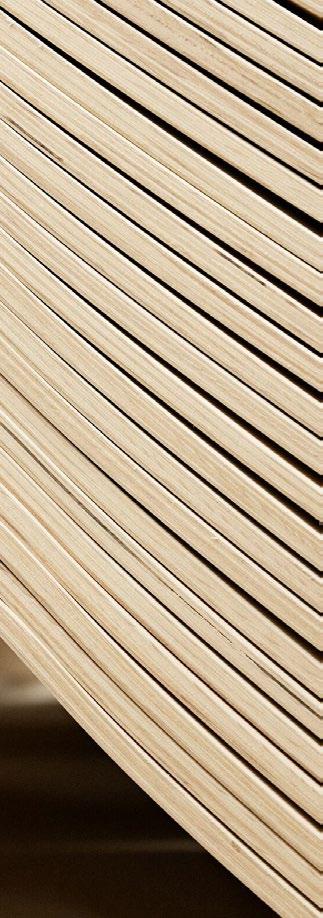
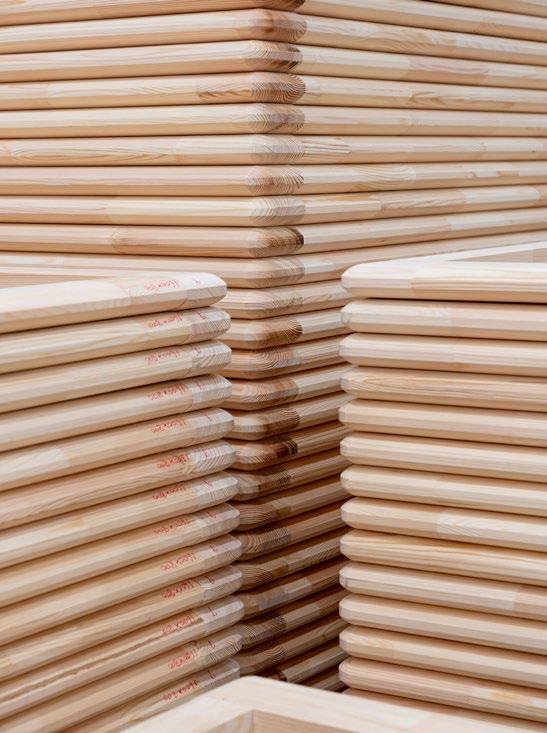
We only use certified wood or wood whose origin we have checked with regard to tree species and source country. Our assortment includes 140 different ranges with FSC–labelled products. Resource utilisation of veneer is optimised by planking the material.
TEXTILES
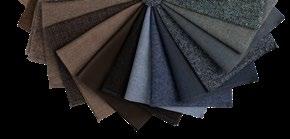
We offer durable and natural materials, such as wool from Norway and leather from Scandinavia, but also work with artificial fibres. In our standard range, we have several fabrics that consist entirely or partly of recycled fibres. We require all the wool we use to be mulesing-free. 94% of the fabrics in our assortment have OEKO-TEX® or EU Ecolabel certification, which means that they’ve been made with consideration for the environment and health. We use an automated program for fabric cutting, which optimises usage and reduces waste.
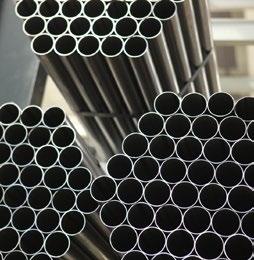
METAL
We use recycled metal as much as possible with regard to availability and quality requirements, including steel and aluminium. We require chrome-plated details to be produced using trivalent chromium, which has better environmental and health properties than hexavalent chromium.
PLASTIC
We have our own die-casting facility for padding at our factory in Skillingaryd. This gives us complete control over the material, and we can use the isocyanate MDI instead of the more prevalent but health-hazardous TDI. We also manufacture plastic components in Skillingaryd, where many details are made from recycled plastic. The plastic granulate that we purchase mainly comes from Europe.
ELECTRONICS
We have made it a requirement that ’conflict minerals’ must not be included in electronics. We aim to ensure that we do not use electronics containing tin, tantalum, tungsten or gold that has been extracted illegally, or whose extraction helps to violate human rights or support conflicts.
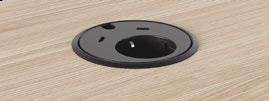
CHEMICAL PRODUCTS
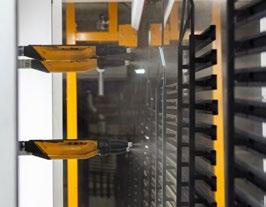
We use chemical products such as glue and lacquer in our production and make sure they meet the requirements of the relevant ecolabels. The chemical products we use are produced in Europe.
Long-term objectives
Our goal is for all raw materials in our products to be traceable and from responsible sources. All raw wood materials should be FSC certified or recycled, and all materials should be used in an even more resource-efficient way. This goal is linked to the UN’s Sustainable Development Goals 9 and 15, ‘Sustainable industry, innovations and infrastructure’ and ‘Life on land’.
Proportion of certified wood raw material in total wood raw material procured*
ANALYSIS
* Procurement of wood raw material for our own products manufactured in Kinnarp, Skillingaryd, Tranås and Vinslöv.
The proportion of certified wood we purchased increased during the year from 98% to 99%. During the year, we have started to buy FSC-labelled material from two additional suppliers. Currently, all our major suppliers deliver FSC-labelled materials. What remains are some smaller suppliers for which a player in the supply chain is not traceability certified. We also buy individual components where the availability of FSC-labelled raw materials is very limited, as well as certain components where we need to buy very large quantities in order for the material to be traceability-certified. For this reason, the last percentage points have proven to be difficult to reach, but not impossible. So in order to achieve our target, we’re encouraging our suppliers to obtain traceability certification. The goal of purchasing 100% traceability-certified wood raw material remains unchanged for the next five-year period.
2030 Goal
All
Textile resource utilisation*
ANALYS IS
The utilisation rate for the year was 85.29%. We are thus above our 2025 target of 85%. Going forward, we will continue to optimise the machines and software and continue to look for innovative solutions to address the waste that is inevitably produced. There are two primary factors that affect the utilisation rate: which patterns the fabric is to be cut out in and what the day’s mix looks like. In other words, how many equivalent products are to be manufactured in accordance with our client order-controlled system.
In our ambition to continue streamlining the upholstery process for the Vibe screen series, we collect several days’ worth of small orders and then run them simultaneously. This saves time and reduces the amount of fabric needed.
2030 Goal
The utilisation rate of textiles should be at least 85%.
Metal resource utilisation*
When deciding on new fabrics, we try as far as possible to ensure that the fabric has the same width so several fabrics can be cut together without extra waste. Leftover waste fabric is reused in our Re:fill padding material or sorted out for recycling.
* Produktionen i Skillingaryd
2030 Goal
The utilisation rate of metal should be at least 87%.
ANALYSIS
At the factory in Jönköping, we process metal and purchase raw materials such as sheet metal, tubing and coils, which are converted into components for our products. Today, we have a total utilisation rate of 84%. Our analysis shows that sheet metal has the greatest potential for improvement. Much of the waste arises from laser cutting, where the utilisation rate is currently 60%. Here we see great opportunities for optimisation. For metal tubing, we already have a high utilisation rate of 94%, but we still see potential for improvement. By adjusting order lengths, cut dimensions and tolerances, we can further reduce the amount of scraps. When it comes to coils, we already use formats and widths that are adapted to minimise waste. Our focus is therefore on maintaining our current high efficiency levels.
* Production unit in Jönköping
Climate
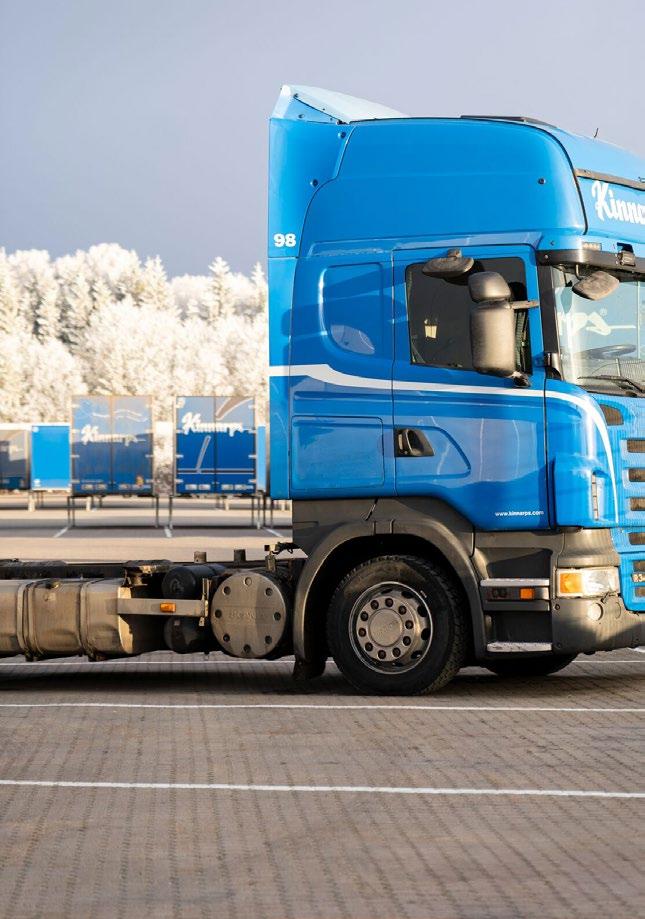
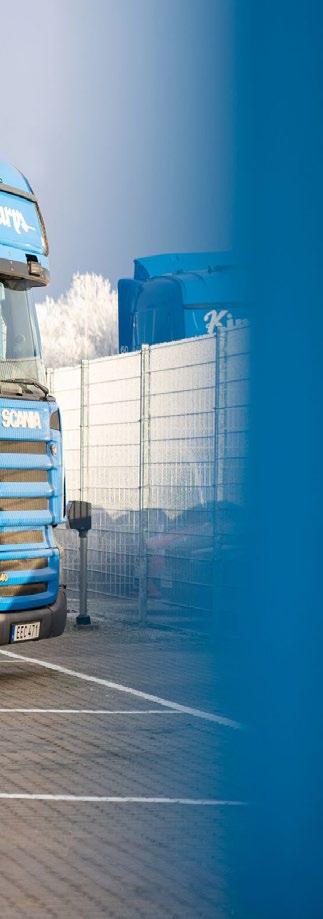
Fossil fuels are the largest source of carbon dioxide emissions. This is why we are particularly proud of our logistics system, which is partly powered by fossil-free fuel and also packed in a more climate-smart way – with blankets that are reused, resulting in less transportation and less waste management. In addition to this, we are also working to become more efficient in everything from material extraction to energy use.
Definition
The global climate goal means that global warming should be limited to less than 2 degrees, and preferably stop at 1.5 degrees. Achieving this climate goal requires concerted efforts from all sections of society. In our case, climate impact arises primarily during the extraction of raw materials, production and transportation.
THE GROUP’S CLIMATEIMPACTING EMISSIONS ACCORDING TO THE GREENHOUSE GAS PROTOCOL
Profitable climate investments
We have long worked on energy efficiency improvements in our operations, and have continuously identified and eliminated unnecessary consumption and energy leakage. But after many years of persistent work, most of the financially justifiable measures have been implemented. There are still some minor actions that have a limited impact or measures that require major investments.
On the transport side, our efforts to use more fossil-free alternatives are hampered by geographically limited supply and availability. We also see the need for longer-term political ground rules that help to make renewable fuels more competitive with fossil fuels. When it comes to the electrification of trucks, there are
Climate-optimised transportation and energy auditing Challenge Strategy
TRANSPORTATION
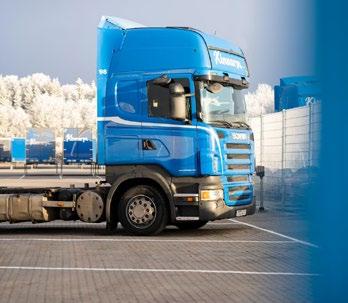
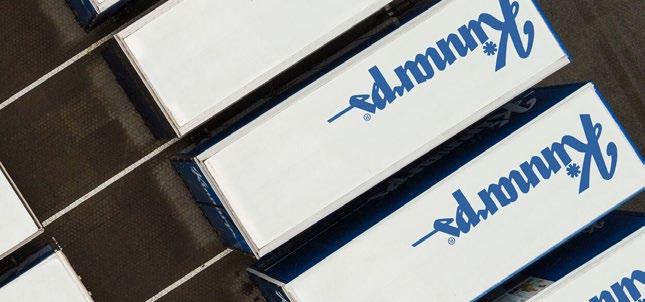
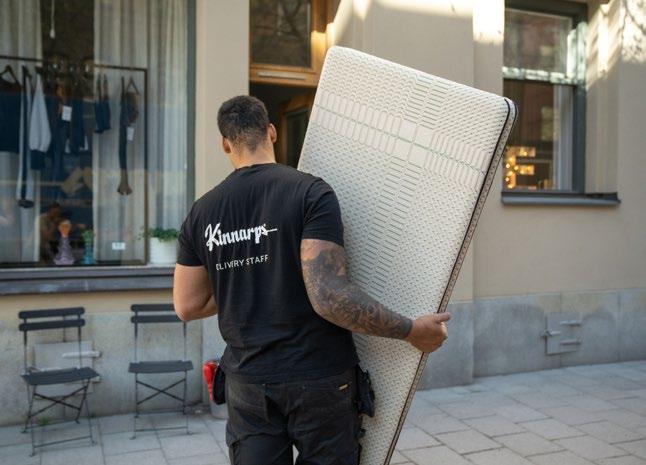
We have our own logistics system that is unique in the industry. Instead of single-use boxes, we use blankets to protect the products in transit. We have been developing this methodology since 1959. The blankets and cardboard are then taken back to be reused for subsequent deliveries. This saves us and our clients about 270kg of packaging per trailer. This method of packaging our products makes it possible to fit in 50% more furniture per shipment, as we can avoid transporting unnecessary air. So when others need up to three trucks, we manage with just two. This increases efficiency and reduces the number of shipments, and ultimately the climate impact.
Our vehicles are also optimised for maximum load volumes in accordance with European standards. The vehicles are lower, which means that we have a larger
challenges regarding range, charging infrastructure, charging times and the size of the batteries in the vehicles making it difficult to operate our volume-optimised trailers. The decision to allow High Capacity Transport (HCT) on Swedish roads is positive, but because the roads currently approved for this purpose are still relatively few, it hampers the possibility of utilising it more.
Furthermore, we see major challenges in relation to climate-enhancing measures in our supply chain, where our ability to influence is also significantly lower.
internal loading height and loading length in our swap bodies to be able to load more furniture. Our drivers have been trained in eco-driving and our trucks are equipped with driver assistance that measures driving behaviour, which has helped us to reduce average fuel consumption. At our filling station in Kinnarp, we refuel using Nordic Swan Ecolabelled HVO with 100% renewable content. This results in 90% fewer greenhouse gas emissions compared to fossil diesel. En route, we refuel using HVO wherever it is available. All in all, this means that a shipment in our blue trucks emits 80% less carbon dioxide per product than conventional transportation using normal diesel.
Our own logistics system includes the transport of products from the brands Kinnarps, Drabert, MartinStoll, Skandiform, Materia and NC. This reduces the number
DHEELS - INNOVATION FOR HIGHER EFFICIENCY
We are participating in Vinnova’s project DHEELS (Demonstrating Highly Efficient Logistics Solutions). As part of the project, we’re driving our trucks with three containers instead of two on certain routes, which has enabled us to reduce the number of transports between our factories.
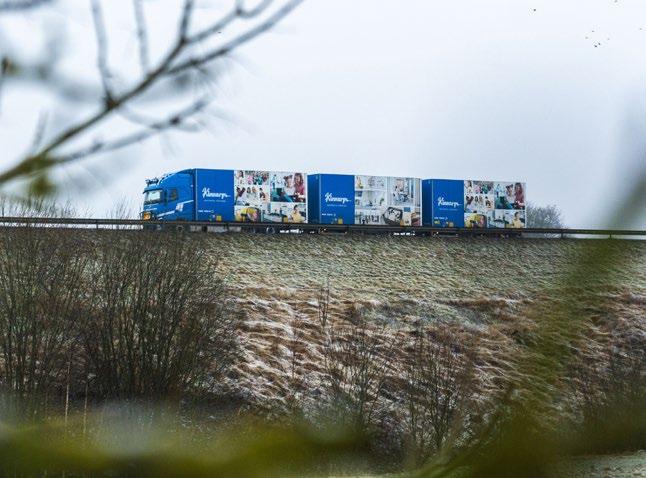
of shipments and thus carbon dioxide emissions as well, while at the same time making life easier for our clients, as we can deliver a complete solution in just one delivery. Since the concept was expanded to include products from Skandiform, Materia and NC, we have also been able to reduce the use of packaging boxes by around 90 tonnes per year thanks to packing with reusable blankets and cardboard sheets instead of single-use packaging. After each delivery, we then load the trucks with materials from our suppliers, which means that we use the transport capacity in both directions.
We are participating in the project “Demonstrating Highly Energy Effective Logistics Solutions” (DHEELS) to further streamline our logistics system by driving longer vehicle combinations with two trailers instead of one. This means that we can add an additional container and thus increase the load volume by 50%. It also results in 20% lower CO2 emissions. This has enabled us to reduce shipments between our factories by one trip a day. During the year, our vehicle combination was approved to drive on the parts of the Swedish road network that allow transports of up to 34.5 metres. This makes
for more efficient transport, but we still see a need to open up more routes for this type of vehicle to further strengthen efficiency.
We are continuously investing in new, more fuel-efficient vehicles, gradually increasing our vehicle fleet’s fuel-efficiency. We’re in discussions with vehicle manufacturers about electric and hydrogen-powered trucks in order to find alternatives that will work in our logistics system. In the short term, until the development of alternatives has come further, we see fossil-free fuels used in conventional combustion engines, such as HVO of renewable diesel, as the best solution to keep our total emissions from heavy transport down. For passenger cars, we acquired several new electric cars during the year, especially in the sales force, which reduces our need for fossil fuels. For example, all company and carpool cars in Norway are now electric.
We have truck containers that are certified for the railway and we are in discussions with carriers so that our intermodal freight operations can function better and eventually make better use of the railway in our flows.
When others need up to three trucks...
...we manage with two.
Thanks to our specially designed trucks and the fact that we pack the containers like a puzzle, using blankets instead of single-use packaging, we achieve a 50% higher load capacity. This means that we can manage with two trucks where others would have needed three.
PRODUCTION AND PREMISES
Our energy consumption is greatest at the production plants in Kinnarp, Jönköping and Skillingaryd. We’ve therefore carried out energy audits to identify the potential for energy efficiency measures. We work continuously to make lighting more efficient, optimise ventilation and identify air leaks from compressors.
We aim to use more energy from fossil-free sources or energy sources with a lower climate impact. As part of these efforts, we have replaced a large part of the LPG used in production at our factory in Jönköping with district heating, which has a considerably lower climate impact. This change of energy source saves about 500 tonnes of CO 2 per year. At our production unit in Kinnarp, we also recycle wood waste for briquettes that heat the factory with fully renewable energy.
At our facility in Skillingaryd, we’ve also installed a production line for manufacturing plastic components, which means that we can insource more production, thus reducing transportation in the production chain. Hot water is used as a heat source, which in turn consumes less energy than traditional electrical coils.
PRODUCTS AND MATERIALS
Longevity plays a crucial role in a product’s climate impact over time. The longer the product can be used, the lower the climate impact is from a usage perspective. That’s why quality and the possibility to extend the life of products are of the utmost importance. Read more about how we work with this on page 62
We use Environmental Product Declarations (EPDs) to map and evaluate where in the product’s life cycle the climate impact is greatest and, for example, identify which material choices we can make to reduce our climate footprint. An EPD uses a scientific and third party-audited method to show the environmental impact of our products.
We work continuously to reduce the climate impact associated with products and materials. During the year, for example, we changed out the type of plastic in a component from PA6 to recycled PP, which reduced the carbon footprint of the component by no less than 86%. In Jönköping, we have insourced the production of legs for several of our table series. By manufacturing the legs in-house, we can streamline transport and ensure that production takes place in the most energy-efficient way possible. This will increase our own energy consumption somewhat, but across the entire value chain, it will reduce energy requirements and thereby also the climate impact. In Kinnarp, we have introduced bio-based lacquer on certain wooden details in our range. The lacquer is partly based on renewable raw materials from plants instead of fossil raw materials and means a reduction in carbon dioxide emissions of approx. 1.5 tonnes per year. We plan to introduce more bio-based lacquers in the coming years, which is expected to reduce the carbon footprint further. We have also introduced bio-based PUR foam on some Materia and Skandiform products. This is a material that through mass balance systems helps to reduce carbon dioxide emissions from the foam by about 80%.
SWEDISH PRODUCTION MAKES A DIFFERENCE!
A 2-seater module of our Gino sofa generates 4.2 kg CO 2e during production. If we had instead produced in Poland, which has a high proportion of fossil energy, it would have generated 35.2 kg of CO 2e - more than 8 times as much! (Based on EPD data for life cycle stage A3, manufacturing)
Long-term objectives
We aim to halve our greenhouse gas emissions by 2030 and reach net zero emissions by 2050. We’re also working continuously to improve energy efficiency in all our operations and to use more energy from fossil-free sources. This goal is linked to UN Sustainable Development Goals 7 ‘Sustainable energy for all’ and 13 ‘Action to combat climate change’.
GHG EMISSIONS (TONNE CO 2 E)
Our long-term climate goals aim to contribute to achieving the goals of the Paris Agreement. These goals include our greenhouse gas emissions according to the market-based method and follow the principles of the GHG Protocol. Scope 3 includes emissions from purchased goods transport and business trips using personal cars. During the year, both the base year and the outcome were adjusted in accordance with the GHG Protocol due to the acquisition of Kinnarps Finland and correction of previously identified errors in the calculation basis. These adjustments ensure a more accurate and comparable
over time.
PROPORTION OF FOSSIL-FREE ENERGY
ANALYSIS
The proportion of fossil-free energy in our operations landed at 78% during the financial year, exceeding our target of reaching 75% by 2025. This is an increase compared to the previous year, which is mainly due to a higher proportion of fossil-free fuels. At our filling station in Kinnarp, we refuel using HVO with 100% renewable content. We also refuel using HVO where available along our routes, but availability is limited in some markets. The number of electric cars in our vehicle fleet has continued to increase during the year and is expected to continue to increase in the future. We are also in active dialogue with vehicle manufacturers to investigate the possibilities of introducing electric and hydrogen-powered trucks into our logistics system.
The majority of the electricity and heat we use is fossil-free, and we are continuously working to find fossil-free alternatives in places where we still use gas or oil for heating. Thanks to long-term and systematic work on making energy efficiency improvements, we have also managed to reduce our total energy consumption compared to the previous year. We are now setting a new 2030 target that at least 85% of energy will be fossil-free.
2025 GOAL (75%)
2030 GOAL (85%)
The proportion of fossil-free energy should be at least 85%.
EMISSIONS OF CARBON DIOXIDE EQUIVALENTS FROM GOODS TRANSPORTS (G/TONNE KM)*
ANALYSIS
Compared to our base year of 2019, we have managed to reduce carbon dioxide emissions per tonne-kilometre by no less than 69% and are therefore very close to reaching our target of 70%. We have achieved this reduction by making transport more efficient and using a large proportion of fossil-free fuels. By increasing the number of transports with longer vehicle combinations, i.e. three containers instead of two, we have been able to transport more products with fewer trucks and reduced carbon dioxide emissions.
Having a more fuel-efficient vehicle fleet has also affected efficiency. During the year, we started refuelling using Nordic Ecolabelled HVO with 100% renewable content at our filling station in Kinnarp. This new fuel cuts greenhouse gas emissions by 17% compared to the renewable fuel we used previously, and by as much as 90% compared to conventional diesel. Climate impact from our transportation continues to be an important goal for us, which is why we are now setting a new 2030 goal to reduce carbon dioxide emissions by 80% compared to the base year of 2019.
We have taken major steps so far. In the future, the availability of both HVO and approved roads for HCT will be a decisive factor in our ability to achieve our goal.
* Transportation with Kinnarps’ blue trucks
Reduce
EMISSIONS OF CARBON DIOXIDE EQUIVALENTS (TONNES/MSEK)*
ANALYSIS
Since our base year of 2019, we have managed to reduce carbon dioxide emissions per SEK sold by a whole 51%, thus exceeding our target. We have been able to achieve this reduction through energy efficiency improvements in our premises and transport, as well as by using more fossil-free energy.
In recent years, we have insourced the production of a growing number of plastic and metal components to our factories, yet managed to keep our emissions down. We have also expanded our logistics concept to transport all the Group’s brands. This involved replacing external transportation with internal and transporting larger volumes in our own trucks.
Thanks to our efficient transport and high proportion of fossil-free fuels, we have nevertheless been able to reduce emissions. During the year, we acquired Kinnarps Finland, and the base year was therefore adjusted in accordance with the GHG Protocol.
* Production in Kinnarp, Jönköping, Skillingaryd, Tranås, Vinslöv and sales subsidiaries.
Reduce CO2 emissions per SEK traded by 60%.
Pure materials
Since our furniture is used in spaces where children and adults spend much of their lives, it’s particularly important that our products do not contain harmful substances that adversely affect their health and wellbeing.
Definition
Furniture may contain substances that have a negative effect on the environment and public health. These substances may be present in the raw material from the start, or may be added during the manufacturing process. The substances may have an effect either via direct contact or via dispersal in the air.
CHEMICALS IN THE FURNITURE INDUSTRY
WOOD
Both glue and the wood itself may contain formaldehyde. Surface treatments may contain aromatic solvents, volatile organic compounds (VOC), carcinogenic, mutagenic and reproductive toxic substances (CMR), particularly hazardous substances according to the EU’s chemicals legislation REACH (known as SVHCs) and allergenic substances.
TEXTILES
May be treated with a variety of environmentally and health-hazardous substances such as flame retardants, phthalates and other plasticisers, formaldehyde, dirt and grease repellents, toxic dyes, heavy metals and SVHCs.
ELECTRONICS
Often contain flame retardants and may contain PVC plastic.
PLASTIC AND PADDING
May be treated with flame retardants, phthalates and plasticisers. Plastic can also consist of PVC and both plastic and padding can contain heavy metals, chlorinated paraffins and SVHCs.
METAL
Can be surface-treated with a range of environmentally and health-hazardous substances such as chromium 6, aromatic solvents, substances with high VOC content, CMRs, SVHCs and allergens.
Materials that meet both environmental and quality requirements
Chemicals are needed in products to create highquality materials and surfaces that are resistant to wear. These properties in our products are essential in high-traffic spaces that need frequent cleaning and disinfection, such as hospitals, schools and restaurants. But these types of chemicals do not always meet the
requirements of the leading ecolabel systems, and more eco-friendly alternatives are often less suitable for use in demanding environments. Our greatest challenge is therefore to develop surface treatments that meet strict environmental and quality requirements.
Strategy
Stricter requirements through product labelling
In order to ensure that our products do not contain unnecessary chemicals, we set requirements for all constituent materials and components. These requirements are based on the labels included in our ecolabelling policy: EU Ecolabel, Möbelfakta, GS, NF Environnement, NF Office Excellence Certifié and FSC, and cover all substances mentioned in the definition in the previous section. We’ve also carried out emission measurements for certain products as per the requirements in M1, Indoor Air Comfort and ANSI/BIFMA. These measurements show good results, with very low emissions. We have developed and improved our staining method for improved disinfection resistance. Stained tables and storage units can be wiped clean with disinfectants and then water without damaging the surface, which means that the products meet strict quality requirements and last longer.
CHEMICAL PRODUCTS
The chemical products we use in manufacturing are paint, glue, oil and detergents. Their use is monitored by means of a chemical management system at all our production units. This includes safety data sheets and updates in accordance with the REACH candidate list. We work continuously with the substitution of chemical products and substances, and conduct risk assessments within the framework of our systematic HSE management. During the year, we replaced a cleaning agent for the UV coating rollers with one with a significantly lower VOC content. This has resulted in a reduction in VOCs of almost two tonnes.
PLASTIC AND PADDING
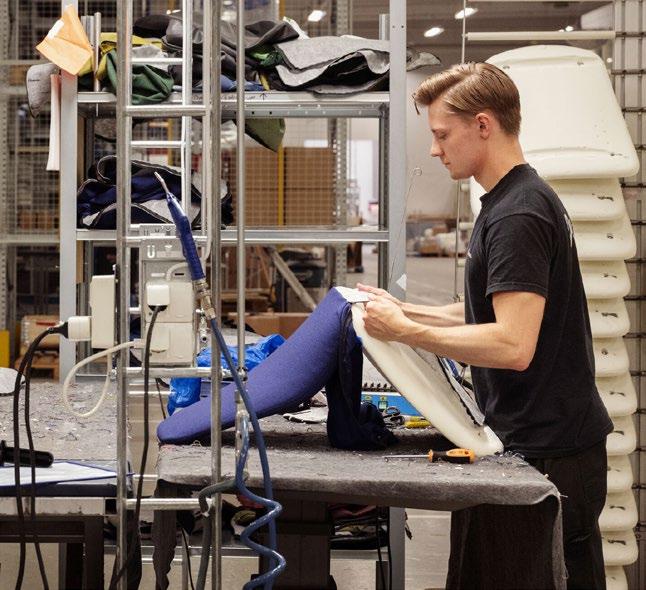
Parts of the padding we use are moulded in-house and we have eliminated the hazardous isocyanate TDI. All foam is also free from flame retardants. The padding that we do not mould in-house is either audited or labelled with OEKO-TEX®, which guarantees that the material meets stringent environmental and public health requirements. We stipulate that all plastics used in the Group’s furniture should be free from Bisphenol A and phthalates.
WOOD
Glue containing formaldehyde is used in the manufacturing of chipboard. All our chipboard meets the requirements corresponding to half of the European 1 standard, which means a very low emission of formaldehyde. For surface treatments, we primarily use water-based lacquers with zero or low solvent content. At the factory in Kinnarp, tables and storage units are surface-treated with UV lacquer, which ensures very low VOC emissions. We have also started testing fossil-free and renewable lacquers on certain products, which further reduces the environmental impact from production.
METAL
Hexavalent chromium is allergenic and carcinogenic, which is why we require that trivalent chromium is used instead. Powder lacquer is used for the surface treatment of metal, as it is VOC-free and also complies with ecolabelling requirements.
TEXTILES
The fabrics in the Kinnarps Colour Studio range are free from flame retardants and toxic dyes. Instead, we use wool, which is naturally flame-retardant, or polyester fabrics with a flame-retardant fibre construction. 94% of our fabrics have either EU Ecolabel or OEKO-TEX® certification. Our leather is vegetable-tanned without heavy metals.
ELECTRONICS
Electronics can contain metals and chemicals which can cause environmental and health problems. We stipulate that our suppliers must always comply with the RoHs directive, which restricts or prohibits the use of certain heavy metals and flame retardants in electronics. Lead, mercury, cadmium and hexavalent chromium, as well as the flame retardants PDD and PBDE, are prohibited.
Long-term objectives
Our goal is to create working environments with fewer chemicals and free from any materials classified as harmful to public health or the environment. This goal is linked to the UN’s Sustainable Development Goal no. 12 ‘Responsible consumption and production’.
ECOLABELLED PRODUCTS*
ANALYSIS
A significant proportion of our range is currently ecolabelled with type 1 labels such as Möbelfakta, NF Environnement and NF Office Excellence Certifié. By working systematically with ecolabels, we ensure that the requirements placed on our products are relevant, up-to-date and stringent. The ecolabels also mean that the products undergo independent control, which strengthens transparency and credibility towards our customers and stakeholders. Regardless of whether we label the products or not, we set requirements that the materials and components they consist of must meet our environmental requirements. We verify this through our Kinnarps Evaluation System tool. Our primary focus is on labelling new products, but we also work in parallel with labelling the existing range where relevant.
* Products in our own range
2030 Goal
The proportion of ecolabelled products in our Group range must be at least 80%.
Social responsibility
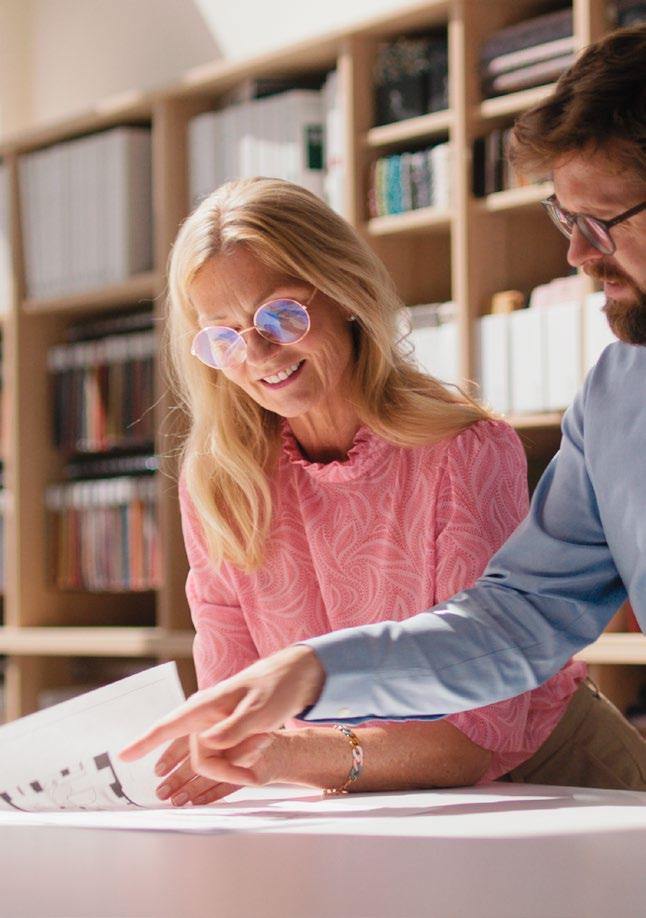
It is self-evident to Kinnarps that all our employees should have decent working conditions, and our goal is to have verified and good working conditions throughout our value chain. This naturally applies not only to Kinnarps internally, but also to all of our external partners worldwide.
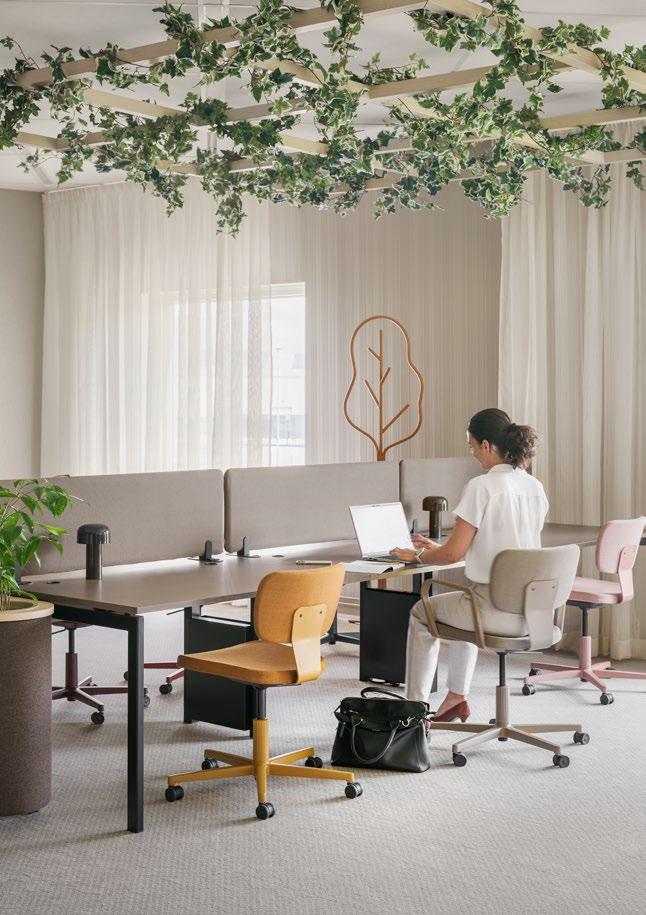
Social responsibility means that the employer should offer a good working environment, good working conditions and a living wage. It also means taking responsibility for the society in which we operate and counteracting corruption, as well as striving for a good local environment and respecting human rights. Our social responsibility covers not only the employees in our own operations, but also the people who work for the suppliers in our supplier chain.
KINNARPS WORLDWIDE
Ensuring compliance with our requirements
We know from experience that it’s not enough just to specify our requirements.
We also need to follow up and ensure that our suppliers are actually complying with our requirements. It’s easiest for us to influence our direct suppliers, while longer supplier chains are difficult to monitor, since we lack the necessary financial relationship. In order to monitor further down the chain, we need to have an agreement with the direct supplier.
One challenge for our organisation is to create a diverse workforce, and make full use of the skills in our organisation and in society at large. Another challenge is to offer all employees in the Group the same high level of working environment.
Follow-up of our own and our suppliers’ operations
OUR OWN OPERATIONS
Our code of conduct describes our principles in the areas of human rights, labour rights, environmental practice and anti-corruption. The Code, which was updated during the year, is based on the company’s core values and the ten principles of the UN Global Compact. All units and employees in the Group have a duty to respect and comply with the Code of Conduct. We have a whistleblowing system that enables anonymous reporting of violations of the Code without the risk of retaliation for the whistleblower.
During 2025, we have received and dealt with one such whistleblowing incident. Our rules of conduct concerning gifts and benefits are also made clear in our entertainment policy and in our procedures.
Kinnarps has collective agreements covering all employees in Sweden, France, Finland and Belgium, as well as parts of the workforce in Denmark and Germany. This means that 81% of the Kinnarps AB Group’s employees are covered by collective agre -
ements. On the worker side, the corresponding figure is 100%. In Norway, Kinnarps follows agreements between Norges Hovedorganisation (NHO) and LO on a voluntary basis. Trade union collaboration at Kinnarps includes continuous dialogues with the trade unions for the various agreement areas in which Kinnarps has employees. In addition to those governed by legislation, issues that are dealt with also include reviews of the working environment, employee wellbeing, pay policy, pay surveys, diversity and inclusion, as well as input regarding the development of the company in the short and long term.
During the year, we conducted an employee survey that covered the areas of leadership, goal fulfilment, personal development and competence, participation and work situation, and wellbeing. The results have been processed in each department with the aim of making development potential visible and possible in the groups.
100% of our production units have ISO 45001 health & safety certification.
DIVERSITY AND INCLUSION
The Kinnarps AB Group has a group-wide diversity policy which stipulates that Kinnarps starts from a fundamental position of the equal value of all people and that everyone should be treated with respect and dignity, regardless of human differences. Accordingly, we have zero tolerance for any form of harassment or victimisation that may occur in the workplace or in work-related situations. Kinnarps has conducted a survey of diversity and equal treatment in the workplace based on employee statistics, results from a survey, and documentation analysis of the company’s policies and procedures. Based on this result, we have developed a diversity plan with goals and actions. The initiatives carried out include anti-victimisation training courses for managers and safety representatives.
During the year, we joined forces with Dalénium and Falköping Municipality to run a summer course for girls interested in STEM subjects in order to offer more girls the chance to try out STEM professions and learn more about future STEM jobs and training paths.
Kinnarps also conducts an annual pay survey to ensure there are no unfair gender pay differences. We work with skills-based recruiting and other initiatives to ensure a more even gender balance and to give employees the opportunity to develop their skills.
COMPETENCE
With the right skills, we create security and motivation among our staff and give them the capability they need to do their work effectively. We work with controlled skills development to ensure each employee has the skills to match their job description, and to enable us
AGE:
to meet the requirements and needs of our business. Once a year, all employees should have a performance appraisal with their manager to identify any skills needs etc. The implementation of skills-enhancing activities can take place via physical training, apprenticeship, digital training via webinars, e-learning, nano-learning or self-directed learning.
Since 1980, Kinnarps has collaborated with Falköping Municipality to run a business-based upper secondary education programme in the form of an industry programme. Every year, we have the opportunity to receive 16 students with the aim of training competent and technically skilled individuals with a good feel for wood as a material. These students form a good recruitment base for the wood industry, both for Kinnarps and for other industry operators in our region.
During the year, we offered a course in industrial Swedish in Skillingaryd together with Campus Värnamo. The course is aimed at employees with shortcomings in Swedish and focuses on the language used in daily work. The initiative strengthens the participants’ work opportunities and contributes to increased inclusion and skills supply.
WORK ENVIRONMENT AND SAFETY
We work systematically with health and safety at our units, and all production units within the Group are health and safety certified according to ISO 45001. We carry out risk assessments and inspections to prevent accidents and near-accidents. Our greatest risks are related to falling objects, crushing injuries and falls from tripping or slipping, as well as stress during work peaks.

We systematically record and investigate accidents and near-accidents, and implement measures to ensure that the incident does not happen again. This work was further enhanced during the year through training for managers and health and safety representatives on how to carry out a good risk assessment.
During the year, we have worked on strengthening fire protection at our production units. Among other things, we have carried out a fire protection inventory in which we have reviewed operations and identified areas for improvement to minimise the risk of fire occurring. We have also clarified and communicated procedures for how to carry out hot work in order to further strengthen fire protection work. Respiratory protection is required in certain areas of production to ensure a good working environment. All employees working in such areas have undergone an individual test to ensure that the respiratory protection seals tightly and is adapted to the activity.
We are also working to raise awareness of the importance of reporting all incidents, large and small. Through these measures, we are actively working to create an even safer working environment for all our employees. Incidents occur primarily in our production units, where relatively large amounts of material are handled manually. The majority of incidents are minor events that do not lead to absence.
Our health and safety work is carried out in collaboration with the health and safety organisation. Kinnarps has a collaboration plan that outlines how Kinnarps works to ensure consultation and participation with employees and/or employee representatives in the health and safety area. Collaboration takes place, for example, via a working environment collaboration meeting, working environment committee, risk assessments and inspections.
NUMBER OF EMPLOYEES: NUMBER OF MANAGERS:
THE SUPPLIER CHAIN
We stipulate requirements for all our suppliers through our Supplier Code of Conduct. In this Code, we clarify our expectations and requirements of the supplier in connection with human rights, working conditions, the environment and anti-corruption. The Code was revised during the year and is based on the ten principles of the UN Global Compact. Through the Code, we also support the ILO Core Conventions, the OECD Guidelines for Multinational Enterprises and the UN Guiding Principles on Business and Human Rights. Although Kinnarps’ Supplier Code of Conduct sets higher requirements than national regulations, legislation or standards, we require the supplier to respect and comply with the Code. In addition to these basic requirements, we also set material-specific requirements, based on ecolabelling, for the material they supply to us.
RISK ASSESSMENT
We have mapped and compiled an overall risk analysis concerning social responsibility in the supplier chain, which aims to show which general risks may be present. The overall risk analysis compiles information from several different sources, both company-specific and publicly available sources, and conducted risk analyses in the industry.
The conditions in the country where the raw material is extracted or manufactured are of great significance to the level of risk. In cases where raw material extraction or production takes place in countries with ineffectual judicial institutions and limited legal certainty, the risk to human rights, working conditions, the environment and anti-corruption is assessed as high. The complexity of the supply chain also affects the risk of nonconformities, and longer and more complex chains are considered to involve a higher risk. At the raw material level, traceability is limited and thus the risk tends to increase farther down the supplier chain.
The risk of violations of human rights and working conditions depends to a large extent on the country in which the production takes place. In forestry, there is a risk that wood has been harvested illegally. The illegally harvested timber can eventually end up in legal trade flows through smuggling. The supply chain for electronic components is often long and complex and includes numerous subcontractors. The supply chain for textile materials differs depending on the type of material used, but even here, there can be a high risk. There is a high risk in the areas of human rights and workers’ rights in both the production of raw materials and in manufacturing. There are particularly high risks in the extraction of so-called
conflict minerals. Physically demanding extraction may entail an elevated risk in terms of working conditions and health and safety, and manufacturing involving heavy chemical use may pose a high risk to health and safety. Both raw material extraction and manufacturing can cause environmental damage such as carbon dioxide emissions, chemical exposure, pollution and illegal logging. The risk is affected by the type of activity and environmental protection in the country of manufacture. The risk of corruption largely depends on the country in which the activity takes place.
To assess the risks in our current supply chain, we conduct risk assessments at the supplier level using a risk assessment system. Based on information about the geographical location and the suppliers’ sustainability work, suppliers are assessed based on internationally recognised risk indices. If necessary, additional information is requested. The risk analyses show that there is an elevated risk linked to a number of suppliers, who together account for 3% of the purchasing volume.
FOLLOW-UP AND ASSESSMENT
In cases where we deem there to be a greater risk of failure to fulfil the requirements in our Code, we conduct an on-site audit at the supplier’s premises. If deviations are identified during the supplier audit, the supplier draws up an action plan to rectify the deviation. The supplier’s action is then followed up by evidence and verifications or on-site visits. Any deviations need to be remedied in order for us to initiate or continue with a partnership, and if the supplier refuses to address our criticisms, we will terminate the relationship.
All suppliers of materials and components who have been assessed as having an elevated risk have been followed up with an audit. This means that 100% of our suppliers of materials and components for our products have either been assessed as low risk or have been audited. The audits show that the conditions on our supplier sites are generally good. The most common shortcomings are minor ones connected to fire prevention and a failure to use PPE, even though it is available. When we conduct follow-ups of measures taken by the suppliers, we see that there have been improvements and that our work has been effective.
PREVENTIVE WORK
In recent years, we have insourced the production of certain articles and components to our production in Sweden, thereby taking responsibility for a larger part of the supply chain. For several years, we have worked to bring home production of plastic components, primarily
from suppliers in Asia to our production in Skillingaryd. We have also insourced metal production to our factory in Jönköping, which will continue in the future. In order to continuously improve knowledge of our supply chain, we work continuously to maintain and develop our close cooperation with key suppliers, which is positive for both parties.
We insist that all articles purchased must meet material requirements based on the criteria in the applicable ecolabels. We have procedures for checking the origin of all wood raw material with regard to tree species and country of harvest, and work to ensure that all wood raw material is certified. In 2025, 99% of the wood raw material used in the Group’s products was certified. The FSC label requires all certified companies to live up to the ILO’s requirements for labour rights, and through the requirement for an unbroken chain of certified operators, third-party audits are also carried out on
all operators, from forest to finished product. 94% of the fabrics in our range are OEKO-TEX® or EU Ecolabel certified, which means they have been manufactured with regard to the environment and health, and there is third-party verification of compliance with ecolabel criteria. We require that conflict minerals must not be included in electronics and request information and verification from our suppliers. By taking this measure we want to ensure that we do not use electronics containing tin, tantalum, tungsten or gold which have been extracted illegally, or whose extraction contributes to supporting conflicts.
Long-term objectives
Our goal is to have verified good working conditions throughout our value chain, contributing positively to the social development on the sites where we and our partners operate. This goal is linked to the UN’s Sustainable Development Goals 3, 8 and 10, ‘Health and wellbeing’, ‘Decent work and economic growth’ and ‘Reduced inequalities’.
PROPORTION OF PROCUREMENT VOLUME (SEK) CLASSIFIED AS LOW RISK OR ELEVATED RISK FOLLOWED UP BY AN AUDIT*
ANALYSIS
Based on our risk analysis, a number of suppliers, who together account for 3% of the total purchasing volume, have been assessed to have an elevated risk. We have followed up with all of these suppliers with at least one audit, which means that 100% of our suppliers of materials and components for our products have either been assessed as low risk or have been audited. We are working to gradually minimise our presence in countries and with suppliers who might generate an elevated risk. In a turbulent world, it is important to secure the supply of materials and spread the risks, without compromising our high quality and environmental requirements. We have succeeded in this through close and long-term cooperation with our key suppliers. At the same time, we have minimised the risks of the material being produced in a way that violates our code of conduct. We are working actively to insource the production of components to our own factories in Sweden in order to increase control of the supply chain and further reduce risks.
* Procurement of the products in our own range
100% of our purchasing volume should be classified as low risk or elevated risk followed up by an audit.
Our lost time injury frequency rate should be max 12.
LOST TIME INJURY FREQUENCY RATE*
ANALYSIS
We have chosen to add a new sustainability goal linked to the safety of our own operations. The goal relates to work-related accidents resulting in absence from work. The Lost Time Injury Frequency Rate (LTIFR) is used to measure how many lost-time accidents occur per one million hours worked and is an important measure for following up on the safety level in the company and identifying areas where preventive work environment efforts can be enhanced.
*Production in Kinnarp, Jönköping, Skillingaryd, Tranås and Vinslöv
Measuring LTIFR makes it possible to work systematically to reduce accidents, increase safety and create a safer workplace for all employees. Part of our work is to ensure that all accidents, regardless of severity, are reported so that we can analyse the incidents and take preventive measures. During the year, our LTIFR was 16, and we aim to reduce this to 12 through continued focus on our safety culture, training and preventive efforts.
Circularity
Just because something is circular doesn’t automatically mean that it’s sustainable. At Kinnarps, we focus on sustainable circularity. We do this by creating interior design solutions and furniture that last over a long period of time.
Definition
Circularity is about keeping materials and products in use for as long as possible. It’s also a business area with great potential for improvement, as every year about 10 million tonnes of furniture are thrown away in the EU. With circular business models and services, we can not only extend the lifespan of existing furniture, but also design new products using recycled materials and in a way that makes them easier to update.
USE OF RECYCLED MATERIAL IN OUR MANUFACTURING
70% CHIPBOARD
20% STEEL
80% MOULDED ALUMINIUM
13% TEXTILES*
*Based on the annual mix of textiles sold. The customer can choose the fabric, which affects the proportion of recycled material.
The best way to reduce the environmental impact of a product is to extend its lifespan and optimise its use. Our industry has traditionally worked with linear flows and business models. The great challenge lies in changing these flows to make them more circular. Above all, it’s about developing cost-effective solutions. Reuse is labour-intensive and so we need to find models in which any savings are not swallowed up by increased labour or transportation costs. When products are to be reused and renovated, it can also be a challenge
Increased circularity Challenge Strategy
to ensure that they are of good quality, and meet product safety and chemical content requirements. Our ambition is to increase the use of recycled material in our products, but we are often hindered by the fact that the recycled materials do not fulfil quality requirements in relation to e.g. durability or the colour-fastness of fabrics.
High quality and thoughtful design extend the life cycle
At Kinnarps, we see circularity as an important tool for using resources responsibly and reducing environmental impact. At the same time, we know that it takes more than that to create truly sustainable working environments.
The foundation is already laid in the preparatory work, by mapping needs and making decisions based on facts instead of assumptions. Only when the layout, flows and spaces are customised to the identified needs can an interior design solution be created that supports the business and lasts over time.
SUSTAINABLE CIRCULARITY
To make it easier for our customers to make sustainable choices from the start, we have developed three keys to take into account when designing working environments:
1. Make conscious choices – base decisions on facts instead of guessing.
2. Create flexible solutions that can be customised as needs change.
3. Choose high quality for a long life cycle and lower total cost of ownership.
SERVICES AND BUSINESS MODELS
The choice of furniture, its lifespan and how it is used affect the furniture’s environmental footprint. This is why we want to help our clients invest in the right interior solution for the right needs, from the very start. With our workplace analyses for offices, schools and healthcare facilities, we map out the needs of the organisation to create a business adapted working environment. We optimise layouts and flows, and then create an interior design solution adapted to the identified needs.By buying or renting both newly manufactured and reused furniture, utilisation can be optimised and the furniture can be circulated as needs change. We also carry out inventories, evaluations and action analyses of existing interior design. This provides important knowledge about how the interior design can be reused, renovated or updated. Frequently used furniture is subject to wear and tear, and we offer a number of different care services to ensure that it lasts over time. Furniture washing and maintenance services keep the interior
”design looking good and lasting for longer. If parts of the furniture need replacing or updating, our wide range of spare parts offers plenty of solutions.
In order to minimise the time the client has no access to their furniture, and to reduce unnecessary transportation, we strive to maintain the furniture on site either inside the client’s premises or outside in our mobile renovation truck. We carry out major renovations such as reupholstering and relacquering in our factories or with local partners, which enables us to provide existing furniture with a completely new look or new functions. Through theMateria Re:loved concept, we offer re-upholstery of a selection of products from Materia’s range.
Whenever possible, we make use of components from furniture that can no longer be used in its entirety as spare parts for other products. Only when none of these options is possible will the worn-out interior be separated and recycled at reputable recycling companies.
The longer the lifespan of an item of furniture, the lower the environmental impact from a usage perspective. That’s why we focus on creating furniture with the potential for a long life.
JOHANNA LJUNGGREN SUSTAINABILITY MANAGER KINNARPS
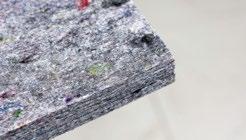
Our sound-absorbing material Re:fill is an example of how we use waste fabric to create new products.
SERVICES THAT PROLONG THE LIFE OF FURNITURE
WORKPLACE ANALYSES
Map and identify the needs in your environments using our workplace analyses for office, education and healthcare.
SUSTAINABLE DELIVERY
Reusable transport packaging and full responsibility for assembly and implementation according to your drawing.
MOVING AND RELOCATING
Whether you’re moving your furniture within your premises or relocating to a new address, we’re here to help.
HOLISTIC ERGONOMICS
Gain new knowledge on sustainable and successful work environments via our lectures and workshops.
INVENTORY AND ACTION PLAN
Get an overview of your interior, establish its value and find out how it can best be maintained, updated, placed and used to function for your current and future needs.
BUY CIRCULAR ONLINE
Shop both new and refurbished high quality furniture in Kinnarps Online Store.
FURNITURE SERVICE ON LOCATION
We can refurbish furniture at your place of business or in our specially equipped service truck.
WASHING OF FURNITURE
Keeping your furniture clean is key for maintaining an attractive workplace. By washing furniture, you also prolong its lifespan.
REFURBISHING AND UPGRADES
Refurbishing, renovations and upgrades give new life to your furniture and prolong the overall lifespan. New colours and upgrades can give your existing furniture a new lease of life.
RECYCLING
We help to recycle furniture that’s reached its maximum lifespan, in an environmentally friendly way.
PRODUCT DESIGN
When developing new products, we integrate circularity right from the start. We focus on creating high-quality products with a long lifespan. The products are tested in our accredited test laboratory to ensure that they fulfil our strict quality requirements and standards. We have also created our own test methods that we use in product development to simulate how products are used in real life, as a means of testing their longevity.
It is crucial to choose the right materials and colours for each respective environment if the interior design is to stay in good condition over time. We guide our customers in choosing materials and colours that are adapted to the type of environment in which the interior design will be used. To help our customers keep their spaces attractive and functional in the long term, we also offer advice for caring for the different materials.
By developing product ranges based on modular platforms that can be combined in different ways, we create
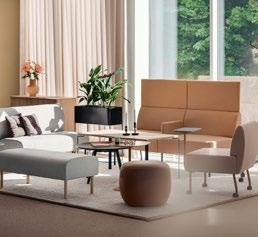
flexibility for our clients to change and supplement the products as their needs change. We are striving to increase the amount of recycled material in our products, and in the last few years we have begun to manufacture several components made from recycled plastic in our new plastic production in Skillingaryd. For example, we cast plastic components for several of our task chairs, desks and storage series from partly recycled material.
We work continuously to minimise waste in our operations and, as far as possible, take advantage of the waste that arises. Leftover fabric from our factory in Skillingaryd is turned into new products in our sound-absorbing material Re:fill, used in several of our screen systems. We offer a screen fabric that instead of consisting of two different materials consists of 100% polyester, which facilitates material recycling. We collaborate with our supplier to ensure that the fabric waste that arises in our production is sent back to the supplier for reuse in new textiles.
Removable upholstery makes it possible to quickly and easily renew a product where it stands. By being able to do this on site, we also avoid unnecessary transport. We currently offer 29 product ranges with removable upholstery.
We participate in several research projects focusing on circularity. For example, Kinnarps has joined the GRACE research project together with, among others, Jönköping University. The purpose of GRACE is to support the green transition in the manufacturing industry, where we will focus on further strengthening our competence in sustainable product development. Materia is part of the Re:furn project, which aims to develop circular business models and strategies for remanufacturing in the furniture industry.
INNOVATIVE DESIGN FOR A LONGER LIFE CYCLE
An important part of our design philosophy is to create furniture that can be renewed and updated. For example, tabletops, armrests or castors that can easily be replaced when worn, or removable upholstery that can be washed or replaced when needed.
We also work with modular solutions that can be rebuilt, supplemented or changed as the business needs change. One example is our Fields range of furniture. It can be reconfigured and customised if your needs change, without damaging the furniture, thanks
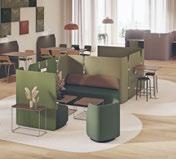

to its patented clamp attachment. Another example is the Vibe screen fastener, which makes it possible to quickly rearrange workspaces to support different activities.
The Scandinavia sofa is another example of how we design to extend the life of our furniture. With its removable upholstery and reversible cushions, it has a longer life cycle. The foam in the seat cushions also has a coating that retains its shape and increases the durability of the foam.
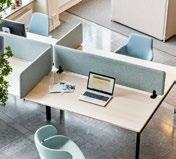

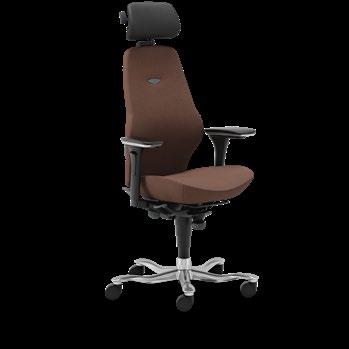
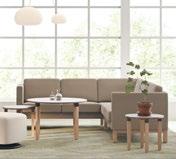

A LONG-LASTING CLASSIC
Our classic task chairs 6000, 8000 and Plus are all built on the same platform. This means that new parts can easily be added, and worn parts can easily be replaced to extend the life of the chair!
Vibe screen fastener
Fields clamp bracket
Scandinavia, one of our furniture series with removable upholstery
Armrest
Circularity in practice — quality and longevity
It is easy to promise high quality, but how does our furniture stand out in real life? We visited customers with task chairs that have been used for over 20 years to see how they have passed the test of time.
8000 | SCANIA HUNGARIA KFT
LOCATION
Budapest, Hungary
CHAIR MODEL
8000 Synchron
AGE
26 years
BACKGROUND
Used for 26 years at Scania Hungary, 16 years by the same person. No previous service. The chair was fully functional, but needed an update to last another 26 years.
UPDATES
New seat and back, gas spring, knob for tilting resistance and new armrests. Before
After
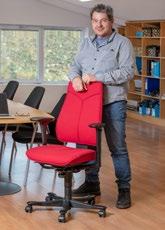
” 16 years without any problems and still with the same comfort. I think that says it all, especially given that I’m not a lightweight!
LASZLO KÜZDY PROPERTY MANAGER AT SCANIA HUNGARY
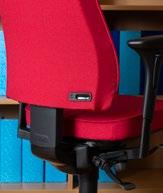
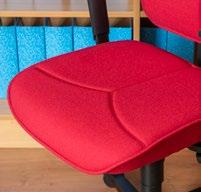
8000 | PENSION FOR SELVSTÆNDIGE
LOCATION
Copenhagen, Denmark
CHAIR MODEL
8000 Synchron
AGE
25 years
BACKGROUND
Used in five different workplaces and in home offices. No previous service, the chair was in very good condition.
UPDATES
No update needed. Used for the past two years as part of an exhibition in Kinnarps’ showroom in Brøndby.
6000 | KG KNUTSSON AB
LOCATION
Sollentuna, Sweden
CHAIR MODEL
6000 FreeFloat™
AGE
25 years
BACKGROUND
Used as a task chair for 15 years, then as an extra chair for 10 years. No previous service. Intensively used until three years ago, when some of the castors broke.
UPDATES
Has been reupholstered and given a new gas spring, gaiter, headrest and castors. The mechanism has been serviced and plastic parts cleaned.
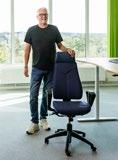
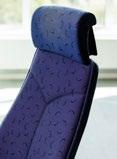
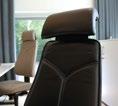
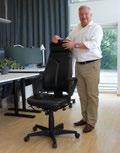
” I don’t understand throwaway culture. Whether it’s shoes, furniture or upholstery, it’s always smarter to invest in quality!
PETER BECK-BANG HEAD OF MARKETING AND COMMUNICATIONS AT PENSION FOR SELVSTÆNDIGE
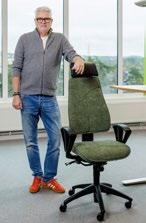
” If I were to choose a chair today, I would definitely choose a Kinnarps chair all over again because of its high quality and comfort.
THOMAS HANSSON SAFETY COORDINATOR AT KG KNUTSSON AB
8241 | DOMOFRANCE
LOCATION
Bordeaux, France
CHAIR MODEL
8241 Synchron
AGE
22 years
BACKGROUND
Used daily since 2003, in several offices and departments. The armrests have been replaced once.
UPDATES
Seat, back, armrests, headrest and wheel base have been replaced.
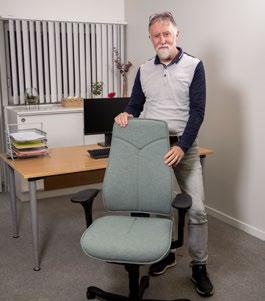
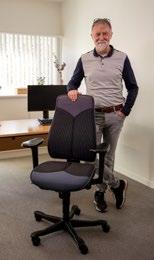
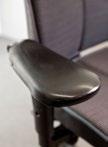
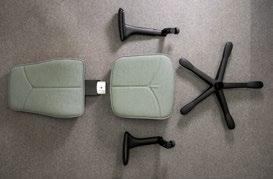
” If we were to choose an interior design partner today, sustainability would be the most important criterion, which is why we would definitely choose Kinnarps again. I am very happy that the chair is now being renovated to last for many years to come!
ROBERT BARLIER HEAD OF WORK ENVIRONMENT & REAL ESTATE AT DOMOFRANCE
8000 | EOS NORDIC AB
LOCATION
Lidköping, Sweden
CHAIR MODEL
8000 Synchron
AGE
28 years
BACKGROUND
Used in three different workplaces, currently in a home office. No previous service. The upholstery was worn in some places, but the chair was generally in good condition.
UPDATES
New fabric on the seat and back, new castors, mechanism serviced and cleaned.
After
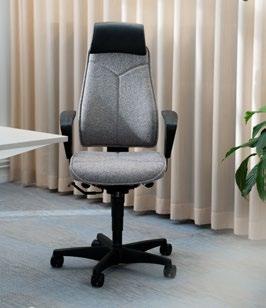
Before
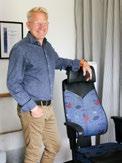
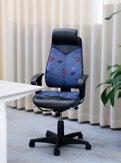
”Continuing to use products that have already been manufactured is probably the most sustainable thing we can do. This chair has definitely lived longer than expected.
MIKAEL SOHLBERG
SALESPERSON AT EOS NORDIC AB
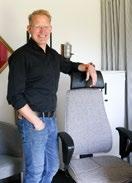
Click here to read the full interviews on our website.
Klicka här för att läsa hela intervjuerna på vår webbplats.
Long-term objectives Objective
Our goal is for all our products to be designed for a long lifespan, and for our interior design solutions to be part of a circular flow that extends the life of products and materials. We aim to use more recycled materials in our products and find innovative ways of using the leftover material from our operations. This target is linked to the UN’s Sustainable Development Goal no. 12, ’Responsible consumption and production’.
PROPORTION OF RECYCLED WASTE FROM OUR OWN OPERATIONS*
* Production in Kinnarp, Jönköping, Skillingaryd, Tranås, Vinslöv and sales subsidiaries.
ANALYSIS
2030 Goal
45% of the waste from our operations should be sent for material recycling.
This year, the proportion of waste that went to material recycling amounted to 40%, and the total amount of waste has decreased. During the year, we have focused on preventing waste by working on optimising the use of materials in our factories. Through targeted measures, for example, we have been able to reduce waste from steel, wood and textile processing. During the year, we have also streamlined waste management at our factory in Skillingaryd, and by using reusable bags, among other things, we have been able to reduce the use of plastic bags by around 163 kg in one year. We are in continuous dialogue with suppliers and other players to identify new opportunities to recycle our waste material.
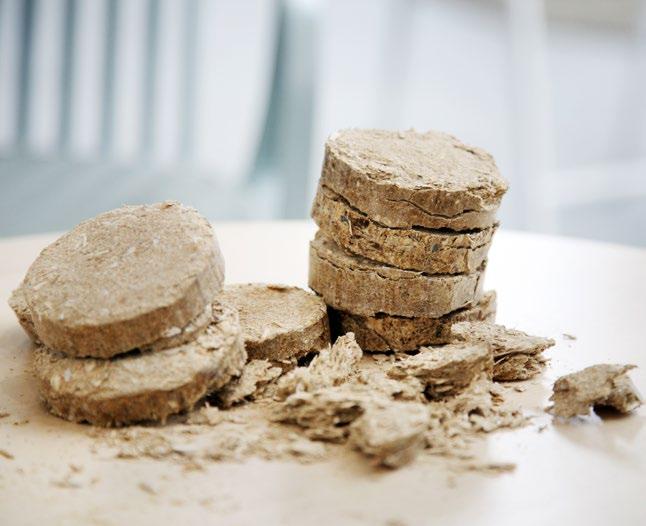
The proportion of recycled plastic in our own production of plastic components must be at least 40%.
AMOUNT OF RECYCLED PLASTIC IN OWN PRODUCTION
ANALYSIS
Since 2020, we have been manufacturing plastic components for our products at our factory in Skillingaryd. Manufacturing goes from granulate to finished component, and today 19% of the material used consists of recycled plastic. We work actively to identify more components that can be replaced with recycled material, while ensuring that the quality and technical properties are maintained. During the year, we introduced recycled material in several components used in task chairs and storage units. We plan to introduce additional components in the coming year. Through this work, we will gradually increase the proportion of recycled material in our products wherever possible. Our goal is to double the proportion of recycled material to reach at least 40% by 2030.
Circularity in practice — client projects during the year
Over the past year, we have had the advantage of working with clients of all sizes who have put sustainability at the heart of their projects in different ways. Meet some of them here and hear what they’re thinking.
CLIENT PROJECT: ASTRAZENECA
Precision reuse
CHALLENGE
To create a sustainable, attractive workplace with innovation and partnership at its core.
SOLUTION
Taking stock of and reusing furnishings from their previous office, and adding newly manufactured ones.
RESULTS
An attractive space that meets high sustainability requirements and is appreciated by both staff and visitors.
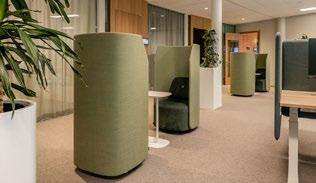
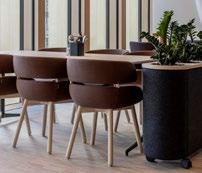
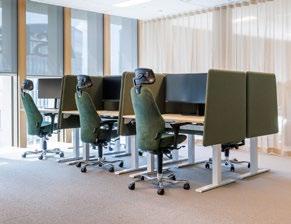
” We were looking for a supplier that we’d be able to work with for a long time to come, which meant that our long-term sustainability goals needed to be aligned. And that was the case with Kinnarps.
ANDERS HOLMGREN DIRECTOR OF IT & SITE MANAGEMENT AT
ASTRAZENECA
CLIENT PROJECT: SAAB BREMEN AND STOCKHOLM
Scaling up with sustainability as the basis
CHALLENGE
Growth and a need for long-term sustainable working environments.
SOLUTION
A common design concept with modular solutions and timeless aesthetics, customised to multiple offices.
RESULTS
Spaces that can grow with the business and last over time.
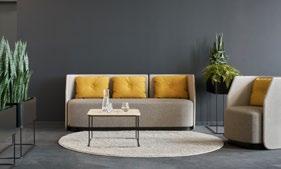
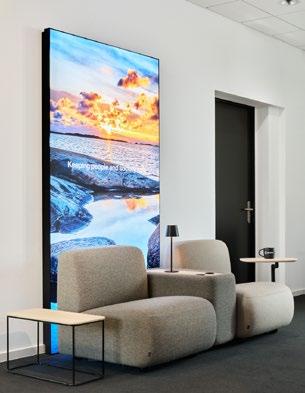
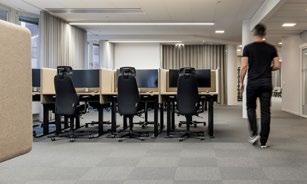
”We want to know that what we invest in will last over time and is produced under good conditions. And because we are in a growth phase, our spaces need to be customisable as we grow.
JOHAN MÅNGSÉN BRAND DESIGN MANAGER AT SAAB
Ergonomics
Ergonomically designed workplaces have a number of advantages. They not only prevent stress-related illnesses and strain injuries, but also promote wellbeing, focus and performance.
Definition
At Kinnarps, ergonomics is about looking at the big picture. We call this holistic ergonomics –the total experience of a space. A perspective that takes into account the physical, organisational and social environment. Furniture, layout, air quality, temperature, light, colours, materials, sound and movement, as well as culture, leadership, and a sense of security and belonging are all important factors in creating a functioning whole.
A holistic perspective on ergonomics
SEEING THE WHOLE PICTURE
Good ergonomics is about more than choosing the right furniture. The lighting, acoustics, air, temperature, colour scheme and how the space is used affect how people feel and perform. It is a major challenge to take all these factors into account and create spaces in which all these aspects work together as it requires an understanding of the interaction between the physical, social and organisational environments.
BEHAVIOURAL CHANGES
The sedentary lifestyle is one of the greatest health challenges of our time and increases the risk of, among other things, cardiovascular diseases, depression and certain cancers. By incorporating movement and variation into our spaces and furniture, we can help reduce these risks. The challenge lies in getting more people to understand how spaces can be used optimally, and inspiring sustainable habits.
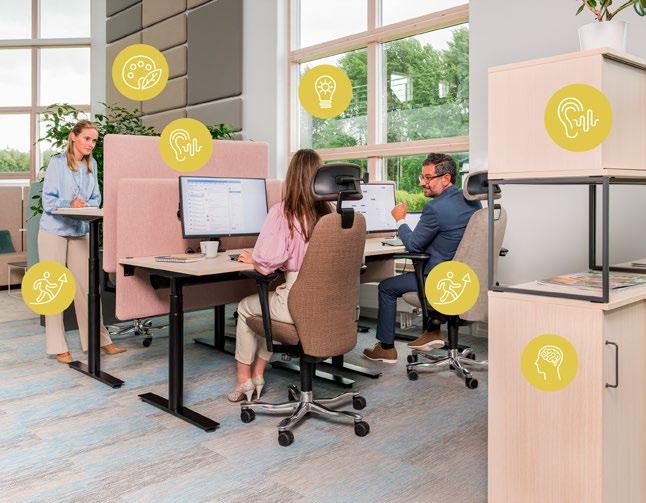
Well thought-out design and educational efforts
Ergonomics is a central part of our strategy for sustainable working environments. We view it from a holistic perspective, where furniture, spatial design and function interact with factors such as lighting, acoustics, motion and social context. Our role is to help our customers create spaces that take all these aspects into account and give everyone the right conditions to thrive and perform.
IDENTIFYING NEEDS
The basis for a good working environment is to understand the actual needs. That is why we work closely with our customers and involve employees, management and other stakeholders right from the start. Through our needs analyses, we can map out work patterns, activities and desired working methods — a process that leads to spaces that enhance both wellbeing and efficiency. The result is solutions that are sustainable investments for people, the environment and the business.
PRODUCT DEVELOPMENT
In our product development, we always take holistic ergonomics into account. This means that we look at the whole person, both their physical and psychosocial needs, and design products that are ergonomic and inclusive. Our latest generation of task chairs, Capella X, is a clear example. It is designed to reduce harmful static loads on the body and thus contribute to a sustainable working environment. It is also approved for a user weight of up to 150kg, making it easier to create consistent and inclusive spaces.
SHARING KNOWLEDGE
Ergonomics is also about insights and behaviours. That is why we collect and share knowledge about how the working environment affects health and wellbeing — in collaboration with researchers and ergonomists, in reports and articles, and in dialogue with our customers. By raising awareness, we can contribute to changing behaviours, where the space becomes a tool for productivity and long-term wellbeing.
Long-term objectives
Our goal is to create working environments that promote the health and wellbeing of everyone who spends time there. Holistic ergonomics is central to our interior design solutions, and our products are inclusive and customised to human needs. This goal is linked to UN Sustainable Development Goals no. 3, ‘Good health and wellbeing’ and no. 4 ‘Quality education’.
Ergonomics in practice
Here are two examples of how we create good ergonomics for our customers — through product development and workplace design!
CAPELLA X — KEEPS YOU MOVIN’
The sedentary lifestyle is one of the greatest health challenges of our time. So when we developed the Capella X chair family, the goal was for everyone to be able to sit without risking their health. The unique FreeMotion ® mechanism in the seat improves blood circulation and reduces static stress on the intervertebral discs in the spine by creating constant, well-balanced movements.
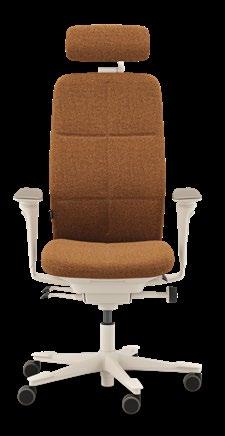
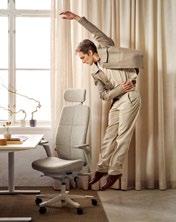
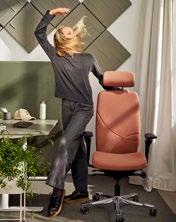
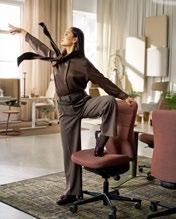
Hear more from Product Manager Martin Henschel!
CLIENT PROJECT: MÖRBYLÅNGA MUNICIPALITY
How the workplace analysis facilitated the change journey
CUSTOMER
Mörbylånga Municipality, Technical Operations Area.
CHALLENGE
When six locations were to be co-located into one, the municipality needed to create an office that supported the new needs of the business.
SOLUTION
Through Kinnarps’ Next Office ® workplace analysis, management was supported in formulating and clarifying the company’s vision and goals. The employees were then involved through workshops, lectures and surveys in a structured way, in order to map out needs and create participation.
RESULTS
A workplace with improved overall ergonomicsstronger community, increased productivity and wellbeing.
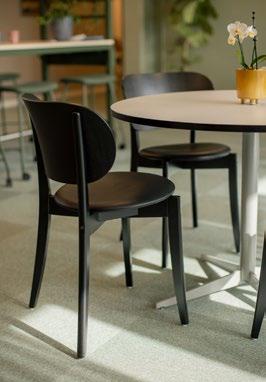
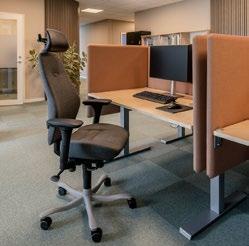
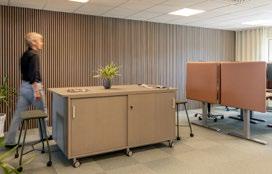
”
The environments feel fresh and appealing, and there is a completely new opportunity for connection and collaboration. I see meetings every day that could never have happened before the change. People have gained a sense of belonging and the chance to form new friendships.
NICLAS BEERMANN HEAD OF TECHNICAL OPERATIONS AREA IN MÖRBYLÅNGA MUNICIPALITY
Risks and governance
Risk management is integrated into the internal processes of the management team and the Group by means of guidelines and work procedures. Continuity planning is carried out at Group level, and risks are also identified and managed on an ongoing basis in
the Group’s various units, by means of the procedures and systematic risk assessments performed in the various risk areas. Measures are then implemented in each area to minimise the likelihood and consequences of an incident.
IN OUR OPERATIONS, WE HAVE IDENTIFIED THE FOLLOWING RISKS LINKED TO SUSTAINABILITY:
RISK OMRÅDE DESCRIPTION MANAGEMENT
ENVIRONMENTAL ACCIDENT RISKS
WORKING ENVIRONMENT RISKS
SUSTAINABILITY RISKS IN THE SUPPLIER CHAIN
Environmental accidents involving leaks, spills or process errors.
Accidents involving personal injury, poor social or organisational working environment as a result of shortcomings in preventive health and safety work.
Environmental risks linked to production of materials and components. Infringements of the Supplier Code of Conduct.
Procedures for handling chemicals and waste management. Contingency plans for spills and leaks. Training of employees.
Systematic HSE management through proactive risk assessments, regular inspections, clear working instructions and onthe-job training of employees. Read more on pages 52 , 54-55
Environmental requirements for materials and components. Social requirements in contracts and follow-ups through supplier audits.
Read more on pages 28 , 56-57.
PRODUCT SAFETY RISKS
Safe use of products. Ergonomic risks linked to good working posture. Risk of the spread of fire.
FIRE HAZARDS
Risk of fire in production units and other premises.
Kinnarps’ accredited Test & Verification Centre inspects the products in accordance with EN standards. We also stipulate that our materials must meet all quality and fire safety requirements.
Systematic fire safety management with a focus on preventive measures, e.g. through fire safety inspections, suitable fire protection equipment and dialogue with stakeholders.
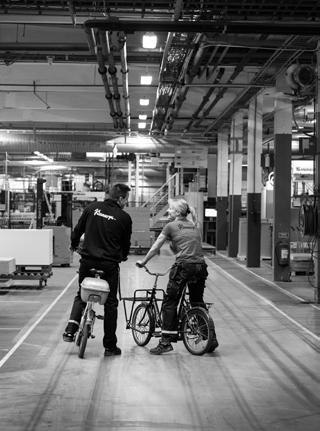
INDUSTRY ENGAGEMENT AND SOCIAL ENGAGEMENT
As one of the largest European suppliers of interior design solutions for working environments, it’s also our responsibility to drive development in sustainability issues. Kinnarps AB has one member in the Delegation for the Circular Economy, an advisory body for the government with the aim of facilitating and driving the transition of Swedish business to a circular economy. The Kinnarps AB Group is represented on the board of the 100 Group – an association that works for a more sustainable interior design industry in Sweden. Our commitment also includes membership in Swedish and international FSC. We are also part of the Möbelfakta Criteria Council for further development of the Möbelfakta labelling system.
The Kinnarps AB Group is a member of the Swedish trade association and employers’ organisation the Swedish Federation of Wood and Furniture Industry (Trä- och Möbelföretagen, TMF) and the European trade organisation European Federation of Office Furniture (FEMB). We are members of Interior Cluster Sweden, where we are represented on the board. We work actively to develop furniture quality standards in Sweden and internationally through the Swedish Standards Institute (SIS), Comité Européen de Normalisation (CEN) and International Organisation for Standardisation (ISO).
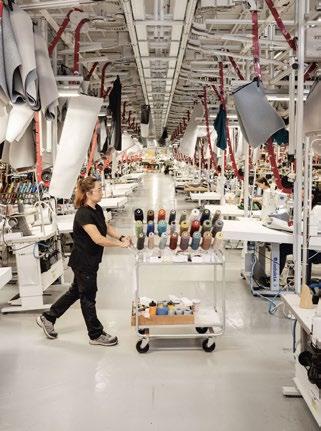
GOVERNANCE AND RESPONSIBILITY
Governance of our sustainability work is based on our Sustainability Policy and Code of Conduct. These apply to the operations of the whole Group and are based on Kinnarps’ core values. The Code of Conduct is based on the UN’s Global Compact and is also clarified for our suppliers in our Supplier Code of Conduct.
Our sustainability work is firmly anchored in the board and management team, and is an integral part of the Group’s strategy: “Let the star shine”. The Group management determines the direction and goals of the work, and the sustainability manager is responsible for the development and coordination of sustainability work in the Group. Locally, each manager is responsible for compliance in their area, and in larger units the work is led and coordinated by local quality and environmental functions.
Audits of operations are carried out on the units that are certified in accordance with ISO 9001, ISO 14001, ISO 45001 and FSC. The Code of Conduct is followed up through supplier audits.
Governance and follow-up of our sustainability work has proceeded according to plan during the year, and is deemed to be functioning well.
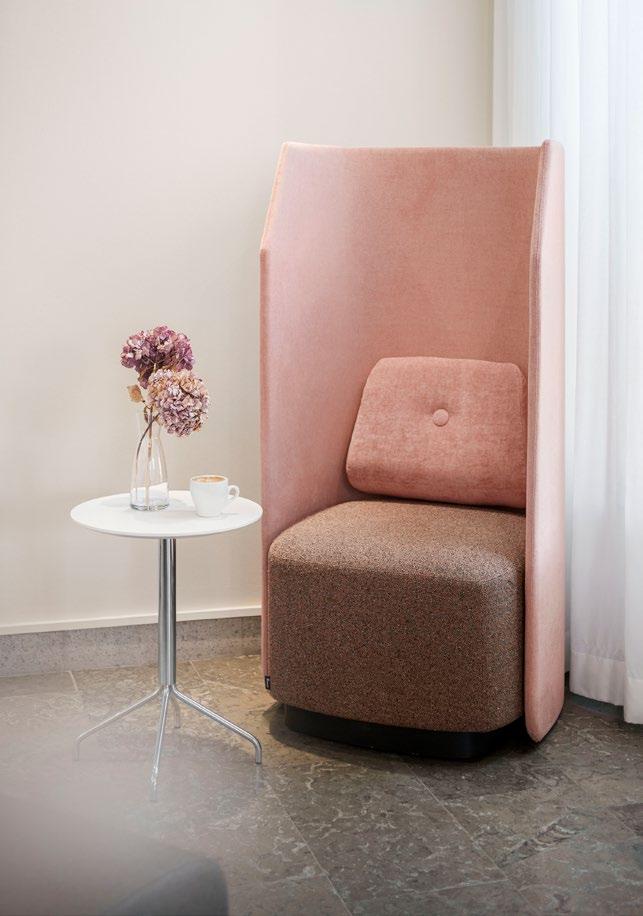
Auditor’s statement concerning the statutory sustainability report
To the Annual General Meeting of Kinnarps AB, Reg. no. 556256-6736
ASSIGNMENTS AND DIVISION OF RESPONSIBILITIES
The Board of Directors are responsible for the sustainability report for the financial year of 1 September 2024 to 31 August 2025 and for ensuring that it is drawn up in conformity with how the annual report legislation was formulated prior to 1 July 2024.
FOCUS AND SCOPE OF THE AUDIT
Our audit has been carried out in accordance with RevR 12 Auditor’s statement concerning the statutory sustainability report. This means that our audit of the sustainability report has a different focus and a considerably narrower scope than the focus and scope of an audit in accordance with the International Standards on Auditing and generally accepted auditing standards in Sweden. We believe that this audit gives us a sufficient basis for our statement.
STATEMENT
A sustainability report has been drawn up.
MALMÖ, 25 NOVEMBER 2025
Öhrlings PricewaterhouseCoopers AB
Johan Rönnbäck
Authorised public accountant