CURIOSITY DAY: SUMMER ENRICHMENT
Academic enrichment activities inspired by the intellectual exploration of Curiosity Day
WHAT IS SUMMER ENRICHMENT?
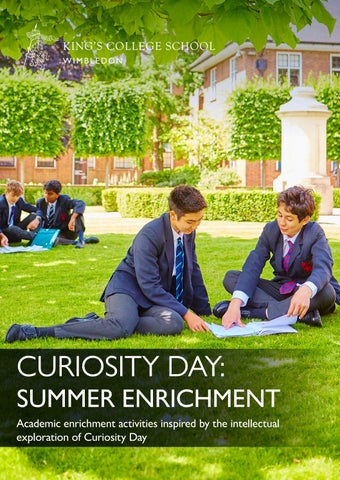
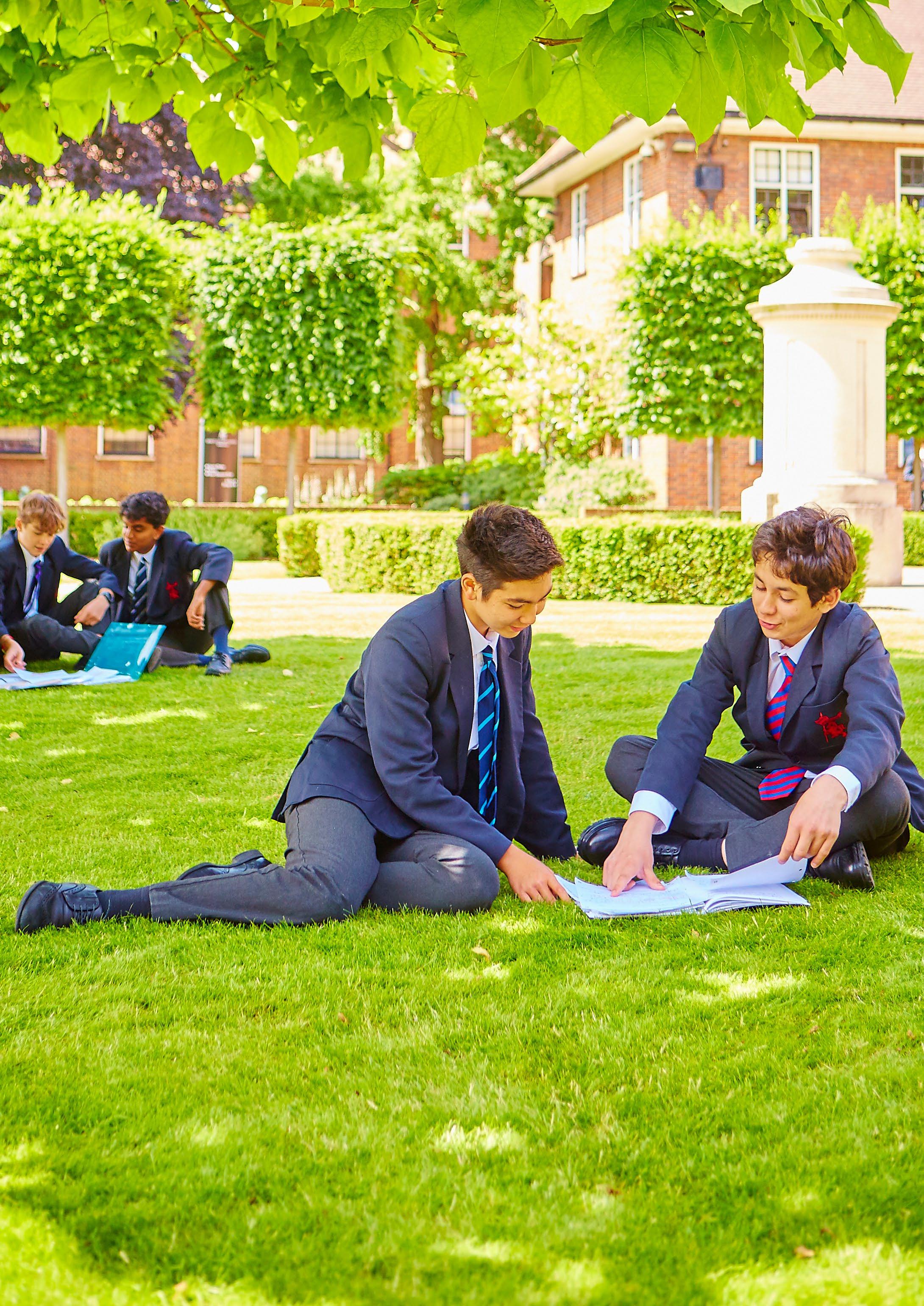
At King’s, intellectual curiosity is at the heart of our scholarly culture. All pupils in year 7 through to lower fifth and lower sixth participated in Curiosity Day at the end of the summer term.
Curiosity Day workshops are designed to inspire pupils to think about their interests beyond their exams and subject curricula, and to explore different ways of thinking about their subject areas at school.
Our vision for Curiosity Day workshops is for them to act as a launchpad for pupils’ intellectual explorations. To encourage them, we have collated some further enrichment activities, inspired by Curiosity Day, which pupils may wish to explore over the summer holidays.
These activities have been curated by our academic heads of departments and tailored for each respective year group. This booklet is therefore arranged by academic subject, with enrichment ideas organised by year group. Pupils should refer to the activities for the year group that they have just finished, rather than those for the year group that they will be starting in September.
The explorations outlined in this document are not compulsory in any way, nor will they be formally assessed. They are purely to provide an opportunity for pupils to make enriching use of their time over the summer break.
We wish your children an excellent break and for them to explore enriching and intellectual pursuits, if they would like to do so. We hope they feel inspired to engage with some of these activities during this time to foster their intellectual curiosity.
Best wishes,
Ms Laura Spicer
Assistant Head (Enrichment and Pupil Progress)
ART
ALL YEAR GROUPS
Visit: an art exhibition or gallery - get out and about in London or another area of the world and see the art on display.
Write: a reflection on the exhibition! Describe the work you saw. How did this make you feel? Why? Think like an art critic and consider Art History!
Explore: the artwork and create responses to this.
Create: physical drawings/sketches directly from the gallery.
• Develop these into visual responses... challenge yourself to use a range of media!
• Consider sculpture, painting, print making, photography, film...
Share: Be ready to share your investigations with your Art group next year!
BIOLOGY
YEAR 7
This year in Biology you have learnt all about animal reproduction, now it is time to think about plants! Do you need oxygen to survive? How much of your food depends on plants, do you eat your vegetables? Do you eat meat or fish that ate plants to grow? How do plants reproduce?
On Curiosity Day you were introduced to an important part of reproduction for many plants: pollination. You learnt how to identify different types of insect pollinators and conducted a survey on pollinators found on the school site.
Listen: Unearthed - The need for seeds Consider your own gardens and the grounds at King’s. How suitable are they as habitats for pollinators? How could you improve them?
Read: Bees are important pollinators. Read this article about a study done on bee pathogens and how different types of landscapes affect bees. Answer the questions at the end.
Watch: Football fan? Check this out, Why and how can we support pollinators for our food supply? Consider a world without pollinators – what would we not have in a world without pollinators? How would your life be different? Could robot bees be the pollinators of the future?
Do: Over the summer, if you wish, you can be a scientist and take part in more pollinator surveys. Details of how to take part and what to do can be found here: FIT Counts: help us monitor pollinators or if you’re stuck indoors, water your house plants, or have a go at this pollinator game or follow the steps on this short animation to find out what happens once pollen is transferred by a pollinator to a flower
YEAR 8
During Curiosity Day you took part in the Pollinator Count, helping to collect real scientific data about the insects visiting flowers on the school site. Pollinators such as bees, hoverflies, butterflies, and beetles play a vital role in ecosystems by helping plants reproduce, and the information you collected contributes to a national project investigating how educational settings support wildlife.
Read: Any book that includes nature writing. You could look at: H is for Hope, The Lost Words, A Sting in the Tale, The Garden Jungle, The Hidden Life of Trees, What a Waste or any other book that you like the cover of!
Watch: The Green Planet (BBC iPlayer), which reveals the hidden lives of plants and the ways they interact with insects, animals, and the wider environment. Consider a world without pollinators –what would we not have in a world without them? How would your life be different?
Write: Your name in landsat. You could also write a persuasive article about “Why every school should make more space for nature”. Write an article for King’s Life magazine explaining why biodiversity matters and how schools can support wildlife. Or a sustainability proposal to the school suggesting one practical change that could increase biodiversity on site. Explain the benefits, costs, possible challenges, and how success could be measured.
Do: Carry out a mini sustainability audit at home. Choose one area such as food waste, water use, energy consumption, or recycling. Record your household’s habits for a week and identify three realistic changes that could reduce your environmental impact.
FOURTH FORM
During Curiosity Day you didn’t have a lesson in Biology. However, next year you will look at biodiversity and human influences so the resources below explore these topics and perhaps might start you thinking about why biodiversity and nature matter to you personally and to us all.
Read: Learn more from the Royal Horticultural Society on pollinators , how to attract them to your garden, no matter how small (or balcony or any outdoor space at all).
Watch: For more ideas of how biodiversity can be enriched across the world.
• Documentary – Madagascar: Life on the Edge – Dr James Borrell
• Series – The Earthshot Prize - (BBC iPlayer). Each episode looks at a different initiative and solution to cleaning up waste, prevent harmful emissions and reduce use of fossil fuels. Each competing for the annual Earthshot Prize founded by Prince William back in 2020.
Explore: more about the variety of living organisms with this BBC documentary on fungi - Fungi: The Web of Life
Do: Take a walk, dawn or dusk is best for this, and listen for any birds you can hear. Use the one minute sound clips from Radio 4’s Tweet of the Day to try and identify the bird species just from its sound. You can download the apps Merlin and/or Seek by iNaturalist and use them to identify the birds from their sound, and organisms you see from photographs. Seek has lots of challenges to complete, see if you can collect the most UK native organisms in each category.
LOWER FIFTH
Are we just a product of our genetics? Is our fate set in stone from the moment we are conceived? Who succeeds and why? Are some people just better than others? We will look at all of these bioethical themes through the lens of the 1995 movie Gattaca.
Read: A complete human genome can now be edited in a matter of weeks using the Crispr Cas 9 tool. This will become the basis for medicines and therapies as well as potentially designer babies and sports doping tools. Great for peaking curiosity and Oxbridge. Xbio is an outstanding self learning website, looking at major breakthroughs in Biology through the words of the people who made them.
Listen: Playing God? A podcast series on the idea of bioethics by the Johns Hopkins Berman Institute of Bioethics.
‘Life-and-death dilemmas. New medical technologies. Controversial treatments. In playing god?’ We hear from the patients whose lives were transformed—and sometimes saved—by medical innovations and the bioethicists who help guide complex decisions.’
Watch: The movie Gattaca on Netflix / other streaming providers, think about:
• What is the message the movie is trying to convey?
• What difference does this make to our lives?
• Should there be limits to gene therapies and editing?
Do: Who Am I?
‘Who Am I? invites you to explore the science of who you are through intriguing objects, provocative artworks and hands-on exhibits. Investigate some of the characteristics that make humans such a successful species, such as personality, intelligence and language. Reflect on the big questions that new techniques in science are raising, and explore how your genetics and brain combine to create your unique identity.’
LOWER SIXTH
During Curiosity Day you gave and watched presentations on King’s essays to develop scientific skills you will need at university and beyond. This exposed you to a wide range of topics and helped you learn how to analyse and evaluate primary research.
Read: Articles from Biological Sciences Review on topics of your choice - accessed through the Memorial Library website (Newspapers and Magazines -> Hodder Review Magazines)
Listen:
• New Species podcast to learn more about biodiversity on Earth.
• Bio Eats World to explore the interactions between research and science in the media.
Watch: Delve into advancements in stem cell research by watching one of the following videos:
• Stem Cells | Oxford Martin School
• Stem Cell (Cell Replacement) Therapy - Cure Parkinson’s
• Watch some previous TedX videos from King’s Pupils:
◦ 2025 Playlist
◦ 2024 Playlist
Do: Try out some of the Lab Simulations on LAbXChange.
CHEMISTRY
YEARS 7 AND 8
Watch: various excellent videos (often available on YouTube) including:
• The Secret Genius of Modern Life - BBC with Hannah Fry
• Chemistry based lectures from The Royal Institution
Read: general chemistry textbooks such as Molecules by Atkins and Napoleon’s Buttons by Burreson and Le Couteur.
FOURTH FORM AND LOWER FIFTH
Watch: various excellent videos (often available on YouTube) including:
• The Secret Genius of Modern Life - BBC with Hannah Fry
• Chemistry based lectures from The Royal Institution
• Periodic Videos with Professor Martyn Poliakoff
• Videos by Tom Scott
Read: general chemistry textbooks such as Molecules by Atkins and Napoleon’s Buttons by Burreson and Le Couteur
LOWER SIXTH
Read books beyond the specification including:
• Why Chemical Reactions Happen, James Keeler and Peter Wothers
• 30 Tutorials in Chemistry, Wai Shun Lau
• Chemistry 3, Burrows, Holman, Parsons, Pilling and Price
• Various Oxford Chemistry Primers
Attempt some Olympiad and Cambridge Chemistry Challenge papers that are freely available online (be aware that Olympiad papers are trickier at this stage as they also cover upper sixth content in places, focus on questions on topics you are somewhat familiar with).
CHINESE
FOURTH FORM
Continue: research on pandas from the Curiosity Day workshop. Panda paper models are available to make at home.
LOWER FIFTH
Continue: research on the history and development of Chinese restaurant/take-away in the UK from the Curiosity Day workshop.
CLASSICS
ALL YEAR GROUPS
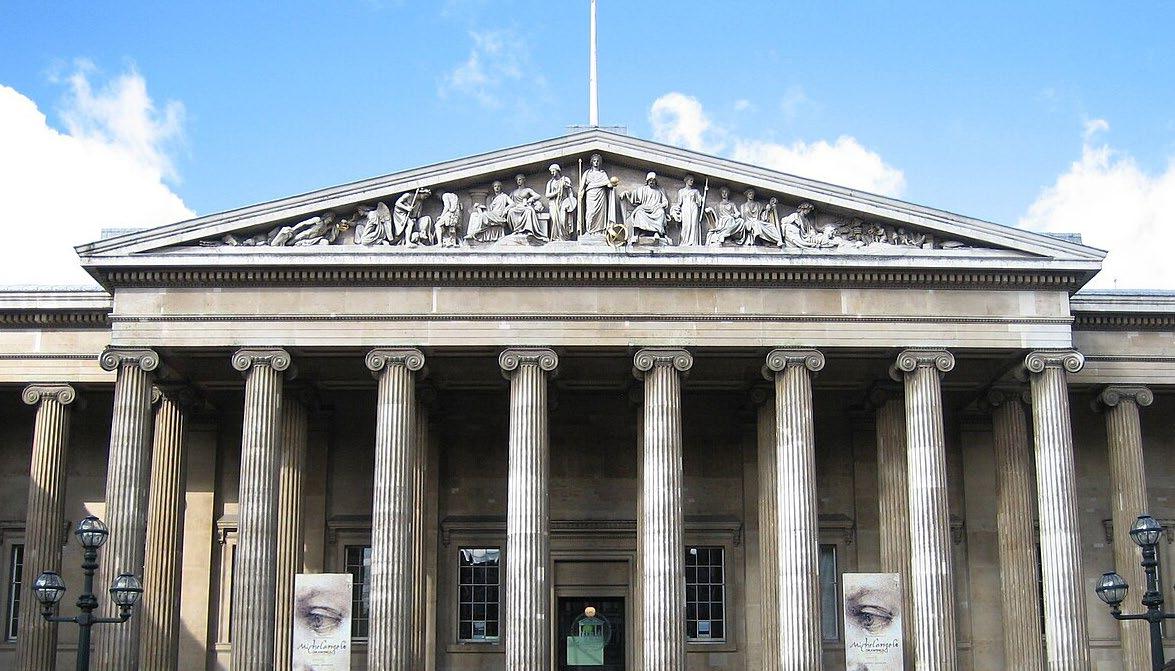
Visit: the British Museum
Read:
• Classical fiction – The Song of Achilles or Circe by Madeleine Miller
• Classical fiction – The Silence of the Girls by Pat Barker
• Historical fiction – The Cicero Trilogy by Robert Harris (starting with Imperium)
• History reading – Tom Holland’s Roman Empire trilogy (starting with Rubicon)
• Greek myths – Mythos and Heroes by Stephen Fry
Watch: documentaries on BBC iPlayer - Meet the Romans with Mary Beard and more!
Listen:
• Natalie Haynes stands up for the Classics
• The Rest is History
• In our time: Ancient Greece and Ancient Rome
COMPUTER SCIENCE
YEAR 7
Find: the oddest street names in London and make a Python “weird street name generator”.
Go: to the London Transport Museum in Covent Garden and explore how technology runs London’s transport network.
YEAR 8
Predict: which Central Line carriage will be least crowded based on platform position. Write an algorithm based on this.
Visit: the Imperial War Museum in Lambeth and look at the codebreaking and cyber warfare exhibition.
FOURTH FORM
Predict: how busy a coffee shop in Wimbledon Village is by counting the number of laptops in the window. Use this data to write a simple algorithm, then draw a data flow diagram.
Visit: the BT Tower and learn about how London’s phone and internet infrastructure works from this 1960s communications hub.
LOWER FIFTH
Write: a program that tells you how many Starbucks large skinny lattes you would have to give up to afford to rent a two bedroom flat in SW19.
Have: a family Sunday lunch at the Charles Babbage Pub in Fitzrovia - near where Babbage actually lived and worked on his Difference Engine.
LOWER SIXTH
Analyse: Pick any stretch of the Wimbledon to Waterloo route and map the public WiFi. TfL Free WiFi versus a café network at Vauxhall, say. Use a network analyser app on your phone to collect signal strength and download speeds at a few different points, then write a Python script to calculate packet latency and standard deviation across your locations. Document what you find with a system flowchart. It’s a small project but it touches on three things we’ll use heavily next year: real data, statistical processing, and system documentation.
Visit: The Science Museum computing gallery one afternoon. The specific thing to find is the working replica of Babbage’s Difference Engine No. 2 — watch it run if you can. The question to hold in your head while you’re there is how mechanical data processing actually maps onto the logic gates we’ve been working with. The abstraction is the same. The implementation is very different.
DESIGN AND ENGINEERING
ALL YEAR GROUPS
Explore: Look around your home for discarded items (packaging, bottles, cardboard, fabric scraps). Observe everyday tools and objects in your kitchen.
Read: Discover “upcycling” and “repurposing” ideas online. Learn about simple machines (levers, wheels, pulleys) and basic strong structures (triangles).
Design: and build a functional “device” using only common kitchen items or food materials (pasta, marshmallows, skewers, paper plates, aluminium foil, rubber bands).
Examples:
• A bridge made of uncooked spaghetti and marshmallows that can hold a small weight (e.g. an apple)
• A pulley system using string, spools (from thread or paper towels), and a weight (e.g. a small toy)
• A device that can lift a small object using levers made from spoons or rulers
• A simple water filter using coffee filters, sand, gravel, and a plastic bottle
Reflect: Document your process with photos or sketches. Explain which simple machines or structural principles you incorporated into your design. Did it work as intended? What would you do differently next time?
FOURTH FORM
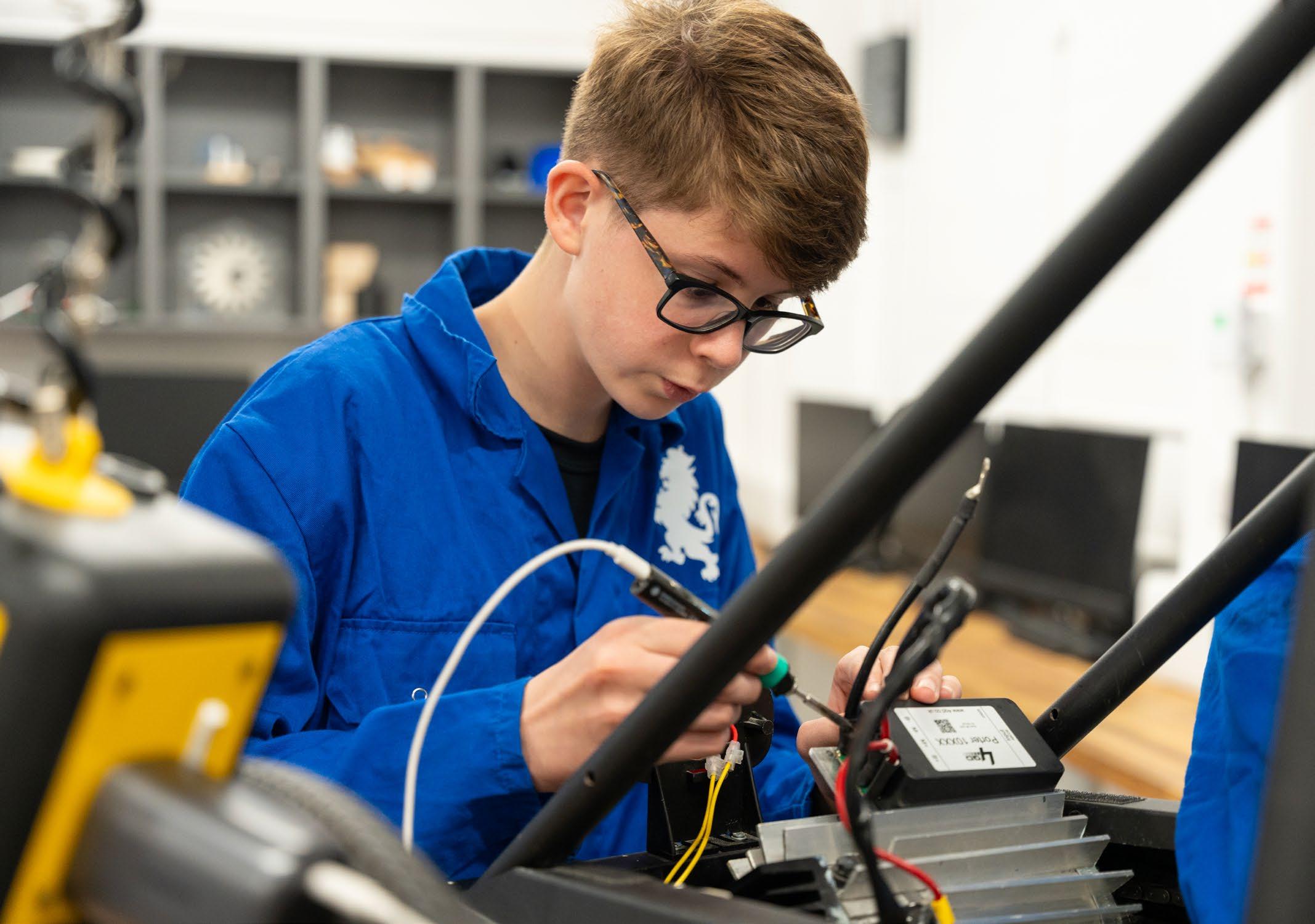
Challenge: Using the free Tinkercad Circuits simulator online, design and code a virtual Arduino system that automates a simple function. Think about a “smart home” idea!
Explore and Do:
• Learn the basics of Tinkercad Circuits: drag, drop, wire, and code
• Decide what problem will your system solve? (e.g. an automated light, a security alert)
• Choose your inputs (like a virtual button or light sensor) and outputs (like a virtual LED or motor)
• Code your Arduino in Tinkercad to make your system work
• Take a screenshot of your circuit and code. Explain your design choices and what you learned!
LOWER FIFTH AND LOWER SIXTH
Continue your NEA work - explore new avenues of thinking and creativity!
Over the summer, you are invited to take part in a series of engineering design challenges inspired by Fieldhouse Engineering Ltd . These challenges are designed to develop your creativity, problem-solving skills, and ability to respond to a design brief.
Old challenges are also on the website should you wish to practice other elements of iterative design.
Listen: to one of the following podcasts:
• 99% Invisible
• Design Matters
• The Industrial Design Podcast
DRAMA
ALL YEAR GROUPS
Read:
• A play and imagine it on stage
• A book about theatre, acting or theatre making
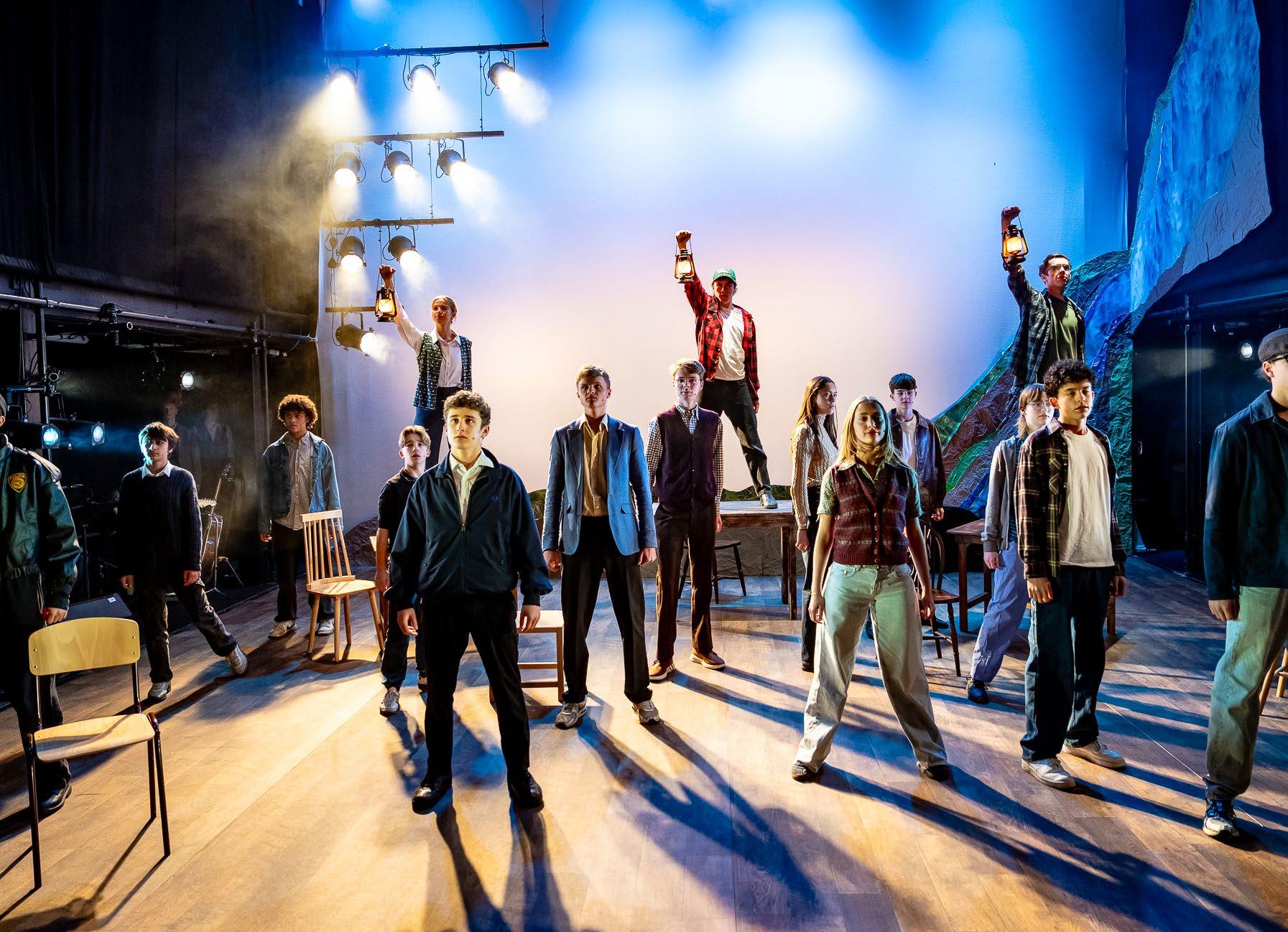
Watch: a play live in one of the many theatrical spaces in London.
Use: our subscriptions and dip into The Stage newspaper for interviews, reviews and news about the world of theatre; or stream a recording of great shows on Digital Theatre + or Drama Online.
• Subscription details, book recommendations and further extension ideas can be found on the pupil Drama SharePoint.
ENGLISH
YEAR 7 AND YEAR 8
Read: at least three books, either from your teacher’s recommendations on Curiosity Day, or from the Golden Reads list.
Do: some of the extension tasks on SharePoint (Extension and Curiosity) for your favourite book or topic this year.
Visit: the theatre with your parents. The English department recommends:
• Warhorse (National Theatre until 30 July)
• Oliver! (Gielgud Theatre – ongoing)
• Matilda (Cambridge Theatre – ongoing)
• The Lion King (Lyceum Theatre – ongoing)
• My Neighbour Totoro (Gillian Lynne Theatre – ongoing)
Year 8 extension: Write your whole writer-in-residence screenplay; or make a trailer for it, if you haven’t already.
FOURTH FORM AND LOWER FIFTH
Read: at least one book from your teacher’s recommendations on Curiosity Day from the English department recommendations list (posted on SharePoint).
Visit: the Africa rooms (particularly the Benin Bronzes) or the Ancient India: Living Traditions exhibition at the British Museum.
Visit: the theatre with your parents. The English department recommends:
• A Midsummer Night’s Dream (Shakespeare’s Globe)
• Much Ado about Nothing (Shakespeare’s Globe)
• To Kill a Mockingbird (Wyndham’s Theatre)
• The Mousetrap (St Martin’s Theatre)
• The Play that Goes Wrong (Duchess Theatre)
• The Producers (Garrick Theatre)
Fourth form extension: Read at least one book from the fourth form extension reading lists on SharePoint: ghost stories / detective fiction / classic modern novels everyone should have read.
Lower fifth extension: Read Joseph Conrad’s Heart of Darkness, Chimamanda Ngozi Adichie’s Purple Hibiscus, Tsitsi Dangarembga’s Nervous Conditions, Anita Desai’s Journey to India, Yann Martel’s Life of Pi or Anita Anand’s Koh-i-Noor: The History of the World’s Most Infamous Diamond.
FRENCH
YEAR 7
Research: a French town/region/country. Create your own holiday leaflet about a special town or place in France or any French speaking country - it should be colourful and informative.
YEAR 8
Research: French comic books. Select one or two to read over the summer and create your own comic book in French with a real adventure and great main character. Practise your artistic skills and writing in French.
FOURTH FORM
Research: French Eurovision entries from the 1950s to present day. Find three you would like and put them on a playlist to listen to over the summer to help with your French fluency and pronunciation. You may wish to perform one of these songs and showcase your talent in front of the class in September!
LOWER FIFTH
Research: a famous person who had an important role during the French Revolution. You should create a presentation explaining why you chose that person, what was that person’s role and any important or fun facts about them. The presentation should be colourful and engaging.
LOWER SIXTH
Research: the social and political themes presented in Ladj Ly’s film Les Misérables and compare them with those explored in Victor Hugo’s novel Les Misérables. Produce a critical analysis discussing how each work portrays these issues and the similarities or differences between them.
GEOGRAPHY
ALL YEAR GROUPS
Read: a book about geography. Or read a book not about geography – even fiction – and find the geography in it.
Enter a competition:
• The Royal Geographical Society/Financial Times 2026 School Essay Competition asks the question: What factors drive migration, how are patterns shifting and what are the consequences?
The deadline is 9th November 2026.
• The Royal Geographical Society’s 2026 Young Geographer of the Year is on the theme: From source to sea.
The deadline is 2nd October 2026.
• The King’s College Summer Geography Photography competition is on the theme: Hidden geography.
Entries via this form by 11th September 2026.
• The Geographical Association’s Geographical Model Making Competition 2026 is on the theme: Fragile enivronments.
It is open to pupils in years 7, 8 and 9 (fourth form). The deadline is 31st July 2026.
Go outside:
• Go to a new place - it doesn’t have to be far away or exotic.
• Wander around aimlessly and observe what is around you (if you want to be fancy you can call it Flâneurie.
• Record what you see and experience:
- What is the human and physical geography of the place?
- How do other people use and explore the place?
- Do the characteristics of the place affect how people behave there?
- Does the place change over time?
- Can you see evidence of the past in that place?
GERMAN
FOURTH FORM
Watch: some episodes about day to day life in Germany using Deutsche Welle.
LOWER FIFTH:
Explore: grammar and GCSE style questions.
HISTORY
ALL YEAR GROUPS
Visit: Living in London provides so many fantastic opportunities to engage with the history around you, not least by visiting one of our many museums.
This History department’s top picks this summer are:
• Imperial War Museum (nearest Tube: Elephant and Castle / Lambeth North) - relevant for every year group, this museum includes galleries on WWI, WWII, the Holocaust, and conflicts from 1945-2014. This is a must-visit at some point during your school career!
• Museum of the Home (nearest station: Hoxton, on Windrush Line) - formerly known as the Geffrye Museum, it has recently re-opened after a refurbishment. It tells diverse stories of domestic life in London through a series of period ‘Rooms Through Time’ from 1630 to an imagined room of 2049. An alternative way to explore history by looking at material culture, architecture and design, taking in issues of class, race and changing family structures along the way.
YEAR 7 AND YEAR 8
Listen: Going on a long journey this summer? Why not download a History-themed podcast to pass the time productively?
• BBC Radio 4: You’re Dead to Me - Accessible history podcast in which Greg Jenner, the writer of Horrible Histories, explores a diverse range of historical figures and topics with the help of comedian guests. Includes good age-appropriate handling of more sensitive topics.
Read: a book from the lower school historical fiction reading list.
FOURTH FORM AND LOWER FIFTH
Listen: Going on a long journey this summer? Why not download a History-themed podcast to pass the time productively?
• The Rest is History, hosted by Tom Holland and Dominic Sandbrook – we know that many of you are already fans of this excellent podcast series
• Pick a topic from the assassination of JFK to the last Vikings and settle in for enlightening discussion. Great for long family car journeys if you can all agree on a topic!
Read: Carefully-curated extension reading suggestions for every topic of the IGCSE syllabus will be appearing soon on the pupil Sharepoint – watch this space!
MATHS
YEAR 7
Watch: a numberphile episode
Work: on a problem from Parallel
YEAR 8
Watch: a numberphile episode
Work: on a problem from Parallel
Explore: the history of maths using the timeline activity at Mathigon
FOURTH FORM:
Watch: a 3blue1brown episode
Work: on a problem from nrich
Read: an article from Plus Maths
LOWER FIFTH
Watch: a 3blue1brown episode
Work: on a problem from nrich
Read: an article from Quantas Magazine
LOWER SIXTH
Listen: to a podcast from this collection related to your university application and try the associated problem sheet.
MUSIC
ALL YEAR GROUPS
Attend: a Prom Concert at the Royal Albert Hall from Friday 17th July to Saturday 12th September. For most concerts you can book up to two standing ‘promming’ tickets at a cost of £8 each online from 10.30am on the day of the concert by going to BBC Proms 2026 and selecting the relevant concert on the day. There is a huge range of music available.
YEAR 7
Compose: a 30 second composition to act as a jingle for a TV advert - this can be for any instrument.
Listen: consciously to some pieces in the wider listening list for lower school musicians.
YEAR 8
Compose: a TV theme tune for any combination of instruments (up to a maximum of three) for either a detective drama, game show, or celebrity chat show. Use the musical elements to help guide your compositional choices.
Listen: consciously to some pieces in the wider listening list for lower school musicians.
To get ahead for fourth form, you can listen to some pieces in the wider listening list for fourth form musicians.
FOURTH FORM
Compose: a piece for any combination of instruments up to a maximum of five which describes a trip or visit you have made in the summer holidays. Use the musical elements to help guide your compositional choices.
Listen: conciously to some pieces in the wider listening list for fourth form musicians.
LOWER FIFTH
Compose: a piece for any combination of instruments up to a maximum of five which describes a trip or visit you have made in the summer holidays. Use the musical elements to help guide your compositional choices.
Read: this article
• What questions does AI raise for music composition?
• Can AI be original in its compositional generation?
• How can composers harness AI to use it to develop music composition?
PHYSICAL EDUCATION
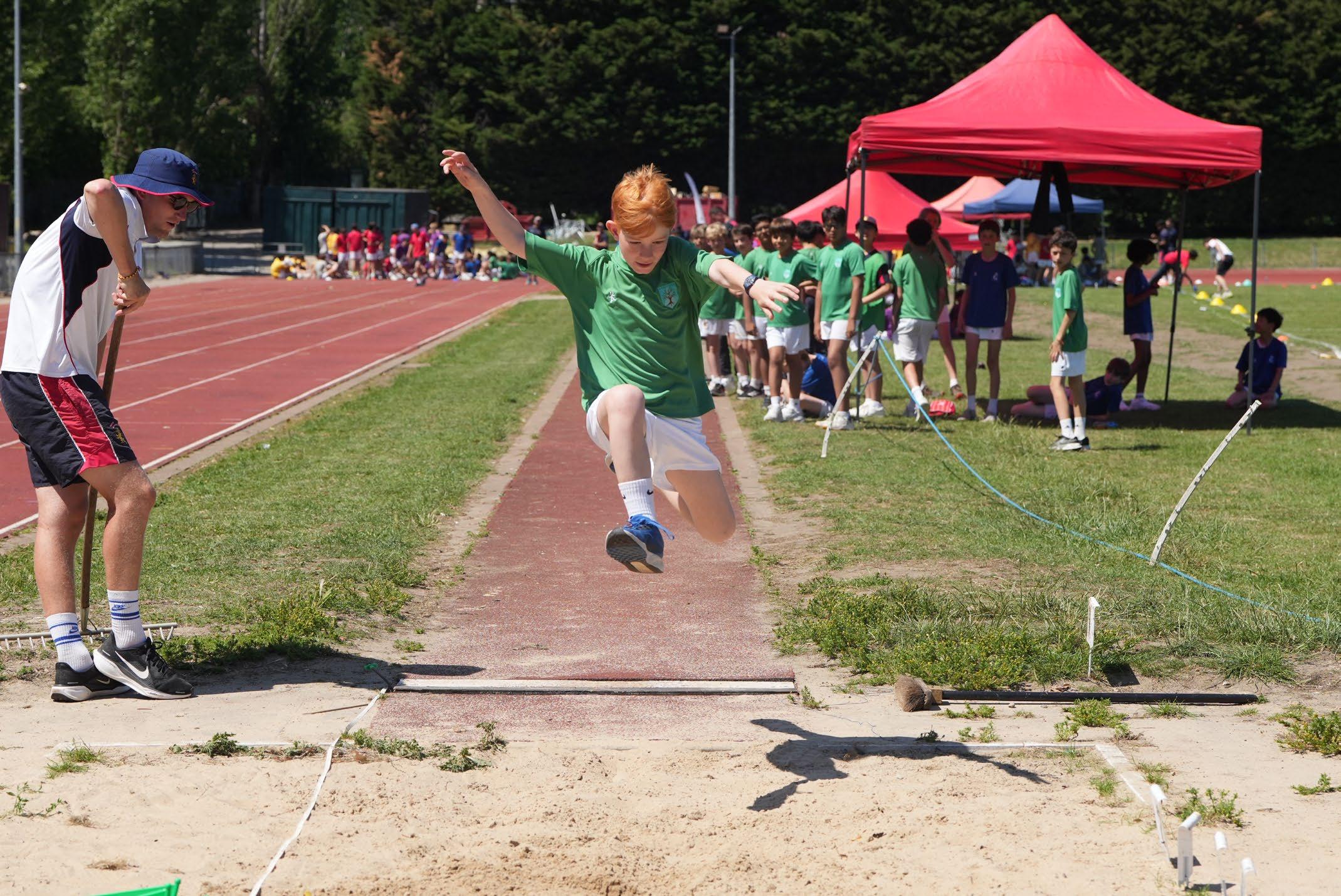
Explore and research: the fantastic summer of sport ahead. Find your favourite sports, your favourite teams, favourite athletes – or discover new ones!
COMMONWEALTH GAMES - 23rd July - 16th August
The Commonwealth Games is an international multi-sport event held every four years, bringing together athletes from Commonwealth nations. It celebrates sport, cultural diversity and cooperation, promotes friendship and fair play, and provides opportunities for athletes to compete at elite level across a wide range of sports and disciplines. Countries often focus on specific sports or events at the Commonwealth Games for a combination of practical, cultural, and strategic reasons:
• Historical success – Nations invest more in sports where they have traditionally performed well, building on proven strengths.
• Facilities and climate – Geography influences practice (e.g. strong swimming nations often have excellent pool access; running nations benefit from climate and terrain).
• Cultural importance – Some sports are deeply rooted in national identity (e.g. cricket, rugby, netball).
• Funding and resources – Limited budgets mean countries prioritise sports with the highest medal potential.
• Grassroots participation – Sports that are popular at school and community level produce more elite athletes.
• Coaching expertise – Access to high-quality coaches and sport science encourages success in certain events.
• Talent pathways – Well-developed development systems guide athletes into specific sports.
• Medal strategy – Individual or weight-category events can offer more medal opportunities.
• Role models and inspiration – Successful athletes encourage younger generations to follow the same sport.
• Host nation advantage – Host countries often invest heavily in selected sports before the Games.
FIFA
WORLD
CUP - 21th June - 19th July
• How do you feel about the FIFA World Cup in USA, Canada and Mexico?
• What makes the World Cup exciting to watch?
• How does nutrition and hydration affect performance during a tournament?
WOMANS T20 CRICKET
WORLD CUP- 12th June - 5th July
• How do teams prepare for short, high-pressure matches?
• How does fitness impact performance across a tournament?
• What psychological skills are important for elite performance?
OTHER SPORTING EVENTS THIS SUMMER
• Wimbledon: 29th June 12th July
• The Hundred Cricket competition: August 5th
PHYSICS
ALL YEAR GROUPS
Visit: The Royal Society’s Summer Science Exhibition, 30th June - 5th July 2026. A free annual event showcasing the latest science research from across the UK, through interactive exhibits, hands-on activities and talk.
YEAR 8
Read: Physics World Article: Twists, Turns, Thrills and Spills - The Physics of Rollercoasters
Watch: Vox - Why roller coaster loops aren’t circular
FOURTH FORM
Read: Explain that stuff - Ships and Boats – How do they float?
Watch: Physics Girl - Can you solve the boat puzzle?
LOWER FIFTH
Watch: Atomic Frontier - Can you blow down a skyscraper?
Read: Civil Engineering A Very Short Introduction - David Muir Wood
Complete: virtual work experience. Civil Engineers: Shaping the World in partnership with the Institute of Civil Engineers .
• This programme will introduce you to the world of civil engineering and show you the different ways that this career pathway could go!
• You’ll also have the chance to take part in some great quizzes and activities, and have the chance to hear from industry experts in webinars along the way
LOWER SIXTH
Read: Why Does E=mc²? by Brian Cox and Jeff Forshaw. An introduction to special relativity from first principles using only A level Physics and Maths.
Read: The latest edition of Physics Review Magazine. Written specifically for A level pupils, each issue brings cutting-edge research and ideas to life from quantum computing to cosmology. Sign in using your school Microsoft account.
Watch: Veritasium Science and Engineering on YouTube. These are videos exposing the gaps in what we think we know, tackling everything from the measurement problem in quantum mechanics to why the speed of light is what it is.
Complete: Virtual Work experience on springpod.com. A free platform hosting virtual work experience programmes with major employers across engineering, aerospace, energy and more.
SPANISH
FOURTH FORM
Visit: If you did the Dalí lesson with your teacher for Curiosity Day, go to Tate Modern and find a Dalí painting, research it, make a sketch and then write your impressions about it.
Visit: You can also go to the Freud Museum which offers a rich contextual display of Dalí ’s psychologyinspired art.
Create: If you did the ‘decoding the language’ lesson, you can create a Language Map of Spain.
• Draw or digitally design a map showing:
- Where Spanish, Catalan, Galician, and Basque are spoken
- Include flags, local greetings, and fun facts
- Bonus challenge: Add dialects or extinct languages like Mozarabic or Ladino
LOWER FIFTH
Visit: the National Gallery and find as many paintings by South American or Spanish artists as you can.
LOWER SIXTH
To deepen your understanding of Hispanic Nobel Peace Prize winners following your lesson, you might like to visit the Imperial War Museum in London and explore its exhibitions on conflict, human rights and reconciliation. As you reflect on the themes of peace and social justice, consider the achievements of figures such as Rigoberta Menchú, Juan Manuel Santos, Óscar Arias Sánchez and Adolfo Pérez Esquivel. You could then research one laureate in greater depth and create an article, podcast or presentation in Spanish to share your findings. This would provide an excellent opportunity to develop your language skills, cultural awareness and appreciation of the role individuals can play in promoting peace and defending human rights around the world.
THEOLOGY AND PHILOSOPHY
YEAR 7 AND YEAR 8
Watch: Crash Course philosophy videos on ethics.
• Numbers 34, 35, 36, 38 on Natural Law, Kantian Ethics, Utilitarianism and Virtue Ethics
Read: Philosophy Now Magazine articles on ethics, from issue 15.
YEAR 8
Read: Philosophy Now Magazine articles.
FOURTH FORM
Watch: Crash Course philosophy videos on ethics.
Read: A Very Short Introduction to Animal Rights, from Very Short Introduction Series.
LOWER FIFTH
Explore: The National Museums Liverpool website on the life and history of the Terracotta Warriors and Emperor Qin Shi Huang.
Read and watch: Just War Theory in preparation for upper fifth GCSE.
FOR ALL YEAR GROUPS
Check out the books on the Theology and Philopshophy SharePoint page. There are a number of brilliant reads here to inspire you in the subject. Reading is the best way into the subject in more depth!
There are also some amazing films you could watch, which are listed on the next page.
1. INSIDE OUT (2015)
A journey inside a young girl’s mind where emotions take on vivid personalities.
Philosophical angle: What are emotions for? How do they shape identity and decision-making?
2. THE TRUMAN SHOW (1998)
A man slowly discovers that his life may not be what it seems.
Philosophical angle: Reality vs illusion, free will, and the ethics of observation.
3. A MONSTER CALLS (2016)
A boy faces grief with the help of a mysterious creature that tells complex stories.
Philosophical angle: Truth, storytelling, and the emotional difficulty of honesty.
4. DEAD POETS SOCIETY (1989)
An inspiring teacher challenges students to think independently and live meaningfully.
Philosophical angle: Individualism, conformity, and what it means to “seize the day.”
5. SPIDER-MAN: INTO THE SPIDER-VERSE (2018)
A teenager struggles to understand what makes him “Spider-Man” among many possibilities.
Philosophical angle: Identity, responsibility, and becoming oneself.
6. THE MATRIX (1999) (Older year groups recommended)
A hacker discovers that reality may be an illusion controlled by unseen forces.
Philosophical angle: What is real? Skepticism, knowledge, and perception.
7. ARRIVAL (2016)
A linguist works to communicate with mysterious visitors, reshaping her understanding of time.
Philosophical angle: Language, time, and how perspective shapes experience.
8. HER (2013)
A lonely man develops a relationship with an advanced AI.
Philosophical angle: Love, consciousness, and what it means to relate to others.
9. THE SOCIAL NETWORK (2010)
The creation of Facebook raises questions about ambition, relationships, and ethics.
Philosophical angle: Success, friendship, and moral responsibility.
10. 12 ANGRY MEN (1957)
A jury debates a case, revealing how reasoning, bias, and persuasion work.
Philosophical angle: Justice, rational argument, and doubt.