


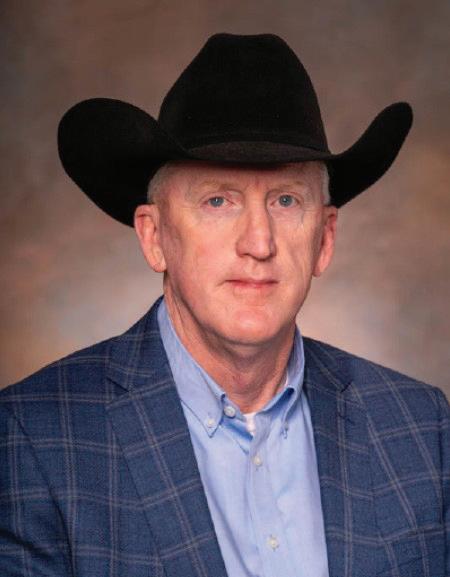

Dr. Rick Machen, PhD Executive Director; Robert J. Kleberg, Jr. and Helen C. Kleberg Endowed Chair
pring – perhaps the most eagerly anticipated season of the year for animal and natural resource managers. The emergence of green grass signals an end to winter dormancy and the hope for a productive growing season. Fall-born calves are gaining valuable weight as weaning approaches while the next season of calving starts the beef production process anew.
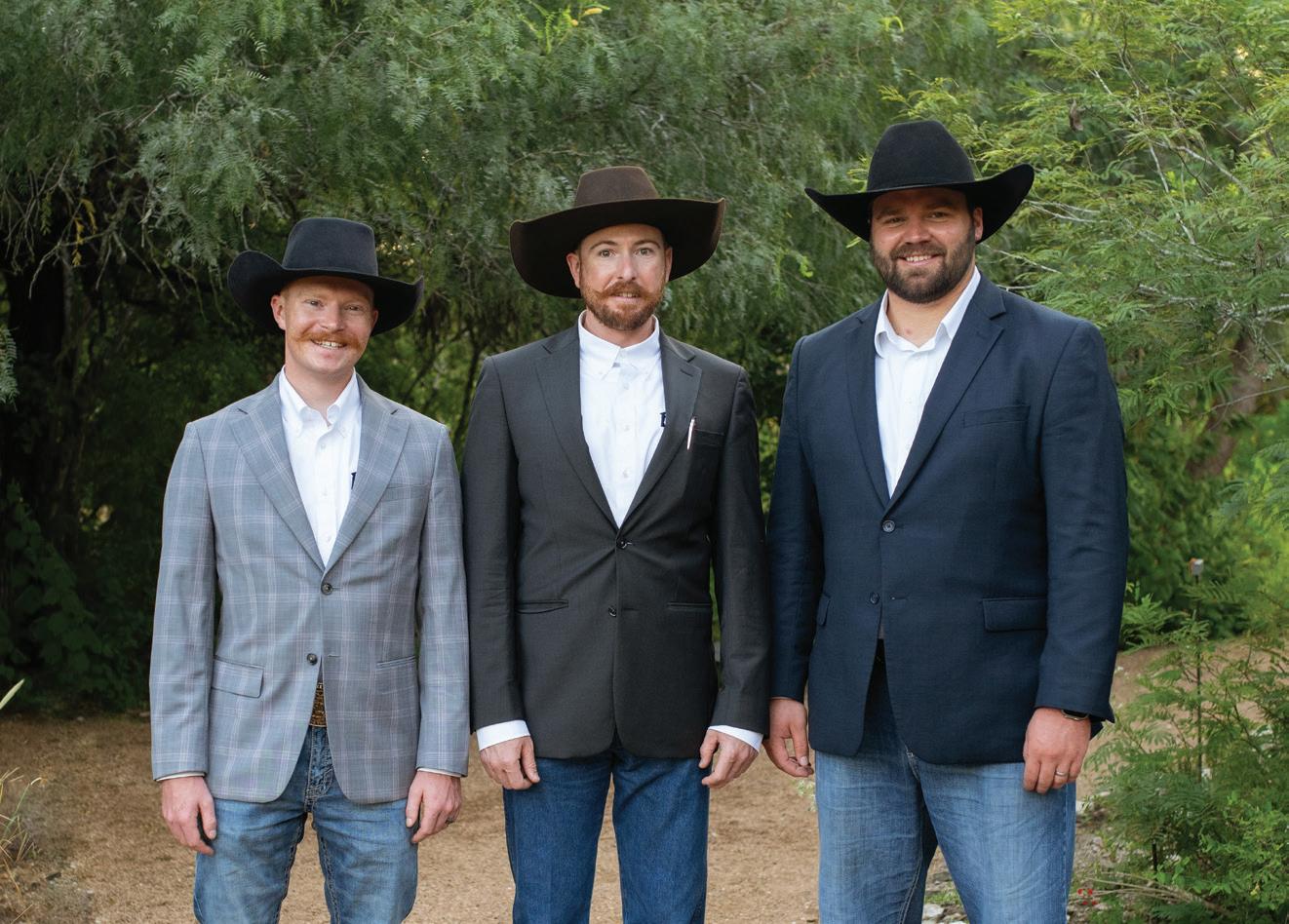
Spring is also the only time we engage three cohorts of students simultaneously; graduates, first years, and the incoming cohort. Congratulations to the class of 2026: Mason Dahl, Carson King and Ben Wurz. It has been a pleasure to spend two years with you and now wish you well as you resume your careers in ranch management.
Those completing their first year are off to their summer internships. Salvetti D’ Ascoli is headed to the 6666 Dixon Creek division to spend the summer with KRIRM alum Zane Herrin. Cooper Larson is summering at Sooner Cattle Co. in northeast Oklahoma and will work with alum Cody Peck. Cheyenne Young will spend her summer in south Texas working alongside alum Garrett Stribling and the East Foundation crew. It is rewarding to see the program come full circle and have alumni willing to invest in the next generation of ranch managers.
Application for acceptance into the Master’s degree program has always been competitive, but this spring the competition rose to an unprecedented level with the largest pool of applicants ever. The selection committee narrowed the field to three who have accepted the invitation to join the institute: Mia Doering from Queensland, Australia; Molli Foxley from Refugio, Texas and Troy Whittier from Wewahitchka, Florida. Welcome to the class of 2028. More details about them to come in the next newsletter.
As my decade long institute tenure comes to a conclusion, there are several whom I must publicly thank.
Debra, I am so grateful for the way you have 'held down the fort' while I focused on work. Your recurring encouragement is always timely and sustaining. Please know I value your patience and everything you have done for our family. I look forward to the days ahead and what He has in store for us.
A graduate ranch management program must intentionally escape the academic arena and engage business management professionals in the ranching industry. The institute is blessed to have an ever-widening cadre of supporting ranches. Whether hosting management projects, ranch visits, or summer internships, sharing your ex-
700 University Blvd., MSC 137 Kingsville, TX 78363
361-593-5401
361-593-5404 fax
krirm@tamuk.edu
krirm.tamuk.edu
Rick Machen, PhD, Executive Director; Robert J. Kleberg, Jr. and Helen C. Kleberg Endowed Chair
Onelisa Arizola, Layout Designer
Niki Kaiser, Editor
Chair: John Alexander, Jr., King Ranch, Inc.
James Clement, III, Beggs Cattle Company
Caroline Alexander Forgason, Robert J. Kleberg, Jr. & Helen C. Kleberg Foundation
Heath Grigg, King Ranch, Inc.
Jeff Hildebrand, Hilcorp Energy Company
Shelby Horn, Abell Livestock Co.
Rick Machen, PhD, King Ranch® Institute for Ranch Management
Jim McAdams, McAdams Cattle Co.
Shad Nelson, PhD, Texas A&M University-Kingsville
Clint Richardson, AgReserves, Inc.
Jason Van Tassell, Wilson Cattle Co.
Neal Wilkins, PhD, East Foundation Continued on page 11




















Photo By Tedi S Photography
KRIRM CLASS OF 2026

By Kindra Gordon
“As iron sharpens iron, so one person sharpens another” (Proverbs 27:17). This principle rings true for the 2026 graduates of the King Ranch Institute for Ranch Management, whose growth was forged through challenge, collaboration, and shared experience. Mason Dahl, Carson King, and Ben Wurz have earned their Master of Science in Ranch Management and are eager to lead and innovate in the ranching industry.
Before they step into their next roles, they took a few moments to reflect on the influence the KRIRM program has had on their lives and career paths. Dahl, a seventh generation American cattleman, shares, “The greatest benefit of this experience has been the impact my classmates have had on my life…Through time with Carson, Ben, and the classes of ’25 and ’27, I’ve been sharpened – not just as a manager, but as a leader and as a person. Every conversation, project, and adventure has brought out the best in me.”
He continues, “I’m deeply grateful [to the individuals and their families] for the role they have played. And, this extends to the alumni and industry professionals that we have the opportunities to meet and work with as a result of our time here.”
King, who has Montana ranch roots, and Wurz, a native of Colorado who has always “liked cows,” also credit the KRIRM experience for sharpening their business acumen.
Wurz points to perspectives on managing people, as well as managerial accounting and financial modeling, and says, “Quick turnaround on real-world financial projects was helpful for my planning and execution skills.” He adds, “The Systems Thinking class that we take at the beginning of our time here probably pushed me the most.”
King appreciates the exposure the program provided, noting it shaped how he approaches complex problems and manages systems, strengthened his understanding of finance and business,
and fostered growth in character and leadership. He adds that the experience as a whole helped set the path for who he was meant to become.
“The Institute may not teach everything you want specifically,” King says, “but it facilitates the time and experiences that spark the desire to learn anything you want.”
From coursework and internships to networking and lectureships, the trio had a variety of experiences throughout their graduate school journey. Among King’s favorites, was a finance course led by Dr. Thomas Krueger with Dave Delaney, retired general manager of King Ranch. Two finance scenarios were studied, with one being a ranch acquisition. King recounts, “They outline the scenario and then ask you to be the manager and come up with sound suggestions – which will be challenged.”
King adds, “The Systems Thinking perspective has given me language and modeling tools to describe and understand the complexities of how different systems in life and business interact and affect one another.
For Wurz, managerial accounting – and the disciplined allocation of costs and revenues – stands out as a foundational tool he will carry into future ranch management roles. He notes that graduate school not only sharpened his analytical approach to decision-making, but also clarified his personal priorities. “I enjoy working with livestock and being outside,” he says, “rather than spending every day confined to an office or feedlot.” Surrounded by similarly driven peers with a passion for ranching, Wurz found his ambition strengthened, while the experience ultimately reaffirmed the values that are important to him.
Dahl had the opportunity to complete an internship in Australia working with a large vertically integrated beef system. He
shares, “My internship added tremendous value to my education by showing how systems thinking translates into systems implementation…I saw firsthand how critical well-designed processes are in a large-scale operation. What surprised me most, though, was the impact of culture. [Where I was stationed] the culture was exceptional – built around development, results, safety, work ethic, and efficiency. The manager has done an incredible job fostering that environment, and it was inspiring to witness.”
As they step into the next phase of their careers, Dahl, King, and Wurz are clear-eyed about both the risks and the potential within the beef industry.
Dahl points to volatility and risk as persistent realities in the cattle business—challenges he believes are intensified by fragmentation across the supply chain and relatively low barriers to entry at the cow-calf and stocker levels. “That fragmentation fuels the boom-and-bust cycle we see,” he explains. “For operations, the best strategy is to minimize costs and reduce unit production costs—so they can capitalize in strong markets and withstand the downturns.”
At the ranch level, Dahl emphasizes that success hinges on preparation rather than prediction. “Ranching is complex, dynamic, and unpredictable,” he says. “Strategic planning doesn’t eliminate uncertainty, but it prepares managers to adapt, endure hardships, and stay focused on long-term profitability.”
Wurz identifies rising input and land costs, limited access to capital, water availability, and climate pressures as key challenges facing the industry. His advice is straightforward: “Be
well-rounded and seek a variety of experiences.” He adds that exposure to both well-run operations and struggling ones is invaluable. “You learn just as much, if not more, from the wrecks.”
King takes a broader view, emphasizing the need for global awareness and adaptability. “We need to understand the state of the world and how ag business is affected by it, then adjust what we can,” he says. “Knowing what should stay the same and what can change will be critical to success.” He also points to ongoing challenges in labor, animal health, and geopolitical impacts on markets.
Technology, all three agree, will play an increasingly important role—but not without caution. Dahl notes the growing number of tools available to producers and believes technology will continue to shape the industry. “It doesn’t make you a good or bad producer,” he says. “It magnifies the operation—making the good better and the bad worse.” He stresses the importance of selecting tools that truly fit an operation while maintaining strong stockmanship fundamentals.
King sees opportunity in emerging tools like artificial intelligence to simplify decision-making. “Many ranches have data scattered across systems,” he explains. “AI has the potential to bring that together into usable dashboards that help managers make real-time decisions.”
For those considering the King Ranch Institute for Ranch Management or a career in ranch management, their advice is consistent: build a strong foundation of practical experience. “Get as much real-world production experience as possible,” King emphasizes. “The experience you bring with you will shape the opportunities available.”
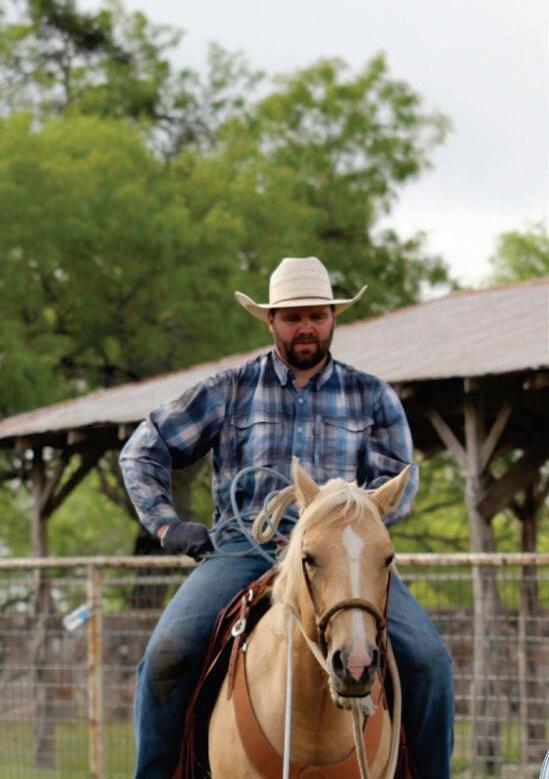
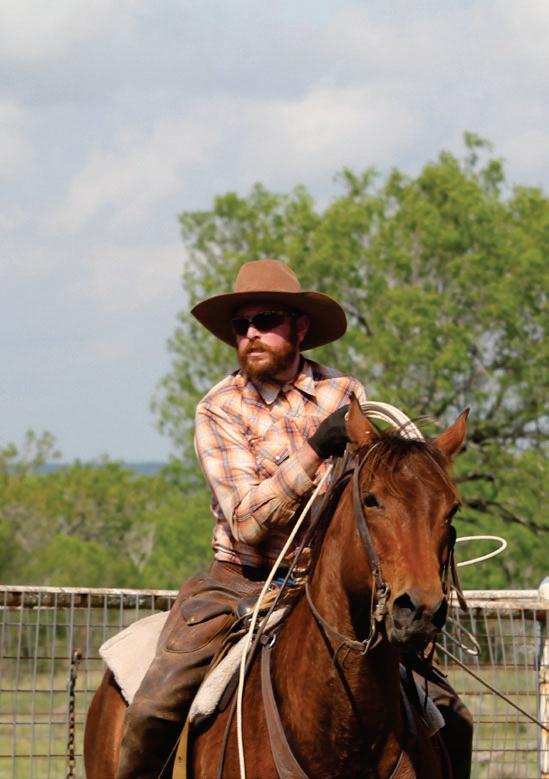
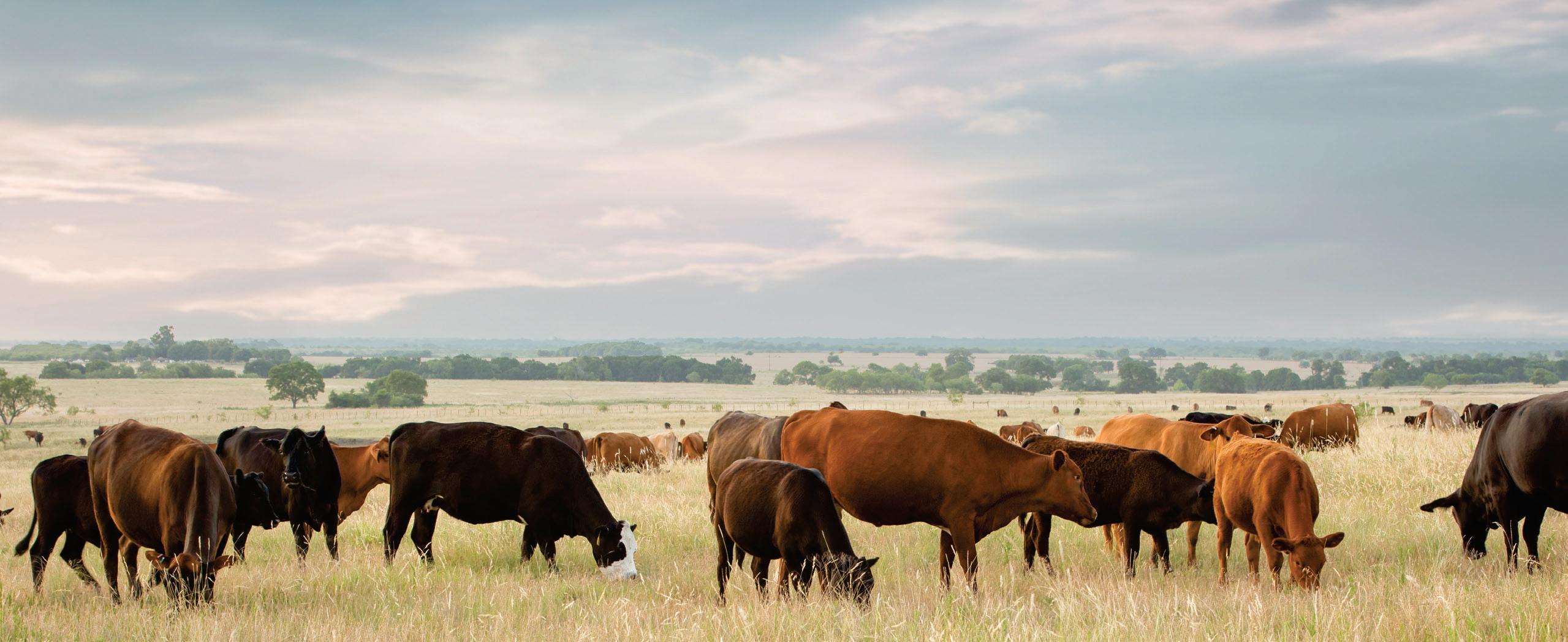
Forward – Fed cattle prices continue their aggressive ascent, recording new all-time highs on a weekly basis. Feeder cattle and calf prices have followed and beef enterprise revenues are higher than many ever imagined possible. Concomitantly, production costs have risen at an equally quick (in some instances quicker) pace. Recruiting and retaining labor is an ever more challenging management responsibility.
Optimism despite the turbulence. During times like these, resource managers refocus by returning to their anchor points, those decisions and practices that are foundational to long-term success and sustaining the ranch business.
For this two-part series, we invited six ranching industry icons with over 250 years of combined experience to describe anchor points that served them well during their tenure as managers. I trust you will find their insights helpful.
– Rick Machen, Director
BURKE
TEICHERT – Retired VP/GM, AgReserves Inc.
In my eighties, I am thankful for so many mentors that gave me new insights all throughout my career. As a youngster growing up on the ranch, it didn’t cost a lot to put up hay or do other farm work. Since that time, the cost of “fossil fuel and iron” has increased at a rate that exceeds the price received for our product.
I came to recognize that we couldn’t continue to emphasize improvement of ranching methods with a high dependence on fossil fuel and iron. We needed to redirect our production systems to be much more dependent on sunlight, rainfall, soil health and our ingenuity to make meaningful economic progress.
Along the way I developed Five Essentials for Successful Ranch Management:
1. My approach to management needs to be both integrative and holistic. This helped me recognize the interconnected-
ness of the biological world, finance, people and our livestock. There are no single effects of any decision we make.
2. We must strive for continuous improvement of the key resources—land, livestock and people. If those are all improving, profitability will also improve.
3. We must acquire and use good planning and decision-making tools. But, only track data that will become good information to improve future planning and decisions.
4. We must wage war on cost—especially overheads. People don’t have to eat meat; and, if they do, it doesn’t have to be beef. So, we must produce our product at a price that is profitable to us and attractive to our customer.
5. We must place an emphasis on marketing. Most of us can do better.
In more recent years, while applying the “Five Essentials” to each management challenge or opportunity, I have come to
understand that 1) adapting cows to their environment, 2) choosing the best calving season for your ranch and 3) using excellent grazing management and soil health practices can positively drive most of the factors that truly improve profitability. They do so by improving three key ratios: acres per cow, cows per FTE (full time equivalent) of labor and fed feed vs. grazed feed.
If you aren’t becoming (or aren’t already) a systems thinker, the foregoing material could be confusing. It is all interconnected. When we think holistically or in a systems context, we see how our management practices can create a symbiotic improvement in the whole system and improve profitability.
BOB KILMER – Retired General Manager, Matador Cattle Company
Ranchers face the same recurring issues, but the complexity of decisions and consequences of mistakes are much greater today. Cattle prices are record high; the capital required to purchase replacement cows or stocker cattle is huge. Operating and capital expenditure costs are the highest ever. All of this requires ranch owners/managers to closely evaluate the economics of every purchase and marketing decision.
Ranch business profitability/ success starts with the employees. Finding and retaining employees who create value is becoming more difficult; recruitment/retention requires keen competitiveness. Managers realize the “switching” cost or willingness to change employment sectors are greater today. Therefore, wages and benefits must be competitive enough to facilitate retention. Having an employee development plan that includes RR&E’s (Role, Responsibilities and Expectations) and regular communication with employees to discuss expectations go a long way to help retain valued employees. Reducing employment costs to promote ranch profitability (i.e., cutting wages, foregoing bonuses, reducing benefits) is a recipe for losing valued people and leaving critical work undone.
A very wise rancher and businessman once told me, “If you can measure it, you can improve it!”. Accurate and honest
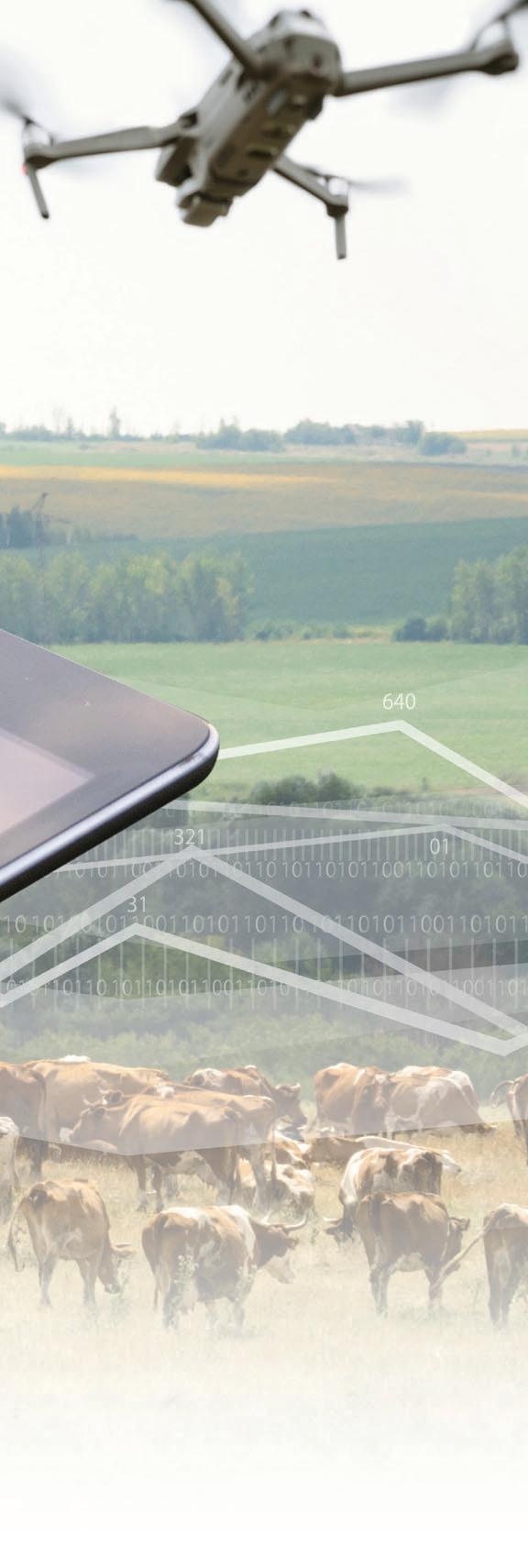
records are a must today. Matador used data to accurately predict cattle production, rangeland productivity, and most importantly, unit cost of production. With high production costs today, cutting costs and waste is more important than ever. The evaluation and use of different Innovation/Technology tools is an area that ranchers must adopt. Drones, remote monitoring technologies, and Artificial Intelligence offer opportunities to cut costs (ex. vehicle maintenance, labor and decision making). Those choosing to ignore technology must compete against those who embrace it.
Available market information helps make marketing and purchasing decisions. Marketing parameters differ by ranch, but price risk protection is essential. At Matador, regular visits with marketing consultants helped make the most informed marketing/purchasing decisions.
In addition to an annual business plan for marketing and expenditures, Matador practiced long range planning for asset improvements such as fencing, brush control, water development and most importantly, drought mitigation. A drought plan was part of our overall annual operating and stocking plan. After the 1998 drought, we could no longer continue a 100% cow/calf operation; adding a stocker cattle enterprise was essential. In 2011, we had to reduce cow numbers and forego purchasing stockers during the severe drought. Our drought plan included marketing cows, weaning calves early, delaying or foregoing the purchase of stocker cattle, developing water wells and pipelines, brush management and rotational grazing to enhance environmental stewardship.
Some viewed the Matador EH&S program as unnecessary in the ranching industry; it was essential, cast a positive light on the ranch and benefitted employees. When implemented, our accident rate decreased appreciably while our horse program expanded. Workman’s Comp claims were almost eliminated by empowering everyone with the right to “stop the train” if an unsafe work process or environmental risk arose.
Encourage employees to generate additional revenue from alternative enterprises (ex. hunting and ranch horse sales). The company shared a percentage of revenue with the employees, thereby incentivizing employees to create and participate in alternative revenue generating opportunities.
WAYNE FAHSHOLTZ
of Padlock Ranch
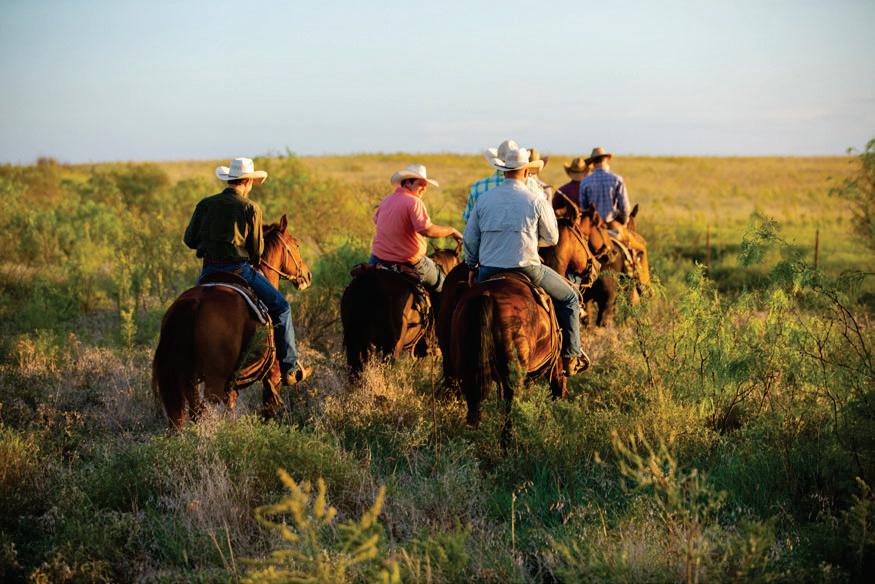
First, faith in God, marrying “up”, the difference between a manager and a leader, and being a learner are most important. Looking back over my ranch management career, the anchor points that proved most valuable were not single techniques or isolated decisions, but durable principles—management habits that held up across droughts, markets, people, and decades. Here are the things I wish I had understood more clearly at the beginning.
1. People decisions are the most important decisions.
Early on, I underestimated how much the culture, safety, and long term performance of a ranch depend on selecting, developing, and retaining the right people. Skills can be taught; character cannot. If I could advise my younger self, I would say: hire for attitude, integrity, curiosity, and work ethic, then invest heavily in training and communication. A ranch rises or falls on the quality of its people.
2. Clarity beats complexity.
Ranch systems are inherently complex—weather, markets, forage, cattle, people, equipment, capital. But the leader’s job is to create clarity. Clear expectations, clear priorities, clear measures of success. When people know what “good” looks like, they perform better and trust grows. I learned that if I couldn’t explain a plan simply, I didn’t understand it well enough.
3. Measure what matters, not what is easy.
Early in my career, I tracked what was convenient. Later, I learned to track what was consequential: conception rates, grazing days, unit cost of production, employee safety, forage condition, and cash flow timing. Data doesn’t make decisions
for you, but it sharpens your judgment. The discipline of measurement is what separates reactive management from intentional management.
4. Stewardship is not a program—it’s a mindset.
I came to understand that land, water, wildlife, and people are not separate categories. They are one system. Good stewardship is good business, and good business enables good stewardship. The sooner a leader embraces that integration, the more resilient the ranch becomes. Conservation is not something you “add on”; it is something you practice in every grazing plan, every water development, every pasture move.
5. Communicate early, clearly, and often.
Most problems I faced over the years were not caused by bad people or bad intentions—they were caused by assumptions. I learned to over communicate goals, reasons, timelines, and expectations. When people understand the “why,” they take ownership of the “how.”
6. Think in decades, act in seasons.
Ranching requires long-term vision and short-term adaptability. Markets shift, droughts come, labor changes, but the long arc of stewardship and profitability depends on decisions that compound over time. The best leaders I knew—and tried to emulate—were steady, patient, and disciplined, even when circumstances were not.
7. Character outperforms strategy.
In the end, the most valuable management skill is not technical—it is personal. Integrity, humility, consistency, and courage create trust. And trust is the foundation of every successful ranch.
By Robert Wells, PhD, PAS
The New World Screwworm (NWS), once considered one of the most destructive livestock pests in the Western Hemisphere, is again raising concern as recent detections in Mexico move closer to the United States border. Unlike common flies that feed on dead tissue, the Screwworm fly lays its eggs in open wounds of warm-blooded animals, where the larvae burrow aggressively into living flesh. Left untreated, infestations can rapidly weaken or kill livestock, creating serious economic and animal welfare concerns for ranchers and wildlife managers alike. Although the United States eradicated the pest decades ago, renewed outbreaks in Central America through northern Mexico have highlighted the ongoing risk of reintroduction.

The threat is no longer viewed as a distant possibility by the U.S. livestock industry. Confirmed cases in northern Mexico have been reported within 60 miles of the Texas border, prompting ranchers to prepare for the possibility that the parasite could once again become a threat to cattle. According to estimates from the United States Department of Agriculture (USDA), Texas livestock producers alone could face annual losses of up to $732 million, while the broader impact on the Texas economy could exceed $1.8 billion. Those estimates do not include potential losses to wildlife populations or the hunting industry throughout Texas and the southern United States.
The United States successfully eradicated the New World Screwworm in the 1970s through a coordinated sterile fly release ef-
fort. By 2000, the parasite was considered eradicated north of the Darién Gap in Panama. However, the recent northward movement of the parasite has renewed concerns that ranchers may face many of the same challenges experienced in the past. During previous outbreaks in the United States, producers devoted significant labor and resources to daily cattle inspections and treatment programs. Today’s cattle industry faces additional obstacles that did not exist during previous outbreaks. Labor shortages, large ranches, and the challenge of gathering cattle in thick brush make regular inspections increasingly difficult. While the USDA is constructing a new sterile fly production facility in South Texas with a planned capacity of 300 million sterile flies per week, the facility is not expected to be completed until late 2028. Until then, ranchers must prepare for the possibility of NWS in the southern United States.
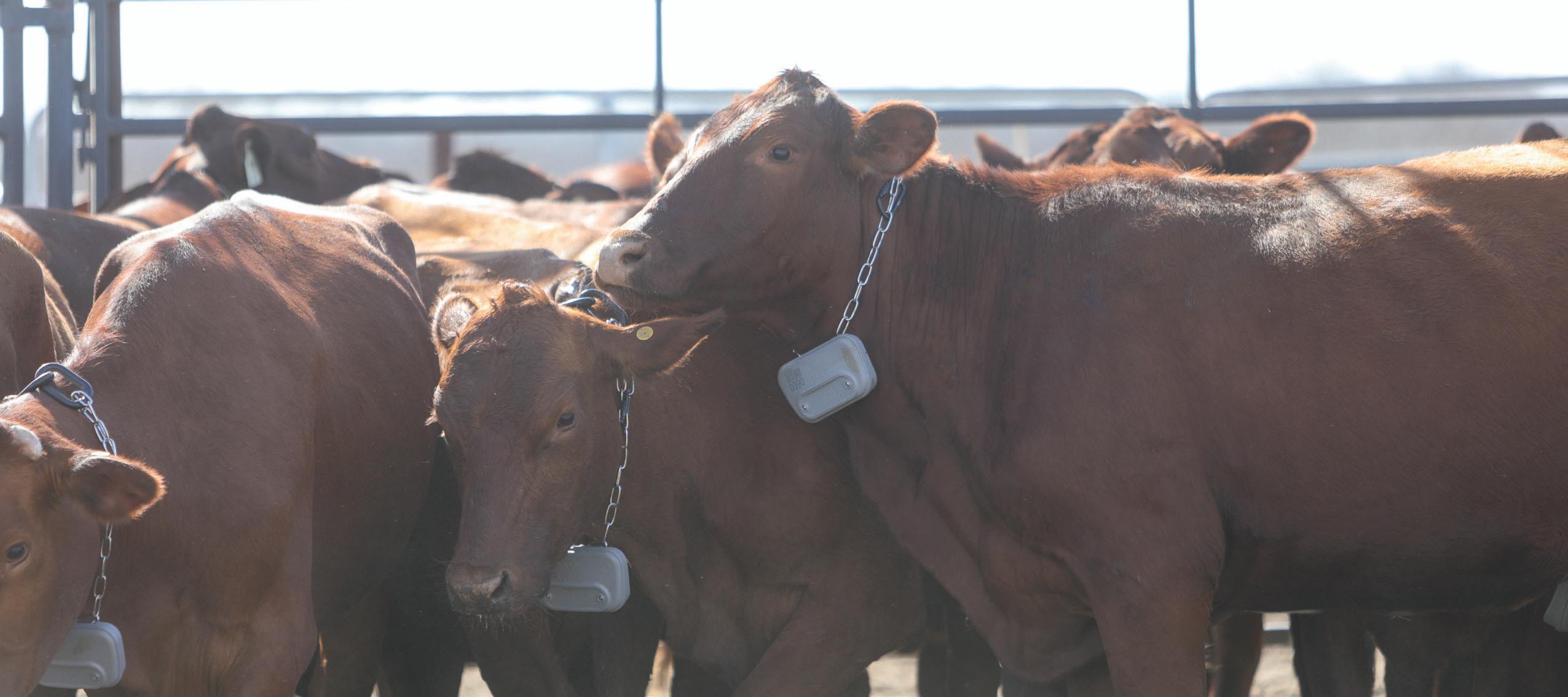
Recognizing these challenges, the King Ranch Institute for Ranch Management (KRIRM), in partnership with SenseHub™ Vence, is testing an innovative NWS mitigation protocol at the TAMUK H.R. Smith Ranch. The project aims to evaluate how virtual fencing and remote cattle management technology can help producers monitor livestock more efficiently, reduce labor demands, and improve early detection of potential infestations. In practical terms, the technology allows ranch managers to “schedule an appointment” for cattle to arrive at specific locations and times for inspection.
The TAMUK H.R. Smith Ranch is a 7,000-acre working ranch near Campbellton, Texas, about 45 minutes south of San Antonio. Its extensive brush cover and large pasture systems make it representative of many South Texas cattle operations where traditional gathering methods can be slow, labor-intensive, and incomplete. Under normal conditions, some cattle may disappear into the brush for days, hindering close inspection. If NWS
becomes established, delays in locating infected animals could lead to severe health complications or death before treatment is administered.
To address these limitations, KRIRM deployed the SenseHub™ Vence virtual fencing system throughout the ranch’s 165-cow herd. Virtual fencing technology uses GPS-enabled collars to electronically control cattle movement, reducing reliance on traditional fencing and horseback gathering. Two communication towers provide coverage across the ranch, and cattle have been trained to respond to the system.
Traditionally, gathering cattle in heavy South Texas brush requires skilled cowboys, horses, vehicles, and significant time. Even then, complete inspections are not always possible. By comparison, virtual fencing can automate much of the gathering process and bring cattle to accessible locations with substantially less manpower. The system can also identify cattle that fail to move with the herd and locate them using GPS data. This feature may prove especially valuable because animals suffering from Screwworm infestation often become weak or reluctant to travel.
The key innovation lies in using the system to guide cattle to centralized water points and holding areas at predetermined intervals. Once cattle arrive, ranch staff can physically inspect each animal for signs of Screwworm infestation, injury, or illness. This process could dramatically reduce the labor required to gather and monitor cattle during an outbreak. KRIRM will refine a protocol for the movement feature and demonstrate the practicality of using virtual fences to deliver and hold cows in a specified confined area.
The project will also help determine whether earlier detection and reduced labor can justify the cost of the technology. KRIRM plans to collect data on cattle attendance rates, movement response, labor savings, treatment outcomes, and estimated reductions in death loss associated with faster identification of infected animals. Researchers will also evaluate potential savings from reduced fence construction and maintenance, lower labor demands, and improved grazing flexibility.
One of the most important components of the project is an economic sensitivity analysis. KRIRM researchers plan to estimate how many cows or calves would need to be saved through earlier treatment for the Vence system to effectively pay for itself. This information could help producers determine whether investing in virtual fencing technology is financially justified if the Screwworm threat intensifies.
Implementation of the demonstration project began in January 2026 and will continue for two years. Throughout the evaluation period, KRIRM plans to share findings with producers and industry stakeholders through conference presentations, lectureships, social media outreach, and popular press publications. The
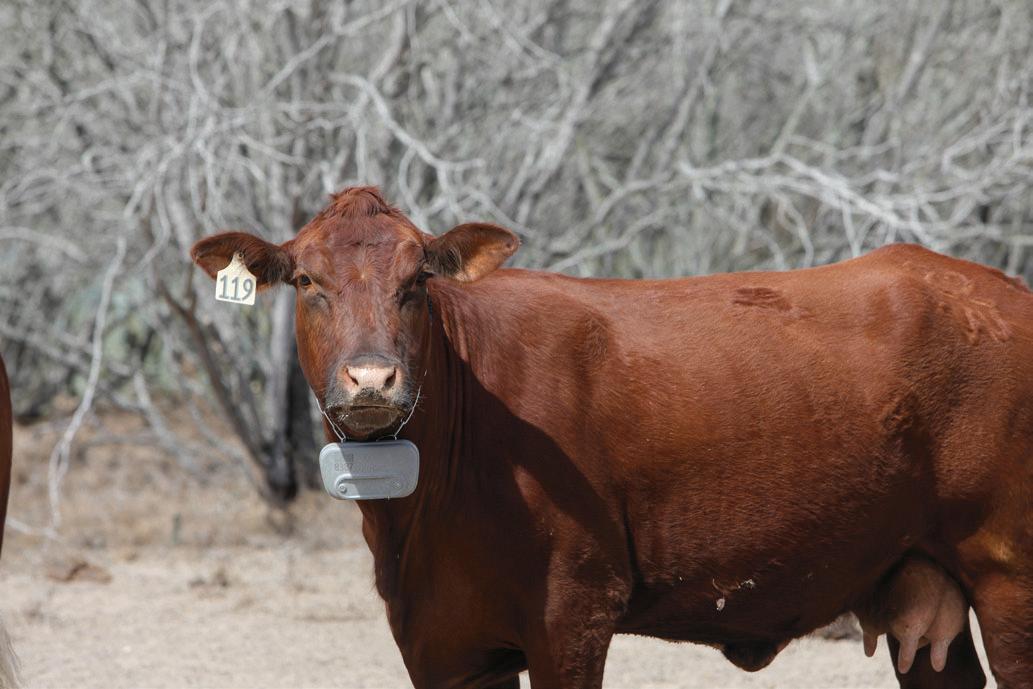
KRIRM researchers plan to estimate how many cows or calves would need to be saved through earlier treatment for the Vence system to effectively pay for itself.
goal is not only to evaluate the effectiveness of the Vence system at the TAMUK H.R. Smith Ranch, but also to demonstrate practical strategies that ranches across Texas and the southern United States can adopt if the Screwworm threat worsens.
The project highlights how precision livestock technology is becoming part of everyday ranch management. While virtual fencing systems were initially designed primarily for grazing management and labor efficiency, the looming threat of NWS demonstrates how these tools may also provide important animal health and biosecurity benefits. In many ways, the project represents a blend of traditional ranching practices and emerging technology solutions designed to address increasingly complex challenges facing the ranching industry.
The New World Screwworm serves as a reminder that livestock production remains vulnerable to biological threats that can emerge rapidly and cause enormous economic damage. At the same time, the KRIRM demonstration project illustrates how innovation, applied research, and collaboration can help ranchers prepare for future challenges. By combining virtual fencing technology with practical ranch management principles, KRIRM hopes to provide producers with new strategies to improve animal monitoring, reduce labor constraints, and lessen the potentially devastating impacts of a New World Screwworm outbreak.
https://www.aphis.usda.gov/sites/default/files/nws-historical-economic-impact.pdf
https://www.fb.org/market-intel/new-world-screwwormmoves-beyond-containment-threshold?utm_source=chatgpt. com
pertise, or committing financial support, your involvement is essential. To King Ranch and East Foundation (the two closest geographically) who always stand at the ready and frequently engage with us, I am very grateful.
External funding is the institute’s life blood. Those who share the vision and provide financial support via endowments, multi-year pledges and our Ranching Legacy program are essential team members. Continuation/expansion of efforts will not happen without you. Thank you.
To the industry giants who so willingly and eagerly share from their experiences and knowledge, thank you. Your investment in our early career professionals will pay dividends for decades. Including our students in your personal network of contacts bolsters their confidence more than you would imagine.
To the students and alumni – you are the primary reason I made a career change ten short years ago. A change that has been far more rewarding than I could have imagined. Your passion and curiosity are infectious. Your devotion to self and professional improvement is inspiring. Your faith in the institute to equip you is humbling. I am honored to have made a small contribution to your success. Continue going forth and doing well. Exceptionally well.
The institute’s heartbeat is sustained by a small group of loyal, devoted, creative, supportive, sacrificing coworkers. Seldom does the spotlight shine on the majority of your diligent efforts. You give much more than you ask. Working alongside you has been enjoyable; reviewing our collective productivity is rewarding. Niki, Onie and April, thank you.
Robert, Ben and Fidel – the responsibility of mission contin-
uation and accomplishment rests squarely on your shoulders. Do not waiver. Unleash your creativity. Continue to raise the bar and accelerate the program’s successes. The student talent awaiting your instruction and mentorship this fall is exceptional. When the bell rings and the fall semester gate opens, surge forward as if shot from a rocket.
Twenty-three years ago, the King Ranch family and leadership perceived a need for business-minded managers to sustainably administer large complex ranches. The age-old process of promoting the best cowboy, camp or unit manager would no longer suffice. The importance of managing animal protein and fiber production, wildlife and natural resources would not wane.
Two decades later, ranches do not have to be ‘large’ to be complex. Additional less intuitive responsibilities including price forecasting, marketing, risk management, and human resources have been added to the job description. Then along came the younger challenges like renewable energy harvest, carbon credits and sequestration and a revolutionary new version of AI (artificial intelligence). And forget not, an old forgottenbut-not-gone nemesis is steadily trekking northward through Mexico; at press time, the battlefront is within 60 miles of the U.S./Mexico border.
The vitality of the institute’s charge and mission continues to intensify. With the support and engagement of those mentioned above, my confidence is resolute in the faculty and staff’s ability to equip responsible resource stewards with business management skills who lead in their community and across the ranching industry. Great opportunity lies just ahead.

AUGUST 1012, 2026 || KINGSVILLE, TX
Ranching has become a complex business that requires consideration of the ranch-wide impact of every decision. Everything functions in a system, from the planets to single-cell microbes. Systems Thinking is a language for learning and describing how organizations and complex systems function. Overlooking the system and its interconnected parts can result in unintended consequences and actions that backfire. This lectureship introduces the principles, processes, and tools that will aid natural resource managers’ understanding and management of dynamically complex systems.


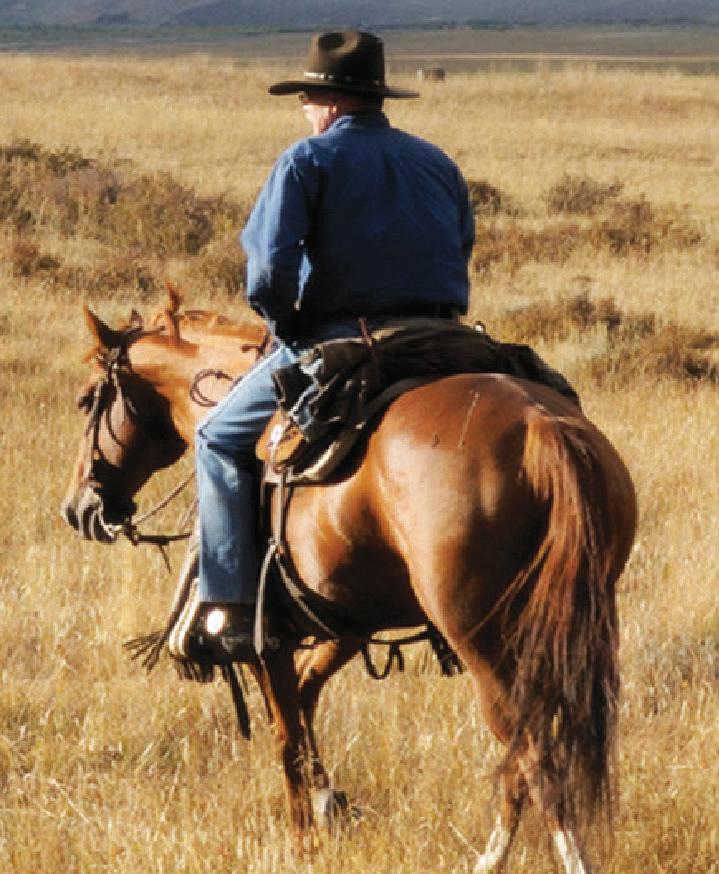




Ranching technology continues to evolve, but not every innovation is suited for every operation. This symposium focuses on helping producers identify practical, value-driven tools for ranch management and understand how to evaluate whether a technology is worth adopting. Emphasis is placed on real-world application and thoughtful decision-making rather than trends or one-size-fits-all solutions. Attendees will gain perspective on how to align technology choices with their specific operational goals and constraints.

Join us November 5-6, 2026 as we discuss the future of ranch management.