


MATT SOLAK

MATT SOLAK
As we move through another busy year, I continue to be encouraged by the strength, professionalism, and engagement of our members across the state. Whether serving rural communities, supporting agriculture, fueling fleets, or keeping families warm, propane marketers remain essential to the energy reliability that our customers depend on every day.
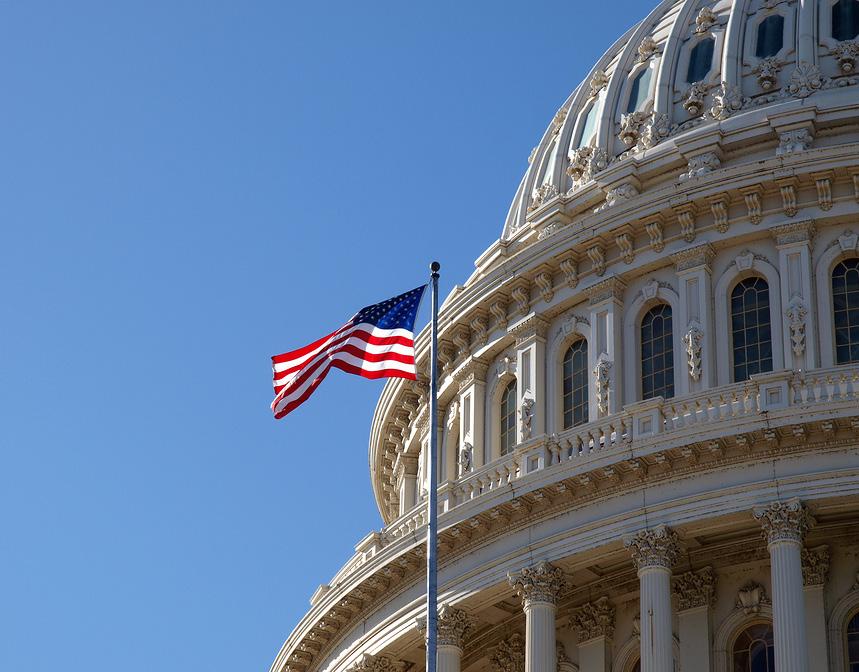
One of the most important opportunities we have each year to protect and advance our industry is participating in Propane Days in Washington, D.C. Hosted by the National Propane Gas Association, this annual event brings together propane professionals from across the country to meet directly with lawmakers and federal policymakers about the issues impacting our businesses and customers. I want to thank the members from PPGA who are planning to attend to advocate on behalf of our association.
This year’s advocacy efforts will focus on several critical priorities for our industry, including energy choice, fair regulatory treatment, transportation and infrastructure policies, workforce development, and maintaining propane’s role as a clean, reliable, and affordable energy source. Industry representatives will meet with congressional offices to share real-world perspectives from communities that rely on propane every day.
The conversations on Capitol Hill continue to reinforce an important message: propane matters. From supporting farmers during planting and harvest seasons to ensuring energy resilience in areas underserved by natural gas infrastructure, propane provides dependable energy solutions that cannot be overlooked in national energy discussions.
The Pacific Propane Gas Association remains committed to strong advocacy at both the state and federal levels. Through our continued partnership with NPGA and engagement with policymakers, we will work to ensure propane businesses have a unified voice on the issues that matter most to our industry and customers.
Thank you for your continued membership, involvement, and commitment to safety and service. Together, we are building a stronger future for propane.

Legacy Energy Consulting has over 30 years of direct industry experience. Since forming our family - owned business in June of 2020, we have successfully completed over 25 sales nationwide.
Trust the sale of your business to experienced professionals with proven results.
We use a proprietary strategic planning process to outline future vision, assess the current state of critical operational areas, and develop strategies, tactics, timelines, and resource allocations to help businesses reach their goals.
chad@legacyenergyconsulting.com www.legacyenergyconsulting.com
763 - 772 - 2834

Join us August 12-14 at Skamania Lodge for the 2026 PPGA Summer Conference. Set against the stunning backdrop of the Columbia River Gorge, this year’s event brings together propane marketers, suppliers, and industry partners from across the region for meaningful connections, timely education, and an unforgettable experience. Bring your team, invite your family, and enjoy everything Skamania Lodge has to offer, from an 18-hole putting course and ziplining to scenic hiking and spa relaxation.
Skamania Lodge
1131 SW Skamania Lodge Way Stevenson, WA 98648
Skamania Lodge is offering a special rate of $259 for conference guests. This rate is available until July 12, 2026 or until sold out, whichever occurs first. We recommend reserving early to help ensure availability. Applicable taxes and $24 daily resort fee will be applied to rates.
Visit the conference page at pacificpga.com to access our booking link or call 844-432-4748 and reference group name PPGA Summer Conference.
Conference Registration
The registration fee includes education and evening events. Separate registration is required for golf outing. To register, visit the conference page at pacificpga.org or scan the QR code.
Early registration ends July 22, 2026. After July 22, an additional $25 will be added to all registration fees.
Golf Registration
Advance registration required by July 29. To register, visit the conference page at pacificpga.org or scan the QR code.


We are offering a variety of opportunities to best suit your needs and showcase your products and services. For more information and to register for a sponsorship, visit the conference page at pacificpga.com.
Skamania Lodge | Stevenson, Washington

Wednesday, August 12, 2026
8:30am – 1:30pm Golf Outing
Join us at Elk Ridge Golf Course located at 1 St Martina Springs Rd., Carson. This newly re-sculpted links style course offers beautiful hills and forestation, as well as excellent views of the Columbia Gorge. Take this opportunity to enjoy the outdoors with your employees, customers and fellow industry partners. Arrive at 8:30am for registration with a shotgun start at 9:00am. Registration includes 18-holes of golf with cart, practice balls, drink ticket and lunch. Transportation on your own.
*Advance registration required by July 29.
5:00pm - 7:00pm
Welcome Reception & Registration
Kick off the conference with this outdoor social networking event. Enjoy light appetizers, drinks and a cornhole tournament.
Thursday, August 13, 2026
8:00am
Breakfast & Registration
8:30am – 8:45am
National Propane Gas Association Update
Benjamin Nussdorf, General Counsel/Senior VP, Regulatory & Industry Affairs, NPGA
8:45am – 9:00am
Propane Education & Research Council Update
Bert Warner, Director of Commercial Business Development, PERC
9:00am – 9:30am
Oregon State Fire Marshal Update
Mark Johnson, Assistant Chief Deputy, Regulatory Services Division
The Oregon State Fire Marshall continues to protect lives, property and communities through fire prevention, emergency response and public safety leadership. The agency will provide a program update, share statistical data results from conducting tank inspections, share rule amendments to conduct audits of tank installation reporting and current licenses and plans for technology modernization of the program.
9:30am-10:00am
What You Need to Know About RTP
Joe Montroy, Vice President Sales, Bergquist, Inc.
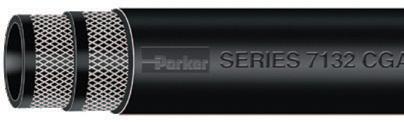
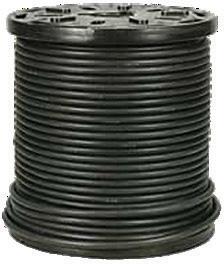
Reinforced Thermoplastic Pipe (RTP) is a safe, fast, and reliable method for transferring liquid propane. It is corrosion-resistant and requires a fraction of the time needed to install blackiron pipe. Let’s discuss what it is, why you should consider it, and what you need to know before using it.
10:00am - 10:15am
Break & Visit Sponsor Display Tables
10:15am – 10:45am
Legislative Panel Discussion
This interactive panel will bring together state lobbyists and legislators to discuss the latest regulatory developments, policy trends and legislative priorities impacting the propane industry. Take this opportunity to engage directly with those representing the industry.
10:45am – 11:15am
The Every Day Safe Program Update
Bert Warner, Director of Commercial Business Development, PERC Learn about PERC’s new safety initiative, The Every Day Safe Program, which is designed to help propane companies build a strong Culture of Safety and better leverage PERC’s safety resources.
11:15am – 11:45am
Does the International LPG Market Impact the PNW Region?
JD Buss, President, Westlark Advisors
Over the last 18+ months, the global energy markets have been dramatically impacted by tariffs and military conflict, particularly in Iran. These events have generated a large shift in how other nations procure their propane (LPG) and begs the question, “do these international changes have any impact on the supply coming into the PNW market area?”. The short answer is “yes,” and the longer answer demonstrates how changing international buying habits impact the price of supply, the volatility of propane prices, and even the availability of supply to the PNW area.
11:45am – 1:00pm Lunch



Thursday, August 13, 2026 (...continued)
1:00pm – 2:00pm
How Propane Companies Win in an Electrification-First Environment
Jason Erwin, National Sales Manager, Warm Thoughts Communications In the Pacific Northwest propane companies aren’t just competing with each other, they’re up against an “electrify everything” movement. This presentation gives a practical framework to stay relevant by telling a stronger story around reliability, resilience, and renewable propane. It focuses on how to shift customer perception and protect market share in regions where electrification is becoming the default.
2:00pm – 3:00pm PPGA Board Meeting

6:00pm - 9:00pm Dinner
Enjoy this special evening of networking and dinner at the Skamania Lodge Riverview Pavilion. Dine while taking in the breathtaking Cascade Mountains and Columbia River views. We will hear briefly from PPGA leadership, announce winners from our Golf Outing and 50/50 Scholarship Program Fundraiser and thank our conference sponsors.
Friday, August 14, 2026
8:00am – 9:00am Breakfast & Membership Meeting
Enjoy breakfast while you hear about the latest PPGA updates and learn from local and national experts about those topics that are most important to the propane industry.








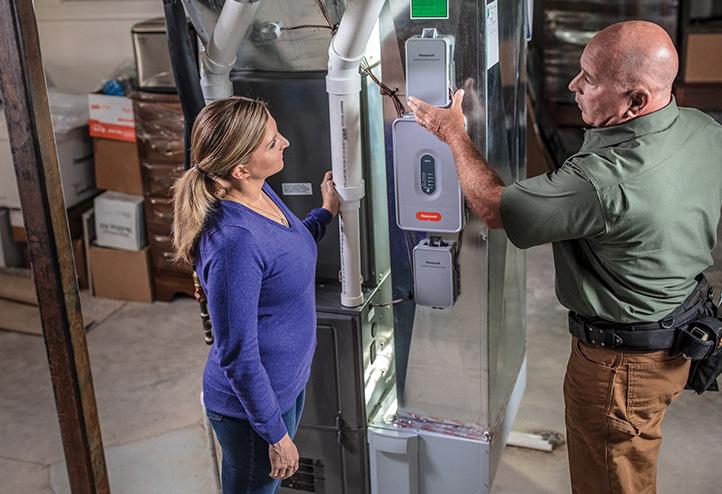
The PPGA has rebate funds available for you and your propane customers to take advantage of in 2026. Click here for more information.
2026 rebates include:
• On Road Propane Vehicle Rebate
• Regulator Rebate

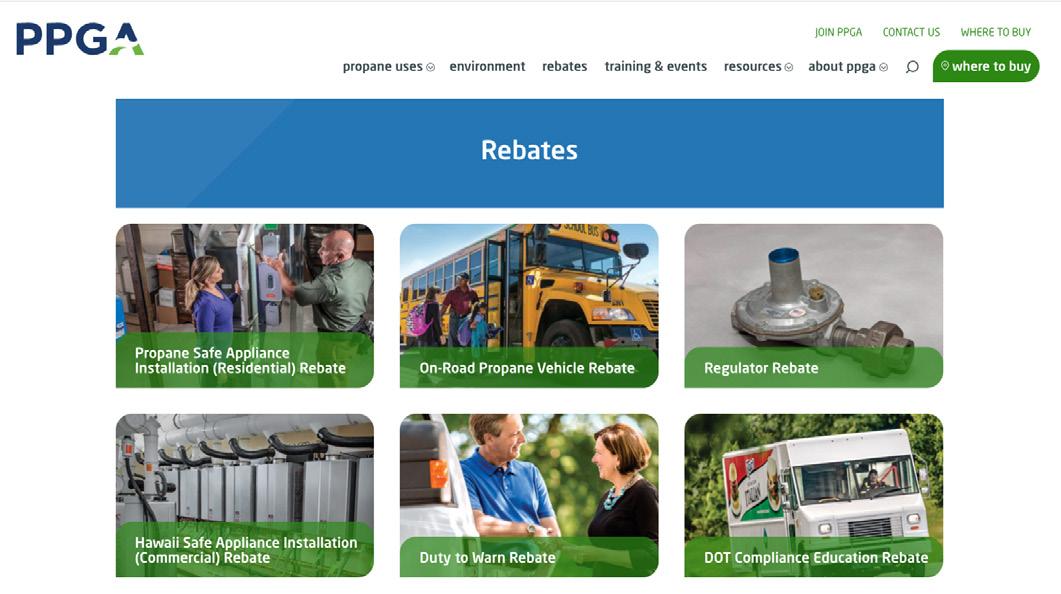

• Propane Safe Appliance Installation (Residential) Rebate
For more information and applications, visit pacificpga.org and click on Rebates.
• Hawaii Safe Appliance Installation (Commercial) Rebate
• Duty to Warn Rebate
• DOT Compliance Education Rebate
Rebates are available until December 31 or while funds are available.


JIM HEDRICK
Candidate filing week has concluded and while there were no major surprises, it clarified the field by removing many of the exploratory and committee-only candidates reflected in earlier PDC filings.
Currently, there are 20 open legislative seats statewide, including 14 House seats and 6 Senate seats, largely the result of retirements, members pursuing higher office, and local office bids. Democrats remain strongly positioned to retain legislative control in 2026. However, the cycle is likely to produce substantial internal caucus change, particularly among Democratic leadership and committee structures. Much of the political activity this cycle is occurring within the Democratic caucus itself, where a growing number of intraparty contests are highlighting tensions between institutional Democrats and more progressive activist-aligned factions. At the same time, a small number of genuinely competitive districts continue to provide Republicans with limited but viable pickup opportunities, particularly in suburban districts where cost of living, public safety, and economic concerns remain salient.
Several themes are likely to define the 2026 legislative cycle:
• The Top-Two Primary System Remains a Major Variable: Washington’s primary structure continues to create unpredictable outcomes, particularly in crowded Democratic primaries where vote fragmentation could produce unexpected November matchups.
• Turnover Will Reshape Legislative Power Centers: The number of retirements among senior legislators and budget leaders will significantly alter committee leadership structures and caucus influence dynamics entering the 2027 session.
• Democratic Coalition Politics Are Central: Many of the most meaningful races this cycle are occurring within Democratic primaries rather than between Democrats and Republicans, reflecting ongoing ideological sorting within the majority caucus.
• Competitive General Election Opportunities Remain Limited: Despite elevated turnover, relatively few districts remain true partisan battlegrounds. The 26th and portions of the 10th, 18th, and 42nd districts remain the primary areas where both parties are expected to seriously compete.
• Affordability and Public Safety Continue to Dominate Swing District Messaging: Republican candidates continue to center campaigns around affordability, taxes, public safety, and cost-of-living concerns, while Democrats remain focused on education, reproductive rights, labor, and healthcare issues.
Several longtime legislators are departing the Legislature this cycle, including senior budget writers and committee leaders whose exits will create substantial institutional turnover. Nota-
ble Senate retirements include:
• Sen. Judy Warnick (R-13-Moses Lake/Cle Elum)
• Sen. Steve Conway (D-29, South Tacoma)
• Sen. Sharon Shewmake (D-42, Bellingham)
Additionally, Sen. Matt Boehnke (R-8, Tri-Cities) is vacating his seat to pursue a congressional campaign.
In the House, significant retirements and upward moves include:
• Rep. Timm Ormsby (D-3, Spokane)
• Rep. Jenny Graham (R-6, Spokane)
• Rep. Mike Volz (R-6, Spokane)
• Rep. Steve Tharinger (D-24, Port Angeles)
• Rep. Michelle Caldier Valdez (R-26, Gig Harbor)
• Rep. Carolyn Eslick (R-39, Snohomish)
• Rep. Larry Springer (D-45, Kirkland)
Other members, including Reps. Cindy Ryu (D-32, Shoreline), Sharlett Mena (D-29, South Tacoma), Chipalo Street (D-37, Seattle), Alex Ybarra (R-13, Moses Lake), and Jeremie Dufault (R-15, Yakima Valley), are pursuing Senate seats, while Rep. Suzanne Schmidt (R-4, Spokane Valley) and Rep. Sharon Wylie (D-49, Vancouver) are seeking local offices.
Although many of these districts are structurally safe for one party, the unusually large number of open-seat races significantly increases primary election uncertainty and creates opportunities for ideological and generational shifts within both caucuses.
26th Legislative District: The 26th Legislative District remains the state’s clearest legislative battleground and is expected to be one of the most heavily watched races of the cycle. The district, spanning portions of Pierce and Kitsap counties, has steadily trended Democratic over the past decade while still maintaining a highly competitive political profile.
The open House seat created by Rep. Michelle Caldier Valdez’s retirement is expected to draw significant outside investment from both parties.
Democrats currently field Renee Greenfield, with a background in education, child welfare, and Democrat Tedd Wetherbee, a small business owner with ties to the Gig Harbor business community.
Republicans have largely consolidated behind Katy Cornell, a nonprofit leader, pastor, and business owner emphasizing affordability and education issues.
On the Senate side, Sen. Deb Krishnadasan enters the cycle with clear momentum following her decisive special election victory, though Republicans continue to view the district as one of their better long-term opportunities.
The district’s split legislative delegation and continued suburban realignment make the 26th central to both parties’ longterm strategic calculations.
42nd Legislative District Senate Race: The open 42nd Senate seat following Sen. Sharon Shewmake’s retirement represents another closely watched contest.
Historically Republican, the district has shifted significantly toward Democrats in recent cycles, particularly in suburban Whatcom County communities. Democrats have largely consolidated around Michael Shepard, who has quickly built a substantial fundraising and endorsement advantage, though progressive challenger Eamonn Collins could complicate the Democratic primary dynamic.
Republicans have rallied around Erika Creydt, a Blaine School Board director and clinical psychologist positioning herself as a fiscally focused moderate Republican.
Washington’s top-two primary system creates a unique variable in this race. A fragmented Democratic primary could provide Republicans a pathway to remain competitive into November despite the district’s recent Democratic trajectory.
Only three legislative districts currently maintain split partisan representation.
10th Legislative District: Democrats currently hold both House seats while Republicans retain the Senate seat through Sen. Ron Muzzall. Rep. Clyde Shavers is again expected to face a highly competitive race after narrowly flipping his seat in 2022. Republicans are coalescing around Stanwood City Councilmember Robert “Chili” Hicks, whose campaign is expected to emphasize affordability and public safety issues. Rep. Dave Paul remains the stronger Democratic incumbent and continues to build a profile around education and workforce development policy. The district remains one of the few true swing-style regions remaining in Washington legislative politics.
18th Legislative District: The 18th Legislative District remains politically competitive as suburban growth in east Clark County continues reshaping the district’s electorate.
Democrats currently hold the Senate seat through Sen. Adrian
Cortes, while Republicans retain both House seats. Democrats have made measurable gains over the past several election cycles, though Republicans continue to maintain a durable geographic and turnout advantage across portions of the district. The district remains an important long-term bellwether for broader suburban political movement in Southwest Washington.
A defining feature of the 2026 cycle is the growing number of consequential Democratic-on-Democratic races, many of which reflect broader ideological and generational tensions inside the caucus.
32nd Legislative District: Rep. Cindy Ryu’s challenge against incumbent Sen. Jesse Salomon has emerged as one of the cycle’s most notable intraparty contests. The race centers less on partisan control and more on competing Democratic coalition dynamics and institutional relationships. The contest has also created a crowded Democratic primary for Ryu’s open House seat, while Rep. Lauren Davis faces a challenge from progressive organizer Imraan Siddiqi.
43rd Legislative District: Senate Majority Leader Jamie Pedersen faces a challenge from former caucus staffer Hannah Sabio-Howell in one of the safest Democratic districts in the state.
The race follows Pedersen’s central role in advancing the Legislature’s recent progressive revenue package, including the 2026 capital gains and high-income tax proposals, positioning the contest as an ideological referendum within the Democratic base.
11th Legislative District: Rep. David Hackney faces a Democratic primary challenge from Ashley Fedan, a certified registered nurse anesthetist. The race continues a broader pattern of progressive coalition competition within safely Democratic districts, particularly around labor, criminal justice, and institutional reform issues.
Several open-seat races are expected to reshape legislative leadership pipelines and caucus composition over the next several years. Most of these districts are expected to remain safely Democratic, though several are likely to produce competitive and expensive primaries between institutional and progressive-aligned candidates. Key Democratic-held open seats include:

• 3rd Legislative District (Spokane)
• 24th Legislative District (Olympic Peninsula)
• 45th Legislative District (Eastside)
• 49th Legislative District (Vancouver)
Republicans remain favored in most of these districts, though candidate quality and turnout dynamics could create volatility in select races. The 6th Legislative District is particularly notable given the simultaneous retirement of both Republican House incumbents, creating one of the largest single-district turnover events of the cycle.
Key Republican-held open seats include:
• 4th Legislative District (Spokane Valley)
• 6th Legislative District (Spokane County)
• 13th Legislative District (Central Washington)
• 15th Legislative District (Yakima Valley)
• 39th Legislative District (rural Snohomish/Skagit/Whatcom)
Hope this is helpful or at least interesting to review. For questions, text Jim Hedrick at 360.789.4700.
Recently released data from the U.S. Energy Information Administration show that, in 2025, approximately 34.20 quadrillion (quads) units of energy were consumed to produce only 14.31 quads of electricity. In other words, 19.89 quadrillion BTUs of energy — 58% of all energy inputted — was lost. Most of this energy was lost, as heat, at electric power plants, with additional losses occurring during the movement of electrons on transmission and distribution lines from a generation plant to an electrical outlet. The inherent inefficiencies in the production of electricity at thermal power plants means that producers must burn more fuel to compensate for the energy that is wasted. As a result, additional greenhouse gases, like carbon dioxide, and criteria air pollutants, such as sulfur dioxide, are released into the air and atmosphere. This is bad for air quality and the climate.

Furthermore, utility-scale electricity production is also very water-intensive due to the demand for cooling water to condense steam at thermal plants. In 2021, more than 47 trillion gallons
of water were used by the electric power sector, making power plants the largest source of water withdrawals in the country. In contrast to the bulk electric grid, the direct-use of propane remains a clean and very efficient way to consume energy, especially from energy-intensive building applications such as space and water heating.






JENNY DRESLER
The 35-day legislative “short session” opened on Monday, February 2nd with one major objective – to find enough money to balance the state’s budget and build enough of a financial cushion to whether any potential revenue fluctuations for the remaining 15 months of the 2025-27 biennium.
Just days after the 2025 legislature adjourned, the federal passage of HR 1 (‘One Big Beautiful Bill’) in early July 2025 dealt the state a significant financial hit. Instead of being in a cash surplus position, the state quickly sunk into a $360 million deficit. The tax cuts in HR 1 – and Oregon’s automatic connection to the federal tax code – cut $880 million of anticipated revenue. In addition to the tax cuts – HR 1 also stemmed the flow of federal dollars into Oregon’s Medicaid and SNAP benefits.
By winter of 2025, legislators were exploring ways to generate about $750 million in revenue to bring the state back into surplus. This included proposals to both raise tax revenue and also cut state spending. Governor Kotek directed all of her agencies to propose budget cuts for legislative consideration at two levels – a 2.5% “cuts” proposal and a more severe 5% proposal. In the end, neither budget reduction scenario was considered as legislators received positive a positive revenue forecast in November 2025 (+$300 million in added corporate tax revenue) and another positive forecast on February 4th (+$286 million in added overall revenue). Combined with the passage of a $300
million tax package, the legislature was able restore its fiscal surplus and actually added $200 million in new state spending with only modest cuts – a little over $100 million – coming from eliminating unfilled positions across state government. In the end, the 2026 Legislature will be remembered for these four issues:
1. Tax increases. The most consequential action of 2026 was the passage of Senate Bill 1507 to disconnect from certain tax incentives in the federal HR 1 – the most notable and sizable of which was the $267 million of bonus depreciation tax incentives due to Oregon businesses for investments in capital equipment. The majority Democrats came to internal agreement early on this bill and used their majorities to pass the legislation without Republican votes. This $311 million tax bill was the linchpin of the session as it set the budget in place. Republican legislators and taxpayer groups appear poised to collect signatures to refer the legislation to voters at the next general election.
2. Gas tax referendum election. The biggest headline-grabbing issue of the session was Senate Bill 1599 – an effort by Democratic leadership to move the election date of the gas tax referral up from the November general election to the May primary election. In a demonstration of political power, Democrats succeeded in overcoming an onslaught of emotional and popular opposition to
the bill to help eliminate a potential political liability for Democratic incumbents in the 2026 general election.
3. Moda Center. Very few things bring Oregonians together more than their professional basketball team – the Portland Trailblazers. SB 1501 authorized $365 million of state bonding capacity and created a dedicated revenue stream-income tax revenues paid by the Portland Trailblazers and other athletes and performers – to service the debt needed to make renovations to the Moda Center. In taking an ownership stake in the Moda Center, the legislature was looking to step in and prevent the team from possibly relocating. These improvements were deemed to be essential in the effort to keep the Trailblazers in Portland. The dealmaking to pass SB 1501 in many ways provided the blueprint to peaceably adjourn the 2026 legislature as surplus state revenues were generously appropriated to rural and Republican districts as part of the “go home” package.
4. The Trump effect. The person who exerted more influence on this year’s session than anyone else was President Trump. Many bills introduced this session were intended to counter federal policy, largely related to immigration enforcement and fiscal policy. SB 1507 is a notable example, as it was seen as a necessary rebuttal to federal tax policy. HB 4138 attempts to prohibit federal law enforcement from wearing masks; HB 4127 to keep Planned Parenthood opened in Oregon; SB 1570 to require hospitals to have policies in place to address hospital response if a federal law enforcement authority arrives at the hospital; HB 4111 to provide that evidence of a party’s immigration status is not admissible as evidence in a civil proceeding; HB 4114 to create a civil cause of action against federal law enforcement who enter certain property without a warrant or an exception to the warrant requirement.
The 2026 legislature adjourned on Friday, March 6th having considered nearly 300 pieces of legislation and balancing the state’s budget after 33 days of work. The partisan rancor that characterized the short session quickly gave way to collegiality and comity as the session came to an orderly and expeditious close.
LEGISLATIVE SESSION SUMMARY
Public Affairs Counsel was pleased to advocate for and monitor the following issues for the PPGA during the 2026 Oregon legislative session. This is a recap of issues that were identified as top legislative priorities for PPGA during the short 35-day session.
Bulk Oil Terminal Certificate of Financial Responsibility (HB 4100): The measure requires that the owner or operator of a bulk oils or liquid fuels terminal must acquire and maintain a certificate of financial responsibility related to financial assurance for spill-related liabilities. Financial assurance must be a minimum amount required by rule, capped at $300 million (which is adjusted every 3 years). ORS 468B.510 defines “bulk oils or liquid fuels terminal” as industrial facilities located in Columbia, Multnomah, or Lane counties that are primarily engaged in the transport or bulk storage of oils or liquid fuel products and are characterized by having marine, pipeline, railroad, or vehicular transport access; transloading facilities for transferring shipments of oils or liquid fuel products between transportation modes; and one or more bulk storage tanks with a combined capacity of 2 million gallons or more. WSPA negotiated this bill to preempt local governments, specifically Multnomah County, from levying unreasonably large fees on bulk oil/fuel terminal operators.
FINAL ACTION: PASSED.
Cap on LCFS (HB 4129): HB 4129 limits greenhouse gas emission reductions, for purposes of low carbon fuel standards, to 10 percent below 2010 levels. It also prohibits local governments from prohibiting or limiting the storage capacity of fossil fuel terminals.
FINAL ACTION: FAILED.
Insurance in the Unlawful Trade Practices Act (UTPA) (HB 4098): HB 4098 expands Oregon’s Unlawful Trade Practices Act (UTPA) to include certain violations of state insurance laws, allowing consumers to bring civil actions when insurers engage in unfair claim settlement practices, improper underwriting decisions, or certain policy cancellation practices. The bill also clarifies enforcement procedures, requires notice to the Department of Consumer and Business Services when a lawsuit is filed, and establishes several exemptions related to legal advice, insurance agents, and the handling, settlement, or ultimate resolution of medical malpractice or workers’ compensation claims.
The bill was amended in the House to try to limit the scope of the bill further to first-party bad faith claims. Business organizations strongly opposed the bill due to experience in other states with significant increases in property and casualty insurance products stemming from similar laws.
FINAL OUTCOME: FAILED. THE ONLY BILL TO FAIL ON THE HOUSE FLOOR IN THE 2026 SESSION. SEVEN MODERATE HOUSE DEMOCRATS JOINED REPUBLICANS IN KILLING THE BILL 29-29 ON THE HOUSE FLOOR
DESPITE GOVERNOR KOTEK’S 11TH HOUR LOBBYING TO SUPPORT THE BILL.
Oregon Federal Disconnect (SB 1507): Senate Bill 1507 is a revenue measure designed to “partially disconnect” Oregon’s state tax code from certain federal tax changes introduced by the H.R. 1. By decoupling from specific federal deductions, the bill is projected to preserve or “claw back” approximately $311 to $342 million in tax revenue for the state over the next 18 months to avoid cuts to essential services.
The bill targets three federal tax breaks, requiring taxpayers to add these amounts back to their Oregon taxable income:
1. Bonus Depreciation: Limits the “bonus depreciation” deduction for machinery and equipment. Instead of a full immediate deduction, businesses must spread these writeoffs over a fixed number of years.
2. Auto Loan Interest: Disallows the state-level deduction for interest paid on loans for the purchase of new passenger vehicles.
3. Small Business Stock: Removes the “Qualified Small Business Stock Exemption,” which allowed some investors to avoid capital gains taxes on the sale of certain startup stocks.
FINAL ACTION: SB 1507 PASSED OUT OF BOTH CHAMBERS ON A PARTY LINE VOTE AND AWAITS THE GOVERNOR’S SIGNATURE.
Revenue Committee Omnibus (SB 1510): This omnibus tax measure contains policies related to the corporate income and excise tax, personal income tax, property tax, fuel license tax, pass through business alternative income tax, and enrolled agents and the State Board of Tax Practitioners. Changes include an extension of the applicability of pass-through business alternative income tax (BAIT) and related personal income tax credit by two years (tax years 2026 and 2027).
FINAL ACTION: PASSED BOTH CHAMBERS NEARLY UNANIMOUSLY.
Climate Superfund (SB 1541): This bill establishes the Climate Superfund Cost Program to assess the financial impacts of greenhouse gas emissions released between January 1, 1995, and December 31, 2024, and recover costs from responsible entities. In May 2024, Vermont enacted similar legislation (VT Act 122), which holds responsible parties liable for their share of the state’s climate change costs resulting from covered greenhouse gas emissions from January 1, 1995, through December 31, 2024. The New York State Legislature established a Climate Change Adaptation Cost Recovery Program through the passage of S.2129/A.3351 in December 2024, which requires companies that contributed to greenhouse gas emissions to bear a share of the costs of infrastructure investments needed to adapt to climate change. Other state programs are in active litigation.
FINAL ACTION: FAILED. DESPITE ROBUST SUPPORT FROM LARGE ENVIRONMENTAL NGOS, THIS BILL DIED IN THE JOINT COMMITTEE ON WAYS & MEANS.
Transportation Referral (SB 1599): The measure changes the date for referral of the transportation package from November 2026 to May 2026. If voters defeat the transportation taxes adopted by the legislature in 2025, the legislature will be forced back to the table to discuss long-term funding for Oregon’s transportation needs.
FINAL OUTCOME: PASSED AND SIGNED BY THE GOVERNOR. REPUBLICANS DELAYED THE PASSAGE OF THIS BILL TO AFTER FEBRUARY 25TH, THE DEADLINE FOR MEASURES TO BE PLACED ON THE MAY BALLOT. THE BILL DID PASS ON A PARTY LINE VOTE. REPUBLICANS SUED THE SECRETARY OF STATE, BUT THE COURT RULED THAT THE MEASURE COULD APPEAR ON THE MAY BALLOT.
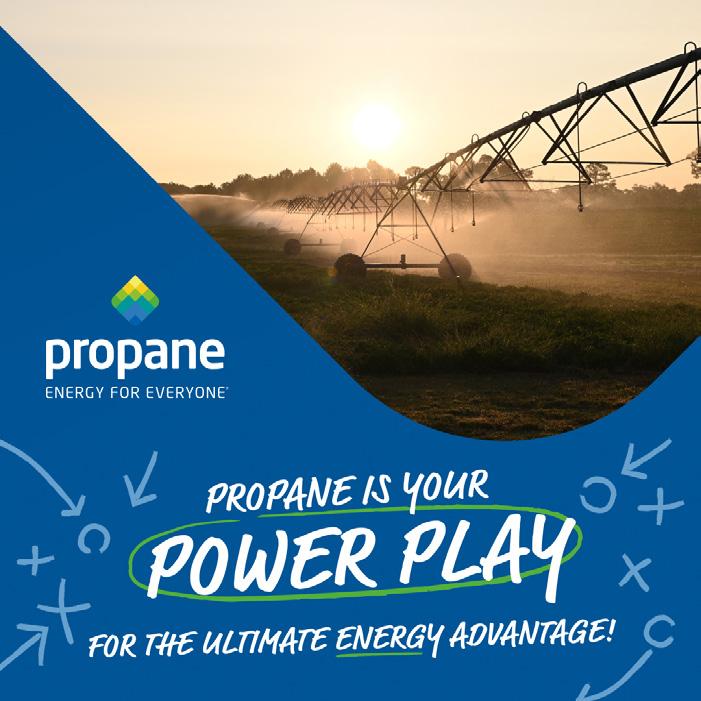
PERC is excited to introduce its newest advertising campaign, Your Power Play — a bold new message that positions propane as the smart energy advantage for today’s homeowners and businesses. Watch the national ad here.
In hockey, a power play is a moment of opportunity — when one team gains a clear advantage. Today’s energy decision-makers are searching for that same edge: greater reliability, affordability, and control over their energy security.
As hockey continues to grow in popularity across America, propane is gaining momentum as well. When performance matters most, propane stands apart. Your Power Play highlights propane’s dependable energy solutions and its ability to deliver when other options fall short.
Before launch, PERC tested the campaign with homeowner and business audiences nationwide. Results showed:
• 76% of viewers said they were more likely to consider propane after watching.
• Audiences described propane as reliable, safe, affordable, and abundant.

Propane retailers can take advantage of this momentum to turn awareness into action, solve customer energy challenges, and grow gallons. National awareness works best when paired with local action. Use Your Power Play to help more customers choose propane — and help your business grow.
Keep an eye out for the advertisement on live TV. The spot can be seen on:
• Fox News from April-June and September-Thanksgiving
• TNT/TBS from April-May and October-December
• Connected TV (Roku, smart TVs, etc.) from April-December Show your communities why propane is their Power Play advantage.
PERC has created ready-to-use campaign assets, including:
• 2 general awareness spots (15 and 30 seconds)
• 9 targeted videos for key propane markets (15 seconds) Use these materials in your own marketing efforts to reach customers in your community and support sales conversations.




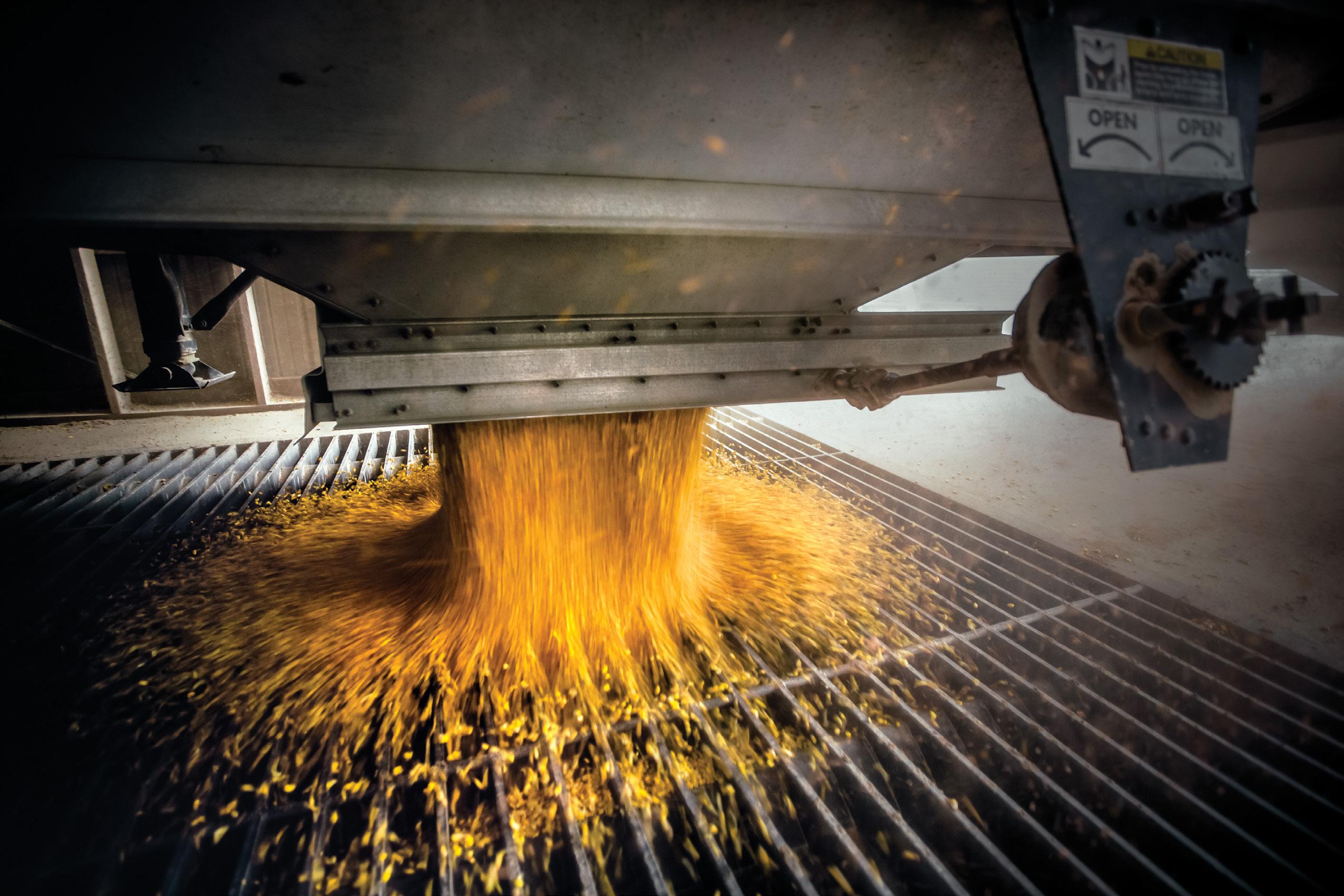
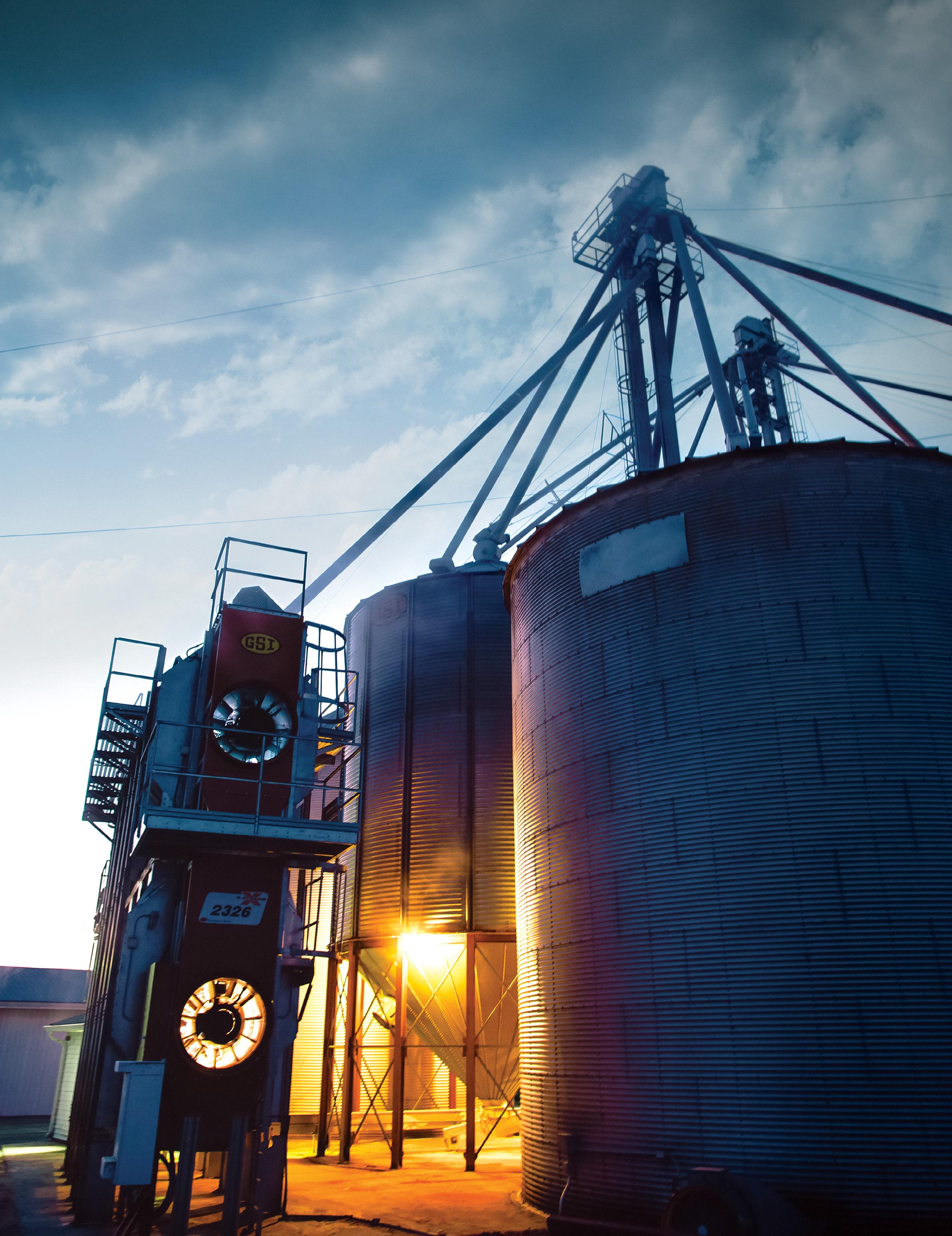
Wetter 2026 forecasts, rising disease risk, and tight margins are driving higher grain drying demand. Propane can protect yields and profits.
Every harvest, corn farmers make a difficult decision about their crop: risk natural dry-down, harvest delays, and grain damage, or protect their yield by harvesting early and drying the grain artificially. This year, a wetter-than-normal March in the Midwest and Northeast suggests grain drying demand will increase as corn growers seek to maximize yield amidst strained margins. As with any agricultural operation, there are
many factors to consider. Keep an eye out for these trends as you make decisions about early propane fills for grain drying season this Summer.
Propane providers can access detailed grain drying demand models based on 25 years of U.S. crop data to better forecast logistics as harvest season approaches.
According to Progressive Farmer, early season weather has already set a dramatically wetter tone for 2026. Precipitation from southcentral Texas through the Delta and into the Midwest has surged to two to four times normal levels, easing drought conditions in states like Indiana, Illinois, Ohio, and Missouri. Moisture loaded storm systems typical of La Niña years have been sweeping from the Pacific Northwest toward the Ohio Valley; as a result, the core corn producing regions of the Midwest are trending toward a wetter than normal setup heading into planting and early crop development.
In contrast, the Southern Plains (already six years into a persistent drought) has remained on the dry side of the La Niña storm track. Long range forecasts suggest a transition toward El Niño by summer, which typically brings cooler and wetter conditions to this region. However, climate scientists suggest it will take more than one wet year to fully recover.
Given the exceptionally wet start across the Midwest and the likelihood of continued moisture from shifting storm tracks, the U.S. is poised for elevated grain drying demand this fall, especially in northern and eastern corn growing regions where saturated soils and above normal precipitation increase the risk of harvesting wetter than average corn.
Weather patterns are just one element of corn health and dry-down projections. Even during planting, the risk of seed rots and blights can affect how corn dries in the field come Fall. For instance, corn planted after corn tends to face greater seedling disease risk because leftover residue boosts pathogen levels when early season soils are often cool and wet, according to Iowa State University Extension.
Foliar diseases have the greatest impact on corn dry-down, as they reduce green leaf area, which limits photosynthesis and weakens the plant’s ability to finish grain fill. When the plant shuts down prematurely, kernels often retain higher moisture, dry down more slowly, and may even stop drying naturally in the field. Monitoring for stalk rot and harvesting earlier can help mitigate this risk.
Producers have long battled weather and disease, but economic trends could also impact grain drying decisions this harvest. Corn farmers in 2026 are navigating a complicated economic landscape shaped by shrinking U.S. acreage, record global pro-
duction, and intensifying export competition.
USDA projects the U.S. corn crop at 15.8 billion bushels (smaller than last year but still historically large) while total use is expected to slip, keeping pressure on prices despite a modest bump in the season average forecast. Analysts like Chad Hart note that even with fewer planted acres, productivity remains high. At the same time, rising output from countries like Ukraine and uncertainty surrounding the USMCA renewal threaten key export channels that represent nearly two billion bushels of demand.
In this competitive environment, choosing to leverage precise, mechanical grain drying can ensure higher value crops that support profit margins.
With fertilizer and equipment costs squeezing margins, farmers can protect profitability in a heavy grain drying year by focusing on efficiency and smarter system management. Some options available to corn growers include:
• Upgrading to higher efficiency dryers: modern grain dryers use about half the propane of older systems, removing a pound of water with only 1,650 BTUs.
• Adding automation and remote monitoring: new dryer models also allow operators to finetune drying temperatures, airflow, and shutdown timing, cutting waste and preventing costly over-drying.
• Choosing reliable energy: propane remains a strong choice for grain drying thanks to its on farm storage flexibility and dependable supply during peak harvest demand. Producers using blended-air systems should speak to their propane provider about filling their tanks early to lock in a low, predictable price.
As farmers look ahead to the 2026 harvest, the combination of shifting weather patterns, rising disease pressure, and tightening economic margins underscores just how essential smart grain drying strategies will be this fall. While many of the forces shaping the season are outside growers’ control, the ability to plan ahead—investing in efficiency, securing reliable fuel, and optimizing on-farm systems—remains firmly within their grasp. By approaching grain drying as both a necessity and an opportunity, farmers can protect their bottom line, maintain harvest flexibility, and position themselves to thrive in a year where every point of moisture and every gallon of fuel will matter.
Latest market data unveiled at ACT Expo 2026 reveals steady growth in propane autogas adoption as fleets prioritize reliable, affordable solutions
While the transportation industry debated its future at ACT Expo 2026, propane autogas reinforced its position and proved its growing momentum as a ready-now solution that fleets are turning to for low operating costs and near-zero emissions. The State of Sustainable Fleets 2026 Market Brief, released at the show, affirmed this trend, showing an estimated increase of over 1.8 million gallons consumed and nearly 2,000 new vehicles in operation compared to 2024.
Propane autogas is highly suited for light- and medium-duty fleets with return-to-base routes, particularly in school transportation, paratransit, and vocational and service fleet applications, which saw the most growth.
• Low Total Cost of Ownership. Propane autogas continues to stand out for its ability to deliver consistently low operating expenses. Daily fuel costs can be up to 50 percent lower than diesel and 40 percent lower than gasoline. Maintenance requirements are further reduced by eliminating complex diesel aftertreatment systems.
• Domestic Reliability: As an abundant, domestically-produced energy source, propane autogas offers a stable, predictable cost structure, insulating fleets from the geopolitical price spikes of gasoline and diesel.
• 2027-Ready, Near-Zero Emissions: While diesel engines
will require increasingly complex aftertreatment systems, current propane autogas technology is already certified at or below 0.02 g/bhp-hr, meeting 2027 standards today.
• Fast-to-Deploy Refueling: Unlike the multi-year timelines required for some energy systems, private propane autogas fueling infrastructure remains one of the least capital-intensive investments of its kind, according to the report, with new fueling operations capable of being set up in as little as a single day.
• Renewable Propane Growth: This expansion is bolstered by a growing adoption of renewable propane, a true drop-in fuel that 32 percent of propane fleets now use to achieve up to an 80 percent reduction in lifecycle greenhouse gas emissions without investing in new infrastructure, modifying vehicles, or changing driver behavior.

Real-world proof of the propane autogas advantage was highlighted during the ACT Expo panel “A Simpler Path to Lower Costs,” featuring Tucker Perkins, President & CEO of the Propane Education & Research Council (PERC), along with other industry leaders.
Panelist Paul Strobis of the Broward County Transportation Department shared a staggering proof point: his fleet has saved more than $13 million in fuel costs alone since adopt-
ing propane autogas in 2015. Strobis noted that his current cost per gallon is just $1.45, compared to a local gasoline average of over $4.00.
“When a fleet manager chooses propane autogas and saves $13 million, it speaks for itself,” said Perkins.
Propane autogas technology has also expanded into heavier-duty applications, delivering diesel-like performance without compromise. “Propane technology is evolving faster than it has in two decades,” Perkins said during the panel discussion. “From the first production-ready direct injection engine to advancements in heavy-duty engines, we are meeting a clear market demand for the cost savings and near-zero emissions that propane autogas provides right now.”
The innovative technologies on display at the Expo and featured in the report includes:
• Stanadyne Propane Direct-Injection (DI): Featured in a 2024 Chevrolet Silverado 2500HD, this 200-bar fuel system for GM 6.6L engines produces 401 hp and 464 lb-ft of torque. It maintains a robust towing capacity of up to
17,370 lbs and is slated for commercial availability in Q4 2027.
• NEXIO’s 7.2L Supercharged V8 Engine: Built for medium- and heavy-duty applications, delivers diesel-like power at 330 hp and 775 ft-lbs of torque.
Propane is also playing a growing role in powering electric vehicle (EV) charging infrastructure. Propane-powered EV charging can cut installation costs by up to 75 percent, allowing fleets to bypass the 12- to 22-month utility upgrade lead times.
• EnviroCharge Mobile EV Charging: This mobile system supports electrified fleets anywhere without grid reliance. Utilizing propane autogas and renewable propane, it delivers up to 40 kW of EV charging capacity to a single vehicle and 45 kW in generator mode.
As the transportation industry navigates unprecedented change, ACT Expo 2026 confirmed that propane autogas offers competitive fleets the definitive, ready-now advantage — delivering operational continuity, predictable costs, and compliance with approaching emissions standards.
FOR MORE INFORMATION ON HOW PROPANE AUTOGAS BENEFITS FLEETS, VISIT PROPANE.COM
The 2026 PPGA membership dues renewals were due January 1. If you have still not renewed, simply fill out the payment information, make any needed changes to the contact information, and return to us. You are also able to pay dues directly online.
If you have any new employees who would like to receive PPGA information or changes to other employee’s contact information, we ask that you share that information on an additional sheet of paper. This will assist us in keeping our membership information up to date.
If you have any questions or concerns about your 2026 renewal, please feel free to contact Trina Miller in the PPGA office or call 844-585-4940 and she will be happy to assist you.

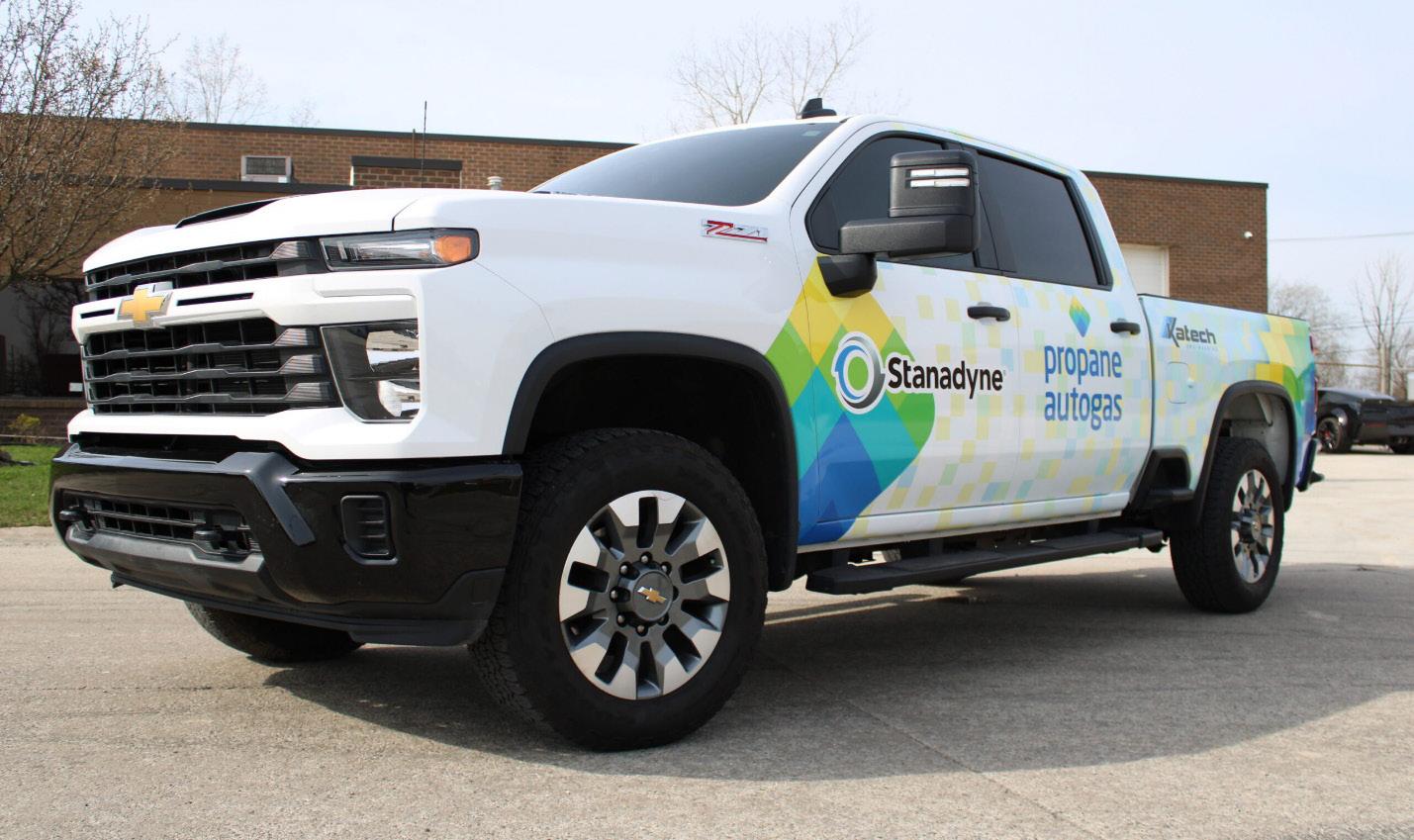
New 200-bar fuel system for GM 6.6L engines offers fleets a high-performance, low-carbon path to 2027 emissions compliance with propane autogas.
Stanadyne, a global leader in fuel delivery systems, in collaboration with the Propane Education & Research Council (PERC) and Katech, recently announced the transition of its innovative Propane Direct-Injection (DI) technology from prototype to a production-ready solution.
The system, which will be featured in a 2024 Chevrolet Silverado 2500HD is targeted for commercial availability in Q4 2027.
The Stanadyne DI system utilizes a high-pressure fuel pump and advanced injectors to deliver propane autogas as a liquid at pressures up to 200 bar directly into the combustion chamber.
Integrated into the GM 6.6L V8 engine, the system produces 401 horsepower and 464 lb-ft of torque, maintaining a robust towing capacity of up to 17,370 pounds — setting a new benchmark for performance in the medium-duty sector.
patible with renewable propane autogas, a drop-in energy source that works with existing vehicles and infrastructure and has a lower carbon intensity than many other alternatives.
• Lower Total Cost of Ownership: Fuel costs alone can be up to 50% lower than diesel and up to 40% lower than gasoline with propane autogas. By eliminating complex diesel
emissions systems, fleets reduce maintenance variability and further compound savings.
“Our technology has moved beyond the prototype stage to a production-ready solution that demonstrates strong potential for scalable commercialization,” said Srinu Gunturu, global chief engineer at Stanadyne. “This system makes clean propulsion practical for medium- and heavy-duty applications as an integral part of a diverse energy strategy.”
Propane autogas is a ready-now energy solution that continues to demonstrate its advantage for fleets seeking to reduce emissions without compromising operational reliability. Key benefits include:
• Immediate Criteria Pollutant Reduction: Propane autogas can reduce NOx emissions by up to 96% compared to diesel in medium-duty engine applications, without disrupting operations.
• Renewable Compatibility: The technology is 100% com-
• Domestic Reliability: Because propane autogas is domestically produced, fleets are protected from global market volatility.
• Flexible, Scalable Infrastructure: Propane autogas refueling infrastructure can be installed quickly and for a lower cost than most alternative fueling infrastructures.
• Reliable and Ready Now: Propane autogas is portable, stored on-site, and stable over long periods of time, allowing fleets to maintain operations during outages or peak demand.
“The Stanadyne Propane DI technology approaching commercial readiness is great news for fleets where high uptime and cost-control are crucial to operations,” said Joel Stutheit, senior manager, autogas business development at PERC. “This opens the door for even more operators to benefit from the low cost and near-zero emissions advantage of propane autogas, joining the over 25 million propane autogas vehicles already in daily service worldwide.”






Across America’s farms, new technologies like drone crop sprayers are gaining momentum as a gamechanging tool for modern agriculture. Offering speed, precision, and reduced labor needs, these high-tech machines are helping growers improve efficiency and cut costs. But with this exciting shift comes a new challenge of keeping those drone batteries charged in remote locations. That’s where propane steps in.
Long known for powering grain dryers and irrigation systems, propane is now helping farmers take their energy independence to the next level by charging the tools that make precision agriculture possible. Portable, reliable, and scalable, propane is uniquely suited to meet the evolving demands of the modern farm.
Drone sprayers offer several clear advantages over traditional application methods. They allow for more precise delivery of crop protection products, reducing overspray and minimizing environmental impact.
New companies specializing in drone spraying offer powerful models built for real-world use, with large payload capacities, intelligent flight controls, and data-driven mapping that help farmers work more efficiently across a wide range of crop types. These drones are helping producers make data-driven decisions to improve yields and reduce inputs.
But for all their high-tech capability, these drones require a dependable power source to stay in the air, especially in large or remote fields far from the nearest electrical hookup. Several chargers must run at the same time to keep batteries cycling without delays — which makes a high-capacity, in-field generator crucial for uninterrupted spraying.
Charging drone batteries in the middle of a field requires reliable and mobile generators. Propane-powered generators can be easily transported across the farm to wherever drones are in use. Whether it’s a vineyard in California or a soybean field in the Midwest, growers can bring their power supply with them, continuously charging drone batteries to reduce downtime. Unlike gasoline or diesel, propane doesn’t degrade over time, making it ideal for on-site storage and immediate use.
Operating 98 percent cleaner than diesel-fueled equivalents, towable and portable generators are great for powering tools and equipment on jobsites, as well as protecting homes and businesses after power outages. And because propane is available from a nationwide network of suppliers, producers can count on consistent fuel access, without relying on the grid.
Whether you’re operating a single drone or managing a fleet for custom spraying services, propane generators come in a range of sizes to match your energy demands. And because propane doesn’t degrade over time, you can store it on-site with confidence, ready to use when you need it most.
As drone usage grows, so does the need for flexible power
solutions. Propane-powered generators come in a wide range of sizes, making it easy for farmers to right-size their energy supply based on the number and type of drones they operate. This scalability is especially important for custom application providers or operations with multiple drone units working simultaneously.
For smaller farms, a compact generator and a few propane cylinders might be all that’s needed. For larger operations, a tank and generator system can power an entire fleet. In both cases, propane provides clean, dependable power without requiring significant infrastructure upgrades.
Propane has a long history in agriculture, but its role is evolving. No longer just for grain dryers and building heat, propane is now powering irrigation engines, flame weeding systems, sanitization tools, and yes, charging stations for drone sprayers. Today’s farms are increasingly high-tech, and propane is proving itself as a versatile and forward-thinking energy source. Its ability to support both established and emerging ag technologies gives producers greater control over their operations, reduces reliance on the grid, and supports sustainable practices. Propane-powered charging solutions also pair well with other propane-fueled equipment on the farm, creating an efficient energy ecosystem that supports productivity from planting to harvest. By investing in technologies like these, farmers gain more control, reduce inputs, and meet growing demands for sustainability, all while keeping operations running smoothly and efficiently.
Drone sprayers offer measurable benefits, including increased speed and precision, reduced labor costs, and better input management. But to take full advantage of this technology, farmers need a reliable, mobile power source.
Propane answers that call, backed by decades of agricultural use, a strong supply network, and modern equipment solutions that are built to perform. It enables today’s producers to harness advanced tools like drone sprayers without sacrificing independence, flexibility, or reliability.
Whether you’re operating a single drone or a commercial fleet, propane can help you keep operations powered, precise, and profitable.
On Friday, May 1st, the Department of Housing and Urban Development (HUD) and Department of Agriculture (USDA) published a notice formally rescinding their adoption of the 2021 International Energy Conservation Code (IECC) and ASHRAE 90.1-2019 as mandatory minimum energy standards for federally financed housing. This preserves the ability of builders to install propane appliances. The rescission is also backed by a March 5 federal court ruling in State of Utah, et al. v. HUD, which found the mandate unlawful, in a decision NPGA noted at the time protected both the propane industry and the American homeowner.
HUD Secretary Turner noted that “By rescinding this mandate, we are removing a significant regulatory barrier that added tens of thousands of dollars to the cost of a new home.”
NPGA has commented previously opposing the mandate, and welcomes this rescission as a significant win against mandatory electrification.
On Friday, April 24th, the Federal Energy Regulatory Commission (FERC) released its 5 Year Index Order, providing index levels for the 5 years beginning July 1, 2026. The 5 Year Index caps the increase in rates oil pipelines (and pipelines serving propane) may charge on an annual basis, unless a pipeline engages in market-based rates, cost-based ratemaking, or settlement rates (all of which are rare in propane pipelines). FERC adopted an in-
dex level of the Producer Price Index for Finished Goods (PPIFG) – 0.55%. This is less than the prior 5 Year Index, which was PPI-FG +0.78%. Shippers on the pipeline prefer a lower index as it will cap the annual increase in tariffs.
NPGA had advocated for an index of PPI-FG – 1.63%, while the most aggressive pipeline interest had advocated for PPI-FG + 0.83%. The PPI-FG – 0.55% index for the upcoming 5 years will save the propane industry $7 Billion versus the prior 5 year index level and approximately $14 Billion compared to the aggressive position posited by the pipelines.
NPGA is reviewing the Order and will take appropriate action as necessary.
OSHA UPDATES HEAT NATIONAL EMPHASIS PROGRAM
OSHA revised its National Emphasis Program (NEP) on outdoor and indoor heat-related hazards on April 10, 2026. The update removes previous numerical goals for ramping up inspections and instead directs resources to about 55 high-risk industries based on recent injury and illness data. The program continues to prioritize outreach and inspections on high-heat days but remains a flexible enforcement tool under the General Duty Clause, with no new compliance requirements for employers.
NPGA has consistently advocated for practical, scalable heat safety measures tailored to propane operations rather than burdensome nationwide mandates. NPGA joined the Coalition for Workplace Safety in submitting January 14, 2025, comments on OSHA’s proposed Heat Injury and Illness Prevention standard. The coalition opposed the overly prescriptive rule and called for it to be significantly revised or withdrawn in favor of a more flexible, performance-based approach. This mirrors NPGA’s earlier engagement through the Coalition on the Advance Notice of Proposed Rulemaking stage.
The separate proposed rule remains stalled and has not been finalized.
Propane-air systems mix vaporized propane and air to create synthetic natural gas that can used as a direct replace of pipeline methane for combustion applications. Propane-air is relied upon by individual businesses and natural gas distribution companies when natural gas stocks are scarce or expensive. For decades, these air plants have been viewed as a reliable and economic peak shaving strategy for local gas distribution companies (LDCs).
According to recently finalized data from the Energy Information Administration (EIA), in 2024 propane-air systems in the U.S. supplied 609 million cubic feet of synthetic natural gas, or approximately 6.9 million gallons of propane to energy costumers. In 2024, propane-air facilities supported the natural gas distribution system in nine states: Connecticut, Hawaii, Indiana, Maryland, Massachusetts, Minnesota, Nebraska, Vermont, and
Virginia. Maryland, Nebraska and Virginia accounted for 87 percent of supplied propane-air. Propane-air plants are located in 30 states across the country, from Hawaii to Vermont.
At its peak in 1980, propane-air plants supplied 20.4 billion cubic feet of synthetic natural gas, or approximately 233 million gallons of propane that year. While the use of propane-air plants has waned during the 21st century, the build-out of data centers that are connected to the natural grid presents a new opportunity to reevaluate this technology. Data centers consume vast amounts of energy – electrons and molecules. Data center operators, and the LDCs that serve them, should look at the economic and resilience benefits of locating propane-air plants onsite to help provide necessary energy to these massive computing centers. And propane marketers should be ready to engage these new customers.
The NPGA is committed to being a powerful and effective voice for the propane gas industry in Washington, D.C. PropanePAC, the political action committee of NPGA, strengthens the association’s advocacy efforts by supporting pro-industry lawmakers in Congress.
Businesses, including NPGA’s corporate members, are forbidden from directly contributing money to PACs. All contributions to PropanePAC must be from individuals, such as propane company executives and employees. The success of the PAC is dependent on receiving financial support from individual supporters.
To be eligible to contribute to PropanePAC, your company must first grant prior authorization to NPGA. PROPANEPAC
If you are already eligible to participate in PAC activities, you can access PropanePAC’s website.
PRESIDENT
Gary Kelly City Service Valcon
VICE PRESIDENT
Glen Willmott
Kiva United Energy
SECRETARY/TREASURER
Ryan Nootenboom
Skagit Farmers Supply
DIRECTORS
Bryan Adams CoEnergy Propane
Jeremy Ball American Gas Services
Justin Carey Valley Wide Co-op
Casey Dell American Distributing
Bruce Engeman
R&D Propane
Alex Gallard
Blue Star Gas
Emily Ochoa Christensen
Adam Schultz LPG Specialties
Bert Turn FEI, Inc.
Alaska State Director Vacant
Hawaii State Director
Zoe Williams
Hawaii Gas
Oregon State Director
Ryan Buller
McMinnville Gas
Washington State Director Vacant
STAFF
Executive Director Matt Solak matt@kdafirm.com
Deputy Executive Director Derek Dalling derek@kdafirm.com
Events Director Lauren Concannon lauren@kdafirm.com
Financial Director Erin Dalling erin@kdafirm.com
Member Services Director Trina Miller trina@kdafirm.com
Creative & Communications Director
Melissa Travis melissa@kdafirm.com