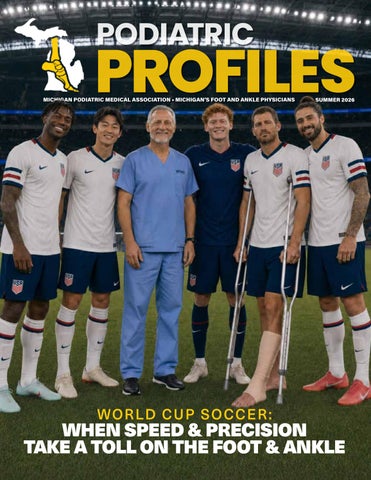
PROFILES PODIATRIC

WORLD CUP SOCCER: WHEN SPEED & PRECISION
TAKE A TOLL ON THE FOOT & ANKLE
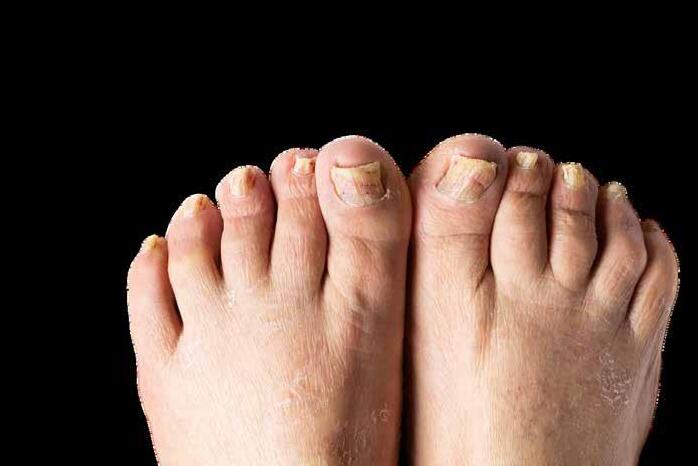
BakoDx’s Nail PCR Test Is Now
Onycho ID
Onycho ID
is the first and only PCR-based Onychomycosis test with MolDX® approval providing an unmatched approach for identifying the infectious agent.
Sensitivity: 92.6% Specificity: 100% (vs histopathology)
Why Choose


Onycho ID
24-48 hour turnaround time
Targeted therapy for effective outcomes
Detection of Dermatophytes, NonDermatophytic Molds, & Yeasts


Contact Information More Information 855-422-5628
629 West Hillsdale St. Lansing, MI 48933 (800) 968-6762 www.MPMA .org
Derek E. Dalling Executive Director derek@kdafirm.com
Jason Wadaga Deputy Executive Director jason@kdafirm.com
Geri Root Director of Events geri@kdafirm.com
Trina Miller Membership Director trina@kdafirm.com
Melissa Travis Advertising Coordinator melissa@kdafirm.com
Lauren Gass Legislative Assistant lgass@kdafirm.com
Miranda Strunk Financial Administrator miranda@kdafirm.com
Kathy Schaefer Writer, Editor cr@crmarketing.biz
Joe Ross Writer, Editor cr@crmarketing.biz
Allison Clemons Graphic Designer cr@crmarketing.biz
Spartan Printing & Promotional Products www.printspartan.com

Dr. Andrew Mastay
MPMA BOARD OF DIRECTORS
PRESIDENT
Andrew Mastay, DPM
PRESIDENT ELECT
Michele Bertelle, DPM
TREASURER
Bruce Jacob, DPM
SECRETARY
Joshua Faley, DPM
IMMEDIATE PAST PRESIDENT
Zeeshan Husain, DPM
MPMA DIVISION REPRESENTATIVES
NORTHEAST
Joyce Patouhas, DPM
Jake Eisenschink, DPM
SOUTHEAST
Crystal Holmes, DPM, CWSP
Randy Kaplan, DPM
Marc Weiner, DPM
SOUTHWESTERN
Angela Robin, DPM
Vacant
MPMA President Dr. Andrew Mastay
As podiatric physicians, we practice in a field that continues to evolve clinically, technologically and legislatively. This issue of Podiatric Profiles reflects that momentum and reminds us why our role in Michigan’s healthcare system is so important.
Across the profession, advances in imaging, computer modeling, patient-specific surgical guides and preoperative planning are changing how complex foot and ankle reconstruction is approached. These tools do not replace clinical judgment, but they do help us plan more precisely, communicate more clearly with patients and pursue outcomes that preserve function, mobility and quality of life.
At the same time, our daily work continues to connect directly with broader public health issues. Whether treating athletic injuries, managing diabetic foot wounds, identifying vascular concerns, supporting older adults or coordinating care for dual-eligible patients, podiatric physicians remain essential members of the healthcare team. Michigan’s focus on rural health transformation also gives us an opportunity to demonstrate how foot and ankle care can reduce complications, prevent hospitalizations and keep patients active in their communities.
We are also practicing in a changing policy environment, including new Medicare payment realities for wound care and ongoing challenges around access, reimbursement and care coordination. These issues reinforce the need for strong professional advocacy.
Thank you for your commitment to your patients, your practices and the future of podiatric medicine in Michigan. MPMA will continue working to elevate our profession, support our members and ensure that podiatric physicians are recognized for the essential care we provide.
With appreciation, Andrew Mastay, DPM
President, Michigan Podiatric Medical Association

MICHIGAN PODIATRIC ACTION SOCIETY




HOW TECHNOLOGY IS CHANGING FOOT & ANKLE RECONSTRUCTION
MPMA President Dr. Andrew Mastay Discusses Major Shift in Podiatric Practice
During the MPMA Great Lakes Conference, Dr. Andrew Mastay sat down with Joe Ross, MPMA Podiatric Profiles staff.
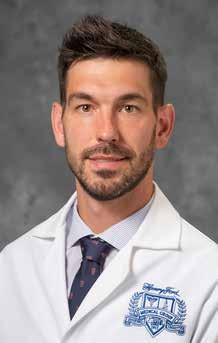
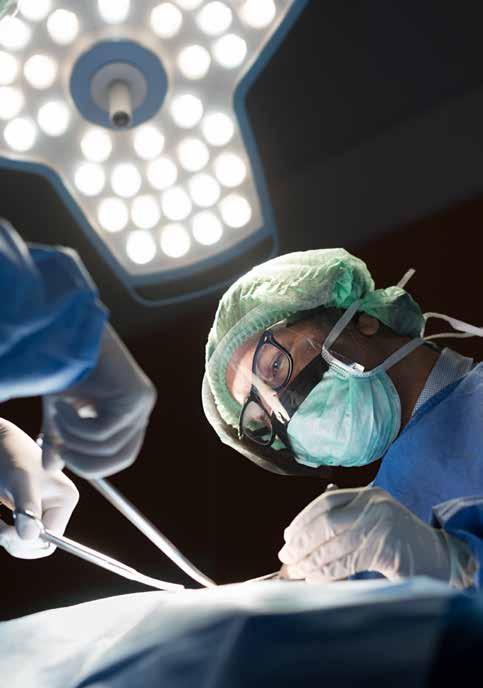
In the interview with MPMA Podiatric Profiles writer Joe Ross, Dr. Andrew Mastay describes a major shift in how complex foot and ankle reconstruction is being planned and performed. His central point is clear: better technology is making surgery more precise, more consistent, and more personalized for each patient.
According to Mastay, reconstruction outcomes have improved through advances in surgical technique, fixation, biologics, and especially preoperative planning. In the past, surgeons often relied on standard X-rays and manual methods to line up and perform corrections. Today, that process is becoming far more sophisticated.
He explains that surgeons are now routinely using computer modeling—and increasingly artificial intelligence—to plan procedures before entering the operating room.
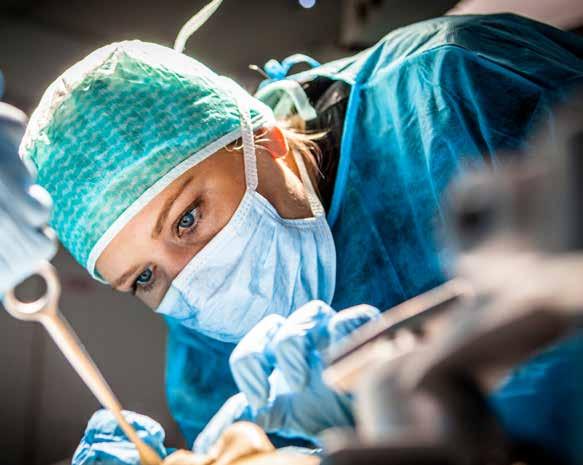
One of the most important developments he highlights is the use of 3D modeling and patient-specific surgical guides. Rather than relying only on intraoperative judgment, a surgeon can now submit a patient’s CT scan or even certain X-rays to a company that creates a digital model of the deformity and the intended correction. From that model, customcut guides and reduction guides can be produced. These guides are then placed directly on the bone during surgery,
Continues on pg. 8
“THE
PODIATRIC MEDICAL FIELD IS IN TRANSITION. RECONSTRUCTION IS BECOMING MORE PERSONALIZED, MORE DIGITALLY PLANNED, AND MORE EXACT. THESE CHANGES ARE NOT ONLY ADVANCING SURGICAL SCIENCE—THEY ARE ALSO GIVING PATIENTS A BETTER CHANCE AT DURABLE CORRECTION, LIMB PRESERVATION, AND A MORE INFORMED RECOVERY PROCESS.”
—Dr. Andrew Mastay
Andrew Mastay, DPM



Youare notalone.Compliancechanges,risinghealthcarecosts,andendlesspaperwork. Wesimplifybenefitssoyoucanfocusonrunningyourbusiness.
Buildingrelationshipswithsmartguidance,clearoptions,andrealsupport.-Let’smakebenefitseasier.
Introduction
Sinceourinceptionin1984,wehavebuiltareputationastrustedadvisorsbyforgingstrongrelationshipswith leadinginsurancecarriersandbenefitproviders.Thesepartnershipsenableustooffercompetitive,cost-effective solutionswhilemaintainingahighstandardofserviceandstrategicguidance.
Manyemployersweengagewitharefacing:
Risingpremiums
Limitedbrokertransparency
Manualpayrolladjustments,disconnectedTPAandbenefitsadministration
Lackofproactiveserviceonemployerandemployeeissuesthatbenefitsagency&brokersshouldbe handling
ValuePosition
“Whatwedodifferently”:
Providefullcompensationtransparency.&Offerproactiveemployeeadvocacy
IntegratebenetswithpayrollsystemslikeADP,Paychex,Gusto,etc.&CoordinatedirectlywithTPA services
Automateenrollment,deductions,andcompliance&Identifycost-containmentstrategiesbeforerenewal
Yourteamdeservesbenetsthatworkashardastheydo.LetVantagePointeBenetsguideyouthrough smarter,simplersolutionstailoredtoyourcompany’sneeds.
“BEFORE ANY COMPLEX RECONSTRUCTION, I BELIEVE PATIENTS SHOULD HAVE MULTIPLE CONVERSATIONS WITH THEIR SURGEON AND FEEL COMFORTABLE
ASKING EVERY QUESTION THEY HAVE. NO QUESTION IS A DUMB QUESTION.
PATIENTS NEED A REALISTIC UNDERSTANDING OF RECOVERY, INCLUDING NOT JUST THE BEST-CASE SCENARIO, BUT ALSO WHAT HAPPENS IF RECOVERY TAKES LONGER THAN EXPECTED OR IF ANOTHER PROCEDURE BECOMES NECESSARY.”
—Dr. Andrew Mastay
helping the surgeon reproduce the exact correction that was planned in advance.
Dr. Mastay emphasizes that this is not simply a technological novelty. In his view, these tools are improving outcomes by making procedures more repeatable and reproducible. In other words, the surgery can be carried out with greater consistency from case to case. That consistency matters, particularly in complex reconstructions where precision can affect healing, alignment, and longterm function.
He also explains that this technology is no longer limited to a narrow group of procedures. Customized guides can be used for a range of cases, from relatively common deformity corrections such as bunions to highly complex Charcot reconstruction. Similar guide-based approaches have already been used in total joint surgery for many years, and he notes that foot and ankle surgery is now beginning to adopt these tools more routinely.
Another major theme in the interview is limb salvage. When asked how “salvage” differs today compared with a decade ago, Mastay explains that the field has developed many more options to preserve limbs that might once have been treated with below-knee amputation. He notes that less invasive techniques and evolving reconstructive methods are allowing more patients to keep their limbs. In his words, that can reduce mortality risk and improve overall quality of life.
Just as important, Mastay stresses that better surgical tools do not
replace the need for thoughtful patient preparation. Before any complex reconstruction, he believes patients should have multiple conversations with their surgeon and feel comfortable asking every question they have. No question, he says, is a dumb question. Patients need a realistic understanding of recovery, including not just the best-case


The Power of Intact Fish Skin
Kerecis products harness natural fish skin to support healing in complex wounds.
Kerecis Intact Fish-Skin Technology Trusted by physicians worldwide for the treatment of complex wounds
A Dollar a Day for


APMA members: Donate just one dollar a day to APMAPAC to ensure podiatric medicine is represented on Capitol Hill!
That’s $365 a year less than a pack of gum per day to ensure our voices are heard by legislators.
Your donation ensures APMA has a “foot in the door” on issues impacting podiatric medicine. Your dollar a day helps APMAPAC: make contributions to candidates running for the US House of Representatives or US Senate strengthen our influence and relationships with policymakers on key congressional health-related committees compete with other special interest groups and ensure the legislative concerns of our members are visible to Congress
While $1 a day may seem small, it is instrumental in supporting APMA’s legislative efforts! Help us stand up for you and take part in donating $1 a day to APMAPAC for 365 days.
WHAT PODIATRISTS SHOULD KNOW ABOUT DUAL-ELIGIBLE CARE
Michigan’s transition to MI Coordinated Health creates a new care-delivery structure for adults who qualify for both Medicare and Medicaid.
MI Coordinated Health launched January 1, 2026, as Michigan’s Highly Integrated Dual Eligible Special Needs Plan. It replaced MI Health Link and initially serves eligible residents in Wayne and Macomb counties, several southwest Michigan counties and much of the Upper Peninsula. Statewide expansion is planned for January 1, 2027.
The program combines Medicare and most Medicaid benefits within one health plan. It includes medical care, pharmacy benefits, long-term services and supports, nursing-home care and certain home- and communitybased services. Members use one insurance card and receive a care coordinator who helps assess needs, develop a care plan and connect with providers.
For podiatrists, the opportunity is improved coordination around patients with complex, overlapping needs. Dualeligible patients may have diabetes, neuropathy, vascular disease, renal disease, disability, transportation barriers or difficulty performing daily foot care. A finding such as a new ulcer, infection, gait decline or ischemic change may signal a broader need for primary care, vascular evaluation, home nursing, durable medical equipment or social support.
Integration does not automatically eliminate administrative complexity. Practices should verify participation with each MI Coordinated Health plan operating in their region and review referral, authorization, claims and continuityof-care requirements. Staff training will be important as patients transition between programs or plans.
Podiatrists can strengthen the model by communicating promptly with care coordinators and documenting functional as well as clinical concerns. Notes explaining how pain, deformity, wounds or amputation risk affect walking, self-care and community living can help the care team understand why timely treatment matters.
For MPMA members, 2026 is the year to learn the system. The 2027 statewide expansion will make coordinated dualeligible care relevant to practices throughout Michigan.

MI COORDINATED HEALTH LAUNCHED
JANUARY 1, 2026, AS MICHIGAN’S HIGHLY INTEGRATED DUAL ELIGIBLE SPECIAL NEEDS PLAN. IT REPLACED MI HEALTH LINK AND INITIALLY SERVES
ELIGIBLE RESIDENTS IN WAYNE AND MACOMB COUNTIES, SEVERAL SOUTHWEST MICHIGAN COUNTIES AND MUCH OF THE UPPER PENINSULA. STATEWIDE EXPANSION IS PLANNED FOR JANUARY 1, 2027.

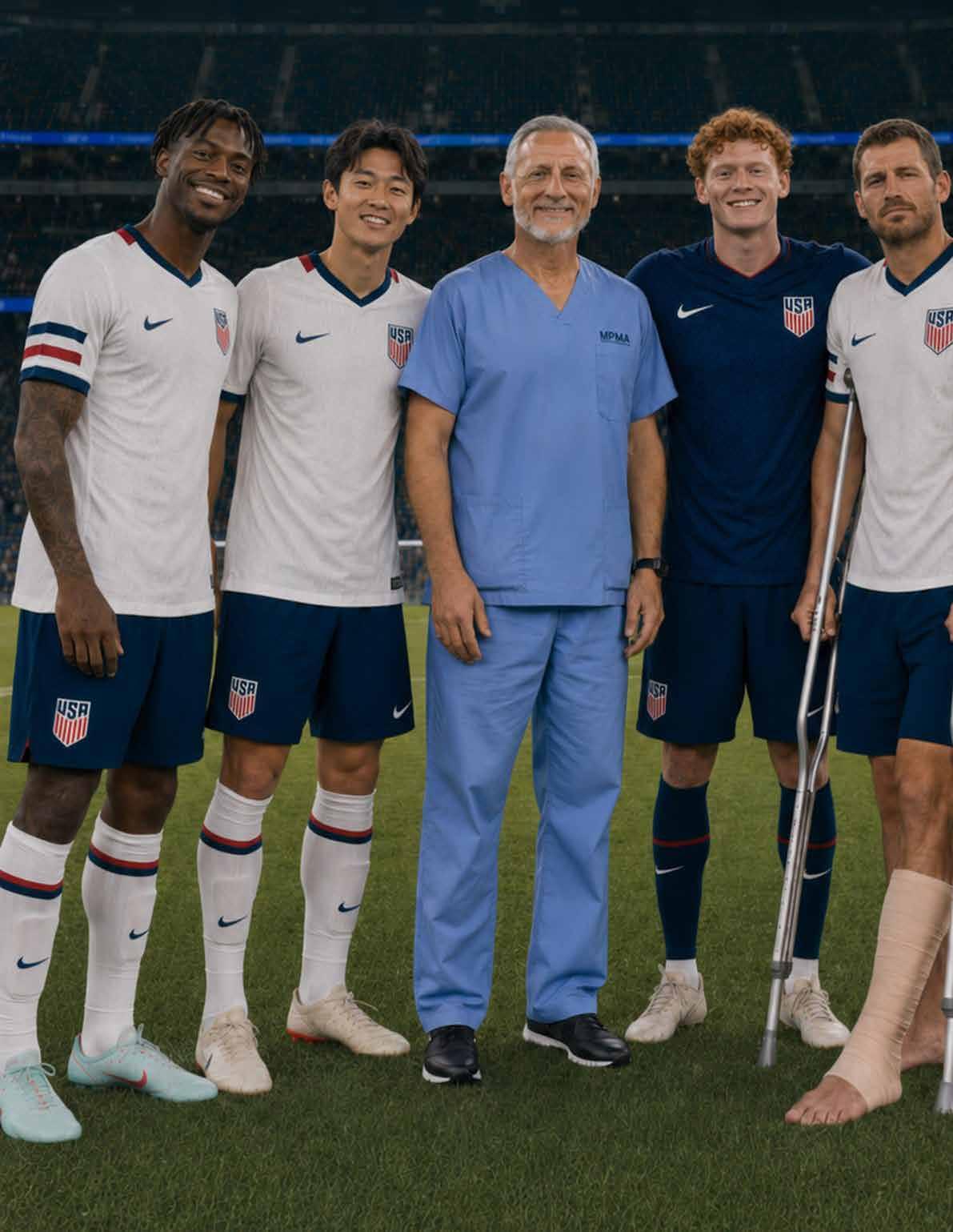
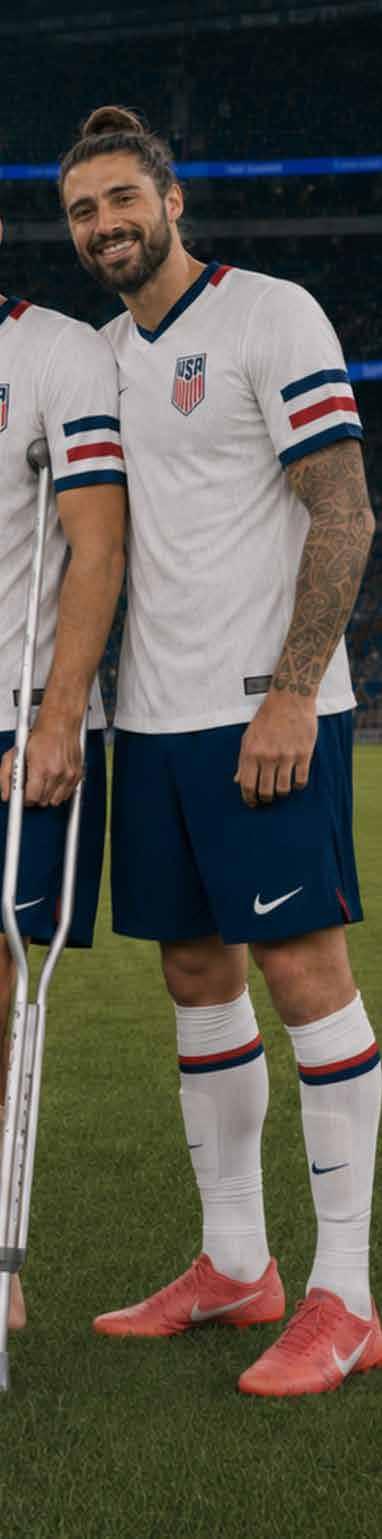
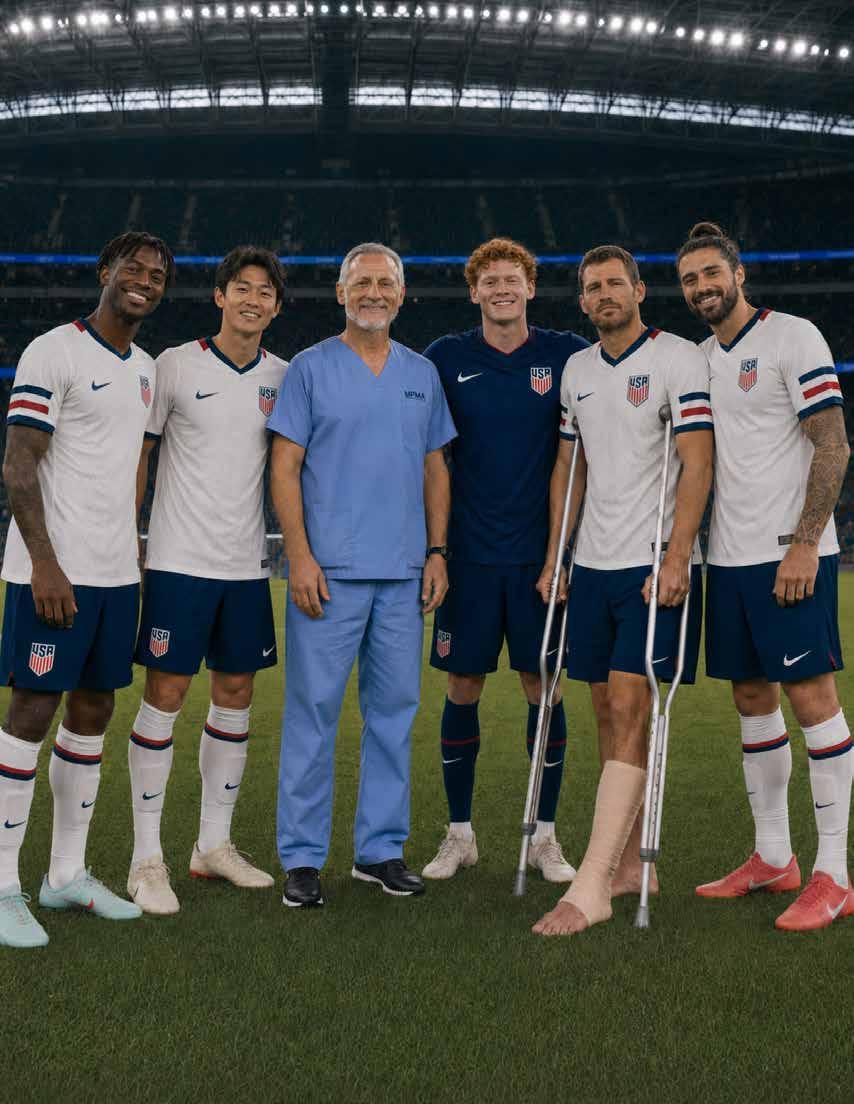
WORLD CUP SOCCER: WHEN SPEED & PRECISION TAKE A TOLL ON THE FOOT & ANKLE
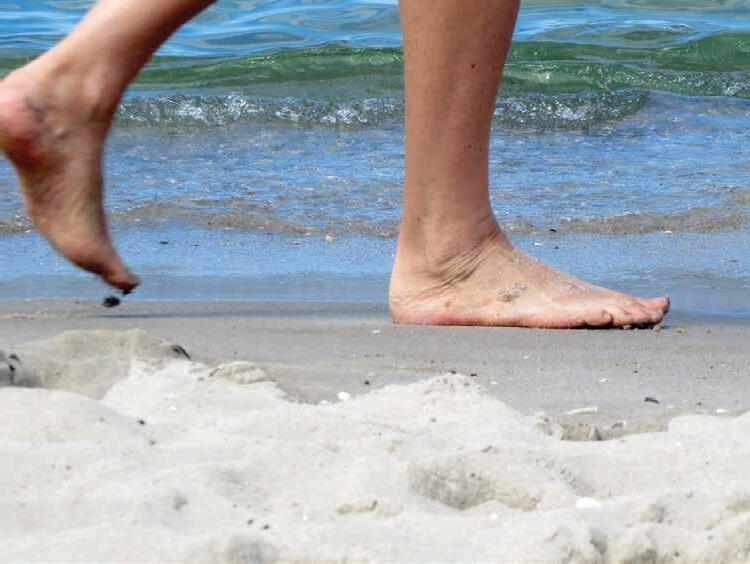
The World Cup displays soccer at its highest level, with players combining endurance, speed, balance and precise foot control over the course of a demanding match. The same movements that make the sport dynamic, including repeated sprinting, cutting, pivoting, jumping and striking the ball, also place significant stress on the feet and ankles.
World Cup soccer requires exceptional stamina. For 90 minutes, and sometimes longer, players alternate between sustained running, explosive sprints, sharp cuts, jumps, tackles and rapid changes in direction. FIFA analysis of elite international play has documented increasing amounts of high-speed and highintensity running, particularly during knockout competition. A slight loss of balance, an awkward landing or a planted foot that does not release can quickly injure the ankle, midfoot or toes.
From World Cup level to non competitive soccer players, injury prevention and treatment is central to Michigan Podiatric doctors. Doctors of Podiatrict Medicine (DPMs) evaluate acute injuries, identify biomechanical and footwear concerns, provide medical or surgical care and help athletes return safely to competition.
The soccer cleat is engineered for these performance demands. Its lightweight upper and close fit help the player feel and control the ball, while the outsole and studs
provide traction for acceleration and cutting. However, the lowprofile design generally provides less cushioning, arch structure and ankle restraint than many running or basketball shoes. Soccer footwear must balance speed, touch and traction, often with less structural support for the foot.
Podiatric doctors evaluate and address these concerns before an injury occurs. A podiatrist physician will assess foot structure, gait, previous injuries and cleat fit. Stud configuration on the bottom of the soccer shoe also matters. Too little traction can cause slipping, while excessive grip may keep the foot fixed as the body rotates. The American Podiatric Medical Association recommends choosing studs appropriate for the playing surface and using a footbed that supports the athlete’s arch and foot type. When appropriate, a podiatrist may recommend an orthotic that adds support without overcrowding the cleat.
The lateral ankle sprain is the foot and ankle injury most commonly associated with soccer. It usually occurs when the foot rolls inward, stretching or tearing the ligaments along the outside of the ankle. According to the NCAA Soccer Injury Study, they found lateral ankle ligament sprains to be the most commonly reported diagnosis in collegiate men’s soccer, accounting for 9.2% of injuries. Ankle sprains are also among the most frequently reported injuries in women’s collegiate soccer.
Michigan Podiatrists
Help Prevent & Treat Soccer Injuries
Mid-Foot Breaks
Ankle Sprains
Turf Toe
Ingrown Toenails
Sever’s Disease
(swelling & irritation of the growth plate in the heel)
Michigan Podiatrists Fit Footwear for Athletes
Have a good-quality footbed, which can help provide proper support for the arch and user’s foot type.
Feature the stud type for the ground that will be played on most often: soft, hard, firm, or turf.
Use molded rubber cleats rather than the screw-on variety.
(APMA.org)
A podiatrist looks beyond visible swelling. The examination may include the injury mechanism, weightbearing ability, ligament stability, tendon function, range of motion and precise areas of tenderness. This helps distinguish a routine lateral sprain from a syndesmotic, or high ankle, sprain. High ankle sprains affect the structures between the tibia and fibula and often require a longer recovery.
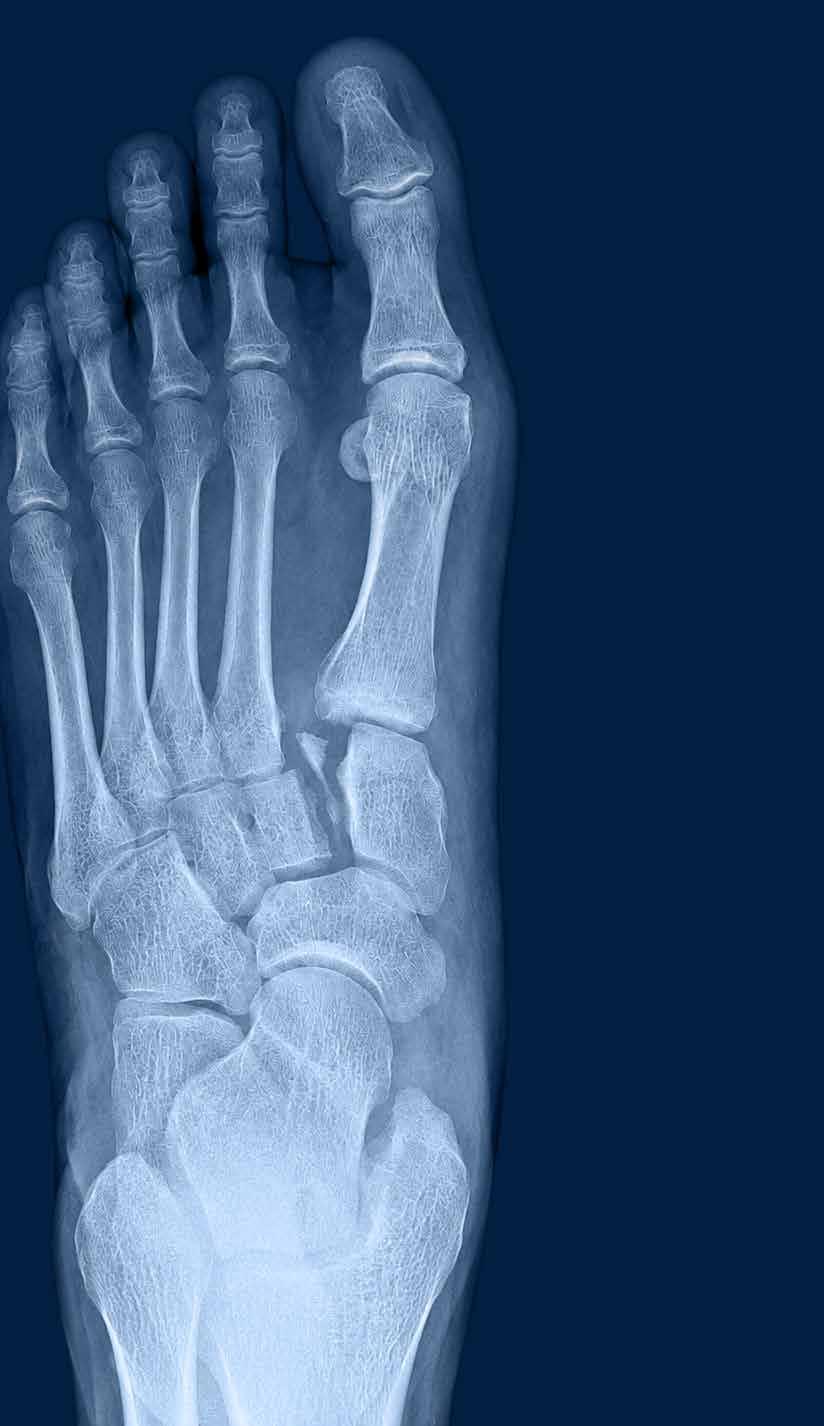
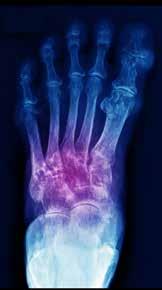
Not every soccer injury is a sprain. Repetitive running can contribute to Achilles tendinopathy and stress injuries involving the metatarsals or navicular. Tackling and direct contact can cause fractures, bone bruises and toenail injuries. Forceful bending of the great toe may produce turf toe, while twisting over a planted forefoot can damage the Lisfranc joint in the midfoot. Plantar bruising, substantial midfoot swelling or difficulty pushing off should prompt further evaluation. The American College of Foot and Ankle Surgeons identifies Lisfranc injuries, metatarsal fractures, turf toe and ankle fractures as conditions that may require extended treatment or surgery.
Podiatric physicians may begin with weight-bearing X-rays and use MRI, CT or ultrasound when a hidden fracture, tendon injury or unstable midfoot injury is suspected. The
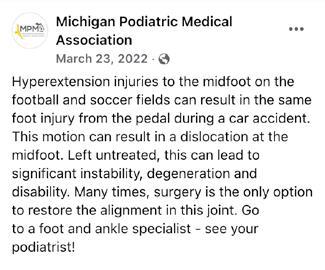
American College of Radiology recommends advanced imaging when initial radiographs are normal or uncertain but a significant injury remains suspected.
Treatment may include bracing, immobilization, rehabilitation, orthotics, ligament repair or fracture fixation. The podiatrist also helps determine when the athlete is ready to return. Pain relief alone is not enough. Strength, balance, range of motion, cutting ability and confidence must be restored. Proper diagnosis and complete rehabilitation can
prevent one misstep from becoming repeated sprains, chronic instability or a prematurely ended season.
Resources: www.inside.fifa.com www.apma.org www.pmc.ncbi.nlm.nih.gov www.foothealthfacts.org www.acsearch.acr.org

WHERE PODIATRY FITS IN MICHIGAN’S RURAL HEALTH TRANSFORMATION
Michigan is making one of its largest recent investments in rural health, creating an important opportunity for podiatric physicians to demonstrate their value within community-based care.
The Michigan Department of Health and Human Services received $173.1 million for fiscal year 2026 through the federal Rural Health Transformation Program. The initiative supports regional partnerships, chronic disease management, workforce development, health-data integration, and new approaches to delivering care closer to rural residents.
As of June 30, 2026, MDHHS had listed contingent subrecipient awards involving health centers, local health
departments, universities, community organizations, and statewide healthcare partners. Funded categories include chronic disease collaborative care, care integration, data infrastructure, and access.
Podiatry is not a peripheral service in this discussion. Rural patients with diabetes, neuropathy, peripheral arterial disease, chronic wounds, arthritis, and mobility limitations may face long travel distances and limited access to specialists. A podiatric physician can identify risk early, provide preventive foot care, manage ulcers, and perform surgery when needed.
The program’s chronic disease and collaborative-care funding offers a particularly strong connection. Michigan

Podiatry could contribute to multidisciplinary diabeticfoot pathways, shared referral protocols, and mobile or satellite clinics. Better health information exchange could also help ensure that wound measurements, vascular findings, imaging, medications, and hospital discharge instructions follow patients across settings.
Workforce initiatives deserve equal attention. Recruiting a clinician to a rural community is only part of the challenge. Sustainable practice requires referral relationships, hospital privileges, adequate reimbursement, and trained staff.
The Michigan Podiatric Medical Association can help make the profession visible as these programs develop. By collecting members’ experiences, identifying underserved areas, and building partnerships with rural health organizations, MPMA can demonstrate that preserving a foot, maintaining mobility, and preventing hospitalization are central rural health outcomes, not specialty concerns operating outside the broader system.
Continues on pg. 18

MICHIGAN IS MAKING ONE OF ITS LARGEST RECENT INVESTMENTS IN RURAL HEALTH, CREATING AN IMPORTANT OPPORTUNITY FOR PODIATRIC PHYSICIANS TO DEMONSTRATE THEIR
VALUE WITHIN COMMUNITYBASED CARE THROUGH THE MICHIGAN DEPARTMENT OF HEALTH AND HUMAN




Michigan’s Rural Health Transformation Program includes contingent awards to organizations working on chronic disease care, care coordination, workforce development, data integration, transportation and healthy aging. For podiatric physicians, these categories are especially relevant because rural patients with diabetes, neuropathy, chronic wounds, peripheral arterial disease, mobility limitations and fall risk often need coordinated specialty care.
Source: MDHHS lists these as award notices as of July 10, 2026. Award amounts are contingent on review by the Centers for Medicare & Medicaid Services and may be adjusted based on CMS feedback.
Michigan Center for Rural Health
Michigan Center for Rural Health
Michigan Center for Rural Health
Michigan Health and Hospital Association
Michigan Health and Hospital Association
Northern Michigan Public Health Alliance
Thumb Community Health Partnership
Upper Peninsula Commission for Area Progress
Upper Peninsula Commission for Area Progress
Central Michigan University
Lakeshore Food Club
PACE Central Michigan
PACE Northeast Michigan
Upper Great Lakes Family Health Center
Thunder Bay Community Health Service
$3,000,000
$2,625,000
$750,000
Rural Data Integration and Infrastructure Fund
Collaborative Care Integration and Sustainability Fund
Rural Provider Recruitment, Retention, and Capacity Fund
$6,000,000 Rural Health Care Delivery Hub and Spoke Model
$2,625,000
$3,000,000
$1,000,000
$1,500,000
$500,000
$1,000,000
$1,000,000
$500,000
$500,000
$76,923
$76,923
Collaborative Care Integration and Sustainability Fund
Chronic Disease Collaborative Care Fund
Chronic Disease Collaborative Care Fund
Chronic Disease Collaborative Care Fund
Promoting Healthy Aging in Rural Communities Blueprint
Rural Health Care Delivery Hub and Spoke Model
Improving Care Delivery and Access through Transportation
Promoting Healthy Aging in Rural Communities Blueprint
Promoting Healthy Aging in Rural Communities Blueprint
Collaborative Care Integration and Sustainability Fund
Collaborative Care Integration and Sustainability Fund
Could improve information sharing among rural providers, hospitals and specialists.
Supports the kind of team-based care needed for diabetic foot, wound and vascular-risk patients.
Connects to the broader need for rural access to specialty providers, including podiatric physicians.
Hub-and-spoke models could help rural patients access specialty evaluation without unnecessary travel.
Reinforces the role of coordinated care between hospitals, primary care and specialists.
Chronic disease care is directly connected to diabetes, neuropathy, wound prevention and limb preservation.
Rural chronic disease programs may create opportunities for stronger diabetic-foot referral pathways.
Relevant to podiatric needs in the Upper Peninsula, where travel distance can be a barrier to specialty care.
Foot pain, balance, mobility and fall prevention are central to helping older adults remain independent.
May support new regional care models that bring services closer to rural communities.
Transportation barriers can delay wound care, postoperative visits and diabetic foot treatment.
Podiatric care can help older adults maintain mobility, avoid falls and manage chronic lower-extremity conditions.
Reinforces the importance of foot and ankle care in aging-in-place strategies.
Community health centers are important access points for rural patients who may need podiatric referral.
Rural health centers can play a key role in identifying diabetic foot risk and coordinating specialty care.

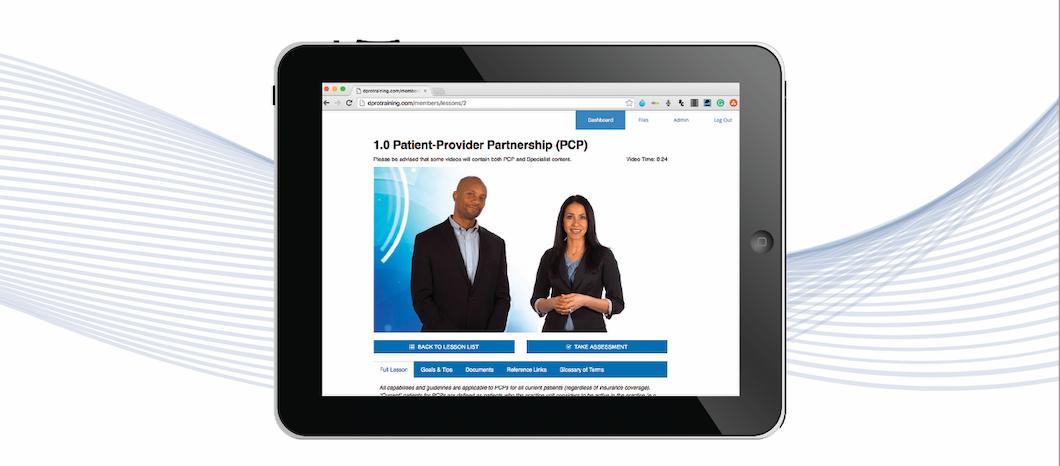

eLearning Portal Features:
- We take any training content & put it into easy to digest videos
- We house them on our custom SaaS platform that can be white-labeled for your company
- Documents, printable forms & other collateral can be uploaded for staff use
- Assessment or attestation for each video
- Certificate of completion for each module
- 24/7 Access
- Healthcare, Commercial industries and more
- Product & Services education to fit any trackable training needs


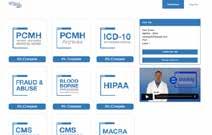


Administrative Features:
- Admin level allows for full transparency & visibility to all user access & progress
- Meet all your regulatory or compliance needs
- Use for product or services overview for partners or affiliates
- Progress monitoring & Analytics
Benefits:
- Training is paramount
- Easy access is crucial
- Frequency is key
- Product knowledge to partners is wealth
- Continuous Improvement training can benefit staff throughout each entire year
MICHIGAN’S 2026 WOUND-CARE RESET:
WHAT SKIN-SUBSTITUTE CHANGES MEAN FOR PODIATRIC PRACTICES
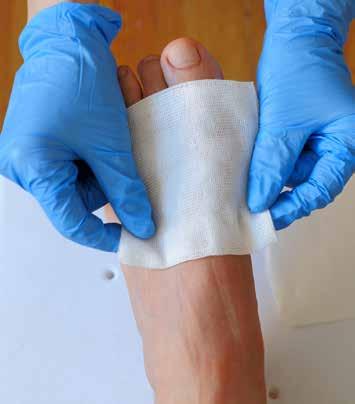

Michigan Podiatric Physicians who treat diabetic foot ulcers and other chronic lower-extremity wounds entered 2026 under a substantially different Medicare payment structure for skin-substitute products.
Under the 2026 Medicare Physician Fee Schedule, the Centers for Medicare & Medicaid Services changed most skin substitutes from separately priced biological products to “incident-to” supplies. CMS established a single payment rate of approximately $127.28 per square centimeter for 2026 in physician offices and hospital outpatient departments. The agency said the change responds to Medicare Part B spending that increased from $252 million in 2019 to more than $10 billion in 2024.
The new model makes product selection, purchasing, and inventory management more important. A product’s acquisition price may no longer correspond closely with Medicare reimbursement. Practices should evaluate supplier agreements, package sizes, expected wastage, and whether a product remains financially sustainable under the flat-rate methodology.
Documentation is essential. Medical records should clearly establish the wound’s diagnosis, duration, measurements, prior standard care, vascular status, infection management, and clinical response. Providers should document the exact amount applied because Medicare does not separately reimburse discarded portions under the incident-to supply approach.
The coverage picture is less settled. Medicare contractors withdrew new local coverage determinations for skin substitutes that had been scheduled to take effect January 1, 2026. The payment change proceeded, but the proposed replacement coverage policies did not. Practices must therefore continue reviewing the active requirements of their Medicare Administrative Contractor rather than assuming one national utilization standard applies.
The reset does not change the clinical objective: selecting appropriate patients and advancing wound closure while addressing pressure, infection, perfusion, and glycemic control. It does, however, require practices to align clinical decisions with new reimbursement, documentation, and inventory realities.
UNDER THE 2026 MEDICARE PHYSICIAN FEE SCHEDULE, THE CENTERS FOR MEDICARE & MEDICAID SERVICES CHANGED MOST SKIN SUBSTITUTES FROM SEPARATELY PRICED BIOLOGICAL PRODUCTS TO “INCIDENT-TO” SUPPLIES.

Contact Quantus Solutions TODAY to receive your NEW FREE Smart Chip EMV Terminal
4 SIMPLE STEPS TO ENROLL:
1) GO TO MPMA WEBSITE

2) FIND MPMA’S NEW PARTNER—QUANTUS SOLUTIONS
3) SELECT YOUR PRICING PROGRAM AND EQUIPMENT OPTION
4) APPLY
MPMA ENDORSED BENEFITS INCLUDE:
• Average Savings 38% per practice
• Negotiated MPMA Group Rates for all members
• Free EMV “smart chip” Terminal OR Virtual Terminal OR Mobile Device
• Dedicated Medical Customer Service & Support
• 24 hour Next Day Funding for all members
• HIPAA, PCI, SIGIS Certified Partner

2026 MPAS CONTRIBUTORS
So far, MPAS has raised a little less than $12,000 from contributions here in Michigan. That means, MPMA is over half way to its 2026 goal. Please help us meet our 2026 goal of $20,000 for MPAS. The MPMA would like to thank the following members who already donated to MPAS this year:
Anthony Alessi, DPM
Michele Bertelle, DPM
Marc Borovoy, DPM
Norman Brant, DPM
Andrew Brown, DPM
Hatim Burhani, DPM
Gene Caicco, DPM
Timothy Dailey, DPM
Derek Dalling (Executive Director)
Marie Delewsky, DPM
Jake Eisenschink, DPM
Jeffrey Frederick, DPM
Rachel Height-Kaplan, DPM
Neil Hertzberg, DPM
Crystal Holmes, DPM
Emily Hurst, DO (MOA President)
Zeeshan Husain, DPM, FACFAS, FASPS
John Johnson, DPM
Rene Juridico, DPM
Randy Kaplan, DPM
Jason Kurek, DPM
Matthew Lappenga, DPM
Vincent Lefler, DPM
Jeffrey Levitt, DPM
Donald Lutz, DPM
Andrew Mastay, DPM
Meghan McClelland (APMA Executive Director)
Heidi Monaghan, DPM
Neal Mozen, DPM
Joyce Patouhas, DPM
Nicholas Post-Vasold, DPM
Kristin Raleigh, DPM
2026 APMA PAC CONTRIBUTORS
Shawn Reiser, DPM
Andrea Rinker, DPM
Gary Rothenberg, DPM
Lawrence Rubin, DPM
Ali Safiedine, DPM
Jodie Sengstock, DPM
Marisha Stawiski, DPM
Ingrid Stines, DPM
Rebecca Sundling, DPM
David Taylor, DPM
Peter Troccoli, DPM
Christine Tumele-Vogt, DPM
Gregory Vogt, DPM
Jason Wadaga (Deputy Executive Director)
Marc Weiner, DPM

This year, MPAS has once again set a goal to raise $20,000 to assist in the MPMA political strategies here in Michigan. To make your 2026 contribution simply visit: https:// www.mpma.org/ political-action
All contributions are greatly appreciated!
The following MPMA members already contributed to the APMAPAC in 2026 (as of June 2026). The MPMA would like thank and to recognize them for their outstanding leadership.
There is new leadership and renewed sense of energy for the podiatric profession’s advocacy efforts in our nation’s capital. Your contributions to APMAPAC will help get our new legislative team on a solid path.
Platinum Level Supporters
($1,000–$2,499)
Dr. Marc Borovoy
Executive Director Derek Dalling
Dr. Scott Hughes
Dr. Randy K. Kaplan
Dr. Andrew Mastay
Bronze Level Supporters
($150–$299)
Dr. Lawrence Brown
Dr. Marie Delewsky
Dr. Rachel Height-Kaplan
Dr. Crystal Holmes
Dr. Jeffrey Klein
Dr. Joyce Patouhas
Gold Level Supporters ($500–$999)
Dr. Jeffrey Frederick
Dr. Kristi Ledbetter
Dr. Vincent Lefler
Dr. Zeeshan S. Husain
Dr. David Moss
Dr. Angela Robin
Dr. Jodie N. Sengstock
Dr. Rebecca Sundling
Dr. Joshua Rhodenizer
Dr. Jeffrey Solway
Deputy Executive Director
Jason Wadaga
Dr. Marc Weiner
Silver Level Supporters ($300–$499)
Dr. William Bennett
Dr. Michele Bertelle
Dr. Joshua Faley
Dr. James Gallagher
Dr. Douglas Johnson
Dr. Mark Saffer

The future of our great profession and your future depends upon your support of APMAPAC.
To make your 2026 contribution to APMA PAC, simply go online and visit:
Patriot Level Supporters (Less than $150)
Dr. Jake Eisenschink
Dr. John Evans
Dr. Gary Rothenberg
Dr. Grant Wiig
www.apma.org/ Donate or scan the QR Above!
Be safe and healthy.

RURAL NORTHERN MICHIGAN PRACTICE FOR SALE, OSCODA
Looking either to hire a Podiatrist to work in this office daily or seeking to sell the office. 2600 square foot office. Four treatment rooms, one surgical room with a scrub sink. Patient, employee, and physician bathrooms. Physician’s office area with bathroom. Large waiting room. Front desk area for check-in with window slider. X-ray area with digital x-rays. Break area for the staff in the back. Unfinished full basement. Handicap ramp in the front entrance with employee back entrance and parking spaces for both. Patient volume is between 25-30 patients per day, 4-5 days a week with possible surgery at MyMichigan in Tawas or Alpena. Drawing from 3-4 counties for your patients. Can live either in Oscoda or 20 minutes south in Tawas, Michigan. Corner lot building with extra space for addition or add-ons.
Contact: northernfa@hotmail.com
ADRIAN: PRACTICE FOR SALE
Turnkey foot and ankle practice for sale in Adrian, MI, a college town near the Ohio border—just 30 miles from Toledo and 35 miles from Ann Arbor. Well-established with 15+ years in the community, consistent revenue, strong referral base, and 25% overhead. Fully equipped 3500 sq ft office with experienced staff, full hospital privileges, no call, and ample parking. Grossing $550,000 on a 20hour workweek. No Medicaid or HMO. Owner willing to assist with transition, mentoring, and financing. Asking $450,000. Ideal for a new practitioner or satellite office expansion.
Contact: forsalepodiatryclinic@gmail.com.
CHARLEVOIX: PRACTICE FOR SALE
Practice for sale in Northwest Michigan: Charlevoix, “The Beautiful” resort town on Lake Michigan and Lake Charlevoix with a satellite office in Gaylord, “The Alpine Village”. Outstanding opportunity with even greater potential. Doctor is retiring after 44 years of practice serving the Charlevoix and Gaylord communities, including 16 assisted living, extended care, and skilled nursing facilities in 5 Northern Michigan counties. The Charlevoix office has 4 treatment rooms; Gaylord office has 3 treatment rooms. For information call: 231-547-4662.
Page 2 - Bako
Page 5 - Beyond Financial Planning
Page 7 - VantagePointe
Page 9 - Kerecis
Page 10 - APMA PAC Page 11 - Miller Vein Page 15 - Organogenesis Page 17 - HealOx Health Page 19 - DPro Healthcare Page 20 - Engineered Tissue Solutions
Page 21 - Quantus Solutions
WE GREATLY APPRECIATE OUR CORPORATE SPONSORS!
Diamond Sponsor

Gold Sponsor



Silver Sponsor







Advanced Medical Billing Specialists