
LEARNING TO LOOK
AN ANCESTOR HERO FROM CENTRAL AFRICA
LEARNING TO LOOK
AN ANCESTOR HERO FROM CENTRAL AFRICA
Hi, friends!
Imagine a long journey to a distant land. What would you see, who might you meet, and which belongings would you take?
At the Kimbell Art Museum, you will find artworks that tell incredible stories about brave leaders and proud heroes. Artists use a variety of materials, expressions, gestures, and details to tell these stories. How do you think an artist shows wisdom, kindness, strength, or even special powers?
In This Issue
Meet Chibinda Ilunga
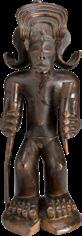
This princely hero and skilled hunter comes from central Africa.
Hunter, Warrior, Ancestor
Learn about Chibinda’s journey to a new land where he meets a princess.

Fit for a Prince
Notice the details in his costume. What do they tell us?
New Words
Ancestor
A family member who lived a long time ago
Having all elements equal
A person who is brave, good, and often looked up to by others
Chokwe Sculptors
Who made this sculpture, and why?
Honoring Our Heroes
Draw a picture of a hero that you respect and admire.
Kingdom Sculpture
A country or place ruled by a type of king or queen
A three-dimensional object made by carving, casting, or shaping methods
Meet Chibinda Ilunga
What are your first impressions? Circle the words that you think best describe this sculpture.
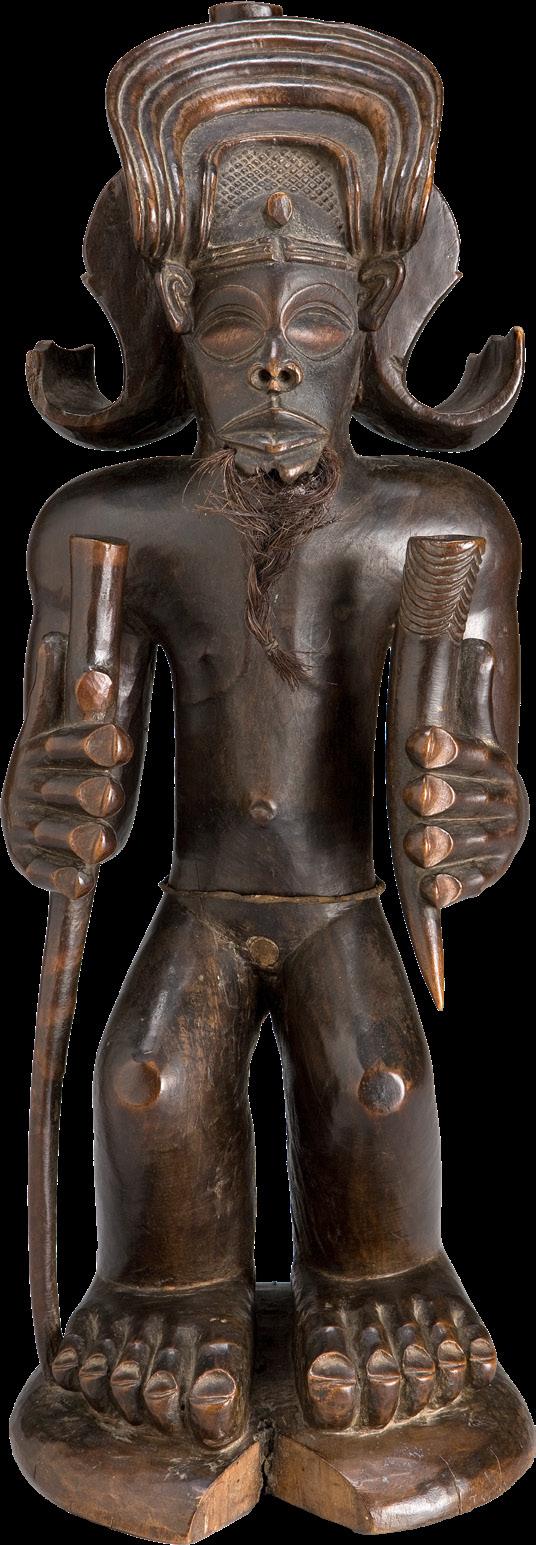
Add three words of your own.
Hunter, Warrior, Ancestor
Long ago, Prince Chibinda Ilunga began a journey from his Luba homeland across central west Africa. Imagine the people, places, and things that Chibinda saw as he walked over rolling hills, through dense forests, and along wide, flowing rivers.
When he arrived at the Lunda kingdom, he met a young princess named Lweji. She was impressed by his bravery and fine manners, as well as his hunting skills. After they married, he taught her people many new and exciting ideas. Sculptures of Chibinda celebrate him as an important hero, ancestor, and role model.
Fit for a Prince

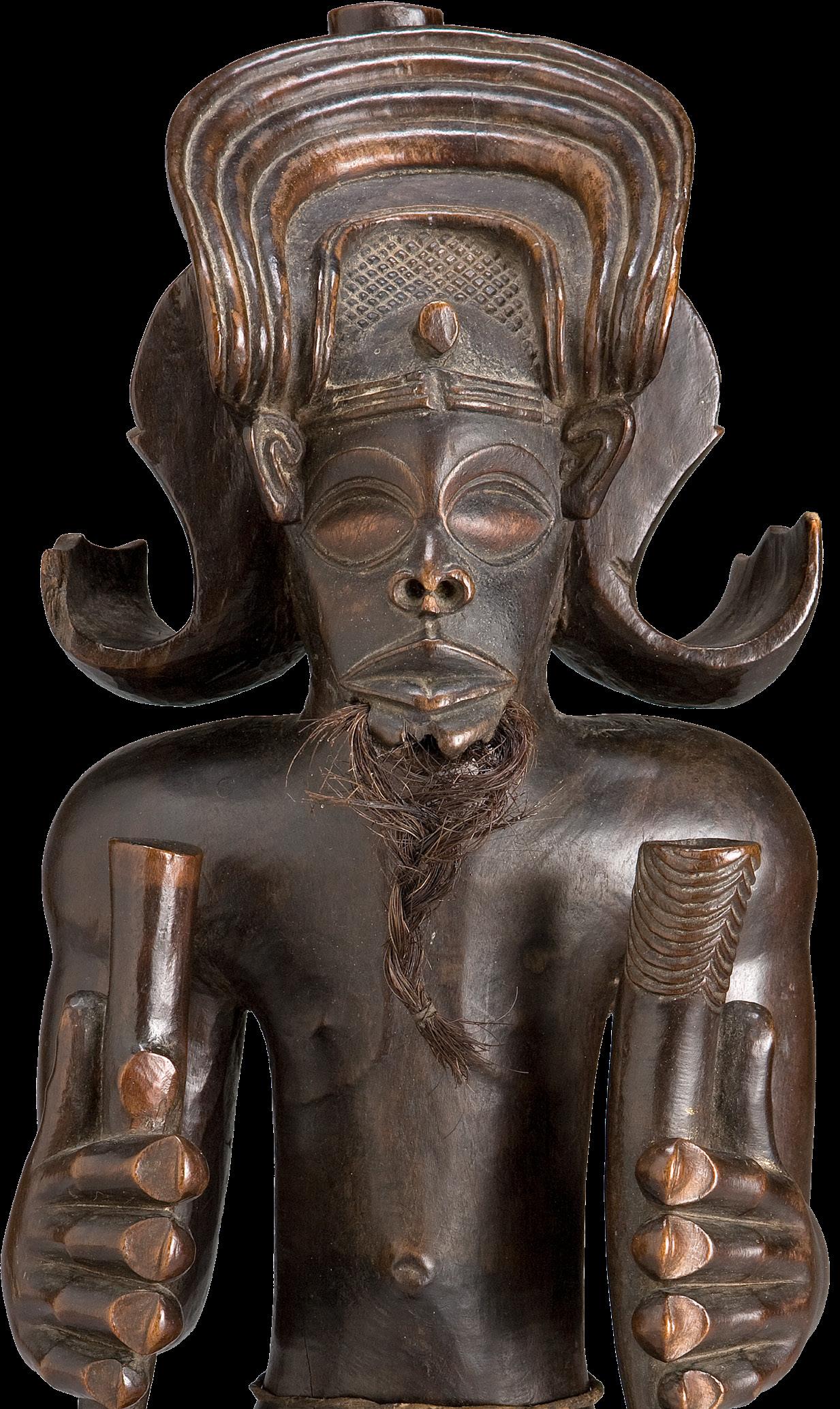
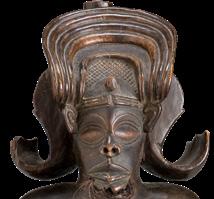
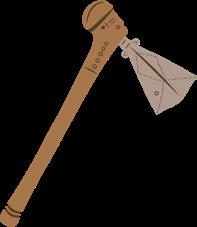
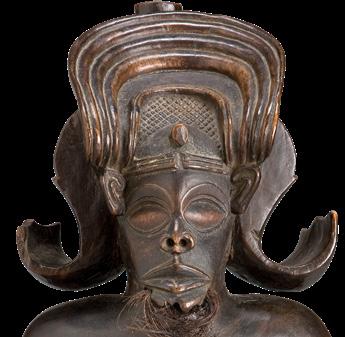
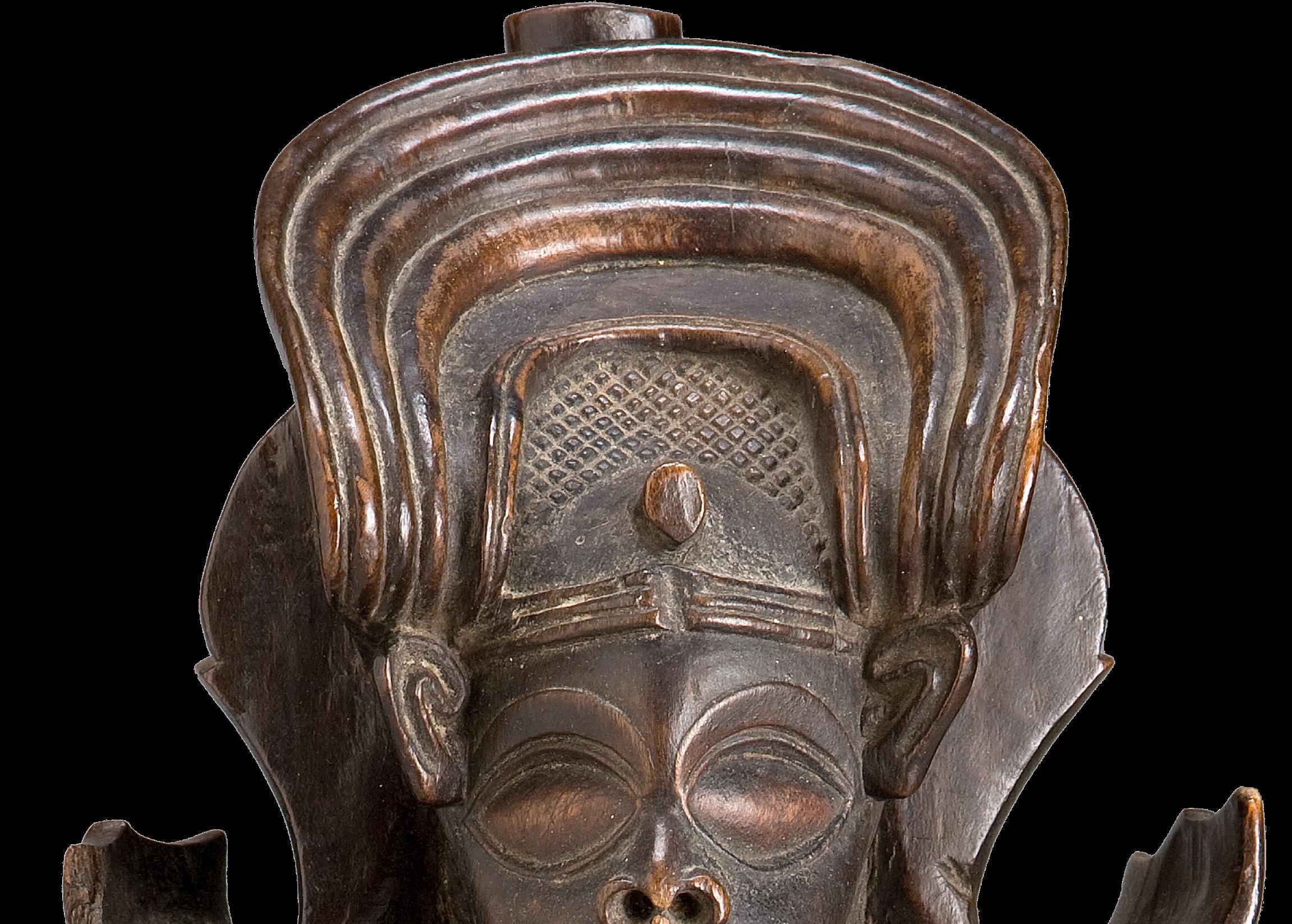
Look at the shapes and textures in Chibinda’s impressive headdress. Its curving lines frame his face, emphasize his listening ears, and add height to show his power. What other clues tell you this is an important figure? Chibinda wears the beard of a wise man, and his wide-open eyes see all. His strong hands hold important tools—a staff for long journeys and an antelope horn container for hunting. Try standing like Chibinda. How does this make you feel? Feet planted and knees bent, the proud hero is ready to spring into action!
Chokwe Sculptors
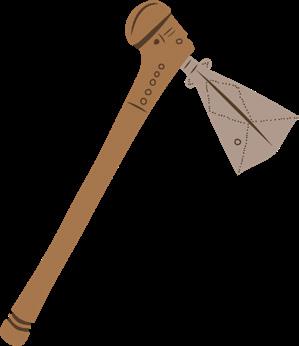
Stories about Lweji, Chibinda, and the Lunda kingdom inspired their neighbors, including the Chokwe peoples. They also became skilled hunters led by allpowerful chiefs. Chokwe artists are famous for their carved wooden sculptures of Chibinda, as well as other important men and women who ruled their lands. What different materials did the artist use for this sculpture? After carving, artists used tree leaves to polish the wood until it gleamed.
Honoring Our Heroes
Who are some of your favorite heroes? What stories do you know about them? Draw a picture of a hero who is important to you. Do they have special powers? Do they wear special clothes that show their skills or wisdom?
Coming Up for Kimbell Kids
Kimbell Kids Drop-In Studios
Selected Saturdays, 1–1:45 pm
Pictures and Pages
Selected Tuesdays, 10:30–11:30 am
First Thursday Sketching Tours
Selected Thursdays, 10:30–11:30 am
Ice Cream Sunday
Sunday, July 19, 2026
Visit Studio A
Located in the Piano Pavilion
Children (ages 5 and younger) and their favorite adults can play and learn in this sensory-friendly community drop-in space. Free; open during regular museum hours.
Chokwe culture, Chibinda Ilunga, mid-19th century, wood, hair, and hide. Kimbell Art Museum
Special Exhibitions
The Holy Sepulcher:
Treasures from the Terra Sancta Museum, Jerusalem
March 15–June 28, 2026
Photography’s First Century:
Masterworks from the Bibliothèque nationale de France
October 4, 2026–January 17, 2027
Youth education programs are supported by the Lowe Foundation Endowment for Kimbell Kids.
Learning to Look
Learning to Look is a free, biannual publication designed for young art lovers. Each issue explores one object from the Kimbell’s permanent collection with engaging graphics, fun facts, and prompts to encourage close looking, personal connections, and creative expression.
Want to receive future Kimbell Kids publications and news?
Scan the code to join our mailing list.