What’s inside
P4-5
Celebrating 15 years since first-of-its-kind transplant
Patient Deborah Bakewell and Professor Mike Nicholson reflect on their pioneering operation.
P6-7
New online forum
Learn about Kidney Community, the new forum for kidney patients and carers – a safe place to share and connect.
P8-9
Kidneys and cancer
Our chief research officer, Dr David Crosby, breaks down why our research focus is expanding.
P10-11
Research links virus and bladder cancer
New findings show the role of BK virus in bladder cancer.
P12-14
Managing multiple health conditions
Tips to help people navigate living with a combination of kidney disease and diabetes and/or high blood pressure.
P15-17
Reflections from 13 years at the helm
Sandra reflects on her 13 amazing years leading the charity in her retirement interview.
P18-19
Building a community at our Bridges Walks
From the mouths of our Bridges Walkers – their thoughts on our flagship fundraising events in London, Newcastle, Glasgow and Liverpool.
P20-23
What’s for dinner?
Ideas from renal dietician Ravinder Sagoo. Plus an exclusive recipe!
P24-26
Thank you!
A selection of our brilliant supporters, who have been fundraising and volunteering to help kidney patients everywhere.
P27
Diary dates
The latest don’t-miss events with Kidney Research UK.
Contact the editorial team Kidney Research UK, Stuart House, City Road, Peterborough PE1 1QF 0300 303 1100 pressoffice@kidneyresearchuk.org Website: www.kidneyresearchuk.org
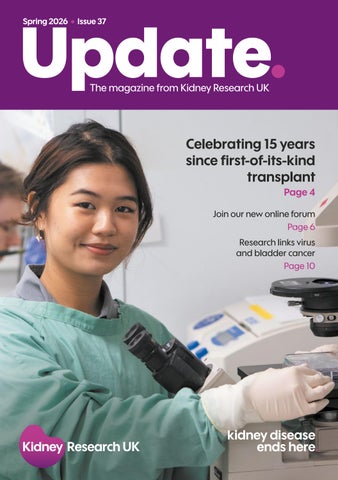
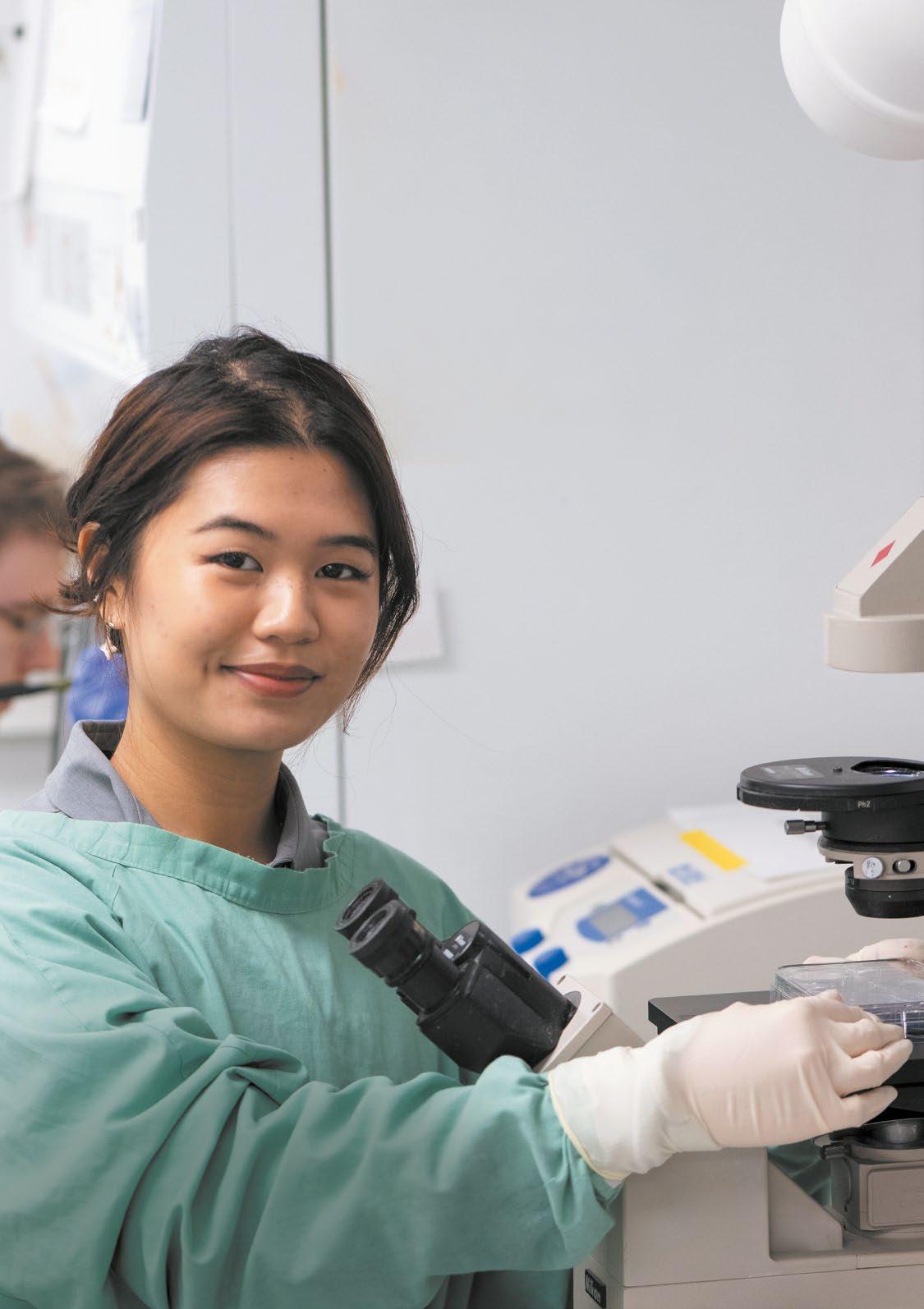
Cover photo: Diane Lee is part of Dr Simon Baker’s team investigating bladder cancer Designed by www.adeptdesign.co.uk Registered charity no. 252892. Scottish charity no. SC039245.
www.kidneyresearchuk.org/donate
Welcome.
A very warm welcome to your spring 2026 issue of Update magazine.
April is when we mark the start of our annual research calendar. So it feels like new year here at Kidney Research UK. There’s a mood of hope and anticipation, as we prepare to welcome a new round of research proposals. What advances for patients might they lead to?
Some personal news
It is also a time of new beginnings for me, personally. I have recently reached retirement age, and I have thought carefully about when might be the best time for me to hand over the reins.
We have a recently expanded, hugely skilled and committed team in place at Kidney Research UK. We are approaching an exciting new phase in the growth of the charity, with lots of ambitious plans to make an even greater impact on patients’ lives. This feels like the ideal moment for someone new to steer the ship, so I advised trustees in September that I would retire during 2026 once a new chief executive is appointed.
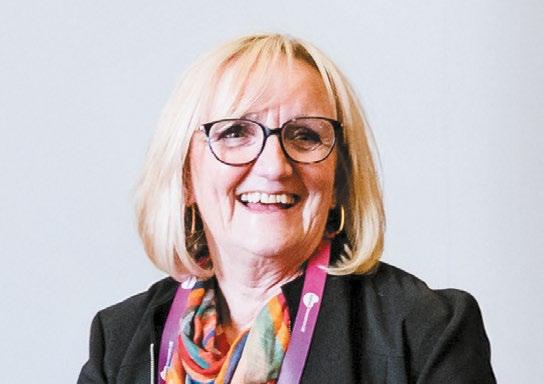
A new start
It has been an immense privilege to be the chief executive of Kidney Research UK for the past 13+ years. Working together with my dedicated colleagues, our brilliant researchers, our enthusiastic patients, our energetic volunteers and committed supporters like you, we have grown this charity in so many significant ways.
I will be extremely sad to leave, of course. But I will remain devoted to Kidney Research UK, as your fellow supporter. Look for me cheering in the stands.
With warmest wishes,

Sandra Currie OBE, chief executive
Celebrating 15 years since first of its kind transplant.
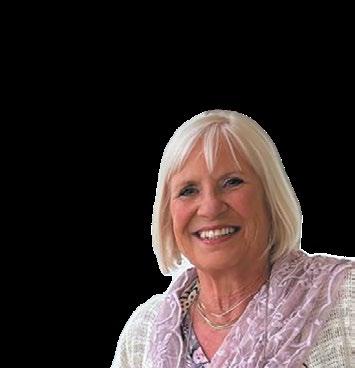
In 2010, Deborah Bakewell became the first person in the world to receive a donated kidney which had been treated and assessed using normothermic machine perfusion. This pioneering technique was developed by Deborah’s surgeon, Professor Mike Nicholson OBE.
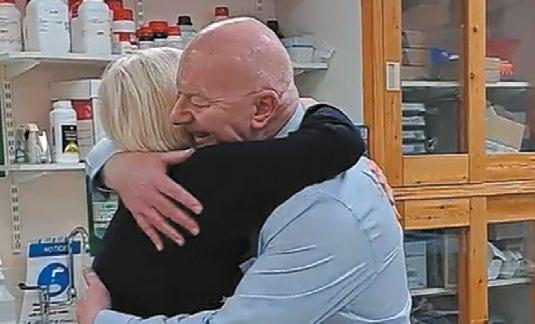
Last December, Mike and Deborah had an emotional reunion at his lab at Addenbrookes Hospital in Cambridge, as they reflected on the difference the transplant has made for Deborah over the past 15 years.
Deborah says: “I thought I was going to burst into tears as soon as I saw him again. He is my hero. Before my transplant I spent three years dialysing,
nine hours a night, seven nights a week. It was so frustrating having my life restricted.
I was worried I’d never get a kidney because of the shortage of donors. Thankfully, because of this normothermic machine perfusion technique, I had the opportunity to receive a kidney which would not previously have been selected for transplantation.
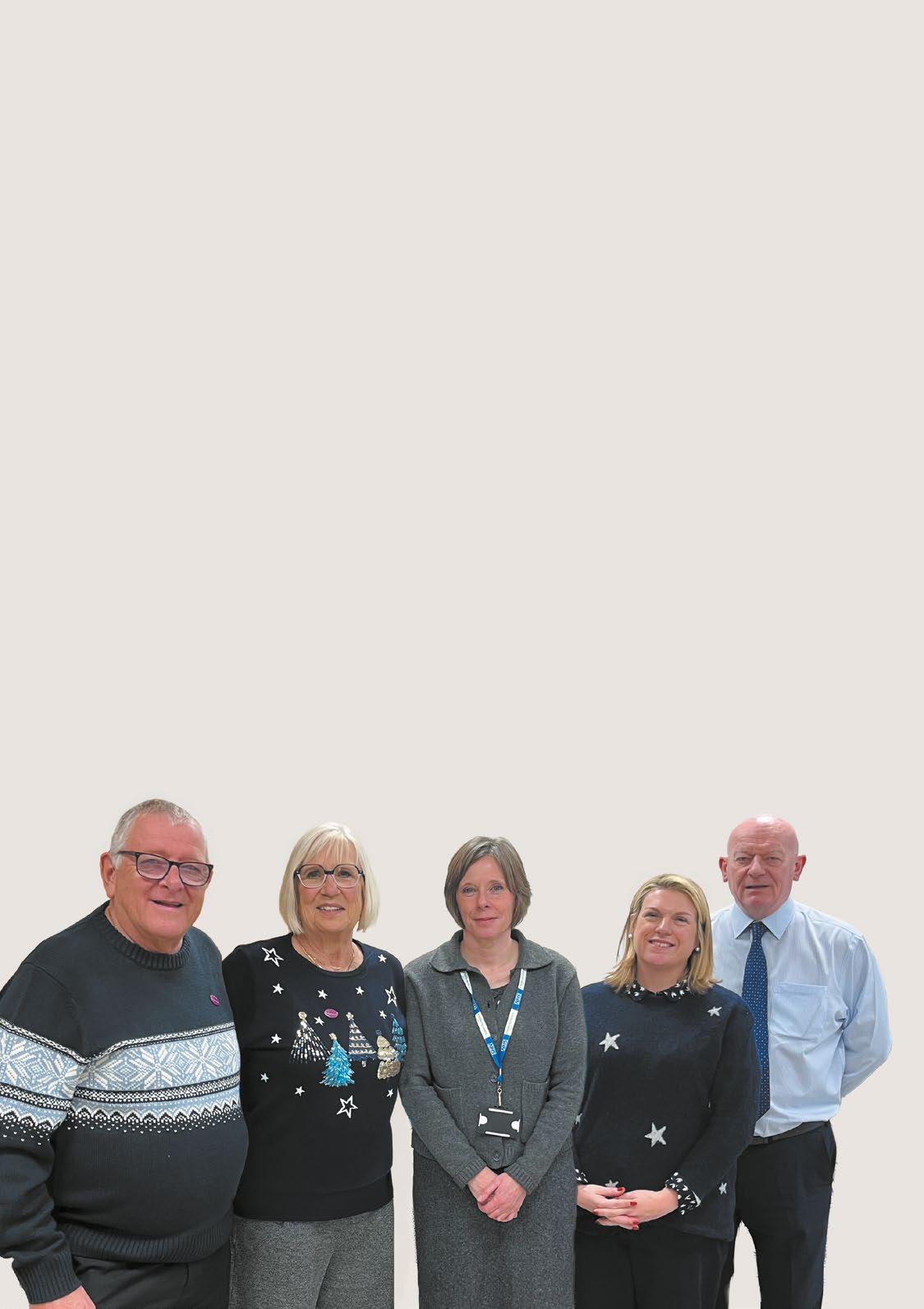
Bryan and Deborah Bakewell with Professor Sarah Hosgood, Kidney Research UK’s chief engagement officer Lucy Sreeves and Professor Mike Nicholson.
“It has given me 15 wonderful years, spending time with my stepgrandchildren, travelling and playing golf. I cannot express how thankful I am to my donor and Professor Nicholson.”
in action Research
Developed from research
conducted by Professor Nicholson and funded by Kidney Research UK, normothermic machine perfusion is revolutionising kidney transplant surgery.
With this technique, the donor kidney is connected to a machine, flushing the organ with oxygenated blood. This allows doctors to test whether the kidney is suitable for transplantation. It’s now being used in a number of transplant centres, meaning kidneys which may previously have been deemed unsuitable can now be made available to patients.
Professor Nicholson says: “It was very exciting when Deborah had her transplant after we had machineperfused the kidney. We were confident the kidney was a good one, despite the fact that other centres did not want to transplant it, and normothermic machine perfusion meant we could make that assessment.
It is so good to see Deborah looking so well after 15 years. Transplantation is a transformational treatment and it’s very fulfilling to be involved in.”
Research into normothermic machine perfusion is continuing, searching for new ways to improve outcomes for kidney transplant patients, including using the technique to deliver medications that increase the health or lifespan of a donated kidney.
Professor Sarah Hosgood from the University of Cambridge, is at the forefront of this research, having received funding from Kidney Research UK to investigate using stem cells from the urine of premature babies to try to improve the condition of kidneys from older donors ahead of transplantation.
Professor Nicholson says: “Our research could simply not be done without the support of Kidney Research UK. We’re incredibly grateful to everyone who donates money to the charity so we can carry out this research, which we hope will continue to improve transplantation.”
kidney disease ends here.
Deborah reunited with Professor Mike Nicholson

New online kidney forum launched to connect community.
Kidney patients and carers have a new way to connect with one another by joining Kidney Community – our new online forum.
We have launched Kidney Community to provide a welcoming, safe space for people to share their experiences and find information and support from one another.
Sandra Currie, chief executive of Kidney Research UK, said: “Many people affected by kidney disease tell us they feel unsure where to turn for support. So, we have worked in partnership with kidney patients and carers to develop this new online space just for them.
Kidney Community is a place where people can return

throughout their journey, knowing every question and every story matters, and they are not alone.”
People are welcome to join the forum no matter what stage of disease they or their loved ones are at. People who are curious about kidney disease because they are at increased risk are also invited to become members.
Diagnosed with kidney disease in 2017, Darren Daniel has used social media to raise awareness of kidney health. His experience of connecting with others helped inform the development of the forum. Darren said:
I’ve seen just how many people were desperate for somewhere to talk honestly about what they were going through. Helping shape this forum felt like a natural next step – making sure it’s driven by the questions people actually ask.”
Stephanie Nicoll also helped. She was diagnosed with C3 glomerulonephritis (C3GN) at the age of 14 and had a transplant nearly 20 years later. Stephanie said:

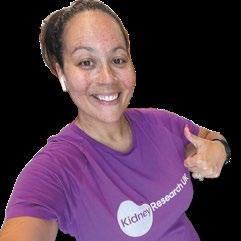
Living with kidney disease taught me very quickly how lonely it can feel, especially when you’re trying to make sense of a diagnosis or push for answers early on. If this space helps even one person get the confidence to ask the right questions, it will have made a real difference.”
We are ensuring wellbeing is a priority, with moderators in place to help people find the right support, access information from Kidney Research UK, and comfortably connect with a community of people with shared experiences. We want everyone to be able to access Kidney Community, which is why it is completely free, and there’s no need for users to have social media accounts like Facebook or Instagram.
Sandra added: “Kidney Community brings patients and carers together in one place, so they can share their feelings and experiences – and feel heard. We look forward to our forum members finding the answers and the community they are seeking.”
Join today! Search for Kidney Community, scan the QR code or visit: kidneycommunity.kidneyresearchuk.org
disease ends here.
Making an impact on kidneys and cancer.
Every year, many cancer patients develop kidney disease, thousands of kidney disease patients face cancer diagnoses and 14,000 people are diagnosed with kidney cancer. In our commitment to support all aspects of people’s kidney health, we’re now further expanding our research focus into these areas, as our chief research officer Dr David Crosby explains.
As the leading organisation driving research into kidney diseases in the UK, we have to save lives and advance research benefitting everyone affected by conditions that impact the kidneys. We have a huge opportunity – and responsibility – to shine a spotlight on the links between kidneys and cancer, and improve people’s lives through research. By raising new funds and working closely with patients, we can provide the urgent focus that those affected desperately need.
This work builds on our existing kidney research programmes. By securing new funds, we will drive research development and move kidneys and cancer further up the agendas

of major industry partners, so patients benefit from their global expertise and resources.
As ever, patients will be at the heart of this. We will ensure the needs and preferences of the patient community are represented and help to set the direction of research in this area, having a direct bearing on what research is done. And of course, there will be opportunities to participate in research in time to come.
Our target areas
Cancer features in the lives of people with kidney disease in many different ways. Here are our target areas for our work into kidneys and cancer.
Kidney damage caused by cancer treatments:
Whilst radiotherapy, chemotherapy and immunotherapy treatments are life-saving, they can affect kidney function, sometimes severely. This creates a clear opportunity to try and prevent cancer patients becoming kidney disease patients by finding new ways to protect kidney health while they receive vital cancer treatment.
Cancer-causing kidney disease treatments:
There is also much to do to prevent kidney disease patients becoming cancer patients. We know that immunosuppressants that people
What’s next?
take to protect a transplanted kidney can carry a higher risk of developing certain cancers, including skin cancer and bladder cancer. And there are important questions about how kidney disease, and the treatments used to manage it, may influence cancer risk. We want to reduce these risks and ensure treatments are as safe as possible.
Kidney cancer:
Kidney cancer is the sixth most common cancer and prevalence rates are growing. Survival and treatment options depend heavily on how early it is diagnosed and many patients still face poor outcomes. We can do better for those patients. Kidney cancer research still remains underfunded relative to the number of people it affects – and we can help secure the funds to redress that imbalance.
We’re already making progress. For example, researcher Simon Baker (featured on the following pages) is investigating why kidney transplants can increase bladder cancer risks. Our supporters are at the heart of this journey and we’ll keep you posted on developments and opportunities to get involved in future work. If you’d like to donate to help further this vital area of research, please visit www.kidneyresearchuk.org/donate
New research links virus and bladder cancer.
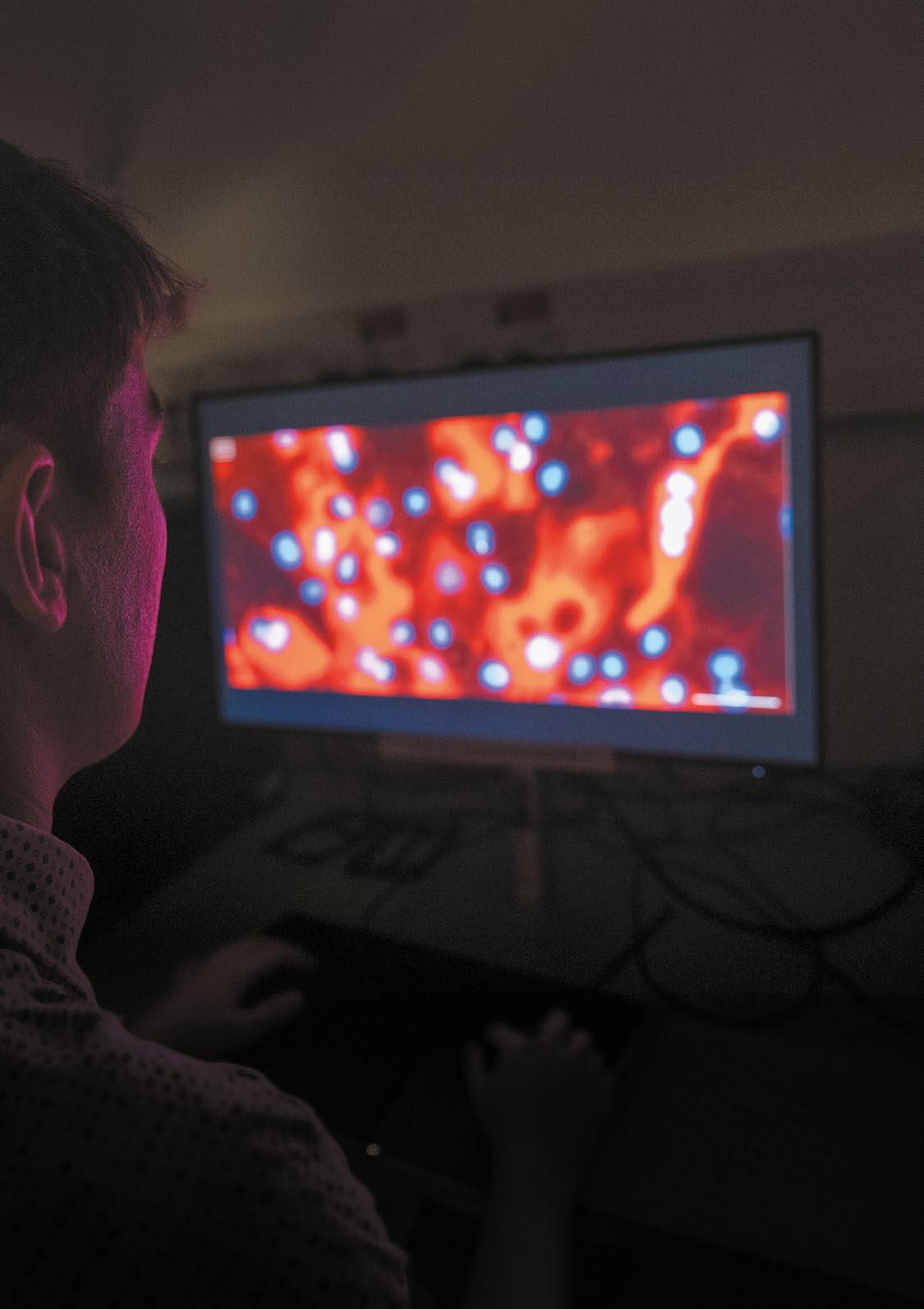
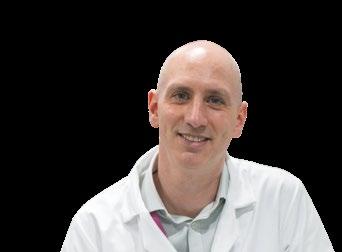
A study by Dr Simon Baker and colleagues from the University of York suggests BK virus can trigger changes in DNA leading to bladder cancer, which kidney transplant recipients are at higher risk of developing. Simon’s work was funded by Kidney Research UK and York Against Cancer.
BK virus affects nearly everyone during childhood, generally without many symptoms. Following infection, the virus can hide in the kidneys.
Reactivation of BK virus sometimes happens after kidney transplant due to immunosuppressive medications. The virus can then damage the kidneys, ureter (the tube connecting the kidney to the bladder) and bladder.
Frustratingly, there are currently no specific treatments for BK virus in people who have had a transplant. Although reducing immunosuppressive medication helps the immune system fight the infection, it carries the risk of damage to the transplanted kidney.
Donate to Kidney Research UK visit: www.kidneyresearchuk.org/donate
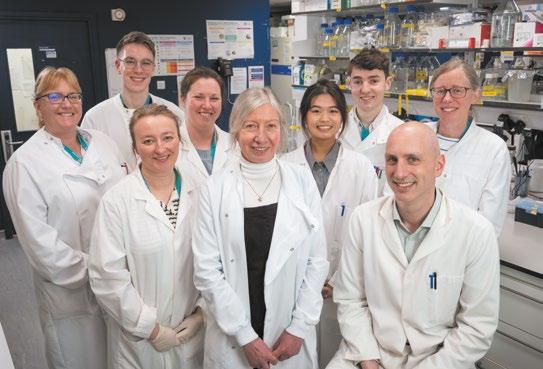
In this study Simon and team looked at what can happen following BK virus infection. They found that ‘friendly fire’ from the immune system meant to damage the virus can cause DNA changes in infected and surrounding cells which can lead to cancer. They will now look at potential targets for new BK-specific antiviral treatments to improve outcomes for transplant patients.
Kidney transplant recipients are at over three times greater risk of bladder cancer. We suspected that BK virus was involved but didn’t know how this happened. Our results have provided important new insights into the processes, and I am excited for the next stages in this research.”
Dr Simon Baker

Tim’s journey
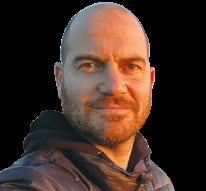
For patients like Tim Tavender, 51, from Southampton, the research offers hope. After a kidney transplant in 2015, Tim‘s health deteriorated due to BK virus and he was eventually diagnosed with bladder cancer. Tim said: “BK virus made me feel sub-par, and lowering my immunosuppressants to fight it left me walking a medical tightrope. It took four years for my immune system to fight off BK virus. Thankfully my kidney continued to function. In 2021, I noticed a feeling that I wasn’t urinating normally, the flow wasn’t right. Luckily, my doctor took this seriously and pushed for me to have this investigated.
“Scans identified a lesion on my bladder and I had a biopsy. When the results came back, I was told I had stage one bladder cancer and needed my bladder removing. The surgery was incredibly difficult. I hated it at first and felt quite down, but I’m grateful I don’t have cancer anymore and my body is working well.
“Seeing this research makes me hopeful. If scientists like Dr Baker can find new ways to control BK virus, it could spare other people from going through what I did – and that would be life-changing.”
To find out more about Simon’s research and Tim’s experiences, please visit www.kidneyresearchuk.org/bladder-cancer
kidney disease ends here.
Dr Simon Baker and team
Managing multiple health conditions.
Living with kidney disease is complicated enough. Living with other health conditions like diabetes or high blood pressure as well as kidney disease is common and can multiply everything – symptoms, health professionals, treatments, appointments. And of course, one condition can impact another. So we have assembled a few tips and reminders to help you navigate your care (in what can be a challenging system) and protect your kidneys.
Looking after your kidneys
Keeping on top of your kidney health is paramount when you have diabetes or high blood pressure, two of the leading causes of chronic kidney disease (CKD). The main element of this is diagnosis and monitoring. Your kidney function should be regularly assessed through a urine albumin to creatinine ratio (uACR) test – a urine test to see if the kidney is leaking protein into the urine, which is a sign of kidney damage and blood tests to check your estimated glomerular filtration rate (eGFR). These should be annual, or more frequently if there are signs of deterioration, or of deterioration accelerating.
Dr Kieran McCafferty, consultant nephrologist at Barts Health NHS Trust advises:
For people living with, or at risk of kidney disease (people living with diabetes, heart disease, hypertension or a family history of kidney disease), it is important to have your blood and urine tested regularly. Together, these two simple tests, which can be done at your GP surgery, can diagnose CKD and also help medical teams assess the severity of the CKD and risk of progression.”
Dr Kieran McCafferty

Keeping tabs on medication
If you have multiple conditions, you’ll often need to take several different medications.
A good understanding of these can help you to follow your medication schedule effectively to get the most benefit from them. There is positive news, Kieran says:
There have been great advances in how we manage diabetes and kidney disease over the last 10 years, with many new medicines available which can help prevent complications from diabetes and kidney disease.”
Don’t be afraid to make a note of what each medication is for, or to question whether a treatment for one condition might impact another condition. Having your list of medication to hand at each appointment can ensure your different clinicians are fully in the picture.
Benefits of a healthy lifestyle
With so much to juggle, living with multiple conditions can be overwhelming. But even small changes can help protect your kidney health, and your overall health.
If you have diabetes, as well as a healthy diet and lifestyle, aim to keep your blood sugar within your target range. If needed, your doctor can advise you on glucose monitoring, and find an option that best suits you and your lifestyle. Meanwhile, if you have high blood pressure, try to cut down on salt.
A healthy lifestyle is even more important if your body is already under strain. A diet of highly processed foods (high in salt and sugar) together with obesity, alcohol and smoking can contribute to these conditions.
These issues are hard to tackle on your own, but help is available. See the feature on pages 20-22 for ideas about managing your diet. And, Kidney Beam is a great resource for people looking for on demand and live exercise classes, specifically tailored to people with kidney disease – find out more at www.kidneybeam.com.
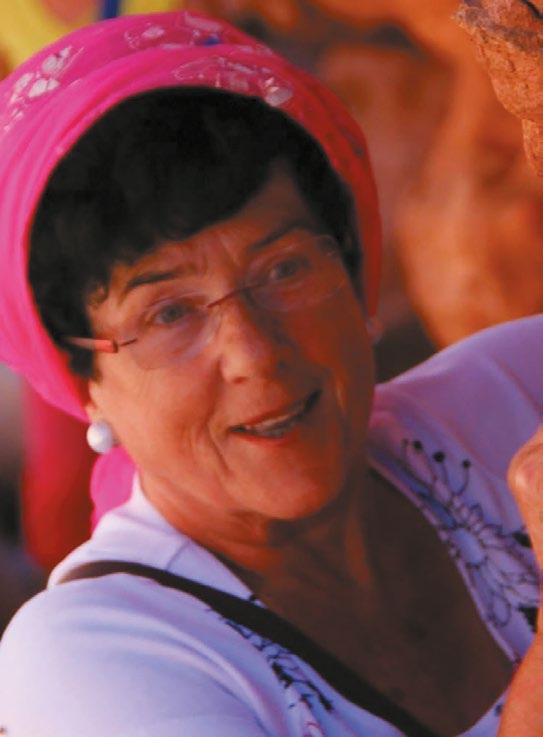
Sandra Borkowska-Heurtaux is well-versed in helping manage multiple conditions, as a carer for her mum who has high blood pressure, diabetes and is on peritoneal dialysis for her kidney disease.
“Preparing for appointments has become a family effort. Either my brother or I go with Mum (Marianna) and we’ll jot down any questions or symptoms that has come up since the last visit. Having someone else there helps ensure nothing is missed, especially when appointments feel overwhelming to my mum.
Marianna Borkowska is on peritoneal dialysis and manages high blood pressure, and diabetes.
“We quickly realised there were gaps between her nutritionist, diabetologist and nephrology team, especially when it came to sharing medication changes and blood test results. To help bridge this, we started keeping a detailed list of her specialist appointments and always brought a summary of her current medications and recent test results (i.e. HbA1C, eGFR) to every appointment. This made it easier for each specialist to see the bigger picture and avoid conflicting advice.
“Mum has found it helpful to keep a dedicated notebook for all her appointments, test results and questions. She also uses a pill organiser and sets reminders on her phone for medications. She’s adamant about self-advocacy and says: ‘Don’t be afraid to speak up if something doesn’t feel right, even if it seems minor. You know your body best.’
From my perspective as a carer, I’ve learned the importance of being persistent when chasing up appointments or results, and of building good relationships with the healthcare team. It can be daunting, but being organised and proactive really helps.”
Reflections from 13 years at the helm.
As her retirement approaches, we sat down with our chief executive, Sandra Currie, to ask about her time leading the charity.
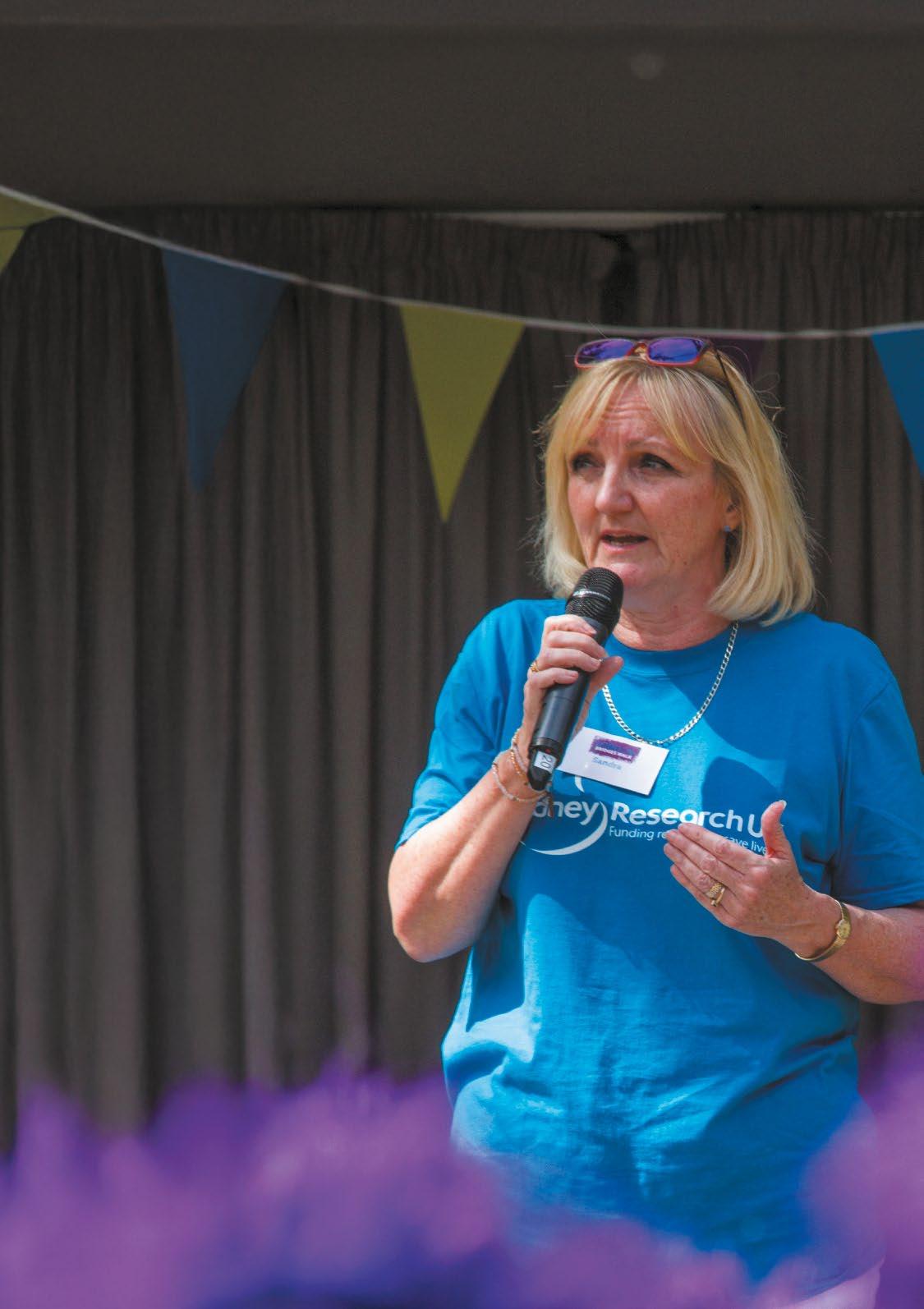
Sandra, how did you feel when you first embarked on this role?
It was a huge privilege to be given this job. I didn’t know very much about kidneys at the start. I had come from 15 years at a cancer charity and then a sensory loss charity, so I knew about the impacts of long-term health conditions on the lives of people, and their families. And I knew how to help a charity grow, in income and in the number of people it can reach. And that’s what attracted me to this role. The opportunity to do something important and impactful for people. kidney disease ends here.
What have been the charity’s biggest achievements under your leadership?
There have been so many research breakthroughs I’m really proud of. But to name just a few…
Professor Tim Goodship and his team at Newcastle University have done amazing work, leading to the first ever treatment for aHUS. Thanks to the research we funded, it’s now possible to offer transplants to people with this rare disease, without fear of immediate rejection.

The pioneering normothermic machine perfusion (NMP) technique, which Professor Mike Nicholson and his team at Cambridge University developed, is a mighty achievement. Patients have now had transplants using kidneys that would otherwise have been rejected. You can read more about this on pages 4-5.
Professor Moin Saleem and his team at the University of Bristol have done astonishing work on gene therapies for kidney diseases. There’s exciting
news to come, as we embark on the next steps in this journey.
Meanwhile Kidney Research UK led a collaboration to launch NURTuRE, the first kidney biobank covering England, Scotland, and Wales. NURTuRE is accelerating the discovery of new treatments and diagnostic approaches by providing a rich resource of samples and data for research, and has been recognised with three national awards.
And I’m really proud that during the Covid-19 pandemic, we were able to support Professor Sharlene Greenwood in launching the Kidney Beam online wellbeing platform. At a time when so many kidney patients were isolated for so long, Kidney Beam on-demand exercise classes gave them a way to look after their physical and mental health. It was a bright moment in a dark time.
What do you think are the charity’s biggest strengths?
It’s the people. There are brilliant people throughout the charity: the researchers we fund, fundraisers, our call responders, volunteers, staff and trustees. Everyone is focused on making life better for people with kidney disease, and their loved ones. The charity is a powerhouse of people all focused on progress for a better future.
I’ve met so many amazing kidney patients over the years. Their
Sandra with Professor Goodship
stories inspire more people to support Kidney Research UK, inform our work on so many levels and motivate me so much, personally.
And I’m so grateful for the generosity of our supporters. Not just in the financial support that people give us, but in the energy they bring, and the time they devote. We’re all in this together. It’s a community. A family.
What are your hopes for the future of Kidney Research UK?
We have shown the challenge of kidney disease is increasing and the number of patients experiencing kidney failure is predicted to continue rising. The impact on the NHS could become overwhelming. It all points to the urgent and growing need for our work. We have to match the challenge with much more research, at a faster pace, and on a bigger scale. We can only do that alongside our amazing supporters and partners.
In the very near future, I’d like to see that we’ve successfully tackled some of the really big problems around identifying kidney disease and addressing it earlier. The waiting-list for kidney transplants needs to
be much shorter. Dialysis units would be less pressured because there would be fewer people needing treatment. The people that do have kidney disease would be living well with it.
How will you stay involved?
I’ll remain a dedicated supporter, of course. I’ve pledged my legacy gift. I’ll continue my regular donations to Kidney Research UK. I’m looking forward to joining the ranks of the fabulous readers of Update magazine, reading about the amazing work and cheering the charity on.

kidney disease ends here.
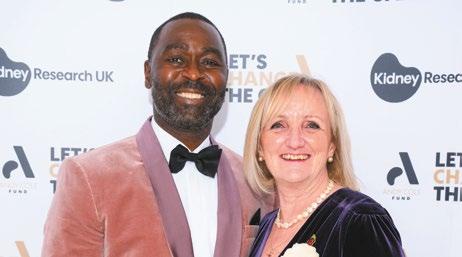
Sandra with ambassador Andy Cole
Building a community at our Bridges Walks.
Across Newcastle, London, Glasgow and Liverpool, more than 1,500 supporters joined our Bridges Walks in 2025. Every person with their own unique reasons for being there, forming a formidable community which raised more than £200,000 to fund kidney research.
Candice Staines
“I joined the walk in support of my husband, Paul, who has been on dialysis for over two years. It was lovely walking with my friends, meeting new people and hearing their stories. There was a real team spirit and sense of collaboration. I hope together our fundraising will further research that helps everyone affected by kidney disease.”
Niki Lee
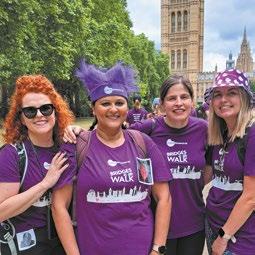
“Polycystic kidney disease runs in our family and my kidneys failed because of this. Two years ago, I received a kidney from my mum, and I’ll be forever grateful to her. Our family have been coming to the
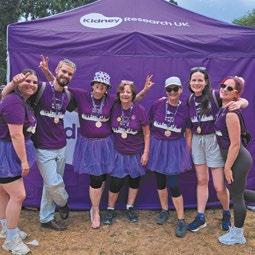
London Bridges Walk for three years now. We love the camaraderie. We’re all here for the same cause and hopefully research will find a cure that will help my daughter and grandson.”
Salimah Yiga
“We are renal nurses and work with kidney patients every day. We decided to join the walk to try and do something for them by supporting more research. It was brilliant to meet so many people and be part of this beautiful community.”
Salimah Yiga (far left)
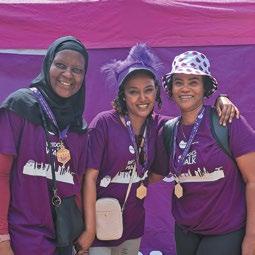
Candice Staines (second from left)
Niki Lee (third from left) with mum, Christine (fourth from left) and their family

Andy Benden
“Eight years ago, I donated a kidney to my sister, Caroline. It has been amazing to join the walk together to raise funds for research. The atmosphere has been fantastic, seeing some beautiful parts of London with everybody chatting and laughing.”
Andy Benden (far right), sister Caroline (second from left) and family
Johanna Bridges
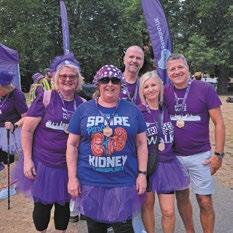
“I’m only 38 but I’m already waiting for a fourth kidney transplant. This was my second Glasgow Bridges Walk. I had to complete the shorter route this time with my mum due to my dialysis, while my husband, daughter, sister-in-law and dog, Rudi, did the longer route. The atmosphere was wonderful and everyone was
so pleasant. We were all supporting each other, brought together by the same emotive reasons.”

Johanna Bridges (far left) and family
Rachael Norris
“Kidney problems have had a huge impact on my life – physically, mentally and financially. It affects my ability to work, my social life and day-to-day activities because of the tiredness and other symptoms it causes. That’s why my daughter, Layla, and I joined the Newcastle Bridges Walk. It was a fantastic opportunity to meet other people affected by kidney disease while raising awareness and funds to support kidney research.”
Rachael Norris (second from right)

kidney disease ends here.
What’s for dinner?
Working out what to have for breakfast, lunch and dinner can be a real bind at the best of times. We spoke to renal dietician Ravinder Sagoo, to find out how to take the stress out of cooking for kidney health.
Whether you’re early on in your journey with kidney disease, or you have reached the later stages, knowing what you should be eating can feel daunting. Ravinder Sagoo understands this better than most, having worked as a renal dietician for 10 years, and having lived through the kidney issues faced by her family members.
Salt swaps
In Ravinder’s experience, people who are newly diagnosed with CKD often feel like they have to cut everything out and follow a very restrictive diet. But this isn’t always necessary, she says:
It’s easy to go down this rabbit hole of internet searching, where there is quite a lot of blanket advice for kidney patients, not all of which is appropriate to everyone. Generally speaking, people in the early stages of kidney disease (up to around stage 3a) usually don’t need to be restricting anything apart from their salt intake unless otherwise advised by their healthcare team.”
Reducing the amount of salt reduces the risk of high blood pressure and strokes. It also helps blood pressure medication to work much more effectively.
Ravinder suggests cooking from scratch where possible using herbs and spices for flavour, selecting green options from the traffic light labelling system to help make better ready-made meal choices, as well as keeping salt off the table. Supermarket own brands, especially tinned foods, tend to be lower in salt, she says.
Weight loss warning
The risk of embarking on an overly restrictive diet is that you might miss out on important nutrients and, especially, lose muscle mass leading to frailty, which people with kidney disease can be at risk of. “We want to retain that muscle mass and vitamin and mineral deficiencies will have a huge impact on your wellness, your fitness and how you feel,” says Ravinder. Fluid retention easily masks muscle loss, she warns. But your doctor may tell you to change your diet because of potassium and phosphate levels becoming too high or too low,
which can impact important bodily functions like nerve signals, muscle activity and the fluid balance.
Sometimes the answer can lie in medication, rather than a huge change in diet, Ravinder says.

For me, as a kidney dietitian, it’s always about optimising food. I’d encourage patients to ask their doctor ‘Is there anything I can adjust with my medications to help my potassium or phosphate levels so I can stick to my current diet because I don’t want to lose weight?’”
Comfort and joy
Ravinder reflects that food should be a source of comfort, not stress. “Food choices can be very confusing,” she acknowledges. “So, if your diet is concerning you, talk to your doctor to see if they can refer you to a kidney dietitian. If you are still unsure, then a little research into kidney charities like Kidney Research UK, who offer patient information and meal ideas, may help.”
More recipes are available through our Kidney Kit. Sign up for your free kit here: www.kidneyresearchuk.org/kidney-kit
disease ends here.
Ravinder recommends
Healthy nibbles
• Low salted tortilla chips.
• Low salted crisps(children’s ranges tend to be lower).
• Sun Bites (good for fibre too)
• Homemade popcorn.
• Handful of pretzels.
Some nutritious foods that are quick to prepare
(Just have these in moderation)
• Beans on toast with an egg on top.
• Canned soups (cream of soups are great for calorie density).
• Tinned tuna, mackerel or pilchards on toast.
• Fish finger sandwiches –you can always add salad on the side.
• Fish cake in a cob – add in some cucumber and lettuce.
• Spaghetti with cream cheese and peas.
• Fruit yoghurt with chia seeds.
Easy ways to reduce potassium
If avoiding too much potassium really is necessary for you (check with your doctor), try these get-arounds.
• Tinned potatoes: lots of the potassium they contain goes into the fluid, so you can just drain it out and rinse them. Then they can be boiled, roasted, put in an airfryer, or sliced and put them on a hot pot.
• Tinned mushrooms can be added to recipes without people noticing the difference.
• If you are avoiding tomatobased sauces, red pepper sauce is a great alternative. Simply roast peppers, onions, garlic, herbs and spices together and add some Worcester or balsamic sauce.
Ravinder’s sausage and bean stew.
Serves generous portions
• Can be vegan, vegetarian and gluten free depending on sausages used.
• Dairy-free.
• Nut-free.
• Moderately low potassium.
• Low phosphate and purines.
Ingredients
2 x 400g tins of butter beans or cannellini (drained and rinsed)
6 sausages of your choice
1 large onion and carrot diced
1 red pepper roughly chopped
Vegetable oil
The juice of half a lemon
200g tinned small, boiled potatoes (optional)
2 heaped tsp of smoked paprika –depending on taste
Dried or 1 fresh chilli to taste (optional)
5 cloves of garlic, finely chopped –depending on taste
1 x 400g tinned plum tomatoes
3 tbsp balsamic vinegar – depending on taste
1 low salt vegetable stock cube, crumbled
30g fresh parsley or coriander, roughly chopped
A great simple recipe for plant-based protein and fibre.
Method

1. Heat a large wide pan over medium heat, add a little oil and cook through sausages until golden. Place to one side.
2. Add a little more oil if needed into the pan and fry onions and carrots gently until softened. Add peppers and fry for another 5 mins.
3. Add garlic and cook for 2-3 mins, then add butter beans, potatoes and blended plum tomatoes. Stir well.
4. Add crumbled stock cube, chilli and balsamic vinegar and a little hot water. Stir well.
5. Simmer for 20 mins, then stir in lemon juice and sausages, cover and simmer for another 10 mins. Add a little hot water and mash some of the beans if you like a creamier consistency.
6. Finish with fresh herbs of choice. Serve with warm crusty bread if you wish.
Sign up for your Kidney Kit for this recipe’s full nutritional breakdown.
kidney disease ends here.
A huge thank you !
Christmas Carol Concert
We were blown away by the support shown at our first ever Christmas Carol Concert in December, which helped us raise an incredible £25,000!
More than 250 of you joined us at the beautiful St Marylebone Parish Church to enjoy performances by the London Show Choir and London International Gospel Choir.
A massive thank you to supporters, Deborah Bakewell, and Laura Plumptre, and ambassadors Danny Sebastian, Nina Nannar and Nina Wadia OBE, who delivered powerful readings on the night.
RAISED £25,000

Patients speak up for rare diseases in Parliament
Two inspirational kidney patients joined us to speak at the parliamentary launch of our report – Collectively common: the devastating impact of rare kidney diseases in the UK.
Morven Hutchison and Kathryn Croker shared their personal stories at the event, attended by several influential people, including Stuart Andrew MP, Shadow Secretary of State for Health and Social Care, and Dr Zubir Ahmed MP, Parliamentary Under-Secretary
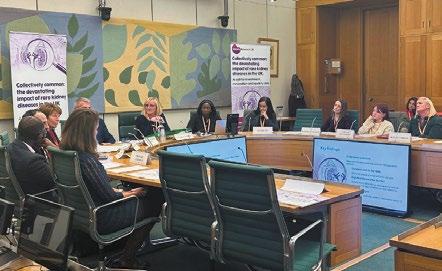
of State for Health Innovation and Safety.
Our thanks to Morven, Kathryn and the many patients who contributed to the report, highlighting our commitment to improving outcomes for the estimated 160,000 people in the UK living with a rare kidney disease.
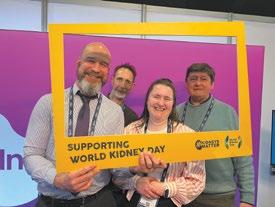
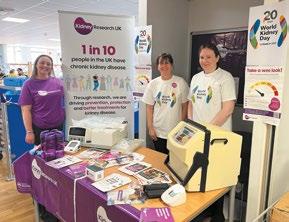
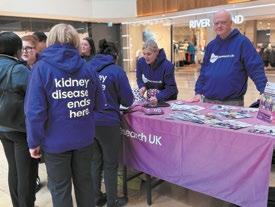
World Kidney Day
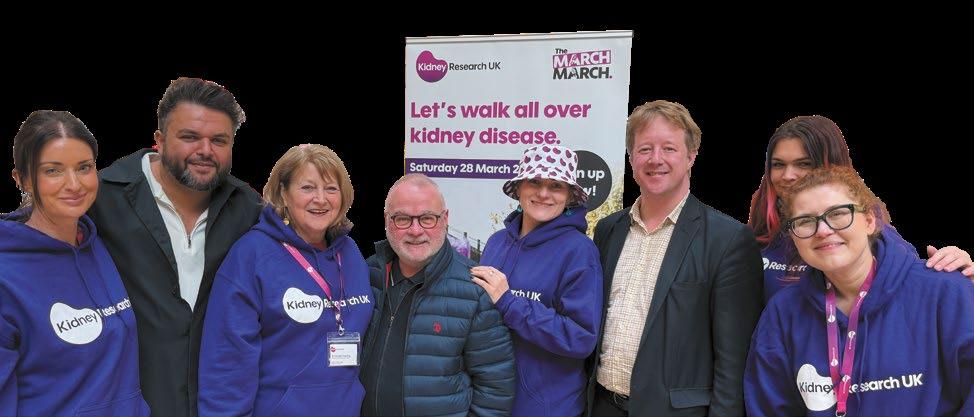
On World Kidney Day in March, supporters came together to raise awareness; sparking conversations, hosting information stands and busting myths. Thank you to everyone who
Thank you, Miranda
After five successful years leading our Lay Advisory Group, volunteer, Miranda Scanlon, has stepped down from the role. We are so grateful to Miranda for her incredible contribution to ensuring people affected by kidney disease influence all aspects of our work.
Miranda said:
“It has been a privilege and a real joy to lead the group. Our members are an incredible and diverse
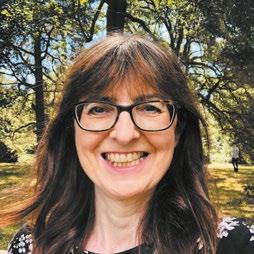
team of people who all work to make sure patient voices are heard. Listening to new perspectives and different lived experiences inspires all of us to increase patient and public involvement across Kidney Research UK and beyond.
“I’ve had amazing opportunities to speak, write and campaign on behalf of the charity, sharing my own perspective as a kidney patient. I’m sure my successor will bring their own unique skills and experiences to continue the valued work of the group.”
kidney disease ends here.
Appeal superstar
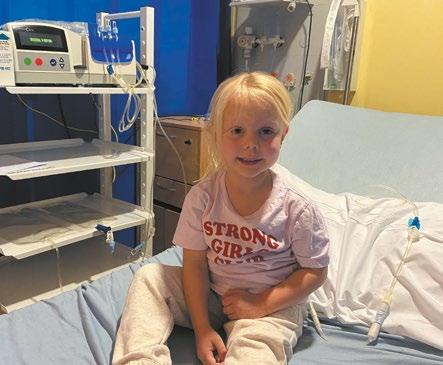
Thank you to six-year-old Bella Brimblecombe and her family for sharing their story in our 2025 Christmas fundraising appeal which raised over £52,000. The family were determined to support research and raise awareness of kidney disease, after Bella’s own kidneys failed in 2024. Since then, Bella has needed dialysis to survive while she waits for a kidney transplant that would transform her life.
Bella’s mum, Nathalie, says: “We hope sharing Bella’s story helped people see the severity of kidney disease and the importance
of research. Supporting Kidney Research UK gives us such a sense of hope and we’re really thankful to everyone who donated to Bella’s appeal.” RAISED £52,000
Volunteering in the community
Our incredible community ambassadors continue to raise awareness of kidney disease and push for change that will improve peoples’ lives.
Angelina Sanderson, from Scotland, was diagnosed with a rare type of hereditary kidney disease in 2017. She chose to become a volunteer in memory of her sister,

Rosanna, and niece, Lilly, who tragically died because of a related condition in 2018.
Angelina says: “Carrying that grief and fears about my own future is incredibly difficult. I want to make Rosanna and Lilly proud. I support patients in my local renal unit, help at events, such as the Glasgow Bridges Walk, and have attended Parliament to advocate for people affected. I have met friends for life and together we are driving research forward.” Donate to Kidney Research UK visit: www.kidneyresearchuk.org/donate
Diary dates
Get involved in our events and help raise funds for life-saving research! Sign up online: www.kidneyresearchuk.org/events
3 June – Andy Cole Fund Golf Day
Join former Premier League footballer Andy Cole, for an unforgettable day of golf, dining and fundraising, at the stunning Ballesteros Masters Course at the Shire Golf Club, London.
Multiple dates – Ultra Challenges
Make 2026 your year for your greatest achievement with an Ultra Challenge! Walk, jog or run in beautiful landscapes such as the Lake District, the Peak District, the Gower Peninsula, or the South Coast.
Bridges Walks
7 June – Newcastle
4 July – London
21 June – London to Brighton Cycle
Grab your bike for this iconic 54-mile route alongside thousands of fellow cyclists. Journey from the city to the seaside and help fund lifesaving research.
July – #Challenge120 Swim
Dive in and swim for research! Whether it’s in a pool, lake, or the open sea, set your own challenge and virtually connect with swimming fundraisers across the UK.
September –#Challenge120 Cycle
Ride 120 miles for kidneys this September and take on the #Challenge120 Cycle!
Bridges Walks
6 September – Liverpool
26 September – Glasgow
Great Run
13 September – Great North Run, Newcastle
4 October – Great Scottish Run, Glasgow
18 October – Great South Run, Portsmouth
October – Big Purple Dog Walk
Give your daily dog walks extra meaning this autumn by joining our nationwide fundraiser. Every step you and your pup take counts!
25 November – Andy Cole Fund Gala
Join football legend Andy Cole at The Dorchester, London, for an evening of luxury food and entertainment to raise vital funds for research.
kidney disease ends here.
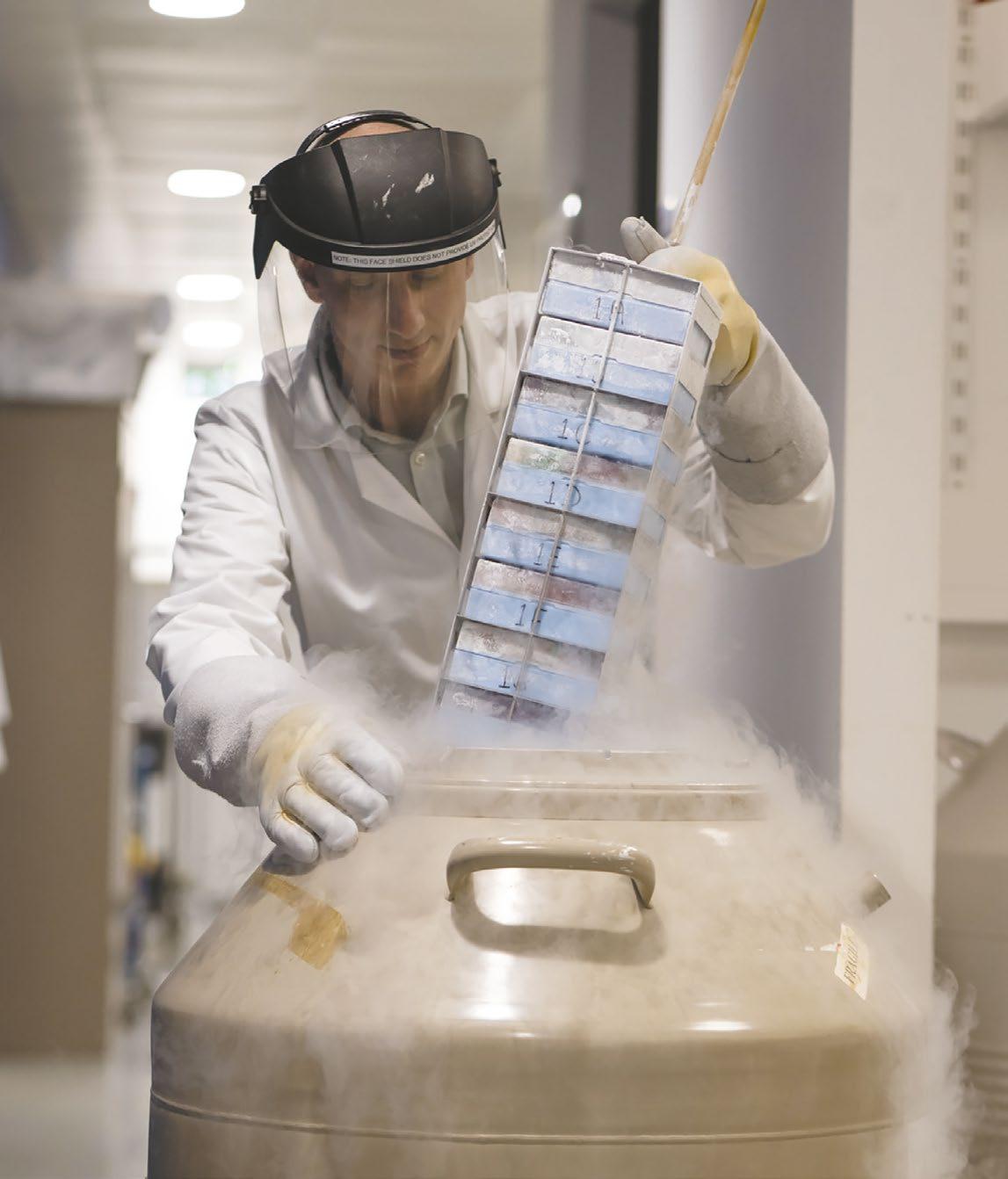
“I’m grateful to supporters whose generosity has made my Kidney Research UK Fellowship possible. Your support enables our group to work towards a shared goal: ensuring that when someone receives a donated kidney, they enjoy the best health possible for as long as possible.” Dr Simon Baker.
You can save lives. A gift in your Will helps our researchers end kidney disease sooner. To claim your free Will offer, visit www.kidneyresearchuk.org/gifts-in-wills.