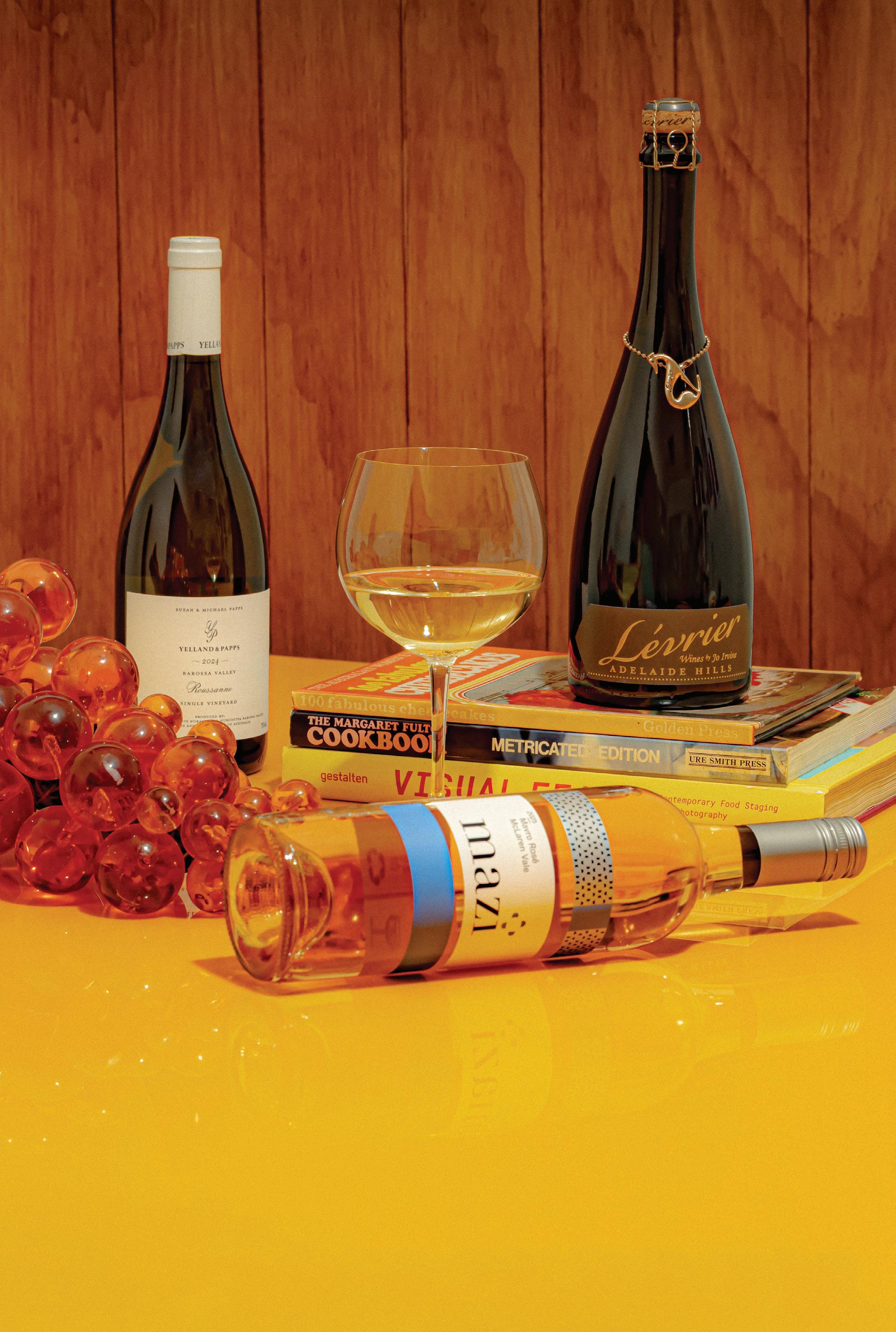
FRUIT OF THE VINE
The Boutique Bottles Restaurant Aptos Is the Talk of the Adelaide Hills
McLaren Vale’s Fiano Moment


active, confident, and connected
Sometimes small changes can make life more comfortable or convenient. Support at Home services are there to help with day to day tasks, so you can focus on the things you enjoy.
Yo u stay in ch arge of what help looks like.
Need Support at Home? Ask ECH. 1300 275 324
SOUTH AUSTRALIA doesn’t need summer to have a good time. Drive south in August and the vines are bare but the cellar doors are full. By October the Hills are green, the festivals are running and the city has a spring energy that makes you feel like you’ve been underusing the place. The Grenache is coming. So is the Shiraz, the long lunch, the cellar door you’ve been meaning to get back to. The next few months have our state doing what it does best. Here are some of our picks.
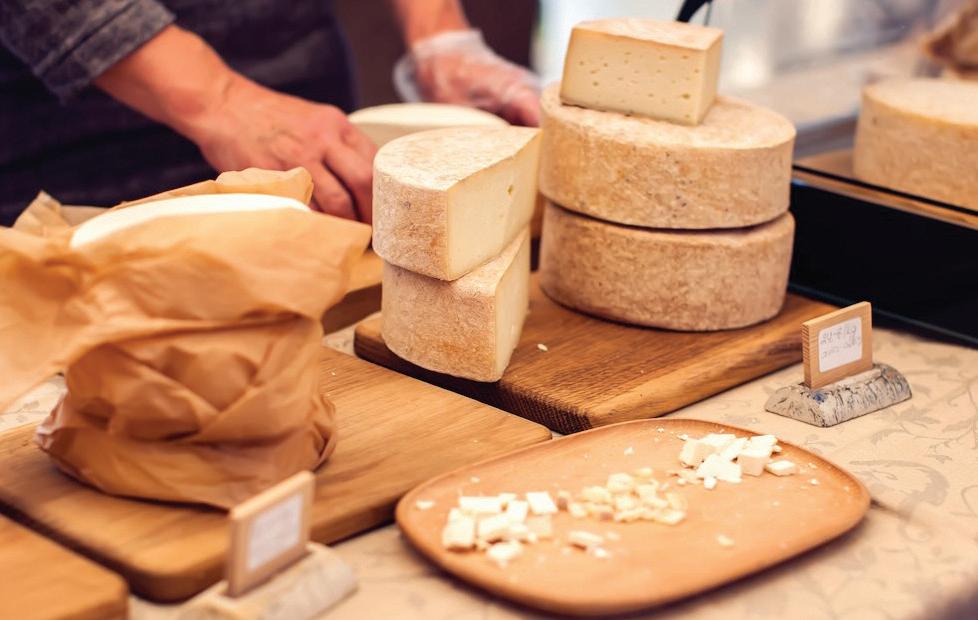
Adelaide Mould x Pinot Palooza 28 – 30 August
Wine and cheese is not a complicated idea, but done well it’s hard to improve on. This three-day event brings together small producers, serious cheese, and the kind of crowd that actually wants to talk about what’s in the glass. A good one to lock in before winter is fully behind us. mouldcheese.com.au
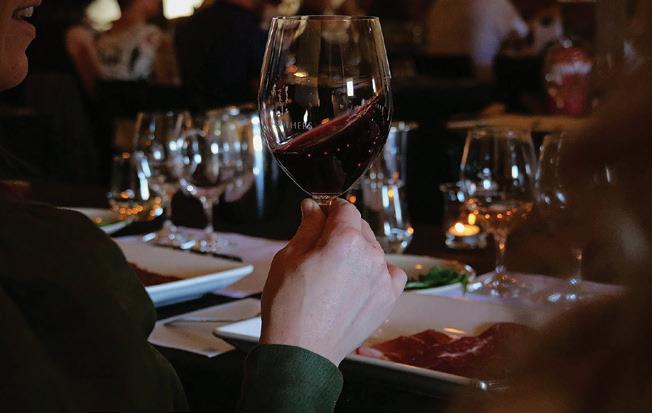
McLaren Vale Grenache & Gourmet 18 September – 5 October
The Vale’s signature spring festival is built around Grenache – the variety that, more than any other, tells you exactly where it came from. Winemaker dinners, cellar door events and long lunches stretch across three weeks and most of the region’s best addresses. grenacheandgourmet.com.au

Royal Adelaide Show 5 – 13 September
187 years in and it still pulls a crowd. Whatever your reason for going – and everyone has a different one – the Show is one of those events that reminds you South Australia does community well. theshow.com.au

Bay to Birdwood 18 October
More than 1,500 historic vehicles roll from West Beach through the Adelaide Hills to Birdwood, where the Finish Festival serves up Hills wines, craft beer and enough atmosphere to make a Sunday in October feel well spent. baytobirdwood.history.sa.gov.au

Adelaide Film Festival 14 – 25 October
Eleven days of independent and international cinema that consistently punches above its weight. If you’ve written off the multiplex, this is where the interesting stuff lives. adelaidefilmfestival.org

The best thing about living in SA is that this list could have been twice as long. Get out into it.
Tom Archontidis
Publisher
PUBLISHERS
Tom Archontidis
Charlotte Chambers
EDITOR
Olivia Williams
DESIGNER
David Gale
SALES MANAGER
Katie Brown katie@fiftyplussa.com.au
EDITORIAL CONTRIBUTORS
Paul Kitching
Jacqui Lim
Katie Spain
Dave Bradley
Melissa Wardle
Broc Willems
Matthew Pantelis
Hannah Judd DIGITAL
Alison Pavic
DISTRIBUTION templarsa.com.au
COVER PHOTO Sometime Always - Kyle Feirclough
TC MEDIA
Opinions expressed by the author are not necessarily those of the publisher. Whilst all care is taken, the publisher accepts no responsibility for any errors or omissions.
FIFTY+SA is a team effort and if you have any suggestions or questions we would love to hear from you. hello@fiftyplussa.com.au
FOLLOW US @fiftyplus.sa fiftyplussa.com.au
We would like to acknowledge the Kaurna people as the custodians of the lands and waters of the Adelaide region.



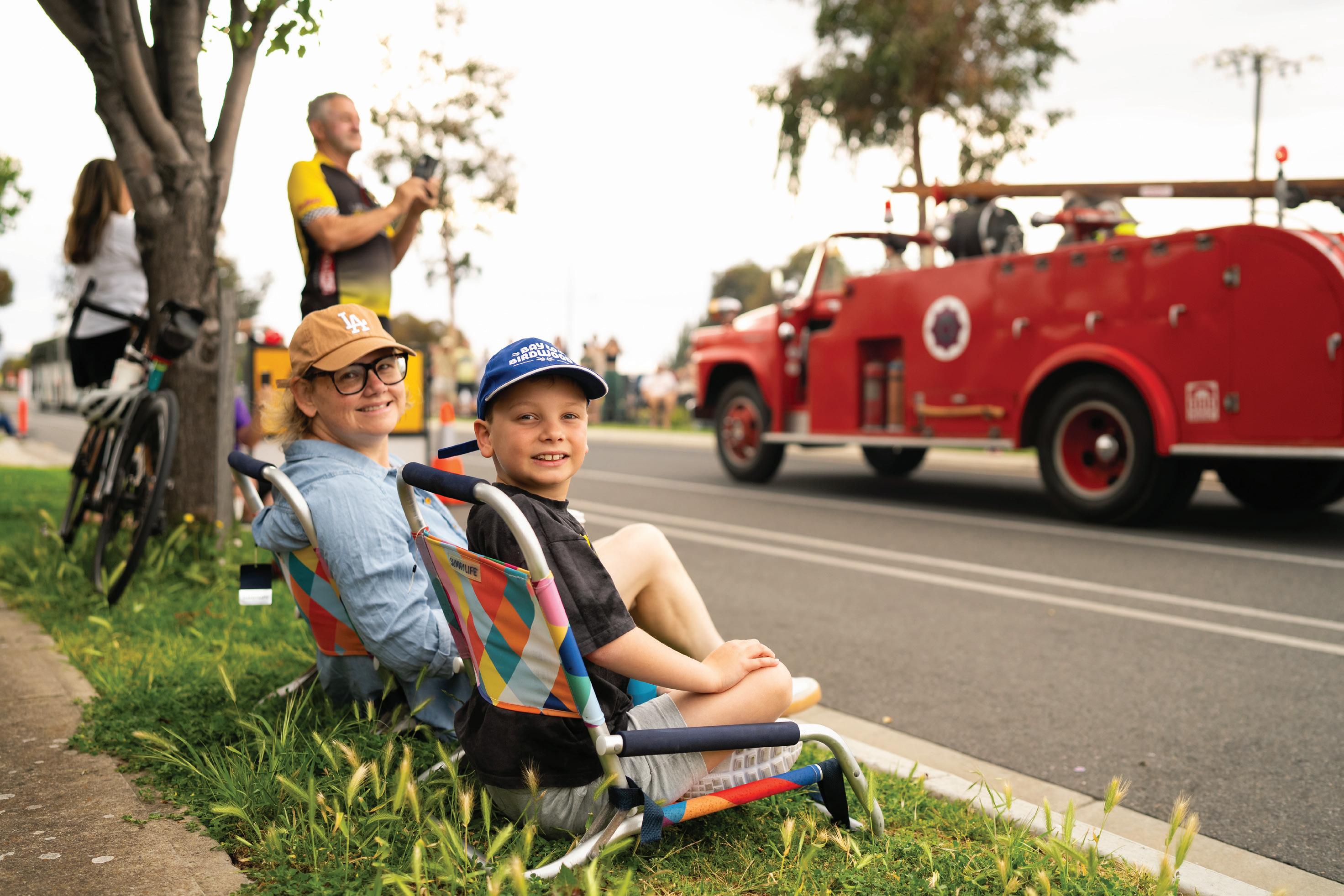




Sunday, 18 October 2026
National Motor Museum


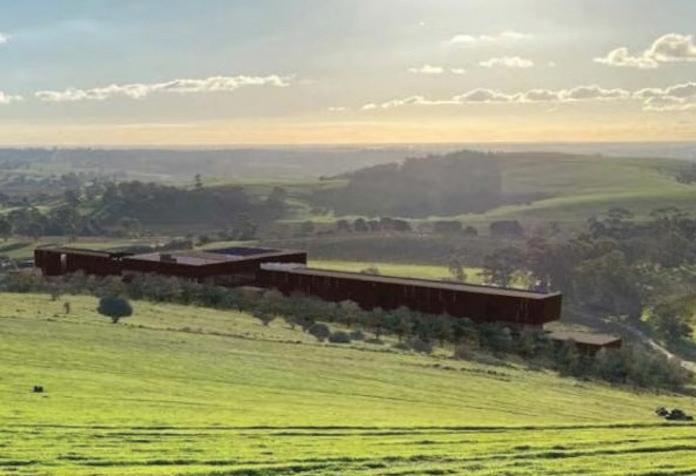
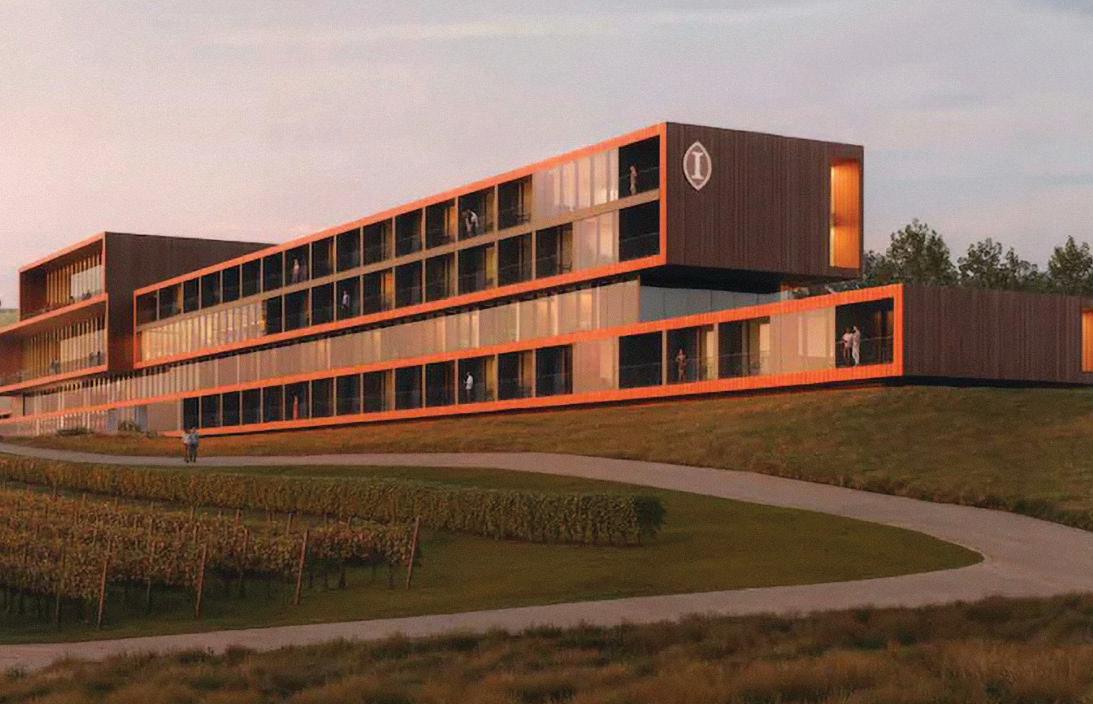
South Australia is in the middle of its biggest hotel investment cycle in decades. Three signature projects – one already open, one approved for the Barossa, one announced for the CBD – sit at very different points on the calendar. One for now, one to book ahead, and one to keep an eye on the skyline for.
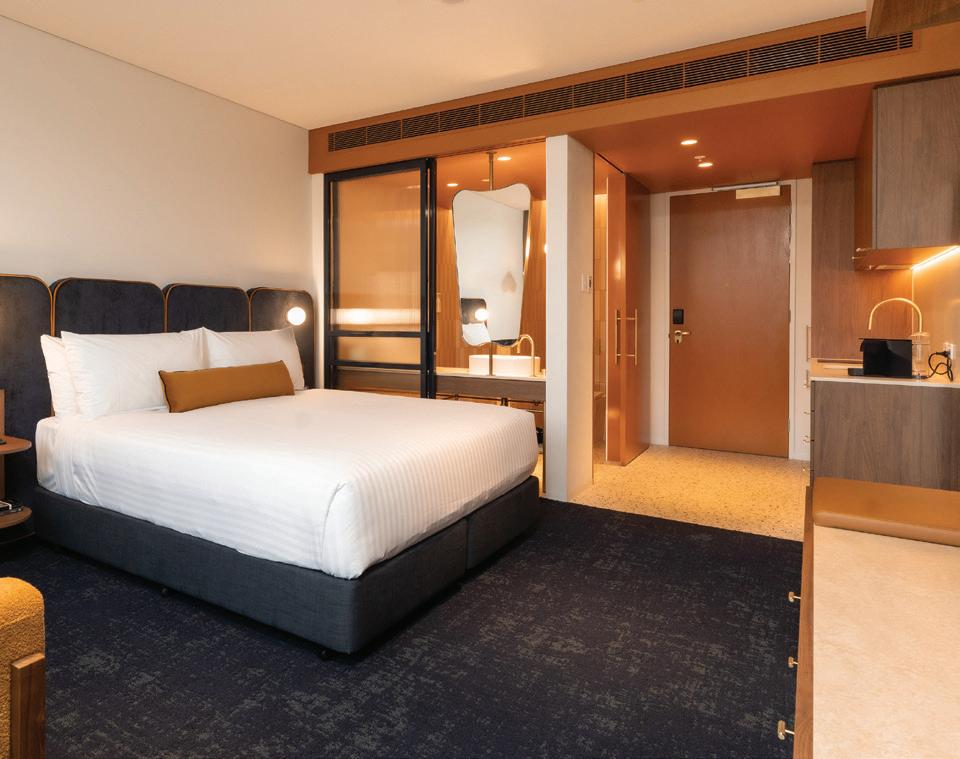
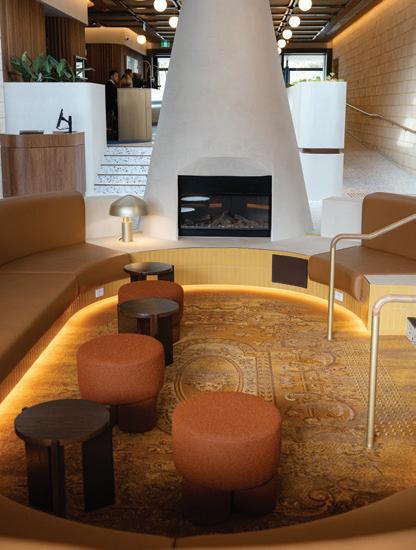
The hotel that opened this May is the one to head to first. Hotel Panorama, built by the Hurley Hotel Group at the top of Goodwood Road in the southern foothills, is the family business’s largest investment in its 50-year history – a $60 million, five-storey full-service hotel that brings 77 rooms, multiple dining spaces and a rooftop bar to a suburb that has wanted one for years. Of those, the two Panorama Suites are the pick: fireplaces, soaking tubs, private balconies. Downstairs, a casual restaurant with a sunken fire lounge sits beside the Sideline sports bar, which has a seven-metre outdoor screen. Above it all sits Wonderland, the rooftop bar with 180-degree views across the city, the coastline and the Adelaide Hills.
@_hotelpanorama hotelpanorama.com.au
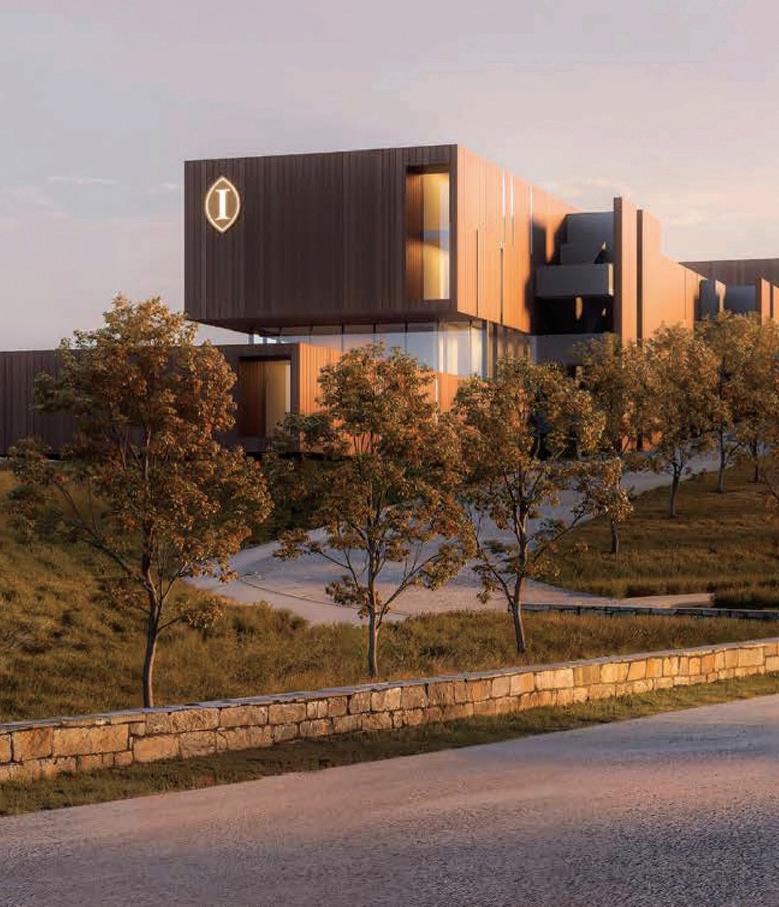
The one to circle on the calendar is the new InterContinental coming to Williamstown, in the Barossa’s south. A 150-room five-star hotel and winery under the IHG luxury banner, it was given planning approval in May. A proper international five-star resort in the Barossa is the kind of weekend destination that until now has meant booking somewhere in the Hunter or Margaret River. It’s still some years from opening, but one to look forward to.
Find out more ihgplc.com

The biggest of the three in scale is the furthest off. Hilton has confirmed its return to Adelaide with a 27-storey, 251-room flagship at 299 Pirie Street –its first South Australian property since exiting the Victoria Square site last year. The Hilton Adelaide East End will form part of Arcadia, a mixed-use precinct in the East End designed to bring residential life back into a corner of the CBD that has long been more nightlife than neighbourhood. It opens in 2031, which feels a long way off, but the architecture and the slow transformation of the East End around it are worth following in the meantime.
Find out more stories.hilton.com



By Ash Flanders



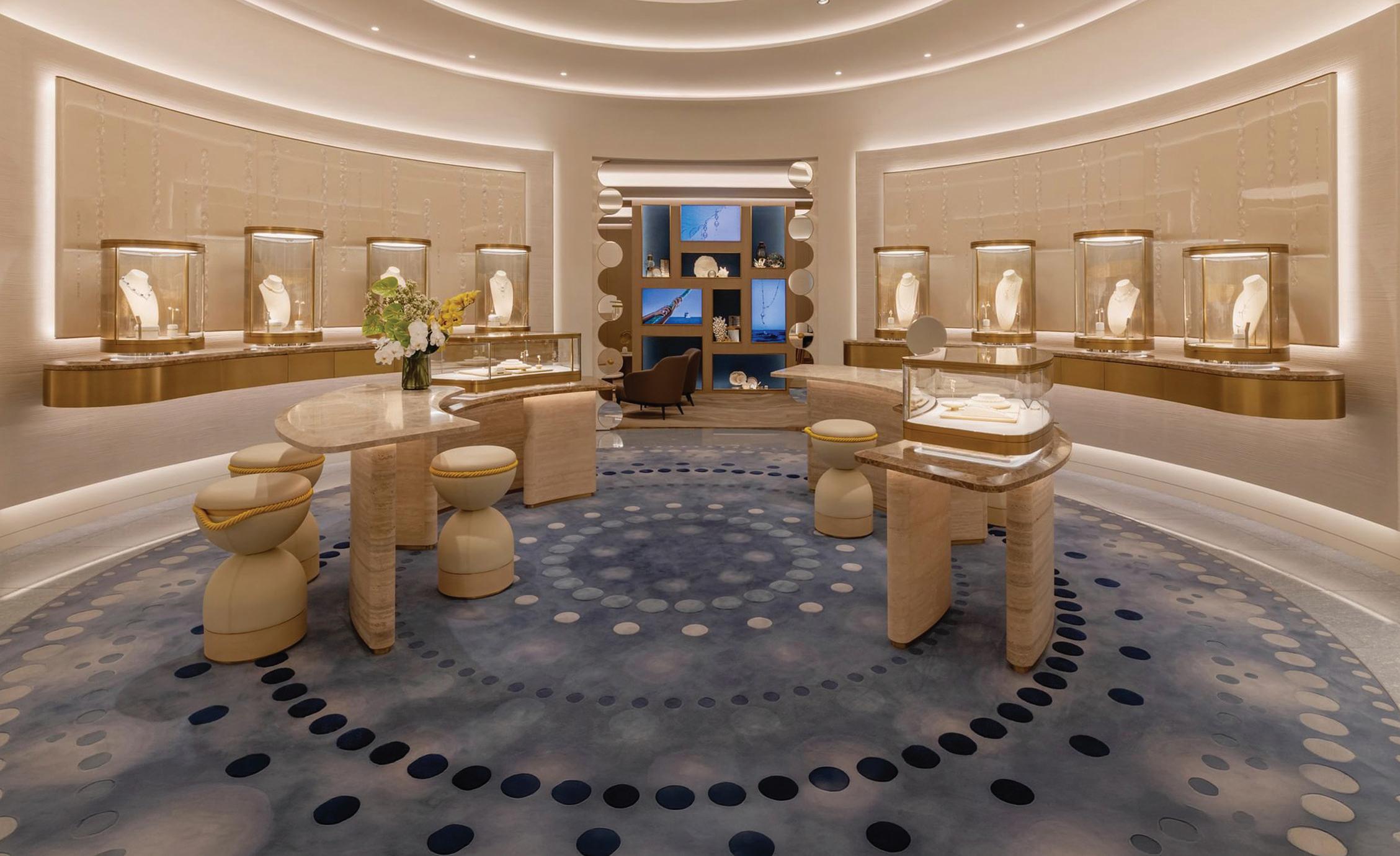

Adelaide shoppers access to a fragrance and beauty experience previously found only in the eastern states.
BURNSIDE VILLAGE has cemented its place as Adelaide’s premier luxury retail destination, with the Stage 6 expansion bringing international flagship stores to South Australia alongside major new chapters for brands already beloved by local shoppers.
Among the newcomers is TUDOR, with Watches of Switzerland opening a dedicated boutique on the ground floor of the new Premium Mall, immersing visitors in the brand’s spirit of technical innovation and adventure. Fellow Swiss watchmaker TAG Heuer has also opened
The last drive-in in SA is showing the classics
Under A Billion Stars
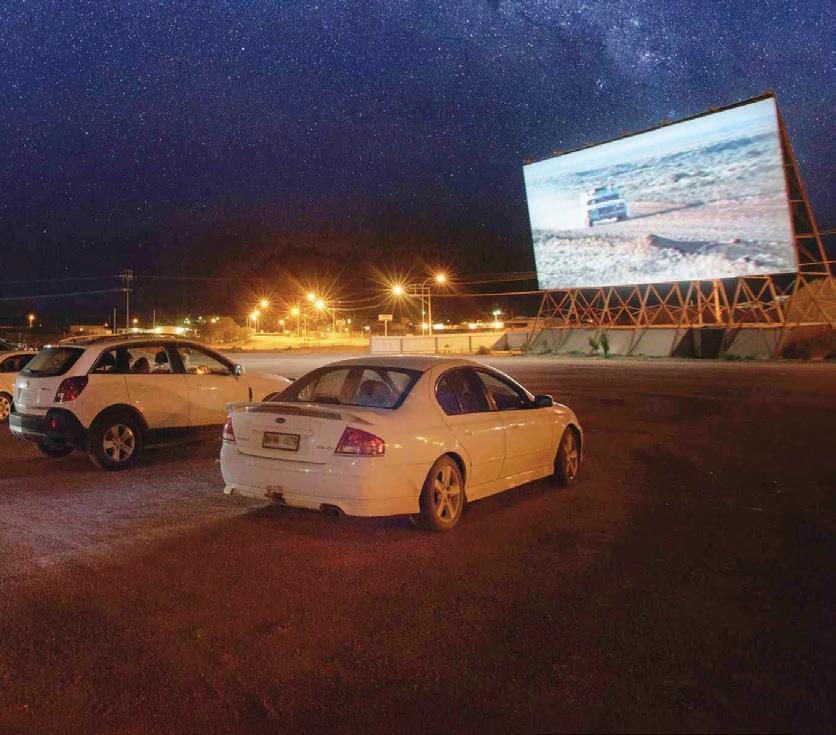
There’s only one place left in South Australia where you can watch a film from your car under an open sky, and it’s worth the drive to get there.
The Coober Pedy Drive-In launched a monthly Retro Classics program in late June 2026, screening films from the golden age of cinema in what is arguably Australia’s most extraordinary outdoor setting.
its first Burnside boutique nearby, rounding out the centre’s growing reputation as a destination for serious timepiece collectors.
Just steps away, Paspaley has opened its first South Australian boutique –a 250-square-metre store in the new luxury wing, continuing a long-standing design partnership between Paspaley and architect Eric Carlson, whose Paris-based studio has shaped the brand’s boutiques in Sydney, Brisbane and Melbourne. DIOR Parfums has made its own state debut alongside it, giving
Jaws kicked off the series; further titles will be announced monthly via the drive-in’s website and Facebook page.
For those who went to the drive-ins that once populated suburban and regional South Australia, the program offers something more than a night out, it’s a chance to step back into a ritual that’s largely vanished. For anyone who missed them the first time around, Coober Pedy might be a first.
The roughly nine-hour drive from Adelaide is, as the organisers point out, very much part of the experience. Stay a few nights, explore the underground homes and opal fields of Coober Pedy, and finish with a classic film and the kind of sky you won’t see from the city.
“We want people to see the distance from Adelaide as the invitation,” says Margaret Wood of the Coober Pedy Drive-In. “You cannot recreate that in a city cinema.”
Find out more: cooberpedydrivein.org.au
These sit alongside other first-time entrants, including Tiffany & Co., Gucci, and a Louis Vuitton pop-up.
Several long-time Burnside favourites have also reopened in striking new flagship formats. Ralph Lauren has returned with a significantly larger store showcasing its full range, from Polo to Purple Label. MECCA has unveiled a two-level flagship, its largest in the state, while Aesop and Simone Perele have reopened in expanded, reimagined concepts.
For South Australian shoppers, it means a level of access to international luxury previously the preserve of Sydney and Melbourne, right in our own backyard.
Burnside Village 447 Portrush Road, Glenside burnsidevillage.com.au
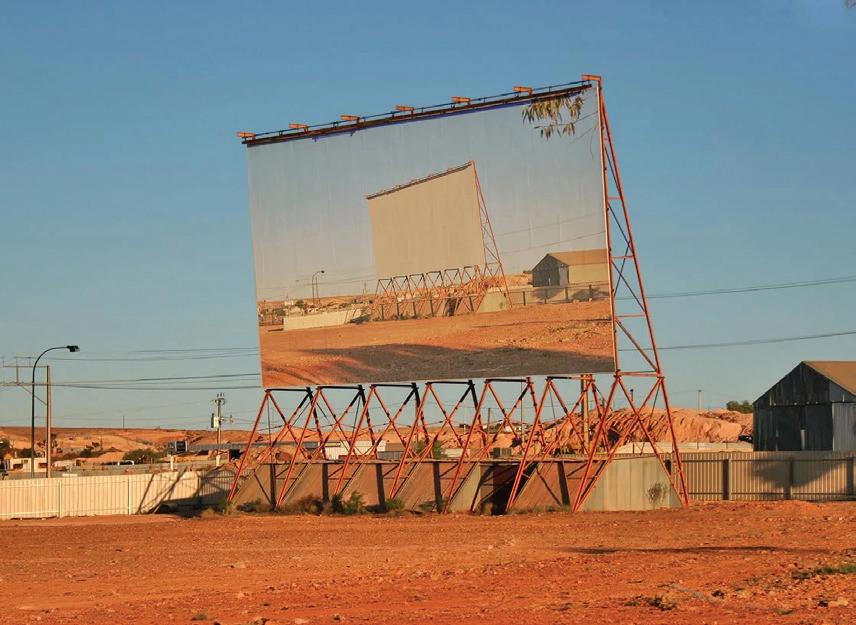
COMING UP at Coober Pedy Drive-in
Saturday 15 August
MINIONS 3
Gates open 7PM
Screening 7.30 PM
Saturday 29 August
TOY STORY 5
Gates open 7PM
Screening 7.30 PM
Saturday 12 September
SPIDER-MAN: Brand New Day
Gates open 7PM
Screening 7.30 PM

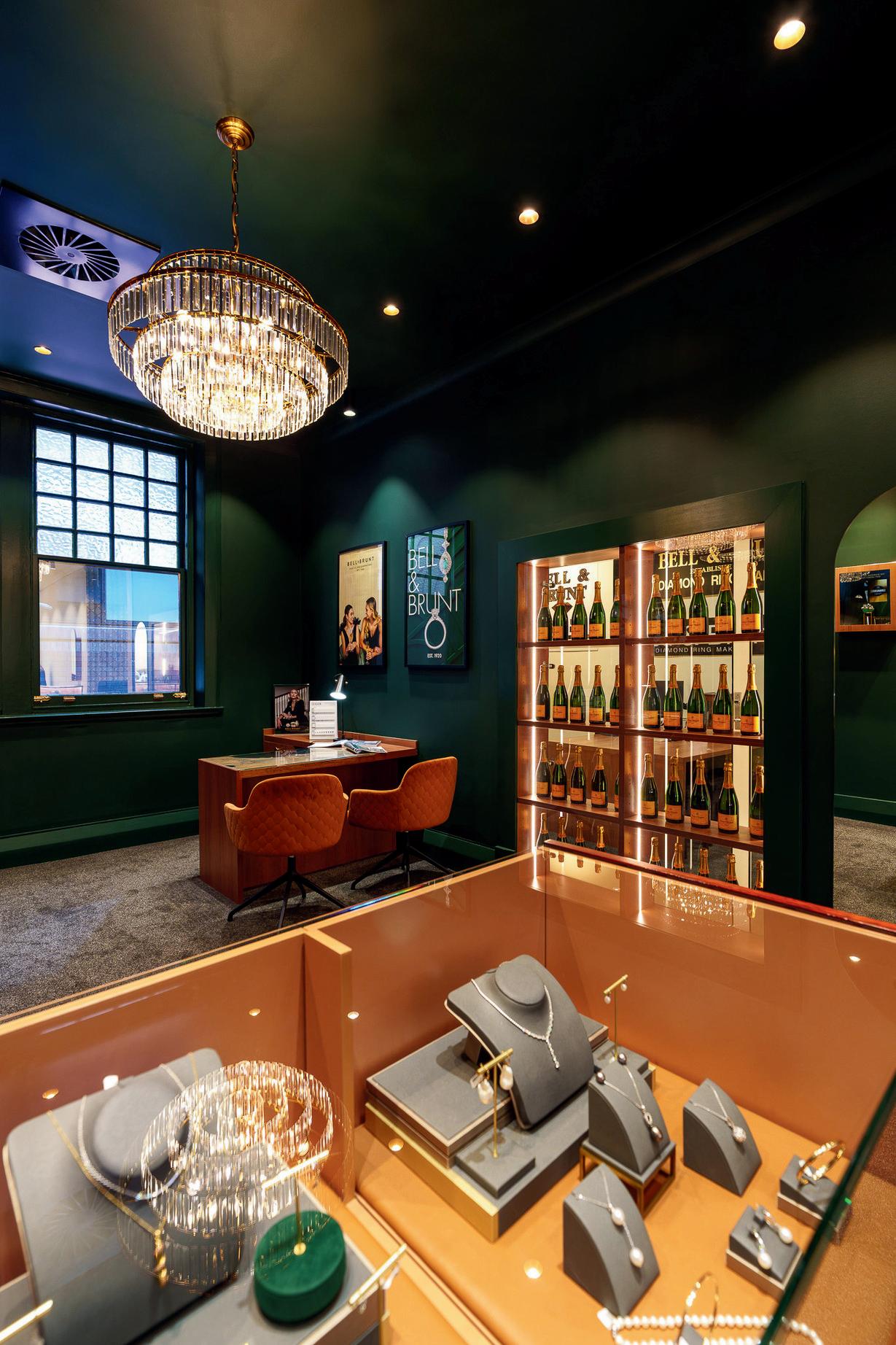


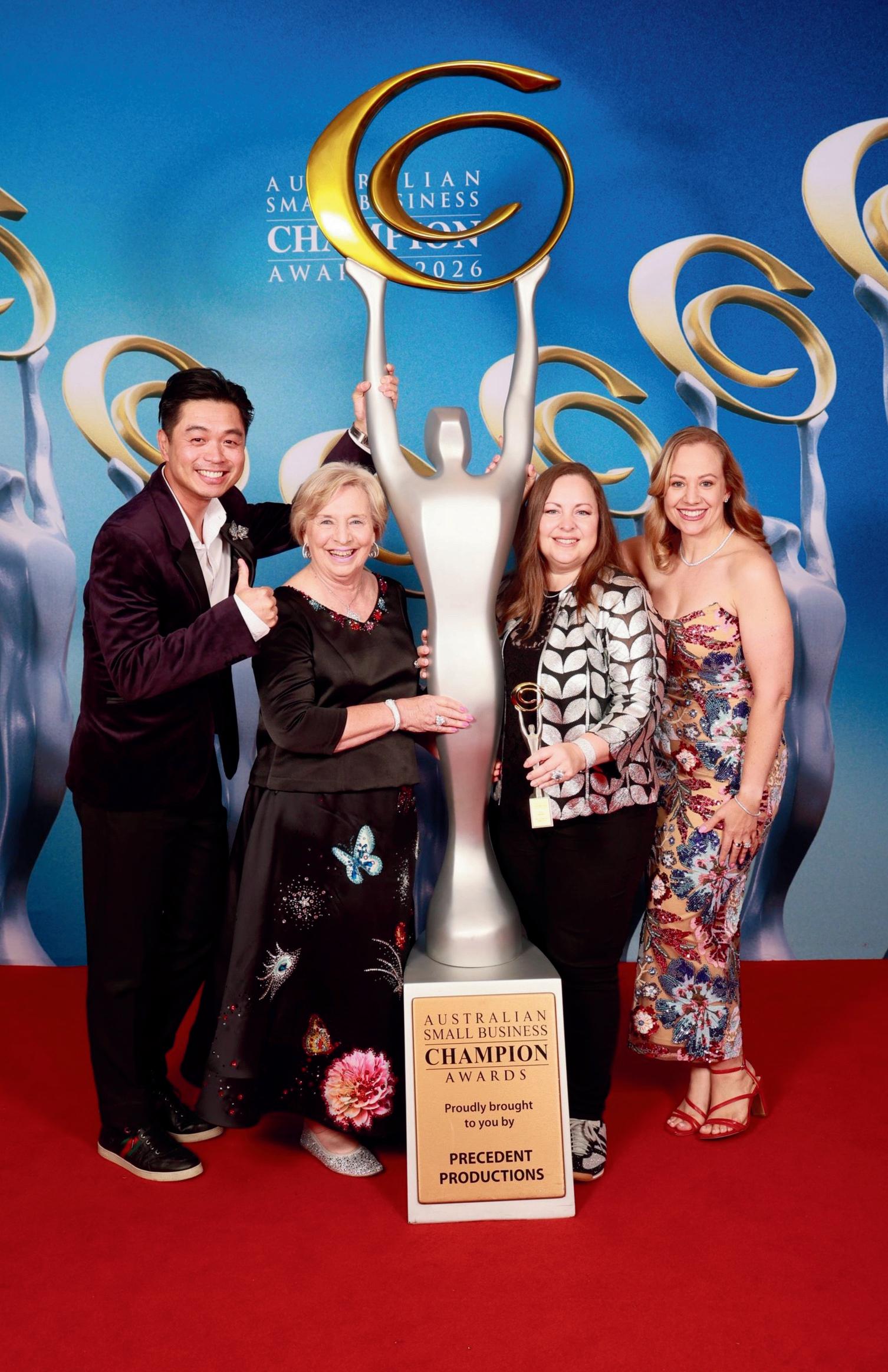


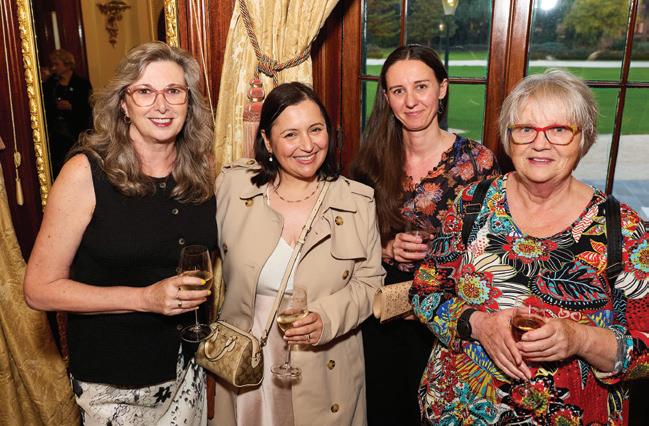
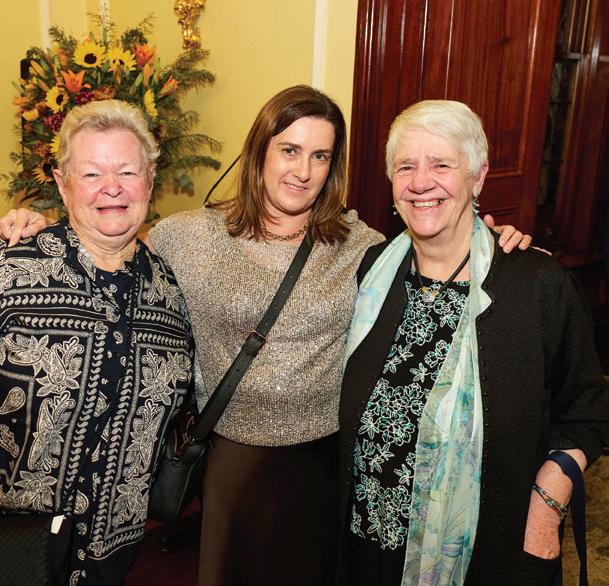
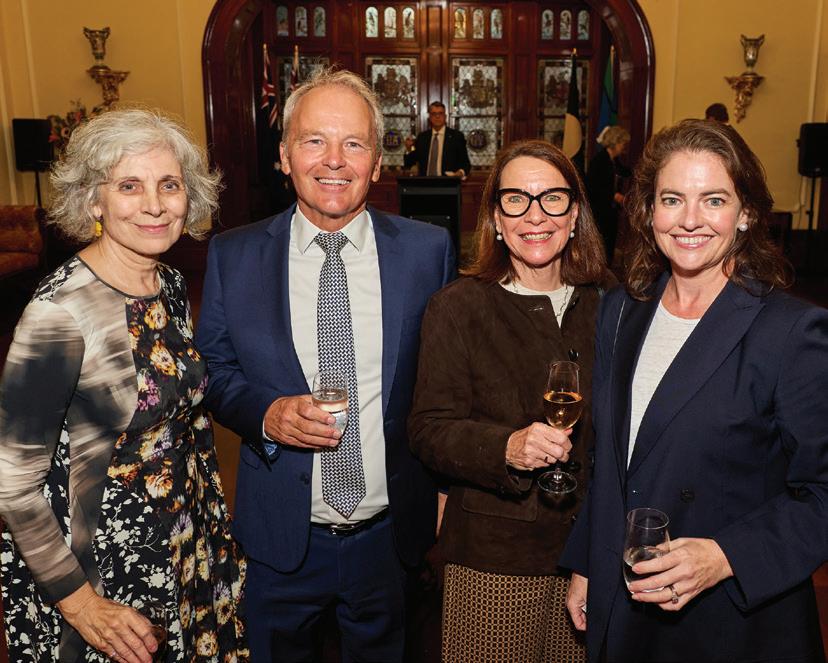
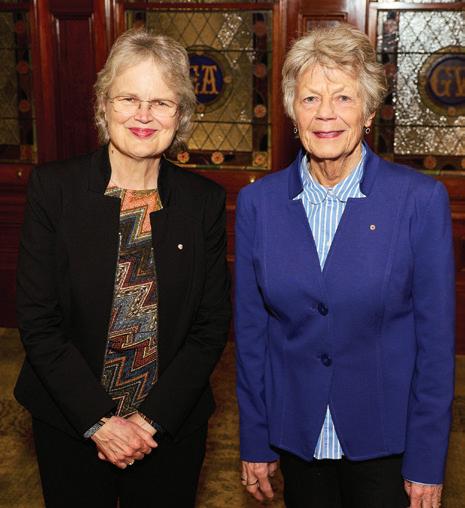
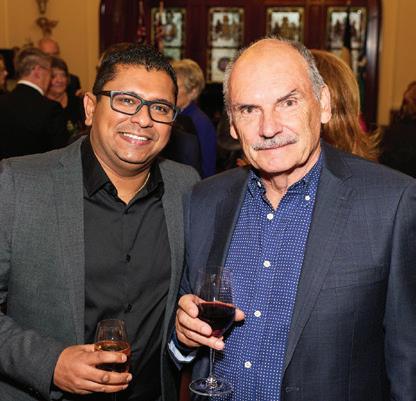
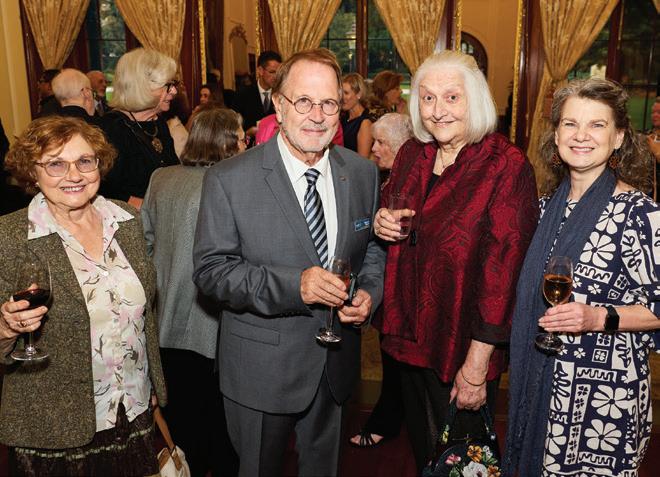
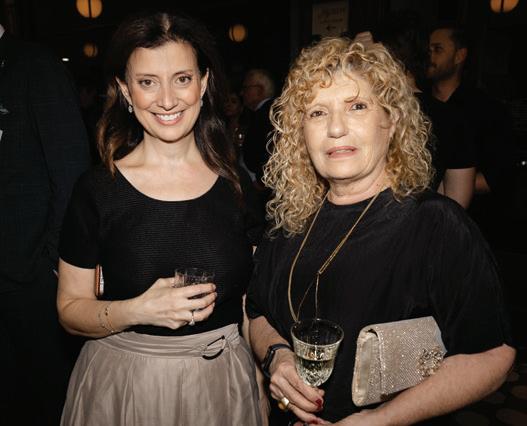
FROM A SPARKLING MILESTONE in fine jewellery to a vice-regal thank-you for the people who give their time, it's been a good season for showing up. Gerard McCabe marked 40 years with an anniversary celebration and historical exhibition launch at its Adelaide Arcade store, where more than 100 guests – the Lord Mayor among them – gathered to toast four decades of craft. Meanwhile, Her Excellency the Governor and Mr Rod Bunten hosted a reception during National Volunteer Week to honour the COTA SA volunteers whose work makes such a difference to older South Australians. Good people, good reasons to gather.
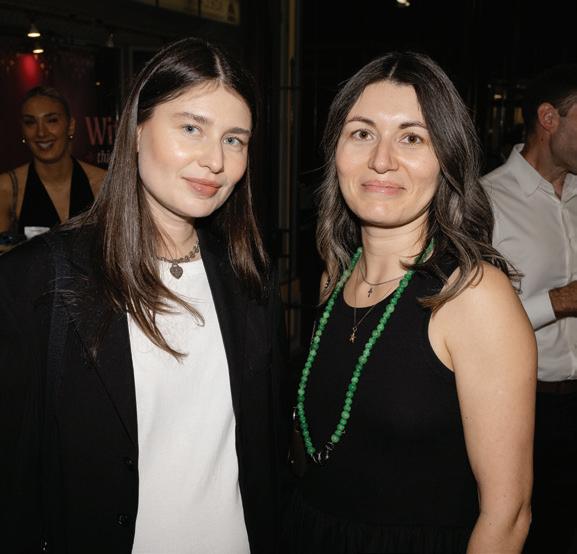
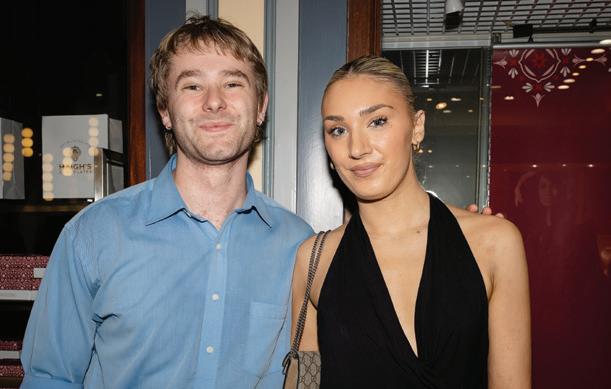
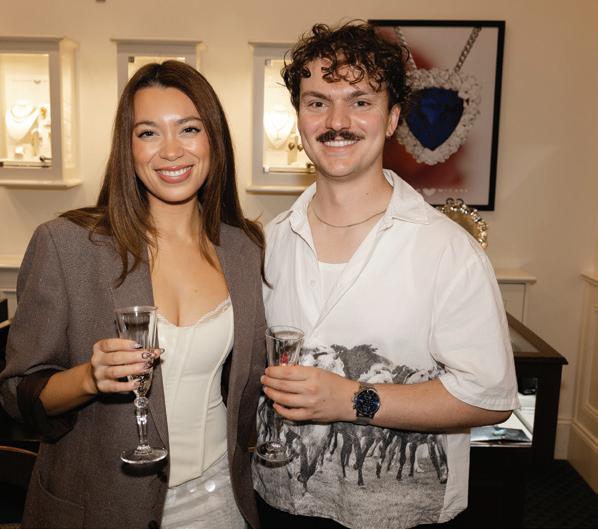
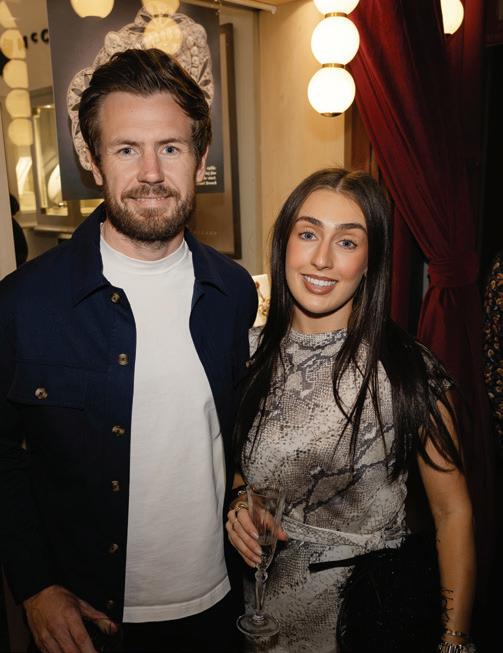
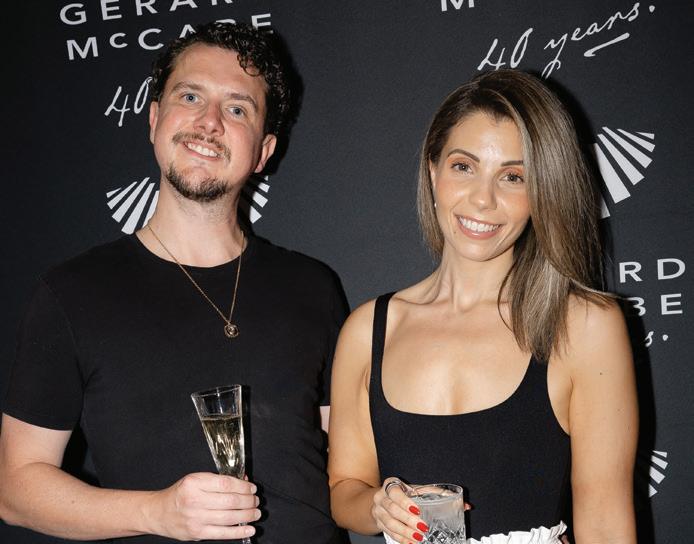
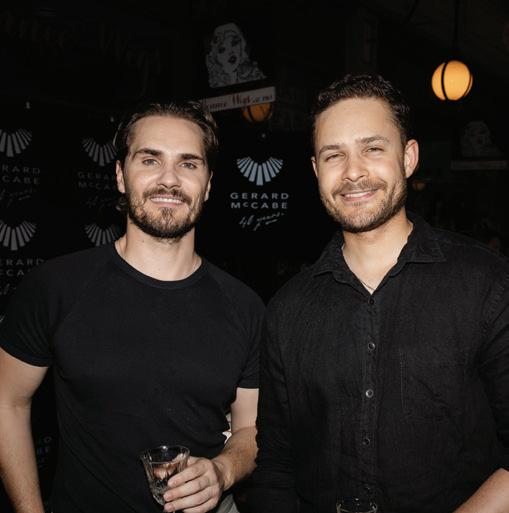
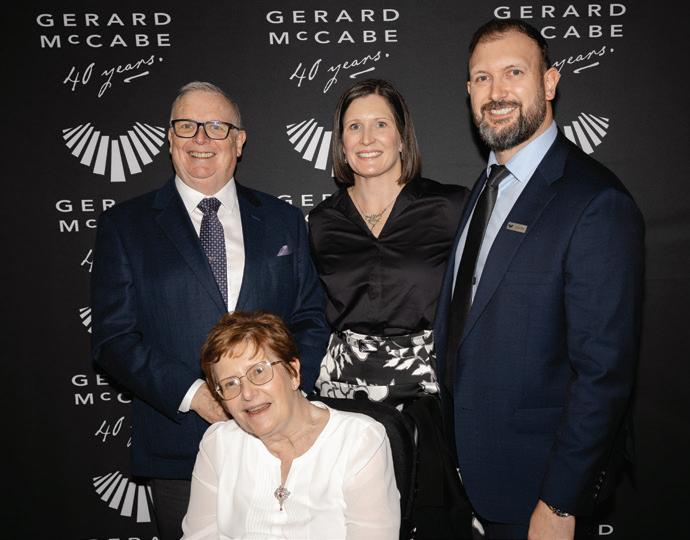
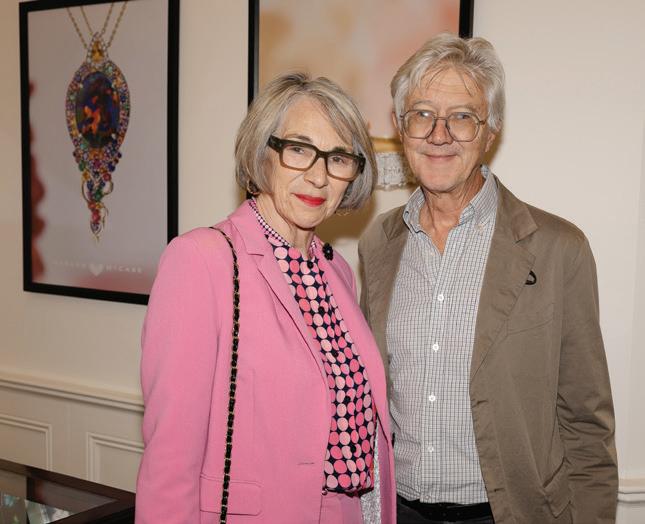
Photos by MJ Manalo


Exhibition by Liz Newman and the Handknitters Guild of SA
1 – 30 Aug 2026
Aussie hand-knits took the“Down-Under” style global. SA’s Handknitters Guild recreates these iconic designs created by style queen Liz Newman It’s the 1980s again!

Wednesday to Sunday 11am – 4pm 1 Lobethal Rd, Lobethal fabrik.org.au





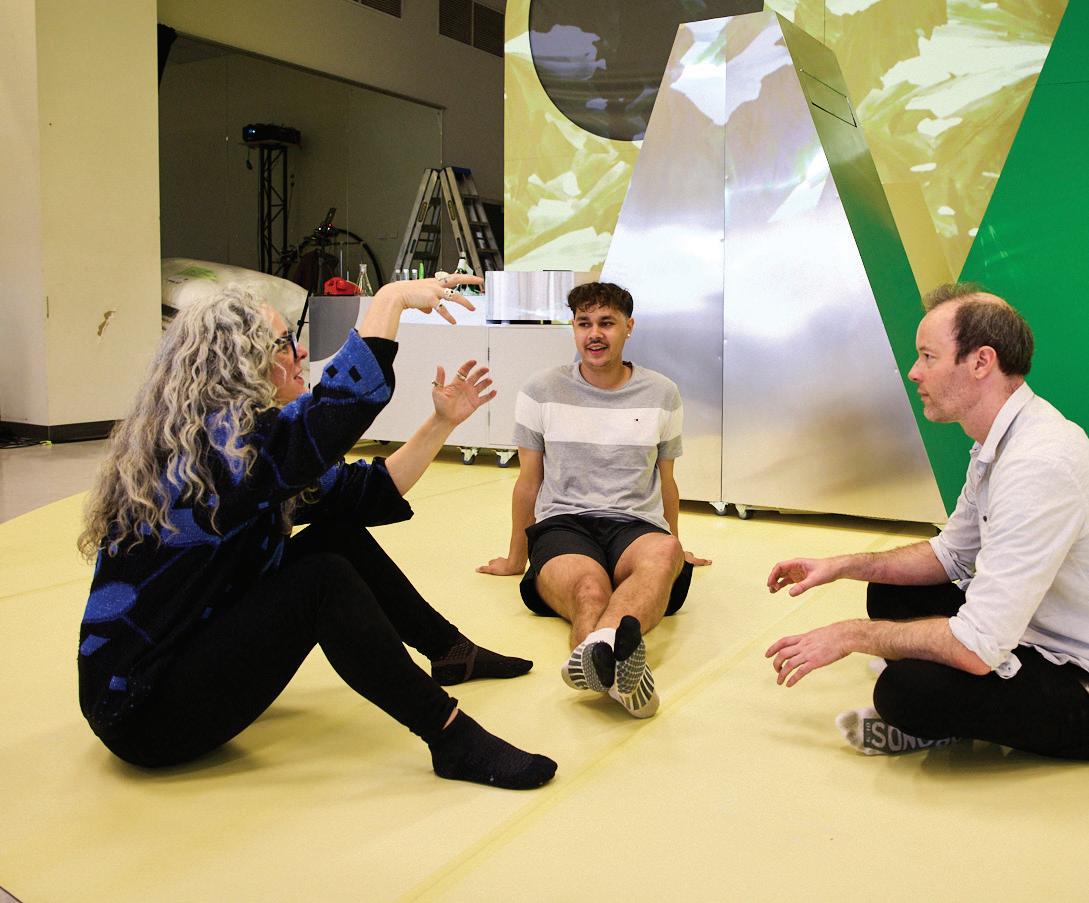
CLARE WATSON HAS SPENT three decades directing for some of Australia’s most prominent theatre companies –Melbourne Theatre Company, Sydney Theatre Company, the Malthouse –and led Perth’s Black Swan State Theatre Company before taking the helm as Artistic Director of Adelaide’s Windmill Theatre Company. She arrived, describing herself as ‘a card-carrying member of the Windmill Fan Club’ and has since made the city home. We spoke to her about what 30 years of making theatre teaches you, why Adelaide gets the arts right, and the idea that followed her across the country on a stack of index cards.
You’ve directed for some of the country’s biggest theatre companies before landing at Windmill. What kind of director have you become over those years that you weren’t when you started?
You might expect that kind of breadth to build certainty, but in many ways, the opposite is true. What I’ve developed over time is a comfort with not knowing. So, every single show, every single time, I feel more like a beginner. And that feeling has been consistent across 30 years of creating. Early on, I felt more urgency to find ‘the answer’ and these days I relish in the idea coined by Keats of ‘negative capability’. I find that vulnerable ‘not knowing yet’ place very exciting and potent.
You’ve moved between Melbourne, Perth and now Adelaide for the work. How does each city think about the arts differently, and what has Adelaide got right?
Each city I’ve worked in has its own cultural ecology and creative personality.
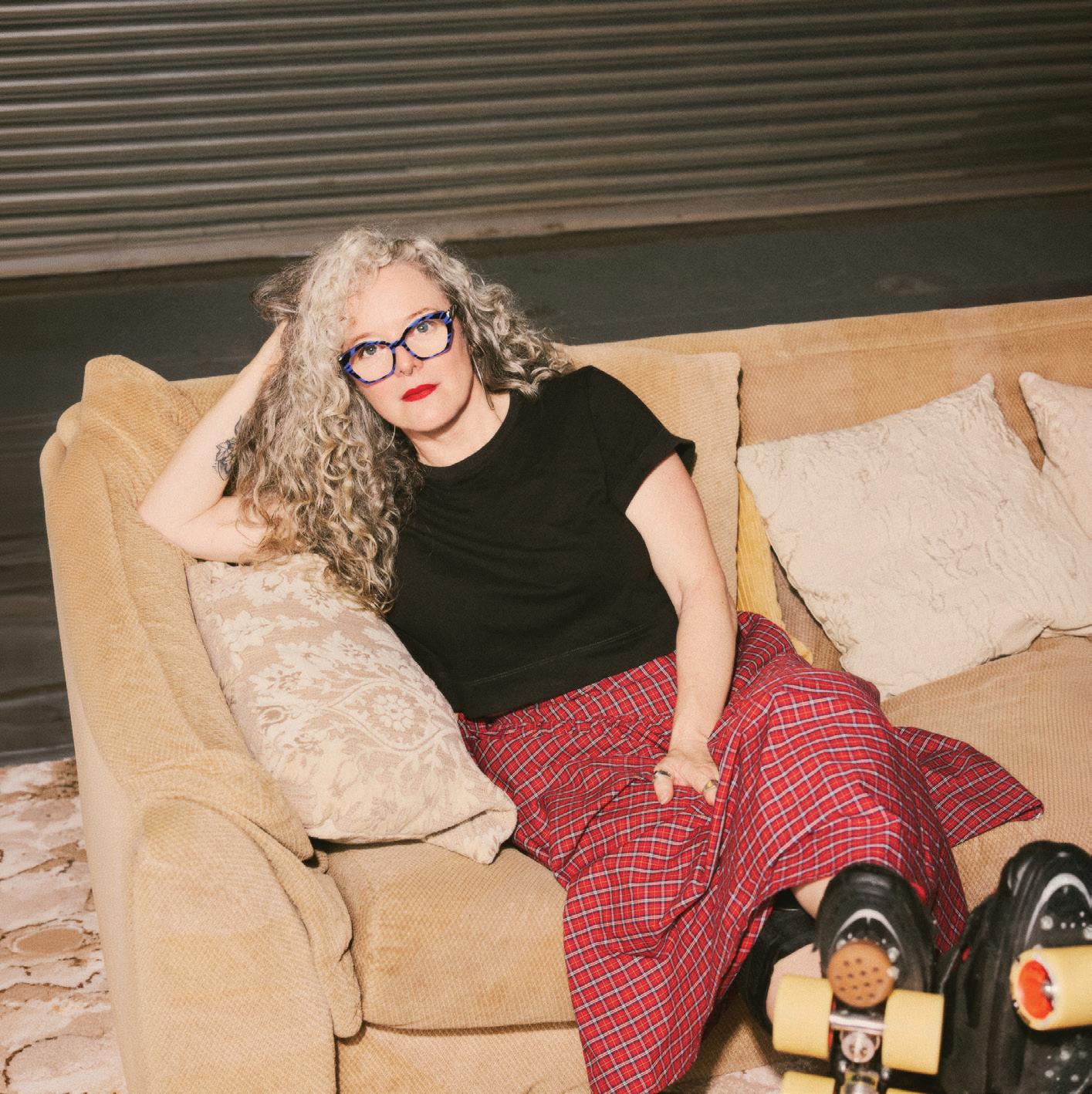
“Every single show, every single time, I feel more like a beginner.”
Melbourne is brave and fertile with a strong independent scene that really nurtures experimentation. That’s where I grew up, trained and began work as a theatre director and school teacher.
In Perth, the Noongar culture and language are so rich, present and powerful. Leading a state theatre company in Boorloo gave me insight into how a more geographically isolated city builds a strong sense of identity and connection through its major institutions. The city and its theatre scene are smaller and as a result the creative community are truly collaborative and interconnected and the artists are remarkably versatile.
Now, lovely Adelaide is home.
The legacy of the Dunstan era is so palpable here. It’s a city that genuinely loves the arts and has built that into its identity. With the Festival and Fringe, there’s an appetite for risk and a real sense of audience engagement. What Adelaide has absolutely nailed is that it understands that culture isn’t an optional extra. It’s part of the identity of the city. That’s powerful.
Running a theatre company means making constant decisions about what’s worth doing. What’s your test for whether a show is one you’ll back?
Choosing what to back is never entirely rational, there’s always a zeitgeist factor, where an idea suddenly feels urgent or necessary in the world right now. It might start as a niggling thought that won’t go away.
Mama Does Derby is a perfect example of that. The idea first arrived in 2009, trackside, full of adrenaline, after experiencing the sport for the very first time. My daughter, Ivy, and I would talk about the idea in the car on long drives when she was little. The idea was written on index cards and sat on walls in theatre company offices around the country, an idea for one day. And then arriving in Adelaide, working with the amazing team at Windmill, meeting local derby athletes, talking with Ivy and Virginia Gay... it was suddenly exactly the right time and right place.
At Windmill, we’re making theatre that offers hope and celebrates resilience. If an idea taps me on the shoulder, whispers in my ear a few times... if it breeds curiosity and makes me equal parts nervous and excited. Well, that might just be the one.
Find out more windmill.org.au
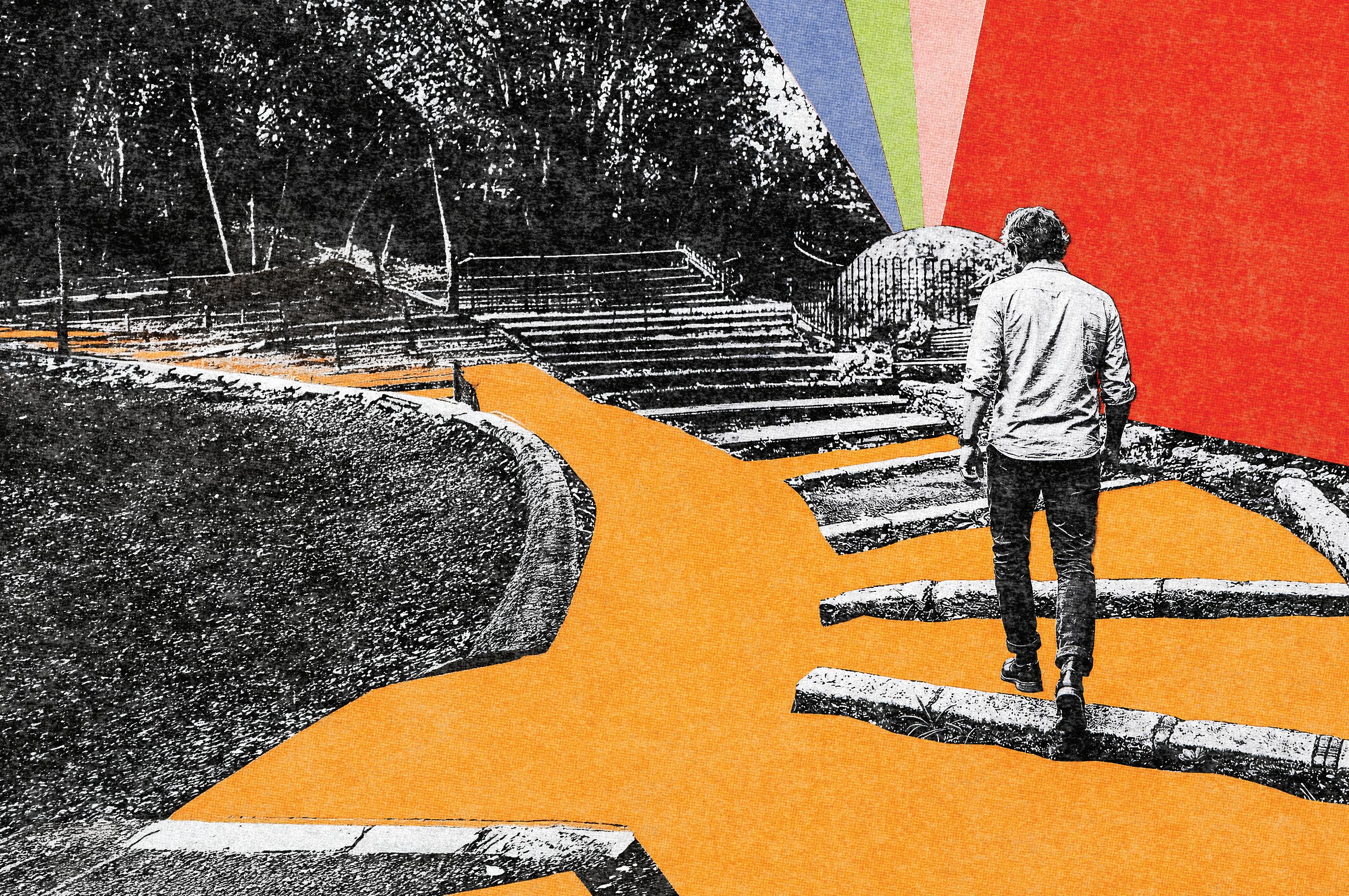

by MATTHEW PANTELIS FIVEAA
AS I CONTEMPLATE ANOTHER birthday in a few months and ask myself for the umpteenth time, “when did that happen?”, I’ve decided it’s time to think about getting fit.
Again.
Because, before you send in your congratulations on making a life-changing decision, I need to tell you I have decided to think about getting fit many, many times before. In my limited defence, I have actually achieved it twice in my life from a standing start, at 23 and 40, before letting myself go again.
The phrase, ‘letting oneself go’ always reminds me of the slogan on the back of a bus ticket. Remember those? It said “Before you let yourself go, make sure you can get yourself back again.” That’s the hard part, which is why thinking about doing something about getting fit is much more comforting, even satisfying, than actually doing it.
A lack of motivation, a lack of time, cold weather, overtime, aches and pains, wrong shoes, Uber driving kids, Netflix, any excuse is a good one. To put it in practical terms, there’s much more satisfaction in imagining yourself with the body or level of fitness you want than actually dragging yourself out of bed on a cold winter morning, pulling on a trackie and going for a run in the drizzle. Did I say run? Kidding. I won’t run for a bus, not even one that’s 20 metres away, waiting at the stop with the driver rolling out a red carpet and giving away cash to the next passenger. I used to joke about it until recently, there really was a bus I could have run for but thought “nah, there’ll
be another one along soon enough”. Yes, even with Adelaide’s public transport.
The problem with making these declarations of fitness to myself is timing. Usually, the motivation strikes when I’m eating something delicious, perhaps one of the four Ps. You may be familiar with pizzas, pies, pancakes and pastries. Professionals tell me eating and not a lack of exercise is 80 per cent of the problem and the old adage, if it tastes good - spit it out, should apply.
I’ve found when this fitness madness hits, if I don’t panic and give it 10 minutes, the mood will pass and thankfully it always has before a rush of blood has me signing up to yet another gym membership I won’t use or ordering an exercise machine to stop the dust from reaching the floor.
The passing years have at least brought the wisdom that as well-intentioned as I am, the discipline to follow through is sadly - or perhaps pleasantly - lacking.
But I’m now at the age where the reality is exercise must consist of more than adjusting the recliner or lifting a long black to sip over a newspaper and a croissant. (I’ll miss you, my curvy French friends.)
But a gym? Not a chance. Long, brisk walks? That’s more my speed and this being Adelaide, any route is likely to include a cafe along the way.
Listen to Evenings with Matthew Pantelis on FIVEAA

PETER WANTS ALL POTENTIAL new foster carers to know there can still be plenty of time for hobbies, sports and date nights outside a caring role.
He and his wife Debra often meet others who tell them they’ve considered caring but are yet to explore the idea.
“It’s not all peaches and cream, but I’d say the overwhelming part is positive,” he says, adding that children in out-of-home care have suffered traumatic experiences that can present challenges.
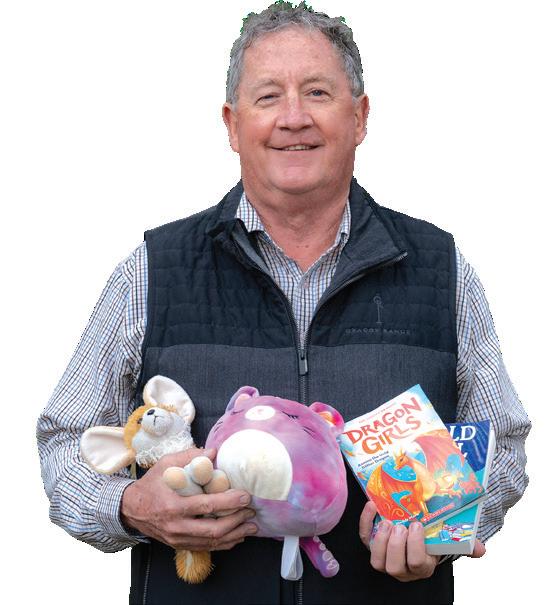
The couple offer respite, short-term and emergency placements through ac.care, finding this fits in well with their busy lifestyle.
Peter stresses carers aren’t expected to agree every time their agency calls to gauge their availability for a placement, and that any help they can offer makes a difference.
“We still go on holidays and go to Crows games and we go out dancing,” he says.
“You might do something once a year and there’s others that might do something 30 times a year and they’re both fine, and everything in between.”
The Department for Child Protection aims to safely reunify children with their birth families wherever possible. Foster carers play a vital role in caring for children while services work with families to address safety concerns, or to find extended family members who can safely care for the children.
Among special moments in Peter and Debra’s journey was a time when two young girls disappeared to their bedrooms, then proudly returned with handmade ‘thank you’ cards.
“Stuff like that makes your heart melt,” Peter says.
Children aren’t the only beneficiaries of Ros’s move into foster care.
“My sons are really pleased –I stopped nagging them about finding a nice girl and having children!” she says.
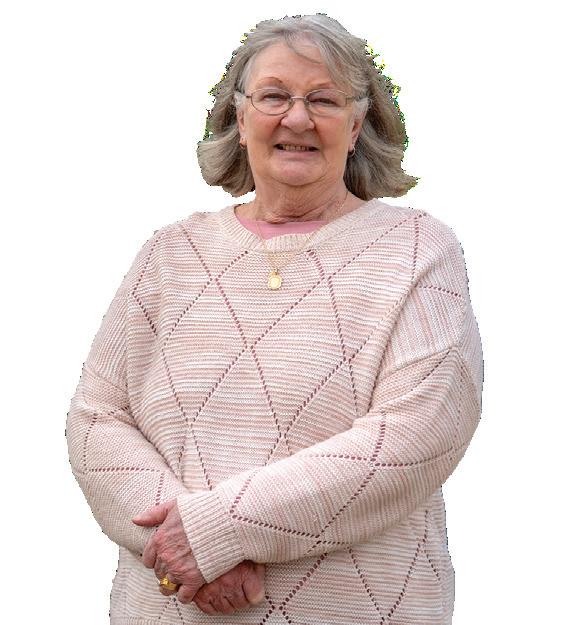
Ros, 69, was initially a little tentative about whether foster care would be the right fit for her, but as her confidence grew, so did her love of caring for babies.
“Even at a couple of days old, they’ve got their own personalities and you have the challenge of finding out what they do or don’t like,” the Adelaide woman says.
“They’re happy little things if you’re lucky, and even the ones that aren’t happy to start with, you’re a source of soothing for them.”
Supported by AnglicareSA, Ros has also offered emergency and respite care, but says short-term placements suit her best, allowing her to get to know each of the infants before they’re either reunited with their parents or extended family, or another placement is found.
The grandmother has cared for more than 40 children – almost all infants.
Your questions answered
I haven’t had my own children.
Can I still be a carer?
Yes! What matters most is that you want to provide a safe and loving home environment, and are willing to learn, collaborate and receive ongoing training and support.
What if I work full time?
Many carers have full-time or part-time jobs. Like with any family, some flexibility is required, but the most important thing is providing a safe and stable home for the child or young person in your care.
Do I need to own my home?
No! It’s important that each child has a bedroom, but as long as your house is safe and suitable for children, that’s the main priority!
What age range should carers be in?
It’s never too late to open your heart and home to a child in need. Many people come to fostering later in life. The maximum age of a carer is flexible and dependent on a person’s ability to support a child.
Do carers need to be partnered?
We welcome foster carers from all walks of life. Whether you’re single or partnered, heterosexual or part of the LGBTQIA+ community, we need your support.
Where can I find out more? fostercare.sa.gov.au
1300 2 FOSTER (1300 2 367 837)
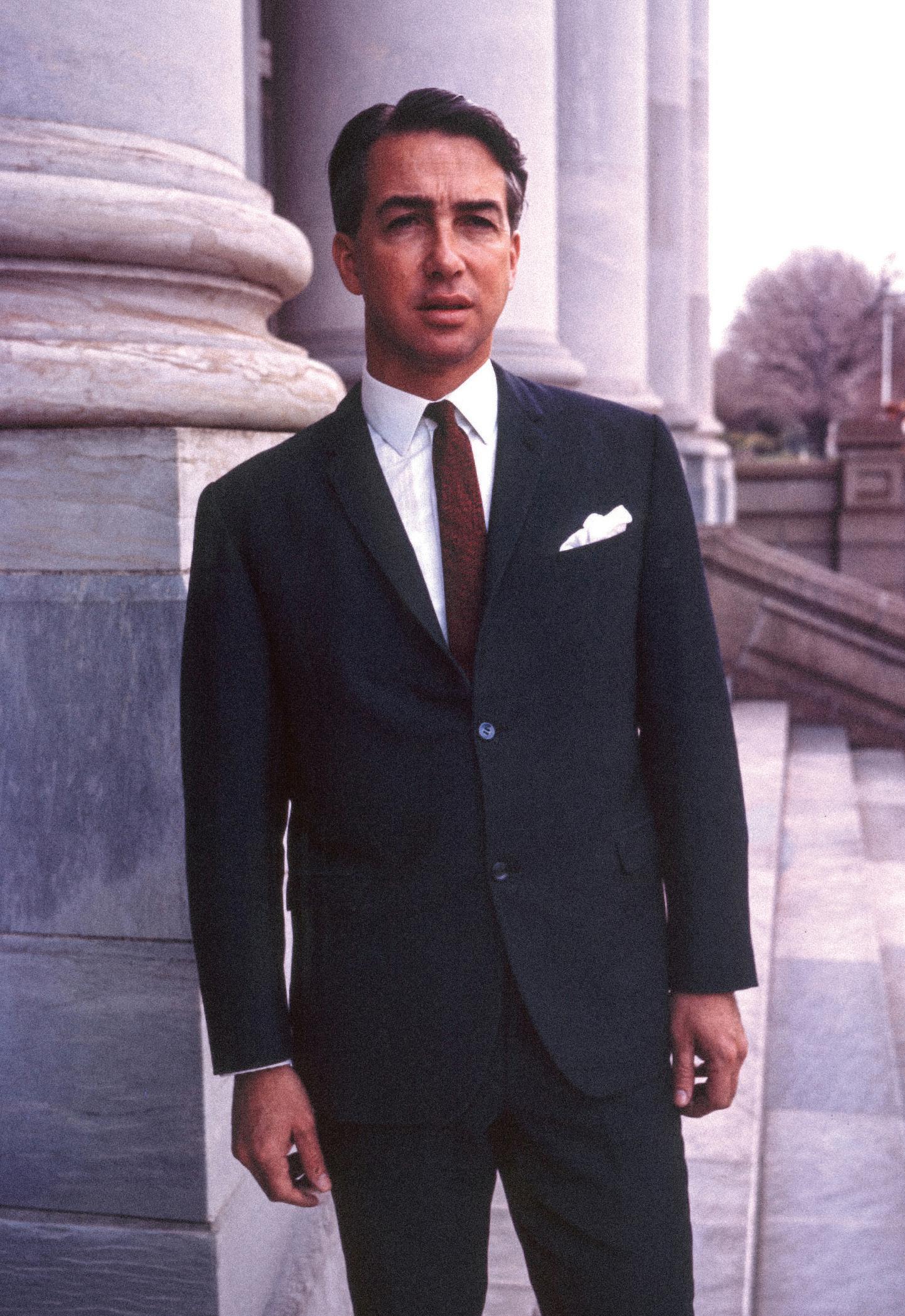
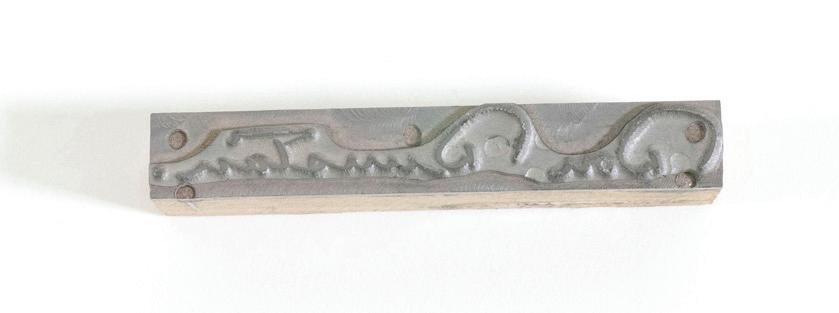
IN LITTLE MORE THAN A DECADE, Don Dunstan turned South Australia into a laboratory for social change. Electoral reform, Land Rights legislation, antidiscrimination laws, environmental protections – reforms that other states were still debating, South Australia was enacting. From late September 2026, Across the Desk of Don Dunstan: Leading Political Change in the 1970s at the Centre of Democracy puts you inside that decade –free, and open until December 2027.
Don Dunstan served as South Australia’s Labor premier twice: briefly in 1967–68, and then again from 1970 to 1979. It was during that second, longer tenure that he left his most indelible mark. In an era when social and cultural norms were shifting rapidly across the Western world, Dunstan moved with purpose and speed, introducing reforms that were not just progressive for South Australia, but firsts for Australia as a whole.
The exhibition traces that extraordinary period in detail. Electoral and social reforms. Consumer protections. Heritage and environmental legislation. Land Rights laws. Anti-discrimination protections that were decades ahead of their time nationally. And woven through all of it, a genuine belief in the arts and cultural life as central to what a city –and a society – could and should be. Dunstan’s vision for Adelaide as a modern, culturally alive place to live and visit didn’t emerge from nowhere; it was policy, pursued with intent.

For South Australians who lived through those years, the exhibition will carry a particular resonance. Many of the freedoms and protections that feel unremarkable today, the kind that simply form the backdrop of daily life, were hard-won during this decade, often against fierce opposition. Across the Desk of Don Dunstan makes that visible, connecting the legislation of the 1970s to its lasting effect on the lives of South Australians right through to the present.
For those who came later, it offers something equally valuable: a vivid sense of how political leadership, at its best, can reshape the texture of ordinary life. The exhibition doesn’t just catalogue what Dunstan’s governments did –it invites visitors to understand how change happens, and what it takes to pursue it.
The timing is significant. The exhibition coincides with events planned by the Don Dunstan Foundation to mark the 100th anniversary of Dunstan’s birth, as well as a companion exhibition at St Peters Town Hall, Don Dunstan: 100 Years. Together, they make for a rich season for anyone with an interest in South Australian history, politics, or the longer arc of social change in this country.
Across the Desk of Don Dunstan opens at the Centre of Democracy on 21 September 2026 and runs through to December 2027. Entry is free.
Across the Desk of Don Dunstan: Leading Political Change in the 1970s 21 September 2026 – December 2027 Centre of Democracy, Institute Building, corner of Kintore Avenue and North Terrace, Adelaide centreofdemocracy.sa.gov.au

FOR MANY PEOPLE, reaching midlife marks a subtle but meaningful shift in perspective. Life begins to feel fuller, shaped by the people we love, the experiences we’ve gathered, and the legacy we quietly begin to reflect on.
At Centennial Park, this stage of life often brings with it an important question, not about the end, but about what we leave behind for those who matter most.
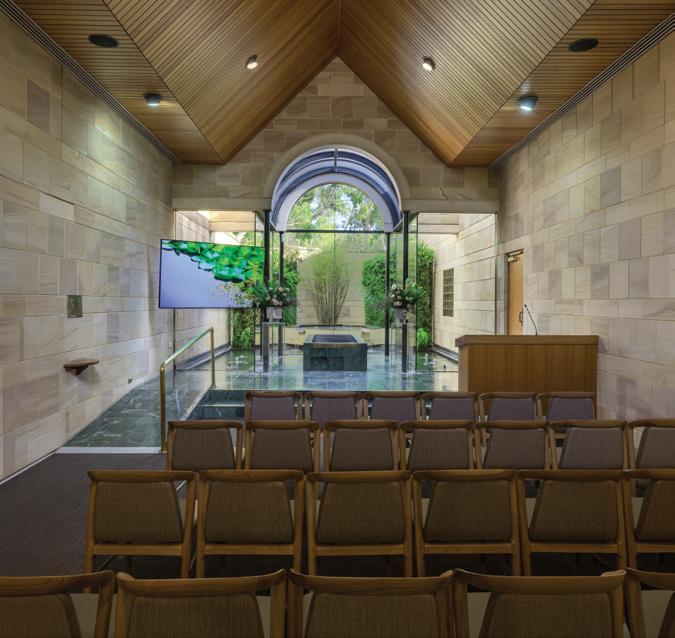
HOW CAN I MAKE THINGS EASIER FOR THE PEOPLE I LOVE?
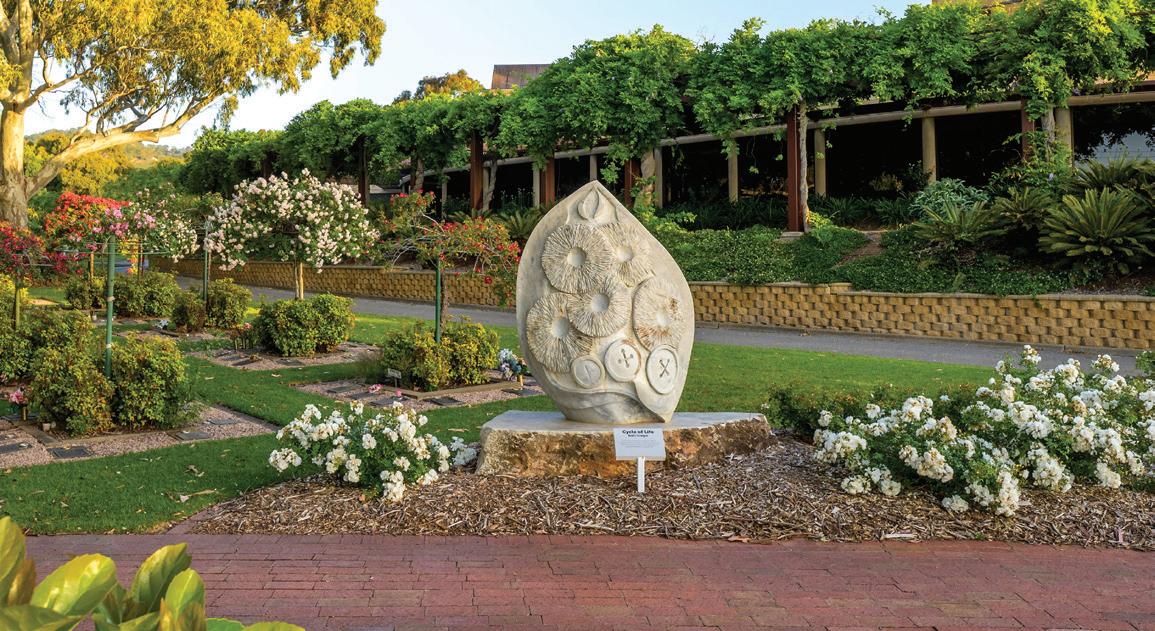
It’s a question that, while not always easy, doesn’t need to feel heavy. When approached gently it can become one of the most meaningful and empowering conversations to have.
Talking about end-of-life wishes is rarely something people rush towards, yet those who do often describe a sense of comfort that follows. Planning ahead offers clarity, not only for the individual, but for those around them. It removes uncertainty in an emotional moment, allowing families to focus on what matters most; remembering, reflecting and celebrating a life.
Centennial Park has long supported South Australians through these conversations, offering guidance grounded in care, warmth and understanding. The approach is simple, to listen, to support, and
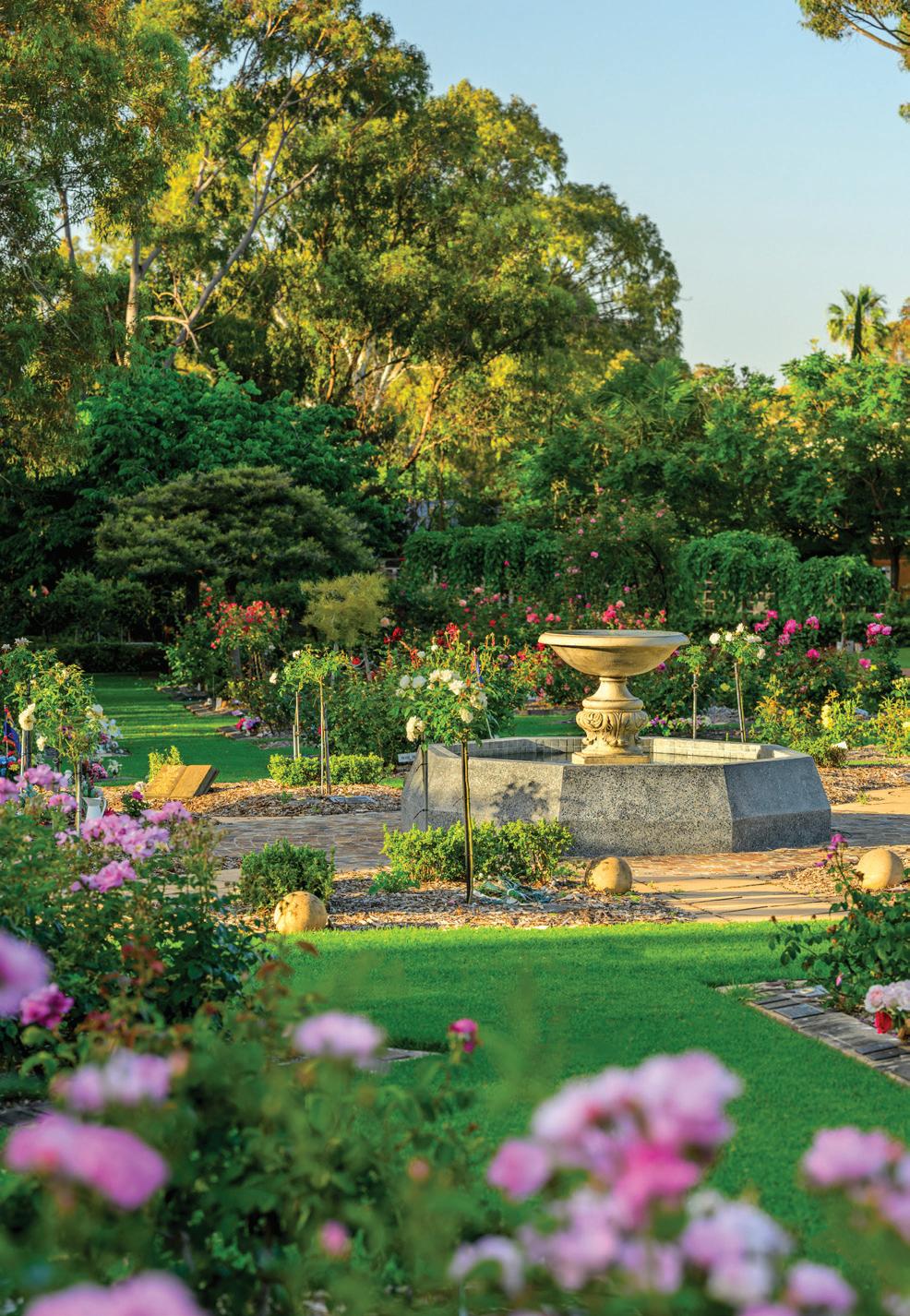
to help each person feel confident that their choices reflect who they are and the life they have lived.
A suggested starting point is Remember Me, a resource designed to help capture personal wishes and open up meaningful conversations with loved ones. It reframes planning as something thoughtful and considered, an act of care rather than something to be avoided.
In the end, it may be the simplest steps taken today that offer the greatest clarity and peace tomorrow.
PLAN AHEAD WITH CONFIDENCE.
Explore Remember Me and start the conversation today. centennialpark.org



SOUTH AUSTRALIA PRODUCES around 80 per cent of Australia’s premium wine, and if you’ve ever stood in a Barossa vineyard at dusk, or driven the back roads of McLaren Vale with the windows down, you already understand why. This state has what great wine needs: the soil, the climate, the history and, crucially, the people.
This issue, we raise a glass to all of it. Award-winning wine writer Katie Spain explores the stories and people behind our glass and we spend time with Sometimes Always, the Adelaide boutique retailer for those who like their wine thoughtfully chosen.
Three perspectives, one thread: South Australia makes some of the world’s finest wine, and we’re lucky to live here.
GRENACHE & GOURMET 2026
MCLAREN VALE’S annual Grenache & Gourmet celebration is for those who appreciate wine’s strong sense of place, beautifully prepared food and time well spent – an invitation for curious palates to discover the people, craftsmanship and stories behind every glass.
This spring, the program brings together McLaren Vale’s celebrated
Grenache and its vibrant food culture. The Sip & Savour series offers memorable wine and food pairings designed to reveal the region’s generous flavours. Learn & Explore events take you behind the scenes for immersive tastings and conversations with the winemakers who know these wines best. Or settle into Relax & Unwind experiences, where vineyard views, warm hospitality and the easy rhythm of McLaren Vale life take centre stage.
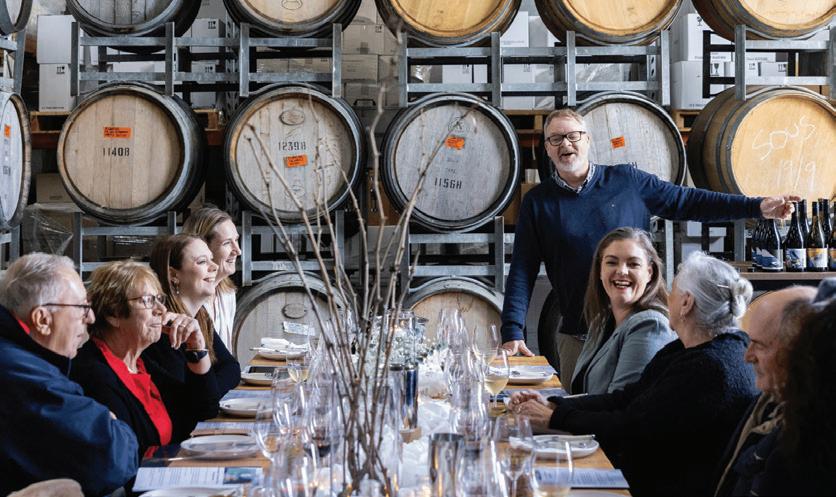
scientist and Juxtaposed winemaker Dr Wes Pearson for a masterclass on taste, food and Grenache pairing; or turn sleuth with the Grenache Detective at Shadow Creek Wines.
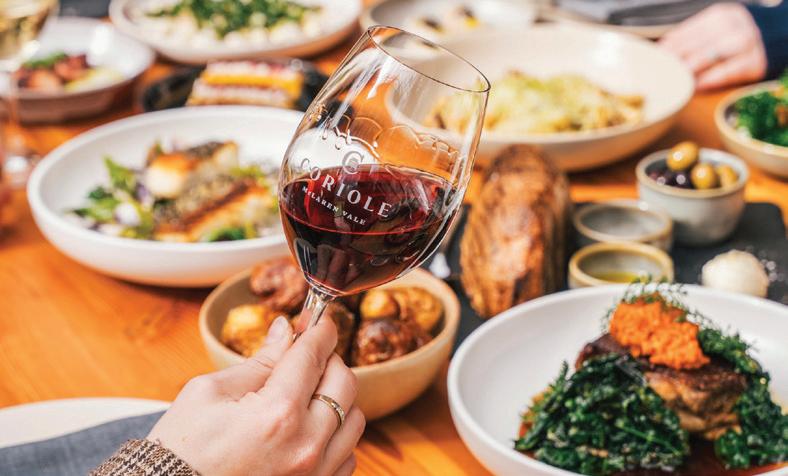
At the heart of it all is McLaren Vale’s world-renowned Grenache: expressive, generous and unmistakably of this place, made for sharing over good food and heartfelt conversation.
With more than 30 events on the program, there’s an experience to suit every palate. Enjoy a Frenchinspired long lunch at Coriole Restaurant; join sensory
Grenache & Gourmet 18 September – 5 October 2026 Venues across the McLaren Vale wine region
Bookings essential View the 2026 program: grenacheandgourmet.com.au

Just minutes from Adelaide’s CBD, the Eastside Wine & Ale Trail showcases family-owned wineries and cellar doors across Norwood Payneham & St Peters.
From intimate tastings to award-winning drops, each stop has its own story and warm hospitality. Explore the trail, meet the makers, and uncover some of SA’s best-kept wine secrets.
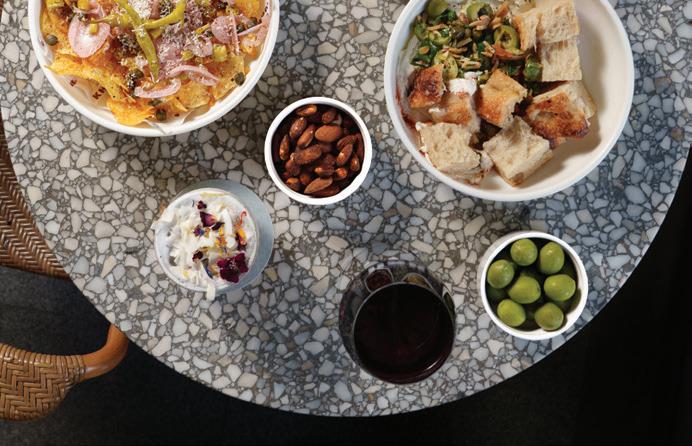
Kent Town
A hidden gem in the heart of Kent Town, Khou Bar & Cellar Door blends contemporary style with a genuine passion for exceptional wine. With a carefully curated range and an inviting tasting experience, it’s the perfect place to slow down, discover something new and enjoy the craftsmanship behind every bottle. Visit the cellar door, chat with the team and take home a favourite from their thoughtfully selected collection.
khou.com.au
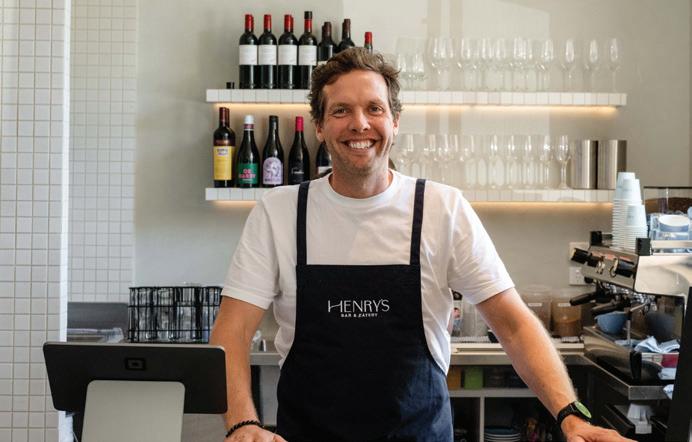
Kent Town
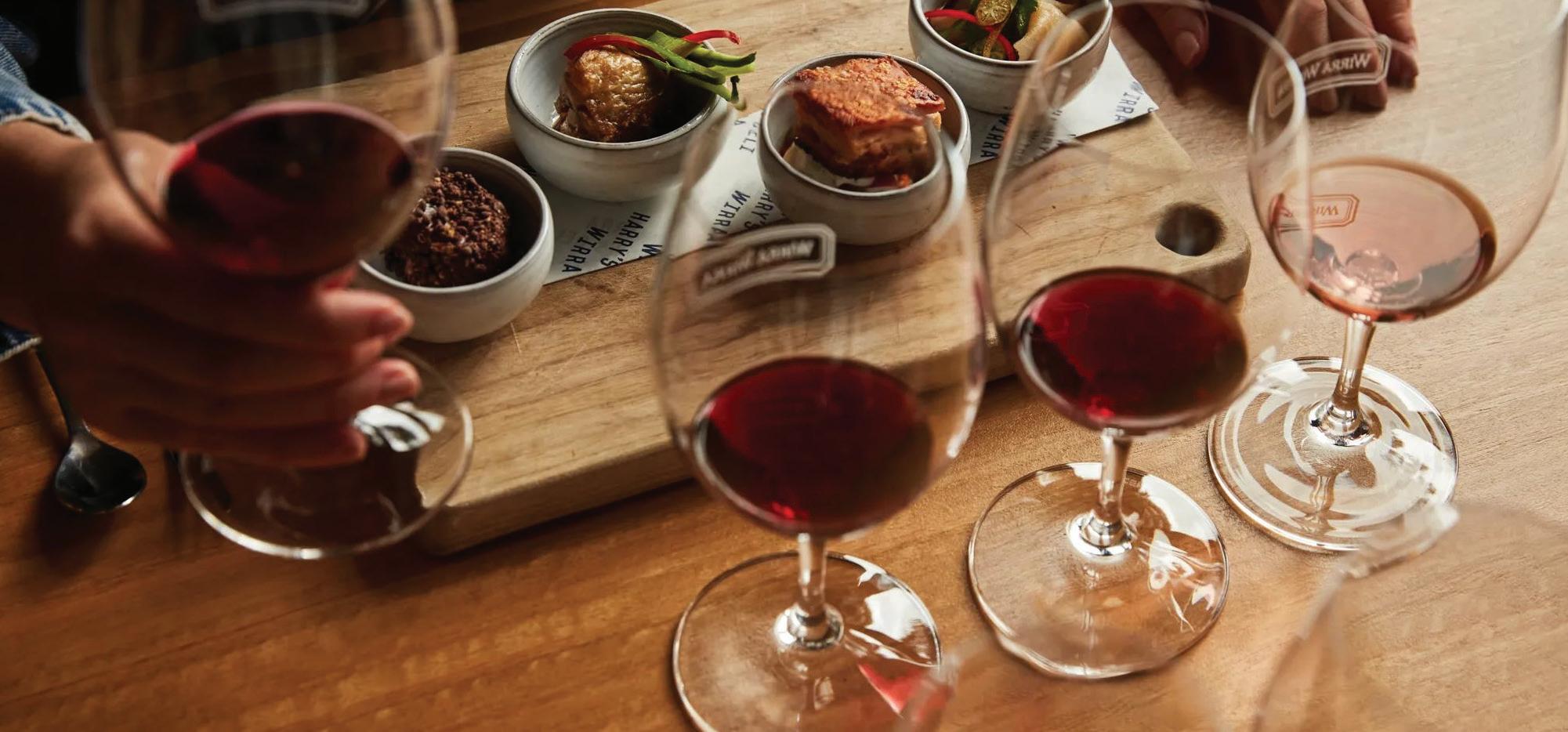
Henry’s Bar & Eatery brings together great wine, relaxed hospitality and a welcoming atmosphere that keeps locals coming back. Whether you’re stopping in for a casual tasting or looking for the perfect bottle to share with friends, you’ll find quality wines and knowledgeable staff ready to guide you through the range. It’s also a great space to host your next event. From a private celebration to a corporate event, Henry’s will be able to host and cater. It’s an easy addition to your Eastside wine adventure.
henrysbyfranklie.com.au
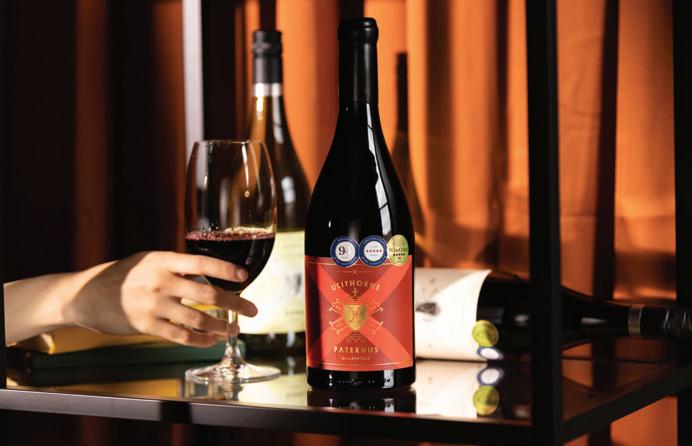
Born around a family dining table in Norwood in 2014, CW Wines has grown into one of Australia’s fastest-rising houses of wine. Wholly family-owned and proudly South Australian, the winery grows, makes and distributes a portfolio of wines spanning the Coonawarra, Limestone Coast, McLaren Vale, Barossa Valley and Adelaide Hills. For anyone who loves discovering exceptional Australian wine, CW Wines is where the journey starts. cwwines.com
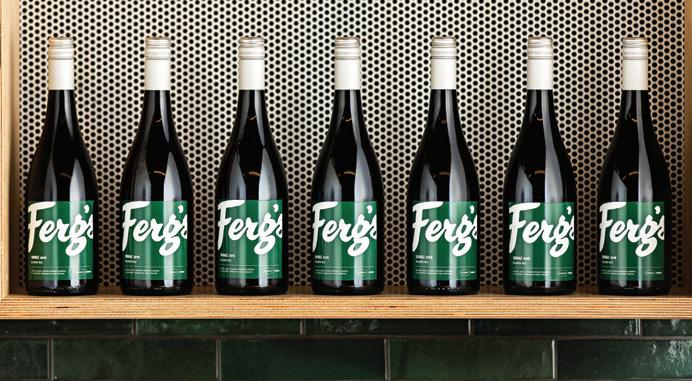
The Urban Cellar Door for Massey Wines. This is small batch winemaking at its best, delivering wines and gins that are both approachable and memorable.
Stop by on a Sunday to experience their welcoming hospitality and discover your next favourite bottle and hangout. Ferg’s is also a fully equipped and serviced venue for hire, providing fabulous food & beverage packages. Available for private functions Monday – Saturday. Book the venue exclusively for your next celebration. fergs-stepney.com.au
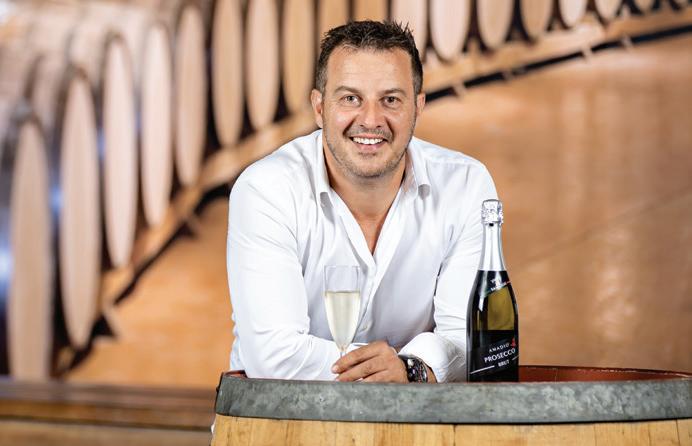
Building on a winemaking legacy that began in 1936, Amadio Wines has earned international recognition. In 2024, its Sebastien’s Reserve Cabernet was named World’s Best Cabernet. In 2026, the winery received a Double Gold, a Gold and six Silver medals at the London Wine Competition.
A visit to their charming Felixstow cellar door offers the perfect opportunity to savour these award winning wines. Enjoy a relaxed tasting with their welcoming, knowledgeable team and discover why Amadio remains one of South Australia’s most celebrated wineries. amadiowines.com/adelaidecellar-door
Every destination in the Eastside Wine & Ale Trail offers something different. From boutique cellar doors and family winemakers to internationally recognised award winners. Plan your visits and meet the passionate people behind the labels. Cheers to discovering the Eastside, one glass at a time!
Scan the QR code to find out more


curated by Broc Willems

SOUTH AUSTRALIA HAS NEVER NEEDED MUCH INTRODUCTION when it comes to wine. Shiraz from the Barossa, Cabernet from Coonawarra, Riesling from the Clare and Eden Valleys — these are the varieties that built the state’s reputation, and rightly so. But beyond the canonical, something interesting has been happening.
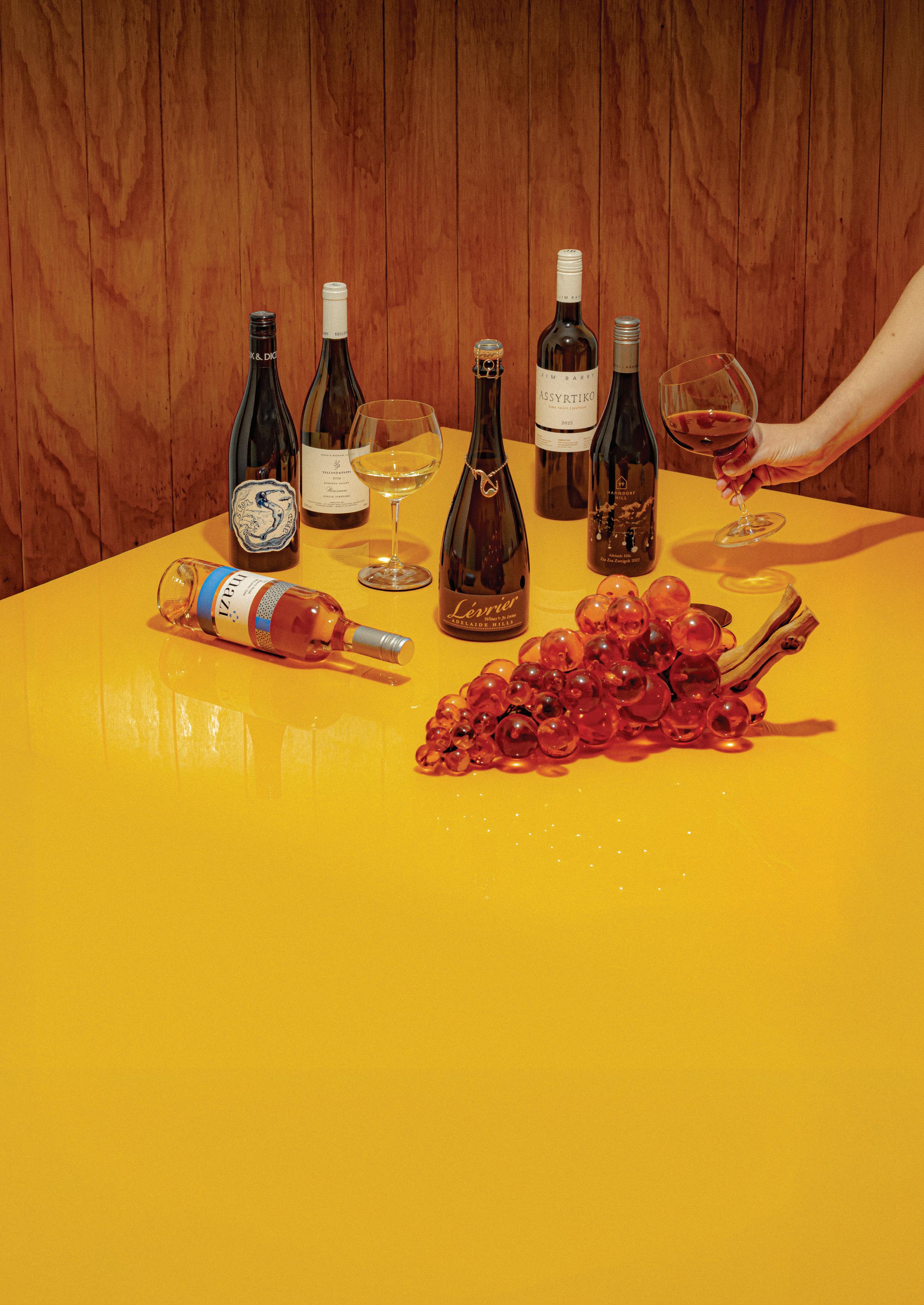
Producers across the state’s diverse regions have been turning their attention to varieties that rarely appear on the average Australian dinner table. Petit Meslier, Assyrtiko, Roussanne, Mavrodaphne, Zweigelt, Nero d’Avola — grapes with deep roots in France, Greece, Austria and Italy, finding their footing in South Australian soils like they were always meant to be there.
This isn’t novelty for its own sake. It’s winemakers responding to what the land and climate are telling them. The results are some of the most compelling bottles coming out of South Australia right now — and they’re drinking beautifully.
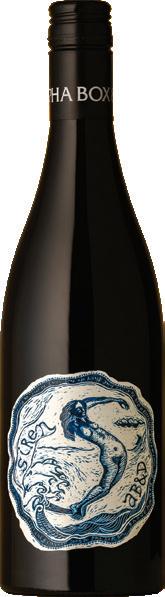
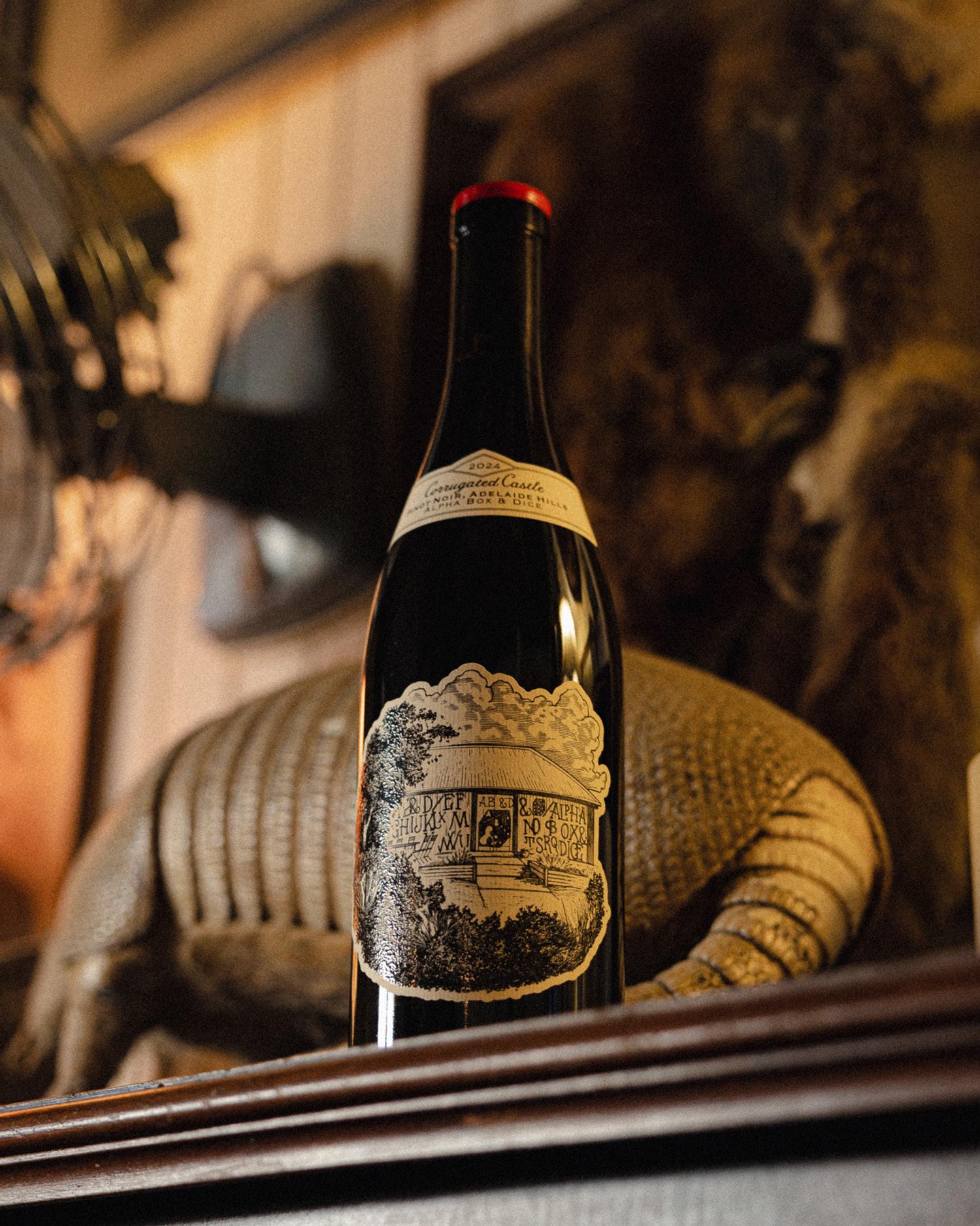
ALPHA BOX & DICESiren Nero d’Avola 2025 01
REGION McLaren Vale STYLE Full Red ORIGIN Sicily, Italy
WHERE DID IT COME FROM?
Probably the most recognisable grape from the island of Sicily. Nero came to Australia in the late ‘90s via the Chalmers family nursery in Victoria. From there, cuttings were planted and grafted by some of the more curious growers in McLaren Vale. It has really found its roots in the Vale, going toe-to-toe with the best Shiraz or Grenache, and coming up tops!
WHY DO WE LOVE IT?
Nero d’Avola is made for warm, dry, coastal environments. It’s endlessly versatile, with a pretty purple hue, opulent fruit and moreish acidity. A natural fit for Italian fare and Asian-influenced Australian cuisine alike. This isn’t Alpha Box & Dice’s first dance with obscure varieties. Sam Berketa has been dialling in Nero and other up-and-comers for close to a decade.
WHO’S IT FOR?
If you love a full, brooding Shiraz, Grenache or other punchy styles but want to keep things a little fresher, nip out and snag a Nero.
MAZI - Rosé Mavrodaphne 2025 01
REGION McLaren Vale STYLE Rosé ORIGIN Peloponnese, Greece
WHERE DID IT COME FROM?
Mavrodaphne was obscure even in Greece until it was rediscovered for the famous port-style wines of Patras. It reached Australia via an ambitious Tassie vigneron and a friend of a friend of a ‘don’t worry about it’ friend in McLaren Vale. This is the sole planting of the variety on mainland Australia, as far as the government is concerned.
WHY DO WE LOVE IT?
Mavrodaphne makes for such a gulpable rosé. Dry and textural, juicy pomegranate and sea salt. Is it Mykonos? Lifelong friends Alex Katsaros and Toby Porter focus exclusively on rosé, experimenting with varieties and blends to create distinctly different wines. Their Mavrodaphne completes the story started when they named their project ‘Mazi’ – Greek for ‘together’ –celebrating Alex’s heritage and their friendship.
WHO’S IT FOR?
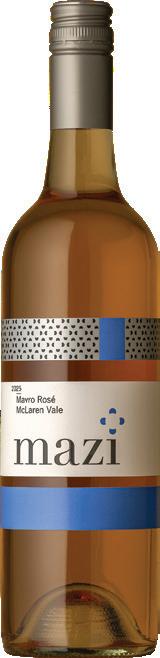
If you already think pink as soon as the sun shines, this will affirm your beliefs. For those a bit more skeptical, let the McLaren rosé masters prove otherwise.
SOUTH AUSTRALIAN WINERIES
LEVRIER - Sparkling Brut
Petit Meslier NV
REGION Adelaide Hills STYLE Sparkling ORIGIN Champagne, France
WHERE DID IT COME FROM?
One of the ‘forgotten four’ ancestral grapes of Champagne, Petit Meslier was actually banned from being planted in the 1930s and was almost extinct until its revival in 2000. Jim Irvine was instrumental in establishing the rare variety in the Adelaide Hills in the 1980s, along with Chandon in Victoria.
WHY DO WE LOVE IT?
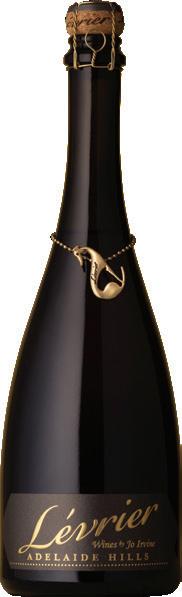
Petit Meslier makes for a lightly floral, cheek-puckering fizz that begs for a party. Jo Irvine is the torchbearer of her father’s love for this little grape. At her Barossa winery, she produces the world’s only (she thinks) sparkling rosé from the variety. Levrier means greyhound in French, so it shouldn’t be a surprise that her Tanunda cellar door is more than dog-friendly.
WHO’S IT FOR?
If you love Champagne but prefer the local discount, this Adelaide Hills sparkling should be top of the pops.
HAHNDORF HILLZsa Zsa Zweigelt 2022 02
REGION Adelaide Hills STYLE Light Red ORIGIN Burgenland, Austria
WHERE DID IT COME FROM?
Zweigelt was created by Dr. Zweigelt (who else?) as a solution to difficult times in post WWI Austria. A deliberate hybrid of the more noble, but equally unknown Blaufränkisch and Saint Laurent varieties. Zweigelt gets the best of both; easy to grow, easy to maintain and VERY productive. A farmer’s dream!
WHY DO WE LOVE IT?
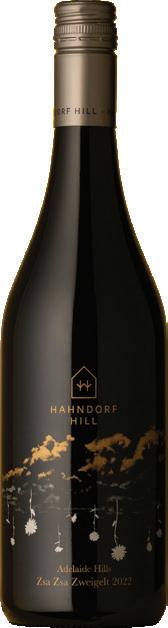
Zweigelt has punchy blue and red fruits and a spicy, exotic perfume that can be quite unforgettable. We love what Larry Jacobs at Hahndorf Hill in the Adelaide Hills brings to this little grape, dialling up its herbal qualities with notes of eucalypt and cola spice. It somehow feels both distinctly Australian and classically Austrian. Hahndorf and a bit of Germanic flair... Das ist sehr gut!
WHO’S IT FOR?
This is a wine for most people and all occasions. Chill it down for a springtime BBQ or sip it around the winter campfire. Can’t decide between Pinot or Cabernet? Go Zweigelt!
Sometimes Always is a South Australian online wine store with a serious knack for picking the good stuff. They bring together a sharp, handpicked mix of premium drops; think boutique labels, cult smallbatch producers, and hard-to-find gems from Australia and beyond.
YELLAND & PAPPSSingle Vineyard Roussanne 2024
REGION Barossa Valley STYLE Full White ORIGIN Rhône Valley, France
WHERE DID IT COME FROM?
Roussanne is often the star of the Rhône Valley’s white varieties, leading the blends of Châteauneufdu-Pape and Hermitage Blanc. In Australia it’s commonly found with its blending friends, Marsanne and Viognier. It arrived on the eastern Victorian goldfields in the 1800s before landing in the Barossa, where it now sits alongside Shiraz.
WHY DO WE LOVE IT?
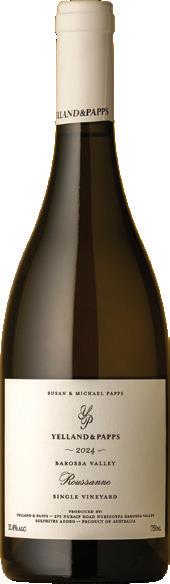
Known as the “princess” variety – gold in the glass, but outside...a pain in the ass. Layered with rich tropical fruit and chamomile, it’s honeyed, buttery yet balanced – right at home with a savoury roast chicken dinner. Susan (Yelland) and Michael Papps are on a mission to produce the country’s best Roussanne, and if they haven’t succeeded yet, they’re pretty bloody close.
WHO’S IT FOR?
If you know your ABCs (Anything But Chardonnay), Roussanne is a logical next step. It sings alongside cheesy, creamy pastas – ripe, generous, and a clear fit for that friend who just loves a Chardy.
JIM BARRY - Assyrtiko 2025 03 04
REGION Clare Valley STYLE Light White ORIGIN Santorini, Greece
WHERE DID IT COME FROM?
Assyrtiko has been grown on the Greek islands for thousands of years, the vines often trained into kouloura (basket-shaped forms) to withstand the wind, sun and dry conditions. Sound familiar, Clare Valley? Peter and Sue Barry fell in love with Assyrtiko in Santorini and saw a perfect match for their Clare home.
WHY DO WE LOVE IT?
The Clare Valley is known for hot summers, crisp whites and genuine hospitality, so it makes sense that a Greek variety would feel right at home here. Spring jasmine, lime zest and pithy grapefruit make for one of the most refreshing wines we’ve ever come across. Until very recently, Jim Barry was the only producer of Assyrtiko in Australia. We always want what we can’t have.
WHO’S IT FOR?
Riesling freaks, oyster lovers or margarita mamas. If you search for sour and your mouth waters at the thought of a granny smith apple, get on the Assyrtiko train.
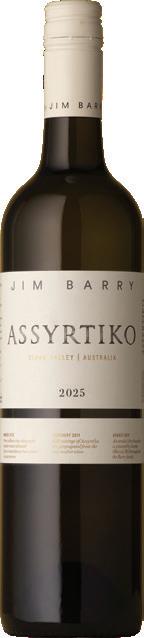
With a fresh, no-fuss take on wine retail, Sometimes Always is all about discovery, delivering standout bottles straight to your door without the usual wine snobbery. sometimesalways.com.au

with Katie Spain, @katiespainwrites, award-winning journalist, national drinks writer and author
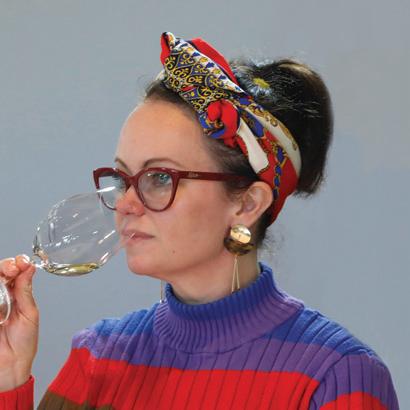
I DON’T KNOW ABOUT YOU BUT WHEN WINTER SETS IN, my mind turns to spice. ’Tis the season to cook fiery, bellywarming winter curries. Or, if I’m totally honest, to let our local Indian joint do it for us.
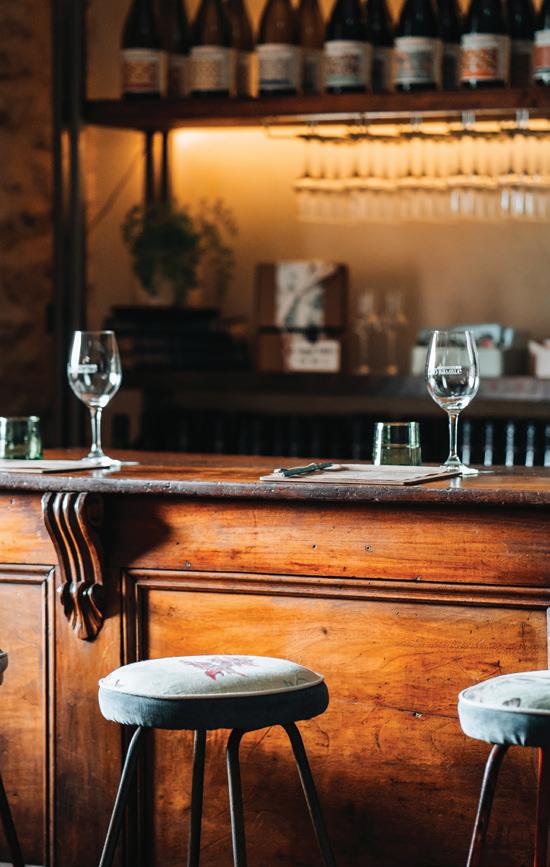
Aldinga Bay Café is one of South Australia’s hidden treasures. As the name suggests, it’s located on the Aldinga Beach esplanade and as a place to warm your cockles, it can’t be beat.
When Alex Schulz and Aruna Mogan took over the muchloved eatery last year, they not only focussed on serving stellar vindaloo, korma, paneer, and aloo palak, they also put thought into the wine offering.
If I had a dollar for every time someone asked me what wine to pair with Indian dishes, I’d own an Aldinga Beach holiday house. It’s a common predicament and the kaleidoscopic nature of spice means each dish is different.
“For Northern Indian food, I recommend big bold red wines,” Alex says. “But aciddriven white wines work with any spicy food because the acid cuts through fat and spice.”
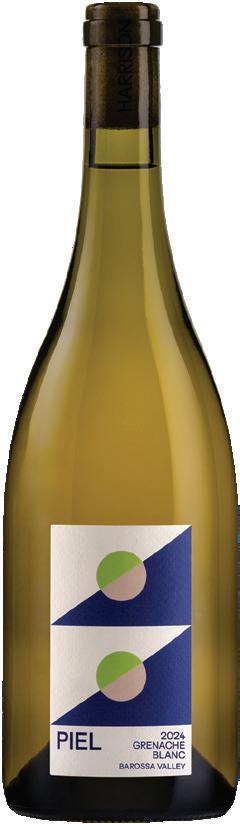
They are particularly fond of the Harrison Wine Piel Grenache Blanc ($38, harrison. wine) made from the French white variety sourced from the Schwarz Vineyard in Bethany, Barossa. Much like winemaker Riley Harrison, it’s all personality.
you should pair Indian food with something sweet but I say no. You don’t want to mask the spice, you want to taste it.”
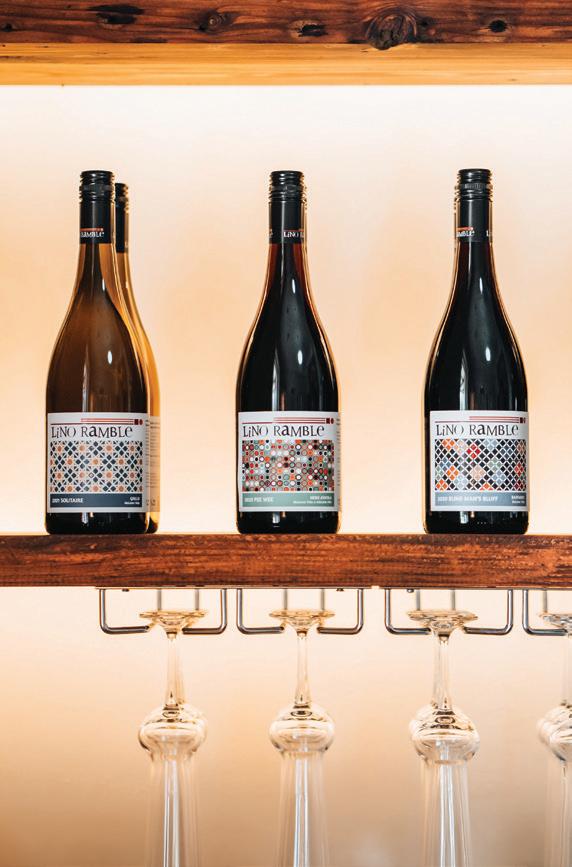
Nearby in McLaren Vale, Lino Ramble winemaker Andy Coppard thinks a lot about fruit character and texture. “For me, food and wine are intrinsically linked,” he says. “Rarely do I sit down and just drink a bottle of wine by itself. It’s almost always accompanied by lunch or dinner with friends.”
Andy’s Lino Ramble 2024 Fiano ($32, linoramble. com.au) kicked back with 120 days of skin contact which means texture.
“It’s great to pair with pretty much any curry with spice and fat,” Alex says. “Vindaloo is great with a zippy white wine with texture, drive and flavour.”
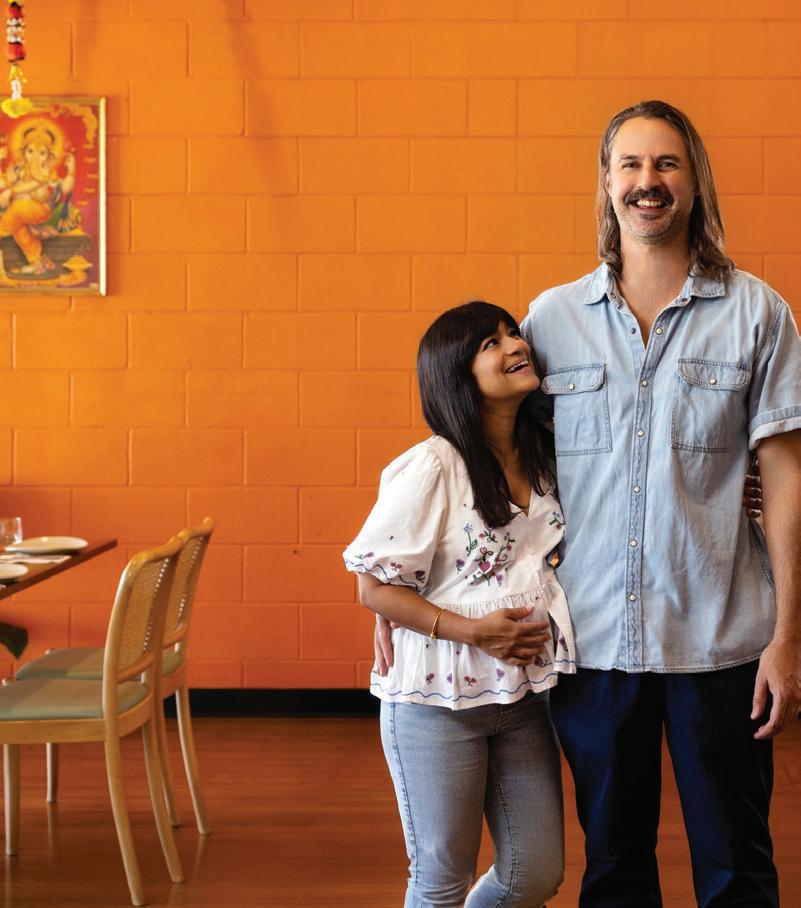
“For some reason, people always think you should pair Indian food with something sweet but I say no. You don’t want to mask the spice, you want to taste it.”
Aruna Mogan and Alex Schulz
Meanwhile, saag paneer goes well with something rich and earthy like a Tempranillo, while slightly chilled red wine works well with lamb Rogan Josh.
“A Pinot Noir lends itself well to a noncreamy curry like that,” Aruna says. “For some reason, people always think
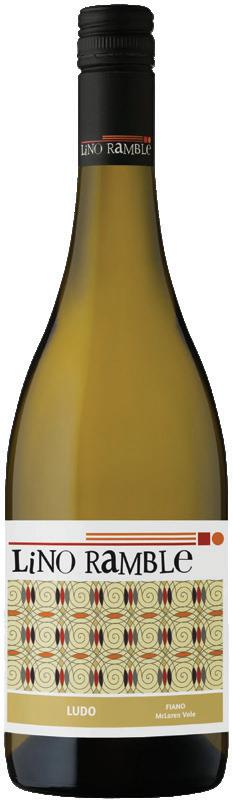
“It warms your heart,” Andy says. “And it has what some people would describe as a fennel-like character.” It’s sensationally savoury and there are undeniable dried herb aromas to the Italian white, too. “It works a treat with any curry that has fenugreek or coriander in it,” Andy says.
Personally, Andy can’t get enough of dahl. “I love dahl, it’s the great Indian gift to the world. There’s a curry leaf character in this wine that goes really well with that.”
On the flipside, the Lino Ramble 2024 Dot to Dot Arinto ($27) had zero skin contact so is a crisp, zesty head-snapper. “It’s a Portuguese variety and in terms of spicy food, peri peri chicken, fish tacos, or salt and pepper squid or tofu are a winner.”
Across the hallway in McMurtrie Road cellar door shared by three artisan wine brands, winemaker Alex Sherrah is also ready to flex his Fiano creations.
The ancient variety is native to Campania in southern Italy, and has garnered quite the reputation in McLaren Vale thanks to the region’s Mediterranean climate and adventurous winemakers.
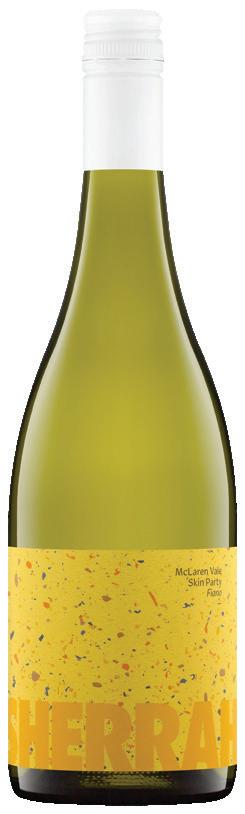
Alex describes his Sherrah 2025 Skin Party Fiano ($32, sherrahwines.com.au) as an “orgy of whole berries and partying yeasties.” No matter your state of undress (not advisable in chilly climes) it is delightfully rich and enthralling, with or without food.
“Most importantly, you want natural acidity to cut through greasy, heavy dishes,” he says. “Whether they’re creamy or spicy.”
TAKE THEM ON A FOOD SAFARI
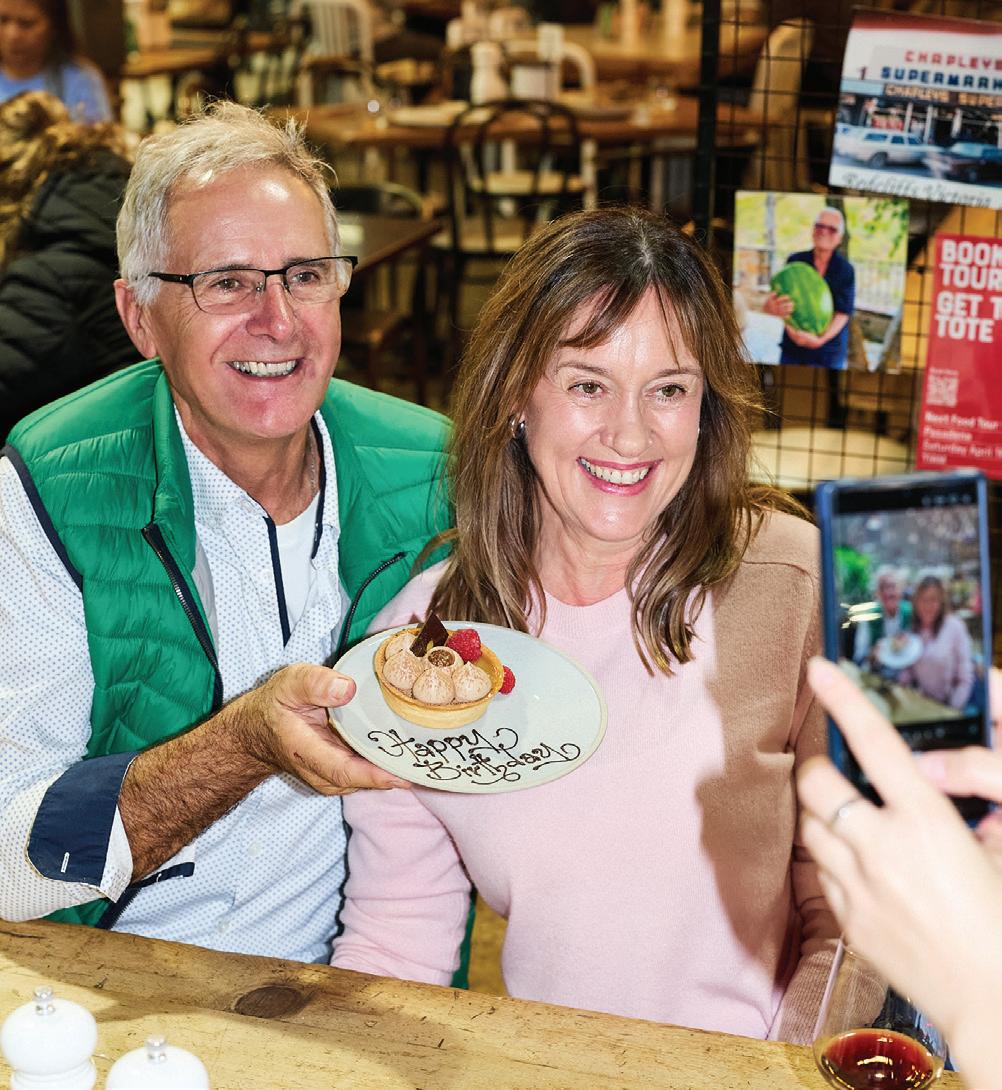
The perfect gift for the food lover in your life, this three-hour guided tasting tour explores exquisite food and drink made by our award-winning chefs, bakers, baristas and – you!
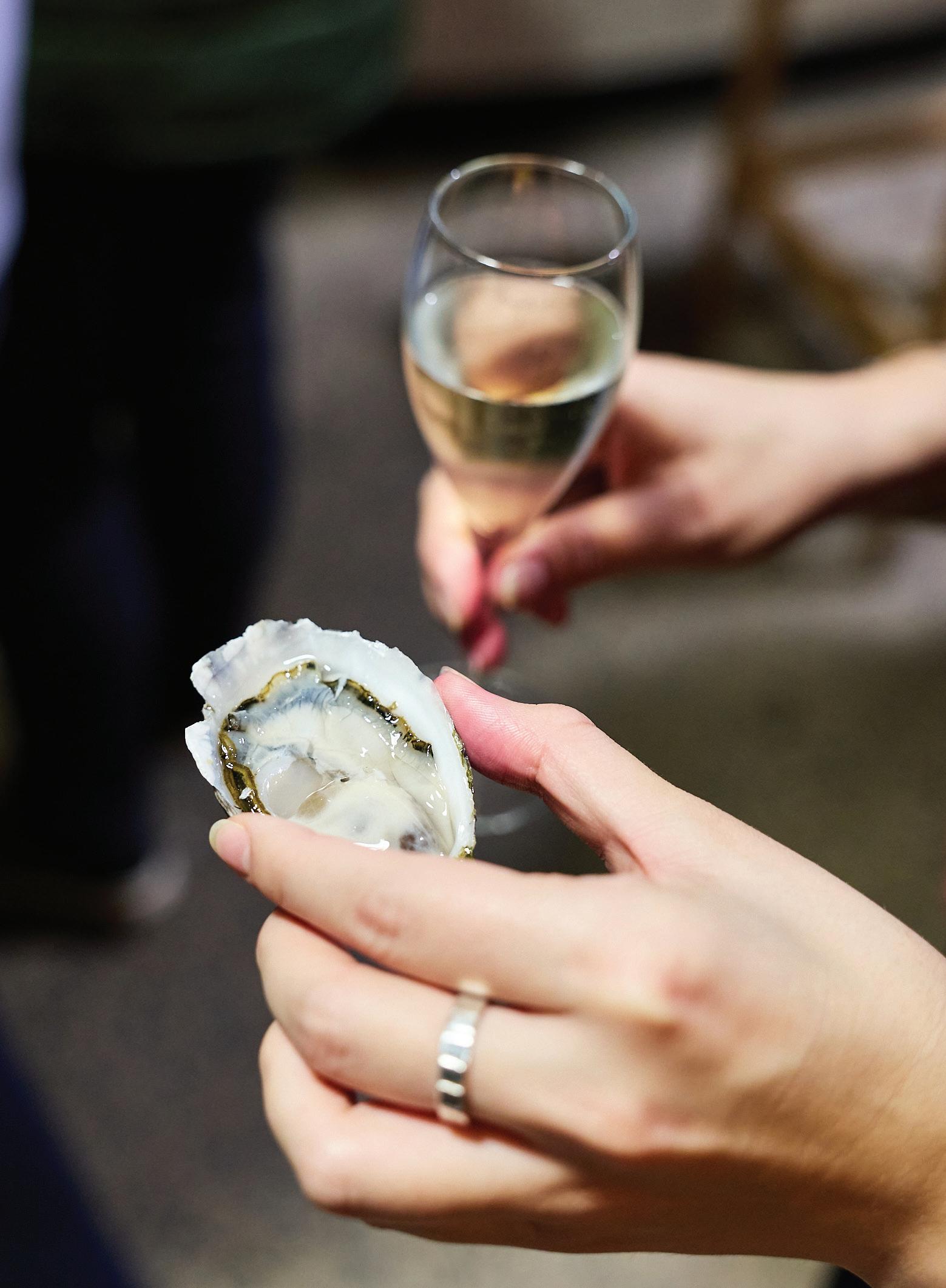
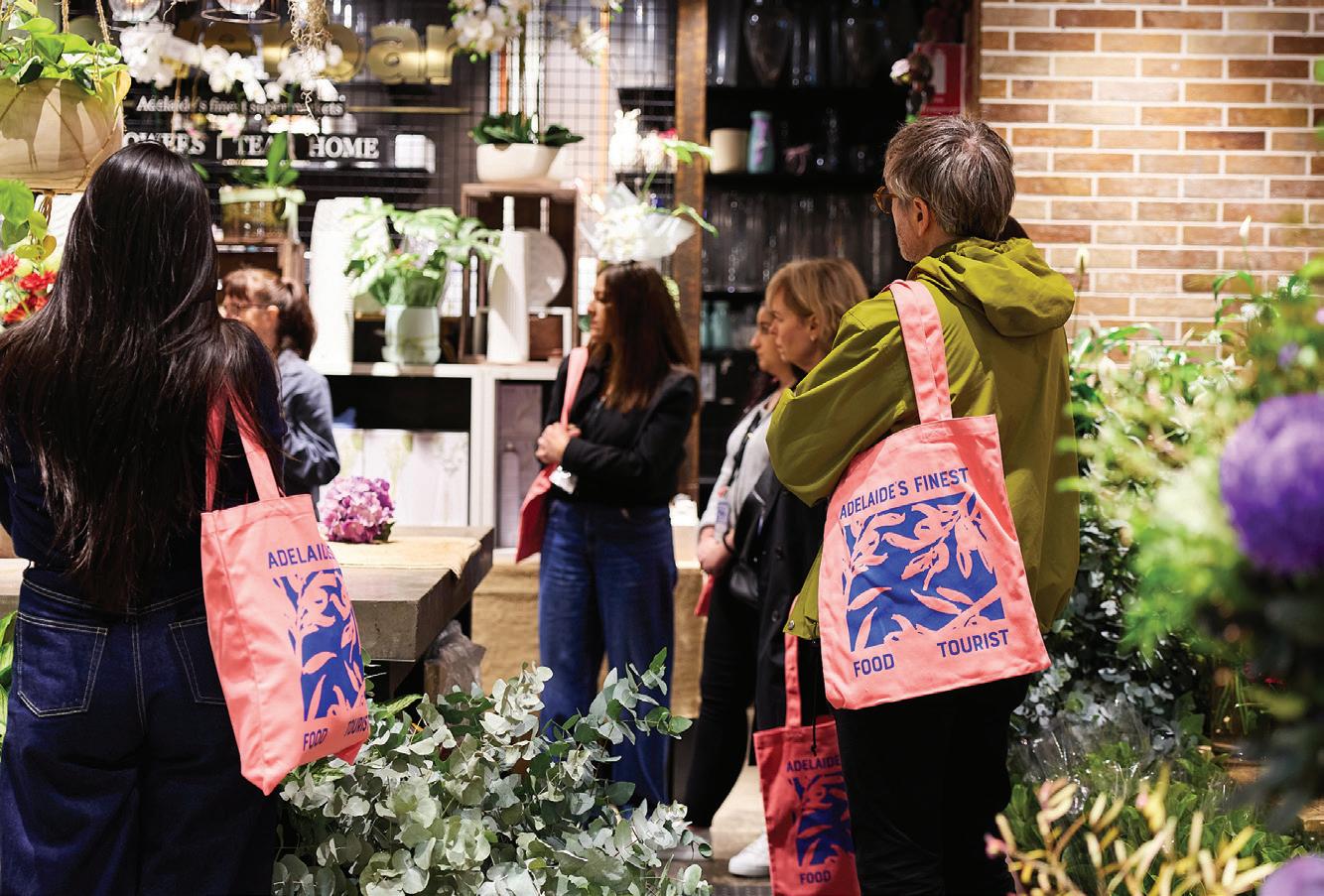
Surprise them with a trip to the supermarket they’ll never forget. Tickets include seven tastings and a chef’s table lunch with wine and dessert. There are only 10 spots available each month. Book today for a birthday, an anniversary, or simply something delicious to do.
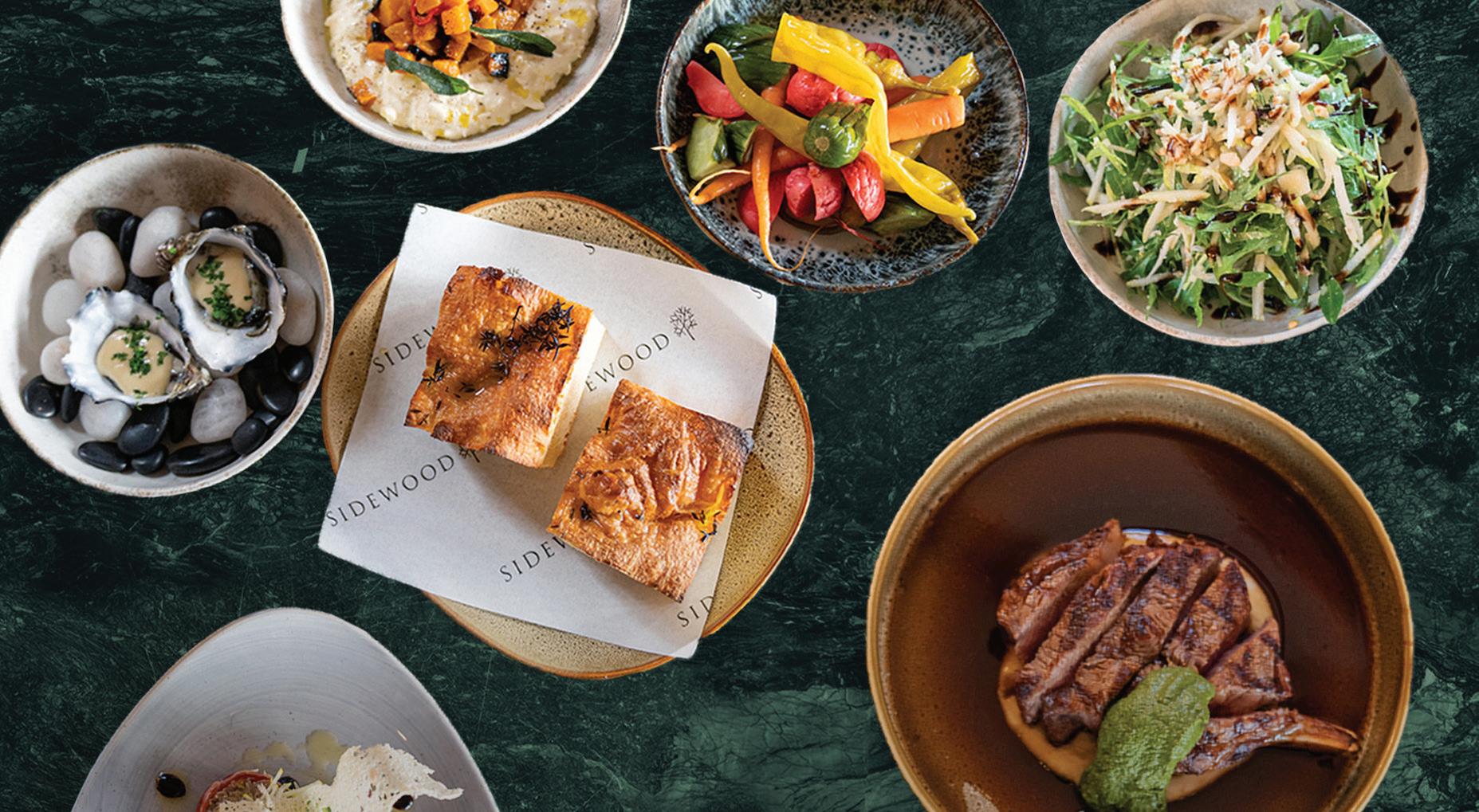
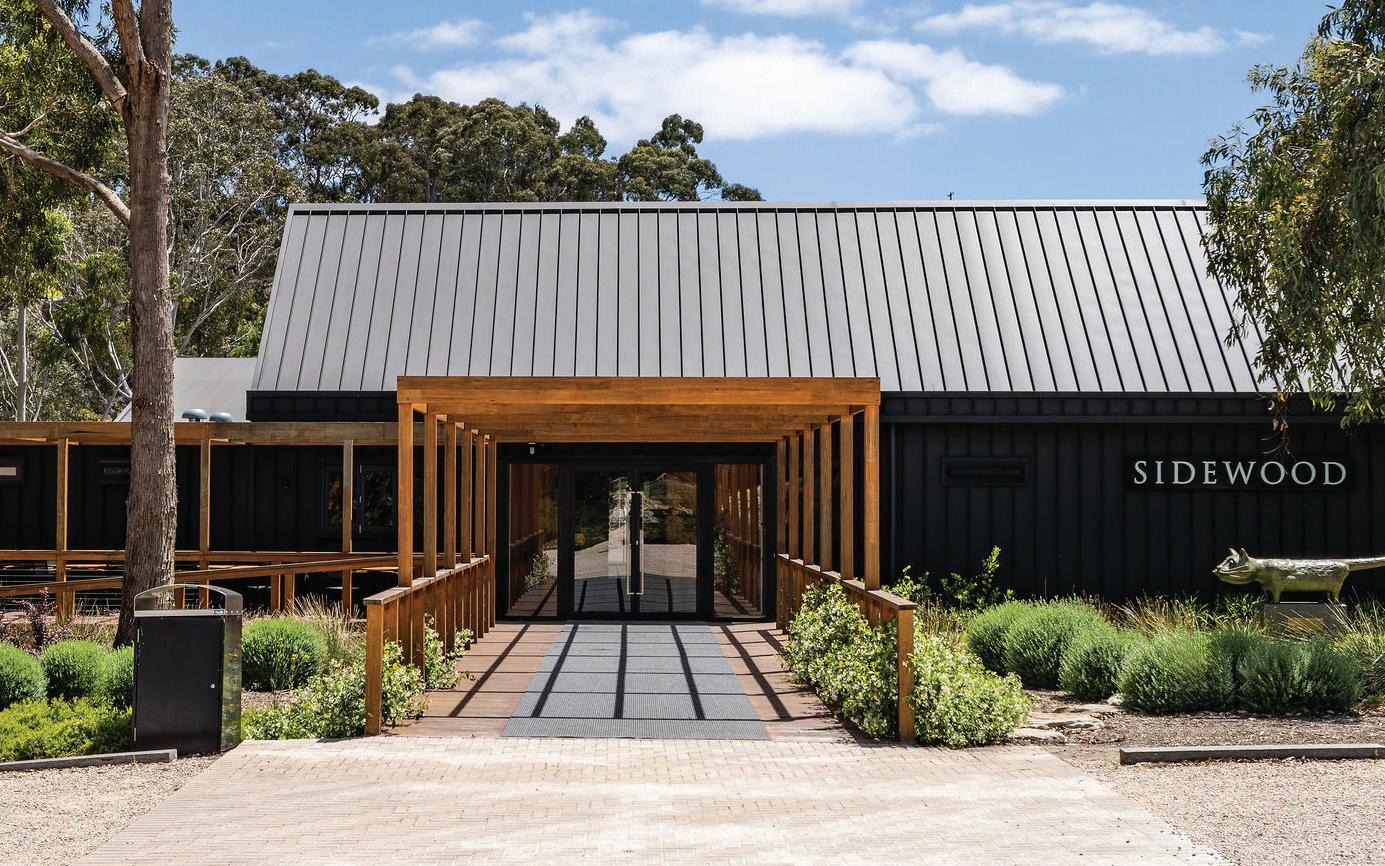
ROUND THE BEND near Hahndorf and a striking jet-black building rises out of the native gardens, its walls decorated with works by Australian artists. It’s a surprise this close to
town – just 25 minutes from the Adelaide CBD – and it belongs to Sidewood Estate Restaurant & Cellar Door, an easy escape into the Adelaide Hills.
Inside, the Gallery restaurant serves exceptional cuisine from a seasonal a la carte menu weekdays and set menus on weekends. When the weather obliges, settle into the garden or the over-18s courtyard for a relaxed feast of woodoven pizzas and grazing boards.
Equally suited to a quiet lunch for two or a larger celebration, the venue invites you to linger… in the luxurious interior, on the sunlit deck, or stretched out on a VIP daybed beside the lawn bowls greens. There’s room for the kids to roam, too, with a generous garden and nature play area.
At the Cellar Door, sample Sidewood’s cool-climate wines and ciders through guided tastings or tasting paddles, or try your hand at sabrage, the theatrical art of opening a bottle of sparkling with a sabre.
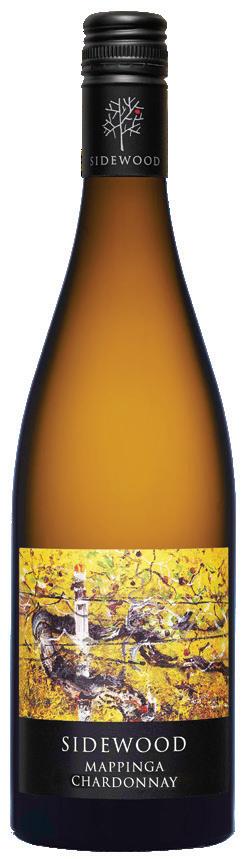
Whether you’re planning a laid-back family day or seeking an elevated culinary journey, Sidewood delivers the perfect Adelaide Hills experience.
Sidewood Estate Restaurant & Cellar Door 6 River Rd, Hahndorf sidewood.com.au


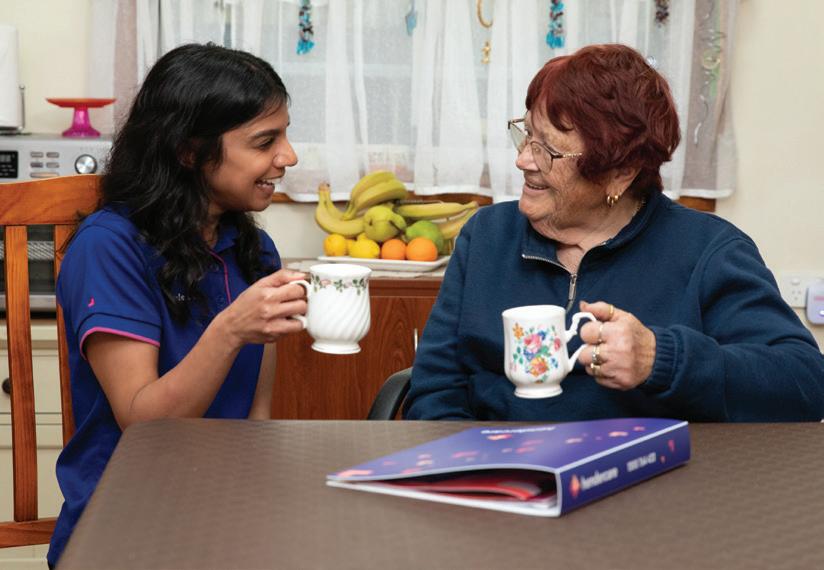
to a new chapter of life, one filled with opportunities to rediscover passions, spend more time with loved ones, and enjoy the simple pleasures we may have once been too busy to notice. However, for many older Australians, ageing can also bring unexpected challenges, particularly when it comes to staying socially connected.
Retirement, reduced mobility, the loss of a partner, or family living further away can gradually lead to fewer social interactions. While occasional solitude can be refreshing, ongoing loneliness can take its toll, impacting not just emotional wellbeing, but physical health too.
Research shows that social connection plays a vital role in ageing well. Older adults with strong relationships experience better mental health, improved resilience, and a reduced risk of depression and anxiety. They are also more likely to maintain cognitive function and independence over time.
Conversely, social isolation has been linked to a decline in overall wellbeing and quality of life. These findings highlight that staying connected is not simply about having company, it’s a fundamental part of ageing well.
For many families, recognising the signs of loneliness can be difficult. A loved one may insist they are managing well, while withdrawing from activities they once enjoyed. They may stop attending community groups, decline invitations, or lose interest in hobbies that previously brought them joy. Sometimes, it is the small changes that matter most.
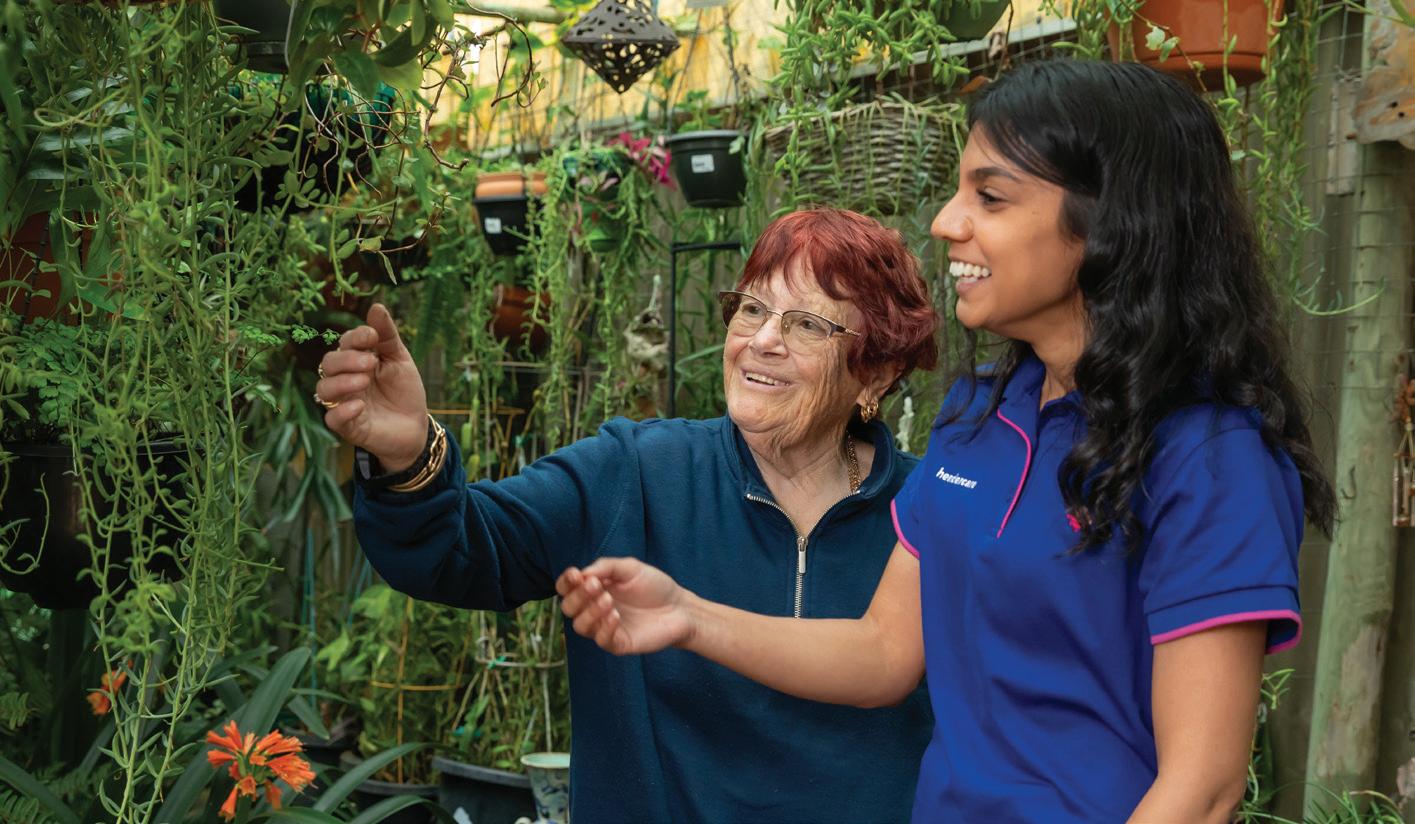
A missed weekly coffee catch-up. A garden that is no longer tended. A reluctance to leave the house. These changes can indicate that a person is becoming increasingly isolated and may benefit from additional support.
Maintaining social connection does not always require major lifestyle changes. Often, it starts with regular interaction, meaningful conversation, and opportunities to remain engaged with the community.
At HenderCare, we regularly see the positive impact that social support can have on a person’s wellbeing. Through companionship, community outings, transport assistance, and personalised in-home support, many older Australians are able to continue participating in the activities that matter most to them.
For some, this may mean assistance to attend medical appointments or local community events. For others, it could be enjoying a trip to the shops, visiting a favourite café, or simply sharing a conversation with a trusted support worker.
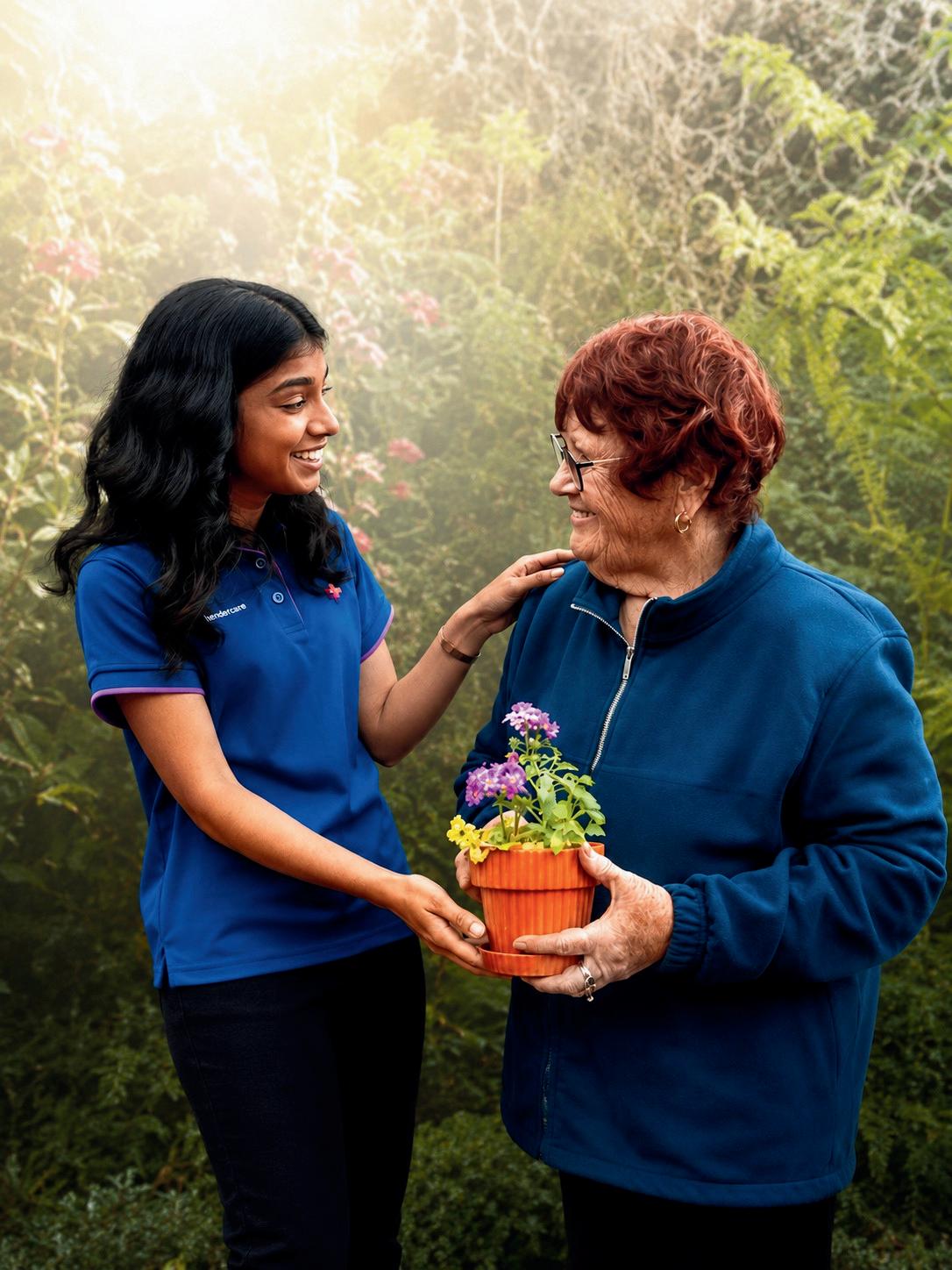
These moments may seem small, but for someone who has been feeling isolated, they can bring comfort, confidence, and a renewed sense of belonging.
Social connection helps people maintain a sense of purpose, independence, and belonging, and the benefits extend to families too. Adult children balancing work and caregiving responsibilities can’t always visit as often as they’d like, and professional support can complement the care they already provide. Ageing well is more than remaining safe at home. It’s about continuing to enjoy life, pursue interests, and experience moments of joy.
If you have noticed a loved one becoming more isolated, starting a conversation about support could be one of the most important steps you take. Sometimes, a little extra help can make a world of difference.
At HenderCare, we believe that everyone deserves to feel connected, valued, and supported to live life on their own terms.
For more information: hello@hendercare.com.au 1300 764 433

Eyewear has always been personal. But somewhere along the way it became something more – less a necessity, more a statement.
THE FRAME YOU CHOOSE now sits alongside your coat and your bag as a deliberate part of how you move through the world, and the conversation happening in optical stores across South Australia reflects that.
Fotini Paraschos has watched this transformation up close. As Merchandise Manager at Health Partners Optical, she’s responsible for buying frames across the company’s South Australian stores –which means she sees what people reach for, what surprises them, and what’s making its way from the runways to the frame wall season by season. This winter, she says, two distinct directions are emerging simultaneously, and they couldn’t be more different.


The first is the statement frame. Oversized acetates in rich, saturated tones – deep burgundy, forest green, warm caramel – are coming through strongly, alongside chunky geometric shapes with real presence. The second is almost its opposite: a move toward minimalism, with thin metal frames and translucent colours for those who want something more restrained and refined. “Both directions are equally strong right now,” says Fotini, “so there’s something for everyone depending on whether you want to make a statement or keep things understated.”
“ Having a couple of different frames to move between is one of the easiest ways to refresh your look without any real effort.”
Underpinning both is a broader cultural moment. The recent The Devil Wears Prada sequel put eyewear squarely centre stage, with major houses including Tom Ford, Dolce & Gabbana, Prada and Tiffany & Co. all featuring prominently throughout.
Those bold, chunky acetates made an impression well beyond the cinema. “We’ve noticed it driving real enquiry in our stores,” says Fotini. “People come in having seen something on screen and wanting to try it for themselves.” Runways set the direction first, but it’s film, television and the faces people are watching day to day that make trends feel wearable rather than aspirational.
That cultural influence runs deeper than any single film. The normalisation of glasses as a style choice – rather than a medical necessity – has gradually changed who walks through the door and what they’re looking for. Where customers once arrived with a prescription and a preference for something unobtrusive, many now arrive with references: a frame they’ve seen on someone they follow, a colour they want to try, a shape they’d never have considered a few years ago. “Social media has played a big part in giving people the confidence to experiment,” says Fotini. “Seeing different styles on the people they follow makes it feel more accessible – and there’s far more choice now in design and colour, which means people can find something that genuinely reflects their personality rather than just settling for what fits.”
“A richer colour or a slightly bolder shape can be surprisingly wearable – and in my experience, those are often the pairs that get the most compliments.”
The question of where to start can feel overwhelming – particularly in a store with one of the largest frame ranges in South Australia. Fotini’s advice is to begin with an open mind and try on something you wouldn’t normally reach for. “Face shape is a useful guide, but comfort, fit and personality are just as important. I always encourage people to try styles they wouldn’t normally pick themselves – and they’re almost always surprised by what suits them.” The right frame, she says, should do two things: feel comfortable and make you feel confident. If it doesn’t manage both, keep looking.
The question of all-day comfort has also been transformed by materials. Lightweight frames mean that even an oversized acetate can be worn from morning to evening without noticing it’s there. The old trade-off between a frame with personality and one that’s practical to live in has largely dissolved. Where once a bold choice meant accepting a degree of discomfort, the two are no longer in tension. And for those who find it impossible to narrow things down to a single pair – Fotini’s answer is simply not to. “Why stop at one pair? Having a couple of different frames to move between is one of the easiest ways to refresh your look without any real effort.”
That breadth of possibility is something Health Partners Optical is particularly well placed to offer. With one of the largest frame ranges in South Australia, the stores carry designer statement pieces alongside classic everyday options and more modest price points – catering to different face shapes, lifestyles, prescriptions and budgets under the one roof. For Fotini, the scale of the range is less about volume than about what it makes possible for the person standing in front of it. “The difference between finding a frame you’re happy with and finding one you love often comes down to having enough choice to actually discover something unexpected.” It’s a distinction that matters – and one that’s hard to appreciate until you’ve experienced it firsthand.
For anyone tempted to play it safe this winter, Fotini makes a case for going a little bolder. “Eyewear is one of the easiest ways to refresh your look without making any major change. A richer colour or a slightly bolder shape can be surprisingly wearable – and in my experience, those are often the pairs that get the most compliments.” The risk, in other words, is considerably smaller than it feels standing at the frame wall.

As for what she’s wearing herself this season? A bold acetate in a hexagonal shape – tortoiseshell with green and white tones, and notably lightweight. The trend she’s most pleased to see return is the 1990s-inspired shapes: smaller ovals and refined metals. She currently has her eye on a pair of Miu Mius. Some things, it turns out, are hard to resist even when you spend your days surrounded by frames.
Health Partners Optical carries one of the largest frame ranges in South Australia, with all health funds welcome.
With six locations across South Australia, your local store is never far away. Visit healthpartners.com.au to find your nearest optical store.


by MELISSA WARDLE Exercise Physiologist
MANY OF US DON’T THINK ABOUT our bones until something breaks. After 50, bone loss accelerates – particularly for women – often without symptoms, until a fracture, lost mobility or reduced independence makes it impossible to ignore. A hip fracture can change your life overnight. The good news is that prevention is well within your reach.
Bone is living tissue that constantly breaks down and rebuilds in response to the demands placed on it. With age, the breakdown occurs at a faster rate, leading to bone density loss. Think of the inside of your bones as a ‘honeycomb’ structure – the stronger they are, the thicker the walls of that honeycomb. Osteoporosis occurs when bone loss reaches a point where bones become weak and fragile.
Bone density peaks in your 20s and 30s, then steadily declines. When we’re younger, lifestyle naturally works in our favour – we run, jump, play sport and put our bodies through more load and movement, all of which builds bone density. Women can lose a significant amount of bone density in the years following menopause, as oestrogen plays a protective role for bone. The decrease in testosterone in men also contributes to gradual bone loss over time.
Bone loss after 50 is not caused by one thing. It is the result of slower rebuilding, hormonal changes and how we live day to day – which tends to mean less activity and a diet that often doesn’t meet our nutritional needs.
There are several risk factors:
NON-MODIFIABLE: age, family history, small body frame.
MODIFIABLE: where prevention and management strategies come in: low calcium and vitamin D intake, inactivity, smoking and alcohol.
Calcium gives bone its hardness and strength. If intake is consistently low, the body maintains blood calcium levels by drawing on bone stores – over time, this leads to decreased density and increased fragility. A food-first approach works best: fill your plate with dairy, leafy greens and canned fish with bones. It’s not about perfection, but about consistently giving your body the nutrition it needs to maintain bone tissue.

Vitamin D enables calcium absorption in the gut and helps regulate calcium levels. For most people, a few minutes of sunlight on most days of the week is enough to support vitamin D levels.
Regular movement is essential. The forces placed on your bones during activities like walking help maintain bone strength and reduce bone loss. Bones respond to load, which is why weight-bearing activities – walking, hiking, dancing, stair climbing and resistance training – are so important. If you’ve had a fall, are concerned about falling, or have a history of fractures, balance training is key to reducing risk. Speak to a physiotherapist or exercise physiologist about what activities are best for you.
There are simple, practical steps you can take to protect your bones: limit alcohol; stop smoking; review your dietary intake (see a dietitian for advice); get outside for some vitamin D; move every day (an exercise physiologist can help); and speak with your GP.
Strong bones don’t just prevent fractures – they support your independence, your mobility and your quality of life as you age. Small, consistent habits now can make a big difference later.
This article provides general information only and is not intended as medical advice. Individual needs vary – please consult your GP or an appropriate health professional such as an exercise physiologist, dietitian or physiotherapist for personalised guidance.
For more information: healthybonesaustralia.org.au
your best life.
New release of premium aged care suites in North Adelaide.
Presenting a homely feel, with plenty of room for your treasured belongings, each private light-filled, furnished suite offers your own spacious lounge, boutique kitchenette and generous bedroom with private ensuite. Welcoming sitting areas, reading room, reinvented dining spaces and beautifully landscaped outdoor areas just a short stroll from your suite, offer a lovely place to relax and connect with family and friends.
Rotary House, a truly redefined, revitalised and reimagined aged care experience.
Level Three Premium Care Suites are available now. This new release includes access to an alfresco area, restaurant dining, two music rooms and a family gathering space.
To find out more call the Admissions Team on 8224 7762 or email admissions@westering.com.au
PHOTOS by HANNAH JUDD
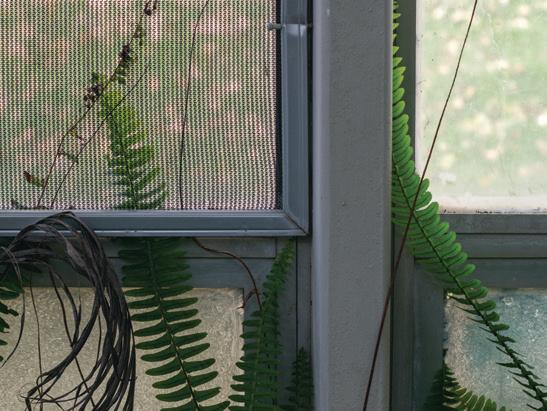
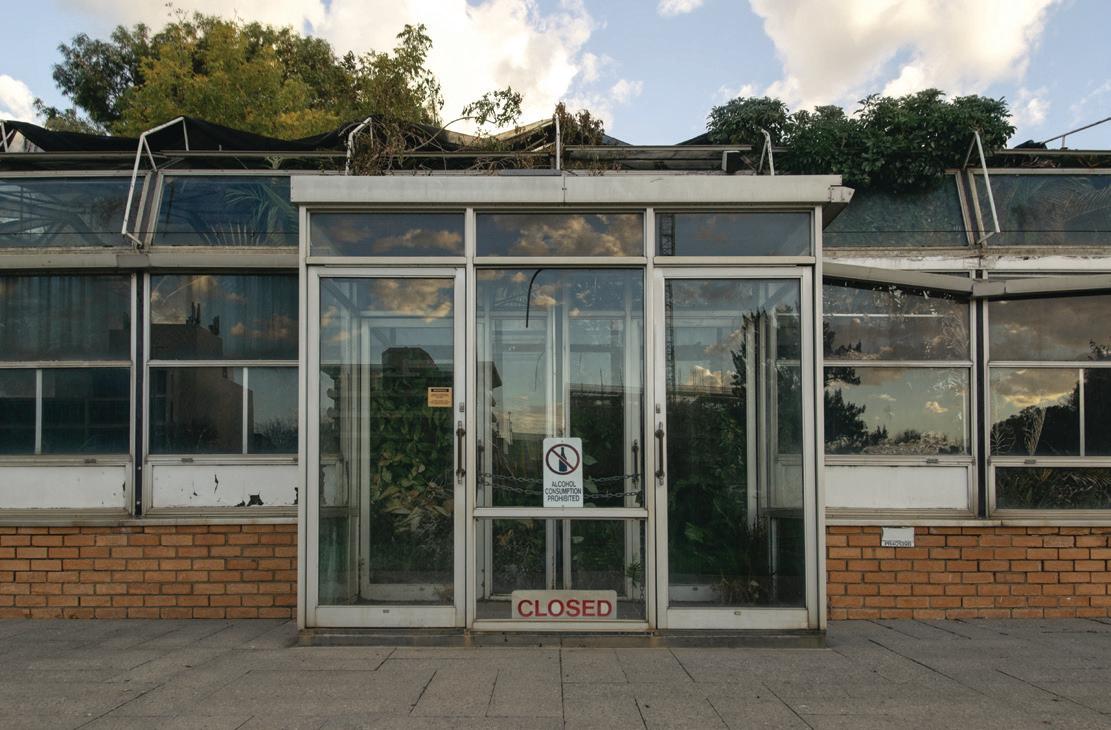
OVERGROWN BUT NOT UNCARED FOR. This was the state of the Greenhouse at Veale Gardens a few weeks before it was torn down in the spring of 2016. The structure once stood for more than half a century as the crown jewel of the South Terrace Parklands in the City of Adelaide. During its long history it served as the backdrop for countless first dates, weddings, family outings and walks in the park.
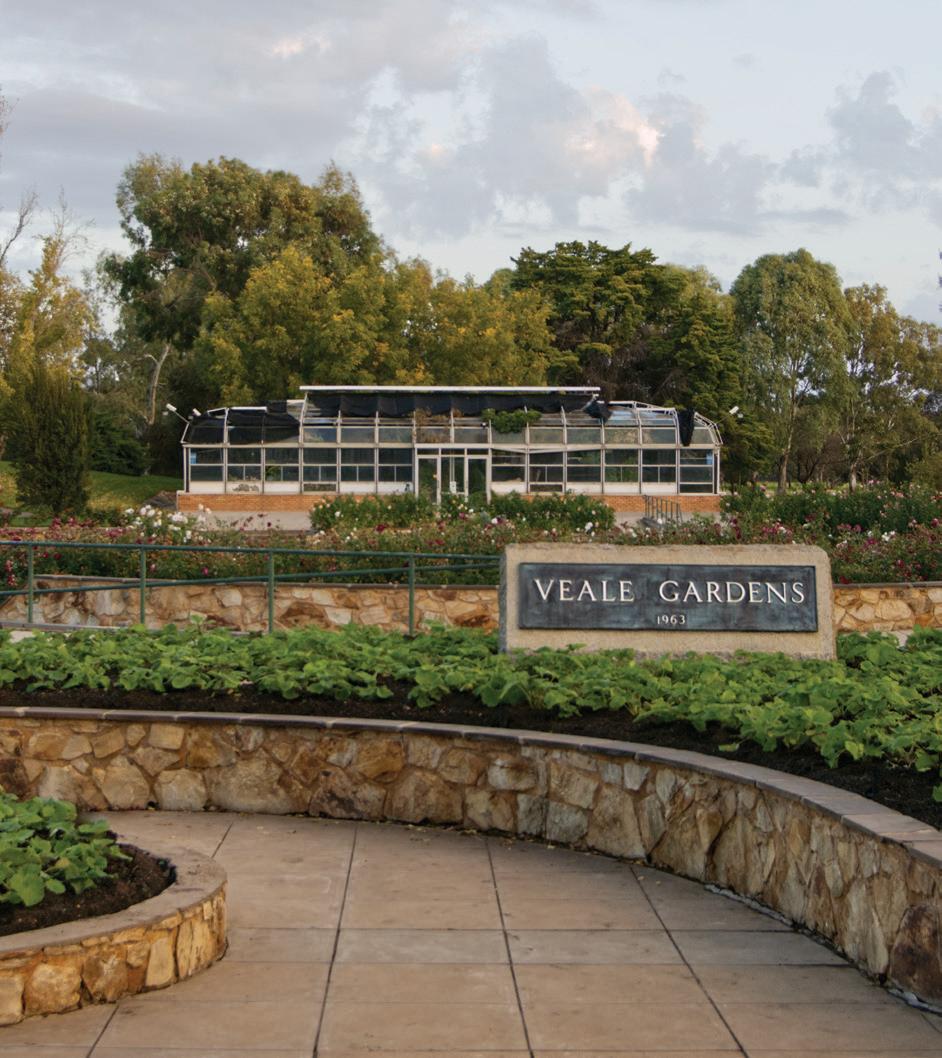
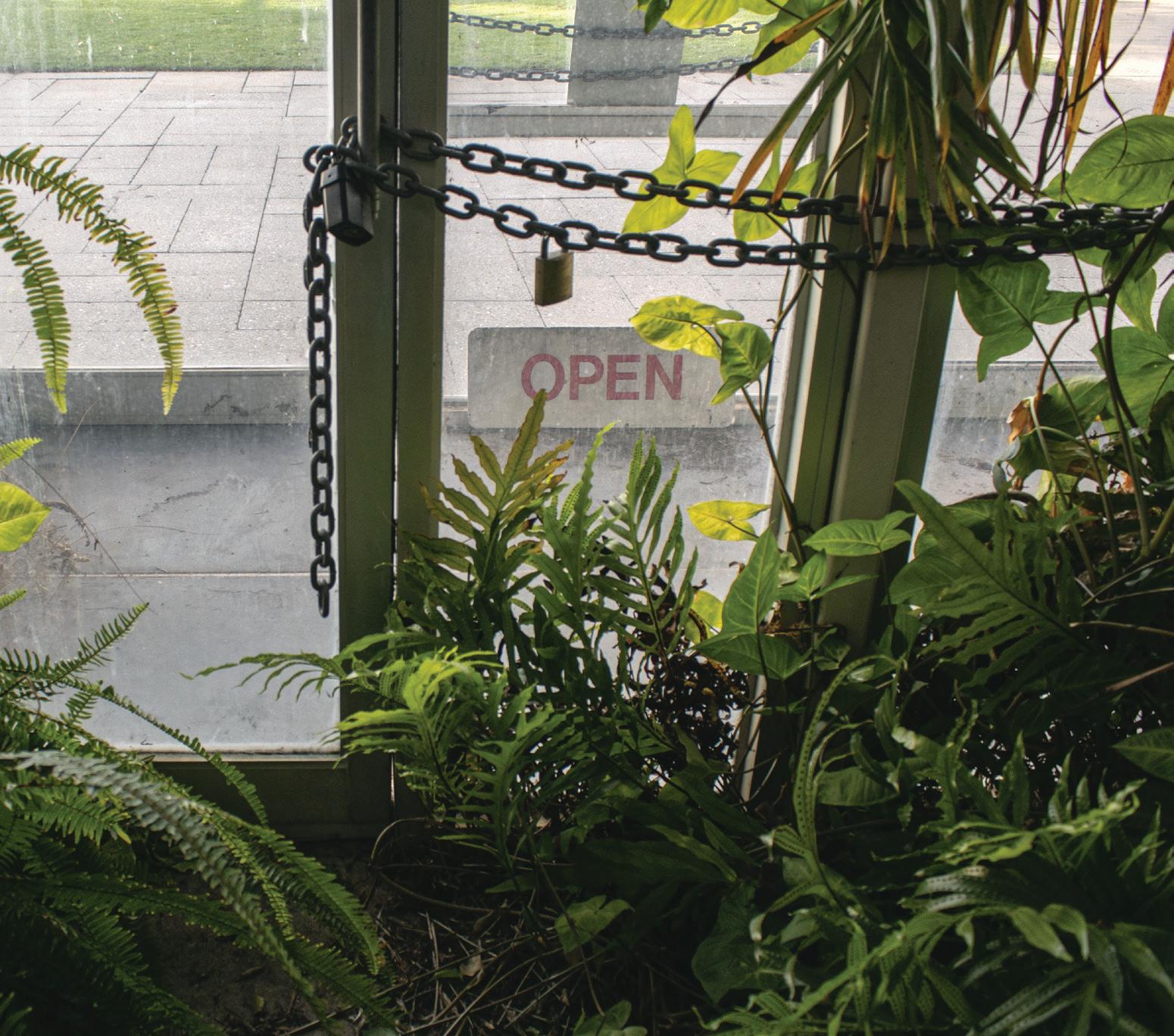
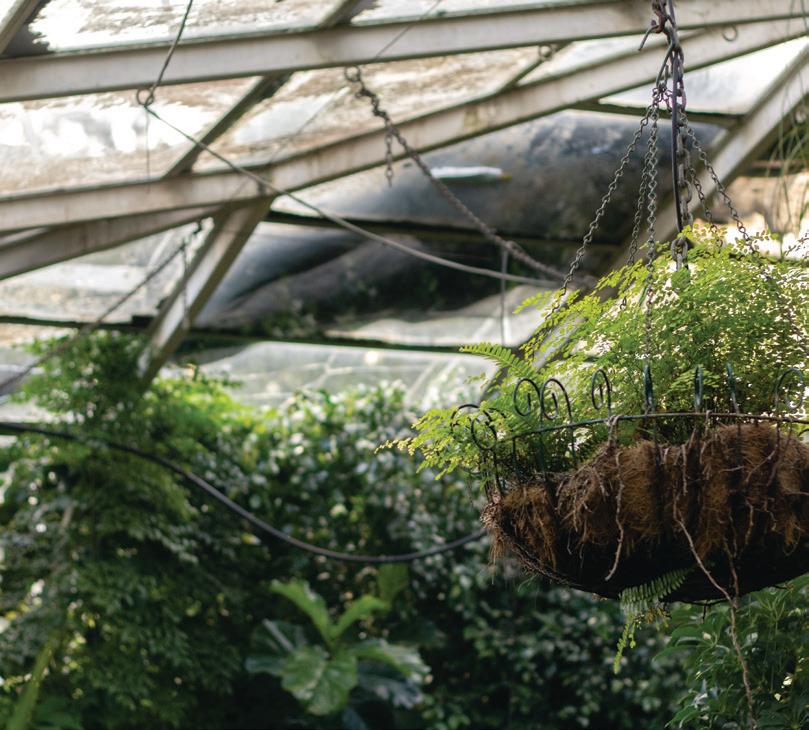
Defunded and closed to the public for years, the Greenhouse was tended to by local council gardeners in their free time as a private haven and relief from their work onsite. As the outside of the building was still in the public eye however, it was only a matter of time before the visible degradation of broken glass, graffiti and tangled vines meant it was due to be removed.
I hope these photos serve as heritage to the greenhouse, as memento to its many visitors, and as a small tribute to the council gardeners who cared for it voluntarily throughout its final years.
hannjudd.com






How everyday Australians can spark medical breakthroughs
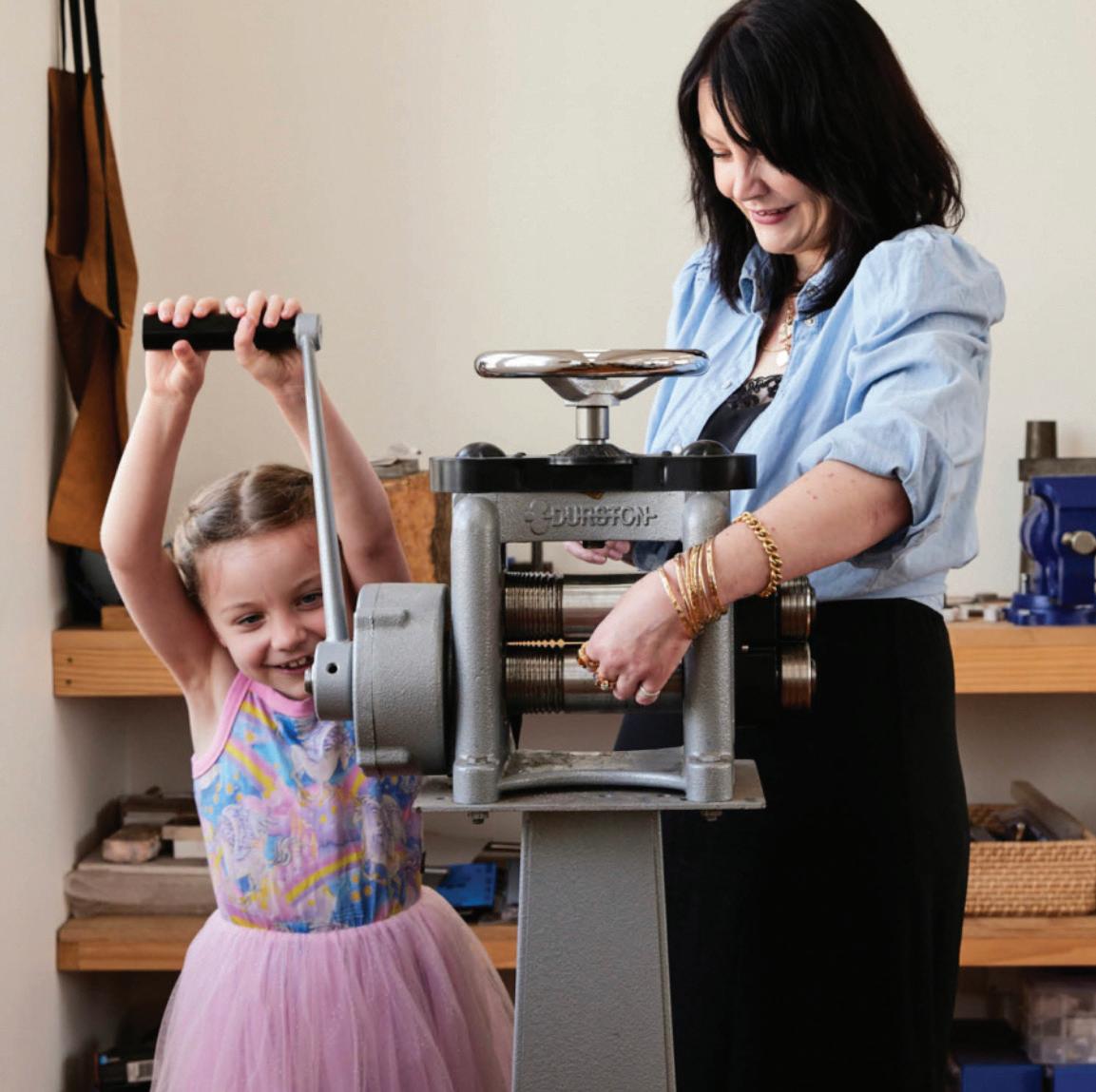
WHEN SYDNEY JEWELLER SARAH GARDNER decided to run a small fundraiser through her business, Sarah Gardner Jewellery, she hoped it would raise awareness and contribute in some small way to blood cancer research.
What she didn’t expect was that her effort would spark a chain of events that has led to a novel immunotherapy now moving toward a first-in-human clinical trial.
Sarah was originally diagnosed with essential thrombocythaemia in December 2021. After a third opinion, her diagnosis changed to myeloproliferative neoplasm unclassified, or pre-myelofibrosis.
Like many people diagnosed with cancer, the uncertainty was confronting.
“I was really scared and felt a great sense of anxiety about all the unknowns,” Sarah said.
“My biggest fear was leaving my daughter without a mother or being a very different version of myself.”
Motivated by a desire to raise awareness, and to inspire her 10-yearold daughter Rose, Sarah decided to act.
“When I started fundraising, I wanted my daughter to see that you can make a change.”
“I couldn’t believe that blood cancers are the second most diagnosed cancers in Australia and yet no one seems to know that,” she said.
Using her business as a platform, Sarah organised an event, including a raffle that raised $30,000 for blood cancer research.
The funds were channeled through Myeloproliferative Neoplasms Alliance Australia (MPNAA) and the Leukaemia Foundation into SAHMRI’s Blood Cancer Program, led by Professor Daniel Thomas, which supported the research of Dr Chloe Thompson-Peach.
The donation helped Dr Thompson-Peach pursue an innovative idea and generate the evidence needed to secure a four-year Cancer Council SA Early Career Fellowship.
“Sarah’s initial funding turned out to be careerlaunching,” Dr ThompsonPeach said.
“It allowed me to pursue a high-risk idea at an early stage and generate the evidence needed to take my research further.”
Through her fellowship, Dr Thompson-Peach is now leading new research into CALR-driven myelofibrosis, targeting mutations to change the course of the disease before it progresses. It’s work that’s directly relevant to people like Sarah who have MPN unclassified or pre-myelofibrosis.
What began as exploratory has since shaped the direction of Dr ThompsonPeach’s postdoctoral program and contributed to the development of a new immunotherapy, now progressing toward a first-in-human clinical trial expected to start in the next year.
“We knew we were onto something, but Sarah’s contribution allowed us to keep building tools and models we simply wouldn’t have had otherwise,” Prof Thomas said.
“Those tools have led directly to the development of a new therapy for many subtypes of myelofibrosis within less than 12 months.”
This early work has also opened the door to launch additional projects now being undertaken by Dr ThompsonPeach’s PhD student, further expanding the impact.
Sarah’s story illustrates the ripple effect a single donation can have, from supporting an early-career researcher to helping advance new treatment approaches.
On Wednesday 9 September 2026, SAHMRI will join more than 30 of Australia’s leading medical research institutes for the inaugural Medical Research Giving Day, a national campaign designed to inspire community support for life-changing medical research.
“ I couldn’t believe that blood cancers are the second most diagnosed cancers in Australia and yet no one seems to know that.”
SAHMRI’s focus will be the establishment of a new Clinical Trials Fund. The Fund will provide vital seed funding to help researchers generate the evidence needed to progress promising discoveries from the laboratory into clinical trials and, ultimately, improve patient care.
The campaign will also encourage South Australians to register their interest in participating in future clinical trials, recognising that advancing medical research relies not only on philanthropy, but also on the generosity of volunteers willing to take part in research.
Inspired by the impact of her initial fundraiser, Sarah has since gone on to raise a further $150,000 for MPN awareness through raffles, events and a silent auction. Sarah said the impact still gives her goosebumps.
“Being able to show Rose what that one decision has led to is incredibly special,” Sarah said.
“From little things, big things grow.”
sahmri.org.au

The humble white lab coat has become a symbol for our own caped crusaders; people, just like you, who know that donations will move medical science forward, empower more discoveries, help more people and enrich more lives.
You can donate at any time as we lead up to the first national giving day for Australian medical research institutes on Wednesday 9 September.
To find out more and become involved please visit: sahmri.au/givingday
Is new restaurant Aptos worth the hype?
Food and wine writer Katie Spain gave it a whirl and came out surprised.
“That was the best dining experience I’ve ever had in my life.”
These were the words that left my partner’s mouth the moment we exited Aptos, the new and highly-anticipated fine dining restaurant in Stirling.
This is a man who loves a schnitty at our local ‘Top Pub’ in Willunga as much as he does a great cut of meat cooked on his home barbecue. A bloke of zero airs and graces who appreciates great produce from our local farmers market but isn’t much one for white tablecloths and stuffy silver service. What he (and I) both adore is memory-making in mind-boggling settings and that’s what you get at Aptos.
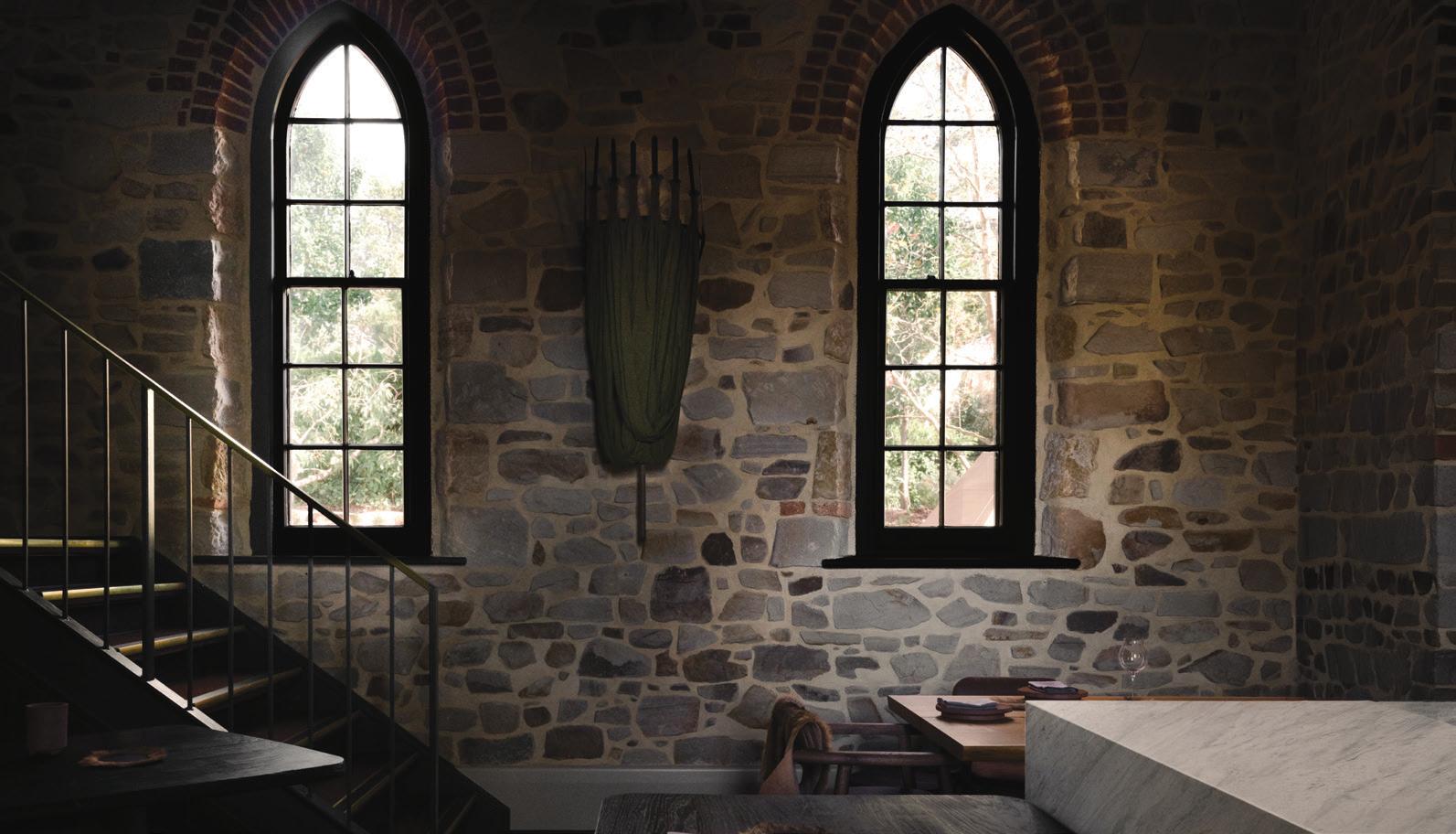
Much fanfare and focus will continue to swirl around the price of the 16-plus native Australian ingredient-driven menu served in a former 1868 church. At nearly $500 for the set menu (not including the beverage pairings), it’s an investment but for anyone who has dined in top restaurants around the
world, it’s a worthy one. We thought it was a bargain. What would you pay to see your favourite musician on stage?
I’d rather eat well than see Swifty, any day.
That’s my last mention of the price. There’s too much else to focus on.
Opening an immersive, multi-level dining experience in Adelaide isn’t just brave, it’s smart. South Australians have had a chip on their shoulder for too long. We are the food and wine state and we have the population and the culinary nous to back it up.
Senses are tickled before entering the towering building bathed in neon fuchsia-light. It quite literally glows.
Inside, wait staff dressed in paper bark-esque fabric greet guests, guiding them through the multiple spaces that make up Bar Cruz, Bar Mary and Aptos.
“Opening an immersive, multi-level dining experience in Adelaide isn't just brave, it's smart.”
An art collection of more than 30 pieces by Australian artists graces the walls. “Hugo Michell helped me with those,” says executive chef Justin as he leads us for a quick pre-meal gander at the outdoor courtyard.
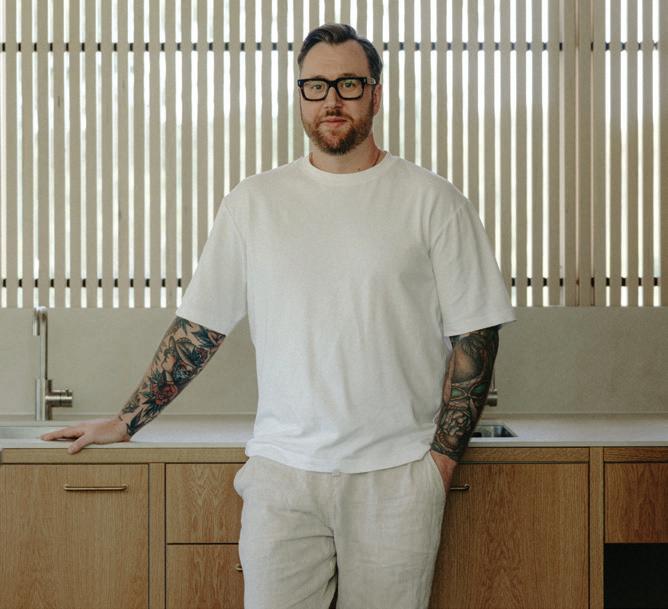
Cue Justin James, the US-born chef who formerly raised Restaurant Botanic to globally renowned heights in Adelaide’s CBD.
Here, in the Adelaide Hills, he welcomes a maximum of 14 diners at a time (28 total, across two sittings) to embark on a three-hour adventure through progressive dining spaces.
There, a large teepee takes pride of place among a garden planted with native foliage (much of which will be served on plates).
A giant gold disco ball hangs inside the tepee. It’s bonkers, and fun.
“The tepee can be booked out or used after your Aptos or Cruz experience,” Justin says. “Or you can just come out here for a drink.”
A large custom-made table also draws the eye. It’s located next to an outdoor kitchen and has a strip of neon lights and water feature running through the length of the tabletop, much like a fountain – of sorts.
“I designed it and the carpenters who built Aptos made it,” Justin adds.
I don’t want to leave but there’s 180 minutes of wow-moments to have inside.
Without giving too much away (it’s not an adventure if you know what’s coming), there’s a dining space that feels like a stylish Danish living room, another in a cavernous exposed stone and brick chasm with an open kitchen view, and a dimly-lit clandestine finale.
My partner, ever the tech-guru, makes note of the sound system by Atlas Harmonic.
Justin appreciates the observation. A lot of thought went into getting the acoustics right. “We have hi-fi speakers throughout the dining spaces and bars,” he says. “We also have seven different playlists throughout.”
One moment we’re listening to ‘Going Down South’ by The Black Keys, the next ‘Good Times’ by Jungle, Justin Timberlake hits, or the atmospheric ‘A Walk’ by Tycho. The music is a backdrop but conversation always takes priority; not once do we strain to hear ourselves speak.
On that note, a novel and welcome addition to each course is a beautifully designed postcard outlining the cornucopia of ingredients used. Read at your leisure.
Lighting also plays a central role throughout each space, spotlighting art pieces and each dish as it arrives.
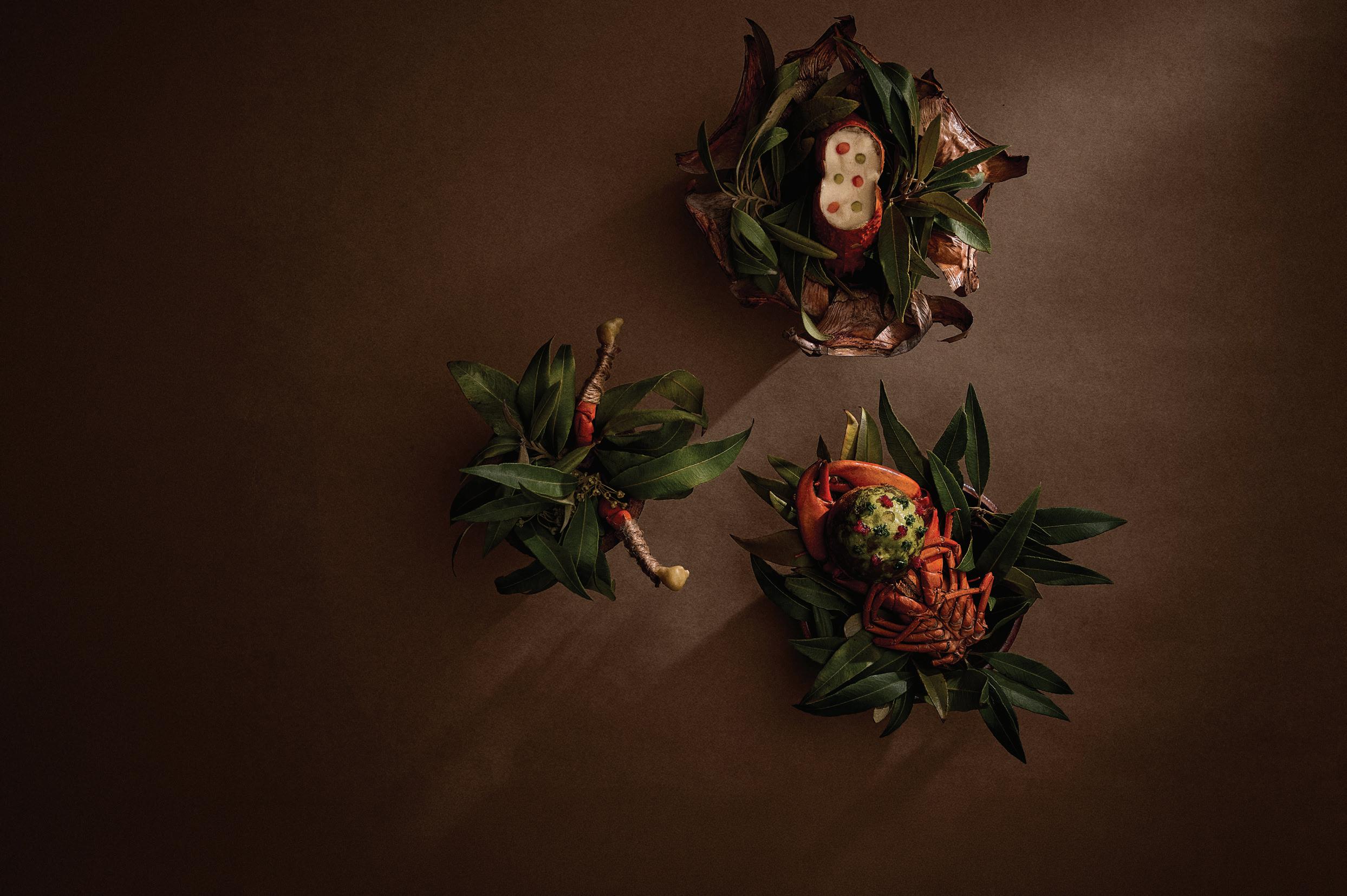
Case at point, the Coat of Arms course; South Australian red kangaroo marinated in mountain pepper and brushed with burnt macadamia butter and seasoned with a Davidson plum spice mix. A small portion of emu glazed in sticky emu sauce, and white wallaby finished with charred warragal paste.
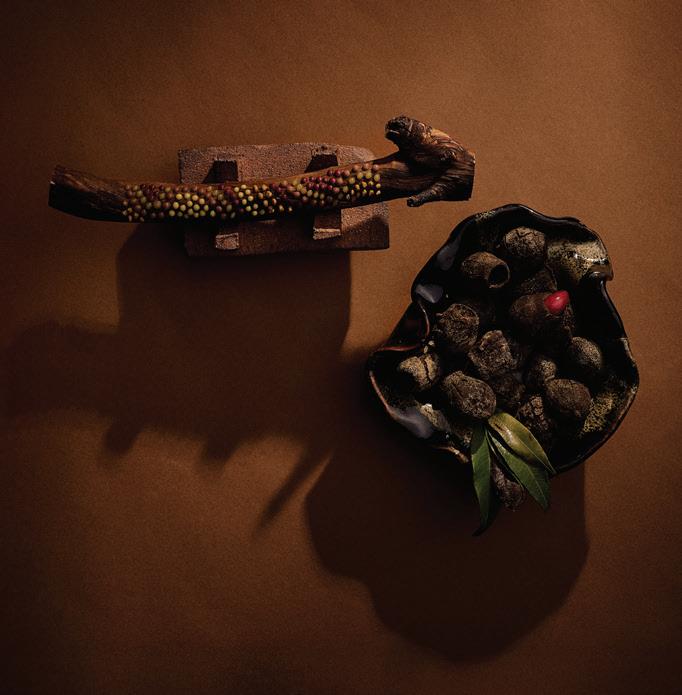
As traditional cutlery goes, there is none. Marron served in shells, slowcooked abalone plucked from twigs, kangaroo meatballs gently wrapped
“Aptos is fine dining but it's fun and in a world of cheap thrills, unnecessary frills and disconnection, that's exactly what we need right now.”
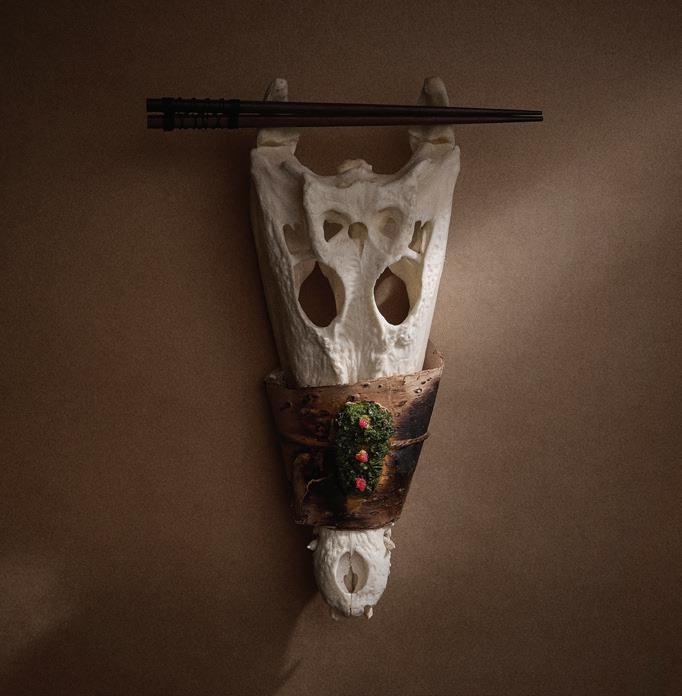
in a rosella flower, fish soup slurped through a straw (from an open Murray cod mouth, no less), and savoury jelly (“can you guess what it’s made of?” our waiter asks). We eat it all.
Wild Adelaide Hills venison arrives perched on a deer jaw. Cured scallop (in shell) arrives on an ice bowl, and later, a milkshake is imbibed from an emu egg.
Some dishes will challenge ‘safe’ eaters, but that’s the point. Life is too short to be beige. Lick sunrise lime off a branch, suck the pine cone, eat waffle off bark… and enjoy debriefing with your dining companions afterwards.
Wine pairings – Hills-focused or international – are also thoughtful. Local stars including Deviation Road, Ngeringa, Hahndorf Hill, Scintilla,
The Lane, The Other Right, and Honeymoon Vineyards get the pedestal they deserve. Most thrilling of all is the non-alcoholic Temperance menu, built from the ground up with native ingredients. It’s enough to make you wonder why you ever drank booze at all. Bravo.
Aptos opened in May and long after we made our way home, my partner and I are still talking about that special night in Stirling. Aptos is fine dining but it’s fun and in a world of cheap thrills, unnecessary frills and disconnection, that’s exactly what we need right now.
Restaurant Aptos
147 Mount Barker Road, Stirling restaurantaptos.com

Jacqui Lim is a passionate advocate for the food and wine industry, known for connecting people through great food.
Whether she’s organising events, recommending restaurants, or sharing her experiences on Instagram at @ jacquisfoodfetish, Jacqui brings people together one meal at a time.
Follow her for a taste of Australia’s best dining experiences.
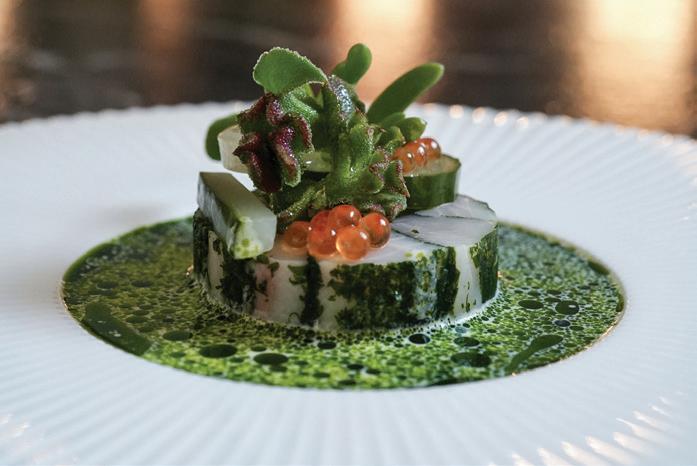
Entrees $20 - $26, Mains $34 - $48, Tasting menus $95 and $145
Set within the elegant Art Nouveau surrounds of The Playford, beneath the glow of a striking ceiling-length chandelier, Luma Restaurant offers refined European-inspired dining that blends classical techniques with contemporary flair. Executive Chef Hugh Hazelwood’s thoughtfully crafted and beautifully plated dishes are regionally inspired and highlight the best of seasonal and local produce. Save room for something special and end with the spectacular Bombe Alaska. Luma is a little piece of luxury on North Terrace.
120 North Tce, Adelaide @luma_restaurantandbar
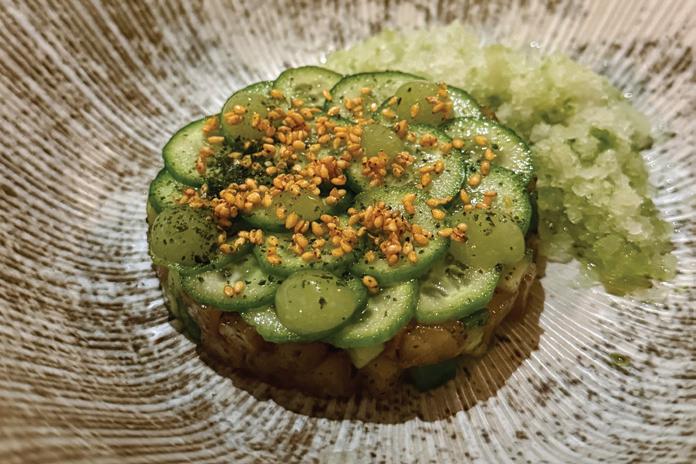
Tasting Menu $175
The stylish Appellation restaurant overlooks the vineyards and rolling hills. The chefs work in harmony with the seasons, with fresh ingredients from local growers and farmers combined with the best from the kitchen garden. The result – a contemporary Australian tasting menu inspired by the region’s landscape, produce and community. Enhance your experience with an optional wine pairing featuring drops from the surrounding valleys and enjoy the accompanying stories. This place is all about provenance and capturing the essence of the Barossa.
The Louise, Marananga @appellationrestaurant
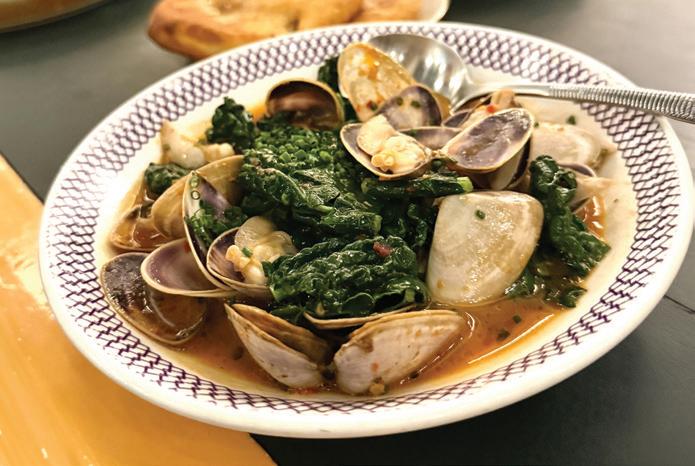
Smaller $15 - $22, Mains $28 - $55, Feed Me $90
South African-born Duncan Welgemoed’s Africola is Adelaide’s award-winning African-inspired restaurant that has stood the test of time. Oozing with soul and personality, it’s the place for big, bold flavours, good vibes and a good time. The open-plan kitchen delivers food cooked with spice, fire and smoke so expect tasty grilled and smoked meats, seafood and veggies. Pickles and ferments also feature. Must-haves include the famous crispy chicken skin sandwich, the signature Peri Peri Chicken and the Goolwa Pipis. Yebo!
34 East Tce, Adelaide @africola_soundsystem
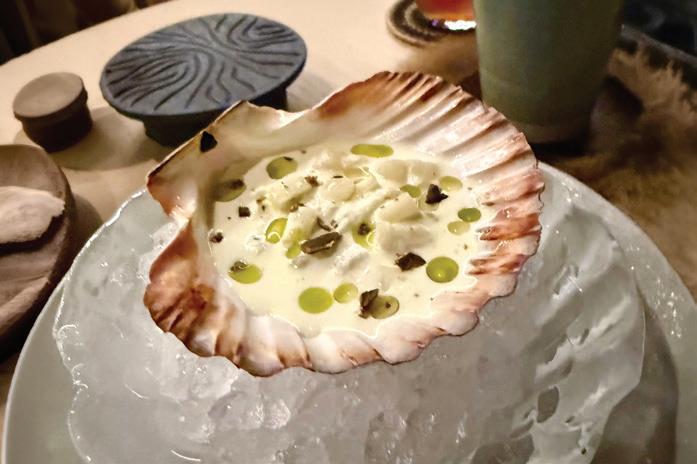
16 courses $495
In a meticulously and tastefully renovated old church in Stirling, Aptos offers a multi-level immersive dining experience that challenges what and how you eat. Justin James’ 16-course menu is consumed across three dining rooms and showcases uniquely Australian native ingredients with matched beverages, incredible service and attention to every tiny detail. With only 14 guests per sitting, it’s a truly intimate and special adventure. From my World’s 50 Best restaurant travels, this is right up there with the best.
147 Mount Barker Rd, Stirling @restaurant.aptos
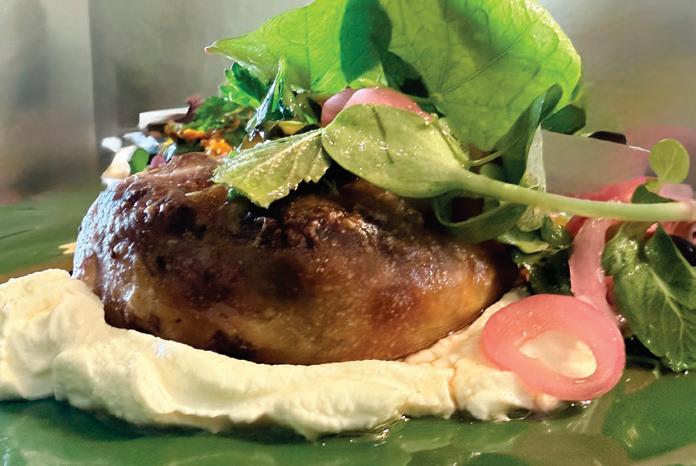
Small $10 - $28, Larger $32 - $106, Feed Me $90
In a heritage McLaren Vale homestead, The Salopian Inn is renowned for its eclectic farm-to-table cuisine and warm hospitality. The food is a blend of modern Australian and global flavours, with everything made from scratch. Seasonal menus are shaped by the restaurant’s organic kitchen garden, with other produce chosen for its local, ethical and sustainable credentials. The famous steamed pork buns and dumplings are a must, and head down into the cellar to choose your drop from the impressive selection.
Cnr Main/McMurtrie Rd, McLaren Vale @salopianinn
3 regional rooms changing how we eat out
You used to drive out of Adelaide for a winery lunch. Now, increasingly, you drive out for dinner. Three of the most interesting new dining rooms in the state have opened on regional main streets, and none of them are at a vineyard.
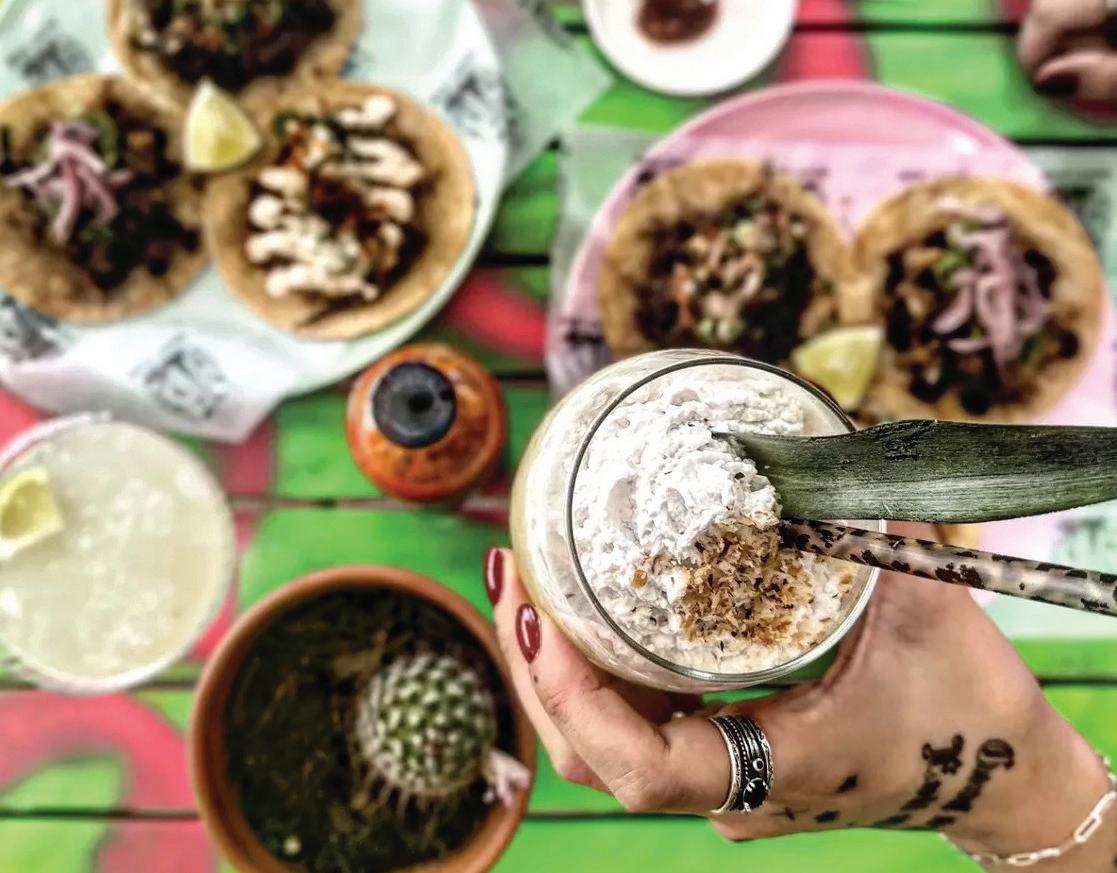


Tucked into the courtyard of an 1860s McLaren Vale church –alongside sister restaurant Joe's at Sabella – Taco Jose is the most casual of the three, and the most singular. Co-owner Timmy Forster spent a year living in Sinaloa, and the menu reflects it: corn tortillas only, no cheese, every protein wood-grilled over a hand-cranked parrilla. Three tacos for $20. A rice and beans dish. Street chips with what the kitchen calls a "shrine of condiments." Drink agua de Jamaica, the hibiscus iced tea Mexicans swear by, or a mezcal slushie. The 40-seat kiosk runs Friday to Sunday only and isn't designed to linger in. You eat well, quickly, then walk it off in the vines.
133 Main Road, McLaren Vale tacojose.com
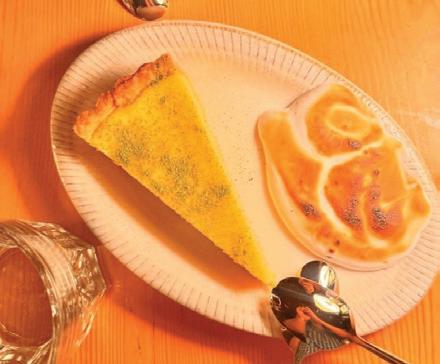
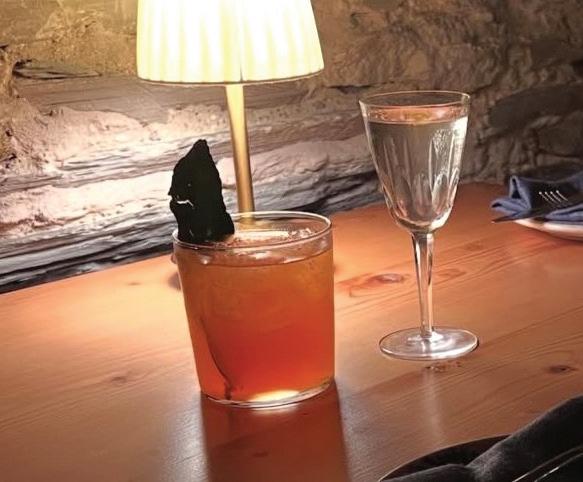
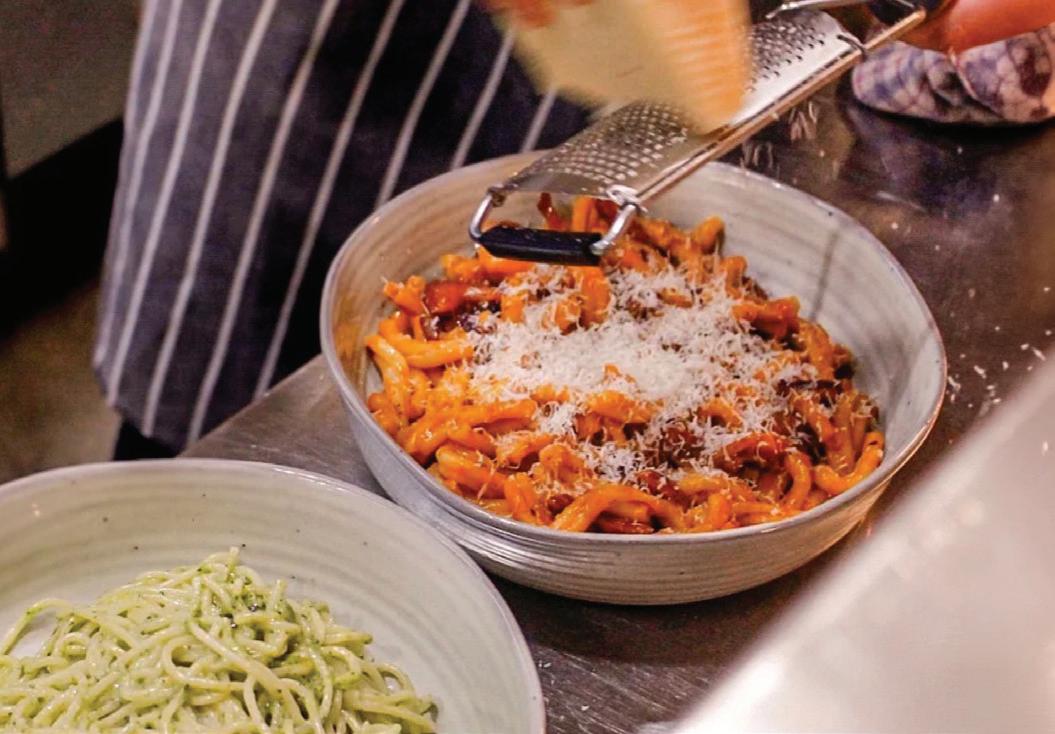
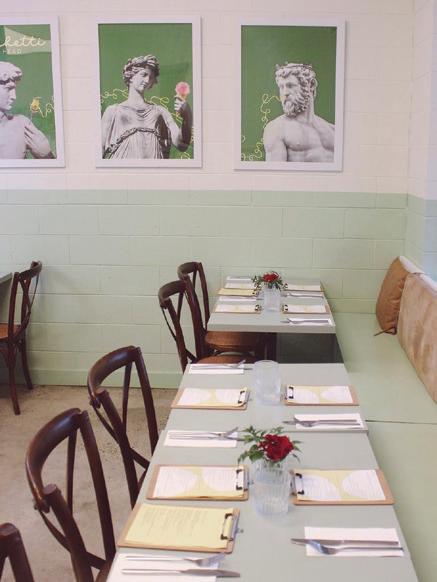
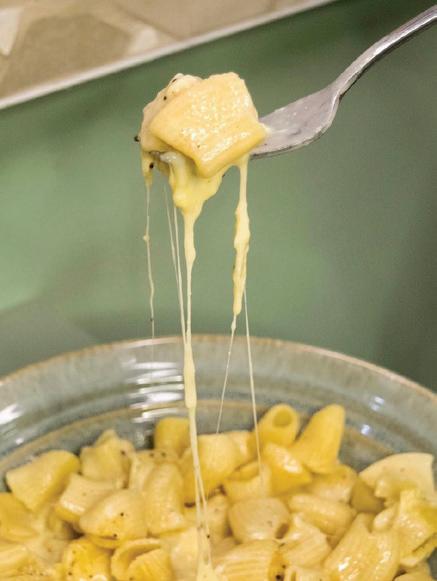
A short drive up the freeway to the Hills brings you to Spaghetti Head, which over the last four years has become one of the Adelaide Hills' most loved dinner rooms. Run by Ash Sleiman and Amanda Cordina, the Aldgate eatery makes its pasta fresh in-house every day, with dedicated menus for vegan, vegetarian and gluten-free diners alongside the classics. The signature dish – also called the Spaghetti Head –is a deceptively simple plate of garlic, chilli, parsley, Grana Padano and crispy pangrattato. The room is small and open-style, with diners watching pasta being made in plain sight. Sunday sittings have a bottomless pasta-and-cocktail-jug arrangement, particularly worth booking as the weather cools.
232 Mount Barker Road, Aldgate spaghettiheadadl.com.au
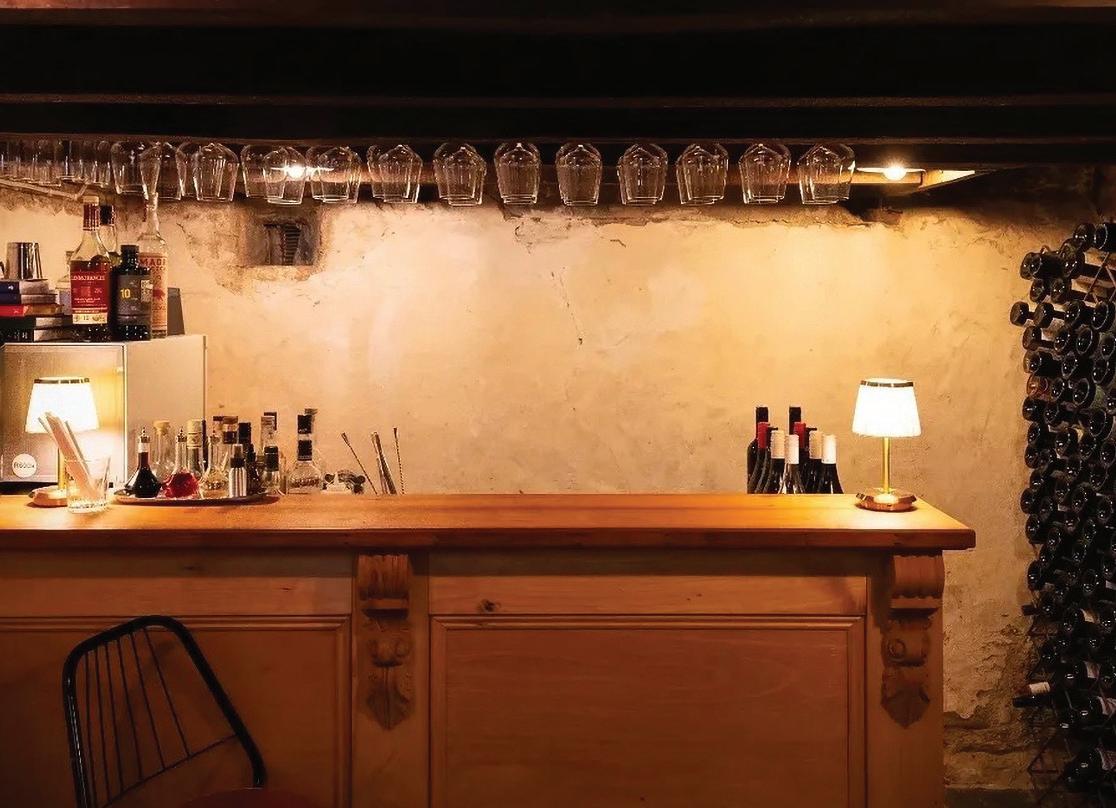
Newly opened on Willunga's High Street, Tread Lightly is an underground cellar in the literal sense – you descend a flight of slate stairs into a softly lit room that feels closer to a wine bar in Adelaide's east end than a country restaurant. Owners Will and Trina KayMcPhail have built a menu of snacks, smaller plates and larger plates that leans hard on hyper-local Fleurieu produce, with a wine list dominated by McLaren Vale producers like Coriole, Aphelion and Willunga 100. Grilled mussel skewers with fermented chilli sambal sit alongside scallop crudo with green tomato and lime kosho. The larger plates are where the kitchen's confidence shows: a beetroot tarte tatin with zucchini baba ganoush, confit rabbit leg with toasted barley salsa, a hibachi lion's mane mushroom that earns its place as a main rather than an afterthought. Walk-ins only, except for groups of five or more.
29 High Street, Willunga @treadlightlywillunga
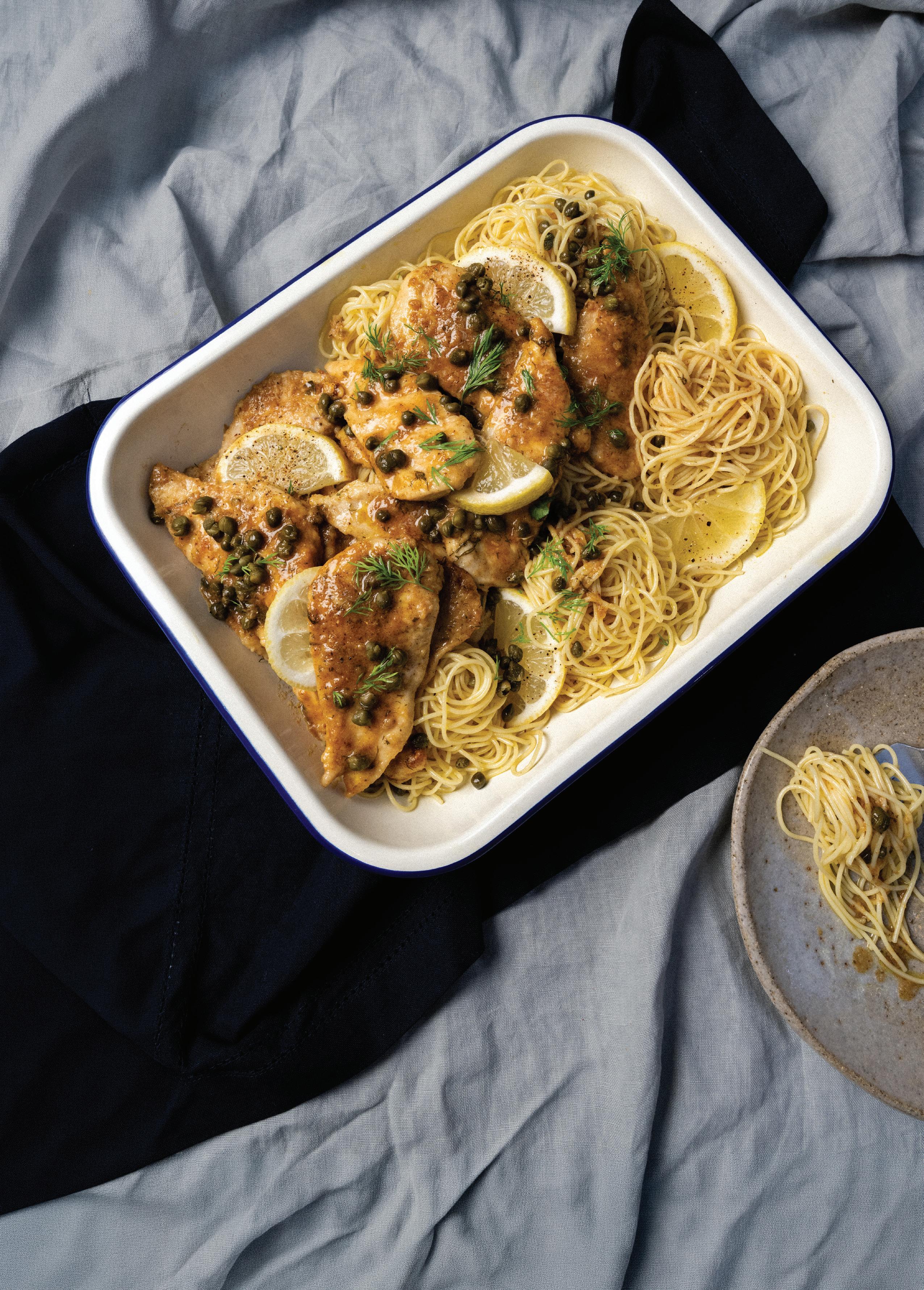
INGREDIENTS
• 600g chicken breast, thinly sliced or halved and flattened with the flat side of a meat mallet
• ½ cup plain flour, for dredging
• 2 tbsp olive oil
• 6 tbsp butter, divided
• ¾ cup chicken stock, or dry white wine for extra depth of flavour
• Juice of 1 large lemon
• Zest of 1 lemon, divided
• 3 tbsp capers, drained
• 2 tbsp fresh dill, chopped
• 2 tbsp flat-leaf parsley, finely chopped
• 300g angel hair pasta
• Salt and pepper, to taste
1. Cook the chicken Dredge the chicken slices in flour and season with salt and pepper. Heat 2 tbsp olive oil and 2 tbsp butter in a skillet over medium heat. Pan-fry the chicken for 2–3 minutes per side until golden. Set aside to rest while you make the sauce.
2. Make the sauce Drain any excess oil from the pan, leaving the caramelised bits in the bottom. Deglaze with chicken stock (or white wine) and lemon juice, then simmer for 3–4 minutes to reduce slightly. Stir in the capers, dill, half the lemon zest, and 4 tbsp butter, whisking until the butter is melted and the sauce comes together.
3. Finish the chicken Return the chicken to the pan, turning to coat in the sauce.
4. Cook the pasta Cook the angel hair pasta according to packet instructions. Toss with a little olive oil, the fresh parsley, and the remaining lemon zest.
5. Serve Plate the pasta, top with the chicken, and spoon the sauce over everything. Garnish with extra dill and lemon zest if desired. Looking

Some places you need to see in every season, and McLaren Vale and Fleurieu Coast in South Australia is one of them.
Rolling vineyards, stunning coastline and a food and wine scene that rivals anywhere in the country, all just 40 minutes from Adelaide. It’s also home to the nation’s #1 food and wine town of Willunga, recently awarded by Australian Traveller
From winter through to spring, the region takes on a quieter, more intimate character and rewards those who immerse themselves a little deeper. The vines are reinvigorating, the cellar doors are unhurried, and the long lunch feels exactly the right way to spend an afternoon.
The coast has its own magic, too. Stroll the spectacular beaches at Aldinga or Port Willunga, where the cliffs meet the sand delivering a gorgeous glow at sunrise and sunset, adding to its sense of calm and tranquillity. Walk the Witton Bluff Base Trail connecting the townships of Port Noarlunga and Christies Beach as waves roll gently below, or take the scenic route along Route 31 Coastal Drive.
Settle in by the fire or on a sundrenched deck with a glass of McLaren Vale Shiraz or Grenache. Linger over
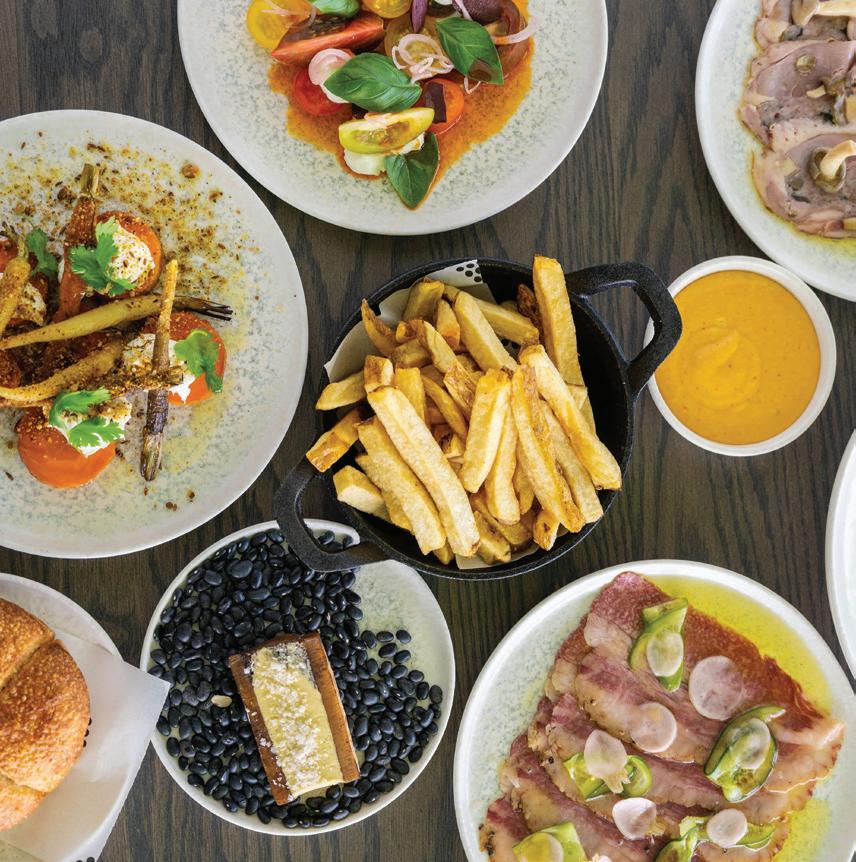
“ The table becomes the best possible place to understand the region.”
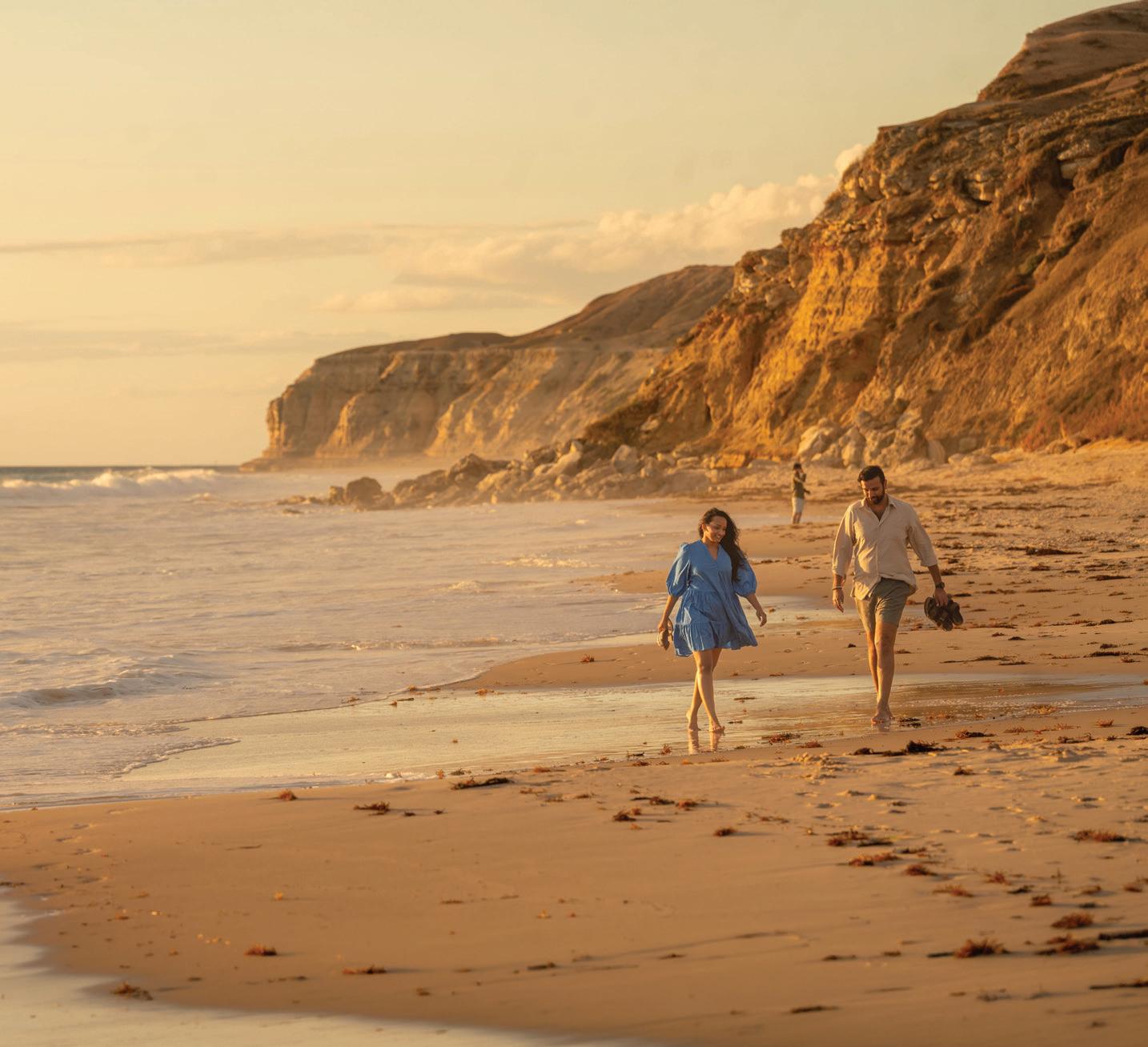
a meal where the produce on the plate was grown locally and the wine on the table was made by the winemaker who will likely be pouring your glass. Wander through Willunga or McLaren Vale township, where galleries, cafes, antique shops and excellent coffee are never far away.
A Saturday morning visit to the Willunga Farmers Market is worth building a visit around. Fresh bread, local cheeses and seasonal produce from some of the region’s finest farmers and artisan producers. It’s the kind of market that reminds you why buying local matters.
A highlight of the state’s food calendar is the Fleurieu Food Festival, running throughout August. This is a celebration of everything that makes this corner of South Australia so special — the producers, the winemakers, the chefs and the land they all work with. Whether you book an experience or build a full weekend itinerary around the festival program, it’s where long lunches unfold at vineyard tables; chefs lead hands-on workshops, and carefully curated feasts bring together seasonal produce at its best. It’s the kind of event where you find yourself in conversation with the person who grew your food or made your wine and where the table becomes the best possible place to understand the region.
“ The coast has its own magic, too. Stroll the spectacular beaches at Aldinga or Port Willunga...”
That spirit continues to grow into spring with Grenache & Gourmet returning from 18 September to 5 October 2026. If you love premium wine and exceptional food, it’s a must circle on the calendar. McLaren Vale is one of the world’s great homes for Grenache, with the festival offering exclusive wine tastings, paddockto-plate experiences, immersive long lunches and meet-the-maker masterclasses. Grenache & Gourmet is the festival for curious palates and the kind of experience that stays with you long after the last glass.
When needing that inspiration to stay a little longer, the region delivers. Choose from vineyard retreats; boutique stays in the heart of townships, or cosy coastal cottages where the only plan is to sit back, relax and open something good.
However you like to spend the season — by the fire, by the sea, over a long lunch or experiencing somewhere entirely new — you’ll find your place here.
Start planning: mclarenvaleandfleurieucoast.com.au
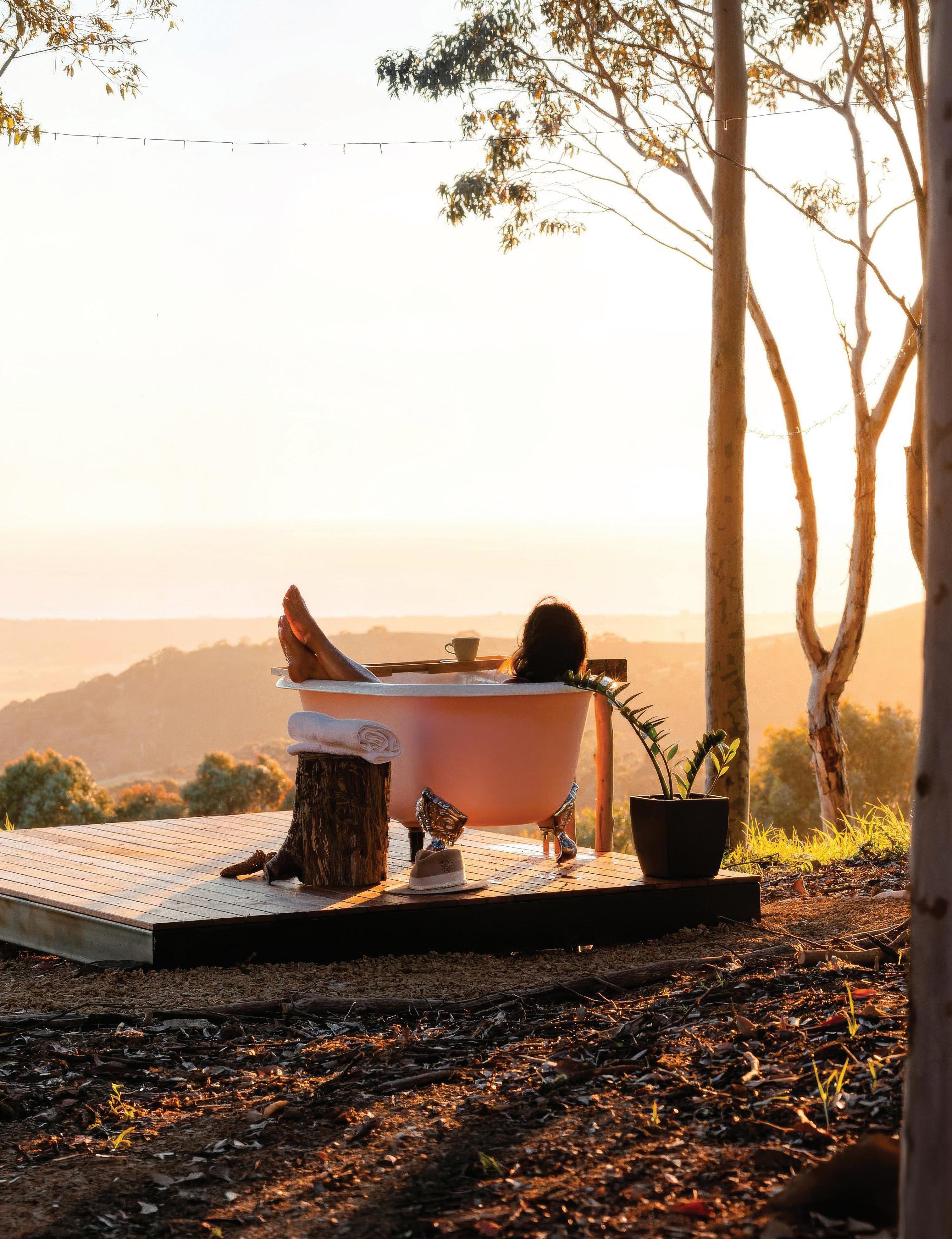
There’s something beautiful about McLaren Vale and Fleurieu Coast between winter and spring. The pace slows, the landscape softens and the crowds thin - revealing a more intimate side of the region. Enjoy unhurried wine tastings, lingering conversations and long lunches that stretch effortlessly into the afternoon, followed by peaceful coastal walks where golden light dances across the cliffs and shoreline from sunrise to sunset.
And with so much more waiting to be discovered, one perfect day soon becomes a reason to stay for another.
by KATIE SPAIN
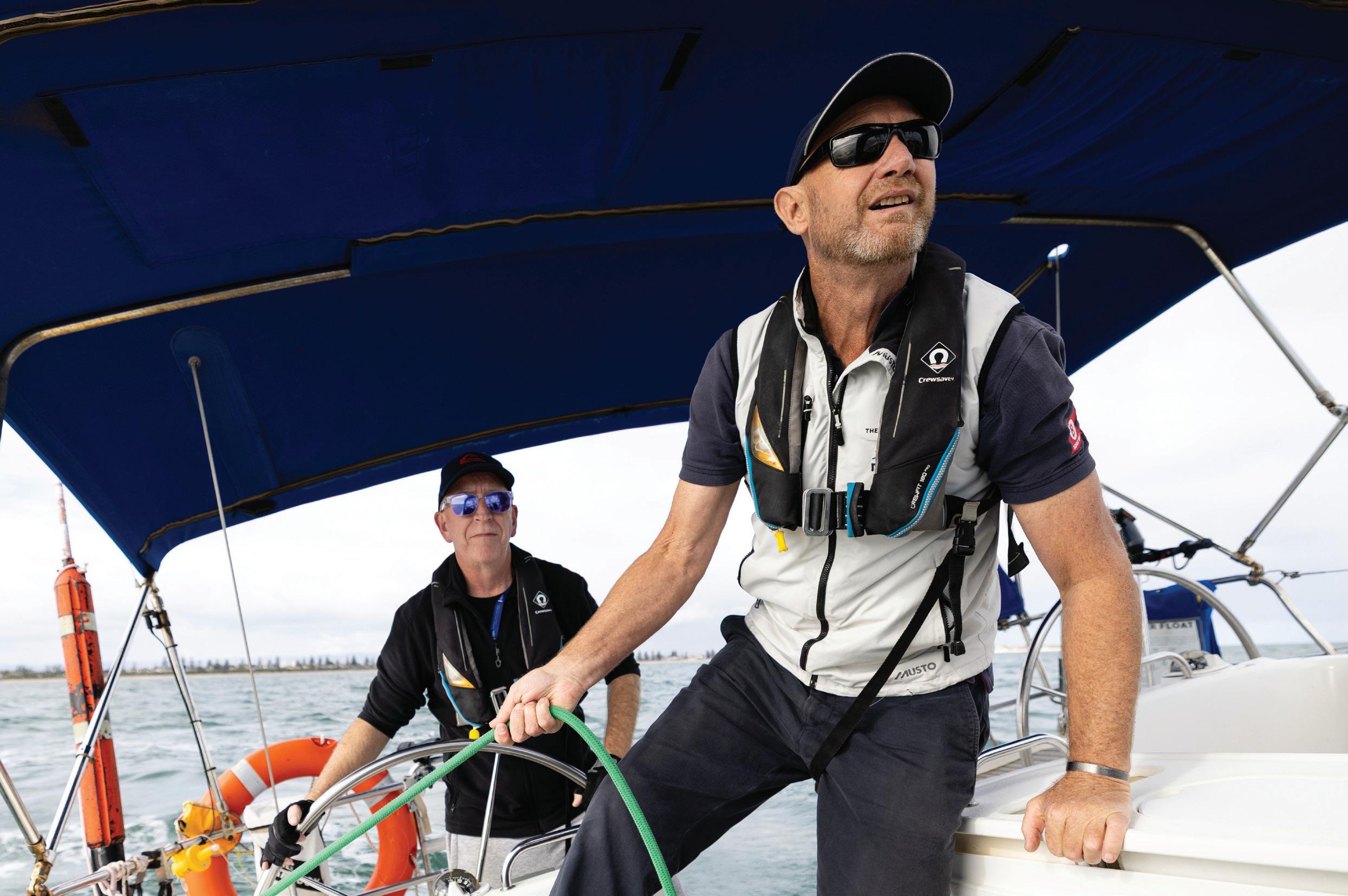
MEET PETE CHAMBERS, the new director of the Cruising Yacht Club of SA Sail Training Academy. His message is simple: sailing isn’t reserved for the wealthy, adventure on the high seas is within reach, no matter your age. Pete has sailed from Brisbane to Japan, crossed the Atlantic and made memories along the way. He shares some of them with Katie Spain.
Pete Chambers will never forget the moment he swam above the deepest oceanic trench on earth. The Mariana Trench is located in the western Pacific Ocean near Guam and the Mariana Islands and reaches a maximum depth of roughly 11,034 metres. “It’s deeper than Everest is high,” Pete says. “The weather was calm and the sea was flat so we stopped the boat and swam. I remember diving under the boat and just thinking, “this is ridiculously deep.”
Looking down into the immense blue void beneath him, Pete experienced something difficult to describe. It was awe-inspiring and humbling. “It’s a very different reality to life on land,” he says. “Once you’re out at sea there’s a greater sense of self-reliance.”
Nights out at sea were particularly profound. “The sky looks like it’s been
painted by the most amazing artist you’ve ever seen.”
The first boat Pete sailed wasn’t bought from a marina. It was built in the family’s backyard.
When his father, Ted Chambers, wasn’t working as a rocket engineer at Woomera, he was also a fanatic sailor. Ted built a vessel piece by piece while the rest of the family looked on with varying levels of enthusiasm. Pete was captivated and as the youngest of four children, was swept up in his father’s passion. While his siblings pursued other interests, Pete was hooked.
“Age is no barrier. In some ways, I think people over 50 can actually be better sailors.”
“I was six when the boat was finished in 1973,” Pete recalls. “Helping Dad build it and then sailing it became my entire world.”
Pete’s grandfather, William ‘Bill’ Chambers was also addicted to yachts and sailed the famous 18-foot skiffs
of Sydney Harbour (a photograph of Bill racing featured in a famous beer advertisement and to this day, Pete treasures the poster).
Some of Pete’s fondest memories are the many times he and his father sailed to Kangaroo Island. Visits to the Small Boat Club at Garden Island (tucked among the mangroves behind a power station) were also precious times.
“There’d be all these incredible characters sitting around tables telling stories,” he says. “As a kid, I found it completely enchanting.”
The motley crew of skippers and their stories stoked a curiosity that eventually carried him far beyond South Australian waters.
Pete studied teaching at university and when he finished, left for adventures in Australia and overseas, including working on a Cairns tourist sail boat, and captaining a converted pearl lugger.
He spent six months sailing from Brisbane to Japan (a 36-day non-stop
“When I was a kid, houses were cheap and boats were expensive. Now, houses are expensive and boats are affordable.”
passage from Brisbane to Osaka) and has travelled through remote parts of the Pacific that few tourists ever see. He crossed the Atlantic, sailed through the Caribbean and experienced long stretches of open ocean where the nearest land was thousands of kilometres away. Sailing from Vanuatu to Australia? No problem, me-hearties.
He even spent time living on a yacht on the Isle of Wight and when his son Tom was born, the address on his birth certificate was a yacht. The water-bug bit Tom too; he now works on a luxury super yacht in the Caribbean.
“Once you’re offshore, life becomes very simple,” he says. “You look after the boat, look after the crew, eat, sleep and keep moving forward. There’s a lovely rhythm to it.”
Chasing the horizon is a lifestyle people seem increasingly eager to embrace. Now, as an instructor, Pete helps others write their next chapter at the Cruising Yacht Club of SA Sail Training Academy.
The marine academy is the only place in SA where you can gain registered sailing qualifications and is the only accredited Australian Sailing and Royal Yachting Association in the state. Pete and his team offer a variety of courses, from an afternoon Discover Sailing to five-day live-aboard courses and skipper accreditation. Everyone is welcome and the clubrooms at North Haven recently opened to the public so anyone can experience the buzz over a drink and a meal at the bistro and restaurant.
“Sailing often suffers from that ‘hoity toity’ stereotype but it couldn’t be further from the truth here.”
The learning happens on the Cruising Yacht Club of SA’s training vessel, a Beneteau Cyclades 43-foot called the Southern Investigator. “It’s like the Toyota or Holden of the sea.”
Some people arrive curious. Some arrive nervous. Many arrive carrying dreams they have postponed for decades and most leave wondering why they didn’t start sooner.
“People start watching YouTube channels about ordinary people learning to sail and travelling the world,” Pete says. “Then they think, maybe I could do that too.”
Pete says a growing number of his students arrive with a similar story. Their children have grown up, retirement is approaching, and for the first time in decades they have space to think about adventure.
He is committed to breaking down misconceptions about sailing.
“There can be this perception that it’s a sport for rich people, but it really doesn’t have to be.”
A seaworthy boat can often be purchased for less than the price of a second-hand car.
“When I was a kid, houses were cheap and boats were expensive. Now, houses are expensive and boats are affordable.”
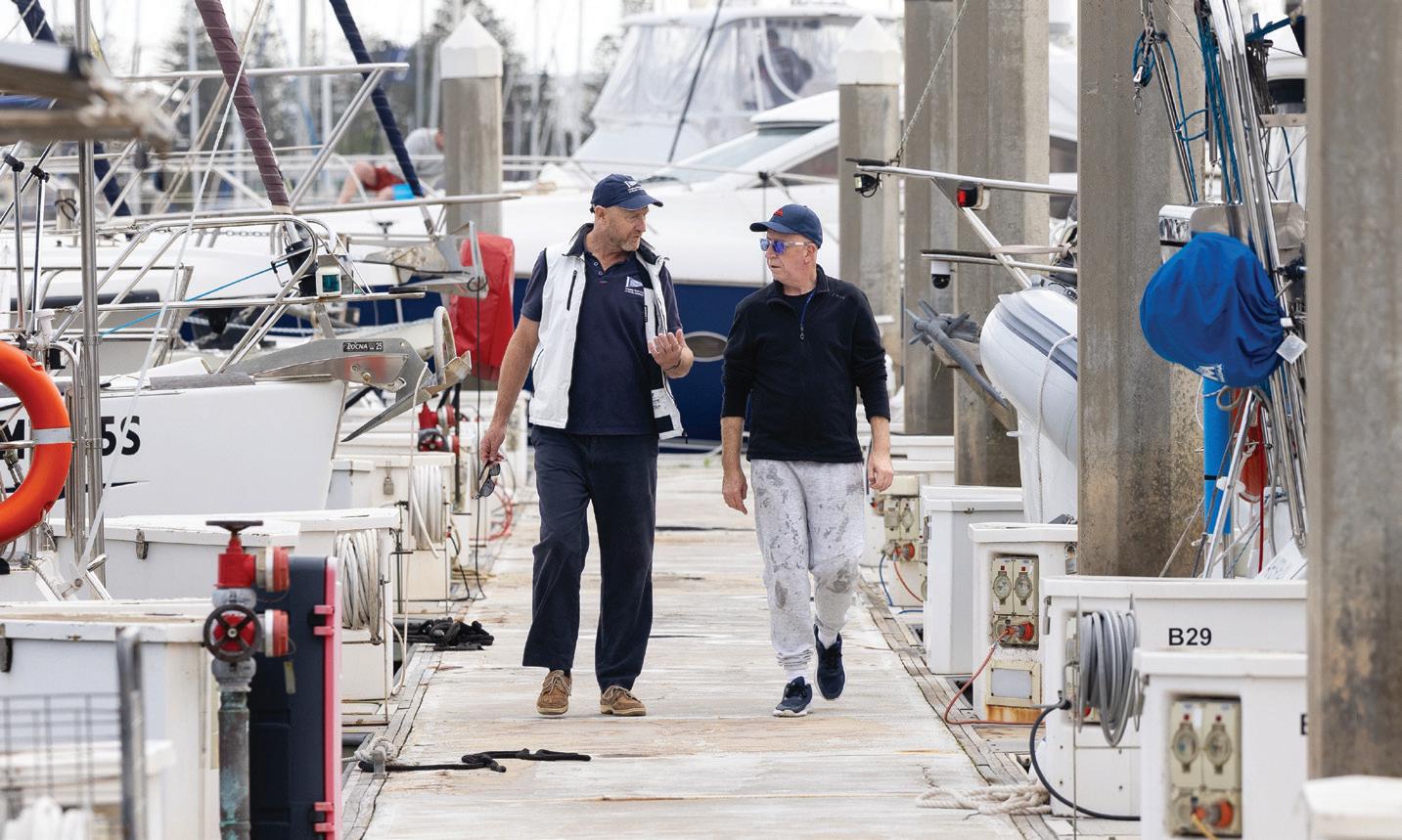
Most importantly, owning a boat isn’t necessary. Many people begin by simply joining a course, spending time on the water and discovering whether sailing suits them.
The students who come through the academy are as varied as the boats themselves.
There was Ramona, who completed her qualifications before buying a yacht with her partner and setting off around Australia. Then there was Roger who was in his mid-70s when he completed his day skipper course before heading to Europe to charter a yacht in the Mediterranean.
“Age is no barrier,” Pete says. “In some ways, I think people over 50 can actually be better sailors.”
He believes patience, judgement and life experience count for a lot when conditions at sea are challenging.
The ocean, after all, has a way of keeping egos in check. Out there, success isn’t measured by income, status or possessions. It comes down to simpler things like good decisions and trusted companions.
That philosophy extends beyond the water. Together with creative educator and partner Jillian Smith, Pete combines his love of maritime history and storytelling through their performance project, Waterway Tales The show explores South Australia’s rich sail trading heritage through stories and music. “Sailing and stories seem to go together,” he says.
When he’s not teaching others against a backdrop of H2O, Pete still occasionally teaches on land at Willunga High School. He also loves getting out in his Duncanson 34-foot cruising yacht, designed in South Australia, and his “lovely little” sailing (7.5 foot) dinghy.
“Sailing a smallish-yacht is a humbling experience,” he says. “The further out to sea I get, the better I feel.”
CYCSA
Lady Gowrie Drive, North Haven cycsa.com.au
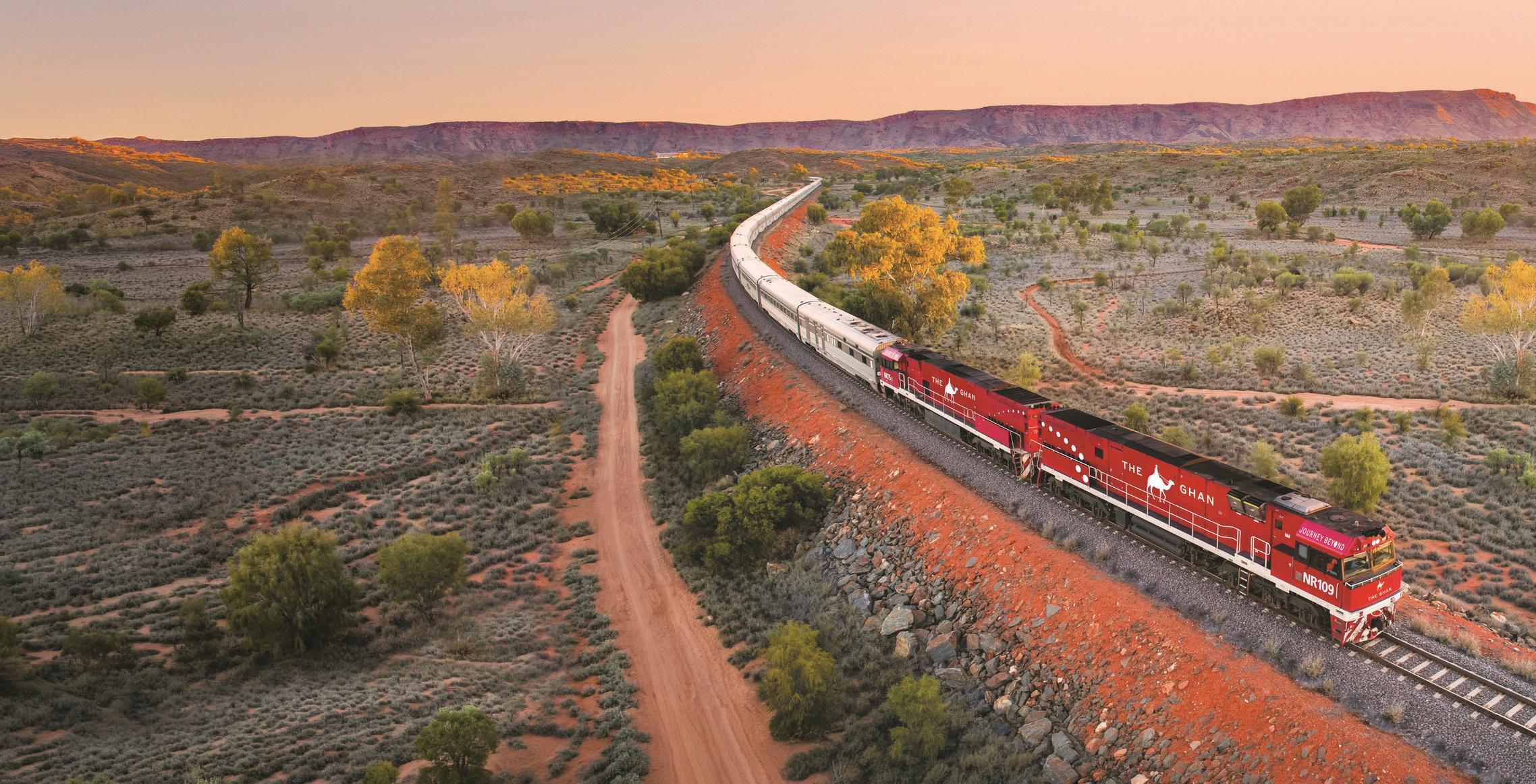
ADELAIDE HAS ONE RAIL PLATFORM that’s worth treating as a bucket-list item. The Parklands Terminal sends three of Australia’s most famous long-haul trains in three
different directions, and a traveller with time to spare is exactly who they’re built for.
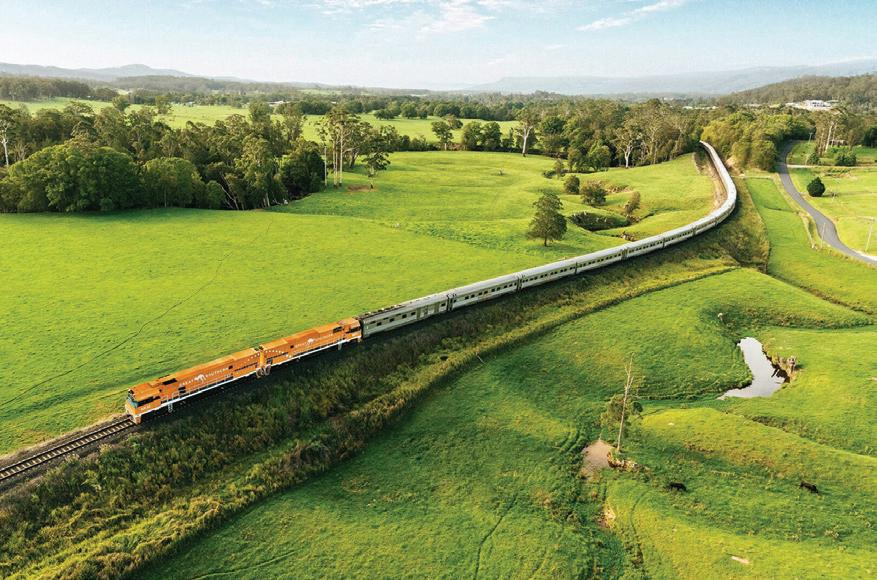
The Ghan runs between Adelaide and Darwin, crossing the red heart of the continent. The Darwin-bound trip from Adelaide takes three days; the longer southbound Expedition takes four. Stops along the route include Katherine, Alice Springs and Coober Pedy – the kind of country you don’t see from a plane window – ochre, salt pan, escarpment.
The Indian Pacific is the transcontinental classic, linking Sydney and Perth via Adelaide across four days westbound (slightly longer the other way). The Nullarbor crossing is the headline act: the world’s longest stretch of straight railway track, the horizon doing nothing at all for hour after hour. It’s hypnotic, and very good for the soul.
The Great Southern runs only across summer (December to February), travelling between Adelaide and Brisbane. The northbound trip from Adelaide is a three-day affair with off-train experiences in the Grampians, Canberra and Coffs Harbour. Of the three, it’s the most underrated.
For 2026, Journey Beyond has rolled out two new luxury suites –the Aurora and Australis – on The Ghan and Indian Pacific. Both are sold out for most of the year already. Worth booking 2027 now if it’s been on the list.
Find out more journeybeyondrail.com.au


by COURTENEY PFENNIG, Travel by Courteney
ANTARCTICA HADN’T ORIGINALLY BEEN on my radar. But when the opportunity came up, I took it – and I’m so glad I did.
I sailed aboard Viking Polaris from Ushuaia, Argentina, with just 300 guests onboard. The intimacy of that number matters in a place like this. Every Zodiac excursion, shore landing and onboard activity was coordinated by the expedition team with a precision that meant I could focus entirely on what was unfolding around me rather than the logistics of making it happen.

“ No two expeditions are ever quite the same.”

The first thing the expedition leader told us was to set aside the itinerary we’d been given when we booked. In Antarctica, conditions dictate everything – and that turned out to be part of the appeal. The route shifted constantly, always in pursuit of the best the region had to offer on any given day. No two expeditions, I quickly learned, are ever quite the same.
What surprised me most was the sheer density of life in a place that looks, at first, so desolate. Penguin colonies stretched across shorelines. Seals dozed on ice floes. Whales surfaced alongside the ship. One of the moments I carry with me: sitting in my cabin, window open, listening to the crack of ice and the intermittent breath of whales just outside.
The landscapes matched the wildlife for sheer impact. Towering glaciers, ever-shifting ice formations, light that changed everything by

the hour. I hadn’t expected to find myself so drawn into the science of ice and water – but seeing it firsthand has a way of making you want to understand it.
Having experienced Antarctica on an expedition cruise, I can now guide my clients through the decisions that matter: choosing the right vessel, preparing properly for conditions, knowing what to prioritise. It’s the kind of knowledge that only comes from being there.

To start planning your own Antarctic expedition, contact me at Travel by Courteney. travelbycourteney.com.au








State Theatre Company
South Australia presents
by Ash Flanders

Helpmann Award-nominated writer Ash Flanders’ Commentary is equal parts scalpel and mic drop. This sharp and funny work interrogates the ethics of art-making in an era when cancelling people feels like a spectator sport.
ENTER NICK PLAYED BY GYTON GRANTLEY (Underbelly, House Husbands), once-promising filmmaker, now university lecturer. His controversial debut feature, Low, is being resurrected for a retrospective screening at the Adelaide Film Festival.
Low was co-created with his former best friend Hamish, who is now disgraced and presumed dead. The film remains dogged by allegations of abuse and exploitation.
As Nick preps a director’s commentary and public appearance at the AFF, the past arrives uninvited via a chorus of women (played by some of our brilliant SA actors): student-lover Gen (new Flinders Grad Shardae Santos), wife Mish (Anna Steen), former muse Saskia (Kate Cheel), and Frankie, a teenage girl whose reappearance catalyses a chain of revelations and reckonings that culminate in Nick’s fall from professional and personal grace.
Structurally slick, the play mimics the fragmented form of a DVD commentary track: non-linear, reflexive, full of contradiction, omission, and performance.
Director Petra Kalive describes Commentary as “a work about who controls the conversation and who has the loudest voice. Whose voices are doing the silencing or who is getting silenced?”
For Gyton, best known for his portrayal of convicted murderer and drug trafficker Carl Williams in Underbelly, which won him a Logie, and as stayat-home dad Kane in House Husbands, playing Nick in Commentary takes him back to the exciting premise of a live audience. Gyton’s stage credits include the Ensemble, the Old Fitzroy and La Boite Theatre, and he played Ron Weasley in the Melbourne Princess Theatre production of Harry Potter and the Cursed Child
“Commentary takes a look at the conversation that’s been had today in the media and how the media is consuming what’s going on in the world,” he said. “It’s having a look at how the conversation has evolved over time, what is relevant now compared to 20 years ago and how time can change people’s opinions.”
Structurally slick, the play mimics the fragmented form of a DVD commentary track: non-linear, reflexive, full of contradiction, omission, and performance.
Gyton and Nick are two very different characters, with one “making a lot of mistakes, a lot of bad choices” and not admitting the error of his ways as his world implodes, and the other is a family man who recently spent 18 months in Sardinia with his wife and three kids. An ambitious move halfway across the world in which they come up against challenges, stumbles and memories to last a lifetime reads like a script in itself.
Which is why he has a book on his family’s time in Italy, Il Dolce Fiasco, on “food, family and a little bit of fame”, coming out later this year. So how does Gyton step into the role unlike himself, into the role of a university professor who’s facing cancel culture at its zenith? What music would help him get into character? “I think he’s a pretty sad guy so probably something by Nick Cave. (My character) Nick’s one of those maudlin guys, sitting on a heavy red at 3am nodding off to some maudlin music.”
These differences only ignite Gyton’s curiosity. Asked if he would have dinner with Nick, he replies, “Yeah I’d have dinner with Nick, absolutely. I think it would be refreshing to get an unedited point of view, someone who is not afraid to tell it like it is.”
And how would Gyton describe Commentary in three words? “Start the conversation.”
21 Aug – 5 Sep 2026
Dunstan Playhouse, Adelaide Festival Centre
For tickets: statetheatrecompany.com.au/shows/ commentary
THERE ARE FEW OPPORTUNITIES in a lifetime to experience the complete symphonies of Jean Sibelius. Across three concerts, the Adelaide Symphony Orchestra and Chief Conductor Mark Wigglesworth invite audiences on an extraordinary journey through all seven works – tracing the evolution of one of music’s most original voices.
Sibelius remains something of an enigma. His music combines deep emotion with remarkable discipline and clarity. There are moments of immense power, but also stillness and silence
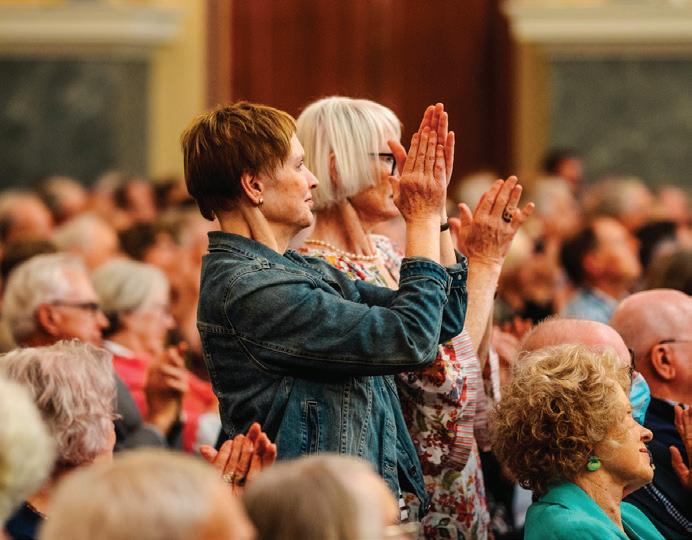
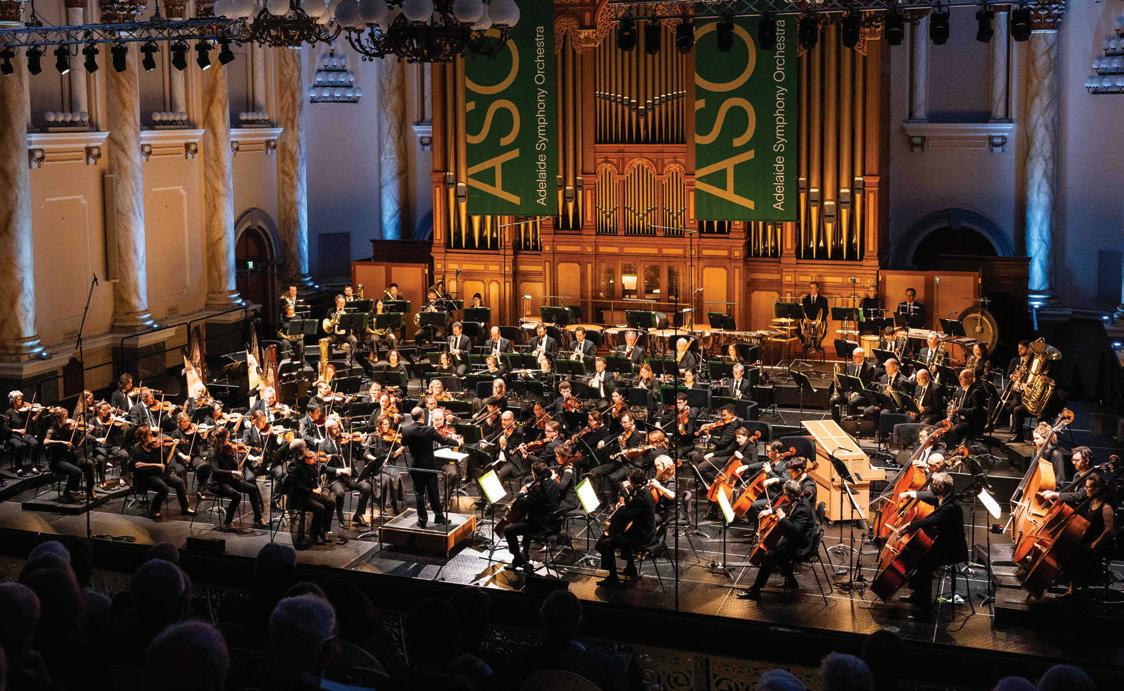
that draw listeners into something profoundly human. As Wigglesworth describes it: “If you like Mahler and you like Beethoven, and you can imagine the two being played together, Sibelius is your man. There’s this outpouring of emotion, but it’s always delivered with a clear articulation.”
Living amid the forests and landscapes of Finland, Sibelius found inspiration in nature. You can hear it in the music – the shifting seasons, the endless light and darkness, the quiet force of the natural world. His symphonies suspend time, transporting audiences to places both physical and emotional.
Hearing the complete cycle reveals the composer’s full artistic journey –from early symphonies that celebrate Finland and its spirit, to later works of increasing refinement, culminating in the remarkable Seventh: a masterpiece that says more with less. And while
seven symphonies might sound daunting, each concert stands alone as a brilliant night out. Come to one or all three, and let the music do the rest.
Because ultimately, this is music to be shared. Mark puts it simply: “It’s not just musicians playing to you. It is you coming and being part of the journey.”
Rarely performed as a complete cycle, Sibelius Immersion is an invitation to step inside one of music’s most extraordinary worlds.
Sibelius: The Symphonies
Adelaide Town Hall Sat 12, Wed 16 & Sat 19 Sep aso.com.au

~ Orchestral Series 3 ~
Friday September 11th
7.00pm | Nexus Arts
Saturday September 12th
3.00 and 7.00pm | Nexus Arts
with Maryam Rahmani | santur
Yahya Hoseinkhani | ney
Alexander Flood | percussion
Aaron Brown | violin
Philip Griffin | oud
Adelaide Baroque Orchestra led by Ben Dollman
www.trybooking.com/DIEPU
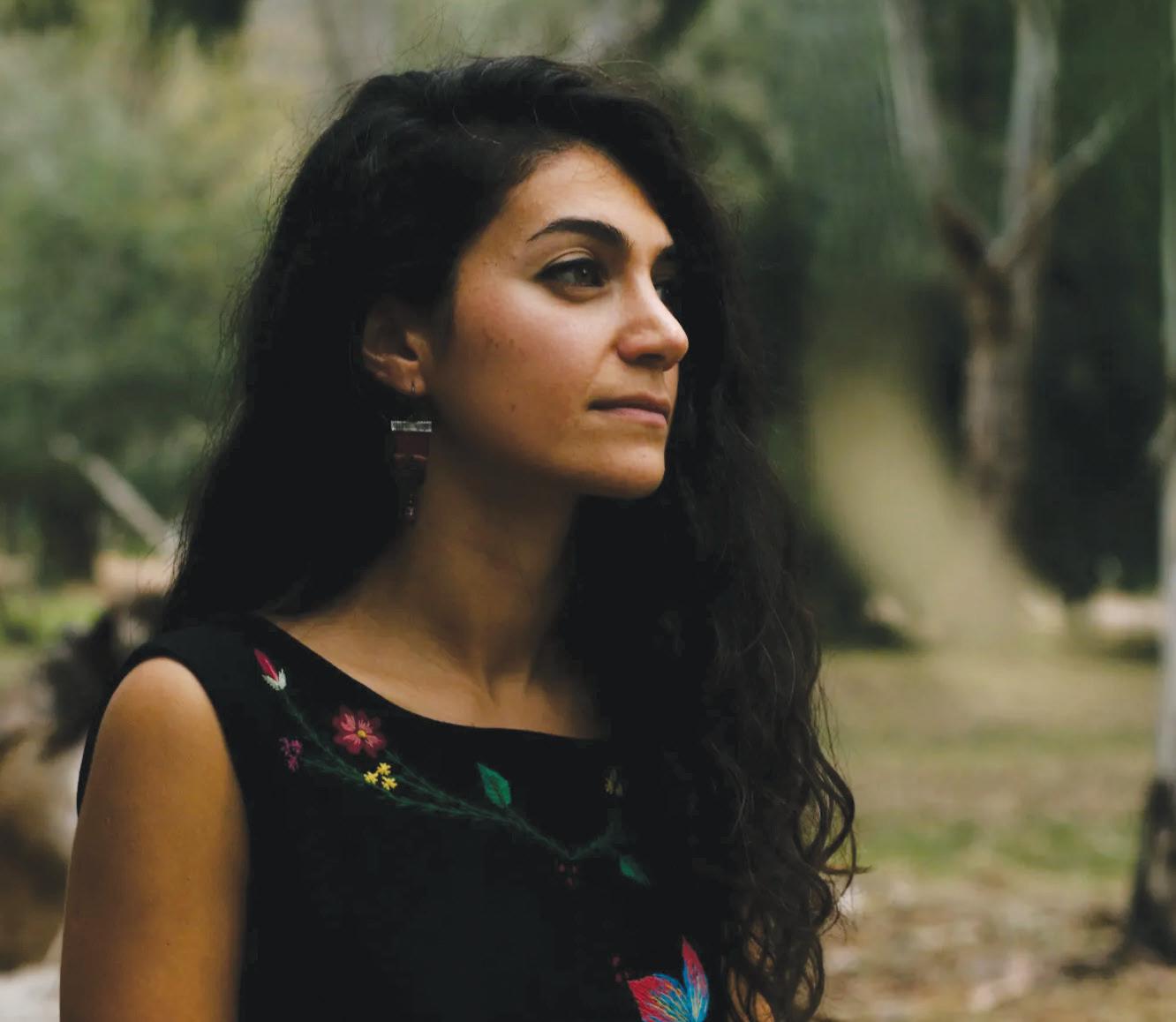
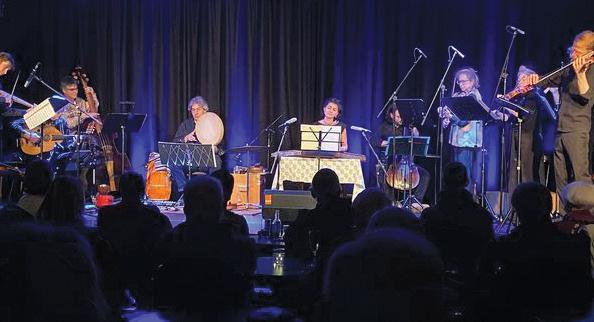
A SIGNIFICANT BODY OF WORK from the Toledo Museum of Art in Ohio, much of it never seen in Australia before, is hanging at the Art Gallery of South Australia this winter – and nowhere else in the country.
Monet to Matisse: Defying Tradition covers the period when Western art broke open at the turn of the 20th century, moving through Impressionism, Cubism, Surrealism and Abstract Expressionism. The roster: Cézanne, Degas, Frankenthaler, Matisse,
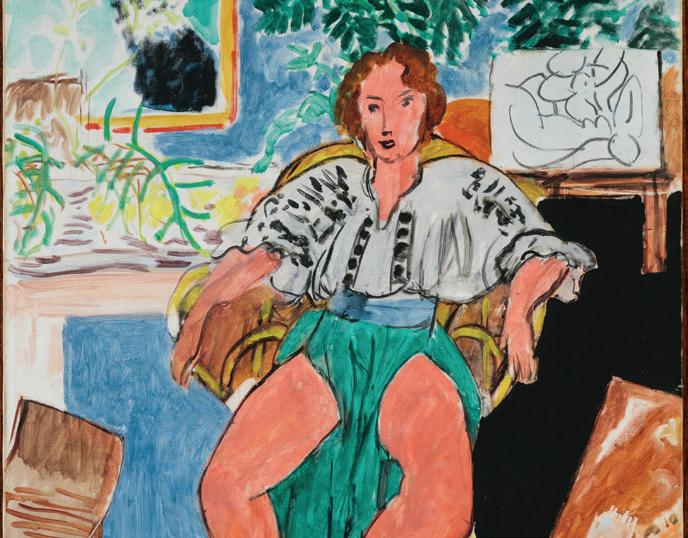
Three First Nations artists bring painting, ceramics and woven emu feathers to The Mill this SALA
THE WORD ‘HELD’ does a lot of quiet work. It speaks to tenderness and strength in equal measure – the weight of a child, the heft of knowledge passed down through generations, the feel of a paintbrush or a handful of fibre between the hands. For this year’s SALA festival, The Mill has gathered three First Nations women around exactly that idea.
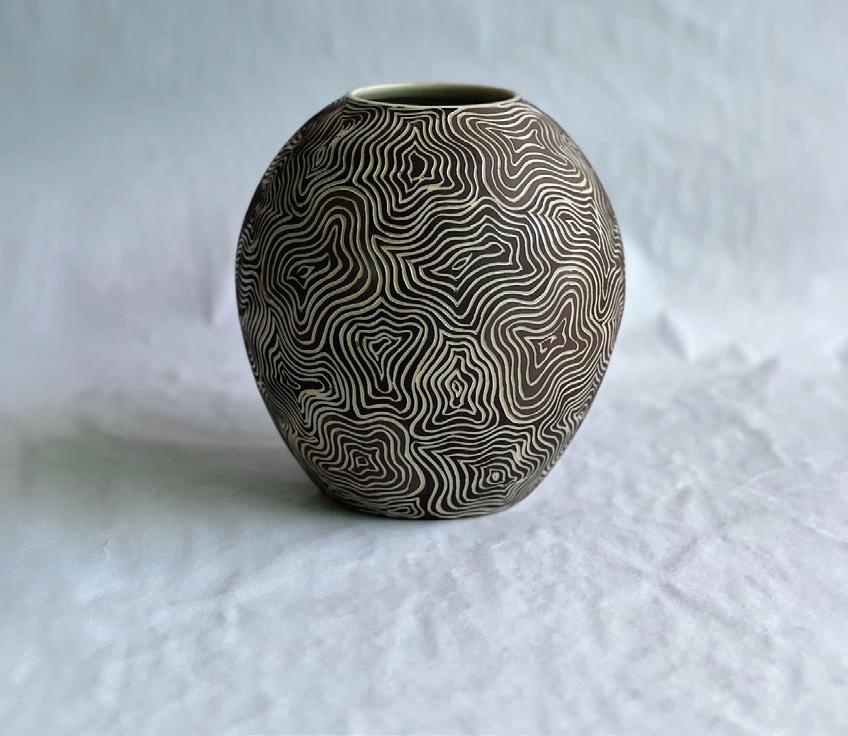
Mondrian, Monet, Morisot, Van Gogh. AGSA has drawn from its own collection too, adding Manet, Picasso and Whistler to the rooms.
Director Jason Smith calls it a rare chance to see the most influential European and American artists of the period together in one show, and the gallery has built a full season around it. Friday Nights run weekly in a champagne lounge inside the exhibition, with after-hours access, Taittinger on pour and French plates from AGSA_eat. The music lineup shifts week to week, with jazz and experimental acts programmed through August in partnership with Creative Original Music Adelaide.
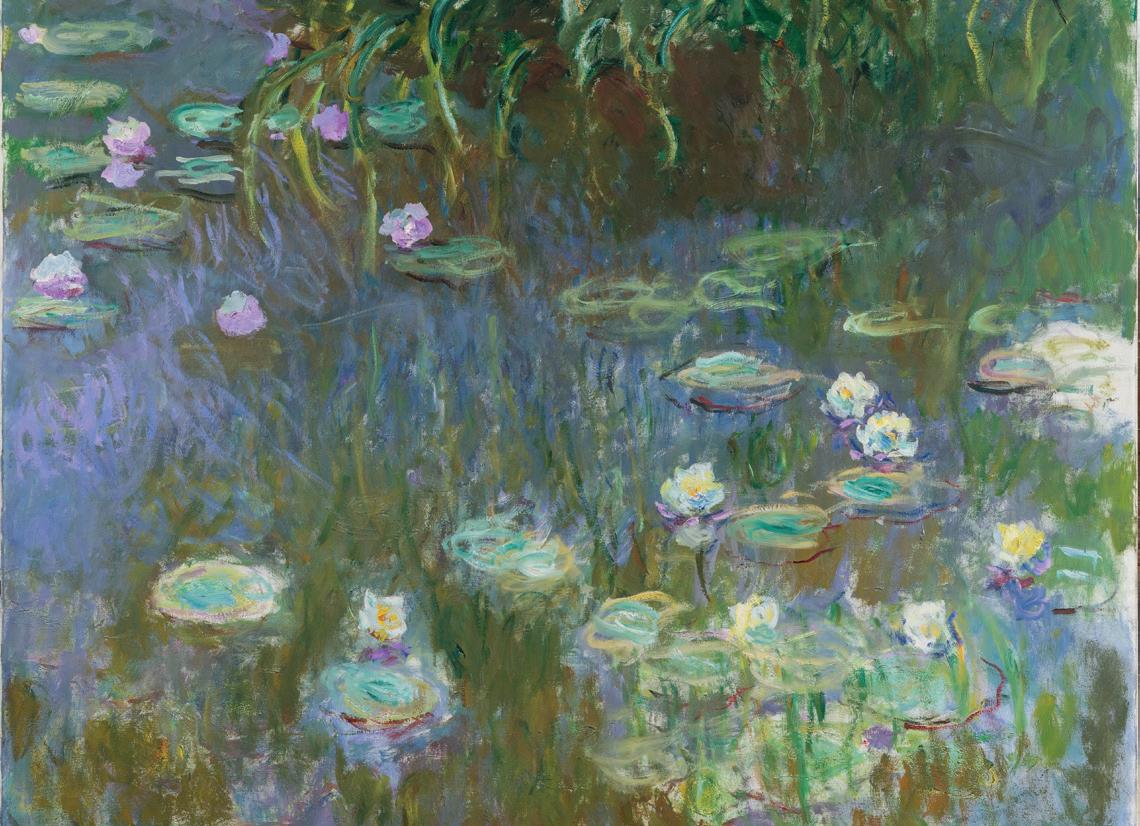
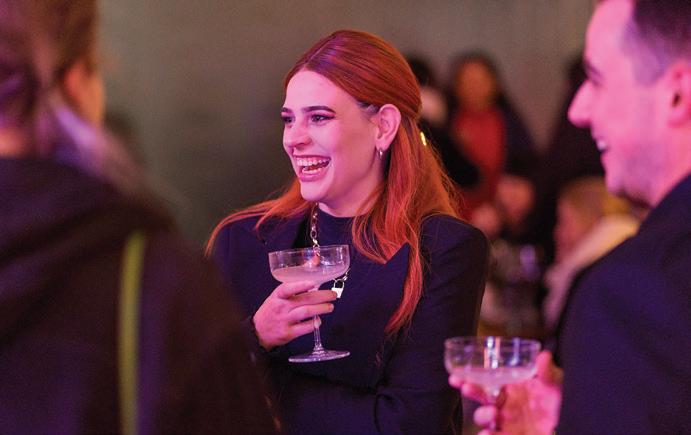
and French onion soup for winter, and a pop-up deli in the courtyard does baguettes, pastries and champagne.
For something more considered, a four-part lecture series runs across August Saturdays, with curator-led tours scheduled throughout the season. The AGSA_eat bistro turns to steak frites
Monet to Matisse: Defying Tradition runs at AGSA until 8 November. For tickets and full program: agsa.sa.gov.au

Joeulla Coulthard is an Adnyamathanha, Kuyani artist who grew up in the northern Flinders Ranges. Her paintings and ceramics are rooted in the landforms of that country – the seasons, the cultural stories of Yarta, the sense that art and conversation are inseparable. For Joeulla, making work keeps culture alive; talking about what it means and why it was made is as much a part of the practice as the making itself.Juanella Donovan is an Adnyamathanha, Luritja and Arrernte woman based in Port Augusta, and her medium alone is worth the visit:

intricate works woven from emu feathers, painstaking in their construction and striking in the result. She’s a finalist in two major prizes this year and is currently developing work for the National Textile Triennial, which opens in Tamworth in September.
Lisa Khan is a Yankunytjatjara, Antakirinja and Pitjantjatjara artist from Coober Pedy. She paints her grandparents’ country – ngura, the land and rockholes – as an act of care.
“When I paint, I feel connected to my country and my grandparents who aren’t here anymore,” she says. “It is my job to look after the country and the stories from my grandmothers.”
Held runs until September 4 at The Mill, Adelaide. Artist talk and finissage Friday 4 September, doors 4:30pm, talk at 5:30pm.
events.humanitix.com/exhibitionopening-held
Every August, South Australian art spills out of the studio and into wineries, cafes and libraries across the state, with artists on hand to talk about what they've made. Here's how to make the most of it – and four shows we'd start with.
FOR ONE MONTH EACH YEAR, South Australia turns itself into one enormous gallery. The South Australian Living Artists Festival – SALA – fills hundreds of venues across the state with the work of local artists, and not just in galleries. You’ll find it in wineries, cafes, libraries, gardens and the artists’ own studios, much of it free, with the creators often on hand and happy to talk about what they’ve made.
That openness is the point. SALA is a month-long invitation to wander, stumble onto something and follow your curiosity. The trick is not to attempt all of it. Pick a few things that pull at you, leave room to be surprised, and let the rest go.
A sensible place to begin is the festival’s feature artist. Troy-Anthony Baylis –a painter, textile and performance artist of Jawoyn and Irish descent – brings ‘Pile-Up’ to Adelaide Central Gallery at Glenside, gathering signature works from across his career alongside the South Australian premiere of two major new bodies of work. If you’d like to hear him think aloud about it, he gives a talk on his practice at the Art Gallery of South Australia on 11 August.
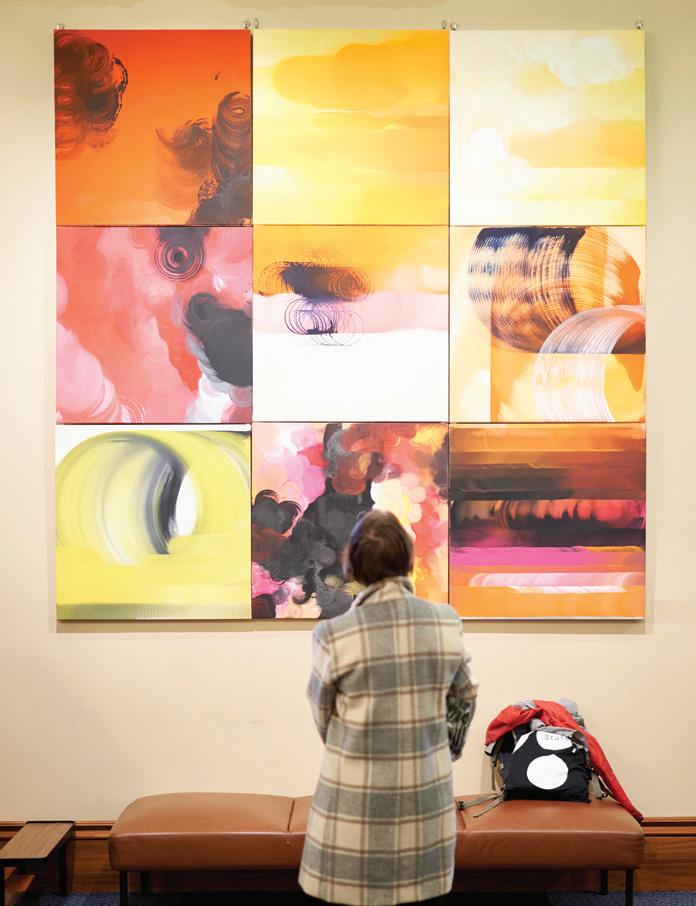
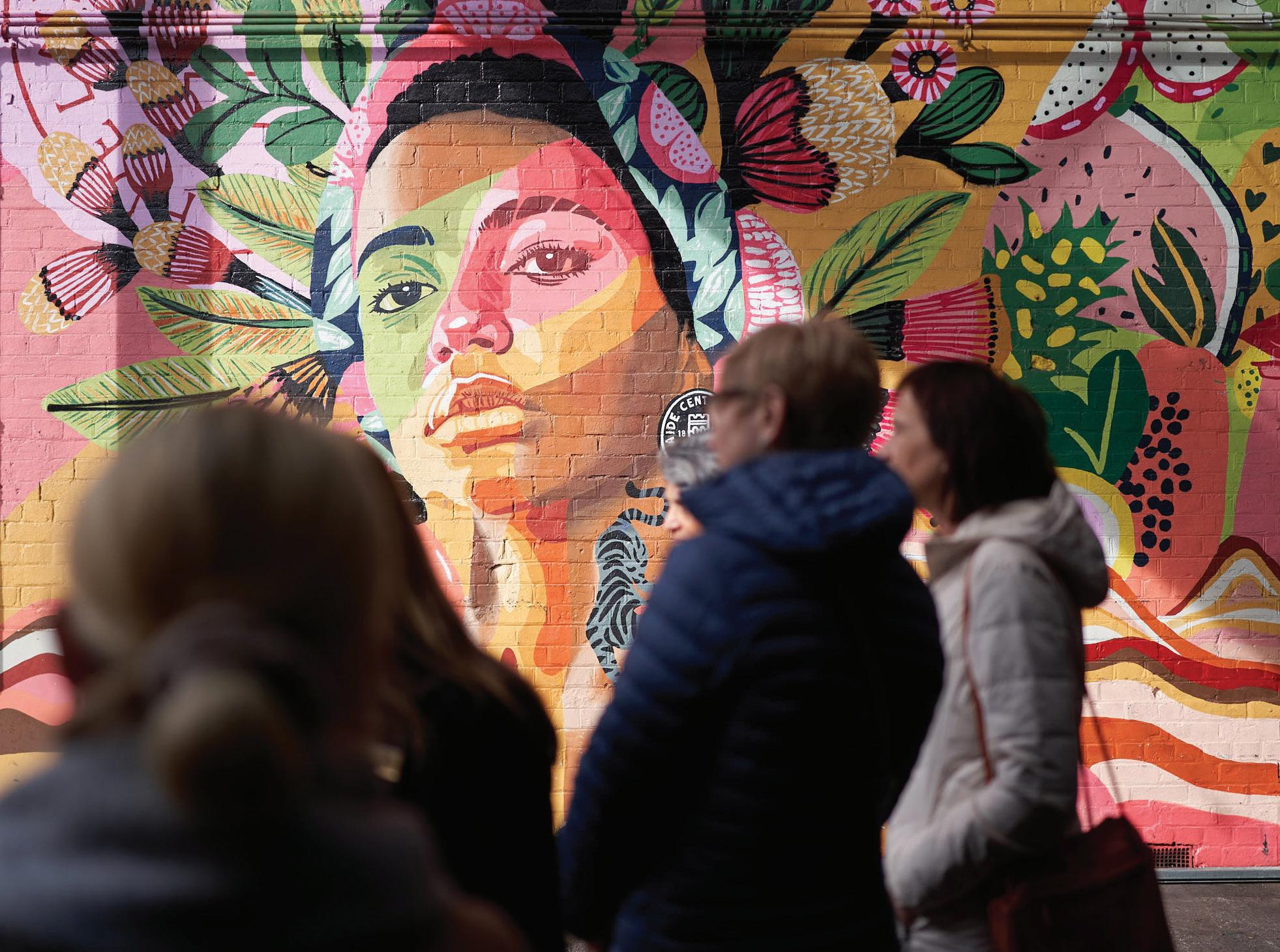
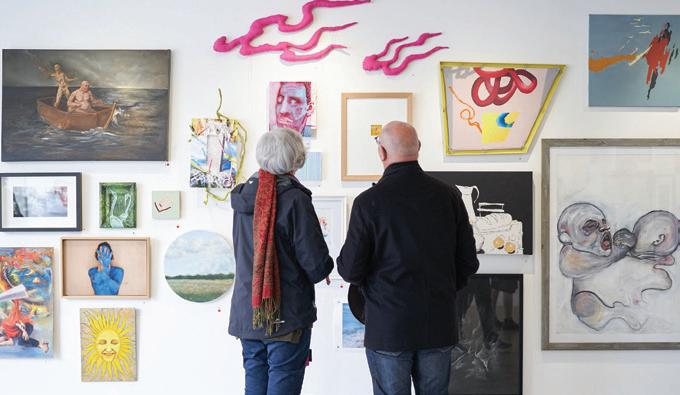
For something that will stay with you, Ida Sophia’s ‘Patience and Penitentia’ at the Samstag Museum is among the most ambitious works in this year’s program. It examines the silent treatment – the cold cruelty of being shut out – through a 40-day durational performance, the artist’s longest to date. The wearable chains at its centre are made from tens of thousands of rose petals, donated from the home gardens of Adelaide women. It is unsettling and oddly tender at once.
If watching an artist at work appeals, the Art Academy in the Adelaide Hills hosts a free two-hour demonstration by the renowned hyperrealist Robin Eley, who builds a monochromatic portrait in oils with every brushstroke shown in close-up on a 100-inch screen. Seats are strictly limited, so book ahead.
And for a show that speaks to the moment, photographer Thomas Ling’s ‘Reprise’ at Hither & Yon in Willunga responds to the algal bloom that has devastated the state’s coast, framing the ocean as a shared space and a fragile one. It follows his wellreceived 2025 SALA series.
The simplest way to find what’s near you is the free SALA app, which searches the whole program by suburb, artist
‘Pile-Up’ – Troy-Anthony Baylis. Adelaide Central Gallery, Glenside. 29 July–4 September, Mon–Fri 9am–5pm. Artist talk, AGSA, 11 August.
‘Patience and Penitentia’ – Ida Sophia Samstag Museum of Art, city. 25 June–18 September, Tue–Sat 10am–5pm.
Robin Eley painting demonstration The Art Academy, Adelaide Hills. 15–16 August, 1–3pm. Free. Book at artacademy.com.au
‘Reprise’ – Thomas Ling Hither & Yon, Willunga. 31 July–31 August Fri–Mon 11am–4pm.
Open Studios Weekend 15–16 August.
SALA bus tours
Barossa, Adelaide Hills, Mount Lofty Ranges, Goolwa/Middleton/Pt Elliot. Bookings via salafestival.com
Full program and free app: salafestival.com
or medium – or open the map and see what’s on down the road. If you’d rather meet artists where the work actually happens, the Open Studios Weekend on 15 and 16 August opens private studios across the state. And for a day with none of the logistics, SALA runs four bus tours through the Barossa, the Adelaide Hills, the Mount Lofty Ranges and the South Coast, each taking in several exhibitions with morning tea and lunch at a feature venue.
Then simply go. The best thing you see this August will probably be one you never planned on.
SALA runs right through August –browse the full program and plan your month at salafestival.com

Paul Kitching – aka PK – is Business Development Manager at Fuller and founder of ‘PK Says HI’, a human interaction consultancy built on one belief: in a digitally driven world, the simple power of human connection is everything. With this column, he explores what it means to keep HI alive in an increasingly digital world. And so: PK Says HI!
We love hearing our name said out loud. Maybe not if we’re getting told off. But when it’s said naturally, in conversation, it gives us a boost. When you hear it, something shifts. You feel good, don’t you? It’s a beautiful sound, and one of the most powerful acts of human interaction there is. But why is it so hard to remember people’s names, and why aren’t we using them more?
In this digital world where we constantly swipe, scroll, scan everything, the simple act of committing someone’s name to memory has become something of a rare gesture. We meet someone at an event, say HI, and soon their name is gone, replaced by a notification, an interruption. We’ve wasted that golden opportunity to connect properly and show that we care.
Thousands of years ago, ancient gods guarded their true names like crowns, to know a name was to hold real power. Somewhere over the millennia, we forgot that magic. So why are we so bad at it? Perhaps we’re not paying attention when names are exchanged. We’re thinking about what we’re going to say next, busy scanning the room. The name goes in one ear and out the other.
I’ve met a lot of people in my 50+ years. But I didn’t always remember their names. It bothered me, so I started to perfect some easy skills. Here’s what I’ve learned, through years of practice and more than a few awkward “er, sorry, what’s your name again?” moments.
When someone says “Hi, I’m Emma,” repeat it back: “Emma, great to meet you.” Out loud. It’s simple and works every time. You’ve heard it, then said it, the brain has had two chances to save and file it away.
Ask how they spell their name. Seems unnecessary if they say ‘John’ – but it could be Jon. I recently met someone called ‘Jamie’, and when I asked, it was J.a.y.m.e. And ‘Charlie’ at a housewarming turned out to be Charli with an ‘i’. So I said: “Hi Charli, I’m PK. That’s the letter P, the letter K. Lovely to meet you, Charli.” You’re helping them out too, and they’re hearing their name, that beautiful sound, one more time. That’s how you show you’re genuinely interested, rather than letting the most important part just flit away.
TIP 3: Use it
When you’ve finished chatting and you’re about to move on, use their name one more time. “Really great talking with you, Emma.” You’ve now said it three times and hopefully it’s entered the vault.
Write their name down as soon as you can, on your phone, in a notebook, anywhere. Memory is a muscle, but so is the habit of reinforcing it. I use Notes on my phone and often ask people how to spell their full name, right there in front of them. It may sound awkward, but it’s not. You are showing that you care about their most precious thing, the first gift they were ever given.
But this isn’t about memory techniques. It’s about intention. When you make the effort to remember someone’s name, what you’re really saying is: you matter enough for me to pay attention. In a world increasingly full of distraction, that’s an extraordinary gift to give another person.

I WAS CHATTING RECENTLY with actor Damon Herriman, in town to perform in ART for State Theatre Company South Australia. He often gets called Damien, so it’s clear that when people get his name right, it means something. I’ve also recently started a project called ‘Others Say HI’ – a video series where I ask interesting people about human interaction.
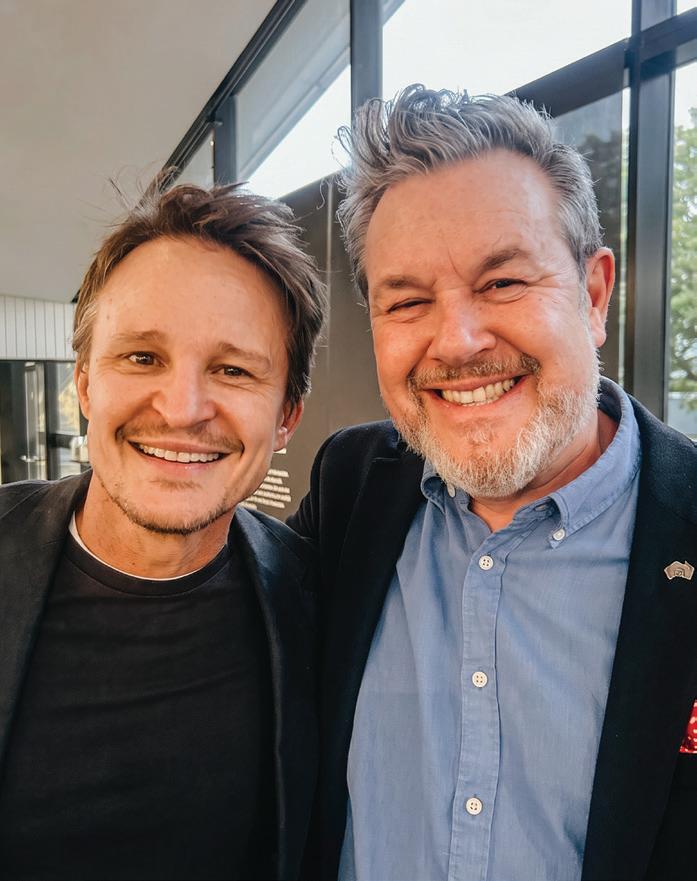
“As an actor who’s working on stage at the moment, human interaction is incredibly important, because without it, we wouldn’t have a play.”
Damon Herriman
I asked Damon what ‘human interaction’ means to him.
“As an actor who’s working on stage at the moment, human interaction is incredibly important, because without it, we wouldn’t have a play. I’m working with two amazing actors, Richard Roxburgh and Toby Schmitz, and there’s no version of that that works with robots. And there’s no version of the audience that works if there weren’t humans interacting with us. There’s absolutely a give-and-take, and a relationship that the actors on stage have with the audience. And you need human beings connecting for that to work.”
“When you are acting, whether it’s on stage or screen, what it is, is human interaction. That’s what you’re aiming to replicate perfectly. You want those moments, those scenes, to feel like
they are really taking place in a real world, and that is something that you can’t replicate with AI. I think there’s something about looking into the eyes of a real person that you’re never really going to be able to replicate digitally. And I think that’s why genuine human interaction is here to stay.”
AI is everywhere and I’m not here to bag it. What I do believe is this: if you use AI to make your life more efficient, use that bonus time to simply be more human. Connect. Interact. Meet people. And it all starts with something as small as a name.
Do you have a story about great human interaction? Let PK know: pk@pksayshi.com.au

Johann Hari
A compelling reminder that attention shapes our humanity, relationships, presence, and connection with others.
The Imperfects Podcast
‘Joel Pearson – I Think, Therefore AI’ episode
A conversation about how AI challenges our understanding of thought, creativity and identity, while reminding us that curiosity and connection are core to meaningful human interaction.

Stavroula Adameitis (Frida Las Vegas)
RRP $42.99 | Pink Shorts Press
Part love letter, part comedy, part collector’s catalogue
– Australianarama is an unabashedly enthusiastic romp through the world of Australian kitsch. Adameitis, better known as Frida Las Vegas, brings her irreverent eye to everything from lawn ornaments to daggy souvenirs, and manages to make it all feel like a genuine cultural reckoning. Funny, warm, and unexpectedly moving.
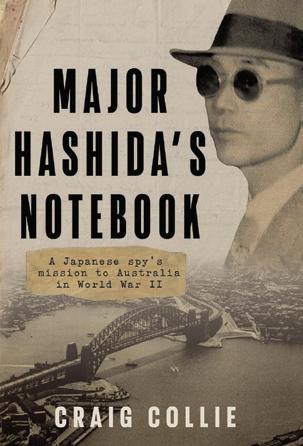
Craig Collie
RRP $34.99 | Allen & Unwin
In January 1941 – eleven months before Pearl Harbor – a dapper Japanese military intelligence officer stepped off a ship at Sydney’s Walsh Bay carrying a small suitcase and a cover story about investigating the wool trade. Australian police shadowed Major Sei Hashida around the country as he inspected beaches, bridges and factories, forever jotting in the pocket notebook he carried everywhere. But what was he really here to do? Drawing on Hashida’s own diaries and long-buried police and military archives, acclaimed military historian Craig Collie reconstructs one of the most intriguing espionage operations ever conducted on Australian soil –a true story that reads like a spy thriller.
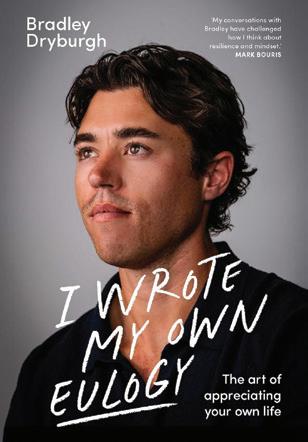
Bradley Dryburgh
RRP $34.99 | Simon & Schuster Australia
At twenty-six, podcast host Bradley Dryburgh – living with cystic fibrosis – sat down and wrote his own eulogy, then read it aloud to friends on air. When a clip from that episode reached half a million people, it sparked something much larger than a viral moment. This is a book about mortality, yes, but more than that it’s about what it actually means to be alive. Honest, raw, and hard to put down.
Victoria Hannan
RRP $34.99 | Penguin
When her physiotherapist husband leaves her for a woman with better posture, Leslie McDonald finds herself at a loss. The unlikely remedy: an allexpenses-paid trip to Las Vegas. What follows is less a holiday than a reckoning – with joy, with friendship, with the realisation that her life still belongs to her. Hannan writes with warmth and a sharp comic touch, and I Love the Whole World! is a pleasure from start to finish.
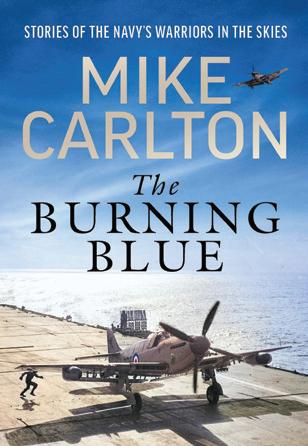
Mike Carlton
RRP $36.99 | Penguin
Carlton, the best-selling author of Cruiser, turns his attention to naval aviation – from the earliest days of flight through two world wars, Korea, Vietnam and beyond. It’s a rich and underexplored corner of Australian military history, and Carlton brings the same propulsive storytelling that made his earlier work such a success. For anyone who has ever looked up at a plane and wondered about the people who first dared to fly them off ships.
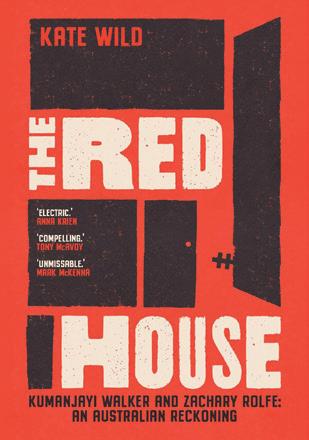
Kate Wild
RRP $34.99 | Allen & Unwin
Winner – 2026 Age Nonfiction Book of the Year. Walkley Awardwinning journalist Kate Wild examines the fatal shooting of Kumanjayi Walker and the murder trial of Constable Zachary Rolfe – not as a courtroom drama, but as an unflinching look at race, power, and the long unfinished business of this country’s past. The Age’s judging panel called it “compulsively readable.” It is, and it stays with you long after the last page.

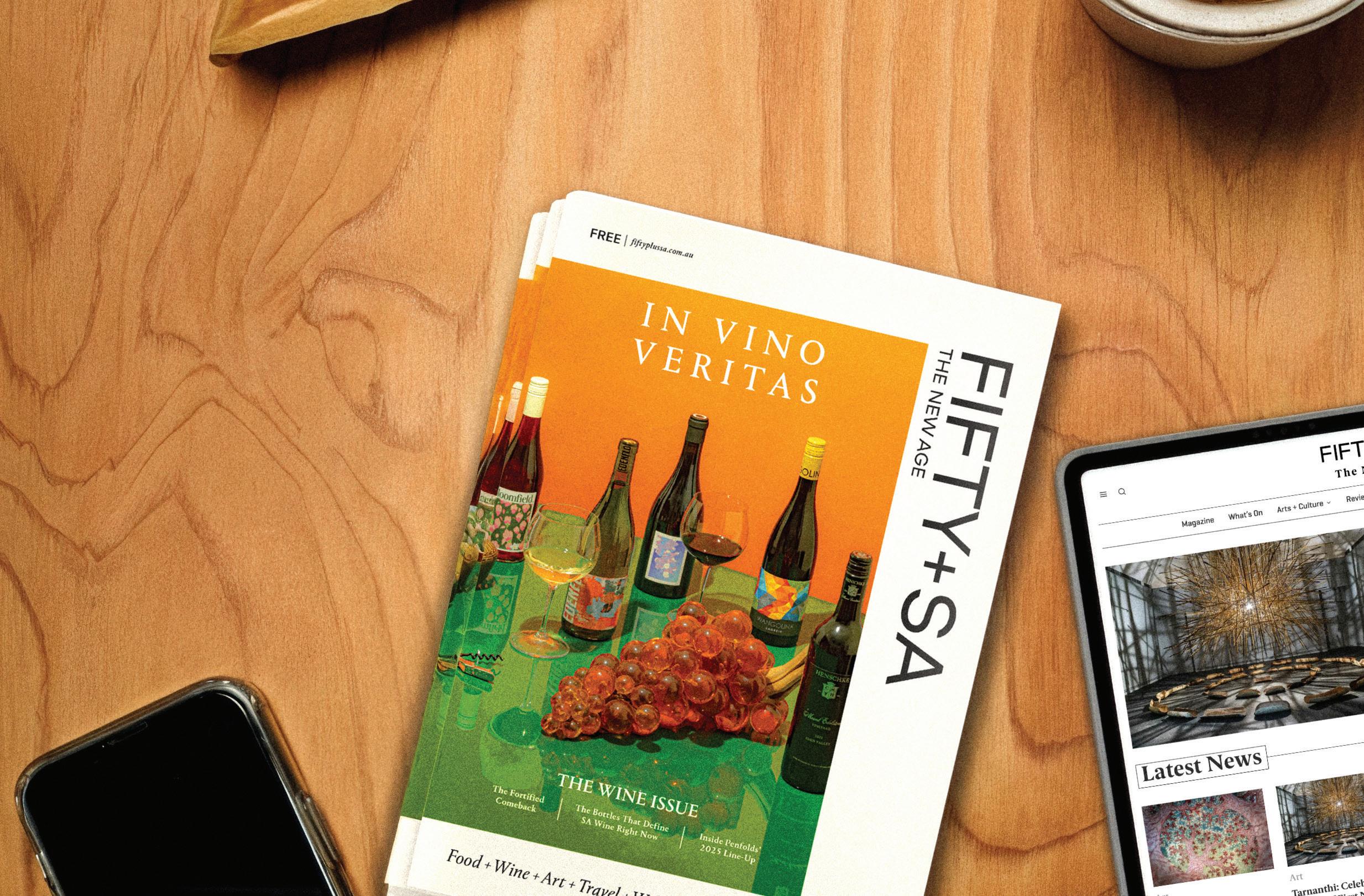


by Dave Bradley

Now playing at cinemas
Sponsored by
Review Rating
Commissaire Jules Maigret has had a formidable multimedia career since Georges Simenon created the character back in 1930, and he’s been variously portrayed by everyone from Charles Laughton, Michel Simon, and Jean Gabin, to Michael Gambon, Gérard Depardieu, and even Rowan Atkinson.
Writer/director Pascal Bonitzer here adapts Simenon’s 1960 novel Maigret Et Les Vieillards (one of 75 books!), and updates the tale to what looks like the early 2000s, with this Maigret (Denis Podalydès) in his standard overcoat and hat, and puffing away at a pipe, but continually refusing to get a mobile phone.
Our detective is called upon when a former ambassador, Monsieur Berthier-Lagès, is found murdered at the Quai d’Orsay (Ministry of Foreign Affairs). Suspicion quickly falls upon devoted maid Jacotte (Anne Alvaro), who supposedly discovered the body, and her endless stalling of the investigation doesn’t exactly help to prove her innocence.
Maigret (who’s regularly seen strolling pensively along the Seine) discovers that the deceased had been having a long affair with a princess, no less, and a trove of suggestive letters leads him to not-so-delicately question her family. And the cast really sells the ensuing interrogation scenes, even though director Bonitzer tends to handle much of this like an episode of a prestigious streaming series.
Also known as Maigret Et Le Mort Amoureux (and Maigret In Society for a while too), this is worth catching for Podalydès’ reading of the classic character: he plays the Commissaire as serious and demanding, but not an aloof show-off (like Sherlock Holmes) or weird eccentric (like Hercule Poirot).
It’s notable too that creator Simenon might have disapproved of how much Maigret’s cool wife Louise (Irène Jacob) is given to do here, and how she regularly offers warmth, advice, and humour. She never figured that much in any other Maigret filmand-TV tales (in the Gérard Depardieu version she appears for mere moments), and Podalydès’ detective obviously adores her.
Jules Maigret? Love? Imagine that…
Maigret And The Dead Lover commences at cinemas on September 3.
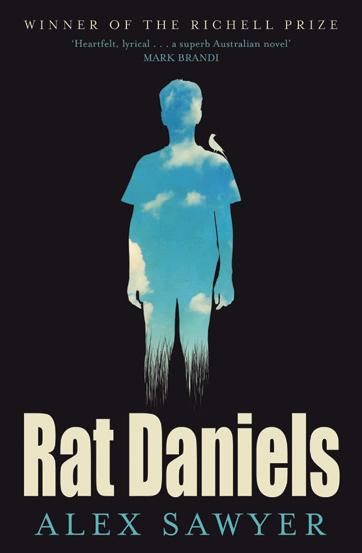
Alex Sawyer Hachette Australia
$34.99 (paperback)
$16.99 (e-book)
Adelaide-residing author (and clinical psychologist) Alex Sawyer’s début novel is an epic, richly detailed drama which is typically being described as a ‘coming of age’ tale. And this is, to a point, although it’s certainly darker and trickier than that.
Despite the title, the main protagonist and narrator is Jimmy Quinn, a complex kid whose family lives in the fictional town of Edens Ridge outside Adelaide. As an admittedly naïve seven year old, he meets ‘Rat’ (actually Damien) down by the river and they quickly become very close, with the plot suggesting that this is going to be chiefly about their intense friendship during their formative years. And maybe more.
However, the narrative grows more complicated, as years go by and the chronology shifts, sometimes slightly confusingly. Jimmy’s parents clash often, and a string of new characters are introduced, especially cool Mo, Samira (whom Jimmy realises he loves rather too late), and Meg, the granddaughter from the somewhat feared Callaghan clan, a rich and influential local family.
Naturally, this is all leading somewhere deeply morally ambiguous, and when Rat becomes a drug dealer, things take an unsettling turn, as he’s implicated in a tragedy. And the increasingly self-loathing Jimmy ponders at length about the nature of guilt, and what that might mean for him and Rat.
Perhaps a little too long, it’s nevertheless difficult to pick where this could have been shortened or simplified, and there are also some Adelaidean elements that should make South Australian types smile. The younger characters here don’t like to leave the Ridge, and say so frequently, and yet at one point they travel to ‘The Bay’ on a hot summer day (and walk down Jetty Road), while later Jimmy and others drive into town and to the Courts. And we, of course, know exactly where they are.
And who knew that growing up in (or just outside) Adelaide could be so scary?

FIFTY+SA’s film critic Dave Bradley picks five 1970s horror movies that haven’t lost their bite – from Romero’s zombies to Argento’s witches, and the chainsaw that, somehow, still cuts.
Late great auteur George Romero’s 1978 epic – the followup to Night Of The Living Dead

a decade earlier – remains the greatest zombie movie of ’em all. The plot is well-known (four survivors escape the undead apocalypse in a gaudy Pittsburgh mall), and beneath the character drama, low-budget action, pointed social commentary and oodles of gore, it is also damn scary.
2
DON’T LOOK NOW
Daphne du Maurier’s 1971 short story gets Nicolas Roeg’s dreamily disturbing treatment in his 1973 follow-up to Performance and Walkabout. After the legendary opening sequence, the Baxters (Julie Christie and Donald Sutherland) escape to Venice, where he denies his eerie visions while a killer stalks the streets. Doom-laden and tragic, it’s also home to one of cinema’s most tender –and creepy – sex scenes.
For many, William Friedkin’s 1973 filming of William Peter Blatty’s novel is THE 1970s horror pic. Despite the alternate cuts, dire sequels, poor TV spinoff, endless imitations and parodies, and so on, and on, and on, it is still genuinely frightening 53 years later. Even for those who, you know, don’t believe in EEEEVVILLLL.
4 SUSPIRIA
Dario Argento’s most beloved outing is unsettling throughout, but the rest of it never quite lives up to the first 20-odd minutes, which are terrifying, especially in a cinema. Jessica Harper plays the American student at an Austrian ballet school that turns out to be a front for a coven of witches. Which makes you wonder why, if they wanted to stay hidden, they opened a ballet school.
5
What more can be said about Tobe Hooper’s barnstorming 1974 classic? You know the story: five young ’uns run afoul of a nightmarish killer clan, fronted by saw-wielding Leatherface. Despite the sequels, reboots, remakes, rip-offs, parodies, homages and documentary studies (like 2024’s Chain Reactions), it remains just about perfectly scary. Don’t believe me? Watch it tonight. Alone. With the lights turned off. I dare you…
South Australian Olympic swimmer, Phil Rogers, on his stolen medals
“It was gut wrenching… It was the closest I’ve come to having what I would classify as a mental illness. I was affected that badly by it… They were looking for money and so they found what they thought were gold medallions that they could sell… I managed to get back my Olympic medal, which was a bronze medal… I had all my Commonwealth Gold Medals, my OAM from the government got stolen, World Championships, they all went. I never got them back.”
Dr Sam Shahin on the time F1 nearly came back to South Australia
“Over the 3 or 4 months in late 2020 and early 2021, I came within a whisker. It was so close. We just needed to create the environment to isolate the teams and the drivers and the massive F1 paddock to come to South Australia and create a safe line from the airport to Tailem Bend and a quarantine centre. I think if the current Premier was there at the time, F1 would’ve been here in 2021. I have absolutely no doubt about that.”
Tim May on the end of his cricket career and forming the Australian Cricketers’ Association
“I can’t remember how much we were paid but it was nothing… We decided that we need to look at options for finances… Mark Taylor, who was captain at the time called me and said look Tim we’re talking to the other guys, we think you’re the dude that can do it which my first thought was but I’m a current player… It just dawned upon me that I’m not sure
I’ve got the captain’s confidence here… I retired shortly after and then took up the job.”
Simon Madden on the Essendon supplement saga
“Nobody failed a drug test… I think it’s one of the greatest injustices in sport and that’s from me as the head of the players’ association… Remember the initial judgment was not guilty and then WADA stepped over the top and said no we don’t want that. If you look, the whole system is flawed and you’re guilty until proven innocent. For Australians that’s not something we like… I think they got shafted.”
Grammy award-winning singer-songwriter, Ruthie Foster, on her transition back to music while in the Navy
“My commanding officer called me into his office one day… He asked me why are you here working on helicopters when you sing like that? I didn’t have an answer for him… We were in San Diego there in California and I auditioned for the Navy band, and I got in. So, there went my place, my trail back into music and eventually it’s singing with the Navy band Pride in Charleston, South Carolina, for the rest of my term.”
Discover more online at FIVEAA fiveaa.com.au

To listen to these episodes and more, scan the QR code or listen ON AIR weekdays, 12:30pm – 1:30pm

Mould x Pinot Palooza
28 – 30 AUGUST | The Queens Theatre, Adelaide
Adelaide finally gets its turn at the country's biggest cheese and pinot festival, after a previously planned visit was scuppered by venue issues. Expect more than 50 Australian artisan cheeses, more than 50 expressions of pinot noir from Australia, New Zealand and beyond, and producers on hand to pour, slice and talk you through the lot. Four sessions across three days; tastings are unlimited and included in the ticket.
mouldxpalooza.com
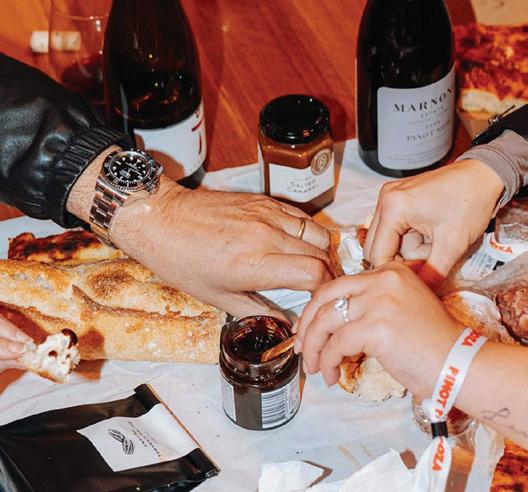
A STANDOUT SEASON for South Australia, with art spilling into every corner of the city, the showgrounds in full swing and three of the country's best festivals overlapping on the cultural calendar. Here's where to spend your time.
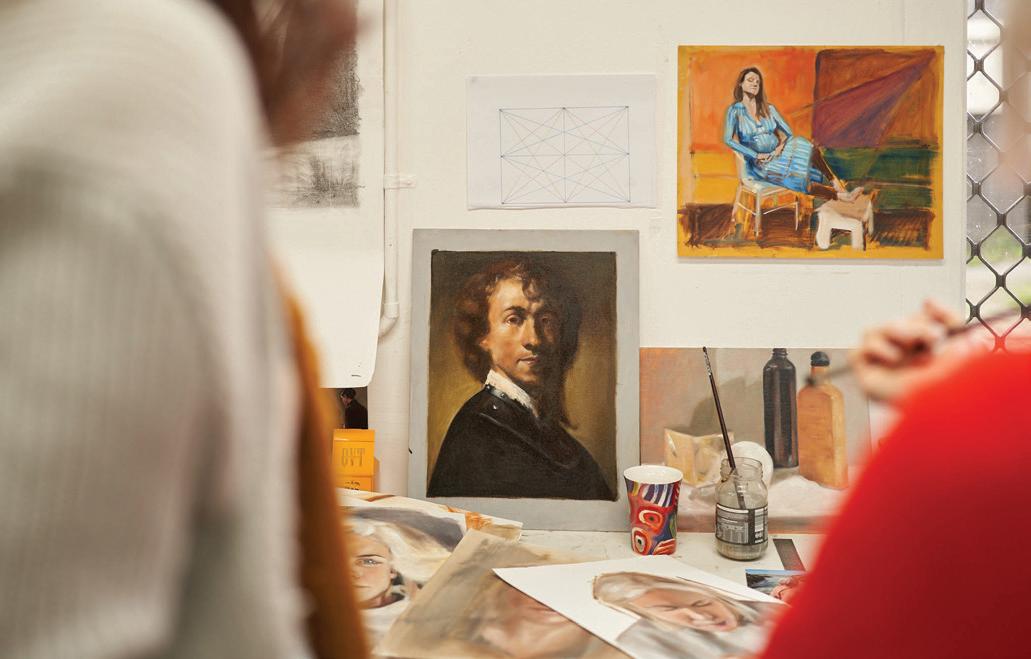
SALA Festival
1 – 31 AUGUST | Venues across South Australia
For the whole of August, South Australia turns itself inside out and becomes a gallery. The SALA Festival is the largest celebration of the state's living visual artists, with thousands of works on display in everything from major galleries and museums to cafes, pubs, libraries, hairdressers and shop windows. Painting, sculpture, photography, ceramics, textiles, moving image – every medium gets a look. The free program runs into the hundreds and is best approached with a coffee and a willingness to wander.
salafestival.com
Lost in the FoG 22 – 23 AUGUST
Alkina Wine Estate, Greenock
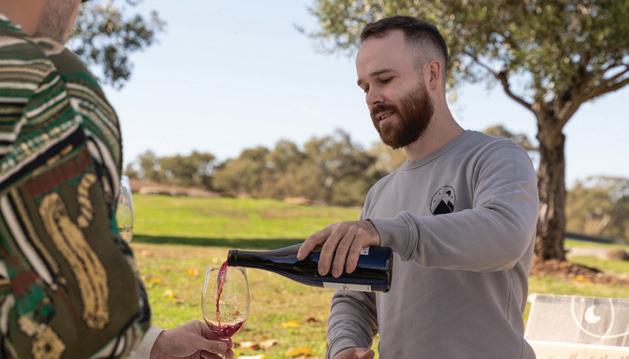
The Barossa's favourite Grenache festival returns for two days of tastings, food and live music. Walk the gardens and courtyard sampling pours from more than 20 acclaimed Grenache producers, with winemakers on hand to talk through what's in the glass. Refuel on flame-cooked choripan between tastings, and take home whatever wins you over by the glass, bottle or case.
alkinawine.com
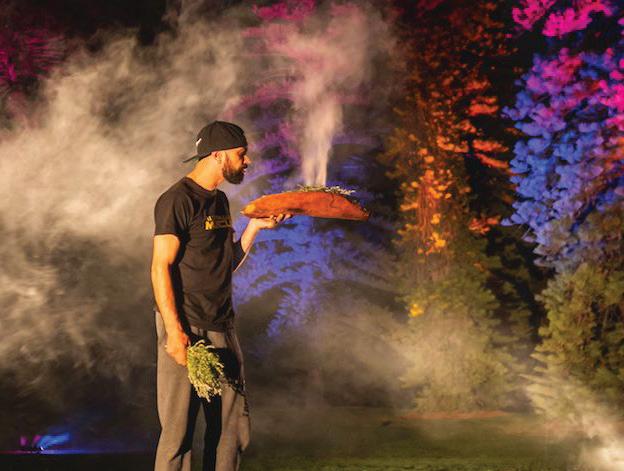
Nature Festival
25 SEPTEMBER – 11 OCTOBER
Venues across South Australia
Two and a half weeks of more than 400 events sitting at the intersection of nature and culture: Aboriginal-guided walks, marine park tours, wildlife encounters, garden workshops, foraging walks, art installations in national parks, and a slow-paced kind of program that rewards getting out of the city. Free and family-friendly events run throughout.
naturefestival.org.au
Great Gatsby: A Jazz Ballet Odyssey
2 – 6 SEPTEMBER
Her Majesty's Theatre, Adelaide BIG Live's world-premiere ballet brings Fitzgerald's novel to the stage with a score that ranges from Gershwin's Rhapsody in Blue to James P. Johnson's The Charleston, choreographed by Joel Burke. The cast fuses ballet, tap and jazz; the production leans hard into the spectacle of 1920s Long Island, all bedazzled costumes and Art Deco staging.
adelaidefestivalcentre.com.au


OCTOBER | Adelaide Festival Centre and surrounds Australia's leading contemporary arts festival engaging with Asia returns for its annual run on the riverbank. The program covers theatre, dance, music, literature and film from across the continent, plus the much-loved Lucky Dumpling Market and the free Moon Lantern Trail – which alone is reason enough to walk down to Elder Park after dark.
ozasiafestival.com.au






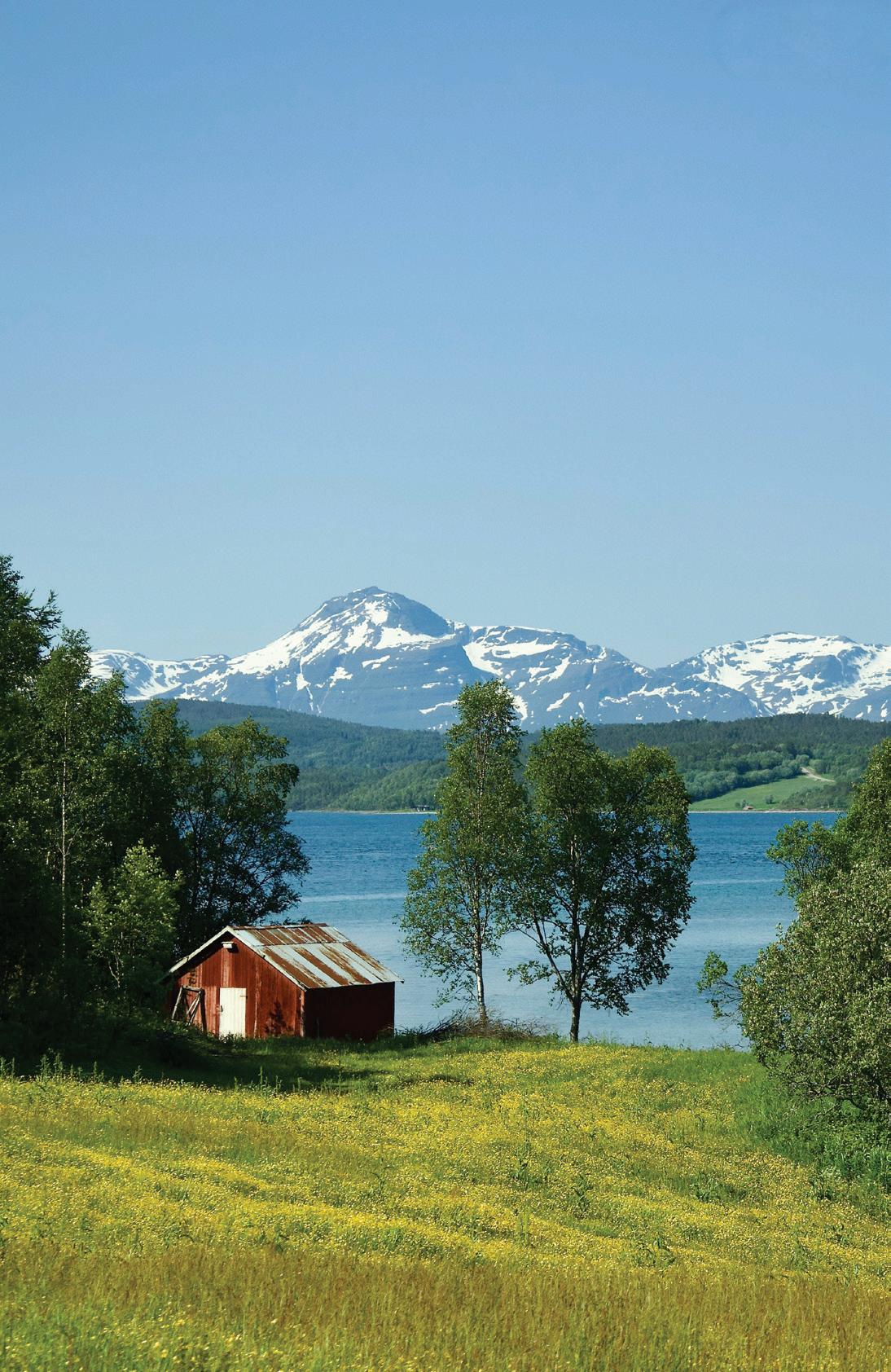
Adelaide Symphony Orchestra opens a window onto Sibelius’ extraordinary musical landscape. Experience one concert or follow the complete journey across all three, led by Chief Conductor Mark Wigglesworth.