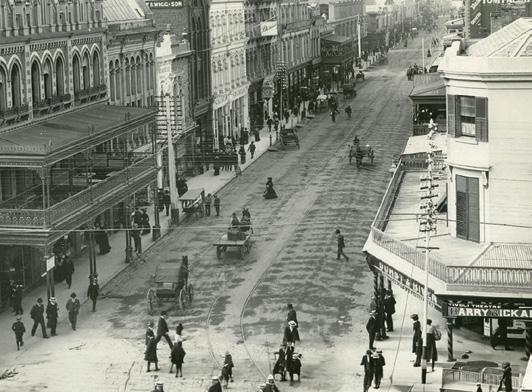
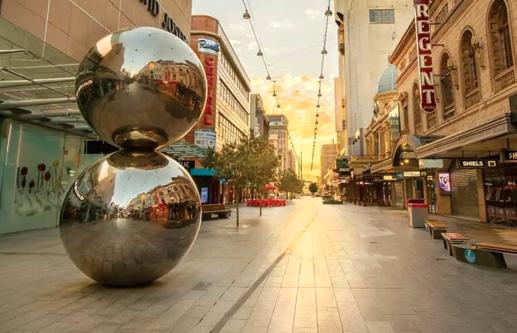
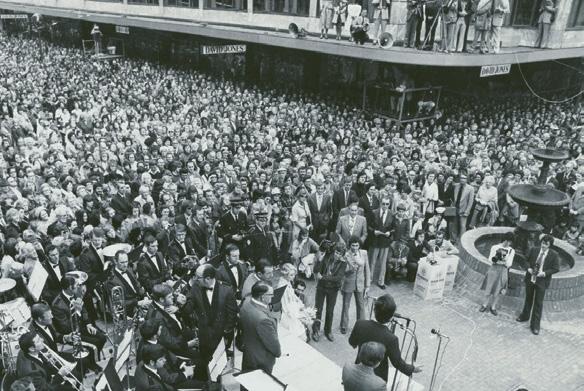
FIFTY YEARS AGO, 10,000 people turned out to watch Don Dunstan arrive by horse and cart to open Rundle Mall, and champagne ran through the fountain. Half a century on, Adelaide still knows how to show up for the things that matter. This season is no exception. The regions are alive with food and wine, the city’s stages lit up with world-class performance, and May through July is when South Australia shows what it’s really made of.
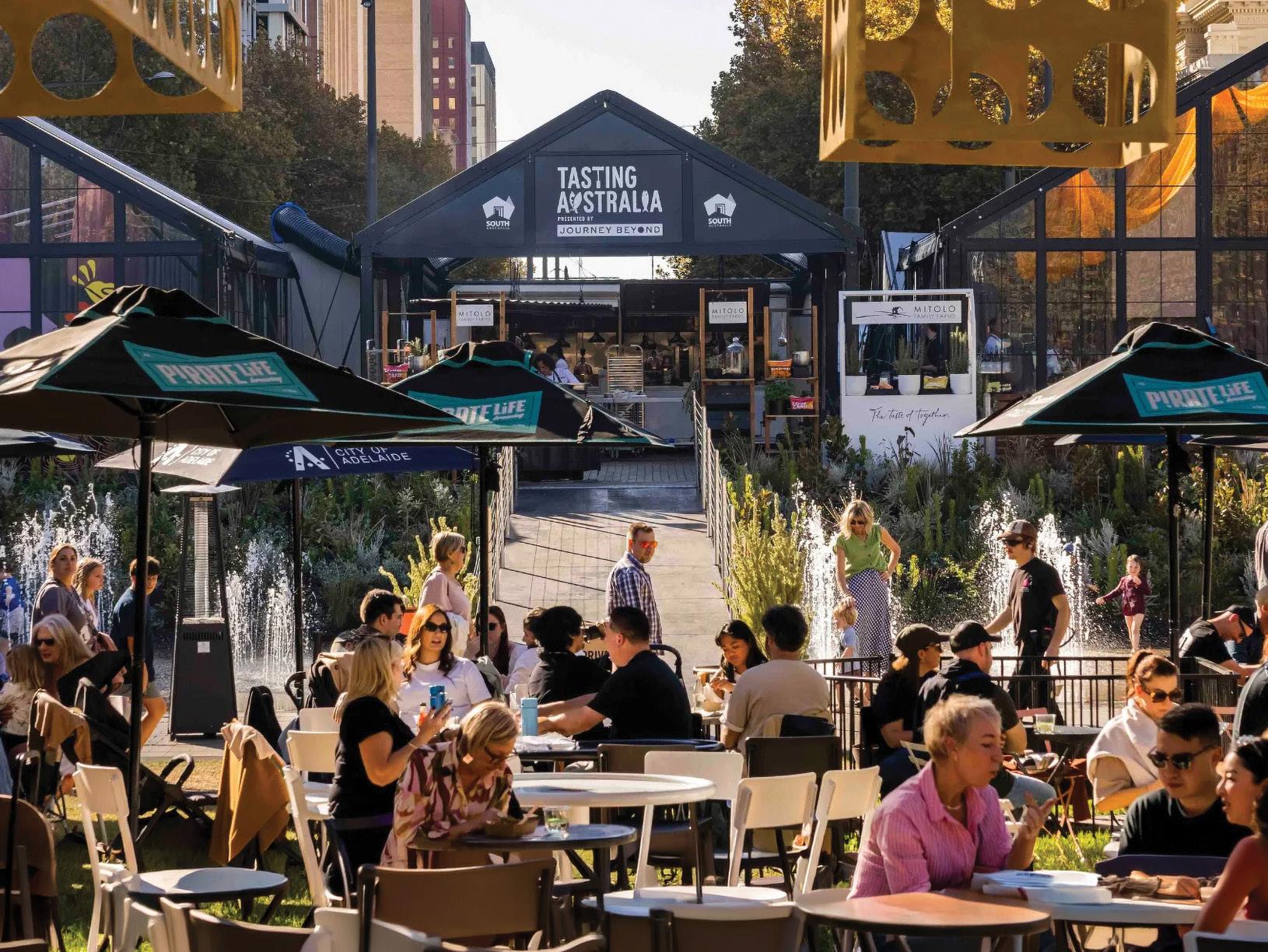
Tasting Australia
8–17 May
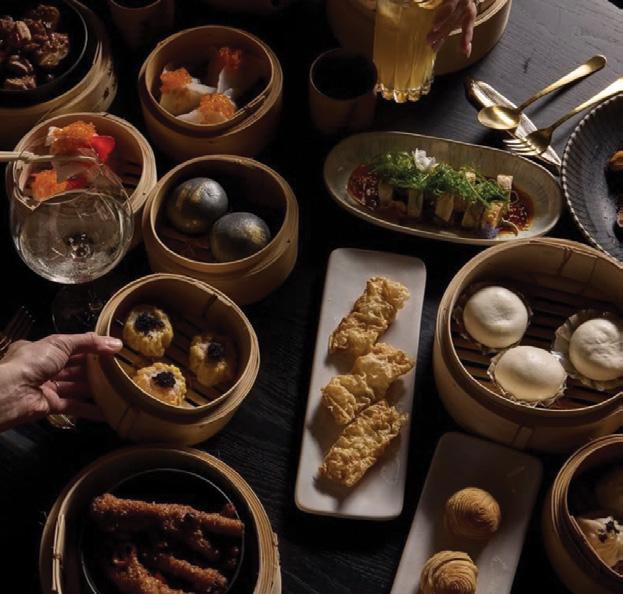
Ten days of eating, drinking and exploring that spans Adelaide and the regions. From intimate winemaker dinners to long communal tables at Town Square in Victoria Square, regional day trips and late-night events, this is one of the country's great food and wine festivals. Popular sessions sell out early, so get across the program now.
Adelaide Cabaret Festival 4–21 June
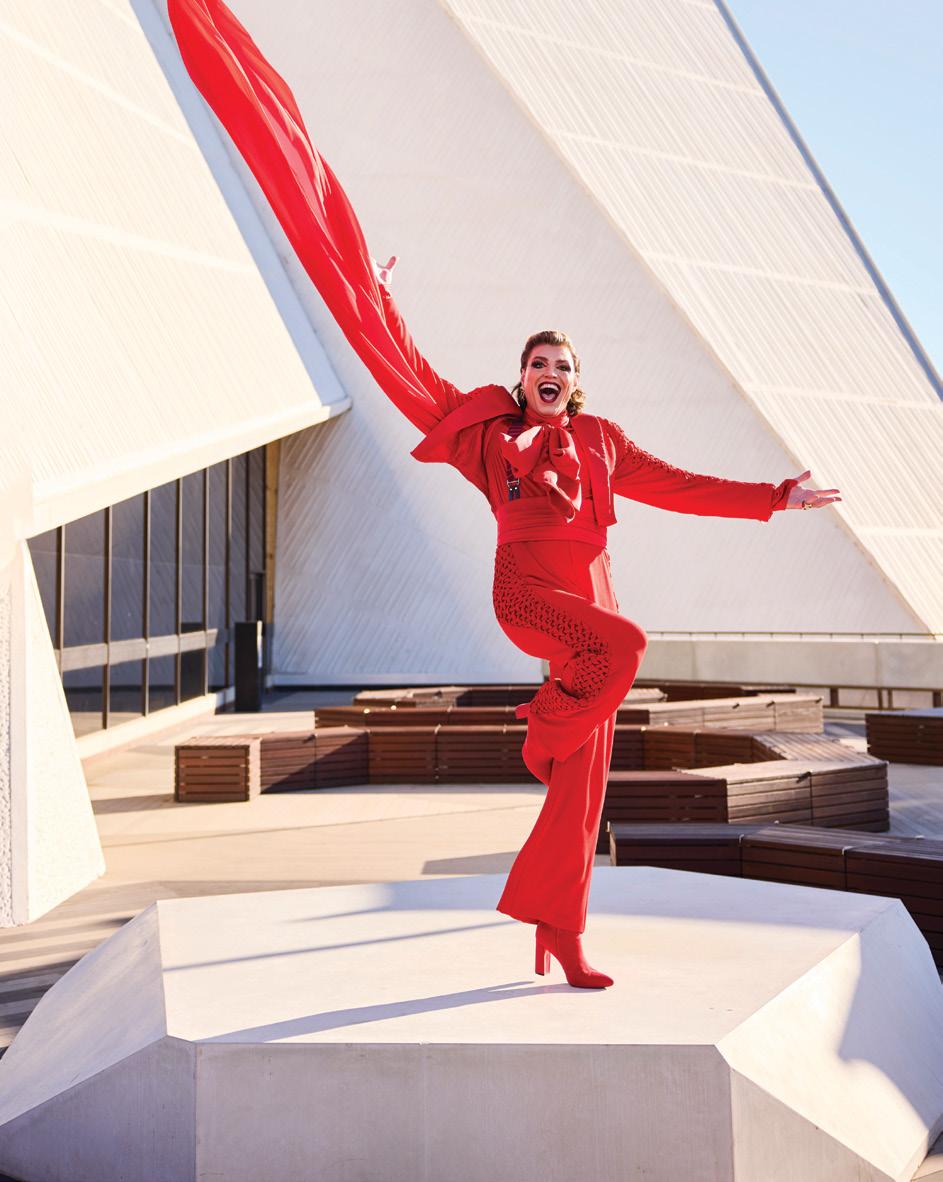
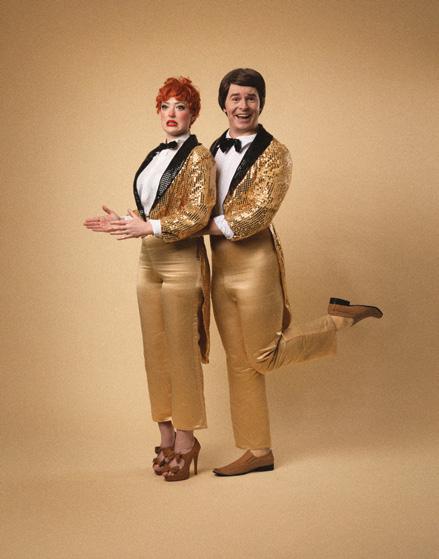
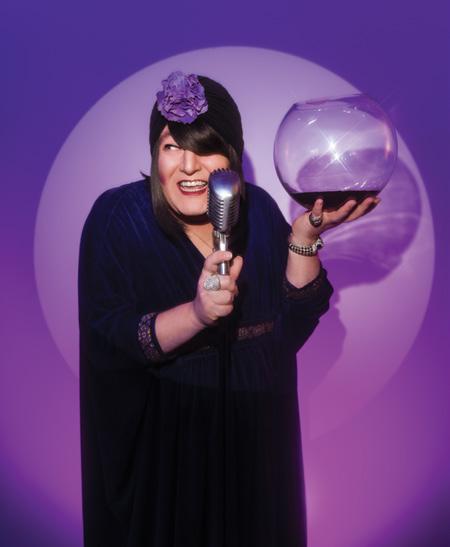
The biggest cabaret festival on the planet returns under new Artistic Director Reuben Kaye, with a program built around what he's calling the Delicious Revolution. Alfie Boe, Scott Bradlee's Postmodern Jukebox and the Variety Gala are already confirmed. Expect bold, unexpected and unmissable.
EXPLORE
South Australia's History Festival
Throughout May
More than 550 events across 16 regions, from walking tours and exhibitions to workshops and talks. This year's theme is Connections, and the program rewards the curious at every turn.
Rundle Mall turns 50 on 1 September, and we're celebrating the milestone in this issue. But the best way to honour 50 years of Adelaide's beating heart is to keep doing what we've always done: get out, show up, and make the most of this city. The months ahead give us plenty of reasons. I'll see you out there.
Tom Archontidis
Publisher
PUBLISHERS
Tom Archontidis
Charlotte Chambers
EDITOR
Olivia Williams
DESIGNER
David Gale
SALES MANAGER
Katie Brown katie@fiftyplussa.com.au
EDITORIAL CONTRIBUTORS
Paul Kitching
Jacqui Lim
Katie Spain
Dave Bradley
Angie McBride
DIGITAL
Alison Pavic
DISTRIBUTION templarsa.com.au
TC MEDIA
Opinions expressed by the author are not necessarily those of the publisher. Whilst all care is taken, the publisher accepts no responsibility for any errors or omissions.
FIFTY+SA is a team effort and if you have any suggestions or questions we would love to hear from you. hello@fiftyplussa.com.au
FOLLOW US @fiftyplus.sa fiftyplussa.com.au
We would like to acknowledge the Kaurna people as the custodians of the lands and waters of the Adelaide region.
INTO THE WOODS 22—29
AUGUST 2026
MUSIC AND LYRICS BY—
STEPHEN SONDHEIM
BOOK BY—
JAMES LAPINE
Orchestration by JONATHAN TUNICK
JAMES LAPINE
MAY IN SA
A Very Good Reason to Eat, Drink and Head for the Regions
SOUTH AUSTRALIA has always known how to do autumn well, and May 2026 makes the case better than most. Three events across the month add up to a compelling argument for getting out of the city, slowing down, and drinking something exceptional.
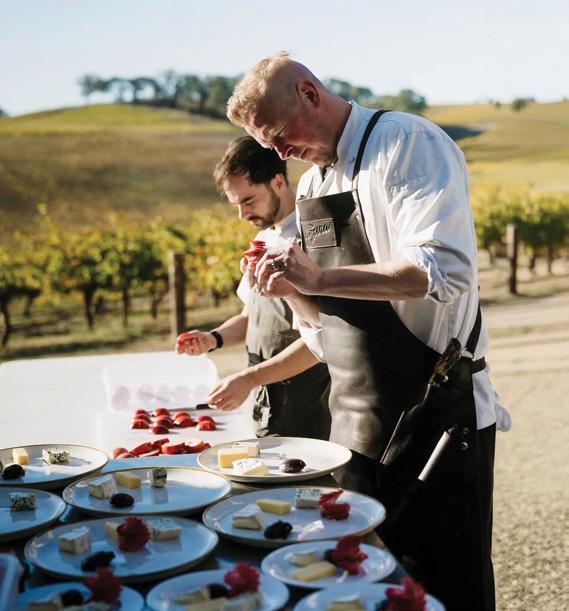
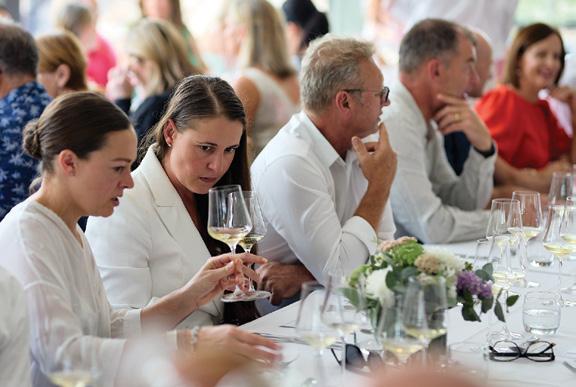
It begins with Tasting Australia . Presented by Journey Beyond and running 8–17 May, this is ten days of eating, drinking and exploring that spans Adelaide and the surrounding regions, and it has become one of the country's great food and wine festivals. The appeal is hard to pin down to a single thing. It's partly the program, which moves from intimate winemaker dinners to long communal tables at Town Square in Victoria Square, from regional day trips to late-night events that have no business being as good as they are. It's partly the people it attracts, some of the most interesting producers, chefs and culinary thinkers in the country, all in one place at one time. And it's partly the feeling of being an insider in your own city, discovering corners of it you didn't know existed. Popular sessions sell out early, so an advance look at the program is time well spent.
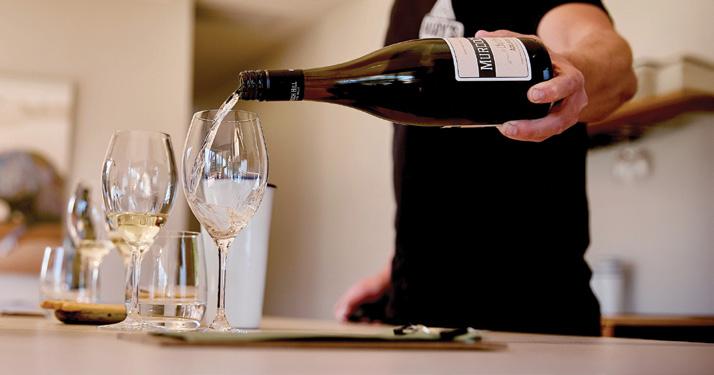
Running alongside Tasting Australia for the entire month, the Adelaide Hills makes its own case with Chardonnay May, a month-long celebration of one of the region's greatest strengths. The Adelaide Hills has become a global benchmark for cool-climate Chardonnay, and May is when the region leans into that reputation fully.
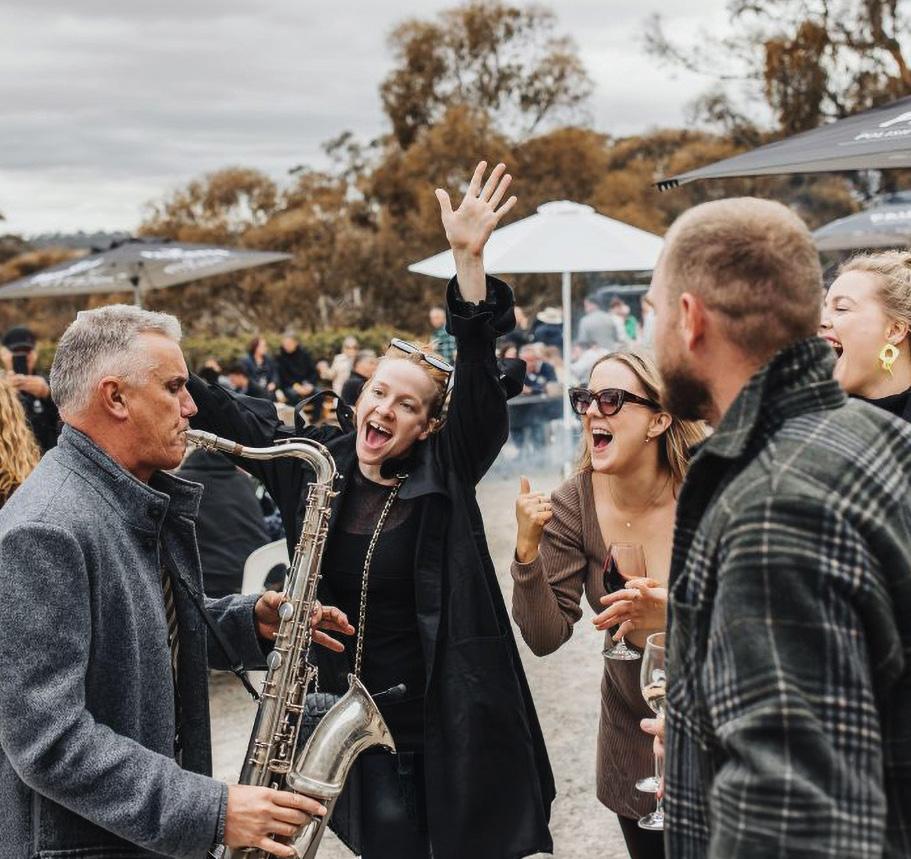
Cellar doors across the Hills host tastings, new-release showcases, back-vintage pours and immersive experiences throughout the month, all built around showcasing the grape in its many forms, from crisp and mineral to textured and complex. Pick up a Chardonnay May Passport and collect stamps at participating cellar doors as you go. A highlight is the Chardonnay Heroes dinner at Mount Lofty House on 9 May, presented as part of Tasting Australia, featuring a line-up of the region's top award-winning Chardonnays. The Stirling Hotel also gets in on the act with a six-course seafood dinner paired with boutique local producers, while the Marryatville Hotel offers a Frenchinspired dinner matched with Adelaide Hills Chardonnays.
Then, just as Tasting Australia enters its final stretch, the Clare Valley steps in.
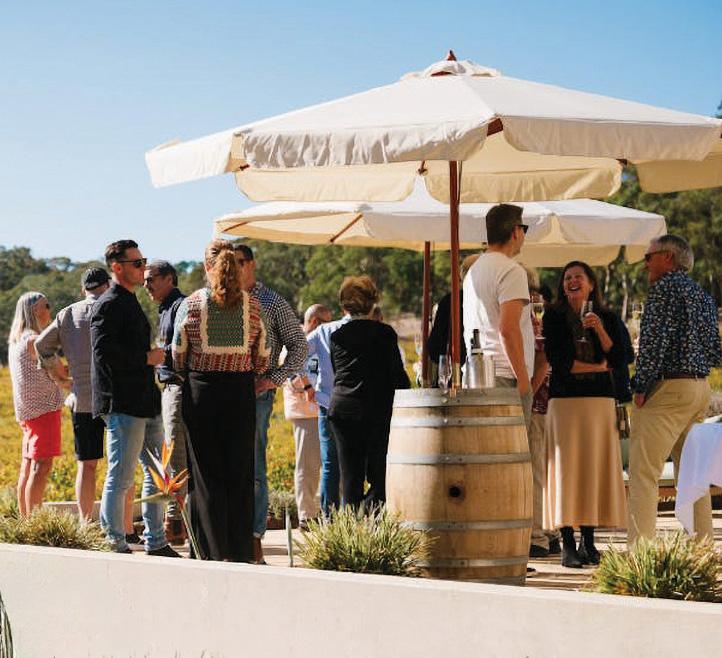
The Clare Valley Gourmet Festival, Australia's longest-running wine and food festival, runs 15–18 May, and it's one of those events that has simply been done well for so long it feels effortless. It isn't, of course, but that's the point. Long lunches, intimate dinners, cellar door collaborations and live music spread across wineries and venues throughout the valley, with the Gourmet Bus Trails handling the logistics so you don't have to think about anything except what's in the glass. The Clare Valley in May is beautiful, vines turning gold, the air carrying the first real edge of the season, the riesling exactly where you want it to be. It's one of those weekends that reminds you why you live in South Australia. Accommodation around this event goes quickly, so early booking is the move.
Three events, one month, and a very strong argument for taking some time off in May.
The Cabaret Festival Returns and This Year It Means
Business
EVERY JUNE, Adelaide does something it does better than anywhere else in the world. The Adelaide Cabaret Festival, the biggest cabaret festival on the planet, takes over the city for just under three weeks, and what follows is the kind of cultural moment that's hard to replicate anywhere else. This year, running 4–21 June 2026, it arrives with a new artistic director, a provocative new vision and a program –79 performances across 12 nights – that looks like one of the strongest in recent memory.
Reuben Kaye takes the reins for 2026. If you haven't encountered him before, that's about to change: he's been lighting up national television and international stages for years with a combination of sharp wit, extraordinary stage presence and a particular talent for making a room feel like anything could happen. A familiar face at the Edinburgh Festival Fringe, Adelaide Fringe and Melbourne International Comedy Festival, Kaye has built a devoted following for his bold, subversive cabaret – and he's no stranger to Adelaide's festival either. His theme for 2026 is the Delicious Revolution, which tells you something about the energy he's bringing. This isn't a festival that intends to play it safe.
Kaye hosts the 2026 Variety Gala on opening night, 4 June – always a signature event, and under his stewardship, almost certainly unmissable. He also takes the Space Theatre stage with The Kaye Hole (20 June, 9:30pm), raw, unfiltered, adults-only cabaret followed by its official after-party, The Gutter. And he's performing in What's The Buzz, a one-night-only concert featuring the Australian cast of Jesus Christ Superstar, alongside Mahalia Barnes, John O'Hara and more.
The Festival Theatre lineup alone is worth clearing the diary for. World-renowned tenor Alfie Boe makes his Adelaide Cabaret Festival debut on 7 June with special guest soprano Amy Manford. Lime Cordiale teams up with Adelaide Symphony Orchestra for a symphonic reworking of their ARIA chart-topping catalogue. Casey Donovan brings a one-night-only Amy Winehouse special, This Is Me, packed with Idol classics and Winehouse anthems. And Scott Bradlee's Postmodern Jukebox closes the festival on 21 June with their Future Is Vintage Tour, reworking contemporary hits through vintage jazz, swing and soul with a full live band.
Across the smaller venues, the program runs deep. Em Rusciano presents Addicted to Love at the Dunstan
Playhouse, an unfiltered take on romance and the myths we're sold. National treasure Vince Jones celebrates five decades of Australian jazz with A Maverick's Tale. Mahalia Barnes performs Bette Midler's The Rose. Cabaret icon Libby O'Donovan OAM joins Michaela Burger for SHORT (Space Theatre, 12–13 June), and Adelaide Cabaret Festival Icon Award winner Paul Capsis teams with Adam Noviello for the haunting world premiere HOUSE OF ROT: Grey Gardens
This year also marks the festival's return to the newly refurbished Adelaide Festival Centre, with upgraded venues, a new destination restaurant – Angry Penguin – and plenty of free programming to fill the spaces between ticketed shows. Dr Trevor Jones holds court nightly at the Quartet Bar with Piano Man and Show Tunes Trevia, the LGBTIQ+ Elders Dance Club returns to the Space Theatre, and a free foyer exhibition, Rags to Riches, celebrates cabaret's glamour and grit through iconic costumes from Rhonda Burchmore, Reg Livermore and Kitty Bang Bang.
For those who love live performance – theatre, music, spectacle, wit – June in Adelaide is the best time of year. Clear the diary, book early, and let the city do what it does best.
Adelaide Cabaret Festival, 4-21 June 2026
For more information: cabaret.adelaidefestivalcentre.com.au
& Juliet Nutcracker to The From Romeo
Experience some of the most beloved dance music ever written, performed live by the Adelaide Symphony Orchestra.
A NIGHT AT THE BALLET FRI 24 & SAT 25 JUL FESTIVAL
Port Adelaide's Bold Vision for Alberton Square
PORT ADELAIDE FOOTBALL CLUB has shared plans for one of the most ambitious property developments in Australian sporting history, and if it comes off, it will reshape not just the club's future, but the entire Alberton precinct.
Dubbed Alberton Square, the proposed mixed-use development will span almost 20,000 square metres of prime land
50 Years of Rundle Mall
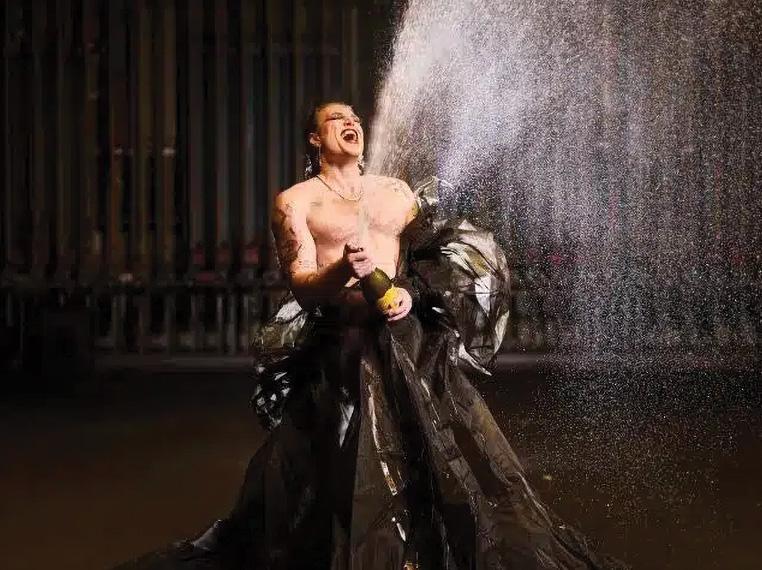
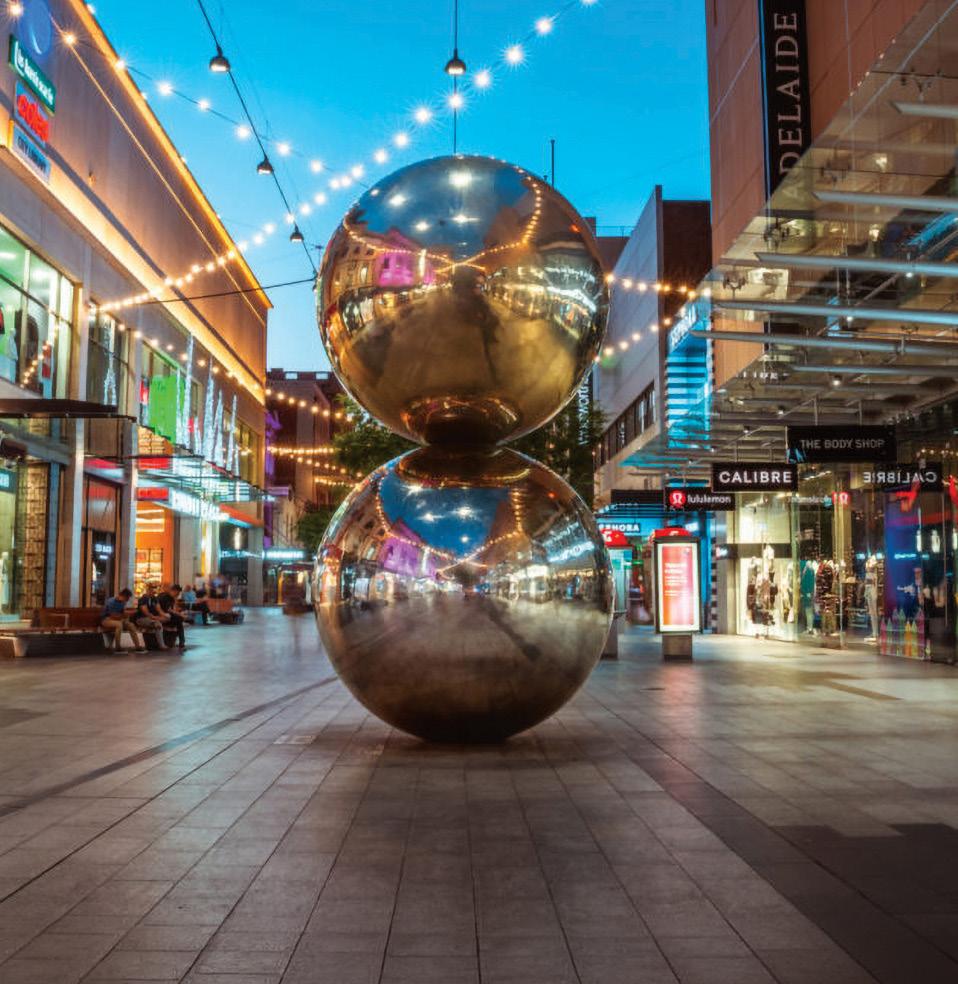
FEW PLACES IN ADELAIDE carry as much collective memory as Rundle Mall. Half a century ago, on 1 September 1976, then-Premier Don Dunstan arrived by horse and cart to officially open what would become the beating heart of the city. Champagne ran through the fountain and 10,000 people turned out to celebrate the beginning of a new era.
between Alberton Oval and Port Road, encompassing commercial, health and wellness, community, and residential offerings. It is, by any measure, a significant undertaking, and one that has been four years in the making.
The project's roots stretch back to 2022, when the club's board began looking beyond debt reduction
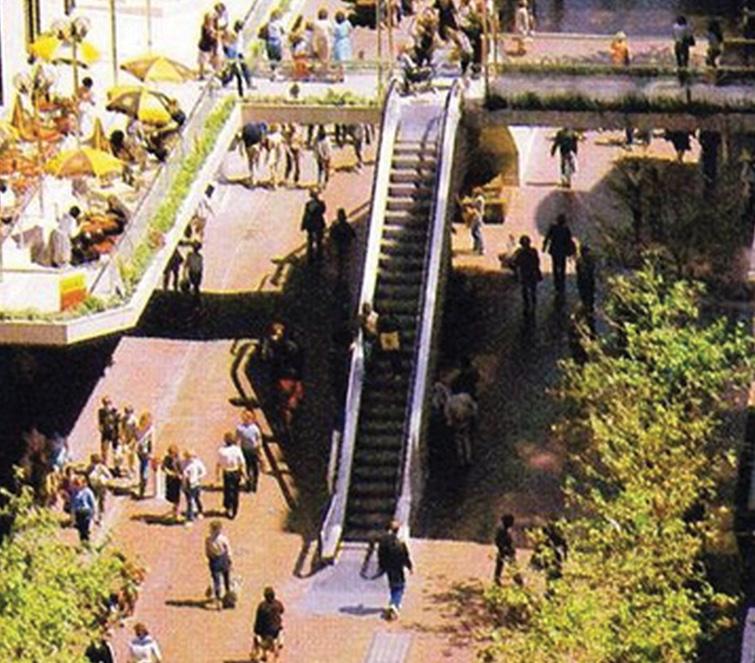
It almost didn't happen. The idea was first proposed in 1974, when Dunstan called for the closure of Rundle Street between King William and Pulteney streets, but it took years of sometimes bitter debate before construction finally began in 1975. Architect Ian Hannaford and his team travelled to Canada, Scotland and Europe for inspiration, designing a human-scale space with cobbled bricks, shady trees and comfortable seating… somewhere people would simply feel good being.
For those of us who grew up with it, the Mall is a living scrapbook. There was the day in July 1984 when 25,000 fans, many of them schoolgirls who'd skipped class, packed the Mall to watch Boy George perform from the Richmond Hotel overpass. There were afternoons lost in John Martin's Magic Cave, first jobs, first
toward genuine long-term financial independence. The model they landed on was inspired by some of the world's most innovative sporting clubs, many of which had built thriving commercial precincts around their home venues. Port Adelaide, it turns out, was sitting on the foundations to do exactly that.
Since 2023, the club has steadily acquired 26 residential properties between the oval and Port Road, consolidating a site that chairman David Koch describes as a once-ina-generation opportunity.
There's a pleasing historical symmetry to the project's name, too. When Alberton was first master-planned in the 1870s, the district featured five public squares, only two of which survive today. Alberton Square is intended to reinstate one of those lost spaces, returning something to the neighbourhood's original character.
The club will now move through the formal planning and community consultation process before development partners are engaged. Watch this space.
dates, and the enduring ritual of "meet at the Mall's Balls", Bert Flugelman's iconic stainless steel spheres, donated to the city in 1977. The beloved bronze pigs – Horatio, Oliver, Truffles and Augusta –arrived in 1999, and haven't left since.
Today, the Mall is home to over 700 retailers and 300 services, welcoming 22 million visitors a year. It has been upgraded, reimagined and refreshed, but its role as Adelaide's town square has never wavered.
Fifty years on, it still belongs to all of us. Find
An early architectural concept visual of Alberton Square. Image - Cox Architecture Adelaide
HANSEL AND GRETEL
ENGLEBERT HUMPERDINCK
21—29 AUGUST 2026
HER MAJESTY’S THEATRE
South Australia's History Festival Celebrates What Connects Us
Overland to Darwin and Back | 100th Anniversary
Connections are the invisible threads that hold our stories together—linking people, places and moments across time.
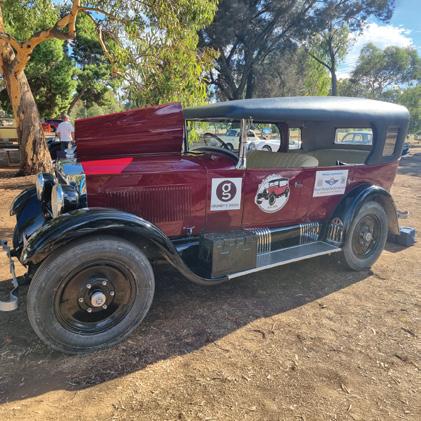
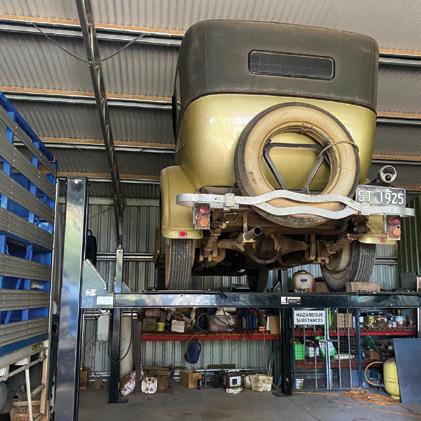
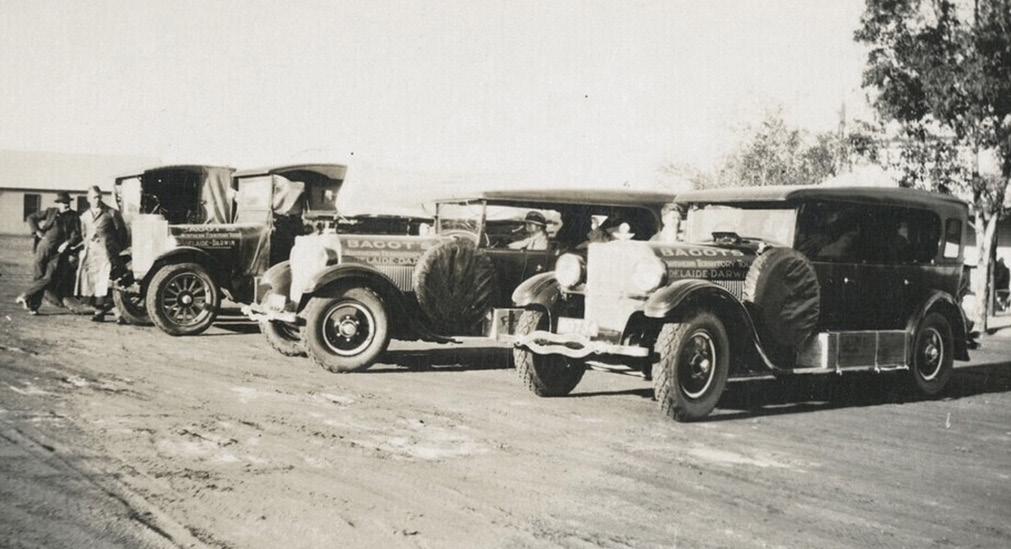
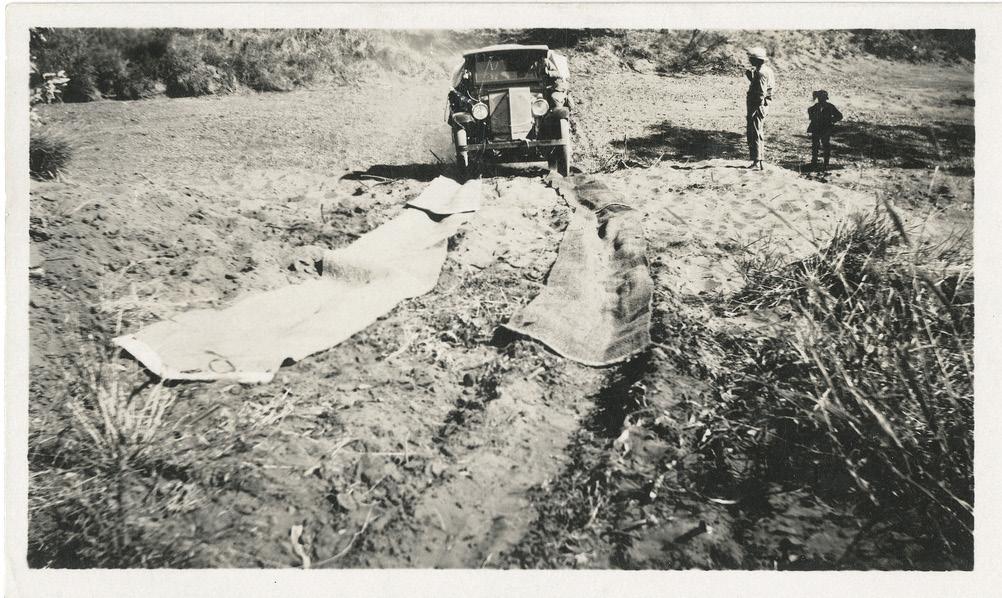
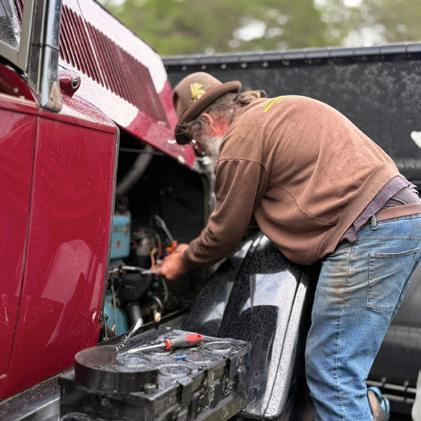
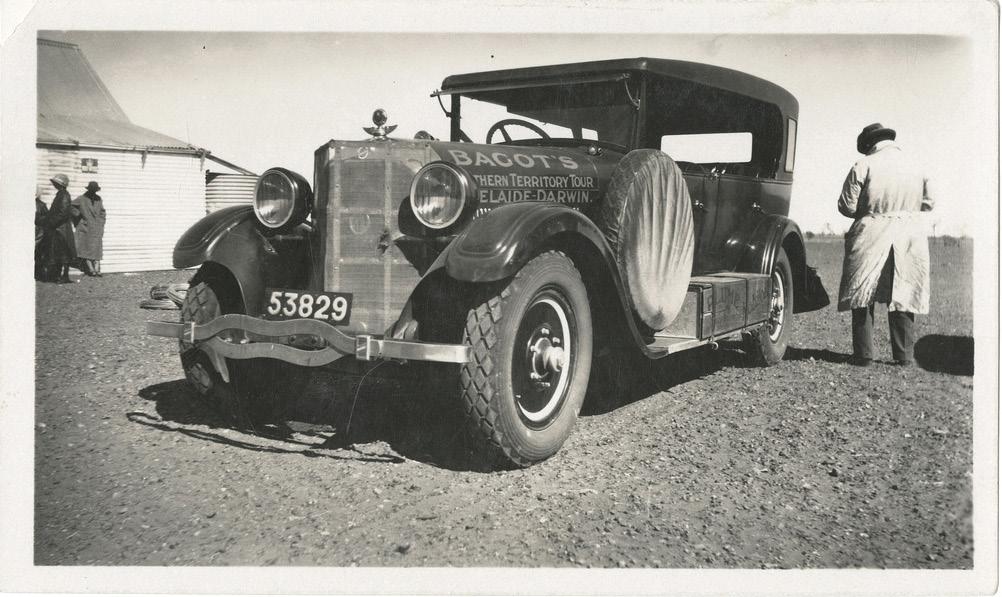
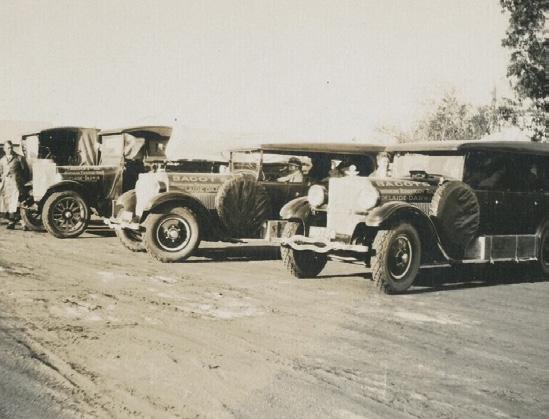
As part of South Australia’s History Festival 2026, a special re-enactment will mark the 100th anniversary of Australia’s first commercial transcontinental passenger service. The original journey, the longest of its kind in the world at the time, spanned 7,000 kilometres from Adelaide to Darwin and back, and took six weeks to complete. To commemorate the milestone, two 1925 Studebaker cars will depart from Rundle Street in a ceremonial send-off before retracing this historic route.
Brenton and Donna Taylor, Brenton and Amanda Whittenbury, David Stewart and an enthusiastic support team will undertake the journey, following in the footsteps of Whittenbury’s greatgrandfather, businessman Clarence Judd, to celebrate the centenary of the original expedition. The story also connects to a familiar South Australian name: Grundy's Shoe Stores. Judd, whose direct descendants still own and operate the business today, was one of the twelve paying passengers on the epic first tour.
South Australia’s History Festival will return in May 2026 with the theme of Connections.
With more than 550 events spanning 16 regions, the 2026 Festival celebrates the state’s history and the connections that bind us, thanks to its six Feature Programs – First Nations, Tasting History, From Many Places, Open Doors, Children and Family, and Rainbow Histories.
Tours, talks, exhibitions, walks and workshops will invite audiences to explore multi-generational stories stretching across decades and millennia, continents, and Country.
South Australians will discover the ties that shape our shared identity with events right across the state, from the threads that bind family stories, places and peoples, to the lines that link past to present and South Australia to the world.
The History Festival began over 20 years ago in 2004, as SA History Week, and grew into a month-long festival in 2011. Its popularity and success are due to the hard work and enthusiasm of event organisers and volunteers across the state, who are passionate about sharing our history.
36 hp Studebaker with Duplex body (rolldown blinds), Reg. 53829, first registered to E.D.A. Bagot of Woodville (Ref: SA Motor 25/1/26), [B71884/17], 1926, State Library of South Australia
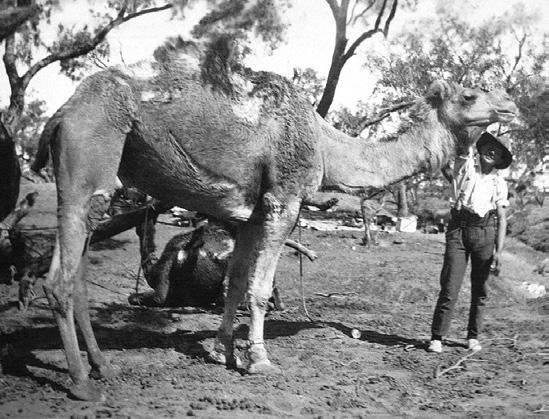
The matting out to cross a dry riverbed, [B71884/25], 1926, State Library of South Australia
Bagot's Northern Territory Motor Tour, [B71884/7], 1926, State Library of South Australia
The People Behind the Connections
This year, the festival shines a light on South Australians who live these connections every day. The printed program covers, shot by acclaimed local photographer Henry Trumble, introduce their stories.
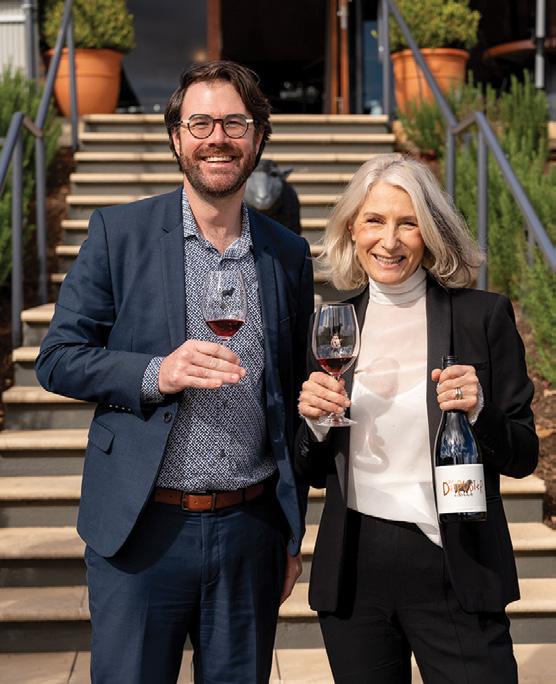
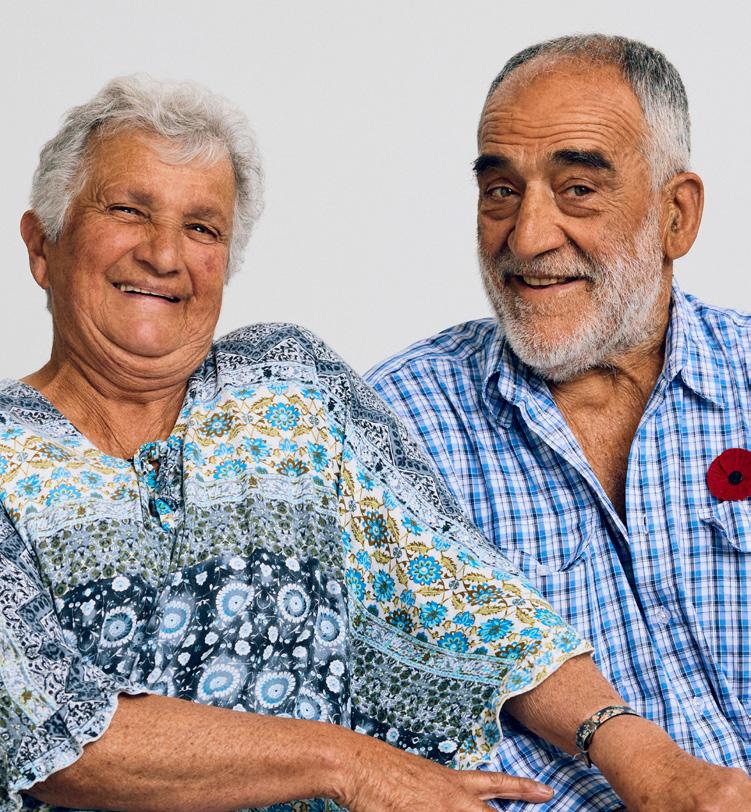
Meet: Sobia and Irfan Hashmi, who have spent two decades building community through healthcare and cultural celebration; Raphael Thomas, a Luritja Wambaya man, who knows the weight and gift of connection through generations; Esther and Matt Johnson, life and business partners preserving the 150-year legacy of Ditters Nuts; Hon. Ian Hunter MLC, who rebuilt connection after it was broken, creating a chosen family and championing LGBTQIA+ rights; and the Hugh Hamilton wine family, six generations of deep roots in South Australian soil.
Visit the website to book an event: festival.history.sa.gov.au
South
Australians will discover the ties that shape our shared identity with events right across the state.
Throughout May, thousands of South Australians will open doors to hidden histories, local treasures, and forgotten stories like this one. You’ll find exhibitions, walks, performances, talks, tours, digital projects and community events across the state - each one revealing the many ways we’re connected through history.
Discover South Australia's Eucalyptus Oil History and explore the journey of 100% pure Eucalyptus Oil at Emu Ridge on Kangaroo Island or join the South Australian Historical Tool Association for a display and discussion of unique tools along with stories of their origin and restoration or preservation of wear.
Connect in a cosy workshop and share heirloom recipes with fellow food lovers with Cooking the Books: A Spoonful of History and discover the dishes that shaped our community. Swap stories and flavours - creating new memories with old recipes.
Take part in a guided tour of Railway Connections on Eyre Peninsula. Go behind the scenes in the former railway administrative offices at Port Lincoln and find out how the railways provided vital connections for Eyre Peninsula communities.
There is truly something for everyone during South Australia’s History Festival, with a huge range of interest categories covered in multiple regions across the state.
Discover the full program: festival.history.sa.gov.au
Spotlight on Sobia and Irfan Hashmi
Sobia Hashmi and her husband Irfan seem like an ordinary couple. Migrants from Pakistan, Sobia and Irfan juggle parenting four children, running multiple businesses and an active social life.
When asked about what connects them to South Australia, their answer is immediate: community. Over the past 20 years, this remarkable couple has transformed healthcare access across remote and rural South Australia, establishing six pharmacies in areas where none previously existed – places where people once had to travel hours for basic medications and care.
Irfan says about their work: “Our inspiration comes from witnessing firsthand the disparities in healthcare access. Seeing how geography can limit essential services motivates us to be part of the solution. We believe everyone deserves equitable access to healthcare, regardless of where they live.”
But opening pharmacies was only the beginning. Understanding that truly serving a community means speaking its language, Sobia and Irfan have built a team that collectively speaks 21 languages, ensuring that some of the state's most vulnerable populations receive culturally sensitive healthcare close to home. Their commitment extends beyond their own practices too – they have mentored countless overseas pharmacists, coordinated multilingual education programs and run free weekly webinars that have helped 4,000 pharmacists pass their exams in the last year alone, bringing vital healthcare workers into regional Australia.
Sobia and Irfan were voted South Australia’s Local Heroes in the Australian of the Year Awards 2025. “Receiving the Local Hero Award was incredibly humbling. It affirmed the work we are passionate about and reminded us that even small efforts can have a significant impact. Above all, it has strengthened our commitment to serving our community,” says Sobia.
Beyond the pharmacy, Irfan's Australian Pavilion Cricket Museum tells another story of connection - one where sport becomes a bridge between cultures. As pharmacists and cricket enthusiasts, the couple believes that sports are "more than just games; they are an integral part of our culture, history, and identity." The museum celebrates how cricket and soccer have woven themselves into South Australia's multicultural tapestry, preserving the legacy of these beloved sports while fostering deeper understanding across communities.
“Cricket has always been a unifying force for us, bringing people together across diverse cultures and backgrounds. Our passion for equal opportunity stems from the belief that sport should be inclusive and accessible to all, providing a platform for talent, confidence, and community building,” the couple say.
Together, Sobia and Irfan embody what it means to build connections from the ground up – one prescription, one conversation, one shared story at a time. Their work reminds us that connection is not just about being present; it is about showing up in ways that truly matter.
Find more incredible stories about the faces of the campaign in the History Festival program or on the website: festival.history.sa.gov.au
South Australia's History Festival 2026 WHAT'S ON
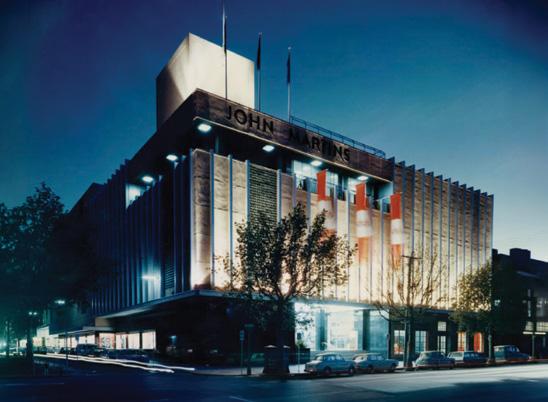
The History of John Martin’s
Paul Flavel
Join author Paul Flavel as he marks what would have been John Martin’s 160th year. He will share stories from his research, insights from creating his book, and reflections on the legacy of the iconic Adelaide department store. A nostalgic and engaging look back at a place many remember fondly.
Wed 6 May, 11am – 12pm
Hetzel Lecture Theatre
Institute Building, State Library of South Australia, Cnr North Tce & Kintore Ave, Adelaide, SA, 5000 Free
Stories, Stories, Stories...!
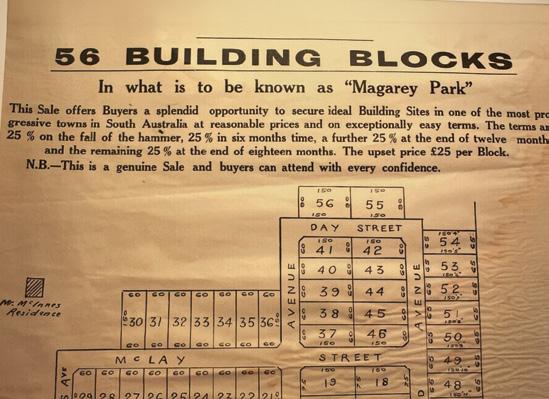
Narracoorte Homestead
Do you like hearing stories about history? Do you like sharing stories about history? The history of the beautiful Narracoorte Homestead property has been 180 years in the making — come along, share a glass of local wine, some food, and your stories and photos that will contribute to ensuring our pioneering past is fully remembered for years to come.
Tue 12 & 26 May, 6pm – 7.30pm
Narracoorte Homestead
30 McLay St, Naracoorte, SA, 5271
Tickets: $20
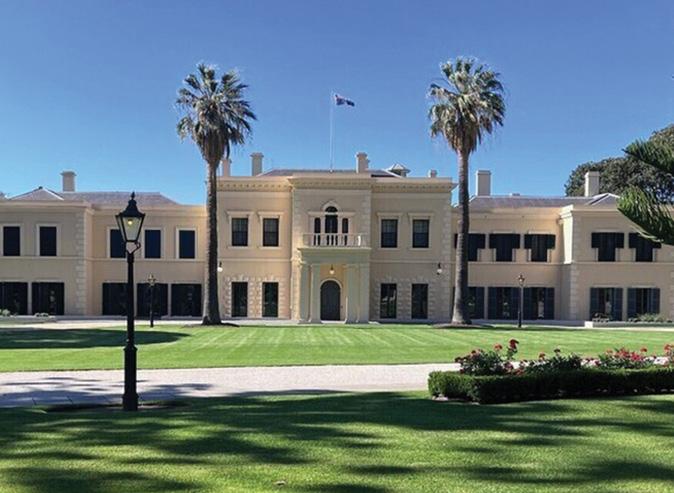
Government House Open Day Government House
Her Excellency the Governor and Mr Bunten invite you into the public rooms of Government House to learn its history and contemporary workings and ask questions of knowledgeable guides. Explore the extensive gardens, taking in the colours of autumn, while enjoying live music, children’s quizzes, and food and drink vendors.
Sun 24 May, 10am – 2pm
Government House
North Tce, Adelaide, SA, 5000 Free
Overland to Darwin and Back
Brenton & Amanda Whittenbury and Brenton & Donna Taylor
Centenary re-enactment of Australia’s first commercial north and south motor tour. The longest in the world at the time. Attend the Rundle street send-off of the two 100 year-old vehicles and other cars of the era. Join us two days later at the historic Beltana township for a community BBQ and screening of the original 1926 film of the tour.
Dinner & Film: Wed 20 May, 6pm – 10pm
Beltana Community Hall
11 North Tce, Beltana, SA, 5730
Tickets: Adult: $30, Child: $20
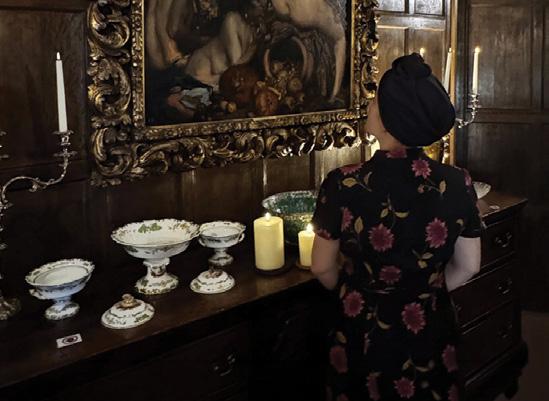
Carrick Hill by Night
Carrick Hill
Built in the 1930s by Ursula and Edward Hayward, Carrick Hill is one of Australia’s most intact period mansions. Step inside after dark for a magical candlelight tour of the historic house, as rooms glow with flickering light and the atmosphere of English country living comes alive.
Fri 29 May, 7.30pm – 8.30pm
46 Carrick Hill Dr, Springfield, SA, 5062
Tickets: $30
R.M.Williams: Beyond the Boots
City of Salisbury Library Service
Join us for an unforgettable evening with Mark Muller, editorin-chief at R.M. Williams Publishing as we honour the life and legacy of R.M.Williams, the man who stitched his way into Australian history. Discover how his iconic boots and rugged clothing shaped the spirit of the outback and became a symbol of resilience and style for generations.
Wed 27 May, 6.30pm – 7.30pm
Salisbury Community Hub
34 Church St, Salisbury, SA, 5108
Free
Community Weaving Project
Presented by First Nations Artist Kyla McHughs and Alexandrina Libraries
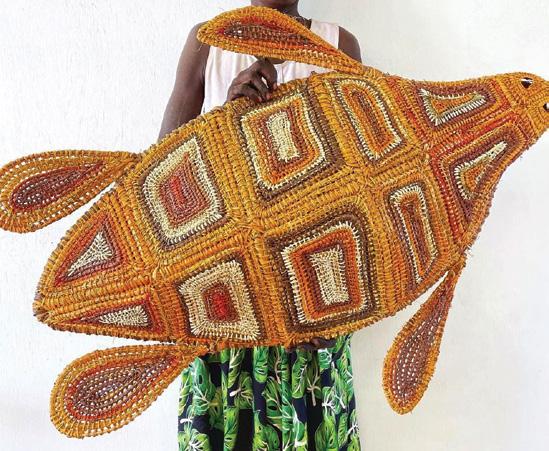
Learn basic weaving techniques with First Nations Artist Kyla McHughs. Participants have the option to attend one or more of the sessions on offer and the pieces produced will be joined together to form one sculptural piece of an animal from our region. The finished piece will be displayed in the Goolwa Haven/Library.
Every Fri in May 11am - 12.30pm
Goolwa Library
11 Cadell St, Goolwa, SA, 5214
Free: Bookings required
Starry Starry Skies: Meet the History Maker Chris Tugwell
Cambrai School Community Library & Cambrai Museum
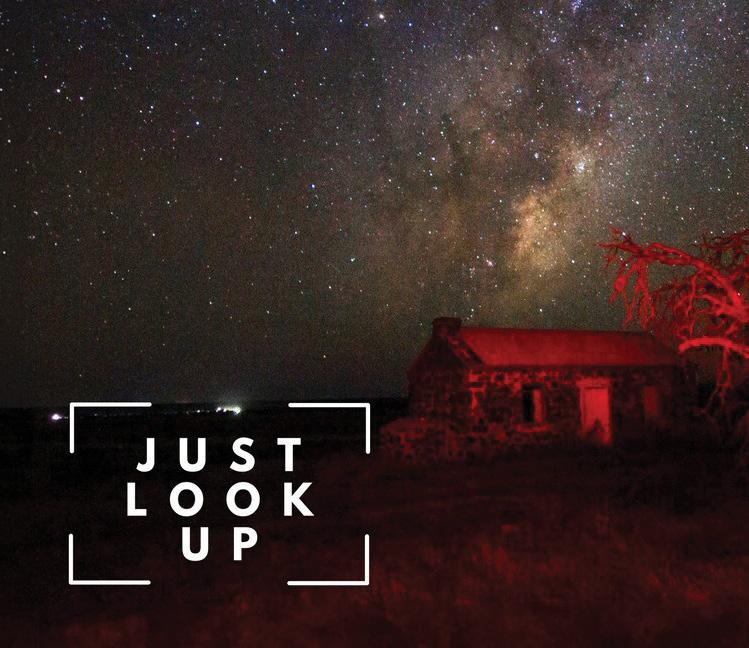
Meet Chris Tugwell, history maker and founder of the River Murray International Dark Sky Reserve. Gather at Meldanda to hear the science and story behind protecting the night sky, sit by the campfire, and experience the brilliance of the stars. Part of Cambrai’s History Festival. BBQ dinner and mobile phone astrophotography. Sunset approx. 5:30pm.
Wed 13 May, 5.30pm – 7.30pm
Meldanda
106 Bundilla Rd, Cambrai, SA, 5353
Bookings required
The Laucke Family: An Australian Success Story
Wend/Sorb Society of SA
Friedrich Laucke came from the Wendish area of Germany to South Australia in 1895 and soon got involved in the flour milling industry. Expansion by later generations made the Laucke product a respected name in Australia. His son Condor also made great contributions to parliament and government. Mark Laucke and Janet O’Brien tell their family’s story.
Sun 24 May, 2pm – 3.30pm
Glynde Lutheran Homes Hall 22 Avenue Rd, Glynde, SA, 5070 Free
From Generation to Generation: The Ditters Gourmet Cake Story
Ditters Nuts
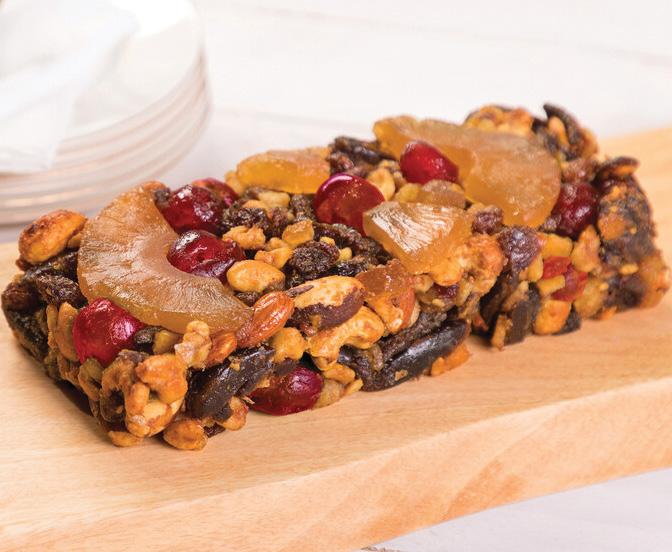
Discover the story behind the Ditters Gourmet Cake, created in 1967 and passed down through four generations. Learn how this cherished South Australian Christmas tradition took shape, drawing generations of home bakers to Ditters for fruit and nut ingredients, and why thousands of cakes are still enjoyed each year. Complimentary tasting included.
Every Mon – Sat in May, 11.30am –11.50am & 3.30pm – 3.50pm
Pink Shorts Press in collaboration with Frida Las Vegas
Shake off the cultural cringe and join queen of kitsch Stavroula Adameitis – aka Frida Las Vegas –for a nostalgic walk down memory lane in Adelaide Arcade. This lo-fi presentation celebrates the specifics of our history, from far-out food to objectionable objects, inspired by her forthcoming book Australianarama (Pink Shorts Press).
Thurs 21 May, 6-7:30pm
Adelaide Arcade Mezzanine Landing 112–118 Grenfell St, Adelaide, SA, 5000
Tickets: $10
Stories Within These Walls: The Lubasch Overland Farmstead
Hahndorf Archives
Step inside the original fachwerk barn (built by Fährmann) for the Lubasch family and experience their story through an audiovisual presentation. Discover Lubasch’s service under Napoleon, his role at Waterloo, his daughters’ lives as Hahndorf shearers, and his death in 1856 in what is now the home of the Hahndorf Archives.
Wed 13 & 27 May, 10.30am – 12pm
Beerenberg Farm
2106 Mount Barker Rd, Hahndorf, SA, 5245
Bookings required
History is All Around Us
INTERVIEW BY Olivia Williams
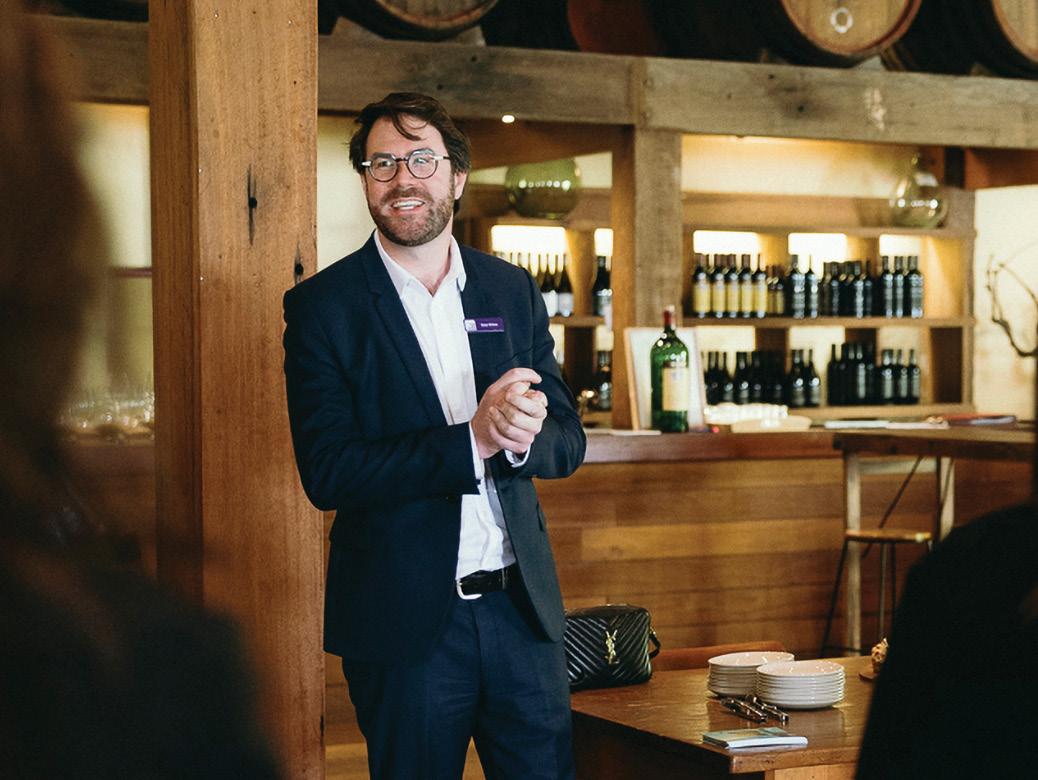
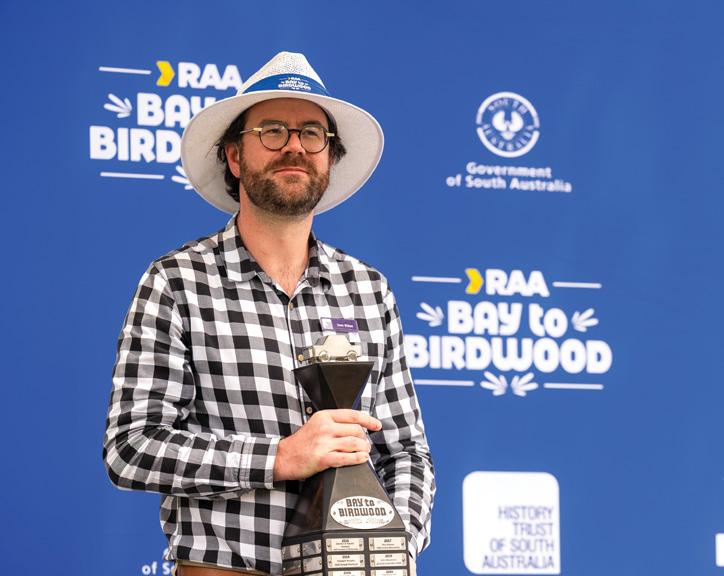
South Australia's History Festival is back for 2026, and this year, it's asking us to look a little closer. We spoke with Festival Director Dane Wilden about connections, community and why the everyday stories matter most.
The 2026 History Festival invites attendees to ‘unearth the extraordinary in the everyday,’ from community ties to movements that shaped South Australia. How do you bring these stories to life across tours, talks, exhibitions, and workshops?
One of the great strengths of South Australia’s History Festival is that it’s not just centred on iconic figures and major events in the state’s history; it’s about the everyday stories that have shaped South Australia. We work with hundreds of community groups, historians, sandstone institutions, and passionate locals who all bring their own stories to the program. That might be a walking tour revealing hidden histories in a familiar suburb, a workshop exploring family genealogy, or an exhibition showcasing objects that tell personal stories about migration, work, or community life. The idea behind “unearthing the extraordinary in the everyday” is that history is all around us; it’s in our streets, our buildings, our traditions, and even in the stories shared around the dinner table.
Are there any themes or initiatives for the 2026 festival that you’re especially excited about?
The theme for this year’s History Festival is “connections”: from the threads of connection that bind family stories, places, and peoples, to the lines that link past to present, and South Australia to the world. In 2026, we’re seeking to unearth the extraordinary in the everyday, highlighting the ties that
brought communities together, the movements that changed this land, and the relationships that continue to shape our identity. We often joke in South Australia that we’re all connected in some way; by a friend of a friend, or a cousin’s neighbour’s best mate. We all share a history – whether knowingly or unknowingly – and this year’s festival is focused on uncovering some of those lesser-known connections and exploring how they’ve shaped the state that we live in today. I’m excited to learn something new and see what sorts of connections are uncovered across the state during History Festival this year.
For someone who’s never attended the festival, what makes it unique compared with other cultural events in Australia?
The scale and diversity of the program is what makes the festival unique. This year, there are over 550 events taking place right across the state – from city venues to regional towns – covering everything from archaeology and architecture to family history, lost trades, and vintage vehicles. No matter where you’re located in SA, there’s likely to be a History Festival event of some kind in the same region. What makes the festival particularly special is that the program is largely communitydriven. Local organisations, historical societies, museums, and passionate individuals all contribute events, which means you’re getting an incredibly rich and varied perspective on South Australia’s past.
Beyond the well-known chapters of SA history, the festival makes space for stories that haven't always been widely told. How do you approach that side of the program?
South Australia’s history is wonderfully diverse, and it’s important that the festival reflects the many communities that have shaped the state. We actively work with community organisations, researchers, and storytellers to ensure a wide range of perspectives are represented. That includes LGBTQIA+ histories, migrant experiences, First Nations perspectives, and many other stories that haven’t always been widely told. By creating space for these stories, the festival helps people see how different communities have contributed to the rich cultural fabric of South Australia.
Can you share a standout event or moment from past festivals that really captured community participation?
Seeing the pride communities have in the stewardship of their own local stories is one of the most rewarding aspects of the festival. Small community history groups can present events in the program alongside major exhibitions delivered by some of SA’s leading cultural institutions, which engenders a sense of community ownership over our shared history. It doesn’t matter how big or small the story you have to share is – you’ll find a place to tell it in the festival.
How has the festival evolved since you first started working on it, and what have been some of the most significant changes?
One of the most exciting recent additions to the festival was the introduction of the “Tasting History” Focus Program in 2025. Food has always been at the heart of culture and connection, carrying the stories of generations on every plate and in every glass. The Tasting History Focus Program invites participants to explore history through their taste buds, showcasing events where food, beverages, and cooking take centre stage.
Looking ahead, what do you see as the future role of the History Festival in shaping how South Australians connect with their past?
Putting aside Santayana’s old adage about being condemned to repeat history, the History Festival plays an important role in bringing local history to the fore. With school curricula often focused on the colonial origins of the eastern states, there can be
a gap in understanding our own local stories here in South Australia, and the festival has a responsibility to help fill that void. I want South Australians to find joy in uncovering history at a local level: in our streets, at our sporting clubs, in neighbourhood pubs and restaurants, and within the community groups that shape everyday life. It’s through these discoveries that people begin to see history not as something esoteric or academic, but as something living and shared. In the future, I see South Australia's History Festival continuing to play a vital role as a platform for communities to tell their own stories – helping people connect with where they live, understand the experiences that have shaped contemporary culture, and strengthen the sense of connection that binds us together.
QUICK–FIRE with Dane Wilden
Favourite part of the festival?
Reading through the full program for the first time and circling all the events I want to attend.
Most unusual object you’ve ever seen at an event?
The 2026 SA History Festival runs throughout May. For the full program: history.sa.gov.au
I
want South Australians to find joy in uncovering history at a local level; in our streets, at our sporting clubs, in neighbourhood pubs and restaurants, and within the community groups that shape everyday life. It’s through these discoveries that people begin to see history not as something esoteric or academic, but as something living and shared.
A collection of objects rather than just one, but it would have to be the largest collection of Kylie Minogue memorabilia in the southern hemisphere (as part of the 2024 festival). Contemporary history is history, too!
History fact that blows your mind?
That South Australia granted women both the right to vote and the right to stand for parliament in 1894, making it one of the most progressive places in the world at the time. It’s an extraordinary reminder that this state has often been at the forefront of social reform.
Local hero from SA history you’d love to meet?
A cliché, but former Premier Don Dunstan.
Best car you’ve seen at Bay to Birdwood?
I can’t pick just one! The Amphicar 770 (a cross between a boat and a car) would have to be up there, as would the stunning Land Rover Series 3 that won the EV Conversion Award in 2023.
One word to describe the 2026 festival?
Unexpected.
If you could time-travel to any moment in SA history, when would it be?
Back to the late 60s and early-70s, during the reformist era of cultural development.
THE FORGETTORY
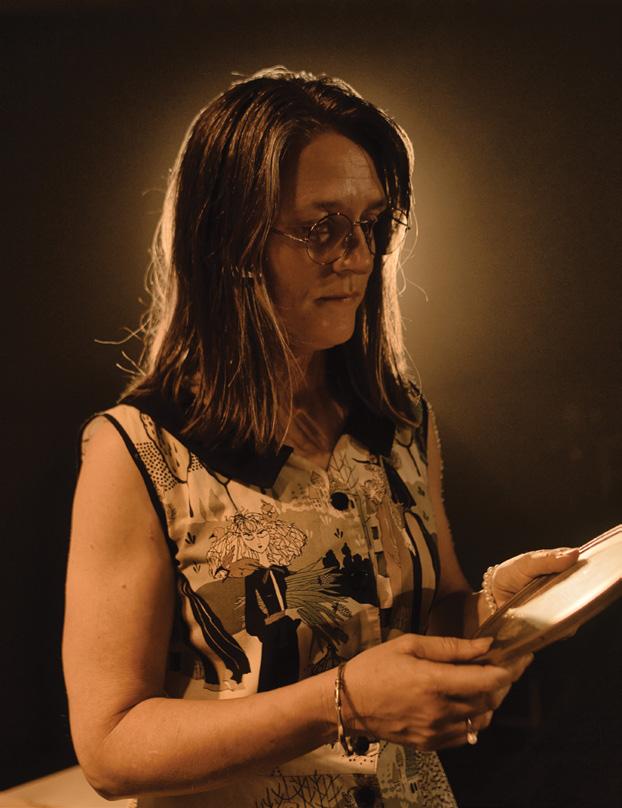
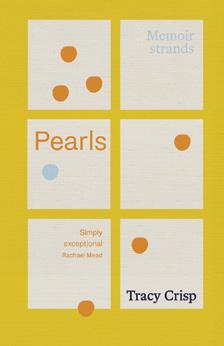
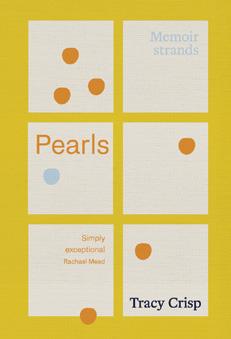
Tracy Crisp is a writer and funeral celebrant, but is perhaps most known as a Fringe performer. Her most recent book, Pearls, out with Pink Shorts Press, is based on her six award-winning ‘memoir monologues’ and deals with grief, ambition and coming-of-middle-age.
This is an edited excerpt from a chapter about her beloved grandfather.
A FEW WEEKS AFTER MY MOTHER’S funeral, my grandfather wrote to me. ‘I am writing this letter from the car,’ my grandfather began. ‘Because it’s the warmest room in the house.’ This was typical of him, a pragmatic man with a sharp but subtle sense of humour. Less typical though were the next words about his wife and daughter, both now dead: ‘I hope you know what you mean to me, dear. You are Joyce and Vivienne and you.’ I felt a change come over me, something like an ageing, but also something more. I had become three generations of woman in one.
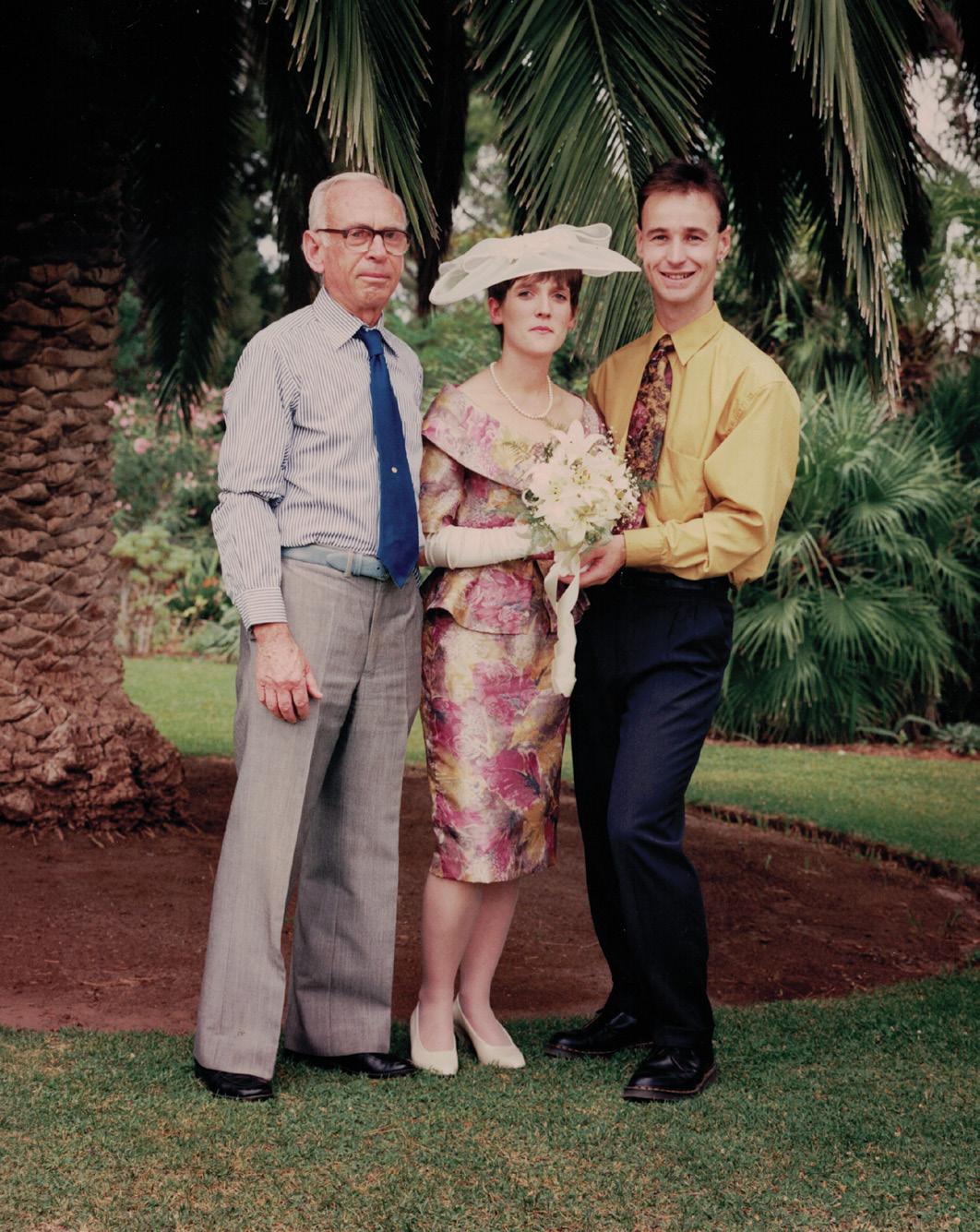
My grandfather, Pa, was born in 1916, the descendant of Cornish miners who had migrated to South Australia’s Yorke Peninsula. He was given a grand collection of names – George William Cole Lyne – but he was always known, somewhat less grandly, as Bill. His courtship with my grandmother, Joyce, was rushed by the war and it wasn’t until after his officer’s training that they had a chance to put their wedding clothes back on and have a portrait taken.
That portrait stands a symbol of Pa’s strong sense of the need to preserve the past and bolster our collective memory. Over his lifetime he volunteered thousands of hours for the National Trust and local historical societies, not only as an accountant but also as an excellent amateur photographer. He travelled around the state in his golden-yellow Torana taking countless slides and photographs of monuments, landmarks and significant sites, from the rock formations at Hallett Cove to the fossils at Parachilna. He also documented many of our state’s flowers, birds, grasses and trees. I see your boring family slide night and raise you the flowering structures of every species of the genus eucalyptus.
Tracy performing ‘The Forgettory’ at the Fringe, Photo: Frank Lynch
In the year I got my first camera for Christmas, Pa came with us on a family trip to Kangaroo Island. As I learned to point-and-shoot, Pa would stand behind me asking, ‘Is this a simple snapshot, dear, or is it a photograph of record?’
At first, it was another in his standard line of jokes.
‘How are you, Pa?’
‘I’m very well, dear. As far as I can remember.’ He had outlived both his children by then, as well as his wife, and appointed me to be his guardian and gave me power of attorney, ‘In the event that it is ever required.’ He gave me increasingly frequent gifts of fifty-dollar notes because, he said, ‘I must have forgotten your birthday several times by now.’ Fearful of the home invasions he read about in our local newspaper, he had a burglar alarm installed, but he could never remember the code. We convinced him to write it in the front of his diary. It was *1*. The anecdotes and incidents added up. I knew that he had given me the legal authority to intervene, but it was more difficult to convince myself that I had the natural authority. That was my mother’s place. Until one day, I took Pa to the doctor for his flu shot. We were sitting in the waiting room when he said:
‘And just remind me, dear. Who are you?’
‘I’m your granddaughter. I’m Tracy.’
‘Ah, yes.’
‘Did you forget who I am?’
‘No. No, I knew you were important to me, it’s just my memory, dear.’
The crisis of it came as it so often does, after a fall. At our house. On Christmas Day. Pa slipped on a gumnut that had fallen from one the trees that lined our street. On Boxing Day, my aunt and I took him to the repat hospital. He never went back to his home again. As we waited for Pa to recover and for more permanent accommodation to be found, I visited as often as I could. Each time I walked into the ward, Pa would be sitting, his bed made, his case packed. ‘Oh, there you are, dear. I was just wondering whether I should get them to call you. To let you know that I am ready.’ I explained things again. He listened. He understood. And then, one day, he knew. I watched as he took his handkerchief out of his pocket, took off his glasses and wiped at his eyes. It was the second time in my life that I saw him cry.
‘I got old, dear.’ That moment. Its intimacy. Its fragility. Its power.
There was so much that we didn’t tell him. His house had been sold, my father had died, we were moving overseas. Was it better or worse to keep things from him?
For the six weeks each year we were in Adelaide, we visited Pa every day.
‘Oh, hello dear. Well, you’re a sight for sore eyes.’
He said this whether it was our first visit home or we had seen him the day before.
‘How are you, Pa?’ His hugs grew stronger as he grew more frail.
‘Oh, I’m very well, dear. I can’t complain. The only thing that troubles me is my memory. Well, that’s not strictly accurate because I no longer have a memory. I have a forgettory.’
This forgettory was more unrelenting, more tormenting than anything that any vengeful god has made. It never
forgot a question, but never remembered the answer. A memory is an ally, a forgettory is a foe.
Some days it felt as if Pa might live forever. Ninety-four, ninety-five, ninety-six.
I now relied almost entirely on the photo album that he made for our family some years before. Together we turned the pages on this parade of ancestors. His grandparents, uncles, aunts, father, mother, sisters. One day, he pointed to a photograph of himself and said, with tenderness and a smile,
‘Billy.’
‘Is that what they used to call you?’ He nodded and looked at me. ‘Mother,’ he said.
If I had been three – Joyce and Vivienne and me – I felt myself becoming even more. One woman can be two, three, four. He filled me with them all. I wanted to speak. I wanted to ask him who he saw. But my need was simply to satisfy this mix of curiosity and ego. I was quiet. I did not want to steal his peace, his hard-earned clarity.
In this moment, his forgettory was not his enemy, it was his greatest friend. When all else is forgotten, this is what is left. This deep and certain knowing. He is loved.
Pearls Memoir strands
Tracy Crisp
RRP $32.99
Pink Shorts Press
Tracy with her grandfather at her wedding to her husband Adrian
“Pieces of jewellery are enriched with stories and history. Some are passed down generations as family heirlooms, while others mark pivotal life moments.”
FortyYears of Fine Jewellery
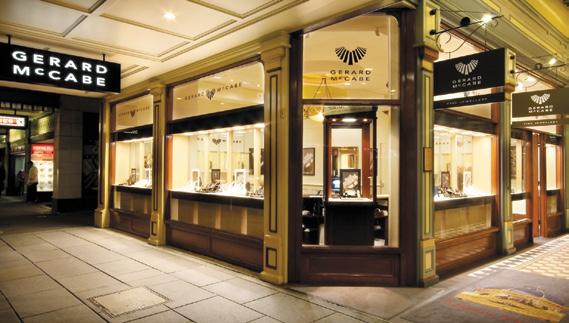
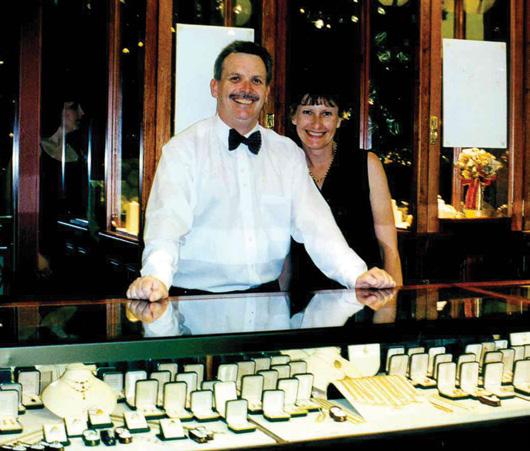
WHEN GERARD AND PAULINE MCCABE opened their doors in Adelaide Arcade on April 1, 1986, they were continuing a family tradition that had already been running for more than a century. Forty years on, the Adelaide institution has grown into one of Australia's most respected jewellery houses, and the story behind it stretches back much further than four decades.
The McCabe family's connection to South Australian retail began in 1878, when Gerard's great-great-grandfather Patrick operated McCabe Tailors on Hindley Street. Over the following century, the family trade evolved from tailoring to jewellery manufacturing and retail, with Gerard and Pauline carrying that legacy forward when they opened their flagship store in Adelaide Arcade nearly forty years ago. Today, their eldest children Jessica and Justin continue the tradition, a fifth generation of McCabes serving South Australians with the same commitment to craft and relationship that has defined the business from the start.
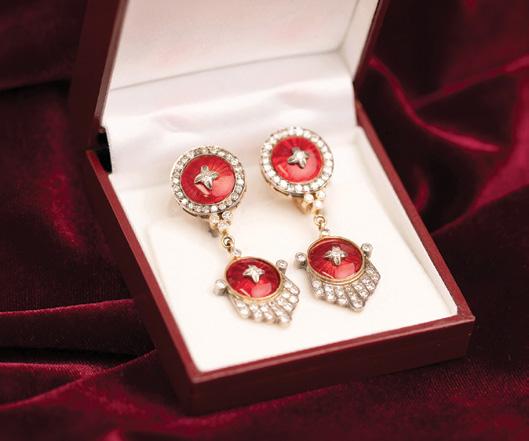
With stores in Adelaide Arcade and Rundle Mall, Gerard McCabe has built its reputation on an exceptional eye for gemstones, exquisite craftsmanship and a personal approach to jewellery. Custom engagement rings, fine jewellery, watches and one of Australia's finest antique jewellery collections sit at the heart of what they do, but it's the relationships that really define the business.
"Fine jewellery is more than our business; it is truly our passion," say Gerard, Jessica and Justin McCabe. "Selecting amazing gems from around the world and telling stories through design is what we love to do. From our family to your family, serving you, generation after generation."
As part of South Australia's History Festival in May, Gerard McCabe is marking the milestone with two special free events open to all.
Antique Jewellery Roadshow
Adelaide Arcade, Friday 8 May
The much-loved Antique Jewellery Roadshow returns for one day only. Bring in your own pieces to be assessed by Gerard McCabe's specialist team, and explore the brand's exceptional antique collection while you're there. Whether you have a family heirloom whose story you've always wondered about, or a piece picked up on travels years ago, this is a rare opportunity to have it properly examined by some of the finest eyes in the business. Free entry. One day only. Bookings are essential and can be made via: forms.gerardmccabe. com.au/antique-jewellery-roadshowmay-2026
Exhibition –Celebrating 40 years
Adelaide Arcade
1 May – 31 May
Gerard McCabe Jewellers
Adelaide
Arcade
and Rundle Mall
gerardmccabe.com.au
A curated exhibition tracing four decades of craftsmanship, heritage, and design. Discover the awardwinning jeweller’s rich heritage across four decades and beyond, along with a curated selection of jewellery from clients on display in store from 1 May – 3 May. Free entry.
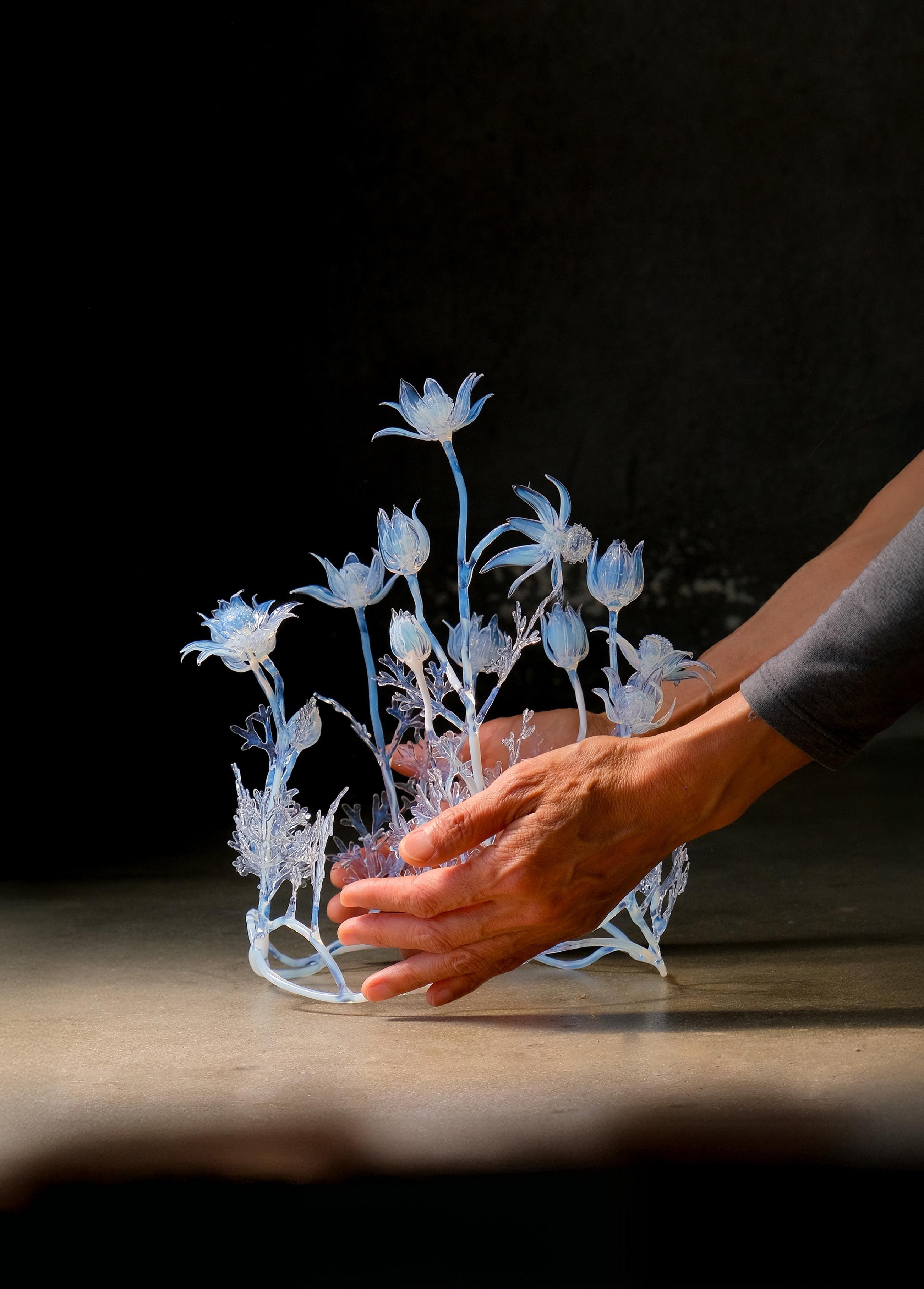
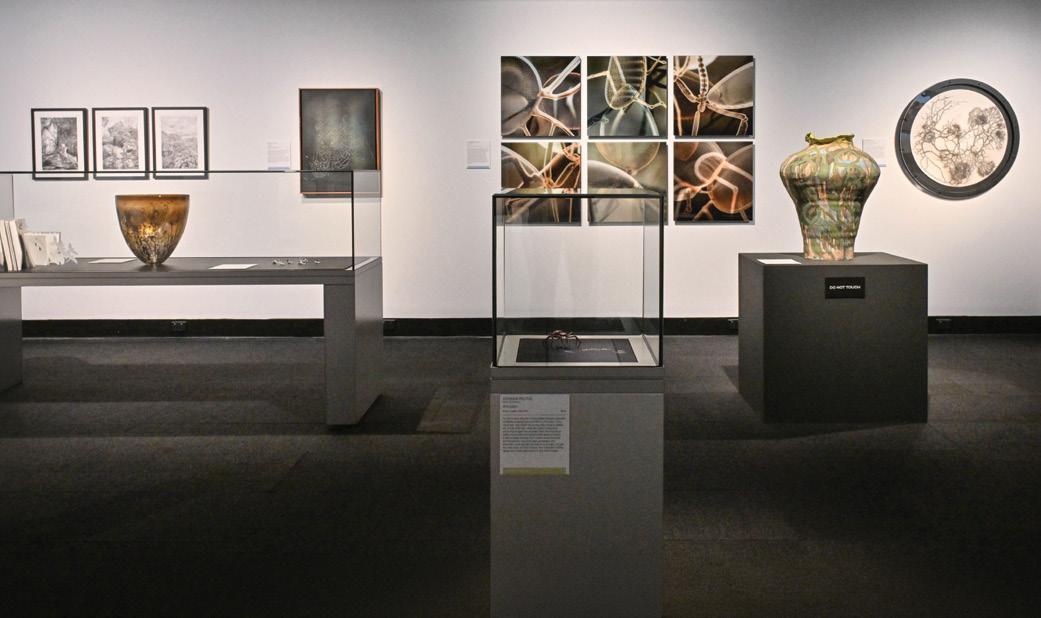
Akie Haga, Soft Echo. Borosilicate glass. Finalist in the Open category.
The People’s Choice Prize is generously provided by Sonya Hender and Ron Langman
The New Rules of a Good Night’s Sleep
We've long been told that sleep is important. But somewhere between the busy decades of careers, kids and keeping everything together, many of us gradually accepted that a full, restorative night was something that happened to other people. The truth is, sleep doesn't have to be elusive. It just requires a little more attention than it used to.
FOR WOMEN ESPECIALLY, the picture gets more complicated after 50. Shifting hormones during perimenopause and menopause directly interfere with sleep architecture, reducing deep sleep, triggering night sweats, and making it harder to stay asleep even when exhaustion is real. Understanding that this is physiological, not personal failure, is actually the first step.
So what's working for women who are sleeping well?
A few things worth exploring.
MAGNESIUM
Magnesium has become something of a sleep-world darling, and for good reason. It plays a key role in regulating the nervous system and supporting the production of melatonin, the hormone that signals to your body that it's time to wind down. A surprising number of adults are deficient without knowing it, and supplementing with magnesium glycinate or magnesium threonate in the evening has helped many women report deeper, more settled sleep. It's gentle, well-tolerated and worth a conversation with your GP.
MEDITATION
Consistent meditation practice, even just ten minutes before bed, has measurable effects on cortisol, the stress hormone that tends to spike at the worst possible hour (hello, 2am). Apps like Insight Timer offer guided sleep meditations that require zero experience and no particular belief system. Think of it less as spiritual practice and more as a deliberate off-switch for a busy mind.
MOUTH TAPING
This is the topic that raises eyebrows, but the conversation around nasal breathing during sleep has gained serious traction in wellness circles. The theory is that breathing through your nose overnight, rather than your mouth, supports better oxygen exchange, reduces snoring, and leads to more restorative sleep. Mouth taping,
using a small piece of gentle skin tape across the lips, encourages exactly this. It sounds confronting, but many who've tried it report being surprised by how quickly it became normal, and how much better they felt in the morning. Not suitable for everyone, so check with a health professional first.
THE FUNDAMENTALS STILL MATTER
None of the above replaces the basics, and the basics work. A consistent sleep and wake time (yes, even on weekends) anchors your circadian rhythm. A cool, dark room signals the body that sleep is imminent. Limiting screens in the hour before bed, or using blue light glasses if that's unrealistic, reduces the melatonin suppression caused by device use. And alcohol, despite feeling like a wind-down tool, fragments sleep in the second half of the night in ways most of us don't realise.
The most interesting thing about sleep right now is how much conversation it's generating, among researchers, clinicians and everyday women who've simply decided they deserve to rest well. It turns out a good night's sleep isn't a luxury. It's infrastructure.
If sleep difficulties are persistent or significantly affecting your quality of life, speak with your GP. There are effective evidence-based treatments available.
Strong After 50
HERE'S SOMETHING THE FITNESS world has been slow to shout about: lifting weights, properly heavy weights, may be one of the most powerful things you can do for your health after 50. Not gentle resistance bands. Not the two-kilogram dumbbells gathering dust in the corner. We're talking real, progressive strength training. Done well, with good technique and the right guidance, it's transformative.
Here's the science in plain English. From our mid-thirties onwards, muscle mass naturally begins to decline, a process that picks up pace with each passing decade. Left unchecked, it's the reason
EVE WELLNESS
A Juicy Dose of Creatine + B12
A women's-focused formula pairing 5g of creatine monohydrate with vitamin B12 to support muscle strength, recovery, and energy; plus a little cognitive lift on the side. Dissolves in water, no fillers, no fuss.
RRP $41.90 for a month's supply. evewellness.com.au
TRY THIS
everyday tasks start to feel more challenging: hauling groceries, taking the stairs, getting up from a low chair. The good news is that this is largely reversible. Two to three weight sessions a week can rebuild strength, support joints, bolster bone density, improve balance and, perhaps most surprisingly, sharpen cognitive function too.
The catch is that our natural stores decline with age, making supplementation particularly well-timed for the over-50s.
For those wanting to amplify results, creatine monohydrate is having a well-deserved moment. Often dismissed as a supplement for twentysomething gym devotees, it's actually one of the most well-researched and well-tolerated options available to older adults. Creatine occurs naturally in your muscles, fueling short, sharp bursts of energy: the kind needed whether you're lifting, climbing a hill, or keeping pace with grandchildren. The catch is that our natural stores decline with age, making supplementation particularly well-timed for the over-50s.
The research is consistent and shows older adults who combine resistance training with creatine build strength more effectively, recover faster, and report feeling noticeably more energetic in daily life, well beyond the gym floor. A modest 3–5 grams of creatine monohydrate daily, paired with adequate hydration, is all it takes. No complicated protocols, just consistency. Staying strong, it turns out, is simply about staying in the game, maintaining the independence, mobility and vitality to keep living life on your own terms.
As always, check in with your GP, a qualified trainer or health professional before beginning a new exercise or supplement routine.
More Time for What Matters The ECH Retirement Living Difference
DISCOVER
THE PERFECT BALANCE of independence and support. ECH retirement villages provide a modern solution for those looking to maintain their freedom without the burdens of traditional homeownership. Designed exclusively for older people, they offer a stress-free lifestyle enriched by amenities and a welcoming neighbourhood feel.
ECH is one of South Australia's largest providers of independent retirement living, with almost 2,000 properties across 109 villages. Helping older South Australians since 1964, ECH has been trusted by generations and offers awardwinning properties that meet the highest standards in retirement living.
When you move into an ECH retirement village, you live independently in your own private home, but without the chores of home and garden maintenance or bills like council and water rates, giving you more time to spend on the things you love. Depending on your financial circumstances, the move could also release equity in your home for fun or travel. Most ECH villages are close to transport, recreation and medical facilities.
LIFESTYLE AND COMMUNITY BENEFITS
Living among peers of a similar age makes it easy to forge friendships and find mutual support. There are plenty of social activities to take part in, from fitness classes to hobby groups and day trips, giving residents regular opportunities to stay active and engaged. These frequent interactions help prevent the isolation that many
older people experience living alone. Industry research shows that people in retirement villages are about five times more likely to engage in daily social activities than older people in private homes, contributing to significantly lower rates of loneliness.
HEALTH, WELLBEING AND SUPPORT
ECH retirement villages are purposebuilt to support physical health and peace of mind. Homes typically feature age-friendly design, single-level layouts, step-free access and handrails to minimise hazards and make daily life safer. ECH ensures all properties and communal gardens are fully maintained, so you can get on with living without any worries about upkeep. Select villages include wellness facilities and programs such as exercise classes and walking groups, making it easy to stay active. Studies have found that older adults in retirement villages get about 15% more exercise and are happier than their counterparts elsewhere.
SUPPORT WHEN YOU NEED IT MOST
For those who feel that day-to-day tasks are taking more effort, ECH Crichton Court in Henley Beach offers a supportive way to
continue living independently, with a little extra help built in. Private, purpose-designed units come with practical services including meals, housekeeping and linen, creating a more relaxed and manageable lifestyle. Support is tailored further through Home Care Package funding, and with friendly staff nearby and easy access to the neighbouring ECH Wellness Centre, Crichton Court provides peace of mind and everyday comfort without compromising independence.
FINANCIAL AND PRACTICAL CONSIDERATIONS
Retirement village living can also make good financial sense. Units are typically around 45% cheaper than traditional houses in the same area, allowing many people to free up funds from selling their former home. A single service fee covers many routine expenses, making monthly costs more predictable, and on-site facilities provide further convenience.
Choosing an ECH retirement village is a step toward a fulfilling and secure chapter of life. Explore ECH properties today and find a place where comfort and community come together.
Get in touch with one of our retirement living experts by calling 1300 275 324 or emailing ask@ech.asn.au
MORE THAN YOU EXPECT A sanctuary to reflect
and reconnect
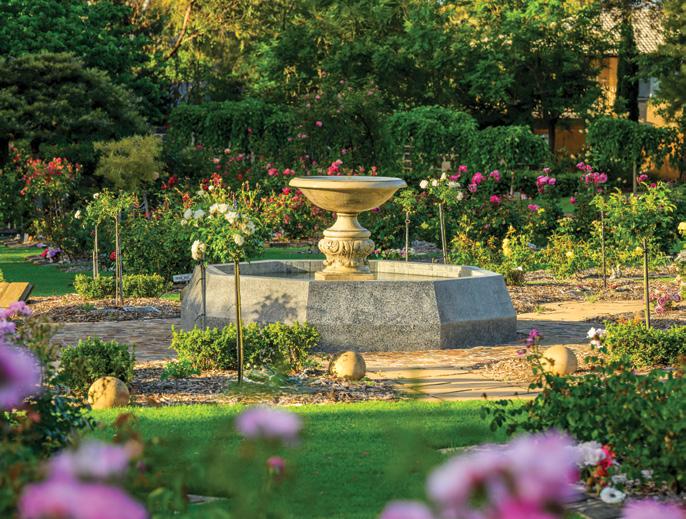
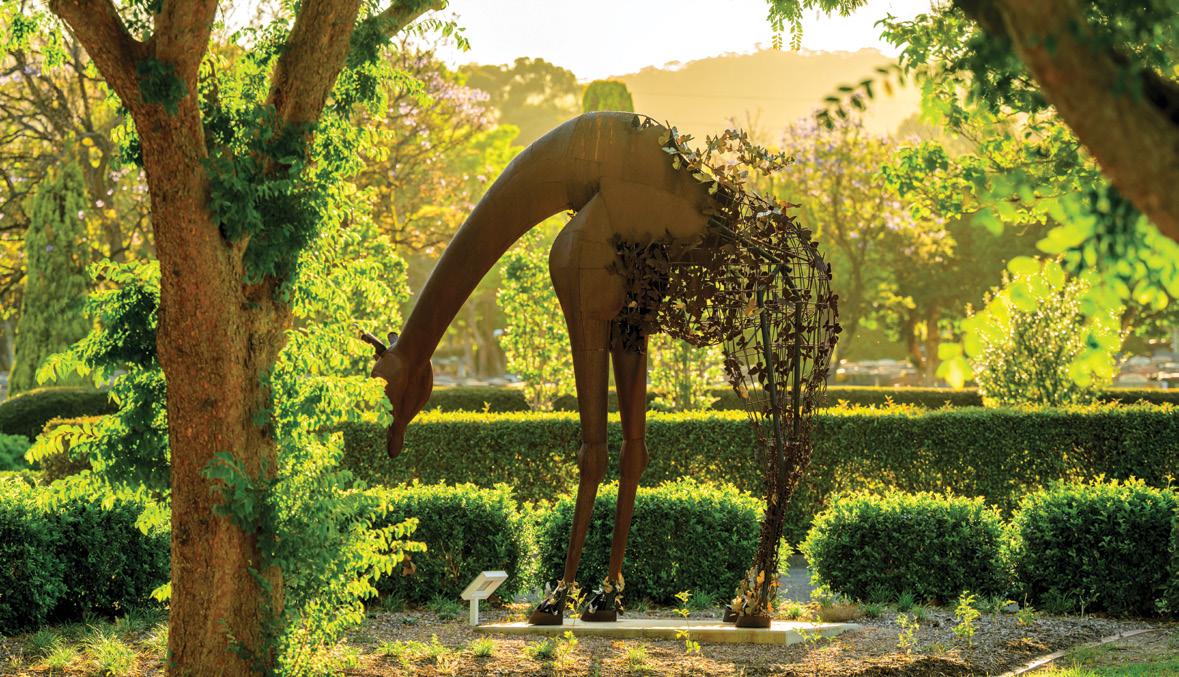
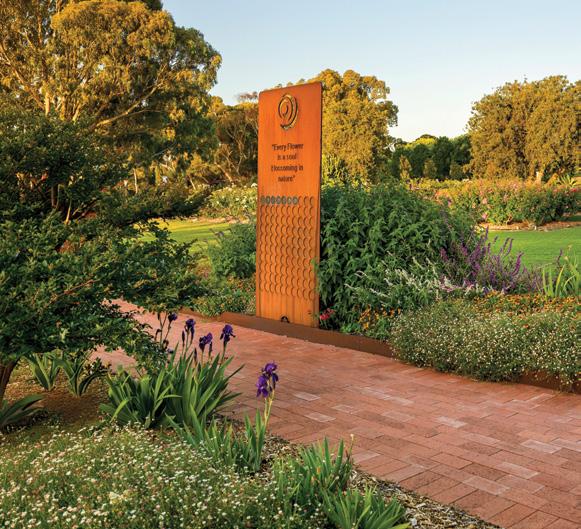
TUCKED IN ADELAIDE’S INNER SOUTH, Centennial Park is one of those rare places that offers something special for everyone who steps inside its beautifully landscaped grounds. For more than 80 years, it has been South Australia’s premier cemetery and memorial park, but to the hundreds of thousands who visit each year, it is also a sanctuary, a garden, a meeting place, a canvas for art and history, and a deeply personal space to reconnect with what matters most.
Spread across 40 hectares, it feels more like a botanical landscape than a traditional cemetery: a place to explore, walk, pause and enjoy peaceful moments among nature and tranquil gardens.
Spending time here often encourages people to think more deeply about their lives, memories and the legacy they hope to leave. And in a setting shaped around reflection, many visitors begin contemplating an important but often overlooked question: how can I make things easier for the people I love when the time comes?
A GIFT OF CLARITY AND PEACE
Planning ahead offers families calm and clarity during life's tender moments. When these decisions are made early, they lift an emotional weight from the people we love, giving them the comfort of knowing those wishes have already been expressed.
Thoughtful planning creates space for personal preferences: the tone, style and practical details of your farewell, ensuring the ceremony feels genuine and true to who you are. Above all, it is an act of love, giving your family the freedom to focus on remembering and celebrating your life.
HONOURING YOUR LIFE, YOUR WAY
Planning often starts with deciding between cremation and burial, a personal decision influenced by your values, cultural or spiritual traditions, or simply the way you feel most connected to the idea of legacy.
Thoughts then turn to the kind of ceremony you imagine: a traditional service, something relaxed, contemporary or intimate. Centennial Park’s Jubilee Complex offers beautifully designed service spaces, each created to honour life in a peaceful and reflective setting.
Perhaps the most meaningful part of planning is choosing the details that feel uniquely you: the music that shaped your life, readings or words of significance, favourite flowers or colours, or treasured items. Personalisation sits at the heart of every experience at Centennial Park, and families often say how much comfort they find knowing each detail has been cared for, from ceremonial touches to the gentle support of staff who understand the significance of every moment.
Memorialisation is another important consideration. Your memorial becomes a place where loved ones can continue
At Centennial Park, planning ahead is seen as one of the most meaningful gifts a person can give.
their connection with you, a space to pause and reflect. Every option offered at Centennial Park is shaped by the belief that memorialisation is an emotional anchor, a way for families to reconnect with what matters most.
TALKING WITH FAMILY
A conversation can bring clarity, comfort and confidence to those you love. Many families express relief once these wishes are known, turning what might feel like a difficult topic into one grounded in honesty, support and love.
Planning your funeral is, at its heart, an act of love. It ensures your wishes are understood and gives your family the space to focus on what truly matters: remembering and celebrating your life.
A gentle way to begin is by joining a free Behind the Scenes tour or attending a planning seminar. Centennial Park can guide you with compassion and clarity, leading you through each step of the journey.
Scan the QR code to visit the Centennial Park website:
SA ARTIST WINS
Waterhouse Natural Science Art Prize
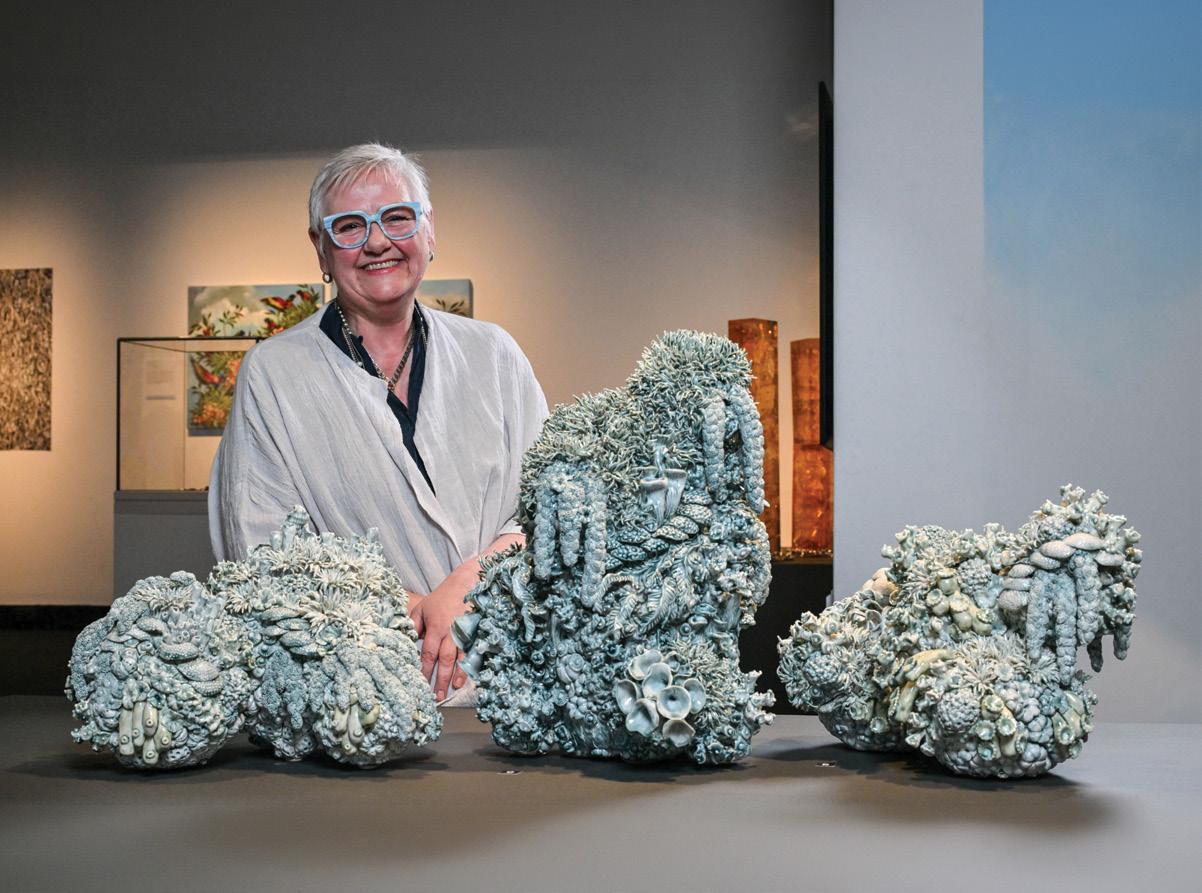
An immensely topical and hauntingly beautiful porcelain artwork by Adelaide artist Deb McKay has been named winner of the South Australian Museum’s 2026 Waterhouse Natural Science Art Prize.
The piece, titled The Ghosts of our Coastal Water, emphasises the devastation South Australia’s ongoing algal bloom has had on the coastal marine ecosystem.
Reflecting on the disturbing aftermath of environmental collapse, Deb says the work “had to be green, and it had to represent the ghost-like creatures that had died.”
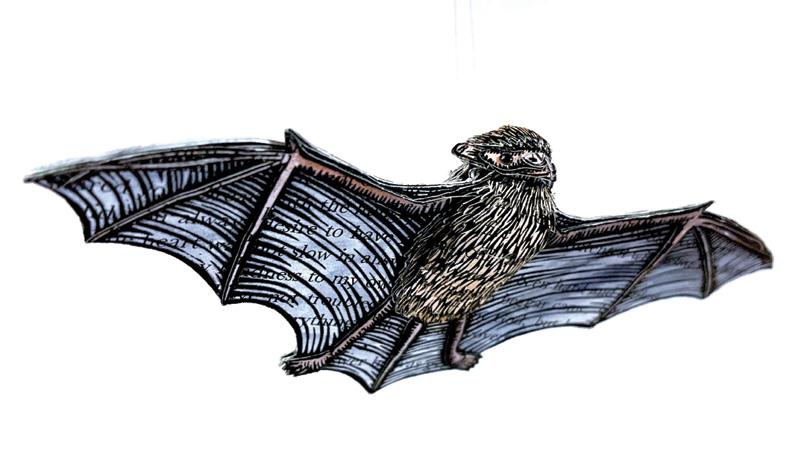
Kat Parker from Shepparton in Victoria won the Emerging Artists’ Prize for her piece Discarded (Christmas Island Pipistrelle), a hanging life-size sculpture of the tiny bat frozen in flight.
The last call of this echolocating bat was recorded in 2009, and it has not been heard on the island since.
“I hope that my work can draw attention to the lesser-known species we have already lost due to human activity,” Kat says.
The Waterhouse is proudly produced by the South Australian Museum and is one of Australia’s most prestigious and richest art prizes.
South Australian Museum Director Dr Samantha Hamilton said the winning pieces were beautiful but hit hard because of the messages they deliver about our fragile environment.
“I had the privilege of being a judge for the Waterhouse this year and I was amazed by the quality of the entries,”
said. “Deb
and Kat
are the deserving winners in what was a very close contest.
“The Waterhouse explores the nexus between science and the arts, and we hope the prize and resulting exhibition make both more accessible to more people.
“I urge you all to come and see it for yourself and support Australian artists.”
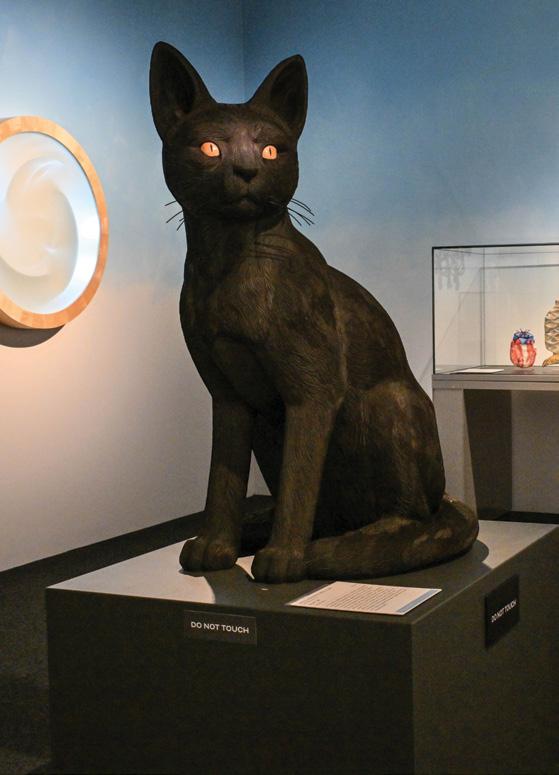
The winning pieces will be exhibited among 74 finalist artworks at the South Australian Museum until Sunday 19 July 2026.
More information on the Waterhouse exhibition: whatson.samuseum.sa.gov.au/ events/2026-waterhouse
Dr Hamilton
McKay
Parker
The Ghosts of our Coastal Water by Deb McKay. Photo by Brenton Edwards
Photo by Brenton Edwards
Discarded (Christmas Island Pipistrelle) by Kat Parker
Black Cat by Abdul-Rahman Abdullah Photo by Brenton Edwards
Arentz Advises
Meet Matthew Arentz, Partner at DBH Lawyers, bringing over 20 years of experience in delivering trusted legal advice.
Question:
“I've heard the aged care laws have changed. What does that mean for people receiving care at home? ”
Home Care Has Changed - Here's What You Need to Know
Legal Rights and Obligations for People with a My Aged Care Package
People receiving government-funded aged care services in Australia, whether through a Home Care Package or the newer Support at Home program, are protected by an expanded rights-based framework under the Aged Care Act 2024, which commenced on 1 November 2025. This new system places older people at the centre of all care decisions and strengthens both rights and provider obligations.
Your Legal Rights
Under the Act’s Statement of Rights, you have the right to make your own decisions, receive clear information, and be supported to communicate your needs and preferences. You should be treated with dignity and respect and receive safe, high-quality care that reflects your culture, identity, and background. You also have the right to remain connected with your community, raise concerns without fear of reprisal, and request access to your care records and personal information.
You are also protected by the Australian Consumer Law, meaning providers must give honest, clear information, avoid unfair contract terms, and allow you time to consider service agreements. Home care
is delivered on a consumer-directed care basis, giving you the freedom to choose and change providers.
Provider Obligations
Aged care providers should deliver services that comply with the rights-based Aged Care Act, meet strengthened quality and safety standards, and ensure staff are appropriately trained. Providers are legally required to respect your privacy, protect personal information, and uphold their duty of care: responding to your actual needs, even if assessments are incomplete or disputed.
They should also act transparently, ensure fees are clear, and respond promptly and fairly to complaints. If concerns arise, you are entitled to escalate matters to the Aged Care Quality and Safety Commission.
DBH Lawyers provides specialist legal advice in the areas of personal injury, wills and estates, and family law. FREE CALL 1800 324 324 dbh.com.au
Conversations with CORNESY
Matt Riemann on helping Oprah Winfrey around during her recent trip to Adelaide
“I think it is actually one of her favourite places... When she first came, she said I really want to have an experience, I travel everywhere, I’m in a car to a hotel to an event etc. so that’s why when she was here, I said alright I’m gonna give you a full experience of Adelaide. She was only here a couple of days, but we really covered a lot.”
Brian Nankervis on Daryl Somers being reluctant to keep him on ‘Hey Hey It’s Saturday’ after his first performance
“I really look back on those Hey Hey days very fondly. I did find out a couple of years ago that in fact after my first performance Daryl (Somers) was not so sure... it was very big, it was very over the top but it sort of worked in small doses... but the week after I did my first spot he was having his hair cut and his barber said "get that guy on again.”
Former Liberal opposition leader, David Spiers, on how a photo ended up being taken of him with a white substance
“How on earth Graham. My life was in a bad place, it’s not an excuse and I was around people doing that and I didn’t know the photo was being taken... I am an idiot and that’s using very gentle language and I stuffed up incredibly. I destroyed or potentially destroyed my life, and I will be rebuilding it for a long time.”
Bec Daniher on Neale Daniher’s current condition with MND “Dad hasn’t been able to talk for about 5 years. He lost use of his hands and that was where it first targeted him and his legs were always strong until probably the last 12 months. He spends most of his time in his wheelchair, so that’s been a big shift for us... He needs around the clock care, so he needs to have someone acting as his carer 24/7 and as someone who was very independent and driven, to have that independence taken away is very challenging.”
James Begley on his sporting talent venture with Matthew Pavlich
“I actually started a tech business with Matthew Pavlich about 8-10 years ago... so we created a website which allowed anyone in Australia to log on and pitch a description of what they wanted the sports star to do... It just allows the simple brokerage between those who want talent and those talent who are hungry to do more and how do you at scale matchmake just like you would with a tradie on air tasker or you might like to buy and sell stuff on Amazon.”
Discover more online at FIVEAA fiveaa.com.au
To listen to these episodes and more, scan the QR code or listen ON AIR weekdays, 12:30pm – 1:30pm
Sporting legend. Seasoned broadcaster. SA icon. That’s Cornesy.
Dressed for Every Occasion For 41 Years and Counting
IN AN ERA OF FAST
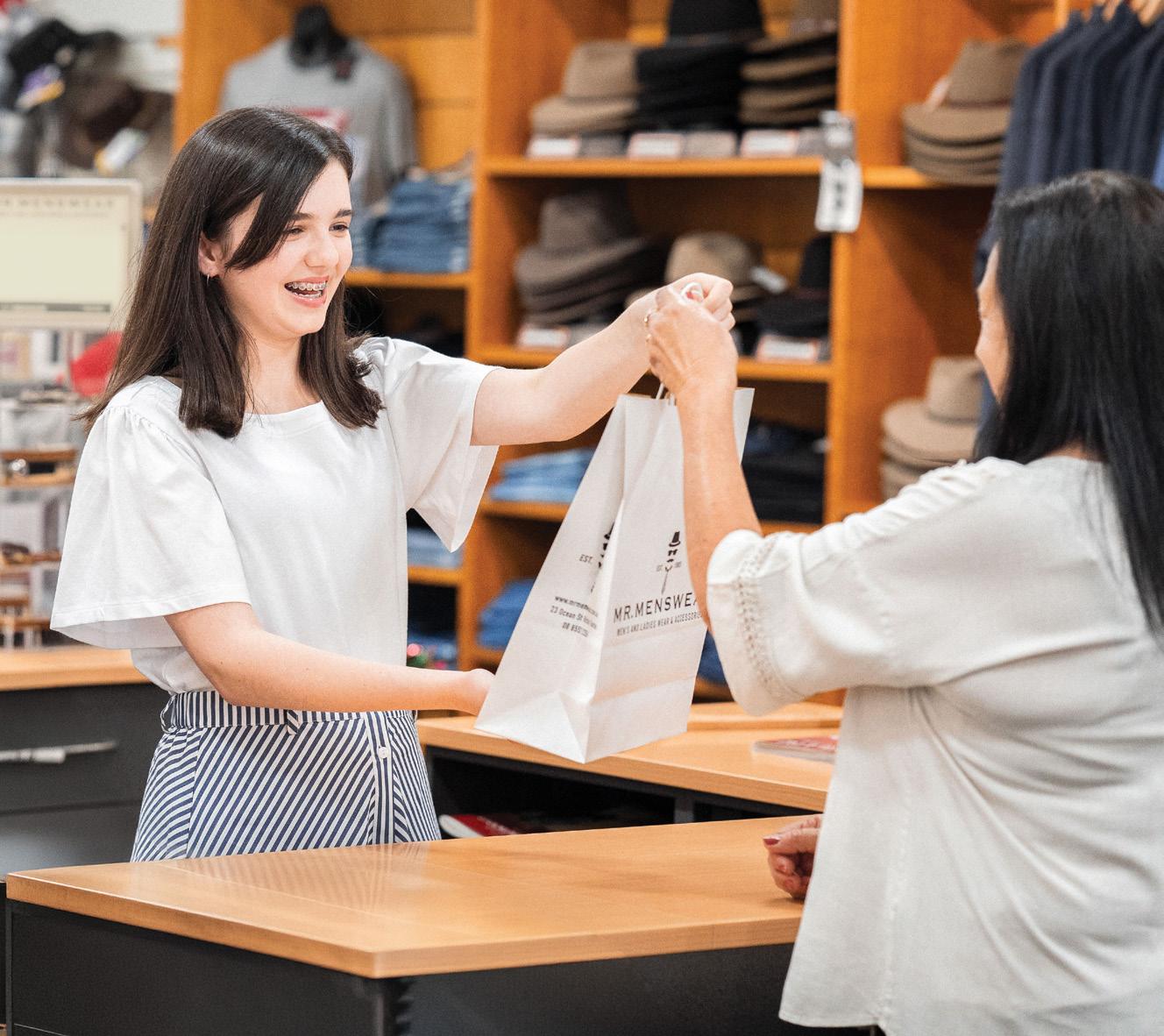
FASHION and click-to-buy convenience, Mr Menswear has been doing things the right way for 41 years. No gimmicks, no shortcuts, just quality clothing, honest service, and a team that actually knows what they're talking about. Victor Harbor's favourite menswear institution is celebrating more than four decades in business in 2026, and they're showing no signs of slowing down.
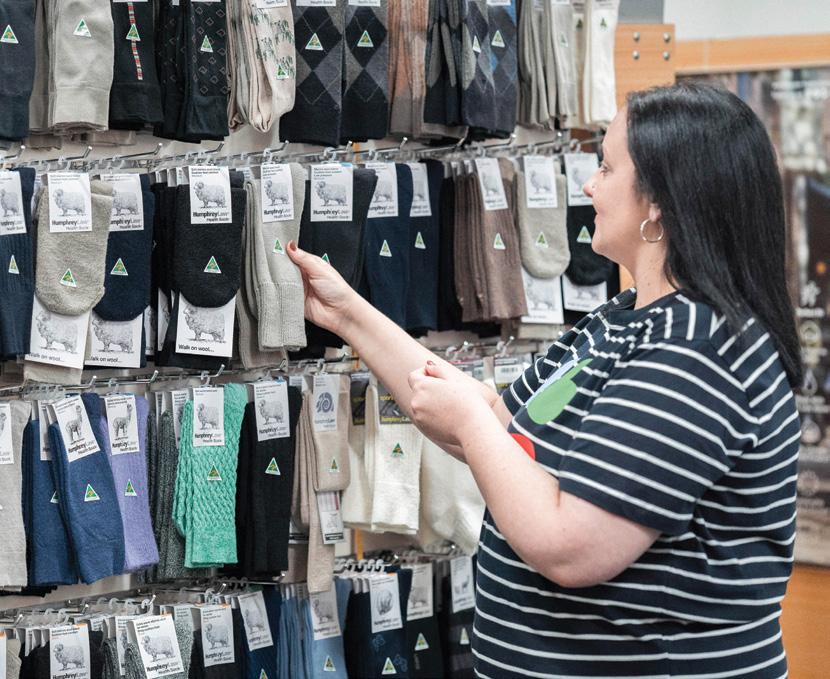
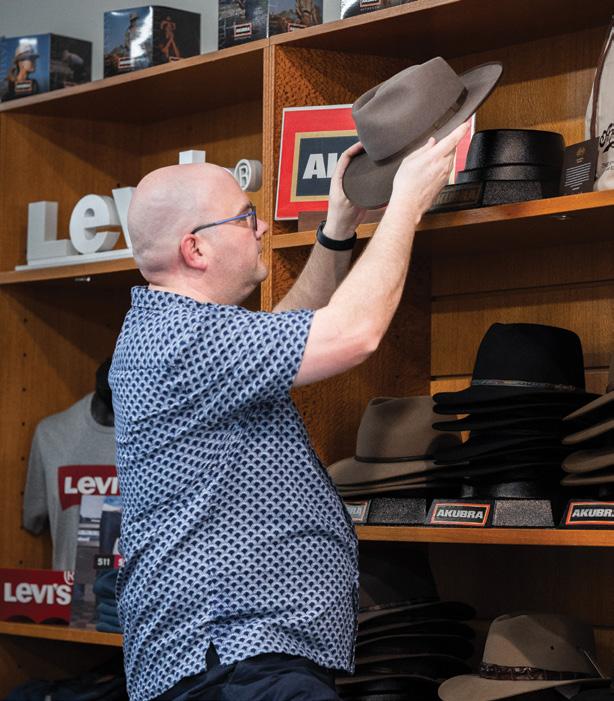
The range covers everything a man needs and then some: sharp suiting for special occasions, weekend casuals, boots, hats, jeans, knitwear and the kind of basics every wellstocked wardrobe should have. Women are well catered for too, with quality labels across petite to plus size. Whatever you're after, the chances are good that Mr Menswear can help you out.
LOCAL TO THE CORE
Mr Menswear doesn't just operate in Victor Harbor; it's part of it. The store sponsors more than 30 local community groups, sporting clubs and organisations, including the Victor Harbor Girl Guides, Mud ‘n’ Tars Motorcycle Club, Encounter Lutheran College, Goolwa and Victor Harbor RSLs, Victor Harbor Harness Racing Club, and Fleurieu FM Community Radio.
This is a business that genuinely invests in the community it calls home.
At the 2025 Business Victor Harbor Awards, the store picked up nominations in three categories: Business of the Year, New Business, and Service Industries Award. A strong result for a team that earns its reputation the old-fashioned way, every single day.
WORTH THE DRIVE
The loyal customer base Mr Menswear has built over 41 years doesn't happen by accident. It comes down to service – real, know-your-customer service from a team that takes pride in getting the fit and the product right. Whether you're after an R.M.Williams belt, a pair of Meyer Pants, or your first Akubra, you'll leave better dressed than when you walked in.
CELEBRATING 41 YEARS
Over four decades in business is worth celebrating, and if you haven't made the trip to Mr Menswear yet, 2026 is the year to do it. Whether you're a Victor Harbor local or making a day trip down to the Fleurieu, pop into
BRANDS
The Mr Menswear line-up includes:
R.M.Williams • Akubra • Thomas Cook • Gazman • Ringers Western • Levi's • Meyer Pants • UGG Australia • Calvin Klein • Yarra Trail • Goondiwindi Cotton Co. • Elm • A Fish Named Fred • Humphrey Law • Bisley • Bonds • Cambridge • Daniel Hechter • Gloweave • Marco Polo • Fields Knitwear • Buckle • Jacaru • Rainbird • Ping Pong • Expedition • Kingston Grange • Old Guys Rule, and plenty more.
the store, browse the range, and experience the kind of service that has kept South Australians coming back for 41 years.
Mr Menswear
23 Ocean Street, Victor Harbor mrmenswear.com.au
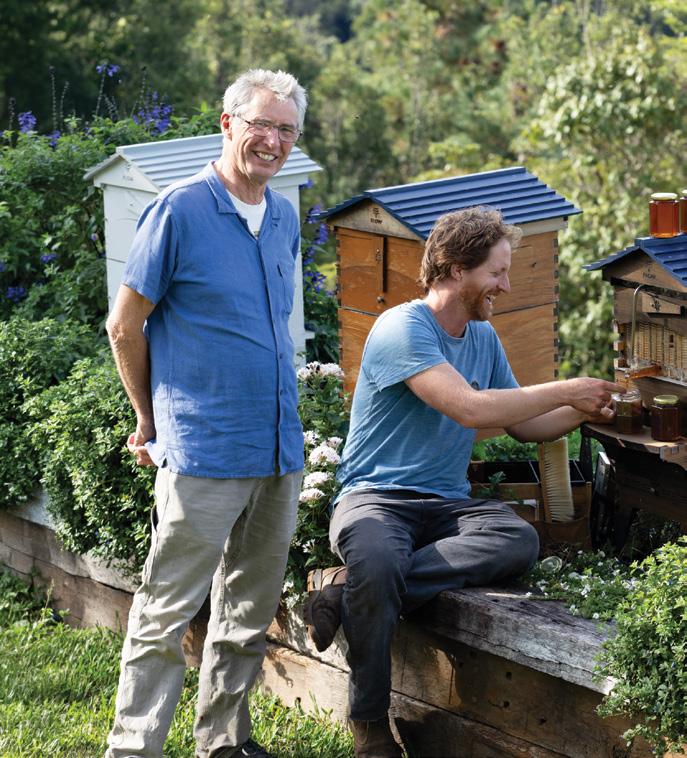
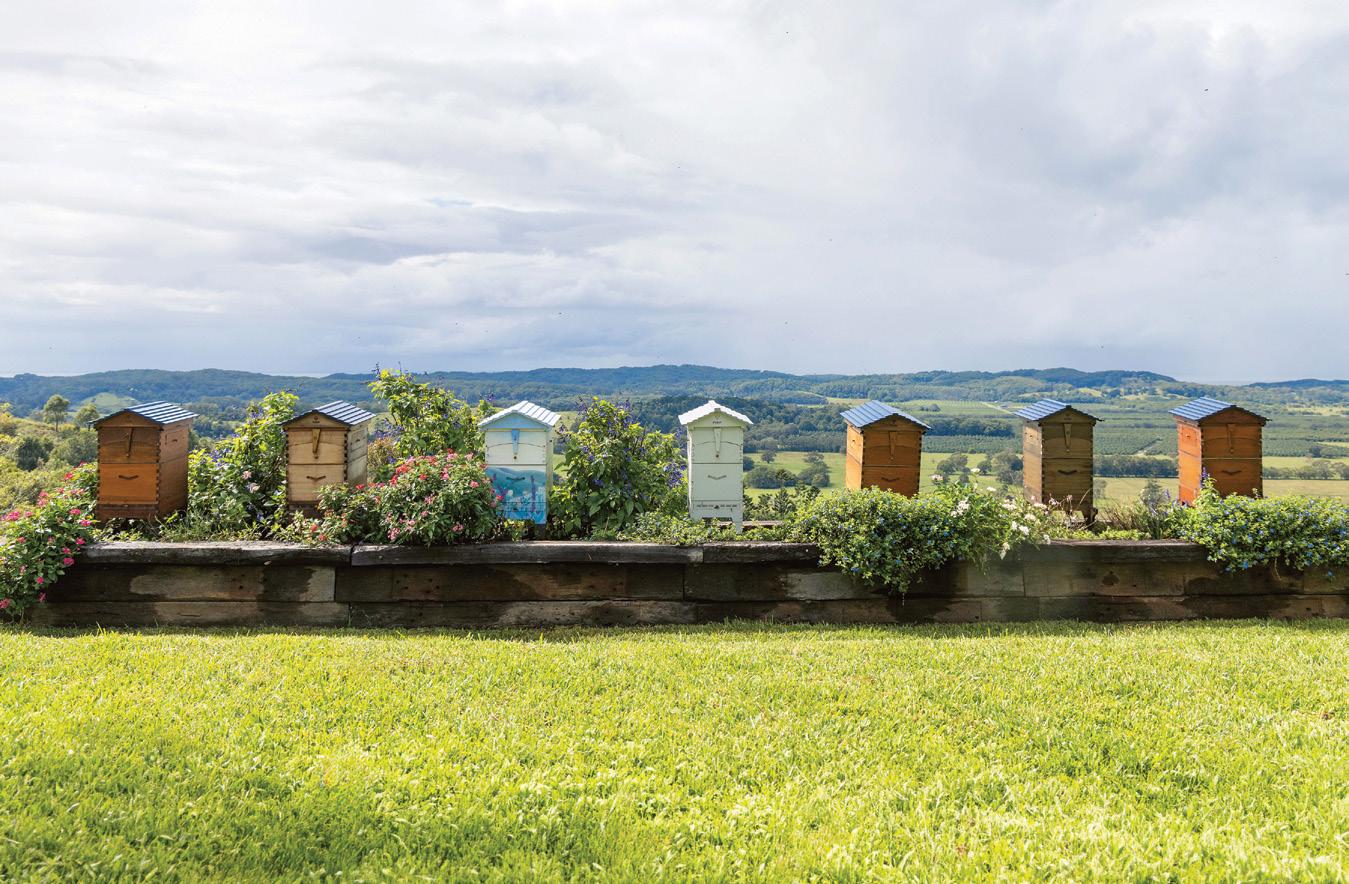
Backyard Bees Getting Started
The following is an edited extract from Flow Hive's Book of Bees and Beekeeping by Cedar and Stuart Anderson, reproduced with permission.
BEFORE YOU BEGIN
There are a few things it's good to be aware of when you're getting ready to embark on the adventure of beekeeping, and lots that you can do to get ready for the arrival of your new winged friends.
People keep honey bees in all sorts of environments and climates, from urban rooftops and balconies to rural landscapes, suburban backyards and dry, tropical or cold regions. As long as there are flowering plants around for some of the year, your bees should be able to thrive.
Spring is usually the best time of year to get your first hive going. As the Earth wakes up after winter and flowers start to bloom, nectar and pollen are to be found in abundance. Bees use this supply of energy and nutrients to build up their numbers by creating comb and raising new generations of workers and drones. So it's the easiest time to get bees and usually provides the best conditions for them in their new home.
A lot of people are surprised by how small a space you can keep bees in, especially with a Flow Hive, as it eliminates the need for harvesting equipment. It's even possible to have bees on a balcony in an apartment building,
as long as they have a clear enough flight path and you've got room to conduct inspections. It's important to check local regulations and also talk to the people who live close by.
Bees can live just about anywhere that flowering plants are present, but nutrition is very important for their health and they really do best with a diet of nectar and pollen from varied sources. If you live in a region where there are few or no flowers for long periods every year, you may need to help your bees at times by giving them additional food. Honey bees are capable of flying over 9.5 kilometres (6 miles) in search of food. They typically prefer to forage within a much shorter radius when possible, as shorter flights conserve energy and time.
BEING A GOOD NEIGHBOUR
SUN OR SHADE?
Consider the proximity to your neighbours when looking for the best place to put your hive. If they're very close and you think they might have some concerns, you could consider talking to them first. The offer of an occasional jar of honey could be helpful! Talking to people in your community about bees can even end up being beneficial to pollinator health in your area. Many people are keen to know how they can support healthy bee habitats. They're interested in the reasons that pollination is so crucial to our environment, the importance of their gardens and ways to reduce the use of highly hazardous pesticides.
Make sure your bees are of gentle stock if you're keeping them in a location close to other people. Relocate or requeen if the temperament of your hive is showing aggression.
As well as being considerate of your neighbours, ensure you're aware of any local regulations regarding beekeeping. Although rules on keeping bees vary across countries, states and jurisdictions, hive registration is a very common requirement. Beehive registration assists with maintaining biosecurity, so always check with your local authority to determine what's required in your area.
POSITIONING YOUR HIVE
You'd be surprised at the variety of places that people manage to keep bees! Wherever you place your hive, you'll need to follow some simple guidelines: have room around the hive to inspect and harvest easily; make sure the bees' flight path isn't going to cause problems; consider kids and pets on the property, plus your neighbours and any local regulations; keep your hive level in the side-to-side direction; raise it off the ground away from predators and to a comfortable height for inspections; make sure the hive is protected from strong winds or is strapped down; and ensure there is a source of fresh water nearby.
When I was growing up we had beehives on the roof of our carport in Canberra. My brothers and I fixed a ladder to the wall so that we could easily access the hives. I loved seeing the amazement on the neighbours' faces as we climbed up there in our homemade bee suits. — Stuart
Bees can deal with a fairly wide range of temperatures, but if you have a choice between full sun and full shade, sun is often better as it helps to reduce dampness and keep any pathogens, such as chalkbrood, away. However, if you live in a very hot climate, then afternoon shade in summer will likely be welcome. Commercial beekeepers often like to position their hives so the morning sun shines in and gets the bees up working earlier. In a backyard, although an easterly aspect is nice, other factors may be more important in terms of which way your hive faces.
COMING IN FOR LANDING
Consider your bees' daily flight path. Even if your bees are generally docile, it's best if they're not getting tangled in your hair when they're on the way back from a foraging trip. Make sure your hive is located away from busy areas and avoid placing it with the entrance facing a walkway. Ideally, you'll set your bees up with a couple of metres of clear space in front of their entrance to make it easier for them to take off and land. However, their flying skills are incredible and they can make do with a small amount of space if they have to. In situations where there's not much space, some backyard beekeepers position the entrance of their hives near a fence to make the bees fly upwards and above the heads of passing people.
Another thing to be aware of is that bees are attracted to light, so keep the hive away from strong outdoor lamps or they might miss out on their bee-auty sleep. (Hey, it's a bee book… we tried to resist, but there's going to bee a pun or two!)
Be sure to position the entrance away from cars, washing lines or anything you don't want the bees to "decorate" with tiny yellow dots. Because bees are very hygienic and won't poop until they fly out of the hive, anything in their flight path is fair game.
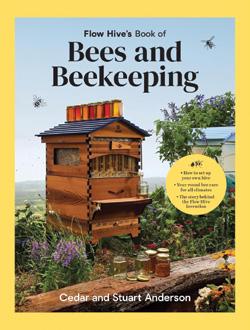
Flow Hive's Book of Bees and Beekeeping by Cedar and Stuart Anderson
RRP $45.00 Published by Murdoch Books Available now in bookshops nationally.
Stop and Pick the Flowers
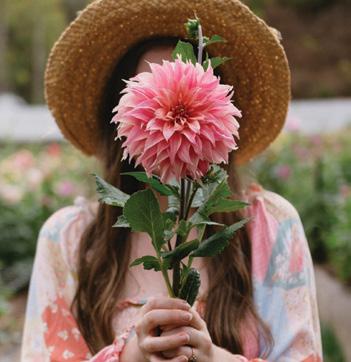
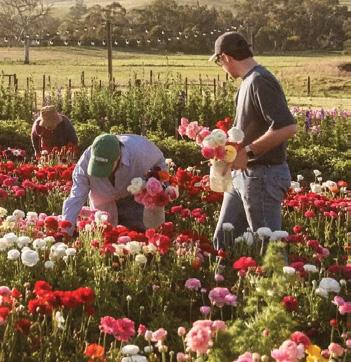
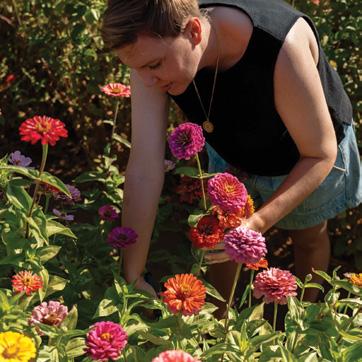
There's something pretty special about cutting your own blooms straight from the field, choosing exactly what speaks to you, bundling them up with muddy hands, and driving home with a backseat full of colour. South Australia has become a destination for exactly this kind of unhurried pleasure, with a handful of flower farms now opening their gates to visitors across the Adelaide Hills, the Barossa and beyond. Here's where to go.
Hahndorf Flower Farm
Paechtown, Adelaide Hills
One of the Adelaide Hills' mostloved agritourism destinations, Hahndorf Flower Farm sits on a working property in Paechtown, just minutes from Hahndorf. The Pick Your Own experience runs for 90 minutes and lets visitors wander the flower fields and choose their own seasonal blooms: think ranunculus, dahlias, and whatever the season has on offer. For those who want more of a creative challenge, the Floral Design Workshop is a two-hour hands-on session guided by the farm's florist, covering sustainable arrangements without floral foam. A self-guided tour option is available for those who'd rather stroll at their own pace, with QR codes along the trail revealing the farm's history and seasonal stories. Open Wednesday to Sunday, bookings required.
All four farms operate seasonally and book out quickly. Sign up to their newsletters and follow on Instagram to be first to know when sessions open. Wear comfortable shoes, bring a hat, and allow at least half a day because you'll want to stay longer than you planned.
Charleston, Adelaide Hills
Part working farm, part event space, Charleston Farm has built a devoted following for good reason. Pick Your Own sessions run through spring to autumn, available on select dates in morning or evening timeslots (the best times to cut flowers, as any grower will tell you). Beyond the standard picking sessions, Charleston Farm also runs Snip + Sip evenings (flowers and bubbles, a combination that needs no further explanation), Paint + Pick collaborations, and private hire for groups wanting the flower patch to themselves. Dates are released with limited notice to ensure the flowers are at peak abundance, so following the farm on social media or joining the mailing list is the best way to stay across availability.
Bookings required: check website for pricing and dates. charlestonfarm.com.au
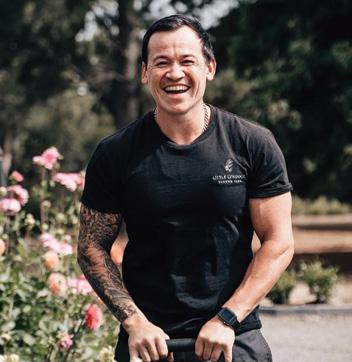
A boutique cut flower farm and floral design studio set in the Barossa Valley, Little Lyndoch is built around creativity, connection and a genuine love of growing. For those wanting more than a single afternoon in the flowers, the annual Bloom Retreat, a three-day immersive experience for florists, flower farmers and creatives, is the farm's centrepiece offering, covering everything from floral design and flower farming to business strategy and social media. It's a serious investment for those looking to turn a passion into something more. The farm also grows premium cut flowers, breeds its own dahlia seedlings, and sells tubers and corms seasonally for home growers.
Bookings required: littlelyndochflowerfarm.com.au
Shimmering Pines Farm
Tarlee, Clare Valley
About 90 minutes north of Adelaide at the gateway to the Clare Valley, Shimmering Pines is best known for its annual Sunflower Festival, a short, spectacular window each December when the three-acre sunflower field turns the property gold. Pick Your Own sessions run from spring through autumn across a range of seasonal blooms, with tickets released close to the date via their newsletter (always worth subscribing, they go quickly). The farm also runs popular Pizza & Pick evenings, combining flower picking with wood-fired pizza from Frankie & Son's. Private group sessions are available for a minimum of ten people, a very good reason to round up some friends.
The farm reopens in spring, so check the website for session dates and availability. shimmeringpinesfarm.com.au
New release of premium aged care suites in North Adelaide.
Presenting a homely feel, with plenty of room for your treasured belongings, each private light-filled, furnished suite offers your own spacious lounge, boutique kitchenette and generous bedroom with private ensuite. Welcoming sitting areas, reading room, reinvented dining spaces and beautifully landscaped outdoor areas just a short stroll from your suite, offer a lovely place to relax and connect with family and friends.
Rotary House, a truly redefined, revitalised and reimagined aged care experience.
To find out more call the Admissions Team on 8224 7762 or email admissions@westering.com.au
Where the Desert Meets the Deep
THERE ARE PLACES IN AUSTRALIA so extraordinary they still feel like a secret, even when the whole world knows about them. Ningaloo Reef, or Nyinggulu, as it is known to the Baiyungu and Jinigudira people who have called this coastline home for over 32,000 years, is one of them. World Heritage-listed and stretching nearly 300 kilometres along Western Australia's Coral Coast, it is the world's largest fringing reef, and unlike its famous east coast counterpart, it begins just metres from shore. You don't need a boat to find it. You simply walk in.
The reef's showpiece is the whale shark migration, best experienced between April and July, when the world's biggest fish drift dazzlingly close to land - one of the few opportunities on the planet to swim alongside them. But Ningaloo rewards visitors year-round. Manta rays cruise the reef from April to November, humpback whales migrate through from June to November, and turtles nest en masse along the coastline in late autumn, with hatchlings racing to the ocean on hot January nights.
On land, the drama continues. Cape Range National Park frames the reef with rugged limestone ranges and pristine beaches, and Turquoise Bay,
consistently rated one of Australia's most beautiful beaches, offers a famous drift snorkel that carries you gently over coral gardens alive with parrotfish, rays and reef sharks.
The gateway town of Exmouth is small, unhurried and entirely unpretentious, which is much of its charm. For something more immersive, Sal Salis Ningaloo Reef offers wild bush luxury in a safari camp nestled in the Cape Range dunes, where five-star meals are served as the sun drops over the Indian Ocean. It is, by most measures, as good as it gets.
KNOW BEFORE YOU GO DON'T MISS
Getting there: Fly into Learmonth Airport from selected Australian states and territories. Exmouth is 36km from the airport, Coral Bay around 117km. Hire cars are available but book ahead.
Two bases to choose from: Coral Bay tends to attract families, while Exmouth draws a younger crowd of holidaymakers and serious divers. Both offer direct reef access.
Best time to visit: March to October for comfortable temperatures. April to July for whale sharks. June to November for humpbacks.
Swim with whale sharks: The industry is well regulated, with limited people allowed in the water at a time. Tip: pay more for a smaller boat to maximise your time in the water.
Turquoise Bay drift snorkel: Enter at the southern end and let the current carry you over the coral. One of the great free experiences in Australian travel.
Navy Pier, Exmouth: One of Australia's top ten dive sites, accessible from shore within the Naval Communications Station.
Yardie Creek Gorge: Red canyon walls rising from still water, with black-footed rock wallabies on the cliffs above.
PACK THIS
A 3mm wetsuit, reef-safe sunscreen, a good hat and your own beach umbrella — there is almost zero shade on the beaches. And leave the agenda at home. Ningaloo moves at its own pace, and that's entirely the point.
Cuddle a Cow, Clarendon
THERE ARE BUCKET LIST experiences that take you to the other side of the world, and then there are the ones hiding in the Adelaide Hills, just 40 minutes from the city. The Farm Clarendon falls firmly into the second category, and its Cuddle a Cow
experience is exactly what it sounds like, and somehow even better.
Found on Piggott Range Road in the pretty southern Hills village of Clarendon, The Farm is home to a small herd of Highland cattle, those magnificent, shaggy-fringed creatures with the enormous horns and improbably gentle temperaments that have been delighting the internet for years. Here, you get to meet them in person.
The 45-to-60-minute session is as unhurried and uncomplicated as rural life should be. Small groups of up to six people brush, hand-feed,
pat and lead the cows around the field at whatever pace the animals feel like moving, which, it should be noted, is entirely on their terms. Highland cattle are famously calm and affectionate, and spending an hour in their company has an almost meditative quality. There is something restorative about stepping away from screens and schedules to stand in a paddock with a hairy, hay-scented cow leaning contentedly against your shoulder.
The experience costs $200 for a group of up to six, not per person, making it an excellent outing for a small group of friends or a multigenerational family visit. Budding photographers are welcome to bring a camera, and separate professional photoshoot packages are available for those who want the full Highland cattle portrait moment.
Bookings are essential and dates fill quickly, so check the website for availability.
The Farm Clarendon, 334 Piggott Range Road, Clarendon. thefarmclarendon.com.au
The Best Medicine
by ANGIE MCBRIDE Weekend Breakfast co-host at FIVEAA
WE ARE VERY PRIVILEGED TO HAVE A JOB IN THE MEDIA , and I most certainly don’t take that for granted, but covering the stories we do can be heavy and distressing. I recently saw a social media post of a journalist interviewing someone on their tragedy and the journalist was in tears. The comments were awful, accusing her of being unprofessional. These comments were extremely unfair. Just because we work in the industry doesn’t mean we don’t feel upset by the things we have to report on. We are only human after all.
Since COVID began in 2020, there has been a barrage of very heavy topics to cover. We do try to cover a wide variety of topics and provide balance between heavy and not-so-heavy, but some days, unfortunately, the news cycle is one bit of shocking news after another. The world feels full of uncertainty and stress right now. Whether that's always been the case or whether social media has simply made it more visible is hard to say, but the constant stream of content, real and fabricated, doesn't help. Wars, the cost of living, terrorism, the loss of much-loved entertainers. The tragedies seem never-ending. I suppose that's life, but it can be deeply distressing.
It’s important in the sadness of the world to find something nice and funny to hook into. Giving our brains a good serotonin hit is essential! Numerous studies state laughter stimulates your lungs, muscles, soothes tension, decreases your heart rate and blood pressure. That’s just the start. Laughter really is the best medicine. More reason to look at funny dog and cat videos!
It doesn’t matter what age you are, you should always find something to laugh about, as long as it’s not at the expense of others. I’m always laughing at myself and my jokes. Someone has to!
On Sunday mornings on FIVEAA I have a segment called Sunny Sunday where listeners phone in with pleasant things they have heard locally, nationally and around the world. It could be something nice or funny they have seen on the internet, great customer service, or something good that has happened to them. A lady phoned in to tell us her daughter had got married and the dog played the ring-bearer in the wedding. Adorable! Another lady in her eighties, who was highly religious, went to the cinema and wanted a good laugh. She chose Anaconda with Jack Black and Paul Rudd. She said she didn’t like them blaspheming in the movie, but it gave her a good laugh and she found herself giggling! I had a good laugh at the poor UPS driver in the United States being chased by wild turkeys while trying to deliver packages. Give those delivery drivers a pay rise for sure!
What makes you laugh? What did we do before YouTube? When I feel like something funny to watch I look up television show and movie bloopers. Even the most serious shows provide hilarious bloopers. Following the death of Catherine O’Hara, who was known for roles in Home Alone, Best in Show and as Moira Rose in Schitt’s Creek, I have been looking up Schitt’s Creek bloopers. Very funny!
My suggestion to you is to find something to laugh about at least once a day. That is an achievable goal.
Why do crabs never volunteer? Because they're shellfish. Ha!
Weekend Breakfast with Angie McBride & Michael Keelan on FIVEAA from 6am Saturday and Sunday
ADELAIDE'S TABLE IS SET…
and the Seats are Filling Fast
Adelaide has never been shy about its dining scene, but the past year has delivered a new wave of restaurants that raise the bar even further. The city that already punches well above its weight on produce, wine and culinary talent has spent the past year opening restaurants that feel legitimately world-class; eateries where the venue is as considered as the menu, and where a long, unhurried dinner is very much the point. From reimagined heritage venues to bold new concepts in the heart of the CBD, our dining scene continues to reward those who pay attention. Here are six restaurants that have caught ours.
The cobalt blue door on Currie Street is your first clue that something interesting is happening inside. Omada, the Greek word for "team", is Simon Kardachi's (Fugazzi, Shōbōsho) latest venture, this time alongside chef Andy Ferrara, and it brings a bold Mediterranean sensibility to the heart of the CBD. Greek flavours are reimagined through the lens of South Australian produce: chargrilled Robe octopus, whole salt-baked flathead, saganaki with spiced honey, and a lamb plate that arrives with chops, ribs and sheftalia. The wine list moves between local and Greek bottles with equal confidence. This is a table for people who like to make a night of it.
46 Currie Street, Adelaide @omada.bargrill
SkyCity Adelaide has long been in search of a restaurant that matches its setting. Huami, from Shanghai-born Chef Johnny Zhong, may well be it. The menu is built around showstopper cooking, wood-fired Peking duck, South Australian wagyu, Manuka honey char siu, and weekend yum cha that draws a crowd for good reason. The room is theatrical in the best sense: dragon columns, Cantonese opera references, a 700-bottle wine wall and sweeping views of the Riverbank. Bold, beautiful and completely committed to the experience.
SkyCity Adelaide, North Terrace, Adelaide @huami.adelaide
The East End's rise as a serious dining destination shows no sign of slowing, and OZIN is one of its most compelling recent additions. Set inside a 1920s heritage building on East Terrace overlooking Rundle Park, the restaurant is the work of co-owner Neeraj Kumar, with Chef Vicky Ratnani bringing a kitchen shaped by stints across India, Germany, Kuwait and Dubai. The result is charcoal-driven cooking with real depth, expertly charred meats, complex layered flavours and handcrafted cocktails designed to work alongside the food rather than compete with it. Sophisticated, considered and worth the trip to the eastern edge of the city.
6 East Terrace, Adelaide @ozin_restaurant
OMADA BAR & GRILL
OZIN
HUAMI
Port Adelaide has been having a moment, and COLAC, the beautifully reimagined Colac Hotel, is a large part of why. Reopened in August 2025 after a significant transformation, the venue now houses multiple distinct experiences under one roof: the elegant six-course degustations at Eliot's Restaurant, the more relaxed wood-fired pizzas and live jazz of Bootleg Social, and the breezy rooftop cocktails at Belles Botanica. Head Chef Grant Schooling leads the kitchen with a menu that takes its surroundings seriously, and two on-site distilleries (Imperial Measures and Dock) mean the spirits list is as local as it gets. A rewarding reason to cross the bridge.
1 Santo Parade, Port Adelaide @colac.portadl
The Adelaide Festival Centre has long been a cultural landmark. Now it has the restaurant to match. Angry Penguin, named for the 1940s modernist movement that shook Australian art, opened in February 2026 under Executive Chef Alex Katsman, whose seasonal menu celebrates South Australian produce through refined European technique. Coffin Bay oysters with cucumber and gin sorbet, ocean trout with warrigal greens and dashi broth, and a grill section anchored by SA eye fillet make for a menu that earns its setting. The interiors are equally considered, with Sidney Nolan's portrait of the fictitious poet Ern Malley on loan from the Art Gallery of SA taking centre stage. Come for the pre-show dinner; stay for everything else.
Festival Theatre, King William Road, Adelaide @angrypenguinrestaurant
Festival Plaza's newest resident has wasted no time making its presence felt. Station Road occupies a prime position on the ground floor of Festival Tower, where Head Chef Baine Stubbs, formerly of Melbourne's Vue de Monde, brings a French-inspired, modern Australian menu that is refined without being stiff. Grilled king prawns with 'nduja, kingfish ceviche, a 1kg Stockyard wagyu T-bone, and a four-course ‘feed me’ option at $89 a head make for a menu that rewards both the indecisive and the committed. A striking marble bar, intimate wine bar and alfresco seating complete the picture. It works equally well for a celebratory dinner or a carefully considered glass before curtain up.
Festival Plaza , Adelaide @stationroadadelaide
COLAC
ANGRY PENGUIN
STATION ROAD
FROM the REEF to the MOLCAJETE
Not every restaurant exists to follow a trend. La Popular Taqueria, tucked into a colourful corner of St Vincent Street in Port Adelaide, exists to correct a misconception — built on the conviction that most Australians have simply never tasted real Mexican food, and that this is a situation worth fixing.
“Something clicked when I was sharing my food, my stories, and a piece of my culture with others.”
BEHIND IT IS DANIELLA GUEVARA MUÑOZ , a Mexico City-born marine biologist turned chef, whose path to running one of Australia's most acclaimed taquerias reads like something you couldn't quite pitch to a producer. She and her husband Kor-jent van Dijk arrived in Adelaide in 2012, having spent years working on the Great Barrier Reef. Food, at that point, was a passion rather than a vocation. Then came the underground dinners.
"The real turning point came when I decided to host my first underground dinners," Daniella recalls. "That was the moment I allowed myself to imagine a different future, to see that cooking could be more than a passion, that it could become my life's work. Something clicked when I was sharing my food, my stories, and a piece of my culture with others. It felt natural, meaningful, and deeply fulfilling in a way I hadn't experienced before."
Those dinners, held under the name Mi Mero Mole, drew a loyal following and eventually the attention of Renew Adelaide. In 2017, Daniella and Kor transformed a former computer repair shop on St Vincent Street into the colourful, unapologetically Mexican space that La Popular is today. From the beginning, there was one non-negotiable. "We are not going to make it fusion," Daniella says. "We must do it the right way, the way we do it in Mexico. We have never moved from that."
It is a line in the sand that has defined everything. The menu draws on the extraordinary regional diversity of Mexican cuisine: dishes rooted in Daniella's own lived experience, the food of her childhood in Mexico City and her years in the Yucatán Peninsula, where she met Kor. "When you see a dish on our menu, it's not just food," she says. "It carries a cultural context, a story, and a history that I know intimately."
Nowhere is that philosophy more viscerally expressed than in the tortillas. La Popular nixtamalises its own corn, an ancient process of treating maize with an alkaline solution that unlocks its nutritional value and deepens its flavour, then grinds it in a stone mill and hand-makes each tortilla to order. It is extraordinarily labour-intensive, and entirely deliberate.
"For me, it is much more than just a culinary process; it's a deep connection to my roots," Daniella explains. "This technique was developed thousands of years ago, long before modern Mexico existed, so it ties me not only to my personal heritage but to the ancient origins of Mexican culture itself.
INTERVIEW by OLIVIA WILLIAMS • PHOTOGRAPHY by ANDY NOWELL
“It's like bringing a piece of Mexico to the table every day and watching people fall in love with it.”
It's a living link to pre-Colonial traditions, to the people and practices that shaped the foundation of Mexican cuisine. What truly moves me is being part of a lineage that has nourished generations and continues to carry that story forward every time I cook from scratch."
The results speak for themselves. La Popular has earned a devoted following among Adelaide diners, including many who arrived sceptical. As Kor puts it: "Diners often say to me, 'I don't really like Mexican food, but this is something else, this is not what I thought Mexican food could be, and now I love it.' That means the world to us and makes it all worth it."
Port Adelaide was not an obvious choice for a restaurant of this ambition, but Daniella saw something others were still squinting to find. "I was drawn to its incredible history, the character of its buildings, and that unique feeling of a place with stories to tell," she says. "When we connected with Renew Adelaide and were offered a space there, it felt like an opportunity to be part of something bigger, to contribute to the energy and transformation people were starting to talk about." That instinct has proven wellfounded. La Popular now sits at the heart of a precinct that has come into its own, with a community of regulars who have become, over the years, genuine friends. "It's like bringing a piece of Mexico to the table every day," she says, "and watching people fall in love with it."
For those yet to make the journey west, Daniella recommends starting with the Cochinita Pibil: slow-cooked pork, richly spiced, served in a taco or soft bread roll. "I'm confident anyone trying it will fall in love with the flavours
and home
with the stories, history and pantry guidance to bring them to life. Available now in bookshops nationally.
and complexity of real Mexican cooking," she says simply. The full Let Us Feed You menu at $65 per person remains the definitive way to experience what La Popular does: tortilla soup, crispy potato tacos, Baja-style fish tacos, and a spread of freshly made tortillas with salsas, red rice and beans that arrives at the table like a small act of generosity.
A cookbook has recently landed, too, and its ambitions extend well beyond recipes. "I want readers to discover the beauty, diversity, and richness of Mexico," Daniella says. "Cooking is just the doorway; what I really want is for readers to feel a connection to Mexico, to see it not only as a place on the map but as a living, breathing culture full of history and flavour."
After more than a decade in Adelaide, the marine biologist from Mexico City has built something she could not have predicted and cannot quite believe. "Even though the path changed, the heart didn't," she reflects. "The curiosity, the discipline, and that deep connection to Mexico are still there, just expressed in a different way. What started as a completely different journey somehow led me back to my roots and turned into something even more meaningful than I could have planned."
La Popular Taqueria
226 St Vincent Street, Port Adelaide Open Tuesday to Friday from 5.30pm, and Saturday for lunch and dinner.
lapopulartaqueria.com.au @lapopulartaqueria
Provecho: Real Mexican Food at Home (Murdoch Books, RRP $45 ) is Daniella's debut cookbook, featuring more than 120 recipes drawn from Mexico's taquerías, street carts
kitchens, along
Jacqui Lim is a passionate advocate for the food and wine industry, known for connecting people through great food.
Whether she’s organising events, recommending restaurants, or sharing her experiences on Instagram at @ jacquisfoodfetish, Jacqui brings people together one meal at a time.
Follow her for a taste of Australia’s best dining experiences.
That’s Enrico
Snack $8–$20, Pizza $26–$39, Feed Me $58
At That’s Enrico, flour technician and pizza master Enrico Sgarbossa showcases his craft using fresh, locally sourced ingredients. Passionate about supporting local businesses and sustainable farming practices, he brings both integrity and skill to the table. Choose your dough –classic, thin and crispy, or gluten-free. But it’s not all pizza – there are snacks, a weekly pasta, salads and some great desserts. This is the real deal: everything is packed with flavour, and the Feed Me option offers great value.
53 Main St, Lobethal @thats.enrico
Eccoci
Snacks and smaller $8–$45
Pasta and mains $36–$42
Eccoci at Burnside Village is a stylish Italian all-day bar and eatery. Pop in for a coffee or a vino, hold a business lunch or settle in for a long leisurely afternoon. The menu celebrates traditional Italian flavours updated with a modern touch. Be sure you try one (or more) of the fresh pasta dishes. My favouritethe Spaghetti alla Scoglio. Take a seat inside or grab a table in the mall and watch the shoppers go by.
Burnside Village, Glenside @eccoci.adl
Omada
Smaller $8–$38
Larger $22–$72
At Omada, you’ll find classic Greek dishes with a contemporary twist. All of your favourite Greek restaurant dishes are here: saganaki with spiced honey, chargrilled octopus with salsa, chicken souvlaki and, of course, slowcooked lamb. Much of the cooking centres around the wood oven and coal grill. It’s good food, a sharp fit-out and a cool, welcoming vibe – the perfect place to gather around the table to eat, drink and enjoy time with friends.
46 Currie St, Adelaide @omada.bargrill
Esmay
A la carte $5–$80
Tasting Menu $95
We’re lucky that Alanna Sapwell-Stone chose Adelaide as the home for her latest venture. The beautiful Esmay is at the site of the old Hackney Hotel, but the food is a far cry from the former pub offerings. Dishes are a little bit fancy but remain approachable, with a focus on seasonality, quality produce and local community. The space is relaxing with neutral tones and natural light. A thoughtful wine list and a competent floor team complete the experience.
95 Hackney Rd, Hackney @esmay_adl
Sodewa Saké Bar
Snacks $6–$22, Sashimi and Sushi $25–$39, Mains $30–$49
It’s about time Adelaide had a dedicated saké bar - and now it does. Sodewa not only takes its saké seriously but also its food. I’m no saké aficionado, but I’ve always loved it. All of the sake is imported from Japan and it’s fun to work your way through the list and appreciate the different styles. On the food front, the sushi and sashimi are highlights –super-fresh seafood, generously cut. There’s also a tempting selection of hot dishes, including gyoza, tempura and pork belly.
268 Pirie St, Adelaide @sodewa_sakebar
Whole Baked Snapper
with Mustard Potatoes & Green Olive Salsa
INGREDIENTS
Potatoes
• 6 medium to large potatoes
• Salt for boiling
• 4-5 tablespoons olive oil
• 2 tablespoons American mustard
Fish
• 1 kg –1.5whole snapper cleaned and gutted
• 3 lemon slices
• 4 parsley stalks must have leaves
• Olive oil
• Generous salt and freshly ground black pepper
Green Olive Salsa
• Cup ½green olives pitted and finely diced
• 2 –4 anchovies finely chopped
• 3-4 tablespoons capers rinsed, drained and finely chopped
• ½ small red onion or shallot very finely diced
• 2 garlic cloves crushed
• ½–¾ cup chopped parsley and dill combined
• ¼ cup roasted almonds finely chopped
• Zest of 1 lemon
• 4 tablespoons lemon juice
• ½–¾ cup olive oil
• Salt and freshly ground black pepper
Recipe by Mandy Hall, @_mandyhall, for the Adelaide Central Market
There are few things more satisfying than a whole fish roasted to perfection, and this recipe from Mandy Hall for Adelaide Central Market delivers exactly that. Golden mustard potatoes, a punchy green olive salsa, and a whole snapper straight from the oven make for a showstopper meal that's far simpler to pull off than it looks.
METHOD
1. Preheat the oven to 180°C (fan-forced).
2. Wash the potatoes and cut them into wedges. Boil in well-salted water until just tender, then drain and allow to steam-dry. This step can be done just before cooking, several hours ahead, or even the day before.
3. In a large bowl, mix the olive oil and mustard. Toss the cooked potatoes through the mixture until well coated. The mustard adds flavour and helps give the potatoes a beautiful golden colour.
4. Using a sharp knife, make three diagonal slits on each side of the fish. This helps the fish cook evenly and allows the seasoning to penetrate the flesh.
5. Season the fish generously inside and out with salt and pepper. Place the lemon slices and parsley stalks into the cavity.
6. Line a large baking tray with baking paper. Lay the fish in the centre and scatter the potatoes around it. Drizzle the fish with olive oil.
7. Bake for 20–25 minutes, until the potatoes are golden and the fish is just cooked through. For accuracy, check the thickest part of the fish with a thermometer — it should read around 55°C.
8. While the fish is cooking, combine all the green olive salsa ingredients in a bowl. Stir well, taste, and adjust the seasoning if needed. Allow the salsa to sit at room temperature so the flavours can develop.
9. Transfer the fish and potatoes to a large serving platter, or serve straight from the tray. Spoon the green olive salsa generously over the fish, letting it fall onto the potatoes. Serve immediately.
For more Adelaide Central Market Recipes: adelaidecentralmarket.com.au
Sip & Spill Family matters
With Katie Spain, @katiespainwrites, award-winning journalist, national drinks writer and author
AS A FOOD AND WINE WRITER, I’m not meant to have favourites, but for my first official FIFTY+SA wine column, I’m going to let you in on a secret. Fancy fine dining joints don’t do it for me, nor do bottles emblazoned with medals. Give me wholesome, humble, family-run regional businesses any day.
Of South Australia’s 18 wine regions, some of the most memorable cellar door experiences can be found in the Riverland, an often-overlooked part of SA, which is baffling thanks to the jaw-droppingly beautiful River Murray meandering through vast red landscapes and towering cliffs.
Volume-wise, it’s the largest wine grape region in the country, but dig below the surface and you’ll uncover pockets of producers growing and making everything from merlot and chardonnay to alternative varieties including arneis, zinfandel, montepulciano and vermentino.
Mallee Estate is one such producer. Until recently, the estate ran Eleni’s Restaurant, serving some of the best Greek fare in the state. Hospitality is tough out there and, for now, the restaurant, named after family matriarch Eleni Markeas, is closed so the family can focus on their organic wine production.
Framed photographs line the cellar door walls: a love letter to family history. They tell the story of Peter and Eleni Markeas, who migrated from Greece to Australia and purchased a nine-hectare block of land in the Riverland in 1968. Neither spoke English, and raised their sons Jim, Arthur and Sam in Renmark.
Losing their father to leukaemia in 2021 was devastating.
“Dad was gutsy,” Jim says. “He wasn’t afraid to take risks to value-add to the business. Mum was the backbone and had the patience and persistence to get us here. We got those qualities from our parents… we’re not afraid to give things a go and see things through.”
The flagship Mallee Estate P&E Markeas Shiraz is named in their honour, and while they still produce the Mallee Estate classics, including Cabernet Sauvignon, the family is also exploring alternative varieties under the new Kãti Ãllo collection, including a 2025 Assyrtiko (get thee to the Greek) and a vibrant 2024 Albariño (hello, Spain), both great value at $30 a bottle. Kãti Ãllo means ‘something else’ in their mother tongue. Make time, too, to peruse the new “µ” (mu) range, which includes a crisp 2025 Vermentino –an Italian varietal steal at $22.
“It was a great place to grow up,” says winemaker Jim. “I remember playing with toys while sitting in picking bins. Our parents did everything and we were along for the ride.” When Peter purchased his first wine tank in 1994, the 20,000-litre beast sat in a paddock… waiting.
“People thought he was crazy,” Jim says. “But by 1998, he proved them wrong.”
It’s all done in-house, even the bottling.
“Now we’re in control of our own destiny,” Jim says. “Later this year we’ll release Australia's first Agiorgitiko and Xinomavro wines from our vineyards.”
When she’s not in the kitchen whipping up Greek dips and cheese platters, Eleni can be spotted chatting to visitors. I don’t know about you, but a γιαγιά insisting you haven’t eaten enough is one of life’s simple pleasures.
“Mum will occasionally lead a spontaneous tour,” Jim says. “She’s very much still here.” While you’re in the region, an encounter with vivacious Sue Heward of Singing Magpie Produce is also a must. Sue is part of the Tasting Australia event ‘Twilight in the Quinces, Singing Magpie Produce x Temperance’ on May 16 (tastingaustralia.com. au). The golden-hour celebration of Riverland flavours is set among Sue’s quince orchard and pairs chef Anthony Cresp’s snacks with local wines. Go on—the two-and-a-half-hour drive is worth it.
The closure of one of my top hidden restaurants is a reminder that supporting local has never been more important. You don’t know what you’ve got until it’s gone.
Mallee Estate
20055 Renmark Ave, Renmark South malleeestate.com.au
fine dining is over
Book an adventure you can eat!
Adelaide’s Finest Food Tours are like a seven-course degustation. Discover the inner workings of one of the world’s best supermarkets while you learn about (and eat) all the fine and fancy food our award-winning team conjures up. A great gift and the perfect way to spoil Mum this Mothers Day. Opa!
The Voice, The Stage, The Joy
New Zealand-born bass-baritone Teddy Tahu Rhodes has performed on some of the world's most celebrated stages – the Metropolitan Opera, Hamburg Staatsoper, Bayerische Staatsoper in Munich, Théâtre du Châtelet in Paris – and earned an ARIA, two Helpmann Awards and a Limelight Award along the way. Now based in Adelaide and teaching at the Elder Conservatorium of Music, he's preparing to take on the role of Don Magnifico in Rossini's Cinderella.
We asked Teddy about the roles that shaped him, the joy that keeps him on stage, and what he hopes to build here in South Australia.
Your voice has cast you as tyrants, priests, prisoners, patriarchs and kings. Is there a role that came closest to who you actually are – or one that unsettled you to inhabit?
That's quite a confronting question, to analyse oneself through a character! I can definitely say that playing Stanley Kowalski in André Previn's A Streetcar Named Desire was unsettling at times. It felt so real, especially being set in the mid-1900s. As for a character that comes close to who I am? To be honest, I don't think I've found him yet.
Bass-baritone voices tend to attract a particular kind of character: the authority figure, the morally complex, the one the story pivots around. Do you feel your voice chose your career, or did you choose it?
Oh, I absolutely feel the career is a consequence of the voice, mixed with a great deal of luck, timing and incredibly kind people who took a risk on me. Once it began, it fashioned its own direction and I just went with it.
Don Magnifico is vain, socially ambitious and utterly convinced his family deserves greatness – while treating the one person who actually deserves it worst of all. What do you find to like in him?
Great observation! Interestingly, 30 years ago when I played Dandini in the same opera, the Don was considered a humorous character despite his qualities - or lack of. His role is somewhat bumbling. But I suspect these days he may be received with a lot more disdain. Society has changed, and with it the way we view characters, rightfully so. I suspect he may receive a few boos at curtain call!
This is Cinderella without the glass slipper and the fairy godmother. What will surprise Adelaide audiences about this version of a story they think they already know?
The story of Cinderella dates back 2,000 years, well before the glass slipper and fairy godmother. The Disney version is iconic, but Rossini’s has a wonderful comedic twist. Perhaps it's the comedy that will surprise people most. It's beautifully constructed with real but oversized characters.
“I had mentors who helped me just because they believed in me. Without them I wouldn't have had the tools – or perhaps the courage – to take the risk.”
You've sung at the Met, in Munich, Paris, Hamburg. You're now teaching at the Elder Conservatorium here in
Adelaide. What does it mean to put down roots in SA?
I've been incredibly privileged, and when I read that I've performed in such places, at times it doesn't seem real. I'm extremely blessed to now be mentoring the next generation of young people with aspirations to follow a dream in music. I always say it's those mentors you cross paths with in your formative years who have an enormous influence on you. I had mentors who helped me just because they believed in me. Without them I wouldn't have had the tools – or perhaps the courage – to take the risk. That's the greatest privilege I experience now at the Elder Conservatorium: seeing students improve and strive to be the best they can be. I hope to build a Classical Voice department that creates opportunity for all aspiring singers to thrive, learn and be inspired - and to go out and create their own journeys.
When you're working with a young voice, what are you listening for beyond the obvious?
I don't always think of it that way. Young voices – 17 to 21 – are babies vocally. That's not meant to be patronising, but you don't know what each voice might become or where it will take them. It's always about encouraging, guiding, giving a solid technique and helping them develop. Where they go will be determined long after they leave university. Hopefully, we'll have given them the tools, the technique and the inspiration to discover what that is.
Is there anything you were taught early on that you now actively unteach? I wish I'd studied languages better, so the one thing I always tell students is: learn another language, don't just learn how to sing in it. I was fortunate to study French and German at school, and my years in Europe helped, but being fluent before embarking on
my career would have been a huge advantage. As for unlearning? I think I was mentored well, so I honestly can't think of anything.
You have an ARIA, two Helpmann Awards, a Limelight Award – a career most singers would consider a complete success. What still drives you? Oh, the joy! There is a wonderful freedom in being able to express oneself through music. Standing in front of a full orchestra never fails to excite me. It's an adrenaline rush and that is also a thrill. It's my healthy addiction!
Opera asks an enormous amount of a performer – physically, emotionally, technically. Where does Teddy end and the character begin?
Easy. The character always begins as the overture plays and always ends when the last note is cut off. It's always Teddy at curtain call. I think it's extremely important to reserve the character for the confines of the stage. After all, it's only a character. Who you are off it defines you.
You've spent your career making opera feel human for audiences around the world. What do you think people are missing when they write it off? It's often considered outdated, and of course it is old in terms of the music, but that's also its attraction. I firmly believe that understanding our past is important on many levels. Opera is part of the musical journey humans have been on. But really, it can be so
“Standing in front of a full orchestra never fails to excite me. It's an adrenaline rush. It's my healthy addiction.”
many things: comedic, romantic, grand, inspiring, dramatic. And yes, you can enjoy it. Opera turns up in many walks of life and people don't even know it – next time you hear the Geelong Cats supporters sing their team song at a packed stadium, perhaps many of them don't realise they're singing a famous opera tune! Give opera a go. If you haven't, you might be surprised. And if I'm in it, please come and say hi and tell me what you thought. I'd be delighted to chat.
Teddy Tahu Rhodes stars as Don Magnifico in Rossini's La Cenerentola, Her Majesty's Theatre, 07 May – 16 May 2026
stateopera.com.au
Costume design courtesy of Stephen Curtis.
THE WRITING'S ON THE WALL
INTERVIEW by OLIVIA WILLIAMS
In a city increasingly wallpapered with vinyl decals and digitally printed everything, Raymond P. MoonDog is a deliberate act of resistance.
FOR OVER THREE DECADES, this Adelaide signwriter has been doing things the old way, brush in hand, paint on surface, no shortcuts, and the city is richer for it. From the Garden of Unearthly Delights to the shopfronts and bars anchoring Adelaide's inner suburbs, his work is everywhere once you know what to look for. Now, with a new generation turning up to his workshops hungry to learn a craft that TAFE stopped teaching, Raymond reflects on a life spent making letters by hand… and why that will always matter.
How did you first fall in love with signwriting, and what drew you to the old-school brush-and-paint approach?
I finished Year 12 at Norwood High School, English and Art were my strengths, but Maths, Biology and Science simply weren't my gig. I didn't have enough points to enter the art school on Stanley Street in North Adelaide, so when an apprenticeship in brush signwriting came up, I applied and was successful. My career began at the Highways Department and then moved into coach painting – the old Bay Tram – where I spent 32 years.
In a world of vinyl and digital printing, why was it important to keep traditional signwriting alive?
I've always believed there's something more organic about creating a letter by brush rather than plotter or digital print. I also knew no other method, and I refused to become part of a new technological culture.
What does hand-painted lettering offer that a computer simply can't?
Creativity, longevity and a touch of personalisation are key components. For me, young people today are only as creative as the strength of their software – and that's a sad indictment on uniqueness.
Walk us through your process. From the first conversation with a client to the final brushstroke. Every commission has its own qualities. Some clients arrive with a PDF and no desire for variation. Others hand it entirely over to me to create a font, image or livery based on their business concept, and honestly, that often works best. Each job varies in materials too, whether that's gold leaf, enamel or acrylic.
Every job is done by hand. What kind of patience and skill does that demand?
Ha! I'm not a patient person by nature, but I've learned to be. Quality demands it, and that's pretty much every job. Rushing a piece that deserves three hours into one does no justice to your soul or your client.
Do you plan every detail before you start, or is there room for instinct once the brush hits the surface?
I'm awake at 3am every day, not by choice. Planning, strategising, working through colour and layout in my head before the sun comes up. By the time I get to the job, I usually know exactly what needs to happen. Please, hand me a strong coffee.
You've worked across shopfronts, vehicles and walls across Adelaide. How would you describe the local appetite for traditional signage?
The renaissance for traditional brush signwriting cannot be overstated. Fortuitously, my client base is discerning. One way or another, they find me. There's a digital printer on every street corner producing the same output, cheaper and faster, following corporate briefs. That's not for me.
What's been one of your most memorable Adelaide projects?
Too many to list and I've genuinely enjoyed them all. I've done much work for the Garden of Unearthly Delights, the Poffertjes Carousel, the Adelaide Festival's Wandering Hall of Possibility, and several renowned tattoo studios, House of Daggers and Sure Thing among them. Tarantino's Italian Restaurant gets me the most attention; it's bold and faces the East Parklands. Septimus Wine Bar, Falcone Pizza, Three Valley Gin, West Palms Studio and Deano's Barber Shop are a few more that come to mind.
Do you think hand-painted signage adds something special to a neighbourhood?
Absolutely. Back in the day, whether you were a butcher, baker or candlestick maker, the layout, colour and lettering of your shopfront told a customer something about the worthiness of your trade. That still holds.
Is there a particular style you love most?
I enjoy scripts of various styles, and I make a point of never being cornered into one look that's immediately identifiable as "MoonDog's work." Right now I'm very happy with my bevelled lettering – three-dimensional, deeply satisfying to execute – and my freestyle bamboo lettering. Mastering these has been everything.
“Rushing a piece that deserves three hours into one does no justice to your soul or your client.”
“Back in the day, whether you were a butcher, baker or candlestick maker, the layout, colour and lettering of your shopfront told a customer something about the worthiness of your trade. That still holds.”
You run brush sign workshops. What made you decide to start teaching?
You can no longer go to TAFE and learn traditional brush signwriting. I recognised that void; this tuition was happening elsewhere in the world but not here. My first class was 12 years ago. I love imparting knowledge, and practically speaking, the only people I can employ when I get busy are the students I've trained myself. I'm fortunate to have Natalie, who stood out from the crowd over the years and is now my senior assistant.
Why do you think there's renewed interest in slow, hands-on skills like this?
Sooner or later, there must be a return to more creative, handcrafted and organic methods. I'll leave the last word to a quote I admire, from Ivan Castro and Ken Barber: "The prevailing master-apprentice paradigm began to erode in the 1980s and 90s as attention turned to digital typography. Largely inexperienced computer users could now compose their own text; a job previously the domain of experts. Although the latest devices and software offered tremendous freedom, the general public lacked the ability to discern good work from bad."
See more work: moondog.net.au | @moondogsigns
Gallery Season
Art rewards the curious, and Adelaide's exhibition calendar this season gives curiosity plenty to work with. From immersive digital spectacle to intimate sculptural works, ancient textiles to radical feminist archives, the city's galleries are in exceptional form –and most of it is free.
2026
Adelaide Biennial of Australian Art: Yield Strength
Art Gallery of South Australia, Samstag Museum of Art & Adelaide Botanic Garden | Until June 8
The pre-eminent survey of contemporary Australian art returns for its 19th edition, asking what happens to materials, selfhood and society when placed under pressure. Twenty-four artists push their media to the limit across three venues. Yield Strength rewards an unhurried afternoon and more than one visit. Don't leave it too late.
Free entry | agsa.sa.gov.au
Two Islands, One Thread:
The Art and Cultures of Lombok & Bali
Art Gallery of South Australia, North Terrace | May 15 – October 11
A thousand years of artistic exchange between Hindu Bali and Muslim Lombok. Woven, embroidered, painted and tie-dyed textiles offer a vivid window into spiritual belief and ancestral reverence, with previously unseen works from the AGSA collection alongside loans from the West Nusa Tenggara State Museum.
Free entry | agsa.sa.gov.au
Brenton Drechsler: Stripes 7 –Inside Out ILA, Level 1, 63 Light Square | June 4–20
Presented by Hill Smith Art Advisory, this exhibition traces a year of work shaped by queer subjectivity, lived experience and the rhythms of daily life. Intimate and considered. immersivelightandart.com.au
Empress Joséphine's Garden
ILA, Level 1, 63 Light Square | Until May 17
Before she was Napoleon's wife, Joséphine Bonaparte was assembling one of the most remarkable botanical collections in history. This immersive exhibition tells that story in spectacular fashion – wall-to-wall LED screens, sweeping digital florals, cinematic visuals and an original score by Australian artists.
immersivelightandart.com.au
Anarchive: Gut-feeling ACE & Flinders University Museum of Art (FUMA) | May 8 – June 27
A two-venue exhibition sparking conversation between radical art of the past and bold new commissions. Thirteen new works sit alongside historic works by women, with a special edition of Artlink as an extended reader.
Free entry | ace.gallery
FUSE
Glass Prize JamFactory, 19 Morphett Street | April 24 – July 5
Beyond Adelaide
Intersection Regional Tour – Port Lincoln
Nautilus Arts Centre (Media Room) | Friday 15 May, 6–7:30pm
Guildhouse and Country Arts SA bring their Intersection Regional Tour to Port Lincoln with a relaxed community gathering at Nautilus Arts Centre. The evening features an informal artist talk with Emma Fuss – a painter whose studio sits in bushland on the Eyre Peninsula and whose work weaves together Australian botanicals, vintage fabrics and the textures of everyday life. Open to artists, arts-lovers and community members of all ages.
Free, RSVP required guildhouse.com.au
Well Heeled: Shoes Through Time
St Andrews Church, Walkerville & Burnside City Uniting Church, Tusmore | Wednesday 24 June
This entertaining lecture traces the cultural history of shoes –from ancient Egyptian thongs to aristocratic heels, Crocs and killer stilettos. Fashion designer, television presenter and curator Claudia Chan Shaw brings a sharp eye and wonderful storytelling to the history of what we put on our feet. artsnational.au
One of the most anticipated events on the Australian craft calendar. Eighteen finalists push contemporary glass to its limits, before the exhibition tours to the ANU School of Art & Design Gallery in Canberra.
Free entry | jamfactory.com.au
Letting my Hare Down / Less is More
BMGART @ The Mezz, 55 Rundle Street, Kent Town | June 12–28
Two Adelaide artists, two very different approaches. Barbara Chalk brings meticulous detail to works that reward a closer look; sculptor Simon Lownsborough creates intimate metal pieces that hover between perception and instinct.
Free entry | bmgart.com.au.
EXPERIENCE THE POWER OF MUSIC MADE BY REAL PEOPLE, IN REAL TIME.
Oscar Wilde Gets Fast, Furious, and Funny With All South Australian Cast
The Importance of Being Earnest is beloved for its wit, satire, and gleeful skewering of Victorian respectability. But beneath the dazzling dialogue lies something more radical: a world built on the performance of identity, class, and desire.
ARTISTIC DIRECTOR PETRA KALIVE makes her directorial debut for State Theatre Company South Australia with Oscar Wilde's famous play, bringing vim and vigour to a production ready to delight audiences more than 130 years after its premiere.
“I want to crack Earnest open, to revel in the satire, in the barely veiled politics and work with a wildly talented, allSouth Australian cast. I am so excited by this team and what we’re going to create together,” Kalive says.
“Wilde really was a genius ahead of his time, and this classic comedy of manners is going to be fast, furious and pure joy. I can’t wait.”
With an entirely South Australian cast consisting of cabaret star Carla Lippis,
Caroline Mignone, Prisoner’s Glenda Linscott, Nathan O’Keefe, Teddy Dunn, Anna Lindner, Connor Pullinger and Pia Gillings, and a lush design by Kathryn Sproul, State Theatre Company South Australia is serving up the very best talent with teeth, sparkle, and a whole lot of nerve.
The play follows two young men, Jack and Algernon, who create elaborate alter egos — “Ernest” — to escape social obligations and pursue love. But when their deceptions unravel, chaos ensues in a world where truth is slippery, and appearances are everything.
The Importance of Being Earnest is a classic comedy that for more than 130 years has entertained and poked fun at the Victorian social conventions
through wit, farce and over-the-top theatricality.
In 2026, Wilde's theme of a performative life remains strikingly relevant. The idea of creating fake identities to escape reality resonates with modern anxiety about how we present ourselves, and it's all playing out on social media. Curated online personalities and carefully constructed lives have replaced the drawing room; the absurdities of social conventions have simply morphed into new forms for the 21st century.
The Importance of Being Earnest is State Theatre Company South Australia’s first show to be presented in the newly refurbished Dunstan Playhouse.
Redevelopment works across Adelaide Festival Centre began in June 2025, with upgrades including new auditorium seats, lighting and stage flooring across Festival Theatre, Dunstan Playhouse and Space Theatre. A new lift and staircase improve pedestrian access from the Western Plaza, making it easier to move between the city and the theatre, while new carpet, updated foyer furniture and a refreshed Banquet Room complete the picture.
But back to this scintillating production. State Theatre Company’s The Importance of Being Earnest will delight both theatre purists and those looking for a classic with a twist, as it remains faithful to Wilde’s language and comic intent, while presenting the work in a contemporary theatrical context.
This production is fast, furious and wickedly funny. Prepare yourself for a bold and joyful night at the theatre.
CONTENT
References to alcohol, period attitudes towards class, gender and marriage.
RUN TIME
100 minutes, no interval.
8–30 May 2026
Dunstan Playhouse
Adelaide Festival Centre statetheatrecompany.com.au
Photo: Claudio Raschella
CURATED BY SIOBHAN STAGG
FRIDAY 2–SUNDAY 4 OCTOBER 2026
‘You are already an integral part of this festival. Yes, you!’ – Siobhan Stagg
This year, UKARIA’s festival of chamber music is curated by the exceptional Berlin-based Australian soprano Siobhan Stagg. Be surrounded by our springtime garden and warm hospitality for a weekend experience that promises moments of absolute beauty, rapture and revelation.
Packages and single tickets now on sale ukaria.com
~ House Concert 1 ~ Mr Purcell and Mr Playford
Friday May 22nd | 7.00pm Northgate House www.trybooking.com/DIEPG
Join us for a deeper dive into the music of old London Town from two of its most colourful characters – from fantasias to folk tunes, music for the spirit and music for merry-making!
~ Orchestral Series 1 ~ Bach and Handel by the waters of Babylon
Sunday June 14th | 2.30pm
St Peter’s Cathedral www.trybooking.com/DIEPJ
A program of great masterworks, we open with Bach’s uplifting 1st Orchestral Suite, leading into Handel’s wonderful Ode for the birthday of Queen Anne of England.
~ House Concert 2 ~ Sunday afternoon at the Schönbrunn Palace
Sunday July 5th | 3.00pm and 5.00pm Joslin www.trybooking.com/DIEPR
In 18th-century Vienna, house concerts (or chamber music performances) were a significant part of the musical culture. In this house concert we present the music of Haydn, Beethoven and Corelli.
A Beautiful Night with the ASO
THERE'S A REASON DANCE MUSIC has endured for centuries. It was written to make you feel something, every note shaped to carry emotion that words alone can't hold. Longing. Joy. Wonder. The kind of feeling that rises in your chest before you've even had time to name it.
This is music built from drama and tenderness and breathtaking beauty, shaped to reach straight past the thinking mind and into something deeper.
Meet TroyAnthony Baylis, SALA Feature Artist
TROY-ANTHONY BAYLIS has been making art for more than three decades - work that sits at the intersection of identity, culture and lived experience.
As this year's SALA Feature Artist, the queer-Aboriginal artist brings a practice shaped by complexity, humour and a hard-won sense of self. We caught up with him ahead of the festival.
Can you tell us a bit about your practice and what inspires you?
I’ve been making art since 1993, mostly around socially constructed opposites and my actual reality of living as a queerAboriginal person of mixed appearances and geographies. As I’ve got older, I’m not
Heard live, performed by a full orchestra at full flight, it's something else entirely.
A Night at the Ballet is an evening of exactly that. The Adelaide Symphony Orchestra, under the inspired direction of Jonathan Lo, Music Director of The Australian Ballet, brings some of the world's most treasured dance music to life on the Festival Theatre stage. Bernstein's irrepressible energy. Prokofiev's sweeping passion. Tchaikovsky's shimmering, timeless magic.
Dance scores are among the most expressive music ever written. This is music built from drama and tenderness and breathtaking beauty, shaped to reach straight past the thinking mind and into something deeper. You don't need to know the story. You don't need any background at all. The music finds you wherever you are.
If you've never sat inside Festival Theatre and let a live orchestra wash over you, there is nothing quite like it. And if you have, you already know why you're coming.
Bring someone you love. Dress up a little and give yourself a night that feels truly special.
Some music doesn't just move you; it stays with you long after the lights come up.
Experience some of the most beloved dance music ever written, brought to life by the Adelaide Symphony Orchestra.
For tickets: aso.com.au
only more comfortable in my own body, I’m more forgiving of people’s perceptions of me and the damage created when someone projects their own insecurities onto me. I’ve come to realise that my own complex and misunderstood background is my power; that although nuanced and specific, it is relatable. Most people know what it’s like, at some point, to feel different or like they don’t belong.
What do you hope audiences might discover in your work?
I hope audiences can appreciate my work on at least an aesthetic level. I mightn't be the best at drawing, but I’m good with colour and design, and my knowledge of art and cultural histories
is strong. I’ve managed to channel these strengths into creating access points for people from multiple cultural perspectives. I know accessibility allows people to see deeper aspects of the work about complex ideas, from physical and psychological trauma, racism, sexism, homophobia, and sadness, to dark and seemingly selfdeprecating humour and unbridled joy. On some level I think audiences can ultimately discover aspects of themselves in my work vicariously.
Which album are you most likely to be listening to in the studio?
Probably Exile on Main St. by the Rolling Stones. It’s as if every song pays homage to a different sub-genre of black music from America’s south yet is completely its own thing. The Stones are on their A-game throughout, with backing singers and multi-instrumentalists to boot.
Learn more about Troy-Anthony & where to view his work this August: salafestival.com/feature-artist
Photography by Sia Duff
Discover the best of world cinema, classic
films and events at The Mercury
Looking to escape the ordinary and immerse yourself in worldclass cinema and screen culture?
The Mercury offers a range of screening programs and events, including Silverscreen during the day, Adelaide Cinematheque for movie lovers, and a new program of craft nights called Stitch N Screen.
The Mercury’s Silverscreen program is your passport to a curated collection of contemporary gems, international festival favourites, and award-winning films, all in the heart of the city. Each week, Silverscreen transforms daytime moviegoing into a rich cultural experience. And here’s the best part: every Tuesday and Friday daytime screening comes with
complimentary refreshments. That’s right: an exceptional film and a cuppa, on the house.
During May, The Mercury is screening Sophie Hyde’s beautiful family drama, Jimpa. Join Sophie for an in-person Q&A on Friday 8 May.
Also on the calendar is a special Script Club screening for Blue Moon, the highly entertaining musical drama starring Ethan Hawke. Silverscreen is free for Mercury subscribers, or you can purchase a ticket at the door: Regular $19, Concession $16, or $12 for Seniors Card holders.
Introducing Stitch 'n Screen to the Mercury, a special screening and craft event. This is not your typical movie night. The house lights stay gently dimmed so you can comfortably craft while watching a feel-good, familiar film. Come solo or with friends. There’s a relaxed, social atmosphere and an optional prefilm meet-up for anyone wanting to connect with fellow makers. Tickets are $24 regular, $22 concession, and include complimentary tea and coffee. Check the website for the next event and book in with friends.
For the full program of screenings and events and more at the Mercury: themercury.org.au
REVIEWS
by Dave Bradley
Film Review Book Review
The Richest Woman In The World (M)
Now playing at cinemas
Sponsored by
Review Rating
The indefatigable (and yes, recently in Adelaide) Isabelle Huppert is the key reason to catch this altogether rather strange, semi-truth-based drama. And, as usual, she’s so subtle and understated that everyone swirling around her seems to be overacting.
Once We Were Wildlife
Inga Simpson
Hachette Australia
$29.99 (paperback)
NSW-based author Simpson’s latest isn’t as frightening or apocalyptic as her recent The Last Woman In The World or The Thinning, although these eleven mysteriously interconnecting short stories can definitely be difficult and troubling.
Seemingly presenting a series of ends (a relationship, motherhood, innocence, complacency, life itself), this kicks off with the simple but stinging ‘The Wash’, before the unsettling ‘Poached’, and the deeply moving ‘The Great Walk’, which strays into surprising territory in more ways than one.
Co-writer/director Thierry Klifa’s film (a.k.a. La Femme La Plus Riche Du Monde) is very vaguely drawn from a 2010 court case involving the heiress to the L’Oréal empire, which accounts for a very legally cautious subtitle shown right at the start. We’re then, somewhere in the ‘80s or ‘90s, introduced to the impossibly wealthy Marianne Farrère (Huppert), who is advised by her gloomy daughter Frédérique (Marina Foïs) to sit for an interview with a magazine fittingly called Selfish (!!!), because Marianne really needs to seem more human and accessible. After all, the French hate the rich, as we’re told time, and time, and time again.
The photographer for the piece, Pierre-Alain Fantin (a very big Laurent Lafitte), immediately takes to Marianne, and soon they’re the bestest of buddies, even as he openly admits to manipulating her. He’s flagrantly gay, and has a longtime partner named Raphaël (Joseph Olivennes), and yet he becomes seriously intimately involved in Marianne’s life and finances, turning Frédérique, husband Guy (André Marcon), butler Jérôme (Raphaël Personnaz), and others against him.
While this could have been played as a sort of psychothriller-ish European take on Mr Ripley or Saltburn, Klifa’s outing is instead less about death and more to do with disgrace and ruin. Because, yet again, just in case you missed it, the French hate the rich.
And yet surely, given that she makes 27 movies and toplines 49 plays a year, the workaholic Isabelle is pretty damn rich herself?
The Richest Woman In The World commences at cinemas on Thursday 21 May.
The epic and almost tragic ‘Once, We Were Wildlife’ (note the comma) is a near-novella and very much the longest tale here, and it’s followed by the barelya-page ‘Tarn’, and then ‘Sea Wolf’, which seems to somehow hark back to an earlier story. The last three pieces are more challenging, however, with unreliable narrators (if they even are narrators), uncertain resolutions, and hints of something truly terrible waiting on the horizon. Tale 10 here, ‘The Melt’ (“DRIP, DRIP, DRIP”), is about exactly what it damn well sounds like.
Still, despite all the dangers and dire warnings, Simpson is nevertheless sympathetic to her characters, and always finds their often-hidden humanity in some very strange and dark situations. ‘Blue Crane’, for example, has a protagonist whom we could well have cruelly laughed at, and yet we can’t help but feel for her, even as we suspect where this narrative might be going.
There are also continual reminders of their (and our) place in the world, and our connections to the landscape, the universe, and each other. It’s fitting that, early on, when one of our heroines has had a terrifying near-death experience, she then sits beneath the stars in the dark of night, and quietly considers whether her life really means anything compared to infinity.
MUST–READ Books
Selected by FIFTY+SA
Six very good reasons to cancel your plans and stay home with a book.
Hooked
Asako Yuzuki
Translated
by
Polly Barton
RRP $16.99 |
HarperCollins
Eriko's life appears perfect –devoted parents, pristine apartment and a high-flying job in the seafood division of one of Japan's largest trading companies. Her latest project, to reintroduce the controversial Nile perch fish into the Japanese market, is characteristically ambitious. But beneath her flawless surface she is racked by loneliness.
Eriko becomes fascinated with a popular blog written by a housewife, Shōko. Shōko’s posts about conveniencestore food and her messy home are the opposite of the typical manicured housewife. When Eriko tracks Shōko down at her favourite restaurant, Shōko is at first charmed by her new companion. But soon Eriko's obsession with Shōko begins to spiral out of control. How far will she go to hold on to the best friend she’s ever had?
Pearls
Tracy Crisp
RRP $32.99 | Pink Shorts Press
Grief, ambition and dropped stitches combine in Pearls by Tracy Crisp, a moving and memorable meditation on our many possible lives, for anyone who has ever thought maybe they were meant to be someone else.
I Eat the Stars
Sarah Wilson
RRP $36.99 | Penguin
From New York Times bestselling author Sarah Wilson comes a guide to living with meaning and joy in a world that feels like it's unravelling.
In I Eat the Stars, Wilson argues that what we're experiencing isn't simply a bad news cycle, it's systemic collapse: the kind every complex civilisation before ours has faced. Drawing on more than 200 conversations with philosophers, poets, game theorists and spiritual leaders, she confronts the questions many of us are quietly asking: Should we be having kids? How do we make financial decisions when the future is uncertain? And how do we avoid being swallowed by despair?
Scared Angry Laughing
Margaret Merrilees
RRP $32.99 | Pink Shorts Press
A joyously unruly collection of essays about civil dissent, saving the planet and losing your hearing, Scared Angry Laughing is a book for imperfect protesters and eternal optimists, young and old.
My Year in Paris
with Gertrude Stein
Deborah Levy
RRP $42.99 | Penguin
Avant-garde poet, art collector, queer icon, friend to Picasso and Hemingway, self-declared genius, Gertrude Stein has baffled readers and critics for a century.
In Deborah Levy's new novel, a narrator arrives in Paris to find out why she still matters.
There she meets Eva, an artist in a long-distance marriage, and Fanny, a sexually adventurous financier. Together they cook, walk, read and argue late into the night, and think about anxiety, desire, angry fathers, making new lives, art and language, and what it costs to become modern.
Going On and On
Lucinda Holdforth
RRP $29.99 | Simon & Schuster
Australia's aged care crisis is escalating, and according to the latest research, our ageing population poses as great a risk to the country's future as climate change or geopolitical instability. Yet we're refusing to talk about it.
In Going On and On, Lucinda Holdforth argues that a narcissistic refusal among ageing leaders to relinquish power, or even acknowledge mortality, is blocking political progress, disenfranchising young people, and strangling the cultural renewal that comes with each new generation. As we strive to extend our lives to the maximum, the question becomes: what do we owe those who come after us?
Paul Kitching - aka PKfrom Fuller and PK Says HI has been out and about enough over his 50+ years to still have his finger on the pulse for the best things to see, do and enjoy in our excellent state. While we all know life starts at 50, we also know what we like, right?! And yes, we are choosy about how we dedicate our precious spare time. With lots on offer, PK reckons these gems are all ‘book now’ worthy…
Split Enz
Mon May 25
Adelaide Entertainment Centre
The icons return! Forming in New Zealand in 1972 before relocating to Australia in 1975, Split Enz is widely regarded as one of the most important antipodean groups of the last five decades. For the first time in 20 years, Split Enz returns with their Forever Enz Tour. Don’t miss this once-ina-lifetime opportunity to witness Split Enz live as Tim Finn, Eddie Rayner, Neil Finn and Noel Crombie reunite to perform their classic songs that defined an era.
The
Beta Band
Wed Jun 3
The Gov
"I will now sell five copies of The Three EPs by The Beta Band." When John Cusack delivered this line in the 2000 film High Fidelity, underground experimental Scottish rock group The Beta Band was suddenly hot property. The band reached a new level of visibility and cult appeal when their song ‘Dry the Rain’ was immortalised in that nowfamous scene, and we now get to hear it live in Adelaide. With plenty more fine tunes from The Beta Band’s 30 years of recording ready to share, this is set to be a sleeper hit of a gig!
LET PK EntertainYou!
James Reyne (AND Boom Crash Opera!)
Fri Mar 15
Hindley Street Music Hall
If you lived through the early-to-mid ‘80s in Australia, you couldn’t escape the iconic sound of one James Reyne and his band Australian Crawl. Sadly, The ‘Crawl broke up in 1986 but their music and unique sound lived on. Now, 40 years later, it’s all coming back to a stage near you - well specifically this one on Hindley Street - so you can enjoy the hits of Australian Crawl, James Reyne and more. And by more, you ALSO get to see Boom Crash Opera. Two awesome ‘80s Aussie bands on the one bill! Massive. And yes, this is the show that was meant to happen in March!
AND DON’T MISS...
EDDIE IZZARD
TUBULAR
Australian Rock Collective (ARC) plays Eagles
Sat Jun 20
Thebarton Theatre
I am obsessed with ‘The Last Resort’, the final track on the Eagles’ ‘Hotel California’ album. I therefore will NOT MISS this show by ARC (Australian Rock Collective) as they perform the Eagles’ iconic album ‘Hotel California’ in full to mark its 50th anniversary alongside the Eagles’ biggest hits. ARC comprises four living legends in Australian rock music history: Kram (Spiderbait), Darren Middleton (Powderfinger), Mark Wilson (Jet) and Davey Lane (You Am I). This will be one of those crazy good shows you talk about forever.
Jeff Goldblum + The Mildred Snitzer Orchestra
Sat May 2
Festival Theatre
Of course the inimitable Jeff Goldblum is a jazz singer and pianist as well as being the quirky, talented actor we all love. Goldblum and The Mildred Snitzer Orchestra will celebrate the success of his ‘Still Blooming’ album on the global jazz/ blues charts whilst introducing Goldblum’s forthcoming ‘Night Blooms’ release. This show promises to be an intimate yet exuberant evening of jazz and storytelling with a delicious dollop of Hollywood vibes! Massive.