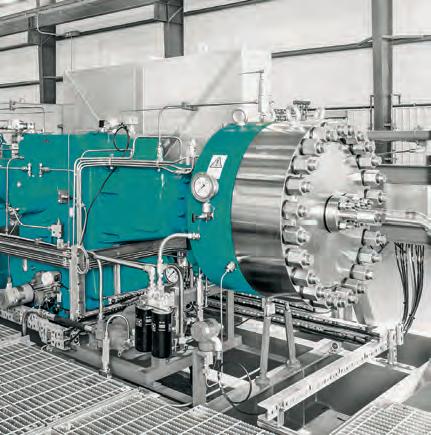
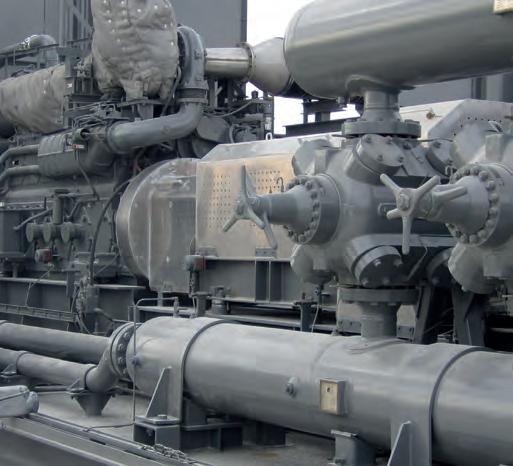
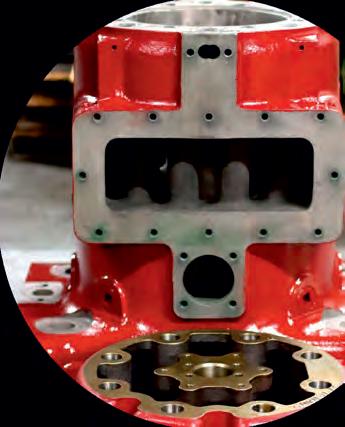
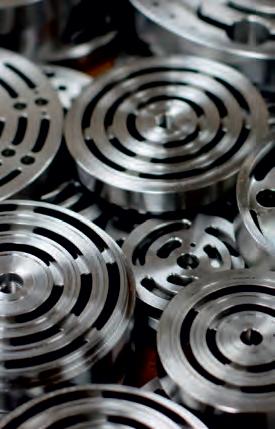
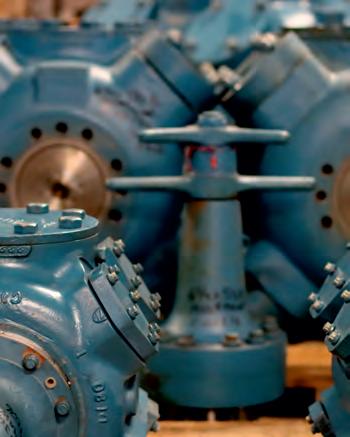
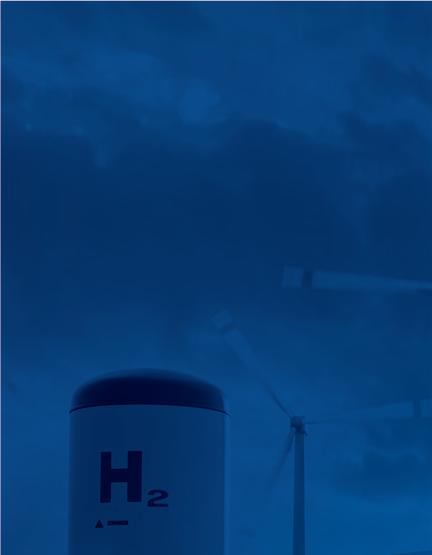
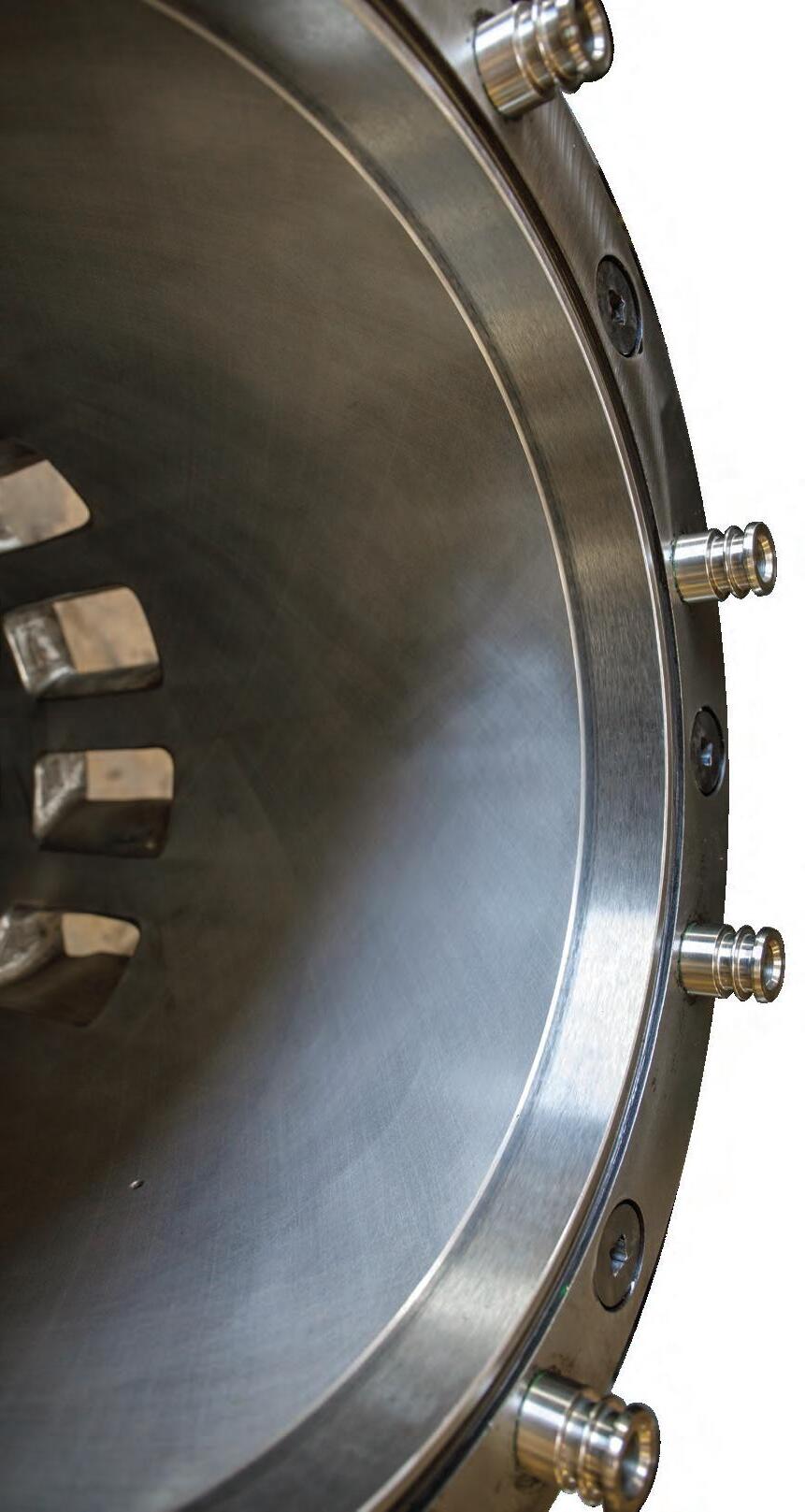
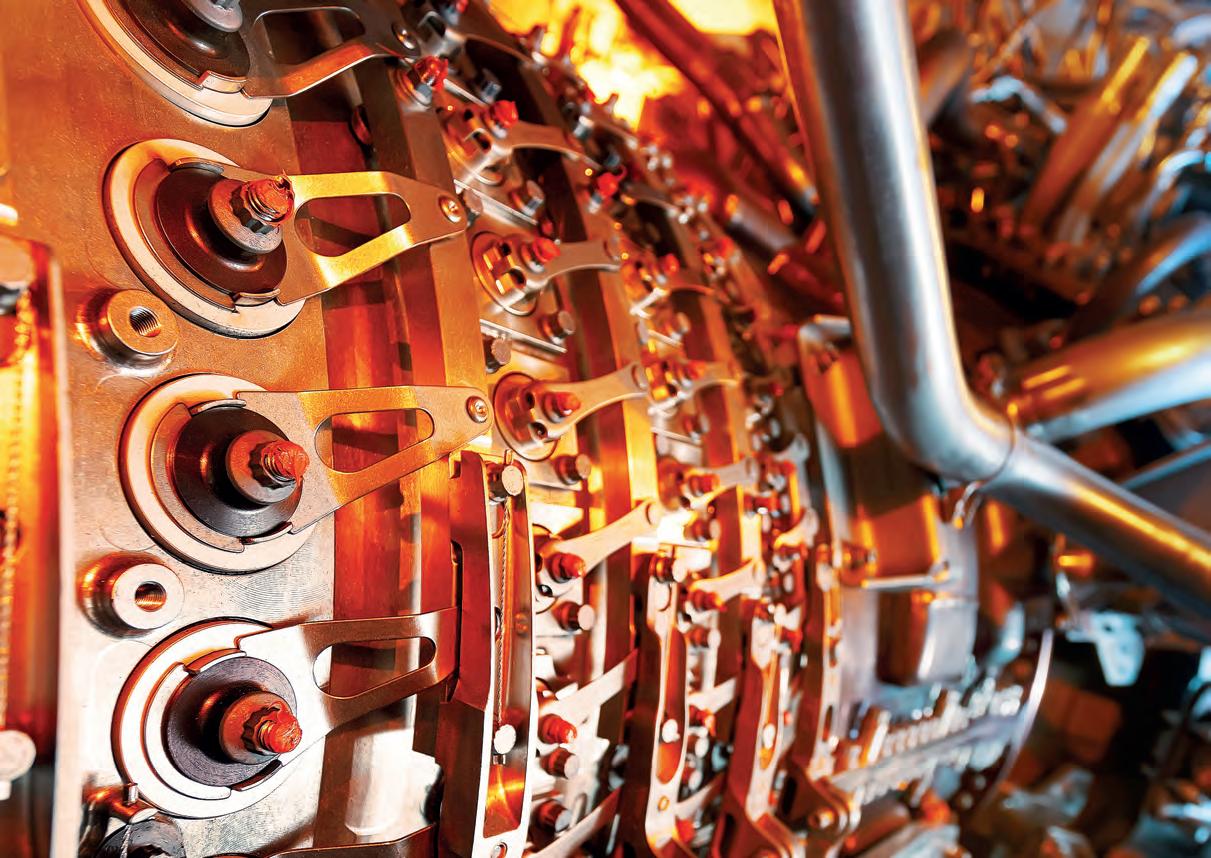
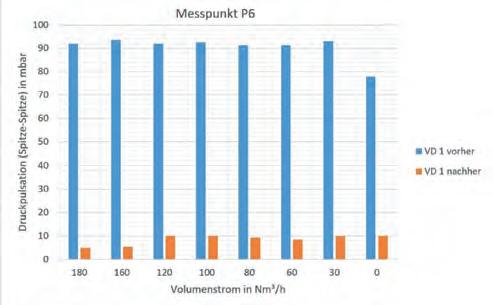
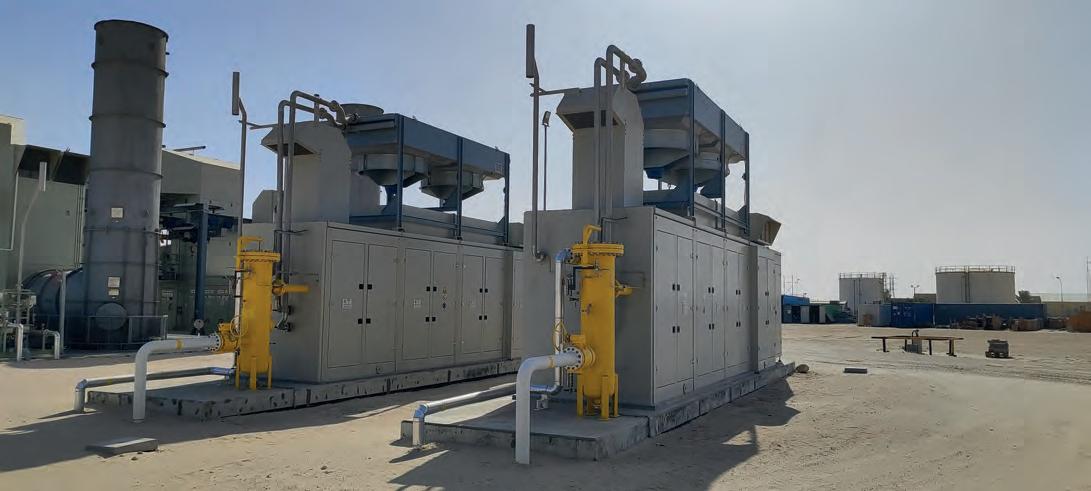
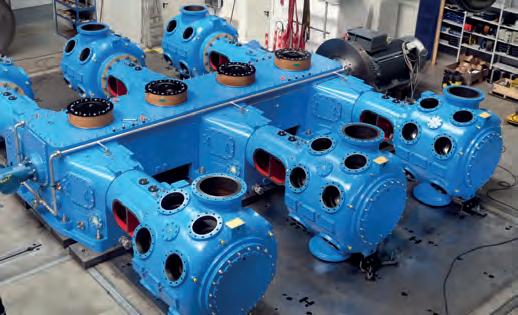
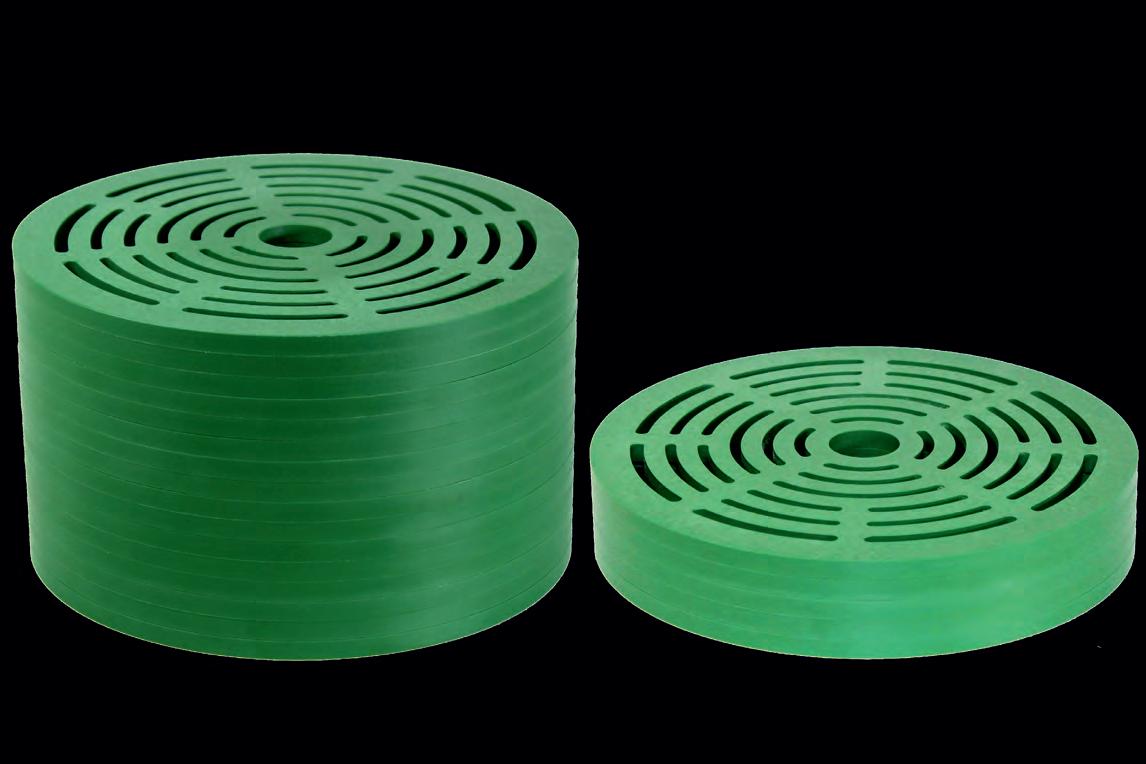
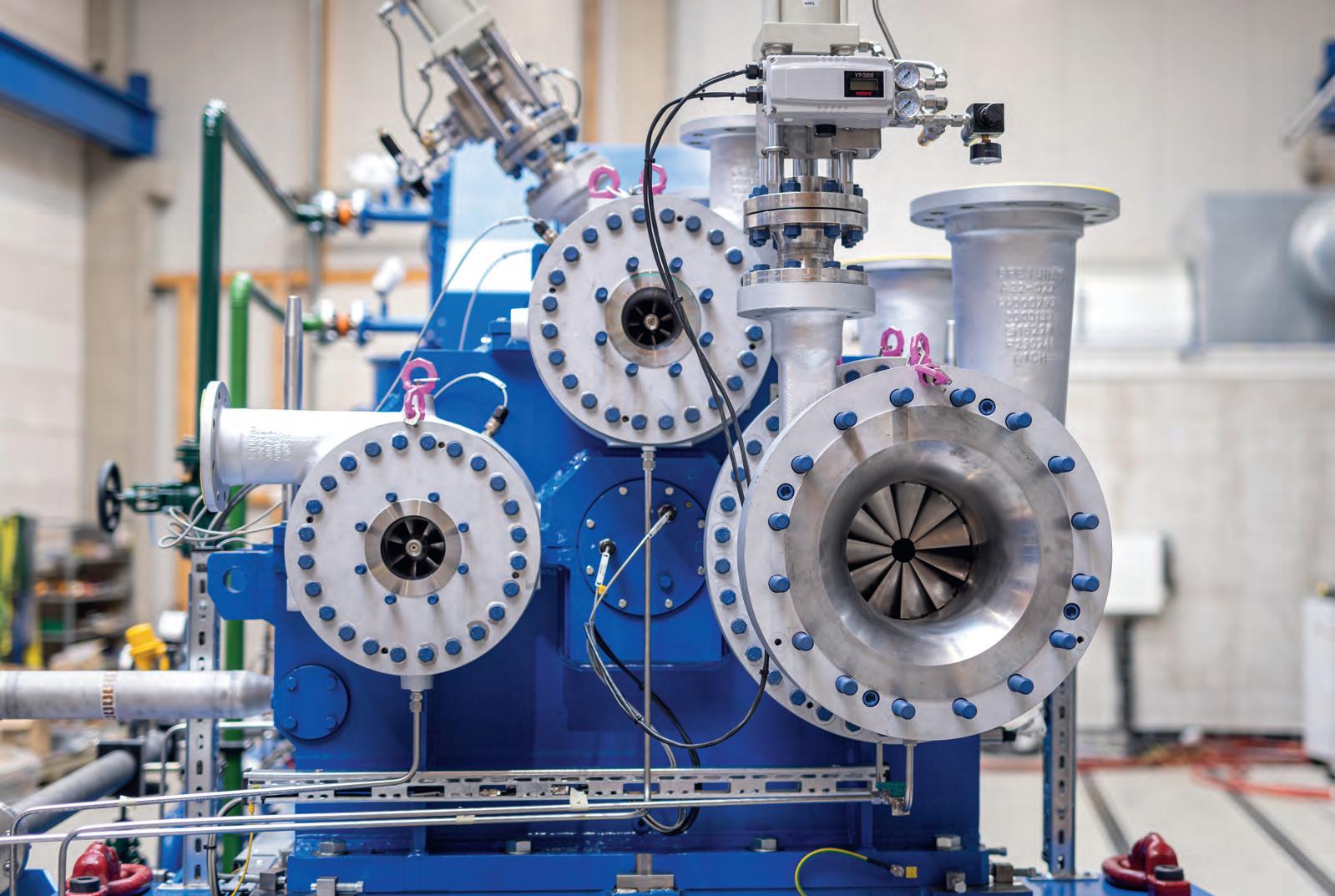
Where renewable energy sources like the sun and wind are impractical, carbonneutral fuels and green engines offer an alternative. We make efficient electricity generators that run on e-methanol, SNG, biogas, ammonia, and biofuels. Our reliable gas engines already run on up to 25 % hydrogen. Full hydrogen combustion is coming soon. And we’re also scaling up green hydrogen production. Together we can make clean energy.
with green engines running on climate-friendly fuels
EDITORIAL
Editor
Jack Burke
jack.burke@khl.com
Vice President of Content, Power
Becky Schultz
becky.schultz@khl.com
PRODUCTION
Client Success and Delivery Manager
Charlotte Kemp
charlotte.kemp@khl.com
Group Design Manager Jeff Gilbert
Group Designer Jade Hudson
Events Manager Steven Webb
steven.webb@khl.com
Events Design Manager Gary Brinklow
Creative Designer Kate Brown
CIRCULATION
Subscriptions circulation@khl.com
Audience Development Manager
Anna Philo
anna.philo@khl.com
SALES
Vice President, Global Sales
Alister Williams
+1 312 860 6775
alister.williams@khl.com
Sales Manager
Gabriele Dinsel
+49 711 3416 74 71
gabriele.dinsel@khl.com
Regional Sales Managers
Thomas Kavooras
+1 847 609 4393
thomas.kavooras@khl.com
Josh Kunz
+1 414 379 2672
josh.kunz@khl.com
Roberta Prandi
+39 0464 014421
roberta.prandi@khl.com
Kristin Pride
+1 720 298 8546
kristin.pride@khl.com
Niki Trucksa
Tel: +1 262 844 5131
Niki.Trucksa@khl.com
Chief Executive Officer
James King
Chief Financial Officer
Paul Baker
Chief Operating Officer
Trevor Pease
Copyright KHL Group, 2024
KHL GROUP AMERICAS LLC 14269 N 87th Street, Suite 205, Scottsdale, AZ 85260. americas@khl.com
Follow the money
There’s a lot of talk—ambitious talk—about global decarbonization. To most people outside the oil & gas industry, I think it’s safe to say the word “decarbonization” means getting rid of, pretty much, fossil fuels.
Spencer Dale, bp’s chief economist, recently released the company’s annual Energy Outlook. In it, Dale does see renewables to be the fastest-growing source of energy over the next 20 years. But the demand for energy—especially from emerging economies—will continue to spur demand for carbon-based fuels.
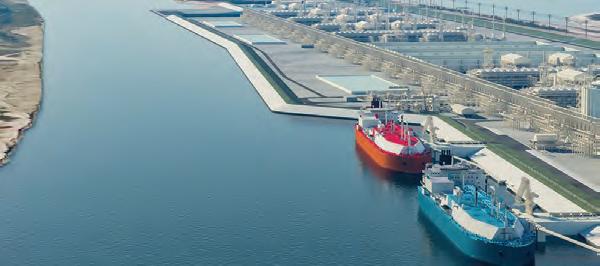
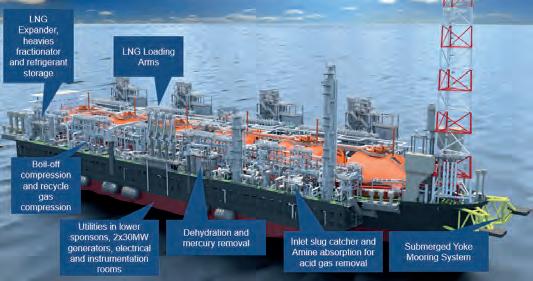
In his view, natural gas consumption will continue to grow over the next 25 years, especially in developing nations. And as you’ll read on pages 47-50, many companies are betting billions on the staying power of LNG as a bridge fuel to a more decarbonized future.
Good advice when thinking about the future: Follow the money.
Training event
Our friends at the European Forum for Reciprocating Compressors (EFRC) have organized a training workshop Sept. 18-19 on the specific aspects of reciprocating compressors. The workshop consists of two parts.
Basic training on design and operation of reciprocating compressor systems:
■ Typical applications and safety aspects of reciprocating compressor, by Guido Kluth (Shell)
■ Design and Construction of reciprocating compressor, by Andi Ziermann (Borsig ZM)
■ Thermodynamics of compression, by Mathias Kuhlow (Burckhardt)
■ Compressor valves and wearing parts, by Alessandro Baldussu (Hoerbiger)
■ Special aspects of diaphragm compressors, by Niek Albers (Howden Thomassen)
■ Condition monitoring for reciprocating compressors, by Thorsten Bickmann (Bently Nevada)
■ Operation and maintenance, by René Anke (NEAC)
On the afternoon of Sept. 19th, a special session on special training on interactions between reciprocating compressors and equipment, in green hydrogen systems:
■ End user’s view on hydrogen compression architecture, by Guillaume Gien (Total Energies)
■ Pulsations and transients in H2 compressor systems, by Leonard van Lier (TNO)
■ Flow measurement in H2 compressor systems, by Hilko den Hollander (Krohne)
■ H2 production with electrolysers: principles and challenges, by Tim Neumann (NEA)
To find out more: www.recip.org, or contact leonard. vanlier@tno.nl or email contact@recip.org
Jack Burke Editor | jack.burke@khl.com
CENTURIES OF CRAFTSMANSHIP ONE VISIONARY FUTURE
FIELD SERVICE
Your reliable partner for turnarounds, strategic planning, and maintenance, ensuring minimal downtime during overhauls and swift emergency responses with top-quality, safety-focused crews.
ENGINEERING
With our team of specialists and strategic partnerships, we deliver innovative and optimized performance solutions, including re-engineering, retrofit, modernization and other technical services.
REPAIR
We provide turn-key on-site and shop repair services for pumps, compressors, turbines and gearboxes.
CRITICAL ROTATING EQUIPMENT SOLUTIONS
CRITICAL ROTATING EQUIPMENT SOLUTIONS
PARTS
Our experts manufacture and source parts to keep your machinery running in high health. We manage parts inventory and supply spare parts kitting.
COMPRESSORTECH2
ISSN 1085-2468 (print) | ISSN 2995-9144 (online)
Volume 29 | Number 7
Published 10 issues/year (January-February, March, April, May, June, July, August-September, October, November, December) by KHL Group Americas LLC, 14269 N 87th Street, Suite 205, Scottsdale, AZ 85260, USA.
Subscription rates are $85.00 per year/$10.00 per copy worldwide.
POSTAGE
Periodicals postage paid at Scottsdale, AZ 85260 USA and at additional mailing offices.
Canadian Publication Mail Agreement # 40035419.
Return Undeliverable Canadian Addresses to: P.O. Box 456, Niagara Falls, ON L2E 6V2, Canada. Email: circulation@khl.com.
POSTMASTER: Send address changes to:
Circulation Manager, COMPRESSORTECH2 14269 N 87th Street, Suite 205, Scottsdale, AZ 85260 USA.
www.compressortech2.com
Follow @
MARKETS
31 ABB: A new way to approach large MW electric drives
47 LNG: Plenty of interest in global LNG projects
HYDROGEN
36 Hydrogen liquefaction: How Plug Power, Burckhardt teamed up on hydrogen
DECARBONIZATION
39 Cost cutting: Cutting compressor train costs
DEPARTMENTS
3 Editor’s Comment: Follow the money 6 Industry News: Another merger announced 11 Gas Lines: Flaring hits 18-year low in U.S., government says 12 Company News: Big step for LNG export facility plans 17 Monitoring Government: Fight over lizard heats up 19 Shale Play by Play: BKV sells non-op asset
Euro Gas Report: Tyra II update from TotalEnergie
Reader information
Tech Corner: Green hydrogen can also pulsate
Events & meetings
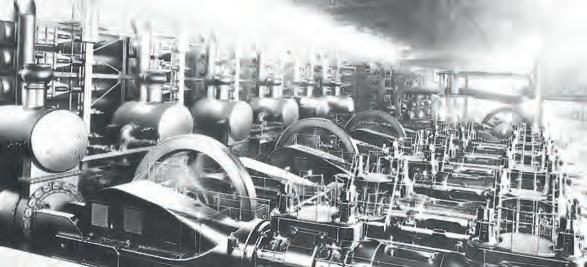
Cornerstones of Compression: The evolution of compressors for making iron & steel
Report: Highimpact drilling declined in 2023
Energy market research and consultancy firm Westwood Global Energy Group reports that, despite favorable oil prices in 2022, high impact exploration drilling in 2023 declined by 21%.
The decline was due in large part to energy transition strategies, industry consolidation, rising well costs and reduced activity in former hotspots, the company said.
Further 2023 analysis found that the commercial success rate is down seven percentage points on the previous year – the lowest since 2018. Fewer giant discoveries (>500mmboe) have resulted in a year-on-year decline in the average discovery size, down from nearly 500mmboe in 2019 to ~220mmboe in 2023, the smallest since 2014. At the same time, overall drilling finding costs have increased by a factor of six since 2019 to $1.2/boe. The commercial success rate in frontier plays returned to the long-term average at less than 10%, the company reported.
The findings also highlighted a decrease in the number of companies participating in high impact drilling (down from 99 in 2019 to 68 in 2023), with supermajors and NOCs continuing to account for the majority of high impact well equity, at ~60% between 2019-2023, and leading the way in terms of both discovered resource and commercial success rate.
“There is still cause for optimism, however,” the report stated. “Recent discoveries in Namibia’s Orange basin demonstrate that there are still significant volumes of hydrocarbons to be found and cycle times are reducing, with oil discoveries achieving first production, on average, a year faster than gas discoveries.”
Devon Energy’s Williston
Devon Energy plans to acquire the Williston Basin business of Grayson Mill Energy in a transaction valued at US$5 billion, consisting of US$3.25 billion of cash and US$1.75 billion of stock to the sellers.
Grayson Mill Energy is one the largest operators in the Bakken in the Williston Basin targeting the Bakken and Three Forks formations. The company operates 307,000 net acres across western North Dakota and eastern Montana with over 1,200 operated wells and ~900 miles of pipeline.
The company produced 120 net Mboepd in the 3rd quarter of 2023 and anticipates net production of ~125 Mboepd in 2024 with an active 3 rig and refrac program.
The company also owns and operates
■ THE COMPRESSED GAS ASSOCIATION (CGA) has published revised editions of CGA G-5, Hydrogen, 9th edition and CGA H-3, Standard for Cryogenic Hydrogen Storage, 4th edition.
CGA G-5 provides information on the physical and chemical properties of hydrogen and proper handling and use. It is intended to provide background information for personnel involved in the manufacture, distribution, and use of hydrogen. This publication provides important safety and operational information about hydrogen and
a significant midstream system to capture and transport oil, gas, produced water, and freshwater from its operations. The company has 900 miles of pipeline, 24 interconnected SWD wells, and 6 crude storage terminals providing a throughput capacity of over 280,000 barrels of capacity. This asset provides increased surety of flow and significantly increases GME’s margin and cash flow.
With enhanced scale in the basin, Devon expects to realize up to $50 million in average annual cash flow savings from operating efficiencies and marketing synergies. The acquisition also adds 500 gross locations and 300 high-quality refrac candidates
serves as a reference for material in other CGA hydrogen publications.
CGA H-3, an American National Standard, contains the suggested minimum design and performance requirements for shop-fabricated, vacuum-insulated cryogenic tanks (vertical and horizontal) intended for above ground storage of liquid hydrogen.
■ Ohio-based companies ALTRONIC and ACI SERVICES have announced a strategic partnership that will enable users of
A Grayson Mills Energy wellsite. Devon Energy plans to acquire the Williston Basin business of Grayson Mill Energy.
acquistion
that effectively compete for capital in the company’s portfolio. On a pro forma basis, Devon will possess an inventory life of up to 10 years in the Williston Basin at a constant development pace of three operated rigs.
“The acquisition of Grayson Mill is an excellent strategic fit for Devon that allows us to efficiently expand our oil production and operating scale while capturing a meaningful runway of highly economic drilling inventory,” said Rick Muncrief, Devon’s president and CEO.
The transaction is subject to customary terms and conditions, including various purchase price adjustments, and is expected to close by the end of the third quarter of 2024, with an effective date of June 1. CT2
Altronic’s DE-4000/ACM-4000 gas compressor control package to integrate ACI’s eRCM Compressor Monitoring and Safety Solution into their control systems without the need for additional hardware.
Altronic, a Hoerbiger company, focuses on the design and manufacture of ignition, instrumentation, and control solutions. ACI Services provides custom-engineered solutions for reciprocating compressors, Altronic control panels equipped with the eRCM are set for delivery in the third quarter.
CO2 pipeline planned for Dunkirk
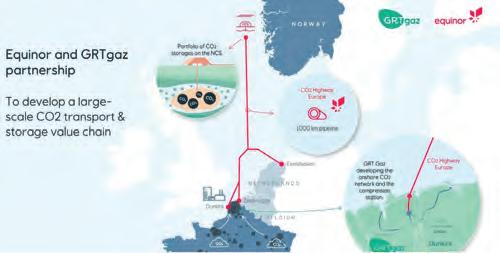
Equinor and main French gas transmission operator GRTgaz plan to develop a CO2 transport system for captured CO2 from industrial emitters in France to permanent storage offshore Norway via the planned CO2 Highway Europe pipeline project.
The development will consist of a network of onshore CO2 pipelines, to be developed by GRTGaz, which will connect France’s Dunkirk industrial area to Equinor’s CO2 Highway Europe, a large-scale CO2 pipeline being planned by Equinor also connecting Zeebrugge, Belgium to a portfolio of storage sites under the seabed offshore Norway.
The project under the agreement aims to help decarbonize the Dunkirk industrial area which accounts for around 20% of France’s industrial CO2 emissions.
Specifically, GRTgaz will develop a 30 km onshore pipeline network in the Dunkirk region, a compressor station in Dunkirk sending the CO2 into the offshore pipeline connecting to the CO2 Highway Europe.
The capacity in the initial phase will be 3 to 5.5 million tonnes of CO2 per year, and the capacity can be expanded to also accommodate CO2 captured at other industrial clusters in France.
■ EXXONMOBIL and AIR LIQUIDE announced an agreement to support the production of low-carbon hydrogen and low-carbon ammonia at ExxonMobil’s Baytown, Texas facility.
The agreement will enable transportation of low-carbon hydrogen through Air Liquide’s existing pipeline network. Additionally, Air Liquide will build and operate four Large Modular Air separation units (LMAs) to supply 9,000 metric tons of oxygen and up to 6,500 metric tons of nitrogen daily to the facility.
Shell acquiring LNG trading business
A subsidiary of Shell will acquire Pavilion Energy, which includes a global liquefied natural gas (LNG) trading business with a contracted supply volume comprising about 6.5 million tonnes per annum (mtpa).
Headquartered in Singapore, Pavilion Energy’s global energy business encompasses LNG trading, shipping, natural gas supply and marketing activities in Asia and Europe.
“The acquisition of Pavilion Energy will strengthen Shell’s leadership position in LNG, bringing material volumes and additional flexibility into our global portfolio,” said Zoë Yujnovich, Shell’s Integrated Gas and Upstream Director.
Completion of the deal is expected by the first quarter of 2025.
Global demand for LNG is estimated to rise by more than 50% by 2040, as industrial coal-to-gas switching gathers pace in China, South Asian and Southeast Asian countries, Shell said. These countries are expected to use more LNG to support their economic growth, according to Shell’s LNG Outlook 2024.
Shell plans to grow its LNG business by 20-30% by 2030, compared with 2022, and purchased LNG volumes are planned to grow by 15-25%, relative to 2022, as outlined in the 2023 Capital Markets Day.
TotalEnergies, Air Products in H2 deal
TotalEnergies and Air Products have signed a 15-year agreement for the annual supply in Europe of 70,000 tons of green hydrogen starting in 2030.
This first long-term deal follows TotalEnergies’ call for tenders for the supply of 500,000 tons per year of green hydrogen to decarbonize TotalEnergies’ European refineries.
Under the agreement, Air Products will deliver green hydrogen to TotalEnergies’ Northern European refineries. The company said the contract awarded to Air Products is a first step towards achieving TotalEnergies’ objective of reducing net greenhouse gas emissions from its operated oil and gas operations (Scope 1+2) by 40% by 2030 compared to 2015 levels.
Air Products, a leader in terms of
hydrogen supply, has committed more than US$15 billion dollars to large-scale energy transition projects and launched several large low carbon hydrogen projects.
“This deal with Air Products, the first signed following the call for tenders launched last year, is a steppingstone towards our goal of decarbonizing the hydrogen used in TotalEnergies’ refineries in Northern Europe by the end of the decade,” said Patrick Pouyanné, chairman and CEO of TotalEnergies.
The companies also signed a MOA for the supply of renewable power, which entails the signing of a first Power Purchase Agreement for 150 MW produced at a solar project in Texas. The parties also plan to explore together further PPA opportunities in the UK, Poland and France. CT2
Three-company merger set
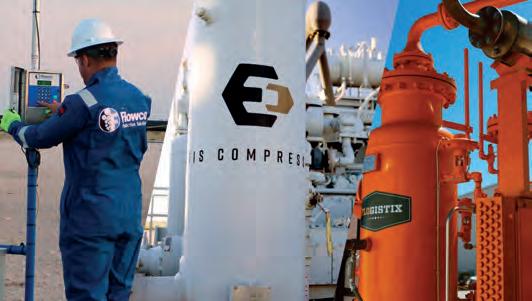
Flowco Production Solutions, Estis Compression and Flogistix have been merged into a new company named Flowco Inc.
The merger was announced by the investment firms Global Energy Capital and White Deer Energy. The companies said the new entity creates the shale industry’s leading provider of production optimization and artificial lift solutions.
Headquartered in Houston, Flowco has approximately 1,300 employees located in every major productive region of the domestic oil and gas industry, and a growing international presence, the companies said. Flowco provides products and services for
producing wells, including high pressure gas lift, traditional gas lift, plunger lift, vapor recovery and digital technologies.
“The merger forming Flowco represents a strategic alignment with GEC to form an industry leader in the production optimization and artificial lift solutions sector,” said White Deer cofounder, Ben Guill. “By uniting our three companies, each expert in their field and in complementary lines of business, we can offer comprehensive solutions for clients throughout the entire lifecycle of an oil and gas well. We look forward to working with GEC and our employee partners on the next phase of Flowco’s development.” CT2
Flowco Production Solutions, Estis Compression and Flogistix have been merged into a new company named Flowco Inc.
Shell will acquire Pavilion Energy, which includes a global liquefied natural gas (LNG) trading business. IMAGE: PAVILION ENERGY
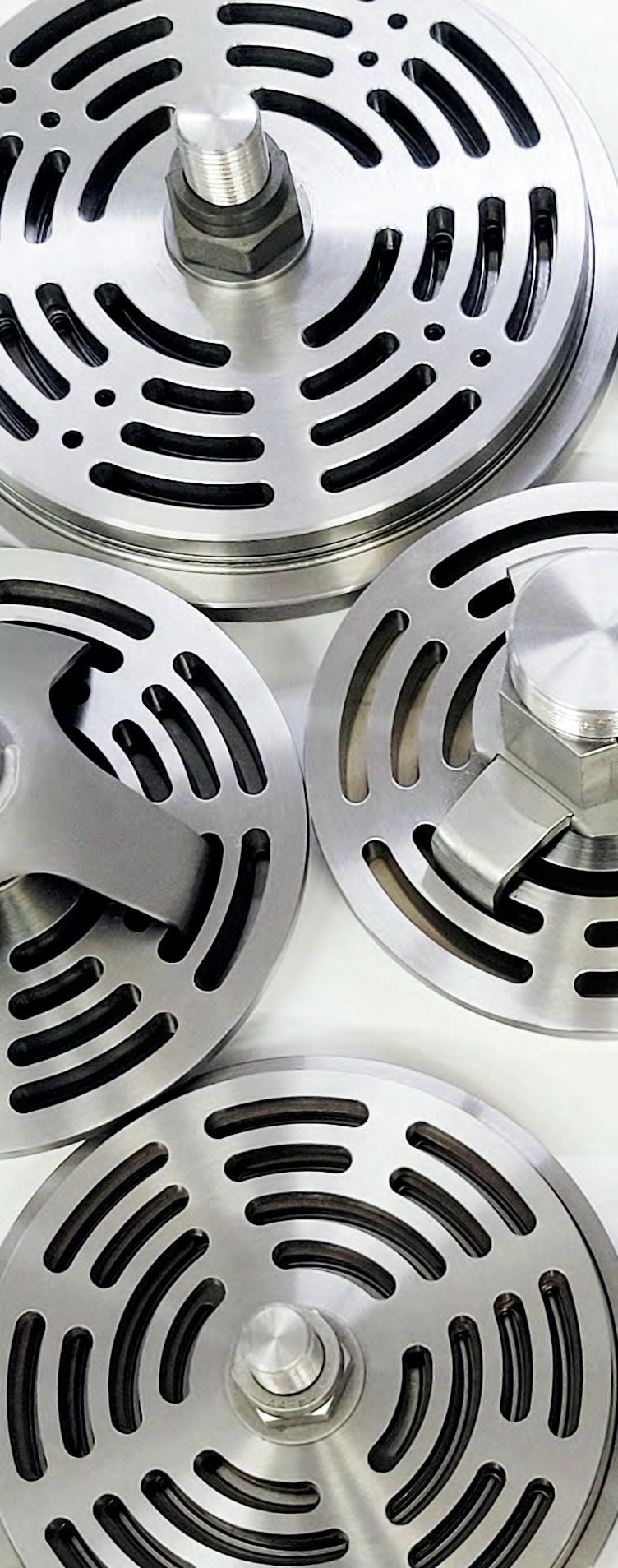
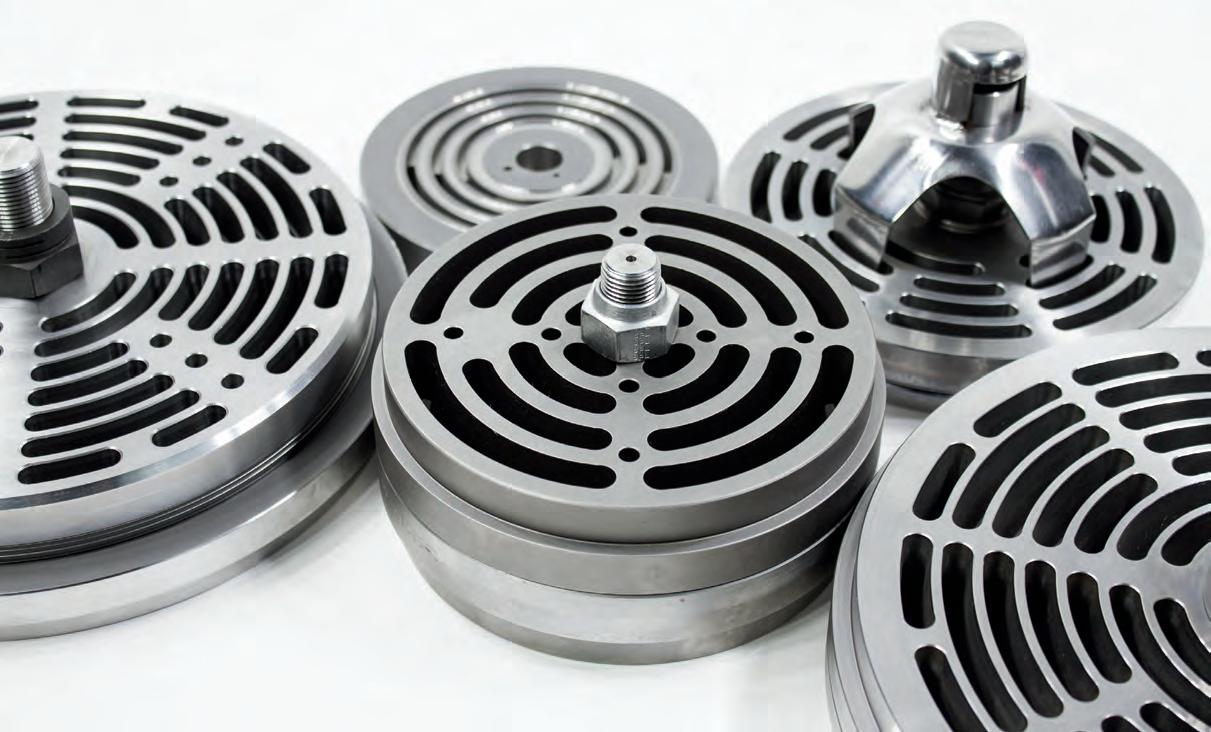
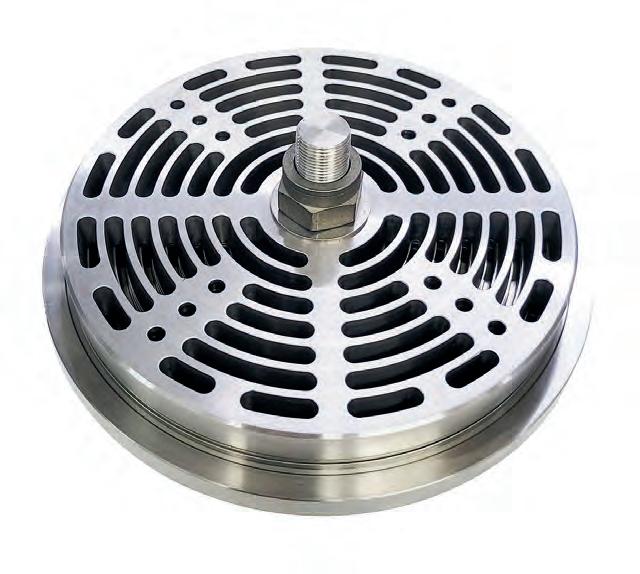
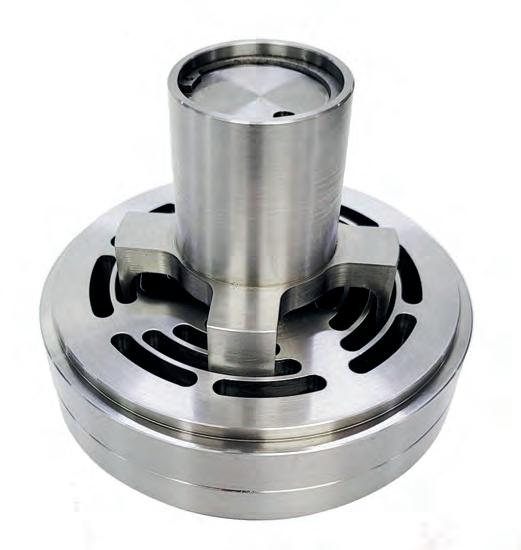
HOW MUCH OF YOUR MAINTENANCE AND CAPEX BUDGETS ARE TIED UP IN COMPRESSOR VALVES?
Break Free with StraightFlo™ Compressor Valves
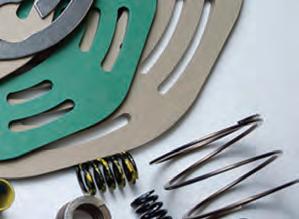
A typical reciprocating compressor valve inventory has a huge number of unique spare assemblies and repair kits –along with huge costs to procure and store them.
Free up your budgets by switching to StraightFlo™ valves.
Their patented design enables them to be repaired onsite, in minutes, by simply replacing modules. So there’s no need to buy spare valve assemblies. And only 4-6 module part numbers can service an entire facility. In fact, StraightFlo™ users report an average 80% reduction in inventory costs.
When you add up the savings – together with advantages in reliability, efficiency, repairability, and emissions reduction – it’s clear StraightFlo™ valves are the break your budgets need.
Reduction in Inventory Costs
EIA: Gas flaring hits 18-year low
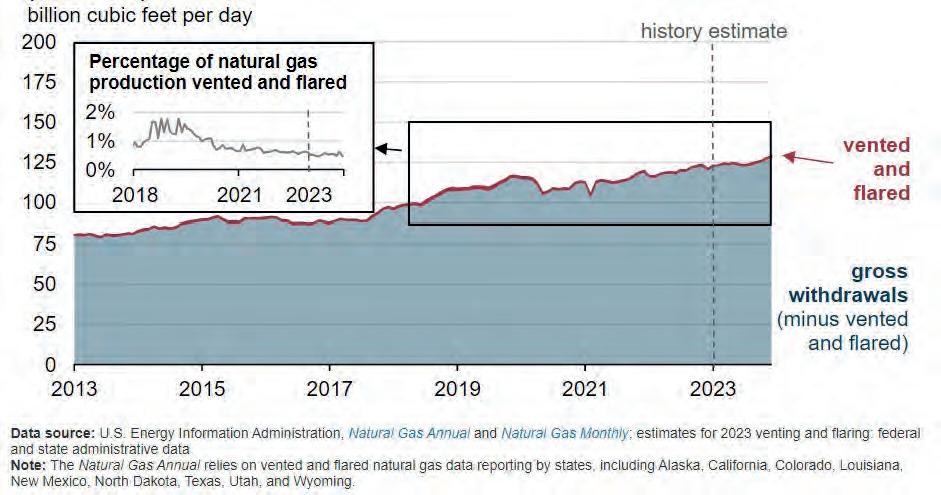
The U.S. Energy Information Agency (EIA) estimates natural gas vented or flared in 2023 hit an 18-year low.
The EIA saod the annual reported volume of natural gas vented or flared in the U.S. declined to 0.5% of gross withdrawals in 2023, based on preliminary data.
The rate of natural gas vented or flared in the U.S. has decreased from 1.3% in 2018 and 2019 to an estimated 0.5% in 2023, even though natural gas production increased over the same period to a record average of 125.0 billion cubic feet per day (Bcf/d) in 2023. During this time, the reported share of natural gas vented and flared as a percentage of gross withdrawals for individual states has ranged from less than 0.1% on an annual basis in several states to as much as 19.3% in North Dakota in 2019, or from less than 0.1 Bcf/d to 0.7 Bcf/d.
The states with the most reported vented and flared natural gas are Texas, North Dakota, and Wyoming. In 2023, North Dakota, Wyoming, and California, as well as the Federal Offshore Gulf of Mexico,
MONTHLY U.S. NATURAL GAS GROSS WITHDRAWALS AND REPORTED VENTED AND FLARED (2013-2023)
have the highest rates of reported vented or flared natural gas relative to their gross withdrawals of natural gas.
North Dakota has had high rates of venting and flaring since 2006 because associated natural gas production in the Bakken region grew more quickly than natural gas production and processing
facilities, as well as pipeline takeaway capacity. North Dakota banned the venting of natural gas in 2014 and has captured more natural gas over the last decade, decreasing the share of natural gas flared from 31.6% in 2011 as natural gas production and processing facilities and pipeline takeaway capacity increased. CT2
Source:
Argent’s LNG port moves step closer
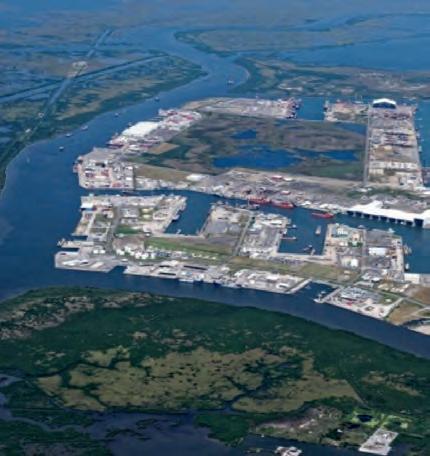
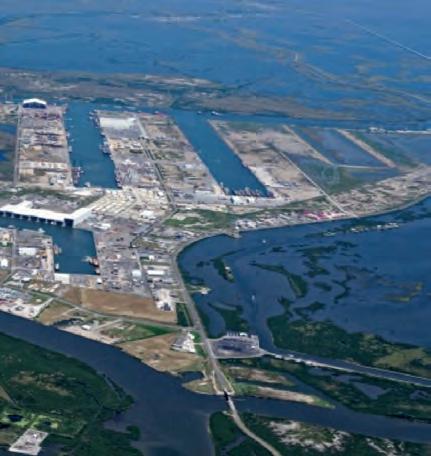
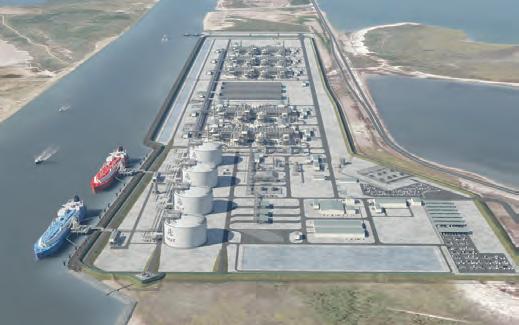
Argent LNG signed a long-term lease agreement for 144 acres at Port Fourchon, La., a big step toward development of a liquefied natural gas (LNG) export facility with a projected capacity of up to 20 million tonnes per annum (MTPA).
The lease is with the Greater Lafourche Port Commission. Argent LNG will also
need to secure a waterway suitability assessment and overall federal approval for the LNG facility.
EPC will be Worley and constructed by Kiewit, the facility will have an initial capacity of 10 MTPA at an estimated cost of US$10 billion. Phase two will be to add up to an additional 10 MTPA. Additionally, the facility will feature a smaller-scale plant
EPA approved Piñon CO2 sequestration plan
Piñon Midstream has received approval from the U.S. Environmental Protection Agency (EPA) for its monitoring, reporting and verification plan for the permanent sequestration of carbon dioxide in its two acid gas injection (AGI) wells at Piñon’s Dark Horse Treating Facility in Lea County, New Mexico.
Piñon said its Dark Horse Treating Facility is the largest AGI system that is currently permitted and operating in the state of New Mexico. Both of Piñon’s AGI wells—Independence AGI #1 and Independence AGI #2—are Devonian wells, reaching depths of approximately 18,000 ft. below the surface into rock formations several thousand feet below water aquifers and existing Delaware Basin oil and natural gas producing formations.
The two AGI wells are permitted for a combined 20 million cubic feet per day (20 MMcf/d) of CO2 and hydrogen sulfide injection, which equates to ~250,000 metric tons of CO2 and 110,000 MT of H2S annually based on current gas compositions.
■ WORLEY was awarded the front end engineering and design (FEED) on a new natural gas compression facility in Queensland, Australia, by Origin, the upstream operator of Australia Pacific LNG (APLNG).
The Angry Jungle gas field is a joint venture gas field run by multiple producers within the Surat Basin. During the FEED phase, Worley will support the engineering design of the infrastructure needed to allow APLNG to capitalize on its share of coal seam gas produced within the Angry Jungle
At its current operational rate, Piñon’s Dark Horse Treating Facility is projected to capture and sequester more than 190,000 MT of CO2 and 90,000 MT of H2S over the next twelve months.
gas field. The overall project infrastructure includes an in-field compression facility, low pressure gathering pipeline, and ancillary services. The company will deliver an initial scope focused on the booster compression facility.
■ KB DELTA named Nina Giourof as the new vice president of Human Resources.
Giourof comes to KB Delta with a strong educational foundation. She holds both a Bachelor of
tailored to supply LNG for next-generation LNG-powered Offshore Supply Vessels (OSVs) in the Gulf of Mexico.
Argent LNG plans to supply fuel to power generation assets across Japan, Southeast Asia, Europe, South America, the Caribbean, and the MENA region, prioritizing reliable energy supply to allied nations across the Americas.
Argent LNG said Port Fourchon is a critical hub for the energy industry, offering unparalleled access to global markets and established infrastructure, making it the perfect location for Argent LNG’s development.
“We are thrilled to partner with the
Science in Nursing and a Master of Science in Nursing from West Coast University in Anaheim. In addition to her healthcare qualifications, she earned an MBA from Pepperdine University.
She previously served at Lakewood Memorial Hospital, where she acquired considerable experience in healthcare and management. Her expertise in both healthcare and business administration uniquely positions her to lead KB Delta’s HR department, the company said.
LNG agreement renewed
Baker Hughes has entered into a new 10-year services frame agreement with Woodside Energy to support its LNG operations in Australia.
Under the multi-year services frame agreement, Baker Hughes will provide spare parts and field service resources for onsite turbomachinery equipment maintenance and upgrades, equipment refurbishment and advanced digital asset performance services.
This latest agreement builds on the partnership that first started in 1989 and has since included collaboration on multiple projects. In 2021, Baker Hughes was awarded the supply of high-efficiency gas turbine and compressor technology for Woodside Energy’s Pluto LNG train 2 project in Western Australia, which serves Woodside Energy’s Scarborough offshore gas project and provides LNG exports to countries across Asia. Most recently, in 2022, the two companies signed a memorandum of understanding to collaborate on possible decarbonizing solutions leveraging Baker Hughes’ broad portfolio of carbon management and climate technology solutions.
Greater Lafourche Port Commission to develop our LNG facility at Port Fourchon,” said Jonathan Bass, CEO of Argent LNG.
“This lease agreement marks a significant milestone in our journey to provide reliable and sustainable energy solutions. We are committed to leveraging the unique advantages of this location to meet the growing global demand for LNG.” CT2
“Given the essential role of LNG in supporting global energy security with affordable and reliable natural gas supplies, we recognize the criticality of providing ongoing innovations and enhancements to LNG technology solutions for Woodside Energy,” said Tiffany Pitts, VP, Gas Technology Services, IET at Baker Hughes.
Okay – we don’t normally treat animals. But when it comes to drive technology, we are true specialists. Our service experts stand for fast troubleshooting and are close to you worldwide. So that you can fully focus on your core business, Voith supports you as a full-service provider with comprehensive services – regardless of whether
it is your own or a third-party brand. In this way, we extend the service life of your vehicles and machines and ensure their maximum availability. And if you do have a lion that is lovesick – we’ll be happy to take a look at it, too.
Argent LNG has signed a lease agreement for 144 acres for its planned LNG export terminal in Louisiana. IMAGE: ARGENT LN
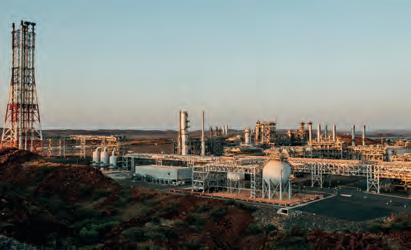
Woodside Energy’s Pluto LNG facility.
Golar LNG’s Argentinian FLNG set
Golar LNG has entered into definitive agreements with Pan American Energy for a 20-year deployment of a floating liquefied natural gas (FLNG) vessel in Argentina.
The FLNG project will monetize Argentine gas, tapping into the resources from the Vaca Muerta shale formation in the Neuquina Basin, the world’s second-largest
Shell to build Canadian carbon storage project
Shell plans to build Polaris, a carbon capture project at the Shell Energy and Chemicals Park, Scotford in Alberta, Canada.
Polaris is designed to capture approximately 650,000 tonnes of CO2 annually from the Shell-owned Scotford refinery and chemicals complex. In addition to Polaris, Shell will also build the Atlas Carbon Storage Hub in partnership with ATCO EnPower. The first phase of Atlas will provide permanent underground storage for CO2 captured by the Polaris project. Both projects are expected to begin operations toward the end of 2028.
“Carbon capture and storage is a key technology to achieve the Paris Agreement climate goals,” said Huibert Vigeveno, Shell’s Downstream, Renewable and Energy Solutions Director. “The Polaris and Atlas projects are important steps in reducing emissions from our own operations.”
Polaris and Atlas follow the success of the Quest carbon capture and storage (CCS) facility at Scotford, which has captured and stored more than nine million tonnes of CO2 since 2015, the company said.
Shell is a 50/50 partner with ATCO.
shale gas resources. The project is expected to start LNG exports within 2027, establishing Argentina as an LNG exporter.
The project aims to utilize Golar’s FLNG Hilli, with a nameplate capacity of 2.45 million tons per annum (mtpa), providing an equivalent net tariff of US$2.6/mmBtu (based on 90% capacity utilization) with an additional commodity-linked pricing
element. Golar said it has flexibility to consider a swap alternative for another suitable Golar FLNG unit.
As part of the agreements, Golar will hold a 10% stake in Southern Energy, a joint venture with PAE, responsible for the purchase of domestic natural gas, operations, and sale and marketing of LNG volumes from Argentina.
CT2
This initiative is envisaged to be the first phase of a potential multivessel project and it is anticipated that other large natural gas producers in Argentina will join.
U.S. Energy plans Permian push
E&P company U.S. Energy Development Corp. plans to expand its operations in the Permian Basin.
Over the next 12 months, the company expects to deploy upwards of US$750 million, with the majority of this capital earmarked for projects in the Permian.
U.S. Energy said it had robust performance in the Permian Basin in 2023,
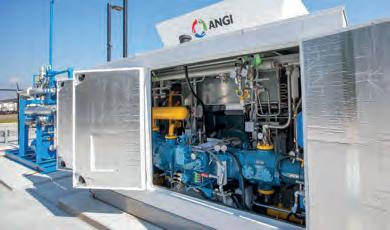
■ ANGI, a U.S. manufacturer of purposebuilt compression and decanting systems for biogas/renewable natural gas (RNG), is expanding into Europe.
The company said the expansion leverages ANGI’s North American experience to bring its technology to a new market and builds upon its already well-established reputation for expertise in the field of compressed natural gas (CNG) compression in Europe.
ANGI is one of North America’s leading supplier of complete systems for CNG,
which included substantial gains in both production and operational efficiency.
This year has seen a continued investment into the Permian, highlighted by the recent completion of U.S. Energyoperated JT Morris pad. The 5-well pad has achieved success, coming in below budget while outperforming type curve projections.
CT2
biomethane and most recently hydrogen. Its dedicated biomethane business offers a wide range of highly engineered solutions to support diverse use cases.
IMAGE: GOLAR LNG
Solutions for Tomorrow‘s Energy Infrastructure
At NEUMAN & ESSER, a century of Hydrogen compression expertise meets the technologies required for a decarbonized society. As an OEM for reciprocating compressors, electrolyzers and reformer systems including HRS, we bring in all plant components along the value chain and balance them for the optimal overall solution.
Family-owned for almost 200 years, today more than 1,600 employees are committed to bringing challenging projects to life around the world – from evaluating project feasibility, through engineering, construction, and commissioning to digitally supported 360° service during operation. Enjoy our new Web Presence: www.neuman-esser.com
WHEN IT MATTERS MOST.
A century in business has taught us that you can never go wrong when you focus on the needs of the customer and the importance of getting every project right the first time. We know that committing to innovation and quality are the best paths to reduced lubricant consumption, gas stream contamination and downtime. Our focus on reliable, dependable service is invaluable to earning trust and building long-term relationships. It’s not a gimmick. It’s just the way we do business and why we’re the first name in compressor lubrication.
Lizard, oil & gas industry in Texas showdown
Rare dunes sagebrush lizard pitting industry against the U.S. Fish and Wildlife Service in Permian. By
Brian
Ford
Atwo-and-a-half-inch lizard is casting a long shadow over the Permian Basin, thanks to an endangered species designation by the U.S. Fish and Wildlife Service (FWS).
The reptile in question is the rare dunes sagebrush lizard, which makes its home in parts of West Texas and eastern New Mexico. The lizard’s habitat is in the Permian Basin, which has more than 7,000 producing oil and gas fields in Texas. As such, the oil and gas industry has voiced strong opposition to the endangered species listing and the possible restrictions on oil and gas operations.
The dunes sagebrush lizard is a rare species found only in the shinnery oak and sand dune ecosystems in extreme southeast New Mexico and west Texas, according to the FWS. The lizard occurs in about 4% of lands that make up the 86,000-square-mile Permian Basin. Primary threats to the lizard include loss of habitat associated with oil and gas development, sand mining and changing climate, the service maintains.
The industry’s concern (ire) is so great that it has sought the help of members of Congress and the Texas Railroad Commission (the state’s oil and gas regulator) in trying to overturn the endangered species listing.
Long-standing issue
The question (and controversy) over the lizard’s standing goes back some 40 years. Environmental groups have repeatedly urged the FWS to address this existential (for the lizard, anyway) issue. On May 17, dunes sagebrush lizard advocates got their wish when the FWS announced it was listing the animal as an endangered species.
“The Endangered Species Act is an important tool in preventing the extinction of imperiled species like the dunes sagebrush lizard,” said Amy Lueders, the service’s southwest regional director. “The service will continue working collaboratively with Tribes, industry, stakeholders, and private landowners while ensuring protections for the lizard and its habitat.”
The designation of critical habitat was found to be “prudent but not determinable” at this time, said the FWS, which has up to one year from the time of the listing to propose critical habitat.
Prior to the endangered species listing, in New Mexico and Texas, around 100 ranchers and 100 oil and gas partners in New Mexico and Texas had already enrolled in voluntary agreements to implement conservation practices “with assurances that if the species is listed, they can continue to manage their land outlined in their agreements with no additional requirements or restrictions,” the FWS said.
“In New Mexico, these voluntary enrollments cover nearly 85% of the dune sagebrush lizard’s range within the state,” the FWS continued. “In Texas, enrollment focuses on avoiding and mitigating any unavoidable impacts on lizard habitat. Although new enrollment in these voluntary agreements ends when the listing rule is
final and effective, the service has multiple tools and programs to work with industry, private landowners, and public agencies to streamline and ensure compliance with the ESA (Endangered Species Act).”
The FWS maintains that through advanced horizontal drilling techniques, oil and gas wells are still able to reach most oil and gas reserves without disrupting lizard habitat.
Strong opposition
The oil and gas industry and its supporters don’t see eye to eye with the FWS.
The Permian Basin Petroleum Association (PBPA) said in 2023 (when the FWS first announced its intention to list the lizard as endangered), that: “A listing of the dunes sagebrush lizard under the ESA is an incredible threat to the production of oil, natural gas, wind and solar energy developed in the Permian Basin, and is an incredible threat to our nation’s energy independence and national security.”
Members of the Texas Railroad Commission also railed against the FWS’ action and voted unanimously to ask the Texas Attorney General’s office challenge the designation.
Railroad Commissioner Wayne Christian said: “This doesn’t have a thing to do with ‘saving lizards’; it’s about shutting down U.S. oil and gas production to win political brownie points, which will only increase inflation and jeopardize billions of lives globally.”
And in early July, U.S. Senator Ted Cruz (R-Texas) introduced legislation to reverse the endangered species designation.
“This disastrous rule threatens American jobs and undermines the production of energy in the Permian Basin,” Cruz said. U.S. Representative August Pfluger (R-Texas) previously introduced companion legislation in the House of Representatives. CT2
BRIAN FORD is editor in chief for Industrial Info Resources, which provides up-to-date project information on a wide range of industries across the globe. He has worked as a reporter and editor for newspapers and other publications since 1979.
Turn to Ebara Elliott Energy for optimized transport of natural gas.
Ebara Elliott Energy’s solution for long-distance gas transmission delivers exceptional performance in stringent regulatory environments. Designed with proven Elliott® compressor technology, the 140TCH pipeline compressor drives high-efficiency, low-emission transmission for optimized pressure and flow. Turn to the experts at Ebara Elliott Energy for a partnership you can trust.
Learn more about our efforts to reduce emissions at elliott-turbo.com.
Advanced energy technologies for a sustainable future.
PERMIAN (DELAWARE)
LandBridge announces IPO
LandBridge Company, formed by Five Point Energy LLC, owns approximately 220,000 surface acres across Texas and New Mexico, located primarily in the heart of the Delaware sub-basin in the Permian. LandBridge actively manages its land and resources to support and encourage oil and natural gas production and broader industrial development. The company announced it is going public with an initial public offering (IPO) of 14.5 million Class A shares at an anticipated initial offering price between $19.00 and $22.00 per share. The company hopes to raise up to $319 million.
BLM fetches $34.4 million in high bids from lease sales
The Bureau of Land Management’s New Mexico State Office held a competitive oil and gas lease sale, offering 19 parcels covering 3,128 acres in New Mexico and Kansas. In total, 451 bids were received, with 14 parcels covering 2,768 acres leased, roughly 88.5 percent of the total acreage available. A total of $34.4 million in high bids were received. Before development operations can begin, an operator must submit an application for a permit to drill detailing development plans. The BLM reviews applications for permits to drill, posts them for public review, conducts an environmental analysis, and coordinates with state partners and stakeholders.
NM finds potential air quality violations at 75 facilities
The New Mexico Environment Department (NMED) announced the results of a six-month inspection initiative done in partnership with the U.S. EPA. It found that 75 of the 124 facilities (60%) investigated had emissions of volatile organic compounds (VOCs) that violate the federal Clean Air Act and state Air Quality Control Act. EPA and NMED analyzed data from satellites, regulatory reports, and other sources to identify specific sites in the Permian prior to conducting on-site inspections. Suspected criminal violations will be referred to New Mexico’s Environmental Crimes Task Force for further investigation and potential prosecution
James Willis highlights the latest news from the major North American shale plays
BKV sells non-op assets
Over the past seven-plus years, BKV Corporation (Banpu Kalnin Ventures), 96% owned by Banpu, Thailand’s largest coal mining company, has become one of the top 20 gas-weighted natural gas producers in the U.S. BKV originally entered the American shale sector by investing $500 million in 2016-2017 to buy existing Marcellus wells and acreage in northeast Pennsylvania. The company expanded into other plays, namely the Barnett. BKV recently sold its non-operated assets in the PA Marcellus in two different deals. The first deal, closed June 14, saw BKV sell its wholly owned subsidiary, BKV Chaffee Corners LLC, with non-operated interests in 9,800 net acres and 116 gross
(24.2 net) wells and 122 Bcfe of proved reserves in northeast PA. The deal, with an undisclosed buyer, netted BKV $106.7 million. The second deal, closed June 28, saw BKV sell its nonoperated upstream assets from BKV Chelsea, including 6,800 net acres, 214 gross (15.4 net) wells, and 35 Bcfe of proved reserves. The second deal, with an undisclosed second buyer, netted the company $25 million. BKV still owns 19,400 net acres and approximately 84 wells in the PA Marcellus.
MVP begins to flow gas
On Friday, June 14, the 303-mile Mountain Valley Pipeline (MVP) that runs from Wetzel County, WV, to Pittsylvania County, VA, announced the pipeline had, after a decade of planning and
EAGLE FORD (Austin Chalk, Tuscaloosa Marine Shale)
ND’s O&G director presents his last report
Lynn Helms, the director of the North Dakota Department of Mineral Resources, presented his last monthly report in June before retiring on June 30. Helms worked for the department for 26 years. He started monthly reports during the shale oil boom of 2012 in response to media requests. In his final report, Helms said oil production hit 1.2 million barrels per day. The all-time high came in November 2019 with 1.5 million bpd. Natural gas production was up 3% at 3.49 Bcf/d in April (the latest available numbers). The state permitted 79 wells in April and 95 wells in May. The active rig count remained steady at 38. In April, 56 wells were completed; in May, 67 wells were completed. The state had a new all-time high of 18,962 producing wells in April, with 89% of them unconventional Bakken/Three Forks wells and 11% conventional wells. A search committee is currently looking for a candidate to replace Helms.
Liberty helped transform Bakken core
Mark Pearson, president and CEO of Liberty Resources II, was recently interviewed by Hart Energy at Hart’s SUPER DUG event in Fort Worth, Texas. Liberty sold its Bakken assets to Silver Hill Energy Partners in March, including 85,000 net acres with 20,000 bpd of production. Pearson said his company’s operations that helped transform the “core” of the Bakken. In 2010, Liberty I entered the core of the Bakken in South Williams and North Mackenzie counties in ND, selling those assets in 2013. Liberty II re-entered the play in what was then considered Tier 2 acreage. Over the last 10 years, Liberty used technology to improve the performance of what is now referred to as the “extended core” because the former Tier 2 assets now produce the same well results as drillers got 10 years ago.
building, finally begun to flow Marcellus/Utica molecules. In a separate announcement, Roanoke Gas Company (a large LDC) said it had begun to purchase molecules from MVP on Friday, June 14. Roanoke Gas said for the first time since 1965, the Roanoke Valley now has access to a new interstate natural gas pipeline via two
interconnections Roanoke Gas has with MVP.
MVP lowers & raises prices
The effect of the molecules flowing through the 303mile Mountain Valley Pipeline (MVP) has been profound and immediate, raising prices for Marcellus/Utica gas at the
source and lowering natural gas prices at the destination. Although MVP is rated to flow up to 2.1 Bcf/d, it currently flows a little over one-third of that amount. At the source where MVP begins, prices have increased due to increased demand. The price at the Eastern Gas South trading hub jumped $0.41 per MMBtu
after MVP went online. At the destination, where the molecules sold, natural gas prices have decreased. The Transco Zone 5 trading point is down $1.28 from June after the launch of MVP.
Apex offers $1,500/acre signing bonus
Apex Energy offered North Huntingdon, a township in Westmoreland County, PA, $1,500 per acre as a signing bonus to lease 4.5 acres of town land for a grand total of $6,760. In addition, North Huntingdon would receive a 16% royalty on all gas produced with no post-production deductions. Apex says the offer to the town is the standard offer it makes to all of its potential lessees. In July, the town commissioners voted to reject the offer following opposition from local residents.
Owner to plug three injection wells
The Ohio Oil and Gas Commission (OOGC) upheld a regulatory order from the Ohio Dept. of Natural Resources >
ROCKIES (Powder River Basin, Denver-Julesburg Basin, Niobrara)
SM Energy deal to acquire XCL’s Uinta assets in $2.55 billion deal
SM Energy Company is acquiring the Uinta Basin oil and gas assets from XCL Resources, a private company backed by EnCap Investments and Rice Investment Group. The $2.55 billion deal will provide SM with 37,200 net acres producing 43,000 Boe/d (88% crude oil) and with 390 net drilling locations. Concurrently, Northern Oil and Gas, Inc. will acquire an undivided 20% interest in the XCL assets for $510 million, lowering SM’s outlay to $2.04 billion. SM will serve as the operator of the assets. The deal is expected to close in September.
Quantum Capital rumored to buy Caerus
Bloomberg is reporting that privately held Quantum Capital Group has agreed to buy Rocky Mountain energy producer Caerus Oil
(ODNR) suspending operations of three wastewater injection wells located in Athens County, OH, owned by K&H Partners, a subsidiary of Tallgrass Energy. The ODNR’s contention was that the three wells were “communicating with” (leaking into) nearby conventional oil and gas wells. The ODNR further theorized that the K&H wells were injecting fluid into layers for which it is not permitted (allowed). The concern is that the “communicating” brine
HAYNESVILLE
could also find its way into local water wells. Following the OOGC decision, K&H ceased operations at its three Athens injection wells and has since applied to the ODNR for permission to plug the wells.
Officials seek compressor public alerts
The 1,100-mile-long Algonquin
Gas Transmission Pipeline delivers natural gas, including Marcellus/Utica gas, to New England. Algonquin is
Phase I of Evangeline Pass starts service
The first phase of Kinder Morgan’s $670 million Evangeline Pass project was placed in service on July 1, 2024. Construction continues on the second phase, which is expected to be in service on July 1, 2025. The two-phase project involves modifications and enhancements to portions of the Tennessee Gas Pipeline (TGP) and Southern Natural Gas (SNG) systems in Mississippi and Louisiana, which will result in the delivery of approximately 2 Bcf/d of natural gas to Venture Global’s Plaquemines LNG export facility.
Formation Minerals buys assets in Bienville Parish Formation Minerals, Inc. announced a deal to buy producing assets in Bienville Parish, Louisiana, for $220,000 in cash from an undisclosed seller. The property is located in the Haynesville Shale and is operated by Texas-based Aethon Energy Management LLC. There are currently 3 producing wells.
and Gas for $1.8 billion from backers Oaktree Capital Management, Anschutz Investment Co., and Old Ironsides Energy, according to sources. Caerus operates more than 7,400 wells in the Piceance Basin in Colorado and Uinta Basin in Utah. The company’s assets include 2,400 miles of gas and water pipelines and a number of water treatment and storage facilities.
KM proceeding with Altamont Green River pipe project in Uinta Basin
In early July, Kinder Morgan signed definitive agreements to proceed with its $263 million Altamont Green River Pipeline project. The project will provide additional natural gas egress to relieve existing production constraints in the Uinta Basin.
The Green River Pipeline will consist of approximately 43 miles of 20inch pipeline and associated compression, providing approximately 150 MMcf/d of capacity from the basin to the Western Chipeta
connected to the Texas Eastern Pipeline and the Maritimes & Northeast Pipeline. Algonquin crosses through (delivers gas to) Connecticut and several other states. Three compressor stations are located along the portion of Algonquin that traverses Connecticut. One of the three compressor stations, located in Cromwell, was dinged by the CT Department of Energy and Environmental Protection for releasing “excessive amounts” of volatile organic compounds in 2014 and 2016. The company signed a consent order requiring new emission controls at the plant, along with paying a $190,000 fine. According to several Connecticut lawmakers, that’s not good enough. The lawmakers want the consent order modified to include fenceline monitoring and rapid community notifications should any high-emissions events happen again.
FERC OKs request to start up more REAE
Williams’ Regional Energy Access Expansion (REAE) project involves expanding the
Transco pipeline in Pennsylvania and New Jersey to deliver an extra 829 MMcf/d of Marcellus gas to PA, NJ, and Maryland. Part of the project was completed and went online last year. The rest of the project is scheduled to be completed and online by the end of this year. On June 7, Williams asked FERC for permission to bring another chunk of the REAE project online. On Wednesday, June 26, FERC granted permission, which covers: Powering up two new gas-fired units at Compressor Station 515 in Luzerne County, PA; starting up modified valves and pipeline at Compressor Station 210 Pooling Point in Mercer County, NJ; and bringing online modifications to the existing Centerville Regulator in Somerset County, NJ. The approved facilities make available an additional 160,000 dekatherms per day of capacity on an interim basis until the full project is completed and placed into service.
New regs for PA liquids pipelines
In 2019, the Pennsylvania Public Utility Commission (PUC) began
processing plant. Interim facilities will be constructed for immediate natural gas takeaway until the new pipeline is in service, which is projected for mid-2025.
Enterprise faces $1 million federal, state fines for VOC leaks
The U.S. Department of Justice, the federal EPA, and the State of Colorado announced a settlement with Enterprise Gas Processing LLC and Enterprise Products Operating LLC, which includes a $1 million civil penalty. The settlement alleges Enterprise’s Meeker Gas Plant in Rio Blanco County, Colorado, leaked volatile organic compounds leading to the formation of ground-level ozone, potentially impacting the health of nearby residents. Under the settlement, Enterprise will strengthen its leak detection and repair practices at the Meeker Gas Plant. Half of the penalty payment will go to the federal government, and half will go to the State of Colorado.
formulating new regulations for intrastate pipelines transporting gasoline, petroleum, crude oil, and natural gas liquids like ethane. In July 2021, the PUC finally published a draft of its proposed new regulations. The regulations were criticized by the oil and gas industry as duplicating regulations of other agencies, including those by the federal government. Many
of the new regs were written as a reaction to accidents and mishaps that occurred during the construction of the Mariner East pipeline system. Since there are only two PUC-certified hazardous liquid pipeline systems in the state, the new regulations (all 314 pages) currently apply to just two companies.
Phillips 66 sells 25% share in Rockies Express Tallgrass Energy, majority owner of the Rockies East Express (REX) pipeline — a 1,712-mile pipeline that runs from Colorado and Wyoming to Ohio — has
Phillips 66 announced it was selling its share to Tallgrass for $1.275 billion.
About a decade ago, Tallgrass reversed the flow for a portion of REX to deliver Marcellus/Utica molecules to the Midwestern region.
Encore Energy adds 3 Kentucky horizontal wells In 2017, Encore Energy, headquartered in Bowling Green, was just beginning to drill shale wells looking to extract oil from the Berea. Fast forward to today, and over 100 horizontal wells are permitted, drilled, and/or producing in the Berea in Lawrence County. Encore recently issued a press release to say it has just turned another three Berea wells online to sales and is drilling three more.
Turboexpander Design
You Benefit from L.A. Turbine’s Standardized Turboexpander Design-to-Build Approach
Advantages for EPCs
Why ARES?
• Delivering quicker-to-market solutions with lower CAPEX
• Customizable for varying plant sizes with two bearing options & no price increase
• Proven & highly reliable equipment suited for extreme environments
Contact us today for turboexpander design, repair or 24/7/365 support services.
Cornerstones of Compression
The Next Generation of Howden Compressors
Howden, A Chart Industries Company, is a global leader of compressor engineering, with a history of constant innovation. Utilizing nearly 170 years’ experience, the company has recently developed the next generation of oil-injected rotary twin-screw compressors.
Introducing the
www.howden.com
• Reduced CO2 footprint by up to 20%
• Over 100 customizable options from design, materials, control mechanisms, instrumentation, seals and bearings
• Instant product selection tailored to customer needs and applications
• Auto Vi comes as standard & provides a 7% power saving for varying temperature applications
• Minimized noise vibration & reduced power consumption by up to 7%
• 30% weight reduction
• Reduced manufacturing lead times on configured machines
• Improved reliability & longer service intervals
Want to stop your compressor’s emissions during standby?
EmissionShield
Static Rod Sealing System
With our new, cutting-edge EmissionShield static rod sealing system, you can effectively eliminate fugitive and vented emissions during standby. Enabling change. For a better tomorrow.
Learn more by visiting www.hoerbiger.com/emissionshield today!
Anna Kachkova provides information on the latest gas compression news from Europe
GERMANY
European Commission approves German support for hydrogen network
The European Commission has approved a German proposal to support the construction of its Hydrogen Core Network (HCN) under European Union state aid rules. The plan, estimated to cost EUR3bn ($3.2bn), is aimed at facilitating investment in the construction of Germany’s HCN, which will form the backbone of long-distance transport pipelines for hydrogen in the country. It will also form part of the planned European hydrogen backbone, which would connect several EU member countries. This would be in line with the bloc’s strategy for decarbonizing and reducing its dependence on fossil fuel imports through the roll-out of renewables and low-carbon hydrogen.
Under the German plan, necessary investments will be used for measures including the repurposing of existing natural gas pipelines for hydrogen transport and the construction of new pipelines and compressor stations. The German HCN would be built, operated and financed by hydrogen transmission system operators (TSOs) that would be selected by Germany’s federal network agency, Bundesnetzagentur. Aid would be provided as a
ANNA KACHKOVA is an independent oil and gas writer based in Edinburgh, Scotland. She has over 13 years’ experience of covering the energy industry, including five years in Houston, Texas, as NewsBase’s North America editor. Her email address is: aikachkova@gmail.com
government guarantee that would allow the TSOs to obtain more favorable loans to cover initial losses in the ramp-up phase of the HCN, according to the announcement. Germany expects that initially only a small number of consumers would be using the network. The intention is to offer lower tariffs at first in order to cover the costs involved, to encourage use of the network and facilitate the uptake of hydrogen.
The first major pipeline within the HCN
DENMARK
is expected to be operational from 2025, while the completion of the entire network is targeted for 2032. The loans provided to the TSOs would be paid back over the period up to 2055.
UK
National Gas finds UK gas network to be hydrogen-ready, moves on to studying compression
The UK’s National Gas has found that the
TotalEnergies provides update on Tyra II restart
TotalEnergies’ Danish unit provided an update on the ongoing commissioning and remediation efforts at the offshore Tyra II project in early July.
The Tyra gas field in the Danish North Sea had been offline since 2019 until March 2024, when it was restarted following a major redevelopment. However, technical issues related to a transformer delivering power to the intermediate pressure (IP) gas compressor slowed down the commissioning process and remediation work was required to address the malfunctioning equipment.
TotalEnergies said in May that the field was now expected to reach peak production in the fourth quarter of 2024 instead of in the middle of the year as previously scheduled. In its July update, the company said the remanufacturing of the equipment related to the IP compressor would be concluded in the subsequent weeks.
Commissioning of the new facilities continues in the meantime, with TotalEnergies saying in its latest update that hook-up and commissioning on the Tyra West and Tyra satellite fields had been completed. However, it confirmed a further technical issue with the low pressure (LP) compressor transformer on Tyra East. The company said immediate action had been taken to remedy the issue and initiate repairs, with all teams and external suppliers fully mobilized. It is investigating the issue to understand any further potential impact on Tyra II’s ramp-up to full capacity.
The Tyra gas field, offline between 2019 and March of this year, is expected to reach peak production in the fourth quarter of 2024, which is later than expected.
country’s natural gas network is ready to handle hydrogen blends of up to 100%.
The TSO carried out a trial under Phase 1 of its FutureGrid project at a testing facility in Cumbria, Northwest England. It used decommissioned assets to test blends of natural gas and 2%, 5% and 20% hydrogen, as well as 100% hydrogen. In a report published in July, National Gas reported no major findings in differences in terms of how the assets – which it said are representative of the UK’s live high-pressure gas network – interact with different levels of hydrogen blends.
The FutureGrid project now moves into its second phase, which entails studying hydrogen compression and hydrogen deblending for transport. The compression
FRANCE
Equinor, GRTgaz partner on CO2 transport and storage
Norway’s Equinor and French gas transmission system operator (TSO) GRTgaz announced in mid-June that they had signed an agreement on the joint development of carbon dioxide (CO2) transport and storage.
Under the project, CO2 would be captured from industrial emitters in Dunkirk, France, and transported on the planned CO2 Highway Europe pipeline
to Norway for permanent offshore storage. The project development agreement (PDA) calls for GRTgaz to develop a 30-km (19-mile) network of onshore CO2 pipelines and a compressor station in Dunkirk for feeding CO2 into the offshore pipeline – to be built by Equinor – that will connect to CO2 Highway Europe.
The project is aimed at decarbonising the Dunkirk industrial port area, which accounts for around 20% of France’s industrial CO2 emissions according to the announcement. The initial phase of the project will have a capacity of 3.0-5.5m tonnes/year of CO2, which can later be expanded to accommodate CO2 captured at other industrial clusters in France.
Feasibility studies are currently underway, with the partners aiming to launch basic engineering studies at the end of 2024 and commissioning targeted for 2029.
The partners noted that the project aligns with both the proposed French national
strategy for carbon capture, utilization and storage and storage (CCUS) and the strategic partnership on green industrial transformation that France and Norway entered into in January 2024.
The CO2 Highway Europe pipeline will also connect to Zeebrugge, Belgium, and Equinor’s senior vice president of low carbon solutions, Grete Tveit, said a French connection would further strengthen economies of scale, strengthening the pipeline project’s viability.
This is not the only CO2 transport initiative for GRTgaz. In mid-July, French LNG terminal operator Elengy announced that, together with GRTgaz, it had launched feasibility studies for the GOCO2 project in Western France. This follows a call for expressions of interest to develop a network for transporting CO2 that resulted in five companies committing to the development of GOCO2 up to 2030 and 10 other companies indicating a potential interest in CO2 projects beyond 2035.
component of the project aims to demonstrate the level of hydrogen blends that the existing compression fleet can operate at with minimal modification. It also aims to identify the amount of modification required to be made to an existing compressor system for it to operate with 100% hydrogen.
National Gas hopes that Phase 2 will demonstrate the potential to repurpose gas turbines for hydrogen use, mitigating CO2 emissions from compressor stations in the process. It also noted that the use of existing compression units would help to enhance the resilience of the hydrogen network.
The TSO estimates that there are around 70 compressor units on the UK’s national transmission system, which would cost GBP60mn ($77mn) to replace. Thus, if it is possible to repurpose the assets, this could “significantly” reduce the cost of the energy transition for consumers, National Gas said.
EUROPEAN UNION EU adopts sanctions against Russian LNG
The European Union adopted its 14th package of sanctions against Russia in late June in response to the ongoing war in Ukraine. For the first time, the sanctions included measures aimed at Russian exports of natural gas.
The package bans all future investments in – and exports to – LNG projects under construction in Russia. It will also result in the use of EU ports for the transshipment of Russian LNG being prohibited after a transition period of nine months. A measure banning the import of Russian LNG to specific terminals that are not connected to the EU gas pipeline network was also included.The measures stopped short of an outright ban on imports of Russian LNG. Russian LNG imports into the EU have risen since the start of the war, even as total imports of Russian gas have declined volumes.
CT2
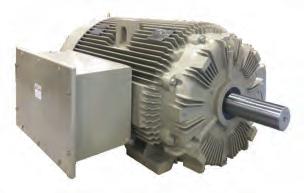
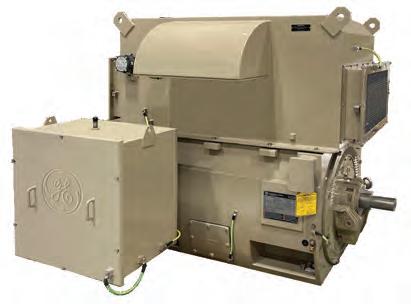
A simplified approach to motor drive
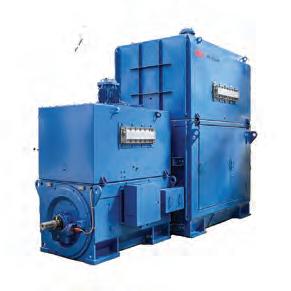
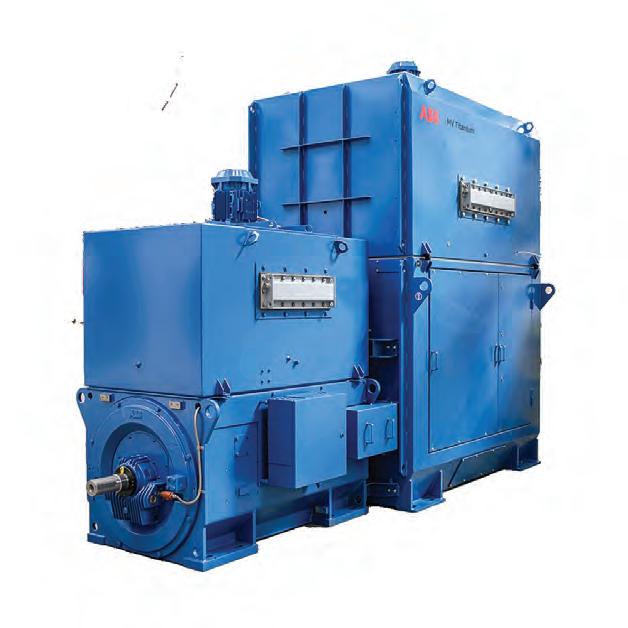
ABB said its new MV Titanium concept offers an all-in-one solution that provides simplicity and energy efficiency across a range of applications.
According to the company, the MV Titanium is the world’s first mediumvoltage (MV), speed controlled, industrial motor in the 1-5 MW range. The MV Titanium motors are intended for use with pumps, compressors, and fans as typical applications, where they could reduce energy consumption by up to 40% as well as enhancing productivity and minimizing downtime. They will be used across a wide range of sectors including power and renewables, processing, mining, cement, and water. In the longer term, the company sees the motors being used in hydrogen applications as well, said Heikki Vepsäläinen, president of ABB Large Motors and Generators.
“It’s cost-effective and straightforward to install a suitable matched motor, with increased control, monitoring, and connectivity in a single package,” Vepsäläinen said. “It is the right upgrade solution for existing direct-on-line motors. And the potential savings in energy costs and CO2 emissions are huge – if we retrofitted the entire installed base, it would be like taking just over 1000 coal-fired power stations offline.”
Energy Efficiency
Vepsäläinen stressed that the new motor concept’s energy efficiency was a key benefit and one of its chief selling points, especially for companies concerned about their carbon footprint. By 2030, existing technologies will drive most CO2 emissions reductions, but by 2050, nearly half will stem from innovations yet to come, the company said. This new concept helps achieve
those 2050 targets. The current installed base of medium-voltage direct on-line motors (DOL) is around 1,000,000. ABB said that half of the estimated installations between 2024 and 2027 will still be direct online motors, which gives the company an estimated yearly installation amount of around 35,000.
“What is positive here is that the global electricity demand is growing 10 times faster than any other energy source global gas today,” Vepsäläinen said. “So that is already a positive sign solely that many of the things are going to be electrified, which gives us an opportunity to cut the carbon emissions. And that’s really where ABB is able to help our customers and also the journey towards Net Zero carbon.”
ABB said it developed the MV Titanium concept to address the main perceived obstacles related to installing a drive with a large motor. These include not only the
ABB says its new MV Titanium concept offers all-in-one solution.
By Jack Burke
initial cost of a separate drive, but also its associated electrical house (e-house), transformers, switchgear and cabling that multiply the capital cost and increase the complexity of installation, especially on existing sites where space is at a premium.
“Energy efficiency measures of speedcontrolled motors have gained significant traction in small size motors, for low voltage applications,” Vepsäläinen said. “But large motors have so far been left behind, due to initial cost and complexity, with only 10-15% currently connected to a drive…But that is set to change with our new MV Titanium concept.”
Design hallmarks
In addition to those savings, the MV Titanium concept will also provide OPEX savings due to the energy efficiency it will provide, the company said. The next-generation concept has been built on ABB’s 140 years of motor design and 50 years of drives technology experience to create a solution that integrates energy efficiency, controllability, and connectivity into a single package.
Furthermore, it has intelligence built in, with analytical and connectivity capabilities so it can seamlessly integrate into existing systems, as well as providing software libraries and interfaces for process monitoring and optimization.
The whole electromechanical powertrain is designed and delivered
as one package to the customer. The package matches the customer’s process requirements and needs at the site.
Instead of designing components separately, the concept is about designing the electro-mechanical powertrain as a whole. It’s not just putting the separate parts together and selling that; it is a new way of converting electricity into motion, the company said. The customer can add speed and process control to their existing pumps/fans by replacing existing direct online motors with this new motor.
“(T)his...concept represents a signficant step forward.”
HEIKKI VEPSÄLÄINEN , President of ABB Large Motors and Generators.
“This structure was totally rethought, and the obvious point here is that whatever was invented by Tesla 100 years back the basic electromechanical formulas are still valid, but they are used differently,” Vepsäläinen said.
ABC said the MV Titanium will bring a payback time of an average of 1–3 years when replacing an existing fixed-speed motor.
MV Titanium can be placed next to the process environment without needing to be placed in a separate electrical room. Existing medium-voltage supply cables can be used; there is no need for separate motor cables from the motor to the speed control unit, and neither space nor cooling are needed in the electrical room.
Parametrization and commissioning are completed during the factory test. Every start is a soft start to decrease the mechanical stress of the mechanical drive
train and its components.
“It’s not only about the money, it’s also about the complexity...what we are bringing into the marketplace is actually the simplicity, it’s easy to install, easy to manage, easy to operate,” Vepsäläinen said.
Why now?
Separate larger motor and drive systems have been offered for more than 40 years, Vepsäläinen said. But there are challenges associated with these separate systems (cost, efficiency, and the facilities needed). These challenges tend to lead end users to choose direct online motors instead of speed-controlled motors. This new concept will remove most of these barriers
“Beyond its technical progress, this next-generation motor concept represents a significant step towards productivity in a low carbon world,” Vepsäläinen said. “It puts ABB well on the road to support changing large, fixed speed motors to fully electrically controlled motors, one by one.” CT2
Models available for all common gas engines.
Rugged, compact, proven design.
Dual port versions for continuous monitoring and auto-balance systems.
ASK US ABOUT SPECIALS TO MEET YOUR REQUIREMENTS. WE DO THEM ALL OF THE TIMEANY QUANTITY!
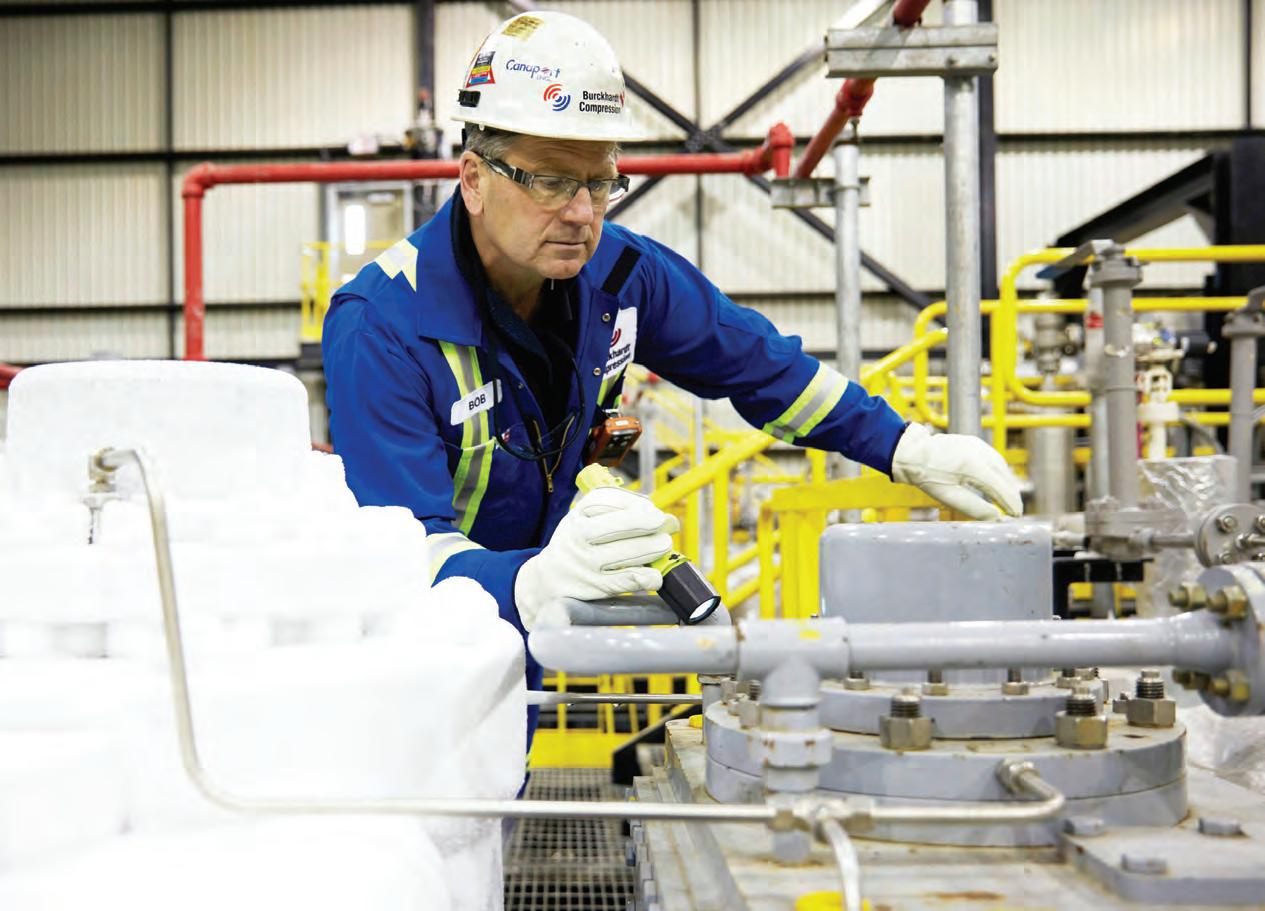
Plug Power meet demands for green hydrogen infrastructure.
Delivering a green ecosystem
Making green hydrogen a readily available fuel relies on rapidly building production facilities. Companies like Plug Power are helping to lead the way, creating an end-to-end green hydrogen ecosystem. In this environment, effectively delivering sufficient hydrogen relies on large reciprocating compressors, which is why Plug Power has partnered with Burckhardt Compression, a leading supplier of compression solutions for sustainable applications, to provide specialized equipment for new projects.
Green hydrogen is produced from water by splitting the hydrogen and oxygen molecules using electrolysis. This process is powered by renewable energy sources such as solar, wind or hydro, and when the resulting gas is utilized in a fuel cell system, the only emission is water. Consequently, green hydrogen promises to decarbonize industry, vehicles, and the way we produce fuel. There is a catch though - hydrogen is an incredibly light gas which makes it challenging to deliver it in required quantities to the consumer. Therefore, it must be compressed, or like in this case, even liquefied before transport to filling stations.
Big efficiency for large equipment
“To move large quantities of hydrogen efficiently, ring type compressors are a better choice than centrifugal,” said Oliver Franz, sales manager H2 for Mobility &
Energy at Burckhardt Compression. “Our designs offer industry leading efficiency, which is an advantage especially in a renewable energy project where maximizing production output versus power consumed is crucial.”
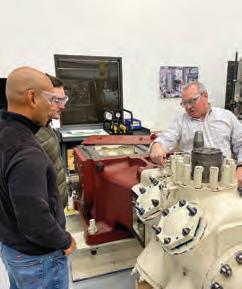
Considering this, Plug Power approached Burckhardt Compression to deliver a large quantity of H2 piston compressors in a phased order to support the construction of multiple new hydrogen liquefaction facilities. The first phase of compressors required the Burckhardt Compression team in the US to quickly grow its capacity.
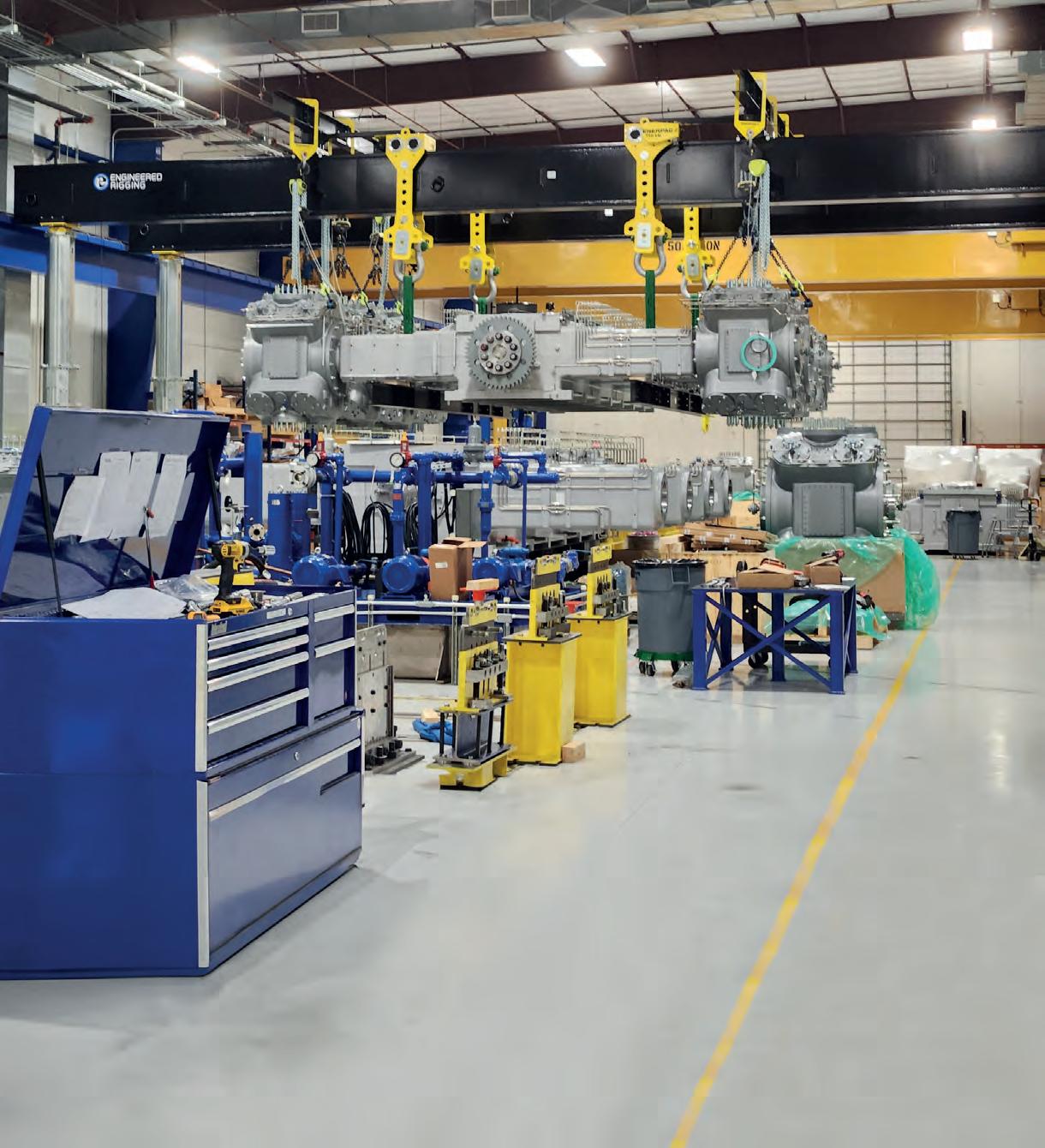
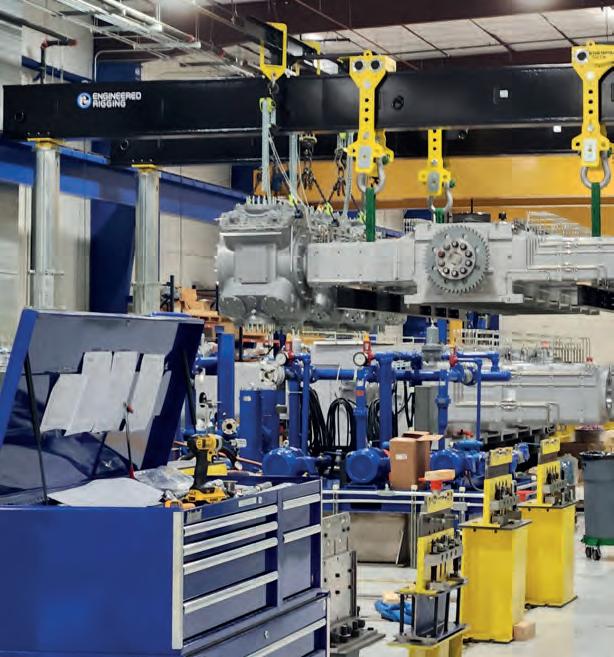
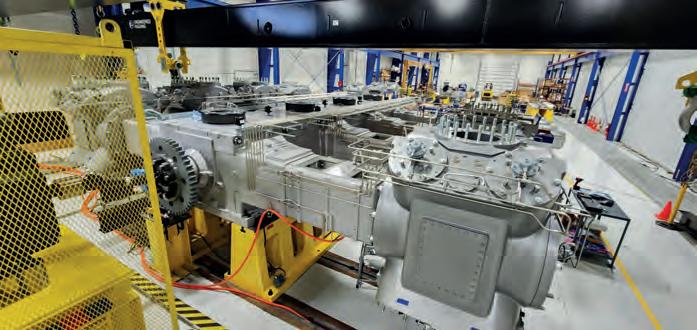
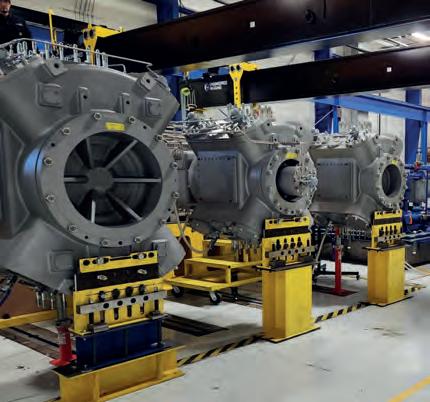
“We have operated a facility in Waller, Texas, for eight years now, and assembling the piston compressors required for the project on-site meant we had to expand. Each compressor weighs more than 200,000 pounds (91 tons), which exceeded the
capacity of our cranage. Beyond equipment upgrades, we also needed to bolster our team,” said Michael Ciambella, Compressor Engineering and Manufacturing Manager.
Increasing capacity and expertise
Ramping up assembly was dependent on the ability to move around a fully
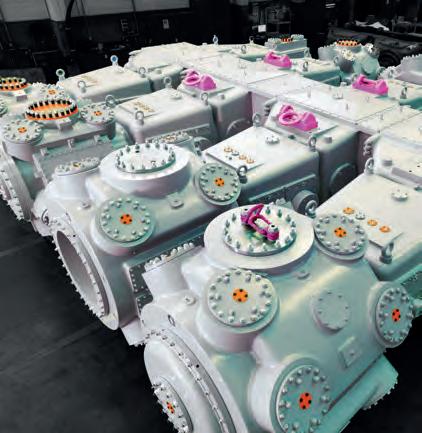
Plug Power asked Burckhardt Compression to deliver a large quantity of H2 piston compressors .
and Burckhardt
Eleven new personnel joined the team too, including a consultant and a project lead with 20-years’ experience in compressor projects. As a global company, the U.S. team also received training from a Burckhardt Compression expert from Switzerland, who joined the company for six weeks to ensure transfer of know-how for the assembly work. Components for the compressors would be manufactured in Switzerland and delivered to the team in the US.
As of Q1 2024, Burckhardt Compression has successfully delivered the first order and has more projects underway. Following the expansion of its team and facilities, this partnership has let Burckhardt Compression lead the way in hydrogen production.
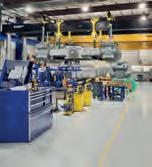
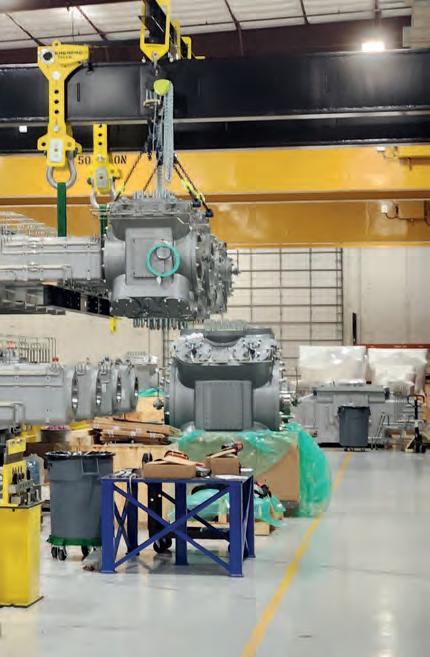
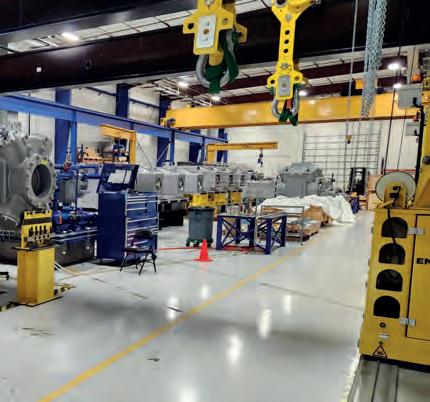
built compressor to enable assemblies to be executed in parallel. Burckhardt Compression invested in a hydraulic gantry crane system with a 1-million-pound (450 ton) lifting capacity, which would allow the safe, slow movement of the compressors across the workshop. The company worked with experts to install and supervise all lifts during the project.
The investments paid dividends.
“We were able to grow our assembly capacity at Waller by 50%, which allowed us to effectively meet the first phase of compressors and any afterwards,” Ciambella said. “The assembly turnaround time for each compressor was reduced from six weeks down to four, and sometimes we delivered even faster than that. We managed to complete the first phase three days ahead of schedule with zero safety incidents.”
Compression grew its assembly capacity at its Waller, Texas, facility by 50% to help meet Plug Power’s demand for H2 piston compressors.
Specifically designed for hydrogen Burckhardt Compression was able to design a dry running piston compressor with a highly variable turndown arrangement to exactly meet customer needs. This will allow operators to match the compressor’s performance to the process requirements without any wasted energy.
“This is a dry design to ensure that no lubrication oil can contaminate the hydrogen and reduce fuel quality,” Ciambella said. “With large diameter pistons for the first stage, there is a lot of heat from frictional forces, so the rider band must be able to withstand this and provide a long service life. We use proprietary polymer materials we have developed in-house. This enables over a year of operation before maintenance is required, which is unsurpassed in terms of uptime.”
The minimal weight pistons were designed with energy saving in mind, while still ensuring enough strength to compress the hydrogen. Compressor chambers are fitted with a fixed pocket, which can expand to increase internal space. Specially developed pressure packing further contributes to an extended service life. Ultimately, the design philosophy is to find the sweet spot in terms of gas temperature and required production output for the customer.
A monitoring solution from Burckhardt Compression’s digital experts PROGNOST Systems is also included. A suite of sensors constantly delivers data regarding the performance of suction and discharge valves, bearing temperatures and rod drop. Consequently, operators can monitor equipment condition and predict any
A significant factor in the success of this partnership has been the readiness of Burckhardt Compression’s service and its flexibility to operate both within and outside the country, thanks to the extensive setup in the US. This ability instilled confidence in Plug Power to opt for the ‘new’ technical solution. Burckhardt Compression’s ability to provide reliable and efficient services, coupled with the commitment to customer satisfaction, has played a crucial role in the successful implementation of these projects.
“We have 175 years of knowledge in compressors and over 50 years’ experience in hydrogen, so we can bring great expertise to a relatively young market,” Ciambella said. “Our products support the entire hydrogen value chain, from production operations all the way to the forecourt. Burckhardt Compression even supports third-party compressors with modernization solutions, tailored services and high-speed replicated parts. We are certain that the quality of our work speaks for itself, and that we can continue to support landmark renewable projects such as this.”
“Although the energy transition brings forth exciting opportunities, the challenges that it presents can be daunting to our customers. With a customer intimacy culture within Burckhardt Compression (US), Inc. we are committed to delivering the best business solutions for our partners such as Plug Power. Our successful completion of the first phase of units is an excellent testimony to Burckhardt Compression’s customer collaboration, product leadership, technical expertise and project capacity. We are super excited about our proven products and services supporting a sustainable energy future,” said Annie Savarimuthu, VP Systems Division, Burckhardt Compression (US) Inc. CT2
Plug Power
Compression have partnered on hydrogen projects.
Burckhardt
At Regal Rexnord, we are making the power of one, work for you.
With decades of combined experience and industry expertise, we provide our customers with multiple solutions and products from one source to help create a better tomorrow. This also extends to working in partnership with our customers to solve your problems.
We are ready to show you what we can achieve together.
Are traditional O&G specifications hampering your energy transition project’s economics? Five factors to consider when specifying your compression needs
By Gerard Dillemuth, Vice President, Compression
Sales-America, Syed Fakhri, Director, Bid ManagementAmericas, and Luis Edgar Nava Martinez, Compression Sales Manager, all from Siemens Energy
The energy transition represents significant opportunities to transform the entire energy value chain but will require new business approaches to make project economics work. Because those economics often depend upon tax incentives, a project’s initial CAPEX takes on increasing importance. That’s why energy-transition projects should tailor their specifications and procurement procedures to the requirements of their project rather than using ones designed for other industries, such as petrochemical and oil and gas, which have different business drivers and as a result, make manufacturing compressors more costly and time-consuming.
The evolving role of compressors in the energy transition
As the world shifts toward cleaner energy
sources and aims to reduce greenhouse gas emissions, industries face increasing pressure to decarbonize their operations. Industrial compressors, essential in sectors like manufacturing, petrochemicals, and energy production, play a pivotal role in this transition.
The energy transition is significantly impacting the demand for industrial compressors, necessitating innovations and adaptations in compressor technology to meet new requirements. It is also compelling businesses to rethink their approaches to energy consumption and efficiency.
Decarbonizing the highest CO2-emitting industries
Public and private sector engagement and cooperation are critical in driving this transformation. The U.S. Department of Energy’s (DOE) Industrial Decarbonization
Roadmap highlights the importance of targeting the highest CO2-emitting industries, including petroleum refining, chemicals, iron and steel, cement, and food and beverage.
According to the DOE, these sectors account for 51% of energy-related CO2 emissions in the U.S. industrial sector and 15% of the U.S. economy-wide total CO2 emissions. To abide by the Paris Agreement and keep global warming to no more than 1.5°C, carbon emissions must be reduced 45% by 2030 and reach net zero by 2050. Effective decarbonization technologies within these industries could significantly reduce overall emissions, underscoring the importance of industrial compressors in achieving these goals through compressing CO2 for sequestration or transport.
New thinking, new approaches required
As companies navigate the complexities of the energy transition, they often consider substantial investments in technologies, processes, and business models that may lie outside their traditional business scope. Strategies that worked for conventional projects may not be the best solutions for the energy transition.
Critical factors such as CAPEX, project
execution certainty, project lead time, and reliable & safe operations remain essential in project development. This raises an important question: Are there alternative approaches to specifying critical-duty compressors that can enhance my energytransition projects?
Evolving needs: The crucial role of compressors in modern industry Compression equipment is at the heart of any process plant’s operations because it delivers the muscle moving gases through miles of piping , through reactors, for underground injection, etc. Process conditions can differ greatly and necessitate unique aerodynamic and rotor-dynamic designs tailored to the specific characteristics of the gas being compressed. Due to the complexity of the process and the value of the products produced, availability and reliability can be the most critical requirements.
In many cases, API standards serve as the foundational specifications for compressors, with individual companies adding practices and specifications unique to their product design and industry experience. In addition, engineering procurement companies (EPCs) that procure machines or build solutions for end-users typically have their own unique documentation and inspection requirements.
ETO versus CTO for energytransition projects?
Such customization results in compressor offerings being engineered-to-order (ETO), optimizing them around specification compliance. In short, an ETO compressor package is a highly customized, bespoke product that is designed, engineered, and built by a manufacturer to meet an individual customer’s requirements and specifications, while also adhering to the manufacturers own internal standards for performance, availability, reliability, and serviceability. Generally, ETO costs are not scalable, given the degree of customization involved.
In contrast, when compressor packages are configured-to-order (CTO), a manufacturer can adjust its base design to
the application requirements based on its internal standards, often saving a customer CAPEX and time because manufacturing costs and processes can be more scalable costs, such as standardized engineering, manufacturing, testing, and documentation as well as using in-stock components and materials.
The difference between ETO and CTO compressor solutions in terms of the latter’s CAPEX and time savings can be substantial as we illustrate later in this article. In our experience with a growing number of energy-transition projects worldwide, CTO solutions can be plenty suitable for many, if not most, energy-transition projects and still provide the high availability and reliability their operations require.
Balancing customization and cost
As readers will know, engineered-to-order (ETO) compressor packages offer significant customization, but they come with higher design and manufacturing costs, longer lead times, and more complex supply chains. Here’s what’s at stake:
■ Higher upfront costs: ETO projects typically incur higher upfront costs due to extensive engineering and design efforts. Customization requires specialized work, which is inherently more expensive. Detailed requirement gathering, specialized design, and resource planning contribute to these higher costs.
■ Customization time: The development time for ETO compressor package is longer because each one is unique. The design phase includes gathering specifications, creating blueprints, and ensuring alignment with customer requirements. This comprehensive approach ensures the final product meets the exact needs of the customer but extends the project timeline.
■ Resource planning: Developing a comprehensive resource plan for ETO projects takes considerable time. Ensuring the availability of materials and manpower, plus putting complicated manufacturing processes to work adds to the project timeline, further contributing to the overall cost and complexity.
In contrast, a compressor built to an
OEM’s standards using a CTO solution will often result in a much more cost-effective solution without sacrificing safety or reliability. Today’s CTO compressors optimize aerodynamic, rotordynamic, mechanical design, and materials to ensure the highest levels of availability, performance, and serviceability.
Where customization is often specified is in areas around the compressor. Adopting an OEM standard for a CTO compressor package can result in:
■ Lower upfront costs: CTO designs reduce engineering and design costs as companies can reuse existing templates, avoiding the need for extensive customization. This results in lower upfront costs compared to ETO projects.
■ Manufacturing efficiency: CTO compressor solutions use standard designs, stock materials, standardized manufacturing processes, and internally approved vendors, all resulting in reduced production time and costs.
■ Project cycle times: CTO designs significantly reduce project development and delivery time. The ability to use standard engineering designs allows companies to reduce the basic design phase, accelerating the process and enabling faster project completion. It also reduces multiple iterations of clarifications, drawing revisions, and delays due to communications and reviews with client-mandated, third-party vendors.
■ Procurement and stock management: Applying type approval and frame agreements optimizes planning and ensures adequate stock materials and procurement through approved vendors with which the CTO manufacturer has frame agreements. This simplifies procurement processes and saves time and resources, contributing to overall project efficiency.
Five factors to consider when choosing the right compression solution for energy transition projects
The choice between ETO and CTO compressor packages depends on the balance between high customization needs and project efficiency goals. As mentioned, >
COMPRESSOR VALVES, PARTS & EQUIPMENT
Samco Enterprises, Inc. is one of the largest suppliers of natural gas compressor parts, valves and equipment in the nation. Founded in 1972, we stock over 13,000-part numbers between our five facilities and over 100,000 square feet and 25 acres of inventory. We stock new, used, and remanufactured compressor and engine parts for Cooper Bessemer, Ingersoll/Dresser Rand, Clark, Worthington, PPC, Gemini, Chicago Pneumatic, White Superior, Ariel, Joy, and other legacy manufacturers.
Valve Exchanges • New Manufactured Valves • Remanufactured Valves OEM & AFT Valve Repair • Field Repair Kits THE LARGEST INVENTORY OF COMPRESSOR VALVES IN THE INDUSTRY
CYLINDERS IN STOCK
ETO FACTORS AFFECTING COSTS AND LEAD TIMES IMPACT DESCRIPTION
Restrictions on aerodynamic, rotordynamic, mechanical design, and/or materials specified aimed at adding reliability can be overkill for the applications (e.g., limits on tip Mach #, tip speed, flow coefficients, impeller construction methods, yield stress, etc.).
Specific requirements for wiring, piping, valving, paint, sub-suppliers, component redundancy, component placement, etc., add both time and cost in engineering and packaging in compressor train skid design/size, seal gas panels, and lube oil systems.
#3 Mandated sub-vendors This includes sub-vendors for control panels, GBs, drive systems, auxiliary systems, instrumentation, and valves.
#4 Customized documentation All required information is contained in the standard drawings and documentation, but customizing the documents to meet a specific format will introduce costs, time, and potential errors.
#5 Inspection & test plan
(for final ETO documents)
Witness and hold points, mechanical/performance test protocols (e.g., Type I test, string test, etc.) all add cost and time to compressor builds.
many process plants almost reflexively use API standards along with extensive internal specifications for compressors, motors, auxiliary systems, and steam turbines – using those standards to define various aspects of the machinery as well as documentation and testing requirements. Then, EPCs may add their own requirements. While some compression applications and user scenarios may require those specifications, many others may not. To help readers decide, the following table defines five factors that impact the costs and time of ETO compressor packages and should be considered. Importantly, it offers some ranges of each factor’s cost and time savings if a CTO compressor package is chosen, based on the experience of Siemens Energy’s compression industry experts.
Conclusion: CTO compressor packages can save substantial CAPEX and time for energy transition projects
As the table shows, these five factors can be primary cost drivers in ETO compressor solutions. Conversely, a CTO compressor solution can offer significant CAPEX and time savings while also providing more than sufficient performance, availability, and
reliability for a particular energy-transition application or use case.
While the potential time savings would not necessarily be arithmetically cumulative because the activities would likely occur on concurrent tracks, the potential cost savings can be significant, thereby ranging from 10–30%. Coupled with some degree of time savings of, say, 4–12 weeks, such cost savings should be reason enough for end users and EPCs involved in energytransition projects to consult with their compressor suppliers on whether an ETO or CTO compressor package will best suit their specific requirements.
Deciding between ETO and CTO compressor packages depends on a careful evaluation of customization needs versus capital-efficiency goals. Clearly, ETO packages offer tailored solutions that meet specific requirements and have their place in compression solutions. At the same time, CTO packages can provide significant cost and time savings through streamlined processes and reusable designs.
Balancing the tradeoffs between these two approaches is essential for achieving successful economic outcomes in energy transition projects, ultimately contributing to a more sustainable industrial landscape in the years ahead. CT2
HOW A CTO APPROACH COULD HAVE REDUCED COSTS BY ≈10% FOR A RECENT CO2 PROJECT REQUIRING SINGLESHAFT COMPRESSORS
In a recent CO2 project for singleshaft compressors, where ETO specifications were applied by the end user, the following cost increases occurred:
■ Auxiliary systems cost increased by ≈25% resulted in an overall project cost increase of 3%.
■ Additional engineering and project management required for spec compliance resulted in an overall project cost increase of 7%
CONCLUSION: If the customer had taken a CTO approach, the project could have realized an approximate 10% cost reduction, without compromising industry standards, safety, or reliability.
BEARING TECHNOLOGY
FOR THE HYDROGEN TRANSITION
Scaling the hydrogen economy requires groundbreaking solutions that enable equipment to operate beyond known application limits. Waukesha Bearings advanced uid lm bearing technologies, ISFD ® and Flexure Pivot ®, are proven to control vibrations and improve stability in centrifugal compressors operating at high rotating speeds in hydrogen service.
Learn how we are driving the success of the energy transition at waukbearing.com/hydrogen.
Waukesha Bearings
A new model to get more from an industrial asset: HEALTH CARE PACKAGES
Industrial plants exist in all major sectors of our economy, including energy production, petrochemical, agriculture, food processing, pharmaceutical and many others. At the heart of these plants are critical pieces of rotating equipment that are essential for these plants to operate effectively throughout their lifetime. In most cases, these assets, much like your organs, need to thrive for decades. Caring for them requires an approach analogous to how an internal medicine doctor would care for a patient. There is no Hippocratic oath, but there are for certainly standards and best practices that must be followed to successfully keep these machines “alive” without compromising on safety and respecting plant economics. Good service is always on call.
Blackstone Industrial Services (BIS) and Compression Service Technology (CST) leveraging their unique combination of capabilities and their commitment to being the ideal service partner for machinery users, have developed comprehensive Multilevel Service Packages. These integrated packages, referred to as “Health Care Packages” (HCPs). They are customized to meet the specific needs of users and are designed to help maximize the uptime of their machinery while reducing operational expenses.
The four pillars of the HCPs are:
● ENGINEERING: Machine Diagnostics and Technical assistance;
● FIELD SERVICE: Site machine overhauls;
● REPAIRS: Engineered shop repairs and refurbishment;
● PARTS: Spare parts inventory and supply management.
ENGINEERING: Machine Diagnostics and Technical Assistance
Machinery Diagnostics and Technical Assistance are fundamental drivers of the entire HCP Program. While many of these machines are equipped with advanced machine learning and AI, these tools cannot replace the expertise and insight gained from designing, manufacturing and process experience. To bridge this gap, the HCPs offer our customers the following Technical Assistance services:
RTA: 24/7 Remote Technical Assistance
Support all the technical queries from repairs, parts, or field service, including emergencies and troubleshooting. The newly created Blackstone Answer Centre (BAC) is a cornerstone of this activity.
WDD: Weekly Remote Diagnostics Dashboard
Evaluation of machine KPIs is based on data from onboard instruments. This data is provided weekly by the Customer via a secured portal. This evaluation utilizes the same simulation algorithms that were employed in the design of the machinery. It detects even small deviations and changes between the actual operating parameters and the designed values. This enables effective trend analysis to assess wear rates for on-condition maintenance planning.
QPD: Quarterly Field Portable Diagnostics
Quarterly field measurements and inspections are conducted using Portable Diagnostics with dynamic signal acquisition and spectrum analysis. This integrates existing on-board monitoring equipment to conduct periodic complete assessment of machine behavior. The QPD
is carried out in collaboration with SINT Technology, CST’s partner for this highly specialized activity, which includes:
For Reciprocating Compressors:
Vibration Analysis
Indicated Cycle
Power
Flow rate
Leak gas from cylinder packings
High frequency vibration of cylinder valves
Pressure pulsations
Thermography of valve covers and piston rods
Cylinder lube oil flow rate
For Centrifugal compressors:
Vibration Analysis (spectrum)
Leak gas from the end cover gasket (in case of vertical split) and from the middle split flange (in case of horizontal split).
Other Technical Assistance activities within the HCPs are:
• Monthly Tribological Monitoring,
• Root Cause Failure Analysis of failed machine components,
• Mean Time Between Failures
• Reliability Analysis with improvement Recommendations,
• Machinery-Process Interface Analysis Annual Report with results achieved and Proposals for improvement
Example case: our customer needed to safely postpone a major overhaul of a
large ethylene centrifugal compressor train due to production reasons. Their goal was to minimize both the scope of work and the inspection time. Our joint team developed a data driven software model to assess the performance of the compressor train. The diagnostic model helped determine the actual condition of the compressor train and analytically identify the real maintenance needs with minimal intervention required. The KPIs for Polytropic efficiency depletion and Dry Gas Seals buffer pressure trends were compared with the historical data. The analysis revealed that there was no need to open the compressor for an internal inspection or to replace the labyrinth seals. Instead, the only maintenance recommended based on the analysis was to replace the dry gas seals. By delaying the overhaul, this customer saved approximately $2 million USD.
FIELD SERVICE: Site machine overhauls
Blackstone is specialized in the overhaul of rotating machinery and stationary equipment. Blackstone offers a range of services including basic, intermediate,
major, and emergency overhauls, which are performed by highly skilled millwrights and Technical Advisors, or Technical Advisors leading a customer team. The effectiveness of these overhauls is significantly enhanced when they are conducted within an HPC. By utilizing all data obtained from prior diagnostic work, optimal planning of the overhaul can be achieved. Furthermore, our site level activities provide a critical base line and empirical data that support future diagnostics. Site level activities provide an opportunity to capture dimensional data and build material assessments to better inform parts strategies and potential upgrades. Our goal is to minimize the impact of the shutdowns and ultimately reduce costs for our customers without compromising on quality or safety.
REPAIRS: Engineered shop repairs and refurbishment
Maintaining process machinery involves more than simply replacing or refurbishing worn parts; it is an opportunity to ascertain their operation from an engineering perspective by inspecting the disassembled components. This is particularly important for the LDPE plants, where even the smallest scratch on a pressure-containing part of the hypercompressor can lead to dangerous fatigue failure.
procedures and recording the results in a Structured Maintenance System (Data Driven Maintenance Management) within an HCP, allows for the association of operational data with the actual condition of the worn components (wear, incipient failure, lube oil deterioration, gas leakage, etc.). This enables better machine diagnostics, improved machineprocess interface analysis, and supports a continuous performance improvement strategy.
PARTS: Spare parts inventory and supply management
Blackstone and CST view service as a continuous process rather than a series of discreet events. We are passionate about serving the machines. We consistently review, analyse, plan and execute services for these machines and their critical components throughout their operational lifespan. Though these machines are entrusted with numerous custodians and guardians over time, Blackstone and CST aspire to be the primary healthcare provider for their entire life. TYPICAL
Additionally, repairs performed in a specialized shop following standardized
HPCs can also include inventory management & supply of wear, operational and capital parts, if required. The set of the above-mentioned services enables a Trend Analysis of the KPIs (KPIA) to assess wear rates and/or incipient failures and allows for accurate life cycle planning. If procuring parts from obsolete supply chains, orphaned fleets, or hard to source rare parts proves difficult, the HPCs offer reverse engineering and manufacturing services. Recent years have seen major advancements in metrology tools and technology, such as 3D laser scanning and Positive Material Identification (PMI), which we continue to invest in. Leveraging our extensive experience and advanced technology, Blackstone’s Parts Liberty team is uniquely positioned to deliver equivalent or upgraded high-quality and locally sourced components. These parts are designed with maintenance in mind, and manufactured to meet or exceed OEM specifications.
As the world embraces the energy transformation, companies struggle with the demands of lowering emissions to meet regulations or corporate ESG goals. COOK CLEAN products were designed to help you forge your path to net zero.
By leveraging field-tested technologies, such as BTUU or BTRR uncut rings, and engineering innovation, COOK CLEAN sealing systems are proven to lower fugitive emissions in reciprocating compressors to near-zero levels.*
If you want the best system for emission reduction, make COOK CLEAN part of your decarbonization strategy.
*Learn more at www.cookcompression.com/cookclean
General view of the Borouge petrochemical facility at ADNOC’s Ruwais Industrial Complex in Ruwais, United Arab Emirates.
Shell and other major companies recently invested in an LNG project at the site, underscoring the companies’ commitment to LNG.
Flurry of projects shows LNG’s staying power.
WBy Jack Burke
hile U.S. liquefied natural gas project approvals may be on “pause”, a global flurry of activity underscores LNG’s staying power.
Global demand for LNG is estimated to rise by more than 50% by 2040, as industrial coal-to-gas switching gathers pace in China, South Asian and South-east Asian countries, according to Shell, which has stated it believes LNG will play a critical role in the energy transition, replacing coal in heavy industry.
Shell recently signed an agreement to invest in the Abu Dhabi National Oil Company’s (ADNOC) Ruwais LNG project in Abu Dhabi through a 10% participating interest.
A bet on LNG now, for the future
“In line with our strategy to create more value with less emissions, we are investing in additional LNG capacity and further growing our world-leading LNG portfolio, with energy-efficient and carbon-competitive projects,” said Shell’s Chief Executive Officer Wael Sawan.
The Ruwais LNG project will consist of two 4.8 million metric tonnes per annum (mmtpa) LNG liquefaction trains with a total capacity of 9.6 mmtpa. Shell, through its subsidiary Shell International Trading Middle East Limited FZE, has also signed an agreement to offtake 1 mmtpa of LNG produced by the project. The Ruwais LNG facility is set to have an electric-powered liquefaction system and will utilize access
to a renewable power supply. This design supports lower operational emissions compared to traditional gas-powered LNG facilities.
ADNOC will hold a majority 60% share in the project and serve as the lead developer and operator of the facility, while Shell, BP, Mitsui and TotalEnergies will each hold 10%. LNG deliveries are expected to start in 2028.
Advantages to LNG
According to data and analytics company Wood Mackenzie, the involvement of the companies in Ruwais LNG is not surprising, as the project is appealing on multiple levels: ■ Geographic location: Gives the project access to Asian and European markets.
IMAGE: REUTERS
■ Relatively low emissions: The project will be fully electric and powered by nuclear and solar energy sources. This will reduce the project’s emissions, making exports into markets with stringent emission regulations more appealing and will help align with the IOCs’ strategies for reducing emissions.
■ Reduced development risk: Ruwais LNG benefits from being post-FID, however, there could be delays in sanctioning other pre-FID projects. This suits the partners with ambitious LNG portfolio growth objectives by the end of this decade.
■ Supply outside the US and Qatar: The majority of new large-scale global supply is from the US and Qatar. Ruwais offers an alternative source of supply. The involvement of each partner can be considered within their wider LNG
corporate strategies, according to Wood Mackenzie.
For TotalEnergies, “the project will allow integration and optimization with its upstream assets in the UAE. This integration is a key theme across TotalEnergies’ LNG strategy and one it has used to grow its equity LNG globally. Ruwais LNG will also provide some ailment to the loss of volumes from Arctic LNG-2 and potential loss from Yamal LNG if sanctions against Russia increase,” the company wrote in a recent report.
Similar to TotalEnergies, this will allow BP (who hold a 10% interest in ADNOC Onshore) to integrate with its UAE upstream business.
“Interestingly, this is BP’s first entry into an equity LNG position since its 2020 policy to reduce its oil and gas production by 2030 by 40% (compared to 2019 numbers). Instead, growth has largely been driven through new third-party offtake. That said, it
Saudi Aramco and the ADNOC are investing in U.S. lNG projects, including ones like the Rio Grande LNG project, signaling their confidence in long-term gas demand and ambitions to become global gas players. IMAGE: BECHTEL
revised its reduction target to 25% in 2023 suggesting it would be going longer on oil & gas, a remark further supported by this pivot back to equity LNG,” according to Wood Mackenzie.
Following on from its acquisition of Pavilion’s LNG assets, this deal is another step for Shell towards its aim to grow its LNG business by 20 to 30% by 2030, compared to 2022. With this, Shell maintains its position as the number one IOC in LNG.
“Shell has also been vocal on the need for LNG in the energy transition – lower emission projects such as Ruwais LNG will be vital for LNG to prosper in a low-carbon world,” Wood Mackenzie wrote.
Mitsui & Co has expanded its LNG business globally. The lower emission intensity of the project is one of the key drivers for Mitsui, according to Wood Mackenzie. Additionally, Ruwais could replace volumes that have been delayed and may not reach the market from Arctic LNG 2 and Mozambique LNG.
Long-term play
According the Arab Gulf States Institute in Washington (AGSIW), an independent, nonprofit institution dedicated to highlighting the importance of the relationship between the United States and the Gulf region, investing in LNG projects
A rendering of the Ruwais LNG project currently being developed.
IMAGE: ADNOC
is a key strategy for several companies.
Saudi Aramco and the ADNOC are investing in U.S. lNG projects, signaling their confidence in longterm gas demand and ambitions to become global gas players, according the AGSIW.
In June, Saudi Aramco announced two U.S. LNG deals. It signed a 20-year nonbinding offtake deal with NextDecade for 1.2 million tons per year (mt/y), to be supplied by proposed Train 4 at Rio Grande LNG. And on June 26, Saudi Aramco signed a heads of agreement with Sempra for a 20-year sales and purchase agreement for 5 mt/y from the proposed Phase 2 expansion of Port Arthur LNG. Saudi Aramco could also acquire up to a 25% equity stake in Port Arthur Phase 2. The first phase of Port Arthur LNG, now under construction, includes two trains with capacity of 13.5 mt/y, and Phase 2 could double this amount with another two
trains. Saudi Aramco billed the nonbinding deal as “a major step in Aramco’s strategy to become a leading global LNG player.”
On May 20, ADNOC announced an 11.7% equity investment in Phase 1 (Trains 1 to 3) of Rio Grande LNG, a NextDecade-operated project in Texas with planned capacity of 17.6 mt/y. ADNOC acquired its stake through the existing equity holding of Global Infrastructure Partners, and the company could take an equity stake in proposed Trains 4 and 5 at Rio Grande LNG, subject to
a final investment decision for the project expansion. ADNOC also announced a preliminary 20-year offtake agreement for 1.9 mt/y from proposed Train 4 at Rio Grande LNG. The partners called the deal “ADNOC’s first strategic investment in the US.”
“These deals reinforce the commercial appeal of U.S. LNG and suggest that Gulf national oil companies represent a new pool of capital for global gas investment,” the AGSIW wrote in a recent report. “It is notable that some of their first forays into international LNG have occurred in the United States, especially in a period of shakier policy support in Washington for LNG exports. The deals suggest that Washington’s relations with Riyadh and Abu Dhabi are improving.” CT2
A rednering of the RIO Grande LNG project. IMAGE: BECHTEL
Green hydrogen can also pulsate Successful use of a Helmholtz resonator
Dr.-Ing. Lenz, Johann, Technical Director, and
Dipl.- Ing. Düttmann, Franz-Josef, Senior Engineer
ABSTRACT
For injection of hydrogen into the existing natural gas pipeline system, a 1 MW electrolysis plant was installed in Haurup near Handewitt, directly adjacent to the neighboring wind farm. For this purpose, two diaphragm piston compressors are used, which feed the hydrogen with up to 2 % volume fractions into the natural gas pipeline system. During commissioning of the plant, volume measurements by rotary piston meters showed a significant over-reading, which did not allow regular operation of the plant. Increased pulsations of the compressor could be identified as the cause. To solve the problem, a special Helmholtz resonator was designed and installed. As a result, a pulsation reduction of up to 96 % was achieved. Since then, the plant has been able to inject green hydrogen during regular operation without any pulsation problems.
AUTHORS
Dr.-Ing. LENZ, JOHANN, Technical Director.
Dipl.- Ing. DÜTTMANN, FRANZ-JOSEF, Senior Engineer.
In the context of the transition to sustainable energy solutions, the use of hydrogen as an energy carrier is becoming increasingly important1. The use of hydrogen offers a high potential for saving greenhouse gas emissions.
Due to the strongly increasing share of renewable energies in the electricity mix, temporary peaks in power generation are occurring more and more frequently. In order to guarantee a stable electricity grid, wind turbines have to be shut down or even switched off in the event of such power surpluses. In order to use these peaks, the wind power can, for example, be electrolytically converted into hydrogen on site (“power-to-gas”) and then fed into the natural gas grid.
The following article deals with the specific problems of commissioning such a hydrogen feed-in plant. In order to feed the hydrogen generated from electrolysis into the existing natural gas system, the hydrogen must first be compressed. For this purpose, piston compressors with variable delivery rates (speed control, bypass) were used to feed the hydrogen into the existing natural gas pipeline system at a pressure of up to approx. 84 bar.
Technical project description
In the Windgas Haurup project near Flensburg, surplus wind power is converted into hydrogen by means of electrolysis
FIGURE 1 Used Electrolyser H-TEC SYSTEMS ME450/1400 (Windgas-Haurup).
and fed into the gas grid, as previously described. The project is part of the ”Norddeutsche Energiewende 4.0“ (NEW 4.0) programme, in which technologies with particular benefits for the energy transition are tested in practice.
Electrolysis
The conversion of surplus wind power into hydrogen is carried out by an H-TEC SYSTEMS ME450/1400 electrolyser (Figure 1).
The existing gas grid on site is used for the H2 admixture. This means that the existing infrastructure can quickly and easily take over the storage and transport of the hydrogen.
The nominal electrical output is 1 MW and the production rate is 210 Nm3/h. The technical information is listed in Table 1 above
Hydrogen compression
Two piston diaphragm compressors (Fig. 2) are used in Haurup to compress the hydrogen from approx. 30 bar to 84 bar. Both, piston diaphragm and piston compressors, are characterised by their very wide range of application with varying operating conditions with regard to suction and discharge pressures as well as a good controllability of the delivery rate. In relation to this high flexibility, piston compressors offer excellent efficiencies and are characterised by a particularly robust
TABLE 1 PERFORMANCE OVERVIEW OF THE PEM ELECTROLYSIS USED IN HAURUP (WINDGAS-HAURUP[3])
Type PEM electrolysis (Protone Exchange Membrane)
Power 1 MW; 210 Nm3/h
Manufacturer H-TEC SYSTEMS
(www.h-tec-systems.com)
Operator Energie des Nordens
Electricity procurement Wind energy
Operating modes Top-shelf power (EinsMan); Electric power supply for regulation
Use of hydrogen Feeding into the gas grid (heat supply)
Approximate hydrogen production Approx. 3,000 MWh/year
Possible heat supply 600 apartments*
Potential CO2 avoidance 530 t per year**
*Assuming an average annual consumption for a 50 m2 flat of 5,000 kWh of gas.
**at 25 g CO2e emissions per kWh of green hydrogen used compared to 202 g CO2e/kWh of natural gas; corresponds to the annual storage capacity of 53 ha of forest.
operating behaviour. A significant advantage in the compression of hydrogen is, among other things, possible discharge pressures of up to 500 bar. A disadvantage of the piston compressor is its periodic operating principle and the associated dynamic excitation mechanisms with regard to pulsations and vibrations.
Pulsations and vibrations in piping systems close to compressors are often directly related. Pulsations within the system lead to dynamic forces at any changes in cross-section, pipe bends and other installations, which represent a direct excitation for the piping system and often result in vibrations. In order to prevent possible inadmissible vibrations already
in the planning phase, so-called pulsation studies are often carried out in advance. In pulsation studies, the interaction of the compressor with the associated system is checked numerically. If unacceptable pulsations are to be expected in the connected piping system, optimisations of the plant design or basic countermeasures are worked out. A substantial result of such a pulsation study is the design and dimensioning of mostly individually manufactured pulsation dampers. These are installed as close as possible to the cylinder flanges and enable a first significant reduction of the pulsations induced by the compressor operation.
The exact calculation designs are specified in API Standard 618 (American Petroleum Institute). The further acoustic calculations refer to the “gas column vibrations” within the connected piping system. Experience has shown that one-dimensional flow simulations in the time domain are suitable to calculate the expected pulsation level during the operation of reciprocating compressor
systems already in the planning phase and to elaborate necessary measures.
In addition to considering the pressure pulsations in the piping system, a pulsation study can also include a structuralmechanical consideration of the system layout. The scope of such a study usually depends on the individual requirements of the system. One criterion for the selection can be the permissible pulsation amplitudes, as for example in the present case.
Quantity measurement
Compared to calibrated natural gas quantity measurement, the possibilities for measuring the quantity of pure hydrogen have been limited so far. In Haurup, a proven measuring method for hydrogen was used in the form of the rotary piston meter, which represents a good compromise between construction length (virtually no inlet and outlet sections required), measuring range, accuracy and cost-effectiveness for this application.
The rotary piston meter is a volumetric measuring meter based on the positive displacement principle. When there is a pressure difference between the inlet and outlet side, a torque is exerted on the rotary pistons and they start to rotate. The volume of the gas enclosed in each case is known. The two rotating pistons are separated by a very narrow gap of approx. 1/100 mm and do not touch each other as they are synchronised via gear wheels.
The revolutions are transmitted mechanically to a roller counter via a gear and are proportional to the gas volume passed through. Furthermore, electrical pulse generators are often used as a lowfrequency signal (LF signal, 1 to 10 pulses/ m3) or high-frequency signal (HF signal, 1,000 to 15,000 pulses/m3). A disadvantage of this meter principle is the mode of operation, which can lead to pressure fluctuations and resulting vibrations in the connected piping system. In addition, rotary
FIGURE 2 Belt-driven piston diaphragm compressor for hydrogen compression and vertical suction- and discharge-side pulsation dampers visible in the background.
FIGURE 3 Functional principle of a rotary piston meter (Wikipedia).
ONLINE CONFERENCE SEPT 10, 2024
Join us for a one-hour webinar featuring discussions on CO2 capture and compression as well as an update on the Southwest Research Institute’s (SwRI) full-scale experimental test with up to 20% hydrogen blended with natural gas using SwRI’s Ariel JGT/4 compressor loop.
Full Scale Natural Gas Compressor Loop Testing with Blended Hydrogen
CO2 Capture and Compression –Enabling Technologies for Decarbonization
Ben White
Derrick Bauer Marybeth McBain Kalyan Malnedi
PROVIDING COMPLETE ENERGY SOLUTIONS FOR MORE THAN 65 YEARS
Solar Turbines has been providing energy solutions to our customers for more than 65 years. And our eye is on the future as we continue to develop innovative, sustainable energy solutions that help our customers to succeed.
When you need reliable, durable equipment with a proven track record, call us.
More than 16,000 gas turbines installed
More than 3 billion operating hours
More than 100 countries
For more information, visit us at www.solaturbines.com, call +1-619-544-5352 or email infocorp@solarturbines.com
piston meters are sensitive to pulsations of the piping system with regard to measuring accuracy. In addition to the common two-lobe piston design (see Figure 3), a three-lobe helically twisted piston design was used in the present case. Due to the continuously sloping trailing edge, this can be assumed as almost pulsation-free.
Overall hydrogen feed system
The hydrogen feed system downstream of the electrolysis consists of a filter unit, a V = 5 m3 buffer vessel, two rotary piston meters connected in series and the two singlestage, single-cylinder diaphragm piston compressors E-100/200, see Figure 4. The compressors are designed redundantly and are not operated in parallel.
The large buffer vessel, see Figure 5 is used to bridge the regeneration operation of the high-pressure PEM electrolyser (process-related pausing of hydrogen production for approx. 20 min. and up to 48 times a day). The volume meters ensure that the maximum amount of hydrogen fed into the natural gas pipeline does not exceed a volume share of 2%. The delivery rate is primarily adjusted with a compressor bypass between the discharge and suction sides. For higher delivery rates, the speed of the compressor can also be increased.
Problems during commissioning
Already during commissioning the measured volumetric flow rate was found to differ considerably from the quantities fed in (set values from the electrolyzer). In part-load operation, the rotary piston meters always determined a volume that was far too large (estimated error ≥20%).
With larger quantities, this error seemed to decrease. Furthermore, there is a technical requirement to interrupt the hydrogen feed into the natural gas grid several times a day without shutting down the compressor. In this case, the compressor should continue to run with the compressor bypass open without delivery. The problem with this mode of operation was that an apparent delivery rate of up to approx. 1/4 of the maximum rate was displayed via the rotary piston meters, although definitely no hydrogen was being delivered. Under these conditions, it was not possible to precisely regulate the volume of hydrogen to 2% in the natural gas pipeline. All components of the system were then checked again and various tests were run. However, the cause of the mismeasurement remained unclear, leading to consideration of a targeted investigation.
FIGURE 4 Schematic illustration of the hydrogen compression after electrolysis.
FIGURE 5
Buffer vessel (V = 5 m3) for bridging during regeneration operation.
FIGURE 6 Measuring points for the acquisition of pressure pulsations.
TABLE 2 EXTRACT OF THE OPERATING POINTS REACHED DURING THE MEASUREMENT.
FIGURE 7 Top: standard volume flow (averaged and unaveraged) of both rotary piston meters; set and measured volume flow are given numerically and graphically respectively; Bottom: the pressure pulsations at different measuring points.
Metrological investigation
KÖTTER Consulting Engineers GmbH & Co KG (KCE) was commissioned by the plant manufacturer, Streicher Anlagenbau GmbH & Co KG, to carry out an investigation of the problem in order to analyse the exact cause. For this purpose, an extensive measurement of the pressure pulsations was carried out in the first step. In the present case, the situation was not clear, since pulsations are generated by the piston compressor - but at the same time the operation of a rotary piston meter also leads to forced pressure fluctuations and, in addition, the acoustics of the piping system can amplify the pulsations through acoustic resonances depending on the position. For this reason, the measuring points for pulsations were applied extensively in the system (see Figure 6).
In addition, the compressor speed and the HF signals of the two series-connected rotary piston meters were also recorded. All measured variables were recorded time-synchronously and at high frequency via a central data acquisition system for various operating points (see Table 2). The electrolysis plant provided a delivery rate as a target value and the plant was controlled via the compressor bypass to match this delivery rate.
It turned out very early, that in addition to unwanted controller fluctuations of the rotary piston meters, significantly higher delivery quantities were displayed
8 Amplitude spectra of the pressure pulsations at measuring point P6 and the volume flow fluctuations of the DKZ1.21 rotary piston meter for different operating conditions.
at the converter than were delivered by the electrolysis as a target value. This phenomenon was almost independent of the operating point (see Figure 7, above at VN DKZ = standard volume flow from the rotary piston meter). The pressure pulsations measured at the same time at the measuring points P7 and P8.1 on the suction side of the piston compressors show a peak-to-peak value of approx. 100 mbar, independently of the operating conditions. These are below the limit value (required by the planer) of 0.5 % peak-to-peak of the absolute pressure in the suction-side piping system.
Figure 8 shows chronologically consecutive frequency spectra of the pressure pulsations at measuring point P6 and similar frequency spectra of the volume flow fluctuation of the DKZ1.21 rotary piston meter (determined from the HFsignal). The spectra show another series of measurements in which constant standard volume flows between 210 Nm3/h and 30 Nm3/h were set over several hours. A constant main frequency of 4.7 Hz can be seen for both signals. This
corresponds to the speed of the compressor (n = 284 min-1 =ˆ 4.73 Hz).
It is known that pressure pulsations and in particular – an associated pulsating differential pressure in rotary piston meters – often lead to an additional reading. The influence is strongly dependent on the characteristics of the rotary piston meter (e.g. mass inertia of the rotary pistons).
In this application, the differential pressure was determined via the second DKZ1.21 rotary piston meter and is shown in
FIGURE 9 Time curve of the pressure difference, HF signal and the calculated operating volume flow of the rotary piston meters at 140 Nm3/h.
FIGURE
10
flow averaged from
Figure 9 together with the high-frequency (HF) pulse signal and the calculated operating volume flow. It can be seen that the rotary movement of the meter is caused by increasing differential pressure. Due to the rotational inertia of the pistons, the rotary piston meter starts with a time delay and therefore continues to rotate even after the differential pressure changes sign.
The comparison of the operating volume flows QB of both meters shows that they behave almost the same and cannot be influenced by the enclosed gas volume between the two closely neighbouring flow meters.
The Figure 10 illustrates the relationship for the entire volume flow range. The standard volume flows averaged and converted from the HFsignals are shown for different delivery rates at constant compressor speed. The compressor speed is constant, the flow rate is set by the compressor bypass position. As the volume flows become smaller, the previously sinusoidal volume flow fluctuations flatten out and influence the measurement result due to inertia.
In order to directly reduce the influence of pulsations on the rotary piston meters, an additional pressure loss was generated for a short time (approx. at 13:20 to 13:33) with the manual valve S1.22 (downstream DKZ1.21). Figure 11 shows the effects on the behaviour of the rotary piston meters.
It can be seen that by reducing the pressure pulsations to around 1/10 of the initial value (from 13:23), the specified setpoint of the electrolysis of 100 Nm3/h is displayed on DKZ1.21. However, this requires
FIGURE 11
Throttle test: Standard volume flow and pressure loss via the manual shut-off valve S1.22 as well as pressure pulsation at the measuring points P4 and P6 (in each case downstream of the meters), setpoint: 100 Nm3/h.
a pressure loss of around 100 mbar.
The most important insights are summarized below. The detected volume flow fluctuations of the rotary lobe meters are generated by the pulsations of the compressor and lead to excessive volume flows being displayed. In order to minimise the effects mentioned above, the level of pressure pulsation and thus the volume flow fluctuations must be significantly reduced. As determined in the additional test, the pressure pulsation should not exceed a target value of around 10 mbar (peak-to-peak value) in the area of the rotary piston meters.
FIGURE 12
Helmholtz resonator as a simple model on a flow-through pipe.
13
The acoustic model with the Helmholtz resonator connected.
Design of measures
In order to develop effective pulsationreducing measures, an acoustic pulsation study was conducted. First, a validation of the acoustic model (with passive flow meter) was carried out. A comparison between measured and calculated pressure pulsations shows a good agreement with amplitude deviations smaller than 10 %.
Subsequently, various measures to reduce the pulsation level, which were mainly caused by an acoustic resonance between the two compressors, were investigated. For the different operating conditions, pulsation reduction through the use of orifice plates alone is not sufficient. Changing the order of the existing buffer vessel and the rotary piston meters could also not be implemented due to operational reasons.
A practicable solution is the combination of orifices with an additional volume as a non-flow-through Helmholtz resonator[6] The principle of Helmholtz resonator (see Figure 12) has been well known in acoustics for over 10,000 years. It works like a 1-mass oscillator with the main volume V (inner
FIGURE
Operating volume
the HFsignal of the DKZ1.21 rotary piston meter for the operating conditions measured.
FIGURE
as a mitigation measure (right).
volume) as the spring and the gas volume in the throat as the mass, and it can be used for effective pulsation reduction with careful design and planning.
Based on the pulsation study, the following measures were proposed in detail (see Figure 13):
■ the implementation of a Helmholtz resonator directly downstream of the control valve near measuring point P7 (see Figure 6) ■ the implementation of 4 orifice plates on the piping system close to the compressor With these measures, the maximum pulsation at the rotary piston meters calculated is below 10 mbar (peak-to-peak value).
After the presentation and discussion
of the results, the measure was professionally implemented by the plant constructor (see Figure 14) and put into operation without any problems.
Finally – initiated by the plant operator, Gasunie Deutschland Transport Services GmbH – the success of this measure was
checked by KCE within the scope of a metrological investigation.
Conclusion
Compared to the original situation, the pulsations at the rotary piston meter could be reduced independently from the operating conditions by a factor of 10, see Figure 15. The volume flow indication of the rotary piston meters matched the volume flow indication of the electrolysis, thus enabling a smoothly controllable feeding of hydrogen through the compressor. CT2
15
Pressure pulsations in the original state (before) and after application of the reduction measure “Helmholtz resonator with orifices” (after).
Based in Switzerland, ENERPROJECT is a globally renowned gas compressor packager.
The company specializes in designing, engineering, and manufacturing gas compression units utilizing various technologies.
With 30 years of experience, we offer tailor-made solutions for Power Generation, Oil & Gas, Petrochemical, and Industrial refrigeration applications, with particular expertise in Helium Compression, Associated Gas, RNG, and Boil-off applications.
Compressors Packages for gas processing, gas fuel booster and gas recovery systems
FIGURE 14 Original situation (left) and after the implementation of the Helmholtz resonator
FIGURE
The world’s largest conference and exhibition for natural gas, LNG, hydrogen, climate technologies and AI, energy manufacturing and low carbon solutions
Strategic Conference
Technical & Commercial Conference
2024
AUGUST
TURBOMACHINERY & PUMP SYMPOSIA
Aug. 20-22
Houston, Texas
Tps.tamu.edu
SEPTEMBER
Hydrogen Expo
Sept 11-13
Piacenza, Italy
Hydrogen-expo.it/en
GASTECH
Sept. 17-20
Houston Gastechevent.com
GPA MIDSTREAM CONVENTION
Sept. 22-25
San Antonio, Texas Gpamidstream.org
OCTOBER
GMRC GAS MACHINERY CONFERENCE
Oct. 6-9
Tampa, Florida Gmrc.org/gmc
Carbon Capture, Utilization and Storage Conference
This continues a series of Cornerstones of Compression corollary articles that provide a look back at the industries that drove the invention and technological evolution of compressors that supported their growth and development. This issue completes the evolution of compressors used for making iron and steel. By Norm Shade
Large horizontal and vertical steam engine powered compressors
As industrialization swept the U.S. in the 1800s, blast furnaces became increasingly common, growing in number and size. Several companies began producing air blowing engine-compressors. One of the first was the C. & J. Cooper Company of Mount Vernon, Ohio. Its first blowing engine-compressor in 1852 had one 18 in. (457 mm) steam cylinder and two 48 in. (1219 mm) diameter air cylinders that delivered air at 3 psig (0.2 bar).
Another early manufacturer of air blowing reciprocating engine-compressors was the Edward P. Allis & Company, later AllisChalmers, of Milwaukee, Wisconsin. Allis began producing steam engines in 1869, some of which were used for air blowing compressors.
Between 1872 and 1913, major developments in air blowing enginecompressors occurred. Ever larger units
were developed that could produce very large volumes of blast pressure at 9 psig (0.62 bar). For example, in the 1890s, Allis was building vertical 60 in. (1524 mm) stroke machines with 42 in. (1067 mm) diameter steam cylinders and 84 in. (2134 mm) diameter air cylinders, as shown in last month’s issue.
In 1903, Cooper built the largest horizontal Corliss compound steam enginecompressor ever built for air blowing. In 1907, the company was building vertical steam powered machines with 96 in. (2438 mm) diameter air cylinders as shown in Fig. 1. Cooper produced an estimated 360 blowing engine-compressors averaging 500 hp (373 kW) per unit over a 60-year span, transitioning from horizontal designs to vertical compound engines in the later years.
Other companies that were notable for producing large reciprocating enginecompressors for air blowing were Milwaukee-based, Nordberg Manufacturing
Company, the Buffalo, New York-based Snow Steam Pump Works, and Pittsburgh, Pennsylvania-based companies, Mesta Machine and Westinghouse. A large 60 in. (1524 mm) stroke Mesta horizontal gas engine air blowing compressor with a 96 in. (2438 mm) diameter air cylinder is shown in Fig. 2.
20th century blast furnaces required a tremendous amount of air – about two tons for every ton of iron produced. Although built in the early 20th century, the huge air blowing engines represented the pinnacle of 19th century technology. Reciprocating steam engines powered the industrial revolution, and gas engines that followed were the next logical evolutionary step.
Waste gas engine powered air blowing compressors
Around the turn of the century, several manufacturers developed gas engines that used the “waste” gas produced from blast furnaces as fuel. This eliminated the need
FIGURE 1
A vertical steam powered machine with 96 in. (2438 mm) diameter air cylinders shown in the Cooper plant in 1907.
FIGURE 2
A huge Mesta Machine horizontal gas engine air blowing compressor, 1914.
CORNERSTONES OF COMPRESSION
for steam boiler fuel and increased the plant efficiency. The gas engines were used for air blowing and also to drive electric generators. In 1914, Mesta built large 60 in. (1524 mm) stroke horizontal single tandem gas engines with an 84 in. (2134 mm) diameter doubleacting blast air blowing cylinder. Each air cylinder had 22 valves.
Fig. 3 shows three Allis-Chalmers twin-tandem gas engine compressors that supplied air to the blast furnaces at the Illinois Steel Co. These gas engines were fueled by waste gas produced by the furnaces.
Turbo-blowers
Most blowing engines operated at 32 to 35 rpm and produced an average air pressure of 20 psig (1.4 bar). In operation they were magnificent to behold. The 20 ft. (6.1 m) diameter flywheels and the movement of the gears, crankshafts, and levers made the machines look almost alive. But all those moving parts required constant attention, adjustment, and lubrication. The sheer size and complexity of this huge reciprocating machinery led to an opportunity for centrifugal air blowers and compressors.
The first use of rotary blowers for iron or steel melting occurred in 1860 when Francis M. and Philander H. Roots patented a lobed blower that was used to provide air for melting iron in foundries, and they found wide use in small operations. With the first practical centrifugal compressor appearing in France in 1899, Ingersoll-Rand saw an opportunity for centrifugal technology in
FIGURE 3 Three Allis-Chalmers twin-tandem gas engine air blowing compressors at the Illinois Steel Co.
high flow, low pressure air compression applications. By 1912, Ingersoll-Rand introduced the first U.S.-built centrifugal air compressor, a tandem, steam turbine-drive unit that produced air at 90 psig (6.2 bar). A 1916 advertisement offered turbo blowers and compressors for all industrial purposes.
The first turbo-blower, installed in 1910 for a blast furnace in the Empire Steel Co. in New Jersey, was the direct ancestor of the modern centrifugal turbocompressor blower. Ingersoll-Rand was the dominant manufacturer of large centrifugal turboblowers for blast furnaces, an example of which is shown in Fig. 4.
Typical turbo-blowers could produce an average of 43,000 cfm (1218 m3/min) of air
FIGURE 4
Two Ingersoll-Rand 100,000 cfm (2832 m3/min) turbo-air blast furnace air blowers driven by steam turbines, c.1950.
5 Large axial
were the final step in more than 1200 years of blast air blowing improvement. 18601869 1910 1912 1852
at 20 psig (1.4 bar), replacing four or more huge reciprocating engine-compressors. Larger machines evolved to produce air flows two to three times larger. In operation, the turbo-blowers were in many ways the opposite of the reciprocating engine air blowing compressors. There was little to see, because the moving parts were under cover, and while great care was needed to install and repair them, they required maintenance only at infrequent intervals. Large axial blast air blowers, such as shown in Fig. 5, provided even larger flows. These were the final major step in more than 1200 years of blast air blowing improvement.
Dinosaurs expire with declining U.S. steel industry
In the late 1920s and through the Great Depression, reciprocating steam and gas engine blowing compressors continued running where already installed, but most new blast furnaces incorporated electric motor, steam turbine or diesel engine powered turbo-compressors (axial and centrifugal types) that could deliver large volumes of air at pressures of 57 psig (3.9 bar) or more. The majority of these in the U.S. were produced by Ingersoll-Rand. Older steel plants began to close in the 1950s, and by the late 1970s, essentially all of the huge reciprocating units had been retired. CT2
First air blowing engine-compressor from C. & J. Cooper Co.
Lobed blower for providing air for melting iron patented
Edward P. Allis & Co. began production of steam engines
First turbo-blower installed for a blast furnace
Ingersoll-Rand introduced first U.S.-built centrifugal air compressor
FIGURE
blowers
October 2024
Norman Shade, in cooperation with KHL Group Americas and COMPRESSORTech2
Set to be published in October 2024, the primary objective of this book is to preserve the record of historically important compressors, engines and related technology and the companies that developed and manufactured them.
Norm Shade is the world’s leading expert in the gas compression industry, and this book is destined to be a classic and be a treasured resource for the industry with an infinite shelf life.