


N G


Phase 00: The Click............
Phase 01: The Synth............
Phase 02: The Chronoscape......
Phase 03: Mind-Fold......
Phase 04: The Dimension........
Phase 05: The Stages...........
Phase 06: Neomind-Fold......
p_00.00
p_01.00
p_02.00
p_03.00
p_04.00
p_05.00 p_06.00



Abstract: Sound n ts most mnimal form, is a transient event that carries both potenta and trace Beyond mere vibration it is an interface between the percever and the hdden cognition
Ths phase examines the ontologcal phenomenologcal and epistemologcal dimensions of sound arguing that micro-events n auditory experience are portals to unobserved structures of thought and feeling
The Problem of Sound: When one asks what is sound? the immedate answer is physcal air moecules vibrate a membrane oscillates and the bran nterprets these signals Yet this definiton captures ony a shadow of the phenomenon Sound in its essence, may not exist in matter at all It may be an event of perception a marker of choice a sgnal of hdden structures or even a trace of potentiality itself The philosophica problem emerges f sound is only a physical vibration it is exhausted by measurement But if sound is an interface between realty and consciousness it cannot be fully captured by nstruments It exists where perception time and cogniton intersect in the lminal space between event and observer
Ths portfolioed dissertation proposes that sound is best understood as a pure event whose essence is relational temporal and hidden and whose interpretation is inseparable from the perceiving mind
Sound as Cognitive Micro-Event: Consider a sound in isolation a subtle click snap or whisper Its physical properties may be neglgible yet its cognitive and perceptual mpact is ampified by the mind Here sound functions as both marker and mirror
As a marker it signals change however imperceptible As a mirror, t reflects the interna landscape of attention, emotion and latent thought patterns
Sound at this scale is time crystallized: it embodies past (the causal moment) present (the act of perception), and future (antcipation or memory) Between these temporal coordnates exists an nvsible layer a domain of subtle evaluation intuition and nascent understanding In this sense a sound is a portal into the hidden architecture of thought a node where possibilty collapses into actualty
Hidden and Unhidden Dimensions: Sound is revealed not by its intrinsic properties but by the perspective of the perceiver A faint pulse may pass unnoticed or may resonate wth expectation magination or latent memory Ths relational qualty positons sound as a catalyst for perception an entryway nto otherwise invisible cognitve and emotional dimensionsThere exists a threshold pror to naming or interpretation The sound “ as it is” opens a space for observaton and reflection where unobserved structures can emerge In attending to sound one perceives the interweaving of causalty correlation and potentiality subtle currents that guide the minds mcro-responses
Sound Beyond the Physical: Sound cannot be fully explained through physcs or semiotcs alone Its original phenomenoogy is revealed ony when approached as a prmary event of consciousness an instigator of refection and subtle emotiona resonance Its dual nature [ephemeral yet generative] allows it to be simultaneously trival and profound Whie t may manifest as a single almost unnotced vibraton t catalyzes latent patterns of attenton affect and interpretation Every sound is therefore a miniature universe of cognition a tangible point where latent possibility collapses nto the experienced present
Temporal Layers and Phenomenal Experience: Imagine sitting aone in a quet room You hear the faint creak of a floorboard Before the sound fuly regsters your mind is already scanning possblites: Dd someone just walk n? Is it the house settling? A pet? These feeting anticpatons form a field of uncollapsed potential Durng the sound the auditory event crystallizes the creak resolves nto a definite perception the actual moment where possibility collapses into experience Your mnd anchors the event in time you recognize the source interpret its significance or notice subtle emotional shifts lke surprise calm or curosty After the sound a reverberation lngers Your attenton may subtly shift a micro-emotion persists and latent cognitve patterns [memory of simiar sounds bodily tenson or magination] contnue to resonate Ths is the aftereffect the micro-tempora echo that shapes percepton mood and even decsion-makingThrough this lens a single sound is more than a vbraton: it is a temporal event wth pre-history presence and residua impact, revealing a hdden archtecture of thought and perception
The Intangible and the Unknown: Sound need not originate from observable matter it may arse from ntangible latent or hidden structures of reality Subtle resonances can emerge from patterns n attention intention and unconscious processes or from dimensons of existence beyond direct perception These phenomena chalenge conventional understandings of sound they exist not as produced events but as emergent interactions between perceiver and the unmanifest The essence of sound, in this view is not vibration alone but the effect t produces wthin consciousness shifts in perception intuiton or subtle affective response Sound becomes a signal from the hidden, a bridge between the manfest and the unmanfest between observed reality and the structures that lie beyond perception
Sound as a Bridge Between Logic, Emotion, and Time: Sound at this level is a multidimensional phenomenon
Logical: it reveals causal structure temporal order and hidden patterns
Emotona: it evokes micro-feeings subtle resonances and affective textures Temporal it crystallizes mcro-moments revealing the hdden flow between before during and after
Sound s the interface of mind and world the tangible residue of intangible micro-events Its study is therefore not acoustic but epistemic t is about how consciousness navigates hidden possibilty observes micro-structure and interprets micro-temporal events
Critcal Reflection The sound ies in this relational intangible and temporaly layered nature It s neither fully objective nor fully subjective; t exists as a co-creative phenomenon emerging from the interacton between percever event, and latent structures of realty Each sound no matter how fleeting is a mcrocosm of possibility a tangible manfestation of hidden logic and a point of convergence for atent cognitive and emotonal processes By attending to sound, one engages wth the fundamental mechancs of perception encountering both the subtlety and profundity of micro-events that shape experience
Sound as Portal Sound, properly understood, is not a mere vibration or a communicative sgnal It is a micro-event of existence ephemera yet generative capable of revealing hidden dimensons of cogntion, emoton, and temporality It may arise from ntangbe, unobserved, or unmanfest sources yet its effects resonate palpaby wthin consciousness Each sound is a porta a lens through whch the unseen structures of thought, affect and reality become perceptible In attending to sound one discovers a phenomenon that s smultaneously triva and profound fleeting and enduring minor in scale yet infinite n implcation Sound is thus an event of relatona existence a bridge between the manfest and the hdden and a lens into the architecture of consciousness itself
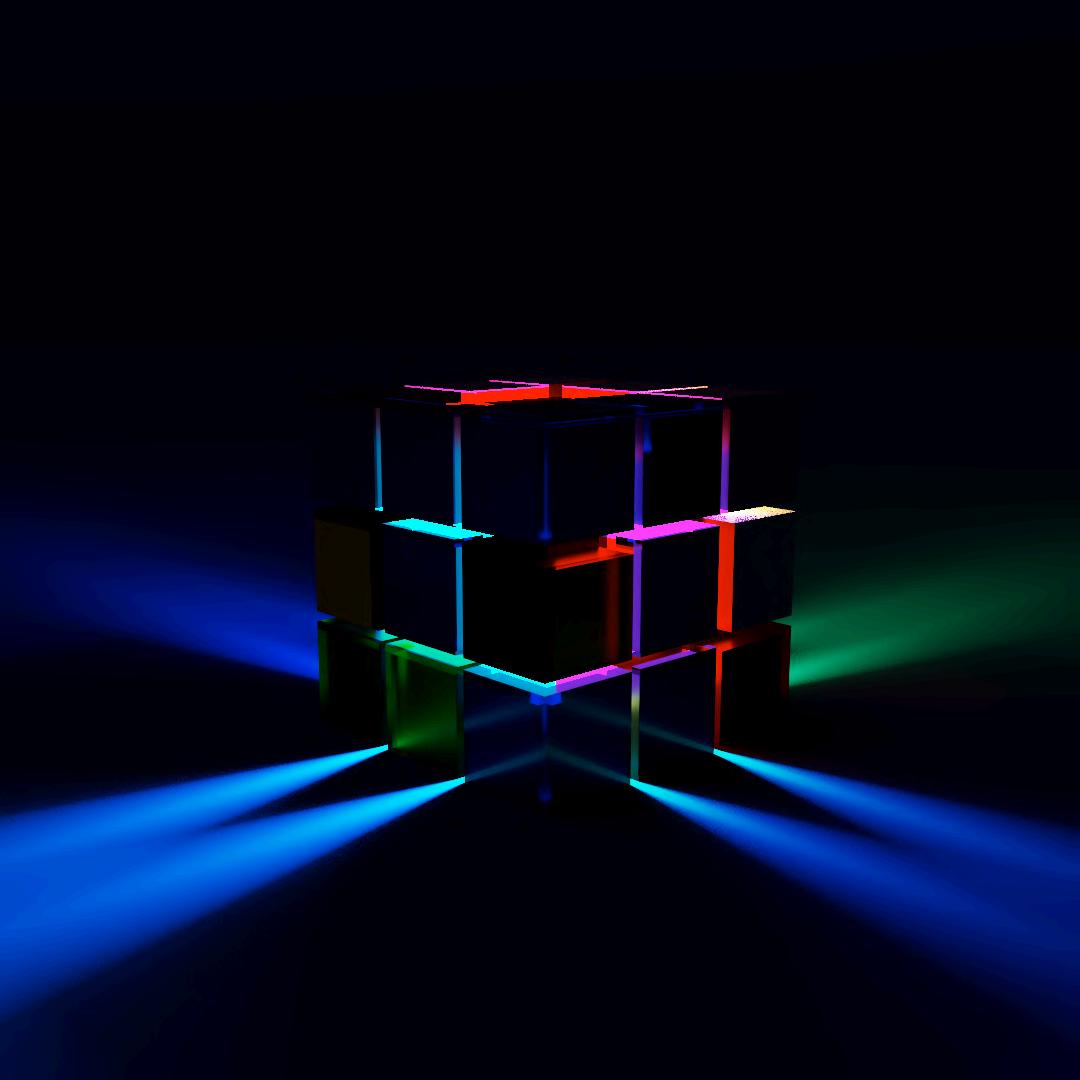


Find Out What the Sound s with an Expereince: https//rotateyourpersepctivenetlifyapp
Note: On computer tap the icon to listen On phone: rotate your device to unlock the sound

You’ll learn why ROTATION of your phone is the key to unlock things






The click of the Rubik Cube is small, sharp, and mechanica that a sound defined by precision and touch Its rhythm s irregular with regular tming, depending on how the hand turns and how the inner mechanism aligns yet it always resolves into a distnct moment of stability This makes it both predictable and unique a balance between control and chance Physicaly the sound emerges from friction pressure and release;
Conception:
cognitively it represents the act of decision Each clck marks the collapse of possibility from 43 quintllion of potenta combnations to a single chosen state At the same tme the tactile and auditory sensations are inseparable: the ear hears what the hand decides In this way the sound becomes more than mechanica; it becomes psychological a reflecton of thought transformng nto acton and the audible trace of choce taking form One choce from millons potental s produced as one sound or one click
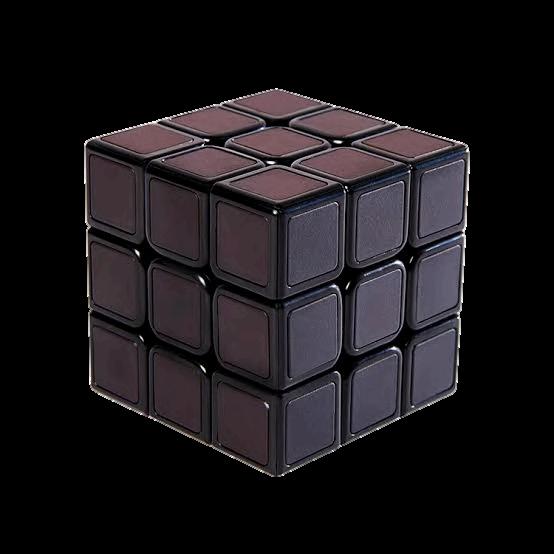




Searching to understand Fractal mess to symmetrical whole Hesitaton to confdence Pressure to release
At ts core, the Rubiks Cube embodies a movement from disorder to resolution Every rotation represents a gradual narrowing of possibilty from an almost infinte number of combinatons toward a sngle, defned state In another equal words,what begins as confusion, multiplicity and uncertainty becomes clarity and structure through a sequence of deiberate choices This process mirrors the act of thinking itself the transition from complexity to understanding, from hestation to decsion Each rotation is a negotiation between chance and control The cubes journey s phlosophical because it reflects how thought seeks order within chaos and how every fnal alignment carries the history of all the paths not taken









AND AND AND

Between the start and the end holds a subtle patterned oop of thought and decision Each movement is not random but guided by strategy intuiton and micro-refection forming a hidden system wthin the apparent chaos This middle phase is where possibilties are evaluated choices are weighed and the eventual path toward resolution begins to take shape




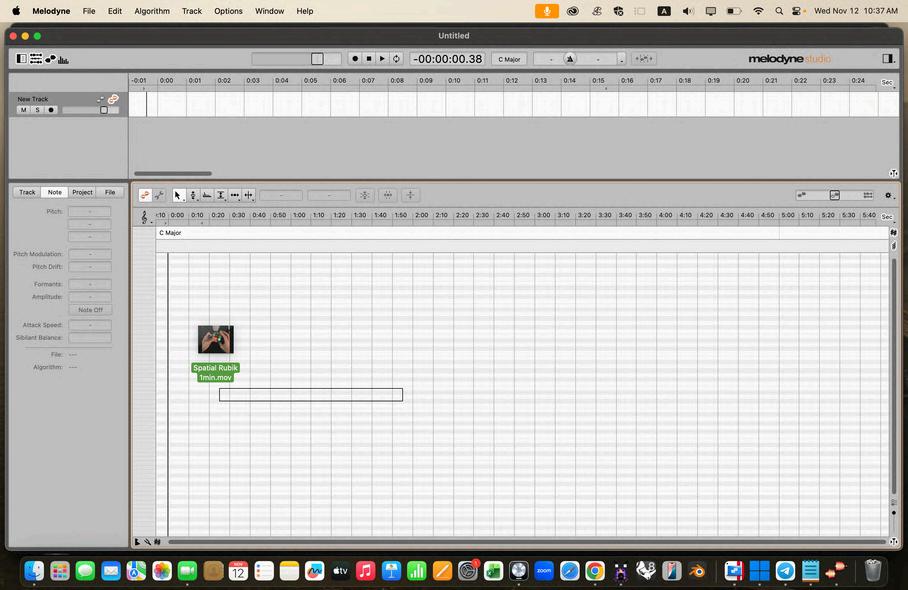
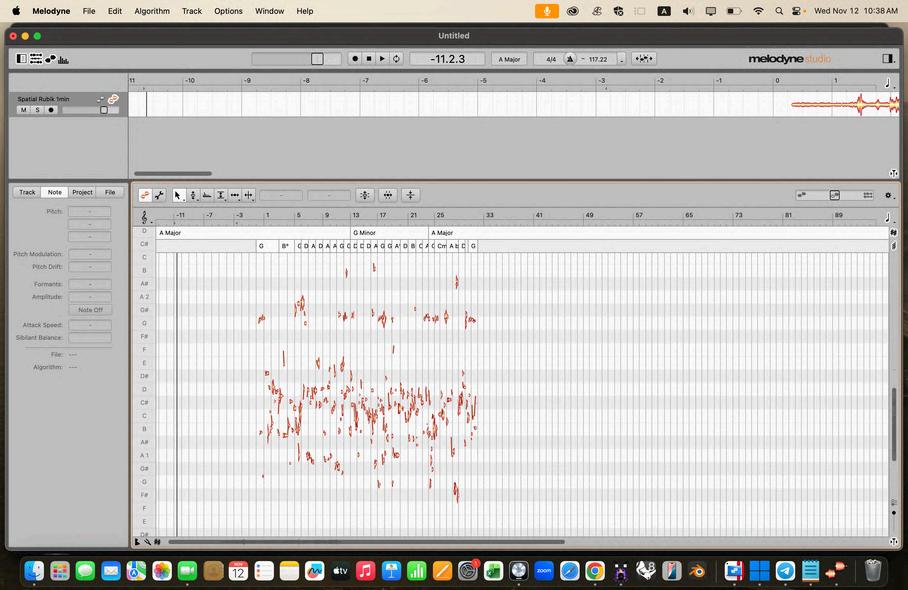
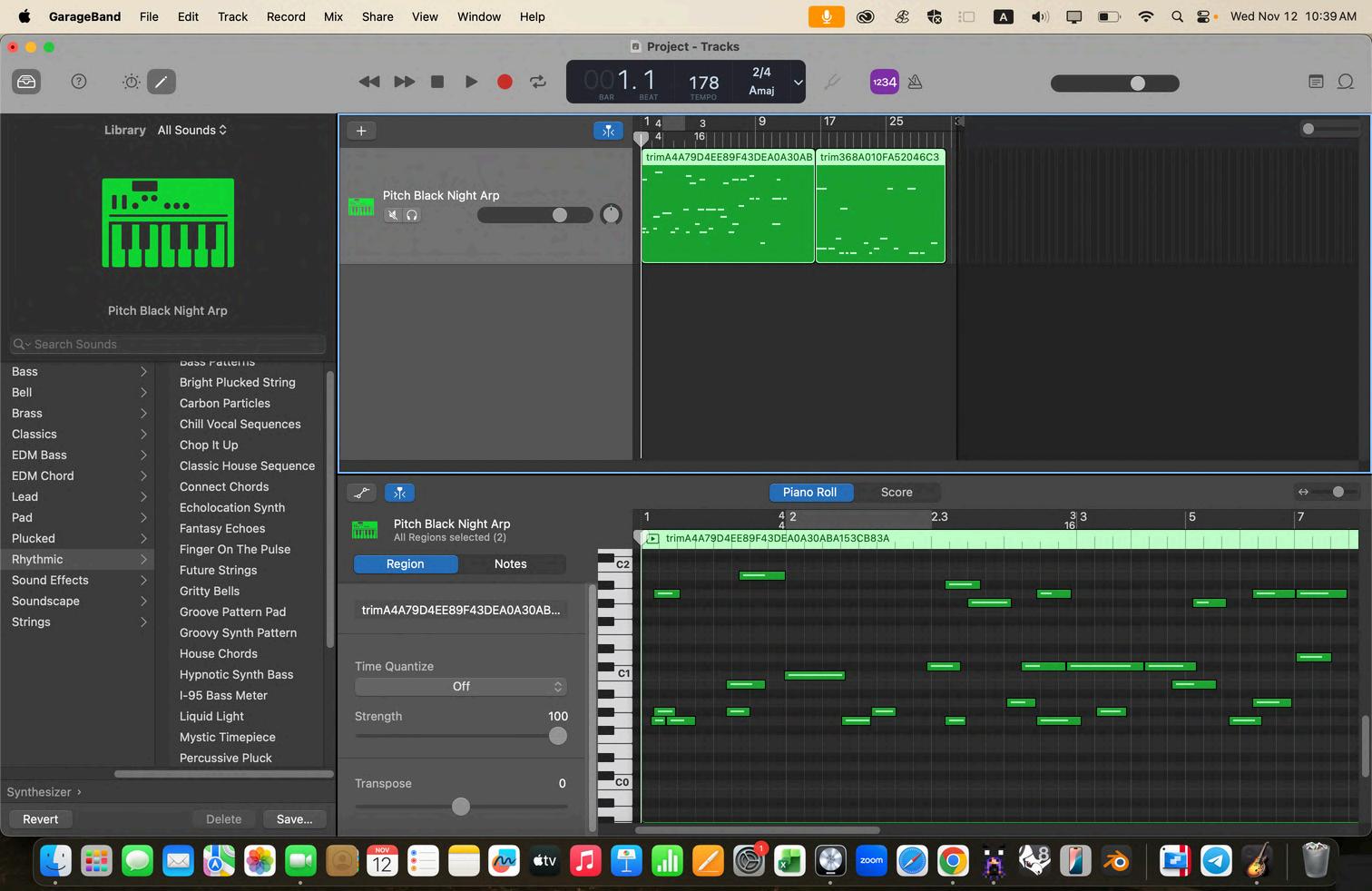
To find this reacton, extracting the raw mechancal clicks and translatng them into musical notes alow the sound to transform nto a new instrument it carries the intensity of feelng whle retaining the character perception and conceptual essence of the original mechansm At this stage, music producng softwares are used to convert these raw sounds into playable musica notes exploring how the instrument can artculate both the mechanics and the underlying cogntion embedded n each micro-event
Method: This experiment transforms the raw mechancal clicks of a Rubik Cube into a playable musical instrument exploring how subtle sounds carry the mprnt of decision cogntion and tactile interacton The process began by recording the cubes clicks as an MP3 fle capturing their rregular yet patterned rhythm and mechanical precision 1/2 The audio was then imported into Melodyne which analyzed the non-musical ptches and transated them into the nearest musical notes generating a MIDI file 3 This MIDI sequence was loaded into music production software such as GarageBand Ableton or Logc Pro where various instruments were tested A synth was ultmately chosen to best preserve the tactile rregular and personal character of the original sound while amplfying its emotiona and conceptual ntensity The resulting instrument allows the clicks to be heard as both a mechanical and expressve phenomenon highlighting the hidden cognitve and emotional architecture embedded withn even the smallest audtory events
What emerged most surprisingly was that behind each audible click, the software detected multiple micro-frequencies, hidden vbrations that exist beneath the threshold of human hearing A single physical sound n fact contained a constellation of naudible notes This became the proof of what I was seeking that every external stimuus generates an unseen reaction within the mental field
In this framework one click in the physical word equals a spectrum of invisible resonances a drect analogy for how a single decision unfolds into countless micro-thoughts and emotons Each click was diagrammed as a unit of cogntion composed of two layers that folow the loop of thought and decision
There are two new terms I define in this thought and decsion and menta residue and emotional resdue [The reason why muscial software detects more than two notes for one cik we physicaly hear] They exst as another loop similar to the loop between thought and decison
Mental residue happens before you make a move So, firslt there is a thought thought when your mnd is working strategzing planning, trying to approach and understand the next step This thought directly affects how you feel whether youre calm nervous rushed or focused as mental residue
Then ths state stimulates your decision the moment you act the rotation the move of the Rubik And once that action happens another new layer begins: the emotional resdue [the feeling that folows your decison] Its the reaction after the stimulus do you feel hopeful, confident, or disappointed? Do you sense progress or frustraton after your decison?
These two residues continuousy feed each other The thought creates emotion the emotion shapes the next thought It becomes a closed loop of cognition and feeling hidden but aways active behind every action we make
Listen the Rubik’s Synth [Video No1] from the playlst https//wwwyoutubecom/playlist? list=PLGSFa0OvUkbm8y38 nbyaXAfyt5thxIP
p_01.03
The software detects at least more than two notes for one




MENTAL RESIDUE
Calm and focused? Confused and stuck? Brain racing or flowing smoothly?
Indecisive or compulsve?
EMOTIONAL RESIDUE
Frustrated


I define this phenomenon as the Chronoscape a mental andscape/ terrain that unfolds the moment you begin to play Rubik It is as if the act of turning rotating and solving transports you nto another dmension that coexists wth this one The Chronoscape originates from the Mndscape, existing entirely within the mental terrain and it becomes perceivabe through the bodys tactile and auditory connection It is latent but activatable and always present waiting for the moment your hands and mind synchronze Within this Chronoscape mutiple realties begin to collapse Each move each sound reduces nfinite probabilities nto a single chosen event The act of play becomes a process of shrnking alternative realities, where complexity gradually systematzes itself into coherence Between these transitions lies a fragile layer of the microtempora feelngs fleeting sensatons that occur between thought and acton, between intention and sound They are almost unmeasurable yet they define the emotional and cognitive depth of the experence The Chronoscape s not just a metaphor for time but a model of how the mind perceives temporaity decision and consequence as one continuous, embodied event
Watch the visual interpretation [Video No2] from the playlist on
p_01.03
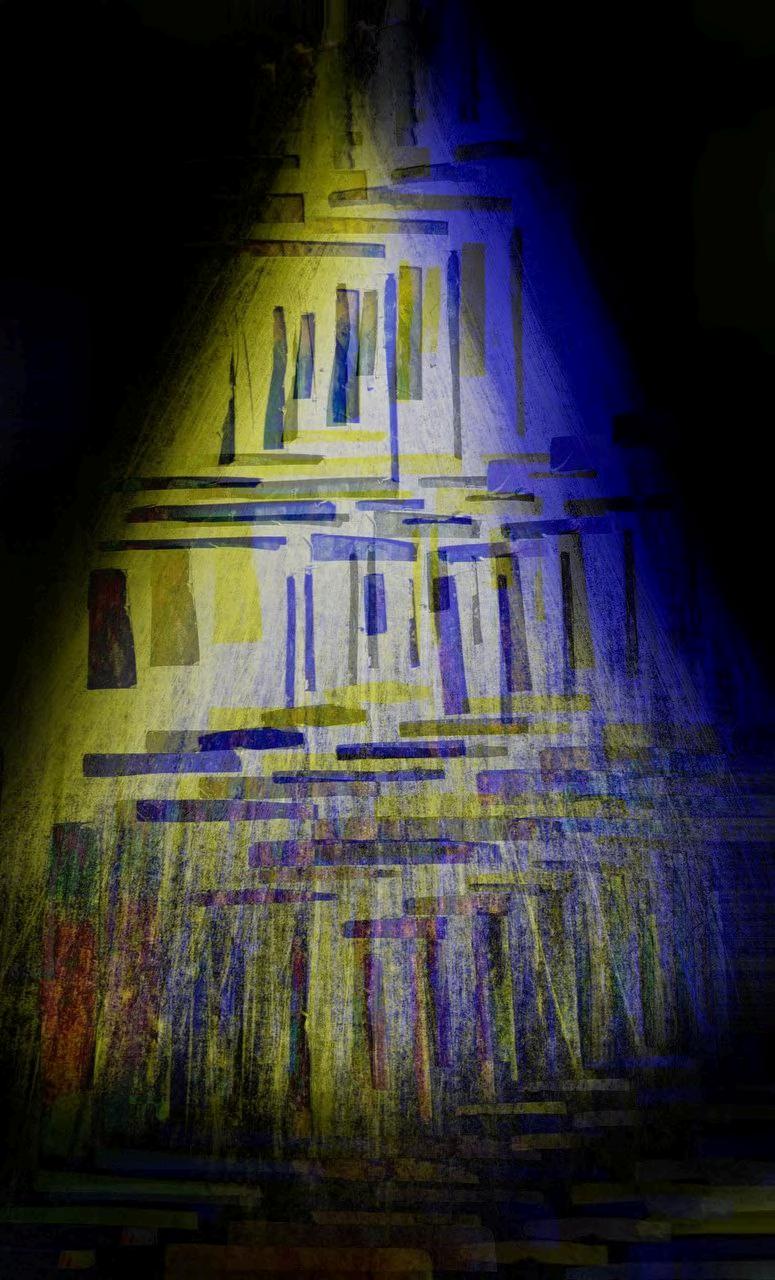

The Chronoscape is visualized as shrinking gradually, perhaps, that works only from that perspective What if it’s expanding from the other perspective?

To expand ths hypothesis I proposed the Law of Relative Quadrants [an updated version of the traditional mathematcal quadrant] I introduced four perspectives A B C and D When a point s observed from Perspective A, it hods the vaue (x y); but when the quadrant is rotated toward Perspective B that same point becomes (x -y) The point itself never moves yet its value shifts depending on the observers position
Ths demonstrates that what seems true from one vewpoint becomes uncertan from another Smilarly n the Chronoscape what appears to be shrnking may n fact be expanding from a different perspective The visible and the hidden continuousy exchange their roles , revealing that perception tself defines the behavior of the system

)Y-,X(C
B ( X , Y )


B (X , Y )
)Y-,X-(C
(X ,Y )


( X ,Y )
)Y,X(C
B (X ,Y ) D ( X , Y ) D (X , Y )
)Y,X-(C
B ( X ,Y )








B (X ,Y )
D ( X , Y )
)Y-,X(A
)Y,X(A
B ( X ,Y )
D (X , Y )



D ( X ,Y )
B (X , Y )
)Y-,X-(A
)Y,X-(A
D (X ,Y )
B ( X , Y )








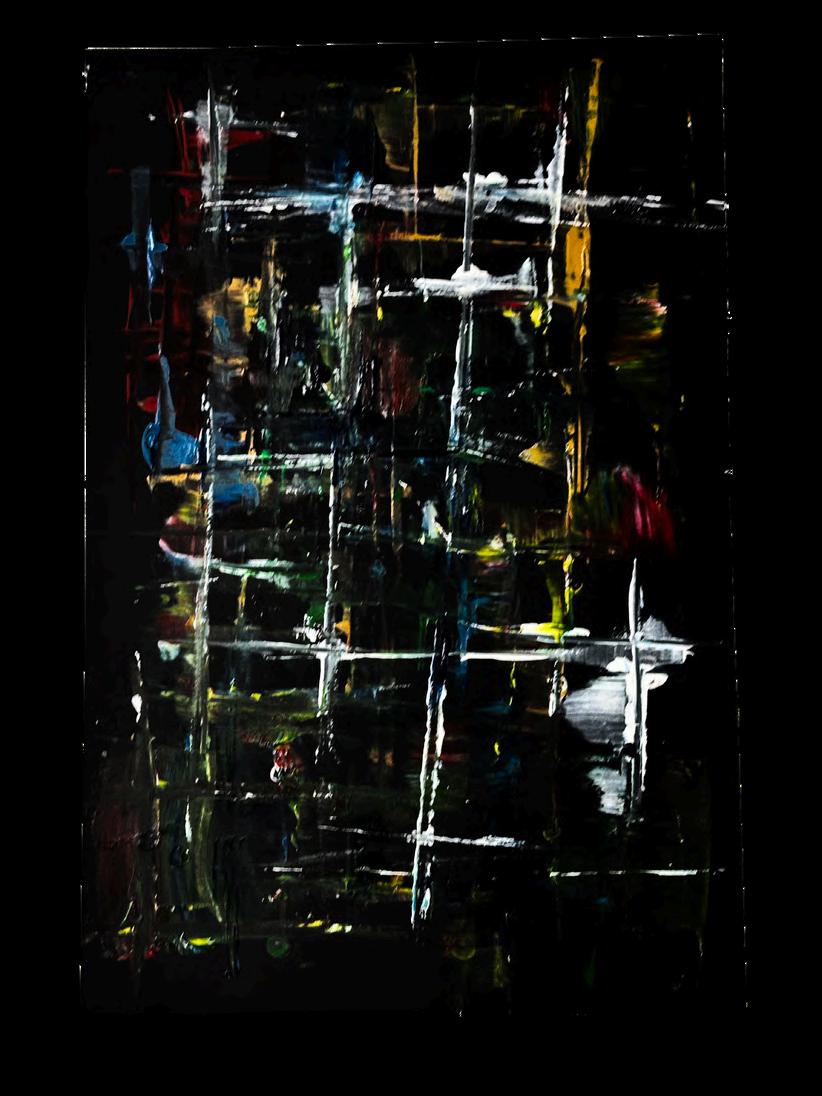
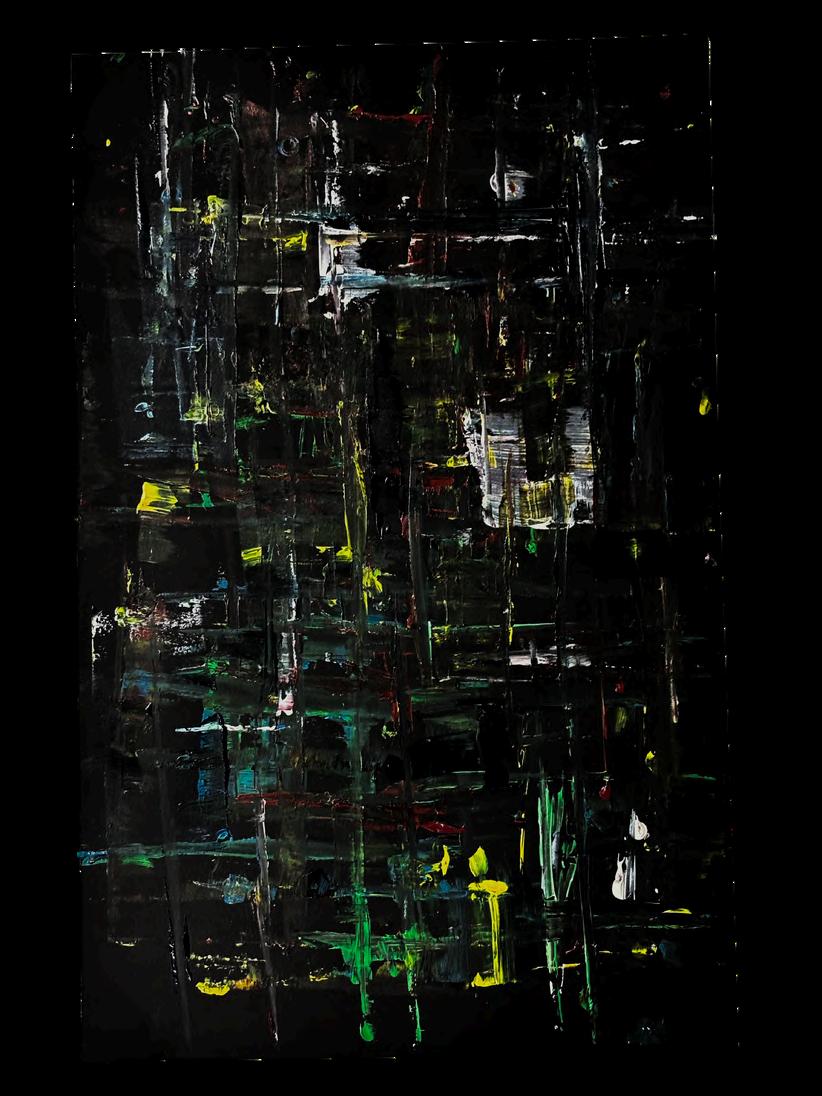
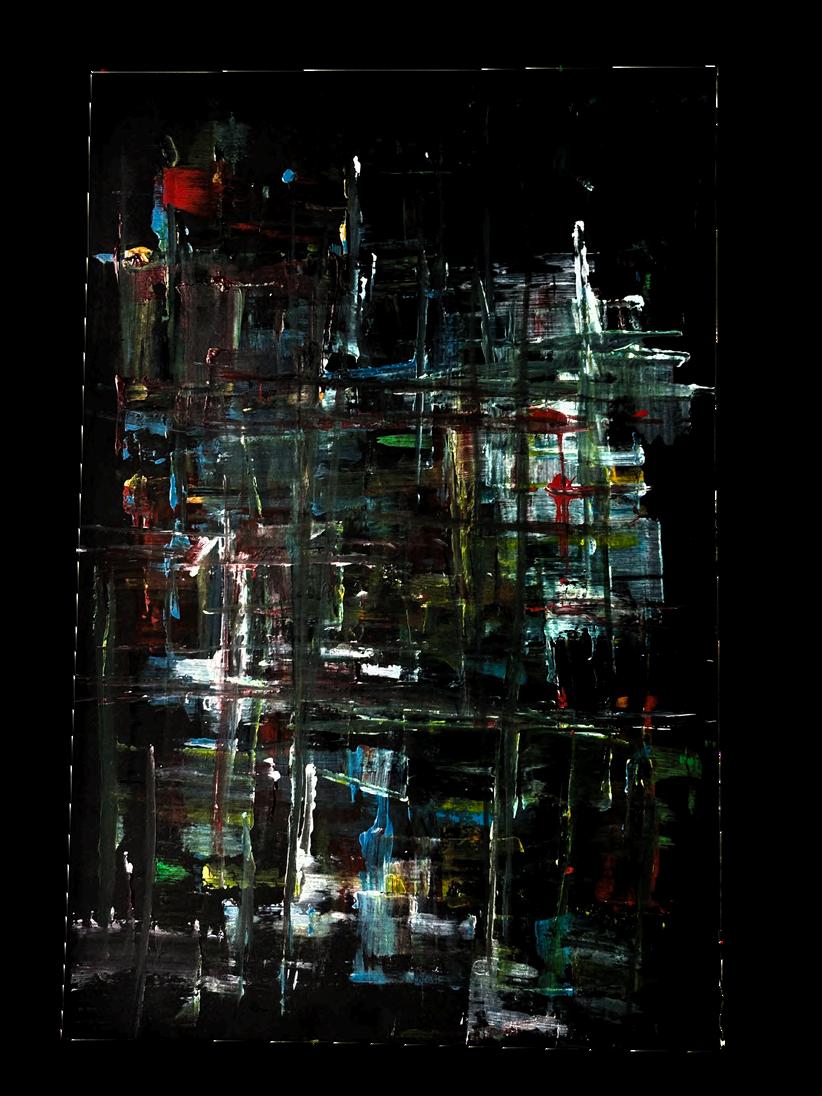
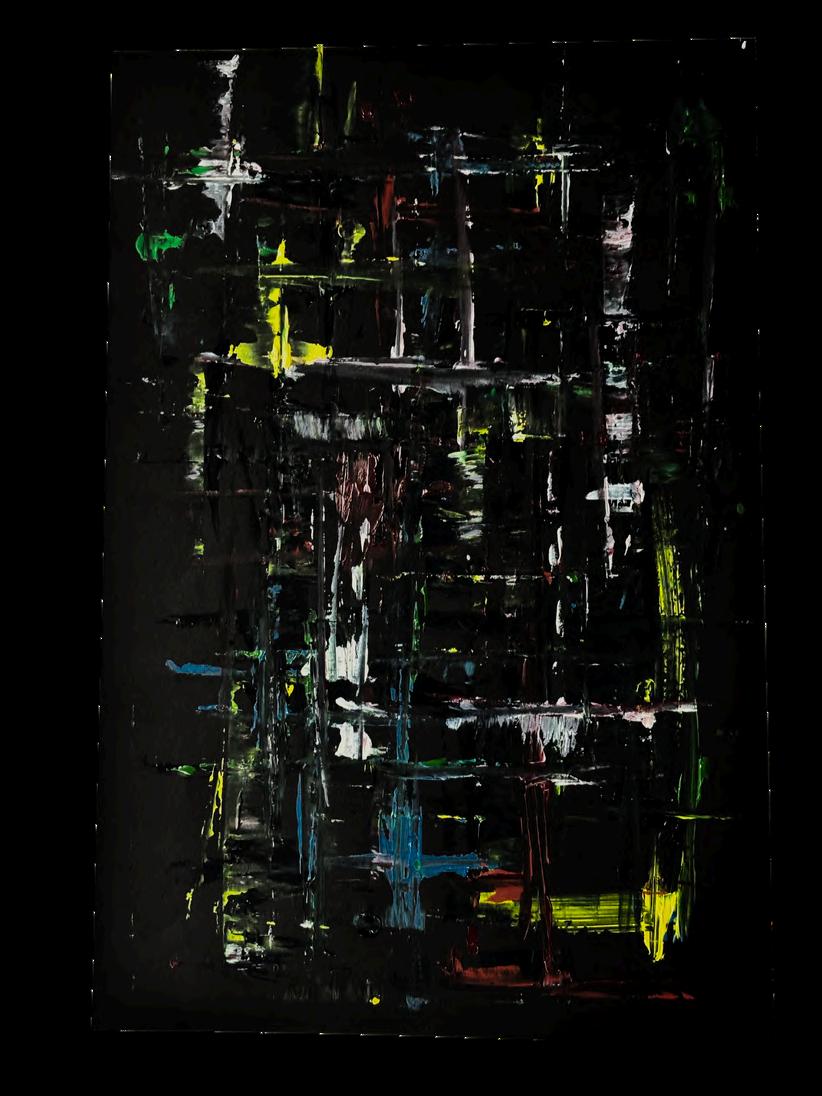
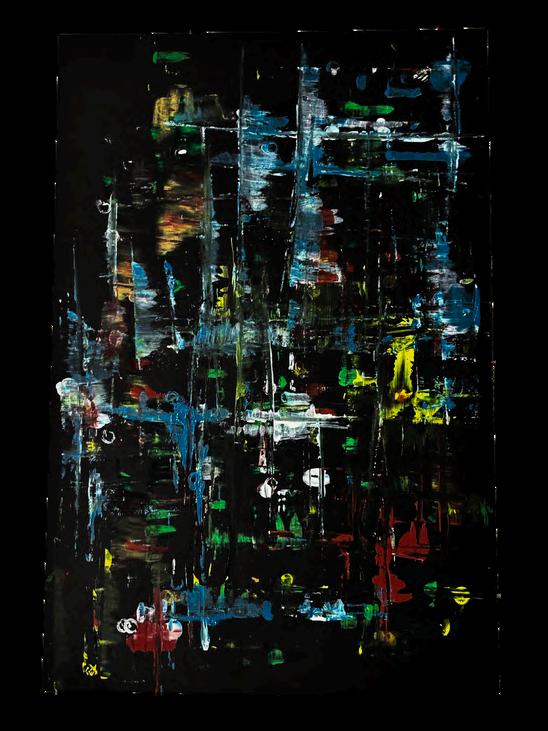

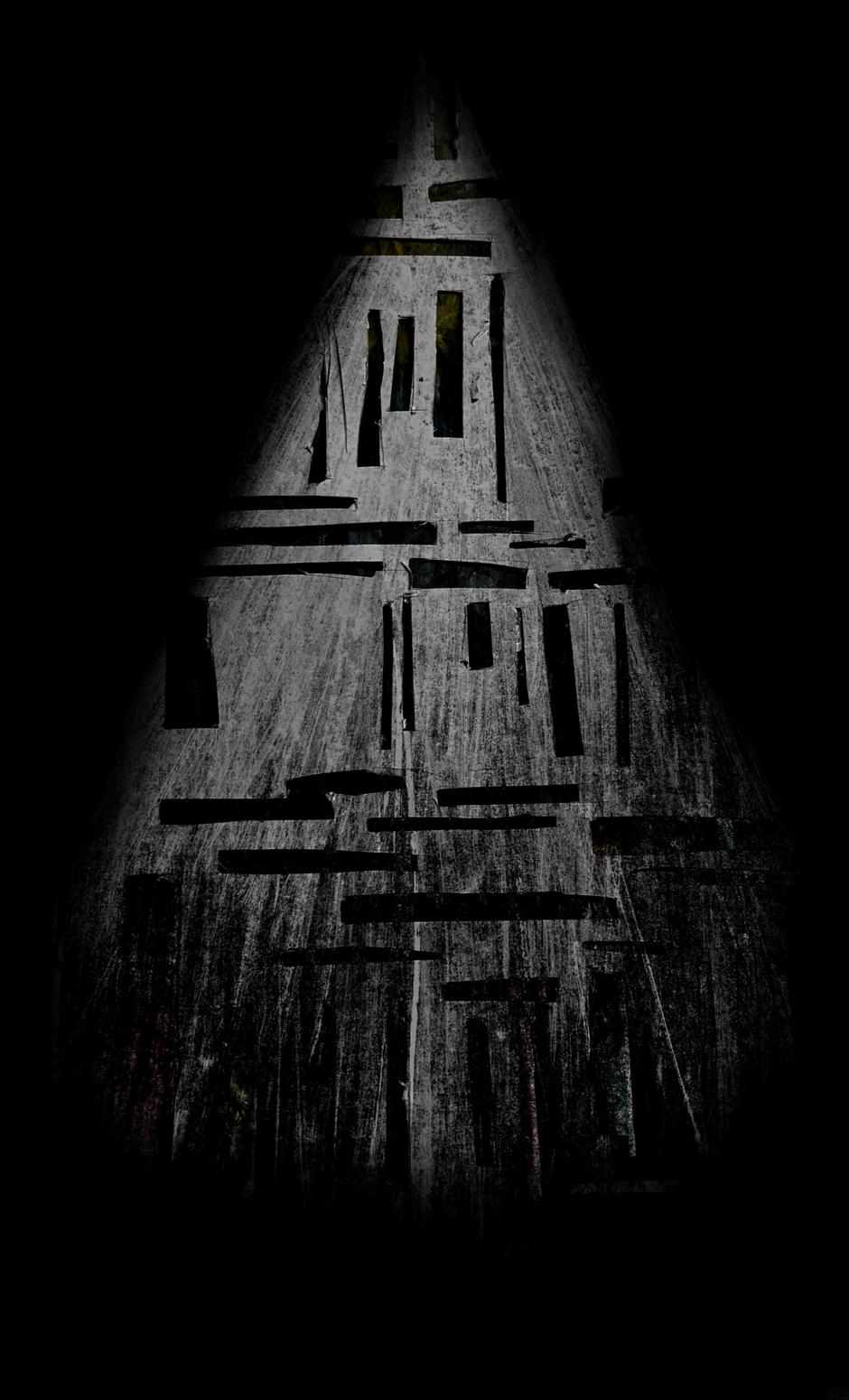
Lets take a short break from phlosophy and compex arguments and focus on simpe representation On paper the sound s vsualized as the movement of the hands as vertical and horizontal lines But to make this simpe idea richer it came to vary the strokes whether sharp or soft thick or thn long or short to convey intensity pace speed and emotion within the Chronoscape
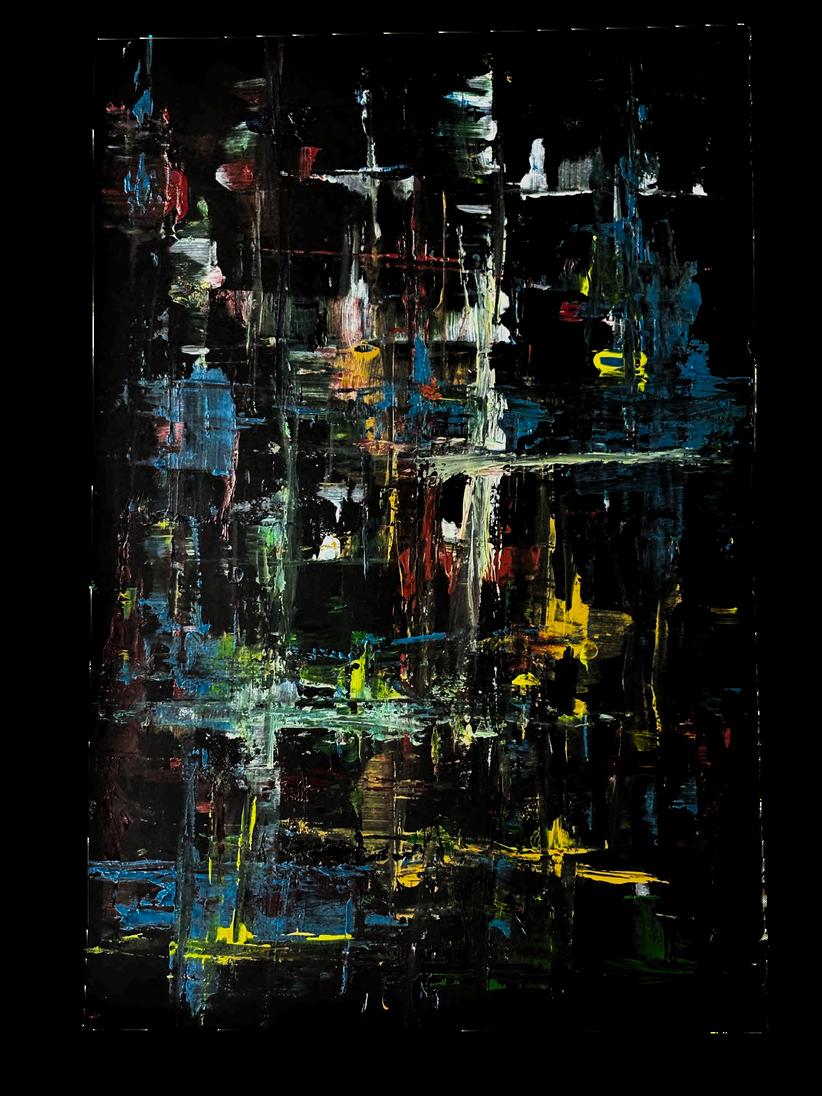
Six different colors are used not because of the Rubiks primary color itself, but to show how the Chronoscape can be viewed from the six perspectives that coexist and each results are unique Therefore the colors make the strokes easily distinguishable allowing the movement rhythm and layered perspectives to be read at a glance beyond mere lnes on a page
p_03.01
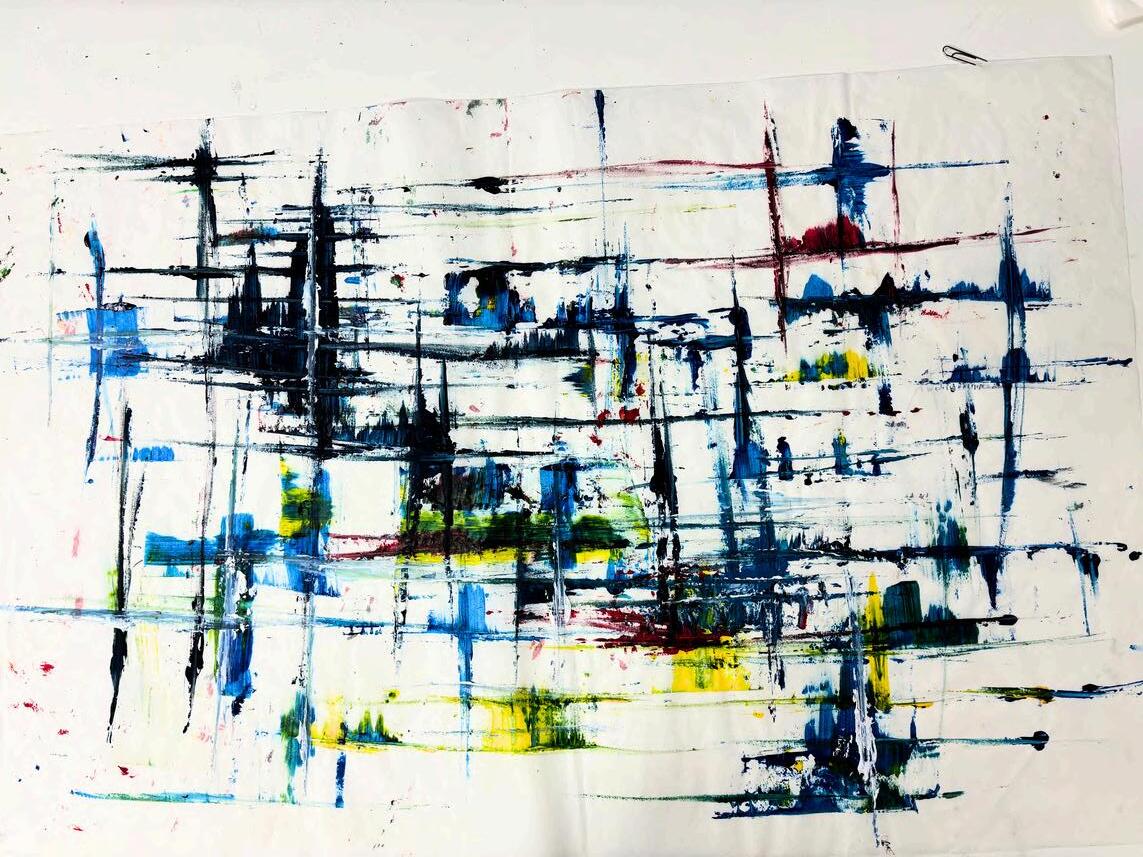
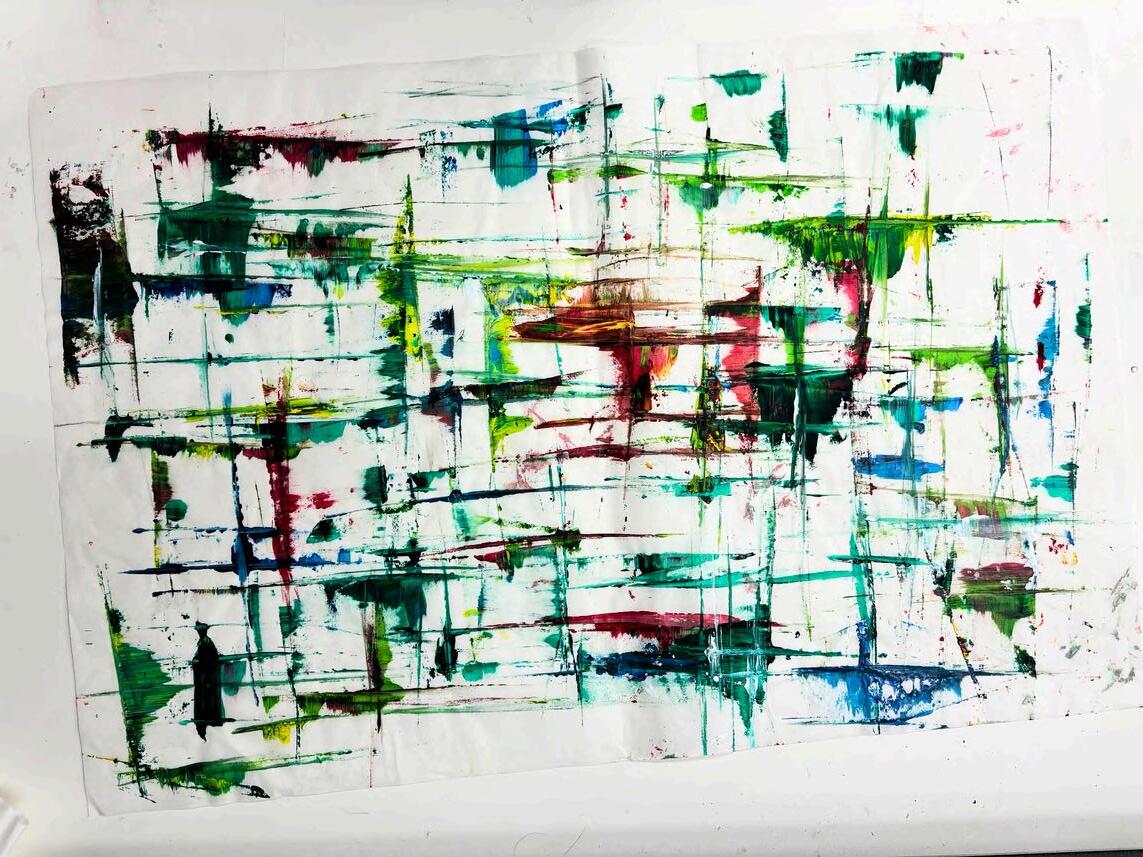
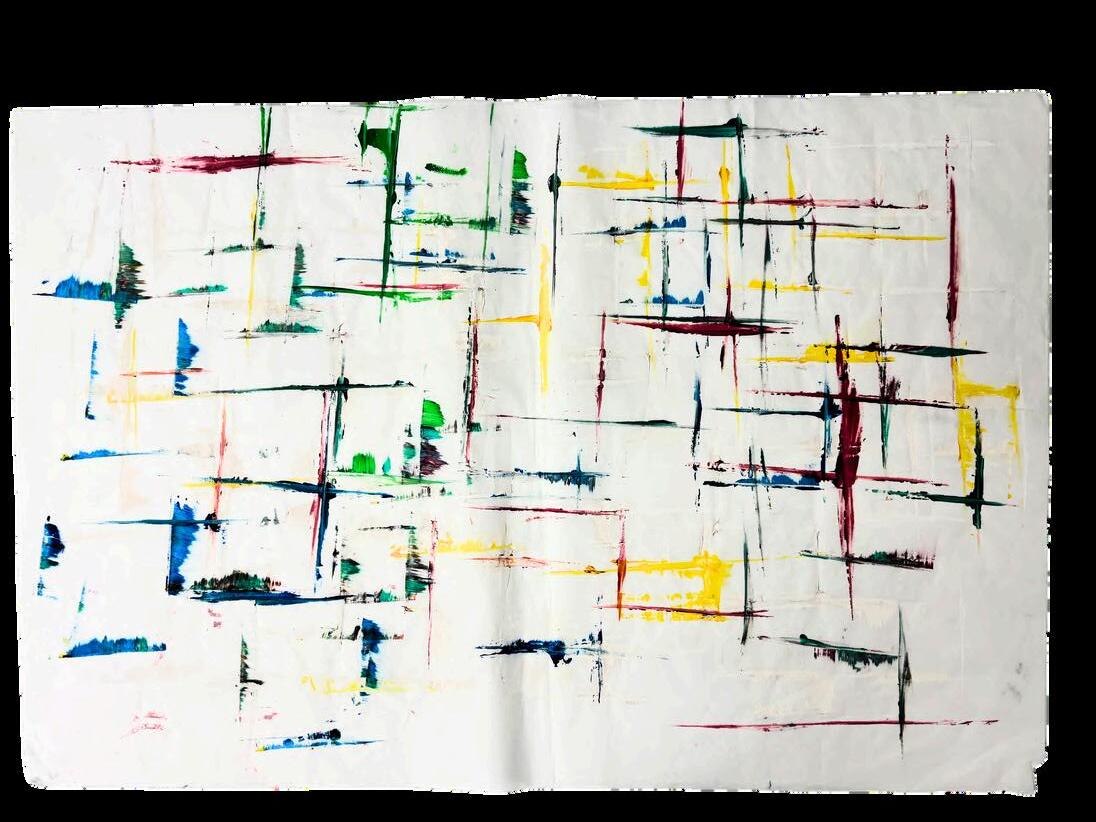
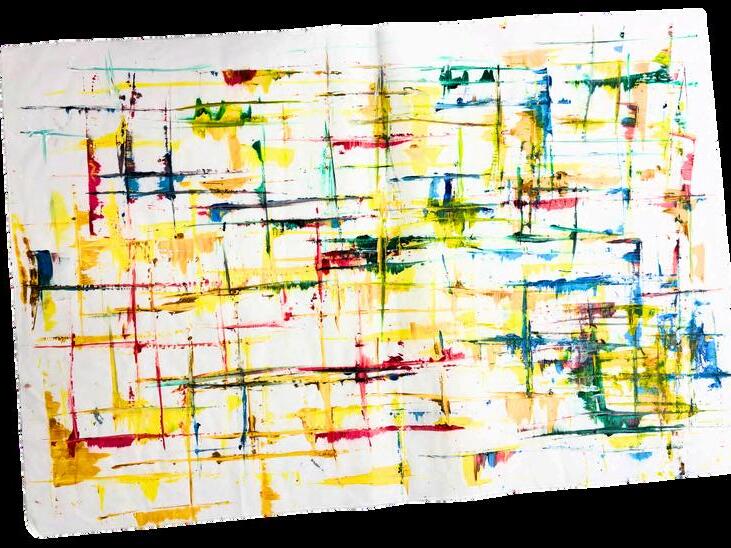
Sharp vs soft strokes: represent sudden decisons vs subtle hesitation
Vertical and horizontal lines: trace the temporal flow of action and reflection thought and lastly logic
Color variations highlight shifts in perception or emotional resonance [for example not just green If theres 000 green in mcro scale theree’s 001 green]
Even though these abstract strokes likely capture the emotons ntensities and densites of solving they felt too random when created from scratch The 2D artwork remains still unlike the moving/ fluid proces like the rubikitsef Emoton is not separate from ogic; fluid feelings exst within a system that these random strokes needs to be controled, where emotion and structure are interdependent
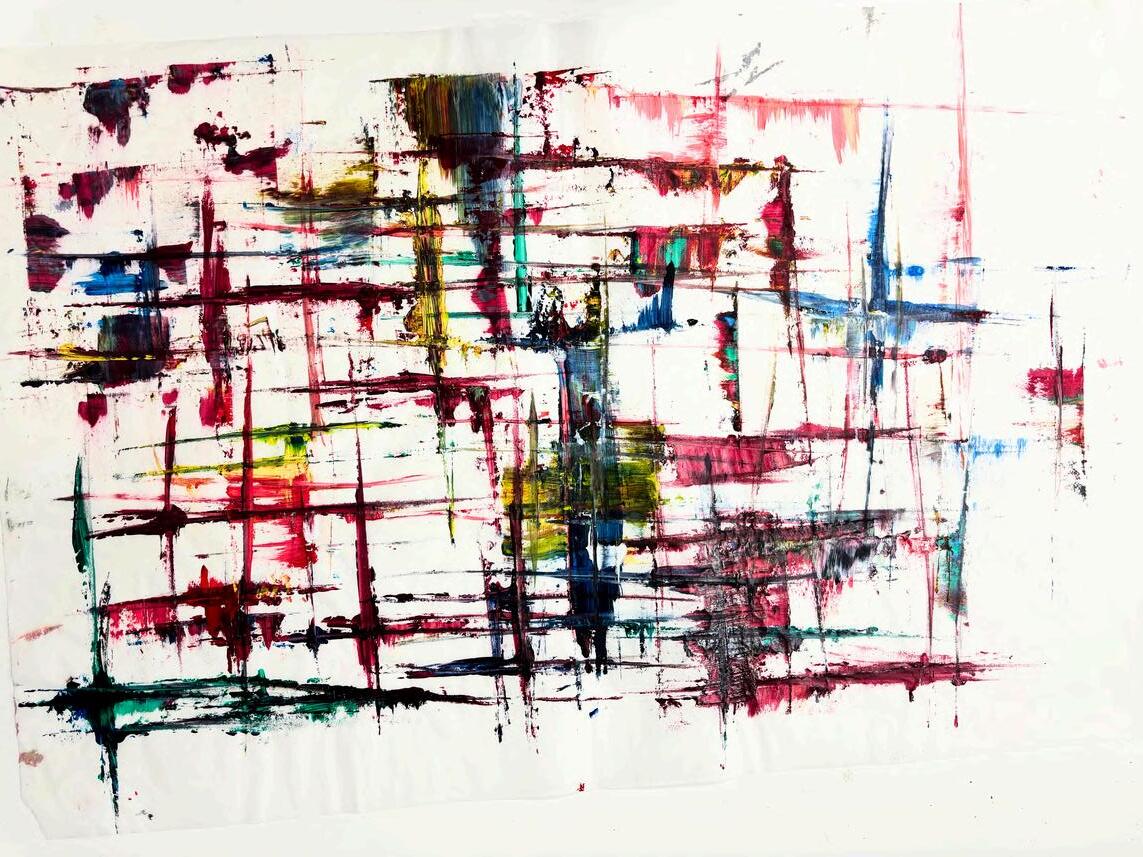
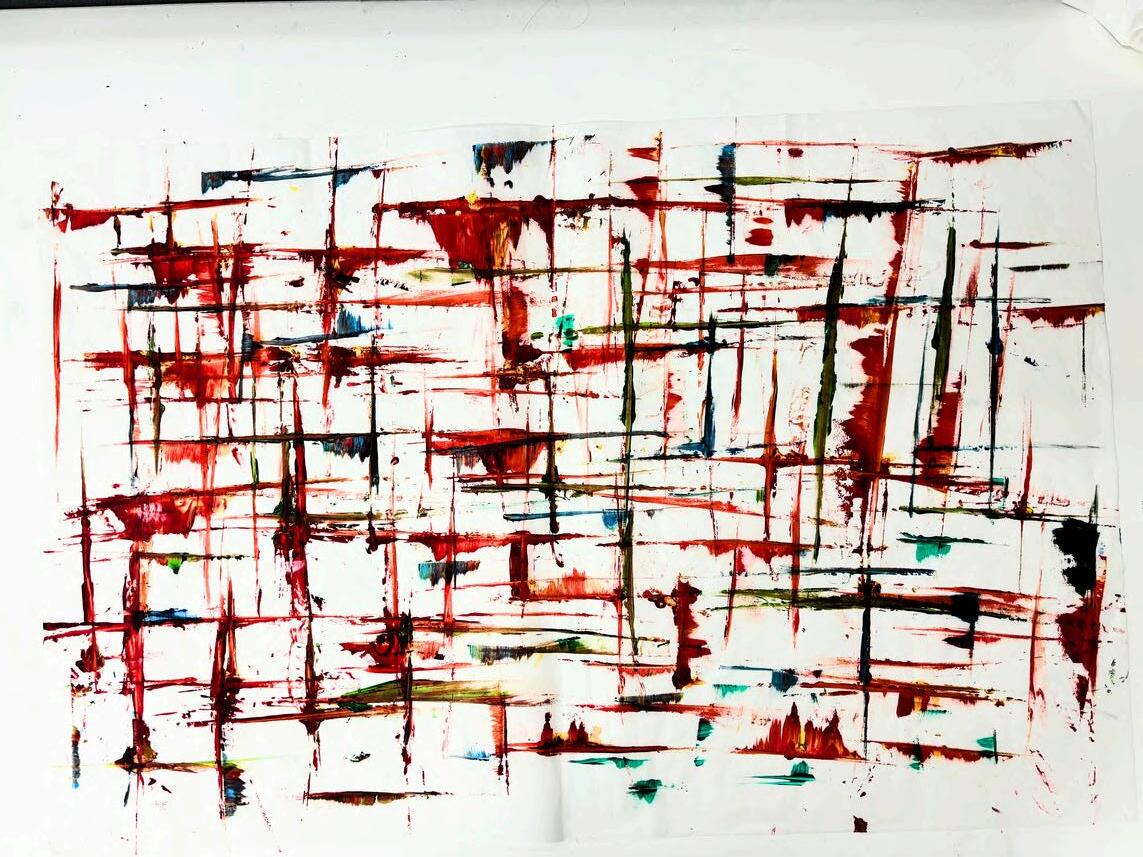
The only way to make the flat 2D to moveable is to understand the law and follow the designer’s instruction
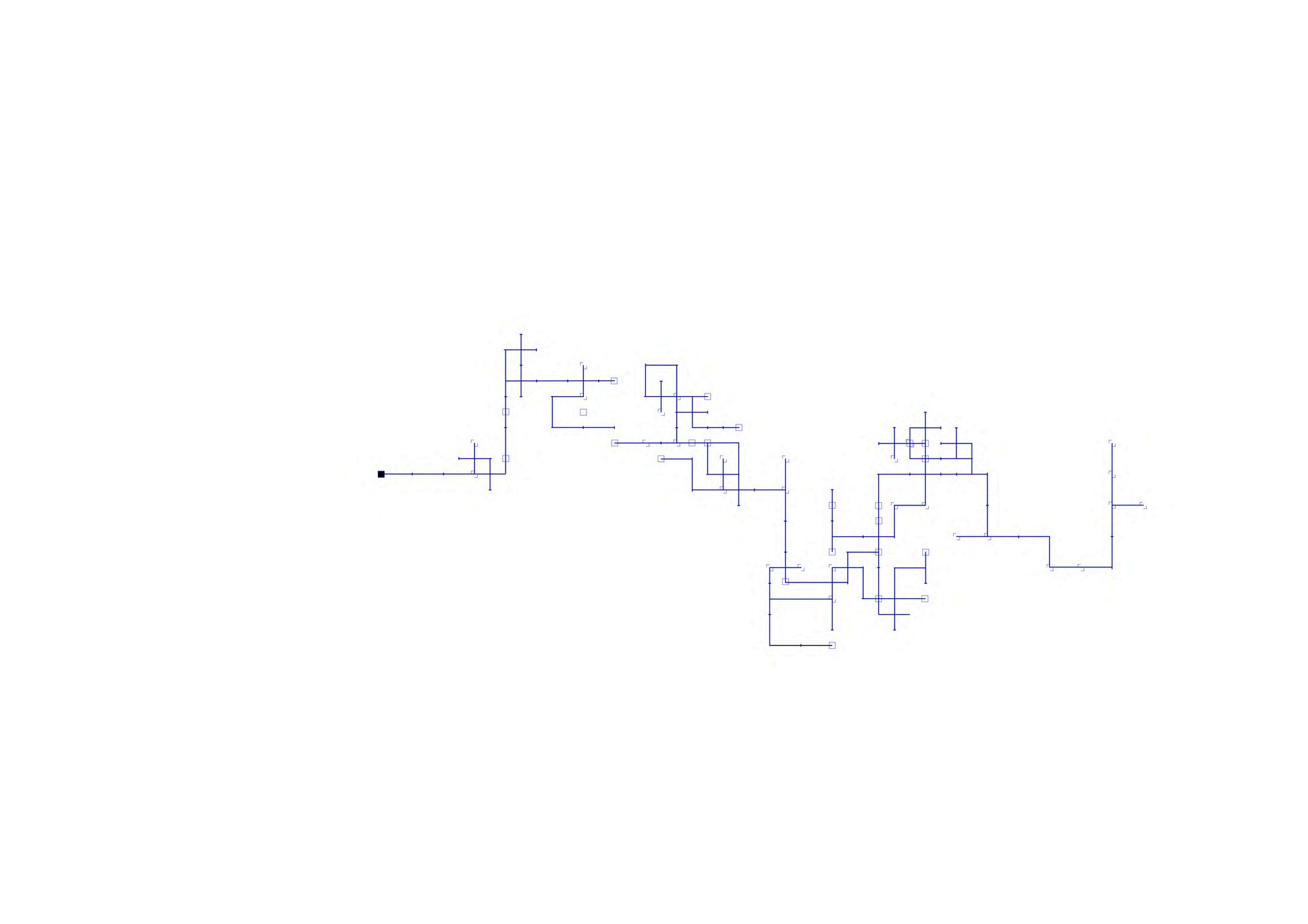
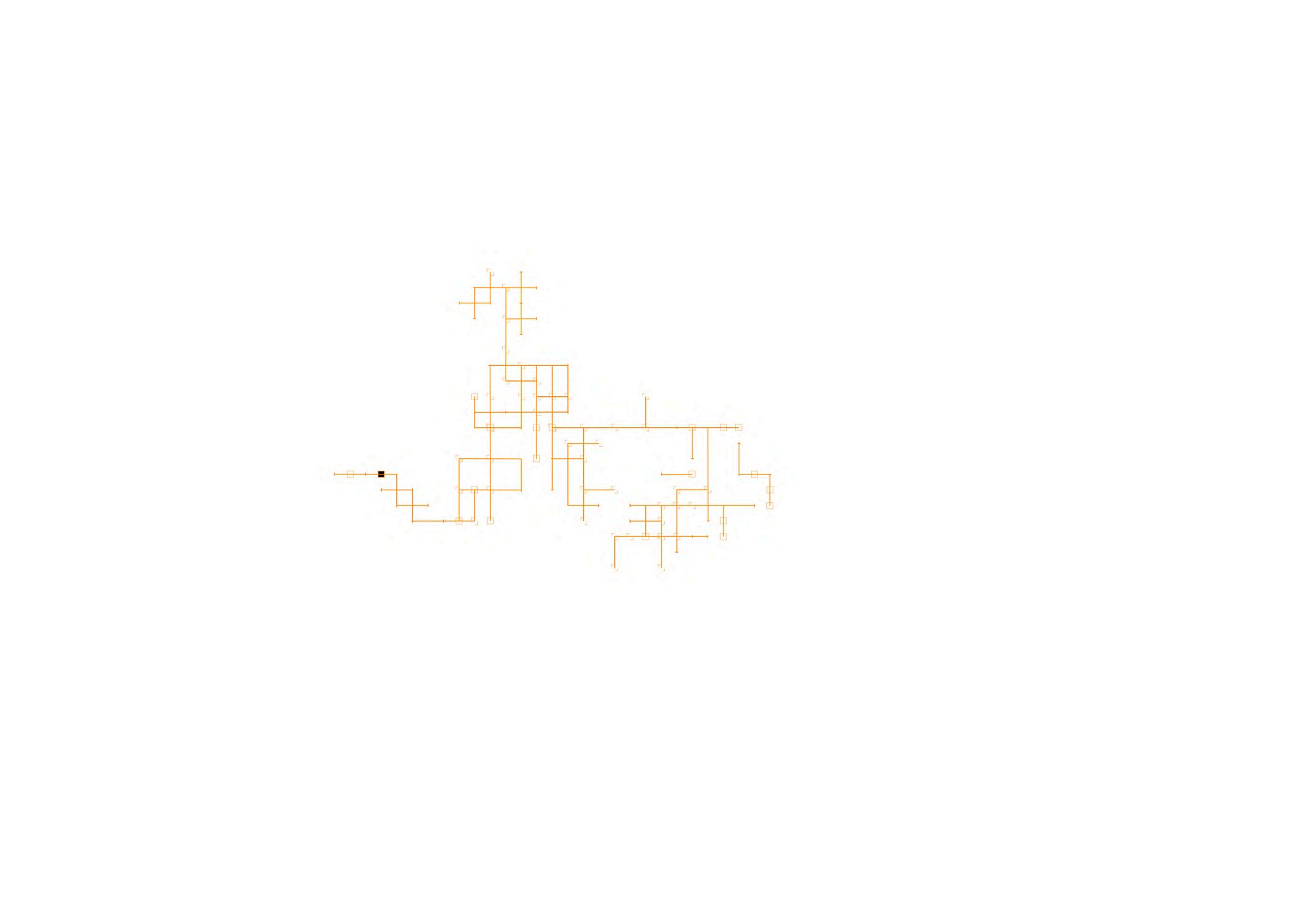
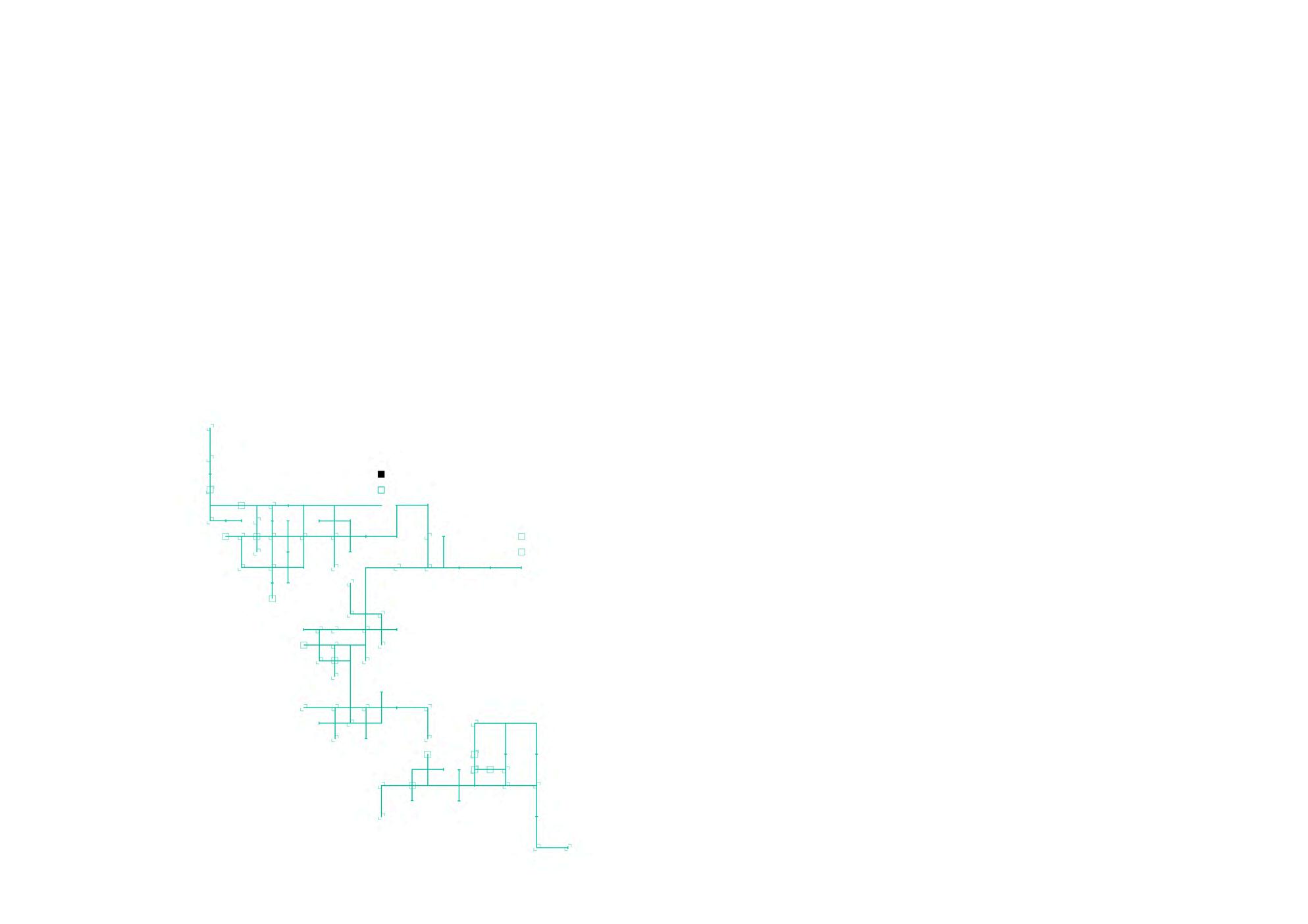
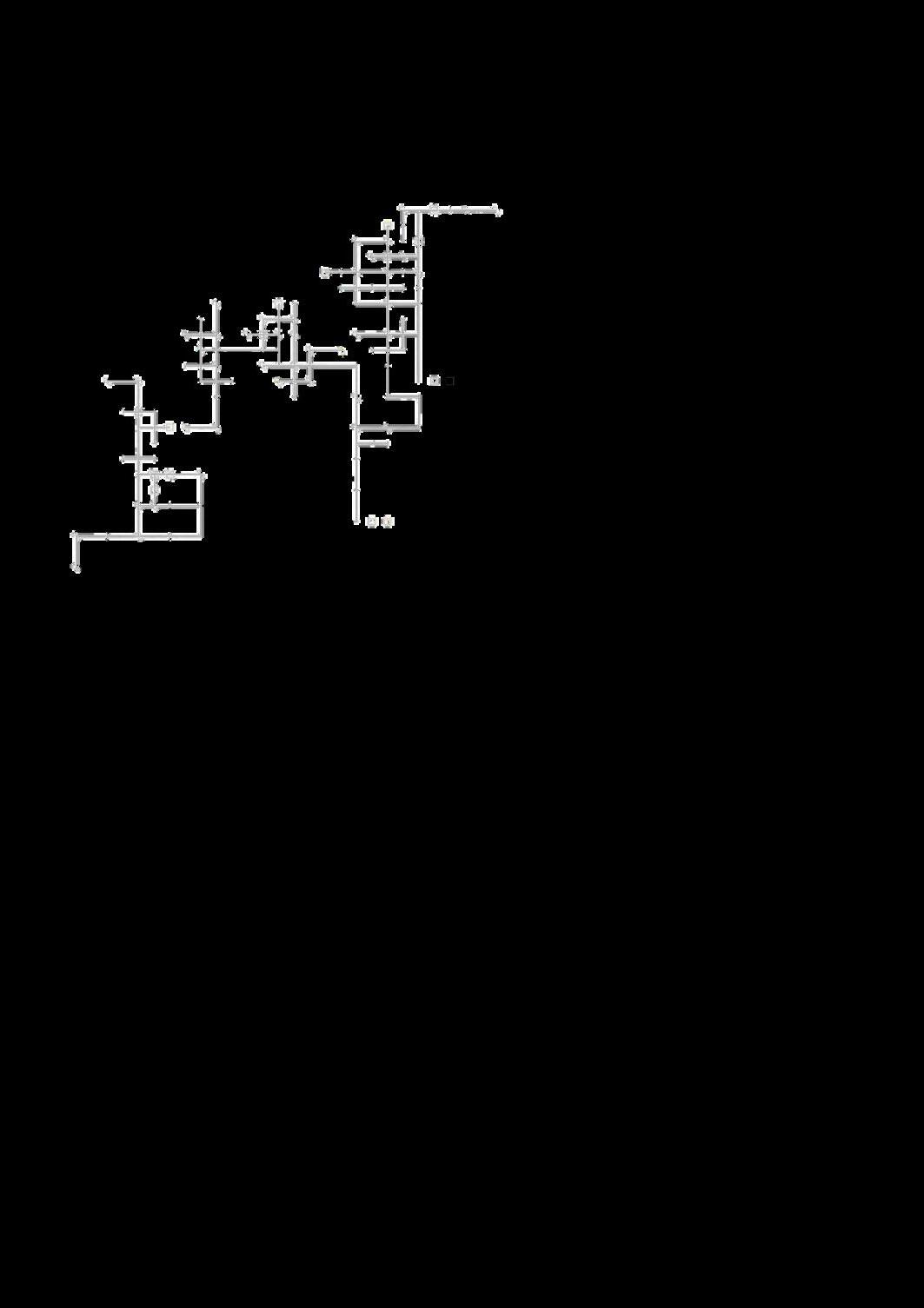
The focus shifted from emotion to the ogic and system of the Rubik on 2D Every single move was tracked from al six perspectives with the black square marking the starting point All six patterns occur simultaneousy, overlapping in time Since the Rubik is persona to each ndivdual the resulting patterns are subjective The fna 2D artwork represents ths logic clearly systematc and structured free from randomness
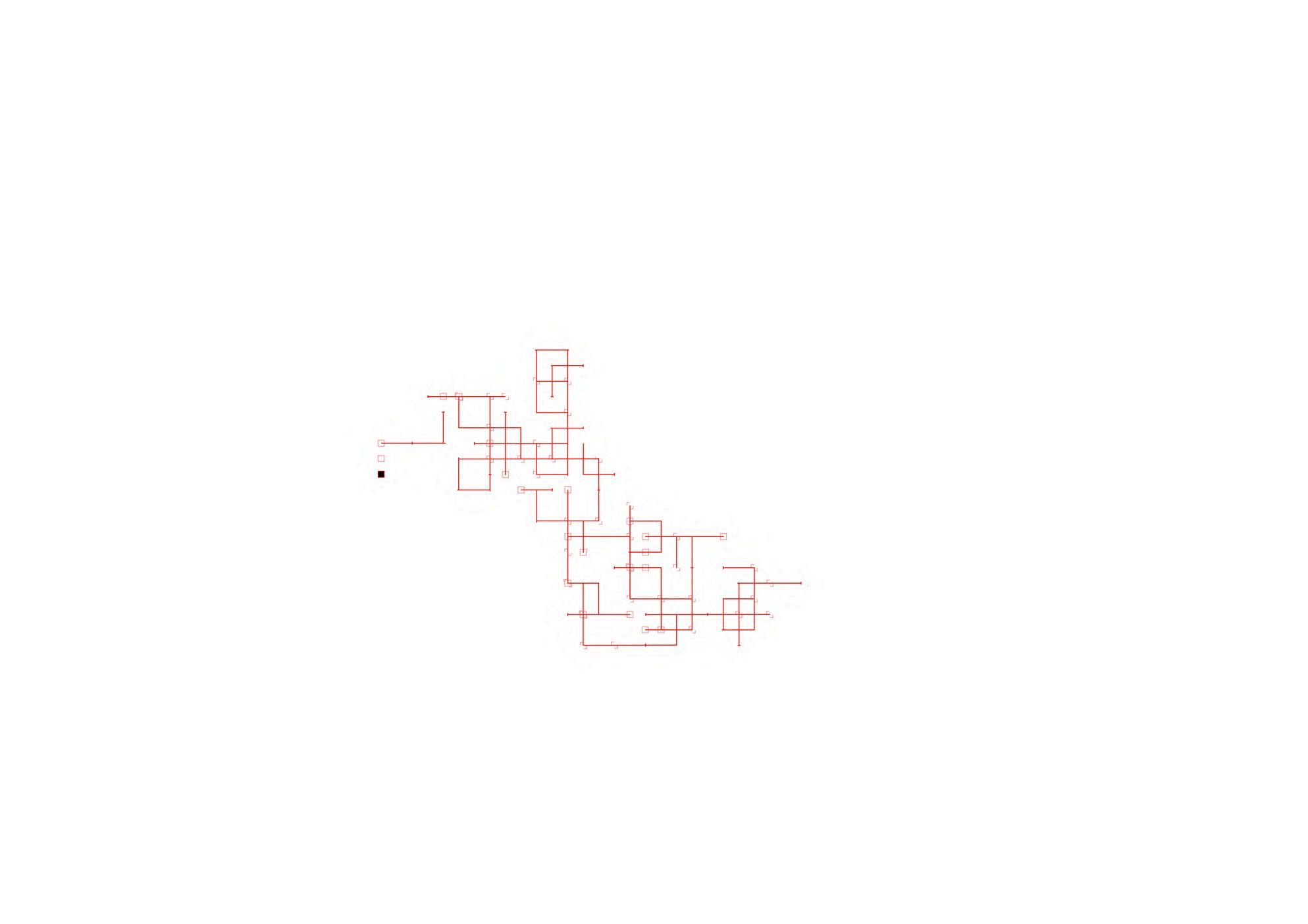
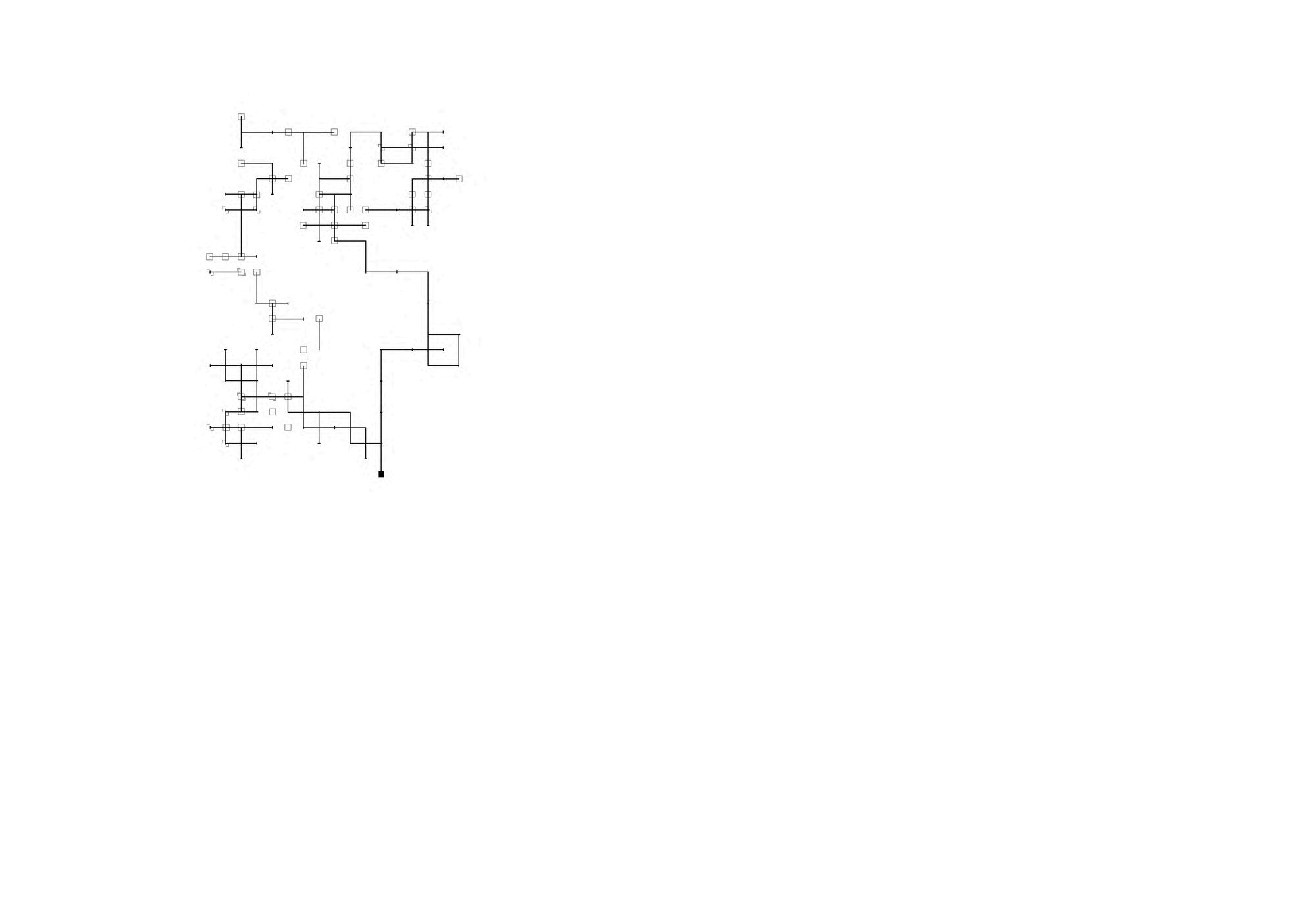
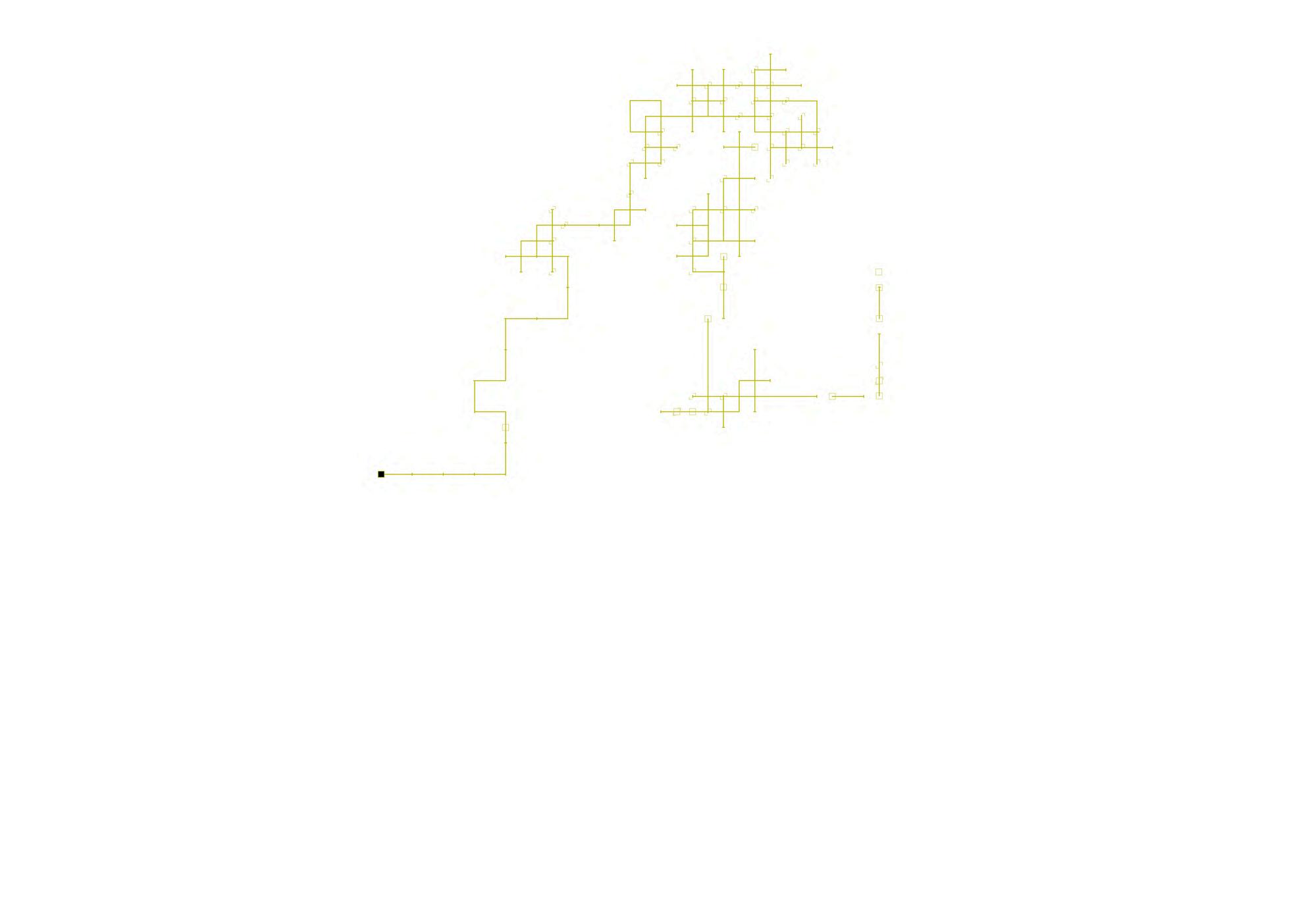

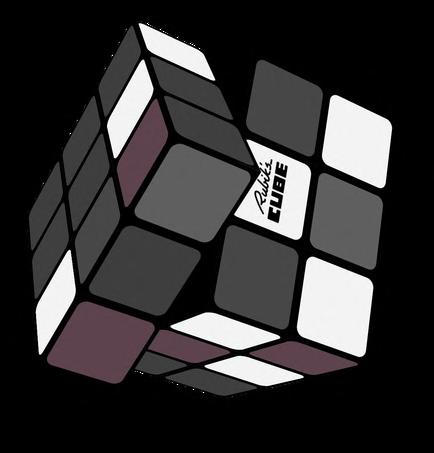


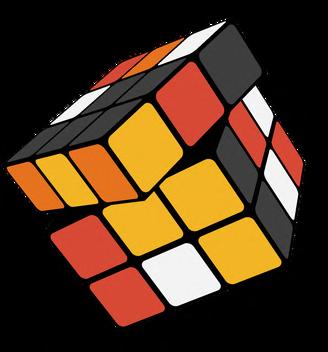
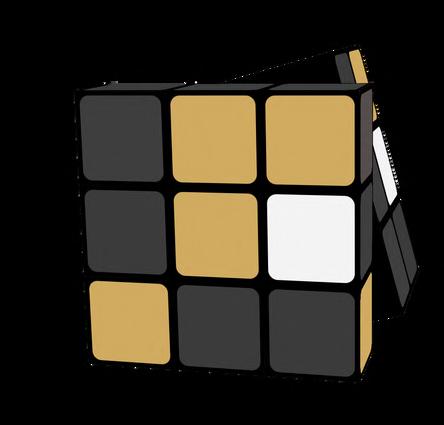
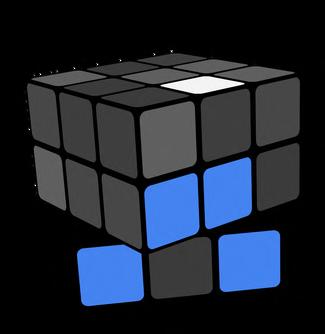



Perspective of Blue makes no changes to Perspectve of Yelow
Note: To define where to place the direction (up/down/left/rght) depends on how you see the Perspective of Yellow Here Perspective of Blue ends up on top from the Perspectve of Yelow so that the box s put on the top

Note: There is no right and wrong where to put the direction whether left right up or down, but personally define how you remember the face and track its changes

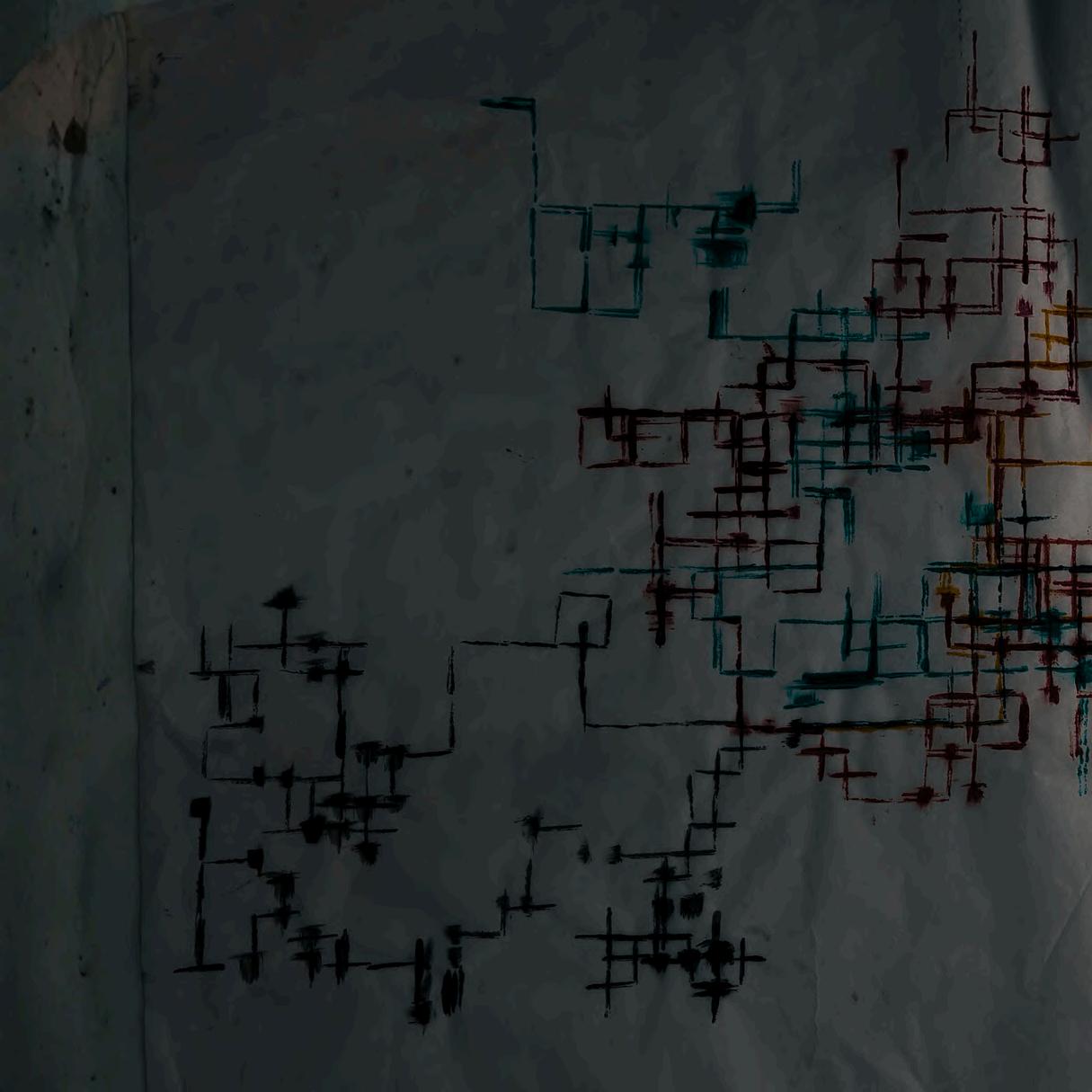
Rubik s neither solely emotion nor solely ogic each influences the other
Combning abstract strokes for emoton with the system for logic shows six patterns moving n different directons with varying stroke ntensity Yet ths revealed nothing new it remained simply lines of differing thickness
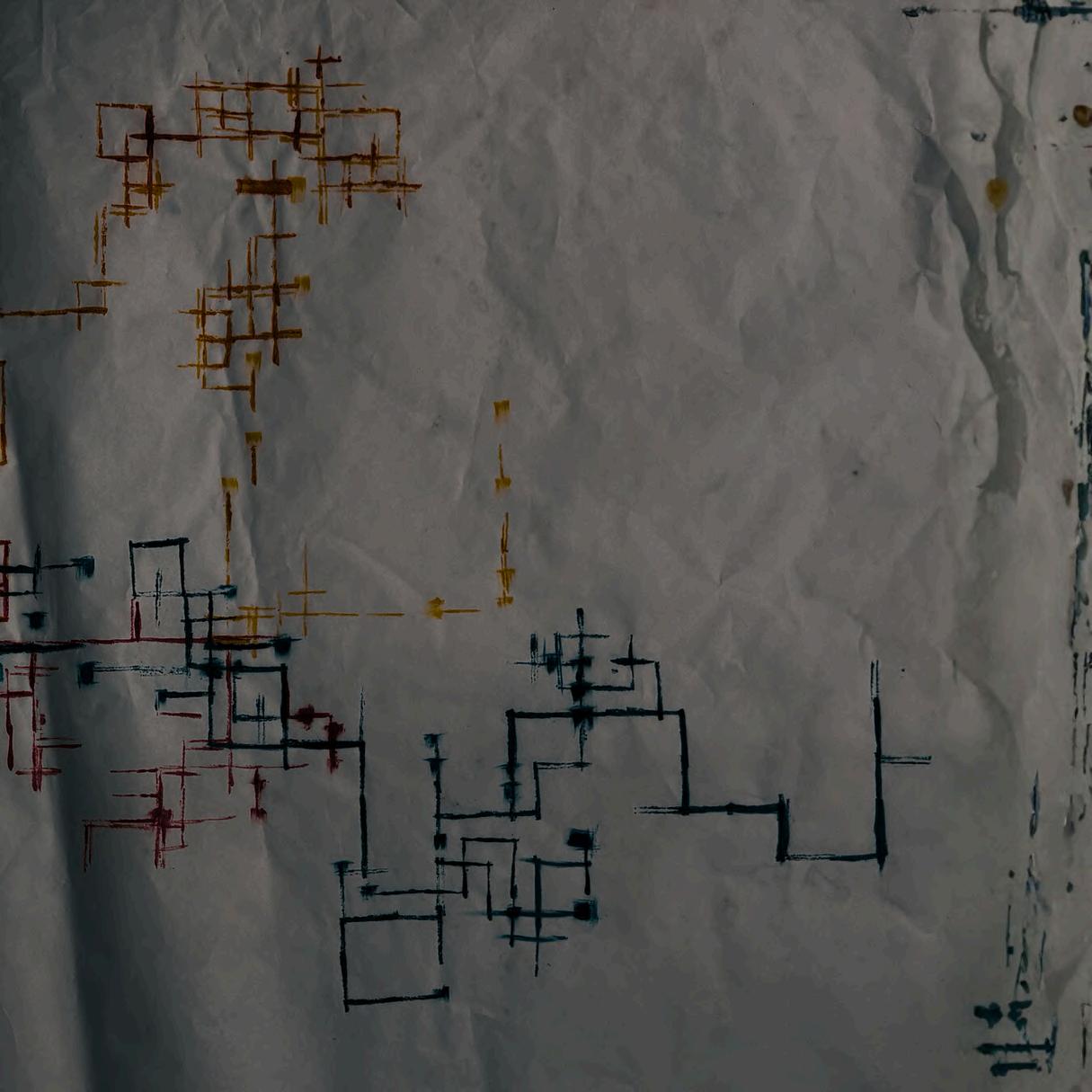
What acutaly delayed new discoveries was the use of color In trying to prove that six dstinct dimensiona forms coexist within the Chronoscape coor became a distraction I kept using it to make each layer distinguishable from overlapping on 2D but then wondered what if I lifted all six patterns off the ground to prevent using color to prove there is six dfferent dimensions on 2D but what if I go to 25D focused on the invsible connections formed by the gaps between them?
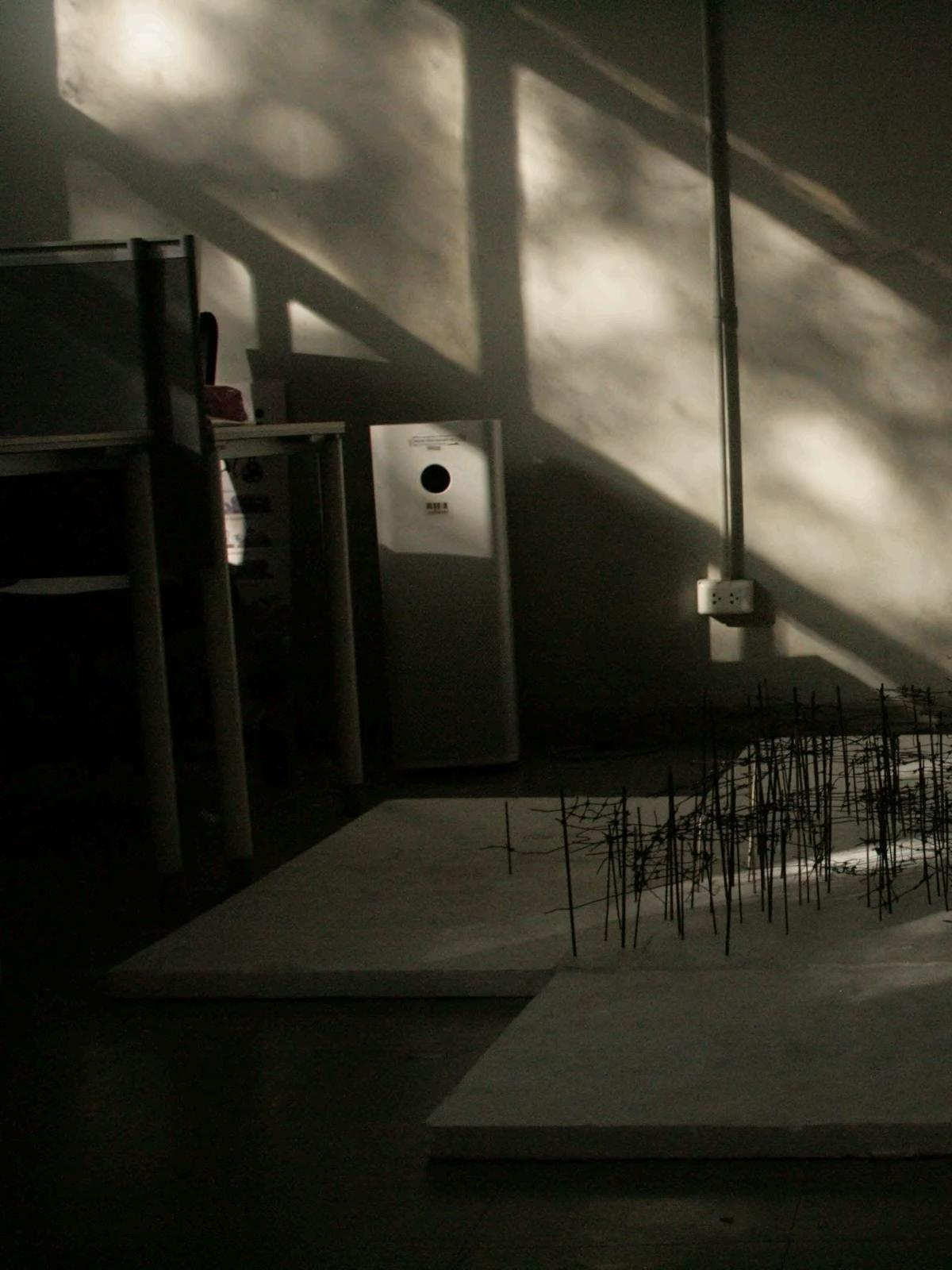
Here wires were used to track the system inspired by abstract art bent unevenly rather than smoothly This revealed that color was unnecessary to convey emoton just the unevenness tself communicates the intensity of feelng within the systematc logic
A single move of Rubk is nothing in real ife but one sngle click sound in mind can make changes to endless possibilities
Watch huge changes of patterns as the foam board is rotated one time considered as one single move of Rubk [Vdeo No3] from the playlist on
p_01.03
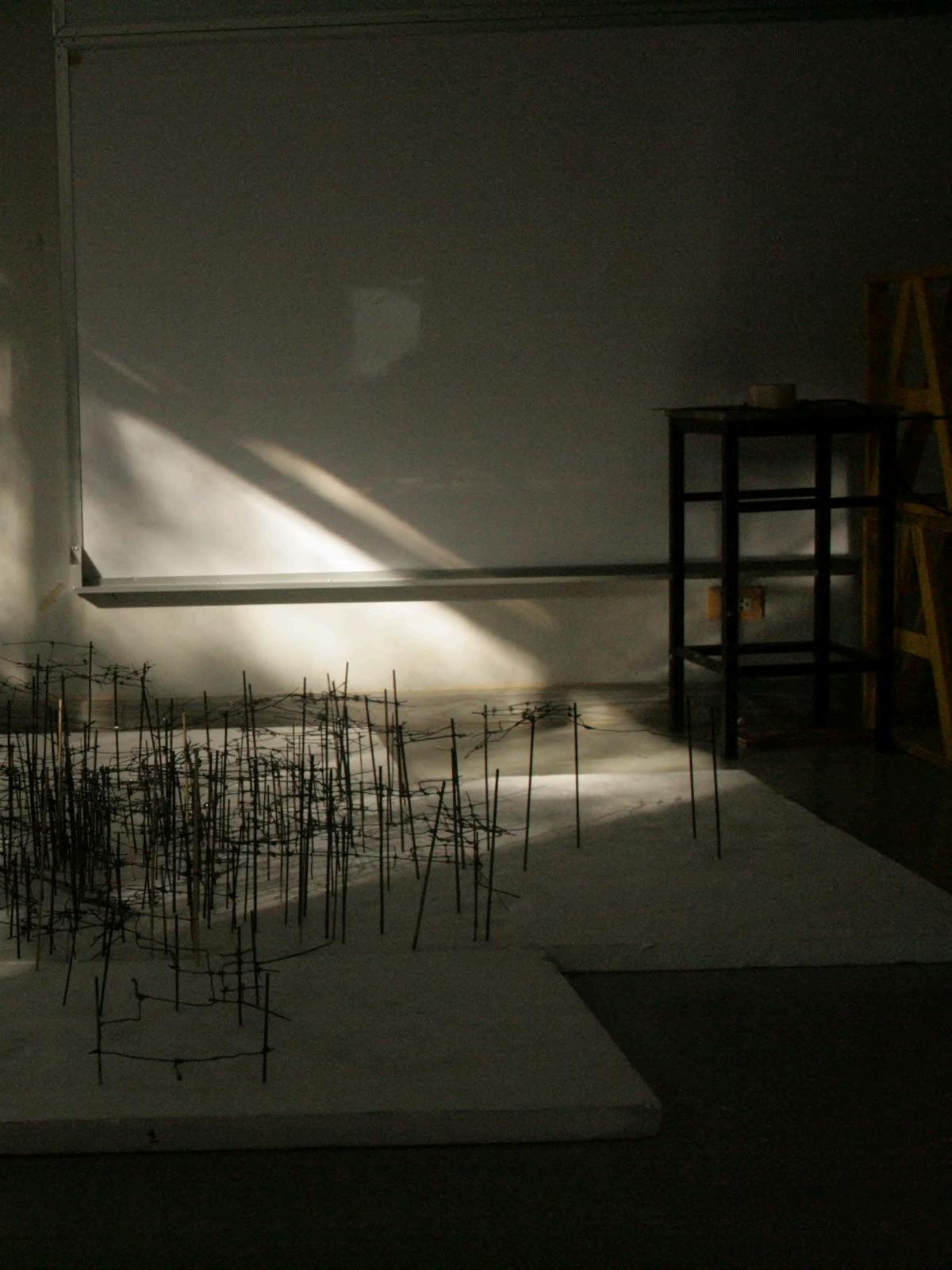
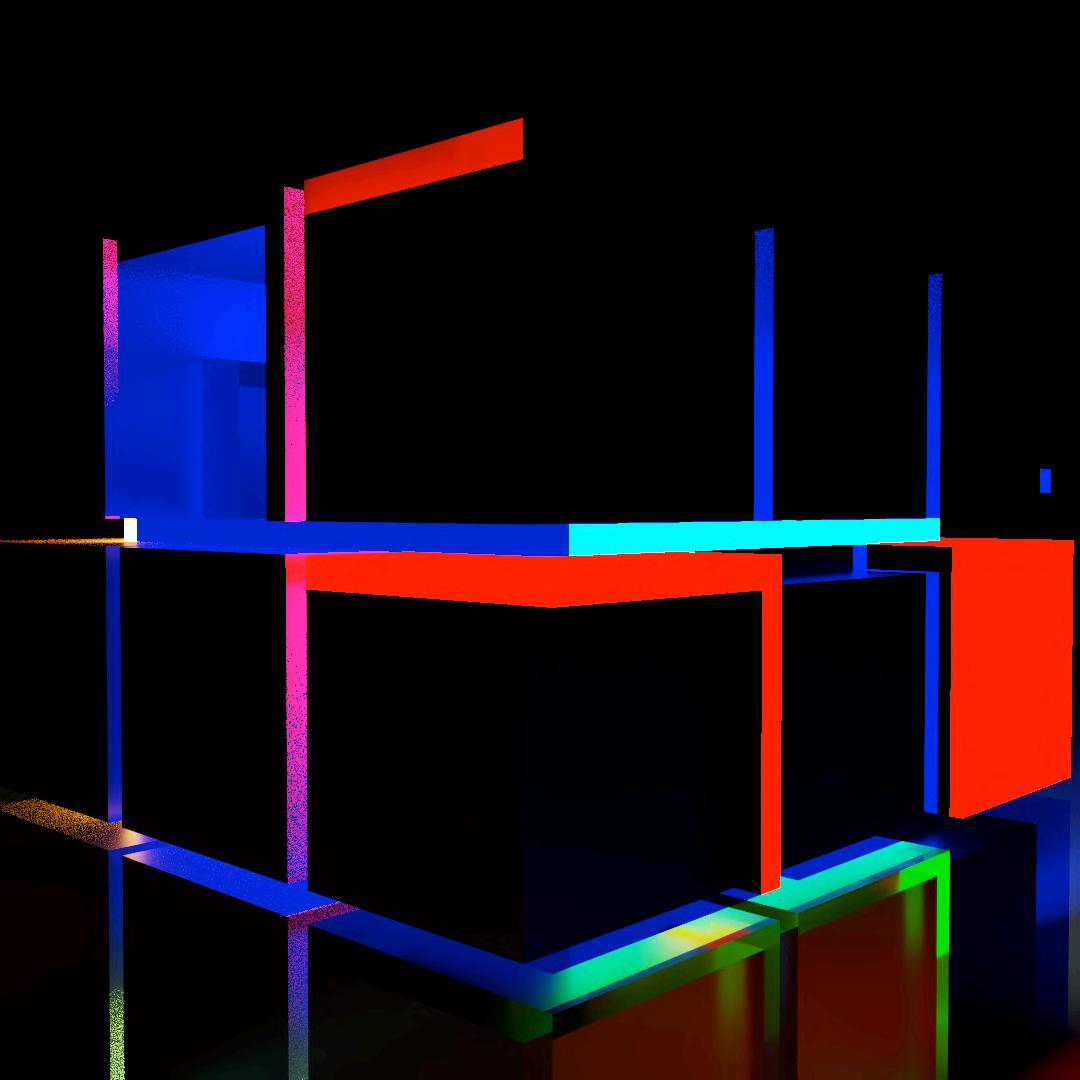
Mind-Fold s a scupltural art and conceptua nterface where cogniton perception and temporality converge It reveals the hdden architecture of thought and decision showing how action choice and latent potenta nterrelate Critcally Mind-Fold interrogates the dstinction between appearance and process What seems static or discrete on the surface the wres the lines the patterns are actualy a record of continuous micro-tempora fluctuations Mnd-Fold also probematizes percepton itself Observers experence multiple coexsting logics and intensities smultaneousy, forcng a reconsideraton of scale rhythm and causality The uneven sculptural lines suggest that ntensity s not always proportional to magnitude: subtle deviatons can carry as much cognitve weight as obvious actions Emoton logic and time do not merely coexist they co-author each other producng an emergent landscape that resists inear interpretation The work reflects on the atmosphere of probabiity collapsing into actuality and how observation shapes percepton emphasizing that understanding s always relational and perspectival


p_00.00
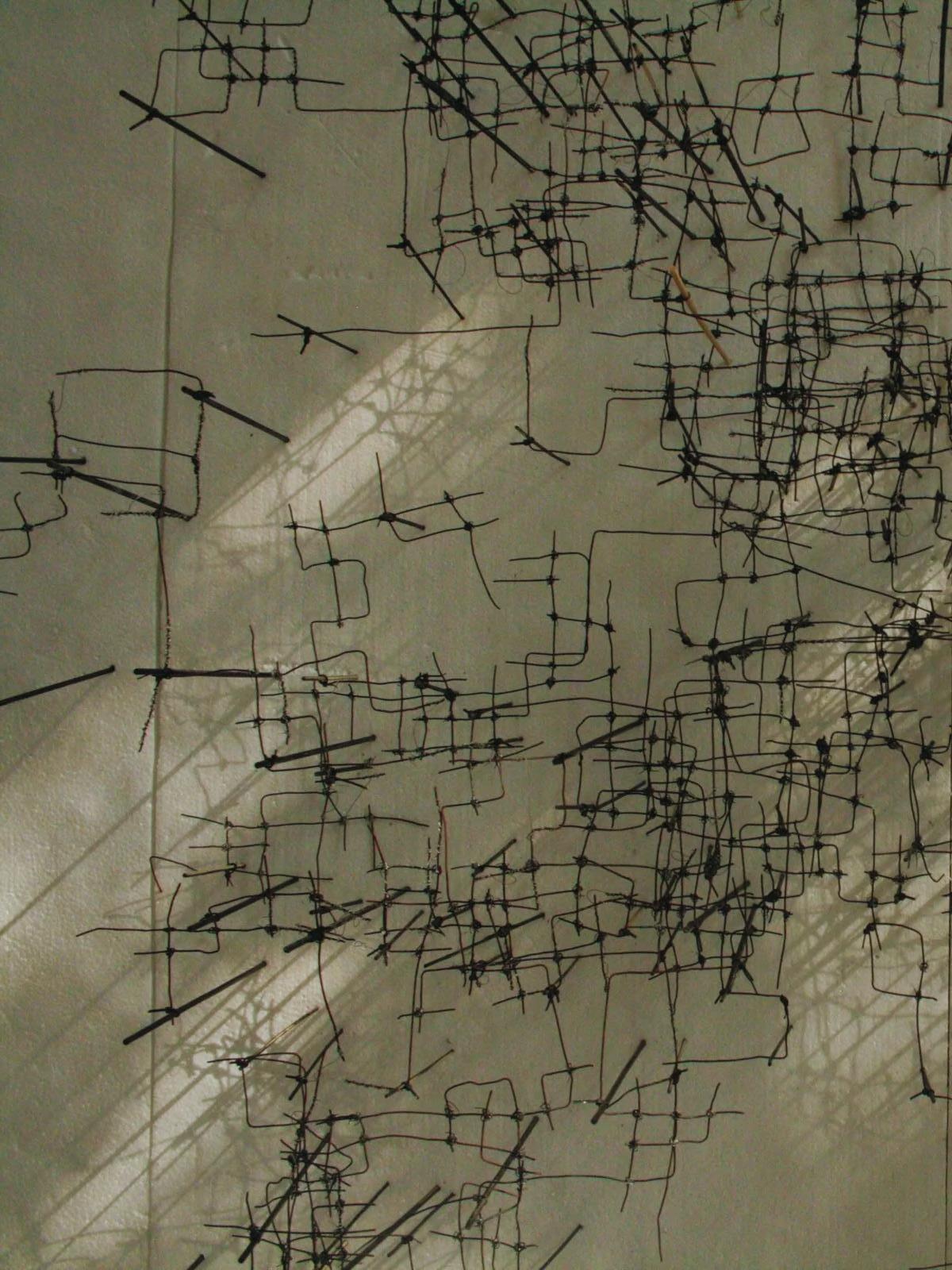
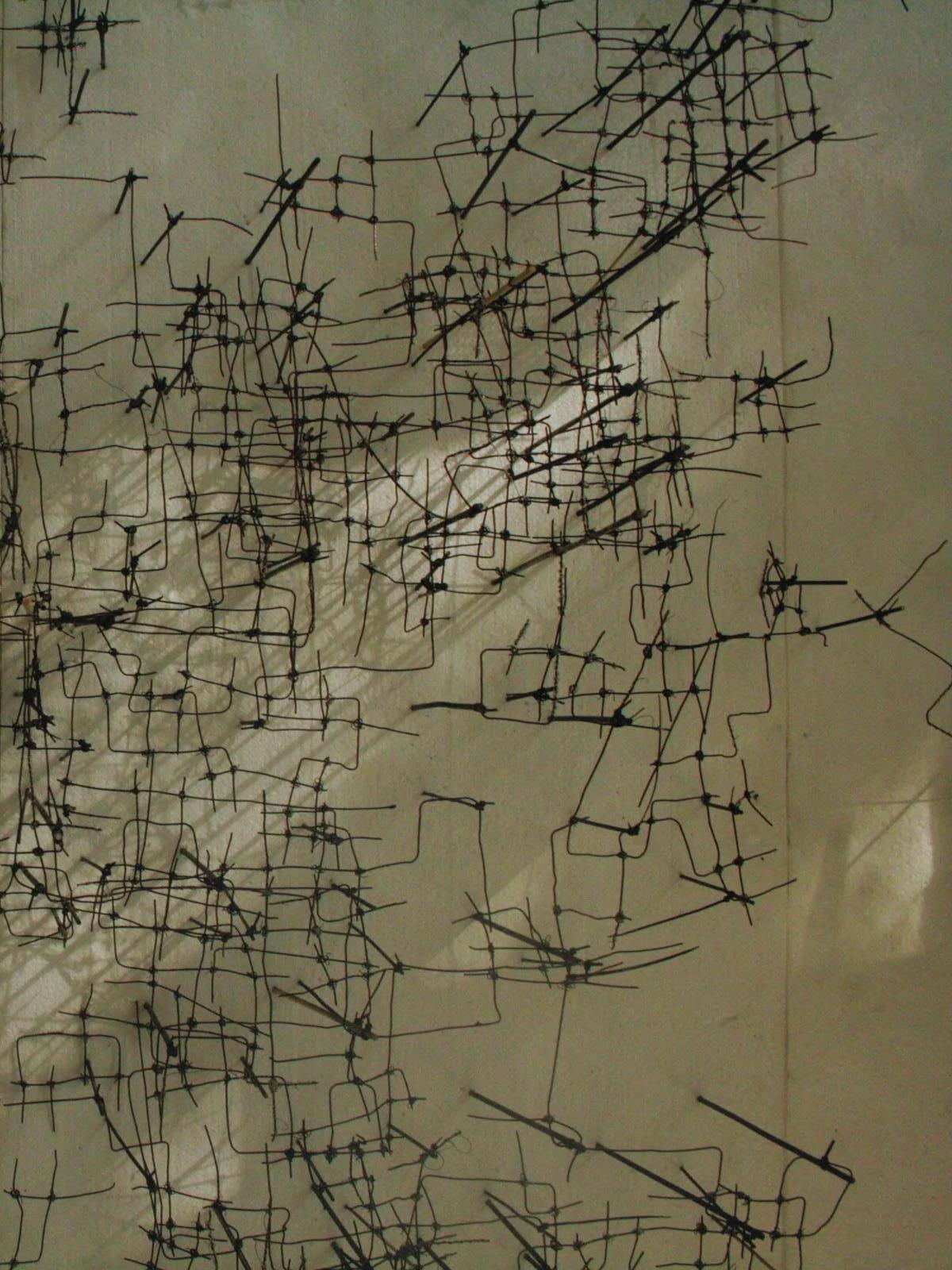

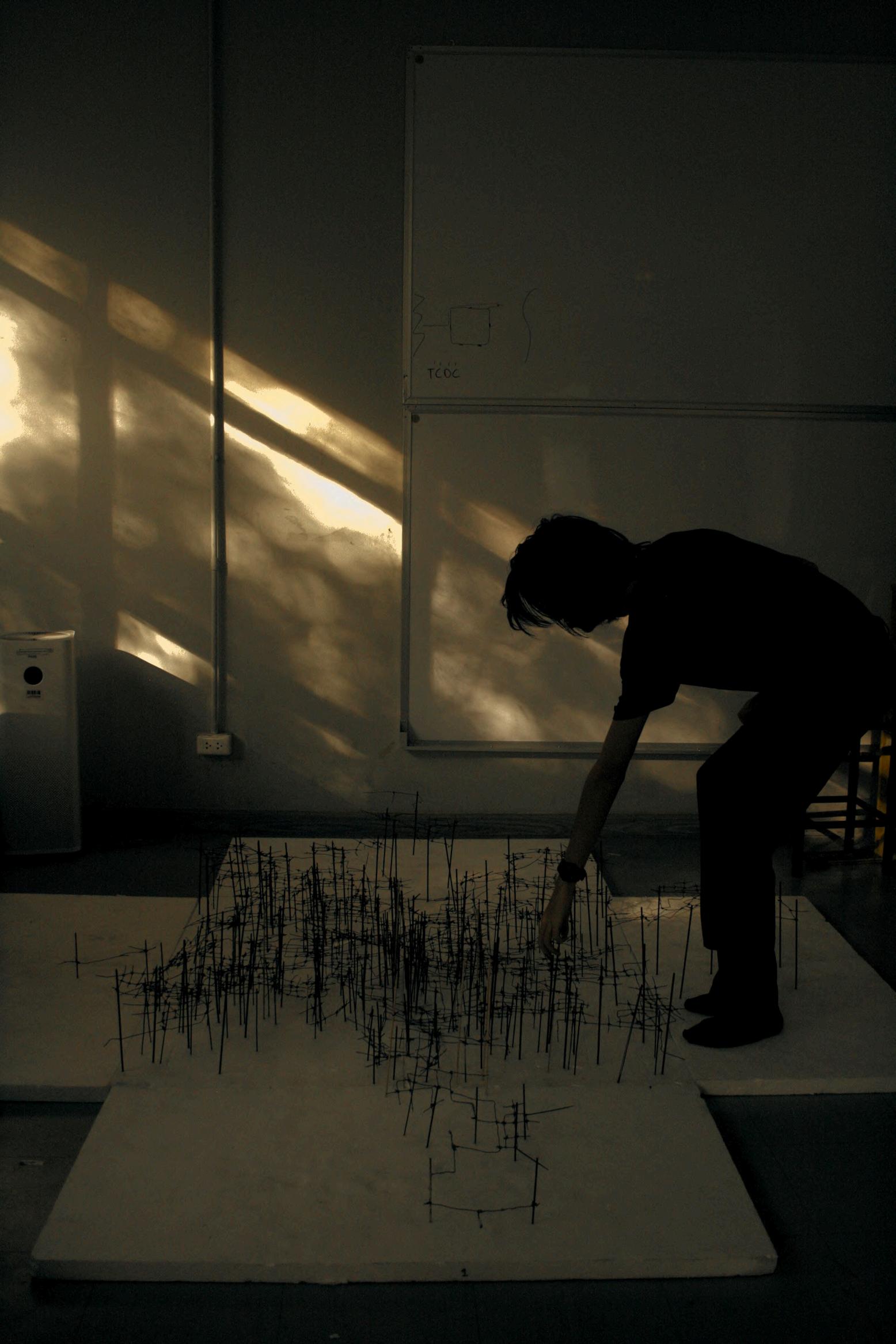

From this stage Mind-Fold revealed the distortion between emotion and logic Neither could be distinctly seen the emotiona expression from the artwork nor the systematic order from the ine drawing but both could be felt as they merged into one continuous experience Ths fusion left traces of density and void withn the dimensional space Interestingly even though the six wire patterns were lifted off the ground and never physically touched they still appeared interconnected This paradox led to a new curiosty perhaps what binds them exists not in the visble connections but in an unseen dimension that mght be called height, something beyond our conventional understanding of verticality


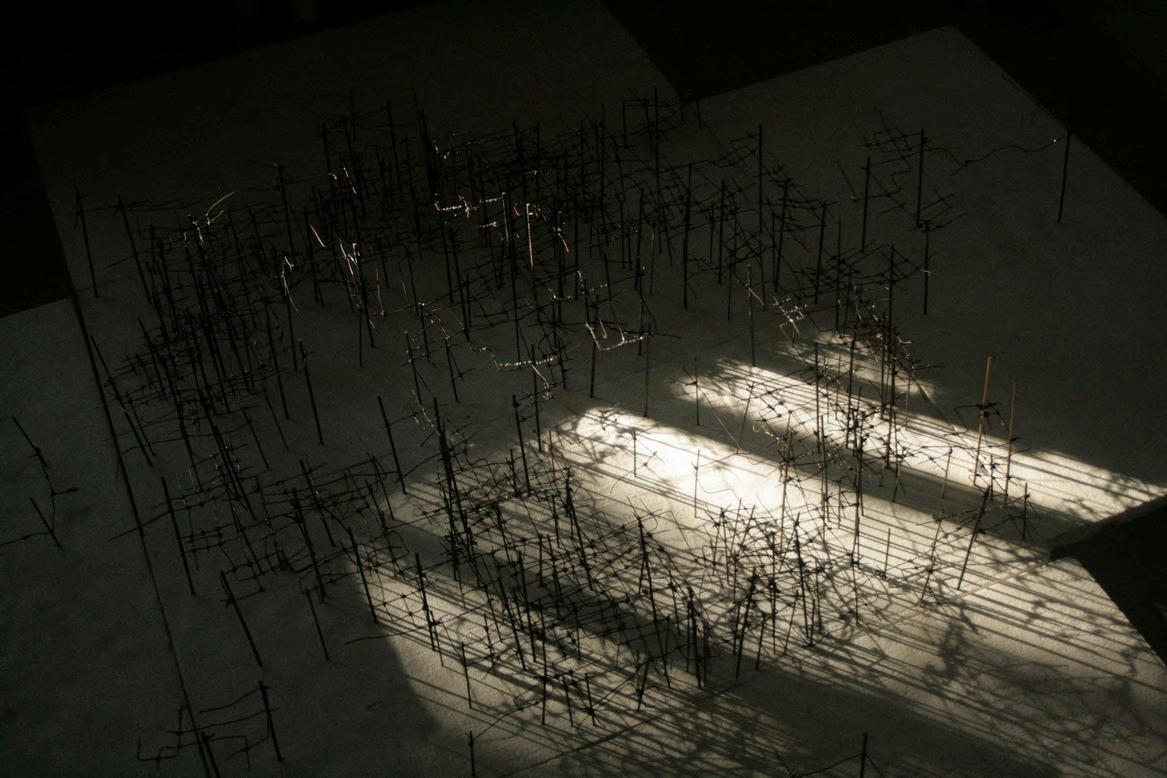
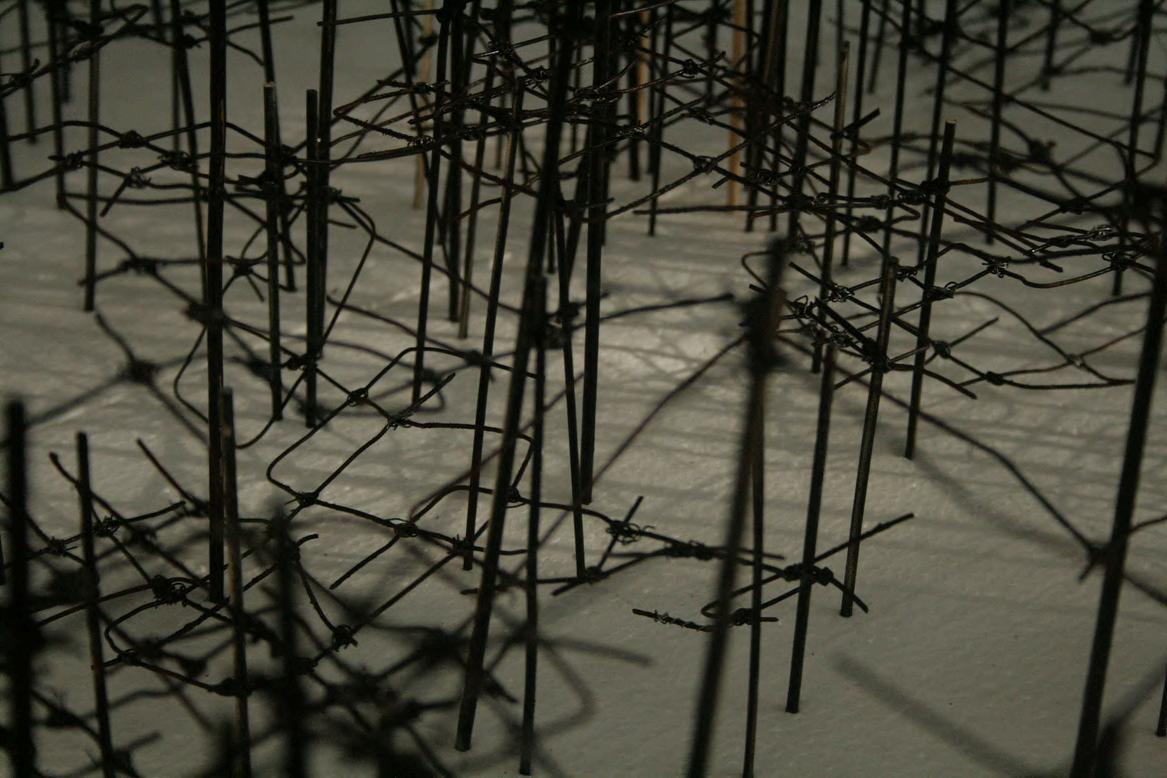


Lght and shadow serve not as subjects but as assertive tools to revea depth within the system When shadows are cast the structures hdden layers begin to surface suggesting that the flat 2D perspectve is not yet fully actvated Conceptually shadows expose aspects of the mind and decsion-making process that remain unseen echoes of the subconscious that quetly shape visible outcomes This revealed dmension defines what can be understood as height
Watch how light and shadow transform the Mind-Fold creating hidden depth on a flat surface [Video No4] from the playlist on
p_01.03
Using TouchDesgner the shadows reveal complex layers making orientation ambguous and highlighting the unseen structures of thought Different light postions create different shadows Imagine the light as your eyes When you move your eye perspectives the heght s changing too Using the law of relative quadrants in 3D movement leaves shadows that accumulate and from a fina vewpoint the subtle forms and shadows may appear to touch This perceived connection defines height or perhaps there is no fixed height width or length only perspectve This explans why the six wre layers of MindFold never physically touch their relatonal depth is hdden from that persepctve not absent









p p and cognitive: t makes visible the hidden architecture of thought and feeling allowing the mnd to navigate its latent dimensions It proves thoughts are never "fully fixed" Because the Third Space is always changng based on how you look at the sculpture (the light/shadow test) it proves a bg philosophical point: Your feelings and thoughts aren't lke stones that can't be moved They emerge dynamically as perspectives shft
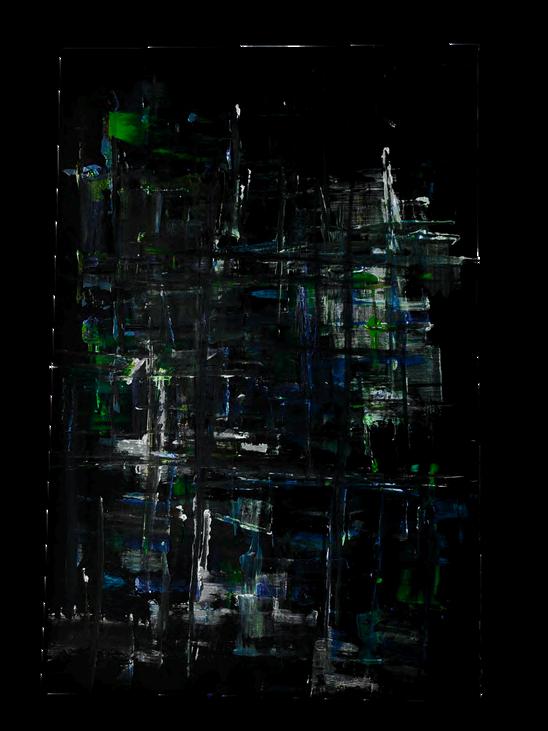
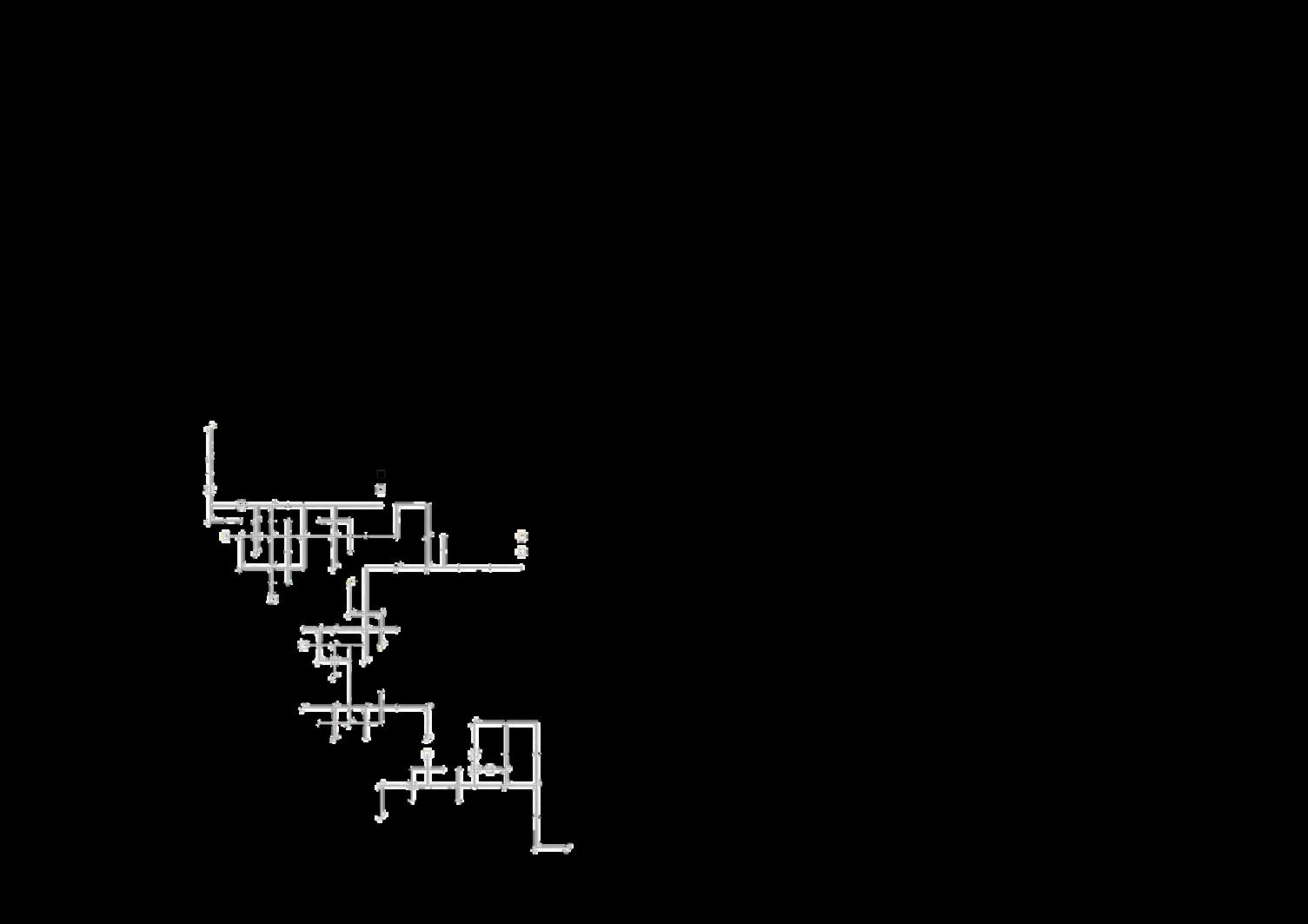
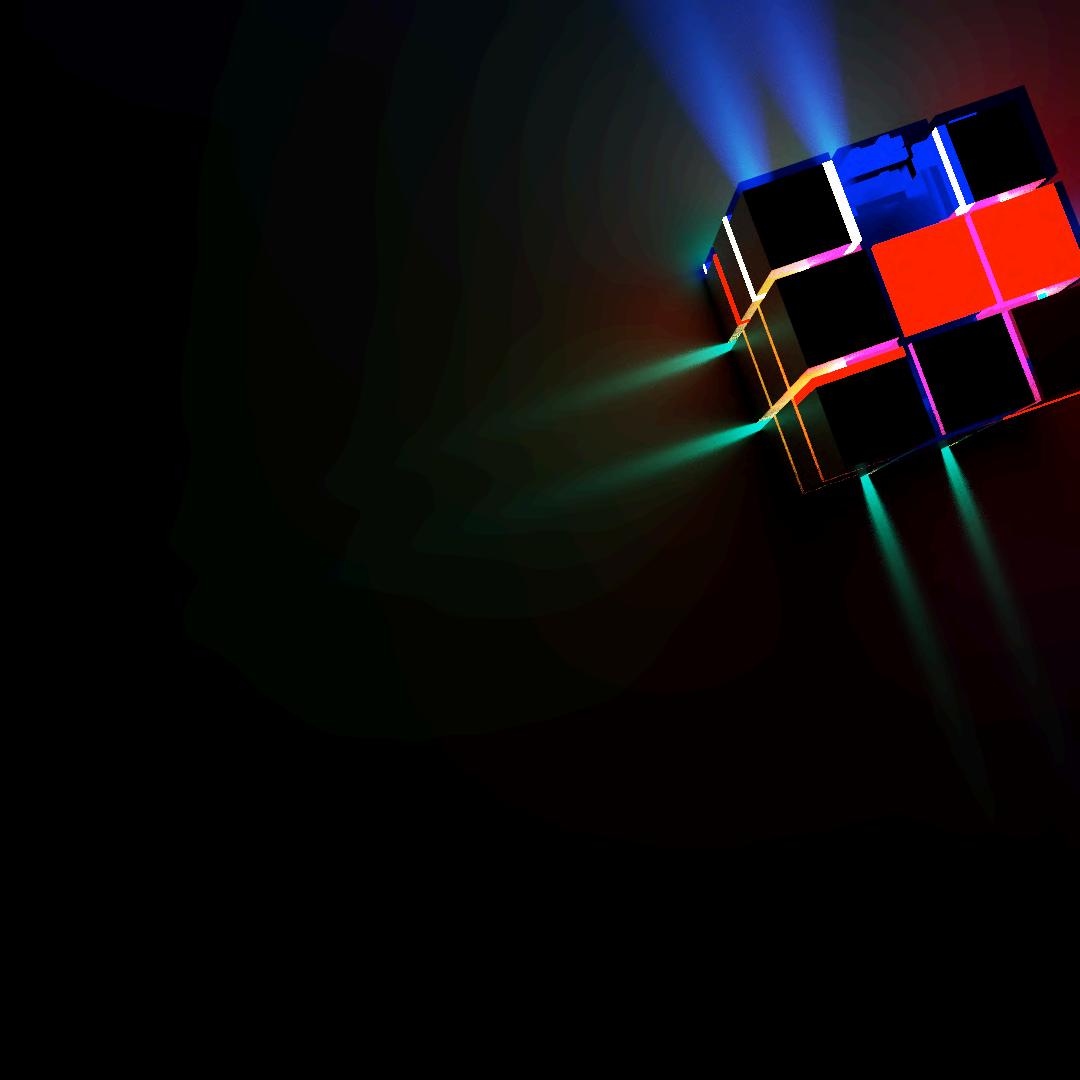


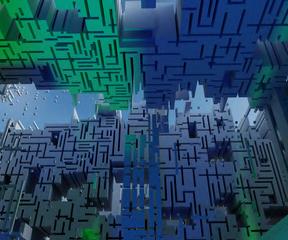
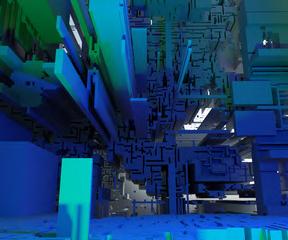
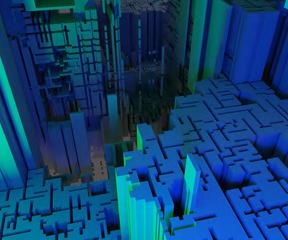
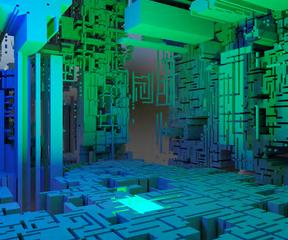
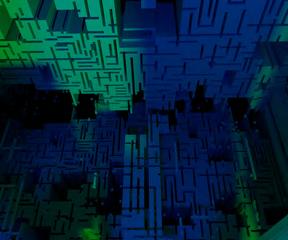
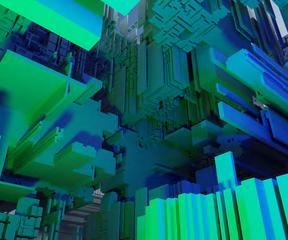
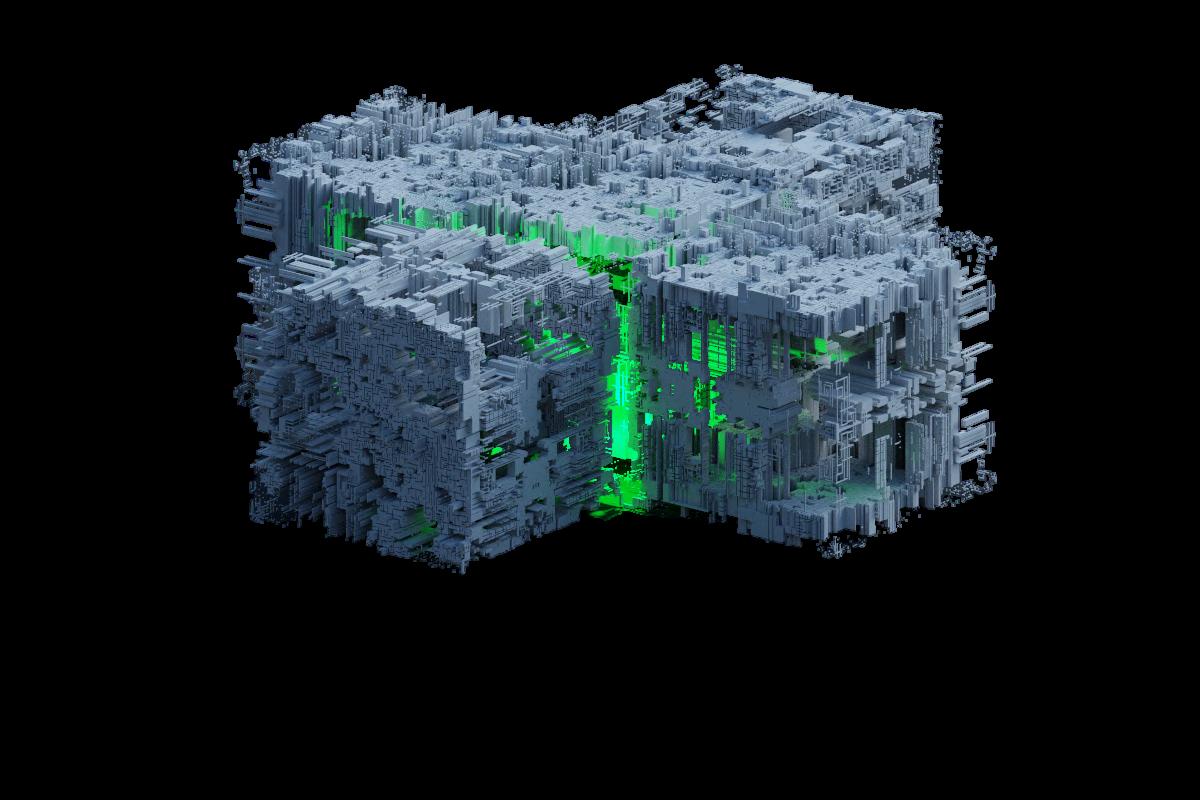
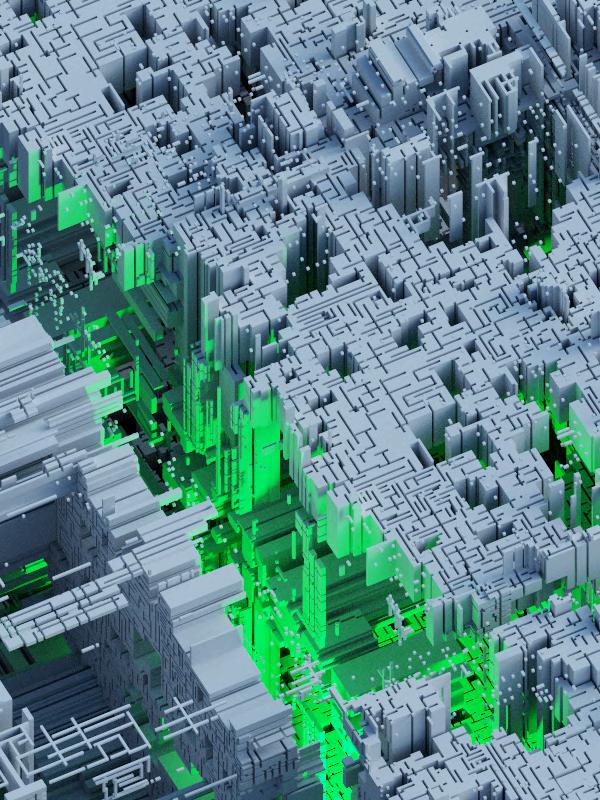
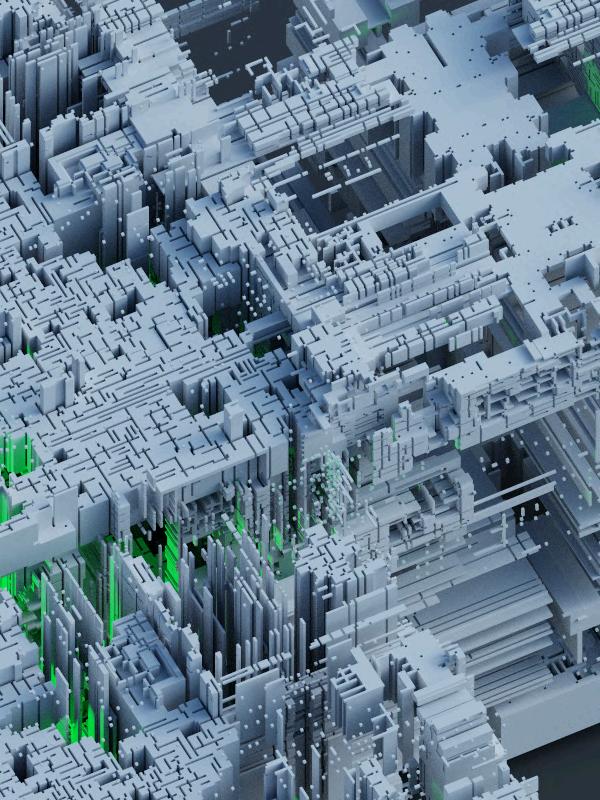
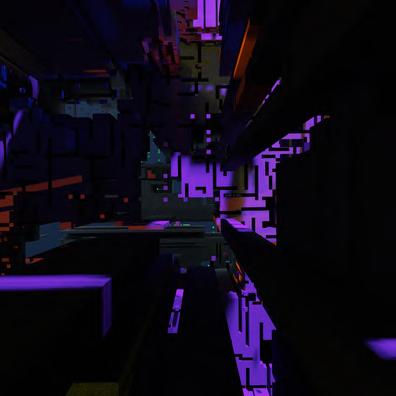
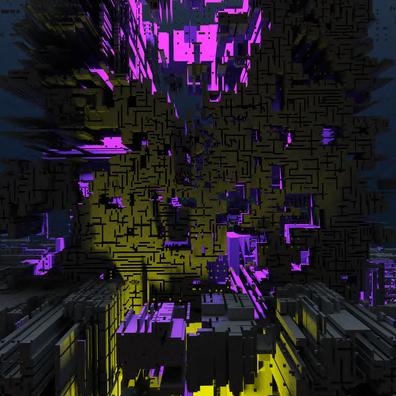
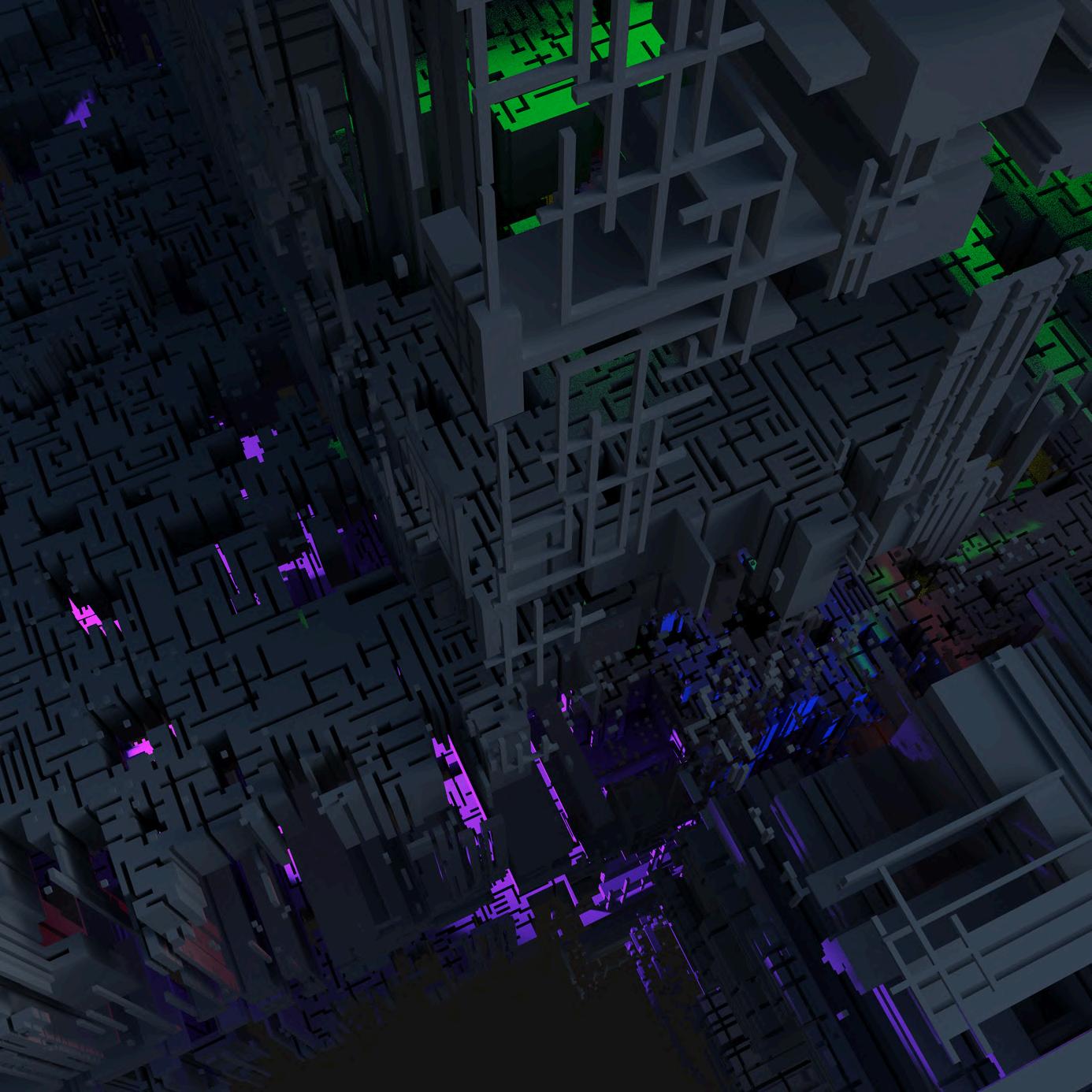
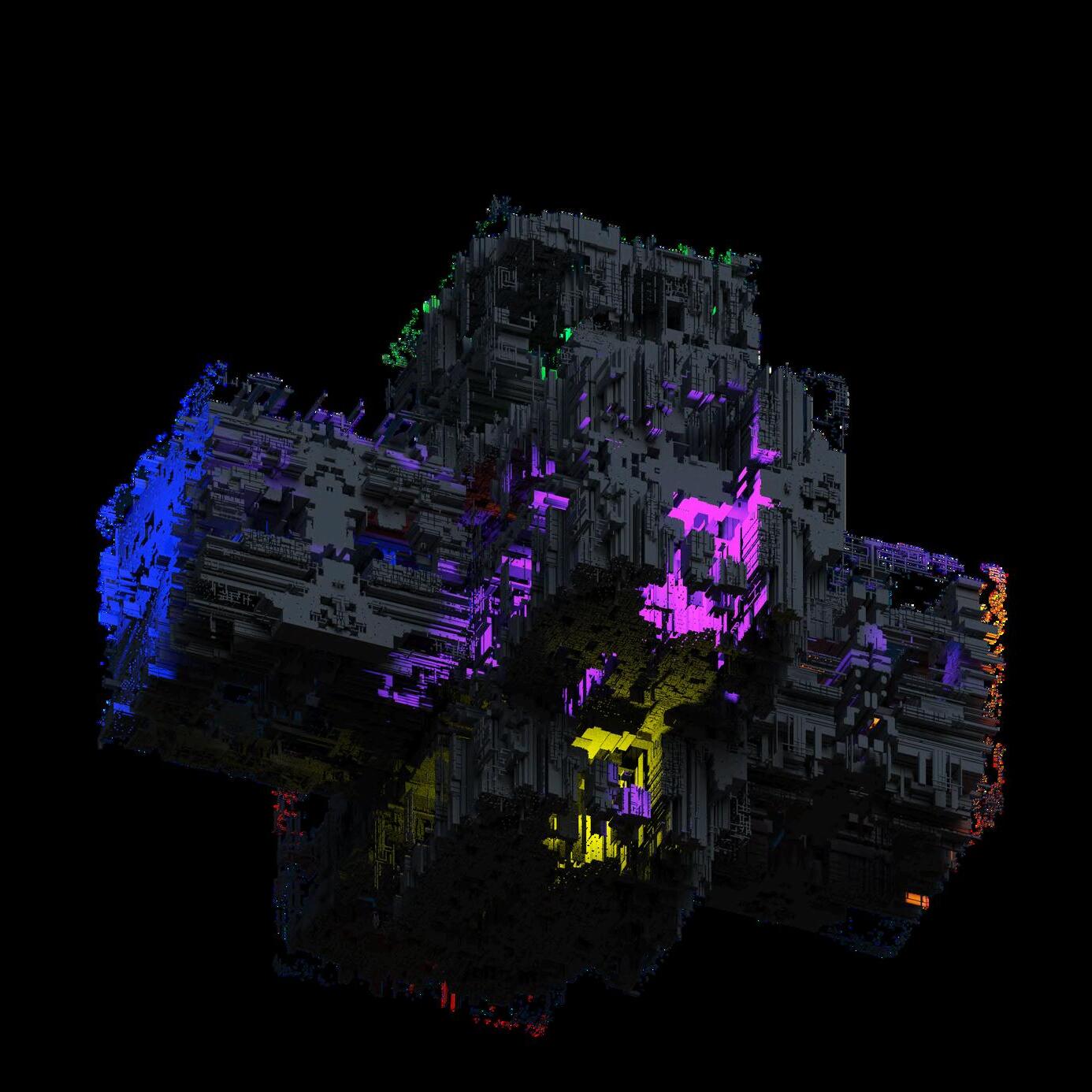

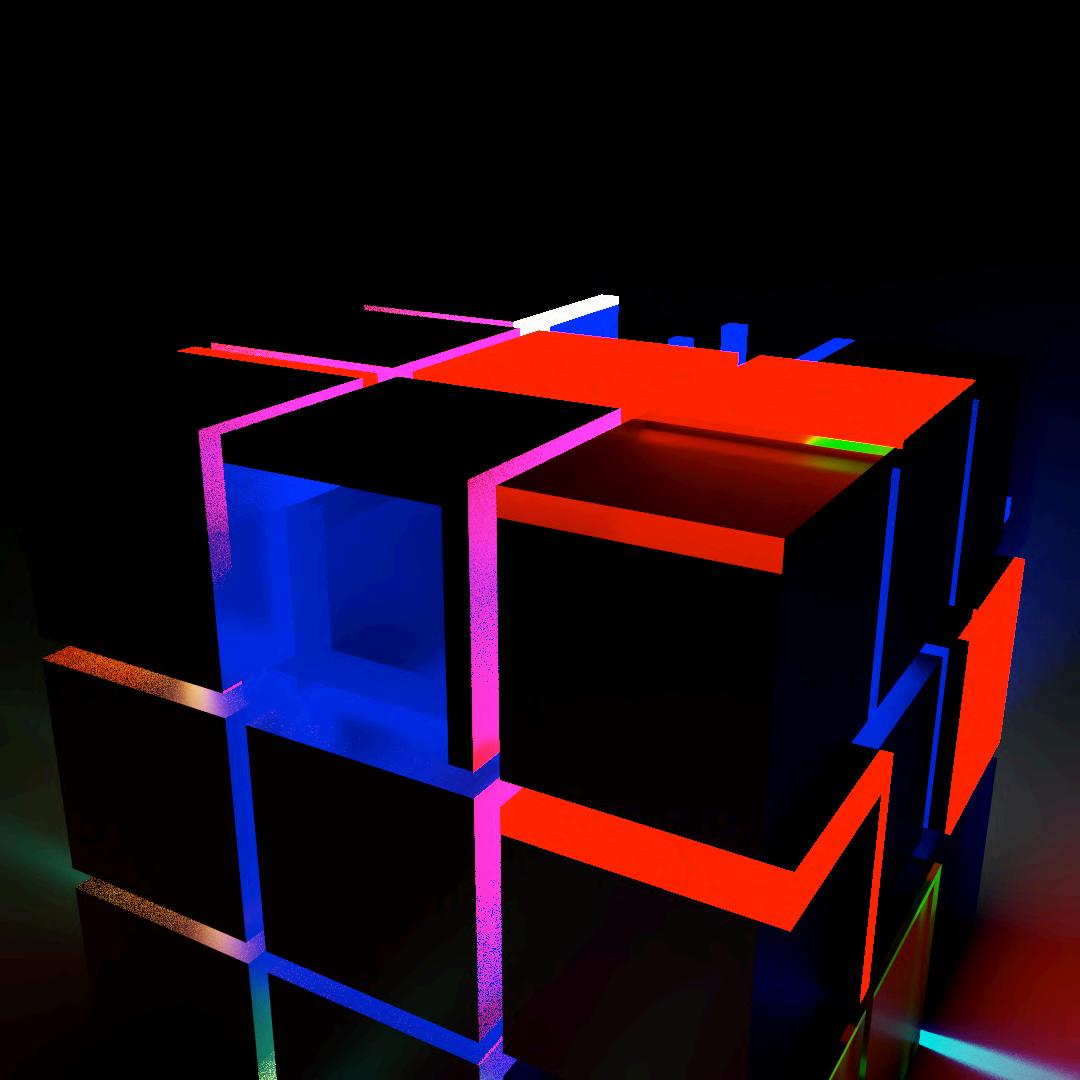
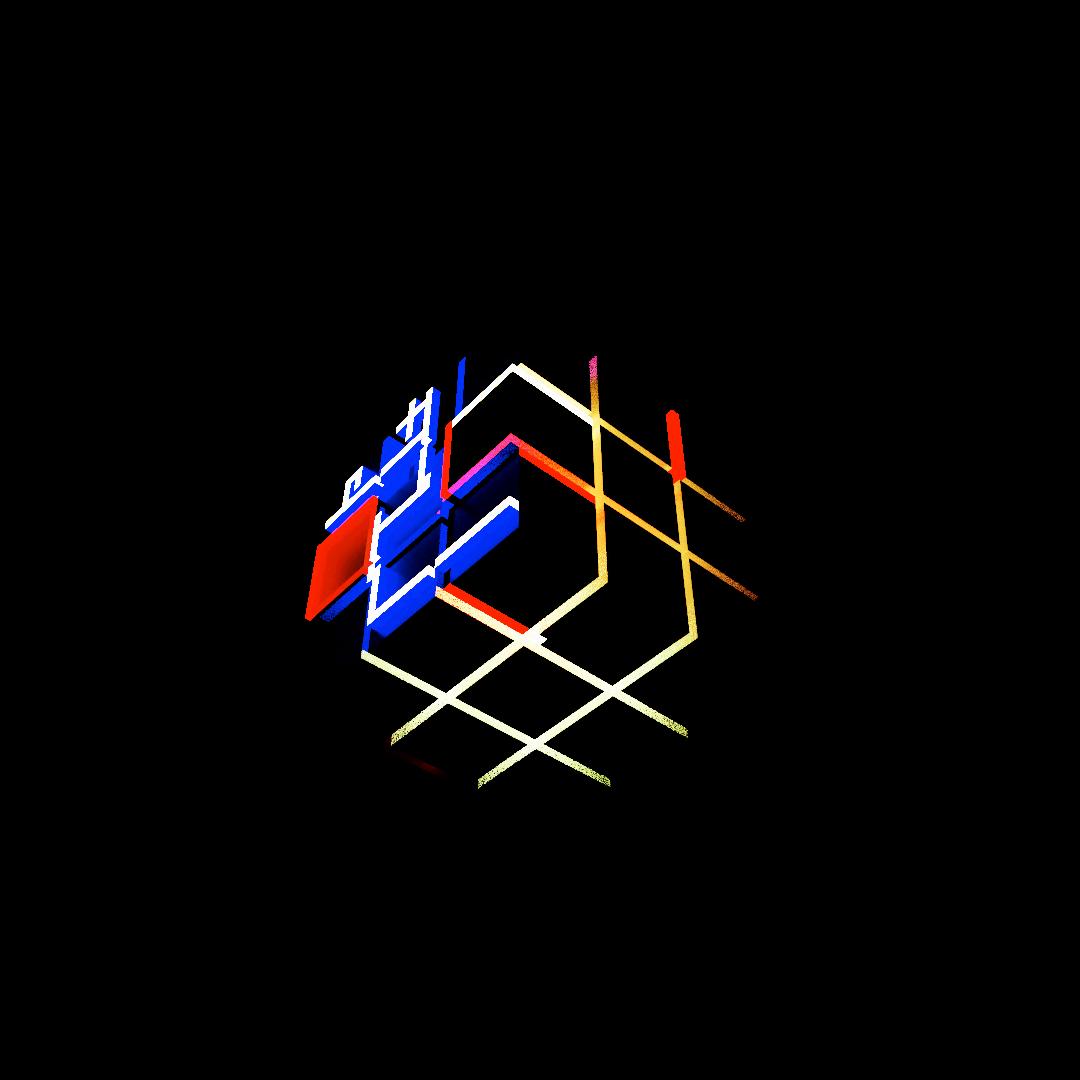
Adding more cubes and experimenting with larger szes and different coors revealed new insghts The resulting “ sugar lumps no longer represented emotion or logic but functioned as a massive cube detached from the orgna concept
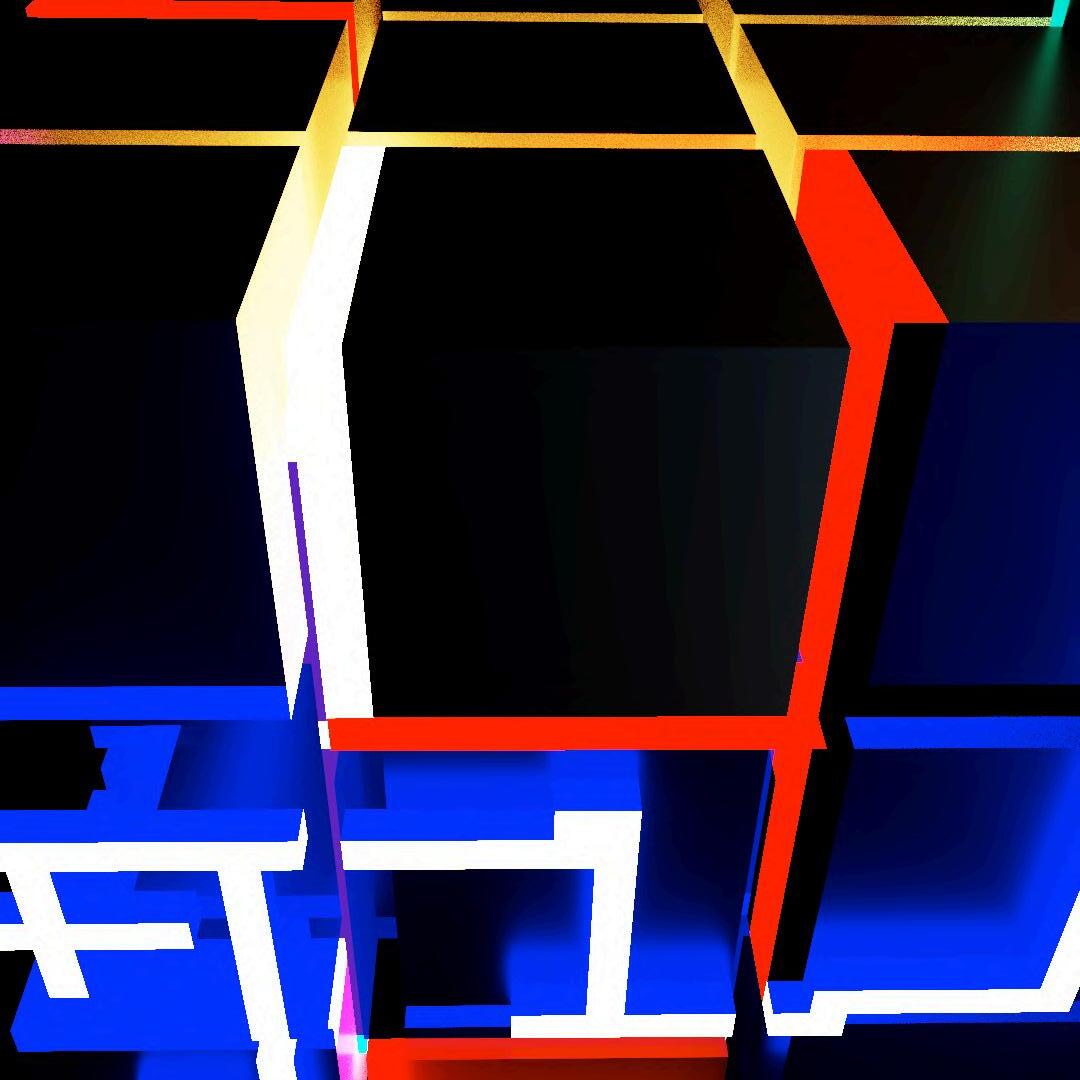
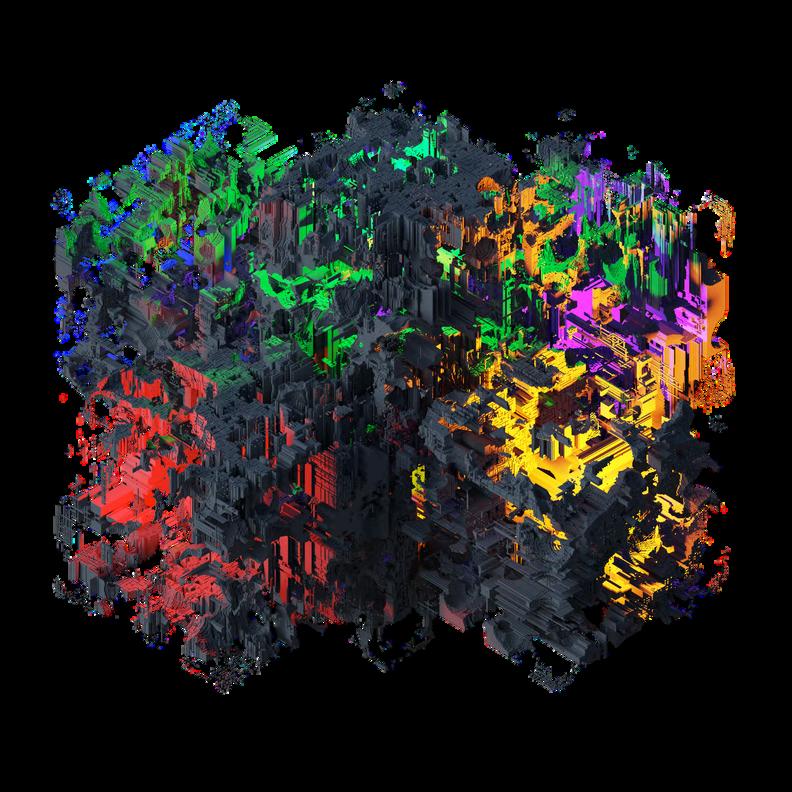
However usng multiple colors helped make aspects of the system visible or hidden echoing the prevous shadow test concept how elements appear or disappear depending on perspective and movement over tme I reaized that the model needed to be larger to convey the sense of endess possibilties
Platng darkness and glowing lght enhanced the edges, making the forms sharper and more defned whch helped reveal the “third space ”
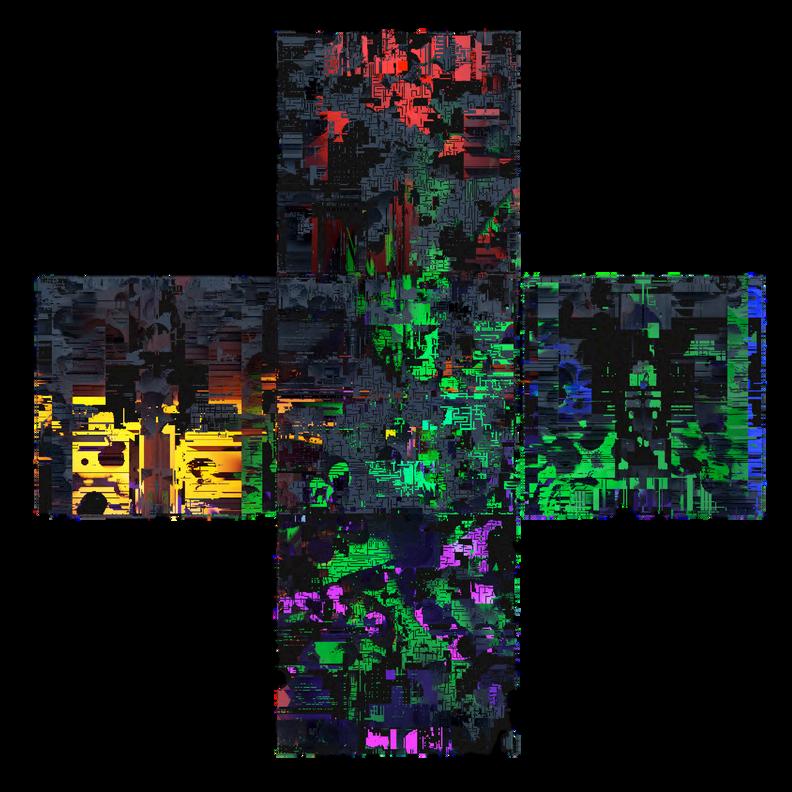

In an effort to move beyond the sugar lumps the model was deconstructed, though the results were stll mperfect This process, however, revealed how to compose areas of greater density and areas of void These initial steps heped conceptualize the internal experence even if the externa 2D appearance dd not fully convey it p_05.04

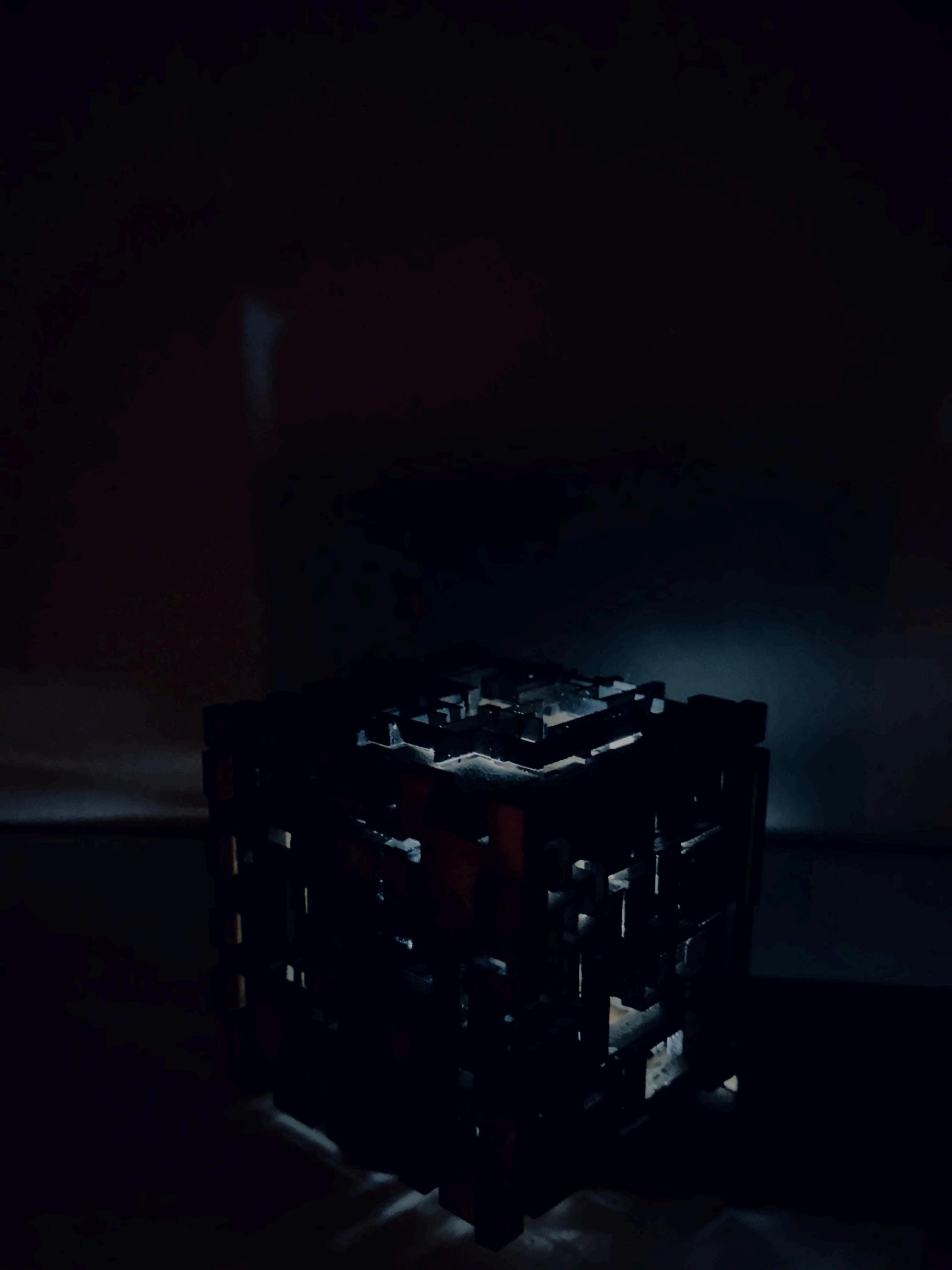

WIn Mind-Fold embodiment doesnt merely mean the body interactng with a system It means the body becomes the space where contradiction s experenced The light shadow and form are not externa conditons to perceive but extensions of ones inner tempo, confuson and decison-making process
So when light passes through the cube and creates this ayered field of glow and void whats being revealed is not just a system of logc but the trace of bodiy cognition the rhythm of seeing the hesitaton of focusng the shiftng of awareness
The atmosphere that emerges is not around the viewer but through the vewer
In that sense embodiment here s not participatory its resonant that the body doesnt act upon the space it vbrates with t The atmosphere is both an emotional and cognitive extension, a mrror to how thought tself folds overlaps and hdes within tself
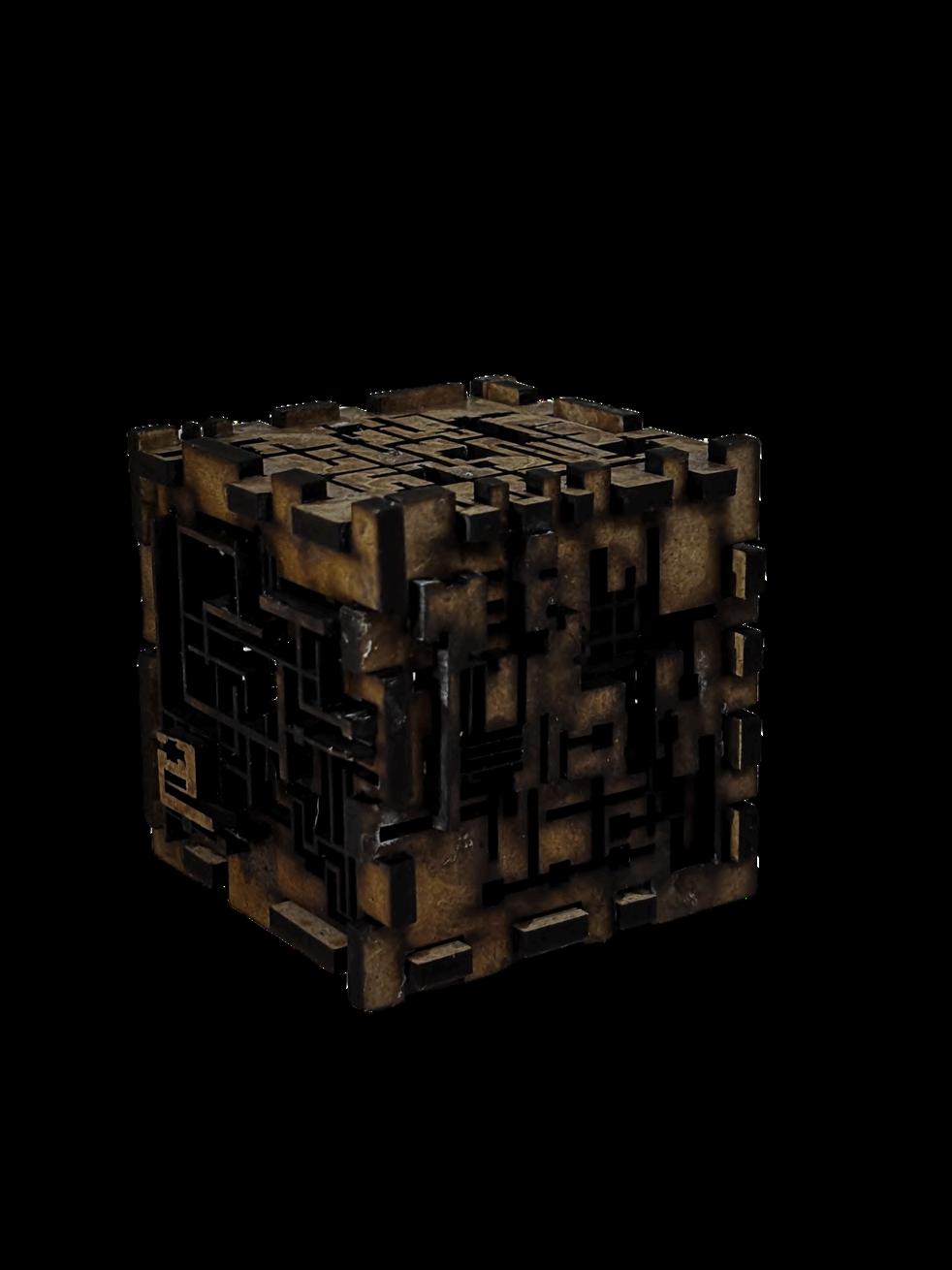
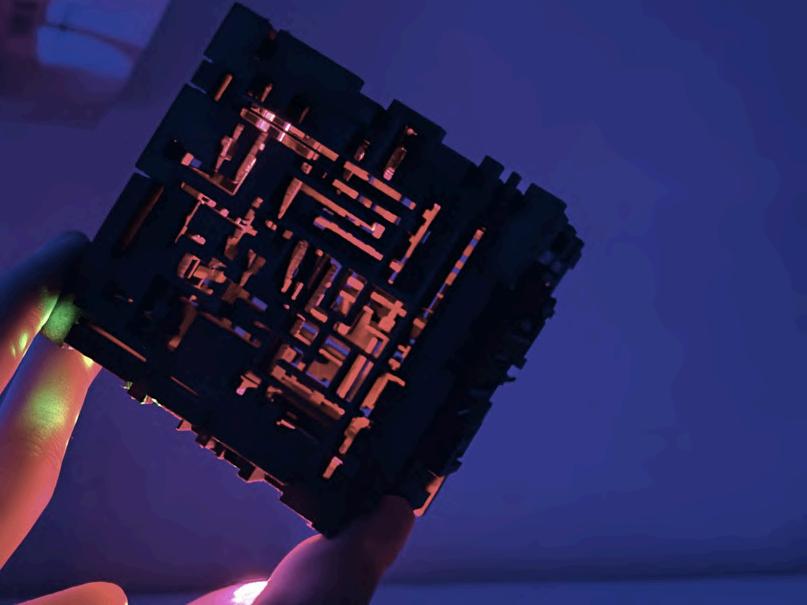
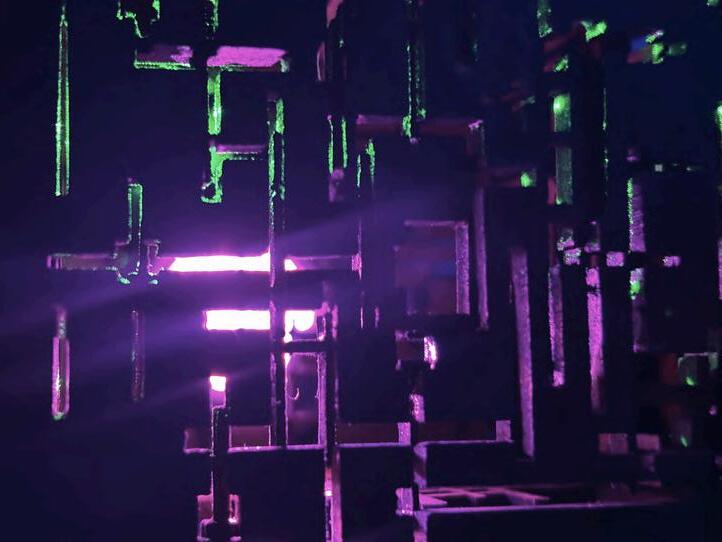
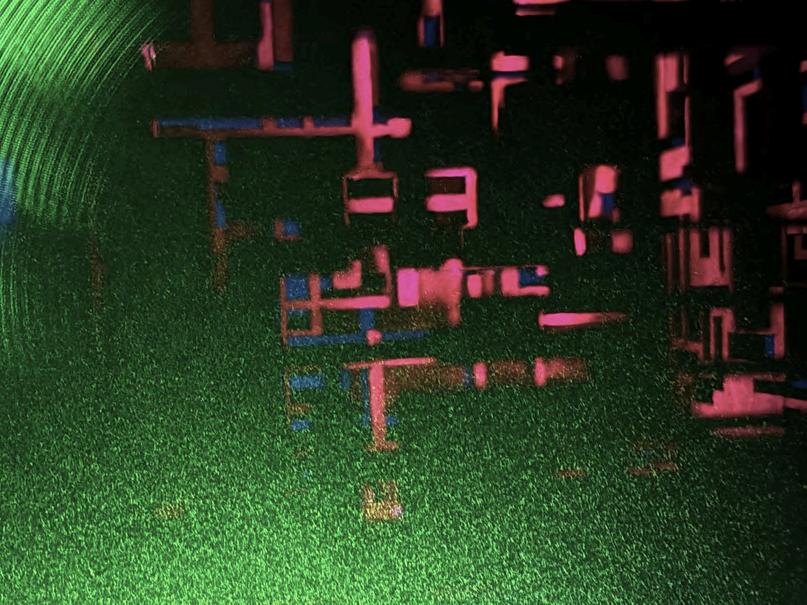
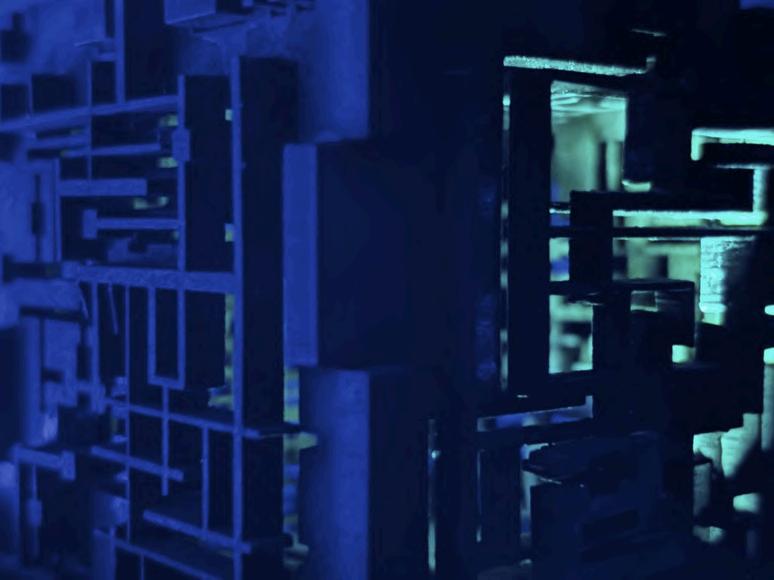
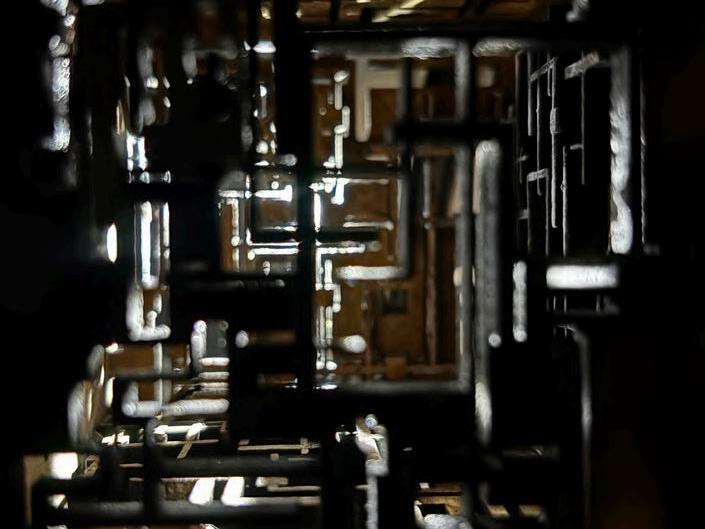
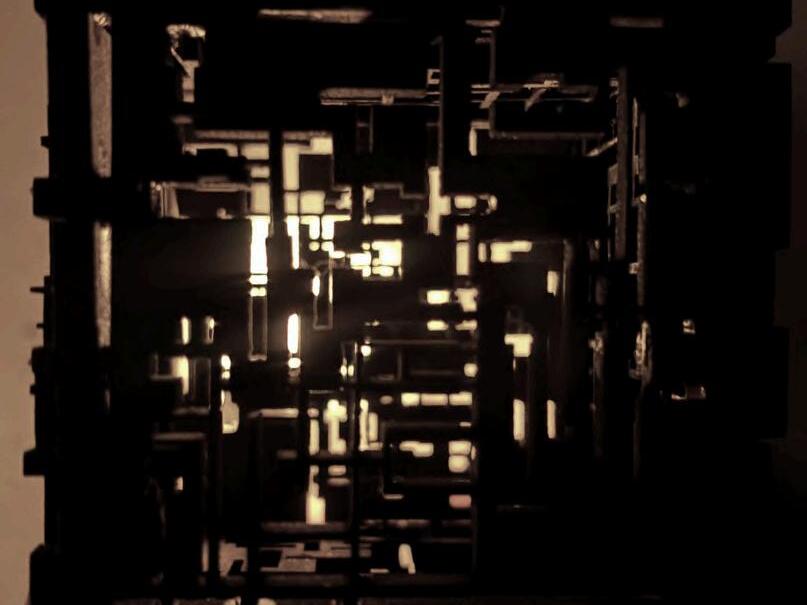
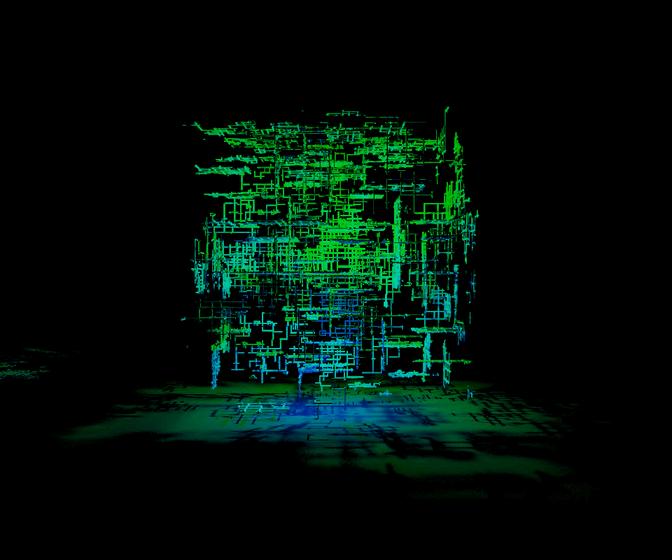
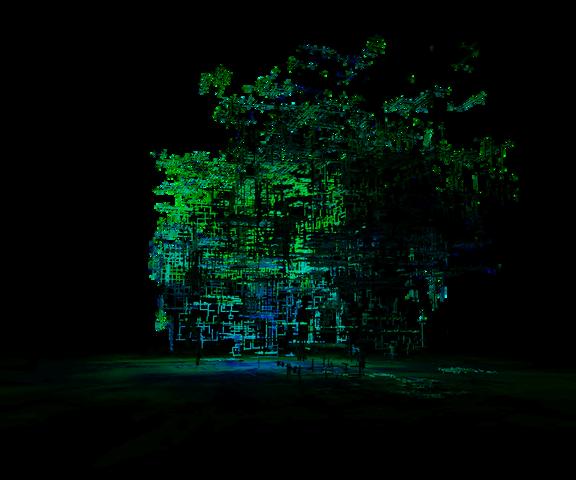
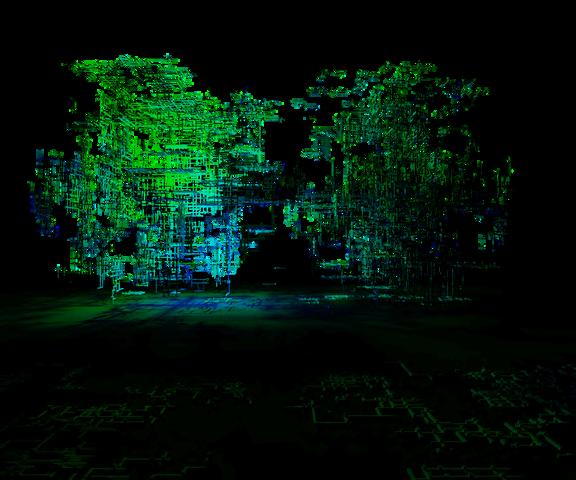

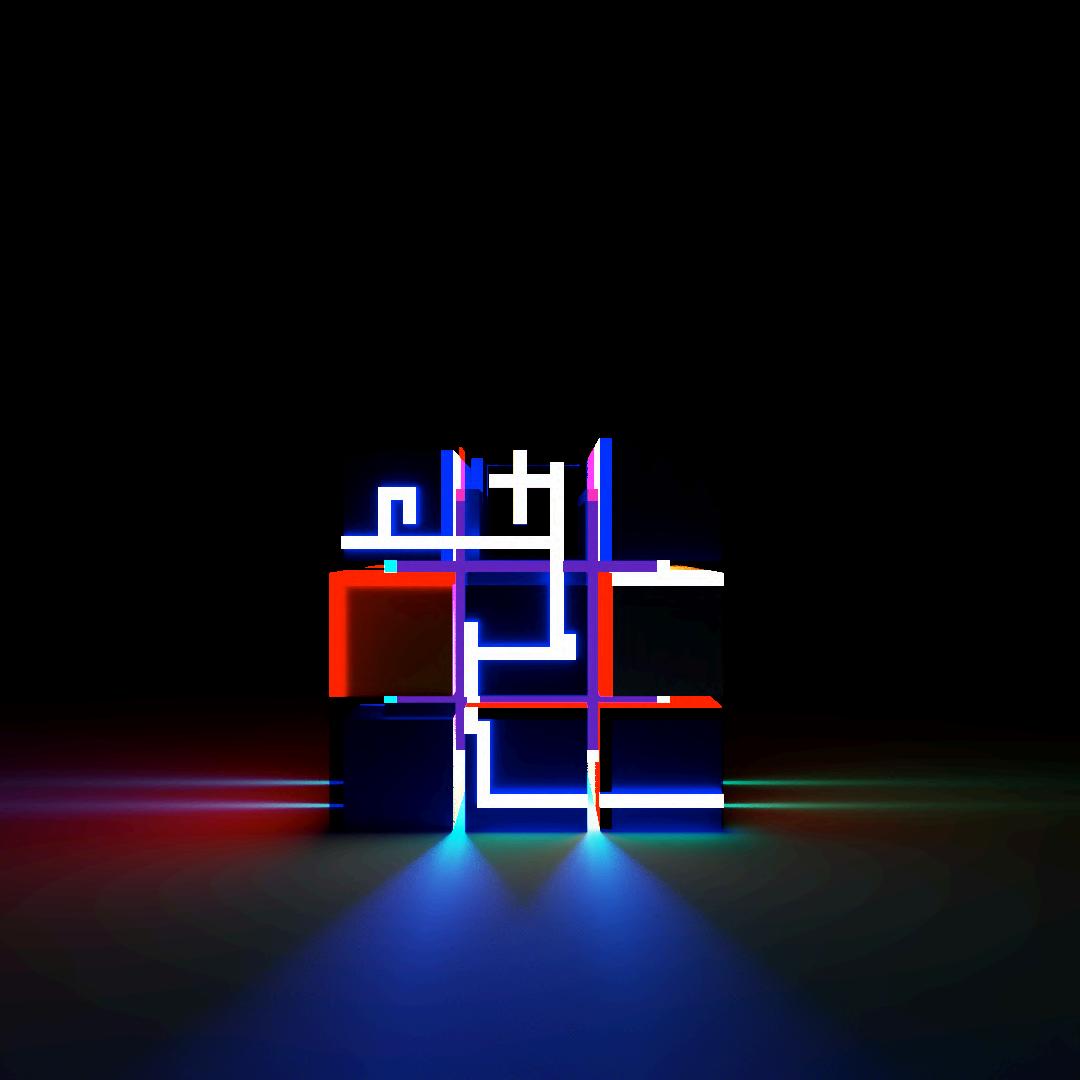
So this phase focuses on reducing all previous experiments into a pure grid framework [direct from 25D work] Using the same logic derived the same shape, the goal is not to recreate form but to generate the inside atmosphere purely through spatal rhythm nterval and algnment
The grid lnes becomes the neutra field where the emotona and logica ayers intersect It no longer describes the cube the wire or the shadow It describes the conditon that allows them to coexist Within this grid every spacing gap and offset acts as a sient remander of thought decsion and menta residue


cing o a rom
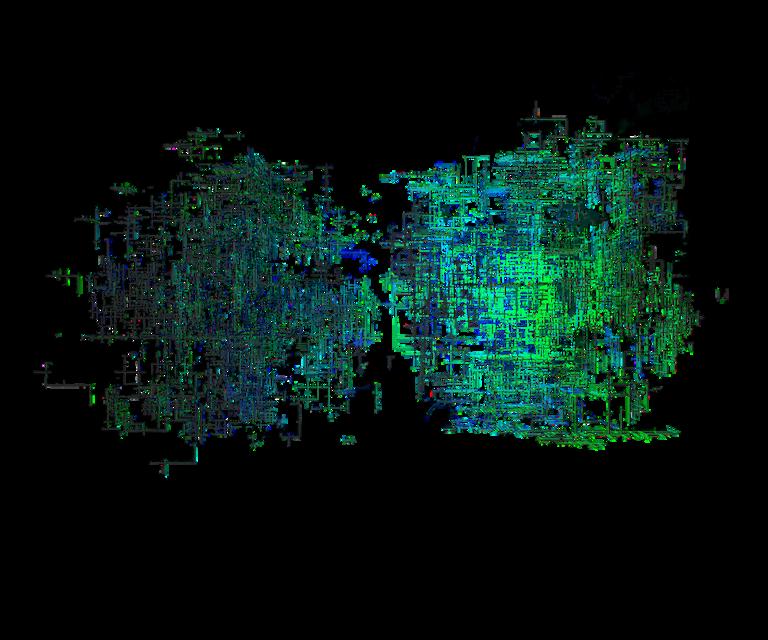
25D work] Usng the same logc derved the same shape the goal is not to recreate form but to generate the inside atmosphere purely through spatial rhythm nterval and alignment
The grid lines becomes the neutral field where the emotional and ogical layers intersect It no longer describes the cube the wire or the shadow It descrbes the condition that allows them to coexist Withn this grid every spacing gap and offset acts as a slent remainder of thought decision and mental residue
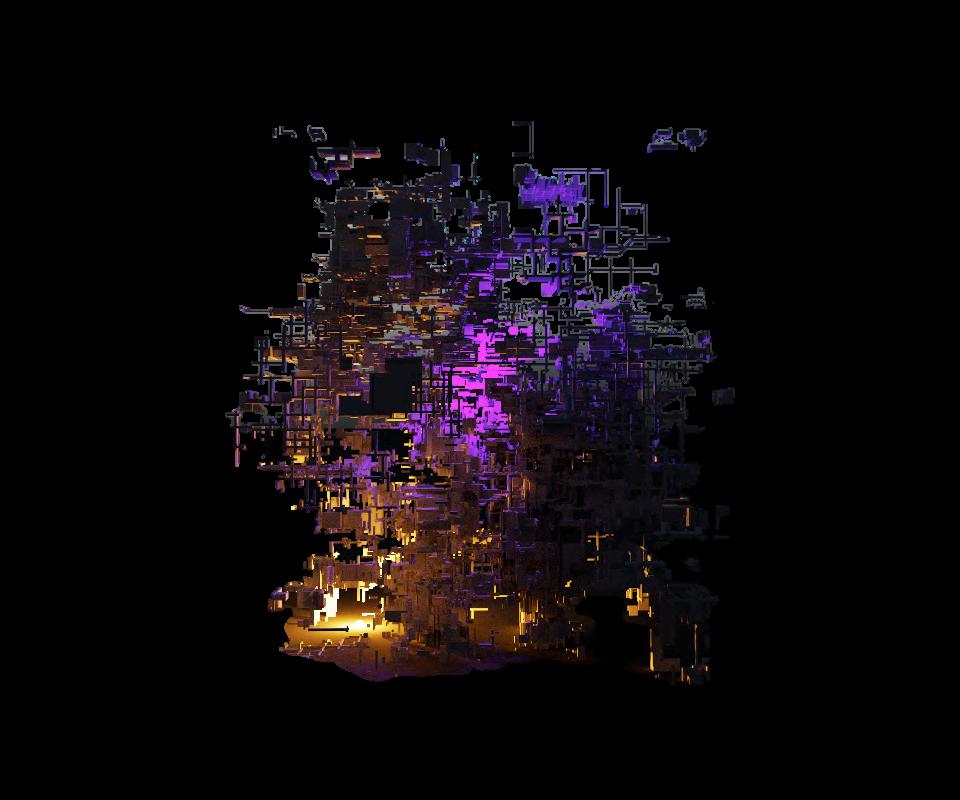
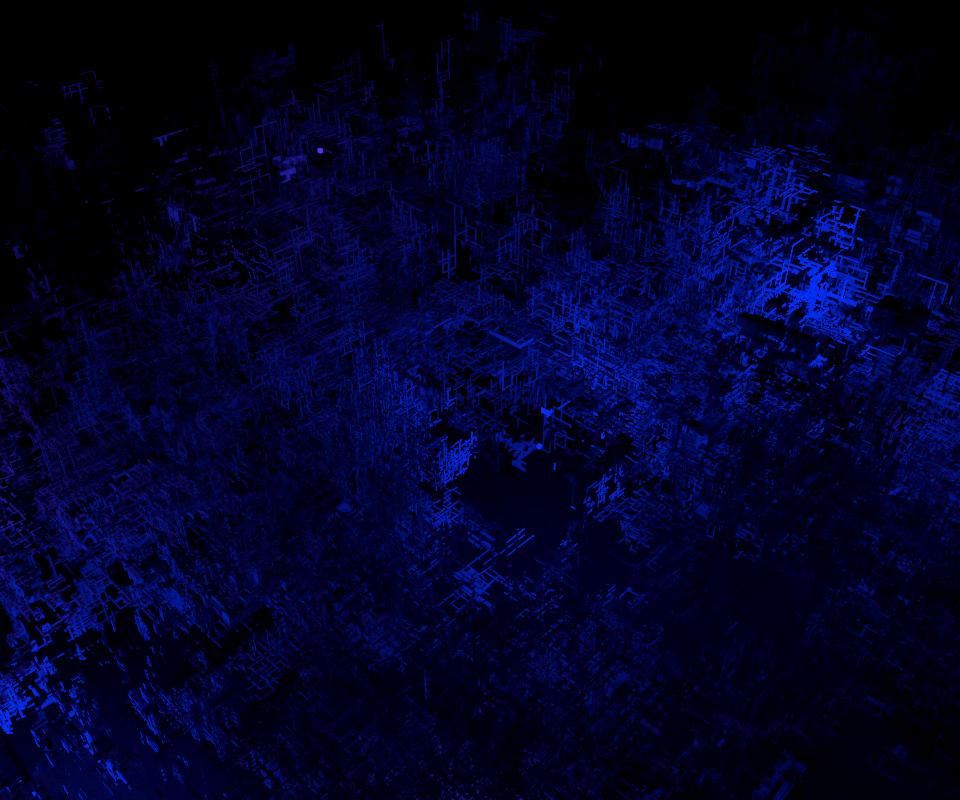

These stages reveal that the system has gradually dssoved givng way to the domnance of emotona intensty The baance between logc and feeing becomes dsrupted leading to an overwhelming presence of emotionsomethng that was never the ntended outcome
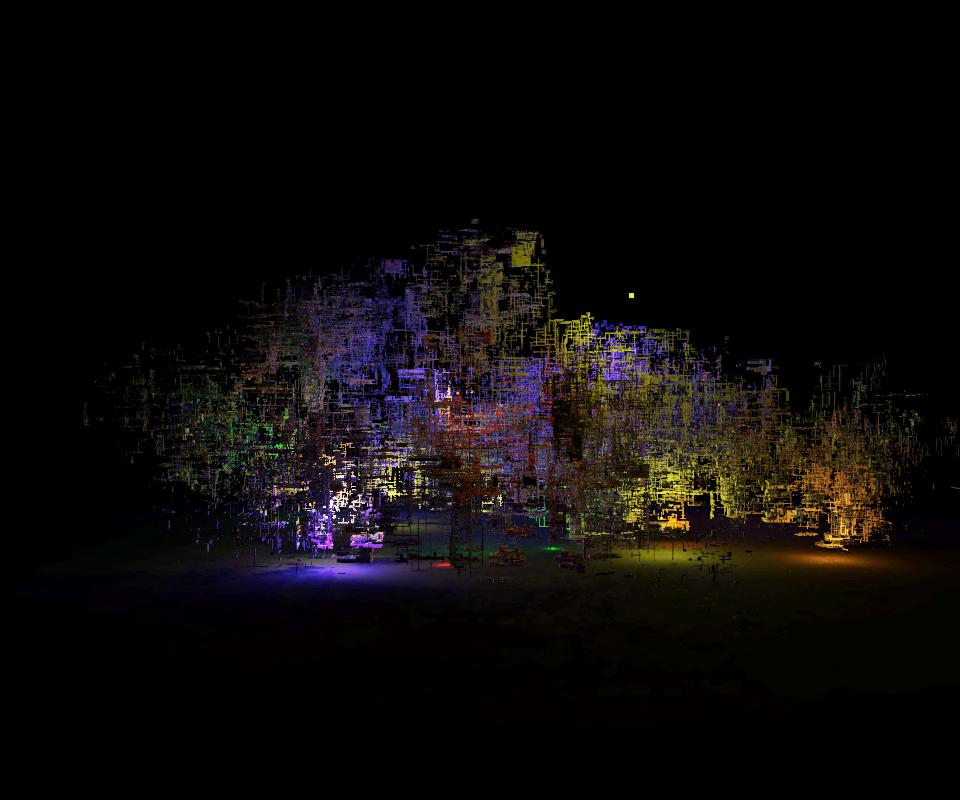

ayering patterns at varying dstances and compositions
Ths manipulation of depth and rhythm naturally evokes feelng yet it also risks losing the structured logic that once grounded the system p_05.10

g underlying system Ths revealed the need to fnd equlibrium between contro and chaos to balance density and void ensuring that emotional intensity does not overwhem the structured logic withn
The problem is to show emotion, many patterns have to be added but the more patterns there are the harder it is to see the system clearly
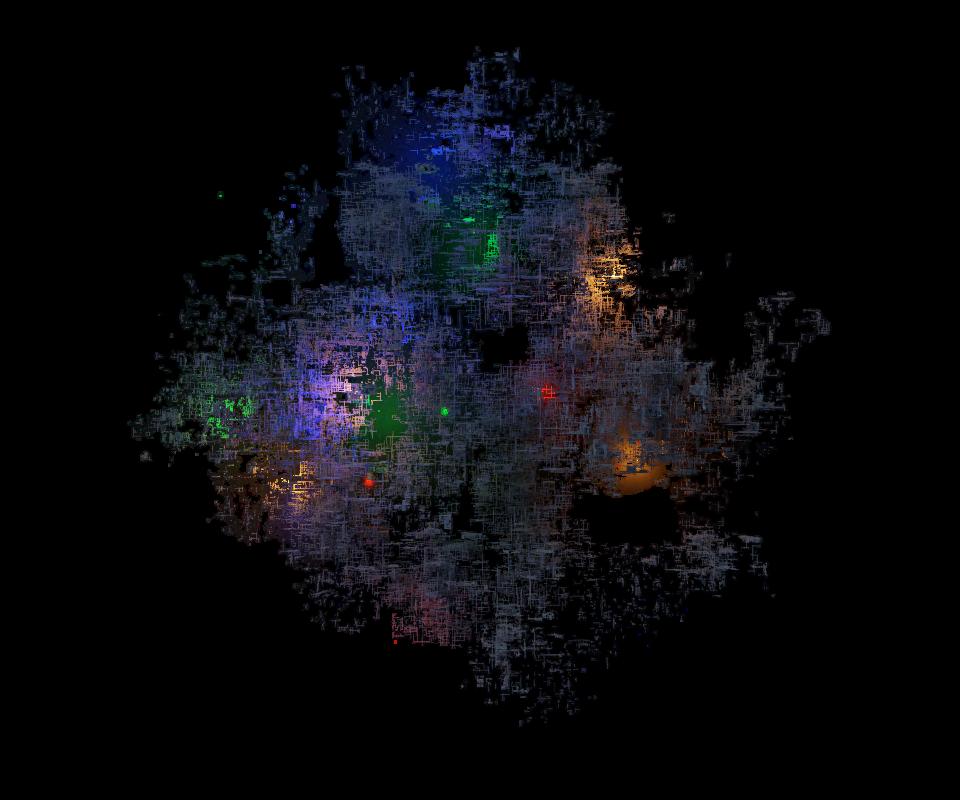
So, ths time the idea was simple in projection view the system becomes the most visible part, clear and structured But when switched to perspective view that clarity dssolves into emotional density formed by the smal logic grids nterwoven beneath it
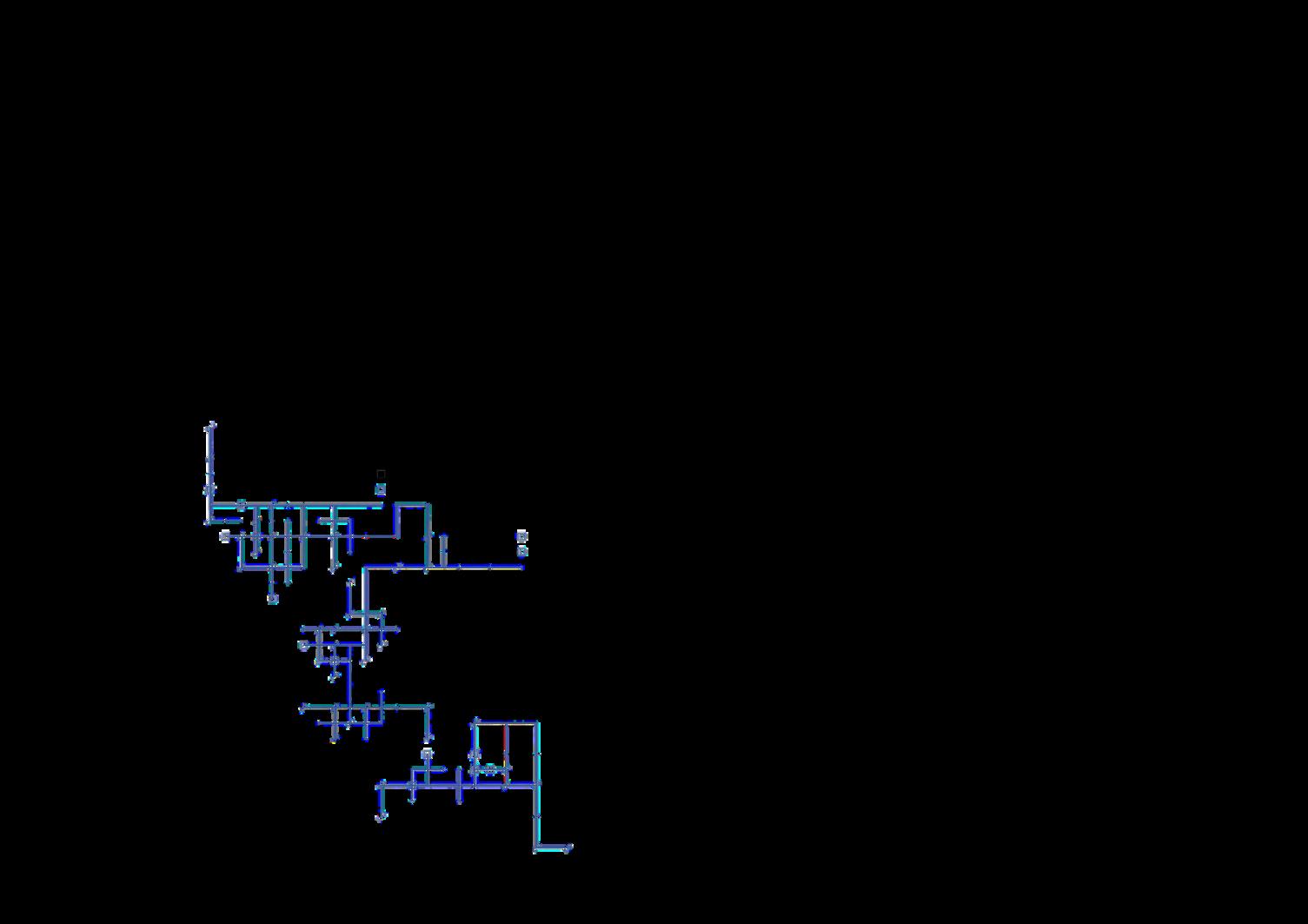
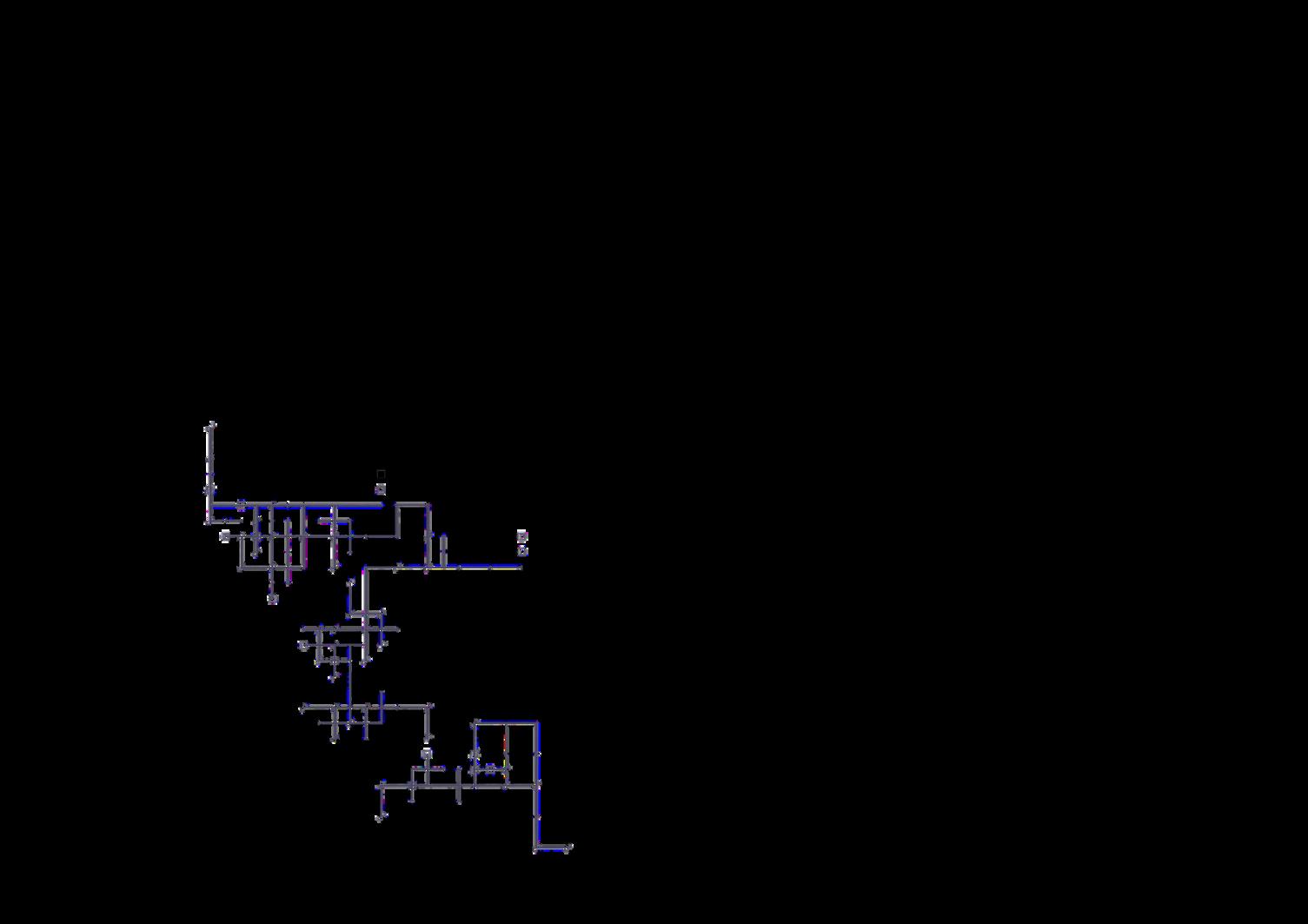
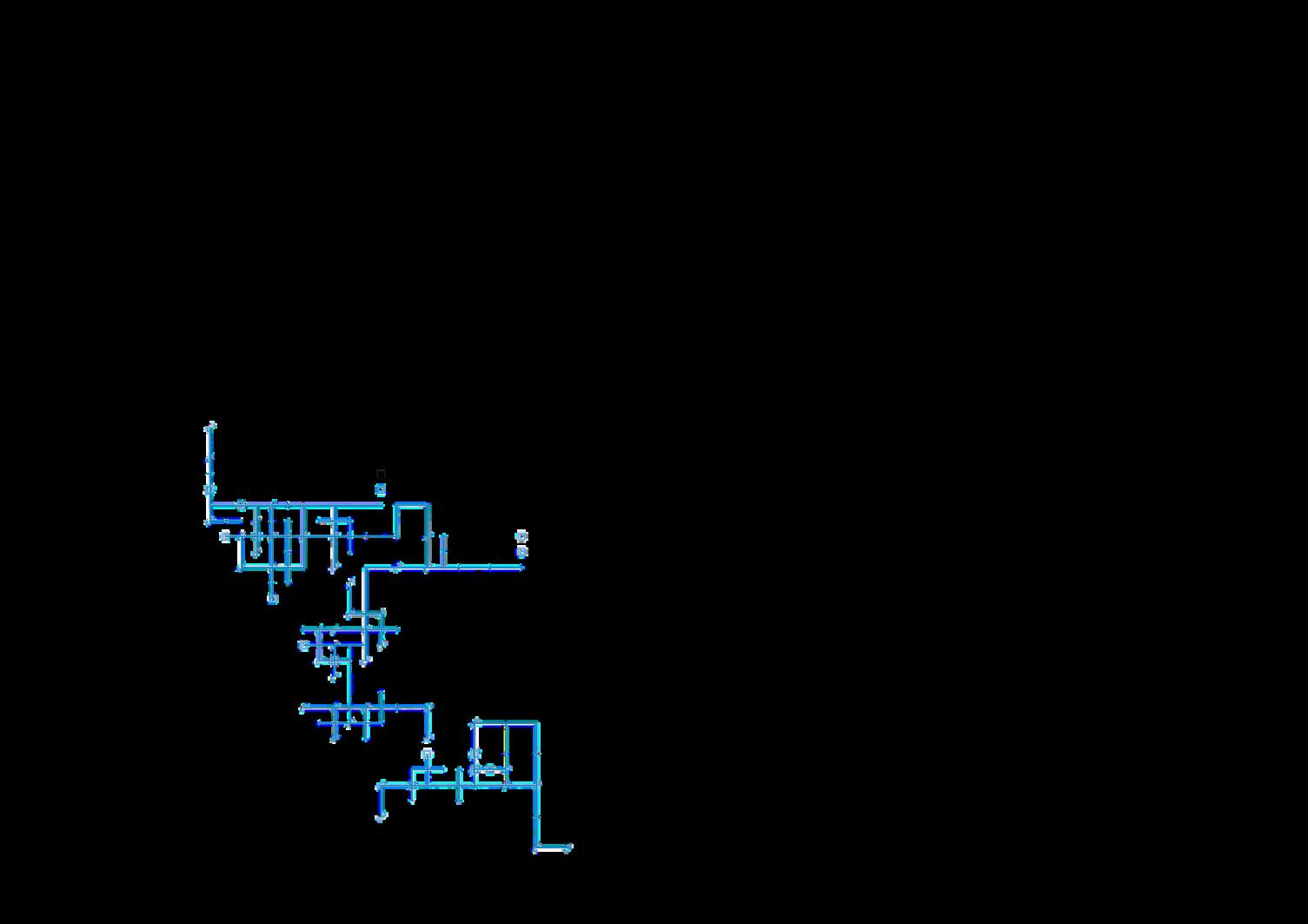
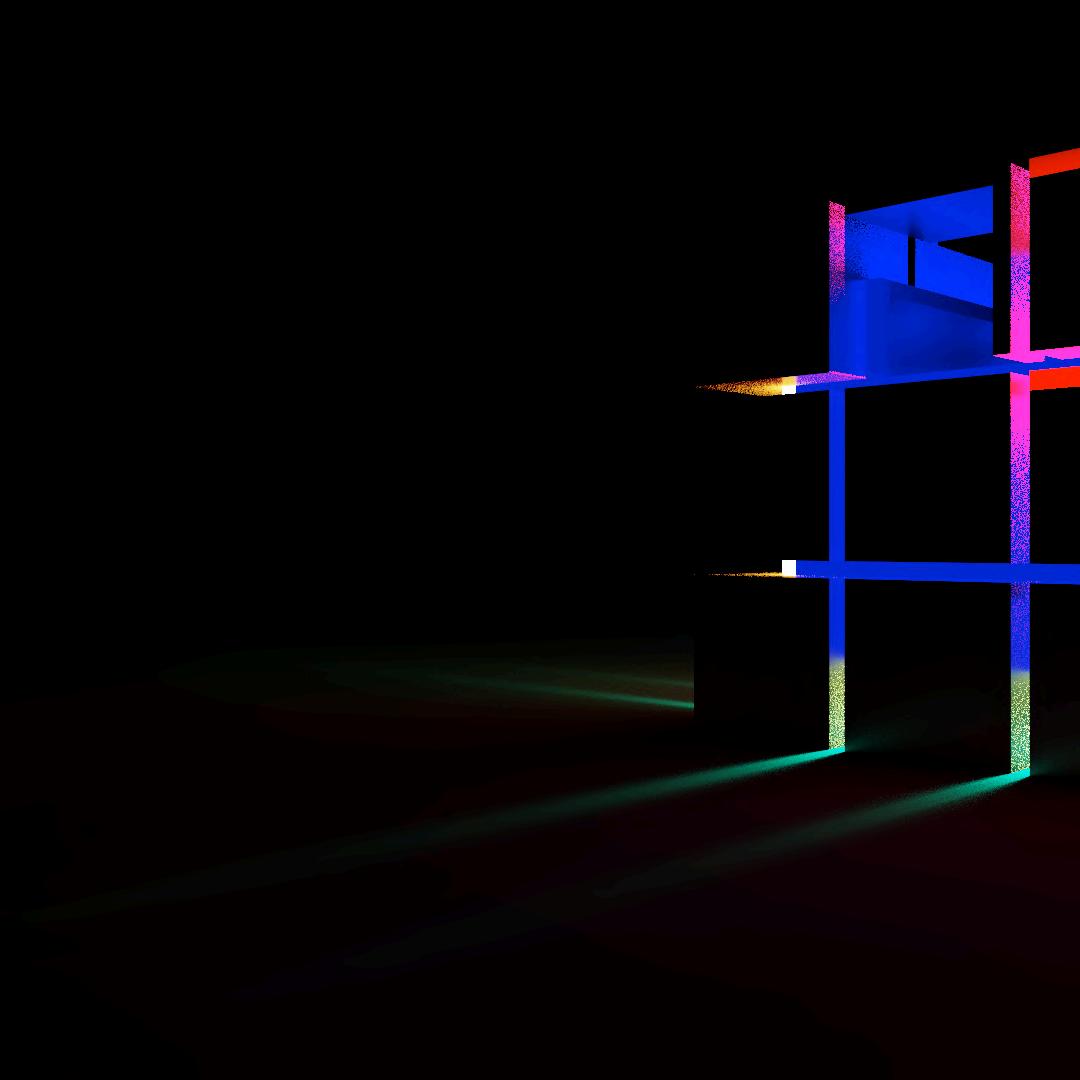
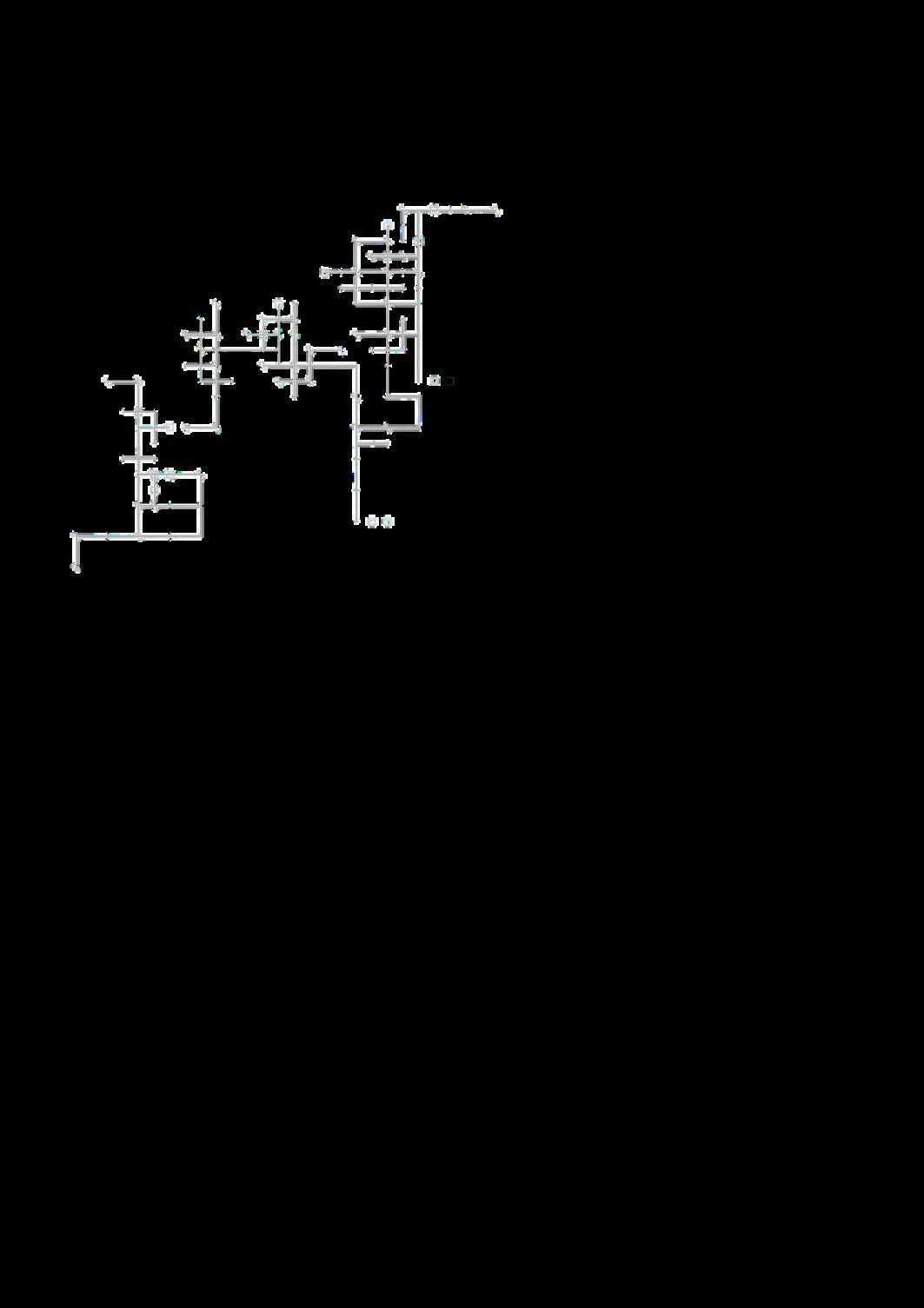
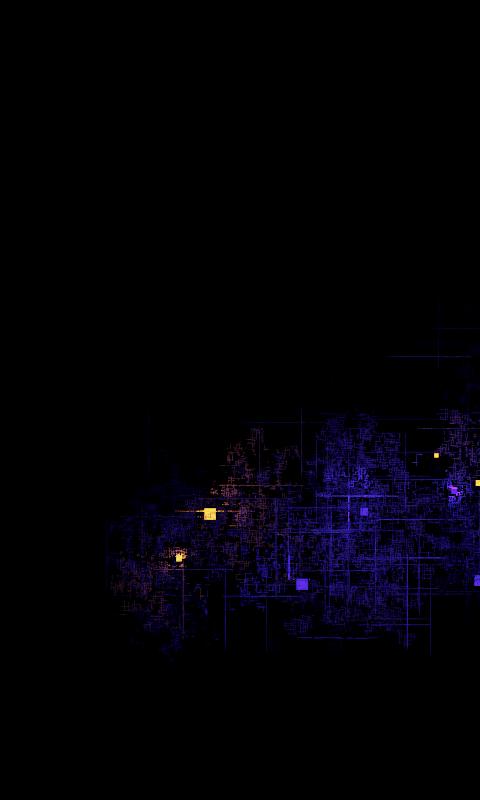
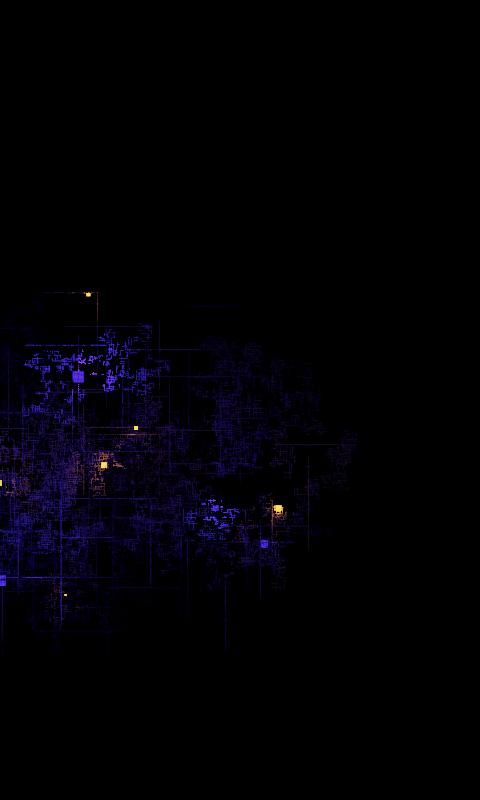

but holds latent connections
From the top view it reads as a plane of false coherence a flat order that hides complexity
Across the six faces ths isnt just stackng t’s a poly-perspectival fold that each surface acts as a deceptive skin that hides inner atmostphere
Conceptually, ths s close to apparent fatness vs latent depth or what Deleuze mght call a plane of immanence where fragments still belong to one field even when msalgned
Across all six faces each one looks like a fnished skin, but really they are just different perspectives of hdden depth
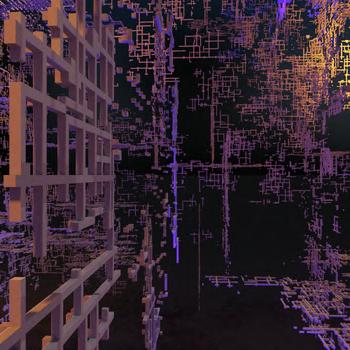


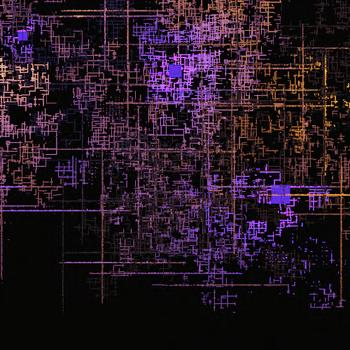
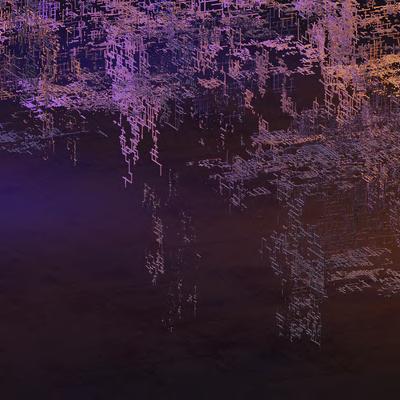
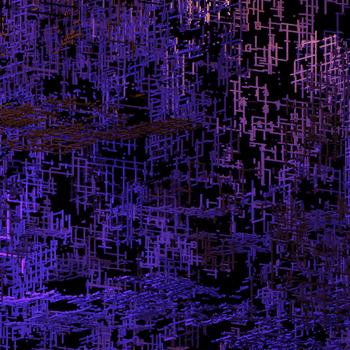
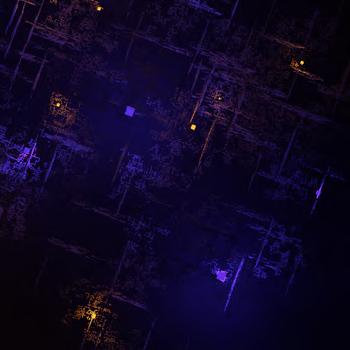
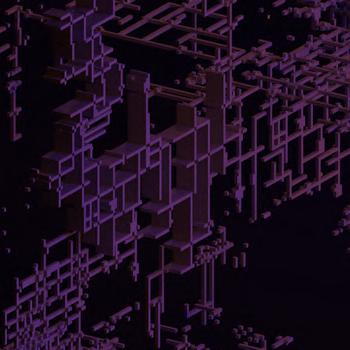
Light and Shadow act lke a cogntive amplifer, translating dormant logc and latent emotion into perceptible patterns The interpay of light and dark collapses assumed boundaries letting fragments collide and reconfigure into unpredcted coherence Light and Shadow dont reflect reality here they fabricate a paralle logic, a volatile space where the unseen asserts itself However the great queston how to create a 3D model without showing the light bulb that distracts the perception
By seectively hding and revealing it creates an almost 4D perception beyond mmediate comprehension Each beam in the anmation s carefully timed echoing early experiments where lights movement reshaped understandng of space particularly highlightng the emergence of the third space
Watch the experiment [Vdeo No5] from the playlst on with the movement of lght in different colors selectively reveals and hides the system while expressing the intensty of emotion together forming the mmersive third space experience
p_01.03
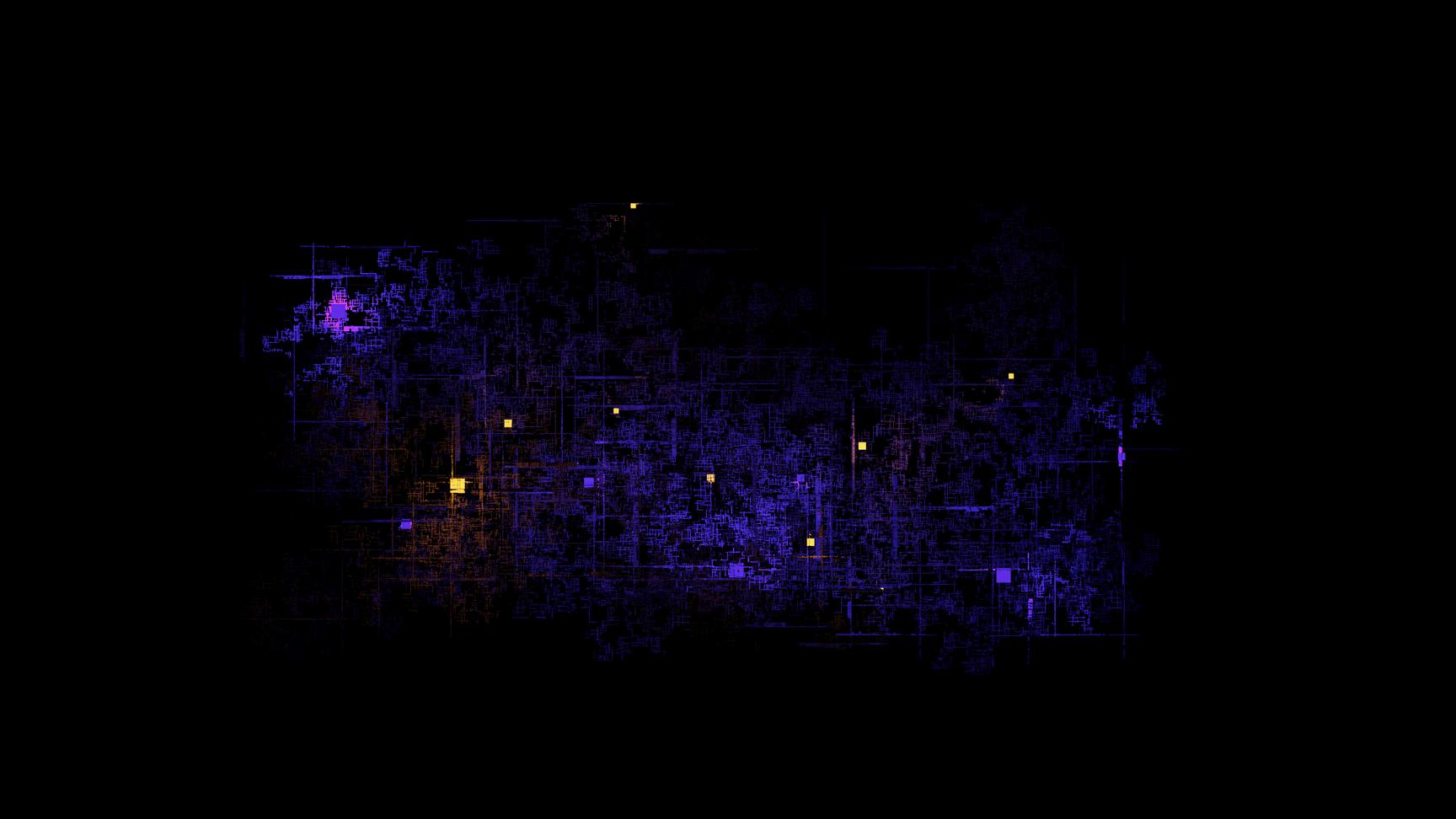
p_05.16
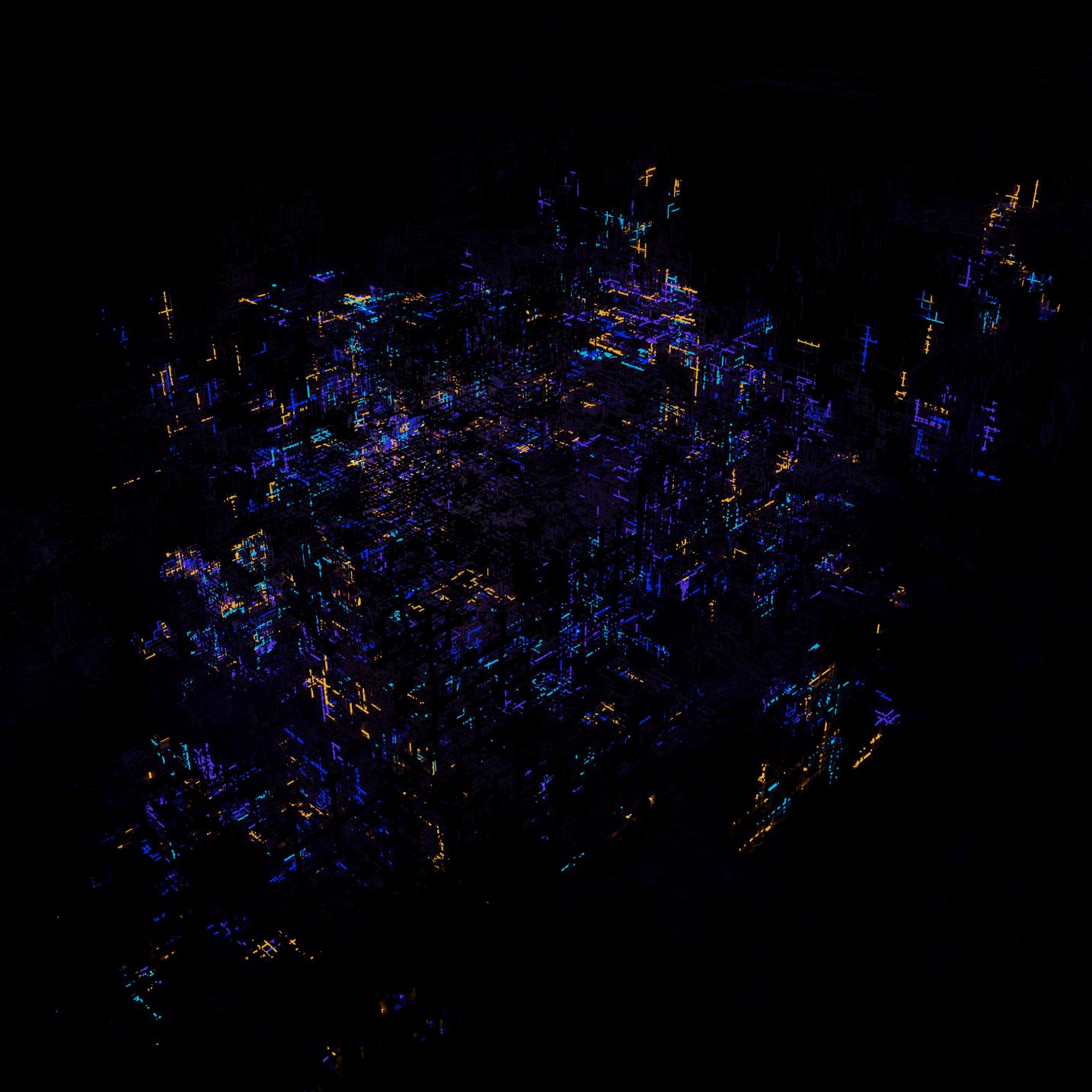
In ths final model light track are carefully controlled for the selective reveaed and concealed part p_05.17


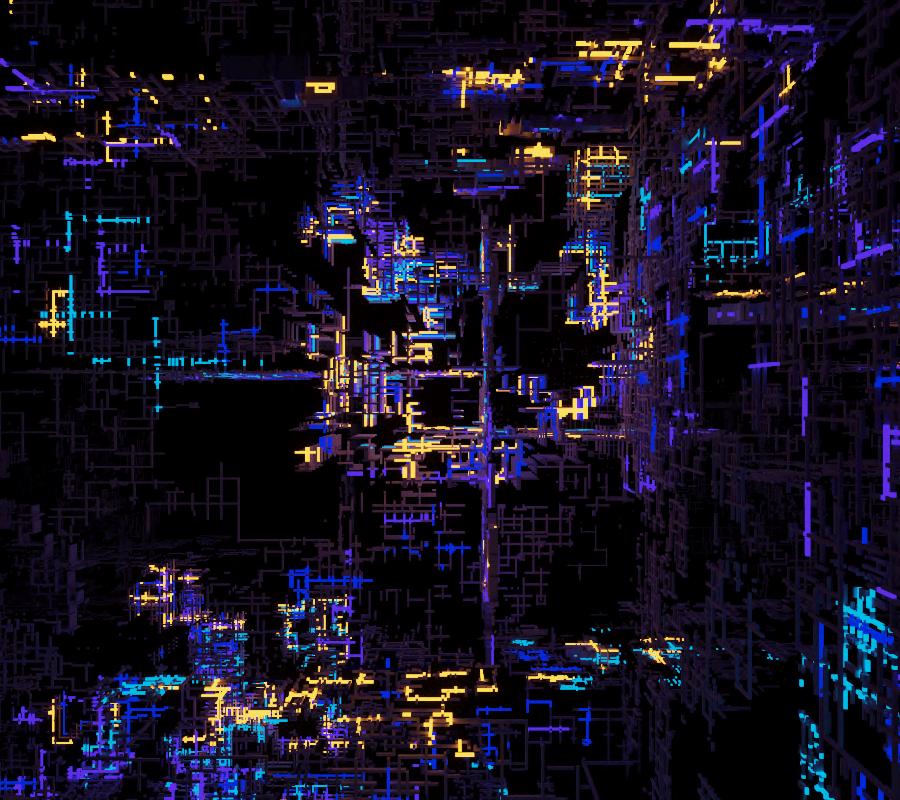
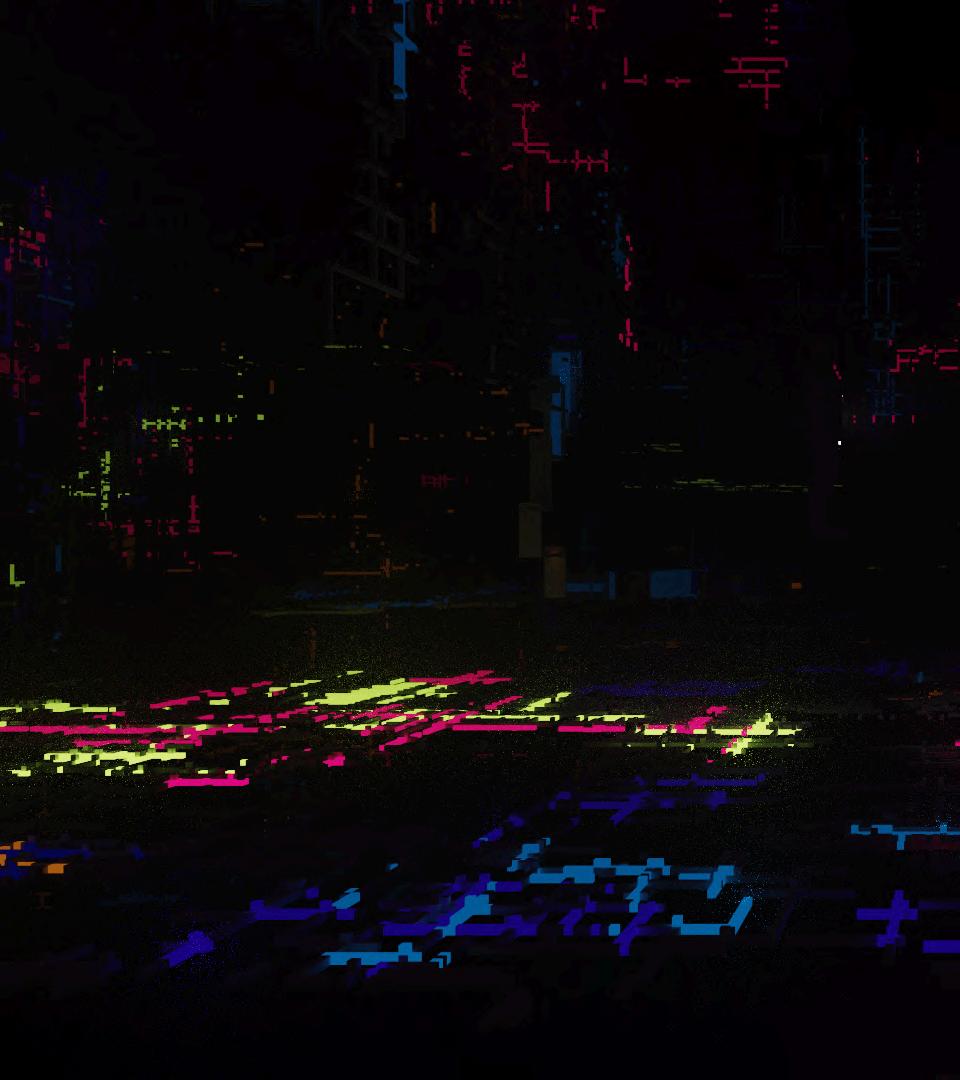
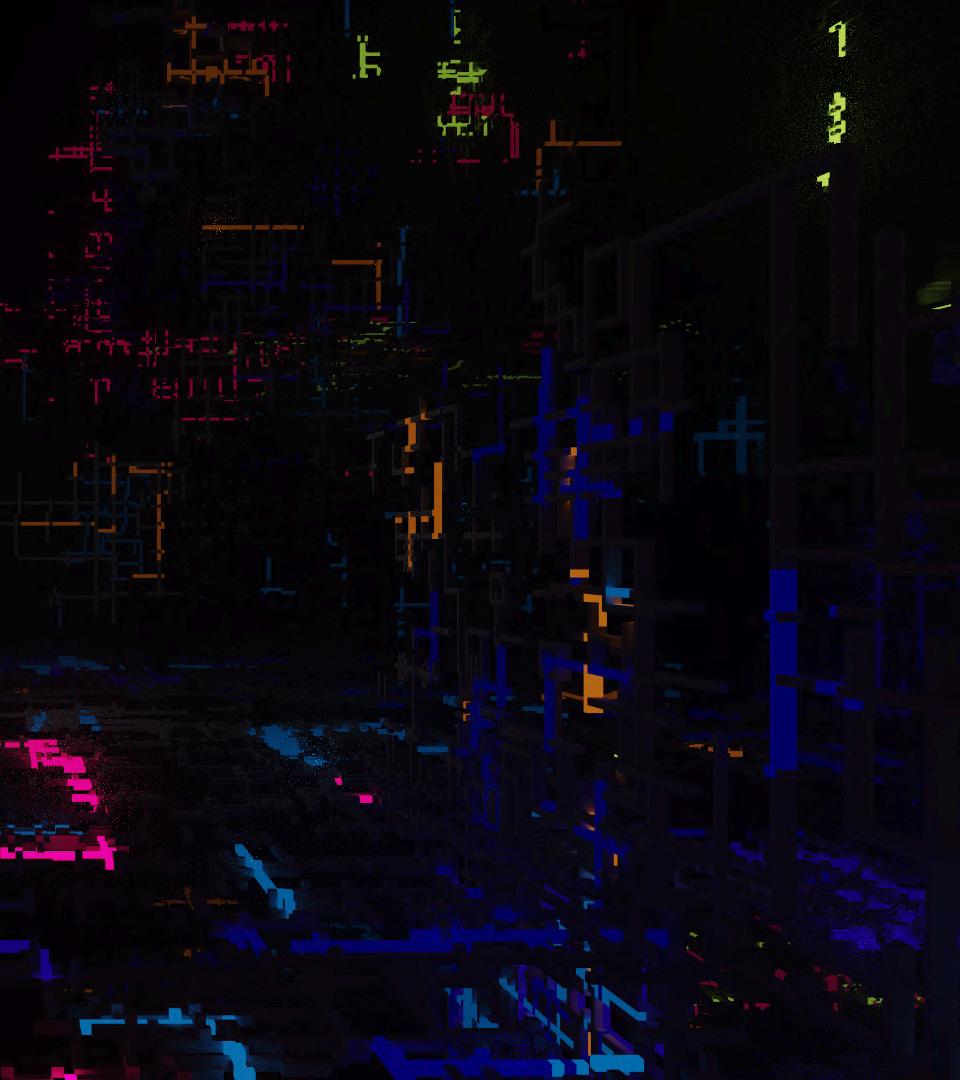




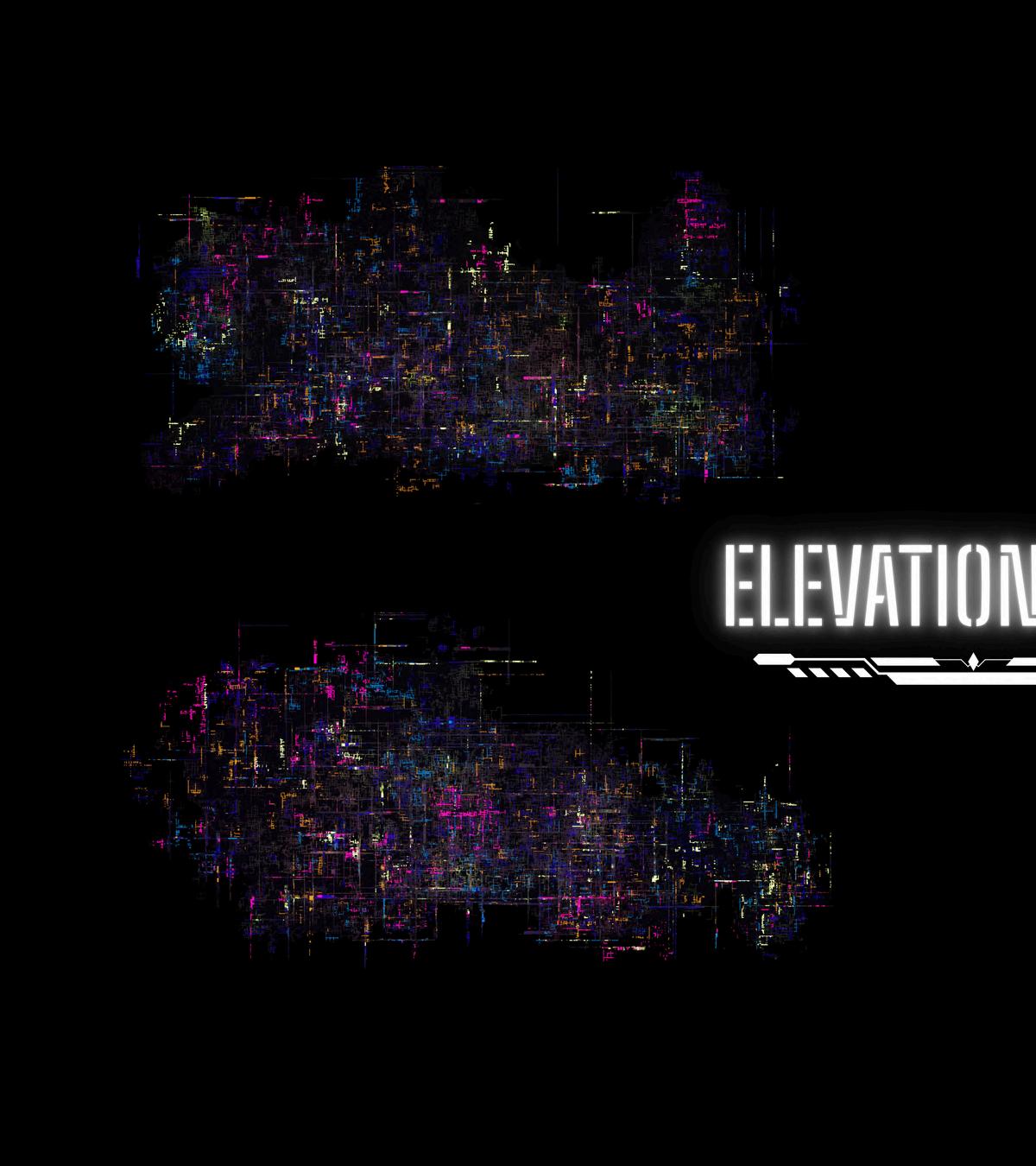
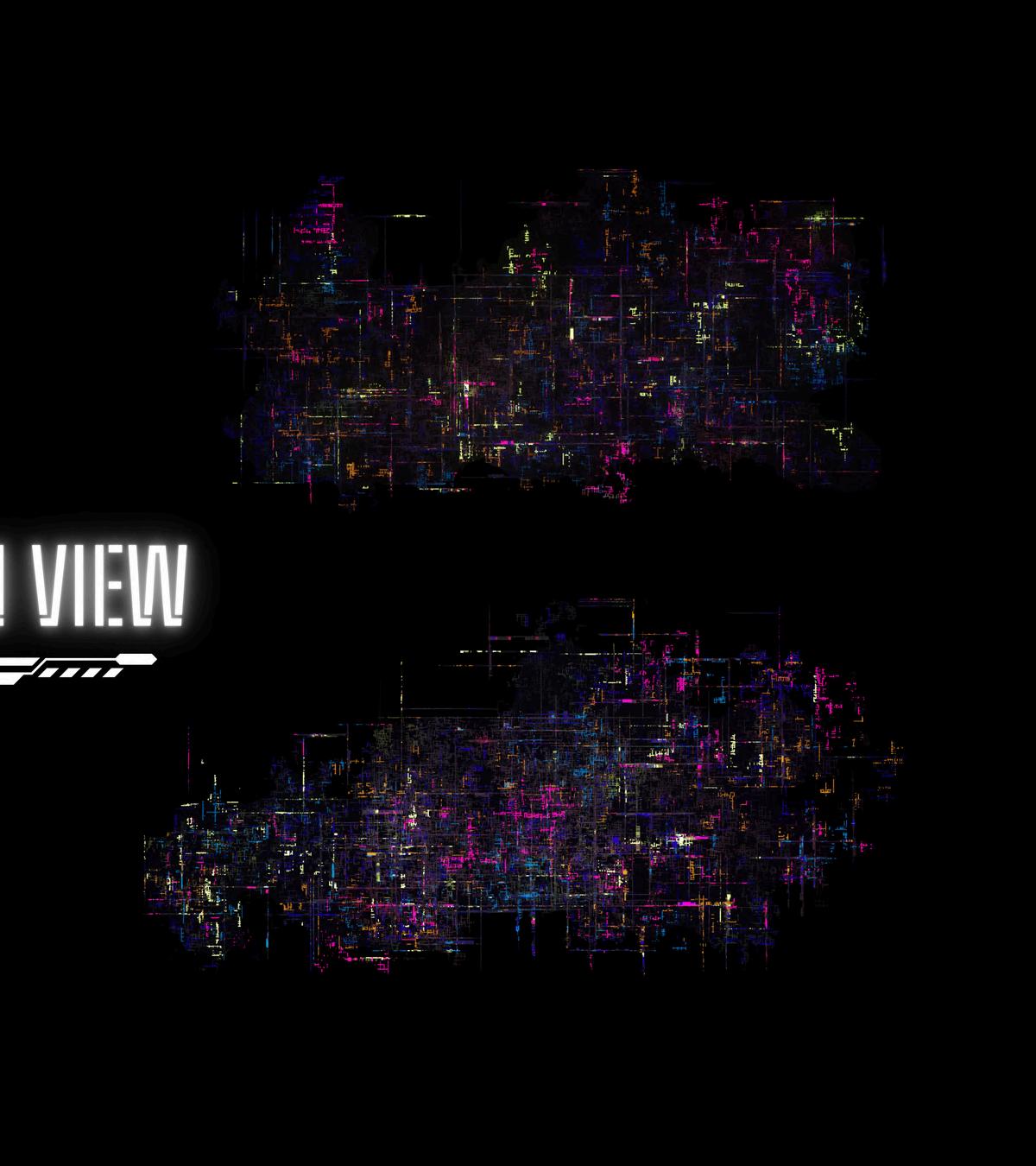


Neomind-Fold shifts the paradigm Here the dimension starts to act autonomously independent of the original input The player is no longer strictly the manipulator instead they become part of a larger dynamic system that interprets, responds, and generates patterns beyond ndivdual ntenton It explores emergence and dstributed cogntion how the system itself develops behavors rhythms or responses that are no longer soley caused by the human operator Neomind-Fold nterrogates the boundary between subject and system between control and influence It’s less about mapping human decsions and more about witnessing how a self-organzng semi-autonomous nteligence arses from the interacton of inputs rules and latent dynamcs
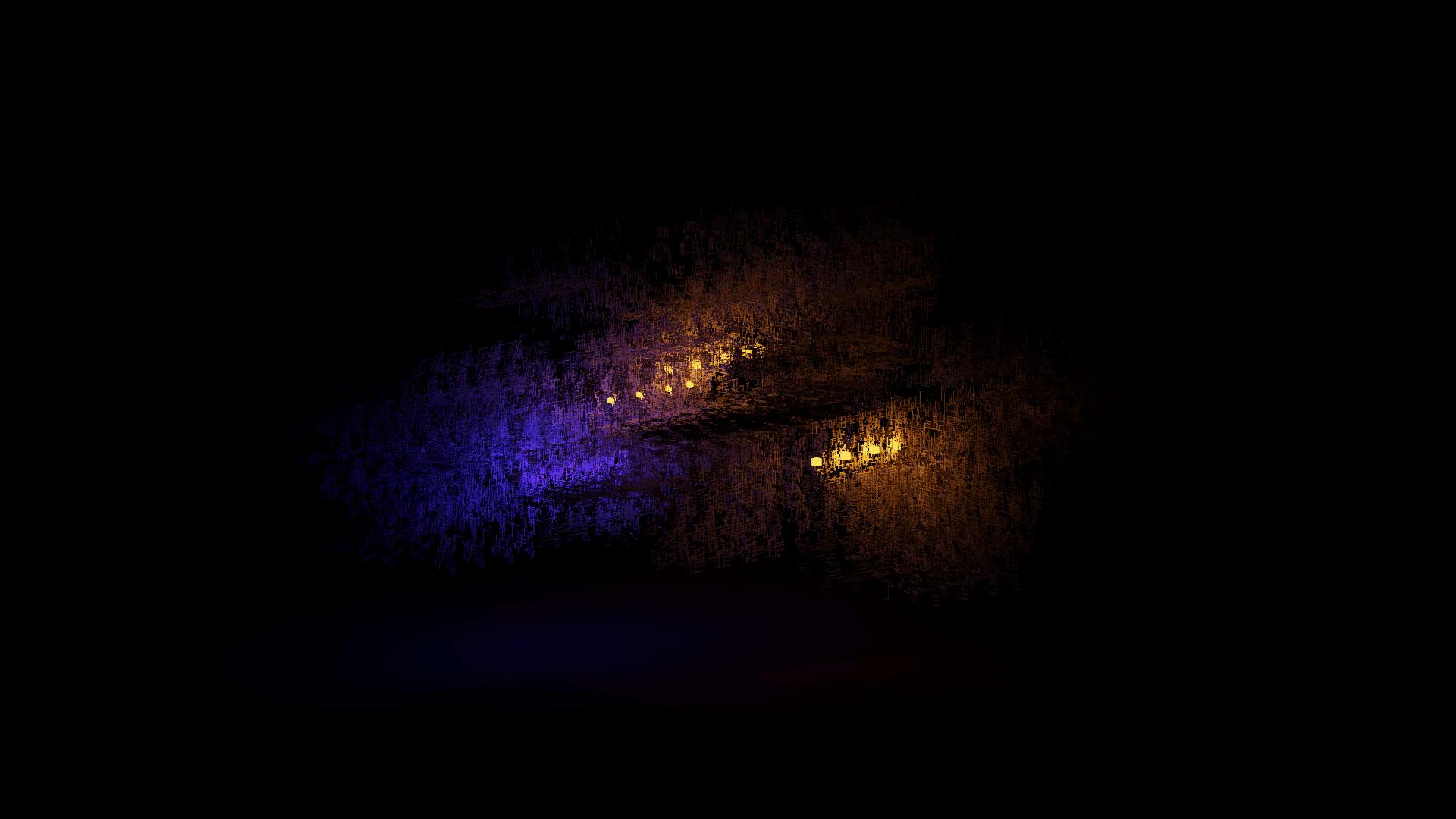
p_06.00


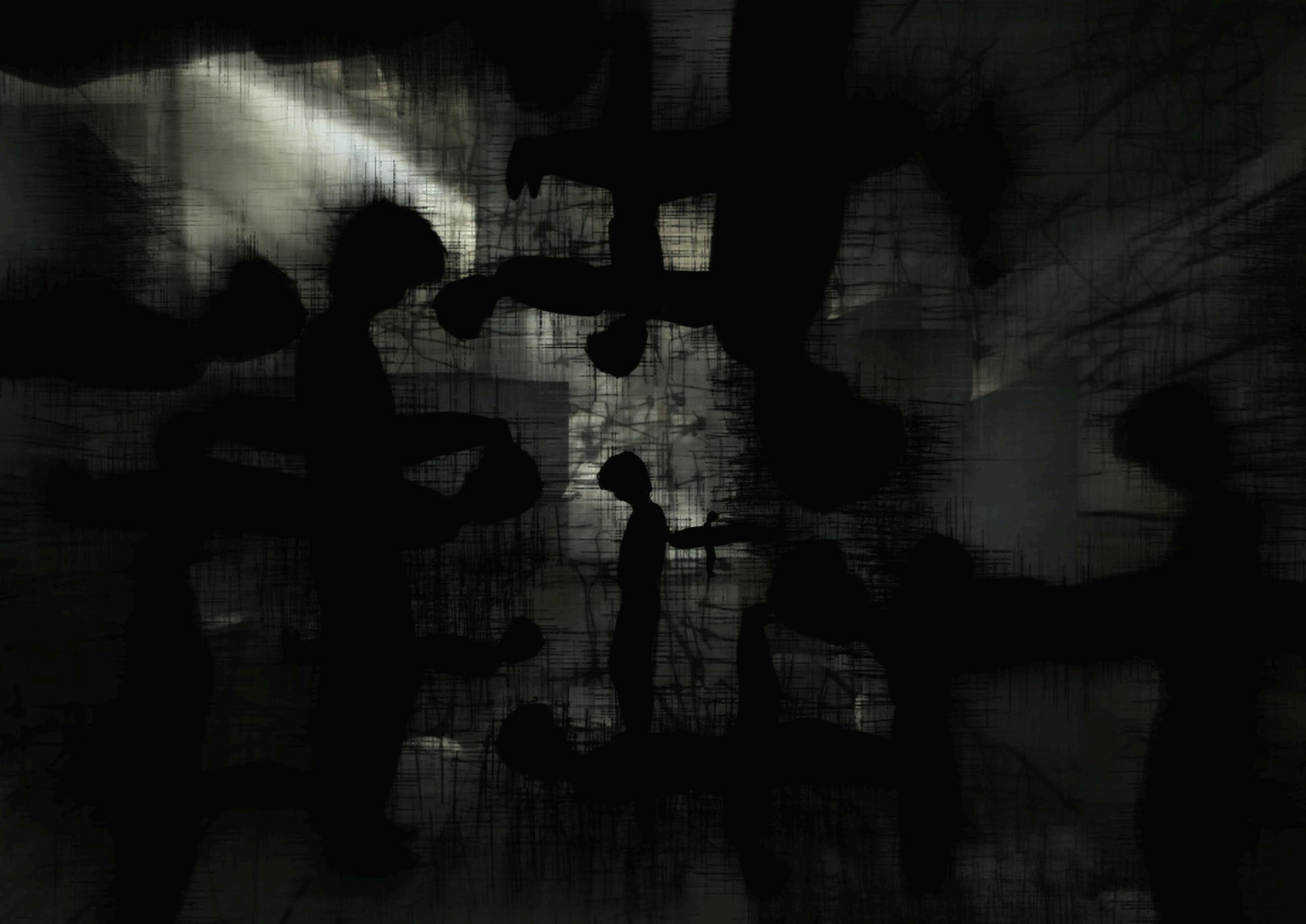
In Neomind-Fold entering the space reveals sx parallel versions of yourself each representng a different perspectve The shockng twist is that the moment you take a sngle step all sx selves begn moving simultaneously keeping perfect rhythm but divergng in dfferent directions
Ths creates a disorenting experience: you witness a fractured multiplicty of action where every step of yours triggers a synchronized yet divergent cascade It emphasizes that in this space identity and agency are distributed across perspectves and the self is no longer sngular but polyphonic and dynamic, responding to a system larger than ndividua control
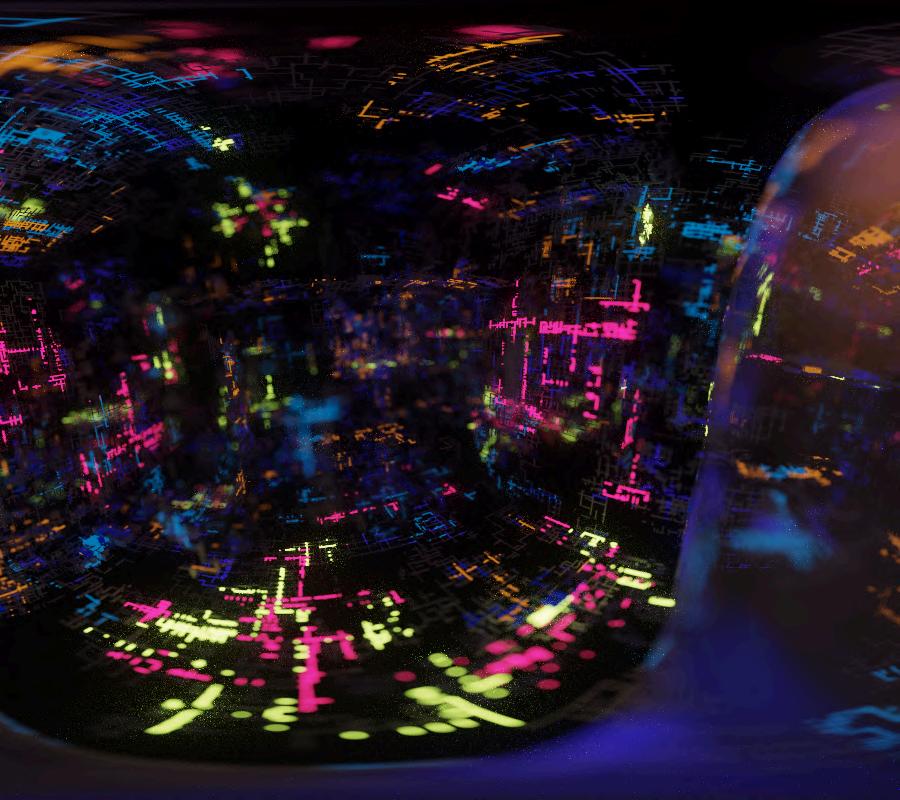

"You’ve come to the end, yet the space you thought you knew is still movng still changing, stll watching" Please, enjoy the last meal Watch carefuly What you see may haunt your mnd in ways you wont fuly understand
https://youtube/EFGzoqjkloo


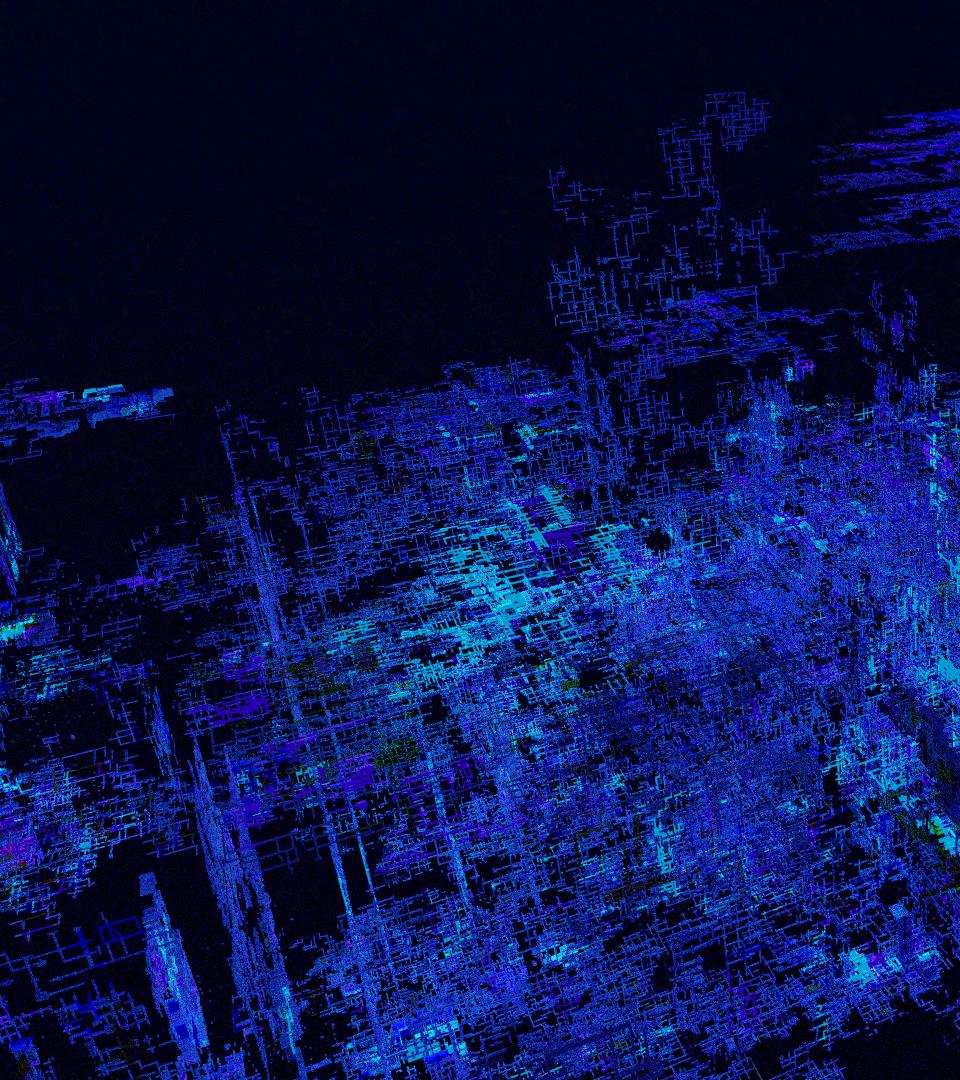
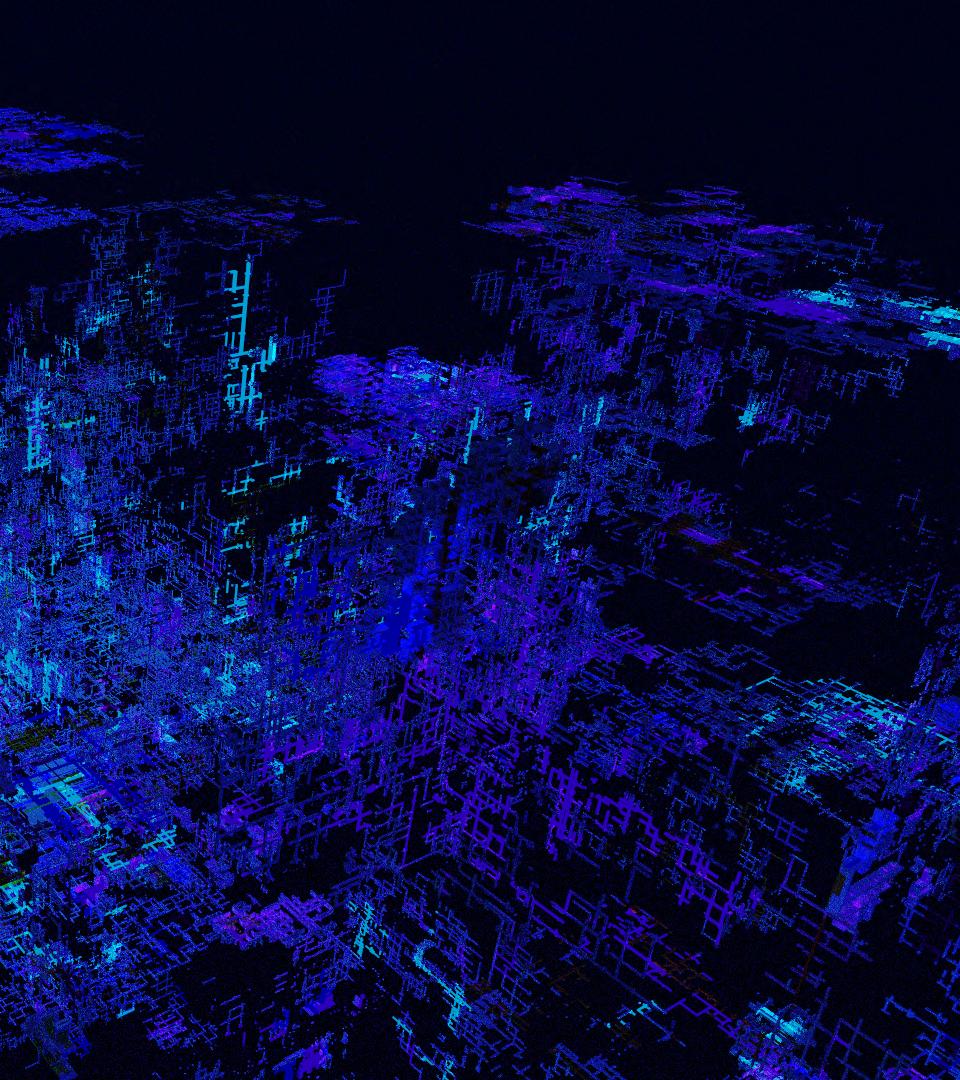
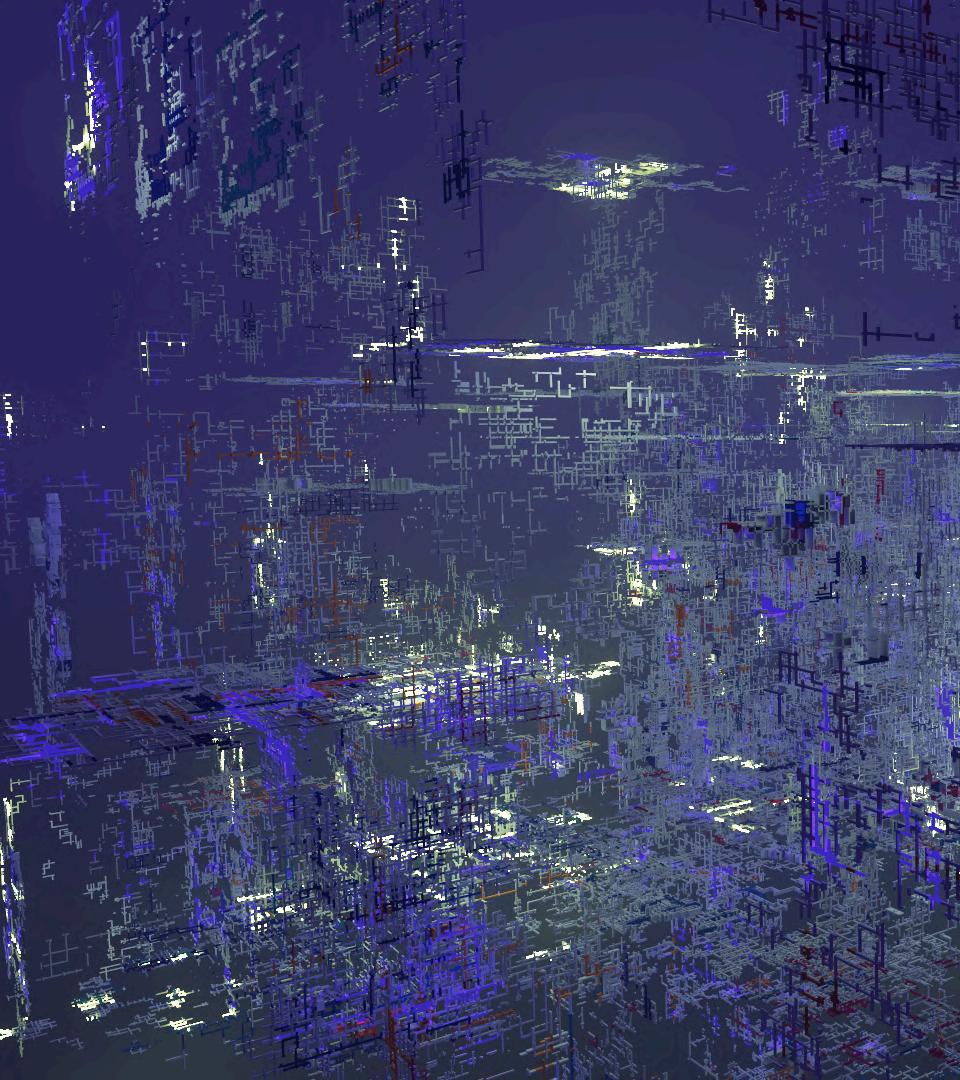
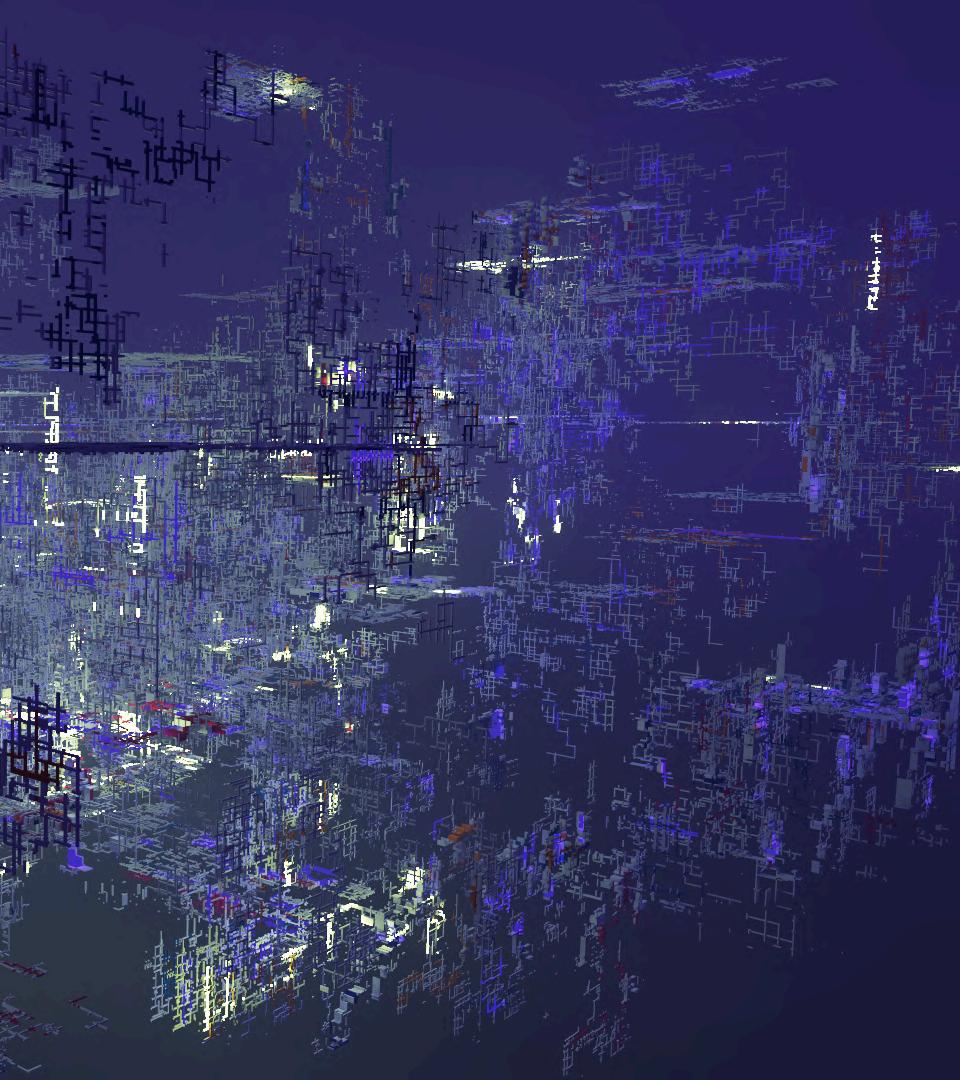

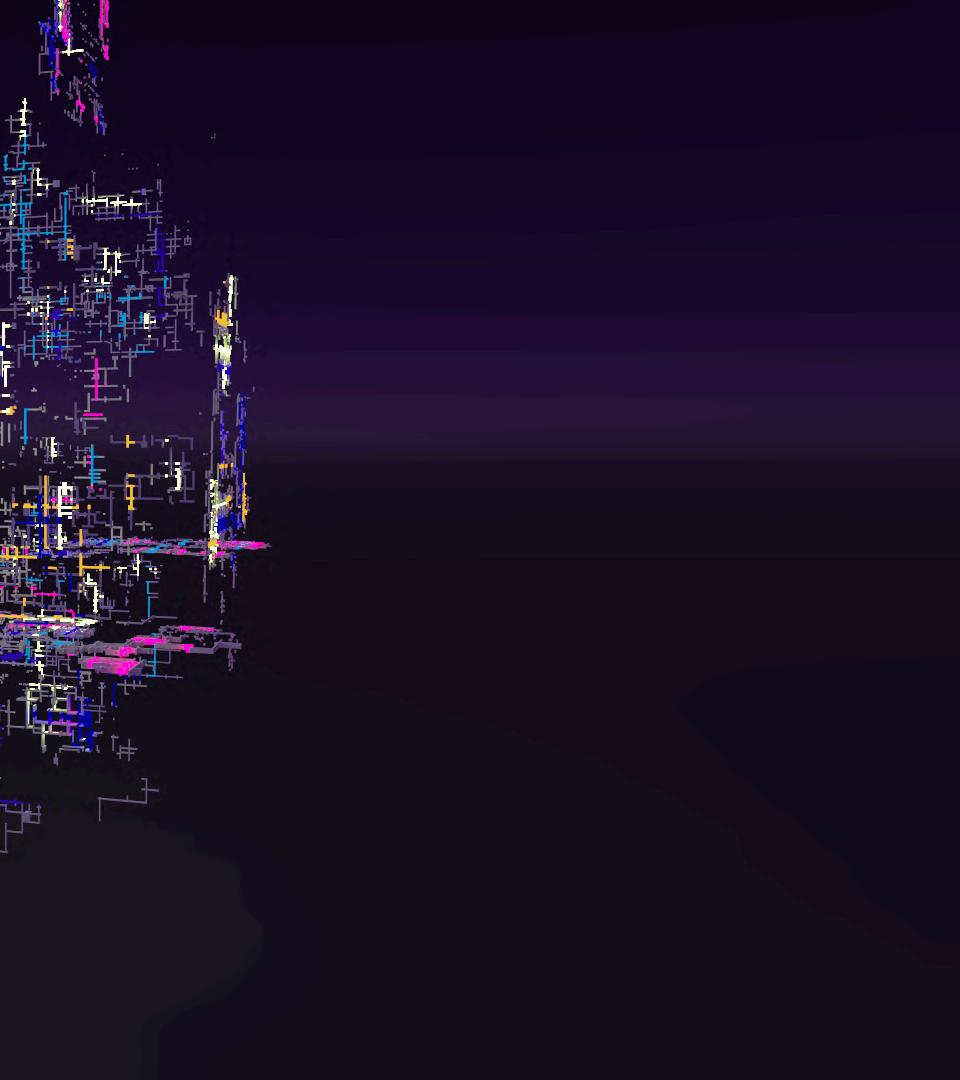


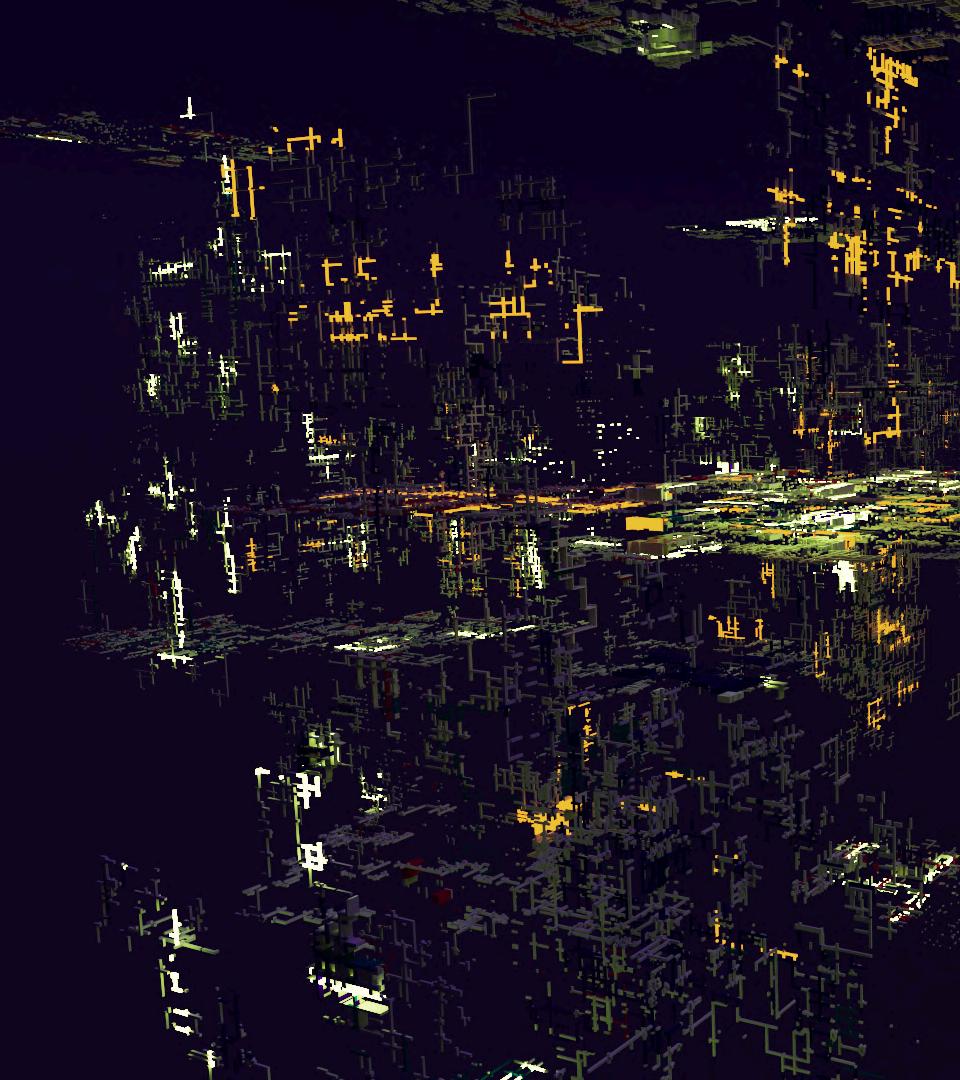
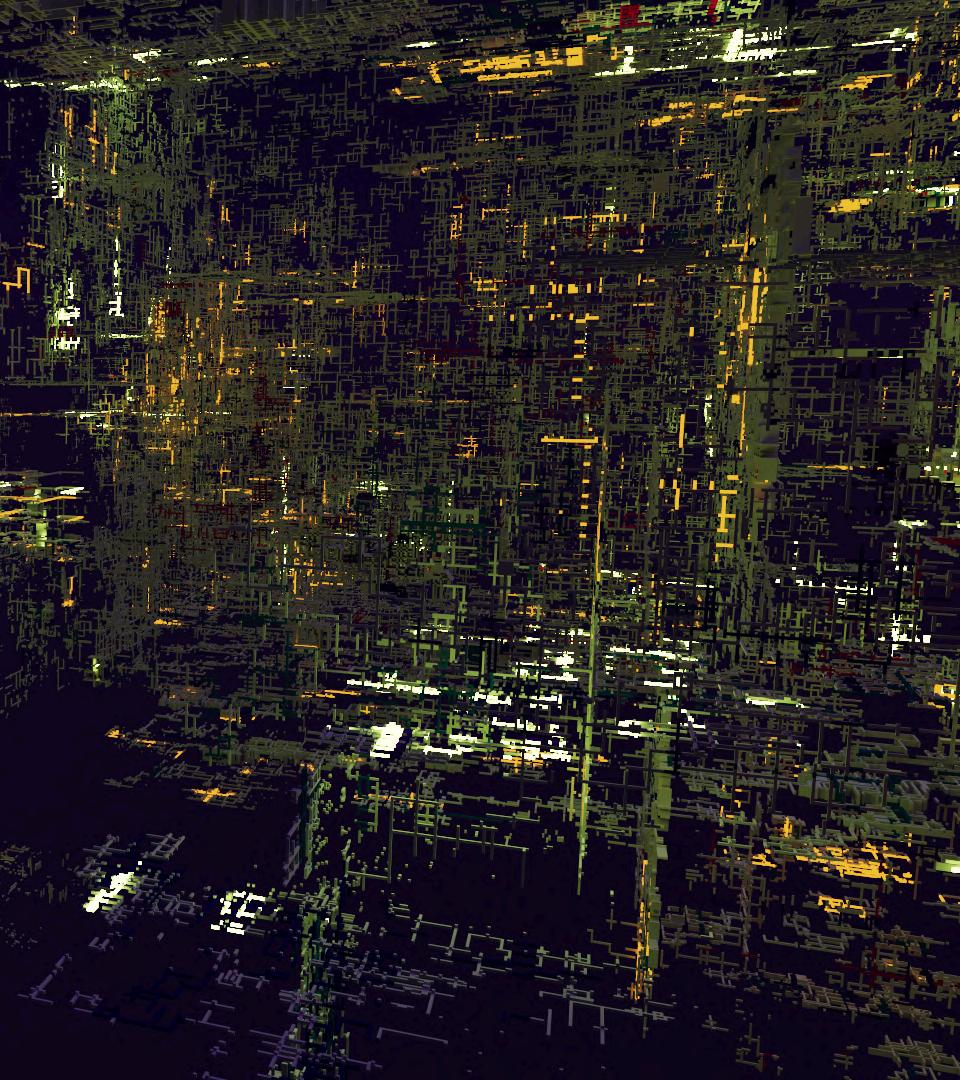
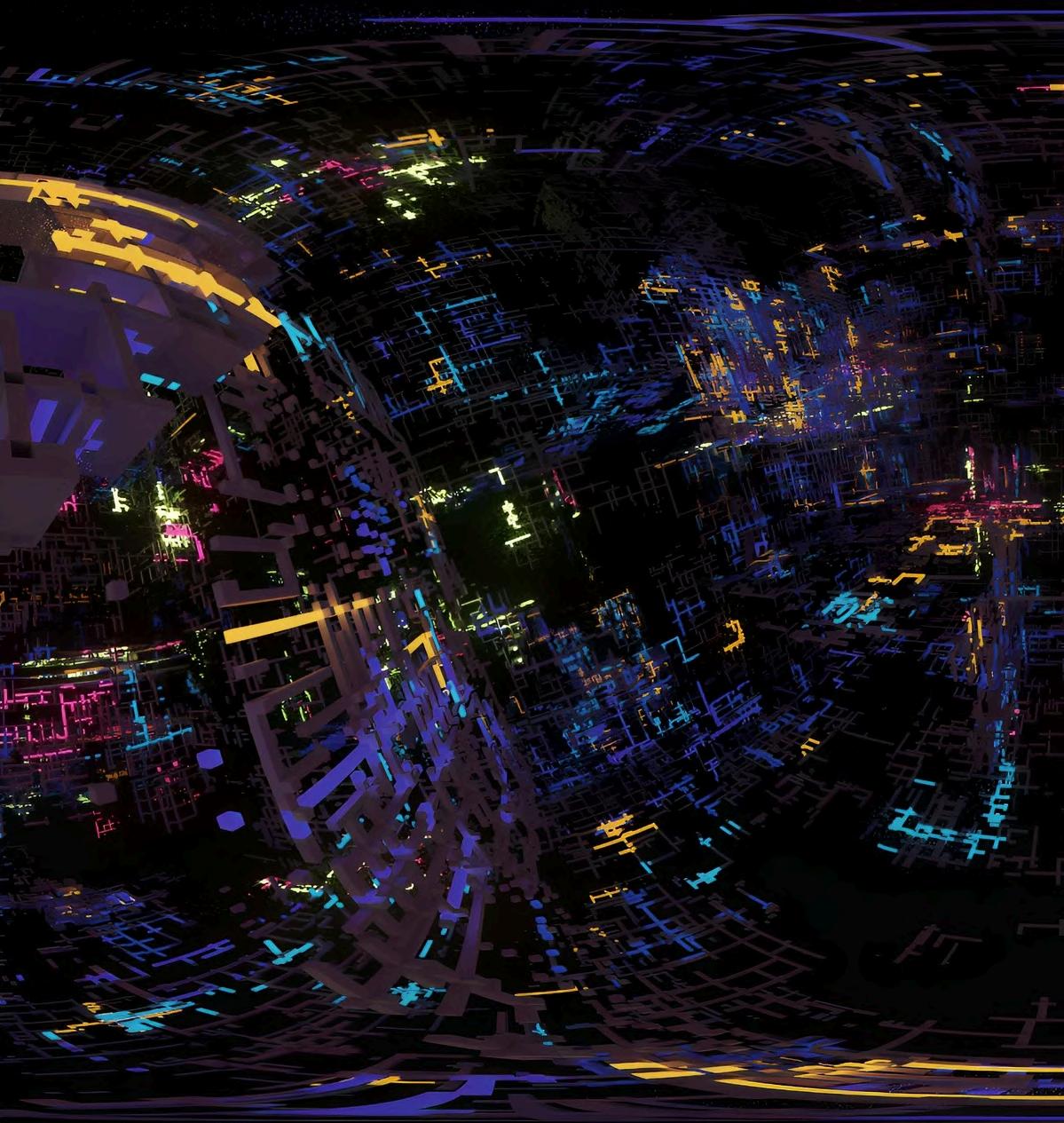
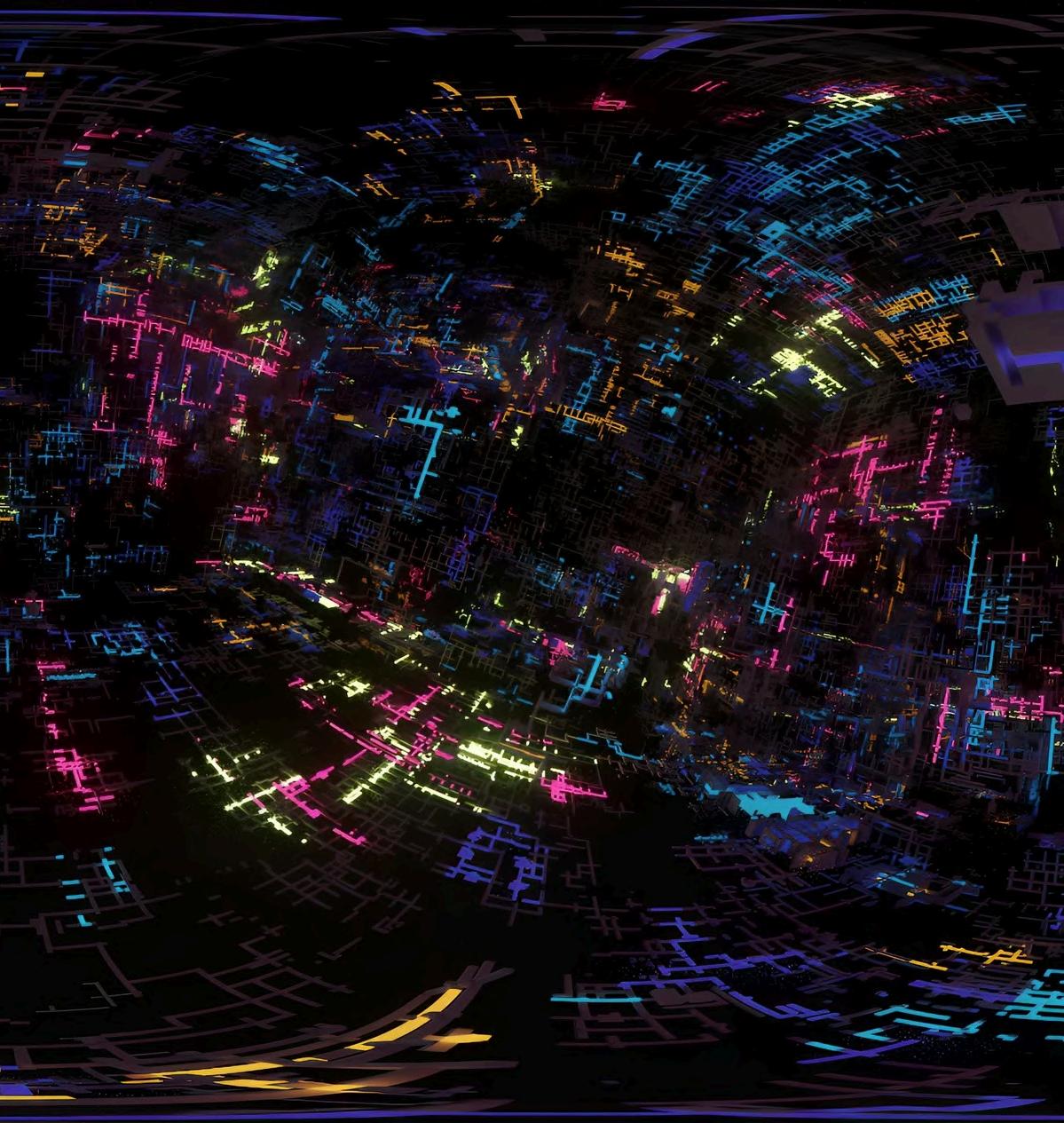
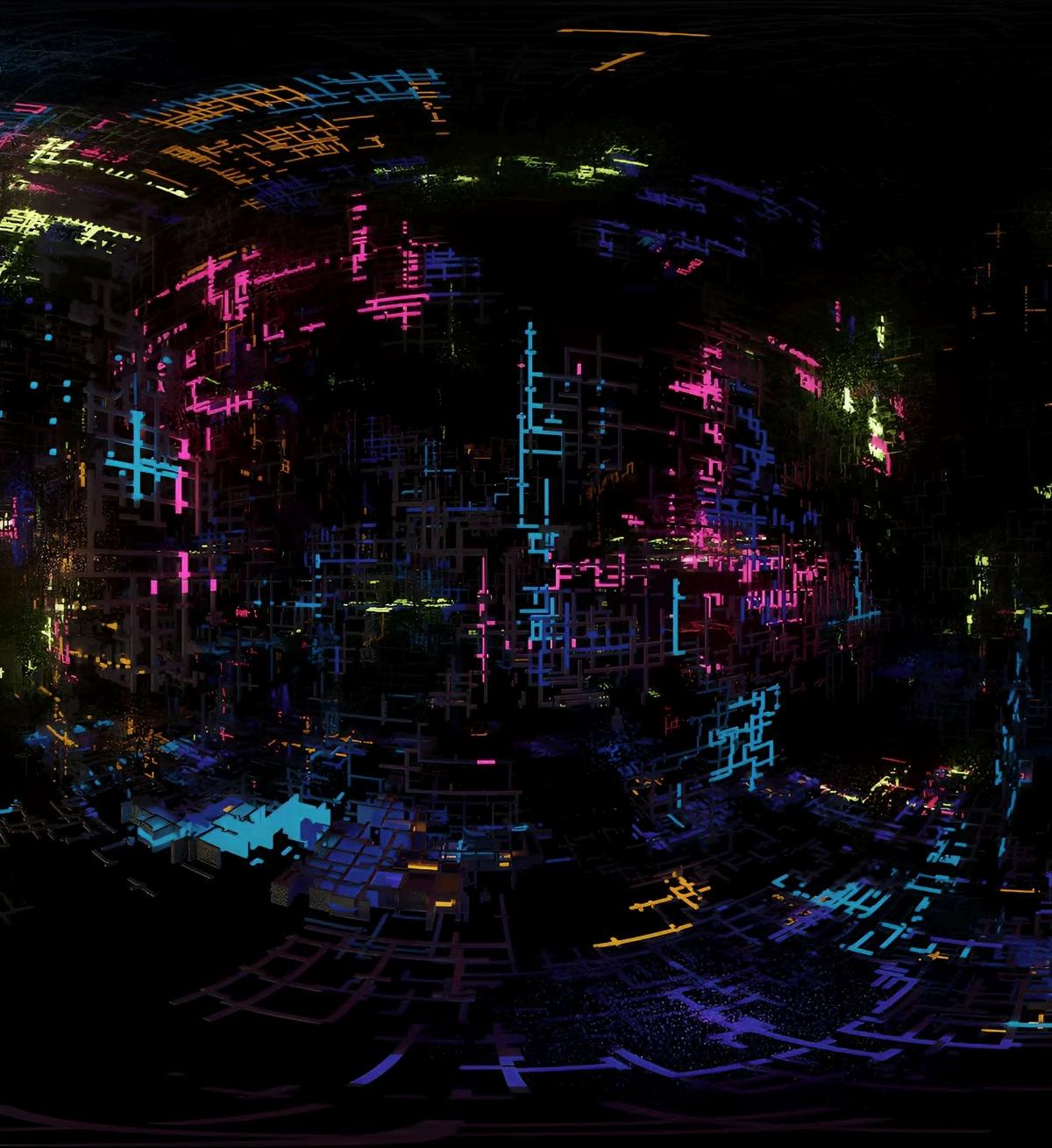
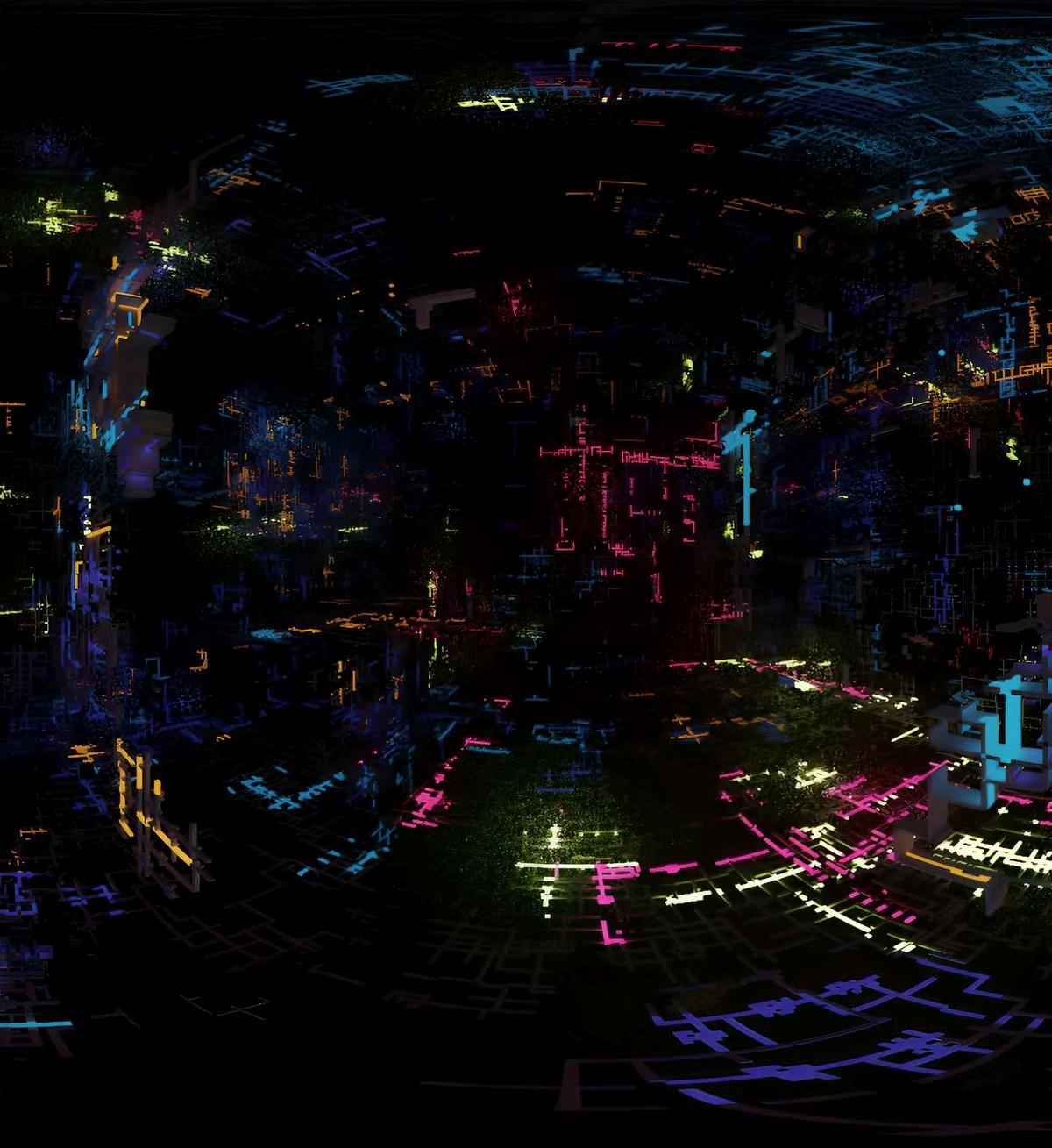






The cube isn’t turning because of you Rather, you are the one who is being turend because of the Cube

K H A N T Z A Y P A I N G