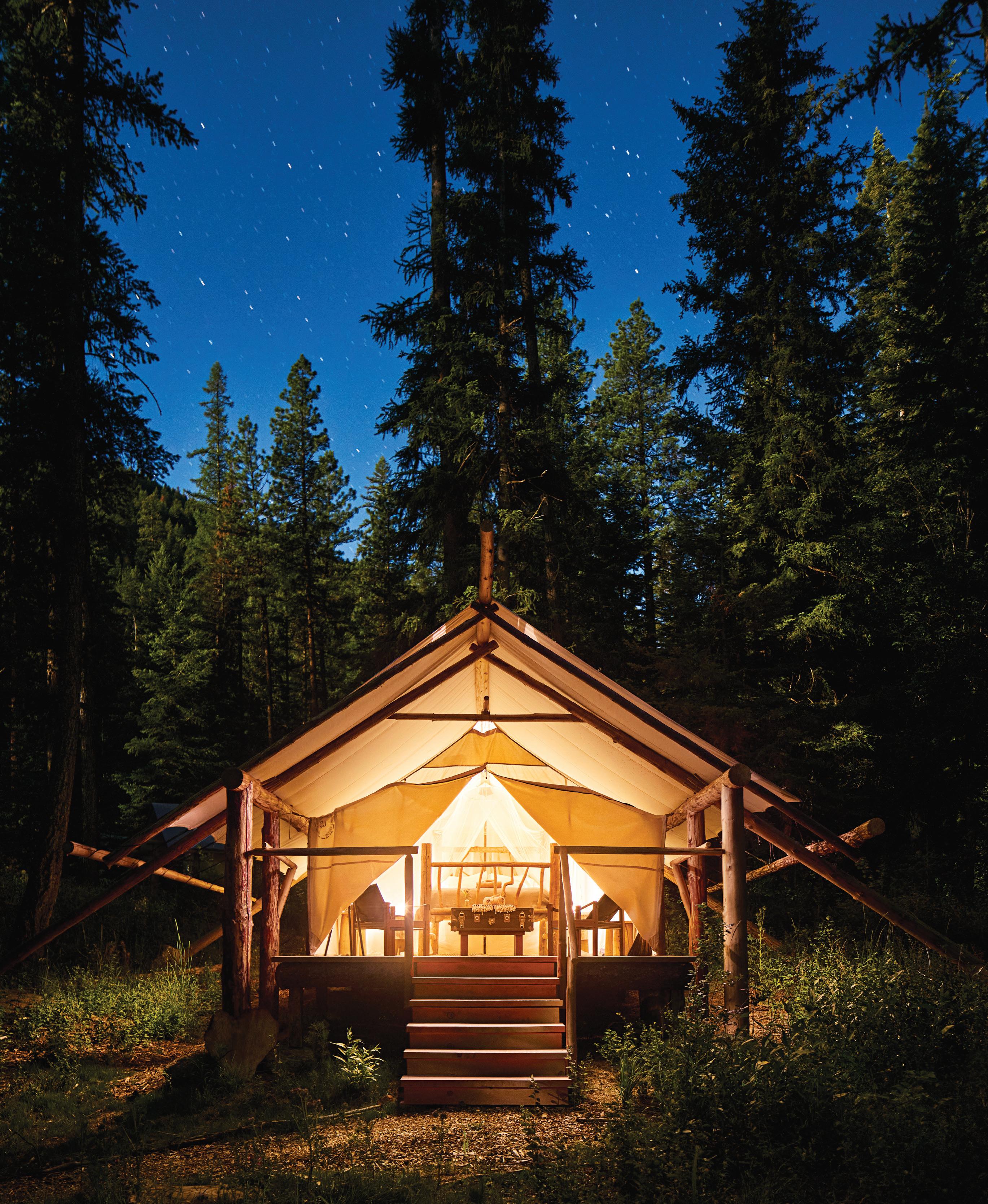







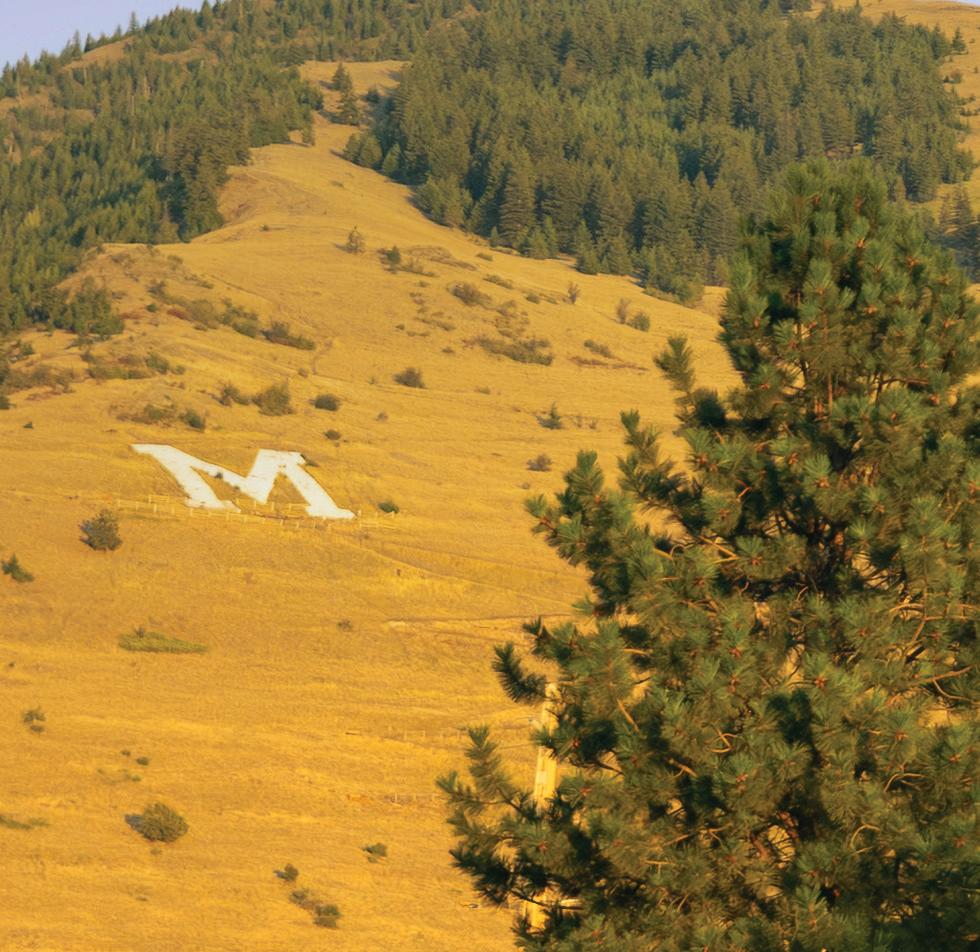


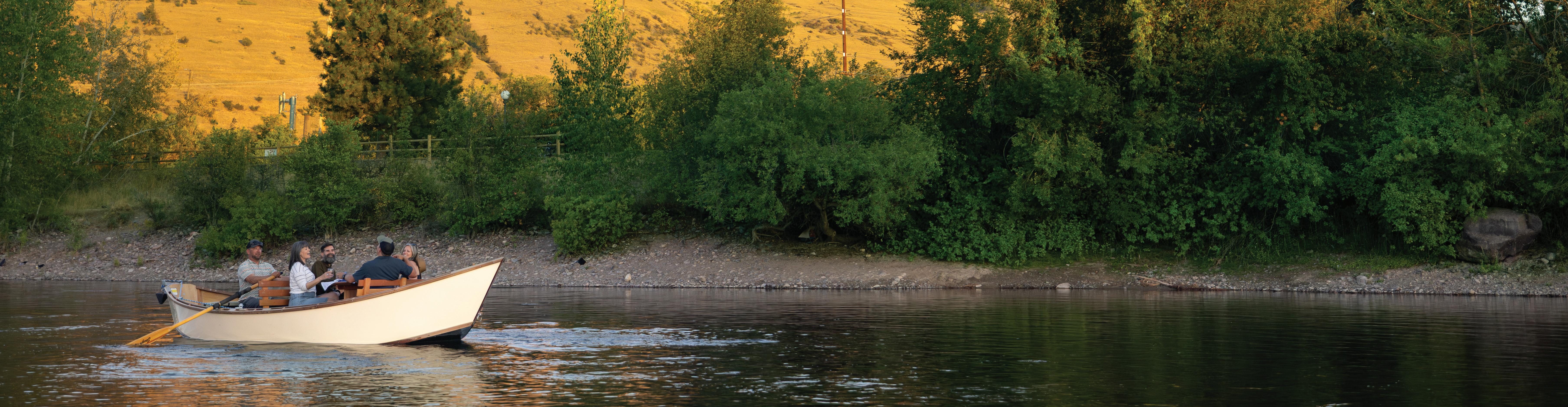


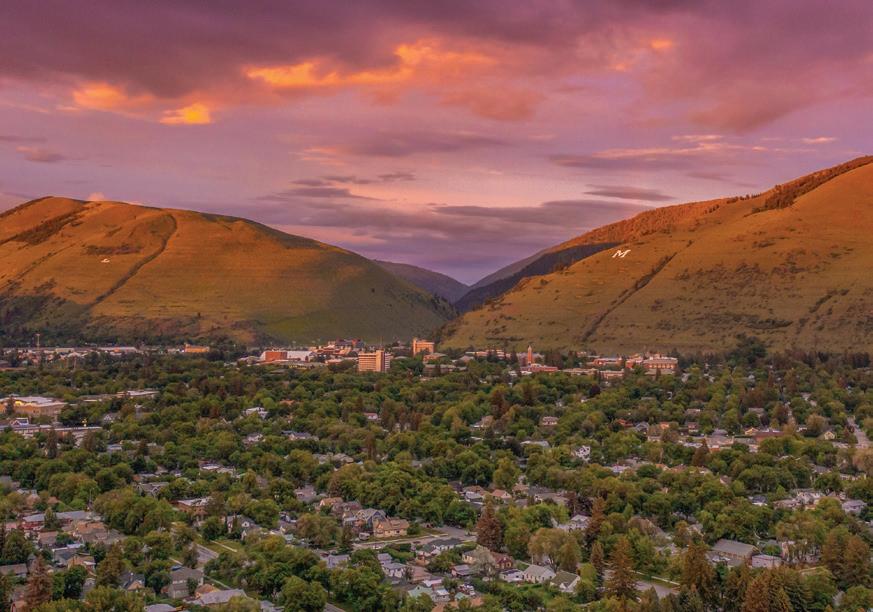



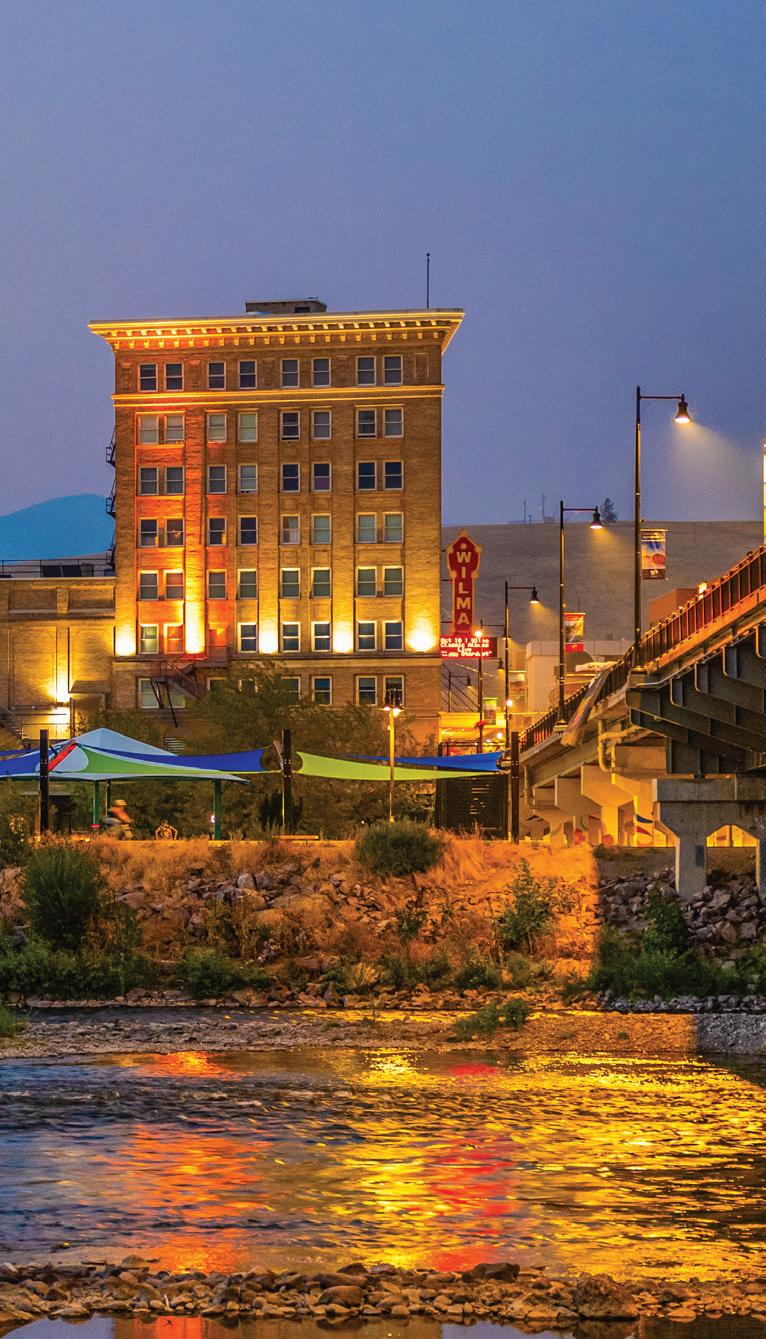

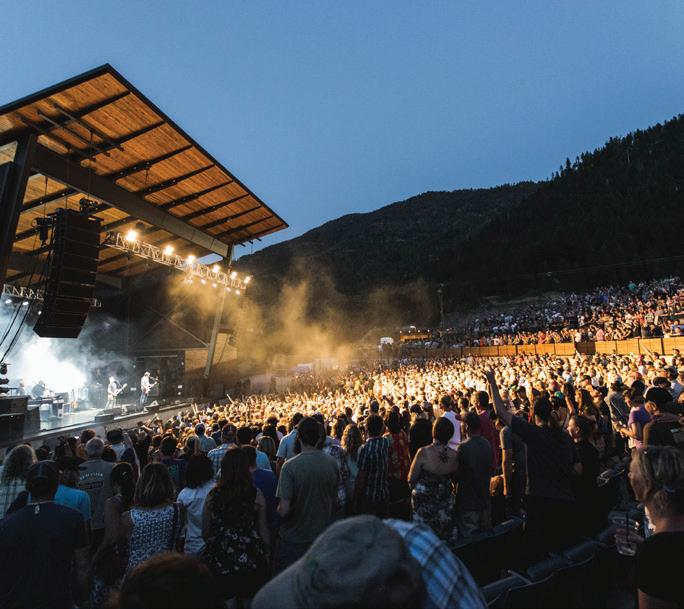


Nestled in the heart of western Montana’s vast wilderness lies a place where outdoor adventure meets cultural vibrancy and every moment is a memory waiting to be made. Whether you are strolling the sidewalks of our charming downtown or exploring our expansive trail systems, Missoula, Montana was made for discovery.
With a population just under 80,000, Missoula perfectly blends small-town charm with big-city amenities, and accommodations ranging from familiar hotel chains to boutique lodging experiences. Culturally, Missoula shines. Art is a way of life and music flows as naturally as the river that runs through the heart of the city. Our music scene is seriously impressive—headliners sell out outdoor amphitheaters, and the sound of talented up-and-coming acts grooves from every dive, brewery and cafe in town.

When it comes to recreating under Montana’s big sky, Missoula is paradise—seemingly endless trail systems beckon, breathtaking vistas await around every bend, and every day presents a new way to take to the water.
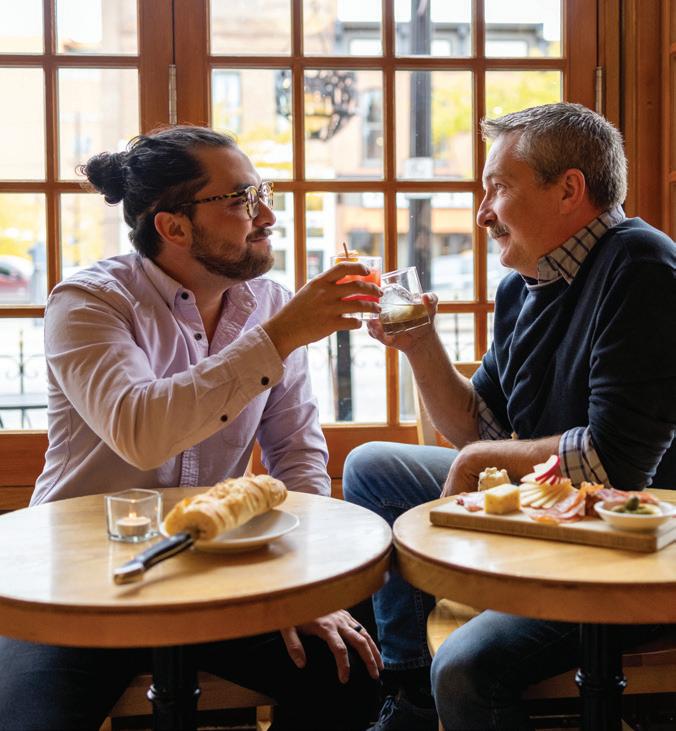
Let Missoula’s food scene surprise you—talented chefs with diverse influences serve up some seriously delicious grub using fresh, seasonal flavors. Missoula takes “local” seriously and “farm-to-table” is more than a catchphrase, as evidenced by our nationally recognized farmers market scene, where you can find everything from Montana-made goods to homegrown, local produce.
Missoula is a place you have to experience to believe, and with daily direct flights from Portland, your perfect adventure is closer than you think. Book your stay. Pack your bags. It’s time to make memories, and Missoula is waiting.
Call 1.800.526.3465 or visit destinationmissoula.org/1859 for more information.
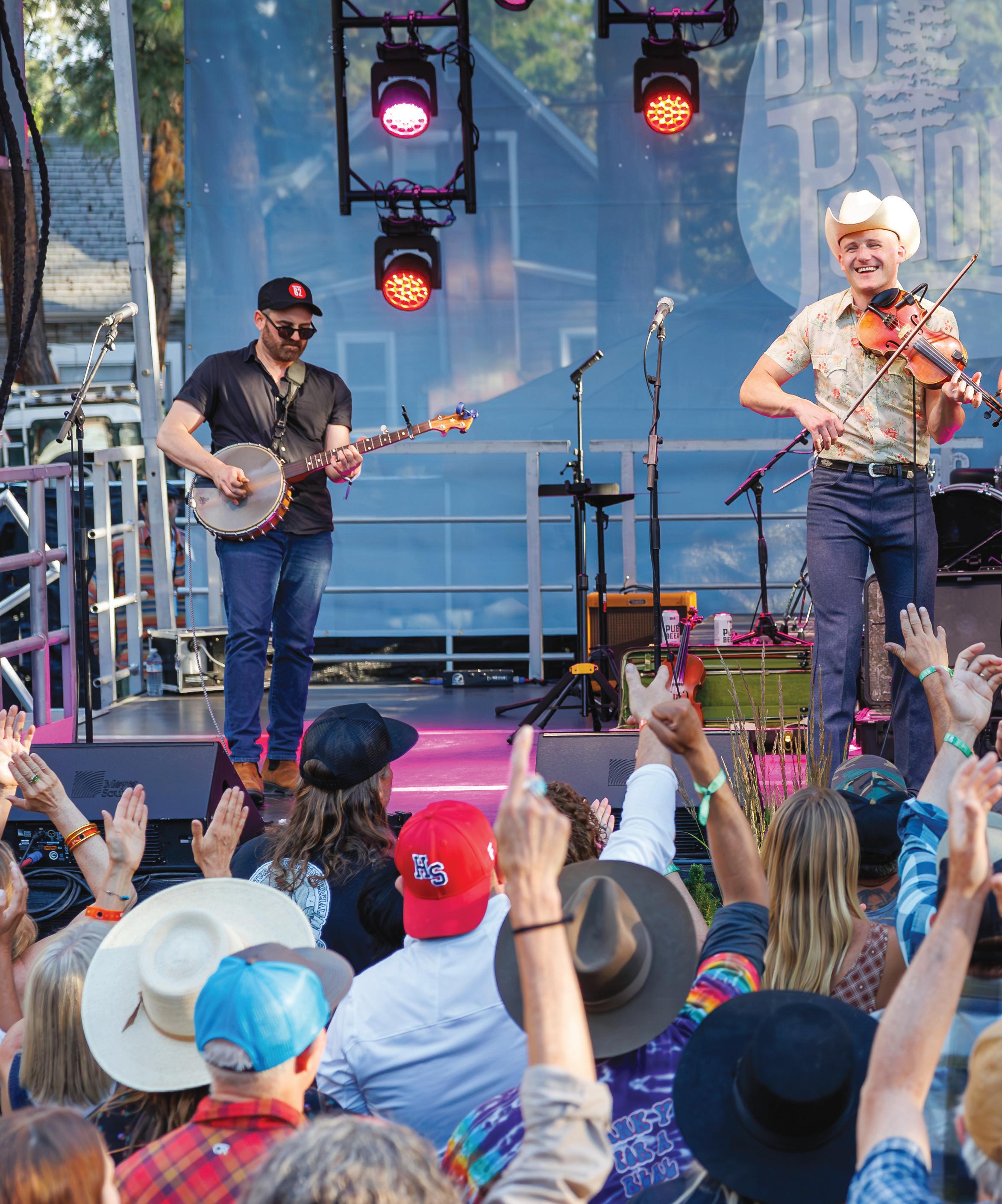


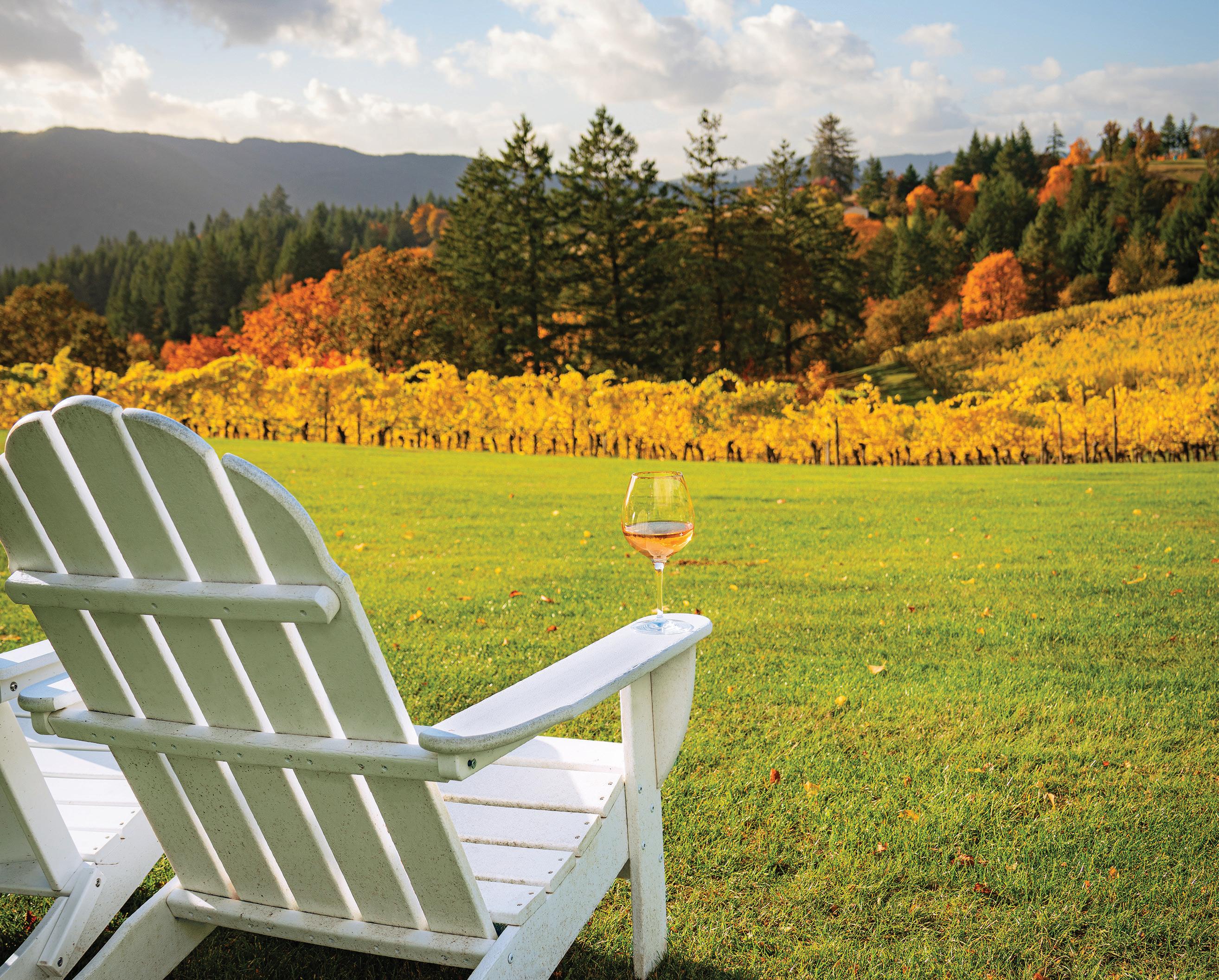
Explore our recommendations for summer music festivals across genres and the state. (pg. 16)
The benefits of native plants and trees are many, but finding the path back home is challenging. What ever are native plants these days, anyway?
wri en by Daniel
O’Neil
Salem’s Hallie Ford Museum of Art and Crow’s Shadow Institute of the Arts are bringing together an impressive selection of contemporary Indigenous art through June 20.
wri en by Kerry Newberry

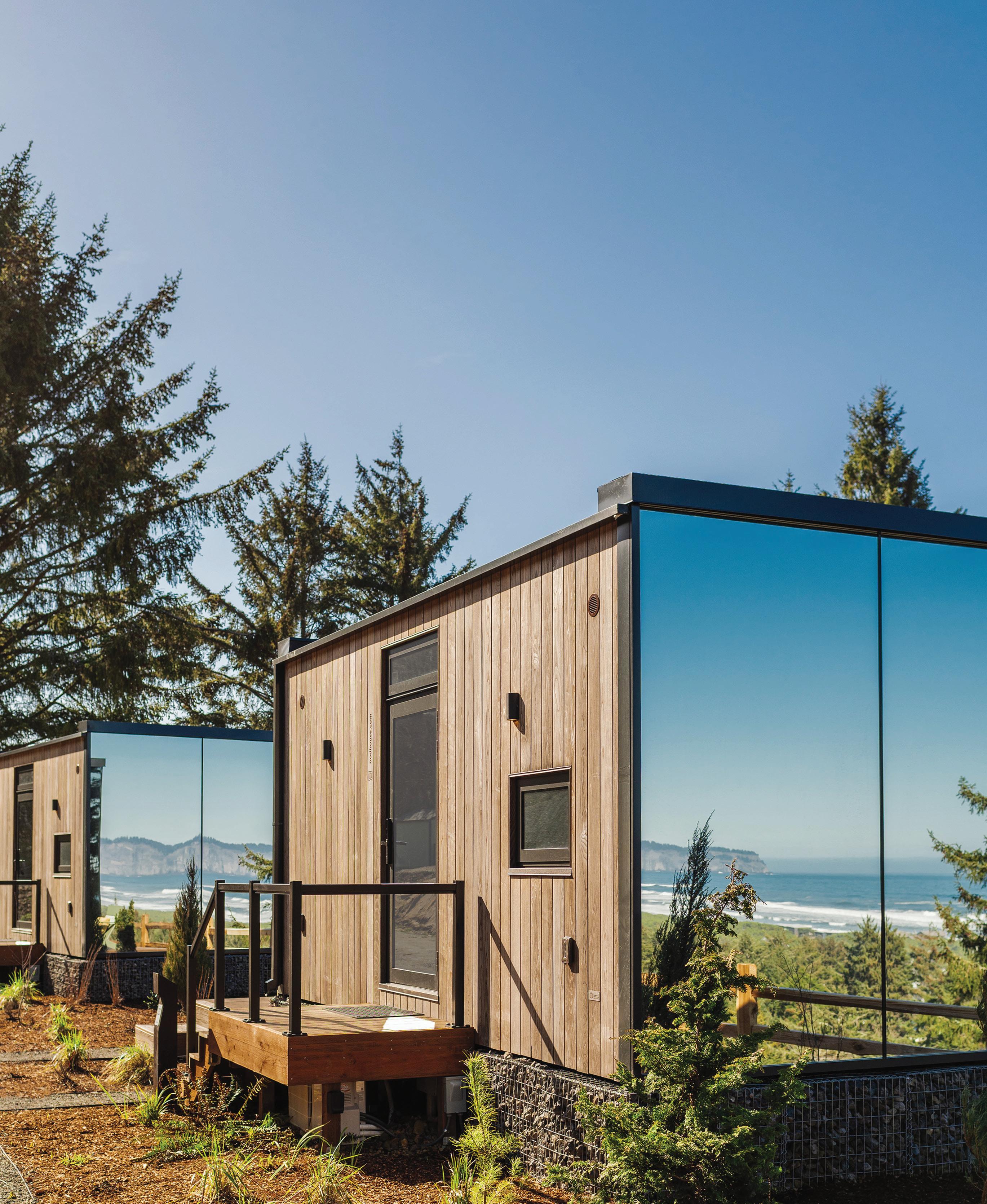
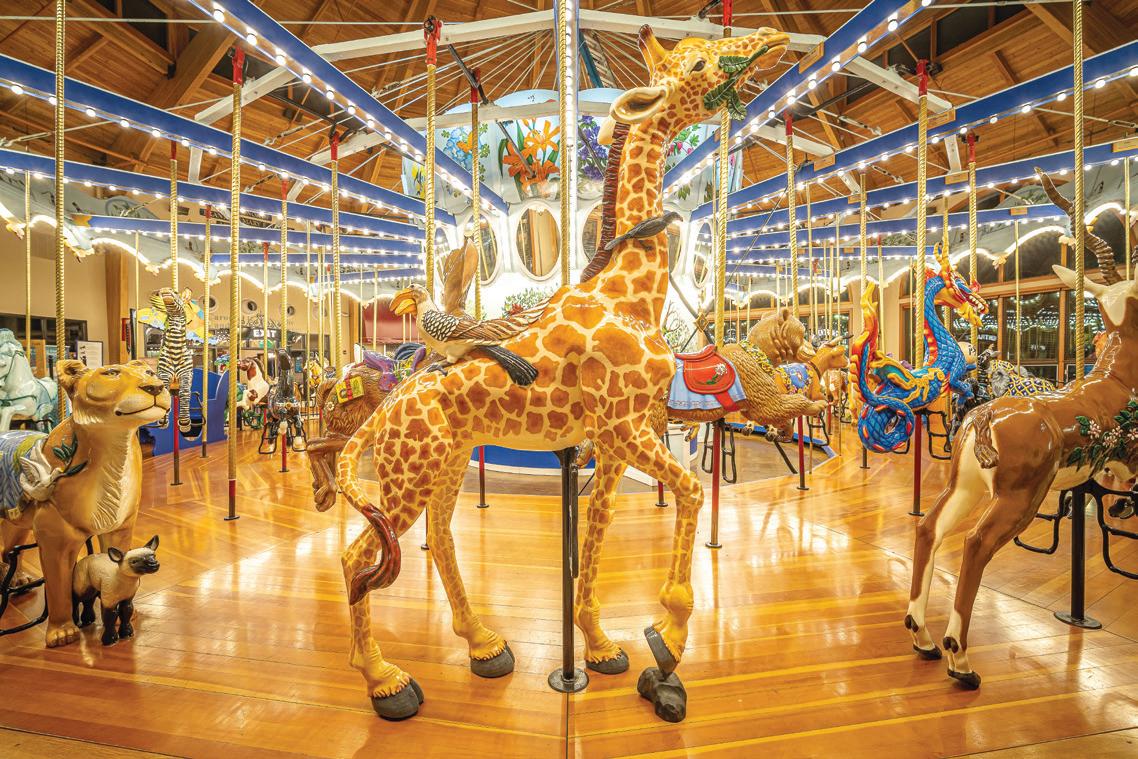
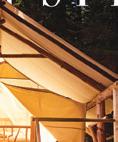
Ge ing outdoors doesn’t mean sacrificing comfort at these glamping destinations around the state—plan your summer stay at cool cabins, treehouses, Airstreams and more!
wri en by Jean



Chen Smith












COVER photo by Jay Fram/jayfram.com
Minam River Lodge (see “Wild Comfort,” pg. 58)
Editor’s Le er 1859 Online Map of Oregon Until Next Time 10 11 94 96
14 NOTEBOOK
Olive oil body care, McMenamins’ new IPA, floating into Portland Art Museum’s new exhibit.
22 FOOD + DRINK
Beer-camp pairings, Wallowa County’s 6 Ranch Supper Club.
26 FARM TO TABLE
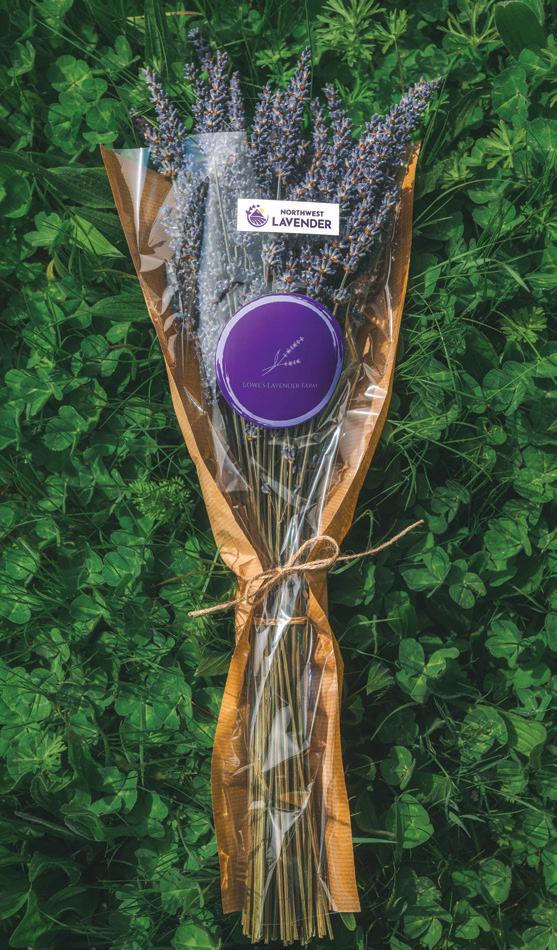
Lavender takes on leading aromatic roles.
38 HOME + DESIGN
Bringing the courtyard (and a meadow) home.
46 MIND + BODY
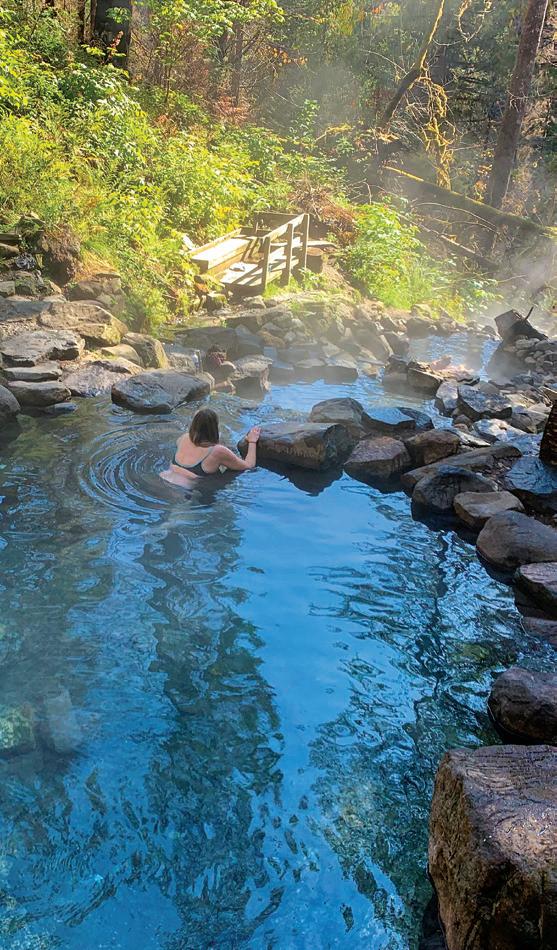
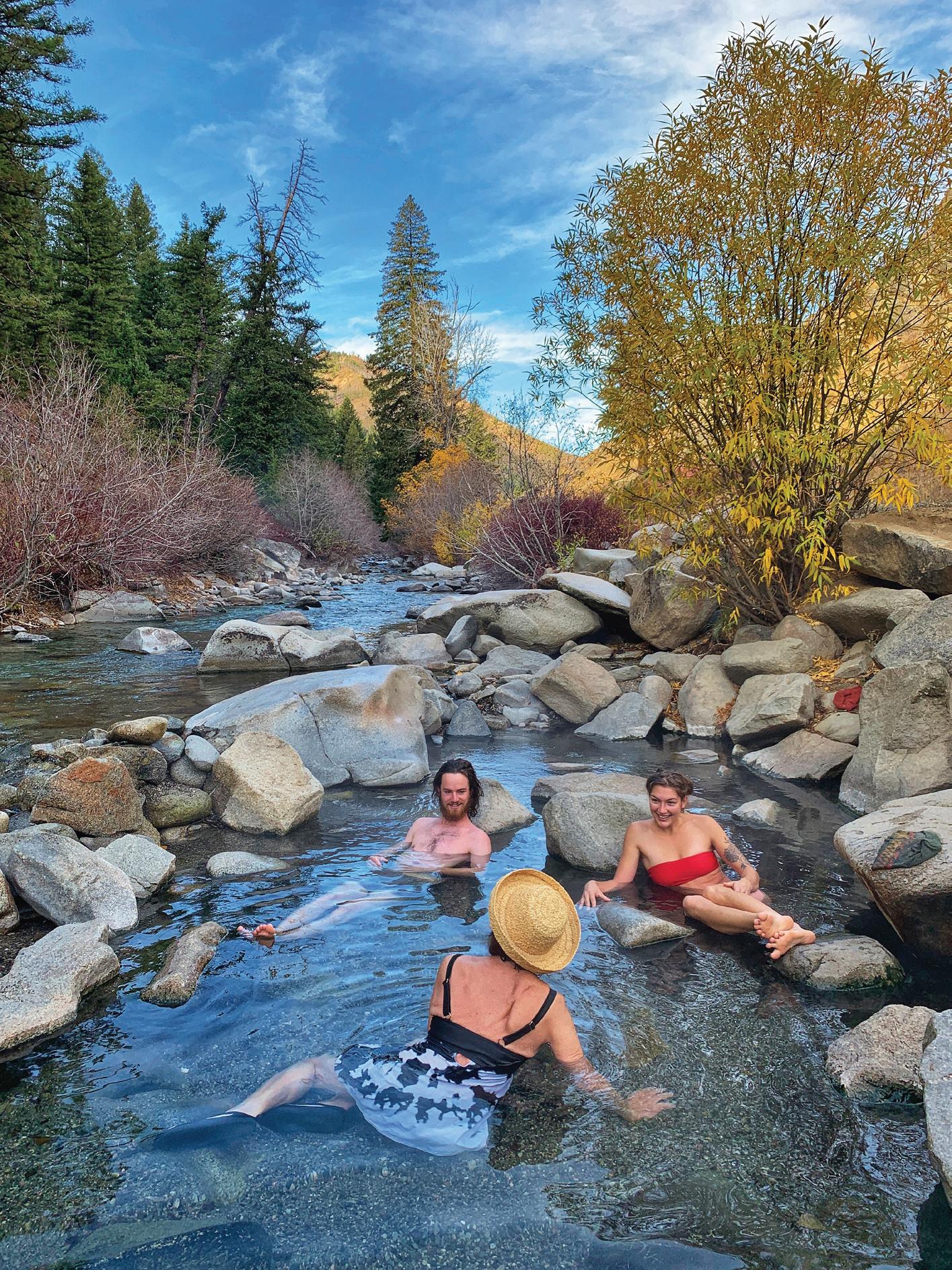
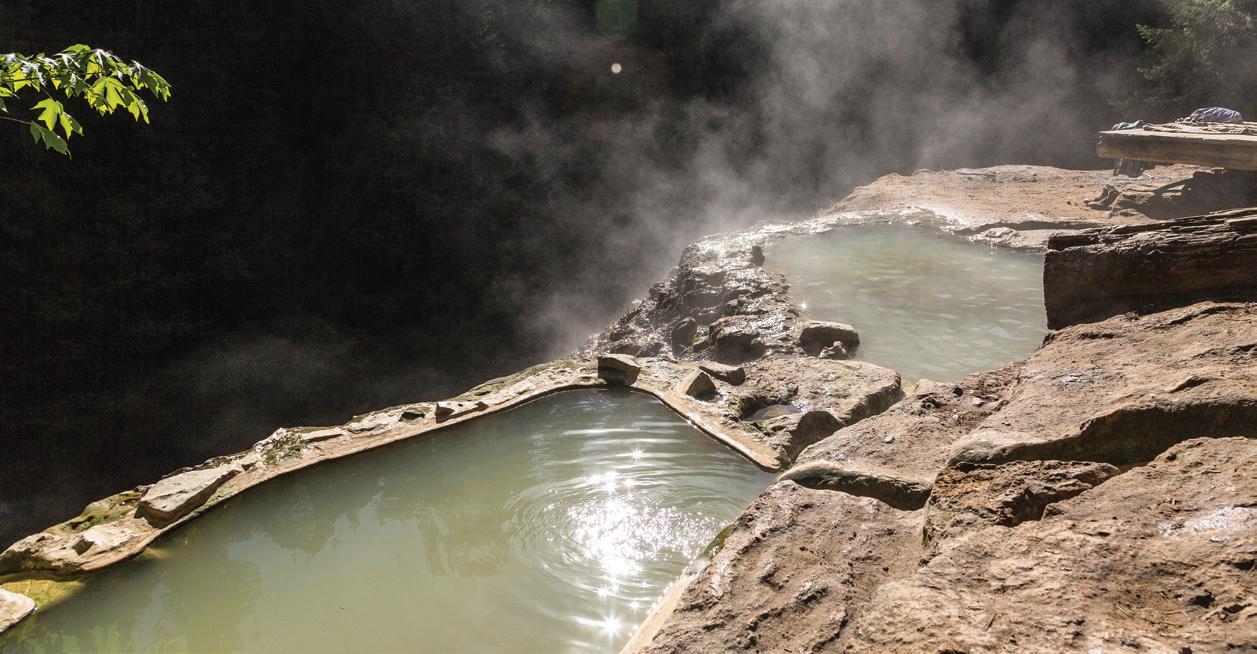
Four natural hot springs worth the hike.
48 ARTIST IN RESIDENCE
Misbehaved to mixed media, the collages of Epiphany Couch.
54 MY WORKSPACE
Glacier View Lavender in Parkdale.
56 GAME CHANGER
Portland-based Girls Build teaches construction and life basics to young women.
78 TRAVEL SPOTLIGHT
A delightful cabaret theater in Ashland.
80 ADVENTURE
Hot-air balloon adventures.
82 LODGING
Tu Tu’ Tun Lodge on the banks of the Rogue River.
84 TRIP PLANNER
Small-town mid-Willame e Valley—Sweet Home and Albany.
90 NW DESTINATION
Canada’s Okanagan wine country, the “Napa of the North.”












CATHY CARROLL Writer Adventure
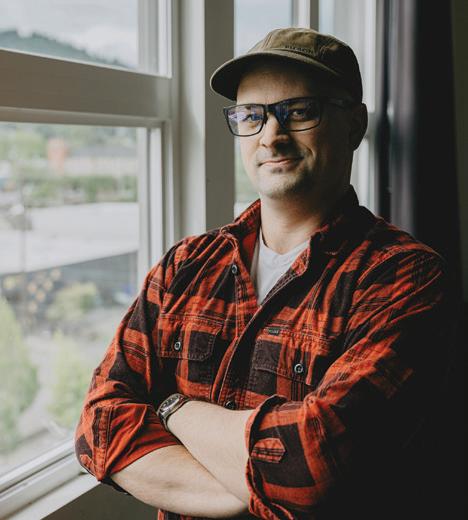
“On the eve of my first hot-air balloon ride, I was unexpectedly anxious—despite having gone skydiving before. That all fell away with the ground below as I ascended thousands of feet in a wicker basket amid silence, stillness and a sense of weightless calm. Floating above the Willamette Valley, I found freedom—and a new obsession with seeing more of the Northwest from a hot-air balloon.” (pg. 80)
From Haiti to the Himalayas, Cathy Carroll has covered some of the world’s most fascinating people and places for national and regional news organizations. Based in Bend, she never tires of telling the stories of creative thinkers and singular places.

ARI NORDHAGEN Photographer Oregon Recipes
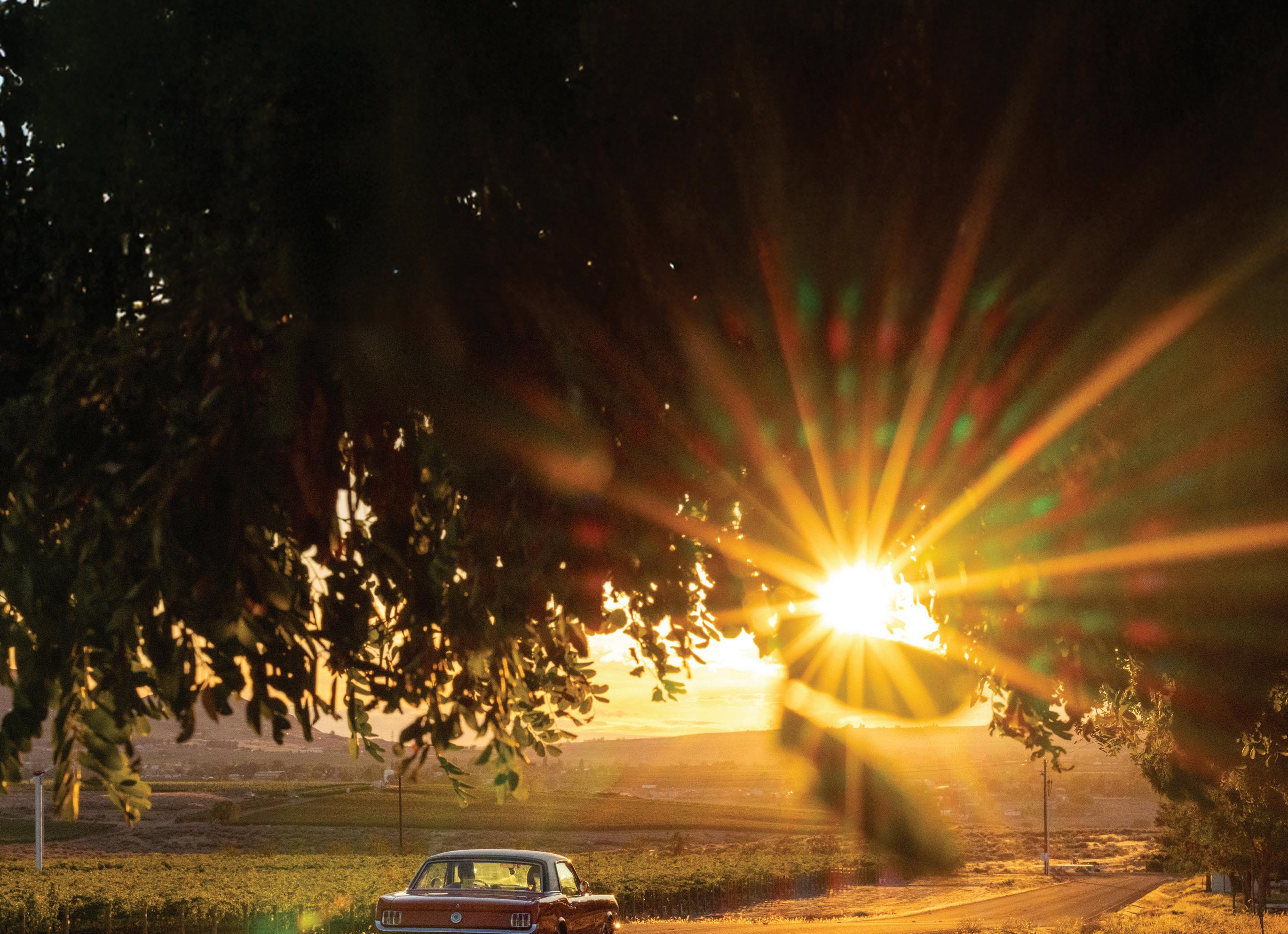
“Living in Spokane—‘The Lilac City’—for almost eleven years, purple has become part of my visual repertory. Photographing the lavender lemonade spread was a great way to combine the purple of lavender with complementary yellow from lemons set against green grass to showcase a sweet, summery drink.” (pg. 30)
Ari Nordhagen is an awardwinning portrait, wedding and food photographer based in Spokane, Washington. She is the author and photographer of The Spokane Cookbook and The Spokane Drinks Book, which showcase stories and recipes from Spokane’s food and beverage communities.

YOKO BAUM Illustrator
Beerlandia
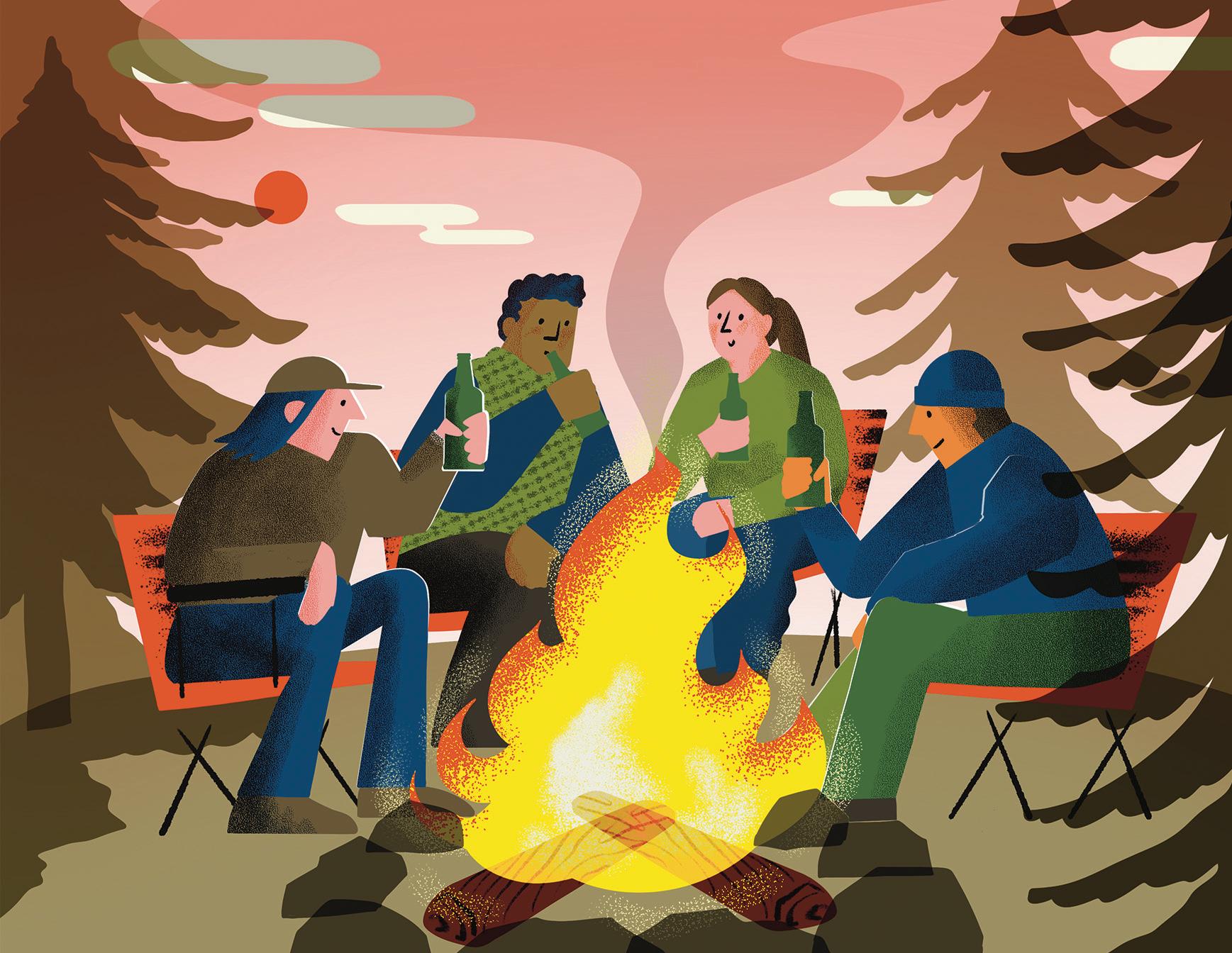
“As someone who loves food and gathering, I feel especially inspired by time spent outdoors with my loved ones in the beauty of the Pacific Northwest. Sharing simple food, laughter and a favorite drink with family and friends creates moments that turn into lasting memories. Illustrating this story reminded me how meaningful these gatherings can be, and how they continue to stay with me like the warmth of a campfire.” (pg. 22)
Yoko Baum is a freelance illustrator based in Happy Valley, specializing in food, drink and lifestyle artwork for editorial and branding. When not creating vibrant visuals, she enjoys cooking for her sons and exploring the outdoors on summer hikes.
EDWIN OUELLETTE Illustrator
Home + Design DIY
“My go-to illustration style for years has been what I like to call ‘Retrofuturisim’—but it’s always a fun challenge trying out new styles. In particular, I’ve recently been doing a fair bit of education and scientific infographics. As my gramps always said: ‘If you ain’t learnin’, yer dyin’.’” (pg. 42)
Edwin Ouellette is a Portlandbased illustrator, children’s book author, graphic designer and amateur lumberjack.
EDITOR Kevin Max
CREATIVE DIRECTOR Allison Bye
WEB MANAGER Aaron Opsahl
SOCIAL MEDIA MANAGER Joni Kabana
OFFICE MANAGER Cindy Miskowiec
DIRECTOR OF SALES Jenny Kamprath
ACCOUNT EXECUTIVE Terresa Clark
HOMEGROWN C HEF Thor Erickson
BEERLANDIA COLUMNIST Jeremy Storton
C ONTRIBUTING WRITERS Cathy Carroll, Jean Chen Smith, Melissa Dalton, Joni Kabana, Julie Lee, Kerry Newberry, Daniel O’Neil, Ben Salmon, James Sinks
C ONTRIBUTING PHOTOGRAPHERS Mel Barbour, Wolf Brown, Jay Fram, Tambi Lane, Ari Nordhagen, Daniel O’Neil, Lara Swimmer
CONTRIBUTING ARTISTS Yoko Baum, Edwin Ouellette
70 SW Century Dr. Suite 100-218 Bend, Oregon 97702
Headquarters
592 N. Sisters Park Ct. Suite B Sisters, OR 97759
www.1859magazine.com /subscribe @1859oregon
All rights reserved. No part of this publiCation may be reproduCed or transmitted in any form or by any means, eleCtroniCally or meChaniCally, inCluding photoCopy, reCording or any information storage and retrieval system, without the express written permission of Statehood Media. ArtiCles and photographs appearing in 1859 Oregon’s Magazine may not be reproduCed in whole or in part without the express written Consent of the publisher. 1859 Oregon’s Magazine and Statehood Media are not responsible for the return of unsoliCited materials. The views and opinions expressed in these artiCles are not neCessarily those of 1859 Oregon’s Magazine, Statehood Media or its employees, staff or management.
THE PREAMBLE to our May/June issue inspires us to form a more perfect union—with nature, with art and with ourselves.
The emerging trend to plant more native species takes root in a sense of place, an ecological identity and our own heritage. Growth demands new trees, trees that grow quickly, shrubs that look great in the neighborhood. The return to native species takes time and often a sacrifice of the most aesthetically pleasing options. Native trees and shrubs are, nonetheless, a commitment that more municipalities and homeowners are putting back in the dirt. Turn to page 66 to learn more about the trend toward re-native-ing.
I love a well-designed home as much as the next Oregonian. It’s seldom that I call homes out in this letter, however. The story of a home in Eugene in this issue is compelling. It is designed around a courtyard that acts like an extension of the meadow in the adjacent park. Most rooms of the house overlook the interior or exterior meadow. If there is a next home for me, it will have its own interior meadow, too! Turn to Home + Design on page 38.
This more perfect union includes an amazing gathering of contemporary Indigenous artists through an exhibit at the Hallie Ford Museum of Art and Crow’s Shadow Institute of the Arts.
Think Wendy Red Star (Apsáalooke) and Dyani White Hawk (Sičhą́ǧu Lakóta) as pillars of this exhibit. You can hear their voices as you wander through. Turn to page 72 to get a preview of the exhibit.
Any union made more perfect should reflect community building. That is literally the mission of Girls Build, a Portland-based nonprofit founded by carpenter Katie Hughes a decade ago. She gathered fellow tradeswomen and asked what they could do to inspire young women despite the disparity in the trades. Girls Build, with its week-long camps, is expanding into smaller communities outside of Portland and teaching more young women the basics of carpentry. Read more on page 56.
To put a point of perfection on this union, the founders would have called it just regular old camping. We found a more perfect version of camping in six amazing glamping resorts throughout Oregon and two on the Washington side of the Columbia River (pg. 58). These range from luxury and coastal to more rustic, but with all of the amenities to make your getaway more perfect.
I’d be a fool not to direct your parting attention to our Homegrown Chef’s rhubarb pie (pg. 34) and rhubarb pie story, because who doesn’t have a rhubarb pie story?
www.1859oregonmagazine.com | #1859oregon | @1859oregon
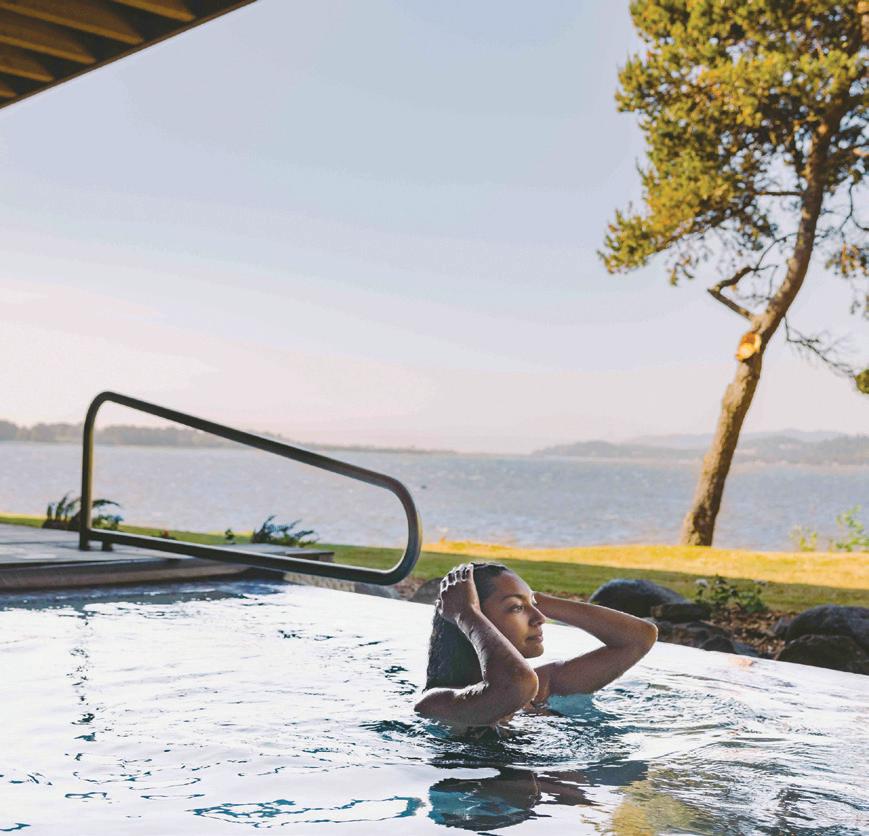
Discover the magic of the Oregon Coast in style. Salishan Coastal Lodge by SCP Hotels, in partnership with 1859 Oregon’s Magazine, is giving one lucky winner the ultimate coastal retreat. One winner will receive: a three-night stay for two at Salishan Coastal Lodge by SCP Hotels and a $300 resort credit to craft a custom coastal adventure, redeemable on your choice of: spa treatments at e Spa at Salishan, a round at Salishan Golf Links, thrills at the Aerial Park & Ziplines, coastal bites from Provisions Market or elevated dining at e Attic. Whether you’re seeking adventure, relaxation or a bit of both, this is your chance to unwind, recharge and reconnect on the Oregon Coast. Enter for a chance to win at www.1859oregon magazine.com/contests/forestmeetssea Sweepstakes runs May 1-31.
HAVE A PHOTO THAT SHOWS OFF YOUR OREGON EXPERIENCE?
Share it with us by filling out the Oregon Postcard form on our website. If chosen, you’ll be published here.
www.1859oregon magazine.com/postcard
photo by Jake Bielecki
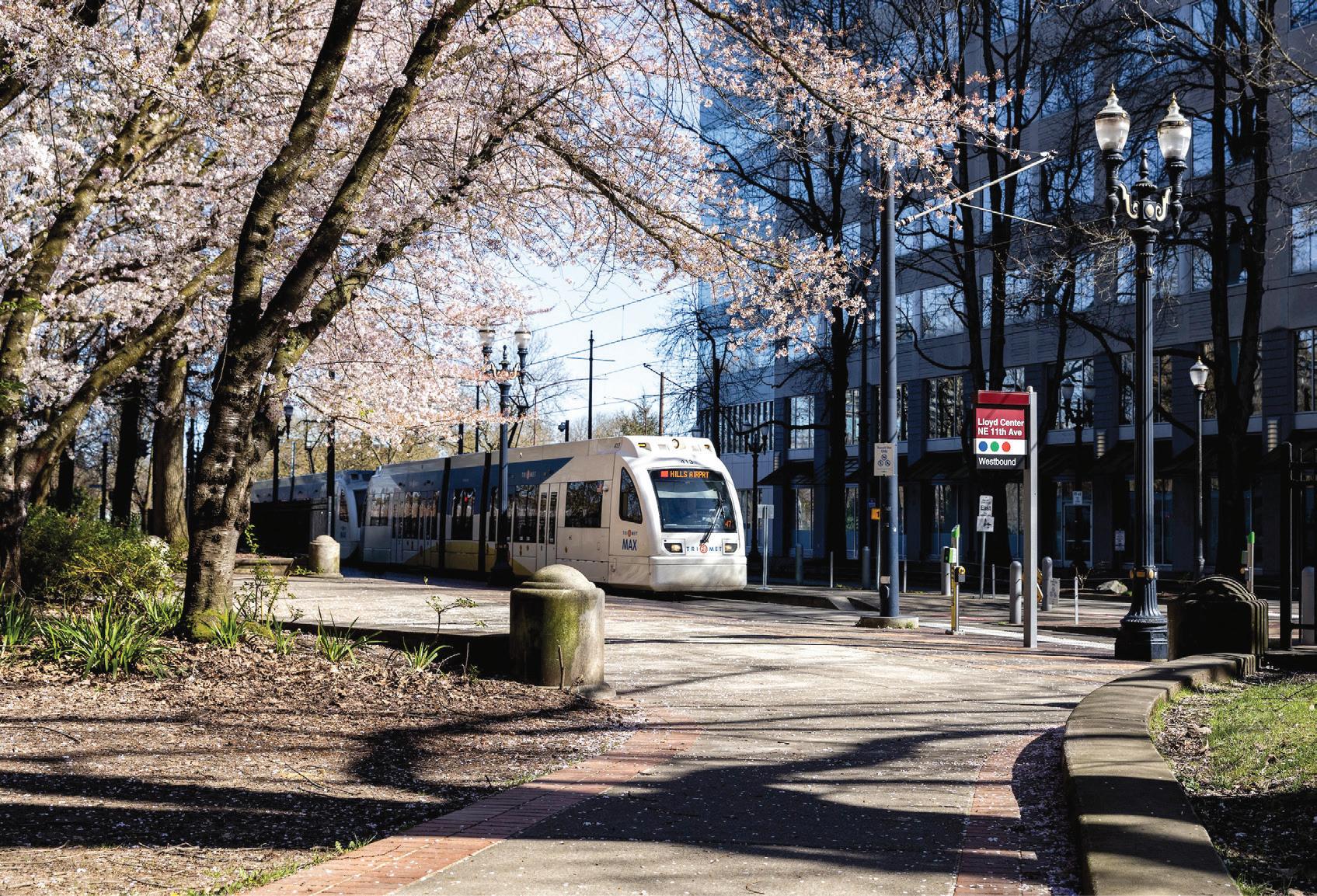
Since moving to the Pacific Northwest, I’ve been drawn to the rhythm of the MAX trains. Something about them just feels like Portland and also Japan. When cherry blossom season arrived, I made it a point to find a place where both could come together in a single frame. There’s nothing quite like this time of year in Portland, when the city so ens, and everything feels a li le more alive.






Read 1859 Oregon’s Magazine and 1889 Washington’s Magazine anywhere, on any device, with our digital edition. Follow us today on Issuu.com.
www.bit.ly/statehood mediadigital
NOTEBOOK 14
FOOD + DRINK 22
FARM TO TABLE 26
HOME + DESIGN 38
MIND + BODY 46


ARTIST IN RESIDENCE 48

pg. 48

the


written by Cathy Carroll

Portland composer and guitarist Brent Gunter premieres his new instrumental album Trade Winds on May 15 at Portland’s Newmark Theatre. Featuring a world-class ensemble, the performance blends Spanish guitar, global influences and melodic rock. The concert will be filmed, adding a cinematic component to the evening. The debut marks the first public presentation of the project and its only planned filmed performance.
www.portland5.com/event/brent-guntertrade-winds-premiere-concert www.brentgunter.com

Durant, with its vineyards, winery, tasting room and Oregon’s only commercial olive mill, has introduced Oliete, a body care collection crafted with its Dayton estate-grown extra-virgin olive oil. Made with Portland-based artisan Mad Sass Soap Co., the line blends farm-grown ingredients with small-batch skin care in three scents: Orchard, Garden and Grove. The soaps, lotions, oils and candles are rooted in Willamette Valley heritage, terroir and wellness grounded in Oregon craft.
www.durantoregon.com
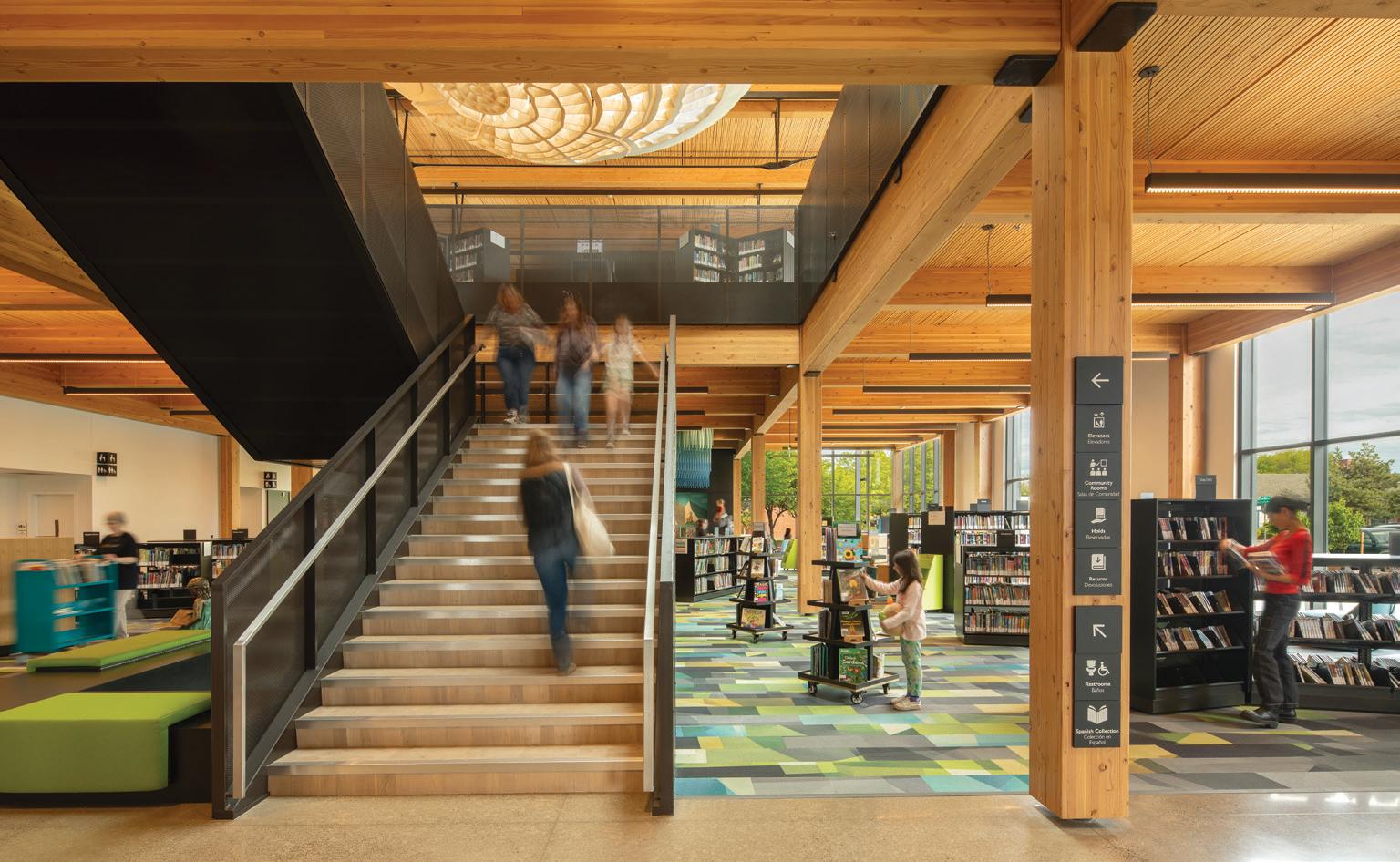
The new Redmond Library reimagines what a small-city library can be for the growing Central Oregon community. This two-story building more than doubles the former space, serving as a flexible, inclusive “civic living room” for everything from early learning and teen programming to maker spaces, co-working and public gatherings. All-electric and net-zero, the design blends historic references with exposed timber interiors, mountain views, a plaza and a sculpture inspired by the landscape.
www.deschuteslibrary.org/about/ libraries/redmond
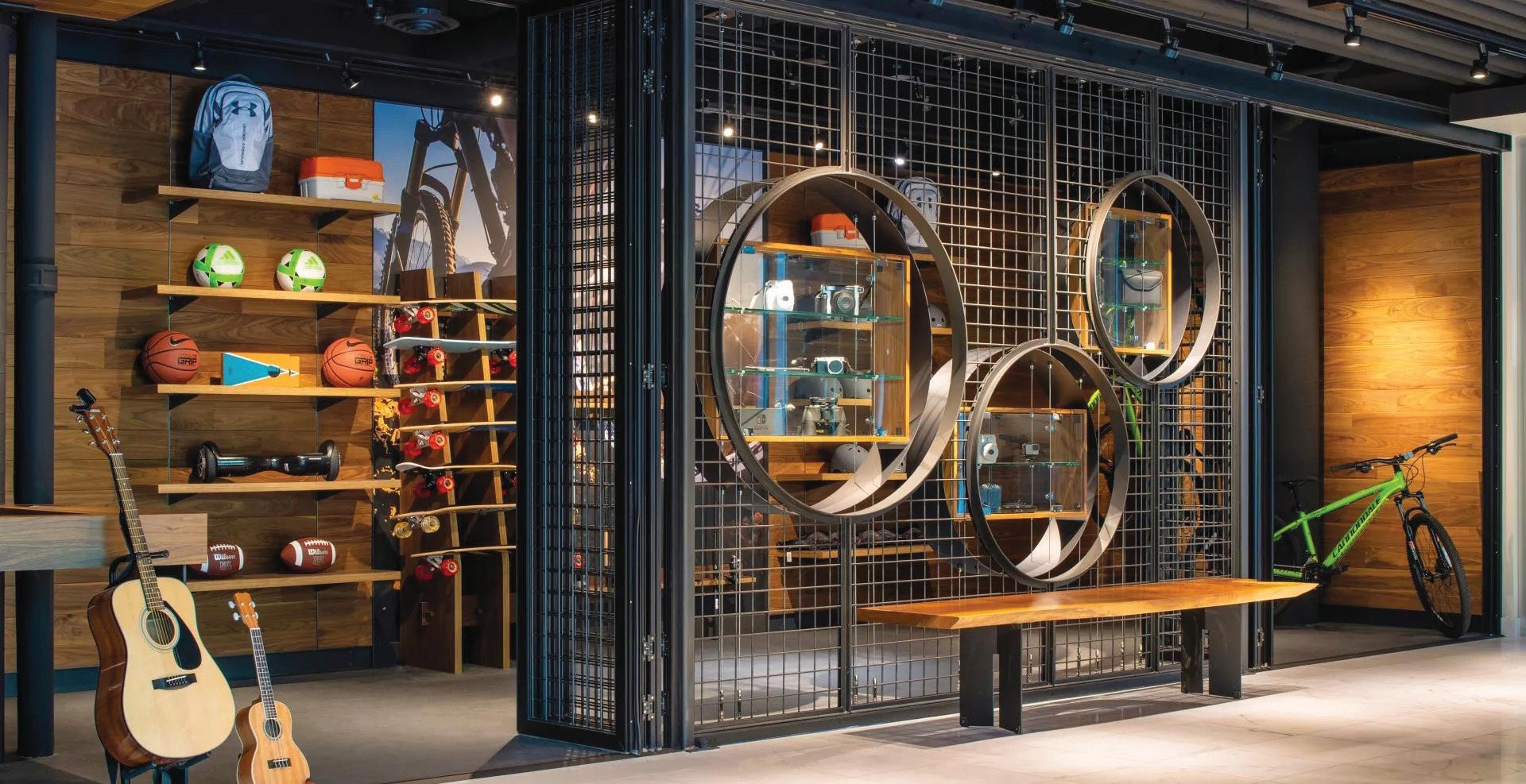
The Hotel Zags’ Gear Shed reimagines the hotel amenity as an adventure library. Borrow a cruiser or mountain bikes—helmets, locks and lights included—and ride to nearby Tom McCall Waterfront Park. Check out a paddleboard, inflatable kayak, scooters, longboards with pads, bocce, cornhole and more sports gear, as well as coolers, picnic baskets, lawn chairs and a guitar— turning a downtown stay into a choose-your-own outdoor escape.
www.thehotelzags.com/our-hotel/ gear-shed


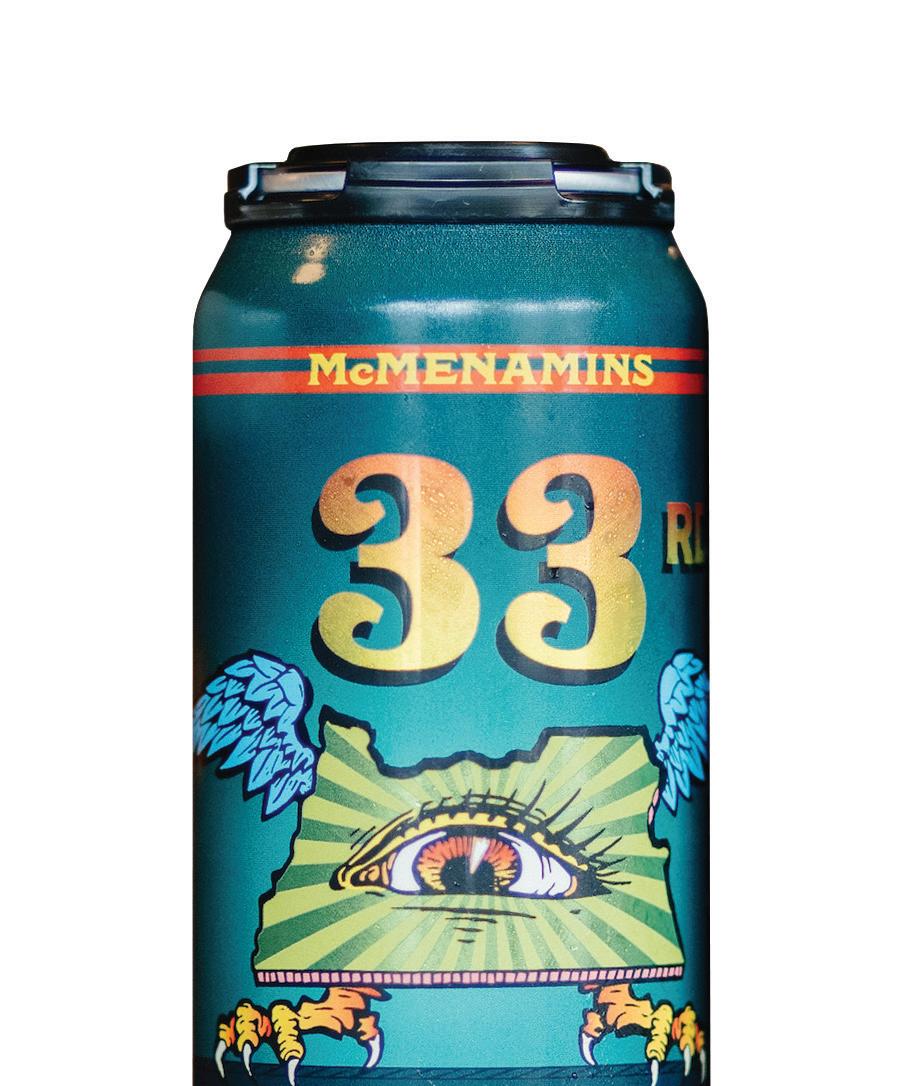

Raise a glass to Oregon having joined the union in 1859, with McMenamins’ new 33rd State IPA. Available only in the state, it pairs well with scores of free events at the pubs, from comedy and storytelling at Al’s Den and pipe organ music with Steven Kerin at Chapel Pub in Portland, to Irish music Sundays at Rock Creek Tavern in Hillsboro and bingo nights at Gearhart Hotel in Gearhart and Old St. Francis School in Bend.
www.mcmenamins.com
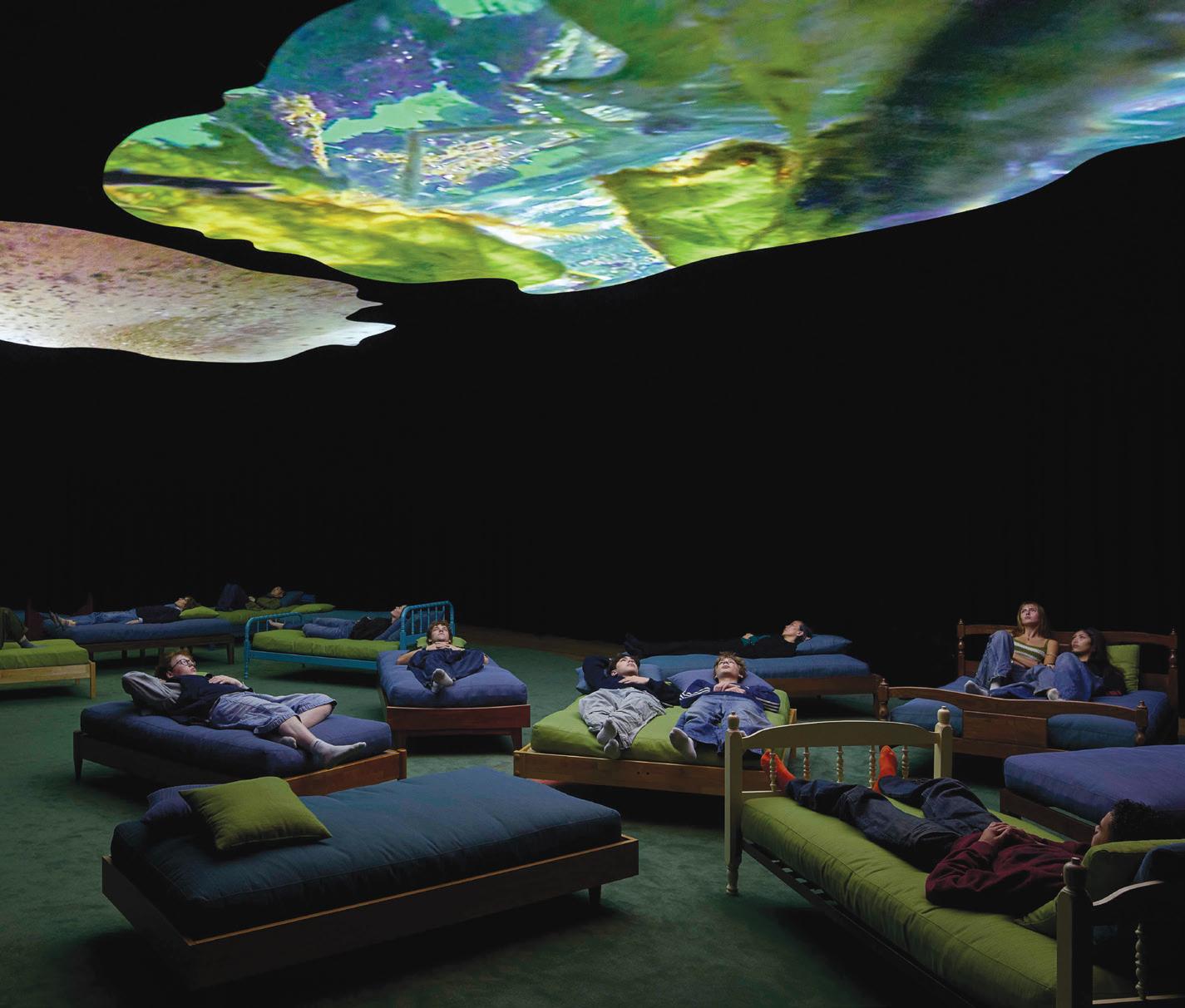
Get horizontal for the 4th Floor to Mildness installation at the Portland Art Museum. Recline on raft-like beds as underwater film plays across suspended screens, evoking floating and a gentle dissolution into nature, memory and one another. Accompanied by experimental music, this West Coast premiere marks the second U.S. showing of internationally renowned artist Pipilotti Rist’s work and runs through January 29, 2027 www.portlandartmuseum.org/event/pipilotti-rist
TEN GREAT PLACES TO CATCH LIVE MUSIC THIS SEASON
written by Ben Salmon
FOR LOVERS OF LIVE MUSIC, summer in Oregon is an embarrassment of riches. The state’s landscape of music festivals stretches from Portland to Jacksonville to Pendleton and beyond, with events held in the middle of cities, on forested hillsides, in historic arenas—just about anywhere you can fit a stage, some musicians and an audience. Here are ten fests happening across the state that deserve a spot on your calendar of fun things to do this summer.
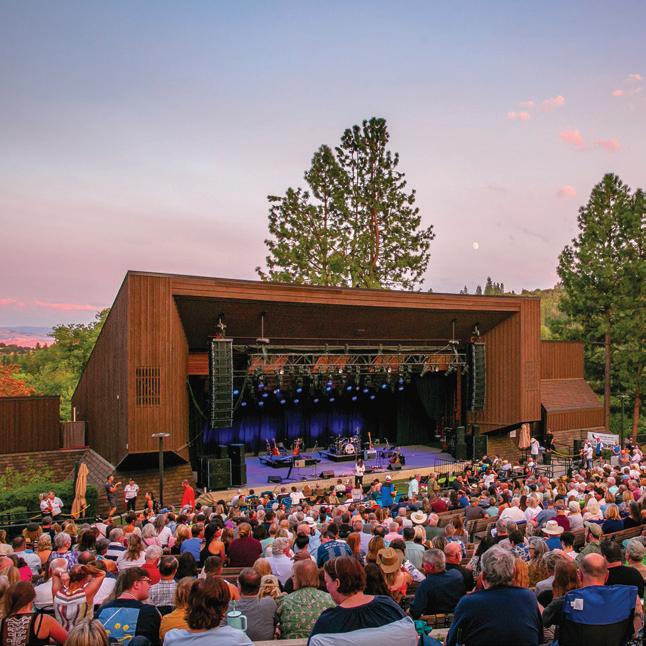
You could spend your whole summer attending Britt festival shows, which don’t cluster around a particular day or weekend, but instead run from June through September. Therein lies the beauty of this Southern Oregon institution: It’s a sustained parade of live-music delights that span a variety of genres, from pop, rock and hip-hop to jazz, country and classical. If you go to enjoy what’s happening on stage, be sure to look around and appreciate the incredible setting that is Britt Pavilion, a naturally formed amphitheater set among majestic ponderosa pines and native madrones
on the estate of nineteenth-century photographer Peter Britt.
Dates: June to September
Location: Britt Pavilion, Jacksonville
Lineup highlights: Ani DiFranco, Shakey Graves, The String Cheese Incident, Atmosphere, Los Lobos, Whiskey Myers, Chicago
More info: www.britt.org
ANOTHER OPTION: Classical music aficionados should check out the Sunriver Music Festival in Central Oregon, celebrating its forty-ninth season this year.

The lineup includes a mix of classical and pops concerts, and you can’t beat an evening spent inside Sunriver Resort’s beautiful and historic Great Hall. (August 10-20; www.sunrivermusic.org)
Now in its thirty-ninth year, the Waterfront Blues Festival will bring three days of worldclass music to the most urban setting on this list: Tom McCall Waterfront Park along the Willamette River in downtown Portland. This year’s version returns to the festival’s larger format, with an expanded footprint, a fireworks display and a diverse lineup that celebrates the blues, of course, but also roots-rock, cumbia, jam bands, Ethiopian dance music, country, punk, funk and more. And if you prefer your live music actually on the water, there’s a blues cruise each day with bands playing on the decks of the Portland Spirit.
Dates: July 2-4
Location: Tom McCall Waterfront Park, Portland
Lineup highlights: The Revivalists, Durand Jones & The Indications, Tank and the Bangas, Cymande, Alejandro Escovedo, Glitterfox
More info: www.waterfrontbluesfest.com
ANOTHER OPTION: Held on a forested farm southeast of Portland, Pickathon is one of the best festival experiences anywhere. It’s mellow and uncrowded, and its diverse lineup—indie rock, bluegrass, world music and more—spills over with opportunities to discover your next favorite band. (July 30-August 2; www.pickathon.com)

Central Oregon reggae fans now have their own festival: Reggae Rise Up, the Redmond-based installment of a series of like-minded events that happen across the country, from Florida to Las Vegas. The lineup for this one is stacked with bands that have rolled through the region a bunch of times, plus a handful of newcomers who will no doubt feel the High Desert love. In addition to reggae, there’s hip-hop, electronic music, funk, ska, pop and more, plus plenty of room for camping—just in case you need to sleep in late after a long night of deeply chilled dancing and irie vibes.
Dates: June 12-14
Location: Deschutes County Fair & Expo Center, Redmond Lineup highlights: Dirty Heads, Rebelution, 311, Tash Sultana, Burning Spear, J Boog, Iration, Lettuce, Brother Ali
More info: www.reggaeriseup.com
ANOTHER OPTION: Later in the summer at the same venue as Reggae Rise Up, the fourth annual Cascade Equinox Festival will bring a massive lineup of electronic acts, jam bands and more to Central Oregon, along with art installations, wellness workshops, boutique shopping and a kids’ zone. This one’s a serious late-night party, with plenty going on during the day, too. (September 18-20; www.cascadeequinox.com)


The mission at Big Ponderoo is simple: Put on a music festival that feels like a throwback to the good ol’ days, before pricey tickets, long beer lines and giant corporate sponsors were the norm. They’re nailing it. This year’s version offers a two-day lineup of rootsy folkrock, blues, soul and bluegrass acts, all presented in an easily accessible park in the middle of mellow and oh-so-scenic
Sisters. “Small-town charm meeting world-class live music,” says the fest’s website. Sounds like a perfect way to spend an early summer weekend!
Dates: June 26-27
Location: Village Green Park, Sisters Lineup highlights: The California Honeydrops, Steep Canyon Rangers, Fruition, The Rumble, Boy Golden, Big Richard
More info: www.bigponderoo.com
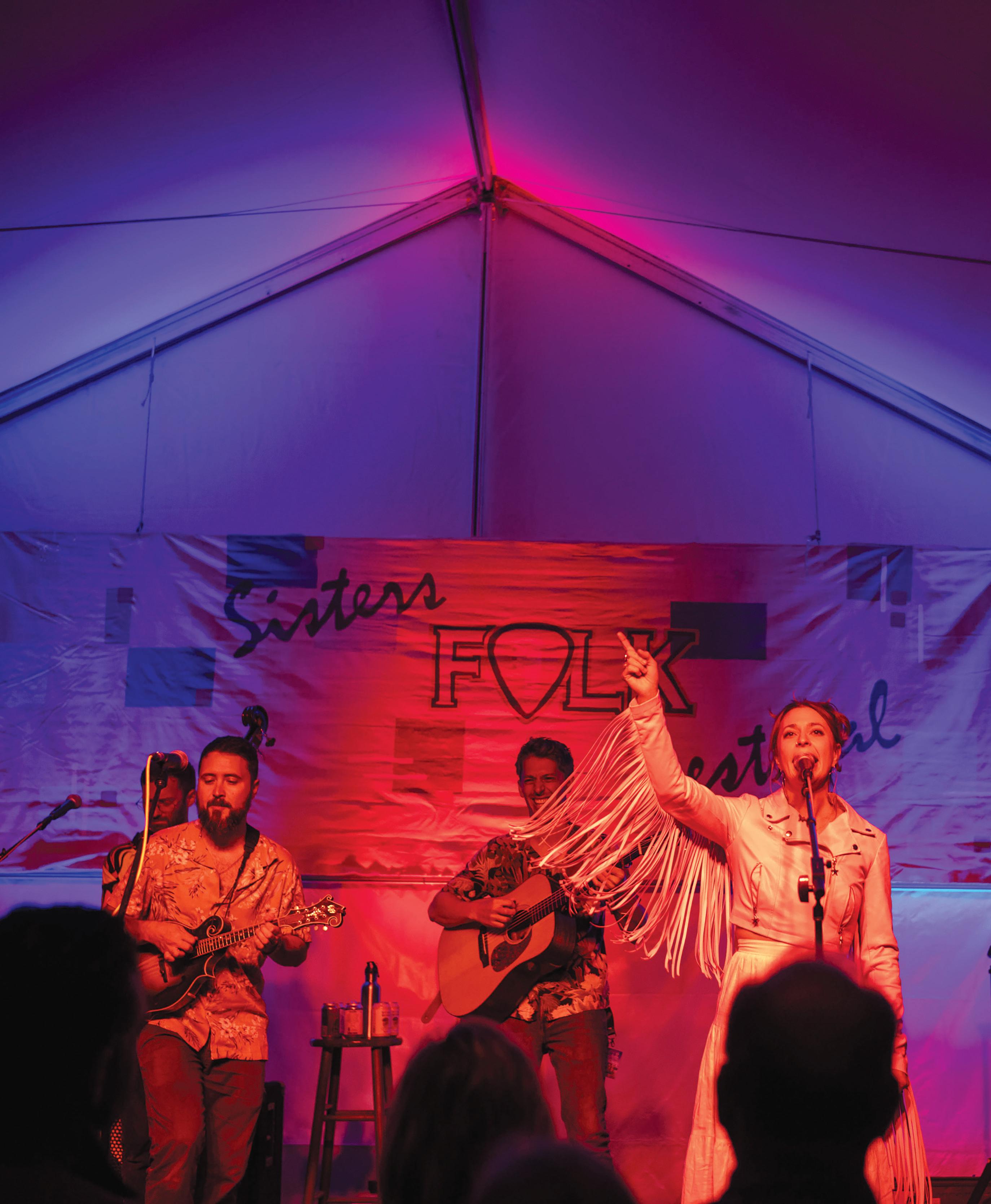
ANOTHER OPTION: Big Ponderoo’s older sibling, the Sisters Folk Festival, is one of the crown jewels of Oregon’s live music calendar. Now three decades in, it brings a diverse and well-curated lineup— featuring more than just folk music—to seven walkable stages scattered across town. The vibes? Impeccable. (September 25-27; www.sistersfolkfest.org)
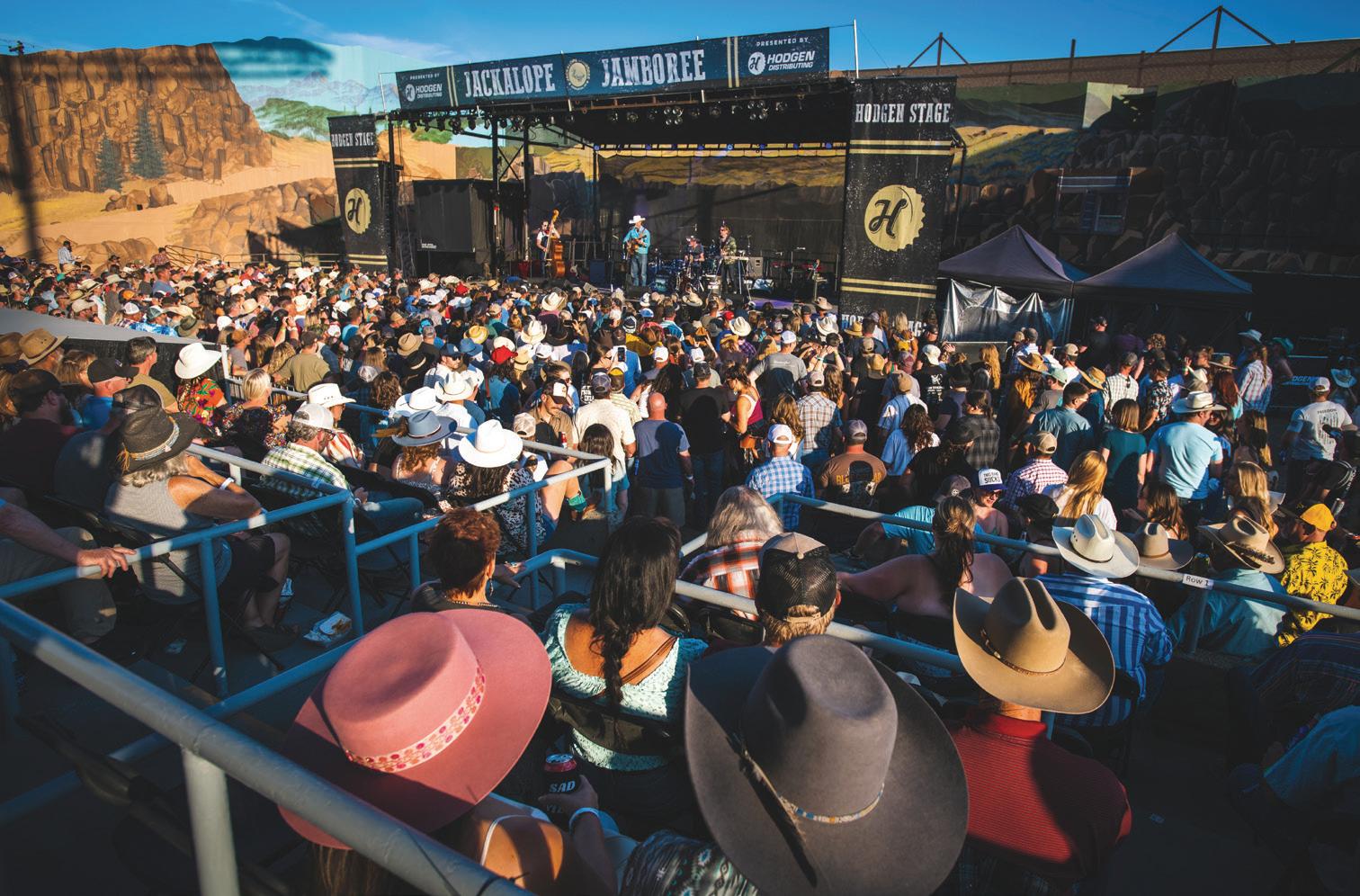
If you like your country music made by artists outside the mainstream, put Jackalope Jamboree on your summer calendar. Held on the grounds of the world-famous Pendleton Round-Up, this three-day twang-splosion brings together more than thirty acts from across the rootsy universe, including indie-folk singers, honky-tonkers, Americana artists and alt-country acts. With camping on-site, a family-friendly focus and live music from noon to midnight each day, Jackalope Jamboree is jam-packed with fun for everyone.
Date: June 25-27
Location: Happy Canyon Arena, Pendleton Lineup highlights: Kaitlin Butts, Shane Smith & The Saints, Turnpike Troubadours, Rattlesnake Milk, Summer Dean, Lizzie No
More info: www.jackalopejamboree.com
ANOTHER OPTION: If three days of just-under-the-mainstream twang in Pendleton ain’t your thang, consider the Pendleton Whisky Music Fest, a one-day party headlined by hit-makers Shaboozey and Diamond Rio, plus country traditionalist (and Northwest hero) Zach Top. (July 11; www.pendleton whiskymusicfest.com)
Author blends research and humor to explore what happens when we confront our
fear of death head-on
interview by Cathy Carroll
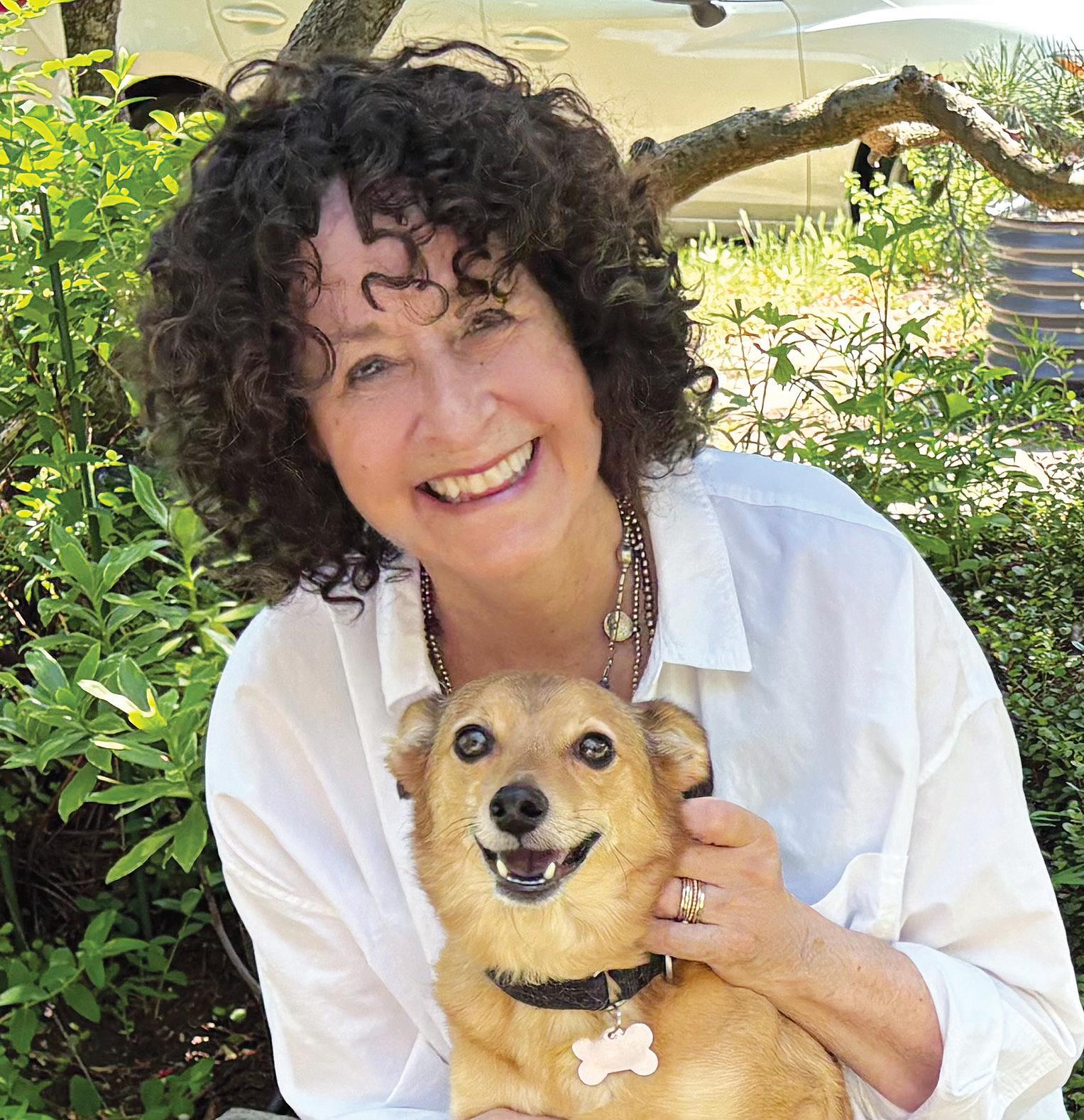
IN THE NEW memoir and essay collection You’re Going to Die But Not Me!: A Psychologist Wrestles Death, Portland author Liz Sco stares down death with a mix of humor, scholarly curiosity and vulnerability. A candid, self-aware narrator, she wrestles with her fear of annihilation, blending deep research with stories that are as tender as they are illuminating. From the ancient dreamers who sought immortality to modern labs probing the mysteries of near-death experiences, Sco delves into panpsychism (that all animate and inanimate things have a mind-like quality) and Buddhist detachment with the same energy she applies to the earthy realities of human composting. Her previous works include the memoir This Never Happened and Love Life: Confessions of a Psychologist. She will be in conversation at Portland’s Powell’s Books on May 17.
After wrestling with death from every angle, how has it shifted the way you live?
I was surprised that my feelings and my attitude had shifted a little bit, which is kind of cool. I think it was a bunch of factors. I spent two years going down every single solitary rabbit hole on the topic—I don’t know if it was some sort of exposure therapy, which dulls your fear about a topic. I just came to—without giving away the ending—a recognition about what was underneath the fear. Even though it’s still difficult, it’s easier not to walk around feeling terrified. All these different ways of examining what my fear was about and digging deep into it, I could see—and this is often the case with emotions—there’s something underneath, a more foundational feeling. Even


though I’m a psychologist, I’m still a flawed human, just like the rest of us, and I’ve still got a lot of stuff to learn about myself. It was interesting to come to a place where I understood a little bit more.
Why read this book—what might facing mortality offer that avoidance never can?
It’s a general principle: Avoidance stokes anxiety, and approach alleviates anxiety. This book is my journey from near terror to near acceptance. I’m not saying I’m all thrilled about it— if I had a choice, I would not want to die, but one of the people that wrote a blurb for the book said it ‘made me less afraid of dying, and that, my friends, is a miracle.’ If anybody can feel any amount of ease around this topic, it would be such a thrill for me.
I always say that, you know, we have a choice. We can deal with things directly or indirectly. I think those are our only two choices. I don’t think we have another choice.
What are some of the surprising or funny things you discovered about death?
There are so many. There’s a fair amount of dark humor in this book. I’ve had several people say they were laughing out loud. In investigating all the things one can decide to do with your body, some are fun, creepy and weird. You can turn yourself into fireworks, you can make yourself into a semi-diamond for your heirs and there’s a company in Washington that can turn you into dirt. I already gave them my money, so my kids know exactly what to do, who to call. It’s the best thing I could think of so far.



Beerlandia
written by Jeremy Storton | illustrations by Yoko Baum
THE NYLON CHAIR beneath me creaks as if trying to communicate with the crackling fire nearby. I extend my legs, zip up my jacket and breathe deeply. Fresh spring pine and smoke linger in the air, and either I can hear a nearby stream, or it’s my imagination. Either way, I’m happy. This is how I like to decompress and shed my cares of the world. My biggest concern now is what’s for dinner and what beer to pair with it.
Years ago, I found myself in the middle of a forest, miles from the nearest road on a backpacking trip. The sun was low in the sky, and my belly started rumbling. I offered to boil water for our freeze-dried meals, but one of the others waved me off and started preparing a group dinner by pulling dried pasta, fresh vegetables and seasoning from her pack. That’s when I realized that camping doesn’t necessarily mean we’ll eat poorly. But if we’re working out of a cooler and a camp kitchen, we need to find ways to cook simple, but delicious, food that’s easy to make, is easy to clean up and pairs well with a fire and a brew with a view.
These are some of my favorite moments, huddled around a fire, the way our ancestors have done for eons, sharing stories and ideas with a full belly and good beer in my hand. This is where we build relationships through shared experiences. Good food and good beer at camp have a way of helping us store these collective experiences together in our brains. It reminds us of our connection to the planet and each other. It reminds us, at least in that moment, that all is still well.
Cheese and Crackers and a Craft American Pilsner
This is a perfect snack for after a long drive and setting up camp.
Hazy IPA Beermosa and a Breakfast Sandwich
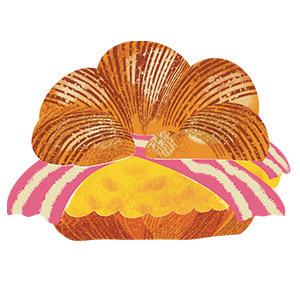
Nothing says vacation quite like drinking at breakfast. And nothing says perfection quite like a hazy IPA and OJ with an egg, bacon and cheese croissant.
Red, White and Blue Salad and a Belgian Wit
Fresh spinach, strawberries, blueberries, feta cheese, roasted almonds and grilled chicken in a light vinaigrette with a Belgian wit are what summer evenings were made for.
Grilled Steak Tacos and a Gose

No mixed drinks needed. Crack open the margarita of the beer world, a German gose, and pair it with your campfire tacos.
Sausage and Pesto Polenta with a Black Ale
Simple, delicious, minimal effort and minimal cleanup. This should be on everyone’s campsite menu.
Grilled Burger, BBQ Beans and an American Pale Ale
An American classic that works perfectly at camp, tailgating or outdoor BBQs.
Elevated S’mores and a Kriek
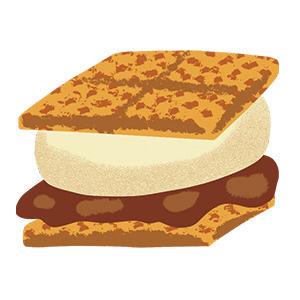
Elevated s’mores—with graham crackers, square coconut marshmallows and semidark craft chocolate—and a cherry lambic. You’ll never want ordinary s’mores again.
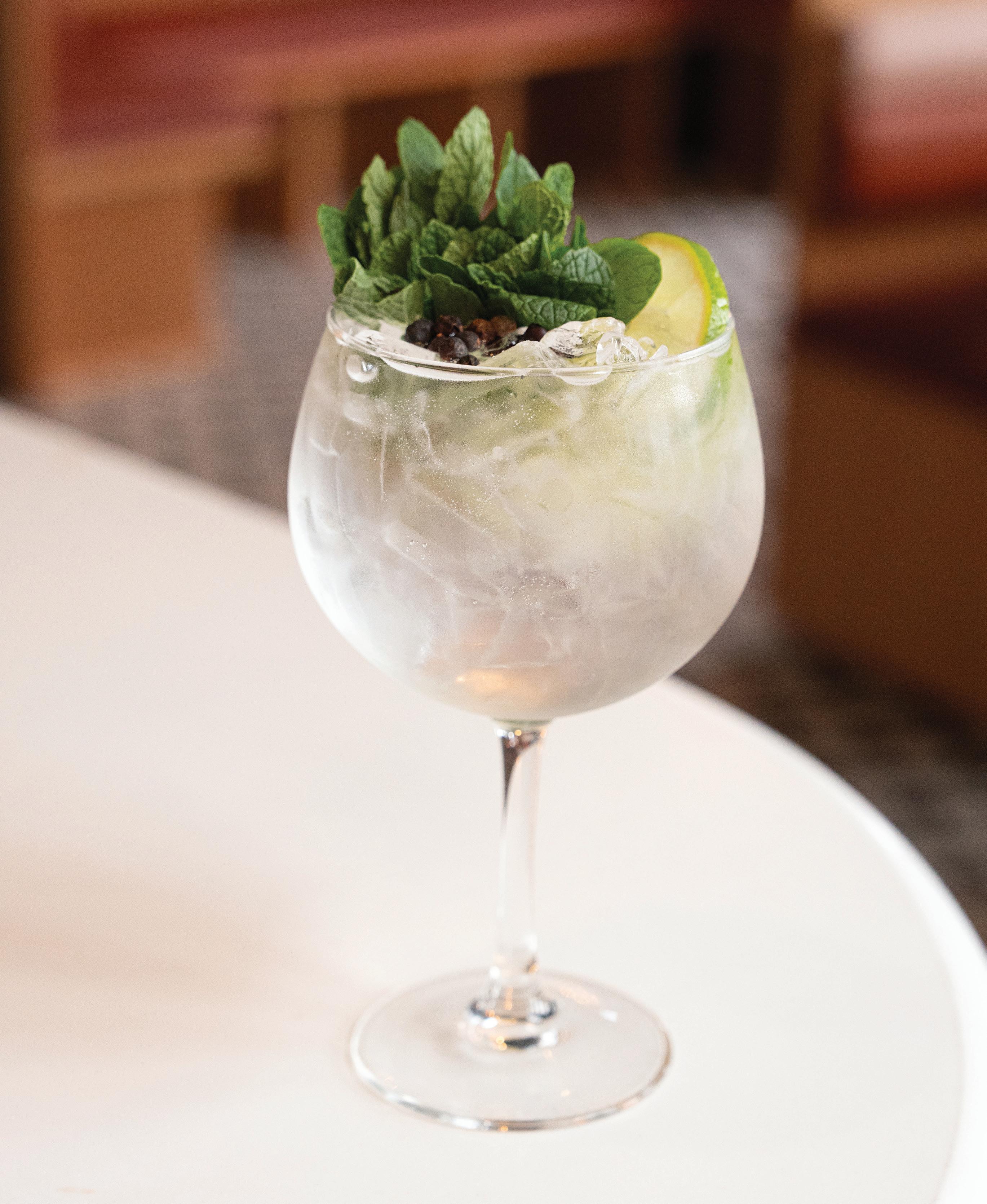

recipe courtesy of Vya / PORTLAND
• 2 ounces Aria gin
• 6 ounces Fever-Tree elderflower tonic water
• 1-2 lime wheels, for garnish
• 1-2 fresh mint sprigs, for garnish
• Edible flowers, for garnish
Fill a large goblet glass (copa de balón) with ice. Pour in the Aria gin before overfilling with ice. Top with Fever-Tree elderflower tonic water. Gently stir to combine.

Garnish with lime wheels, a generous bouquet of mint and edible flowers.

Tip: The wide balloon shape of a copa de balón glass enhances the cocktail’s aroma and gives plenty of room for ice and fresh botanicals, making the cocktail more aromatic and refreshing.
written by Kerry Newberry
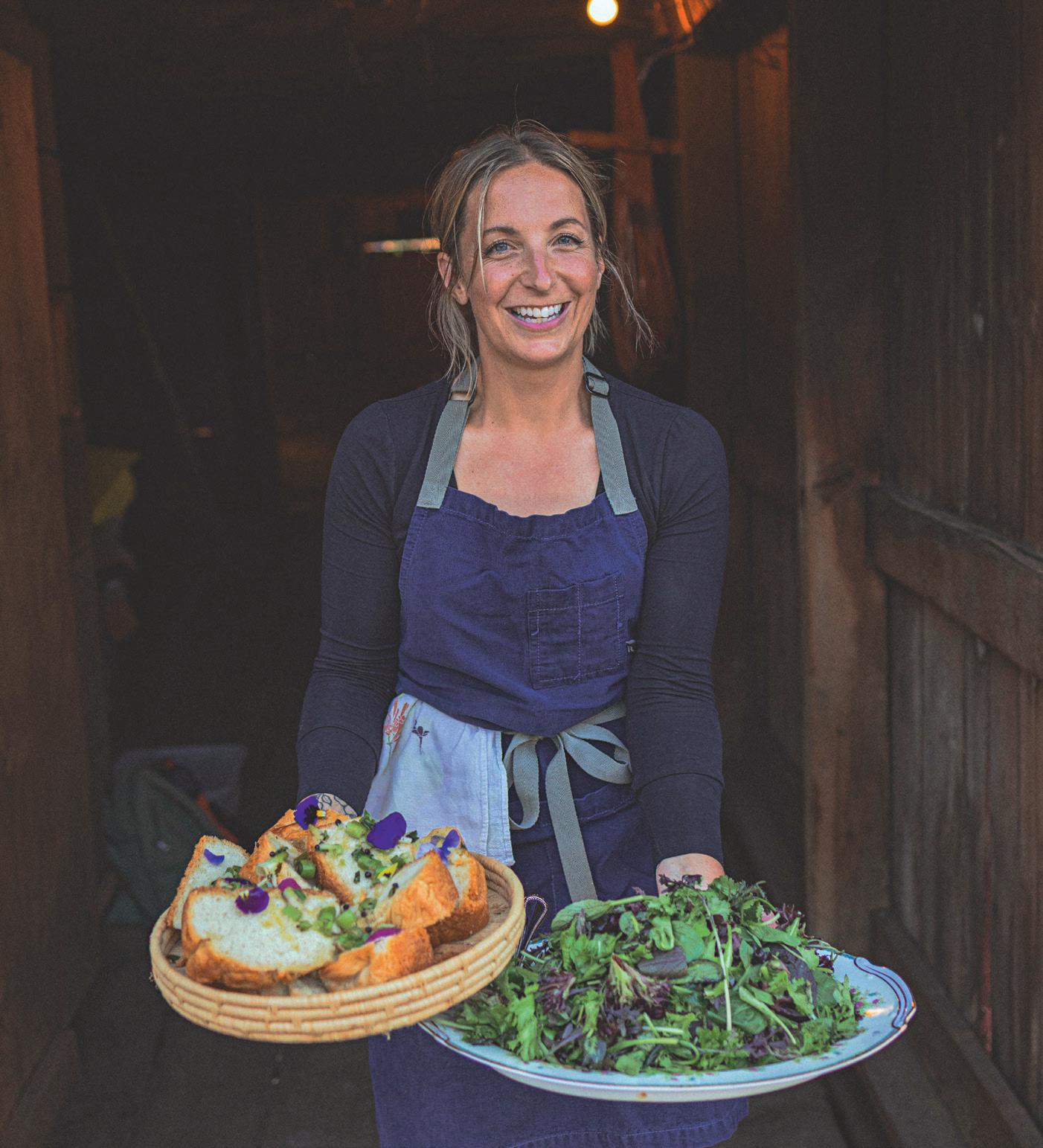
CRAVING A DINNER that feels equal parts transportive and grounding? Make your way to Oregon’s Wallowa County—often called the state’s Alps—where snow-dusted peaks rise above alpine lakes and stretches of sagebrush. Set within this striking landscape is 6 Ranch, a fifth-generation family operation where three generations work side by side, raising grass-fed Corriente cattle while restoring surrounding rivers and riparian habitat.
Last summer, rancher and classically trained chef Adele Schott debuted an experience that captures the spirit of the place: an intimate summer supper club shaped by land and livelihood. “So often we pass through places without really experiencing them,” Schott said. “Sitting down to eat together has a way of changing that.”
Under expansive skies at an immaculately set table, Schott cooks up family-style feasts rooted in what’s close at hand—grass-fed beef from the ranch, vegetables from nearby farms and preserved goods. “Out here, where the pace is still set by nature and the work is tied to the ground, food isn’t an idea,” she said. “It’s a way of life.”
For Schott, returning to the Wallowas fulfilled a long-held vision: to feed people in a way that anchors them to a place that might be new to them. It’s less about a single meal and more about opening a rare window into ranch life—and an invitation to connect with the people behind it. “The intention is simple,” she added. “Turn strangers into neighbors and ingredients into stories.”
66799 SUNRISE ROAD ENTERPRISE www.6ranchsupperclub.com
Just down the road from 6 Ranch, you can visit their charming farm stand, operating on the honor system since 2012. It’s stocked with 6 Ranch beef alongside a rotating selection of culinary delights— golden honey, fresh eggs, rustic breads and homemade cookies. Look for seasonal offerings from nearby producers, like draft-powered produce from Lazy Mule Farm.
87161 HIGHWAY 82 ENTERPRISE www.6ranch.com
Rainshadow Organics draws a loyal following with its full-diet CSA and dedication to heirloom crops and heritage breeds. Their summer season Longtable Dinners offer four-course, family-style farm feasts set in a lush garden, highlighting organic produce and grass-fed meats, paired with a thoughtful selection of biodynamic wines, beers, ciders and meads.
71290 HOLMES ROAD SISTERS www.rainshadoworganics.com
Drive out to this remote Central Oregon ranch where dinner feels delightfully stuck in the past. Choose between a colossal 30-ounce, cowboy-cut sirloin or whole roasted chicken, plus salad and baked potato. Cash only. Saddles line the fence, cowboy hats and horseshoes adorn the interior and lemonade comes in giant mason jars—no frills, just old Western charm.
50836 E. BAY ROAD, #4 SILVER LAKE www.cowboydinnertree.com
at right:
SUGARPINE DRIVE-IN
This is where summer magic lives. Bite into a gooey waffle grilled cheese or savor tender, slow-smoked pork porchetta, and then cap a breezy afternoon with a towering soft-serve cone or a seasonal sundae— we’re obsessed with the Strawberry Ridge, strawberry sorbet and toasted almond swirl, lemon ricotta shortcake bites, amaretti crumble, roasted strawberry sauce and a cloud of basil whip.
1208 E. HISTORIC COLUMBIA RIVER HIGHWAY TROUTDALE www.sugarpinedrivein.com
BLUE BOX SEAFOOD COMPANY
Set on the glossy waters in Winchester Bay, Blue Box Seafood Company is a summeronly spot. Equal parts open-air seafood snack shack, beer garden and low-key live music venue, it draws crowds for local-catch eats—from chilled crab cocktail and creamy tuna dip to buttery crab rolls. The setup is casual and family-friendly, with room for dogs and lawn games like cornhole and giant Jenga. Come golden hour, watch boats drifting by.
200 COHO POINT LOOP WINCHESTER BAY www.blueboxseafood.com
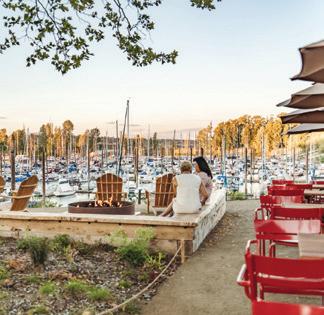
Perched along the Columbia River, Pal’s is a laid-back seafood shack and snack bar turning out standout bites like a kettle chip-crusted fried trout sandwich, smoked oyster chowder and seasonal bay shrimp and crab rolls. Open year-round, it peaks in summer with marina sunsets, a prime patio and a kid-friendly play area, plus weekly wine dinners, BBQs with guest brewers and live music on the lawn.

written by Kerry Newberry
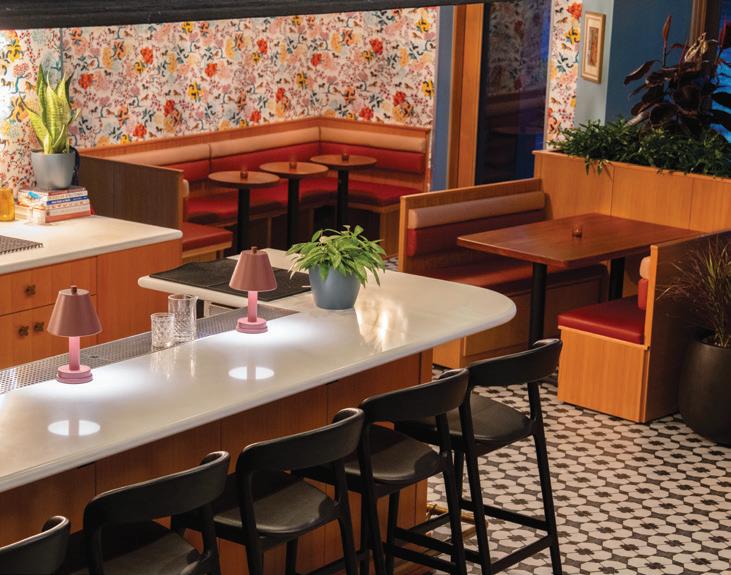
SET INSIDE the Solterra Building on SE Division, Vya offers total escapism the moment you step inside. Flooded with natural light and layered with tropical foliage, the new fifty-seat tapas and paella bar glows with lush floral and horse-strewn wallpaper, sculptural sconces and cloudlike pendant lights.
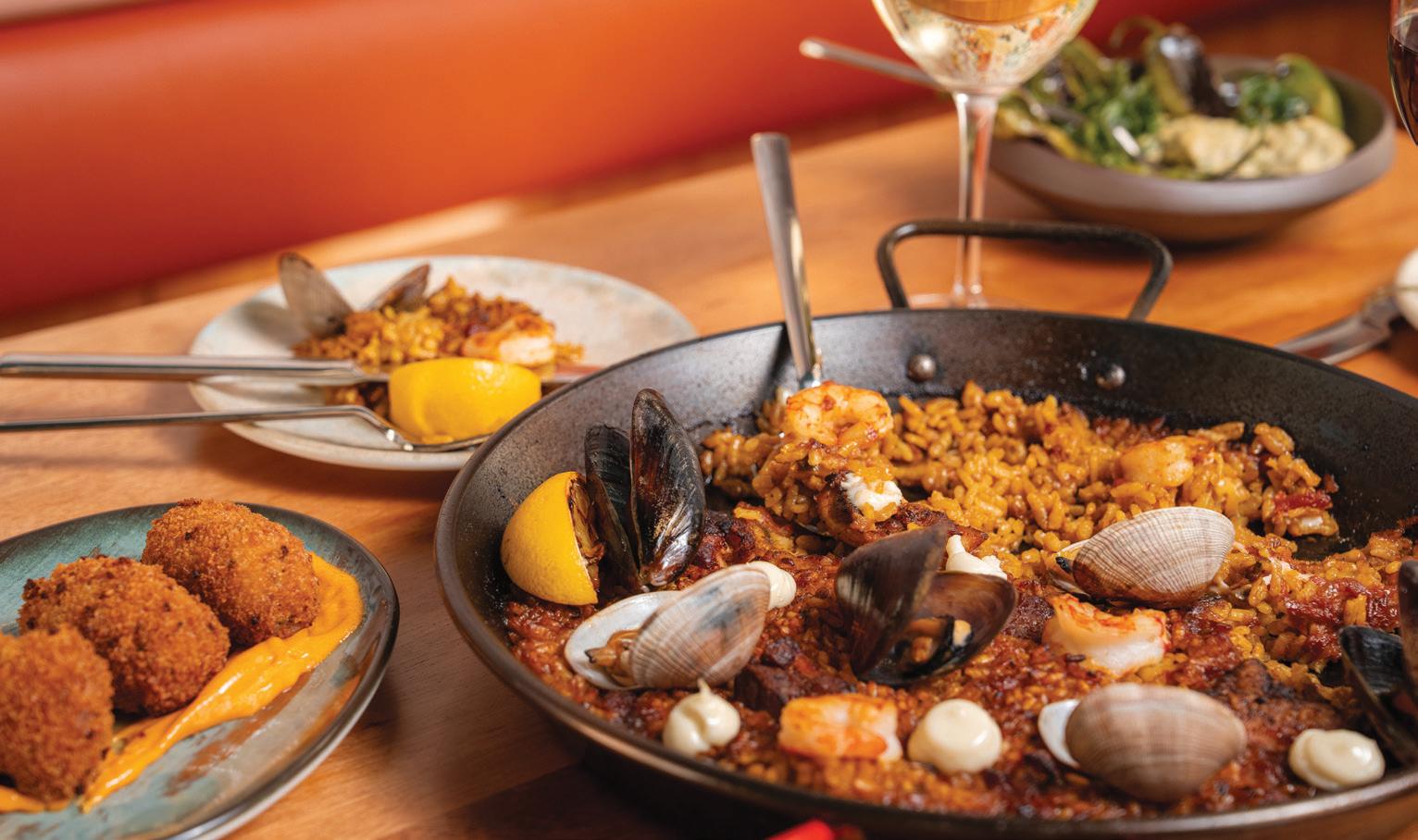
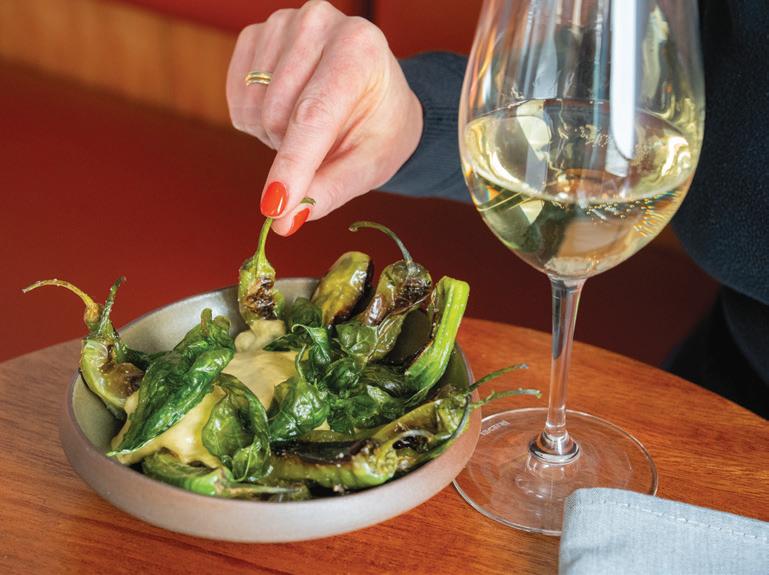
Snag a bar table and start by placing your paella order— each pan is made-to-order and arrives in about thirty minutes, edged with perfectly crisp socarrat. The paella mixta, brimming with chicken, shrimp, mussels and clams, is a generous share for two. Before it lands, dive into a parade of tapas and pintxos. Jamón-stuffed croquettes and briny gildas nod to the classics, while blistered shishitos topped with green curry foam veer more contemporary.
Don’t skip the beet tiradito, a striking composition of tiger nut ajo blanco, avocado and lotus root chips. It’s the kind of dish that turns skeptics into beet believers. Behind the bar, a tight wine list leans toward Spanish and Portuguese pours, and cocktails balance tradition and creativity. Herb-packed gin and tonics steal the spotlight, while a white sangria—brightened with shochu, honeycrisp apple, lemongrass, citrus and sparkling lychee—delivers a refreshingly crisp finish.
515 NE TOMAHAWK ISLAND DRIVE PORTLAND www.palswithus.com
959 SE DIVISION ST., #100 PORTLAND www.vyapdx.com


Lowe’s Lavender Farm is a boutique woman-owned farm in Canby that happened by accident

written by Julie Lee | photography by Mel Barbour

LATE SPRING is in full bloom, and purple perennial tints are spiking in fields throughout Oregon. While our neighbors to the north in Sequim, Washington, are known to be the Lavender Capital of North America, Oregon has plenty to brag about in the lavender field. From Willamette Valley to the Southern Oregon Lavender Trail, which winds through Applegate and Rogue Valleys, lavender farms throughout our state pop up with purple in late spring and early summer. Oregon’s climate is ideal for growing lavender cultivars that may struggle elsewhere, and many new varietals have been discovered in our state.

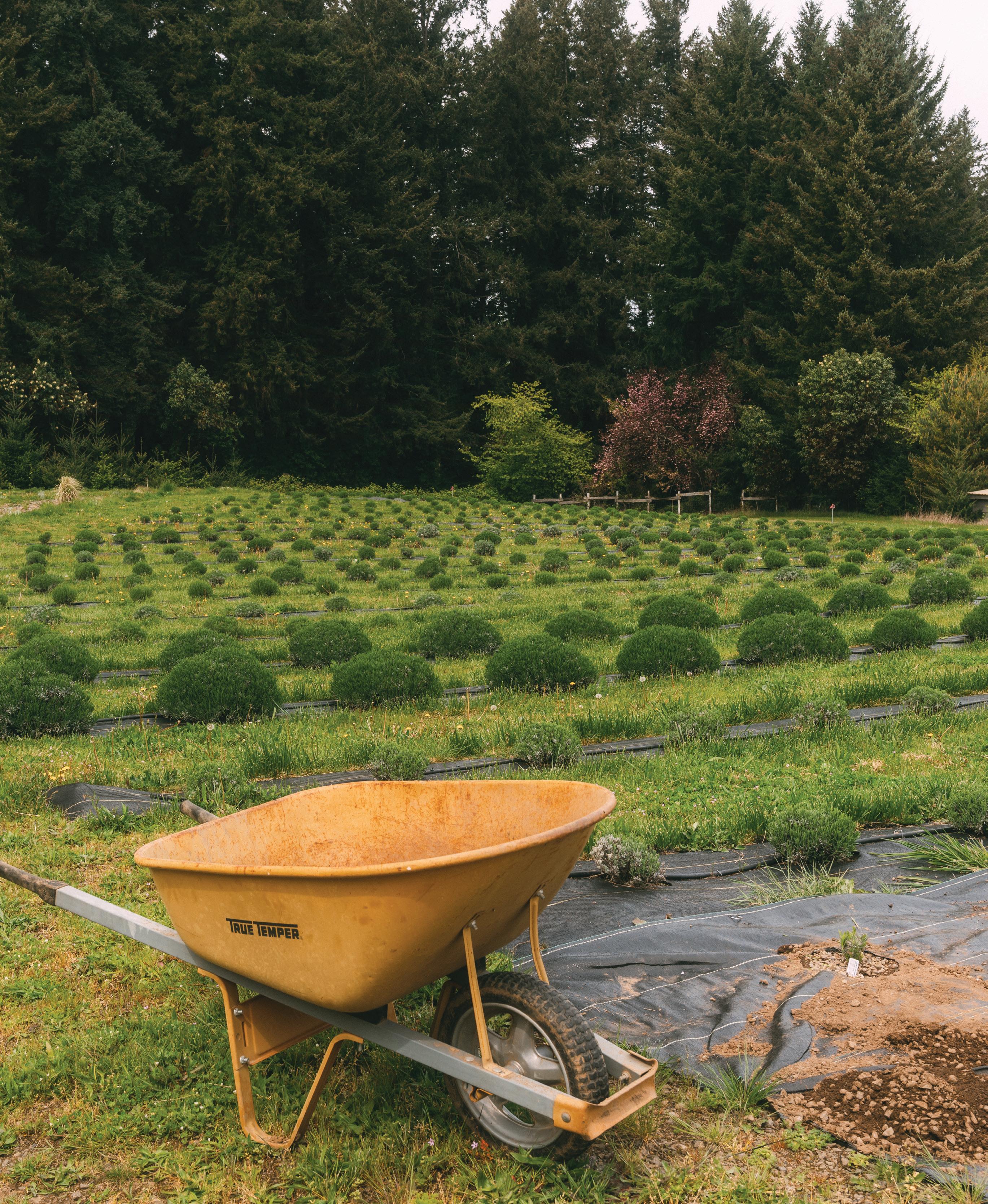
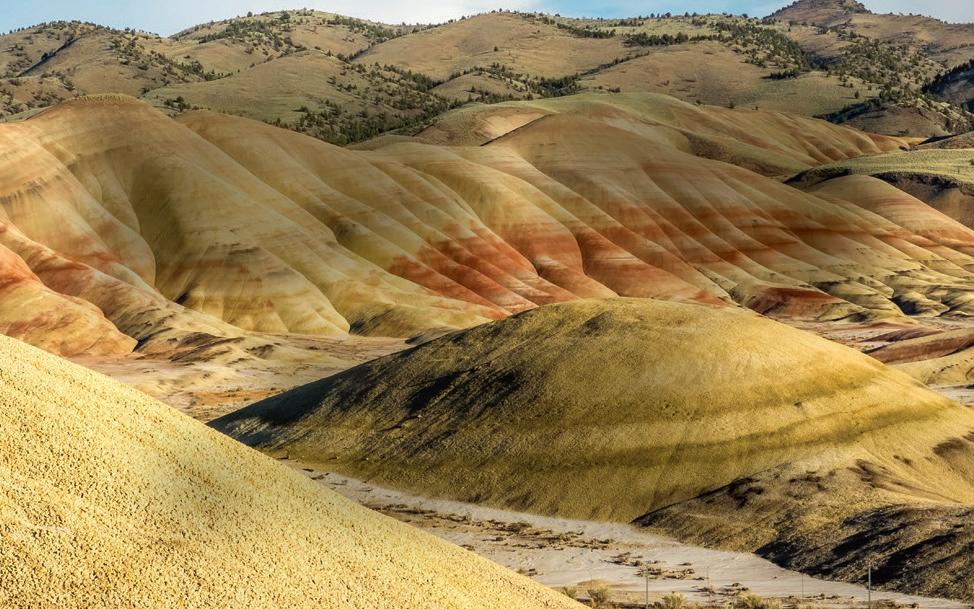
















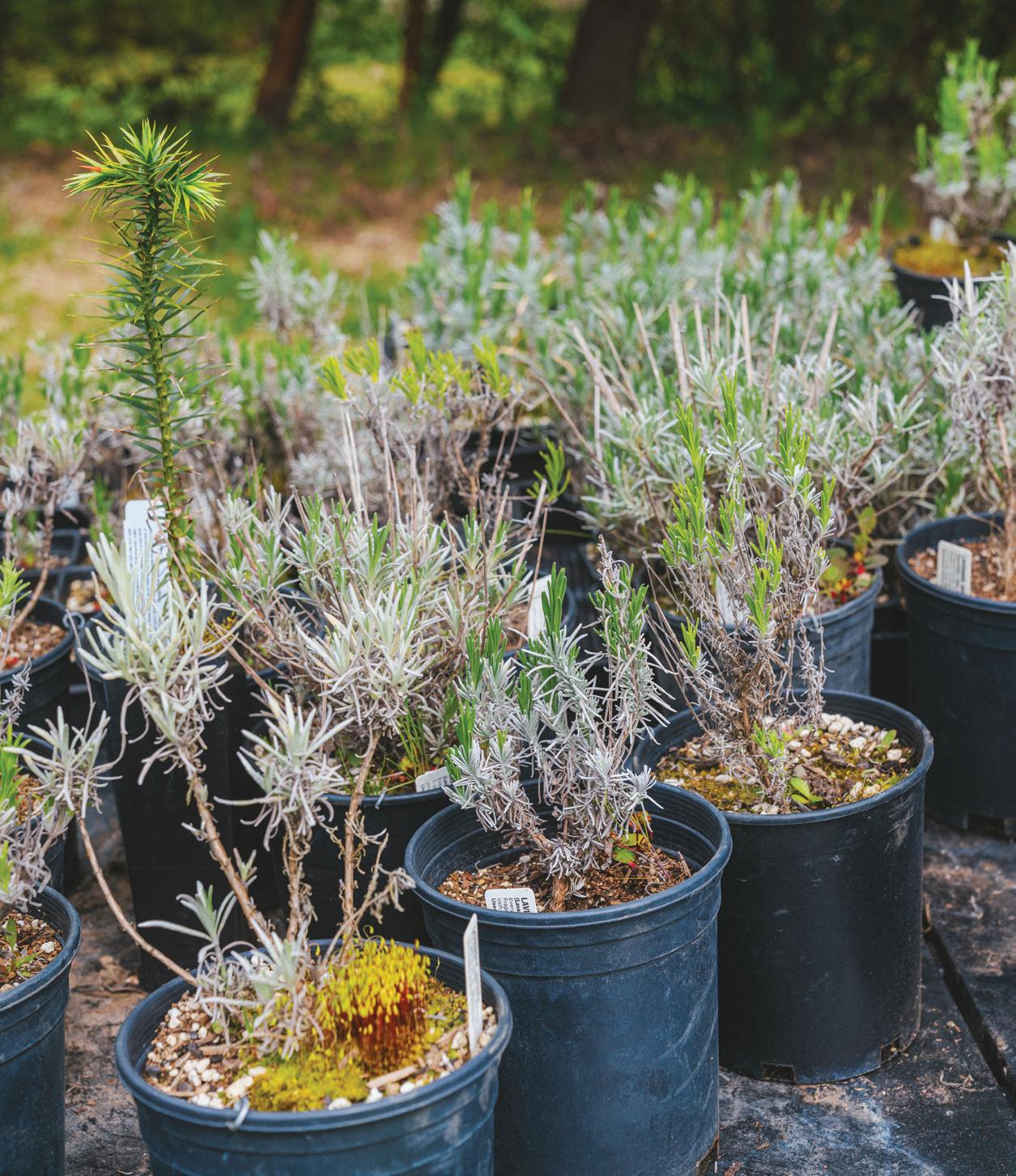
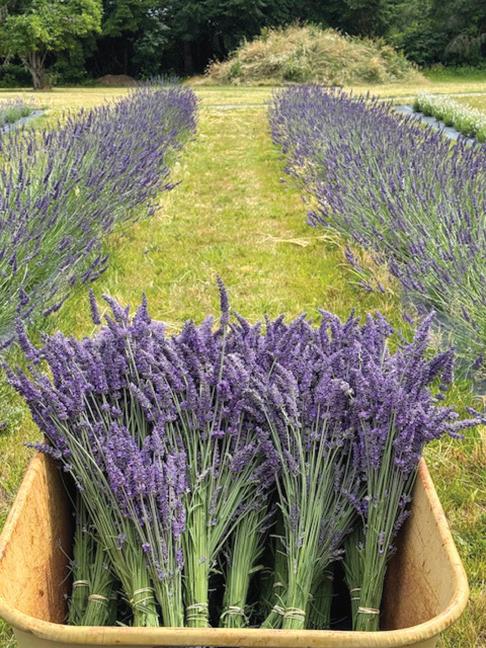
The best time to see lavender fields in full bloom is mid-July. While lavender plants lie dormant in the cold dredges of winter months, they rejuvenate each spring, lush and green. Lavender plants are hardy, too; a plant can generally live five to fifteen years.
A relative to the mint family, there are forty different lavender species with four standouts: English lavenders, French lavenders, Spanish lavenders and lavandin hybrids, which gardeners appreciate for their large, gray-green leaves, fast growth rate and fragrant aroma.
For at-home gardeners, lavender is relatively easy and beautiful to grow, and a rule to remember for best result is the “888” rule: Pruning on the 8th of August (the eighth month of the year) back by 8 inches will make for bushy, healthy and productive plants. These plants also attract beneficial insects and pollinators such as bees and butterflies.
Lavender has been providing health benefits for more than 2,500 years, going back to ancient Greek and Roman times; its name comes from the Latin word “lavare,” which means “to wash,” and ancestors first planted lavender to scent their baths.
Lavender is complex and contains nearly 100 compounds, two of which, linalool and linalyl acetate, work to ease anxiety and induce relaxation on the nervous system. Its oil, when
inhaled, can calm stress, lower cortisol levels and improve sleep quality. Known for its anti-inflammatory benefits, lavender is often used to treat skin conditions such as acne and helps with muscle aches and pains. Its antimicrobial and antibacterial benefits aid in wound healing, rashes, stings and bites. When consumed, lavender can support the digestive system and alleviate stomach cramps, bloating and nausea. Going bald? Lavender can help with that too, often used to treat hair loss and strengthen follicles.
Michelle Lowe of Lowe’s Lavender Farm in Canby knows all about the health benefits of lavender.
Nestled between the Willamette River and the city of Canby, Lowe’s Lavender Farm is a boutique operation originally established in Aurora. When Lowe discovered the property was not conducive to agritourism and being open to the public, she moved to Canby.
Growing lavender was mostly “by happenstance,” according to Lowe. In researching different crops that would qualify for agricultural farm deferral and become an additional source of income after retirement, Lowe and her husband, Rick, decided lavender would be the best crop to grow given cost, marketability and the work requirement.
The best time to see lavender fields in full bloom is mid-July. While lavender plants lie dormant in the cold dredges of winter months, they rejuvenate each spring, lush and green. Lavender plants are hardy, too; a plant can generally live five to fifteen years.
Having always “loved lavender and gardening in general,” she jumped in with “both feet,” planting 100 plants in the fall of 2019 with the help of family. After chronic health issues derailed other careers as a teacher/school counselor and member of the Air National Guard, farming lavender became her full-time profession rather than a someday retirement plan.
Being a novice to growing lavender, Lowe joined the U.S. Lavender Growers Association and Lavender Northwest, taking online courses through Michigan State University. Passion became purpose for Lowe, and she “loves growing lavender, the scent, but also the versatility and variety of uses.”
“I love sitting in lavender,” said Lowe, “listening to the bees, harvesting and processing it, and creating numerous products with it.”
Lowe appreciates being part of the community of lavender growers, who she finds to be amazing and a support system.
Lowe specializes in the finest cultivars of French and English lavender. Growing lavender commercially is difficult, physical work. After initial planting, there’s a care requirement with weeding, pruning and propagating, and then harvesting, drying and processing into bunches. The marketing side of the business follows, which Lowe said “can be stressful if you’re not a natural salesperson or extrovert, which I’m not.”
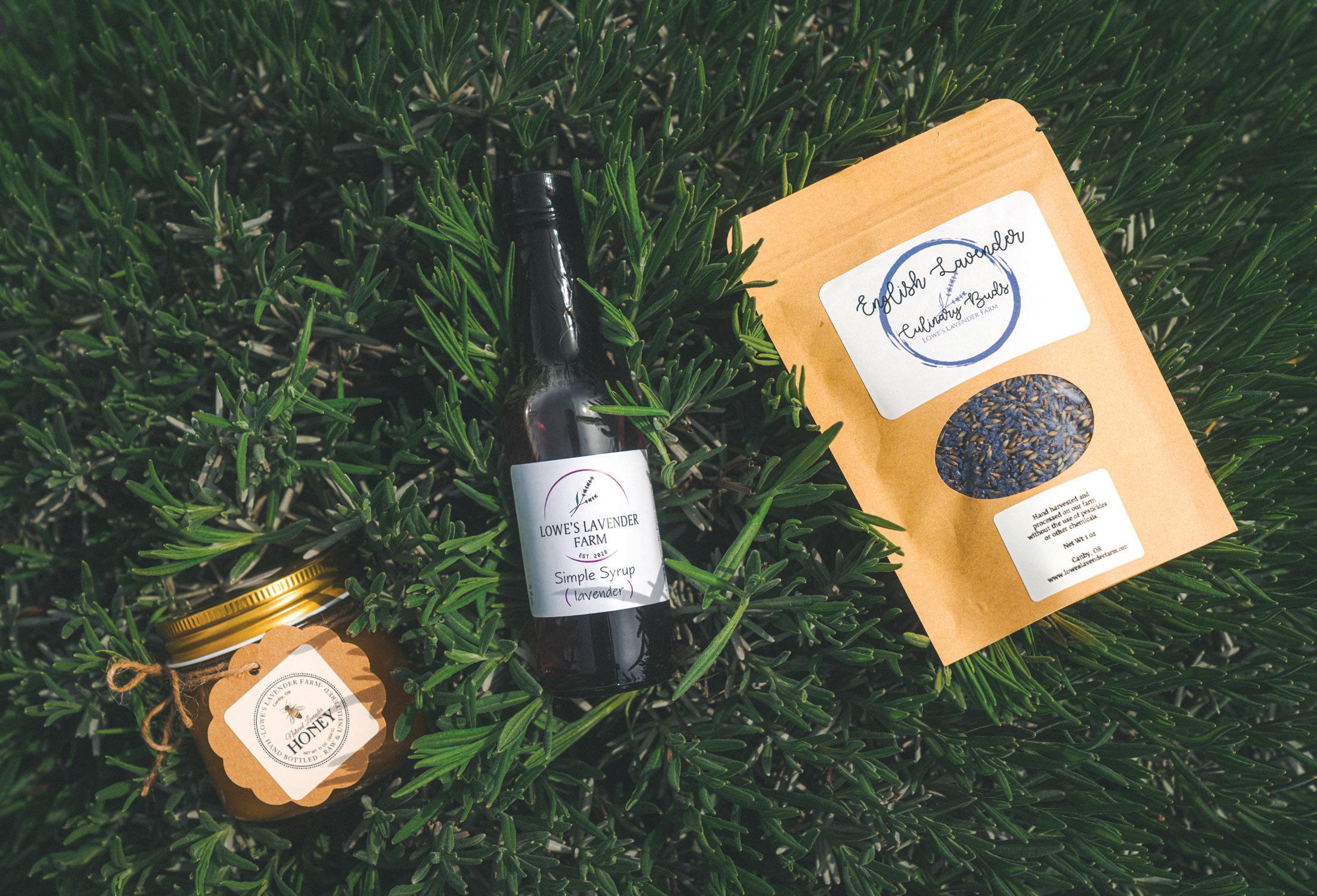
She has embraced retailing lavender in many products online through her farm’s website, as well as through local businesses and markets throughout the year. Lavender wreaths, sachets, culinary lavender, lavender sugar, lip balm, essential oils, extracts and teas can all be purchased from her farm’s website or found at specialty stores in Hubbard, Wilsonville, Portland and Aurora.
“Lavender is a workhorse of an herb!” said Lowe, and a delicious ingredient to have on hand for chefs and bartenders alike.
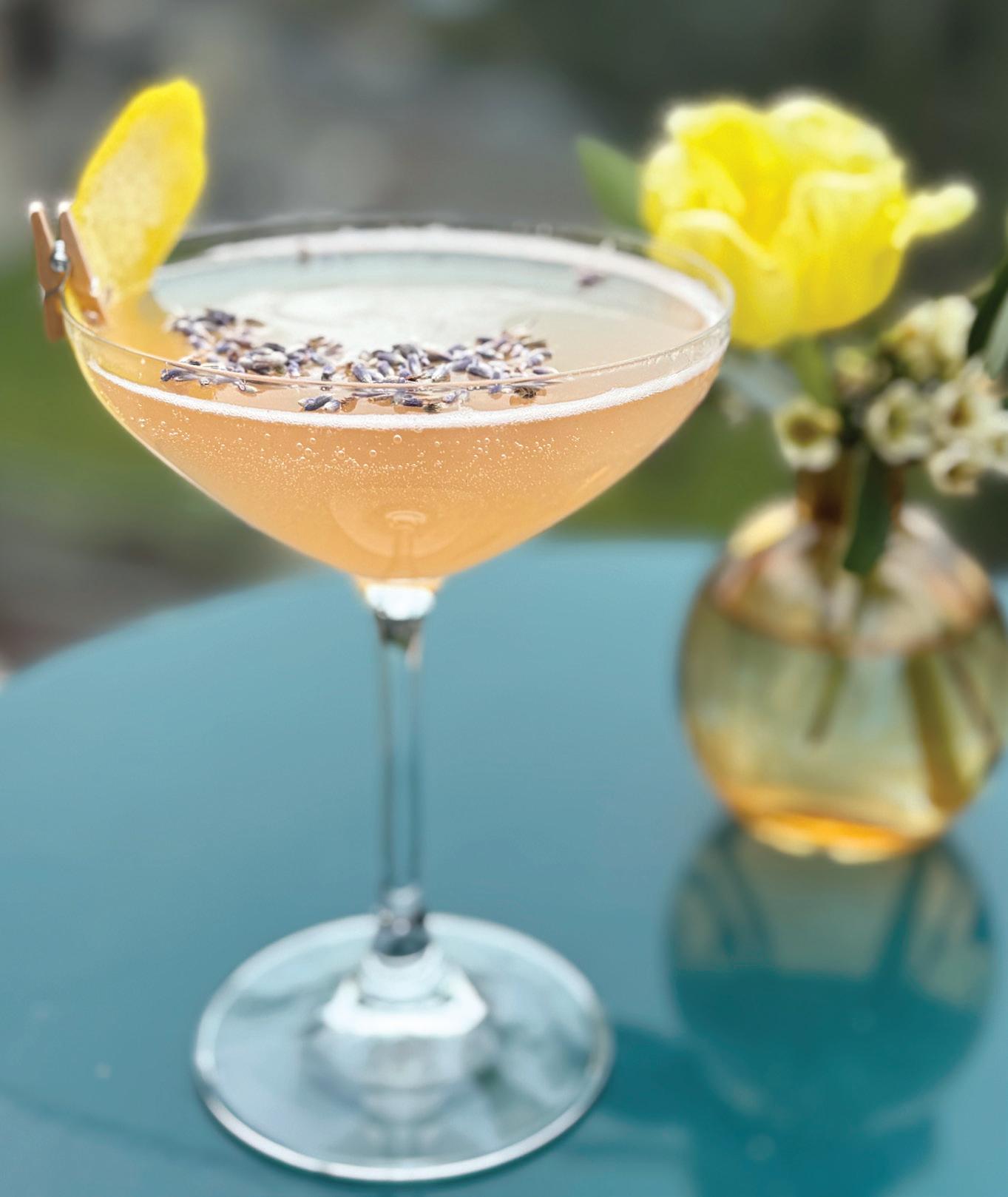
Tyler Voelker and Taylor Pante, master mixologists at Amaterra in Portland’s West Hills, collaborated to give us their take on a “best of” cocktail with lavender: Lavender Veil.
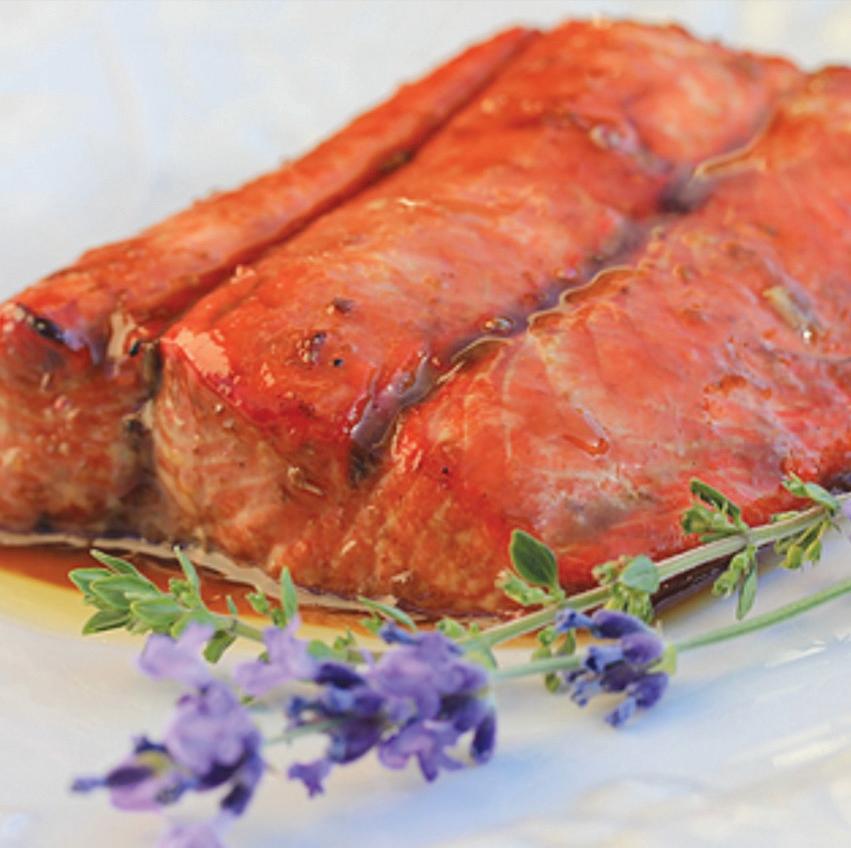
Most lavender aficionados are keenly aware of the diverse uses of culinary lavender buds. Yet often overlooked is the powerful flavor profile of lavender stems. Lowe submits a very simple recipe to marry the best of late spring Oregon bounty, her Lavender Grilled Salmon. For this recipe, she uses the stems of a culinary favorite: Lavandula angustifolia, or “Royal Velvet.” To pair with it? Try her delicious Lavender Lemonade—perfect for a day of grilling and chilling.
From Willamette Valley’s first Regenerative Organic Certified vineyard, Ambar Estate, chef Heidi Whitney-Schile offers a scrumptious recipe ideal for either a beautiful spring brunch or evening treat. With zips of lemon and lavender playing nicely off each other in perfect complement, her Lemon Lavender Poundcake Waffles are a sure crowd-pleaser.
Oregon Recipes
photography by Ari Nordhagen
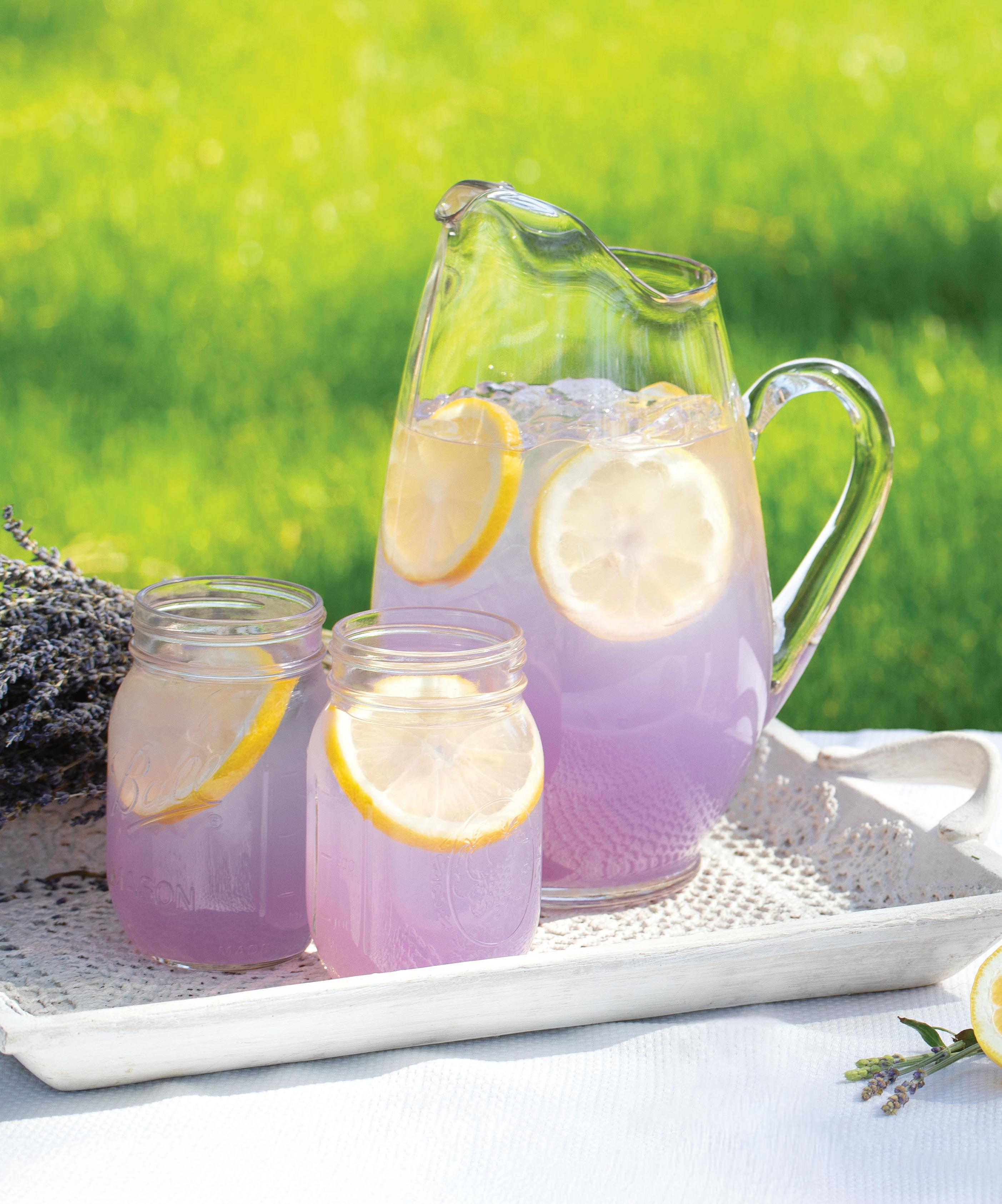

Lavender Lemonade
Lowe’s Lavender Farm / CANBY Michelle Lowe, farmer
SERVES 6-8
FOR LAVENDER SIMPLE SYRUP
• 1 cup filtered water
• ½ cup sugar
• ¼ cup culinary lavender bud
FOR LEMONADE
• 8 scoops powdered lemonade mix
• 2 cups lavender simple syrup (see recipe)
• 3 quarts filtered water
• Fresh-squeezed lemon juice from 1 lemon


FOR LAVENDER SIMPLE SYRUP
Bring water to a boil, add sugar and stir until dissolved. Add lavender bud, and stir until all bud is submerged. Smash buds against the pot with a spoon to release oils and color. Remove from heat, cover with a lid and let steep for at least 30 minutes. Allow mixture to cool before straining bud.
Strain bud using a co ee filter or cheesecloth. Store le over syrup in the refrigerator for up to two weeks.
FOR LEMONADE
Combine ingredients, stir until lemonade mix is dissolved and serve.

Lavender Grilled Salmon
Lowe’s Lavender Farm / CANBY
Michelle Lowe, farmer
SERVES 1 EACH
• 1 salmon fillet
• Olive oil (enough to coat top of salmon)
• Mayonnaise (enough to coat skin side of salmon)
• Salt, to taste
• Pepper, to taste
• Old Bay seasoning, to taste (or seasoning of your choice)
• 1 tablespoon brown sugar or honey (if you prefer a sweeter taste)
• 3-4 fresh or dried lavender stems (if using dried stems, soak in water for at least an hour)
• Lemon slice
Coat the top of salmon fillet with olive oil and the bo om (skin side) with mayonnaise. Season the top of fillet with salt, pepper and Old Bay (or seasonings of your choice). For a sweeter taste, add a li le brown sugar or honey. Place 3-4 lavender stems on a small sheet of foil, and then place the salmon fillet on top of the lavender stems. Add a lemon slice or two to the top of the fillet, and then fold the sheet of foil loosely over the top of the fillet. Grill at 350 degrees until the internal temperature of the fillet is 145 degrees. Remove fillet from the grill, and plate with desired sides (roasted red potatoes and asparagus are terrific accompaniments). Add a sprig of lavender for garnish, and enjoy!

Lavender Veil Cocktail
Amaterra / PORTLAND
Tyler Voelker and Taylor Pante, mixologists

MAKES 1 COCKTAIL
• 1½ ounces Suntory Kanáde yuzu
• ¾ ounce lavender-pink peppercorn syrup
• ¾ ounce grapefruit juice
• ½ ounce Amaricano Bianca



• 2021 Amaterra Brut Reserve sparkling
Combine first 4 ingredients together, shake and strain into a martini glass. Top with sparkling wine.

Lemon Lavender
Poundcake Waffles
Ambar Estate / NEWBERG
Heidi Whitney-Schile, winery chef
SERVES 2-4
• 3 cups all-purpose flour
• 2 teaspoons baking powder
• ½ teaspoon salt
• 1 tablespoon lavender
• 1 zested lemon
• 2 cups sugar
• ½ pound bu er, so ened
• 4 eggs
• 1 cup milk
In a large mixing bowl or stand mixer, whisk together flour, baking powder and salt; set aside. In a food processor, combine lavender, lemon and sugar. Pulse until the mixture is thoroughly combined and has a fine texture. You want to make sure the lavender is evenly distributed throughout the sugar. Transfer your lavender-sugar mixture from the food processor to your mixing
bowl or stand mixer. If you are using a stand mixer, a ach a paddle a achment. Add so ened bu er to the bowl, and combine. If you are using a stand mixer, turn on medium-high speed, and combine. Whip together for approximately 5 minutes until light and flu y. The sugar should also shi color to a lighter yellow.
Turn your mixer down to medium speed, and add the eggs one at time, scraping the bowl between each addition. (If your eggs are not room temperature, your mixture might look a li le broken, but don’t worry—it will be okay in the end.)
Turn the mixer to low speed, and add your flour mixture in 3 batches, adding milk in between each addition of dry flour. Slowly mix ba er until smooth; now it’s ready to use.
Spray waffle iron with nonstick, and scoop ba er in. Cook until the waffle becomes golden-brown.
Optional: Top the waffles with powdered sugar and fresh blueberries when serving. Enjoy!



















written by Thor Erickson | photography by Tambi Lane
IT WAS ALONG THAT winding stretch of road that follows the McKenzie River—Highway 126—that we came across the place, though “came across” isn’t quite right. It felt like we were meant to stop there all along— as if the universe knew we hadn’t packed enough snacks. It had already been a full day. A warm one—the kind of latespring day where the heat settles in early and lingers whether you invited it or not. I’d gone with my friend April to Eugene to pick up an espaliered pear tree she’d been hunting for, destined for the yard of her newly purchased house. We took her pickup, windows down, warm air rushing in—the Oregon road-trip smells: green grass, hot metal and just a hint of poor decision-making.
April likes to talk—a lot— especially about landscaping plans for her new digs. By the time we’d picked up the tree and tied it down in the back, we were both a little tired, a little hungry and open to distraction.
On the way back, somewhere near Vida, with the river not far off and tall trees lining the road, we spotted the pie shop. Nothing fancy—just a weathered little building that looked like it had outlasted better ideas. April said, “We should stop,” and I agreed immediately,
which is unusual for me unless food is involved.
We pulled over, the truck ticking as it cooled, and stepped inside. The first thing I noticed was the ceiling—dollar bills, hundreds of them, pinned up overhead. They hung there like leaves, each one marked with names, dates and the occasional message suggesting someone had enjoyed their pie very much. It felt like walking into a place where everyone before you had already given their approval—and possibly their last spare dollar. Then came the smell: butter, sugar, baked fruit—warm and steady—the best kind of welcome.
Behind the counter stood the woman making the pies. She moved with the ease that comes from doing something long enough that it stops being work and becomes rhythm. Her hands were the first thing I noticed—broad, worn, dusted with flour, marked with small lines and scars from years well spent. Hands that got things done.
She worked as if it were second nature. Dough rolled smoothly under her palms—no fuss, no hesitation. I’ve seen people struggle more assembling a sandwich. She didn’t rush, but she didn’t waste a motion either. Watching her,
Then came the smell: butter, sugar, baked fruit—warm and steady—the best kind of welcome.

I got the sense that pie-making wasn’t something she did—it was something that simply happened wherever she happened to be standing.
“Afternoon,” she said, easy and friendly, like she’d said it a thousand times and meant it every time.
We said hello and leaned on the counter, watching. April, who’d spent the morning mapping out soil conditions and pear placement like she was planning a small orchard empire, went quiet for a while, just taking it all in.
The woman filled a crust with bright red rhubarb, the color catching the light. Simple ingredients, but the way she handled them made it seem like we’d all been overcomplicating things our whole lives.
“Been bakin’ these a long time,” she said. “Still turns out.”
Still turns out. Like it was a coin toss she kept winning.
We ordered a couple of slices and sat down. The crust flaked apart just right, and the filling struck that perfect balance— tart and sweet, sharp but comforting. It wasn’t flashy. It didn’t need to be.
It was the kind of pie that makes you pause mid-bite and reconsider every store-bought dessert you’ve ever defended.
After a while, it was time to get back on the road. We climbed into the truck and kept going, a little quieter than before—in that good way. The sun had dipped just enough to make things pleasant.
It stuck with me, though— watching someone who knows their craft that well, who makes it look that easy. It’s what inspires others to try to do the same.
Now, I’m not saying mine will turn out the same. I’ve spent enough time in the kitchen to understand humility. But still—I need to make a rhubarb pie.
Rhubarb Pie
SERVES 6-8
FOR THE CRUST
• 8 ounces all-purpose flour, plus more for dusting
• 1/2 ounce sugar
• 1 teaspoon Diamond Crystal kosher salt
• 8 ounces unsalted butter, chilled
• 4 ounces cold tap water
FOR THE FILLING
• 5 cups evenly sliced rhubarb, about 1/3-inch thick
• 11/4 cups sugar
• 3 tablespoons corn starch
• 1/2 teaspoon allspice*
• 1/2 teaspoon cinnamon*
• 1/2 teaspoon vanilla extract
• 11/2 tablespoons butter
• 1 egg, beaten (for egg wash)
• 1-2 tablespoons sugar (for topping the pie)
*Chef’s note: In this recipe, the addition of allspice and cinnamon combine with the rhubarb for a smoky note. If you want the pure rhubarb vibe, leave them out.
FOR THE CRUST
Whisk flour, sugar and salt together in a medium bowl. Cut butter into cubes no smaller than 1/2 inch, and toss with flour mixture to break up the pieces. With your fingertips, smash each cube flat—no rubbing or cutting.
Stir in water, and then knead dough against the sides of the bowl until it comes together in a shaggy ball. Refrigerate briefly before rolling and folding.
Make the layers: On a generously floured work surface, roll dough into a roughly 10-by-15-inch rectangle. Fold the sides to the center, and then close the newly formed packet like a book. Fold in half once more, bringing the short sides together to create a thick block. Divide in half with a sharp knife, and refrigerate.
Meanwhile, make the pie filling.
Mix rhubarb and all other filling ingredients except for butter in a large mixing bowl, and stir until well blended.
Roll out the bottom pie crust, and press into the pie pan. Add the rhubarb blend, and dot the top of the rhubarb mix with small pieces of butter. Roll the top pie crust, place over the pie filling and crimp into place. Cut steam vents around the pie.
With a pastry brush or your fingers, egg wash the top of the crust, and then sprinkle sugar over the pie. Chill in the refrigerator for a minimum of 30 minutes before placing in the oven.
During the time the pie is chilling, heat the oven to 425 degrees.
Place pie on a baking sheet to catch spills. Bake for 20 minutes at 425 degrees, and then lower the heat to 350 degrees for about 25 more minutes. If the edges of the crust get too brown, cover lightly with aluminum foil. The pie will be ready when the fruit is soft and juices begin to bubble.
Cool pie on a cooling rack. Serve warm, plain or with ice cream or whipped cream.







“The courtyard is something to orient towards. It’s a way to be outside, yet still private and protected.”
— Ben Waechter, Waechter Architecture founder


In Eugene, an architect designs a house that embraces the nearby meadow
written by Melissa Dalton photography by Lara Swimmer
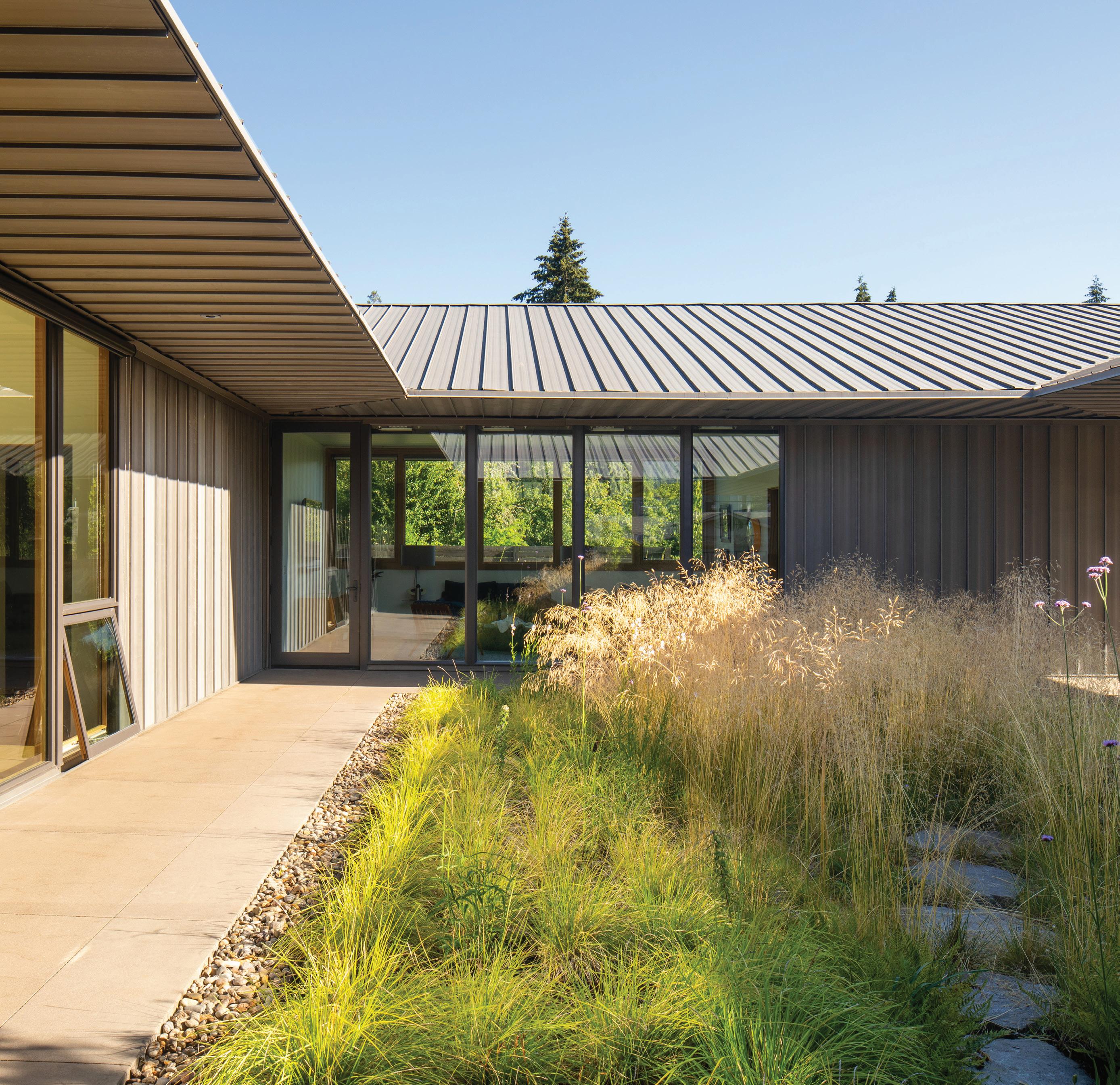
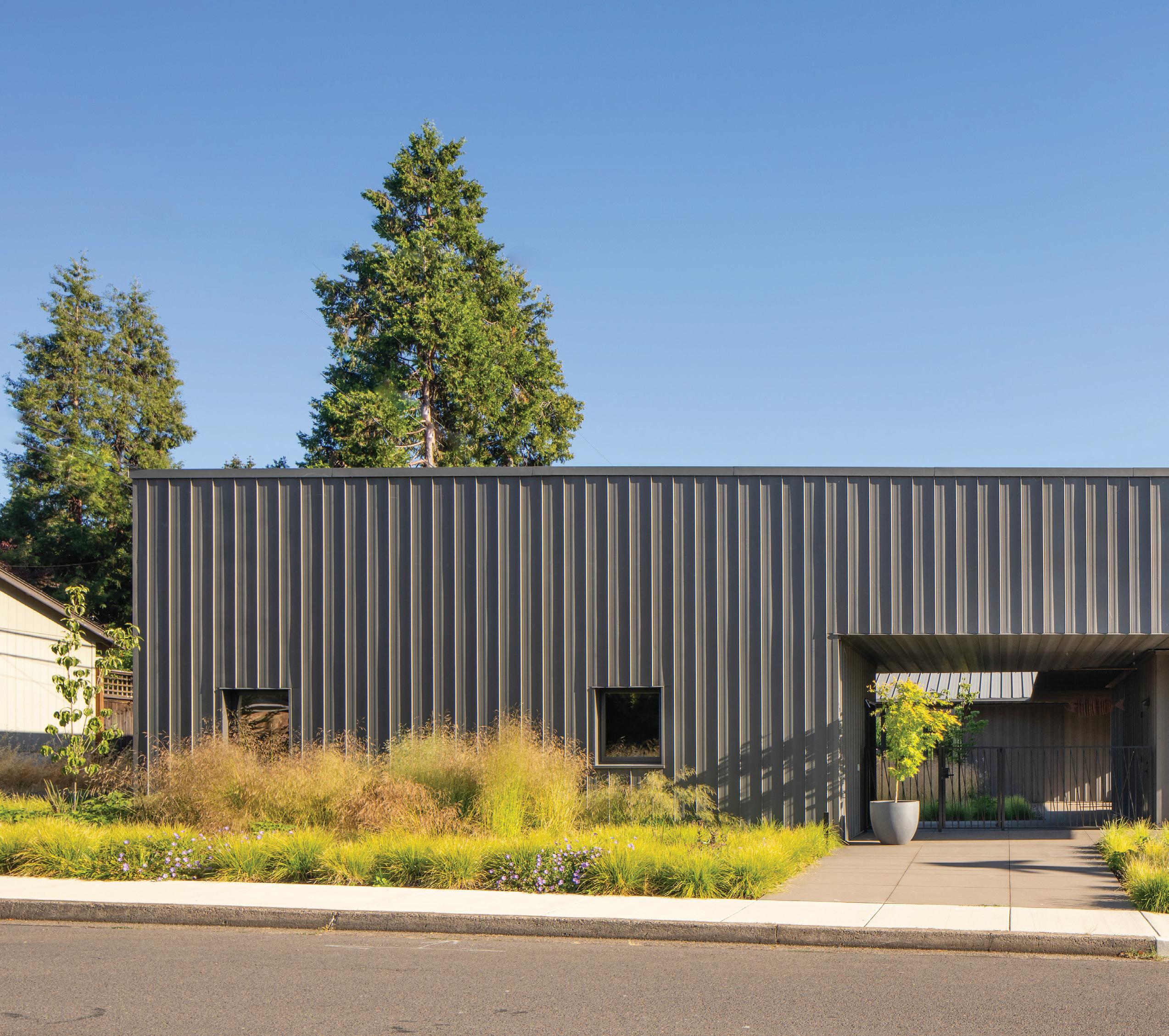
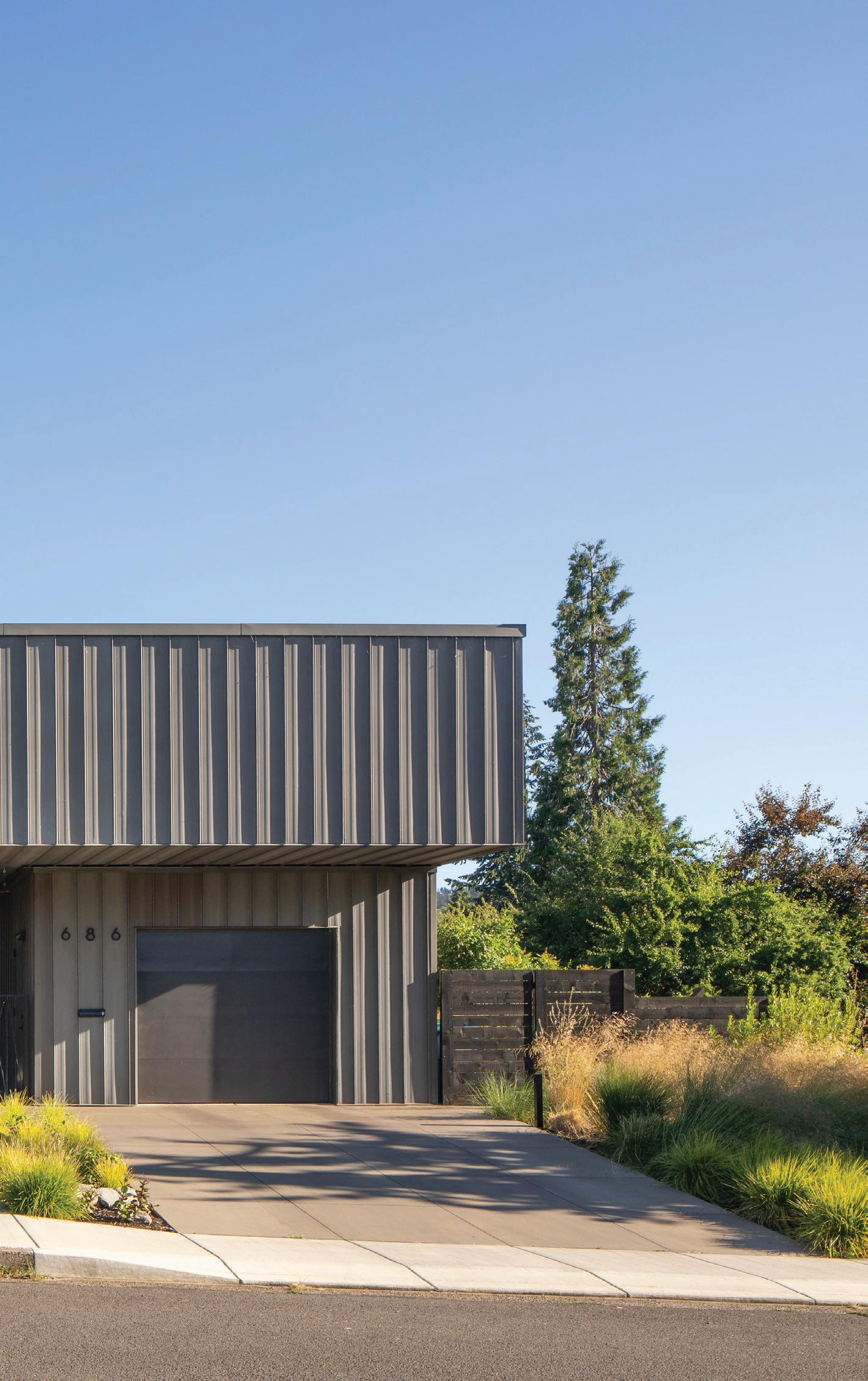
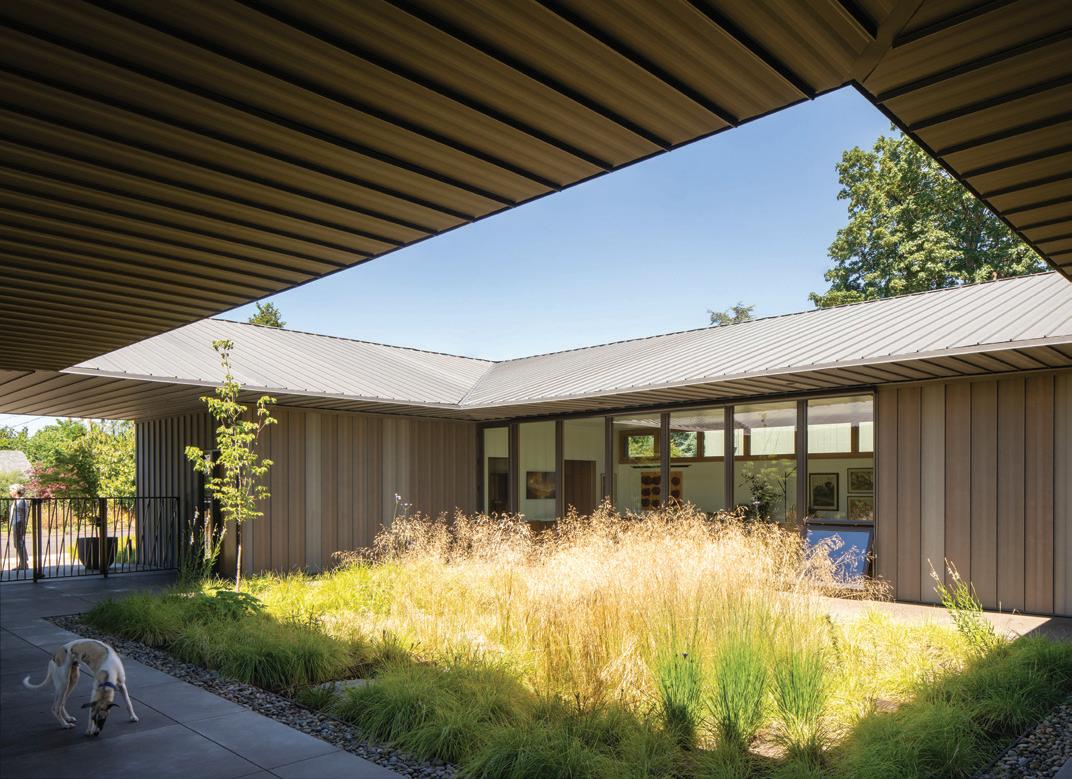
FROM THE STREET, Patti Chamberlain’s Eugene house looks rather straightforward. It’s a squared-off one level, with two windows and a gray steel facade. But duck into the breezeway beside the garage, and unlatch the gate, and you’ll find a meadow inside. “It’s a courtyard house,” said architect Ben Waechter. “The idea was to create the feeling of a meadow in the courtyard. Patti did not want a curated garden.”
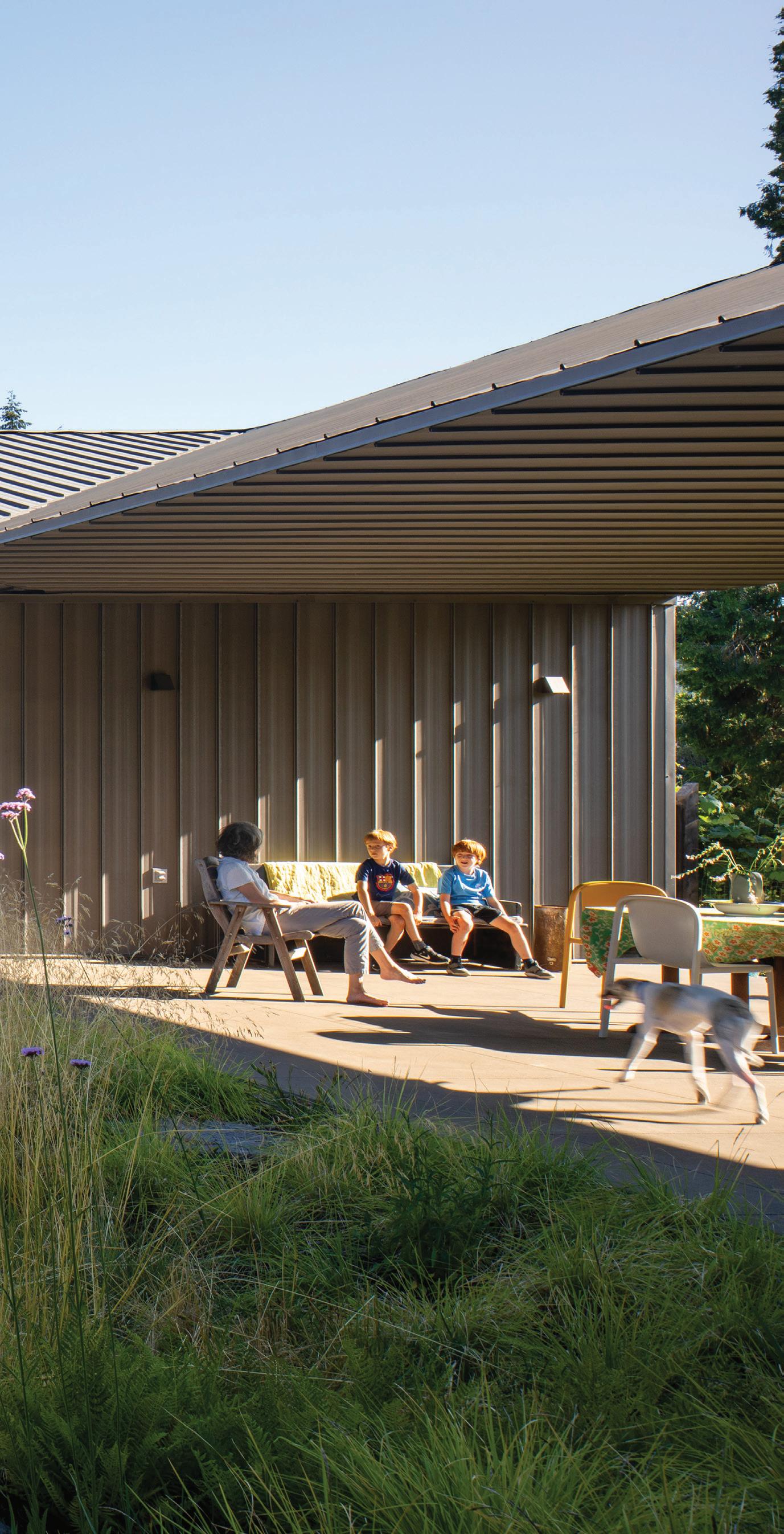
Courtyard houses have been around for centuries, as early as 6500 B.C. in what is now present-day Syria, and as recently as this Eugene neighborhood, thanks to Waechter, founder of the Portland-based firm Waechter Architecture. Rather than have the house sit between a front and back lawn, courtyard houses typically consist of a plan where the main rooms of the house are arranged around an inner yard, open to the sky, with doors and windows facing into the center for access and views. “The courtyard is something to orient towards,” said Waechter. “It’s a way to be outside, yet still private and protected.”
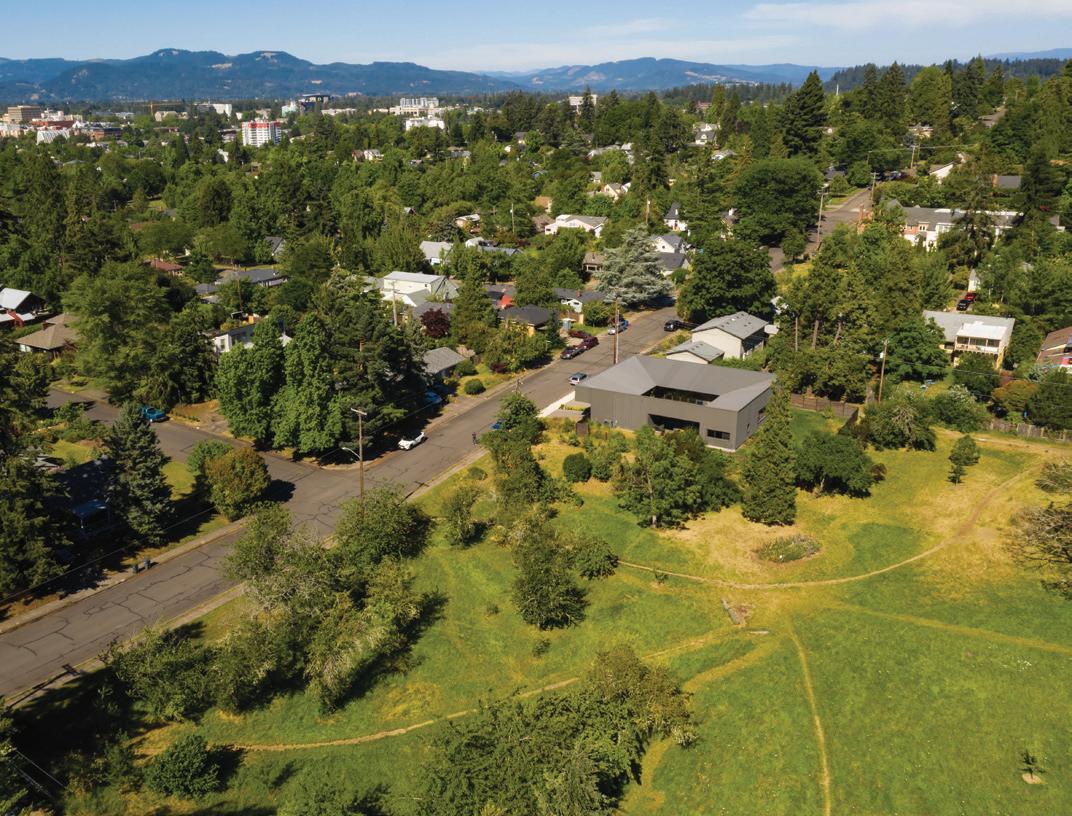
That was exactly what Chamberlain wanted, given the location of her home. It’s directly adjacent to a community park, nicknamed the “Meadow.” Years ago, the neighbors joined together and bought the land from developers so as to preserve some green space for communal use. “The meadow is a magical place in the neighborhood,” said Chamberlain, who lived two blocks away from it for years, frequently taking her dogs and grandchildren there. In 2020, the empty double lot next door went up for sale. “I love real estate, so I look at it all the time,” said Chamberlain. “I wanted to stay in the neighborhood, but this was such a great opportunity. I just couldn’t pass it up.”
When she reached out to Waechter for the home design, he immediately appreciated the setting and thought a courtyard house could give her a private version of the meadow experience. “I grew up in Eugene, and the character of the meadow is very familiar,” said Waechter. “It’s the natural landscape of a lot of that part of the Willamette Valley, with oak trees and grasses. It’s untamed.”
Waechter worked with landscape architect Catherine Davis to place the meadow at the center of the home, planted with the same native grasses and ferns as the bigger park. The courtyard also doubles as a rain garden for stormwater management, collecting run-off from the roof, which is sloped inward for
that very purpose. “Once you’re in the center, it’s more intimate,” said Waechter. “The scale is brought down because the roof slopes.” There are no gutters, which facilitates the water management process for the rain garden, and makes for easy maintenance for Chamberlain.
The exterior steel, which has been bonderized, will patina over time to further blend the house into its environment. Plus, wrapping the roof, deep eaves and walls in the same material gives the impression that the house has a folded appearance. “We wanted the house to be a sculptural experience,” said Waechter.
As for the 2,000-square-foot interior, the architect developed a plan for the rooms to open and close to the courtyard, in an alternating rhythm. To that end, rooms with a more utilitarian function, like the laundry, bathrooms, bedrooms, kitchen and
garage, all have smaller windows and solid walls, so the focus is placed on their interior, and privacy is ensured. “Unlike many people, I didn’t want the kitchen to be the center of the house,” said Chamberlain. “I’m more of the Frank Lloyd Wright-type: the kitchen’s a workspace.”
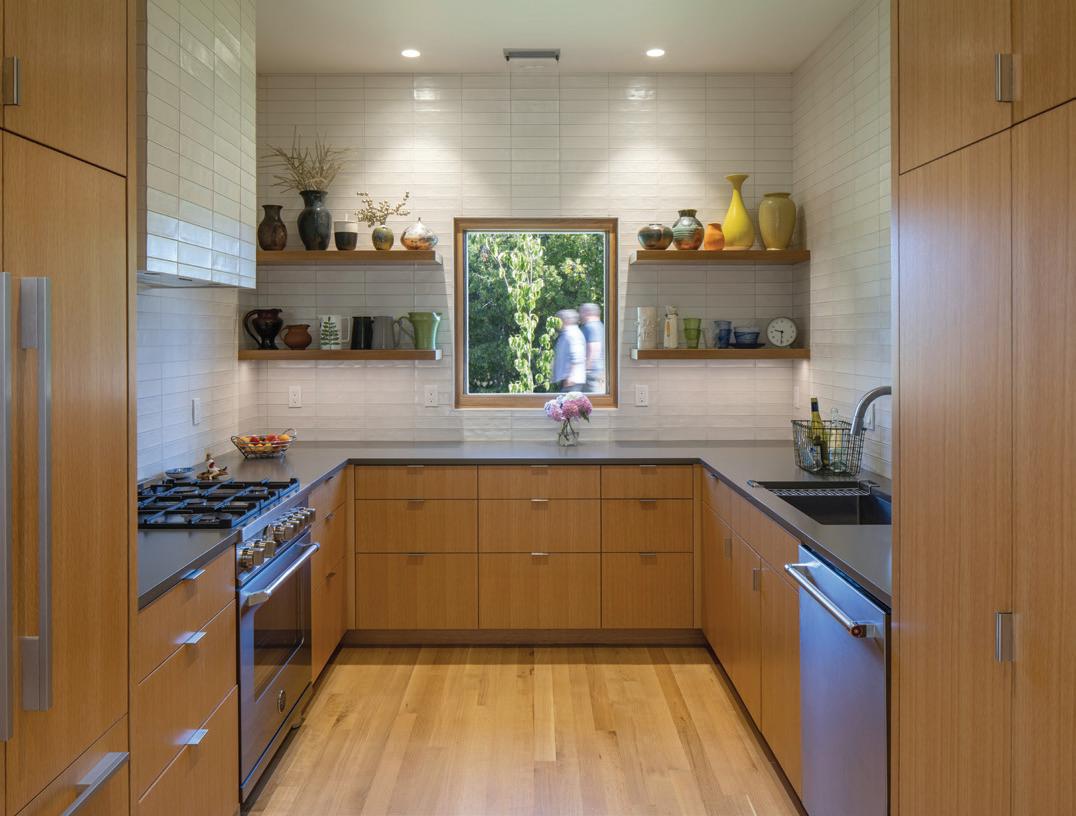
In these areas, she appreciates how the custom cabinetry fits everything she needs, and then some. “I have the most luxurious, large linen closet, to the point where when I played hide-andseek with my grandkids, one of them hid by laying on one of the shelves,” said Chamberlain. The pared-back material palette— white walls, white tile and white oak—also puts the focus where she wanted it: outside.
That’s also facilitated by the open, light-filled spaces that contrast with the “contained” rooms. When you enter them,
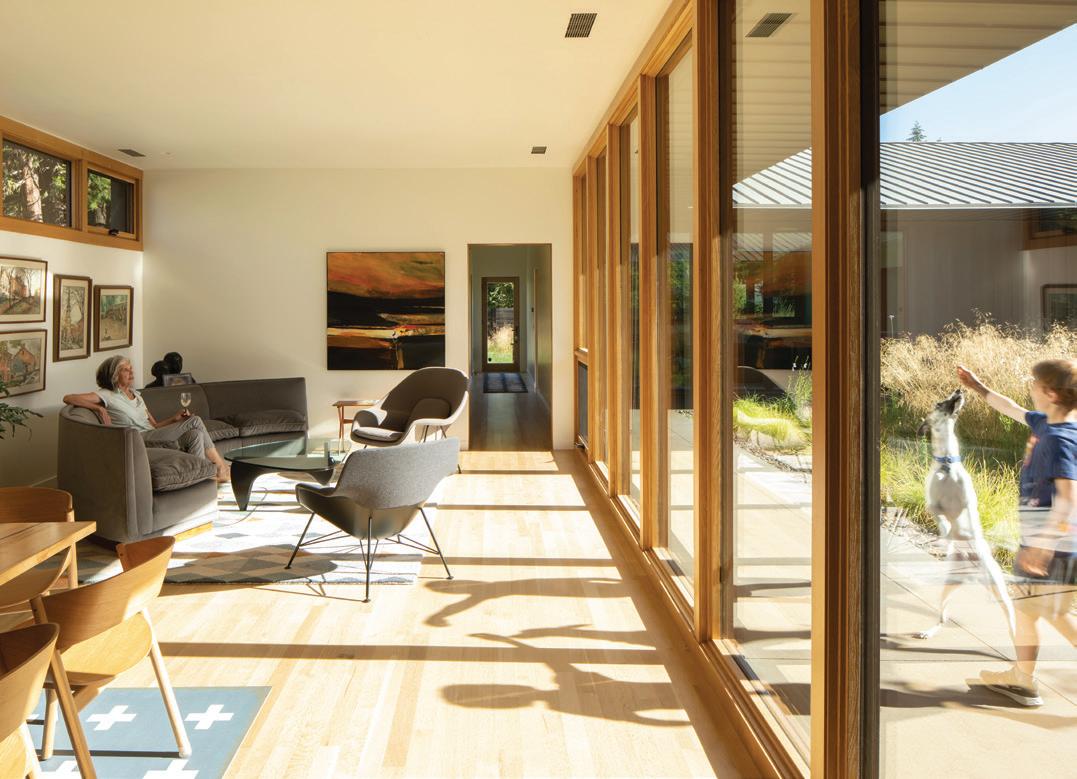
it is as though you are emerging into nature. There’s a deep loggia, or outdoor lounge, with a covered roof, that borrows views into the adjacent public meadow and has enough space for a ping-pong setup. The breezeway at the front offers views into the courtyard when moving from the garage to the house. Meanwhile, two family rooms are each lined with glass window walls.
The glass acts as a frame to capture the four-season show in the courtyard, whether that’s the irises in bloom, birds swooping down for a drink from the rock that doubles as a bird bath or icicles forming along the dripline. “When it rains, you get a curtain of water running off the roof,” said Chamberlain. “People complain about living in Oregon with all of the rain, but this turns it into a priority. It’s a beautiful show.”
drain well. Avoid placing the garden under trees, so as to protect their root system. Choose a relatively flat area to prevent erosion and keep existing soil stable.
Calculate the roof’s runoff area to understand how much water will be flowing into the garden, and size it accordingly. The garden will be roughly 10 to 15 percent of the size of the impervious surface that drains into it. When drawing the parameters, makes sure the outer edge is the proper distance from the house’s foundation. (This distance may vary depending on the jurisdiction.)
DIY written by Melissa Dalton | illustration by Edwin Ouellette
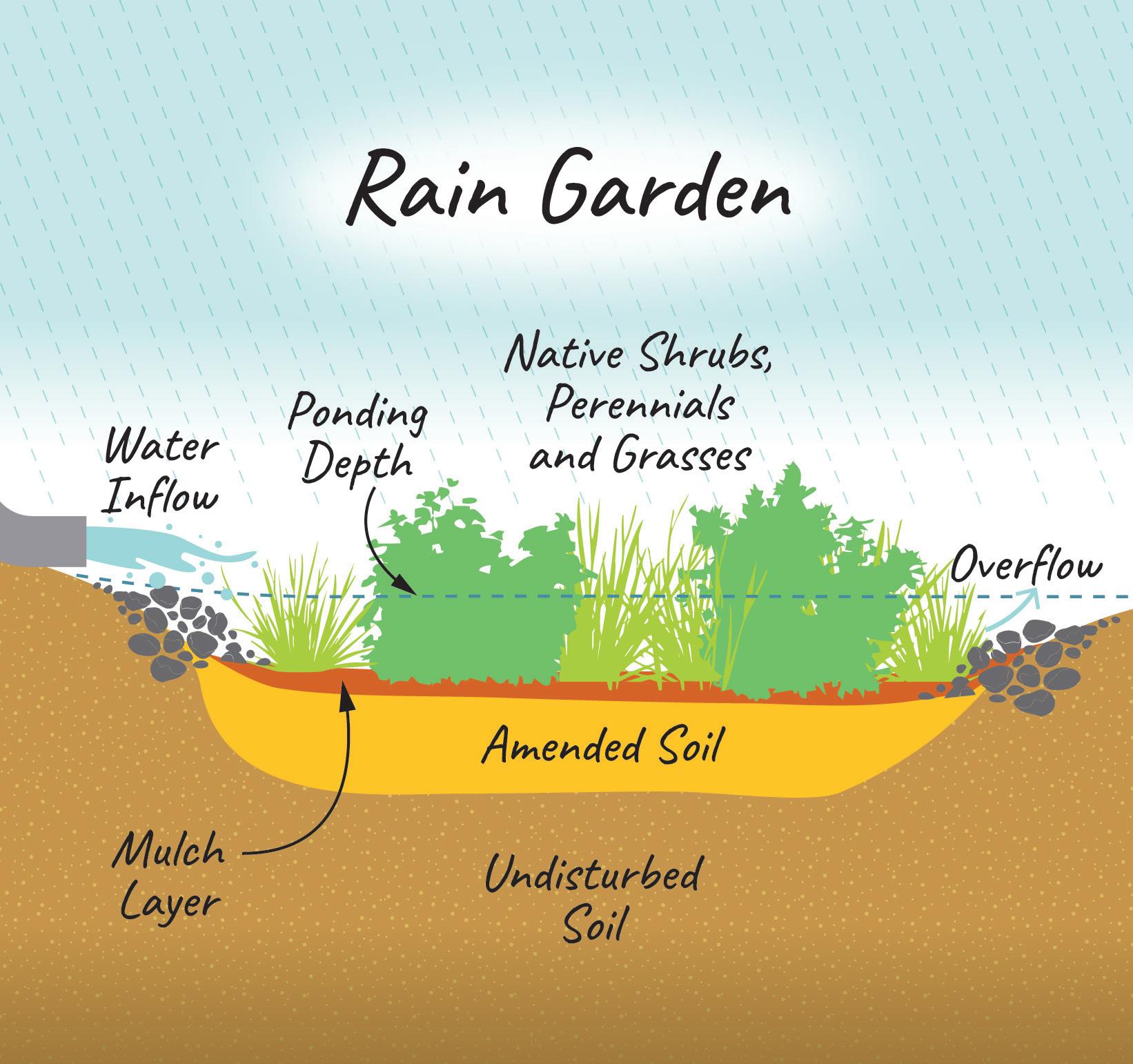
A RAIN GARDEN is designed to, just as the name suggests, soak up the rainwater runoff from a roof, driveway or patio. It’s typically created by digging a shallow depression and then filling it with dirt and native shrubs, perennials and grasses. All of this works to collect rainwater and filter out the pollutants—things like fertilizer, oil and chemicals—before that water enters storm drains and ends up in our waterways. The rain garden process also replenishes groundwater and acts as habitat for local species.
Here are our tips for building your own rain garden at home:
Note: Sometimes, the water company will offer a discount on your utility bill if you install a rain garden on your property. Check with yours! Also, always research local rules and code before starting a project like this.
First, check with local officials to make sure any potential rain
garden area is free of underground utilities. Then observe where the water flows on the property to choose a spot that will best intercept it, such as at downspouts or on the edge of a paved area. Make sure the water is always flowing away from the house, and avoid any place that already puddles, as that may indicate the soil doesn’t
The shape of the garden can be anything you want! Mimicking the organic kidney shape of a body of water is popular, even though this is not a water garden and will not collect water or breed mosquitoes.
In the center of the proposed garden area, conduct a soil infiltration test to check whether it can safely absorb the water.
Outline the area with a shovel, or stakes and string. Dig out the garden area to be about 6 to 12 inches deep; this can be deeper in soil with more clay in it. Keep the bottom of the garden flat, with gently sloping sides.
Depending on what’s needed, add soil, sand or compost at the bottom of the depression. Plant an assortment of natives that will be happy in that sun exposure. Then add a layer of mulch. Weed when needed. Most of all, enjoy your new garden!

Everything needed for a social summer
written by Melissa Dalton

The Slim Outdoor Bar Cart from Room & Board comes in handy when schlepping food and drink out to the patio for dinner alfresco, as its casters make for easy trips with hot dishes and cold beverages. The powder-coated recycled aluminum is weather-friendly, should you want to leave it outside when all the feasting is done. www.roomandboard.com
Thanks to the technique used to weave it, the Kiel Rug from Rejuvenation looks like it should only stay indoors, but the 100 percent recycled polyester content ensures it’s easy to clean, water resistant and outdoor-ready.
www.rejuvenation.com

If you love the ambience of candlelight, but tend to forget to blow out the flame, this Metal Solar Lantern from Terrain is the solution. It combines an artful perforated metal shade—the fan design is a classic—with the modern tech of a solar-powered lantern for a peaceful glow.
www.shopterrain.com


Leave it to HAY to keep the idea behind the Balcony Outdoor Collection, which includes a dining table and chairs and is available at Design Within Reach, simple: The rectangular forms have circular cut-outs to strengthen the steel. They also drain water so it doesn’t pool on the surfaces. No more wet seats at this table! www.dwr.com


























Hiking your way to Oregon’s wild hot springs


written by Jean Chen Smith


STEAM RISES before the water comes into view. It hangs low in the trees like a secret exhale, signaling what your legs already know: You have earned this. In Oregon, hot springs are not roadside a ractions. They are destinations that ask something of you first—a few miles of steady climb, a river crossing in early summer or navigating a shaded forest trail. The e ort, however, pays o in pools of steaming water tucked into mossy groves, where the landscape feels as much a part of the experience as the soak itself. I have come to love the rhythm of it: trailhead to thermal.


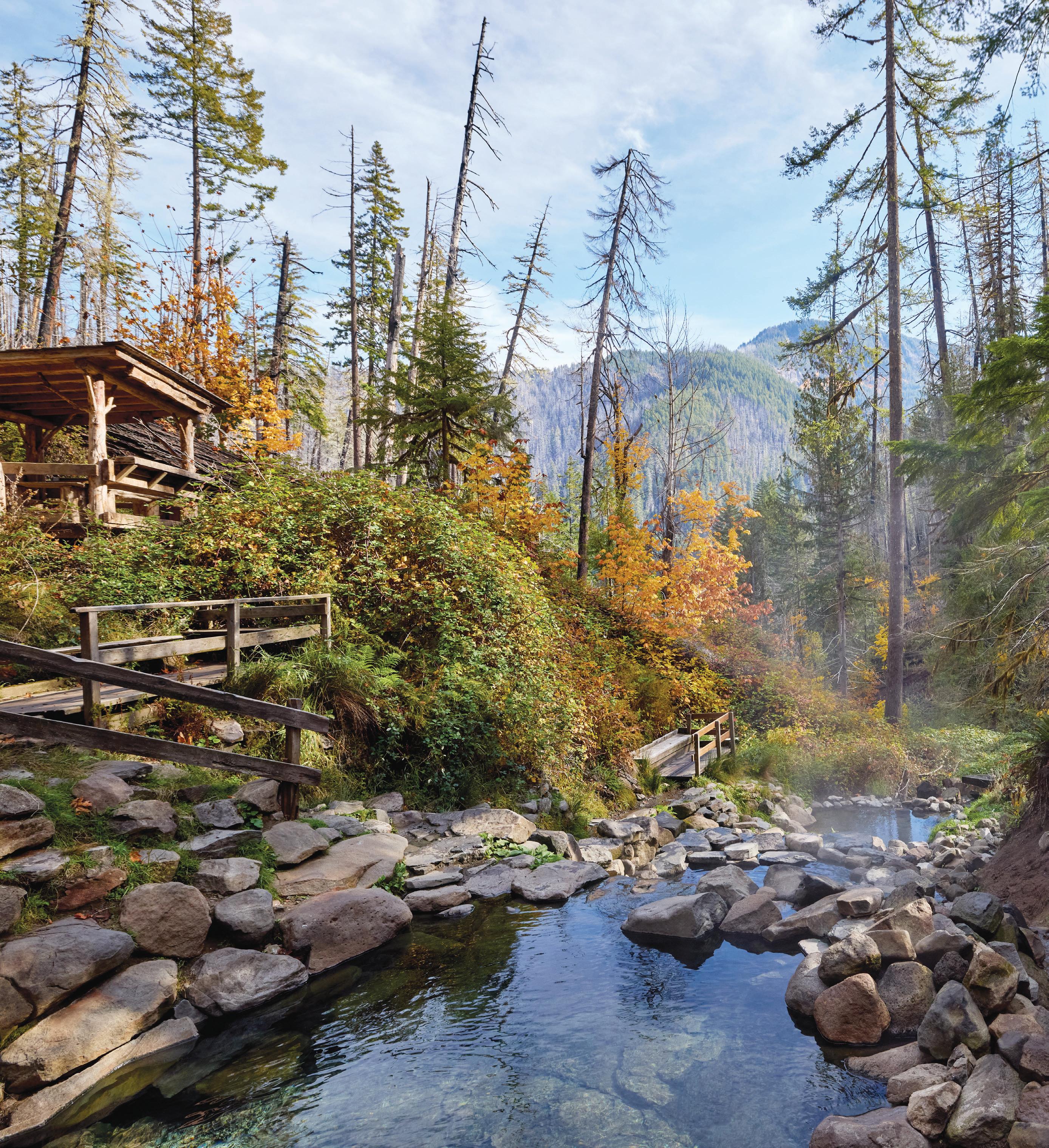
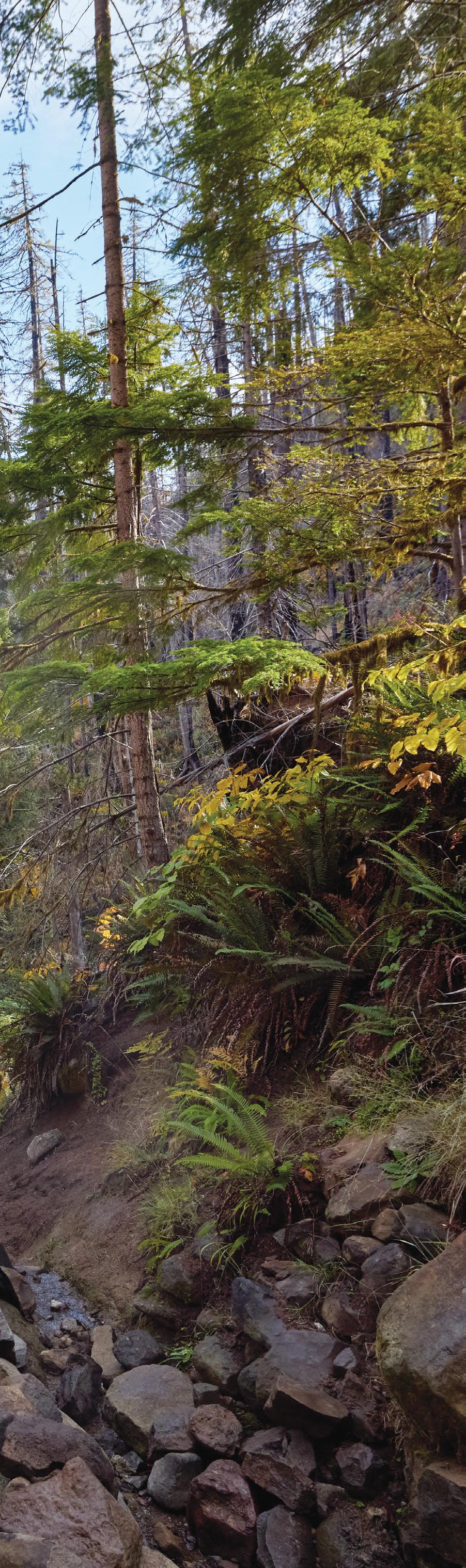
The hike is part of the alchemy. At Bagby Hot Springs, the 3-mile walk through oldgrowth cedar and Douglas fir becomes a moving meditation. The boardwalk creaks softly as you approach, and the smell of damp wood and mineral water mingles in the air. Bagby is one of Oregon’s most storied soaks, with cedar tubs tucked inside rustic bathhouses. It’s communal, quirky and deeply Oregon, where etiquette (and a little patience) goes a long way.
Farther south, the trail to Umpqua Hot Springs winds through evergreen forest before revealing a cascade of terraced pools perched high above the North Umpqua River. It is a heart-lifting reveal: turquoise water against a sweep of valley and sky. The hike is short but steep, and the reward is panoramic. Soaking here feels almost alpine—exposed, elemental, unforgettable.
For those willing to venture deeper into the wilderness, Paulina Lake Hot Springs offers a different kind of magic. Along the lakeshore, you can dig your own pool in the sand, mixing scalding geothermal water with the cold edge of Paulina Lake until it reaches that just-right temperature. Access is limited during the winter due to road closures.
Oregon’s hot springs are beautiful, but they aren’t delicate. You may find slick rocks, fluctuating temperatures or a clothing-optional culture that surprises
first-timers. The etiquette is simple: Pack it in, pack it out. Keep voices low. Test water before easing in—geothermal sources can spike in heat without warning.
Some springs, like Terwilliger Hot Springs (affectionately known as Cougar Hot Springs), have developed pools that step down the hillside like a warm waterfall. After a forested half-mile hike, you will find tiered basins cradled in vine maple and moss. It is one of the more accessible soaks, but still carries the feeling of discovery, especially on misty mornings when fog clings to the canopy.
The conditions shift with the seasons. Winter brings solitude but also snowedin access roads. Spring runoff can make river crossings tricky. Late summer carries wildfire risk and closures. Checking forest service updates becomes part of the presoak ritual, as essential as tossing a towel and sturdy sandals into the car.
What keeps me returning to these thermal destinations isn’t just the heat—it’s the contrast between cold and hot. The shock of the river after a long soak. There is a moment just after sliding into the water when the muscles finally release and the miles settle. The chatter softens to the rhythm of wind in the trees, and the steam curls upward into the Oregon sky. It’s a gentle reminder that in the wilderness, wellness is not branded. It is not booked in fifty-minute increments. It is found at the end of a trail, in mineral waters older than memory, surrounded by basalt and evergreen.
Couch reveals facets of larger stories in photography and collage
written by Daniel O’Neil
EPIPHANY COUCH’S artistic journey began in early childhood, before she could even talk. As a wellbehaved child, Couch enjoyed spending time with adults, listening to their stories. And as a misbehaved child, or an artist in training, she made drawings on her parents’ books and brand-new sofa, and glued colored pencils to the kitchen table. In her defense, she saw it as a need, like the books, sofa and table needed to be that way. Her parents disagreed with that outlook, but they did support her creative energy and idiosyncratic self.
Couch descends from a family of artists and storytellers. She also comes from a mixed heritage, or “mixed race,” as she calls it. Her father’s side is Euro-American, including quite a bit of Scandinavian. On that side, her late grandmother practiced art in the form of painting, weaving and quilting, and also became interested in archiving and genealogical research. Her father is a photographer, and he encouraged his daughter’s pursuit of this art form.
On her mother’s side, Indigenous influences become important. Her great-grandfather, a grandfatherly figure in Couch’s life, was Yakama, and he was skilled at telling stories, as was his wife, Couch’s “grandma,” who was Puyallup.
Assembling all of these apparently disparate pieces has been a lifelong consideration for Portland-based Couch, and it shows in her art. Even as a student at the University of Puget Sound, in Tacoma, her hometown, Couch studied art, specializing in sculpture, but as a liberal arts student she also learned about research and history and anthropology, disciplines that help inform her artistic expression today.

Historic Baker City, Oregon
Welcomes you to First Friday Art Walk
Eat, drink and sleep in our quaint and charming town while enjoying the vibrant art scene. Explore a Northeastern Oregon gem!
Our 2026 First Friday Schedule
April 3 April Open Theme Show “This Land is Your Land”
May 1 Joachim McMillian (Modern Impressionist painter)
June 5 “Substrate” Pattie Young (metal), Kathy Pennington (mosaics), and Andrea Stone (painter/mosaics)
July 3 “The Educator’s Palette” Prevot, Godwin, Street, Thomas, and Ballard (multimedia)
August 7 Debra Otterstein (Scratchboard and Feather Painting)



September 4 September Open Regional (Our Biggest Show of the Year – a judged show with numerous awards)
October 2 “Journeys & Convergence” Denise Stone, Jan Clark, and Linda Peterson (paint, batik and mixed media)
November 6 Marlene Kingman (pastel, watercolor), Christie Lower (felt), and City-wide En Plein Air Exhibition
December 4 Dawn Marie deLara (mixed media)
2020 Auburn Avenue, Baker City, Oregon www.crossroads-arts.org
541.523.5369 • angela@crossroads-arts.org
Hours: 10am to 5pm Monday through Saturday









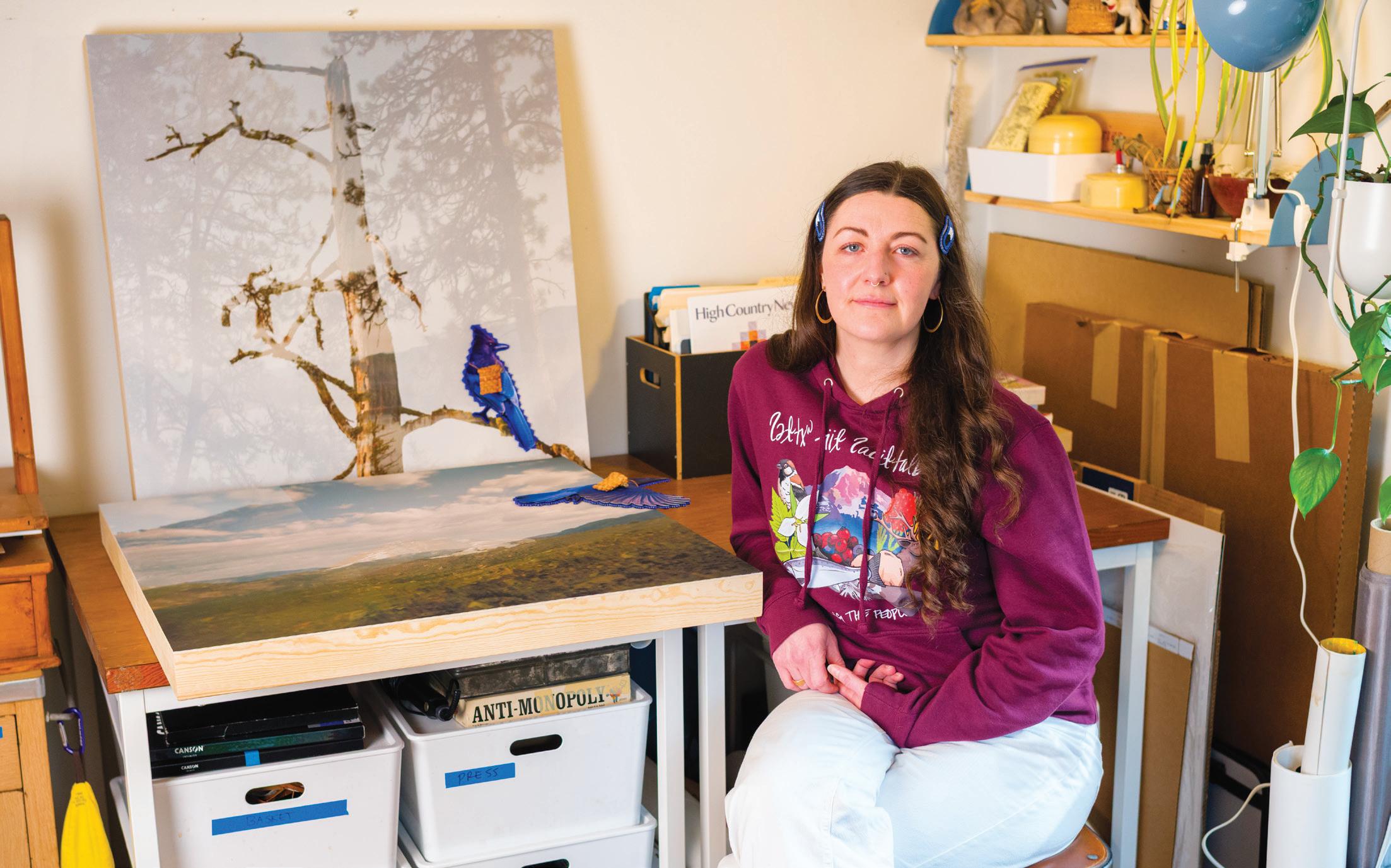
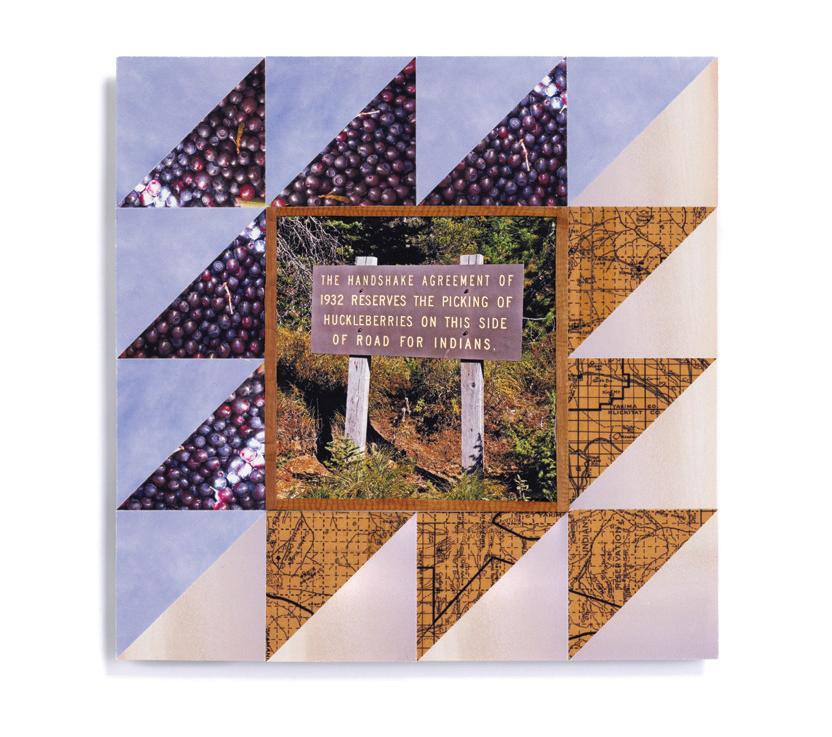
“A lot of the training I’ve had artistically has been in Western art, but I’m taking what I want from that and I’m blending it with these parts of my culture on both sides that are significant to me, and I’m creating something new,” Couch said. “By no means am I a traditional Indigenous artist in that very small definition, but that doesn’t mean I don’t love to make a basket or love to make a cedar hat.”
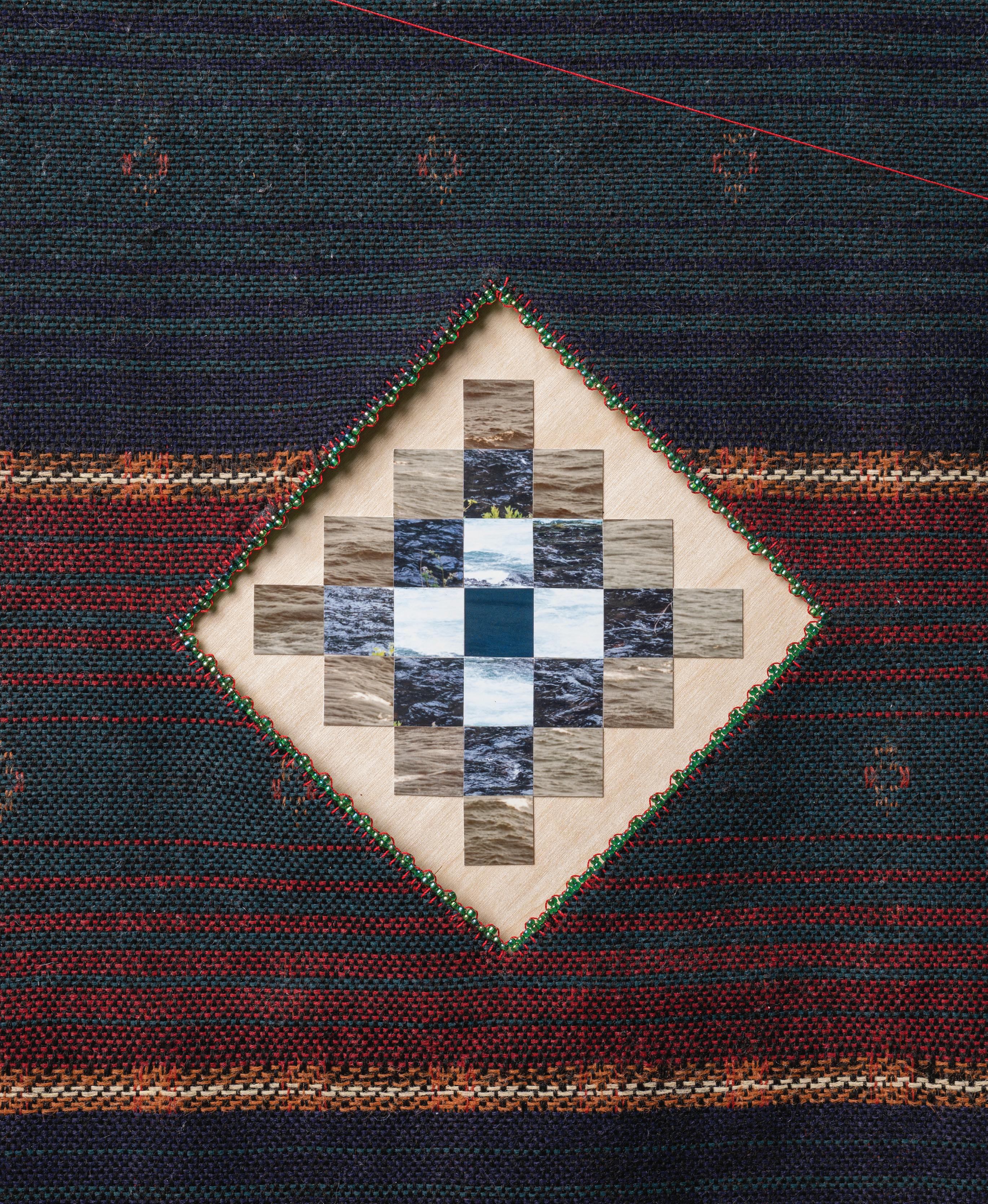
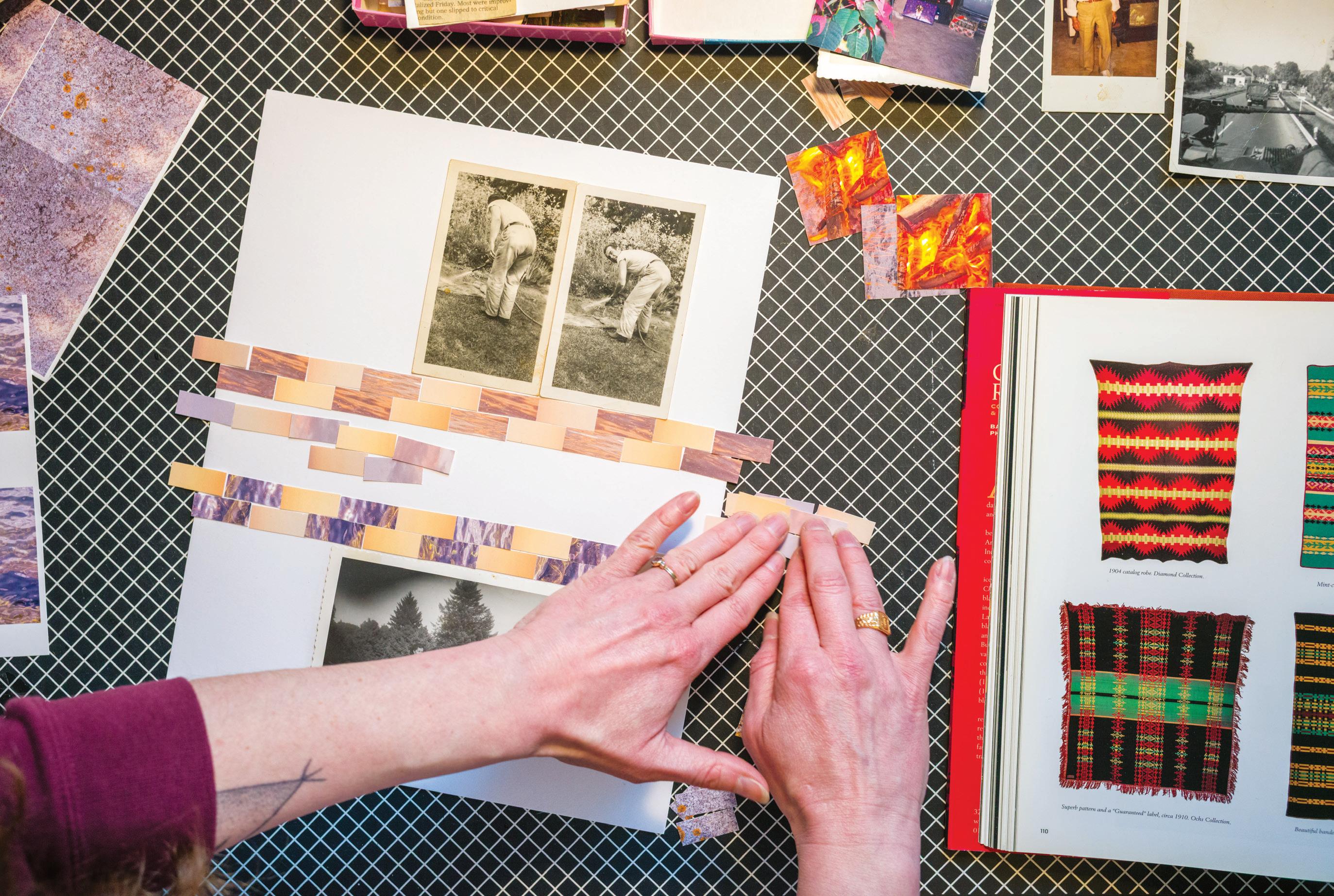
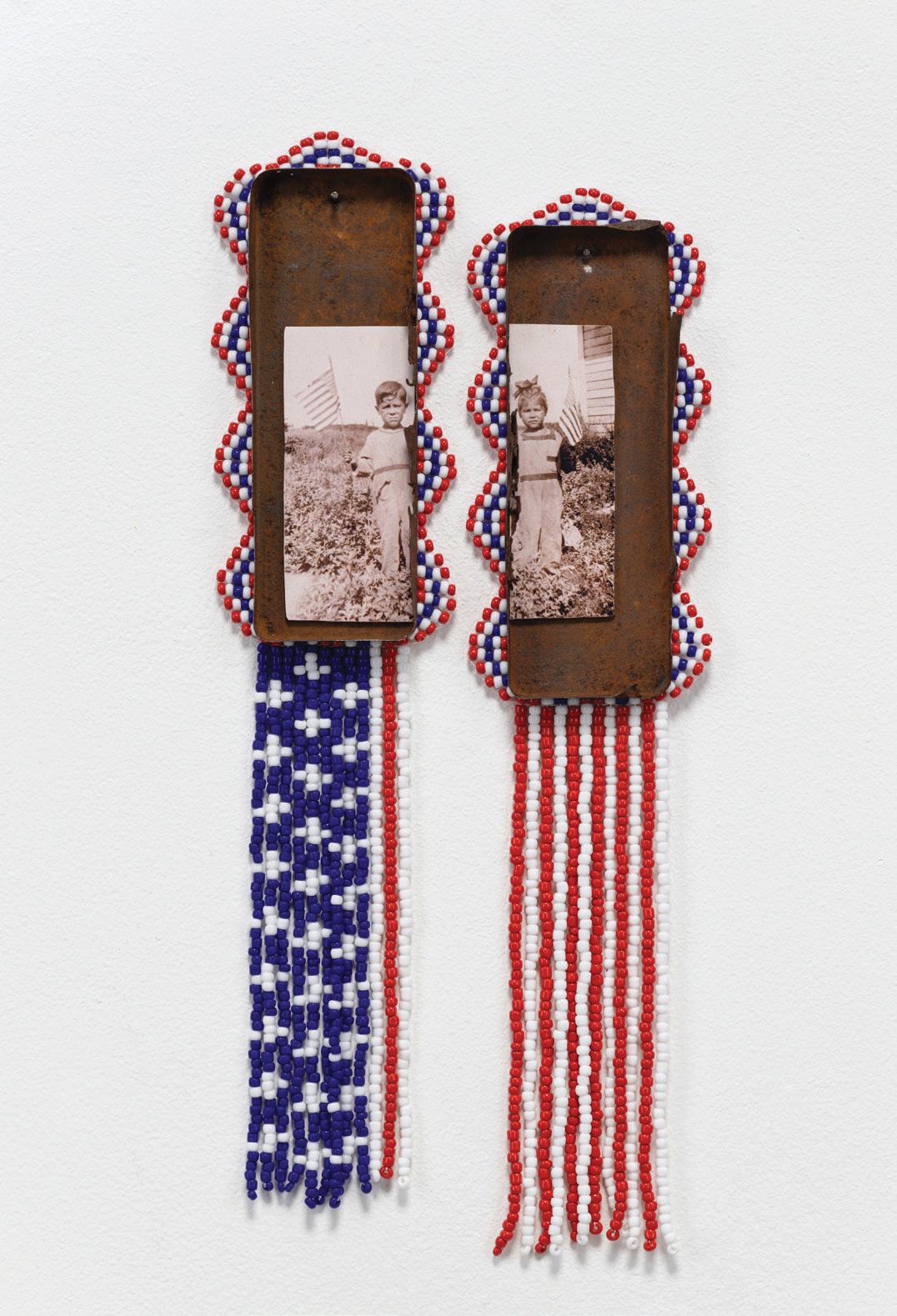
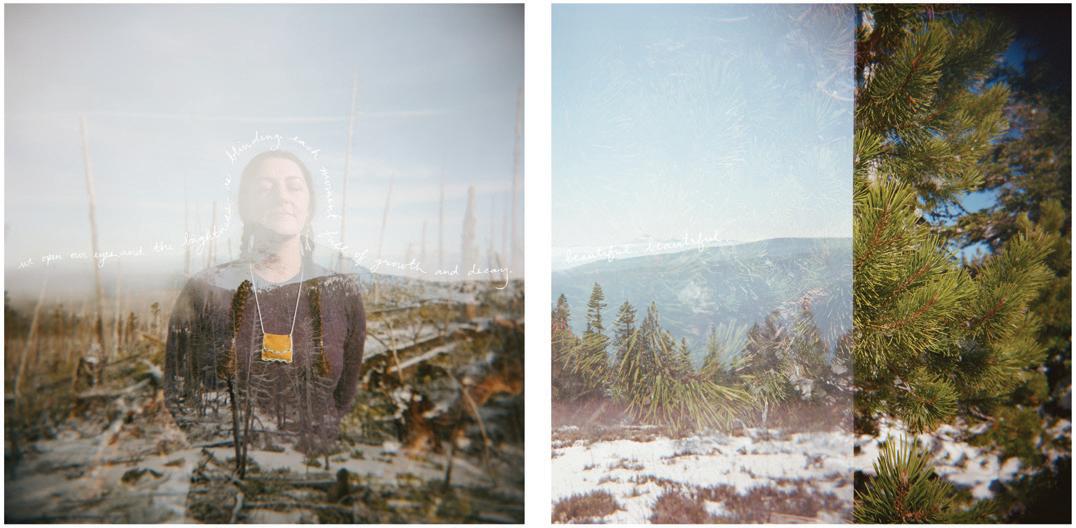
In addition to weaving and beadwork, Couch works primarily with collage, using photos she has taken with classic cameras like a Holga or a Hasselblad. She also relies on old family photos, which reveal to Couch certain stories that are then woven into the piece. And she’ll sometimes collaborate with other photographers, using their images, or she’ll incorporate objects like found ephemera and handwritten old postcards.
things together and put things in conversation with each other that might not otherwise be in conversation.”
In Couch’s work, be it collage or double-exposure photography, content and message are not readily transparent on the surface. Her work carries a nebulous quality, which is somewhat intentional. “I get to be selective about which parts I expose or which parts I don’t,” Couch said. “And, unbeknownst to me, but now in hindsight, I think that that is a visual choice that I make because I am trying to represent these unclear connections that we have.”
“The assemblage and collage world really affected me, this idea that you can take all of these different things and make a succinct image out of them,” Couch said. “It’s not lost on me, the metaphor of collage and also weaving. I think that those are metaphorically rich for my work because it’s a way to bind
For example, our relationship with the natural world around us. Couch’s father is also a mountaineer, and Couch and her father have summited Mount Hood and Mount Adams together. From a young age, she developed a connection to being outdoors that was deeply rooted in respect, both from what she was learning from her mother culturally, as well as what she was learning from her father on an ecological level.
“The land and the people are actually interconnected,” she said. “The land holds memory. It holds history. When we die,
we return to the earth. And so there’s this connection that we can’t not be a part of. And I think, especially living in the city, we really forget that we are actually part of the world. We’re not just humans that live on it—we’re part of the ecosystem.”
In another instance of Couch’s exploration of translucent stories and partially revealed connections, Couch participated in the 2025 GLEAN juried art program, sponsored by Metro and Recology, which has artists gather materials from transfer stations to create a work of art.
GLEAN manager Leslie Vigeant found Couch’s resulting GLEAN artwork both bold and poetic. “Epiphany’s work had conceptual threads of grief, erasure, generosity and mending that wove a deeper narrative into the exhibition,” she said. “It was the kind of work that could draw you in from afar, but then also achieved the more difficult task of keeping you there. Epiphany’s explorations of material, paired with her craftsmanship and skills, made for truly moving work.”
Couch found the GLEAN project more emotional than expected. “All of those materials had stories embedded in them,” Couch said. “I was very interested in other people’s photographs, like what someone else chose to capture and then for whatever reason, discard. Like in this moment it was so important, and now it’s not.”
“The assemblage and collage world really affected me, this idea that you can take all of these different things and make a succinct image out of them. It’s not lost on me, the metaphor of collage and also weaving. I think that those are metaphorically rich for my work because it’s a way to bind things together and put things in conversation with each other that might not otherwise be in conversation.”
— Epiphany Couch





written by Joni Kabana
photography courtesy of Mary Porter
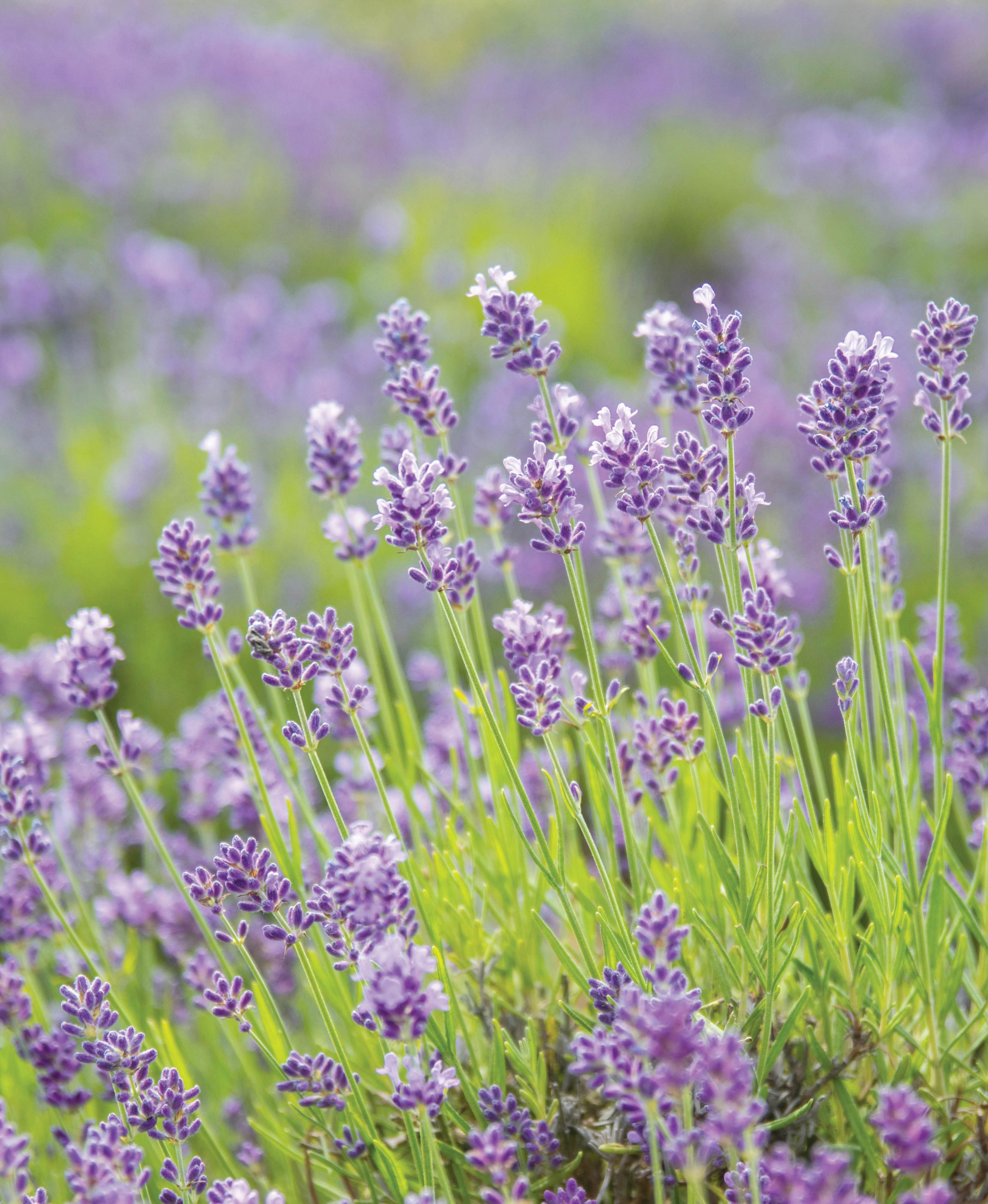
At the base of Mount Hood, where the seasons paint the valley in shifting hues, Mary and Alex Porter have carved out their own purple-tinted paradise: Glacier View Lavender. Born and raised in the Hood River Valley, the couple returned home after long military careers, determined to build a life rooted in family, beauty and hard work. They purchased their Parkdale property in 2019, prepared the soil that fall, and by spring of 2020 had planted 3,000 lavender starts, each one, in Mary’s words, “a little promise.”
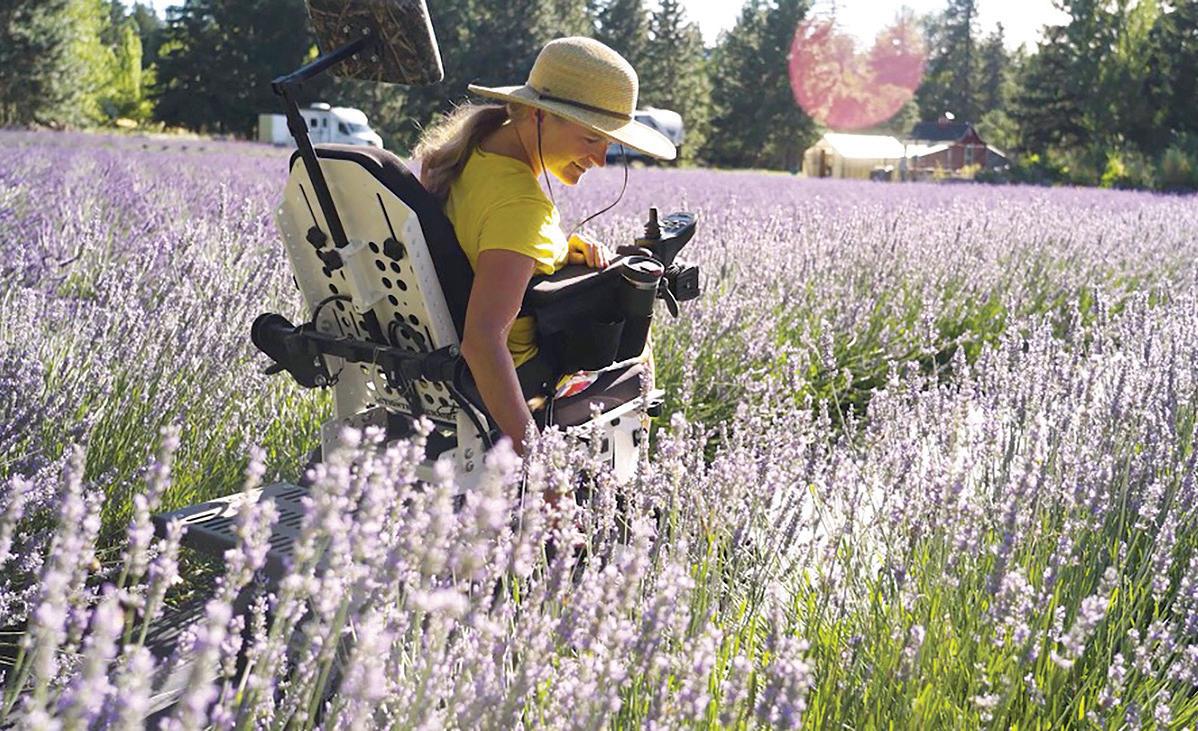
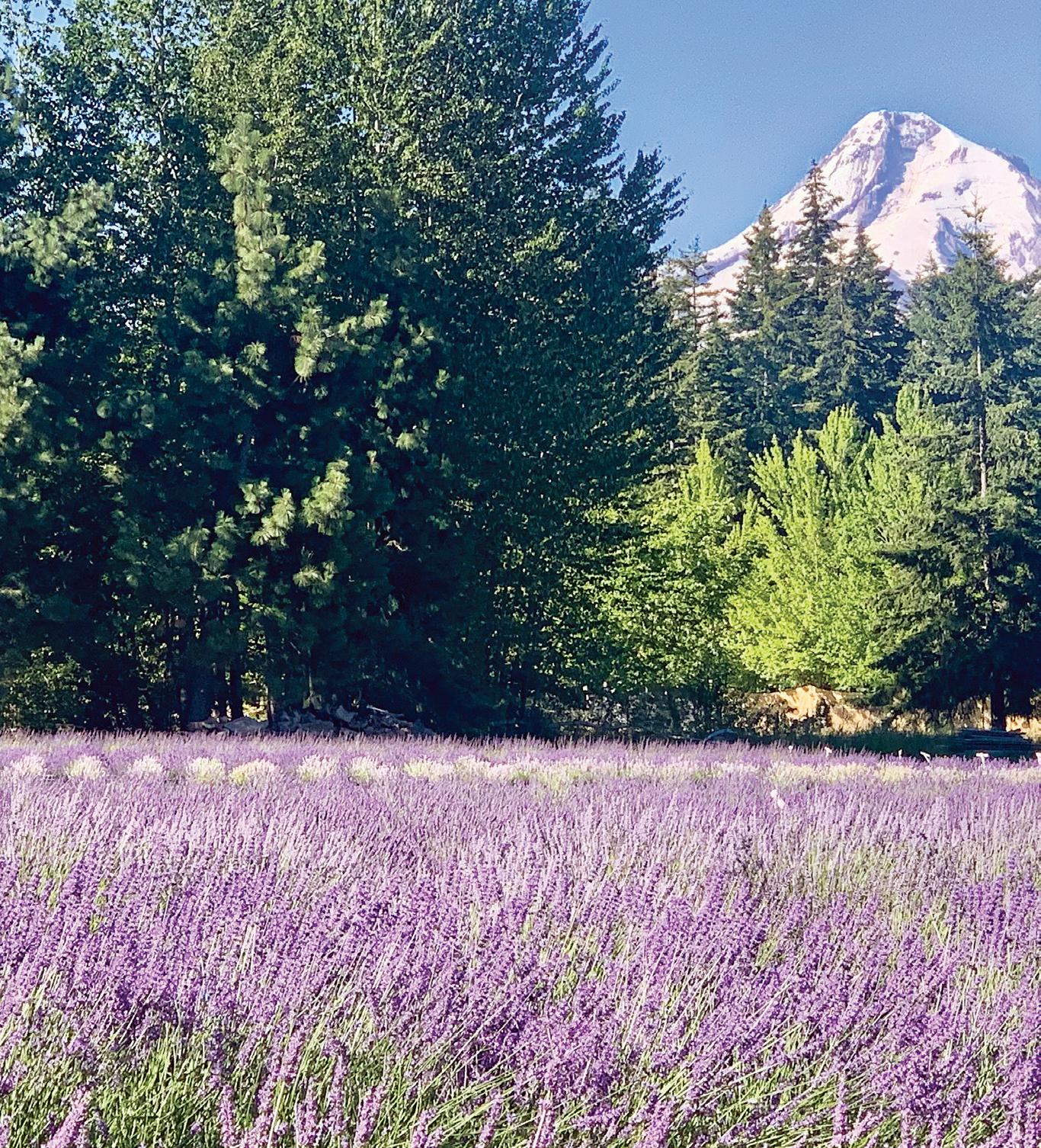

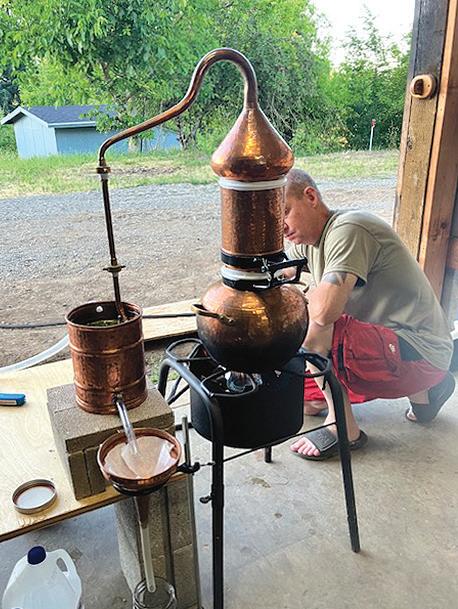
What began as Mary’s dream of a hobby farm became something far deeper when she retired unexpectedly from her work as a physician after an ALS diagnosis. Together, she and Alex built not only a farm, but a home that is warmly welcoming to family and friends. Their days follow the rhythm of the fields: springtime irrigation repairs, endless hand weeding and the June flush of English lavender blooming in vibrant shades. By midsummer, they are harvesting, distilling oil by cultivar, debudding culinary lavender, crafting wreaths and welcoming visitors to learn the art and science behind every fragrant stem.
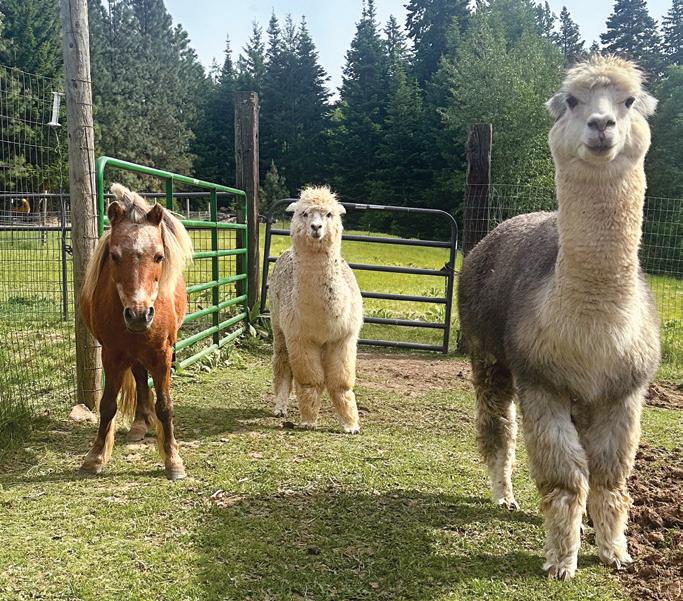
The work is tireless, but the rewards are unmistakable. In 2025, Glacier View Lavender earned three gold, three silver and two bronze medals in the Lavender Northwest Essential Oil Showcase. Separately, Mary brought home a gold medal from the 2025 Invictus Games for adaptive rowing. “Dauntless,” she says, is the thread running through her life. There is joy here, too: runaway alpacas greeting unsuspecting guests, golden evenings when the fields glow purple and motor home trips to national parks (forty-two and counting!). With courage and grace, Mary continues tending her dream despite a short prognosis, knowing Alex and, she hopes, their grown children will carry the farm forward. Glacier View Lavender is more than a business. It is a legacy rooted, resilient and forever blooming.









Portland-based Girls Build teaches construction basics and life lessons
written by James Sinks
FOR MORE young girls and in more places, the buzzing saws, whirring drills and empowering vibes are back this summer.
A decade ago, Portland carpenter Katie Hughes gathered in her living room with a group of fellow tradeswomen, bowls of homemade soup and a question: What could they do about the next generation of young women and the gender disparity in the building trades?
The solution: teach, prepare and empower.
With a nudge from those dinner party guests, Girls Build was founded. And at the helm of the new nonprofit was Hughes, who’d previously run a construction-focused girls’ education program.
That first summer, in 2016, a group of eighty girls ages 8 to 15 attended the charity’s inaugural summer camp in Portland, where they learned how to safely use power tools, build projects and share curiosity, confidence and camaraderie.
Attendees loved it. Parents raved. Sponsors lined up. NBC News paid a visit in the early days. So did national television personality Mike Rowe of Dirty Jobs fame, who brought cameras to a camp in 2017.
Those were heady times. Hughes even wrote a book and presented at a TEDx Talk.
“At the beginning it was easy to bring in money,” Hughes said. “Now that we are hitting the ten-year mark, instead of talking about we want to do, we are talking about what we have done and what’s next.”
Even after the newness wore off, demand hasn’t ebbed—nor has the need, Hughes said. “We are talking about changing the trajectory of lives,” she said.
Girls Build is important because it expands what girls see as possible. It gives them confidence, practical skills and exposure to high-wage, in-demand careers. In many rural communities, there simply aren’t a lot of hands-on summer programs or camps available, so opportunities like Girls Build can be especially impactful.”
— Kristin Rasmussen, Hampton Lumber director of public affairs and communications
Fast-forward to this year, and the nonprofit is expanding its footprint and will serve 480 campers in nine different camps, with three sessions in Portland and then six in smaller communities, from Grants Pass to Warrenton. For the first time, a camp will be offered in Washington state, in Morton in Lewis County.
The Portland camp sessions sold out in eighty seconds after registration opened in February.
This year, the program will include hands-on instruction in carpentry, solar, electrical, plumbing, bike repairs, concrete, firefighting and sheet metal work.
Hughes grew up on 10 acres in rural Josephine County, often fixing things like sheds and splitting wood for heat, before she left home to earn a social work degree. She found her way to professional carpentry to pay the bills—including a stint at Habitat for Humanity—and also didn’t forget her small-town roots. As such, the nonprofit is committed to camps in communities where rural girls can benefit.
The cost for girls to attend the full week differs based on each place, taking into account how well people are faring financially in each community. The most expensive week is in Portland, at $575 per camper. In Grants Pass, it’s $230, and many of the girls receive scholarships. In addition, kids from foster homes are able to attend for free.
Meanwhile, it costs about $1,300 per camper per week to stage the camps, so the nonprofit relies heavily on fundraising, and also donated materials, equipment and labor from local tradeswomen, Hughes said. The annual budget for the nonprofit is about $1 million.
Portland-based Hampton Lumber, a sponsor since 2018, has helped to stage the camps for years near its mills—including the new Washington camp this summer near its two Cowlitz mills, said communications director Kristin Rasmussen.
“Girls Build is important because it expands what girls see as possible,” she said. “It gives them confidence, practical skills
and exposure to high-wage, in-demand careers. In many rural communities, there simply aren’t a lot of hands-on summer programs or camps available, so opportunities like Girls Build can be especially impactful.”
The attendees work together on a group project, like a playhouse, and also create an individual project they get to keep. In years past, those have been things like wooden game boards, handmade guitars, clocks and skateboards.
In addition to the summer camps, the nonprofit schedules occasional community projects and after-school programs at its 2,000-square-foot warehouse in north Portland.
In addition to building things, Hughes said it’s striking how the participants quickly gain confidence in themselves, and also how they support each other. Parents report back that school grades go up after the camps, she said.
Vivian Moo, who will be a senior at Central Catholic High School in Portland in the fall, first attended a Girls Build camp when she was between the fourth and fifth grades. Now, she’s joined the crew as a paid intern, and aims to make the experience as memorable as it was for her.
“I loved learning how to use the chop saw and all the power tools that kids don’t normally get to use,” she said. “I remember having so much fun, making friends and connections so fast, and it was so sweet.”
Now, when projects crop up at home, she often tries to take them on, she said.
“I feel like starting at a young age, this taught me so many more possibilities into where you can move your life, compared to what you hear when you are younger,” Moo said. “It is a community and a safe environment where we could all be women and find joy and success in these skills.”

written by Jean Chen Smith
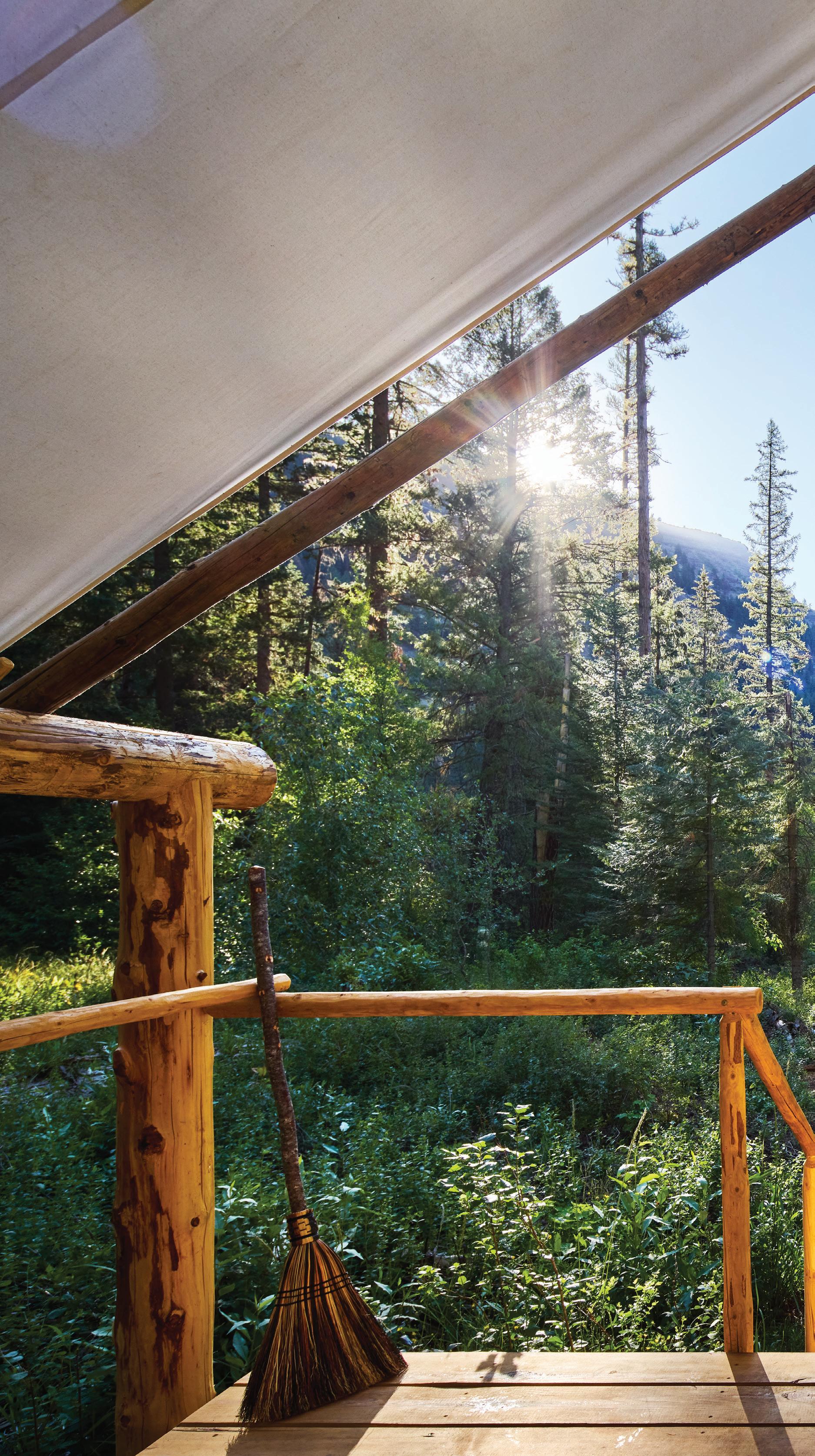
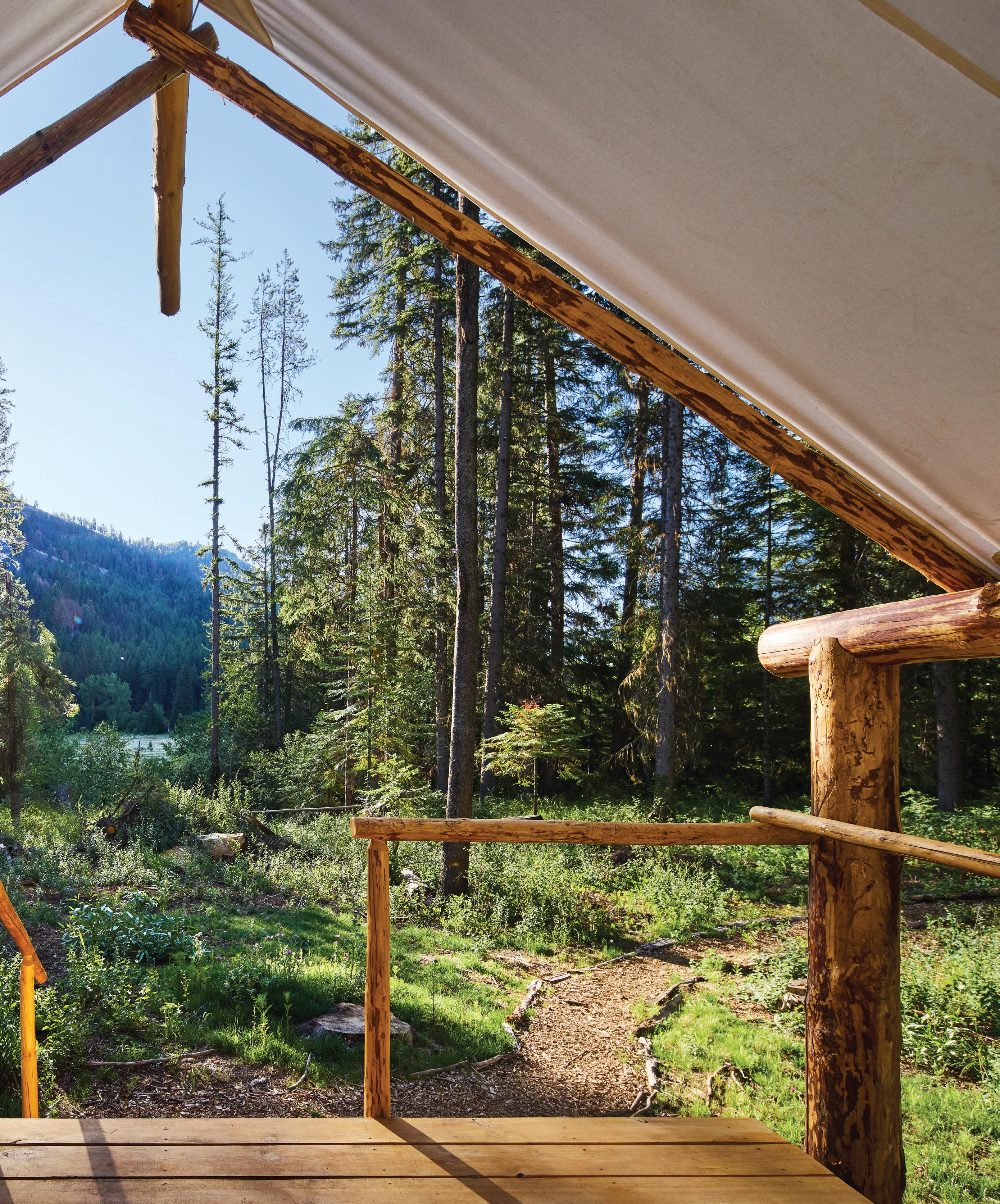
here’s a certain magic in sleeping under canvas without sacrificing comfort, watching fog drift across forested ridges or hearing the ocean’s hush as you drift to sleep. Glamping—where “wild” meets “comfort”—has matured into a travel category that embraces design, locale and experience. From mirrored cabins and geodesic domes on the Oregon Coast to Airstreams and treetop perches across the state, Oregon offers a variety of memorable stays that prove you don’t have to rough it to get outside.
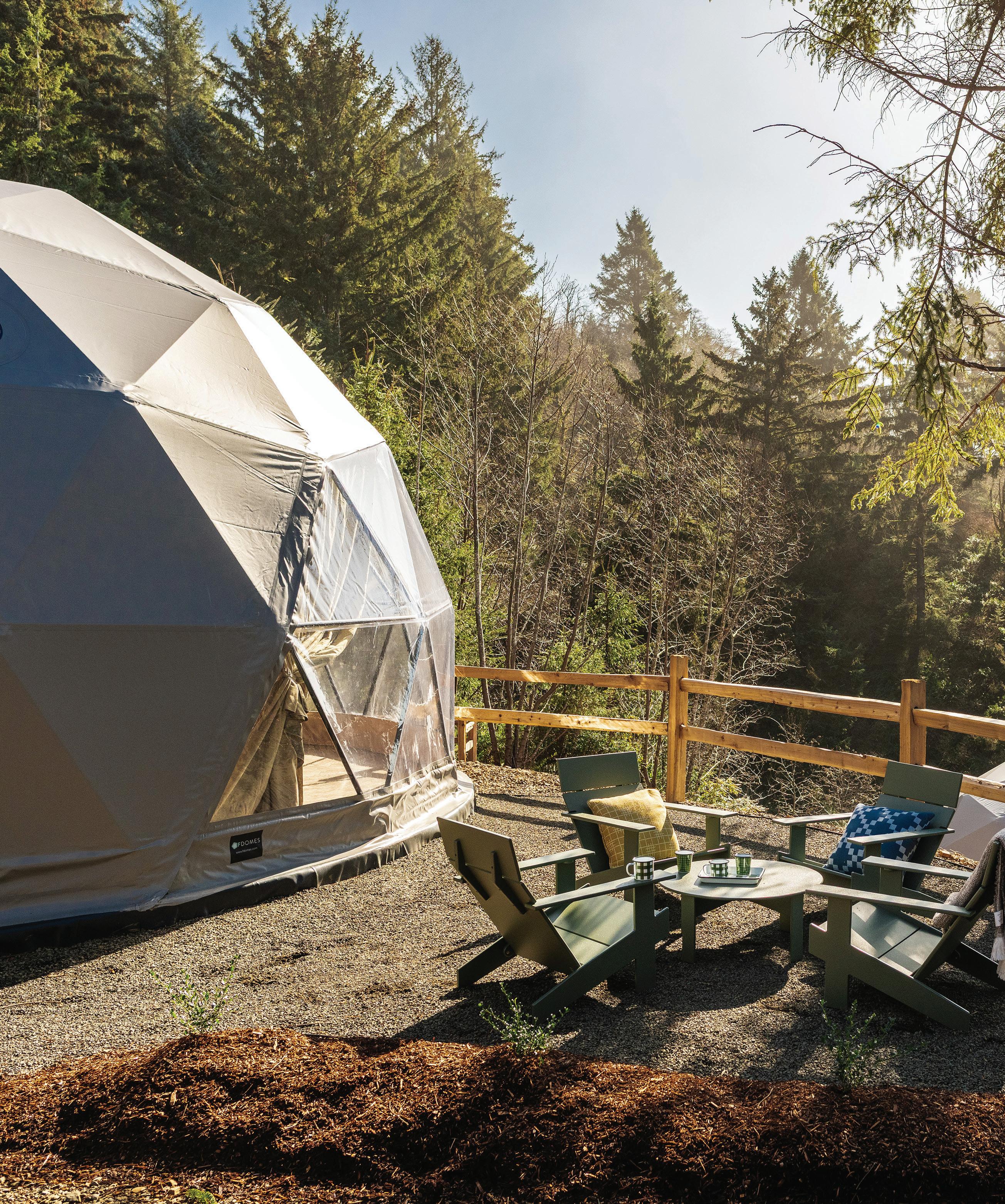


Where forest meets salt air, Two Capes Lookout reinvents the coastal glamping experience with a striking collection of geodesic domes and mirrored cabins tucked into a grove of towering Sitka spruce.
Perched along the rugged sweep of the Oregon Coast, the property feels both elemental and architectural, a place where modern design bows to dramatic cliffs and the open ocean.
In the mirror cabins, floor-to-ceiling panels frame uninterrupted views of sky and sea, with heated interiors, plush bedding and cozy sitting areas. The mirrored exteriors reflect shifting light and wind-tossed branches, allowing each structure to dissolve quietly into its surroundings. The geodesic domes offer expansive views and cozy beds along with an outdoor patio area where guests can watch the fog rolling through the trees in the early mornings. By evening, the horizon burns amber and rose, and guests retreat beneath thick quilts, watching constellations emerge as if the roof itself were part of the sky.

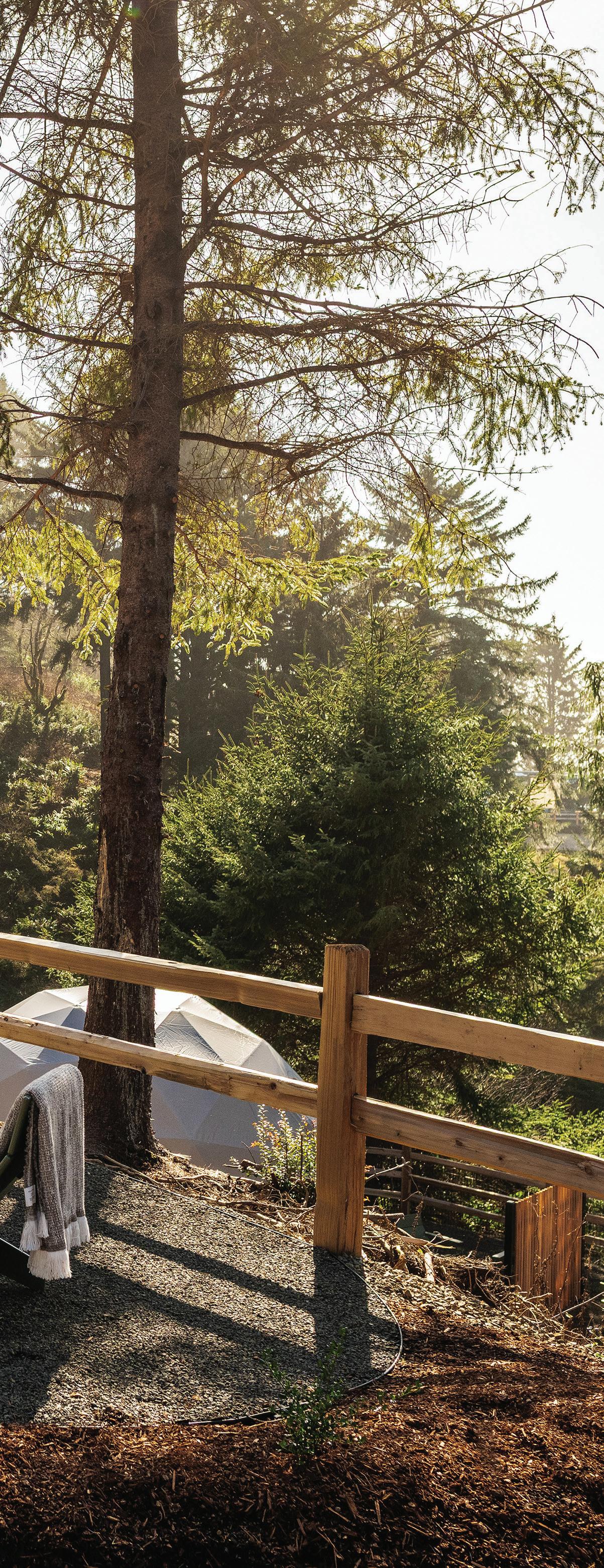
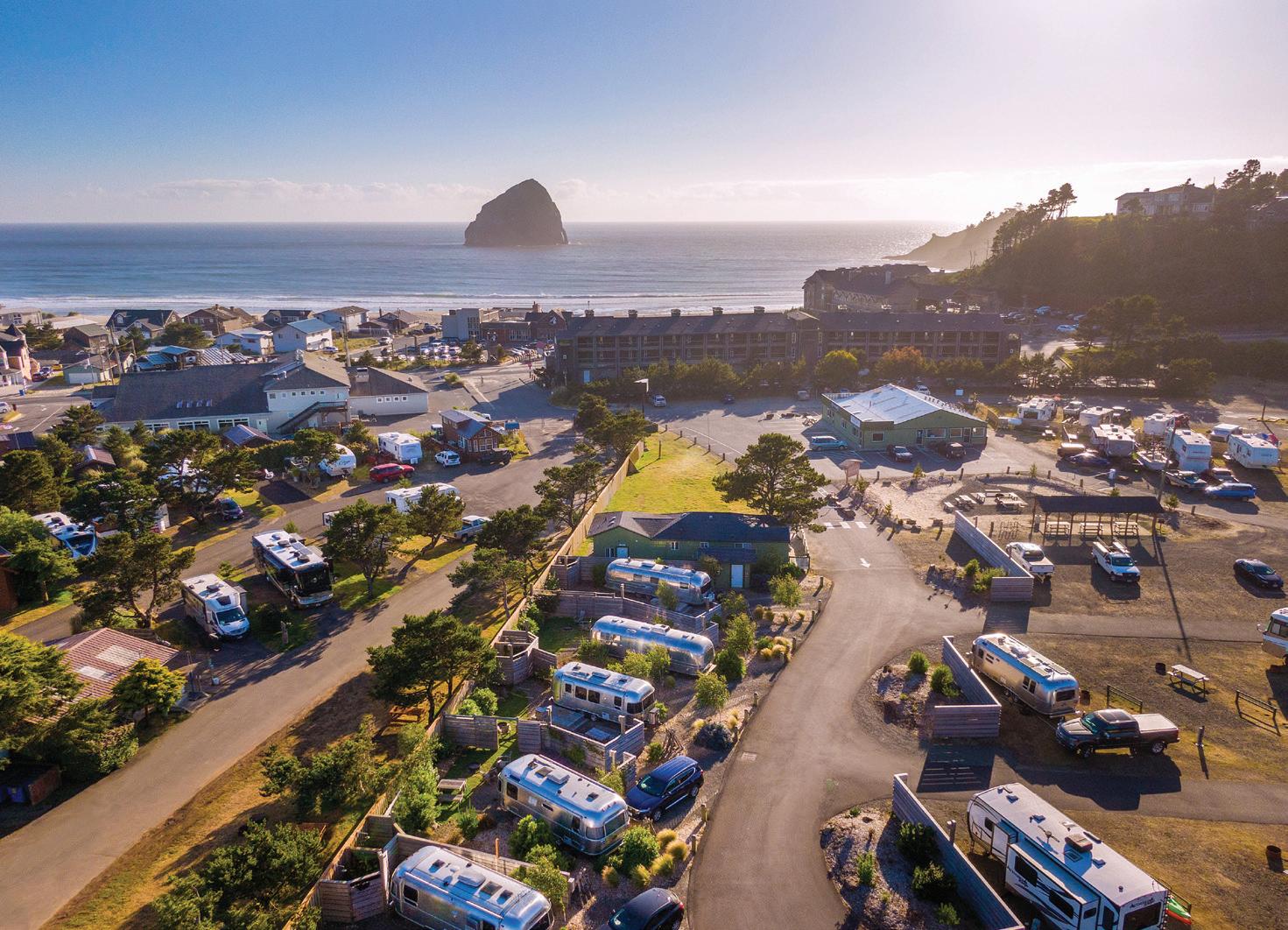


Just up the road from Two Capes, Hart’s Camp reimagines the classic RV park as a polished coastal base camp, embodying Oregon’s new generation of glamping with equal parts nostalgia and design-forward comfort. Just steps from the oceanfront, what was once a traditional RV park has been reinvented under a boutique hospitality vision, offering a curated mix of unique Airstream trailers, cozy cottages and coastal cabins. Guests can spend sunrise watching surfers carve the waves and evenings gathered around communal fire pits roasting marshmallows, or borrow bikes and beach wagons to explore the shoreline. Creature comforts like indoor pools, hot tubs and community games ensure the stay remains anchored in relaxed comfort. In this way, Hart’s Camp bridges the gap between classic outdoor base camp and design-minded coastal retreat, appealing to travelers who want nature on their doorstep without sacrificing thoughtful amenities.
art’s Camp reimagines the classic RV park as a polished coastal base camp, embodying Oregon’s new generation of glamping with equal parts nostalgia and design-forward comfort.




Nestled deep within the wild heart of northeastern Oregon, Minam River Lodge embodies a bold reimagining of glamping where wilderness immersion meets handcrafted comfort. Accessible only by an 8½-mile hike, horseback ride or charter flight, this remote hideaway sits on the banks of the wild Minam River amid the 361,000-acre Eagle Cap Wilderness. The lodge embodies untamed backcountry, an expanse of granite peaks, alpine meadows and rivers. Rather than imposing luxury on the landscape, Minam River Lodge expresses it through handcrafted log cabins, raised canvas wall tents and appointed lodge rooms that mirror the textures and tones of the surrounding forest. Natural materials, artisan details and restrained design choices allow comfort to feel integrated rather than imported, offering a stay that enhances the wilderness. Guests will find a curated dining menu that reflects the bounty of the season, along with plenty of options for DIY outdoor experiences—from hiking to fishing or just enjoying the sunshine from the lodge deck—and fireside evenings that deepen the sense of connection to nature and wildlife.



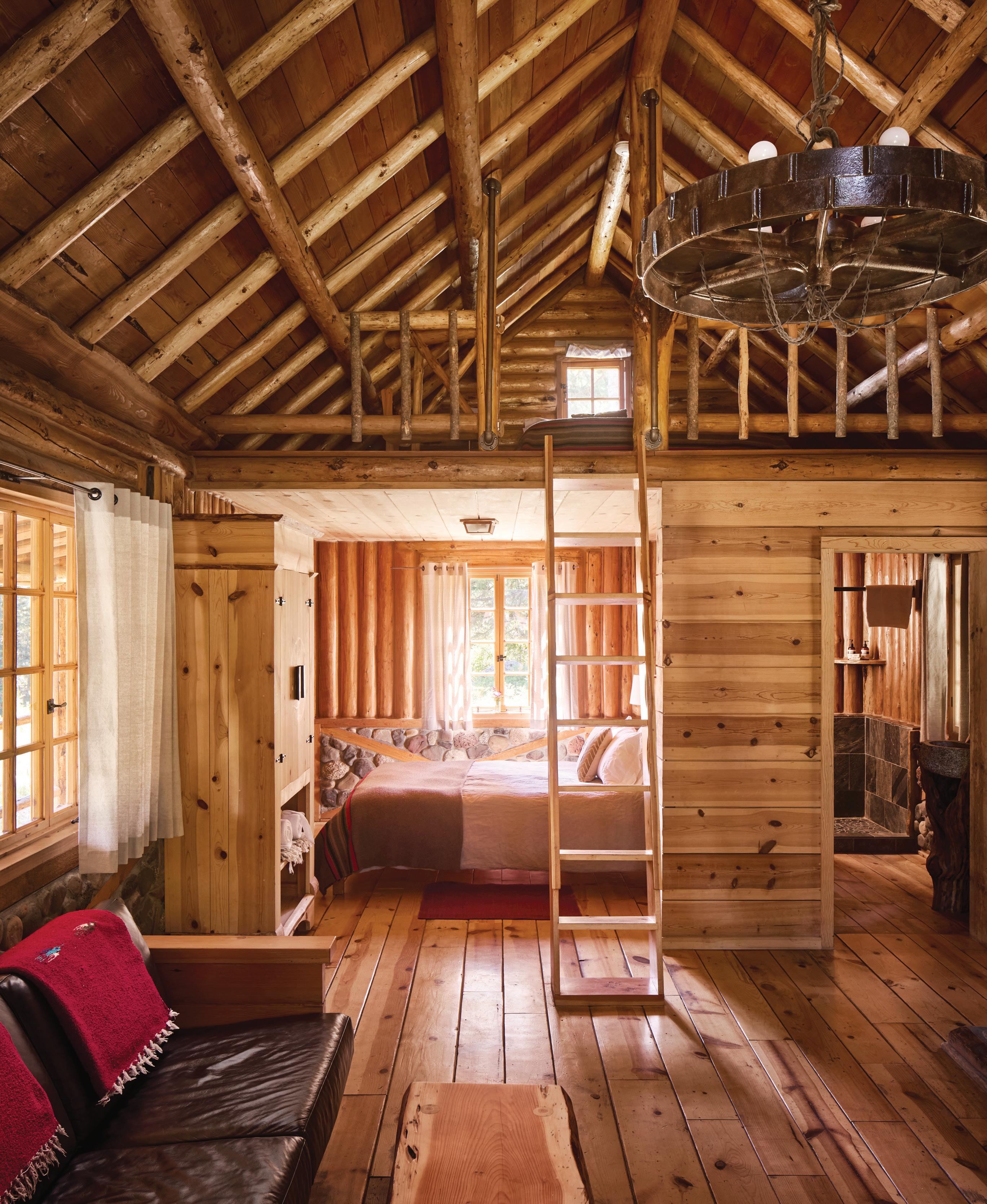
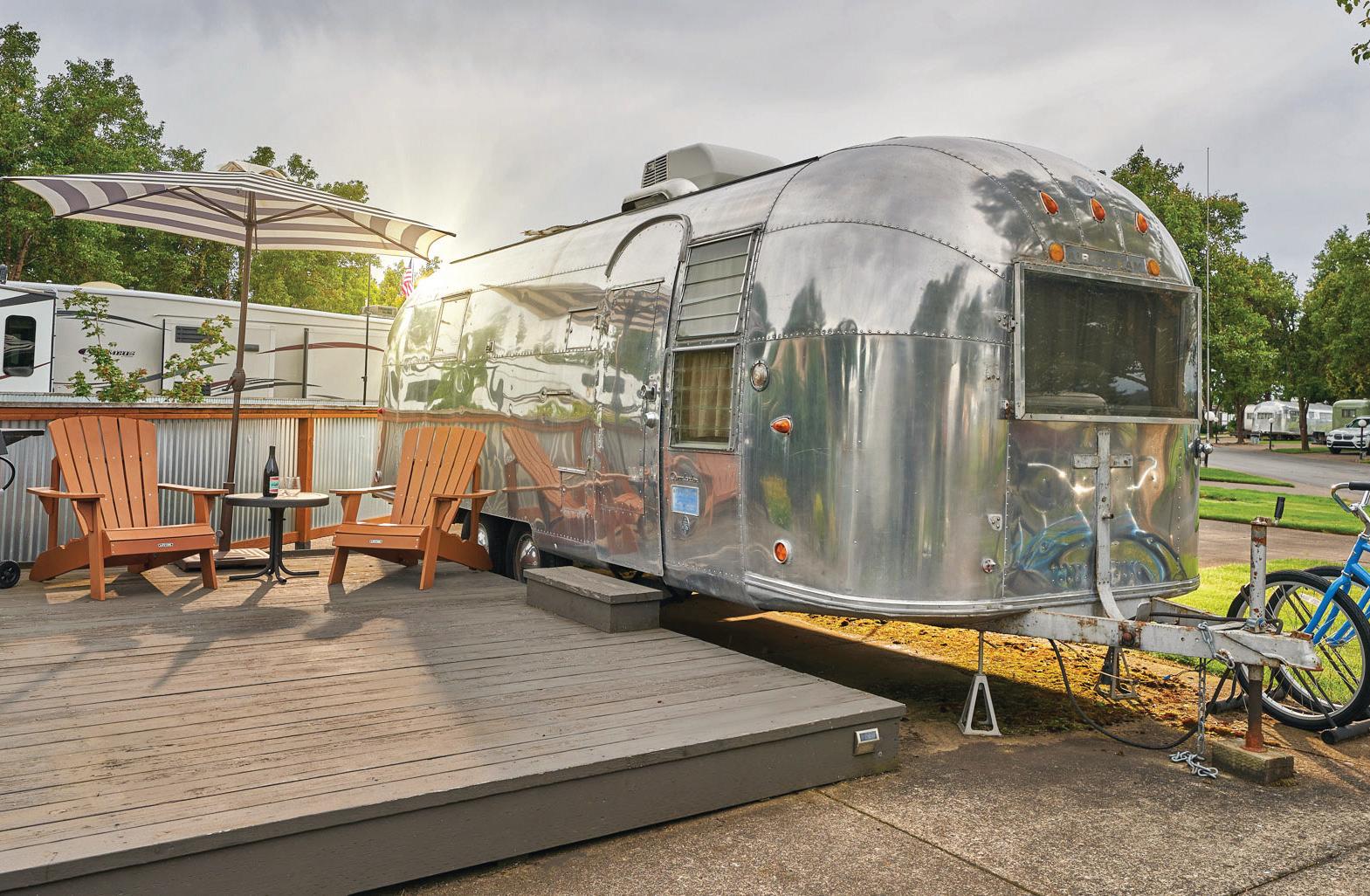

In the heart of wine country, The Vintages Trailer Resort features a collection of lovingly restored vintage trailers nestled among gently rolling vines. Parked in Oregon’s celebrated Willamette Valley, the resort feels equal parts nostalgic Americana and polished retreat. Each of the twenty-six unique Airstreams are outfitted in retro-chic decor, offering plush bedding, kitchenettes and private outdoor seating. Complimentary cruiser bikes make it easy to pedal quiet country roads between winery appointments, while afternoons might include browsing nearby farm stands or lingering over a long lunch alfresco. It is a sixteen-minute walk to Courthouse Square Park and approximately 2 miles from Sokol Blosser Winery. Book the winery’s Forage Experience, a seasonal culinary tasting with executive chef Jesus Natera, at the helm. Guided by the bounty of the season, each plate draws inspiration from what is freshest at that moment.
n the heart of wine country, The Vintages Trailer Resort features a collection of lovingly restored vintage trailers nestled among gently rolling vines. Parked in Oregon’s celebrated Willamette Valley, the resort feels equal parts nostalgic Americana and polished retreat.

Glamping is where the comforts of home meet the thrill of the outdoors. It is about cozy nights under the stars without giving up style, warmth or convenience. Whether you are retreating to a forested yurt, a vineyard trailer or a desert safari tent, packing intentionally makes all the difference. Here is your ultimate guide to what to bring to make your glamping getaway both effortless and memorable.
Even the most luxurious outdoor stay benefits from thoughtful comfort items. Start with a good pillow, like the Rumpl Camp Pillow in Watercolor Glow—soft, packable and ready for a night under the stars or a quick nap on the deck. Add a portable Snow Peak folding chair for mornings sipping coffee or evenings around a campfire. And do not forget a reusable Snow Peak Aurora Bottle, perfect for staying hydrated on hikes or lounging by the vineyard.
Oregon mornings can be crisp, and mountain air can chill when the sun goes down, so layering is key. For women, a cozy top like Danner’s DWRtreated cotton/wool blend sweater is ideal; offering water resistance, it works great worn under Stio’s Pinion Down Jacket, which is made from responsibly sourced down and packs down easily. Bring an extra layering piece like the Clubhouse French Terry Sweatshirt from TASC. It offers superior breathability and UPF protection. On the bottom, Stio’s Pinedale Pant for both men and women offers comfort and mobility whether you are exploring trails or enjoying a vineyard sunset. Men can stay cozy and stylish with the DUER

Performance Flannel ButtonDown paired with the brand’s Live Free Adventure Pant; they are functional, breathable and warm. Layer with Patagonia’s Down Sweater Vest for added warmth on early morning hikes, or top it with Brooks Running’s packable Canopy Jacket, which is a windproof shell for rainy coastal treks. Durable, versatile and easy to move in, these pieces make it simple to transition from vineyard strolls to fireside relaxation without missing a beat.
Footwear is not just about fashion; it is also about function. Even in glamping settings, sturdy shoes are essential for hiking, exploring farm paths or wandering vineyards. Durable, comfortable shoes keep you moving effortlessly.



Brooks Cascadia 19 GTX for both men and women offers waterproof protection, reliable traction and support whether you are hiking on trails or pavement.
Other essentials include a headlamp and a small, versatile backpack, such as Cotopaxi’s Allpa 26L Daypack—perfect for day hikes. Consider the activities you have planned— stargazing, wine tasting or forest strolls—and pack items that make each adventure comfortable and effortless.
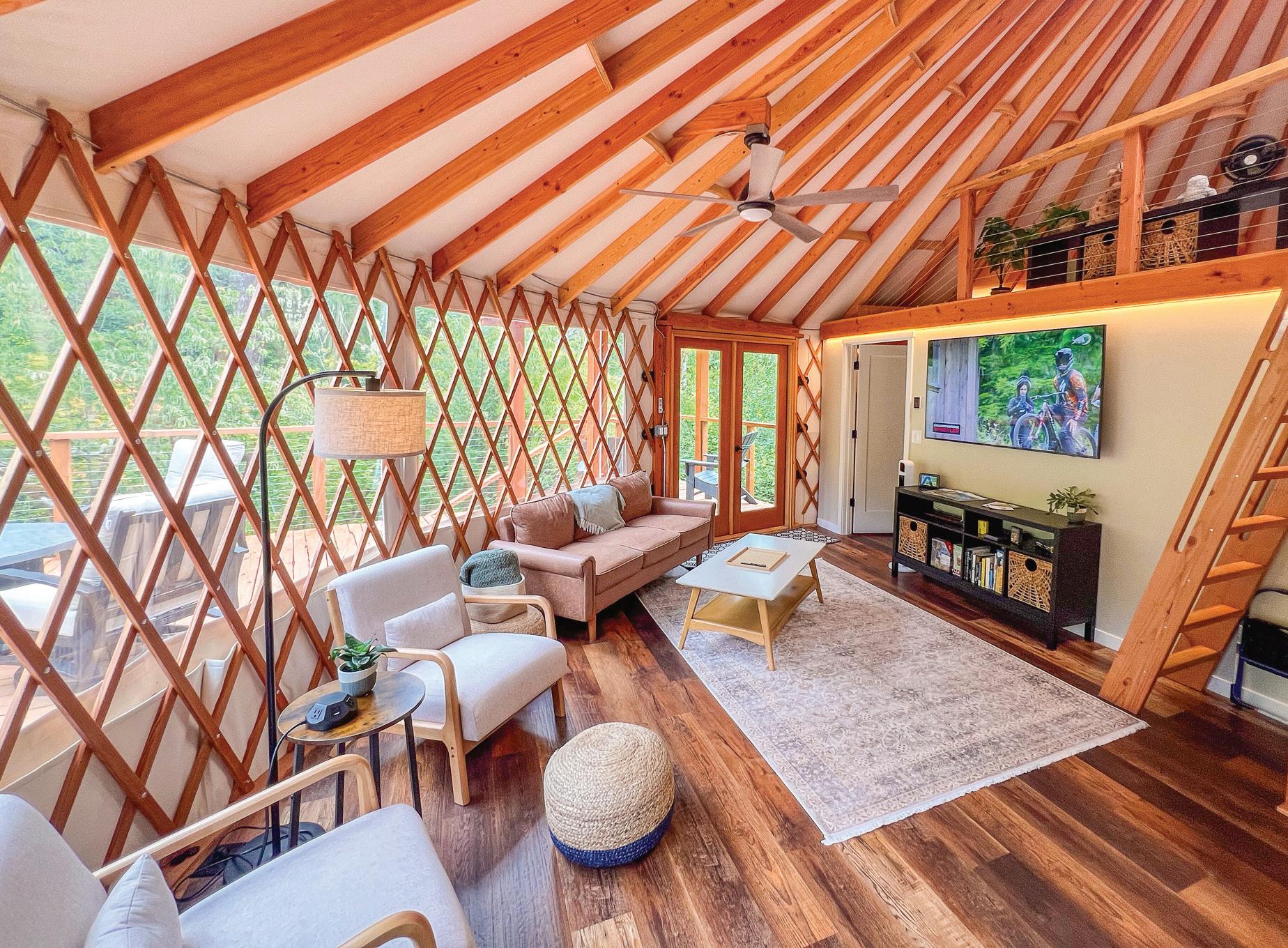
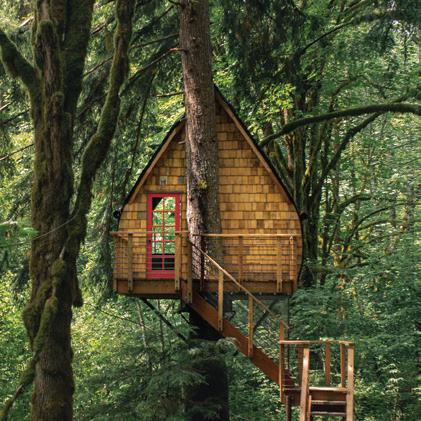
The spirit of elevated outdoor stays extends north into Washington, where dramatic landscapes inspire equally creative lodging.
Nestled along the dramatic Columbia River Gorge, Columbia Gorge Getaways offers an array of glamping options that put you in the heart of one of the Pacific Northwest’s most spectacular landscapes.
The property features luxury yurts—spacious, wellappointed circular structures with full kitchens, bathrooms, radiant heat and comfortable living spaces—that elevate classic camping into an immersive outdoor stay. Safari tents feature canvas walls with private kitchens and bathrooms, offering a mix of comfort and rugged charm, while bell tents provide spacious, furnished accommodations for travelers who prefer simplicity without the need for sleeping bags or extra gear. For those who prefer a more traditional experience, the resort also includes campsite spaces beneath a forested canopy with access to nearby
handcrafted picnic tables and shared restrooms with showers. All of these options sit on scenic forested grounds with trails to explore and a sense of wilderness just outside your door.
Set amid the pastoral Northwest Washington countryside, Samara Farm embodies the charm of farm-to-table living with the ease of thoughtful glamping accommodations. Guests can linger over sunlit breakfasts on farmhouse porches, explore rolling pastures or wander trails lined with native flora. Surrounded by an old-growth forest, each of the three treehouses are outfitted with modern conveniences while maintaining rustic character. Nearby trails, farms and local markets allow you to immerse yourself in the region’s rhythms, while the quiet landscape offers a restorative escape from nearby urban life.
Just minutes from the beach, the Otter Rock Surf Yurt blends the adventurous vibe of tide pools and ocean spray with soft interiors and space to gather, cook and rest. Tucked along the Central Oregon Coast, the property feels equal parts surf hideaway and design-forward retreat, where mornings begin with wetsuits drying in the salt air and evenings wind down beneath pastelstreaked sunsets. The yurt offers a tactile contrast to the wildness just outside—think thick canvas walls, warm wood accents and thoughtfully chosen furnishings that soften the crash of nearby waves. Ideal for surfers chasing a clean break and seaside dreamers content to watch the swell roll in, the space balances rustic charm with practical comfort: a functional kitchen, full bathroom and shower and a heated outdoor shower. Even more amazing—it is a dog- and kid-friendly property.
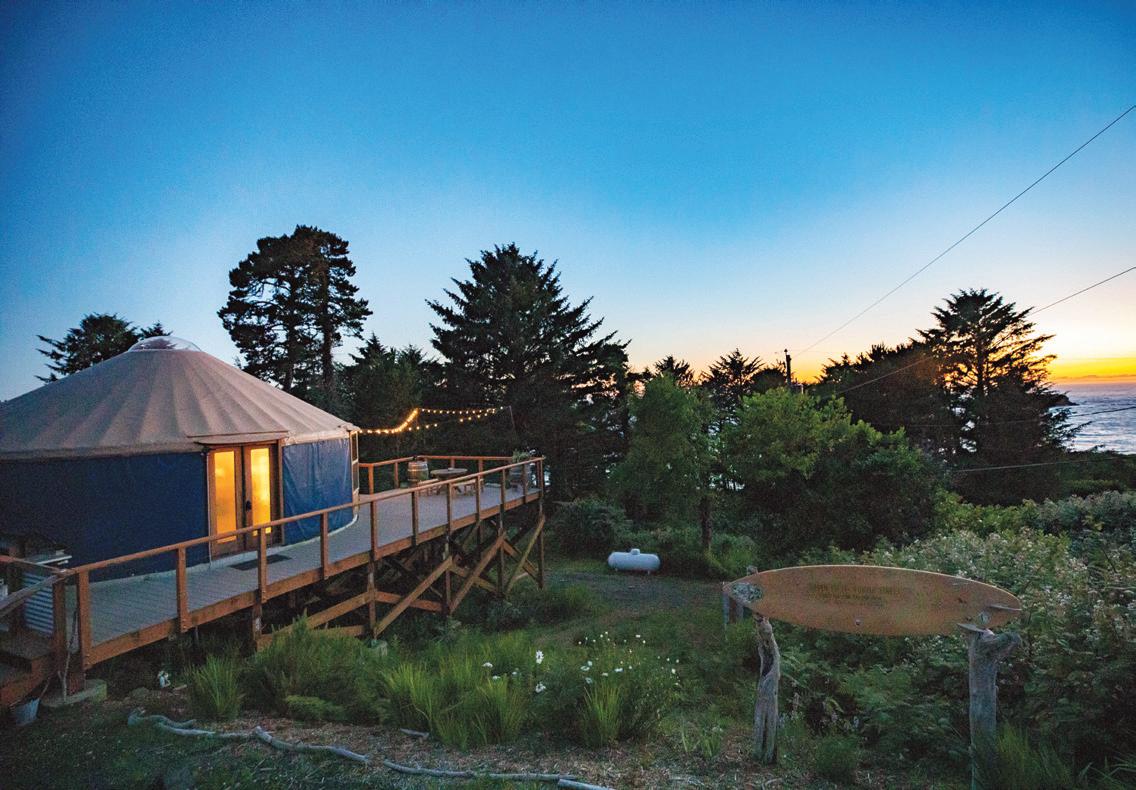




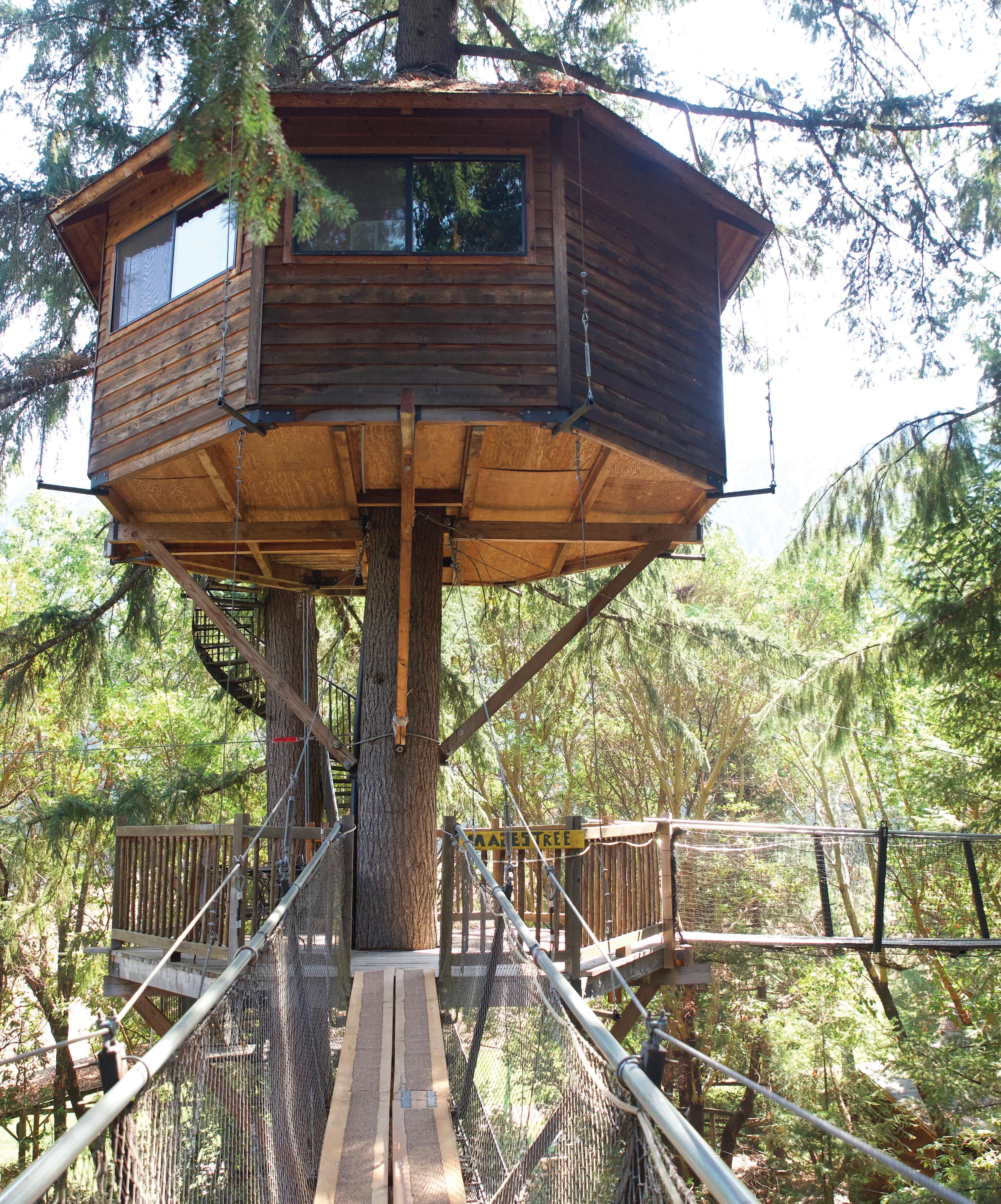

For those whose wilderness dreams include elevated hideaways, Out ’N’ About Treehouse Treesort delivers on whimsy and adventure. Set across 36 acres adjacent to Siskiyou National Forest, hand-crafted treehouses linked by rope bridges provide playful perches amid the canopy. Guests can hike from lodge to lofty room, zip-line through treetops and settle back with marshmallows around a campfire. This is glamping that feels like childlike wonder grown up just enough for luxury. With Cave Junction about 11 miles away and the Oregon Caves National Monument about an hour’s drive away, the property strikes the perfect balance between seclusion and easy access to some of Southern Oregon’s most distinctive attractions.
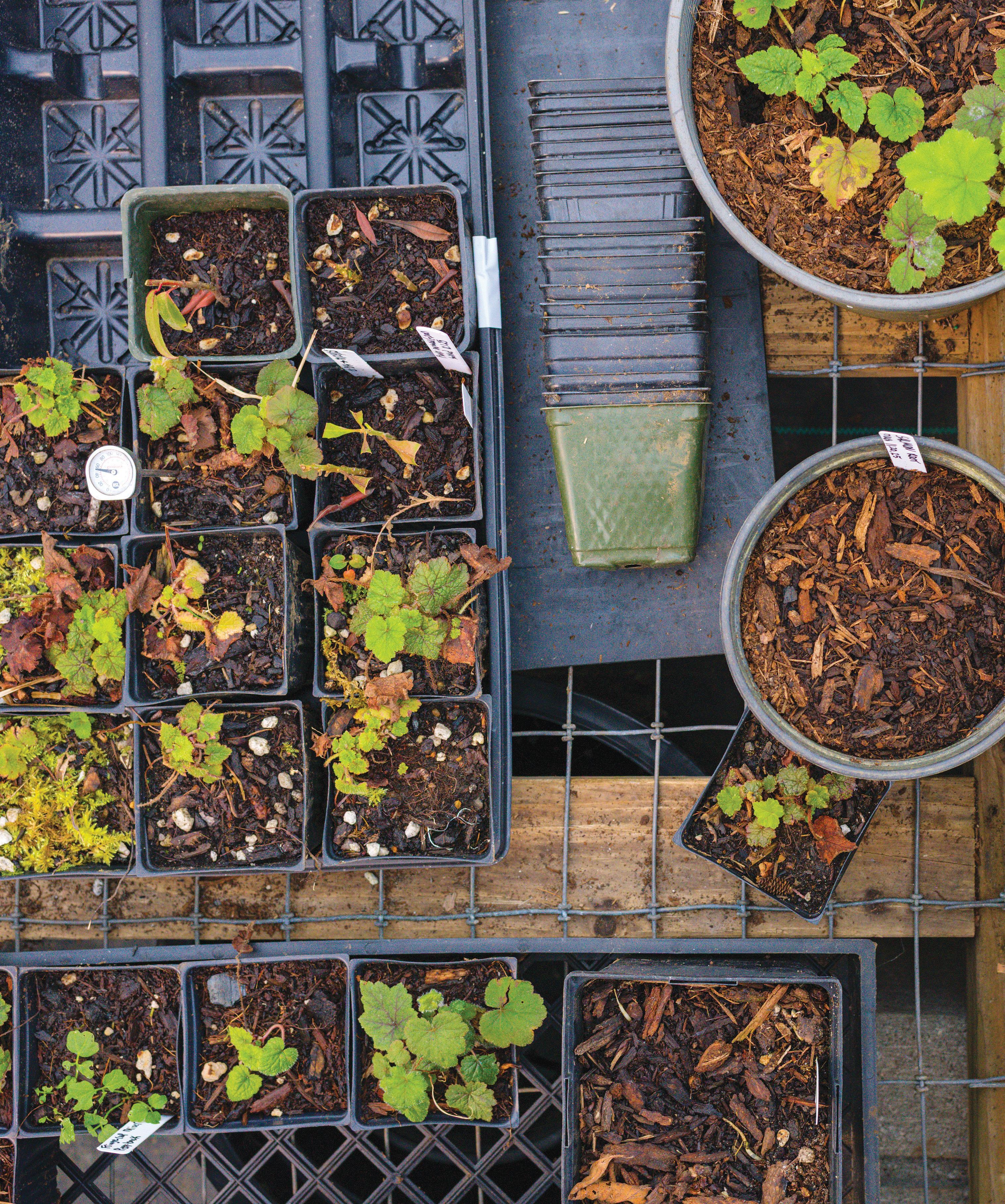
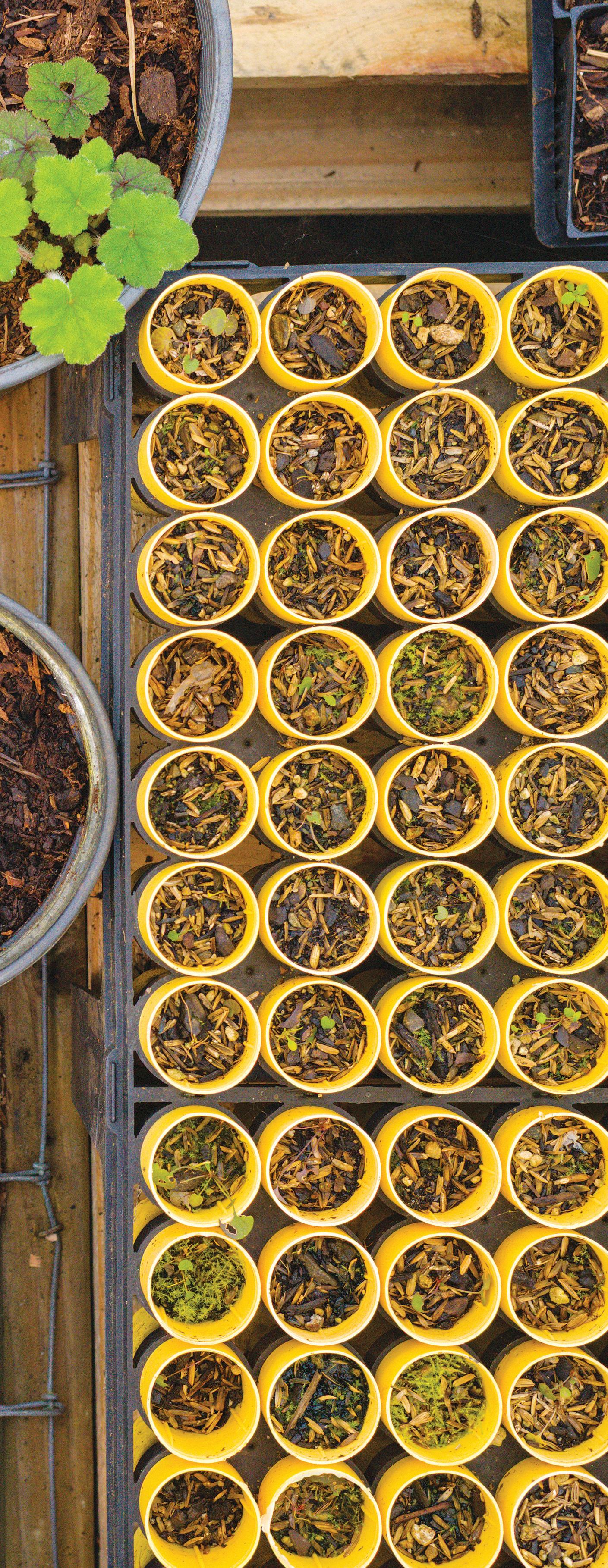
written by Daniel O’Neil
pring is awakening, and Ryan Kennedy’s native plant nursery, ReWild, is busy with imperceptible growth. Here just east of Astoria, Kennedy zigzags from project to project like a hummingbird. He’s repotting Pacific wax myrtle, watering Oregon grape, prepping land for his expanding operations and patiently nurturing species like Sitka spruce and salal that make the coast the coast.
Kennedy grows native plants for residential and commercial clients: home gardeners, local landscapers and, some day, municipalities. Having started ReWild in 2024, he has benefitted from a burgeoning interest in native plant species and a growing awareness, statewide, of their irreplaceable role on the landscape.
The benefits of native plants in urban areas range as widely as their list of taxonomic names. While providing habitat for native animal species and maintaining a thriving ecosystem, native plant communities also offer humans abundant advantages, including a sense of place.
“We have to remember that we’re not just here by ourselves independently,” Kennedy said while surrounded by young plants in his greenhouse. “We are members of an ecosystem, participants in an ecosystem. And I think native plants help remind us that we’re part of a bigger system.”
Despite urbanization, native plants are once again finding their place in and on the Oregon landscape. But not without challenges. Old trends, an underappreciation of natives’ contribution to communities both wild and human, and insufficient funding, for example, all hinder the advance of native plants and their benefits. But as native plant advocates across the state blend sweat into soil or pull bureaucratic levers, Oregonians are witnessing a strikingly familiar re-emergence—Oregon is beginning to look like itself again.
ntil the early 1800s, all vegetation in Oregon was “native.” It was what grew here naturally, its diversity and distribution determined by factors like geography, soils and climate. Yet, according to research published by the State of Oregon, Oregon’s ecoregions have lost anywhere from 50 to 98 percent of their former prairies, grasslands and bottomland hardwood forests, replaced by agriculture, urbanization and exotic plant invasions.
Today, the definition of “native” plants remains up for debate. Some consider plants native only if they naturally existed within a 5-mile radius of a particular parcel of land. Others extend the range to an ecoregion such as the Oregon Coast, Willamette Valley or the High Desert. From here, some apply the term “native” to plants endemic to the Pacific Northwest.
While the definition of native plants varies with outlook or intentions, it is also subject to a changing climate that is rewriting the list of locally suitable species. As climate zones migrate north, plant species from northern California and Nevada begin to make more sense in Oregon. Homeowners and professionals are already reacting—Kennedy, for one, is raising plenty of redwood and madrone to withstand the warming North Coast climate over their long lives.
Non-native plants, however, dominate the market and the landscape. They often originate in climates where, unlike in Oregon, it rains in summer, and they typically don’t serve the bugs, birds, lichens and other array of plant and animal life that forms Oregon’s ecosystems. Sure, non-native “ornamentals” provide reliable bursts of color, and due to the economics of the nursery industry, they are readily available nationwide. But they don’t give back to their environment, and they don’t look like Oregon.
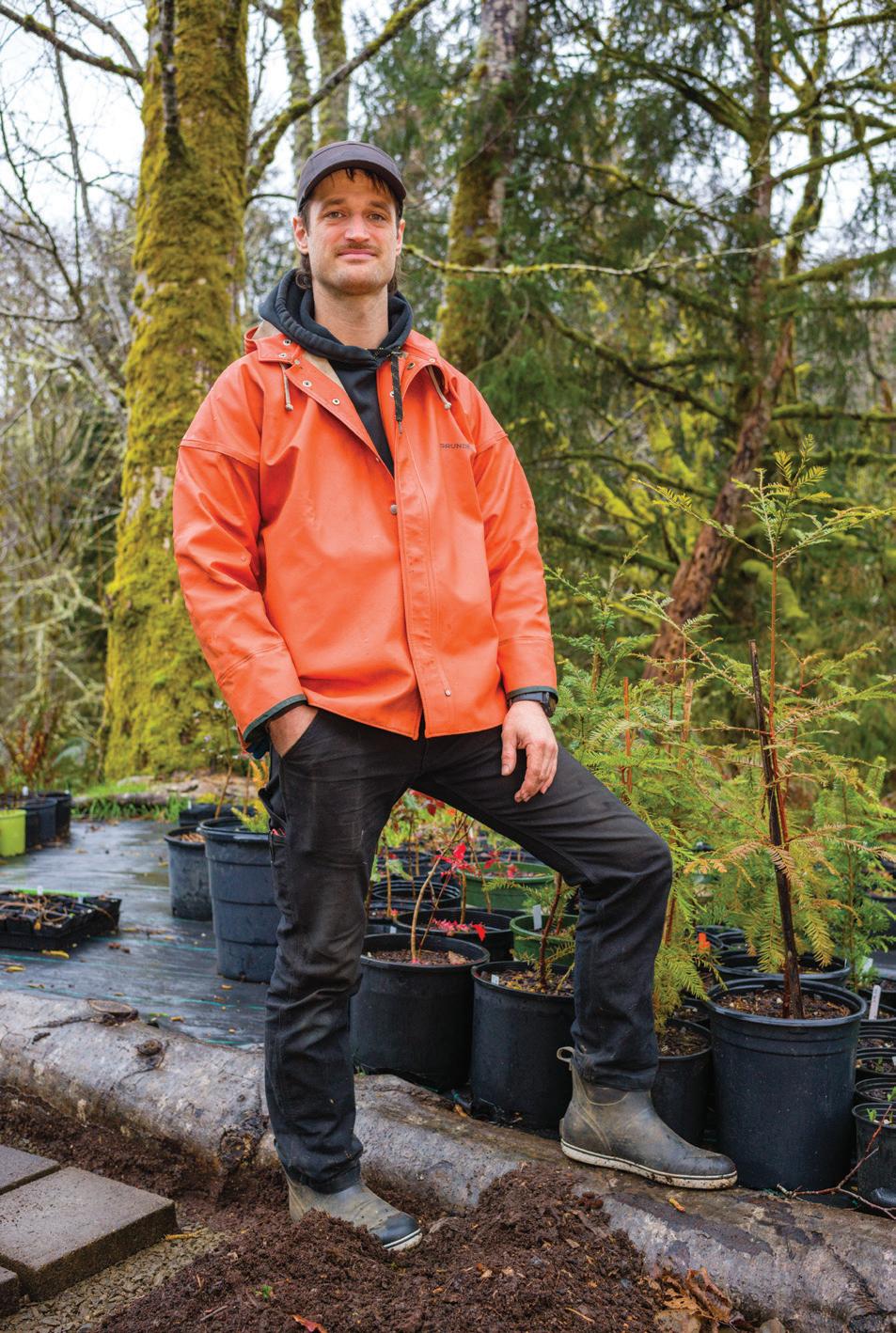
ative plants serve a variety of purposes across Oregon today. For instance, restoration projects for salmon habitat rely on the local species that have always formed part of the fish’s freshwater habitat. Municipalities employ native grasses and shrubs to create bioswales for stormwater management, and they plant native trees for enduring shade, beauty and wildlife habitat. Homeowners plant natives to attract and support declining populations of native pollinators and songbirds, and to save water because natives are naturally adapted to their local climate and soils.
“A lot of what we’ve learned in landscape architecture comes from the old, English, Oxford-style royal botanical gardens, the horticulturalists who did their species selection based on artistic and aesthetic principles and less based on ecological performance,” said Mike Oxendine, a Board Certified Master Arborist and executive director of OUR Community Forestry, a Medford-based nonprofit dedicated to enhancing urban forests. “So you end up with lipstick on the landscape. And what we need is ecological restoration now more than ever.”
A colleague of Oxendine’s in Southwest Oregon, Dave Bish, is co-owner of Plant Oregon, a plant nursery his family has run since 1990. Plant Oregon sells to anyone from homeowners and landscapers to watershed councils and municipalities.
“The biggest thing is planting things that are going to help the native insects, birds, all the critters, all the animals
we’ve lost,” Bish said. “It’s at least a step in the right direction to start reintroducing some of those into our urban spaces, just trying to coexist with those critters a little better and give things a better chance.”
For Bish, planting ornamental trees in a region that once supported some of the world’s most extensive forestland misses the mark, in large part because those species do not grow to become big, shade- and habitat-providing trees like oaks.
“What’s getting planted are just little cookie cutter trees that never amount to anything,” he said. “We’ve got a giant highway 150 feet wide, and we’re planting a little tree that gets 15 feet tall on the side of it.”
In the agricultural model of permaculture, which stresses self-sufficiency and sustainability, the “function stacking” method looks to mirror nature by solving multiple problems with one solution. So, the right choice of which species to plant could provide four or five benefits for the ecosystem and another four or five for the local human community.
As an example, Kennedy cited the native-planted roadside stormwater management systems, or bioswales, in Kitsap County, Washington, where he’s from. Some have been converted to parks where people can walk around and learn from information panels about how watersheds work and how those wetland habitats are important for salmon habitat. “It’s looking at these plants not just as tools to solve a stormwater issue, but as tools to solve a stormwater issue while simultaneously enacting multiple habitat and ecosystem benefits,” he said.
or all of the benefits that native plants offer, plenty of barriers lie in the way. For one thing, many people still don’t appreciate natives’ inherent beauty or understand why they’re important. Friends of Trees, for example, an Oregon-based nonprofit that helps get trees planted in Portland and Eugene neighborhoods, offers as many native species as possible. But most participating homeowners still choose non-native plants when given a choice.
Commercial landowners and developers also still rely on non-native ornamentals, and landscape maintenance crews often lack knowledge of native plants. “Not everything is a square—that’s what we try to teach the maintenance guys,” Bish said. “You don’t have to cut every plant into one of those squares or a round ball. It just drives me crazy.”
Even landscape architects and planners overlook, and are not taught at school, the basics behind native plants.
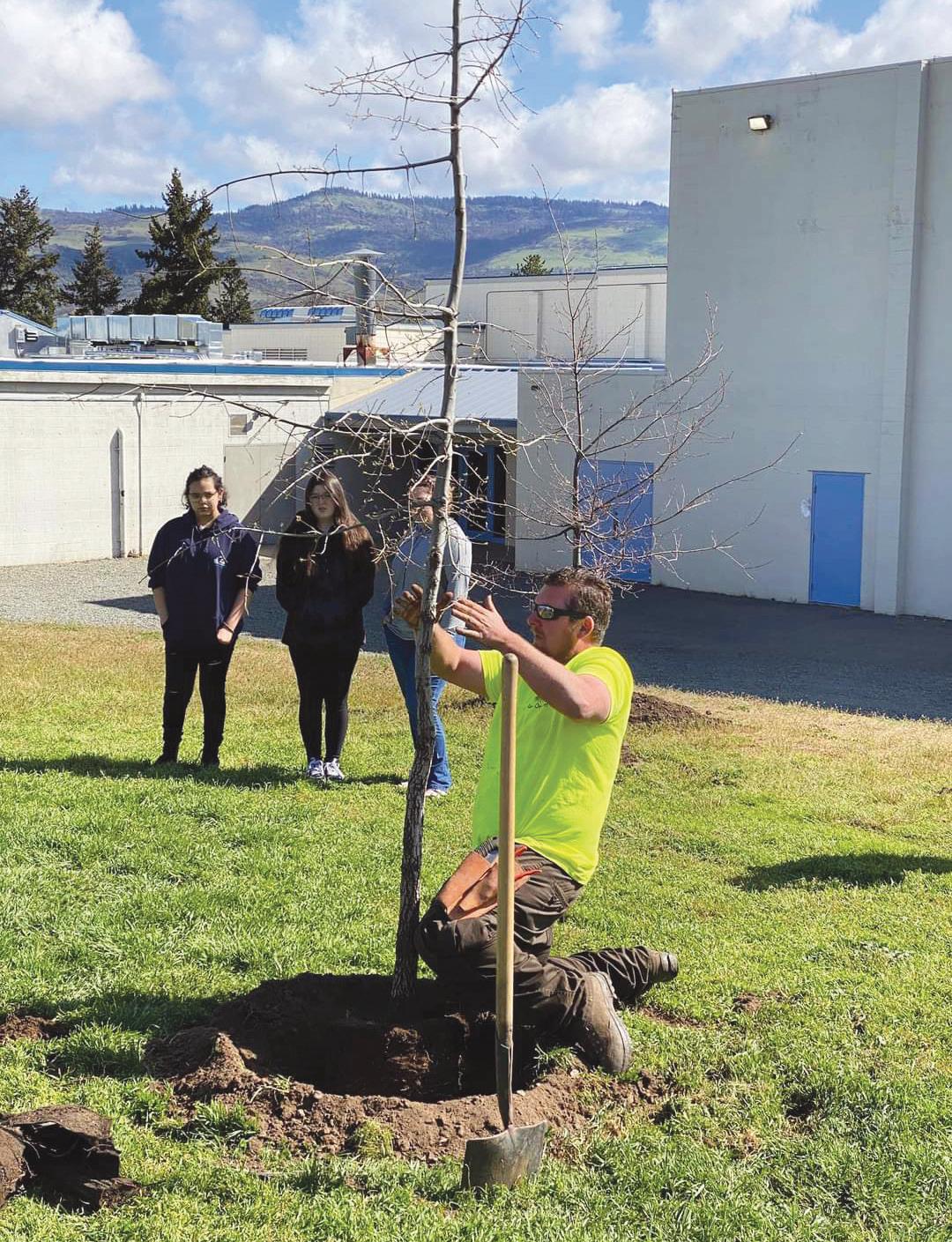
Richard Martinson, Ph.D., founded the High Desert Horticultural Center in Bend. For twenty-five years he was also president and co-owner of WinterCreek Restoration, a native plant landscape and nursery business focused on Central and Eastern Oregon. While earning his doctorate in horticulture a decade ago, Martinson conducted a survey of landscape architects, designers and planners across Oregon to gauge their knowledge base of ecoregional concepts and plant associations and how many of them implement these concepts.
Martinson found that about 10 percent of landscape architects in the state were aware of these classification systems for native plant associations, and only 10 percent of those ever used them. “So, essentially, 1 percent of landscape architects in the state applied any ecological or ecoregional concepts to their designs, which was really depressing to me,” he said. “It kind of indicates a lag in the industry.”
“A lot of what we’ve learned in landscape architecture comes from the old, English, Oxford-style royal botanical gardens, the horticulturalists who did their species selection based on artistic and aesthetic principles and less based on ecological performance. So you end up with lipstick on the landscape. And what we need is ecological restoration now more than ever.”
— Mike Oxendine, Board Certified Master Arborist and OUR Community Forestry executive director
Another lag exists in the nursery industry itself. Provenance—i.e. where the seeds were collected, in which specific climate and geography—and quality of stock can create gaps in suitable inventory. Also, municipalities are required to plant trees of a certain size, much bigger than the trees used for habitat restoration or residential plantings. But trees of this caliper are often not available.
Capacity may be the greatest impediment to getting more native plants, especially trees, in the ground today. It takes two years to grow an ornamental red maple to market size, but it takes ten years to grow a native interior live oak to size, and the market is not yet proven in such species. The Willamette Valley is the nation’s largest commercial plant nursery, yet nearly all of those plants are non-natives because volume of sales dominates the industry’s economics. Red maples sell well from coast to coast and even internationally.
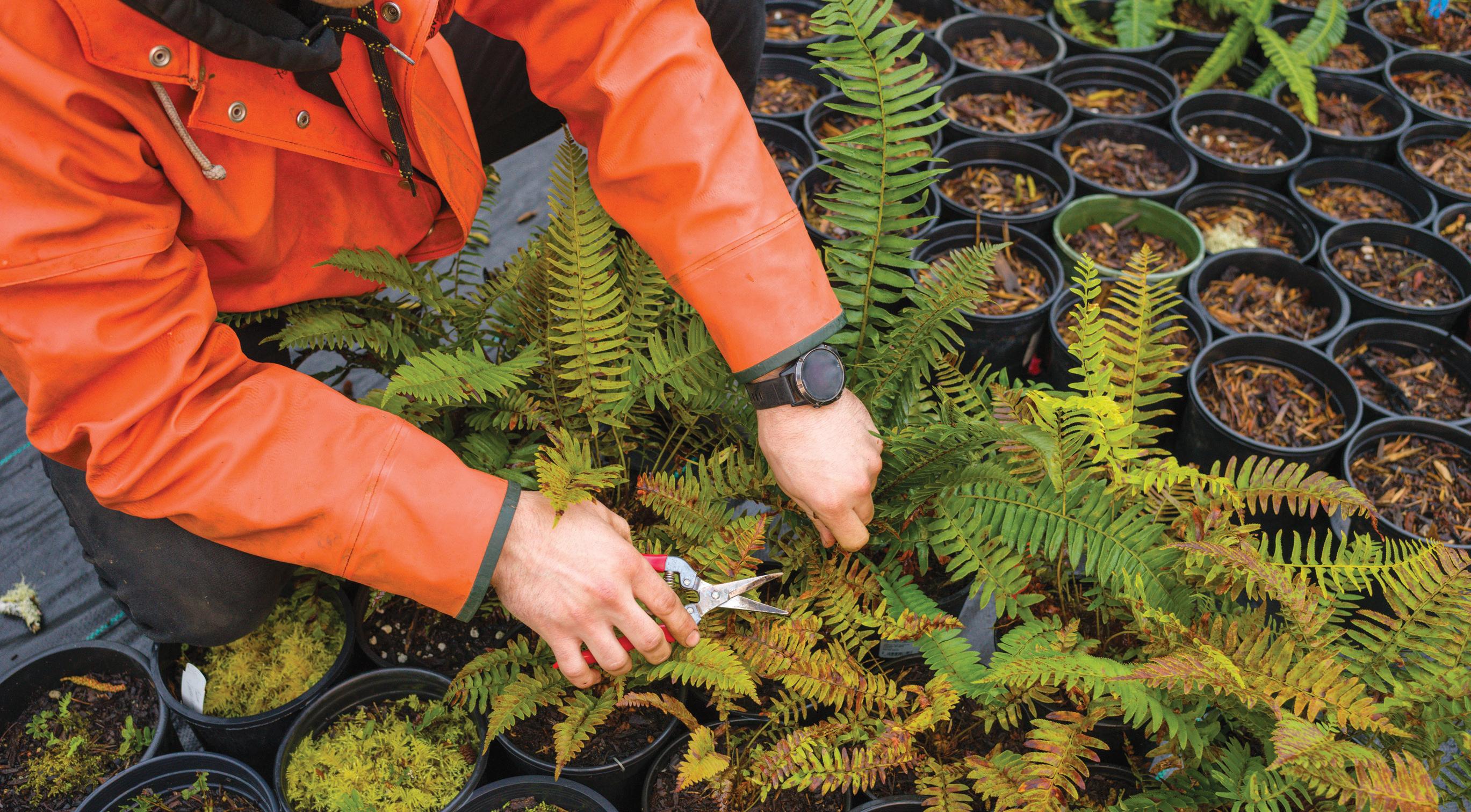
“The first thing is the tree has to be there,” Oxendine said. “If you go to a contractor and you say, ‘We want to plant thirty blue oaks on this project,’ and they can’t find them, they’re not going to plant them.”
Several state initiatives have recently begun to fill the need for more native plant stock. One of these is led by the Oregon Department of Forestry’s Urban Community Forestry Program, which in 2025 awarded Plant Oregon a grant to grow 4,000 climate-resilient trees to municipal size requirements. These trees, locally native species and plenty of climate-resistent oaks, will be available for entities like tribes, municipalities and schools in underserved communities around the state.
“It’s an exciting project and a good way to get a lot of stuff out there in the community where people might not have been able to afford it otherwise,” Bish, of Plant Oregon, said.
n 2021, the heat dome that cooked Oregon revealed the cooling powers of trees in urban landscapes. Areas like Portland’s outer eastside suffered far worse than the leafy West Hills because of a lack of tree canopy. So State Senator Khanh Pham, a Democrat representing District 23, organized a coalition of nonprofits, plant nurseries and political support to germinate the TREES (Trees Restoring Economic and Environmental Sustainability) Act, which was included in HB 3409 and signed into law in 2023.
Besides offering shade and green spaces for areas like outer East Portland, the bill directed $6.5 million to establish the Community Green Infrastructure program, which, among
other things, in March 2025 awarded nearly $1 million to seven native plant seed banks and nurseries across the state, including Kennedy’s ReWild. This in turn guaranteed a market for those native trees.
“Even if we threw millions at the program today, the nurseries told us that the seed stock for such a program did not exist: We would have to grow our native plant seed banks, and grow native plants from seed for years to make this vision possible,” Sen. Pham said in a statement. “Now that work is underway, those seedlings are starting to sprout, and this creates good green jobs and helps to grow the market for native plants in Oregon, a wonderful co-benefit to uplift rural communities along the way to growing our urban forests.”
Federal cuts to state programs and USDA money withdrawn by DOGE pose threats to the continued funding of green infrastructure grant programs. This makes efforts like the CGI program, overseen by the Oregon Department of Land Conservation and Development, all the more vital. Even the CGI funding is not secured beyond 2026, but its impact will continue for decades—and in the trees planted, for generations.
Cities like Portland are also responding to the lack of quality, specification-size native trees for its own planting programs. Portland Parks & Recreation handles much of the tree planting done across Portland, from private and commercial properties to city right-of-ways and public parks. While not all of the trees PPR plants are species native to the Pacific Northwest, for reasons of diversity and climate-resilience, its most planted tree, Oregon white oak, is, and natives are gaining respect by city planners. A new PPR program is designed to increase the
availability of native trees for the city by contracting with Oregon nurseries.
“This is in an effort to help us have a better, more direct pathway with nurseries, to tell them exactly the species and the quantities that we’re going to need for the next four to five years, but to also really dial in the quality of the trees that we’re receiving as well,” said Mari Aviles, tree procurement coordinator for PPR. “There are a lot of nurseries interested in the work, so we’re excited to partner with them and to really help them understand what the demand is with urban tree planting initiatives.”
ith the state and some of Oregon’s municipalities showing interest, Oregonians have an opportunity to help build momentum behind the native plant movement. In fact, the two, government and citizen, work best in tandem.
Consider a neighborhood where some residents decide to plant pollinator gardens or native trees. The will is there, and that collective consciousness can motivate governments to act. Public dollars and support can then allow that community to take full advantage of native species and to plant intelligently together.
Fortunately, residents across the state are calling on native plants to solve some of the problems they’re witnessing in their gardens and beyond. As the climate warms and the dry season widens, home gardeners are noticing how their plants react.
“Gardeners are seeking out information about how to garden in these conditions, and native plants are a good way to have a beautiful garden without needing to irrigate as much as you would with some of the more traditional landscape plants,” said Heather Stoven, a horticulturist with Oregon State University Extension, who serves Yamhill County. “There’s also a lot more interest in pollinators and native bees. So as people are looking to have pollinator gardens or protect the bees, they’re looking to native plants for that as well.”
With an observable decline in populations of pollinators and songbirds, in rain when plants need it, and in wildlife habitat in general, native plants are not a passing trend among Oregonians. Martinson, of the High Desert Horticultural Center, recalls the early days of WinterCreek Nursery, when customers offered payment in the form of goods like chickens.
“It was definitely a fringe industry,” he said. “And then over the years people’s awareness of the environmental impacts of urban development have really increased awareness of pollinators, of biodiversity, of the impacts of pesticides and fertilizers and herbicides and everything that people use in conventional landscapes. People are trying to move past that. They’re starting to look at alternatives. And so over the last ten to fifteen years, it’s really boomed.”
With grassroots support and multiple reasons for government to lend a hand, native plants are living a renaissance in
Oregon. As a result, the landscape we know today may never look the same, which would often be a good thing.
“If I were dropped into a newer development in Eugene right now, out of an airplane, I would have no idea what state I was in—it would primarily be these gigantic wide roads, huge houses, and then these small, manicured areas with lawns and ornamental shrubs and trees,” said Erik Burke, Friends of Trees’ Eugene-Springfield director. “There’s nothing that says Oregon in that. But if we got here and we saw Oregon white oak, incense cedar and madrone, people would say, ‘Oh, this is Western Oregon.’”
In this sense, native plants also carry the capacity to bring communities together as they honor and celebrate a sense of place, one thing that plants, animals and people of all stripes share in common.
To begin is quite simple: Plant and care for one native tree, and add some specific native shrubs, forbs and grasses to create a plant community. When neighbor after neighbor—including developers, governments, commercial landowners and property managers—makes this contribution, the local bees, butterflies, birds and myriad other creatures, including humans, reap the rewards of a thriving, intact ecosystem. And Oregon looks like Oregon again.
“We’ve lost the creative imagination to even visualize what this space looked like or could look like,” Kennedy said. “And I think being able to model what this habitat wants to look like is a great way to at least start moving in the direction of bringing more of that habitat back.”
For Kennedy, restoring the urban landscape to something more native is not about trying to turn today into 200 years ago. “We’re losing too much too fast, and these little things impact so much,” he said. Kennedy added that he has been encouraged by the amount of interest in local plants across Oregon.
“I think it’s really cool that we’re in this unique moment right now,” Kennedy said. “There’s this boom and interest that I don’t think has existed to this degree. Ultimately, it’s great for everyone if this can take hold and keep growing. And it lets me keep hanging out with plants.”
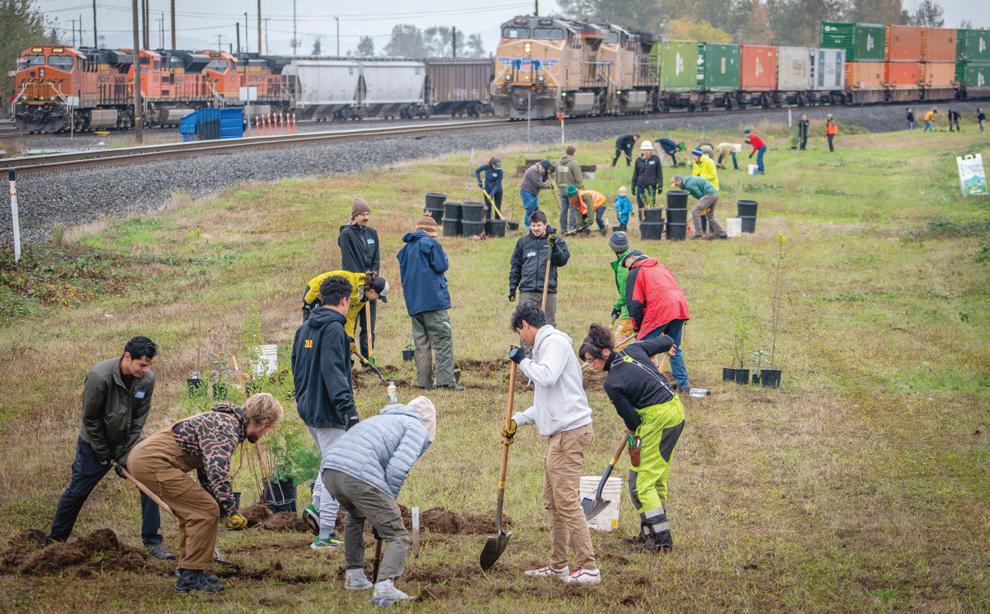
written by Kerry Newberry
AT SALEM’S HALLIE FORD Museum of Art, the Crow’s Shadow Institute of the Arts Biennial brings together a fresh crop of prints from one of Oregon’s most influential studios—an atelier that continues to shape the visual language of contemporary Indigenous art while bridging tradition and innovation.
Founded in 1992 by painter and printmaker James Lavadour (Walla Walla), the Crow’s Shadow Institute of the Arts has long served as both a creative incubator and cultural anchor on the Umatilla Reservation in northeastern Oregon. Visiting artists collaborate with master printers,
producing editions that pair technical precision with a deep sense of place.
Curated by Rebecca Dobkins of Willamette University—professor emerita of anthropology and the museum’s curator of Indigenous art—the show highlights an impressive roster, including Wendy Red Star (Apsáalooke) and Dyani White Hawk (Sičhą́ǧu Lakóta), both MacArthur Fellows. Their work, along with pieces by emerging and established artists, threads cultural storytelling with striking design. The Crow’s Shadow Institute of the Arts Biennial exhibition is on view through June 20. Learn more at www.hfma.willamette.edu.
FROM

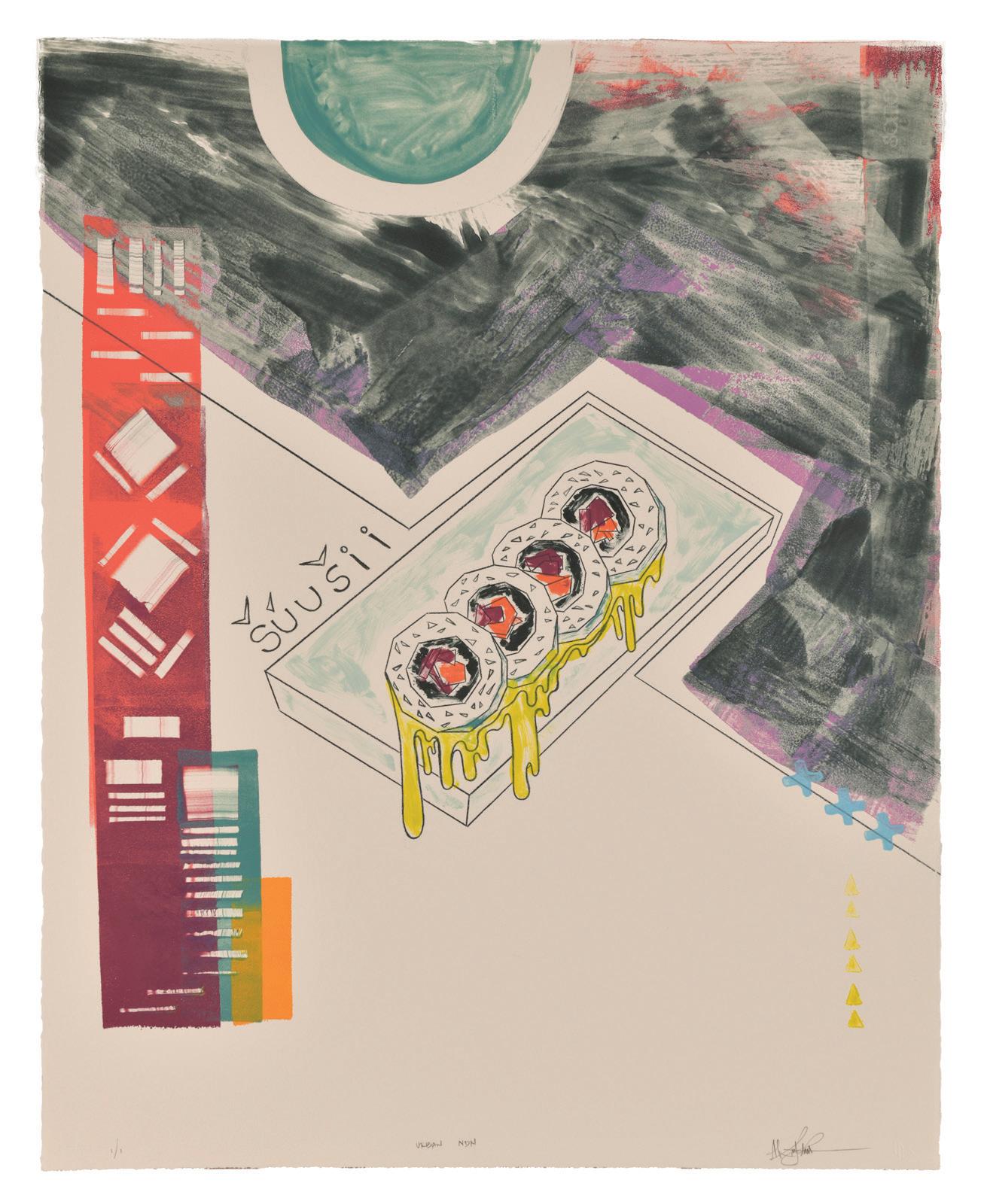
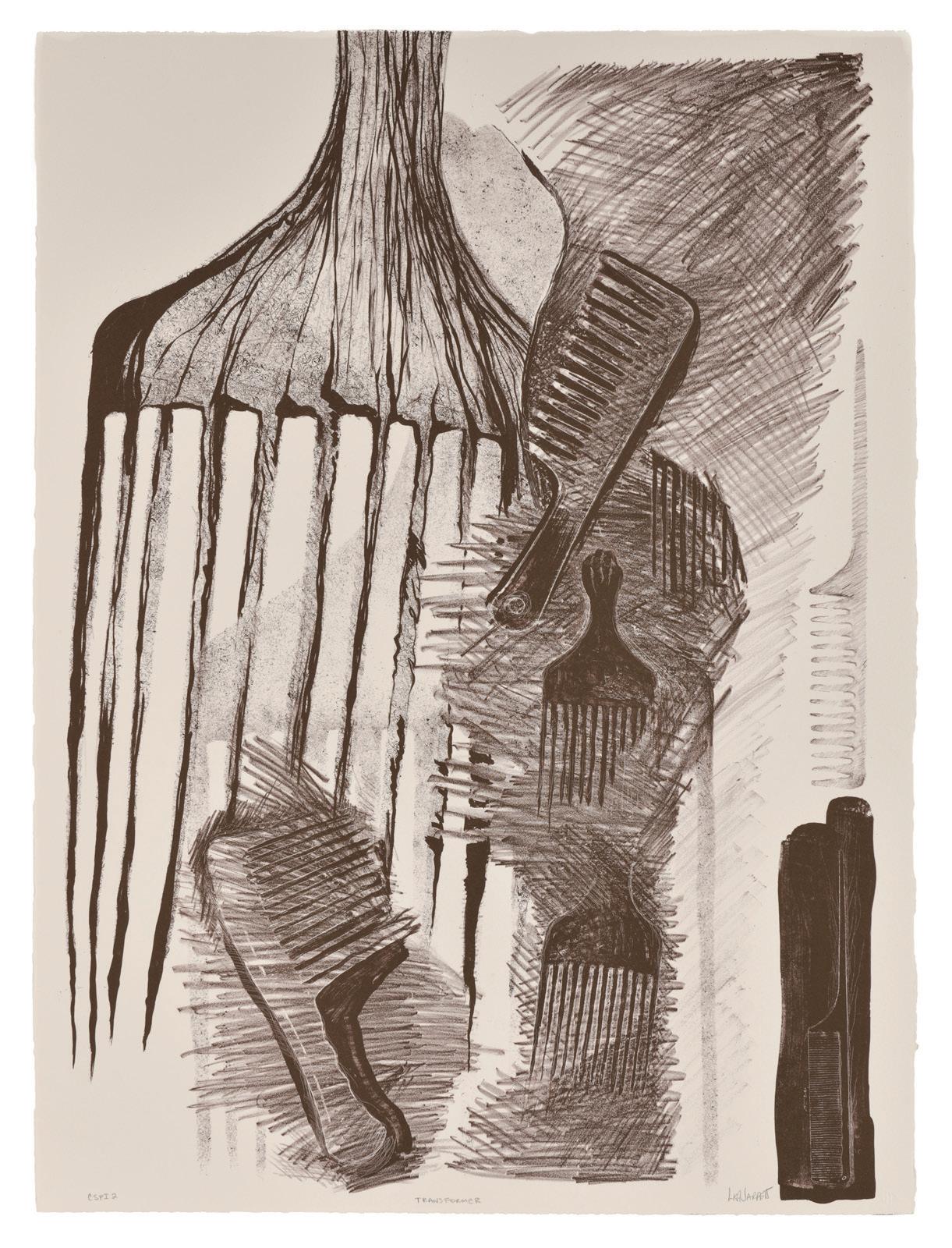
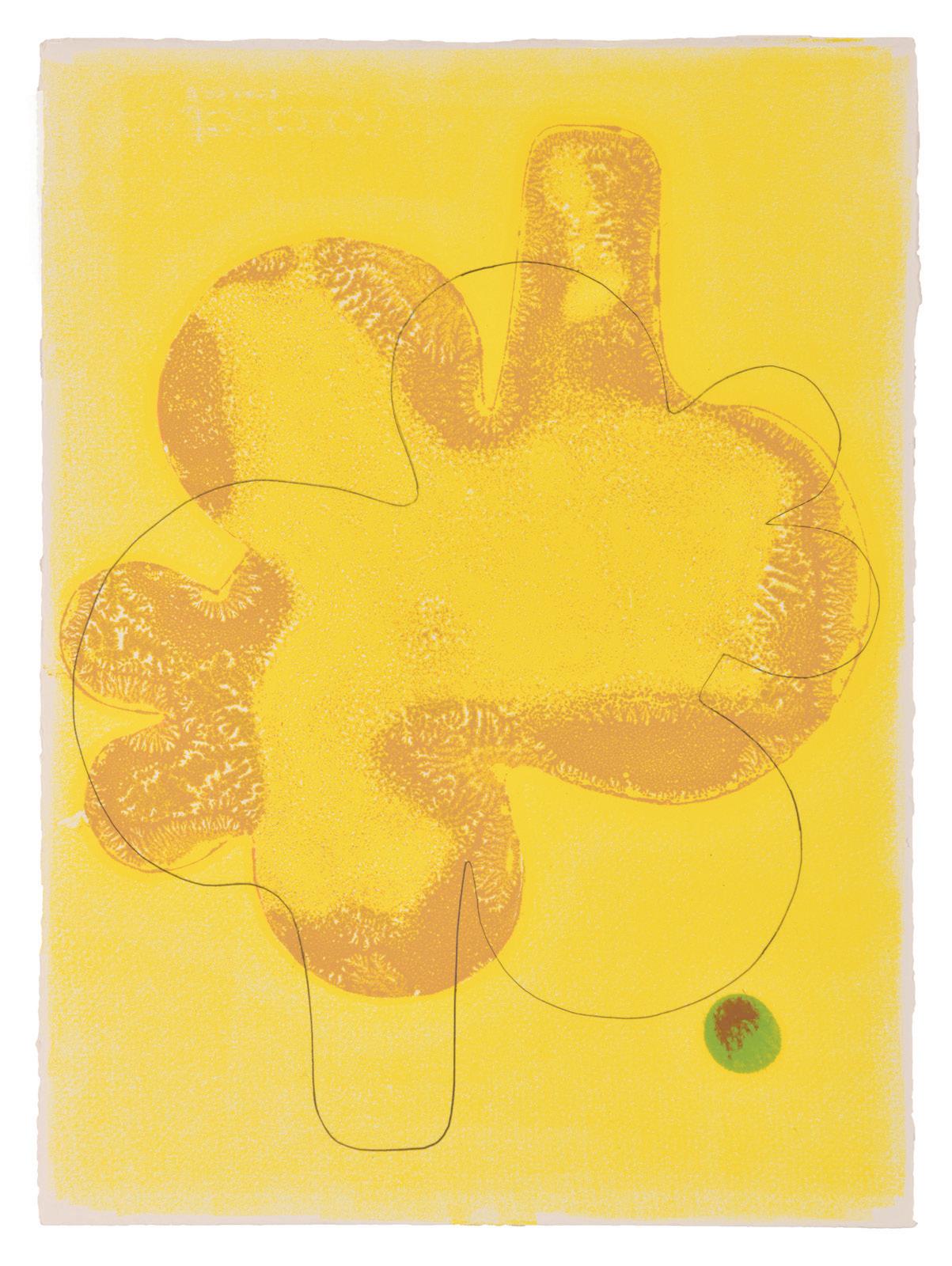
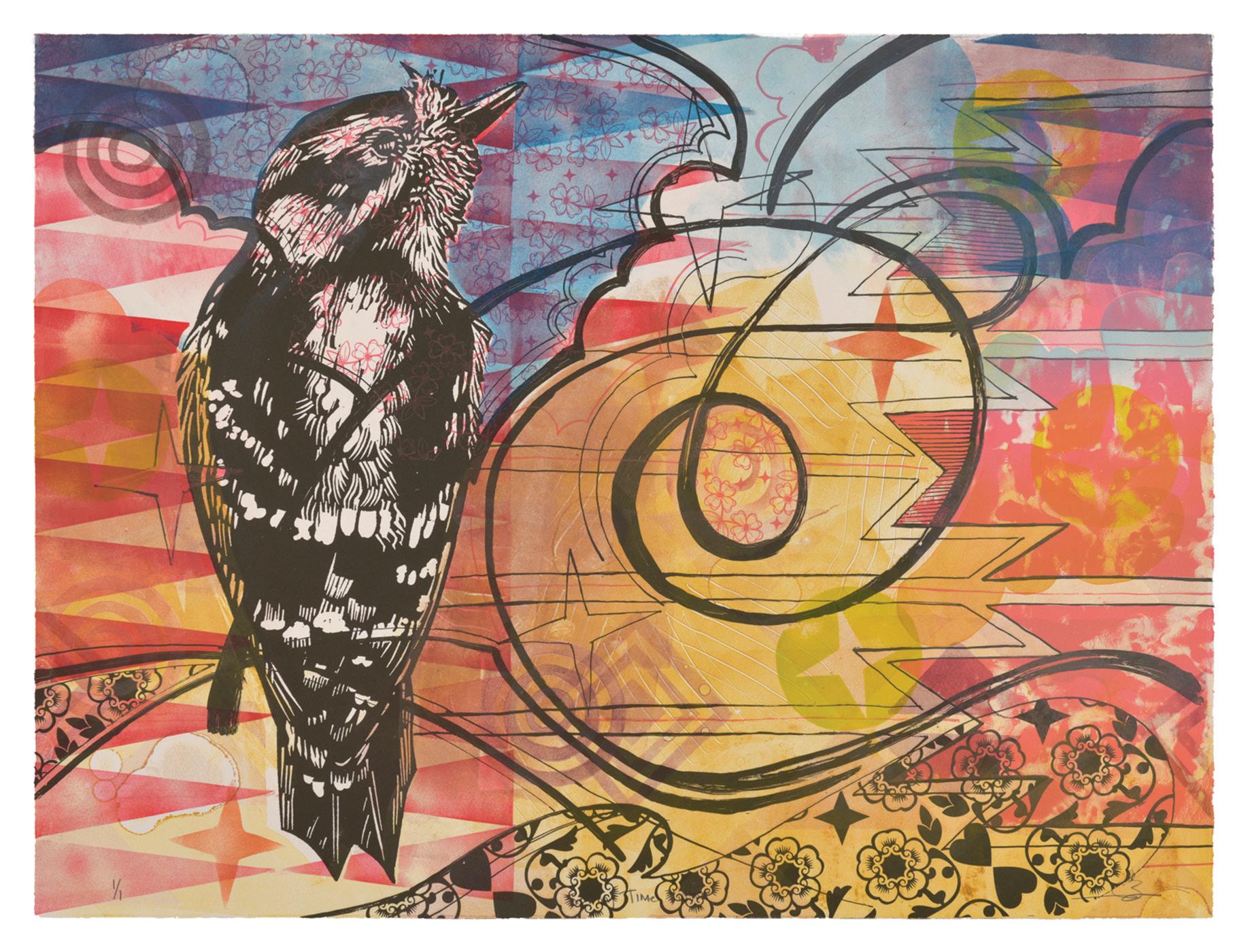
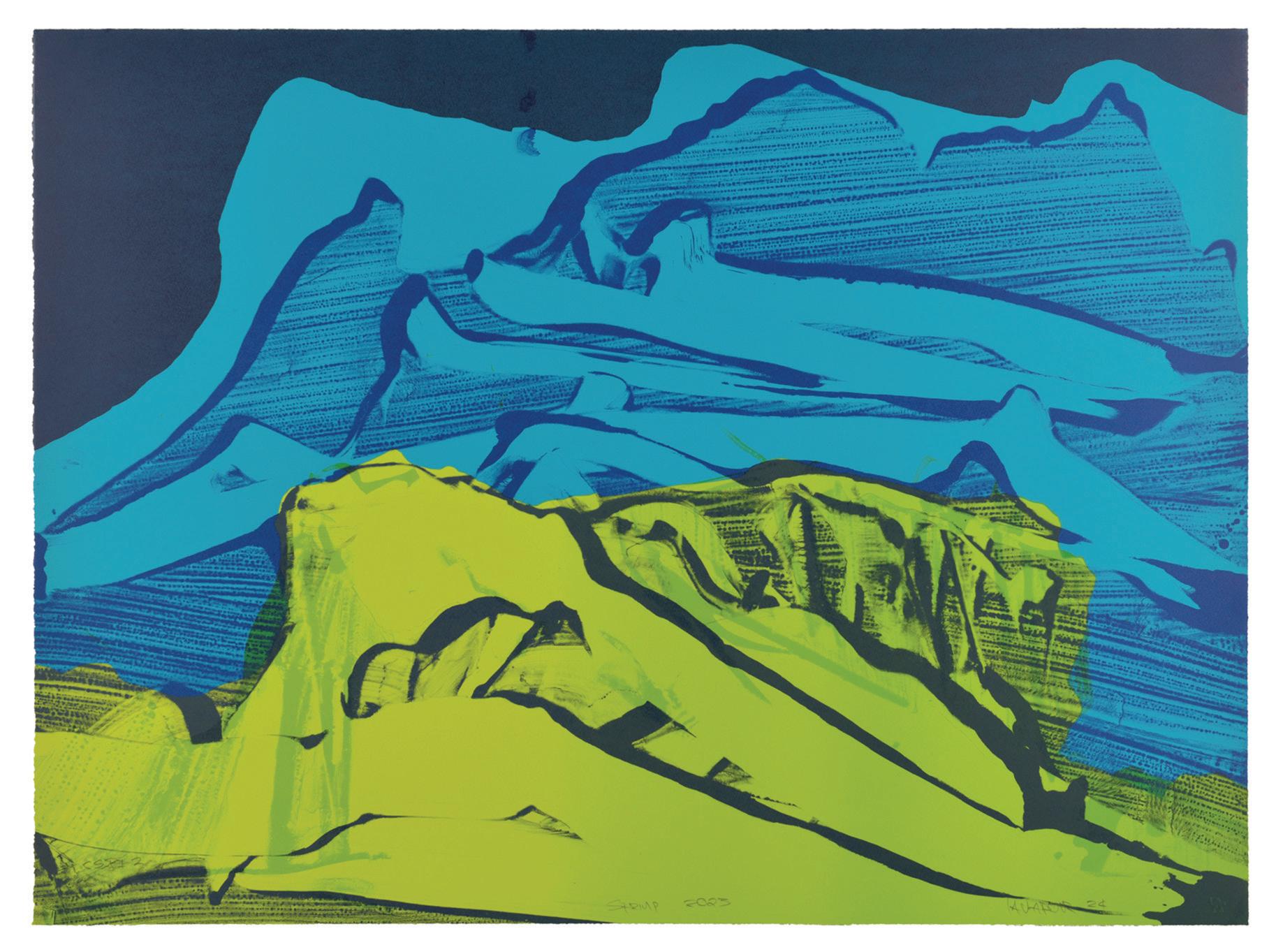
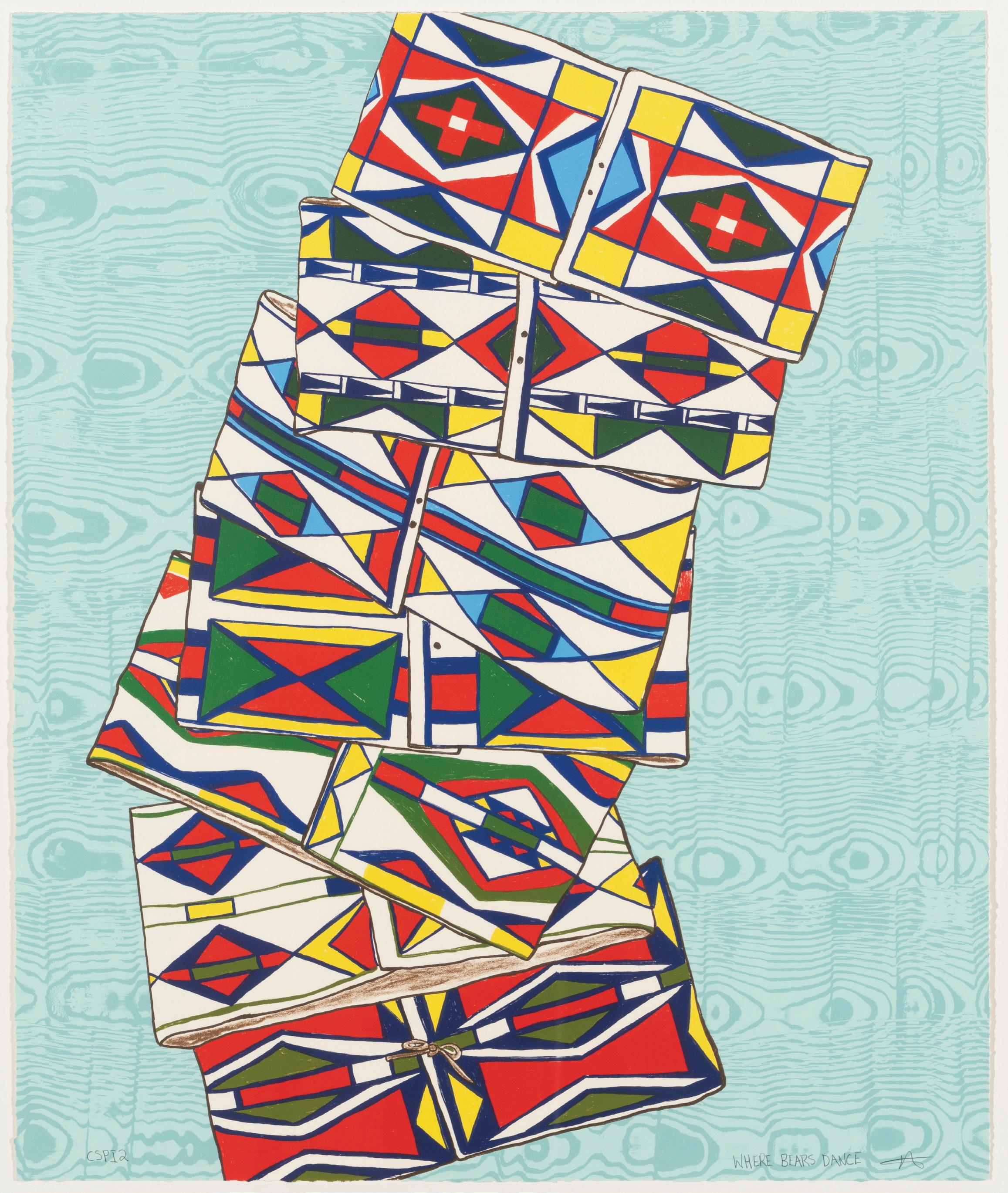

TRAVEL SPOTLIGHT 78
ADVENTURE 80
LODGING 82
TRIP PLANNER 84
NORTHWEST DESTINATION 90

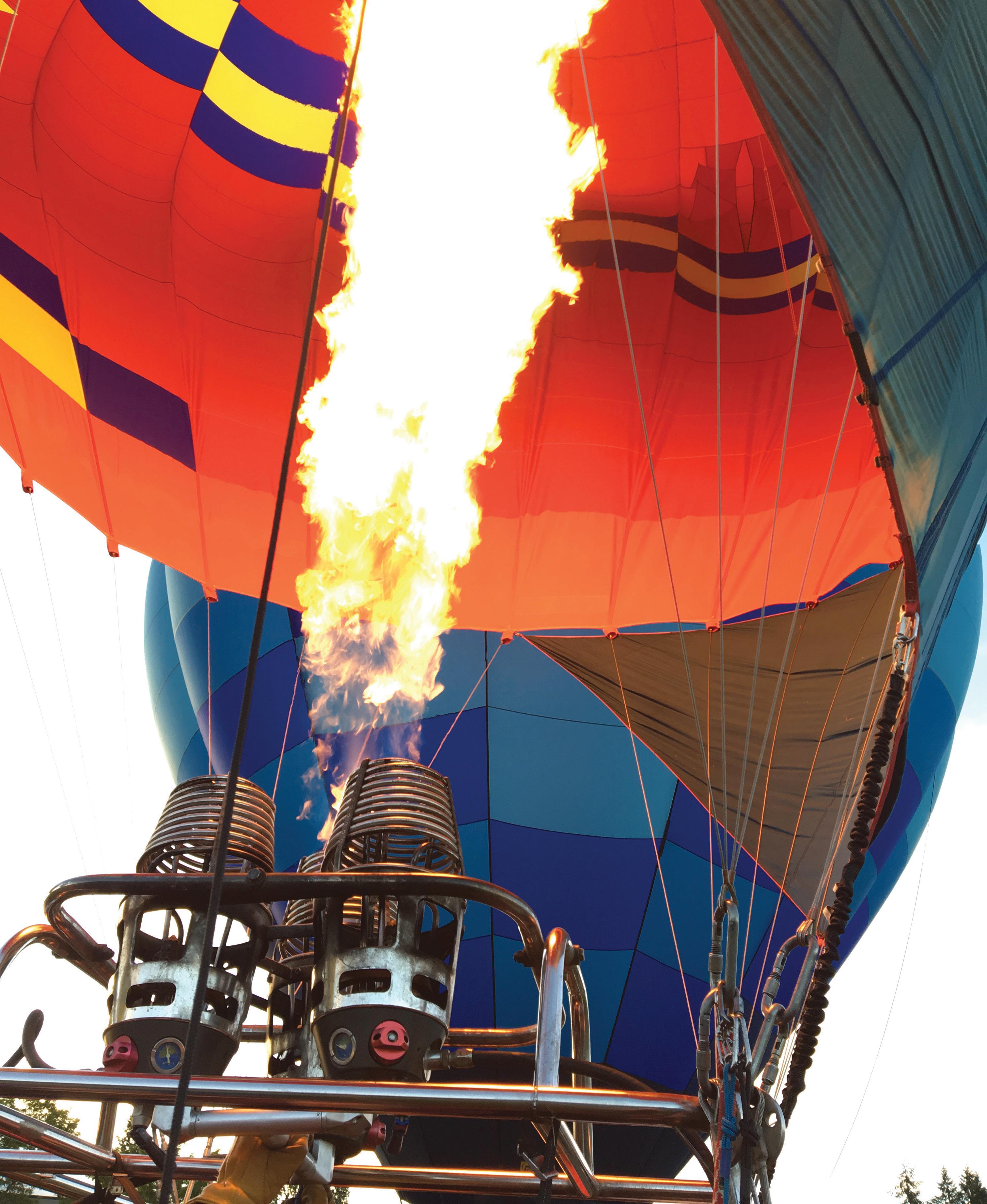
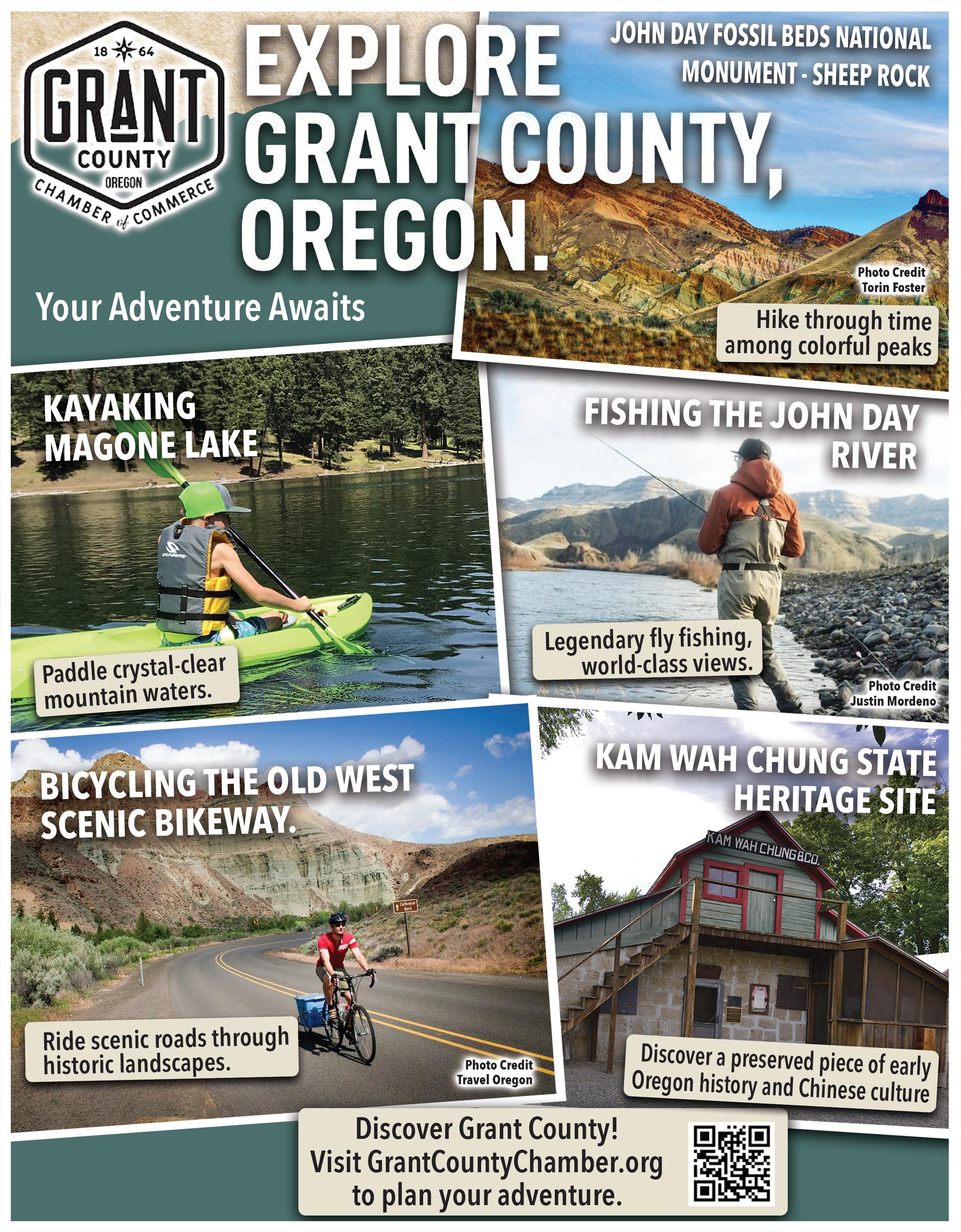


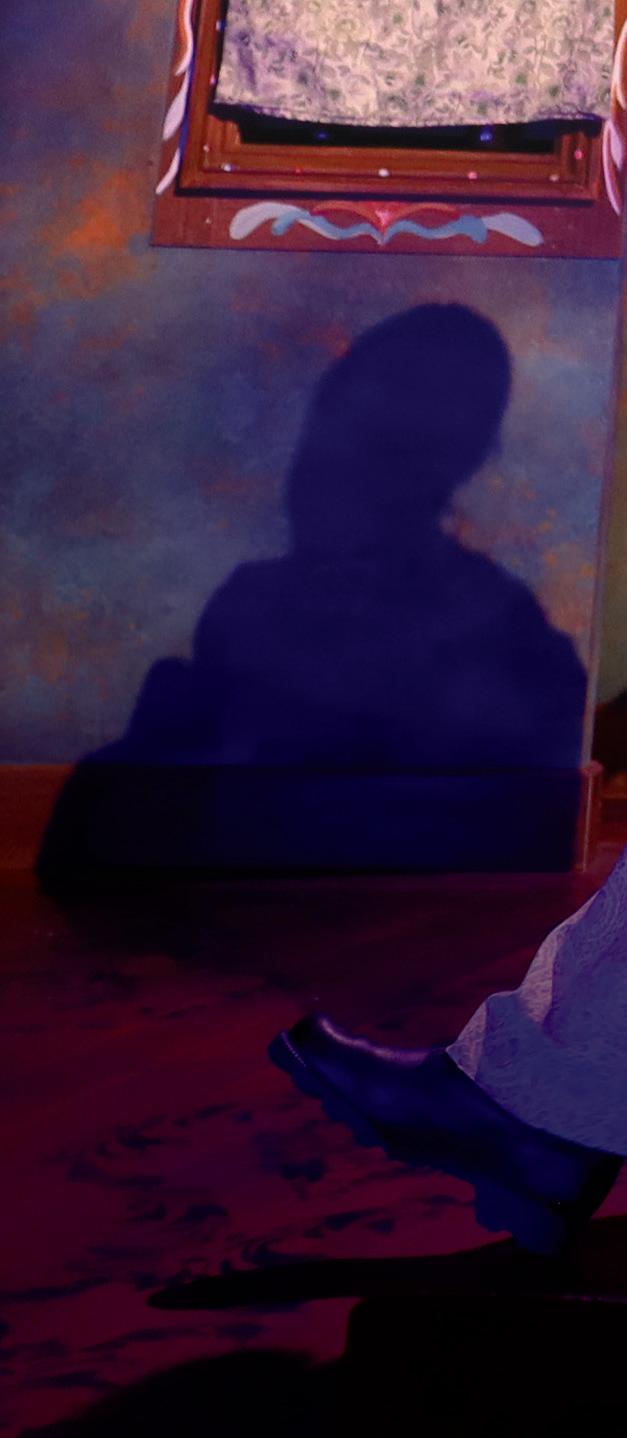

written by Joni Kabana




TUCKED JUST a few blocks from the bustle of downtown Ashland, the Oregon Cabaret Theatre glows like a vintage marquee dream. Housed in a beautifully restored 1911 church, the theater blends historic architecture with plush cabaret tables, candlelight and the hum of anticipation that only live performances can create.
Unlike traditional theaters, the Cabaret invites audiences to settle in with a meal and a cocktail before the curtain rises. Its dinner theater is elevated with beautifully plated entrées, local wines and artful desserts served just steps from the stage. Performers are close enough to make eye contact, and you can see the flicker of emotion, the quick breath before a high note and the mischievous grin that lands a punchline.

While the Oregon Shakespeare Festival often draws global attention, the Oregon Cabaret Theatre has carved out its own devoted following with a repertoire that ranges from
Broadway favorites and jazz revues to spirited holiday productions. The scale may be smaller, but the talent is anything but. Many performers arrive with national credits, bringing polish and depth to a space that feels both sophisticated and warmly communal.
There’s something undeniably romantic about an evening here. Outside, Ashland’s tree-lined streets and nearby Lithia Park invite a pre-show stroll. Inside, the lights dim, and the room collectively leans forward. It feels celebratory and as though you are in on a secret that’s too good to keep.

For travelers planning a cultural getaway or locals seeking a refined night out, Oregon Cabaret Theatre delivers more than entertainment. It offers connection to story, to song and to the simple pleasure of gathering around a stage where emotive magic happens just an arm’s length away.
For information on upcoming performances and tickets, visit www.oregoncabaret.com.




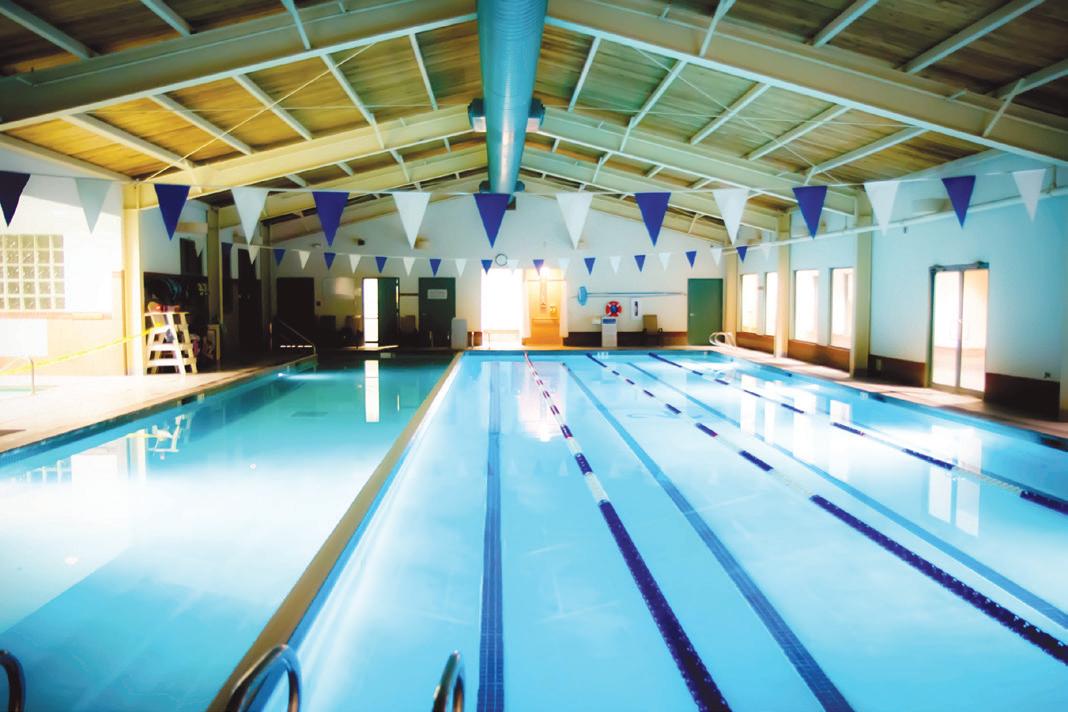






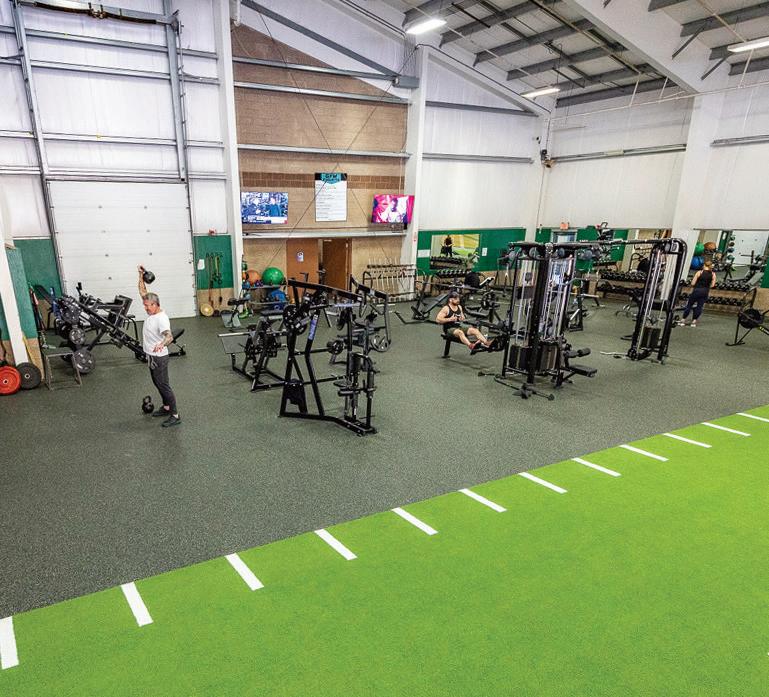

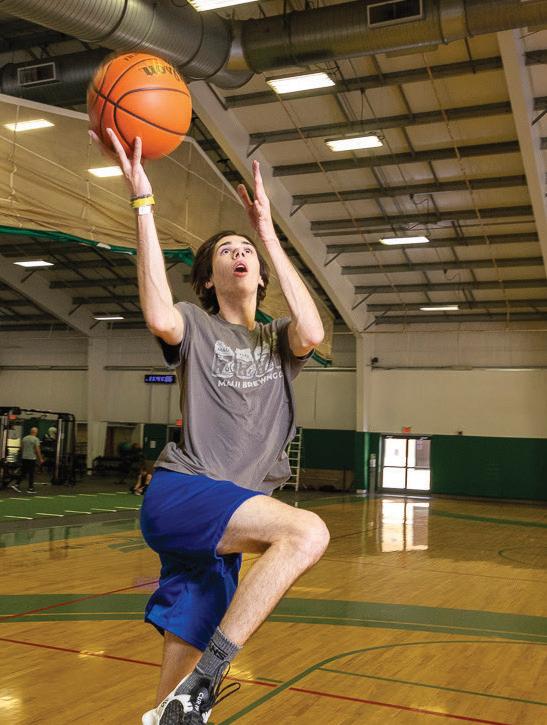











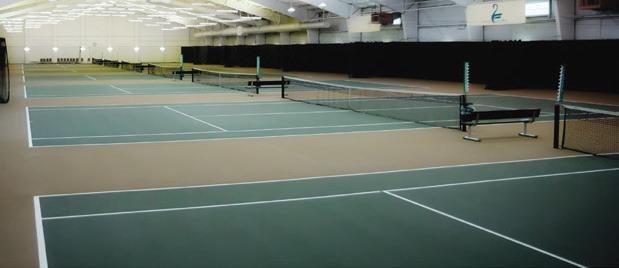


Shi your perspective at sunrise— from a wicker basket thousands of feet above valleys, rivers and volcanic desert
written by Cathy Carroll
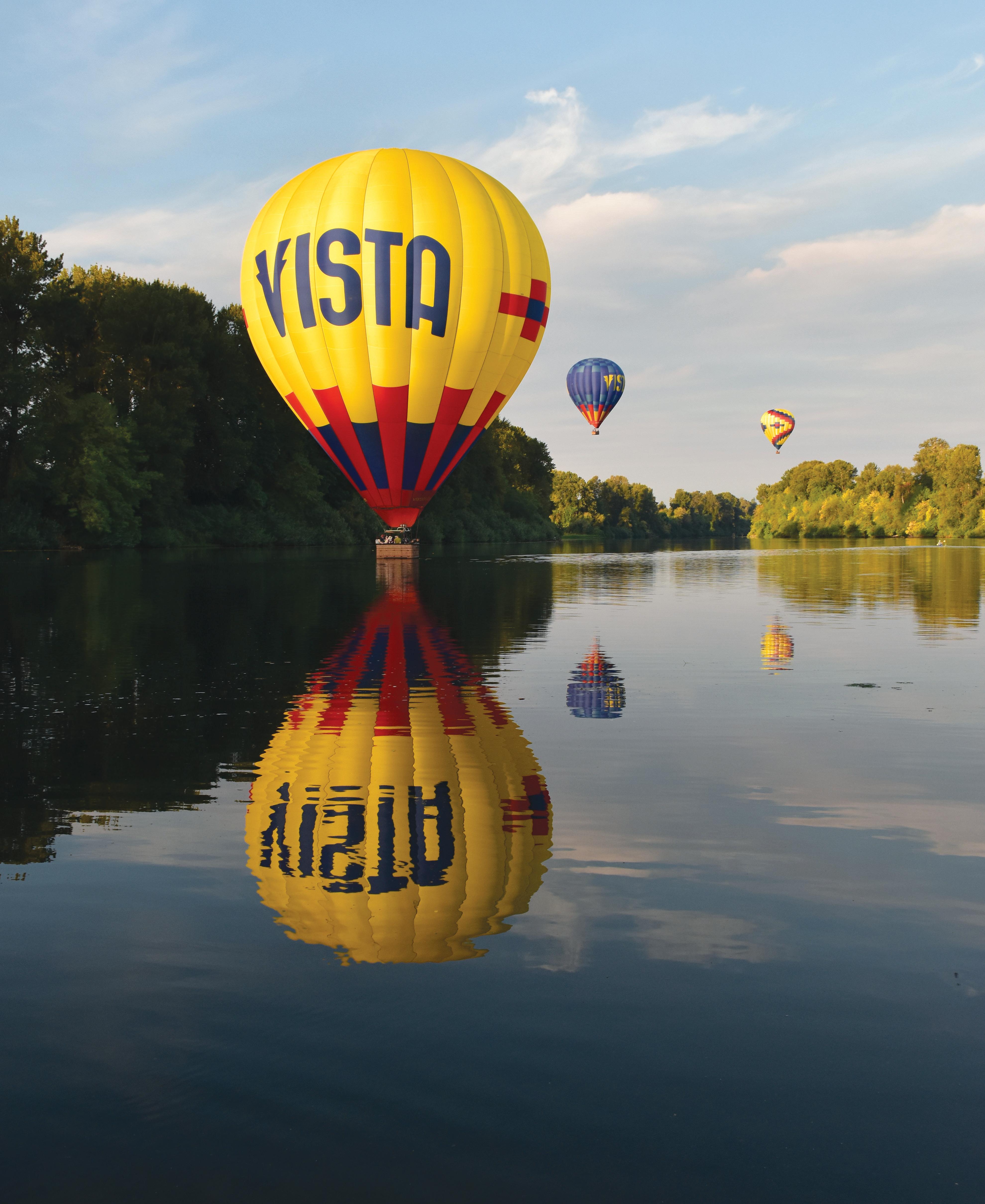
KSSSSH … KSSSSH … Short bursts of blue-orange propane flames shoot into the opening of a hot-air balloon as pilot Kelly Dorius launches her cra at sunrise over Newberg. Nine passengers join her, ready to float 2,000 feet above the Willame e Valley’s verdant landscape.
Riding in a wicker basket a ached to a balloon— no seat belts, ra s, detachable seat cushions, oxygen masks—had the palms of at least one passenger sweating. Dorius scanned the horizon intently with calm blue eyes, her deerskin-gloved hands working the fuel burners and altitude-regulating pulleys, exuding confidence.
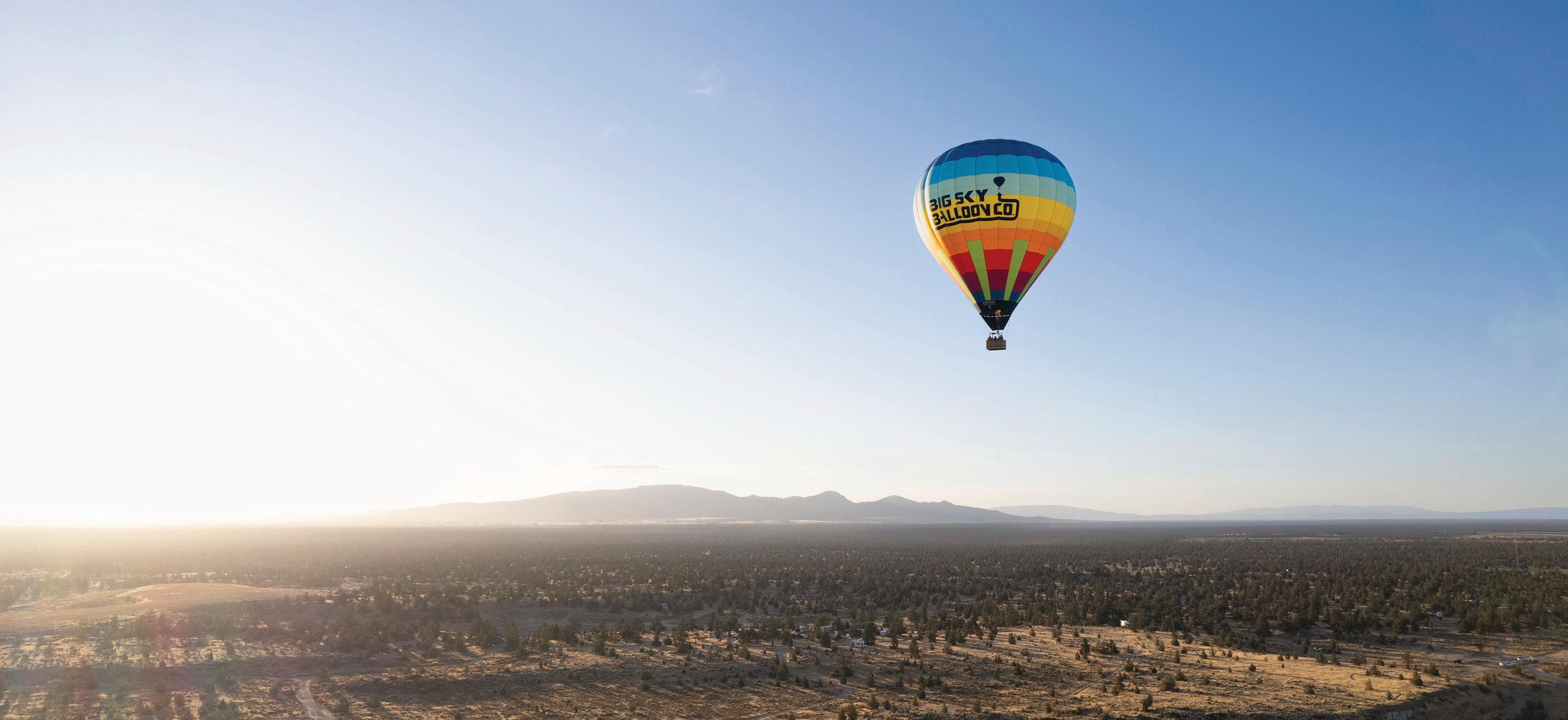
The clammy-handed passenger, with a death grip on the basket’s rope handles, let go just as lighter-than-air buoyancy took over. Heated air inside the balloon made it drift above the treetops, and then, silence—no roaring engines, no announcements, no screens, no sense of wind.
“That wind is carrying you, so there’s no resistance, because you’re in it,” said Dorius, who owns Vista Balloon Adventures and has been piloting for a decade. “It’s incredibly peaceful, very calm and silent.” Mount Hood, Mount St. Helens, Mount Adams, Mount Jefferson and the Three Sisters reveal themselves on the clearest days.
Below, the St. Paul landscape unfolds as an illustrated chapter in local agriculture. Neat rows of hops embroider the land. Dairy cows meander grassy organic pastures and waves of tall, emerald green fescue and chartreuse ryegrass swirl, ready for the June harvest. Blocks of crimson, pink, coral and gold blossoms bloom on a 25-acre nursery. Farther afield, pinot noir grapes ripen in the Dundee Hills.
Riding in a basket indulges the senses in the bounty below—the aroma of juicy strawberries, lemony hops and a chorus of perfumy notes from more than a thousand rose varieties.
waterskier rounded the yellow balloon and headed our way, carving a frothy wake between the floating crafts.
Aloft again, Dorius looked for a landing spot. In late September, when the ballooning season draws to a close, pumpkins punctuate many of the farm fields that serve this purpose. It’s possible because in the last four years that she has owned the company, she has maintained the good relationships with farmers that have been in place since the outfit began in 1989.
Vista Balloon Adventures www.vistaballoon.com
Big Sky Balloon Co. www.bigskyballoonco.com
More Ballooning
Cascade Balloon Company (Bend) www.cascadeballoonco.com
Willamette Valley Balloons (Aurora) www.willamettevalley balloons.com
Dorius headed for the Willamette River, radioing the pilot of another one of her balloons sailing about a hundred yards away. “Steens balloon to Rogue balloon, what’s your altitude?” she said, coordinating a signature move that wind conditions would allow. We watched the second balloon inch its way through a thin layer of mist just above the surface and dip its basket on the placid river, the daffodil-colored balloon reflected in the blue-green water. Dorius, venting hot air from her balloon to let it descend, alighted our basket on the water as gently as a kiss.
Portland Rose Hot Air Balloons www.portlandrose balloons.com
Fish jumped, and bald eagles nested along the banks. The Willamette lapped lazily against the woven box for a minute when the whir of a motor sounded in the distance. A boat towing a
The experience seems even more relevant today. “It changes your perspective,” said Dorius. “When you’re in the balloon for an hour, you don’t really focus on anything else, which is really hard now in society with all the distractions, to be in a moment so wholeheartedly.”
Darren Kling of Big Sky Balloon Co. has been piloting balloons from Redmond for twenty-six years, offering views from Mount Bachelor to Mount Hood and a glimpse into how volcanic activity shaped the landscape. Wind direction dictates the itinerary, be it north toward the spires of Smith Rock or east over sagebrush steppe—silverygreen shrubs dotting sun-washed volcanic soil. Below, wildlife moves through the high desert—deer, coyotes, the occasional bobcat, pronghorn or antelope, and hawks, bald eagles and golden eagles.
From 1,000 feet, it’s easy to trace the path of dark lava fields of Newberry National Volcanic Monument, where the flow from ancient eruptions meets the Crooked River. “You can really visualize why it’s called the Crooked River, because you can see it flowing out into the valley, wrapping right around Smith Rock and then dropping into this canyon,” said Kling.
When conditions allow, Kling lowers the balloon deep inside the steep, rust-colored canyon walls and hovers a few feet above the water before returning passengers, restored and with a new outlook.
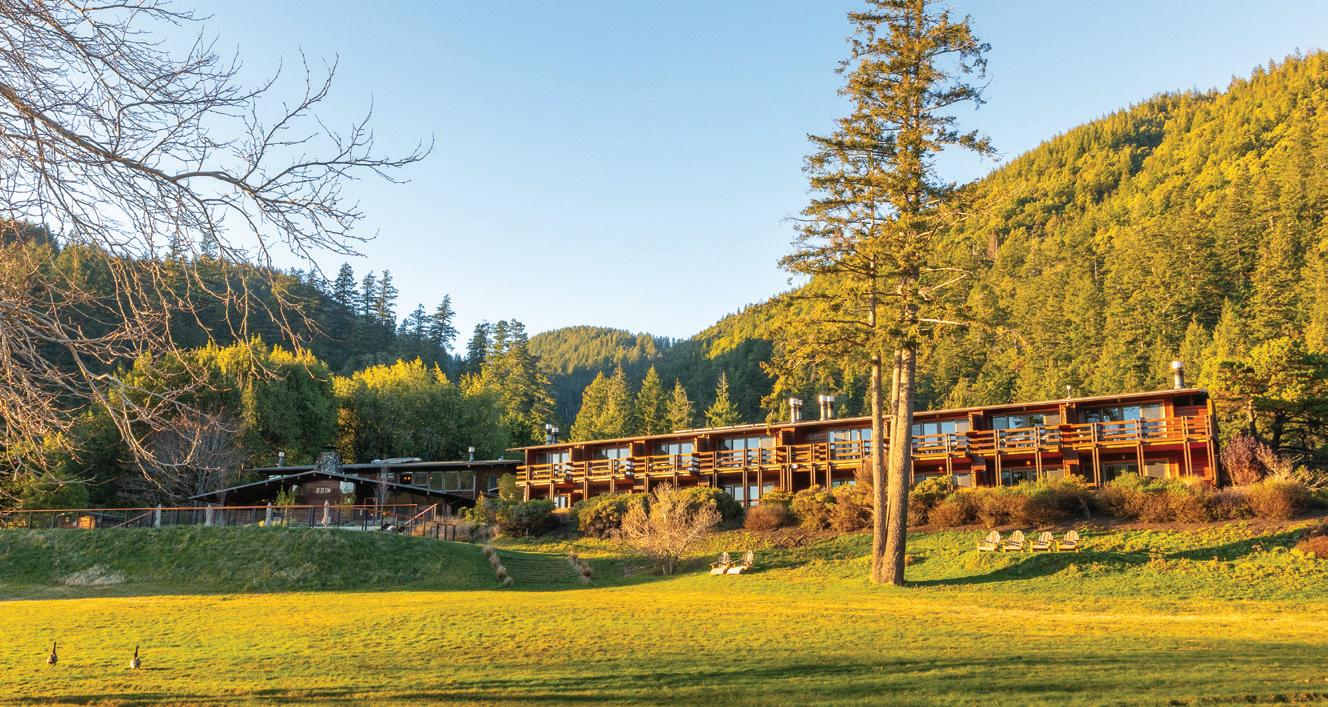
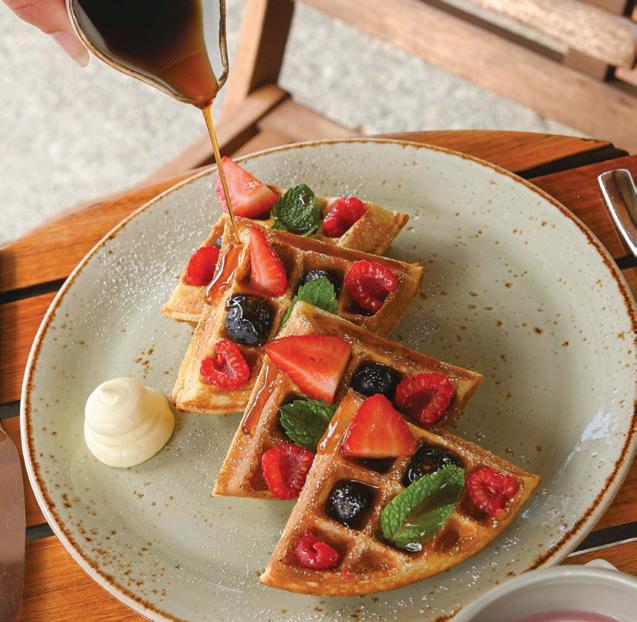
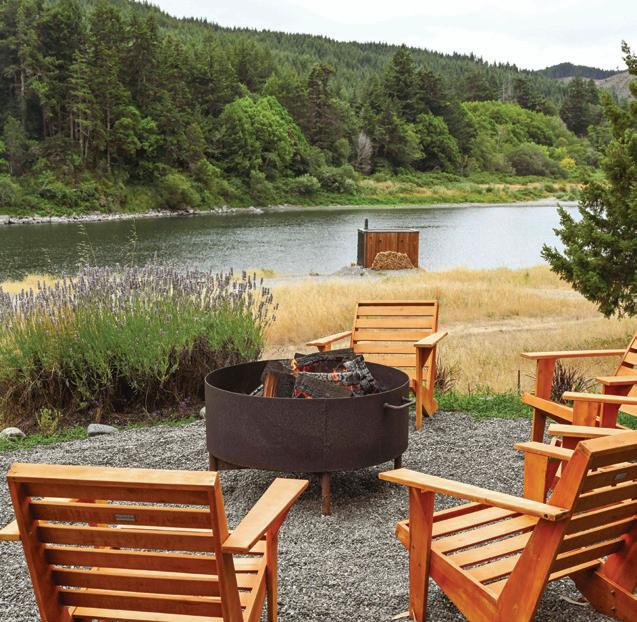
written by Kerry Newberry
LIKE A SCENE lifted from the pages of Norman Maclean’s famous novella, a river runs through the remote Tu Tu’ Tun Lodge. Long revered for its worldclass fly-fishing and lush woodlands, the lodge has offered a restorative retreat since opening in 1970. Just 7 miles inland from the coastline, its lyrical name pays tribute to the Tututni—the Indigenous tribe that originally lived on the land, and loosely translates as “people of the place by the water.”
Now in a new chapter under fresh ownership, the property has been thoughtfully reimagined without losing its quiet soul. Lodge rooms have been refreshed with earthy textures and understated comforts, while a collection of mirrored cabins—set along the riverbank, creek and wooded edges—bring nature in at every turn. Mornings unfurl with birdsong, the swish of sedge grass and the steady cadence of the river.
A handful of modern indulgences add luxury to the experience: spa cabins, a wood-fired sauna (best preceded by a bracing cold plunge in the river) and a dining program led by executive chef Derek Piva, whose career spans kitchens across the globe, including several Michelin-starred restaurants. Seasonal offerings—from intimate winemaker dinners to riverside tea—appeal to culinary-minded travelers.
Yet for all its new refinements, Tu Tu’ Tun’s truest luxury remains unchanged: the quiet pull of the river. In a world that rarely pauses, places like this feel increasingly rare—where time slows, senses sharpen and analog moments hold sway. Along this untamed stretch of the Rogue River, this is one.
96550 N. BANK ROGUE RIVER ROAD GOLD BEACH www.tututun.com
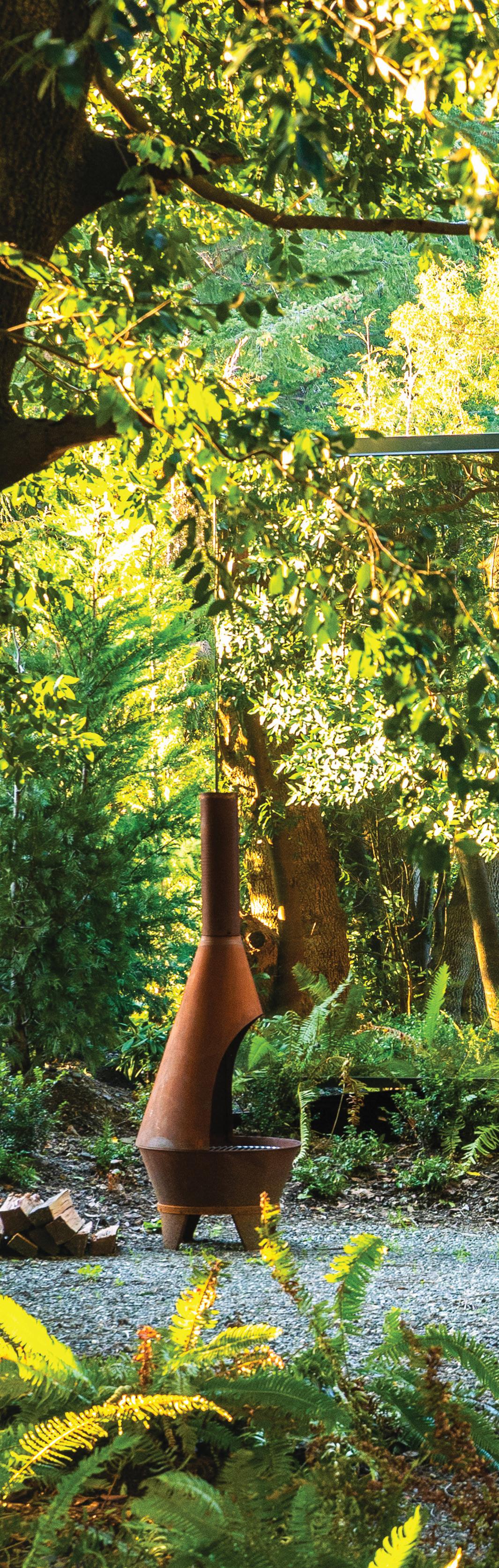

A cluster of mirrored ÖÖD cabins offer serene water or mossy forest views, reflecting back the landscape from sunrise to sunset. In the historic lodge, sixteen guest rooms and two suites—named for Rogue River landmarks—feature private balconies or patios, some with wood-burning fireplaces. Three elegant houses with expansive river vistas round out the accommodations.
In summer, glide from the water’s edge onto a calm stretch of river by kayak or SUP. Cool off in the outdoor heated pool, and then explore nearby forest-to-ocean trails. Craving relaxation? Book a massage in the glass spa cabins. At least once, brave an invigorating cold plunge in the Rogue River before unwinding in the warmth of a wood-fired sauna.
Executive chef Derek Piva turns seasonal ingredients into showstoppers: roasted scallops atop umami-rich cauliflower with pancetta and raisins, seared steelhead with tender sunchokes, and crisp radicchio with creamy stracciatella. The sleeper hit? Smoked potato bread with cultured butter. Rise and shine with Turkish eggs, fluffy omelets or golden brioche French toast.


One of the original rivers protected under the Wild & Scenic Rivers Act of 1968, the lower Rogue River is a wild, wondrous treasure. Lounge in an Adirondack chair at the water’s edge, or feel the rush aboard Jerry’s Rogue Jets, high-speed tour boats from nearby Gold Beach. For a glimpse of history, take the “mail route” to Agness, one of the nation’s last rural mail boat runs.


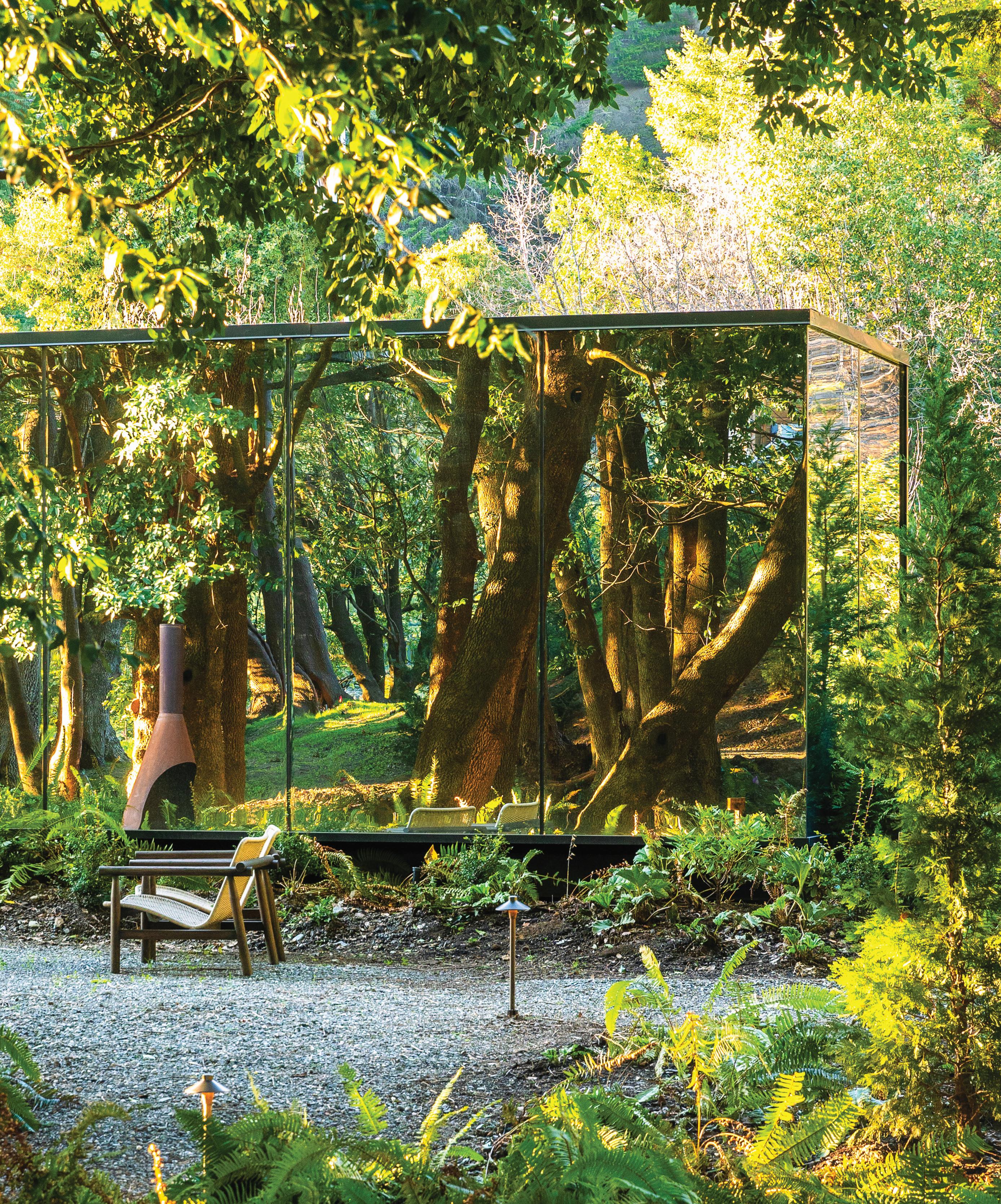




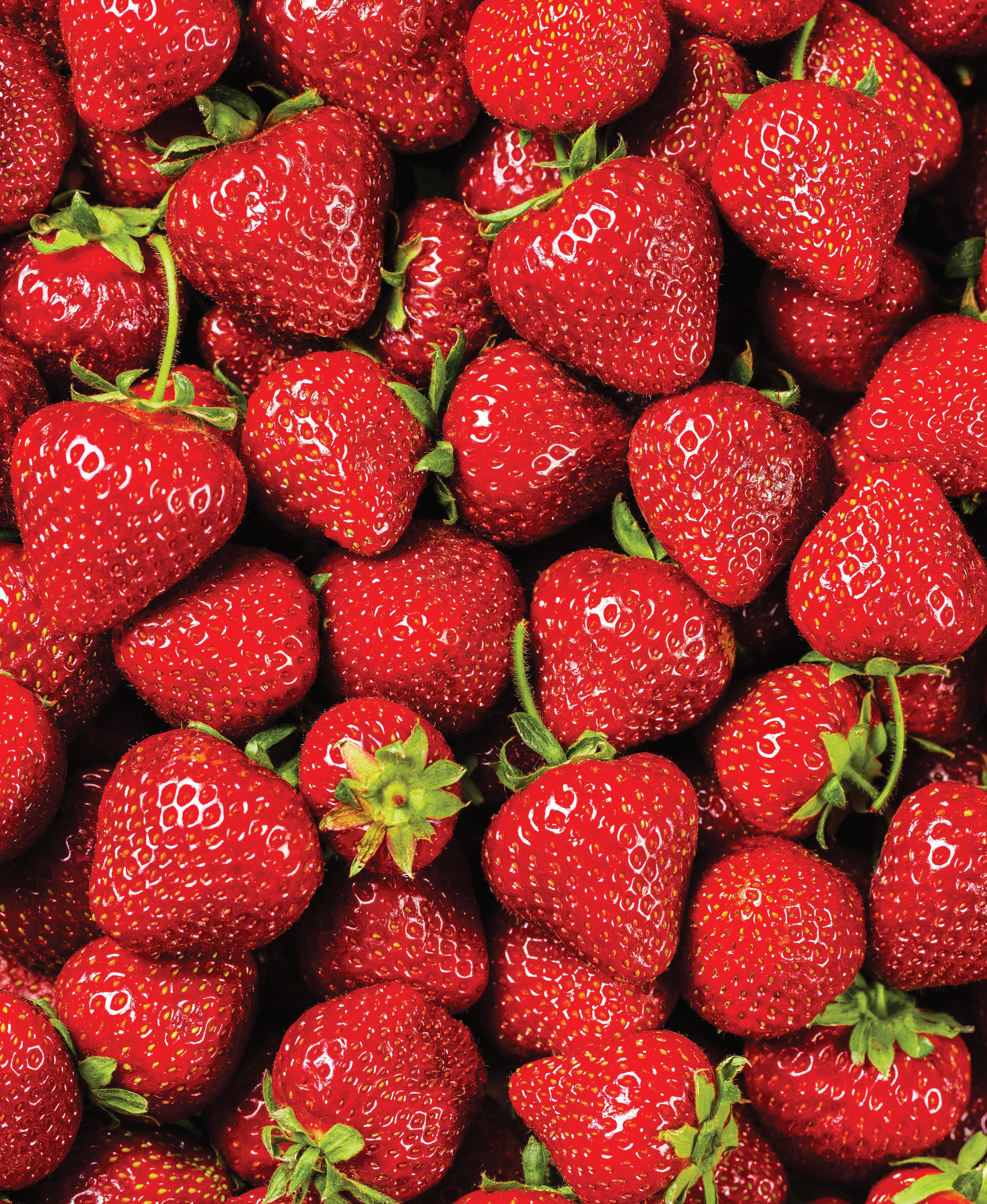
In the mid-Willame e Valley, uncover messy good times, outdoor adventure and bluesy jams written by
IF SOME of the best things in life are messy, you’re in extraordinary luck in Linn County.


On the first weekend of every June—and still going strong after 130 years—Oregon’s “Strawberry City” hosts the sticky jamboree known as the Lebanon Strawberry Festival. The old-timey event celebrates the arrival of sweet “Hood” varietals in nearby fields, with a royal princess court, carnival, shortcake-eating contest (you’re disqualified if you don’t keep it down) and free shortcake for some 8,000 people.
While that’s an impressive volume of deliciousness, it’s a fraction of the legendary 1975 version that weighed almost 3 tons—enough to feed 16,000—easily besting California rival Garden Grove in a “Battle of the Shortcakes.”
The Oregon fest is the sort of place where you won’t just be happy about the napkins. It’s a throwback to a simpler time, when nostalgia taps you on the shoulder, and where smiles are sincere behind the juice and whipped cream.


James Sinks
Once home to Kalapuya peoples before their tribes were decimated by disease and forcibly relocated, the region nurtured farming and timber industries along the Cascadecrossing route known as the Santiam Wagon Road, which would become U.S. Highway 20.
The biggest local bumper crop? Grass seed. For almost a century, the county has been the nation’s largest producer.

The same goes for wide-open Linn County and the mid-Willamette Valley, where history is everywhere and getting a little dirty is part of the fun, from farms to the great outdoors.


Albany, the county seat, sits at the confluence of the Willamette and Calapooia rivers and was an early crossroads for steamboats, stagecoaches and railroads before the highways arrived. By the latter twentieth century, the industrial hub was well-known by passersby and their noses for acrid smoke-belching mills along Interstate 5. Understandably, folks didn’t dream of tourism much, at least then.
Today, however, the smelly sentinels are gone, and Linn County is no longer a place to speed past without stopping. A warm weather bonus: abundant farm stands along a MidWillamette Valley Food Trail.

And another bonus: dessert (especially with strawberries). Ask for extra napkins.

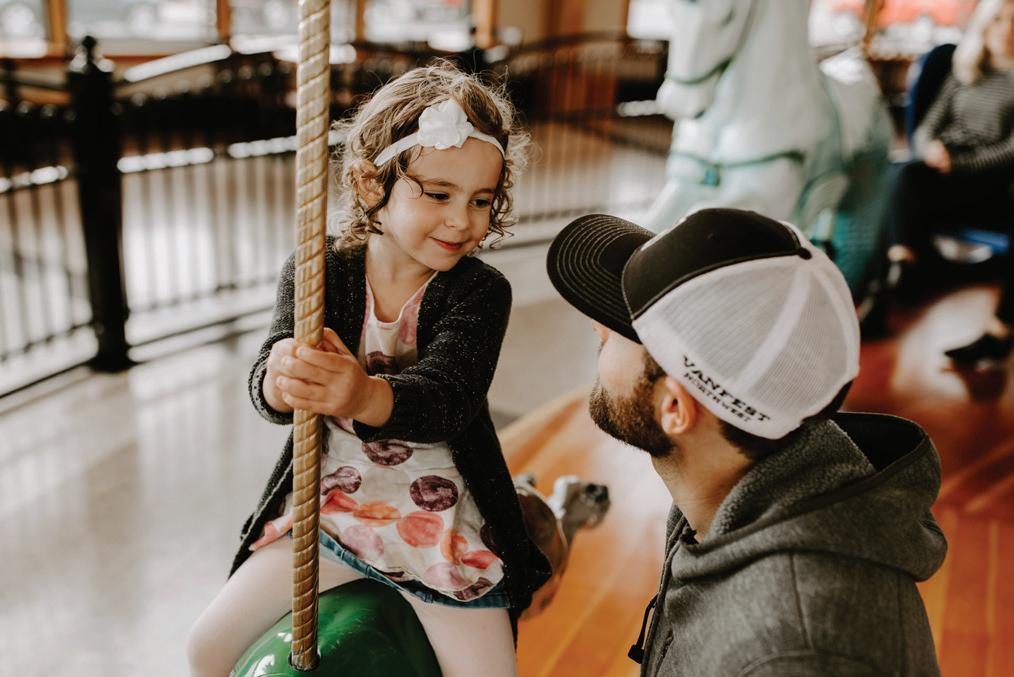
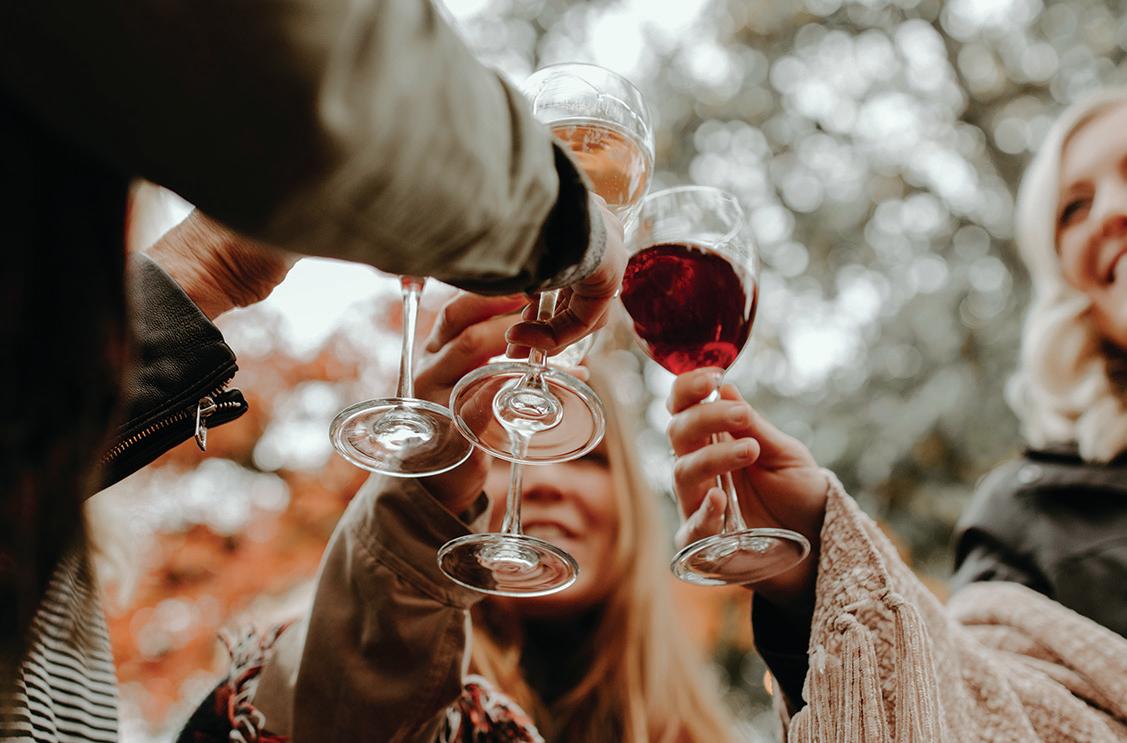
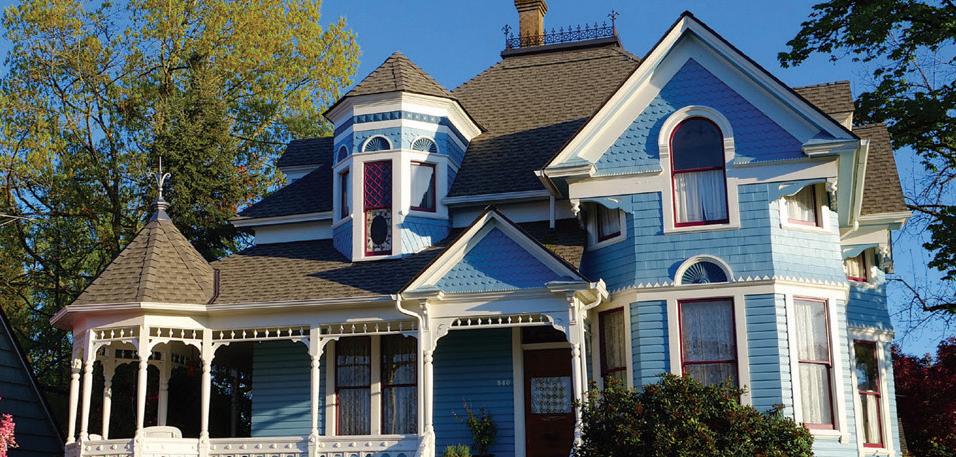
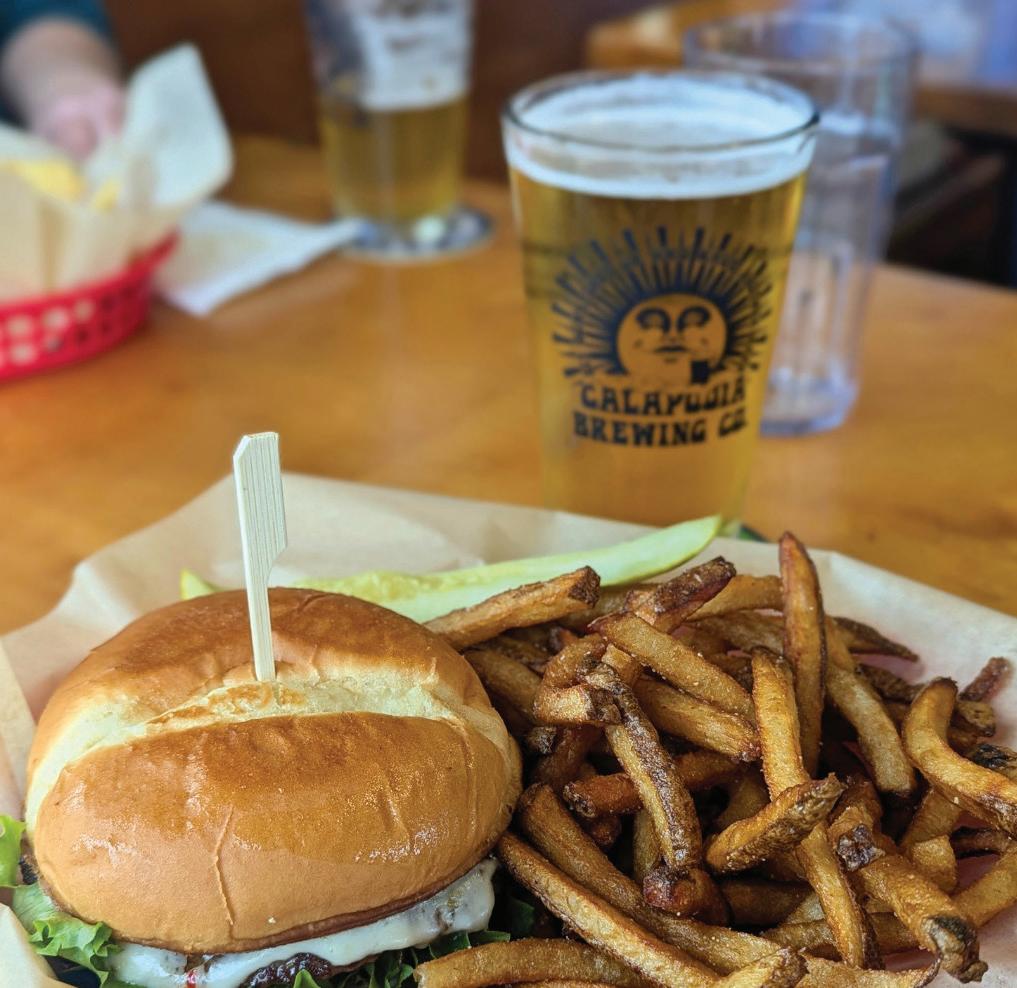























Named after a town in Tennessee, Lebanon is home to 20,000 people and one Harry Potter-inspired gift store and restaurant.
Opened by two sisters in 2021, The Lebanon Mercantile feels a bit like the mythical Hogwarts academy, a swirl of color and memorabilia in the lobby of the former Lebanon Hotel. At Le Cirque Cafe & Confectionary, try their version of butterbeer, concocted with cream soda and butterscotch.
“We wanted to figure out how to get people out of the house and enjoy the old-fashioned experience of shopping again,” said co-owner Shyla Stewart.
If butter isn’t your preferred beer flavor, just across the street is Barsideous Brewing, which sounds like it could be named after a Harry Potter character. (It’s not.)
The pub is in the former vaudeville Gem Theater—which the owners say is among Oregon’s more haunted places. Not at all frightening is their seasonal Strawberry Fields Hazy Summer Ale, a perfect way to acquaint your liver with the Strawberry City.
Surrounded by farmland and sitting along the South Santiam River, the city is an easy jumping-off spot to random produce stands and eight covered bridges, such as the Larwood span crossing Crabtree Creek.
Also nearby is McDowell Creek Falls, one of an impressive thirty Linn County parks. Follow the easy-rated 3-mile loop trail—including a section on a scaffold of overwater wooden decks—past four waterfalls, such as 120-foot-high Royal Terrace
Falls. Warmed up? The park also is home to a popular summer swimming hole.
It’s about 15 miles from Lebanon to Albany and the restored Monteith Historical Society and House Museum, a whitewashed community landmark built in 1849 by the town founders. It’s open until 3 p.m. or by appointment.
From the museum, it’s a quick stroll to the riverfront—where the city’s River Rhythms series brings free summer concerts to town—and to the downtown retail district, where time management is a helpful trait: Boutiques, The Natty Dresser menswear store and galleries close by dinner, and most are shuttered Sundays. For a fun browse back in time, vintage-filled Albany Antique Mall covers half a city block. It closes at 6 p.m.
Discover one of Oregon’s best dining experiences at unassuming Sybaris Bistro, which has called Albany home for a quarter century. Every month, co-owner and James Beard-nominated chef Matt Bennett creates a new Northwest-flaired, scratchmade and locally sourced menu. The bread is made daily in house, and he even makes his own ketchup.
After, wander the quiet cityscape past the Pix Theatre and old city hall. With a little good fortune, you’ll end up at Sweet Red Bistro, whose owner took her inspiration from living in European-influenced San José, Costa Rica. Beneath an old-fashioned tin ceiling, with chandeliers, red mood lighting and an expansive cocktail list, the place feels a little sultry. I’m still dreaming of the crème brûlée.
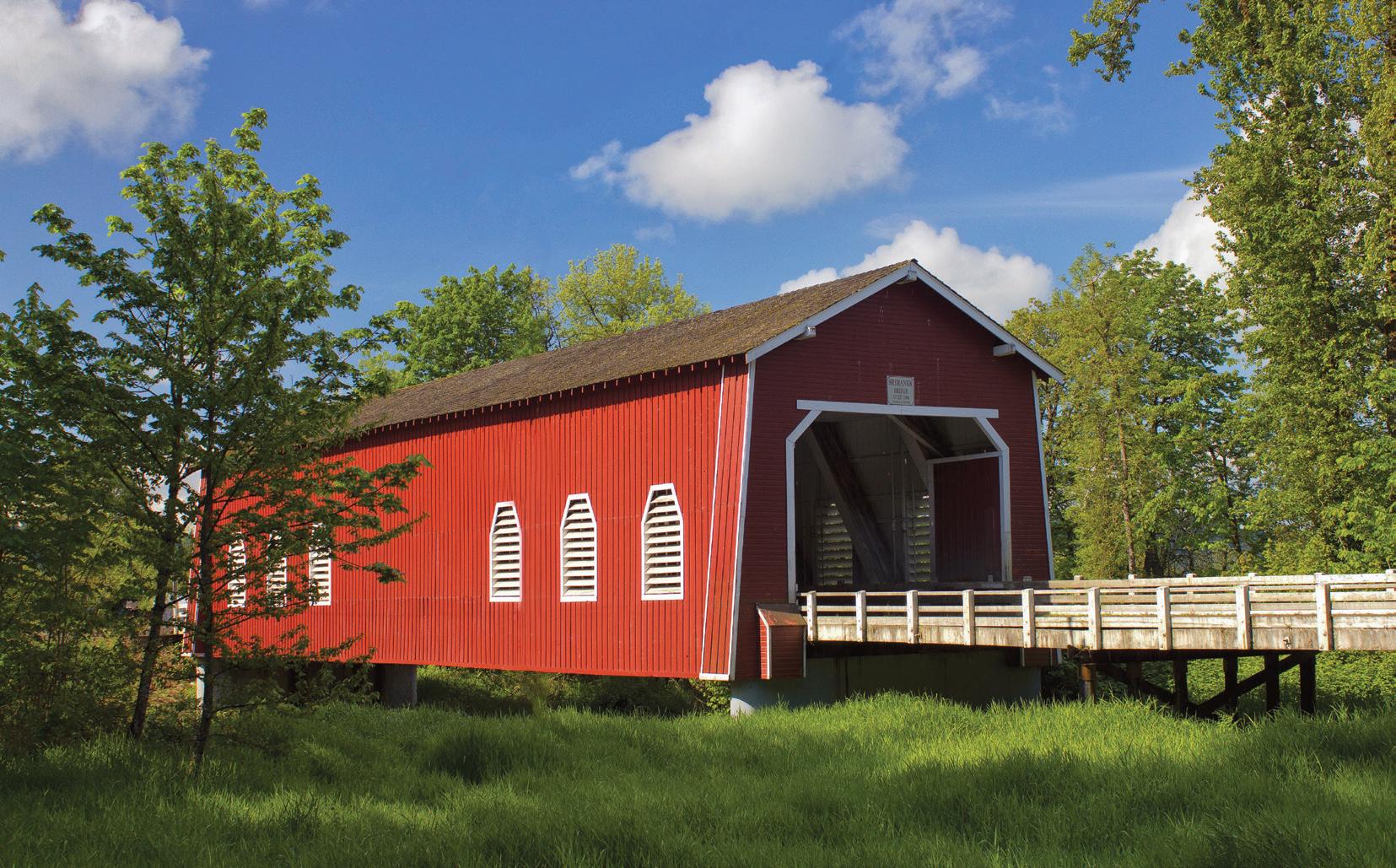

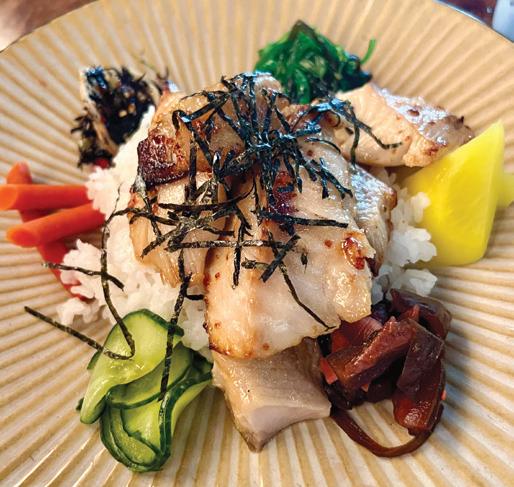
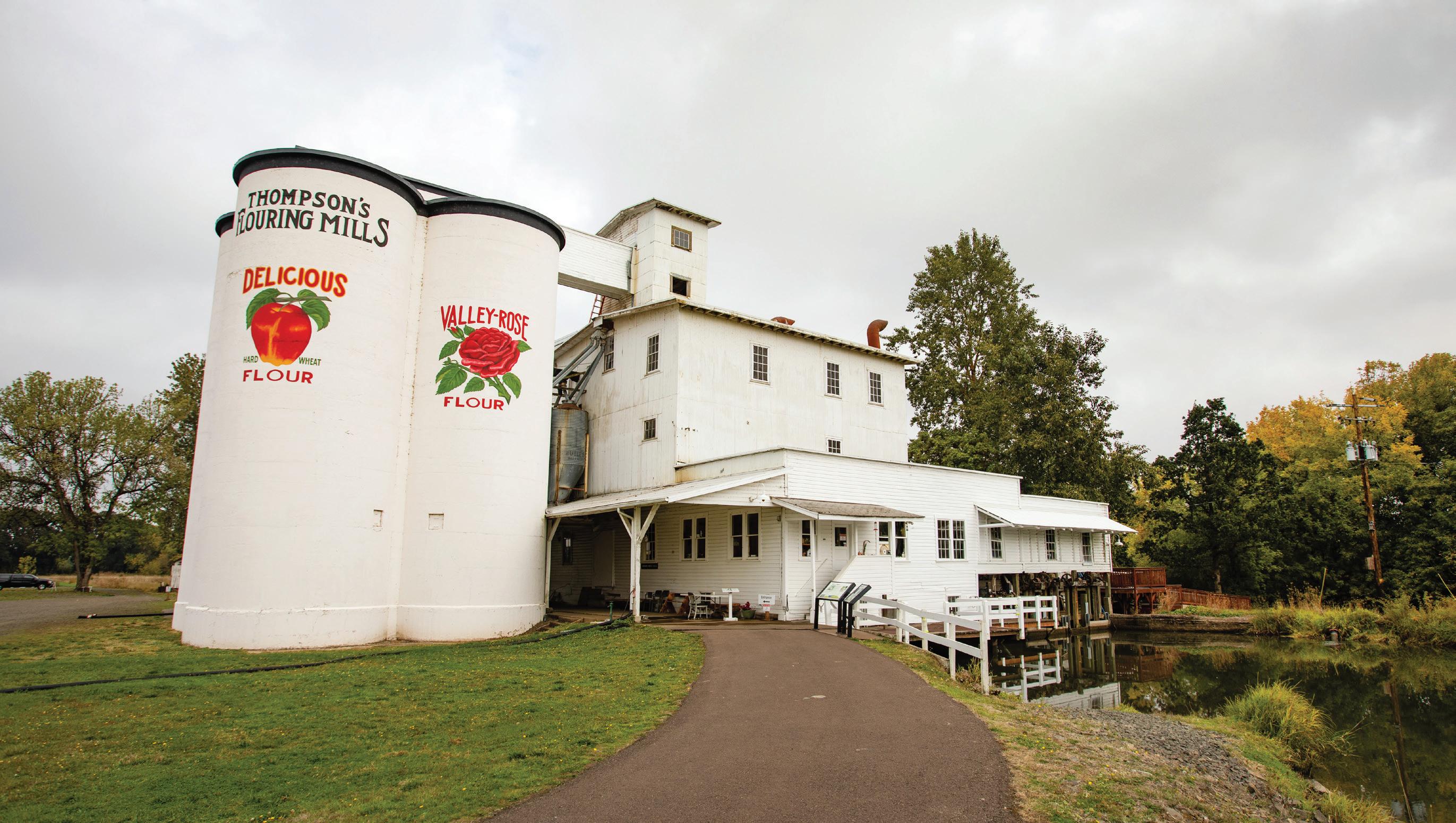
Originally called The Body, author Stephen King’s comingof-age story about four boys in small-town America came to life in and around Brownsville, one of the more recognizable backdrops for the movie Stand By Me. (But not the iconic train trestle scene, which was filmed in California.)
Brownsville’s historic downtown still looks much like it did when the movie was filmed forty years ago—and as it did a century ago. Find Oregon Film Commission signs for shoot locations. In addition to striking cinematic poses yourself, you can loaf on a local bakery crawl, with three bakeries in three blocks. Past the classic hardware store and Baptist Church, there’s espresso and the Stand By Me daily special at Poppi’s.
Once a railroad depot, the Linn County Historical Museum is free to visit, and the impressive collection includes movie memorabilia and a boxcar-turned-cinema. It also has one of the three remaining prairie schooners that crossed the Oregon Trail.
History isn’t always a grind, but it was at the still-functioning water-powered Thompson’s Mills, a heritage site near the town of Shedd. First opened in 1858 and bought by the state in 2024, the place made flour and animal feed before becoming an electricity generator.
Head to the basement to see the gears in action, and maybe say hello to the otters who reportedly hang out near the millrace. LOCAL HISTORY • OUTDOOR ADVENTURES
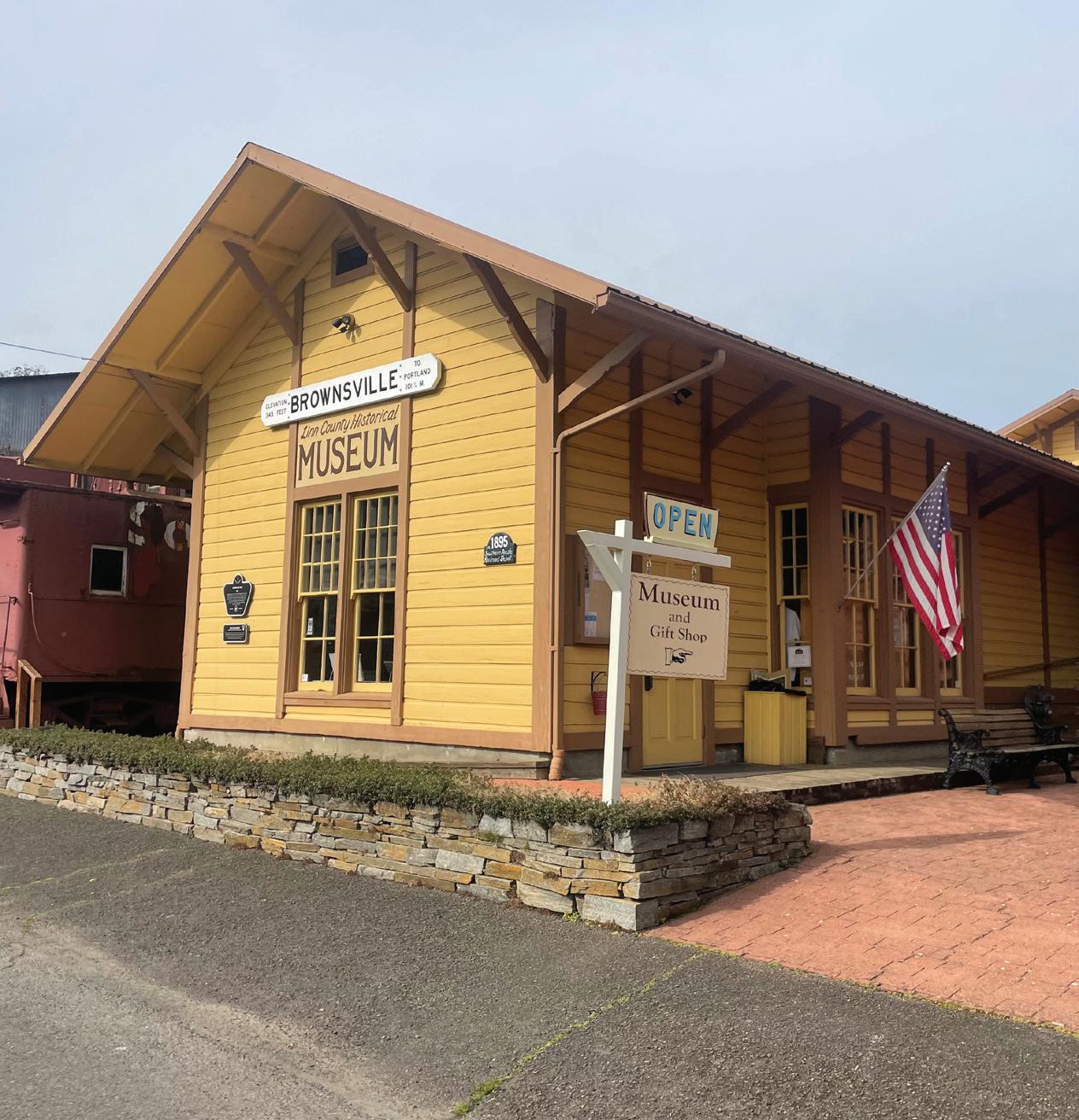
Just a blip on Highway 228 east of Brownsville, the town of Holley was once the source for valuable deep-blue agates. The mine now shuttered, the place remembers its blue-collar roots with chainsaw-hewn loggers and a miner outside the general store, where a sign on the door warns against profanity.
The city of Sweet Home is where Oregonians still come to work and play in the woods. Home to logging companies and a veneer mill, it’s also the gateway to a recreation wonderland in the Willamette National Forest. On the edge of town is the scenic and motorboat-attracting Foster Reservoir, which gets crowded come summer and for good reason. Drop fishing lines (it’s stocked with trout), kayaks or yourself into the water.
Work up an appetite? It’s fixable at The Point Restaurant, with lake views and bacon-loaded BLTs.
Farther up Highway 20 at Cascadia County Park, explore the trail to Soda Creek Falls and a piece of the Santiam Wagon Road.
In 1907, that toll road was the part of the first-ever transcontinental car race. Today, racing enthusiasts still head to Lebanon on warm weekends to Willamette Speedway, a dirt oval where howling high-octane sprint cars slide sideways around turns.
When wildfires scorched the McKenzie River canyon in 2020, in the path was the town of Blue River and the former property of Janice Myers and her husband. In their new hometown of Albany, they honor that memory with tapas and charcuterie at their upscale “forest-Mediterranean” restaurant Brasa, which means ember in Portuguese. It was previously called Grazing Oregon.
After hanging up his gear, retired firefighter Josh Crawford couldn’t shake the idea of opening a Scottish pub. In 2021, he and his wife made the leap, thankfully. You’re friends as soon as you walk in the door at The Squeaky Cork—with no TVs, happy highlander vibes and more than 300 whiskeys behind the bar.
For more than forty years, Albany’s Timber Linn Memorial Park was the domain of sweaty lumberjacks, who came to climb poles, logroll in a pond and throw axes at the sawdust-filled Albany Timber Carnival.
Now, it’s just sweaty you. The games were staged the last time in 2000, and now the onetime grounds are part of the 1.5-mile paved Timber Linn Trail loop. The path also goes near the Albany Municipal Airport, the state’s first airfield when it opened in 1909 and the third oldest in the country.
At Brick & Mortar Cafe, it’s safe to expect a wait for brunch— and it will be worth it. Order hash four ways, waffles three ways or a bacon blue cheese omelet, and, for the bold, you can get anything “mortar style,” which adds sausage gravy, cheddar cheese, bacon and potatoes.
Afterward, stock up on jam and produce at a farm stand or two, cut flowers at Midway Farms or lose an hour meandering the lush corridor that flanks the Willamette. Plenty of chatty
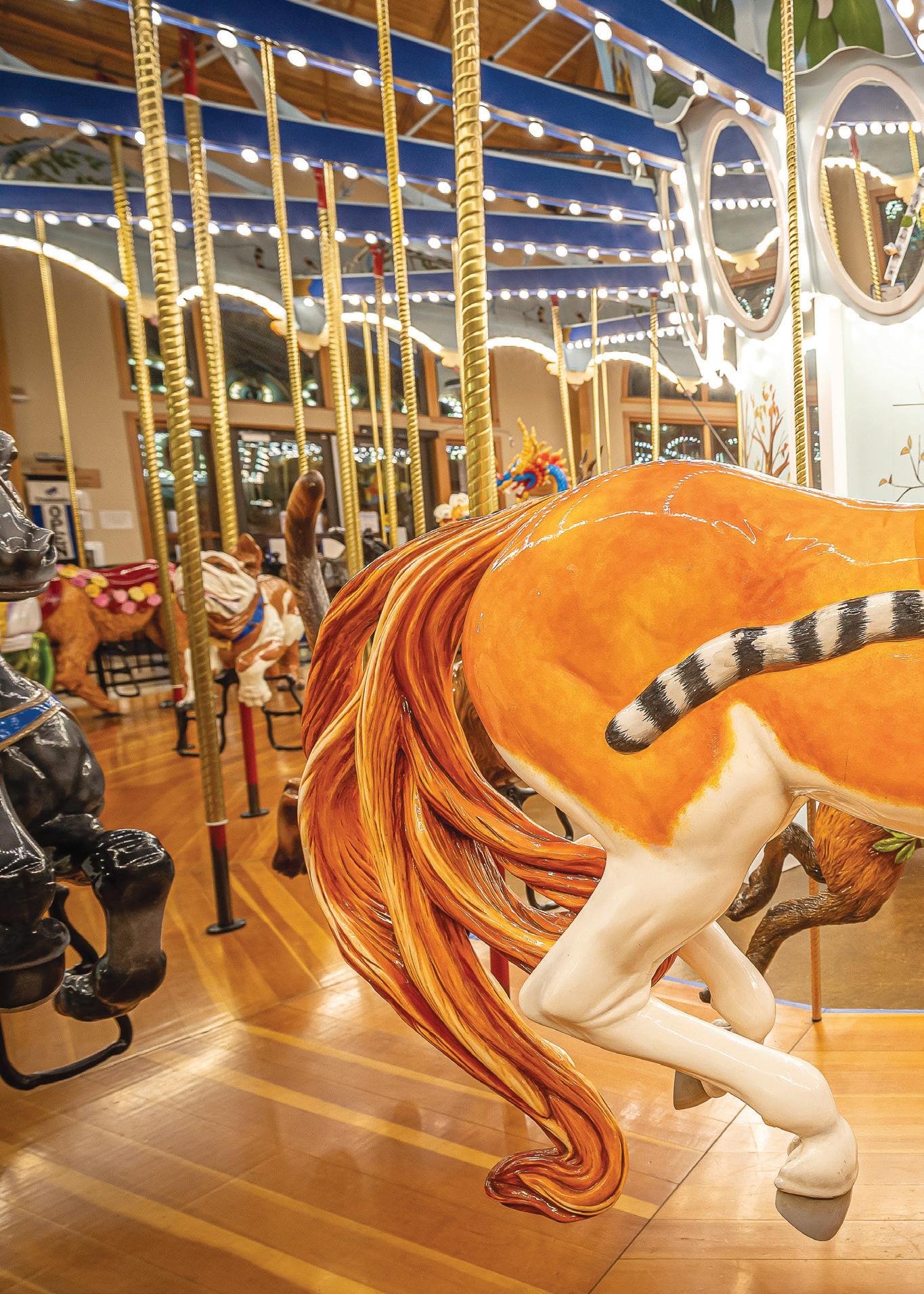
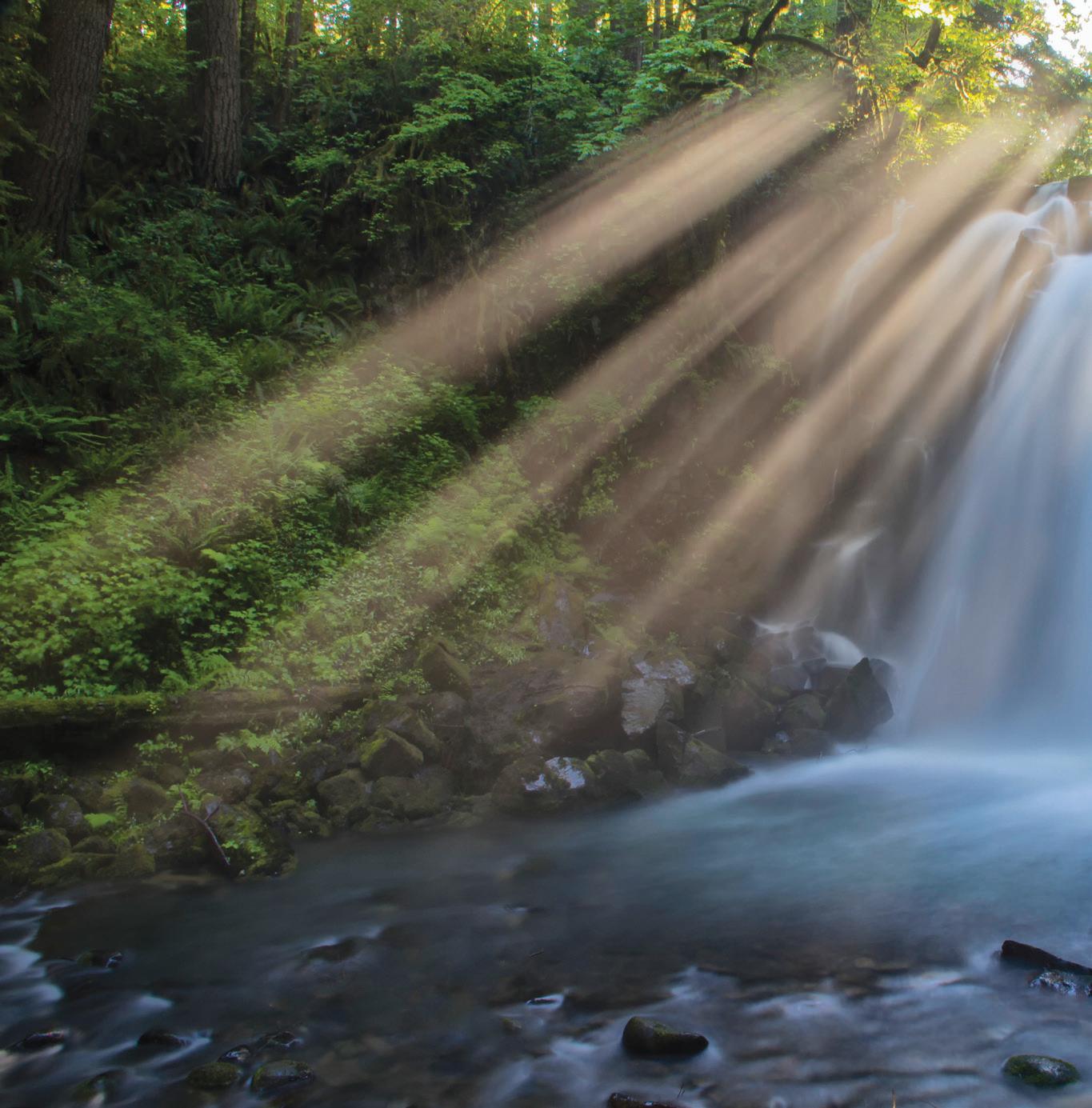
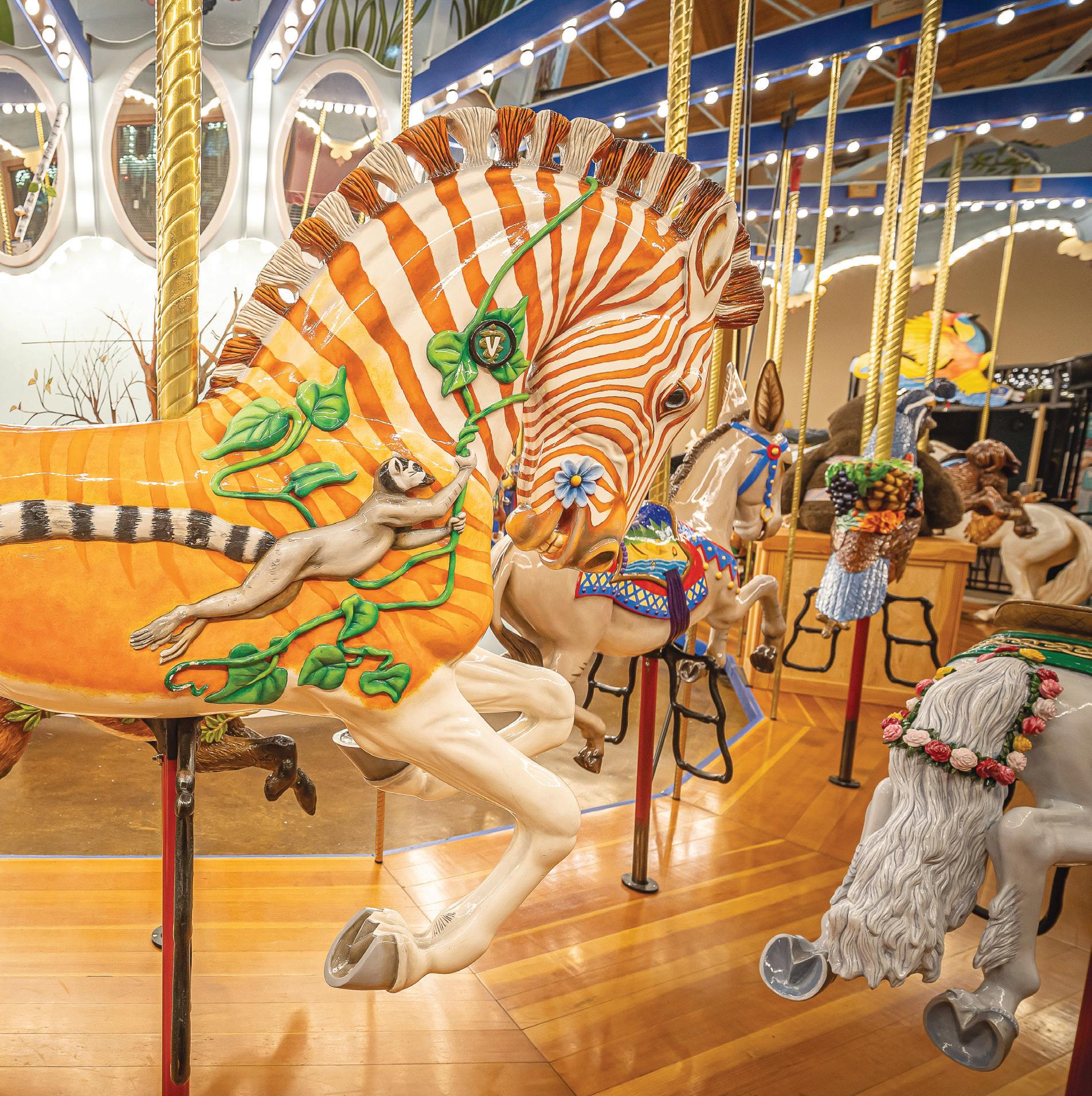
birds will keep you company at Talking Water Gardens, a manmade wetland.
It’s also a fine place to lose a few golf balls. Opened in 1929 on a former farm, the eighteen-hole Golf Club of Oregon was once the only public course in the Willamette Valley. Now it comes with big trees to bounce into. If you’d rather scowl at frisbees, an eighteen-basket disc course weaves through riverfront Bryant Park.
In 2017, Albany joined the ranks of cities with carousels, with a circling menagerie of hand-carved woodland animals, colorful horses and other mythical steeds. (More mythical if you’ve shopped at a local dispensary.) The carousel building also features a museum, gift shop and ice cream. Rides are $2.
Before skipping town, tap your toes at Oregon’s oldest weekly blues session. For almost twenty years running, Froggy’s Blues Jam and the Church of Eternal Suds have made Sunday afternoons more lively at Albany’s Calapooia Brewing, also home of liquor distiller Vivacity.
The freewheeling jam is fun and free. And if you have an instrument and want to join, and grin a bit, you’re absolutely welcome. It’s Linn County, after all. Go ahead. Get messy.
EAT
Barsidious Brewing www.barsideousbrewing.com
Brasa www.dinebrasa.com
Brick & Mortar Cafe www.brickandmortarcafe.com
Calapooia Brewing www.calapooiabrewing.com
Le Cirque Cafe & Confectionary www.thelebanonmercantile.com
The Point Restaurant www.pointsweethome.com
The Squeaky Cork www.thesqueakycork.com
Sweet Red Bistro www.sweetredwinebistro.com
Sybaris Bistro www.sybarisbistro.com
STAY
Boulder Falls Inn www.boulderfallsinn.com
Comfort Suites Linn County Expo www.choicehotels.com
Foster Lake Inn & Vacation Lodge www.fosterlakeinn.com
Prairie Inn www.bwpprairieinn.com
PLAY
Albany Historic Carousel & Museum www.albanycarousel.com
Brownsville Art Center www.brownsvilleart.org
The Lebanon Mercantile www.thelebanonmercantile.com
Lebanon Strawberry Festival www.lebanonstrawberryfest.com
Linn County Historical Museum www.linnmuseum.com
McDowell Creek Falls www.linnparks.com
Midway Farms www.midwayfarmsoregon.com
Mid-Willamette Food Trail www.midwillamettefoodtrail.com
Monteith Historical Society and House Museum www.monteithhouse.org
River Rhythms Concert Series www.albanyoregon.gov
Thompson’s Mills www.oregonstateparks.org
Willamette Speedway www.willamettespeedway.com
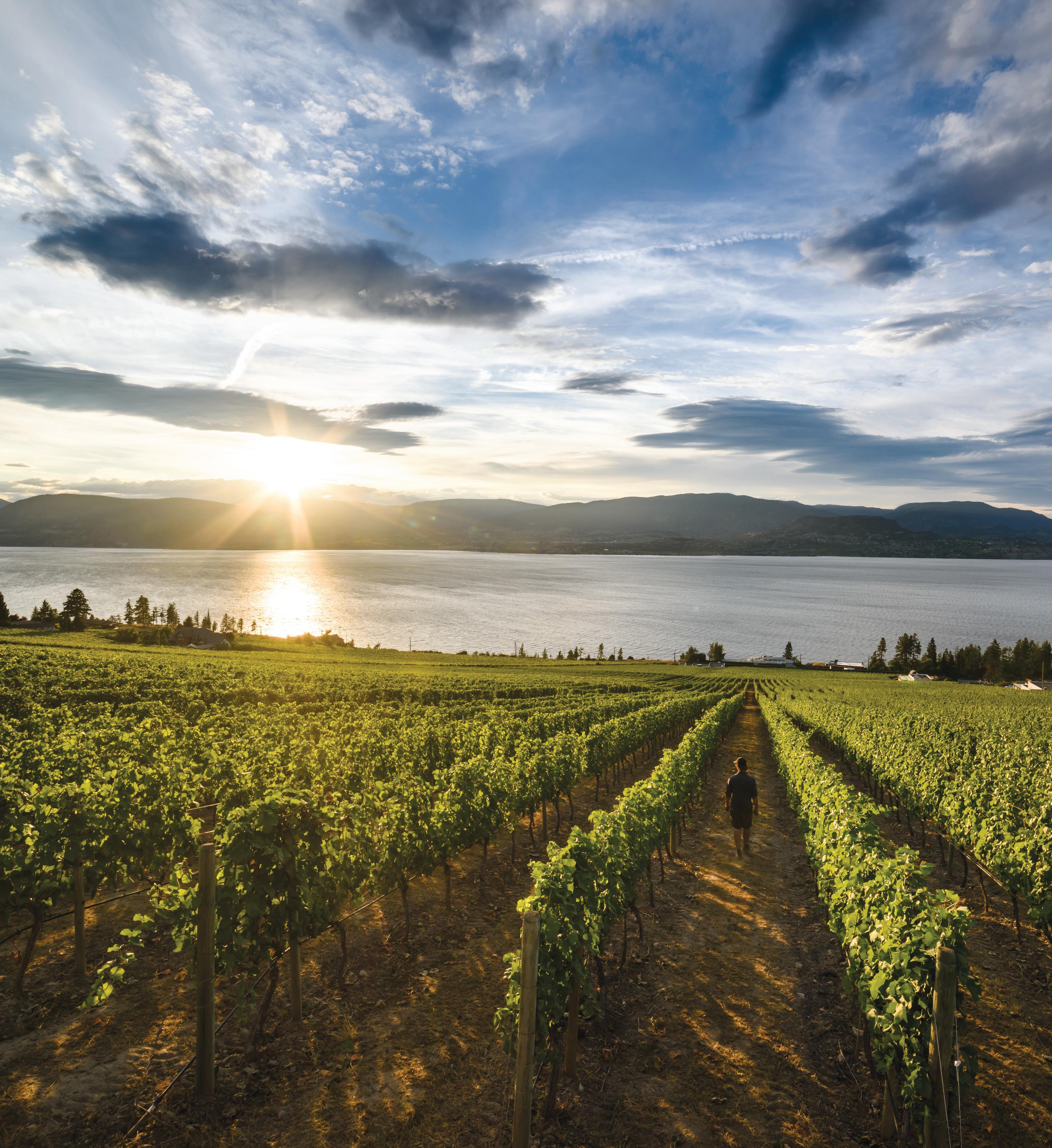
Northwest Destination
Bubbly BC
Hunt for tart sparkling wines—and tasteful getaways—in Canada’s Okanagan country
written by James Sinks
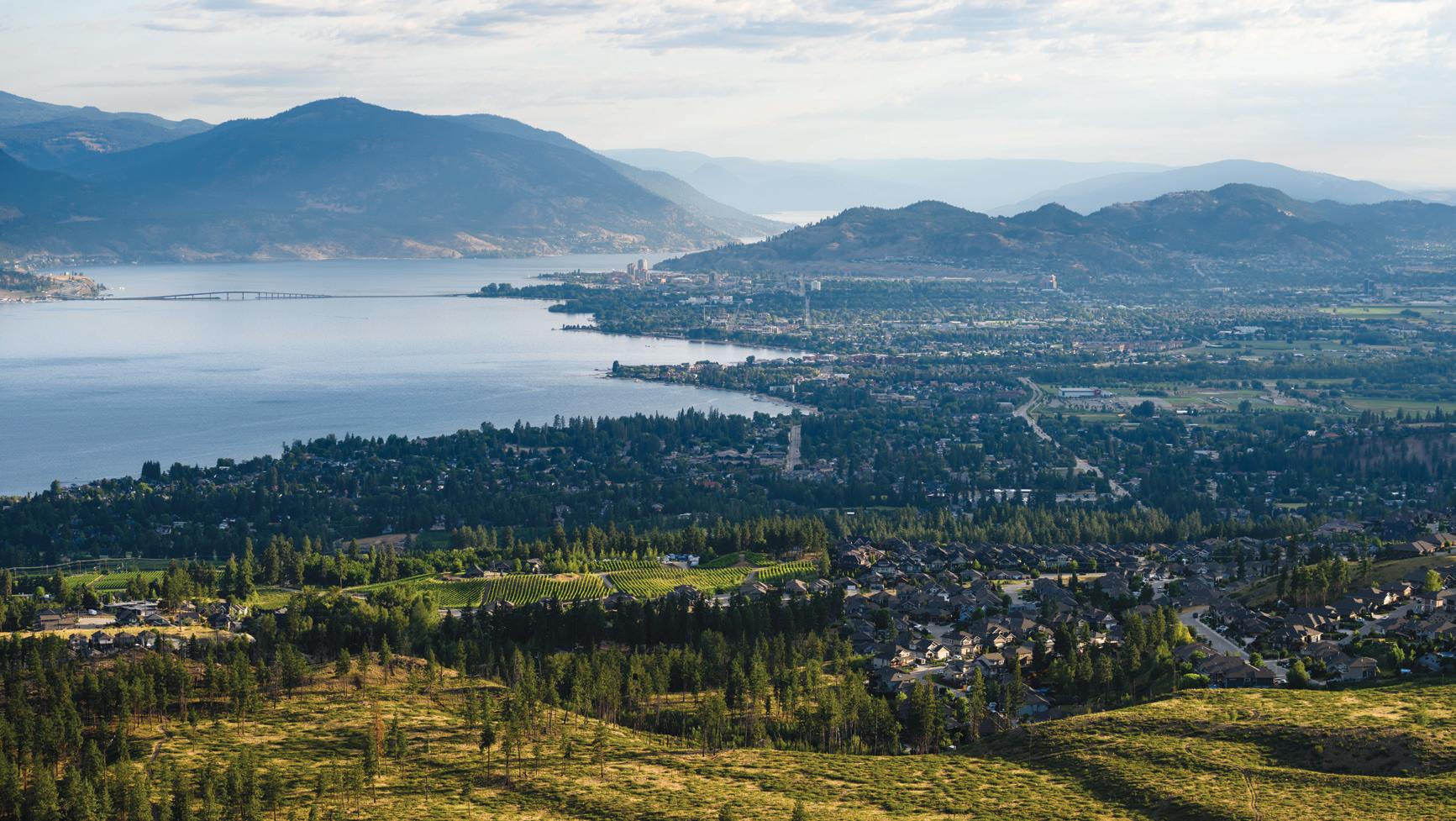
MORE THAN 160 years ago, the first white settler put down roots in British Columbia’s Okanagan Valley. Fittingly, those roots included wine grapes. Yet the inaugural vineyard, planted by a French Catholic priest, was only for sacramental wine.
Blessedly, in the years since, modern-day winemakers set no such limitations.
Today, trellises cover more than 10,000 acres of the interior valley, stairstepping up hillsides and helping to lure caravans of vinophiles to sip, savor and recreate in western Canada’s wine capital, sometimes dubbed Napa of the North.
In all, 306 wineries are licensed to do business in vast British Columbia, a territory that’s twice as big as California. More than 200 are in the Okanagan Valley, and most along the curling blue ribbon of Okanagan Lake, which stretches north 84 miles starting near the U.S. border in central Washington. You’ll also find destination hotels, an inventive culinary scene and all-season outdoor adventuring on the water and in the surrounding hills.
There’s also reportedly a lake serpent named Ogopogo, but it’s notoriously camera shy and nobody seems to have any photos.
The quickest way to reach the valley is by commercial flights to the lakefront city of Kelowna. (The name comes from the local First Nations word for grizzly bears. Happily, there aren’t any hanging about town.) You also can drive three hours from Vancouver, BC, or up Highway 97 on the east side of the Cascades through Washington.
Before you blush at the notion that a Canadian region can produce excellent vino, consider that Okanagan country sits at the same latitude as the world’s premier bubbly producers in Champagne, France.
As if to echo that point, local vintners are increasingly leaning into the magic of sparkling wines—and are finding particular success with the white varietals that thrive in their northern long days, cooler nights and shorter growing window. Reviewers are taking notice, with BC bubbly-makers like Evolve Sparkling House and Township 7 Vineyards & Winery popping onto Canadian best-of lists.
With that in mind, a hunt for tart Okanagan sparklers—and in the company of famously friendly Canadians—has the makings of a satisfying, effervescent, bear-free visit.
Wondering where to start? Two sub-appellations are putting themselves on the fizzy map: Lake Country near Kelowna and Naramata Bench at the south end of the lake, said Kelly Josephson of industry association Wine Growers British Columbia.
Among stops on the “Scenic Sip Wine Trail” in Lake Country is the venerable Gray Monk Estate, which was one of the earlier wineries in the region when it opened in the 1970s. The winery overlooks Okanagan Lake and also has a renowned in-house restaurant and patio, The Lookout. Another bonus: Taking home their ribbon-winning bubblies doesn’t require a second mortgage.
Today, trellises cover more than 10,000 acres of the interior valley, stairstepping up hillsides and helping to lure caravans of vinophiles to sip, savor and recreate in western Canada’s wine capital, sometimes dubbed Napa of the North.
“There’s been a realization this area can produce very good sparkling wines. Chardonnay and pinot noir do very well, like Oregon in that sense,” said winemaker Jen Oishi, who grew up in the Okanagan Valley. “Because the growing season is shorter, the grapes are able to hold on to the acidity, and it slows down sugar production.”
Oishi is a microbiologist by training, but for the rest of us, the upshot is this: Lots of sun means more sugar, but too much of it mucks with bubbly-boosting yeast. Like most nearby operators, she makes sparkling wines using the traditional method, in which carbonation forms in the bottle.
While the local lake-influenced microclimate is fueling a sparkling surge, the changing overall climate has posed some major challenges, from smoke-producing summer wildfires to a massive polar freeze that wiped out most of the 2024 harvest.
To make it through that year, wineries leaned on growers in Washington and Oregon, and it also has convinced several to switch toward hardier varietals. Many of those newly replanted vines also happen to be good producers for bubblies, Josephson said.
In the Naramata Bench region, forty wineries are tucked close enough together you can bike between dozens along the route of the former Kettle Valley Railway. Of course, it’s hard—but
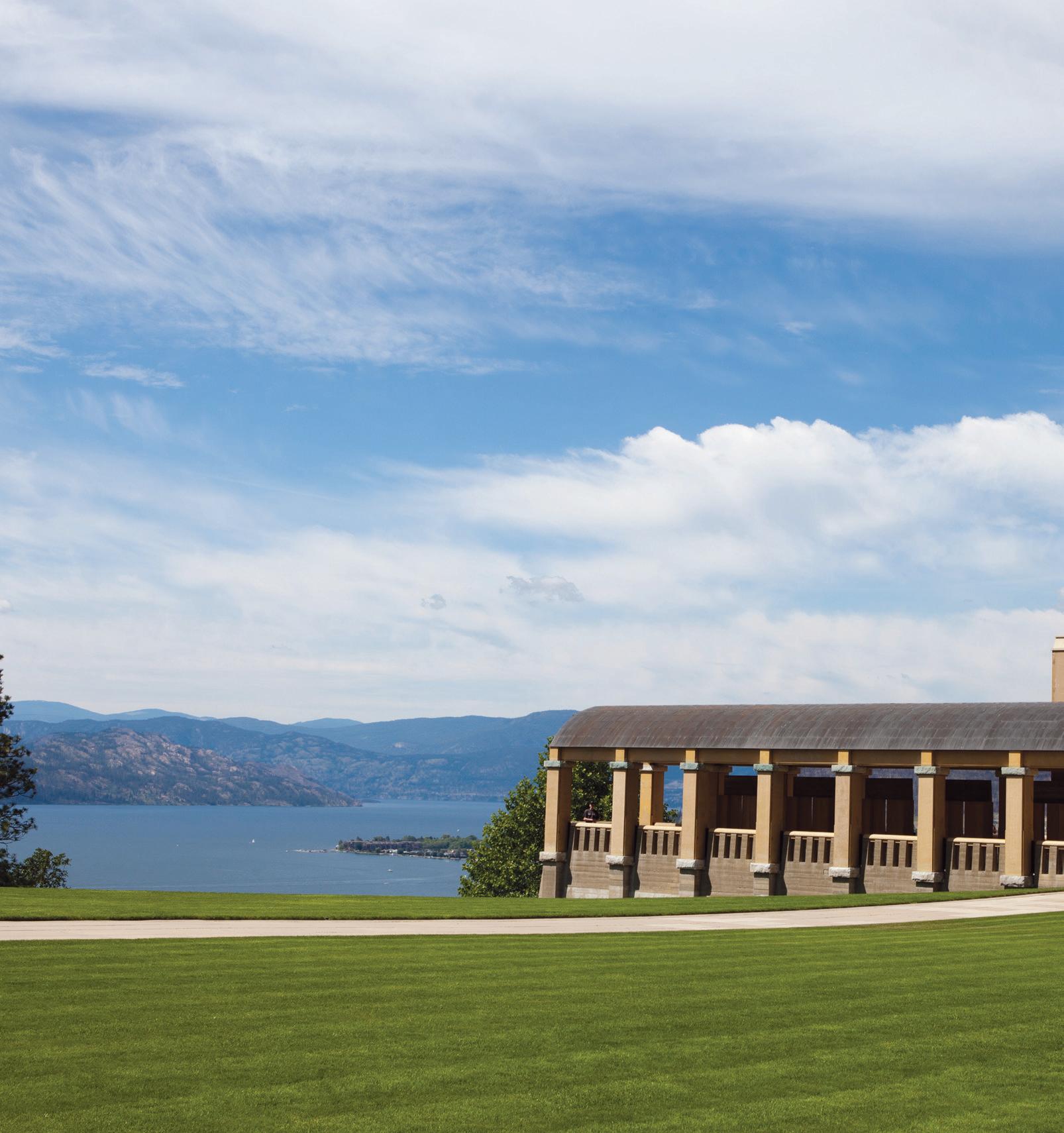
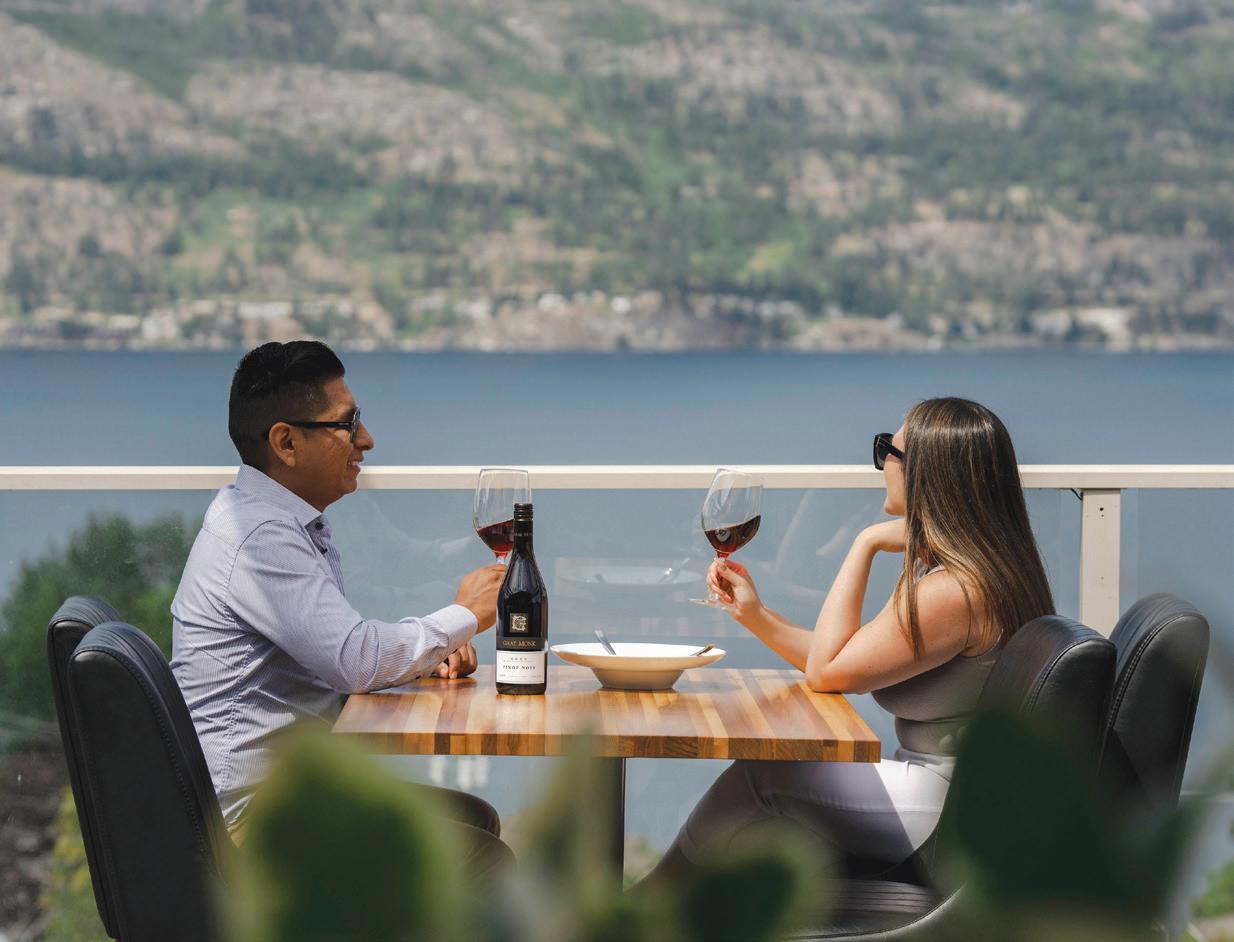

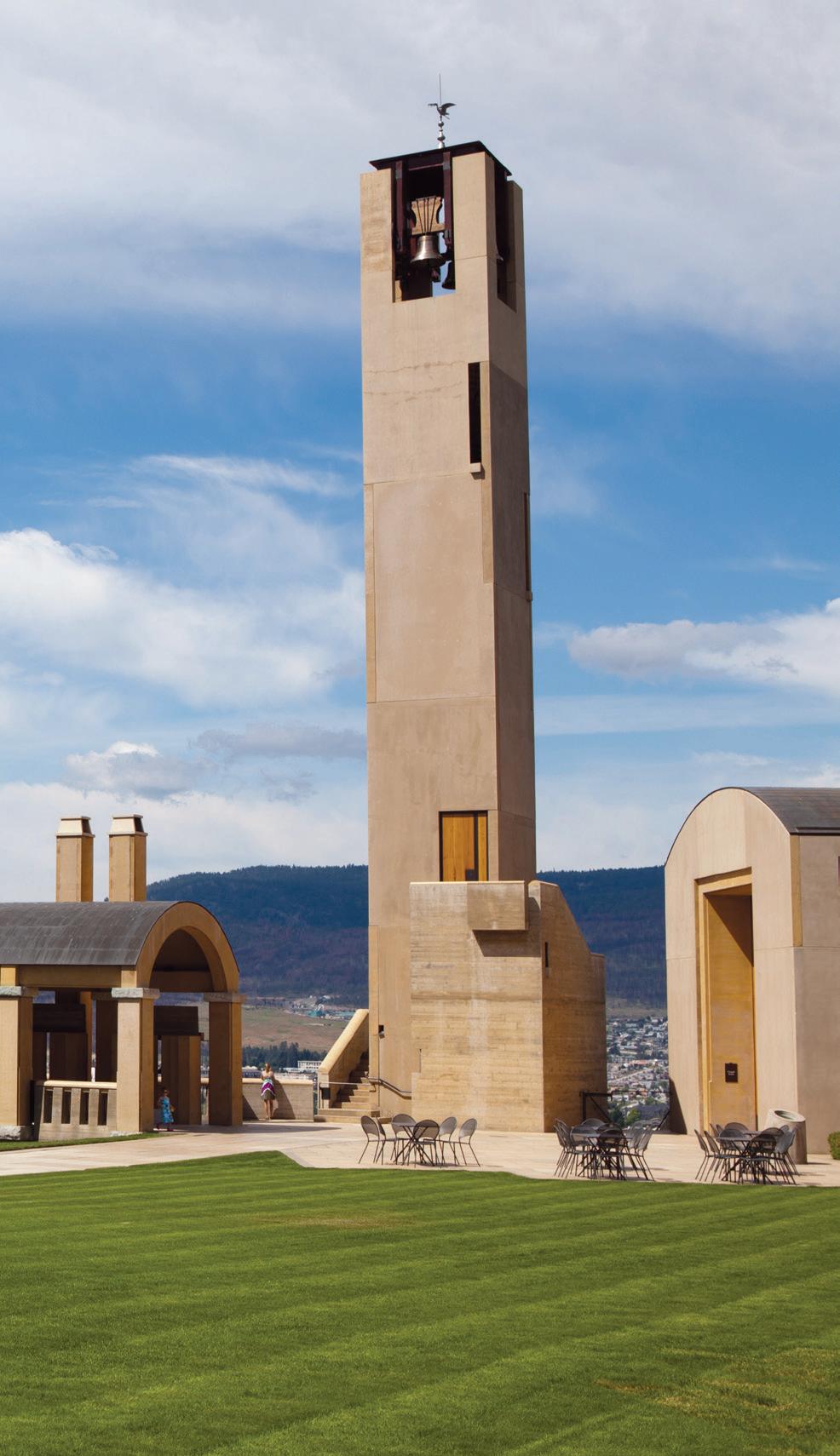
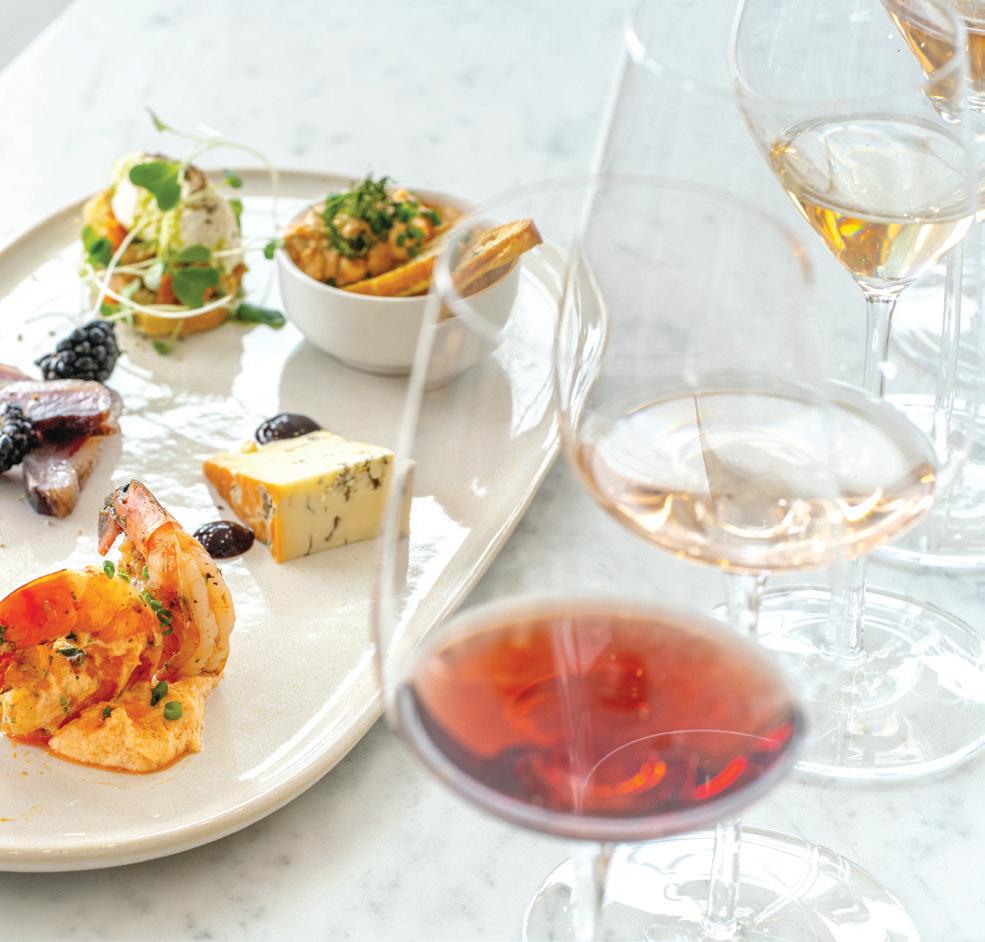
not impossible—to have a designated driver on a bike, so sip judiciously.
Among the don’t-miss nearby options are Township 7 and Evolve Sparkling House, the latter named Canada’s best sparkling producer in 2025. Evolve’s winemaker comes from bubbly powerhouse Chandon.
At Evolve, the view includes sweeping views of the lake, towering white sandstone hoodoo formations and maybe a glimpse of monster Ogopogo. Closer up, visitors can see how good wines and appetizers mingle during an hourlong “Bubbles and Bites” session, with food from nearby OROLO Restaurant + Cocktail Bar.
The easygoing experience—and you’re seeing more of them—responds to the increasing desire of visitors to stop and savor, said winery spokeswoman Anahita Pouget. “The days when tourists were happy to stand behind a bar and chug samples are gone,” she said.
Chances are, your liver may ask for a few breaks during your trip. Options abound. Bounce to Kangaroo Creek Farm and hang with wallabies and capybaras. Book a sailing tour. Explore local Indigenous culture at the Sncewips Heritage Museum. In Kelowna, take a short, steep, satisfying hike to Crawford Falls.
If you aim to relax in style, perched on a hilltop in Lake Country is the ritzy Sparkling Hill Resort & Spa, an adults-only wellness retreat built by the family that sells Swarovski crystals. The property’s sparkling name comes from their signature pretty rocks, but bubbles are absolutely on the menu.
Finding delicious fare in the valley also won’t be a problem. In 2025, Kelowna became the first Canadian city to be named a Creative City of Gastronomy by the United Nations Educational, Scientific and Cultural Organization (UNESCO). The designation was the result of a joint application with the city, a local college and the nearby Westbank First Nation.
In West Kelowna is the architecturally striking Mission Hill Family Estate Winery—with sweeping arches and a steeple-like belltower, plus two upscale restaurants and an amphitheater with summer shows.
First founded in 1965, it’s not the original missionary vineyard from the 1800s. But it’s one of the pioneers of the contemporary wine scene, was recently named among the world’s top fifty vineyards in a British ranking and continues to attract converts to the increasingly sparkly Okanagan scene. Like you, perhaps. Try the bubbly rosé.
Kin & Folk www.kinandfolk.ca
The Lookout Restaurant www.graymonk.com/dine
Maestro’s Mediterranean www.maestroskelowna.com
The Modest Butcher www.modestbutcher.com
OROLO Restaurant + Cocktail Bar www.timewines.ca
Sunny’s a Modern Diner www.sunnysmoderndiner.com
The Terrace Restaurant at Mission Hill www.missionhillwinery.com/ restaurant
Waterfront Wines www.waterfrontrestaurant.ca
Grand Okanagan Resort www.marriott.com
Penticton Lakeside Resort www.pentictonlakeside resort.com
Royal Kelowna www.theroyalkelowna.com
Sparkling Hill Resort & Spa www.sparklinghill.com
Evolve Sparkling House www.timewines.ca
Gray Monk Estate Winery www.graymonk.com
Kangaroo Creek Farm www.kangaroocreekfarm.com
Mission Hill Family Estate www.missionhillwinery.com
Sncewips Heritage Museum www.sncewips.com
Township 7 Vineyards & Winery www.township7.com
The points of interest below are culled from stories and events in this edition of 1859



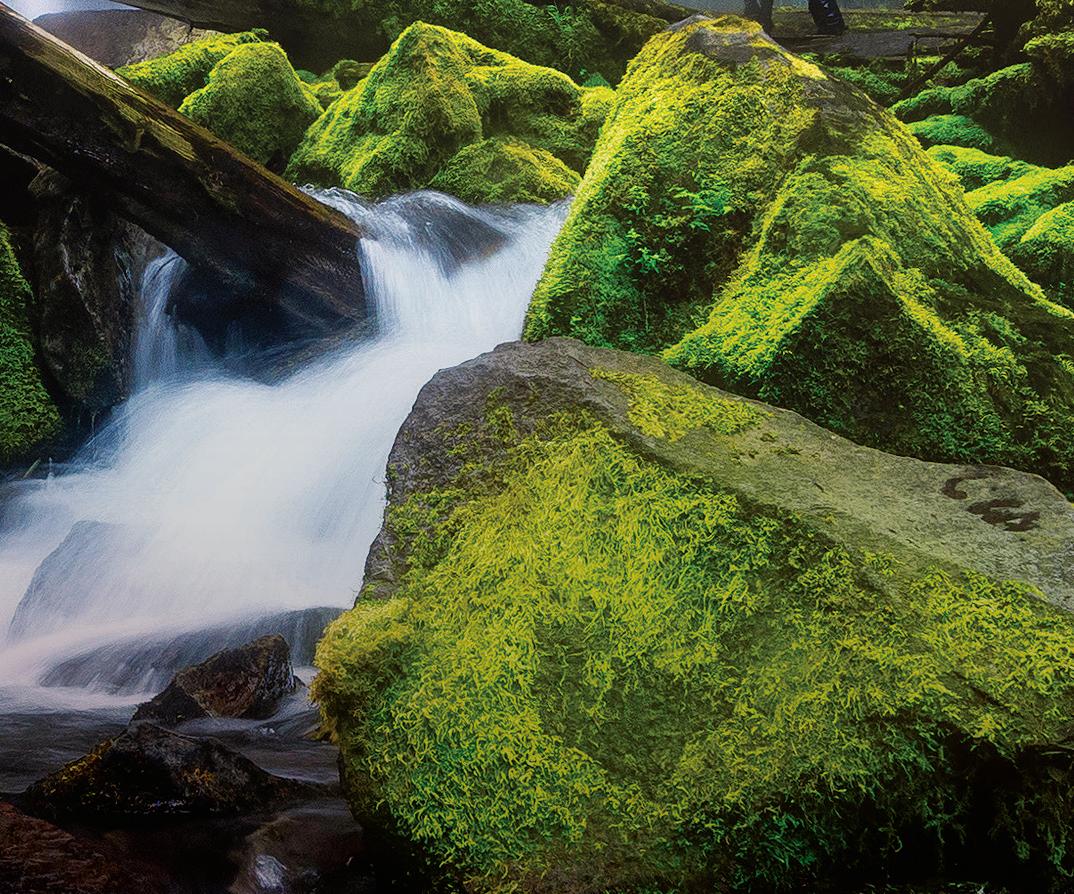
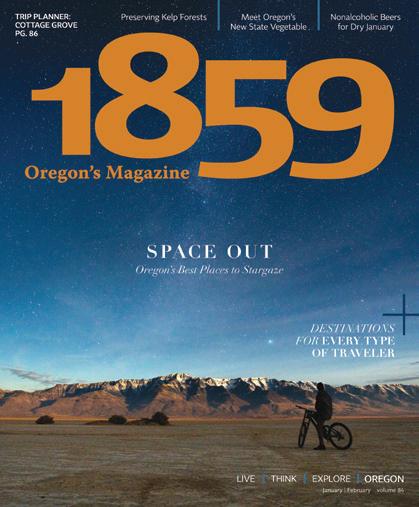






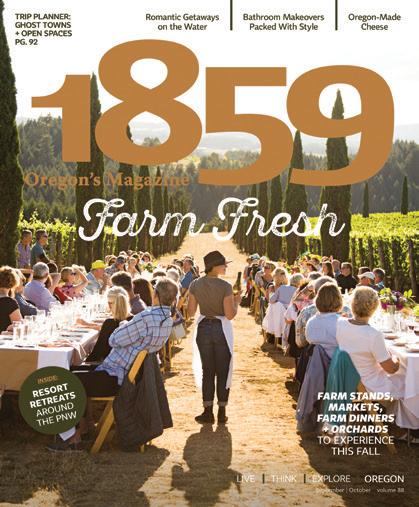



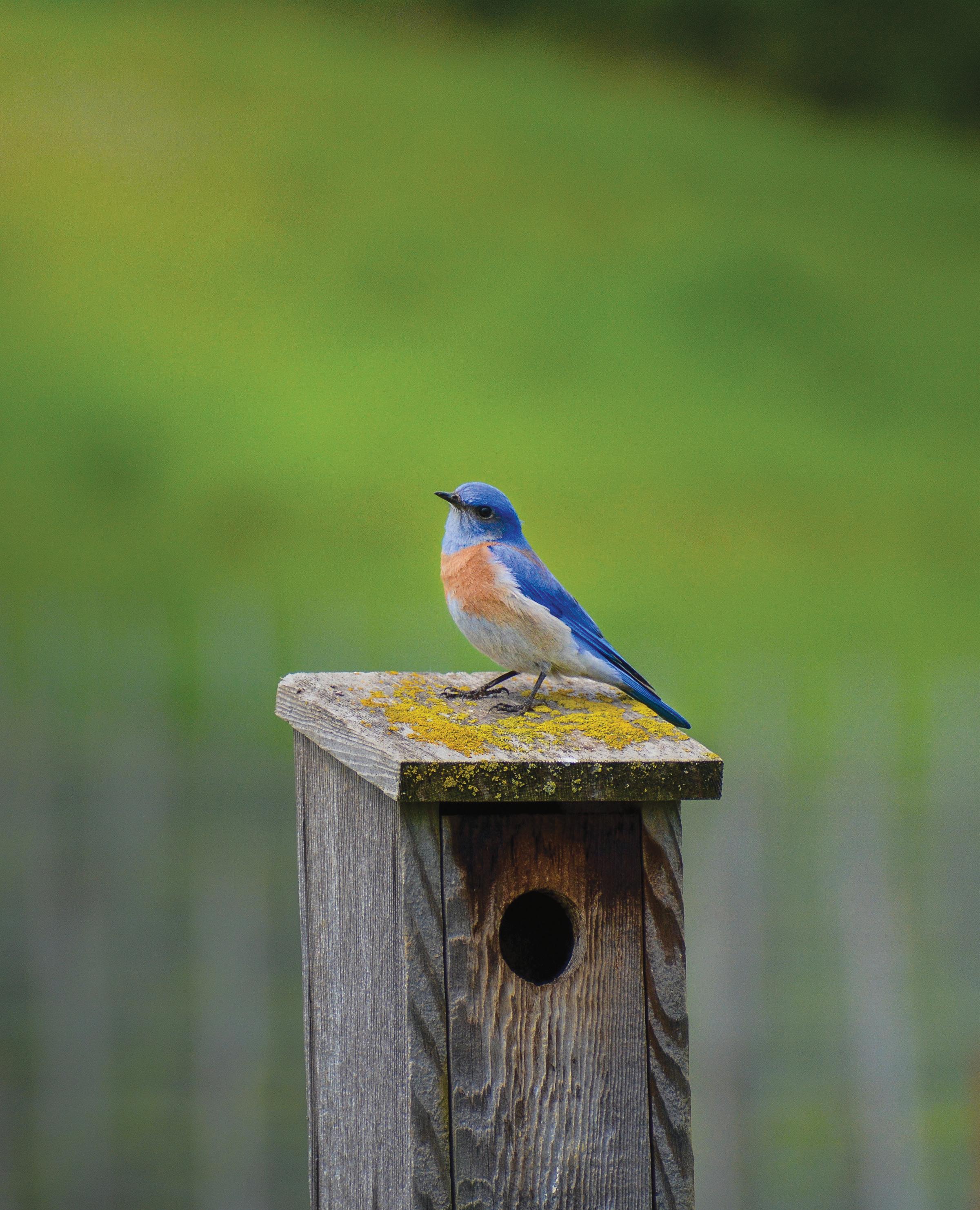
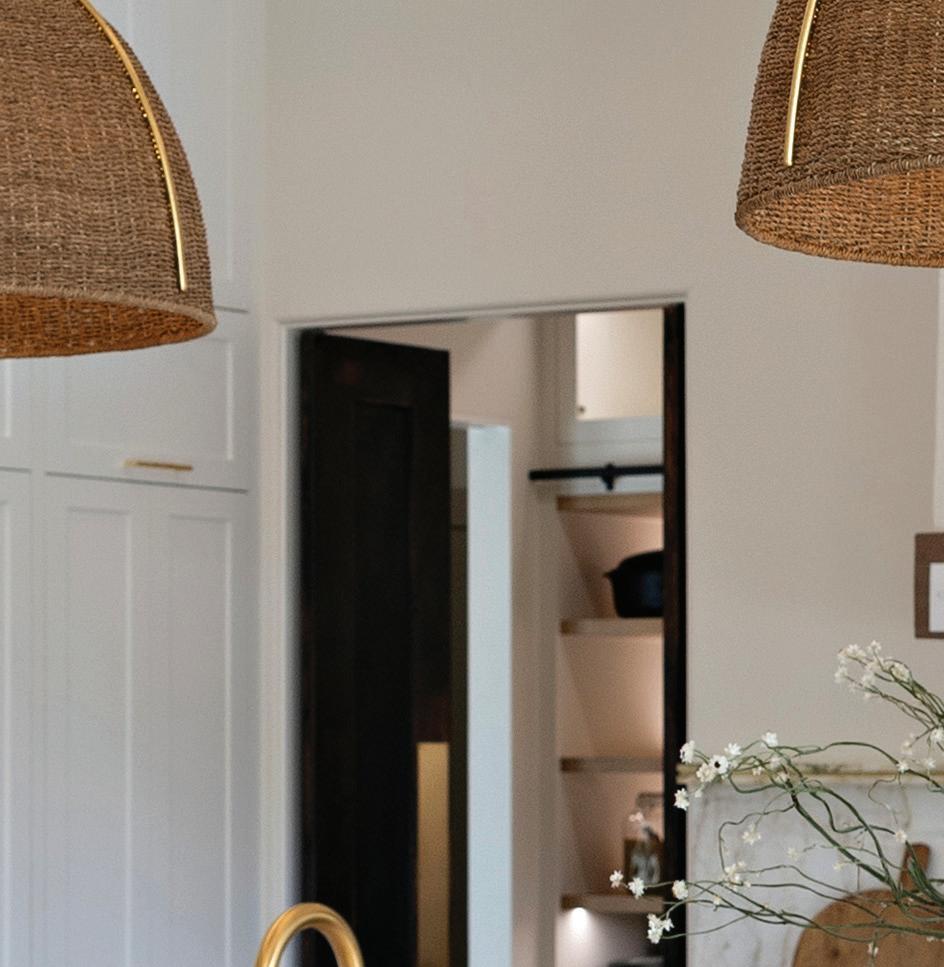

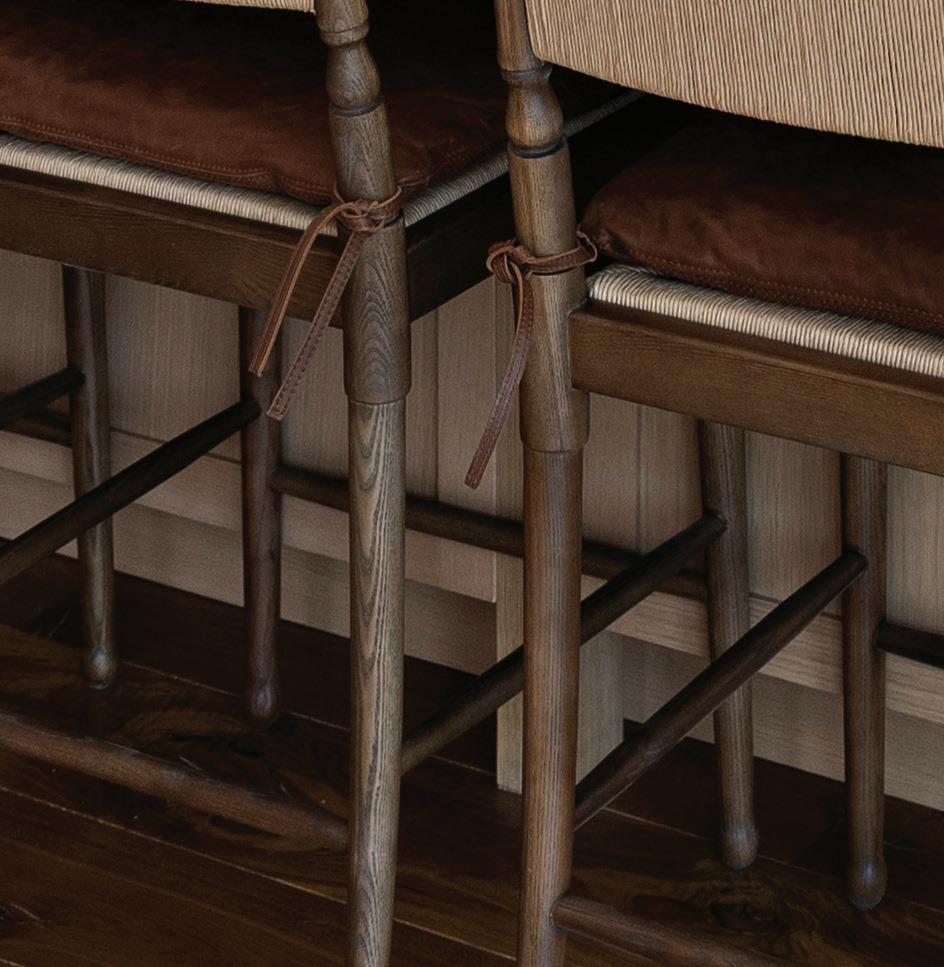
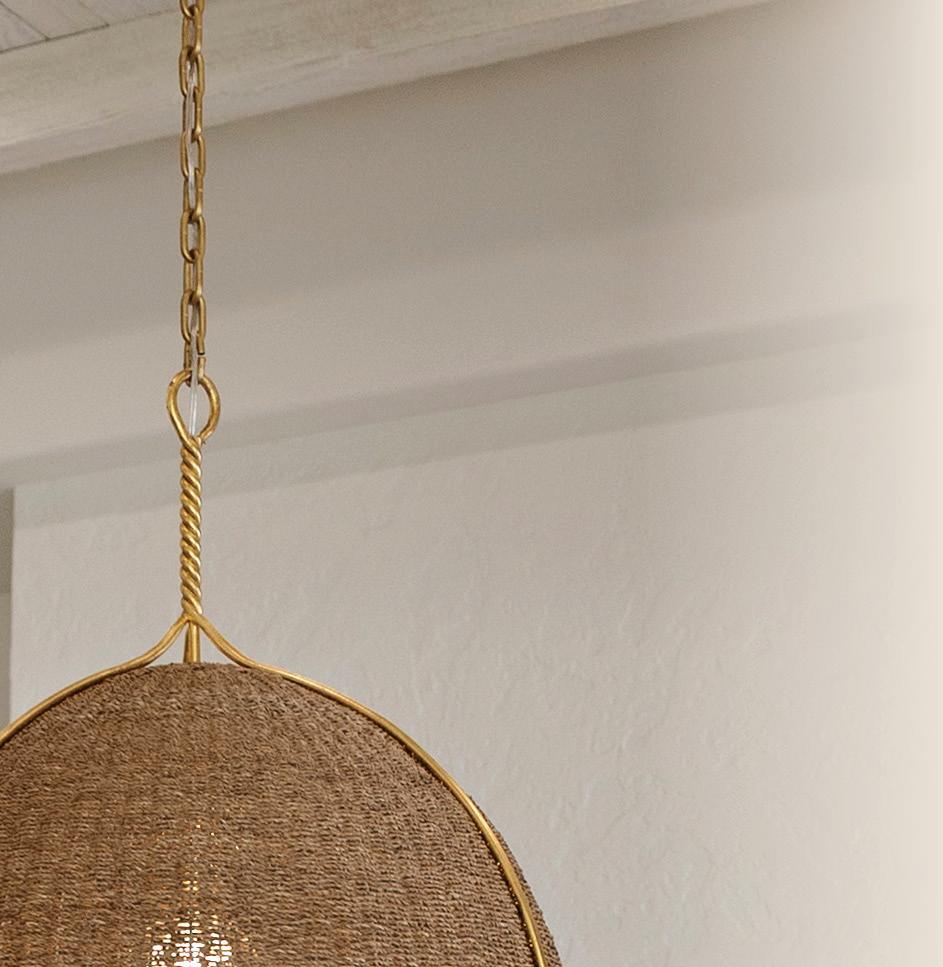
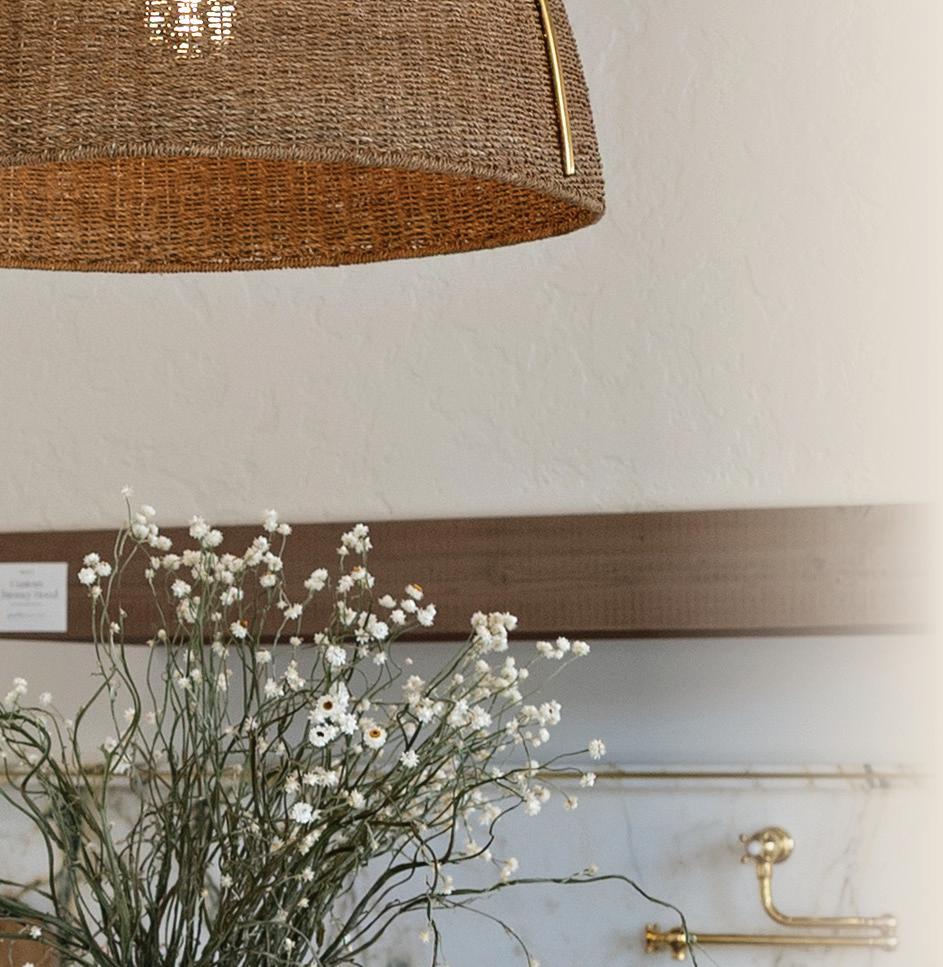




Celebrate 50 years of the NW Natural Street of Dreams® this summer! Tour a stunning collection of homes at our featured site in Oregon City’s Serres Farms, plus additional homes on tour throughout the surrounding area. Experience inspired design, exceptional craftsmanship, and a true sense of the land and legacy that define this community.
Celebrate 50 years of the NW Natural Street of Dreams® this summer! Tour a stunning collection of homes at our featured site in Oregon City’s Serres Farms, plus additional homes on tour throughout the surrounding area. Experience inspired design, exceptional craftsmanship, and a true sense of the land and legacy that define this community.
JULY 30 - AUG. 23, 2026
JULY 30 - AUG. 23, 2026
Extended weekends only • Thursdays - Sundays streetofdreamspdx.com
Extended weekends only • Thursdays - Sundays streetofdreamspdx.com PRESENTED BY