

July 21-22, 2026
Welcome from the Kessler Scholars Collaborative!
We’re glad you’re here!
July 21-22, 2026
Welcome from the Kessler Scholars Collaborative!
We’re glad you’re here!
● Bianca Vega
Bates College
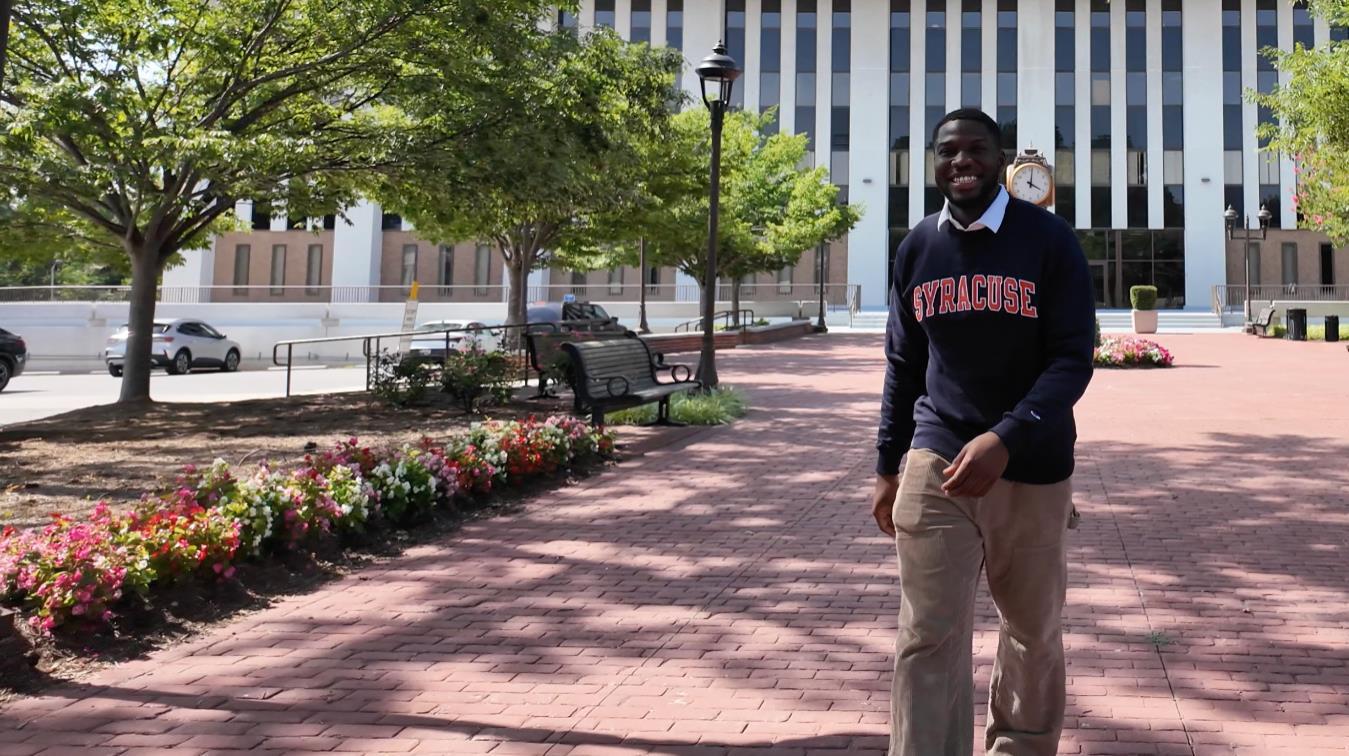
● Chad Williams
Syracuse University
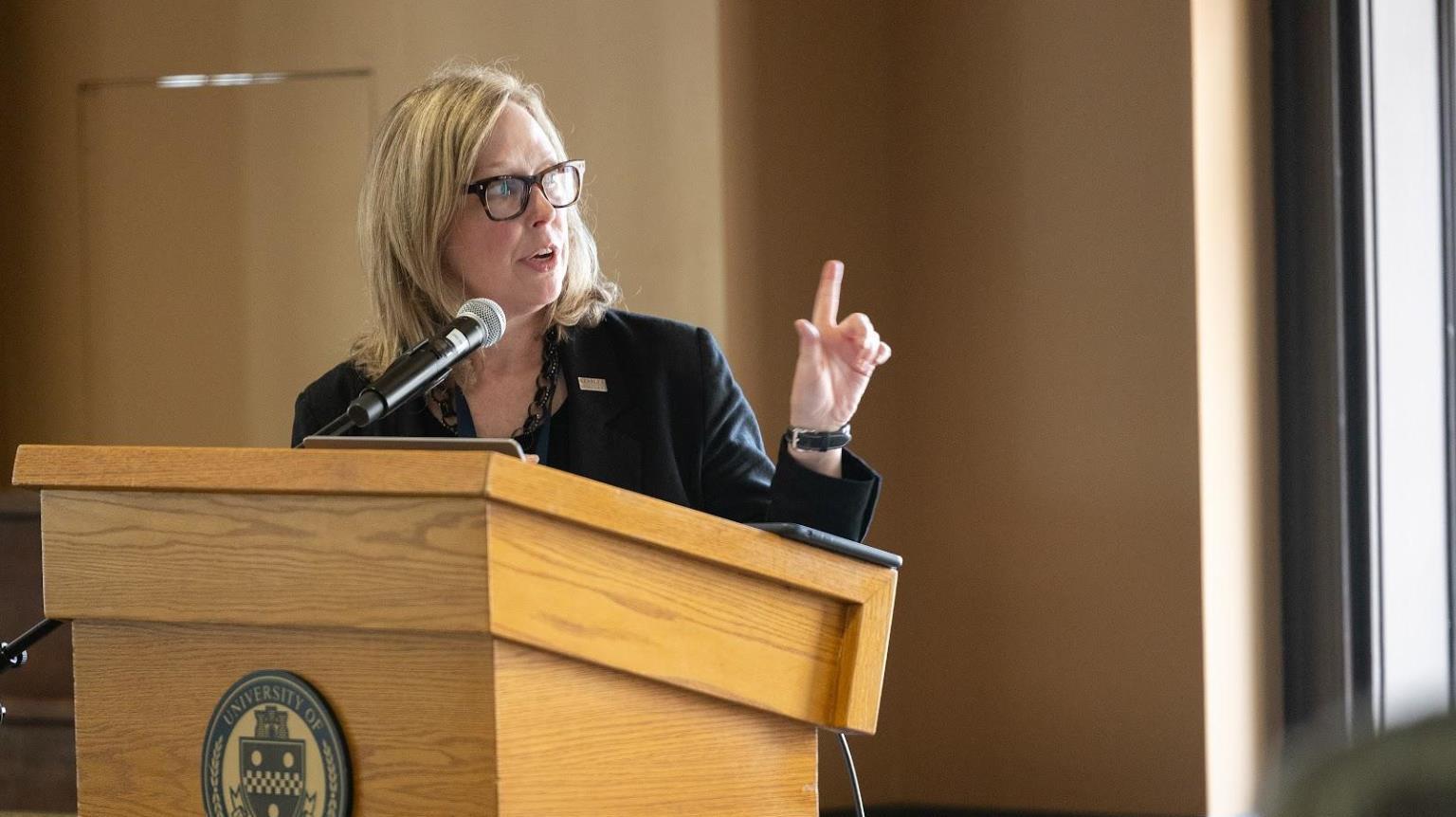
● Chloe Young
University of Pittsburgh
● Kayla Bridgeman
Bates College
● Luis Olivas
Cornell University
● Mike Loeffelman
Cornell University
We are grateful for:
● Our UNC-Chapel Hill Hosts and Colleagues
● The Carolina Inn Staff
● Henry Ballard and the Team from Apotheosis Events
Thank you for your commitment to this important work and for joining us today:
● Judy and Fred Wilpon Family Foundation
● Bloomberg Philanthropies
We extend much gratitude to the planning committee for their thoughtfulness and time to ensure a wonderful experience for all participants.

● Andrea Martinez-Frausto
University of California, Riverside
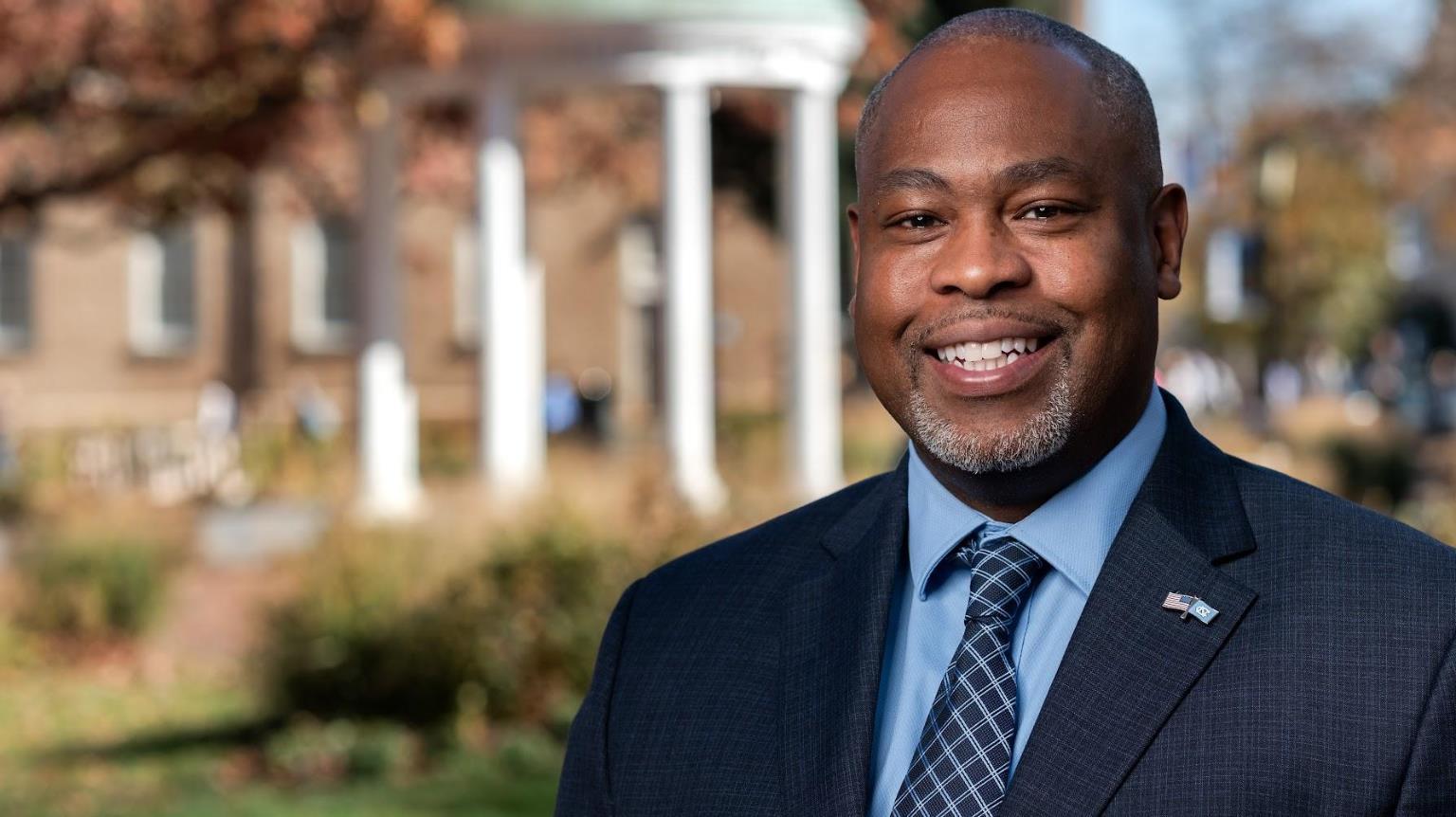
● Candace Jones
University of North Carolina at Chapel Hill
● Candice Williams
University of North Carolina at Chapel Hill
● Donna Taylor-Schuman Saint Mary’s College
● Hailey Mauro
University of Michigan
● Matt Sullivan
University of Michigan

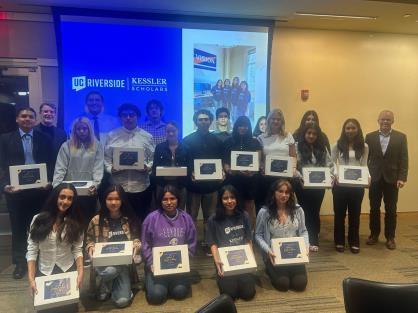
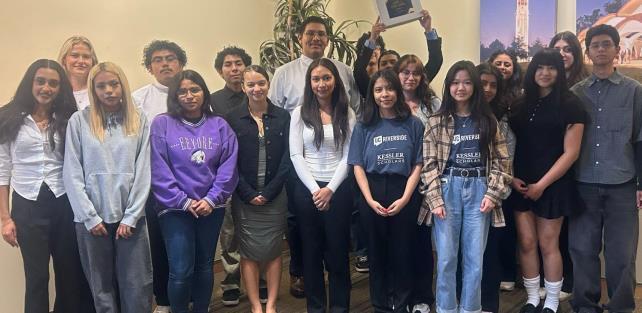
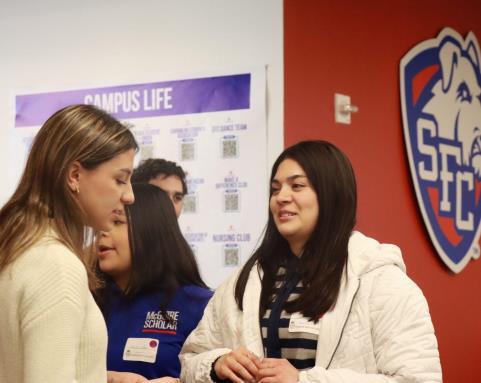
● Restrooms available on this floor past the lobby seating area.
● Henry’s team is available if you need anything.
● Laptops not needed; keep your folder and materials with you.
● Share your 2026 Summer Convening Photos using the Kululu QR code!
● Connect to Wifi:
○ Thecarolinainn_Meeting or Thecarolinainn_wifi
○ Password: tci1924

Photos will be shared throughout the Convening!
137 new graduates, adding to a growing alumni network of 600+ Kessler Scholars
92% of Kesser Scholars rate their experience in the program as excellent or good 1,170 actively enrolled Kessler Scholars across 16 partner campuses
88% of Kesser Scholars report a strong sense of belonging to Kessler Scholars Program
Year Ahead—Reaching a Major Milestone in 2026-2027
16 All partner campuses support cohorts from first-year to senior year
1,500
1,000+
2,040+
Projected number of Kessler Scholars active across 16 partner campuses
Total projected alumni with 350+ new alumni graduating from 16 partner campuses by summer 2027
Total expected Kessler Scholars served across all campuses since first expansion in 2019
650+ Active Alumni
Since Graduation
● Cornell University
● Johns Hopkins University
10 Institutions Represented
● The Ohio State University
● Queens College
● St. Francis College
100% of Alumni Survey respondents would recommend the Kessler Scholars Program to first-gen peers
● Syracuse University
● University of Michigan
● University of North Carolina, Chapel Hill
● University of Pittsburgh
● University of California, Riverside
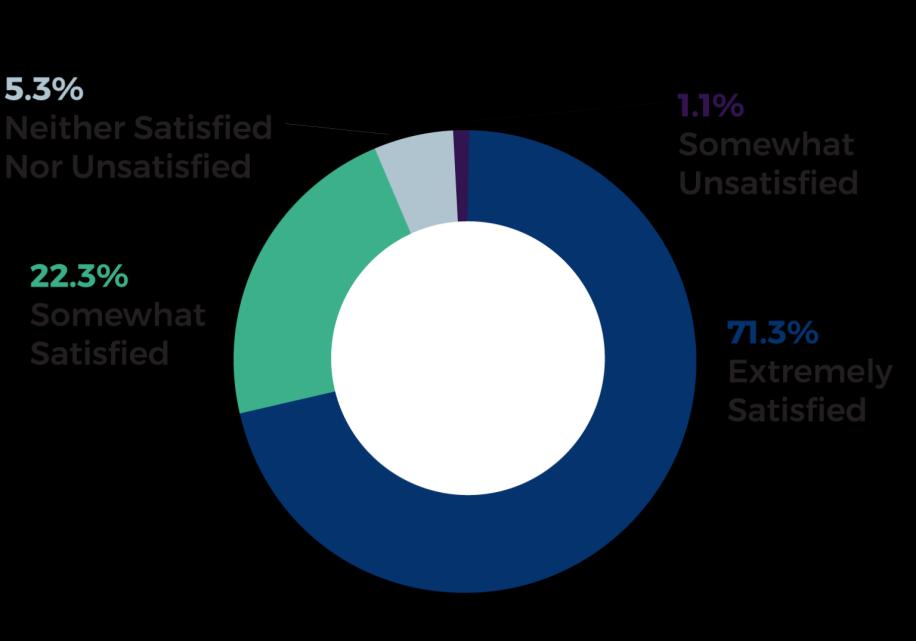
“
The program provided me with a strong support system and I always knew there was someone rooting for me to succeed in whatever I set my mind to.
“
I credit Kessler with getting me through my undergraduate education. If it weren't for the community I built with staff and my peers, I don't think I could have succeeded at [institution] the way that I did.
73% of respondents were employed full time or in multiple jobs one year post-graduation
28% of respondents are pursuing graduate/professional education one year post-graduation
To what extent did your involvement in the Kessler Scholars Program prepare you for life after college?
How often did you discuss the following with a Kessler Scholars Program staff member?
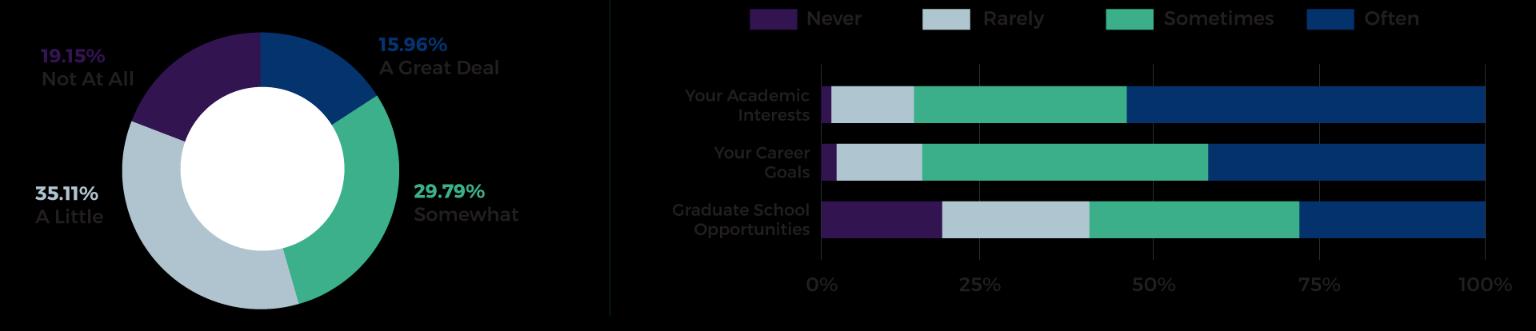
I think more support for students finding post-grad jobs and internship opportunities would be great! As first-gen students oftentimes we don’t have strong personal networks to get us the opportunities we may want.
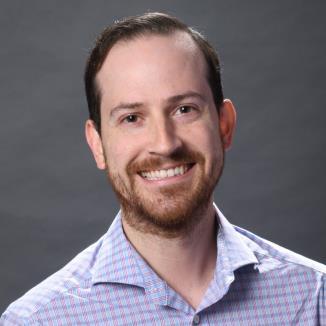
T.J. Zepp
Senior Communications Manager
Charlottesville, VA
Fun Facts: Baltimore sports fan; can confidently make five different regional styles of pizza.
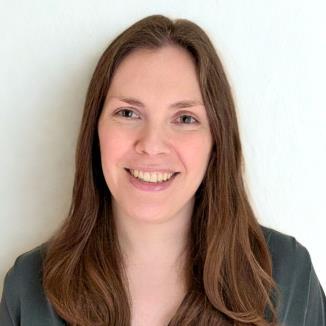
Sabrina Wise
Senior Manager, Scholar and Alumni Engagement
Seattle, WA
Fun Facts: First job was on a basil farm; member of the same book club for over 10 years.
● Alumni stories
● How do we stay connected with program alumni?
○ Collaborative-wide alumni tracking initiatives
○ Partner panel
● How do we tell the story of graduating students and alumni?
○ Challenge, Choice, Outcome framework
○ Table work: Story pitches
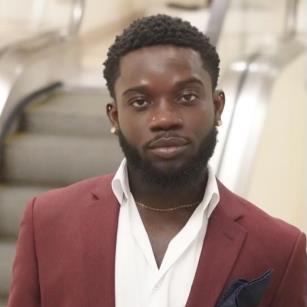
Kelvin Boakye
Syracuse University ‘24
Program Coordinator, Mt. Sinai Hospital
MPH Candidate, New York University
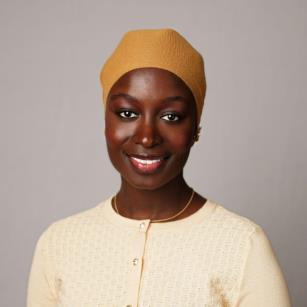
Sokhnadiarra Ndiaye
Cornell University ‘24 Founder and CEO, Muneko
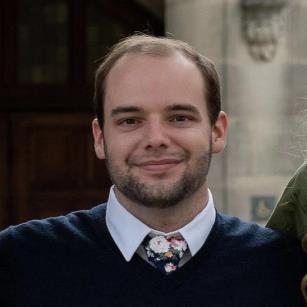
Cameron Russell University of Michigan ‘22
PhD Candidate in Biochemistry, Cell, and Developmental Biology, Emory University
Summer 2024 Fall 2025
Started working as Community Growth Manager for a fast-growing nonprofit, GripTape
Networked in NYC and discovered higher degree of agency over career path Fall 2024
Summer 2026
Founded media distribution company, Muneko “Aha” moment: Decided to rest nervous system and shut down company
September 2024 June 2025 September 2025 May 2026
Started MPH in Community Health Science & Practice at NYU
Started first job: Community Health Advocate at Mount Sinai
Started internship: Executive Administration at NYC Health + Hospitals
Pivoted MPH concentration to Public Health Management
Started new job: Inpatient Oncology Coordinator at Mount Sinai
Summer 2022
Moved to Atlanta to pursue Ph.D. in Biochemistry at Emory University
Left original lab Started teaching statistics while working fulltime on dissertation Anticipated: PhD Conferral
Found a new advisor in computational genetics
Jot down your answers on sticky notes, and discuss with your table:
● How might engaged alumni, like the three we just heard from, strengthen the Kessler Scholars Program on your campus?
● What is a question you would want to ask an alum of your campus program one year out?
● Strong interest: Alumni are eager to give back, and Scholars are eager to learn from them.
● The journey doesn’t end at graduation: Timely resources, tips, and connections can be transformative for first-gen professionals.
● A lifelong resource: Access to a national network of first-gen students and alumni deepens the value and impact of the program.
● Valuable data: Alumni outcomes inform program design and storytelling at every level.
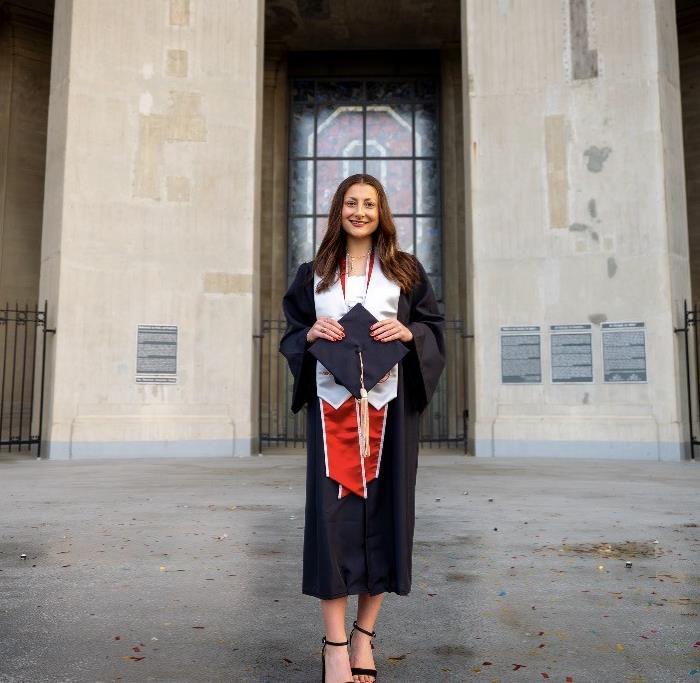
The Council on Advancement and Support of Education (CASE) identifies four meaningful modes of engagement:
Volunteer
Example: Mentoring a current Scholar
Experiential Example: Attending a grad school application workshop
Communications Example: Clicking on a survey or resource link in an email
Philanthropy
Example: Giving back time and engagement
What do we need to track?
● Contact information
● Outcomes – professional, educational, and beyond
● Interests
● Kessler Scholars Program engagement as a volunteer
How do we track it?
● Spring Student Survey
● Senior gift with QR code
● Alumni Survey one and three years after graduation
● Opportunities for alumni to give back and find support
● Coordination between campus programs and the Collaborative
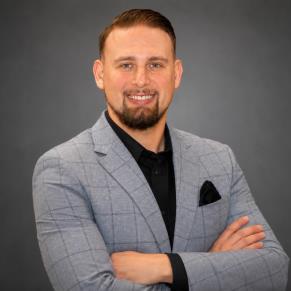
Anthony Desiderio
Assistant Dean, Academic Support Services & FirstGeneration Initiatives
St. Francis College
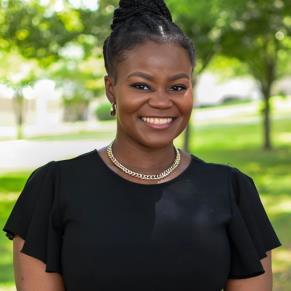
Chrystle-Claire Greene Director,
Kessler Scholars Program
Queens College
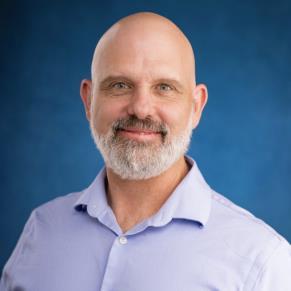
Matthew Sullivan Director, Kessler Scholars Program
University of Michigan
Table 1
● Cornell University
● St. Francis College
● University of Pittsburgh
Table 2
● Bates College
● Centre College
Table 3
● Brown University
● The Ohio State University
Table 4 ● Syracuse University ● University of North Carolina at Chapel Hill ● Washington University in St. Louis
Table 5
● University of California, Riverside ● University of Dayton ● University of Michigan
Table 6:
Johns Hopkins University
Queens College
Saint Mary’s College
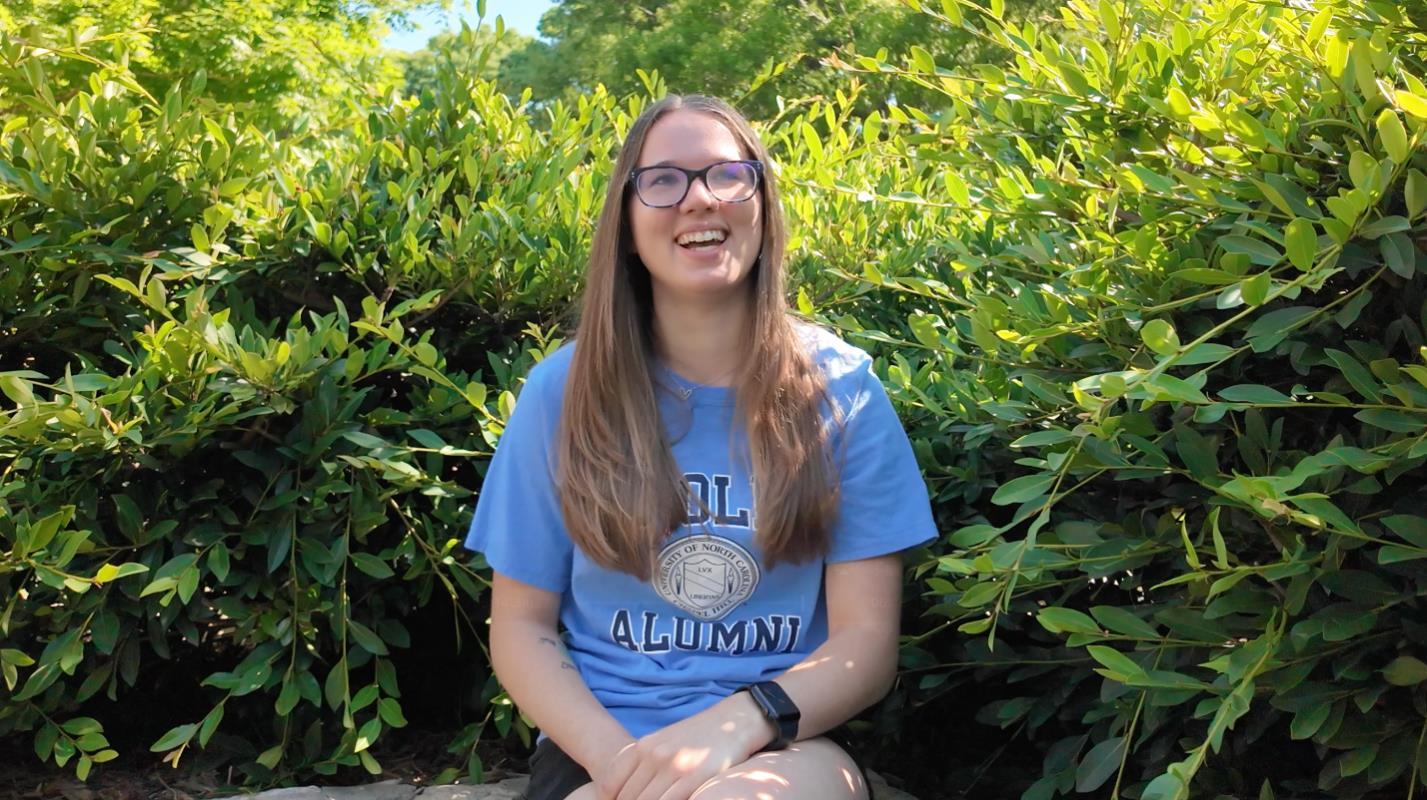
● Public Narrative framework from Marshall Ganz
● Why does this matter in your work?
○ Demonstrate the impact of the Kessler Scholars Program.
○ Highlight first-gen student success outcomes.
○ Build emotional connection with internal and external audiences.
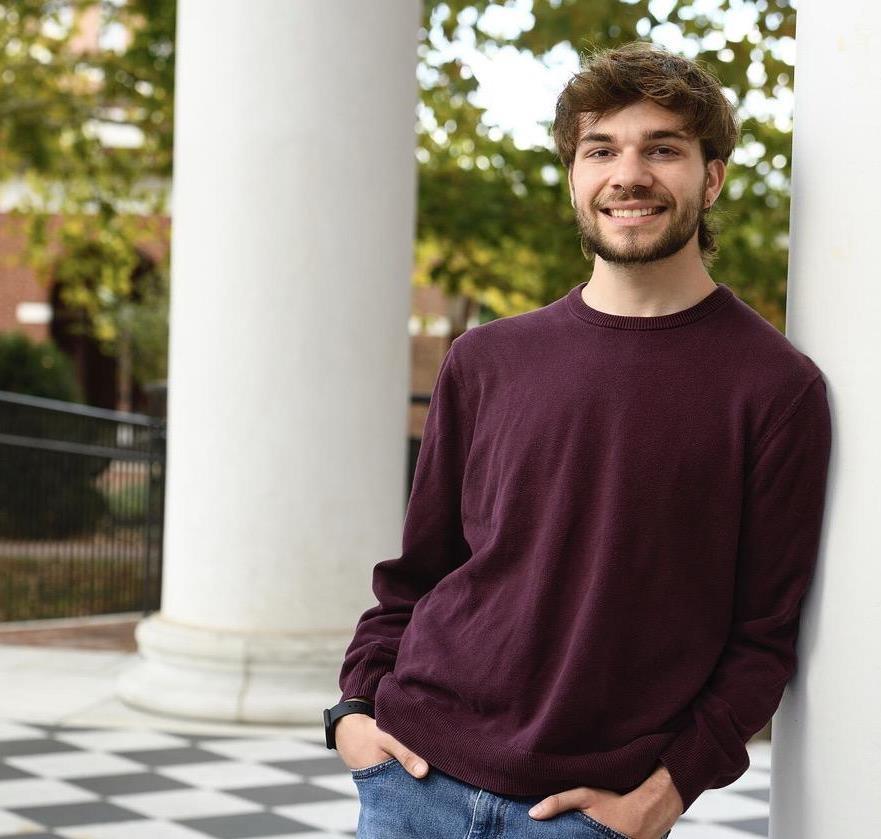
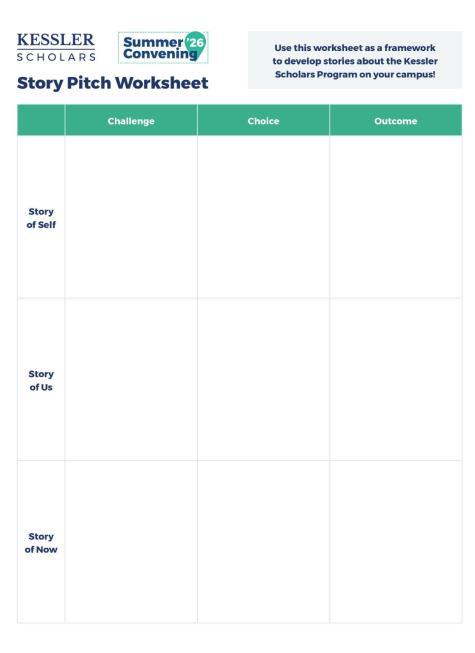
● Challenge
○ Navigating college as a firstgeneration student
● Choice
○ Seeking help, joining community, staying the course
● Outcome
○ Confidence, leadership, graduation

● The values and shared experience of the ‘us’ we want to evoke.
○ Think about the shared characteristics of Kessler Scholars throughout our community
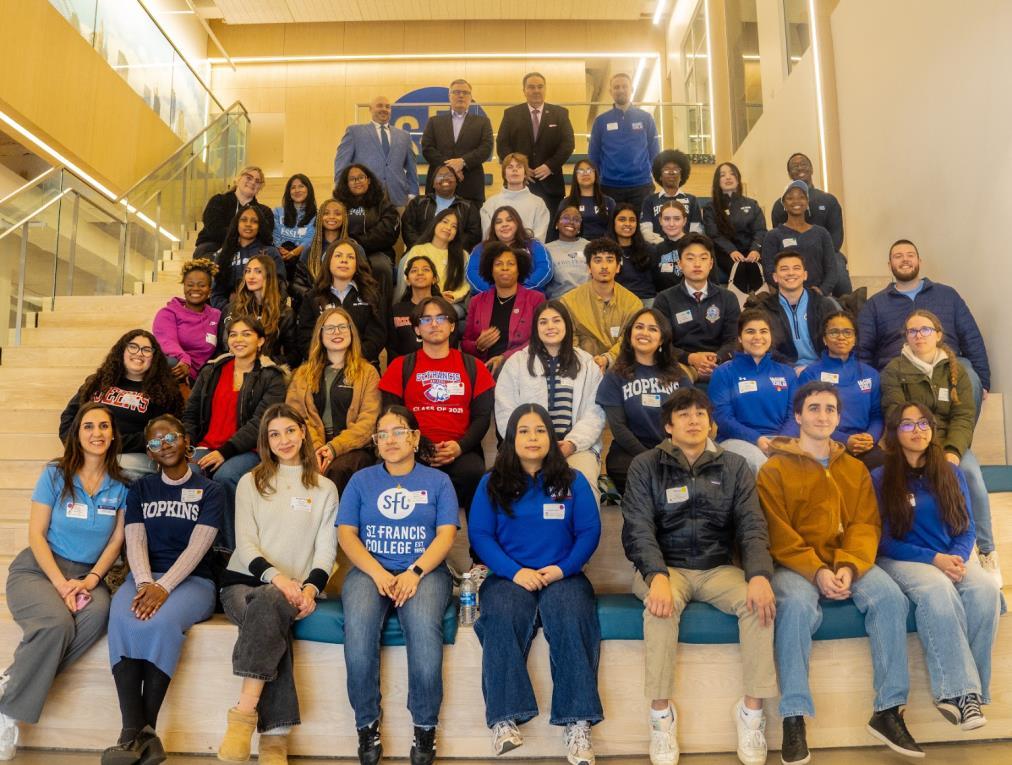
● The bridge from why we should act to how we can act.
● Frame the urgency.
● What does this story represent?
● What is the “soft ask” for your audience?
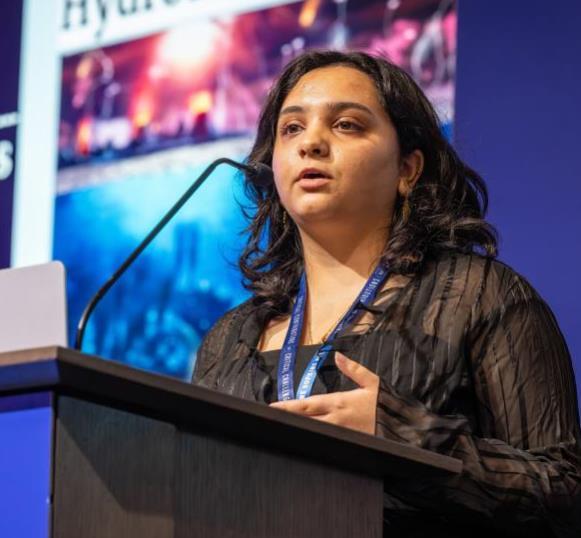
● It’s important for you, your team, and Kessler Scholars to “stay ready.”
● Ithaka S+R survey results can support your narratives.
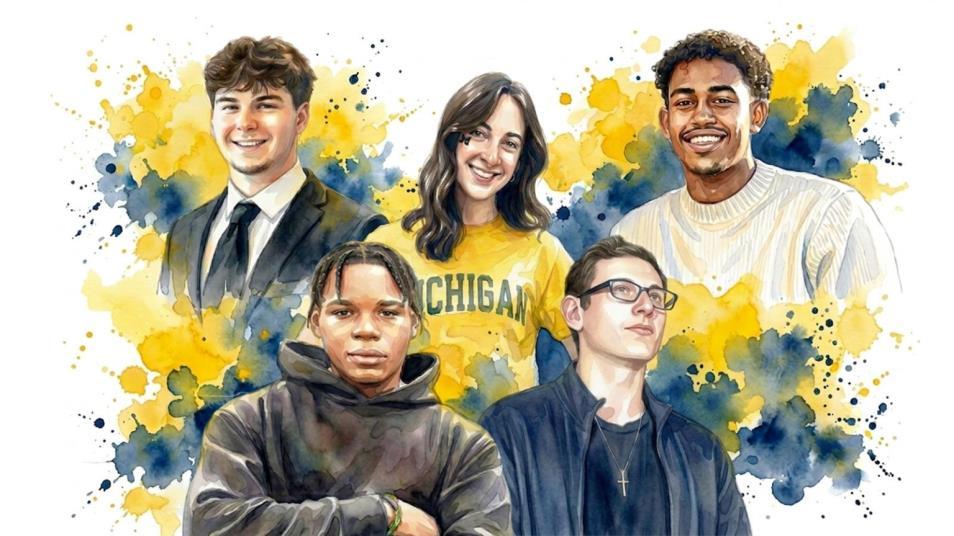
● Use the Story Pitch Worksheet to build out three pitches using the Challenge, Choice, Outcome framework.
● Take 15 minutes at your tables developing ideas for each type of story.
● Do today to be ready for the year; this is a tool for you to use.

● We want to increase storytelling, highlight the impact of your program, and share stories Collaborative-wide.
● Expectation to submit one story pitch each in: Fall 2026 and Spring 2027.
● We’ll follow up with more details in a future T.O.M.
● Rest
● Cocktail Hour
○ Gallery; 5 - 5:45 p.m.
● Dinner
○ Old Well Room; 5:45 - 7:30 p.m.
James
● Breakfast
○ Old Well Room; 8:30 - 9:15 a.m.
○ Sit with your buddy(ies)
● Bring your meeting materials
● Group photo tomorrow before lunch
● Dinner at the Blue Zone
○ Collegiate gear!
July 21-22, 2026
● Laptops not needed; keep your folder and materials with you
● Share your 2026 Summer Convening
Photos using the Kululu QR code!
● Connect to Wifi:
○ Thecarolinainn_Meeting or Thecarolinainn_wifi
○ Password: tci1924
Photos will be shared throughout the Convening!



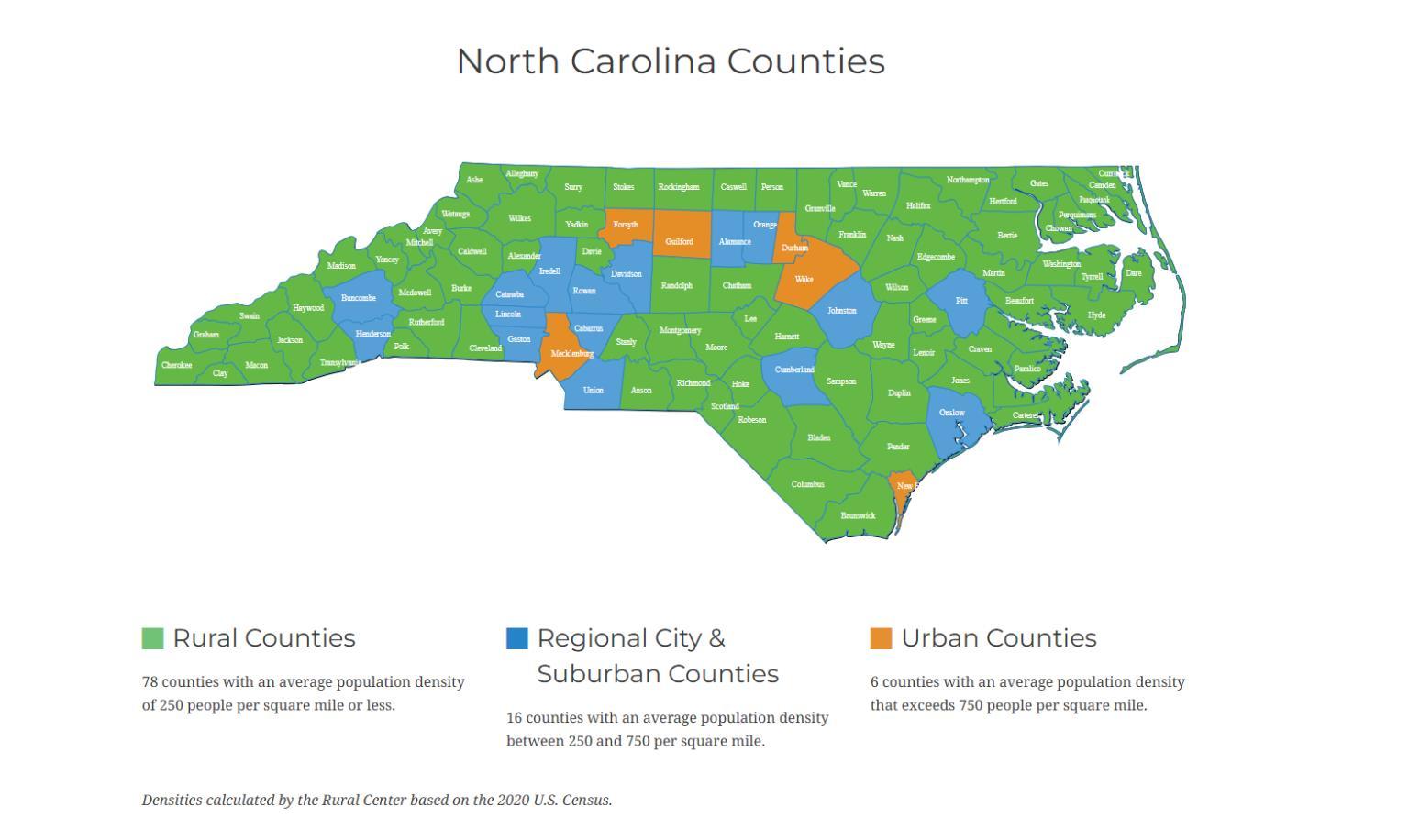
https://www.ncruralcenter.org/about-us/
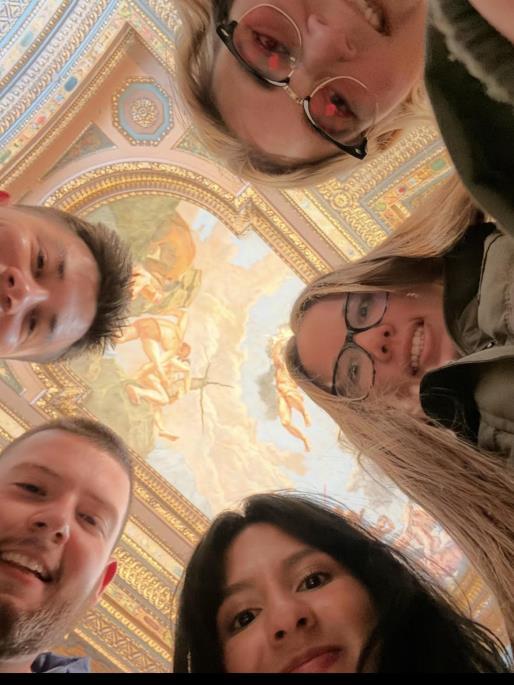
A strategic enrollment strategy.
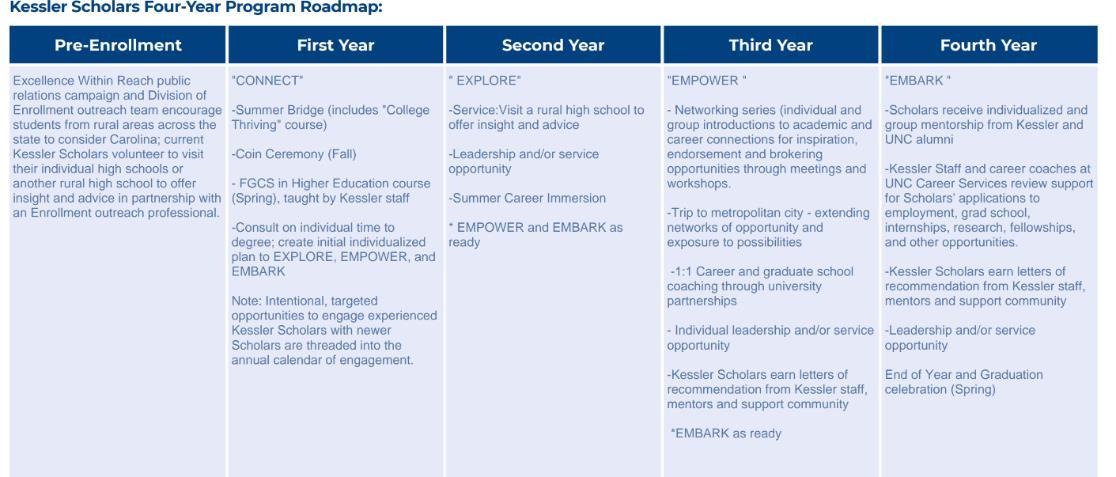
A four-year cohort support program designed for rural, first-generation college students at UNC Chapel Hill, fostering academic success, personal growth, and community.
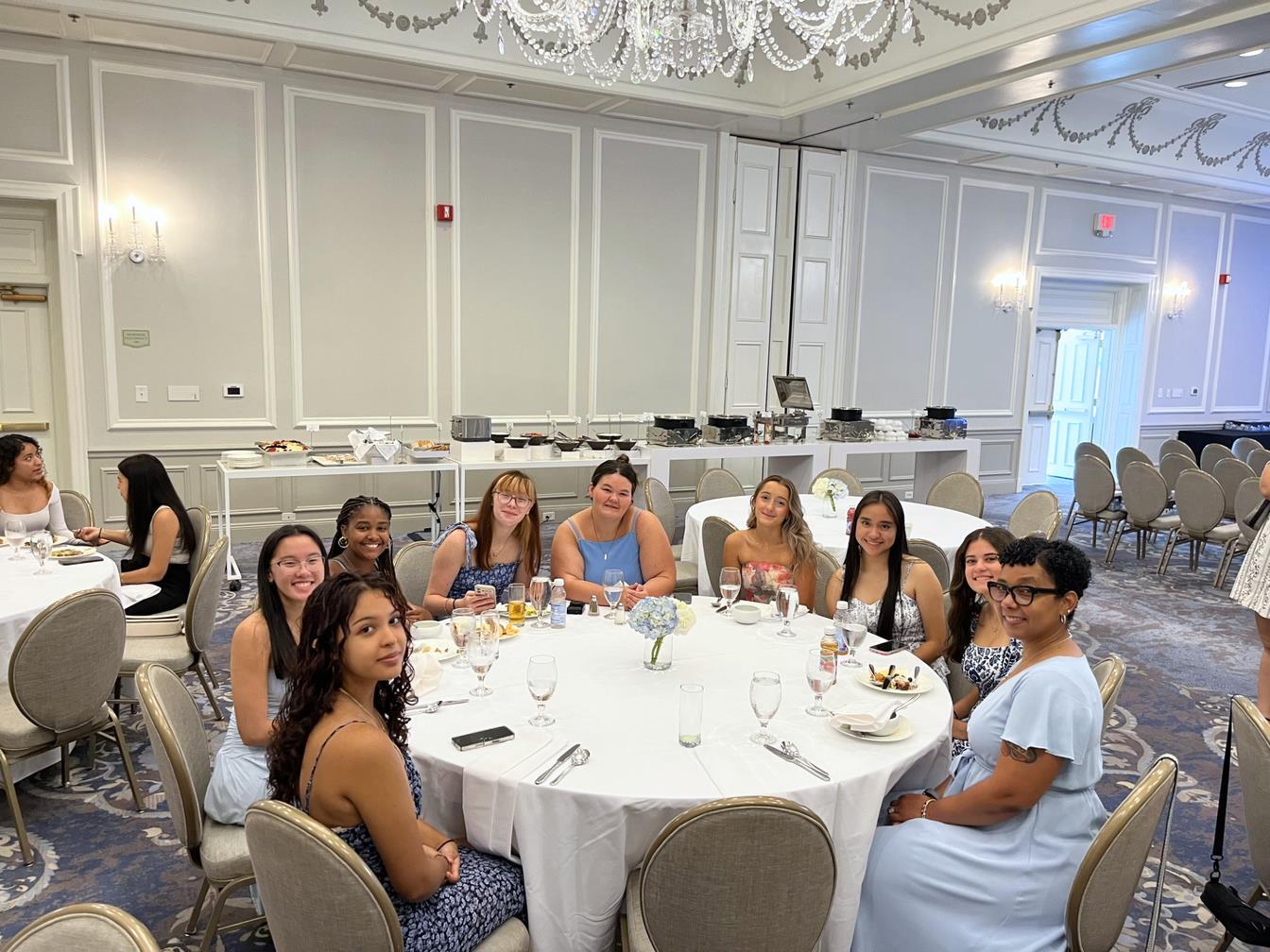
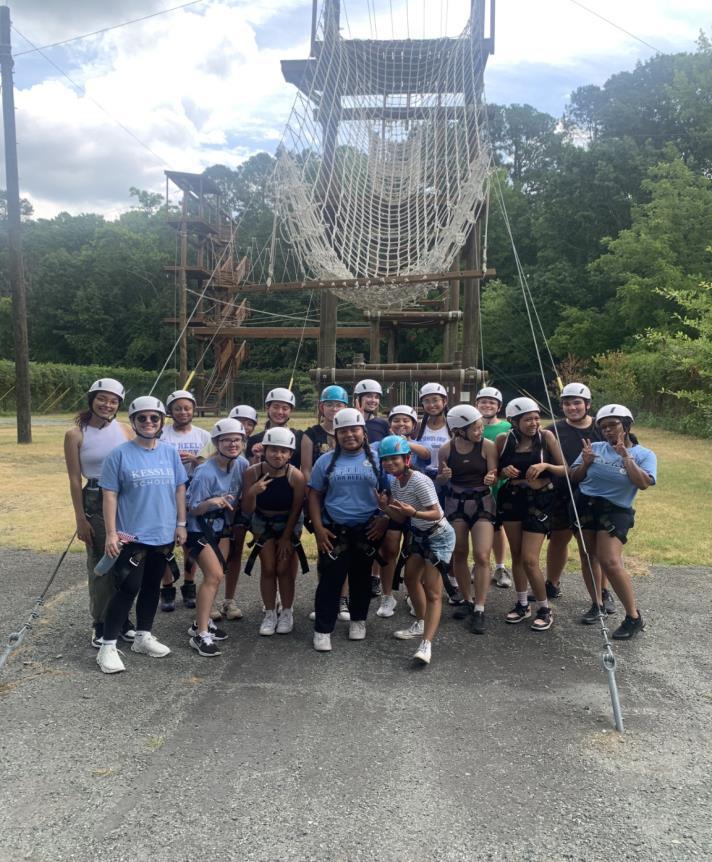
Assistant Director(s)* and Supervisor
Undergraduate Interns
Mentors
Campus Partners and Proximity to Long-standing Programs
*Excited to expand the team in 2026-2027!

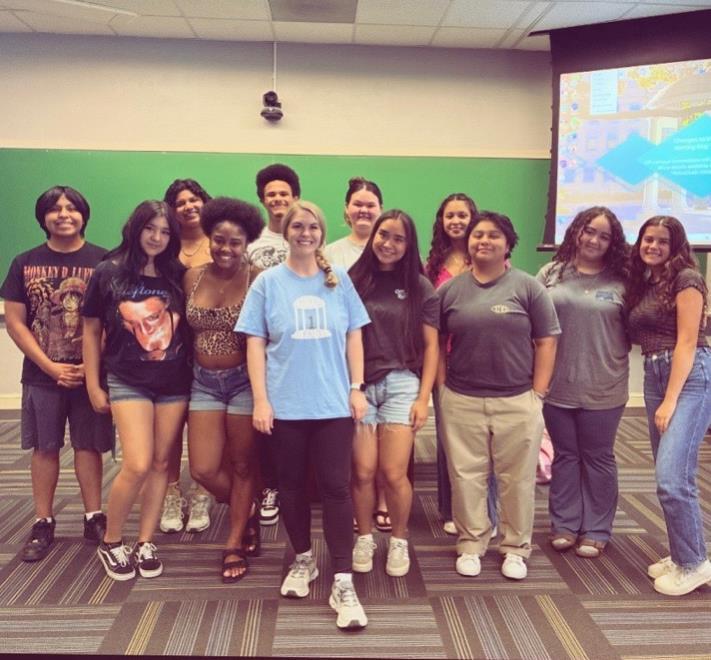
• First-Year Seminar
• Offered during first-year spring semester
• Focuses on identity development and affirmation as well as success strategies, including campus resources, high-impact practices, and service-learning
“Holding the identities of being both rural and first-generation has influenced how I see my place in higher education. While these identities have presented obstacles, they have also contributed to my resilience, perspective, and sense of purpose. My experiences have taught me that success in college is not solely about prior knowledge or privilege, but about persistence, self-advocacy, and growth. As I continue my academic journey, I carry my background with me not as a limitation, but as a foundation that shapes who I am and who I am becoming.”
• $75K awarded in late 2024 from the Jessie Ball DuPont Fund
• 8 students engaged in internships and research Summer 2025
• 2 students engaged in internships via this funding in Summer 2026
• Students are eligible for this funding throughout the year

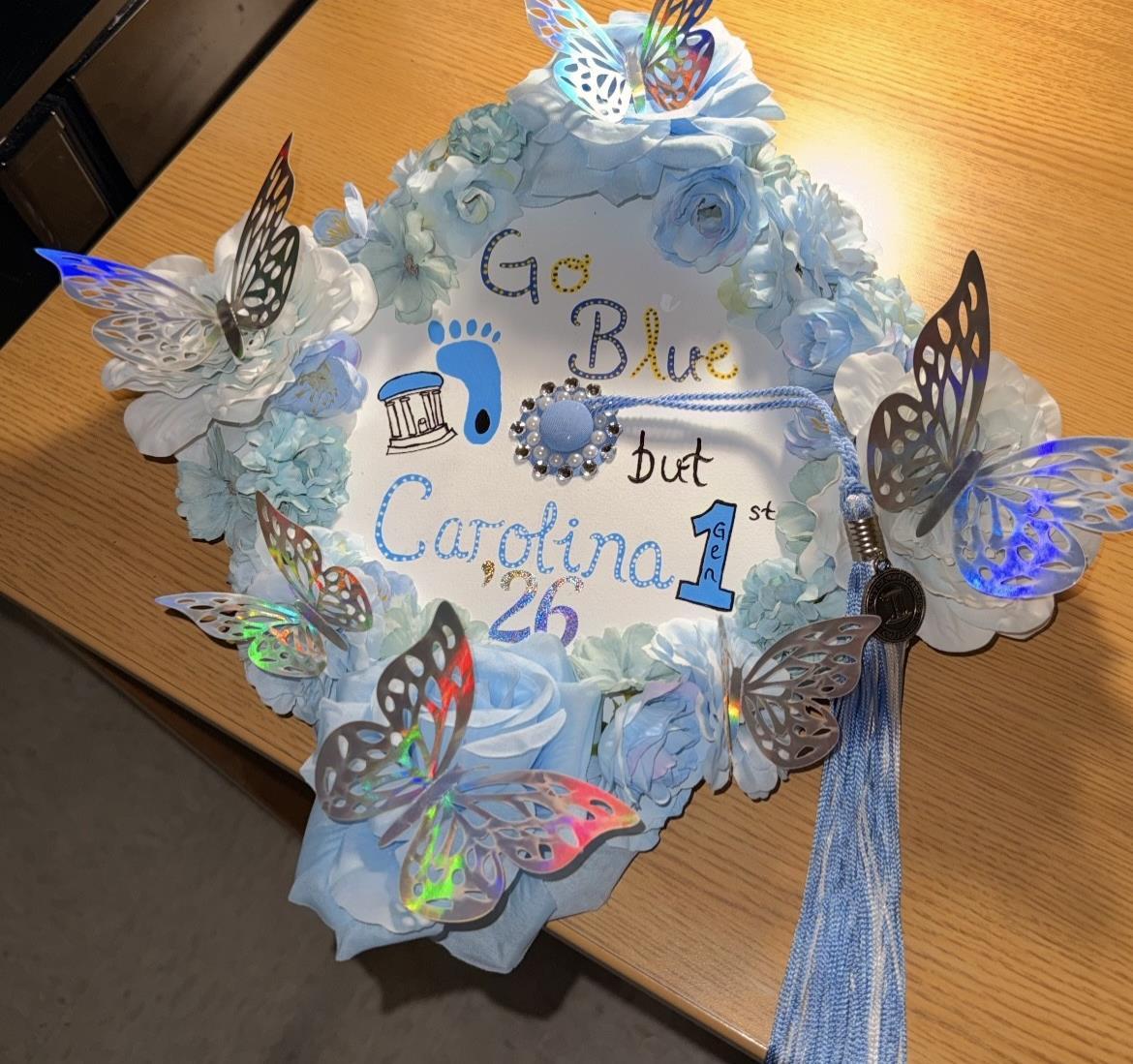
•4 graduates (3/4 currently in graduate school; 1 employed full time)
•~80 students
•17 Kessler-specific leadership experiences
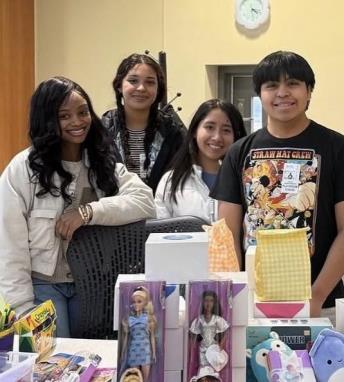
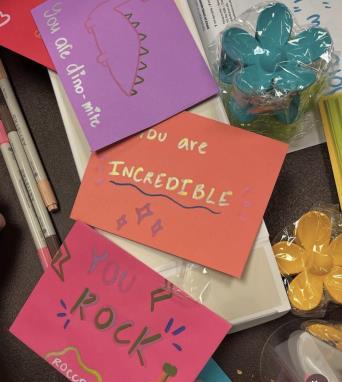
•8 internally-funded career immersions
•9 study abroad experiences
•Avg. Cum GPA 3.2 (Note: ~ 50% of all enrolled students are majoring in STEM)
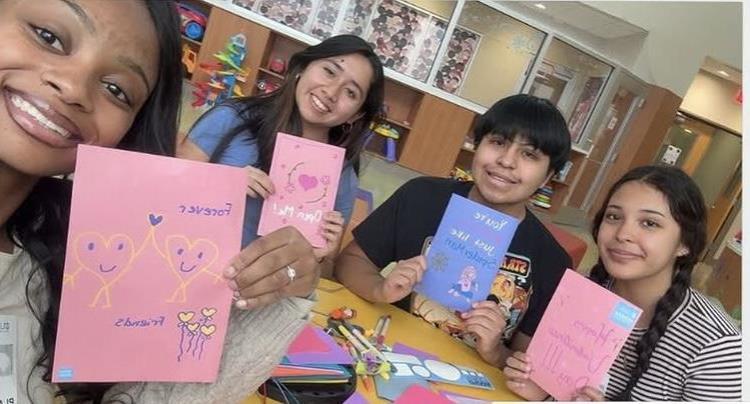
• The course
• Career immersion and service
• The student leadership (internship/peer mentor) experience
• NYC trip
• Alumni engagement

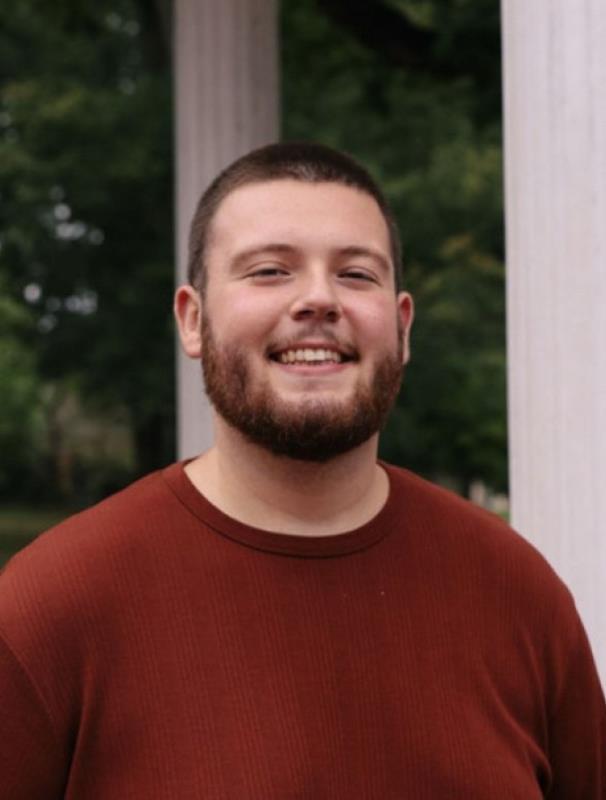
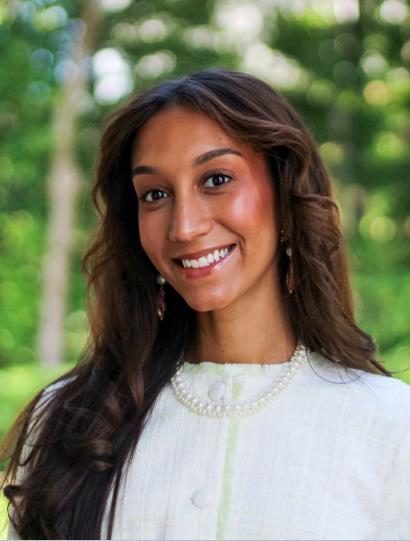
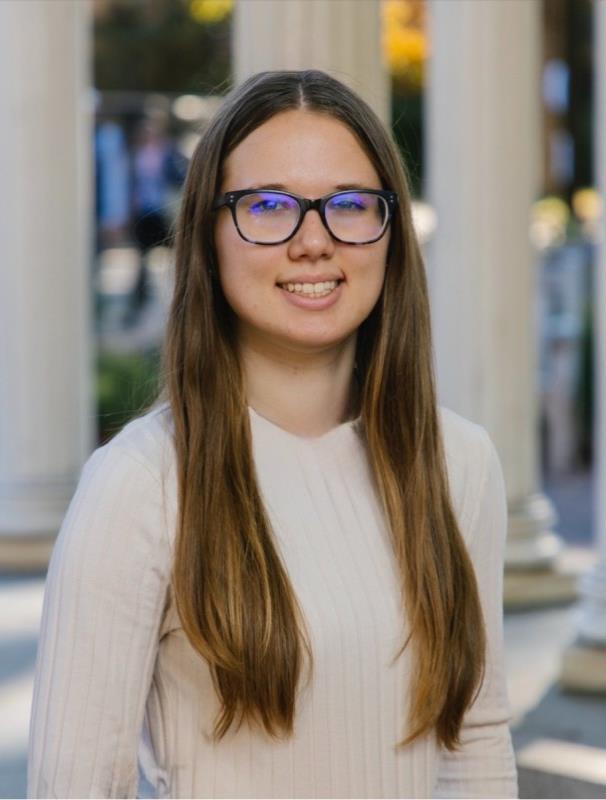


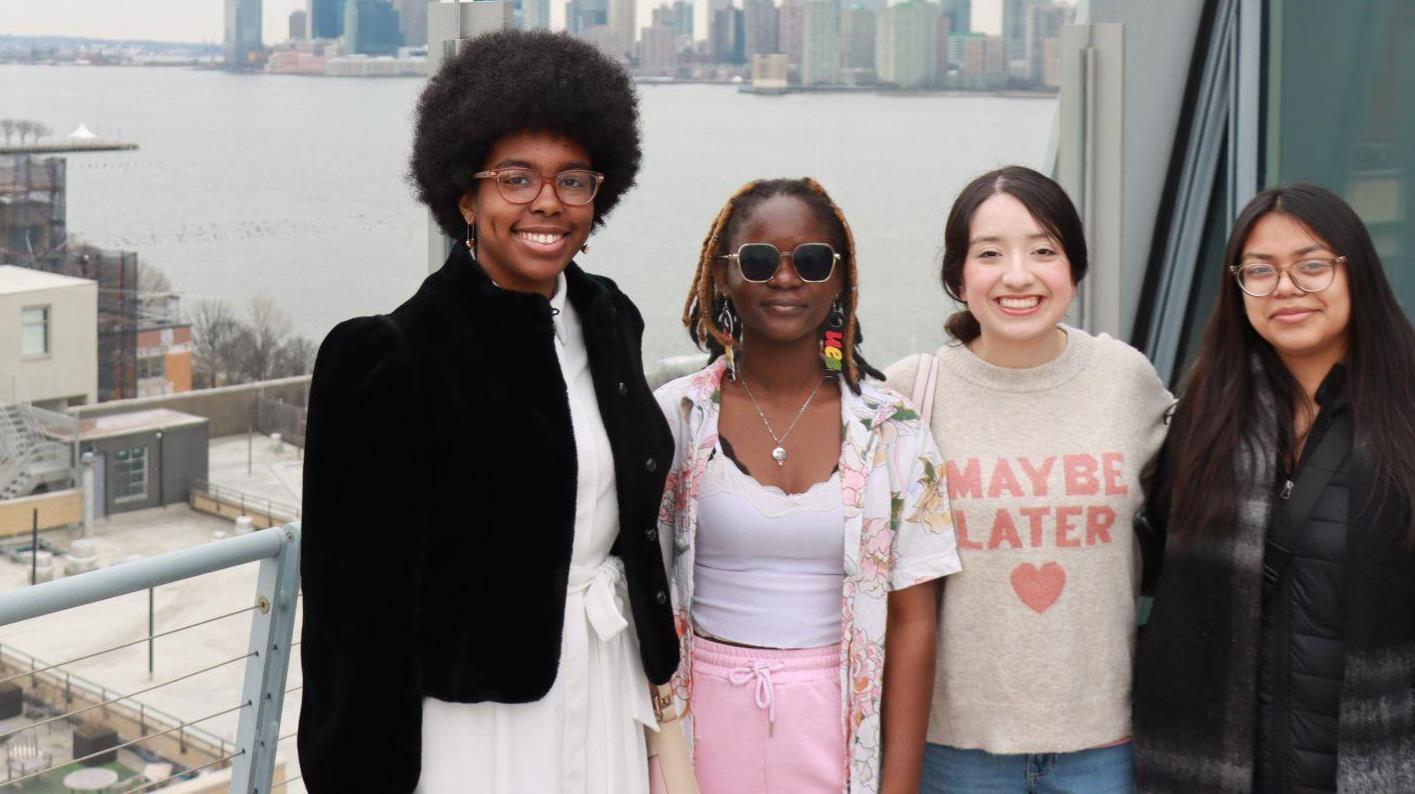
Sit with colleagues from other campuses for this session!

Please sit at a table with Kessler colleagues from other schools
While you are waiting, please make sure you have a pen and a handout with circles on both sides
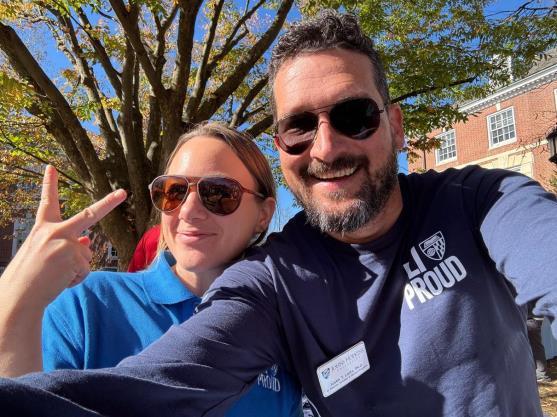
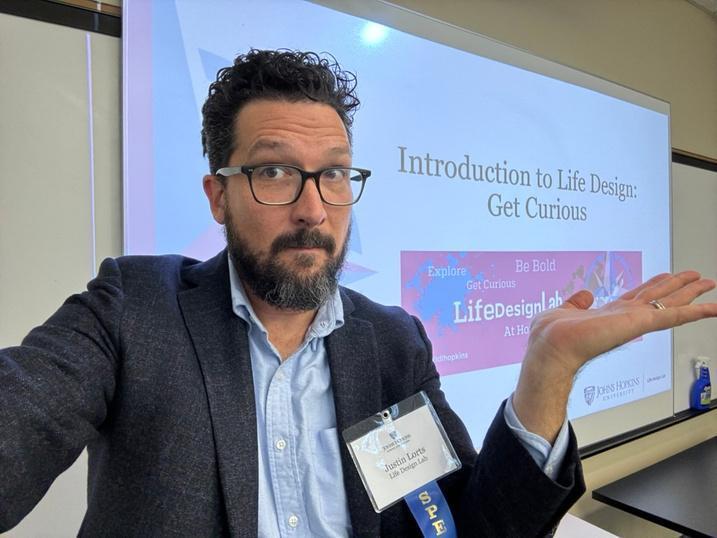
Dr. Justin Lorts
Sr. Director, Scholars & Fellows Programs
Center for Student Success

San Francisco Bay Area, CA
CONTEXT - ANALYTICAL - RELATOR - SIGNIFICANCE - ARRANGER
Has trained nearly 1000 educators since 2018 including staff from:
• Johns Hopkins (2019, 2020, 2022)
• Brown (2018, 2022)
• Cornell (2017, 2019)
• Washington University in St. Louis (2019)
• Michigan (2017, 2021)
• Ohio State (2022)
• University of Dayton (2017)


• Students preparing for the job market today can expect to change both jobs and careers multiple times over their working life.
• The pace of technological innovation means that jobs that are secure today may not exist in a decade and that popular future careers may not yet have been invented.
• Life Design can help students navigate and succeed in this uncertainty beyond just landing their first job out of college.

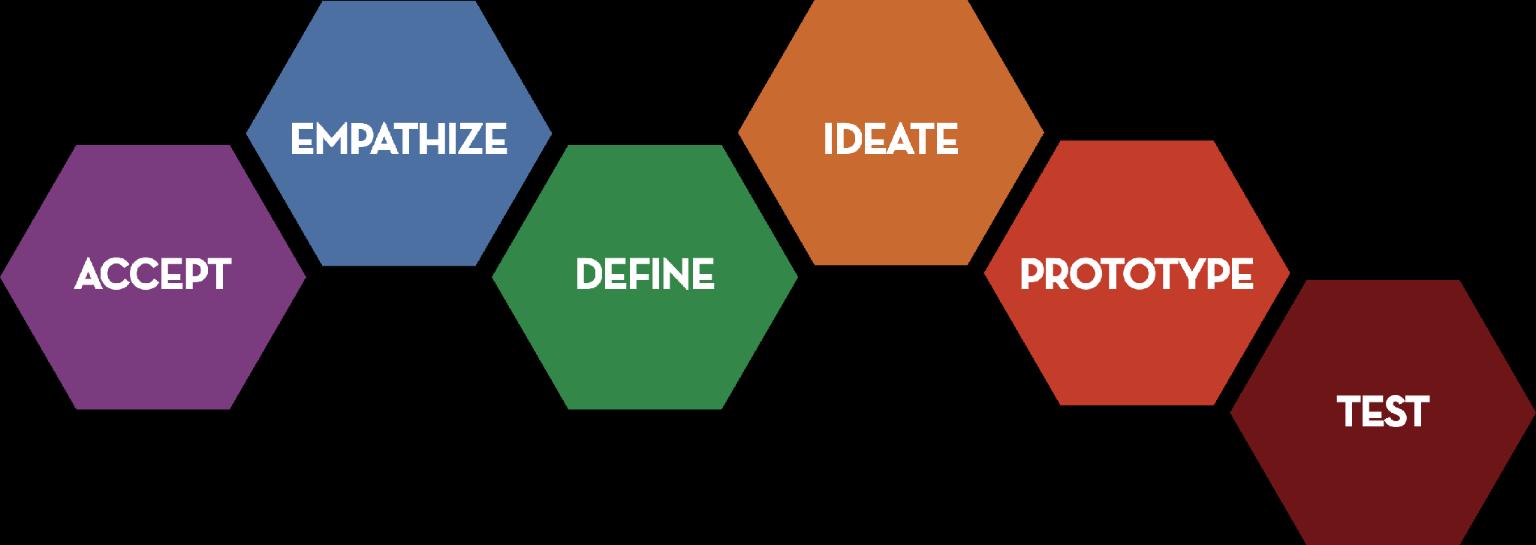
Copyright Bill Burnett, Dave Evans, and Stanford University

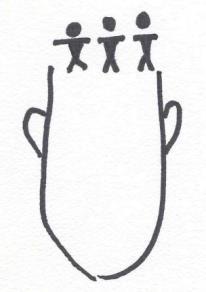

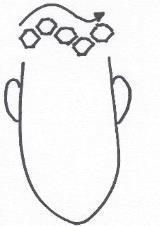
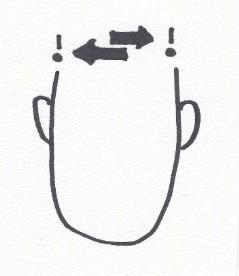

Life Design at Johns Hopkins is our approach to integrative learning, career readiness, and professional development. Our students use the process of design thinking to explore and access professional networks and career opportunities to mindfully and intentionally design a fulfilling and purposeful life that aligns with their values, identities and aspirations.





A good approach for when you are “stuck”
• You have a sheet of 30 circles
• Turn the circles into something
• You have 2 minutes



• Did you solve the problem?
• Did you do as well as you wanted to?
• What did this experience feel like?
• Did you ever feel stuck?



Copyright Dave Evans, Bill Burnett, Stanford University



• How did that go?
• What was different about this experience?
Your first attempt at 30 circles is a lot like college and career
• Unaware of the goals, rules, and instructions and yet sense that you might not be meeting these expectations
• Feel that you are rushing and yet always falling behind
• Have moments when you are stuck and unable to move forward
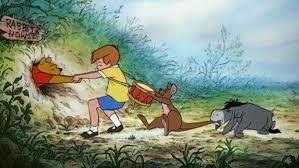
Life Design can help you:
• Articulate your own values, goals and expectations
• Reframe problems, “get unstuck” and move forward, especially during moments of adversity or change
• Imagine and build your own educational, career, and life path(s)




Life #1: The path you are on now
Life #2: What if you had to pivot?
Life #3: What if money, expectations, and obligations were not a concern?
Imagine Your Current Life Path (Life #1) and what it might look like 5 years into the future, flesh out that life as if it were a character in a movie (if it’s helpful feel free to use drawings):
• What career are you pursuing in this life? Do you have a specific title/set of responsibilities?
• Where are you living/working?
• What about family / friends?
• What do you do outside of work? Hobbies? Volunteer work? Interests?
• What activities from the present have you continued? Stopped?
• What is your most significant accomplishment in the next five years?
6 MINUTES: Give your Imagined Life a 4-6 word title
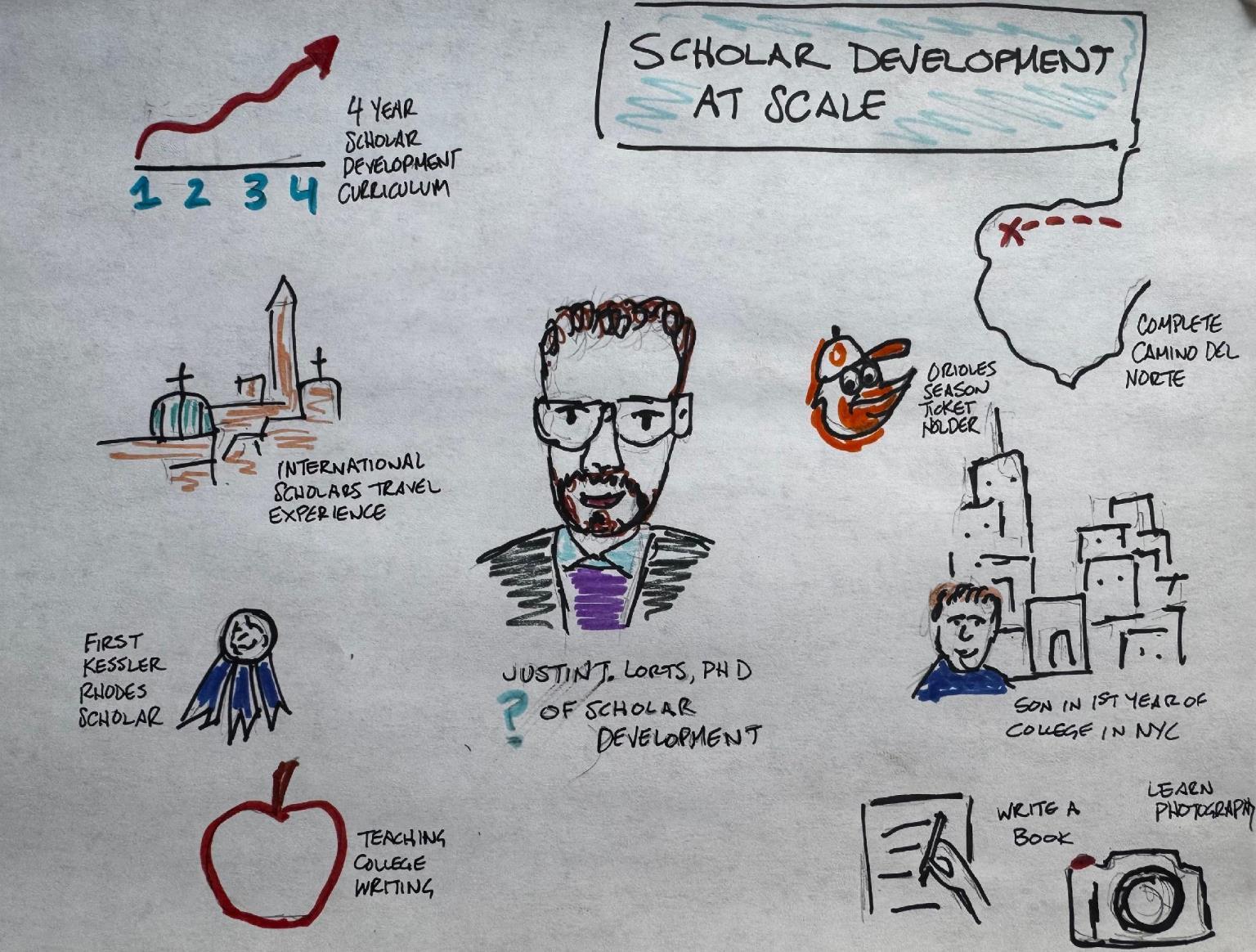
Imagine Your Current Life Path (Life #1) and what it might look like 5 years into the future, flesh out that life as if it were a character in a movie (if it’s helpful feel free to use drawings):
• What career are you pursuing in this life? Do you have a specific title/set of responsibilities?
• Where are you living/working?
• What about family / friends?
• What do you do outside of work? Hobbies? Volunteer work? Interests?
• What activities from the present have you continued? Stopped?
• What is your most significant accomplishment in the next five years?
6 MINUTES: Give your Imagined Life a 4-6 word title
Imagine what you would do if your current life and career trajectory were no longer an option (Life #2).
Imagine what you would do if money, family responsibilities, community obligations, and any other obligations were no longer a limitation (Life #3).
8 MINUTES: Give your Imagined Lives a 4-6 word title
Review the three lives you have in front of you:
• Which elements of these lives delight you?
• Which elements seem very different from who you are now?
• Which elements do you feel you understand?
• Which elements would you like to learn more about?
Circle one element from each of your lives that you would like to explore further
Break into pairs.
Person 1 will describe their imagined lives and the elements that they would like to explore further
After Person 1 has finished, Person 2 will share:
• When their partner seemed the most authentic?
• 2-3 Affirmations (“I liked it when”)
• One thing you
want to know more about (“Tell me more…”)

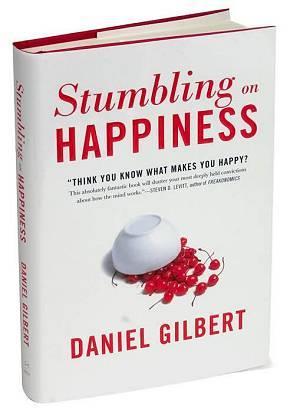
“One way to make predictions about our own emotional futures is to find someone having the experience we are contemplating and ask them how they feel. Instead of remembering our past experience in order to simulate our future experience, perhaps we should simply ask other people to introspect on their inner states. Perhaps we should give up on remembering and imagining entirely and use other people as surrogates for our future selves.” (246)

• Review the three elements that you wanted to explore further and select ONE (preferably from Life #2 or #3) for this activity
• At the top of an index card write:
“Who can I speak to in order to learn more about X?” (where x is the thing that you are curious about)
• Standup and break into pairs
• You will have 45 seconds to introduce yourself to your partner and ask your question
• As your partner responds, quickly jot down their name and the information that they share
• At the 45 second mark you will switch
• After both partners have asked their questions (90 seconds) you will switch to a new partner at a different table

• Individually, review the information you collected during the speed networking rounds.
• Identify 1 potential contact you can follow up on THIS WEEK
• Add that item to your to-do list (along with any necessary info)
• Share this goal with your partner

• Breaking free of self-imposed limitations allows us to REFRAME a problem and design a path forward
• There are many lives within us and stepping out of our current path allows us to IMAGINE
• By rooting our approach to networking in our own CURIOSITY we can explore these possible lives to talking to those currently living them
• By embracing a BIAS TOWARDS ACTION, we can take small steps towards our goals
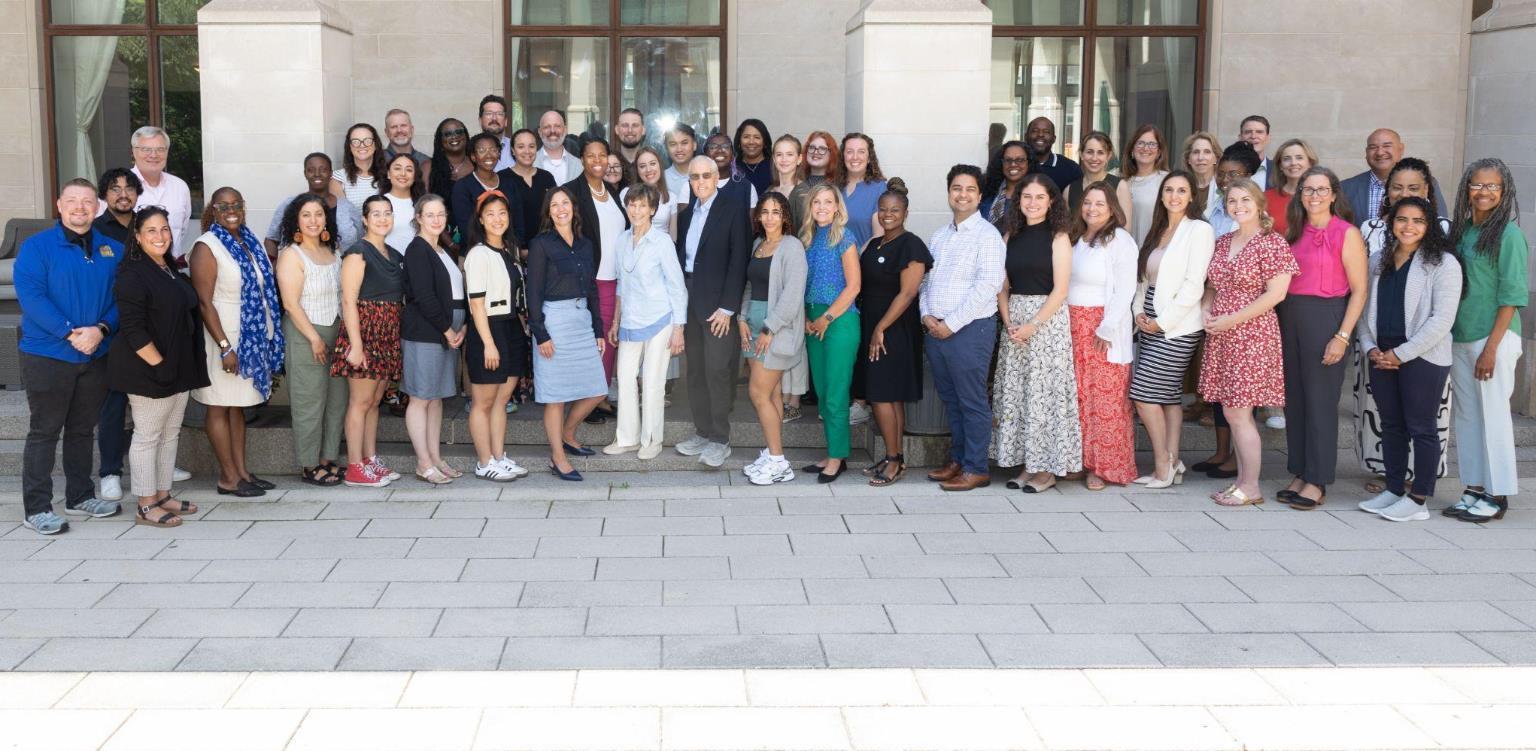
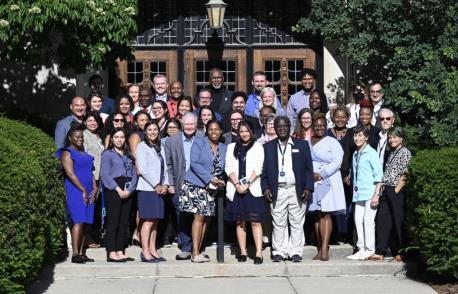
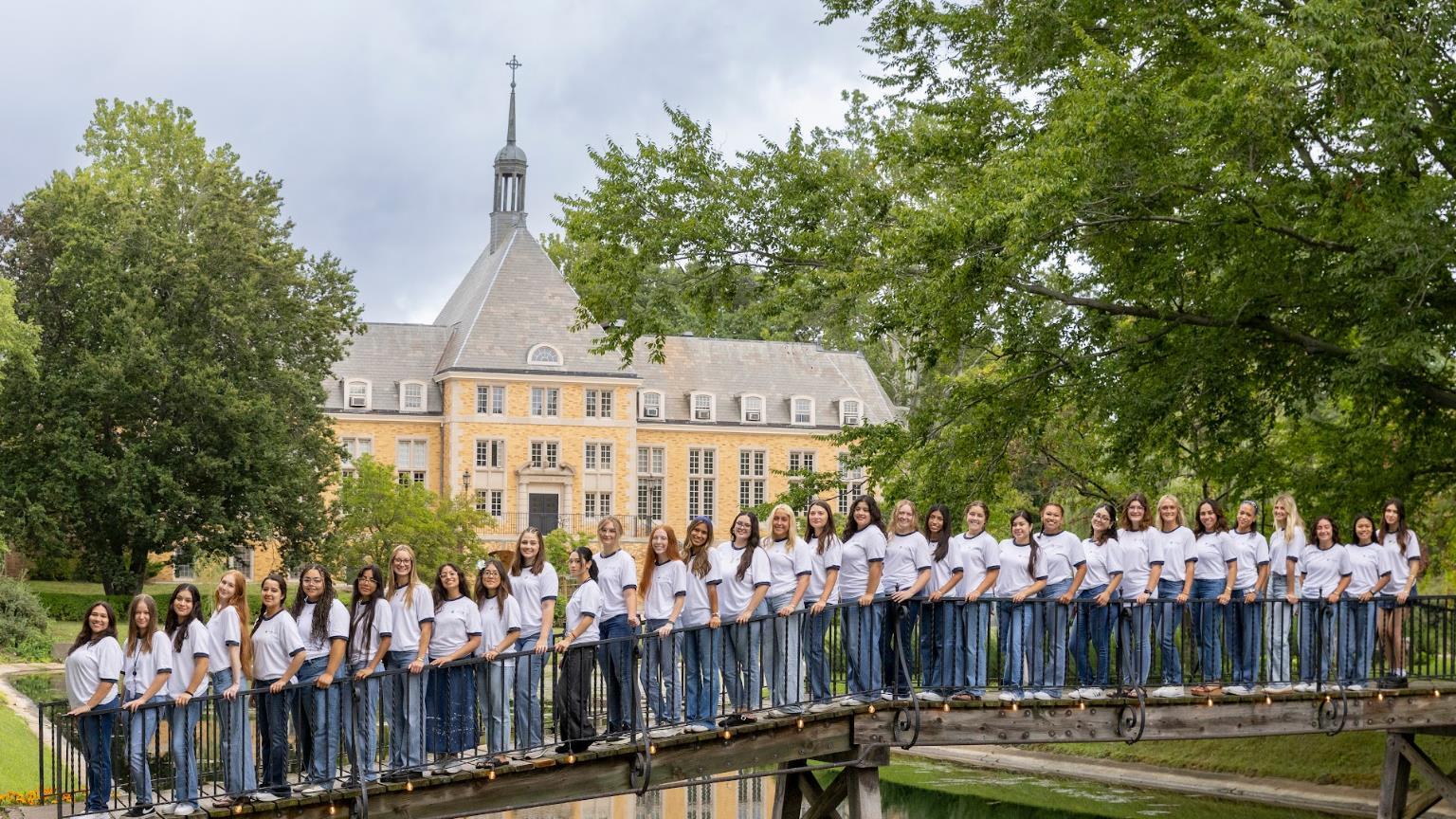
● Meet outside.
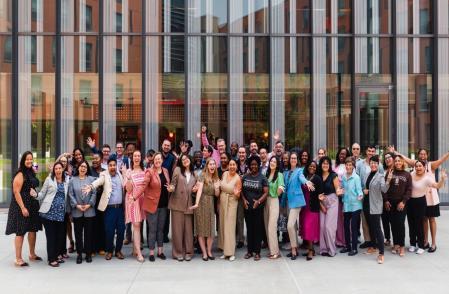
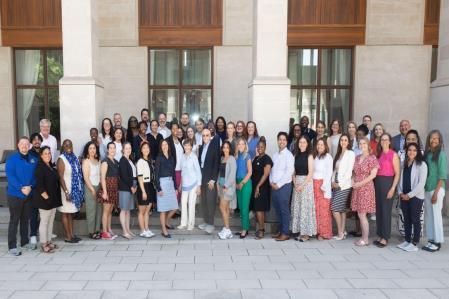
● We will take several large group photos and then several smaller group photos.
● Lunch To Follow!
○ Old Well Room; 12:15 - 1 p.m.
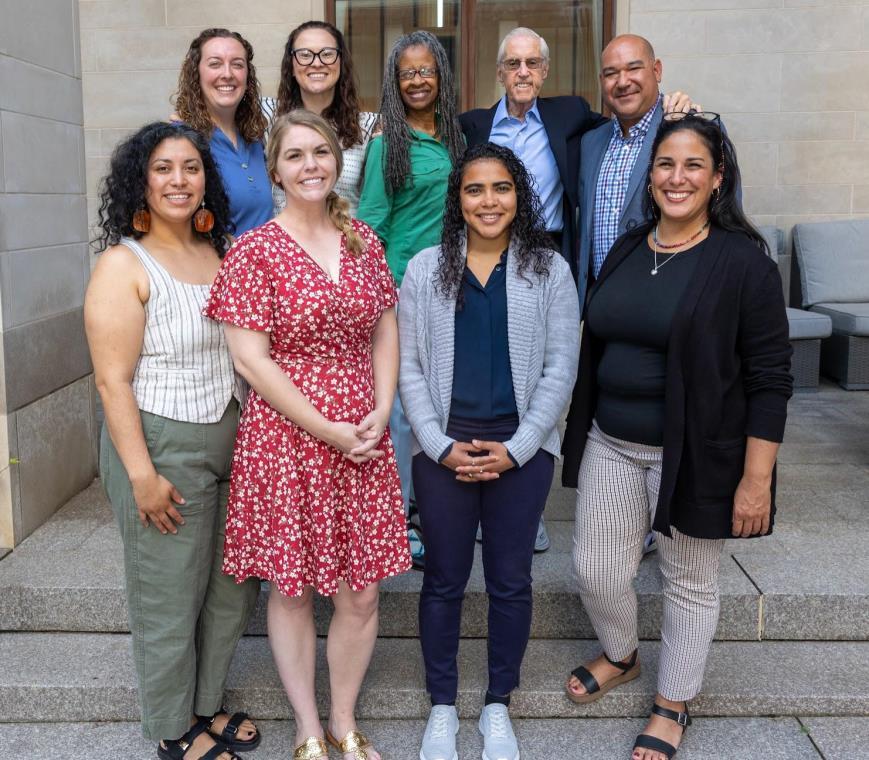
Group 1
● Cornell University
● University of California-Riverside
● Washington University in St. Louis
Group 2
● Centre College
● Saint Mary’s College
● University of Dayton
Group 3
● Syracuse University
● The Ohio State University
● University of North Carolina at Chapel Hill
Group 4
● Brown University
● University of Michigan
● University of Pittsburgh
Group 5
● Bates College
● Johns Hopkins University ● Queens College
● St. Francis College
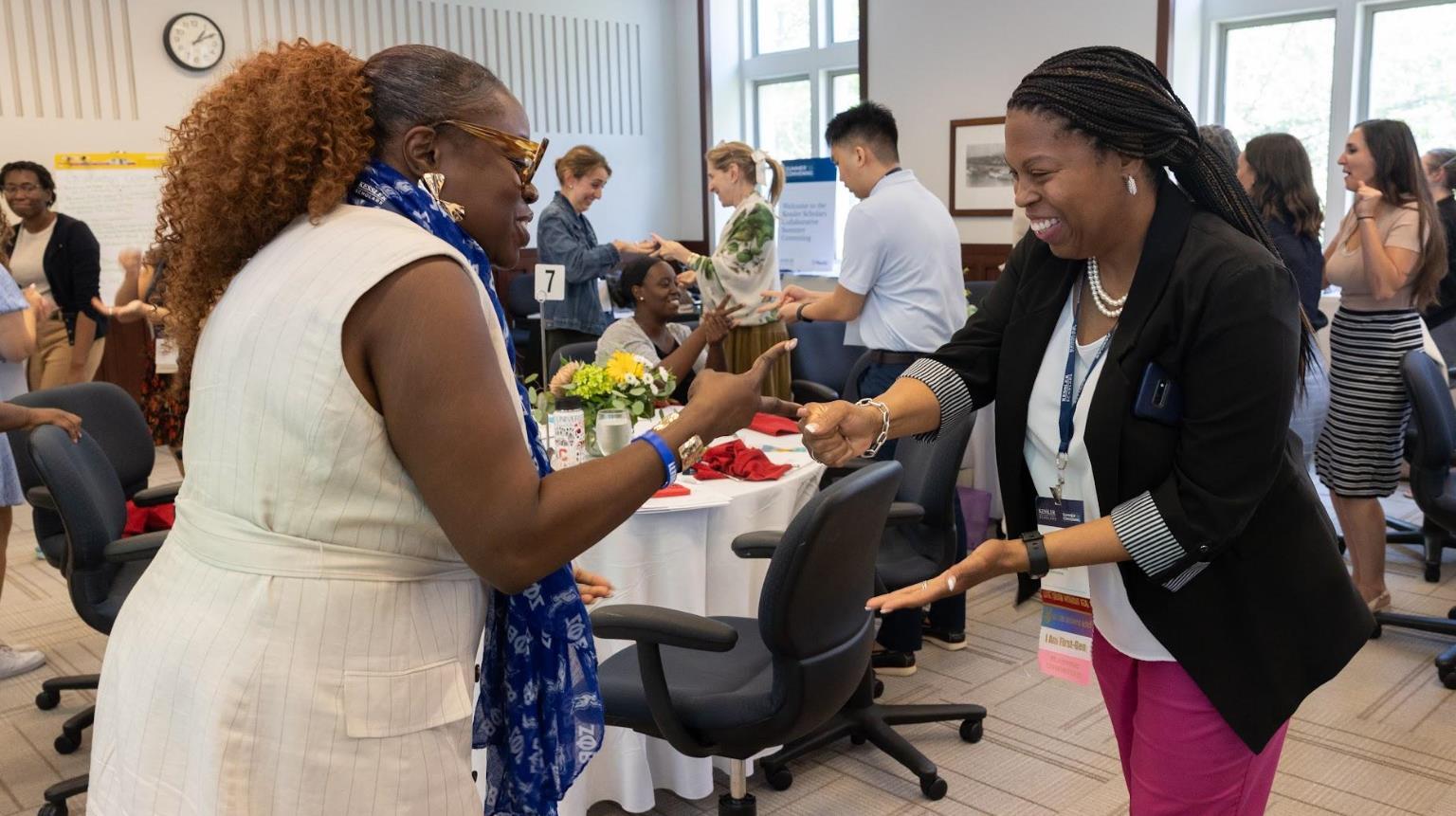

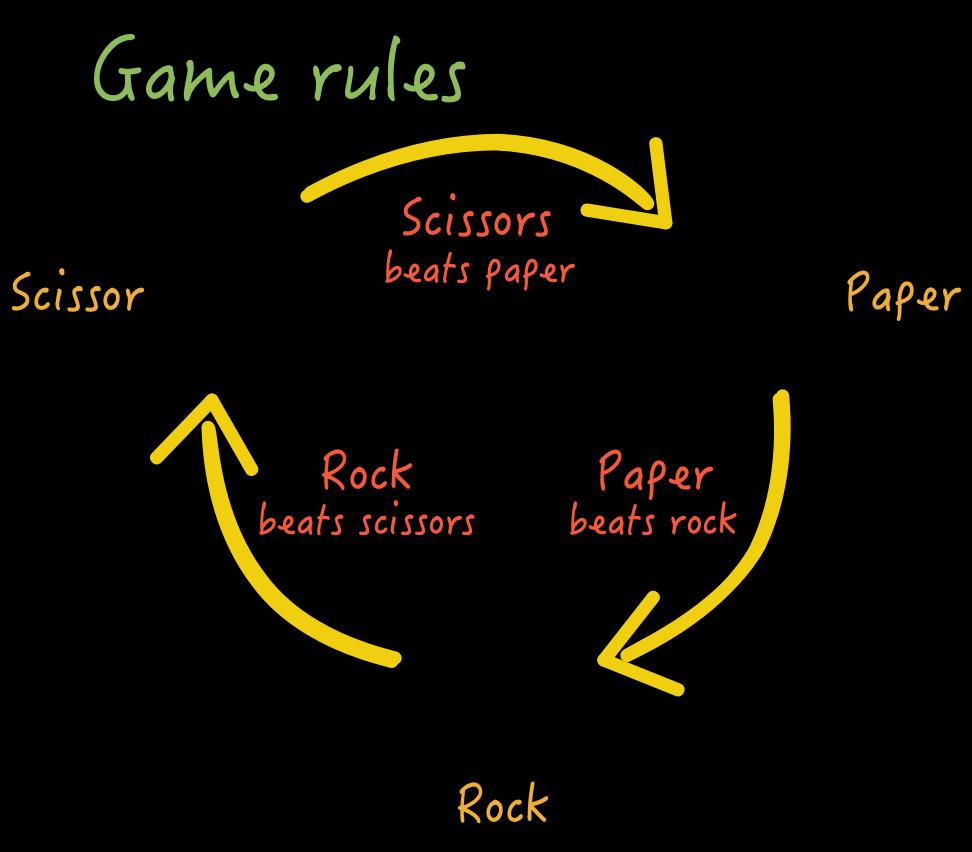
Prepare for an EPIC Rock, Paper, Scissors Tournament
These cornerstones guide our collective work with Kessler Scholars campus partners, students, and alumni, helping us to work toward a set of shared goals, promoting learning and innovation across the network, and coming together to enhance the Kessler Scholars student experience.
Identify as firstgeneration college graduates
over a decade of higher education experience
“
My colleagues in the Collaborative make great thought partners. I love that we're all doing the same work but in our own unique ways that serve our specific communities.
“
“
I am grateful for the
collaborative spirit of
this
group and all of the campus partners!
“
I
have reached out to peers in the Collaborative to stay up-to-date with one another, and offer each other ideas and support.
“ “
Close equity gaps and support firstgeneration student success
Cultivate a Community of Practice where campus partner staff actively share expertise, learn from each other’s experiences, and elevate the execution of the Kessler Scholars Program 1 2 3 4
Ensure the Kessler Scholars experience is transformative and meaningful
Create a vibrant and engaged community of Kessler Scholars and alumni at both the campus and national levels
2019 Cohort (Projected Six-Year Grad Rate)
2020 Cohort (Projected Five-Year Grad Rate)
2021 Cohort (Projected FourYear Grad
Collaborative Collective Impact Goals
53% of graduating Kessler Scholars served as a peer mentor or student advisory board member.
78% of graduating Kessler Scholars served in a leadership role on their campus.
82% of graduating Kessler Scholars completed at least one High Impact Practice (study abroad, research, or internship).
Collective Impact Goal 50%
Collective Impact Goal 70%
Collective Impact Goal 90%
● What’s something you’ll commit to doing to advance our Collective Impact goals in the year ahead?

These meetings will occur bi-monthly and should be attended by program staff working directly with Kessler Scholars!
• September - Building Community and Leadership
• November - Telling our Story and Elevating Student Success
• January - Learning from Data and Assessing Impact
• March - Engaging and Supporting Alumni
• May - Reflecting and Celebrating Success
To complement these meetings, we will meet with campus teams on alternate months.
• Top of the Month (T.O.M.) Communication
• Campus Partner Hub
• Collaborative Buddies
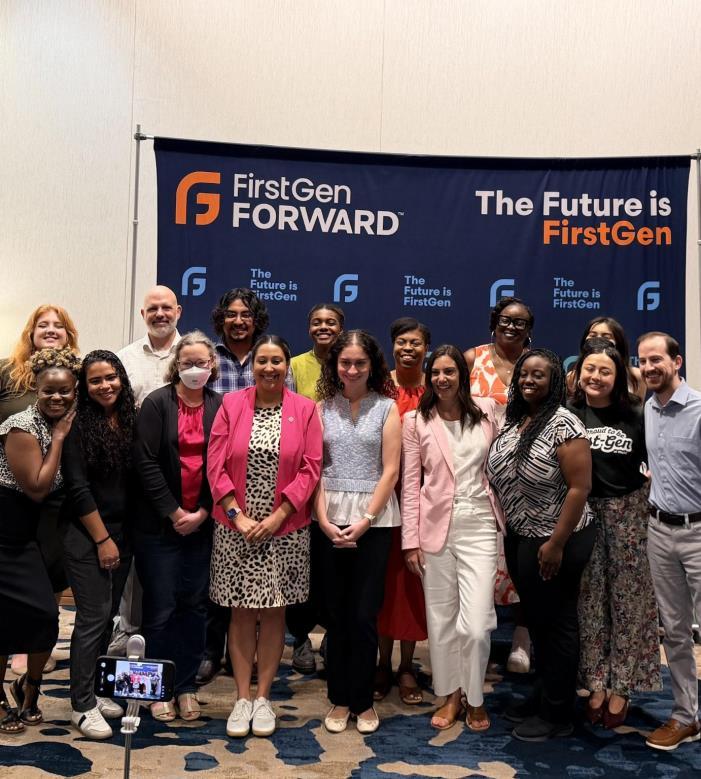
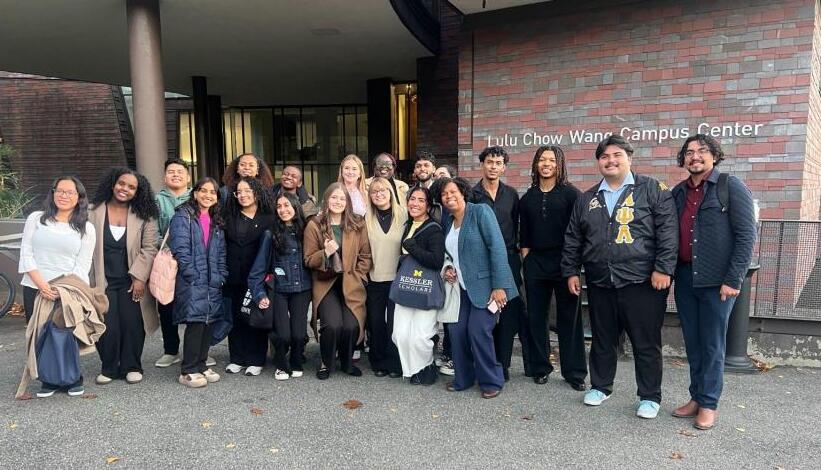
Sponsor a Kessler Scholar to attend!
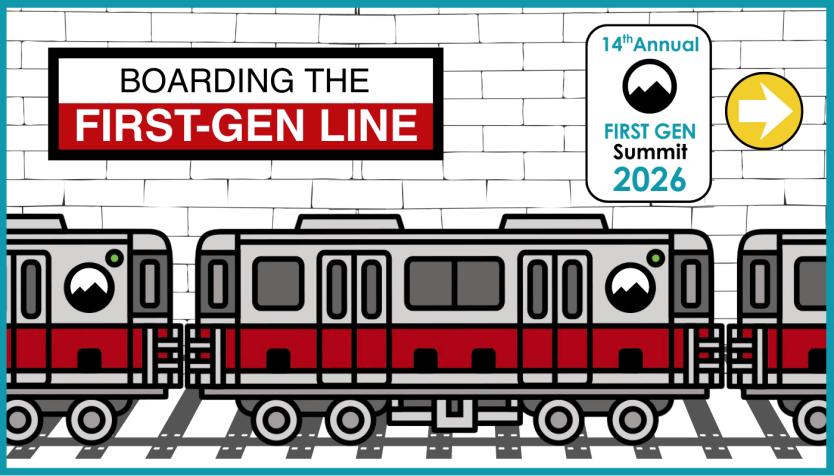
Saturday, November 7, 2026
Hosted at Harvard University in Massachusetts
Fall 2026
● Kessler Scholars Opportunity Showcase - Wednesday, September 30
● Student Advisory Board Exchange - Thursday, October 22
Winter/Spring 2027
● Peer Mentor Exchange - Wednesday, February 10
● Scholar and Alum Networking Event - Tuesday, March 2
● Kessler Scholars Award Celebration - Wednesday, April 7
Research and Internship Information Sessions will be offered in the fall and spring.
Please add these dates to the Kessler Scholars program calendar and encourage students to attend. We hope you will join us as well!
53% of graduating Kessler Scholars served as a peer mentor or student advisory board member.
93% of Scholars report cross-site events met or exceeded expectations.
Collective Impact Goal 50%
Collective Impact Goal 90%
75% 75% 100% of Kessler Scholars complete community service expectations. of Kessler Scholars attend at least one cross-site event. of Kessler Scholars who attend a cross-site event have the opportunity to interact directly, and in real time, with at least two Scholars or alumni from other campus sites.
● Connect students to internships, research, and career exploration.
● Expand mentoring and learning opportunities through peers, faculty, staff, alumni, and industry leaders.
● Create opportunities for reflection, storytelling, and professional identity development.
● Invite alumni to serve as mentors, panelists, and guest speakers.
● Use feedback from upper-level Scholars to inform support for new alumni.
● Celebrate alumni accomplishments and maintain ongoing communication.
● As you reflect on the topics for the Community Conversations, what is one thing you want to learn more about in the year ahead?
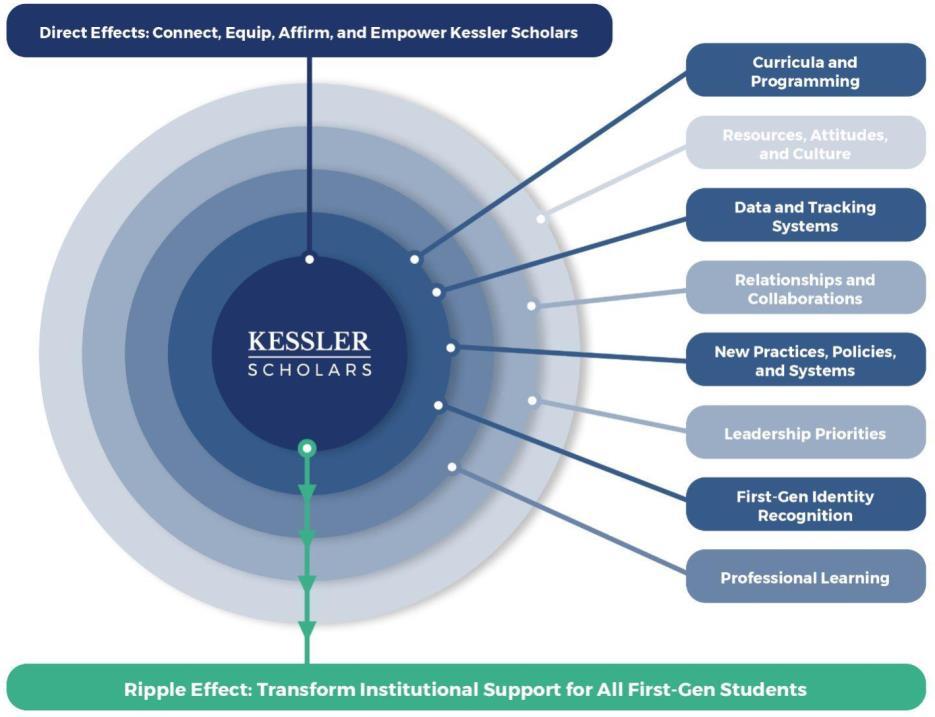
The Kessler Scholars Program doesn't just change outcomes for participating Scholars. It changes how institutions think about and support first-generation students.
The Kessler Scholars Program is catalyzing broader institutional change at partner campuses.
The Kessler Scholars Program is becoming fully integrated into the academic and studentsupport ecosystem.
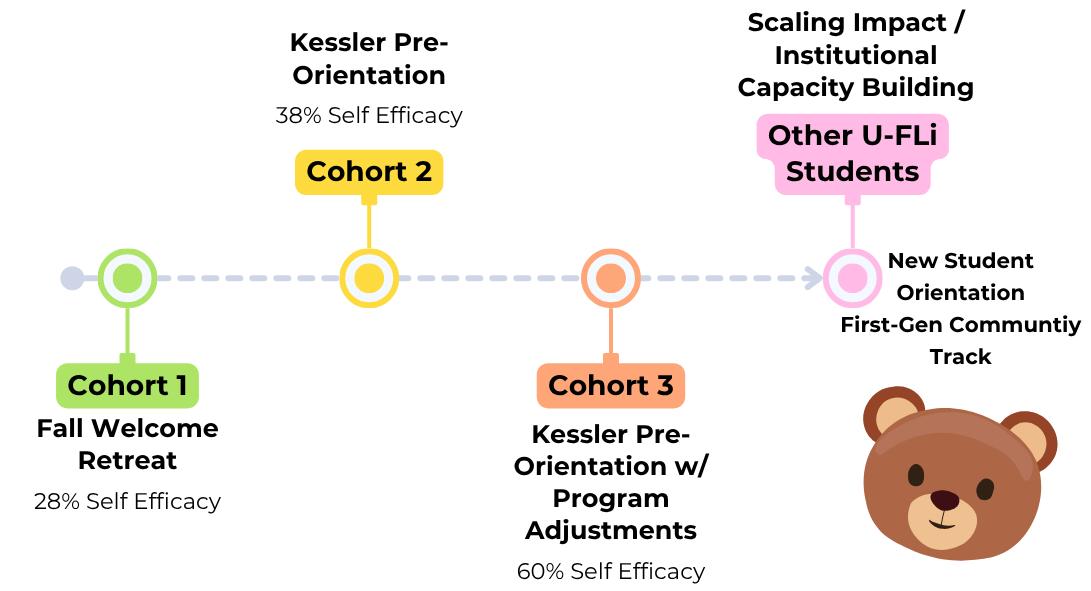
● Participatory evaluation approach: Engages key stakeholders in identifying impacts of their work.
● Captures impacts of complex projectsintended, unexpected.
● Pause, reflect and appreciate positive aspects of shared work.


● Beyond traditional impact measures - attitudes, policies, relationships, systems, culture.
● Observed ripples will vary in size and scope, depending on your positionality (role, tenure, identity, etc).
Identify Stories of Change (5 mins)
Reflect on the Most Significant Stories of Change (10 mins) Share Your Story (25 mins)
Identify Themes and Key Takeaways (10 mins)
Together with campus colleagues, identify up to 5 specific ways that the Kessler Scholars Program has influenced support for first-generation and/or limited income students at your institution.
Identify one or two of the stories of change that feel most impactful, and reflect deeply on these change(s) by answering the questions below. Afterwards, select one story of change to share with your table.

Each campus will take a turn briefly telling one of their stories of institutional change (2-3 minutes each) and responding to any questions (2-3 minutes). As each campus shares, note any questions for colleagues or ideas for replicating these changes on your campus.
As a table, reflect on all of the stories you heard.
Appreciate the broader ripple effects of your work with individual students on your campus
Be inspired by stories of institutional transformation across the Collaborative network
Reflect on ways to expand and sustain these stories of transformation over time
● Review and analyze data collected today in activity sheets.
● Follow up with relevant documentation and conversations with key leaders and staff.
● Develop specific case studies of significant stories of change.
● Synthesize findings and share with campus partners and broader field.
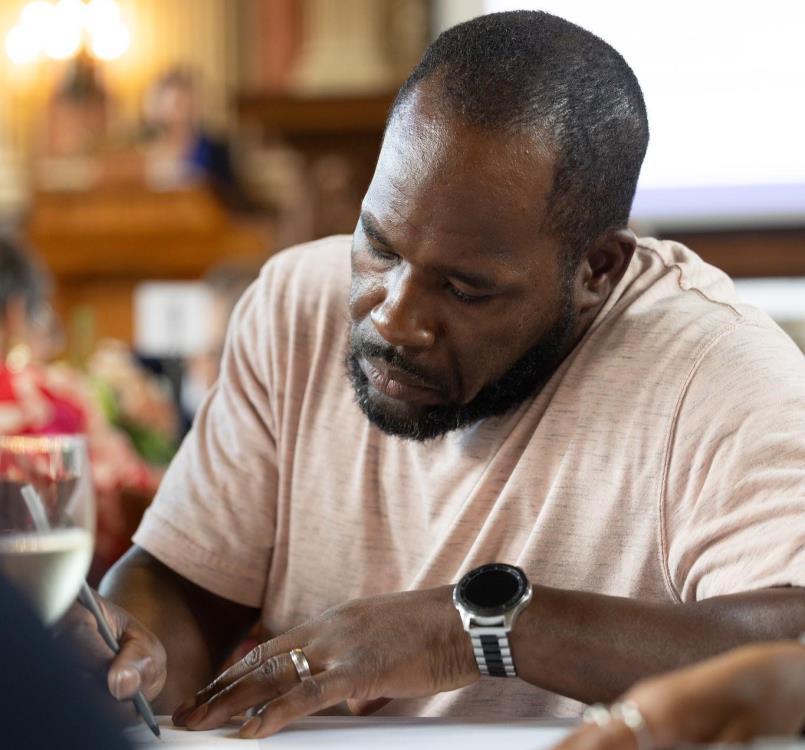
Deepen what’s working.
● Strengthen program delivery using outcome data and shared learning. Sustain what you’ve built.
● Develop a plan for sustaining the program beyond grant renewal funding.
● Anchor the program to institutional infrastructure and budgets and align with broader strategic goals.
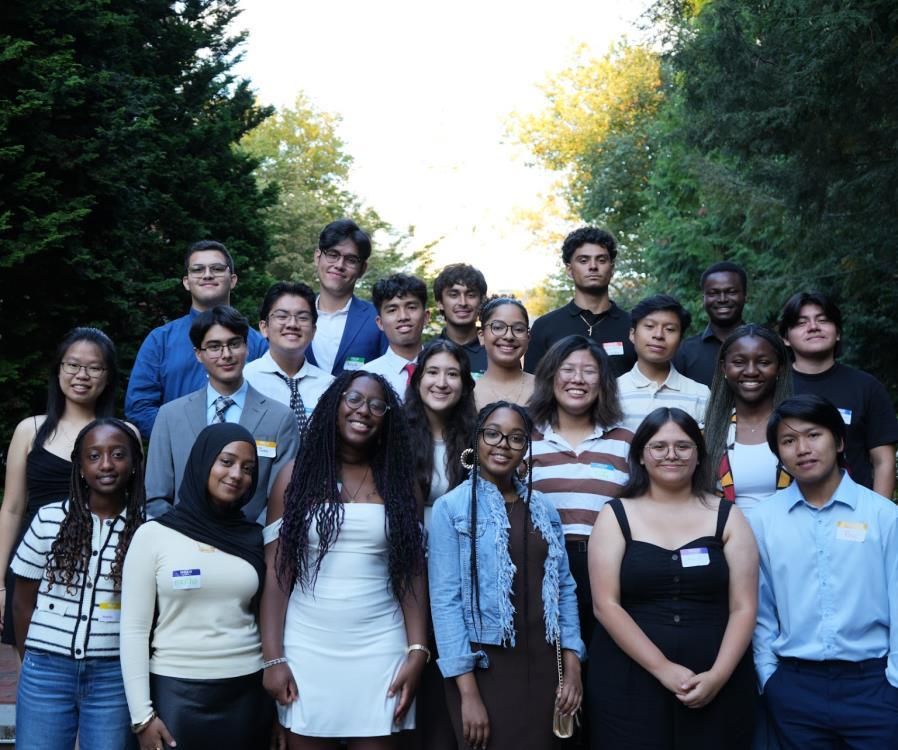
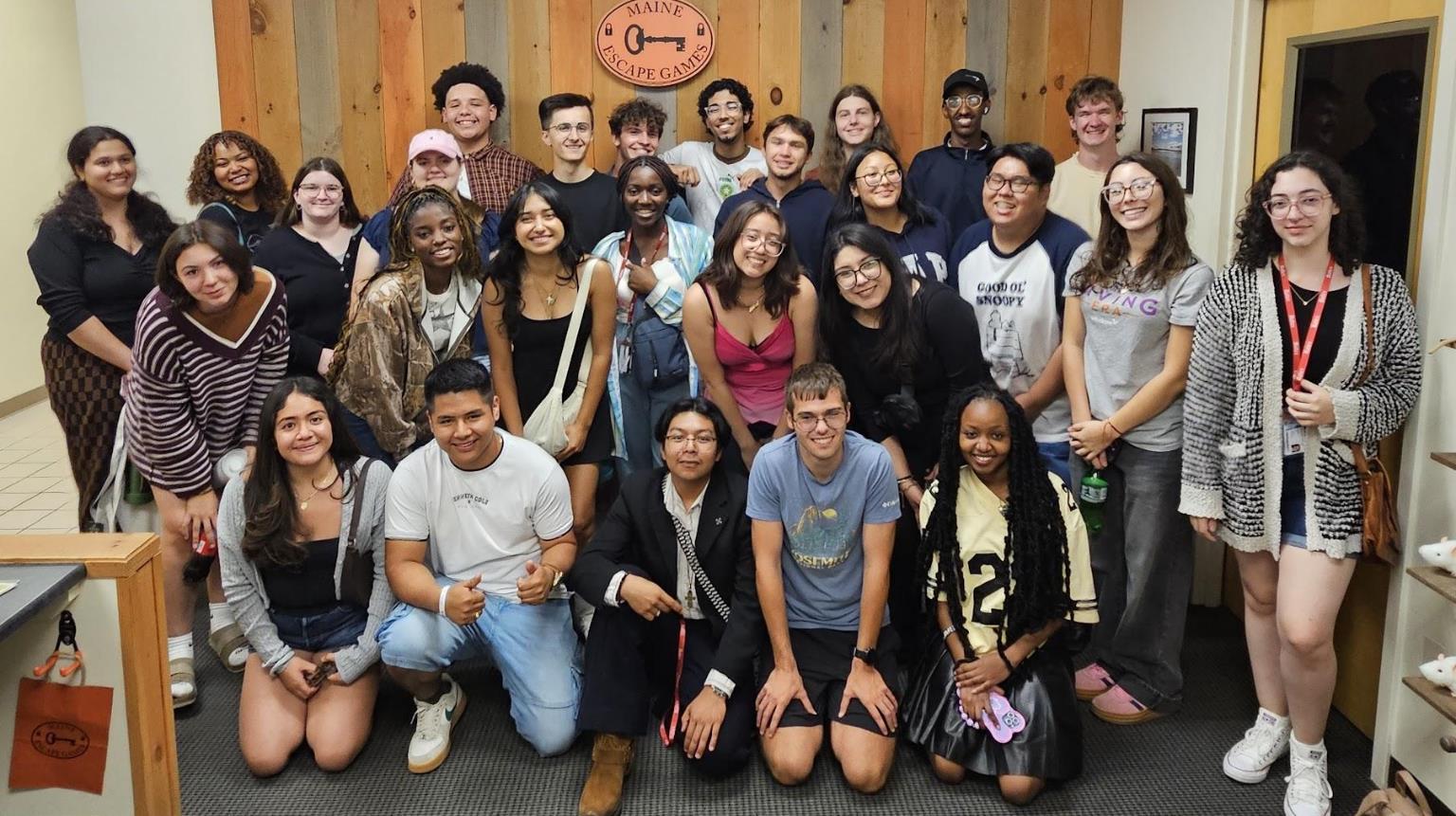
What’s something you’re excited to take home and put into practice in the year ahead?

Write a short note to someone you’re excited to connect with more in the year ahead. What have you appreciated about crossing paths with them at the Convening, and/or what do you hope to connect on in the future?
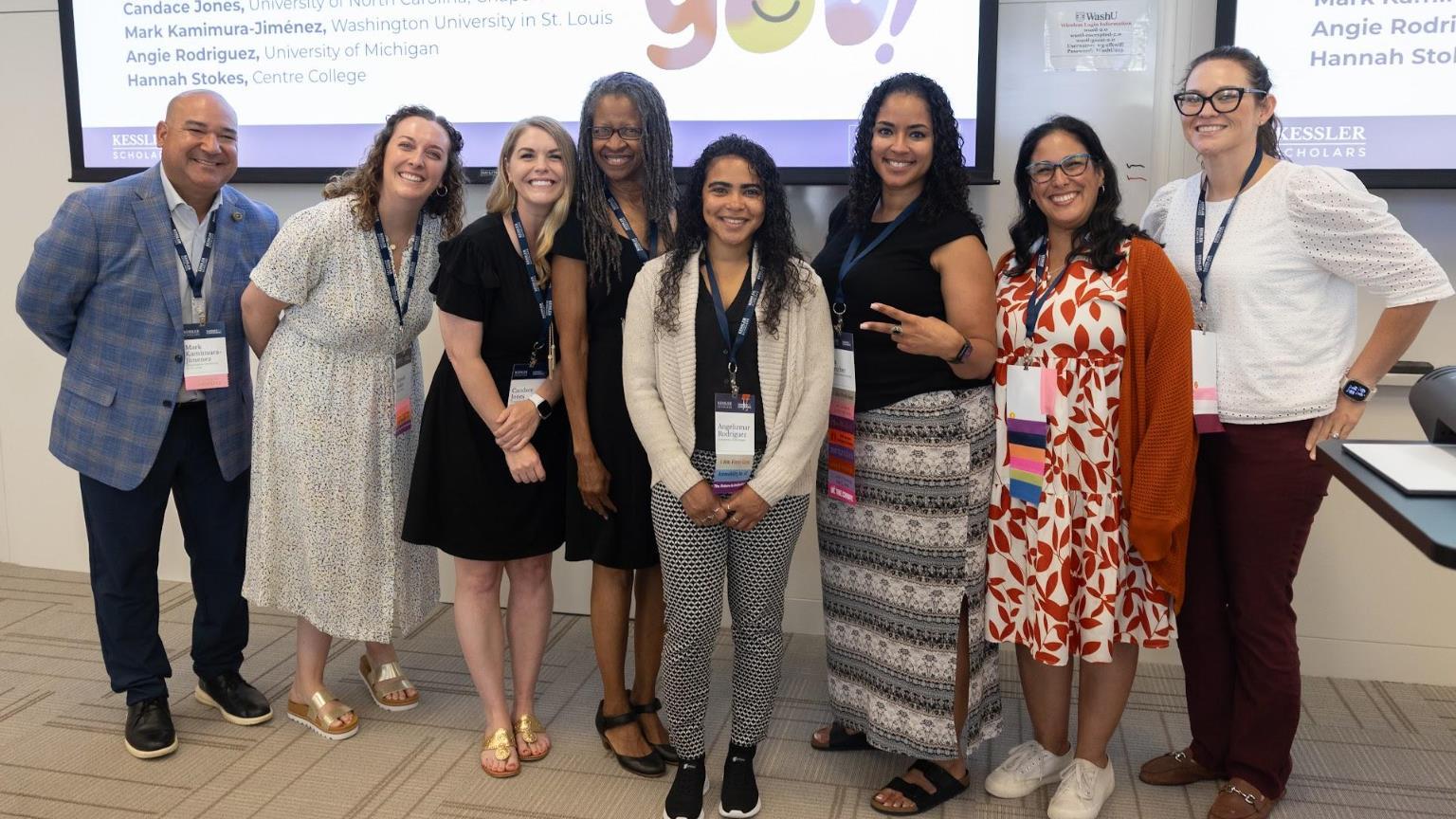
● Get Your Collegiate Gear On!
● Dinner at the Blue Zone
○ Meet in The Carolina Inn lobby at 5:15 p.m. to walk over to Kenan Memorial Stadium.
○ Blue Zone; 5:30 - 8 p.m.
● (Optional) Group Hang-Out at The Carolina Inn
○ Crossroads Barroom and Restaurant; 8 p.m.
● (Optional) Breakfast, Tomorrow Morning
○ Old Well Room; 7 - 10 a.m.
Keep sending your photos! They will be on the screens in the Blue Zone!