


Ithaka S+R
● The Kessler Scholars 2025 First-Year Survey was administered to all actively enrolled Kessler Scholars over the age of 18 across the 16 participating institutions in fall 2025.
● Summer programming was a major focus of this year’s survey, and this brief summarizes findings on students’participation and experiences in these programs across the Collaborative.
● The insights presented are based on the responses of the sub-sample of participants who answered specific survey questions. In this report, percentages might not sum to 100% due to rounding or item nonresponse.

● Survey sample: This consists of all first-year Kessler Scholars who were enrolled at the 16 partner institutions of the Collaborative in fall 2025 and were 18 years or older.
○ We verified eligibility using names, dates of birth, enrollment status, and university email addresses from student rosters provided by program leads at each institution.
○ Of the 377 first-year scholars on rosters as ofAugust 18th, 2025, 342 were over 18 and eligible to participate as of the initial launch date.Another 15 turned 18 by October 22nd and were invited to participate at that time.
○ We received 348 responses to the survey, which corresponds to a 97% response rate for eligible scholars and a 92% response rate for all scholars.
● Survey launch: We administered the survey to scholars via email through the Qualtrics survey platform from September 10th to October 8th for most schools (September 17th to October 15th for OSU; October 8th to November 5th for UCR).
● Incentives: We employed several measures to boost response rates while the survey was active:
○ We sent email reminders twice a week to non-respondents through Qualtrics.
○ We encouraged program leads at each institution to remind students in their program to take the survey and provided an updated list of non-respondents once a week to support follow-up messages to these students.
○ The Collaborative offered a pizza party to the small campus and large campus with the highest response rates.
● Offerings: Based on student responses, all institutions offered peer mentoring over the summer, and most offered in-person events associated with orientation/move-in and virtual events prior to move-in.
○ Student responses also indicate that 11 out of 16 institutions (Bates, Brown, Centre, Dayton, JHU, Pitt, Queens, SMC, Syracuse, UNC, WashU) offered multi-day summer programs.
● Participation: Sixty-eight percent of respondents reported participating in a Kessler Scholars summer program or event.
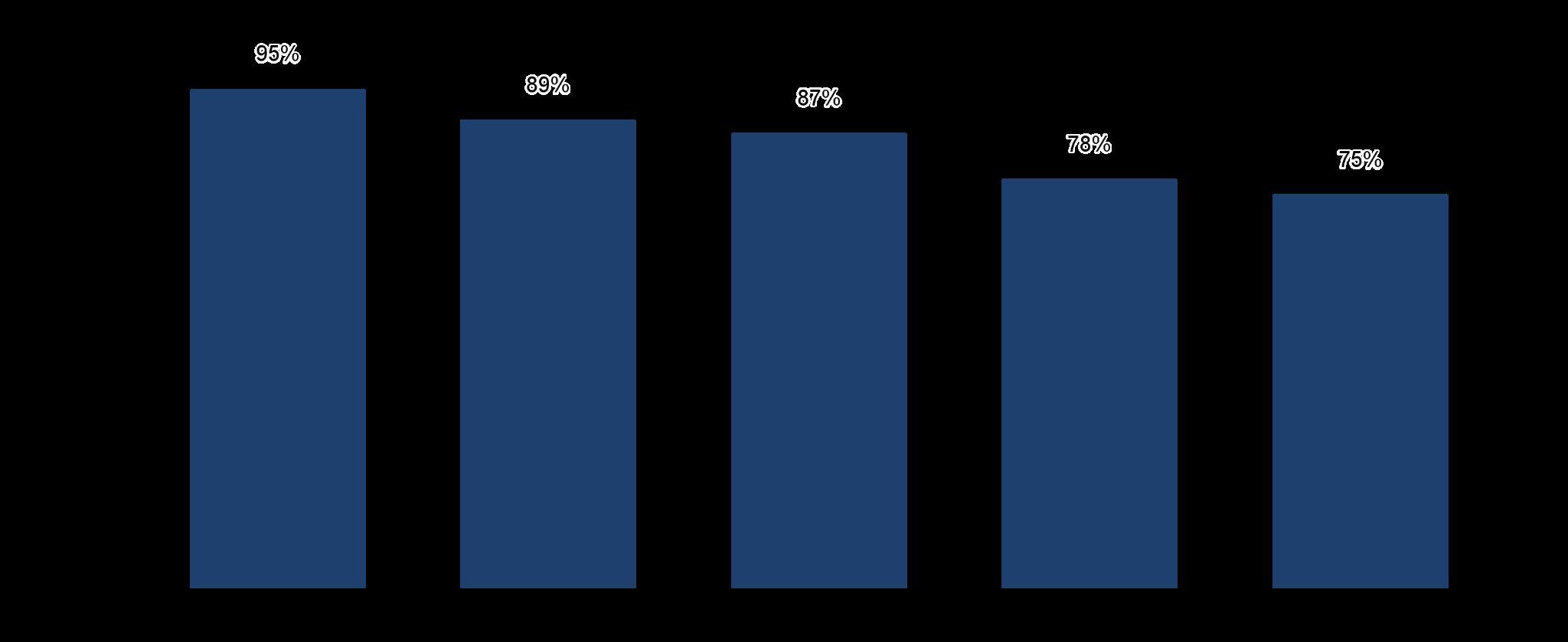
● Overall experience: For each type of event, at least three-quarters of respondents reported that participation was beneficial.
○ Respondents generally rated longer-term or more-intensive experiences, such as multi-day summer programs and peer mentoring, as more beneficial.
● Summer program goals: Different types of events supported different goals. For example, peer mentoring, orientation/move-in events, and virtual events were especially helpful in fostering connections among Kessler Scholars. Orientation/move-in events were especially effective in helping respondents learn about campus resources.
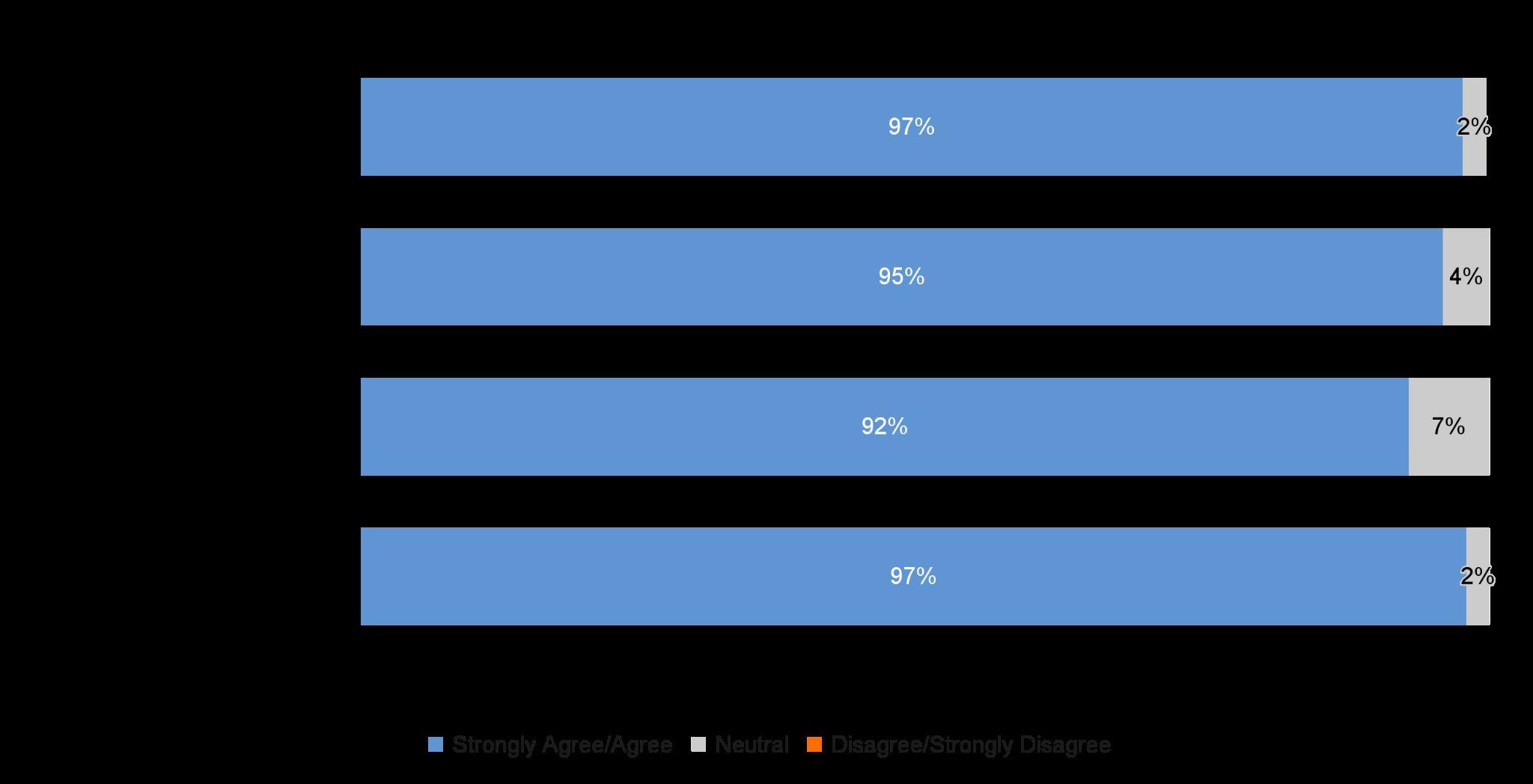
○ Multi-day programs were highly effective in supporting all summer program goals.
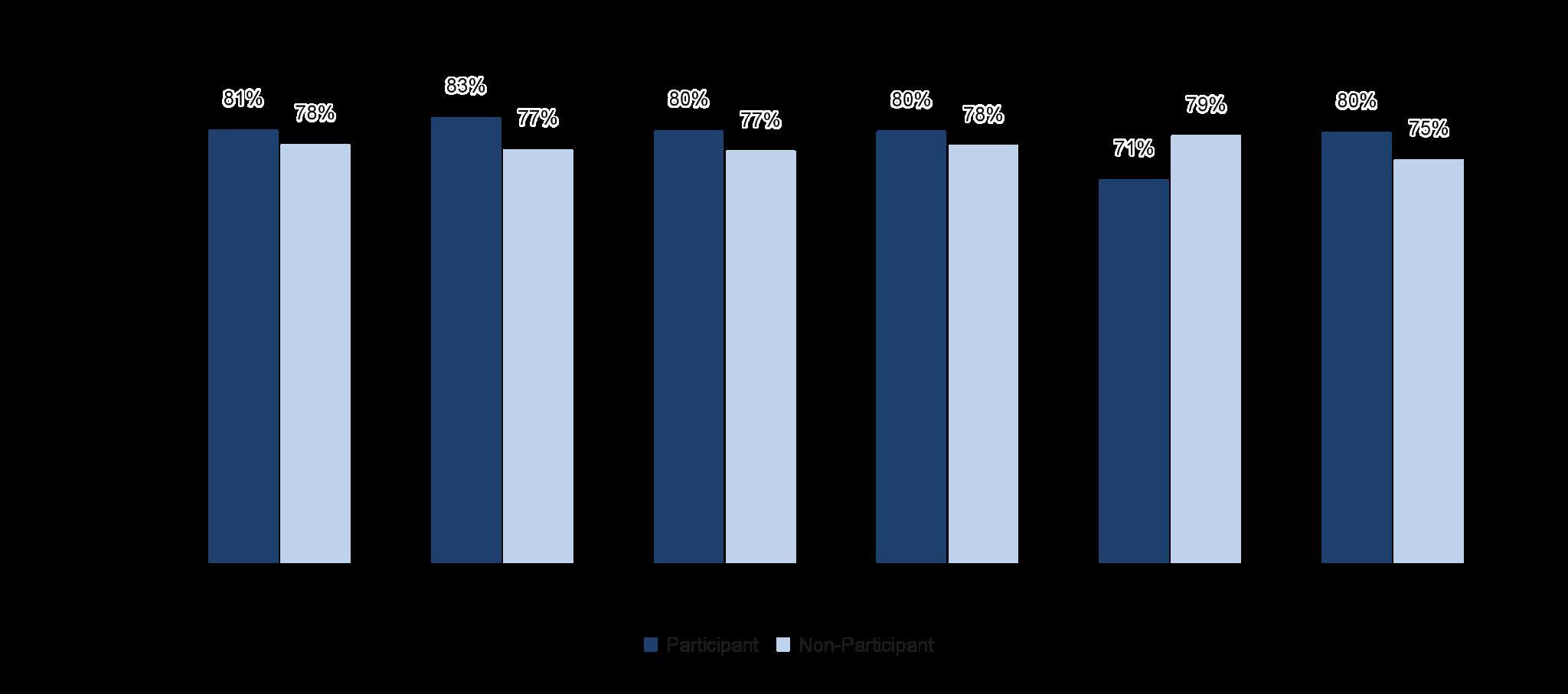
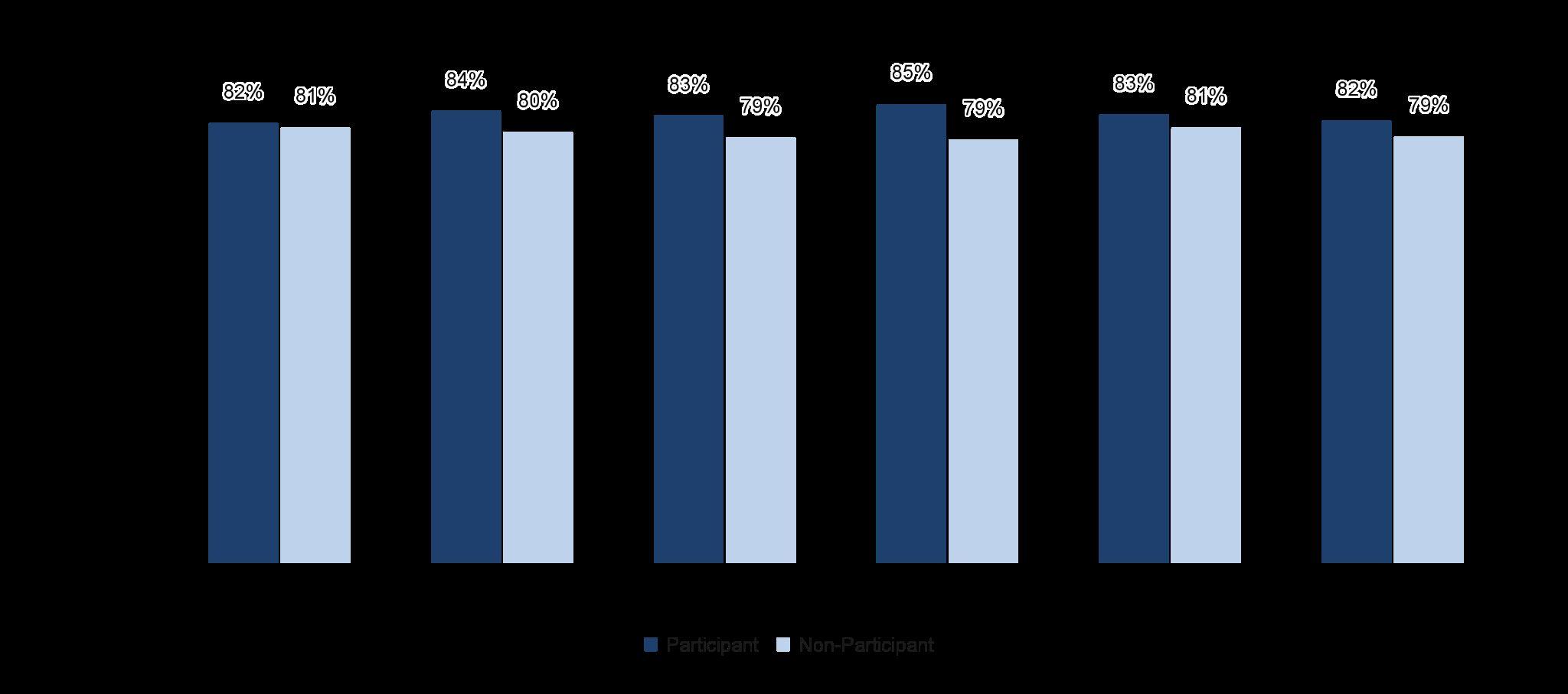
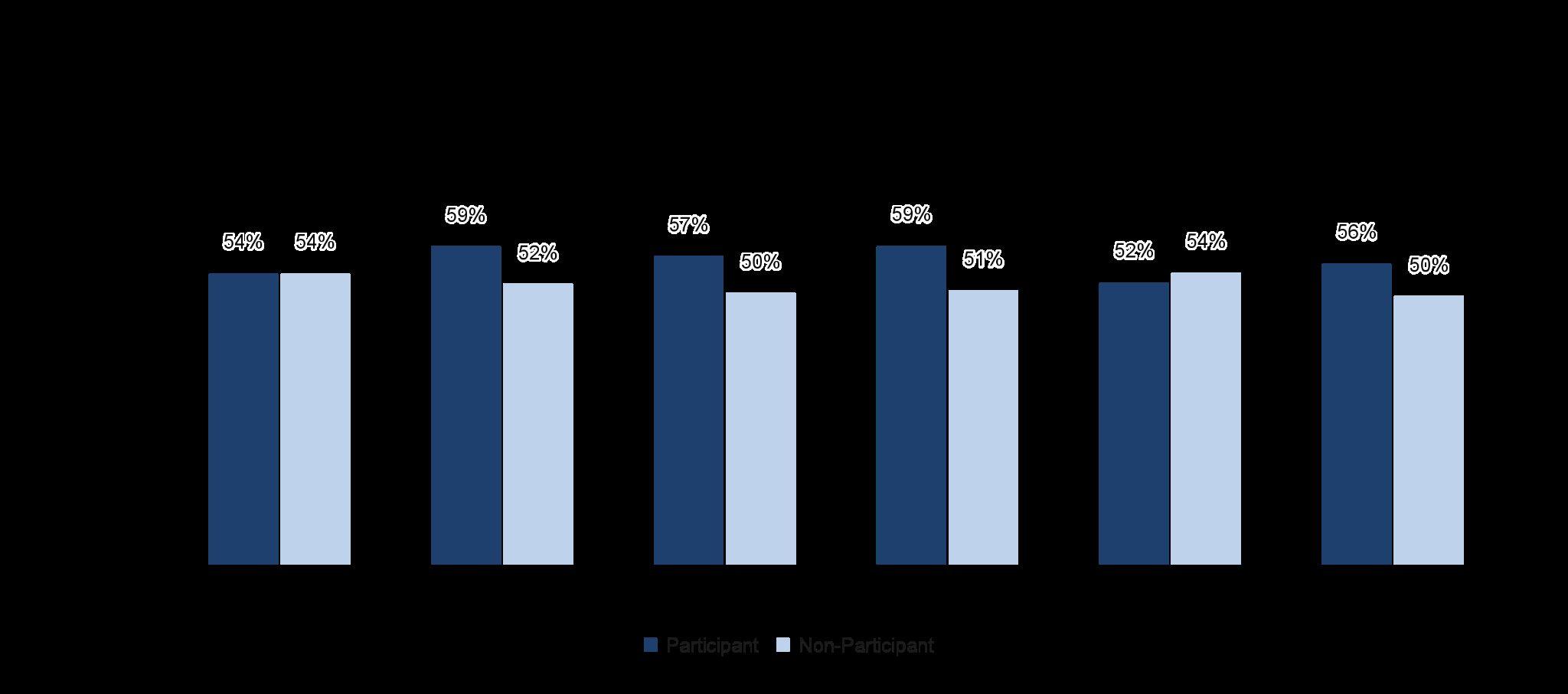
● Core program outcomes: Participants in all types of summer programs reported greater institutional satisfaction, sense of belonging, and academic self-efficacy compared to non-participants.
○ Participants in some types of summer programs (peer mentoring, orientation/move-in events, and virtual events) reported greater social self-efficacy.
● Common Read: Ten percent of respondents reported participating in the first Kessler Scholars Collaborative Common Read.About three-quarters reported that this program helped them connect with other Kessler Scholars, gain confidence, and learn skills that they could apply as college students.
● Institutional differences:
○ Multi-day programs were highly rated across institutions.
○ In contrast, the percentage of respondents who found peer mentoring, virtual events, and orientation/move-in events beneficial varied by institution.
● Opportunities for improvement: Most often, respondents who had feedback suggested shortening programs or including more breaks and free time.They also recommended interactive activities (e.g., panels, Q&A) instead of traditional information sessions.
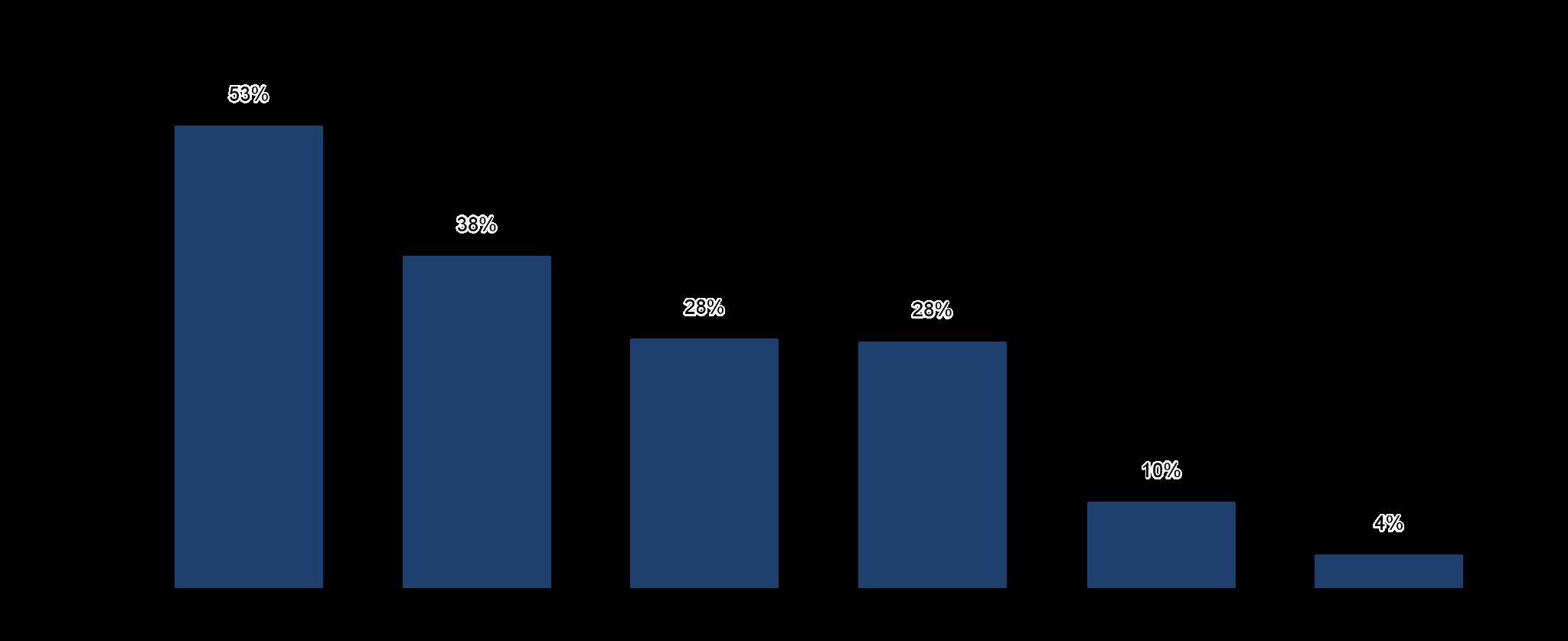
About 68% of respondents reported participating in at least one Kessler summer program or event.The most common type of event was an in-person event held just before or during orientation or move-in, followed by virtual events.
On average, between 75% and 95% of respondents who participated in each type of summer program/event strongly agreed or agreed that it was helpful. Longer-term programming, such as multi-day programming and peer mentoring, appeared to be the most helpful.
Over 90% of respondents strongly agreed or agreed that multi-day summer programs achieved each of four key goals.
Peer mentoring was especially helpful in providing an opportunity for connections among Kessler Scholars.
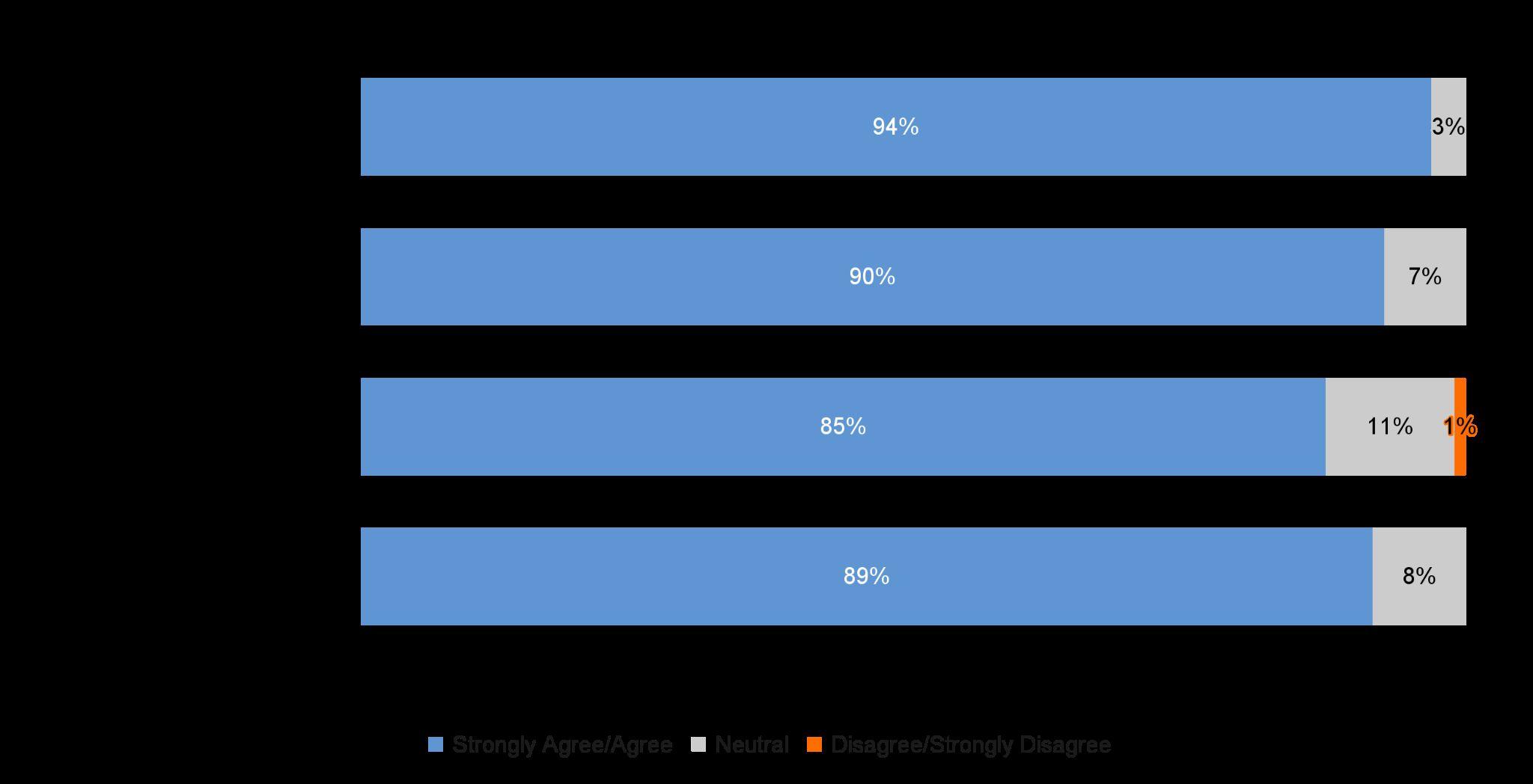
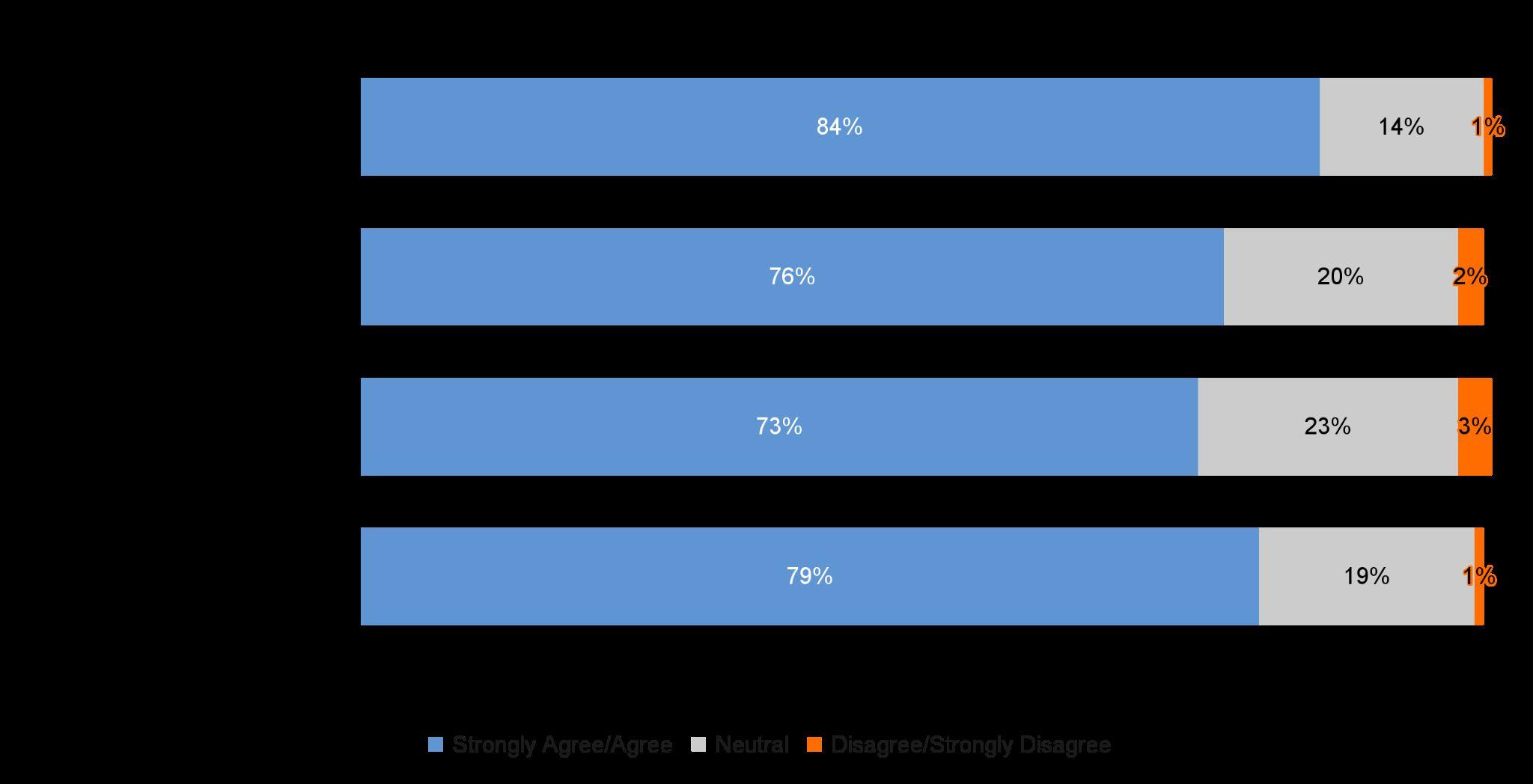
Respondents were especially likely to report that orientation/move-in events provided an opportunity to connect with fellow Kessler Scholars and helped them learned about campus resources.
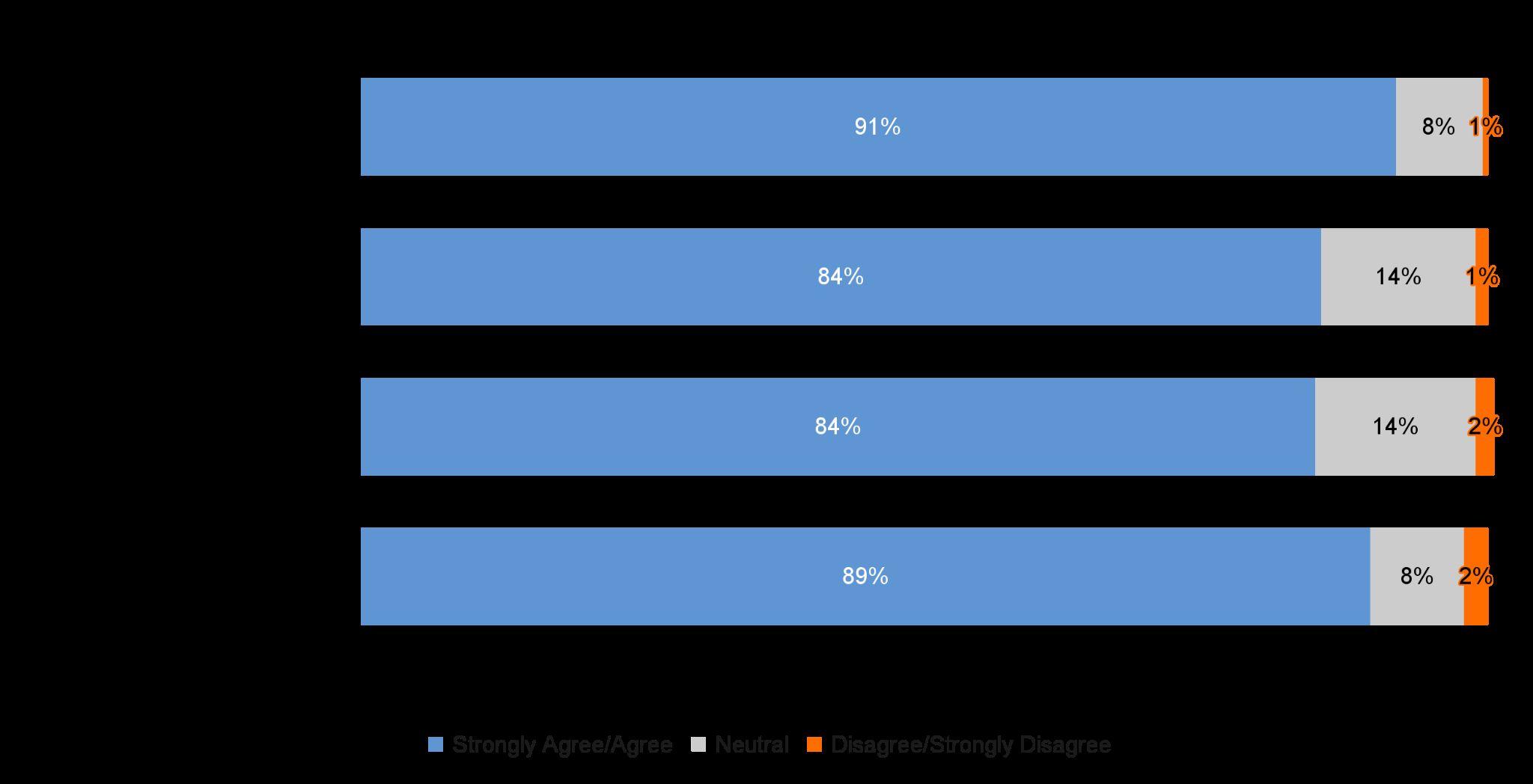
Respondents were especially likely to report that virtual events provided an opportunity to connect with fellow Kessler Scholars.
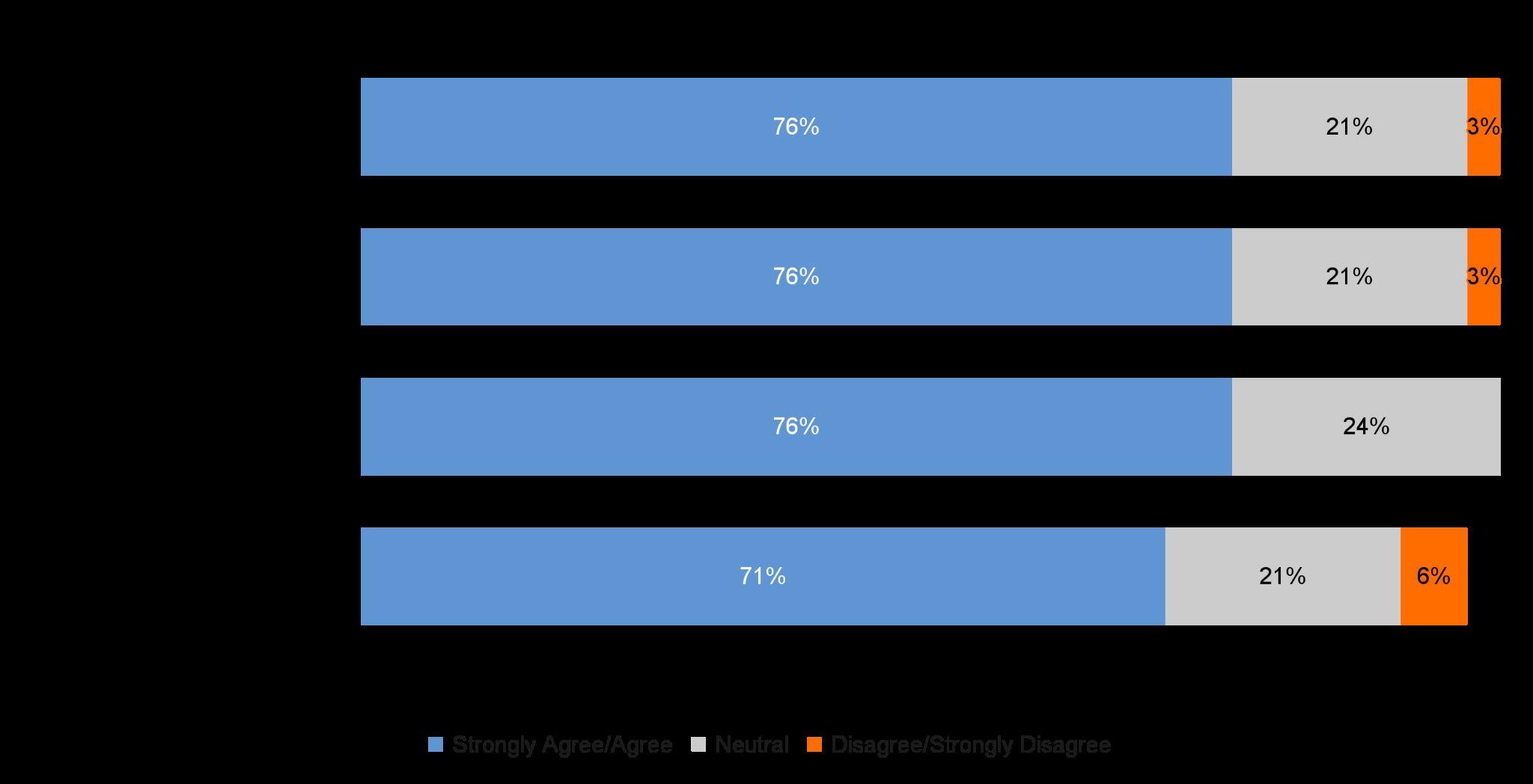
The Common Read helped Kessler Scholars connect with their peers, gain confidence as college students, and learn skills that they could apply as college students.
● 200 respondents answered the question.
● Some respondents identified specific activities as especially helpful:
○ Information about campus resources
○ Early move-in
○ Meeting other Kessler Scholars
○ Meeting peer mentors
○ Meeting Kessler staff
● Others focused on summer programs’benefits:
○ Increased self-confidence
○ Increased sense of belonging or community
○ Felt academically prepared for college
○ Learned how to ask for help
if at all?
“Helped me realize I'm more ready than I thought I was.”
“I meet a lot of friends early on which helped me realized that there are indeed people like me in college who come from similar background.”
“The [Common Read] has helped me transition to college by reading a story of a young girl going into college with a similar background as mine, which helped me point out that I am not the only one that is going to go through the first steps of college as a first-gen.”
How could the summer program(s) or event(s) be improved, if at all?
● 174 respondents answered the question.
● Most respondents indicated that no improvement was needed.
● Among those who made recommendations for improvement, the following were most common:
● More active/interactive sessions (e.g., panels or Q&A instead of talks)
● More social events
● More breaks/free time or a shorter program
● Too much information or redundant information
● More time for or earlier start date to peer mentoring
● Mandatory attendance
“I think they could find some way to alter the schedule so that students aren’t sitting and listening to speeches for hours and hours straight.”
“
“Overall, the program was very insightful and well designed. One area of improvement I would suggest is allowing free time for scholars to explore their school and surrounding areas together.The jump from Summer Retreat to Orientation was a little hectic and overwhelming, but with at least one day to explore campus and the city with fellow Kespies, that transition would've felt much smoother and less chaotic.”
“In the Kessler Scholars Common Read, we all felt shy because we felt like we didn't know what was going on. Maybe giving everyone some time to introduce themselves (if they want to) to feel more connected to the meeting.” “
For most summer programs, participants reported a slightly greater sense of belonging than non-participants.
Summer program participants reported higher levels of institutional satisfaction than non-participants.
Summer program participants reported greater confidence in their ability to complete academic tasks than non-participants. Differences were especially pronounced for multi-day program and virtual event participants.
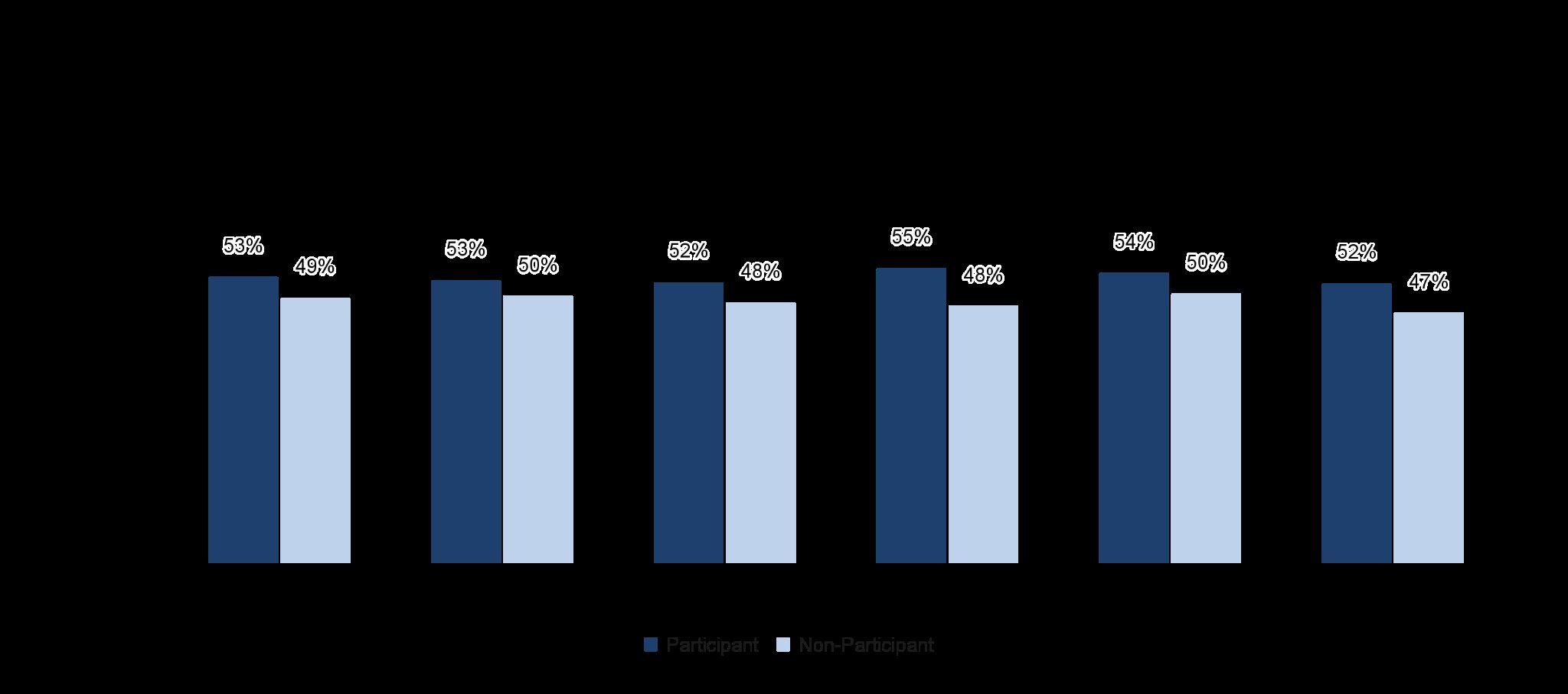
Participants in peer mentoring, orientation/move-in events, and virtual events reported greater confidence in their ability to complete social tasks compared to non-participants.
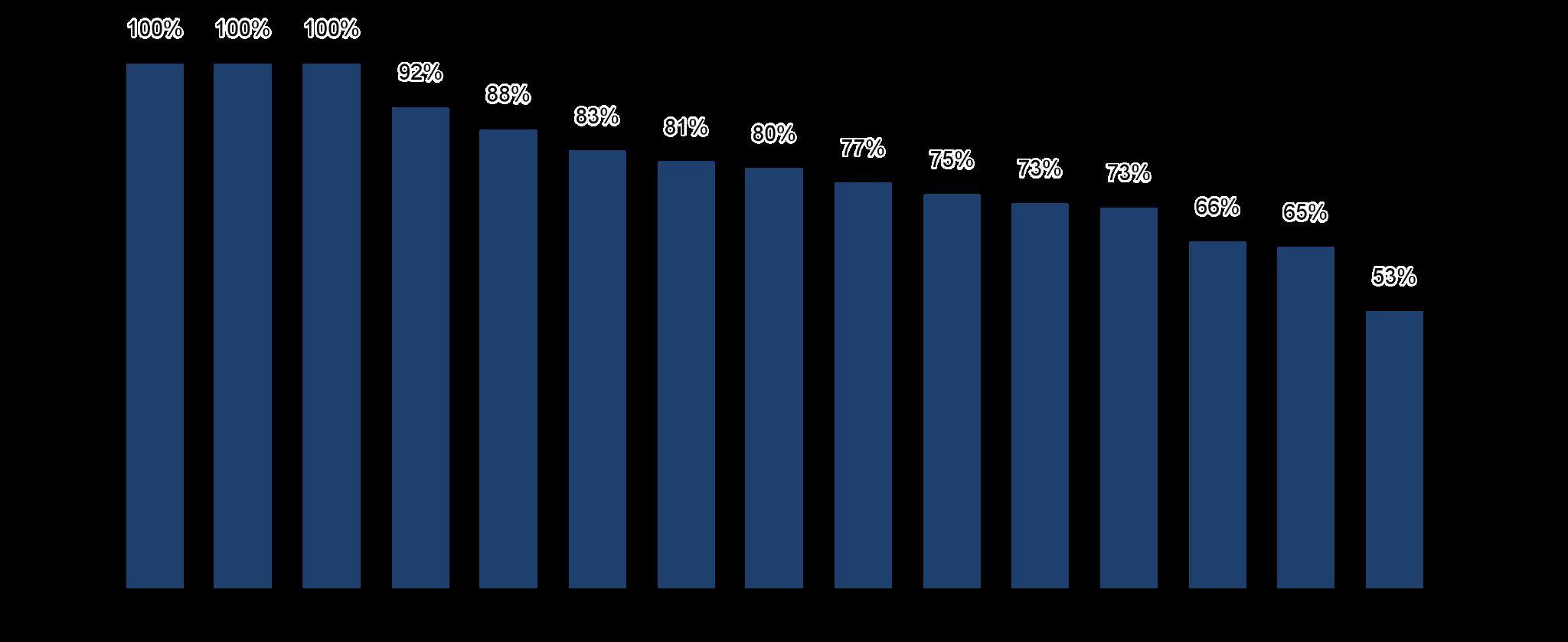
At most institutions with multi-day programs, on average, over 95% of respondents indicated that the program was helpful.
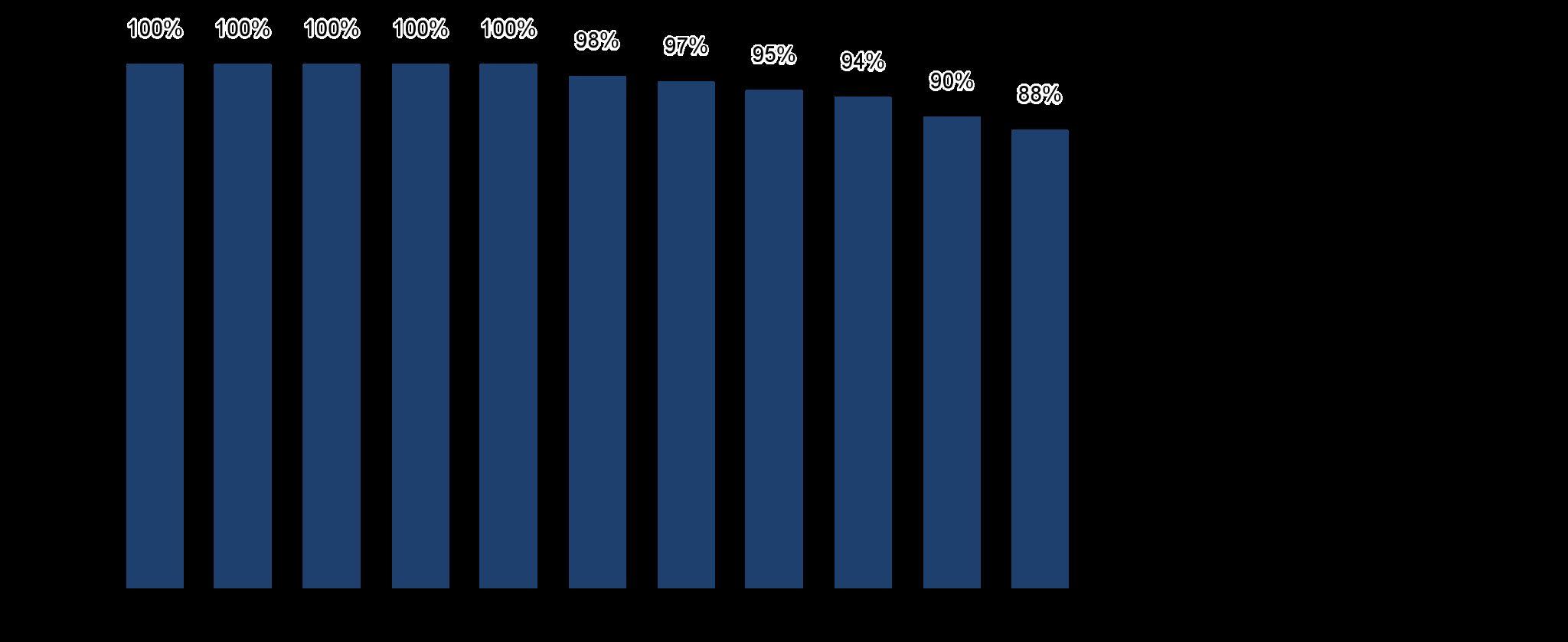
The percentage of respondents who indicated that, on average, peer mentoring was helpful varied widely by institution, from 60% at Dayton to 100% at SMC, SFC, OSU, UNC, Pitt, and WashU.
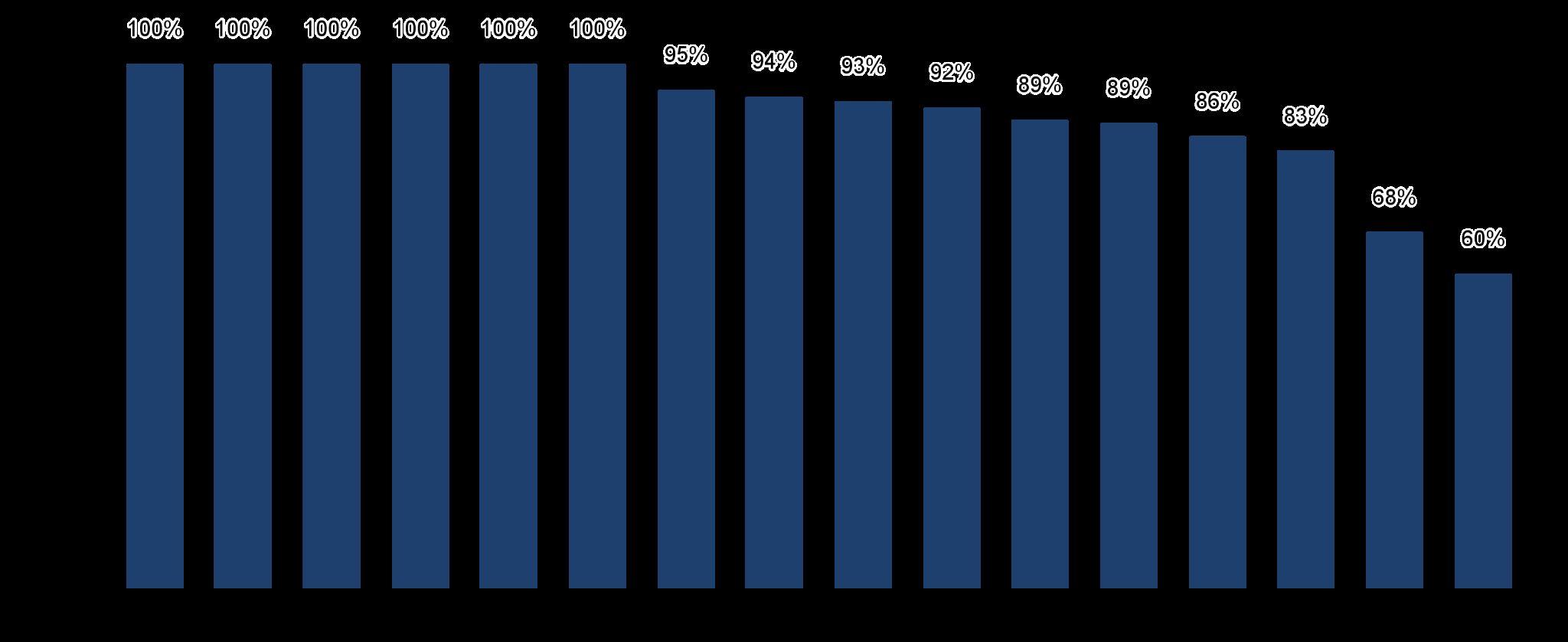
The percentage of respondents who indicated that, on average, orientation/move-in events were helpful varied widely by institution, from 60% at UM to 100% at SFC.
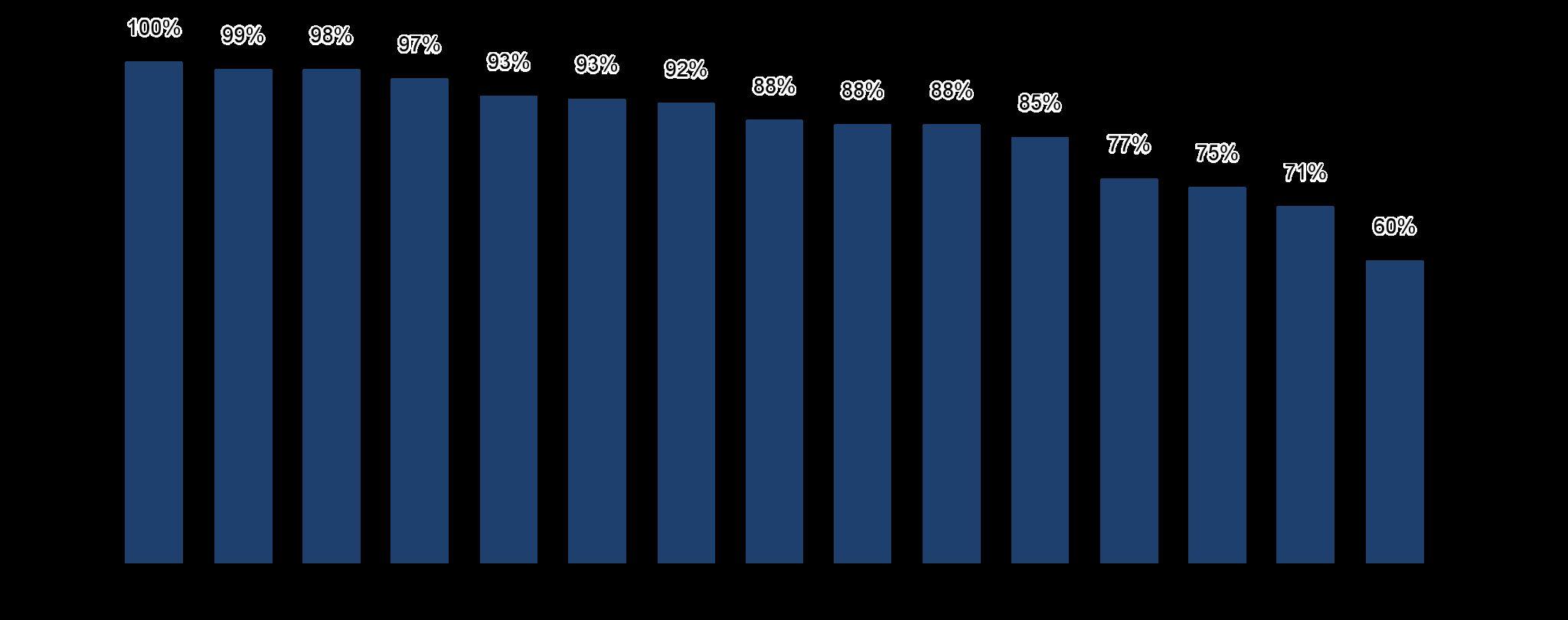
The percentage of respondents who were employed varied widely by institution, from 90% at Dayton to 37% at UNC. The percentage of respondents who indicated that, on average, virtual summer events were helpful varied widely by institution, from 53% at JHU to 100% at Queens, SFC, and UNC.
Respondents commonly recommended shortening the program or at least allowing for more breaks.
Overall, respondents wanted more out of Centre’s summer programming.They requested longer programming and more interaction with other Kessler Scholars.
Respondents frequently recommended panels or other interactive activities in lieu of talks and traditional information sessions.
Respondents recommended that courses be better aligned with planned majors or career goals.
● Respondents found summer programming to be highly beneficial.Although longer programs and more-intensive experiences appear to be the most beneficial, even short or one-time programs were useful to students.
○ At campuses where longer and more-intensive programs are not feasible, program staff should still consider implementing or expanding shorter and less-intensive events during the summer.
● The type of summer experience offered should align with the campus’s goals in offering a summer program.
○ If the primary goal is to foster fellowship and connections, a short virtual or in-person event is likely sufficient.
○ Multi-day programs, peer mentoring, and orientation events are all good choices for familiarizing students with campus resources.
○ To help students gain confidence and acquire skills, a multi-day program is best.
● For multi-day programs and programs occurring alongside orientation, building in breaks and free time is essential.