2NDEDITION KEMUMSA INSIDER
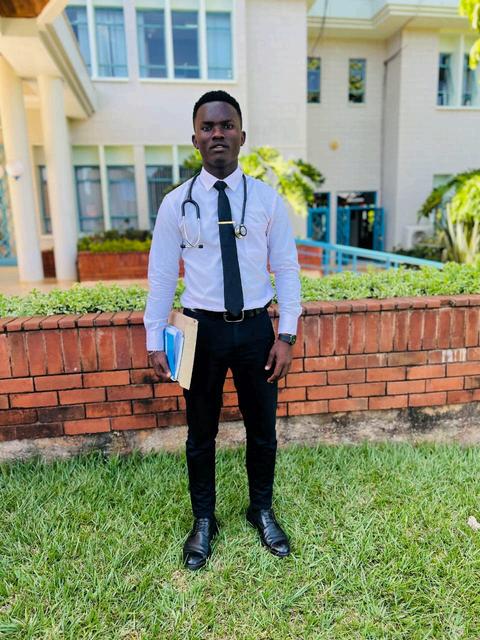


KEMUSA PRESIDENT 2024/25

KEMUMSA VICE PRESIDENT 2024/25
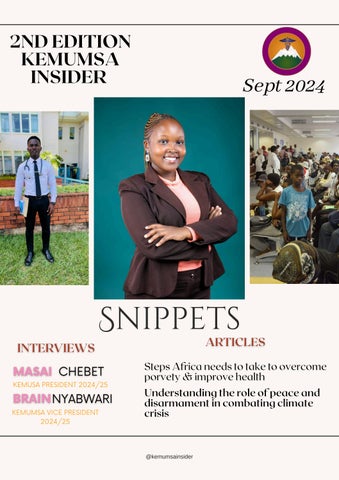
KEMUSA PRESIDENT 2024/25
KEMUMSA VICE PRESIDENT 2024/25

Steps Africa needs to take to overcome porvety & improve health
Understanding the role of peace and disarmament in combating climate crisis
MEET THE EDITORIAL TEAM
DARE TO BE inspired by Masai Chebet
The Journey of Compassionate Leadership: Navigating Medicine, Advocacy, and Personal Growth- Brian Nyabwari 01
Steps Africa needs to overcome poverty & health
Understanding the role of peace and Disarmament in combating climate crisis 15

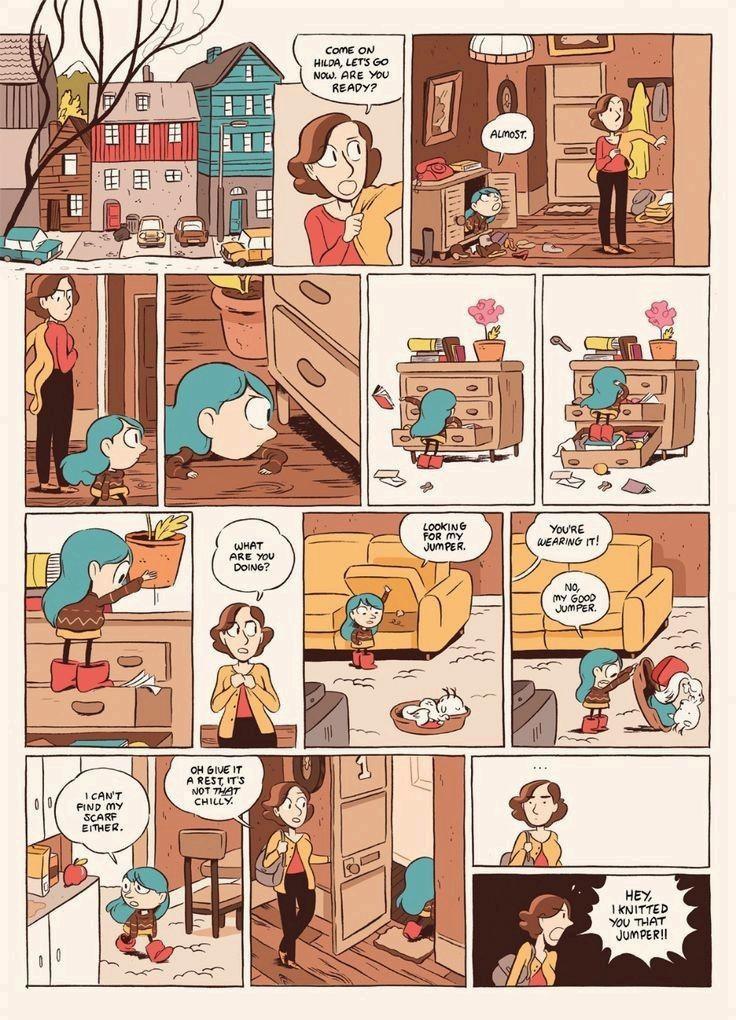
HILDA! SUDOKU 22
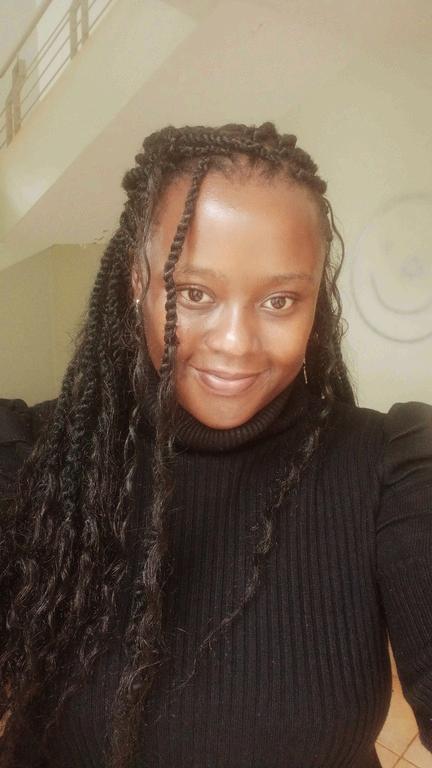
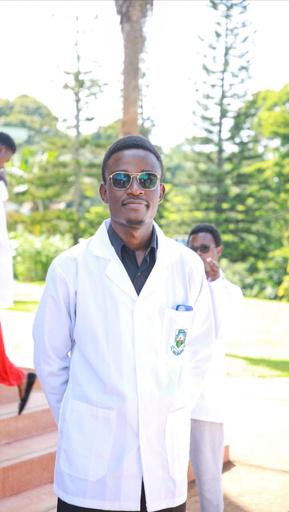
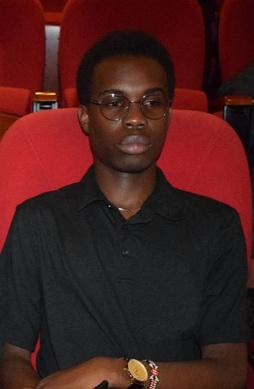
Editor-in-chief Writers Team Lead Editorial Team Lead Publicity Team Lead Graphics Team Lead Graphics Team



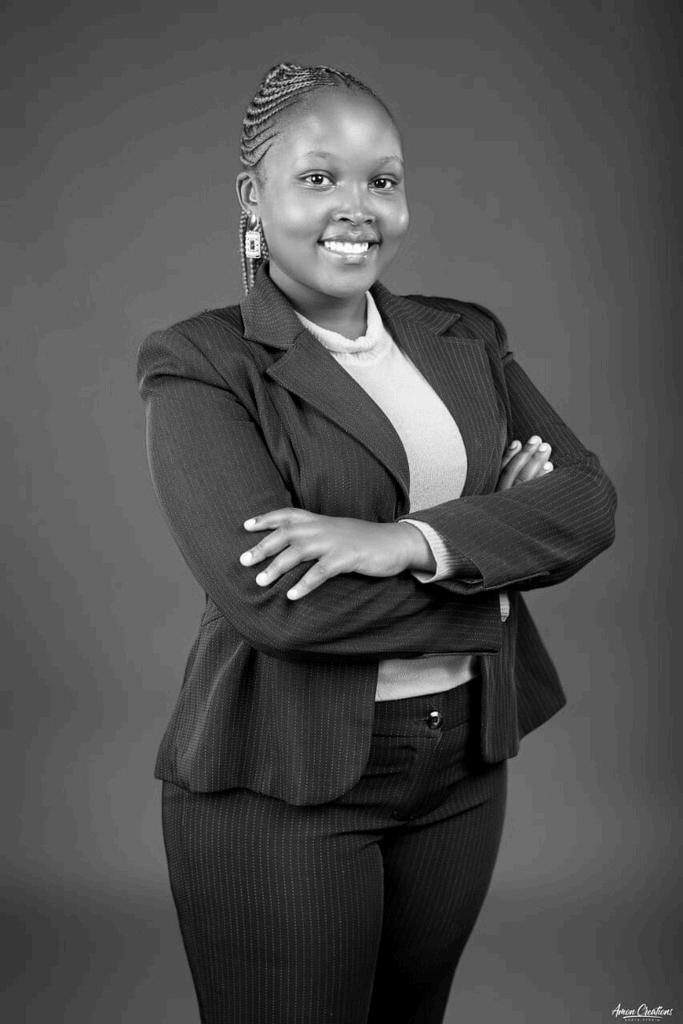


Could you tell us about your journey into medical school?
Growing up, I wanted to be pilot and a singer. When I got into high school, I was not a big geography fan so I had to think of another career path. I picked law next because that was what people said matched my character. But later, towards my final exams, I realized that I wanted to do medicine and never looked back.
What are some of the bumps you’ve had to face which you believe has shaped you to who you are today?
I went to boarding school very early, when I was seven. It taught me how to rely on myself while fighting for what I want. I rarely back down from challenges even when they scare me and I get the best for me in every situation. I am selfishly in love with myself so I do my best not to shortchange myself in every experience in life.
If you could have dinner with three figures who could they be and why?
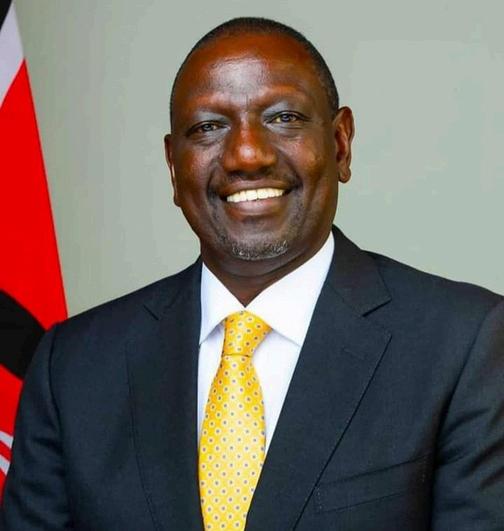
The first person is president William Ruto because I think he has the best political mind in Kenyan politics. As a person who wants to venture into Kenyan politics, I’d love to pick that brain over a nice meal. The second person is Donald Trump. I view him as a very assertive person which is a quality I value a lot in people. Trump has a great business mind that has translated to wealth for him. I also think he would tell the funniest stories and jokes at dinner. The third person is princess Leanor of Spain. She’s 18 but she’s already training to be the future queen I’d love to know how that knowledge impacts her life and how she balances being a teenage girl who is headed for the throne in the 21st century.


What is one memorable experience you’ve had while in KeMU?
The KeMUSA elections, especially the final one. You learn so much about yourself during the elections as a candidate. You learn how brave you can be to just compete, you learn how well or poorly you can hold up under stress or pressure, you learn how to deal with people who dislike you just because, you learn that some good things about you did not go unnoticed, you learn some bad things about you also did not go unnoticed and so much more The best part though was my friends. There are some unexpected people who root for you and give you 1000% of their support and encouragement. That was the best part, when you learn that you are not as alone as you sometimes think.
What would you describe as your comfort experience or activity
I love reading novels. My parents are both literature teachers so we have a large collection of novels that I’ve read since I was a child. I love imagining myself in different scenarios and putting myself in the shoes of other people. Novels can help someone develop a keen sense of empathy and learn how deal with situations by reading about them and how the fictional characters dealt with them. But mostly, its just about winding down with a great book and getting lost in another world.
Have you had any mentorship experiences before?
I’ve never had a direct mentor but I have so many people who mentor me in various aspects of life. I get the mentors by looking at where I want to be and learning from the people who are already there. I also have a lot of amazing older people who give random advice on situations as they arrive The secret to mentorship is to develop a good relationship with adults who can mentor you and to have a teachable attitude. So many people have amazing life advice and we just need to show them that we would value their input.
What would you say were the three ambitions you had since you were a child and how for do you feel you are to achieving them?
My first ambition is that I work hard enough that I am not dependent on anyone to have a comfortable life. I’m confident in the strides am making by working on my education and trying to develop myself outside of class. My second ambition is to make a name for myself using my artistic talents. I am a good actress who has won best actress in high school national competitions and I have a nice singing voice. Unfortunately, I’ve not done much for my artsy side. But you never know. My third biggest ambition is leadership. I hope to get to the highest position that I possibly can where I help in making policy decisions for the good of people. I am proud of the far I have come in my leadership and am excited for the future.
What is one legacy you’d like to be remembered for?
I’m hoping to improve mental health of KeMU students by increasing facilities and policies that reduce the pressure a student goes through.
What is one talent that you believe people should know about you?
That I can sing. It’s not really hidden cause I do sometimes, but I don’t do it enough.
2024 goals?
To be intentional about my physical and mental well-being by only doing things that are good for me.
What is one misconception people have about you?
That I am an extrovert. I hold up well in social situations and I can be charming and outgoing. This aside, I prefer being around people I already know and I don’t go out of my way to make new friends.
What would the title of you life be?
DARE TO BE. It sounds very high handed but I hope the way I do things inspires someone to be the best they can be.
"The Journey of Compassionate Leadership: Navigating Medicine, Advocacy, and Personal Growth"
I
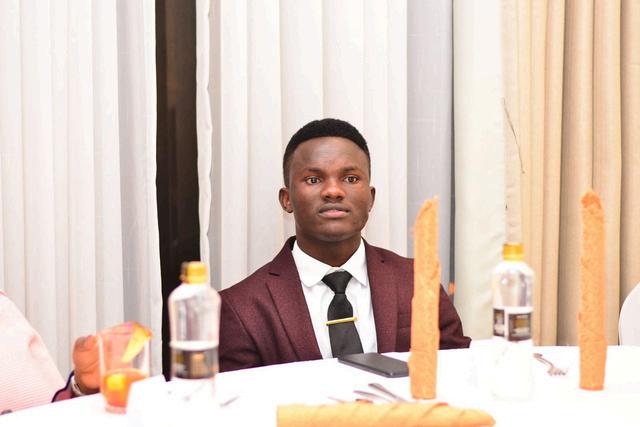
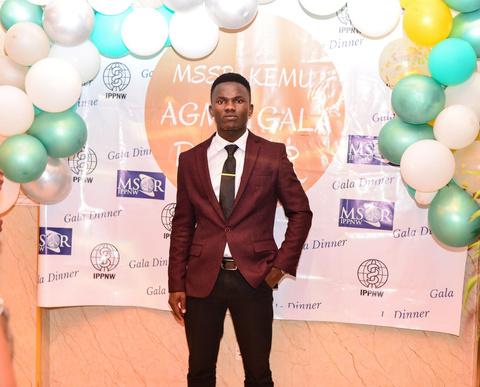
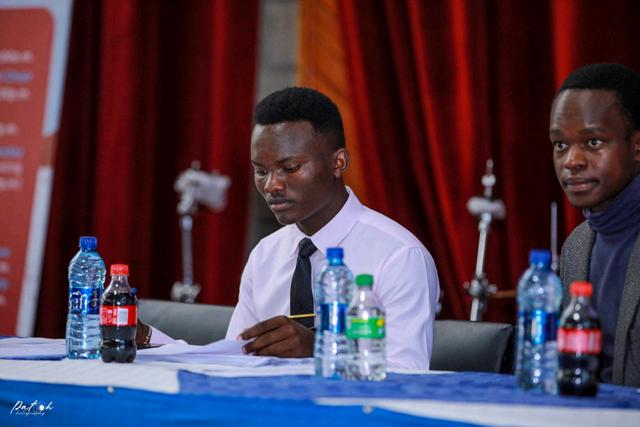
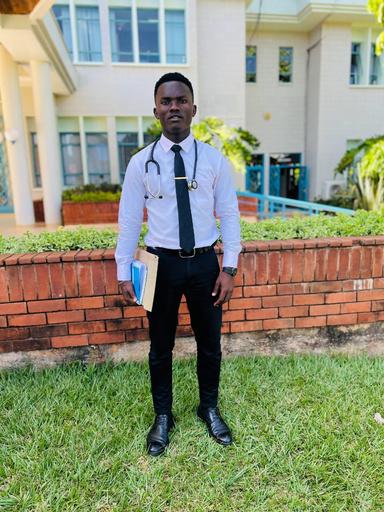
B R I A N N Y A
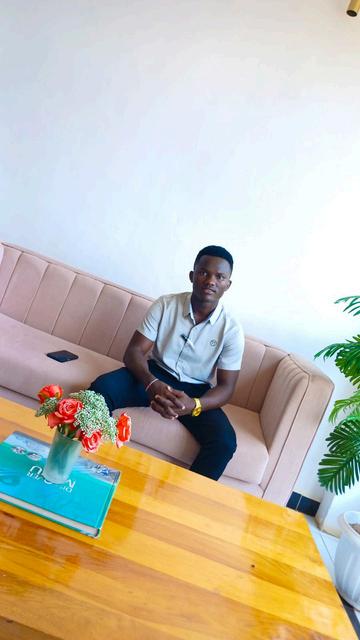
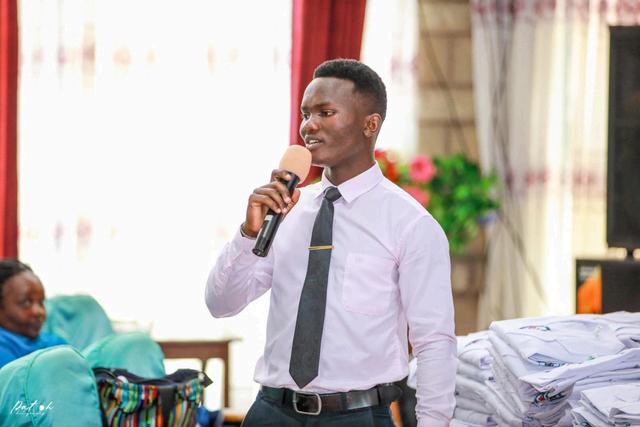
Could you tell us about your journey into medical school?
My journey into medical school has been a culmination of determination, hard work, and passion for healthcare. From a young age, the intricacies of the human body and the noble profession of medicine fascinated me This curiosity led me to pursue a rigorous academic path, where I dedicated myself to achieving excellence in my studies and extracurricular activities. After years of preparation, I was fortunate enough to be accepted into Kenya Methodist University's esteemed medical program, where I continue to pursue my dream of becoming a compassionate healer and leader in healthcare.
What are some of the bumps you've had to face that have shaped you into who you are today?
Throughout my journey in medical school, I've encountered various challenges that have tested my resilience and leadership skills. From balancing academic responsibilities to navigating personal setbacks, each obstacle has given me valuable lessons and growth opportunities. As a student leader, I've learned to make firm decisions and stand for what is right while fostering inclusivity and challenging biases. These experiences have shaped me into a compassionate and determined individual, ready to overcome any hurdle that comes my way.
What is one memorable experience you've had while in KeMU?
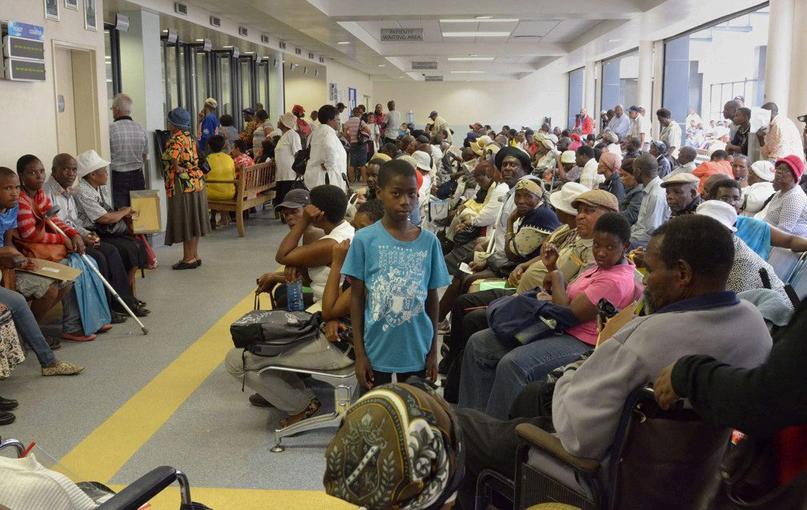
One memorable experience at KeMU was organizing and participating in a medical outreach program to underserved communities. Witnessing the impact of healthcare interventions firsthand and interacting with patients from diverse backgrounds was genuinely transformative. It reinforced my commitment to serving marginalized populations and inspired me to advocate for equitable access to healthcare. This experience broadened my perspective on healthcare disparities and instilled in me a greater sense of empathy and compassion for those in need
What would you describe as your comfort experience or activity?
My comfort experience encompasses various activities, including clerking patients at the hospital and engaging in academic writing as a side hustle. These activities provide a sense of fulfillment and offer moments of relaxation and intellectual stimulation. Clerking patients allows me to apply my medical knowledge in a practical setting while fostering meaningful connections with individuals under my care. Similarly, academic writing is a creative outlet, enabling me to explore medical concepts profoundly and contribute to scholarly discourse. Both endeavors contribute to my personal and professional growth, i hi g ll i
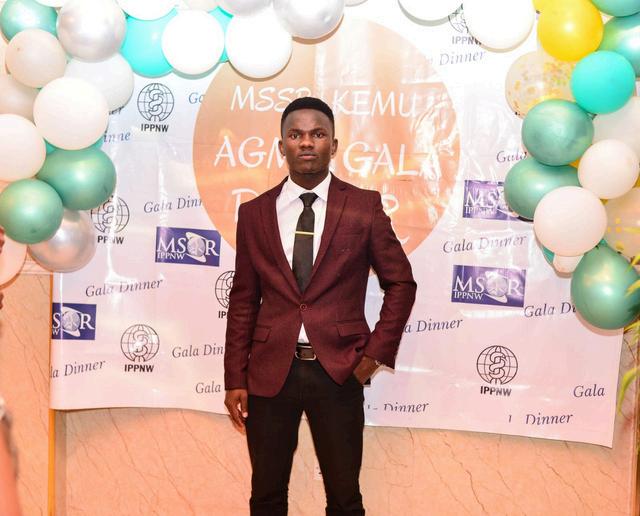
Have you had any mentorship experiences before?
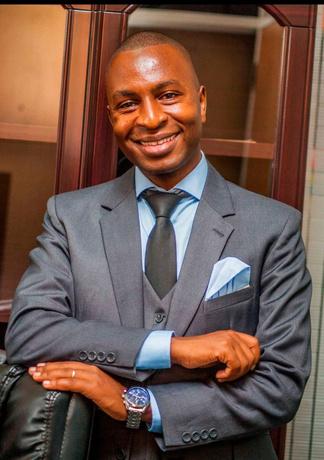
Yes, mentorship has been pivotal in my personal and professional development. Under the guidance of my mentor, Dr. Bundi Karau, I've received invaluable insights and support as I navigate my journey through medical school. His wisdom and mentorship have empowered me to pursue my passions confidently and seriously.
What would you say were the three ambitions you had since you were a child and how for do you feel you are to achieving them?
Since childhood, my ambitions have centered around making a meaningful impact in the world, cultivating lifelong learning, and fostering personal fulfillment. While I am still on the journey towards realizing these ambitions, I believe that my experiences in medical school have equipped me with the knowledge, skills, and determination to pursue them with unwavering dedication With two years left to complete my studies, I am excited about the opportunities ahead and committed to achieving my goals.
What is one talent that you believe people should know about you?
One talent I possess is the ability to empathize and connect with others deeply. Whether listening attentively to someone's story or offering words of encouragement, I believe in the power of human connection to foster understanding and compassion
In 2024, my goals include advancing to the next stage of my medical education, focusing on honing my clinical skills, and deepening my knowledge in internal medicine. I aim to actively participate in research projects aligned with my interests, contributing to the body of medical knowledge and fostering a culture of inquiry within the academic community. As a student leader, I am committed to advocating for my peers' welfare and professional development, ensuring that their voices are heard and their needs addressed. Additionally, I plan to continue my role as the capacitybuilding development assistant for clinical years at Kenya Methodist University, implementing initiatives that enhance the learning experience for medical students. Outside of academia, I aspire to maintain a healthy work-life balance by prioritizing self-care, hiking, biking, and spending quality time with friends. By the end of 2024, I aim to have made significant strides in my personal and professional growth, laying a solid foundation for my future medical career.
If you could have dinner with three figures who could they be and why?
I would choose:
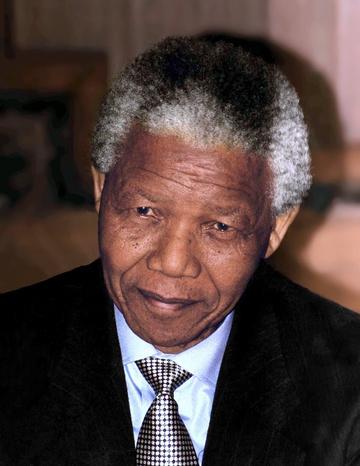
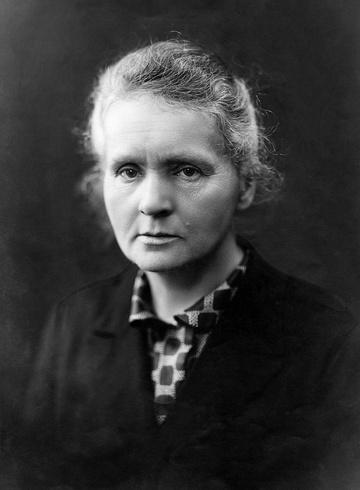
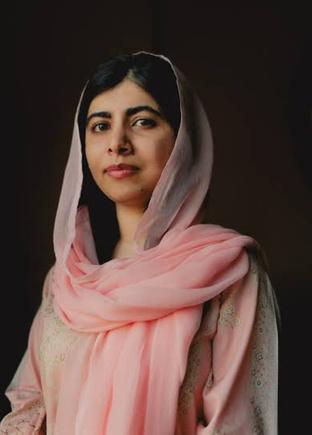
Nelson Mandela for his unwavering commitment to justice and reconciliation, Marie Curie for her groundbreaking contributions to science and resilience in the face of adversity and Malala Yousafzai for her courage and advocacy for girls' education. Each individual embodies values of courage, compassion, and resilience, and dining with them would be a source of inspiration and enlightenment.
What is one legacy you’d like to be remembered for?
I aspire to be remembered as someone who made a positive difference in the lives of others, both professionally and personally. Whether by providing compassionate patient care, advocating for social justice, or mentoring future generations of healthcare professionals, I hope to leave a legacy of kindness, empathy, and service to humanity.
What is one misconception people have about you?
One misconception people may have about me is that my academic and professional achievements solely define me. While I am committed to excellence in my studies and career, I also value the importance of balance and well-being I believe in leading a purpose-driven life that encompasses personal growth, meaningful relationships, and positively impacting the world.
What would the title of you life be?
"The Journey of Compassionate Leadership: Navigating Medicine, Advocacy, and Personal Growth"
By Ashley Kamau
Never has the world been as rich and technologically advanced as in the modern world. Now, we are presented with a strong opportunity to finally end poverty in Africa once and for all.
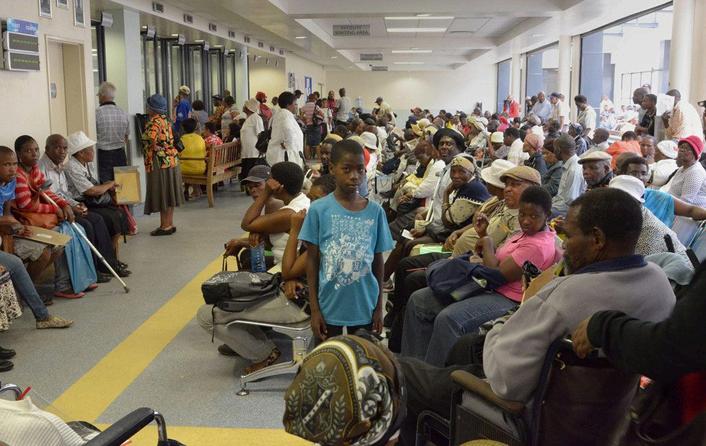
Poverty is on the rise in Africa, causing deterioration in social and economic indicators – particularly life expectancy, child and infant mortality, and morbidity due to malaria, TB and HIV/AIDS.
On the basis of the clear linkage between poverty and health, the WHO Regional Office for Africa has developed a strategy which
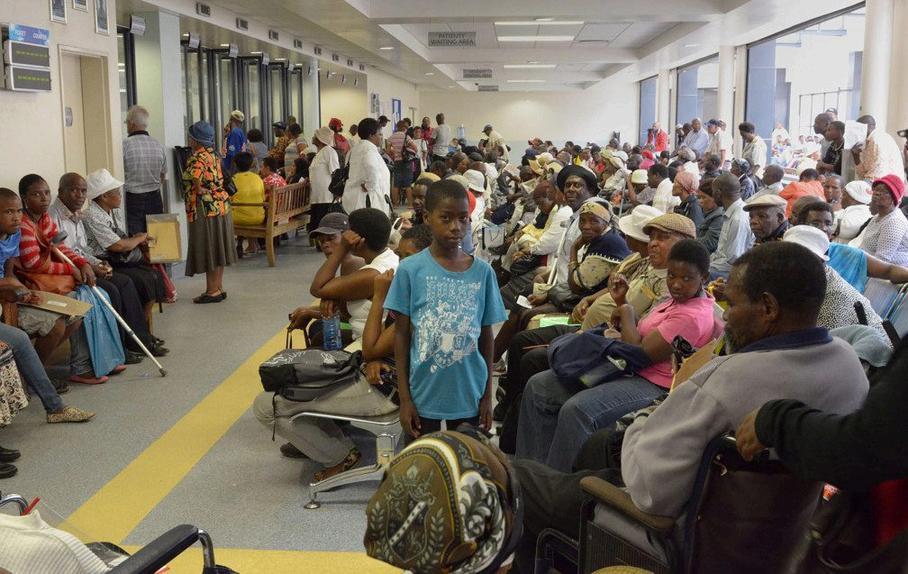
explores the potential contribution of health to poverty reduction, economic growth and human development.
The overall objective of the strategy is to have the health sector, given its comparative advantage, contribute to poverty reduction by improving health. The strategy is to be discussed by the 52nd session of the WHO Regional Committee for Africa scheduled for 8-12 October in Brazzaville, Congo.
The strategy document also enumerates five principles which should guide the implementation of the strategy. These are : equity and fairness of services ; quality, (financial and geographical) accessibility as well as sustainability of services ; community participation and gender sensitivity ; intersectorality and partnership, and a strong monitoring and evaluation mechanism.
1
3 2 4
Generating evidence on the linkages between health and other socioeconomic sectors (education, transport, agriculture, energy, chemicals, tourism) for advocacy outside the health sector;
Setting up a transparent resource allocation mechanism with a view to recording the responsiveness of interventions to poverty reduction objectives;
Extending health coverage (infrastructure, mobile units and health services, including antenatal care and birth attendance) to underserved areas for the benefit of vulnerable populations;
Reinforcing immunization programmes against childhood illnesses through regular monitoring and mobilization of adequate funding;
Strengthening environmental health services, including safe water, nutrition, safe food and hygiene education; 5
Strengthening health promotion initiatives to improve health and prevent diseases, particularly those afflicting the poor; 6
Generating evidence on the linkages between health and other socioeconomic sectors (education, transport, agriculture, energy, chemicals, tourism) for advocacy outside the health sector; 7
WHO estimates that more than 45 % of the population of the African Region fall under the poverty-line definition which characterizes as “poor” anyone who cannot afford a daily consumption rate of US$1. The heavy burden of diseases in the Region causes significant loss in output which in turn accentuates the gap between the actual and potential growth in the Region
While the previous material focuses on Africa in general, here are three ways we can improve health and reduce poverty in Kenya: E D U C A T I O N
They say that knowledge is power From an early age, my parents often instilled in me that I could only be successful if I did well in school. And as I grew up, I realized that this is mostly true: those who did well in school would grow up to be doctors, engineers and lawyers, earning enough money to life themselves and their families out of poverty But I also realized the deficiency with the current education system, which favor only a select few For many, literacy levels increased significantly to heights that their governments could boast about, they still found themselves trapped in a vicious cycle of poverty with limited opportunities for employment.
To end poverty, we need a different kind of education An education for the 21st century that provides individuals with the skills that they need to take advantage of the many opportunities presented by the modern economy and advances in technology
An education that goes beyond bare literacy and exams will provide young Africans with the tools that they need for self-efficacy. With this kind of education, we will open doors that have until now been closed for many people and significantly increase our economic pies.
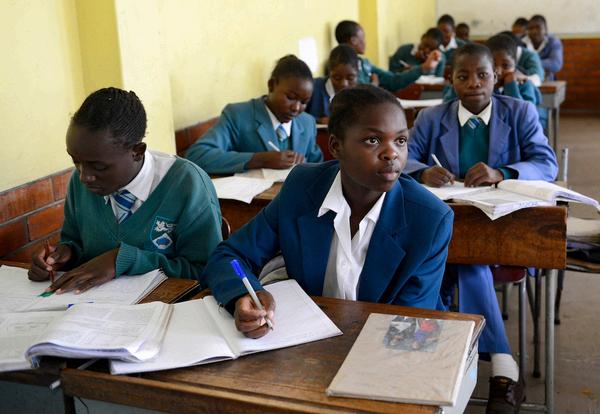
Entrepreneurship is a powerful tool in beating poverty.
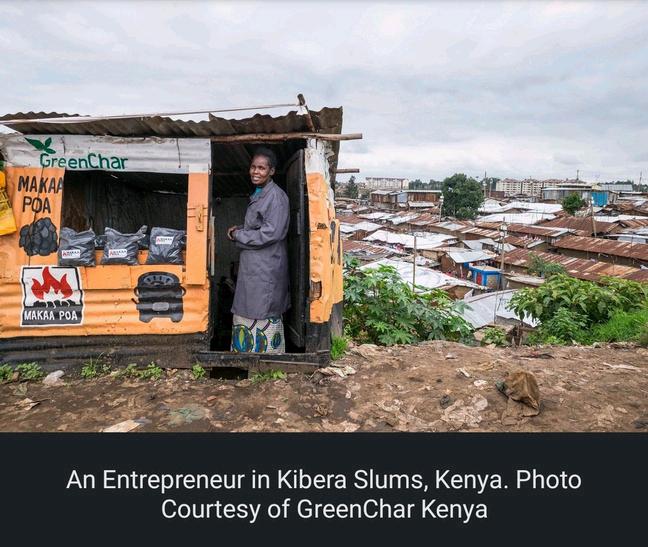
Entrepreneurship will allow use build stronger and more resilient economies. E N T R E P R E N E U R S H I P
Africa is blessed with very entrepreneurial people who create opportunities out of nothing. They run small businesses on the side of the road, manage farms, re-sell craft and engage in many other creative enterprises which enable them make a living. The big challenge for these enterprises is that the entrepreneurs do not have the business skills and resources they need to grow their ventures.
To enable communities out of poverty, we must find ways of transforming these businesses from hand-to-mouth enterprises into scalable ventures. Such ventures will provide opportunities for the multitudes who have been locked out of the traditional economy
We must find ways of building the capacity of entrepreneurs by providing access to capital and support infrastructure necessary to build a thriving ecosystem that maximizes social impact and wealth for stakeholders.
Good governance is key to eradicating poverty, yet for many African countries the very concept of good governance is alien.
We must have in place the proper government infrastructure that allows citizens to have access to government facilities and services that are the foundation for success
Can we build accountable government systems that work for the common citizen? Can we put in place infrastructure that will bypass the bureaucracy and corruption in place? Can we have a government of the people that truly works for the people? I fear this may perhaps be the hardest hurdle and largest deterrent of progress Hopefully as we get more educated players in the economy, they will start carrying enough economic weight to demand their governments function.
G O V E R N A N C E 12
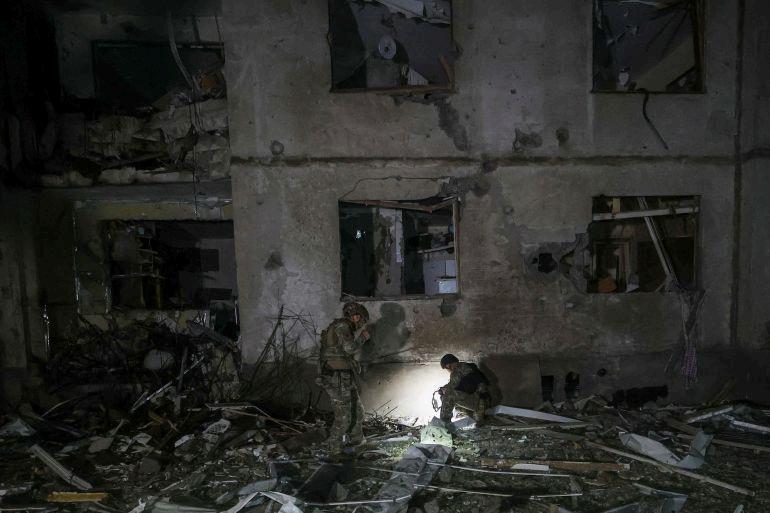
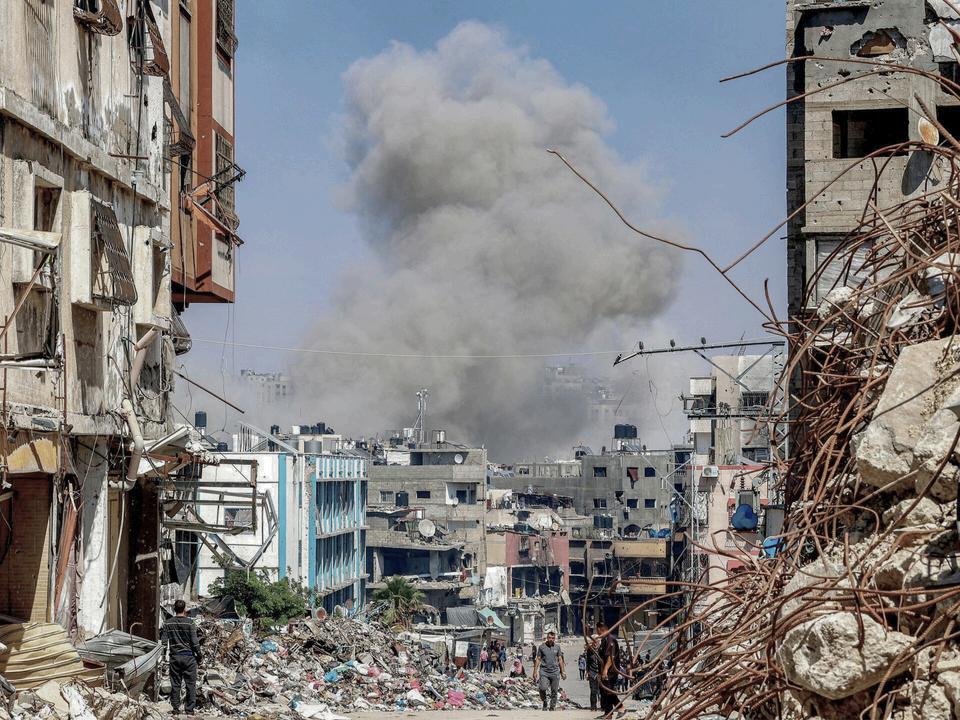
When pointing out the climate crisis and the effects it has had on the environment , we often forget some causes of climate change such as armed conflict that ultimately affects not only the economy of different nations but also the healthcare system.
In this article , we shall delve into the correlation between Climate change and Disarmament and highlight the different ways in which young people, particularly in Kenya , can get involved in championing for climate change and promotion of peace. You may be wondering why is this information necessary to you as a medical student , well , in the famous words of Former World Health Organization Director Dr. Margaret Chan “ A ruined planet cannot sustain human lives in good health. A healthy planet and healthy people are two sides of the same coin Environmental Health and Human Health are one in the same !
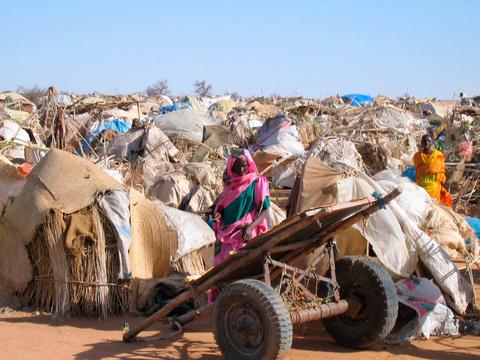
By Stacey Akinyi Year 4
By definition, Climate change is the longterm shift in temperature and weather patterns and while this shift may be natural, we humans have been the main drivers of climate change over the past years due to burning of fossil fuels and this in turn affects Global warming . Across the world , those living close to the seabed – even here in kenya’s Mombasa Island –are experiencing higher levels of sea –level rise and saltwater intrusion. Disarmament ; which is a calculated reduction in the size and strength of armament of a country and which deliberately contributes to peace ; is amongst the causes of climate change today.
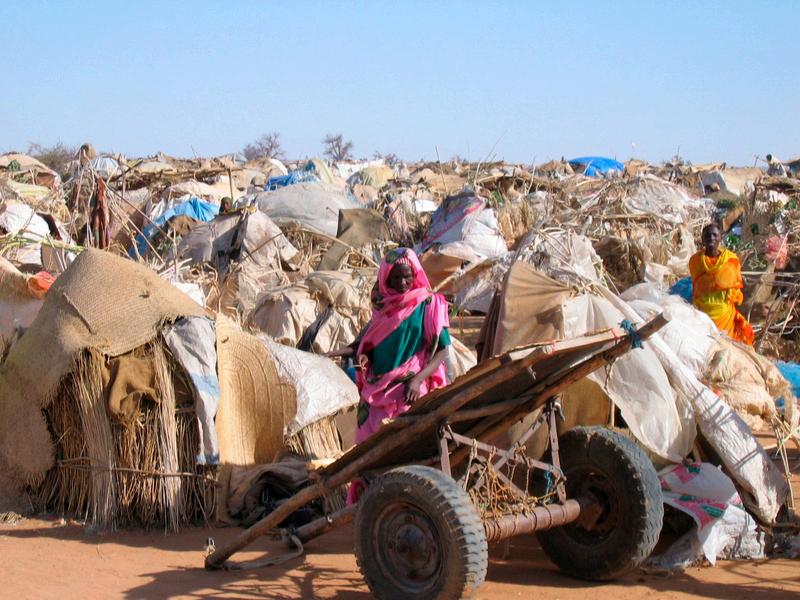
the production of military weapons and military operations contribute a significant percentage of carbon emissions produced globally . A study done by The Network for Peace estimates that by 2080 , the climate change crisis will have affected ten of millions more people due to the continued rise in war and conflict , especially in developing countries such as ours. In Kenya alone , there has been a significant rise in temperature as a response to increased Greenhouse gas concentration and it is estimated that by 2080 , the temperature will rise by as much as 3.2°. The most relatable effects of climate change are increased rainfall in the rainy seasons which leads to flooding and more frequent droughts in the semi – arid areas with an example of the May 2024 flooding accords 11 counties in Kenya that lead to the unfortunate death of 267 people and displacement of 281,835 people according to the National Disaster Operations Center ( NDOC )
When speaking at the Opening Ceremony of the 39th Association for Educational Assessment in Africa ( AEAA ) 2023 Conference , the Prime Cabinet secretary of the Republic of Kenya , HON Dr Musalia Mudavadi highlighted that Climate change has led to destruction and calamities causing humanity to be at the verge destitution In addition to the burning of fossil fuels , deforestation , industrial farming and overconsumption , disarmament also plays a crucial role in protecting our environment.
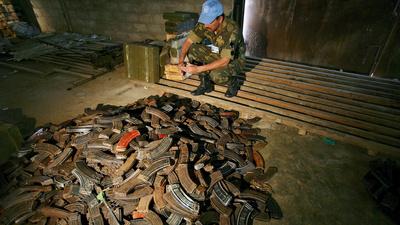
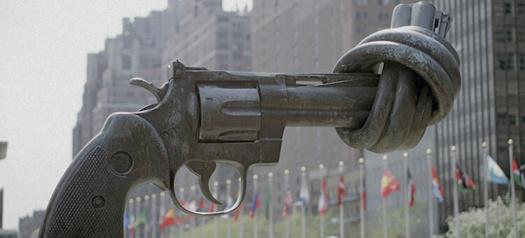
vulnerable countries that are experiencing violent conflict exacerbates the climate crisis. In an effort to promote disarmament, Kenya is making significant progress towards reducing ownership of illicit firearms in pastoral communities and northern Kenya and has destroyed around 23,000 guns from 2016-2021 . The adverse effects of climate change such as drought contribute significantly to the inflow of small arms into the country as the conflict and fight for resources continues.
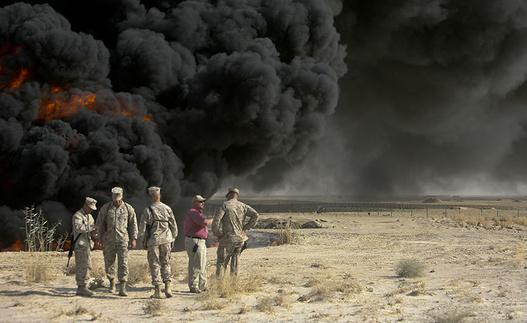
In my informed opinion, some of the steps that can be taken to combat climate change through promotion of peace and Disarmament include ; adjustment of Disarmament approaches and nurturing transparency and accountability nationally , strengthening the UN ( United Nation’s ) Programme of Action on eradication of illegal small arms and signing of the UN arms trade treaty
Review the military carbon footprint from the national defence ministries along with plans to reduce carbon emissions. “ If only 10% of today’s global military spending were spent towards SDG 13 on climate action, the current costs of adapting to climate change in developing countries would be covered several times over “ , these words by Izumi Nakamitsu highlight the importance of holding governments accountable and championing for the redirection of our resources towards the promotion of good health and well being instead of conflict and war.
As young African Medical Students today , we can help fight climate change by self –education on disarmament , climate change and peace ; Educating our communities in fora such as workshops , walks , webinars ; innovating solutions towards the climate crisis and promoting the use of low-carbon emission sources of energy such as wind , solar and hydro Taking part in research towards Climate change and presenting your findings; engaging in meaningful dialogue with various climate ; health experts and active participation in local and global forums on climate change and even writing articles such as this will create a significant impact In conclusion , dear reader , I would like to leave you with a simple food for thought , something to ponder on before the next edition of the Whistledown Newsletter : Currently , the lowest carbon emission source of energy is nuclear power , however , it comes with a waste disposal dilemma and a risk of increased nuclear war. Thus , is the promotion of nuclear energy to save our planet and fight climate change a sustainable effort? Something to chew on!
Usethenumbers1to9tocompletetheSudoku. Onlyuseeachnumberonceineachrow,columnandgrid.
6 2 8 7 1 4 8 5 1 9 4 7 6 3 2 8 4 5 1 9 2 1 9 6 5 8 6 3 4 6 9 4 5 3 6 5