Changing the fruiting variety or clone of an established vine.
Judging a book by its cover
Digital Vineyard is a world-first


Changing the fruiting variety or clone of an established vine.
Judging a book by its cover
Digital Vineyard is a world-first
We offer a range of advice and solutions to help smooth your production process.
Tech Ltd can repair:
✓ Pumps
✓ Presses
✓ Bottling and Labelling equipment including:
– Rinsers
– Fillers
– Cappers
– Corkers
– Mixers
– Labellers
– Capsulers
– Conveyors
Any issues with motors, sensors, cylinders, seals, and more can be efficiently addressed by our engineers. Even if we have to wait on a specific part, we can often put in a temporary solution in place to keep your operations running.













































































































A whole season of hard work comes down to harvest.

BOTECTOR secures your yield when it matters most, delivering uncompromising Botrytis control without residues. Clean grapes, safe harvest, exceptional wine.

Learn more at san-agrow.com/botector




Residue-free protection: Effective control of Botrytis with zero residue concerns.





Weather resilient: UV-tolerant and rainfast. Moderate rain even boosts active growth by up to 20 %.































Flexible application: Can be applied close to harvest with no impact on wine quality.
Resistance management: Ideal for rotations and tank-mixing to break fungicide resistance.
















www.vineyardmagazine.co.uk
VINEYARD
Kelsey Media, The Granary, Downs Court Yalding Hill, Yalding, Maidstone, Kent, ME18 6AL 01959 541444
EDITORIAL
Editor: Rebecca Farmer vineyard.ed@kelsey.co.uk
Features: Malcolm Triggs
GRAPHIC DESIGN
Jo Legg Flair Creative Design jo.legg@flair-design.co.uk
ADVERTISING & MARKETING
Jamie McGrorty 01303 233883 jamie.mcgrorty@kelsey.co.uk
PHOTOGRAPHER
Martin Apps www.countrywidephotographic.co.uk
MANAGEMENT
]CHIEF EXECUTIVE OFFICER: Steve Kendall
DIVISIONAL MANAGING DIRECTOR: Fiona Mercer
PUBLISHER: Jamie McGrorty
RETAIL DIRECTOR: Steve Brown
SUBSCRIPTION MARKETING MANAGER: Claire Aspinall
PRINT PRODUCTION MANAGER: Kelly Orriss
DISTRIBUTION
Distribution in Great Britain: Seymour Distribution Limited 2 East Poultry Avenue, London EC1A 9PT Tel: 020 7429 4000 www.seymour.co.uk
Distribution in Northern Ireland and the Republic of Ireland: Newspread Tel: +353 23 886 3850
Kelsey Media 2026 © all rights reserved. Kelsey Media is a trading name of Kelsey Publishing Ltd. Reproduction in whole or in part is forbidden except with permission in writing from the publishers. Note to contributors: articles submitted for consideration by the editor must be the original work of the author and not previously published. Where photographs are included, which are not the property of the contributor, permission to reproduce them must have been obtained from the owner of the copyright. The editor cannot guarantee a personal response to all letters and emails received. The views expressed in the magazine are not necessarily those of the Editor or the Publisher. Kelsey Publishing Ltd accepts no liability for products and services offered by third parties.
Kelsey Media takes your personal data very seriously. For more information on our privacy policy, please visit https://www.kelsey.co.uk/privacy-policy/ If at any point you have any queries regarding Kelsey’s data policy you can email our Data Protection Officer at dpo@kelsey.co.uk



18
Imagination and innovation
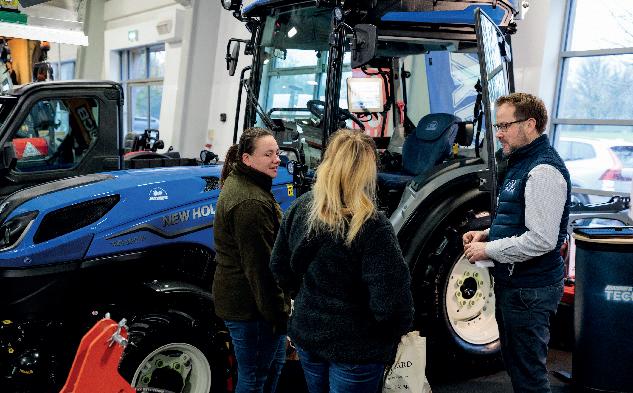
Fruit Focus celebrated its 40th anniversary at the beautiful Bradbourne House East Malling on 8 July 2026.
Valley Trade Tasting 2026
A rare side-by-side examination of current and unreleased wines from one of England’s fastest-rising wine regions.
Generations of graft Brenley Farm and the vineyards, is in the Environmental Land Management Scheme, is run along organic principles with particular attention to soil carbon capture.
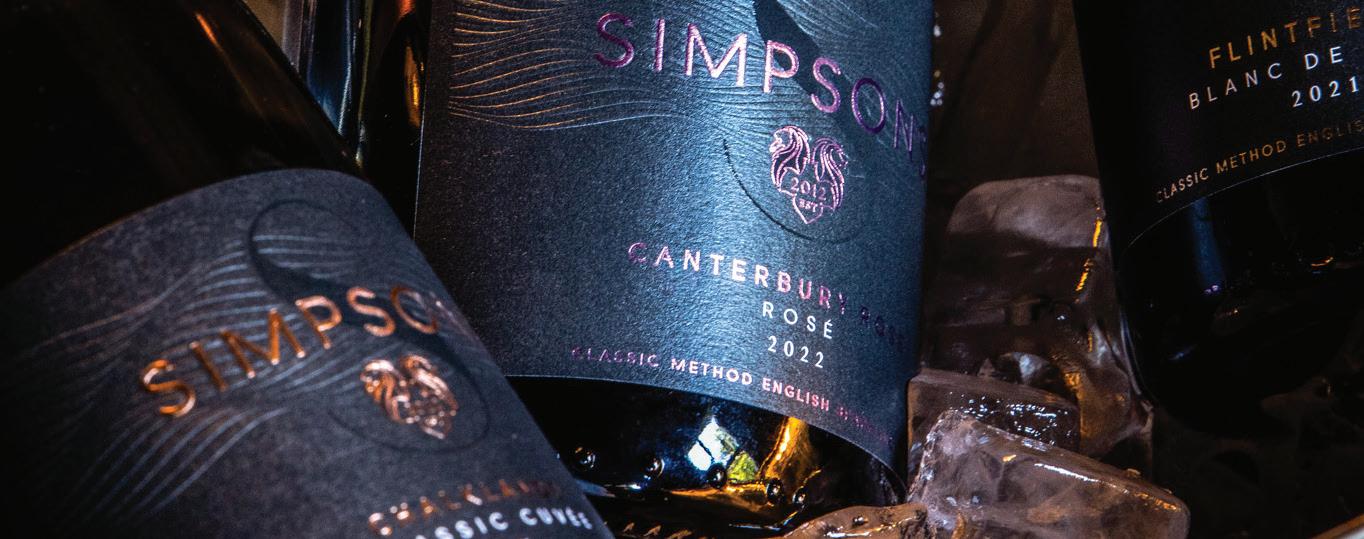
Judging a book by its cover Vineyard Magazine offers a round up of the latest news, case studies and environmental issues that are currently at play in the wine packaging sphere.

“But he that dares not grasp the thorn should never crave the rose.”
Anne Brontë – The Narrow Way
Fashions in food and drink have always puzzled me. I have always felt that if something tastes great, fits the occasion, mood and atmosphere then it is the right thing at the right time.
Currently we are negotiating the third official heatwave of the year and it is still early in the growing season but the hot weather has made the roses bloom in the garden. The scent and colour is quite sublime.
This naturally led to thoughts of drinking rosé amongst the roses and the magazine this month certainly highlights the glories of this wine style. I have long loved the versatility of good rosé wine and have watched with interest as the wine style has gained momentum. It has long been the fashion that lighter coloured rosé has been considered more saleable. It was therefore, great to see that this month a prominent retailer of English and Welsh wine was tackling the perception of colour and flavour profile head on.
It is a brave choice for winemakers to make the very best rosé they can without paying regard to the colour profile and instead choosing the flavour profile as their ultimate goal and it is great to see this being celebrated at point of sale as well. I look forward to more exquisite wines that make no flavour sacrifices in pursuit of the perfect colour.
An article in the national news this month also highlighted that there has been a rise in the serving of chilled red. After the article mentioned several regions where this was popular, it was with great relief, that I noted that the article also made mention that English and Welsh red with a fruit forward style would lean into this trend.
So I would like to take the opportunity to recognise all those who have the courage to break with tradition and those who embrace the words of Anne Brontë in the poem mentioned above when she writes “what matter who should whisper blame,” so let us all enjoy the roses.


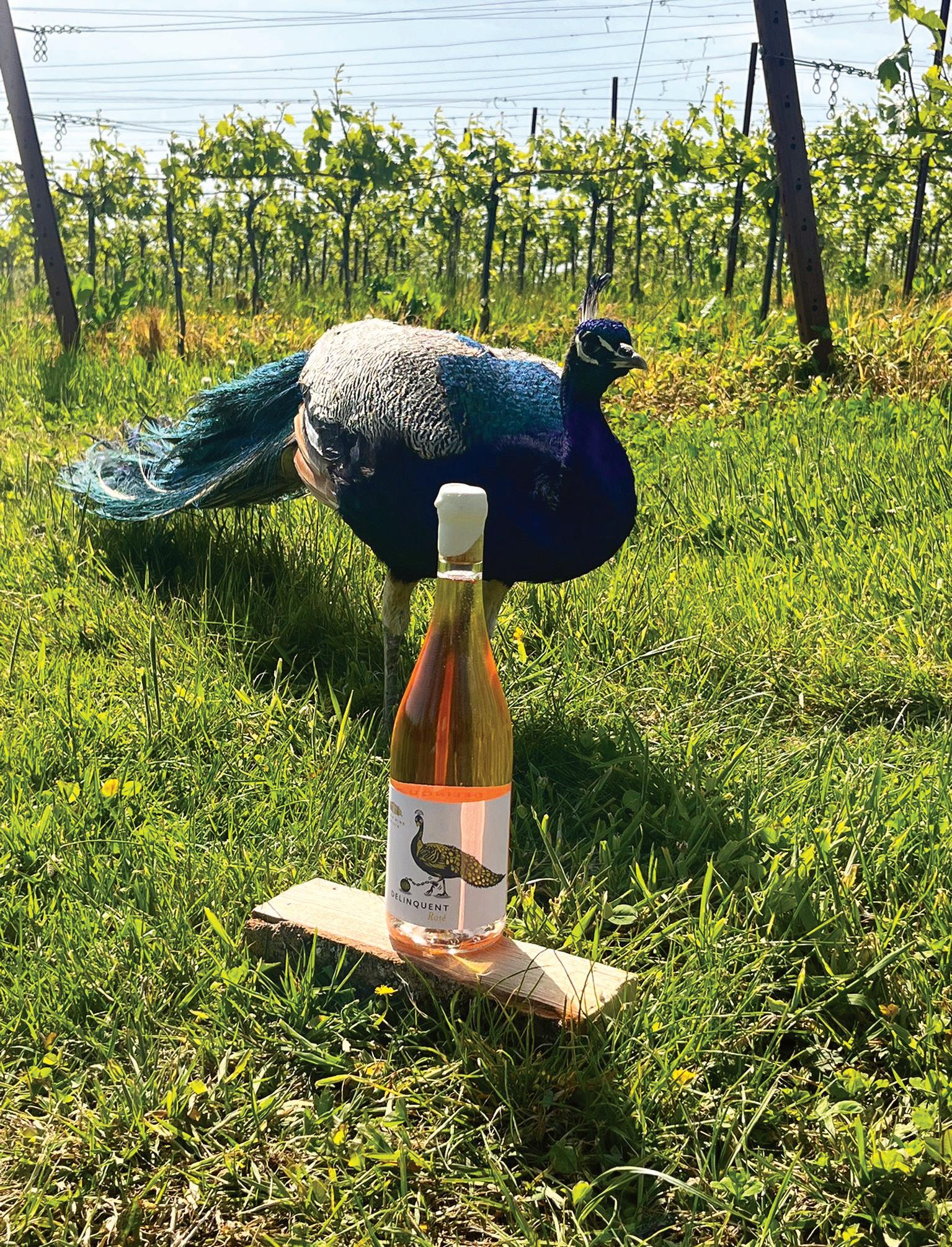
Otium Wine Estate, where ‘delinquent peacocks’ roam the vines, releases its first English rosés.
Otium Wine Estate, perched on the Hampshire Hangers above the historic village of Selborne, has released its first wines. Andrew and Emily Debnam planted the vineyard in 2021 and are now delighted to introduce their inaugural still and sparkling rosé.
The still rosé, named Delinquent, pays tribute to the estate’s resident peacocks. These striking birds roam the vineyard with quiet authority, occasionally swiping the odd grape. Not always universally admired, they were once the subject of an ASBO, but are now very much part of the family, patrolling the vines and, one hopes, leaving enough fruit behind for the wines themselves.
The highly-anticipated wines were released in English Wine Week –and are available to buy directly from the estate – where visitors can stay in the estate’s luxury holiday cottages.
Andrew and Emily have made their home on this long-forgotten farm in the South Downs – trading their fast-paced London existence for a slower more meaningful way of life. The estate, in the west corner of the national park, is a hidden gem, blending picturesque woodlands, lush wetlands alongside the vineyards. “We set out to create a single-estate vineyard focussed on quality. Our wines are produced in limited quantities and offered as an invitation to slow down and enjoy something made with care.”
The name of their project (and now home) ‘Otium’ was inspired by the Roman concept; ‘ex labore, otium’ – ‘after work, rest... where life slows down enough to give space for the important things; reflection, creativity and connection. These are the principles which Andrew and Emily live and work by. Their long-term mission is to build an environment for future generations and make wines which express the nature of ‘otium’; wines that reflect the uniqueness, beauty and tranquillity of their origin.
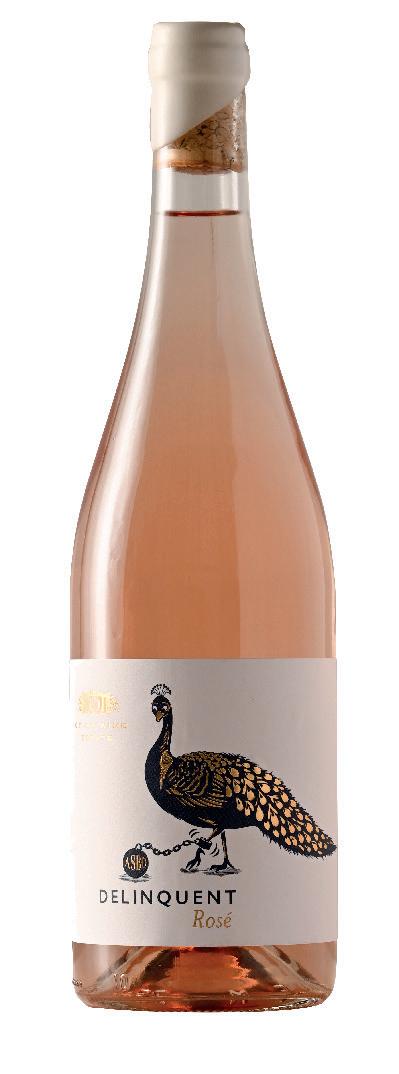
Otium ‘Delinquent’ Rosé (Still) is available for £23: Made from a blend of Pinot Noir, Pinot Meunier and Chardonnay grown on the estate’s ancient sandstone soils, the grapes were pressed swiftly after harvest and fermented in stainless steel at a cool temperature to preserve the delicate floral and fresh fruit characters. It has perfumed blossom and red berry notes on the nose, a dry palate with refreshing, juicy acidity, and a fine textured finish. An ideal summer sipping rosé, perfect with nibbles, or a goat’s cheese salad, or fresh, citrussy, seafood dishes.
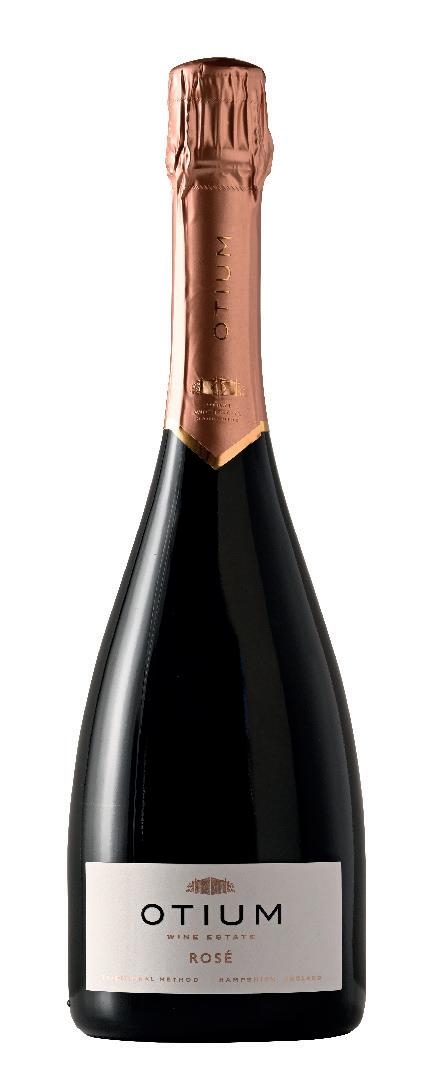
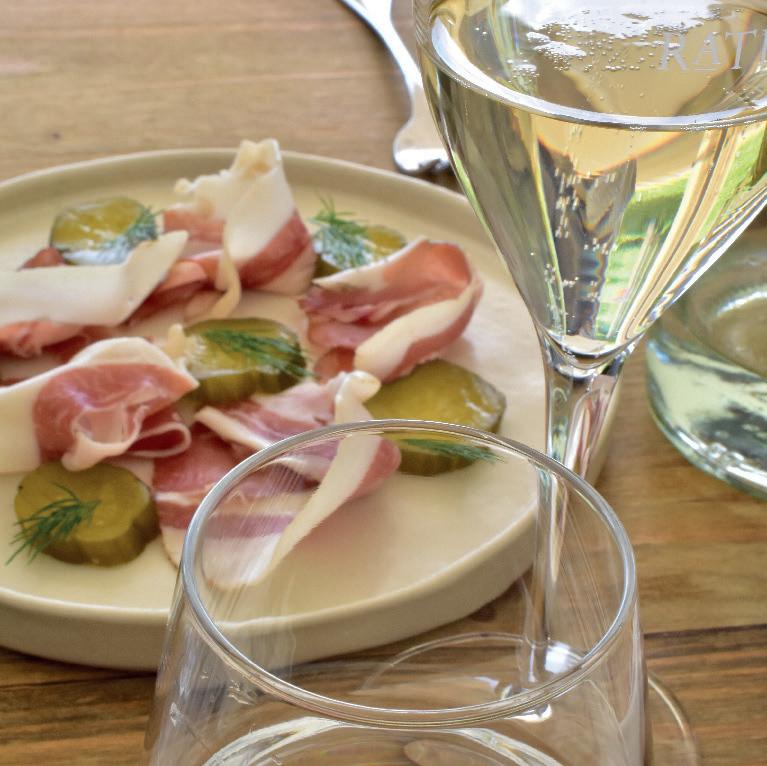
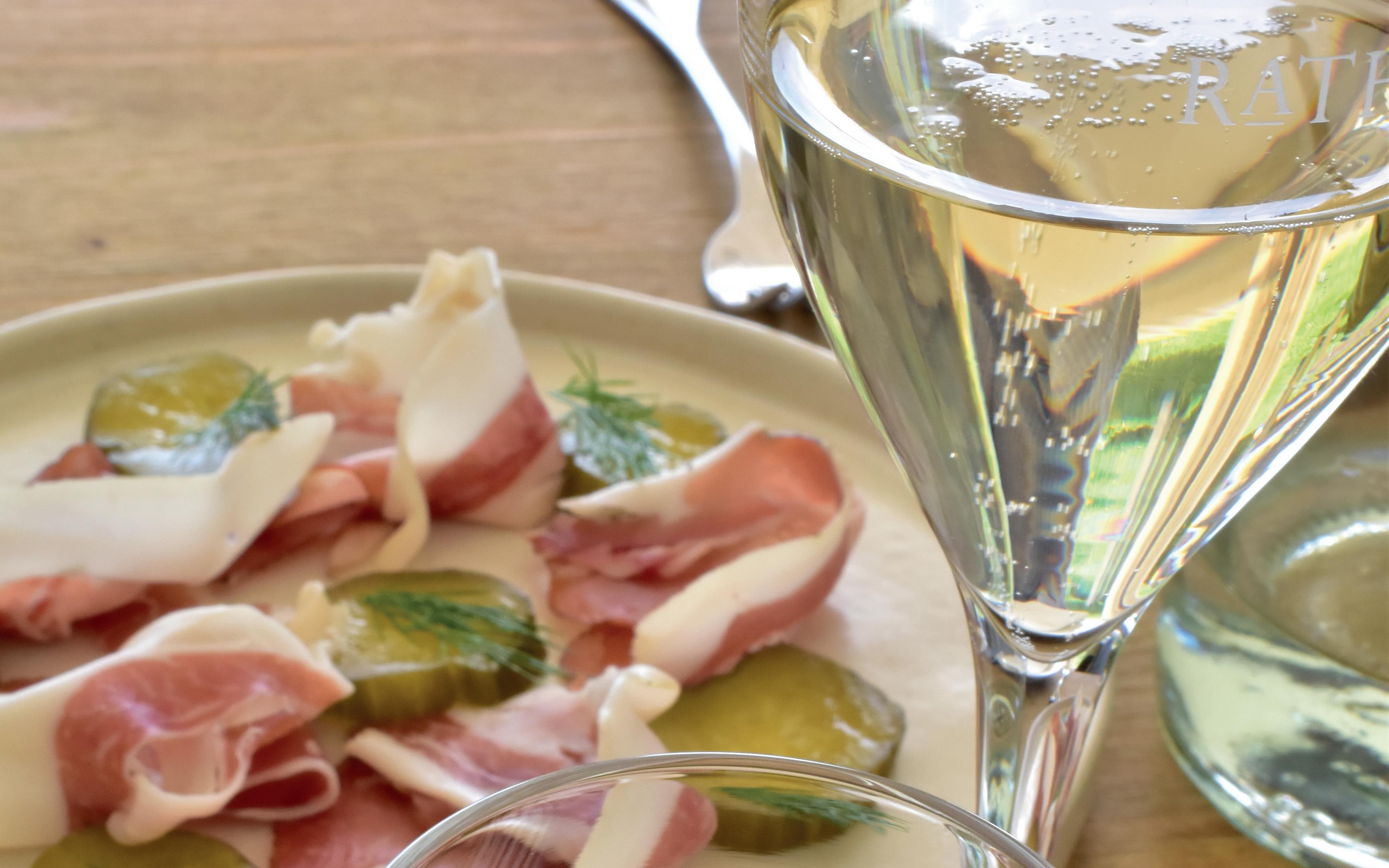
Otium Brut Rosé (Traditional Method Sparkling) is available for £45: A blend of Pinot Noir (60%), Pinot Meunier (38%) and Chardonnay (2%) – this wine was made in the traditional method with the bottle ageing in the cellars over two years before release. The finished product is a wonderful blend of ripe fresh red currants and strawberries, alongside notes of freshly baked sourdough and almonds. A mouthwatering sparkling aperitif, delicious paired with charcuterie, or with summer berries and cream.
In 2027 two more traditional method sparkling wines which are enjoying further ageing before release will join the range. Both are availble from www.otiuwmwineestate.com
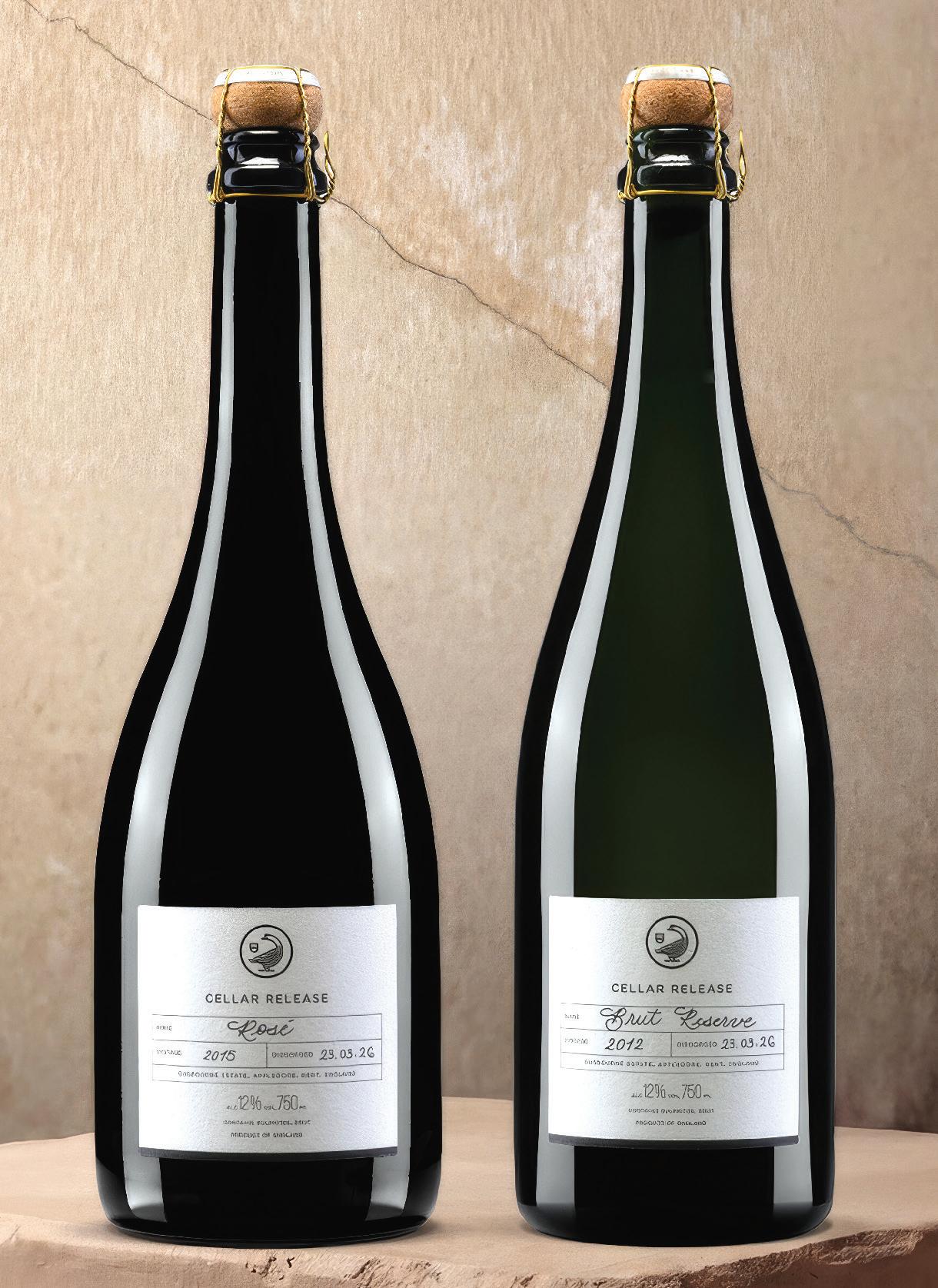
To celebrate twenty vintages of English winemaking, Gusbourne Estate is opening its cellar for a rare release of historic wines, many in such limited quantities that some will never be available again in this form. The Cellar Release collection goes live to members on 16th July and remains available online until 6th August 2026.
The release comprises around 250 bottles in total, drawn from tiny parcels held back over two decades. The collection of sparkling wine offers a unique cross-section of the estate’s winemaking history – including just four bottles of Blanc de Blancs 2006, from Gusbourne’s very first vintage.
These rare and precious wines, priced from £45 per bottle and exclusively available to Gusbourne members, share an unusual distinction: every bottle was disgorged on the same day, 23 March 2026, and each has been hand-labelled with the estate’s new Cellar Release design.
The 2006 vintage holds particular significance as the estate’s founding harvest. Gusbourne’s Chief Vineyard Manager, Jon Pollard, recalls picking the first fruit from the Butness vineyard that year.
Reflecting on the years since, Pollard describes a winemaking journey shaped as much by setbacks as by breakthroughs – from an unusually late, high-yield harvest in 2010 to the estate’s first still Chardonnay in 2011, a wine he calls a turning point for English still wine.
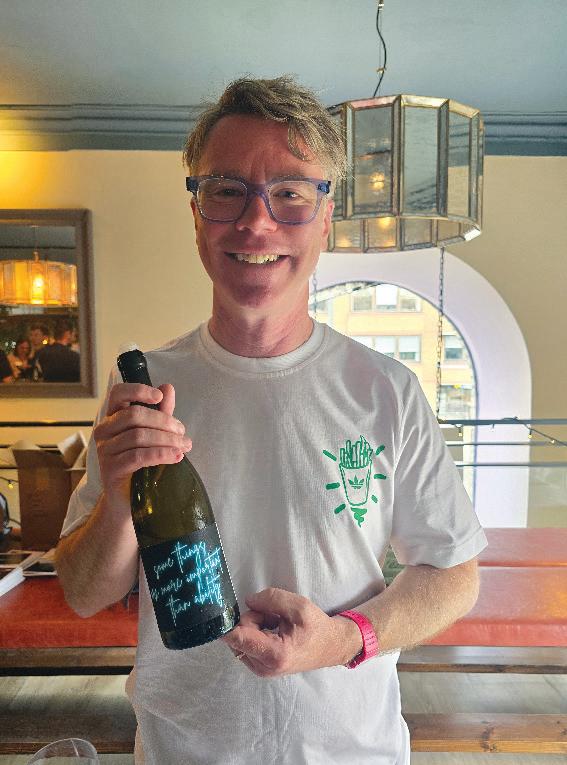
“There’s something in every vintage,” said Pollard. “You try things, you learn from them, you fine-tune them. Then another year comes along and teaches you something else.”
The Cellar Release is designed as a reward for Gusbourne’s members, giving them first and equal access to wines that, in many cases, exist in single-digit quantities. The online sales window has been set deliberately to ensure fairness: members will know in advance exactly when the collection goes live, so access is a matter of timing rather than chance.
Gusbourne’s exclusive two-tier membership – Collectors and Explored – includes preview access to new releases, preferential pricing on all wines, special tastings and first access to ticketed events.
For those not yet part of the Gusbourne community, this release offers a clear case for joining: membership is the route to wines, history and moments that are not otherwise available.
This offer is available for a limited time, closing on 6 August. Preview the list of wines in the Cellar Release collection: DESKTOP https://tinyurl.com/CellarReleaseCollection
To learn more about Gusbourne Membership: DESKTOP https://tinyurl.com/GusbourneMembership

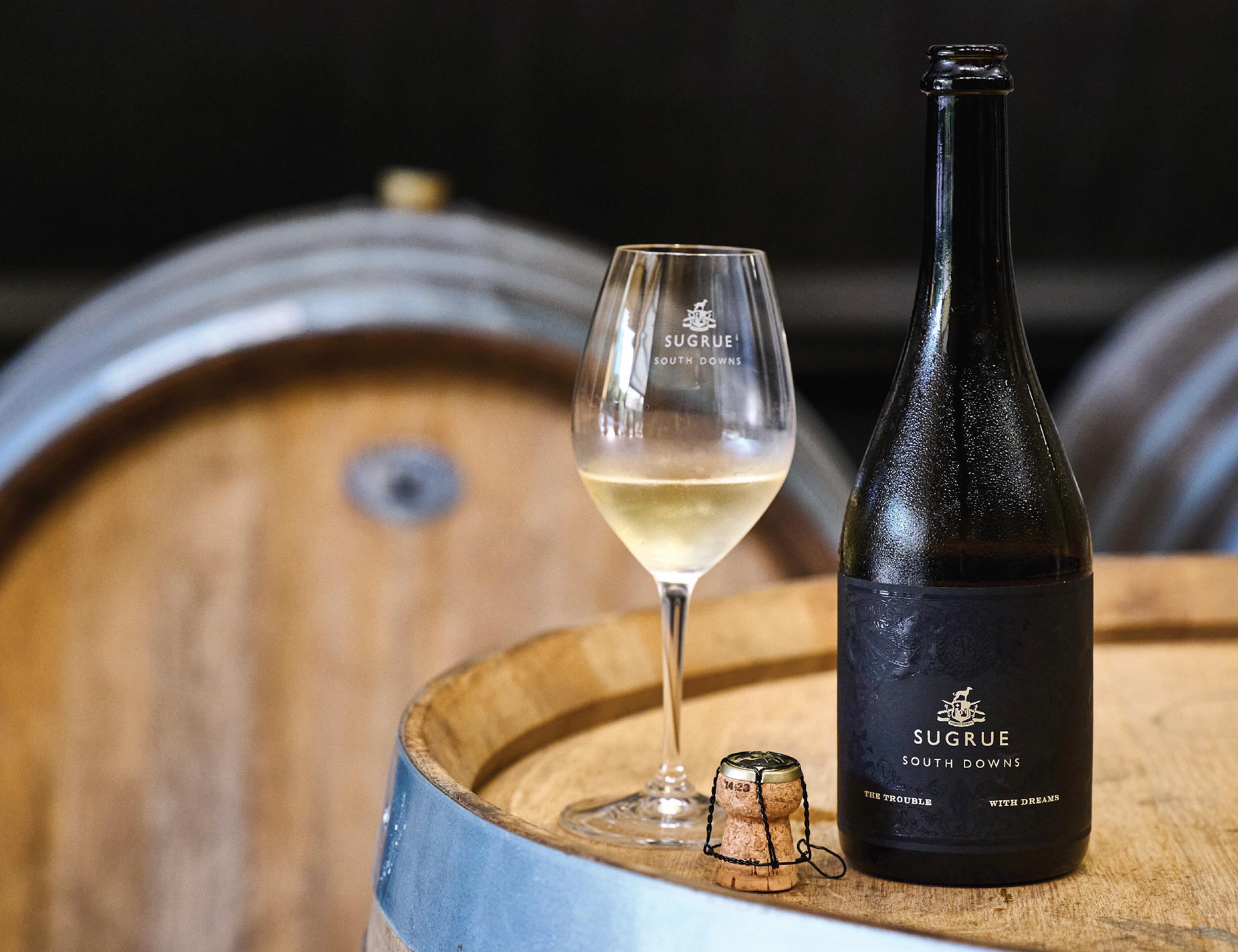
Twenty years after Dermot Sugrue planted his first vineyard at Storrington Priory with a single ambition – to create a world-class sparkling wine grown on South Downs chalk – Sugrue South Downs has released the latest vintage of its flagship cuvée, The Trouble With Dreams 2022.
First produced from the 2009 vintage, The Trouble With Dreams has become one of the defining wines of modern English winemaking, earning a cult following among critics and collectors and establishing Dermot Sugrue as one of England’s most acclaimed winemakers. Today, it is poured in some of the world’s finest restaurants and has become a benchmark for English sparkling wine.
“When I planted that first vineyard in 2006, I wanted to make a sparkling wine inspired by the great grower Champagnes of the Côte des Blancs, but one that spoke entirely of the South Downs,” said Dermot. “It has taken twenty years and thirteen vintages to realise that vision, but dreams do come true!”
The 2022 growing season was unlike any other: the UK experienced its warmest year on record, with temperatures exceeding 40°C for the first time. While drought challenged many vineyards, Sugrue
South Downs’s mature vines – now averaging 17 years of age across sites in Sussex and Hampshire – drew on deep root systems to produce fruit of exceptional concentration, freshness and balance.
The resulting wine is a blend of 60% Chardonnay and 40% Pinot Noir sourced from Mount Harry Vineyard, Storrington Priory Vineyard, Coldharbour Vineyard in Sussex, and Jenkyn Place in Hampshire. Forty per cent of the base wine fermented in old Burgundian oak barrels, and the remainder in stainless steel. Thanks to the exceptional ripeness of the vintage, no malolactic fermentation was required, preserving remarkable tension and purity, before 32 months’ ageing on lees and disgorgement with a low dosage of 6g/L.
Describing the new release, Dermot said: “The Trouble With Dreams 2022 is open, bright, textural, salty and electric. It speaks entirely of its place, its vintage and its winemaker – just as I dreamt all those years ago.”
The Trouble With Dreams 2022 is available via Sugrue South Downs, Farr Vintners, Hedonism Wines for £49 per bottle or £264.60 per case of six bottles.
Exton Park Vineyard appoints Nick Morton as CEO and Hugh Sturges as Chairman to lead next chapter of growth.
Exton Park Vineyard has announced the appointment of Nick Morton as its new Chief Executive Officer and Hugh Sturges as Chairman, ushering in the next chapter for one of England’s most respected premium wine estates.
Nick succeeds Robin McMillan, who retires after four years leading the business through a period of strategic transformation that reinforced Exton Park’s reputation for producing world-class sparkling wines and laid the foundations for its next stage of growth.
For the last two years Hugh has been working closely with Exton Park in an informal capacity and now as the new Chairman will bring more than 20 years’ leadership experience across the luxury wine, spirits and hospitality sectors, including CEO roles at Jeroboams and Berry Bros. & Rudd.
The appointments reflect the Trustees’ and Board’s long-term commitment to building a sustainable premium wine business founded on exceptional quality, innovation and a distinctive sense of place.
Following an extensive recruitment process, Nick Morton emerged as the unanimous choice to lead the estate into its next phase of development and will join the business in August ahead of Robin’s retirement in October.
With more than 25 years of experience spanning strategy consulting, luxury goods, premium wines and prestige spirits, including senior leadership roles at The Last Drop Distillers, Berry Bros. & Rudd and Pernod Ricard, Nick brings a unique combination of commercial leadership and brand-building expertise.
Nick Morton said, “It is an enormous privilege to join Exton Park as CEO. Robin and the team have created an exceptional platform from which to build – it’s a truly outstanding wine estate, with an inspiring wine-making philosophy. I look forward to succeeding Robin as steward for its next exciting chapter”
Hugh Sturges said, “I am delighted to be joining the estate from July and look forward to working with Nick and the Executive Team to continue building a world-class English wine brand.”
Agricultural matters Biodiversity Net Gain
Borrowing against stored wine Employment matters
Business sale/purchase/transfer/set up Planning permission
Commercial property sales/purchases/leases
Contracts advice/drafting/disputes Land sourcing/sales/purchases
Grape broking/growing contracts Tenancy issues
Wine storage arrangements

Robin McMillan said, “Leading Exton Park has been one of the real highlights of my career. Nick and Hugh represent an outstanding leadership partnership and when I hand over in full from October, I leave knowing the business is exceptionally well placed to fulfil its long-term ambitions.”

Heritage railway teams up with Kent vineyard for a special day out.
Visitors can now combine the romance of vintage rail travel with the taste of English wine, thanks to a new partnership between Spa Valley Railway and Biddenden Vineyards, one of the region’s best-loved vineyards. The collaboration offers guests an added incentive to make a full day of exploring the High Weald, travelling by heritage train before enjoying a relaxed vineyard experience. Under the partnership, visitors can make their day out go further with two exclusive perks. Anyone booking a Biddenden Vineyards self-guided wine tour can choose to claim 10% off standard Spa Valley Railway train tickets by presenting their vineyard booking at any the railway’s stations when purchasing a ticket to travel, while railway
passengers who show their Spa Valley Railway tickets at Biddenden Vineyards will receive a complimentary £5 upgrade on a self-guided tour, which increases their tasting flight from three wines to six.
Biddenden Vineyards’ self-guided tours are £15. Visitors can wander through the vines at their own pace, following a guided route and enjoying a tasting flight. They can choose from two scenic routes, lasting approximately 40 minutes or 20 minutes. The standard experience includes a tasting flight of three wines, with a complimentary upgrade to six wines through the Spa Valley Railway partnership offer, saving £5. Visitors can also redeem £5 against Biddenden purchases of more than £20 in store.
Ideal for everyone including groups, the
experience offers a simple way to turn two much-loved Kent attractions into one memorable day out: board beautifully restored heritage carriages, enjoy a scenic journey through the Kent and East Sussex countryside, then continue the adventure with a relaxed vineyard visit and tasting experience. Although visitors can enjoy both attractions on the same day, they can also visit on different days. The vineyard upgrade offer can be redeemed at Biddenden Vineyards until the end of October 2027, provided visitors retain their Spa Valley Railway tickets. Spa Valley Railway runs from Tunbridge Wells West through High Rocks and Groombridge to Eridge, offering passengers the chance to enjoy one of the South East’s most scenic heritage railway journeys.
A suicide prevention charity is appealing for more volunteers to help reduce the number of tragic deaths in rural communities.
As part of a new project, Papyrus will be targeting men and boys across York and North Yorkshire who are engaged in farming and other agricultural trades and at increased risk of suicide.
The charity will be working at grassroots level, increasing awareness of suicide prevention at agricultural shows, auction marts and community events.
Papyrus is appealing for volunteers to help spread the word that vital help and support is available for those who are struggling with life.
James Parkes, the charity’s Area Manager for England North, said: “Farming is a way of life but it is not without its challenges. Tragically, around three agricultural workers take their own lives every week in the UK.
“Locally, we will be targeting and engaging with the most vulnerable. To do that effectively we need more volunteers who can help us to reduce the stigma around suicide, increase help-seeking, build more rural contacts and promote greater awareness of the help that is available.”
“No previous experience is needed as full training will be given to all volunteers who give up their time willingly to reduce the number of deaths. We believe suicide is everyone’s business and volunteers will be seizing an opportunity to make the communities of York and North Yorkshire suicide-safe.”
The project is being made possible thanks to David Skaith, Mayor of York and North
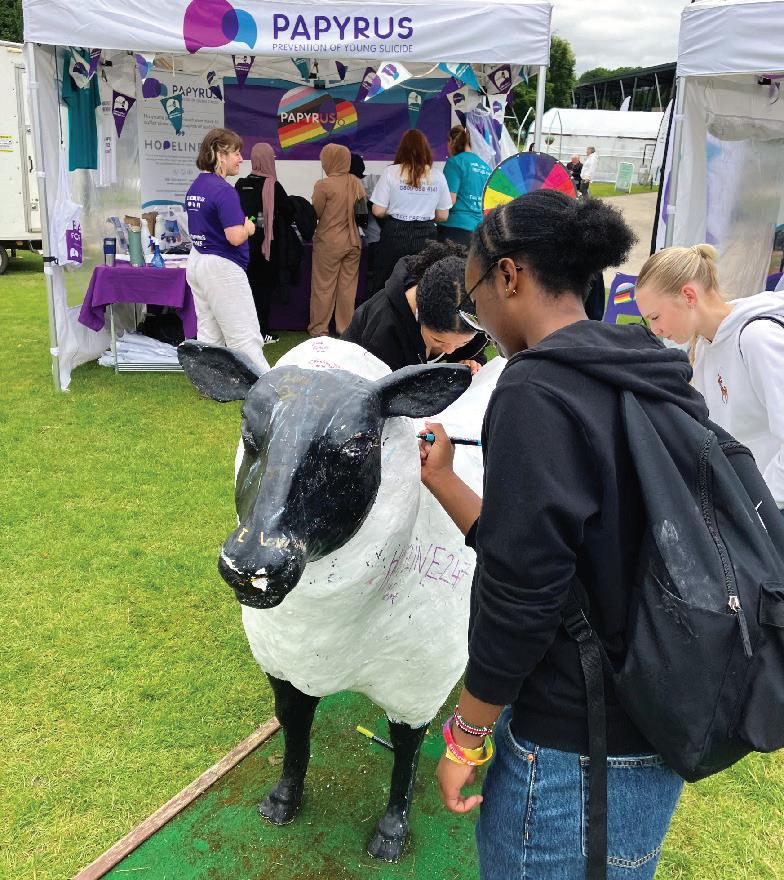
Papyrus will be working across rural communities
Yorkshire, and part funded by the York and North Yorkshire Combined Authority. The events where Papyrus needs extra volunteer support include: The Great Yorkshire Show at Harrogate; Aldborough and Boroughbridge Show at Newby Hall, Ripon; Ryedale Show at Helmsley and Tockwith and District Show at Tockwith, York. Volunteers who can attend some, or all, of these events will be given priority.
For more details on volunteering for Papyrus: DESKTOP www.papyrus-uk.org/get-involved/volunteer
For practical, confidential suicide prevention help and advice: �� Papyrus HopeLine 24/7 on 0300 102 2470, text 88247 DESKTOP www.papyrus-uk for the webchat service ✉ pat@papyrus-uk.org

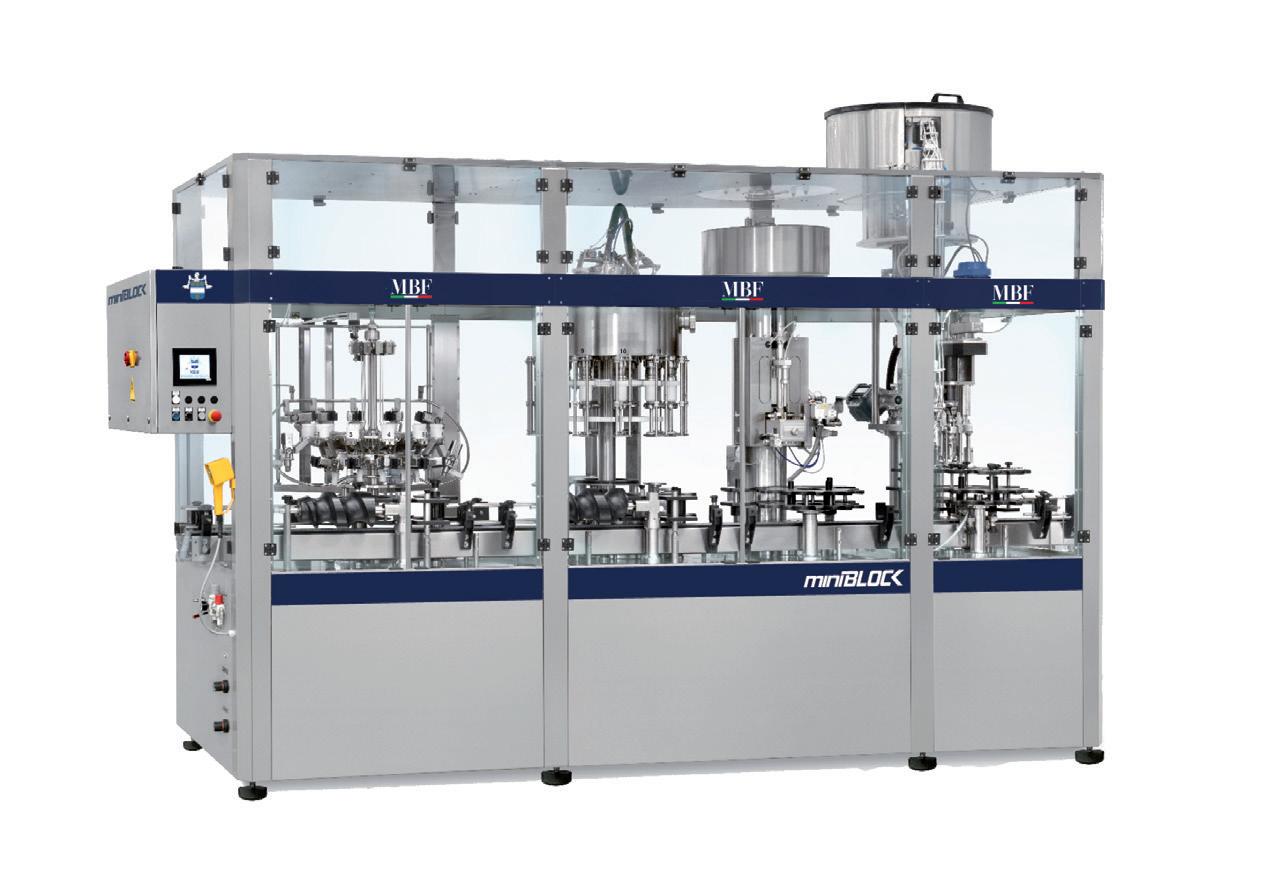
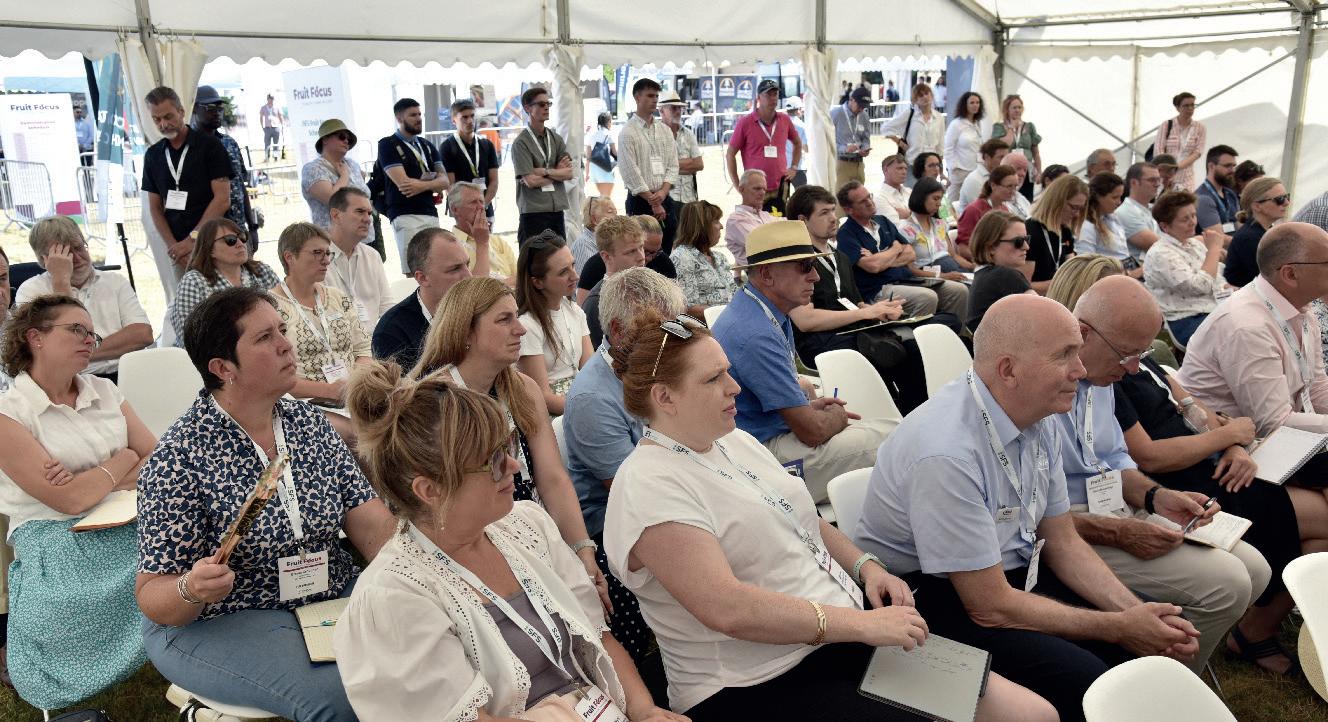
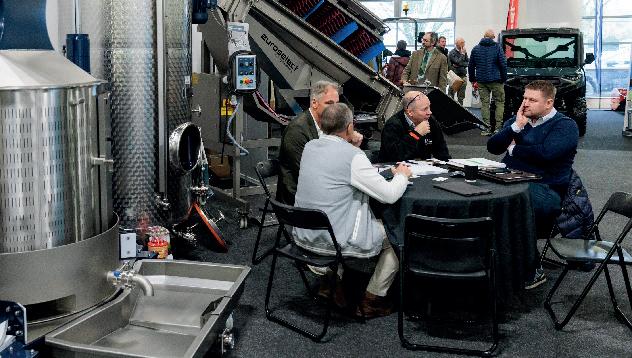
Dedicated to the UK fruit sector Fruit Focus is an industry event held in partnership with the East Malling Trust and the National Institute of Agricultural Botany (NIAB).
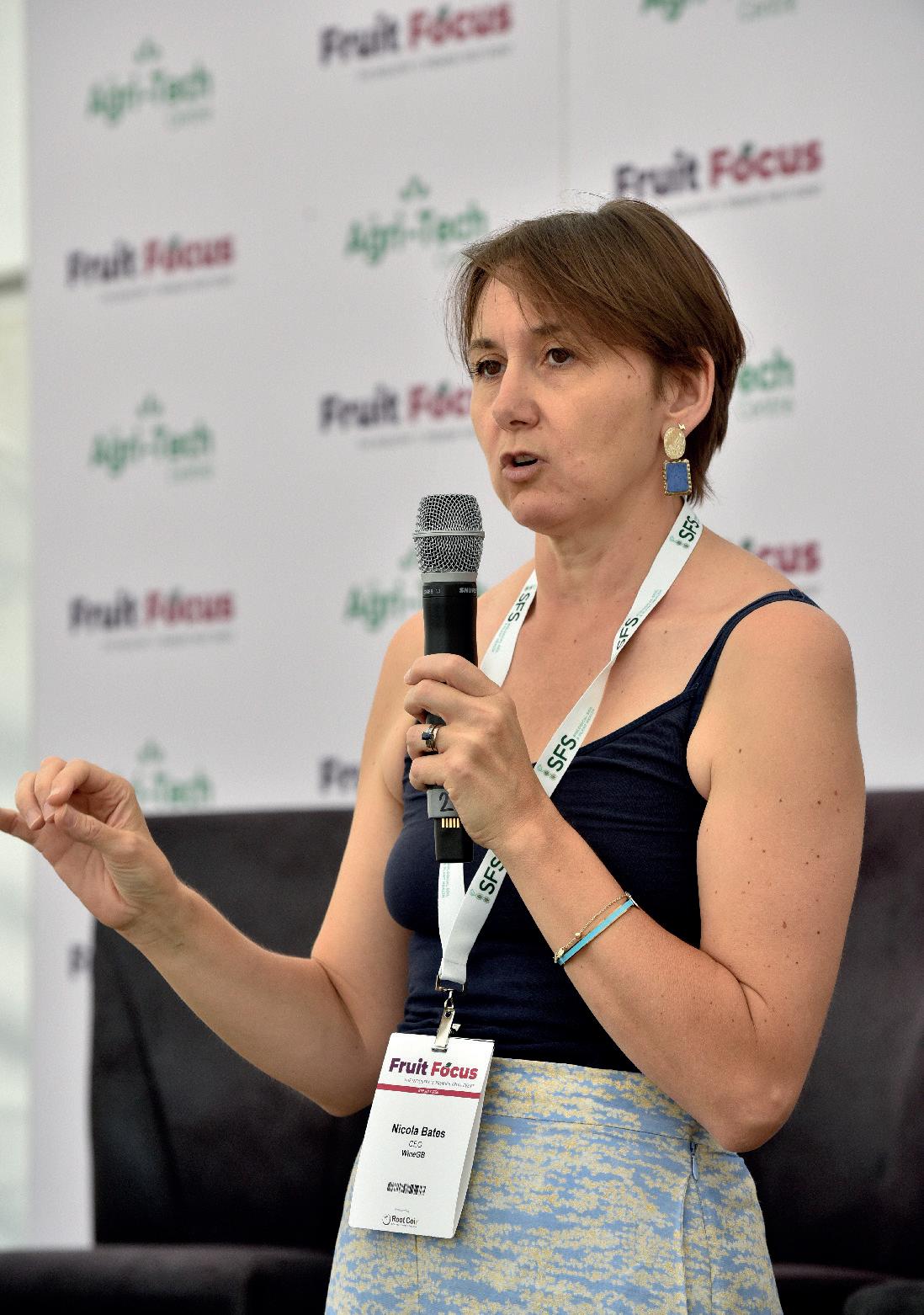
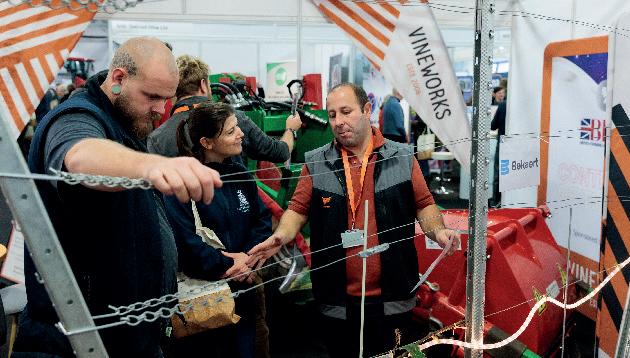
The event included over 100 exhibitors who were offering expert advice on all aspects of fruit growing including drone technology, plant and soil health and packaging solutions. There were a number of dedicated seminar areas and the Vines and Viticulture seminar sessions were opened by Nicola Bates, Chief Executive of WineGB. Nicola spoke eloquently about both the challenges and the opportunities faced by the viticultural community. Nicola pointed to the fact that the wine and viticulture sector would need an estimated 30,000 employees by 2030. Nicola outlined that WineGB are working to fill the increasing number of skilled positions required to support the growing industry.
Nicola stressed that the wine industry is unique in the way individual businesses work together for the good of the whole industry but that the industry is being let down by a lack of research funding. “Any other wine region in the world has government support but we do not,” she said.



It is now estimated that a staggering 99 varieties are planted across England and Wales and there has been a 59% increase in wineries since 2018. This highlights the imagination and innovation of the industry and also highlights the possibilities for winemakers in these regions.
Whilst the number of vines being planted has slowed down (which is a trend reflected globally) the overall number of English wines sold in the domestic market has increased from 3.3 million in 2018 to 9.1 million in 2024. There is a cautionary note to these figures – the sale of English wines has been influenced by a contraction of the on-trade economy, with less money available for dining out there is less opportunity for the introduction of English and Welsh wines to a new audience.
With a significant increase in the wine tourism market Nicola pointed out that WineGB is working to try and secure a tax relief for the over 300 vineyards that offer a tourism experience. WineGB wants tax relief to recognise and support the benefits that wine tourism brings to the rural economy.
Nicola truly set the tone for a full day of seminars on the new look Fruit Focus Vines and Viticulture stage at this prestigious Fruit event in Kent.


The AVIX Autonomic Mark II Agricultural bird control: key advantages of automated bird lasers for farms and vineyards
We use industry-leading products like the AVIX Autonomic laser bird repellent; a fully automated system that safely and silently keeps birds away from fields and open spaces 24/7. Combined with bird control spikes, bird mesh, and acoustic deterrents, our tools are designed for long-term, low-maintenance protection.
We are a trusted UK provider of agricultural bird control solutions, helping farmers and landowners prevent bird related damage. All our methods are non-lethal and eco conscious, aligning with UK wildlife protection laws.
Bird deterrent lasers can reduce the level of damage caused by foraging birds and increase returns at harvest.
Silent & humane:
The laser is only a visual scare; there is no noise or poison, and birds are simply driven away alive. Long term savings: Preventing contamination and damage cuts cleaning and repair costs, making lasers cost effective over time.
Wide coverage: Each unit protects up to 12 acres, ideal for fields, orchards or large barns
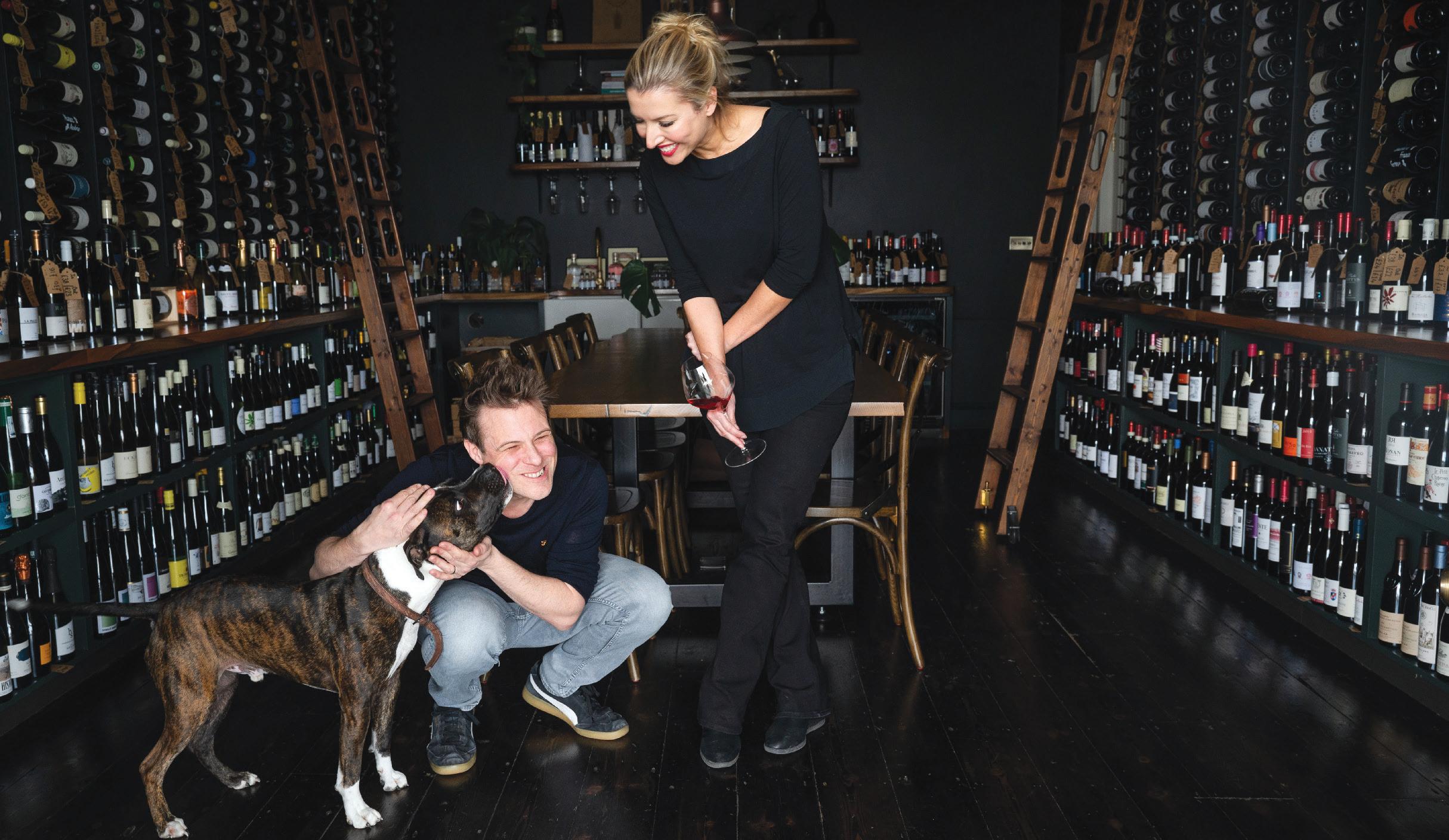
A recent visit to The Terrace Rooms and Wine in Ventnor, Isle of Wight, represents a new opportunity to bring English wine and education directly to consumers. Under one roof, visitors have the opportunity to explore wines from across regions and styles that they would be unlikely to encounter elsewhere, bringing the vineyard to them.
Tom and Ashley Fahey are the husband and wife team behind The Terrace, and the operation reflects both of their fingerprints throughout. Tom is the driving force in the cellar and kitchen: sommelier, buyer, host and chef, currently rated among the UK’s top sommeliers by Harpers Wine and Spirits, with a wine list that has earned the only Star Wine
List Gold Star held outside London. Ashley leads front of house and marketing, giving the place its voice as well as its welcome, and is the aesthetic mind whose eye for detail brings the whole experience together. Between them they have built something that functions as much more than a place to stay.
The canvas was the restoration of the Victorian St Augustine Villa, a seafront landmark that has operated as a guesthouse for over 150 years. The operation now comprises six individually designed sea-view rooms, a cellar of over 1,200 bottles, a daily evening tasting and a wine shop open to guests and the public alike. The wider accolades reflect the ambition of the project: Caesar Award for Best UK B&B from the Good

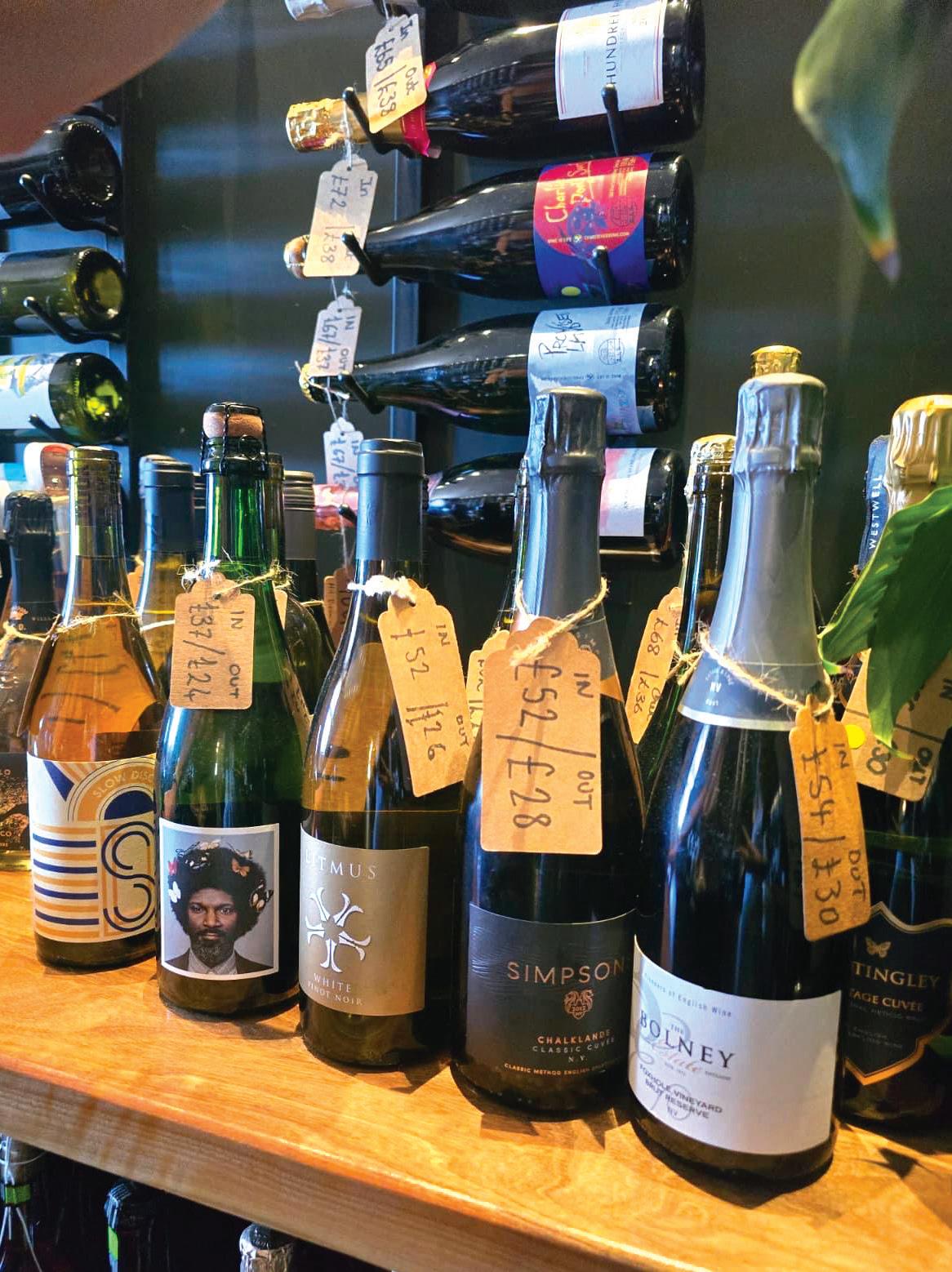
Hotel Guide, inclusion in the Times 100 Best Places to Stay across consecutive years and named best UK wine hotel by Decanter Breakfast deserves a mention of its own. The four-course morning spread has become a defining feature of a stay, generous, carefully sourced and worth lingering over, setting the tone for a visit built around pleasure and attention to detail.
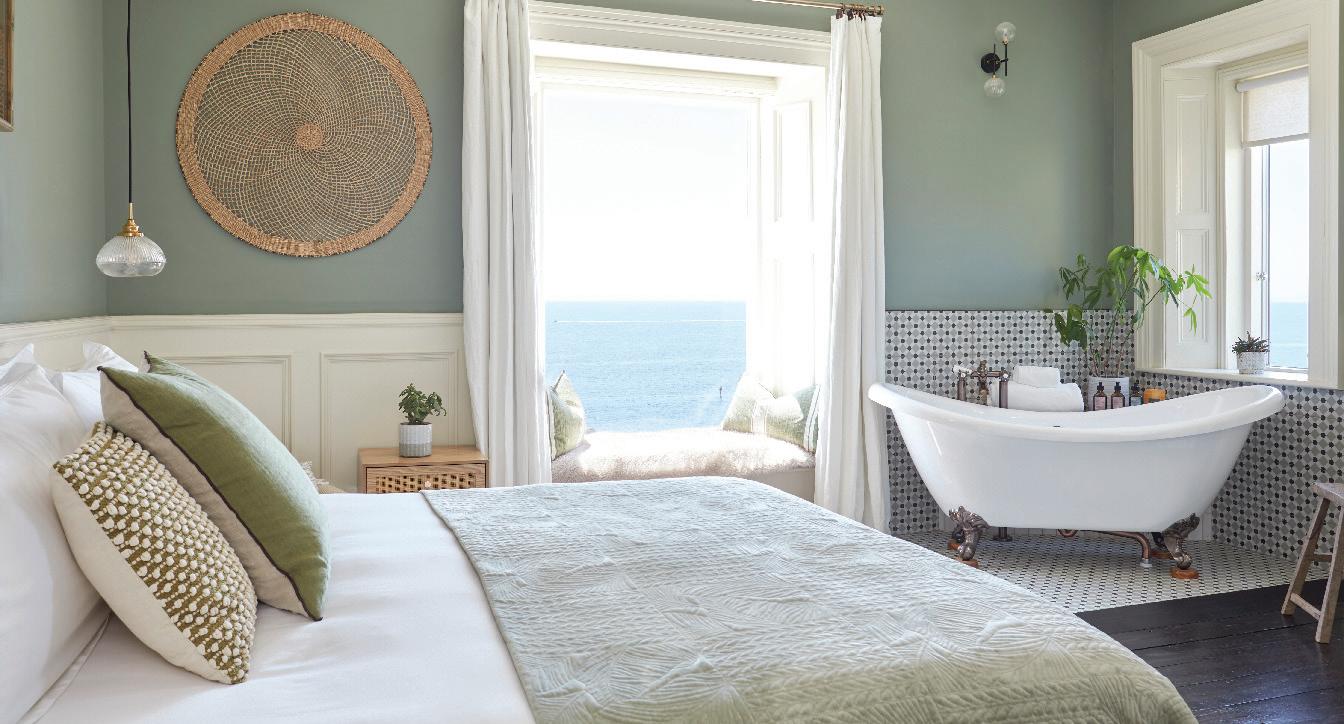
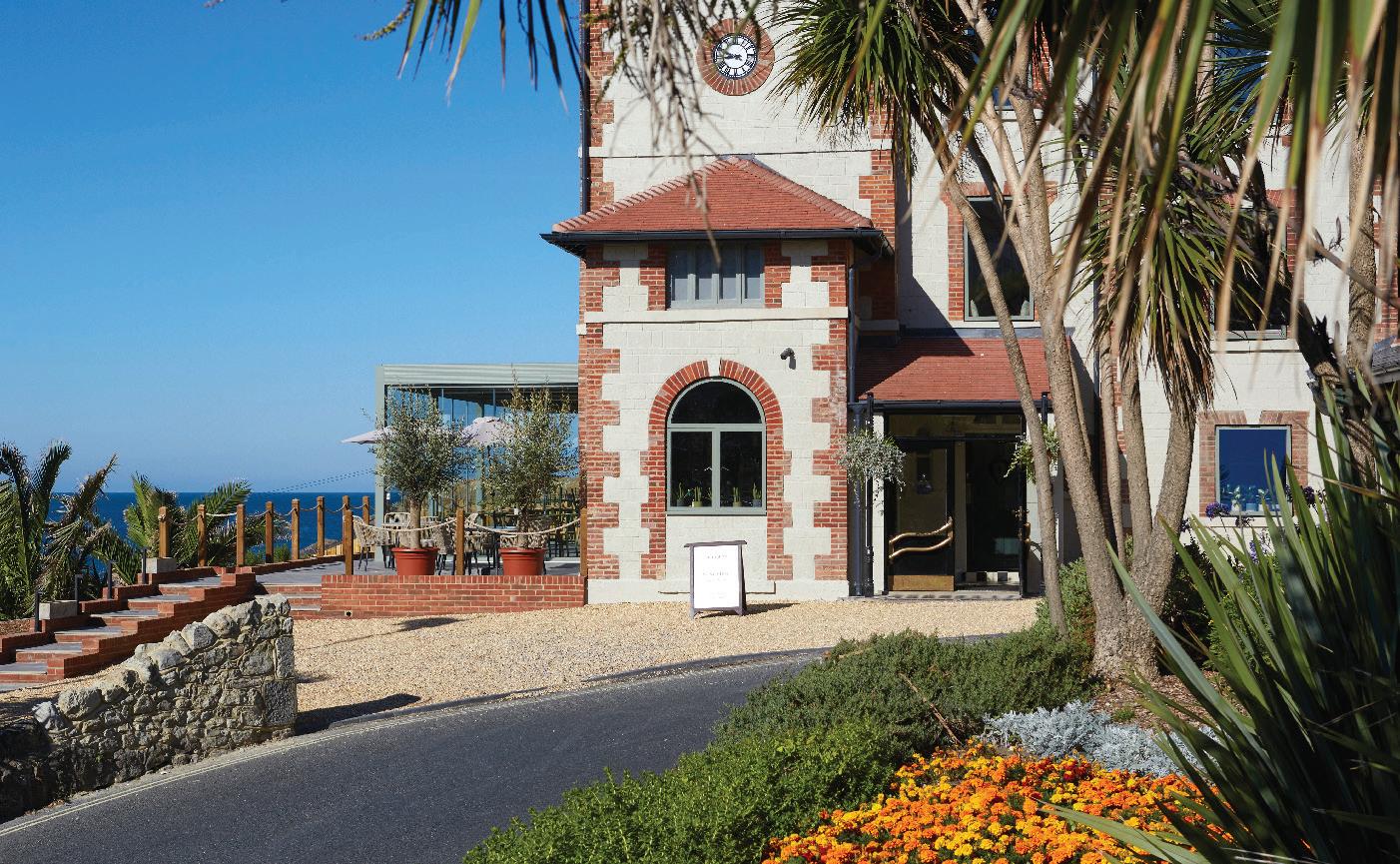
The evening tasting is where the real work happens. The list changes daily, keeping the experience fresh and genuinely educational for returning guests and newcomers alike. Informal, communal and deliberately accessible, it brings together guests of varying knowledge around a shared table. During my visit, people at very different stages of their wine journey were tasting alongside one another, learning informally, asking questions, broadening their frame of reference. Conversation moved naturally into English wine, the Isle of Wight’s own emerging vineyard scene, and what this corner of the
south coast might be capable of producing.
The Terrace also operates as a connector within the wider island economy, working alongside local restaurants, tourism destinations and hospitality partners to create a genuine pull to visit the Isle of Wight. English wine travels with it. Guests who arrive with little prior knowledge of the category leave having discovered producers and styles that are now part of their consideration set.
The cellar door experience remains important, but the wine hotel and wine-led stay are carving out their own space as a route to new audiences. What The Terrace
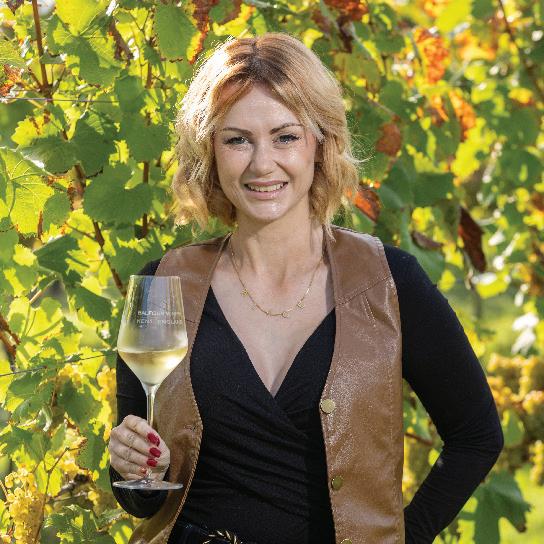
Alice Griffiths is a wine communicator boosting the profile of English and Welsh Wine on social media. Alice has worked within the agriculture industry for the past 20 years, spending time as a lecturer and a smallholder before discovering her passion for viticulture, winemaking and wine tasting. Get in touch to have your events featured: ✉ Posingwithalcohol@gmail.com DESKTOP www.alicegriffithswine.com
INSTAGRAM Alice can be found on social media under @alicegriffithswine on Instagram.
demonstrates is that you do not need a vineyard to build a meaningful entry point into wine. You need expertise, a thoughtfully curated list, and the hospitality to match.
“Ecolog


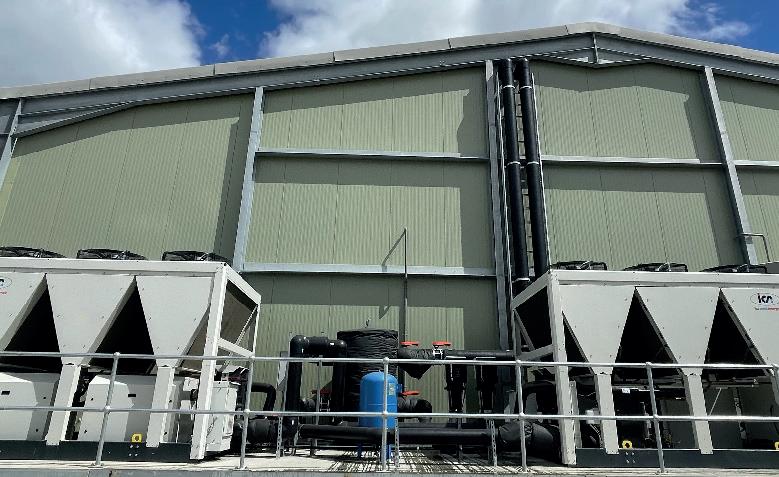

Electrical engineers and contracting
Refrigeration and Electrical service, maintenance, and breakdown cover
Testing and certification to NICEIC
Mains power solutions for distribution and installations
Temperature controlled wine storage solutions using DX or Secondary refrigeration with heating options
Qualified to install EV chargers
Refrigeration gas leak detection systems
F-gas compliance and record keeping
Refrigeration system controls with remote monitoring





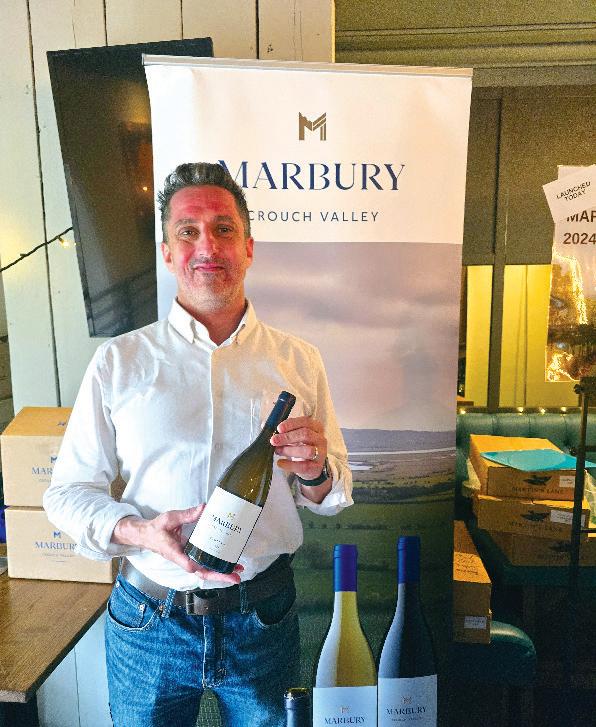
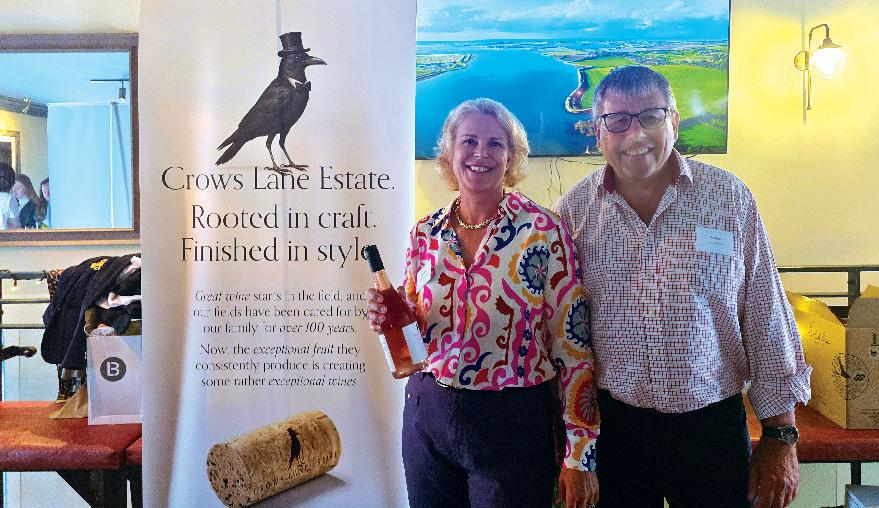
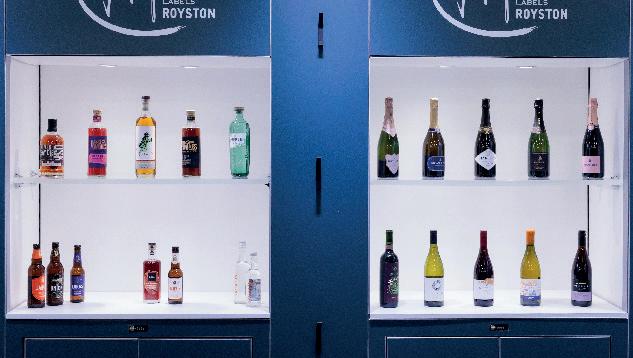
The second annual Crouch Valley Trade Tasting took place at Brewhouse and Kitchen in Chelmsford, bringing together seventeen producers from across the region for a walk-around tasting and masterclass aimed at wine buyers, sommeliers, journalists and drinks trade professionals. Organised by the Crouch Valley Vineyard Association, it offered a rare sideby-side examination of current and unreleased wines from one of England’s fastest-rising wine regions.
The Crouch Valley is positioning itself
as a serious contender for the future of English wine, with significant international investment from abroad signalling growing confidence in the region’s potential. Low rainfall, high sunshine hours and a warm estuarine influence give this corner of Essex a climate profile that consistently outperforms expectations. As Master of Wine John Atkinson outlined in the accompanying masterclass, the terroir here, particularly the clay-heavy soils that characterise much of the valley floor, is genuinely well suited to still wine production and merits comparison with
some of the world’s most celebrated coolclimate regions.
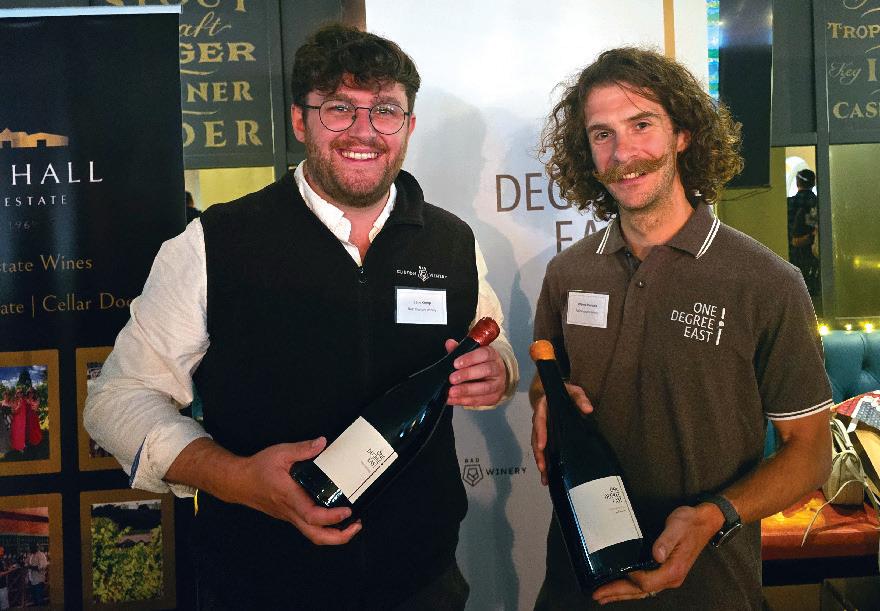
The exhibitor list reflected both the heritage and the momentum of the region, with established faces and newer names pouring side by side. Danbury Ridge, New Hall Wine Estate, Crouch Ridge Estate, Gutter and Stars, Riverview, Walgate, Marbury Wines, Martin’s Lane Vineyard, Great Wheatley, Hollands, Crows Lane and RAD Custom Winery all poured on the day, joined by Sugrue South Downs and Blackbook Winery, both known for sourcing fruit from the valley, alongside Vagabond Wines.
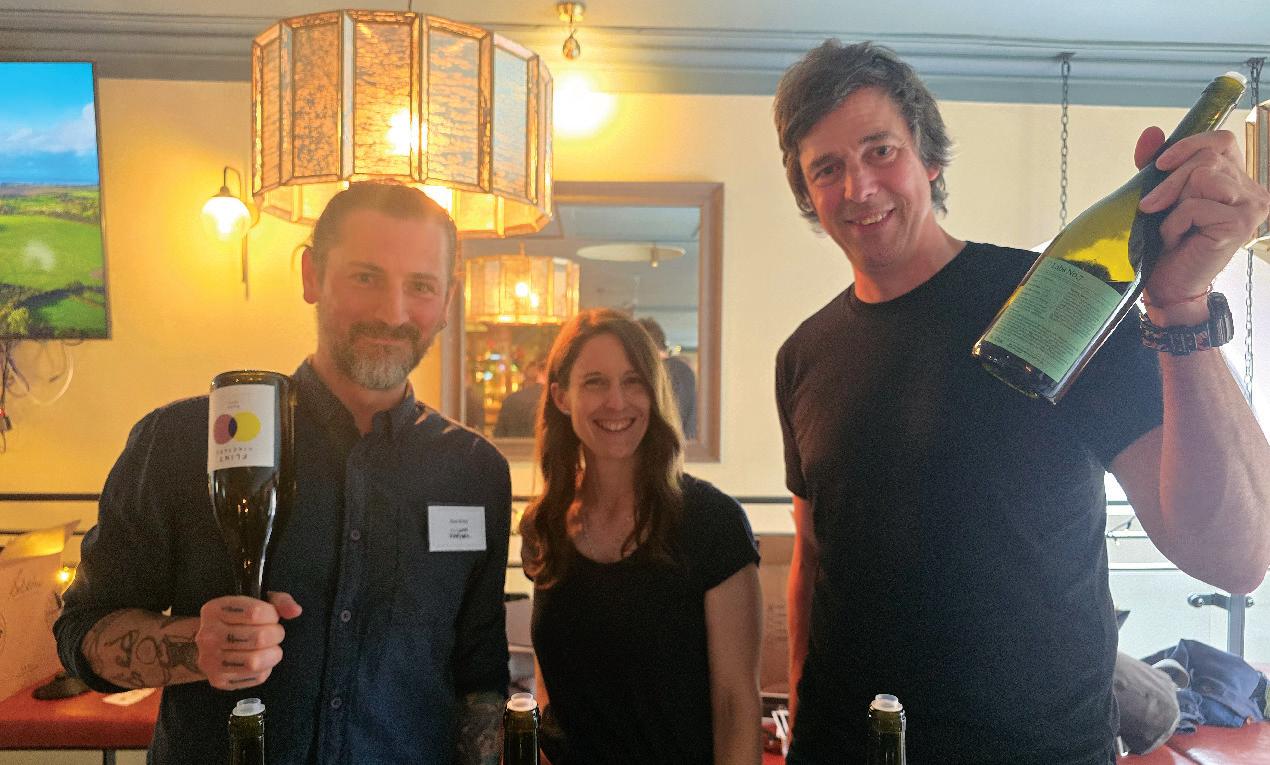
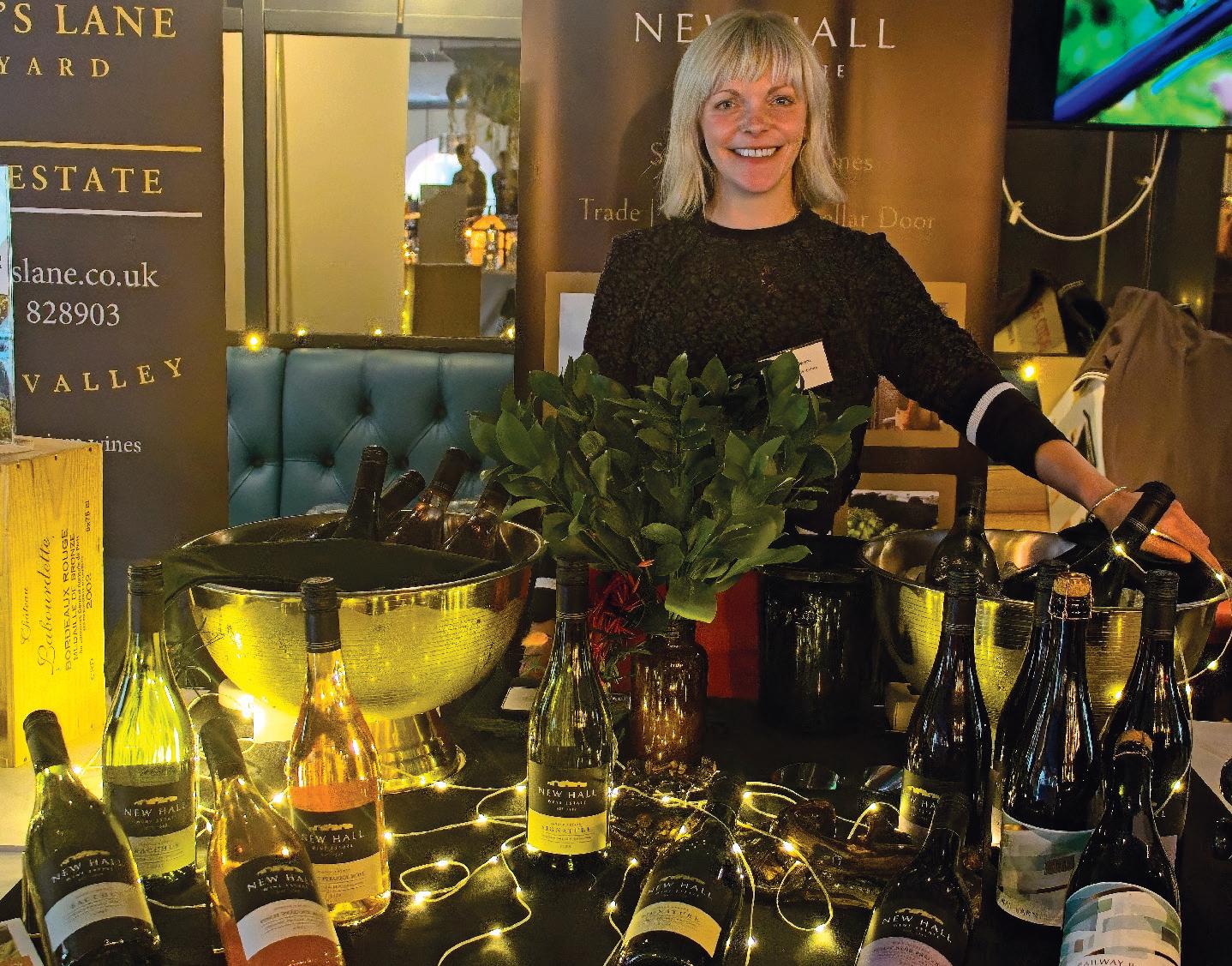
A number of unreleased 2024 wines were shown publicly for the first time, giving the tasting a genuine sense of forward momentum. The collaborative spirit between producers, the willingness to present work still finding its footing alongside more polished releases, spoke to a collective maturity that will serve the region well. It is an approach that builds trust within the trade and signals that the Crouch Valley is
thinking long term.
This is a region with a clear identity and the producer base to sustain it. For buyers and sommeliers looking beyond the familiar names on the English wine shelf, the Crouch Valley offers a compelling and wellevidenced case for closer attention. Events like this exist to make that introduction, and on the basis of this second edition, they are doing exactly that.


AiRD-Innovations in ChemistryTM is seeking a UK based Stockist/Distributor with winery representation for its market-leading, sustainable, Australian manufactured, market-leading, surface hygiene products. Currently supplied by long-standing stockists in all states in Australia, New Zealand, Canada and USA. Please email expressing your interest with your proposal.
Barry Astley-Turner MD Unit 6, 59 - 65 Berrima Road, Moss Vale NSW 2577 www.aird.com.au

Andrea Ontiveros Flores, a sommelier and marketing & communications specialist from Alicante, Spain looks at how London’s top restaurants are selling the story of English wine.
English wine is becoming an increasingly popular feature on wine lists in restaurants, bars, luxury hotels, and fine-dining venues, particularly those focused on local cuisine. As quality continues to improve and gain recognition, and as production grows year after year, the hospitality sector remains one of the most important channels for raising the profile of English and Welsh producers, building visibility and positioning as a premium product. A place on the right wine list can be worth more than many marketing campaigns. Restaurants not only introduce consumers to the category, but also influence how it
is perceived. But how are London’s leading restaurants helping shape the future of English wine? Which venues have become champions of the category, and which producers are appearing most often on their listings? Why are they being selected, how are customers responding, and what styles are gaining traction beyond sparkling? According to Wine Lister’s latest report, Breaking New Ground: The Rise of English Sparkling Wine, which includes insights from more than 20 sommeliers and industry professionals, English wine – particularly sparkling wine – is now a common feature across the UK’s restaurant scene and premium hospitality venues. However,
many respondents believe there is still room for greater representation, noting that some establishments include only one English wine as a token listing. Overall, the broad sentiment is that having at least one local wine on a wine list is now considered essential across much of the hospitality sector. Most sommeliers and wine buyers discover new English wines through tasting events, distributors, wine publications and reviews, direct contact with producers, as well as through word of mouth, social media and advertising. When it comes to deciding whether a label earns a place on a wine list, pricing, sustainability credentials and exclusivity are among the most important
factors. Brand reputation, the level of support provided by producers, and ultimately quality and consumer demand also play a significant role in the decision-making process.
The report also explores the reasons behind this growing presence. Many cite local pride and a desire to support British produce as key reasons, while others point to the growing reputation of the category, with wineries now producing high-quality wines that are increasingly seen as a credible alternative to Champagne. Only a small minority reported not listing English labels, mainly due to a lack of consumer demand or because the category did not align with their venue’s concept.
To gain further insight, I analysed the wine lists of 10 leading London restaurants and hospitality venues and reviewed their current selections. The aim was to understand what has changed since previous reports and identify which producers are securing placements, particularly at a time when wine bars and specialist establishments are constantly evolving and refreshing their offerings. The sample includes restaurants and hospitality businesses that have demonstrated sustained relevance and influence over time.
For instance, Hide in Mayfair features an impressive collection of English wines. Thanks to its luxury sister wine shop, Hedonism Wines, Hide has access to massive cellars
that offer one of the most comprehensive selections of both sparkling and still wines in London. Claridge’s showcases a carefully curated range of premium English sparkling wines, while Noble Rot stands out for its diversity of styles, featuring not only sparkling but also a strong presence of still expressions, particularly Pinot Noir.
In terms of the estates winning the listings race, the results were broadly in line with previous reports, particularly among the top five producers. Nyetimber came out on top with the highest number of appearances across the sampled venues. This is perhaps unsurprising given its strong brand recognition, premium positioning and extensive presence across the hospitality sector. Nyetimber is also frequently available by the glass, giving it a significant visibility advantage.
Gusbourne was another frequent feature, benefiting from a strong reputation among sommeliers and a portfolio that spans both still and sparkling wines. Rathfinny also had a notable presence, particularly in Michelinstarred and premium hospitality venues, supported by a strong sustainability narrative. Hambledon Vineyard, one of England’s oldest commercial wineries, continues to secure listings across high-end restaurants, while Coates & Seely maintains a regular presence on premium wine lists
Core by Clare Smyth
The Ledbury Hide
Restaurant Story LUXURY HOSPITALITY
The Ritz
Claridge’s WINE-LED
Noble Rot
67 Pall Mall
Les 100 de Taillevent
BRITISH GASTRONOMY
Corrigan’s Mayfair
and within luxury hotel programmes. The results suggest that wine buyers continue to favour established brands with strong trade relationships, recognisable names and consistent supply. While English wine production continues to diversify, listings at influential venues remain concentrated among a limited group of producers, suggesting there is still room for a wider range of wineries to secure placements.

<< the most important routes to market for premium wines, offering producers visibility, credibility and direct exposure to consumers. In a setting where the overall experience matters, the wines served can leave a lasting impression on guests. Discovering a wine in a well-known restaurant can definitely influence future purchasing decisions.
Sussex was the most represented English wine region across the sampled venues, followed by Kent and Hampshire. The dominance of these regions reflects not only the concentration of leading producers, but also the importance of provenance in the English wine story. Many of the country’s best-known estates are based in the south east, where favourable growing conditions and long-term investment have helped establish a strong reputation among sommeliers and wine buyers.
Based on the wine lists reviewed, still wines – particularly reds – appear to be gaining ground. Sparkling continues to dominate, but venues such as The Ritz and Noble Rot are increasingly featuring still wines alongside their sparkling selections, reflecting growing confidence in England’s still wine offering. Examples include Camel Valley’s Bacchus and Louw’s Elham Valley Chardonnay, as well as a range of Pinot Noirs from producers such as Gusbourne, Lyme Bay, D&N Ham and Louw. 67 Pall Mall also lists Westwell Ortega and a still white from Hattingley Valley, while The Ledbury currently offers Danbury Ridge Pinot Noir, one of England’s most highly regarded still red wines
This is a clear example of how introducing a growing category into influential hospitality venues can benefit not only awareness, but also potentially drive retail sales. Restaurants remain one of
But are guests proactively ordering English wine? How often do consumers follow a sommelier’s recommendation? And what trends are emerging? Guests rarely order English wine blind. Instead, many are influenced by factors such as local sourcing, sustainability and British produce, while more engaged wine drinkers may also be attracted by innovation, exclusivity and the opportunity to discover something new.
One wine director interviewed by Wine Lister highlighted consumers’ desire to drink local wines as the strongest driver, particularly when English options are recommended by hospitality staff. As one respondent noted: “If offered, the UK consumer will choose a UK sparkling over a Crémant or Cava on a by-theglass list.” This reflects decades of work in building the reputation of English wine, as producers have increasingly positioned their bottles alongside Champagne on premium wine lists. The trend is clear: more consumers want to drink local wines, and interest in premium and sustainable options is growing.
And what does this mean for producers?
Restaurants are not simply another sales channel. They act as brand builders, consumer educators, premium validators and even tourism drivers. How leading restaurants choose, present and position wines may be just as important as the labels themselves. A good example is English’s of Brighton, which remains relevant despite not being part of the London scene, following its move to an almost all-local wine list, replacing imported wines with domestic producers, particularly those from Sussex. It is a clear example of how a restaurant can act as both a curator and a champion of English wine within the hospitality sector. However, there are still barriers to wider adoption. Perhaps the main challenge remains perceived value in terms of pricing and consumer expectations, especially when English wines are positioned next to regions such as Champagne and Burgundy. Educating customers about the UK’s unique terroir could help drive demand, while the way sommeliers present and recommend these wines continues to influence consumer trial. The category could also benefit from a clear and recognisable classification and appellation structure. There is still work to be done, but the growing presence of English wines on some of the most influential wine lists suggests the category is moving in the right direction. For producers, securing a place in leading restaurants is not only about sales, but also visibility, credibility, market positioning and endorsement. If current trends continue, English wine could become not only a local choice on restaurant wine lists, but a defining part of the British hospitality experience.



I covered a comprehensive haul of English wines on my website for English Wine Week, including a load I found at the London Wine Fair in May. Re-reading this piece, I noticed a fascinating pattern.
There were a number of pairs of wines, which in taste terms, at least, represented two sides of the same coin, or mirror image flavours, if you like. Aside from the pleasing symmetry of these wines, there is an attractive commercial consideration that also greatly appeals to my business mind.
If you are planning to make a juicy red
Pinot Noir, why not run off some saignée to make a sibling rosé? If your white wine has strong brand recognition, why not add a rosé to the range, using the same nomenclature? It is likely you will sell both wines to the same customer if you have managed to build brand loyalty. And if you want to make yin-yang wines to be bought as a pair, do so in small quantities to create rarity and desirability.
This month, I have found three such pairs where each and every wine is a cracker, and they really ought to be considered a duo rather than a single SKU purchase. Congrats
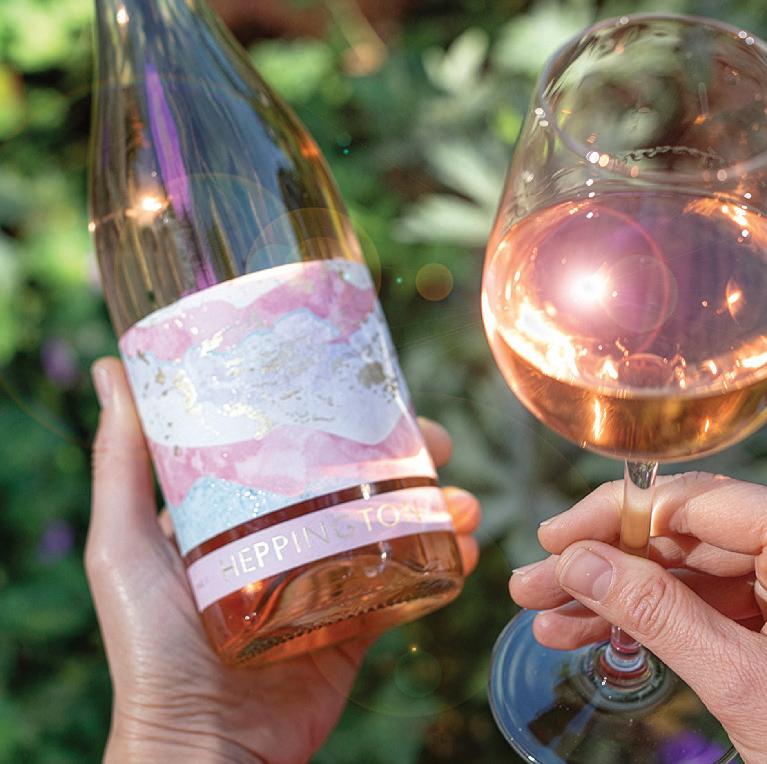
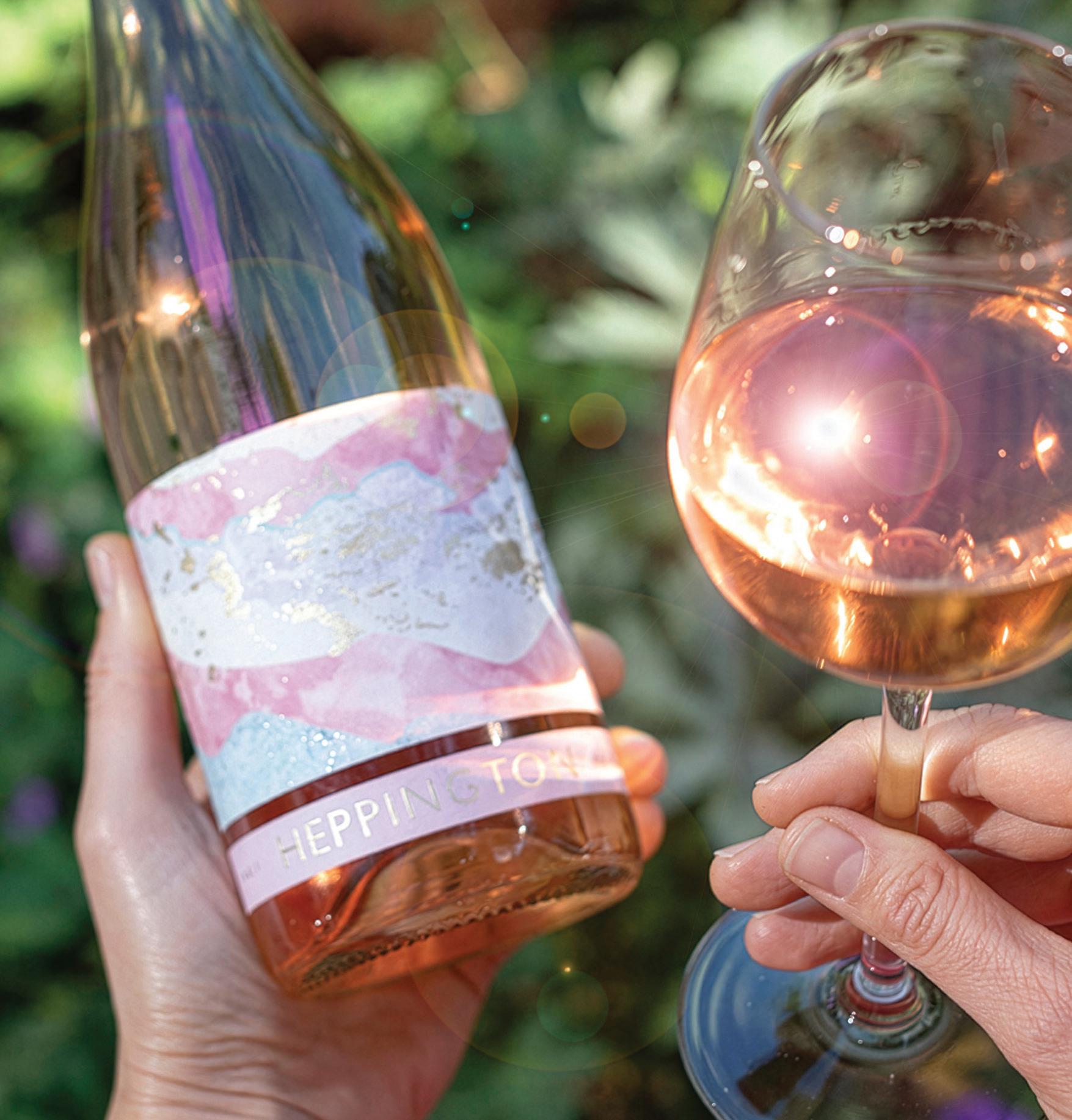
2025 Heppington Estate, Pinot Noir Rosé
£19.00 www.corkk.co.uk
www.thegoodsshed.co.uk www.lowerhardresfarmshop.co.uk www.gibsonsfarmshop.com www.macknade.com
£102 for 6 bottles or £17.00 each www.heppingtonvvineyard.co.uk

to these three and to all others who have employed this clever trick. I am certain it will pay off.
There is one final codicil to this introduction and that is the wines featured are almost all brand new releases, so in addition to endeavouring to publish scoop tasting notes, which you know I love, some of the wines might sneak onto the shelves towards the end of August, as opposed to at the beginning, so they will be relevant during this magazine’s shelf life, but perhaps not all of them on day one!
I tasted the 2024 vintage of this blushingly enticing rosé at the London Wine Fair, and it turns out that it has already sold out!
So, the 2025 has been rushed out of its changing room, rewarded with one of the most beautiful labels in the kingdom, and brought out onto the shelf to face the cameras earlier than expected. The result is a hauntingly pretty perfume followed by a tense and scouringly clean palate.
It is a foodie proposition and thank goodness I had some fresh prawns to hand because it meant I could give this epic rosé a genuinely sumptuous workout, which it passed with flying colours.
I assume its very pale hue is a result of it being bled off its red wine counterpart. The clever folk at Heppington make a stunning, seamless Pinot Noir, too, which does appear to benefit from an extra degree of concentration!
2024 Heppington Pinot Noir
£22.75, reduced to £113 for 6 bottles, or £18.83 each www.heppingtonvvineyard.co.uk
2024 Heppington Pinot Noir carries the same perfume and trademark silkiness as its rosé partner, only with a more ravishingly dense and juicy palate. This is definitely a winery to pay close attention to because these two wines are shockingly good value, too!
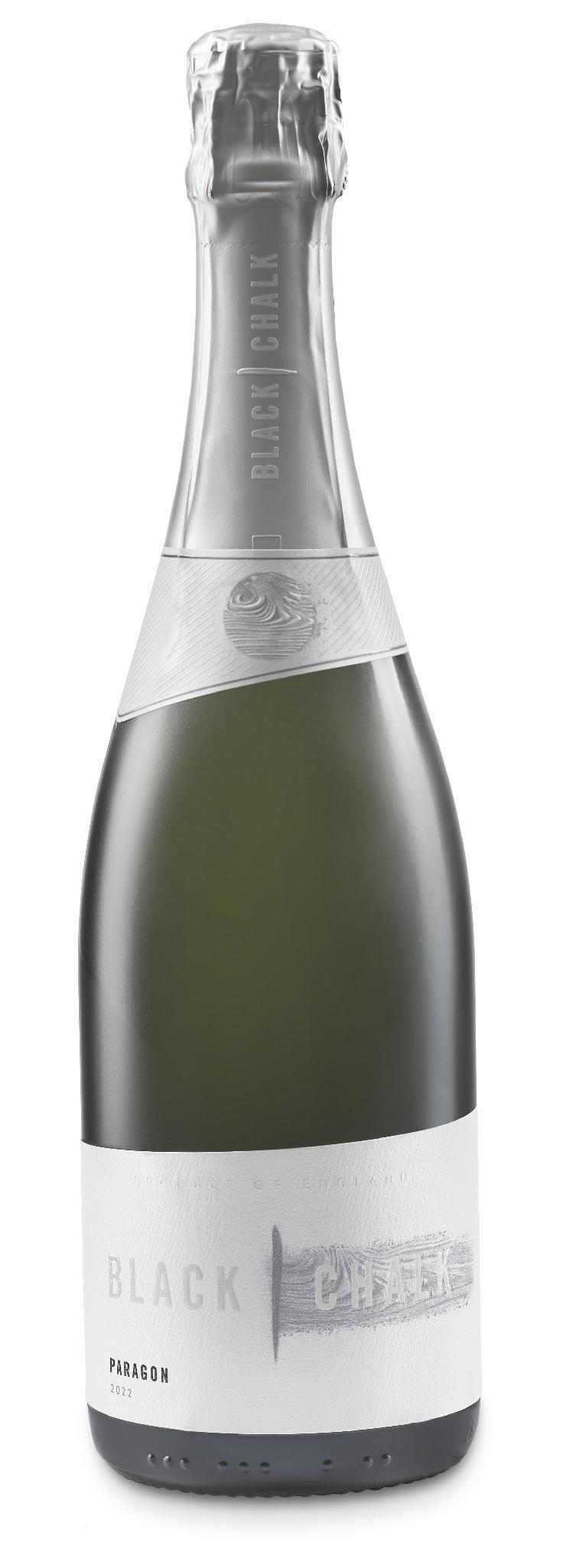
2022 Black Chalk, Paragon
£65.00, reduced to £60.00
www.reservewines.co.uk
£65.00
www.blackchalkwine.co.uk
www.hedonism.co.uk
£68.95, reduced to £62.95 each by the case
www.leaandsandeman.co.uk
Paragon ’22 is one of the most beautiful wines to emerge from the Black Chalk cellar. This 100% Chardonnay is light, airy, and amazingly resonant, with a magical touch that permeates the senses and never lets go.
It manages to possess a degree of elegance and freshness that defies belief, and with only 2,717 bottles made, it is born into collectors’ item territory from the off. Funnily enough, when I tasted it for the first time, I failed to close the bottle properly, so when I went back for another look a couple of days later, the bubbles had dropped out, and the base wine was left. And it is clear when you sip it without fizz that this is a wine of uncommon class and sophistication. And then you realise its alter ego is every bit as enticing!
2022 Black Chalk Inversion is another bafflingly complex and toothsome wine! This time, the constituent parts are all red, 73% Pinot Noir and 27% Pinot Meunier. It manages to pull off the same trick as its sibling, but with awesome sleight of hand,
2022 Black Chalk Inversion
£65.00, reduced to £60.00
www.reservewines.co.uk
£65.00
www.blackchalkwine.co.uk
£64.00
www.hedonism.co.uk
£68.95, reduced to £62.95 each by the case
www.leaandsandeman.co.uk
reversing the mood with pink and red fruit notes, thrilling spices, and brazen acidity. The technical sheet mentions 97.5% steel fermentation, presumably meaning 2.5% woodwork. Where the Chardonnay utilises old foudres to bring a degree of silkiness and composure, this wine comes at you bristling with energy and momentum! Like its sibling, it has no malo, no fining, and spends 32 months on its lees. The label mentions that the production is a little more rarefied, too: 2682 bottles. Or rather, make that 2681!
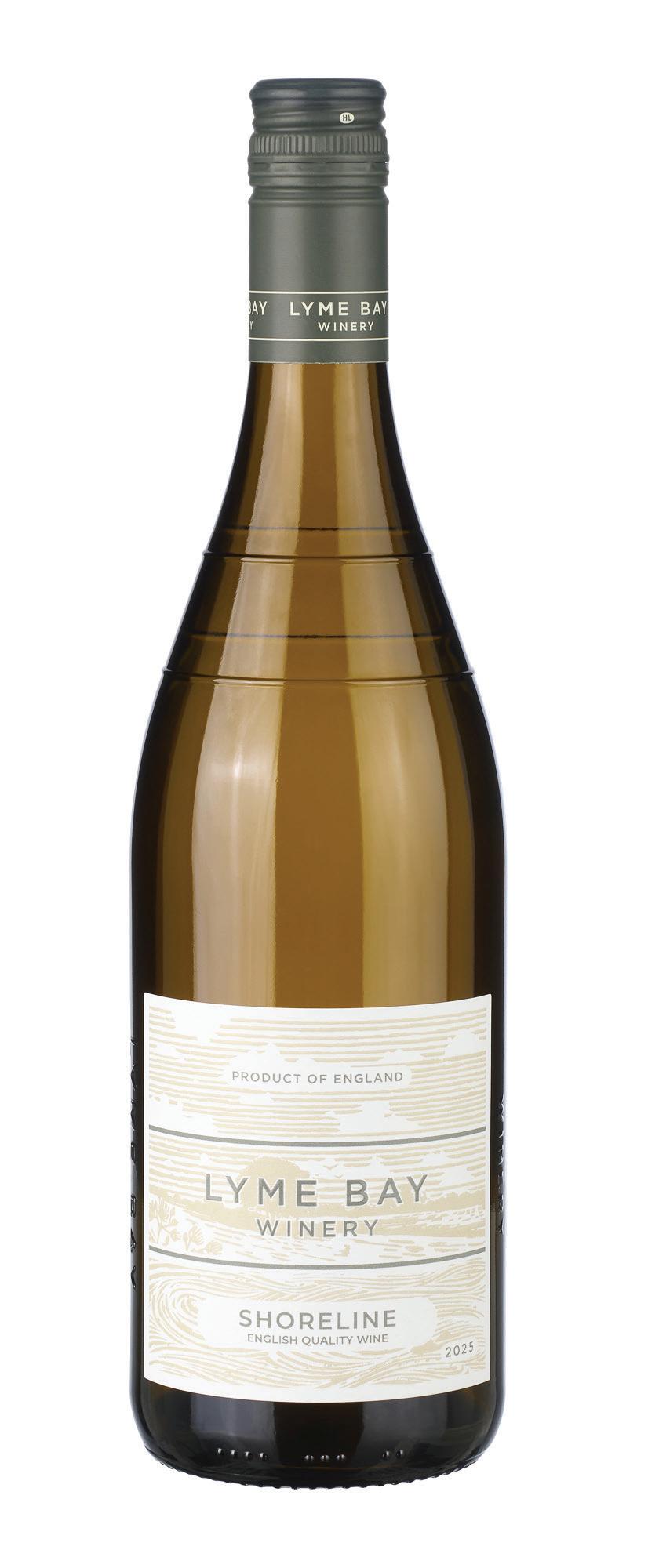
I have been a long-term fan of Shoreline, and I still think this wine has one of the most evocative and dreamy names around.
The 2025 vintage, which is brand new on the shelves, is made from Reichensteiner, Solaris, Pinot Blanc, Bacchus, and Sauvignon Blanc, sourced from the Crouch Valley Vineyard, Great Whitmans, Tudwick Hall Vineyard, and Crows Lane Estate Vineyard. It is very carefully assembled, sees only stainless steel, and, with 11% alcohol, is one of the most summery and mesmerising wines on the market. I happen to think this is one of the finest wines made by Lyme Bay, and I take my hat off to winemaker
Clem Yates MW, who has blended Shoreline into a position of perfect symmetry and succulence.
Shoreline (white) shows delicate orchard notes over a slinky, ever-changing stonefruit and citrus palate, and I love it. So, I was even more excited to learn that Clem has made an incredible 2025 Lyme Bay Shoreline Rosé. This is a new wine to me, made from Bacchus and Pinot Noir. For this reason alone, it is an outlier and stunningly unique, and alongside a killer price, the fruit is packed with pomegranate and cherry tones that will not fail to entrance your senses. It is as modern a rosé as we have ever seen on our shore(line)s.

The approach to Brenley Farm is a tree lined route that transports the visitor back to an age when coach and horses would make this journey with a finesse (if a little less comfort) that lingers in the very branches of the ancient trees that adorn the estate.
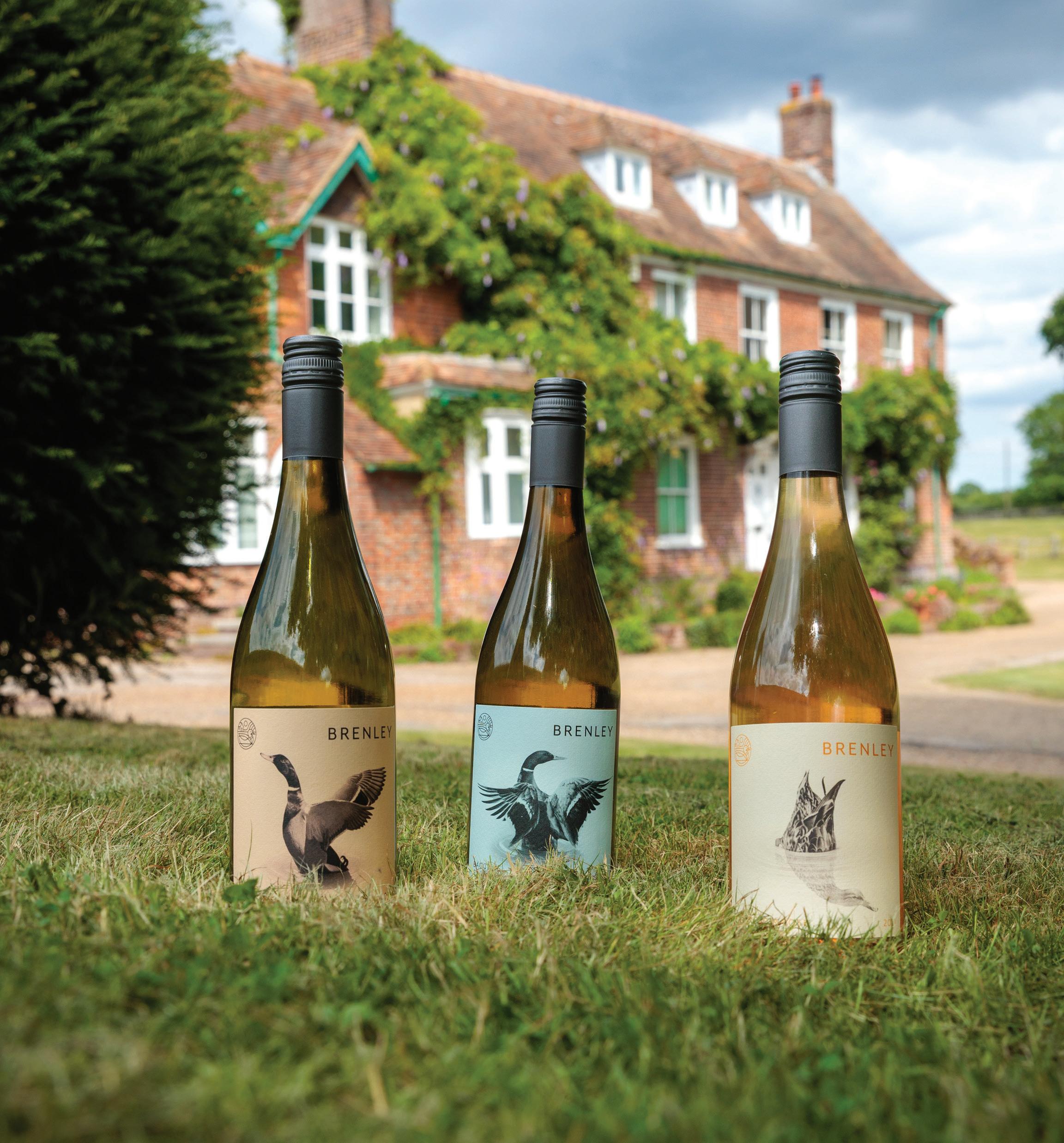
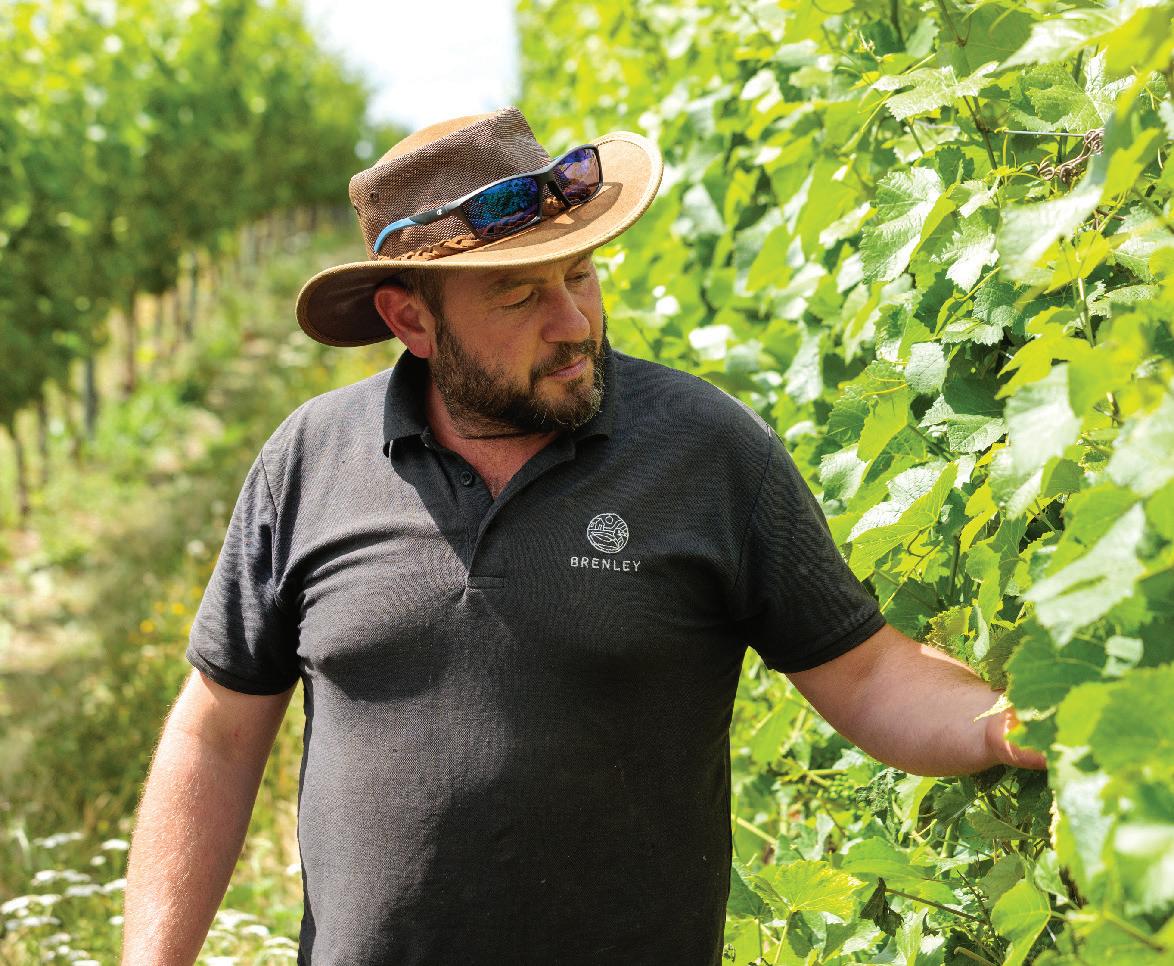
At Brenley Farm in Boughton near Faversham in the heart of Kent the heritage buildings take centre stage. The grade II listed farmstead has original features from the 1400’s “with extensions made over several centuries,” said Tom Berry who is the fifth generation of the same family to reside at Brenley Farm. Tom’s love of the land in this corner of Kent started many years ago. “I was helping my grandad on the farm at the age of eleven,” he said with a warm smile.
Having studied at university Tom returned to the family farm 20 years ago at a time when the business was facing an economic struggle. “This was just before the craft beer boom and we were facing a severe downturn in the hop market,” he explained. “As tenant farmers we have to be pragmatic and have to be business led so it seemed like a good time to look at the types of niche crops that we could grow at Brenley.”
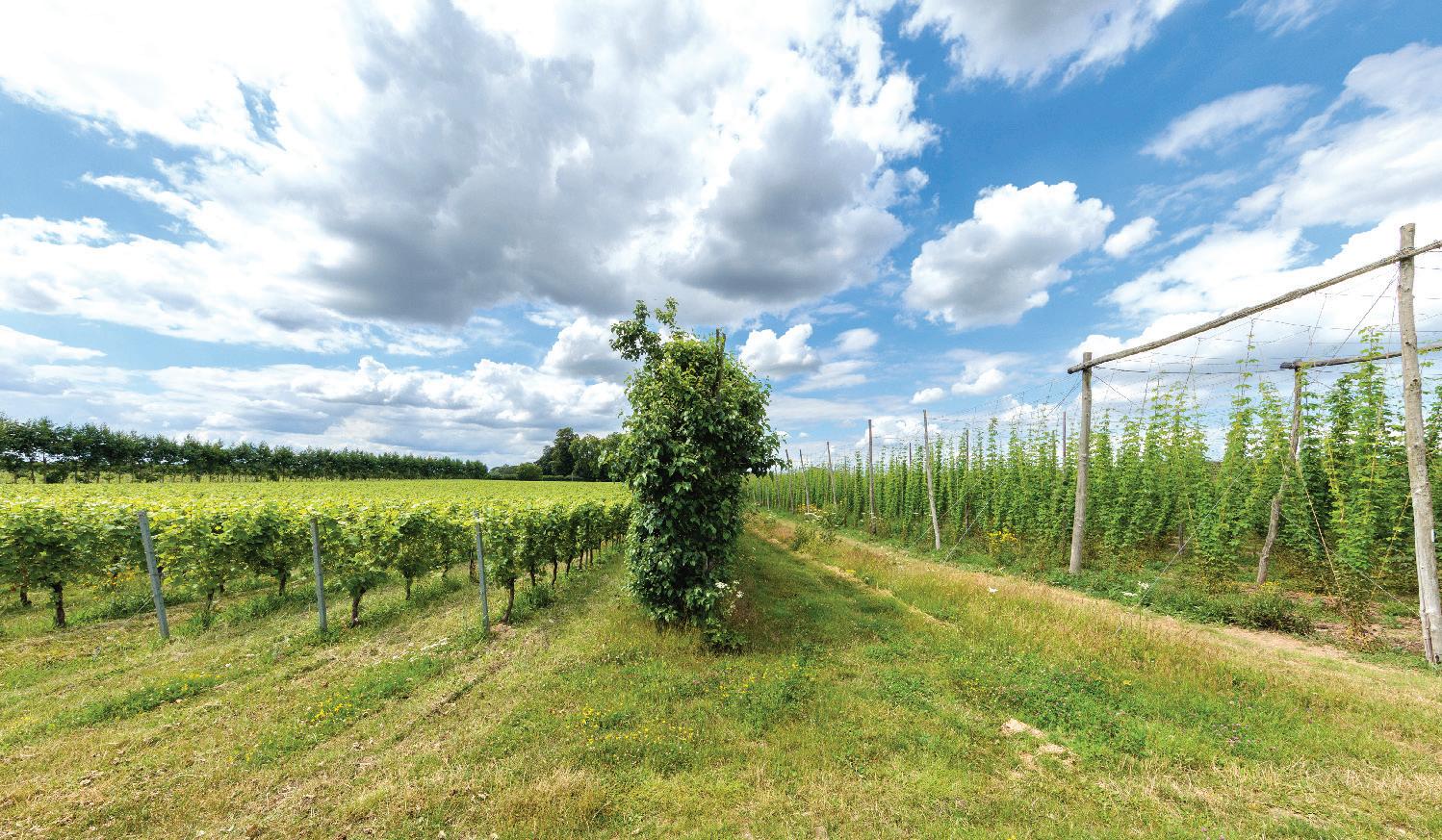
For inspiration in this journey Tom didn’t have to look far. His grandfather was a horticulturist and brought many beautiful specimens back from his overseas service during World War II. There are walnut trees, figs, peaches, pears and a grape vine all surrounding the farmhouse. After considerable research Tom finally decided that grapes would be the best fit for the farm. The farm still has the highly prized niche hop variety East Kent Goldings, which are only grown in Kent, and the skills developed in the hop gardens by several generations of Tom’s ancestors have played a huge part in Tom’s decision to plant grape vines at Brenley Farm. With his usual attention to detail Tom secured a contract to grow grapes in 2011 and the first vines were then planted in 2012. There are now a total of 25 hectares under vine at Brenley. The vines fit seamlessly into the mixed farming environment and as we travel around the farm the hop gardens and the vineyards mix with the distant views of the chalk downs and The Blean (one of largest ancient woodlands in England and an area that is also now home to the UK’s first free roaming bison herd).
Tom runs the farm, which is in the Environmental Land Management Scheme, and the vineyards along organic principles and has paid particular attention to soil carbon capture, “but I won’t sacrifice an entire crop because sustainability has to be applied to every aspect of the business including producing a consistent crop that will pay the bills,” he said with conviction.
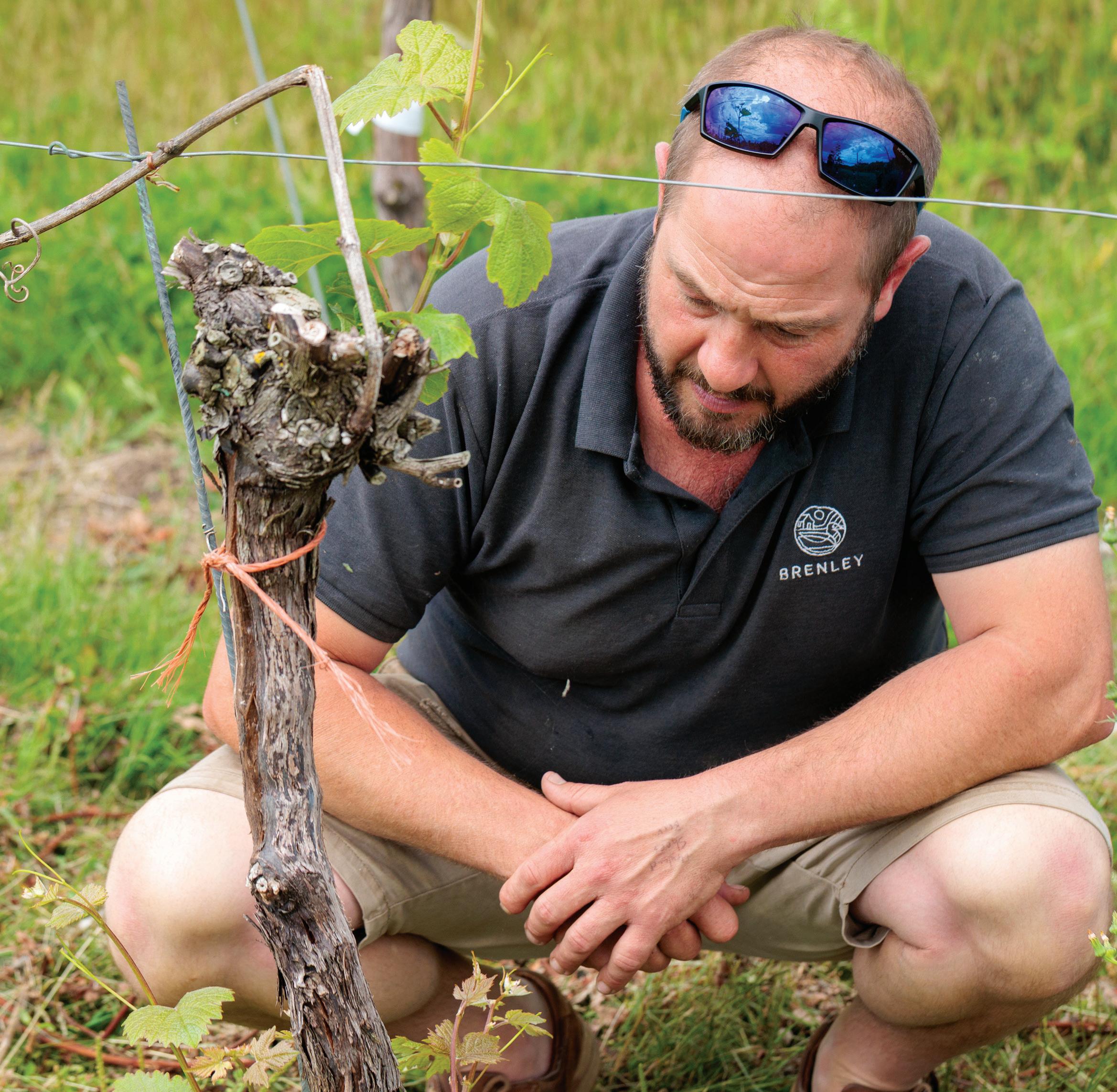
“As tenant farmers we have to be pragmatic and have to be business led so it seemed like a good time to look at the types of niche crops that we could grow at Brenley.”


“I enjoy the symbiosis of plants, everything comes from the soil – the top soil, the subsoil and the chalk bed rock but the mycelium layer is so important. It is this layer that develops naturally healthy plants,” Tom explained. The mycelium layer is often compared to the internet for plants – it connects everything.
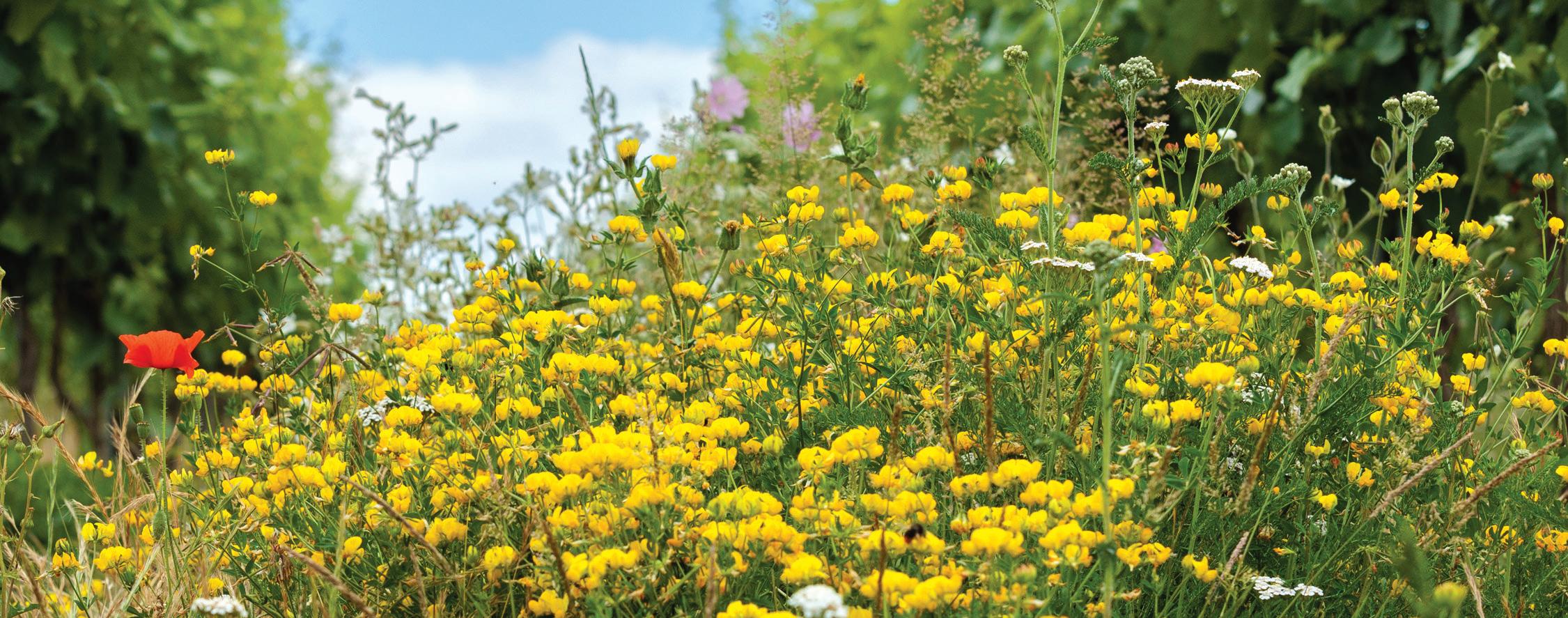
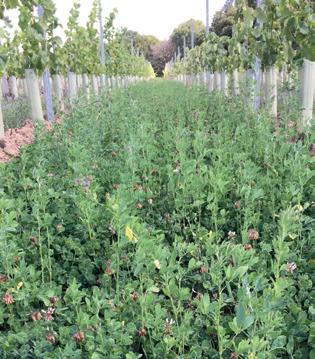
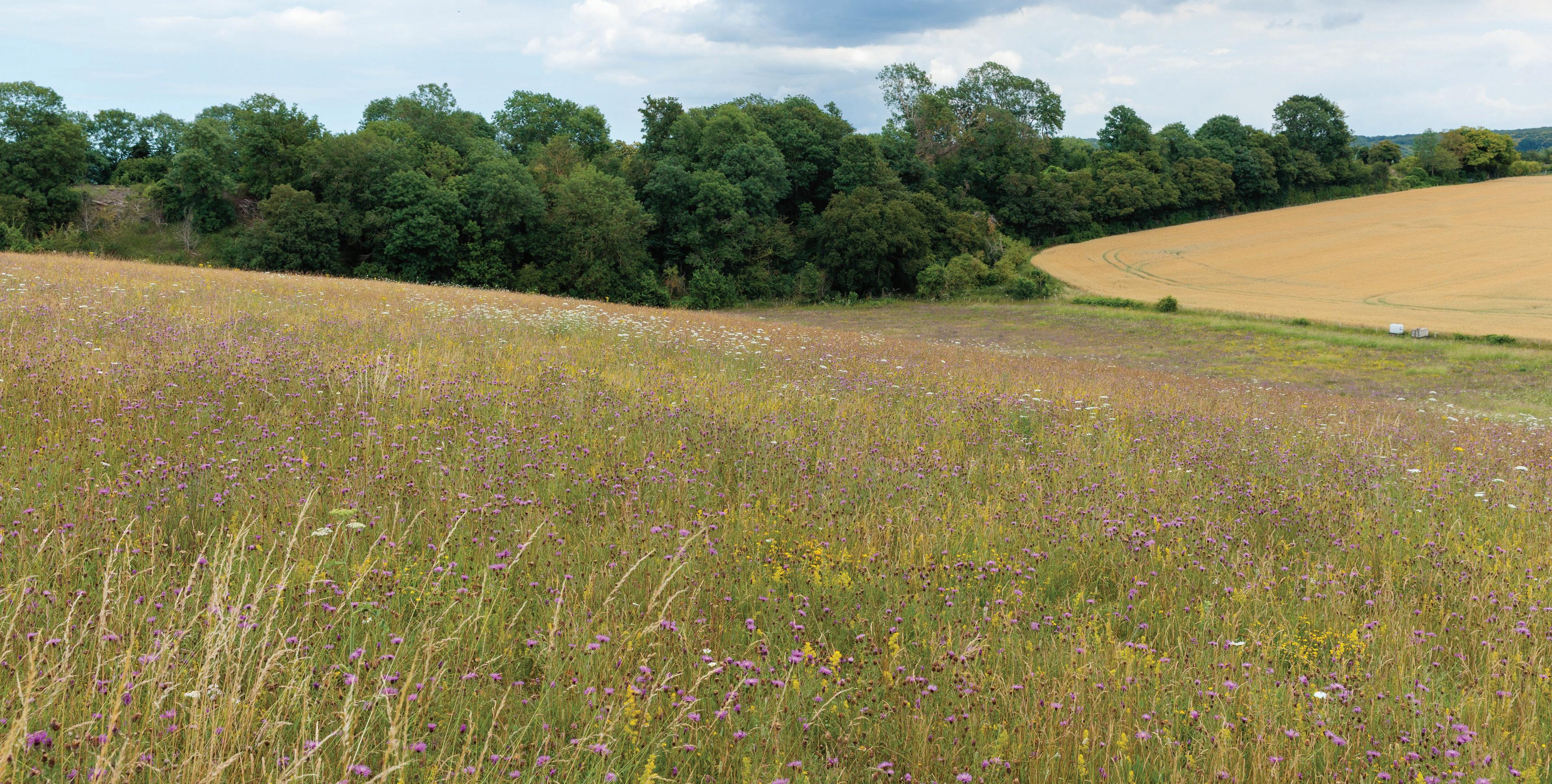
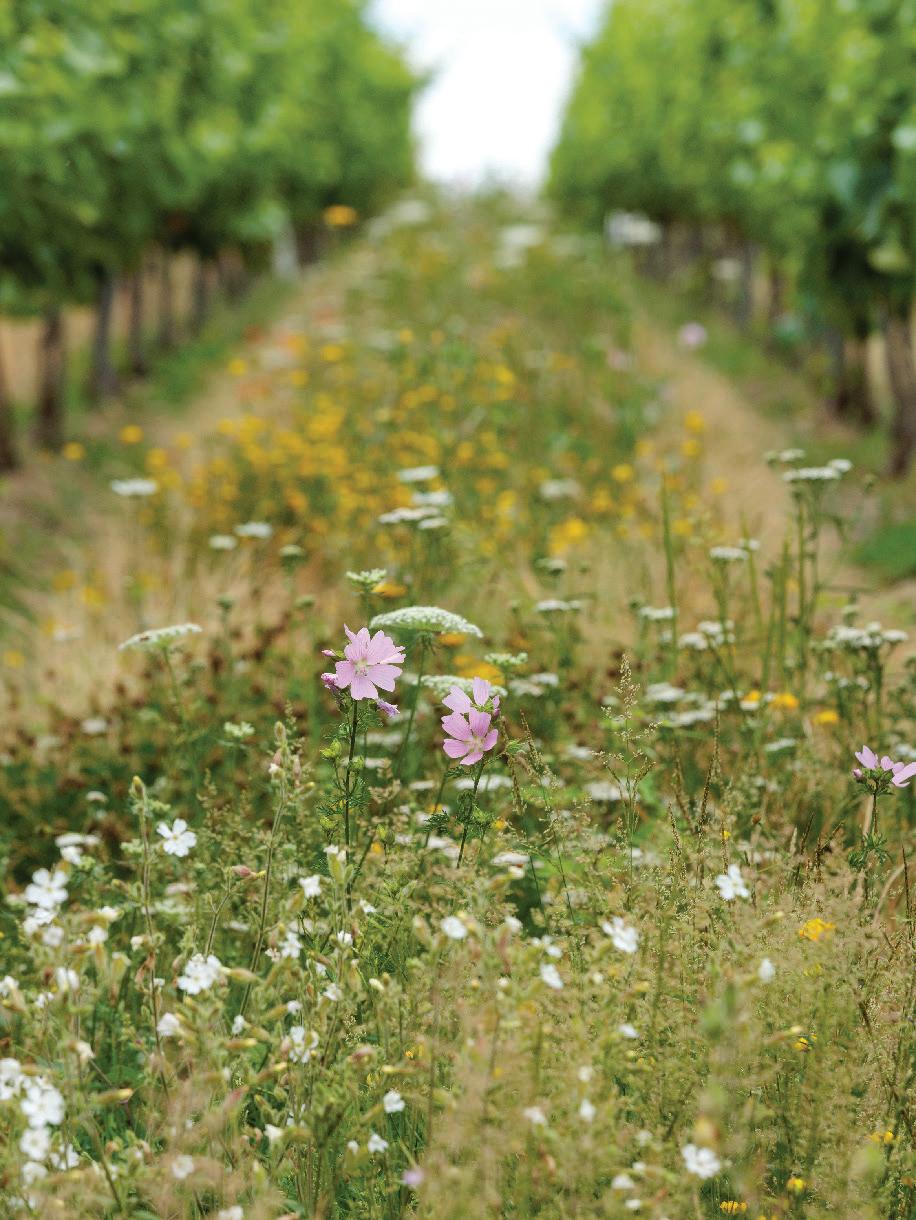
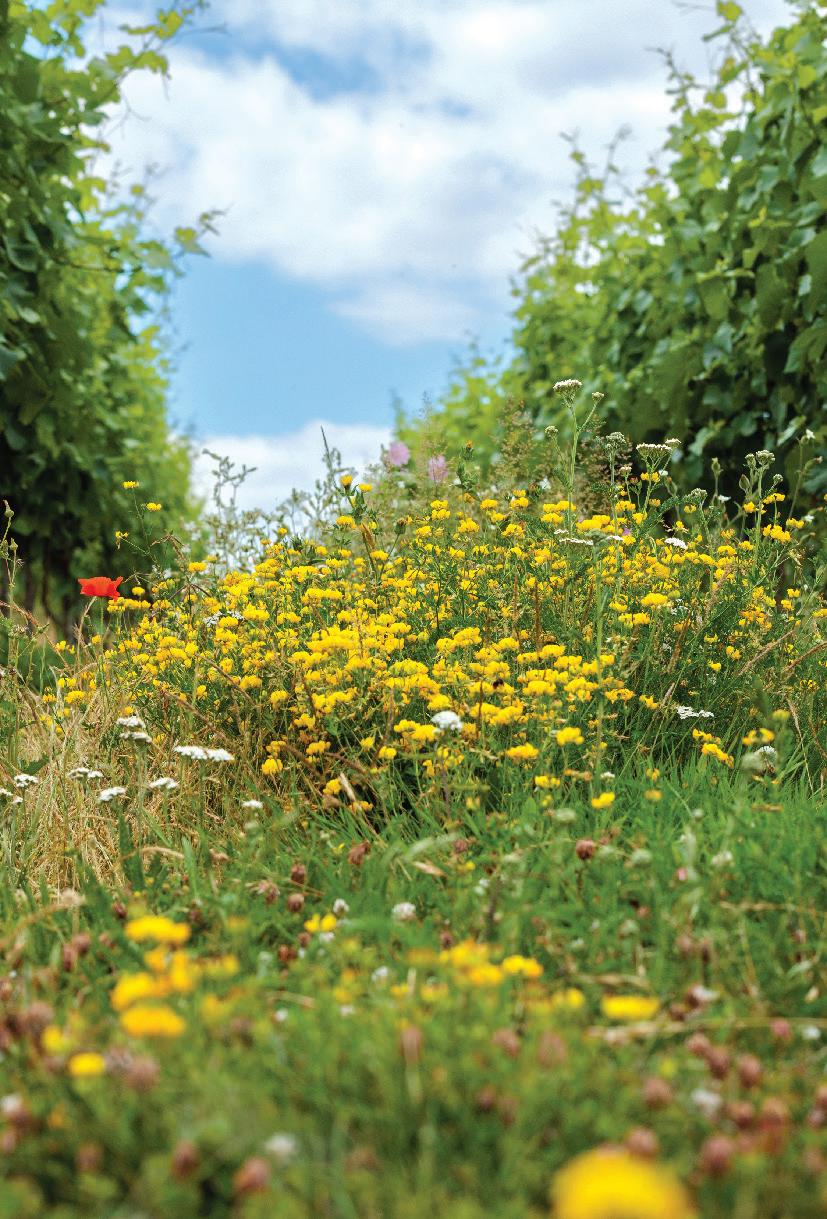
The inter row area is a riot of colour with native wildflower species such as ox-eye daisy, common yarrow and poppy. “I am convinced that all these native species add to the terroir of the grapes grown here,” said Tom.
Tom has used his skills in hedgerow management in the control of SWD. We have pulled out any hedgerow hosts of SWD and replaced these with dead end hosts such as bird cherry and cotoneaster.
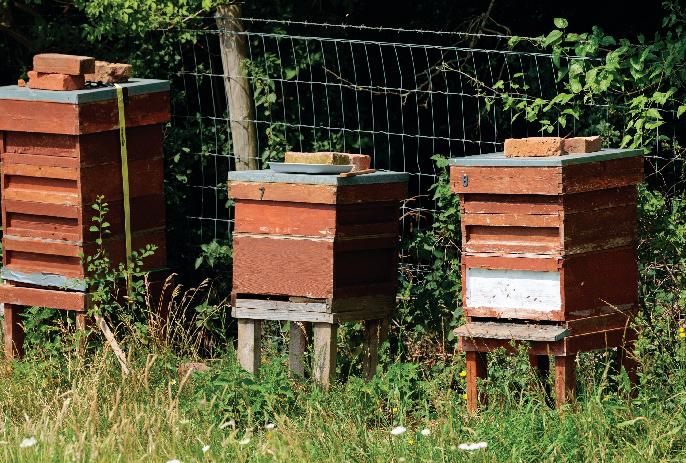
There are 150 hectares farmed at Brenley Farm with 20 hectares dedicated to naturalised wildflower meadows and active beehives are to be found in the field margins. The efforts of the team at Brenley
There are 150 hectares farmed at Brenley Farm with 20 hectares dedicated to naturalised wildflower meadows and active beehives are to be found in the field margins
Farm to encourage natural diversity and soil health have seen the return of wild orchids along with the red listed species of English Partridge and both barn owls and brown hares are to be found at Brenley Farm. There are also resident buzzards to be seen in the skies above the vineyard and such natural predators have proved useful as a bird deterrent. “We have some power lines that cross the vineyards and this is the perfect place for flocks of starlings to congregate and strip the grapes from the vines,” said Tom. “We use bird scarers at harvest to protect the crop. Our neighbours are all really great and are aware of the necessities of farming,” said Tom with gratitude.
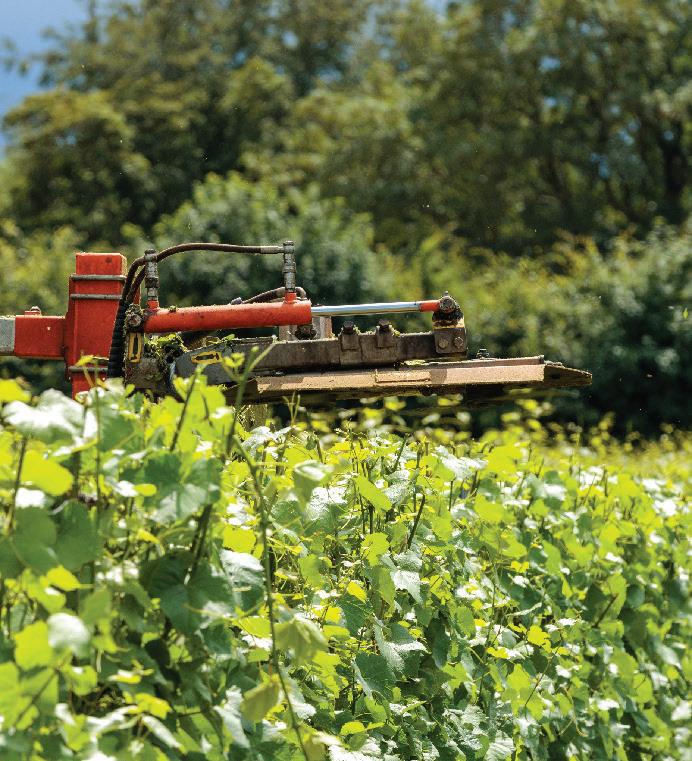
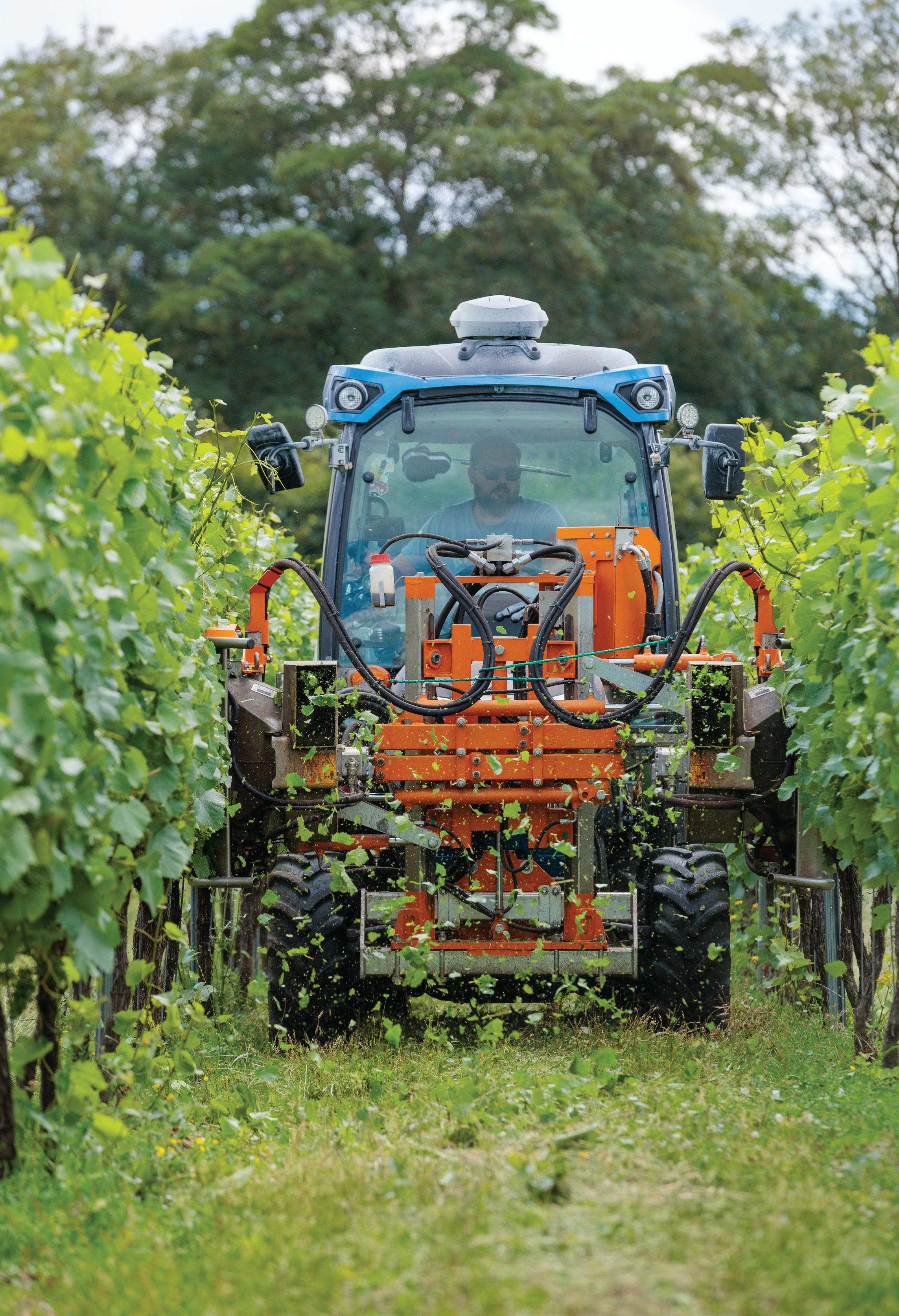
During Vineyard magazine’s visit at the beginning of July the vineyard team were busy leaf stripping. Ben Turner has been the farm manager at Brenley for 10 years, he explained that leaf stripping with the mechanical stripper takes between 1.5 - 2 hours per hectare and that the team is aiming for 90% large leaf removal to ensure even ripening. “A VITIpulse Combi is on my shopping list,” laughed Tom as we admired the recently de-leafed vines. Vineyard skills have been an integral part of Brenley wine for many years with Ben heading up the pruning team that won the 2022 WineGB pruning competition fondly referred to as the battle of the secateurs.

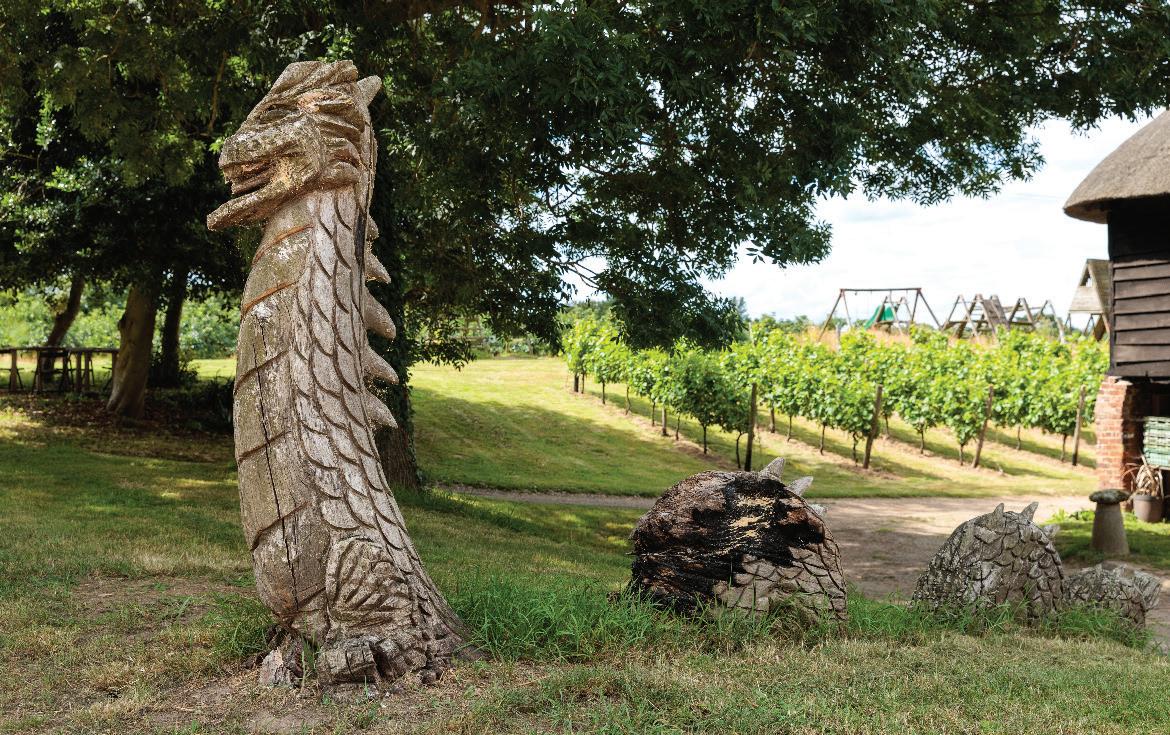
Brenley have also taken a proactive approach to frost protection. “In 2020 we lost the entire crop to frost so I invested in a FogDragon and in 2021 we again had frost events but the dragon saved the crop. So I increased the investment in the machines and this year we used the dragons a number of times and have managed to limit the losses to between 5%-10%,” said Tom.
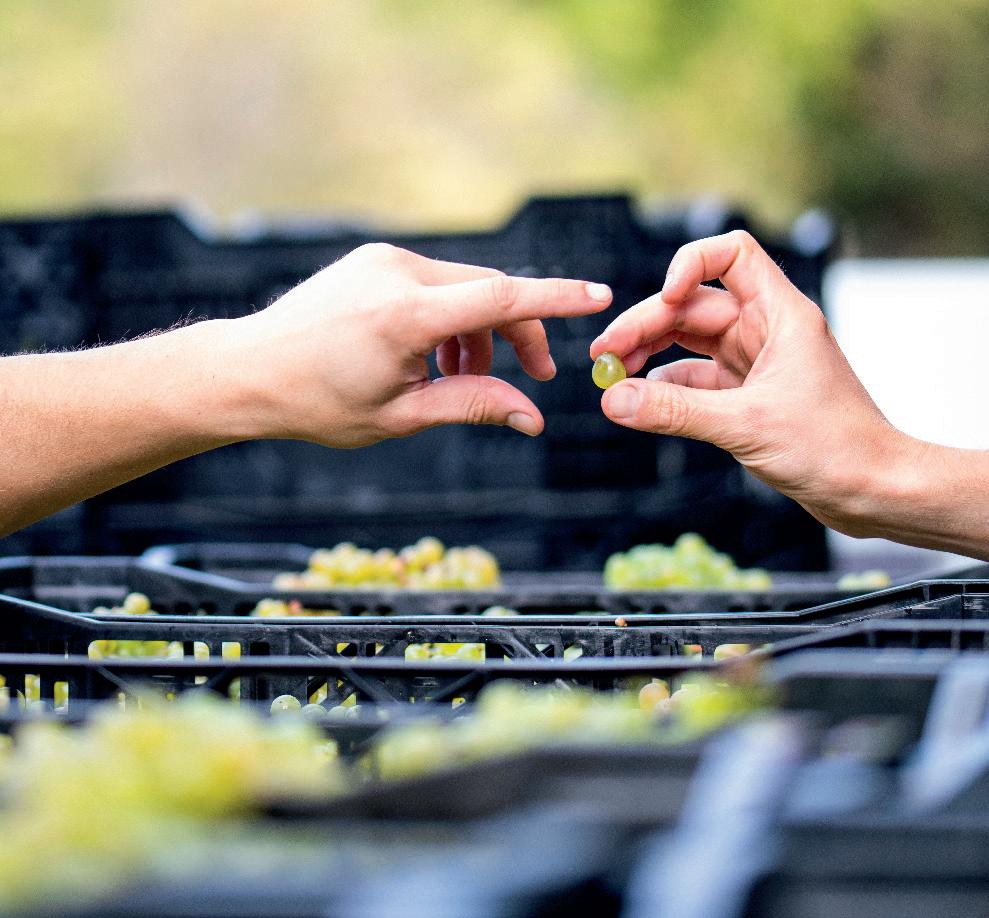
The Brenley vineyard team also work with a small number of other growers and contract manage around 60 hectares of vines. This can make life rather difficult for the team at peak times of the vineyard year and harvest 2025 started on 16 September and lasted until 26 October “we picked every day of that period,” said Tom with a smile. Tom has embraced machine harvesting for still wines and speaks highly of the New Holland Braud 9090L Harvester. “The berries are treated with such care,” he said. It is clear that he treats the entire process of ground to grape with an intense dedication, but this has not prevented him from adopting new ideas and thinking about the future of the business. To illustrate this, as we pass the barn that serves as the tasting room there is a small patch of vines in front. These are for the benefit of those on the tours and tastings so that they can experience the vines and the wines together but “in the future I am thinking of a ‘rent a vine’ venture to get more people involved in the joy of viticulture,” said Tom with infectious enthusiasm.
There are Pinot Noir, Pinot Meunier, Chardonnay and Bacchus vines planted on a variety of rootstocks including SO4, Fercal and Binova which is a daughter of SO4 and is particularly suited to calcareous soil types.
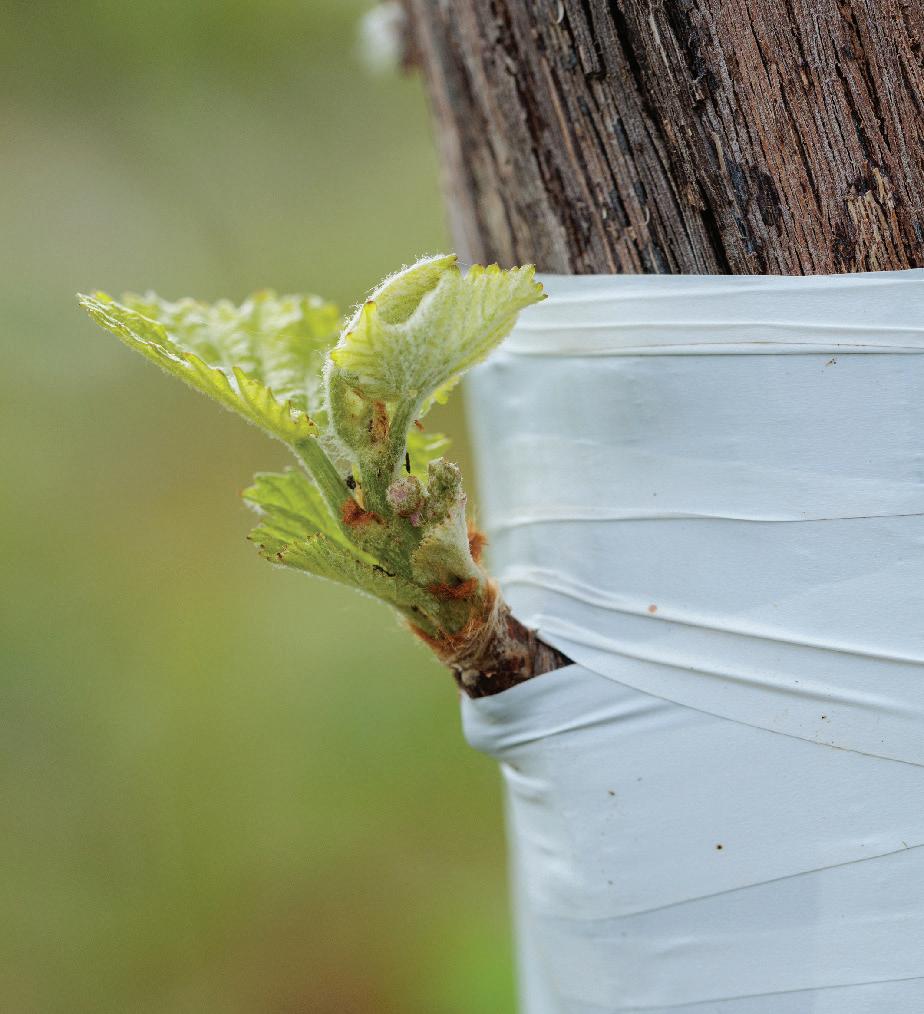
The unique top grafting process has allowed Brenley to increase the size of Chardonnay production by two hectares
<< Soil testing is carried out across the site every three years. Tom explained: “There are 20 soil pits across the site and over time through regular testing we have used these to build a soil map.” The site can be prone to magnesium deficiencies so a mixture of foliar sprays along with chicken manure are used to correct any deficiencies that might arise.
“Every year since 2015 we have invested money back into the vineyard with new plantings,” explained Tom. In 2016 Burgundian clones of Pinot Noir were planted and there are now 10 hectares of Pinot Noir with different clonal varieties including well known clones such as 777, 115 and 375 along with the less planted Tete de Negra. “This adds a wonderful ruby colour to our Pinot Noir along with rounded mouth feel and notes of cherry,” said Tom.
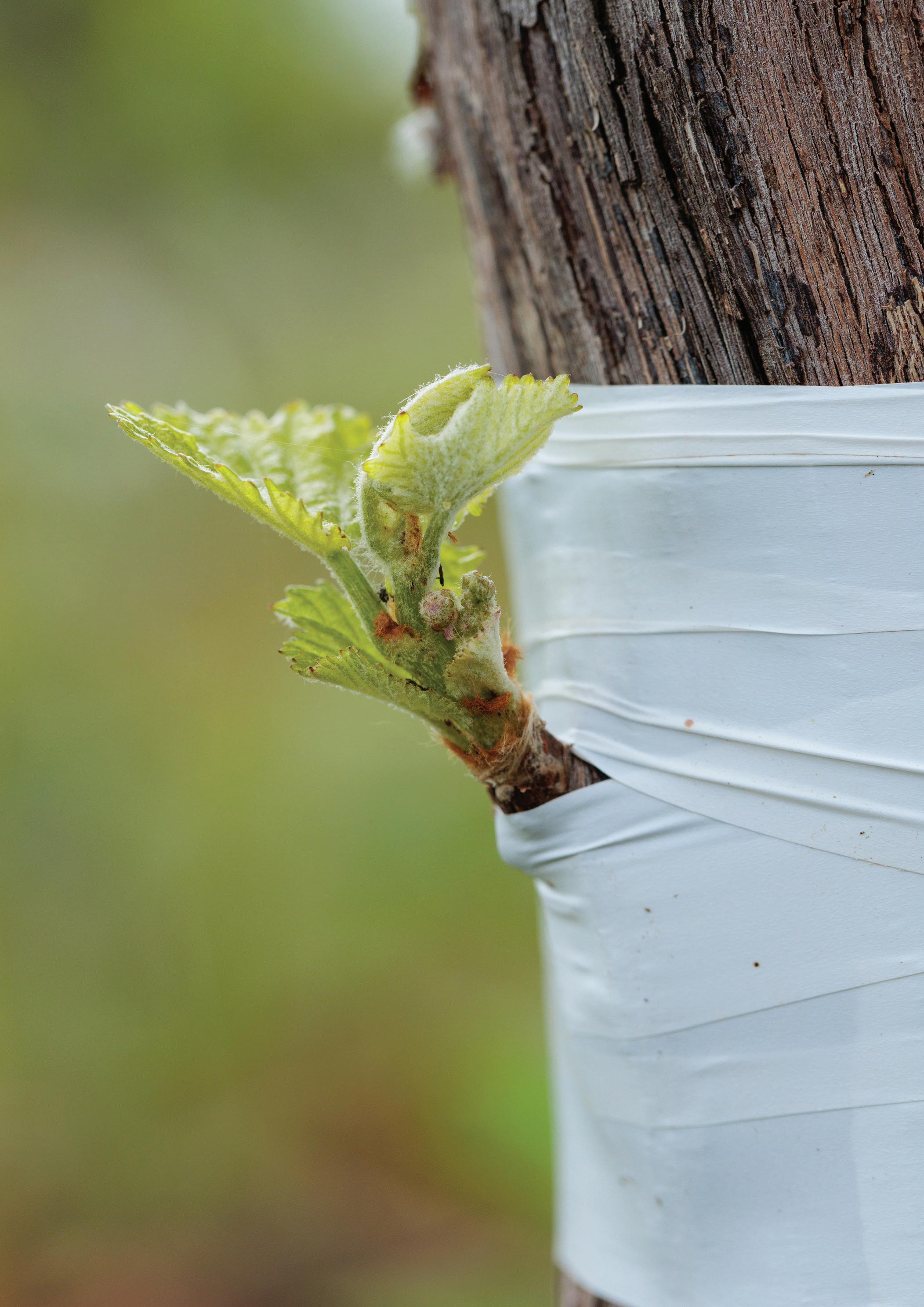
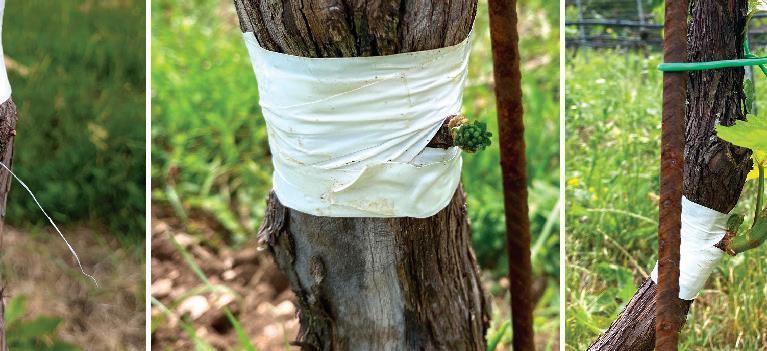
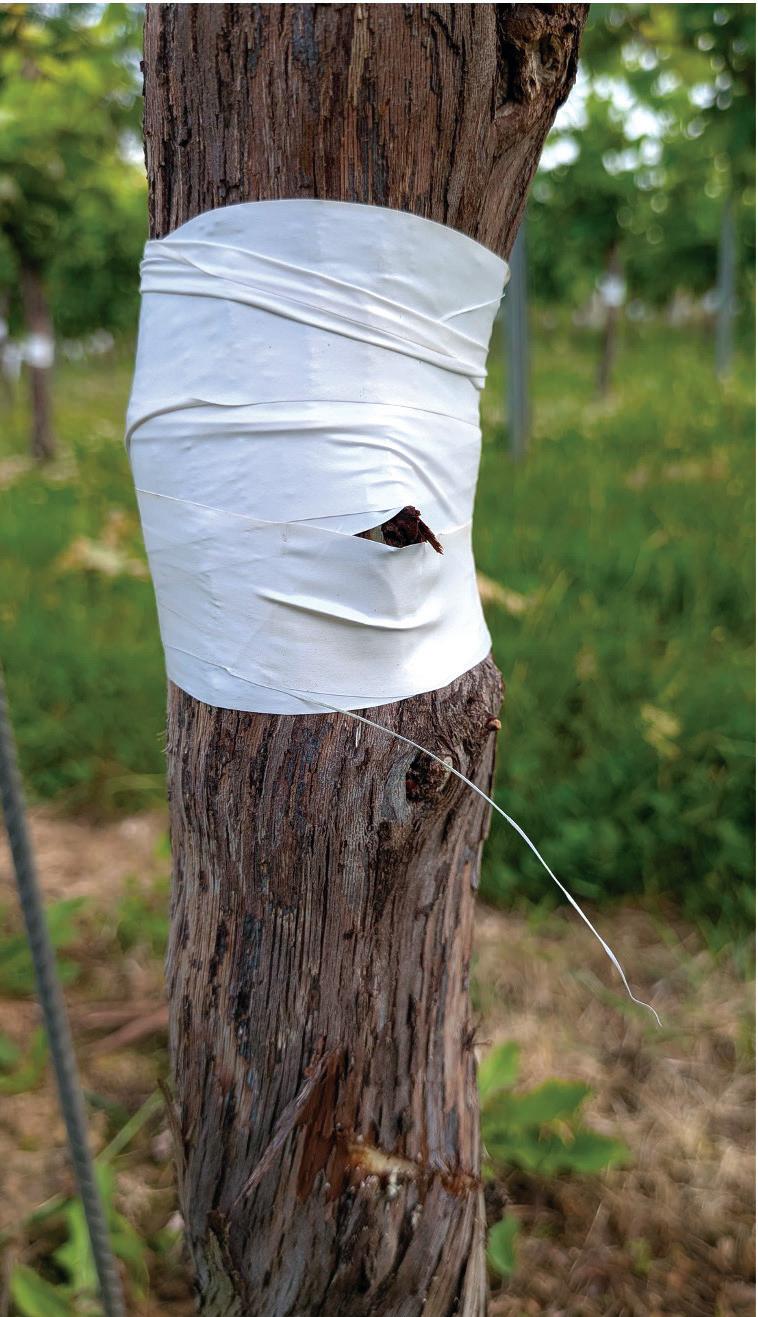
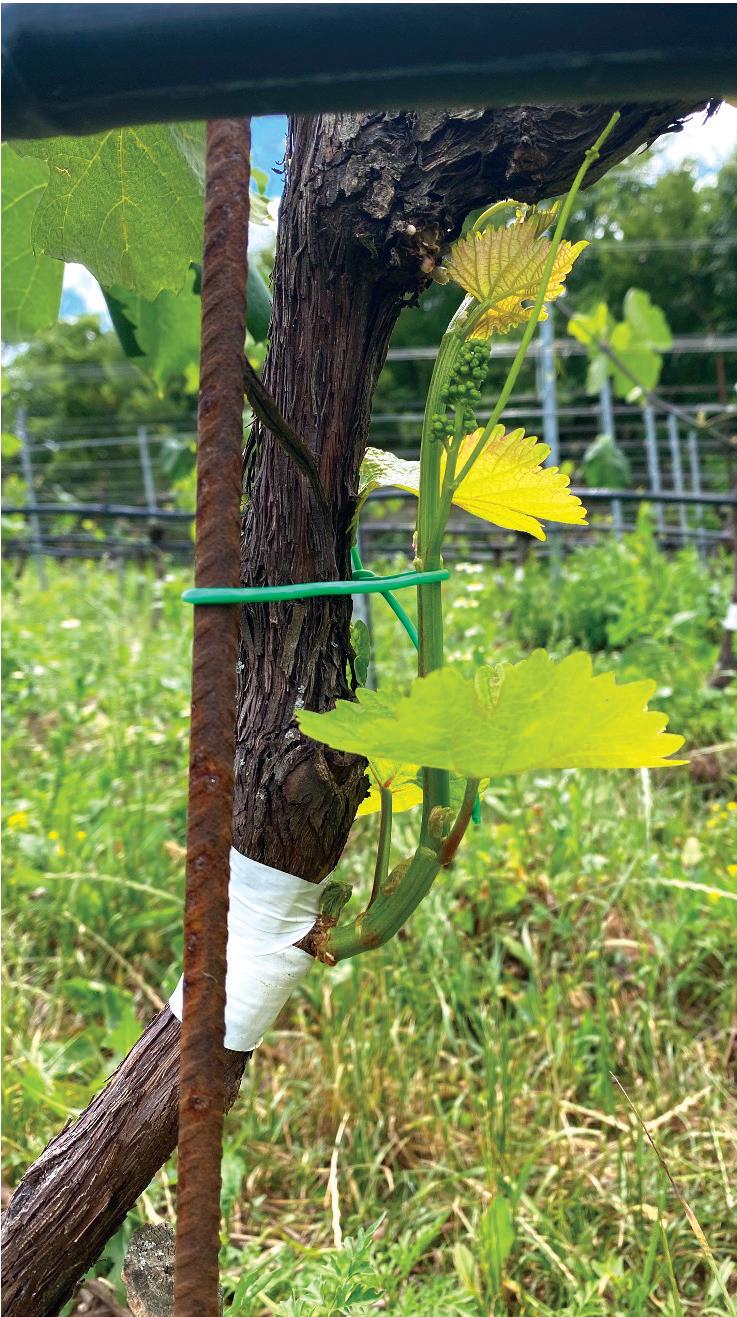
The vineyard team at Brenley have recently worked with the team from Worldwide Vineyards to transform 14 year old Bacchus vines into Chardonnay vines. The unique top grafting process has allowed Brenley to increase the size of Chardonnay production by two hectares. The process is fascinating, and the successful grafts were clearly visible with some of the grafts showing significant establishment after only a few weeks. “One leaf is left behind from the original Bacchus graft as a sap draw but the rest of the growth is removed and these are now Chardonnay vines,” said Tom and it takes a moment to fully comprehend the weight of his words.
“These 14 year old vines will have approximately 2.5 foot of growth of Chardonnay by the end of November and may well be up to full production for next harvest,” he added. There are many benefits to this process of top grafting. The vineyard structure and trellis does not have to be removed. The soil and root structure, in this case Binova rootstocks, do not have to be disturbed which is in line with the regenerative principles that Tom has adopted and according to the team from Worldwide Vineyards there will be no loss of maturity in the resulting Chardonnay fruit next year. <<
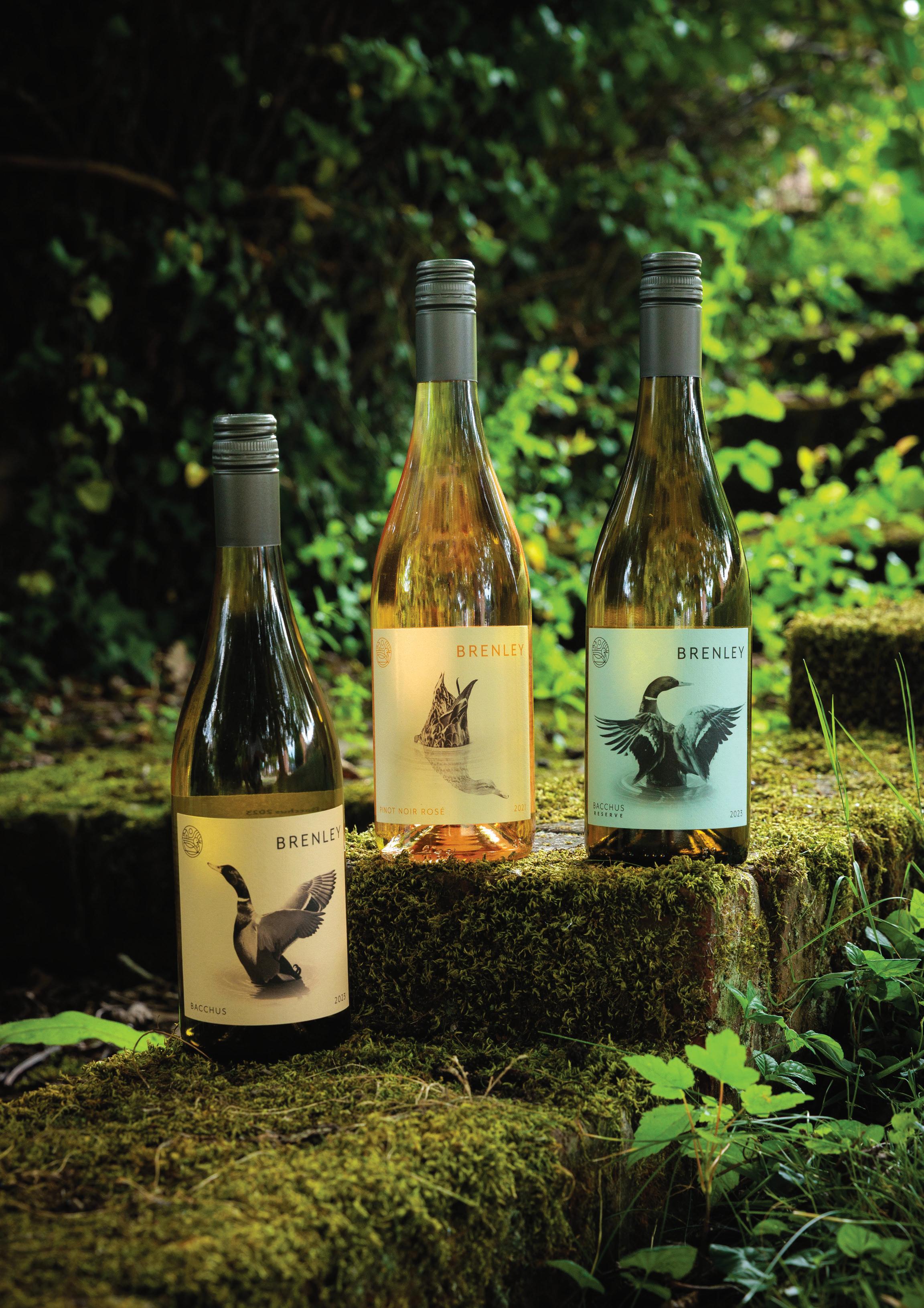
Brenley Bacchus 2023 was awarded a silver medal at the IEWA 2026 awards
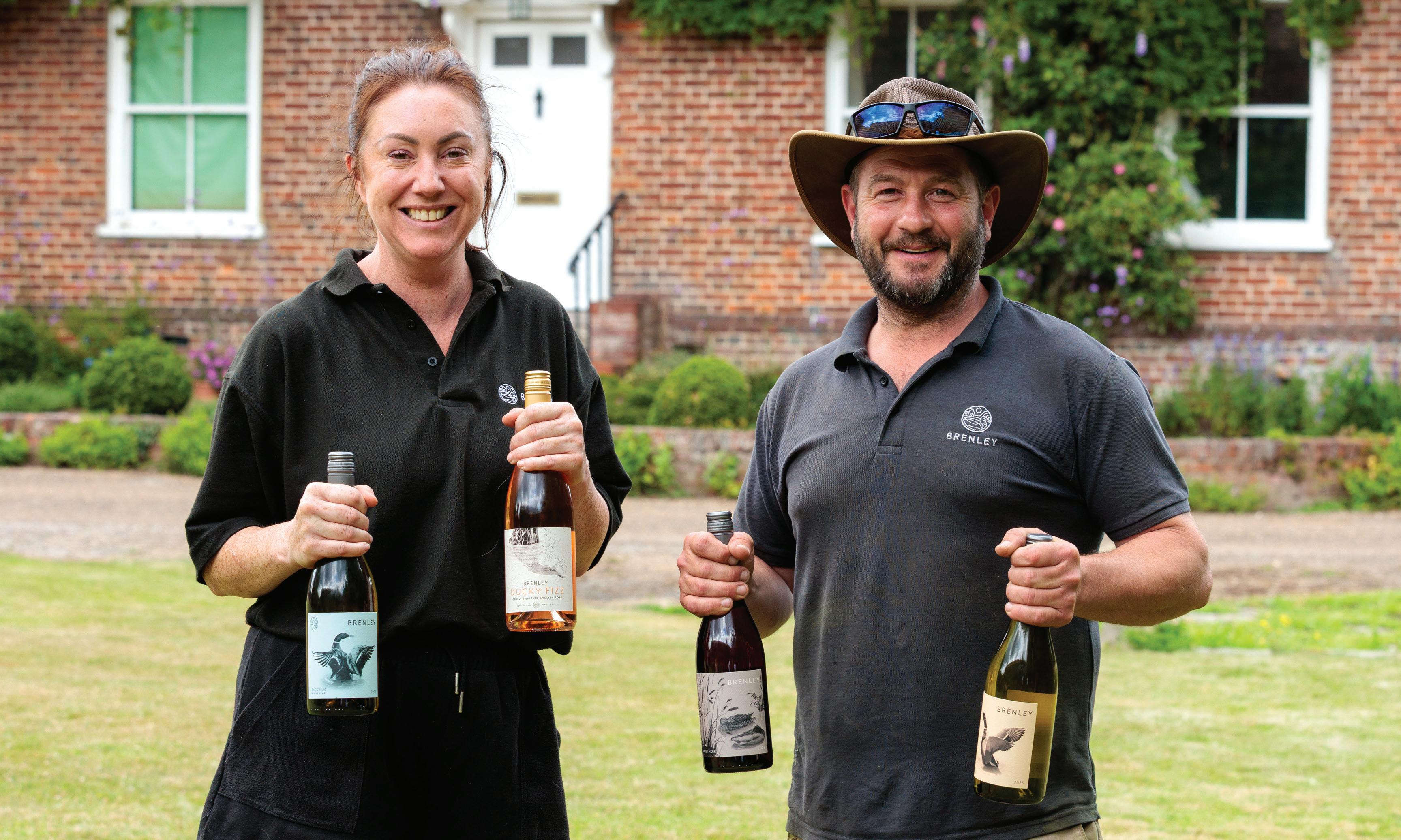
Although some vines have gone through this astonishing process there are still Bacchus vines at Brenley and it is Tom’s knowledge of the land under his care that has encouraged him to keep a special parcel of Bacchus vines where ripening is slow, allowing interesting flavour profiles to develop in these Bacchus grapes. “We keep only 5% of the grapes that we grow and these become Brenley Wines,” said Susie Buckley who is the Sales Events and Wine Coordinator at Brenley. The family nature of the business becomes apparent as Tom explained that Susie is the partner of his brother Simon who is a chef. Brenley wine is clearly rooted in family atmosphere. “The wine labels incorporate ducks because Tom’s great, great, great, grandfather was a duck enthusiast who kept many rare breeds so the heritage of the farm and the family have been subtly incorporated into the wine,” Susie explained.
Susie has long been passionate about English wine and bringing small independent producers to a larger audience. After running her own business, The English Wine Room, bringing local wines to local people through small laid back tastings at
a premises in Whitstable Susie has brought that same atmosphere to the tastings at Brenley. “I want people to experience a front room atmosphere when they come here for tastings, that same feeling you get when you open a bottle of wine with friends just because you want to,” she said with warmth. Brenley wines are made at Defined in Canterbury which is little more than a stones throw from where the grapes are grown and although Brenley only keep a small percentage of their grapes for their own wines they are still willing to make bold choices with the wines they produce. “We produce a clean crisp Bacchus wine but also a Bacchus Reserve which is blended with different levels of oak aging which changes the profile quite a bit and produces a wine with a roundness and a long finish,” said Susie. There is also a Pinot Noir 2022 which is a barrel oaked red wine with 12.5% abv and fruit forward notes of cherry and blackberry. Only 1000 bottles were produced and the label describes the wine as an “expression of the English countryside,” hinting at the unique nature of all the wines produced under the Brenley label.
Brenley produced a limited number of
traditional method Blanc de Blancs from the 2019 vintage and these proved extremely popular and have since sold out. Brenley will soon release a gently carbonated rosé wine called Ducky Fizz. The wine is 100% pinot noir and the name is a playful take on the popular drinking game. The label incorporates a diving duck surrounded by bubbles which instantly conjures the idea of refreshing enjoyment. With a lower price point than traditional method wines this wine is aimed at an audience who want to have fun with their wine but appreciate both local connections and products with a story to tell. A wine for the summer, the beach, a bbq, a garden party, an outdoor summer concert, this wine will be welcome at any or all of these events. In the current heat of Summer 2026 it seems like just the right product at the right time.
Brenley Farm is a place where tradition meets modernity, where viticulture is undertaken with immense dedication and enthusiasm but with a refreshing sense of realism. Wine and its production are brought together, and the natural environment is given a level of respect and gratitude that is expressed in every enjoyable glass.

By Sarah Stott and James Snowden.
As the UK wine industry matures, growers are increasingly faced with important long-term decisions. The UK vineyard area has expanded rapidly, while climate projections suggest that variety and winestyle suitability will continue to shift over the coming decades (WineGB, 2026; Nesbitt et al., 2022).
Vineyards planted twenty or thirty years ago may no longer be planted to the most suitable variety or clone, markets continue to evolve, and growers are increasingly required to adapt. Traditionally, changing a vineyard has meant pulling out vines and starting again. Field grafting offers another option.
Field grafting is the process of changing the fruiting variety or clone of an established vine by grafting new buds or scion material onto the existing trunk or rootstock. Instead of removing the vineyard and replanting, the established root system is retained while the above-ground variety is replaced. The principle is simple: keep the roots, change the vine.
Field grafting can solve several challenges facing modern vineyards. Perhaps the most common reason is a change of variety.
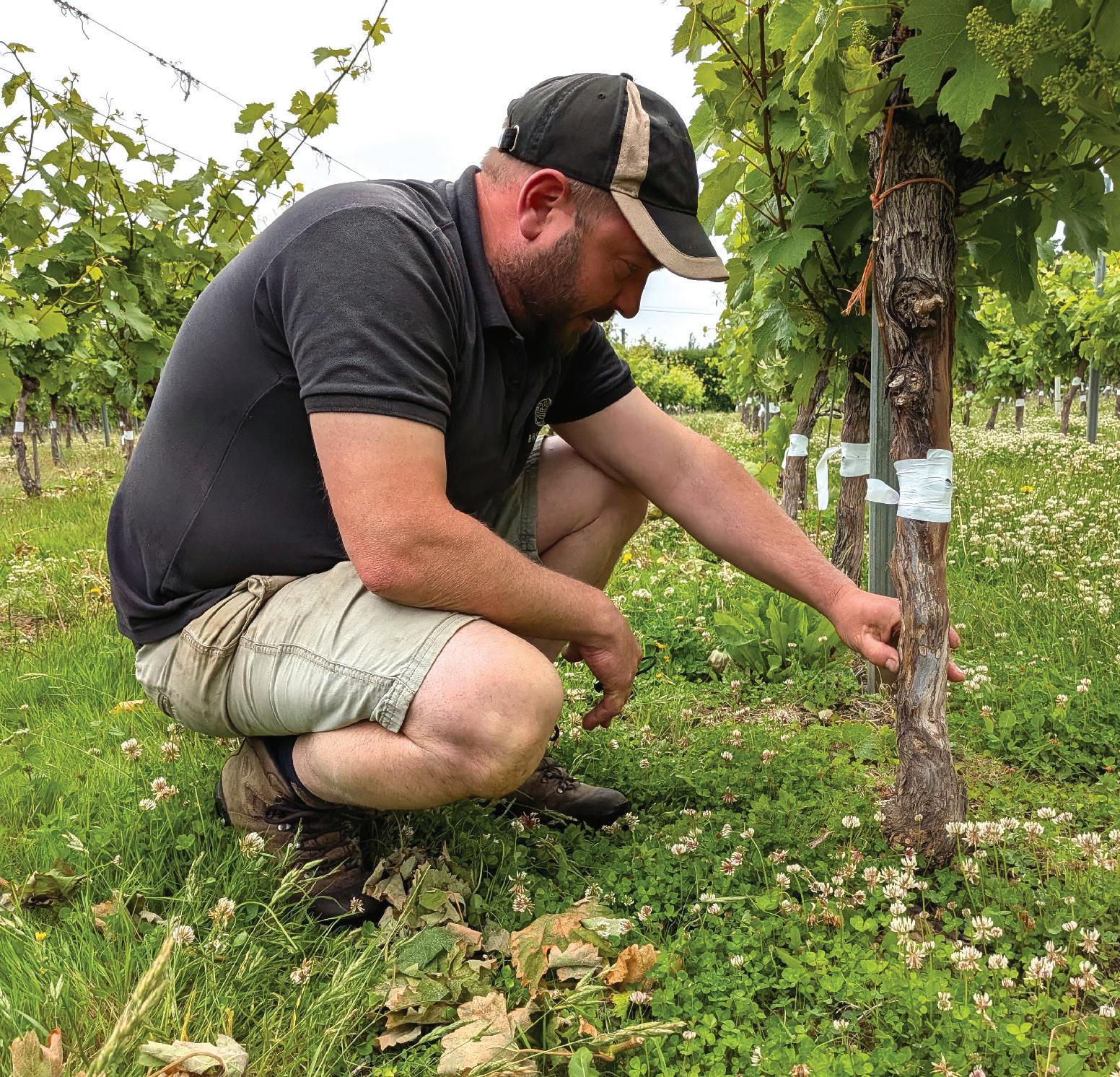
vineyard originally planted to one cultivar may be better suited commercially or climatically to another. Rather than waiting several years for replanted vines to become productive, growers can convert an existing block while retaining its established roots.
It is also used to change clones, improve vineyard uniformity, replace poor-
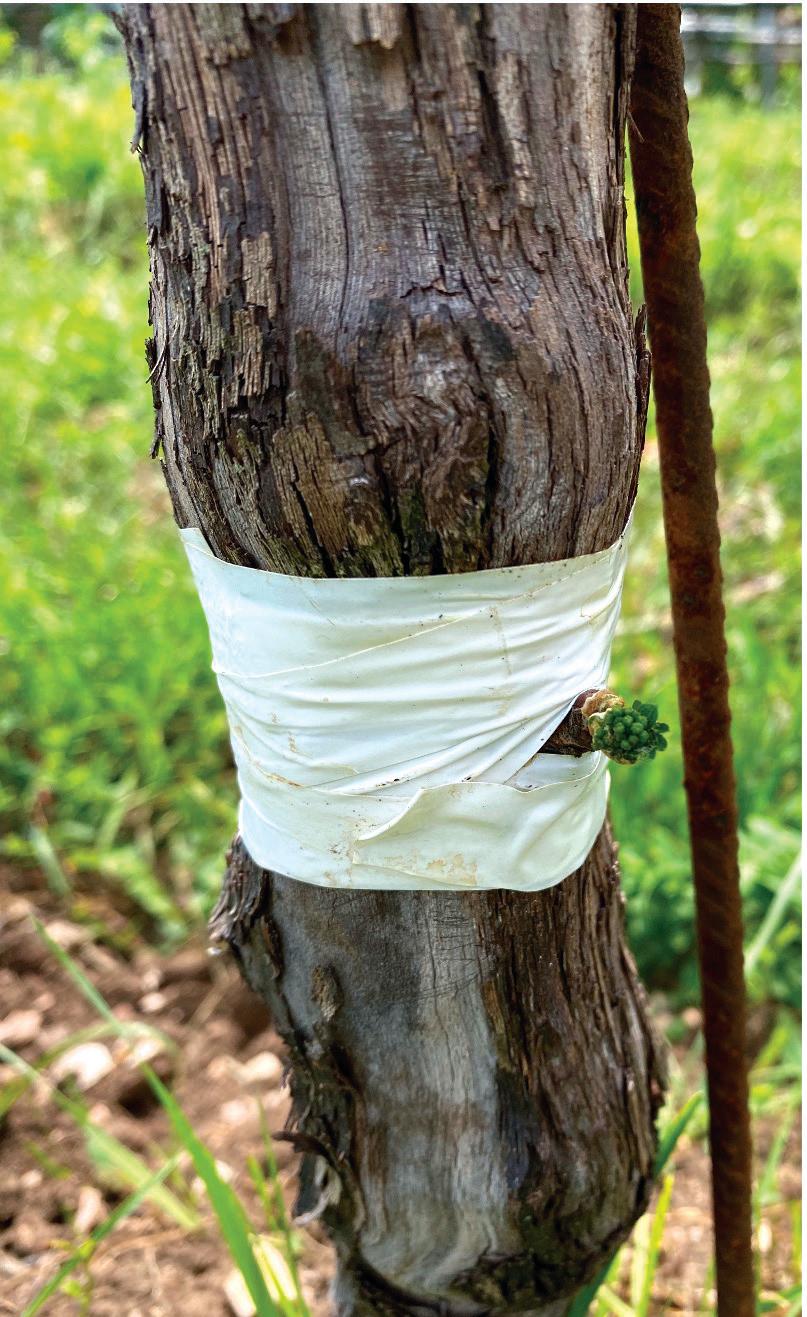
performing material, or convert vineyards to varieties better suited to changing climatic conditions. This is particularly relevant in a UK context, where projected warming is expected to change the suitability of certain varieties and wine styles, including increasing opportunities for still wine production in many areas (Nesbitt et al., 2022).
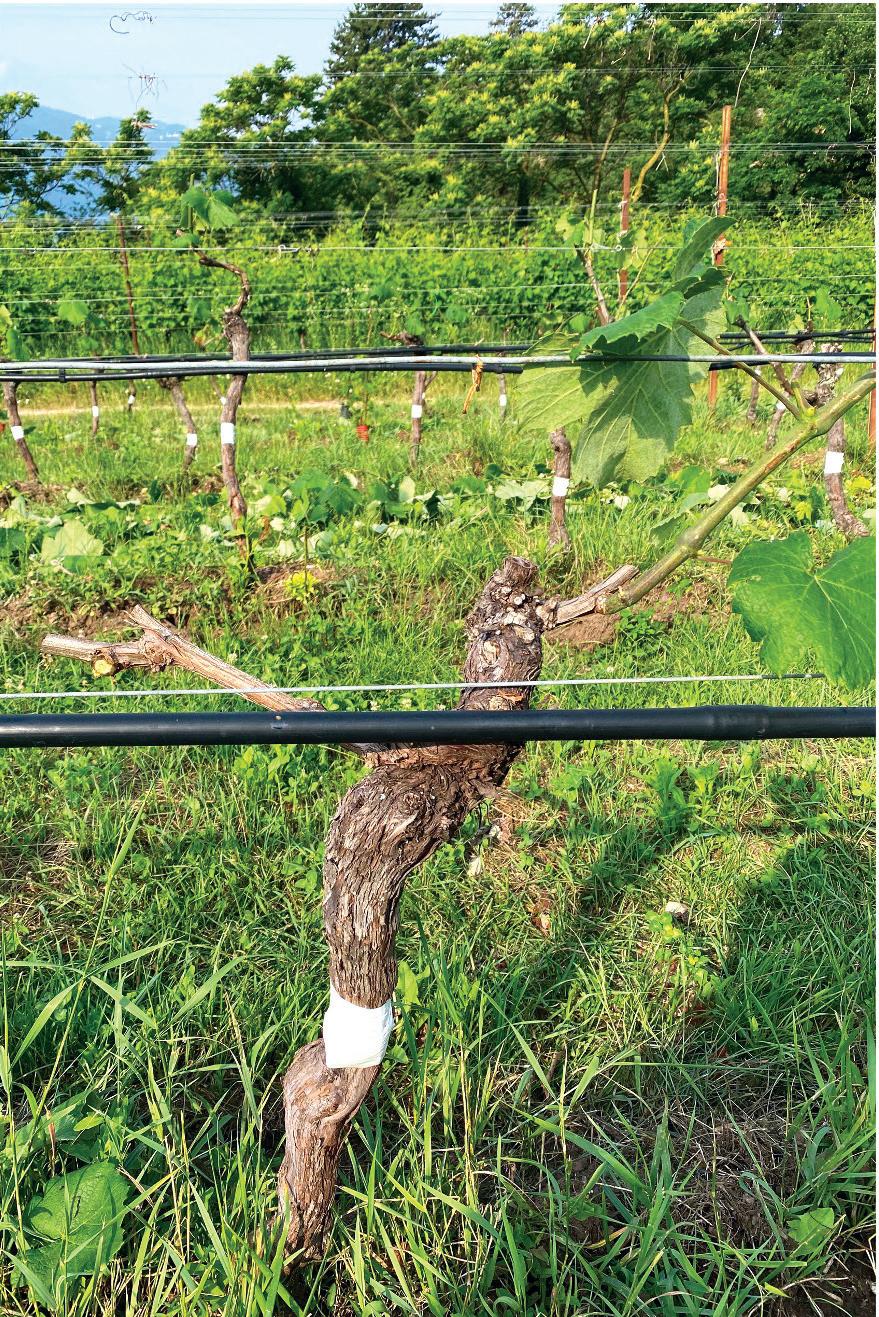
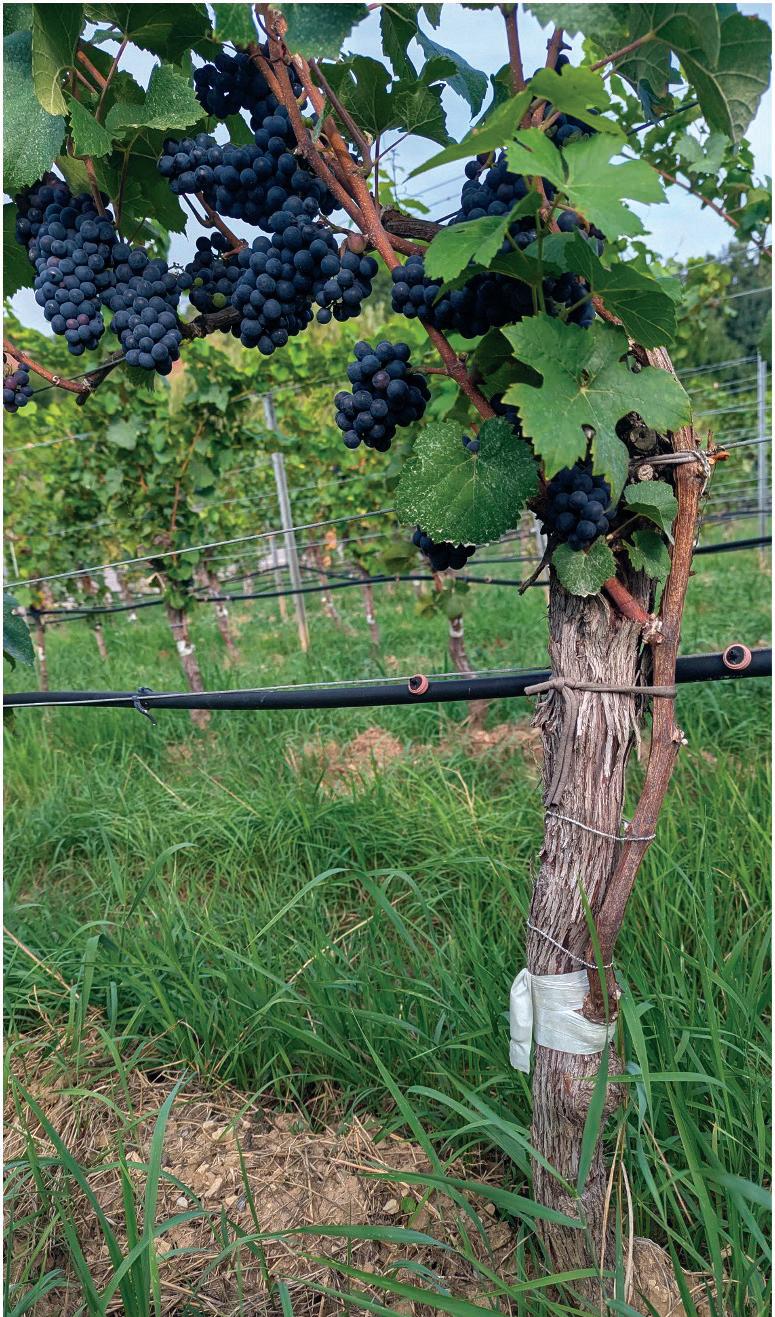
Where a vineyard possesses healthy, wellestablished root systems, grafted vines can generally return to production far more quickly than newly planted vineyards. This reduces both establishment costs and the period during which the vineyard produces little or no commercial crop. Furthermore, the smaller graft wound, “green-on-green” grafting, and preservation of the existing trunk architecture have also prompted ongoing discussion and research into whether field grafting may influence the long-term development of grapevine trunk diseases in comparison with bench-grafted vines. However, this remains an active and nuanced area of investigation, and field grafting should not be presented as a guaranteed solution to trunk disease (Mary et al., 2017; Waite et al., 2015; Villa-Llop et al., 2025).
Unlike nursery bench grafting, which produces an entirely new vine by joining dormant rootstock and scion canes indoors during winter, field grafting regenerates an existing vineyard. Rather than replacing the vine, the established trunk and root system are retained while a new variety or clone is introduced (Gale and Moyer, 2020; Waite et al., 2015).
There are several field grafting techniques, including T-budding, chip budding, whip grafting, and cleft-type grafts. The key principle in all grafting is accurate cambial contact between rootstock and scion, allowing callus formation and the subsequent development of vascular continuity between the two plant parts (Gale and Moyer, 2020; Villa-Llop et al., 2026). In commercial vineyard field grafting, T-budding and chip budding are commonly used due to high success probability. A dormant bud from the desired variety is inserted into a precisely matched cut or slit on the trunk of an actively growing vine. Once the cambial tissues unite, the original canopy is removed and the new variety develops using the mature root system already established in the soil (Gale and Moyer, 2020; Worldwide Vineyards, 2023).
Planning begins many months before the grafting team arrives. Potential vineyard blocks should ideally be assessed during the growing season before grafting. This allows vine health, vigour, suitability and project objectives to be evaluated (Gale and Moyer, 2020).
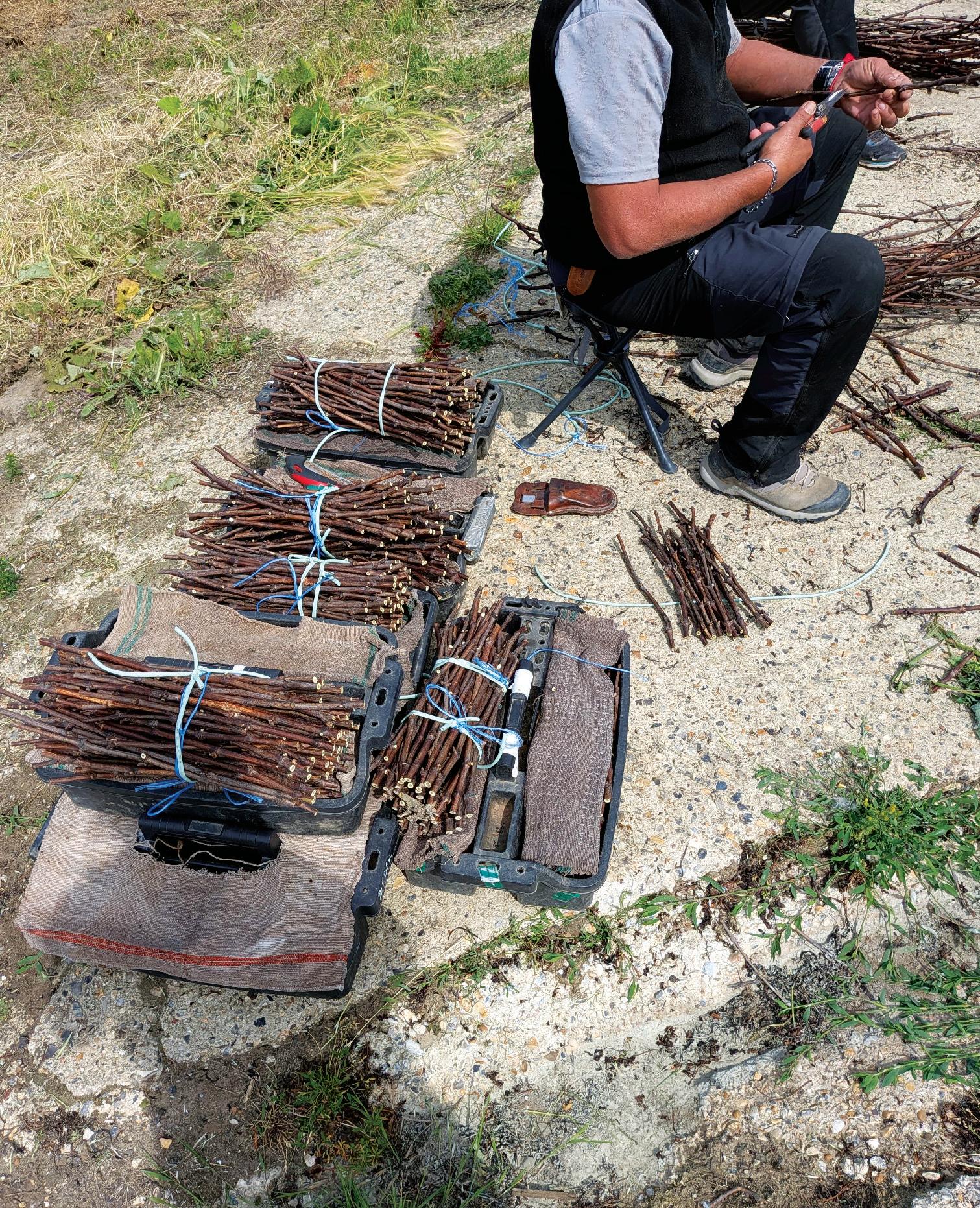
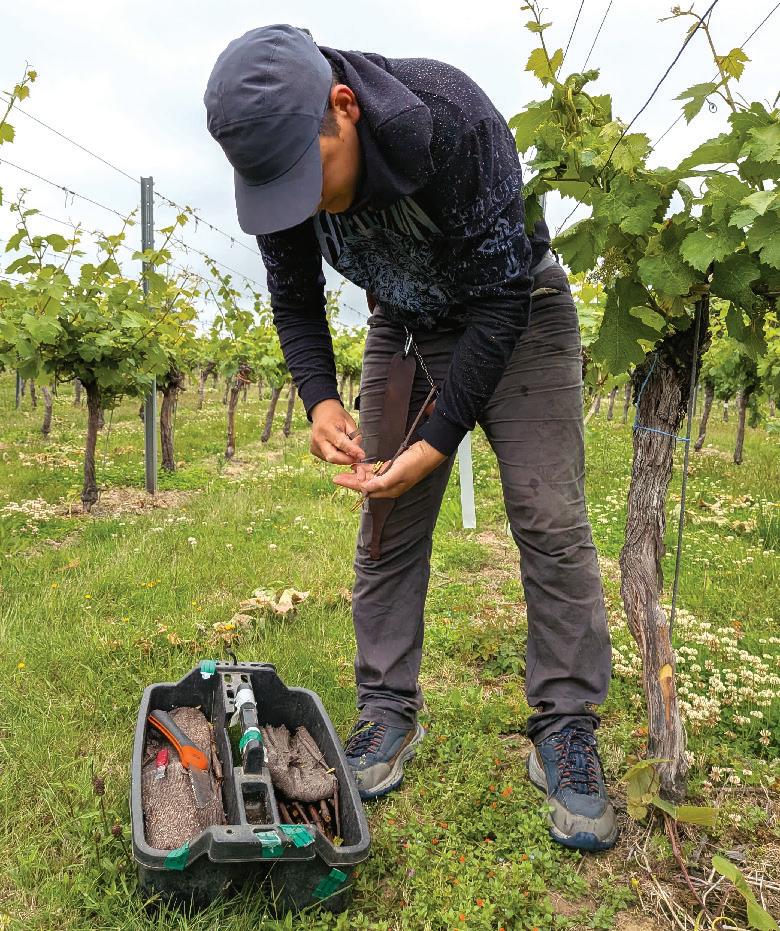
Budwood should be selected during winter pruning from healthy, true-to-type vines and stored under carefully controlled conditions until grafting. Virus status, vine health and budwood quality are critical, as pathogens can be transmitted across the graft union and poor scion material can reduce graft success (Gale and Moyer, 2020; Waite et al., 2015).
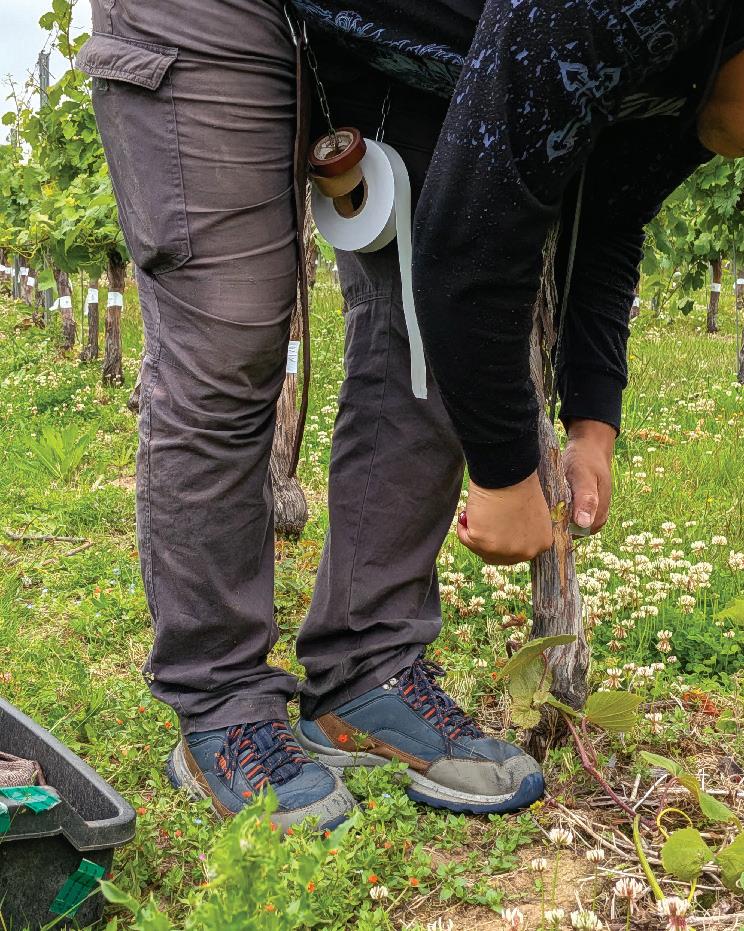
bark slipping, while chip budding offers a wider working window because it does not rely on bark slip in the same way (Gale and Moyer, 2020; Worldwide Vineyards, 2023).
While the basic principles of grafting can be learnt by individual growers, achieving consistently high success rates across commercial vineyards requires significant experience. Professional grafting teams carry out thousands of grafts each season, using refined techniques developed over many years and across many different vineyard conditions.
Field grafting itself is generally carried out from late spring into early July, when the vines are actively growing and conditions favour successful healing. Timing varies according to the grafting technique, seasonal conditions and the physiological state of the vine. T-budding relies on the <<
Equally important is the work carried out before and after grafting: assessing vine health, selecting suitable blocks, sourcing and storing budwood correctly, preparing the vineyard, and providing the aftercare required for successful establishment (Gale and Moyer, 2020). For commercial vineyards, specialist teams generally provide the highest success rates and the greatest long-term reliability.
One such specialist is Worldwide Vineyards, a French viticultural consultancy and grafting company with over 40 years' experience in vine grafting and overgrafting across many of the world's wineproducing regions. It was founded in 1985 by Paul Birebent, a fifth-generation grower who brought top-grafting techniques
back from the United States in the early 1980s and adapted them to Europe's more temperate conditions, work recognised with the Gold Medal for Ingenuity at SITEVI 1988. His son Marc Birebent, trained in viticultural law, took over the company in 1997 and has since developed and promoted the T-bud and chip-bud methods and led the company's expansion across continents. He is the author of the Practical Guide to Grafting Vines by the T-bud and Chip-bud Methods, the source of the line drawings used in this article.
Worldwide Vineyards specialises in field grafting techniques including T-budding and chip budding and has carried out several tens of millions of over-grafts internationally. They note that several years
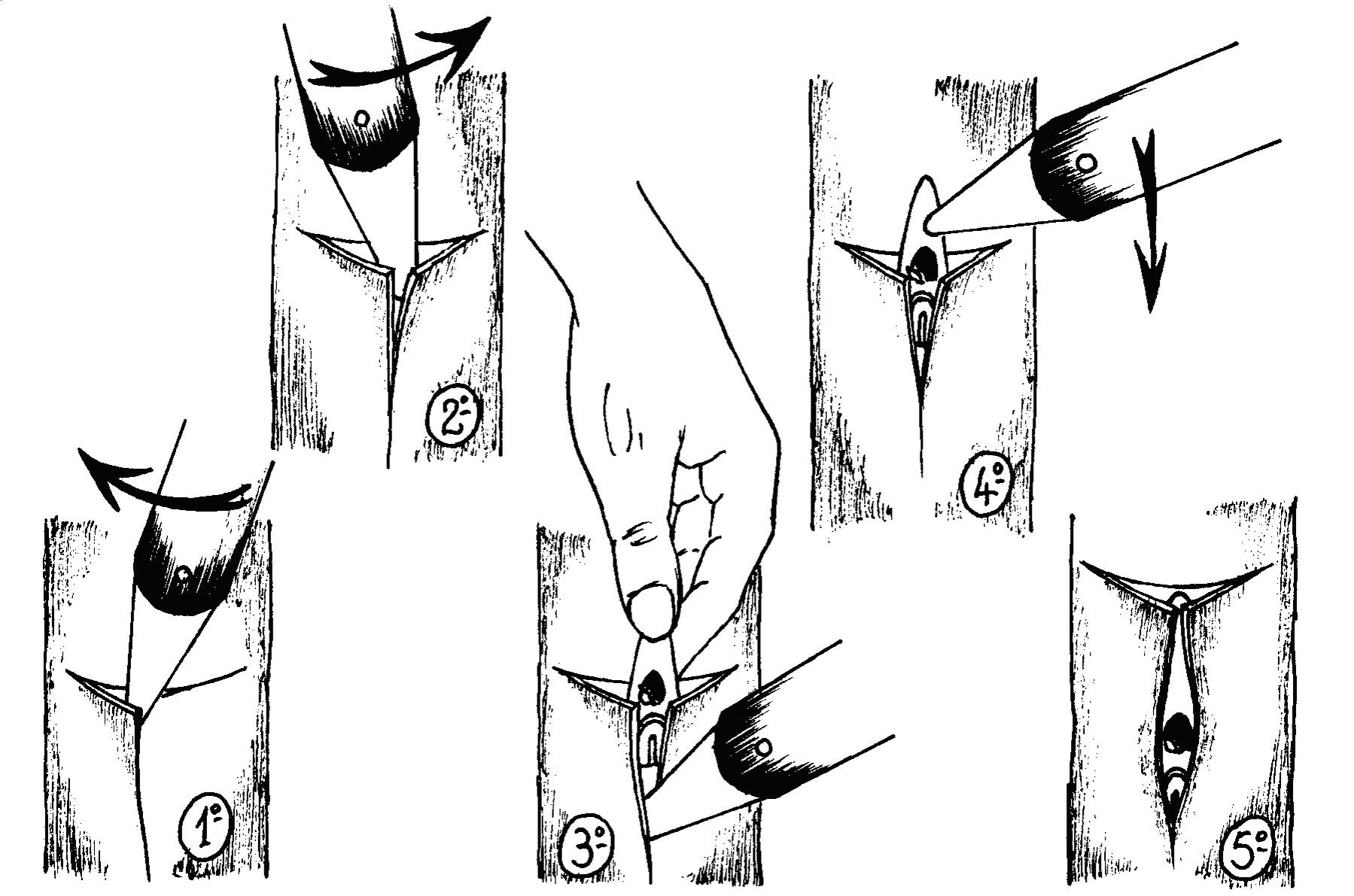
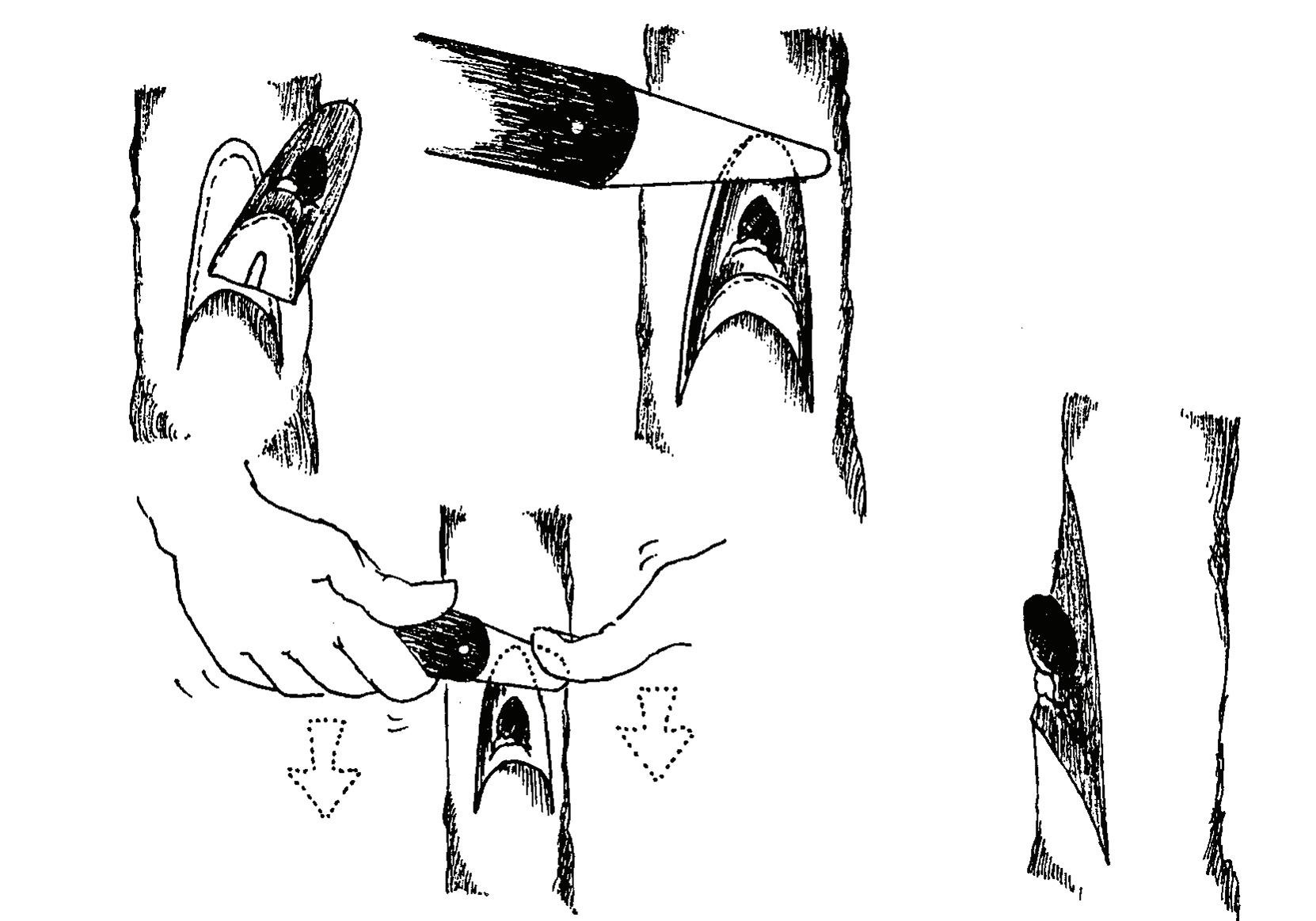
of practice are required before someone can properly be considered a professional grafter, underlining the level of skill involved (Worldwide Vineyards, 2021).
Field grafting can offer several advantages where vineyard conditions are suitable:
◆ Retains the existing mature root system (Gale and Moyer, 2020).
◆ Can allow a faster return to commercial production than replanting, with only the grafting year’s crop typically lost, rather than the four to five years often associated with grubbing up, replanting, vine establishment and any necessary period of soil rest between plantings (Gale and Moyer, 2020; Worldwide Vineyards, 2023).
◆ Can reduce establishment costs compared with full vineyard replanting (Gale and Moyer, 2020)
◆ Allows variety or clone changes without removing the vineyard (Gale and Moyer, 2020).
◆ Makes use of existing trellis and vineyard infrastructure where appropriate (Gale and Moyer, 2020).
◆ Enables vineyards to adapt to changing markets, site understanding, and climatic conditions (Gale and Moyer, 2020; Nesbitt et al., 2022).
◆ Can achieve excellent success rates when carried out by experienced specialist teams under suitable vineyard and seasonal conditions (Gale and Moyer, 2020).
Field grafting is not suitable for every vineyard. Existing vines must have healthy trunks, sound graft unions and wellfunctioning root systems, and projects require careful planning well in advance (Gale and Moyer, 2020).
Suitable blocks for grafting, along with potential sources of budwood, should be identified during the growing season. Budwood then needs to be selected and collected during the dormant pruning period, stored correctly, and matched carefully to the objectives of the project. Virus testing and careful budwood selection are especially important where material is being sourced from existing vineyards rather than certified nursery material (Gale and Moyer, 2020; Waite et al., 2015).
Successful grafting also depends on intensive preparation and aftercare. Vines
must be appropriately managed before grafting, and the first season after grafting is particularly important. Careful attention is needed for shoot selection, tying-in, removal of competing growth, water management where irrigation is available, nutrition, crop control, and protection from mechanical damage (Gale and Moyer, 2020). Where vineyards are affected by systemic viruses such as Grapevine Leafroll Virus or compromised root systems including problems such as J-rooting, replanting
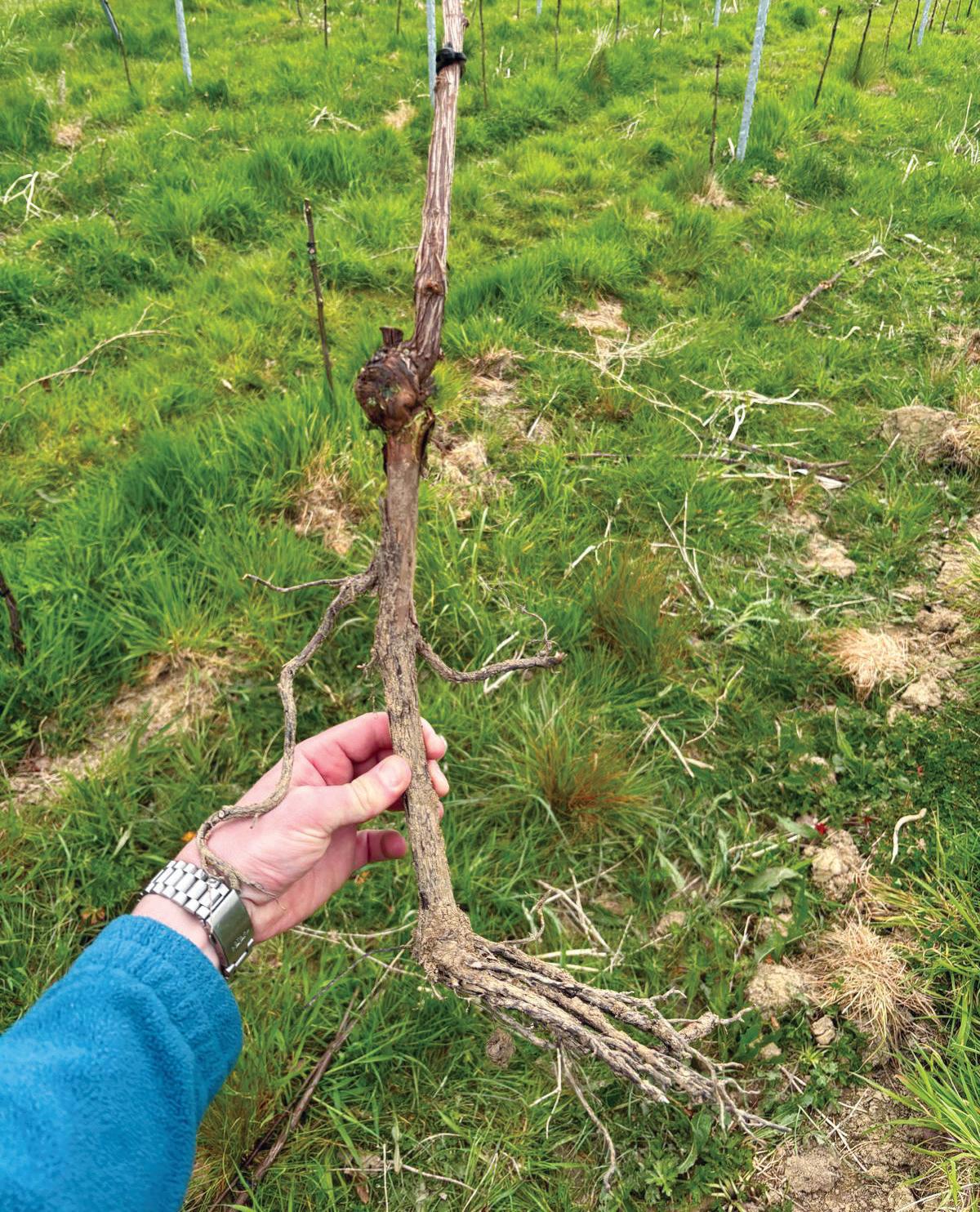
remains the better long-term option. Some evidence suggests that a low regraft, placed on the rootstock, below the original nursery graft union can in some cases address trunk decline. Overall, field grafting is best understood as a regeneration tool for fundamentally healthy vineyards, not as a rescue technique for vines with failing root systems or serious systemic disease problems (Gale and Moyer, 2020; Stamp, 2001; Gubler et al., 2004). Heavily contaminated plots shouldn't be taken on
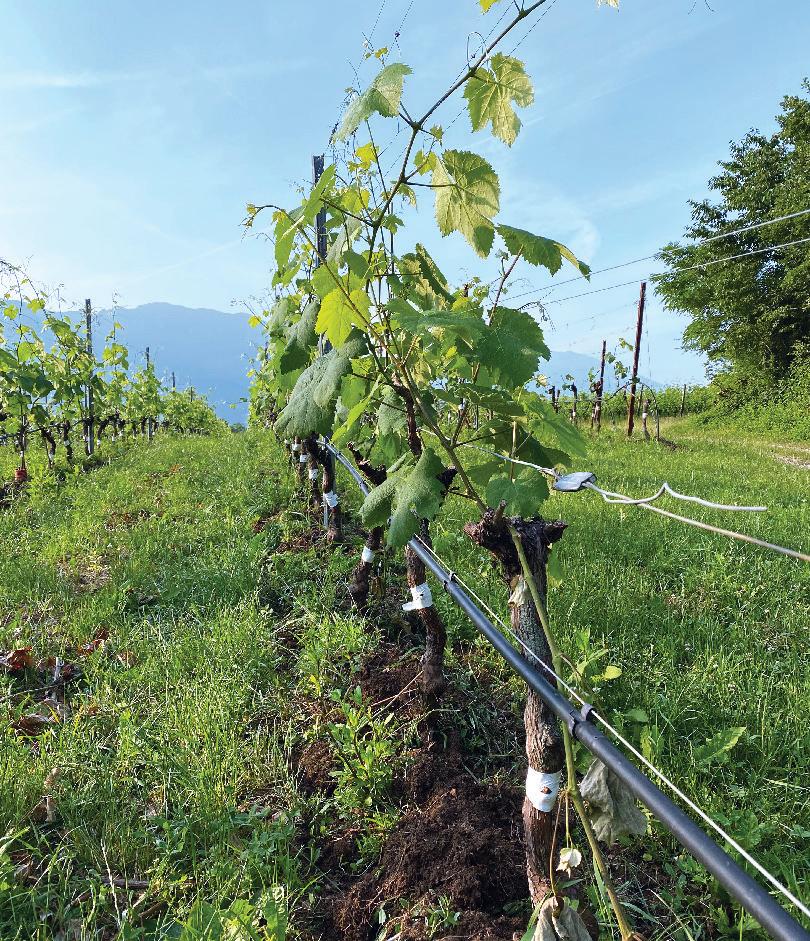
A grapevine with J-rooting which is unsuitable for grafting (left) compared to a healthy and well-established grapevines which are suitable for grafting (right)
Domaine of the Rose & Bear (DRB) is a small producer based in south-east England, alongside providing Viticultural and Oenological consultancy and contract services to vineyards and wineries throughout the UK.
We are the exclusive UK Representative and Technical Facilitation Partner for Worldwide Vineyards across England, Scotland, and Wales. Our role is to support growers and Worldwide Vineyards through the full process: identifying suitable vineyard blocks, assessing project feasibility, coordinating budwood and scheduling, helping prepare sites ahead of grafting, and helping manage the crucial aftercare period that follows.
Through this partnership we combine internationally recognised field grafting expertise with local vineyard knowledge, project planning, coordination and technical support. We have previously worked alongside Worldwide Vineyards on grafting projects in Germany and Italy,
including at Ökonomierat Rebholz and Azienda Agricola Foradori, working on both vineyard regeneration and new plantings.
This year Worldwide Vineyards and DRB have successfully completed two grafting projects, including one at Brenley Farm near Faversham in Kent. Owned and operated by Tom Berry, a longstanding friend of DRB and supplier of Meunier grapes for our D.P. Rowe wine sub-brand, we were keen to help them in the development of their vineyard. Tom decided to graft a block of Bacchus over to Chardonnay. We agreed upon 548 and D263 clones, of which he had a good bud-wood source onsite. The grafting carried out at Brenley is a step to future proofing their operations, for their own wine production and for grape sales.
For growers considering a variety change, vineyard redevelopment or grafting programme, early planning is essential. Projects for 2027, for example, should ideally begin with vineyard assessment during the
References
◆ Birebent, M. and Birebent, C. (2015) Influence of the graft on vine decline. COST Action WG4 Disease Management meeting, Bordeaux, 8–9 October 2015.
◆ Gale, E.J. and Moyer, M. (2020) Field grafting grapevines in Washington State. Washington State University Extension, EM121E.
◆ Gubler, W.D., Baumgartner, K., Browne, G.T., Eskalen, A., Rooney Latham, S., Petit, E. and Bayramian, L.A. (2004) ‘Root diseases of grapevines in California and their control’, Australasian Plant Pathology, 33, pp. 157–165. doi: 10.1071/AP04019.
◆ Mary, S., Laveau, C., Lecomte, P., Birebent, M. and Roby, J.-P. (2017) ‘Impact of grafting type on Esca foliar symptoms’, OENO One, 51, pp. 221–230. doi: 10.20870/ oeno-one.2016.50.4.1408.
◆ Nesbitt, A., Dorling, S., Jones, R., Smith, D.K., Krumins, M., Gannon, K.E., Dorling, L., Johnson, Z. and Conway, D. (2022) ‘Climate change projections for UK viticulture to 2040: a focus on improving suitability for Pinot noir’, OENO One, 56(3), pp. 69–87. doi: 10.20870/ oeno-one.2022.56.3.5398.
◆ Stamp, J.A. (2001) ‘The contribution of imperfections in nursery stock to the decline of young vines in California’, Phytopathologia Mediterranea, 40, pp. S369–S375. doi: 10.14601/Phytopathol_Mediterr-1640.
◆ Villa-Llop, A., Torres, N., Loidi, M., Velaz, M., GalarMartínez, M., Crespo-Martínez, S. and Santesteban, L.G. (2025) ‘Does omega-type graft compromise vine performance? Evaluation of five bench grafting methods across nursery, vineyard establishment, and first productive years’, Scientia Horticulturae, 350, 114346. doi: 10.1016/j.scienta.2025.114346.
◆ Villa-Llop, A., Crespo-Martínez, S., Loidi, M., Pina, A., Irisarri, P. and Santesteban, L.G. (2026) ‘Evaluation of grafting method and scion–rootstock alignment effects on anatomical development and hydraulic properties of grapevine (Vitis vinifera L.) graft unions’, Plant Ecophysiology, 2(1), 2. doi: 10.53941/ plantecophys.2026.100002.
◆ Waite, H., Whitelaw-Weckert, M. and Torley, P. (2015) ‘Grapevine propagation: principles and methods for the production of high-quality grapevine planting material’, New Zealand Journal of Crop and Horticultural Science, 43(2), pp. 144–161. doi: 10.1080/01140671.2014.978340.
◆ WineGB (2026) Data. Wines of Great Britain. Accessed 1 July 2026.
◆ Worldwide Vineyards (2021) Grafting tools: grafting kits and tools. Worldwide Vineyards. Accessed 1 July 2026.
◆ Worldwide Vineyards (2023) The noble art of field grafting: greffage et surgreffage. Worldwide Vineyards. Accessed 1 July 2026.
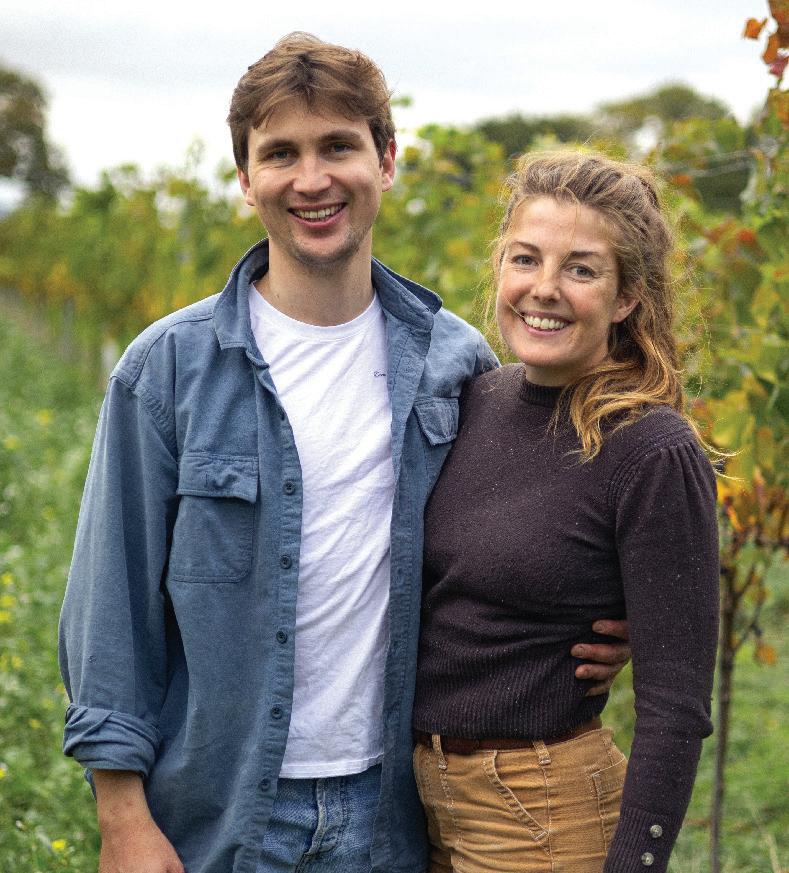
Domaine of the Rose & Bear
2026 growing season, with suitable budwood identified and sourced during the 2026 winter pruning period. Growers considering vineyard regeneration, variety change or field grafting for 2027 and beyond are welcome to contact us for an initial discussion.
For more than three decades, integrated pest management (IPM) has been the cornerstone of sustainable vineyard protection, helping growers reduce pesticide use, preserve beneficial insect populations and make more informed crop protection decisions. But in some of the world’s leading wine regions, IPM itself is evolving.
Across Napa Valley, Oregon’s Willamette Valley and Germany’s Pfalz, vineyards are adopting a more adaptive approach built around continuous monitoring, predictive modelling and real-time environmental data. Rather than following a fixed programme, growers respond to what is happening in the vineyard as it happens. Known as
Dynamic IPM, this approach is reshaping how vineyards manage pests, disease and an increasingly unpredictable climate.
Traditional IPM has always relied on observation, but much of it remains governed by routine. Monitoring follows scheduled rounds, spray programmes are often planned weeks ahead and intervention thresholds change little during the season. Dynamic IPM replaces that rigidity with continuous feedback. Weather, vine phenology, soil moisture, canopy development, pest activity and beneficial predator populations all influence decision-making. As conditions change, recommendations change too. Disease risk is calculated from current vineyard
conditions rather than the calendar, while pest thresholds rise or fall according to vine growth stage, weather and natural biological control.
On-site digital weather stations are becoming the foundation of this approach. Modern systems continuously measure temperature, humidity, rainfall, leaf wetness, wind speed and evapotranspiration, feeding disease forecasting models throughout the day. Instead of estimating mildew risk from historical averages, growers can monitor infection pressure as it develops.
Across California and Germany, these systems allow fungicide programmes to expand or contract according to
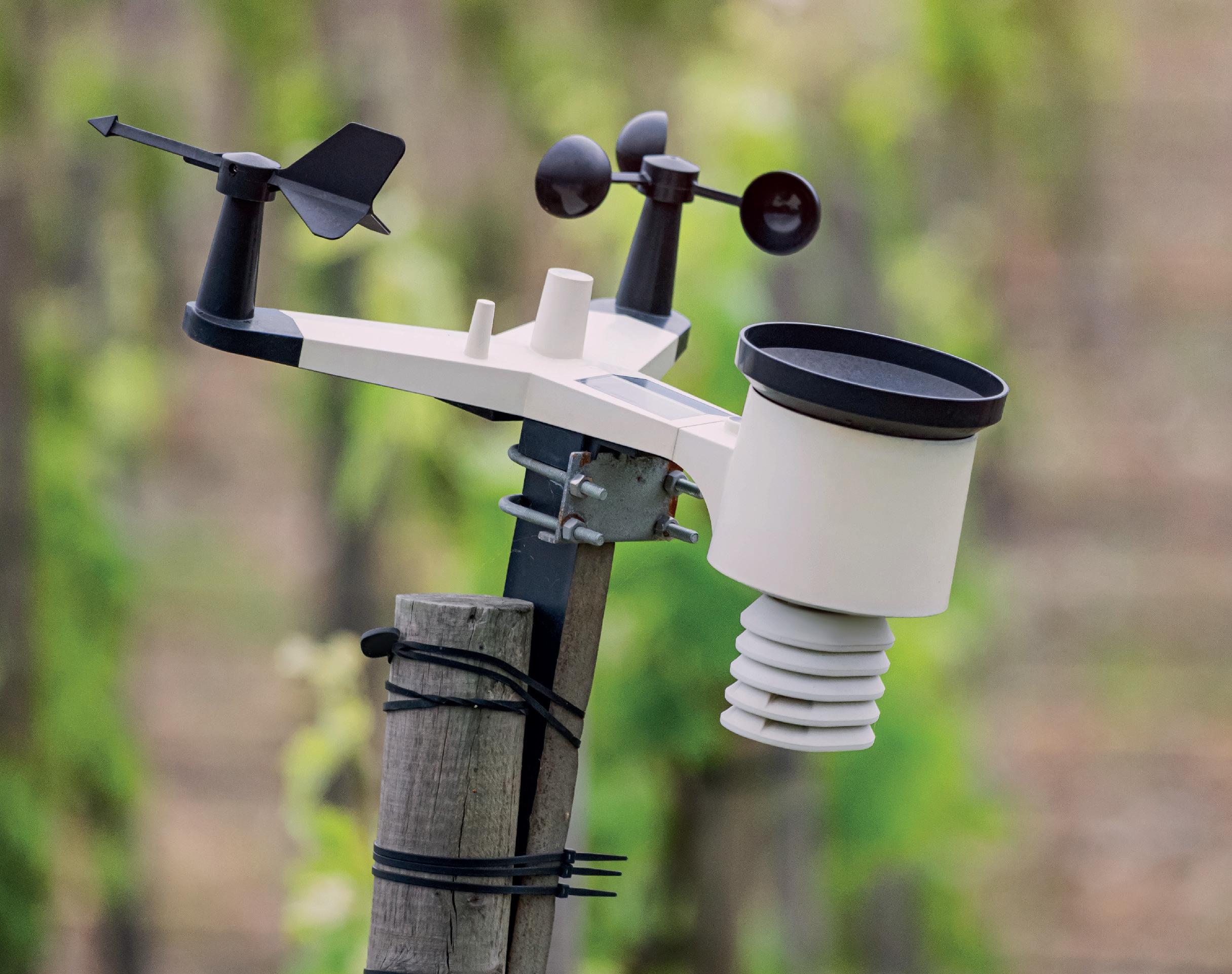
site-specific conditions, often reducing unnecessary applications without compromising disease control. UK vineyards are beginning to see similar benefits, particularly in seasons of rapidly changing weather. Soil moisture sensors provide another valuable layer of information. By influencing vine vigour, canopy growth and plant stress, soil moisture directly affects susceptibility to diseases such as downy mildew. Both digital weather stations and soil moisture probes are currently supported through the Farming Equipment Technology Fund, with 40% of eligible costs covered.
The next step is looking beyond the weather and into the canopy itself. Already established across Germany, Austria and northern Italy, canopy sensors measure leaf area index, canopy density, light penetration and canopy temperature – the microclimate where disease develops. Some vineyards now adjust spray intervals according to canopy density rather than calendar date, while the same information helps identify favourable habitat for pests such as Light Brown Apple Moth, which thrives in sheltered, humid conditions.
Perhaps the biggest shift lies in the use of adaptive thresholds. Traditional IPM relies on fixed numbers: a certain number of insects per trap or crawlers per cane triggers treatment. Dynamic IPM recognises that risk changes throughout the season.
Early on, grapevine scale crawlers establishing on young tissue may justify rapid intervention. By mid-season, healthy predator populations may suppress the same pest levels below an economic threshold. As harvest approaches, thresholds tighten again to reduce fruit contamination risk. Light Brown Apple Moth follows a similar pattern, with trap thresholds changing according to vine phenology and parasitoid activity.
What makes dynamic IPM so effective is not any single sensor or forecasting model, but the integration of every available data source into one responsive system. Weather, soil moisture, canopy structure, pest monitoring, beneficial insects, vine growth and plant stress combine to create a continuously updated picture of vineyard risk.
The result is not greater complexity but greater precision: better timing, fewer unnecessary interventions, reduced

As an introductory offer, the first five vineyards to sign up will get up to 5 free sensors and free data for three months.
reliance on crop protection products and, perhaps most importantly for UK growers, a management strategy capable of responding to whatever the season delivers. Traditional IPM tells growers what to do. Dynamic IPM tells them when to do it – and that distinction may define the future of vineyard crop protection.
For advice on agronomy and government grants, contact, Megan Fitzpatrick MRes, MBPR (Hort), FQA , Agronomist and Farm Business Consultant.
✉ fitzpatrick.agronomy@outlook.com �� 07870 522084
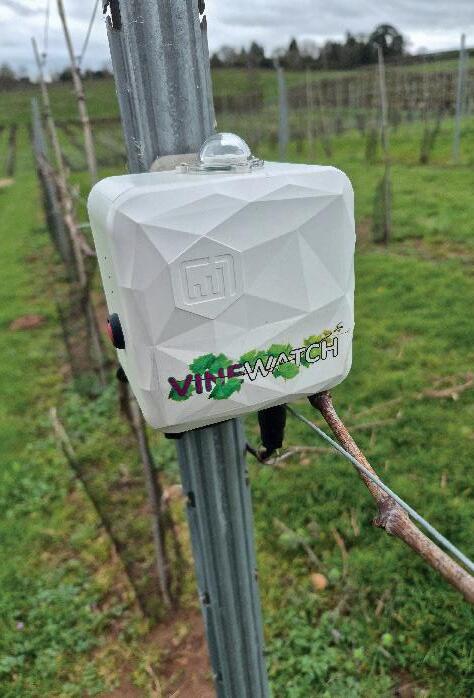

The Ladybird is the compact sensor capable of monitoring most environmental conditions in your vineyard. Delivering hyper local data to a comprehensive dashboard so you can see what's happening.
The system shows you exactly what is going on in your vineyard at bud height, including leaf wetness, leaf temperature, soil moisture, soil temperature, soil NPK, GDD as well as temperature and humidity.
NOW AT AN AFFORDABLE PRICE OF £189.00
Both moth species are known to be significant pests in parts of continental Europe, favouring warmer conditions. They are occasionally found in southern parts of the UK, although it is thought they get blown in from the near continent, rather than reproducing here, as conditions are usually too cool (shorter day lengths and cooler temperatures initiate dormancy – ‘diapause’).
First generation larvae (caterpillars) feed on flower clusters in spring, with later generations feeding on developing and ripening berries. As well as direct feeding damage, this also creates an entry point for infection from diseases such as Botrytis, and may attract secondary pests, such as fruit fly.
Males of this white moth are sometimes seen flying during the winter, seeking out the flightless females that lay their eggs in bark and crevices of vine trunks. Eggs hatch in early spring, with larvae feeding on green buds, creating holes that can render shoots unviable.
It is another pest that has been seen in UK vineyards, and could become more prevalent in the future, with February to April being the main risk period.
This invasive pest native to Asia reached a significant milestone in 2024, when juveniles were found for the first time in the UK. Feeding damage to ripening grapes can create an entry point for diseases such as Botrytis, while the pungent coriander-like odour given off when the bug is stressed, can also taint the flavour of wine if it gets into the press.
Control options are very limited, so vigilance is key. If you think you have BMSB, take a photograph and report it to NIAB (BMSB@niab. com), which is monitoring BMSB as part of a DEFRA-funded project. For more information, see the August 2025 Vineyard article on BMSB: www.vineyardmagazine.co.uk/agronomy/be-vigilant-for-new-pest/
This is one of several notifiable pests that could threaten UK vines, as it is already present in other European countries, such as France, Italy, and Spain. The climate of south east England is thought to be most likely to support development of the pest.
The
trend towards milder winters and more
extreme hot, dry, and wet conditions, could reshape pest and disease threats in UK vineyards. Hutchinsons agronomist, Will Robinson, highlights some potential issues to look out for.
American grapevine leafhopper is the primary vector for flavescence dorée phytoplasma (FDp), a devastating, quarantine-status bacterial pathogen that causes Grapevine Yellows disease. Compulsory spraying is often required in other countries, with affected vines having to be uprooted and burned. According to DEFRA, the long distance spread of American grapevine leafhopper across Europe is mostly associated with the movement of planting material. DEFRA’s plant health portal (https://planthealthportal.defra.gov.uk/) contains a host of information on notifiable pests and diseases, and what to do if you find one.
GFLV was first found in the UK almost a decade ago, but is more widespread elsewhere in Europe, especially in hotter, drier regions. It is primarily spread by the root-feeding dagger nematode, causing progressive decline and eventual death of affected vines. Symptoms include leaf malformation, yellowing, and abnormal ‘zigzag’ cane growth. Once infected, there is no cure, so vines will have to be removed and destroyed. GFLV is not a legally notifiable disease in the UK, but it is tracked on the UK Plant Health Risk Register. Sourcing certified virus-free rootstocks is one of the main ways to minimise risk.
Black rot is favoured by prolonged periods of high heat and humidity/ wetness, with an optimal temperature range of 21°C to 27°C . Such conditions are becoming increasingly common in the UK, so the disease could appear more frequently as weather patterns change.
Given the right conditions, infections can occur from spring onwards, on the leaves, flowers and fruit of grapevines, and a mixture of cultural and chemical control practices is needed to manage the disease.
To conclude, these are just a few examples of how pest and disease threats are changing with our climate; there may well be many others. If you see something you don’t recognise, take a picture and speak to your agronomist in the first instance, as they are usually well placed to advise on the best course of action.
Vinewatch Ltd have been appointed by Plumpton College to install Phase 1 of their Digital Vineyard.
The Digital Vineyard is thought to be a world-first because it involves the deployment of remote sensors into a vineyard both before planting but also at a density never done before. The sensors are being installed at 30m spacing which is over 10 per hectare which will give hyperlocal data about weather and soil. Sensor installation has already started and the system will provide temperature and humidity data and particularly light data from over 100 sensors reporting at 10 minute intervals. Soil sensors will measure fluctuating nutrient levels of N, P, K as well as pH, EC, temperature and moisture. Leaf wetness and leaf temperature sensors will capture data to help refine algorithms for powdery mildew, downy mildew and Botrytis so growers can cut down the
number of times they spray.
The data will be analysed in Spring 2027 to determine the most appropriate varieties and particularly root stock for planting in 2028.
The plan is to add more sensors during the course of the project to measure many other variables of the growing vines.
Sam Linter, Wine Director at the College, said: “This project has been in the works for some time so I’m really looking forward to seeing it develop. I shall be leaving my existing role as Wine Director to provide overall supervision of the Project for the College. The opportunities here are extremely exciting. Plumpton College aims to utilise new and emerging technology for the benefit of vineyard managers in the UK and around the globe and we believe that nowhere else has attempted to do anything
like this before and certainly not on this scale. Plumpton is intending to publish the results to the industry to help them manage better, using validated data-driven decisions to reduce fertiliser, insecticide, and fungicide use.”
Paul Jellicoe, Managing Director of Vinewatch said: “If you’ll excuse the pun, this is truly ground-breaking research for the viticulture industry. The project will provide a rich data set that we hope will become the cornerstone of vineyard and viticulture management. We’re very excited to be helping the industry in this way.’
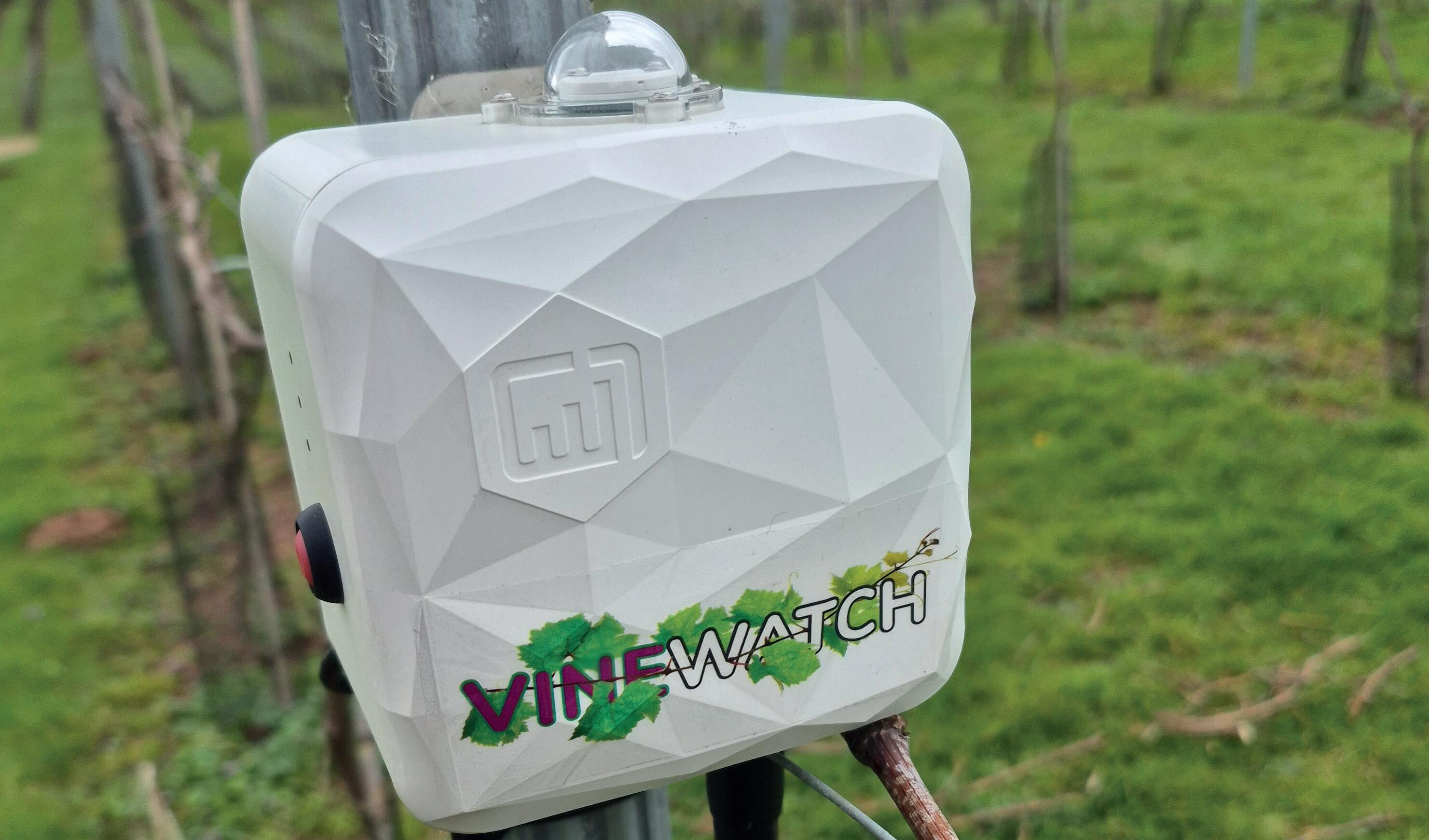
Viticulturist Tom Reid examines the disease risks vineyards face following this spring’s frost events and the changing weather conditions that have followed.
This season has given us plenty to think about. The extreme frosts earlier in the year left a legacy of dead and dying material within the canopy, tissue that breaks down and provides exactly the kind of organic matter Botrytis thrives on. Heavy rain through the first half of June then created a prolonged period of leaf wetness, ideal conditions for downy mildew to establish and spread. More recently, the switch to high temperatures and humidity has tipped the balance towards powdery mildew, which favours warm, still, humid air within a dense canopy. Three different diseases, three different weather triggers, all within a matter of weeks. It’s a reminder that disease monitoring isn’t a single task but a constantly shifting picture, and this year has offered anything but a “typical” season.
Powdery mildew doesn’t need free water to infect, which is why the recent warm, humid spell has been such a concern. It favours shaded, still air within the canopy, so leaf removal around the fruiting zone is one of the most effective non-chemical tools available. Opening the canopy improves airflow and spray penetration, and it makes early symptoms easier to spot on the top surface of leaves and on developing berries, where infection is far more damaging once berries pass through the fruit set.
Downy mildew needs moisture to complete its infection cycle, and the sustained rainfall in early June provided exactly that. Oil spots on leaves are the classic early sign, but by the time these are obvious, secondary infection may already be underway. Spray intervals need to be tightened during and immediately after wet spells, and any gaps in coverage caused by canopy density should
be addressed through leaf removal and shoot positioning rather than left to a spray programme to compensate for.
Botrytis is opportunistic, and this year’s frost damage has left more decaying material in the canopy than usual, giving it a head start. Bunch zone leaf removal, timed appropriately, reduces humidity around the fruit and removes some of the material the fungus relies on. Because Botrytis pressure tends to build later in the season, what happens now in terms of canopy hygiene has a direct bearing on risk at veraison and beyond.
None of this works in isolation. Canopy management and spray programmes are two sides of the same job. A well-opened canopy improves spray penetration and coverage, reduces humidity around fruit, and makes scouting genuinely useful rather than a guessing game through dense foliage. Conversely, sticking rigidly to a spray programme while ignoring canopy density undermines the whole effort; product simply can’t reach where it’s needed, no matter how well-timed the application or how good the chemistry. Given the pressures this season has already thrown at us, our advice is straightforward: keep spray intervals tight, don’t let wet-weather gaps extend beyond label guidance, and treat leaf removal as disease prevention rather than a job for tidiness. Walk the vineyard regularly and look specifically for early symptoms of all three diseases, not just the one that seems most likely given recent weather, since conditions can shift quickly and pressure can overlap. A five-minute check through

the fruiting zone, tells you far more than one thorough inspection after symptoms have taken hold. Care and vigilance is essential through the whole season –one vine at a time.
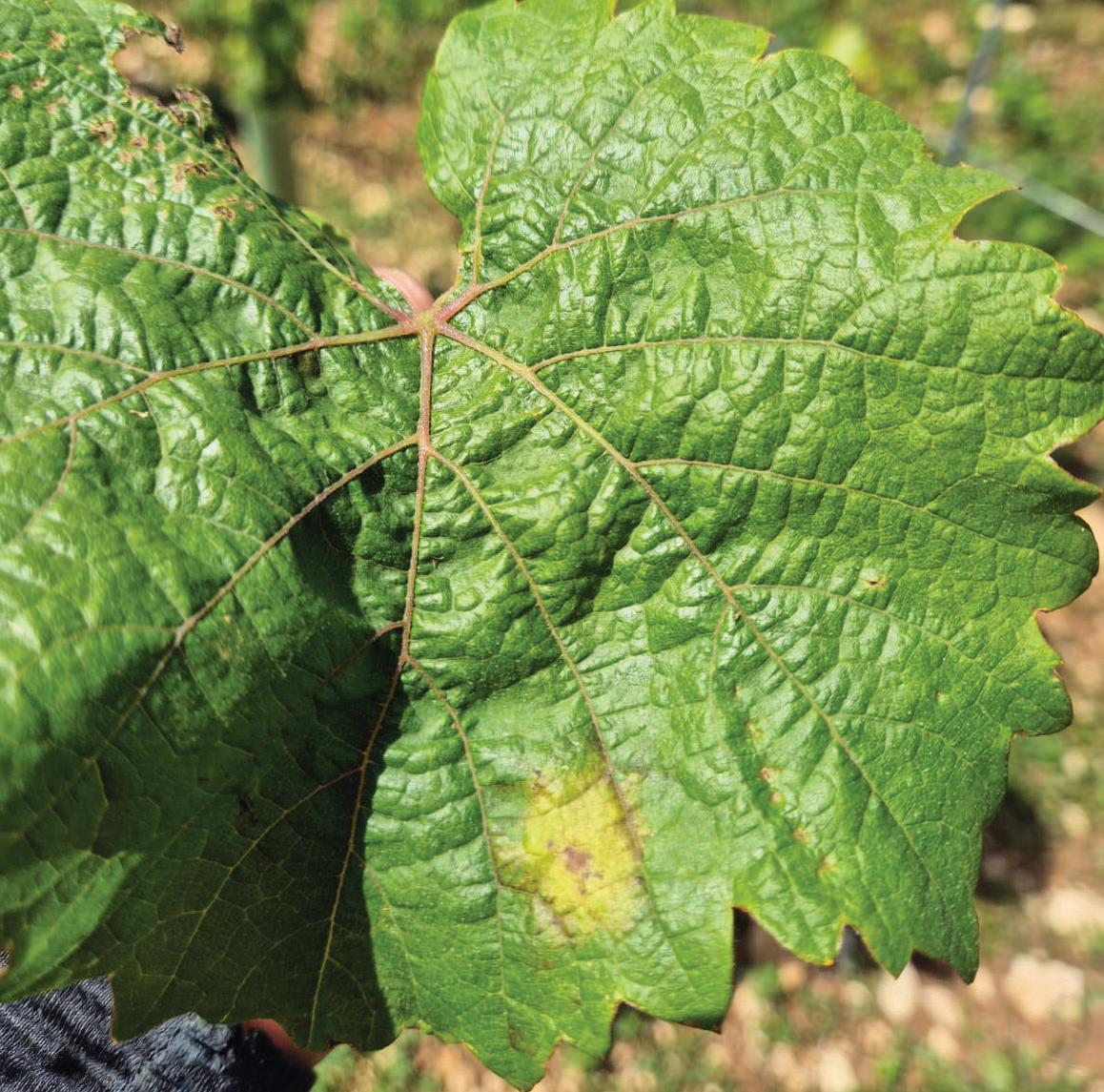
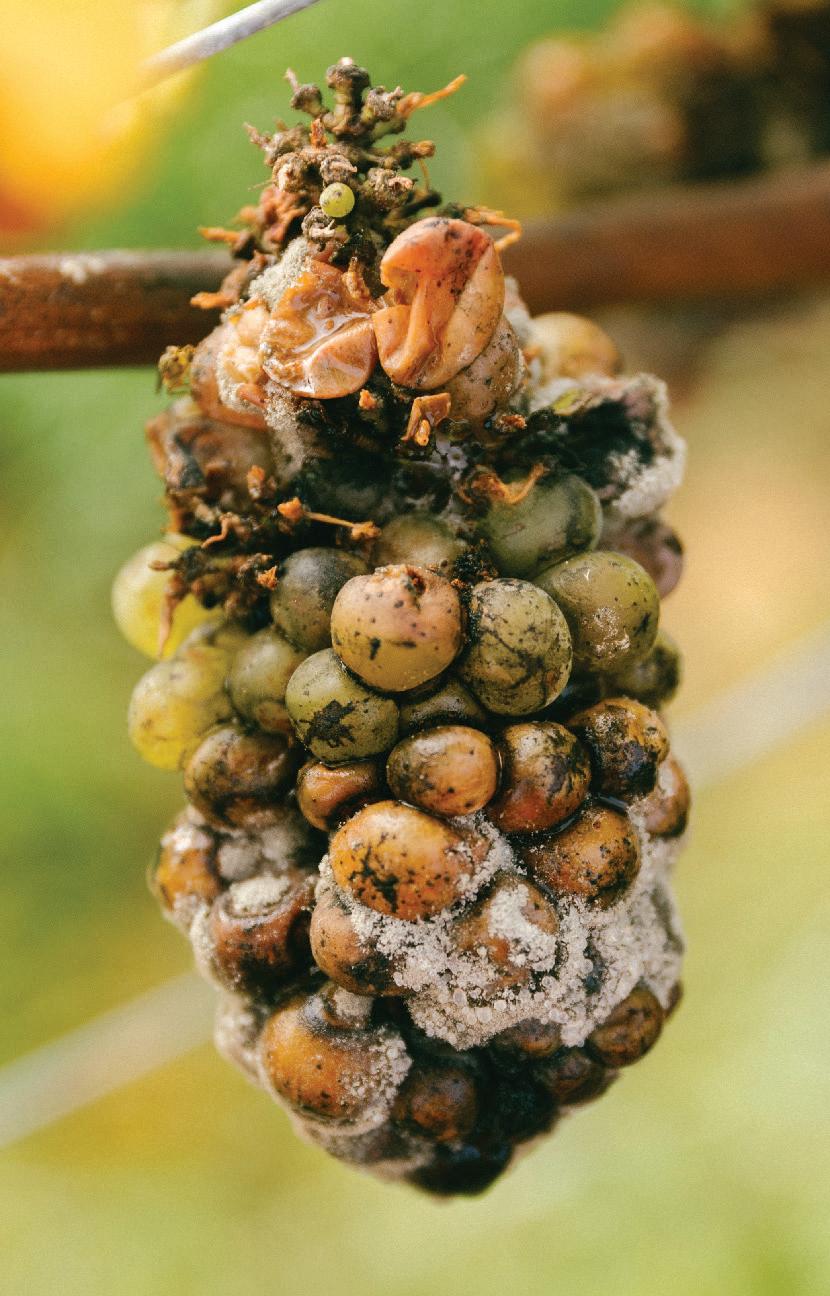
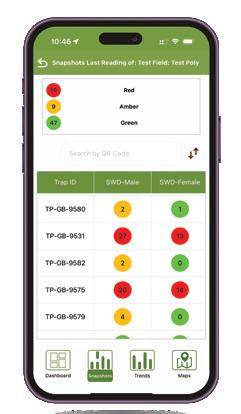

Identify and count male and female SWD in real-time, on sticky traps, using your smartphone
Clear insights into pest population dynamics
Significant resource savings
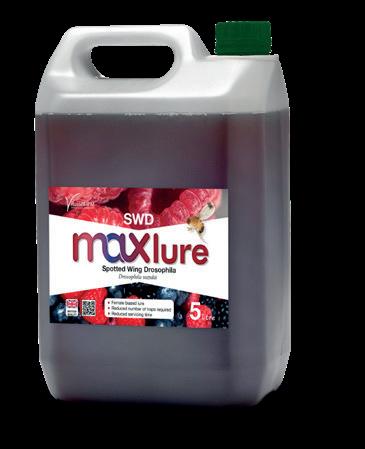

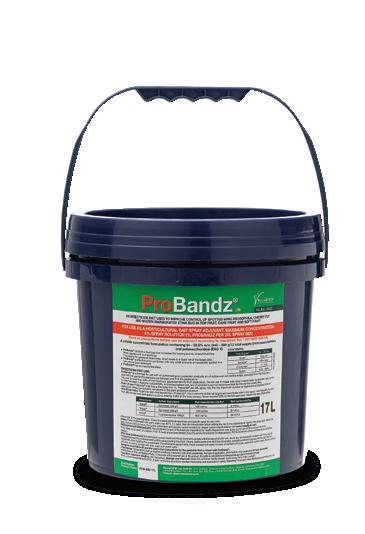


Catches 2.5% more SWD than the 4 main market-leading lures
Catches less than 2.5% non-target Drosophila of the total Drosophila catch
Attracts 4X more egg-carrying female SWD than the 4 main market-leading lures

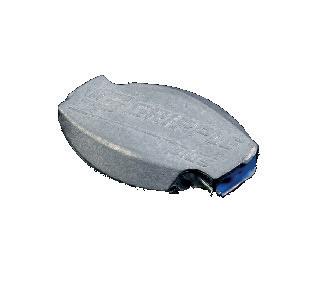
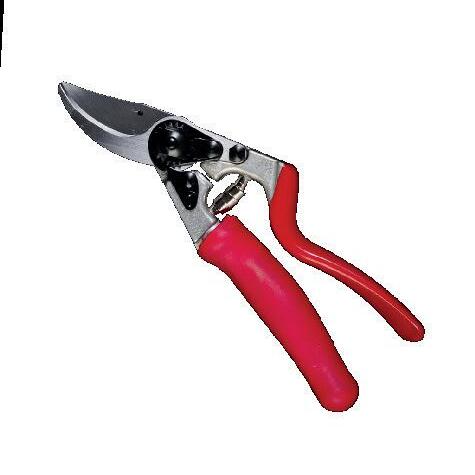
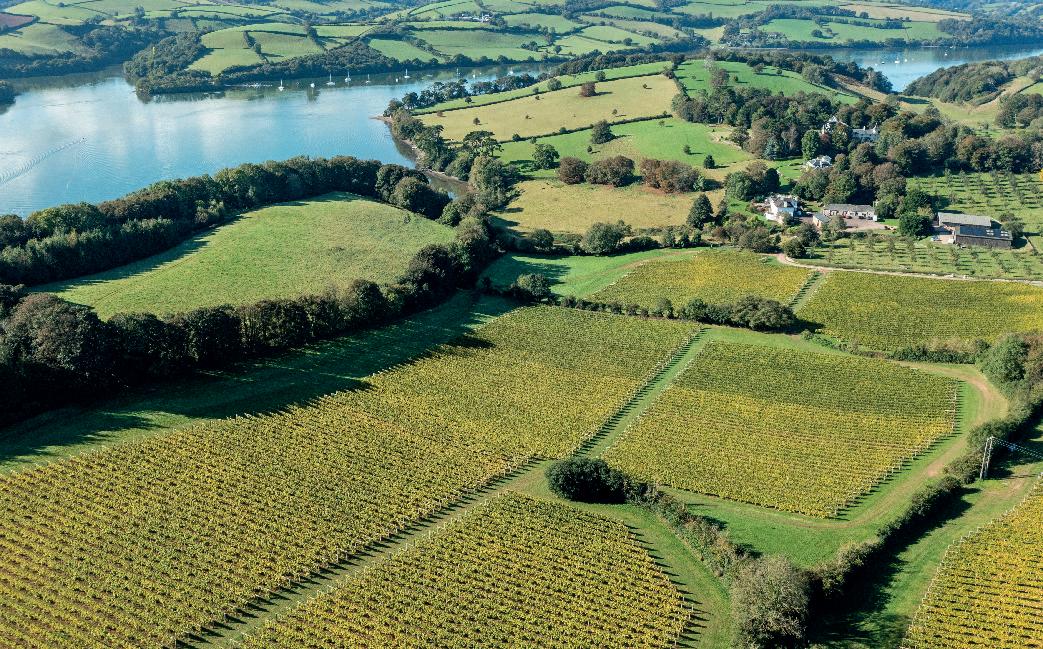
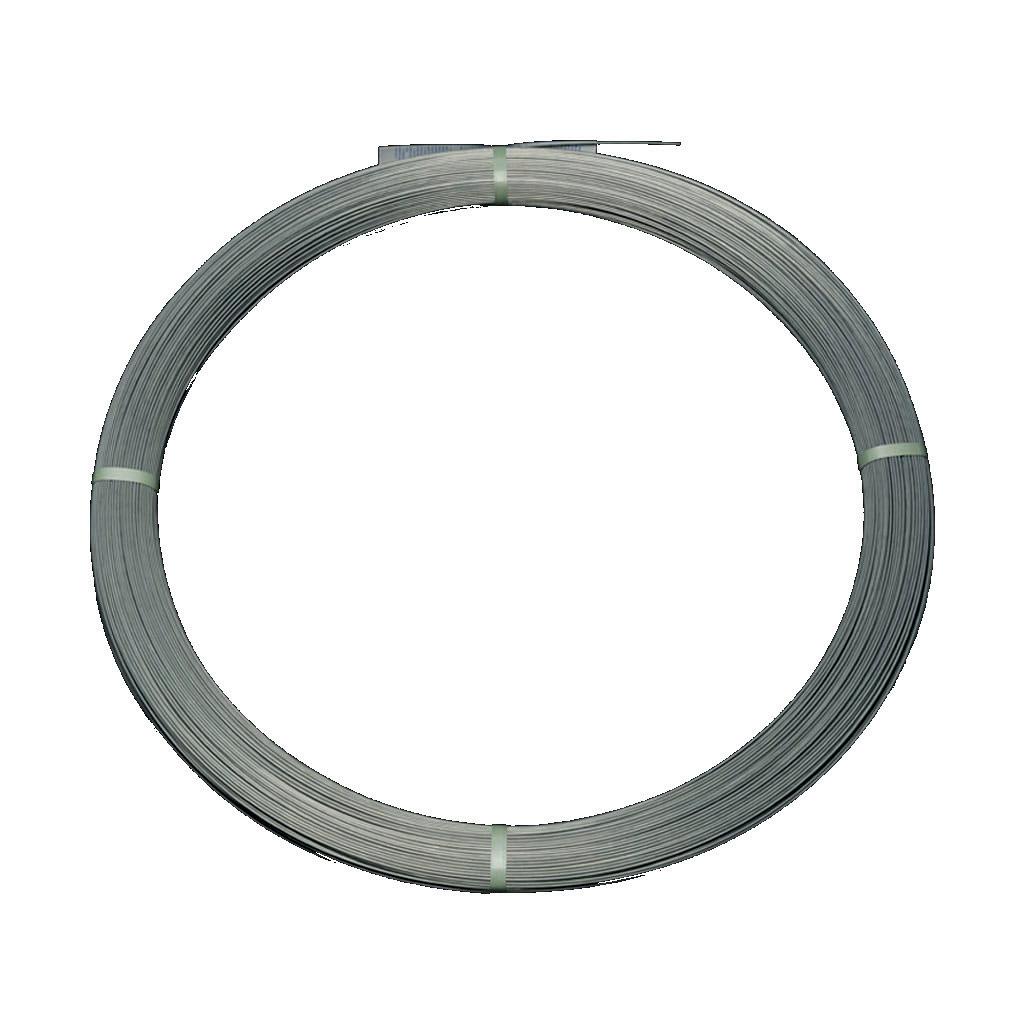
Probandz is applied as a narrow band on less than 10% of the foliage of the crop
SWD feed on the pesticidal mix, resulting in a targeted, faster kill, reducing egg laying and future generations
Up to 96% reduction in pesticide usage
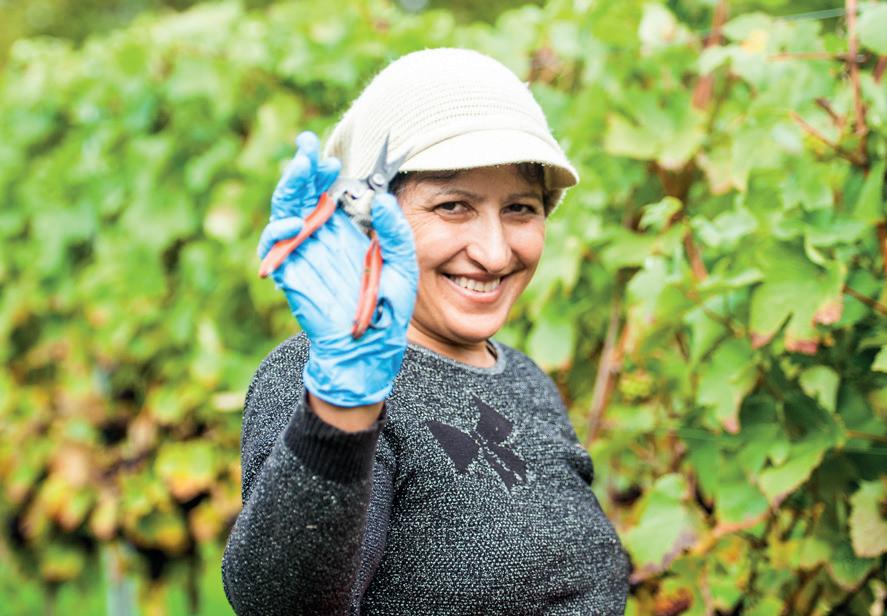
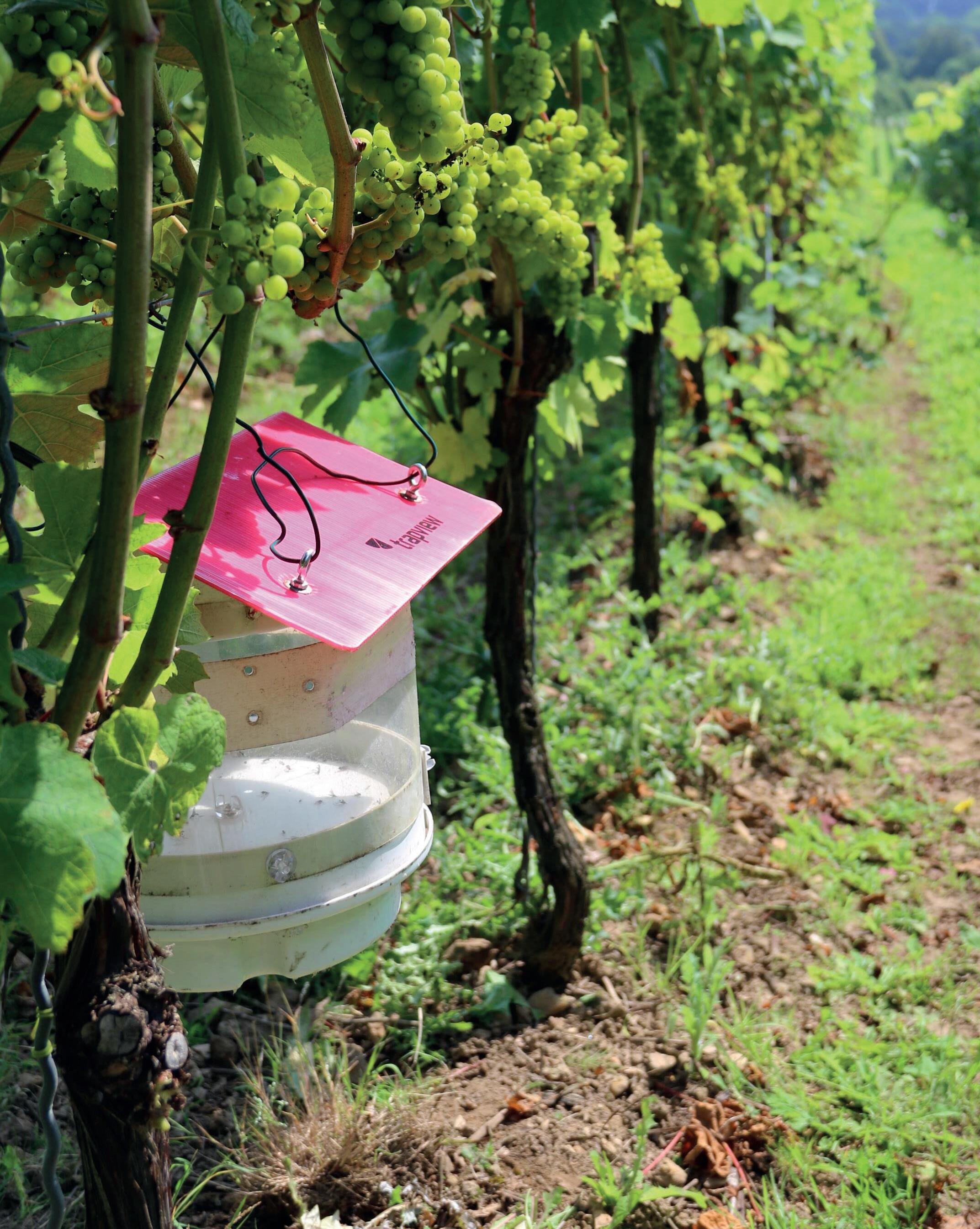



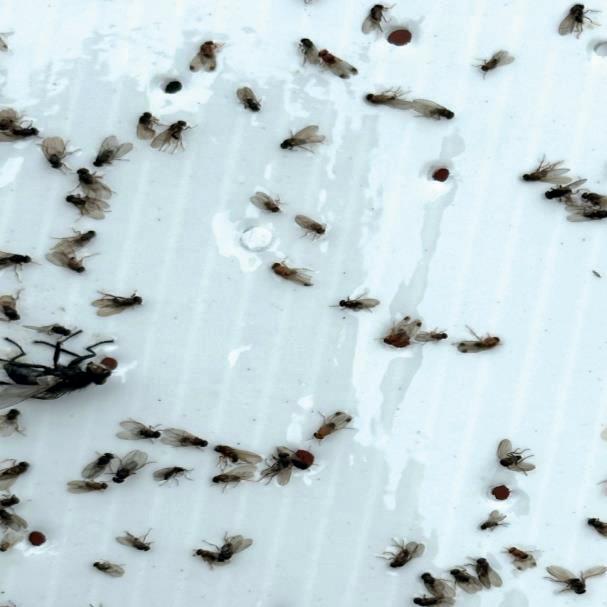

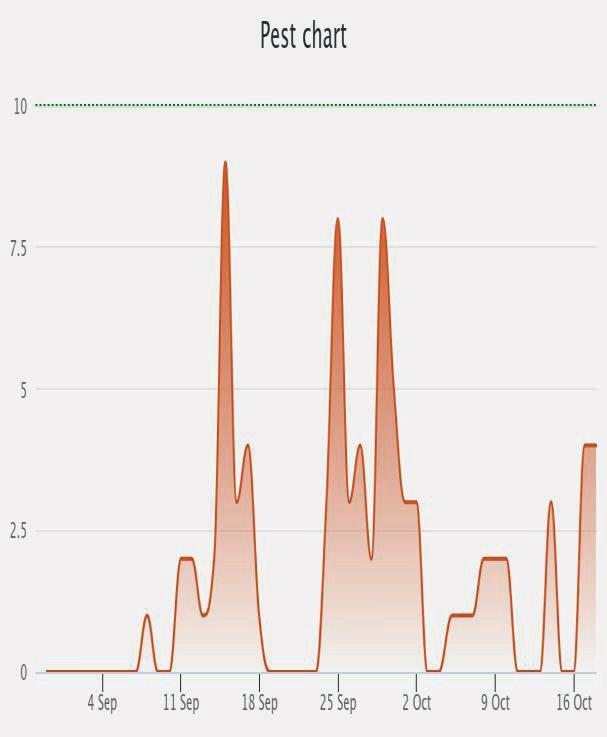






Steven Tully from Landseer Ltd explains why SWD poses such a significant threat, and how trapping can help to protect your crop.
Can you explain why SWD is an issue for vineyards?
Spotted Wing Drosophila (SWD) poses a significant and growing threat to UK vineyards, especially when not actively monitored or managed. Unlike many other fruit pests, SWD lays its eggs inside ripening, soft-skinned fruit, making grapes particularly vulnerable. The resulting larval development occurs rapidly within the fruit, leading to internal collapse that often impacts cluster quality (e.g. acidity and Brix levels).
Adding to the severity of the issue is the potential for secondary infections. The puncture wounds created by SWD as they lay eggs serve as entry points for pathogens, which can lead to fungal or bacterial infections that spoil entire bunches (Botrytis). This not only compounds the direct damage caused by the pest but significantly affects both yield and fruit quality. This damage can be devastating as it typically occurs just as the fruit reaches veraison and nears harvest –potentially undoing an entire season’s work and investment in a matter of weeks.
The threat from SWD has undoubtedly increased in recent years. The pest has now become established in much of the UK, and its populations appear to be both spreading and fluctuating year on year. Warmer growing seasons and increasingly variable weather conditions have further influenced pest pressure and grape susceptibility. Grapes, being a late-season crop, are particularly exposed when alternative food sources such as wild berries are limited, making them a prime target during peak pest activity.
How can this problem be managed?
Complicating matters further, our available tools for control are shrinking, with fewer active ingredients approved for use. This makes proactive management even more essential. Monitoring and early detection
must be seen as critical components of a successful strategy. By the time visible or olfactory signs of infestation are noticeable in the vineyard, the problem is already well advanced. Implementing smart trapping systems, maintaining strict vineyard hygiene, and staying up to date with local pest pressure reports are all key to managing this increasingly problematic pest.
What kinds of traps are available?
There are two main types of traps used in vineyards, manual and smart remote traps.
Manual traps
These typically consist of a cup with a liquid attractant that lures SWD. The contents are poured through a filter and then examined to identify SWD among many other insects. While effective, this method is labour-intensive, timeconsuming, and requires regular checking and specialist identification skills – often during the busiest parts of the season. Identifying SWD can be a time-consuming task. While males are relatively easy to recognise thanks to the distinctive spots on their wings, confirming the presence of females is more challenging and typically requires the use of a hand lens or microscope to detect their serrated ovipositors.
Remote, smart traps
These work on the same principle, using an attractant and a sticky plate instead of a filter. A built-in camera takes highresolution images of the sticky surface daily, and AI technology automatically identifies and counts male SWD. This information is then relayed directly to your phone or computer, with optional alert settings to flag when thresholds are met.
Smart traps significantly reduce the time and labour needed for monitoring, allowing vineyard managers to focus on other essential tasks while staying continuously informed. They provide faster, more accurate insights, helping to make timely and
effective decisions about control measures. Ultimately, trapping – especially when automated – helps growers stay proactive rather than reactive, making it a key tool in protecting valuable crops at the most vulnerable time of the season.
Can you tell us a little more about the smart traps offered by Landseer?
When it comes to remote, smart traps in the UK, one of the most established and effective options available to vineyard managers is Trapview, distributed by Landseer. Landseer has worked with Trapview for over a decade across other crops – particularly top and stone fruit – its use in vineyards is now growing steadily in response to the increasing pressure from SWD. Trapview is an automated, solar-powered smart trapping system, developed in Slovenia and now used globally. It provides growers with daily high-resolution images of a sticky trap surface, which are analysed using artificial intelligence to automatically detect and count SWD. These images and pest count data are uploaded in real-time to a userfriendly web and mobile platform, giving vineyard managers photographic evidence and up-to-date insights into pest pressure.
An additional feature of Trapview is the integration of pest monitoring with microclimate data collection. Each unit includes built-in temperature and humidity sensors, enabling the platform to use population forecast modelling, including degree day tracking, to predict likely SWD activity and development. This allows for data-driven decision-making and more precise timing of any intervention.
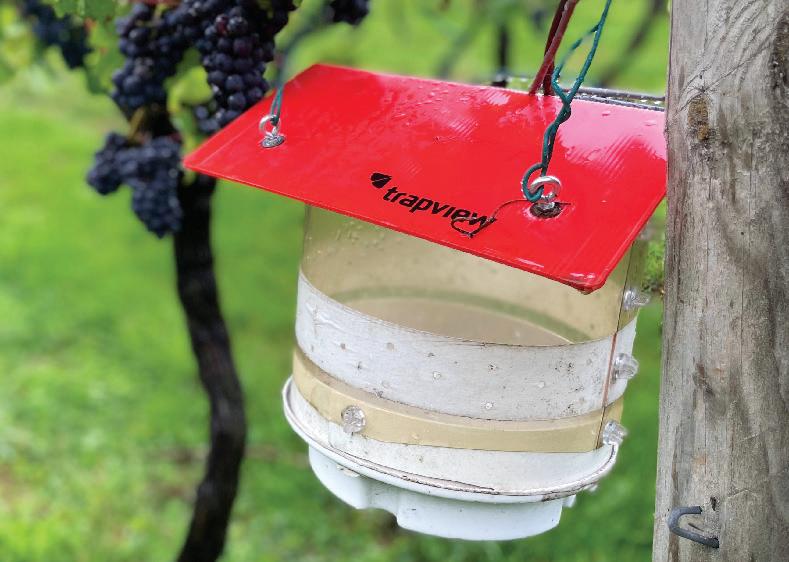
Biddenden Vineyards produces over a million litres of cider and juice every year.

Although consumers may give it little thought, the packaging that their wine arrives in needs almost as much careful consideration as the liquid itself. New legislation, environmental concerns and the continual development of relevant technologies means that the world of bottling and labelling never ceases to be on the move. This month,Vineyard Magazine offers a round up of the latest news, case studies and environmental issues that are currently at play in the wine packaging sphere.
In years gone by, choosing a wine bottle was predominantly dictated by shape, colour and what was readily available at the right price. Now, the ever-increasing diversity of glass types, weights and silhouettes has made the decision more complex. Alongside that, the conspicuous use of sustainable packaging has attained a new level of importance that has not previously been seen.
Consumers are proactively requesting the option of buying a more environmentally responsible product. Legislation is also pushing business to act in a more
sustainable way, and of course there is always a financial incentive to reduce waste and energy use that makes good commercial sense beyond the ethical imperative.
Extended Producer Responsibility is an environmental policy that seeks to move the financial and operational burden of waste management away from local councils (and the taxpayer) – shifting it instead to the producers who put a product on the market in the first place. This policy
Wine
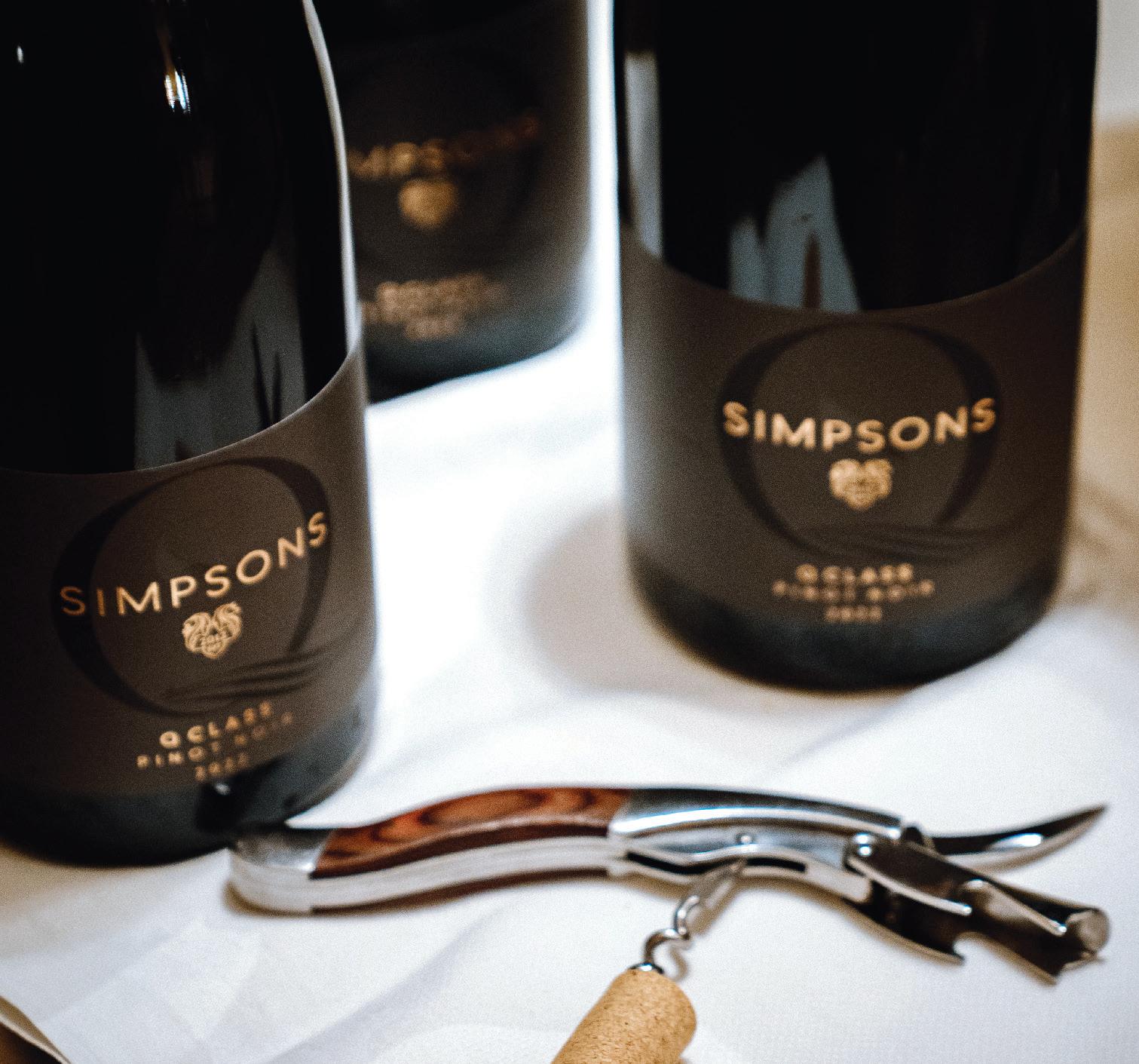
is guided by the principle that the polluter should pay, and be responsible for the packaging they produce at every point in its lifecycle, instead of effectively being able to wash their hands of that responsibility from the point of sale.
By incentivising companies to reduce the amount of packaging they generate and increase the use of refillable or easily recycled materials, the Government is looking at reducing both litter and the burden on local waste collection and processing services.
The organisations that need to take action are those with an annual turnover of one million pounds or more – which includes a small but significant number of wineries and importers. The other threshold set out for the scheme is supplying more than 25 tonnes of packaging to the UK market per calendar year.
The Government’s guidance gives the following handy definition, in case you are not entirely sure what ‘packaging’ means:
“Packaging is any material that is used to cover or protect goods that are supplied. It makes handling and delivering goods easier and safer.”
Depending on the size of the organisation and the amount and type of packaging produced, a business will find it has a number of actions to address, thanks to its responsibilities arising from the EPR. For example, a business may have to:
◆ collect and report data on the packaging it supplies or imports
◆ pay a waste disposal fee (around 4,400 UK businesses in total are obliged to pay the levy at the moment)
READ THE GOVERNMENT GUIDANCE ON EPR IN FULL ON GOV.UK: www.gov.uk/guidance/extended-producer-responsibility-for-packaging-who-is-affected-and-what-to-do

◆ pay scheme administrator costs
◆ pay a charge to the environmental regulator
◆ get packaging waste recycling notes (PRNs) or packaging waste export recycling notes (PERNs) to meet recycling obligations
◆ report information about which nation
in the UK packaging is supplied in and which nation in the UK packaging is discarded in – this is called ‘nation data’.
In December 2025, the first payments under the system caused anger in the sector. Many wine importers had their first quarterly Direct Debit payments taken multiple times in error by the scheme

administrator, PackUK’s, financial provider. In April, the UK branch of wine company Vinarchy claimed that it would have turned a profit last year, had it not been for the EPR levy. It was obligated to pay at least £8m under the scheme in 2025, likely to move higher still since its financial year ran until the end of June 2026.



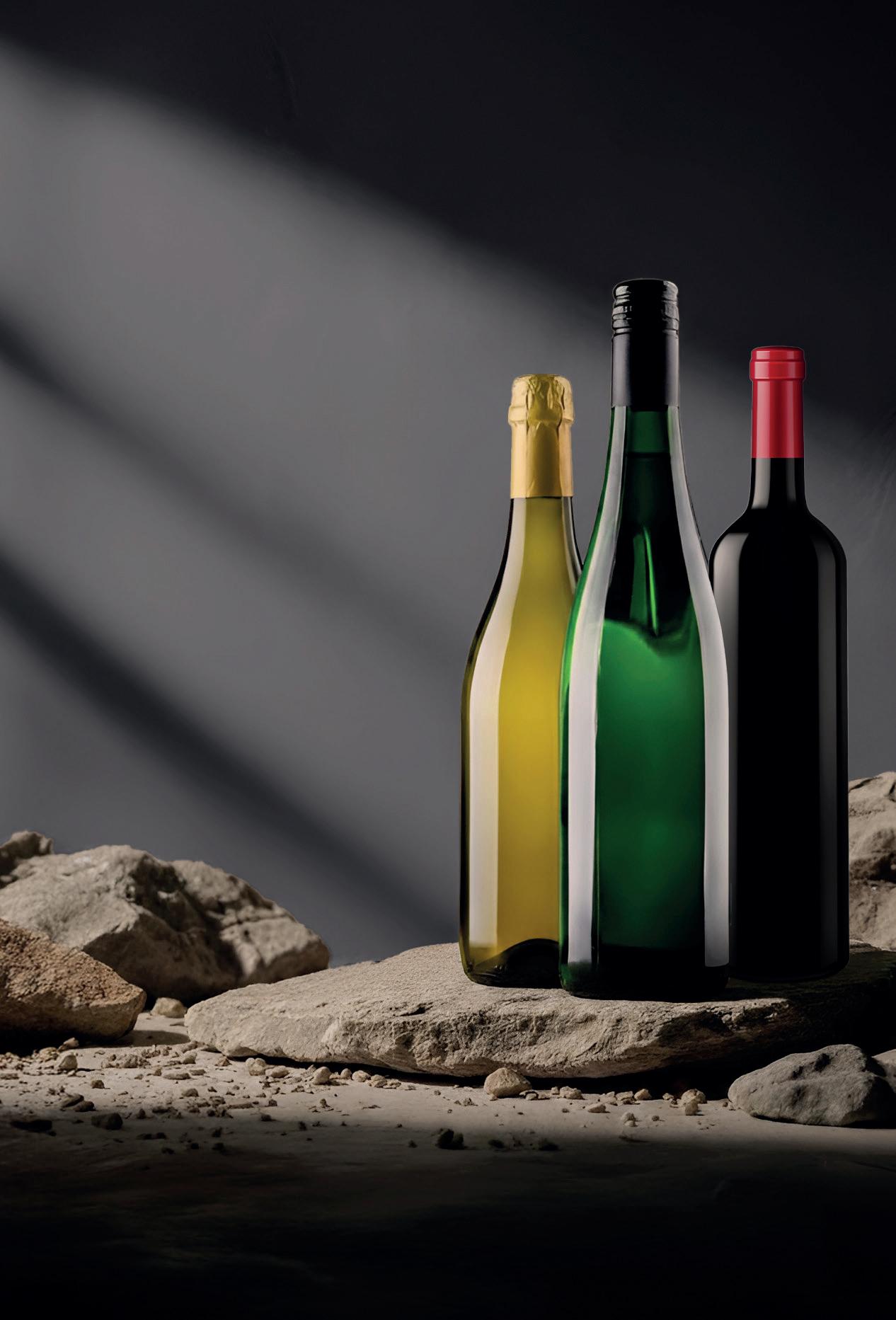

<< EPT base fees of £192 per tonne for glass were set in June 2025, giving producers a strong incentive to find ways of reducing their use of the material. Sam Graves, the Marketing Manager at Pattesons glass said that they have already been helping to provide businesses with alternative solutions.
“The introduction of EPR has accelerated the need for smarter packaging choices. Lightweighting is no longer simply an environmental initiative; it’s becoming a commercial advantage. At Pattesons Glass, we have invested in innovative packaging solutions such as our 370g Burgundy wine bottle, one of our lightest premium wine bottles, which helps producers reduce packaging weight and associated EPR costs without compromising on quality, presentation or performance.”
The adoption of lighter weight glass bottles is not just something that is happening in the UK either. Some of the biggest players on the global market are also making headway into adopting new bottle types. Australia’s McGuigan, for example, recently announced that they have partnered with the UK-based Greencroft Bottling to introduce a Burgundy bottle that gives a 25% reduction on the existing weight. That bottle is manufactured by the European firm Verallia, who use around 30% recycled glass in the production process to help further cut back on wastage and environmental impact.
The North-East based wine merchant and importer, Lanchester Wine Cellars Ltd, sister business to one of Europe’s biggest wine bottling facilities, Greencroft Bottling, has signed a pioneering new agreement with the Mining Remediation Authority which could help accelerate commercial uptake of mine water geothermal energy. For the wine trade, the announcement highlights how one of the UK’s largest wine businesses has moved beyond traditional sustainability initiatives to become a test case for industrial-scale renewable heating.
In 2016, the wine merchant became the first private business in Great Britain to successfully heat its operations using energy from disused coal mines. Lanchester Wines uses an open-loop water
source heat pump to maintain ambient temperatures for more than 33,000 square metres of warehouse space in Gateshead, by extracting the heat from water sitting in the disused mineworkings below, which were naturally flooded by the water table.
As the first commercial enterprise to access this sustainable source of energy, Lanchester has used its experiences to support the Mining Remediation Authority (MRA) in developing a regulatory framework for the future use of mine water heat. The resulting Heat Access Agreements regulate access, control and future transfer of licence so that more businesses can consider utilising this latent energy supply. Lanchester Wines’ own Heat Access Agreement in Gateshead has now been announced by the MRA. It extends their pioneering renewable energy partnership through to 2044.




As touched upon earlier in this article, it is not just the weight of wine bottles that businesses are re-evaluating, but also their composition. Vetreria Etrusca is an Italian glass producer that continually looks to find new technical solutions to meet the needs of the market. It produces ‘Eco’ versions of its familiar bottle outlines - the same shape, but with lighter weights. Now Vetreria Etrusca are able to produce some of their signature lines with a significant
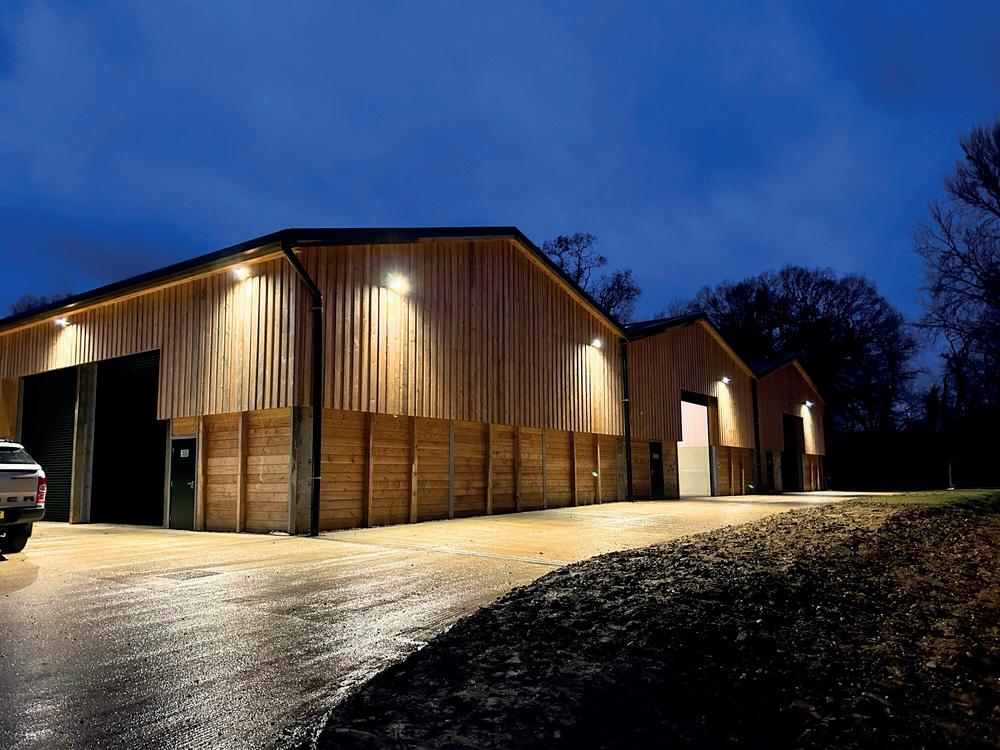
recycled glass content.
Its VerdEtrusco glass, for example, is a very dark green colour. It is used to make a wide variety of different shaped wine bottles – almost 150 different variants, in fact. VerdEtrusco now comes in with an average recycled glass content of over 85%. This is about as high as it is possible to go in terms of recycled material, without compromising structural integrity and the flawlessness of the overall appearance.



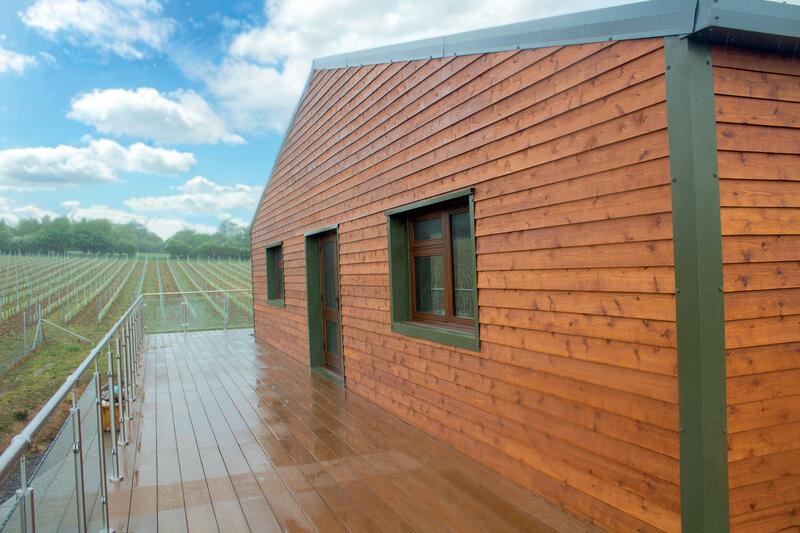
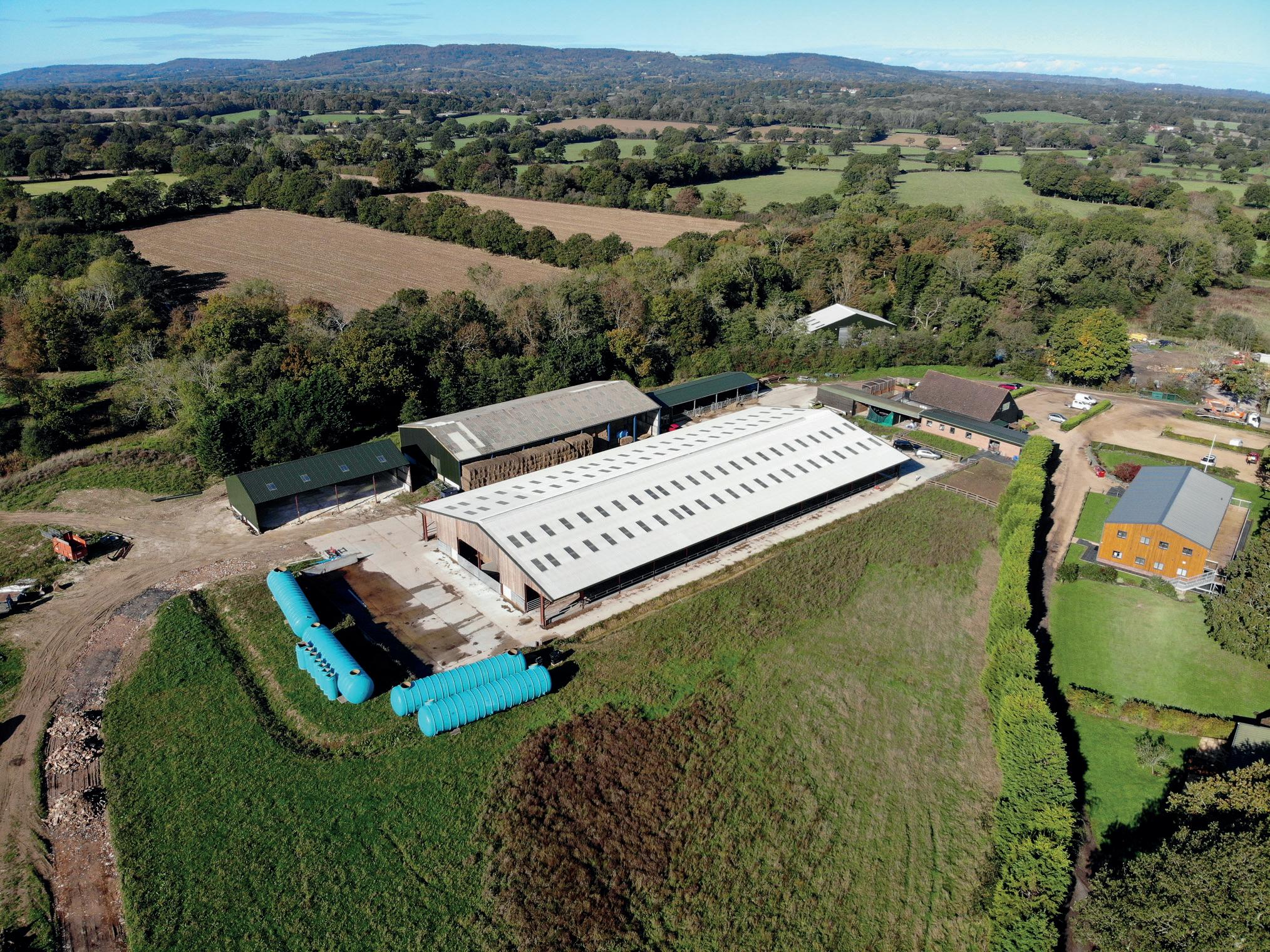







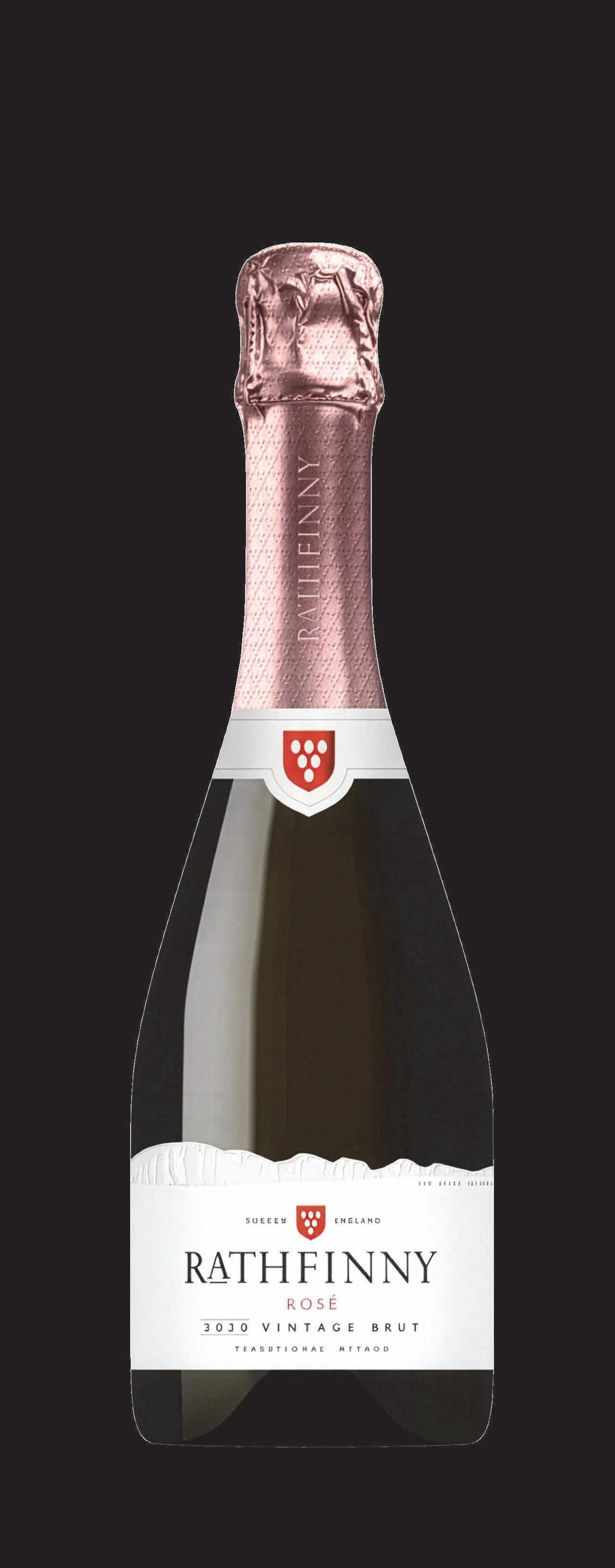


For those looking for the maximum use of recycled material, there are some manufacturers who do use 100% post-consumer recycled glass to manufacture their premium eco ranges. Spain’s Estal, for example, has created Wild Glass®. Since it is 100% recycled glass some flaws in the glass are inevitable. Their attitude is to “embrace the imperfections that make every bottle unique and authentic.” This marketing approach has allowed Estal to adapt to market trends that look for both sustainability as well as distinctive and original bottle design.

Wild Glass® certainly appears to be finding its audience and is showing gains in popularity. Estal’s figures demonstrate a 54% growth in its production in the three years to 2025.
Some of Estal’s wine bottles, those in the Prima Collection, for technology. By making the design of the bottle slightly asymmetrical, the bottles weigh in as 20% lighter than their perfectly symmetrical counterparts.
Established in 1984, Autajon Labels Royston combines decades of expertise with state-of-the-art production to deliver innovative, high-quality label solutions. Blending traditional print craftsmanship with the latest digital technologies and premium embellishments, we help brands





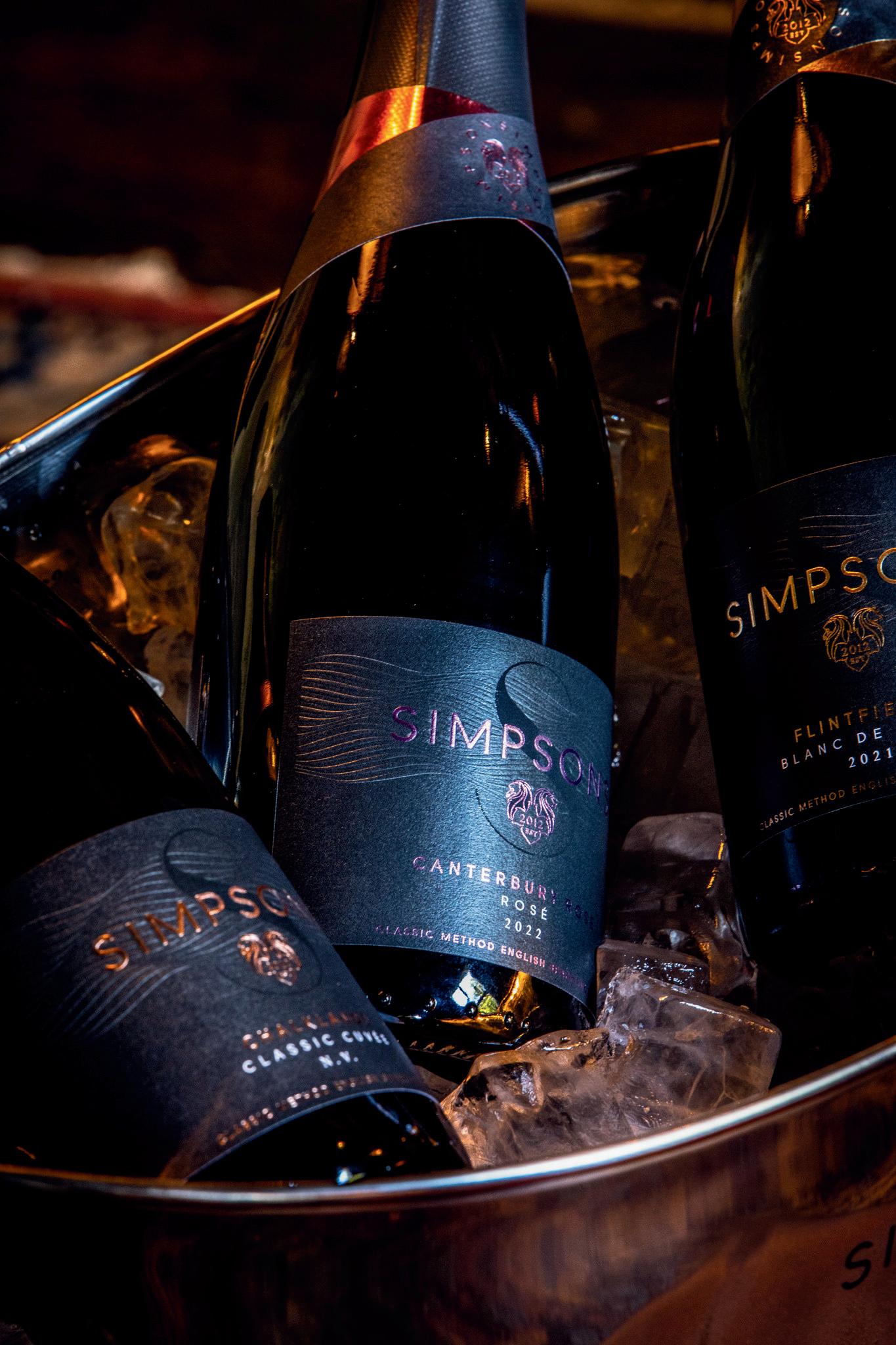
Sourcing the right materials for wine packaging is not the end of the story. The art of designing a great wine label is a complex one that takes great expertise and skill to get right.
“For premium wine brands, details are critical,” said Julian Wall Site Director of the Hertfordshire-based firm, Autajon Labels Royston. “Every material choice, print process and finishing technique contributes to creating a label that enhances both shelf appeal and the overall consumer experience.”
Autajon works closely in collaboration with their customers. Client needs are combined with Autajon’s long experience of specialist manufacture to create bespoke labels that fit the brief. Using
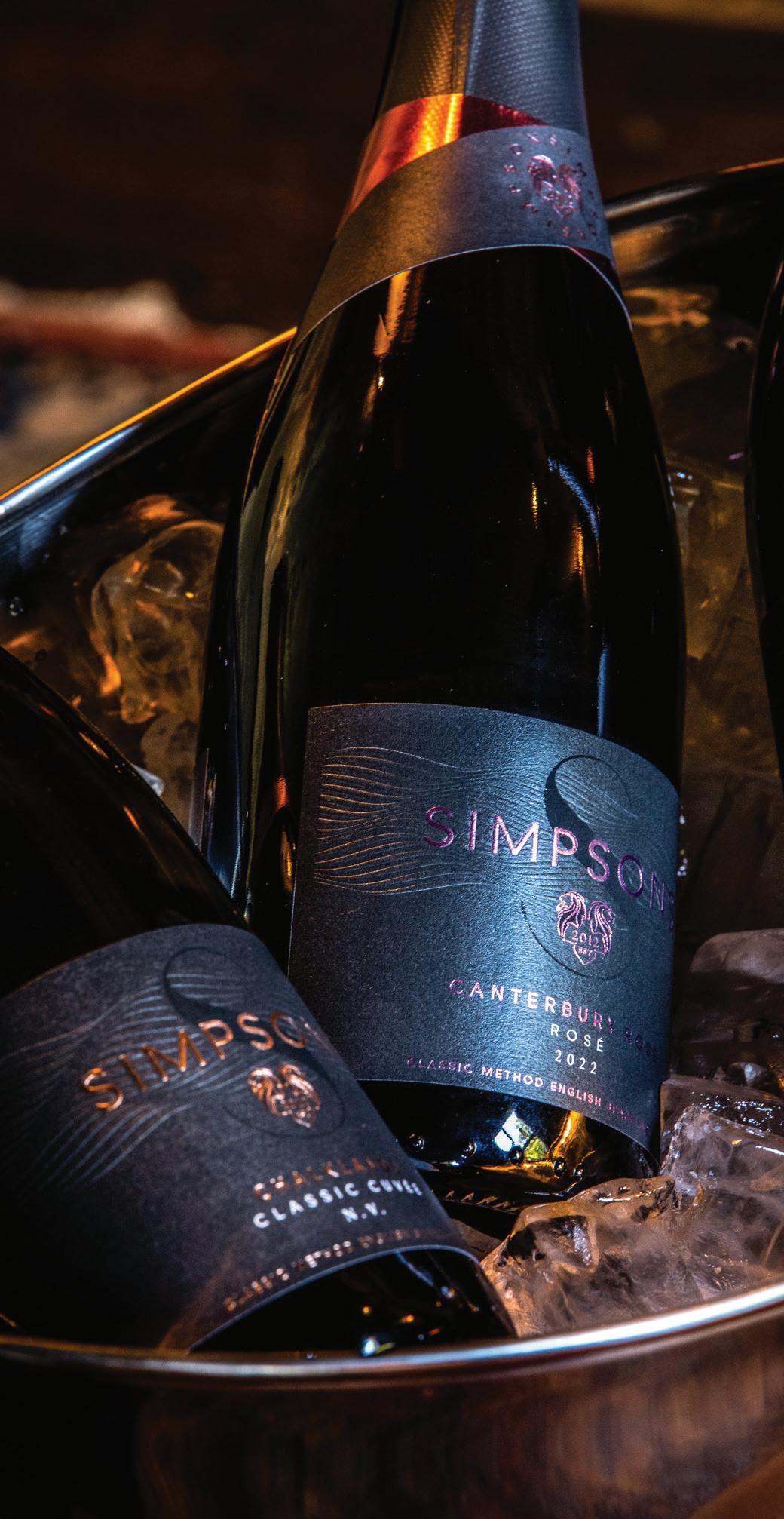
the latest print technology, Autajon are able to craft labels that communicate quality, craftsmanship, and character long before the bottle is opened.
One of their clients is Simpsons Wine Estate of Kent.
“We value Autajon’s consultative approach, attention to detail, and excellent customer service,” said Tom Perks, Simpsons’ Production Executive. “Both lead times and response times are fantastic. We regularly recommend them to our peers and very much consider them an extension of our business.”
In their work with Simpsons Wine Estate, Autajon make use of specialist embellishments like hot foil, tactile screen varnish and embossing to create labels that deliver real shelf presence, through a sophisticated aesthetic as well as a tactile finish.
Having a label producer who works in tandem with the winery’s own team means that the end result will reflect the brand’s story and the target audience as closely as possible. More often than not, consumers are not able to taste a wine before making a purchase, so their decision has to be based on external factors - most notably the label.
Now research is honing in more precisely on the details of how labels might impact the choices a consumer makes, from a psychological point of view. A 2024 study published in the International Journal of Hospitality Management examined whether gender cues on wine labels affected what American women chose to buy based on their expectations of the wine - expectations that they drew from the way the label was presented.
There is of course an assumption inherent in this study that certain design elements are “feminine” - in this case soft colour palettes and “elegant fonts” while “masculine” designs contain stronger lines, darker hues and bolder typography. Gender marketing has led to some notable public controversy in the recent past, given the assumptions that underlie it, in terms of social norms and gender stereotypes. It is an area where businesses are wisely advised to tread with extreme caution.
That said, the study did find that women would tend to favour the “feminine” styled wines and that they felt that those design elements suggested a wine was more likely to be fruity, sweet and approachable. Those “masculine” styled wines gave participants the sense that they would taste drier, more bold or perhaps more austere.
Interestingly, even women who considered themselves to be relatively knowledgeable about wine still displayed a subtle level of psychological influence because of the way the wines were labelled. Those participants had constructed meaning from the visual stylings even before they had taken a sip of the liquid. FIND OUT MORE: www.autajon.com/en
For new vineyard owners, the wine making process is just one small part of the challenge they face in bringing a complete product to market. Creating a premium brand that can stand alongside established producers without stretching an already limited budget can be just as difficult.
That was the challenge facing Kieran Channon, of Channon Wines in South Herefordshire, when he attended The Vineyard & Winery Show in Kent last November. Less than two years after planting his first vines, Kieran was looking for a labelling solution that would reflect the quality and ambition of his growing venture while remaining flexible enough to support future growth.
At the show he met Lotus Labels of Sussex – Printweeks’ 2025 Label Printer of the Year. Lotus have worked with some of the region’s most recognisable vineyards for several years. However, not every success story involves large-scale producers. Some of the most rewarding projects come from helping emerging vineyards to establish a professional identity from the outset and this is what they were able to offer to Kieran and his new enterprise.
Located on the fringes of the Wye Valley, the first vines were planted at Channon Wines in 2023 before another 1.4 acres were added in 2025. As a young vineyard with ambitious plans, Kieran wanted a label that would sit comfortably alongside those of more established producers without the costs often associated with bespoke packaging solutions.
Working closely with the Lotus Labels team, Kieran was guided towards a wine-grade FSC-certified paper that delivered both the premium appearance and environmental credentials increasingly valued by today’s consumers. By adapting his self-sourced design to an existing cutting template, the need for costly bespoke tooling was removed, helping to keep the project within budget while maintaining a high-end finish.
It just goes to show that with some expert guidance, a quality finish can still be achieved at a more modest price. The labels on Kieran’s first wine, Dream Catcher, certainly speak for themselves.
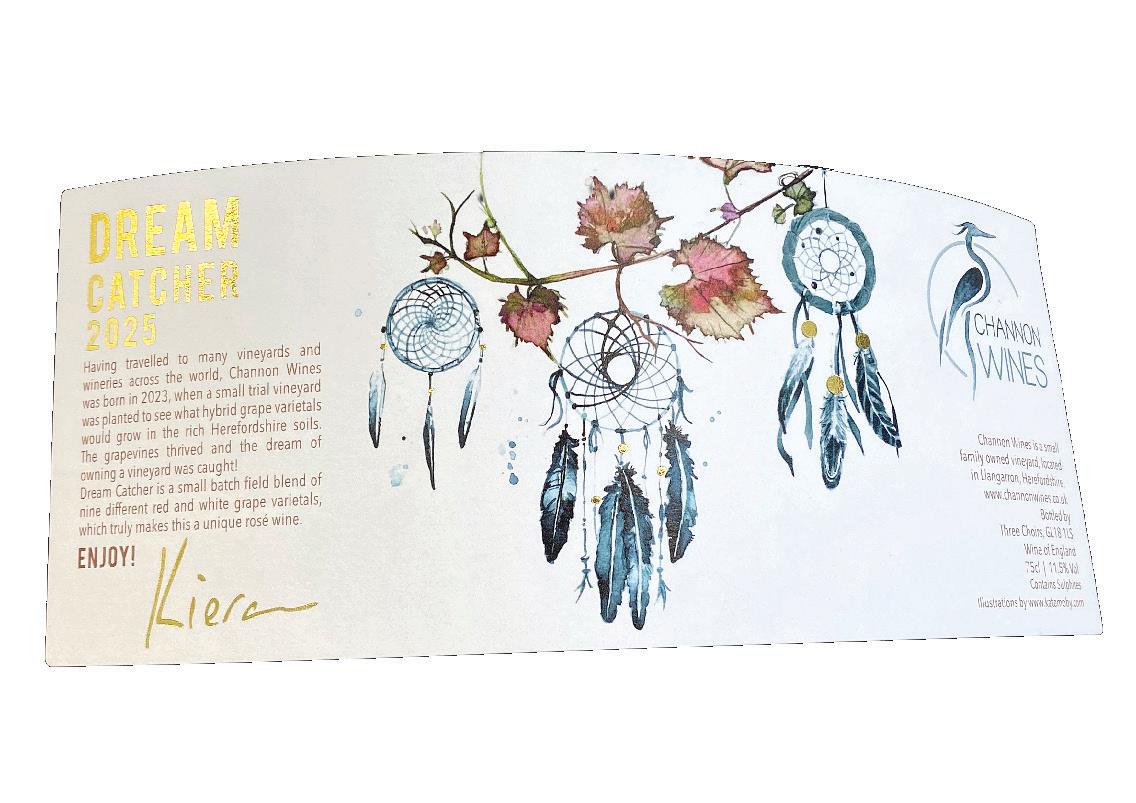
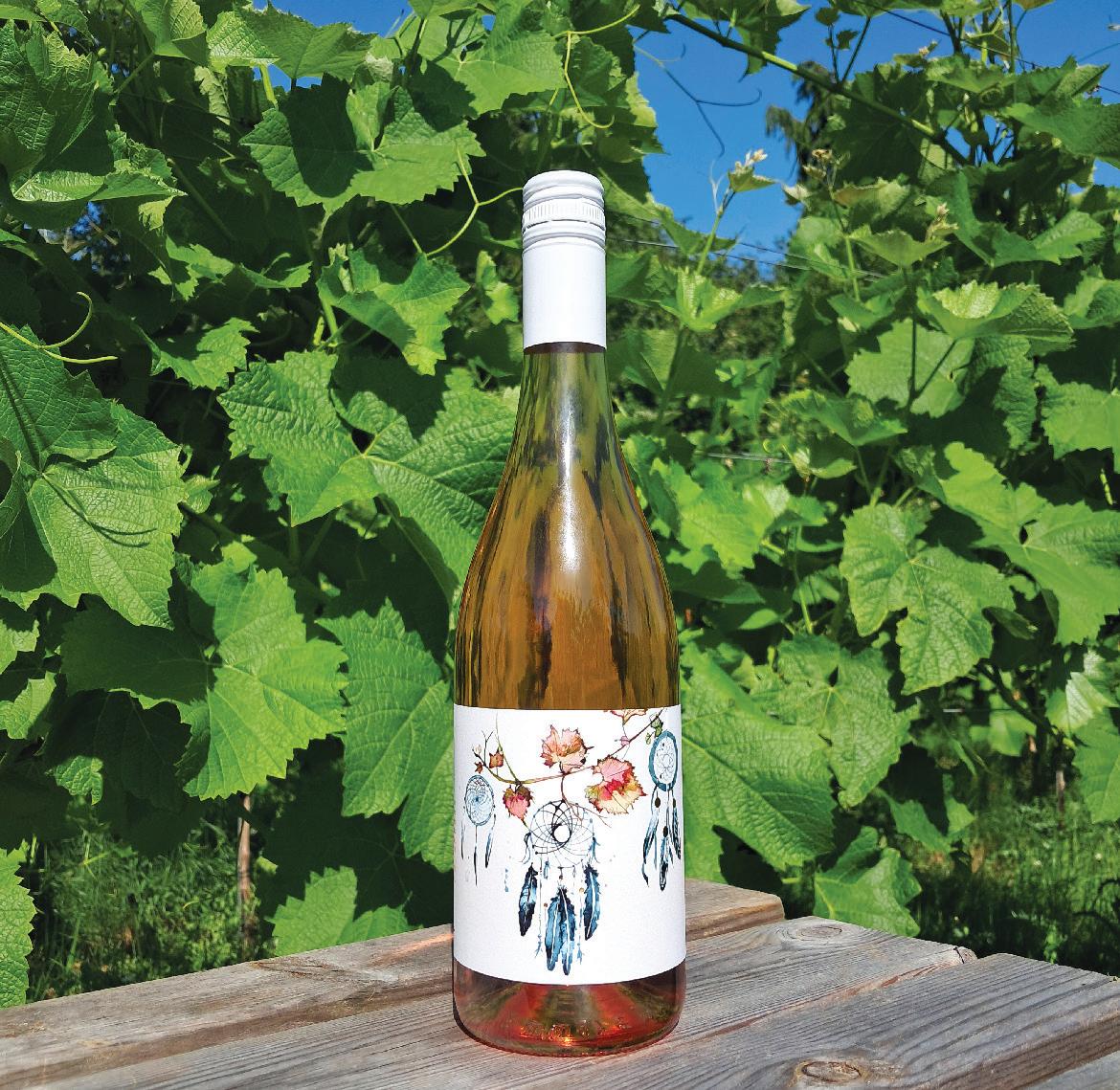

Working in partnership with Vineyard magazine for a developing UK wine industry.
WineGB is the national association for the English and Welsh wine industry. WineGB represents, leads, and supports the sustainable growth of the Great British wine sector.
If you are interested in wine production in the UK, find out more about WineGB and join us. Visit our website www.winegb.co.uk
Taking place on Monday 7 September at Old Billingsgate, the industry’s flagship event promises to be bigger and better and the most comprehensive, insight driven showcase of English and Welsh wine in the UK.
The tasting is set to deliver the strongest line up yet, bringing together producers, buyers, sommeliers, retailers, importers, educators and journalists for a day that defines the direction of the category.
As interest in home grown wine continues to accelerate, this tasting has become the thought leader moment for the sector. It’s
where the trade comes to understand what’s next, where media discovers the stories shaping the industry, and where commercial opportunities are created in real time.
Recent releases from WineGB members highlight the tasting’s evolution: a central London venue, expanded floor space, themed tasting tables, and masterclasses designed to deepen category knowledge and elevate the visitor experience.
This is the event that sets the agenda. For drinks trade professionals, hospitality leaders and media, the WineGB Trade & Media Tasting is the one day of the year where you can taste widely, meet producers directly, deepen your category knowledge and get ahead of the trends shaping the UK market.
Expect energy. Expect discovery. Expect the category at its most exciting and ambitious.
Register your attendance now
www.winegb.co.uk/trade-and-press-tastings-2026-navigation-page
25 July 2026
WineGB East competition Suffolk Food Halls
7 September 2026
WineGB National Press & Trade Tasting
25 November 2026
Visit our events’ page for the full list of activities taking place.
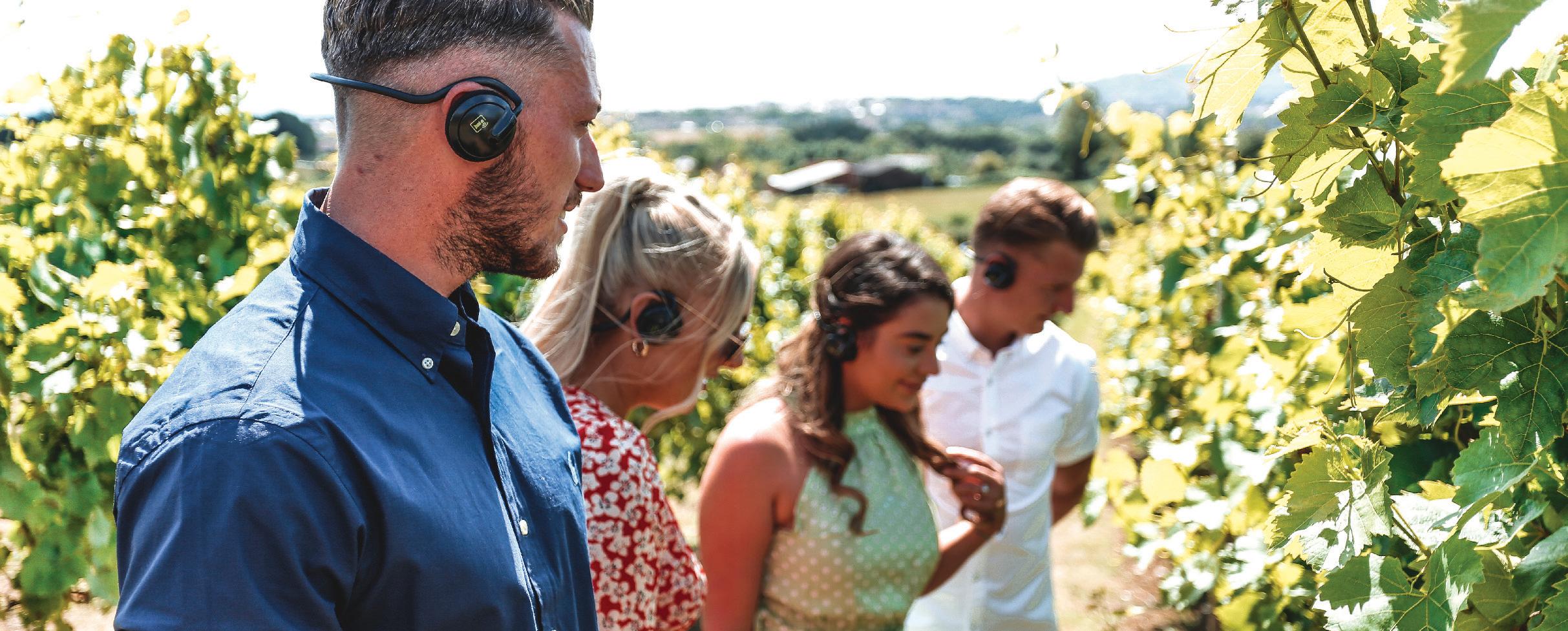
Why your voice matters more than ever.
The UK vineyard and winery sector is a growth sector with remarkable acceleration in the past six years, however, we’re seeing a slowdown in sales, which are being further impacted by a contracting hospitality sector and suppressed economy.
We need an intervention to help build business resilience.
English and Welsh wine tourism is one of the newest, most exciting hospitality offerings in the UK, with over 1.5 million visitors enjoying celebrations, tours, tastings, meals and weekend escapes.
One of the most impactful and immediate policy measures the government could introduce is duty relief on wine sold directly to consumers and tourists through the cellar door.
We have a unique opportunity to showcase the strength, creativity, and economic importance of our industry.
The cellar door has become one of the most powerful engines of growth in British wine, and strengthening this isn’t just good for tourism; it’s the frontline of Britain’s global wine story and unlocks
global potential which is pivotal to the sector’s next phase of growth. Our consumer focused Back British Vineyards campaign is a practical, targeted measure to drive interest and attention for Wine Tourism Relief which is gaining traction in Parliament. It:
◆ Calls for the removal of excise duty on sales at vineyards and wineries
◆ The proposed duty relief would be applied to on-site wine sales through the cellar door (capped at a maximum of 50,000 75cl bottles per producer)
◆ Such a relief would reduce duty collected on cellar door sales to circa 1.4 million bottles
◆ At a cost of approximately just £6 million to the exchequer
◆ Encourages sustained investment in high quality rural jobs
◆ Would provide certainty and build confidence to encourage regular reinvestment
Together, we can ensure that the growth of English and Welsh wine continues to benefit rural Britain for generations.
More than 350 threatened species, including some only found in this country, will benefit from the largest ever investment in recovering England’s wildlife, Natural England announced as part of the government's "Wild Again: Restoring England's Wildlife" initiative to turn the tide for England's wildlife.
The swallowtail butterfly and whiteclawed crayfish are just two of the species set to benefit from the £60 million (largest ever) investment in recovering the country’s threatened plants, animals and fungi, supporting 130 projects across England.
Since 1970, wildlife populations have fallen by a third, with one in six species at risk of extinction in Great Britain including some of our most treasured wildlife. Projects supported through the programme will target 364 threatened species, from birds to beetles, moths to mammals, spiders to snails and sharks to seahorses, to bring us closer to our goal of a wilder, healthier country for generations to come.
Farmed landscapes have seen some of the sharpest declines in wildlife, yet healthy ecosystems are the foundation of productive, resilient agriculture. A number of projects
will support farmers and land managers to restore nature alongside food production, for example, projects that support the recovery of pollinator species and their habitats will, in turn, support crop yields.
Among the species set to benefit are the ghost orchid – so scarce it went unrecorded for 23 years before its rediscovery in 2009 – which will be located using detection dogs and environmental DNA technology; the northern dune tiger beetle, one of England's fastest declining insects; and the white-clawed crayfish, the UK's only native crayfish, threatened by invasive species. Species like the field gentian, one of England’s rarest plants, will also benefit.
Native Species Recovery Hubs led by BIAZA zoos, aquariums and partners will spearhead ex-situ breed-for-release programmes across the North and South of England, acting as catalysts for ambitious conservation translocations. This will support the recovery of 16 rare invertebrate species, expanding and increasing their abundance. The programme will also engage new and diverse audiences, including zoo visitors, scientific and special interest groups, offering insight into England’s unique
The swallowtail butterfly is among more than 350 species to benefit from the funding

biodiversity and inspiring greater public connection with and action for nature.
Environment Secretary Emma Reynolds said: “Nearly one in six species in Britain are threatened with extinction and this Government is taking action to reverse that decline. Through the largest-ever investment in species recovery, we are backing projects across the country to protect threatened wildlife, restore habitats and secure the future of some of England's most iconic species.”
This programme sits alongside the government's wider support for farmers, including the largest nature-friendly farming budget in history – with £11.8 billion to be spent across this Parliament.
Natural England Chair Tony Juniper said: "For decades Natural England's vital species recovery work has revealed how even the rarest of the rare can be brought back from the brink. The red kite, lady's slipper orchid, pool frog, beaver and large blue butterfly are among examples that demonstrate the many opportunities at hand and what can be achieved for nature and wider society.
“We know that good science and effective partnerships can help restore species to favourable status, and this funding will enable us to support many initiatives to help halt and reverse the decline of our wonderful wildlife."
Over the past three decades the programme has helped protect over 1,000 species and prevented the national extinction of at least 35 species.
The announcement builds on the government's commitment to reverse this decline and meet legal targets set out in the Environmental Improvement Plan, committing to halt the decline in species abundance by 2030 and reduce species extinction risk by 2042 against 2022 levels.
DEFRA will invest £60 million over the next three years, plus a further £30 million dedicated to species recovery on the national forest estate, bringing the total government commitment to £90 million.
The investment comes alongside the creation of three new national forests and approval of the first wild beaver releases since they were hunted to extinction around 400 years ago.
Environmental schemes inevitably create more administration for farmers and advisers, so many consultants are turning to digital tools to help manage records.
The Farm Consultancy Group (FCG) recently began using Regeno’s Farmwalk app, which was designed to streamline record-keeping. It allows farmers and advisers to capture photos, voice notes and other evidence while in the field and automatically links them to relevant scheme requirements. It also supports Welsh and Scottish schemes as well as standards like Red Tractor and LEAF.
FCG uses the platform to support its stewardship management service, which helps farmers manage their Sustainable Farming Incentive (SFI) and Countryside Stewardship agreements. “We were getting more and more requests from the Rural Payments Agency asking for field records and evidence to support stewardship claims,” said Steph Emmerson, director at FCG. “Our systems worked, but they were manual and time consuming. We knew there had to be a more streamlined way of managing that information.”
The consultancy team helps clients by collecting evidence like grazing records, photographs and seed invoices to ensure compliance requirements are met.
“We were very good at getting clients into schemes, but we knew there was more we could do to support them with the ongoing record-keeping and evidence collection,” said Steph. “Having everything in one place makes the process more streamlined and professional in terms of the service we can offer our clients.”
The platform also supports consultants during client meetings by recording discussions and tracking follow-ups. “Previously I would have a meeting, make notes and then later write up a summary,” Steph explains. “Now I can almost send that summary during the meeting, which saves a lot of time and makes sure nothing gets missed.”
Kimberley Broughton, farm consultant at FCG, said the system is already helping reduce the time spent on routine administration. “Previously we would collect documents from clients, take photos on farm and then spend time filing everything back at the laptop,” she said. “It was quite time consuming, but the app makes the process much quicker and easier to manage.”
The platform can also highlight any missing records, helping consultants ensure evidence requirements are met before inspections or compliance checks. “It flags up anything that is missing, so you can quickly chase it or upload it,” said Kimberley. “It just gives you that confidence that everything is there and organised if you need it.”
As well as supporting environmental schemes, the consultancy believes digital tools like this could have wider applications across other areas of farm compliance. Regeno also includes a dedicated health and safety module and a Nitrate Vulnerable Zone (NVZ) calculator, helping broaden its use beyond stewardship administration alone.
“We can definitely see tools like this fitting into consultancy going forward,” added Kimberley. “It is very user friendly and once you have used it across a few farms it becomes straightforward to integrate into day-to-day work.”

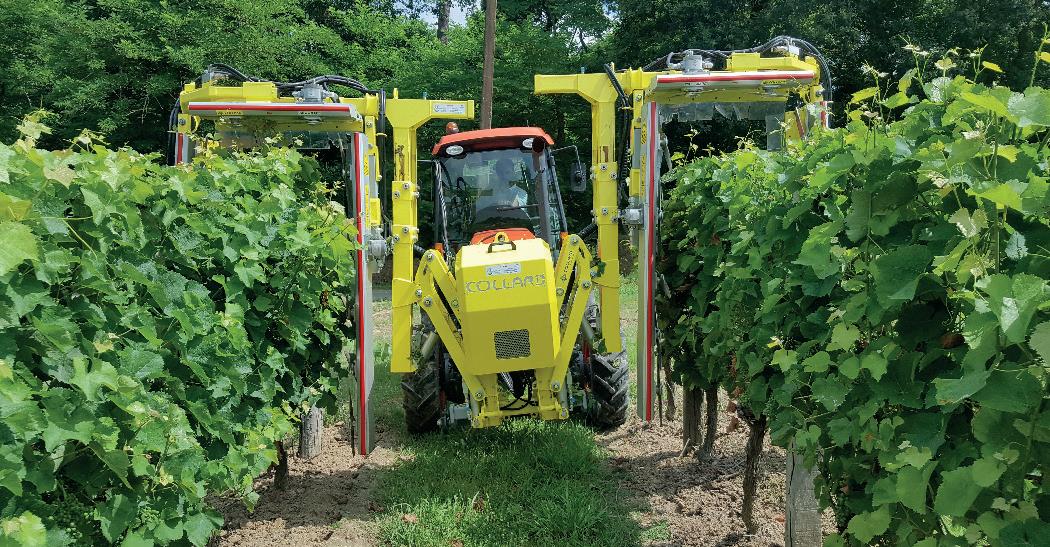
Breaking up compacted soil under the surface is an important part of ensuring that the vines have access to the nutrients and water in the lower soil strata ensuring healthy growth and giving the finished wine the unique taste of the terroir.
Numerous tractor passes over the same patch of ground throughout the season compact the ground and cause problems with soil drainage, root development and an uneven surface. The use of a subsoiler is a remedy for these problems.
For many seasons Vitifruit Equipment has had a subsoiler available for hire as well as being a selling point. The tool has proven to be highly successful due to its unique design namely it’s very strong structure, an overall width of only 1.50m making it easy to manoeuvre even in tight 2.0m vine rows.
Its specially shaped legs which lift the soil across a wider band than straight legs and also reduce the amount of power needed from the tractor to drag the tool through the ground. Immediately in front of the legs are soil cutting discs without which the legs would bust up the soil surface leaving lumps on the surface which are difficult to get rid of and cause extra wear and tear on subsequent passes with the mower and other kit.
At the rear is the roller which acts as a depth control device on the legs but also helps push the heaved soil back down level so as to make following passes with the sprayer as smooth as possible. The two legs are reversible so that they either lift soil alongside the vines or in the centre row and they can be positioned laterally in order to sit them where the compaction is worse, typically where the tractor tyres have run.