


WeWe have now entered the Government’s new inheritance tax (IHT) regime which came into force on 6th April 2026.
have now entered the Government’s new inheritance tax (IHT) regime which came into force on 6th April 2026.
The substantial overhaul to IHT was first announced in the October 2024 Budget and subsequently refined through 2025. These reforms primarily target Agricultural Property Relief (APR) and Business Property Relief (BPR).
The substantial overhaul to IHT was first announced in the October 2024 Budget and subsequently refined through 2025. These reforms primarily target Agricultural Property Relief (APR) and Business Property Relief (BPR).
At the October 2024 Budget, the Government announced a £1 million cap for the 100% relief on the combined value of eligible assets, with any excess value receiving only 50% relief (equating to an effective 20% IHT charge). This marked a major policy shift, as previously many farms and family businesses could be passed on largely free of IHT.
At the October 2024 Budget, the Government announced a £1 million cap for the 100% relief on the combined value of eligible assets, with any excess value receiving only 50% relief (equating to an effective 20% IHT charge). This marked a major policy shift, as previously many farms and family businesses could be passed on largely free of IHT.
DAN PAGE, DIRECTOR, SAYS:
DAN PAGE, DIRECTOR, SAYS:
“Accurate property valuations are vital for tax, estate and succession planning. Our Registered RICS Valuers provide robust, defendable reports tailored to each client’s specific requirements.”
“Accurate property valuations are vital for tax, estate and succession planning. Our Registered RICS Valuers provide robust, defendable reports tailored to each client’s specific requirements.”
However, following industry pressure, particularly from farming and business groups, the policy was revised in December 2025. The £1 million cap was increased to £2.5 million per individual.
However, following industry pressure, particularly from farming and business groups, the policy was revised in December 2025. The £1 million cap was increased to £2.5 million per individual.


From April 2026, this means:
From April 2026, this means:
KATIE HURLEY, DIRECTOR, SAYS:
KATIE HURLEY, DIRECTOR, SAYS:
The first £2.5 million of qualifying APR/BPR assets receive 100% relief
The first £2.5 million of qualifying APR/BPR assets receive 100% relief
For married couples or civil partners, allowances can be transferred and combined, enabling up to £5 million of qualifying assets to pass free of IHT.
For married couples or civil partners, allowances can be transferred and combined, enabling up to £5 million of qualifying assets to pass free of IHT.
Any value above the cap receives 50% relief (the equivalent of 20% IHT rate)
Any value above the cap receives 50% relief (the equivalent of 20% IHT rate)
When added to the current transferable nil rate band for individuals, married couples will potentially have a total of £5.65 million IHT tax relief available to them.
When added to the current transferable nil rate band for individuals, married couples will potentially have a total of £5.65 million IHT tax relief available to them.
When it comes to valuations, in addition to valuing the farmhouse, buildings, land, diversified assets etc, the report will need to include accurate valuations as at the date of death of agricultural business assets, such as livestock, machinery, silage, fertiliser in store etc.
When it comes to valuations, in addition to valuing the farmhouse, buildings, land, diversified assets etc, the report will need to include accurate valuations as at the date of death of agricultural business assets, such as livestock, machinery, silage, fertiliser in store etc.
The changes to APR and BPR will lead to greater scrutiny by HMRC especially where farms are close to threshold values.
A formal RICS Red Book valuation, which also includes a formal live and deadstock valuation, is the most robust form of
The changes to APR and BPR will lead to greater scrutiny by HMRC especially where farms are close to threshold values. A formal RICS Red Book valuation, which also includes a formal live and deadstock valuation, is the most robust form of
ALAN MUMMERY, DIRECTOR, SAYS:
ALAN MUMMERY, DIRECTOR, SAYS:
“The
“The
reform to IHT has shifted the conversation around farm succession planning since the 2024 proposals. From our perspective, many landowners are now taking a more proactive approach to understanding the true value of both their agricultural and diversified business assets.”
reform to IHT has shifted the conversation around farm succession planning since the 2024 proposals. From our perspective, many landowners are now taking a more proactive approach to understanding the true value of both their agricultural and diversified business assets.”
valuation reporting and accordingly so acknowledged by HMRC / District Valuer. The new regime is an improved position from that originally proposed, however, the new thresholds introduced for APR and BPR still leave many with decisions to make regarding estate planning. Understanding the value of the farm and its component parts is a key starting point.
valuation reporting and accordingly so acknowledged by HMRC / District Valuer. The new regime is an improved position from that originally proposed, however, the new thresholds introduced for APR and BPR still leave many with decisions to make regarding estate planning. Understanding the value of the farm and its component parts is a key starting point.
Please contact either our Kent or Sussex offices to discuss and we would be happy to help.
Please contact either our Kent or Sussex offices to discuss and we would be happy to help.
“With roots firmly in livestock markets and auctions, Lambert & Foster is well placed to prepare the detailed valuations likely to be required for IHT calculations.”
“With roots firmly in livestock markets and auctions, Lambert & Foster is well placed to prepare the detailed valuations likely to be required for IHT calculations.”
CONTACT THE L&F VALUATIONS TEAM:






SOUTH EAST FARMER
Kelsey Media, The Granary, Downs Court Yalding Hill, Yalding, Maidstone, Kent, ME18 6AL 01959 541444
EDITORIAL
Editor: Malcolm Triggs
Email: sef.ed@kelsey.co.uk
Photography: Martin Apps, Countrywide Photographic
ADVERTISING & MARKETING
Jamie McGrorty 01303 233883 jamie.mcgrorty@kelsey.co.uk
GRAPHIC DESIGN
Jo Legg 07306 482166 jo.legg@flair-design.co.uk
MANAGEMENT
CHIEF EXECUTIVE OFFICER: Steve Kendall
DIVISIONAL MANAGING DIRECTOR: Fiona Mercer
PUBLISHER: Jamie McGrorty
RETAIL DIRECTOR: Steve Brown
SUBSCRIPTION MARKETING MANAGER: Claire Aspinall
PRINT PRODUCTION MANAGER: Kelly Orriss
DISTRIBUTION
Distribution in Great Britain: Seymour Distribution Limited 2 East Poultry Avenue, London EC1A 9PT Tel: 020 7429 4000 www.seymour.co.uk
Distribution in Northern Ireland and the Republic of Ireland: Newspread Tel: +353 23 886 3850
Kelsey Media 2026 © all rights reserved. Kelsey Media is a trading name of Kelsey Publishing Ltd. Reproduction in whole or in part is forbidden except with permission in writing from the publishers. Note to contributors: articles submitted for consideration by the editor must be the original work of the author and not previously published. Where photographs are included, which are not the property of the contributor, permission to reproduce them must have been obtained from the owner of the copyright. The editor cannot guarantee a personal response to all letters and emails received. The views expressed in the magazine are not necessarily those of the Editor or the Publisher. Kelsey Publishing Ltd accepts no liability for products and services offered by third parties.
Kelsey Media takes your personal data very seriously. For more information on our privacy policy, please visit www.kelsey.co.uk/privacy-policy/
If at any point you have any queries regarding Kelsey’s data policy you can email our Data Protection Officer at dpo@kelsey.co.uk
04 Fightback against ban on glyphosate use.
British Wool returns hit a 10-year high.
Unlocking new income from nutrient neutrality.
Texel Society launches pedigree registry services model.
MONICA AKEHURST
The task of tagging and castrating calves has proved to be more challenging in the outdoor environment. 22 MIKE KETTLEWELL 24 NIGEL AKEHURST VISITS...
www.kelsey.co.uk
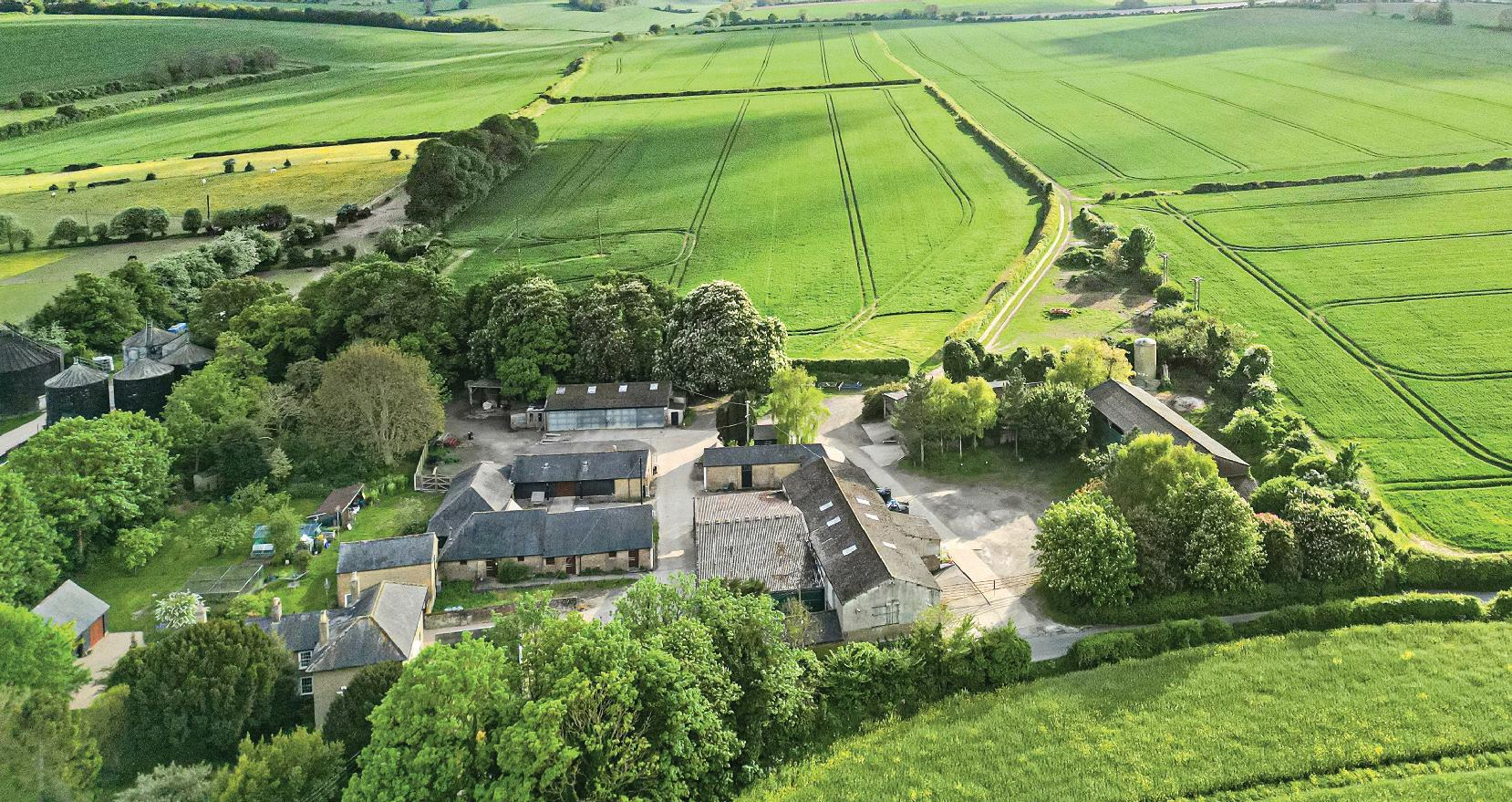
Cover picture: Adisham Court Farm is on the market with Savills Farm Agency
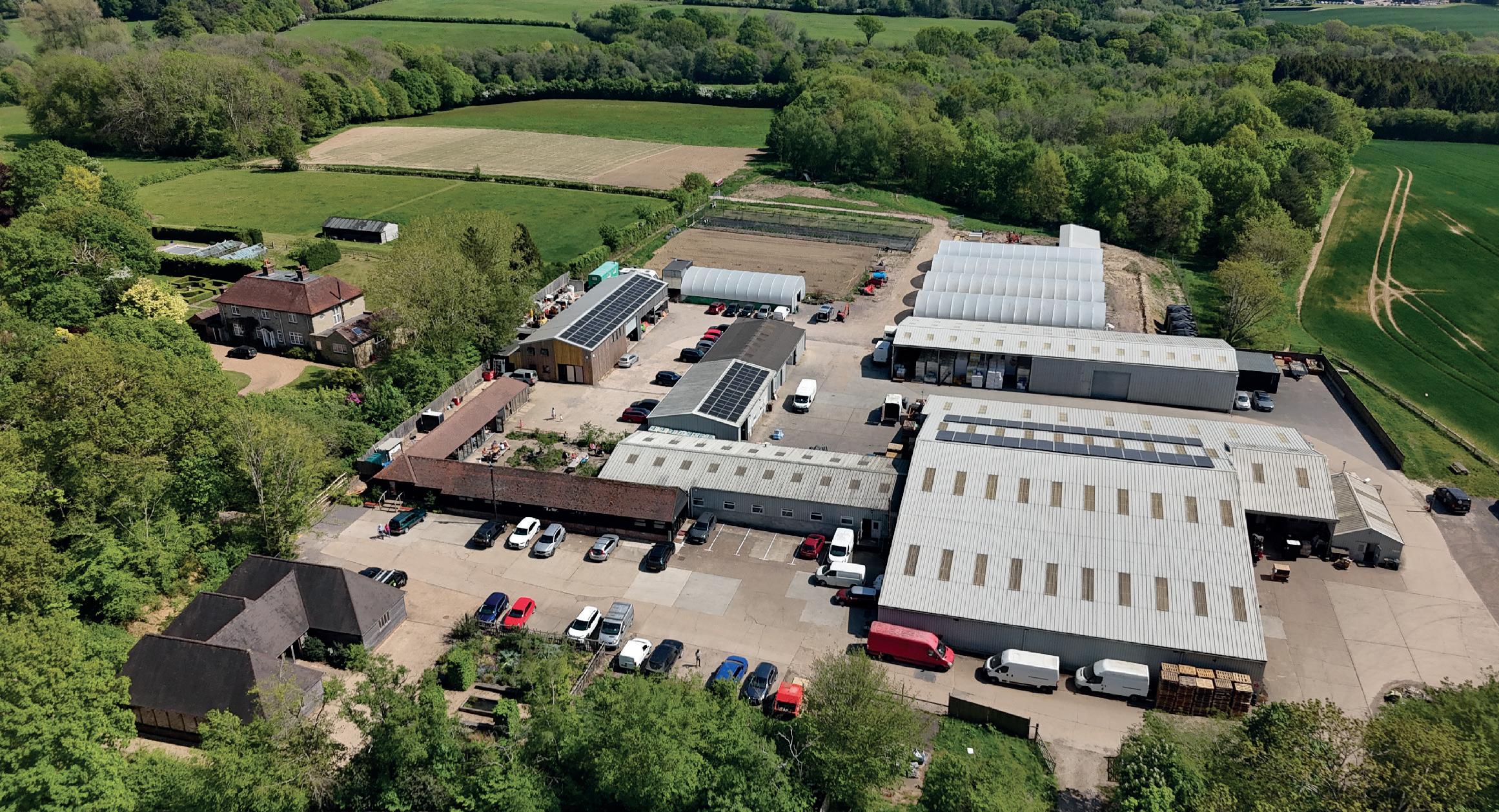
Tyler’s Ground, where a former farmyard on the edge of the High Weald National Landscape in East Sussex has been transformed into a restaurant, market garden and food hub, bringing growing, local supply and food production together within one evolving enterprise.
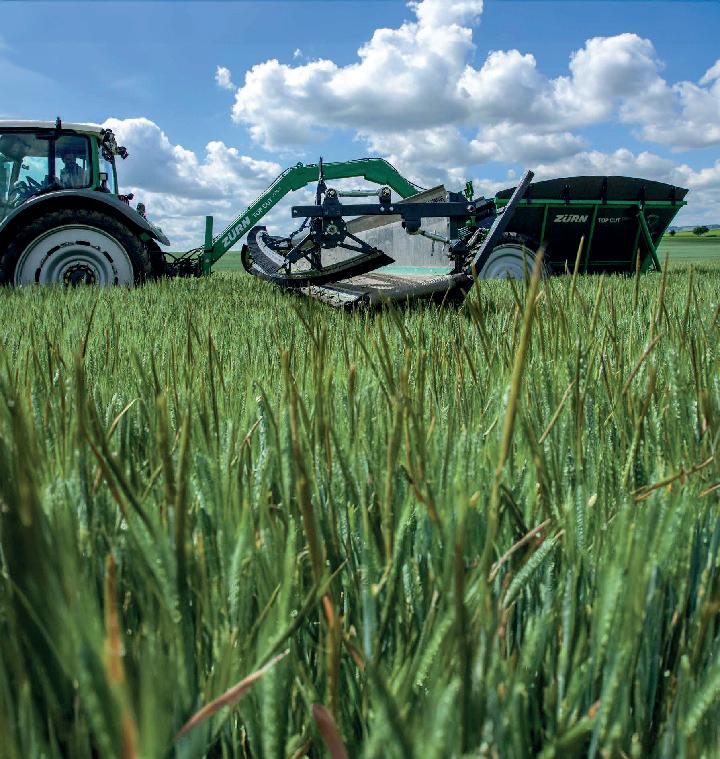
Farmer-owned co-operative United Oilseeds is leading the fightback against campaigners calling for a ban on glyphosate as a pre-harvest desiccant.
With the Soil Association, backed by a range of environmental, farming and health organisations, calling for a ban on its use, United Oilseeds has released farmer-led evidence on its use and warned that ending the use of glyphosate would “increase costs, damage soils and threaten UK food production”.
The data, based on responses from 767 growers across Great Britain to a collaborative survey conducted between December 2025 and March 2026, was originally intended to inform policymakers ahead of the UK’s 2026 glyphosate approval decision.
United Oilseeds released the survey results ahead of time in response to the Soil Association’s widely reported campaign to end the use of the chemical, which is used to promote faster, even drying before harvest, after claiming it could leave traces in the likes of food, breakfast cereals and beer.
The co-operative said the survey “highlights the critical role glyphosate plays in harvest management, particularly in the UK’s maritime climate, where short and unpredictable harvest windows make consistent crop ripening a major challenge”.
The data shows:
• 76% of farmers use it for pre-harvest desiccation
• 67% say losing it would increase costs
• 66% expect greater risk of crop losses
• 72% say some crops could become difficult or impossible to grow.
United Oilseeds warned: "This would
translate directly into higher food prices and increased reliance on imports. And many of those imports undoubtedly would have been sprayed with glyphosate pre-harvest, exacerbating the unlevel playing field for UK farmers.”
The co-operative added: "While calls to restrict glyphosate are often framed as environmentally beneficial, farmers say the reality is more complex. Without it, many would be forced to:
• Increase ploughing and soil disturbance
• Use more fuel for cultivation and crop drying
• Abandon practices such as cover cropping."
Responding to the survey, farmers pointed to a lack of reliable alternative ways of managing uneven or late-ripening crops, with swathing limited by weather and cost, and relying on natural ripening increasing the risk of yield loss and reduced quality.
Many growers said this would force them to drop key break crops such as oilseed rape and pulses, narrowing crop rotations and reducing resilience in farming systems.
United Oilseeds Managing Director James Warner commented: “Frankly, it’s very disappointing and somewhat contradictory that an organisation focused on protecting soils is calling for measures that could ultimately damage them.
“Policy must be grounded in practical, evidence-based outcomes and reflect the realities of food production and global supply chains.
“Measures such as this risk significantly reducing UK oilseed rape production at a time when demand for vegetable oils is growing, resulting in increased imports of rapeseed, oilseeds and oils from countries
that continue to use glyphosate and in many cases operate to lower environmental standards – while also adding unnecessary transport emissions.”
GB regulators have said glyphosate residues remain within safe legal limits when used correctly, but campaigners argue routine detection in food raises concerns about longterm exposure.
The NFU has pointed out that an in-depth study that gave rise to an 11,000-page report showed that glyphosate did not cause cancer or “pose any key concerns regarding impact on the environment”, and added: “Glyphosate reduces the need to use other herbicides, helps to protect soil and cuts greenhouse gas emissions by reducing the need for ploughing.”
Approval for the use of glyphosate in Great Britain runs until 15 December 2026, with the Health and Safety Executive (HSE) currently carrying out a full safety review ahead of a decision which could extend approval for up to 15 years. The HSE will be carrying out a public consultation on the issue, expected to start in the summer.
Meanwhile the Country Land and Business Association (CLA) has responded to reports that the future use of glyphosate in this country could be included in an upcoming trade deal by stressing that the decision should be made the UK.
CLA President Gavin Lane said decisions should not be part of any deal with the EU, adding: “Glyphosate is already subject to strict oversight, and its future should continue to be guided by UK authorities, informed by independent science and engagement with industry and other stakeholders.”

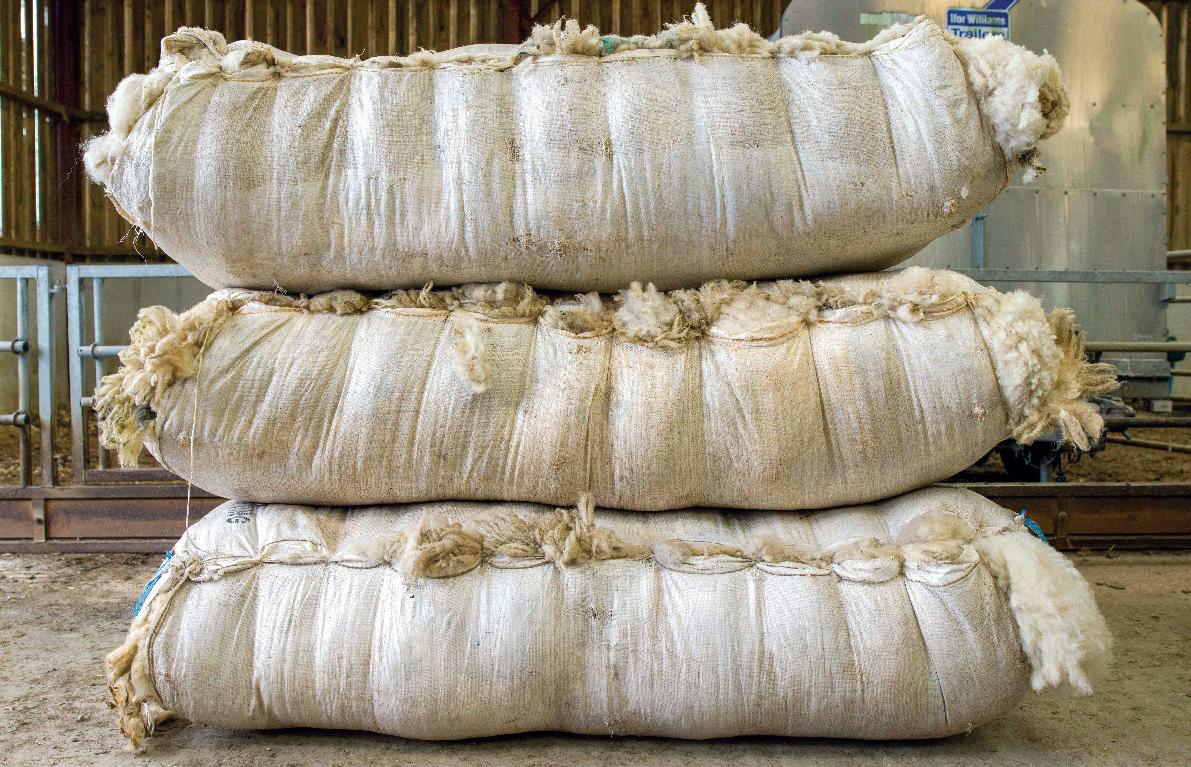
British Wool has confirmed that its member returns for the 2025 clip year will reach their highest level in ten years, with the average return per kilo 70% higher than last year.
Returns have increased across all wool types, with the average payment at 68p per kilo compared with 40p a year ago. Cheviot wool is paying 85p per kilo and many core grades of Mule, Texel, Romney, Hill and Cheviot Cross are paying 70p to 75p per kilo.
British Wool is also optimistic about the outlook for the 2026 wool season. Strong price gains in recent British Wool auctions over the past few months indicate that returns for the 2026 clip could increase by a further 25p to 30p per kilo. Several core types could potentially return more than £1 per kilo to British Wool’s members. The figures reflect strong market demand and increased competition at British Wool auctions, where multiple domestic and export buyers are actively competing.
The organisation said: “With around 30,000 sheep farmers working together through British Wool, the strength of collective selling continues to play a central role in securing improved returns for wool. Higher volumes not only strengthen auction competition but also reduce British Wool’s operating costs per kilogram, benefiting all members.
“Demand is also being driven through supply chain development and marketing initiatives. British Wool now works with over 180 licensees, with more brands specifying British wool and consumer awareness continuing to grow. Sales of fully traceable wool have increased again over the last year, with buyers paying a premium over and above auction prices.”
British Wool continues to invest in activities that support long-term demand and value. More than 100 shearing and wool handling courses are scheduled for 2026, building on over 900 attendees last year.
British Wool Chairman Jim Robertson described the results as “a clear sign the market is moving in the right direction”, adding: “Prices are up across all wool types because there is real competition at auction, and that only happens when farmers sell together through British Wool.”
The incoming Labour Government promised us “an end to all that”; “that” being the turmoil caused by a succession of different incumbents of Number 10, Downing Street. It was, it seems, an empty promise, with Sir Keir poised to pack his bags just as soon as the machinations around ‘Mr Manchester’ Andy Burnham have paved the way for a leadership challenge.
Andy Burnham, of course, first has to defeat whichever candidate Reform decides to send in to battle. Losing the Makerfield by-election to the political new boys would certainly cause a bit of an upset, not least in his own household, I suspect.
While the outcome of both the by-election and the leadership contest (with or without Mr Burnham) are still up in the air, the one thing that seems nailed on is that a new prime minister will be followed by a cabinet reshuffle which may or may not include the environment secretary.
A new man at the top will almost certainly lead to changes, at a time when stability is what the farming industry is looking for – and it surely can't be long before Donald Trump announces some random new tariffs or military campaign just to shake things up a bit.
Ten years on from Brexit, which failed either because it was always going to fail or because ‘they’ didn’t do Brexit properly, depending on your political viewpoint, there are also ‘noises off’ that that deal could be reversed, or softened, or otherwise rehashed.
Against this ever-changing, unstable backdrop, farmers will continue to plough their chosen furrow (although ‘mintill’ and ‘regen ag’ will surely make that metaphor redundant before long), working long hours in all weathers to put food on the UK’s tables.
It’s a task that’s made harder not just by the political churn that sees DEFRA personnel change nearly as often as relegation-threatened football club managers, but by global price volatility, unfavourable tax policies, diesel prices hiked by an unnecessary war and weather that’s either too wet or too dry.
But for all the doom and gloom, farmers will inevitably turn out to enjoy the South of England Show at Ardingly in a couple of weeks’ time, meet friends, swap stories and start to think about harvest. They are an unfeasibly optimistic bunch – and the country should thank them more often.

EMAIL YOUR VIEWS, LETTERS OR OPINIONS TO: sef.ed@kelsey.co.uk or write to the address on page 3
® MALCOLM TRIGGS - EDITOR
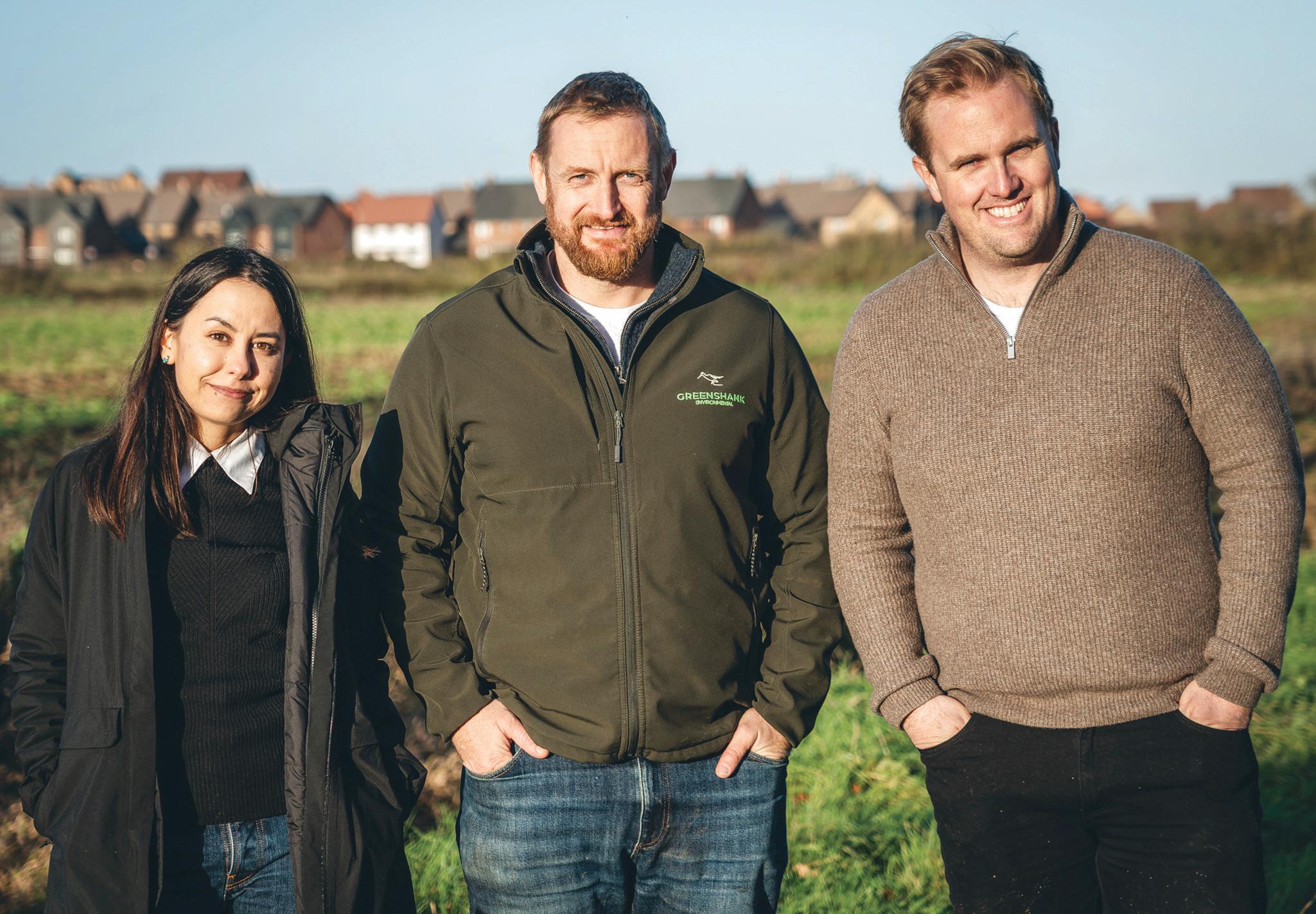
By Dr Gabriel Connor-Streich, chief environmental scientist and CEO, Greenshank Environmental.
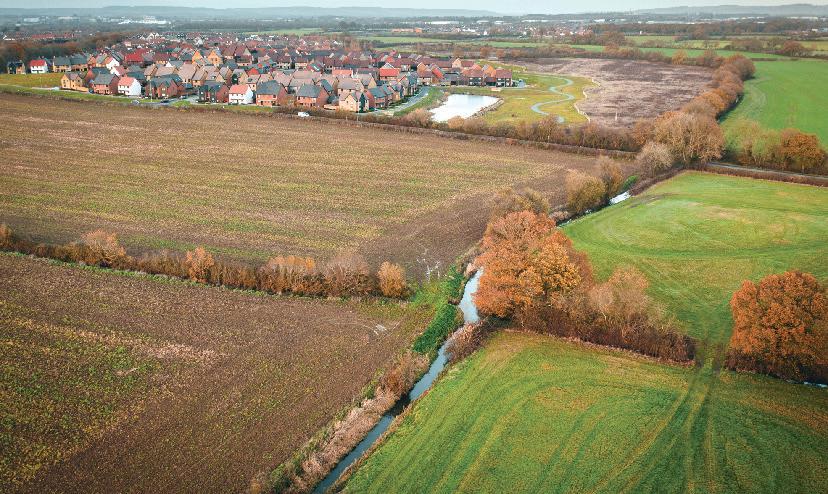
Nutrient neutrality has become a familiar constraint across the South East, with strict environmental rules meaning that new housing cannot go ahead unless the developer can prove it will not increase levels of harmful nutrients entering protected waterways.
The issue is particularly acute in parts of the South East, including the River Stour in Kent, the Solent and areas of Sussex, where
catchments are already under pressure. For farmers within these areas, this is not a distant policy issue but is directly shaping what happens in the landscape around them.
These rules were introduced by Natural England in 2019 to address long-standing pollution problems, particularly elevated levels of nitrogen and phosphorus. When too much of these nutrients enter rivers and wetlands, often through wastewater associated with new
housing, they fuel algal growth, reduce oxygen levels and damage sensitive ecosystems.
For farmers, this has often felt like a regulatory issue sitting outside the farm gate; something driven by development, but with increasing scrutiny placed on land use. What is now becoming clearer is that this same constraint is also creating a new, locally driven market, and one that is actively looking to farmland to provide the solution.
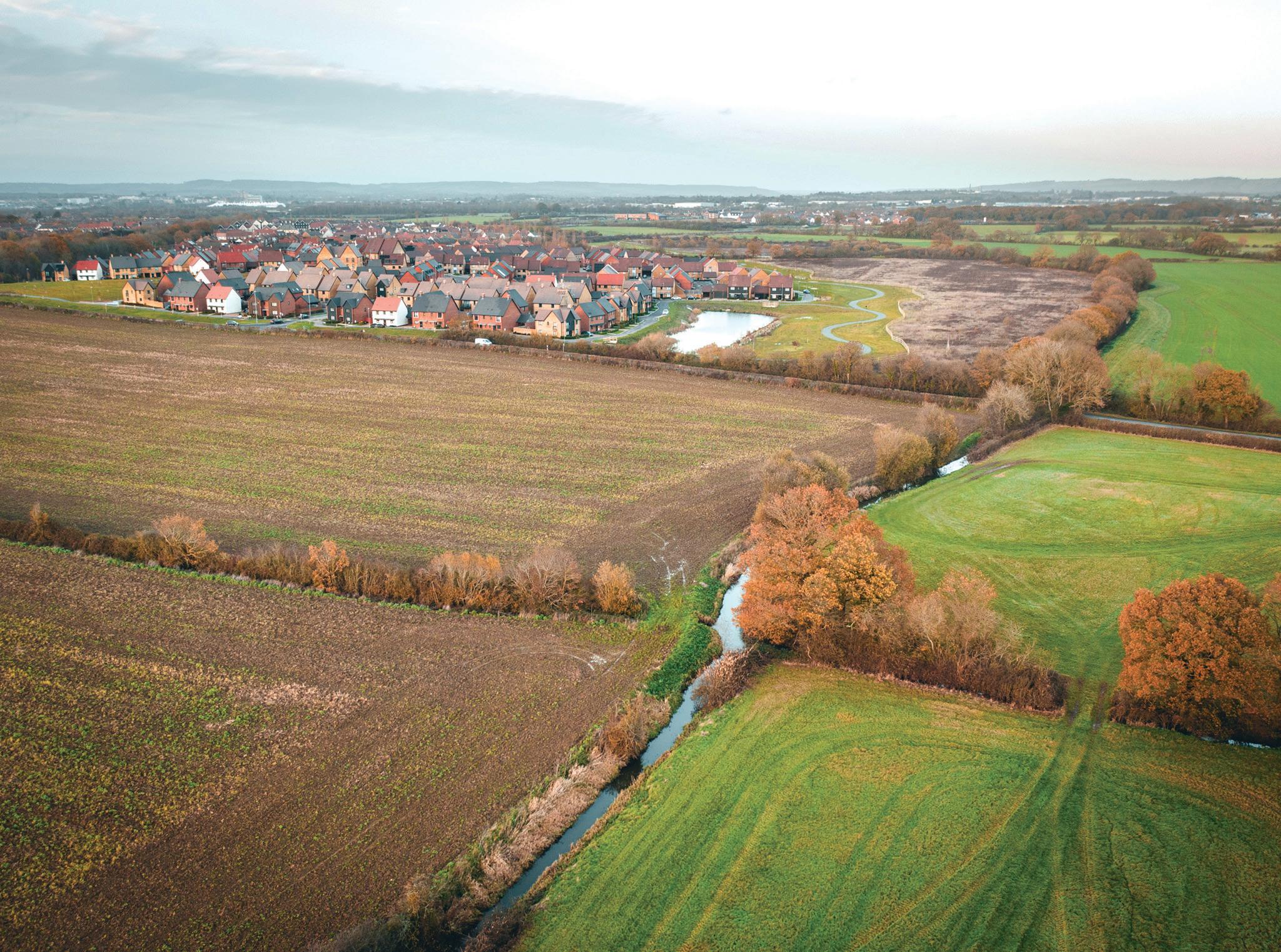
A new nutrient mitigation scheme in Kent is a clear example of how that works in practice. The Stodmarsh wetlands are an internationally important site that has suffered from elevated pollution, leaving many large residential developments, and thousands of homes across the area, unable to progress.
The Stodmarsh Stream Enhancement Scheme is one of the most significant schemes of its kind currently coming forward in the South East. It is designed to support the delivery of between 3,000 and 5,000 homes in its first phase, with further capacity beyond that.
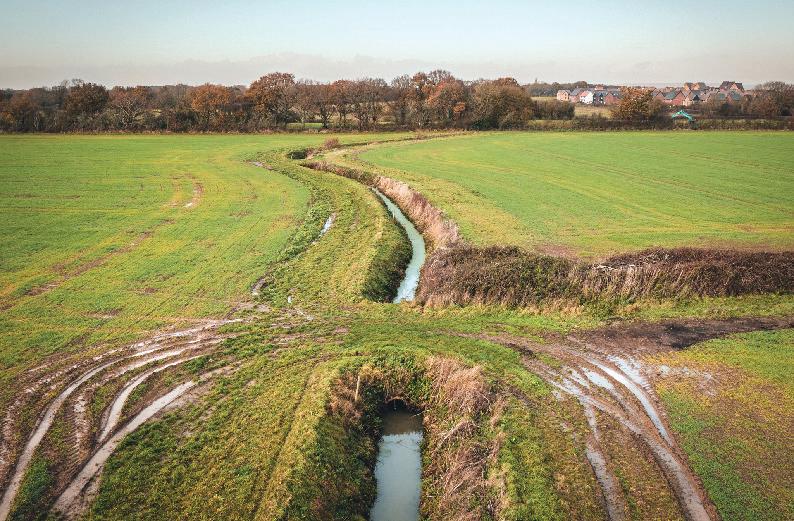
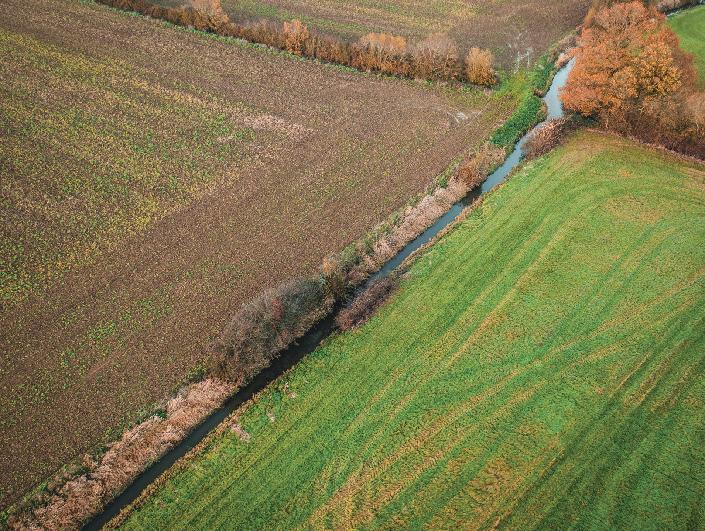
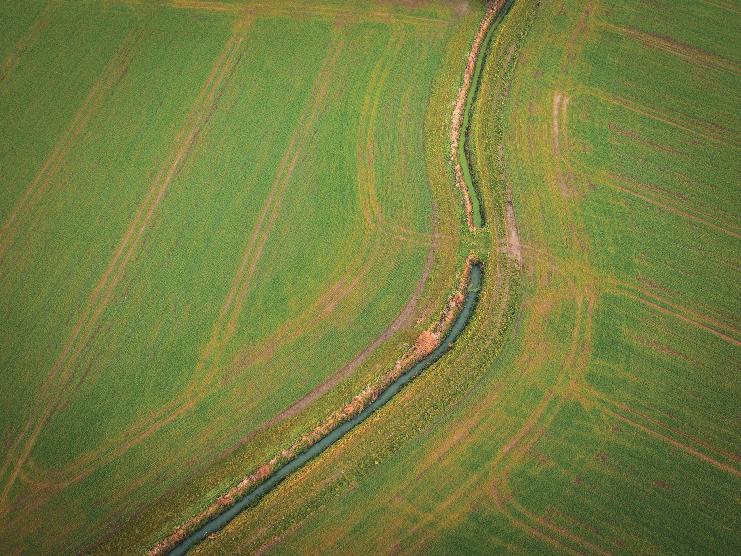
Covering more than 2.2 kilometres of watercourses and 6.6 hectares across three farms, the project works with existing agricultural drainage systems, ditches and small streams that already run through farmland and have often been overmanaged for fast drainage, restoring them so that they behave more like natural watercourses.
Vegetation is reintroduced along the banks and within the channel, the shape of the ditch is naturalised, and water is slowed down rather than pushed through.
As water moves through this system, nutrients are absorbed and processed by vegetation and soil rather than being carried downstream. By the time the water leaves the farm and enters the wider catchment, the nutrient load has been measurably reduced before reaching the protected Stodmarsh wetlands.
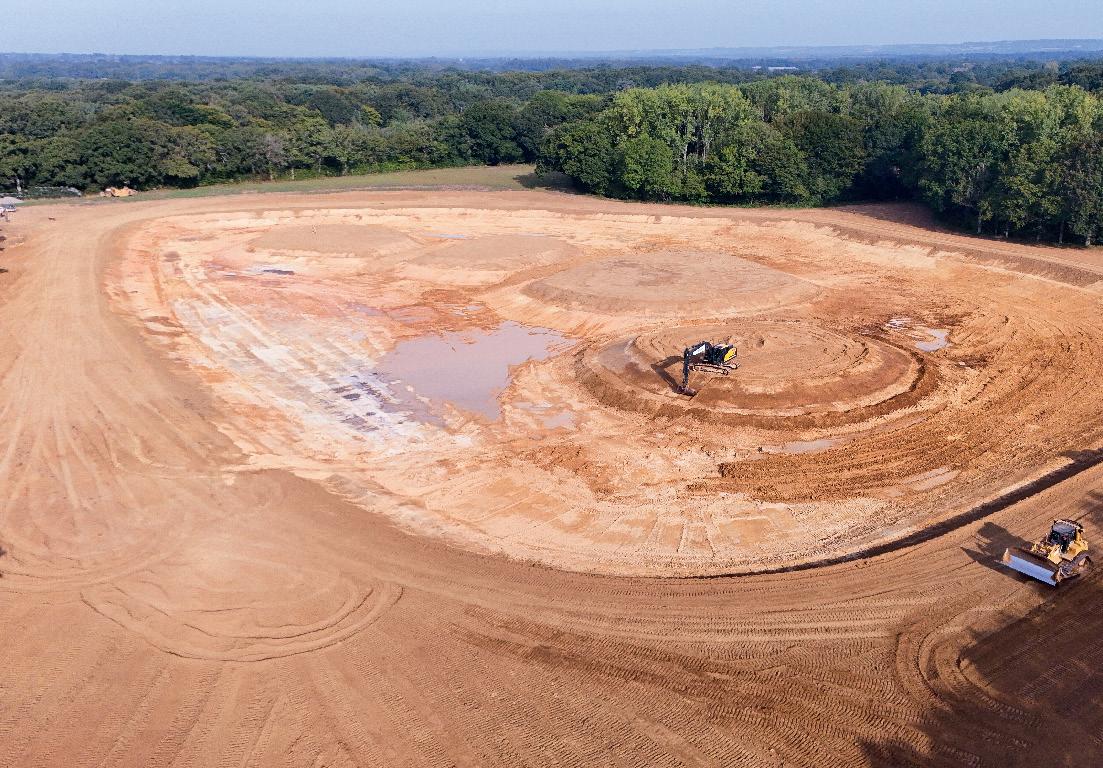
This approach is based on a framework developed by Greenshank Environmental for Natural England and is designed to be repeatable across similar landscapes. The focus is on integrating mitigation measures into existing farm systems, rather than
imposing change at scale, creating a model that is practical and capable of delivering the environmental outcomes required.
The land involved is typically limited to the ditch itself and around eight to 10 metres either side, depending on the site, leaving the core of the farm business unchanged. Cropping, grazing and day-to-day operations continue as before, while these smaller areas are managed differently to deliver an additional environmental function. In some cases, the changes can also improve the surrounding land by reducing waterlogging and slowing peak flows.
Developers must meet nutrient neutrality rules in order to move forward, and that mitigation must be delivered within the same catchment. It cannot be located arbitrarily elsewhere, which makes location critical.
For farmers within affected catchments,
particularly in the South East, this creates a local and immediate market. This sits alongside biodiversity net gain, which is mandatory for most developments and requires a measurable uplift in habitat value. Both policies are creating funded demand for environmental delivery on farmland.
The Stodmarsh scheme shows how existing features on farms such as ditches, margins and wet areas can be used to meet regulatory requirements, support the local environment and contribute to housing delivery in the area.
For farmers in the right locations, this is a practical option rather than a future concept. Greenshank Environmental is already working with farmers across the South East to assess whether their land is suitable for nutrient neutrality and BNG and to guide them through what is still a complex and evolving process.

It’s one thing to pull together a strong panel of speakers for a conference, but quite another to select a running order that leaves the audience with no doubt as to the message they are expected to take home.
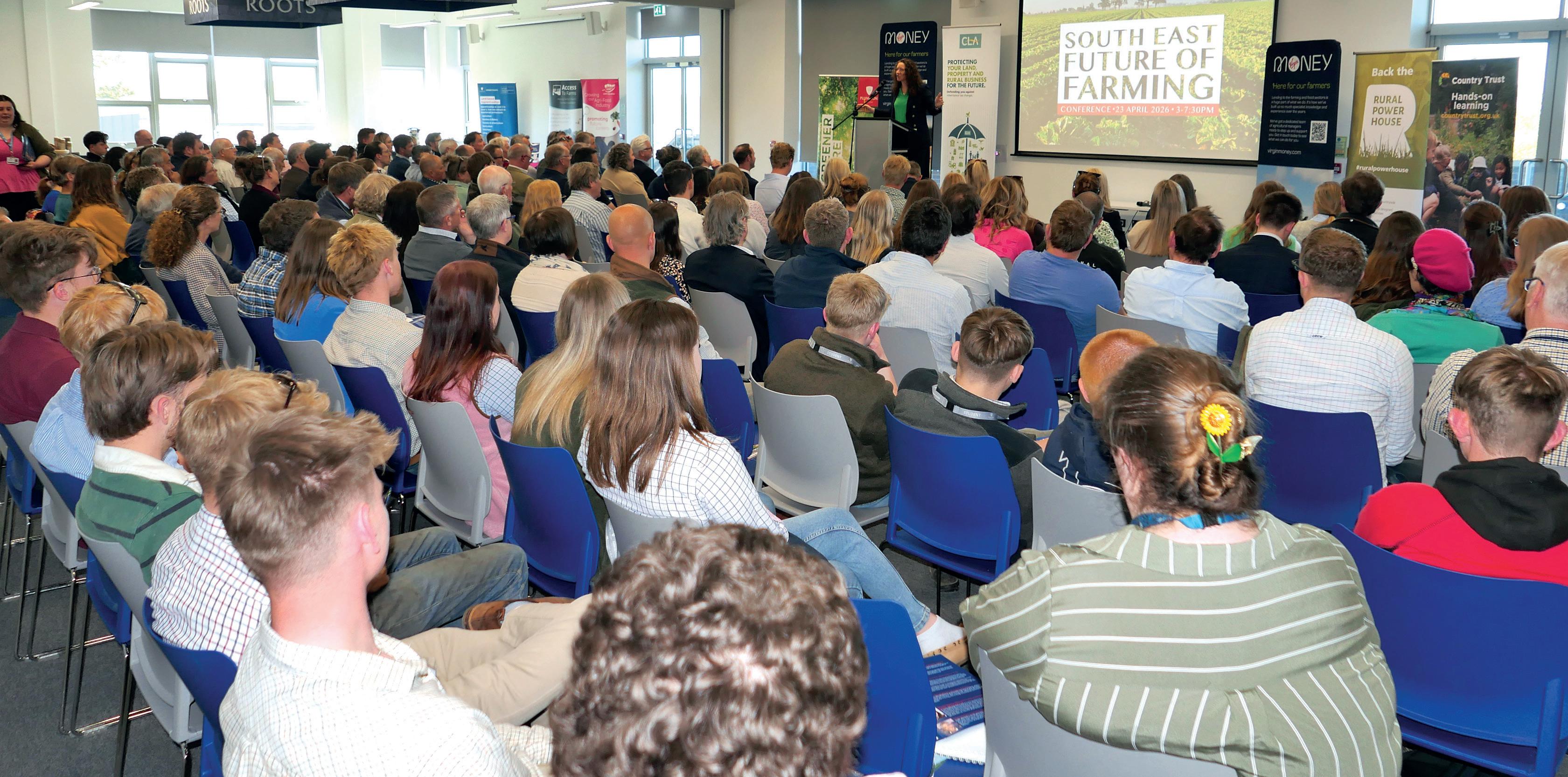
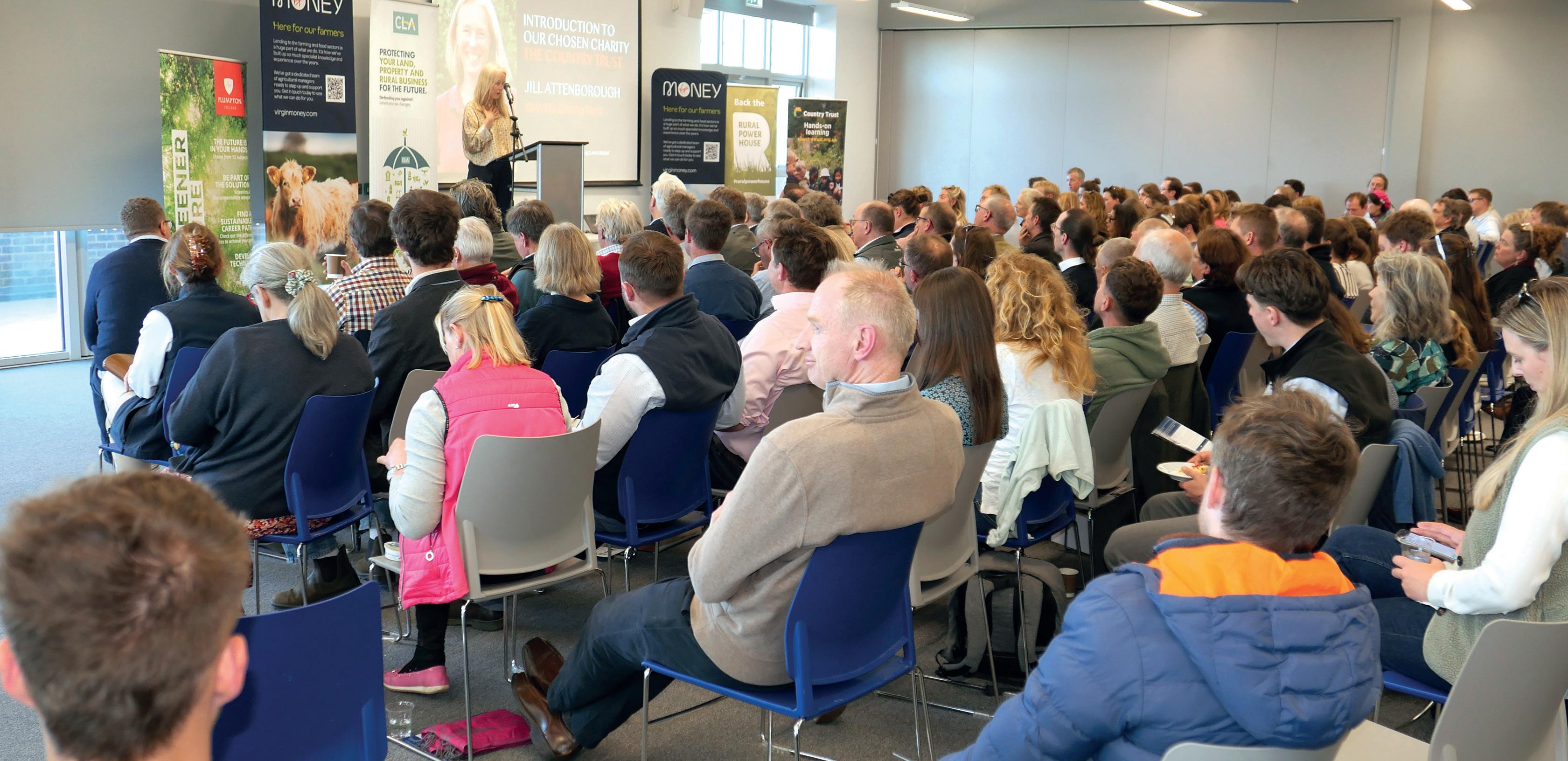
That skill was in evidence at the fourth South East Future of Farming conference organised by the Country Land and Business Association (CLA) and Virgin Money and held as ever in Plumpton College’s impressive, ultra-modern Agri-Food Centre during the college’s centenary year.
Billed as a chance to see keynote speakers “sharing valuable insights on technology, regenerative practices and the future of British farming on the global stage”, the wellattended afternoon and early evening event proved both inspirational and motivational.
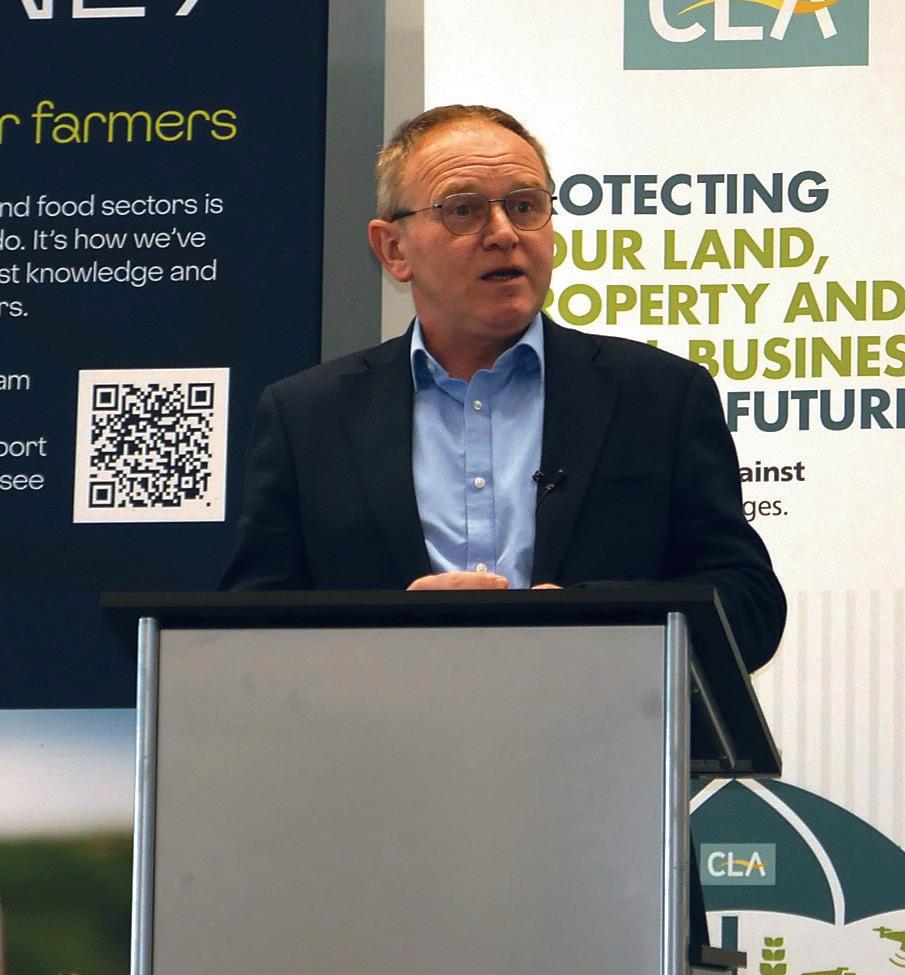
Probably the best known of the speakers was former Secretary of State for DEFRA George Eustice, who served in the department for what now seems an
inordinately long nine years, given the faster turnarounds of more recent times.
But while George set the scene with a somewhat downbeat assessment of the difficulties facing even the most optimistic and far-sighted government minister, and expert strategist Dr Louise Manning provided an academic overview on how farming businesses could ‘pivot’ to grasp new opportunities, it was the last two speakers who sent the audience away with a spring in its collective step.
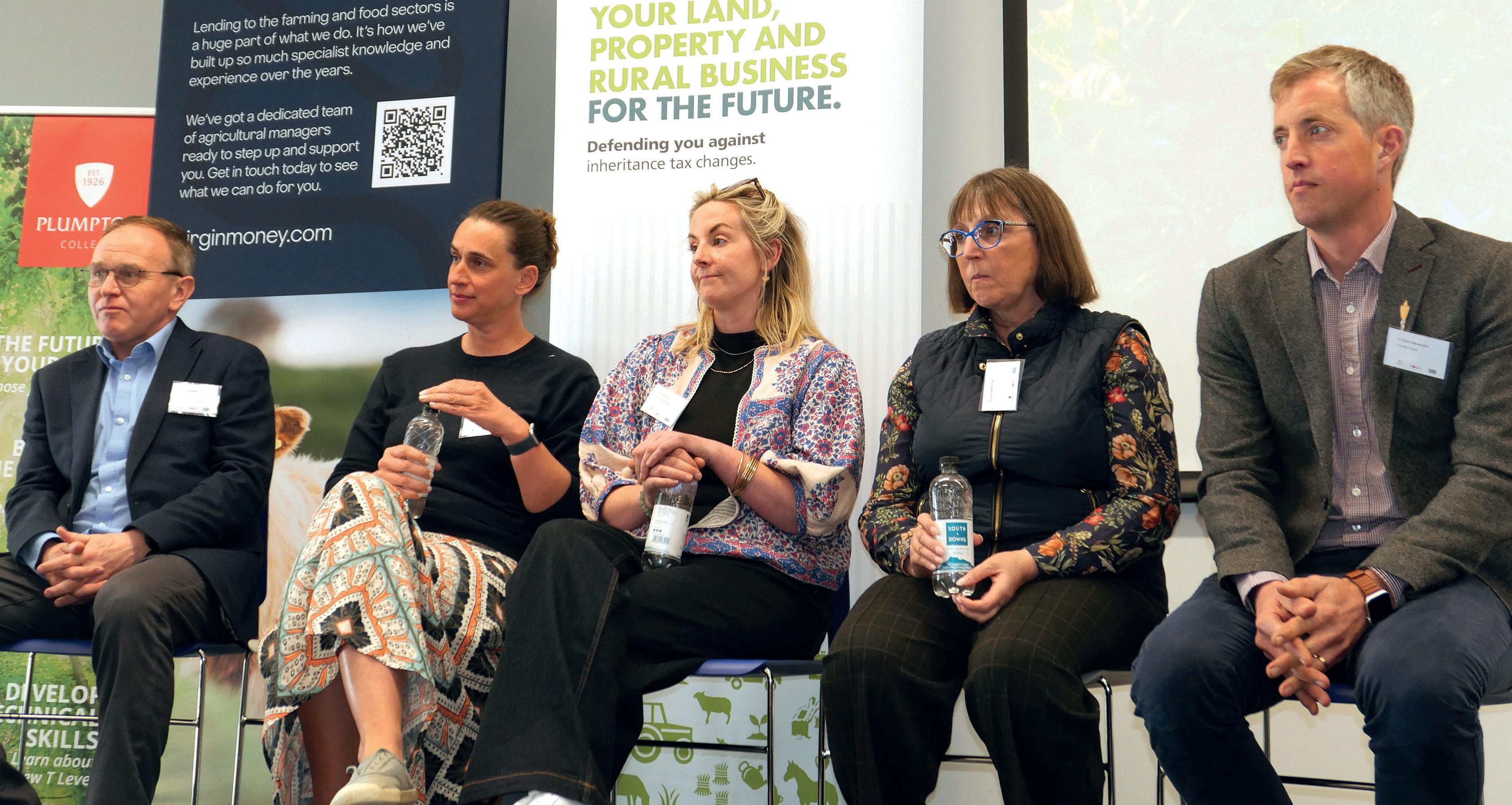
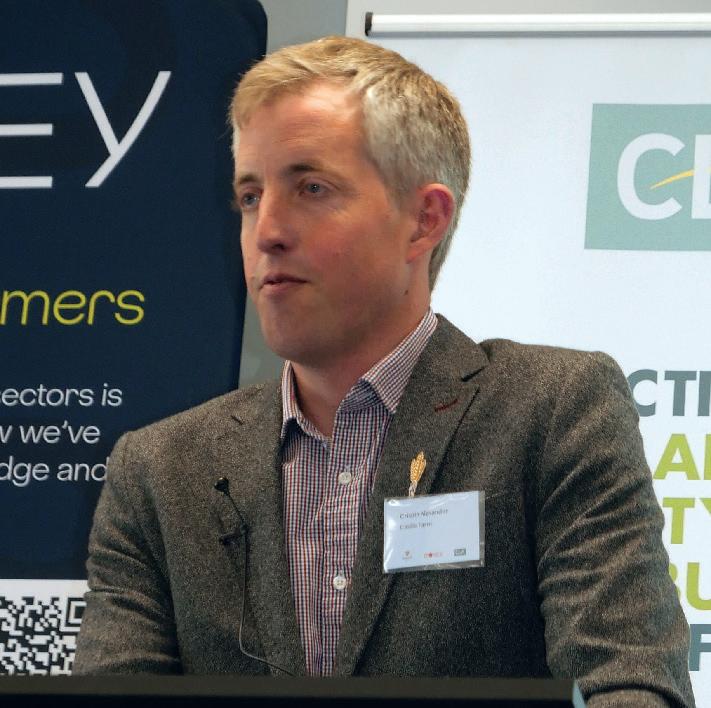
Crispin Alexander, from Castle Farm in Kent, and Holly Morgan, a Plumpton College alumnus who now farms with husband Gavin at Butterbox Farm, Haywards Heath, outlined numerous ways in which they have made a practical reality of diversification and gained what appeared to be every last ounce of value from their available resources.
That’s not to overlook the impressive contribution of Laura Rous, who also gave an inspiring talk on successfully introducing
sustainable, regenerative methods to Dennington Hall Farms, a Suffolk family estate with a 700-year history and a commitment to the future.
The programming was impeccable. From the scene-setting politician through the academic solutions and on to the reality of successful, here and now, business and community focused farming for the 2020s. The event highlighted not just what was possible, but what was already being done.
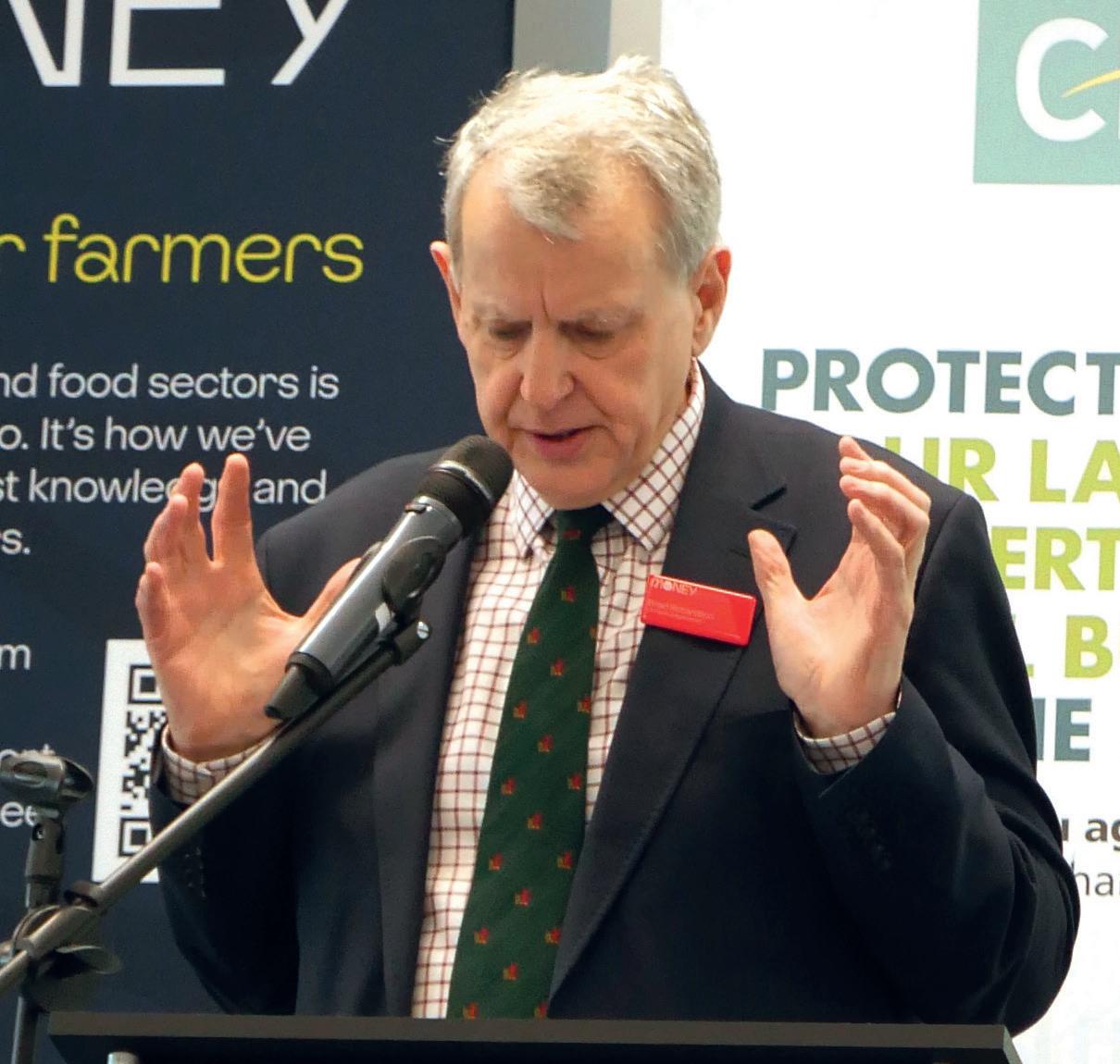
Brian Richardson, UK head of agriculture at Virgin Money, introduced the event, pointing out that having faced many challenges over the past four years of the conference’s short lifetime, farmers were now having to deal with the fallout caused by war in the Middle East.
He said that despite facing “more than its fair share of challenges”, the sector carried on producing food of “incredible quality” and value for money, adding that he was optimistic about the sector’s future in the medium to longer term.

George Eustice’s contribution, “Through the political looking glass – a view of farming and its opportunities”, looked at the frustrations he experienced as he tried to refocus UK agriculture after Brexit.
In an amusing presentation, he looked at the various reasons why it was “so hard to get things done”, including cabinet reshuffles. He pointed out that it usually took a new minister six months to “find the reins” and said that after nine months they usually regretted what they had been persuaded to do in their first three. “And after 12 they will probably be reshuffled,” he concluded.
Churn in the civil service, consultation, inter-departmental jostling and the inevitable ‘reviews’ also got in the way, he
said, before outlining what the post-Brexit landscape had been aimed at achieving and giving his thoughts on the latest changes to the sustainable farming incentive.
Conference chair Kelly Hewson-Fisher, director and head of rural research with Savills UK, then introduced Laura Rous, the managing partner of Dennington Hall Farms.
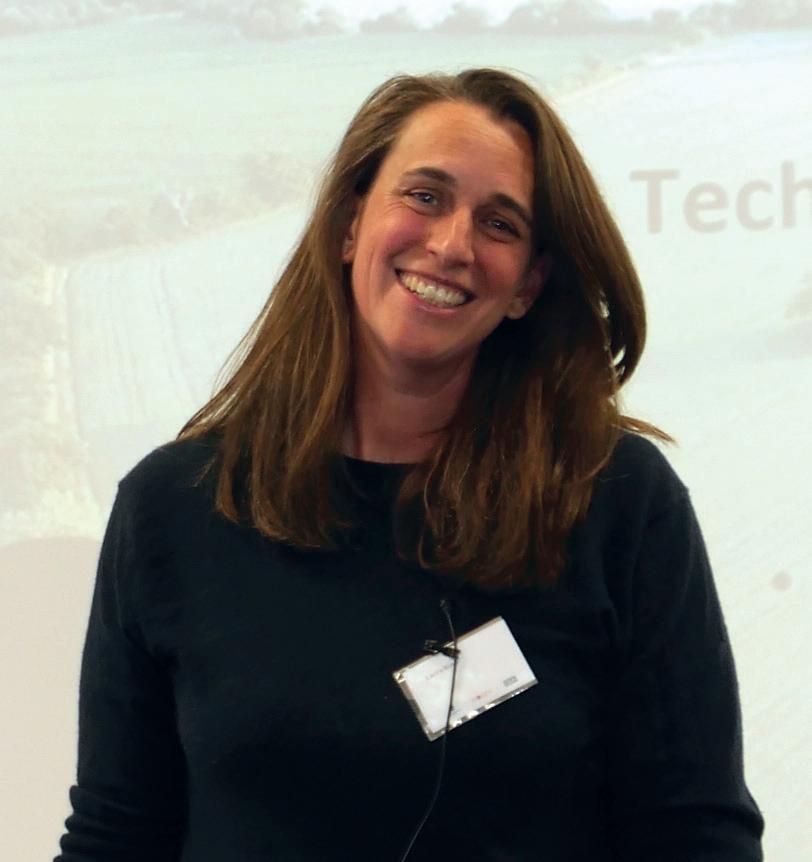
In an interesting segment, Laura outlined how she was leading the introduction of regenerative agriculture on a traditional farming estate which has been in her family since the 1320s while focusing on passing it on to the next generation “in a better state”.
Her focus, she said, was on “heritage, change and sustainability both now and for future generations”, adding: “Succession is not a handover but a process.” Having spent
20 years working in a variety of non-farming industries, she said her background gave her a different perspective on the business.
Laura said history, emotion and legacy were all affected by change and said it was important not to worry about “getting things right first time”. She advised: “Start small, learn fast and scale what works.”
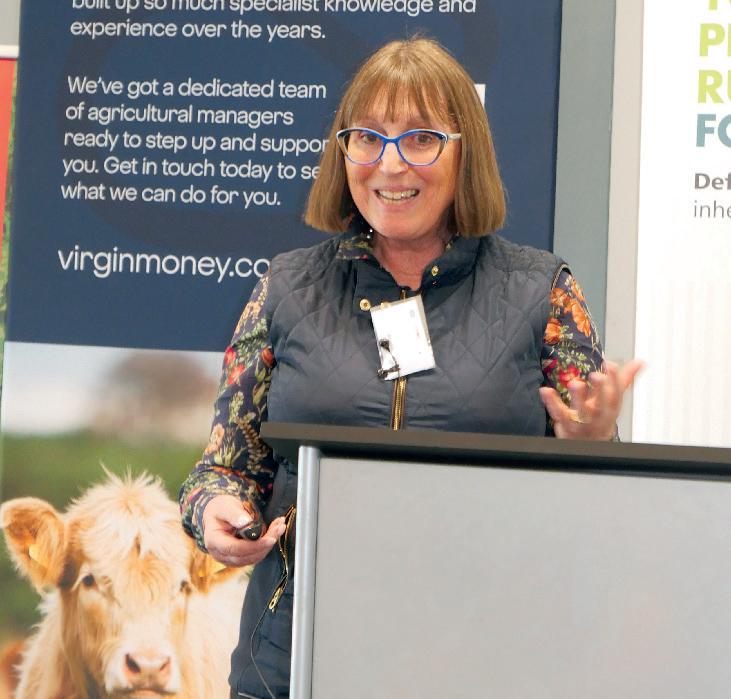
Dr Louise Manning put her PhD in global food production and her background as managing director of LJM Associates to good use in her talk on “Pivoting farming businesses to be able to grasp future opportunities”
Louise’s talk followed the arguments she put forward in her 2026 Oxford Farming Conference report and began with a warning that “if you have a business that doesn’t make a profit, it’s a hobby”.
Pointing out that farming businesses needed to be “proactive, agile, responsive and opportunity driven”, Louise’s intellectual approach led neatly into the last two speakers, who showed how they had put the previous speakers’ thoughts into action.
Crispin Alexander pointed out that he had calculated there were 10 million people within an hour’s drive of Castle Farm and had been determined to give as many of them as possible a reason to visit.
Originally a hop farm, it now continues to produce hops, but only for decorative purposes, alongside 40 varieties of dried flower, while Crispin grows lavender as an essential oil crop and joined with neighbours to invest in specialised harvesting and distilling equipment.
Tours of the lavender field are a major part of the family farm’s diversification, along with a farm shop and café (“we sell visitors every lavender product we can think of, along with a cup of tea”), while the farm is also advertised as a film location and for photo shoots, proving particularly popular with horse owners.
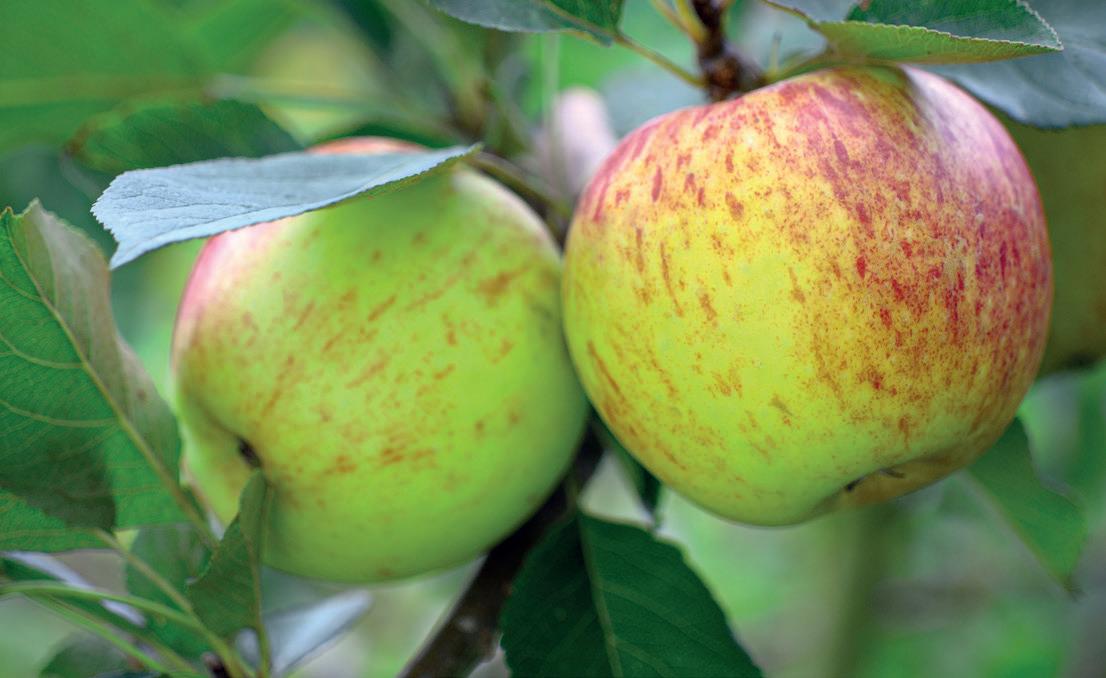
Castle Farm is home to the UK’s last commercial crop of Norfolk Royal apples, a bright red variety which is so “Instagram friendly” that people pick their own, which means no harvesting costs.
Crispin also pointed out that to fill in the gaps in the lavender tourism calendar, the farm now also grows sunflowers and pumpkins and has added a bale maze as an extra family attraction.
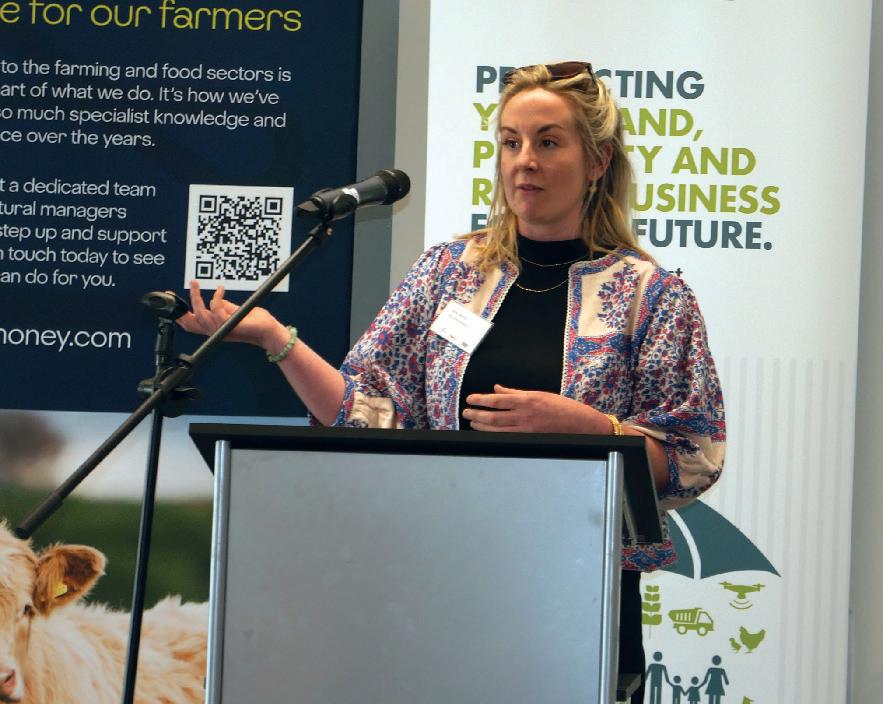
There was a similar tale of innovation from Holly Morgan, who explained the growth in on-farm sales that had happened since she and husband Gavin sold 10 steers and 20 lambs in meat boxes in 2020.
Signs near footpaths and a lively social media output had boosted customer numbers over the years and the couple added farm tours and began to breed pigs, which live in the woods nearby, to add to both the attraction and the scope of the meat boxes.
In 2023 Butterbox Farm added its own butchery to give the couple control over its end product and now employs a full-time butcher as well as selling other locally produced goods such as cheese and cakes and offering refreshments from a converted horse box.
Holly’s surprise finale was to explain that the couple had recently bought and raised 25 chickens, but delayed slaughtering them until they were larger than usual. Having worked out the cost of the extra feed and added in the butchery fees, she was embarrassed to find that she would have to sell them for £50 each. Remarkably, not least because the social media audience had been following the chicken story, customers paid the price.
“We set out to build a community around the farm,” she explained, adding that meeting customers face to face and explaining the costs involved in rearing and selling quality meat made it easier to justify a premium price.
“From shifting markets to rising costs, the agricultural sector is being reshaped by constant change. Increasingly, farmers are adopting more agile approaches to protect profitability, manage risk and build longterm resilience,” says Justin Ellis.
Across the South East, farming businesses are operating in a far more volatile environment than even a few years ago. Lower grain prices, reduced milling and malting premiums, fluctuating milk returns, policy transition and rising input costs are all putting pressure on margins. At the same time, global events continue to influence fuel and fertiliser markets, meaning the cost base of a farm can shift rapidly.
In response, many farmers are moving away from fixed, traditional systems and managing their businesses more dynamically. This allows them to respond more quickly to changing conditions while protecting productivity over the long term.
In practical terms, agile farming is about making decisions based on current circumstances rather than relying solely on historic practice. It involves regularly reviewing systems, questioning assumptions and adapting when required.
Where land, labour and infrastructure allow, this often means spreading risk across multiple enterprises and income streams. For example, a dairy business retaining calves through to finishing, alongside an arable enterprise and some contracting activity, is more likely to have at least one area performing well at any given time. Diversifying in this way can help stabilise
income when individual markets come under pressure. The benefits of mixed farming, when done well, are becoming increasingly relevant. Beyond core production, there are also growing opportunities to generate additional income on farms and estates. Agri-tourism, processing, farm shops and renewable energy all require different levels of investment, but each can contribute to a more stable and diversified revenue base. Importantly, these enterprises can also provide more regular cash flow, reducing reliance on seasonal income, and improving resilience to market shocks.
Adopting an agile approach does, however, require confidence to trial new ideas, accept that not everything will work, and learn quickly. With one of the strengths of the sector being its willingness to share knowledge, from local discussion groups and farmer clusters to national networks such as the Society of Agriculture, there is a strong culture of openness. Farmers who have diversified or adapted successfully are often willing to share both their successes and their setbacks, providing valuable insight for others.
There are also encouraging signs within the wider supply chain. In some sectors, there is growing recognition of the true cost of producing high-quality food, alongside an increase in longer-term contracts. It is a simple reality that greater certainty over output prices enables better planning and reduces exposure to short-term volatility. Professional advice remains critical. In my

experience the most dynamic businesses tend to rely on more, not less, input from experts. Working closely with consultants, accountants and banking partners, both when assessing capital investment and when monitoring ongoing performance, can make a significant difference. In a fast-moving environment, clear performance indicators and timely financial information are essential to supporting effective decision making and identifying issues early.
Agile farming is not about abandoning tradition. It is about equipping farm businesses with the flexibility and tools needed to evolve. Farmers have always demonstrated resilience, but that resilience must now be reinforced with more active management. Profitability and sustainability must go hand in hand if farms are to continue producing high-quality food while also enhancing the environment.
Looking ahead, the most successful businesses are likely to be those that invest not in rigid systems but in their mindset and ability to adapt, field by field, season by season, enterprise by enterprise.
Whether you are considering diversification, planning investment, managing working capital or navigating succession, having the right support matters. At Virgin Money, we aim to provide not just funding but practical insight and a long-term partnership to help farm businesses adapt and grow.
In farming, timing is everything, and now is the time to plan an agile future.
JUSTIN ELLIS, BSC PSAG Senior Director, Agriculture &
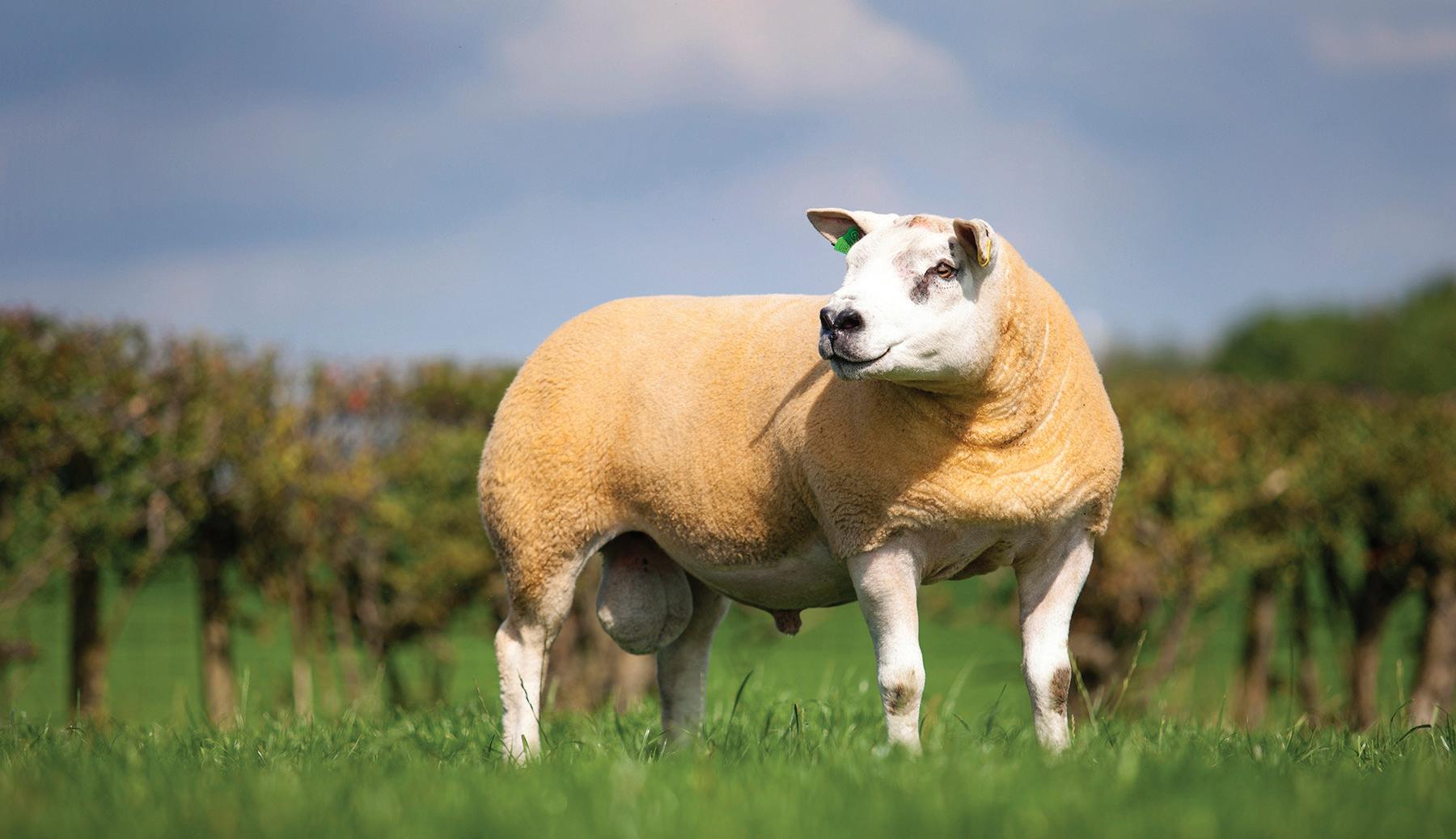
A new data-driven membership structure which the British Texel Sheep Society claims will put genetic progress “firmly in the hands of its members” has been welcomed by South East breeders.
In what it points out is “a first for the UK livestock sector”, Texel breeders will no longer pay to record or access performance data. The society is instead reinvesting in its membership, making cutting-edge genetic tools fully accessible within the standard membership fee.
Launching the new model, the society commented: “At the core of this approach is a clear message: better data delivers better sheep and a stronger, more profitable future for society members and their commercial customers."
Under the new structure, flocks are recognised through a tiered membership structure which will place breeders in one of five categories, ranging from bronze through silver, gold and platinum to diamond.
The tiers are based on the quantity and quality of data submitted via the Society’s iTexel platform. All tiers are open to all flock sizes, which the society said would “ensure inclusivity while rewarding ambition and commitment”.
Breeders can progress through the tiers by recording commercially relevant traits such as lambing ease, birth weight, eight-week weight, scan weight and shearling ewe weight. Additional recognition is given for flocks embracing advanced technologies, including ultrasound and CT scanning and genotyping.
The society said top-tier flocks would gain access to exclusive opportunities, including eligibility for performance classes at major shows and pre-sale shows at the society’s national sales and regional club sales, linking data credibility directly with marketplace visibility.
Texel Sheep Society chief executive John Yates said the initiative was “about investing in the society’s members and the future of the Texel breed”. He went on: “By removing financial barriers and embedding data at the heart of what the society does, every breeder, regardless of size, is able to benefit from the most advanced genetic tools available.”
South East Farmer correspondent and sheep expert Alan West said: “The innovative new model for pedigree registration services being launched by the Texel Sheep Society is, in providing members with access to online recording system and wider performance data, a bold step forward.”
He added: “It provides for inclusive access to all members regardless of flock size and interest levels while, simultaneously, incentivising members to progress through the tiers; the fact that all will be available within the basic membership fee provides a significant additional bonus.
“It is a model that offers both members and potential purchasers the opportunity to access reliable, good quality, and transparent performance data online and should provide a useful tool to enhance both marketing and breeding progress; it is a model that will certainly set a new, high bar for other sheep breeder’s societies.”
Owner and breeder of gold level Texels Niccola Botwright said performance recording data was “the way forward and the future of the Texels” and would enhance the breed’s genetic capabilities for both the commercial and pedigree markets.
She went on: “As a breeder I believe this to be a positive and inclusive change, being simplified into tiers depending on the flock information and data inputted.
“All information will be visible and comparable, therefore moving in a direction that will enhance the Texel breed genetics as the ultimate terminal sire.”
DEFRA is tightening the background checks required by its waste carrier licensing system after a cow was approved for a licence within seconds.
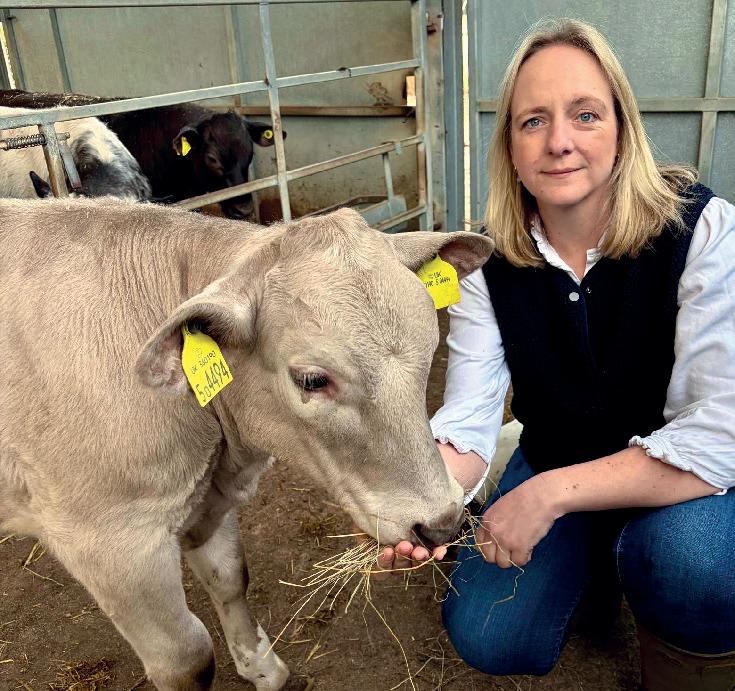
With fly-tipping in the countryside reaching record highs and criminal gangs using permits to appear legitimate before illegally dumping people’s waste, the Country Land and Business Association (CLA) tested out the system by applying for an upper tier waste carrier and dealer licence in the name of Beau Vine.
Within three seconds the cow, owned by CLA South West director Ann Maidment, was granted the necessary licence, without any checks being carried out or questions asked. A second application under the name Lawrie Load was also rubber-stamped.
The CLA pointed out that under the current system all that was required of an applicant was a name, address, email address and a fee of just under £200. No verifications, driving licence details or photographs of the future operator are required.
DEFRA has responded by introducing new reforms designed to “stop waste criminals from exploiting loopholes”. The new rules, to be introduced in 2027, will bring in custodial sentences of up to five years for the illegal transportation of waste.
The department has promised to introduce “advanced background checks to help put rogue operators out of business” and will require waste handlers to undergo identity, criminal record and technical checks before they receive a permit.
DEFRA said the existing system was “broken and outdated, relying on a basic registration process with limited identity and background checks”. It admitted that the system had been “exploited by rogue operators with a poor track record of dumping waste and leaving a huge clean-up bill”.
Beau Vine’s owner Ann said the CLA’s campaign “showed how weak the checks had become”. She added: “If a cow could be approved in seconds, the system was too

easy to abuse. These reforms are a welcome step towards closing that gap, strengthening enforcement in a system that should protect the countryside, not help those who abuse it.
“But good law depends on good implementation. The new permit system must be tough on rogue operators without placing needless cost, delay or bureaucracy on farmers and small rural businesses already doing the right thing.”

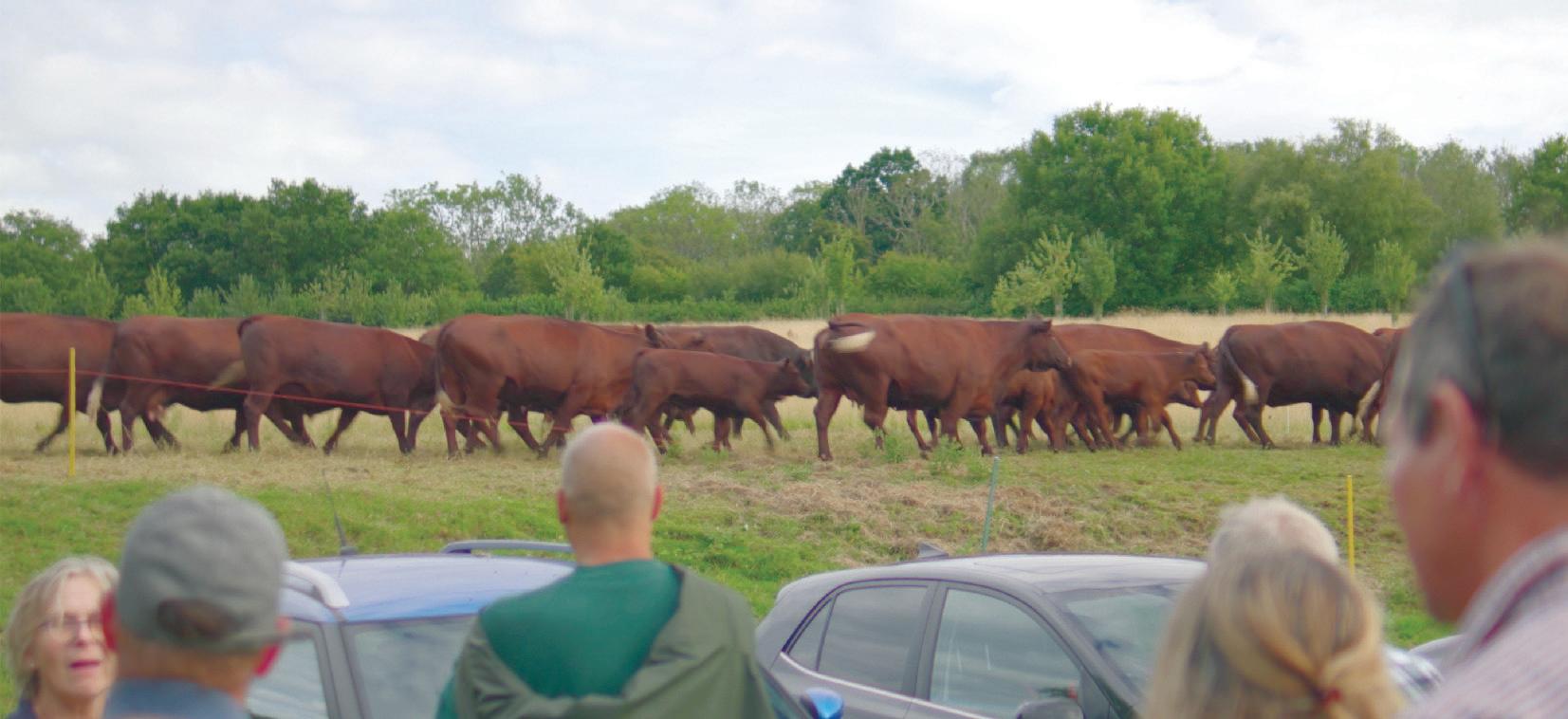
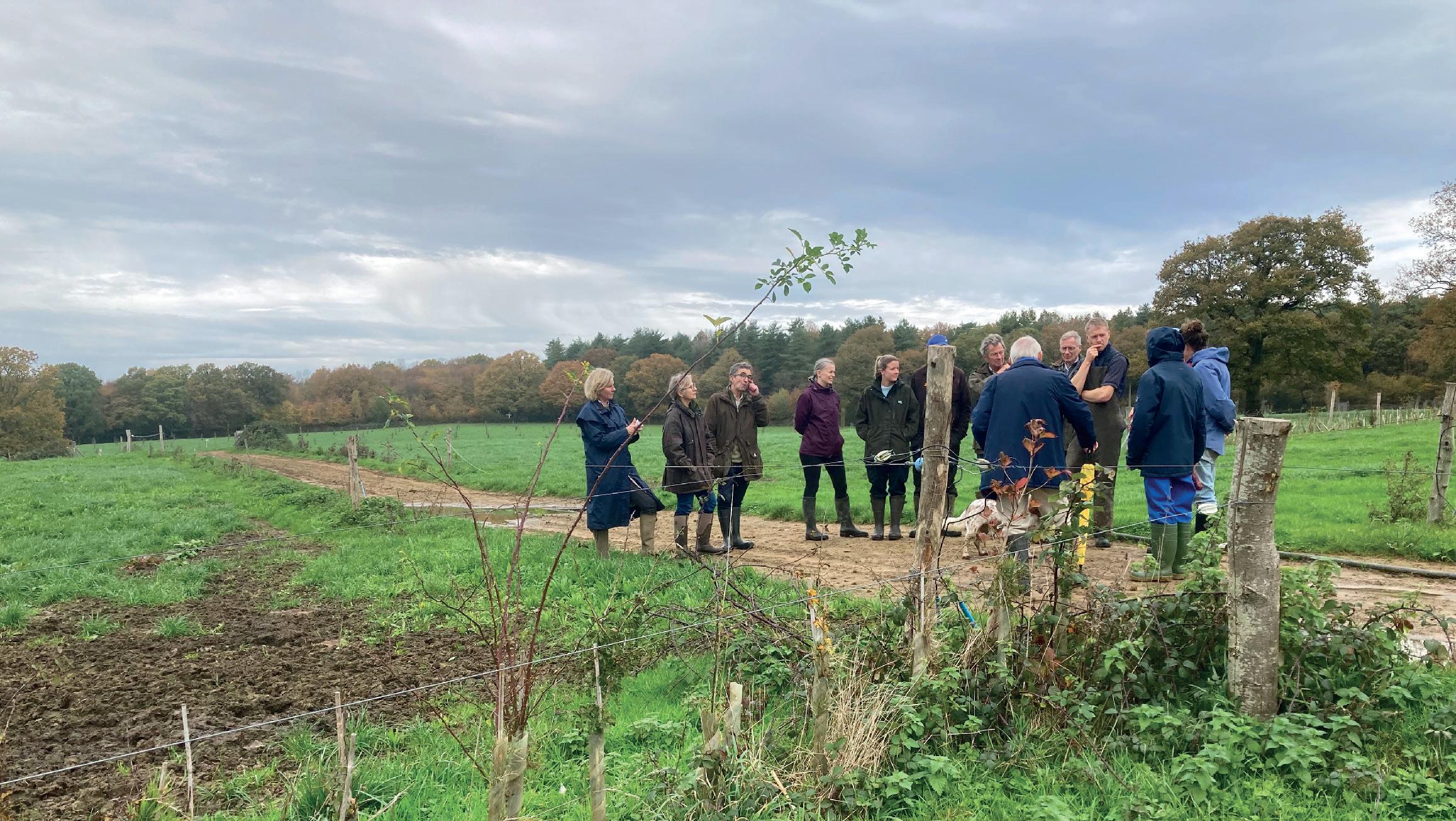
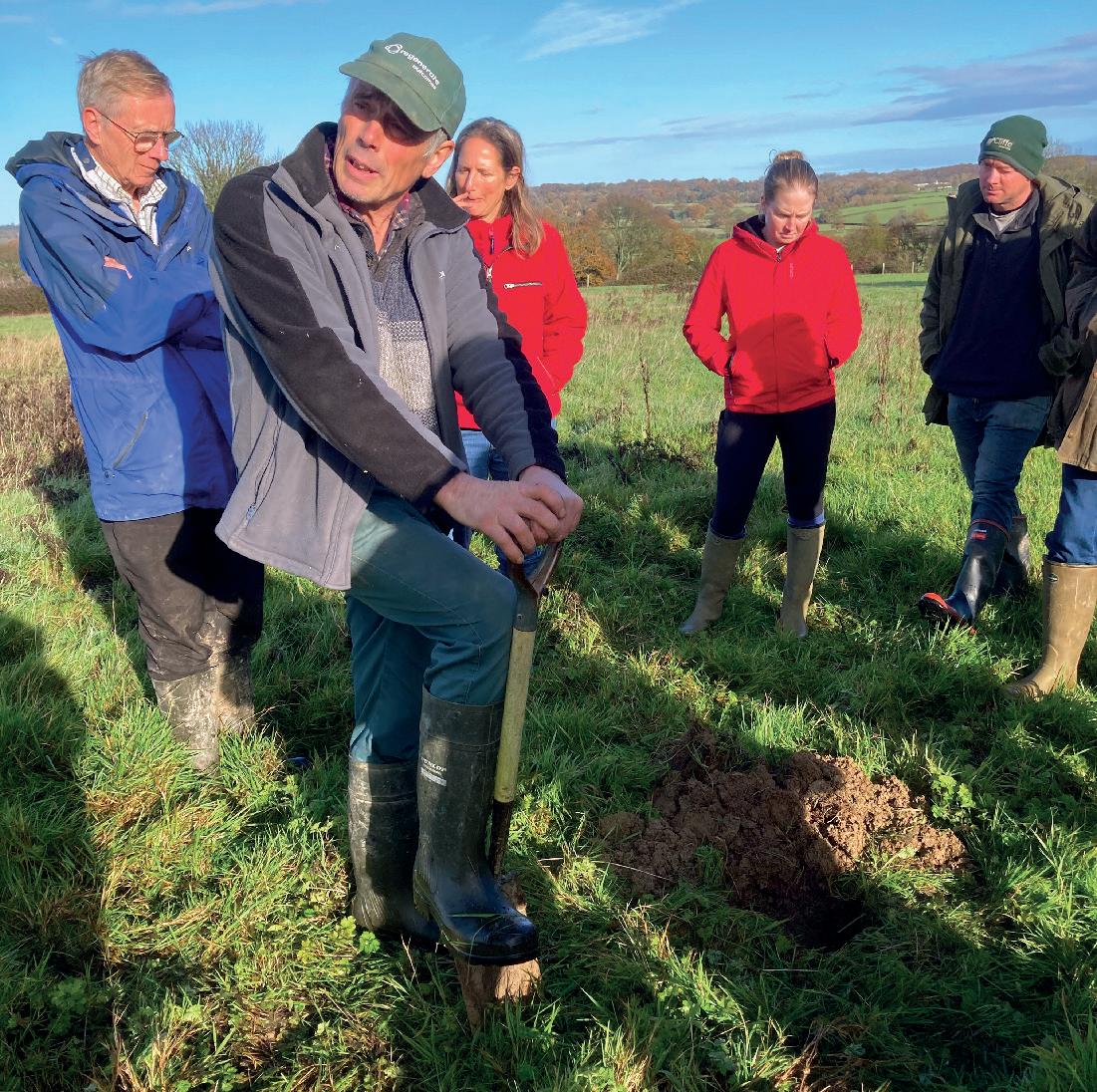
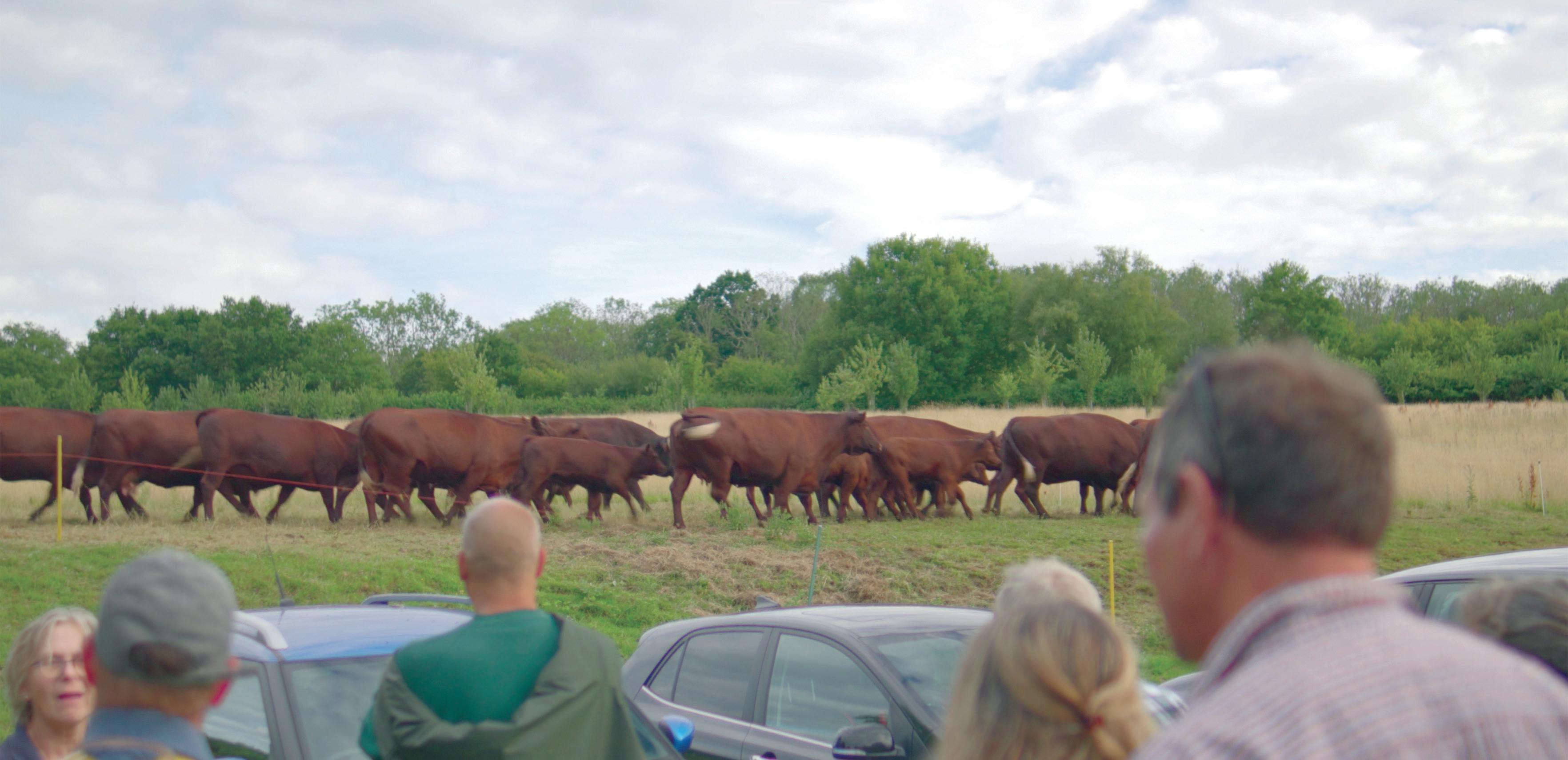
On a cold morning in early spring, a group of farmers stand quietly beside a hedge in the High Weald, watching a group of young cattle move slowly across the pasture. Boots press into the damp ground as the group studies the grass, the conversation drifting easily between soil structure, grazing rotations and livestock performance.
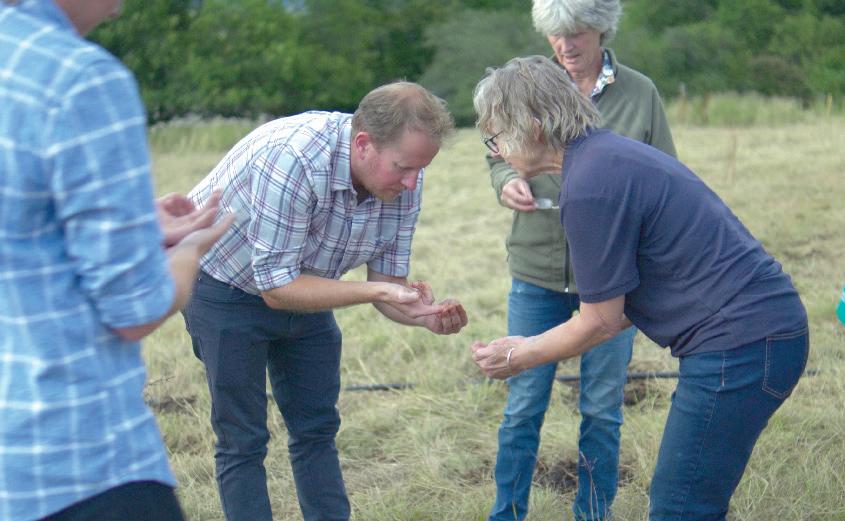
A member of the group kneels down and pulls apart a handful of soil.
Another points towards a line of newly planted trees along the field edge. There are no microphones or lecture slides; just farmers talking.
Moments like this have become increasingly common across the High Weald in recent years as part of a programme designed to bring livestock farmers together to share knowledge, explore regenerative grazing practices and build resilience in the face of an increasingly uncertain future.
Funded by the Farming in Protected Landscapes (FiPL) fund and supported through the Pasture for Life network and the High Weald National Landscape, the initiative has created opportunities for farmers to learn directly from one another through farm walks, workshops and online discussions. The idea is simple: farmers are often best placed to help other farmers solve practical problems.
And judging by the response from those taking part, the approach appears to be working.
For many farmers, knowledge exchange has always been an informal process. Advice shared across farm gates, conversations in livestock markets or a quick phone call to a neighbour when something unexpected happens in the field.
But modern farming can feel increasingly isolated. Labour shortages, regulatory pressures and volatile markets mean many farmers spend long hours working alone. Bringing farmers together, even for a few hours, can create valuable opportunities to exchange ideas.
Often the most useful conversations happen between fields, leaning on a gate studying a sward or comparing notes while a group of cattle moves quietly past.
Through the High Weald Pasture and Profit in Protected Landscapes programme, farmers have been meeting regularly to discuss everything from grazing strategies to soil health and biodiversity. Events range from small farm walks to larger workshops and online sessions, allowing farmers to explore topics in depth and ask questions in a relaxed setting.
One of the clearest messages from farmers taking part is the confidence they gain from hearing how others are tackling similar challenges.
“You leave these events realising you’re not the only one trying to figure things out,” one farmer said. “It gives you confidence to try something new.”
Many participants say they leave events with ideas they feel comfortable testing on their own farms, whether that means adjusting grazing rotations, experimenting with different pasture species or exploring new ways of managing water.
Crucially, the learning process works both ways. Even experienced regenerative farmers often come away with fresh insights after hearing how others are tackling similar challenges.
If there is one topic that repeatedly surfaces in conversations with farmers today, it is resilience.
Across the High Weald, as in many parts of the country, livestock farmers are experiencing increasingly unpredictable weather patterns. Wet winters, dry summers and sudden extremes of temperature are becoming more common.
For many farmers, the emotional and practical impact of this unpredictability is becoming increasingly apparent. Several participants in the programme spoke about how difficult it has become to plan grazing, cropping or investment decisions when weather patterns feel less reliable than they once did. The stress of dealing with extreme conditions, whether prolonged wet periods or sudden drought, is something many farmers say they have felt more acutely in recent years.
In response, many of the programme’s events have focused on how farming systems can adapt to these changes.
Some discussions centre on soil health and pasture management. Others explore the role of hedgerows, trees and water infrastructure in helping farms cope with drought or flooding.
At one event, farmers heard how installing large rainwater harvesting tanks could reduce reliance on mains water and potentially save hundreds of pounds per month in water bills.
For livestock farms, where water demand can be significant, the financial implications alone make such systems worth considering, but there are also wider benefits in terms of drought resilience and long-term sustainability.
These practical examples help turn what can sometimes feel like abstract environmental conversations into tangible, farm-level decisions.
Alongside the pressures created by weather, farmers also spoke about wider sources of uncertainty, including unpredictable funding schemes and the increasing complexity of agricultural paperwork. In this context, the opportunity to meet with other farmers facing similar challenges becomes especially valuable. Many participants say that simply being able to share experiences and compare approaches helps build confidence that they are moving in the right direction.
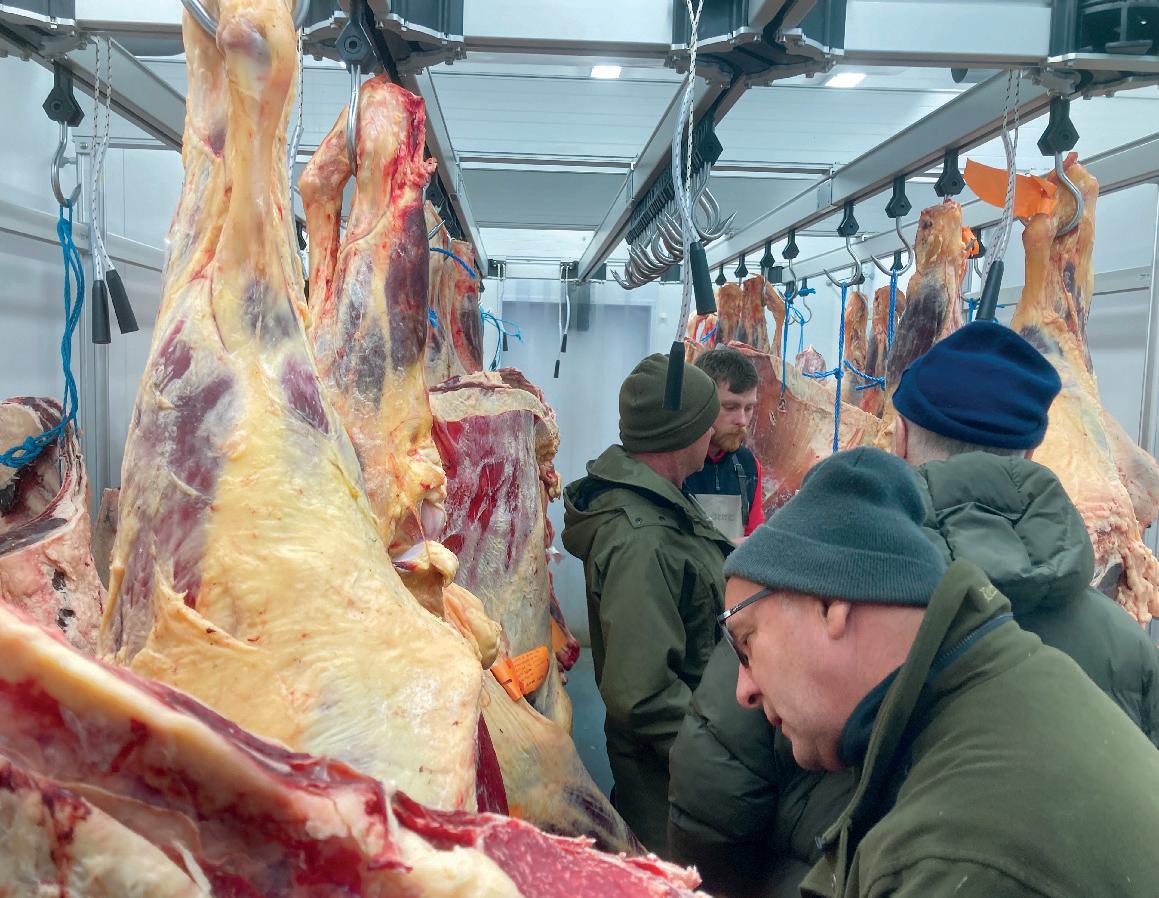
Another area that has generated considerable interest is the supply chain. One of the most popular events this year involved a visit to Goodtrees Farm and its on-site butchery in Ashdown Forest (see the feature in the March edition of South East Farmer). While many farmers are increasingly interested in selling meat directly to customers, the process between slaughter and finished product can remain something of a mystery.
For some attendees, the visit highlighted how little they understood about carcass cutting specifications, butchery forms and the importance of clear communication with processors. Something as simple as failing to specify the correct cuts can affect how much of the carcass is returned and therefore the overall value of the animal.
By seeing the process first-hand and speaking directly with butchers, farmers were able to build confidence in an area that often feels daunting for those new to direct marketing.
It was a reminder that resilience on the farm is not only about soil and grass, but also about understanding the economics of the food system.
One of the interesting dynamics within the programme is the mix of farmers taking part.
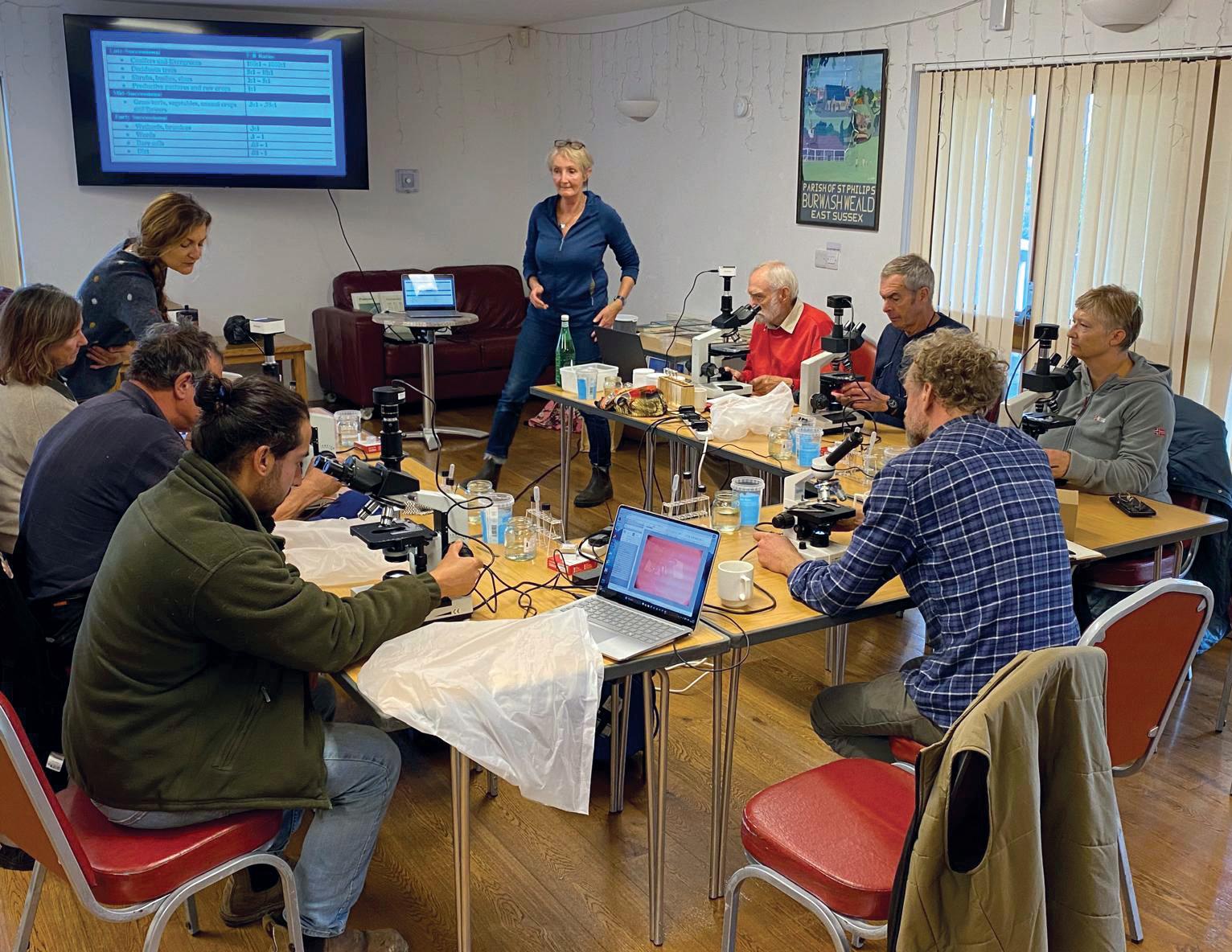
Some are highly experienced livestock producers who have been farming for decades. Others are relatively new to regenerative grazing or are in the early stages of transitioning their systems. That diversity creates valuable opportunities for learning.
At one end of the spectrum are farmers who have spent years refining their approach and can read the health of a pasture simply by observing plant growth and animal behaviour.
At the other are those looking for clearer guidance, wanting to know which measurements matter, how to assess soil health or what indicators to look for when evaluating biodiversity.
In practice, the two perspectives often complement each other. Experienced farmers bring intuition and long-term perspective, while newer entrants sometimes ask the questions that prompt deeper reflection about why certain practices work.
Over time, the goal is to help farmers move towards greater confidence in observing and interpreting what is happening in their fields.
Although farmer-to-farmer learning sits at the heart of the programme, it rarely happens without someone helping to organise it.
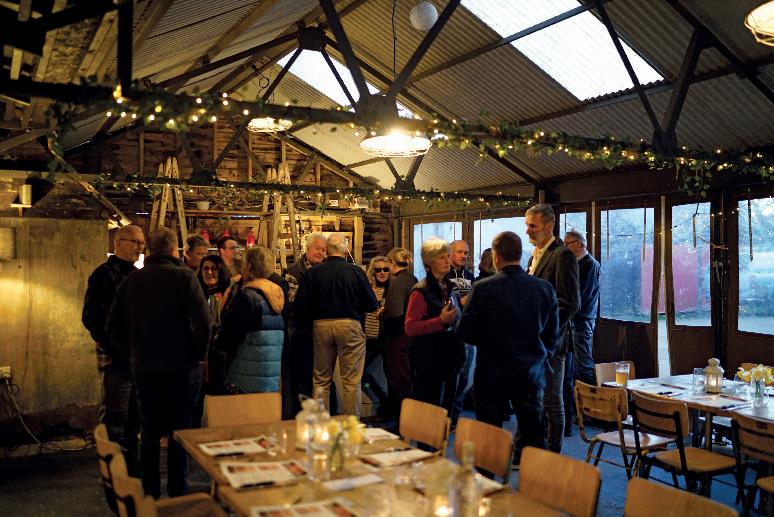
Facilitators play a critical role in bringing farmers together, arranging events and responding to emerging topics of interest.
In many cases, new workshops have been organised directly in response to conversations that began at earlier events.
A discussion about stocking density during a winter grazing session generated so much interest that organisers quickly arranged a follow-up workshop focused on that subject.
This responsive approach helps ensure the programme remains grounded in the practical needs of farmers rather than following a rigid agenda.
It also helps build a sense of community. Farmers attending multiple events often develop informal networks, exchanging ideas through WhatsApp groups and phone calls long after the official workshops have ended.
Participants come from a wide range of backgrounds. Some have been farming their land for generations, while others are newer entrants exploring livestock systems for the first time.
One farmer who had been considering retirement found that exposure to regenerative grazing ideas inspired him to rethink the future of his farm. Instead of stepping away, he began transitioning his land
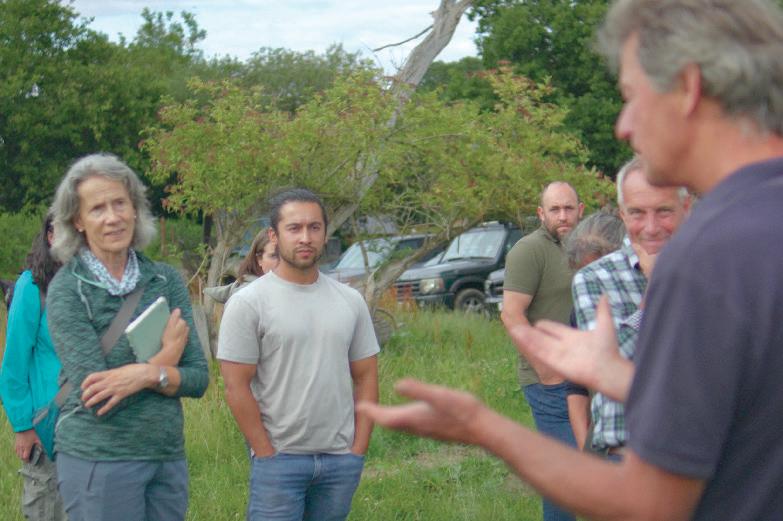
toward a rotational grazing system, a change he might never have considered without the encouragement and insights shared through the programme.
Stories like this illustrate how knowledge exchange can influence long-term decisionmaking. Sometimes it is not about adopting a specific technique but about rediscovering enthusiasm for farming itself.
The success of the High Weald Pasture and Profit in Protected Landscapes programme highlights the continued importance of farmer-led learning. Many of the ideas discussed are not entirely new. Farmers have always adapted, experimented and shared knowledge with neighbours.
What initiatives like this provide is the structure that helps those conversations happen more regularly and across a wider network. For farmers navigating the challenges of climate change, volatile markets and evolving policy landscapes, that exchange of ideas may prove increasingly valuable.
That’s because while agricultural research and policy have important roles to play, some of the most meaningful insights in farming still come from the land itself – and from the farmers who walk it every day, paying attention to what their fields, animals and soils are quietly telling them.
Dear Sir
The driving force for most farmers is the yield and quality of the culmination of 12 months’ hard work and investment, so for the first time since 1972 I find that I am seriously considering a fallow for 2027 as the rise in inputs and predictions for crop prices means an almost certain loss while government policy continues to put fallow before food.
The 1930s saw stupid politicians presuming cheap food imported and produced in some cases by almost slave labour was the norm. World War Two woke them up at an enormous cost to human life (on food convoy ships) and near UK starvation.
While 1946 saw the Labour Government actively promoting selfsustainable UK food production, the past 16 years have seen a return to reliance on cheap imported food of sometimes questionable safety standards produced by underpaid workers, with the food market now dominated by powerful supermarkets.
My doubts about fallow/loss are shared by many fellow farmers, so if Mr Trump closes the English Channel in a fit of pique, the supermarket barons may have to pay us a living wage or face empty shelves and desperate housewives!
David Steed, Manston,
Kent
Dear Sir,
For many consumers, food production is something remote, with little understanding of what happens behind the farm gate. Open Farm Sunday, taking place this year on 7 June, gives our industry a chance to change that.
It allows people to meet farmers, ask questions and better understand the care, skill and commitment that goes into producing food and managing the countryside.
As a volunteer at a large-scale Open Farm Sunday event for the past four years, I have seen how important it is for farmers to connect with their communities.
I remember visiting a local farm park with school as a child and being fascinated by the experience of milking cows and making butter, starting my journey towards Young Farmers and the industry I work in today.
That first-hand experience is why I believe Open Farm Sunday is so valuable. It gives children the chance to experience farming in a way that no classroom or screen can fully replicate.
With Open Farm Sunday celebrating its 20th anniversary this year, it is a timely reminder of why the event continues to matter. What better chance to tell the story of agriculture and build the bridges to help public understanding?
I encourage anyone wanting to support British farming to get
involved, whether that’s through hosting, sponsorship, volunteering or just showing up and supporting a local event.
Open Farm Sunday is more than a one-day event; it’s a gateway to building a better understanding of British farming, one conversation at a time.
Ana
Clifton, Farm trader, Frontier Agriculture
Dear sir,
With renewed optimism around oilseed rape (OSR), and plantings expected to rise significantly this season, there is a real opportunity for the industry to rebuild confidence in this valuable break crop.
Encouragingly (thank you), recent coverage across the farming press has highlighted a more positive outlook for OSR. This momentum matters. But as the cropping area expands, potentially by as much as a third, the key challenge will be ensuring that establishment success keeps pace with ambition.
One of the long-standing challenges within the industry is effective knowledge exchange, making sure that practical, proven advice reaches growers at the right time.
The farming press plays a vital role here, not only in reporting the story but in helping to share the insights that underpin success in the field. It’s an opportunity to support UK agriculture by working collectively and reinforcing consistent, evidence-based messaging.
Central to this is the continued focus on managing cabbage stem flea beetle (CSFB) and following sound agronomic principles. The industry has already taken important steps, with a collaborative effort bringing together a clear set of practical, field-based recommendations.
To help strengthen that knowledge exchange and support grower success, I would like to draw the attention of your readers to the AHDB’s Top 10 CSFB Management Strategies for OSR that can be found at https://tinyurl.com/ahdb-csfb-management
These guidelines represent a unified, cross-industry approach and provide growers with a proven framework to improve establishment and reduce risk.
As government continues to emphasise the importance of food security, the role of OSR as a productive, homegrown crop has never been more relevant. Alongside its contribution to farm profitability, OSR delivers wider benefits, from supporting soil health to providing a vital food source for pollinators.
By consistently signposting practical, agreed strategies, the farming press can play a key role in turning renewed interest into long-term success, ensuring that increased plantings are matched by resilient, well-managed crops.
The OSR Reboot group is currently lining up plans to ensure that we also keep these important industry compiled strategies at the forefront of growers’ minds.
Paul Browning, Marketing manager, United Oilseeds
I have recently begun to sort through the farm office at Four Wents. Those of you who have had this task previously will know it involves wellies from 20 years ago, copies of South East Farmer from 2001 and small caches of ‘useful’ bits of string, wire and envelopes with long-expired glue strips.
I have also found the complete works of John Oatley, ADAS, the AHDB tree fruit panel, the European Blackcurrant Association and assorted associations like the Gala Club and Checkers Technical and
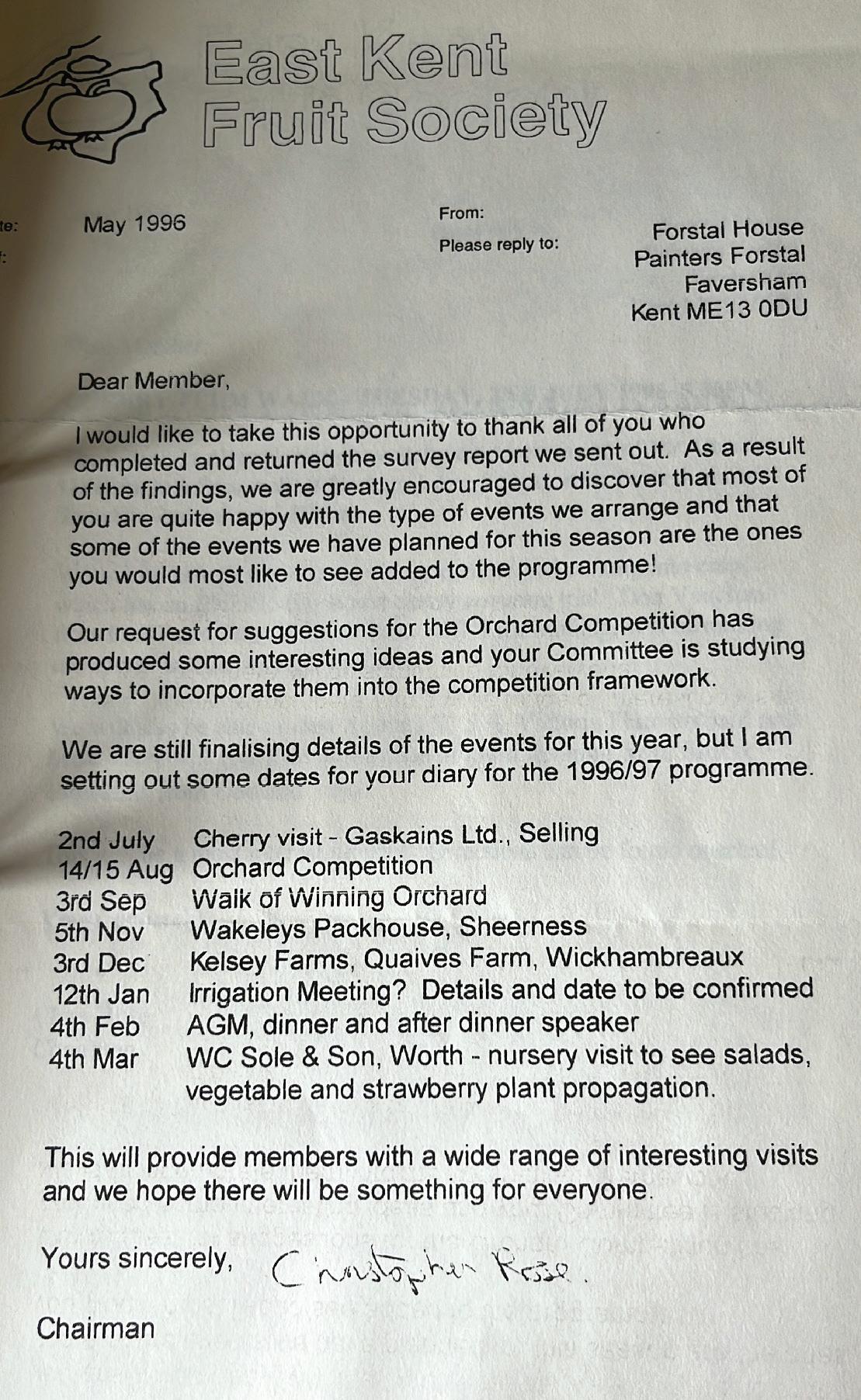
Training Group. It struck me that in farming some things are still the same, as much as life feels like it has changed, and that it would be interesting to see what wages, advice and the economics of 25 to 50 years ago might reveal.
Starting with wages, in 1972 the Agricultural Wages Board rate was 38.5p/hour, with overtime at 58p/hour. Women were paid 31p/ hour for a 42-hour week (and the wages record shows the formality of working: Mr and Mrs Burrows, Mr and Mrs Grey and Mr and Mrs Lewis were paid for 3.5 days work picking 703 Bushels).
By 1982 this had risen to £1.76/hour with overtime at £2.64 for men; quite a rise in that decade, which showed the effects of inflation at the time. The decade saw inflation peak at 24.24% in 1975, with instability caused by oil market shocks and wage value spirals.
In the same period, the rate we paid for a 12lb blackcurrant chip rose from 42p to 95p for a 10lb tray. In 1979 we were picking George Cave, 60mm up into ¾ cardboard boxes at 25p/30lb unit and Discovery at 55mm up into 15-bushel bins that earned the pickers £3.75/bin (25p/bushel). Dad was contracting his father-in-law to pick his conference pears (I hadn’t realised that this was part of my grandfather’s business; he’d also supplied and planted the trees, which is how my parents met in the first place) and in 1980 he was charging £6.50/bin picking to a 45mm+ specification.
The 1999 John Nix handbook advised that ‘good’ looked like 14t/ acre for dessert apples, 20t for culinary and 11t for pears (marketed yields), with establishment costs being approximately £4.75/tree station. Planting density was starting to increase, with costings given for 750 trees/ha of £3,500 and for 3,500 tree/ha at £17,500 (I love how yield was by the acre and costs by hectare).
In the same year, the post-harvest Gala Club update detailed the challenges being faced by the Quality Fruit Group team. While the report stated that English Gala was superior to imports, there were issues with poor grading making its way into store, with poor shelf life showing that the fruit was not what they had come to expect, with the result that sales had begun to slow.
Issues were arising with late-picked fruit and there was a warning

SARAH CALCUTT ARA g S Chair, Fruiterers Awards Council
that with the national Gala crop set to increase by 50% the following year, a concerted effort was needed to maintain a good image with retailers. The notes from the club detail the development of the national crop and give detailed notes on establishment, harvesting guides, grading specifications and the inclusion, with Cox, of Gala for the first time in the English apples and pears campaign of 1998/99, with an exceptional levy being raised to fund it.
In 1999 the farm took on its first generation of farming software, Making Apple Pay, from Knight Tustian. I remember the hours spent entering in details of the year, yields and costs, never really liking the results. It was a hard year for the farm, with a substantial frost period on 13 and 14 April causing damage across all orchards. Frost hit again on the 20th, taking out the Bramley, Egremont Russet and Conference crops, along with the later Cox orchards. The Checkers Technical and Training club shows that the damage had been increased by hail, especially affecting Conference orchards.
The frost that year affected every growing region for pears and Bramleys. Roger Worraker wasn’t willing to forecast what the eventual crop was likely to be, but the pre-harvest notes were warning of excess-sized fruits being an issue and 30% frost eye in what Bramley crop there was.
Through all my reading, it struck me that we are back in the seventies. Harold Wilson was Prime Minister, leading a labour government, inflation and the cost of living were fluctuating due to oil prices in crisis, wages were rising rapidly and farming returns were volatile. 8TH

EVENT FEATURES
Agronomy Stage
Vines and Viticulture Stage
Picking, Packing and Packaging Stage
Networking Breakfast and Luncheon
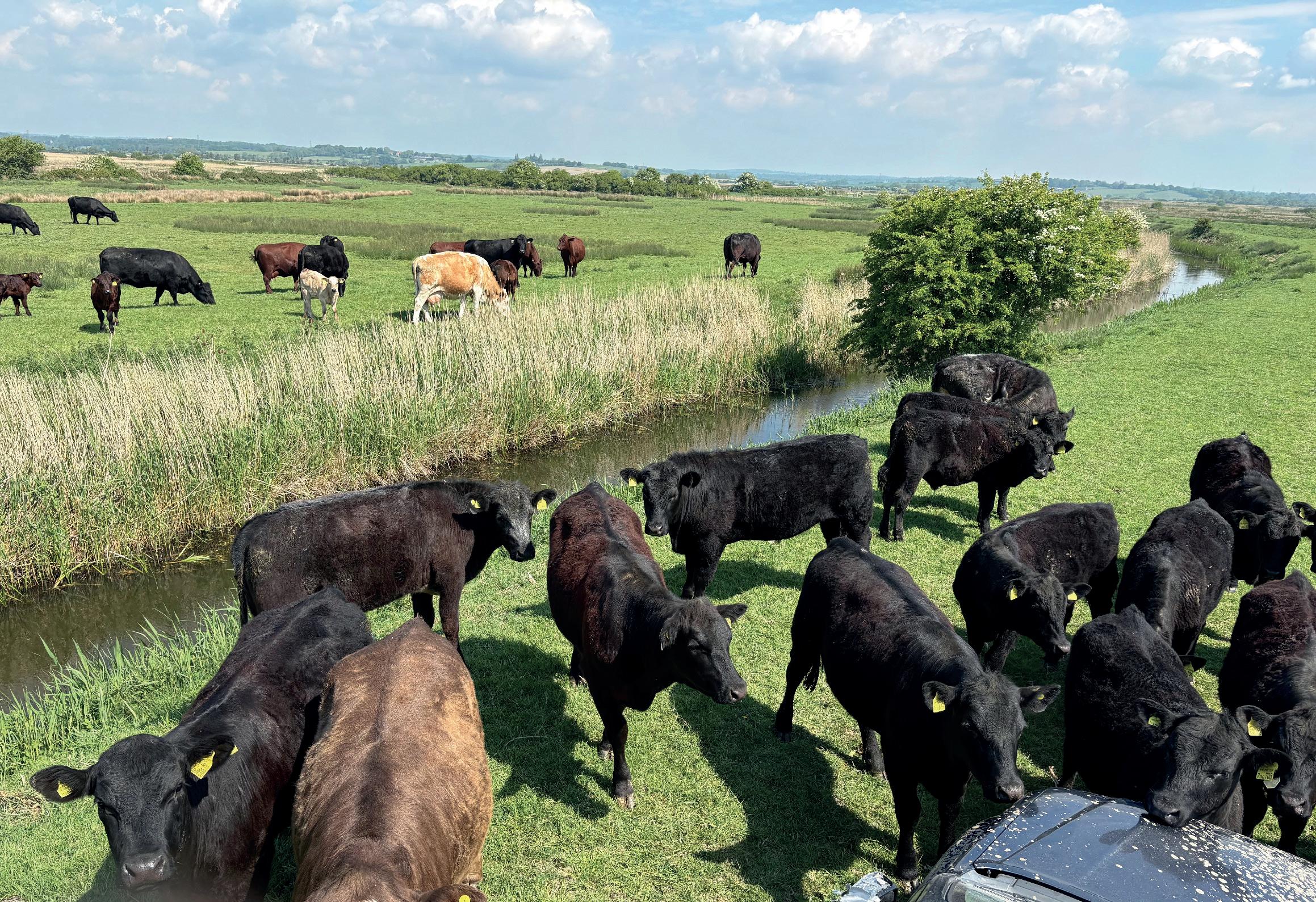
Rain is forecast, but we’re just not getting it. The grass grew well over winter and, now starved of fresh water, it’s having a rest. Cold, drying winds are not helping. That said, we have to work with what we get, so there’s no point whinging. The fact remains that, right now, restocking our barns looks challenging.
Generally at lambing and calving time, we stay home, immersing ourselves in farming activities, but after hearing stories about the realities of infertile bulls, we decided to attend a beef fertility talk and testing demonstration. Typically, however, a heifer decided to thwart our plan by going into labour, two feet showing with each contraction but making no progress. It seemed help was necessary.
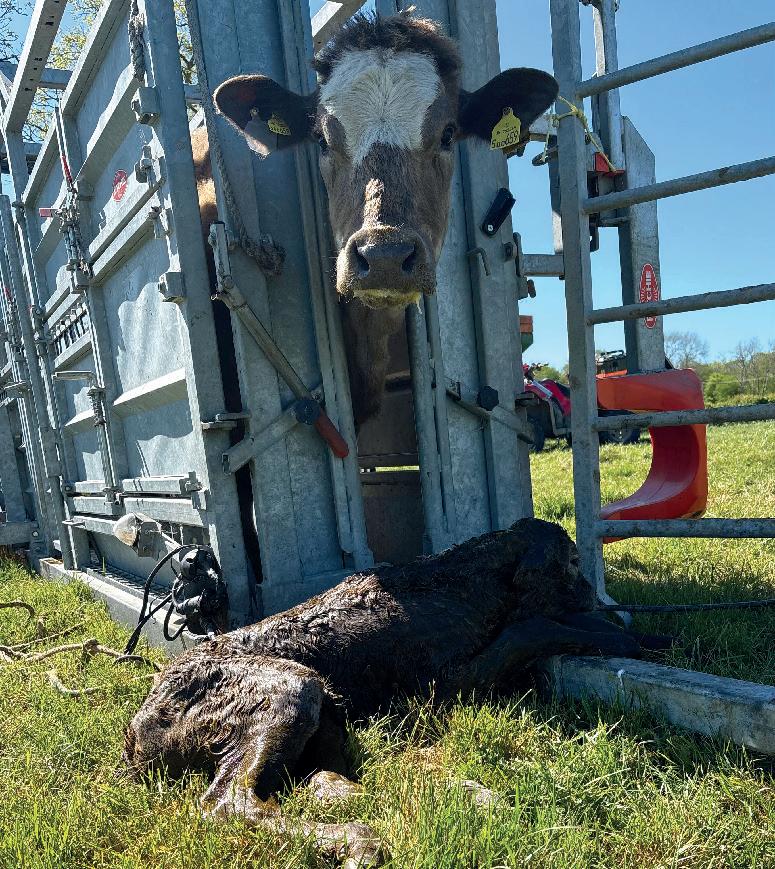
In the shed this is easy, but not so outside. We managed to drive her into a pen, but she wasn’t happy and attempted to jump the cattle hurdles. I was left minding her while Nigel and other half collected the mobile cattle crush and attached it to the pen.
It’s the first time we’ve used this for a calving, but it seemed the safest option and worked well. The calf was a good size and, thankfully, presentation was normal, but the heifer was clearly frightened. I should mention here that this was a shotgun wedding. She’d swum a river and crossed a couple of fields and, when we discovered her, she was smugly laying beside the bull amongst our herd of cows. We weren’t best pleased.
Although straightforward, the calving was stressful because, when the nose appeared the calf started breathing and, without pressure on the ropes, was inclined to disappear back inside. Keeping tension on the ropes while attaching them to the calving jack was tricky (we rarely use the jack). I was in charge of the airway which was nerve wracking for me as well as the heifer. We were all hugely relieved to get a live calf.
I gave the calf some Nimrod Red Start, which describes itself as an invigorating energy booster for newborn foals, calves and lambs.
After establishing a good breathing pattern
in the calf, we presented it to its mum and left them to bond. We then rushed off to attend the meeting, arriving in time to witness the practical side of collecting semen and then observe active sperm swimming in the semen through the lens of a microscope. Lunch and discussion followed.
Back home, it was a relief to find the calf up and sucking. Despite the shaky start, the heifer has adapted well to motherhood. We’ve since had our bull’s fertility tested. The result was satisfactory, so he’s now joined the early-calving cows.
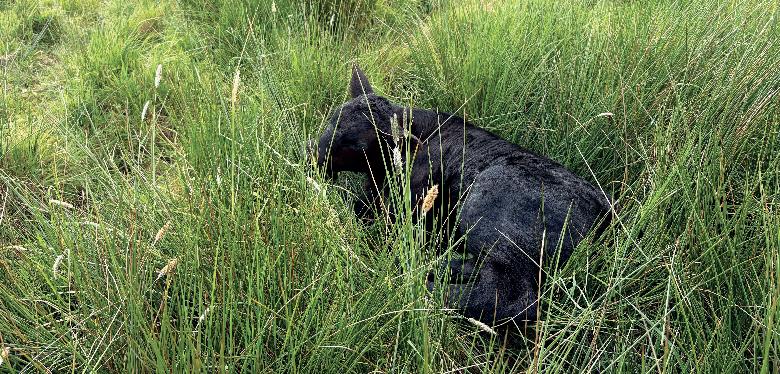
The task of tagging and castrating calves has proved to be more challenging in the outdoor environment. We like to leave them 48 hours before tackling this job. It’s remarkable how well some cows manage to hide their calves amongst rushes, hedges or ditches.
I asked one cow where her calf was and she gave me a quizzical look that seemed to say: “Innocent until proven guilty.” Sometimes they’ll glance in the direction they’ve hidden them, but not this one.
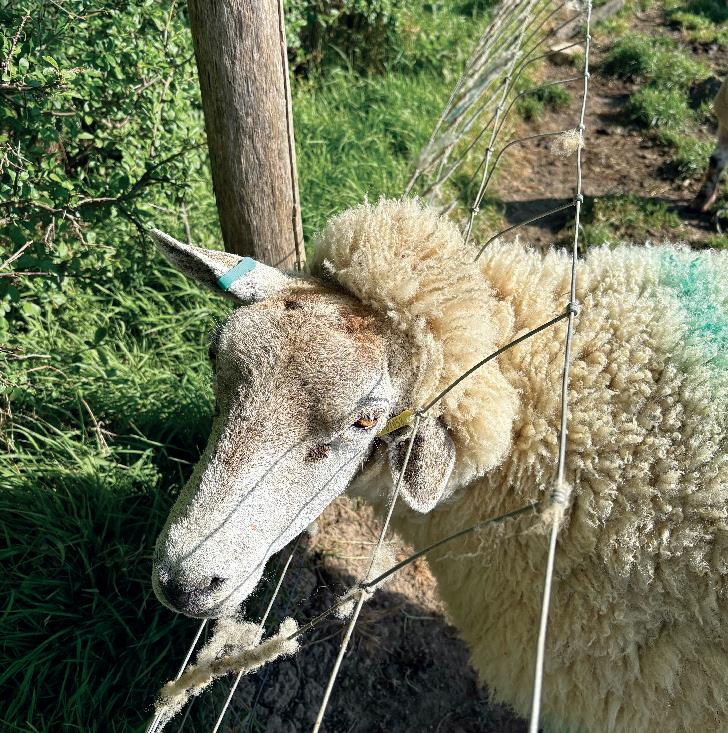
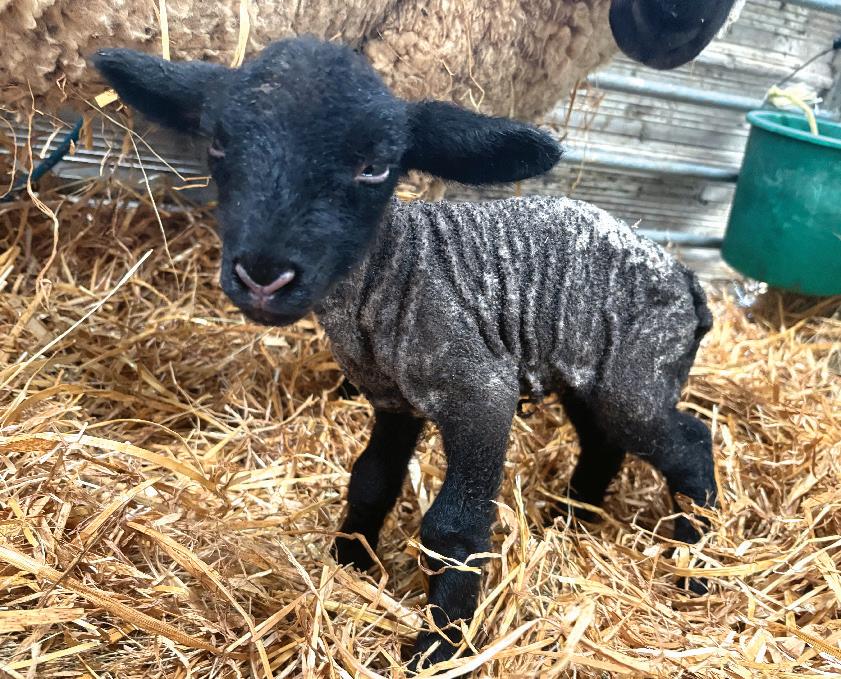
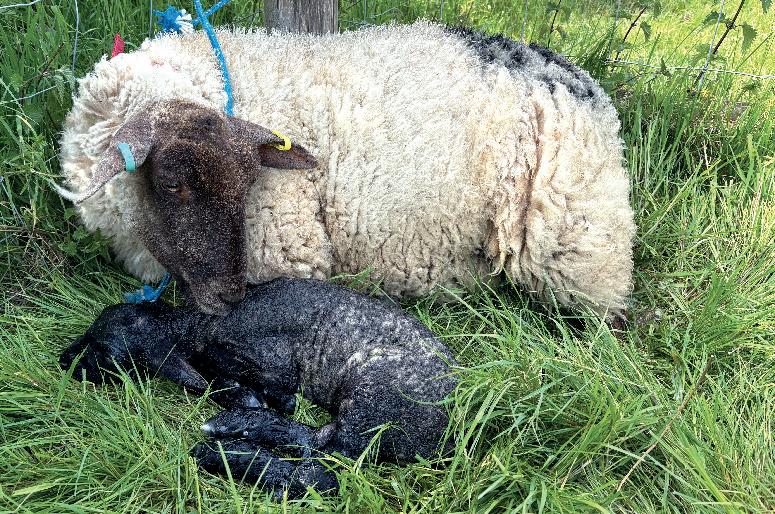
Another ewe-lamb successfully enjoying motherhood
Looking for that calf reminded me of playing ‘hunt the thimble’. I wanted the cow to tell me if I was hot or cold, but she was most uncooperative, giving nothing away. It sounds crazy, but I literally couldn’t find where she had hidden it.
On returning an hour later, we caught her red handed. The calf was feeding from her, so we were able to catch it, tether it to the quad, and tag it. Complying with the rules can be a devil of a job, especially if you have a skittish calf accompanied by a protective mum.
Sheep, in contrast, are less inclined to be so devious. Some lambs are easy to catch; others have to be driven into a pen. At least it’s not obligatory to tag them at such a young age, but we spray-paint for identification purposes and apply rings.
I filled in our thoughts regarding the consultation on the use of rings and await the results with interest and with trepidation regarding new rules.
Only five left to lamb; the stragglers are
Do you really have to pull out all the staples?
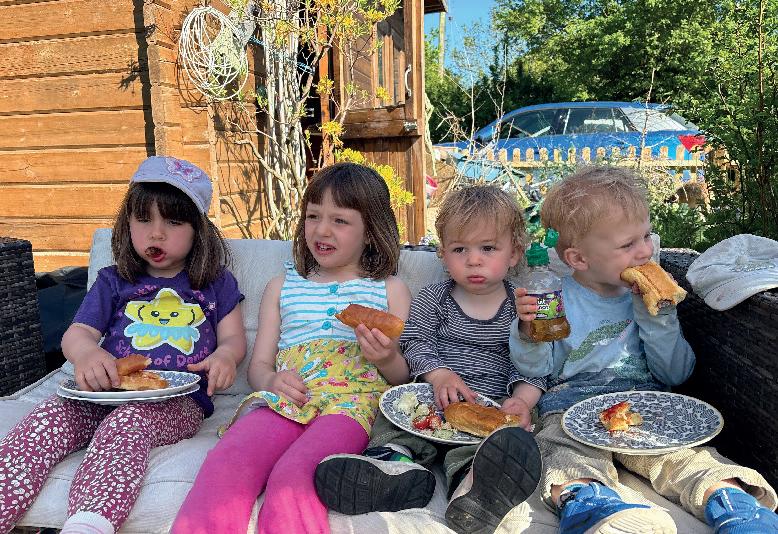
First barbecue appreciated by Zinnia, Anna, Wilf and Thomas
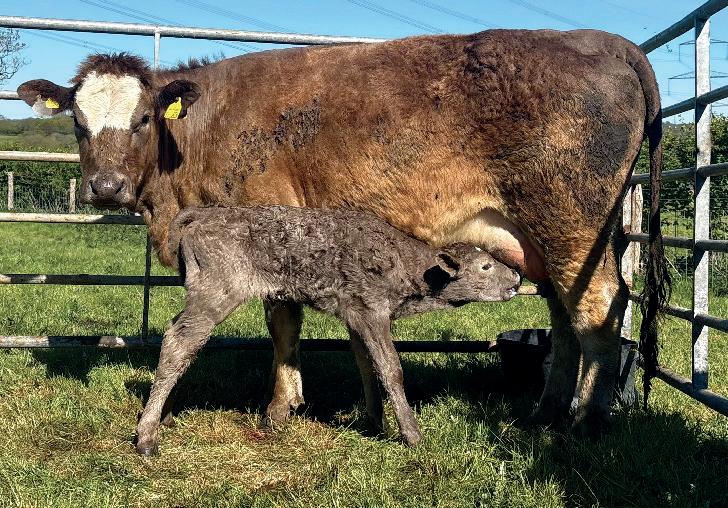
Finally, Dinky’s mum accepts she needs feeding Calf up and drinking colostrum – happy days
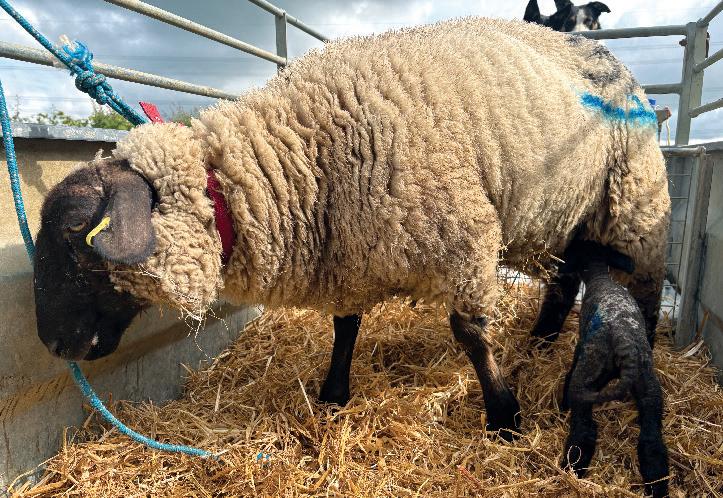
ewe-lambs and they’ve been very trying. Luckily singles, mostly petite. Our ram’s genes are supposedly rated highly for passing on good maternal traits, but you can’t rely on it.
Prior to lambing there’s lot of bleating, followed by disbelief when they actually deliver. Then if they decide to love them, they’re horrified when their offspring first attempt to suckle.
One evening, I decided I’d bring one such mother and newborn into the shed. Amazingly, she followed her lamb (Dinky) into the trailer and was transported to the barn. Dinky had to be held up to suckle, which she did with great gusto; it was fortunate I’d connected them prior to transferring them.
Silly me, thinking the mother would follow Dinky into a pen. The moment the tailgate was down, she took off at high speed, did a couple of laps of the yard, leapt over hurdles and headed back to the flock without a backward glance.
By now it was dark, and tracking her down
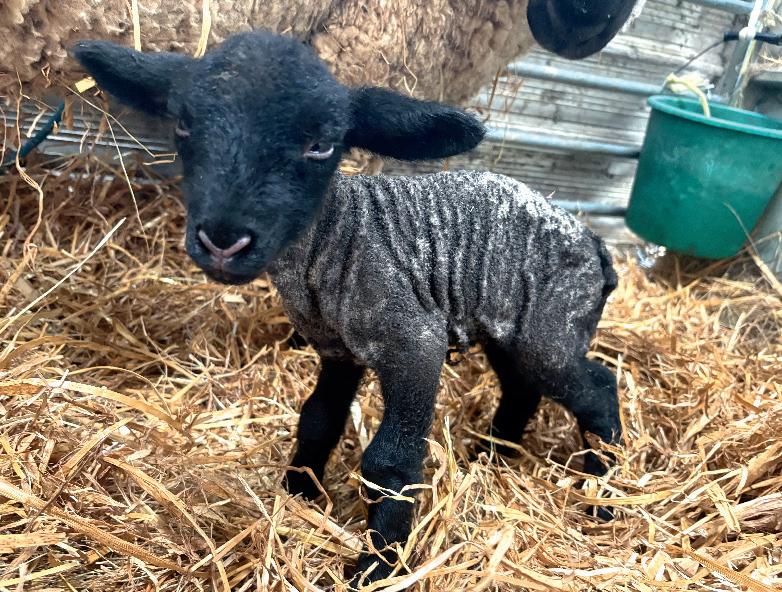
Dinky – oh dear, she’s got a lot of growing to do
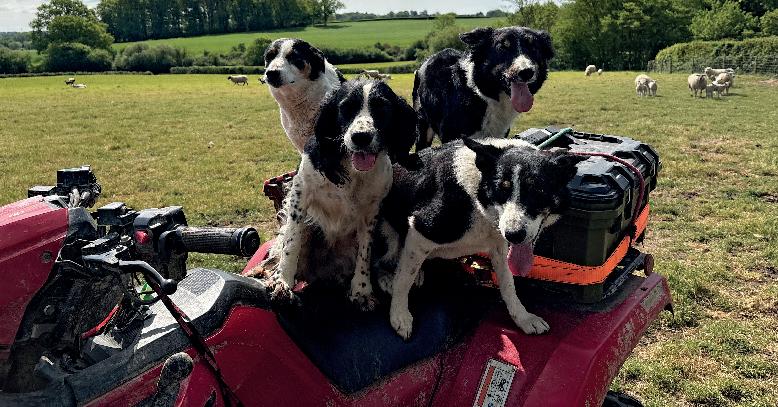
No one wants to be left at home; we’re all essential, although there's not much room for the driver
would do more harm than good, so we had to ‘lamb sit’. Dinky spent the night snuggled up in a box.
At first light, I retrieved the errant mum, who had cleansed and was happily lying among the flock, without a care in the world. I explained to her that she now had responsibilities. It took her 24 hours to grasp the fact that she needed to stand still to let Dinky feed.
I turned them out today; other half made a derogatory comment about Dinky’s size.
I said: “She’ll grow.” He’s challenged me to enter her into the fatstock show.
Our dogs are thoroughly enjoying their evening entertainment of rodent control. We’ve had a sudden influx of rats in the farm buildings this spring, which is strange because during the wet winter we rarely saw one. It’s alarming to witness the jumping and climbing abilities of rats. I’m hoping we’re winning the battle, and the dogs certainly love it.
I wonder if this government will ban that, too.
Who has seen mature elm trees in England? I would wager not many, for they were pretty well wiped out in the 1970s, leaving a hugely changed and denuded rural landscape.
These beautiful trees were infected and killed by a fungus carried by several species of elm bark beetle. This sad story of the English elms is a parable for us all, and particularly those working the countryside.
It is the story of evolution, biological arms races, infection, vectors and human ignorance, but also of our ingenuity. And it is a story that repeats.
Dutch Elm Disease (DED) was known in the 1920s, yet killed few trees. Humans trafficked the fungus to America, where it evolved greater virulence and, when timber was reimported into Europe in the 1960s, the compliment was returned with devastating consequences for our native elms.
It is an elegant example of the host/ parasite arms race, with winners and losers, and of the risks from global trade and traffic, allied to insufficient understanding and regulation. Our own recent Covid-19 pandemic is the most recent and vivid case study of this type of problem.
The elm bark beetles carry the fungal spores, which infect mature or semi-mature trees when
they burrow under the bark. The fungus grows and induces a reaction from the tree that, in turn, gums up their transport systems.
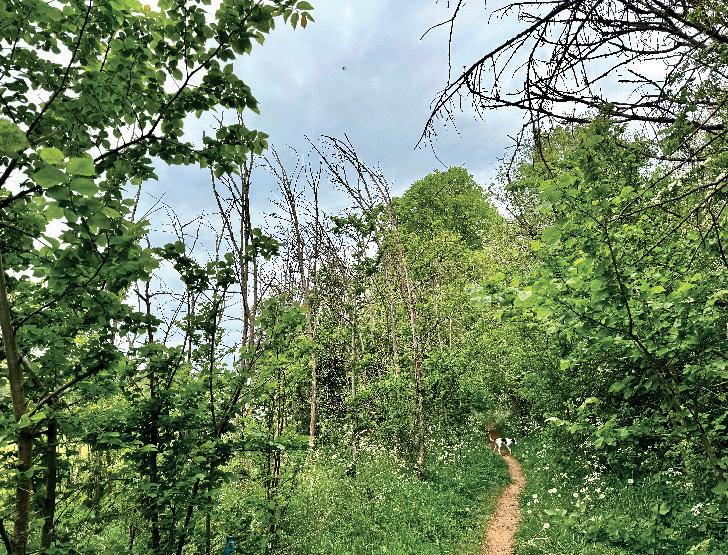
The xylem, which is responsible for carrying water and nutrients up the trunk, is worst affected. Lack of water leads to rapid death of the highest branches (crown dieback), gradually spreading down towards the base as more xylem is bunged up.
The roots usually survive to send up suckers that don’t interest the bark beetles and so the English elm survives today as a hedge plant, which is useless for the white letter hairstreak caterpillars that need the flower shoots.
Another peculiarity of the English elm is that it is a clone that sets useless seed and replicates through suckers, which means there is insufficient genetic variety for resistance to evolve. No treatment is available and managing the vector is impractical, so we are left with breeding plants from close relations that show resistance.
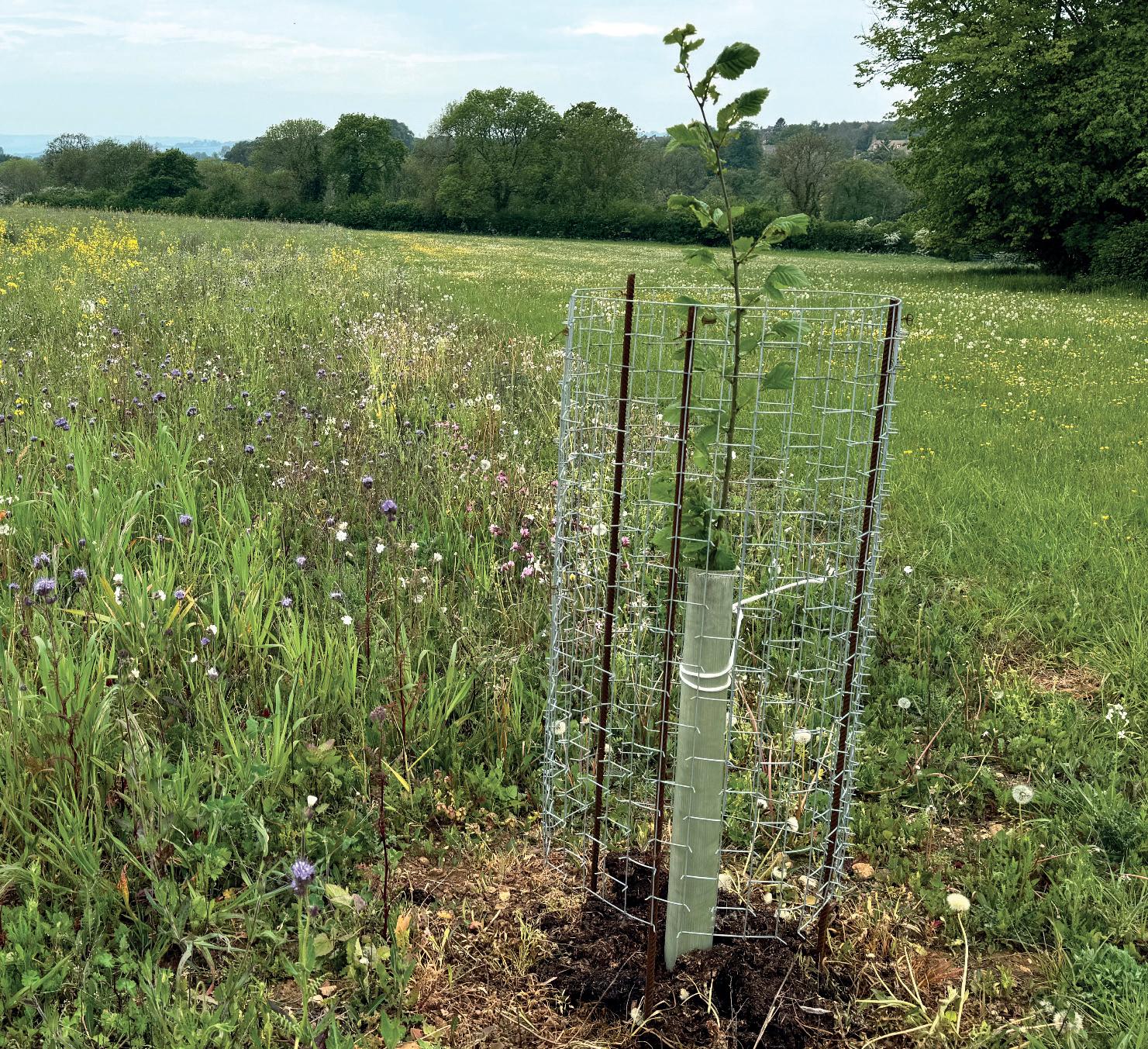
Sadly, this is slow, for the products of carefully selected breeding have then to be tested for disease resistance and conformation in the field. We are now seeing some success from over 50 years' work, but introductions are not risk free.
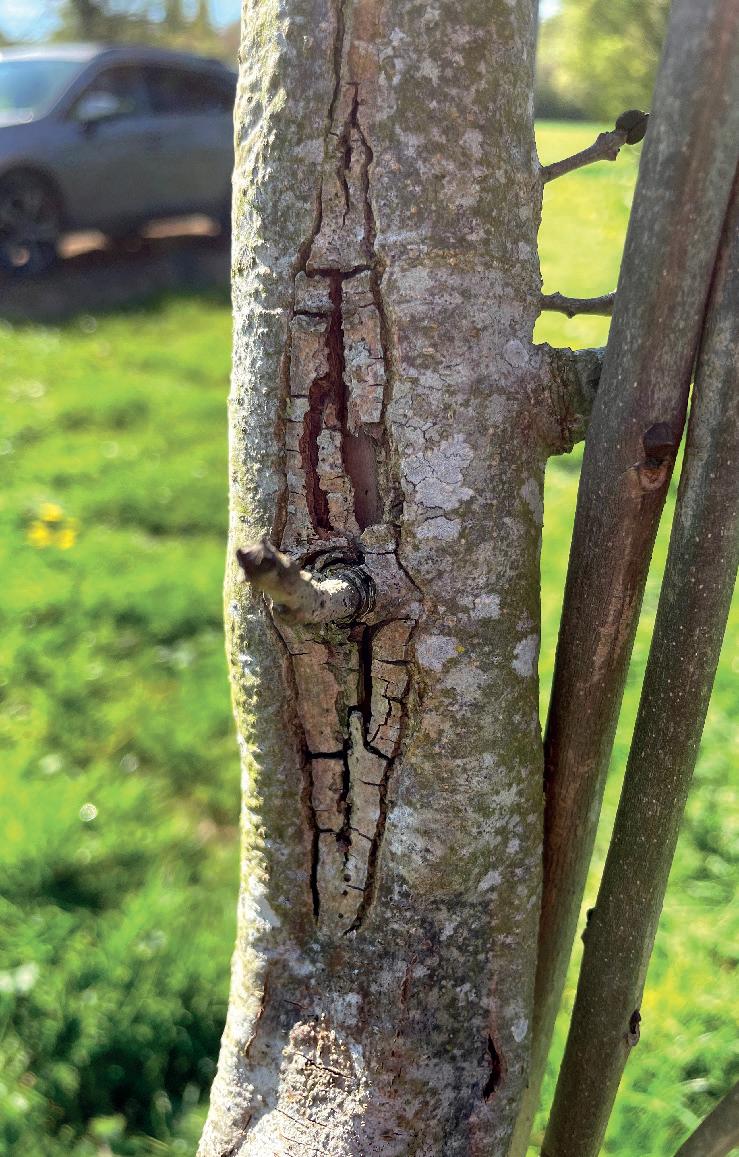
More recently, we have also been faced with ash dieback, caused by windborne fungus, and bleeding canker in horse chestnuts, which is a bacterial infection. Both diseases are imports, the former from Manchuria and the latter from the Hiimalayas, should we need reminding of the need to manage movements of all biological materials, including us.
Another interesting illustration of our commonality is that the bacterium causing bleeding cankers is a pseudomonas, and other species of pseudomonas infect humans. There is, however, no need to panic about being infected from diseased horse chestnuts.
Does all this matter to us? Farmers continue farming, so why lose sleep over trees? Circumstances change; we adapt and get on with the daily chores to keep our farms afloat, and anyway we have too much on our plates to go down this rabbit hole.
I would beg to differ, for these losses are symptoms of dwindling diversity, and with lost diversity comes greater vulnerability. So how can we maintain or increase farm diversity in the face of other, more pressing, work?
Fortunately, diversity can be delivered usefully, bit by bit. After all, trees take at least a generation to reach maturity, so why hurry? Every contribution is useful and, like elevating a recipe from good to great, adding variety makes a disproportionate difference. So squeeze in some worthwhile tree planting during winter and early spring, when cultivation is rained off.
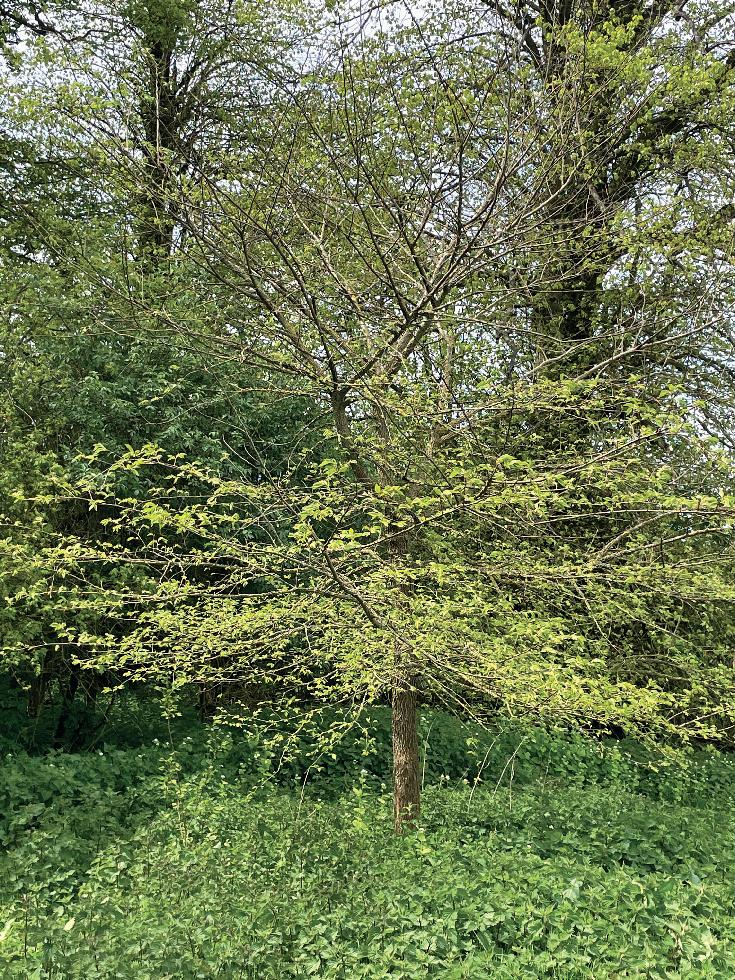
My own attempt at restoring elms has been gradual, starting with what was already there. In common with many farms nearby, our old hedges have lots of elms which, if left, die on reaching about five metres. A handful of wych elms is dotted about, with trunk diameters of
about 40cm, some showing signs of disease. We also have one healthy, mature, English elm in a five-hectare wood, surrounded by suckers, a lucky escapee from the elm beetles.
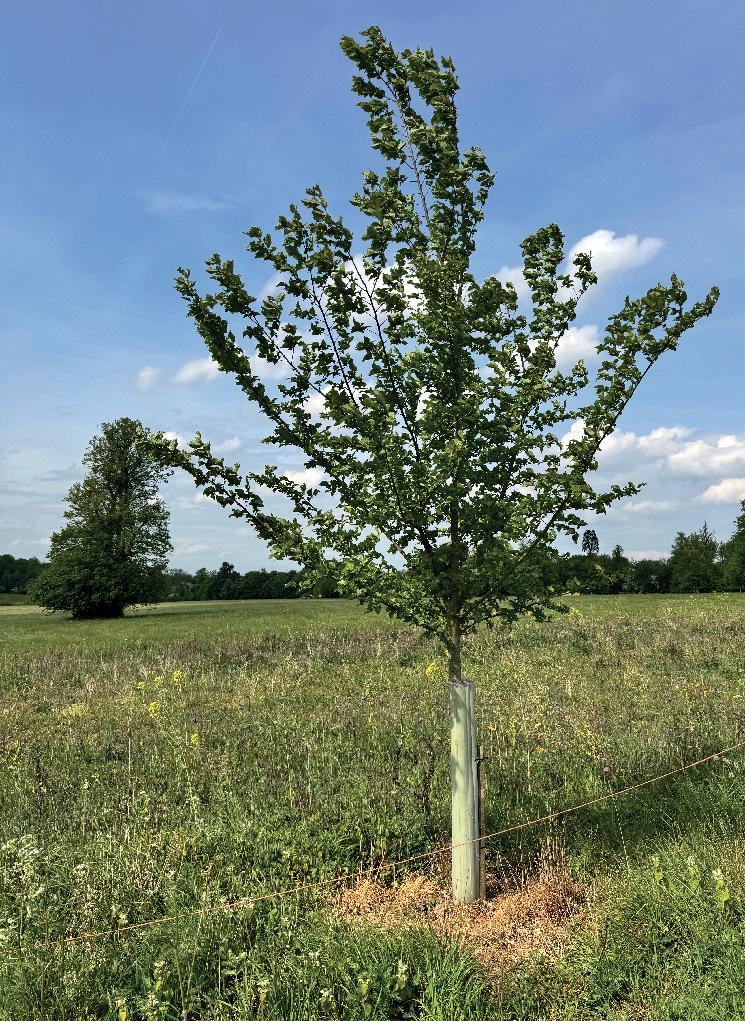
Hoping it might be resistant, I transplanted a strong sucker to a new site, in company with a few purchased resistant cultivars, where it grew vigorously before succumbing to DED. Importantly, the resistant cultivars remain healthy.
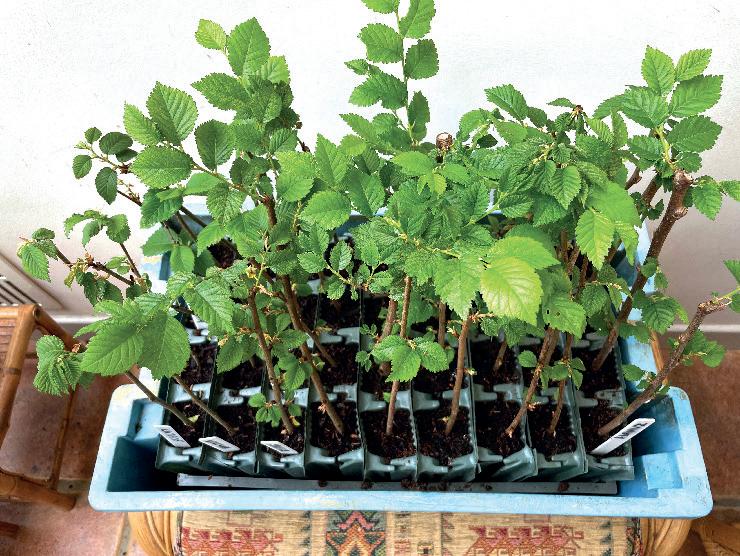
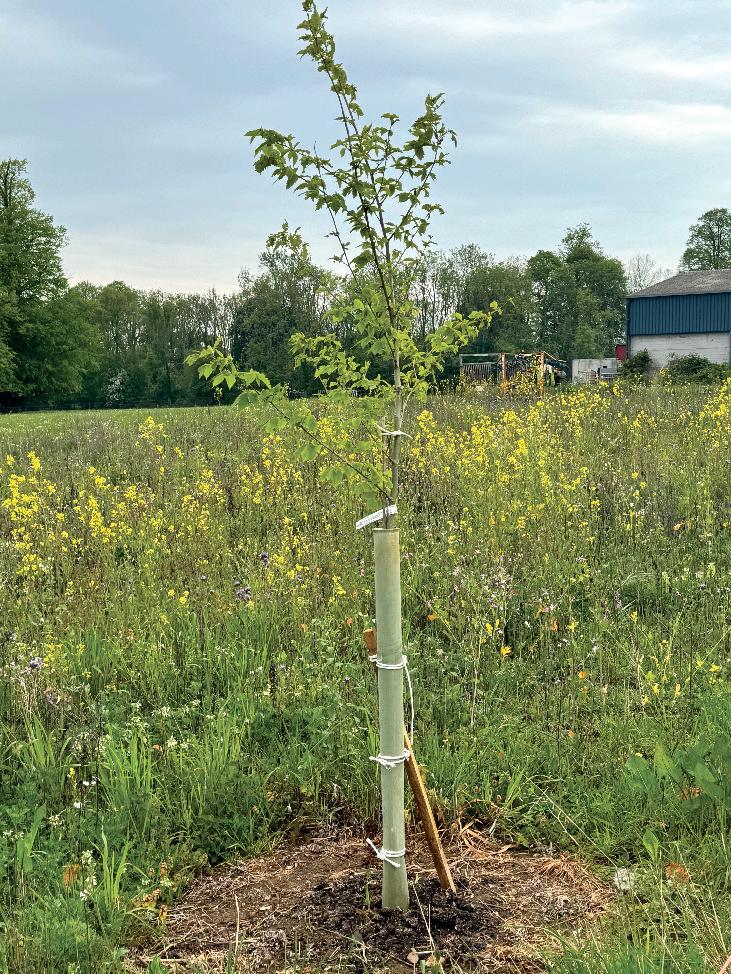
My next timid step was buying 25, barerooted saplings with established credentials. Twenty of them were resistant cultivars of a Spanish Ulmus Minor (Adamuz) that most resembled the English elm. The remainder were Ulmus Nanguen (Lutece), a complex hybrid raised in Holland which has moderate resistance to DED and is used in urban settings. All plants have established, though some struggled initially on our exposed Cotswold field margins.
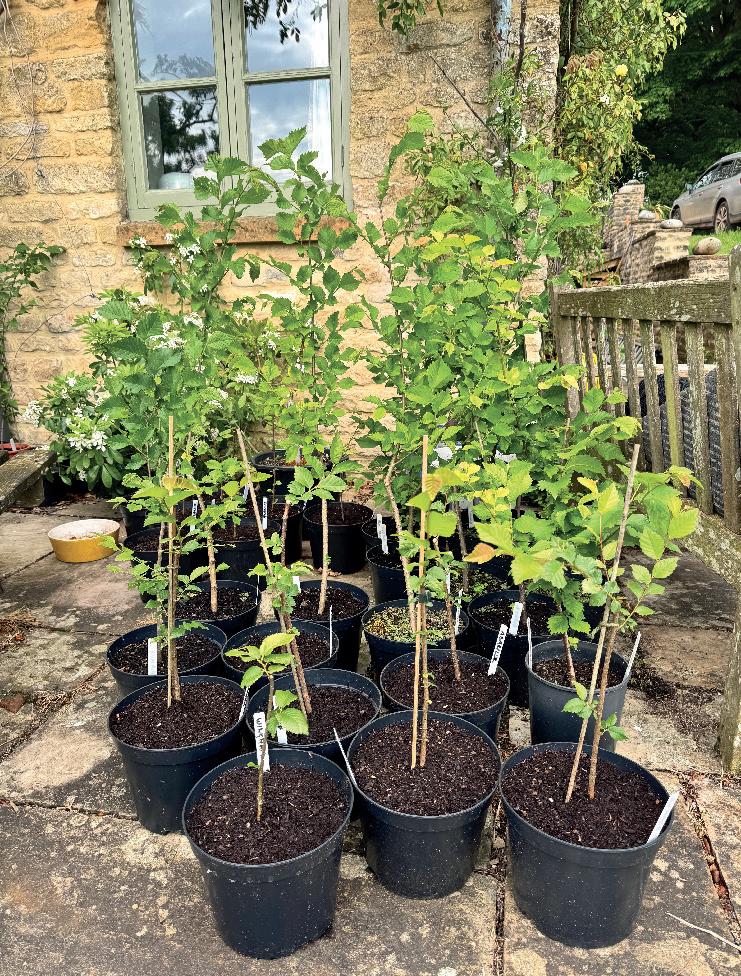
I branched out in autumn 2024, acquiring a pair of Ulmus Wingham from Frank P Matthews; this is a complex hybrid of Asiatic and European elms, introduced in 2019 and said to be fully resistant to DED. The two tall saplings were promptly potted on into 25-litre tubs to bulk their roots and thicken willowy stems. This spring I planted them out where, I hope, they will grace the farm for the centuries to come.
I also rooted a batch of 20 Adamuz cuttings last spring, and again this year, for home planting. The strongest are already out and I hope before long we will have a body of elms to support populations of white-letter hairstreak butterfly and whitespotted pinion moth. I also hope these seed-bearing elms, with mixed genetics, will cross pollinate with natives and will, in time, produce a local race of self-propagating trees tolerant of the DED fungus.
There is no doubt that maintaining a wide variety of trees delivers exponential ecological richness that, in turn, boosts wellbeing. It certainly gives me great pleasure and comfort to see the variety of trees in blossom from late February (wild plum) right though to late June (lime).
It is well worth the effort and our fields, last month, were full of orange tip butterflies. So there is room, too, for their food plants, garlic mustard and cuckoo flower. Surely a bit here and there for nature is worthwhile?
On a bright spring morning, I pulled into Tyler’s Ground just as the first wave of customers were arriving for coffee and breakfast. The site, tucked away down a lane in the East Sussex countryside, still carries the bones of its former agricultural life – practical farm buildings, yards and workshops – but over the past few years it has evolved into something quite different.
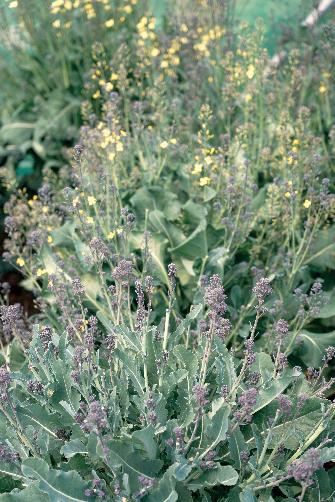
At the centre of it all is a busy speciality coffee house, restaurant and farm shop built around local produce, seasonal growing and a more 'closed-loop' approach to food.
For many farmers and rural businesses, diversification has become increasingly important in recent years, whether through direct sales, tourism, hospitality or adding
This month, Nigel Akehurst visits Tyler’s Ground, where a former farmyard in Blackboys on the edge of the High Weald National Landscape in East Sussex has been transformed into a restaurant, market garden and food hub, bringing growing, local supply and food production together within one evolving enterprise.
value to existing enterprises. But what stands out at Tyler’s Ground is not simply the restaurant itself, but the way the different parts of the site are beginning to connect.
“What started with coffee and cake has gradually evolved into a much broader food-led project. Two-and-a-half years later, we’ve got three chefs and it’s grown from there,” Andrew Tyler told me as we sat down inside the restaurant.
The restaurant occupies what was once an old cow shed, now converted into a bright, modern space overlooking the yard and growing areas beyond.
The planning process was relatively straightforward, helped by the fact that the buildings had long been in agricultural use. That flexibility has allowed the site to evolve steadily over time rather than following a rigid business plan from the outset, supported by the help of planning consultant Nick Field.
Nick explored what could be done under permitted development rights, creating a blueprint that allowed the business to move forward without the need for full planning permission. With 15 years’ experience, five of it as N Field Projects Ltd, Nick has developed a strong niche in supporting both the agricultural and commercial growth of farming businesses.
At Tyler’s ground he also helped with project management and with some of the internal design, including the layout of the coffee shop, helping the venture blossom into life.
At weekends, particularly on Saturday mornings, the restaurant can become extremely busy. ”We often need a waiting area for the waiting area,” Andrew said with a laugh.
Behind the restaurant itself is where much of the real work – and much of the thinking behind the project – takes place.
largely in reverse.
Each week, chefs and growers sit down together to work out what is available, with the menu shaped around seasonal supply rather than the other way around.
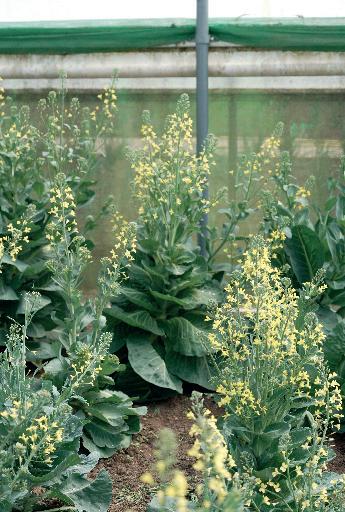
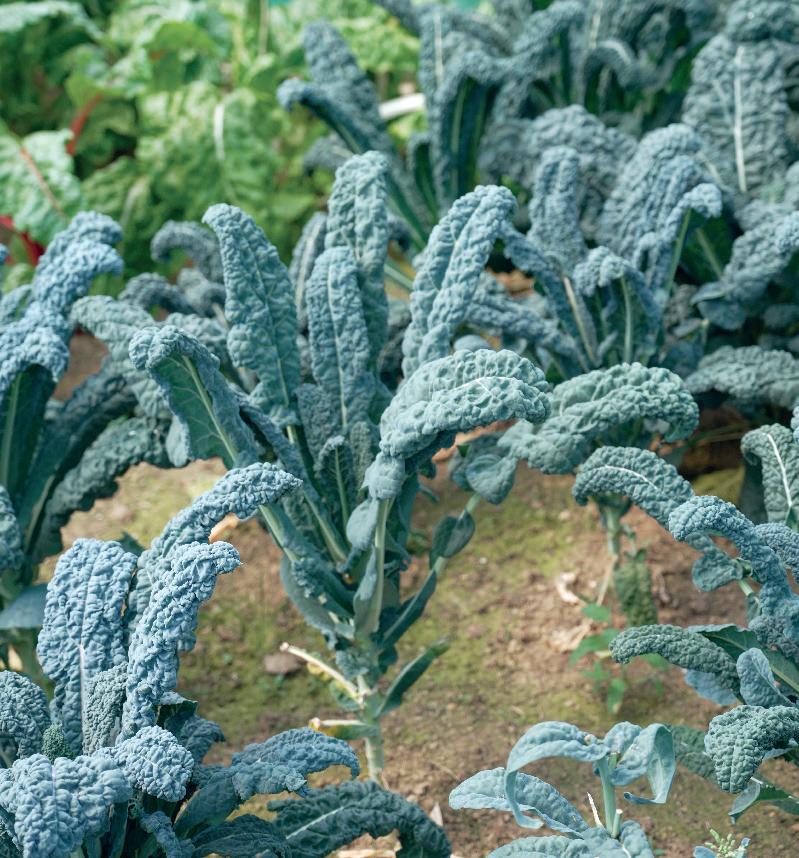
Vegetables grown on site move quickly from the polytunnels into the kitchen, while other products are sourced from nearby producers and suppliers wherever possible.
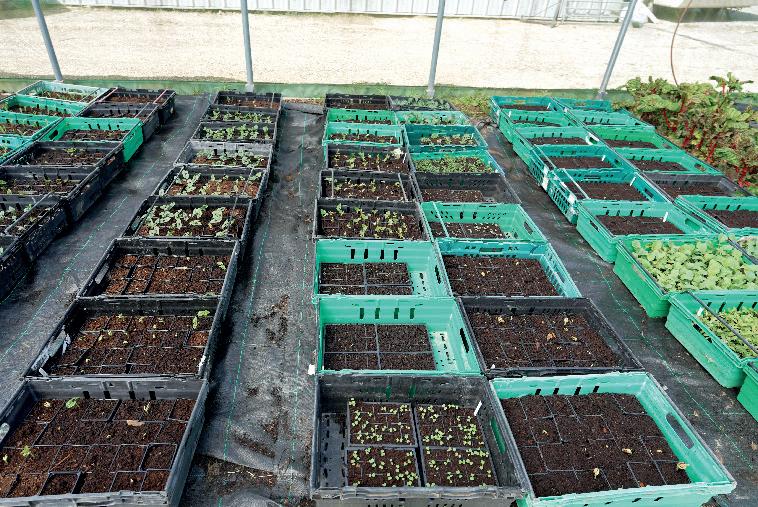
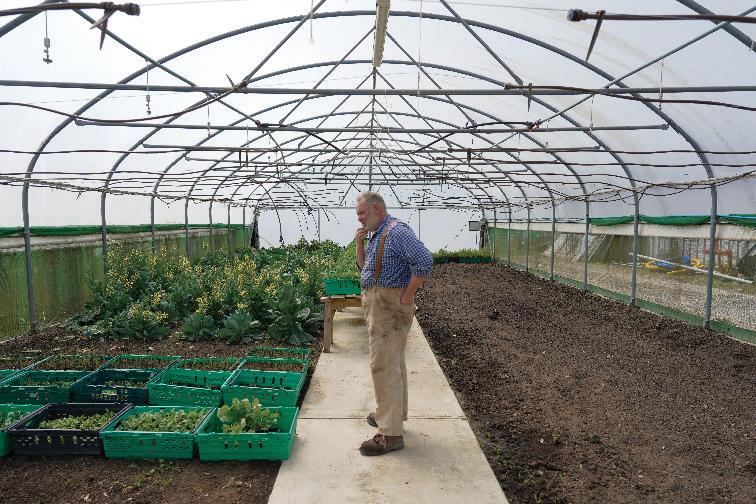
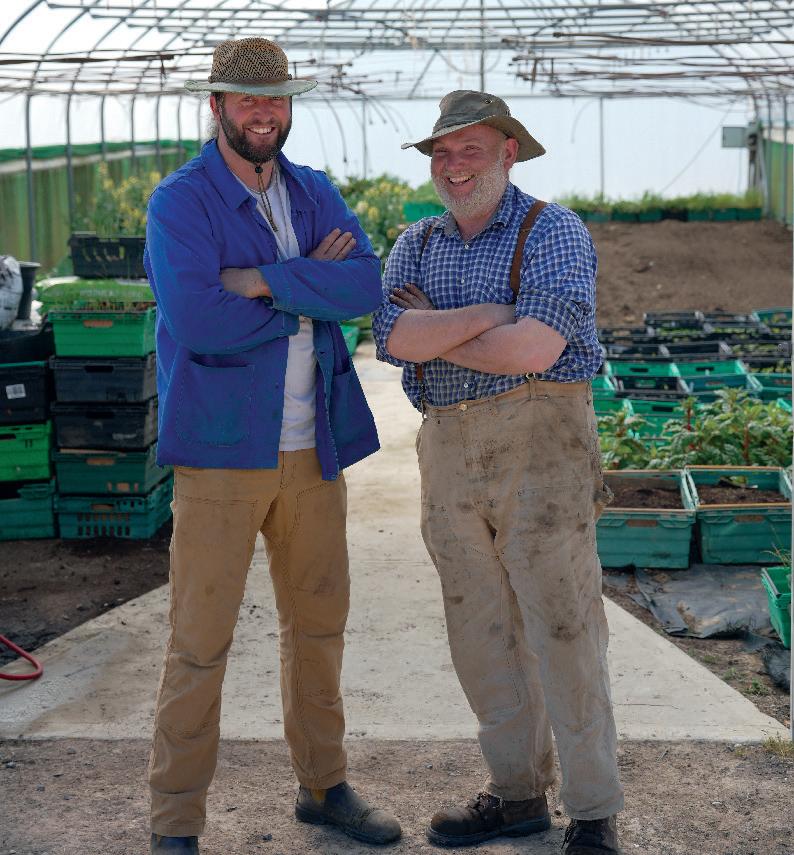
During my visit, growers Mike Rofe and Andrew Baggs showed me around the growing areas, where beds of seasonal crops sat at various stages of growth, some newly planted, others almost ready for harvest, reflecting the steady cycle of planting and harvest needed to keep the kitchen supplied throughout the season.
The focus is not necessarily on large-scale production but on freshness, seasonality and reducing reliance on long supply chains.
That thinking runs through the wider operation. Well-rotted manure is supplied by local farmer and agricultural contractor Jack Akehurst, who also carries out some of the field operations such as drilling, while compost generated on site is returned onto the growing areas.
“We try to keep everything as natural as possible,” Andrew said. “Importantly, we know where it’s come from.”
• Former farmyard site on the edge of the High Weald National Landscape, East Sussex
• Evolved from a coffee-led venture into a restaurant, market garden and food hub
• Restaurant and farm shop housed within a converted former cow shed overlooking the yard and growing areas - open Thursday to Saturday, 9am to 4pm
• Menu built each week around what is grown on site and available from local suppliers
• Market garden producing seasonal vegetables for direct use in the kitchen
• Polytunnel and outdoor growing system designed to provide a continuous supply through the season
• Composting system returning food waste and organic matter back to the soil
• Network of nearby independent producers supplying dairy, drinks and other products
• Solar panels and battery storage providing a significant proportion of the site’s energy
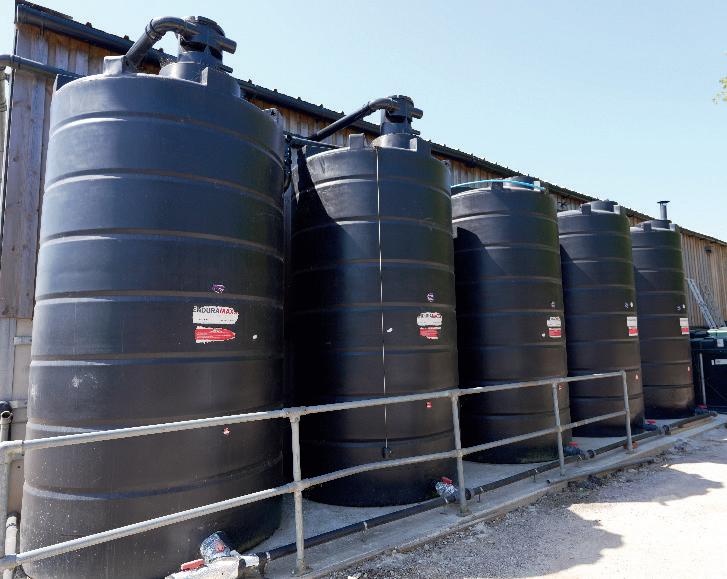
• Rainwater harvesting and filtration systems supporting water use across the site
Plans are afoot to expand the system further, including preserving surplus fruit and vegetables and introducing on-site butchery to process meat directly through the business.
At Tyler’s Ground, food production and the kitchen are closely linked. Rather than designing a fixed menu and sourcing ingredients to suit it, the process works >>
• Additional small food businesses operating from converted units within the yard
• Future plans include preserving surplus produce and introducing on-site butchery
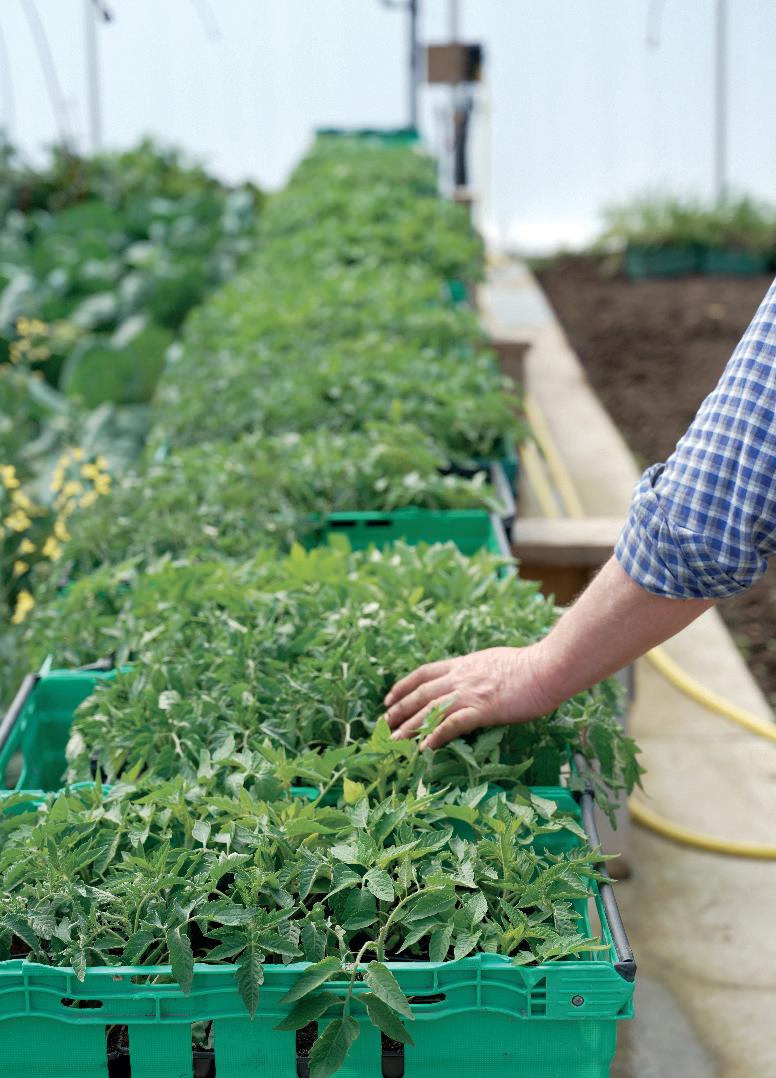
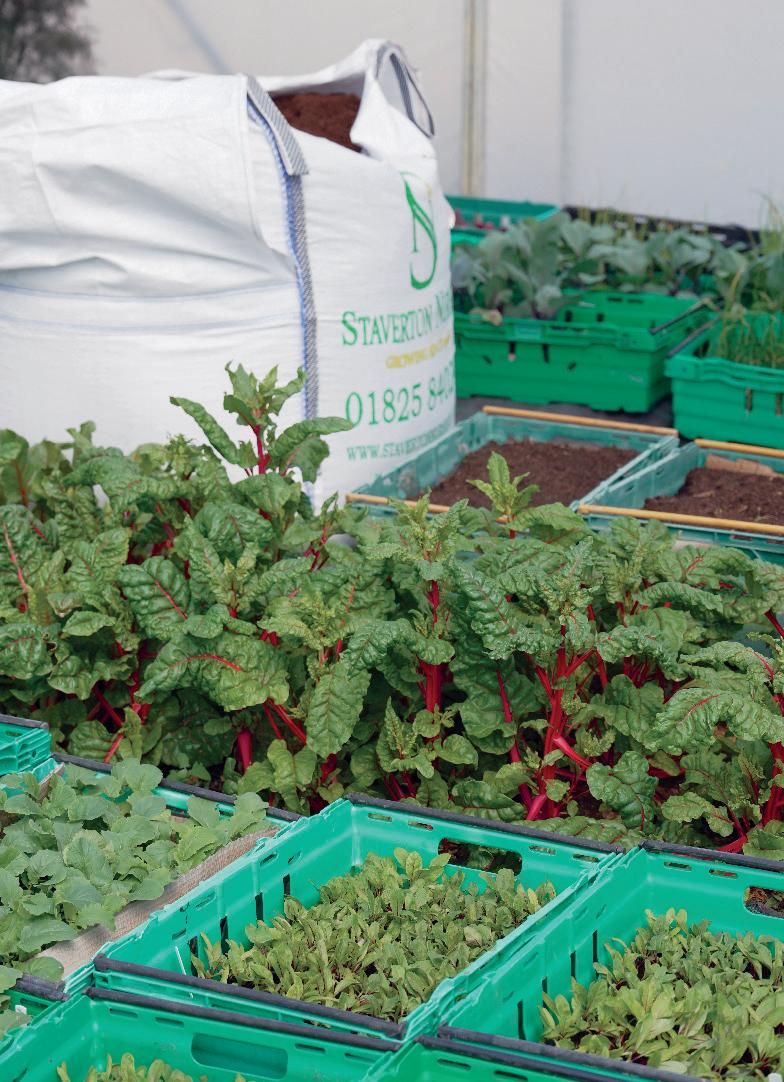
In many ways, it is an attempt to bring more of the food chain back under one roof; growing, processing, cooking and selling food all from the same site.
That approach extends to a wider network of local suppliers. Meat, cheese, yoghurt, drinks and other produce are sourced from nearby independent producers, many of whom have a direct relationship with the business.
Rather than relying heavily on certification or labels, the emphasis is on transparency, locality and trust. “We’re more interested in how something is produced than what label it carries,” explained Andrew.
Alongside the food side of the operation, there has been significant investment in infrastructure. Solar panels and battery storage systems now provide much of the site’s electricity, while rainwater harvesting and filtration systems help supply water throughout the operation.
Reducing reliance on external systems forms part of the longer-term thinking behind the project. The investment is substantial, but for a food business where energy and water are major costs, it also provides a degree of resilience and long-term control.
FOCUSED CONTENT CREATION
Storytelling through interviews, features, case studies, photography and short films.
For enquiries contact Nigel Akehurst via email on nigel@indiefarmer.com
Instagram @indiefarmer www.indiefarmer.com
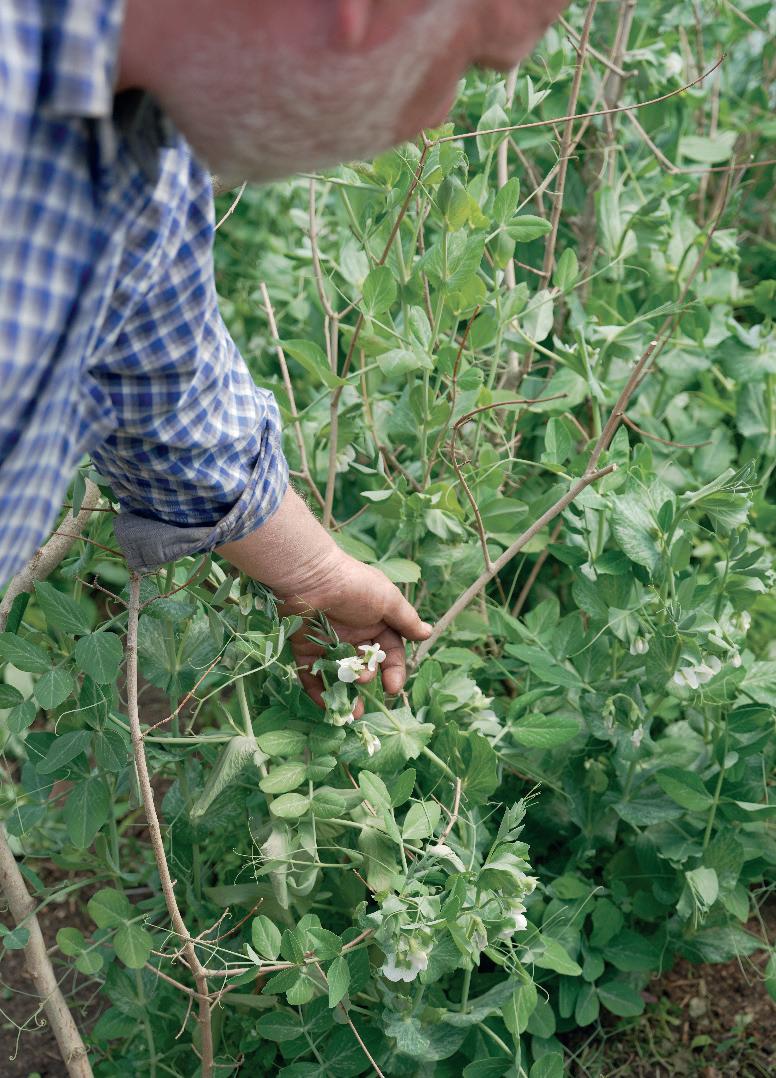
When it comes to new – or transformed – buildings, Andrew turns to Sussex Steel Construction Ltd, a local company which specialises in designing, manufacturing and installing bespoke, steel-framed buildings.
The company is run by Daniel Hunter-Evans, who prides himself in working closely with the client to explore all the options, making sure the site works as efficiently as possible. As well as delivering new buildings, Daniel and his team are experts at maximising the potential of any existing buildings, whether that’s by adding a mezzanine or altering the layout.
This collaborative approach shone through at Tyler’s Ground, where Sussex Steel Construction supplied new steel-framed buildings and renovated existing units, supporting the production and preparation of produce used within the coffee shop and restaurant.
Elsewhere on the site, several smaller food businesses now operate from converted units, supplying products into the restaurant and retail area while also developing their own customer base. It offers a way for small producers to grow without immediately taking on the risk of larger commercial premises. >>




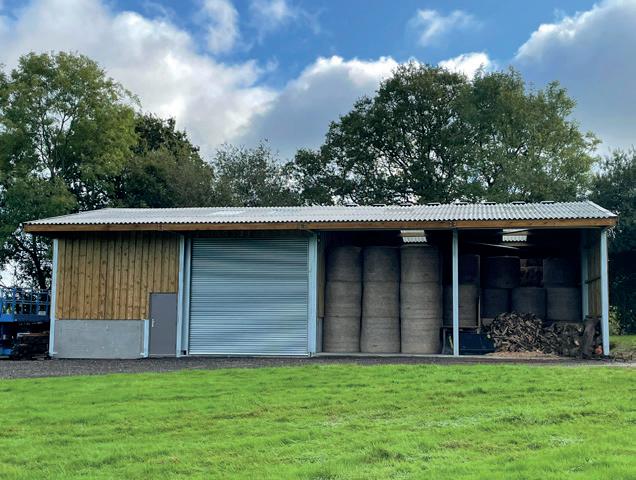
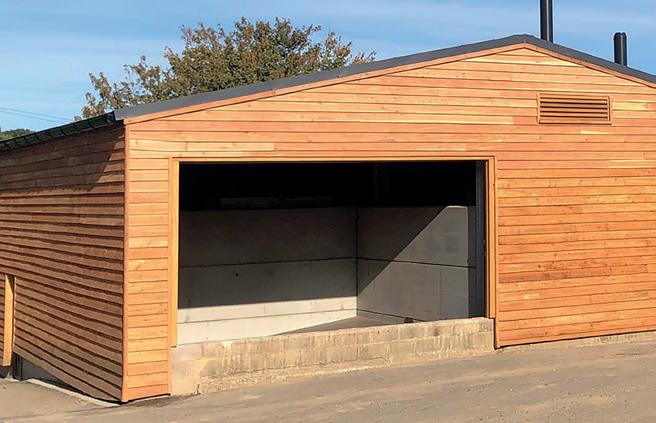
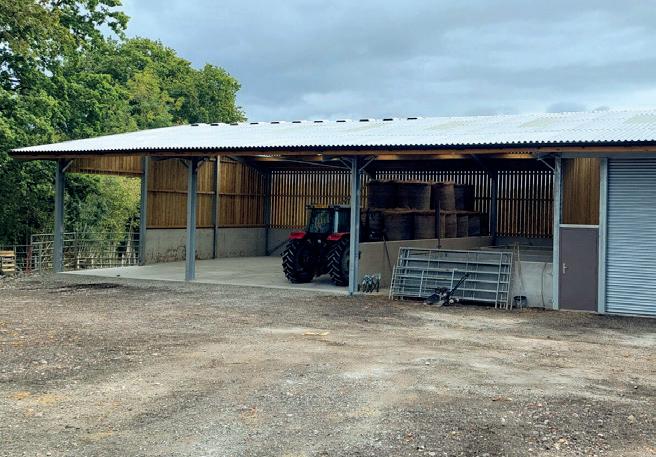
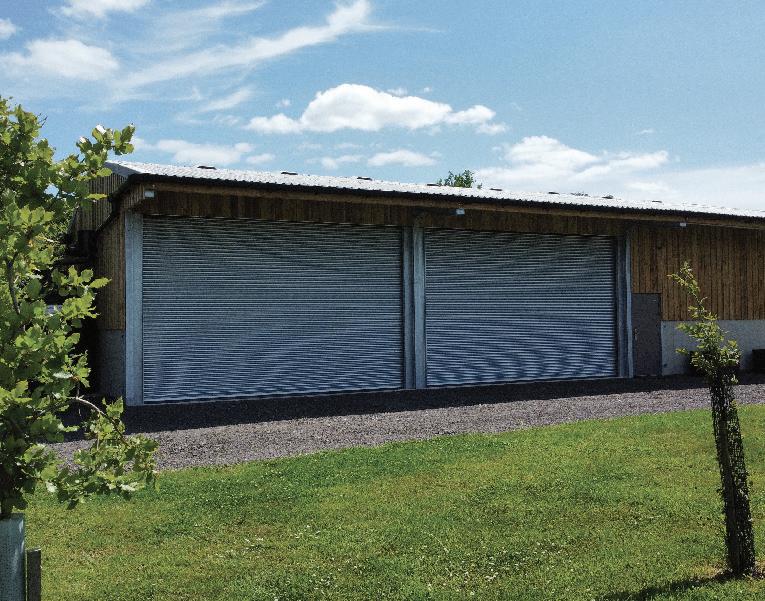
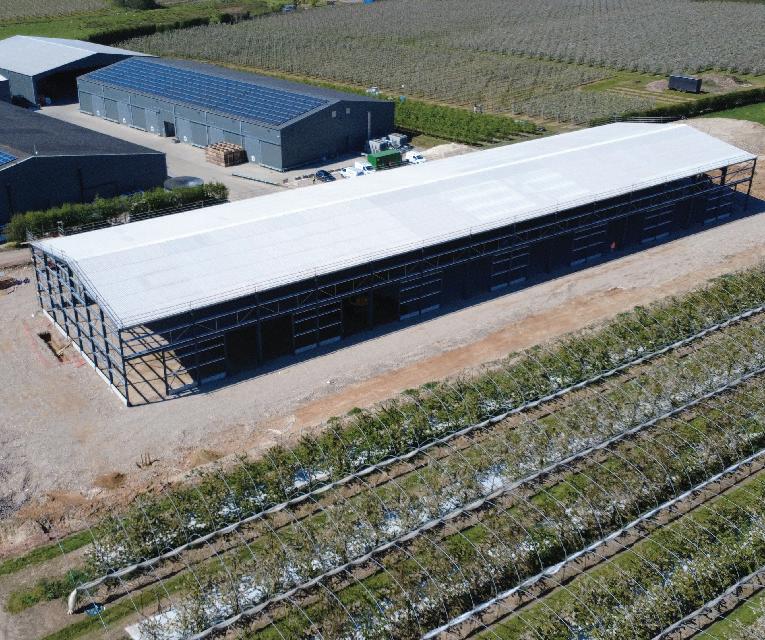
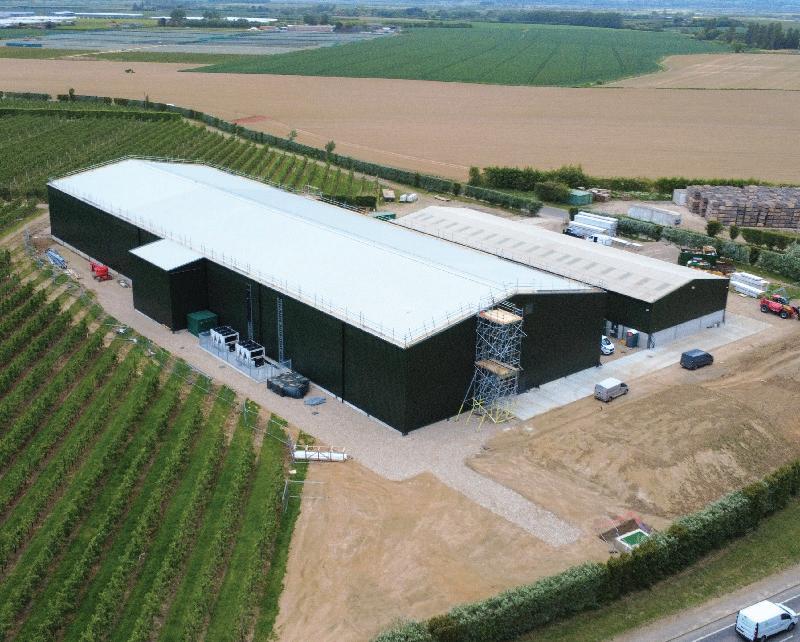

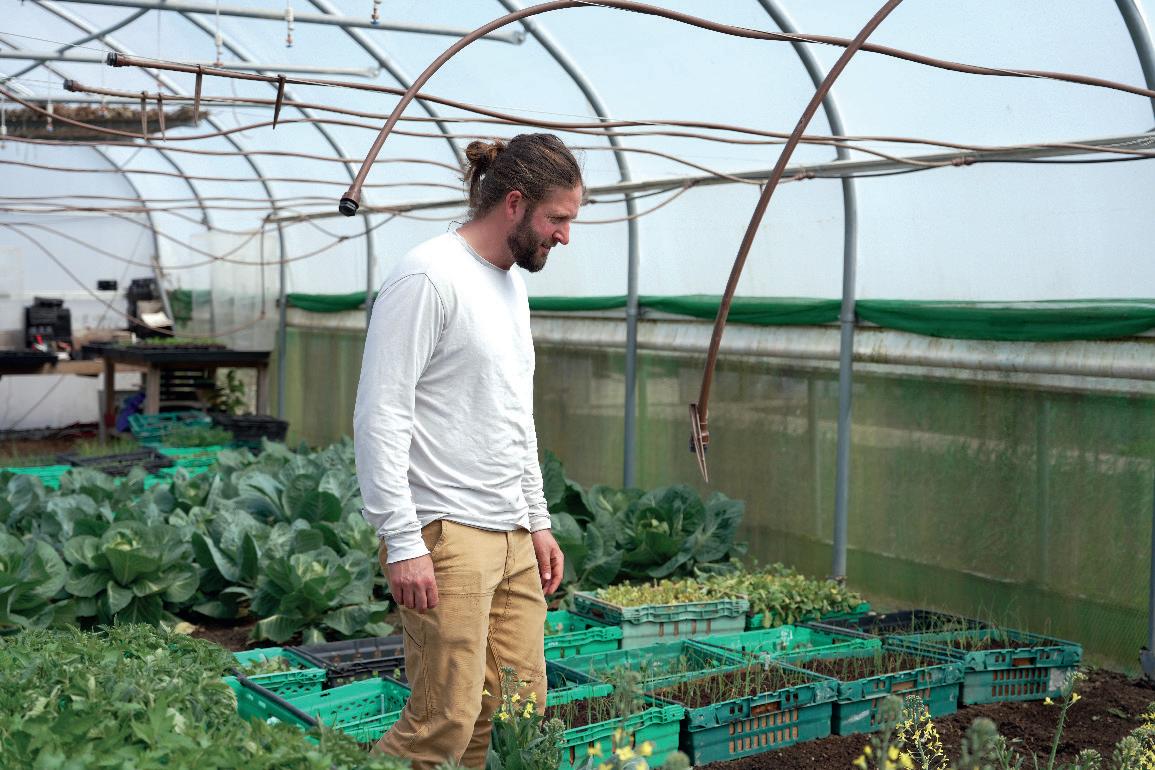
Like many diversification projects, it also faces significant challenges. Hospitality can provide opportunity, but margins remain tight. Rising labour costs, business rates, energy prices and general overheads continue to place pressure on hospitality and food businesses across the board. “Costs are going up everywhere. That obviously affects how quickly you can expand,” explained Andrew.
For now, growth appears to be measured and incremental, with new ideas and enterprises being added gradually as the wider operation develops.
Walking back through the yard towards the polytunnels, what struck me most was not necessarily the restaurant itself, but the way the different parts of the site are beginning to function together.
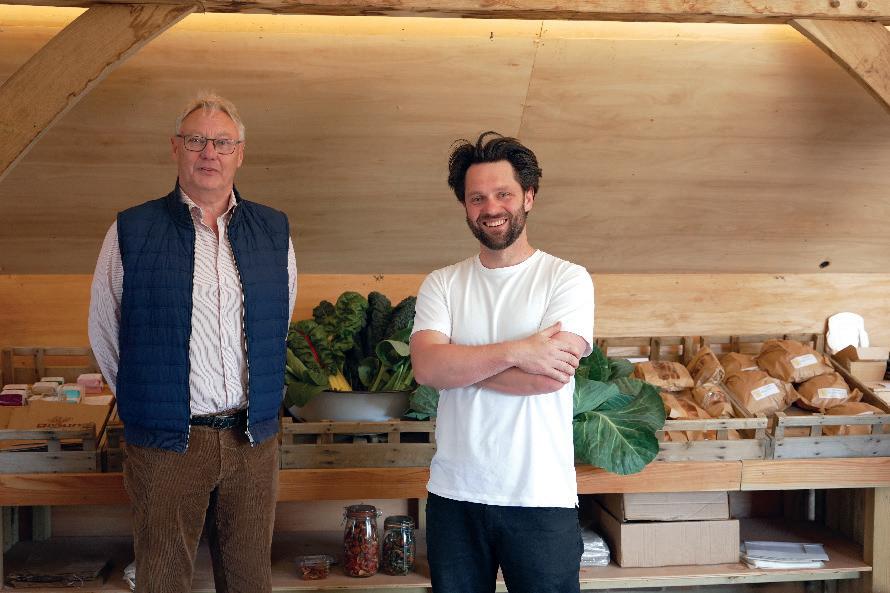
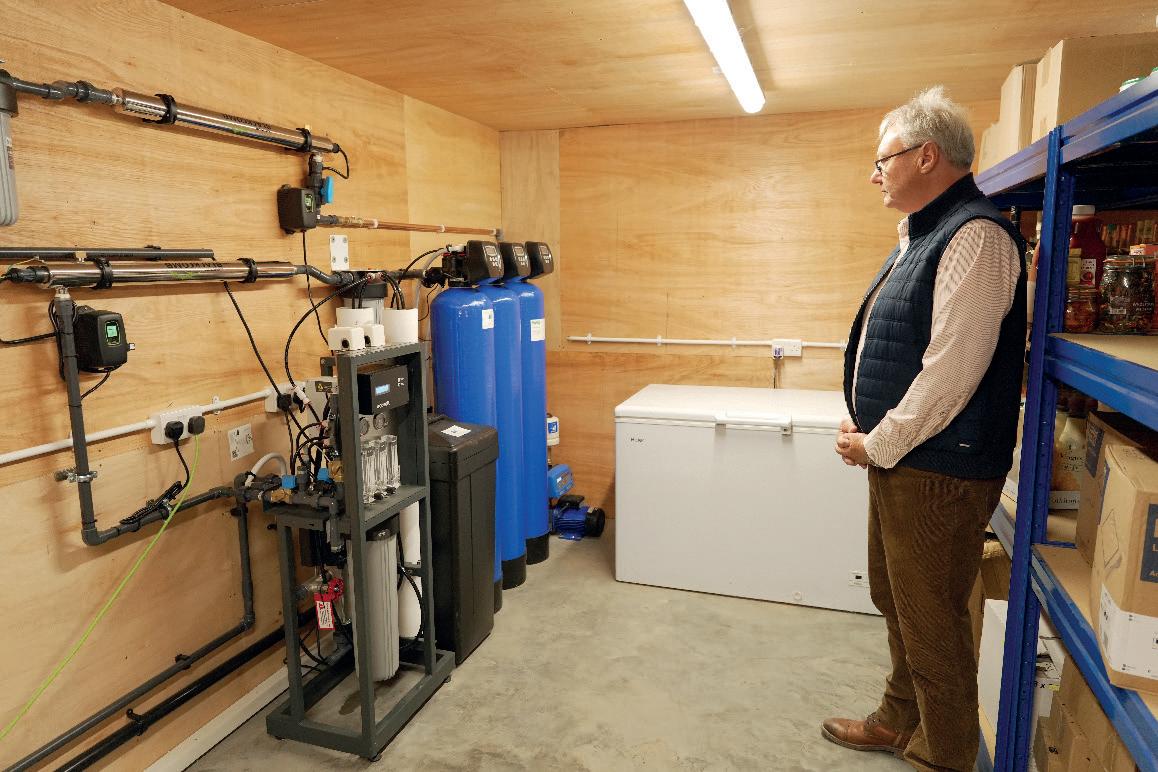
Vegetables and leafy greens move directly into the kitchen. Food waste and compost return to the soil. Local farmers supply manure, machinery work and other inputs. Independent producers supply products into the restaurant and farm shop.
It is not a completely closed system; nor does it pretend to be. But it is clearly an attempt to shorten supply chains, retain more value within the operation and create stronger links between food production and the customer.
As more farm businesses continue searching for viable forms of diversification, projects like Tyler’s Ground offer an interesting example of how hospitality, growing and local food production can work together.
The site is still evolving, but the direction of travel is clear; a business increasingly focused on local food, practical self-reliance and bringing more of the food chain back under one roof.
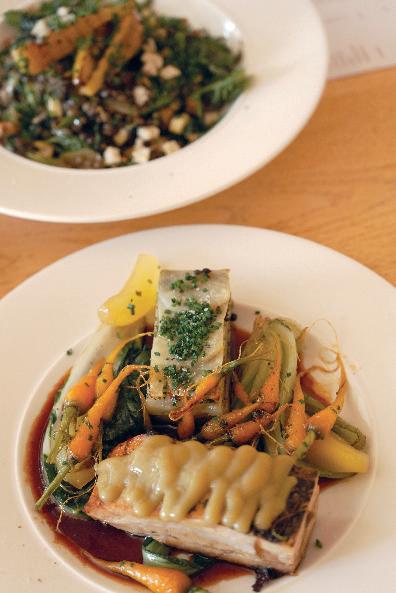
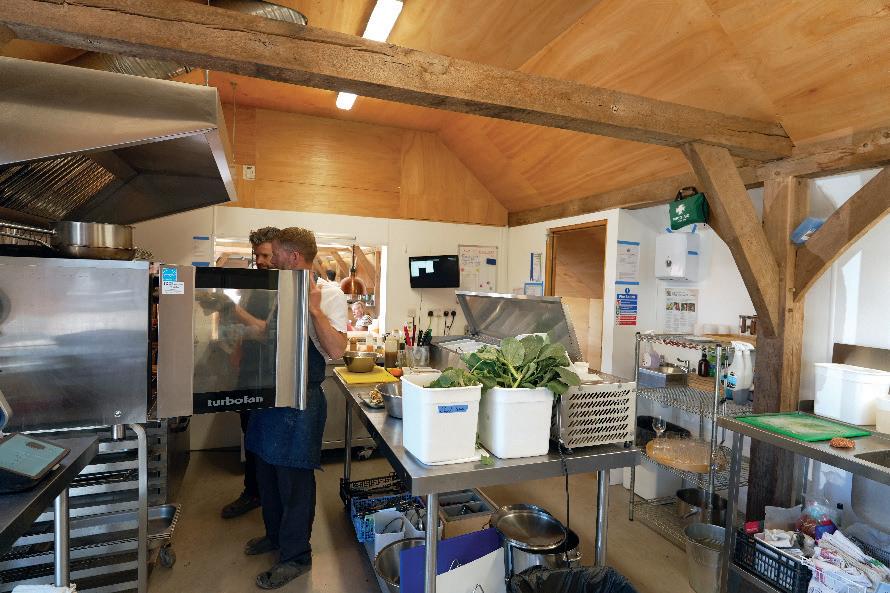
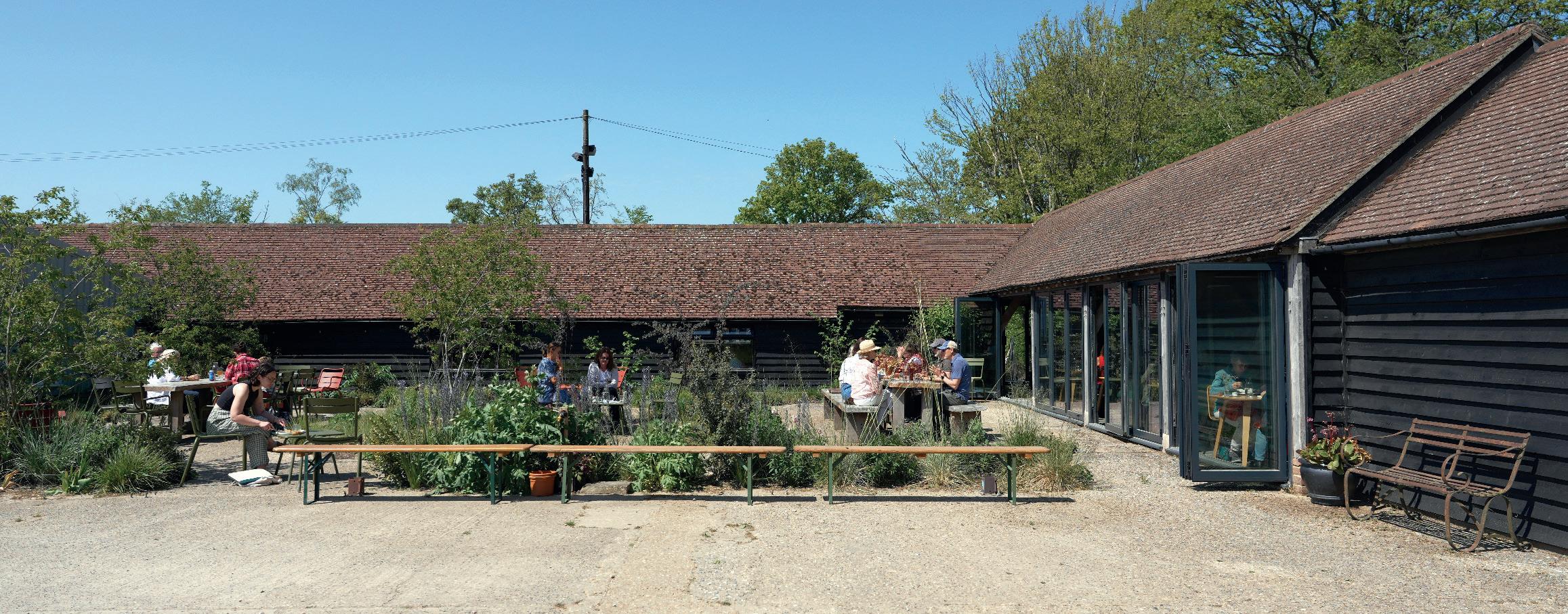
The small amount of rain that has fallen over the past few days has been a welcome sight in East Kent. A little more wouldn’t go amiss before the blazing sunshine of June comes along.
So far, the maize has all been drilled and is slowly starting to pop its head up. The grass is growing, albeit slowly, as the weather seems to have been so cold in May. I don’t remember ever having had so many frosty mornings in May. We have had seven frosts so far and we are only midway through the month.
Many farmers still have cattle inside as the grass is slow. Fingers crossed for a little bit of warmth or the forage stocks will be looking depleted. So far, the wheat is starting to show a little sign of stress; a little moisture wouldn’t go amiss. If we could
just ask for a little bit extra on the price, life would be looking up.
In the UK we have a ‘cost of living crisis’, but we also seem to have a ‘cost of farming’ crisis. Inputs are 8.4% higher and outputs are 5.8% down. Farmers could be facing a loss of £56/acre in 2026, squeezing cash flow and asking for outside assistance. Banks may be unwilling to lend, depending on accounts and affordability. So where does the future lie in farming? It is certainly a question that will be on the tip of many farmers’ tongues.
Will he stay or will he go? Kier Starmer looks to be heading for a leadership challenge at the very least. After disastrous local elections for Labour, in which the party lost almost 1,500 councillors across England, and with discontent towards his leadership rising, the








appointment of Lord Mandelson and other issues have made him look vulnerable..
The question is, will he stay or will he go? Who would replace him? The Government and most of the opposition parties are in turmoil; no single party seems to be able to speak the truth or carry out promises made in election manifestos. I believe the country to be well on its way into a recession. We are perilously close to it; in the coming months forecasters are suggesting that business and workers alike will find it very hard. Time will tell whether the Government stays the course.
Until next time, stay safe.
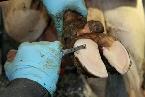
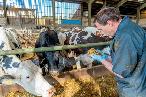
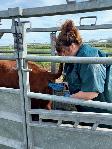
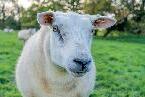


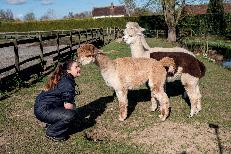
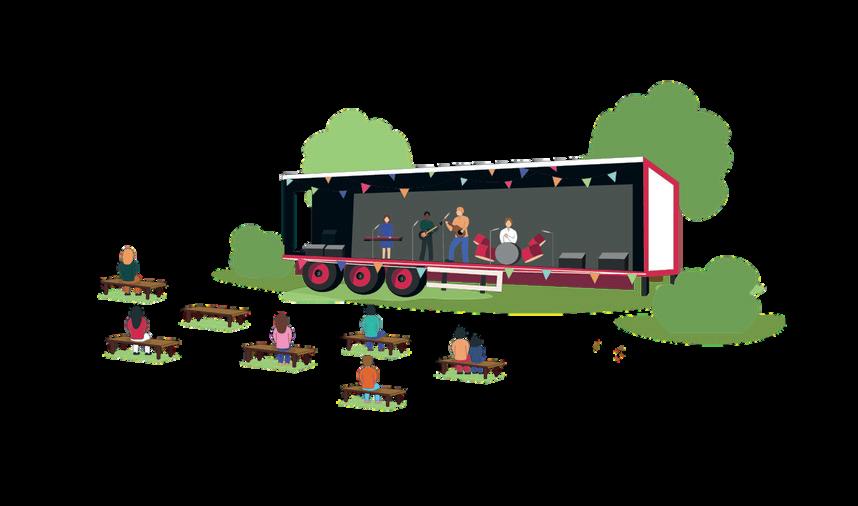
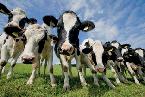
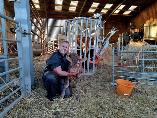
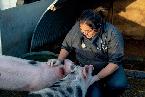
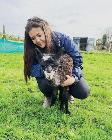






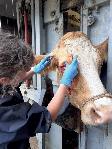
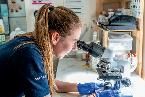
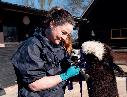
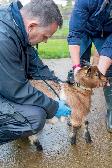

100% Farm Vets
info@westpointfarmvets.co.uk | westpointfarmvets.co.uk
Allied teams: vet tech services, consultants, and front line, dedicated farm animal veterinary surgeons
Catering to all livestock needs: commercial, smallholdings and companion farm animals Meeting the needs of our clients with tailored services, health planning, preventative medicine and emergency care 24/7
Efficient. Sustainable. Productive: Our PRO: services focus on health, welfare and productivity on commercial farms; with access to experienced vets with specific qualifications


Our practices can offer: fertility and advanced breeding diagnostics, second opinion care, emes, export services and more s f o r d | W i n c h e s t e r | Y o r k
Peter Brundle, southern seeds manager for Hutchinsons, outlines the opportunity ahead for oilseed rape growers and the variety choices that could make all the difference this autumn.
After a few difficult years, oilseed rape is firmly back in the conversation – and for good reason. Crops currently in the ground are looking well, prices are at encouraging levels and cabbage stem flea beetle pressure has eased considerably.
The 2026/27 AHDB recommended list features a significant number of varieties, making the choice feel overwhelming. I suggest identifying the attributes and characteristics that suit your specific farm or field situation and letting that guide your decision.
Hybrids still lead the way. LG Academic from Limagrain remains the benchmark for consistency, offering a UK gross output of 103% with a strong trait package including TuYV resistance, RLM 7 stem canker resistance and pod shatter resistance. Its high
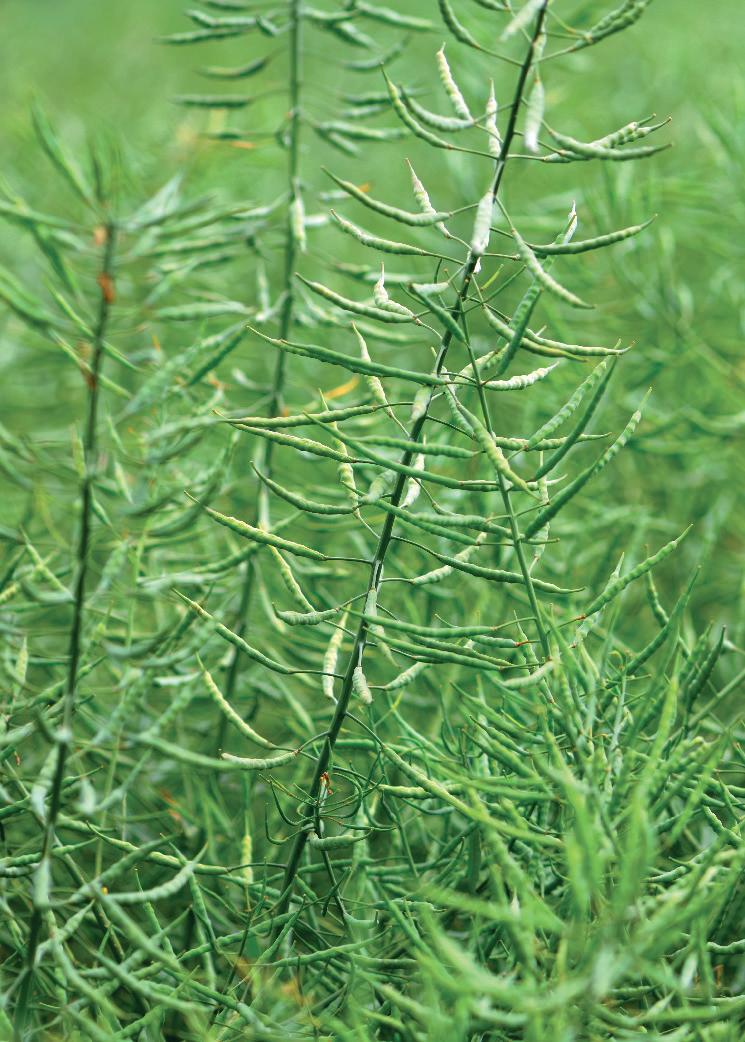
untreated yield reflects genuine resilience.
Pod shatter is one of those traits that can easily be overlooked. Most growers will use pod stick as a default, so pod shatter resistance acts as an insurance policy. We haven't had a really damaging pod shatter year for some time, and the danger is that we forget just how costly it can be. On larger farming operations, having that genetic protection built in is a real advantage.
For growers in the north of England and Scotland, I recommend Montana from NPZ, which carries both RLM 7 and RLM 12 resistance, giving it a strong profile against light leaf spot. Seed availability is limited, so growers need to act early and secure supplies.
Maverick delivers a gross output of 104%, which is among the highest on the recommended list, combined with an exceptional disease resistance profile, incorporating RLmS and RLM 7 stem canker resistance with high light leaf spot resistance. Good autumn and spring vigour make it a wellrounded option for a wide range of situations.
Despite positive noises around lower cabbage stem flea beetle numbers, the pest has not gone away. Where that concern persists, LG Aviron offers the best combination of autumn and spring vigour available, producing a big, robust plant that can power through early pest pressure and recover well.
In the conventional sector, PI Pinnacle delivers a gross output of 97%, with good light leaf spot resistance, excellent stiff straw characteristics and low lodging risk. Campus also retains a loyal following despite having been on the market for over a decade, which is testament to its dependable, consistent performance.
PETER BRUNDLE
Agronomist
T: 07774 707494
E: peter.brundle@hlhltd.co.cuk
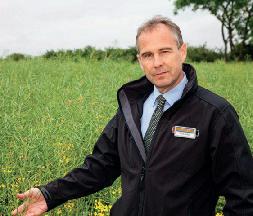
Canterbury: 01227 830064
www.hutchinsons.co.uk
Clearfield technology continues to grow in uptake and offers a valuable herbicide management tool where grassweed pressures are making conventional programmes difficult. LG Calvin CL heads the 2026/27 recommended list as the highest-yielding Clearfield hybrid, also carrying TuYV and pod shatter resistance. Matrix CL from DSV complements this with TuYV protection, RLM7+ stem canker resistance and pod shatter resistance. For growers in the north, Miraculix CL is also worth considering. Clubroot-resistant varieties are retaining and growing their importance as the geographical spread of infection increases. Crucially, the yield penalty associated with these varieties has reduced significantly. Crown offers high gross output alongside good light leaf spot resistance and low lodging risk, while Crombach CR from DSV lends itself well to later drilling, offering useful flexibility for managing establishment risk.
This month marks 10 years since Britain’s referendum on EU membership. As all but the very youngest readers of this magazine will remember, it resulted in a 52% to 48% victory for the ‘leave’ campaign and a new dawn for British agriculture.
Famously, of course, our industry was more vulnerable to the impact of Brexit than any other. UK farmers had received more than £3 billion a year in EU subsidies under the Common Agricultural Policy. We also benefited from Brussels’ highly protectionist food trade policy, which imposed heavy import tariffs on foods entering the EU’s internal ‘single market’.
So, how have English farmers weathered the first decade of this brave new world? I say ‘English’, of course, because we have borne the brunt of changes to UK farm policy over the past ten years. Farming is a devolved responsibility, which has left both Conservative and Labour Westminster governments free to introduce huge changes to farm policy in England without having to get agreement with the UK’s other national governments and regional assemblies.
A succession of Westminster Tory governments and the current Labour one have merrily hacked away at the Basic Payments Scheme (BPS) on which most of us relied for the lion’s share of our income, while the UK’s other national governments and regional assemblies have taken a much more cautious approach. While it always seemed bonkers to pay farmers a flat rate acreage payment whether they produced any food or not, it was a useful buffer to see us through difficult weather and/or low farmgate commodity prices.
In place of the BPS in England we now have various agrienvironment schemes. These are a much more sensible way of rewarding farmers with taxpayers’ money but, unfortunately, their introduction has not been a smooth process, and some farmers have been left out in the cold due to limited government funds.
Even more worrying, though, has surely been post-Brexit UK food trade policy. Rather than any changes in import tariffs being subject to the approval of 28 EU member states, British farmers have been exposed to the whims of Westminster governments all too ready to sign agreements with foreign countries, offering access to our market for their agricultural exports in exchange for access to their markets for our manufactured goods.
Ten years after the referendum, those of us still farming in England have had to learn quickly how to cope with the turbulence of Westminster politics. We’ve got through five prime ministers, with the current occupant of Downing Street surely heading for the exit very soon. To add to uncertainty, if recent elections are anything to go by, a Reform UK administration now looks like a distinct possibility in three years’ time. With a potential prime minister in Nigel Farage open to a free food trade deal with the US that would, for example, allow the import into the UK of the likes of chlorinated chicken, the past decade may soon look like a stroll in the park.

Precision Soil Sampling
Accurately measure your soil pH, health, organic matter and nutrient indexes. Soil sampling provides accurate and reliable measurements of soil health and fertility enabling the targeted and efficient use of fertilisers and lime.
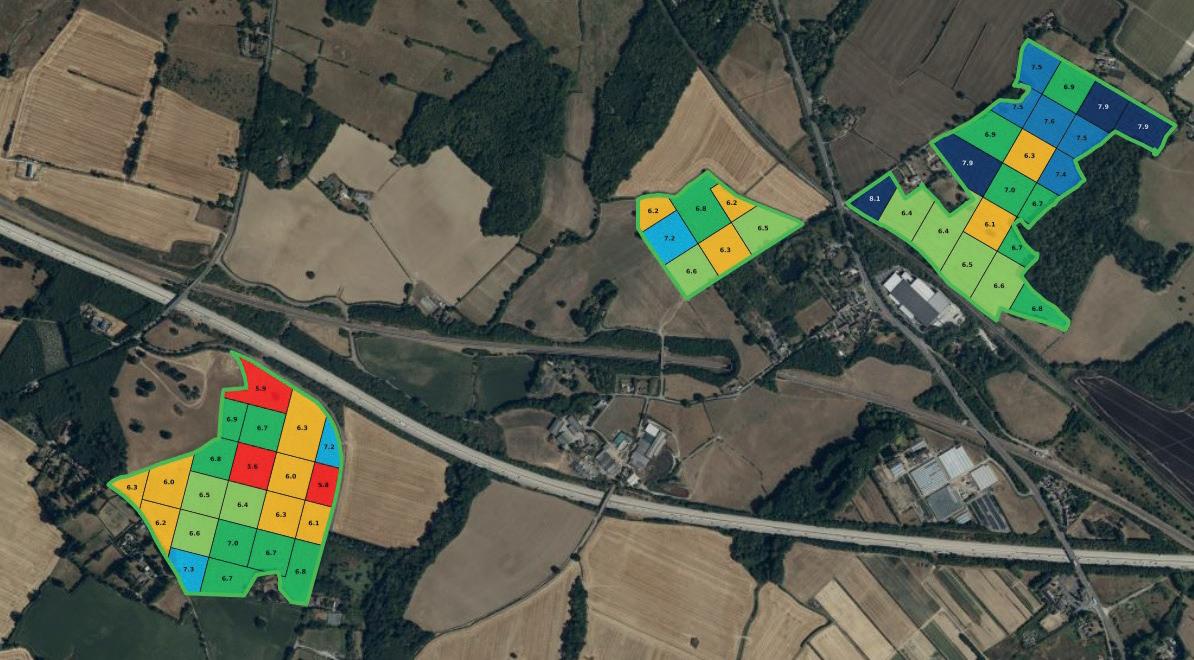
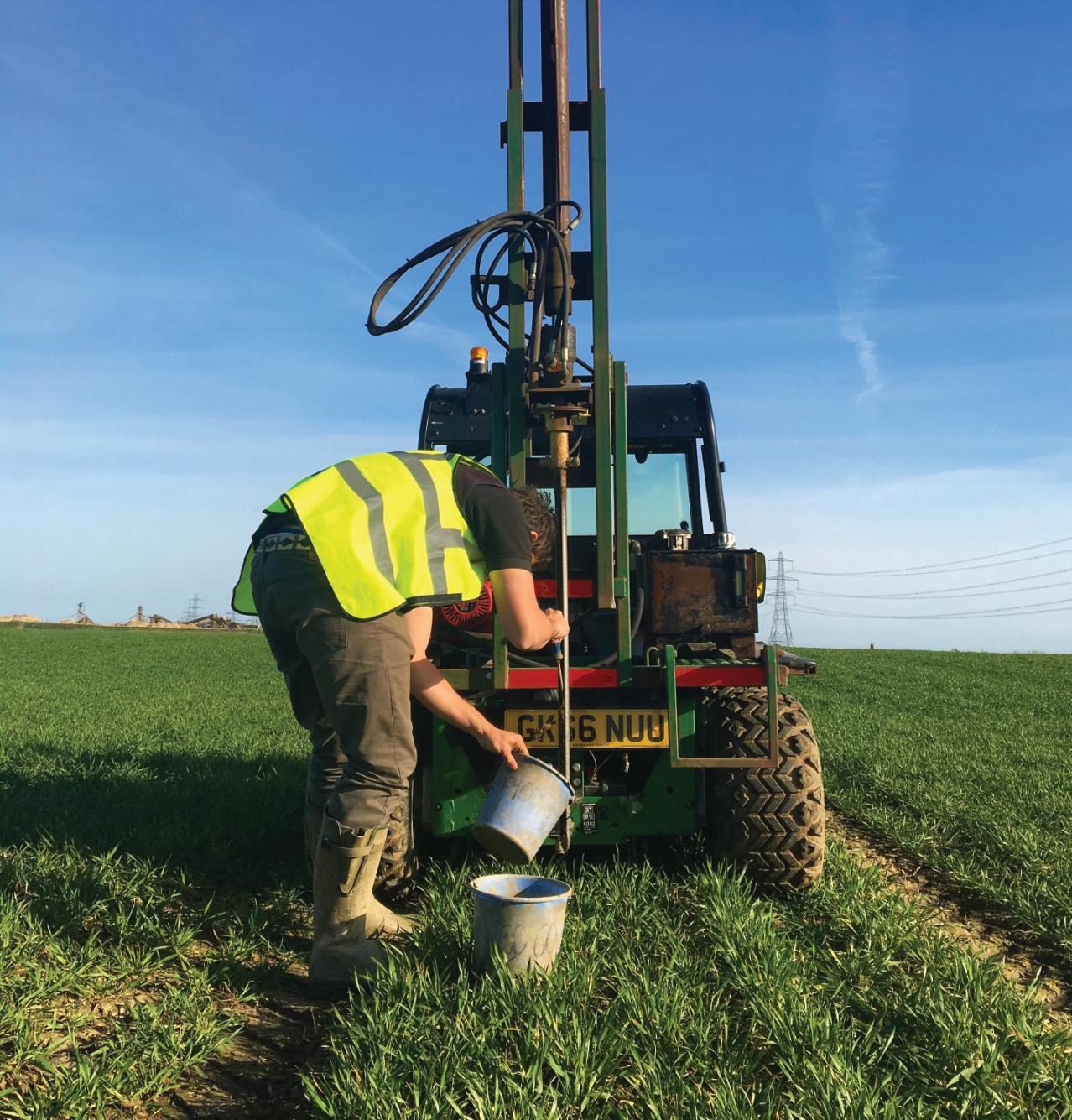
By Brett Pointing, director and agronomist, CCC Agronomy
Chichester Crop Consultancy is a farmer member-run co-operative agronomy service that aims to deliver truly independent, research/ science-led agronomy advice with no commercial bias and now covers the South of England.
CCC works closely with Crop Advisors, which supplies independent group purchasing on crop inputs as well as sourcing cover crop/environmental scheme seed mixes.
For most along the south coast, the past month has seen frustratingly little rain, most of which has fallen in small quantities and has hardly even washed the last nitrogen dressing in. Only 25% of average April rainfall fell, with less than five days of rainfall above 1mm, and therefore we have levels of septoria lower than we were expecting given the early drilled wheats.
Early in the season we were seeing very high levels of septoria, and in some circumstances varieties like Bamford and Zyatt have some septoria on leaf 3. This has made T2 decisions incredibly difficult, as only a few rainfall events are needed for septoria to jump up onto the top two leaves in the way it did in 2023. With the forecast through May being fairly unsettled, cutting back significantly is difficult, but with the price of wheat as low as it is currently we are aware not to overspend.
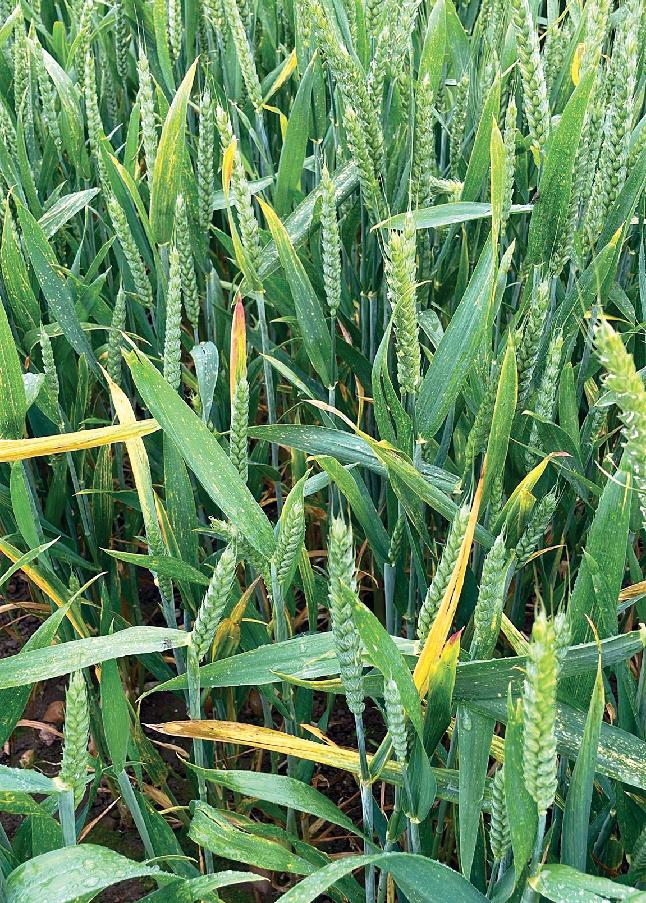
T3 decisions will be equally difficult, as so much depends on what the weather throws at us at the end of May/early June. Where costs have been cut at T2 it might allow a more comprehensive T3 if it turns wet. Actives such as pydiflumetofen (Miravis) and fenpicoxamid (Univoq) fit the T3 slot well as both will give good septoria and fusarium protection, provided they were not used at T2.
The main story of the season, though, has been aphid armageddon. Across the south, aphid numbers have been at seriously worrying levels this spring. Most autumn applications of aphicides controlled populations well, and areas of fields that wouldn’t travel are obvious to see.
However, what’s particularly worrying is the huge numbers that have been flying since March, causing spring barley yellow dwarf virus infections not seen for many years. Crops that looked great are now showing purpling and yellowing on leaf
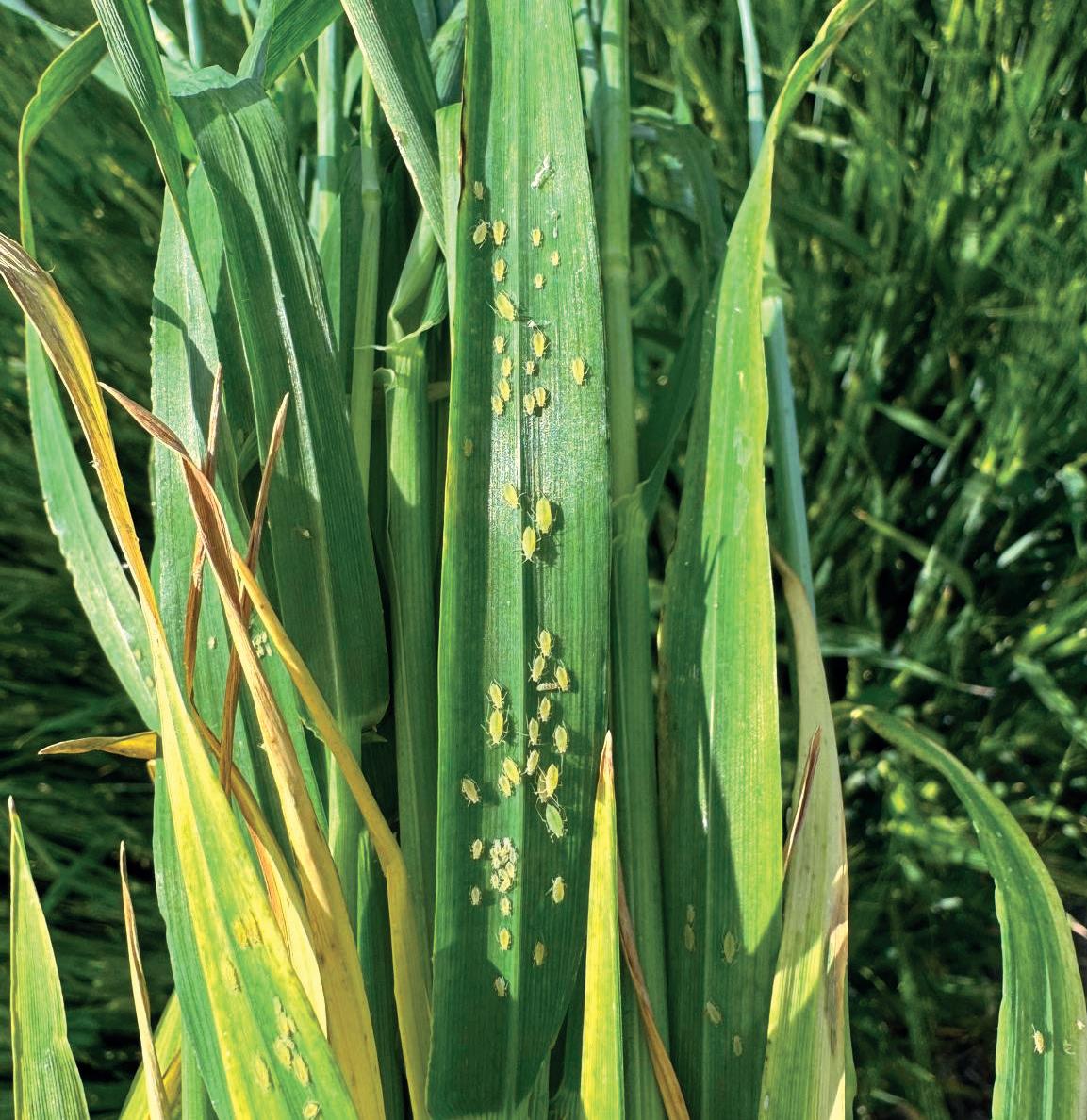
1 and 2, which will lead to yield loss and significant specific weight reductions. Where aphicides were applied with T1s to try to reduce numbers, control was acceptable, but quite a number survived. Most of these seem to be grain aphids (Sitobion avenae) rather than bird cherry oat aphids (Rhopalosiphum padi), which is worrying as we don’t usually see many this far south. They also have higher resistance to pyrethroids, resulting in the lower control we are seeing. There are several factors as to why they are in such numbers this year. A very mild winter allowed a high survival rate, a hot summer last season allowed high numbers to build up before the autumn, increased hectares of cover crops allowed a green bridge (along with late termination of cover crops due to the wet January and February), no sustainable farming incentive insecticide options, which allowed numbers to build in the field, and more crops such as maize, which harbours huge numbers. When you amalgamate these, you realise why this season is so awful.
Rarely do we need to control aphids on the ear as numbers don’t tend to meet the threshold of 50% of ears infested at flowering. This year, however, may well be the year some crops will need to be treated. There are two options, either Insyst SL (acetamiprid) or Teppeki (flonicamid). Both are effective and should control both grain and bird cherry oat aphid, but Teppeki is much kinder on beneficials so will likely be the product of choice. Neither is cheap compared to pyrethroids, but will be needed if thresholds are met as yield losses can be significant.
I have a feeling of déjà vu. This time last year we were experiencing exceptionally dry conditions and here we are again. One of our farms has had only 5.5mm of rain in the past eight weeks and applied fertiliser has hardly dissolved, with prills still visible. Crops look stressed and hungry, having not taken up enough nitrogen. For us it is dryer than last year, when we had 28.5mm in the same period; clearly there will be an impact on yield.
The crisis/war in the gulf has brought back memories of the start of the Ukraine conflict, with its instant effect on energy costs. But so far, unlike with the Ukraine/ Russia war, grain prices have not reacted in the same way. The dynamics in the two conflicts are different. Russia and Ukraine are big players in the global grain markets; the gulf countries are not. Fear of supply interruption instantly spiked grain markets, and as Russia was a big exporter of oil and gas these prices shot up as well. This time it is just energy costs that are being impacted, with the associated knock-on effects for us as farmers notably fuel and fertiliser prices.
There are many reasons why the UK is vulnerable to world increases in nitrogen prices. Firstly, we have lost the ability to produce it here in the UK. Yes, CF still make Nitram, but the ammonia required to do so is imported. Another reason we are vulnerable is that the UK is only responsible for 1% of world demand for nitrogen, so we don’t wield any power in the marketplace.
Also, since the start of the Ukraine war, which elevated gas prices in Europe, European-based fertiliser plants have been running below capacity, limiting nearby availability. At the start of the Ukraine war the UN had the foresight to appreciate the impact of sanctions on Russan exports of fertiliser; a deal was agreed to allow the resumption of fertiliser exports from Russia. Today, roughly 30% of the world’s urea and ammonia supplies are stuck in the gulf. This is not directly affecting our physical supplies at the moment, just the price. If a similar deal does not happen this time, who knows
By Peter Knight, managing director of Burgate Farms Ltd, Hambledon, Surrey.
what the ramifications will be?
So, at present this has meant the usual early summer reset in nitrogen prices has not happened, causing a stand-off between growers and merchants. Growers are not wishing to commit to their usual early season purchases when they can’t see a margin in the crops it is planned for; merchants are not wanting to commit to importing boat loads that might not be sold, in case there is a correction in the market. Both positions are understandable. It’s the November 2027 grain price that needs to move up to give us all confidence. Many growers will have paid around £1 kg/ nitrogen (N) on last year’s early deals. This year’s price is hard to gauge but is around
£1.40 kg. If applying 200 kg/N to a wheat crop producing 8.5 t/ha, the increase in cost is £9.40/t. With fuel, the average cereal grower uses 80 to 90 l/ha to produce a crop; if the price has gone from 70p/l to £1.10/l, this adds about £4 t to costs.
These are not the only costs that are likely to go up for the 2027 crop, but they are quantifiable.
The ex-farm price for November 2027 is around £180 today, and is not enough. It needs to be above £200 to encourage growers to commit to planting crops and buying fertiliser. Everybody talks about building a resilient farming industry; that must start with being able to budget to make a profit.
For and on behalf of Stanfords
T: 01206 842156
E: info@stanfords-colchester.co.uk
www.stanfords-colchester.co.uk
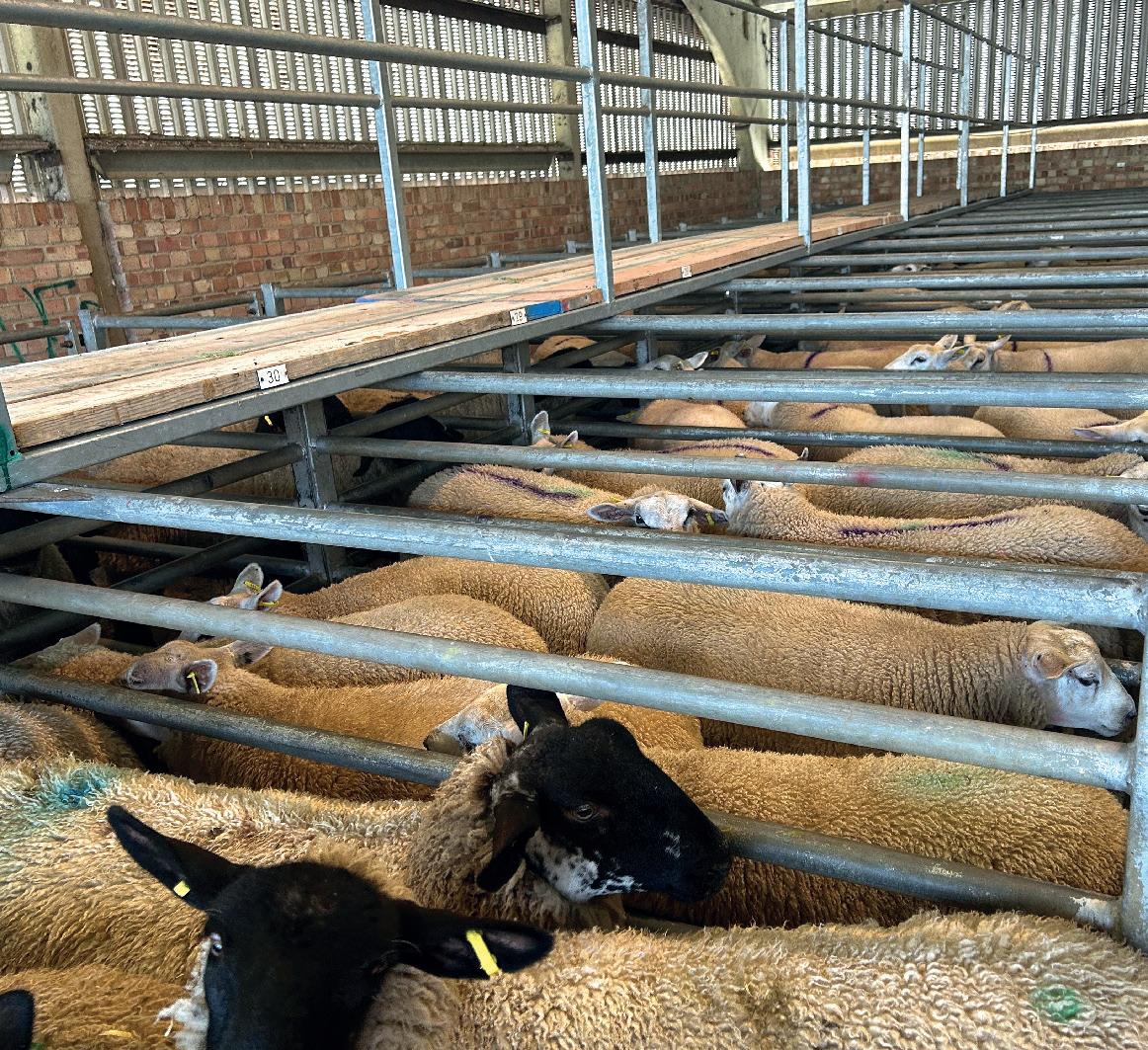
After two years of continual growth in the prime cattle trade, the past four weeks saw a steady decline in liveweight prices following the downward trend from deadweight quotations.
Many farmers are frustrated by this decline in prices, but it has to be remembered that the past two years’ growth has been substantial. At the same period in 2024, we were looking at average cattle prices of around 260p to 270p/kg, and today we are still looking at prices in the region of 330p to 350p/kg for average quality cattle. Twelve months ago, the figures were much higher, and that is the point of frustration for beef producers; it is very difficult to understand why the fall has been so dramatic.
Reports of substantial quantities of foreign meat being on the market does not help, but the retail trade is also slow, and, as would be expected, this has been reflected in the trade.
We were still seeing, in the early May period, the best prime cattle at around 400p/kg and above, but these were few and far between, and the general run of quality cattle were more regularly seeing 360p to 380p/kg with averages around 330p to 350p/kg.
The store cattle trade is also being affected by this, with prices some £250 to £400 per head less. The over 30 month and cull cow trades still remain fairly strong in comparison, reflecting the processing beef trade.
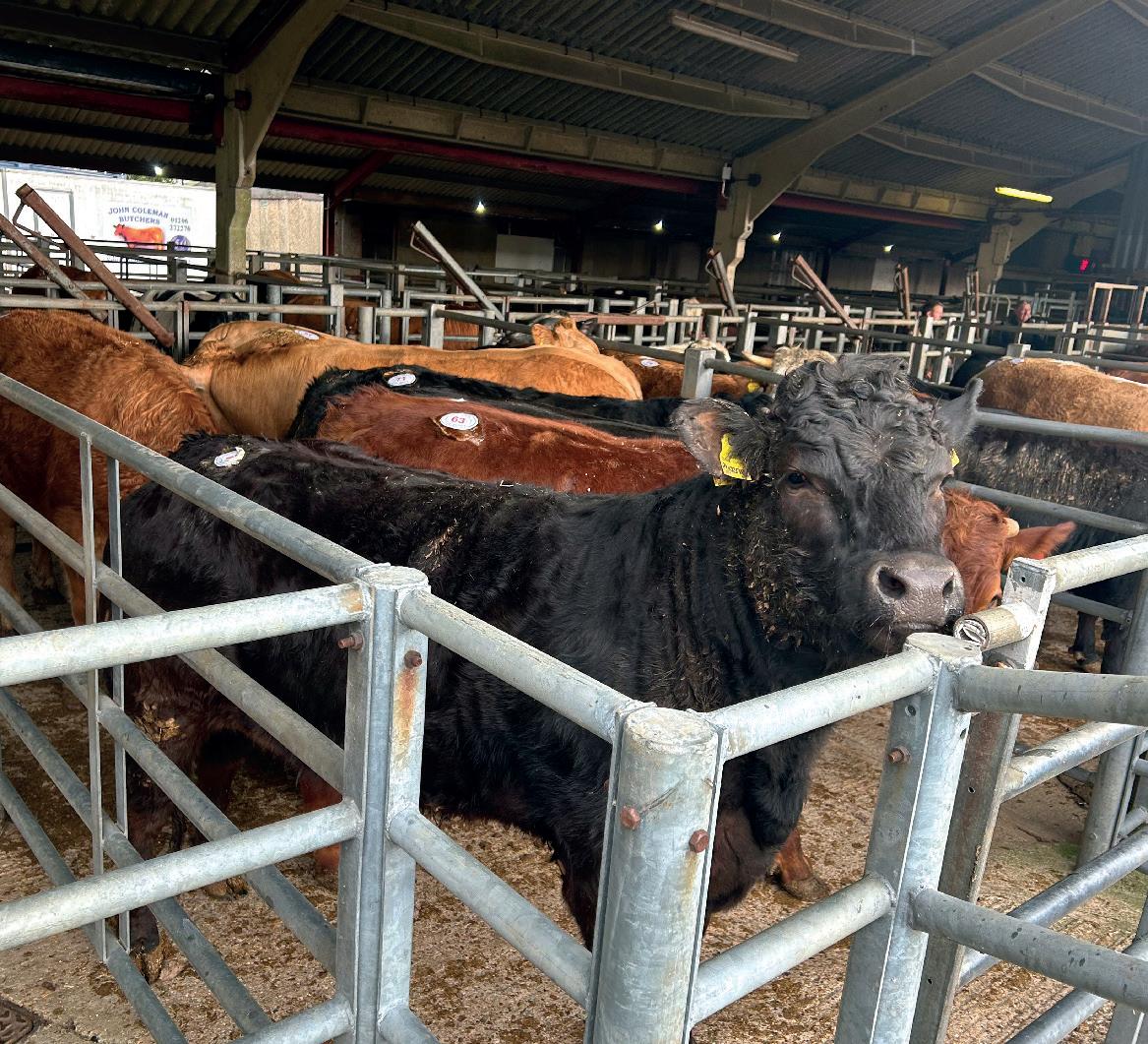
It is all very frustrating when numbers are tight, but with suggestions that waiting lists were building to enter into the deadweight system, live markets were following a downward trend.
Let’s hope this is a temporary decline in returns. Certainly, store cattle purchased in early 2026 will struggle to make a realistic return to producers if the trade does not re-establish at previous levels.
The sheep market is in complete contrast to the beef market, with prices increasing again on the period before and recovering to those which were quoted in 2024. The downward adjustment which happened in the sheep market in 2025 is being overturned in 2026. Numbers are generally under requirement in all sections, particularly with the cull ewe trade being so strong and old season lambs also easily sold.
New season lambs have been slow coming forward, mainly due to the slow growth of grass, with lambs probably three to four weeks later than would be expected. The first reasonable numbers were coming forward by mid-May, and trade for these
was good, with plenty of lambs hitting £190 to £220 per head.
Best strong heavy hoggets were trading at over £200 per head, with plenty of hoggets around 400p to 430p/kg liveweight, approximately 100p/kg dearer than twelve months ago, which equates to £40 to £50 per lamb.
There is disappointing news within the pig market sector, with prices very low, and it would be fair to say that supply is outstripping demand. These are worrying times for pig producers; certainly, a further slump would not be beneficial to keeping the small to medium-sized producers in business, particularly if the corn price increases.
The rapid rise in fertiliser and fuel prices is affecting arable producers, and again the serious drought conditions experienced in the spring and early summer are causing real issues with regard to the price returns for farmers. It’s a very difficult time for a prime industry in England; let us hope the British public will support well-produced British products and be willing to pay a reasonable price for home-grown produce.
Reporting on the market at Ashford
T: 01233 502222
www.hobbsparker.co.uk
The spring store cattle trade across the South East has continued to outperform expectations, with Ashford enjoying one of the strongest and most consistent spring markets seen for several years.
Demand throughout March and April has remained extremely competitive, with buyers showing confidence for all classes of well-bred cattle despite increasing pressure on finishing margins and some easing in the finished beef trade nationally.
Numbers sold through the ring are almost the same as in 2025, which is an achievement in itself with the national herd decreasing considerably in the past five to 10 years. Store cattle and other livestock are now travelling from further afield, regularly from across the whole of the South East and East Anglia, to take advantage of the service and prices achieved in Ashford.
The average price per head has increased by just a fraction under £300/head on the same period 12 months earlier. This showed confidence in the beef industry going forward, with many hoping that the prices in the finished section and deadweight quotes would remain at the early 2026 level throughout the rest of the year.
What has become increasingly evident this spring is the ongoing shortage of cattle numbers across the UK. The lack of available stock continues to underpin confidence ringside, with finishers, graziers and long-term keep buyers all competing hard for suitable cattle. At Ashford, this has translated into a trade where quality remains at a premium and good cattle continue to exceed expectations week after week.
The strongest demand has undoubtedly been for well-grown continental steers and heifers with frame, strength and the ability to finish efficiently in intensive systems. Other buyers have shown particular interest in younger cattle with longer-term potential. With many of these customers buying to a price, when the trade really lifted they were pushed into purchasing both younger and smaller cattle.
Native-bred cattle have also enjoyed a notably improved trade this season. Traditional breeds and native-cross stores continue to attract support from buyers supplying premium beef schemes and grazing-led enterprises. Some stewardship schemes also insist on native breeds.
Perhaps the most remarkable aspect of this spring’s trade has been the resilience shown despite softer deadweight prices nationally. Prices have been in a declining state for about six weeks now, and under normal market conditions reductions in finished cattle returns would quickly temper enthusiasm for stores. However, the ongoing shortage of replacement stock appears to be outweighing those concerns. Buyers remain conscious that cattle numbers are tight, and securing future supply has become increasingly important.
Ashford has continued to benefit from a loyal and broad buying ring for all types on offer, with support coming from across Kent, Sussex, Surrey and further afield into Essex and Hampshire, alongside regular and faithful buying support from East Anglia.
Grazing buyers returned earlier than last year due to favourable turnout conditions, which helped create additional competition for
younger grazing cattle and stronger stores suitable for summer keep.
Confidence within the trade is also being supported by the simple reality that replacement cattle remain scarce. UK beef cow numbers continue to decline and there are few signs of any immediate increase in supply. As a result, many finishers appear prepared to work within tighter margins to secure cattle and maintain throughput for later in the year.
Weekly sales at Ashford throughout the spring have demonstrated impressive consistency, with competitive ringside bidding maintained across varying weather conditions and fluctuating finished trade levels. Vendors presenting cattle well have been rewarded accordingly, and the market continues to show confidence for cattle with quality, shape and genuine farming potential.
Looking ahead, much will depend on the direction of finished beef prices and summer forage supplies. A prolonged dry spell or further reductions in deadweight prices could inevitably influence buyer confidence later in the season, but at present, tightening supply remains the overriding factor driving the trade.
For now, the balance remains firmly in favour of the vendors. With demand continuing to outstrip supply and buyers still needing cattle, Ashford’s spring store cattle trade has once again highlighted the underlying strength that the live auction ring brings to the UK beef sector.
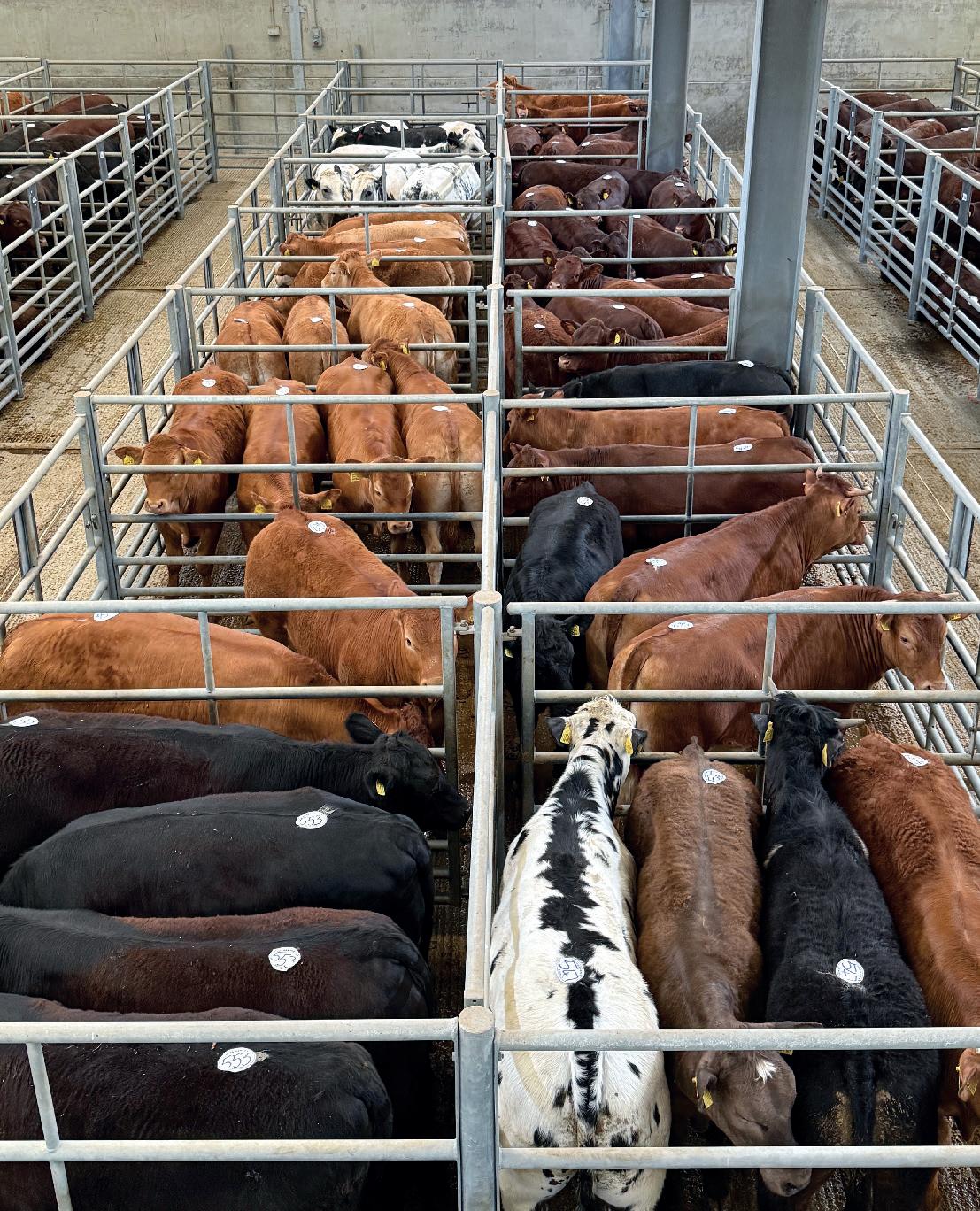
"March winds and April showers bring forth May flowers"; a traditional English proverb, first recognised in its current form in the late 19th century but which undoubtedly has its true origins with Thomas Tusser’s writings of the 16th in his Five Hundred Pointes of Good Husbandrie: “Sweet April showers/Do spring May flowers”. Oh, how things have changed?
Personally, the proverbial April showers totalled little more than the equivalent of a few heavy dews and, as far the May flowers are concerned, most have come and gone well ahead of schedule. Even the Hawthorn blossom (called May, for obvious reasons), covered our hedgerows with a blanket of white for the last couple of weeks in April.
We went from the wettest first quarter for 35 years (including March), to an April total of 1mm to 2mm following on from 17mm to 18mm in March (respective averages 44mm and 46mm for our corner of north west Kent); that’s a cumulative deficit of some 70mm, an 80% shortfall over two rather critical spring months. Talking to fellow sheep keepers I know that there are other parts of the South East in an even worse position, leaving producers, particularly those on shallower, more free draining soils, somewhat concerned that we may be facing a re-run of last year's prolonged drought. Sadly, with fairly shallow, stony soils atop a substantial ironstone layer and permanent pasture, we fall well and truly into that category, with some patches beginning to burn off by the end of April.
Careful management over the winter (and probably rather too much hay being fed)
ALAN WEST Sheep farmer
has provided us with a respectable wedge of grass in front of the ewes and lambs but which is running on moisture accumulated at depth in the first couple of months of the year, moisture that is quite rapidly retreating down the soil profile, resulting in those paddocks that have been grazed not recovering sufficiently rapidly to provide any confidence about grass availability going forward into the summer. They desperately need a decent drop of rain.
Who would have imagined just a matter of a couple of months ago, when we were all bemoaning the persistent rain and endless mud, that we would be in our current position, wishing for more rain?
Our grazing received such a battering during last summer’s prolonged drought that we made the decision last autumn to significantly reduce stock numbers and grazing pressure by both selling and culling hard, with the intention of having a year to readjust and reset for the benefit of both the flock and the grazing, anticipating rebuilding flock numbers again this backend. Rather more by luck than judgment, things had just about recovered come the end of the winter, with even some poached patches that were overseeded at the beginning of March coming back nicely. Things looked reasonably promising, and being able to turn out post lambing onto some good grass provided a favourable start to the grazing season. How quickly things can change.
We now find ourselves in a position where, if things don’t improve fairly soon (i.e. we get some decent rains), we will undoubtedly struggle to achieve on both counts. Unquestionably, we are not alone; there will be a significant number of sheep keepers in a similar position. Last year there were
A smart lad and he knows it
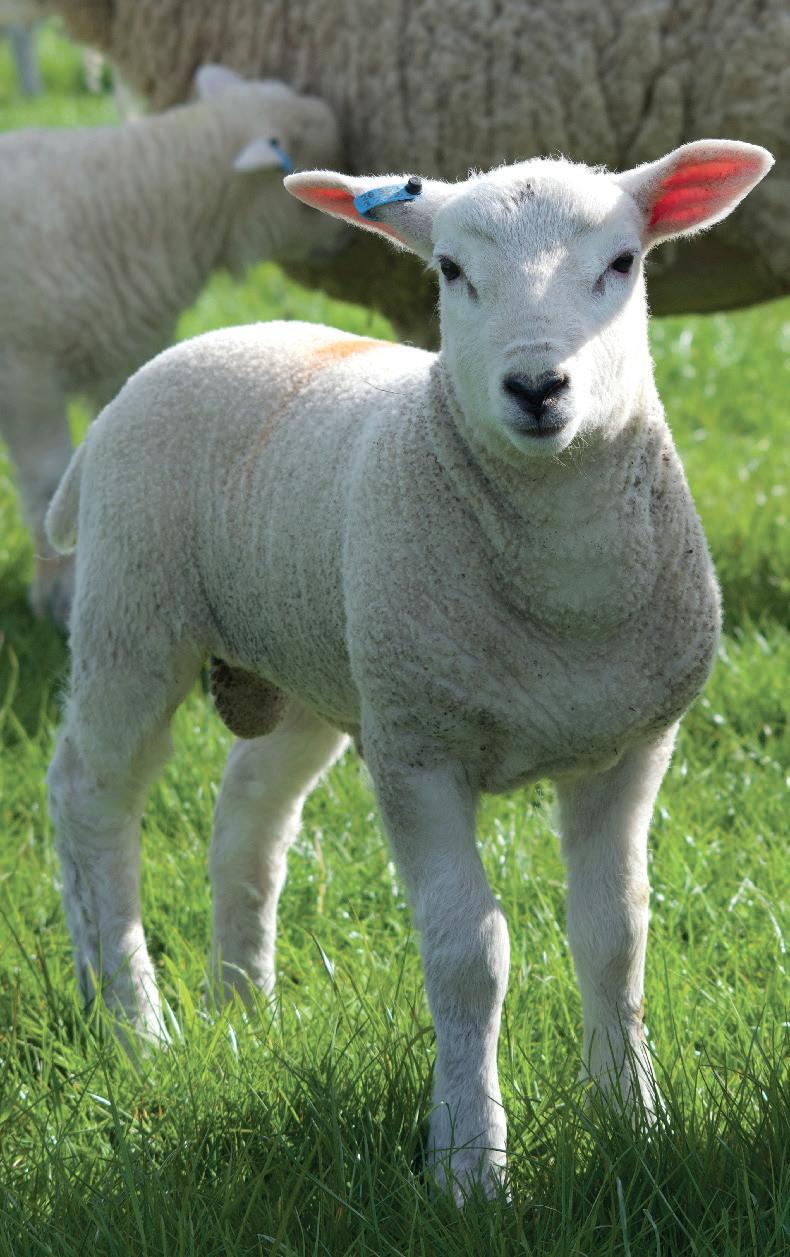
reasonable stocks of hay etc. to fall back on, stocks that simply no longer exist; quite the opposite, with many looking to this season to simply rebuild forage stocks. Another summer like last year will place considerable pressure on producers in parts of the region, too much pressure for some. So it is now fingers crossed for a considerably wetter end to meteorological spring and early summer than we have seen over the past few months. The British weather certainly makes sheep production ‘interesting’.
I earlier mentioned Thomas Tusser. As the youngest son of a relatively wealthy Essex tenant farmer, somewhat devoid of purpose and, being Eton and Kings College educated, a bit of an academic, he toured the country noting agricultural practices of the time, compiling notes into his treatise A Hundreth Good Pointes of Husbandrie in 1557 (Tudor times) and later expanding it to Five Hundred Pointes of Good Husbandrie. It’s an interesting, if challenging read, written almost entirely in verse and Tudor English. For example: “Ewe yearly by twinning rich maisters do make, the lamb of such twinners for breeders go take.”
Both works are observations of agricultural practices and social comment on rural life 500 years ago, at a time when sheep were a quintessential part of both the rural and the national economies. The country’s most important export and key
• Monitor NADIS blowfly alerts to identify high-risk periods
• Shear ewes before the onset of a high-risk period
• Control gastrointestinal worm burdens
• Crutch to reduce faecal contamination of the fleece
• Promptly treat all injuries or foot lesions
• Dispose of carcasses correctly to minimise suitable areas where flies can lay eggs.
Sometimes, as a vet, we get to do some interesting jobs outside our day-to-day work. Every year Cliffe Farm Vets are sponsors of the Southern Shears UK competition and I am the vet ‘on call’ For those who do not know, this is an annual shearing competition where shearers of all levels compete against their peers. Shearers come from all over the UK to compete at the competition, gaining points on the national shearing circuit.
My job is to be there to attend any injuries or cuts to the sheep, which thankfully is a very rare occurrence. Given the speed at which the senior and open shearers shear, this is impressive, and illustrates the skill level of professional sheep shearers. Shearing is an incredibly important skill and one which it
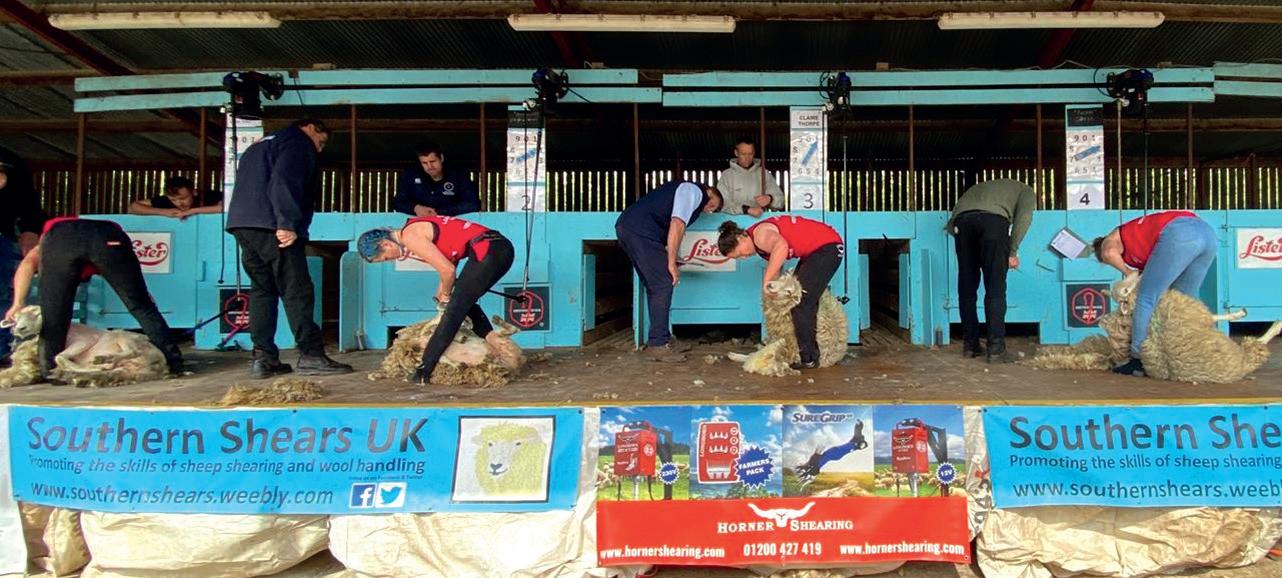
takes years of dedication to truly master.
Having done some shearing in my student days, which is when when I got the ‘bug’ for it, I do like to have a go myself, every year. I enter at the junior level (where I have been for some time now, as I don’t get the opportunity to shear much these days). This year some kind local farmers let me get a bit of practice in before the competition, which made all the difference. I was happy to make both the junior and women’s final.
Shearers provide an essential service to farmers, ensuring the national flock is sheared during the summer months. Shearing is essential for maintaining sheep welfare by reducing heat stress and risk of blowfly strike (and reducing the need for fly repellent sprays). Also, we mustn’t forget it
enables the sheep farmer to produce a wool product he or she can sell.
Competitions like this promote the industry and encourage young people to learn to shear at a high standard. It is always a great day at Southern Shears UK, made possible by many local people working hard to organise and run the day and I am proud to have a small role in it.
driver of the entire economy was the wool off the sheep’s backs; as a result Tusser has quite a bit to say about sheep, some surprisingly relevant today. We like to think that our industry practices are relatively up to date, but the agricultural industry does tend to go around in circles, with some old practices still current in today’s dynamic sheep sector. He advocates such things as retaining twins for breeding, good feeding of ewes pre lambing, keeping sheep clean to avoid mads (fly) and good feeding to sell fat lambs at a premium, all of which are key parts of current practice.
Other observations also have a certain relevance, such as grazing of fallows (cover crops) to maintain soil (fertiliser prices?) and the use of browse at times of forage shortage, notably broome. Interestingly, in the antipodes significant use is made of tree lucerne (or Tagasaste), a fast growing, drought tolerant, palatable, high protein, leguminous shrub which is useful for grazing (browsing) in dry times. Sadly, it does not seem to enjoy the British climate, but is a close relative of broome; maybe worth some further investigation? They weren’t so silly 500 years ago and just
maybe there is a thing or two, particularly in terms of resilience, that we could learn from them, although I do think that the pre-shearing washing of sheep in the local river would not go down too well with the Environmental Agency.
As a footnote, a few overnight showers (1 to 2 May) produced 4.5mm, a very welcome drop but at just over 6% of the deficit nowhere near enough, although sufficient to spark the grass up a bit; both sheep (but what do they know?) and shepherd were certainly more relaxed after it, but fingers are still crossed.
Whether it is to replace an aged or infertile bull or to improve genetic diversity in the herd, a new bull should be carefully selected to ensure many years of productivity.
A combination of data and visual inspection should be used to select a new bull.
Important data factors when choosing a new bull include estimated breeding values (EBV), calving ease, breed, fertility data, cost, temperament and health status.
It is also important to choose a bull with good feet and conformation to prolong longevity. View feet and legs from various angles and watch him walk.
• Feet should be even with no scissoring or overgrown or curled toes, no obvious cracks in the hoof, or interdigital growths and have a good pastern angle.
• Front legs should not turn in or out at the ‘knee’ (carpal joint) and the back legs should not turn in or out at the hocks.
• The back legs should also have a ‘lazy S’ shape when viewed from the side. Overly straight legs can lead to intromission issues as they get too close to the cow when serving and place stress on the hip and stifle joints which may lead to degenerative joint disease.
• At walk, a bull should move unhindered with good stride range and even placement of feet.
Scrotal size should also be noted. The general reference circumference for bulls aged 24 months and over is minimum of 34cm, below which fertility potential is reduced.
Where measurements are not available, a visual estimate of size should be performed. A pendulous scrotum with a well-defined neck is also associated with improved semen quality (though assessment of this is more difficult in a cold environment).
Ideally a new bull would be on farm for two to three months before use, to allow the bull to acclimatise to the farm, reduce stress (which can negatively impact sperm) and for diet adjustments to be made. It is also beneficial to arrange fertility testing if not already done before purchase.
However, if bought at shorter notice, bulls should be quarantined on arrival for a minimum of four weeks, during which time infectious disease blood samples can be taken and appropriate anti-parasite products given to protect the rest of the herd.
Where bulls have been purchased from a show or market, they may be overconditioned. It is important that this condition is lost gradually so metabolic issues don’t arise. Ideally, he should be initially maintained on the same diet as before. Where bulls have been on concentrates before purchase it is important to carry this on initially with
a maximum of 2kg fed at each meal, while offering good quality forage and a balanced mineral supplement.
After a minimum of a week, the concentrate ration can be slowly reduced, while monitoring body condition and ensuring a continued liveweight gain of 0.8kg to 1kg a day if it is a younger bull.
Bulls less than three years old are considered young. They can be enthusiastic to work but have lower semen reserves and can be prone to losing a lot of condition if over-active. It is therefore advisable to work young bulls with a lower number of females. As a general rule of thumb, his age in months is the number of females he should be able to serve (compared to mature bulls which, if fertile, should be targeted to serve 50 cows in a nine-week period).
Where condition loss is noted, feeding early can help, but if severe weight loss then he may need to be removed from the cows early. After mating he should be housed on a good quality ration to allow continued growth and regain any lost condition.
Careful management of a purchased bull, especially a young bull, should help improve his productivity and longevity on farm.
If you would like to discuss anything covered in this article contact your local Westpoint practice
Westpoint Ashford T: 01306 628208
Westpoint Winchester T: 01962 779593
Westpoint Chelmsford T: 01306 628489
E: info@westpointfarmvets.co.uk www.westpointfarmvets.co.uk
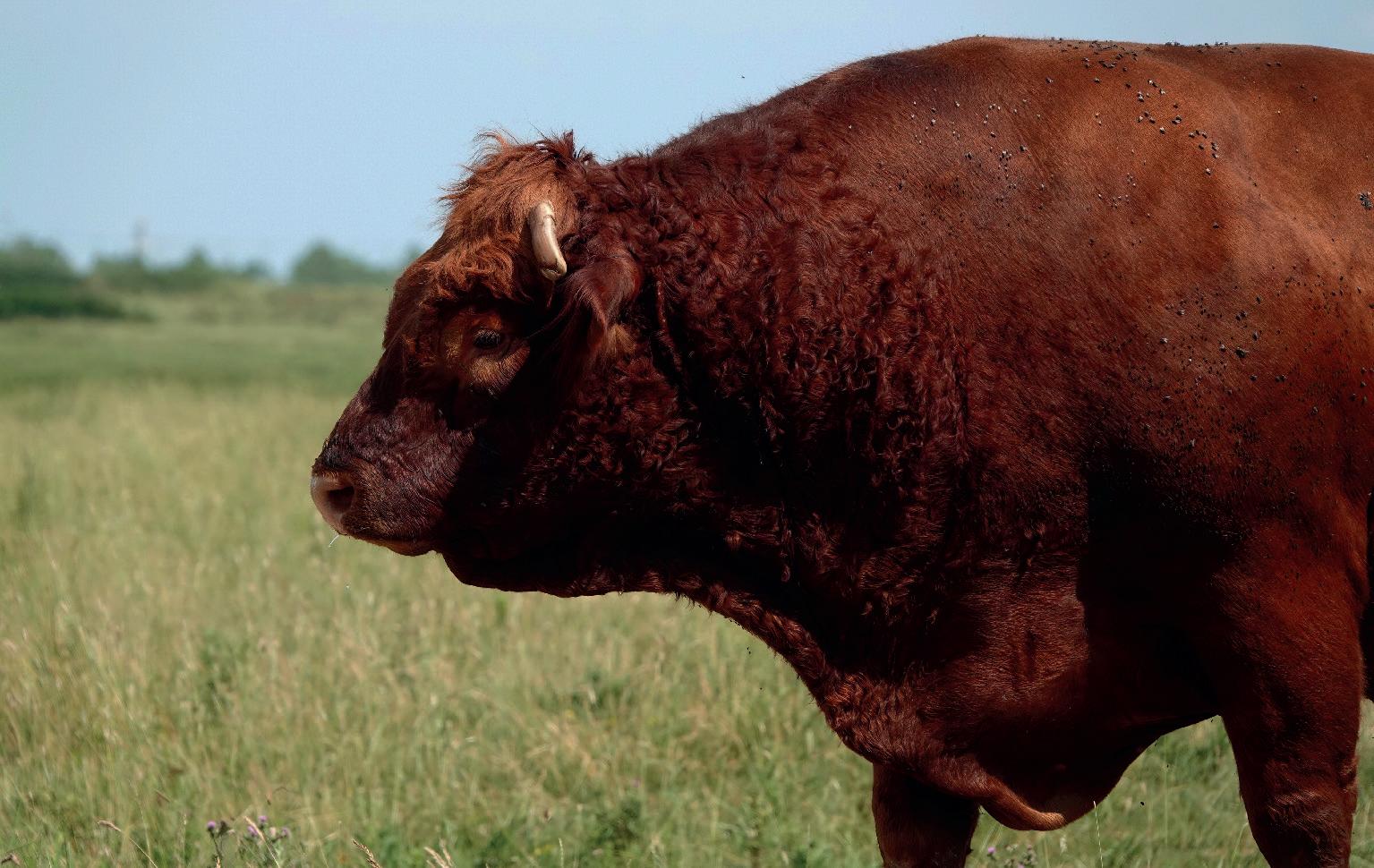
Tickets to the Kent County Show are on sale now: www.kcas.org.uk/kent-county-show/
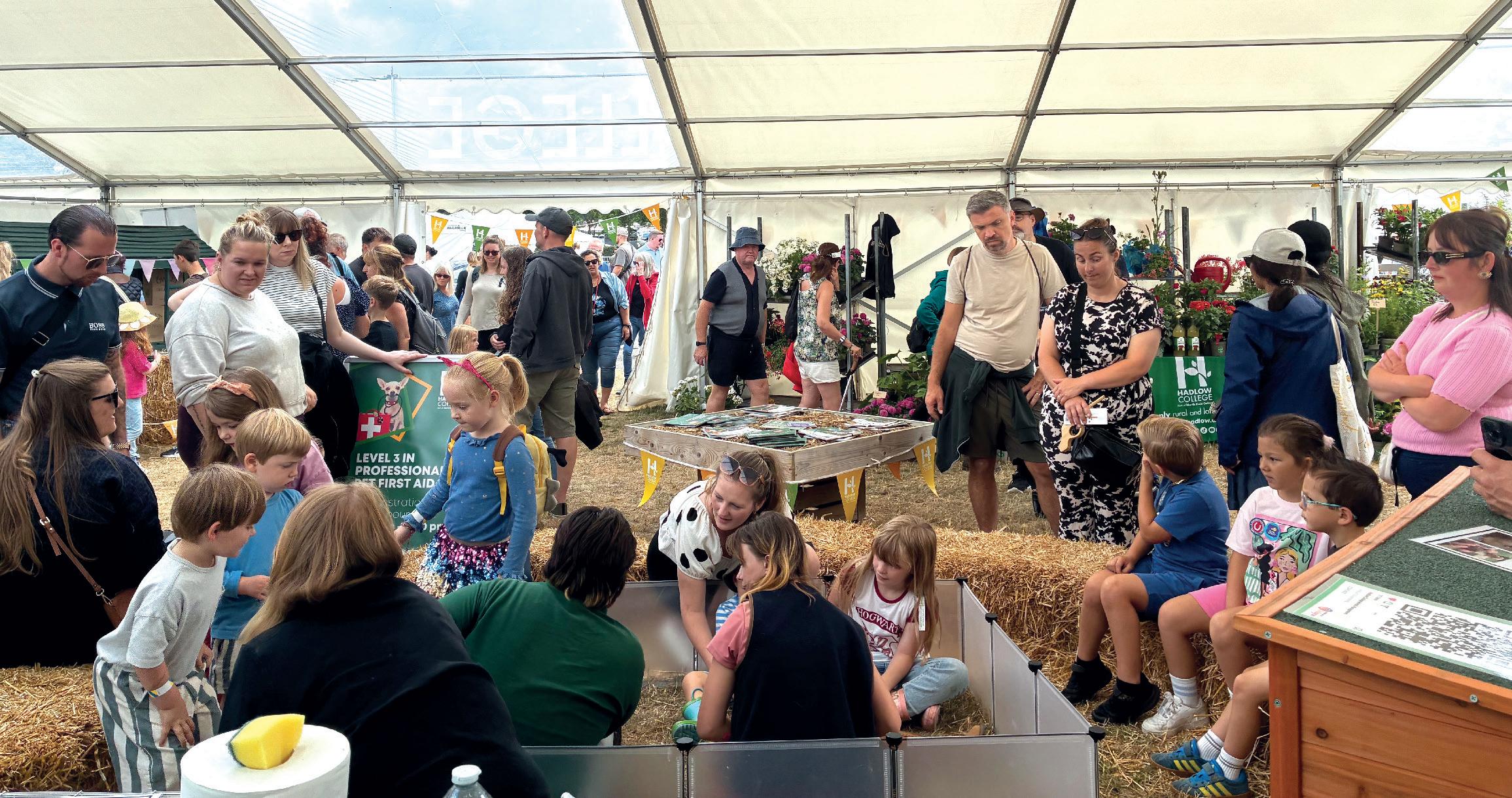
It’s that time of year again when Hadlow College will be front and centre at Kent’s flagship event for farming, agriculture and rural life in the county.
The Kent County Show returns to the County Showground in Detling near Maidstone from 3 to 5 July, with Hadlow College the headline sponsor once again.
Now in its 95th year, this family-friendly event, organised by the Kent County Agricultural Society, attracts around 80,000 people over the course of the three days.
All will be welcome at the Hadlow College area, located in an unmissable spot close to the main entrance. It will house a striking showcase of every aspect of learning at Kent’s only rural and land-based college and offer a wide range of interactive activities and experiences, including the chance to get in the saddle of horse riding and tractor simulators!
With Hadlow College the first in the country to offer a falconry qualification, visitors will be under the watchful eye of several birds of
prey, which will be taking their perch in the marquee for the first time, alongside giant tortoises and snakes brought along by the National Centre for Reptile Welfare, which is based at the college. This will be a great chance to find out more about this latest addition to the curriculum.
From delicious apple juice to tasty tomatoes grown at the Thanet Earth Centre of Excellence, visitors will be able to sample produce grown by students as part of their studies. There will be plant sales and floristry displays, too.
Staff from a range of departments, including apprenticeships and careers, will be on hand to talk to prospective students and families about the college’s broad offering and specialist focus in land-based education.
Chris Lydon, Vice Principal at Hadlow College, said: “Hadlow College is delighted once again to be part of the Kent County Show and support such an important event for the county’s agricultural and rural industries.
“The show provides a fantastic opportunity for our students to gain valuable hands-on experience, engage with industry professionals and showcase their skills and knowledge.
“It also allows us to highlight the outstanding work taking place at Hadlow College, Kent’s only land-based and rural college, and demonstrate our commitment to developing the next generation of professionals within the agricultural, horticultural, and land-based sectors.”
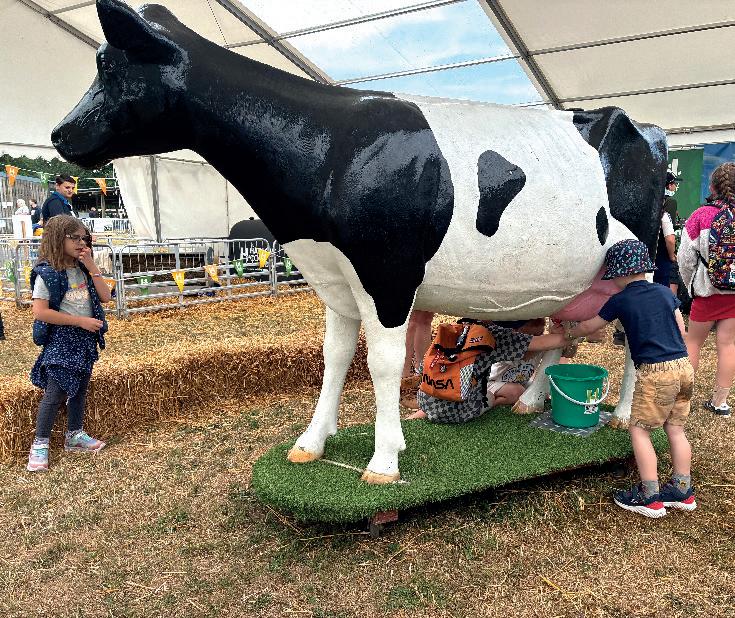

Call us today or visit our website: 01227 763939 furleypage.co.uk
The UK’s pathway to greater food security is being held back by a range of legal and regulatory barriers, a new report from leading national law firm HCR has claimed.
Food for Thought – Shaping Sustainable Farming Futures highlights the hurdles HCR Law believes are putting food security at risk and what needs to be done to boost UK food production.
Rory Hutchings, partner in the firm’s agriculture and estates team, said the report was a timely reminder of the importance of placing food security at the heart of the national security debate, especially at a time of heightened global tensions.
“The report aims to highlight the significant challenges UK farmers face in ensuring food security for the nation,” he said.
“While ‘food security’ is a common phrase in the farming industry and features on most agendas at conferences and events, the report highlights that meaningful action is still lacking from government, despite the urgent need for change.”
The report, which includes insights from leading agricultural bodies such as NFU Cymru, the Country Land and Business Association, the Royal Welsh Agricultural Society and The Institute for Agriculture and Horticulture, outlines these barriers and, crucially, gives recommendations for reform.
Mr Hutchings said: “From policy and planning issues to regulatory burdens, labour shortages and restrictive supply chain contracts, the report sheds light on the legal hurdles farmers must overcome to remain
profitable and sustainable.
“The report covers many of the hurdles that reduce confidence and investment and ultimately impact on our ability to produce food.
“However, it’s also important that while producing food, farming meets what is needed to preserve and enhance the environment, but environmental enhancement can only thrive if farm businesses are economically viable.”
This theme of business viability was highlighted in Baroness Minette Batters’ Farm Profitability Review, published in late 2025, and has sparked much debate.
Mr Hutchings said he hoped ‘Food for Thought ’ would build on this important work and help draw policymakers’ attention to the need for reform.
"As the UK faces increasing pressures on food security, this report calls for immediate action from policymakers to unlock the barriers holding back UK farming. We must ensure that our agricultural sector can thrive, feed the nation and create thriving farm businesses which remain at the heart of domestic food production,” he added.
"The report identifies that there needs to be a more balanced approach between prioritising both food production and environmental sustainability.
“And it advocates for clearer regulations, better support for agri-tech adoption and strategic policy reforms to ensure farmers can invest in growth, innovation, and longterm resilience.”
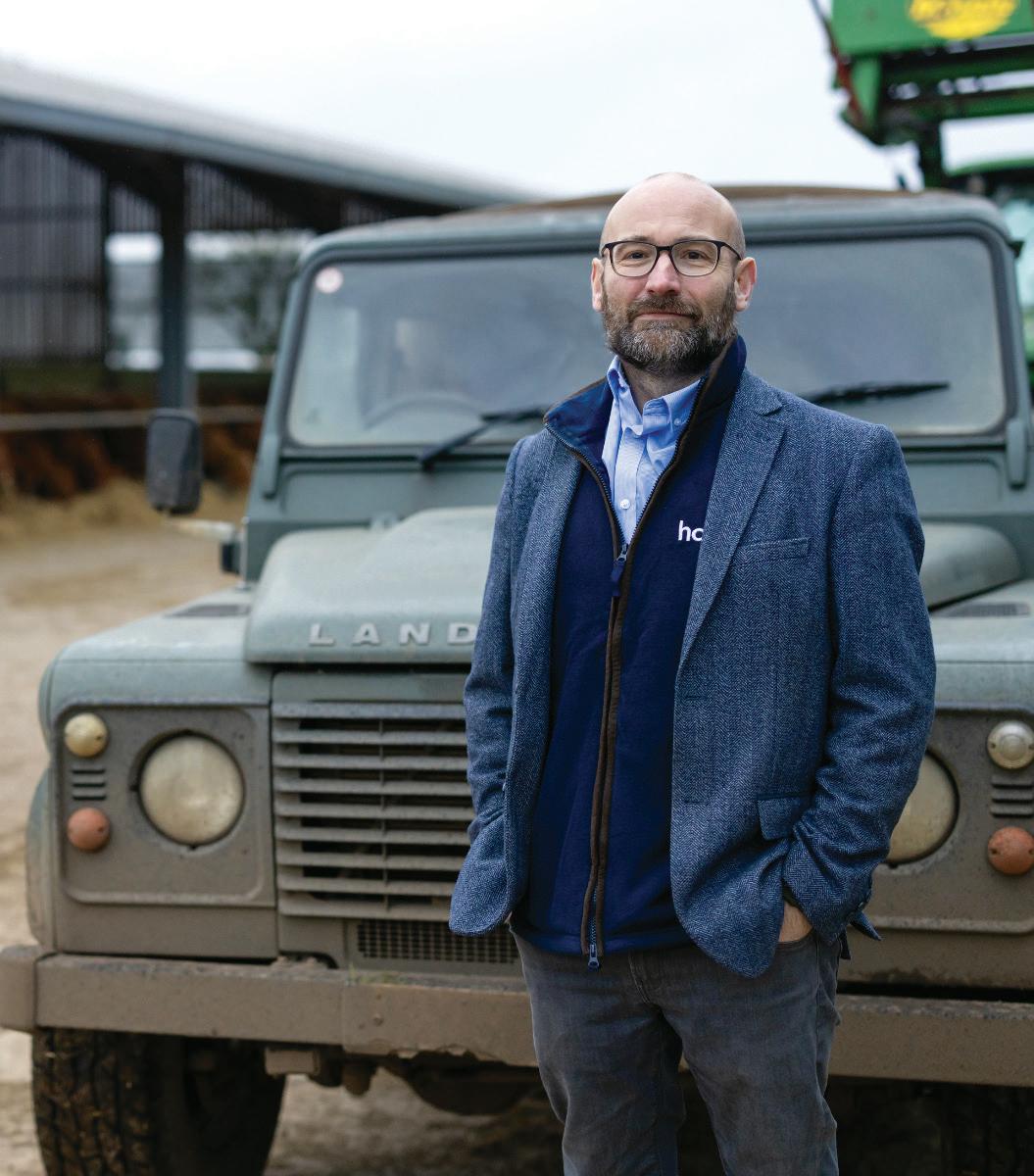
Read the report: www.hcrlaw.com/service-team/agriculture-and-estates/food-for-thought-shaping-sustainable-farming-futures/
Biodiversity net gain (BNG) is rapidly becoming a familiar concept to landowners across the South East. With most developers now required to deliver a minimum 10% BNG, demand for off-site habitat creation has increased sharply. For farmers and rural estates, this presents an opportunity to generate stable and long-term income from land that may be less productive for agriculture. Securing that value depends on understanding the legal and practical implications before land is committed to BNG for decades.
Most BNG arrangements are secured for at least 30 years, although this can be longer or even, effectively, in perpetuity. BNG is often secured through habitat creation leases, conservation covenants or planning obligations. These commitments can provide income certainty but also shape future land use. Agricultural activity may be limited, development potential constrained or even negated for the foreseeable future, and eligibility for other environmental or diversification schemes affected. Understanding these constraints at the outset helps landowners assess whether or not BNG aligns with their long-term estates strategy and value preservation plans.
Where land is subject to an Agricultural Holdings Act (AHA) tenancy or a farm business tenancy (FBT), BNG introduces additional complexity. Habitat creation may fall outside permitted agricultural use and
require landlord’s consent, tenant’s consent, or both. Clear structuring is essential to protect value, including defining who receives BNG income, how compensation is addressed if productive land is taken out of use, and who is responsible for meeting long-term obligations. Without careful drafting, arrangements intended to create value can instead give rise to disputes.
BNG agreements typically include rights of access for monitoring, inspection and ecological management throughout the term of the scheme. While necessary, these rights need to be carefully managed to avoid disrupting day-to-day farming operations or biosecurity. Landowners will also usually retain responsibility for maintaining habitats to agreed standards over many years. Clear provisions on maintenance, costs, insurance and liability help ensure long term income is not eroded by unexpected obligations or enforcement action. Special provisions may be needed to ensure that successors in title are bound to comply.
Not all BNG agreements offer the same level of commercial protection. Robust due diligence is key to safeguarding longterm value, covering title rights, planning
constraints, environmental designations and how obligations bind future owners. Payment structures, indexation, default provisions and step in rights should all be carefully negotiated. Tax treatment also requires early consideration, particularly where participation in BNG may affect agricultural or business property reliefs.
BNG can deliver significant and predictable returns, but only where agreements are properly structured and aligned with wider land and estate objectives.
At Brachers, our agriculture and commercial property teams support landowners at every stage, from assessing viability and structuring agreements to managing tenancy issues, negotiating documentation and protecting tax reliefs. Our aim is to help landowners secure long-term environmental income while retaining clarity, control and certainty over their land’s future vale.

www.brachers.co.uk


#TheGardenOfEngland
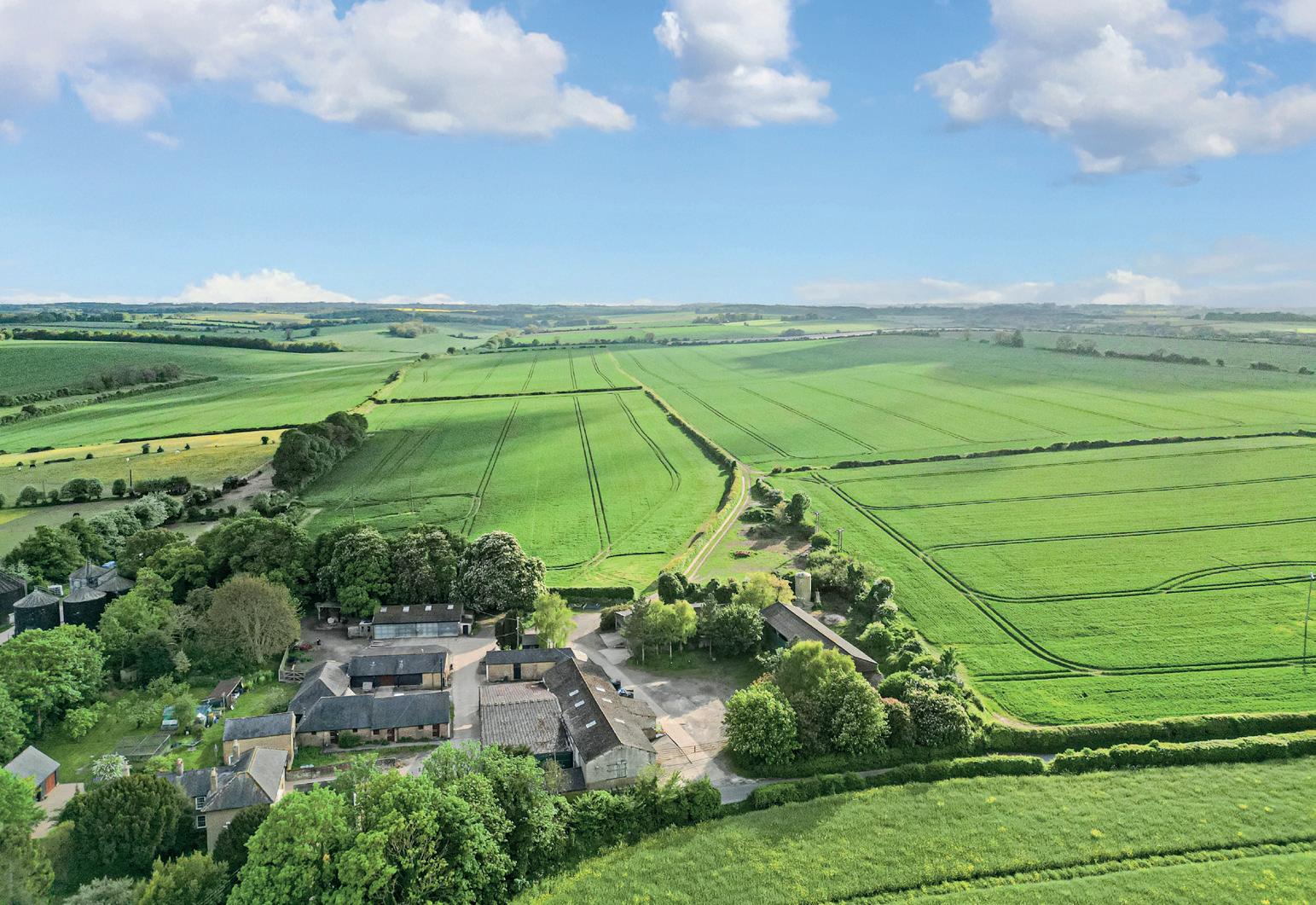
Sutton, Dover About 211 acres
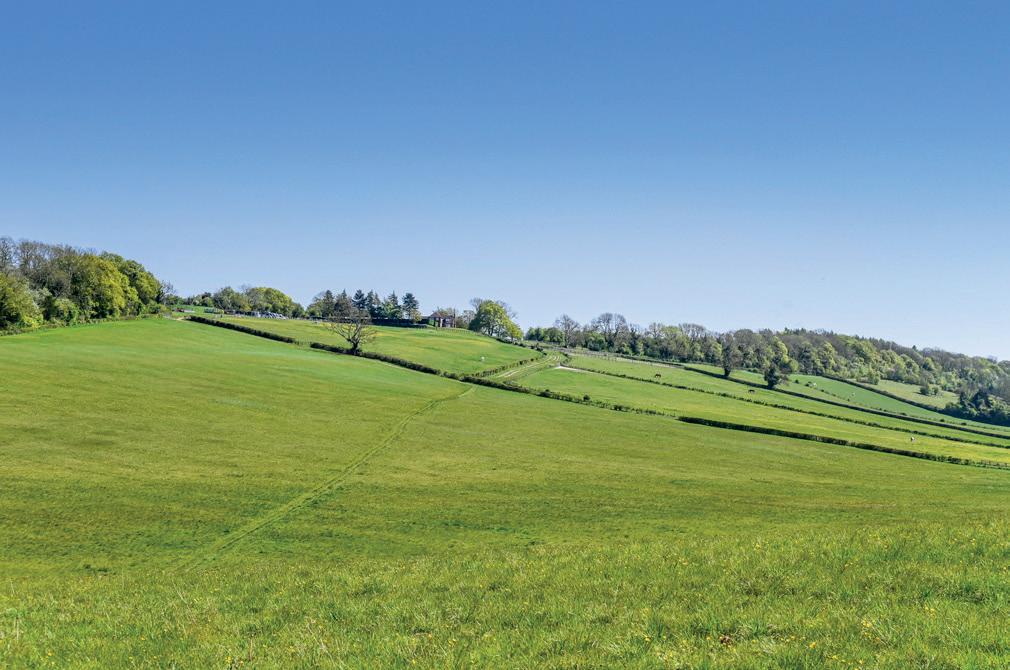
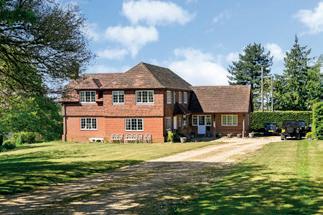
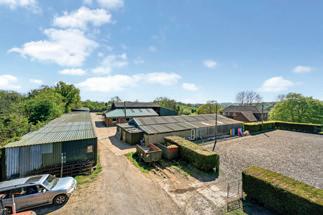
Keston, Kent About 113.7 acres
£2,750,000

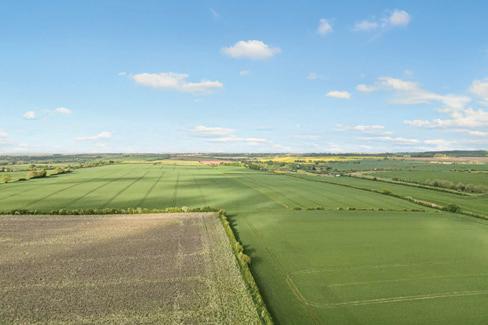
£3,950,000 - £4,150,000
Productive arable farm. Grade II listed farmhouse, holiday cottage/annexe, mix of traditional and modern farm buildings and a significant area of predominantly Grade II arable land. For sale as a whole or in 3 lots.
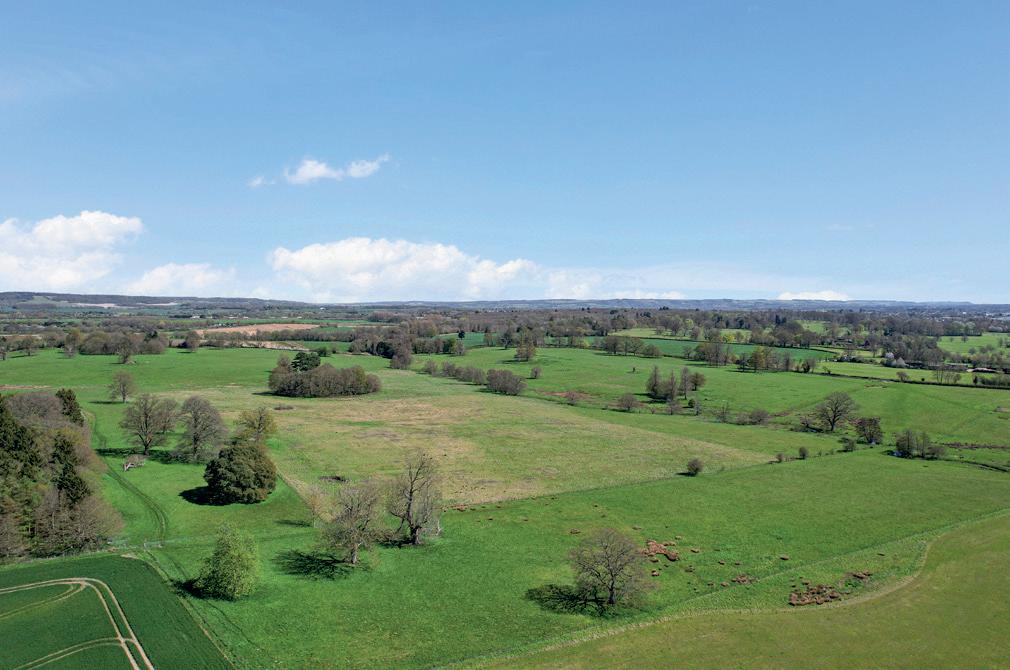
Hothfield, Kent About 136 acres
£1,125,000 - £1,175,000
A block of former parkland and arable land located on the edge of Hothfield village. Scope for BNG/nature conservation schemes. For sale as a whole or in 2 lots. FOR SALE FOR SALE FOR SALE
A farm or equestrian property situated within the Green Belt with views of central London. Detached farmhouse, range of agricultural and equestrian buildings and North Downs pasture land in a pretty valley. For sale as a whole.
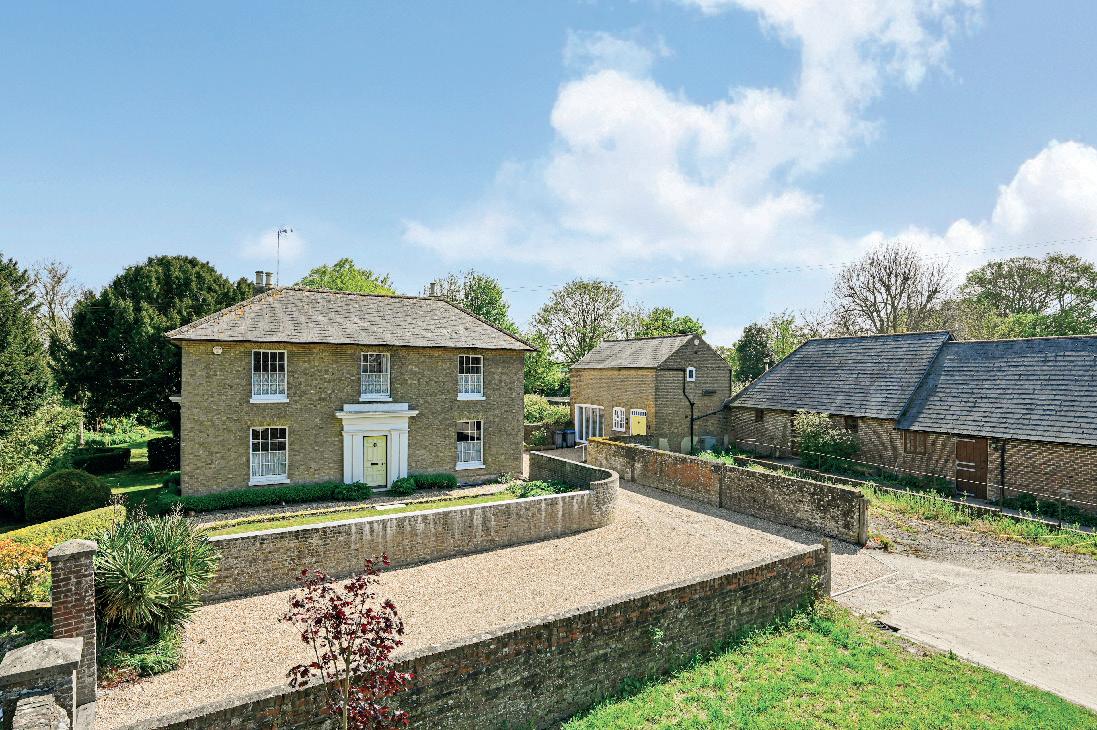
A productive East Kent arable farm situated on the edge of Sutton village and comprising a period Georgian fronted grade-II listed farmhouse, a popular holiday cottage and a good range of traditional and modern farm buildings, together with mainly grade two arable land, has come to the market with Hobbs Parker.
The farm was originally rented by part of the seller’s family, and in 1938 the seller’s grandfather had the opportunity to purchase the farm. The farm has been in the family’s ownership ever since. The farm has been used for mixed arable and livestock farming over the years, including for cattle, dairy and pigs. More recently it has been farmed as an arable farm.
Upper Farmhouse is an attractive building which is grade-II listed. The property
provides spacious accommodation with wellproportioned rooms, good ceiling heights and a number of attractive period features. The Lodge is an attractive addition to the house and is currently being run as a holiday cottage, providing additional income.
There is a mix of traditional and more modern farm buildings, including a grain store. The mellow brick traditional buildings offer further opportunities for redevelopment subject to the usual consents.
The block of arable land extends to about 208.19 acres (about 84.253 ha) and is accessed from Church Hill. The land lies in a rectangular block to the south west of the farmhouse and buildings and comprises a small number of easy-working fields. There is good access to the land via a trackway that runs centrally through the land.
The farm is offered for sale as a whole or in up to three lots, with a guide price of £3,950,000 to £4,150,000.
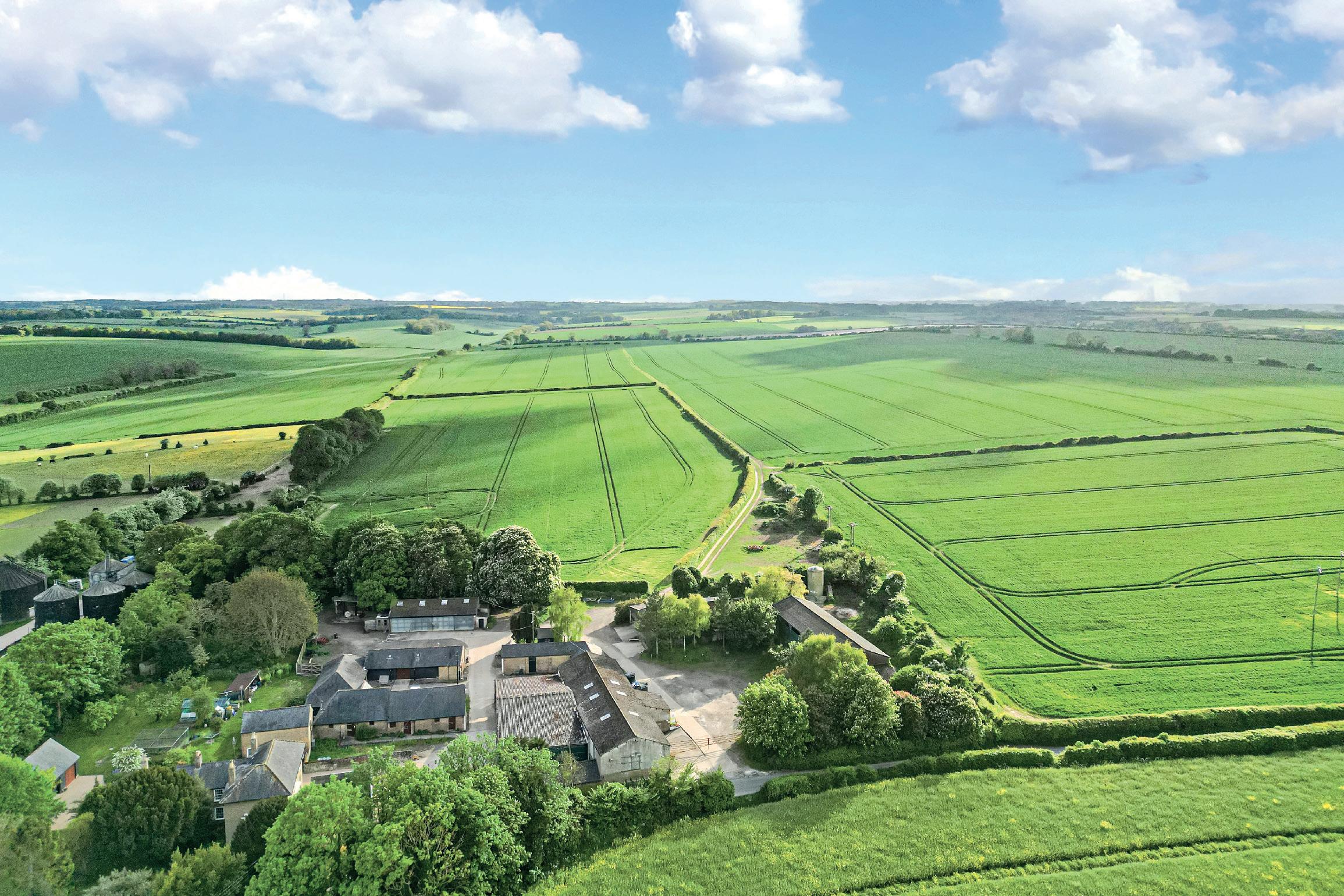
For more information call Hobbs Parker: Ashford 01233 506260 Tenterden 01580 766766
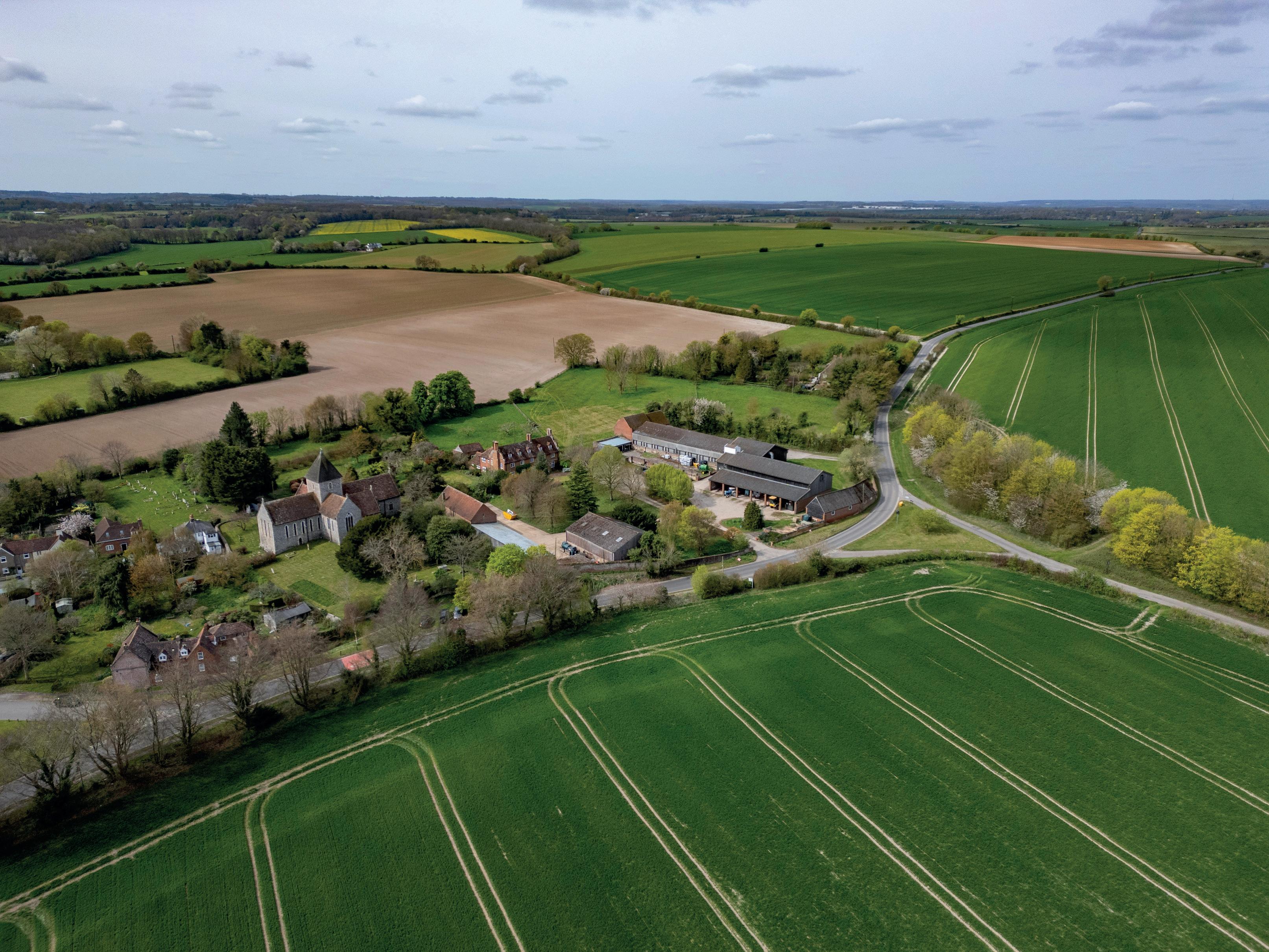
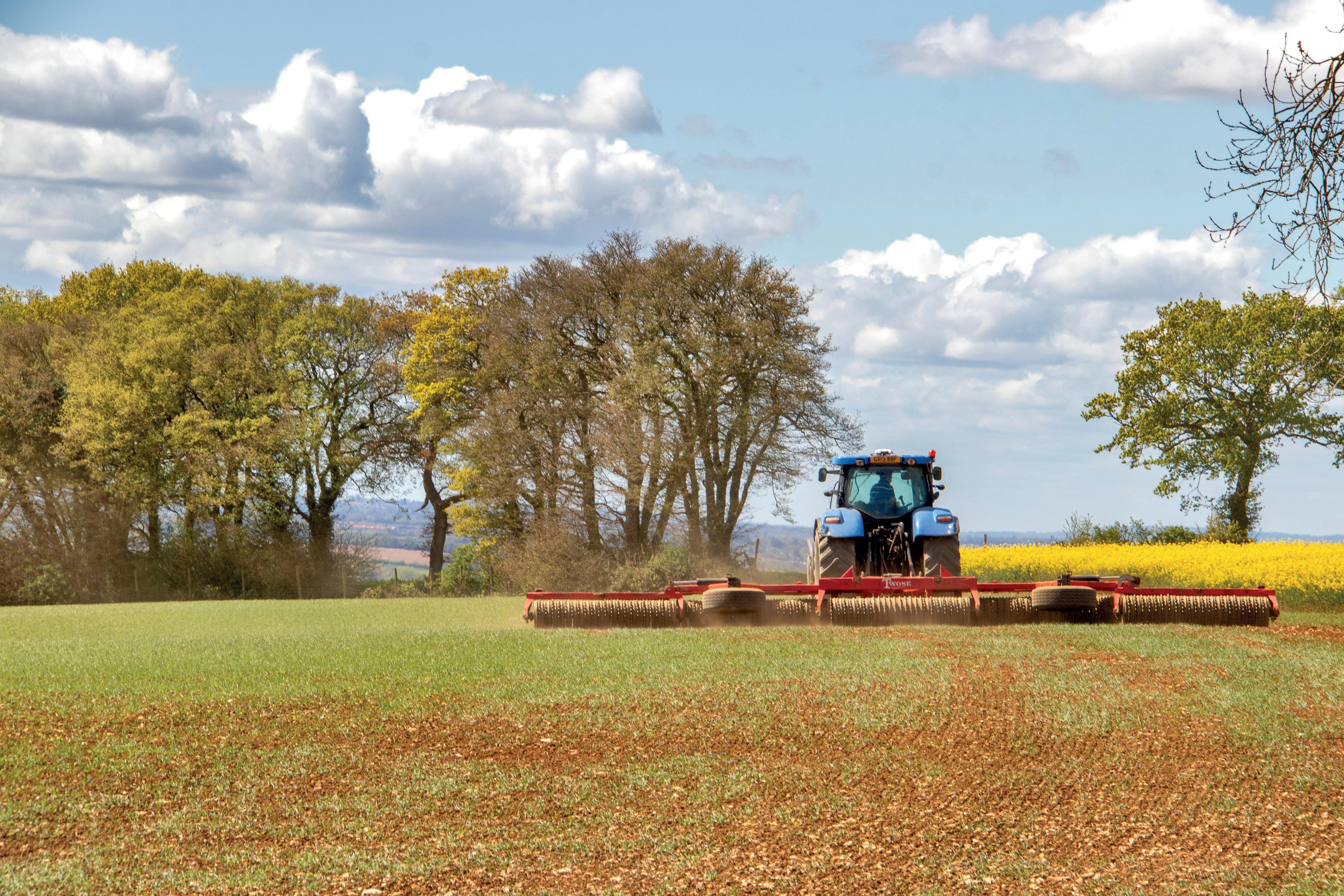
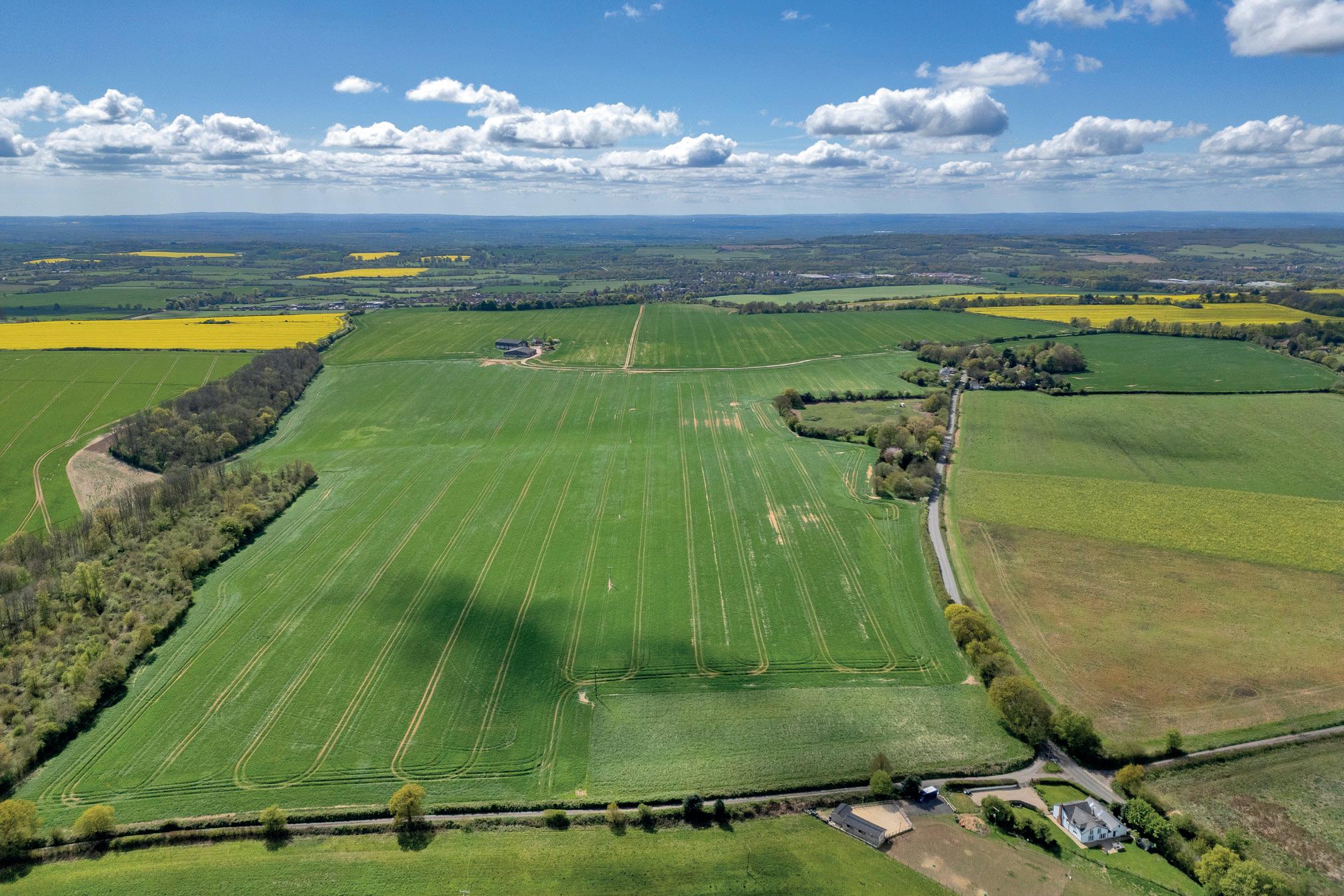
Around 596 54 acres of principally Grade 2 arable land A range of modern fit for purpose agricultural buildings A handsome Grade II Listed farmhouse Traditional buildings with potential for alternative uses, subject to the necessary consents A three-bedroom semi-detached cottage
Offers Over £8.95 million For sale as a whole or in 6 lots About 611 55 acres
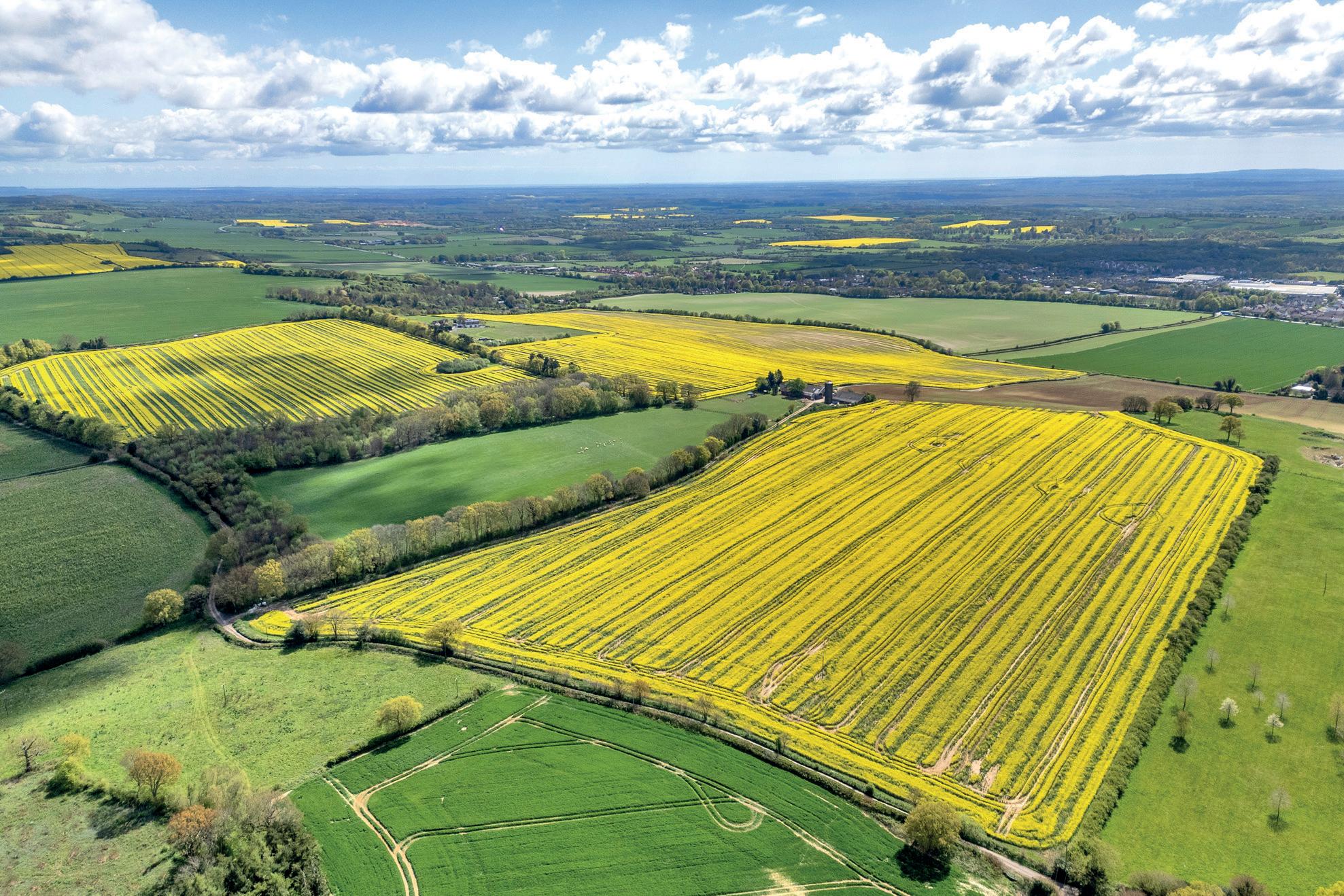
Productive arable
Commercial
Robertsbridge, East Sussex
About 164 acres
A picturesque former fruit farm with incredible potential. A four-bedroom farmhouse subject to an AOC, an extensive range of farm buildings, a mobile home with Certificate of Lawful Use for a dwelling, lying in a secluded location, rolling grassland and woodland. Robertsbridge - 2 miles, Hastings –10 miles, Central London – 57 miles.
Guide price £2,100,000
Arrange a viewing
Harry Kennedy | +44 (0) 20 7591 2232
Liza Howden | +44 (0) 20 7591 2214
Frittenden, Cranbrook, Kent
About 141 acres
A ring-fenced residential farm with extensive views and a Grade II listed farmhouse at its heart. An additional adjoining cottage, Grade II listed oast and cart barn, a collection of supporting farm buildings. Gently undulating pasture, woodland and ponds. Cranbrook - 4.5 miles, Tunbridge Wells - 17 miles, Central London - 58 miles.
Guide price £3,650,000
Arrange a viewing
Harry Kennedy | +44 (0) 20 7591 2232
Liza Howden | +44 (0) 20 7591 2214
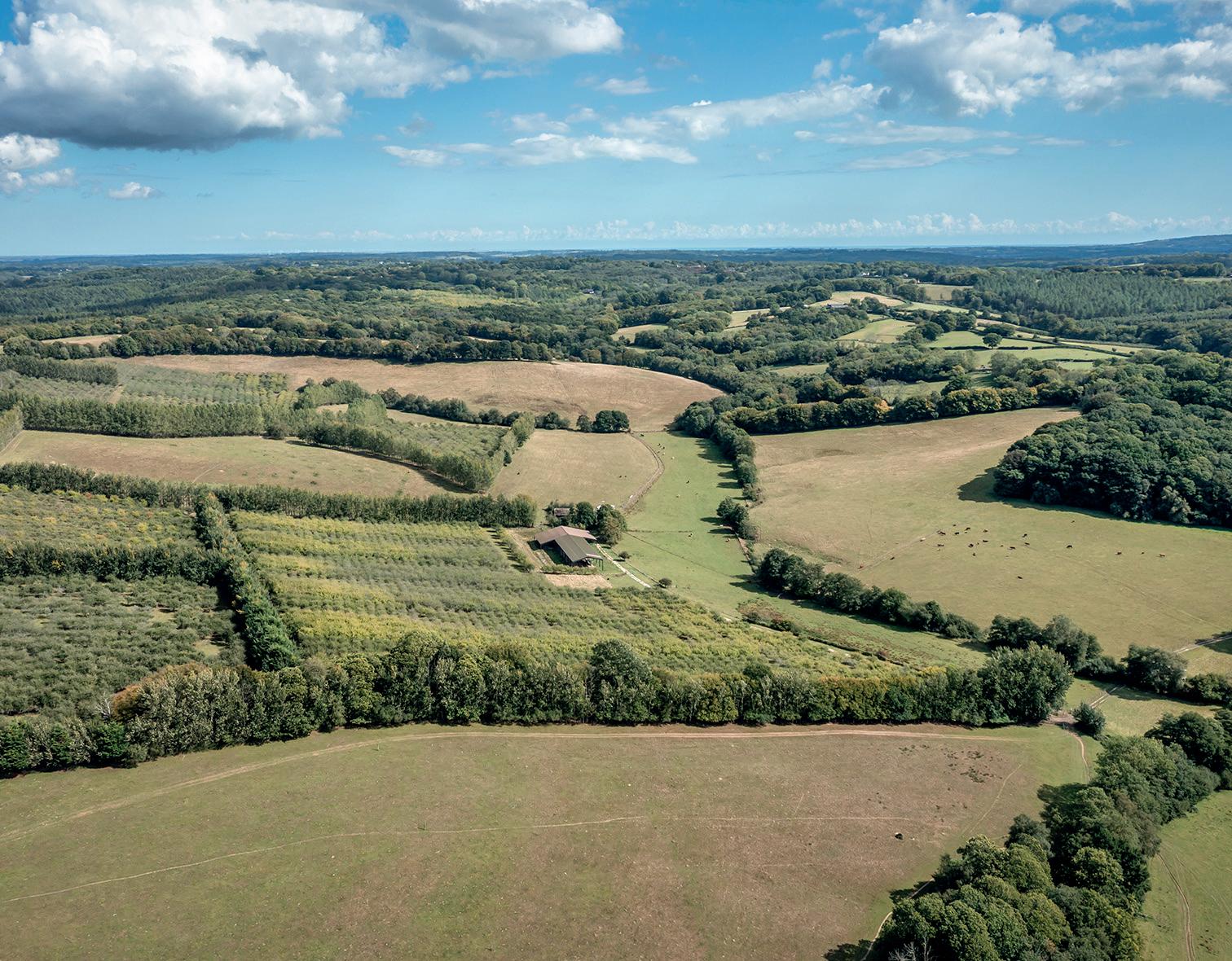
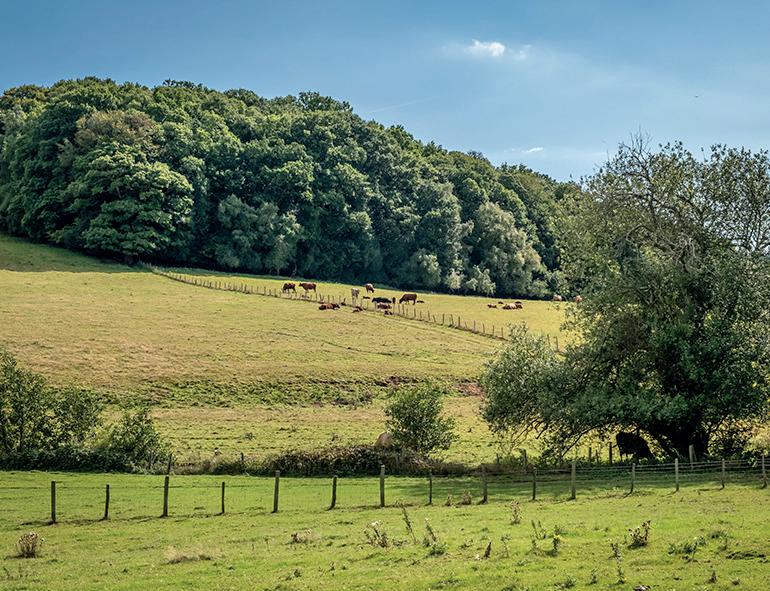
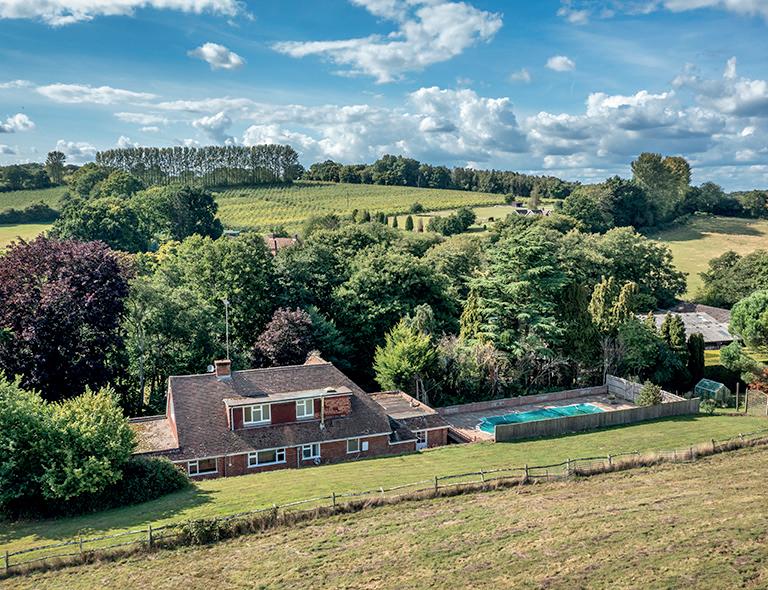
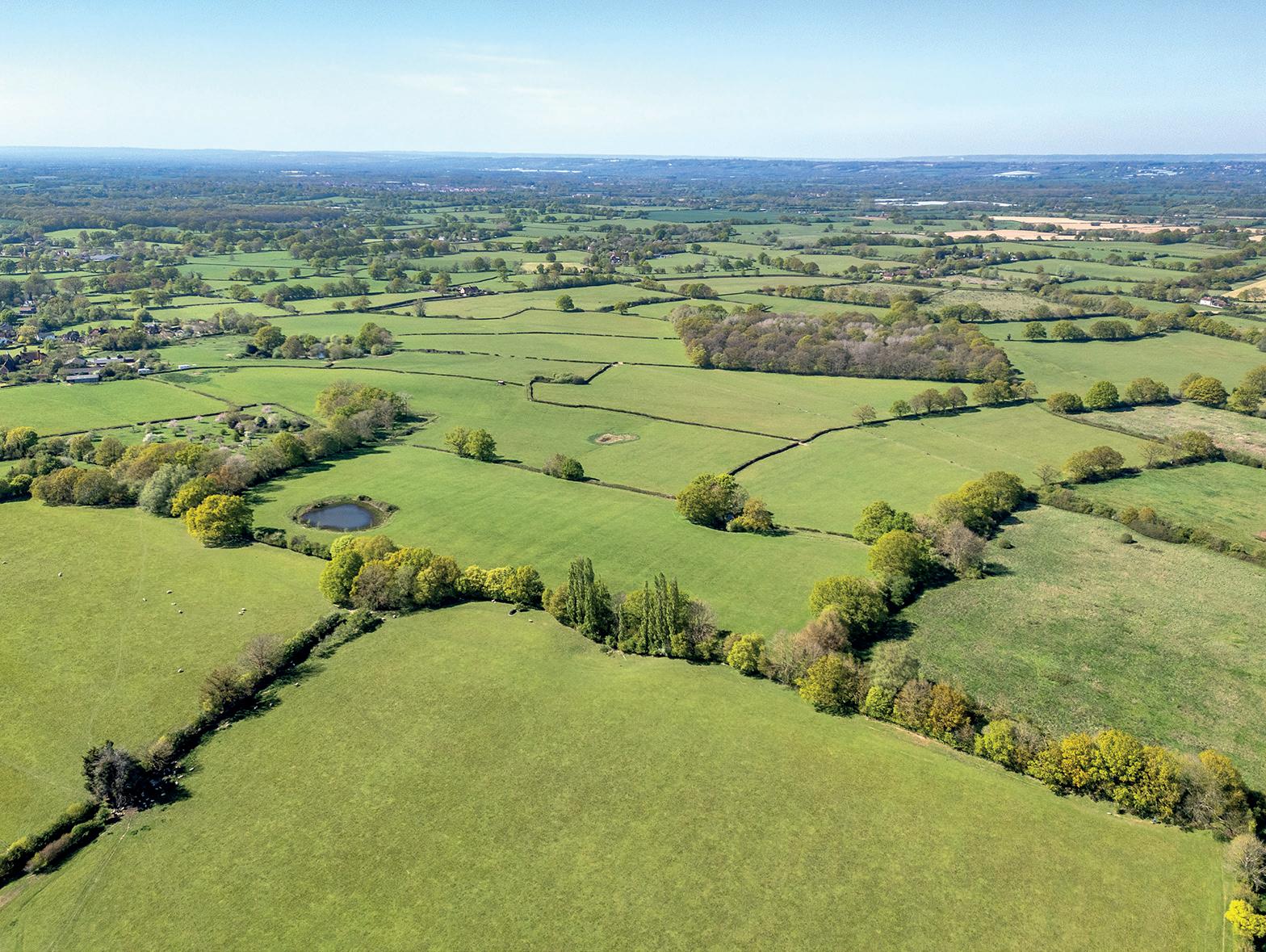
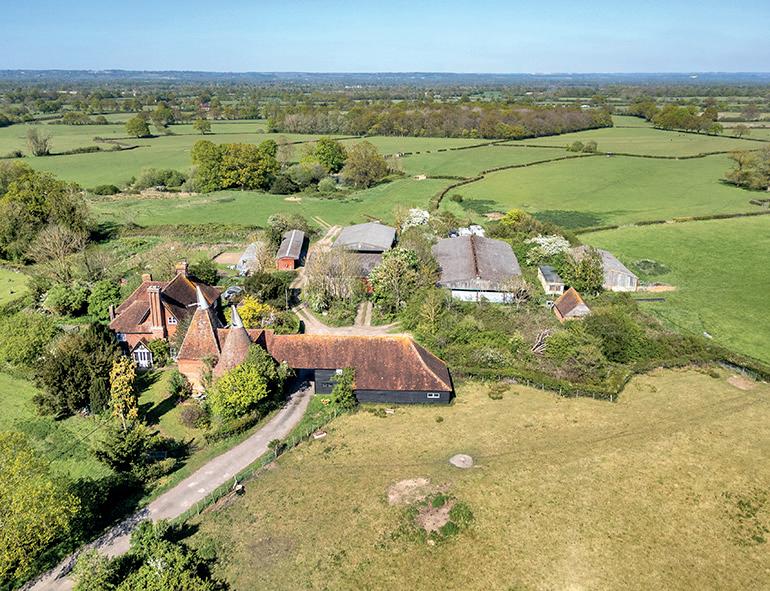
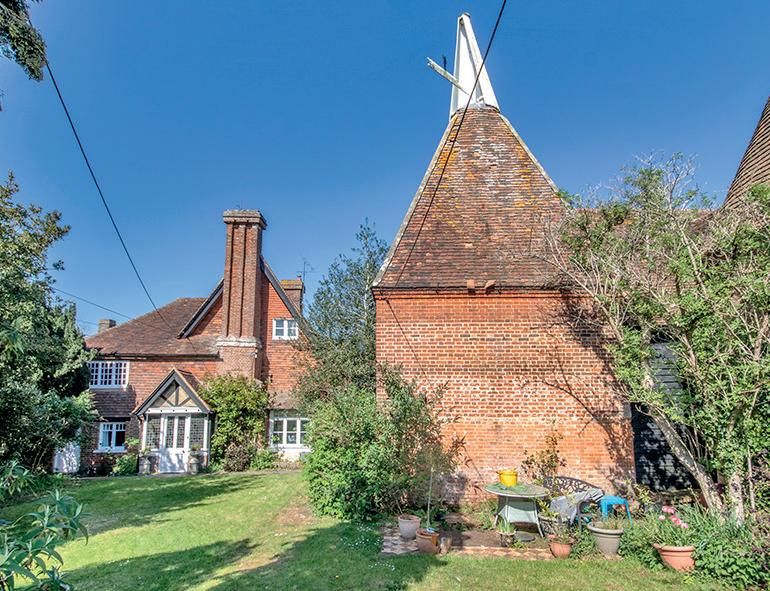
A significant arable farm complete with grade II-listed fivebedroom farmhouse, a range of modern agricultural buildings and traditional buildings, a three-bedroom semi-detached cottage and around 596.54 acres of productive arable land has come to market in Kent, offering a rare opportunity to purchase a commercial arable farm in a highly sought-after location.
Set within the rolling countryside, Adisham Court Farm has long been part of east Kent’s agricultural landscape. Offering nearly 600 acres of principally grade 2 arable land, the farm produces a rotation of crops such as wheat, barley, oats, linseed and, in alternate years, peas, beans and oilseed rape. More recently, the farm has embraced environmental practices, having been entered into Natural England’s environmental stewardship scheme, enhancing biodiversity and supporting sustainable land management.
The handsome, five-bedroom farmhouse, in the heart of Adisham village next to the parish church, extends to approximately 3,879 sq ft and dates back to the late 17th-century. A grade II example of Kentish rural architecture, it is in good order throughout, with generously proportioned rooms, good ceiling heights and retained period features.
Chris Spofforth, of Savills Farm Agency, said: “Extending to over 600 acres in total, Adisham Court Farm represents a blend of long-standing
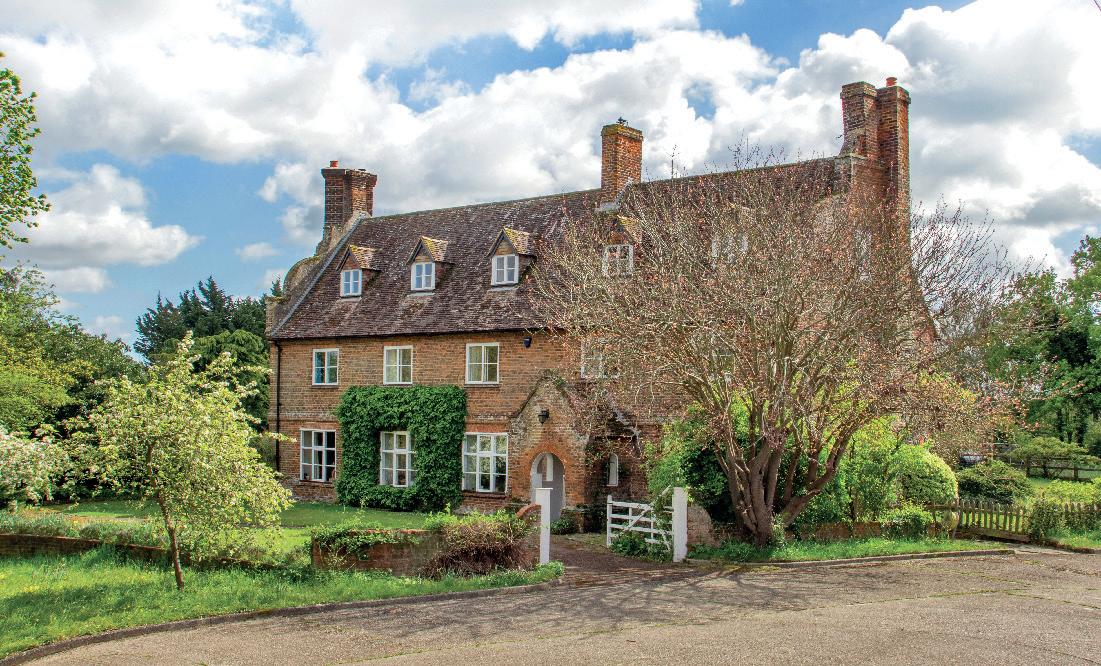
agricultural heritage and forward looking farming, rooted firmly in the landscape that has sustained the village of Adisham for more than 1,000 years. This is an excellent opportunity for a range of prospective buyer types.”
Adisham Court Farm is located in the village of Adisham, which has its own mainline railway station, just over six miles from Canterbury. Savills is selling the farm as a whole or in up to six lots, for offers in excess of £8,950,000 for the whole.
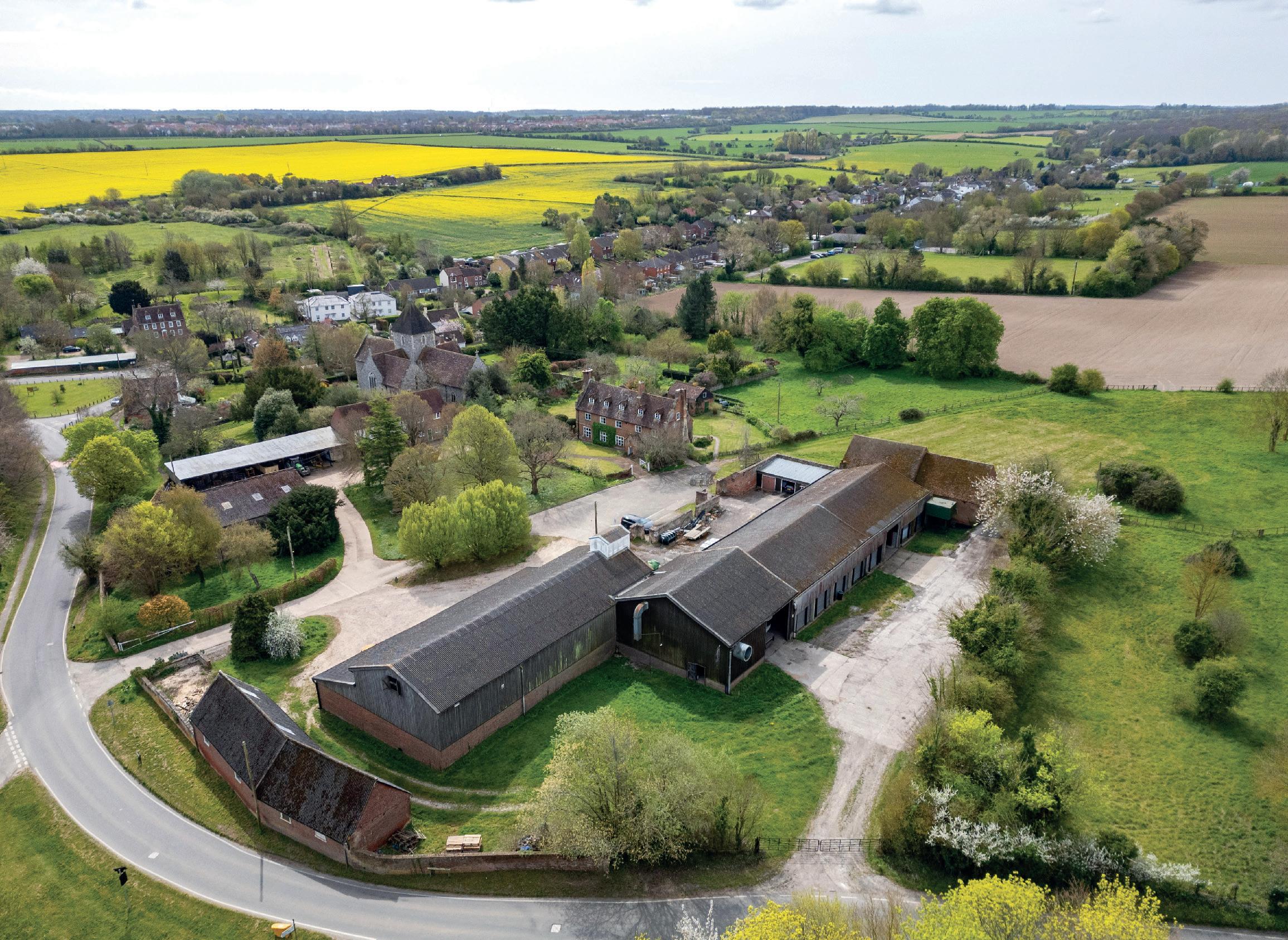
For more information, contact Chris Spofforth, Louisa Over or Hannah Riches of Savills Farm Agency on 07812 965379, 07972 000042 or 07967 555724
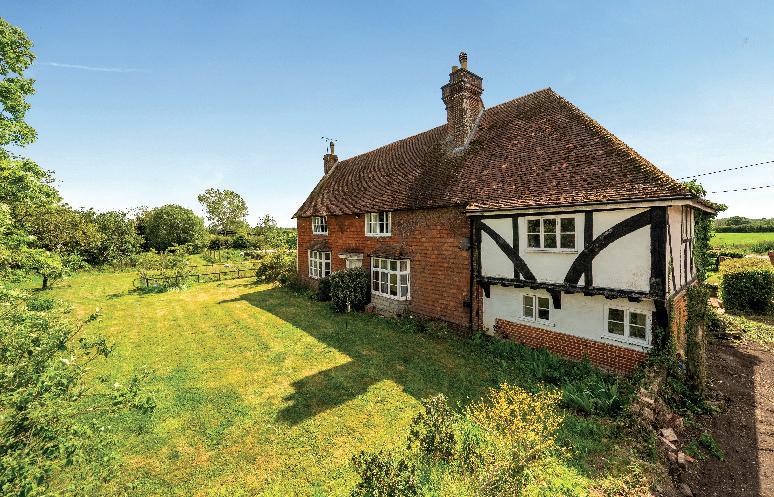
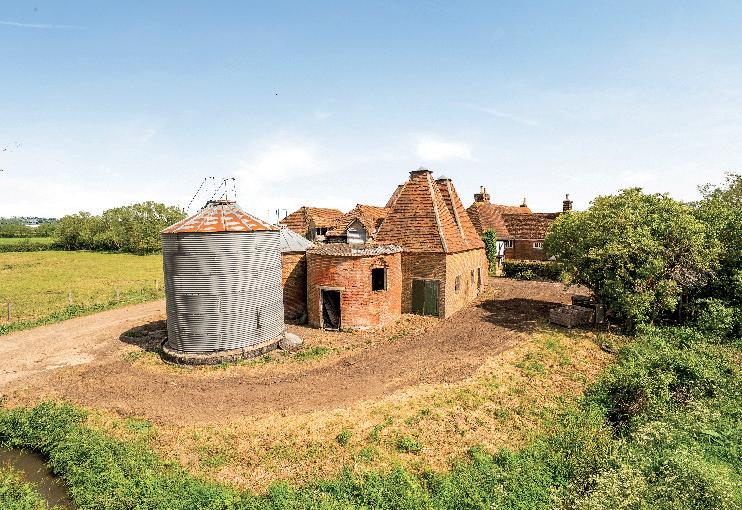
Lambert & Foster are pleased to receive instructions from W Murdoch & Sons who, following a decision to retire from dairy farming, are offering Charlton Farm at Boughton Monchelsea for sale.
The farm is on the edge of the Weald in a relatively private location south of Maidstone. A rare offering in the Weald of Kent, this 215-acre farm is in two ring-fenced blocks of level pasture, with long frontage to the River Beult.
Land agency director Alan Mummery commented: “Charlton
Farm offers plenty of potential to commercial farmers, or developers.” He added: “The Grade II-listed farmhouse is a worthy project for sympathetic renovation and the farm has an unusually large, traditional Kentish five kiln oast house that could have potential for residential conversion.
“There is a significant range of modern portal-frame farm buildings in two yards lying central to the land. It’s been a while since such a large commercial farm has come to the market in the Weald, so we expect good interest". The farm is guided as a whole at £4,300,000.
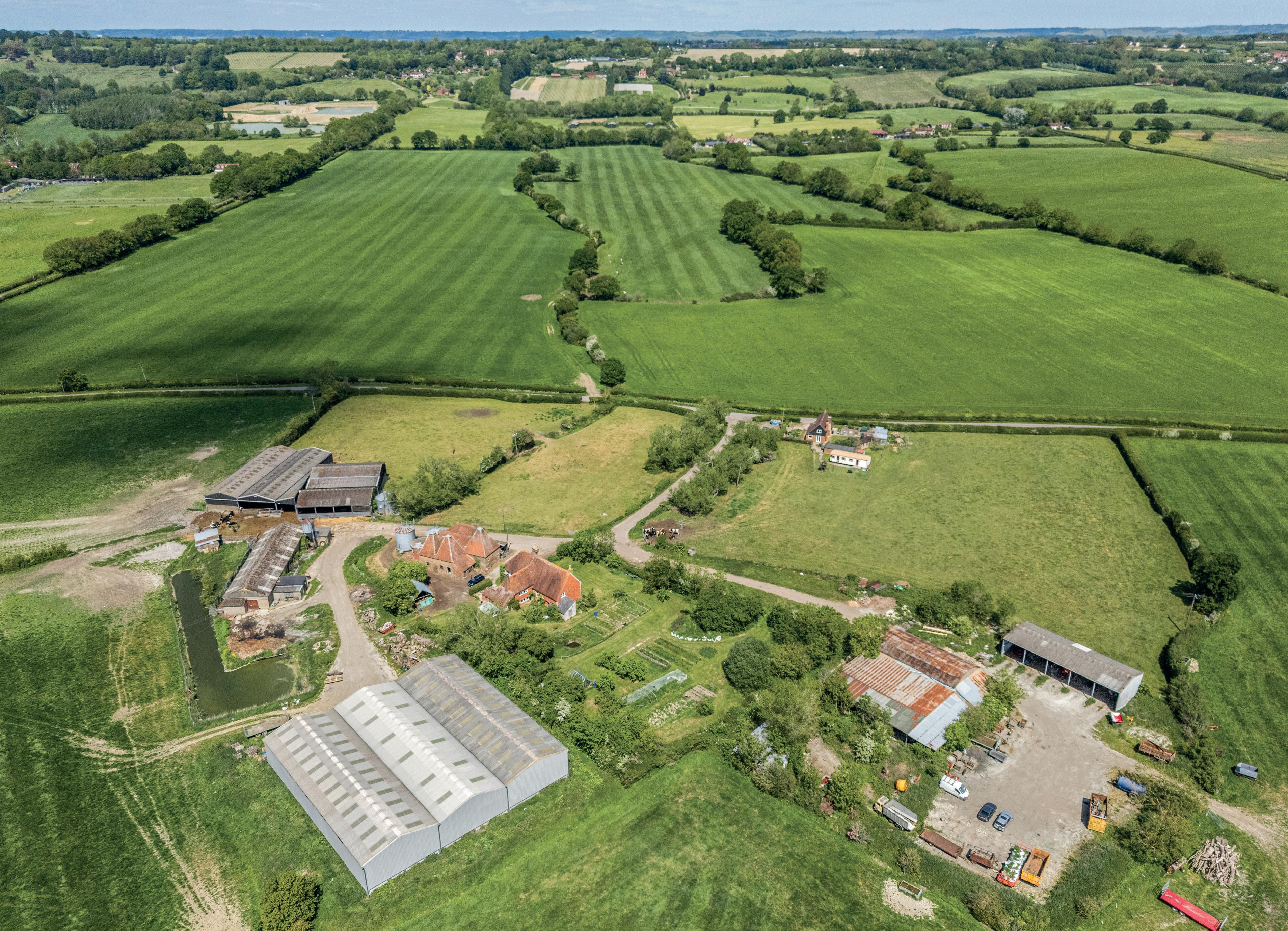
An attractive block of pasture land situated in a quiet rural location between West Chiltington and Balls Green is on the market with Batcheller Monkhouse.
The land benefits from easy access to the A29 (Stane Street) and offers the advantage of two separate entrances. The total area extends to approximately 67.46 acres (27.30 hectares).
This appealing block of land, currently laid to pasture, benefits from areas of woodland and good access, and is relatively level throughout. It is divided into a number of practical field sizes, separated by a combination of hedging, fencing, and mature trees. The land also includes a small fenced apple orchard. A well is located in the paddock. The land is offered for sale as a whole.
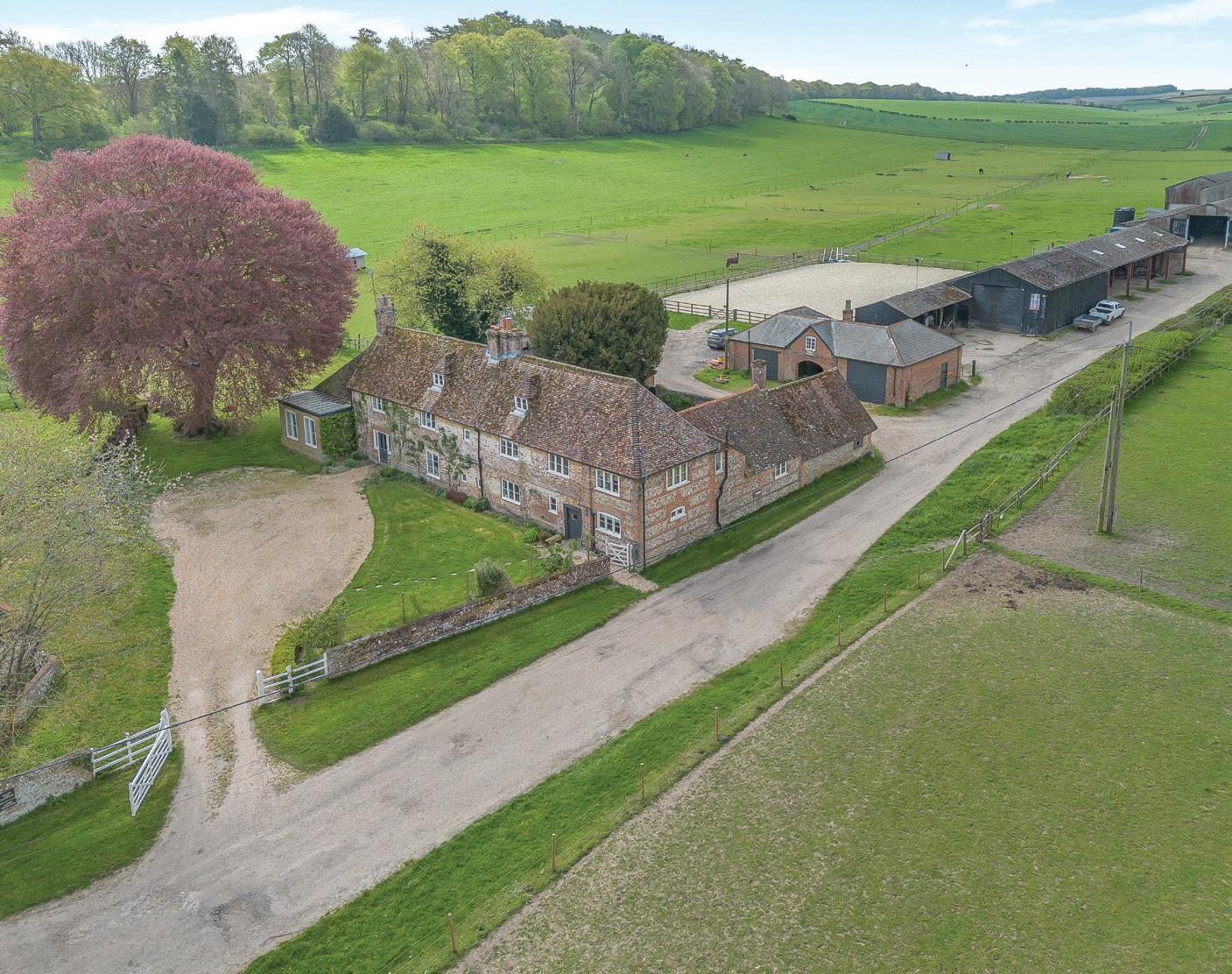
An outstanding opportunity to let a substantial arable and livestock holding. Grange Farm offers an impressive farmhouse, equestrian facilities and an extensive range of farm buildings.
• 1,119 acres comprising 944 acres of arable and 175 acres of permanent pasture, parkland and water meadows
• To be let by informal tender as a whole under a 15 year Farm Business Tenancy
• Available from 29th September 2026
Aidan Gregory | 07775 562092 aidan.gregory@carterjonas.co.uk
Oliver Mead | 07780 667082 oliver.mead@carterjonas.co.uk
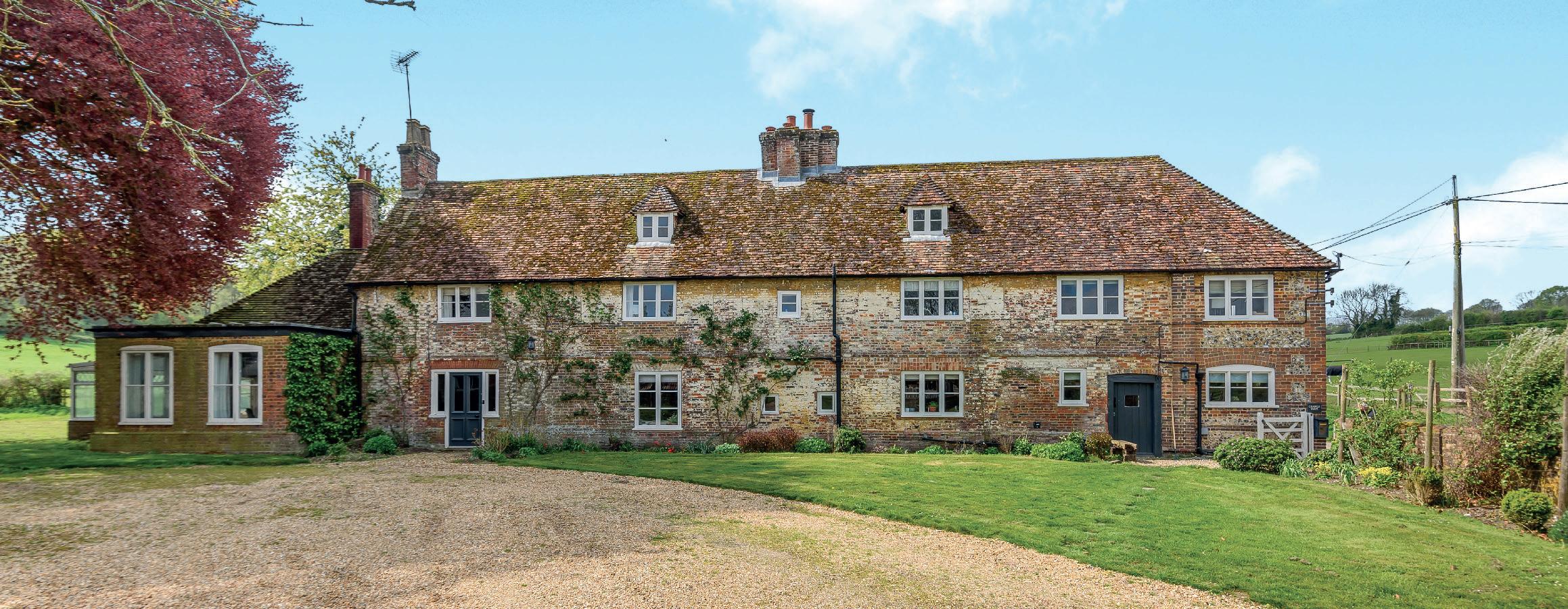
An exceptional opportunity to rent a substantial arable and grassland holding together with a period farmhouse and a range of farm buildings, situated at the heart of the historic Tichborne Estate, has come to the market with Carter Jonas.
Grange Farm is the principal holding on the Tichborne Estate and is available to let for the first time in over 100 years. The farmhouse sits at the centre of the village, adjacent to a range of traditional
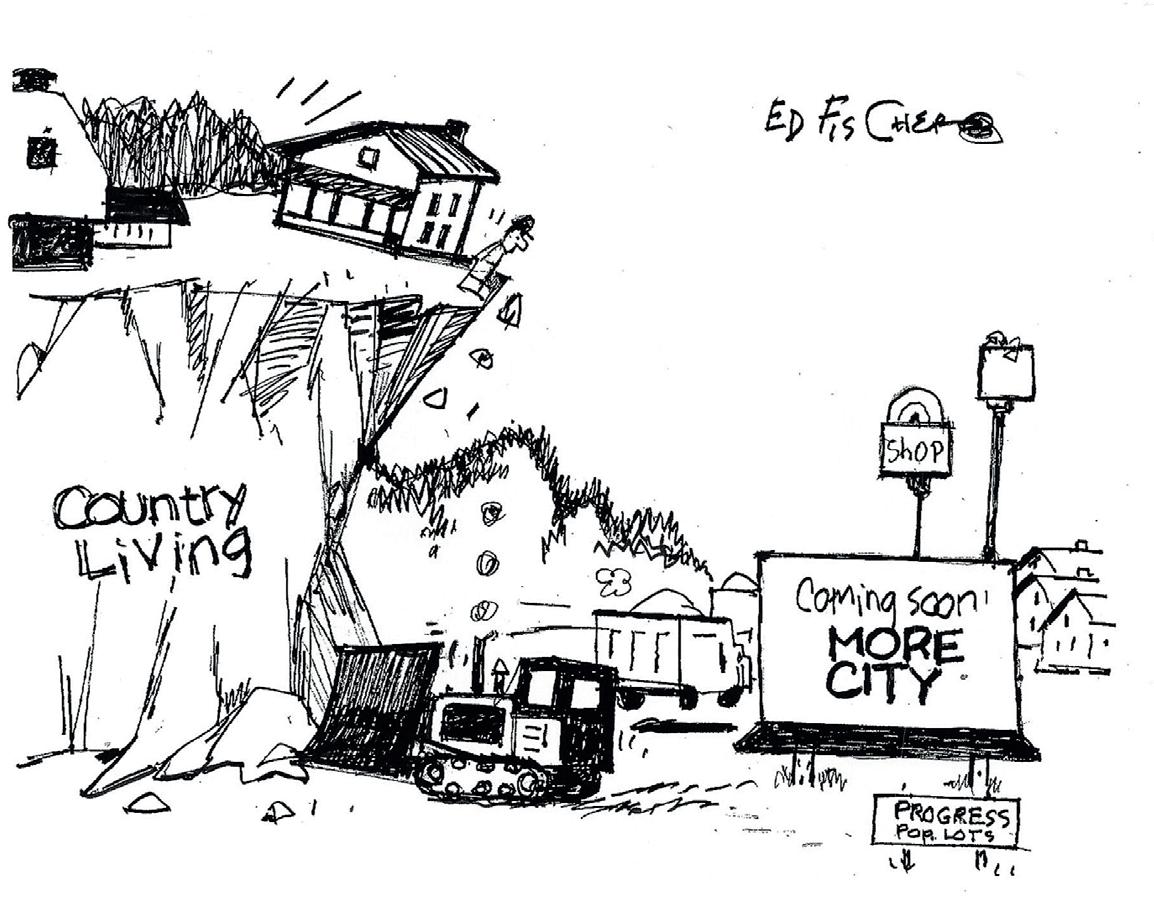
and modern farm buildings and at the core of a productive, predominantly arable, farm. Through the middle of the farm runs the Cheriton Stream, which later becomes the world famous River Itchen, and as a result an area of charming water meadows is included within the letting.
The farm has been run as a mixed arable and livestock unit and the current tenants have diversified the operation to include a successful livery business. In all it extends to 1,119.08 acres (452.93 hectares).
The attractive farmhouse is Grade II listed and offers an appealing residential base for the farming operation. It provides four bedrooms and extends to approximately 3,530 sq ft.
Grange Farm benefits from an extensive range of modern and traditional buildings providing in excess of 66,000 sq ft. To the north of the farmyard is a courtyard of traditional livestock buildings along with modern cattle barns, silage clamps and forage storage buildings arranged around a concrete yard. Along the farm track is a series of modern, portal-framed buildings, housing workshops and agricultural stores. There are three off-lying modern barns to the south.
The land extends to approximately 1,119.08 acres (452.93 hectares), comprising 944.18 acres of arable and 174.9 acres of permanent pasture, parkland and water meadows.
The land is situated in a block to the south and west of Alresford and comprises rolling downland on the higher ground and low-lying water meadows situated alongside the Cheriton Stream. There are approximately 24 acres of paddocks and a manège adjoining the farmhouse and yard, which is currently used for a horse livery business.
The land is shown by the Agricultural Land Classification as predominantly of grade 3 quality. The arable and pasture is described as freely draining, slightly acid loamy soils and shallow lime-rich soils over chalk or limestone. The water meadows are described as loamy and clayey floodplain soils with naturally high groundwater.
Grange Farm is available as a whole and will be let under the Agricultural Tenancies Act 1995. A farm business tenancy agreement will be put in place with up to a 15-year term. The tenancy is due to commence on 29 September 2026.

Selling land for housing can be a profitable diversification, but the process is far from simple. Taking a site from seedbed to suburb can be complex and costly and involves a broad range of professionals working together smoothly and effectively. That process is made easier by choosing the right professionals, but can still be challenging when those professionals are working for different outfits and focused on their own part of the jigsaw rather than on helping the client solve the whole puzzle.
At Batcheller Monkhouse a comprehensive team of professionals work together to collaborate seamlessly in support of the client, combining rural surveying, planning and agency disciplines with a can-do approach and a focus on getting the client maximum value from land that has development potential.
“We have a range of specialists on board, but we work collaboratively to help deliver the right outcome for the client,” explained Batcheller Monkhouse director Alex Wilks. “We are large enough to have the right expertise, but not so large that everyone works in their own silo and doesn’t talk to anyone else.
“Many of us work in the same office, side by side, focused every day on sharing our individual expertise to help our clients achieve their dream.”
Batcheller Monkhouse recently sold land at Birdham, near Chichester, which was being farmed 12 months ago but is now ‘growing’ an estate of 150 houses. “The family had used our planning team for advice on smaller housing schemes before, but this site had real planning potential,” said Alex.
“We met the owners and suggested bringing a promoter on board as the best route forward without incurring significant up-front costs.
“We wanted to progress the site quickly because there was a limited opportunity to get the land included in the local plan and it was important to take advantage of that. It can take up to ten years, so
choosing the right moment, and capitalising on it, was vital.”
With the site identified, Batcheller Monkhouse’s land agency team found the right promoter, a specialist firm prepared to invest around £500,000 in obtaining planning consent for the site on a ‘no win, no fee’ basis, removing any risk to the landowner. The promoter receives a percentage of the site’s value once it is sold but picks up the bill if the application fails.
Batcheller Monkhouse’s utilities specialists deal with any issues such as cables crossing the land, gas pipes, telecoms or drainage, while the land agency team carries out any necessary negotiations regarding land ownership, neighbours and existing tenants, both commercial and domestic, making sure nothing can get in the way of a trouble-free sale.
Once the promoter had gained planning consent for the Birdham site, Batcheller Monkhouse’s development team marketed the land and was able to sell it to a national housebuilder at a strong price.
“We had a similar site in Angmering which also highlighted the teamwork within Batcheller Monkhouse,” Alex recalled. “There were a number of complex issues to deal with on that site, including various occupancy agreements, but the firm’s professionals across the planning, land agency and development teams worked closely with the client to reach a successful outcome.”
ALEX WILKS MRICS FAAV Company Director

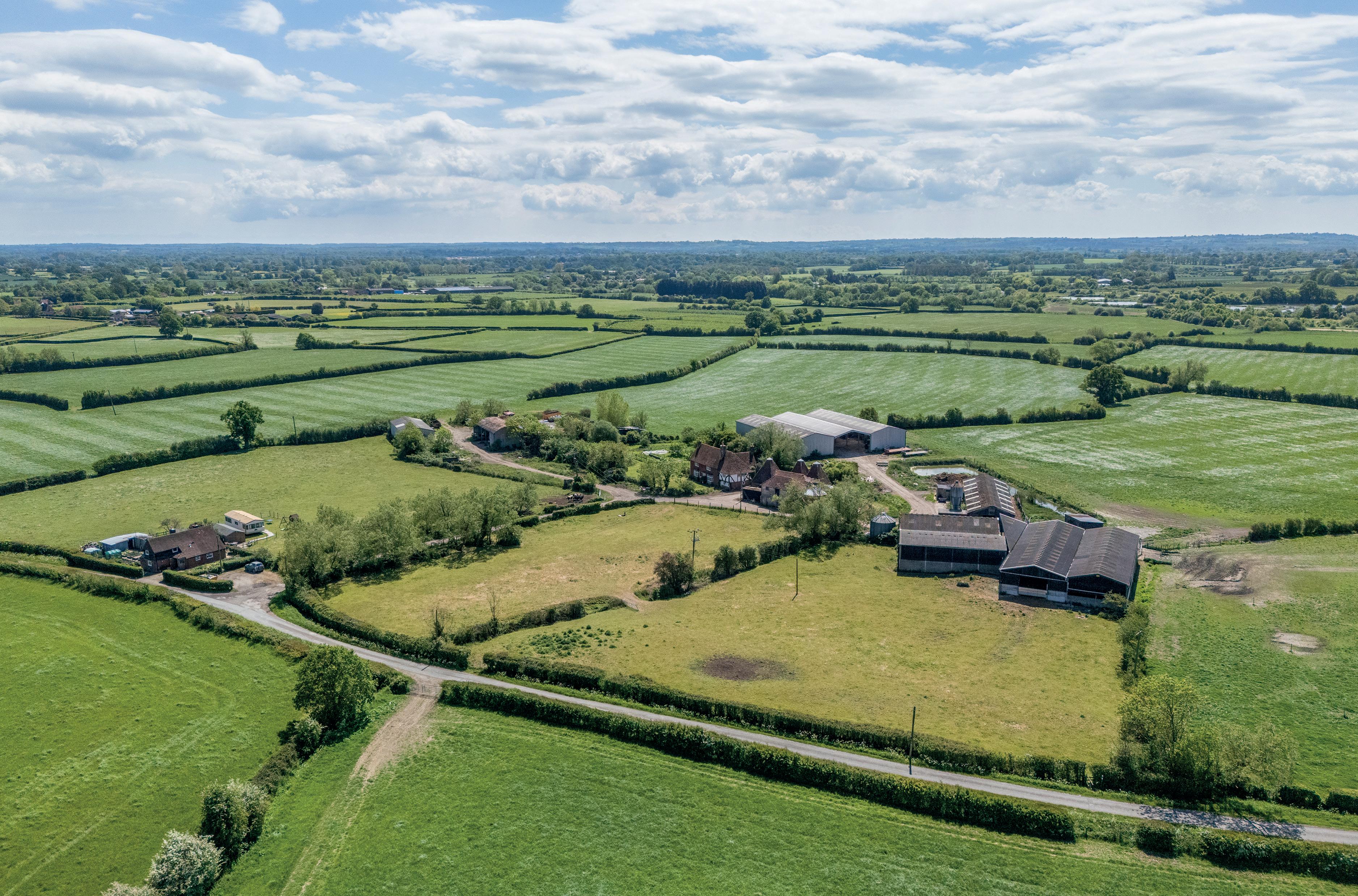
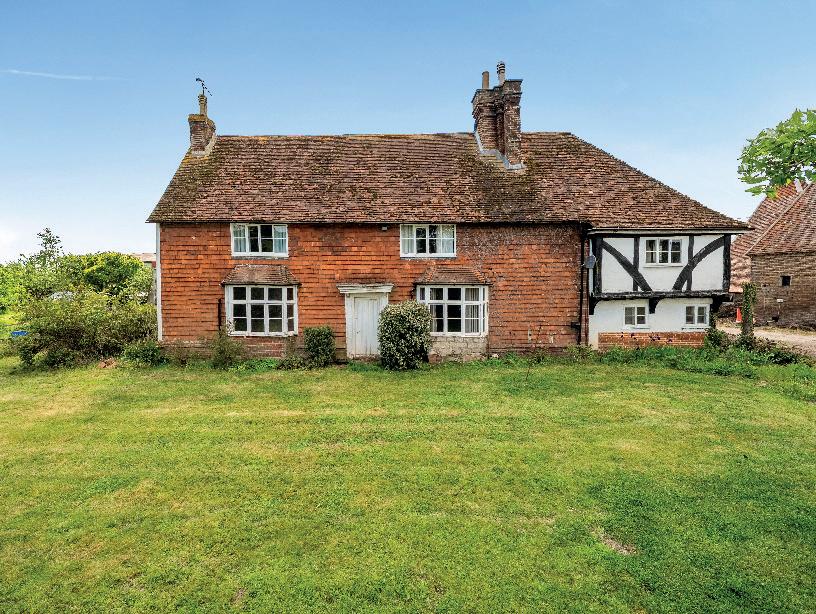
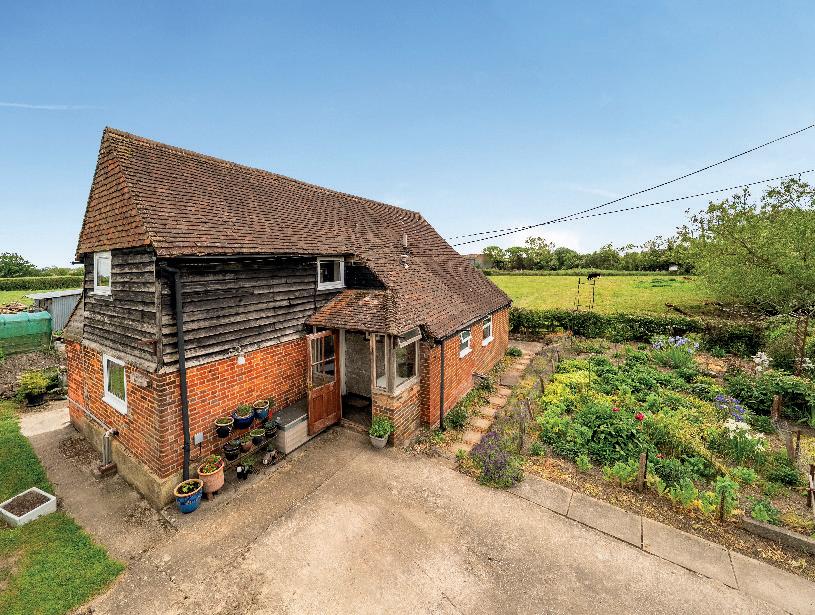
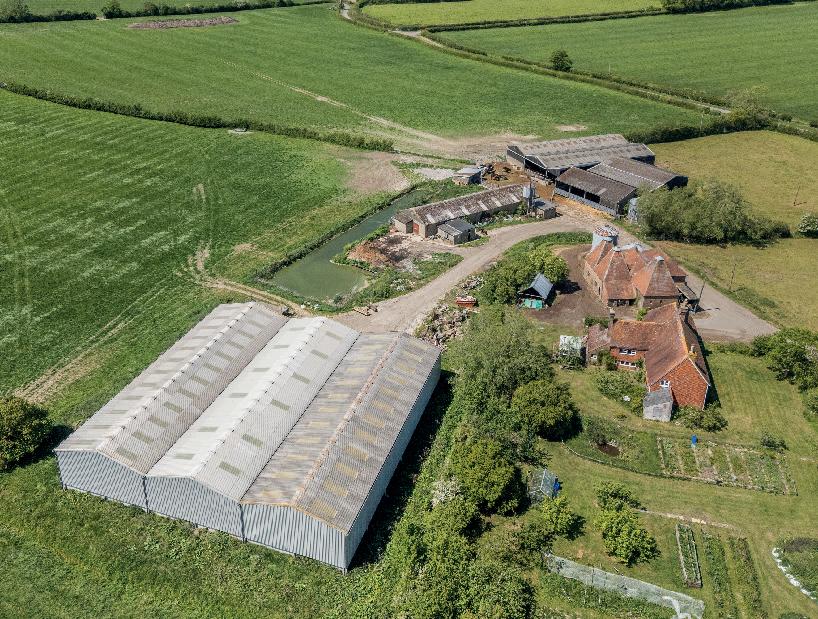
Guide Price £4,300,000 ON INSTRUCTION FROM CLIENTS RETIRING FROM FARMING

A Wealden Livestock farm together with a 5 bedroom Grade II Listed Wealden Hall House, 3 bedroom detached Cottage with extensive modern and traditional buildings, including a 5 Kiln Oast, set in 215 acres of mainly pasture land with river frontage to the Beult.
Charlton Farm is a ring fenced livestock farm set in an outstanding location on virtually level land below the escarpment between Linton and Sutton Valence in Kent. Having been a working dairy farm for generations, since 2025 the land has been mainly harvested for hay and silage. Whilst enjoying a relatively private rural location, it enjoys convenient access to nearby Maidstone and M20 motorway and to Staplehurst mainline railway station.

A distinguished and well positioned block of pastureland, complemented by an attractive parcel of mature woodland, extending in total to approximately 32.05 acres (12.97 hectares) is on the market with Batcheller Monkhouse. It is available as a whole or as pastureland only (approximately 21.80 acres), offering exceptional flexibility for discerning buyers.
An attractive parcel of pastureland enjoying far reaching countryside views with excellent access from London Road, it is beautifully
positioned in a highly sought after rural location between Haslemere and Petworth. Recent management works have included the removal of ash affected by 'dieback', allowing the thriving oak and rejuvenating hazel coppice to flourish. The land is available as a whole or without the woodland, offering flexibility for a range of purchasers.
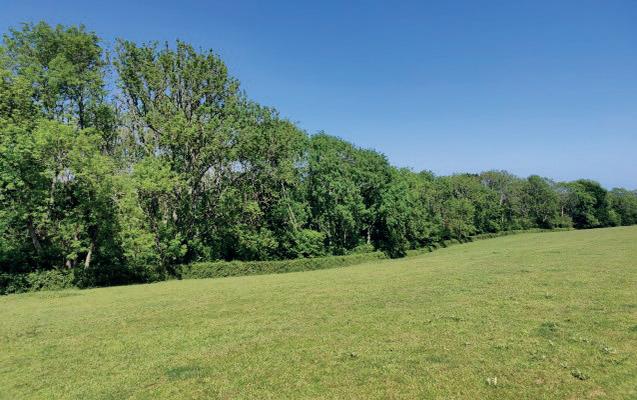
Approximately 542.58 acres of productive arable land situated on the southern edge of the North Downs in Kent has come to market. The fields are of a commercial nature and size, with a good network of internal tracks suitable for modern arable farming techniques, offering gently undulating countryside underpinned by chalk-rich soils, well suited to arable production. The farm is available as a whole or in two individual lots, Tophill Farm and Marlow Farm.
At around 338.21 acres, Tophill Farm (Lot 1) is a well-equipped holding of productive arable land centred around buildings which include a farmhouse and two substantial agricultural buildings. It is farmed in hand by the current vendor and the fields are of a commercial nature and size; it is currently cropped with winter wheat and barley.
To the south of the main holding, and separated by The Pilgrims Way,
lies the land known as the Cross Field. Situated on the south-facing slopes of the North Downs beneath the Lenham Chalk Cross, this parcel benefits from an attractive elevated position and offers potential for diversification into viticulture.
Marlow Farm (Lot 2) extends to about 204 acres and is another block of productive arable land with occasional shaws. At the centre is a farm building and silo. The fields are of a commercial nature and size, and are currently cropped with oilseed rape and barley, with one field down to temporary grass.
A further barn, utility buildings and a farmhouse at Marlow Farm is available by separate negotiation.
The freehold property is offered for sale by private treaty as a whole or in two lots, with offers invited over £5,950,000 for the whole.
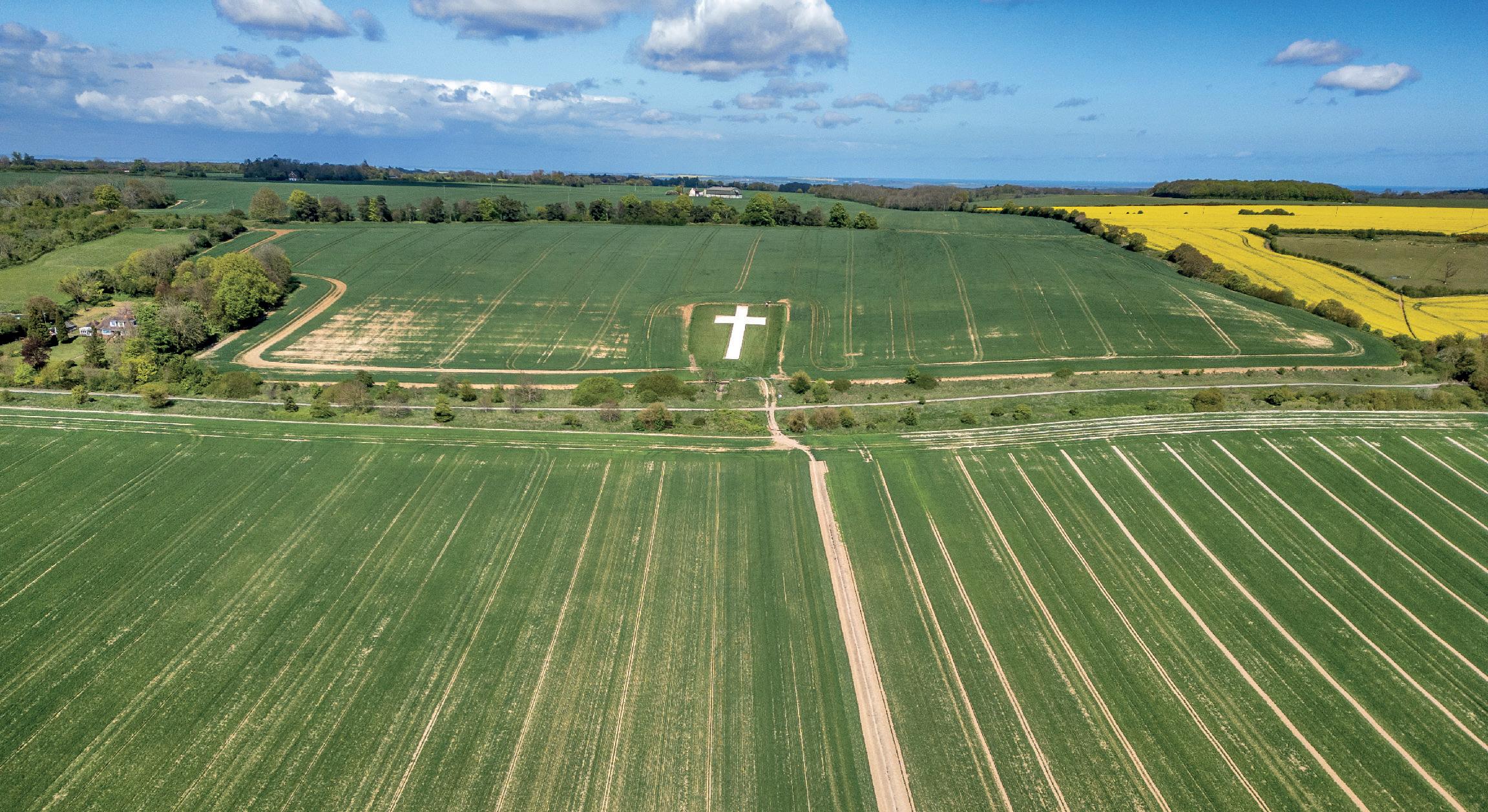
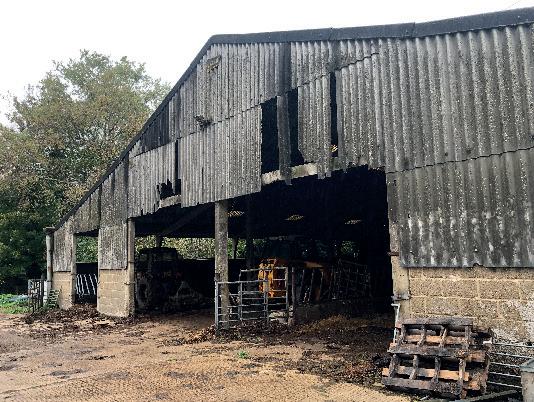
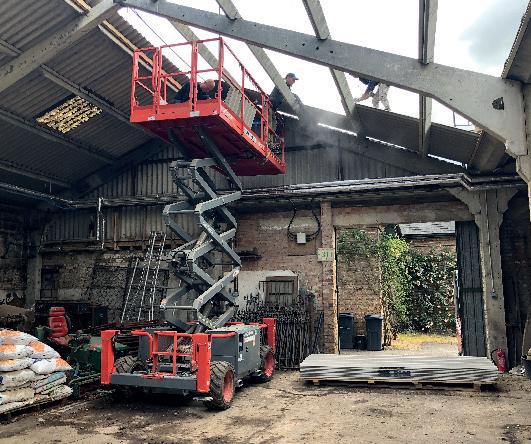
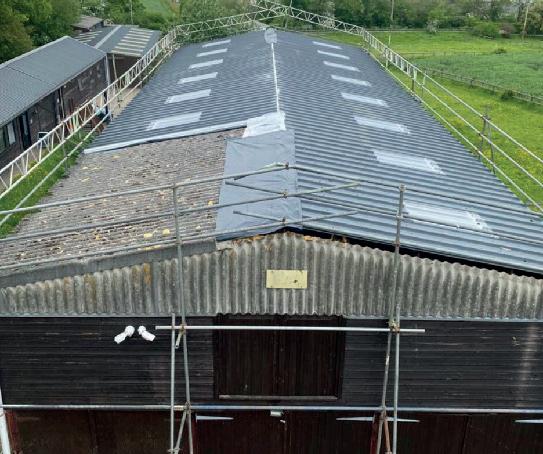
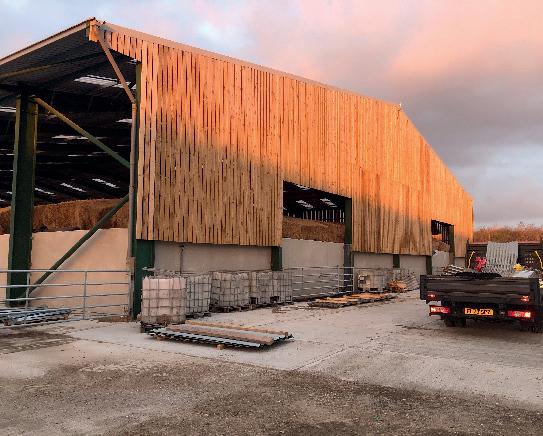
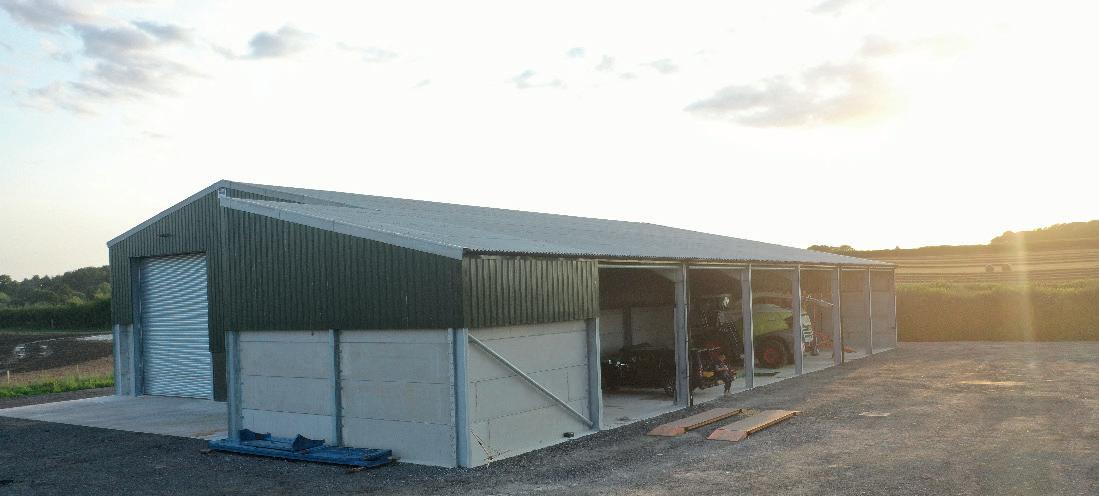
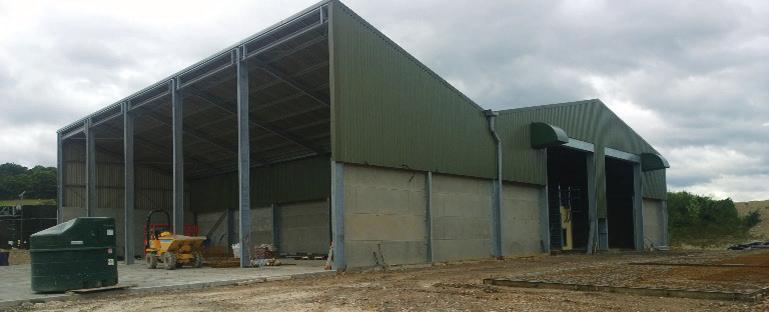
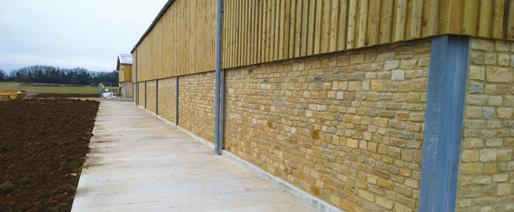
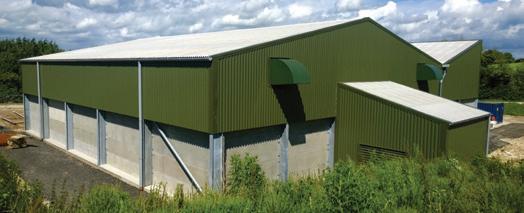
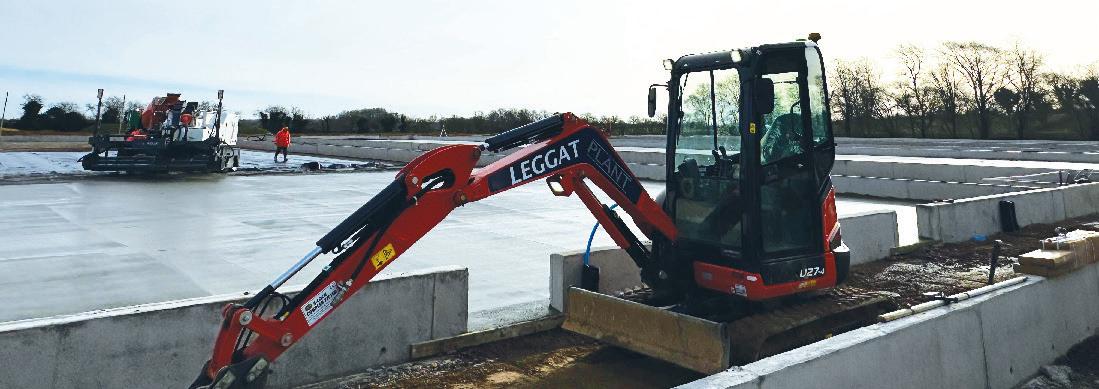
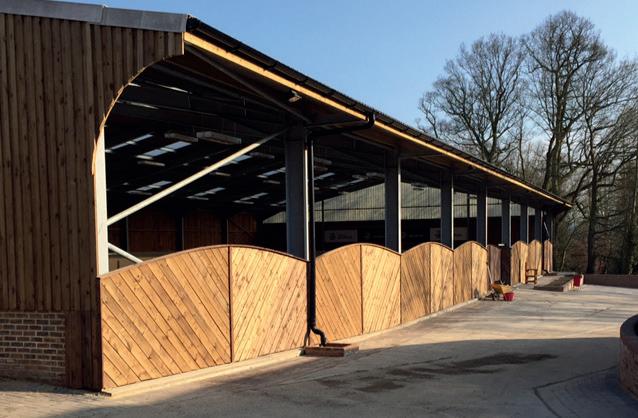
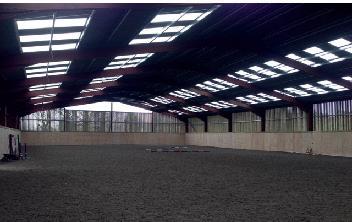
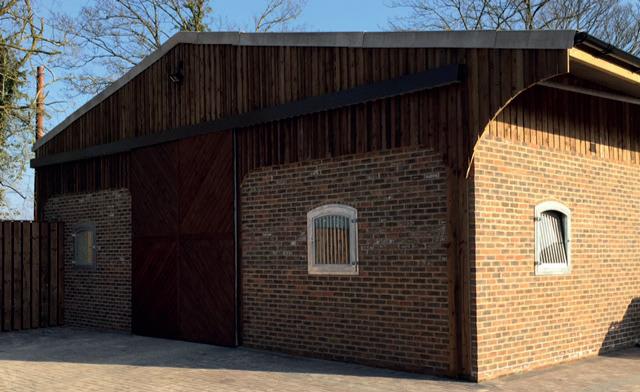
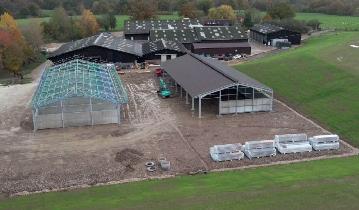
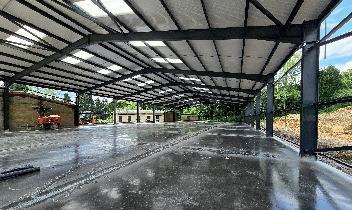
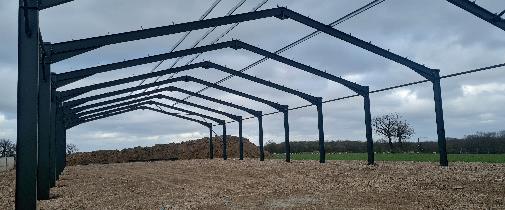
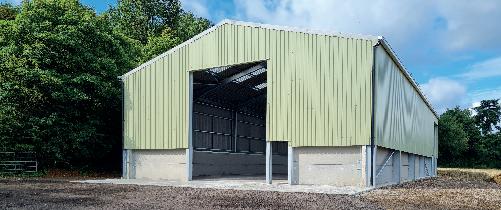
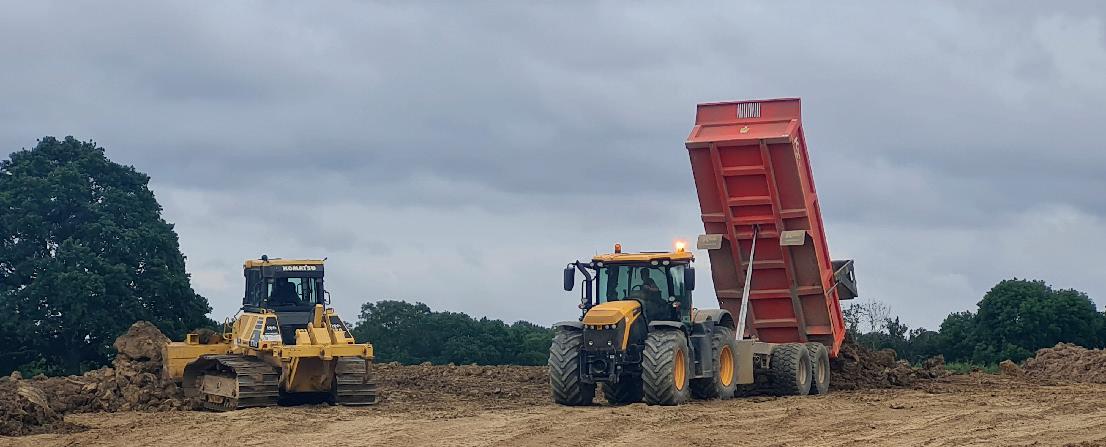
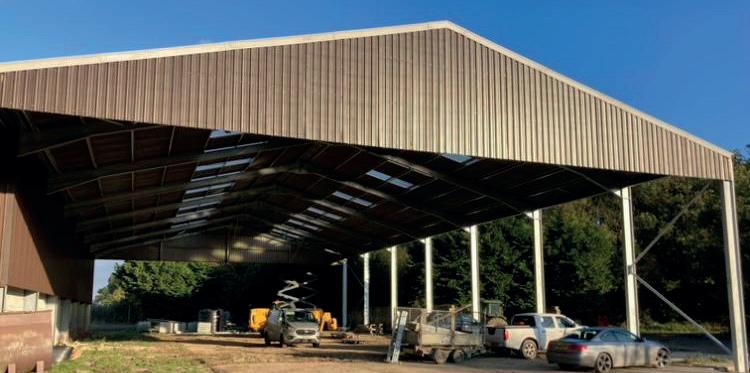

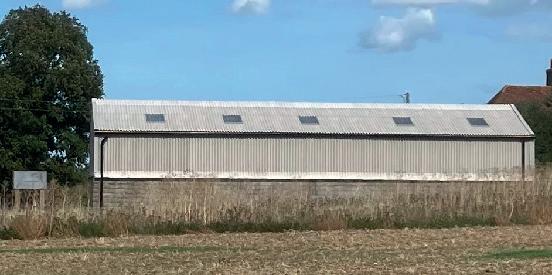



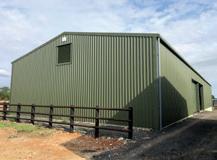
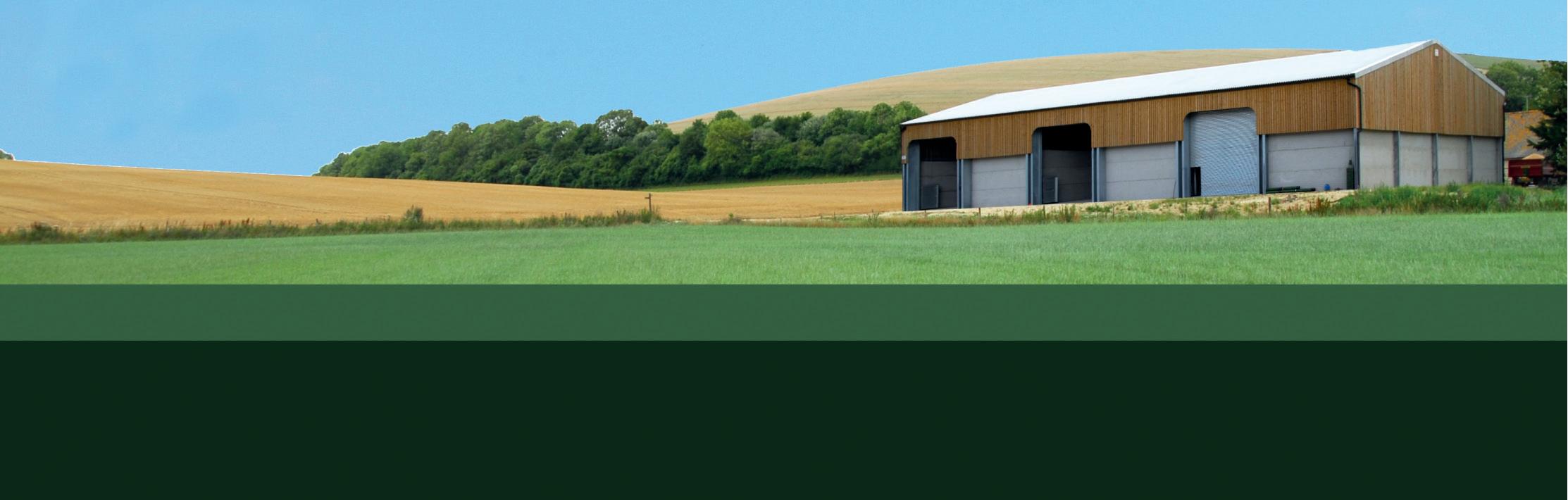

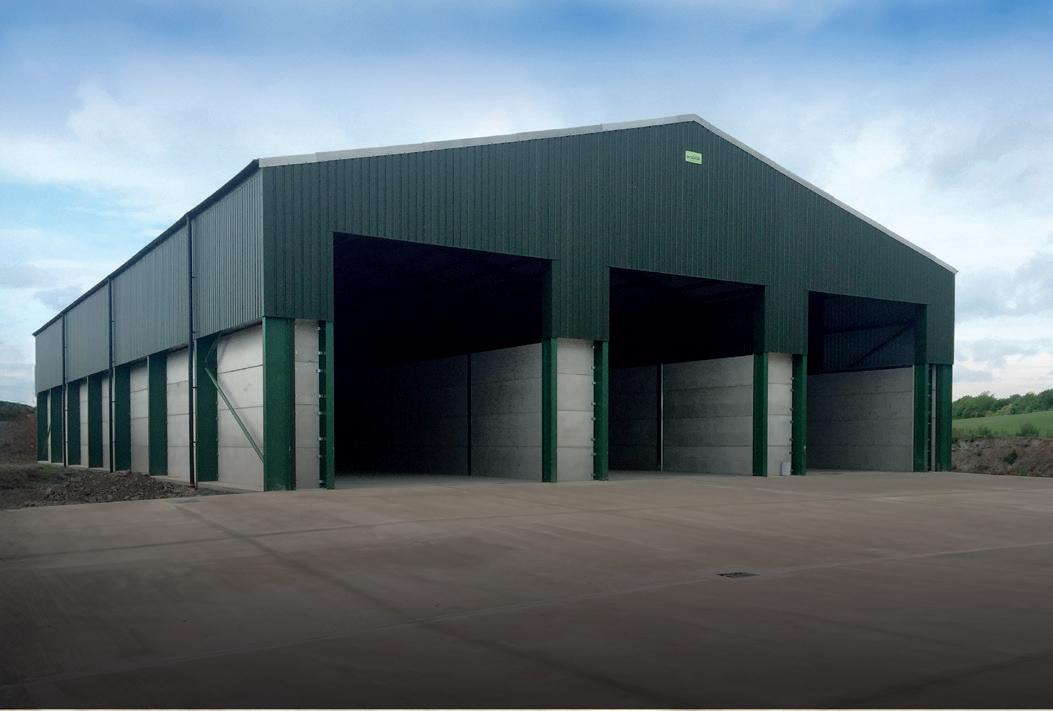

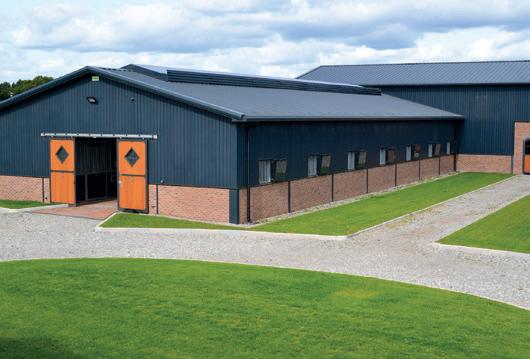
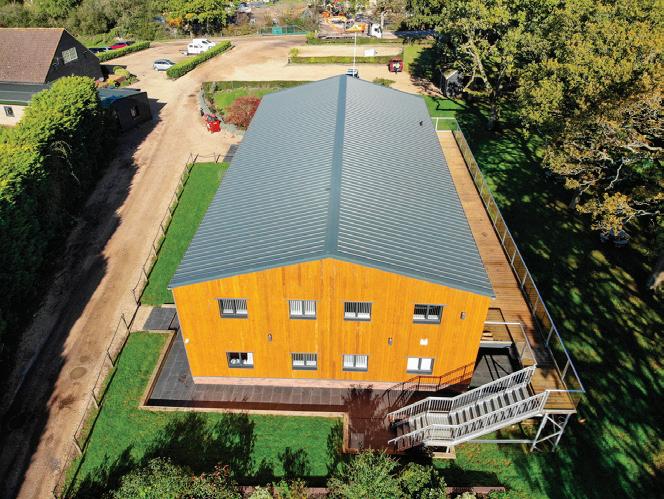
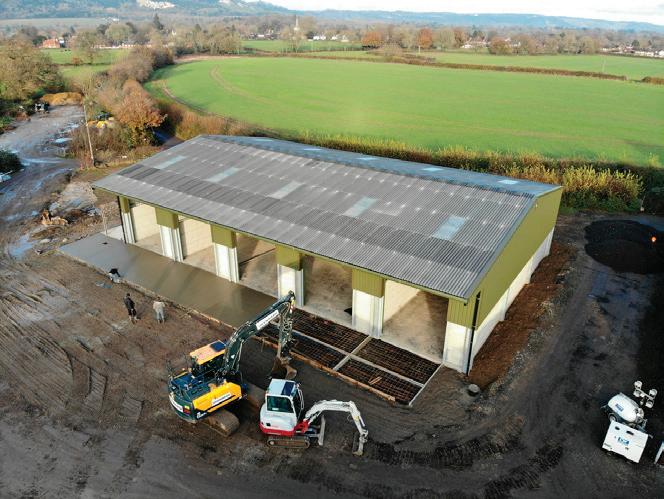

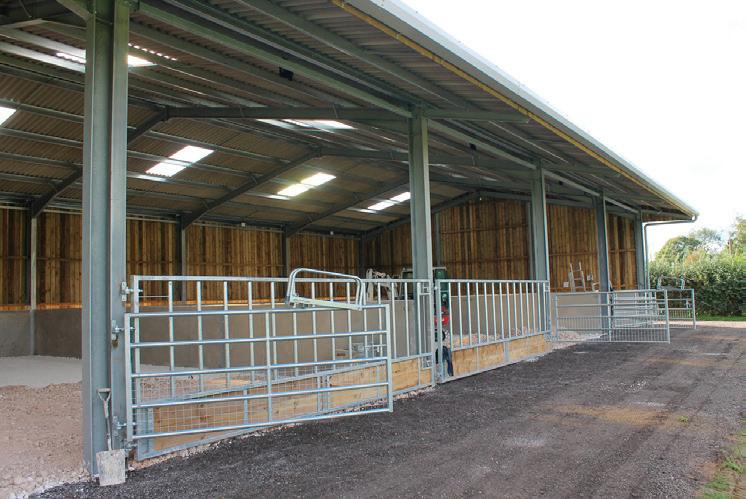



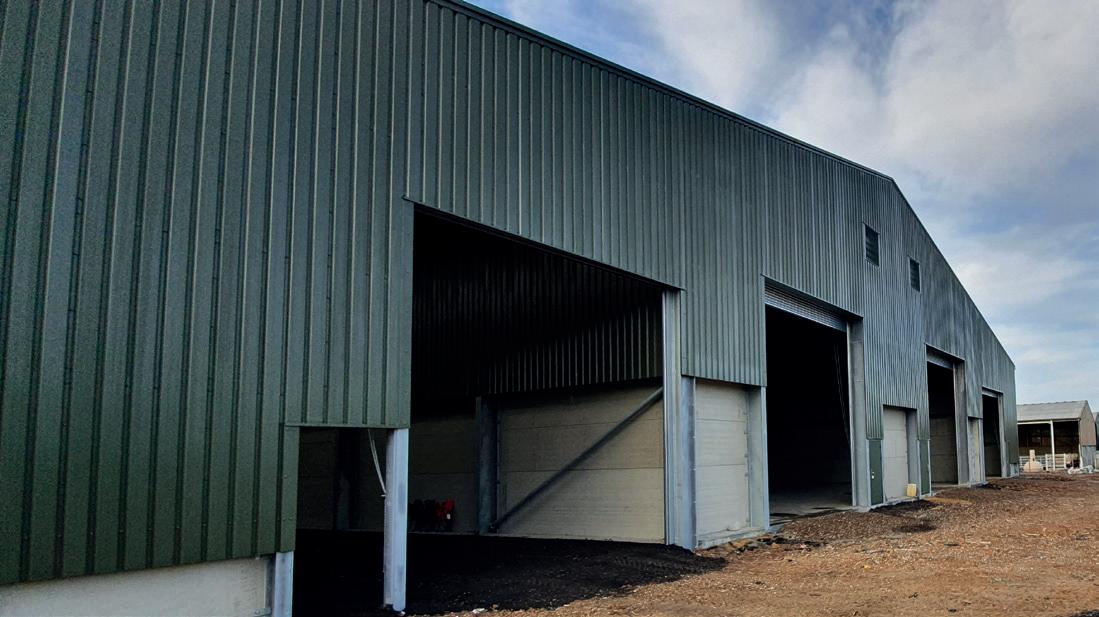
Specialists in the Agricultural, Industrial and Equestrian sectors
Steel frame buildings.
Sheeting, cladding and oversheeting.
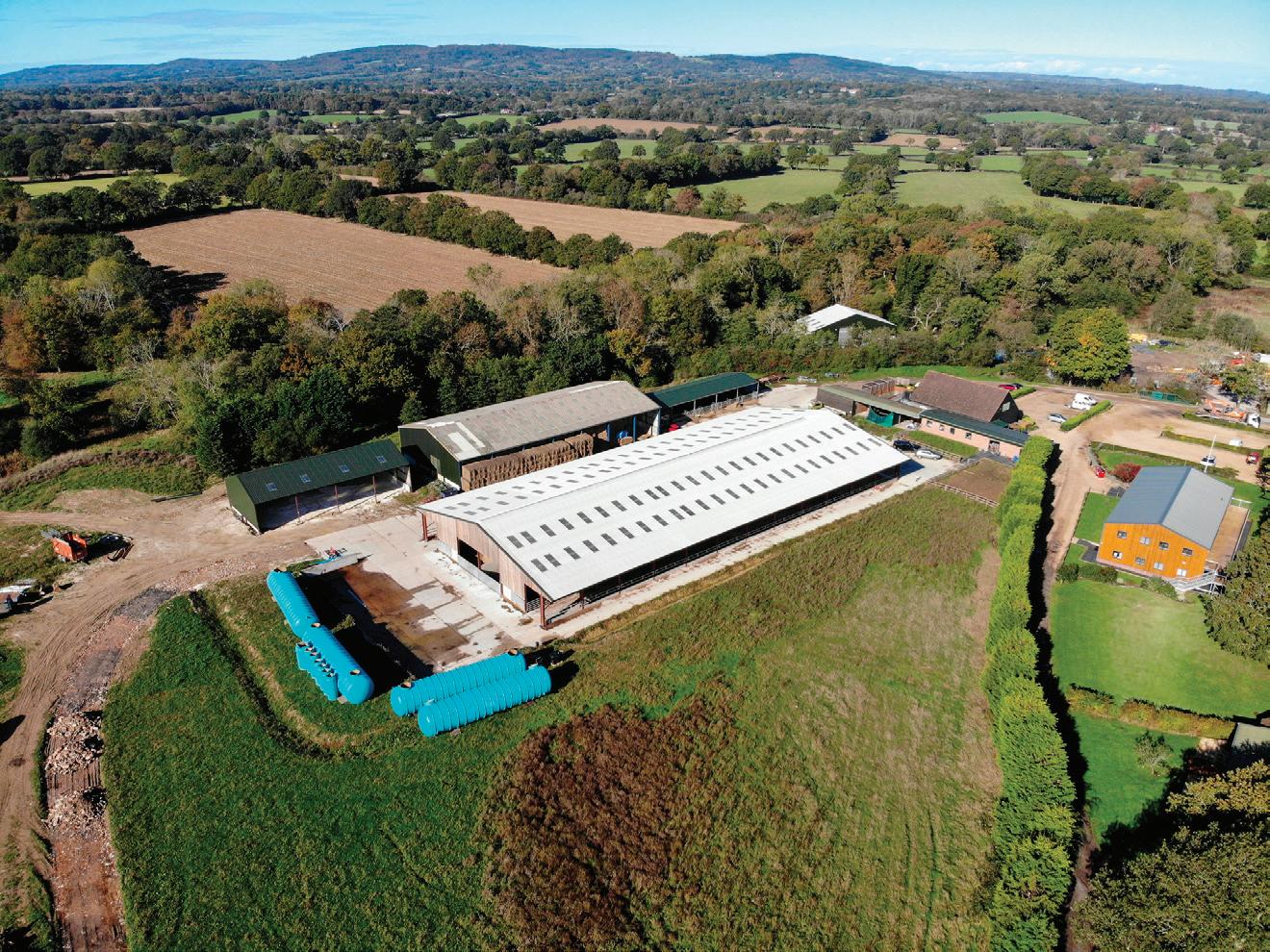
CWP fencing
Cleft post and rail
Gutter replacement, repairs and lining.
Steel frame, concrete frame alterations and repairs.
Asbestos removal.
Roof light and sheet changes.
Refurbishments and usage changes.
Demolition, groundworks and site clearance.
24 hour call out in the event of fire or break in.
Roller shutters, sliding and personnel doors.
Condition reports and dilapidation work before solar panel installation
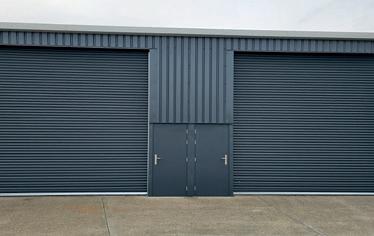

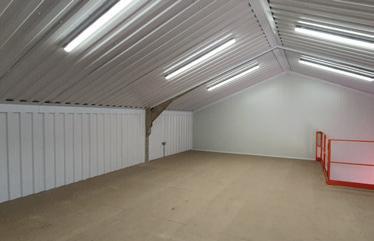
Standing Sweet Chestnut Wanted
Standing Sweet Chestnut Wanted
Standing Sweet Chestnut Wanted
Cleft post and rail
Cleft post and rail
Cleft field gates
Cleft field gates
Cleft field gates
Fencing stakes
Fencing stakes
Fencing stakes
Straining posts
Straining posts
Straining posts
Chestnut fencing
Chestnut fencing
Chestnut fencing
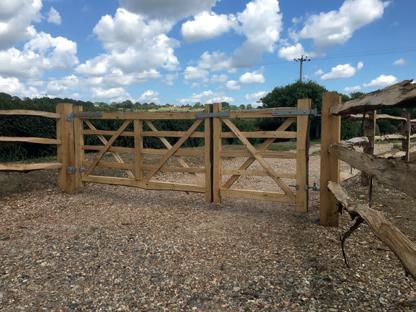
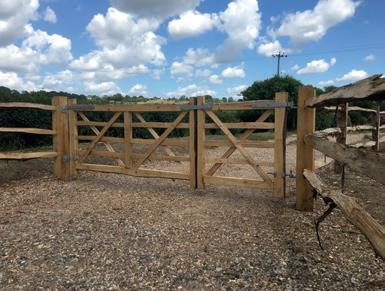
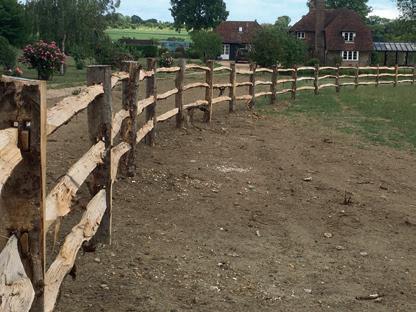
Tel: 07985 298221 colin@cwpfencing.co.uk
Tel: 07985298221 colin@cwpfencing.co.uk
Tel: 07985298221 colin@cwpfencing.co.uk

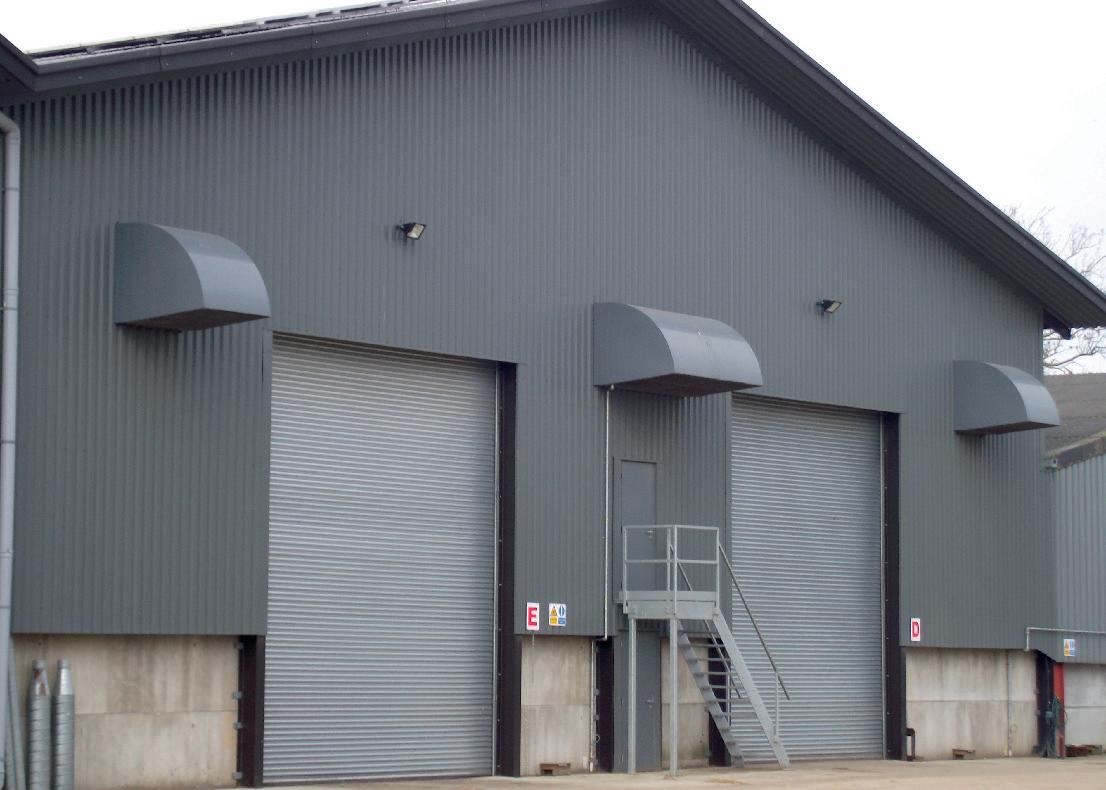
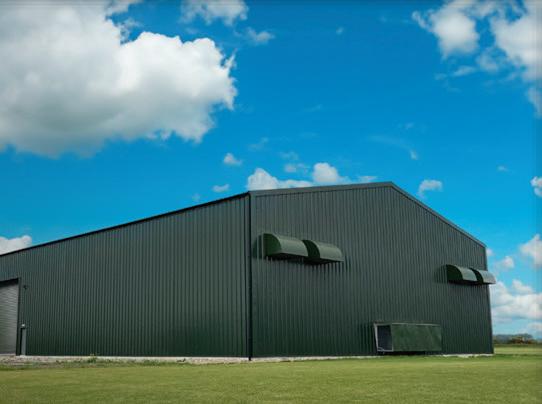



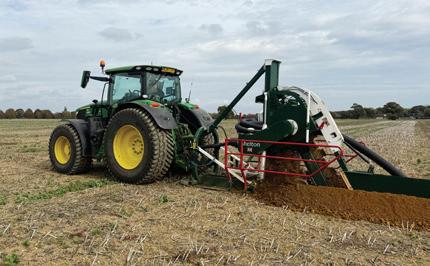
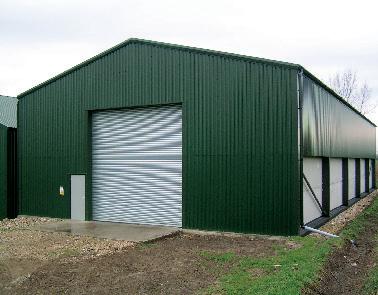
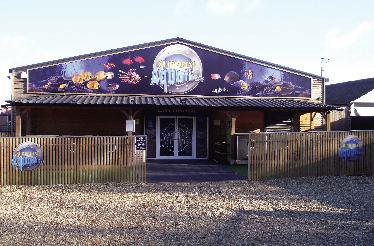

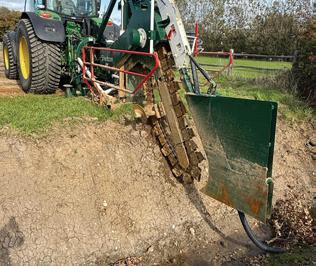
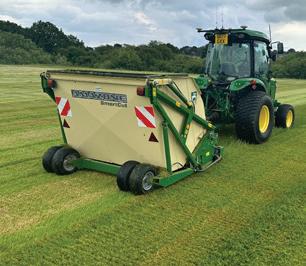

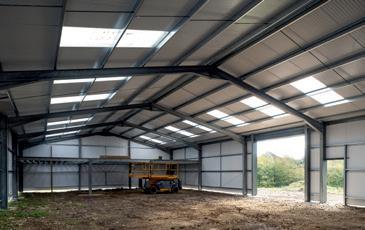
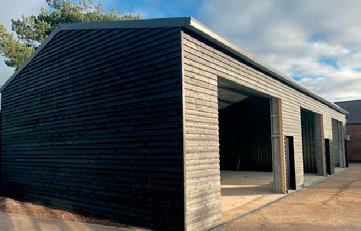








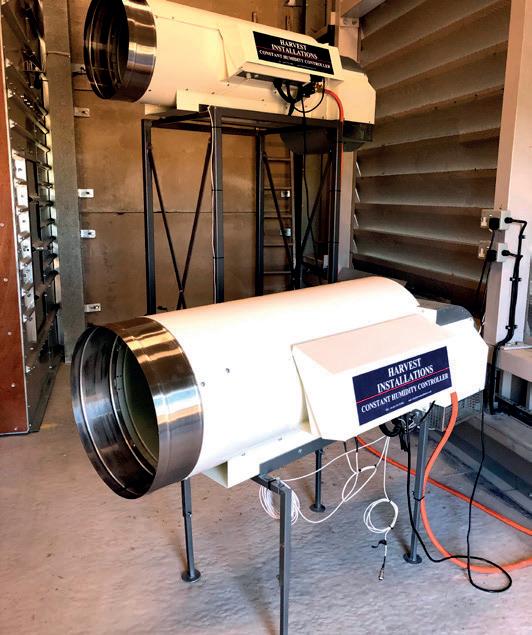
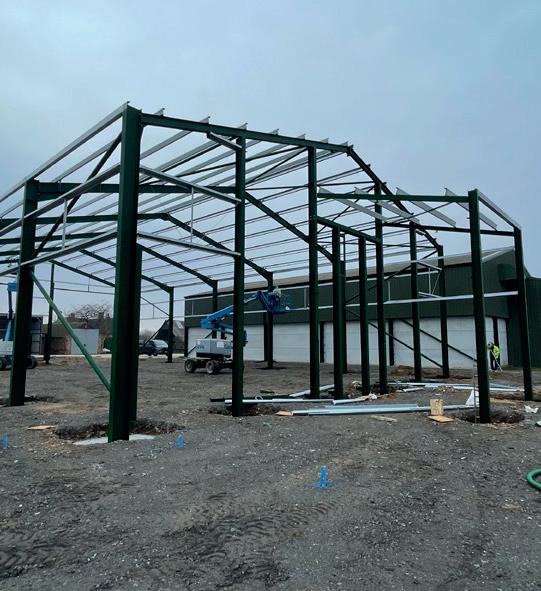
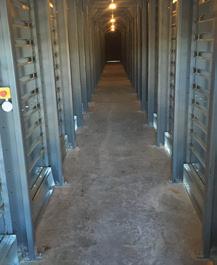
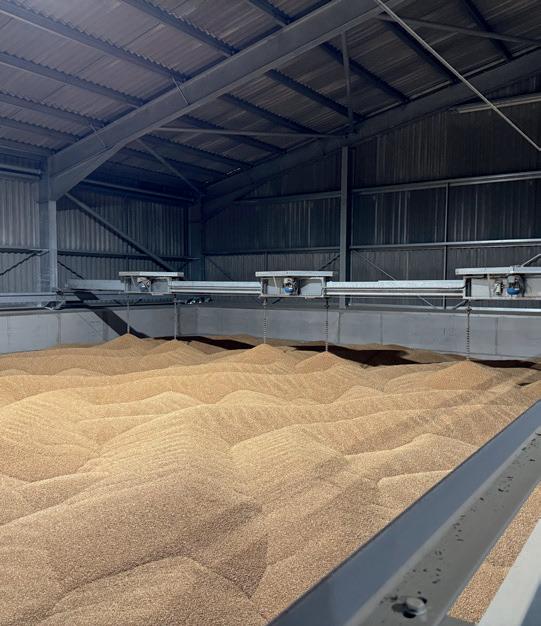


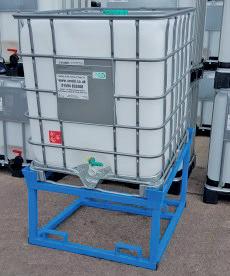
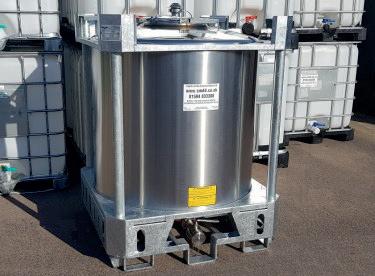

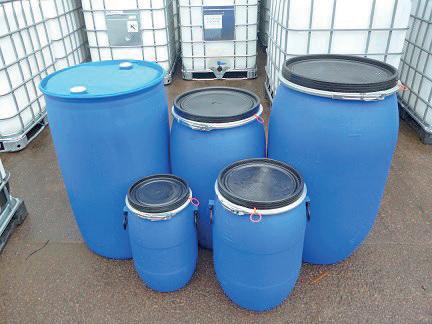


1 Soft fruit (9) 4 Essential nutrient for plants (5)
7 Cattle breed (9)
8 Footwear made famous by the Duke of Wellington (5)
10 Mythical creature of the Himalayan mountains (4)
11 Easily damaged (7)
13 Red Italian wine grape (13)
15 ------- roller, machinery (7)
17 Limit the inheritance of property (6)
20 The study of the history of the Earth's structure (7)
23 Largest organ of the body (4)
24 Produced (9)
25 Where land meets water (9)
26 Organ of hearing (4) DOWN
1 Always giving orders (5)
2 One of the oldest alcoholic drinks (4)
3 Way to catch rodents (3,4)
5 Toxic gas with pungent odour (5)
6 Canadian provence (7)
9 Metal used for galvanising (4)
12 Used to move from one level to another (4)
13 Without amusement (9)
14 Preposition (4)
16 Drinking vessel (3)
17 ----- on; encourage someone to do something naughty (5)
18 Coloured writing fluid (3)
19 Makes noises when sleeping (6)
21 Mistake (5)
22 Auction item (3)
23 Backbone (5)
To enter, simply unscramble the anagram (9,8) using the green squares.
Email your replies with your name, address and phone number to sef.ed@kelsey.co.uk
Correct entries will be entered into a draw which will take place on 22 June. The winner will be announced in the July edition. Correct answer: Borage
Your land holds real value. We will help you realise it - with expert guidance at every stage.
Estate Management
Planning
Development
Telecoms
Utilities
Tax Planning
Valuations
Diversification
Environmental
Sales and Lettings