


An Agricultural Occupancy Condition (AOC) is a planning restriction that ensures certain rural homes are occupied by people working predominantly in agriculture or forestry. It helps to support the farming community by making housing available for workers who need to live close to the land they manage, helping farms operate efficiently and sustain rural livelihoods.
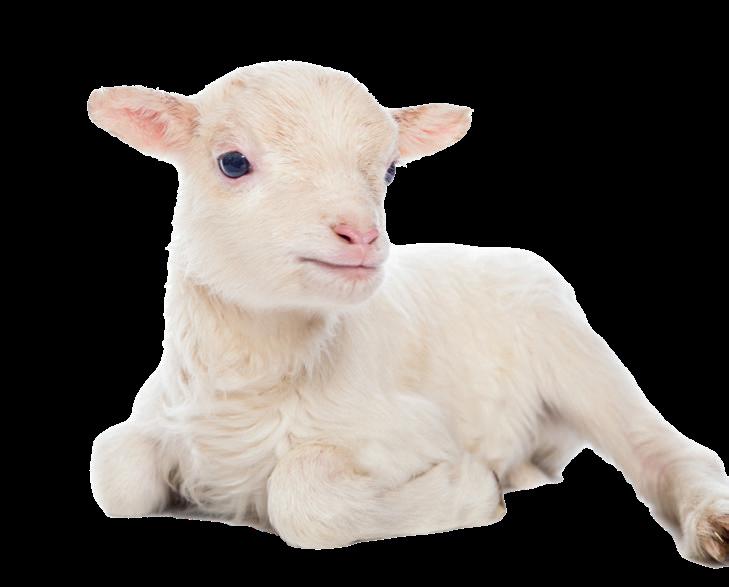
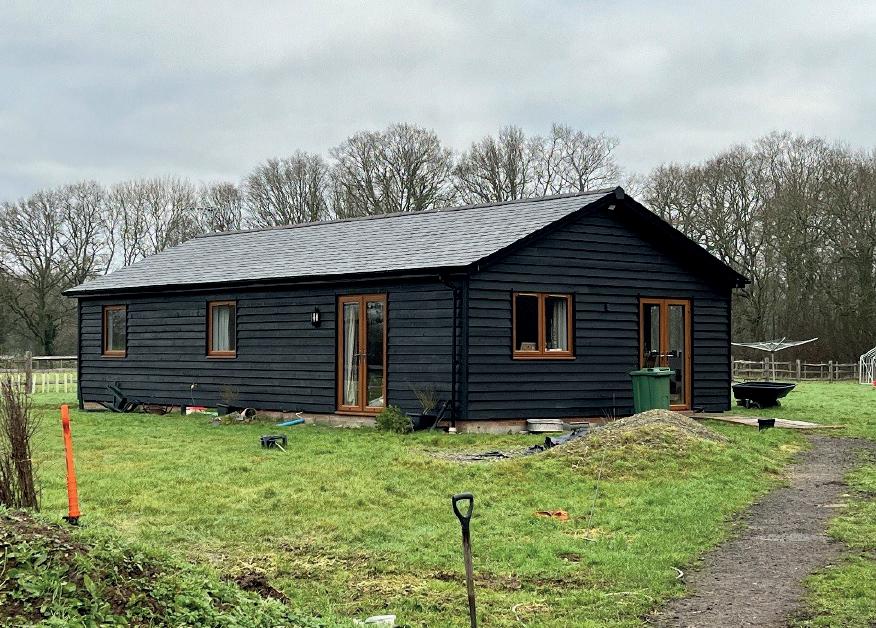
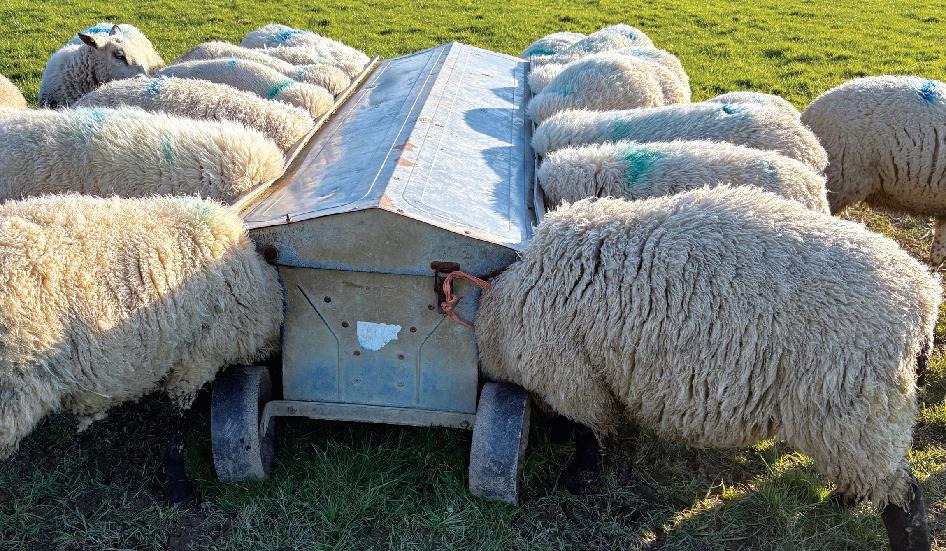
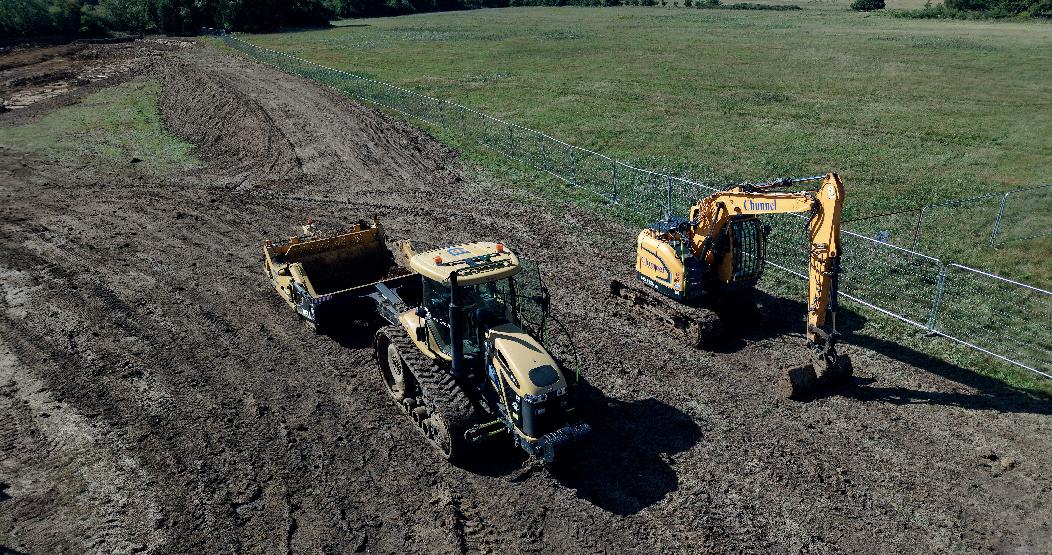
Bloomfields have successfully secured permission for the permanent retention of a temporary farm worker’s dwelling to support a sheep and lamb enterprise.
This followed earlier approval for a 5,000 sqft farm barn, demonstrating the farm’s financial strength and long-term commitment to operating from the site. The application included a comprehensive evidence base to clearly justify the essential need for on-site living, supported by a robust future business plan.
Drawings and landscape plans produced by Bloomfields’ architectural team contributed to a smooth approval, with no design or landscaping conditions imposed.
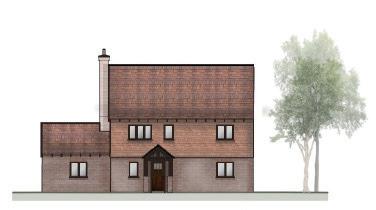
Bloomfields have just secured planning permission for a permanent agricultural occupancy dwelling in the South Downs National Park. Although the wider farm spans 4,000 acres, the application focused on a separate, selfsufficient 165-acre holding used for rearing beef stock and lambing. The functional need was therefore justified solely on this unit.
This will be a moment that neither of us shall ever forget, thank you for your help to get us here. A monumental win for us.
Thank you for all your help, I have no doubt we shall need it again for a new project in the near future.
While such dwellings typically follow a temporary permission stage, this case (led by a fourth-generation farmer, which provided a strong historic backing) proceeded directly to a permanent application.
Detailed financial evidence, including budgets and forecasts, demonstrated the holding’s viability. The local authority accepted this and approved the application shortly after the 8-week determination period.
After a hard-fought application three years ago for a temporary rural worker’s dwelling to support a pet therapy business, Bloomfields were re-instructed to seek its permanent retention. This is an unusual case due to the bespoke nature of the business, which provides animal therapy to care home residents using a wide range of animals.
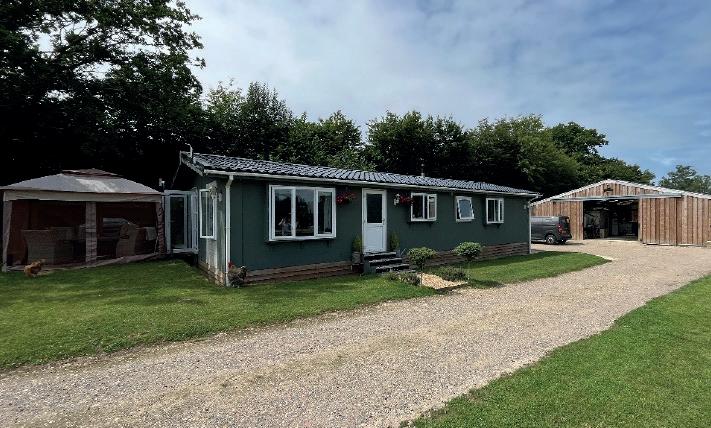
For permanent rural occupancy dwellings, it is essential to show the business has delivered what was forecast at the temporary stage, including livestock growth and profitability. Here, the client not only met, but exceeded expectations. A comprehensive Planning Statement clearly set out the site’s history and future, leaving the Local Planning Authority with little option but to approve!


SOUTH EAST FARMER
Kelsey Media, The Granary, Downs Court Yalding Hill, Yalding, Maidstone, Kent, ME18 6AL 01959 541444
EDITORIAL
Editor: Malcolm Triggs
Email: sef.ed@kelsey.co.uk
Photography:
Martin Apps, Countrywide Photographic
ADVERTISING & MARKETING
Jamie McGrorty 01303 233883 jamie.mcgrorty@kelsey.co.uk
GRAPHIC DESIGN
Jo Legg 07306 482166 jo.legg@flair-design.co.uk
MANAGEMENT
CHIEF EXECUTIVE OFFICER:
Steve Kendall
DIVISIONAL MANAGING DIRECTOR: Fiona Mercer
PUBLISHER: Jamie McGrorty
RETAIL DIRECTOR: Steve Brown
SUBSCRIPTION MARKETING MANAGER: Claire Aspinall
PRINT PRODUCTION MANAGER: Kelly Orriss
DISTRIBUTION
Distribution in Great Britain: Seymour Distribution Limited 2 East Poultry Avenue, London EC1A 9PT Tel: 020 7429 4000 www.seymour.co.uk
Distribution in Northern Ireland and the Republic of Ireland: Newspread Tel: +353 23 886 3850
Kelsey Media 2026 © all rights reserved. Kelsey Media is a trading name of Kelsey Publishing Ltd. Reproduction in whole or in part is forbidden except with permission in writing from the publishers. Note to contributors: articles submitted for consideration by the editor must be the original work of the author and not previously published. Where photographs are included, which are not the property of the contributor, permission to reproduce them must have been obtained from the owner of the copyright. The editor cannot guarantee a personal response to all letters and emails received. The views expressed in the magazine are not necessarily those of the Editor or the Publisher. Kelsey Publishing Ltd accepts no liability for products and services offered by third parties.
Kelsey Media takes your personal data very seriously. For more information on our privacy policy, please visit www.kelsey.co.uk/privacy-policy/
If at any point you have any queries regarding Kelsey’s data policy you can email our Data Protection Officer at dpo@kelsey.co.uk
04 Government’s first land use framework for England.
05 Rural Task Force recovers £200,000 of plant and vehicles.
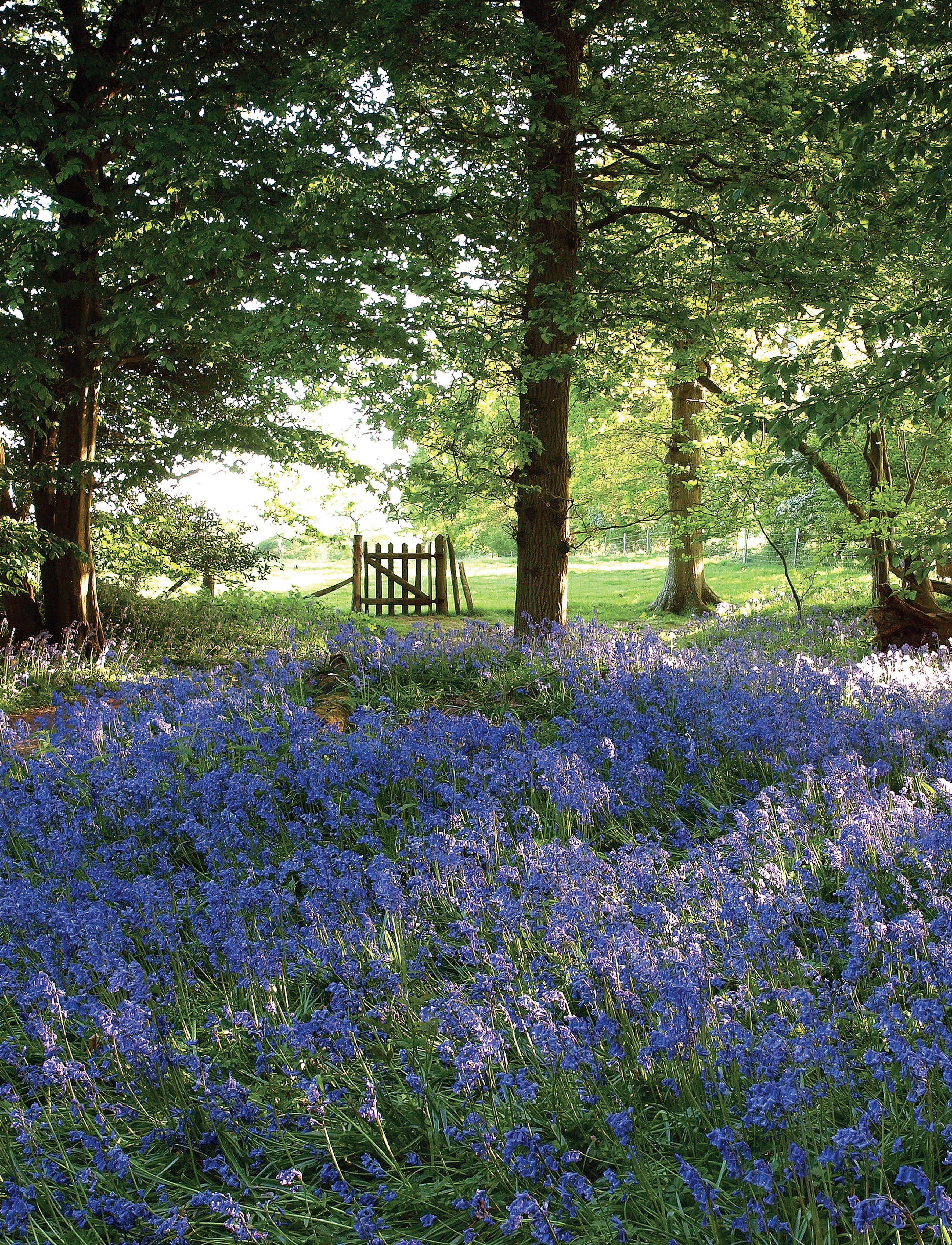
06 Stunning bluebells raise more than £1m for charity.
08 Open your gates for Open Farm Sunday.
24 MONICA AKEHURST
Attitude is a little thing that makes a big difference.
27 SARAH CALCUTT
28 NIGEL AKEHURST VISITS...
www.kelsey.co.uk
Cover
James and Emma Loder-Symonds, who together run Nonington Farms. After more than a decade of pioneering regenerative farming in East Kent, they have begun a new chapter for the business.
Not all ruminants show clinical signs of
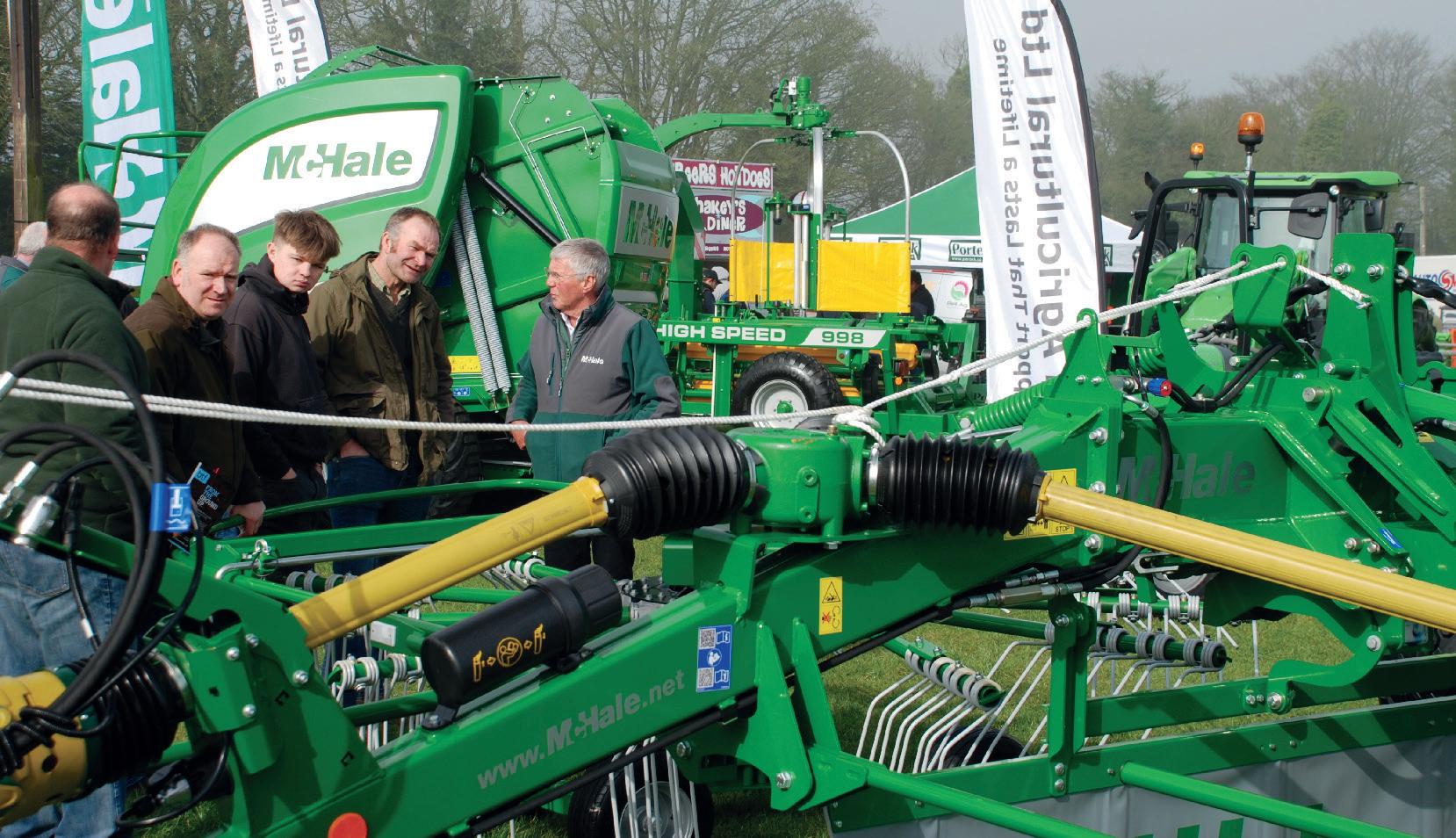
Farmers are renowned for their resilience, and the buzz around the stands this year suggested that there was still plenty of optimism in the industry. 16 SHOW PREVIEWS
Cornerstones of the agricultural calendar.
The latest research and insights in the top fruit world.
The Government’s first land use framework for England has been welcomed by a broad range of organisations.
DEFRA claimed the framework, which is due to be updated every five years, set out “how we can use our land more effectively to increase the resilience of our homes, communities, infrastructure, and food systems, while speeding up development and restoring nature”.
Organisations generally welcomed the focus on ‘multifunctional’ land use, with the NFU describing the framework as “a step in the right direction”.
Its three sections set out, in DEFA’s words, “a vision for England’s future landscapes, informed by sophisticated land use change analysis, a set of principles to inform how decisions are made about land, and actions we will take to support land use change in partnership with others”.
Soil Association Policy Director Brendan Costelloe said it was “great news that we finally have a land use framework”, adding: “Our food system is dangerously vulnerable to shocks like war and climate change, and this is a step towards greater resilience”.
He went on: “Wildlife in the UK is in crisis, so nature must be given space to recover, but for the land that will remain farmland, it’s vital the government recognises that food production does not have to stop to create space for nature.
“We can, and must, make sure the land that is producing food is doing so in a nature-
friendly way. We know multifunctional land management is possible, with 30% more biodiversity on organic farms.
“The government also needs to set a strategic direction for the kind of food we produce, so we can create more space for habitats and nature-friendly farming. This means less land growing food for industrial livestock and more fruit, veg, beans and pulses, which is a far more efficient and healthier way to feed humans.”
NFU President Tom Bradshaw said: “It’s positive to see an explicit recognition of multifunctional land use and a commitment to maintain food production within the framework.
“This commitment, alongside the repetition from DEFRA that food security is national security, is vital as the global geopolitical situation continues to become more uncertain with the war in the Middle East and ongoing war in Ukraine.
“The land use framework is a step in the right direction, but challenges remain about delivering against the ambitious objectives as the first 2030 milestone approaches. Delivering on all objectives with existing land
is an ambitious aim and will require clear guidance, the right policy framework and incentives to avoid unintended outcomes and ensure that all farmers and growers are able to meet the ambitious productivity objectives within the framework.”
Tom added that “important questions” remained on the Government’s long-term vision for food and farming.
“From the 25-year farming roadmap to the delivery of the Farming and Food Partnership Board, we want to work with government to drive these policies forward to create confidence and profitability for farming and growing businesses and ensure 2026 sees British farming achieve all it is capable of,” he stressed.
Again reflecting on the “strong focus on multifunctional land use”, Nature Friendly Farming Network (NFFN) CEO Martin Lines said there was “a lot to welcome in this report”.
He went on: “We have argued for a long time that we need to be thinking about delivering multiple outcomes and products from the same piece of farmland, rather than keeping food production and nature separate.
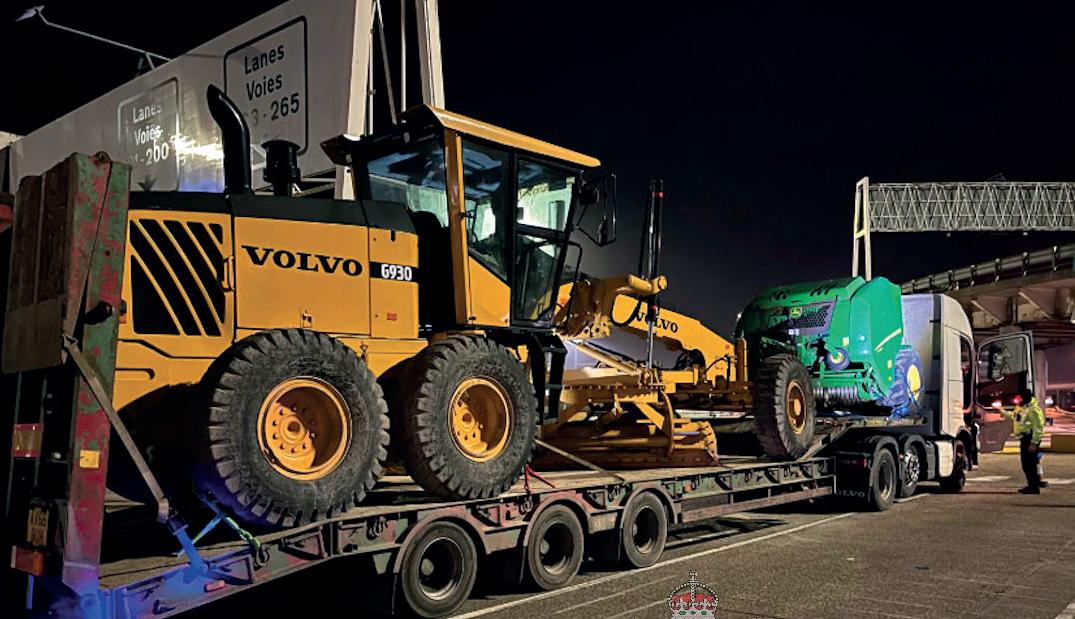
Plant, machinery and farm vehicles worth around £200,000 were recovered in Dover following an operation led by Kent Police’s Rural Task Force.
Working with Port of Dover Police, the National Vehicle Crime Intelligence Service and the National Construction and Agricultural Theft Team, officers seized the goods and made three arrests over a two-day period.
On Thursday 26 February 2026, drivers were detained after suspicion was aroused that the machinery with which they were attempting to leave the country was stolen.
A woodchipper was recovered, along with an excavator and trailer, diagnostic equipment and a tool to change vehicle identification numbers (VIN).
Two men, aged 43 and 44, were arrested in connection with handling stolen goods and going equipped. They have since been bailed pending further enquiries.
"As managers of 70% of England's land, farmers have a role and a responsibility, not just to produce food but also to deliver access to nature, climate change mitigation, nature's restoration and natural products such as timber and fibres.
“A positive future for our landscapes depends on doing the right things in the right places. The framework's emphasis on joined-up thinking between local and national strategies, goals for food security and binding climate and nature targets are all a step in the right direction.
“However, this will mean a major rethinking of the business model of many farmers, particularly in the uplands. As custodians of some of our most precious landscapes and habitats, it is vital they are supported to navigate the opportunities for them to construct thriving business models for the future.
“Land managers across England also
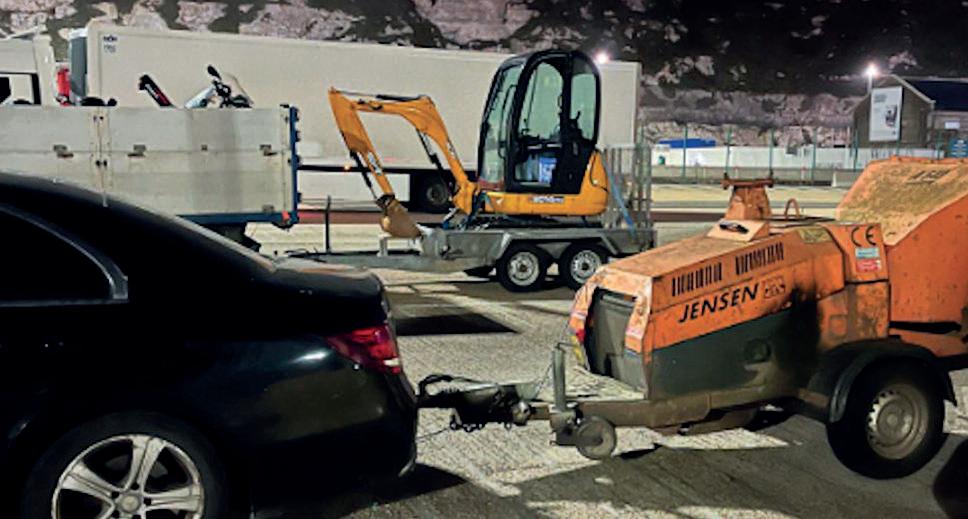
The following day, a lorry was stopped after it was suspected that the Volvo G930 grader it was towing had been stolen. The value of the grader was estimated at around £150,000. A suspected stolen John Deere baler was also seized.
Enquiries were completed at the scene and a 31 year-old man was arrested in relation to handling stolen goods, along with two driving offences. He has been bailed while
require a clear funding pipeline from both public and private sectors in order to deliver the things we need in this report."
Council for the Protection of Rural England (CPRE) chief executive Roger Mortlock described the framework as “a long-awaited opportunity for real change” which promised “serious integration across government departments which could help ensure we finally make the most of our finite supply of land.”
But he warned: “Even the best intentions won’t change the fact that every hectare of land is being pulled in multiple directions.
“Economic growth should not be prioritised at any cost to the countryside. How trade-offs are managed locally and nationally, and the degree to which the framework is integrated with other spatial strategies, will be key to its success.”
Glen Tarman, Policy and Advocacy Director at Sustain, also welcomed “the
enquiries continue.
Police Sergeant Ross Haybourne said:
“These positive outcomes show what can be achieved when police officers and specialist partners work closely together. Through working collaboratively, we were able to recover valuable agricultural and construction machinery, disrupt organised criminal activity and safeguard farmers, businesses and livelihoods.”
emphasis on multifunctional land use, valuing the multiple ways that land can deliver for food production, nature recovery, climate goals and energy,” which he said was “a welcome advance to the fragmented approach of the past”.
Organic Farmers and Growers (OF&G) joined the praise for the document. “We are encouraged by the recognition of the importance of innovation, regenerative and organic (as the gold standard for regenerative) farming methods,” said Chief Executive Steve Clarkson.
“This sits alongside the call to reduce environmentally harmful practices, including pesticide use, the ambition to reduce food waste and encouraging dietary shifts.
“These are all vital tools for improving agricultural sustainability by working with nature to enhance productivity and restore ecosystems, as well as being critical to food system reform.”
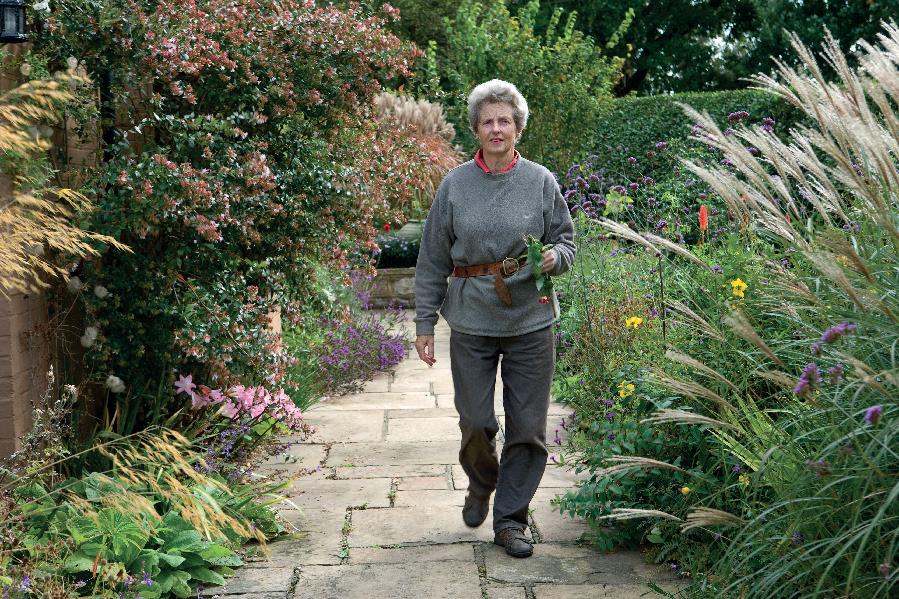
Carolyn McCutchan, who had the original idea for the Arlington Bluebell Walks more than half a century ago
When their village primary school needed a new swimming pool, East Sussex farmer John McCutchan and his wife Carolyn opened their ancient oak wood to the public to help raise money, writes the NFU’s Adam Lazzari.
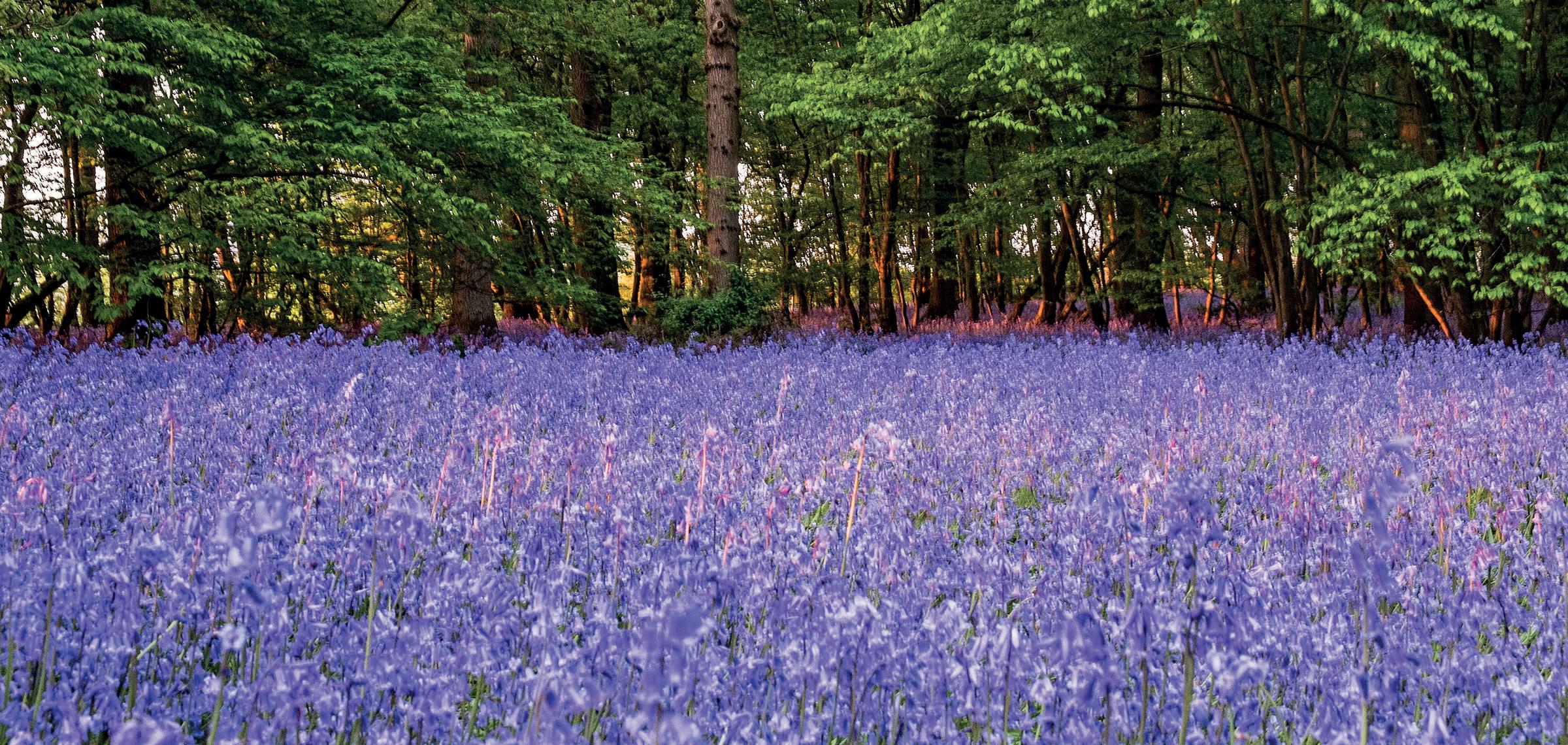
It was intended as a one-off fund-raising weekend but now, more than half a century later, the Arlington Bluebell Walk has become a hugely popular annual event, attracting more than 20,000 visitors a year and raising more than £1.1m for dozens of charities.
NFU member John, a retired sheep and turkey farmer who is now 89 and continues to be involved in organising the walks, is preparing for the event’s 53rd year in April.
He said: “We never expected our bluebell walks to become what they have become when we started out. We only planned to open to the public for one weekend, but we were quickly getting requests from the public to open for a second weekend, then for another year.
“Before long we formed a committee and it spiralled from there. I am just so pleased that we have been able to help raise such a lot of money
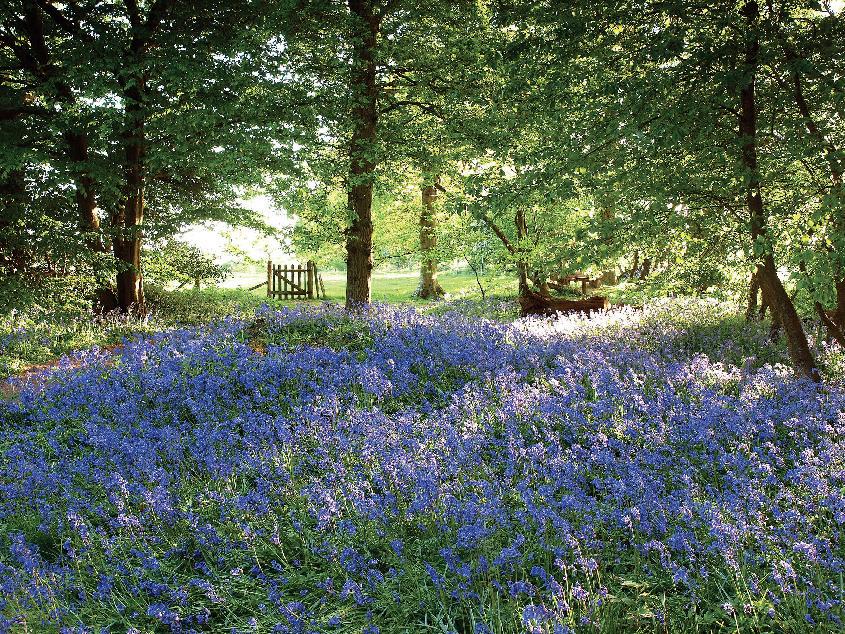
The Arlington bluebells which attract more than 20,000 people every year
for so many charities, helping them to do the great work they do.”
That first Arlington Bluebell Walk in 1972 raised £100 for Park Mead Primary School in Upper Dicker, near Hailsham, where Carolyn McCutchan was a school governor.
The event has been held annually since then, missing only two years due to restrictions resulting from foot and mouth disease and coronavirus.
Carolyn sadly died of cancer just over six years ago and the fundraising continues in her honour. John explained: “It was Carolyn who first came up with the idea of the bluebell walks in 1972. Everything I do here now is in memory of her.”
A weathervane depicting Carolyn pushing a wheelbarrow of bluebells, made in tribute to her, now proudly stands on the roof of Arlington Village Hall to ensure her memory and her work in establishing the Arlington Bluebell Walk will never be forgotten.
The event raises money through an admission fee that allows visitors to enjoy blankets of bluebells while walking the 24 acres of The Arlington Bluebell Walk will be open daily, between 10am and 3pm, from 3 to 10 April. The event takes place at Bates Green Farm, Tye Hill Road, Arlington, East Sussex, BN26 6SH. For more information: �� 01323 485151 ✉ info@bluebellwalk.co.uk �� www.bluebellwalk.co.uk
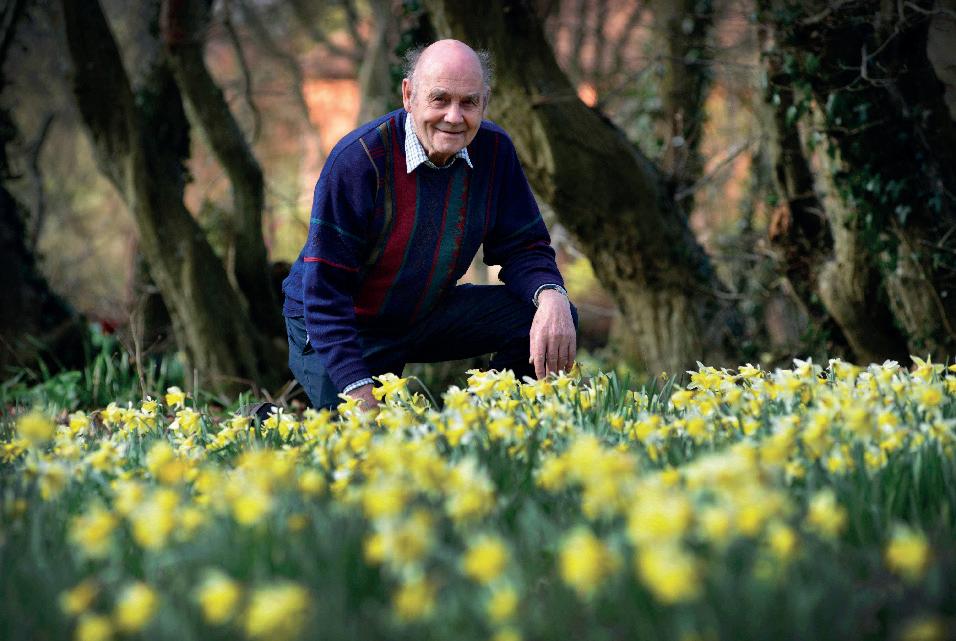
NFU member and retired sheep and turkey farmer
John McCutchan is looking forward to welcoming visitors to his farm for the 53rd annual Arlington Bluebell Walk in April
ancient woodland at Beaton’s Wood, at Bates Green Farm, Hill Road, Arlington, near Polegate.
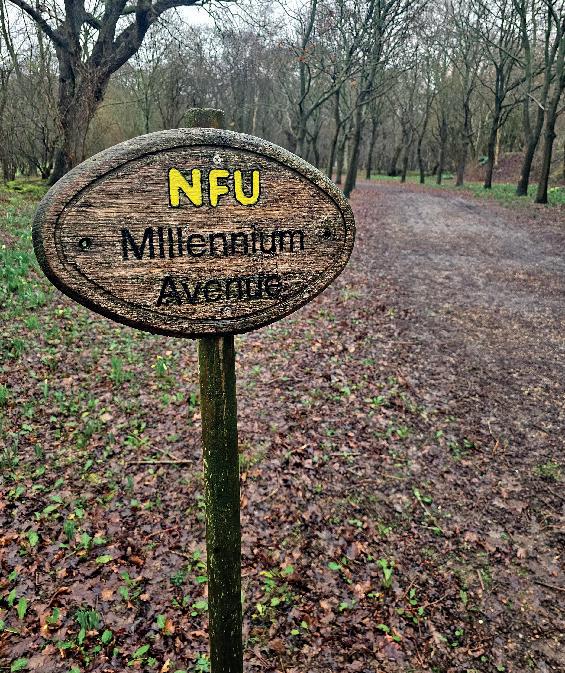
In 1999, the NFU, always a great supporter of the event, encouraged farmers to do something to mark the start of a new Millennium and created Millennium Walk, an avenue of native oak trees leading to Beaton’s Wood.
Former NFU East Sussex Chair Peter Appleton opens his dairy farm to the public to create five farm trails as part of the Arlington Bluebell Walk, an added attraction John said he was grateful for.
As well as admiring the bluebells, visitors learn about the environmental benefits the plants bring. They provide a vital food source for insects, bees, butterflies and hoverflies, while bluebell roots help stabilise the soil and prevent erosion. They thrive in diverse, shady, and damp conditions, acting as a carpet that protects the woodland floor.
As a protected species in the UK, native bluebells are essential for maintaining the ecological balance, especially against the threat of invasive, non-native, Spanish bluebells.
The Arlington Bluebell Walk has raised money for 89 charities over the years, both local causes and branches of national charities.
In co-ordination with John and his team, the charities take responsibility for organising the walks on their designated days, including operating the car park, welcoming visitors, collecting money, providing refreshments and cleaning up.
Twenty-five charities are taking part this year, including Sussex Cancer Fund, East Sussex Foster Care Association, The Salvation Army, East Sussex Wildlife Rescue, Upper Dicker and Arlington Churches and Village Halls, Sussex Wildlife Trust, Dementia Action Alliance and several Rotary Clubs.
John, who will be 90 in December, has dedicated his life to helping people. He was made an MBE 23 years ago in recognition of the Arlington Bluebell Walk as well as his other work, including volunteering with Eastbourne and District Samaritans for more than 40 years, serving as an Arlington Parish Councillor for more than 20 years and working for Hailsham Citizens' Advice Bureau for several years.
A charitable trust is now being established to safeguard the longterm future of the Arlington Bluebell Walk and the Royal Horticultural Society partner garden created by Carolyn.
John said: “I am very proud of what has been achieved here, and I hope to continue to be involved in this for as long as I can.
“I am delighted to see this trust being established to ensure this fund-raising continues and future generations can enjoy the Arlington bluebells.”
Farmers are used to the unexpected, painfully aware of the impact of circumstances beyond their control and well-versed in the need for resilience and innovation.
From weather that simply can’t be trusted any more to viruscarrying midges making the lengthy journey across the Channel just to infect UK sheep, the industry faces more than its fair share of challenges for which it is increasingly difficult to plan.
This spring the weather seems to have played ball for once. The start of the year was wet, but once the sun came out the soil dried quickly enough, and most reports suggest that crops are faring well and looking good.
But even before the first sighs of relief could escape the lips of farmers across the South East, the man who claims to deserve the Nobel Peace Prize instead continued to display his much greater suitability for a warmonger’s award. Not content with kidnapping the president of a sovereign nation and threatening to invade Greenland, Donald Trump proceeded to attack Iran because of what his press chief described as “a feeling based on fact”.
That attack, launched in tandem with an equally bellicose Israel, has had the effect that was blindingly obvious to everyone except, it seems, those who perpetrated it. Energy prices have rocketed and it is, once again, farmers who will be, literally, paying the price.
Donald doesn’t have to worry about filling his limo, and his golf buggy is almost certainly electric, but this isn’t a great time of year for farmers to have to face soaring prices for restocking diesel tanks in another setback they can do nothing about.
Resilience being what it is in the world of agriculture, farmers will no doubt find a way through yet another difficult few months, but this wouldn’t be a bad time to think again about mintill cultivation or even transitioning towards a more regenerative approach. Fewer passes on the tractor will cut diesel costs, while less fertiliser is a clear cost-saver.
The industry, meanwhile, will no doubt redouble its efforts to develop time, staff and energy saving robotic processes that will make farming more efficient, perhaps introducing a silver lining into the dark cloud of the current unwanted and unnecessary crisis.

MALCOLM TRIGGS - EDITOR
EMAIL YOUR VIEWS, LETTERS OR OPINIONS TO: sef.ed@kelsey.co.uk or write to the address on page 3
®
This year sees Open Farm Sunday celebrate its 20th anniversary. South East Farmer finds out about the benefits of taking part and shares insights from two hosts who have engaged with their local communities as part of the national initiative.
Farmers across the South East are being encouraged to open their gates and welcome visitors to their farms this summer as Open Farm Sunday (OFS) marks its 20th anniversary on 7 June 2026.
For two decades, the OFS initiative has given farmers an effective platform from which to show the public what modern farming really looks like, from producing high-quality food to caring for the countryside. More than that, it has become a catalyst for change, helping to build trust and spark important conversations about the
future of British farming.
With public interest in food, farming and the environment continuing to grow, this landmark year offers farmers and growers a chance to step forward, share their stories and inspire the next generation.
Open Farm Sunday manager Annabel Shackleton said those taking part would be building on a rich heritage.
“Now, more than ever, we want to support our farmers and growers and help them make a lasting and positive impression,” she said.
“Our research showed that 92% of visitors last year left with increased trust in farming, with 66% looking for more British or locally produced food.
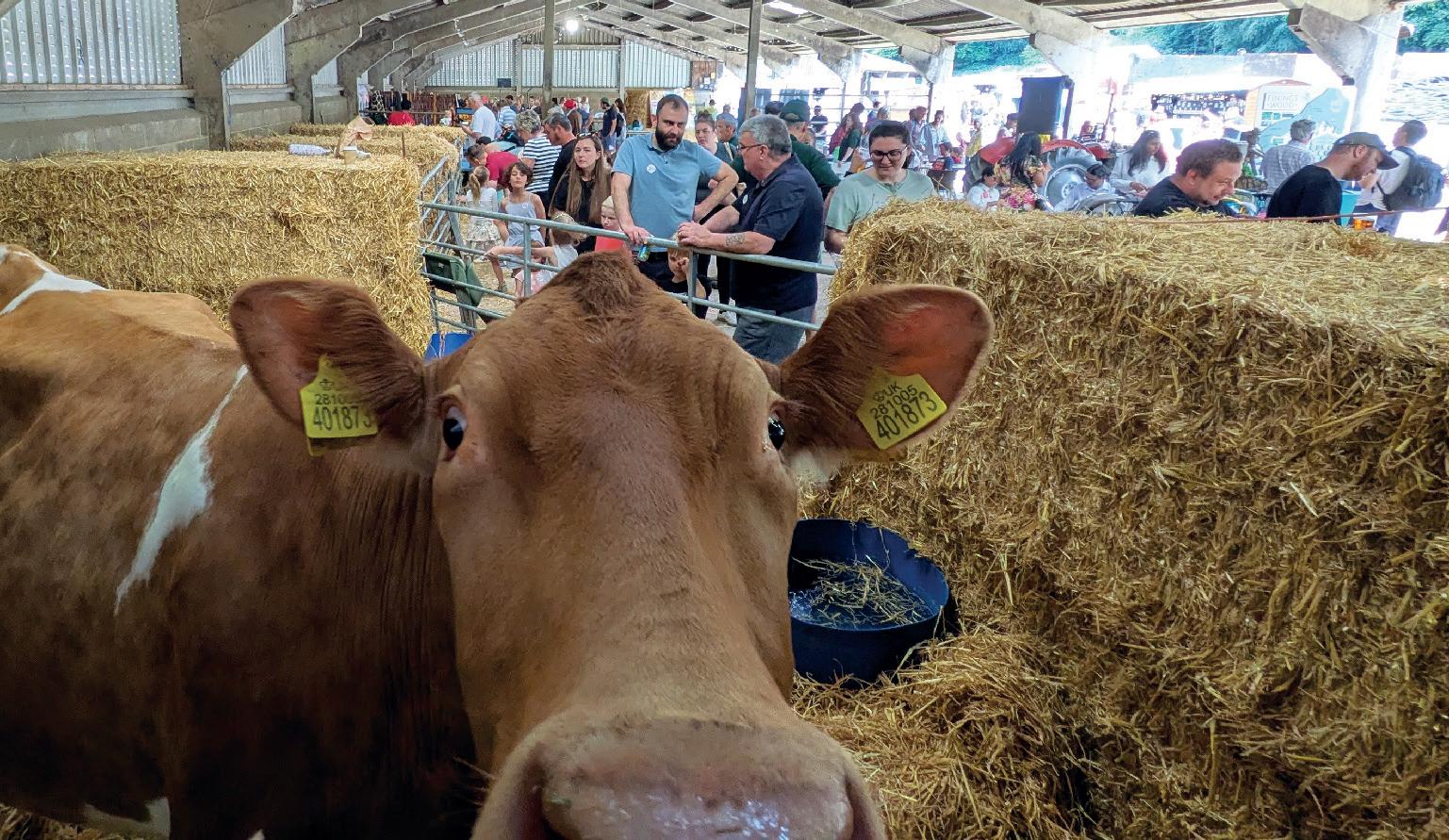
Buckinghamshire dairy farmer Will Lacey will host his ninth Open Farm Sunday at Laceys Family Farm near High Wycombe this June.
Milking 130 Guernsey cows, the family runs a mixed enterprise including beef cattle, arable crops and a farm shop. Half of the milk is sold directly through the shop, while the rest is supplied to Arla.
For Will, Open Farm Sunday provides a valuable opportunity to connect with the public in ways that everyday farm life does not always allow.
“As a farm shop we already have connections with the local village, but this event really opens the doors for wider public engagement," he said.
Over the years the event at Laceys Family Farm has grown in popularity, with visitor numbers now capped at around 2,000 people.
However, Will believes the success of the day is not about attracting the biggest crowds.
“You don’t need big numbers; even if you only have 10 or 15 people turn up, it’s the engagement that really matters,” he said.
“For us, the best part is seeing people
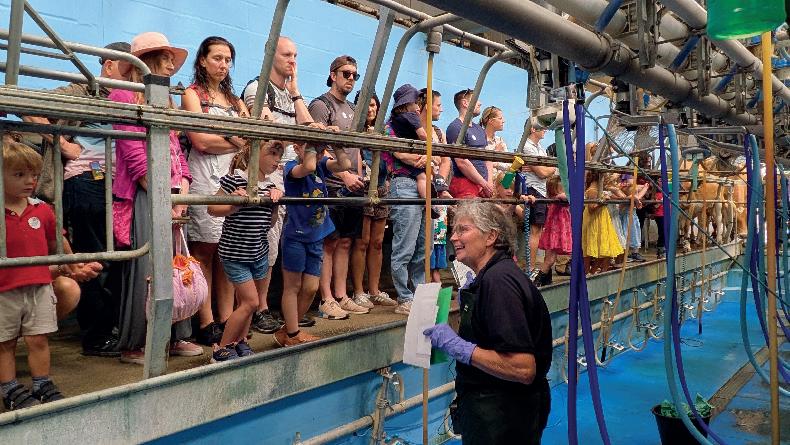
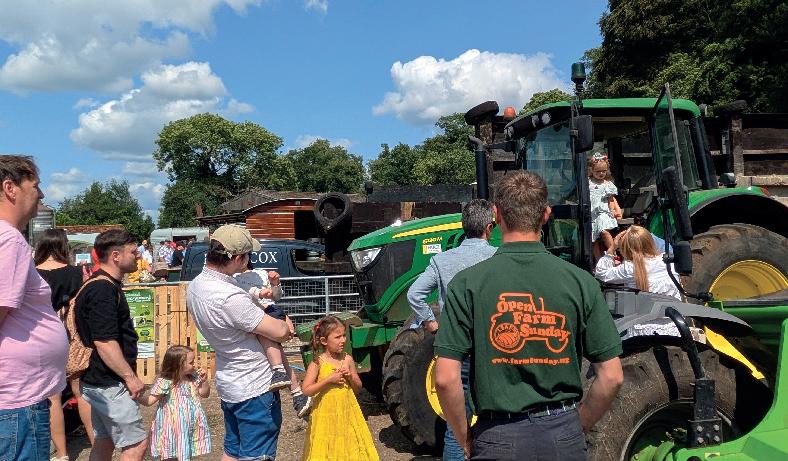
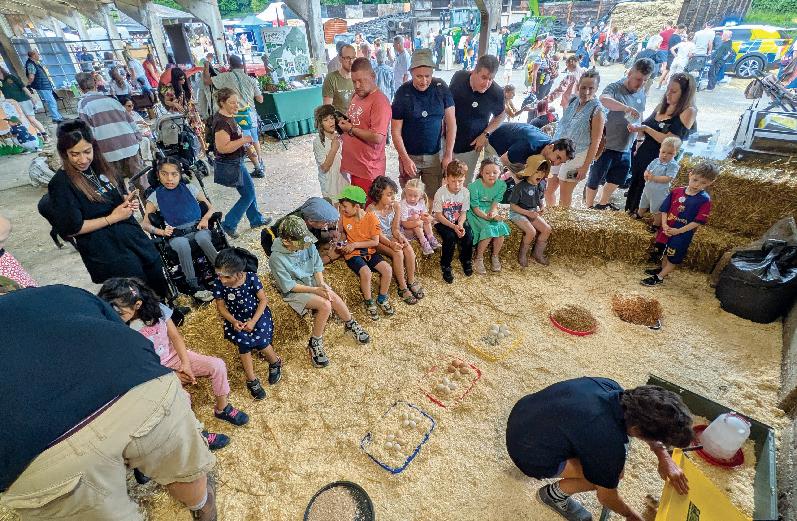
coming in and asking questions. Kids are like sponges; they absorb everything they see and hear.
“It’s not just about showing what we do, it’s about showing how much care goes into looking after our animals and producing food.”
“Every conversation during Open Farm Sunday builds greater understanding. As the industry’s most trusted platform for farmers to educate, engage and inspire families, the organisers are here to help you take control of your story.”
Farmers can host events of all sizes, from simple farm walks through to larger open days with demonstrations, machinery displays and family activities. Extensive, free, guidance and support is provided by the national organisers LEAF (Linking Environment And Farming), and free resources are available to all registered OFS hosts.
“There’s a fantastic range of support to tap into. This includes our comprehensive farmer handbook, online webinar recordings, free promotional materials and a dedicated team to help farmers plan their event,” added Annabel.
“We would love to see more farms across the South East getting involved in this special anniversary year.”
For more information or to register an event, visit www.farmsunday.org
Grower Harriet Rix hosted Open Farm Sunday at Rix Farms near Colchester for the first time in 2025, and says the experience was hugely rewarding.
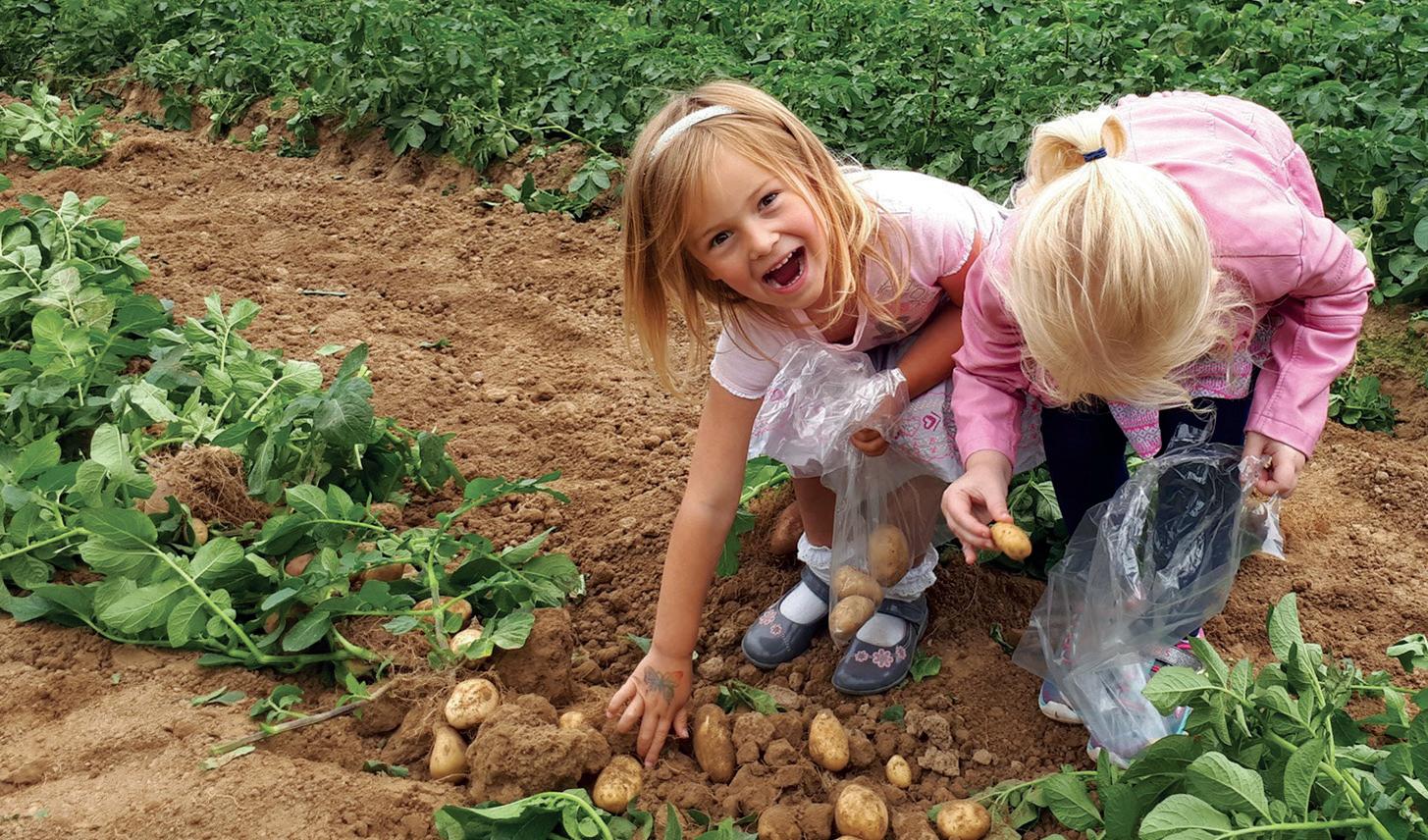
Farming around 2,400 hectares, the family run business grows onions, potatoes, sugar beet and cereals.
As most of the farm’s produce is sold directly to supermarkets, the team has limited opportunities to interact with consumers. Open Farm Sunday provided the perfect chance to change that.
“Open Farm Sunday was a fantastic day which drew hundreds of visitors and really brought all of our team together,” said Harriet.
Activities on the day included farm trails, information displays and hands-on demonstrations. For Harriet, it showed how important it is for farmers to share their stories.
“My father-in-law ended up being the spokesperson for the day. He had the knowledge of everything that’s happened and how the farm has changed; so many people commented on how much they loved just hearing about what the farm was like,” said Harriet.
“It was humbling and quite touching to have that interaction with the public and see that they do value what we do.”
Thursday 23rd April 10am–4pm
The Barn at The Woolpack, 26 High St, Tenterden, TN30 6AP
Thinking about a new farm building, barn conversion or diversification project, but not sure where to start? As farmers ourselves who have successfully converted farm buildings and managed change-of-use projects, we can offer practical insight alongside professional advice.
Drop by for a friendly, no-obligation chat with our experts. We’ll do our best to answer your questions and help demystify the process.
Book your 15-minute slot by scanning the QR code. Walk-ins welcome, subject to availability.

Farm Buildings | Change of Use | Glamping & Diversification
Residential AOC | Barn Conversions

A Victoria sponge cake auctioned at Thame Farmers Mart in Oxfordshire has helped raise nearly £2,000 to help fund a convoy of 15 vehicles and vital medical supplies that are being driven to Ukraine by volunteers to help deliver equipment to the front line and evacuate injured soldiers.
One of the drivers, market shareholder Peter Dunn, is making his second trip to Lviv, which is around 1,300 miles from his farm near Milton Keynes. Peter, who leaves with the convoy on 11 April, was delighted with the response from market buyers who bid for the cake baked by office and accounts manager Charlotte Baxter.
Money raised by such fundraising initiatives

pays for vehicle logistics, spares and medical kits to support convoys to Ukraine, of which this will be the 59th. The 4x4 vehicles are delivered directly to the army workshops in Lviv.
Peter said: “Auctioneer Simon Draper did a great job and we raised, with other donations from the market, a total of £1,862. It was amusing how the cake was sold three or four times, and there was a great atmosphere.
“We buy the vehicles, and the 15 in this convoy will bring the total number of 4x4s sent to Ukraine from this area as part of Driving Ukraine to over 100. We load them up with workshop gear and for this trip we are also putting the funds raised towards four medical rucksacks and two large critical incident
medical kits, for front line use.
“This trip is organised by Driving Ukraine with Olney Ukraine partnering and we are extremely grateful for all the donations and support we have received for this latest convoy. This visit includes a special aid box donated by Towcester Vets, including animal and human medical kits.”
It takes the convoy three days to reach Lviv, via the Channel tunnel and then through France, Belgium, Holland, Germany and Poland. Peter, who is driving to Lviv in a Land Rover Discovery with 183,000 miles on the clock, will use taxis to get back to the Polish border before taking a flight from Krakow back to Luton.
SEND YOUR VIEWS OR COMMENTS:
SEF.ED@KELSEY.CO.UK
X-TWITTER @SOUTHEASTFARMER
facebook-square SOUTH EAST FARMER
Dear Sir,
Unlike your correspondent (“Under attack ”, letters, February) I do keep up with daily events via the national media (not the biased BBC); the balanced South East Farmer reporting can be a week or so out of date by the time you read it, given that it is a monthly publication.
I agree that the investment for inheritance tax mitigation by wealthy people in land has not helped those who need to expand their farm to remain viable, but I find his comment that he is "one of those rare people who think tax is a good thing" naive to say the least. Most readers probably think they are overtaxed, but a government, however incompetent or greedy, has to have an income, so acceptance of fair taxation is not rare, just plain common sense.
Most farmers like me have already diversified in order to survive the almost-total dominance of our product prices by the supermarket barons, and if the farm business is generating enough profit to support a retiring farmer and a successor plus their family, they will almost certainly pay inheritance tax, which is again common sense.
If we had an excellent NHS, a dentist with no waiting list and doctors you could see when needed, I would say our taxes were well spent. Perhaps the new Honourable Member for Gorton and Denton, Hannah Spencer MP, can take her plumbing skills to the House and sort out the waste disposal currently leaking out of it.
Following a questionable election, the Greens can now push their pledges of upping National Insurance rates to 8%, a wealth tax, open borders, scrapping our defence system and a minimum wage of £15/hour for a four-day week; in a Green Party world, livestock would starve on the other three days.
Farmers will be pleased to know that under the Greens, cannabis will be legalised, as will prostitution – a "Chicken Ranch" diversification for the old cow shed, perhaps!
On a sad note for many Kent Old Lawrentians (pupils of St. Lawrence School in Ramsgate), Chancellor Rachael Reeves’ policies have skewered another victim. Five hundred or so pupils will be without their school of choice this September, and dedicated staff will lose their jobs. As an old Lawrentian I feel their pain almost as much as the light touch of the headmaster’s cane during my time there. For any Old Lawrentians wanting to help save their old school, I understand a rescue bid is planned.
David Steed, Manston, Kent

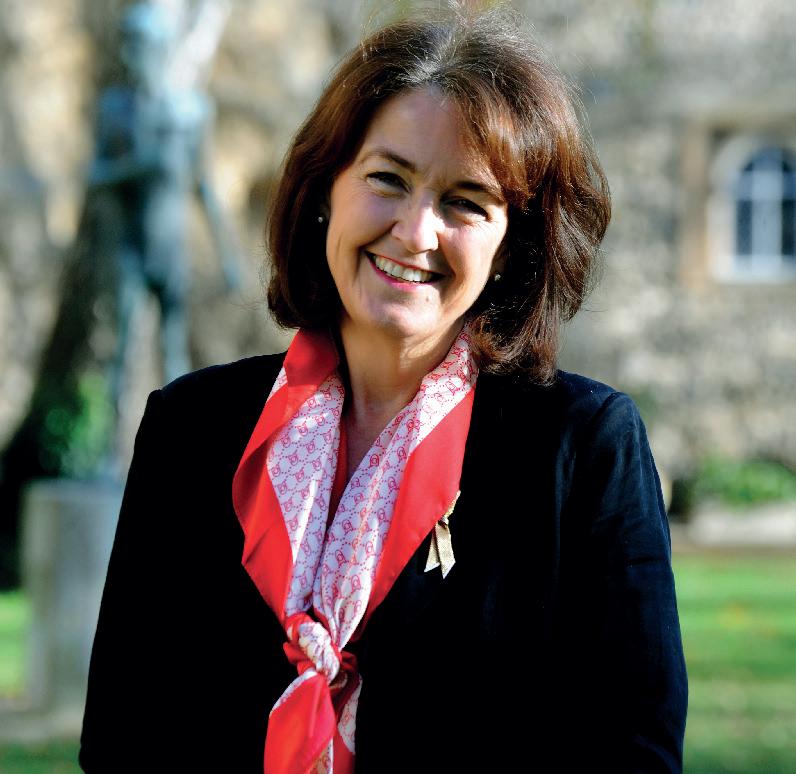
Former MP Jo Churchill has been appointed as the new chair of the National Pig Association (NPA).
Jo, who served as MP for Bury St Edmunds from 2015 to 2024, replaces Norfolk pig farmer Rob Mutimer, who steps down after five years representing the NPA during a difficult time for the industry.
The NPA said the appointment marked “a change of direction” for the NPA, which has previously appointed pig producers as chair.
Chief executive Lizzie Wilson said: “This change of approach reflects both the increased pressures on pig farm businesses, but also the desire for us as a lobbying
organisation to continue punching above our weight with a hard hitter like Jo.
“We are absolutely delighted to have appointed someone of her calibre, experience and character. She will significantly add to our ability to have our voice heard on behalf of members and will help provide leadership and direction for our hard-working team.”
Jo said: “During my time as an MP and coming from one of the country’s key pig farming areas, I was well aware of the NPA and the high esteem it is held in and the great work it does representing the industry.
“I am also acutely conscious of the challenges facing the pig sector on multiple
Jo Churchill
fronts, as it continues to rebuild and move forward.”
Lizzie also paid tribute to Rob, who she said had served with “distinction and a welcome calm” during some of the hardest years ever faced by the pig sector.
She said: “No sooner had Rob taken on the role than the industry was plunged into crisis. His leadership during that time was exemplary, fronting up in the media engagement and providing stable support for the team.”
New NFU Essex chair Graham Harvey has said he wants to build on the huge public backing for the county’s farmers and growers and draw on his 25 years’ experience of supporting the industry.
Graham, who was elected to the role at NFU Conference in Birmingham last month, has pledged to work on behalf of members in tackling key issues including rural crime, supply chain fairness and farm health and safety. He has served as NFU group secretary for the Chelmsford, Maldon and Southminster branches for 25 years.
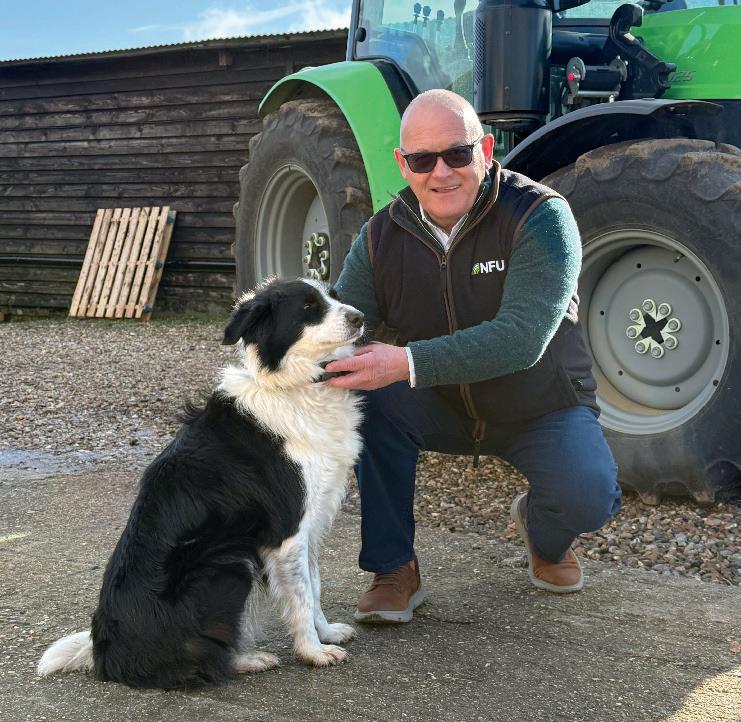
He said: “I’m here to help Essex farmers in any way I can. I want to be here to support them, and that comes on the back of 25 years in my previous role. I have some time to give and I’m here to listen and take any concerns forward.
“Mental wellbeing is one particular concern, with the challenges facing farming. It’s important that we all pick up the phone to people to make sure they are okay.
“I think it helps that there’s good public support for farming, It’s very high across Essex. People appreciate what farmers are doing, producing food and looking after the environment.”
Generations of the Harvey family have worked at Felsted, with the deeds going back 285 years to when Thomas John Harvey first moved to Peartree Farm.
After leaving school, Graham started a local tool hire business in 1988. A year later it became the main Essex distributor for CPS Fuels, selling bottled gas and lubricants. He sold the tool hire business in 1990 to concentrate on the expanding LPG enterprise,
also working with Calor Gas, which bought the business in 1999.
He then became a group secretary with the NFU, starting at its Chelmsford office in December 2000, and at the same time maintained a close connection with the family farm, taking on full responsibility in 2014.
The 140-acre Peartree farm includes rented buildings, a DIY livery enterprise and 40 acres of grassland dedicated to hay production and grazing, as well as traditional arable crops. It is in the sustainable farming incentive (SFI) scheme.
Graham explained: “All these elements are essential to ensure the farm remains economically viable, but it’s not just about the financial considerations. The farm is a way of life, one I find rewarding and thoroughly enjoyable.” A parish councillor for four decades, he has been chair for half of that time. He succeeds Robert Padfield as NFU Essex Chair. Graham is married to Kim, and they have a daughter Clare and son John, who has followed in his father’s footsteps as NFU group secretary at Chelmsford.












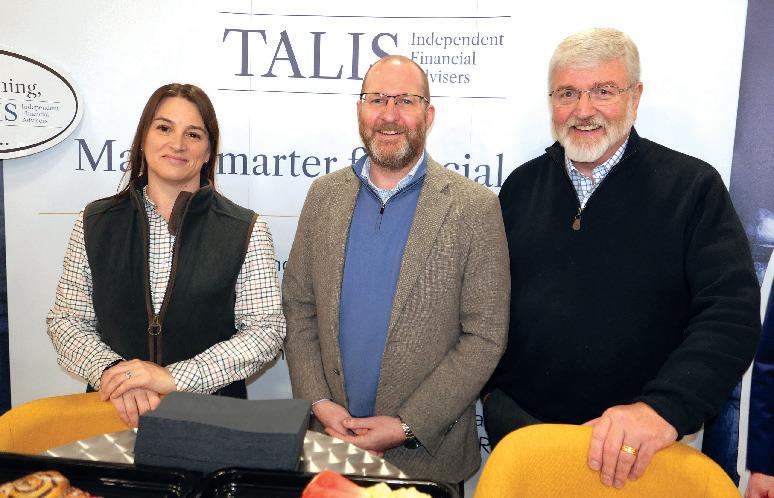
Rebecca Hammett, James Cole and Simon Webster, Talis IFA
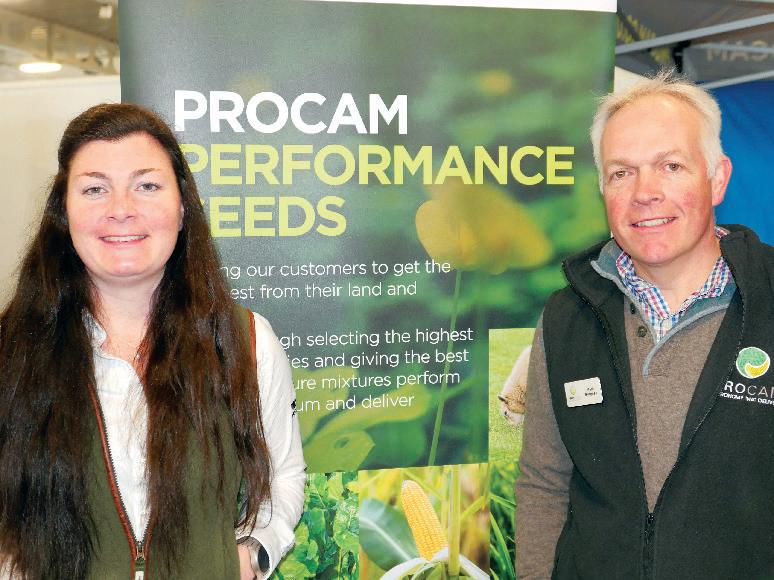
Hayley Wellings and Mark Burgess, Procam Rutherford
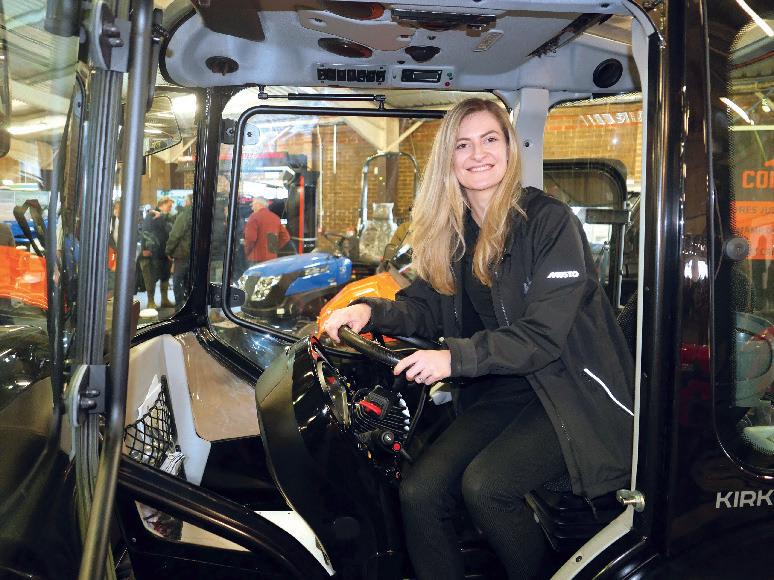
Tilly Shephard, Kirkland UK
Its early March location in the calendar has always made the weather at Farm Expo unpredictable, with visitors needing multiple thermal layers one year and turning up in shirtsleeves the next.
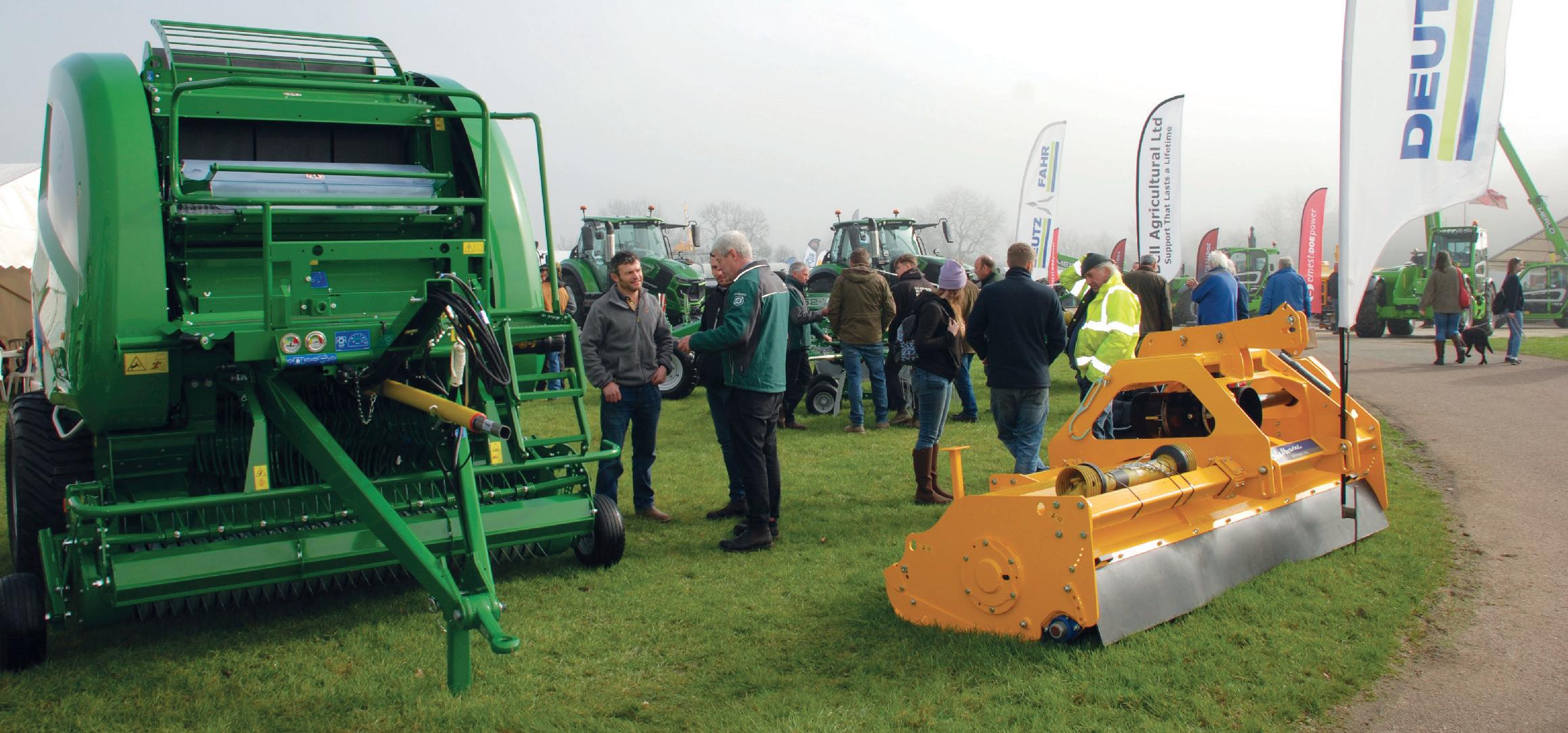
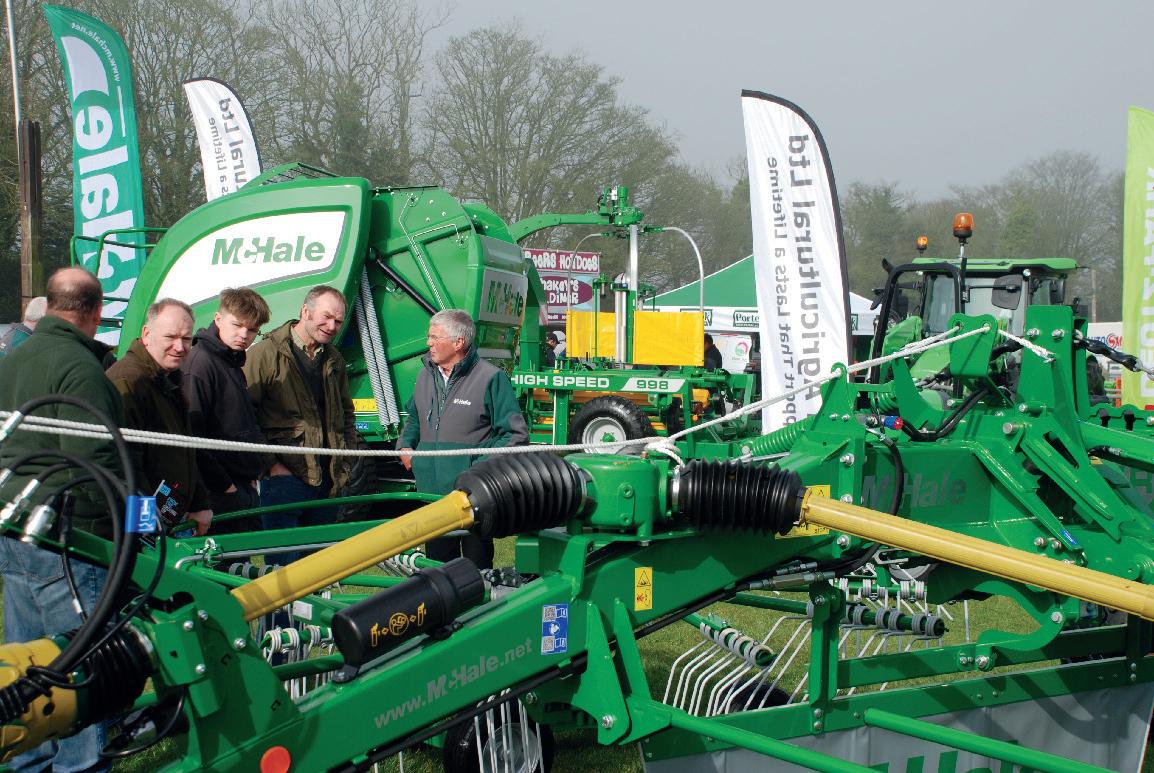
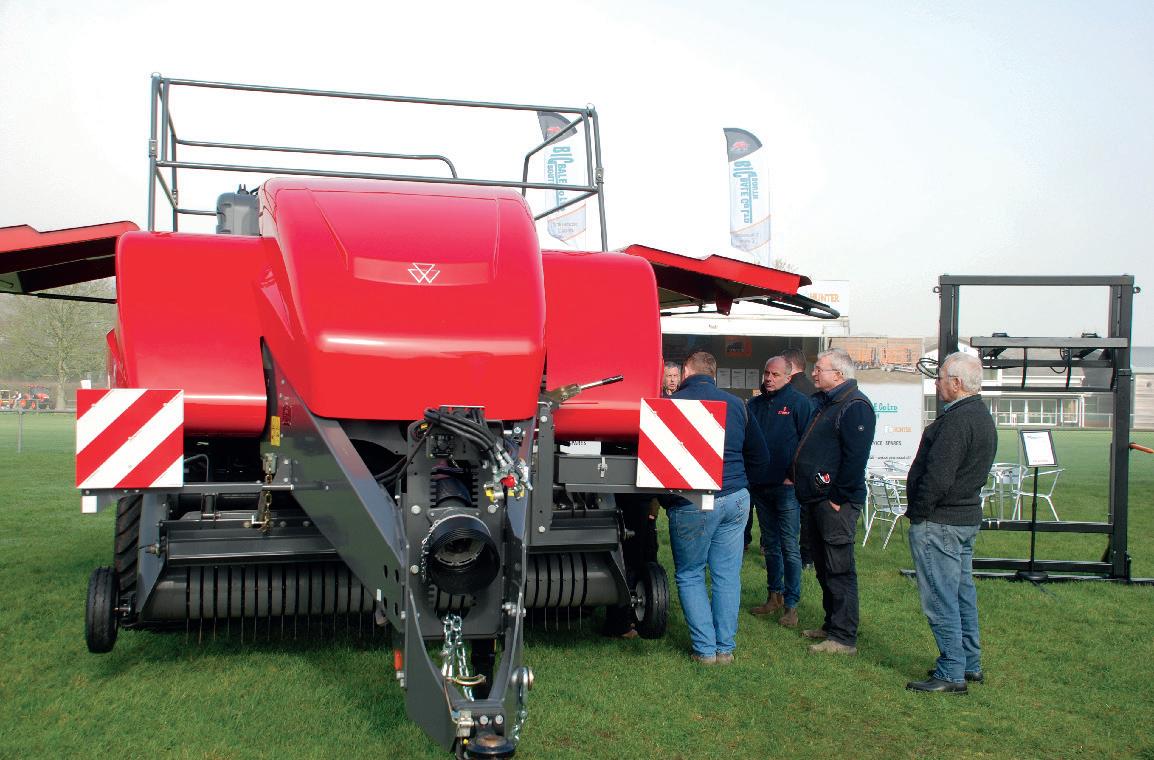
This year, after a thoroughly wet start to the farming year, visitors were met by thick fog as they reached the Kent Showground at Detling, but while it made for a grey start for the big machinery dealers parked outside the John Hendry Pavilion and the Brachers Building, it failed to dampen the enthusiasm of those who attended another busy and successful show.
Farmers are renowned for their resilience, and the buzz around the stands this year suggested that there was still plenty of optimism in the industry, perhaps boosted by the scaling back of the inheritance tax changes and the recent, reasonably positive, sustainable farming incentive announcement.
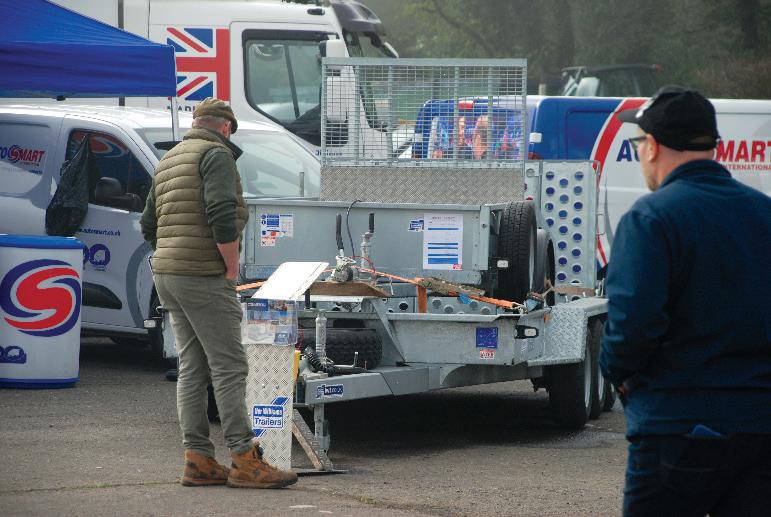
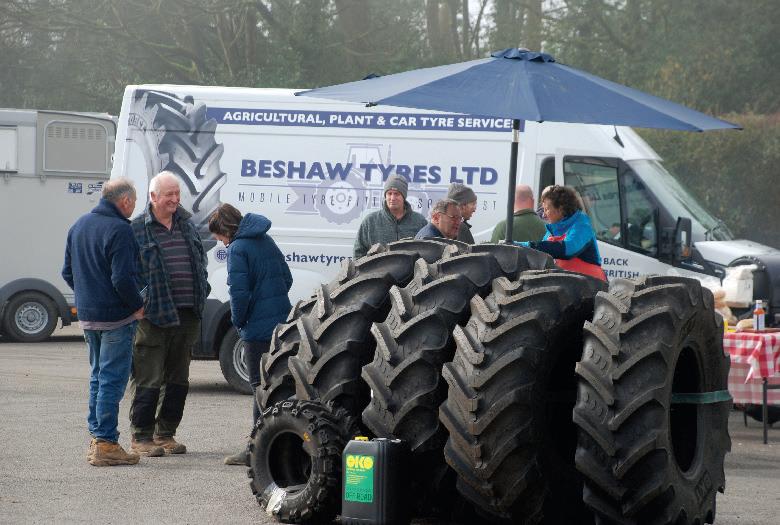
As always there was a good mix of stands, with advice on offer from the likes of the Rural Payments Agency and Kent Police’s Rural Task Force, numerous banks, solicitors, insurers, chartered surveyors and agronomists. They were joined by businesses selling everything from tyres to tractors and from solar energy to seeds.
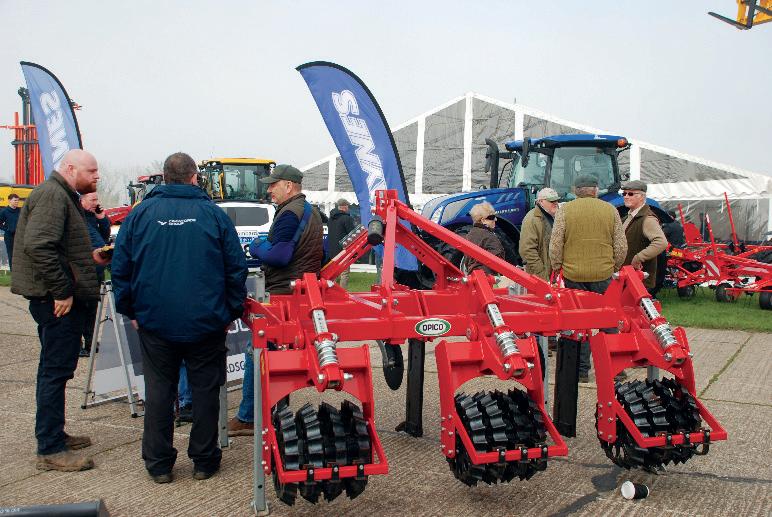
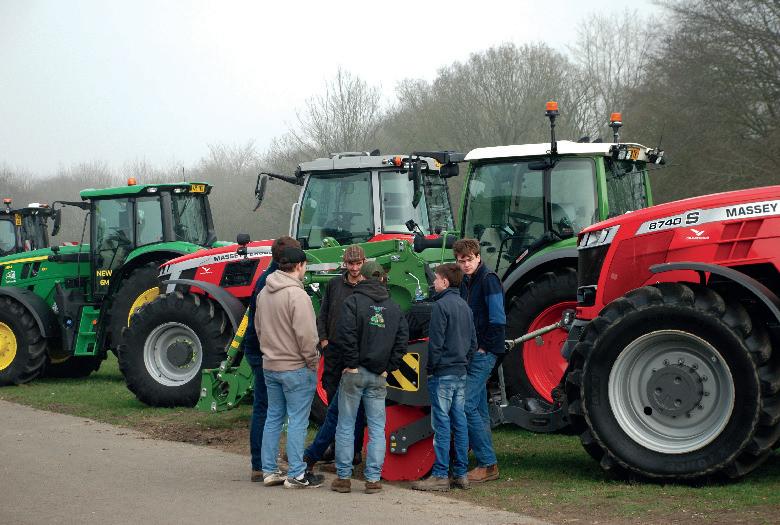
The big boys were outside, where dealers including Bell Agricultural, Crawfords Group, Ernest Doe & Sons, Haynes Agricultural and Rhino Plant Hire turned heads with some of the latest and most impressive machinery on offer.
In the two exhibition halls, professionals vied to offer their services and entice visitors with sweets, pens, bags and even beer, which was on offer on the Oxbury stand, where the specialist farming and food production bank was highlighting its Oxbury Transition
Facility, designed to help farmers “transition profitably while reducing carbon emissions and improving soil health”.
On the Procam Rutherford stand, agronomist Mark Burgess and Hayley Wellings from the company’s field options team were highlighting the bespoke advice available around seed choice. “Grass is booming in the South East but it’s harder to manage it properly because of the lack of rain,” said Mark. “That’s where Procam’s experts can help.”
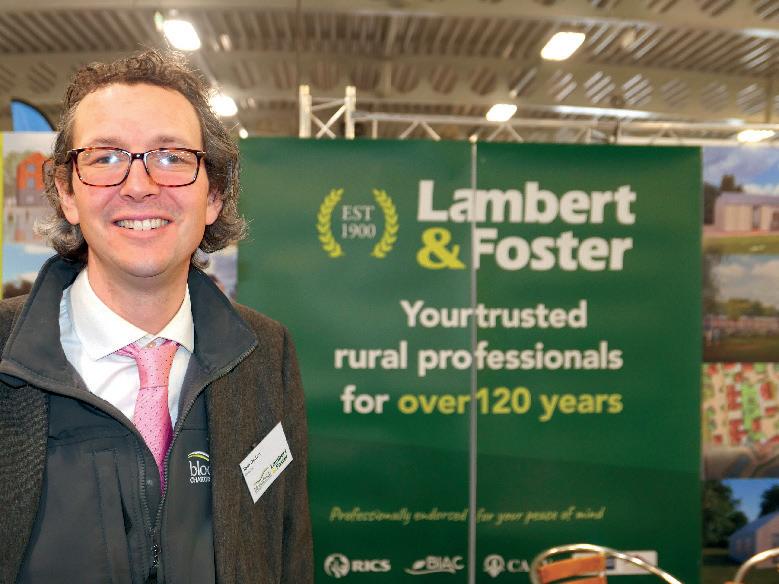
Lambert & Foster/Bloomfields director Tom Ogden summed up the view of many standholders when he said he was at the show “to meet like-minded people”, and for many of the visitors Farm Expo was as much a chance to catch up with friends and neighbours as it was to talk to potential new suppliers or admire the latest machinery.
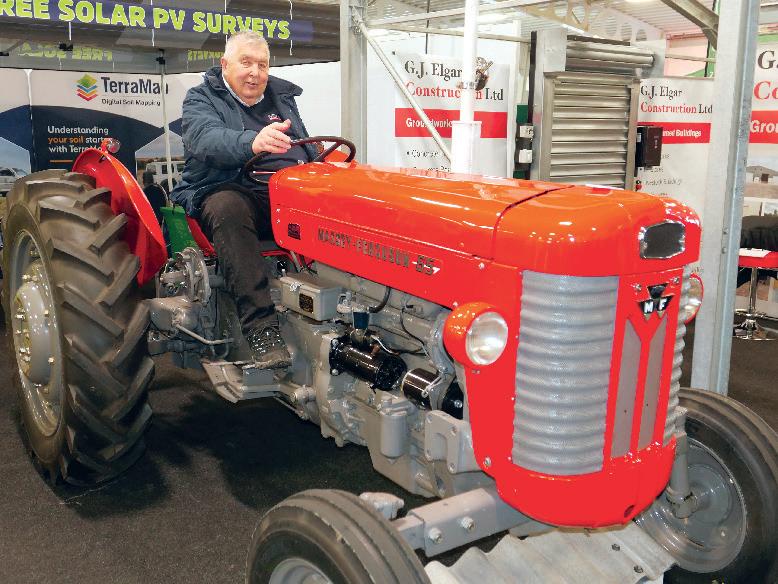
Turning plenty of heads was Ashford construction company boss Graham Elgar’s lovingly restored Massey Ferguson 65 Mk 1, “the kind of tractor I was driving when I was 12 or 13”, as the 72 year-old pointed out while sitting astride his pride and joy.
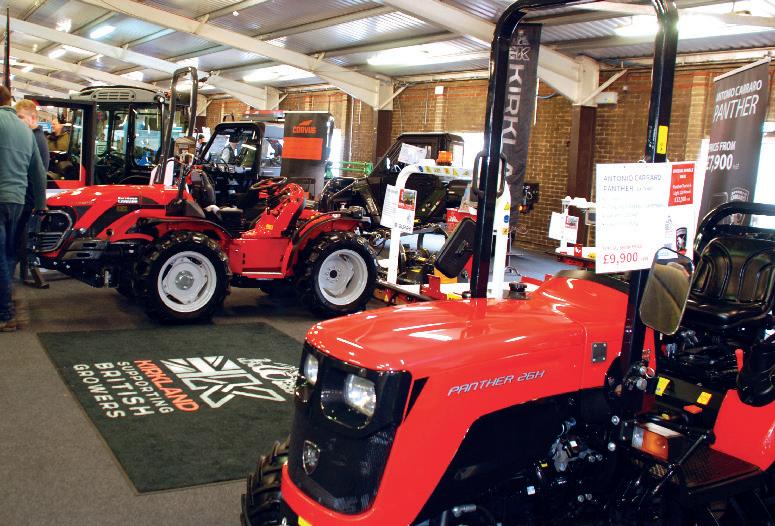
Bringing the agricultural world up to date, Tilly Shephard of Kirkland UK adopted a similar pose in an ex-demo Antonio Carraro Mach Tony, a snip at a special show price of £108,000 plus VAT, a figure that would probably have bought the entire farm
Graham had been driving on as a young teenager.
Headline sponsor Talis IFA was also well represented, with consultant Simon Webster pointing out that while there are 160,000 practising lawyers in the country there were fewer than 5,000 independently owned financial advisers. Pointing out that they were not tied to one company’s products but acted purely on behalf of their clients, he explained: “We sell time and experience, not products.”
First time exhibitor Percy Brock, company
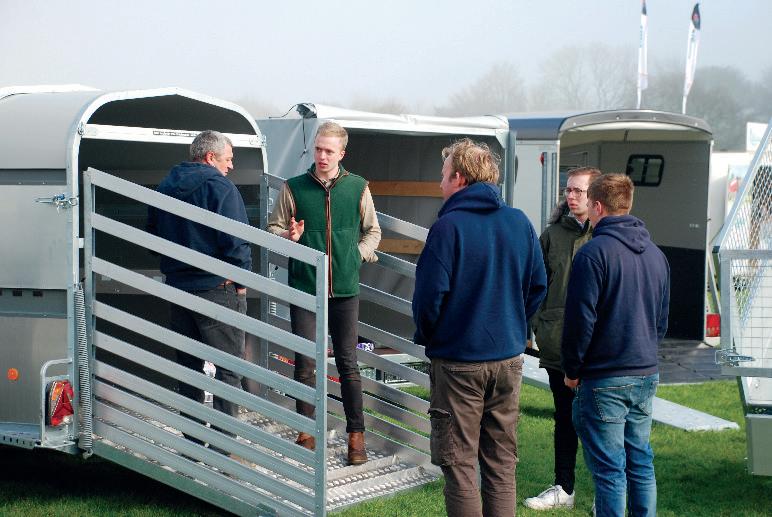
director with agricultural track specialist Outland, based in Saffron Walden, Essex, said it had been a good day. “We’ve had lots of interest, and we have a number of leads to follow up,” he commented.
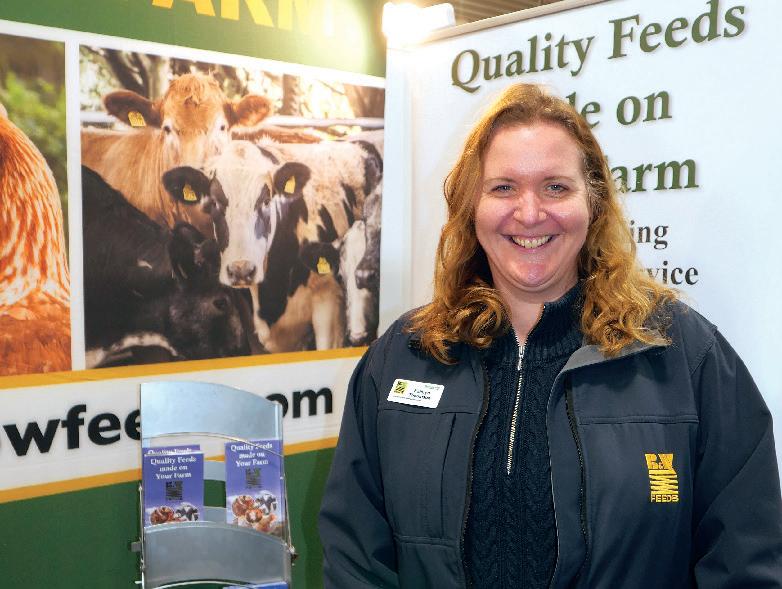
Backing up the feel-good factor was Kathryn Thompson from B&W Feeds, which provides a mobile mill and mixing service that allows farmers to use their own grain for feedstuffs. “It’s been a great show,” she said. “It’s been busy and it’s always nice to meet customers.”
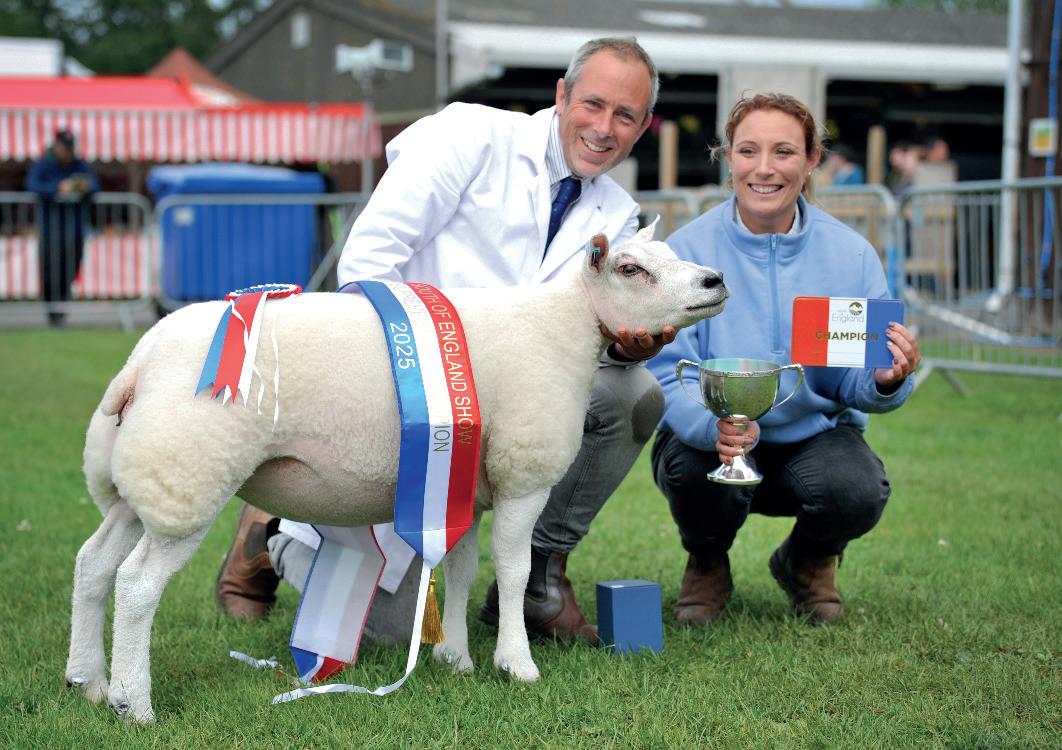
The South of England Show returns from Friday 5 to Sunday 7 June 2026 at the South of England Showground, Ardingly, West Sussex. The show will feature a significantly expanded livestock programme and a new forum addressing key issues facing farmers and land managers across the South East.
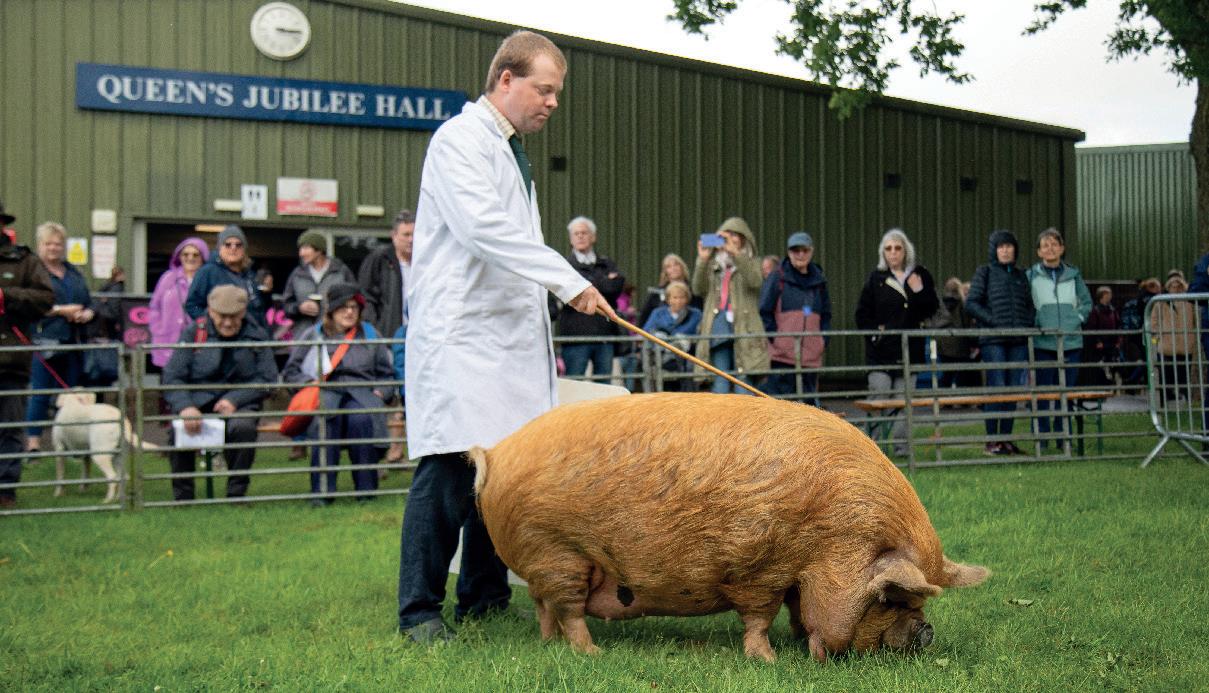
A cornerstone of the agricultural calendar, the show will see a substantial increase in livestock classes, rising from over 300 in 2025 to more than 450 in 2026. The event will also host the National Dexter Show, featuring 19 Dexter classes and attracting exhibitors from across the UK.
Several new sheep classes have also been introduced, including breed classes for Coloured Ryelands and Beltex, alongside new aged ewe classes in the Zwartbles, Pure Continental and Any Other British Down/Shortwool categories.
The show provides an important meeting point for farmers, breeders, landowners and rural businesses across the South East.
Alongside the competitive livestock programme, hundreds of trade stands will showcase agricultural machinery, livestock equipment, rural services, countryside organisations and local or independent retailers.
The popular ringside farmers’ marquee, hosted by Long Man Brewery, will again serve as a hub for informal networking and discussion throughout the show. On Friday, 5 June, the Country Land and Business Association (CLA) will host a breakfast event with keynote speaker The Duke of Norfolk, with the CLA’s Rural Excellence Awards also being presented that day.
New for 2026 is the Living Land Theatre, which will focus on current farming, land management and environmental issues affecting the region while also promoting education and careers in the agricultural sector. Industry experts will deliver talks across the three days, and on Saturday, 6 June the venue will host a farming technical forum that will also be streamed live online.
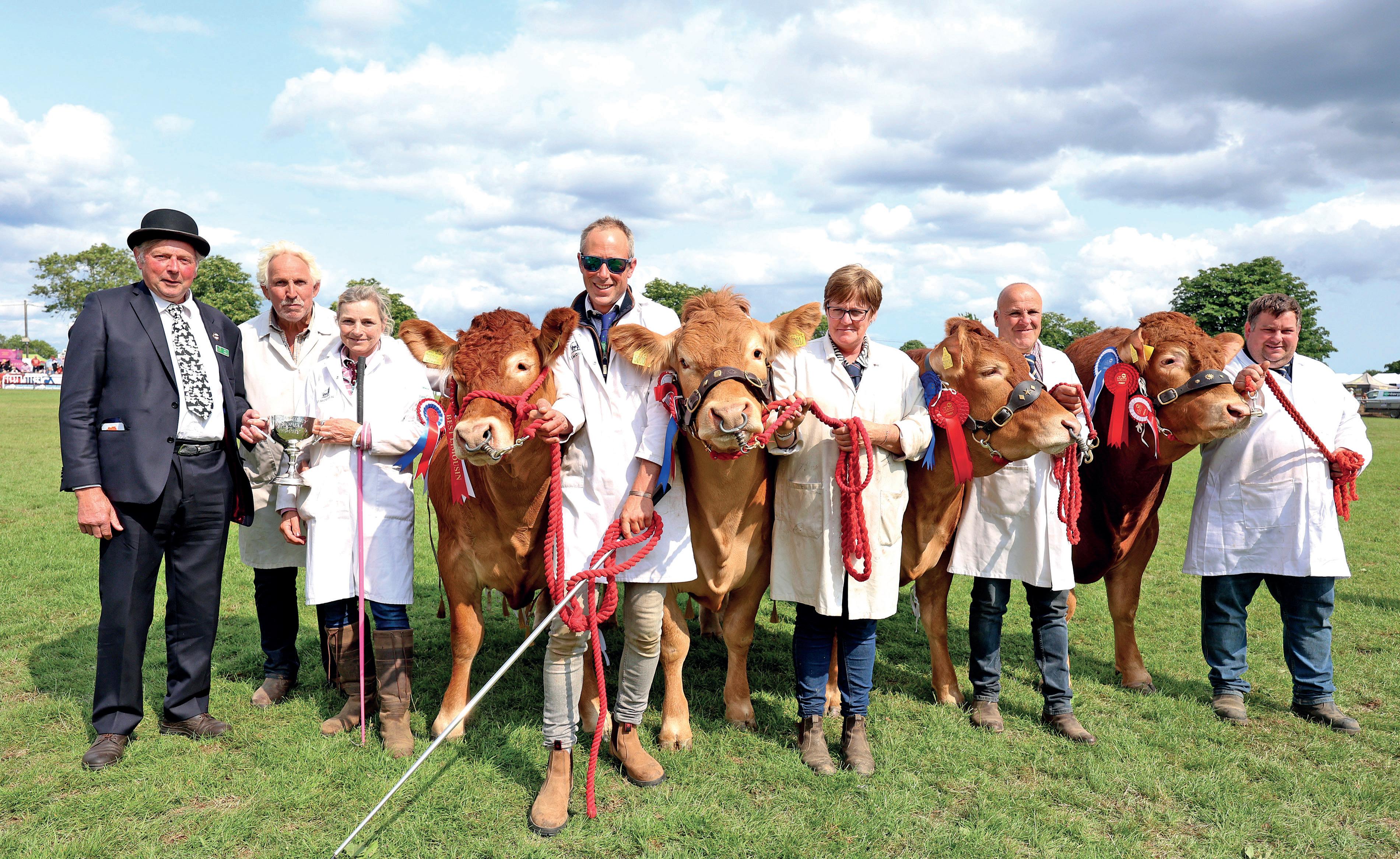
Livestock entries can be made at www.seas.org.uk/competing
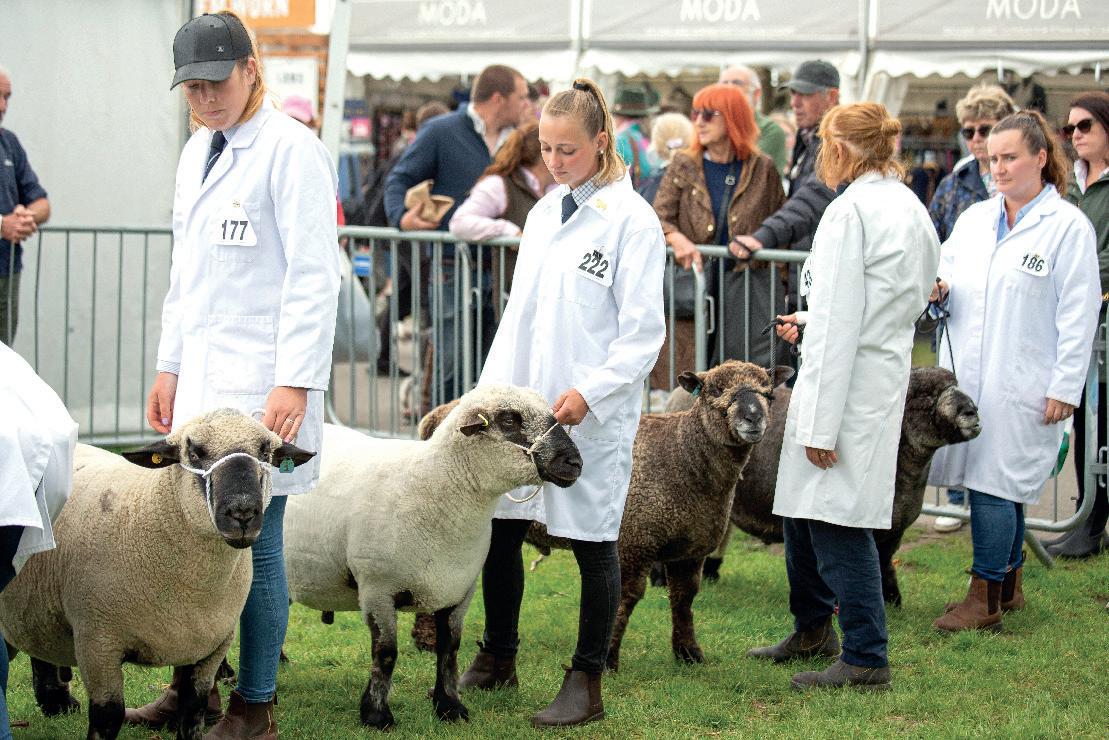
The theatre will provide an interactive space where farmers, students and visitors can speak directly with experts, educators and industry organisations. Key sponsors include Plumpton College, which is celebrating its centenary in 2026, and Virgin Money.
The 2026 show also introduces a dedicated marquee providing catering for stockmen throughout the show prepared by the everpopular Andrew Laver of All Time Catering Mobile Ltd. The marquee will be open from Thursday evening for dinner (6pm to 9pm), and each show day for breakfast (6.30am to 10.30am), lunch (12.30pm to 3pm), and dinner on Friday (from 6.30pm). The stockman’s dinner will take place at 7pm on Saturday in the Norfolk Pavilion.
Beyond agriculture, the show offers a wide range of countryside attractions for the tens of thousands of visitors who attend each year.
For equestrian enthusiasts, top-level showjumping will take place across all three days, alongside the inter-hunt relay, scurry driving and qualifying classes for the London International Horse Show.
The Heavy Horse Village will return for 2026, alongside the Hackney Horse competition (Friday only), the Shetland Pony Grand National and the horse shoeing competition.
The country sports area will host the South of England Hound Show on Friday and Saturday, with gundog, falconry and fishing demonstrations on Sunday, while the South Eastern Vintage Agricultural Club will showcase historic tractors and farm machinery. Meanwhile, in the Discover the Countryside area, visitors can explore rural skills and careers with land-based colleges, including Plumpton and Brinsbury, and meet organisations such as Ashdown Forest.
The Squibb Freestyle Stunt Team will be headlining the show with high-octane motocross displays, while other family attractions include children’s cookery workshops, the Sheep Show starring Nobby the Norfolk Horn, axemen displays, giant tortoises and search and rescue dog displays. Visitors can also step back in time with medieval re-enactments from The Hartley Company, featuring 15th-century living history, demonstrations and battles.
Around the showground there will also be emergency services displays, a British Army display, model boats, fairground rides and more.
Garden lovers can browse the show gardens and plant nurseries, while the Food Hall and Village will showcase independent producers, vineyards, microbreweries and local gin distillers alongside street food and homemade treats in the vintage tearoom.
Corrie Ince, Show Director for the South of England Agricultural Society, said: “Farming is the foundation of the South of England Show, and we are dedicated to providing an event that celebrates the achievements of
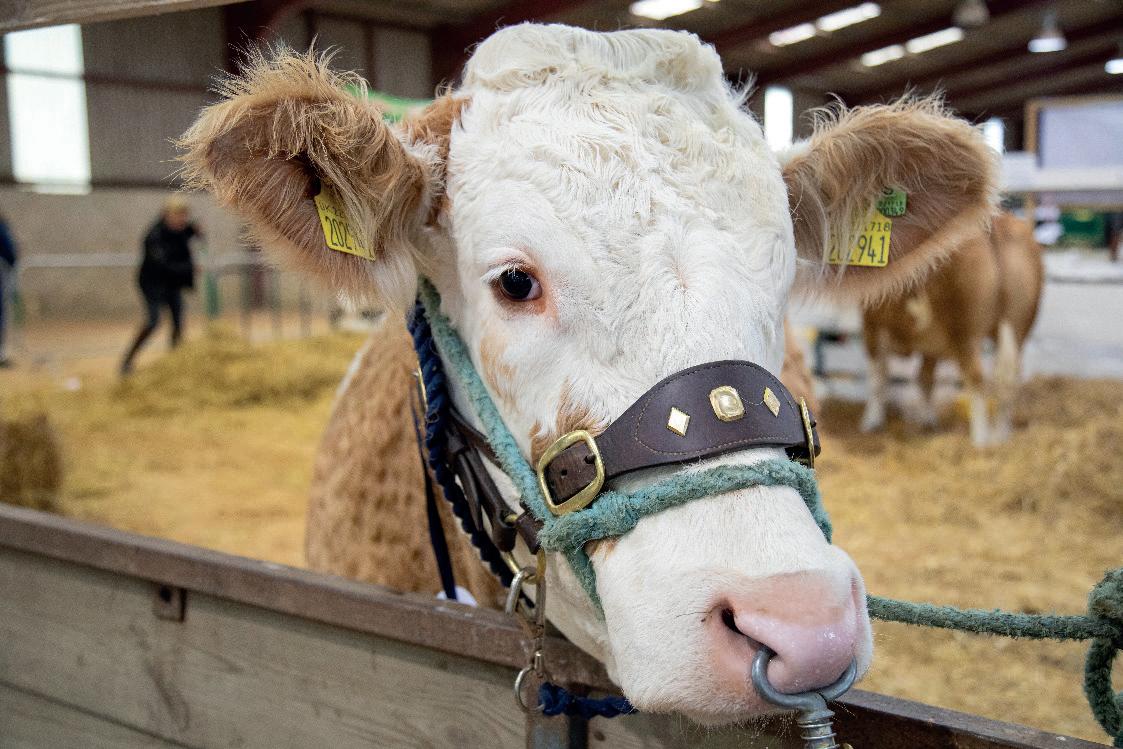
our farming community while also creating meaningful opportunities for knowledge-sharing, networking and public engagement. The introduction of the Living Land Theatre is particularly exciting, as it will highlight the issues facing farmers and land managers today while also championing the many career opportunities available in the sector. We look forward to welcoming farmers, exhibitors and visitors to what promises to be an incredible event.”
Tickets for the South of England Show can be purchased at www. seas.org.uk and cost £25.20 for adults and £23.40 for senior citizens/ students, inclusive of a 10% advance discount until 28 May 2026. Children under 16 can enter for free (suggested donation of £2).
Due to the number of people on site, restricted livestock areas and potential hot weather, bringing dogs is not recommended.
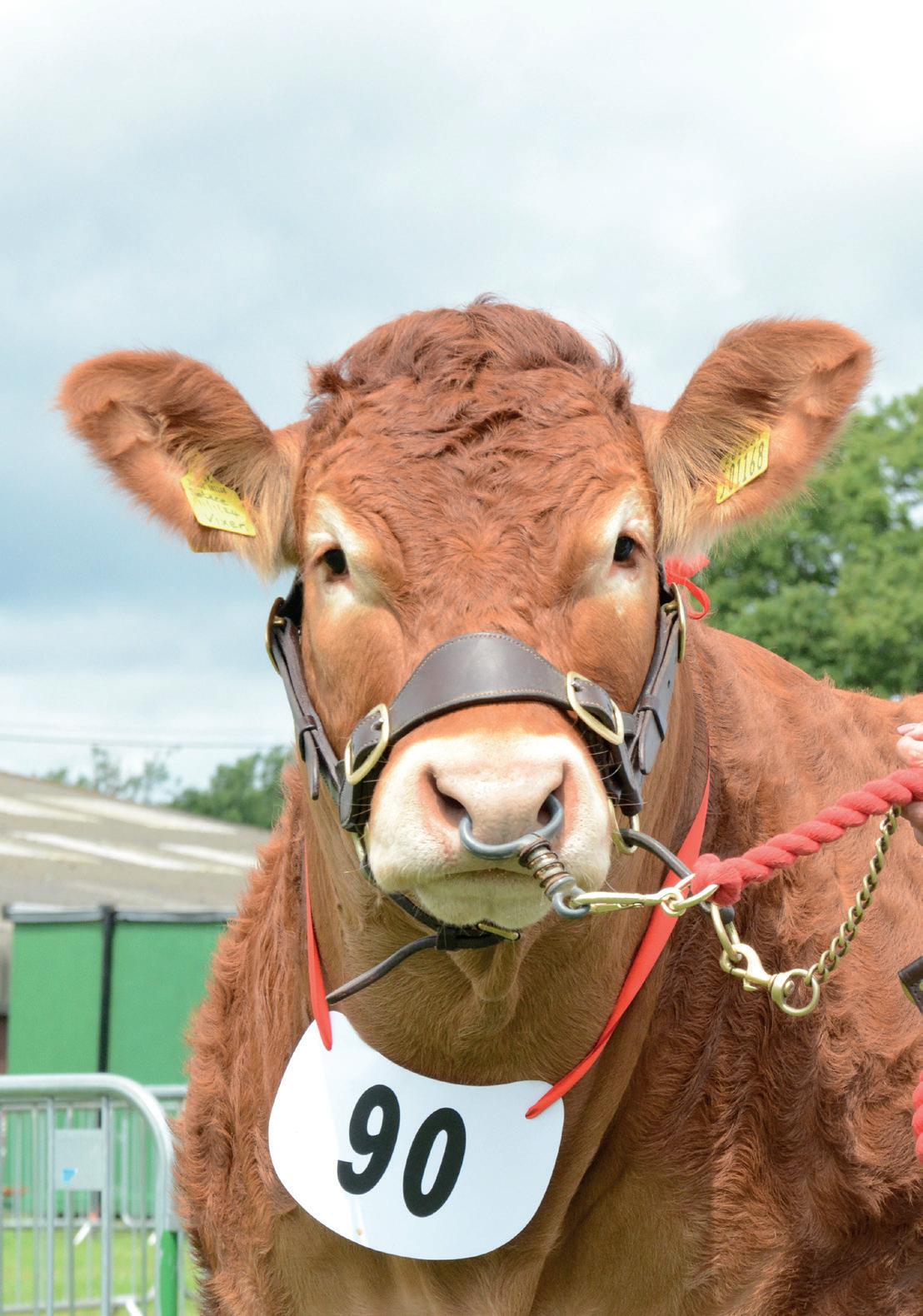

Livestock entries for the show open at the end of March.
Email alice.bennett@kcas.org.uk for more information, scan the QR code to see the schedules and contact details on the livestock entries page or visit www.kcas.org.uk/kent-county-show









There is an open invitation to celebrate the best of Kent at the county’s showcase of farming, food production and rural life in the ‘Garden of England’ at the Kent County Show on 3, 4 and 5 July 2026.
Over three days, livestock, horses, vintage vehicles, local producers and more will converge onto the showground for a festival of the best of Kent, inviting visitors to discover fascinating aspects of rural life.
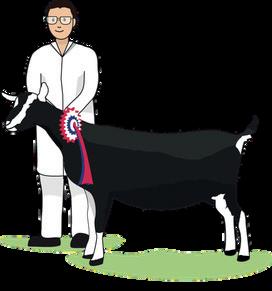
Livestock remains a core part of the show and a favourite amongst visitors. Cows, sheep and goats of all sizes, shapes, and types will be competing to take home the prize for Best in Show.
The show’s educational zone, the Living Land Village, provides an opportunity for people of all ages to learn more about food, farming and the environment. It’s a chance to discover how food is produced and catch the famous dancing sheep in crowd favourite The Sheep Show.
The Equine Village offers a stunning display of horses and riders competing in classes ranging from showjumping to in-hand





showing, not forgetting the incredible carriage driving in the double harness scurry.
In the Kent YFC section, visitors can discover the incredible work of hundreds of young farmers aged 10 to 28 as they go head-tohead in livestock classes to show off their knowledge, handling skills and passion for what they do.
There’s a chance to discover the joys of the countryside in the Countryside Village. Featuring longstanding favourites such as dog agility demonstrations and K9 Aqua Sports’ deck diving, the village will also play host to an array of displays and businesses giving visitors a taste of the rural pursuits on their doorstep.
Returning in 2026, the Festival of Food promises a feast for all the senses and is the place to discover delicious foods from artisan producers from across Kent and beyond.
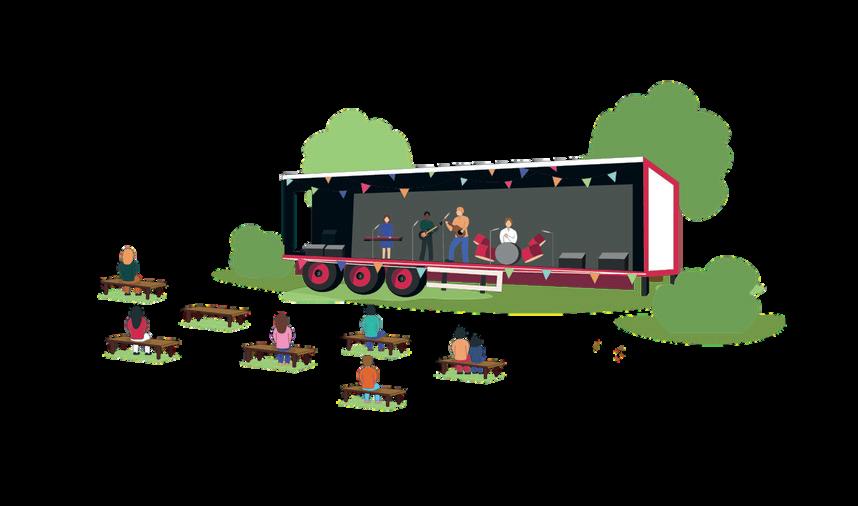
The Village Green provides the perfect sanctuary away from the hustle and bustle of the rest of the show. Visitors can enjoy live music from local acts with a cool drink in hand, or head to the public bar and restaurant in the Clive Emson Hall for refreshments while the little ones get stuck into the show’s free craft workshops.
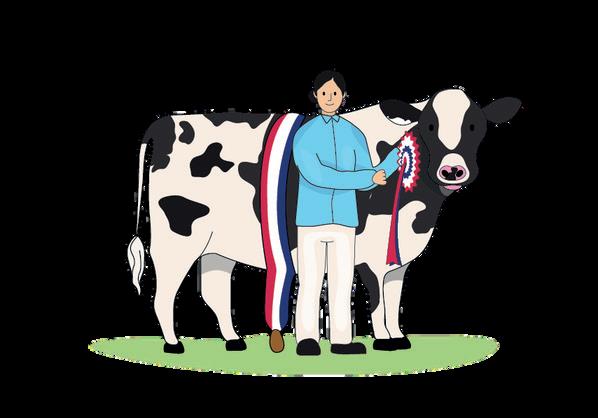
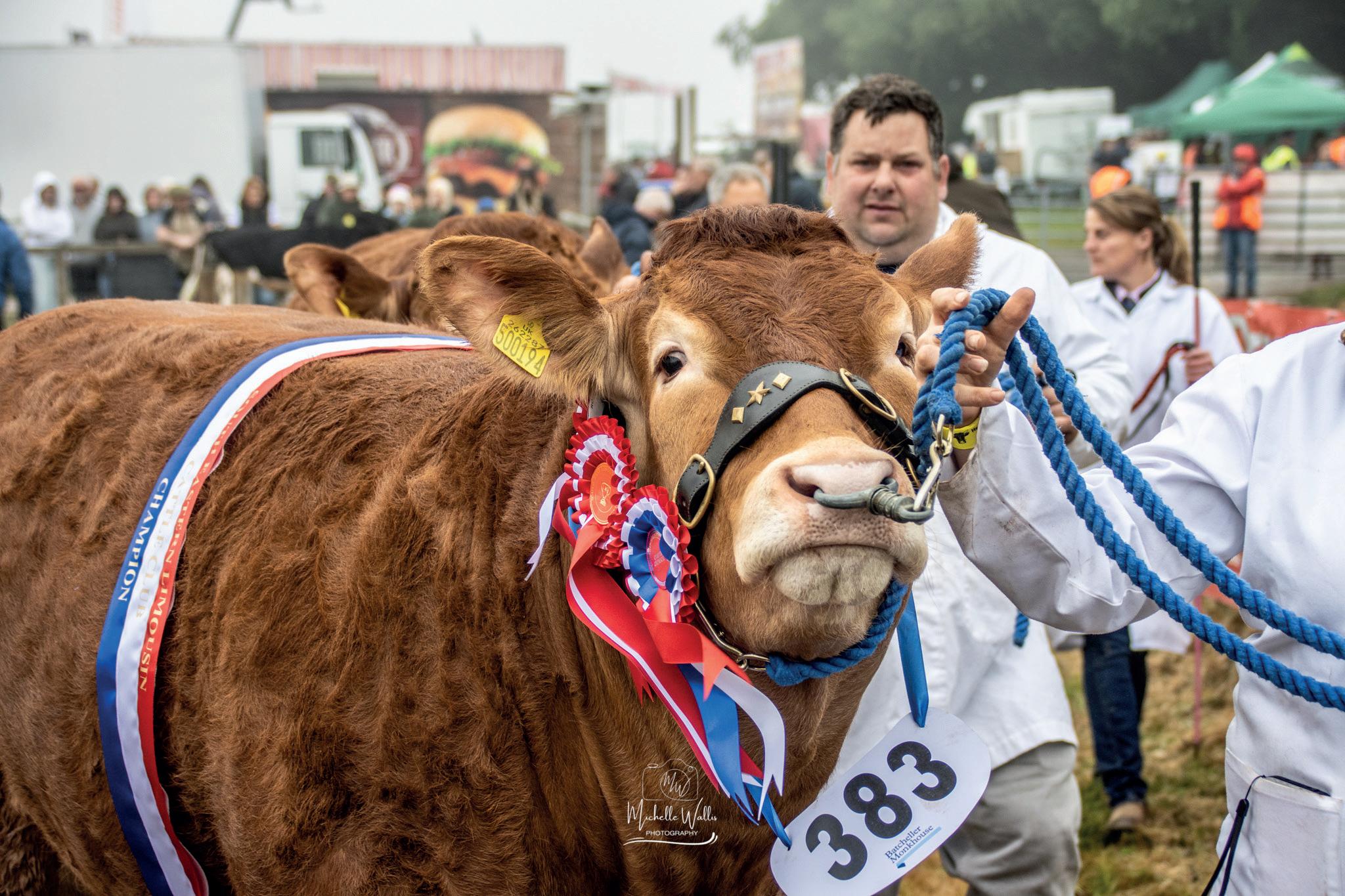
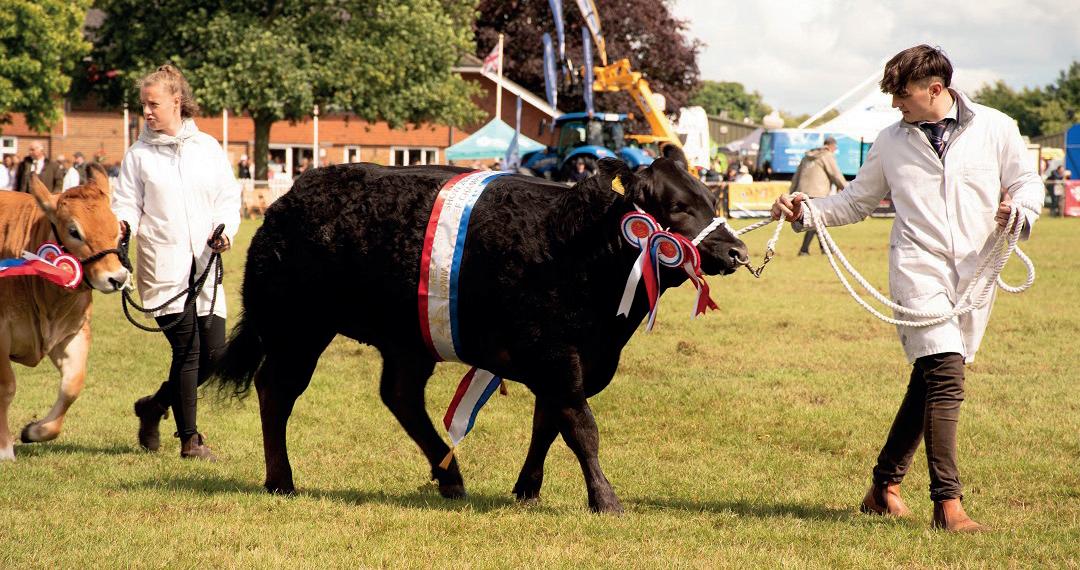
The John D Wood & Co Astor Ring is the place to be for the pinnacle of the show’s schedule. It will host the grand parade of livestock, as winners from the livestock classes are led out to the main ring, adorned with their rosettes and, for the lucky few, champion’s sashes. The ring is also the place to catch an incredible display from Paul Hannam’s ATV Stunt Team.
Organisers the Kent County Agricultural Society are inviting visitors to “make memories to last a lifetime at the Kent County Show this summer”, with pre-booked tickets now on sale at a discount.
Pre-booking rates:
• Adults: £23
• Children (5 to 15): £6
• Children Under 5: Free
• Family Ticket (2 adults and up to 3 children aged 5 to 15): £55
Lillie Bell
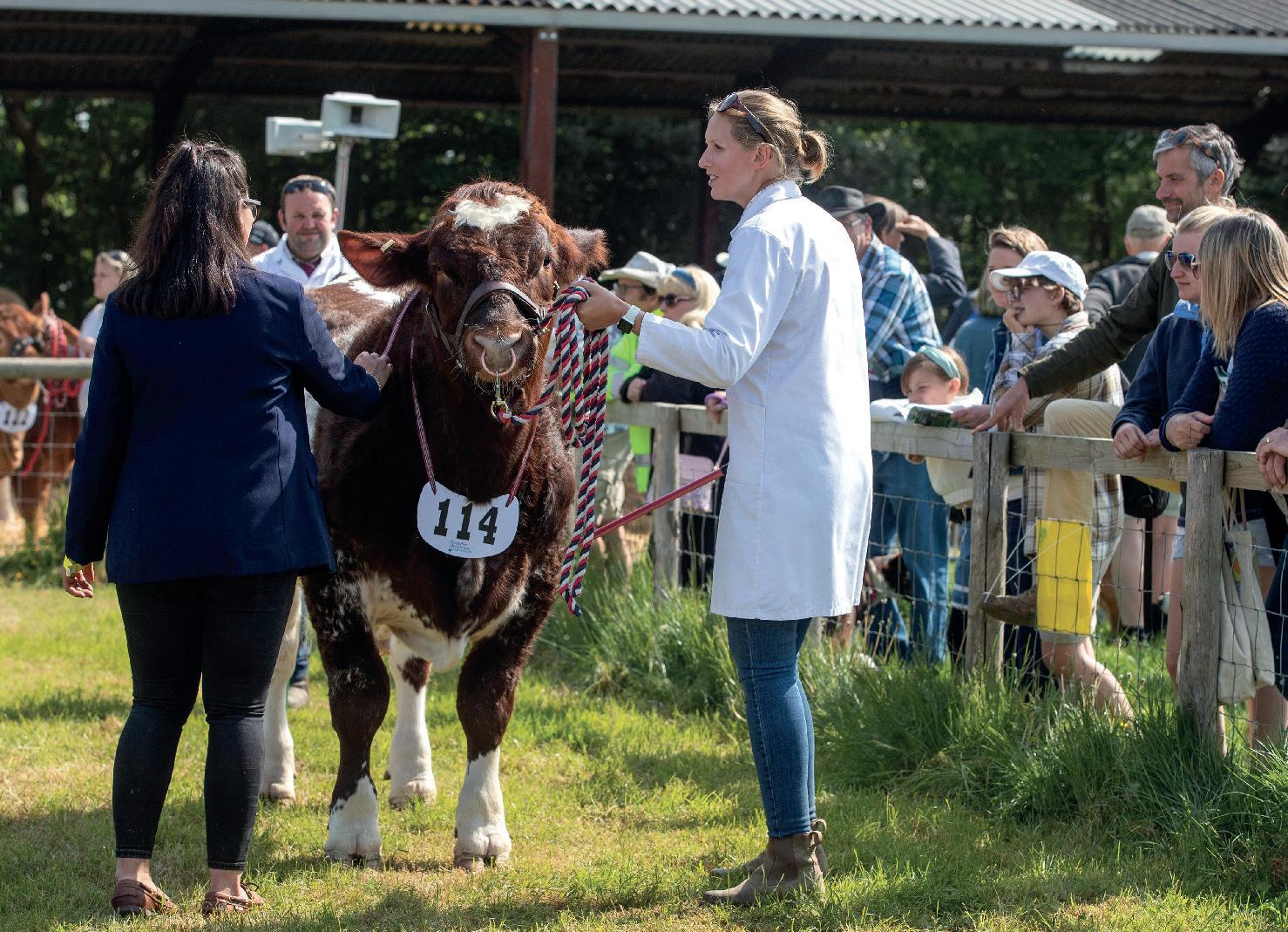
The Heathfield Agricultural Show continues to stand as one of the region’s most celebrated rural events, and the 2026 Show promises to raise the bar even higher, particularly in its outstanding livestock and equine sections.
Known for its welcoming yet competitive atmosphere, the show draws breeders, exhibitors, and spectators from across the area, all eager to witness the best in agricultural excellence.
The livestock lines are always a highlight, showcasing exceptional standards of cattle, sheep and pigs. This year introduces exciting new beef shorthorn classes, offering breeders a fresh opportunity to present the quality, versatility and heritage of this iconic breed. In a move that has been widely welcomed by exhibitors, attendance payments will be given for all cattle brought forward, helping to support farmers and encourage even stronger entries across the board.
Sheep classes remain equally impressive, with the introduction of coloured Ryeland classes adding a vibrant and distinctive
element to the showing rings. These charming and characterful sheep are sure to attract attention from both judges and visitors alike, further enhancing the diversity and appeal of the livestock section.
Equine competitions continue to be a cornerstone of the show, combining elegance, skill and tradition. From beautifully turned-out ridden classes to highly competitive working hunter and jumping events, the horse rings are alive with energy throughout the day. Riders of all ages and abilities take part, demonstrating outstanding horsemanship and creating a thrilling spectacle for the crowds.
Heathfield Agricultural Show offers a rich celebration of farming life. With its expanded exhibitor classes, main ring displays, trade stands, country ways, arts & crafts and education sections, it remains an unmissable event for anyone passionate about the rural way of life.
Enter competitions, book tickets or find out more: www.heathfieldshow.org
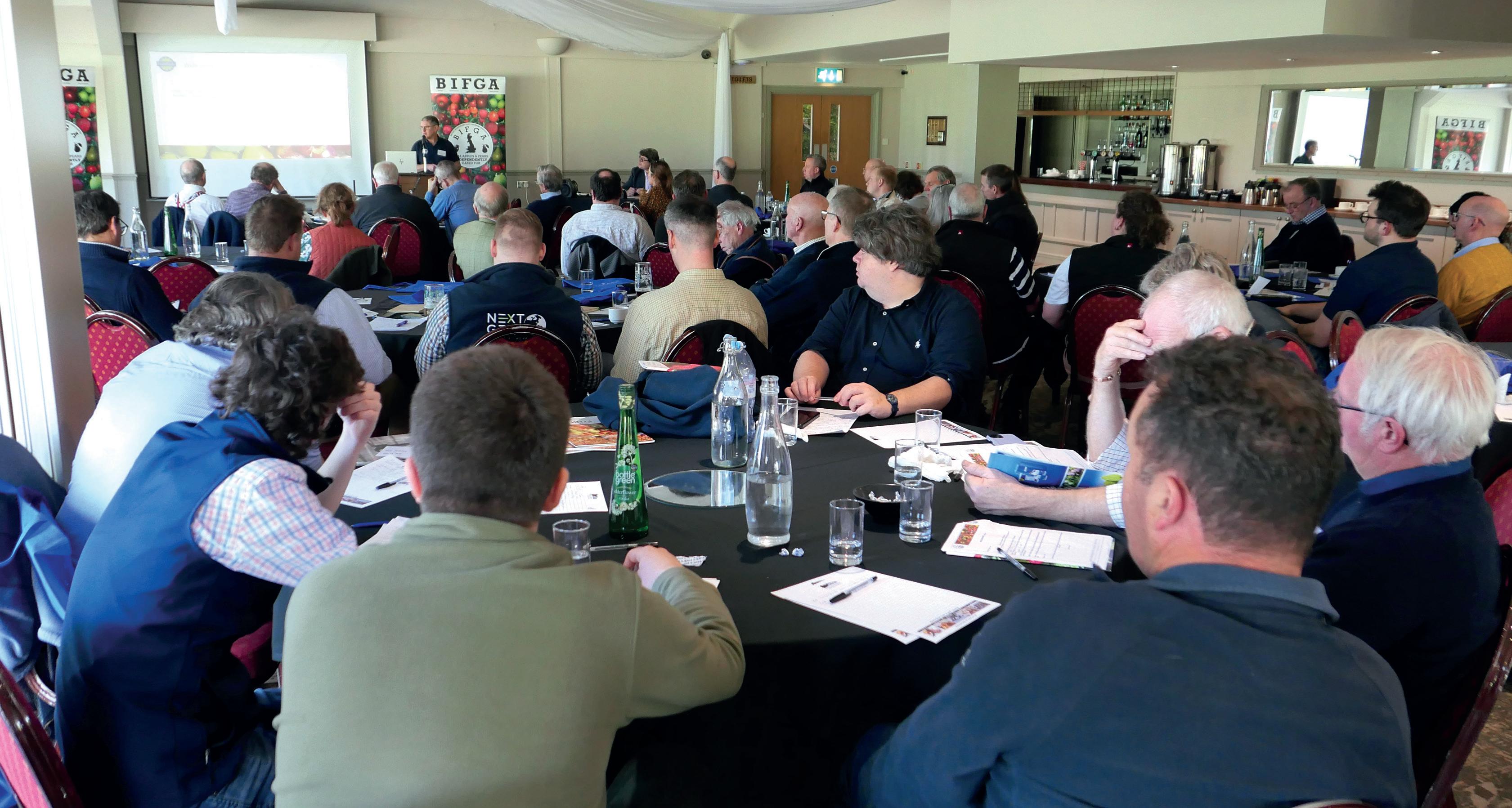
Independent growers from far and wide travelled to the Weald of Kent Golf Course and Hotel at Headcorn at the end of February to hear from a wide range of experts in the world of top fruit.
The 38th British Independent Fruit Growers Association (BIFGA) technical day was an informative and well-attended event that even coincided with a rare day of blue skies and sunshine, allowing those attending to enjoy an al fresco lunch.
BIFGA was formed in 1988 with the aim of giving independent apple and pear growers a 'voice’ and allowing them to use their collective strength for the benefit of the industry as well as of individuals. The popular technical day brings together top speakers to share the latest research and insights in the top fruit world, as well as giving professionals a chance to collect BASIS and NROSO continuing professional development points.
The 2026 event saw a focus on pest control, particularly codling moth, along with other interesting presentations on topics including rural property and planning, issues relating to
public footpaths, the Fareshare organisation and changes around inheritance tax.
The morning session began with a seasonal update presented by Stephen Tully from Landseer, who said that fruit quality in the 2025 season had been good and that the crop was “storing well”.
Stephen told the audience of close to 100 people that it had been a high Brix year thanks to a summer of high temperatures and lots of sunlight. He also outlined a number of products and technologies available to growers, including Harvista, a near-harvest solution that can be used to delay picking, and Landseer’s Hectre system for checking fruit size and colour using a smartphone.
Dr Sarah Arnold, standing in for NIAB’s Dr Michelle Fountain, was the first of several speakers to tackle the problem of dealing with pests in an increasingly chemical-averse world with her presentation on Insect pest control in tree fruit and the insecticide gap
In a detailed talk, she looked at the latest approaches to dealing with apple blossom weevil, rosy apple aphids, the brown
marmorated stink bug and woolly apple aphids.
Dr Arnold said apple blossom weevil had been kept under control by chemistry but that as products had been withdrawn the problem was becoming more severe. She outlined NIAB’s work with parasitoids and nematodes in a search for practical solutions.
Sugar baits are being trialled in a bid to tackle the rosy apple aphid, with work ongoing to find the most effective way to use them, while earwigs are currently NIAB’s weapon of choice in the fight against woolly apple aphids, although Dr Arnold said results had been “patchy”.
Most worrying were her comments on the brown marmorated stink bug, which she said was “coming, and won’t be fun”. The pest damages stone, soft and top fruits as well as grapes and was coming into this country on vehicles, she explained, adding that 100 had been found on one camper van. Dr Arnold said that the first line of defence was “vigilance and monitoring” ahead of finding ways to tackle the pest.
Agrovista’s James Shillitoe followed a similar theme with his talk on Soft bodied insects and their control, again focusing on rosy apple and woolly apple aphids, with the UK’s milder winters adding to the pressure caused by the reduction in permitted chemical treatments.
James outlined a number of potential approaches to the problem, including natural predators, and suggested using wild flower areas and unmown alleyways to ensure low levels of harmless aphids to attract predators. He also said growers should avoid excessive use of broad-spectrum insecticides.
Dale Nott from Azets updated the audience on the impact of the changes to agricultural and business property reliefs on inheritance tax, after which it was the turn of Lambert and Foster/Bloomfields to talk about rural property and planning issues.
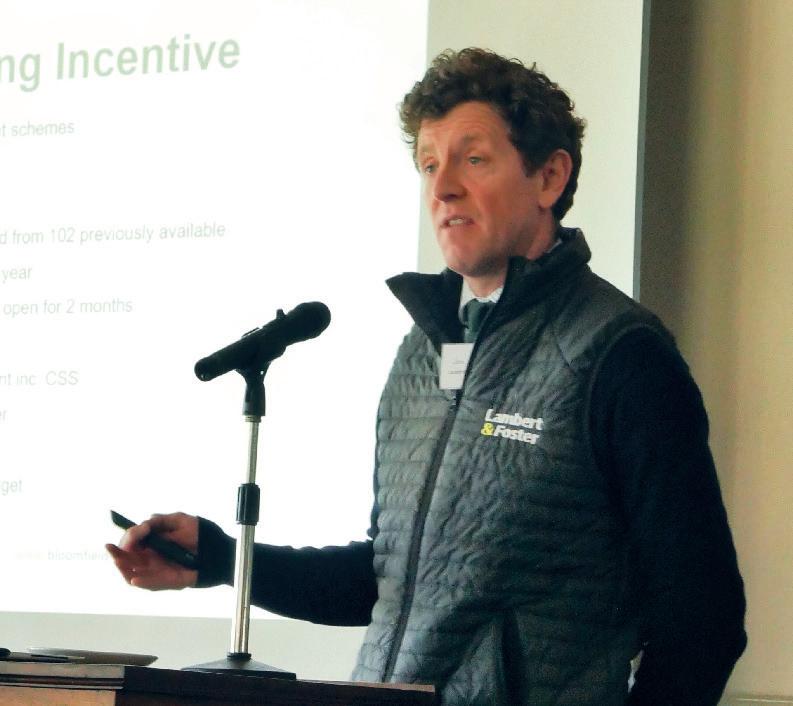
Jon Booth looked at the details behind the recent announcements on the sustainable farming incentive, including the removal of both the management fee and the integrated pest management, soil and nutrient management plan option, which he pointed out had been useful for growers.
He also highlighted the opportunity offered by the Farming Equipment and Technology Fund (“restrictive, but good if you want something on the list”) and the continuation of the Farming in Protective Landscapes fund, while Tom Ogden discussed a number of changes in the world of rural planning and said there were “more to come”.
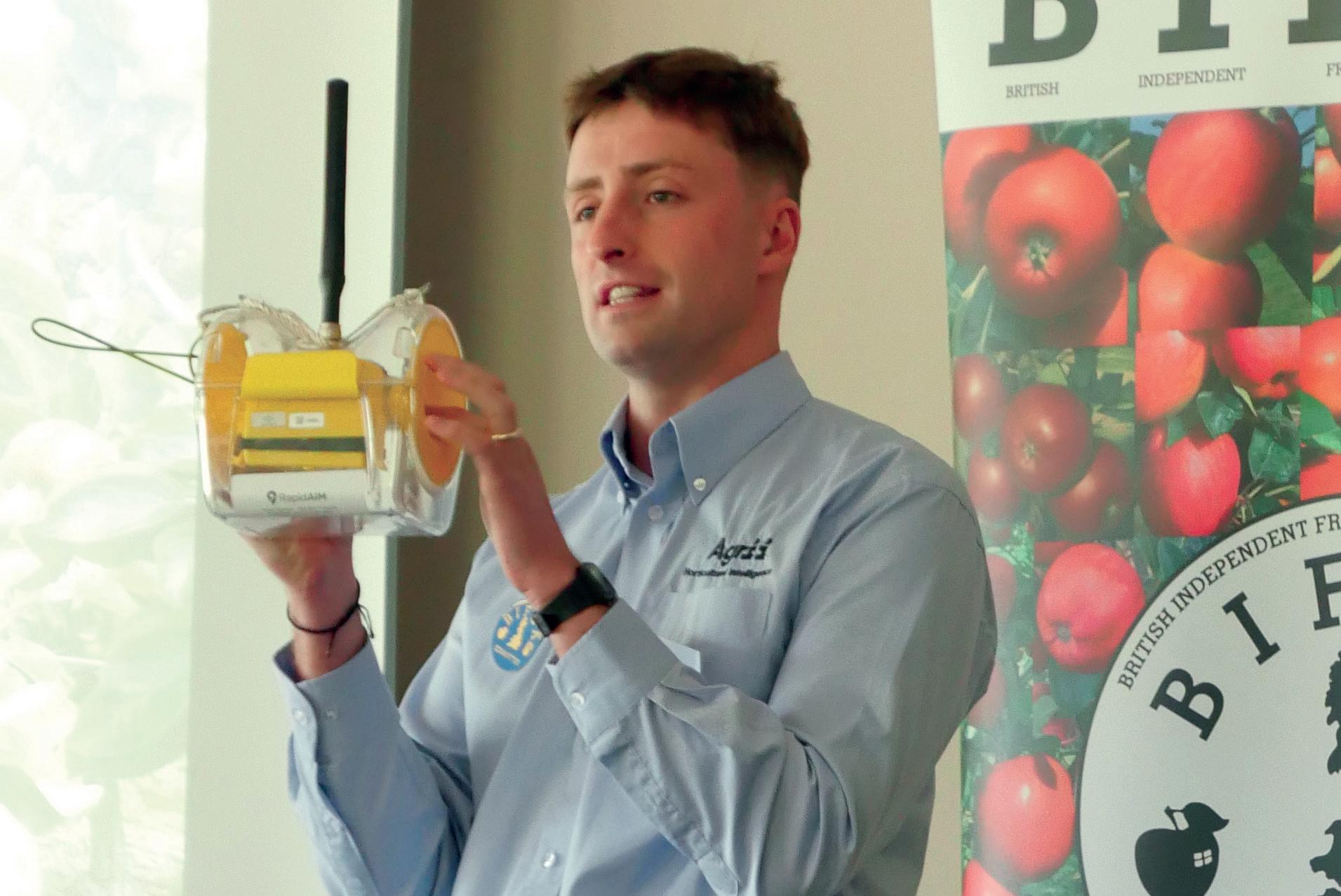
Ryan Williams from Agrii outlined the company’s new RapidAim codling moth trap, which uses a sensor that recognises the insect’s unique walking pattern to ensure that the trap only records the target moth.
Pointing out the time saving opportunities offered by the cloud-based RapidAim system, he said that one Kent grower who used to send
a member of staff out to check every trap in his orchards once a week now simply logged on and downloaded the data in half an hour. Better data allowed growers to use sprays “effectively, in the right place, at the right time,” he said.
An interesting diversion into Public footpaths – issues arising for farmers and growers by Peter Burfoot from Gullands was followed by lunch and a return to a familiar pest with Gloria Endredi’s detailed look at Codling moth control strategies.
Gloria, from agronomist Hutchinsons, pointed out that not only was the moth’s season extending but the number of generations being produced in a season was also increasing, and again highlighted the lack of chemical options now available to growers.
She outlined the work being done on trial sites in Kent and the results that had been achieved with a range of different approaches, including using post-harvest use of entomopathogenic nematodes. She also warned that after 2025’s long, dry summer, this year could see the moth being even more of a problem.
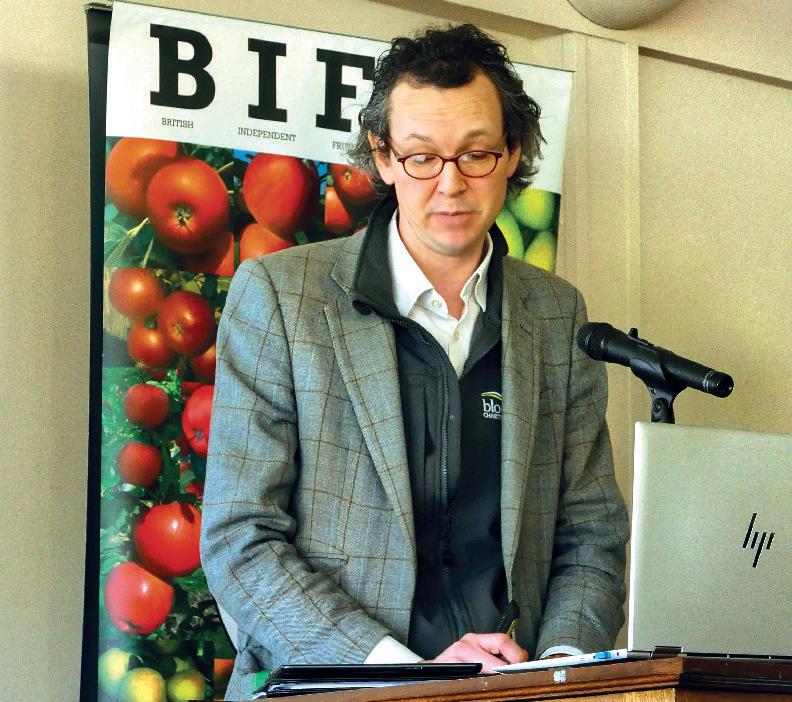
Emma White began her slot promising to “inspire and inform” before talking about the work of Fareshare, which aims to get surplus produce from farmers’ fields to “people who need it most”.
She said 4.6 million tonnes of food was not eaten each year and that it was enough to provide 10 billion meals. Outlining the ways in which Fareshare made it easy for farmers and growers to get involved, Emma stressed that the charity was as keen to work with smaller, independent growers as it was with larger businesses.
Mike Wainwright introduced Hortifeeds' range of products, including its new HortiSynthesis, a “unique photosynthesisenhancing synthetic biostimulant” which he said independent trials had shown could increase average yield by 12% and fruit size by more than 7%.
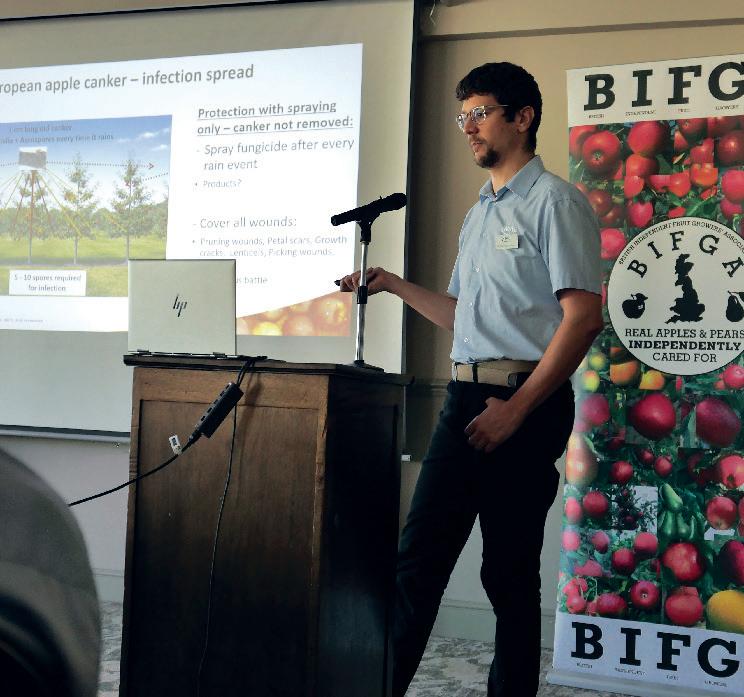
In Niab’s second slot of the day, Dr Matevz Papp-Rupar spoke on Development of canker, scab and replant management, before the afternoon ended with a presentation by several members of the NextGen Fruit Group.

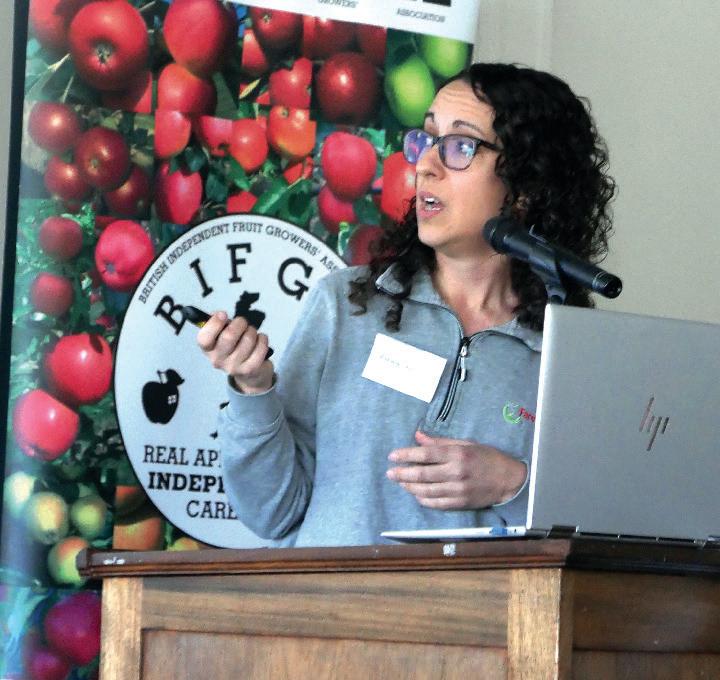
Growers and farmers produce food to eat, not to throw away; meanwhile the costof-living crisis means many people on low incomes are unable to afford the kind of quality food that is being ploughed back into the land or otherwise wasted.
Squaring that particular circle is the passion of FareShare and The Felix Project, which work with growers and with a wide range of food distribution charities to make sure produce that would otherwise be wasted finds its way on to the plates of those who need it most.
Commercial manager Emma White explained how the organisation works when she presented From Farm to FareShare: Getting surplus from growers onto people’s plates at the British Independent Fruit Growers’ Association technical day.
In a well-received presentation, she outlined the need for growers to get involved, the ease with which they could play their part and the benefits it offered both for those who need help and for the businesses providing the surplus produce.
Emma began by highlighting some startling statistics, including the fact that 11 million people in the UK are experiencing food insecurity, which equates to one in six of the population – including three million children
– worrying about where their next meal is coming from.
At the same time, she said, 4.6 million tonnes of food a year was sent to waste before it could reach people’s plates, enough to provide more than 10 billion meals.
FareShare seeks to redress this balance by collecting surplus food from growers and producers and redistributing it to people who need it via a network of more than 8,000 charities and community groups, some of which make it available to those in need and others that turn it into nutritious meals or food parcels.
In 2025 that work saved over 66,000 tonnes of food that would have been wasted but was instead used to provide 148 million meals, helping 1.5 million people in the process.
Emma, who stressed that FareShare was keen to work with smaller, independent growers as well as with larger producers, added that as well as providing fresh, healthy fruit and veg to families, the charities provided broader support in terms of improved mental health and wellbeing.
Nearly half the food the charities redistribute is fresh fruit and vegetables that would otherwise never have been tasted. In just one year, Fareshare found welcome
�� www.Fareshare.org.uk/giving-food/growers
mouths for 23.6 tonnes of fresh produce, enough to make 52.7 million meals.
FareShare is also a partner in the Government’s Tackling Food Surplus at the Farm Gate scheme, which has allowed it to invest £9.2 million in infrastructure, logistics and engaging with growers.
Emma said the organisation’s Surplus with Purpose fund could be used to help growers offset the costs of preparing surplus food for redistribution. It can help with the costs of harvesting, grading and packing after commercial rejection.
FareShare funds the logistics involved in donating surplus produce, which could be out-of-spec, blemished, too big, packhouse surplus or simply a glut caused by the weather.
“We are easy to work with and can adapt quickly to pick up as few as a dozen crates, or larger volumes on pallets, all with minimum disruption to the business,” she said. "FareShare promises a speedy, next day collection of surplus produce free of charge and is keen to support gleaning on farms and in orchards.”
Working with FareShare helps growers meet sustainable development goals, with the charity providing full impact reporting to the growers with whom it works.
At the start of 2026, FareShare merged with The Felix Project to create a bigger and more ambitious organisation with greater national impact. It manages seven depots across London, Surrey, Hampshire and Merseyside and works with 16 network partners across the UK.
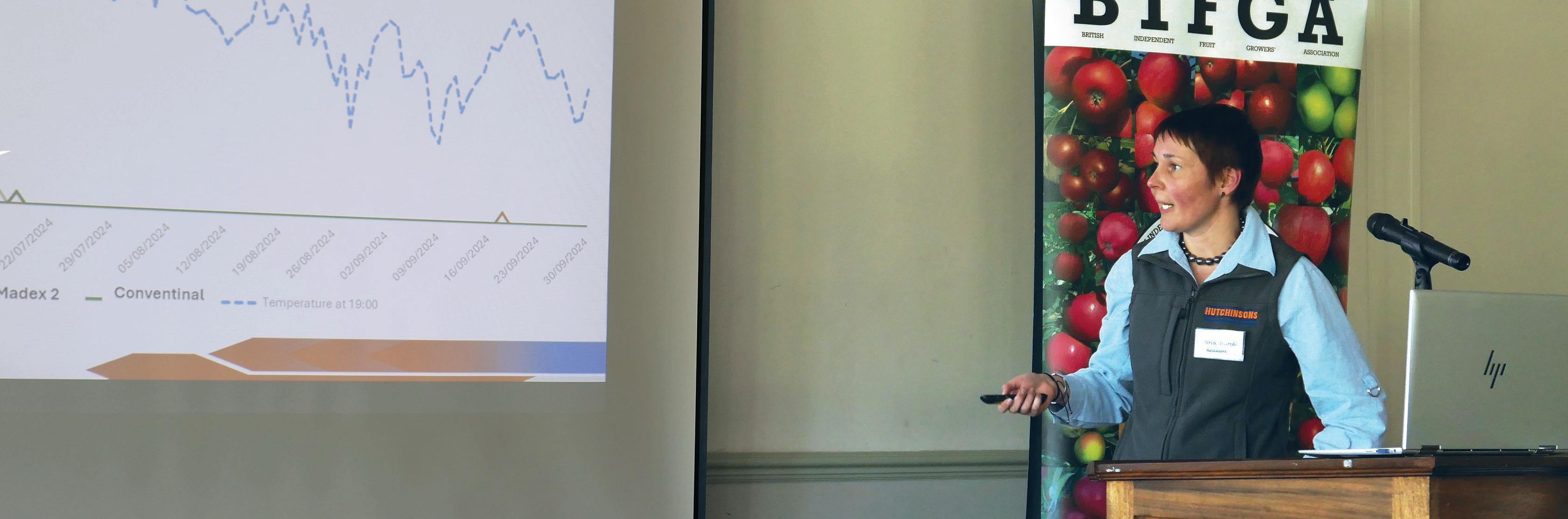
The increasing threat to the UK apple crop from codling moth, together with the work being done to tackle it by leading agronomists Hutchinsons, was outlined by the firm’s Gloria Endredi.
Gloria’s in-depth presentation on Codling moth control strategies pointed out that the moth was becoming “persistent”, with an increasingly long season and more generations being produced during that season. It had become a “major pest”, she pointed out, with 2026 likely to be another difficult year for growers following last year’s long, dry summer.
She provided an insight into three Kent trial sites, at Rochester, Mereworth and Hadlow. In each case Hutchinsons treated a one-hectare block with commercially available chemistry and compared the results with a one-hectare ‘bio block’ that relied mainly on regular foliar applications of an approved virus-containing product to tackle the issue.
After achieving favourable results in year one, the company reduced the application the following year and again saw significantly reduced levels of damage. Gloria also highlighted the possibility of building up the virus populations in orchards.
Having worked for a leading Kent grower as well as for Niab/EMR, Gloria is a good example of the hands-on, practical team that Hutchinsons’ Phil Carpenter is currently building in his role as regional director for horticulture, which encompasses top and soft fruit and ornamentals as well as hops, vines and glasshouse vegetables.
“She has a good understanding of the technical issues involved in growing great crops along with active farm management experience, and that is an ideal combination,” he pointed out. Hutchinsons
has a similar advantage in its viticulture team, which includes former vineyard manager Will Robinson.
The need to continually develop the team is giving Phil what he described as a “unique opportunity to strengthen and build our offer supporting growers across the South East and beyond”. Nationally, Hutchinsons’ horticulture team has grown from 16 agronomists to 22 in the past six years, and the firm is actively recruiting as is seeks to build its influence by delivering the best possible service.
Phil, who himself spent five years working with manufacturer BASF, is determined to build a team that combines technical ability and knowledge with practical skills and know-how. “The team at Hutchinsons has always been a great mix of the technical and practical, and I want to continue that by recruiting people who understand the industry and who have the hands-on experience to back up their technical advice,” he said.
“They also need to have the right approach, the right level of empathy and to be able to build up trust with the farmers and growers they are there to advise.”
Phil was also keen to stress that the Hutchinsons approach is very much advice led. “Sometimes there will be a product requirement, but that won’t always be the case,” he commented. “If the crop doesn’t need anything, then we won’t advise anything.”
There is a clear logic to that approach, too.
“The best person to advertise our service is a satisfied grower,” Phil pointed out. “Growerto-grower recommendations are the best way to grow the business and that is what we aim for with our customer-focused service.”
As well as employing the right people, Hutchinsons leads the way with innovative projects, including IRIS (Improving Resistance In Scab Control), which is aiming to boost the resilience of scab fungicide programmes in the face of reducing product availability. IRIS is also trying to see if biostimulants can help trees withstand disease and fill ‘gaps’ in spray programmes by triggering systemic acquired resistance.
In a similar approach, CRAFT (Canker Reduction in Apple Fruit Trees) is looking at the benefits of using products including growth regulators, foliar feeds and biological fungicides to bolster the tree’s natural defences.
“We know you have to get everything right to get the best results,” said Phil. “And if you can boost the tree’s own health it is likely to enable applied pesticide to do its job more effectively.”
“Thank you for producing food” was the specialist doctor’s response when, in answer to his question “are you retired?”, we explained that we were farming. What a pity Sir Keir Starmer doesn’t share these sentiments, I thought. Nevertheless, receiving this unexpected reaction was heartening.
This viewpoint differed greatly from that of the neonatal nurse caring for my grandson, Rory, back in December when I relieved his parents for a day. On learning that we were farmers, she exclaimed: “You must be earning a lot of money and be very wealthy.” While she attended to Rory, we spent an amicable day discussing nursing and farming. She was fascinated when I showed her photos and videos taken on our farm, and hopefully she now has a more grounded understanding of what food production really involves.
“Attitude is a little thing that makes a big difference,” said Winston Churchill. It’s true. Attitudes are formed through life experiences, knowledge, or lack of
it, and, increasingly, by social media and misinformation. This is why I believe that whenever the opportunity arises farmers should try to share the realities of food production with consumers.
I admit that my own attitude to farming swings like a pendulum according to the challenges I’m facing at the time. I am influenced by the weather, how the livestock are behaving, the crops growing, market conditions and if the bank balance is stacking up. All have an impact. I’d be lying if I said it’s always wonderful, because sometimes it’s grim. Do I want to do anything else? No. I do it for those special moments only farmers truly understand.
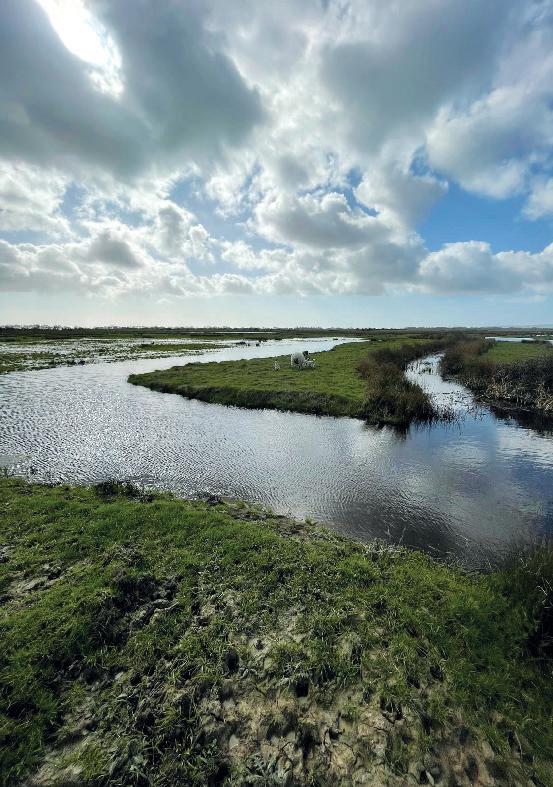
I was recently amused to get a call from a shepherd asking: “Have you still got those waders? If so, can I borrow them?” He went on to explain that one of his ewes, grazing the wetlands, had swum across to an island and produced triplets. It was reassuring to know that other people have contrary animals. A clever ewe, perhaps, although
not so easy for shepherding.
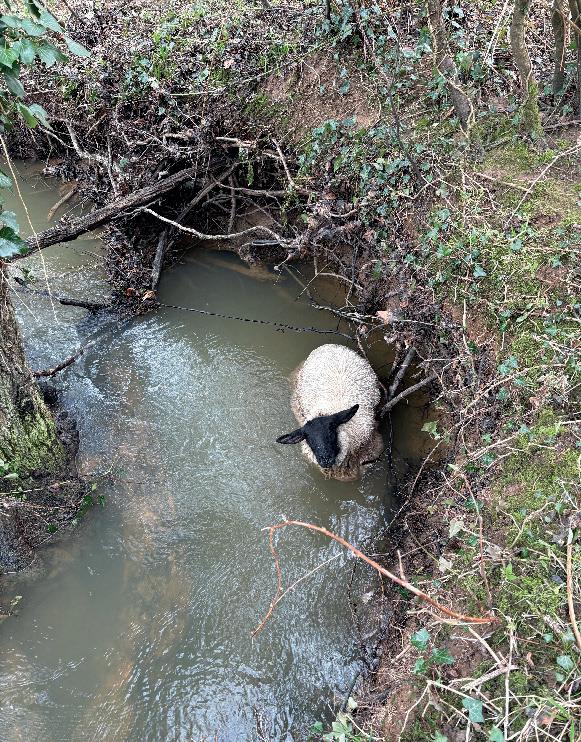
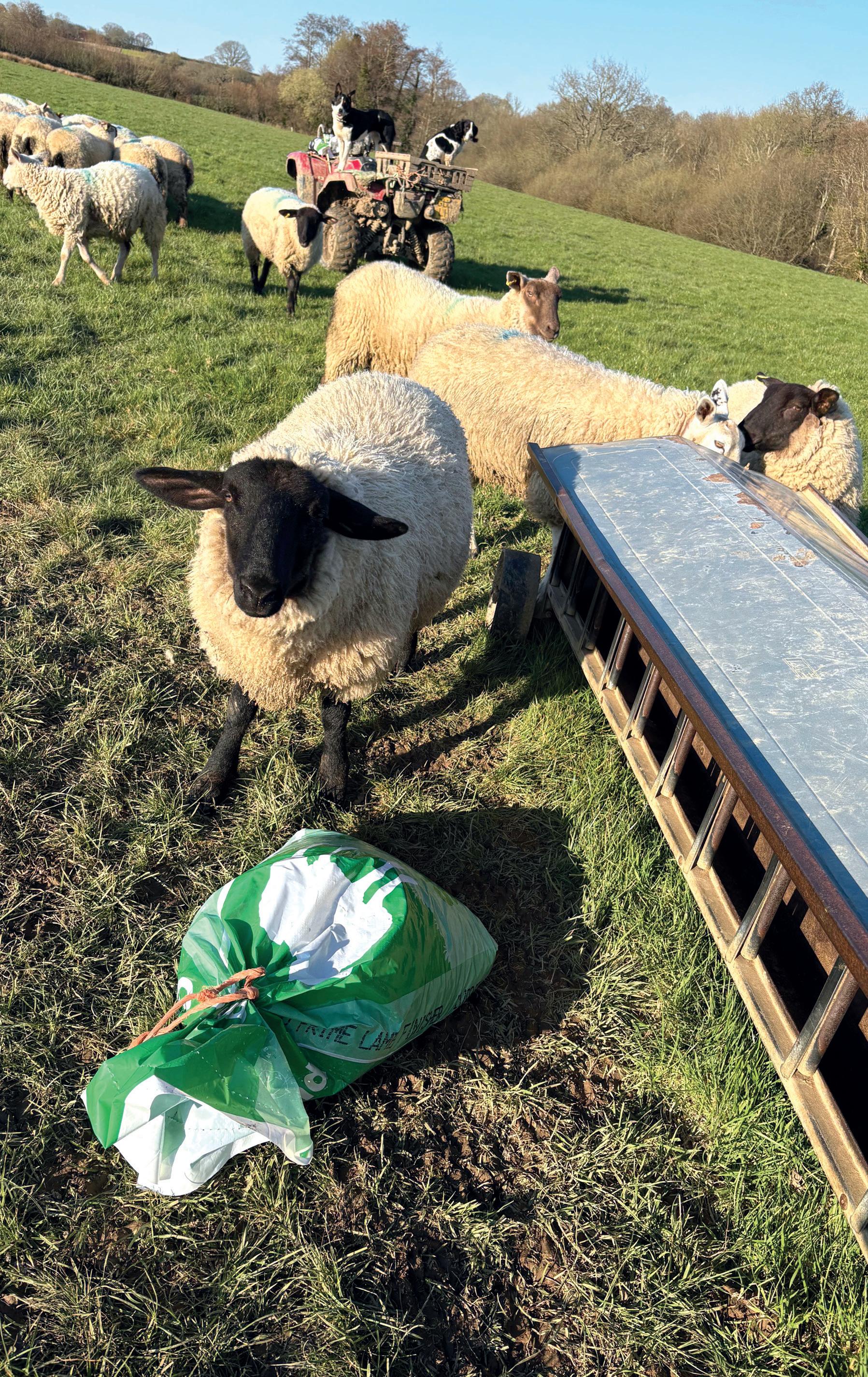
Purchasing waders had been precautionary, but they have since proved their worth. While feeding hoggets to improve their finish, I noticed Eeyore (usually first to the trough) was missing. Luckily he bleated out when he heard the quad bike. This led me to a narrow gully with a five-feet drop, where Eeyore stood chest deep in water, balanced precariously on a tree root.
It was a sorry sight, I was not best pleased, and he gave me an apologetic look. I phoned for help and requested waders, thereafter joining Eeyore and attaching ropes, so that while I pushed and lifted, ‘other half’ and his brother pulled from above. The overhanging banks didn’t help, but teamwork ensured Eeyore was rescued, wet, chastened but unharmed.
Then there is Nancy. A law unto herself, she joined the rams six weeks early; her idea not mine. The ram field has a double-fenced hedge surrounding it, so she must have jumped the stile beside the gate.
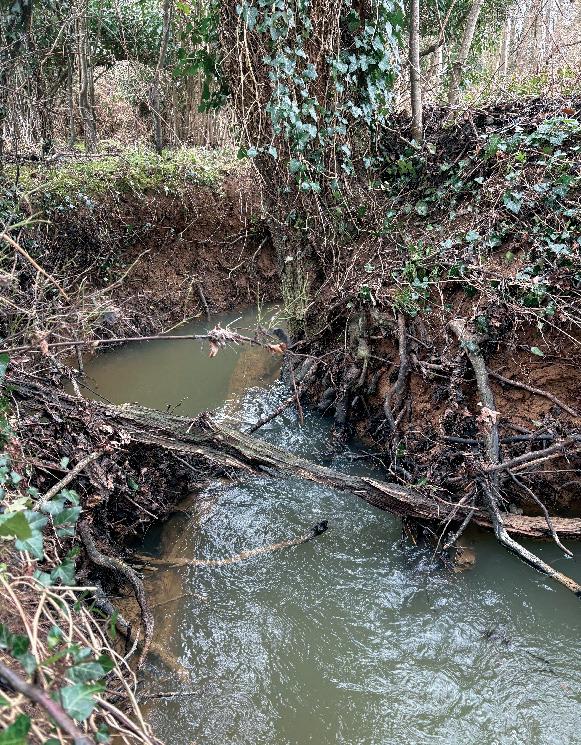
Eeyore in a pickle
Consequently, on a cold, wet, windy February day Nancy produced a lovely pair of twins, which she quickly hid upon seeing me. As I had no lambing equipment with me, I decided not to interfere. I didn’t treat the lambs’ navels or check her udder as I normally would; I simply gave her a handful of ewe’s nuts in a bucket and left her to it.
On day three, I found Nancy hiding her lambs in a hedge and put rings on them. It was then I realised the male was looking less robust, and his stomach felt empty. Crawling back into the hedge, I checked on Nancy’s udder, which contained little milk. Reluctantly I fetched the quad trailer and brought her back to the home farm, making a space in the barn, while I figured out what was going on.
The female lamb was thriving, but when the male tried to feed, Nancy soon kicked him off, after which he’d despondently lay down. On closer inspection, his front knee joint felt warm and he developed a limp. I gave him a four-day course of the antibiotic Pen and Strep and the homeopathic remedy arnica, which helps to reduce swelling and bruising. I mixed up milk with which I supplementary-fed him, morning and night, while still encouraging him to feed from his mum. On dry days, I turned them out into the home paddock, back in at nights, for a week.
Checking Nancy’s records, I was dismayed to discover she was the mother of Eeyore, the lamb that got attacked by a fox last year, became infected and who she subsequently rejected. Perhaps Nancy simply doesn’t like boys.
My daughter Clare, who correlates the records, suggested I should have culled her. Farming is rarely straightforward. This time, with patience and early intervention, the outcome has been better. >>
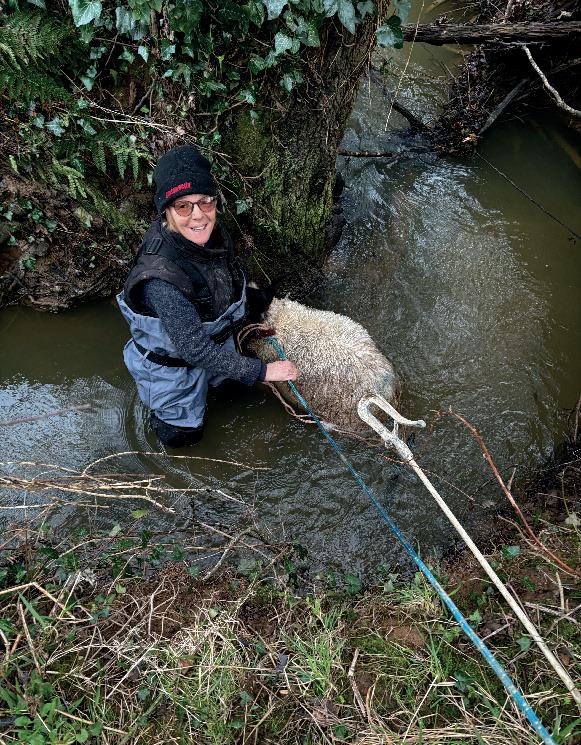
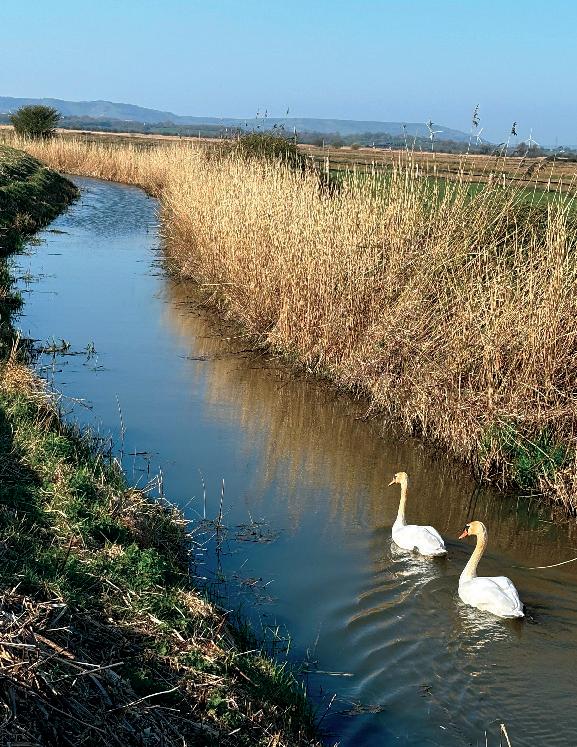
Swans on the Old Haven The banks are steep, and Eeyore is no lightweight
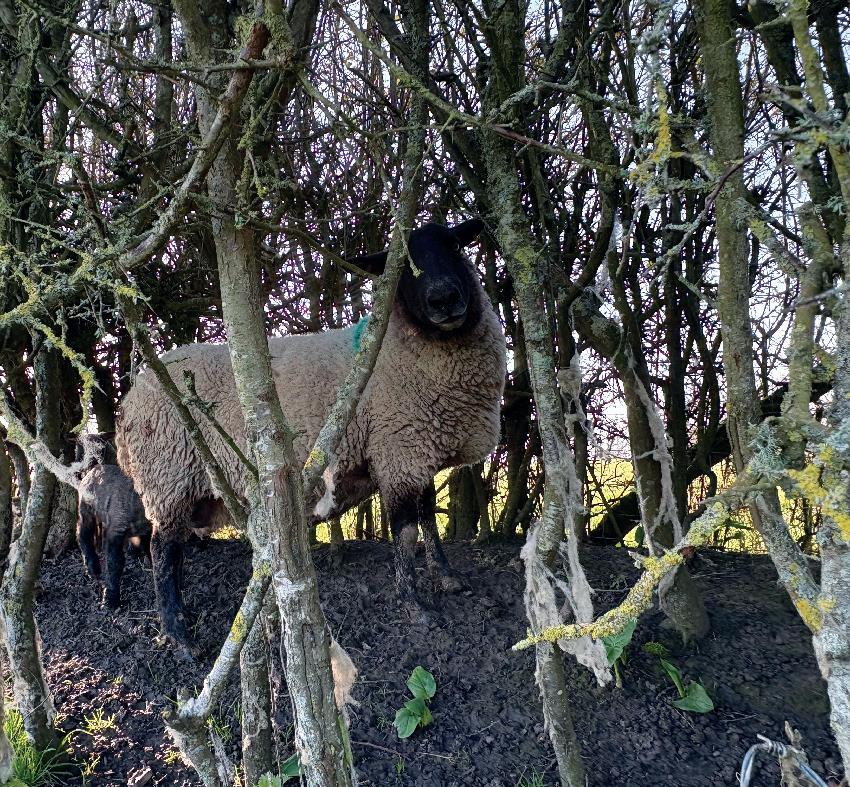
The infection cleared, Nancy relented and both lambs are thriving. It’s these moments, problem solving, small victories, the quiet satisfaction of things coming right, that helps to keep you going.
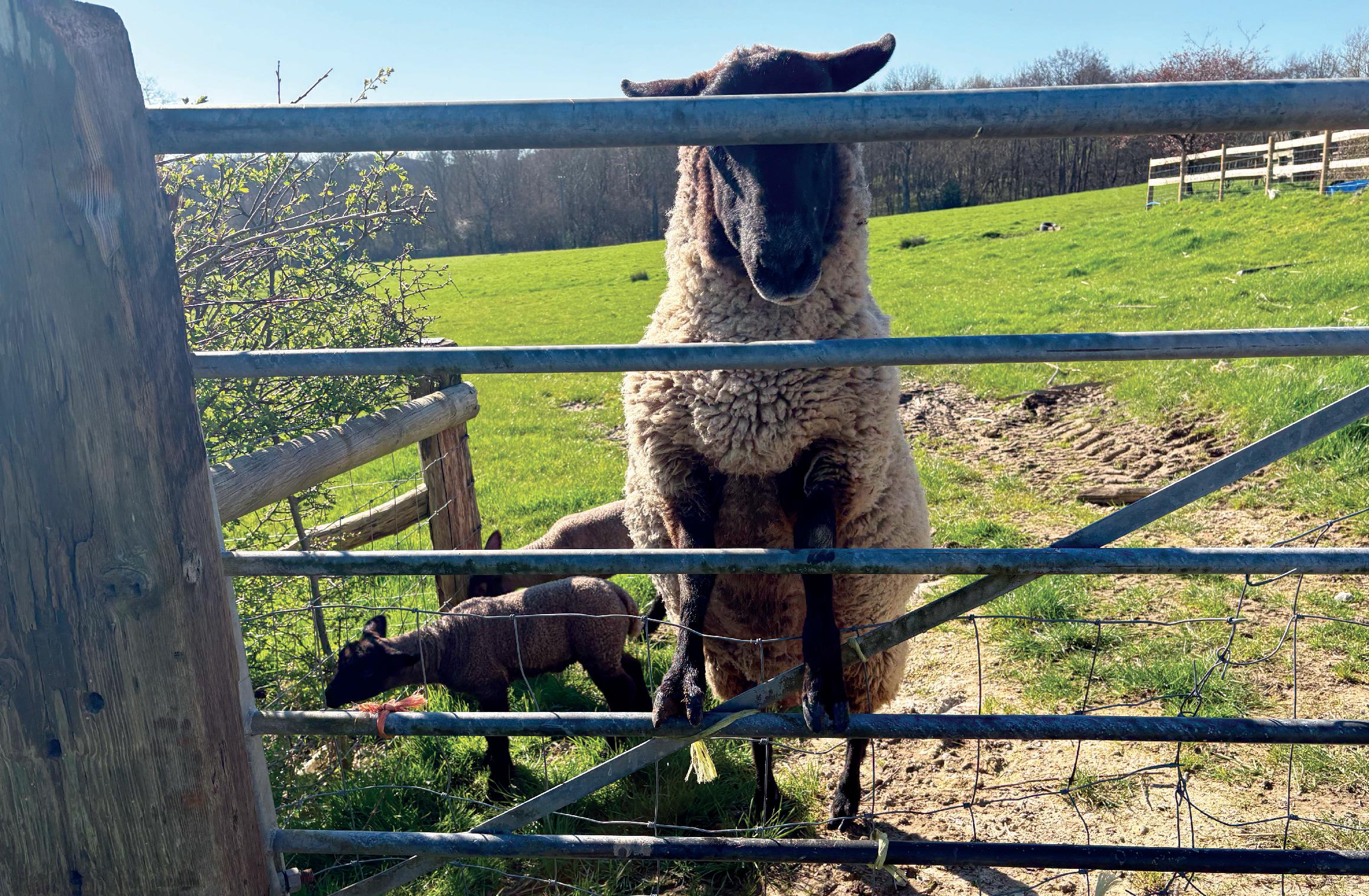
This family are the only occupants of the lambing field; every morning Nancy demands her breakfast. She hasn’t earned this VIP service, but she expects it. Lucky for her she lambed early.
This season, I’ve resolved to treat navels with NoBACZ, which is hailed to be a next-generation navel cleansing solution for lambs and calves. Previously we’ve used 10% iodine solution; I certainly won’t be sorry to not have the inevitable iodine stains on hands and clothes. Research trials on NoBACZ look positive, so I’m preparing to take on a blue look.
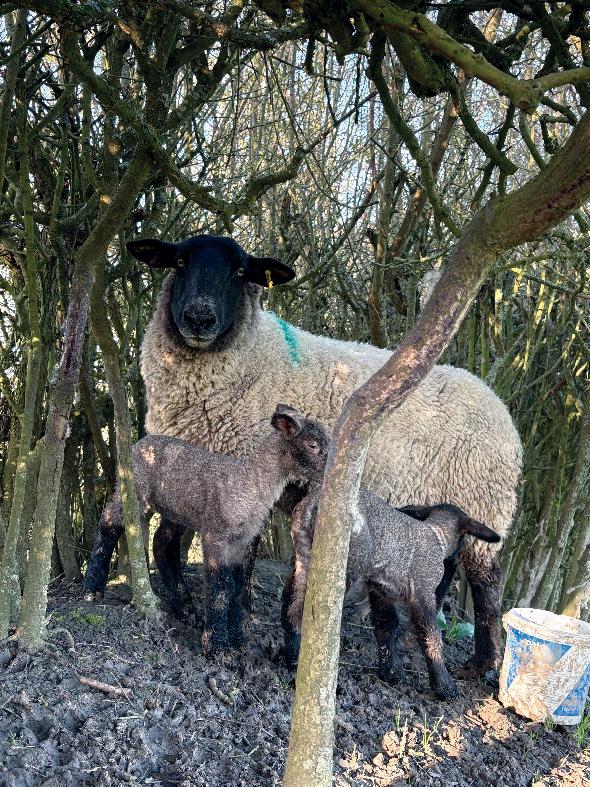
The flock have all received their Heptavac P. immunisation and have returned from their winter grazing. They are tucking into energy blocks and are due to be dagged out. Grass growth is good and it’s less soggy under foot. Good luck to all those lambing and calving; let’s hope it’s a good one.
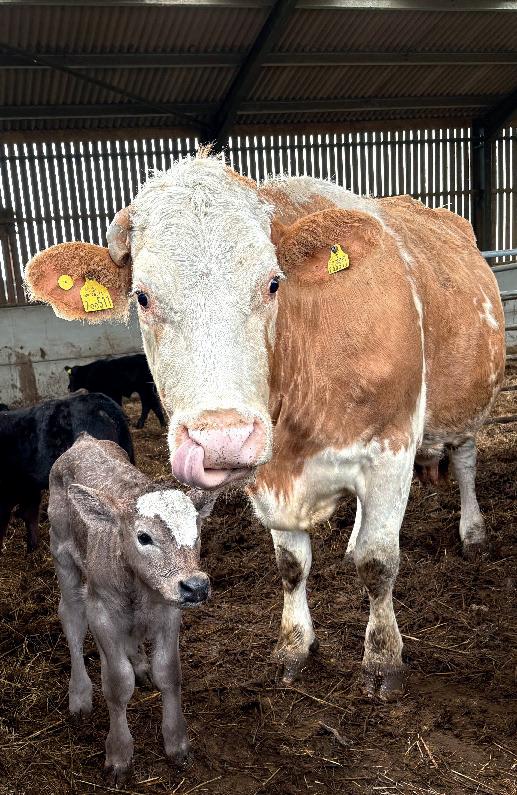
The cattle are looking forward to an early turnout and, optimistically, so are we. Calving is progressing at a steady pace and it’s looking like this will continue outside.
Why can’t people dispose of their rubbish responsibly? Fly tipping is the scourge of the countryside; I bet they wouldn’t like it if we tipped rubbish in their gardens. It’s also not helpful when urban foxes are released in rural areas. Recently a batch of fully grown cockerels was dumped in our lane; I hope this isn’t a new trend.
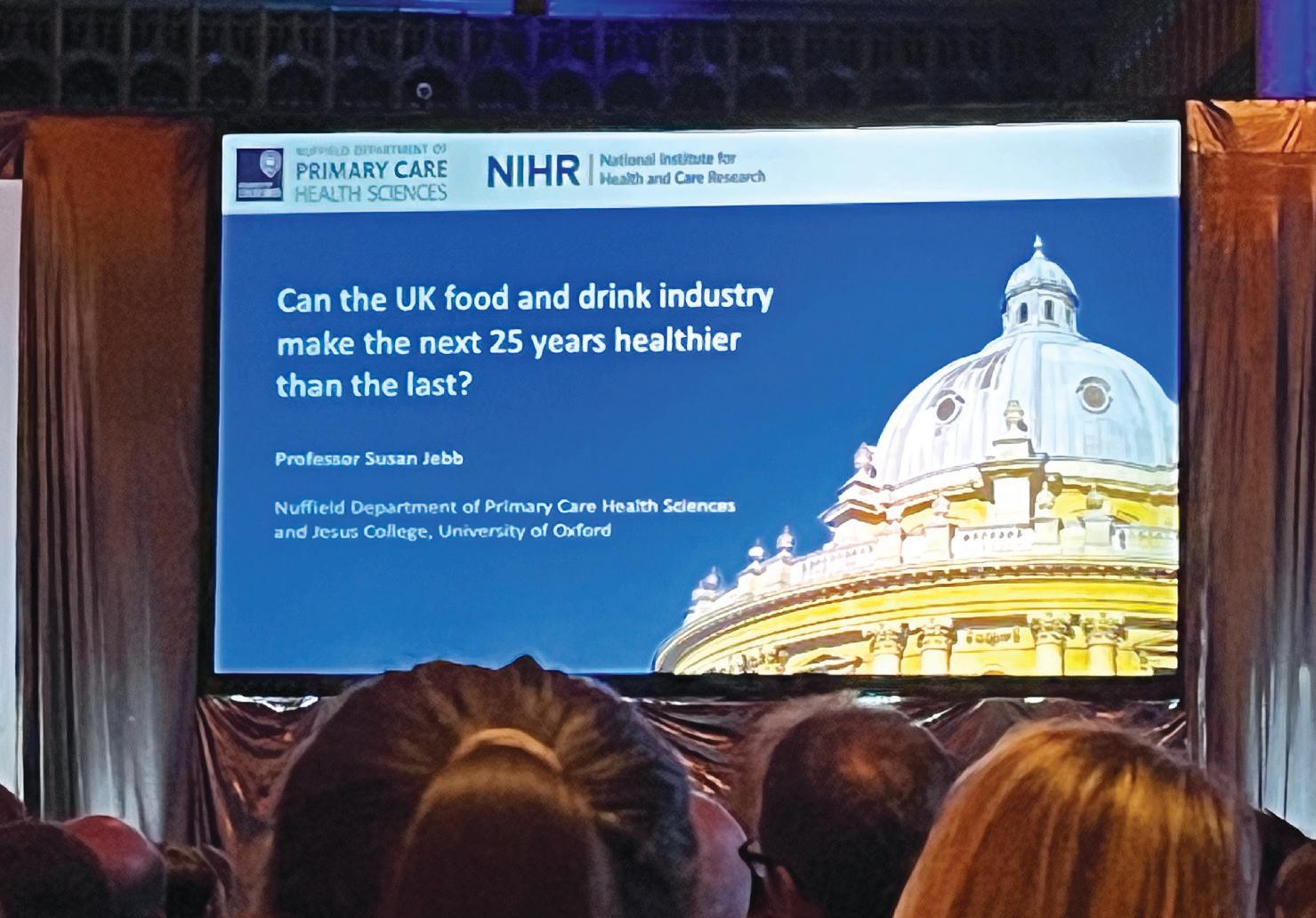
The City Food and Drink Lecture has been a fixed point in my diary for the past 25 years. I’ve managed to attend all bar two over that time and it’s been a conscious part of my continual education in the food and farming industry.
Founded by the then-Master Fruiterer Laurence Olins, the lecture is now partnered by all the food and drink liveries; I helped set out Guildhall seating for the event this year and there was some delight in placing the names for the Master Farmer, Baker, Butcher, Fishmonger, Fruiterer et al.
The 25th anniversary lecture was given by Professor Susan Jebb OBE, the chair of the UK’s Food Standards Agency and professor of diet and population health at the Nuffield Department of Primary Care Health Sciences, University of Oxford.
She opened with a bold statement, dispelling decades of urban myth by pointing out that obesity is not in fact metabolic but is what we eat. It’s about our appetite for food, not a metabolic disfunction. However, it’s not easy to change what people eat; the food system is at least as complicated as our metabolism and far harder to correct.
Professor Jebb challenged the attendees from across the farming and food community on what needed to be done to shape a better future. Twenty years ago, the Foresight report about tackling obesity featured the British fruit industry as part of a drive to improve the consumption of fresh fruit and veg.
I’ve written before about the high levels of obesity in children in England and its links to low-income households. The visual norms have really changed; just look at generations of school photographs. The shape and size of the average child is remarkable. They don’t just grow out of it; being exposed to a life overweight has life-limiting implications. After the Second World War we, as farmers, were asked to feed the nation at a time when the variety of food was incredibly limited, consumers were closely connected to where their food came from and people were used to a locally produced, seasonal diet.
These days, consumers are faced with a huge variety of delicious food, often prepared for them, and food is relatively cheap for much of the population. The downside to this profound change in the food system is the acceptance of manufactured, processed food
that might be better for us than it used to be, but still isn’t fresh, locally produced and seasonal. It’s taken 20 years of reformulation to reduce fat, saturated fat, sugar and salt.
UK farming is in crisis. What is leaving the gate is good; profitability isn’t. Professor Jebb said domestic production needed to be the bedrock of the British food system. We need meat and poultry imports that are to our standards, high quality dietary fibre and sustainable fruit and vegetable production.
The new Food and Farming Board will be essential to support the transition that farmers need to make and to inform and educate those who are producing and delivering food and farming policy and its outcomes.
My two big take home points from the lecture were that unhealthy food needs to become as socially unacceptable as a smokefilled restaurant is now and that food policy needs to encompass multiple government departments, not least health and education. Social norms and culture are all changing, though it’s all good if you have the money, facilities and time to facilitate a different diet. If it’s to be at the heart of our culture, we need to address the one in five households who
are food insecure. Food literacy is also low, by which I mean the life skills around creating a meal, learning to cook and eating as a family. Everyone knows that veg is good, but too many people don’t know what to do with many of them. Alongside this, we need to ensure that the fresh produce supply chain is equitable. Farmers need good returns to invest for the future so that they can deliver the high-quality diet our nation so desperately needs.
Some of you will have read of my new appointment to the non-executive board of the Rural Payments Agency. From what I see so far, the various reviews about DEFRA as a whole, and the RPA, have been taken to heart. Real change is underway under the direction of the new CEO Oliver Munn, and there is a new board with three farming members to support the senior team. It’s a positive move, I feel, and I’ll be sharing a little of what I am learning over the coming months.
This month Nigel Akehurst visited James and Emma Loder-Symonds, who together run Nonington Farms. After more than a decade of pioneering regenerative farming in East Kent, they have begun a new chapter for the business. With the sale of the original farm and the end of their contract farming operation, their focus is now firmly on local food networks, milling flour and farming with nature.
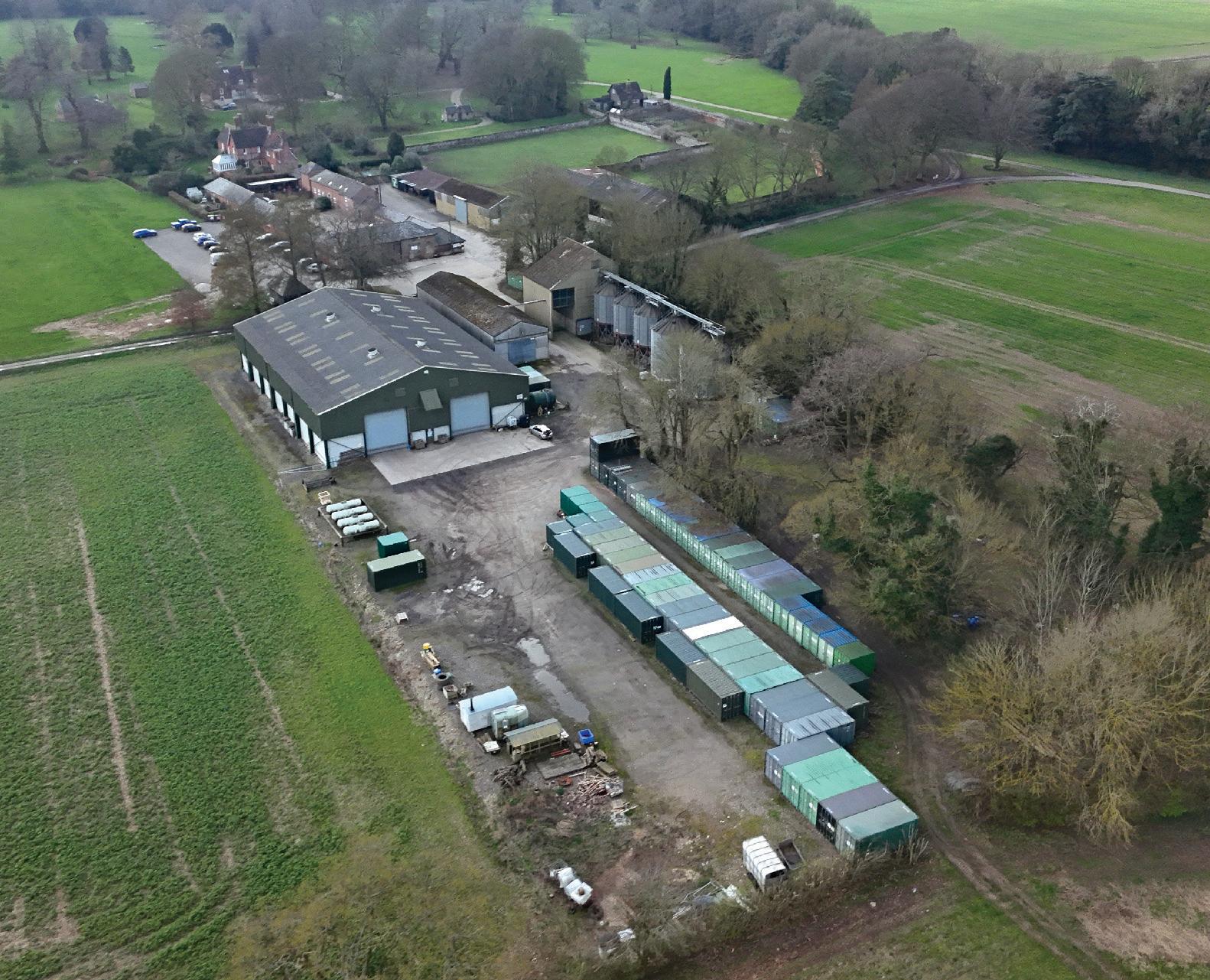
Arriving at their Denne Hill site in Womenswold, between Canterbury and Dover, I park beside the modern grain store, where we begin our tour.
Standing inside it, the scale of the building tells its own story. At full capacity it can hold around 3,000 tonnes of grain, a reminder of the size of the operation that once ran from here when James and Emma Loder-Symonds were contract farming more than 1,000 hectares across East Kent.
For years this building was the hub of that system, harvest coming in from farms across the county before leaving again in lorries bound for merchants, mills and export markets. The air carries the faint smell of grain and dust, the familiar atmosphere of an arable farm at harvest time.
But walk a little further across the drying floor and a different story begins to unfold. Tucked along the concrete wall are several smaller operations that now form the centre
of a very different kind of food chain.
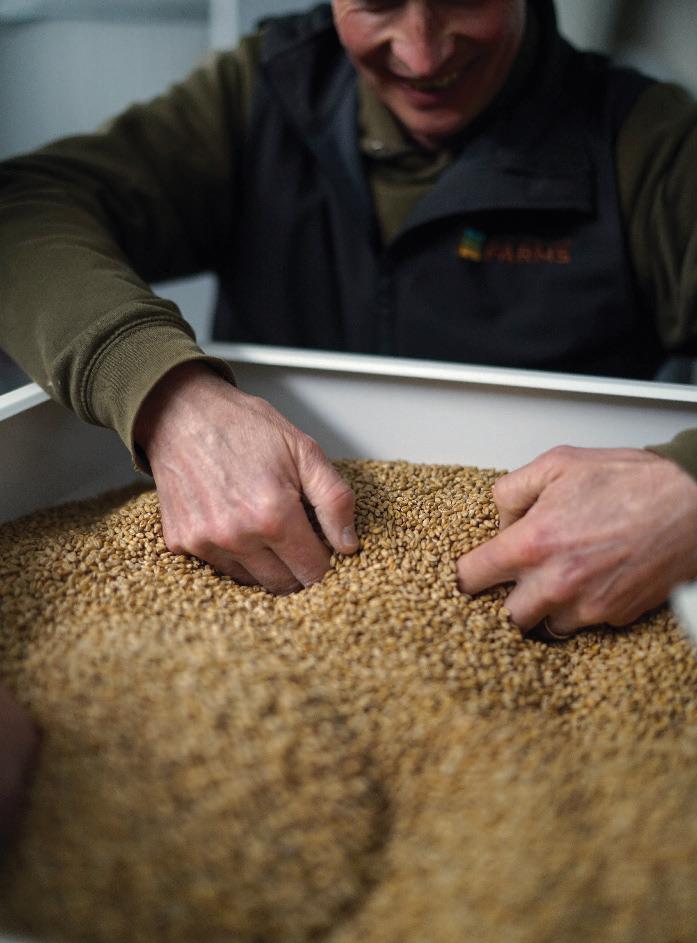
One shipping container houses the flour store, stacked with large bags destined for local bakeries, restaurants and home bakers. Nearby sits the grain cleaner, a freestanding machine used to prepare wheat before it is milled.
And then, inside a 40-foot shipping container, is the stone mill itself, quietly turning wheat grown in the surrounding fields into flour.
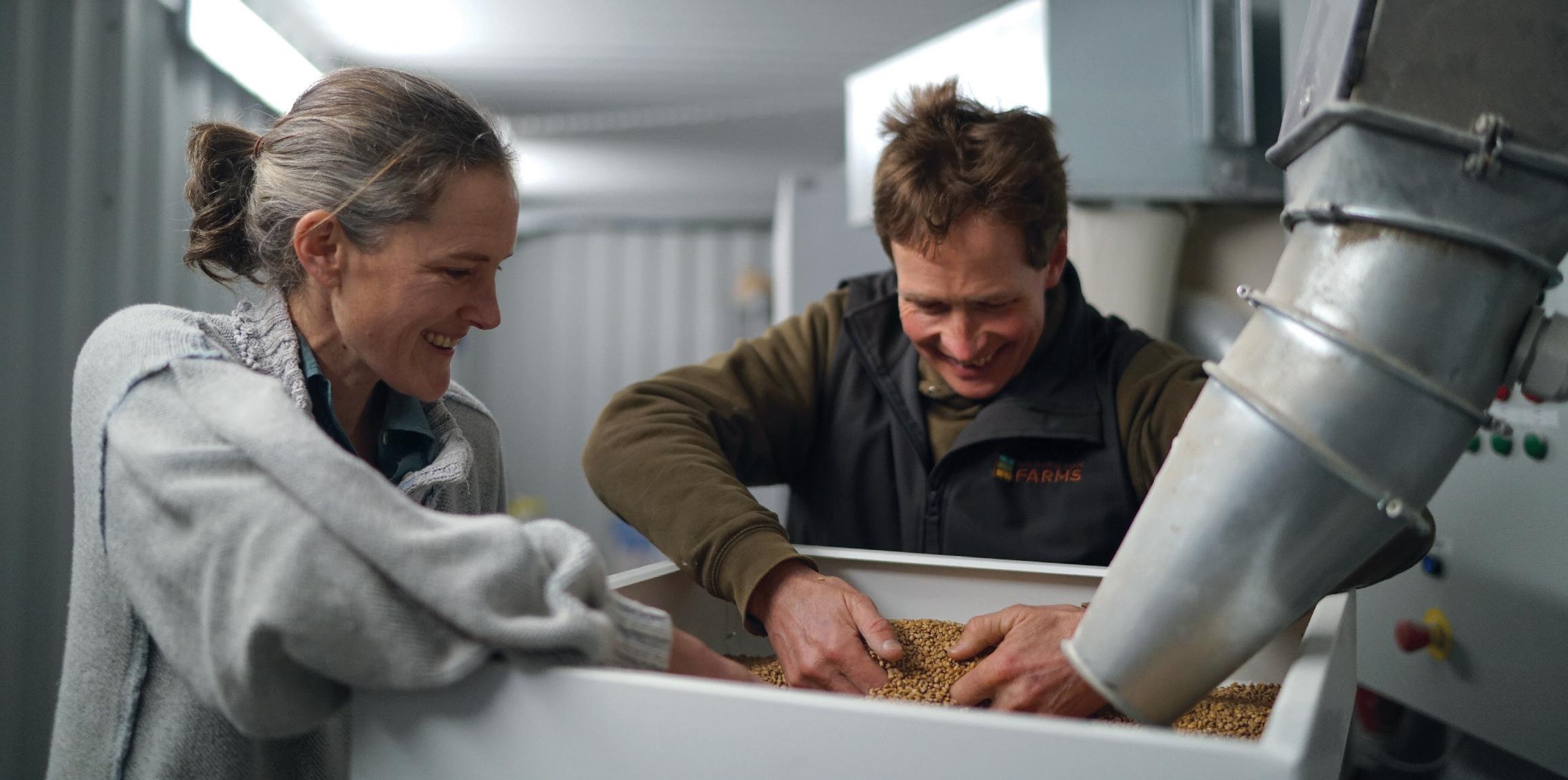
“I feel more connected to our wheat now than I ever did before,” James said. “And you get that positive feedback from customers, something you often don’t experience when farming at a larger scale.”
Outside the grain store, another container completes the picture. Here a Farming in Protected Landscapes (FiPL)-funded vending machine allows visitors to buy flour milled on the farm alongside honey produced from the farm’s hives, a simple but telling sign of how the business has shifted direction.
The Loder-Symonds family have farmed in East Kent for generations, but the direction of the business began to change in 2013 when James and Emma started exploring regenerative and nature-friendly farming practices.
At the time the farm operated largely within a conventional arable system focused on maximising yields.
Like many arable businesses, however, the economics were becoming increasingly volatile.
“When we were fully reliant on high-input farming, we had no guaranteed income and were completely at the mercy of the global market,” James explained.
Input costs fluctuated, grain prices
moved unpredictably and some areas of land required significant investment simply to break even. Gradually the couple began questioning whether or not a different model of farming might offer greater resilience.
One of the first steps was examining where inputs were actually delivering value. Artificial phosphorus and potash were removed entirely, saving around £70 per hectare. Nitrogen use was then analysed more closely.
• 100 acres farmed today, following a transition from a 1,000+ hectare contract farming operation across East Kent
• 3,000 tonne grain store remains as legacy infrastructure from the larger-scale arable system
• Regenerative arable system including wheat, spring barley, oats, winter beans and oilseed rape
• On-farm stone milling operation producing flour for local bakeries, restaurants and direct customers
• FiPL-funded vending machine selling flour and honey produced from on-farm hives
• Diverse rotations including cover crops, herbal leys and blended wheat varieties to improve resilience
• Carbon negative farming system verified using two separate carbon accounting tools
• Agroforestry planting, hedgerow restoration and wildflower meadow supporting biodiversity
• Small flock of Romney sheep used to graze herbal leys and cover crops
• LEAF Demonstration Farm hosting school visits, farmer events and knowledge exchange
• Active research collaborations including cover crop trials with Southern Water and ADOPT millet project
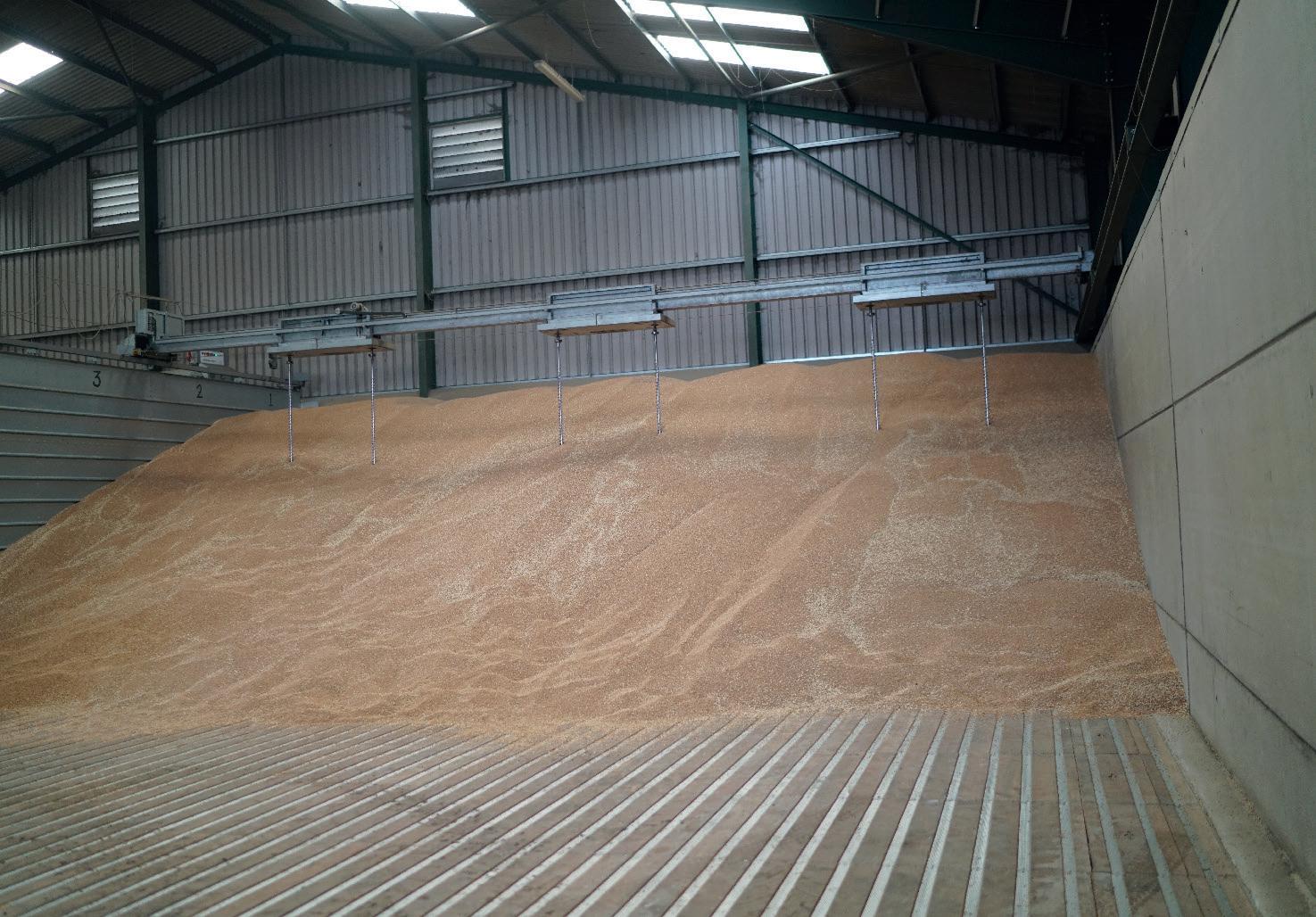
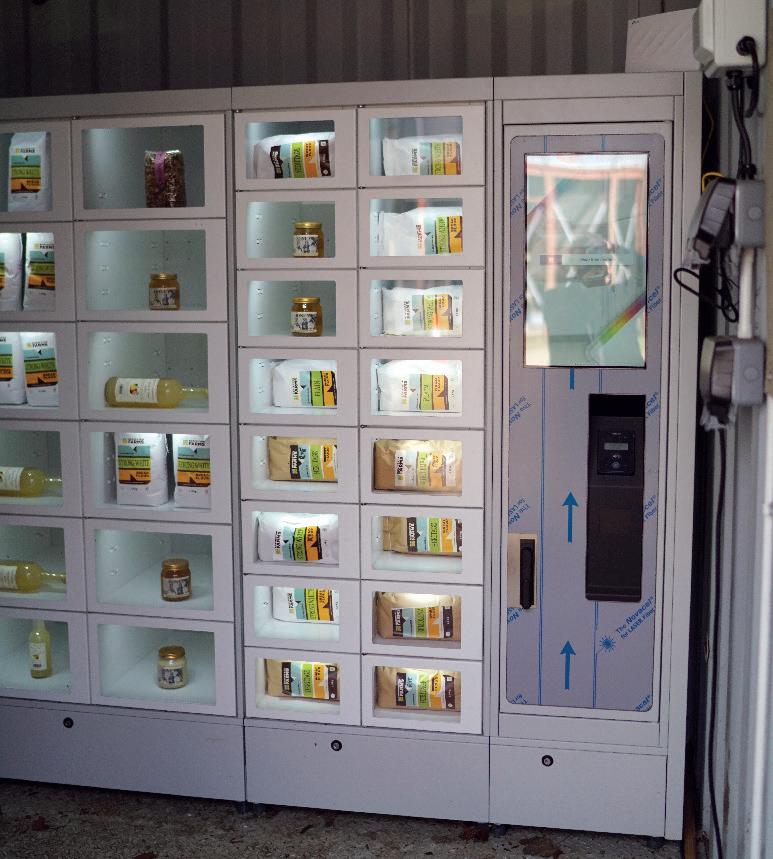
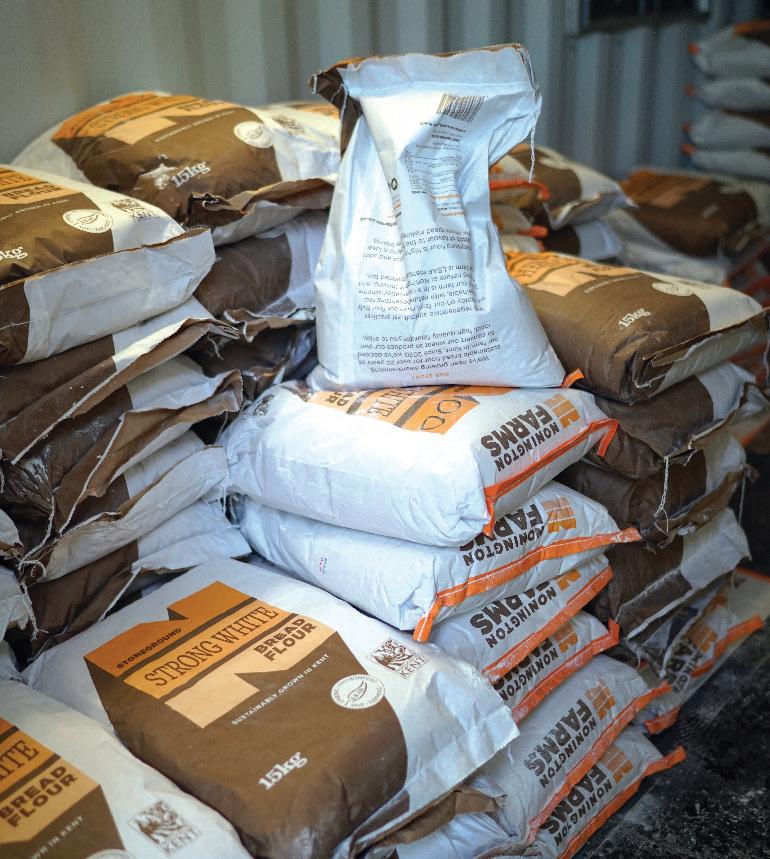
Milling wheat crops used to receive around 300kg of nitrogen per hectare. Through variable-rate technology and improved soil management, that figure has been reduced significantly, from around 25kg per tonne of wheat to closer to 12kg to 14kg per tonne.
“It really comes down to mindset,” Emma explained. “When you start trialling things and realise the crops are still performing well, you begin questioning why you were doing things the way you always had.”
Over time they were also able to reduce the use of pesticides as soil health improved and crop resilience increased. Crop diversity now plays a central role in the farm’s rotation. Alongside wheat, the farm grows spring barley, oats, winter beans and oilseed rape, with cover crops maintaining living roots in the soil between cash crops.
In areas requiring longer recovery periods, herbal leys are introduced and grazed by livestock. “It ties in completely with everything else we’re doing,” Emma said.
“When you add it all together there can be more than 20 different elements in the system across a year.”
Even the wheat itself has become more diverse. Rather than relying on single varieties, James increasingly experiments with blended wheat crops.
“You’re sharing the risk within the crop,” he said. “One variety might convert nitrogen to protein well but be susceptible to rust. Another might have stronger disease resistance. By blending them together you end up with something more resilient.”
The cumulative effect of these changes has been significant. Using
Storytelling through interviews, features, case studies, photography and short films.
For enquiries contact Nigel Akehurst via email on nigel@indiefarmer.com Instagram @indiefarmer www.indiefarmer.com
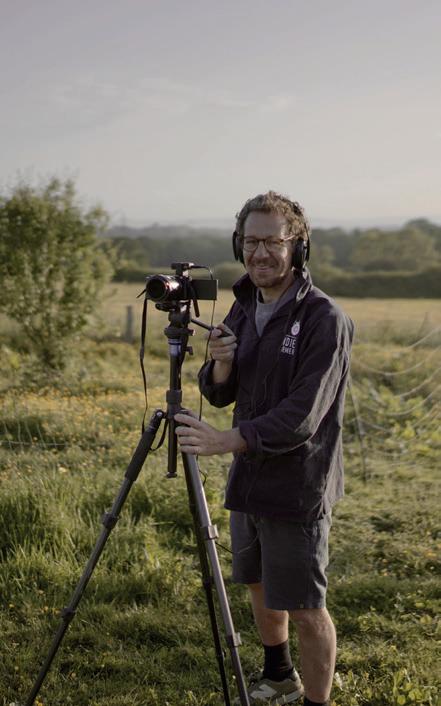
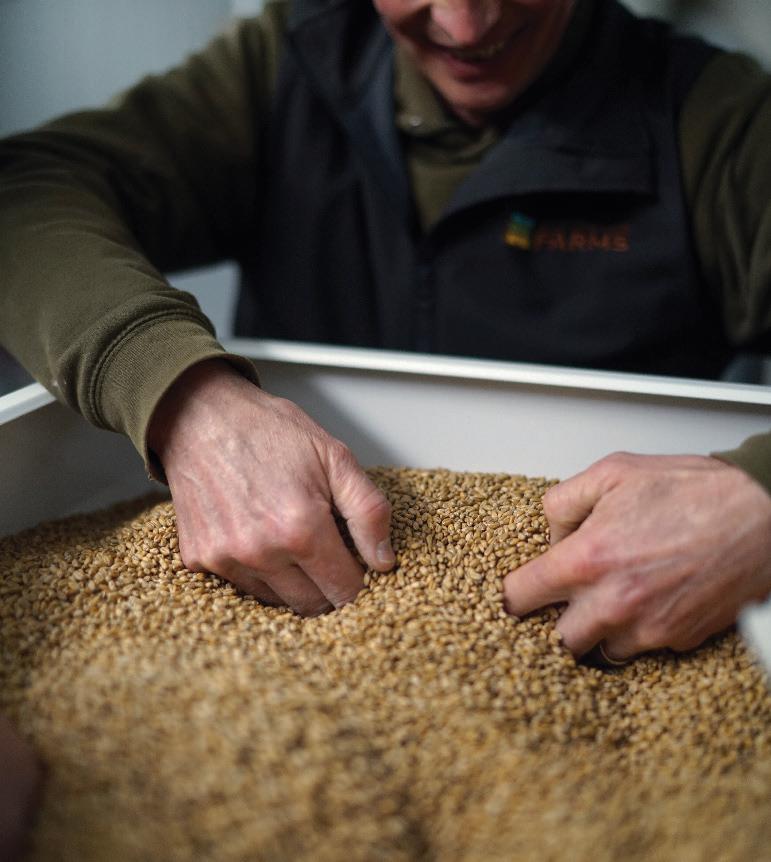
Using two separate carbon accounting tools, Nonington Farms has been assessed as carbon negative.
two separate carbon accounting tools, Nonington Farms has been assessed as carbon negative.
“There’s no hidden woodland or massive solar array,” Emma said. “It’s simply what we’re doing on the ground.”
Participation in the LEAF (Linking Education And Farming) Marque certification scheme has helped track that progress over time.
Managing such a large and dispersed operation had begun to feel like reacting to markets rather than shaping their own farming system. Last year James and Emma stepped away from the contract farming business and sold a significant portion of their arable land, around 320 acres, dramatically reducing the scale of the enterprise.
Machinery that had once supported the larger operation was sold at a dispersal sale last autumn, bringing to a close the business that had once managed more than 1,000 hectares. What remains today is a much smaller core farm of around 100 acres, but one the couple feel far more connected to.
“It’s about driving our own farm rather than someone else’s,” James said. “Having control of what we’re doing, enjoying it, and building a profitable business around it.”
At the same time, the search has begun for the next step. James and Emma are now looking to buy their own ring-fenced farm, somewhere they can continue developing the regenerative system they have spent more than a decade refining.
Underpinning the regenerative philosophy at Nonington Farms is a simple, three-pillar framework that forms part of their own logo and guides the farm’s direction.
THE FIRST PILLAR IS GROW.
Out in the fields we walk through carefully marked trial plots where different wheat varieties stand side by side. Here the focus is no longer simply on yield but on nutritional quality, resilience and flavour.
One area hosts trials of heritage wheat varieties including Old Kent Red, exploring how older genetics perform within modern, low-input systems.
Another project looks even further ahead: “The agreement for a two-year ADOPT (Accelerating Development Of Practices and Technologies) research project exploring the potential of millet as a food crop in the UK has just come through,” Emma said.
Working alongside scientists and other farmers across the country, the trial is testing how millet might fit into British rotations and food systems, and how the grain could be processed and fermented to improve its nutritional value.
“There’s a lot of interesting work around fermentation and gut health,” Emma explained. “So we’re looking at how millet might be used in different food products and recipes.”
As we continue walking through the fields, skylarks sing high overhead, their song drifting across the trial plots. An agroforestry strip runs through the field in a gently curved line (partly because the trees were planted with the help of school children). Recently laid hedges frame the landscape. A large field that was difficult to access for arable has been converted into a wildflower meadow and is now grazed by a small flock of Romney sheep.
Research also plays an important role. Working with Southern Water, the farm has hosted cover crop trials, installing monitoring probes to measure how different management practices affect water movement through the soil. Even after a single season of cover cropping the soil showed improved infiltration and moisture retention.
“When people are sceptical about what you’re doing, it’s great to have the evidence there,” James said. “The data shows the system is working.”
Nonington Farms hosts regular school visits, farm tours and knowledge-exchange events, welcoming everyone from primary school pupils to farmers and researchers.
As a LEAF Demonstration Farm, the business is part of a national network that opens its gates to share knowledge about sustainable farming and integrated farm management. Emma’s background as a teacher plays a key role.
On one visit Emma asked their tractor driver to explain how the sprayer works: “He really lit up as it was the first time he’d ever spoken to a group and it turned into a really valuable experience for both the group and the tractor driver,” she recalled.
They offer mentoring and consultancy for farmers considering a similar transition. “So many farmers feel a bit lost if they want to change direction,” Emma said. “We’ve made plenty of mistakes along the way, so we’re happy to share what we’ve learned.”
Walking back across the fields, the sense of purpose behind the farm’s transformation becomes clearer. This is not simply a story about regenerative techniques or niche crops.
It is about redefining what success looks like on a modern farm. Where once the business revolved around scale and efficiency, today it is built around adding value, community, knowledge and resilience.
For James and Emma, the future of Nonington Farms lies not in getting bigger but in continuing to refine the system they have created. “It’s about sharing the farm,” James said. “Sharing the experiences we’ve had, building a culture around agriculture and helping people see what farming can be.”
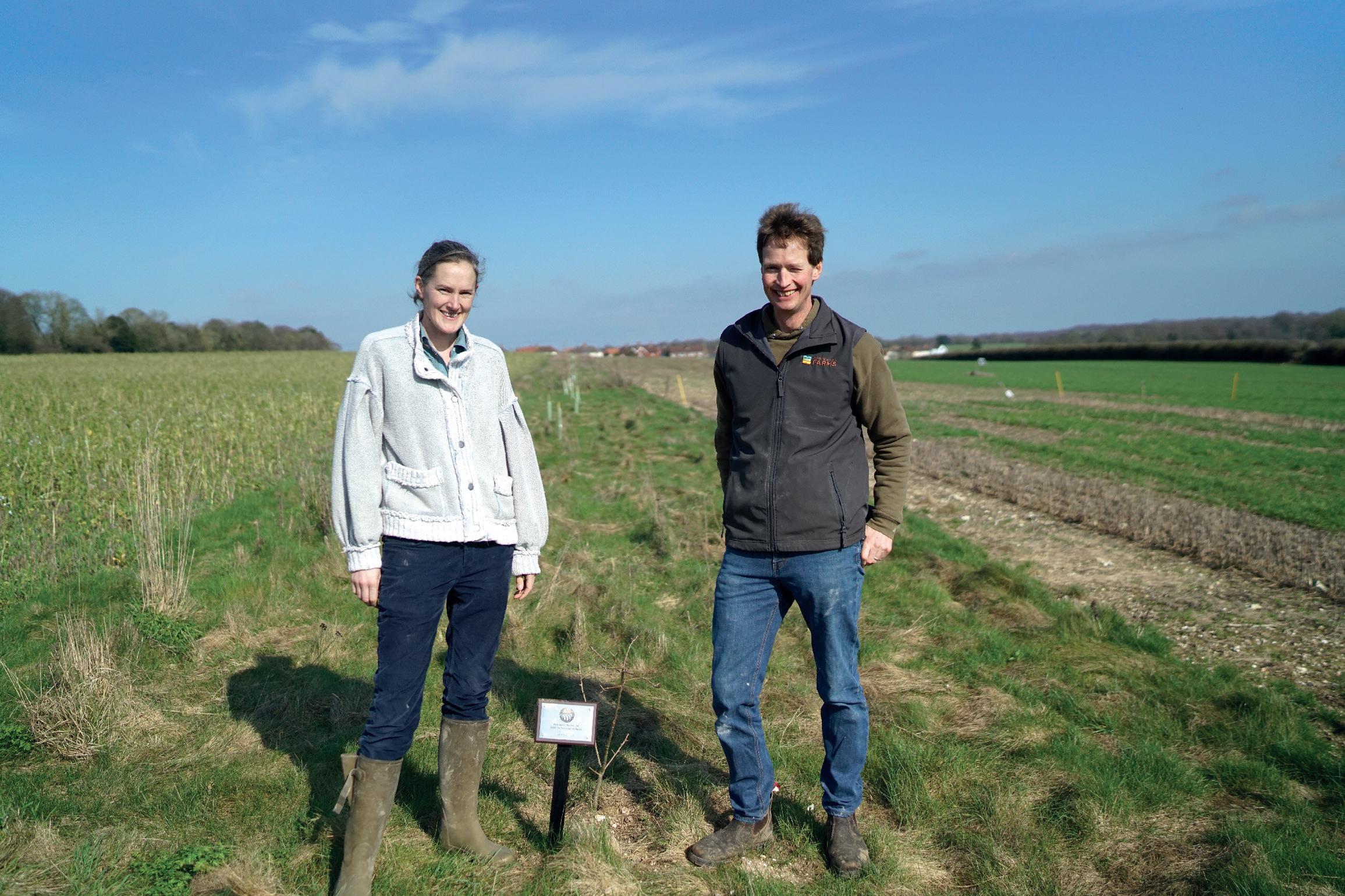
Where many farmers feel squeezed by rising costs and uncertain markets, that vision may prove just as valuable as anything grown in the fields.
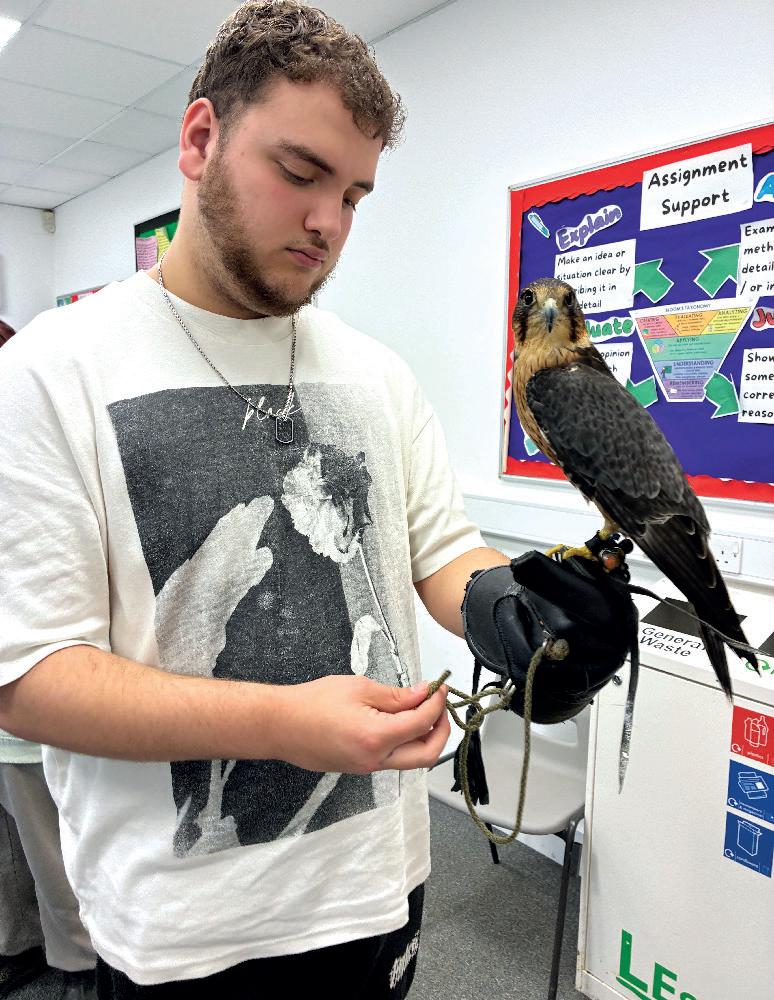
Hadlow College is preparing for another packed summer programme of events, following a strong start to the year that has already seen students engaging with industry partners and the wider community.
It’s been another busy month at Hadlow College, with news of an exciting opportunity for students interested in working with birds of prey. The college has become the first in the UK to offer a dedicated falconry qualification, delivered in partnership with Willows Bird of Prey Centre in Sevenoaks.
The training gives Hadlow’s level 3 animal management students the chance to gain practical and theoretical experience while working towards the nationally recognised RAPTOR Award.
The programme covers all aspects of falconry, including bird husbandry, legal requirements, safety procedures and free-flying birds, and recognises the need for structured training and clear career pathways in this expanding sector. There are up to three birds of prey in each session, giving students valuable hands-on learning.
The new qualification has already attracted attention, with the BBC recently visiting the campus to interview students about their experiences.
“The Bird of Prey sector has expanded significantly over the past decade, with experiences, demonstrations, pest control
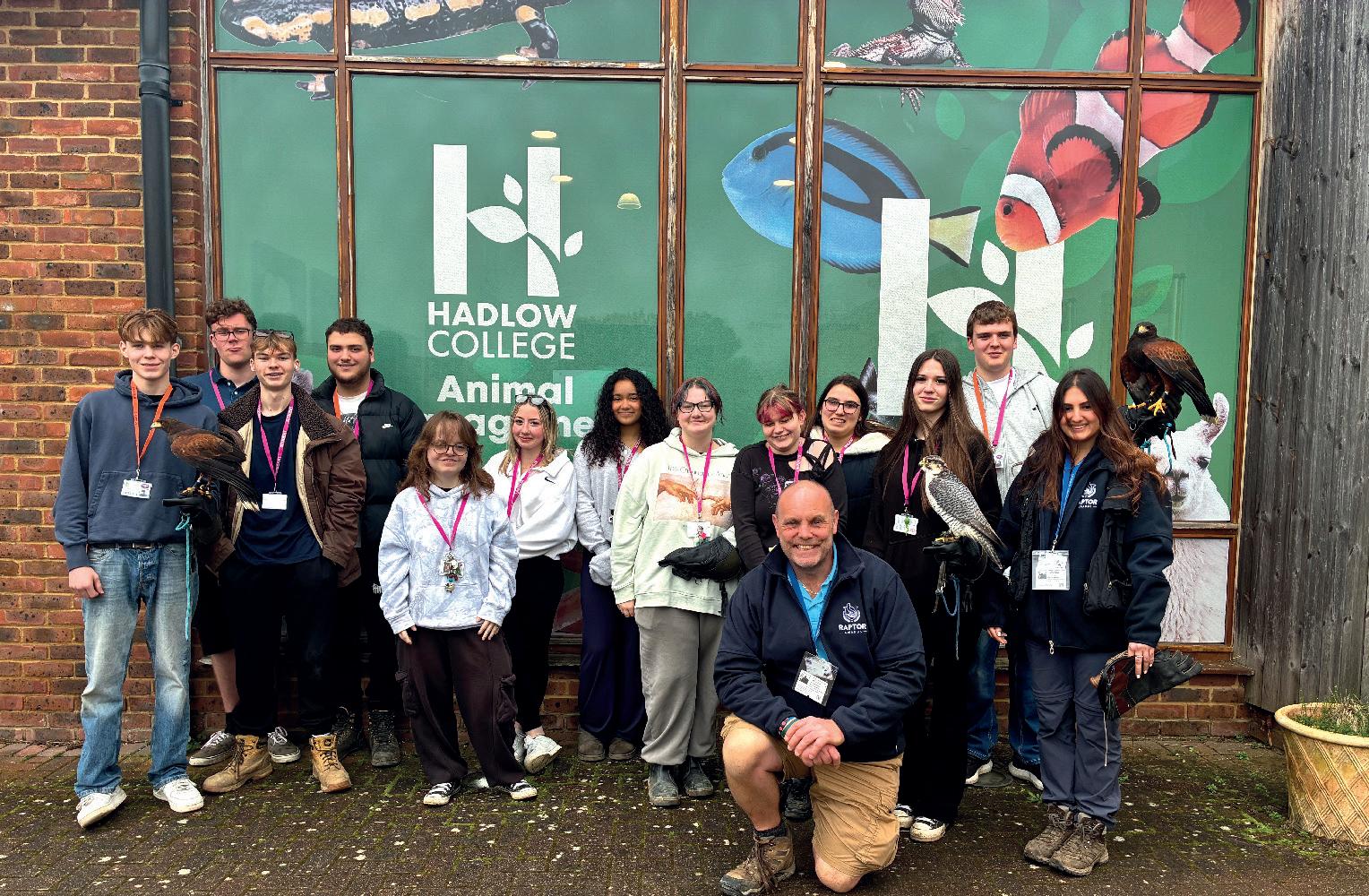
and breeding all driving demand for skilled practitioners,” said Talia Hassan, from Willows Bird of Prey Centre. “Partnering with Hadlow College allows us to help educate the next generation of falconers.”
Hadlow College’s Jo Saunders added: “We’re giving our students a unique opportunity to gain a nationally recognised qualification, build practical skills and prepare for careers in an exciting and growing industry.”
Students will demonstrate their falconry skills by delivering the birds of prey display at Hadlow’s popular Lambing Weekend, which returns on Saturday 25 and Sunday 26 April.
A firm fixture in Kent’s rural events calendar, the weekend regularly attracts thousands of visitors eager to experience life on a working, land-based college. Alongside the chance to see newborn lambs (always the stars of the show) visitors can explore Hadlow’s commercial farms, specialist facilities and wider land-based provision.
As well as the birds of prey displays, other family-friendly activities will include tractor trailer rides, animal encounters, The Sheep Show, archery, food and craft vendors and funfair rides, as well as talks and demonstrations from the National Centre for Reptile Welfare.
With new training opportunities and events that open the gates to the public, Hadlow continues to strengthen its role at the heart of Kent’s land-based sector, equipping students with the skills, experience and industry links needed for the rural careers of tomorrow.
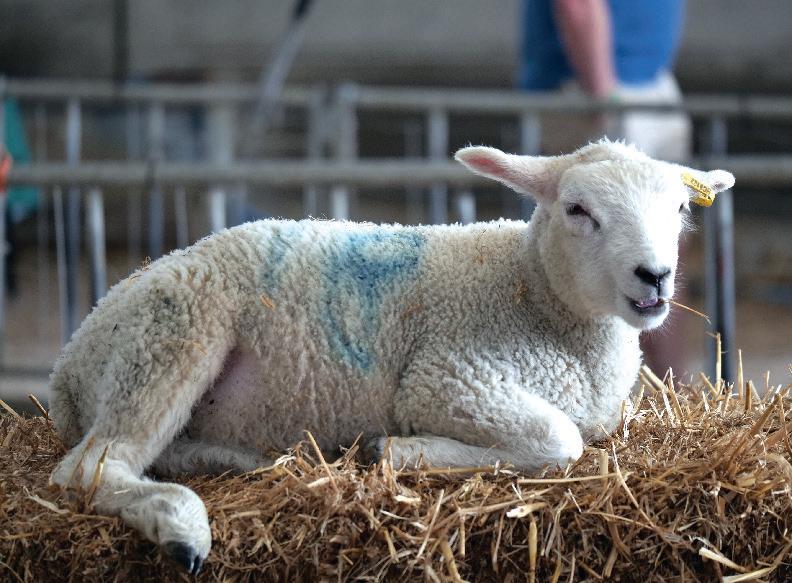

At last, we seem to have had a break in the weather; field operations have been all systems go and for a moment the ground seems to have dried out enough. Long may this continue.
Evenings are getting lighter, mealtimes are getting later and spring is in the air. The wheat is looking good, and prices seem to have risen slightly. Our concern regarding fuel prices for silage and harvest is acute, though.
The crisis in Iran has had a huge impact on fuel prices that farmers are having to bear at a time when prices are already low, and at a time when fuel use will increase in the coming weeks. Many farmers had already ordered fertiliser, but several had been holding off, only to find the price rose dramatically overnight. Diesel prices were retracted and also increased exponentially overnight. Many companies will only offer a price that will be confirmed on the
day of delivery.
Approximately one third of global trade in fertiliser passes through the strait of Hormuz, off the southern coast of Iran. This has been effectively closed since the start of the war, stopping the transport of fossil fuels, ammonia, nitrogen and sulphur. These are vital ingredients in synthetic fertiliser.
A lengthy shutdown will stop production at many of the world’s largest fertiliser manufacturing sites located in The Gulf. Approximately half of global food production relies on synthetic nitrogen and without it crop yields will fall dramatically. Shortages will increase the price of pasta, bread and potatoes etc.
In previous years farmers would receive Basic Payments, which would help with buying fertiliser, but since the scheme was phased out farmers are reliant on cash flow
West Sussex lost one of its most widely known farming characters with the death of Clive Pitman from Fontwell at the age of 78.
Clive, who had been unwell for some time, died peacefully at home, cared for by his daughter Spring.
“Many dairy, and indeed most cattle farmers will have known Clive for many years as a buyer or seller of male dairy calves,” commented former South East Farmer
correspondent Nick Adames.
“Always fair in his dealings, and with his jovial personality and ‘newsy’ chat, he made friends wherever he travelled around the county. On these travels he was rarely without his ‘trademark’ blue smock and red braces.
“Clive was also a great supporter of his local Sussex pubs and had a similarly wide range of friends. His wife Paula died a few years ago. At his home at Northfields Farm, Fontwell, he kept a few cattle and pigs.”
to purchase. Many farmers in the UK are tight for cashflow and have now found themselves paying twice as much for fertilisers. The costs are all front-loaded, with no guarantee of an end price, thus making it difficult to budget.
Farmers are looking into alternative crops like peas and beans that require no nitrogen. Some farmers have also considered leaving land fallow. While we have seen high fertiliser prices previously (2022), each time it seems harder to ride the wave.
We can only hope that this will be resolved rapidly and that we can return to our perceived ‘normal’ as soon as possible.
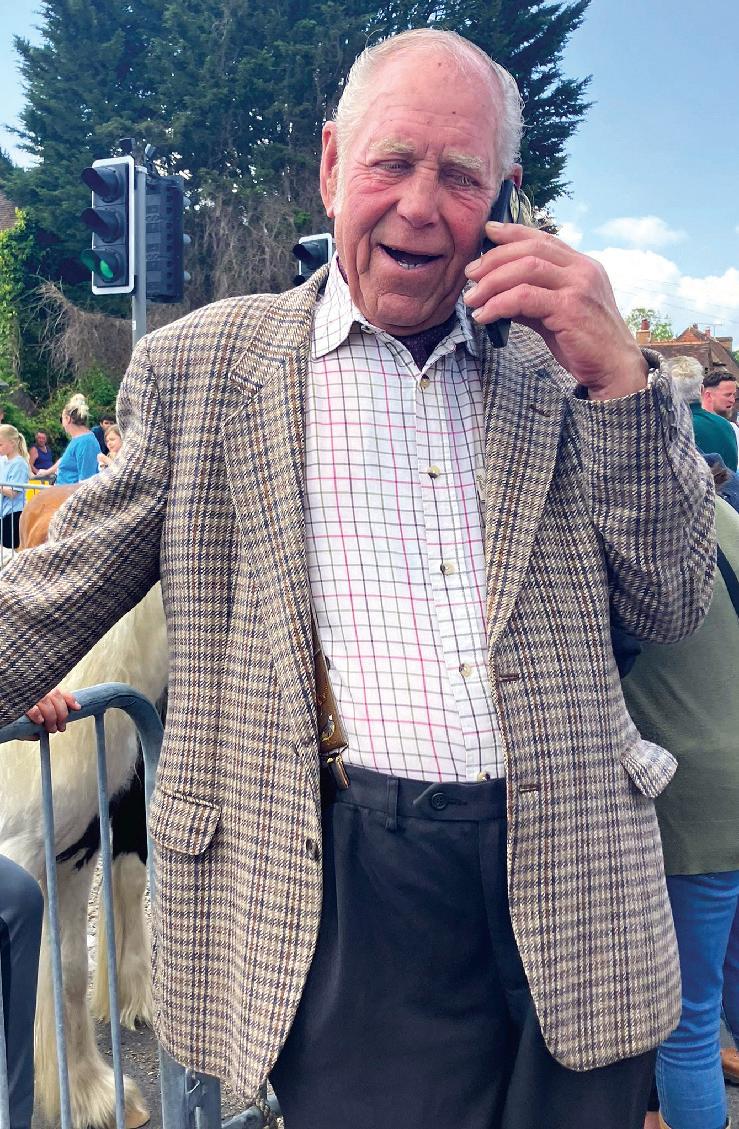
As regulatory requirements continue to evolve, a collaborative team approach is proving increasingly valuable in helping farmers maintain compliance, improve efficiency and identify new funding opportunities.
By bringing together agronomic expertise and specialist environmental advice, growers can be confident that both day-to-day decisions and long-term planning are fully aligned with current legislation and support schemes.
At Mayfield Farm in East Sussex, beef producer David Plumley has adopted this integrated model to manage compliance across his 1,000-acre operation.
Running a herd of 250 beef suckler cattle across two sites, Mr Plumley recognised that keeping pace with record-keeping requirements alongside the practical demands of farming was becoming increasingly challenging.
“With an Environment Agency inspection on the horizon, I wanted reassurance that all the paperwork was in order,” he explained. “That includes everything from manure and nutrient management plans to livestock and soil management. It’s not something you can afford to get wrong.”
To address this, Mr Plumley works closely with environmental services specialist
Georgina Wallis alongside Hutchinsons agronomist Lizzie Batt. While Lizzie provides detailed agronomic advice and oversight of crop inputs, soil nutrient and manure management plans, Georgina offers a wider environmental and regulatory perspective, ensuring compliance requirements are fully met and documented.
Georgina said this type of integrated approach was becoming more common. “Many growers already have a trusted agronomist, but as regulations become more environmentally focused, they are increasingly looking for additional specialist support,” she explained. “It’s about joining the dots between what’s happening in the field and what’s required on paper in the easiest, most straightforward way.”
Lizzie seconded this approach: “As agronomists we are qualified to have an understanding of what is happening at field level, be that above or below the soil, and recording this as activities are carried out. But it’s the marrying up of this with all the additional farm activity that is where the value lies,” she commented.
At Mayfield Farm, this close collaboration is supported by the use of Omnia as a shared digital platform. “We all use Omnia as a central hub,” explained Georgina. “It allows us to log plans, record activity and create
Beyond compliance, having the additional input of an environmental services expert has also helped identify opportunities for capital grant funding and engagement with catchment sensitive farming.
At Mayfield Farm, Hutchinsons is considering options to explore capital grant funding and, in the context of yard drainage, how to separate clean and dirty water systems, improve water efficiency and make better use of rainfall as a resource.
“Compliance is the foundation,” said Georgina, “but collaboration also helps unlock opportunities that might otherwise be missed.”
GEORGINA WALLIS
Head of Environmental Services
T: 07825 431647
E: georgina.wallis@hlhltd.co.uk
Canterbury: 01227 830064 www.hutchinsons.co.uk
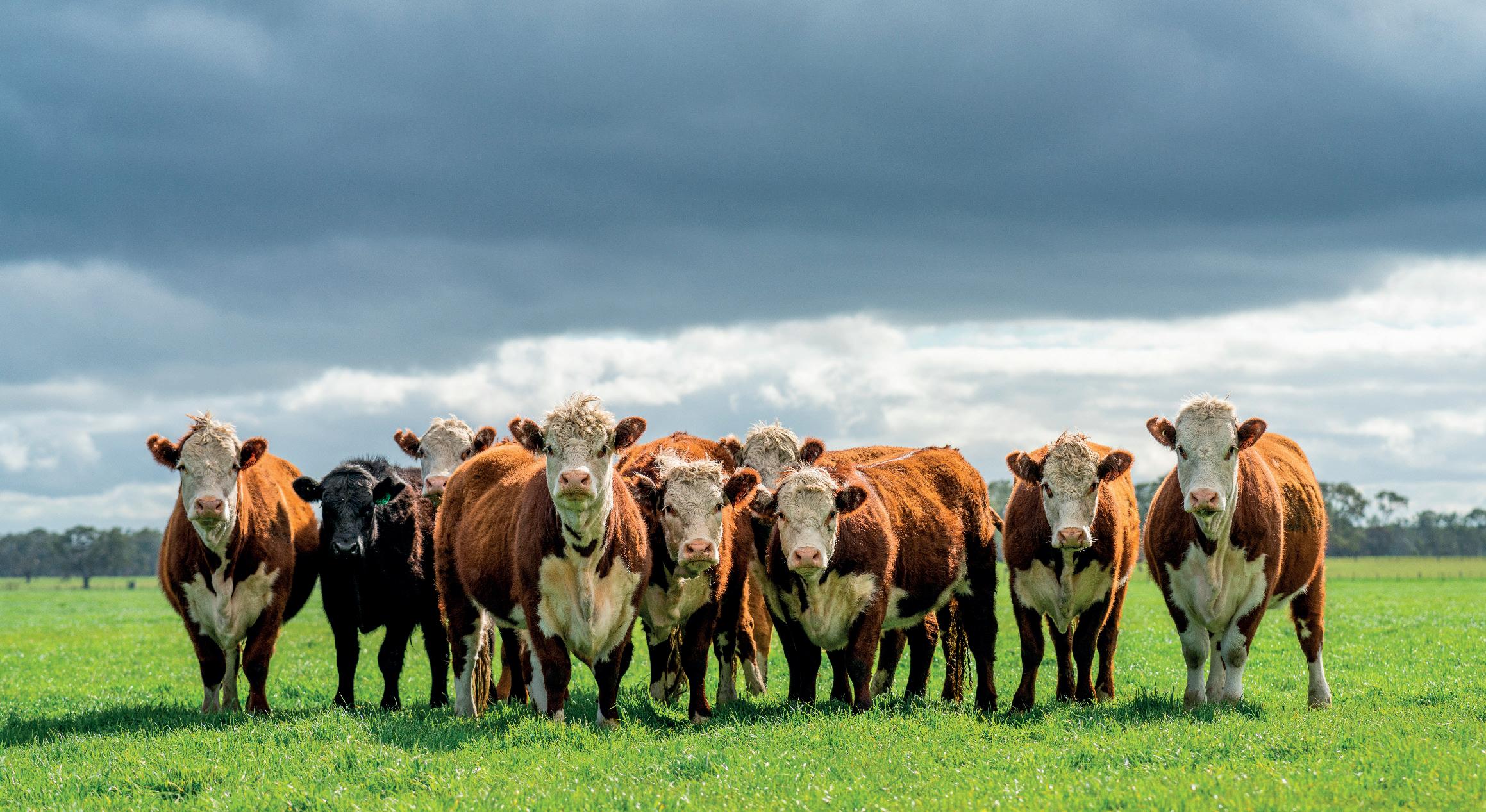
clear, easy-to-interpret maps.
“Cropping, nutrient, integrated pest management and manure management plans can all be uploaded, while environmental, sustainable farming incentive and stewardship plans are layered alongside them. This ensures all information is aligned and accessible, particularly during inspections.”
It’s not an easy time. Basic payments are all but gone. Grain prices are plumbing the depths of all-time lows. For many, the sustainable farming incentive is not available until much later in the year. And then, just when arable farmers think things can’t get any worse, US President Donald Trump starts a war with Iran and sends energy prices through the roof.
We are used to oil price shocks, of course – most recently when Vladimir Putin decided to invade Ukraine four years ago. But at least when the price of diesel, fertiliser, machinery, agrichemicals and electricity shot through the roof back then, farm gate arable commodity prices swiftly followed suit.
I assumed much the same would happen this time. So, when I received the news that the US had started to bomb Iran and Iran was fighting back, my first instinct was to order diesel for the tractors and road fuel for my Land Rover. Alarmingly, although I could order diesel, the supplier couldn’t give me a price as this would “have to be determined on the day of delivery”.
My next panic thought was: “Have I bought enough fertiliser for this season?” Buying urea in the spring of 2022 for nearly £900 per tonne is still scarred into my memory, but I quickly worked out that I didn’t need to buy any more nitrogen until September. Alarmingly, though, prices have risen by over 30% (which is not that surprising, given that the Gulf States manufacture 46% of the world’s urea and almost every kilo of it has to pass through the Strait of Hormuz before it can be delivered to farmers around the globe).
As for grain prices following suit as they did in 2022, on phoning my grain merchant I was told that arable commodity prices had hardly moved at all on the news from Iran. While the disruption to shipping in the Black Sea in the wake of Russia’s attack on Ukraine represented a choke point on vital grain exports from that ‘bread basket’ region, the opposite is true this time around as the Gulf States buy in 90% of the food they consume.
The economic implications, then, of a region that is a major exporter of energy and a key importer of grain having its only significant shipping route cut off could not be worse for UK arable farmers.
Hopefully, by the time you read this, Trump will have declared ‘victory’. As no-one knows what his objectives are (perhaps including himself?), this gives him the luxury of being able to declare that he’s achieved them at any point. And if Trump stops bombing, perhaps the Iranians will stop holding the world to ransom and will once more allow shipping free passage along their coast.
In the meantime, we arable farmers are all going to have to discover ways to survive an energy price shock that looks like being far more traumatic than the one we rode out four years ago.
Precision Soil Sampling
Accurately
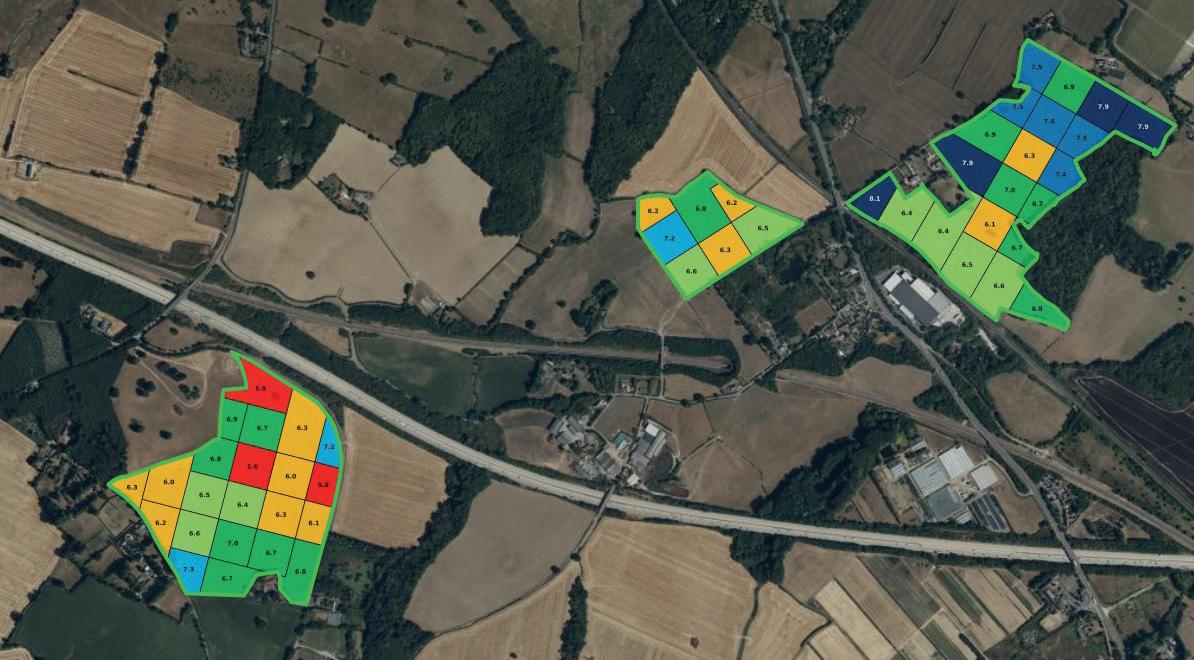
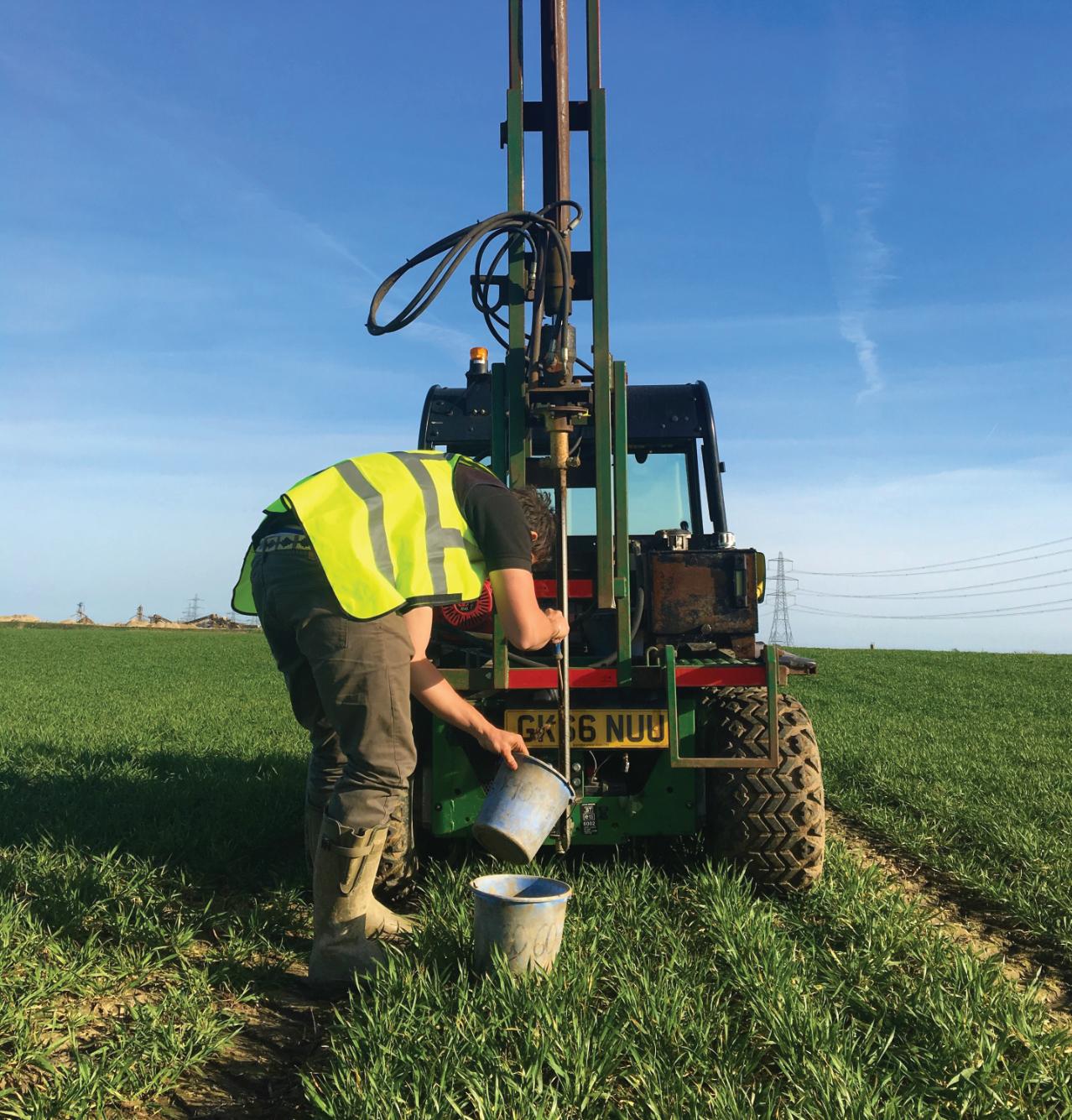
Calum Roger’s transition from the social housing sector to assistant rural surveyor at the National Trust is a masterclass in career pivoting. Based in Surrey and studying at Plumpton College, Calum is part of the first wave of students on the newly RICS (Royal Institution of Chartered Surveyors)-accredited BSc (Hons) Rural Land Business Management degree.
Where did your journey towards working in the rural land sector begin?
I originally worked in social housing and, keen for a change of scenery, I joined the National Trust in 2023 as a rural asset management officer. Working in social housing gave me a solid foundation in property management, compliance and repair and auditable decisionmaking – good skills for transferring into the rural land business management sector. I grew up surrounded by fields and countryside, but wasn’t really aware of a career in rural land. I quickly found it fascinating, complex and full of potential.
Tell us more about being a student and combining work with higher education I’ve been keen to develop my career for a while, so when I saw an opportunity to learn more about rural land management and work towards becoming a chartered surveyor, I took it and enrolled. The National Trust has been incredibly supportive and my role has now changed to assistant rural surveyor, which allows me to get hands-on practical experience in rural land management while applying the knowledge and technical ability I'm gaining at Plumpton.
What do you enjoy about working in the rural land sector?
A highlight of working in the rural land sector is the variety and scope of day-to-day work. For example, I could be letting a home, applying for an agricultural grant and setting up an events licence all in the same week. This variety can be quite challenging at times, but I feel well supported by my employers at the National Trust and even more capable thanks to all that I'm learning at Plumpton College.
What aspects of the course are you enjoying? Have there been any surprises?
I was apprehensive that I might have less background knowledge about rural and agricultural practices than other students, but the course and the tutors have been very engaging so far. It’s an accelerated degree programme over two years instead of three, so each week is intense, but I’ve surprised myself in how accessible I’ve found the course. The fact that I’m taking my learnings straight into employment and using them immediately on a week-by-week basis is rewarding.
How does the newly announced RICS accreditation on this course impact you?
It’s great news. I came into the degree with confidence that it would end up being accredited but thought that it might not

Calum Roger on navigating the new RICS-accredited path in rural land business management.
happen until the second year. I know that Plumpton College and everyone involved has been pushing really hard for accreditation. For me and other students on the degree programme, it means we can start planning our careers and future beyond the course.
Why is working in rural land important?
I grew up in a relatively rural area and loved spending my childhood in the countryside, but I lost touch with it when I moved to an urban area as an adult. Since working for the National Trust and through my studies at Plumpton, I feel I've re-connected with the countryside. I see how important the rural land sector is to our heritage as well as providing a livelihood to the vast amount of people that work within it. It’s clear that there is a big shift in the rural land sector with diversification and accessibility. Seventy per cent of the country is in rural land use and I’d like to help people connect more with the countryside and experience everything it has to offer.
Post-graduation, what are your aims or aspirations for the future?
I think all of us on the course are keen to start our Assessment of Professional Competence (APC) RICS accreditation as soon as possible, so I would like to get accredited and hopefully promoted to the role of rural surveyor.
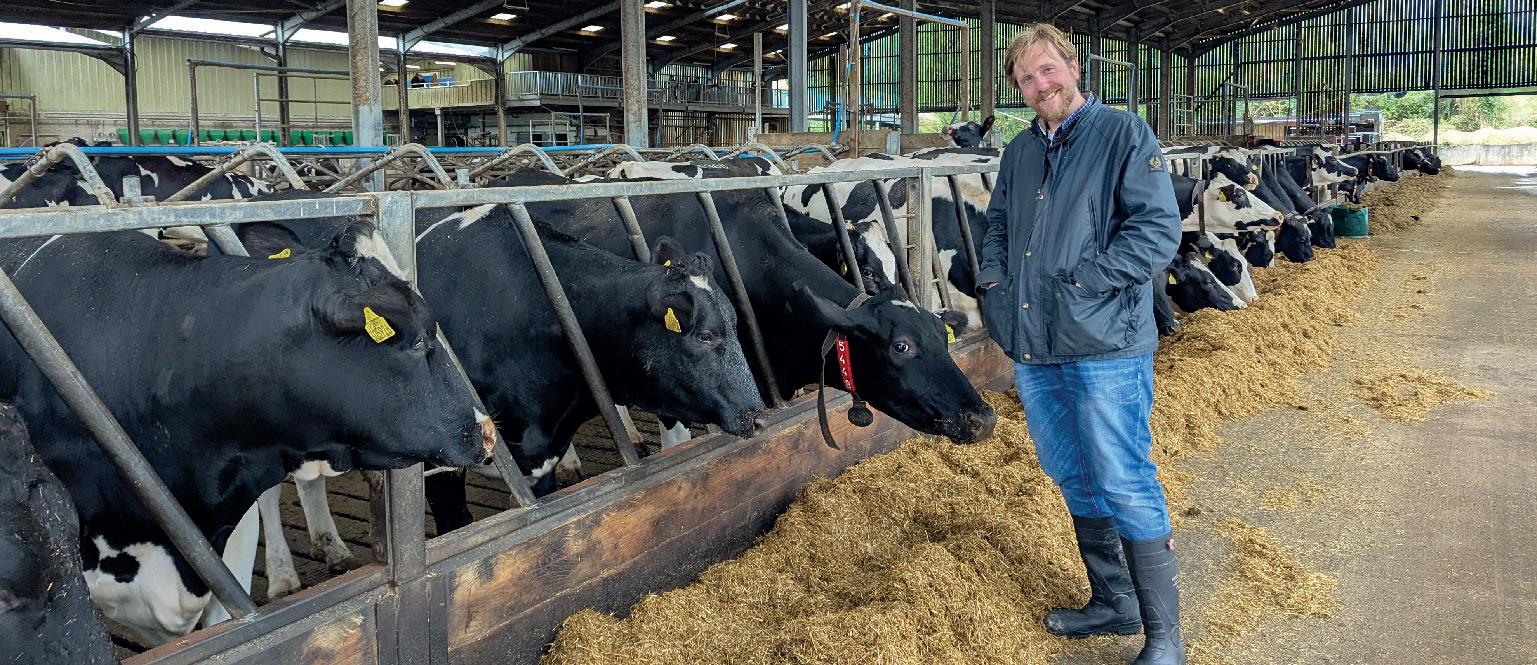
By by Peter Cowlrick, Technical Director, CCC Agronomy – members of the Association of Independent Crop Consultants (AICC).
Following an extremely wet January and February in the South East, it’s a relief to have seen some much-needed early spring nutrition being applied to crops as fields begin to dry out.
On the whole, winter crops look full of potential this year, and despite the depressed state of grain markets there is all to play for in terms of optimising crop performance. Looking ahead, April will be a key month with regards to some key fungicide input decision making that will underpin the performance of winter oilseed rape, winter barley and winter wheat this harvest.
Many winter rape crops are more forward than has been the case in recent years, and unless we get a 'blackthorn winter', flowering could well be earlier than usual.
Most crops will have received stem extension growth regulation and fungicides in March, which should provide three to four weeks’ protection against foliar diseases until flowering.
The key disease risks to oilseed rape at the early flowering stages are light leaf spot and sclerotinia. Light leaf spot can spread up the canopy during wet weather and be particularly yield damaging if significant infection becomes established on the pods. Sclerotinia requires damp and warm (over 10°C) soils for fruiting bodies (apothecia) to develop and release airborne spores, which then infect flower petals, which can infect stems/branches and cause premature senescence and significant yield loss if not treated appropriately.
Prothioconazole-based treatments will cover both diseases at the early flowering stage, with Tebuconazole, Azoxystrobin and various SDHI (succinate dehydrogenase inhibitor) additions offering broader spectrum disease control and canopy greening effects.
With winter barley being ‘sink-limited’,
final yield is determined by retaining high numbers of viable tillers, rather than the number of grain sites, and consequently, the T1 fungicide timing (GS30-31) is absolutely key to supporting final yield; typically this will be between late March and early April.
Currently there is plenty of brown rust present, along with some net blotch on susceptible cultivars, while mildew and rhynchosporium are largely absent.
Net blotch control is becoming more problematic, as there are increasing levels of insensitivity to both azole and SDHI chemistry, which makes timely intervention even more critical. T1 fungicide inputs should be based around Prothioconazole or Mefentrifluconazole in combination with SDHIs (eg Ascra or Revystar), with a strobilurin (eg Pyraclostrobin or Trifloxystrobin) added where there is significant net blotch infection.
In terms of winter wheat, St George’s Day (23 April) is a useful calendar reminder of the T1 fungicide timing when final leaf 3 is at least 75% emerged on main shoots. Depending on sowing date and variety, this can be anything from 10 days before to 10 days later. The key disease targets at this timing are septoria (protection), brown and yellow rust, eyespot and mildew; currently there is plenty of septoria infection about, along with brown rust and yellow rust in susceptible varieties, and some eyespot/stem base disease.
It’s perhaps worth reflecting on how fungicides performed in the high disease pressure 2024 season which, despite some high fungicide spends at this timing, provided a salutary reminder that achieving satisfactory levels of septoria control at this timing under high pressure with current chemistry is increasingly problematic and often disappointing.
Another lesson from 2024 was that unless
Chichester Crop Consultancy is a farmer member-run co-operative agronomy service that aims to deliver truly independent, research/ science-led agronomy advice with no commercial bias and now covers the South of England.
CCC works closely with Crop Advisors, which supplies independent group purchasing on crop inputs as well as sourcing cover crop/environmental scheme seed mixes.
the best rust actives were deployed at T1, subsequent control was often compromised. The biggest fungicide responses at T1 in particular tend to come from high rust pressure scenarios, and following an open autumn and a very mild winter, coupled with the susceptibility of many wheat varieties to the YR15 race of yellow rust, choosing an appropriate rust active T1 fungicide mix has never been more important.
The T1 timing is critical in providing around three to four weeks’ fungicide protection until the key flag leaf emergence stage in mid-May. There is a multitude of fungicide offerings to consider, but they should be based around a septoria-active triazole in combination with an appropriate rust-active SDHI or strobilurin.
Where the primary rust target is yellow rust, then Prothioconazole would be the go-to triazole, or Mefentriconazole if brown rust is the bigger concern.
Serious consideration should also be given to including a suitable multisite (eg Folpet) at around a 33% to 50% dose as a septoria antisporulant and to provide an alternative mode of action. Because both fenpicoxamid (eg Univoq/Jessico One) and pydiflumetofen (eg Miravis Era) can only be used once within a fungicide programme, they are probably best deployed at the flag leaf timing, where their superiority with regards to septoria control will give the best returns.
It is a little over three decades since our Government introduced stewardship schemes to address and reverse the decline of most wild species. Have they, and by the same token we, got our monies’ worth and seen an upswing? The short answer is no, not yet. Is it, therefore, a complete waste of time, money and effort? Again, the short answer in no, for it takes quite a while to get a behemoth to change course. It is well worth dissecting out what has and hasn’t delivered and then what may improve outcomes.
There is already ample, well documented but anecdotal, evidence of remarkable, though discrete, successes. RSPB reserves such as Otmoor near Oxford have been outstandingly successful in supporting many at-risk species around Britain by remaking and enhancing, at scale, special habitats. The wildlife trusts have similarly worked wonders on their myriad smallish parcels of land.
Then there is Knepp, where the Burrells turned a loss-making estate on heavy soils into a thriving rewilding business, one that has already delivered hugely for nature. The Knepp project has also been wonderful for people, education, experimentation and water management. These are all excellent examples of what can be achieved, remarkably quickly, when driving something nimble.
Nature will reclaim territory, given the opportunity. A further example is Strawberry Hill Farm in Bedfordshire, recently acquired by the local wildlife trust. This farm had been abandoned to ‘set-aside’ 35 years ago and is now brimming with wildlife. Left alone, it would eventually become high canopy woodland and so the wildlife trust plans to manage the natural maturation to maintain diversity.
These rapid results, delivered from farmland, have been achieved by complete conversion for wildlife. Some food production from grazing animals comes as a welcome by product. It is, however, impractical to abandon too much farmland. Hope Farm and the Allerton Project, owned by the RSPB and The Game & Wildlife Conservation Trust respectively, demonstrate that profitable farming and biodiversity can coexist successfully. They also have robust data to support their environmental claims.
Here lies a catch. How best to provide hard evidence of what works and what doesn’t and to encourage most farmers to widen their horizons? The majority of farms need to do more for nature while still striving to make a living in a ruthless economic environment. This makes the gold standard - randomised controlled trials – impractical.
There are now many farms like our own, usually smaller or organic, around the country that can reasonably claim to have healthy ecosystems while still farming. These productive pockets provide valuable information, supported by lists of plants, birds, breeding success, fungi and farming practice and are useful, but insufficient to drive policy. This is particularly so when the national data from reliable agencies like the BTO (British Trust for Ornithology), BSBI (Botanical Society Britain and Ireland) and Butterfly Watch still show persistent declines in birds, plants and butterflies, with few notable exceptions.
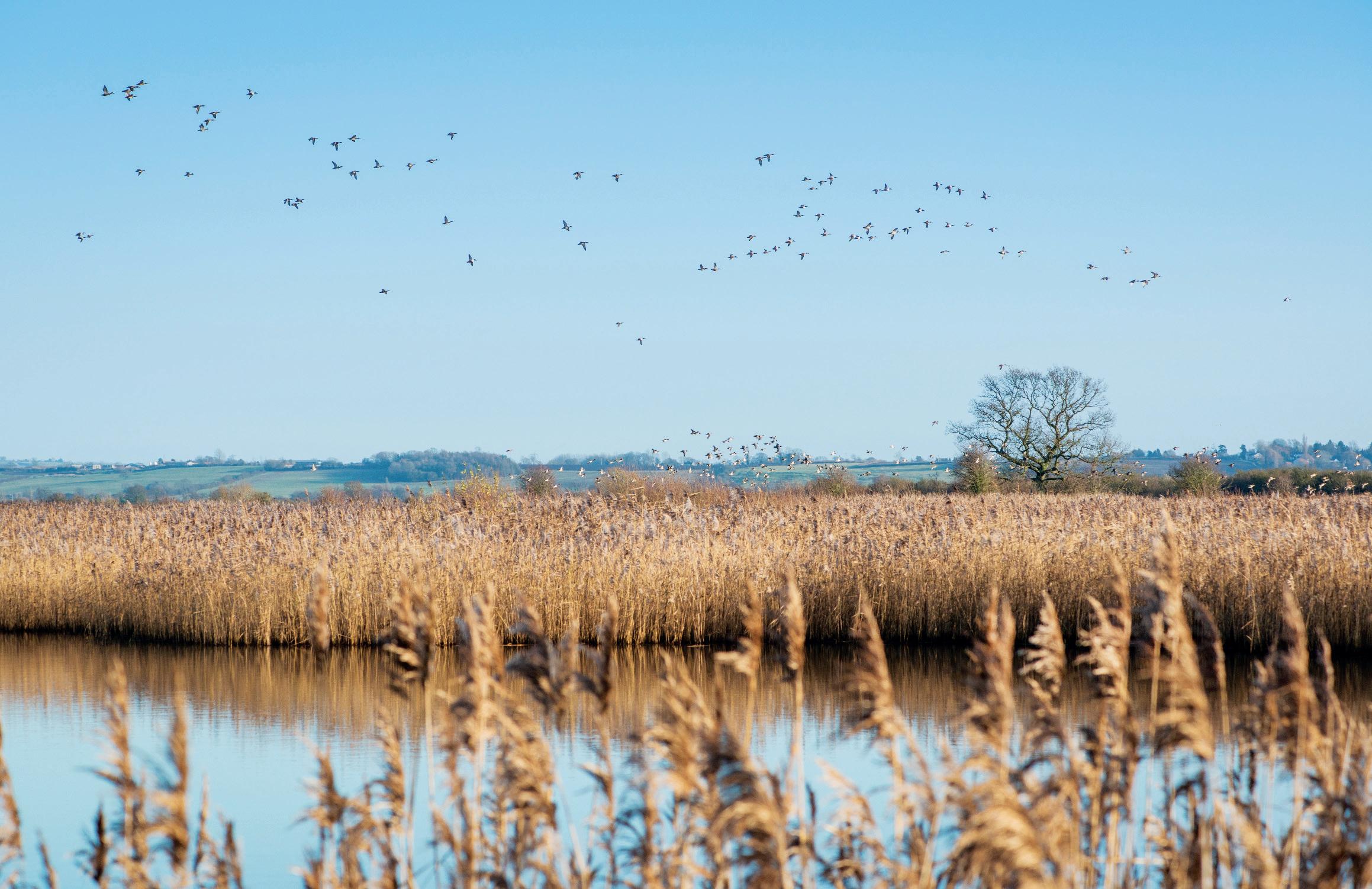
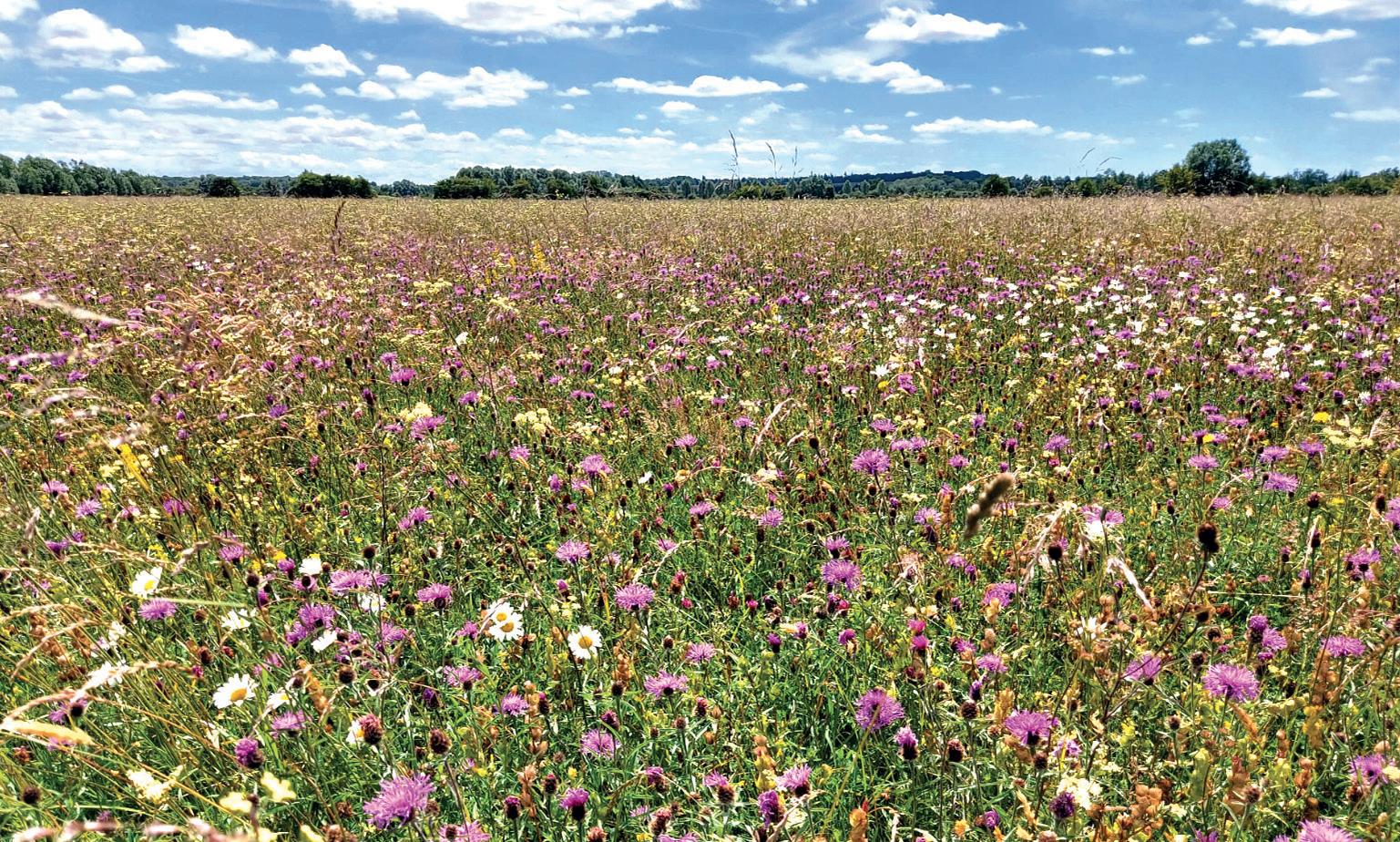
So why are the national statistics still showing declines across the board? Is it just about time, insufficient uptake and poor schemes? It takes a decade, or more, to produce reliable change to the environment. Even reverting arable land to mixed species pasture takes several years to deliver something useful. Planting hedges and trees to their bearing fruit is longer. After all, it has taken Strawberry Hill farm and Knepp nearly 30 years to become such beacons of conservation, and they will continue to change and mature over the next century.
Secondly, the uptake of stewardship was pitifully slow for the first decade, and only recently has it risen to a point where 64% of UK farms, mostly in England, are embracing some form of agreement. Farmers are conservative creatures and suspicious of change, but now, with some five million hectares of farmland in work for the environment, we should start seeing improvement.
The National Trust has committed 10% of its 250,000-hectare holding to environmental gain. The Forestry Commission is on the same journey for its extensive lands. The King’s Highgrove Estate has long been a model for organic and environmental farming. He has now extended his vision to the Balmoral and Sandringham estates. The Ministry of Defence owns, or has jurisdiction over, 340,000
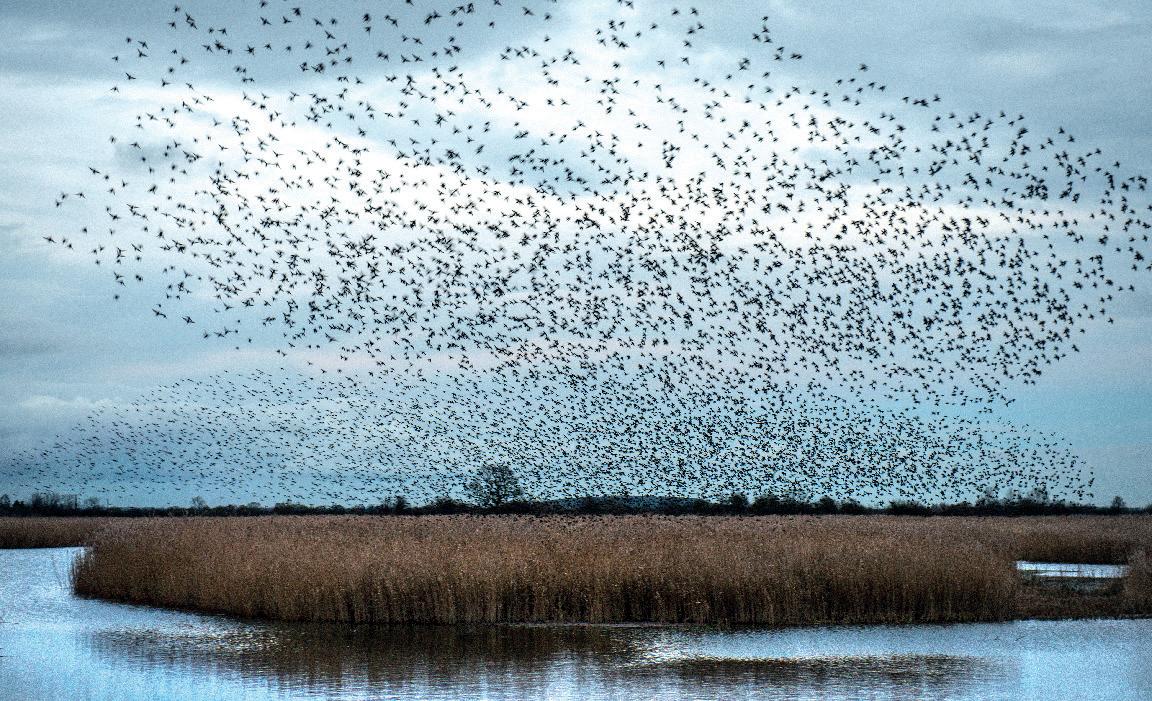
hectares and, in conjunction with farming tenants, is embracing environmental recovery. With all these ‘big hitters’ joining or leading the cause, we can expect real change.
The third problem is the targeting of stewardship options. To encourage uptake, DEFRA offered a lot of easier and encouraging schemes, the so called ‘broad and shallow’ options, leaving trickier targeted alternatives such as wetland creation and supplementary winter feeding for birds for enthusiasts through higher tiers with more generous payment.
A lot of detailed research has since been undertaken for DEFRA which confirms that stewardship does improve biodiversity, but it is largely from farms with higher-level modules. This evidence has led DEFRA to modify its offers. An example was dropping the popular sustainable farming incentive winter stubbles following cereals option, which proved environmentally useless because most modern winter stubbles are effectively barren, devoid of seeding weeds and soils, without living cover and at risk of erosion,
How best to hasten and enshrine gains in biodiversity and human wellbeing? I would offer four suggestions: preserve precious sites, maximise connectivity, create and preserve wet areas and manage manures and pesticides (the main additions from the 1960s) much better.
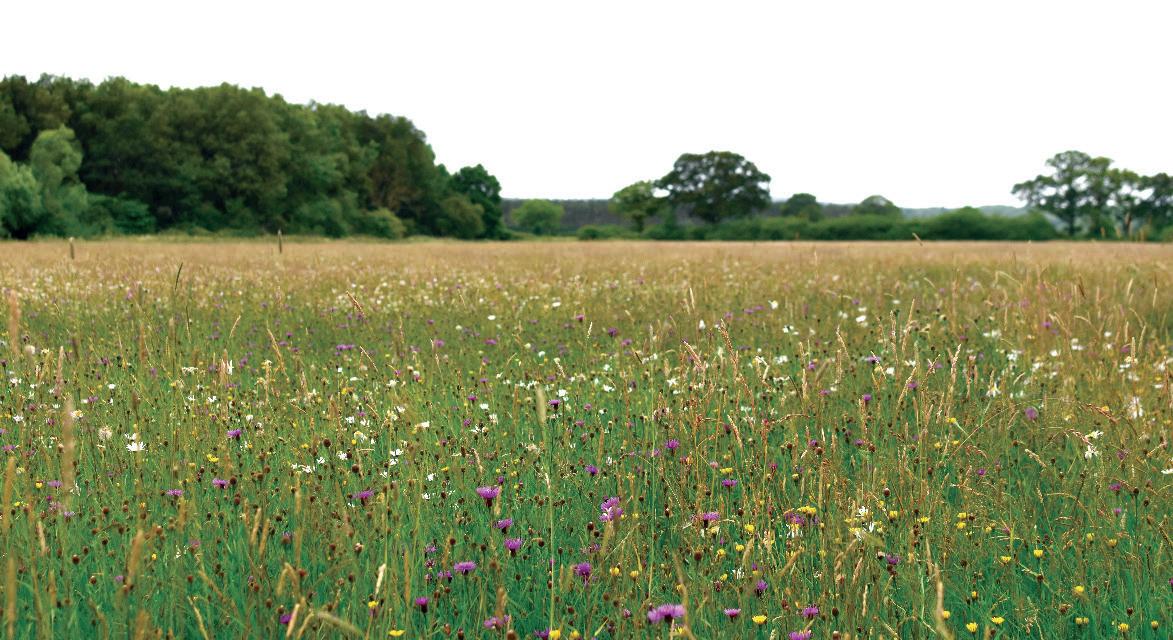
Small oases with established rich environments, such as sites of special scientific interest and designated wildlife sites, need reliable support and robust protection from thoughtless development or incorporation into industrial farming. They are too valuable to lose.
Cooperation between farmers is key to landscape scale connectivity, and hedges with margins are of the essence. Farm clusters show great promise. If all hedges were allowed to grow to 3m tall and 2m wide, with at least 50% having 6m to 8m multispecies margins on one side, just imagine the gain in invertebrates, mammals and birds. These gains could be amplified by adding species and specimen trees and by not mowing or grazing the margin until late winter, after the plants have seeded.
Wet areas and ponds are godsends for wildlife and enjoyment, at little cost to the bottom line. When it comes to inputs of all sorts we are, as an industry, still too triggerhappy, content to waste too much leached into rivers causing damage. We are too prepared to ignore the insidious damage to soils and rivers from over-generous and untimely applications of pesticides. Producers and many agronomists want us to buy, buy and buy. I hope our landscape recovery project will prove an informative way forward.
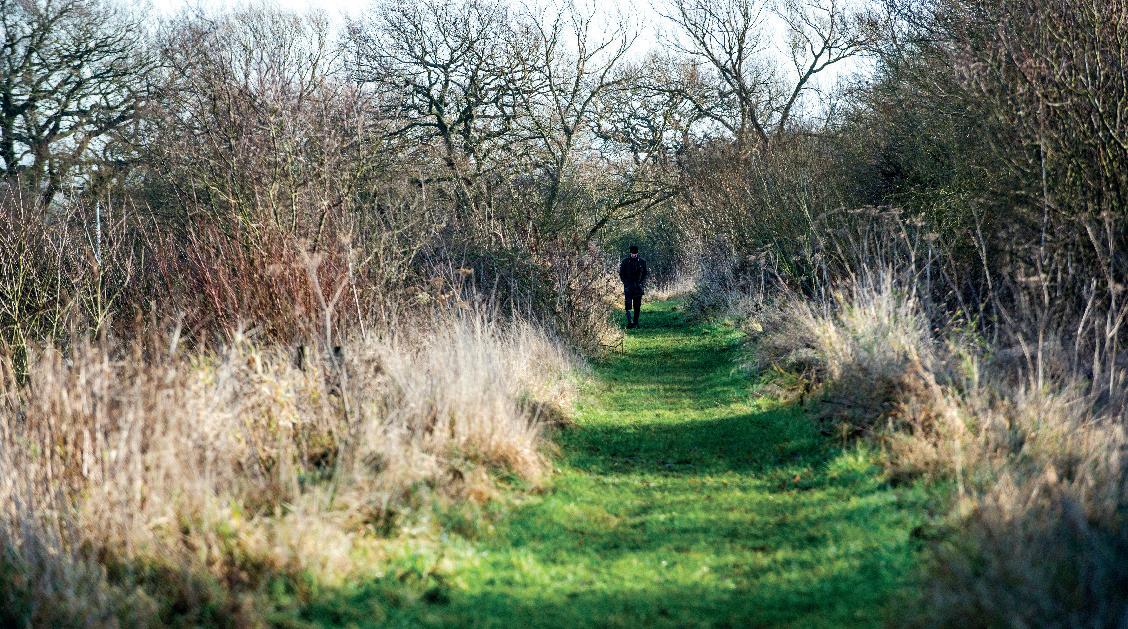
As we push forward into spring, the sun has finally made a welcome appearance and trade remains firm with a positive outlook in all sections of the livestock market.
These are busy times at Ashford Livestock Market, with large runs of finished hoggets coming forward on a weekly basis and substantial numbers of store cattle penned.
There were concerns earlier this year amongst those who purchased store lambs last autumn as they eagerly awaited an increase in the value of finished hoggets. These concerns were quickly put to rest when the finished hoggets took a substantial lift in mid-March. As I write, we are seeing the best hoggets sold at well over 400p/kg and regularly over £200 per head.
Cull ewe numbers have been consistent over the winter but tightened slightly going into March, as is always the case at this time of year, with lambing getting underway in most places. The trade remains firm, with the leaner, half-meat sorts looking the best sold and in the highest demand. Heavier, well fleshed ewes have been plentiful nationally, which will always dictate their value, but there is no doubt these have been coming to strong money with the best sold from £200 to £250 per head.
The store cattle section has seen fantastic prices for well over 12 months now and, regardless of the finished price, we are still seeing store cattle well sold, regularly over £2,000 per head. This only tells us one thing, that cattle numbers are becoming increasingly short.
Interestingly, we sold more store cattle throughout the autumn and end of 2025,
many of which would have been cattle which historically we have sold in the spring. These numbers were brought forward by the trade, combined with concerns regarding a shortage of feed and straw produced throughout the summer.
We sell pigs fortnightly in Ashford and often have quite a mixed show of quality in the pens. Well-finished, continental crossbred pigs weighing 80 to 110kg are always in demand with our regular customers, who are able to find outlets through butchery and hog roasts, with the demand for this lifting as we enter the warmer months.
We have a busy few months ahead, with a show and sale of store cattle on Tuesday 7 April. This will be for the best pen of four steers or heifers, of any breed and age. The show is kindly sponsored by Portequip Ltd, with first prize being a generous £500 voucher to use against their high-quality livestock feeding and handling equipment. We expect to see a show of the best cattle from across the South East and East Anglia from both regular and new customers.
On Tuesday 14 April we will be holding a breeding cattle sale to include cows and calves, bulling heifers and breeding bulls. This will be a well-supported day and includes the first annual production sale held on behalf of PHR Farms, with a marvellous entry
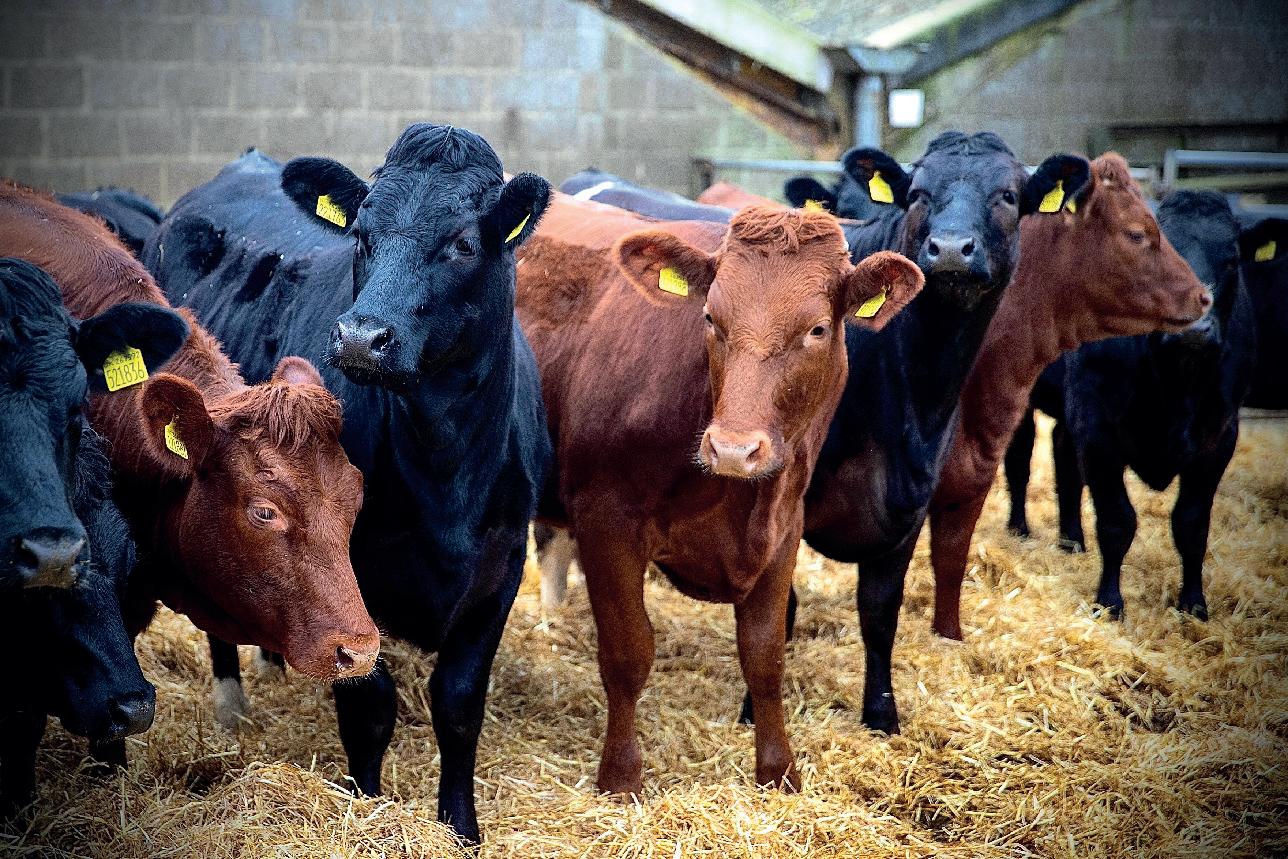
T: 01233 502222
www.hobbsparker.co.uk
of 160 homebred Limousin x British Friesian bulling heifers going under the hammer.
The 2026 Spring Fair is also fast approaching and will be held on Saturday 9 May with a wide selection of rare breed sheep, cattle, goats and pigs on offer. We will also be selling commercial breeding sheep, including ewe tegs and ewes with lambs at foot. This sale will include a livestock equipment section, so please get in contact regarding any equipment you have to sell. Entries for the 2026 Spring Fair are now open, with entry forms on our website.
We will be attending Heathfield Show as usual on Saturday 23 May, offering a great opportunity for any new or existing customers to pop in to our stand and catch up with members of our team. Whether you have queries relating to livestock, property or planning, there will be people to assist you and offer advice. We will be serving refreshments, as well as our infamous hog roast at lunchtime, with pigs sourced through Ashford Livestock Market and cooked by Andrew Laver.
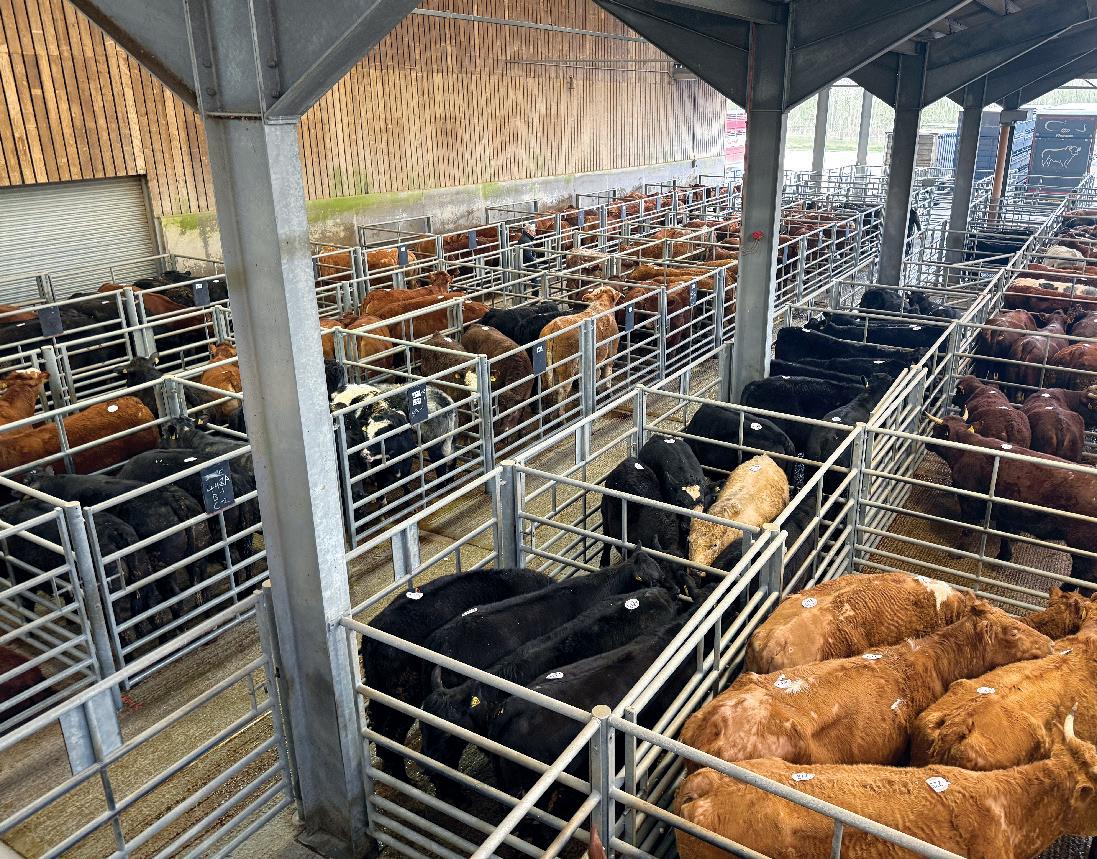
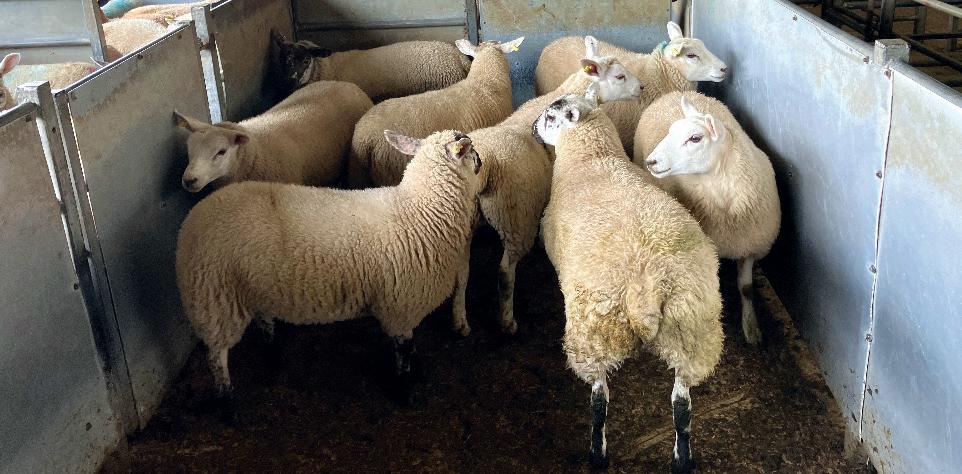
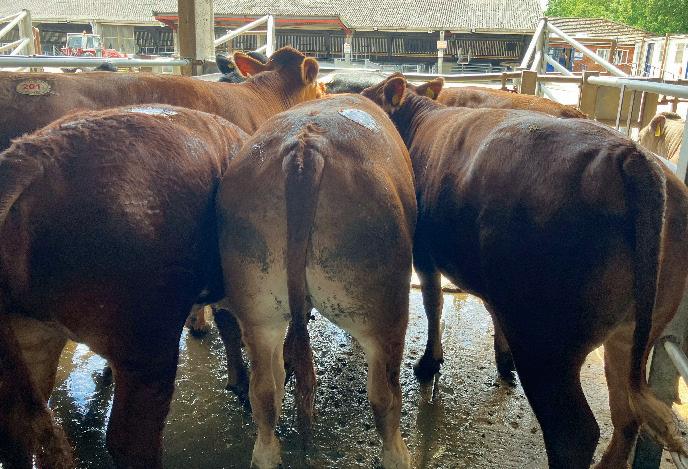
The spring weather brought forward a strong increase in the finished sheep trade in early March. A complete reversal was seen, with heavy old season lambs suddenly becoming very sought after, the maximum price jumping from £160 a month before to above £200 for the best.
Exceptional demand was also seen for the handy weight lambs, those between 38kg and 46kg, with prices well above 400p/kg. It was a quite remarkable change in the month, and one that we hope will continue through to the publication of this report in April. It is always difficult to forecast where we are going, and indeed not many people saw this increase in trade coming, which is both welcome and needed to give sensible returns for those producers who bought store lambs at the back end of 2025.
Numbers are generally shorter than would be expected at this time of year, with numbers in Colchester some 10% less than 12 months ago.
The cull ewe trade is also strong and above 12 months ago; let us hope that continues. Numbers are generally short and more could be sold to advantage.
A few new season lambs are also coming forward, these trading around 400p/kg, with little difference seen to that trade compared with the old season lamb trade.
The cattle trade continues at high levels for the best, and the increase in the lamb trade seems to have boosted the finished cattle trade. Numbers are short and more could certainly be sold to advantage. Plenty of cattle have been seen at over 400p/kg throughout the period and up to £3,300 per head for producers of strong cattle with excellent finish. As always, the live market includes everything from the very fat, of course at lower prices per kg, to the very best. The benefit of selling live is clear to see.
The cattle trade needs monitoring, but it is anticipated that the numbers will stay tight, but with the spring weather now forward and the steak trade improving, there is no reason why the trade should not hold at current levels.
Cull cattle and over 30 month cattle are also selling well, with more required to meet the processing beef trade. Again, this will be helped by the better summer weather and the barbecue trade coming forward.
Store cattle are also at exceptionally good levels as numbers start to increase, with more people looking to buy stores both for their yards and to graze through the spring and summer. The live system helps all sections of the cattle trade; it is difficult to value cattle outside the ring.
The pig trade is unfortunately in the doldrums, with very few pigs sold through livestock markets, which is perhaps an indication of the
issue that has now arisen. Low deadweight quotations are being seen; let us hope the pork trade also increases with the better weather.
The improved weather seen in late February and early March, when at least the rain had stopped, meant spring cultivation work could be carried out on the arable fields and the first applications of fertiliser could be put on the grass and arable crops.
Good crop growth had been seen and generally the crops look in good condition, with high potential. It is so frustrating that the world situation has meant increases in fertiliser and oil prices, which do not help arable farmers.
The next month is going to be interesting in all sections of farming, with the world political situation causing nervousness as input prices rise sharply and little improvement is seen in forward produce prices.
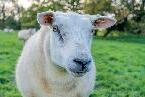

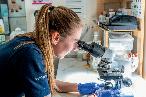
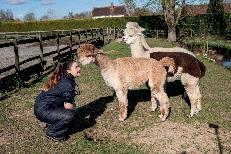
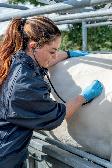
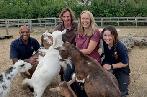
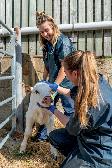
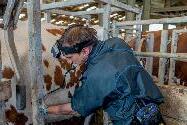


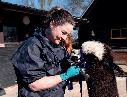
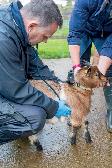
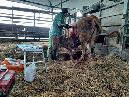
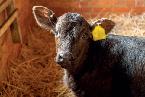
100% Farm Vets
info@westpointfarmvets.co.uk | westpointfarmvets.co.uk
Allied teams: vet tech services, consultants, and front line, dedicated farm animal veterinary surgeons
Catering to all livestock needs: commercial, smallholdings and companion farm animals Meeting the needs of our clients with tailored services, health planning, preventative medicine and emergency care 24/7
Efficient. Sustainable. Productive: Our PRO: services focus on health, welfare and productivity on commercial farms; with access to experienced vets with specific qualifications
Our practices can offer: fertility and advanced breeding services, laboratory diagnostics, second opinion care, access to health schemes, export services and more
Technically we moved into meteorological spring on 1 March, but to me, psychologically, spring doesn’t begin until our first lambs hit the ground, so now, 11 days later than the Met Office, I am happy to accept that spring is finally upon us. I know that this is somewhat perverse as there have been all sort of other indicators of spring all around us for some time, many somewhat earlier than would normally be expected.
The shift in weather patterns in the last week of February, with significantly less rain, pushed things on a bit, producing a refreshing respite. A bit of sunshine and temperatures into the upper teens certainly lifted the spirits of our ewes; the persistent rain had unsettled them somewhat and it was reassuring to see them relax into that rather more contented and benign state for the last few weeks of pregnancy.
It also provided a much-needed boost to the shepherds and to grass growth, the latter being particularly encouraging as the paddocks shut up for the ewes and lambs post-lambing really did, after a slow start, begin to green up and grow away. That said, the last week or so before lambing begins is always a bit of an anxious time for sheep keepers; our ewes looked well and udders began to fill nicely, but it is not until the first few lambs hit the ground that one knows that all the preparation and feeding has produced the desired results.
In general I work on 145 days gestation. Others prefer 147, but I would rather be too early than too late. It does have its down sides in as much as mentally I was prepared for the first lambs to hit the ground on 9 March only to be disappointed, with the first girl producing spot on 147 days. Only a single, but a good strong lamb and mum is absolutely full of milk, as was the lamb when
ALAN WEST Sheep farmer
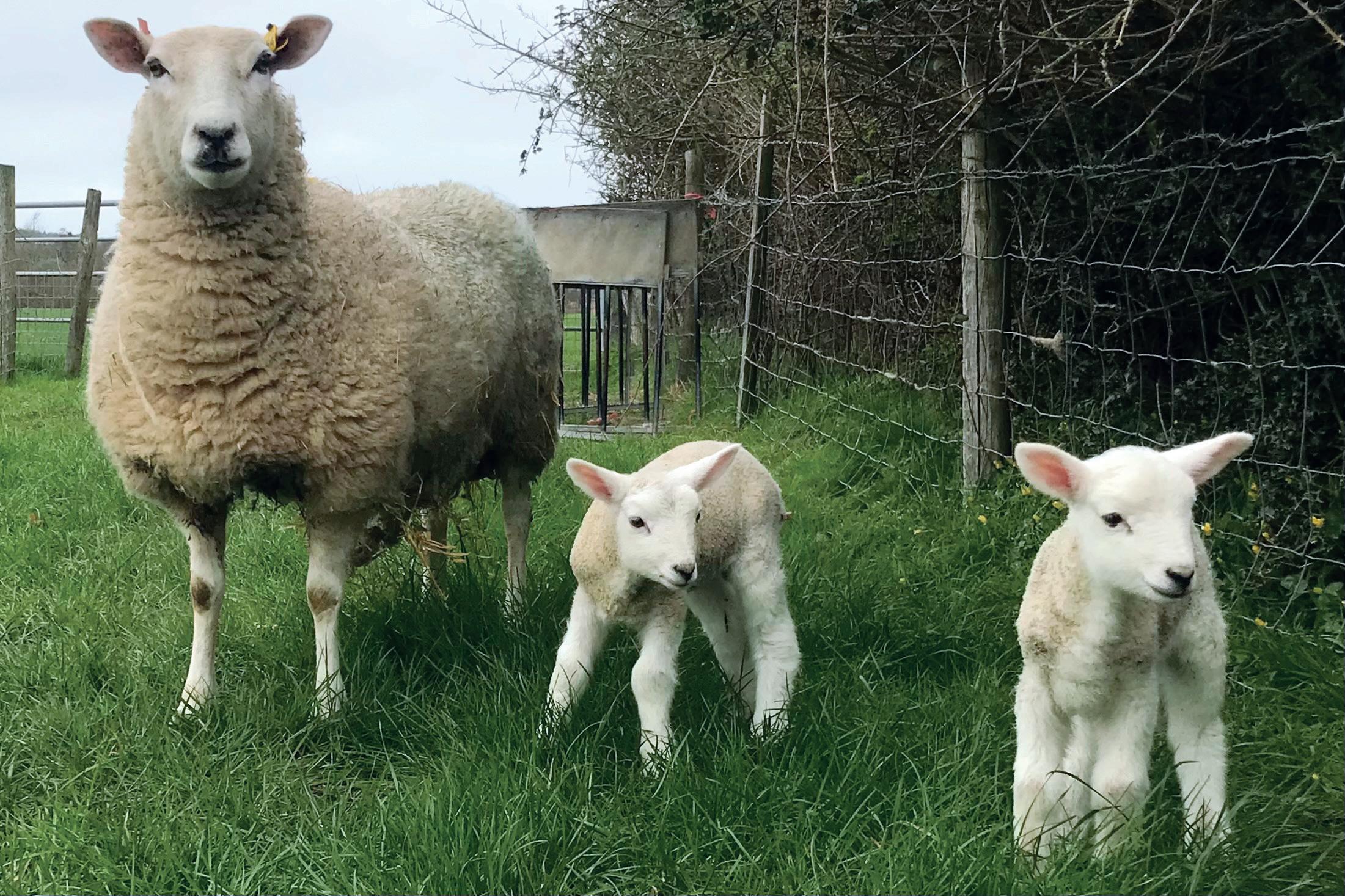
true sign of spring,
picked up, probably about an hour old but full of life and colostrum.
We lamb outside and drift out once mum has licked lambs dry. Lambs are weighed, navels treated and then they are popped into a clean mothering pen for 24 hours or so to ensure a good strong maternal bond before routine treatments (tagging, tailing etc.); then back out to grass once satisfied that all is well. There really is nothing like good, fresh grass for putting plenty of milk under a ewe. The Lleyn ewes are good mums, with a strong maternal instinct, so are rarely a problem to drift out, even first time lambers, and will generally follow with noses almost touching their lambs. For any that are a bit shy, the ‘lamb pram’ comes out, just a little extra distance helping to give the ewe a bit more confidence; it never fails.
Just having a single really didn’t surprise me, as some 60% of the ewes tupped in the first day or two after the Lleyn tup went in came round again and were re-tupped on the day I changed the crayon for the second cycle; fortunately, those were the only returns. The
boy did get a bit carried away with his initial burst of enthusiasm plus, I suspect, was a bit below par in terms of fertility, caused by temperatures still being in the mid to high twenties when that sperm began its journey.
Such a simple thing has also flipped our normal lambing journey, reversing what we would ordinarily expect; a good, steady start, a busy middle and a gentle tailing off towards the end of the Lleyn, a bit of a respite before the few Herdys then start, but that’s sheep.
Having not scanned this year, I’m not quite sure what to expect number wise, so it’s fingers crossed that results improve as lambing progresses. We would normally expect around 195 to 200%, but who knows this year, scanning results seem to have been very variable. Some of the girls are looking quite large, but that is no indicator of litter size; there will always be those ewes that ends up as wide as they are long and just pop out a single. They all carry their lambs differently; it is what it is.
Even though we have the prospect of a slow start, lambing is at least underway. We
A wise farmer once told me that if you have grass in January, you won’t have any in June. Let’s hope he’s proved wrong this year. Despite the wet weather, spring grass growth has been abundant, and many ewes have arrived at lambing in excellent condition. We’re keeping our fingers crossed that this doesn’t translate into big lambs out of fat ewes and increased lambing difficulties in the later-lambing flocks.
On the cattle side, we have carried out an unusually high number of calvings throughout February and March. While several were malpresentations, many involved exceptionally large calves requiring caesarean section. It’s possible that last summer’s forage shortage led to higher-quality conserved feed, and forage analyses we’ve undertaken for suckler herd nutrition planning seem to support this theory. Bluetongue continues to make its presence felt. We’re still seeing variable scanning results in both beef and sheep, and several ‘dummy calves’ have been identified this spring. Surveillance testing by the Animal and Plant Health Agency in our region revealed high levels of exposure: Seven out of seven farms tested positive in East and West Sussex, 10/14 in Kent and 12/14 in Hampshire.
The good news is that the BTV-3 strain did not cause the high ewe mortality seen on the continent. Production losses have nevertheless, been significant, and we expect another season of sub-optimal performance in unvaccinated herds and flocks.
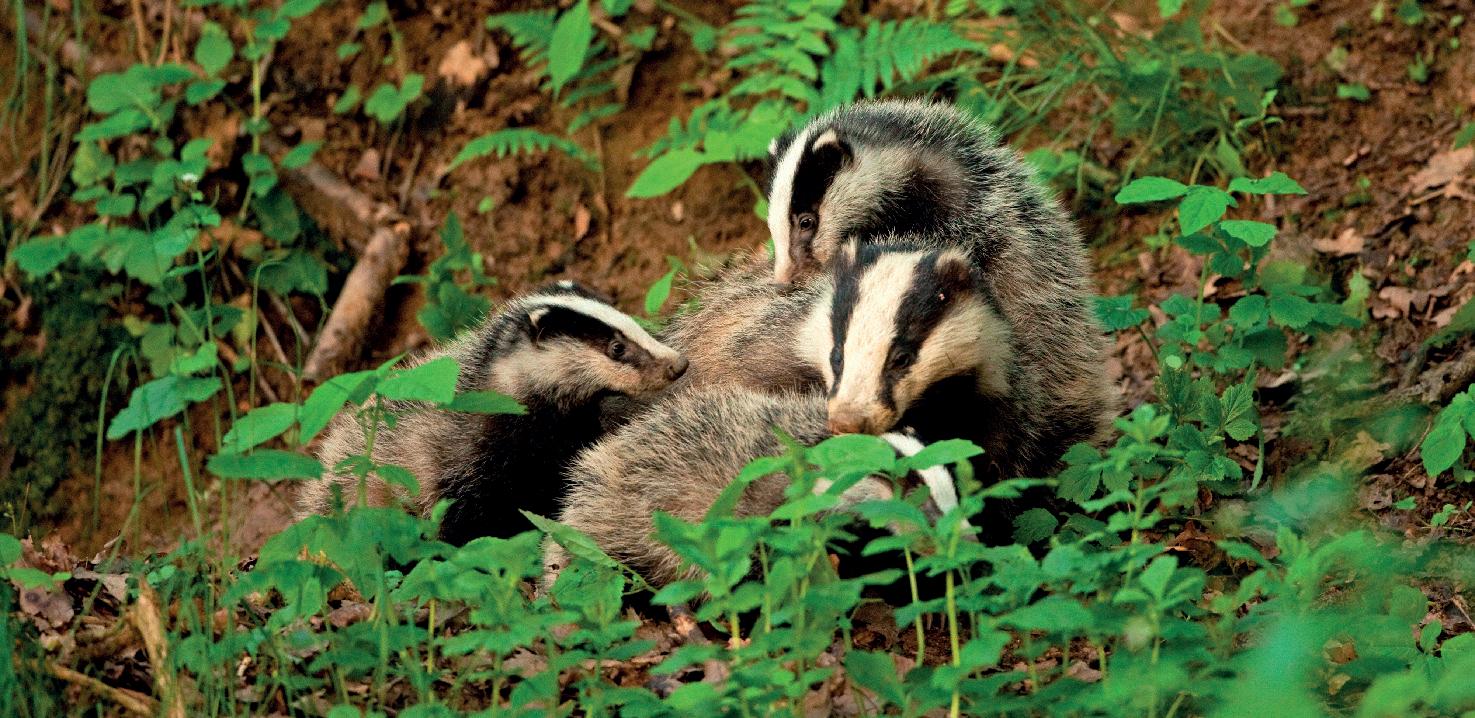
(Vaccinating East Sussex Badgers) TB vaccination project, which we’ve been running in East Sussex for the past five years, has been granted a one-year extension. We have vaccinated more than 3,000 badgers, and although official cattle TB statistics always have something of a time lag, it does feel like progress is being made. Encouragingly, only one chronically infected farm in the vaccination area remains under restriction at the time of writing.
Building on the success of this farmer-delivered project, Cliffe Vets is also part of a wider consortium led by Farmcare Solutions that has been awarded a government tender to extend badger
vaccination into other high-risk and ‘edge’ areas of England. This new post-cull initiative, known as the Badger Vaccination Field Force, will begin operating in defined parts of Shropshire, Worcestershire and Oxfordshire. Over the coming months, we will be looking for farms interested in taking part.
don’t have that many to lamb this year; I sold hard and culled hard last summer, largely as a result of the drought and tight grass supplies but influenced in part by the fact that I’m now of an age when I just want to enjoy my sheep. After beginning my career in dairying, I first developed my sheep interest working with hill flocks in North Wales some 50 years ago. Being very much in at the deep end, I quickly discovered that sheep are far more complex characters (more so than dairy cows) than most people appreciate, and that I was unlikely ever to know all there is to know about sheep (I leave that to others), so life has been a continuous learning experience. I have always had a keen interest in animal
behaviour, sheep in particular; now, having reduced flock numbers, I find myself in the position where I have both the time and space required to indulge that interest. Simply being able to spend time leaning on a gate observing the girls really is quite an agreeable activity - monitoring, if only mentally, noting their behaviour and some of the complex interactions within the flock.
The days when I would have felt guilty about not being busy have, happily, gone. That, however, does not mean that I am no longer interested in producing good sheep, by which I don’t mean chasing performance regardless of cost. To me, a good sheep is a smartlooking ewe that is capable of paying her way,
performing efficiently and sustainably within a system where simplicity has always been key, a milky and maternal ewe that can cope with the challenges of lambing outdoors on a largely grass-based system with permanent pasture on relatively poor soils and only strategic use of hard feed, and still produce and rear a good strong pair of lambs. Although I don’t breed for the show ring, being able to produce the odd breed champion is a bonus.
Keeping sheep is never straightforward, which is part of its attraction, but one learns quite rapidly just to get on and deal with the bad bits (or get out) and enjoy the good bits. It may not always be a profitable life, but it’s a good life.
By
Late February saw the NFU Conference in Birmingham. Focused on the theme of Resilience, it gave us an intriguing set of perspectives at a global, national and local scale. In a masterly insight into the vulnerabilities of food supply, Professor Tim Lang asked if we were taking food resilience seriously.
His views were supported by the international analysis offered by Harry Smit from the Dutch Rabobank. Poor diets causing ill health and global geo-political volatility took centre stage, which set the scene for an explanation of the work of the NFU and Gail Souter in the complexities of international trade.
Prime time was taken by DEFRA Secretary Emma Reynolds, expertly compered by President Tom Bradshaw. A telling moment came when Emma told us she was hoping to still be with us this time next year. Tom quietly interjected: “I am, too!”
In that context, I am pleased to report that in the leadership elections held at the AGM that followed, he was resoundingly elected
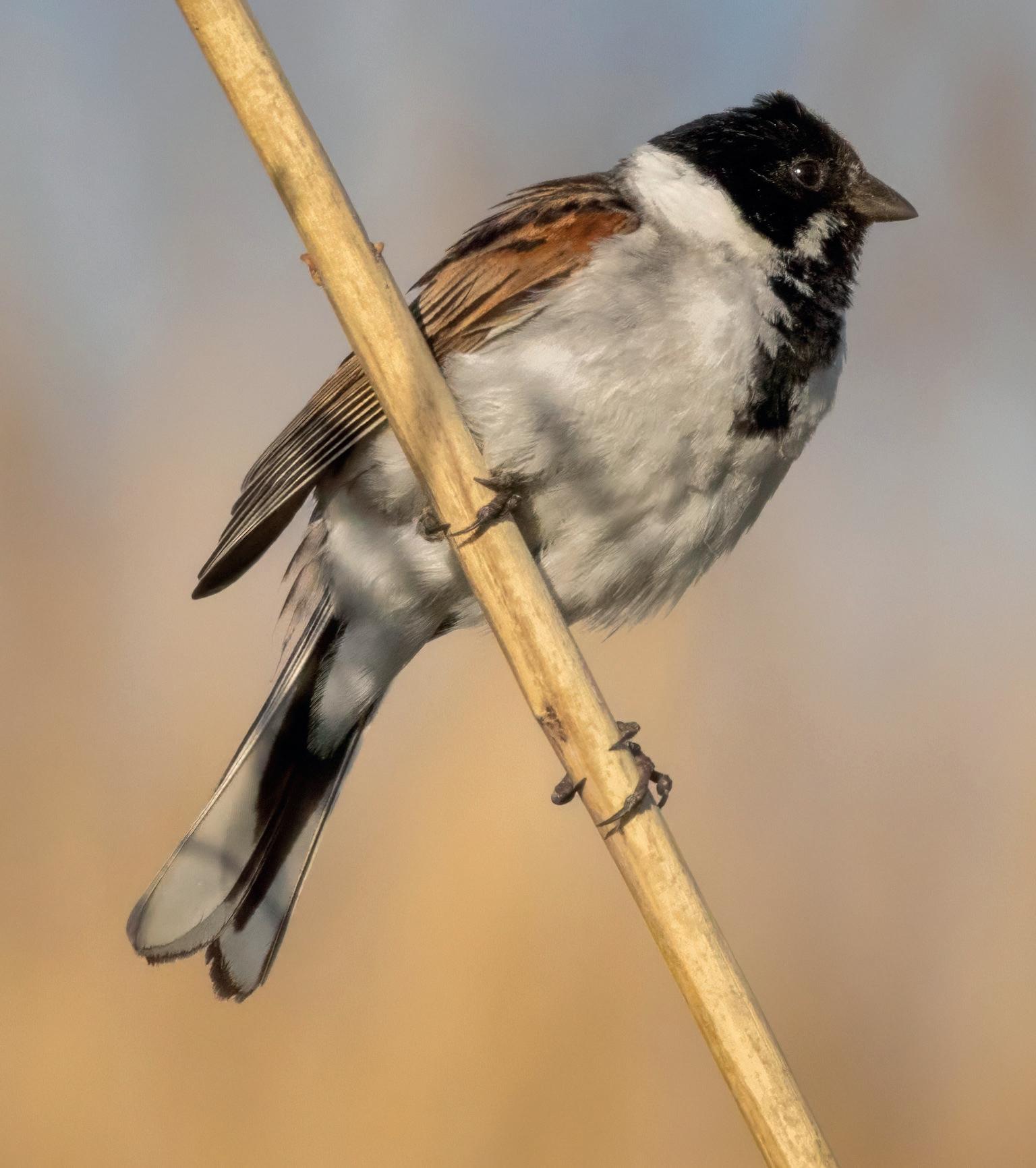
for another two-year term. Let’s hope Emma’s wish also comes true.
New faces join Tom on the presidential bench, with Paul Tompkins replacing David Exwood as deputy and Robyn Munt replacing Rachel Halos as vice. These are big roles, and David and Rachel gave unstintingly during their terms, giving Paul and Robyn a head start as they take over.
Ashwin Prasad, CEO of Tesco, focused on “using data and the rollout of innovation”, combining well with later presentations on artificial intelligence (AI). There followed a much-enjoyed members’ panel. Beef farmer Dylan Jones, flower grower Rozanne Delamore, Poultry farmer Will Raw and Birmingham-based vegetable grower Bal Padda gave stirring stories of determination. Bal rather stole the show with his comment: “…You just get on with it, don’t you!”
The bombing of the Iranian regime and associated horror across the Gulf has quickly validated the lessons of the conference.
A side issue to the human misery, the role of AI in the conflict has been fundamental, with Iranian missiles hitting data centres in a bid to disrupt input to battle control systems. The conference presentations seemed strangely prophetic, “spreadsheets on steroids” meeting sci-fi science.
After the conference, but before the war, my curiosity was roused. When a member of our local birdwatching group (Sham Birders, being close to Hailsham) produced a photograph of a reed bunting with a crest, I downloaded an AI response. It read: “Reed Buntings do not have a prominent, permanent crest (unlike the crested titmouse or crested lark) … However, they do have feathers on their head they can raise when agitated, alarmed or to display…”
This computer-generated assertion was politely added to by an actual human, who commented: “Also likely to be a breeze-driven Trump-esque toupee effect, or the loss of a couple of feathers beneath those that cause the ‘crest’. The bird could be singing directly at a rival male and raising its hackles…”. This combination of artificial and real intelligence yielded the richest answer, an unwitting microcosm of The West versus Iran.
Ultimately, then, we must keep humans firmly in the equation. This was the most important lesson from the conference, a gathering where our industry and its people were rightfully celebrated. One hopes it will guide the war also.
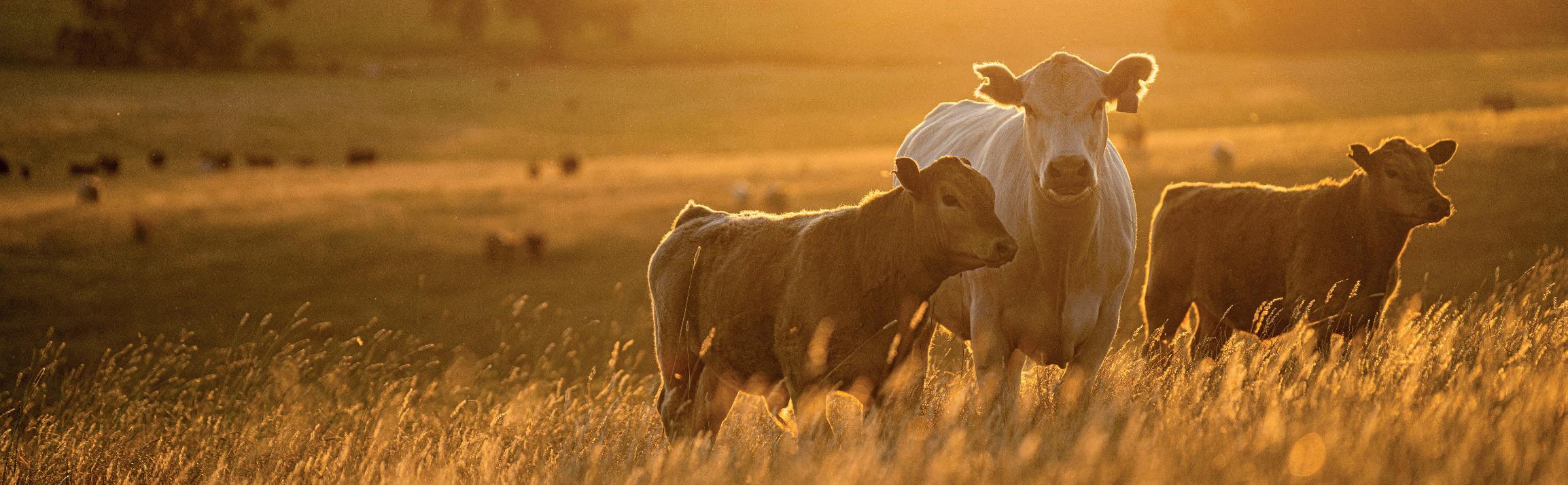
With the high vector period of March to November approaching, this is the ideal time to prepare to combat bluetongue virus. Bluetongue is a notifiable disease affecting all ruminants and camelids.
There are many different strains of bluetongue, with bluetongue virus serotype 3 (BTV-3) first identified in the Netherlands in September 2023. Since July 2025, there have been 299 confirmed cases reported across Great Britain. Updates from the Ruminant Health and Welfare Network state it has even spread to Northern Ireland, where there have been five confirmed cases.
Bluetongue is a vector-borne disease transmitted by Culicoides midges and is strongly associated with seasonal changes. Midges can fly up to 2km, but can be carried further by wind, allowing an infected midge to spread between farms.
Once a midge is infected with bluetongue virus, it remains infected for life. Transmission and virus replication within midges depends on temperature, as the virus cannot replicate below 3⁰C. The tail end of winter and beginning of spring is a low vector period, meaning the midges are unlikely to have the capacity to replicate, due to the lower temperatures. The severity of clinical signs varies between species, breed and serotype, and not all
Jessica HC Tang of Westpoint Ashford looks at how to combat the bluetongue virus.
ruminants will show clinical signs. BTV-3 presents most severely in sheep, with clinical signs including a fever, swollen head and tongue, crusting around the muzzle and mouth, nasal discharge, drooling, lameness or sudden death.
Fewer clinical signs are seen in cattle, which may not show any clinical signs at all. Signs in cattle include reddening of the mouth, eyes or teat ends, lameness, fever, poor fertility and milk drop. Farmers are urged to be vigilant for stillbirths, abortions and ‘dummy’ calves/lambs – animals that appear blind, are weak and have a poor suckle reflex. These animals may seem incidental but could indicate bluetongue virus within the herd.
weeks before any rams/bulls are introduced and before the high-risk periods. Similar to other vaccines, there are risks administering during early or late pregnancy. As bluetongue virus can affect fertility, consider vaccinating breeding males as well. Once the course is complete, manufacturers suggest annual protection and boosters should be planned in the following years in time with high-risk periods.
If you would like to discuss anything covered in this article contact your local Westpoint practice
Westpoint Ashford T: 01306 628208
Westpoint Winchester T: 01962 779593
Westpoint Chelmsford T: 01306 628489
E: info@westpointfarmvets.co.uk www.westpointfarmvets.co.uk
Bluetongue has the potential for significant production loss for the sheep and cattle industry. The reduced productivity, mortality, additional labour and treatment costs can all add up.
Vaccination remains the best tool to protect stock. There are currently three vaccines available for BTV-3, all of which have been used across Europe during the recent outbreak. These aim to reduce viraemia and clinical signs associated with BTV-3. Ideally, animals should be vaccinated three
The risks and impacts on a farm will vary with different species, breeds or farming systems. Every farm is unique, and understanding which vaccine to use and when to use it is crucial. Your vet can help you work through this and plan accordingly. The funding available on the animal health and welfare pathway is a great opportunity for your vet to discuss disease prevention, including for bluetongue virus.
As the weather gets warmer and the high vector period approaches, this is the perfect time to plan ahead, whether that means scheduling vaccinations or strengthening biosecurity measures. Given the number of confirmed cases this season, it is vital that farmers remain alert and promptly report any suspected cases to the Animal and Plant Health Authority.
Call us today or visit our website: 01227 763939 furleypage.co.uk
Mark Betteridge, Divorce and Family Law Solicitor, Woolley &
Co, Solicitors sets out what you need to know before you separate.
Divorce is never easy. In farming families it carries an additional layer of complexity because the farm is not just a business; it is a livelihood, a home and often a multigenerational legacy.
Over the past three decades I have advised many farming clients. A common theme is that separation is approached with understandable anxiety: “Will I lose the farm?” “Will it have to be sold?” “How do we value land that’s been in the family for generations?”
While every case turns on its own facts, there are some practical points worth understanding before taking formal steps.
In England and Wales, financial outcomes are driven by statutory principles of fairness. The starting point is full financial disclosure. The court will consider housing needs, income requirements, the welfare of any children and the resources available to both parties.
In farming cases, that includes land, livestock, machinery, diversification enterprises, pensions and any off-farm income.
Agricultural assets require specialist valuation. Farmland, development potential, tenancy arrangements, basic payments or successor schemes, and partnership interests all need careful analysis.
Importantly, the headline value of a farm does not necessarily equate to accessible cash. A paper valuation of land may look substantial, yet the business may be asset-rich and cashpoor. Courts do recognise this tension, but it must be properly evidenced.

“INHERITED” DOES NOT AUTOMATICALLY MEAN “PROTECTED”
Many farmers assume inherited land is ringfenced. While inheritance can be a relevant factor, particularly in longer-standing family ownership, it is not automatically excluded from consideration.
If the farm provides the family home, income, or security, it forms part of the overall financial landscape. The key question becomes how to meet both parties’ needs without destabilising the business unnecessarily.
One of the most persistent fears is a forced sale of the farm. In reality, courts are generally reluctant to disrupt a viable farming enterprise if there are alternative solutions.
These may include structured settlements, deferred lump sums, offsetting against pensions or other assets, refinancing, or in some cases continued joint ownership for a period. Early legal advice often opens options that are not immediately obvious.
Many farms operate as partnerships or limited companies. The legal structure significantly affects how interests are assessed. Partnership agreements, company articles and trust arrangements should be reviewed at an early stage. Where documentation is outdated or informal, uncertainty increases, both commercially and emotionally.
Separation in a rural setting can feel isolating. It is important to take advice before making financial decisions, transferring assets or agreeing informal arrangements. A measured, informed approach usually preserves more value, financially and personally, than a reactive one.
Divorce involving a farm demands sensitivity to both family and business realities. With the right professional input, it is often possible to achieve a fair outcome while safeguarding the future of the enterprise.
Mark offers a free initial 30-minute conversation for those who would like to understand their position before taking the next step. Call 01992 210779 or request a callback via the website at www.family-lawfirm.co.uk
Agri-tourism continues to gather momentum across the South East, with many farmers exploring opportunities such as glamping, pop-up campsites, farm shops and seasonal events. These ventures can provide welcome additional income and strengthen the resilience of farm businesses. However, they also bring new regulatory considerations that it is important to understand early on.
Most agri-tourism activities involve some form of non-agricultural use, meaning planning permission may be required. Glamping pods, parking areas, new access tracks and permanent welfare facilities usually fall outside permitted development rights. Even temporary structures may need consent, depending on their duration and impact. Local authorities are likely to consider factors such as traffic levels, landscape impact, wildlife disturbance and noise before granting permission. Farmers should therefore review the planning status of their land and seek advice early, particularly if infrastructure changes are needed.
Where land is held under an Agricultural Holdings Act (AHA) tenancy or a farm business tenancy (FBT), diversification is
not automatically allowed. AHA and FBT agreements often contain restrictions on non-agricultural uses or require landlord consent for structural alterations or alternative enterprises. Reviewing tenancy terms before investing in new facilities can help ensure that any proposed agri-tourism activity is permissible and properly documented.
Diversifying into agri-tourism can put both agricultural property relief (APR) and business property relief (BPR) at risk. Non-agricultural activities such as holiday lets, events, or leisure facilities may mean that land and buildings are no longer considered to be used for agriculture, reducing eligibility for APR. Likewise, if agri-tourism income or activity becomes significant, HMRC may view the overall operation as an investment-type business rather than a trading one, jeopardising BPR. Clear structuring and evidence that farming and trading remain the core activities of the business are essential to preserve reliefs.
Farmers offering overnight stays should also be aware of proposals for a new overnight visitor levy on which the government has consulted. The plans would allow English mayors and local leaders to
introduce a modest charge on paid overnight accommodation, including hotels, B&Bs and campsites. While not yet in force, the direction of travel suggests that local areas may adopt such a levy later this decade. Farms developing glamping or other accommodation should keep this potential requirement in mind.
Agri-tourism offers meaningful opportunities for South East farms to diversify and strengthen their income. A clear understanding of planning rules, tenancy obligations and the potential tax implications of changing land use will help ensure new ventures are both legally compliant and commercially sustainable.
At Brachers, our agriculture and rural team can support you at every stage, whether assessing planning requirements, reviewing tenancy provisions or preparing for regulatory change, helping ensure your diversification is well structured, sustainable and legally secure.

www.brachers.co.uk


Impartial
Talis Independent Financial Advisers operate throughout the UK supported by the head office team in Kent.
You may have heard of ‘the great wealth transfer’, with an estimated £5 trillion to £7 trillion passing from the baby boomer generation to gen X and millennials between now and the 2050s. Successive governments have noticed this trend, too, with HMRC reporting that receipts for inheritance tax (IHT) were over £8 billion for 2024/25, up from less than £5.5 billion in 2020/21.
Despite vocal protests across the rural economy, the Government is pressing ahead with unprecedented changes to the IHT regime by reducing agricultural and business property reliefs from 6 April 2026. Away from the headlines there is a raft of broader changes planned across the entire tax landscape all the way up to 2029.
Benjamin Franklin’s oft-quoted line that “nothing can be said to be certain, except death and taxes” feels more apt than ever. Rural families and small business owners need to get comfortable with having difficult conversations about money and what exactly might happen when family members pass away. That is why Talis IFA has published Two Certainties – our guide to death and taxes. First and foremost, it is important to

JAMES COLE
Managing Director, London - South East
T: 01233 722999
E: jc@talisifa.com
W: www.talisifa.com
understand exactly what your estate is comprised of and how those assets are owned. In simple terms, your estate is everything you own in your sole name and your share of joint assets.
The exact nature of ownership will determine how some assets are treated differently to others. Joint assets are inherited by the survivor, for example. Couples may own a home as ‘tenants in common’, meaning you each own your own share which can be inherited by someone else, typically children, rather than automatically being left to your spouse or partner.
Probate is the legal process of giving authority to executors or administrators to deal with your estate, instruct financial institutions and make payments to your beneficiaries. There are some circumstances in which probate isn’t required, but they are rare. IHT usually needs to be settled in advance of probate being granted. Even if the tax can be spread over ten years, it will usually be necessary to realise significant sums to settle bills in a timely fashion.
Certain assets can be distributed separately to your estate. Pension funds and death-inservice lump sums are subject to the scheme rules and administered by the trustees of the scheme. You should complete a ‘death benefit nomination’ also known as an ‘expression of wishes’ to give direction to the trustees. From 6 April 2027, those ‘unspent’ pension funds will also add to the IHT calculation, creating a further administrative burden for those who are left to settle your estate.
Life assurance policies are likely to play an increasingly important role in tax-efficient estate planning. It is vital that such arrangements are structured correctly to produce the intended outcome.
A single-life policy will pay the sum assured to the estate unless it is written in trust or assigned to someone else. Joint policies are usually written on a ‘first death’
basis, meaning the sum assured is paid to the survivor. They can also be written on a ‘second death’ basis, which is common for estate planning because there is no IHT liability between spouses and civil partners. In other words, the liability doesn’t arise until the second death.
Having a life assurance policy pay out to a trust has three key benefits:
• Certainty over how the funds are used
• Speed of payment to your beneficiaries
• The sum assured doesn’t form part of your estate and isn’t subject to IHT.
This could be a highly effective way of creating liquidity to settle tax liabilities and ensure that family members have enough money on hand while illiquid assets are identified, valued and potentially sold.
Family farms, and other rural businesses, may share similar characteristics, but every individual has a unique set of circumstances. Scan the QR code to download your copy of Two Certainties and don’t let your family inherit an uncertain future.
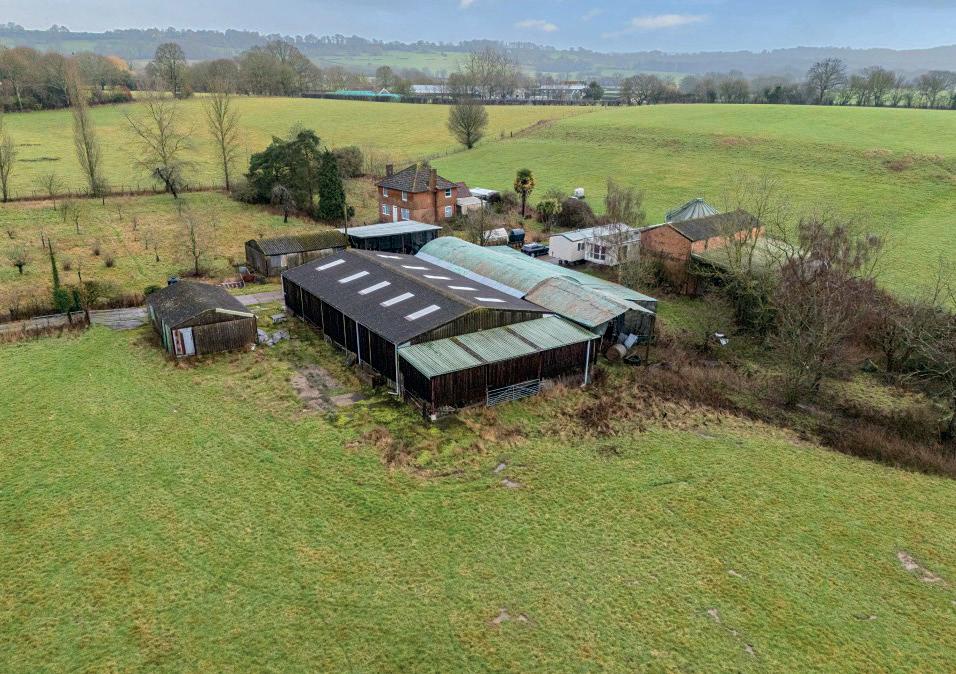
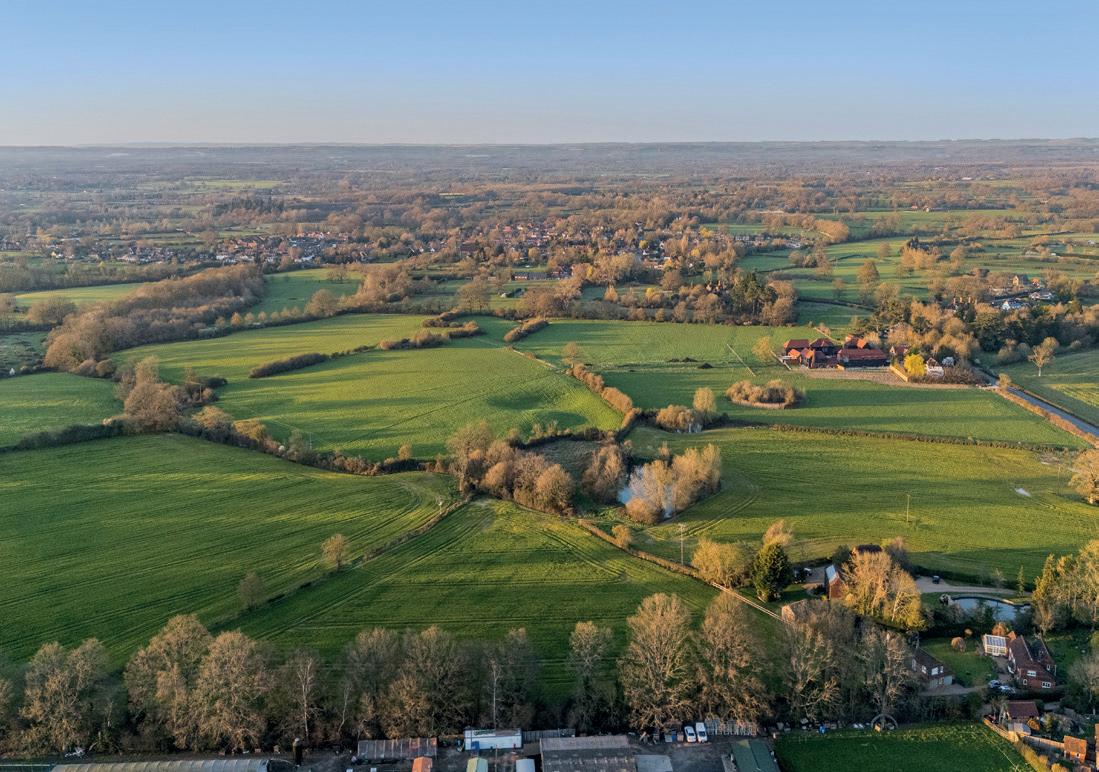

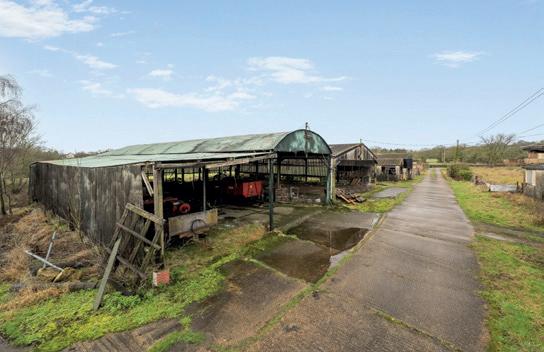
Guide Price
£950,000
A rare opportunity to purchase an undeveloped farmstead comprising a farmhouse and extensive outbuildings, set within approximately 16.85 acres of pasture, in a favourable position on the outskirts of the charming Wealden village of Grafty Green. The farm is offered for sale following nearly 60 years of continuous family ownership.

Contact Antonia Mattinson or Alan Mummery on 01892 832 325
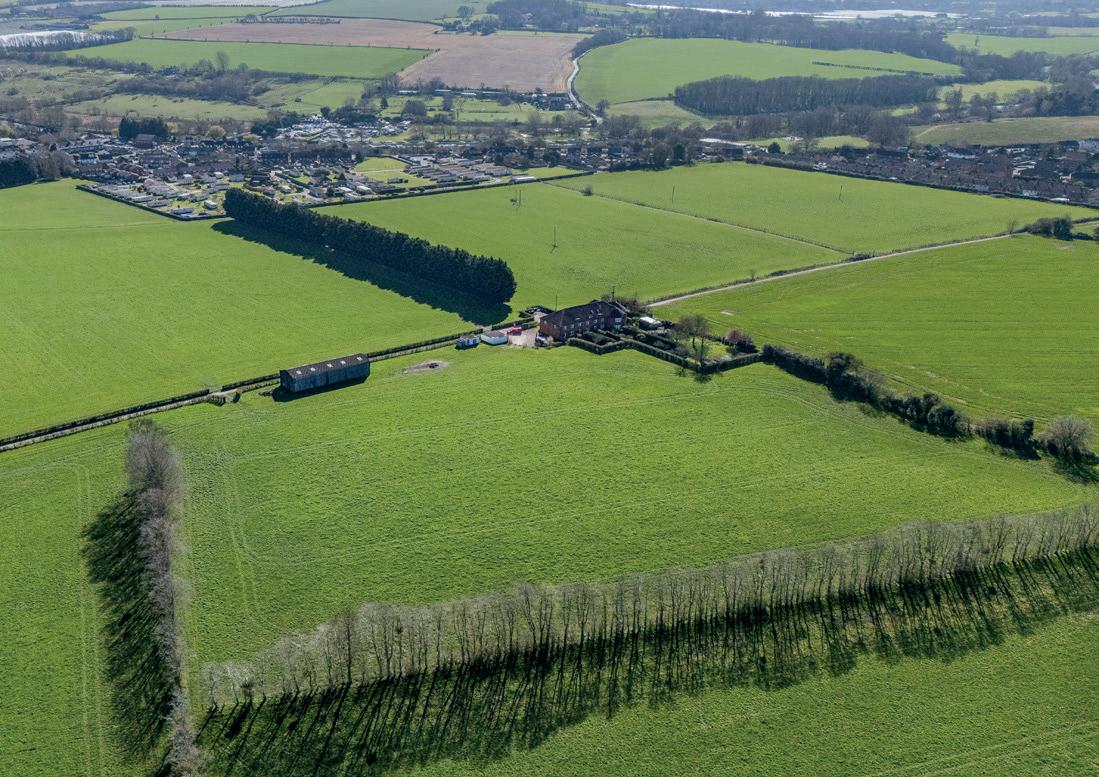
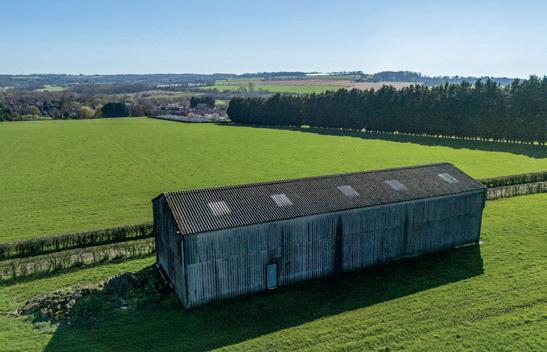
Wateringbury, Maidstone
Guide Price
£750,000
A modern farm building with planning permission to convert into a four-bedroom family home, set in an elevated position with farreaching countryside views. In all about 20.83 acres (8.42 hectares), including attractive ponds. For sale as a whole or in three lots. FOR SALE
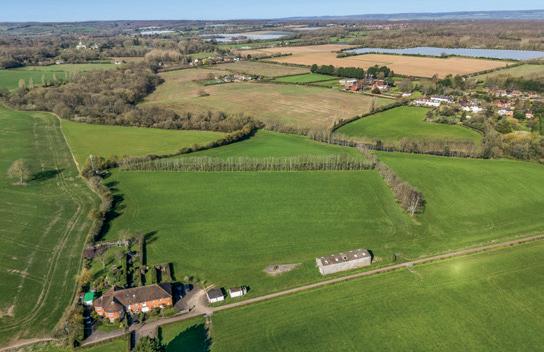

Contact Will Jex or Alan Mummery on 01892 832 325
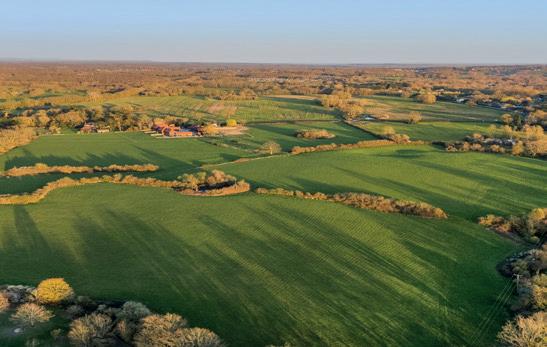
Guide Price £535,000
A gently undulating block of Wealden pasture extending to approximately 61.08 acres (24.71 hectares) of Grade III clay soils, divided into manageable enclosures with new access from Tenterden Road, and featuring natural ponds and a stream along the western boundary. FOR SALE
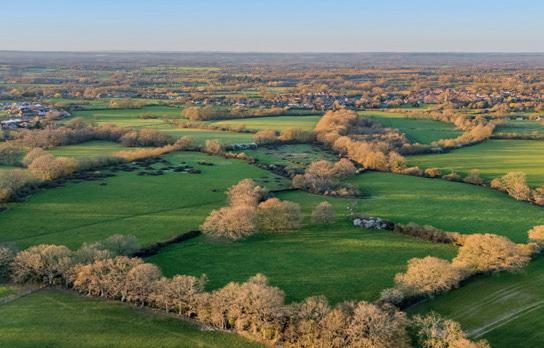

Contact Will Jex or Alan Mummery on 01892 832 325
FOR SALE
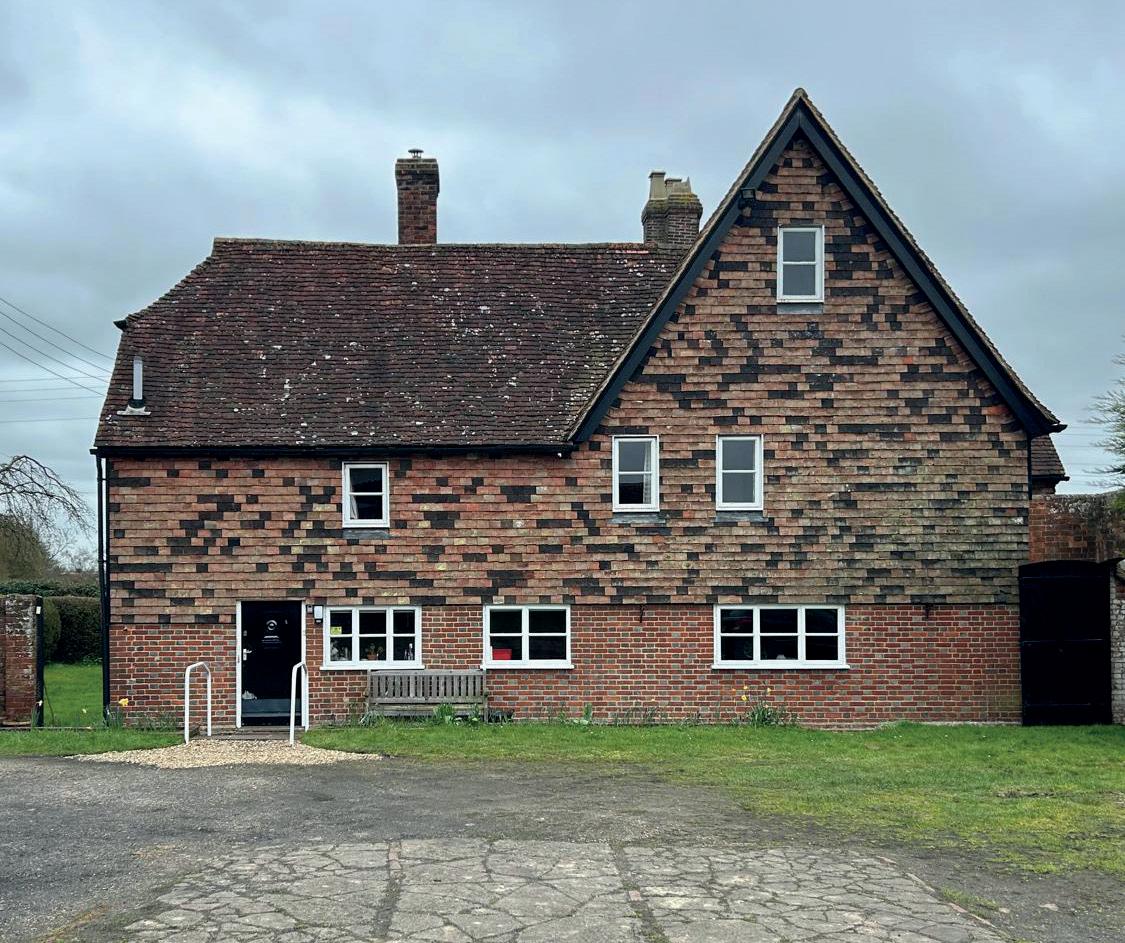
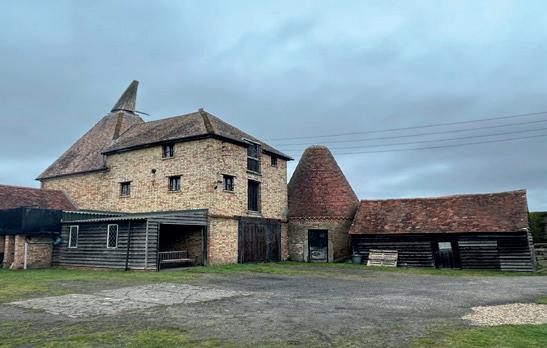
Guide Price £1,395,000
A Grade II Listed family home offering generously proportioned living accommodation arranged over two floors. Clock House Farm comprises of the farmhouse, traditional Oasthouse (no planning permission) and land extending to some 1.25 acres.
Contact Antonia Mattinson or Alan Mummery on 01892 832 325
Farmers planning to apply for a capital grant when the scheme reopens in July 2026 are being advised to start their preparations now, with DEFRA warning that applications are expected to outpace the funding available.
The capital grants scheme provides one-off grants for items or works which will improve air and water quality, support natural flood management and restore hedges and walls.
Although DEFRA revealed last month that the budget for the scheme had been increased from £150 million in 2025 to £225 million for 2026, last year’s funding allocation ran out less than a month after the opening of the application window and strong interest is expected again this year.
As an early warning system for when the scheme may close, ministers have said updates will be issued when uptake reaches 25%, 50% and 75% of the allocated budget.
Rob Wilkinson, a farming consultant within the rural team at Strutt & Parker, said: “‘Our advice is to prepare early, so you’re ready to submit as soon as the window opens in July.
“Guidance notes for the 2026 round of the scheme will not be published until May, but we are assuming the list of items available will be broadly similar to previous years.
“Preparation involves checking that the business information and mapping details held by the Rural Payments Agency is up to date.
“It is also important to take the time to review cash flows and weigh up the likely returns before committing to an application. Businesses will need to fund the full cost of any works upfront, with the grant paid retrospectively. It is therefore vital to ensure the figures stack up and that any investment supports your longer-term strategy.”
As in previous years, there are items which require support from the local catchment sensitive farming officer (CSFO) before an application can be made. These include concrete yard renewal, hardcore tracks, self-supporting slurry store covers, sprayer load and washdown areas and the roofing of silage clamps, collecting yards, muck heaps and slurry stores.
“Booking a visit from a CSFO at this point may be difficult, although it’s always worth a try, as DEFRA has said the priority over the coming weeks will be carrying out visits that are already in the diary.
“However, if you have received CSFO support in the past two years for these items, you can use this support when you apply.”
The list of items available through the capital grants scheme will be organised into the following six groups:
• Boundaries, trees and orchards
• Water quality
• Air quality
• Natural flood management
• Assessments
• Improvements
Funding limits will continue to apply as below:
• £25,000 for the water quality, air quality, and natural flood management groups
• £35,000 for the boundaries, trees and orchards group.
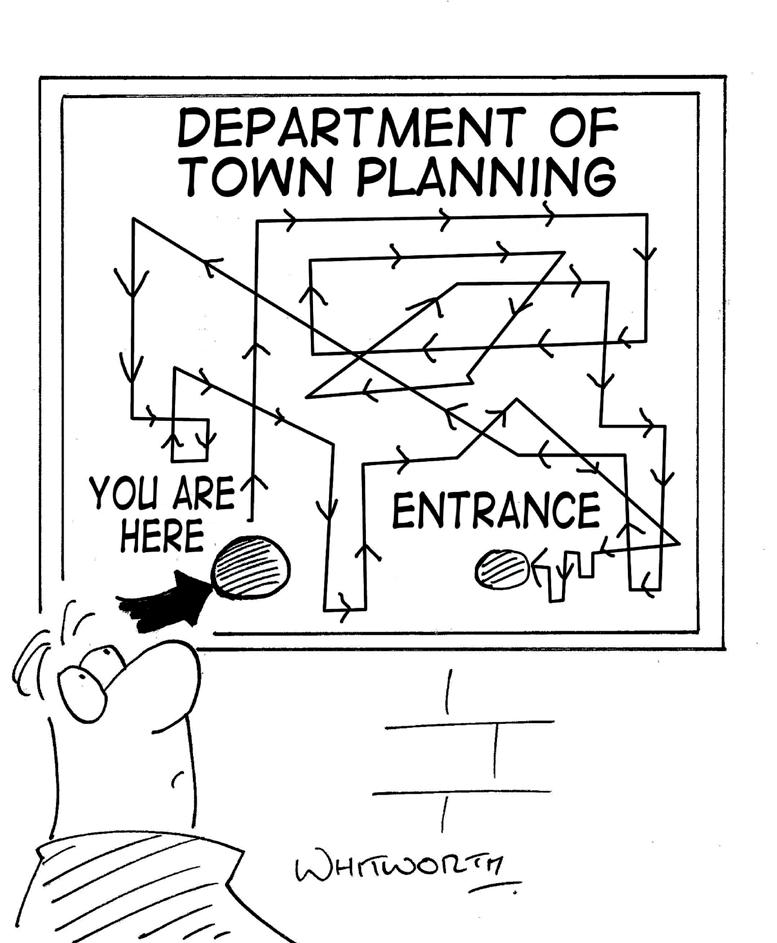
Rebecca Hammett
Talis IFA has announced the appointment of experienced Independent Financial Adviser Rebecca Hammett as a director, marking a milestone in the company’s growth and commitment to broadening its leadership team.
Rebecca brings extensive knowledge in retirement and estate planning, working with private clients, small and medium-sized businesses and trusts, and has been brought on board to strengthen Talis IFA’s ability to support clients with increasingly complex financial planning needs.
She commented: “Financial planning can feel daunting, and my priority has always been to make it simple, transparent and empowering for clients. I’m excited to join the leadership team at Talis and help drive the business forward while continuing to support clients in achieving their long-term goals.”
James Cole, Talis IFA’s managing director, added: “Rebecca’s appointment marks an exciting moment for Talis IFA. She brings not only deep technical expertise but a genuine commitment to helping our clients make informed financial decisions in an increasingly complex world.
“Having worked together for more than six years, I’m delighted to add Rebecca’s perspective to the leadership team as she helps me grow the business and enhance the service we deliver to clients.”
Samuel & Son is delighted to announce the appointment of Richard Mann in a new role as a people, property and professional facilitator.
Having spent ten years working for a national farm agency, handling some of the most significant farm sales across the South East, Richard has worked in the rural property sector since graduating from Newcastle University some 20 years ago.
“I’m delighted to be joining Samuel & Son in this exciting new role. I have known Andrew professionally since the inauguration of Samuel & Son in 2005. The firm is already well equipped to handle all facets of rural property and I look forward to offering something a little different and strengthening their
team in assisting farmers, landowners and professionals, both old and new, across Kent and Sussex,” said Richard.
“I have lived in East Sussex my whole life and think it is one of the most beautiful and convenient parts of the country. I have excellent knowledge of the area, and having been brought up in the countryside and around farming I understand the support required to successfully and efficiently achieve business goals and objectives.
“I can help to facilitate a raft of arrangements, whatever they might be, so please do give me a call if you want to instigate a sale, letting or acquisition, need professional advice, are seeking specific personnel or anything else in between.”
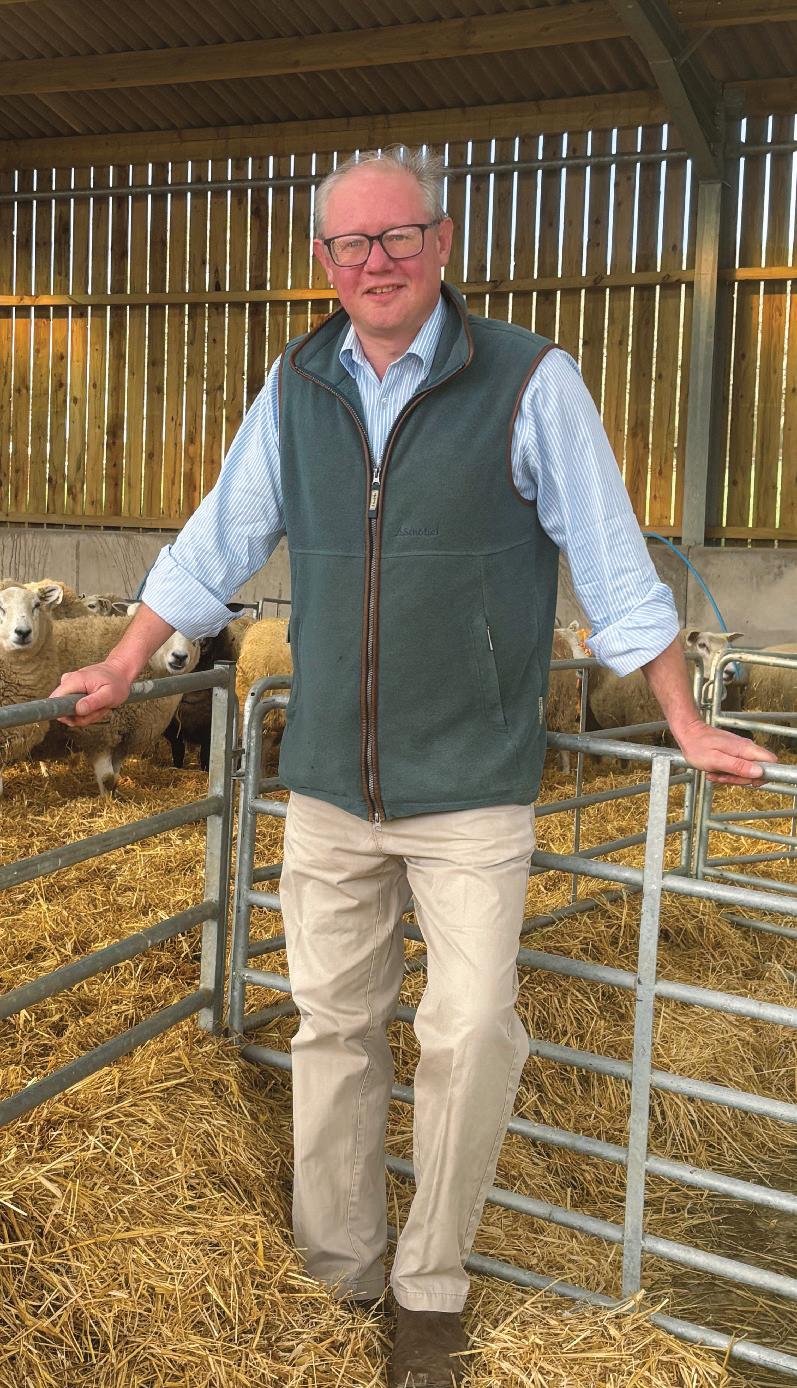
Richard Mann
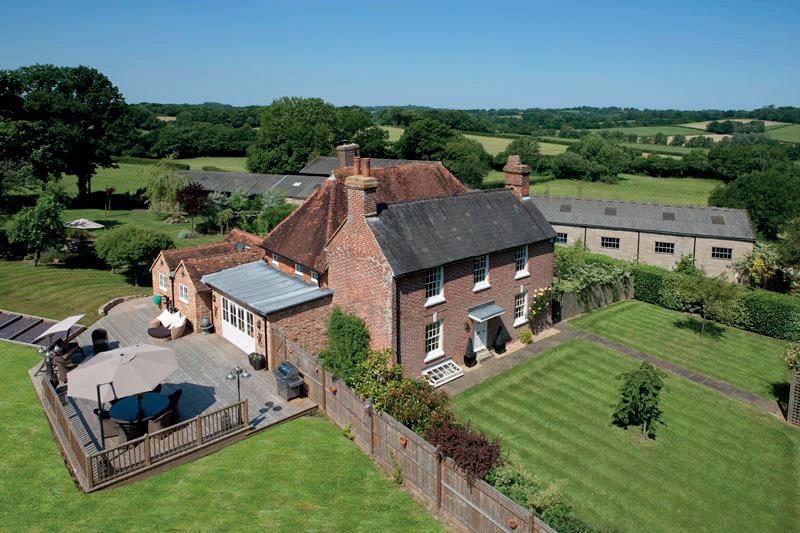
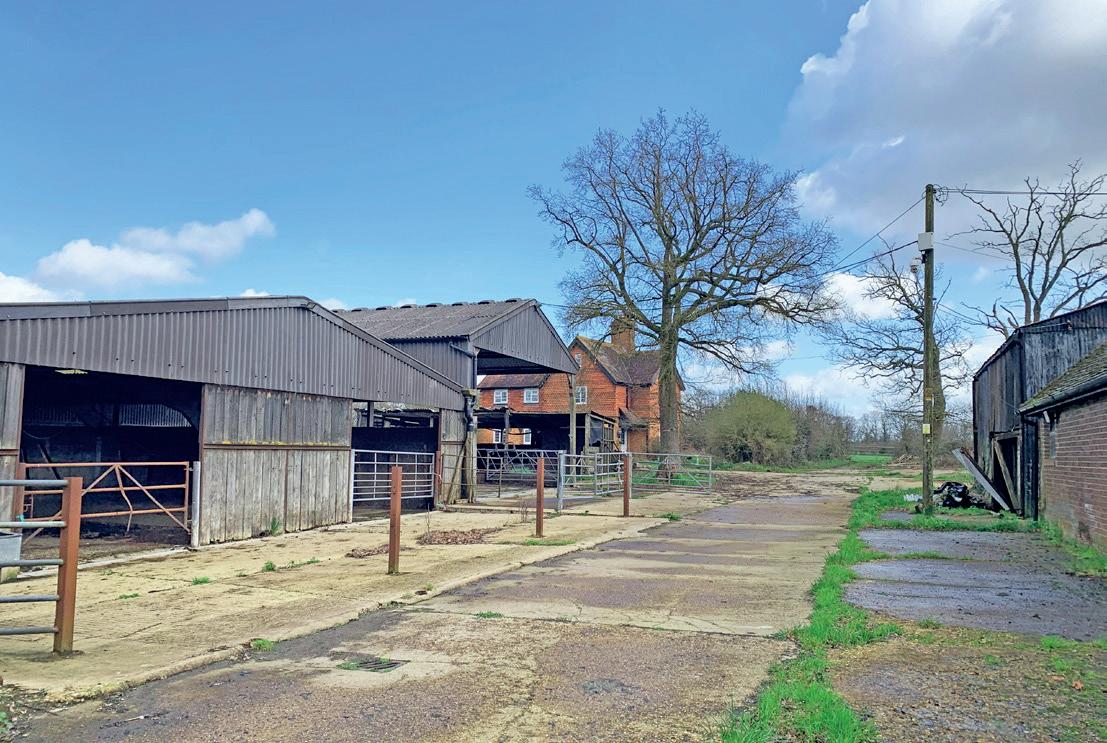
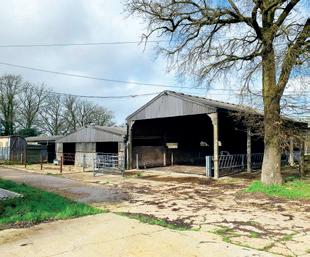
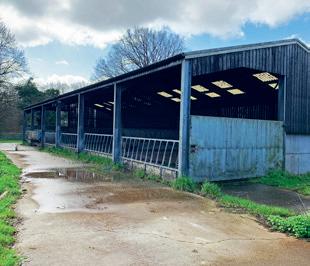

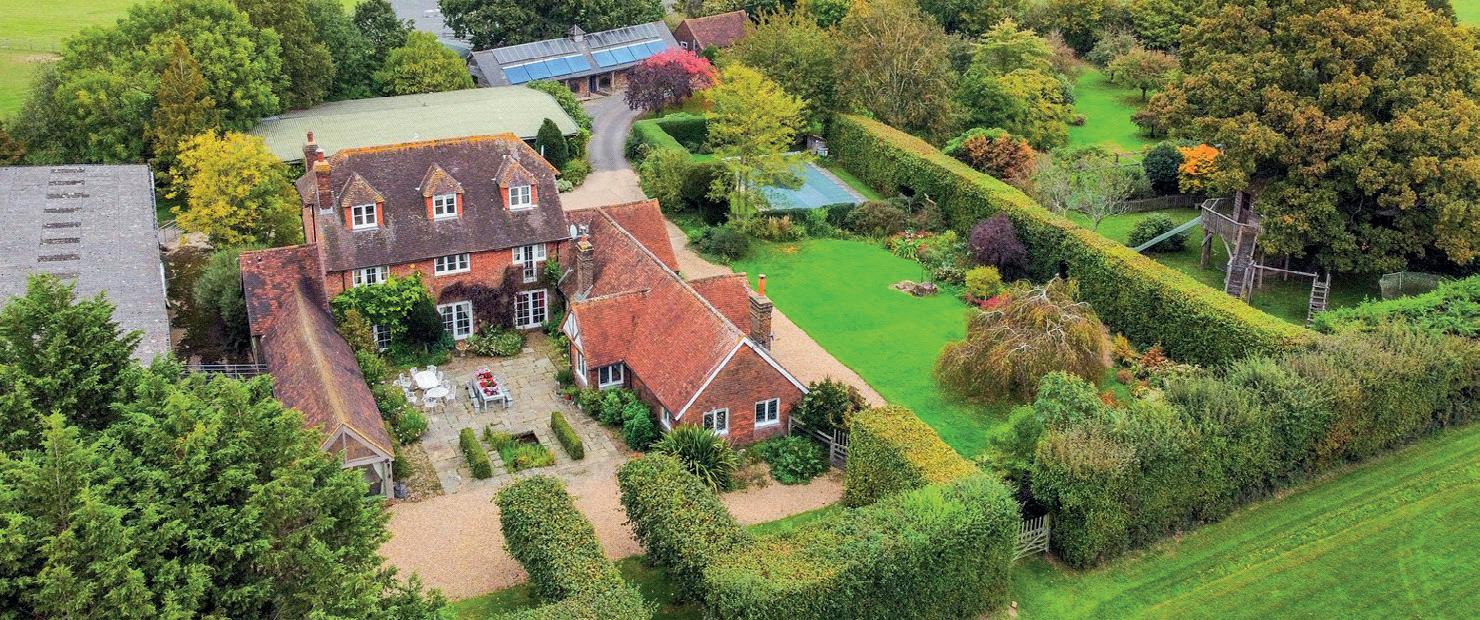
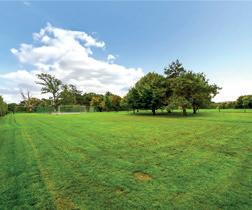
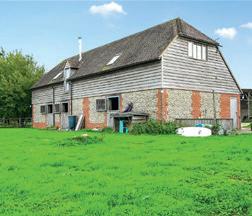
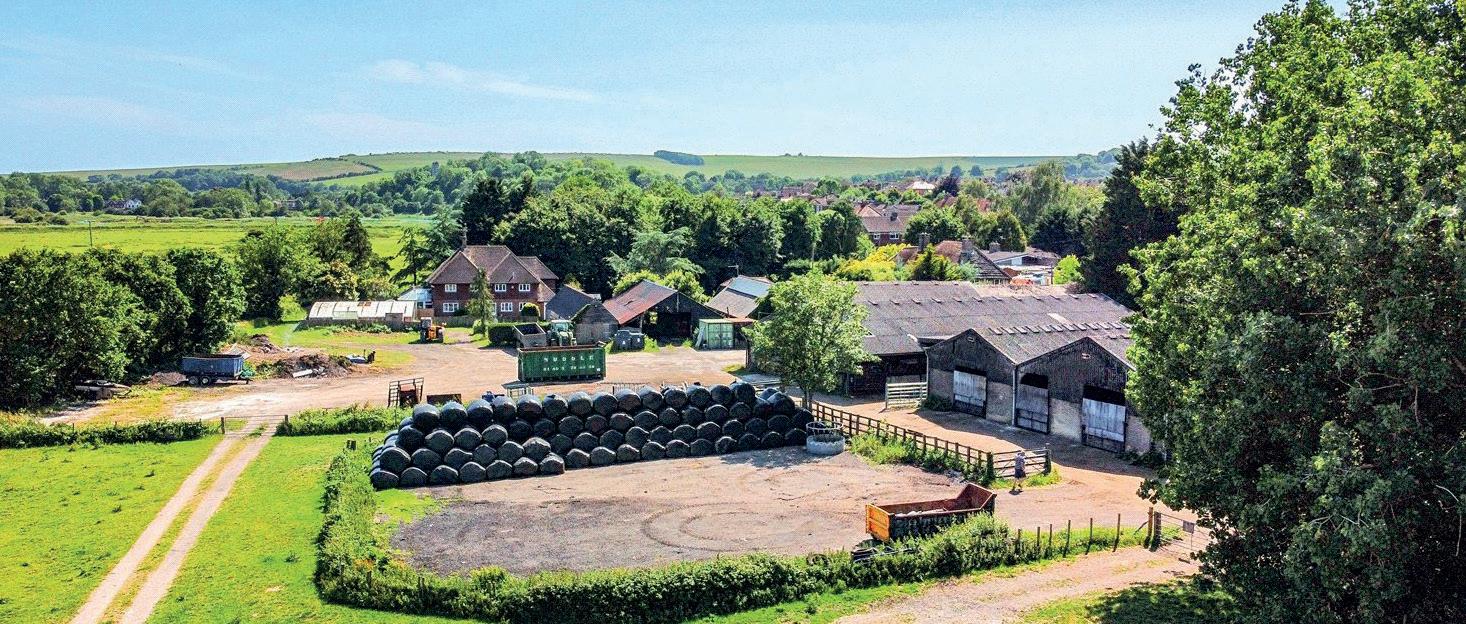
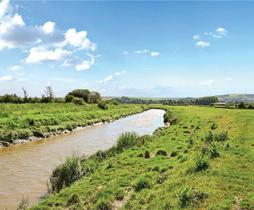




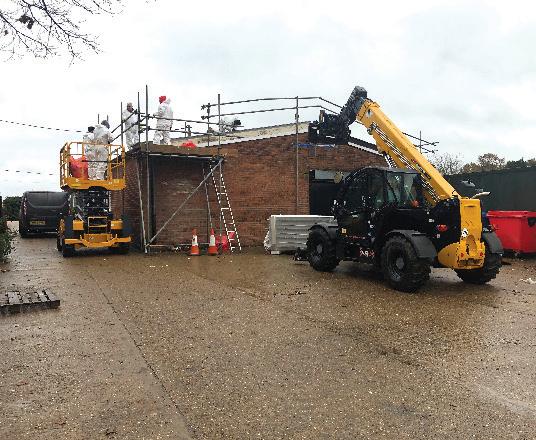
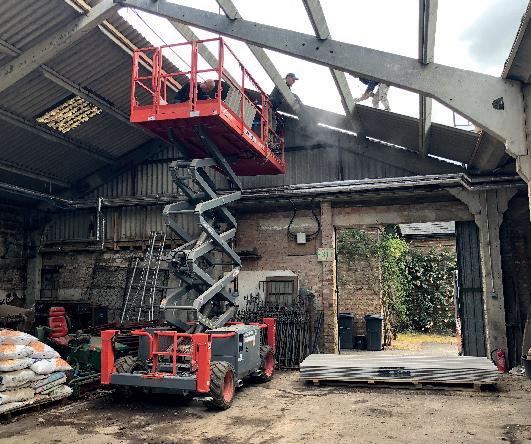
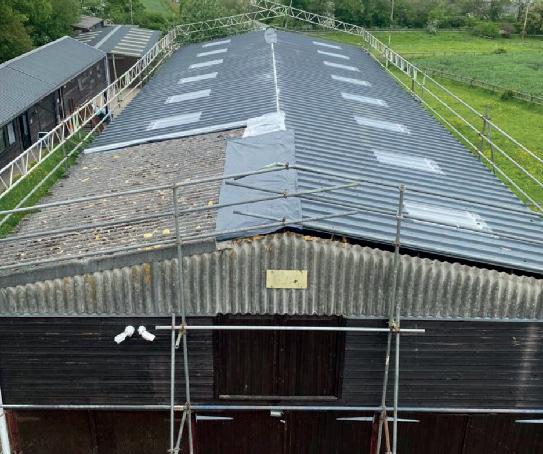
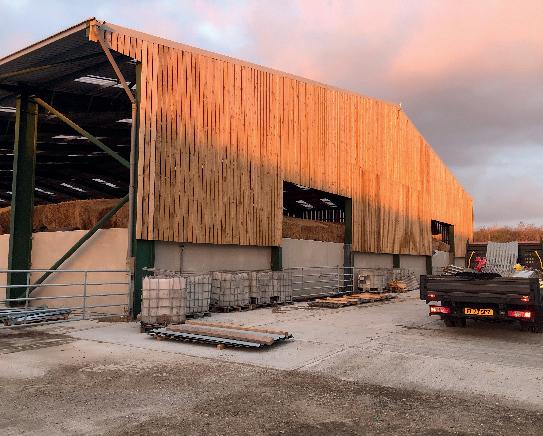
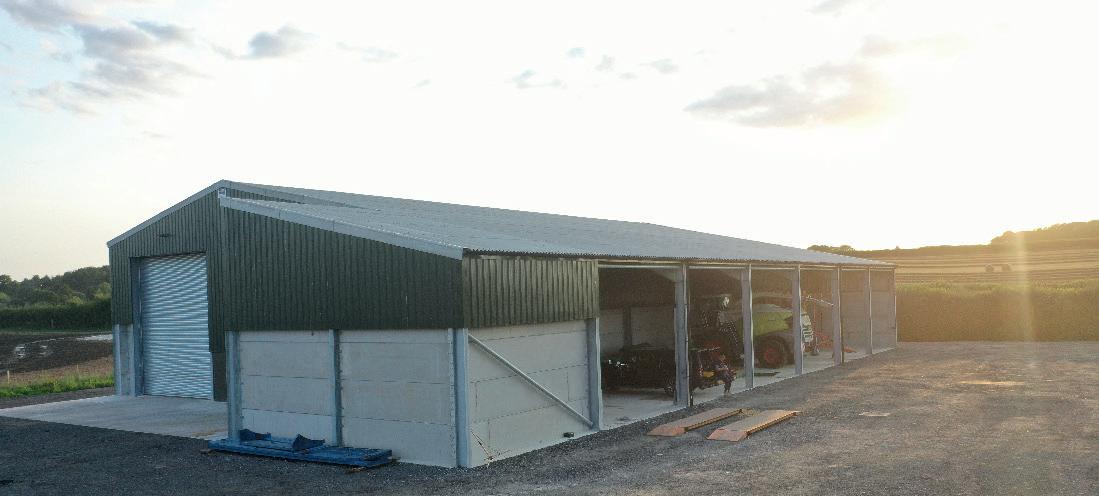
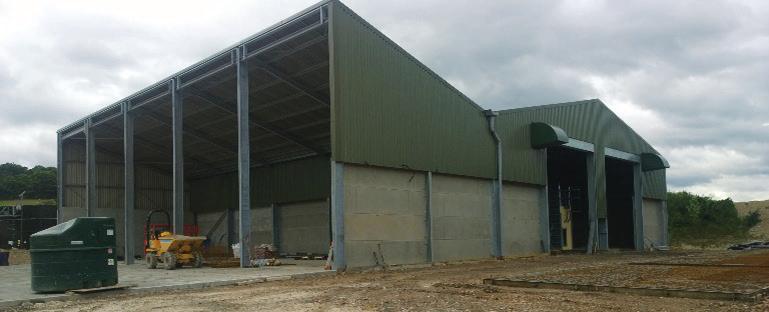
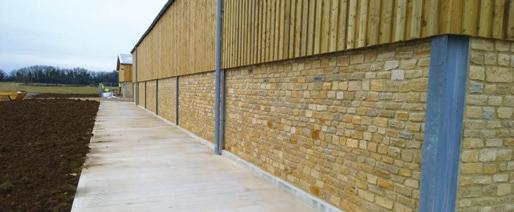
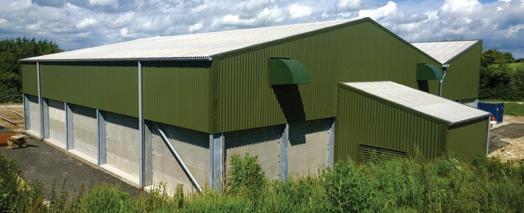
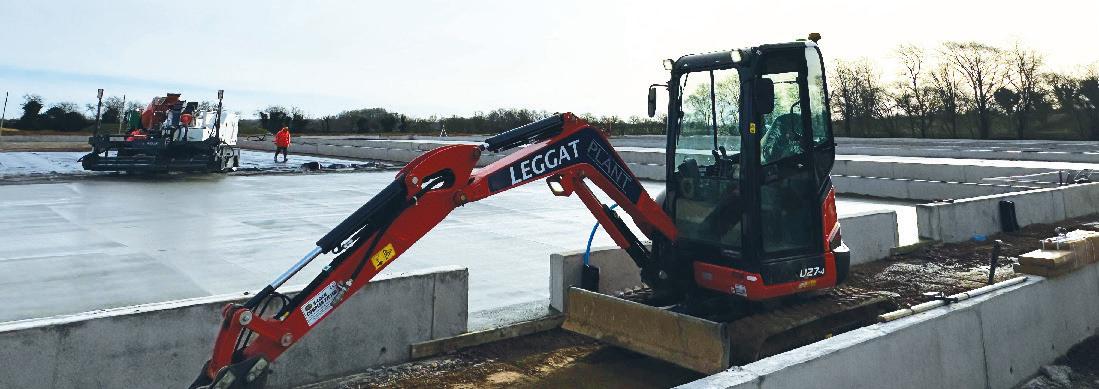
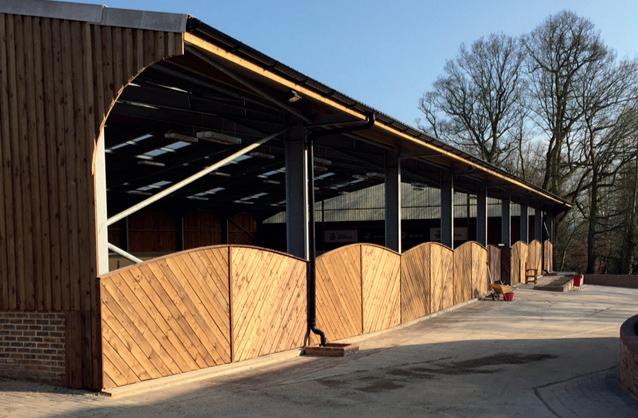
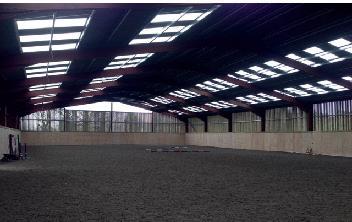
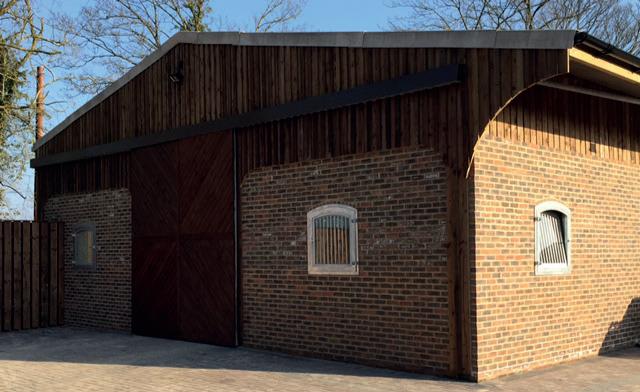
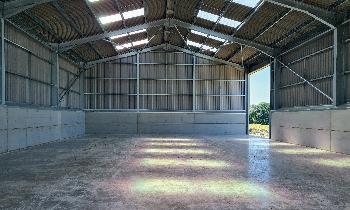
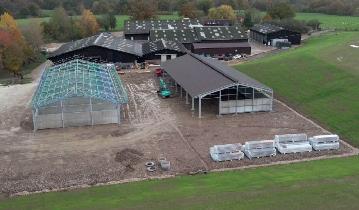
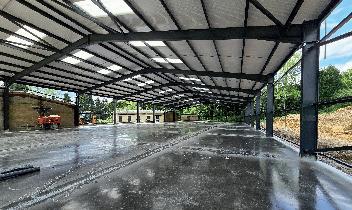
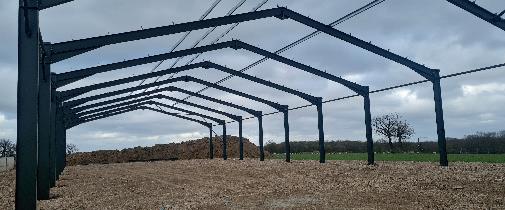
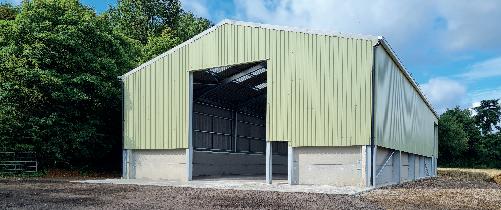
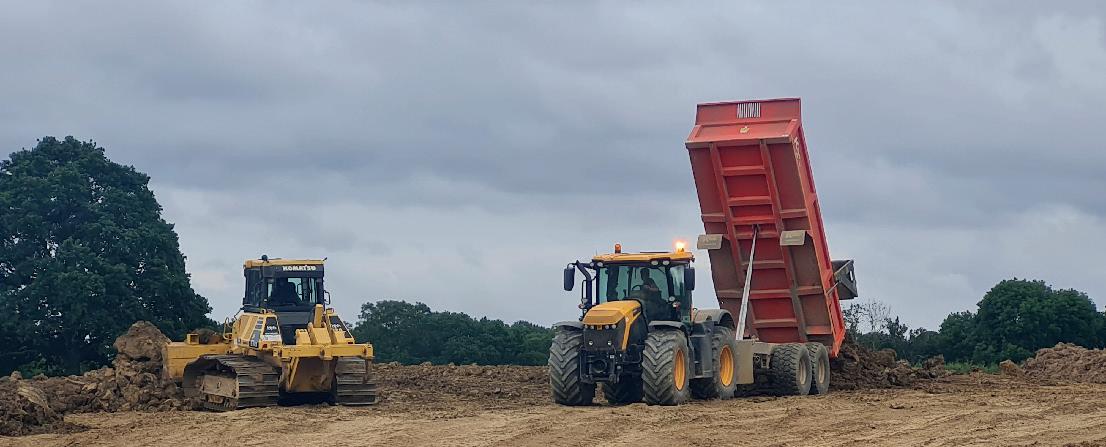
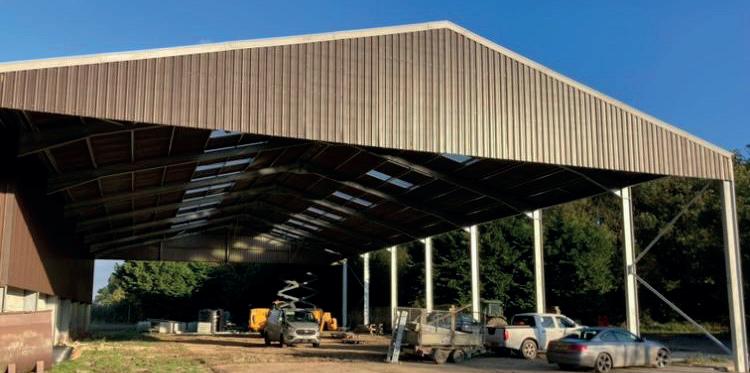

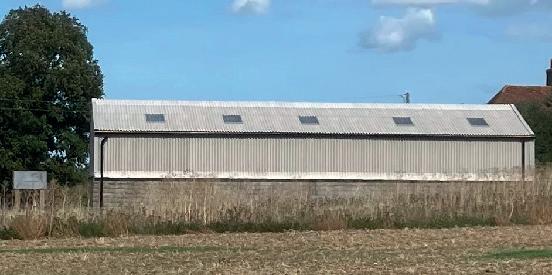
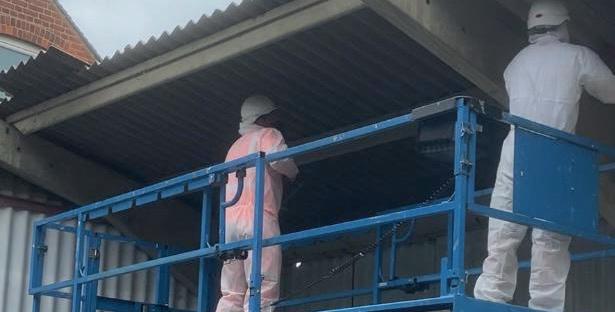
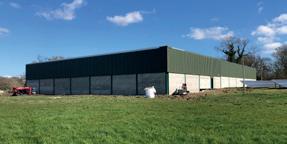

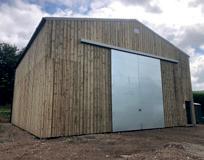

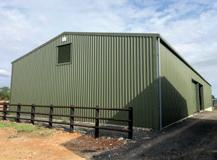

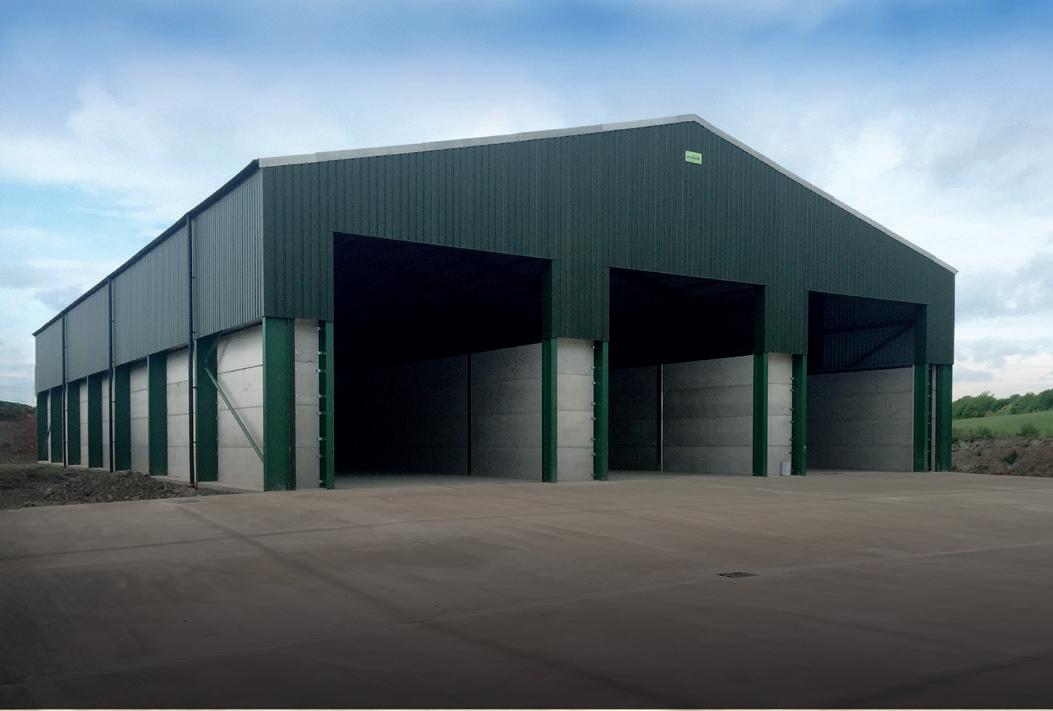

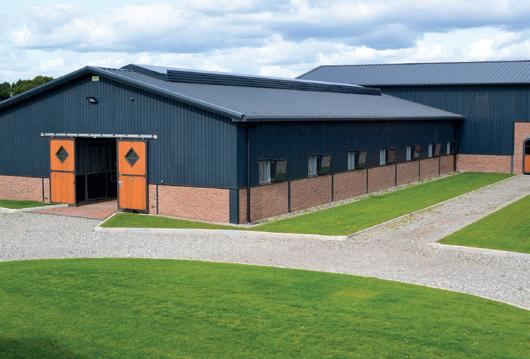
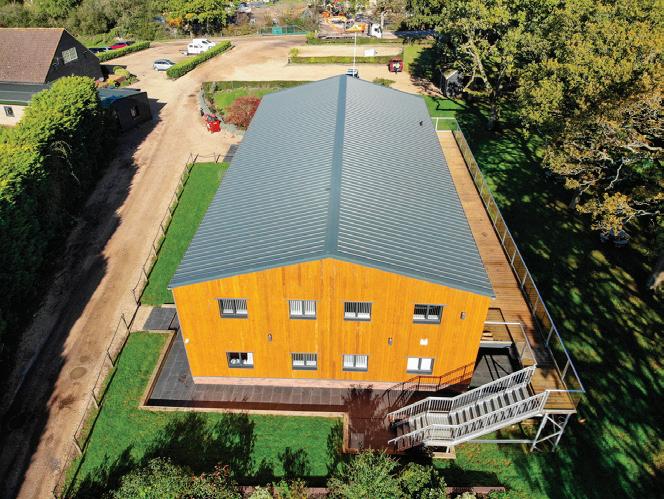
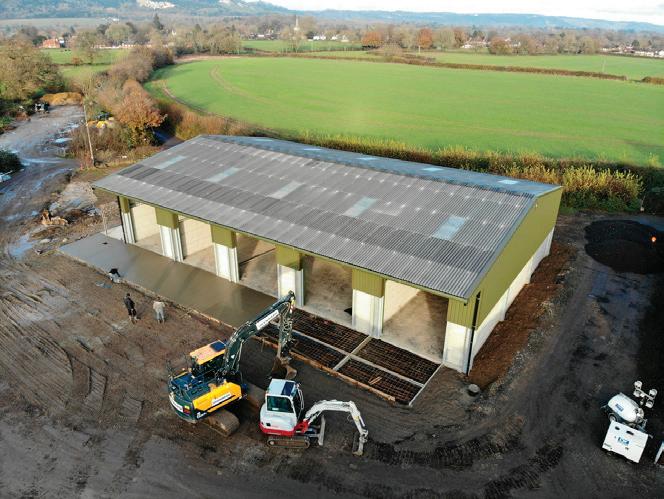

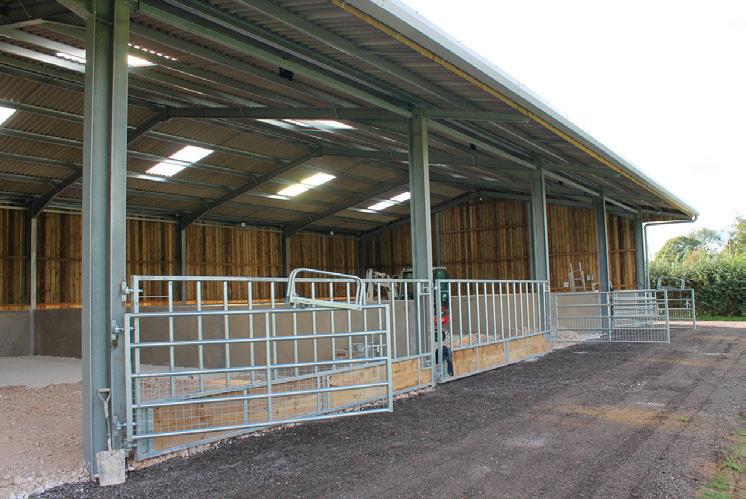



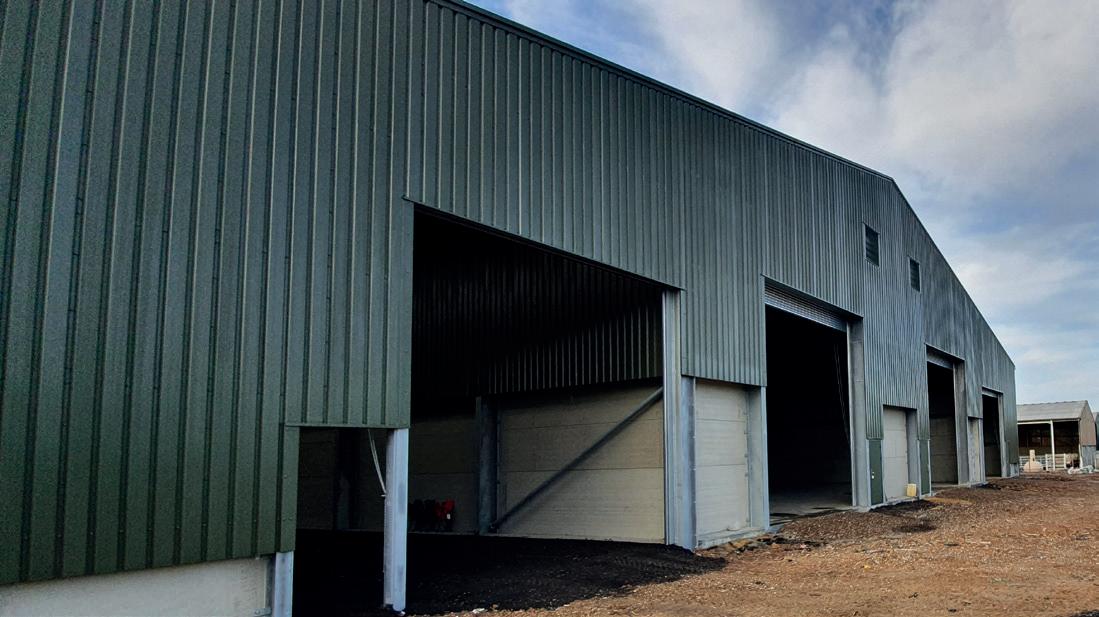
Specialists in the Agricultural, Industrial and Equestrian sectors
Steel frame buildings.
Sheeting, cladding and oversheeting.
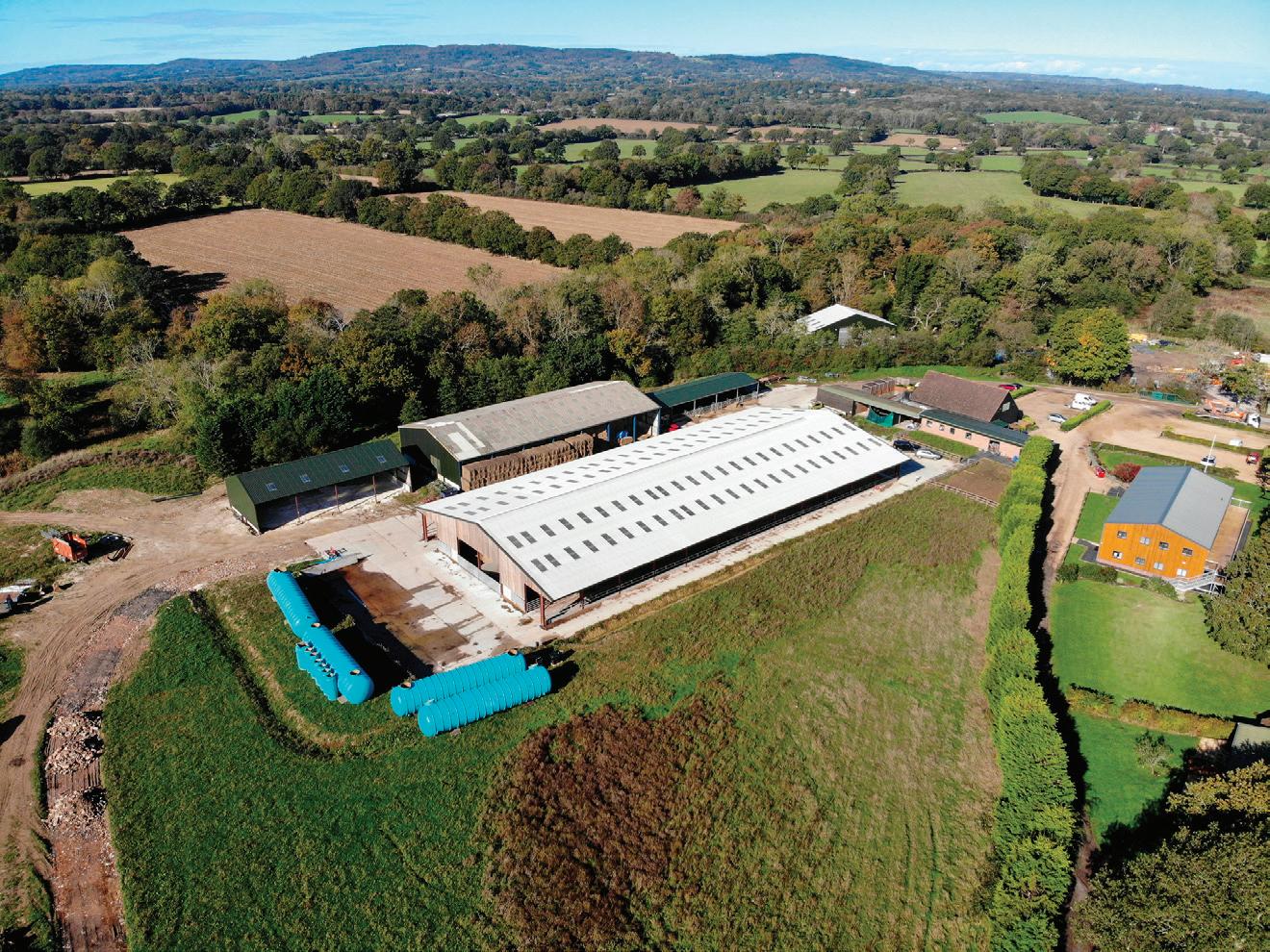
CWP fencing
Cleft post and rail
Gutter replacement, repairs and lining.
Steel frame, concrete frame alterations and repairs.
Asbestos removal.
Roof light and sheet changes.
Refurbishments and usage changes.
Demolition, groundworks and site clearance.
24 hour call out in the event of fire or break in.
Roller shutters, sliding and personnel doors.
Condition reports and dilapidation work before solar panel installation
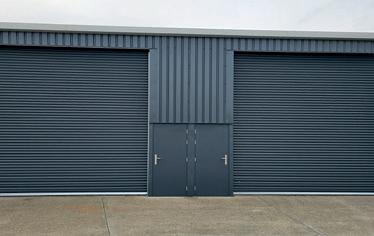

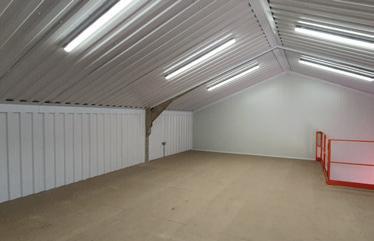
Standing Sweet Chestnut Wanted
Standing Sweet Chestnut Wanted
Standing Sweet Chestnut Wanted
Cleft post and rail
Cleft post and rail
Cleft field gates
Cleft field gates
Cleft field gates
Fencing stakes
Fencing stakes
Fencing stakes
Straining posts
Straining posts
Straining posts
Chestnut fencing
Chestnut fencing
Chestnut fencing
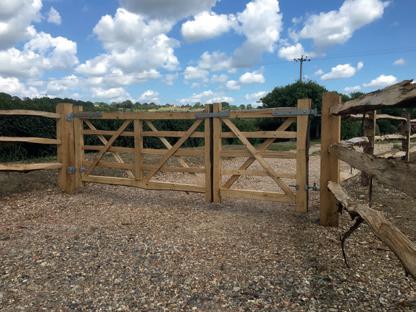
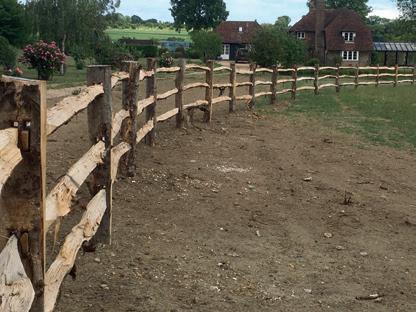
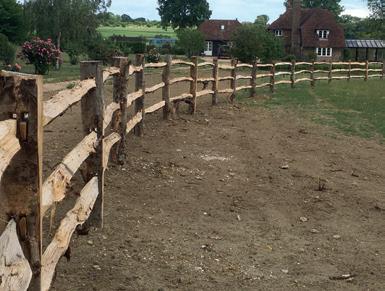
Tel: 07985 298221 colin@cwpfencing.co.uk
Tel: 07985298221 colin@cwpfencing.co.uk
Tel: 07985298221 colin@cwpfencing.co.uk

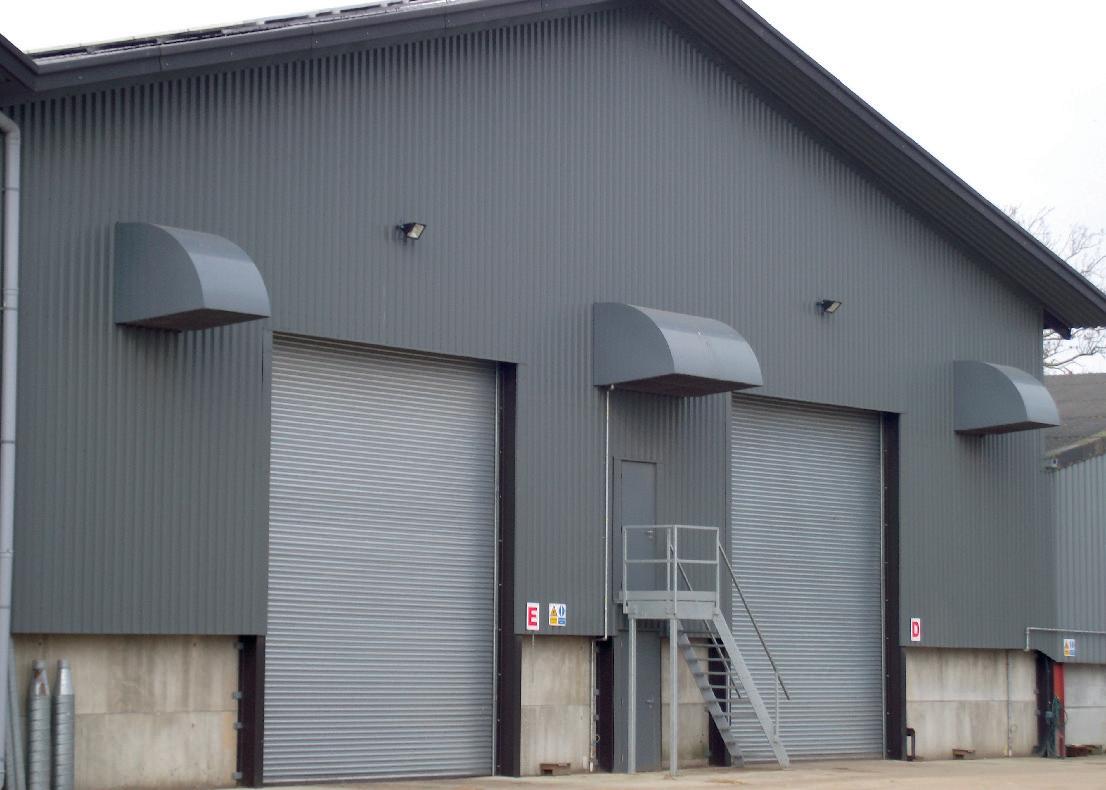
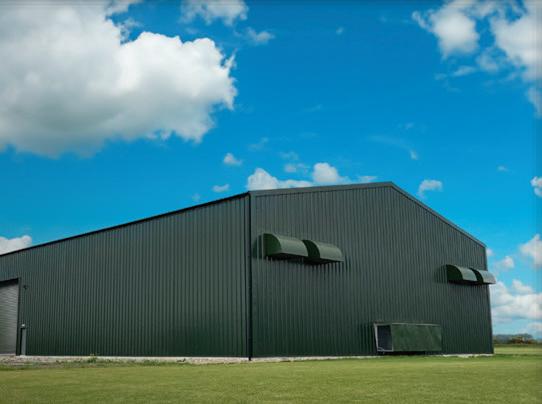



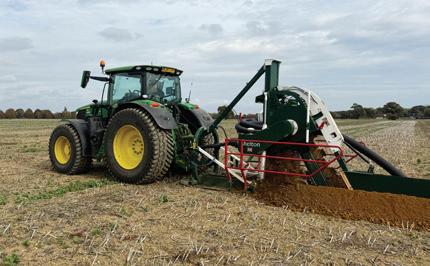
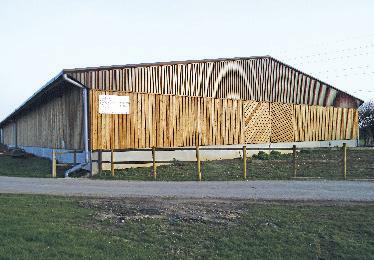
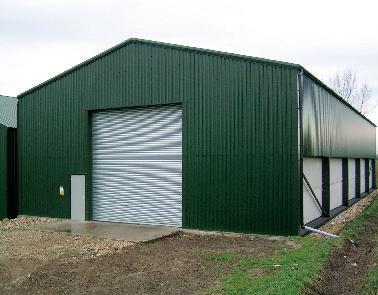

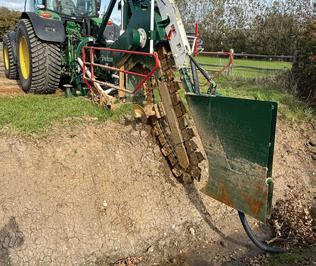
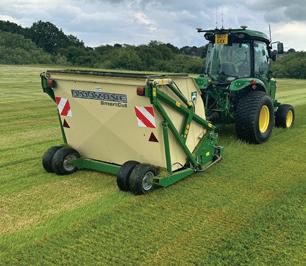

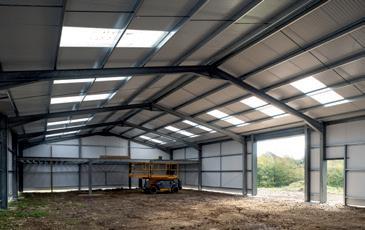
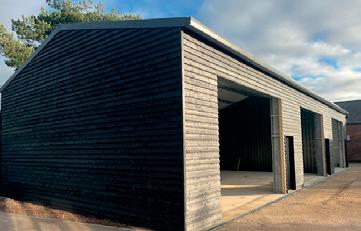


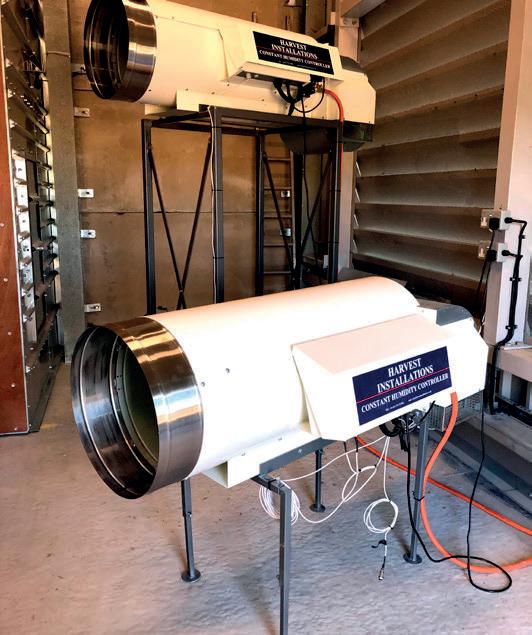
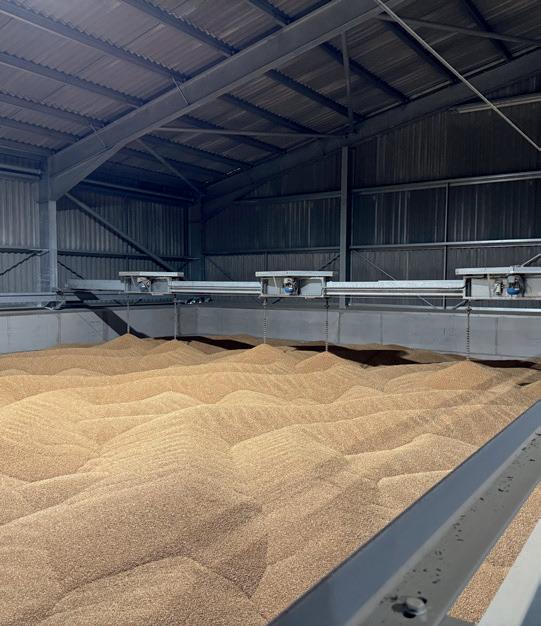
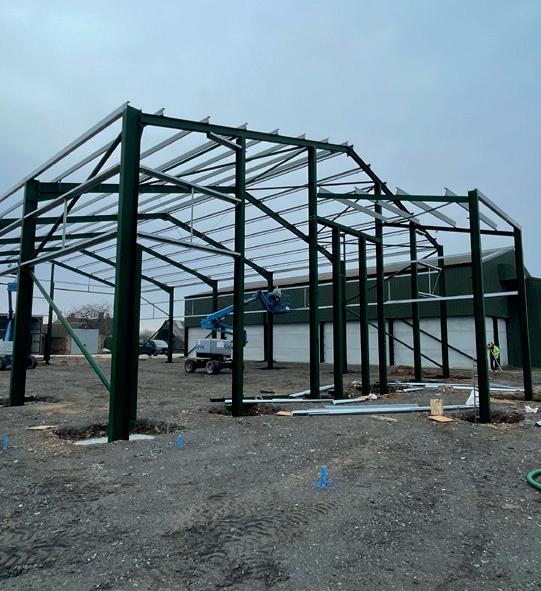





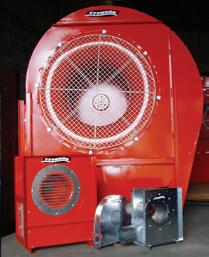
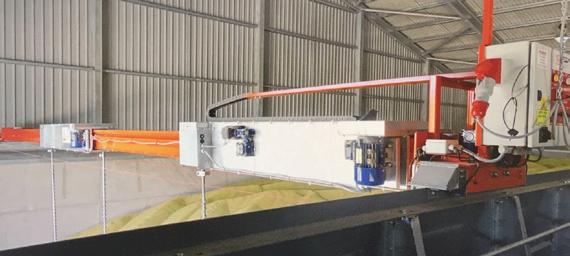

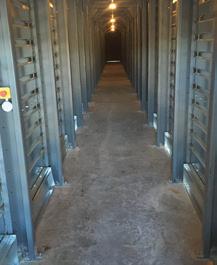
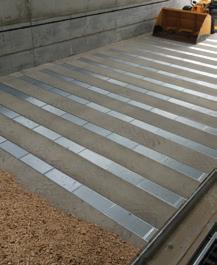







ACROSS
1 Deep water, bottom dwelling, marine life, popular with chefs (8)
4 Flightless bird (4)
8 Home (9)
9
10
Talk foolishly at tedious length (5)
Evergreen climbing plant (3)
11 Britain's loudest bird (7)
14 Astronomical start of spring (13)
16 Sussex village with remains of a Norman castle (7)
18 A scientific explanation suggested to explain a set of facts (6)
21 Bird of prey (7)
24 Shock (4)
26 Cut of beef (10)
27 Concern, worry, apprehension (7)
28 Cry (4) DOWN
1 Former Kingdom of central England (6)
2 Unpleasant (5)
3 Lose colour (4)
4 Outdoor timepiece (7)
6 Tall wading bird (7)
7 Disease affecting sheep, cattle and humans (7)
12 Flightless bird (3)
13 A person who looks down on those they consider socially inferior (4)
14 Vibrant pigment used by renaissance painter Titian (9)
15 Wild goat, the males have distinctive horns (4)
17 Collective noun for kangaroos (3)
18 Weary (5)
19 Decompose (3)
20 Poorly (6)
22 Utilise (3)
23 Having a citrus flavour (5)
24 Small mammals (5)
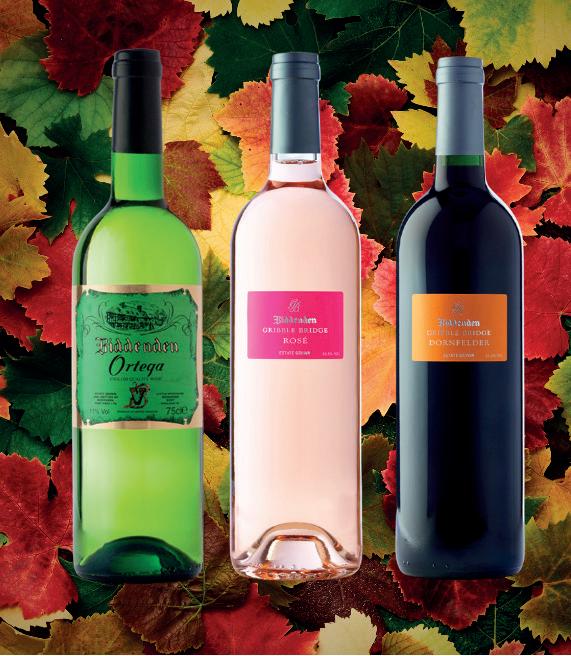
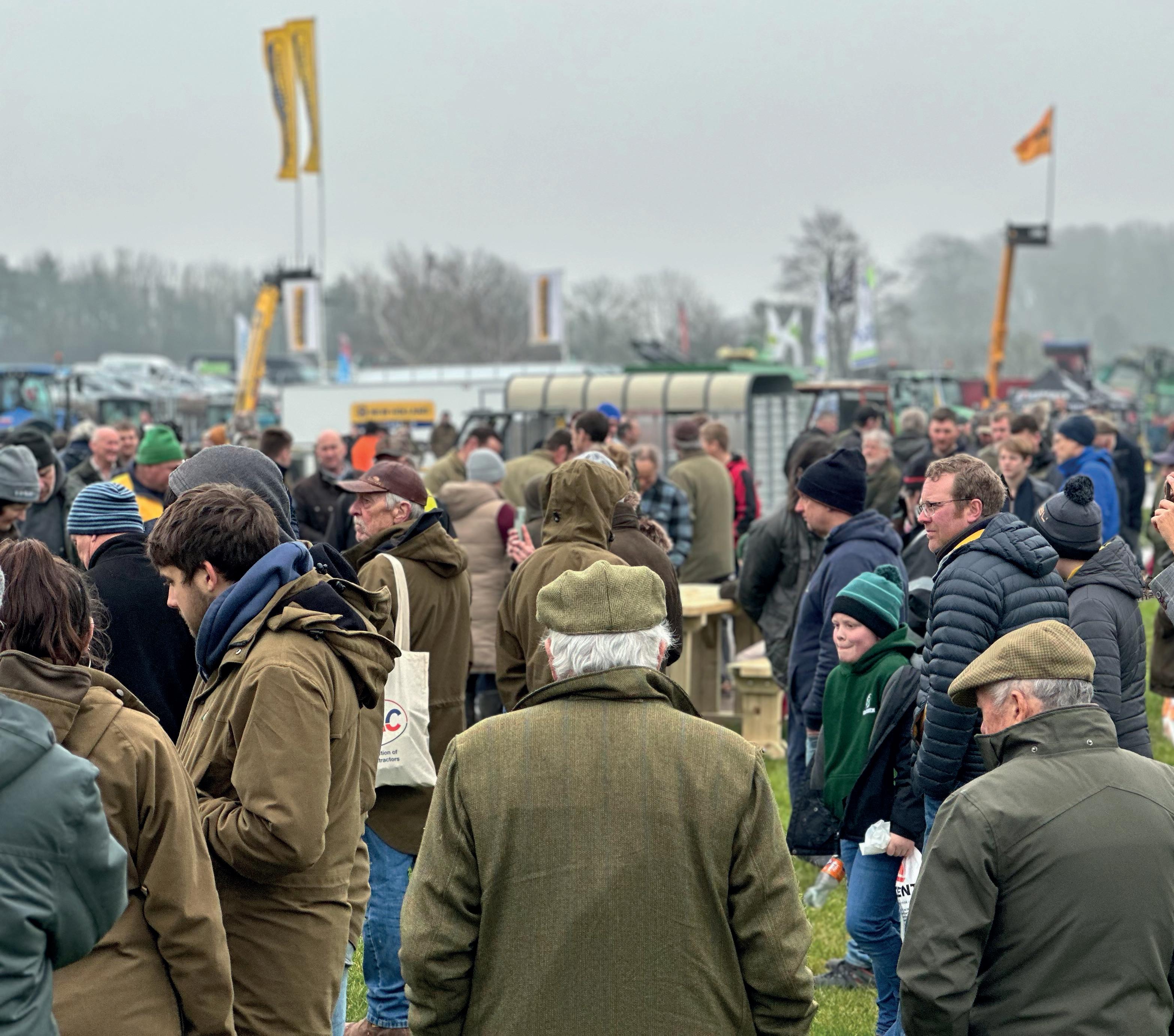
✓ Latest machinery and equipment
✓ Agricultural suppliers and services
✓ Live auction
✓ Free entry, free parking
✓ One-day, focused event