




































































Planning and designing water and wastewater infrastructure for long-term reliability.












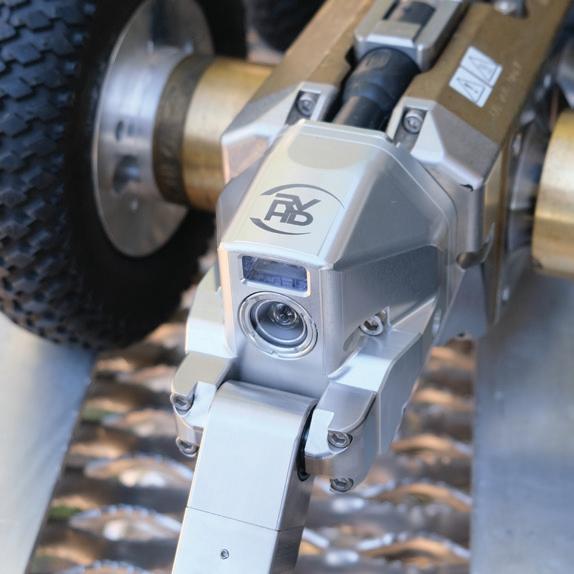

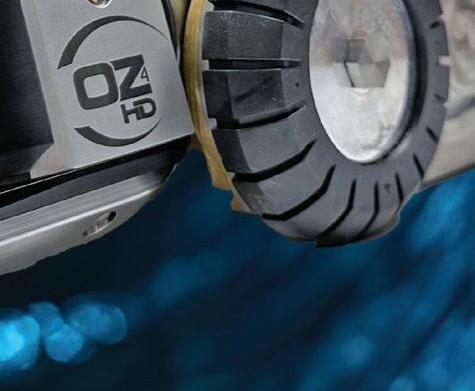

• Robust design to withstand harsh conditions, ensuring durability and reliability.
• Upgrade your current fleet to use a 1080p high-definition pan & tilt mainline camera.
• OZ4-HD is backward compatible with an HD Truck Upgrade to work with your existing K2 controls, transporters, cable, and reels.
• Seamlessly switch between standard definition and high-definition cameras without workflow interruptions.
• CUES’s GraniteNet Software offers robust support for HD video, ensuring seamless integration and optimal performance when using the OZ4-HD Camera.

• Compatible with industry standards, such as NASSCO’s Pipeline Assessment Certification Program (PACP).











PRESIDENT: Melissa Pilcher, Freeport
VICE PRESIDENT: John Bostic III, Zephyrhills
SECRETARY/TREASURER: Poonam Kalkat, Boynton Beach
NATIONAL DIRECTOR: Robert Munro, Orlando
DIRECTORS: Josh Hayes, Crestview Scott Kelly, Atlantic Beach
Randy Wilkerson, Chiefland
Managing Editor: Lauren Drew
Marketing Manager: Megan Stanley
Design/Layout: Jackie Magat
Advertising Coordinator: Stefanie Hagidiakow
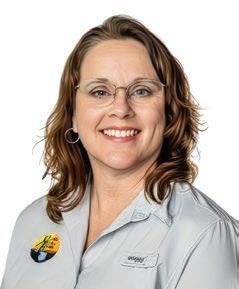
Alicia Keeter, FRWA Executive Director
As I look over the past two years of time served at Florida Rural Water, I reflect on the remarkable things our association has accomplished with member services, boots on the ground technical assistance, engineering projects, emergency response efforts, apprenticeship programs and asset management and implementation. I am amazed by the wonderful team assembled here and pay my gratitude to the wonderful staff that show up every day to find ways to help our communities in need.
To spotlight the efforts of our association I would like to share with you some of our programs and their successes:
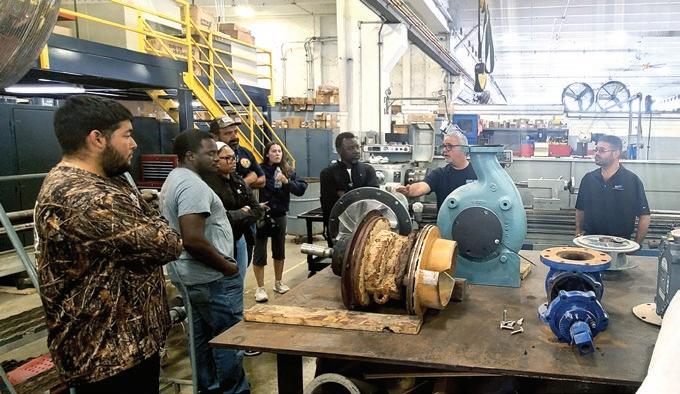
In the last two years our Apprenticeship program has taken off with Katherine Van Zant leading the charge, with twenty-seven different students working through a hybrid approach to training with virtual and hands-on classes; it is teaching these students the value of water and wastewater operations in real time. Our instructors carry the knowledge these incoming operators will need to tackle the challenges of plant operations and instill in them the tools necessary to be successful in a field that often is forgotten about until you have no water at the tap. We say a special thank you to our systems that have provided access to their facilities, allowing these apprentices the chance to see pages from their manuals come to life. On the job training is the best way to show our upcoming workforce the importance of proper operations, troubleshooting and out of the box thinking to tackle those unexpected events every plant operator faces daily. You cannot get that type of education from a book. Fire drills are sometimes the best teaching opportunities.
“We are proud of what we do at FRWA and as your Executive Director, it is an honor to serve you and your utility. We are better together!”


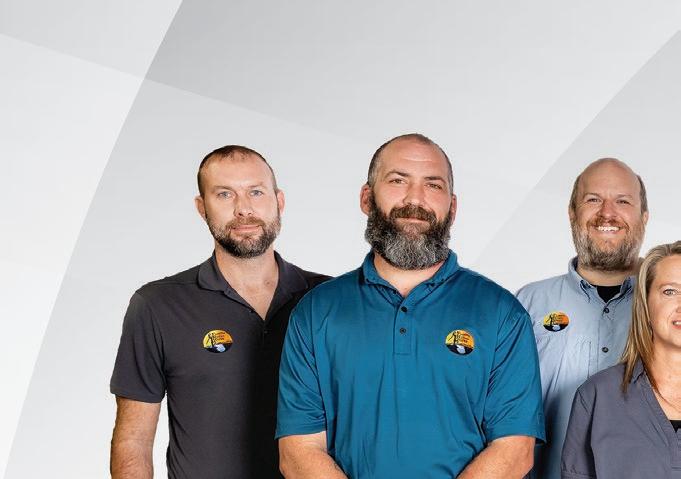
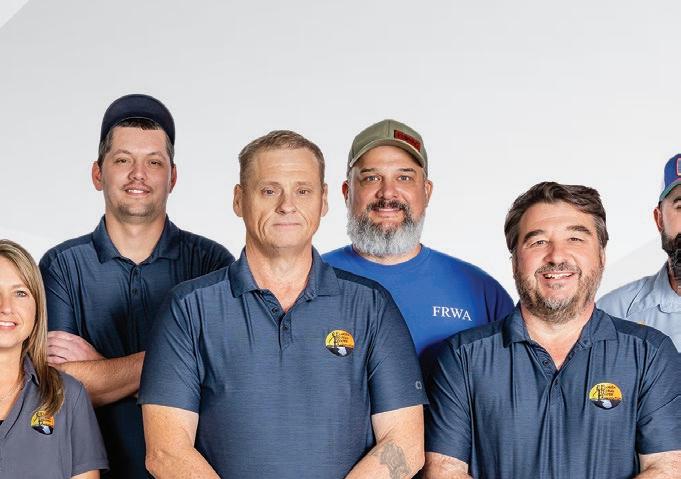
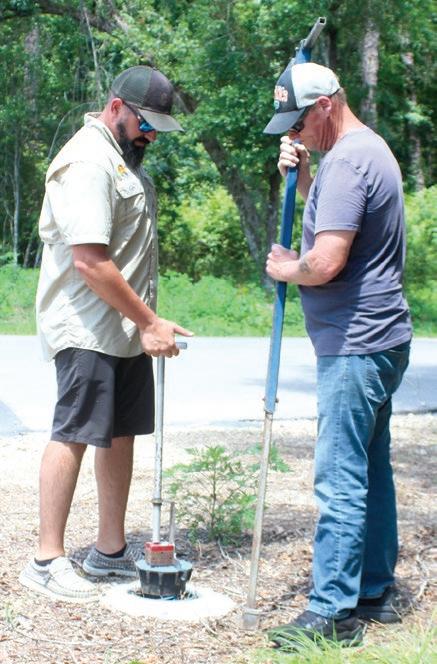
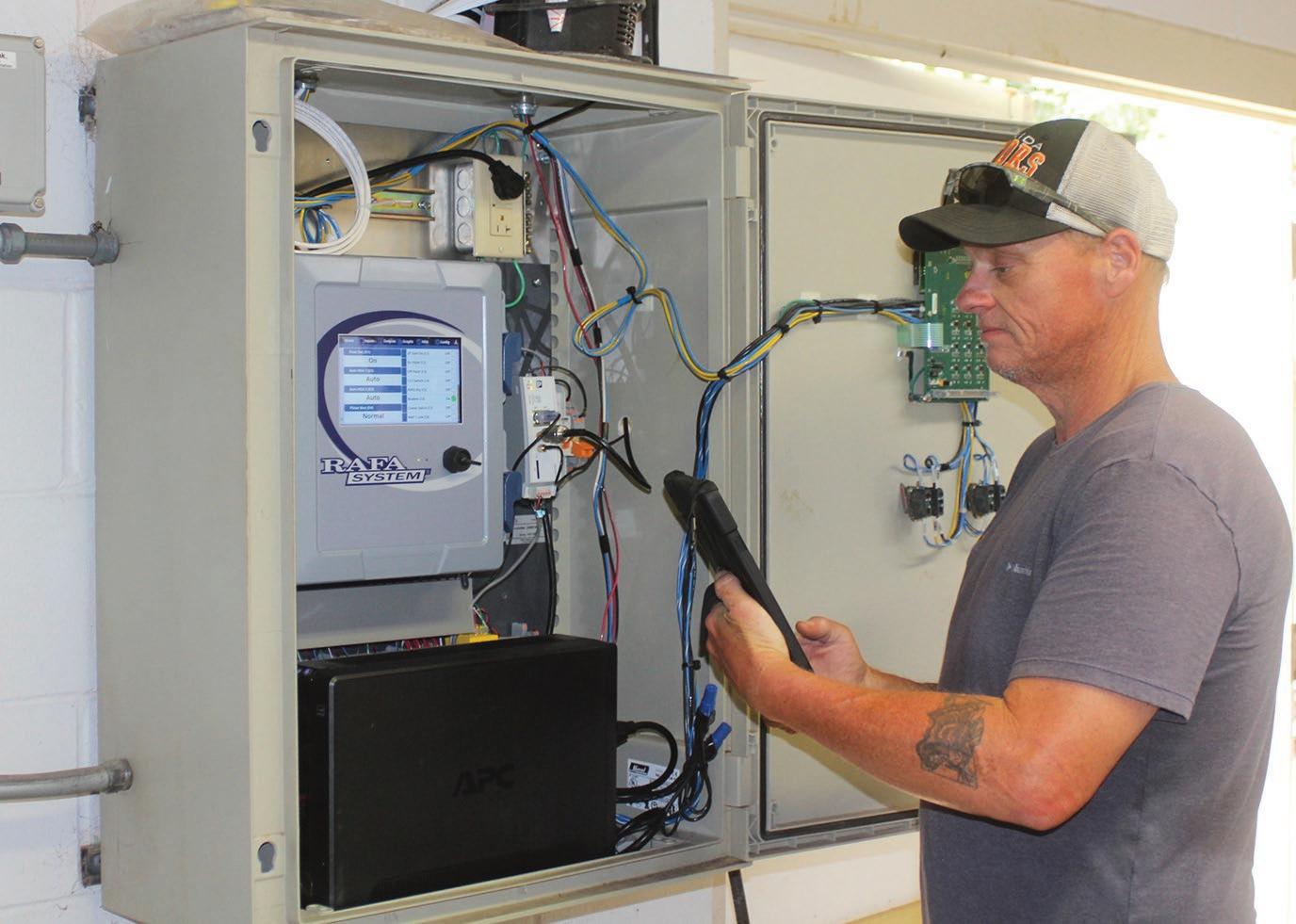
Another program we provide, as a service for our members, involves asset management planning and implementation. In partnership with Florida Department of Environmental Protection, FRWA employs a team of eight individuals skilled in mapping, infrastructure assessment, and financial evaluation. This team works closely with utilities to score the conditions of their water and wastewater systems. With this important data collection and assessment, our staff prepare critical needs charts, provide essential GIS mapping, offer financial rate analysis to show the overall health of their utility, and gather important data for capital improvement planning. This approach helps utilities plan financially for needed improvements, support proper operations and maintenance, remain viable in the present, and prepare for the future.
In the last year, the AMP team has assisted dozens of systems with asset management plans and worked with utility operations staff implementing their plans
after they are adopted. Implementation of the plan is as important as the plan itself. The AMP identifies deficiencies and implementation is the follow-through for needed corrections, repairs, and replacements to ensure proper operation of the water and sewer system.
In the area of services offered outside of the above-mentioned programs, our team of circuit riders spent over 8000 hours last year visiting utility staff around the state of Florida providing training, technical assistance, mapping services, vulnerability assessments, emergency response planning, wastewater operational services, leak detection, source water planning, engineering services, energy audits, safety assessments and financial rate study analysis. If our systems need assistance in any matter of operations and collections our association can provide a hand in helping.
We are proud of what we do at FRWA and as your Executive Director, it is an honor to serve you and your utility. We are better together!


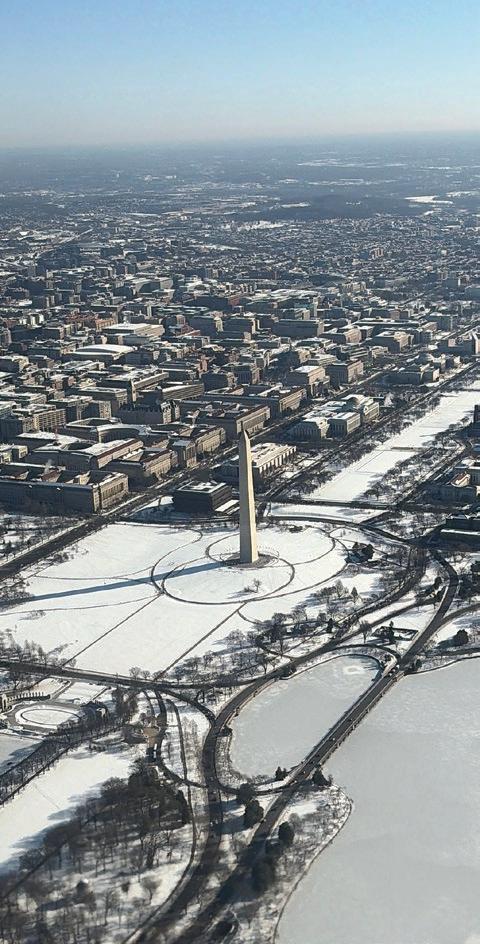
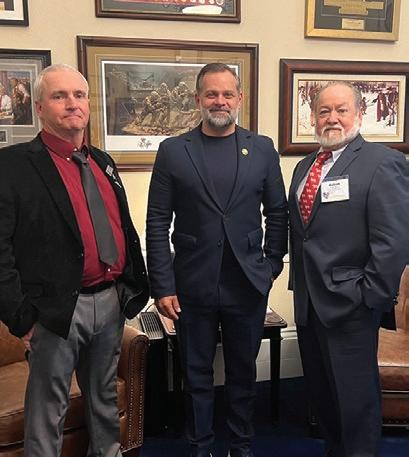
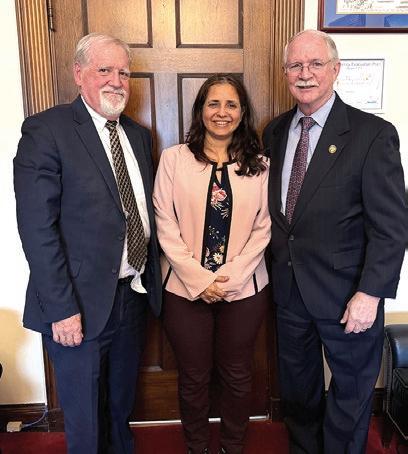
This past January your sevenmember board of directors, Executive Director and Deputy Director attended the National Rural Water Rally in Washington, DC. Over the period of three days your representatives visited with 23 different staff and legislative officials, sharing the importance of the work we do at Florida Rural Water. During their time on the Hill, they educated your representatives about the importance of funding the USDA Rural Development Circuit Rider Program, the Farm Bill as well as discussing important issues facing our water and wastewater systems in the state of Florida. They talked about PFAS, capital improvement needs and the Clean Water Act. They combed the halls of Longworth, Cannon and Rayburn to share a unified message on the importance of funding critical programs needed to help rural America strive. They had the chance to network with other rural water associations from across the United States to hear their successes and collaborate for the future. In times where every dollar matters, your association leadership is fighting for you to educate your elected officials on the role rural water plays for all of Florida.






From data-driven detection to full project execution, Ferguson is your trusted partner for safer water infrastructure.
Your one-stop shop for lead line identification and replacement.
• Comprehensive solutions — from data to installation
• Nationwide network and local expertise
• Reliable delivery, unmatched support, and proven project management
Find your local Utility Infrastructure expert at fergusonwaterworks.com.

BABA available in federal funding jobs
• You don’t need to visit every lateral. Use Voda.ai Machine Learning to convert unknowns to knowns with significantly fewer field visits.
• Utilize available technology to identify service line material above ground to avoid digging and restoration.
• Generate accurate inventories to meet state and federal compliance requirements.
• Best-in-class pipe pulling equipment enables the complete removal and simultaneous replacement of underground service lines. This provides a safer and more cost-effective alternative to traditional trenching, while significantly reducing disruption to the worksite.
• Premium replacement materials:
• PE & copper tubing
• Service line brass
• Curb boxes and other municipal castings
• Our nationwide inventory ensures materials are in stock and ready when you need them.
Supporting Communities During Replacement Projects
• Brita® water pitchers, available in stock for immediate distribution.
• Partnering with you to maintain transparency, safety, and trust throughout the process.










By Ron Nalley, Utility Asset Management Team Supervisor
Across Florida, there are billions of dollars’ worth of public assets owned by cities and towns. Water and wastewater systems represent a large portion of this value and are critical to protecting the public’s health and our environment. To provide safe and reliable services in a cost-effective manner, all utility agencies must keep their infrastructure in good repair. Without proper maintenance, there is a risk that deteriorating or failing assets will result in disrupted, delayed, or complete loss of services.
As one city employee put it, “We are great at buying shiny new things... But we are not good at maintaining, operating, and renovating the assets we already have. As a result, the assets end up making decisions for us when they fail and we must decide if we replace or repair. It becomes a game of whack-a-mole.”


In the best-case scenarios, disrupted, delayed, or lost services caused by failing assets may merely inconvenience users. In other cases, deteriorating infrastructure may create more serious livability, safety, and economic challenges.
One trait common to all assets is that they depreciate or lose value over time. With age comes deterioration; with deterioration comes a decreased ability to provide the level and type of service the utility should give to its customers.
Another trait common to assets is they must be maintained. Maintenance costs increase as the assets age. Operation costs rise with age, as equipment becomes worn, they become less efficient, adding costs to systems to effectively operate.
At some point, it is wiser to replace components rather than continue with more frequent and costly repairs.
Another unfortunate reality is that all assets will ultimately fail, and if not properly maintained, some will fail prematurely. How the utility manages the consequences of these failures is vital. Not every asset presents the same failure risk. Not every asset is equally critical to the performance of the utility.
Asset Management is a practice designed to help utilities manage aging assets to prevent failure and keep systems functional. An Asset Management Plan is a proactive management plan for maintaining quality service for customers at the lowest overall cost. The Asset Management Plan tells you which assets work, which of those don’t, and how much money it will take to properly maintain those assets.
Implementing and maintaining an active Asset Management Plan will provide numerous benefits to the utility and its customers.
Among the most important are:
• Prolonging asset life and aiding in rehabilitation/repair/ replacement decisions.
• Increased operational efficiencies.
• Informed operational and management decisions.
• Meeting consumer demands with a focus on system sustainability.
• Setting rates based on sound operational and financial planning.
• Improving responses to emergencies.
• Capital improvement projects that meet the true needs of the system and community.
In developing this Plan, asset information is entered into a cloud based geographical information system. The Plan includes the identification of all assets within the system; an evaluation of the current age, condition, and anticipated useful life of each asset; the current value of the assets; and the cost of operating and maintaining those assets. FRWA and the Florida Department of Environmental Protection/ State Revolving Fund (FDEP/SRF) contracted with Diamond Maps to develop Asset Management software specifically for small utility systems that is easy to use and affordable.
Having an asset management tool to keep data current is essential for tracking the utility’s assets into the future, to assist with planning and funding for asset rehabilitation or replacement, to schedule and track asset maintenance by issuing work orders and assigning tasks to personnel who will perform the work and update the system.



“ An Asset Management Plan is not simply a to-do list of asset maintenance and replacement needs. It is a roadmap for achieving asset goals, including improving service level, increasing service life, reducing maintenance costs, and maximizing infrastructure investments.”
In addition to Diamond Maps, FRWA has partnered with the FDEP/SRF loan program and Raftelis Financial Consultants to create an online financial tracking and revenue sufficiency modeling tool, designed to enhance asset and financial management for small to medium sized water and wastewater utilities. This tool provides a free-to-member online resource to achieve financial resiliency, and to maintain utility assets for long-term sustainability. Additionally, this software is programmed to populate asset information directly from Diamond Maps.
By inputting your accurate budgetary, operation and maintenance costs, capital improvement plan costs, existing asset and funding information, this tool assists the user in identifying any rate adjustments and/or external funding necessary to meet the utility finance requirements, and the impact rate increases or borrowing may have on customers.
Each year the system is encouraged to update Diamond Maps and the financial model, and use it to help understand the impacts of future projects and rate increases.

Continuing the use of Diamond Maps and the financial model will ensure the system’s assets last longer, perform better, and provide more reliable service.
An Asset Management Plan is not simply a to-do list of asset maintenance and replacement needs. It is a roadmap for achieving asset goals, including improving service level, increasing service life, reducing maintenance costs, and maximizing infrastructure investments.
Having an Asset Management Plan is important. Implementing an Asset Management Plan is equally important. An Asset Management Plan is a living document and is not intended to sit on a shelf. It must be maintained, updated, and modified and it is important to recognize that a utility will only receive benefits if it implements the Asset Management Plan. The Plan can outline how to implement the activities, but the utility must act to proactively maintain quality service for its customers at the lowest overall cost.
If you would like to learn more about FRWA’s Asset Management Program or to discuss your specific Asset Management needs, please contact our office.

Clean, s afe, reliable water is vital for healthy and prosperous
co unities. t’s essential for drinking, cooking, cleaning, bathing, recreation and ore ut behind every faucet and flush, there is a tea of dedicated individuals who keep water flowing into and out of our ho es and businesses.

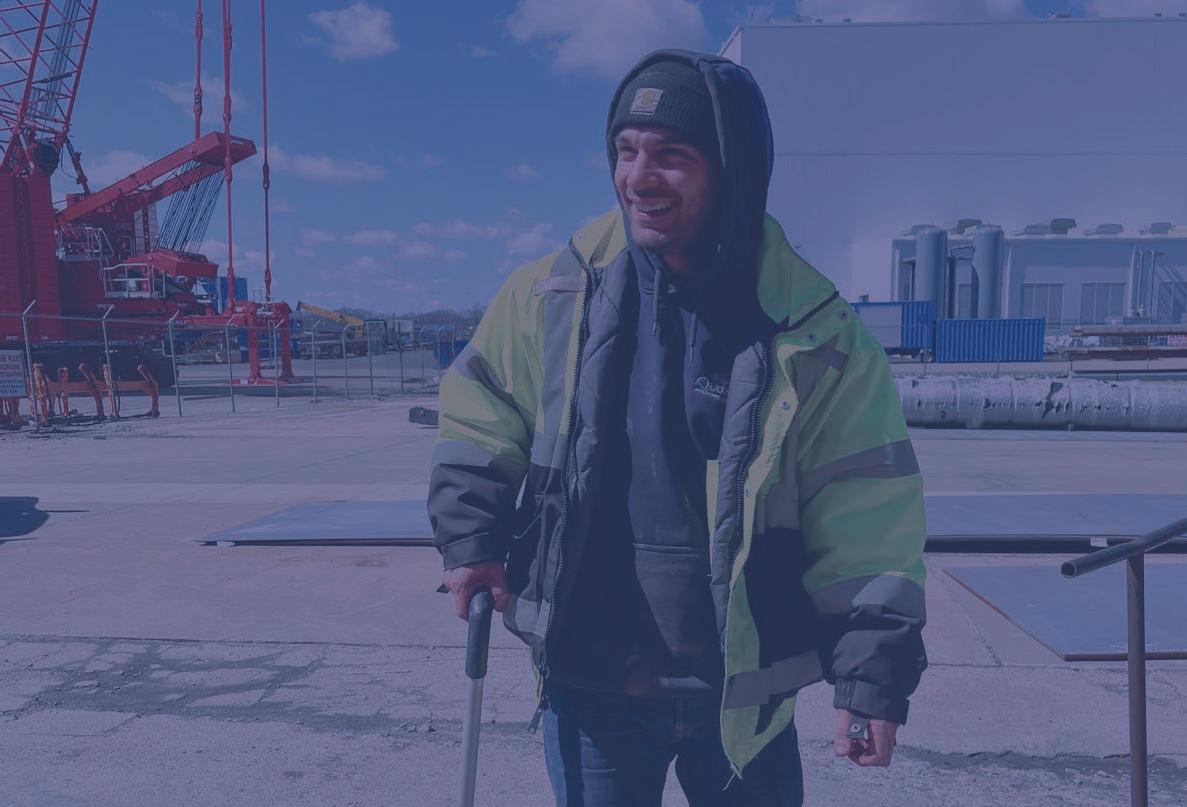
On-the-Job Training
Apprentices receive on-the-job training
with a dedicated entor to help the learn the technical skills necess ary for the career.
Classroo nstruction
Apprentices receive classroo and instructional training to help reinforce concepts learned on the job
Why Choose a Career i Water :
Protect the Environ ent for uture enerations
Deliver clean water to your co unity
Career vance ent Opportunities
Purpose Driven Work
Contact us today!
Two-Year Progra
The apprenticeship progra takes approxi ately two years to co plete
Earn While You earn
With the apprenticeship progra , apprentices earn oney while they learn, eli inating the need for student loans like with traditional educational pathways.
500+ Active Apprentices


450+ Active ployers
160+ Apprentices Co pleted the rogra
Over the next decade, nearly half of the current water industry workforce is expected to retire There is a dire shortage of candidates to take their place. ou need water and water needs you.







Designed to give systems the ability to develop skilled and trained employees through apprenticeship.
Apprenticeship is developing a new generation of workers to help Florida succeed in the 21st-century economy! FRWA’s Apprenticeship Program, recognized by the U.S. Department of Labor and the Florida Department of Education, produces nationally recognized Journeyman Operators. Apprentices attend an approximate two-year training program made up of classroom technical instruction and on-thejob training at a Utility. During the apprenticeship program, apprentices will earn-while-they-learn with knowledgeable, passionate people who strive to deliver clean drinking water to their community and treat wastewater before returning the water to the environment. Students start the program with a job and emerge with a solid and secure career as either a Water Operations Specialist or Wastewater Operations Specialist.
Well-Trained, More Stable Workforce for Employers:
Approximately 90% to 94% of apprentices in the U.S. retain employment after completing a Registered Apprenticeship program, contributing to a high return on investment for employers.
Earn & Learn for Apprentices: From their first day of work, apprentices receive a paycheck that is guaranteed to increase as their training progresses. Apprentices also complete a combination of job-related instruction and hands-on training at the job site leading to a nationally recognized credential.
A Career: Once the apprenticeship is complete, workers are on their way to a successful long-term career with a competitive salary and no educational debt.
Community Impact: Apprenticeship offers an opportunity for the apprentice to make a difference in their own communities. They will be providing clean water to their family and friends. That is surely something to take pride in!
View the NRWA Apprenticeship Program video here: https://vimeo.com/1120823789?fl=pl&fe=cm.
If you or someone you know would be interested, please email apprenticeship@frwa.net or visit https://nrwa.org/apprenticeshipprogram for more information. To complete an application visit https://apprenticeship.nrwa.org/pub/unpw_signup.cfm.
Florida Rural Water Association will not discriminate against apprenticeship applicants or apprentices based on race, color, religion, national origin, sex (including pregnancy and gender identity), sexual orientation, genetic information, or because they are an individual with a disability or a person 40 years old or older. Florida Rural Water Association will take affirmative action to provide equal opportunity in apprenticeship and will operate the apprenticeship program as required under Title 29 of the Code of Federal Regulations, part 30.
With our country’s rapidly advancing technical trades and the resulting need to prepare Americans for high-paying skilled jobs, the demand for Registered Apprenticeships has grown exponentially. For that reason, Registered Apprenticeship is not only a U.S. Department of Labor (DOL) priority, but an Administration-wide priority as evidenced in multiple Executive Orders issued during 2025 and the stated goal of exceeding 1 million active apprentices. In our own state, Governor Ron DeSantis has consistently emphasized expanding apprenticeship programs in Florida, viewing them as crucial for workforce development, economic growth, and for providing effective career paths beyond traditional university education.
There are few industries as critical to the daily life and health of every citizen, as well as the protection of our environment, as water supply and wastewater collection and treatment. Public Water and Wastewater Operator Apprentices enter a stable career that provides good pay and benefits, especially for people that are pursuing a technical trade rather than a university degree.
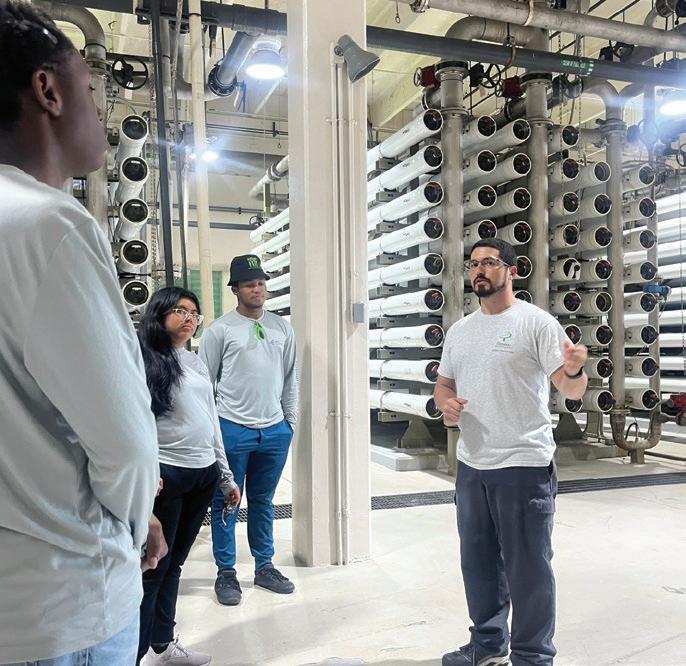
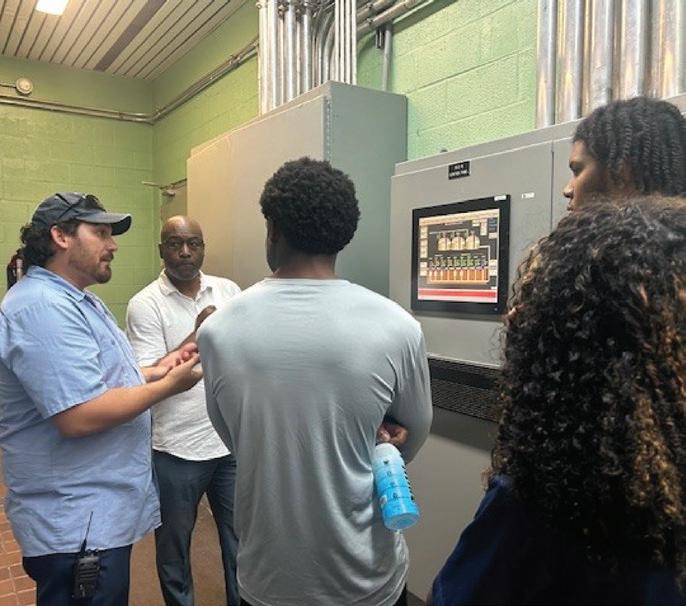
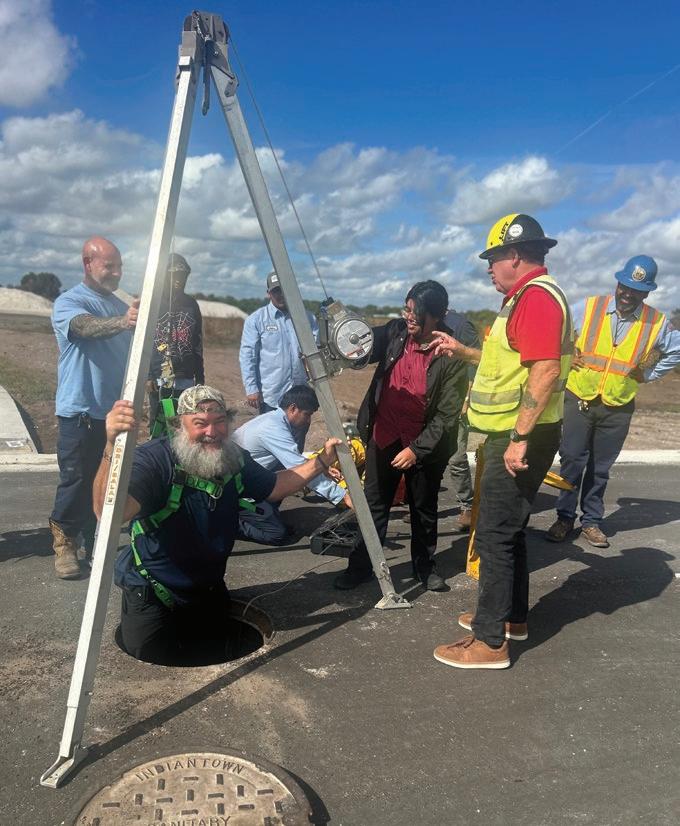
Florida Rural Water Association is committed to serving Florida’s communities at their greatest areas of need – helping to provide training for dependable employment, protecting the health of the residents and protecting Florida’s treasured environmental resources. The FRWA Water and Wastewater Registered Apprenticeship Program is a key to our service to Florida citizens.
Sun N Lakes Improvement District in Sebring area has now joined the FRWA Apprenticeship Program. Their first apprentice, Joshua Wilson, is a young family man who has made a career change into water and wastewater treatment operations after recognizing the personal and community benefits of the career field. The FRWA Apprenticeship Program is providing classes to Joshua taught by an instructor with over 40 years in the industry and the FRWA Program is supporting Joshua’s mentor, the Director of Utilities, for the on-the-job training also included in the Apprenticeship Program. Joshua will graduate from the Apprenticeship Program as a professionally licensed journeyman operator well into a career path for providing leadership in an industry that is critical to the health Florida constituents and the sensitive environment of South Central Florida.


By Pedro Vigil, Construction Manager 3, Utilities Development Division Miami Dade Water and Sewer Department
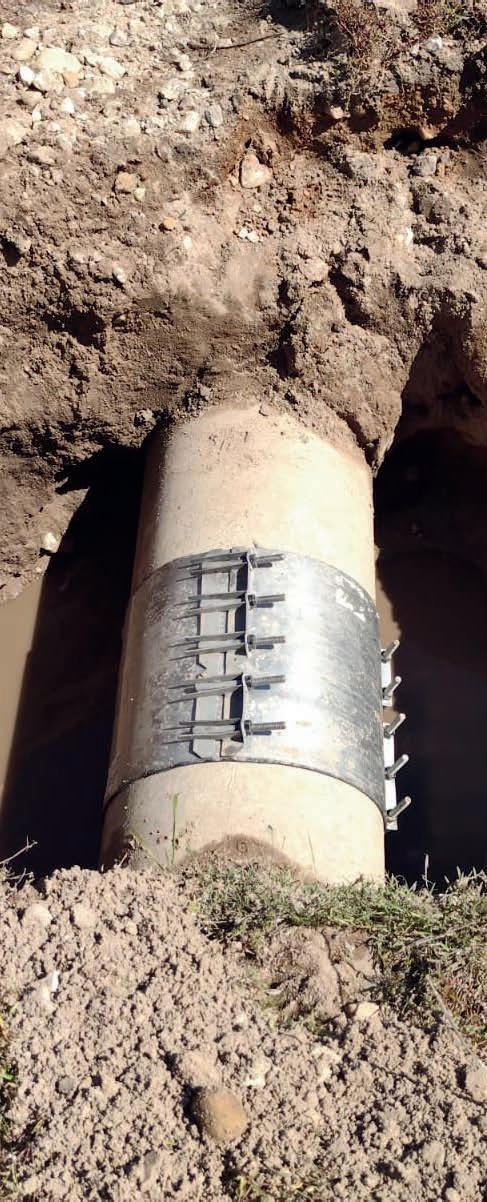
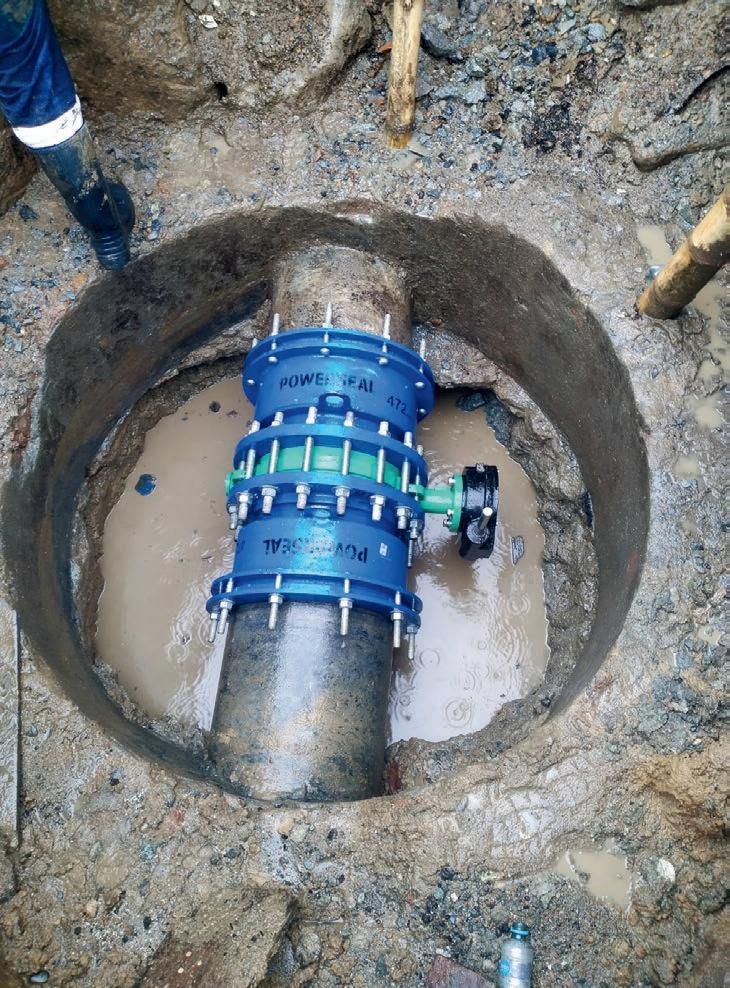
Damage prevention plays a vital role in protecting water and sewer infrastructure, public safety, and the communities that rely on these essential services every day. Underground utilities are often out of sight, but they are critical to maintaining clean water distribution, wastewater management, and overall public health. When these systems are damaged due to excavation or construction activities, the consequences can be severe, far-reaching, and costly.
Through coordination with Sunshine 811 and compliance with Florida Statute 556, utility owners, contractors, and excavators work together to identify and properly mark underground facilities before any
digging occurs. This process ensures that those performing excavation are aware of the location of buried utilities and can take the necessary precautions to avoid damaging them. It is not just a regulatory requirement, but a shared responsibility that helps protect infrastructure and lives.
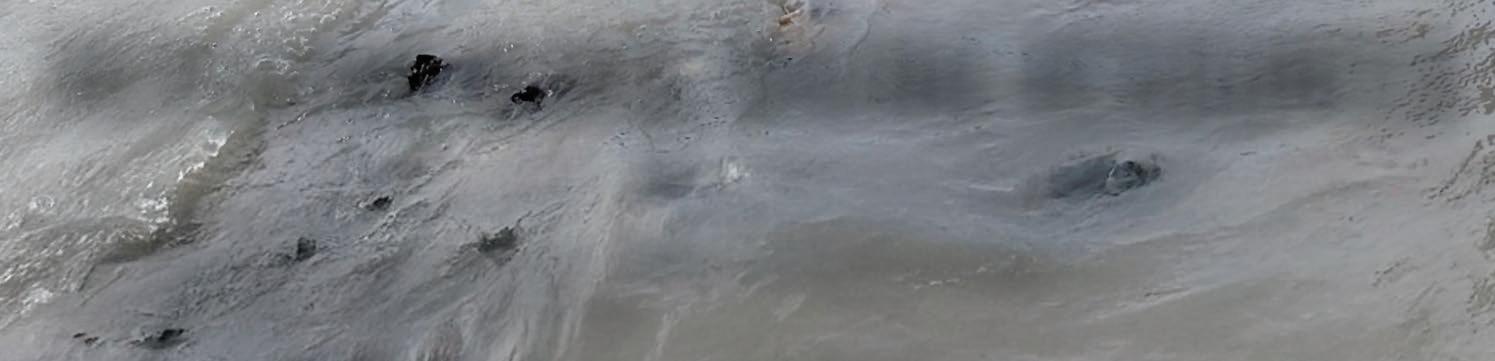
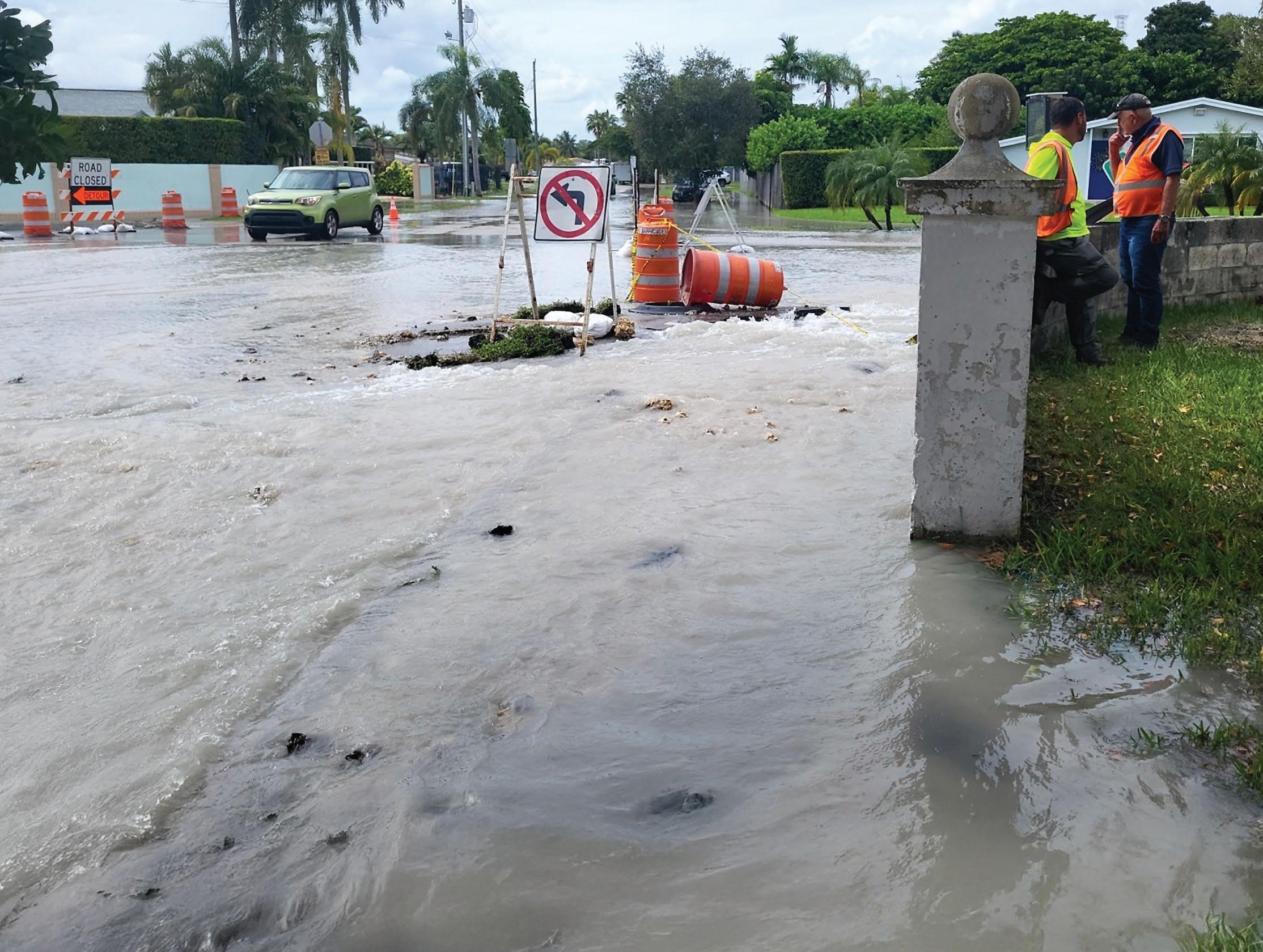
Failure to follow proper damage prevention practices can result in the release of millions of gallons of potable water or wastewater in a matter of hours. A single broken water main can lead to significant water loss, impacting supply and placing unnecessary strain on treatment and distribution systems. In the case of sewer lines, damages can result in environmental contamination,
“A single broken water main can lead to significant water loss, impacting supply and placing unnecessary strain on treatment and distribution systems.”
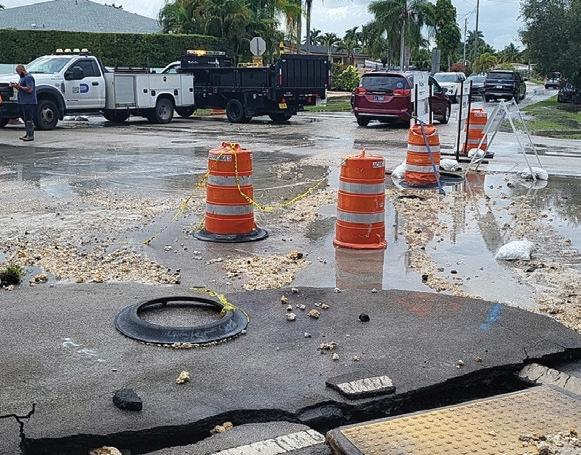
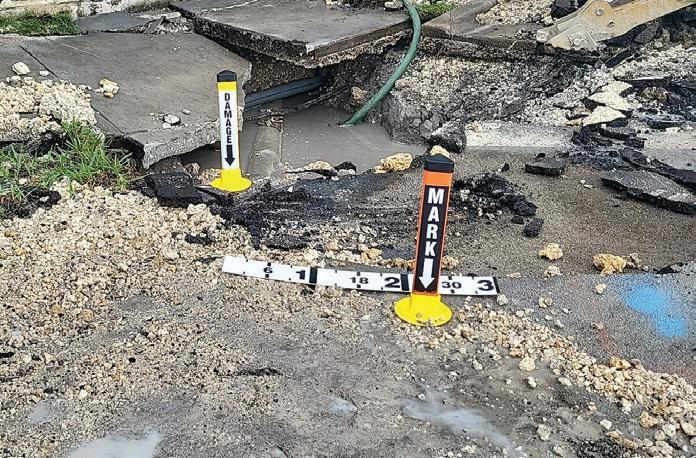
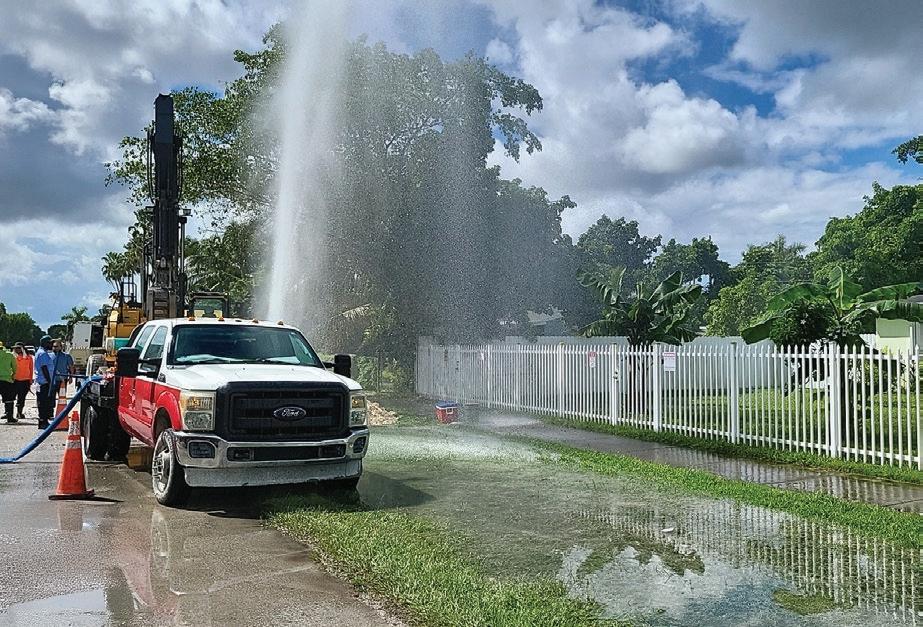
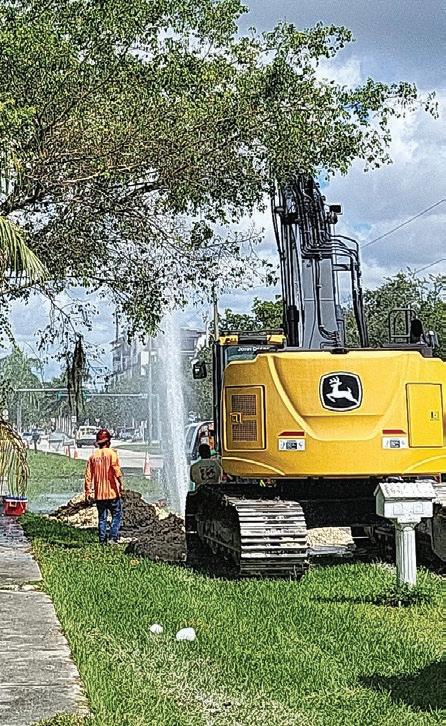
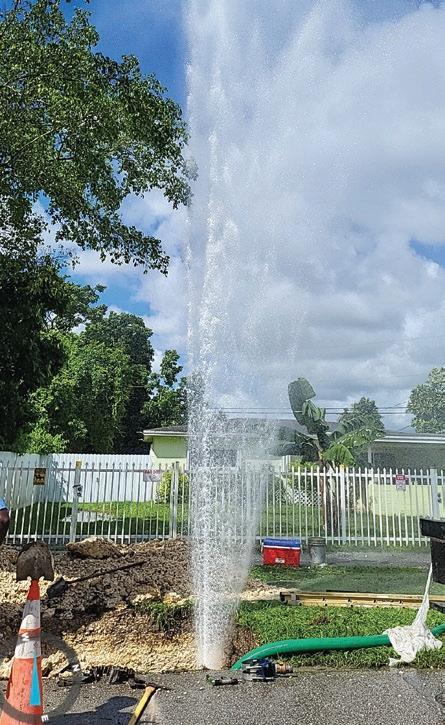
health risks, and costly cleanup efforts. These incidents are not only wasteful but can also disrupt entire communities.
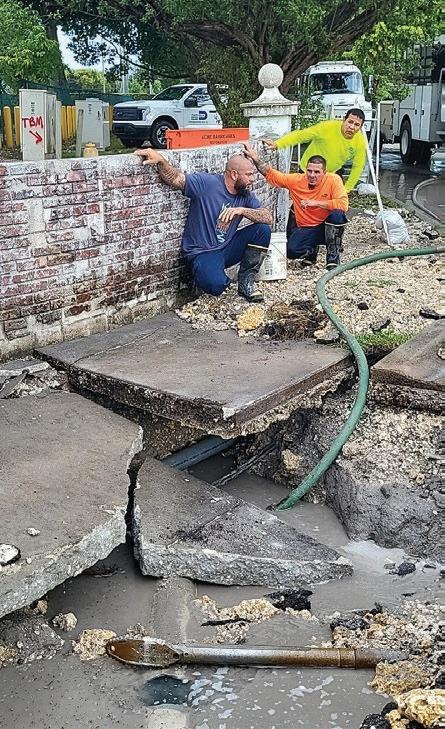
Beyond the immediate loss of water, damages to underground utilities can cause catastrophic impacts to surrounding roads, buildings, and other infrastructure. Water main breaks can undermine roadways, leading to collapses, sinkholes, and unsafe driving conditions. Nearby structures may experience foundation damage due to soil erosion and shifting ground conditions. Repairing these damages often requires extensive resources, road closures, and prolonged service interruptions that affect residents and businesses alike.
“By prioritizing safety and coordination, organizations can minimize costly repairs, prevent service disruptions, and protect valuable natural resources.”
Effective damage prevention significantly reduces these risks by ensuring accurate locating, clear communication, and adherence to best practices in excavation. By prioritizing safety and coordination, organizations can minimize costly repairs, prevent service disruptions, and protect valuable natural resources. Ultimately, damage prevention is not just about avoiding mistakes – it is about safeguarding infrastructure, preserving water resources, and maintaining the integrity and reliability of essential public services.















By Steve Soltau, FlaWARN Coordinator, steve.soltau@frwa.net, 727-272-0374
Runoff from overnight heavy rains flooded a low-lying subdivision. Three sewer lift stations are underwater. Hurricane force winds toppled several massive oak trees ripping 6” water lines out of the ground, snapping them in two, leaving the water plant unable to maintain distribution pressure above 20 psi.
Wildfires tearing through the pinelands outside of town engulfed three drinking water wells, leaving behind a mound of melted copper wire.
A localize thunderstorm spawned a small tornado that tore the roof off the master pumping station, flooding the building and shorting out the electrical system.
A six-foot storm surge flooded Well #3. Testing indicates consistent chloride levels above the MCL of 250 mg/L.
Incidents similar to the ones described above repeatedly affect our lives here in the Sunshine State. Emergencies of all type, including localized “blue-sky” events, bring record rainfalls, damaging winds, droughts and wildfires. King tides crest at flood levels never before recorded in Florida. Storm surges overwhelm barrier islands and lowlands. Homes that once stood tall, bathed in the pastel shadows of Florida sunsets, quickly become a ruin of twisted PVC pipe and broken boards tossed across the landscape like a child’s game of Pick-up-Sticks.
Restoring drinking water and basic sanitary services to communities after an emergency is a vital human safety need. Without these critical services, the Department of Health will not allow people back into their homes, firefighters cannot put out fires, and toxic combinations of sewage, sand, and stormwater invade our homes, flood our streets, and leave communities uninhabitable.
After an emergency, both large and small utility systems find themselves with damaged facilities or loss of commercial power. Many utilities lack the inhouse equipment or personnel needed
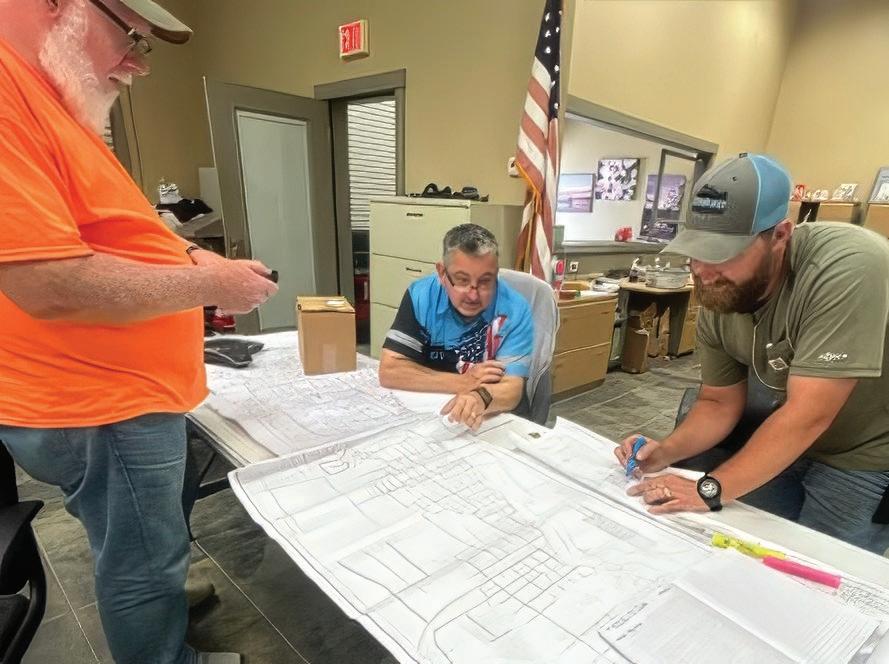
to restore operations and they often face slow, cumbersome bureaucratic processes when seeking outside assistance –especially when no formal mutualaid agreement exists to ensure reimbursement for the responding utility.
The 2004 hurricane season saw four hurricanes rampage across the state in just six weeks. Two of the four storms made landfall less than three miles apart. Dozens of treatment facilities were damaged or left inoperable.
Following that chaotic year, the Florida Department of Environmental Protection, the Florida Division of Emergency Management, the Florida Rural Water Association, and several utilities from across Florida came together with a shared mission; the time had come to evolve from homegrown emergency response to a system of statewide emergency support.

This team created a “one source site” for all water and wastewater facilities to:
(1) Report operational status
(2) Request help
(3) Offer assistance
The result? FlaWARN (https://flawarn.pwd.aa.ufl.edu) and WATERTracker (https://flwatertracker.com) were born.
FlaWARN (Florida Water and Wastewater Agency Response Network) is a formalized mutual aid response network of “Utilities Helping Utilities.” Our purpose is to provide critical first-response resources in the aftermath of manmade or natural disasters.
WATERTracker (Water Assistance Tracking and Emergency Response System), our major internet-based platform, smooths the free flow of information by removing unnecessary barriers during and after a crisis.
WATERTracker is designed specifically for utilities to:
• Notify FDEP of post-storm system status fully operational, partially operational, or non-operational
• Request needs (I need help!)
• Offer assistance (I can help!)
Similar to a shared drive, WATERTracker cleverly combined the former FDEP Storm Tracker website with the FlaWARN Event Tracker website, giving rise to today’s primary means of communication across the mutual aid network.
WATERTracker is designed for all major and minor hazard types and helps to define the appropriate crews, tools, and equipment necessary to help the damaged utility. Coordination with FDEP, DEM, Army Corps of Engineers, and USEPA enables WATERTracker to identify additional resources as they become available.
Earlier in this article, we discussed cumbersome bureaucracies often encountered when a utility is trying to find assistance without a formal, pre-approved mutual aid agreement.
The FlaWARN MAA solves that problem. The FlaWARN MAA is a free legal covenant, a promise between neighbors, that says, “We will be there for you.”
The Agreement establishes the terms under which one utility will provide specific resources to another utility with those specific needs. It defines reimbursement and insurance procedures, equipment transfers, how crews will be supervised, where the crews will eat and sleep, etc.
Having a signed MAA on file before an emergency provides a level of confidence to our community leaders that resources, personnel, and equipment can move immediately when and where they are needed the most. During the chaos of a disaster, every minute counts. Preestablished agreements can eliminate delays caused by legal reviews, approvals, or questions about reimbursement and liability.
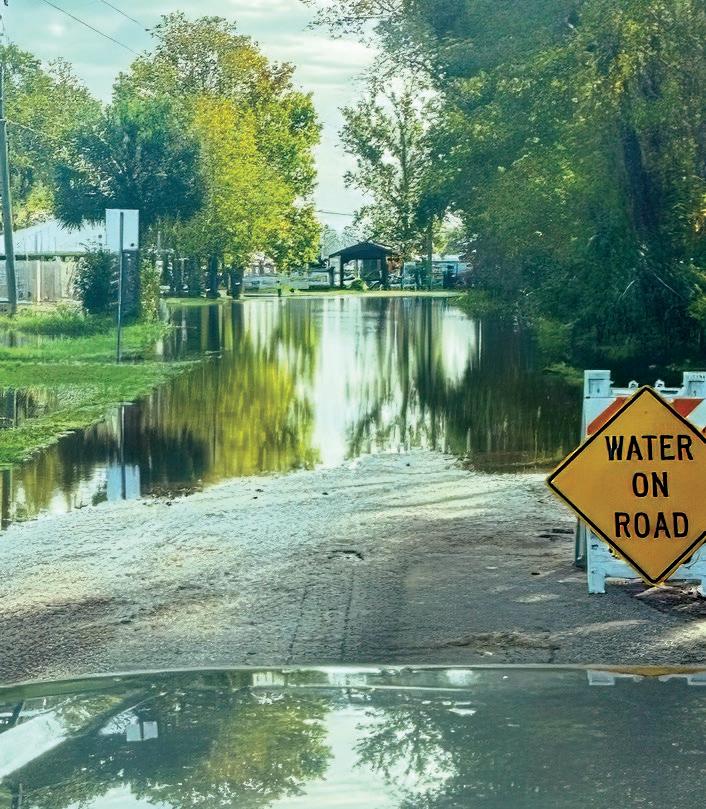
And while it is true that MAAs have been signed on the hood of a work truck in the pouring rain, that’s more a testament to the agreement’s value than a best practice. Waiting until the moment of crisis forces decisions under pressure, increases the risk of errors, and can slow down the very assistance the MAA is meant to enable.
When utilities are in possession of a signed Mutual Aid Agreement:
• Response time is quicker and more aligned to specific needs
• Costly downtime is avoided
• Personnel can focus on operations, not bureaucracy
• Communication occurs seamlessly across county or municipal lines
To help strengthen your system’s readiness and secure the support you need before an emergency impacts your utility, we encourage you to connect with us today – by phone or email – to learn more about FlaWARN and our “Friends Helping Friends” network.
Resources
• FlaWARN website: https://flawarn.pwd.aa.ufl.edu
• Mutual Aid Agreements: https://flawarn.pwd.aa.ufl.edu/ flawarn-partnership
• WATERTracker: https://flwatertracker.com
• Training: https://flawarn.pwd.aa.ufl.edu/trainings



he Division of Water Restoration Assistance is responsible for providing financial assistance through several programs for improvements in water quality and quantity including:


The Drinking Water State Revolving Fund (DWSRF) provides lowinterest loans to local governments and private utilities to plan, design and build or upgrade drinking water systems. Discounted assistance and principal forgiveness may be available for
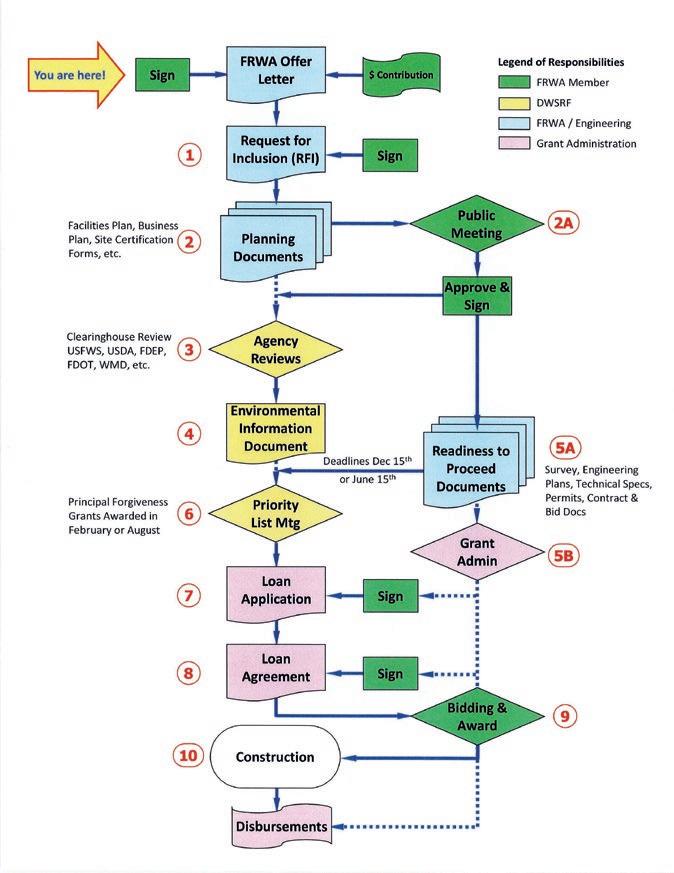
qualified communities that are non-profit or publicly owned with a population of fewer than 10,000 people and median household income level less than Florida’s median household income. Larger financially disadvantaged nonprofit or publicly owned communities may qualify for up to 20% principal forgiveness for construction, if funds are available. Interest rates on loans are typically 40% below market rates. Applications for loans are accepted year-round and are evaluated for funding each August and quarterly thereafter as long as funds remain available.
Contact: Eric Myers
The Clean Water State Revolving Fund (CWSRF) provides low-interest loans to local governments to plan, design and build or upgrade wastewater, reuse, stormwater and nonpoint source pollution prevention projects. Agricultural best management practices as well as clean energy projects that benefit water quality may also qualify for funding. Interest rates on loans are below market rates and vary based on a community’s economic means. Small communities are eligible for principal forgiveness or grants for projects funded by a Clean Water State Revolving Fund loan if the community has a population of 10,000 people or fewer and per capita income levels below Florida’s average. Projects must be associated with wastewater collection, transmission, treatment, reuse or disposal facilities. Applications for loans and grants are accepted year-round and are evaluated for funding each August and quarterly thereafter as long as funds remain available.
State Water Quality Assistance Grants funding is used to implement eligible shovel-ready stormwater treatment projects that reduce or eliminate nonpoint source nutrient pollution in verified impaired waterbodies. Environmental Protection Agency funding through Section 319(h) of the Clean Water Act is used to implement nonpoint source best management practices, public education programs to prevent pollution and septic abandonment/connection to sewer on private property. Project proposals are accepted year-round.
The Springs and Watershed Restoration Program provides funding assistance for projects that improve the quality of the state’s water resources. The program works closely with the water

management districts, local governments and other stakeholders to identify and implement springs projects that achieve restoration goals.
The Water Quality Improvement Grant Program provides funding to address wastewater (including septic-to-sewer), stormwater and agricultural sources of nutrients in waterbodies that are not attaining nutrient or nutrient-related standards, have an established total maximum daily load or are located within a basin management action plan area, a reasonable assurance plan area, an accepted alternative restoration plan area or a rural area of opportunity.
Resources:
• Division of Water Restoration Assistance –https://floridadep.gov/programs/wra
• Drinking Water State Revolving Fund –https://floridadep.gov/wra/srf/content/dwsrf-program
• Clean Water State Revolving Fund –https://floridadep.gov/wra/srf/content/cwsrf-program
• Nonpoint Source Management Program –https://floridadep.gov/wra/319-tmdl-fund
• Springs and Watershed Restoration Program –https://floridadep.gov/wra/wra
• Water Quality Improvement Grant Program –https://floridadep.gov/wra/wra/content/water-qualityimprovement-grant-program
■ Acids and alkalis
■ Amines
■ Antifoams
■ Bio-additives
■ Bioaugmentation
■ Biocides
■ Coagulants
■ Corrosion inhibitors
■ Dispersants
• Protecting Florida Together (Other Funding Programs) –https://protectingfloridatogether.gov Contact us
■ Filter media
■ Flocculants
■ FOG reduction
■ Odor control
■ Phosphonates
■ Phosphorus removal
■ Solids reduction… and more!
Florida Customer Service: 800-876-1727
contactus@brenntag.com
brenntag.com
DID YOU KNOW?
Quality On Tap! was created by NRWA in 1996 as the first practical, hands-on guide to better public relations for water utilities. Today, the QOT logo can be found around rural America on water towers and utility vehicles, spreading awareness to turn on the tap.
Resources and more information are available for utilities at nrwa.org/about/quality-on-tap/ water utilities. Today, the QOT







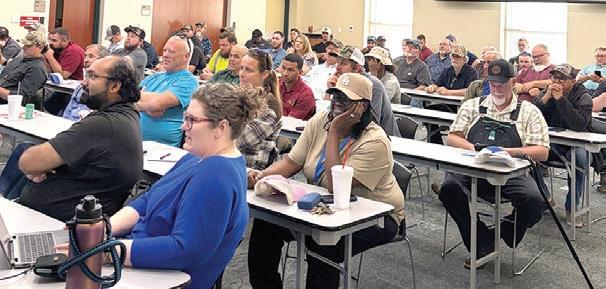
The Florida Rural Water Association (FRWA), in partnership with the Florida Department of Environmental Protection (FDEP), conducts an annual training event known as Focus on Change. This training is designed to address current and emerging issues affecting Florida’s water and wastewater systems. Each year, more than 1,000 industry professionals attend to learn about regulatory developments, operational challenges, and future trends impacting their utilities. The event also provides a valuable opportunity for attendees to engage directly with subject matter experts, ask questions, and receive guidance on issues affecting their systems.






FRWA and FDEP have collaborated to provide this training for more than 35 years. Historically, the training has been hosted within each of FDEP’s six districts to ensure accessibility across the state. Due to travel limitations, budget constraints, and staffing challenges, this year’s program was condensed to four locations. Training sessions were held in Haines City, Panama City, Lake City, and Punta Gorda. In 2026, the training will return to these locations, with Pompano Beach replacing Punta Gorda. Moving forward, Punta Gorda and Pompano Beach will alternate as host sites on a biennial basis.

This year’s agenda included presentations and discussions on a variety of important topics, including drinking water and wastewater program updates, FlaWARN and Water Tracker, operator certification updates, AWOP, potable reuse, enforcement and Lead and Copper Rule Improvements (LCRI), legislative




and rulemaking updates, biosolids management, collection systems, and distributed wastewater treatment systems. The training generated meaningful discussion among participants and was very well attended, with more than 1,000 professionals participating despite the reduced number of locations.
For more than three decades, Focus on Change has served as a cornerstone educational event for Florida’s water and wastewater industry. The training helps utility professionals stay informed about evolving regulations, emerging challenges, and industry best practices. Equally important, it provides a forum for attendees to discuss how these issues affect their operations and to receive answers from regulatory and industry experts. FRWA and FDEP are proud of this longstanding partnership and look forward to continuing this valuable training program for many years to come.


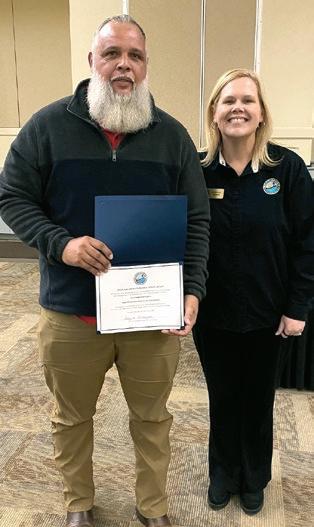


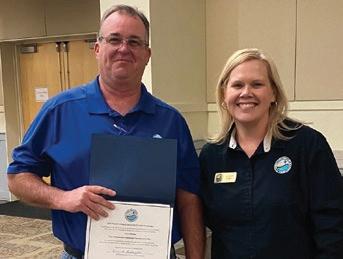
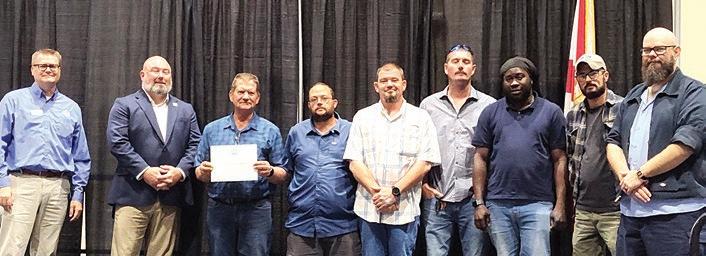
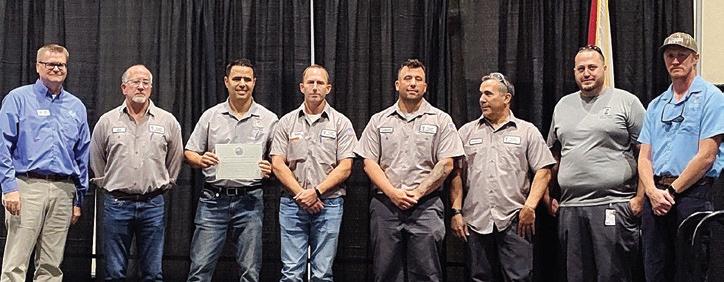
NORTHWEST DISTRICT PLANT EXCELLENCE AWARDS
• Town of Ponce De Leon Water System
• Bay County Water Treatment Plant
• City of Defuniak Springs Water System
• Regional Utilities Water System
• North Bay Wastewater Treatment Facility
• Robert Pilat
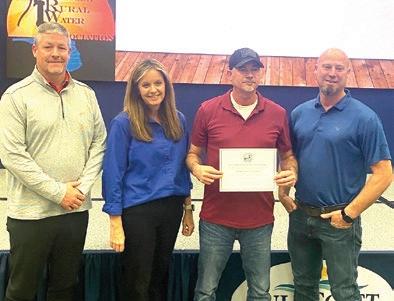


• City of Clearwater Wastewater Treatment Facility

• City of Tarpon Springs Advanced Wastewater Treatment Facility



• Knowledge Washington –Central Regional Water Production Facility

• David L. Tippin Water Treatment Facility
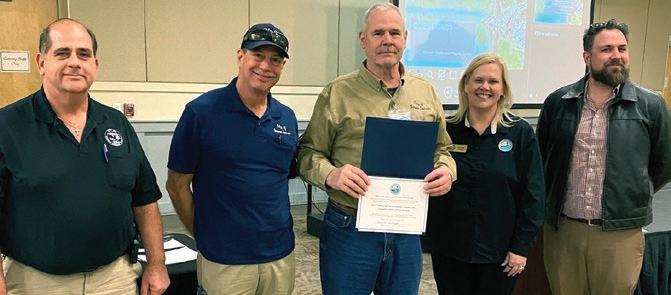
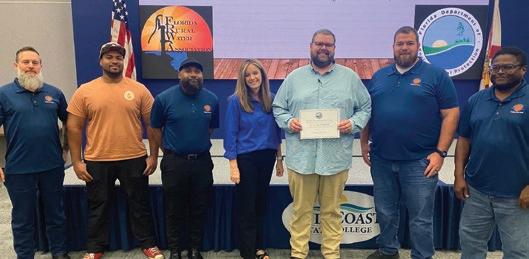
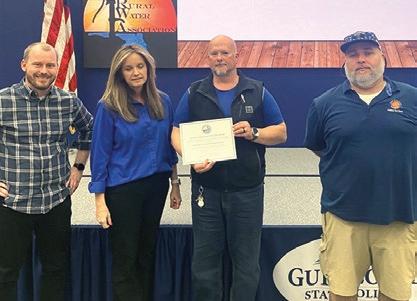


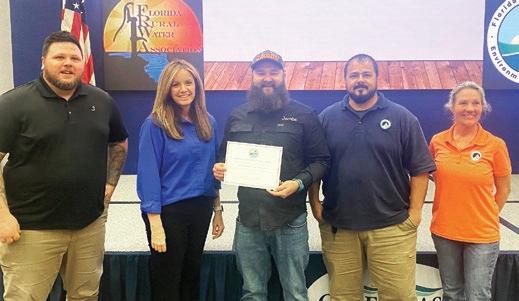



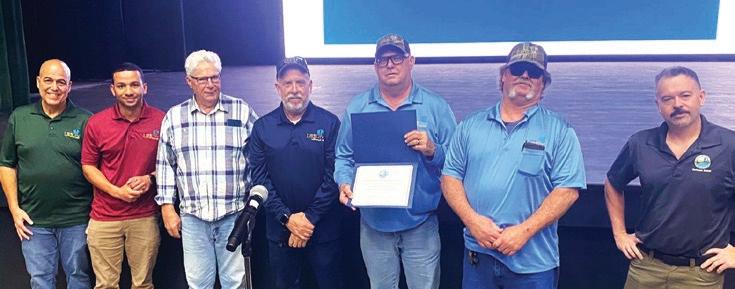
MARCH 5, 2026 – Lake City, Florida
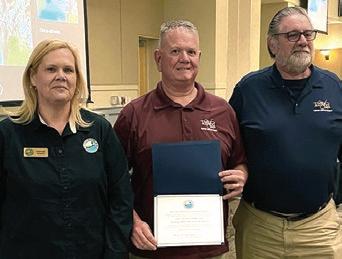
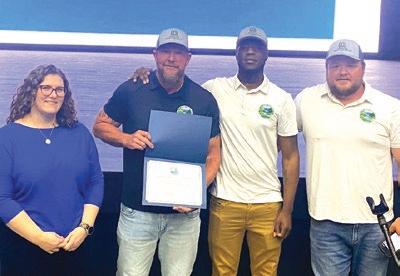
NORTHEAST DISTRICT PLANT EXCELLENCE AWARDS
Domestic Wastewater
• Harbor Road Water Reclamation Facility
Outstanding Drinking Water Operator
• Ahab Hashem • Joshua Young
Outstanding Medium Sized Community System
• Price Creek Water Treatment Plant



SOUTH DISTRICT PLANT EXCELLENCE AWARDS
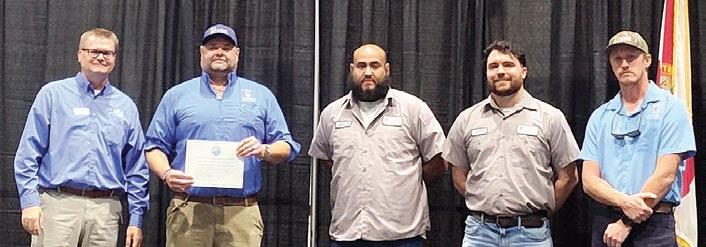
Medium Size Water Treatment Plant of the Year
• City of Punta Gorda
• Town & Country Utility, LLC
• Lee County – Green Meadows Water Treatment Plant
• Lee County – Olga Water Treatment Plant
Wastewater Plant of the Year
• Thomas White – Three Oaks Water Reclamation Facility
• Gateway Water Reclamation Facility
• Lee County – Pine Island Water Reclamation Facility
• Town & Country Utility, LLC
SOUTHEAST DISTRICT PLANT EXCELLENCE AWARDS
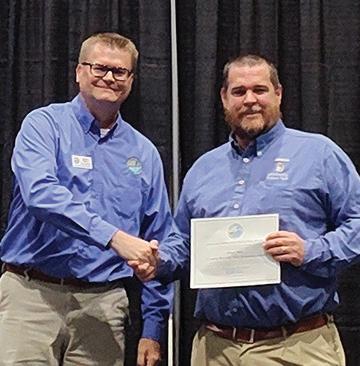
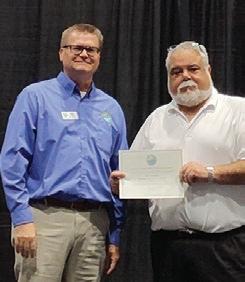
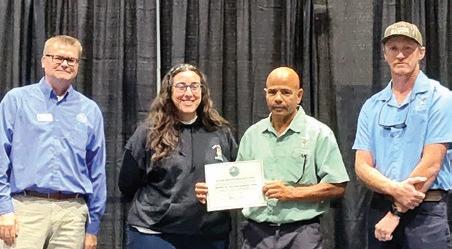
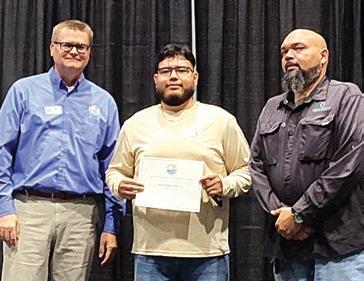


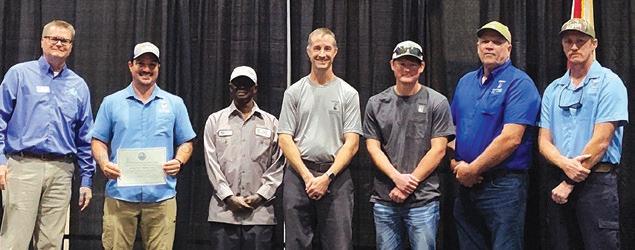
Person in Exceptional Plant Leadership Award
• Mark Darmanin, Broward County North Regional

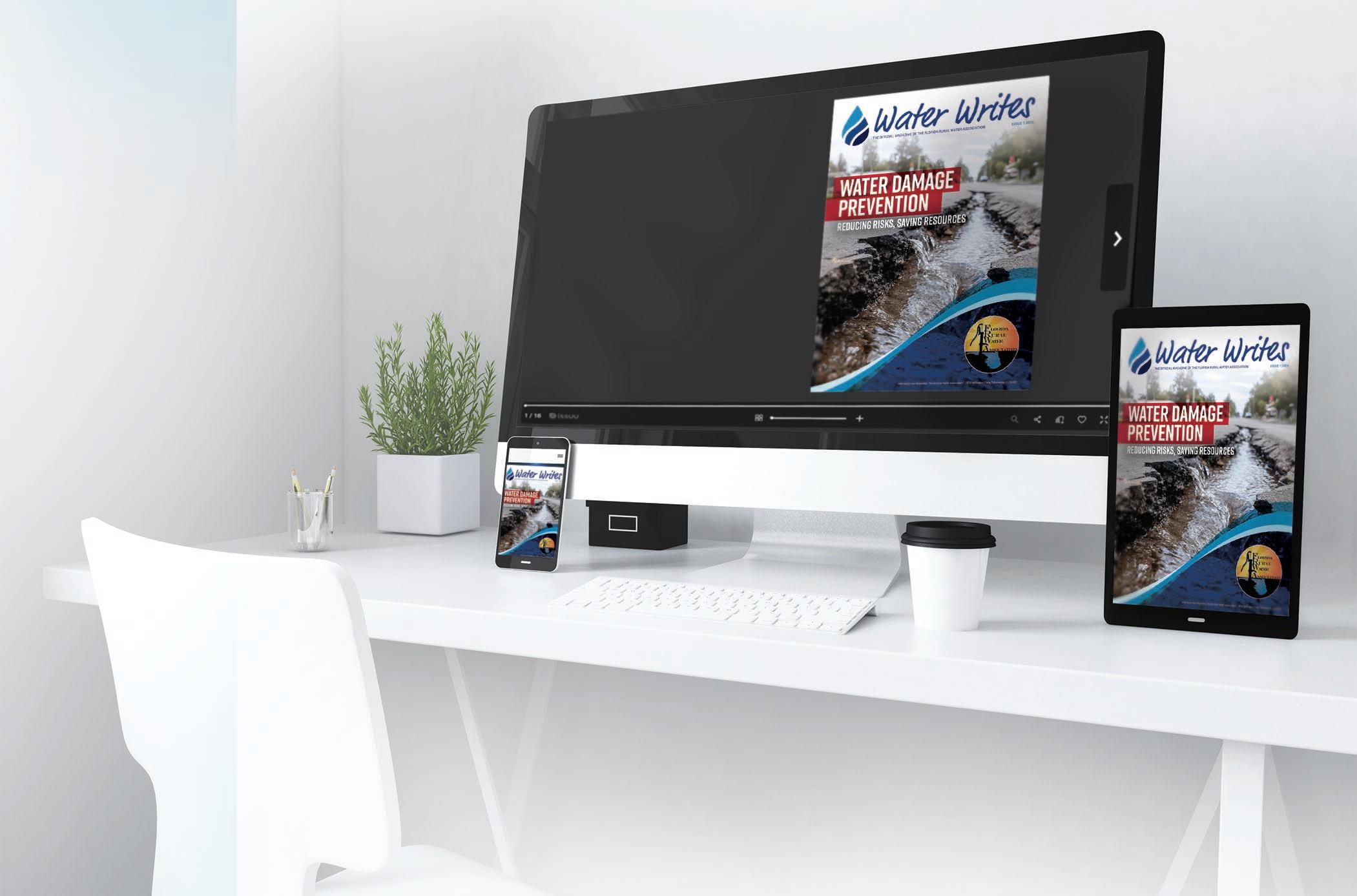
Staying connected and in the know has never been easier with both print and digital editions of Water Writes
Make sure to check out our highly interactive, mobile-optimized edition.
Visit www.frwa.net



Rugged and built to quickly locate all pipe types the MALA Easy Locator Core was designed with Florida in mind. The Easy Locator Core's 450 MHz center frequency and user focused interface simplify collecting data and marking. Year after year MALA GPR units support pipe locating in Florida's most challenging conditions. No other brand's GPR is more trusted in the sunshine state.











































1. Per FAC the secondary standards the MCL for TDS is?
2. For water to be considered stable it must be saturated with?
3. In the membrane filter technique, total coliform colonies can be recognized by?
4. A plant receives complaints of medicinal odor at the plant and after raising dose it is still noticeable what is the cause?
5. What is the chemical formula for Aluminum Sulfate (Alum)?
6. What are two types of lime in water treatment?
7. To reduce triomethanes what treatment should be considered?
8. One statement for sampling that is incorrect with TC is?
Answers:
1. 500mg/L
2. Calcium Carbonate
3. A pinkish color with metallic surface sheen.
4. Phenols in the water.
5. AL2 (SO4 )3
6. Hydrated and Quicklime
7. Chlorimination (chloramines)
8. Remove cap and place on clean surface.
1. The first step in anaerobic digestion is called:
a. Acid formation
b. Stabilization
c. Methane formation
d. Alkalinity formation
2. pH is the measure of:
a. Amount of an acid
b. Intensity of basic or acidic condition of a liquid
c. Acidity
d. Alkalinity
3. The second stage of anaerobic digestion is called:
a. Acid formation
b. Stabilization
c. Methane formation
d. Pathogenic formation
4. The two primary gases formed in the anaerobic digestion process are:
a. Nitrogen and oxygen
b. Methane and oxygen
c. Methane and water
d. Methane and carbon dioxide
5. One liter of liquid chlorine can evaporate and produce how many liters of chlorine gas?
a. 100
b. 250
c. 460
d. 490
6. Samples taken for pH measurement should be:
a. Refrigerated
b. Tested as soon as possible
c. Allowed to warm to room temperature
d. Preserved with H2SO4
7. What is the desired DO level in the first stage of an RBC?
a. 1 to 3 mg/L
b. 0.5 to 1.0 mg/L
c. 5 to 10 mg/L
d. Unimportant since an RBC is in the air
8. Packing glands on centrifugal pumps should be:
a. Tightened until no water flows from around the shaft
b. Tightened to 25 foot pounds of torque
c. Tightened enough to allow a leak of one drip per second
d. Tightened enough to allow a leak of one drip per minute
Answers: 1. A, 2. B, 3. C, 4. D, 5. C, 6. B, 7. A, 8. C
Water Writes is made possible by the companies below who convey their important messages on our pages. We thank them for their support of FRWA and its publication and encourage you to contact them when making your purchasing decisions. To make it easier to contact these companies, we have included the page number of their advertisement, their phone number, and, where applicable, their website.



www.brenntag.com
Americas Corporation
www.grundfos.com
Petersen Industries, Inc. 8 863-676-1493 www.petersenind.com
Power-Tel Utility Products 28803-917-7296 www.ptupcorp.com
PowerSeal Pipeline Products Corp. 18–19, 36800-800-0932 www.powerseal.com
ProComSol, Ltd. 34216-221-1550 www.procomsol.com
Reliner/Duran 30800-508-6001 www.reliner.com
WASCON Inc. 32800-952-4236 www.wasconinc.com
Zurn Elkay Water Solutions 2, 35414-808-0100 www.zurnelkay.com










To reach professionals through Water Writes and its targeted readership, contact Megan at your earliest convenience to discuss your company’s promotional plans.




MEGAN STANLEY, Marketing Manager megan@kelman.ca | Toll Free: 866-690-2808






























































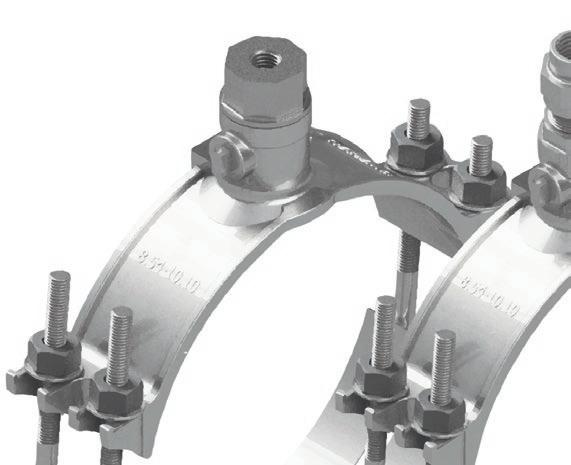
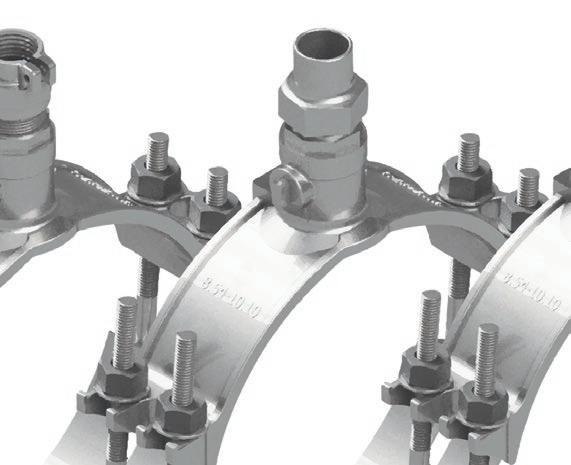


Certified by IAPMO R&T to NSF/ANSI 61 for materials safety only, and to NSF/ANSI 372 for low lead compliance.
For use on PVC, Ductile/Cast iron, AC and HDPE pipe.
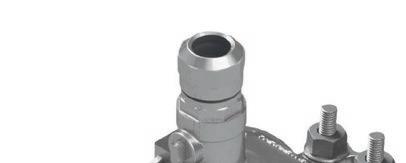
One piece casting design combines corp stop and saddle. Reduce inventory and purchasing consolidation. Limits potential threading issues in the field.
Meets or exceeds the requirements of AWWA C800.
Available for CTS Pack joint and PowerJoint (compare to Quick Joint), IPS Pack Joint, FLARE and Threaded NPT. 1-¼” outlet only available in PowerJoint, Threaded NPT and Flare. Ball valve design for maximum pressure capability. Patented TwinSeal gasket design. UL tested.
SIDR 7 outlet available in ¾” and 1”.
IPS Pack joint not compatible with SIDR 7 pipe. Eliminates vulnerable epoxy coatings.