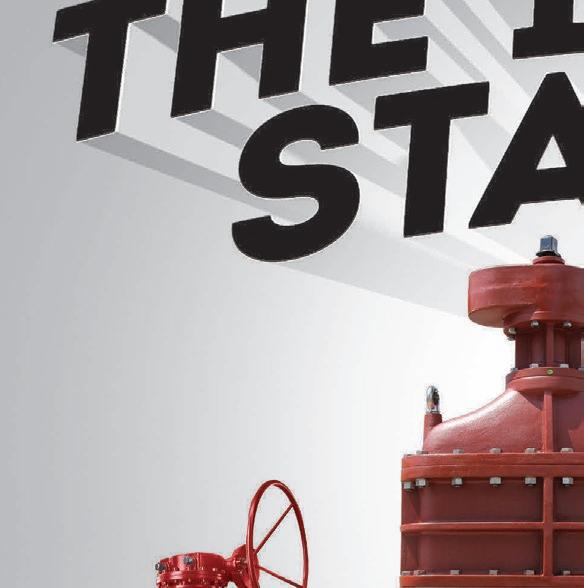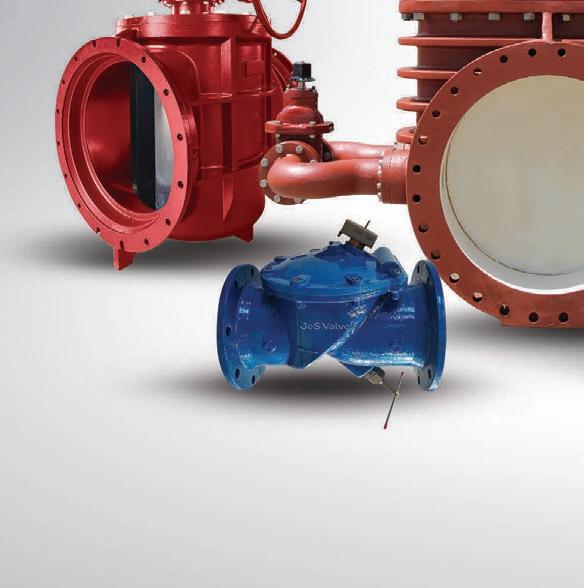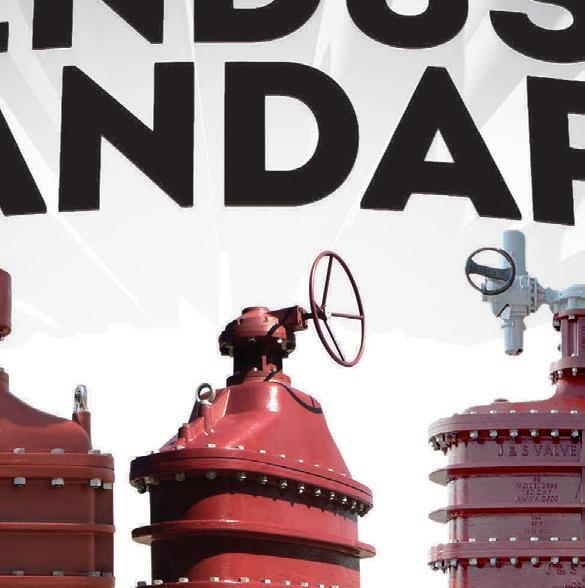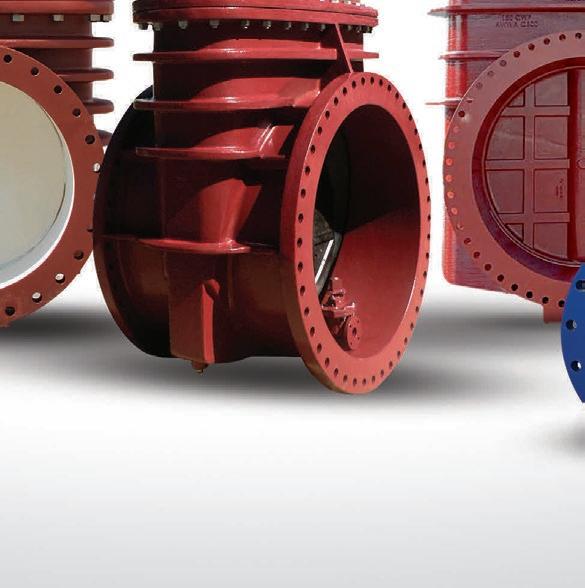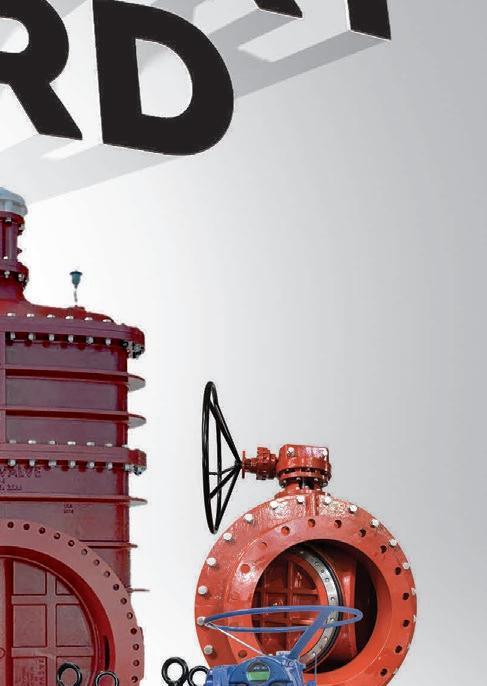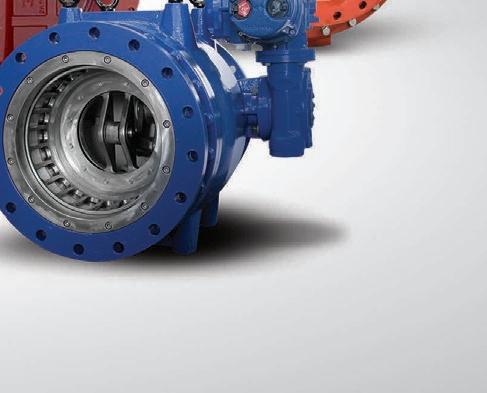


















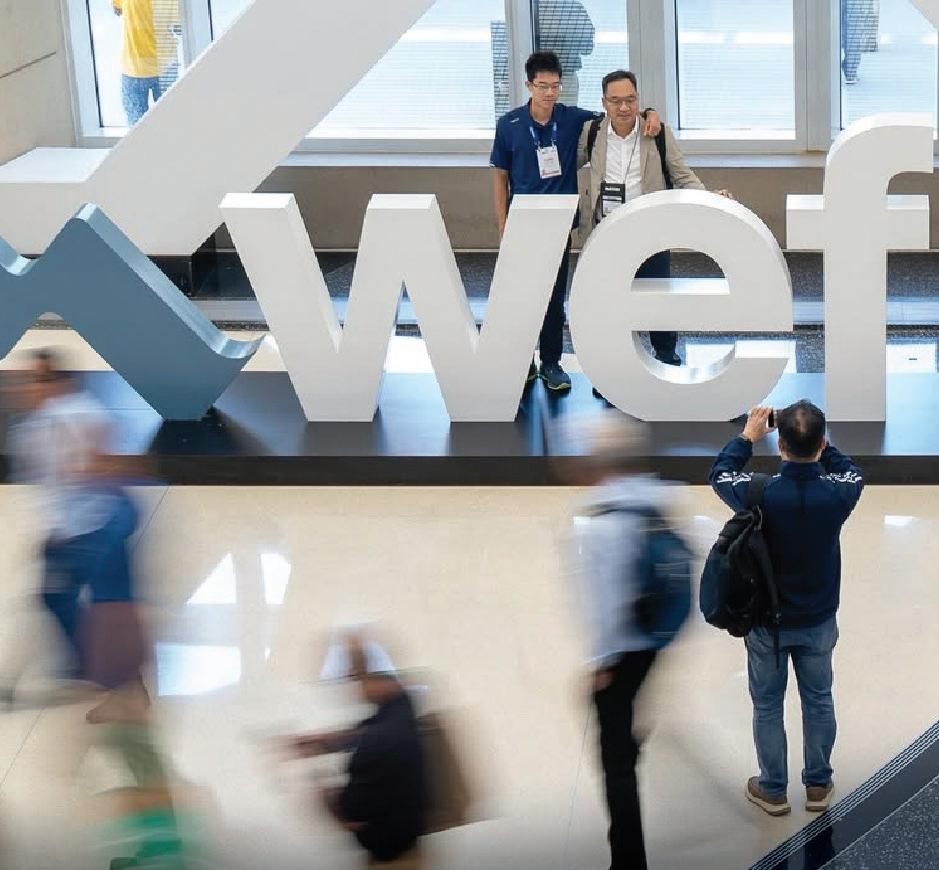

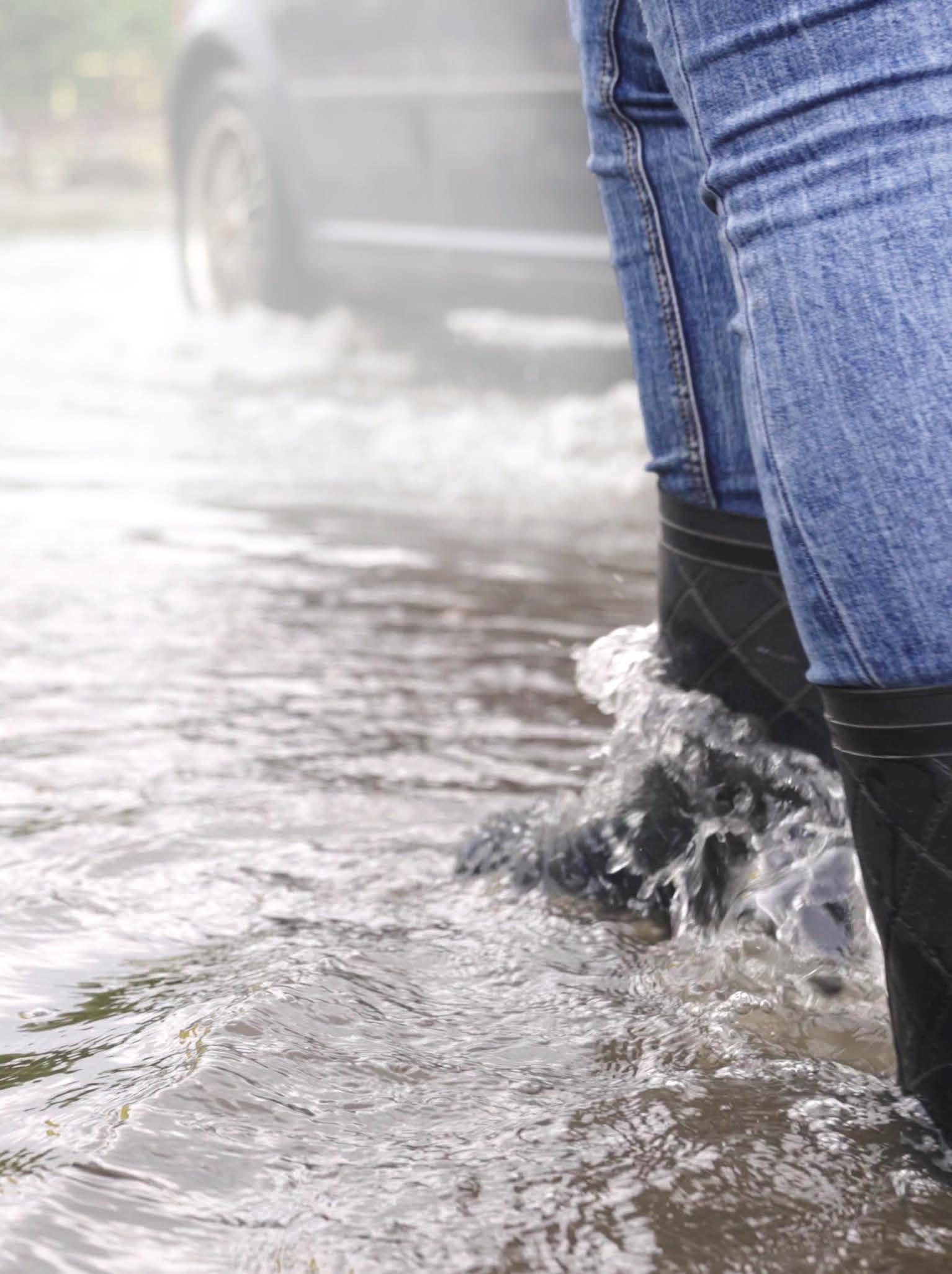
Every community relies on critical infrastructure to stay safe, healthy, and thriving. At Sulzer, we deliver innovative pumping, mixing, and treatment solutions that safeguard what matters most.
From stormwater management that prevents flooding, to wastewater treatment that ensures clean water, to pumping systems that keep essential services running, Sulzer products are at the heart of resilient communities. Whether it is hospitals, schools, or neighborhoods, our technology works behind the scenes to keep your water pumping.
Because when it comes to your community, reliability is not optional, it is essential. go.sulzer.com/
Represented locally by Red River Pump Specialists
North LA: Gabe Landry, (318) 381-7554, gabelandry@redriverpump.com
North LA: Dan Anderson, (318) 268-5545, danielanderson@redriverpump.com
South LA: Madison Livingston, (318) 423-2618, mlivingston@redriverpump.com
South LA: Zach Spradley, (903) 754-4336, zspradley@redriverpump.com






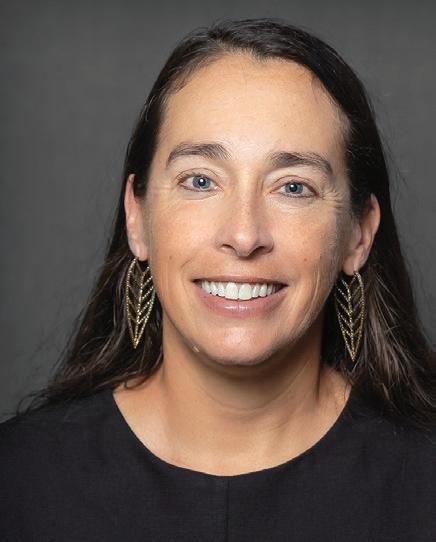












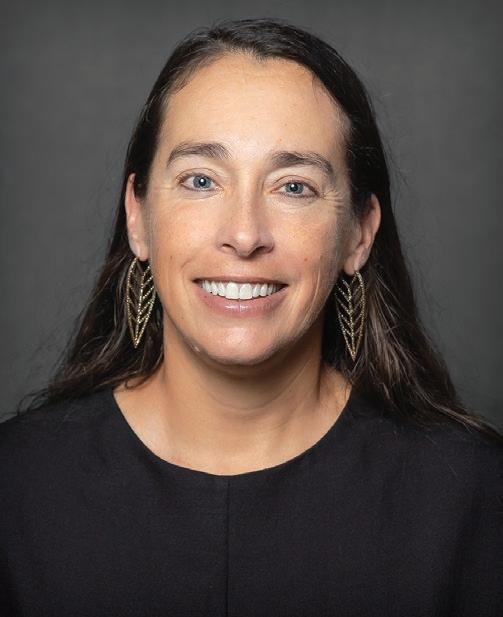
“Aimee’s leadership reflects a strong commitment to collaboration, continuous improvement, and service, values that continue to shape both her organization and the broader water community.”


































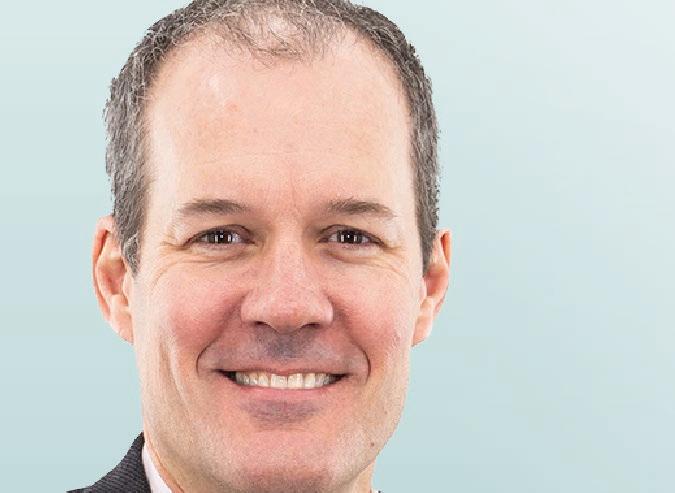
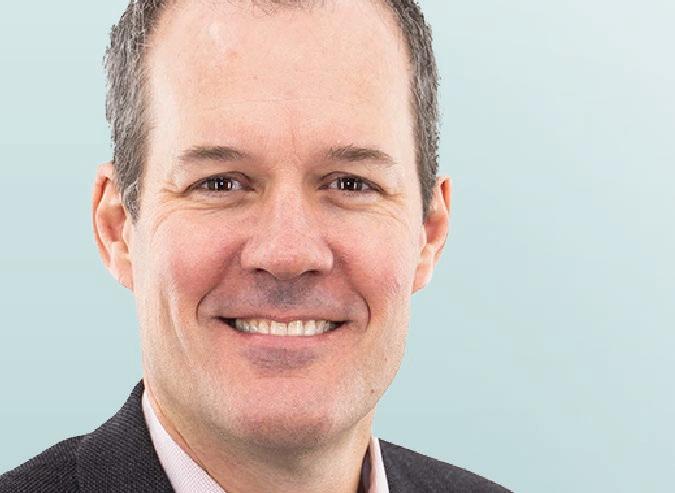
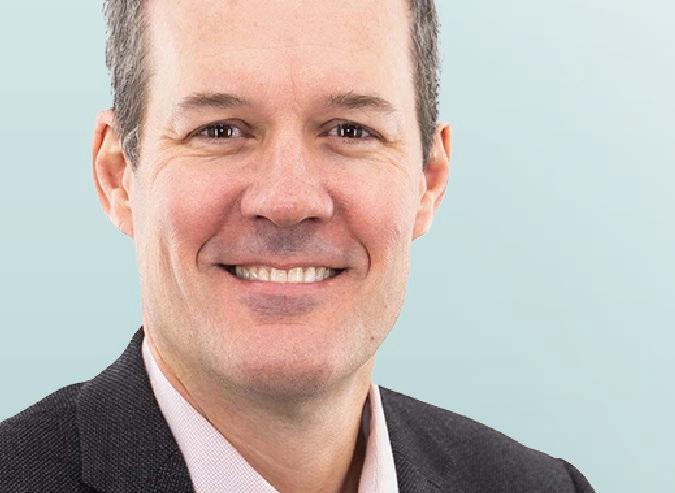
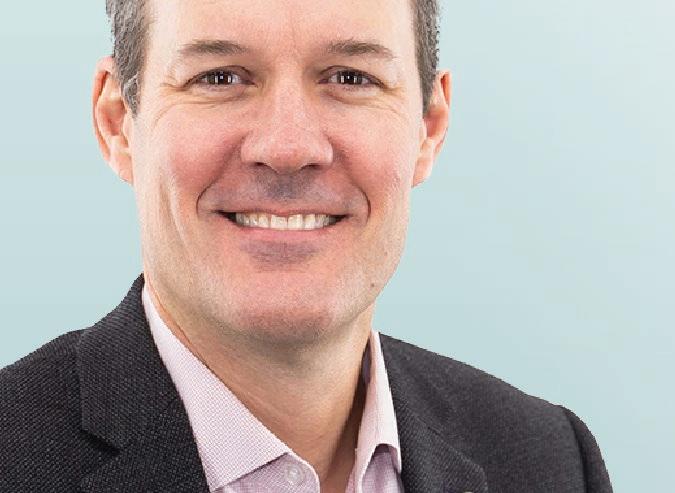
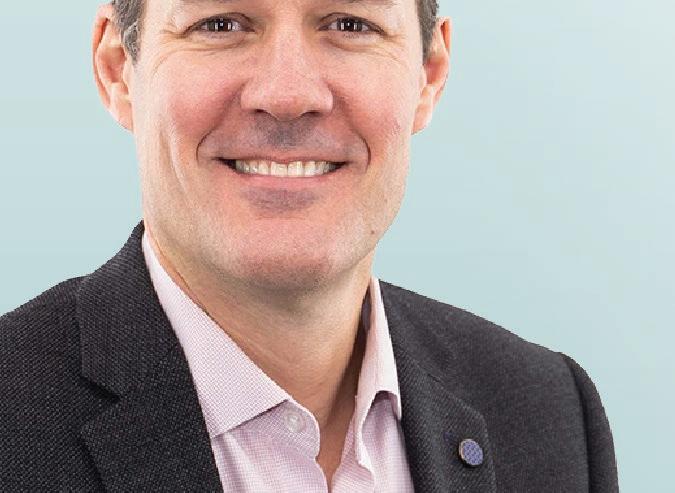
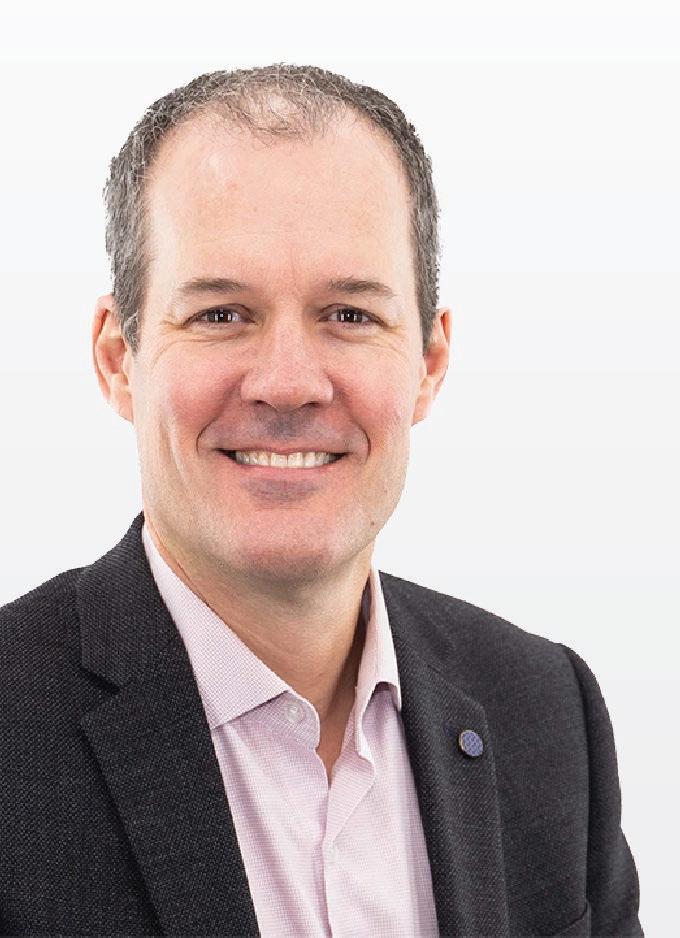
Aimee Killeen serves as Chief Operations Officer at Providence Engineering & Environmental Group in Baton Rouge, where she plays a key leadership role in supporting multidisciplinary technical teams across a wide range of environmental and engineering projects. In her role, Aimee helps guide project delivery, operational strategy, and team development, ensuring that complex challenges are met with practical, efficient, and high-quality solutions.
With more than two decades of experience dedicated to protecting and improving the nation’s water resources, Aimee has built a career grounded in both technical expertise and strategic leadership. She is deeply committed to advancing solutions that are not only effective and defensible from a regulatory standpoint but also sustainable and beneficial for the communities they serve. Her work consistently emphasizes the balance between environmental stewardship and organizational performance.
Beyond her professional responsibilities, Aimee is an active and respected leader within the water sector. Through her involvement with the Water Environment Federation (WEF), the Clean Water Professionals of Louisiana (CWPLa), and other community organizations, she contributes her time and expertise to strengthening the industry as a whole. Her efforts are particularly focused on mentorship, governance, and workforce development, helping to cultivate the next generation of water professionals.
Aimee’s leadership reflects a strong commitment to collaboration, continuous improvement, and service, values that continue to shape both her organization and the broader water community.






•









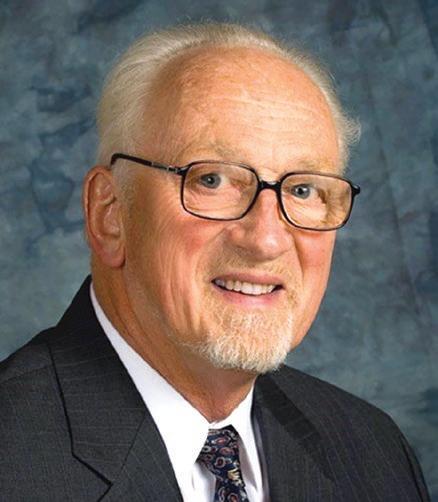
The Water Environment Federation (WEF) is proud to announce the David Jenkins Operator Scholarship, a prestigious $10,000 award that recognizes outstanding operator achievement while supporting continued education and professional development. Awarded annually to one deserving recipient, the scholarship underscores WEF’s commitment to investing in the people who keep water systems running safely and effectively every day.
The scholarship honors Professor David Jenkins’ remarkable 60-year career at the University of California, Berkeley, which left an enduring mark on water education and wastewater treatment practice. Renowned not only for his scientific contributions but also for his deep respect for operators and laboratory professionals, Jenkins believed those working at treatment plants were the true heart of the industry. His dedication to his career in water and his passion for elevating and empowering operators earned him recognition as an honorary life member of WEF.
The David Jenkins Operator Scholarship was brought to life through the leadership of Dr. Krishna Pagilla, chair of the award, in collaboration with the Jenkins family, former students, and colleagues. Together, they created a meaningful tribute that reflects Jenkins’ lifelong belief in education, mentorship, and the vital role operators play in protecting public health and the environment.


















“On one end, Dr. Jenkins was an eminent scientist advancing knowledge, but on the other, he viewed the people who run treatment plants as equally important. He believed operators are truly the heart and soul of the plant, and that when they are educated and provided with additional knowledge and skills, plants run much better,” Pagilla said.
He added, “All the science, all the engineering, and all the designs we create would not happen without the people who implement them day in and day out to produce the clean water our plants deliver.”
Attracting and developing a diverse, passionate water workforce is one of WEF’s strategic goals.


















“The Jenkins Operator Scholarship reflects WEF’s commitment to supporting and encouraging operators as they advance their careers. It is an honor to recognize Dr. Jenkins’ legacy and his extraordinary contributions to the water sector,” said WEF Executive Director Ralph Erik Exton. Applications are now being accepted. The $10,000 Operator Award and Scholarship is administered by the Water Environment Federation Awards & Recognitions Community. The deadline for applications was April 13, 2026. To apply and find out more about the David Jenkins Operator Scholarship, visit: https://www. wef.org/membership--community/awardsrecognition/service-awards/jenkins-operatoraward-scholarship/


April 14, 2026 - April 15, 2026, Washington, DC

Water professionals from across the nation convened in Washington, DC, for Water Week 2026, April 12-18. The week featured a full slate of in-person events, policy briefings, and meetings, including high-level engagement on Capitol Hill.
Water Week 2026 provides a vital opportunity for utilities, public officials,



and water sector leaders to connect directly with federal policymakers and agency partners. Attendees will gain insight into ongoing federal implementation of major water infrastructure investments, the EPA’s evolving regulatory agenda, and the policy challenges and opportunities shaping the sector.




Whether joining the events in Washington or participating through










local advocacy efforts back home, strong engagement during Water Week 2026 remains critical as the sector works to advance shared priorities, including sustained federal investment in water infrastructure, improved affordability programs, science-based regulatory decision-making, and continued support for innovation and research.





If you have any questions, please contact info@waterweek.us.









The Water Environment Federation (WEF), a not-forprofit, nonpartisan organization providing water professionals with the latest in education and training, today announced it will incorporate Partnering for Impact into WEF.
Partnering for Impact is a collaborative initiative launched in 2016 to unite water-sector leaders and organizations in advancing shared goals of resilience, equity, and innovation through strategic partnerships. Its proven event and learning methodology will now scale globally through WEF’s extensive network and technical expertise, creating new opportunities for the larger community.
Collaboration Is Key to Addressing Global Water Challenges
Water challenges are increasingly complex and interconnected, requiring solutions that span sectors and geography. By bringing Partnering for Impact’s collaborative methodology into its events and programs, WEF will accelerate mission progress and scale alongside its global network of more than 31,000 water professionals.
“We are committed to creating new opportunities for our members, partners and community to collaborate and drive progress,” said Keith Hobson, president of WEF’s Board of Trustees. “By bringing Partnering for Impact into WEF, we further our global strategy to attract the water workforce, enhance our community and lead the transformation to the circular water economy.”
As part of the collaboration, Partnering for Impact’s leadership, including Rick Warner, Eileen O’Neill, Krishna Pagilla, Matt Ries, and Bahram Vahedi, will serve as strategic advisers to WEF, helping to guide future initiatives.
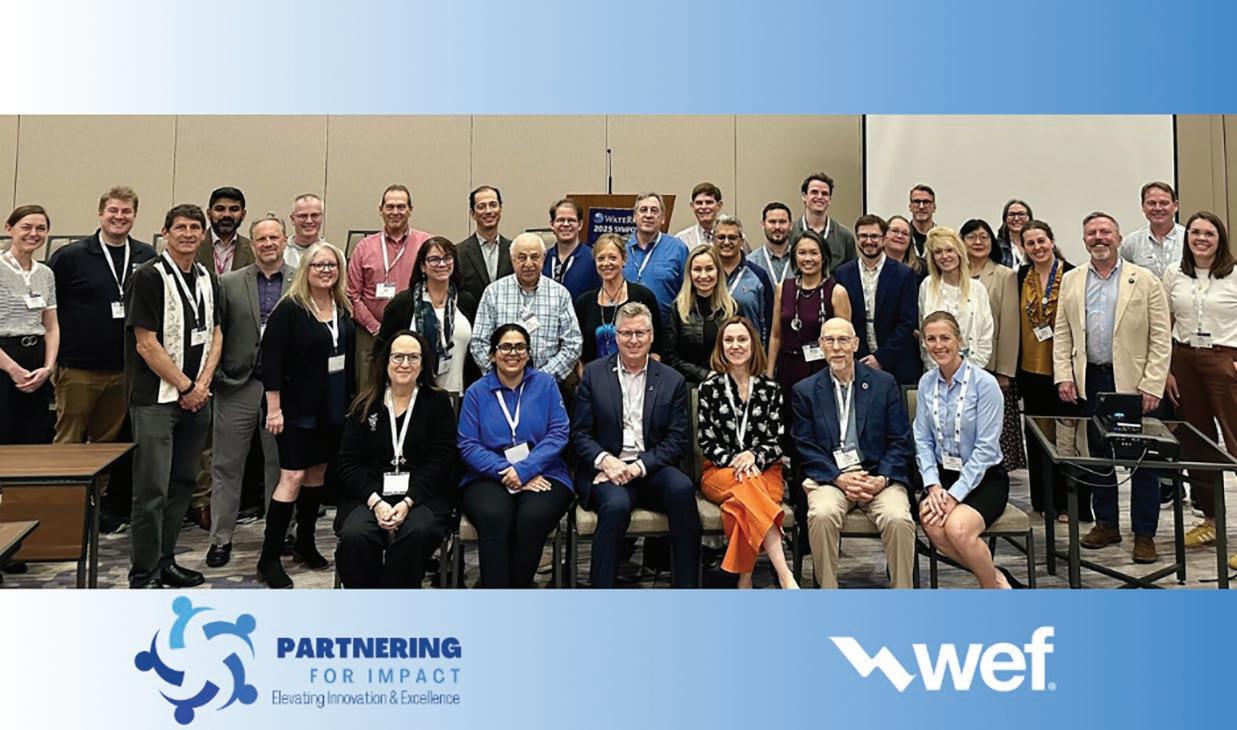
Rick Warner of Partnering for Impact and Jacobs said, “Partnering for Impact was built on the belief that collaboration drives progress. We’re thrilled with the opportunity to get closer to the WEF community and ensure that our mission continues and scales globally, benefitting the entire water sector.”
“Bringing Partnering for Impact into WEF is a smart and timely move for the water community,” said Jenn Jones, CEO of the California Water Environment Association. “The value of this work is its ability to turn big challenges into shared, actionable next steps: connecting practitioners, ideas, and resources in a way that accelerates real-world progress. We’re excited to see this approach expanded and sustained through WEF’s reach and convening power.”
“Partnering for Impact has shown what’s possible when leaders across the water sector come together with intention and purpose,” said Adam D. Link, executive director of the California Association of Sanitation Agencies. “Integrating
About Partnering for Impact
this powerful collaborative model into WEF’s global platform is an exciting step forward for our community. It strengthens our collective ability to share trusted knowledge, elevate innovation, and deliver progress for clean water agencies and the communities they serve.”
While specific initiatives are still being shaped, WEF members and the broader water community can expect elements of Partnering for Impact reflected in upcoming programs and events aligned with WEF’s strategic priorities. More details will follow in future communications. Stay tuned to wef.org for updates.
Partnering for Impact is a collaborative initiative founded to unite water sector leaders and organizations in advancing shared goals for resilience, equity, and innovation through strategic partnerships. Since 2016, it has convened national and international stakeholders to address critical water challenges.



Brenda Faz-Cresie, Director of Strategic Accounts, Anua International
As communities, commercial developments, and institutional facilities continue to expand beyond the reach of centralized sewer infrastructure, the demand for robust decentralized wastewater treatment systems has never been greater. As of August 2023, the State of Louisiana has permitted over 475,000 onsite wastewater treatment systems, and these systems treat over 54 billion gallons of wastewater (LDEQ.gov). Given the continued expansion of rural development in the State and convenient access to open water discharge sources, these numbers are expected to continue rising.
For years, we have been accustomed to using activated sludge technologies or oxidation ponds for treating our community’s wastewater generation. While these technologies certainly have proven success rates, they also have flaws, such as tertiary treatment limitations without additional components, relatively high operation and maintenance demands, and, at times, high upfront capital costs. Additionally, application and discharge location must be considered and evaluated on an individual project basis, as not each wastewater stream or area of discharge is created equal. Therefore, having treatment options to accommodate project-specific parameters
is essential. Because of this, it is critical to understand the options for decentralized wastewater treatment to ensure the right technology is selected for the application. For projects requiring treatment capacities between 3,000 and 100,000 gallons per day (GPD), several proven technologies offer reliable, cost-effective alternatives. Several manufacturers focus on providing treatment solutions designed specifically for this flow range, and there are many technologies on the market. Understanding the strengths and limitations of each approach is essential for engineers, developers, and facility managers tasked with selecting the optimal solution for their specific application.
The flow range of 3,000 to 100,000 GPD represents a critical segment of the wastewater treatment market. These systems serve diverse applications, including residential subdivisions, schools, office parks, shopping centers, restaurants, small manufacturers, convenience stores, travel plazas, RV and outdoor hospitality recreational facilities. Unlike smaller residential systems or municipal plants, midcapacity decentralized systems must balance treatment effectiveness tailored to the application, operational simplicity, footprint constraints, and lifecycle costs while meeting increasingly stringent discharge standards.
Membrane bioreactor technology has emerged as a leading solution for large decentralized applications requiring highquality effluent in a compact footprint. MBR systems combine conventional activated sludge biological treatment with membrane filtration, typically using hollow-fiber or flat-sheet, that are either microfiltration with pore sizes of 0.1 to 10 microns or ultrafiltration membranes with pore sizes of 0.04 to 0.4 microns.
The biological process occurs in an aeration tank where microorganisms break down organic matter and nutrients. Rather than relying on gravity settling in a secondary clarifier, the mixed liquor is drawn by a small vacuum through submerged membranes that physically
separate treated water from biomass. This approach produces exceptionally clear effluent with very low ammonia, suspended solids and biochemical oxygen demand (BOD), suitable for surface discharge or possible reuse applications without further tertiary treatment.
MBR systems offer significant advantages for space-constrained sites, reducing footprint requirements by 50 to 75% compared to conventional treatment trains. When combined with anoxic zones and/or chemical addition, efficient total nitrogen reduction can also be achieved. These systems excel in applications with variable loading patterns, as the high mixed liquor suspended solids (MLSS) concentrations provide buffering capacity against flow and load fluctuations and are a good option for applications with higher organic loading, given fats, oils and grease can be minimized.
However, MBR technology requires more sophisticated operation and maintenance than other treatment approaches. Membrane cleaning protocols, air scour requirements, and eventual membrane replacement represent ongoing operational considerations. Capital costs typically run higher than conventional alternatives, although the premium may be justified by superior effluent quality, reduced footprint, and potential for water reuse.
Sequencing batch reactors represent a time-tested approach that has proven highly effective for mid-capacity decentralized applications. SBR systems can perform all treatment functions – equalization, aeration, settling, and decanting – in a single tank through a programmed sequence of operational phases.
A typical SBR cycle begins with the fill phase, during which wastewater enters the reactor while mixing or aeration occurs. The react phase follows, providing extended aeration to achieve biological treatment and nitrification. During the settle phase, aeration ceases and biomass settles by gravity separation. The decant phase removes clarified effluent through controlled withdrawal mechanisms, leaving settled biomass in the tank. Finally, an idle phase may occur before the cycle repeats.
The strength of SBR technology lies in its operational flexibility. Cycle timing, aeration intensity, and fill strategies can be adjusted to accommodate varying flow patterns and treatment objectives. Multiple tanks operating on staggered cycles provide continuous treatment capacity while maintaining the benefits of batch processing. This adaptability makes SBR systems particularly suitable for facilities with pronounced diurnal flow variations or seasonal occupancy changes.
SBR systems require minimal equipment compared to continuous-flow activated sludge plants, eliminating return activated sludge pumps and secondary clarifiers. The technology is wellunderstood by operators and regulators, reducing permitting challenges. Capital and operating costs generally fall in the moderate range, offering good value for conventional discharge applications.
Fixed-film treatment technologies, including rotating biological contactors (RBCs), submerged/attached growth media, trickling filters, and moving bed biofilm reactors (MBBRs), provide robust alternatives that leverage attached microbial growth rather than suspended biomass.
Rotating biological contactors consist of large-diameter media discs mounted on a horizontal shaft, partially submerged in wastewater. As the discs slowly rotate, the biofilm alternately contacts wastewater and atmospheric oxygen, promoting aerobic biological treatment. Attached growth systems are remarkably resilient to shock loads and flow variations, making them ideal for applications with unpredictable waste characteristics. Their low energy requirements and simple mechanical design appeal to facilities seeking minimal operational complexity.
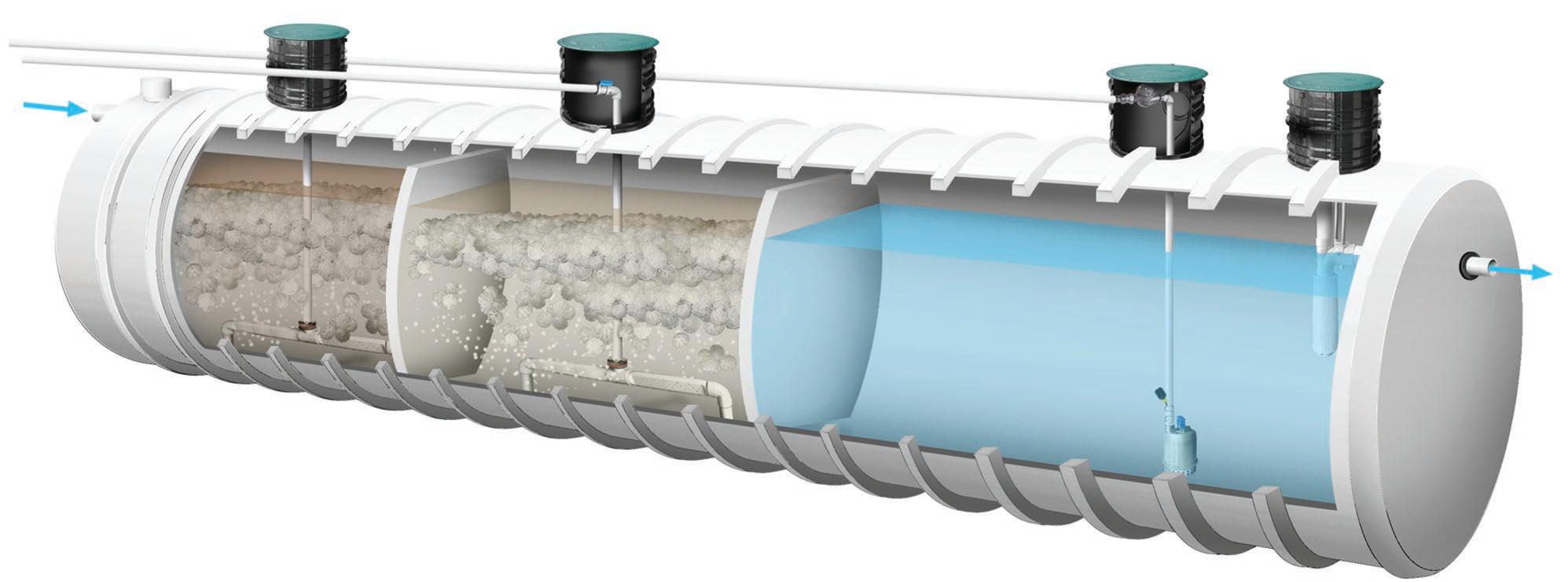
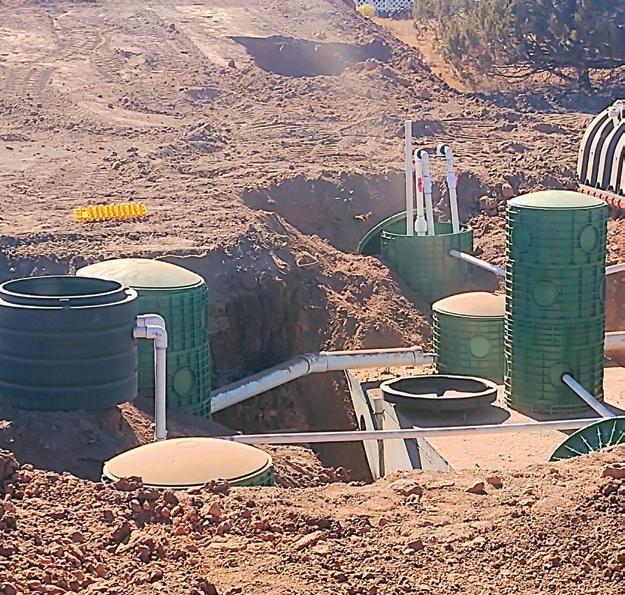
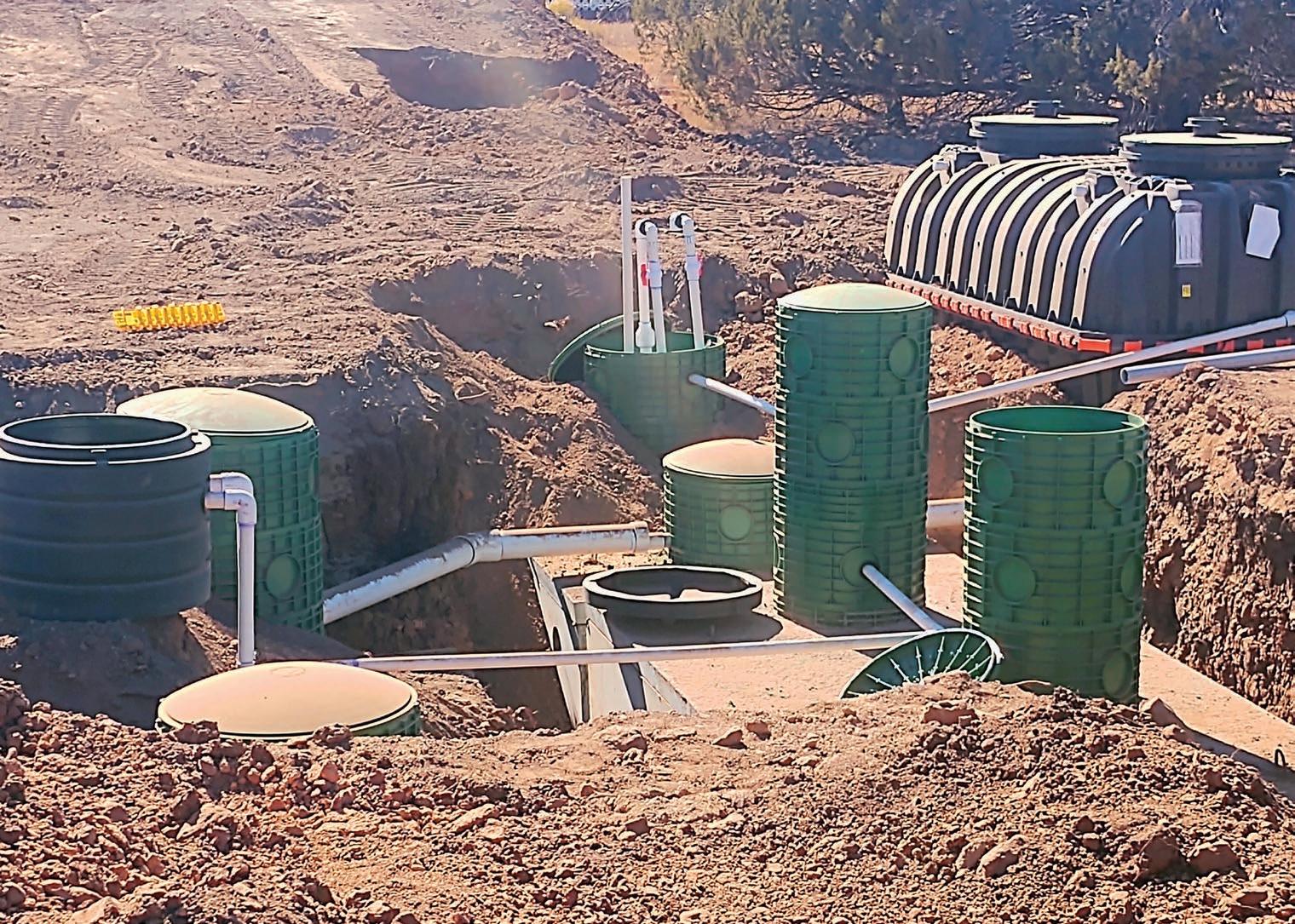
Example of a mixed bed bioreactor system, capable of a hydraulic capacity of 15,000 GPD, designed and manufactured for decentralized wastewater treatment.
Moving bed biofilm reactors (MBBR) employ small plastic carrier media that circulate freely within aerated tanks. These media provide surface area for biofilm development while remaining in constant motion, preventing clogging and ensuring good oxygen transfer. MBBR technology combines the stability of fixed-film treatment with the compactness of activated sludge systems. The approach has gained significant traction for nutrient removal applications, as anoxic and aerobic zones can be configured in series to achieve nitrification and denitrification.
In submerged attached growth systems, microorganisms grow as a biofilm attached to a block or sheet type media that remains fully submerged in the wastewater. Wastewater influent is delivered directly to the microorganisms, usually through some type of spray head or distribution manifold, allowing organic matter to diffuse throughout the media. Aeration is provided through an external blower and generally provides both aeration and mixing of the wastewater throughout the system.
Fixed-film systems generally require less operator attention than suspended growth processes, as biomass wasting occurs naturally through biofilm sloughing rather than requiring calculated sludge removal. These systems also demonstrate excellent recovery characteristics following periods of low or no flow, making them suitable for seasonal facilities.
For sites requiring polishing of secondary effluent or complete treatment in a passive system, recirculating media filters and textile filters offer proven performance. Recirculating media filter systems dose pretreated wastewater onto media beds, often made of sand or organic materials, in repeated applications, allowing biological treatment within the filter media and physical filtration. These systems can achieve advanced treatment levels with minimal energy input and operator attention.
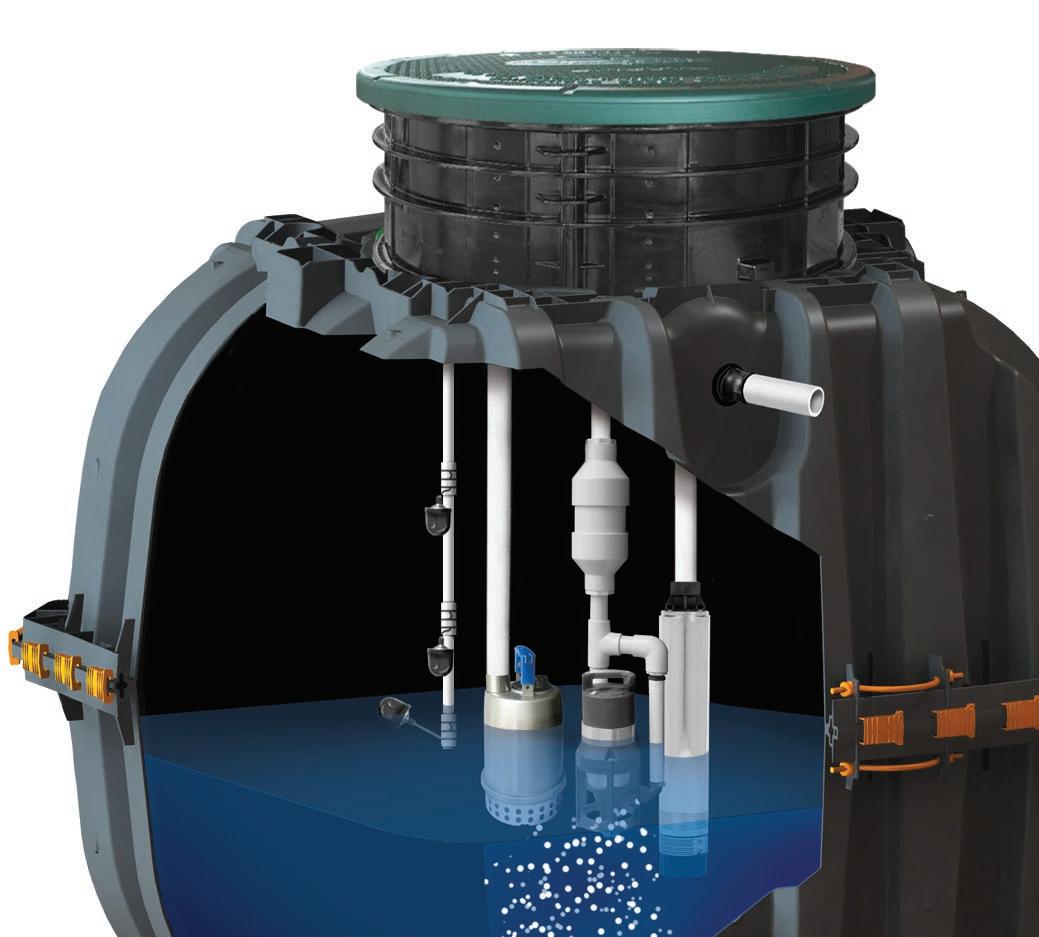
Textile units typically operate similarly to media filters, however they employ engineered fabric discs or panels to offer a surface for microbiological activity. These compact systems provide reliable CBOD, suspended solids and nutrient removal (with staged zones). These units are typically easy to deploy as modular systems and are ideal for phased developments.
Choosing among these technologies requires careful evaluation of sitespecific factors, including influent wastewater characteristics, diurnal flow patterns, available land area, discharge requirements, operator availability, energy costs, and capital budget constraints. Increasingly, hybrid approaches combining multiple technologies are
emerging to optimize performance while managing costs. Fortunately, the decentralized onsite wastewater treatment industry continues to make significant progress towards optimizing technology options while ensuring effluent quality meets ever-changing regulatory standards, as we move away from a “one size fits all” mentality. Organizations such as the National Onsite Wastewater and Recycling Association promote the education and collaboration of decentralized industry professionals and serve as an excellent resource for current technology information and continuing education. Regardless of the selected technology, proper design, installation, and ongoing operation remain critical to achieving reliable, compliant treatment for large, decentralized wastewater systems.






Originally published on March 18, 2026 – https://www.wef.org/publications/news/
Already twice recognized by the Events Industry Council as a Platinum level by EIC Sustainable Event Standards, Water Environment Federation is expanding its sustainability impact through the purchase of an initial 1,000 carbon credits offered by the Yahara WINS project.


Practices (BMPs) designed to reduce phosphorus runoff, restore wetlands and better manage nutrients. Madison Metropolitan Sewerage District is a regional wastewater utility serving more than 440,000 people across 24 customer communities in the greater Madison, Wisconsin area.
These credits are part of an initial 24,000+ credit offering, issued by Regen Registry in January 2026 and quantified by Virridy, through the Yahara WINS Watershed Carbon Project.
Yahara WINS, launched in 2017 by the Madison Metropolitan Sewerage District, replaces chemical and energy-intensive wastewater treatment technology upgrades with Best Management
“Watershed conservation can be a smarter path to compliance. Verified carbon credits in avoided greenhouse gas emissions add another measurable benefit,” said Martye Griffin, Ecosystem Services Manager at Madison Metropolitan Sewerage District.
“This is a model that other utilities can replicate to help offset the cost of Clean Water Act obligations and support climate goals.”
With WEF’s purchase of 1,000 credits to mitigate WEFTEC 2026 operational emissions, sustainable event management in Louisiana directly supports sustainable watershed management in Wisconsin. WEF will retire its 1,000 credits and offer sponsors and attendees the opportunity to purchase additional credits that can be applied to travel.
“This is an industry first, and WEF is proud to support Yahara WINS as a pioneering model that brings together watershed health, regulatory innovation and climate leadership,” said John Ikeda, Chief Mission Officer at WEF. “By partnering with the District, and integrating this high-impact project into WEFTEC 2026, we’re hoping to catalyze additional water quality carbon offset projects and







“This partnership is one new way we can, as a sector, connect the dots between fi nance, circular water practices, and regulatory compliance to better steward our most precious resource on behalf of our communities.”
raise awareness of the significant carbon mitigation opportunities available in the water sector.”
While carbon credit markets are generally tied to forestry and renewable energy projects, these are the first US watershed-based carbon offset credits. As such, they tie into WEF’s strategic goal of leading the transformation to the circular water economy: finance can
empower utilities and municipalities to pursue technologies that capture and regenerate water and nutrients that they may not otherwise be able to afford.
“This partnership is one new way we can, as a sector, connect the dots between finance, circular water practices, and regulatory compliance to better steward our most precious resource on behalf of our communities,” said WEF President,
Keith Hobson. “WEF is proud to lead with this initial purchase of credits and is thrilled by the range of organizations that collaborated to make this happen.”
WEFTEC 2026 attendees can look forward to more information soon on registration and how to participate in this new initiative to offset their travel to New Orleans for this year’s event.
Virridy’s work to develop the Regen Registry’s ‘watershed carbon’ methodology and pilot collaborations with Madison Metropolitan Sewerage District and other wastewater facilities in Wisconsin and Colorado was supported by the Gordon and Betty Moore Foundation, the Walton Family Foundation and the National Science Foundation’s Convergence Accelerator.























S














































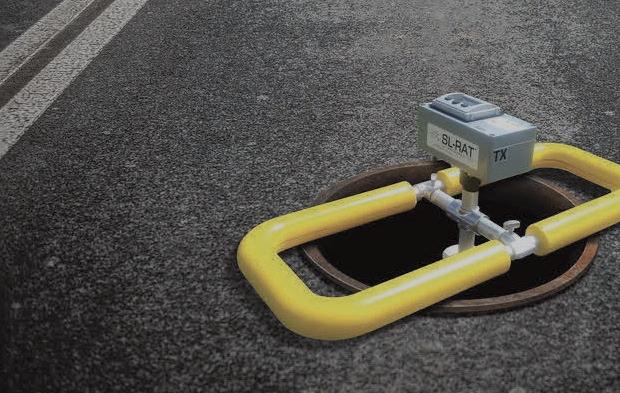


and
Request a Demo Today 877-747-3245 • infosense.com sales@infosense.com



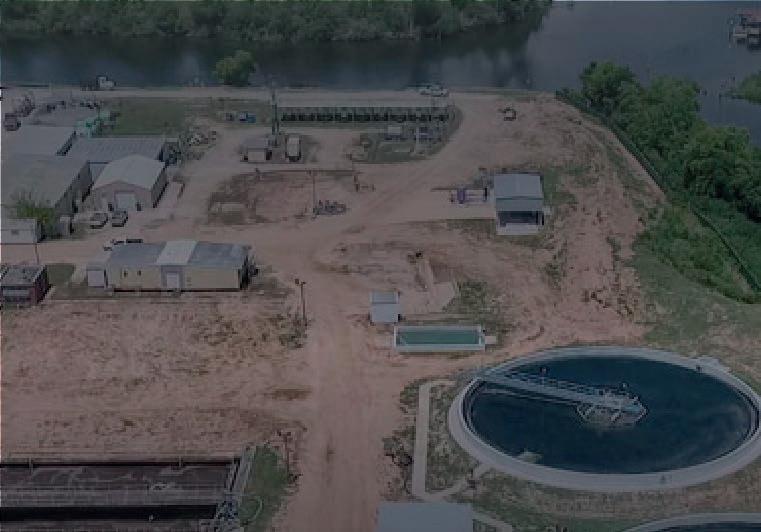






























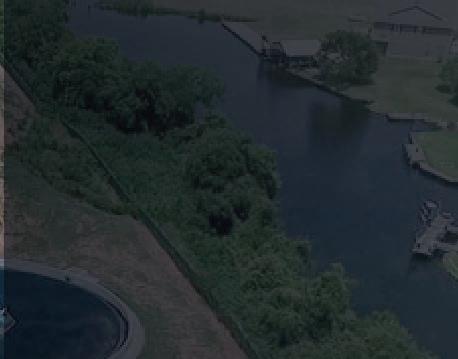
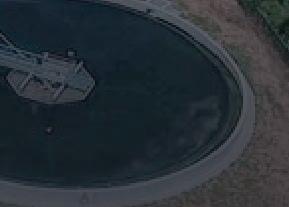

Waggoner provides comprehensive water and wastewater solutions, from planning through delivery. Our subsidiary, Atakapa Services, specializes in sewer assessment, inspection, and maintenance. Together, we strengthen infrastructure, enhance operations, and deliver lasting results for communities across Louisiana.
waggonereng.com









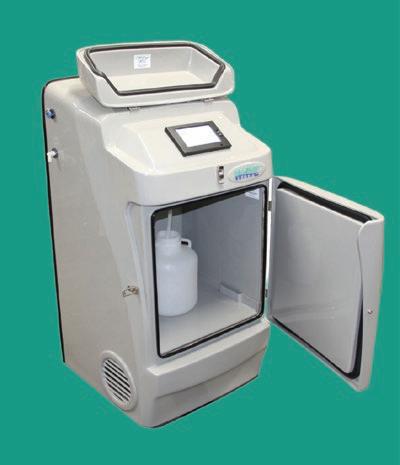
An all-weather wastewater sampler built to handle extremes in any environment – hot or cold – while delivering pinpoint accuracy and minimal maintenance.
• Vacuum Powered System delivers a more representative sample. Draws with vertical lifts of nearly 30 ft and 200 ft horizontally.
• Exceeds EPA Standards: High-velocity purges (>3.75 FPS) remove contamination and ensure reliable transport of suspended solids.
• Low Maintenance Design: Eliminates costly roller and tube replacements – no more frequent, expensive downtime.
• Intuitive Controls: 7” full-color touchscreen for easy programming of sample size (20-500 mL), flow/time intervals, and temperature.
• Built for Extremes: Rugged high-impact acrylic/ABS body –weatherproof outdoors, whisper-quiet indoors.






July 30, 2026







































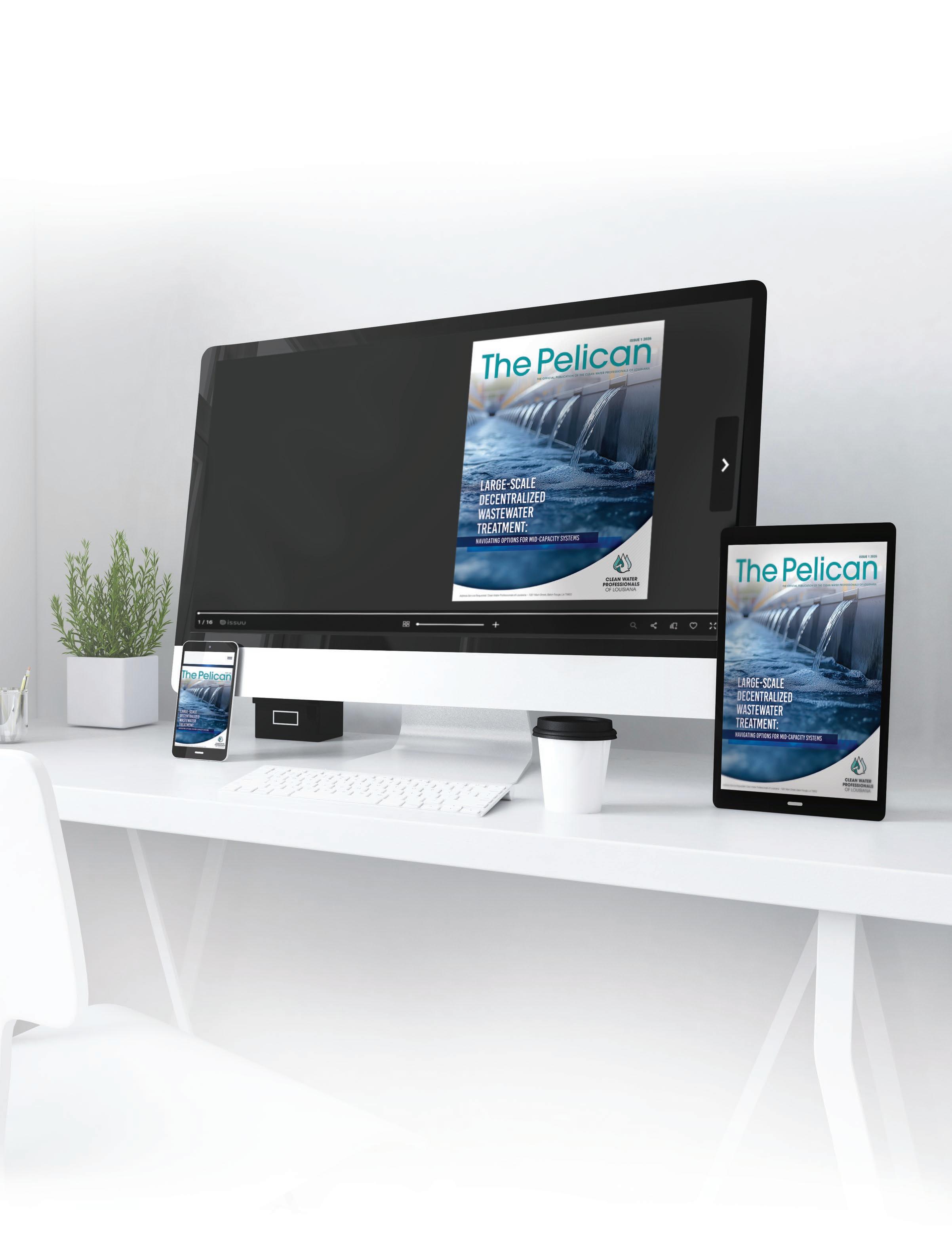
CWPLa is looking for articles for future issues of The Pelican. We want to highlight people, projects, and facilities in the State of Louisiana. Please get in touch with Mathias Leiendecker at mathias@kelman.ca for more information or to submit your article for consideration. Thank you so much for your contribution to The Pelican!




























The Pelican is made possible by the companies below who convey their important messages on our pages. We thank them for their support of the CWPLa and its publication and encourage you to contact them when making your purchasing decisions. To make it easier to contact these companies, we have included the page number of their advertisement, their phone number, and, where applicable, their website.
















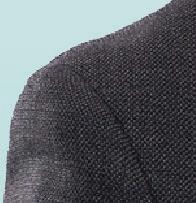












































































































































































































































































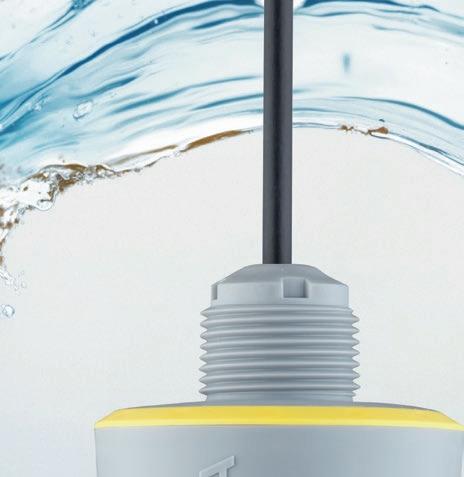
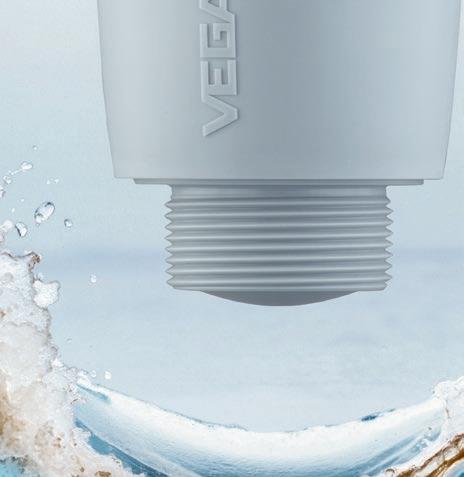

VEGAPULS C 21
The fully encapsulated radar level transmitter, ideal for level measurement in the wastewater industry.
Everything is possible. With VEGA.
• Maintenance-free 80 GHz non-contact radar technology
• Reliable measurement even with flooding, submergence and buildup
• Precise measurement data una ected by surface or weather conditions