








By Vicki Stanley, AWEA President
At the heart of every successful utility are professionals whose expertise, dedication, and service often go unnoticed, yet never unappreciated by those within the industry.
As another AR Water Conference comes to a close, one thing is abundantly clear: the strength of Arkansas’ water and wastewater industry does not come from pipes, pumps, plants, or policies alone. It comes from people who serve our communities every day.
For several days, operators, engineers, laboratory professionals, utility managers, regulators, vendors, consultants, students, and industry leaders gathered with a common purpose – advancing the protection of public health and the stewardship of Arkansas’ water resources. The energy throughout the conference was a reminder that this industry continues to thrive because of the dedication, professionalism, and resilience of those who serve it every day.
step of the way. No task is too large or too small, and their commitment to the industry remains evident year after year.
Special appreciation is extended to the conference committee members, speakers, moderators, exhibitors, and sponsors whose commitment to the industry made this year’s conference a success. The willingness of professionals to share knowledge, experiences, and solutions is what strengthens our industry and helps prepare the next generation of water professionals.
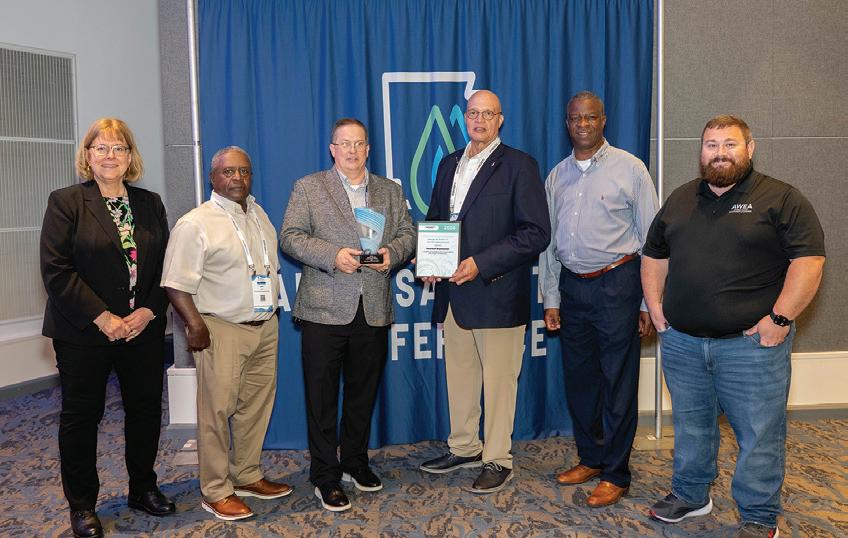
One of the highlights of every conference is the opportunity to recognize excellence within our profession. Awards presented during the conference serve as reminders that outstanding work is being accomplished every day in communities large and small across Arkansas. Arkansas Water Environment Association recognized 10 individuals who have demonstrated exceptional talent, and dedication to our industry.
Congratulations to all award recipients honored during the conference. Your
THANK YOU AGAIN TO EVERYONE WHO PARTICIPATED IN THE 2026 AR WATER CONFERENCE AND HELPED MAKE IT A MEMORABLE EVENT.
Countless hours are invested behind the scenes long before the first registration badge is printed or the first technical session begins. Special appreciation is extended to The Angela Rogers Group for their continued dedication to the success of the AR Water Conference. Their staff consistently goes above and beyond to ensure attendees, exhibitors, speakers, and volunteers are supported every
dedication, leadership, innovation, and service represent the high standards that define the Arkansas water and wastewater community. Each award reflects countless hours of hard work and a commitment to protecting public health and improving the quality of life for the citizens we serve.
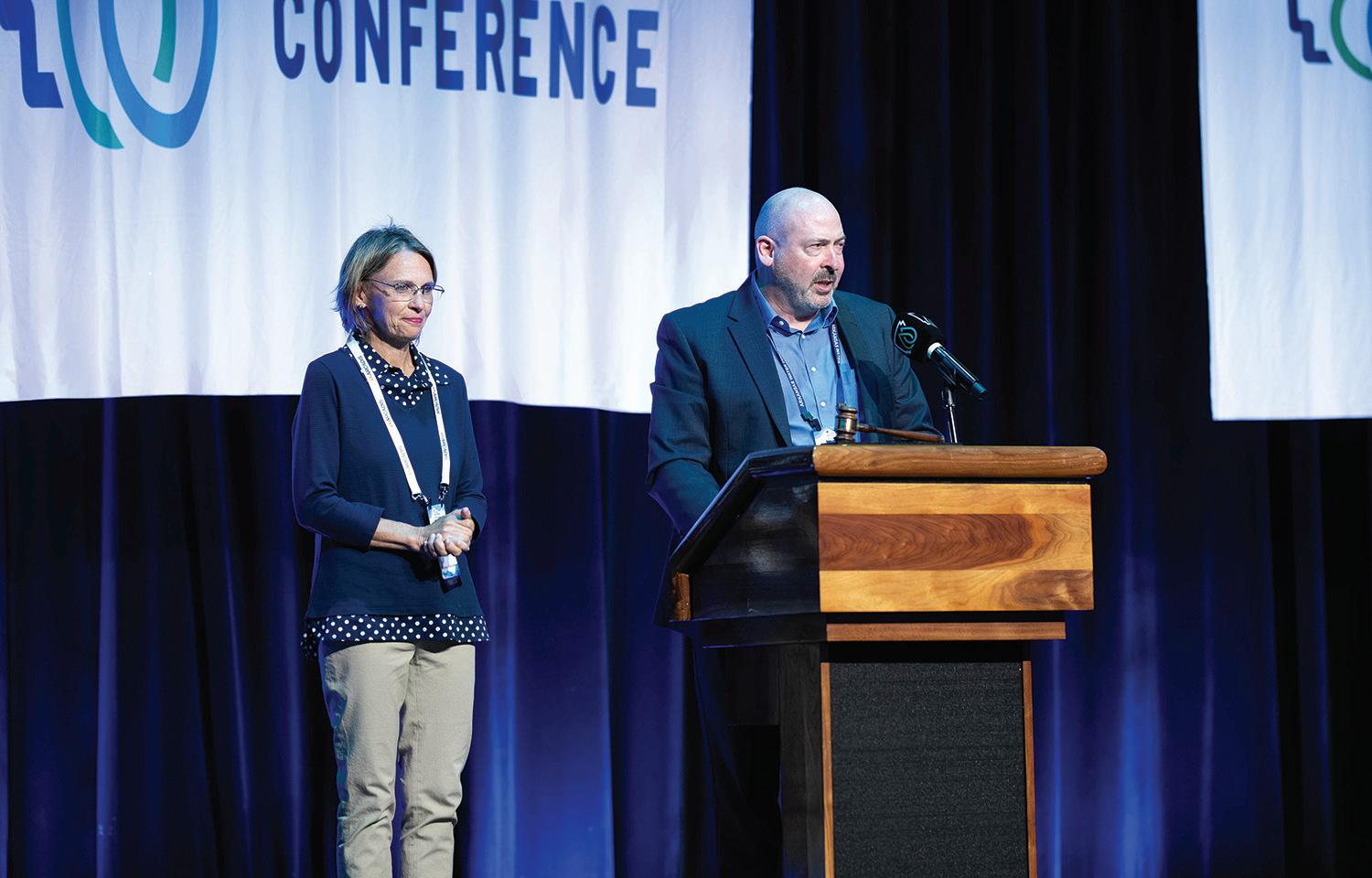
The visiting WEF Delegate, Christine Volkay-Hilditch, P.E., BCEE, spoke eloquently about the challenges
facing the water sector continuing to evolve – aging infrastructure, workforce development, regulatory demands, funding limitations, and emerging technologies among them. WEF is committed to working together with the Member Association (AWEA), sharing ideas, and supporting one another in meeting those challenges head-on.
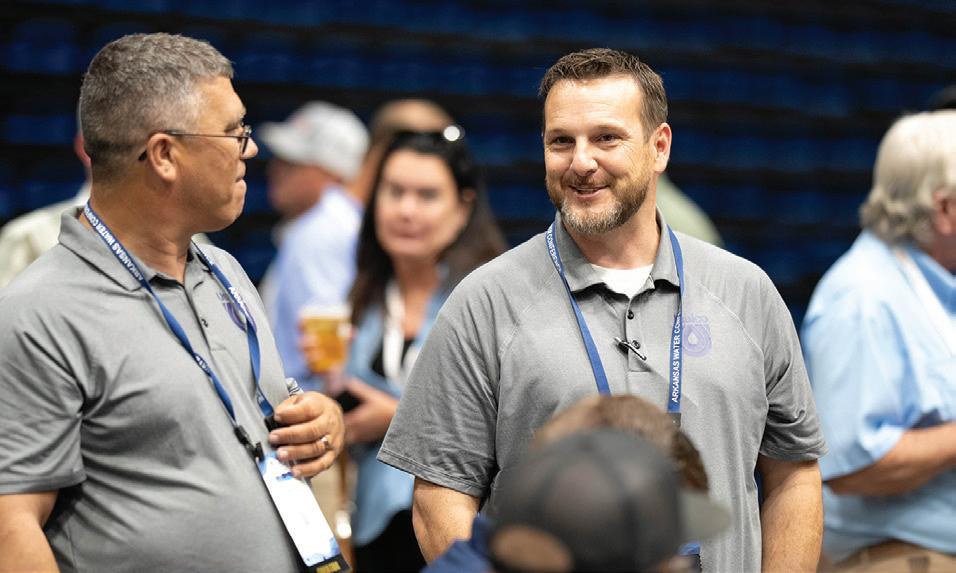
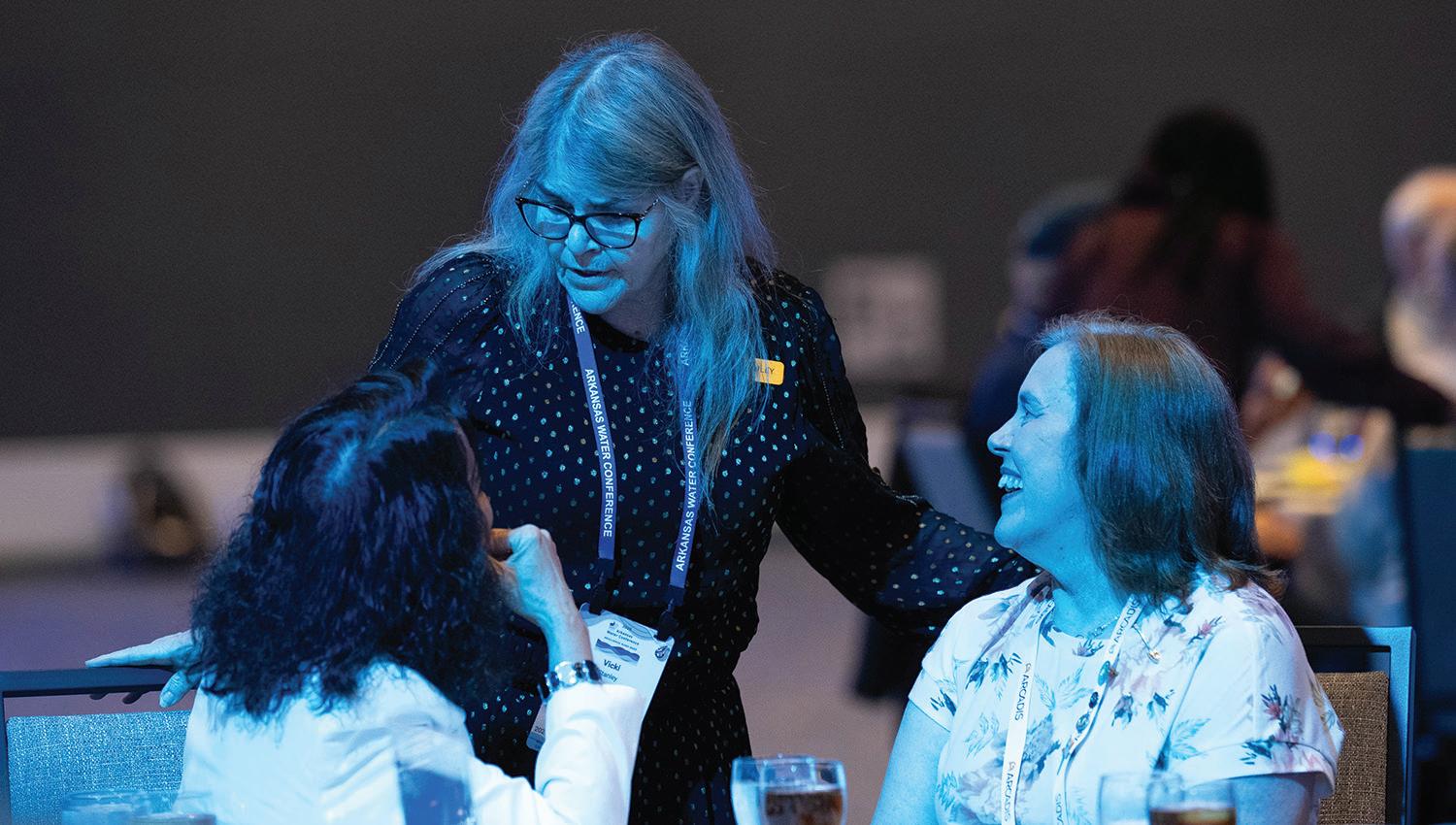
Beyond the technical sessions and meetings, the conference provided something equally important: fellowship. Long-time friendships were renewed, new professional relationships were formed, and many stories, laughs, and lessons were shared along the way. Those connections are an important part of what makes this industry unique.
While the 2026 AR Water Conference has concluded, conference season is far from over. Industry professionals will continue gathering throughout the year at upcoming events.
• June 21-24 – Washington D.C. –ACE26 – AWWA Water Heroes –https://ace.awwa.org
• August 31 – September 1 –Hot Springs Convention Center – Arkansas Rural Water Association – https:// arkansasruralwater.org/conference
• September 26-30 – New Orleans, LA –WEFTEC – https://www.weftec.org/ reg-and-hotel/attend/registration
• October 27 -28 – Bentonville, AR –AWEA Specialty Conference –https://awea-ar.org/product/aweaspecialty-conference-registration
Thank you again to everyone who participated in the 2026 AR Water Conference and helped make it a memorable event. Your dedication continues to move this industry forward, and Arkansas is better because of your service.
We look forward to seeing everyone again at the next conference.
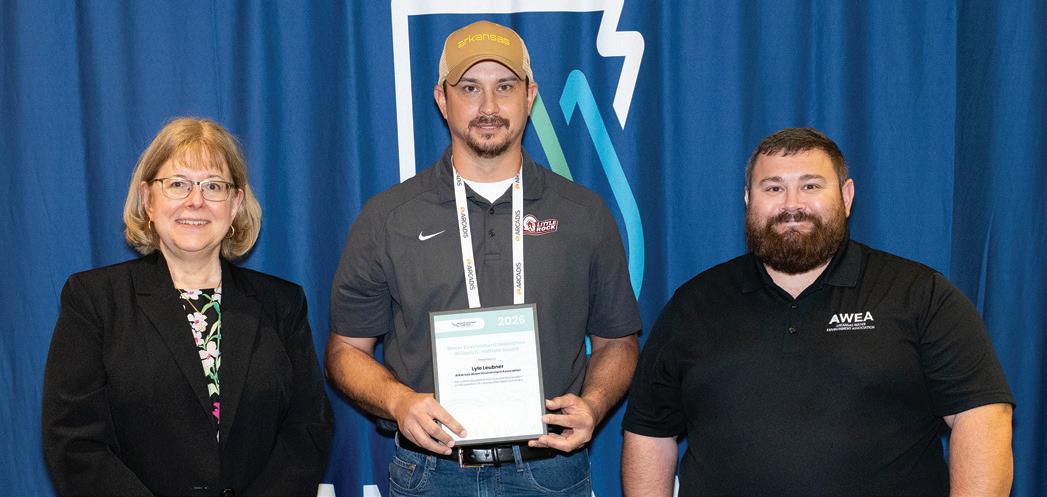
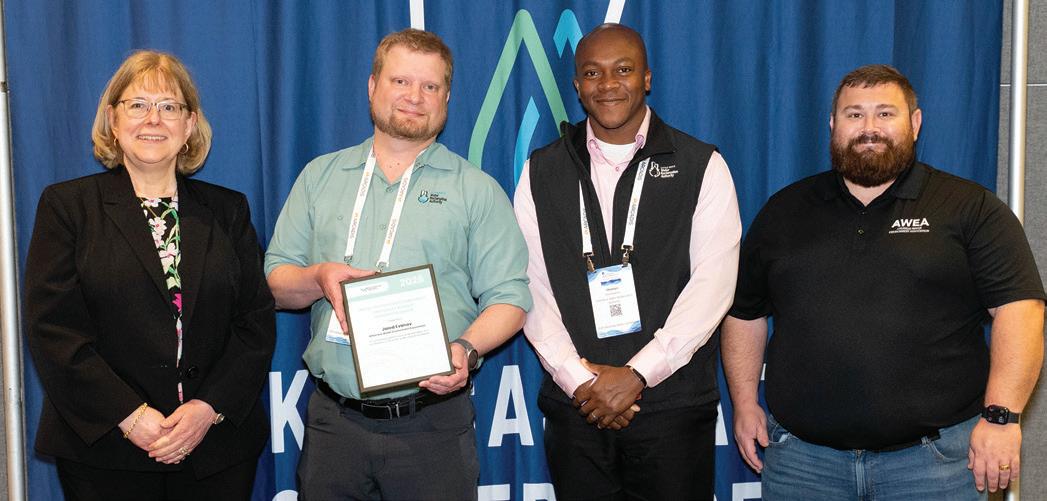
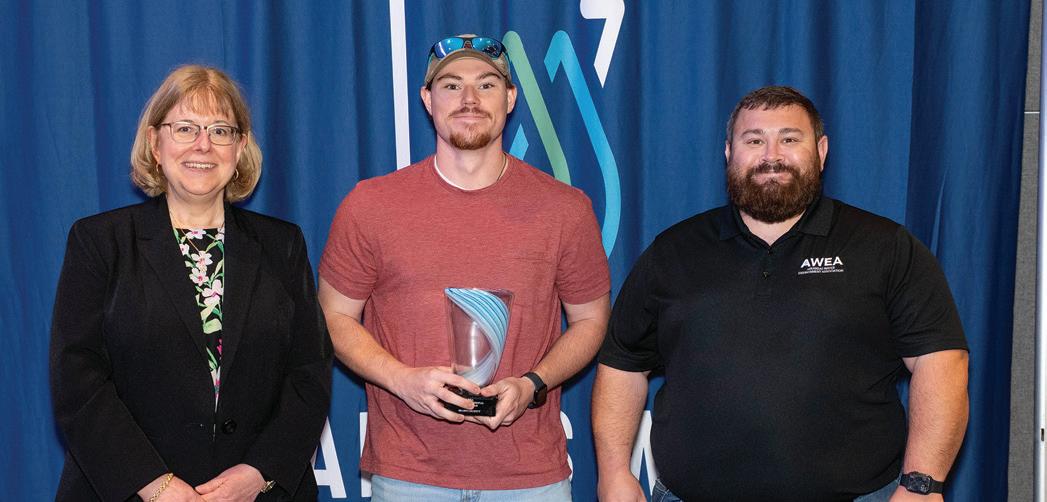
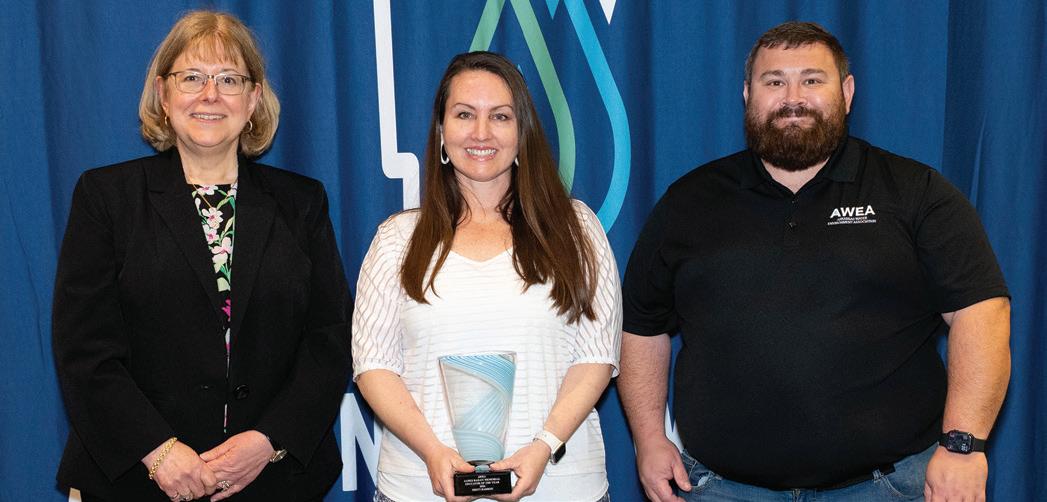
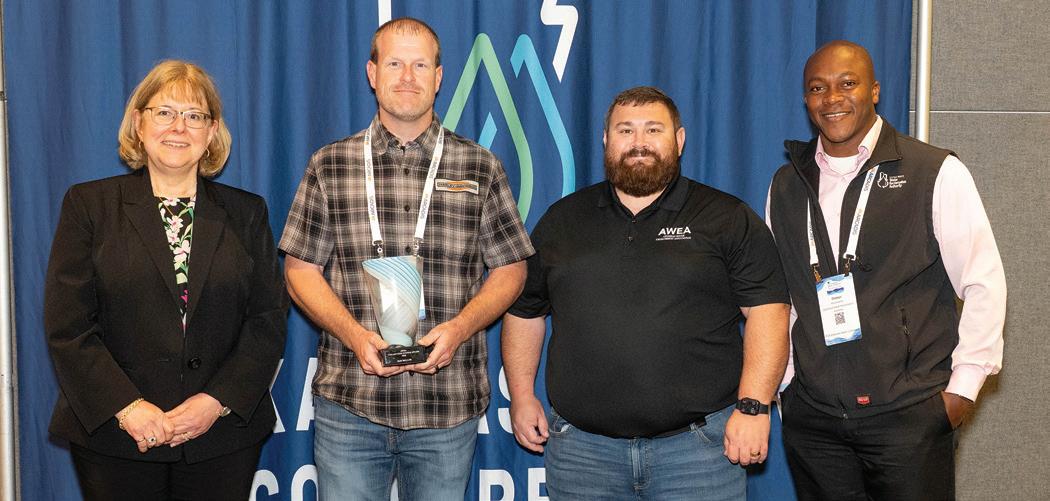
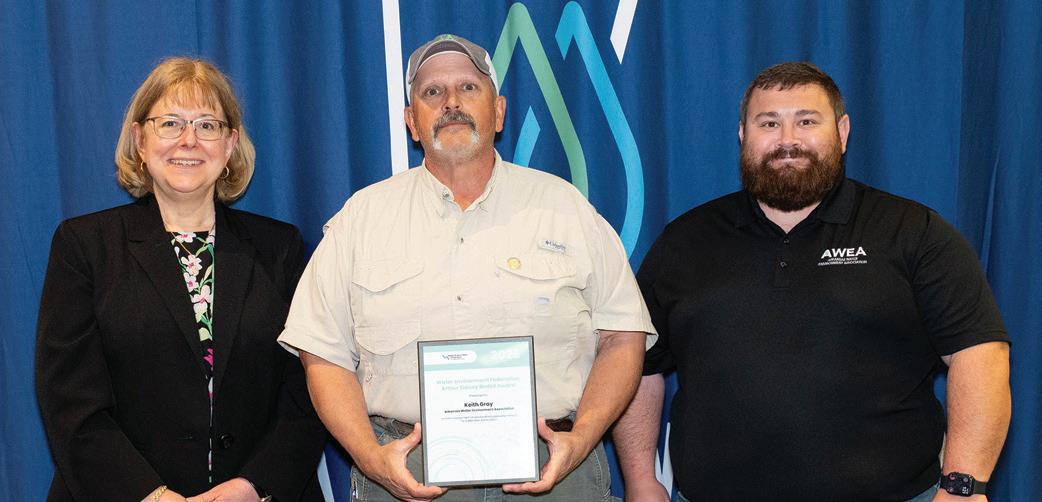
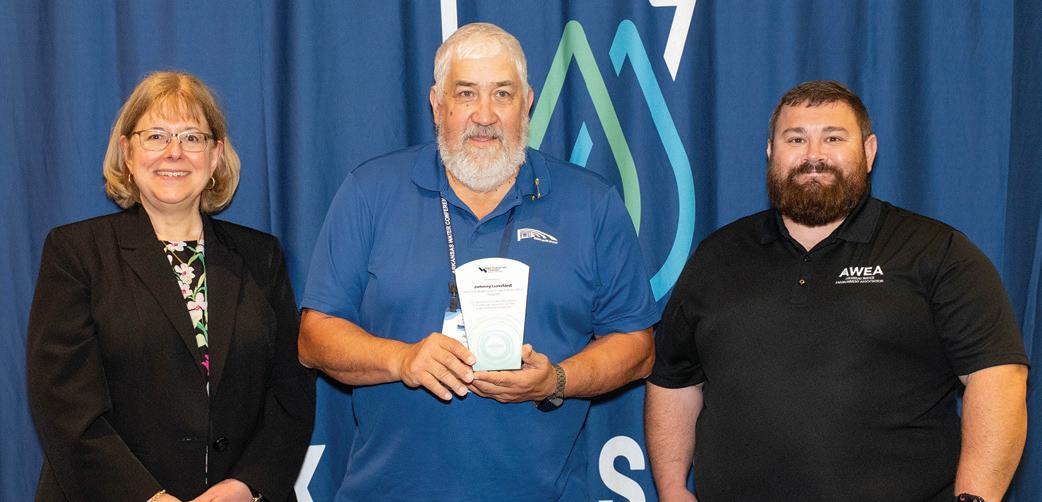
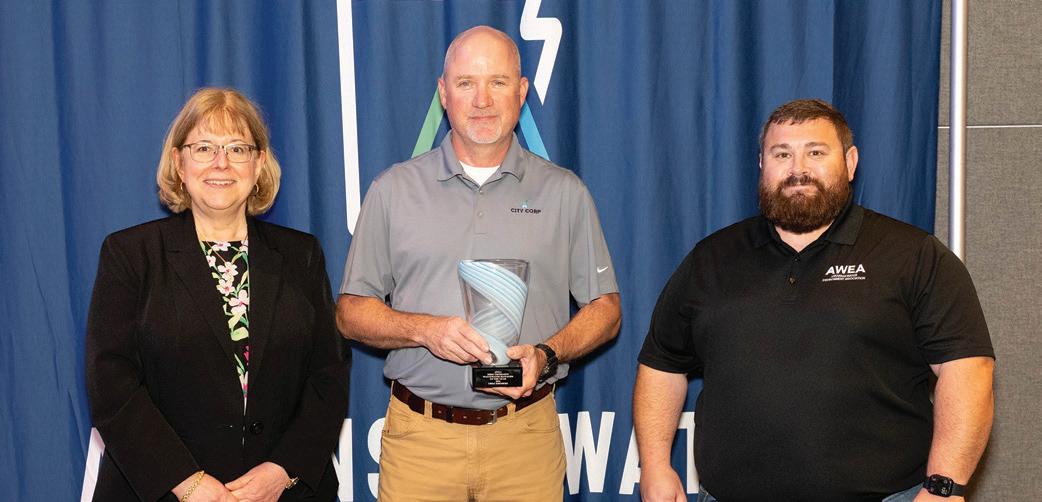
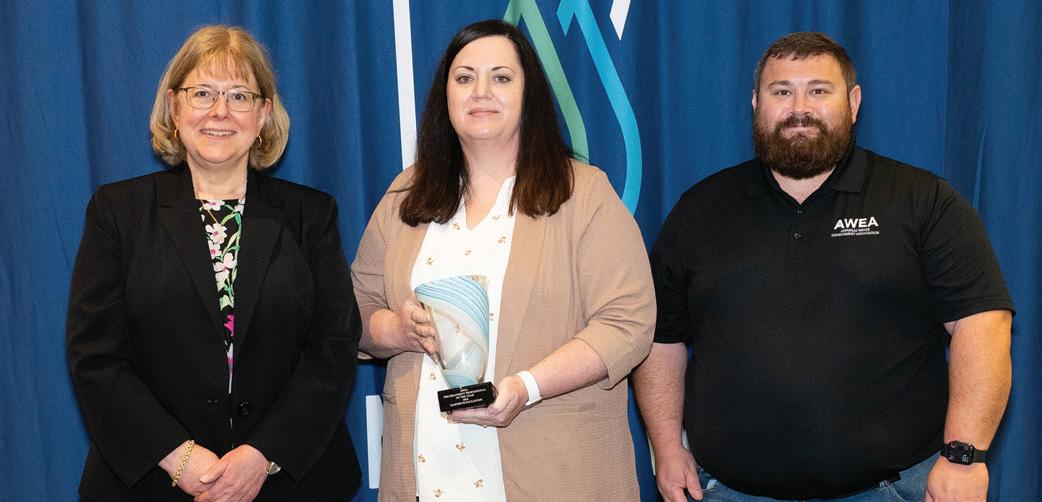
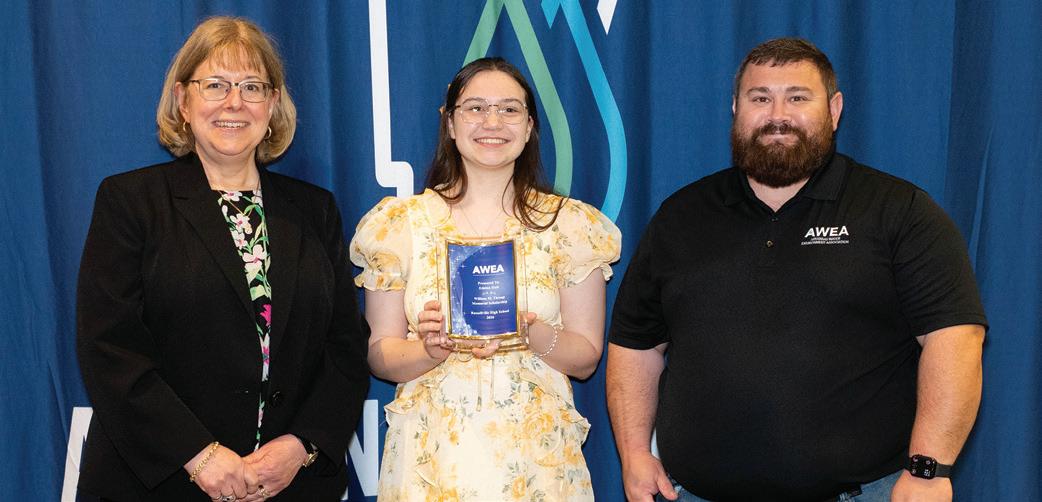
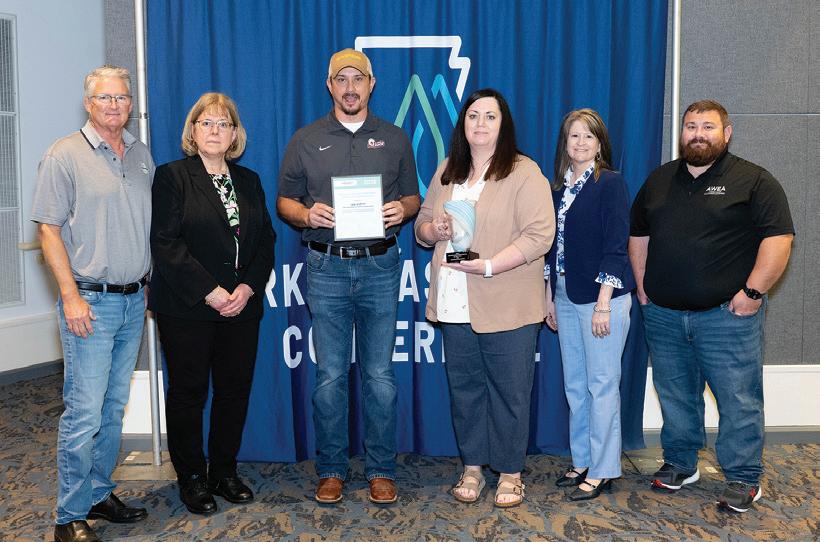
These are the WEF and AWEA awardees: Also pictured with the awardees are Christine Volkay-Hilditch, WEF Delegate and Andy Robinson, AWEA Vice President.
Compliance isn’t optional. Peace of mind is.
From staffing and compliance to asset management and emergency response, Veolia delivers full-service O&M solutions tailored to municipal needs, backed by decades of operational expertise and the resources of a global leader in water services.
What we deliver:
Certified
Asset Management & Optimization
Reliable, Cost-effective Operations

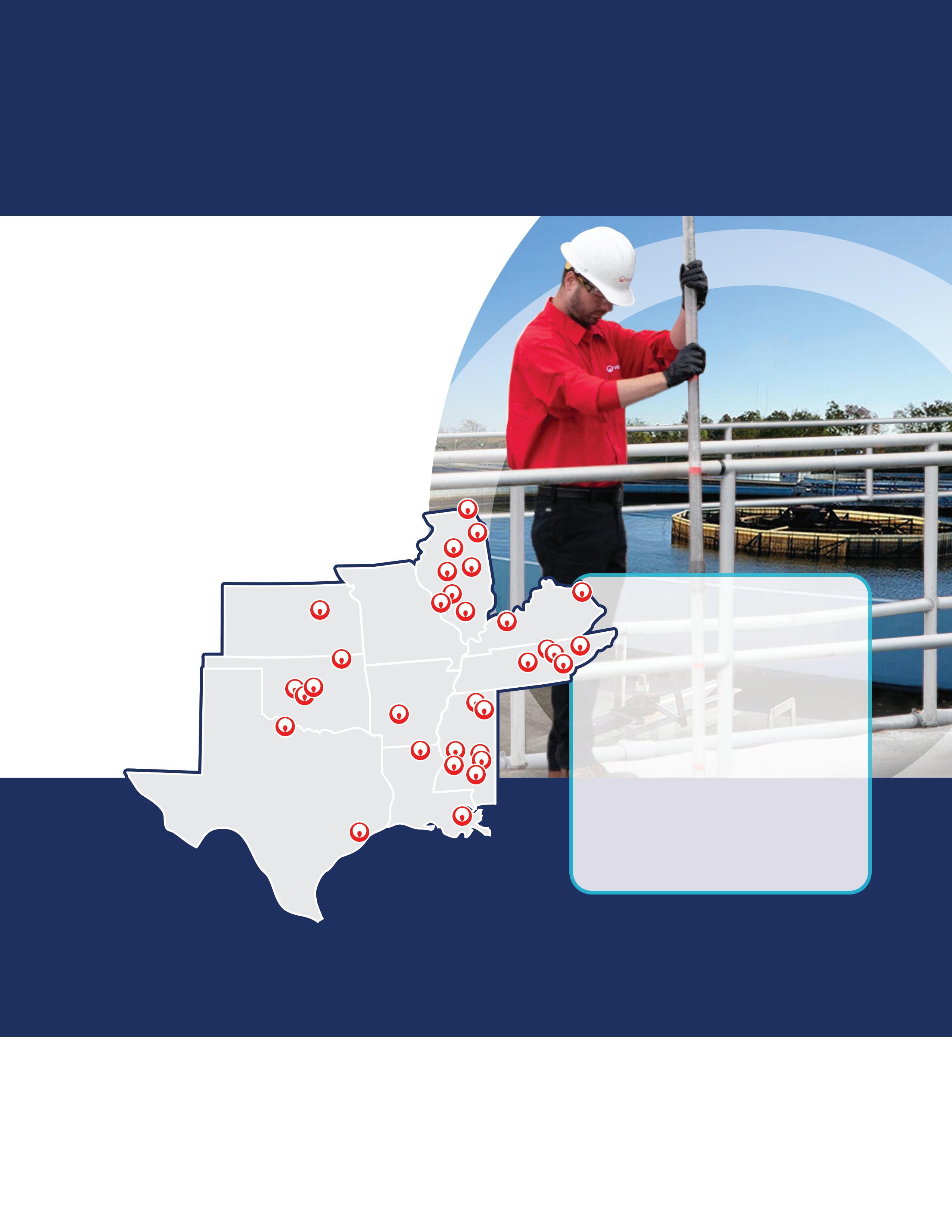
Veolia is ready to bring proven O&M expertise to your project. We currently manage 31 O&M projects in the region, including our Gum Springs waste treatment operation in Arkansas. With a workforce of over 580 employees across these sites, we’re committed to creating local job opportunities, including for SWMBEs and interns.

APRIL 26 – APRIL 29, 2026
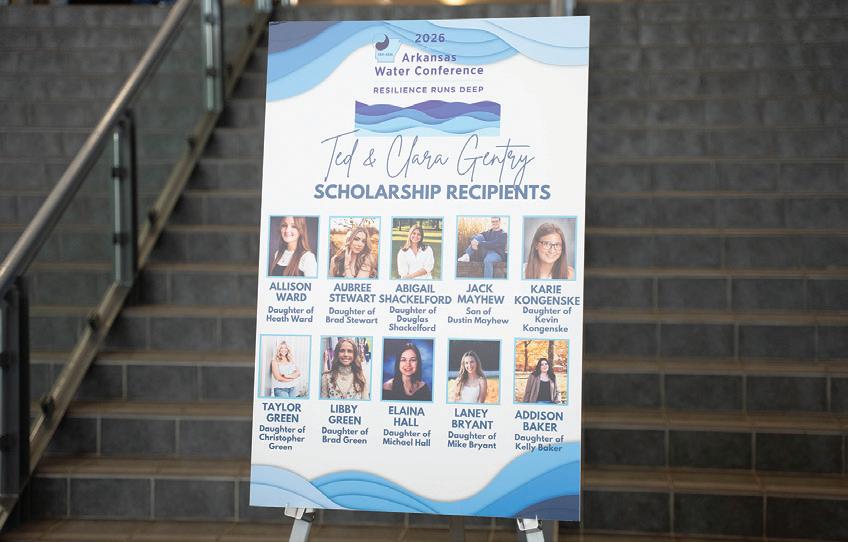
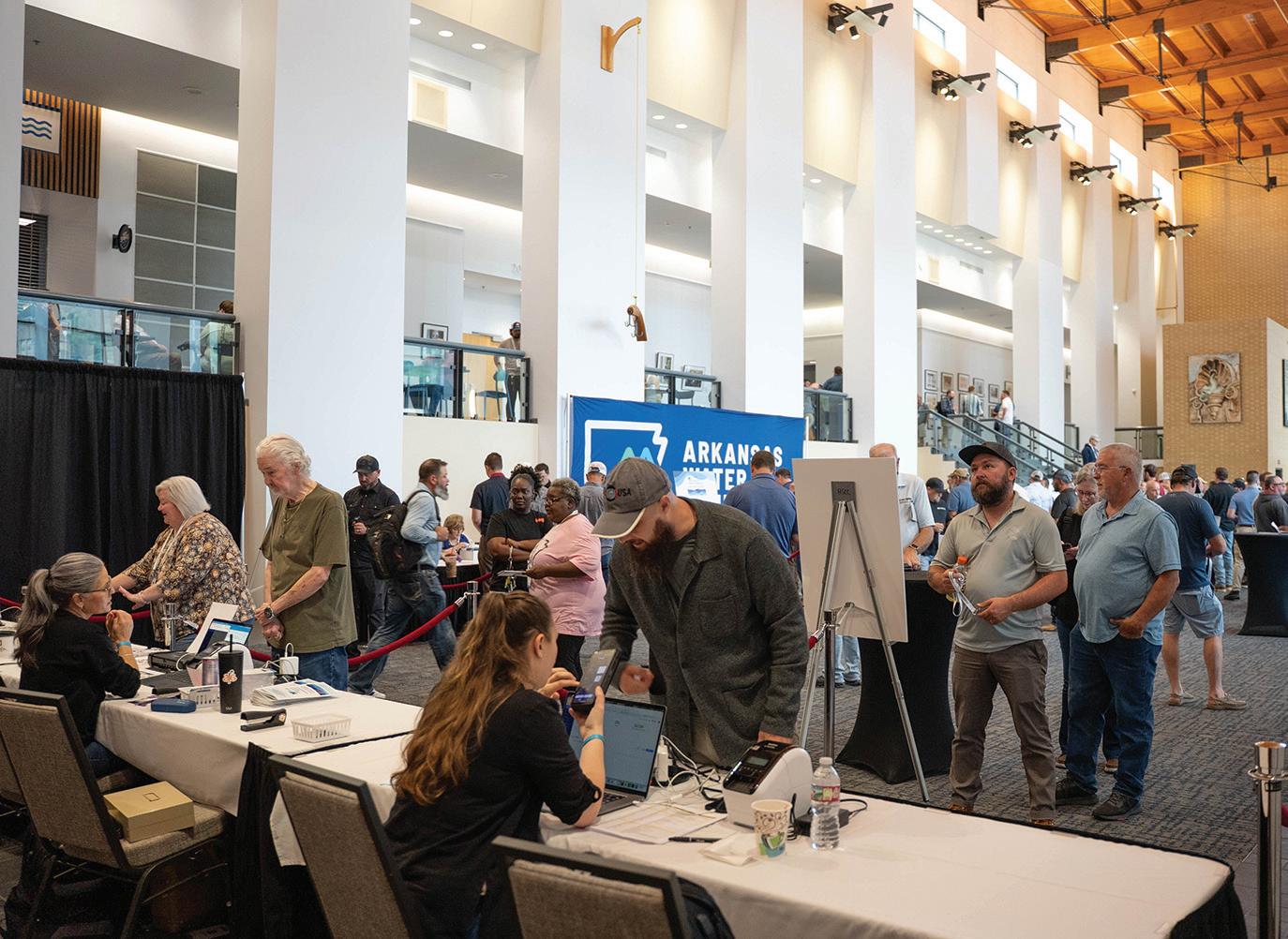
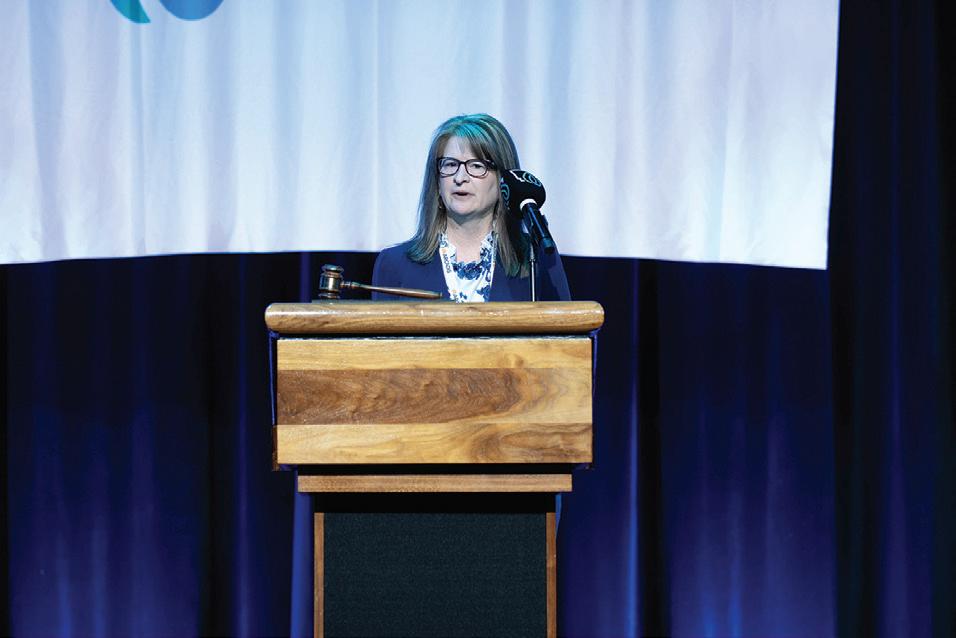
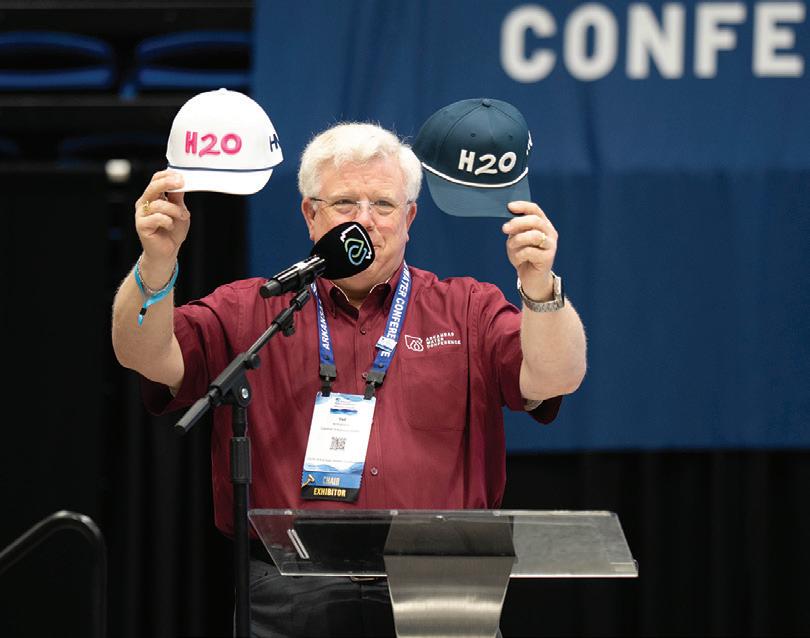
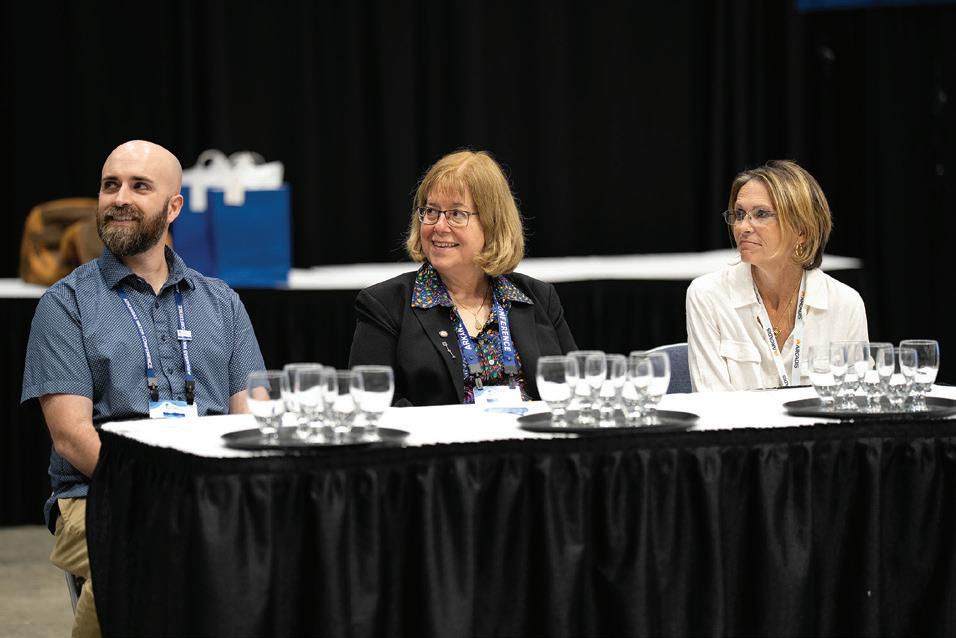
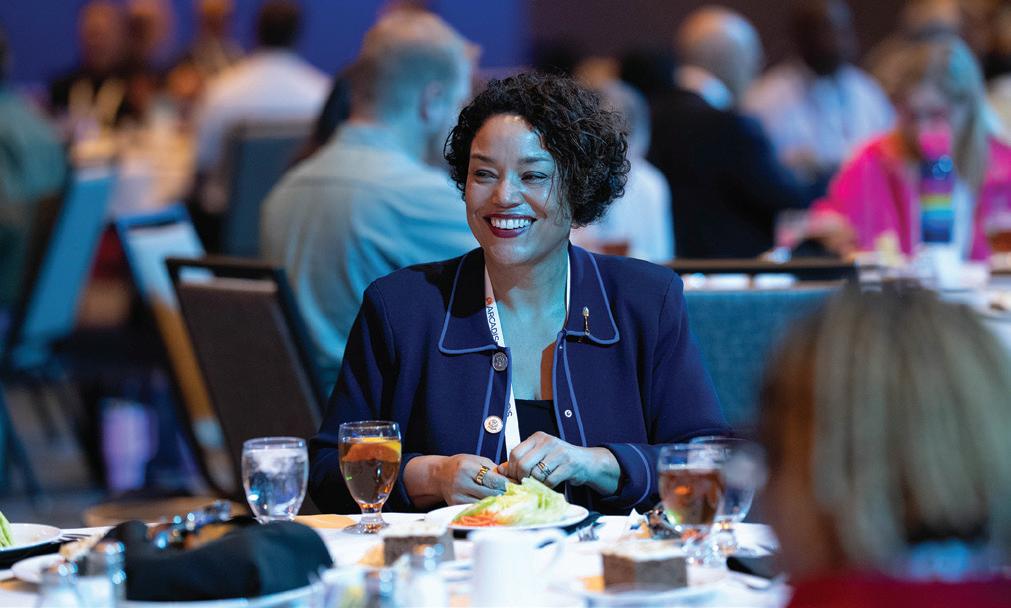
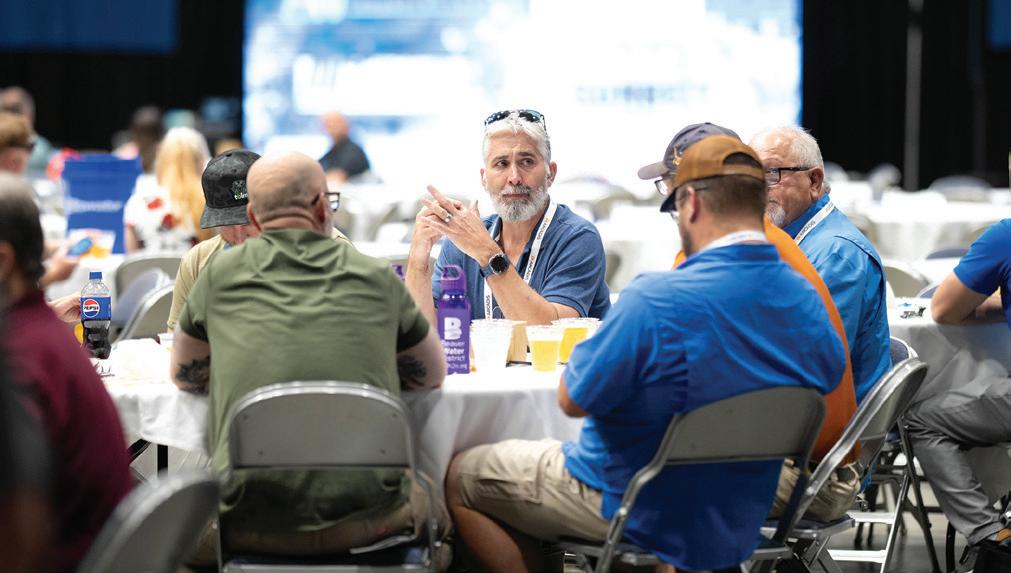
As the final exhibit booths were packed away and attendees began their journeys home, one thing was clear: the 2026 Arkansas Water Conference was another tremendous success.
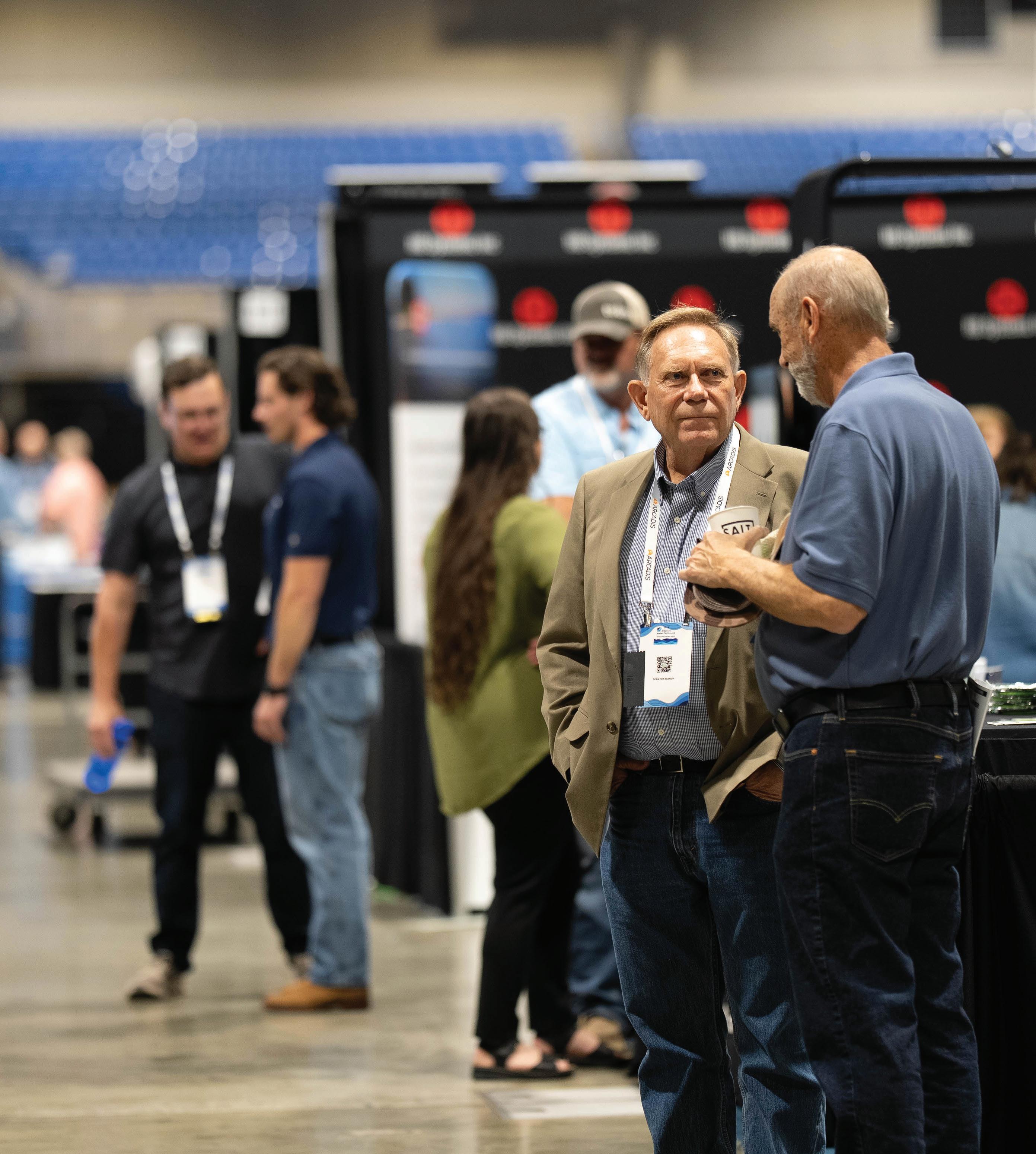
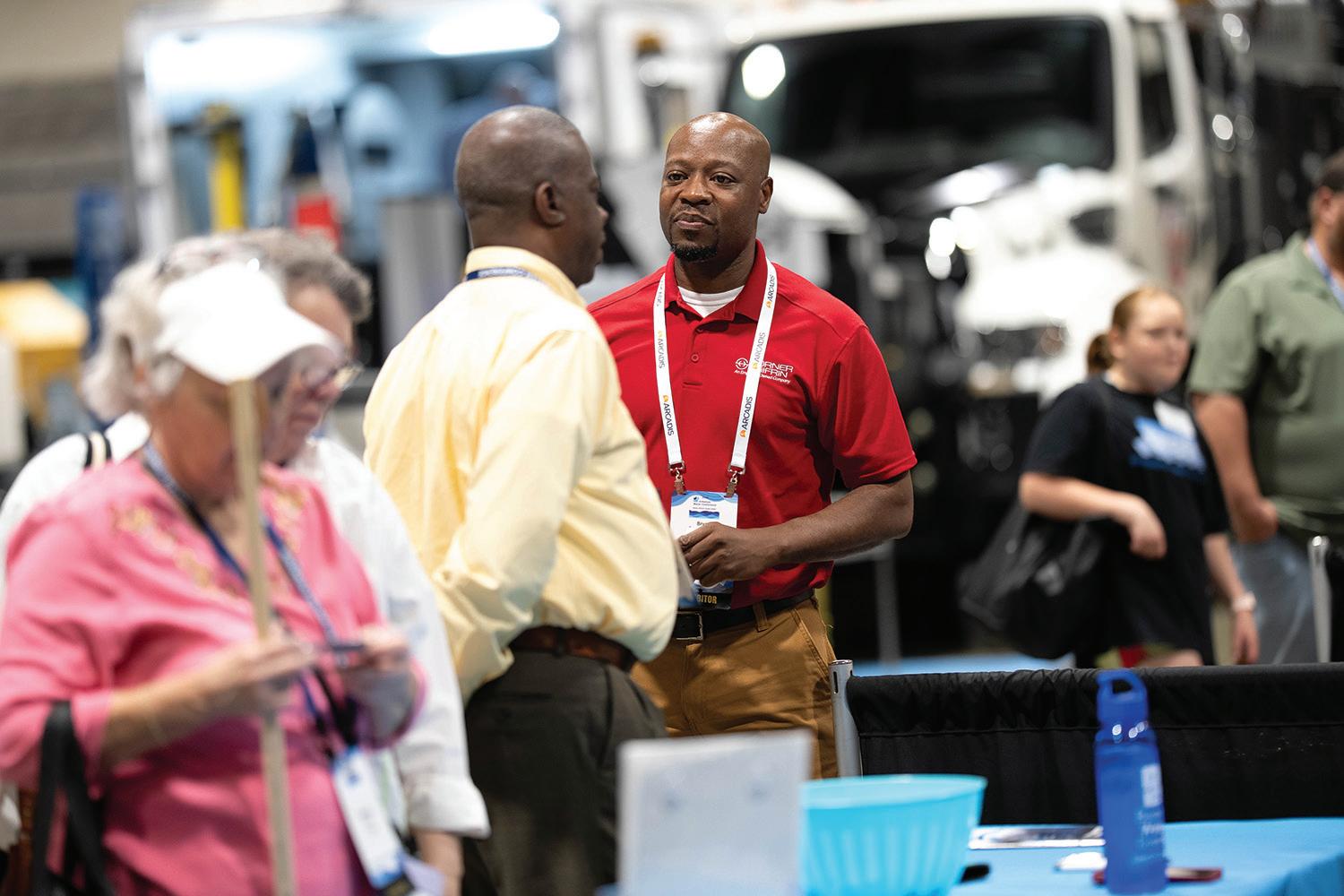
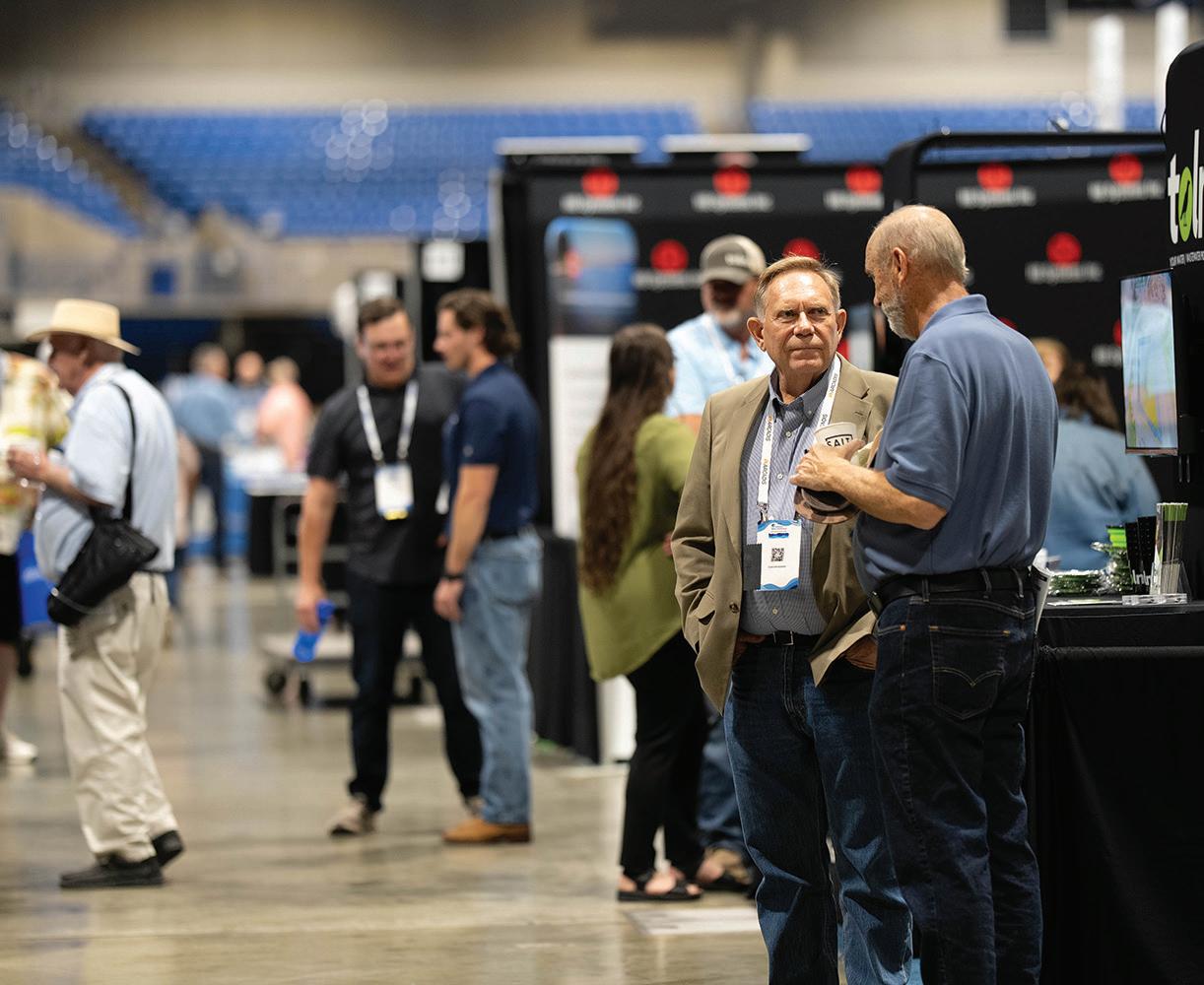
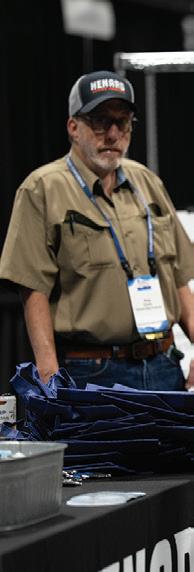
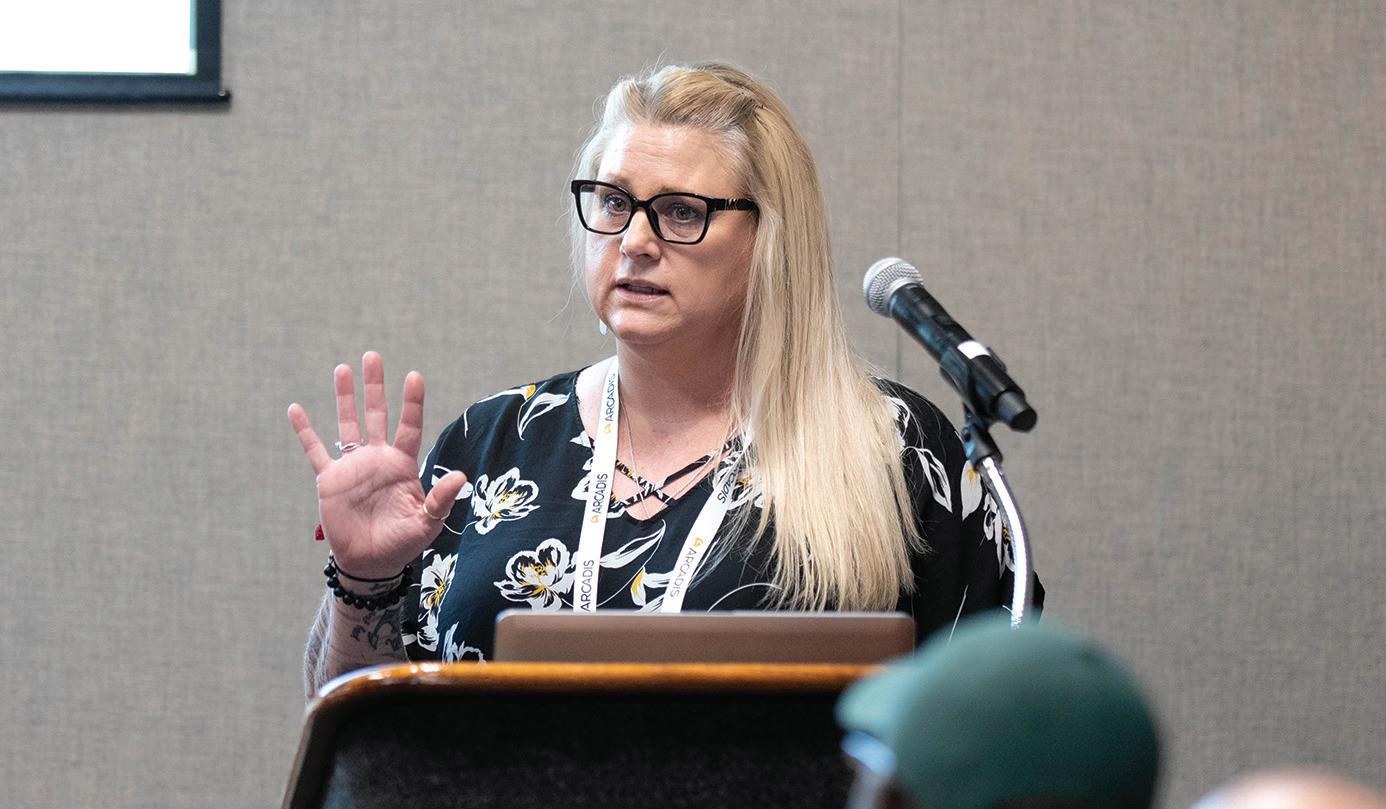
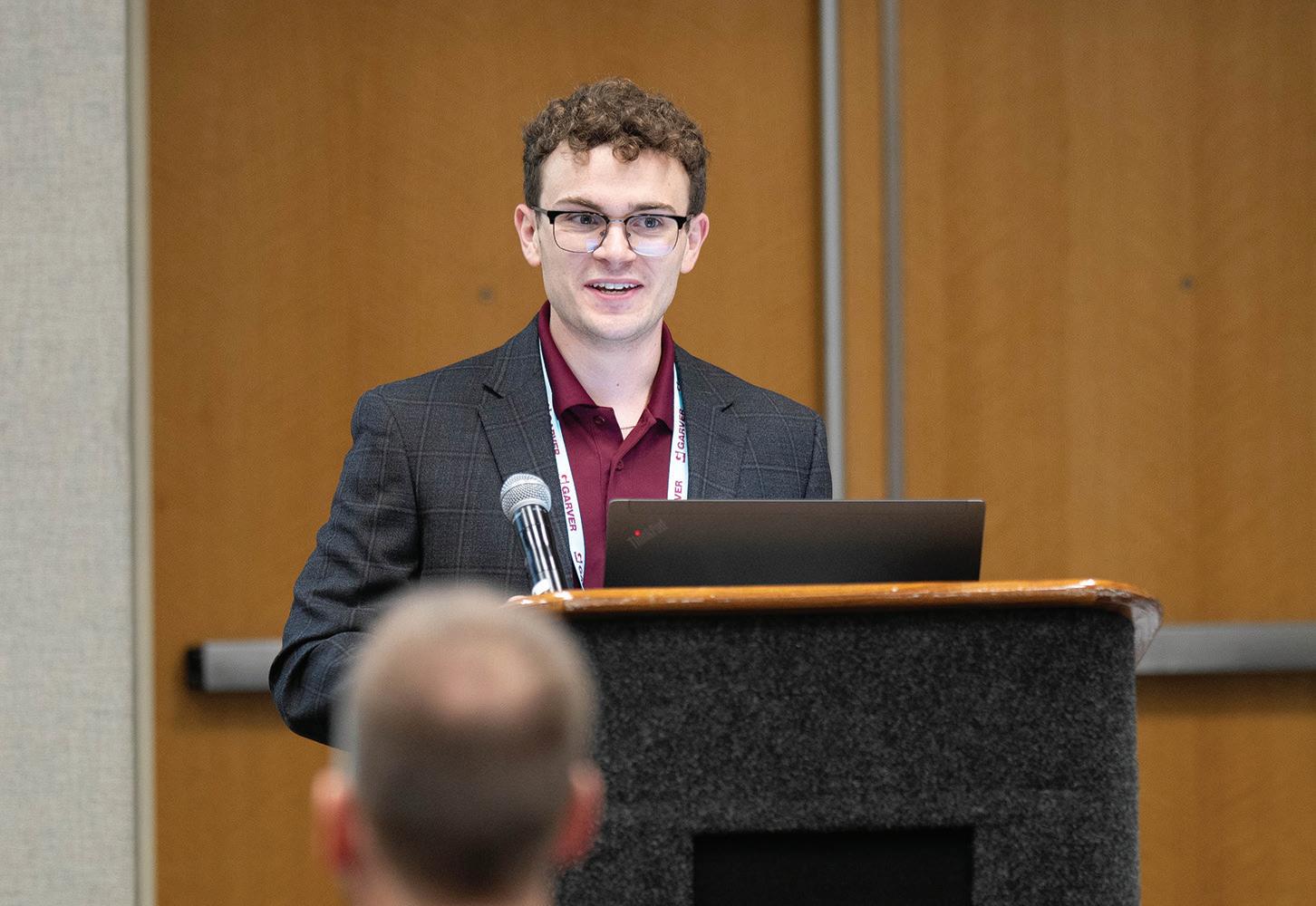
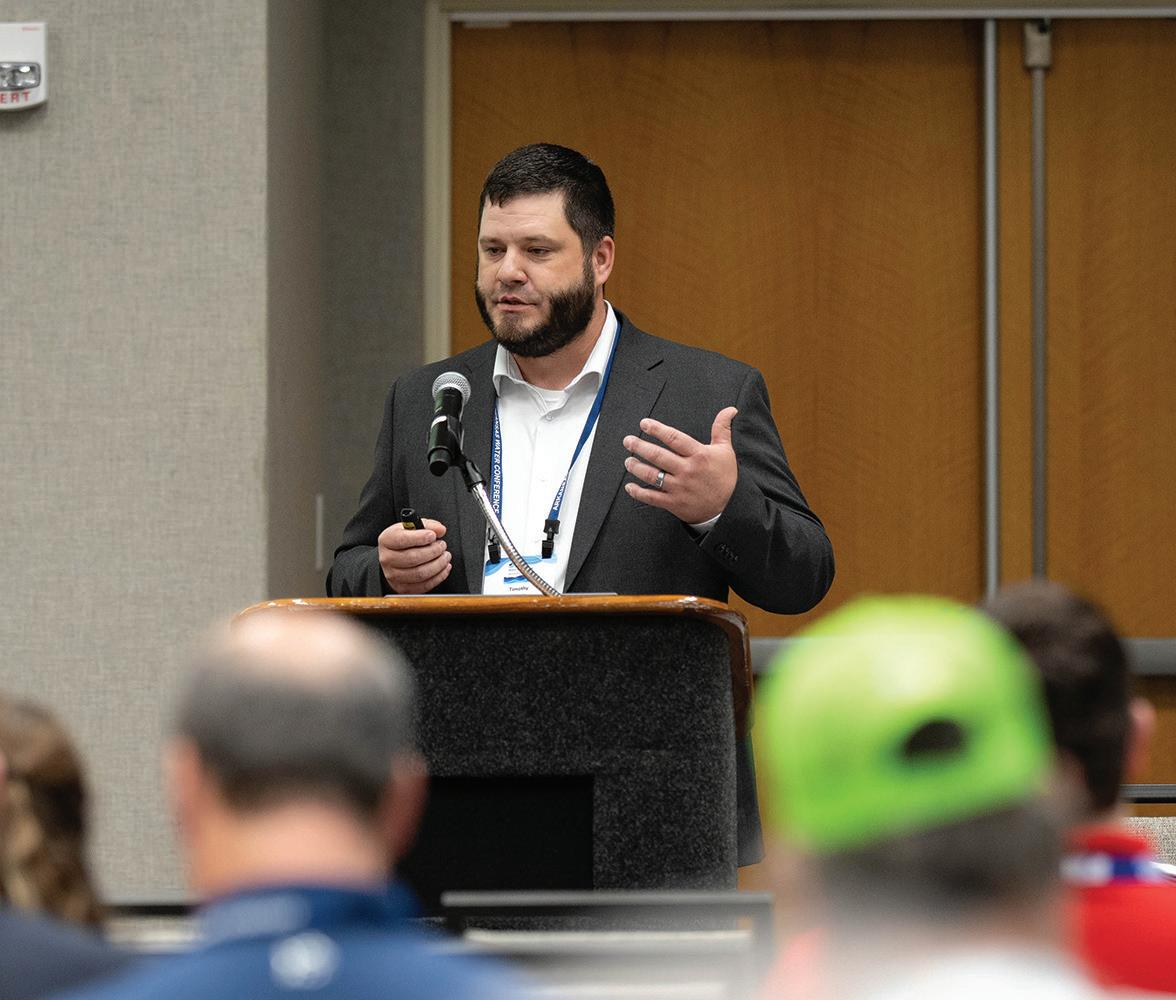
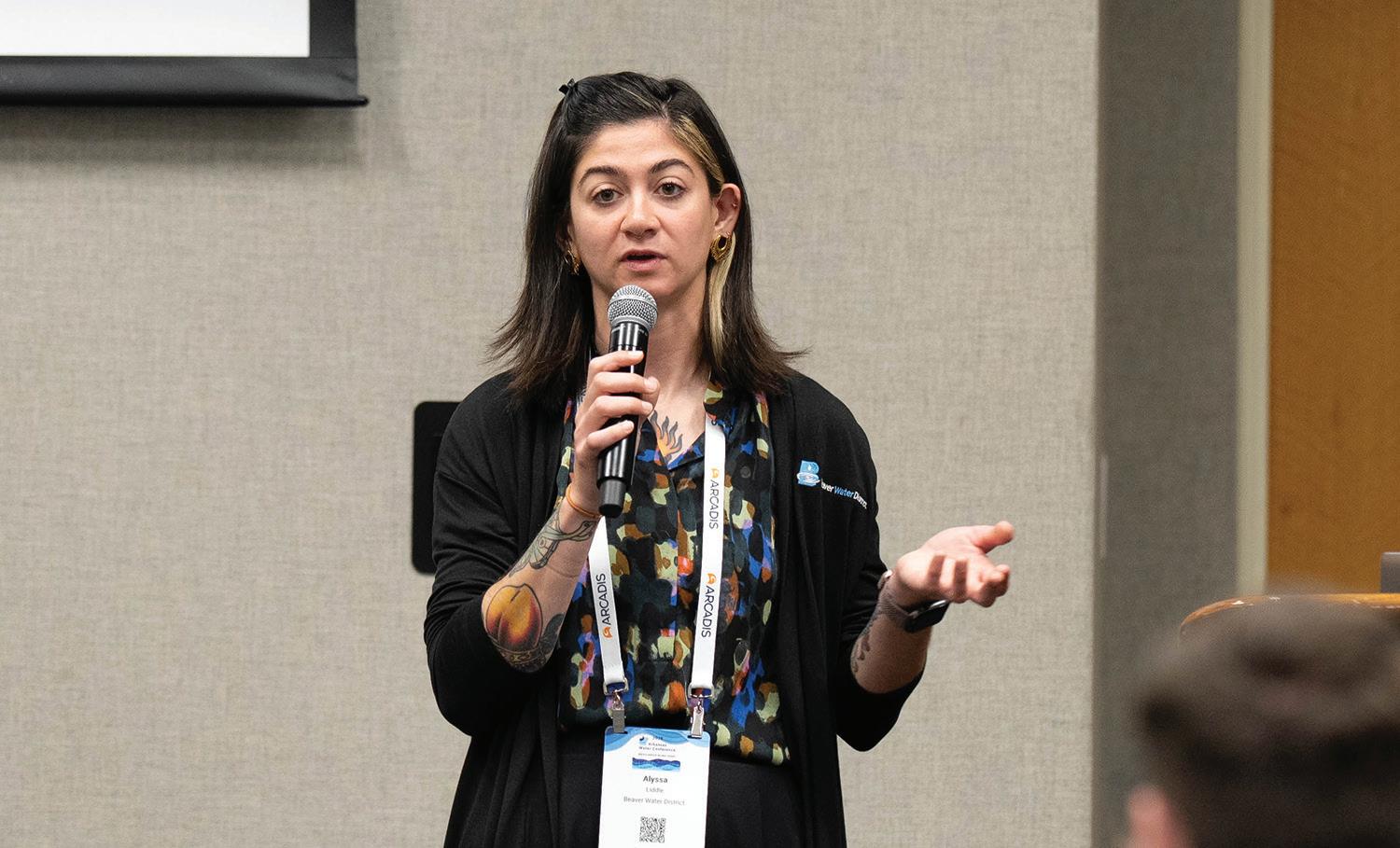
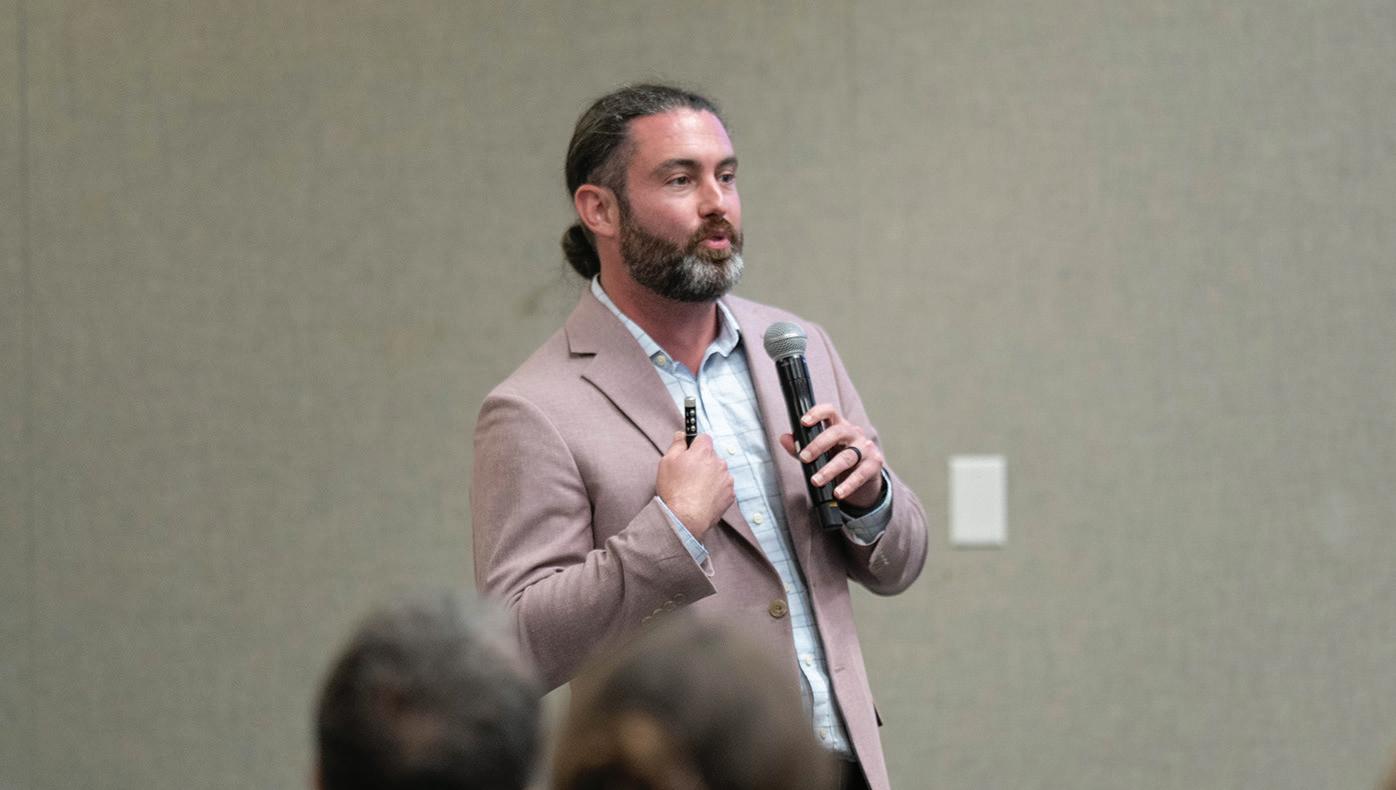
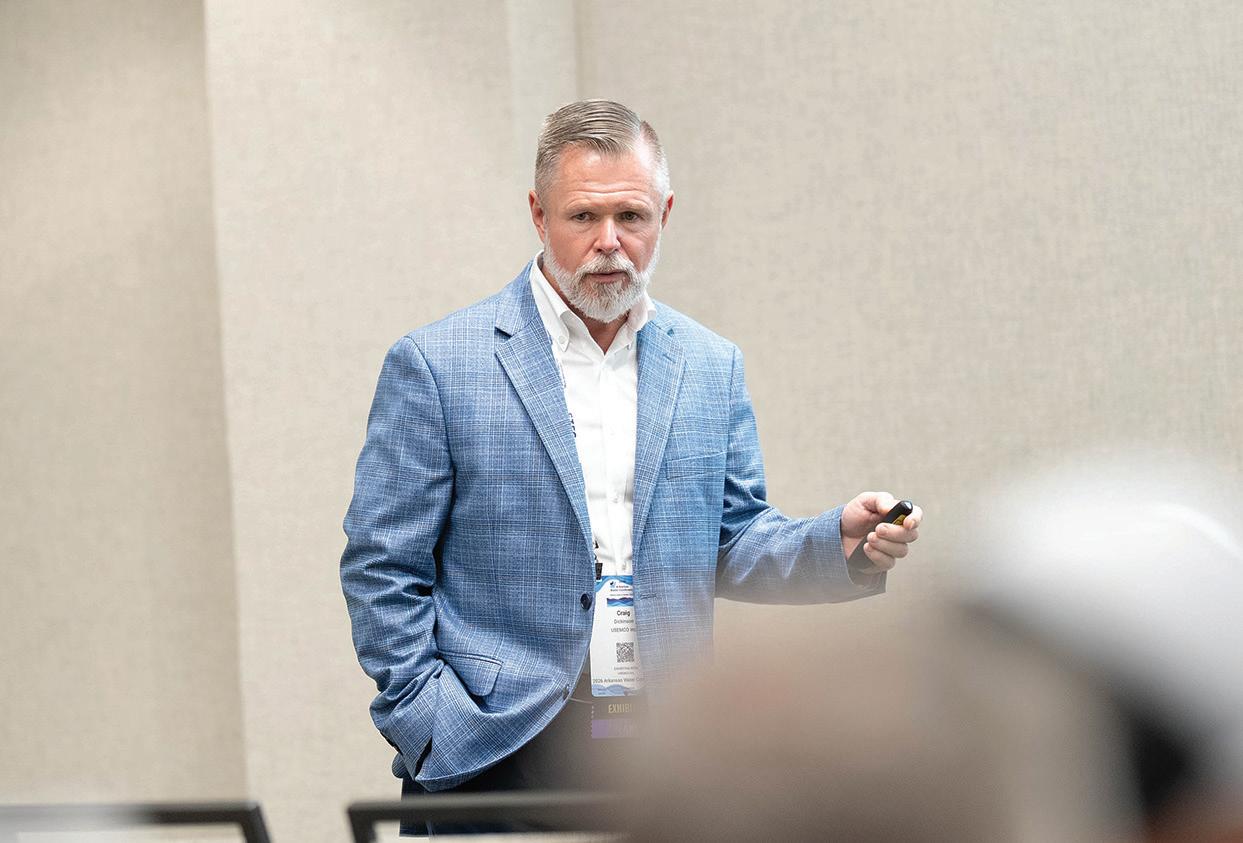
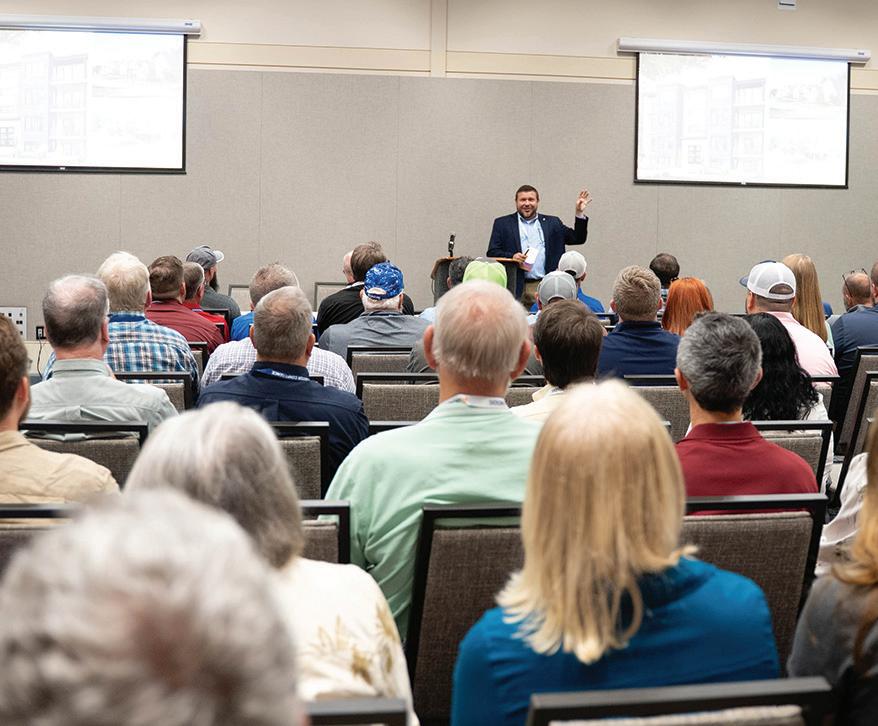
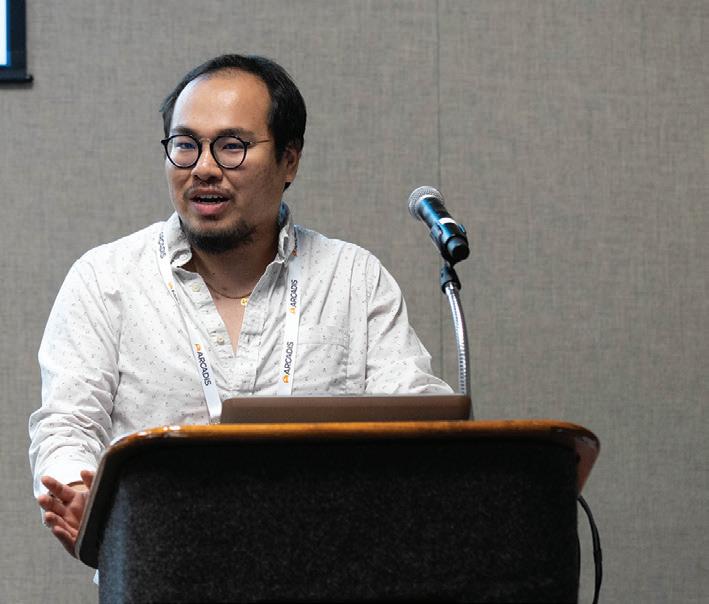
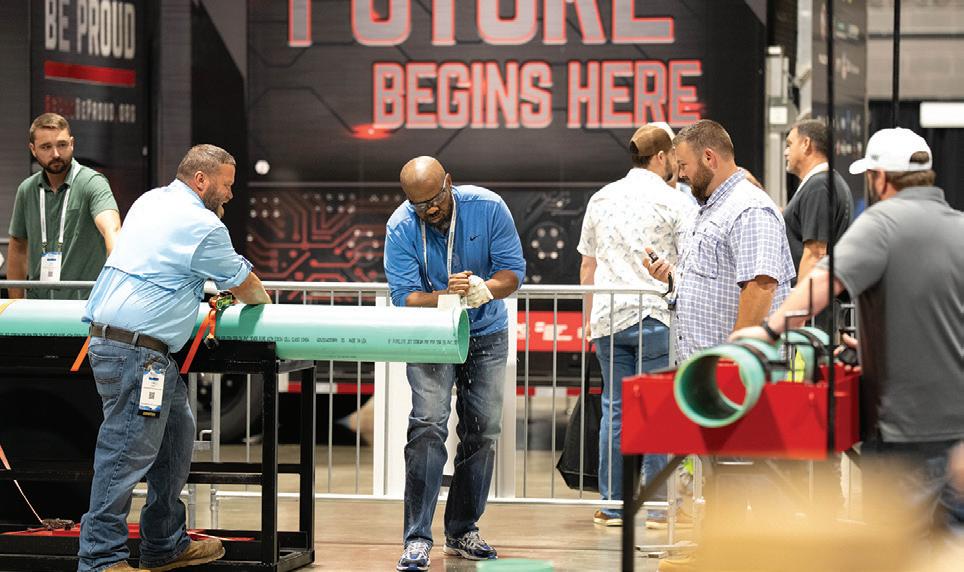
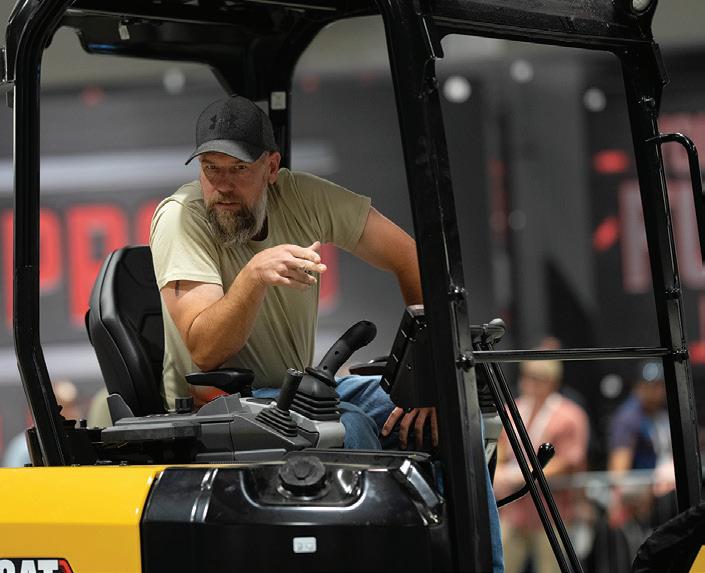
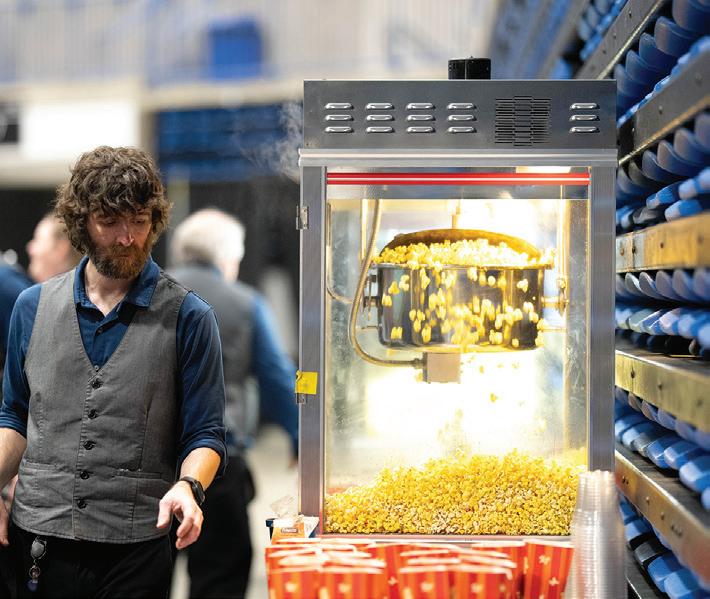
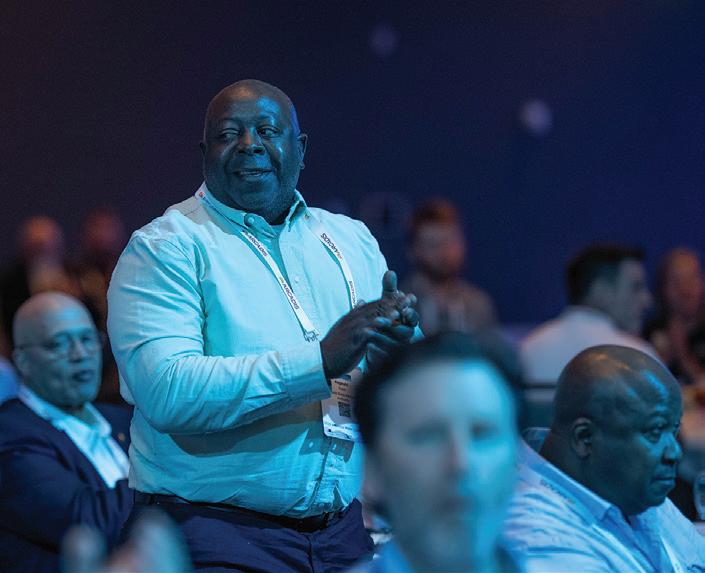
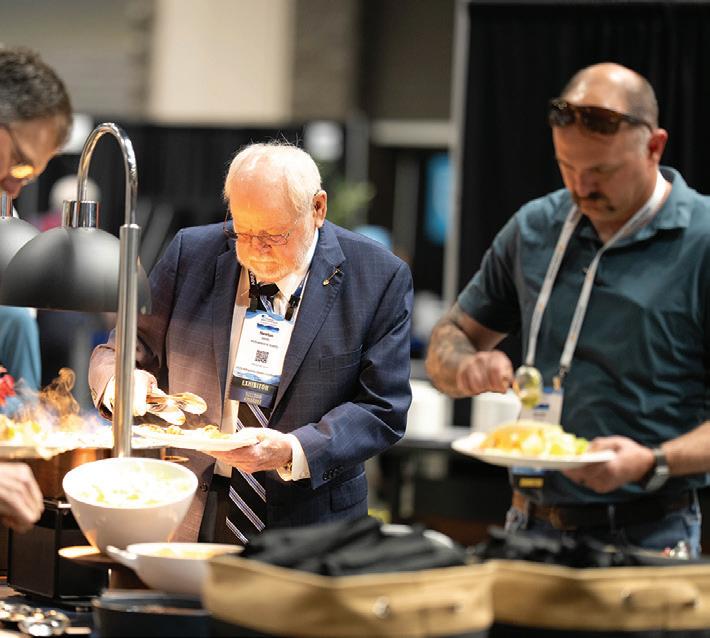
For four days, water and wastewater professionals from across Arkansas and beyond gathered in Hot Springs to learn, share ideas, strengthen professional relationships, and celebrate the important work being done every day to protect public health and the environment. The energy, enthusiasm, and engagement displayed throughout the conference served as a powerful reminder of the strength and dedication that define Arkansas’ water community.
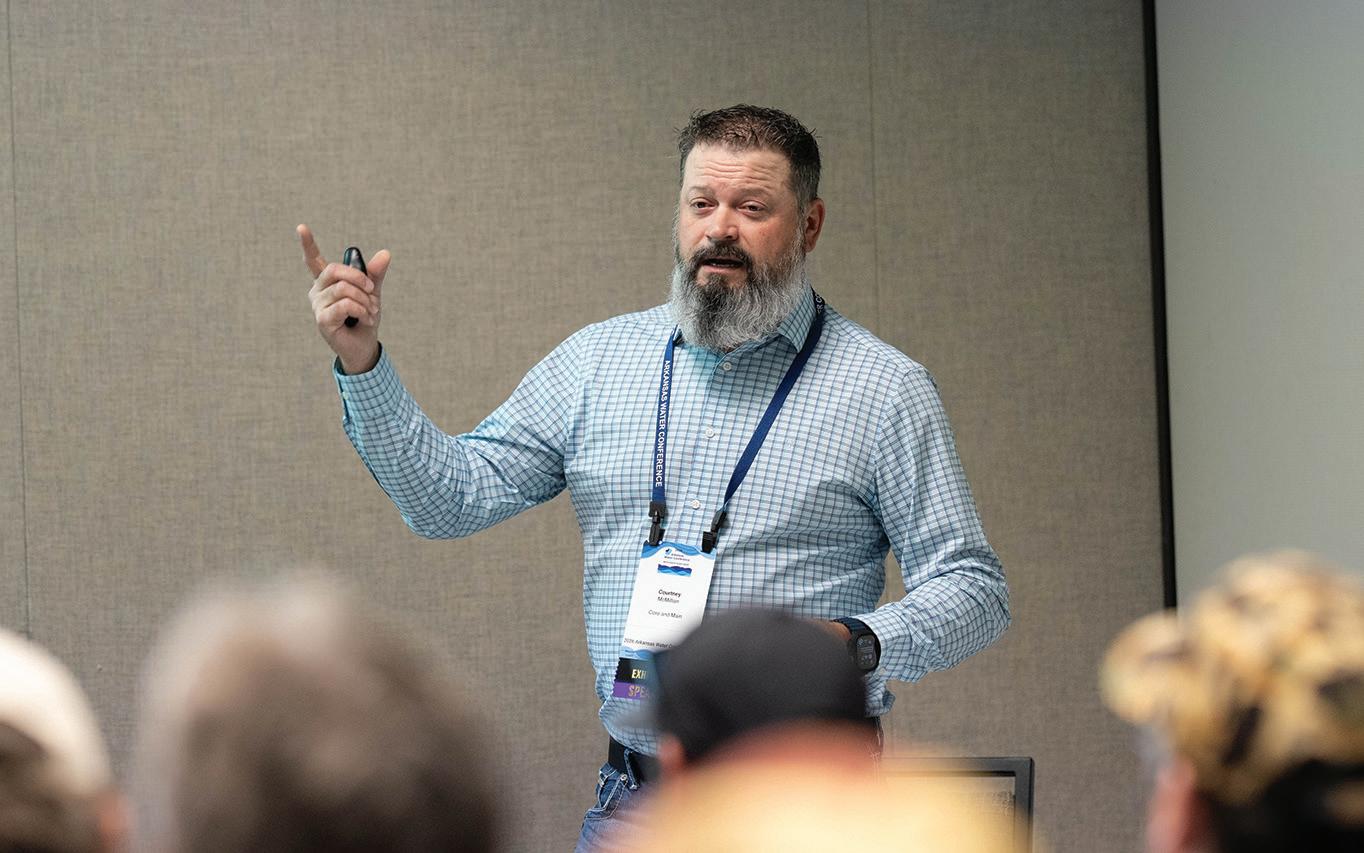
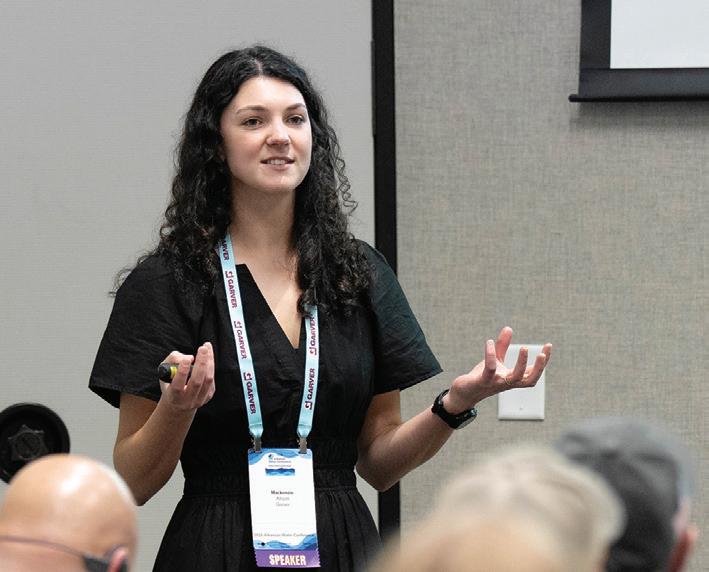
The Arkansas Water Conference continues to serve as the state’s premier educational and networking event for water and wastewater professionals, and this year’s conference once again delivered on that promise. Attendees had access to an outstanding technical program featuring expert speakers, timely industry updates, innovative technologies, operational best practices, and practical solutions that can be applied directly within their own systems and organizations.
From regulatory developments and treatment technologies to asset management, laboratory operations, utility leadership, workforce development, and emerging industry challenges, the educational sessions offered valuable learning opportunities for professionals at every stage of their careers. The quality of the presentations and the willingness of speakers to share their knowledge and experience contributed significantly to another exceptional conference experience.
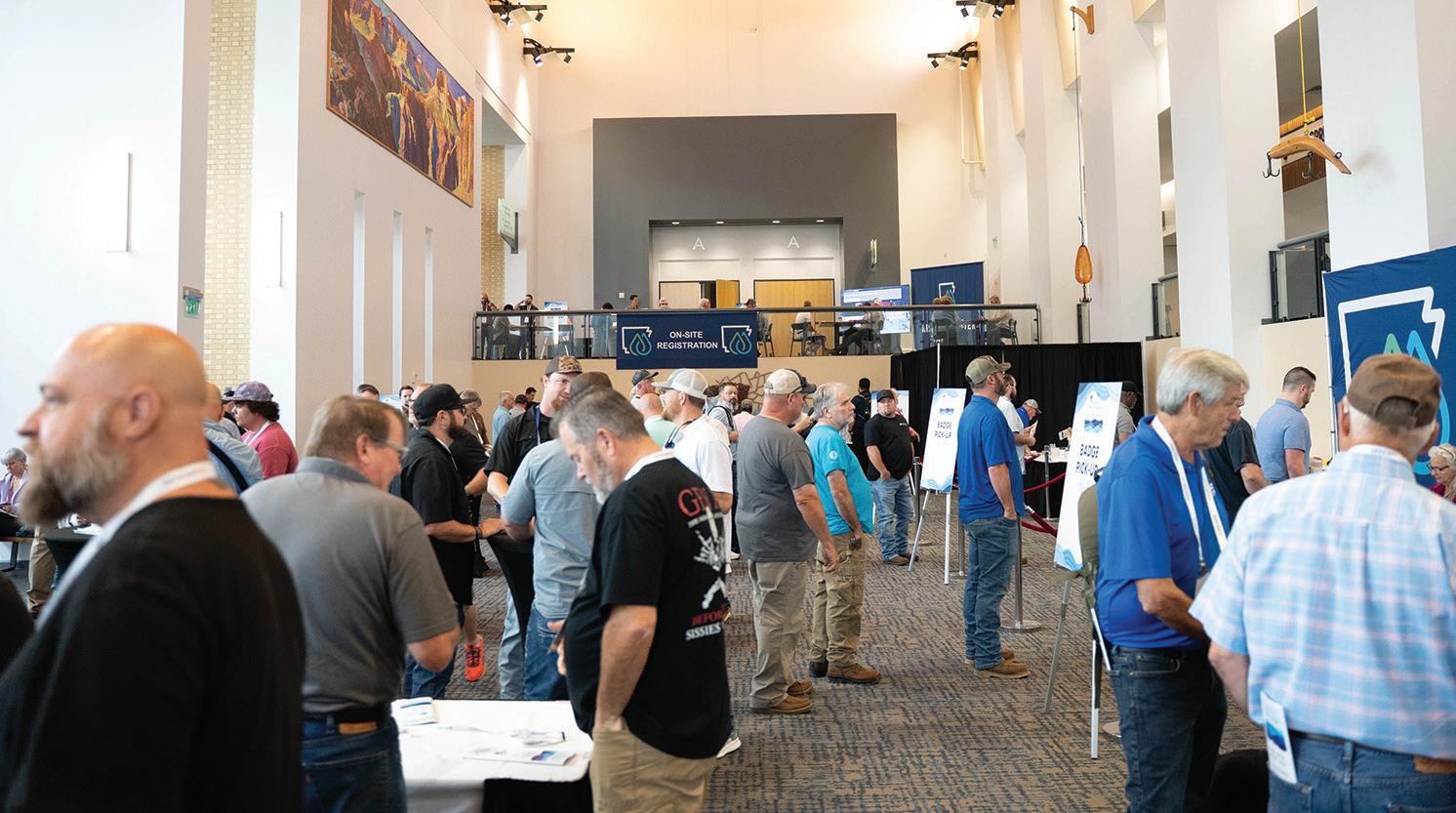
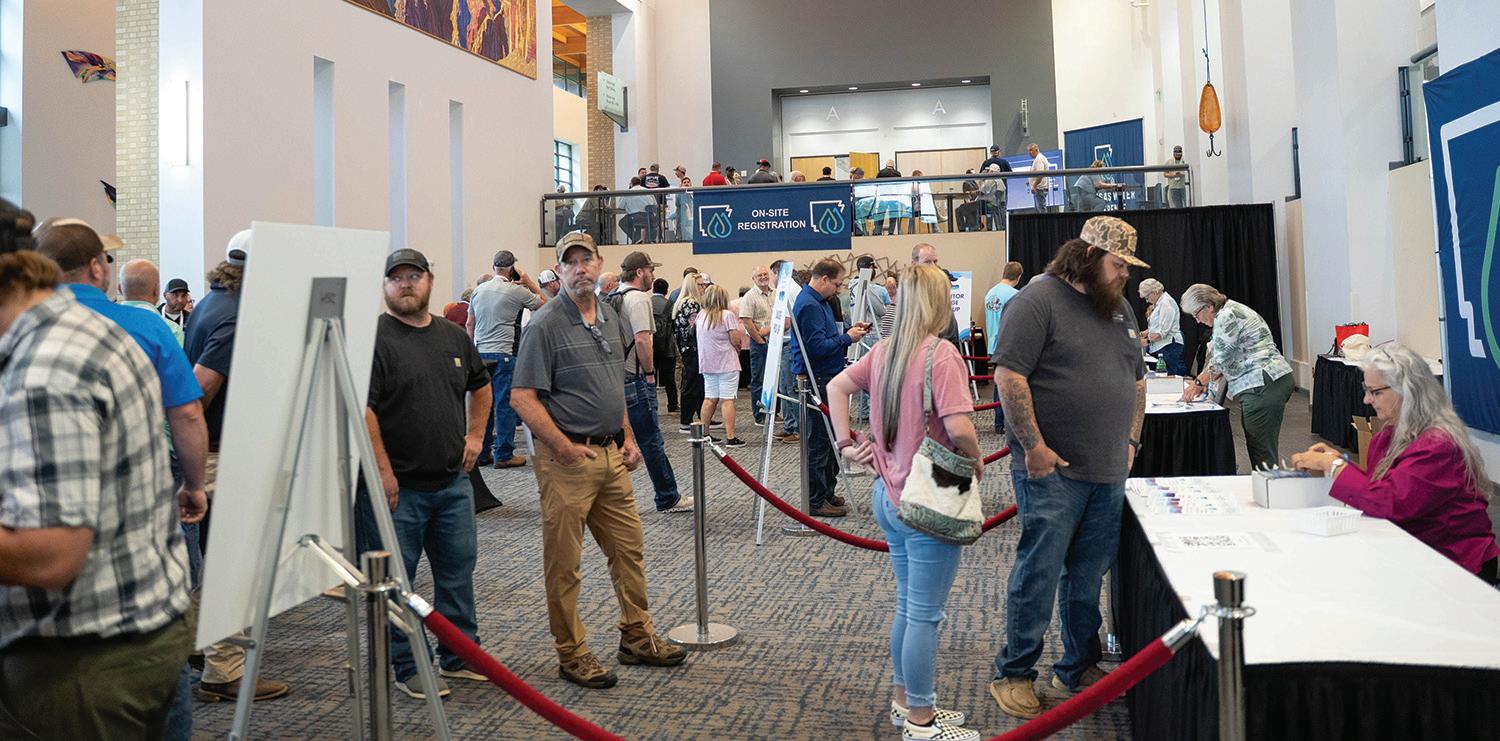
FOR FOUR DAYS, WATER AND WASTEWATER PROFESSIONALS FROM ACROSS ARKANSAS AND BEYOND GATHERED IN HOT SPRINGS TO LEARN, SHARE IDEAS, STRENGTHEN PROFESSIONAL RELATIONSHIPS, AND CELEBRATE THE IMPORTANT WORK BEING DONE EVERY DAY TO PROTECT PUBLIC HEALTH AND THE ENVIRONMENT.
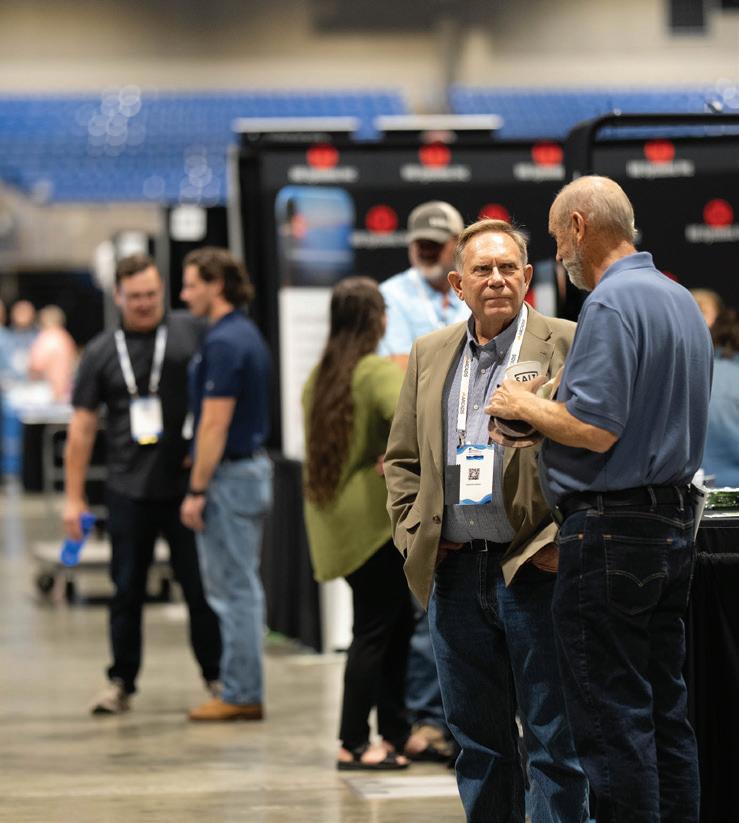
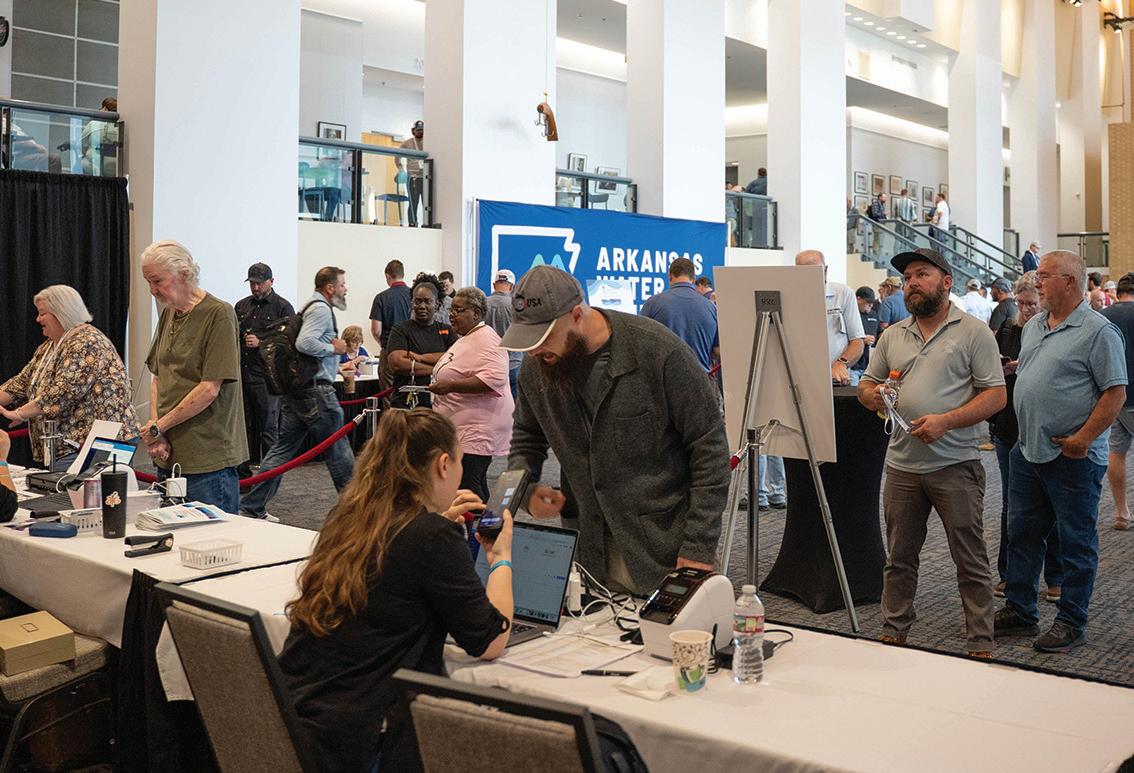
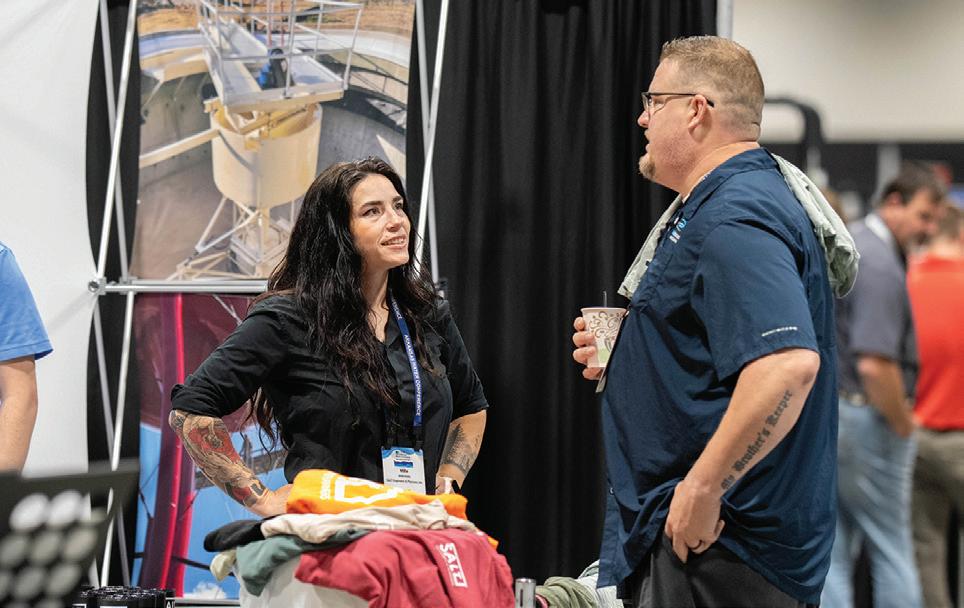
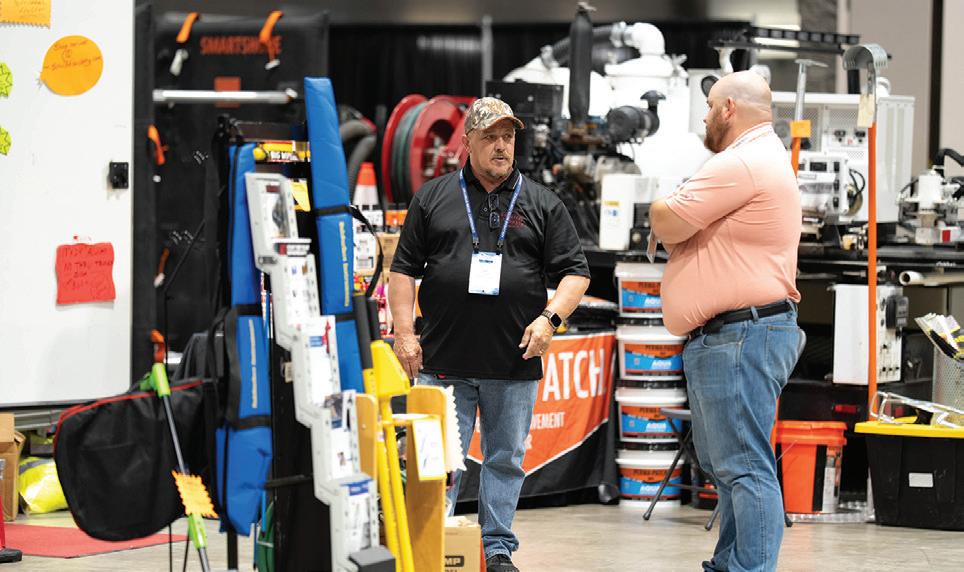
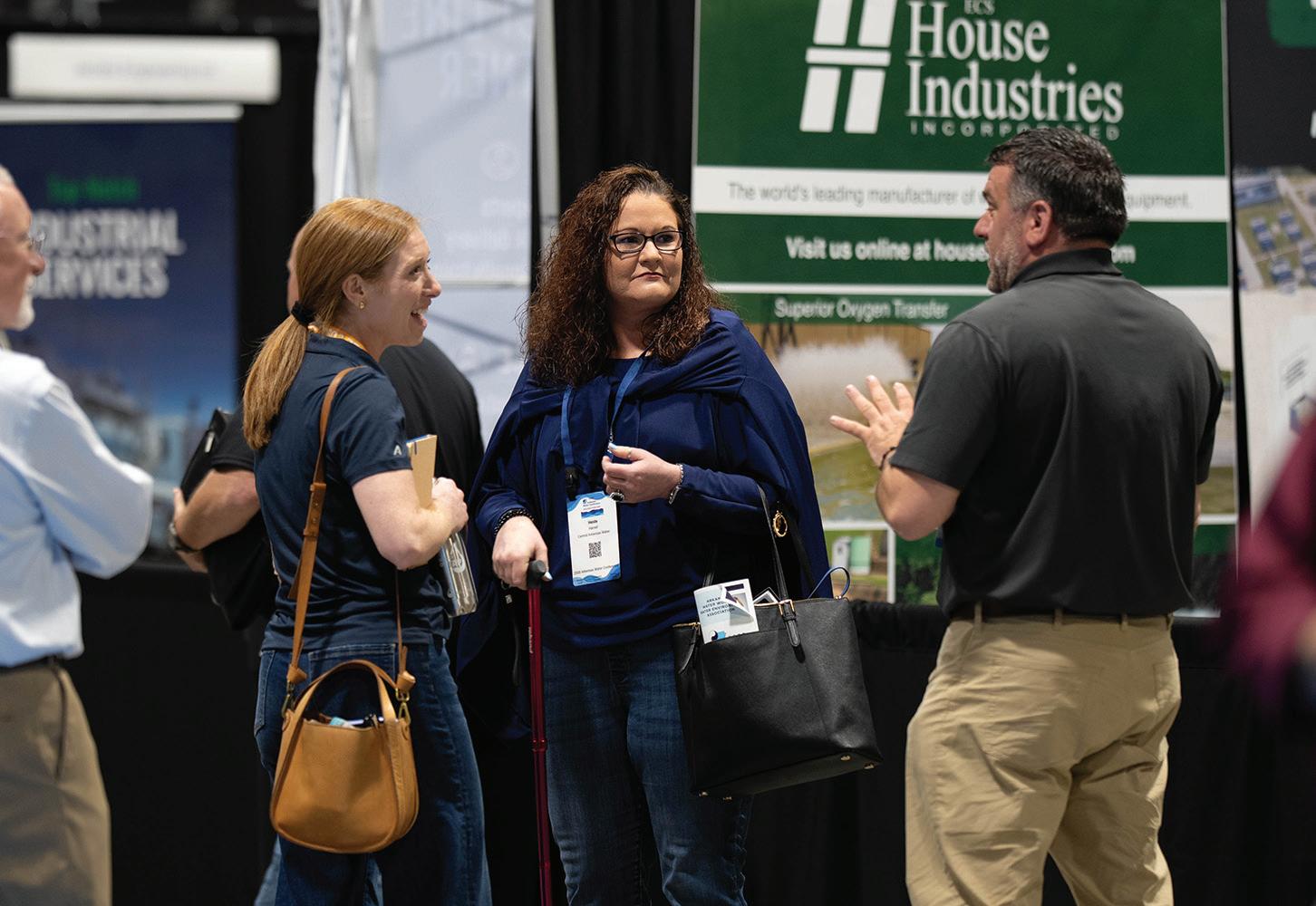
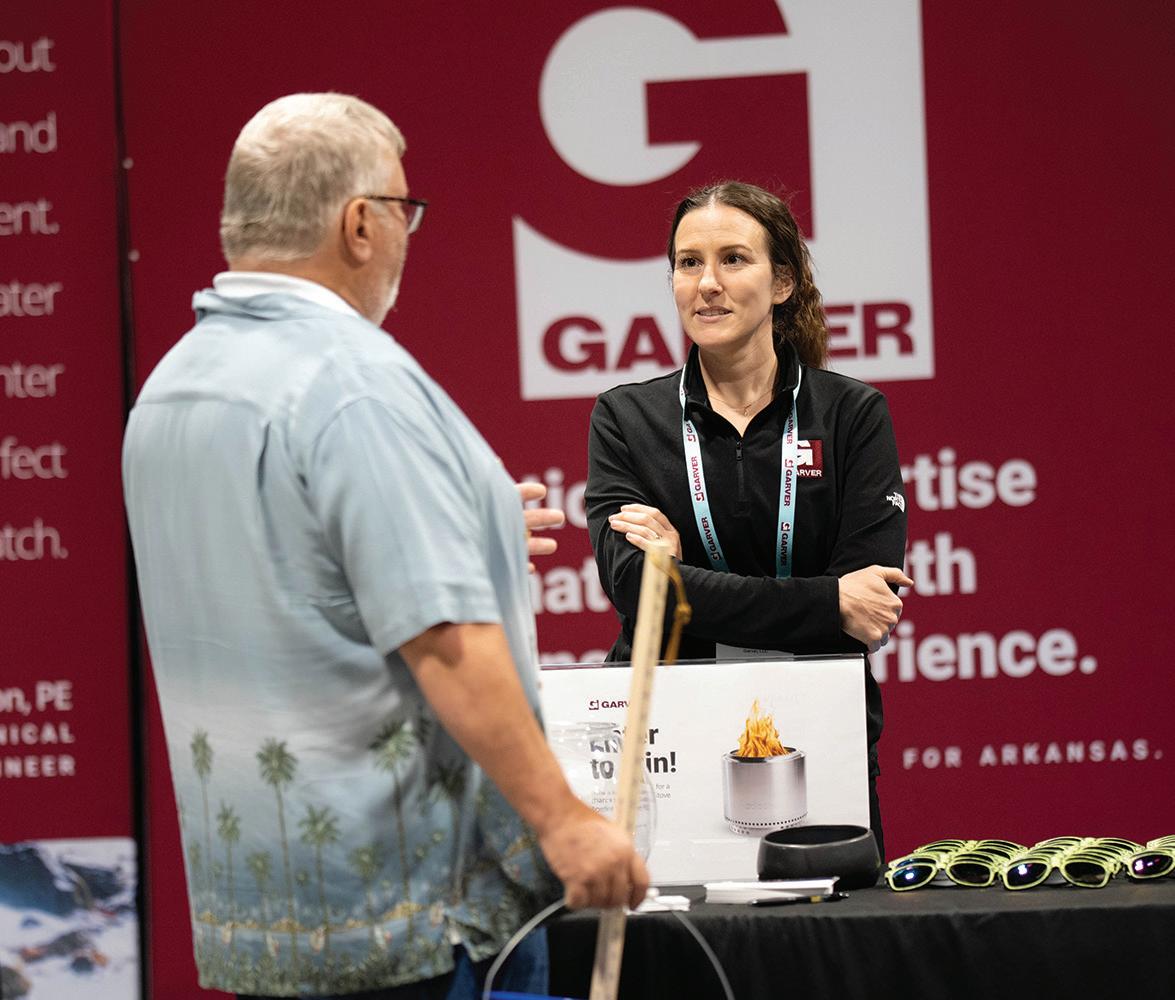
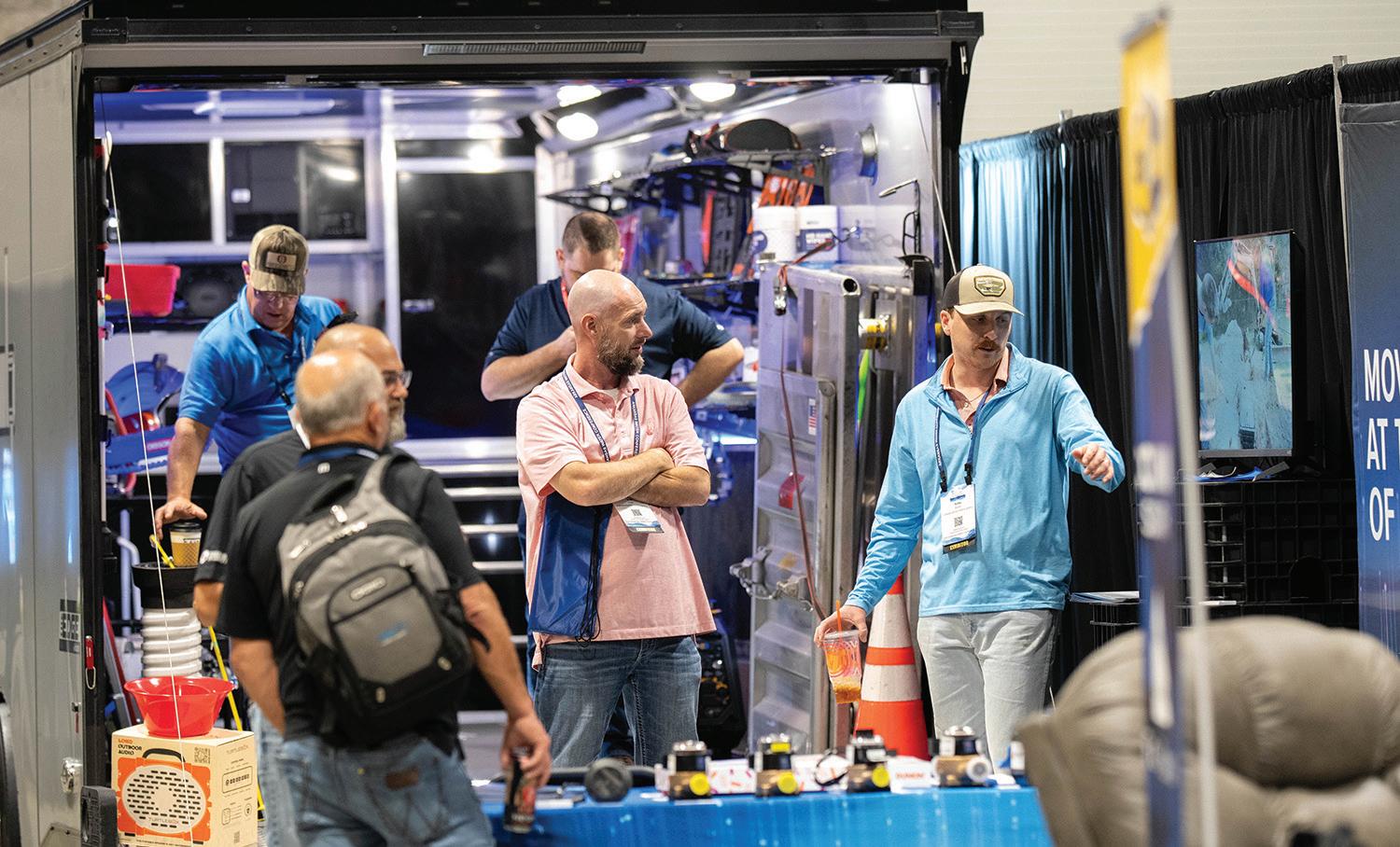
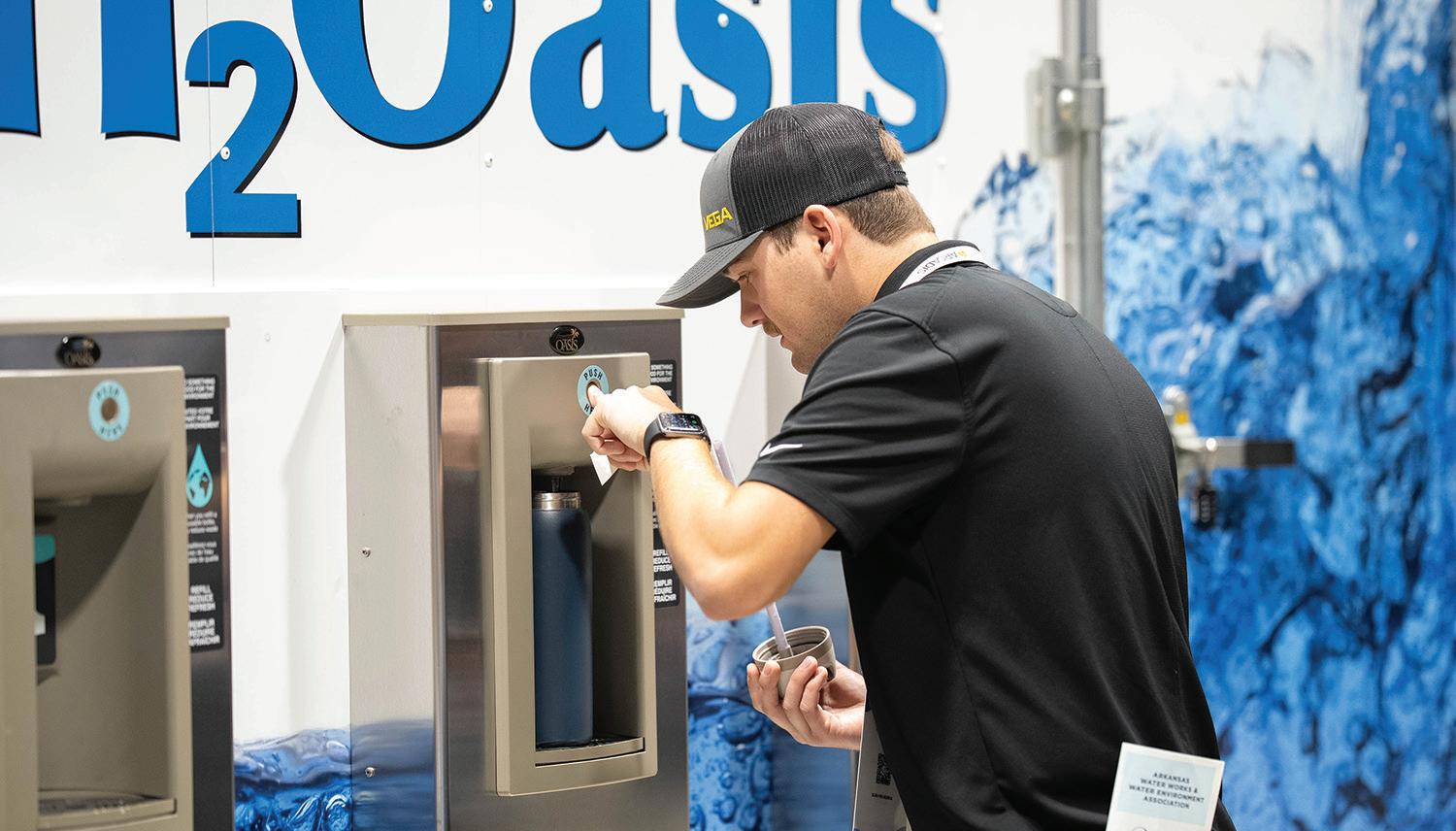
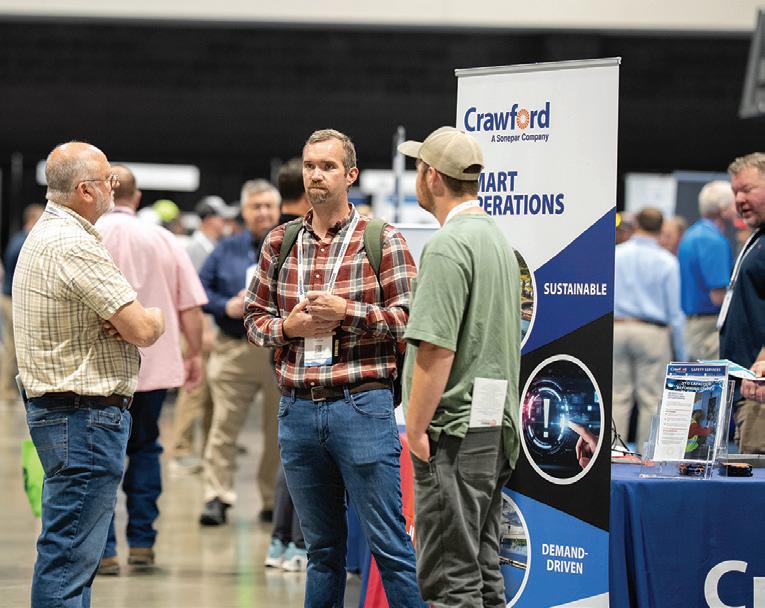
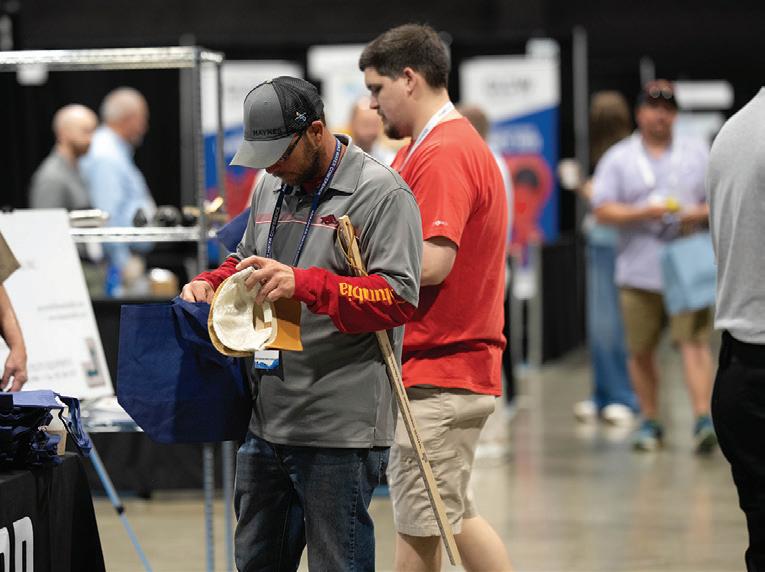
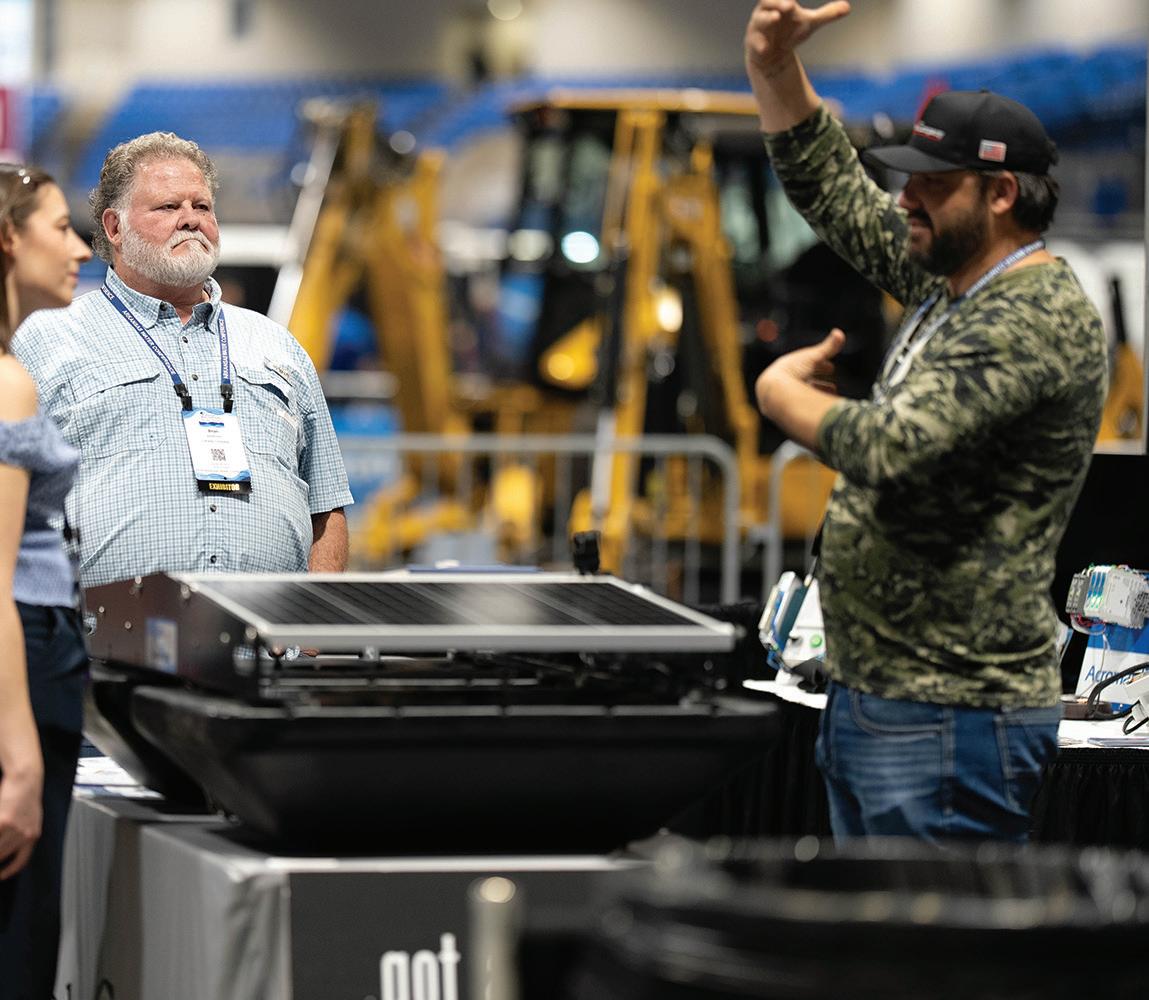
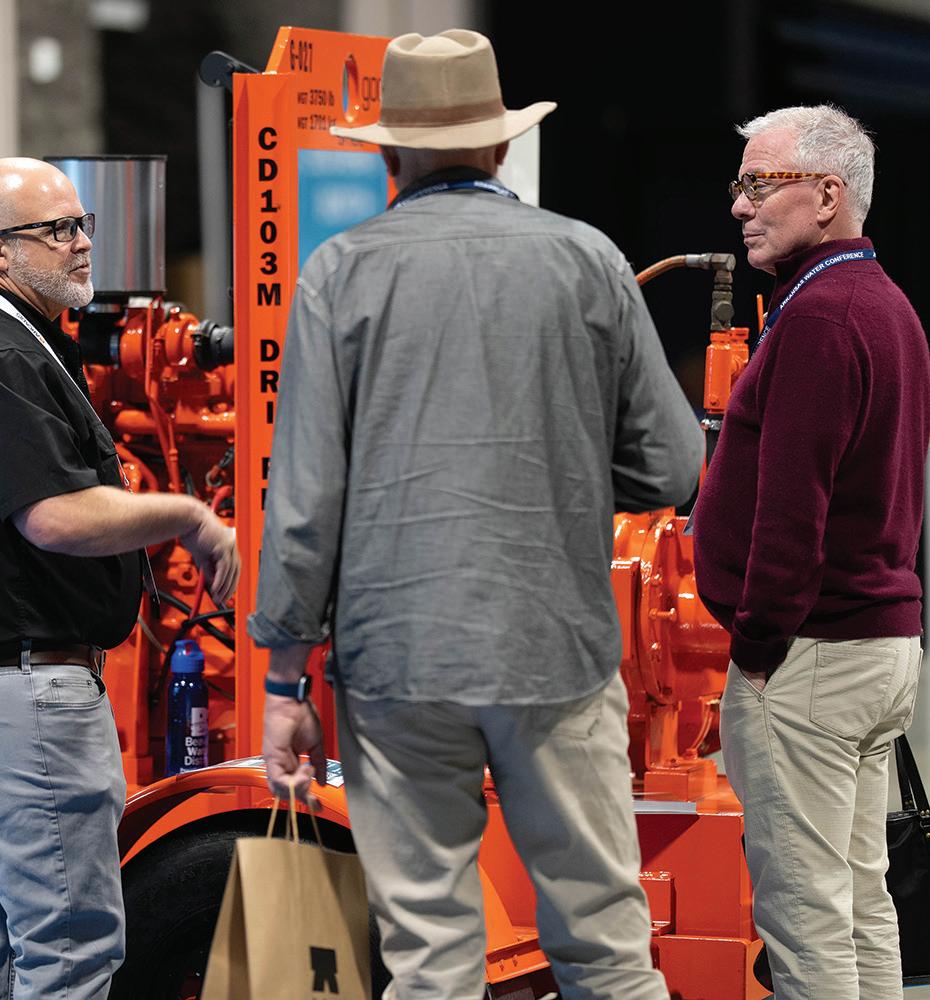
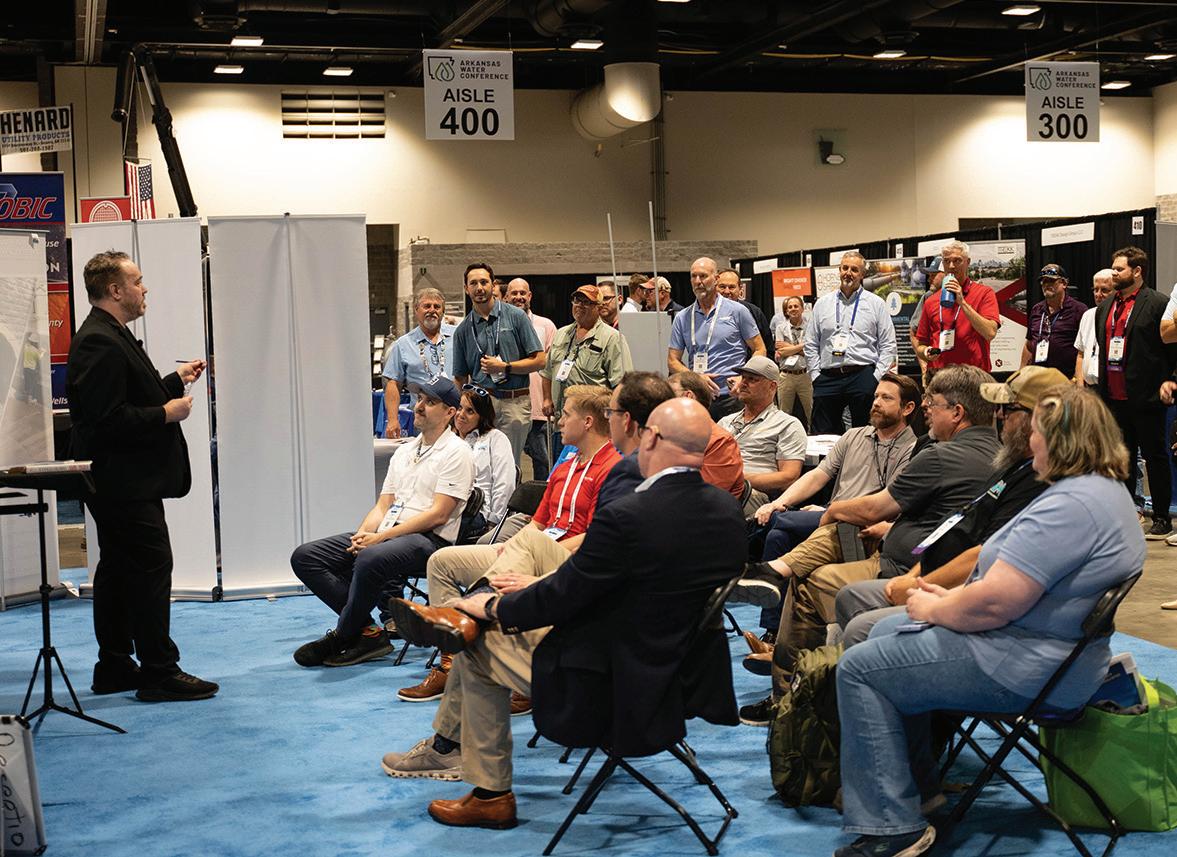
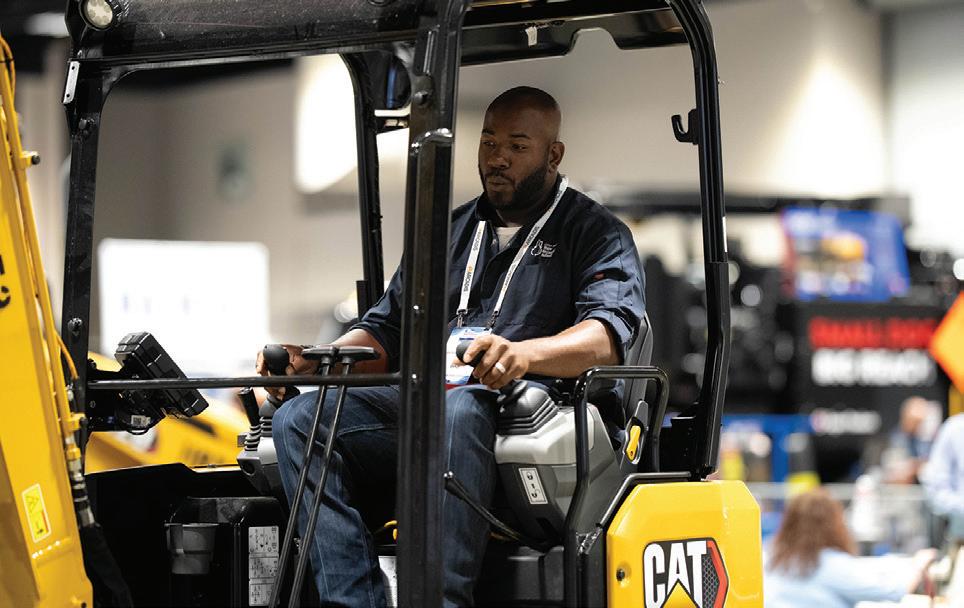
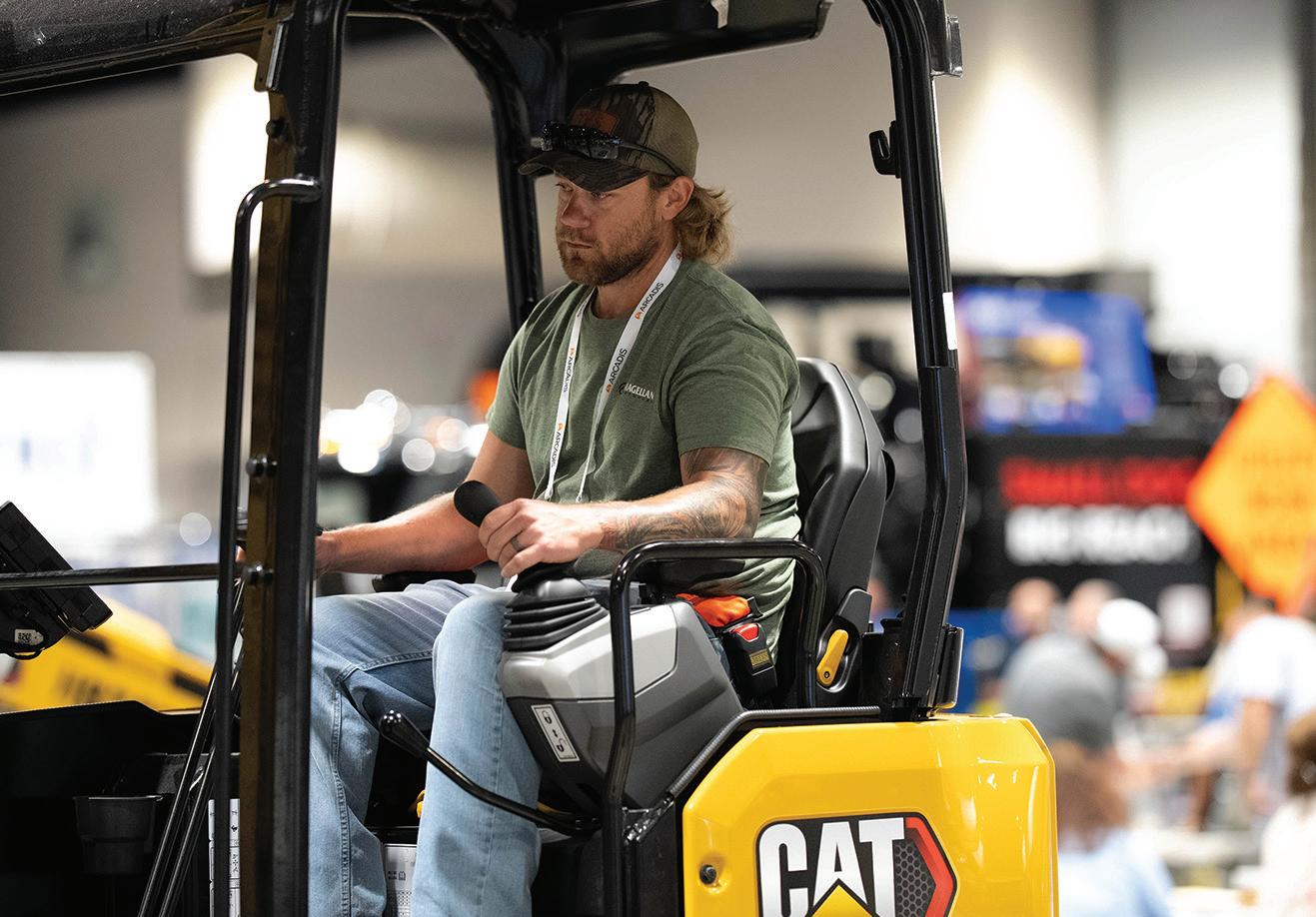
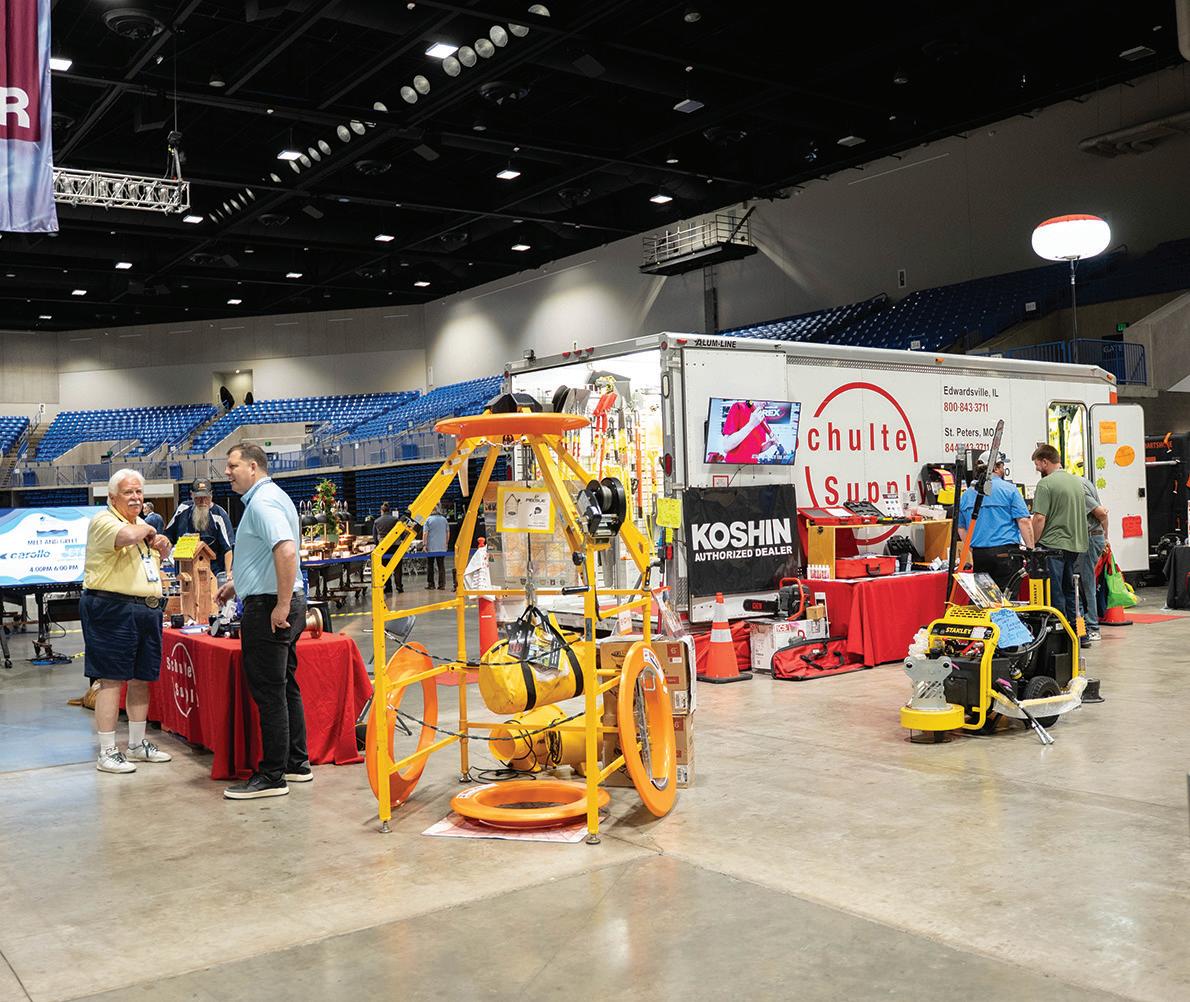
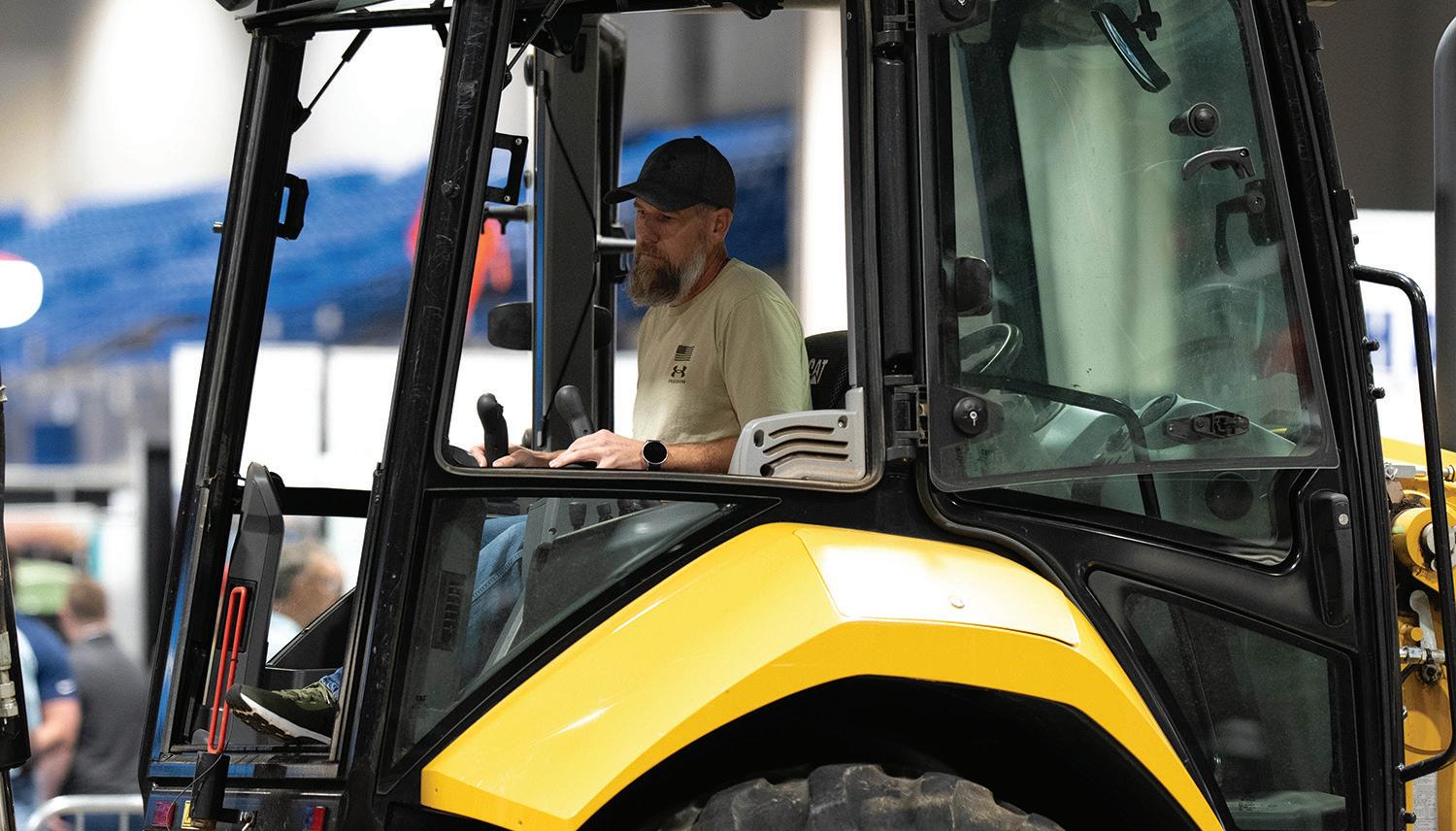
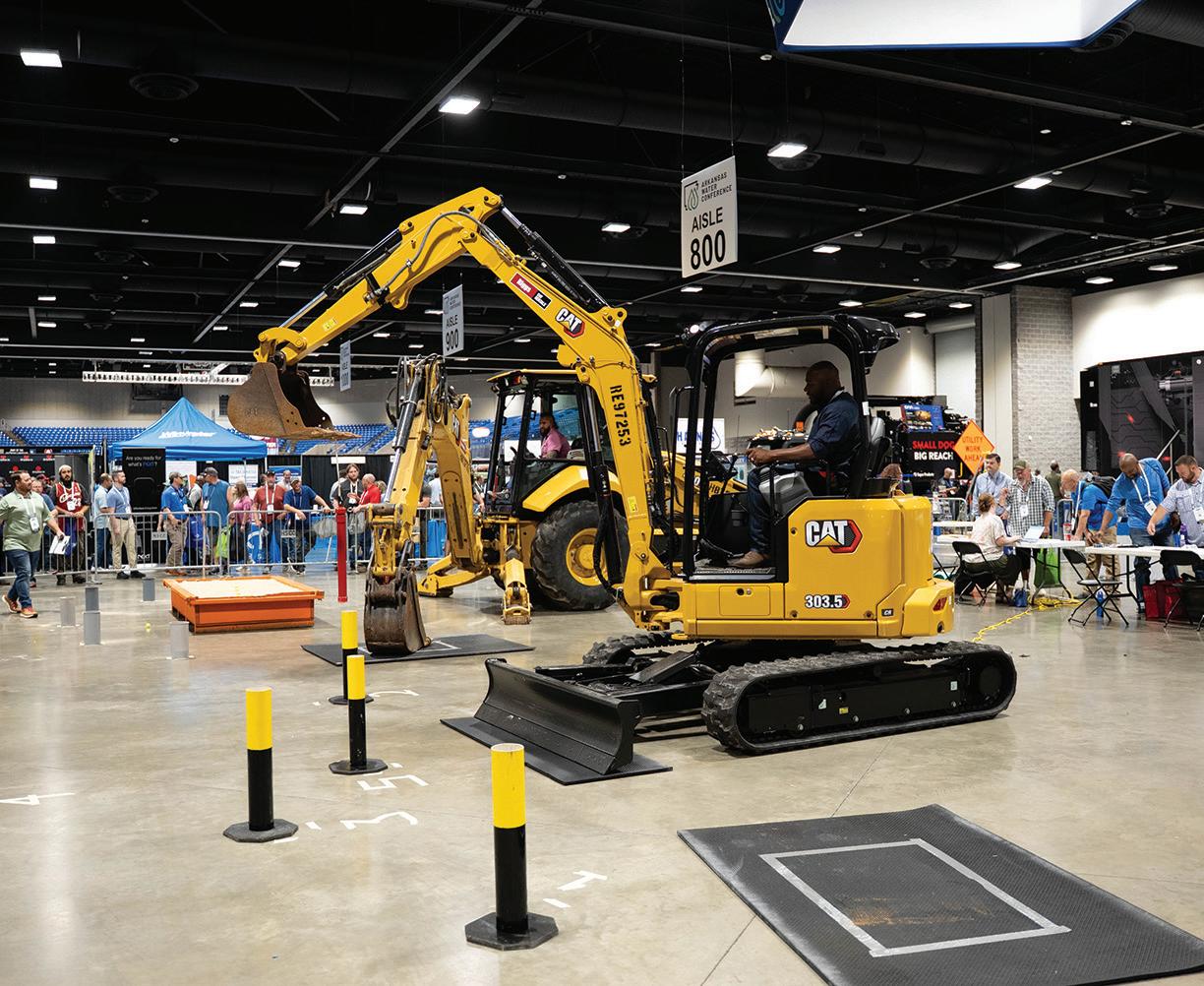
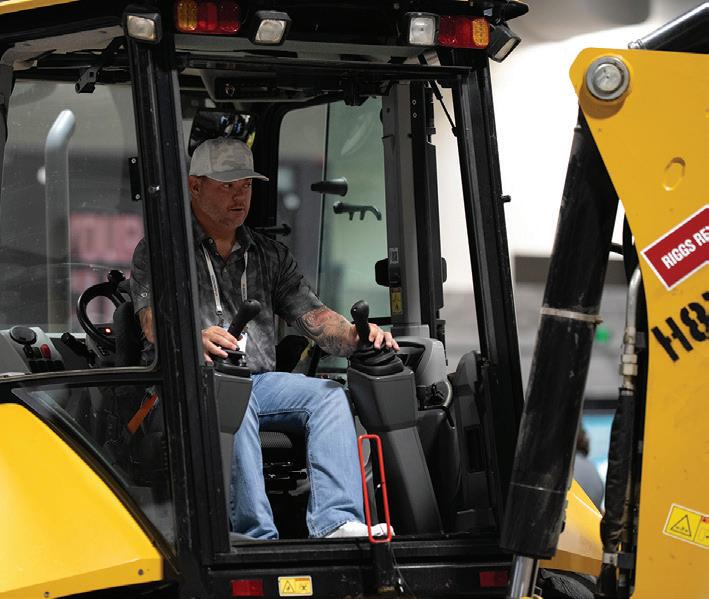
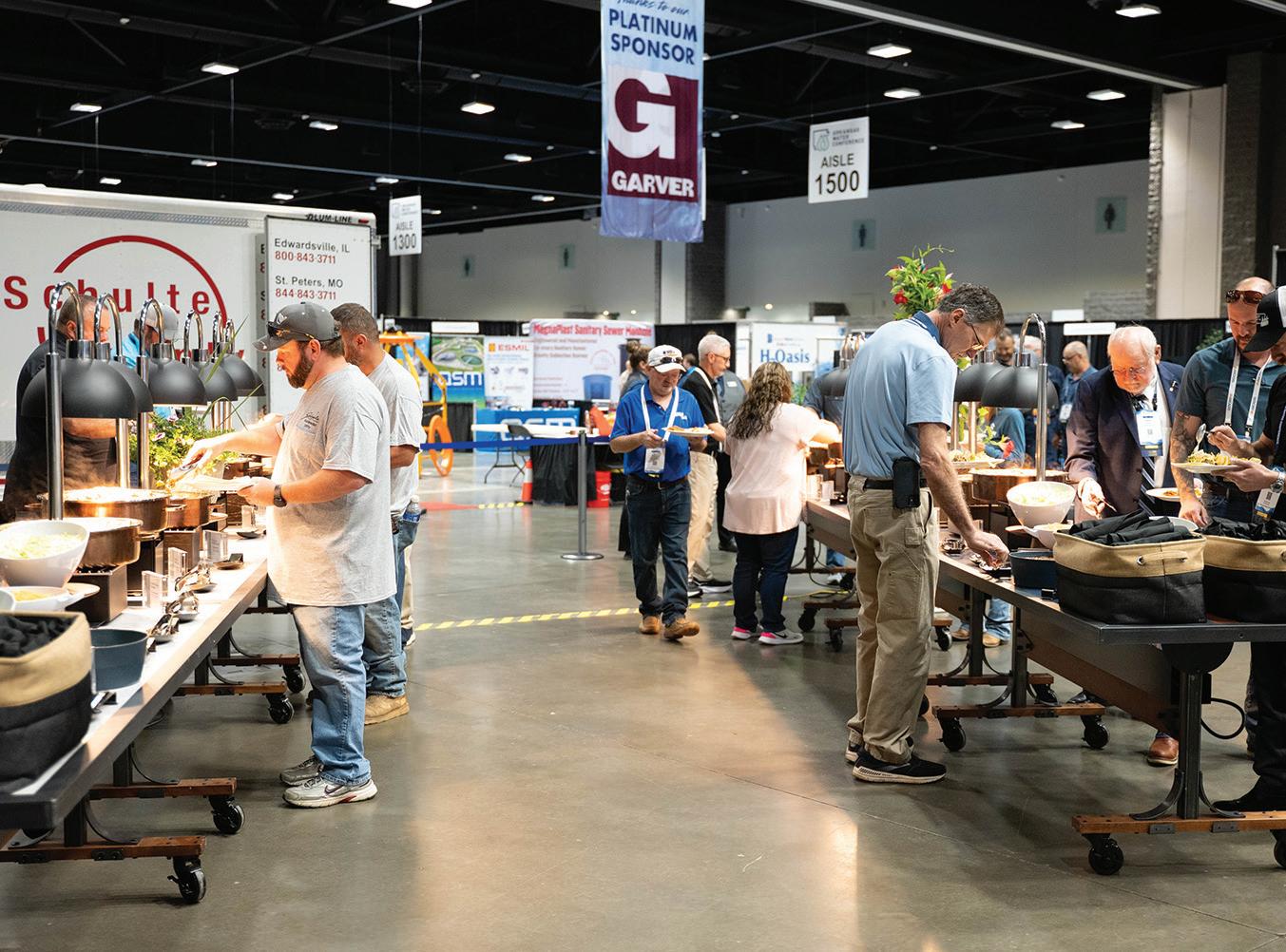
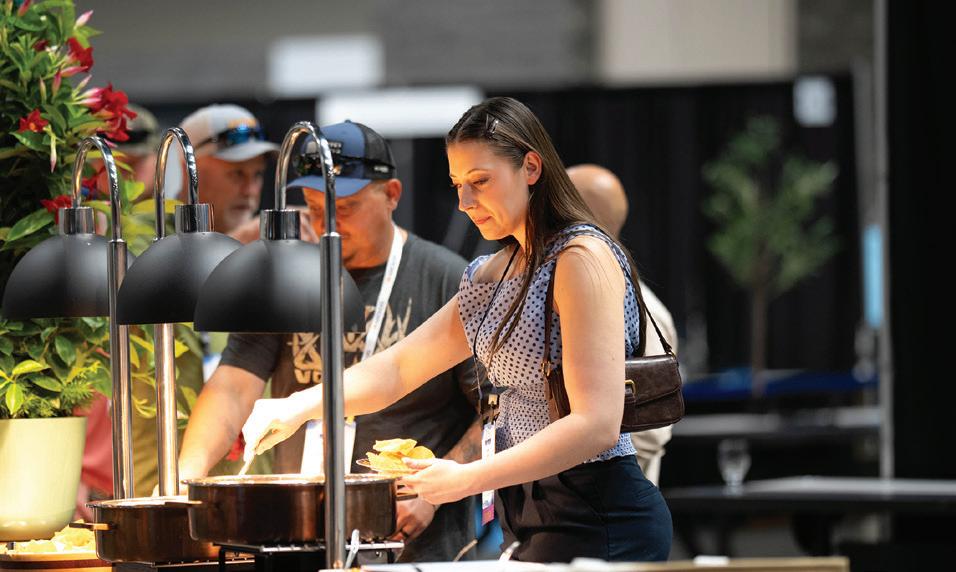
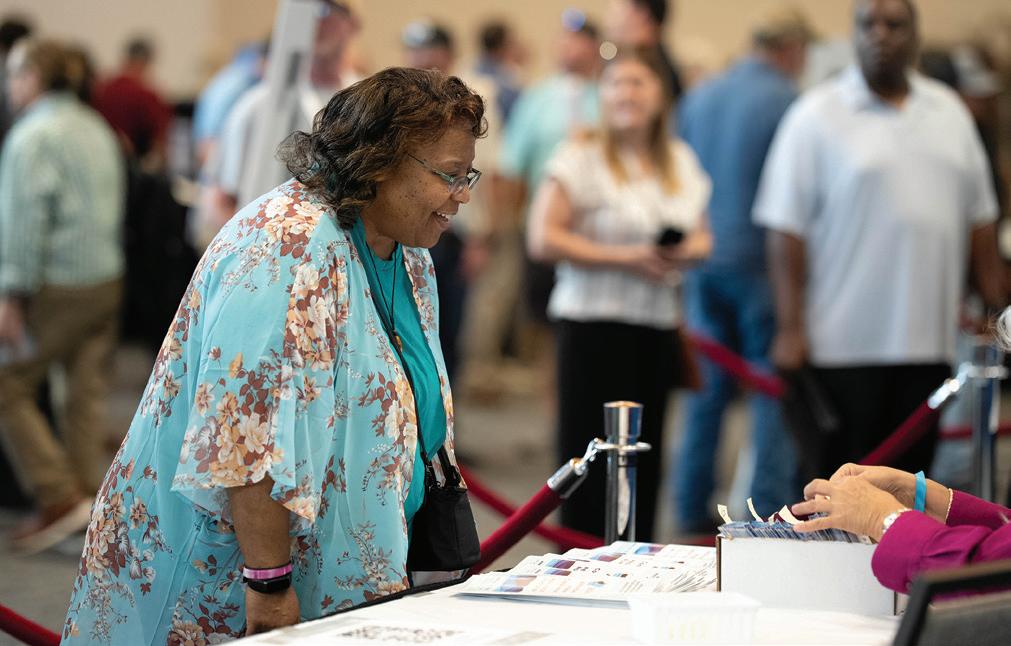
Equally impressive was the conference’s bustling exhibit hall, which remained a hub of activity throughout the event. Industryleading manufacturers, suppliers,
consultants, and service providers showcased the latest products, equipment, and technologies available to support Arkansas utilities. The exhibit hall provided
attendees with the opportunity to connect directly with industry experts, explore new solutions, and build relationships that extend well beyond the conference itself.
“
MOST IMPORTANTLY, THANK YOU TO EVERYONE WHO ATTENDED.
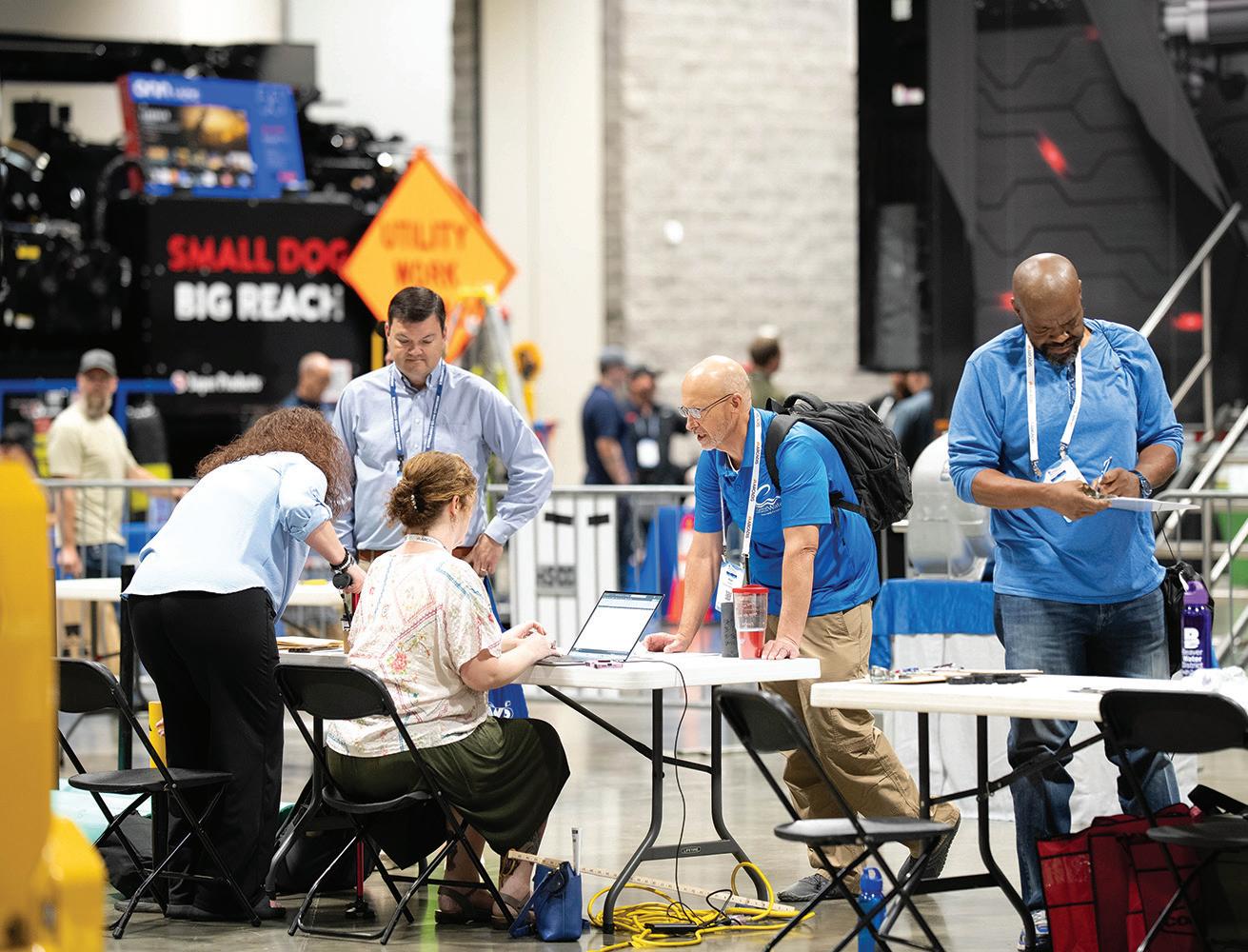
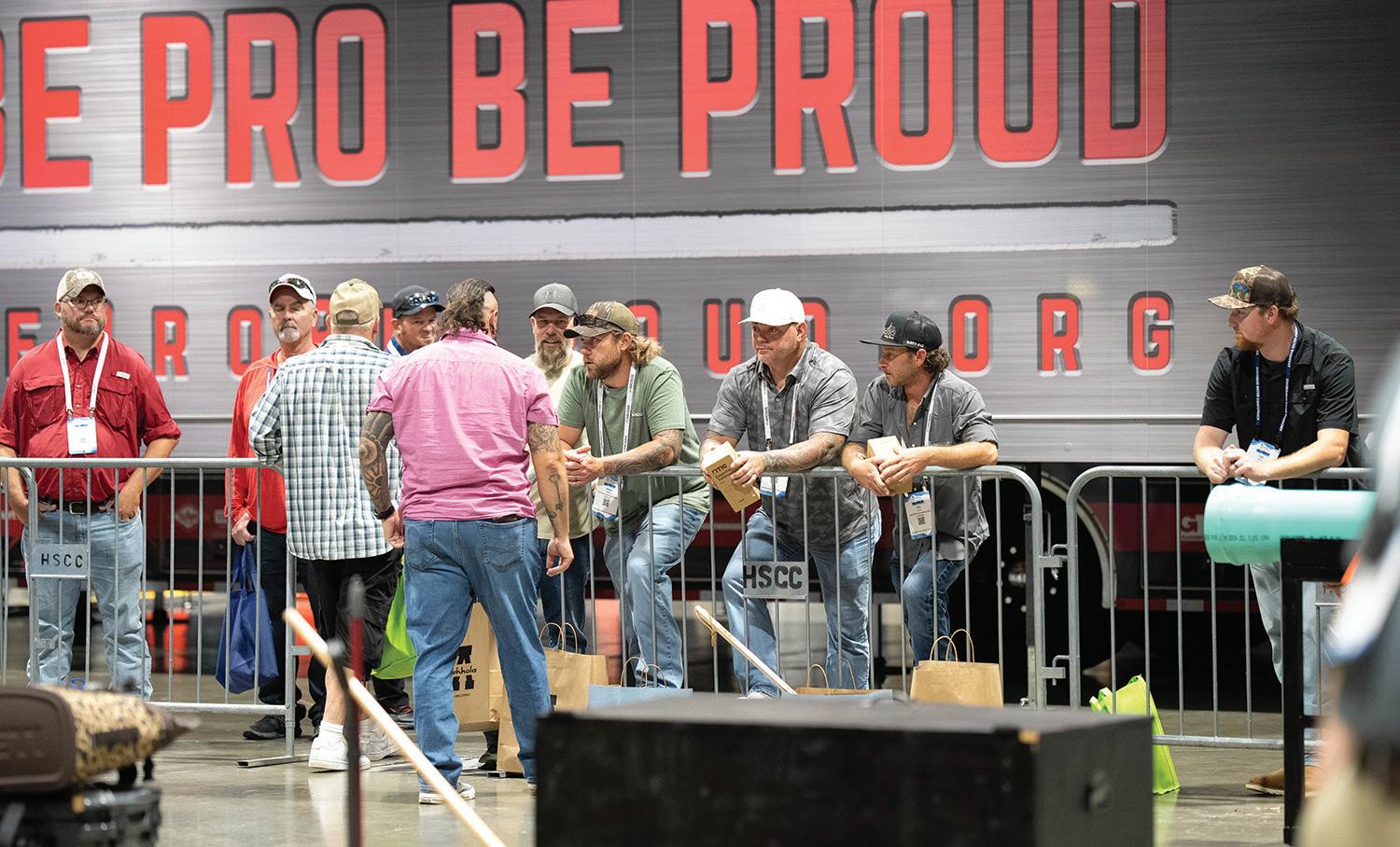
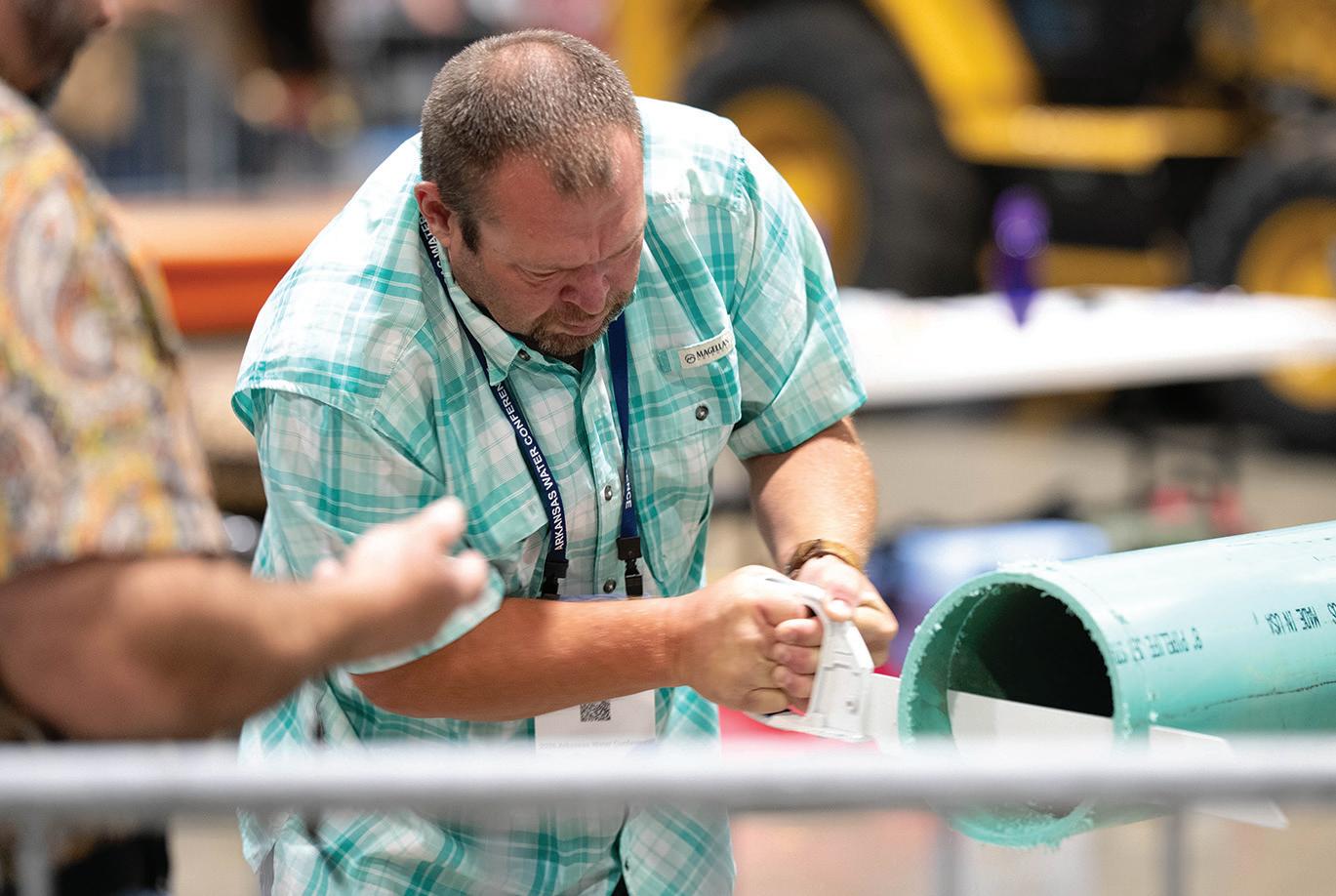
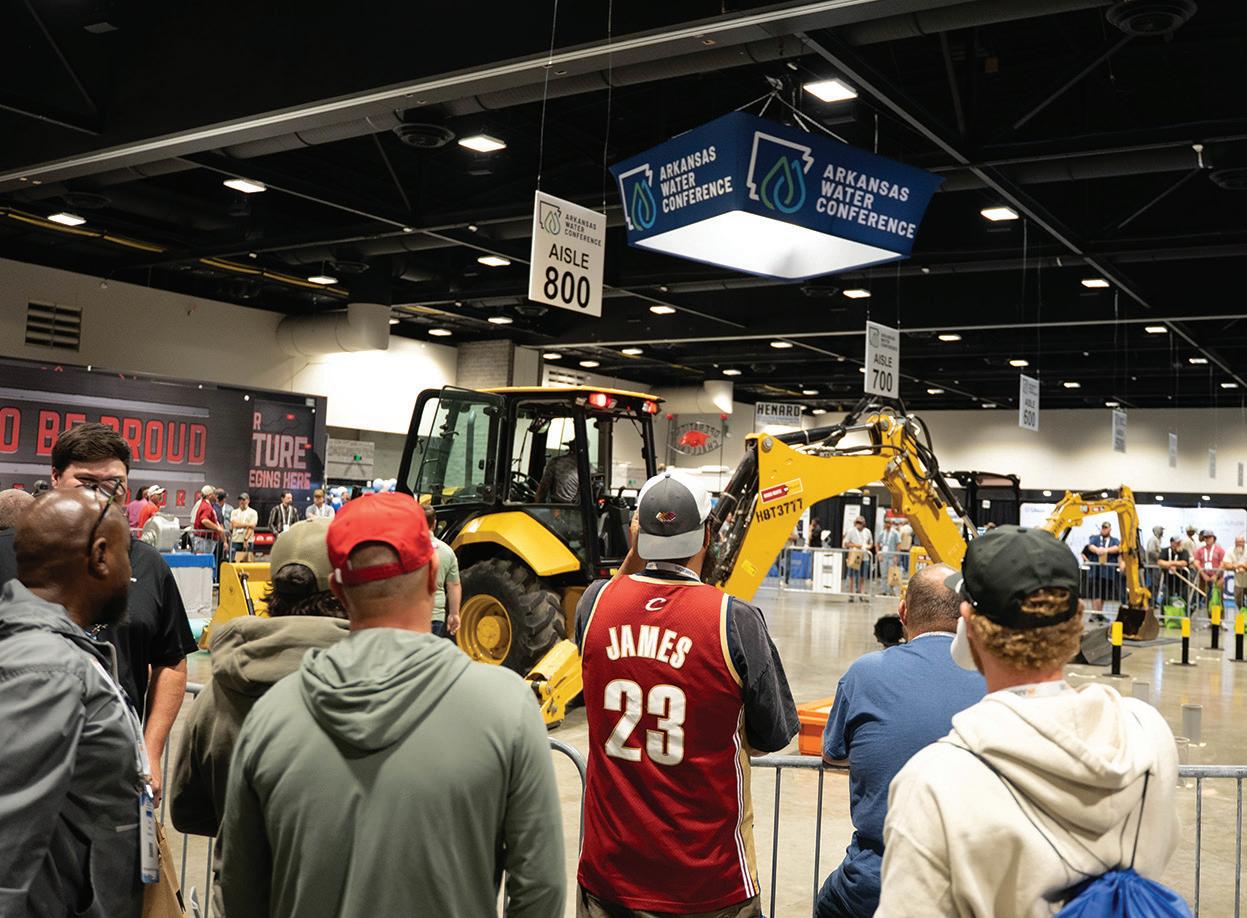
Of course, education and exhibits are only part of what makes the Arkansas Water Conference special. The conference also featured the competitions, networking events, and activities that attendees look forward to each year. From spirited contests that highlighted professional skills and teamwork to social events that fostered new friendships and strengthened existing relationships, there was no shortage of excitement and camaraderie throughout the week. These events not only showcase the talent and dedication within our industry but also reinforce the sense of community that makes Arkansas water professionals unique. Another highlight of the conference was the opportunity to recognize excellence across the industry through the presentation of numerous awards and honors. These awards celebrate individuals and organizations whose leadership, service, innovation, and commitment continue to advance the water and wastewater profession throughout Arkansas. Congratulations to all of this year’s award recipients. Your achievements serve as an inspiration to your colleagues and demonstrate the impact that dedicated professionals can have on their communities and our industry as a whole.
Events of this magnitude do not happen without the support and commitment of countless individuals and organizations. We extend our sincere appreciation to the presenters who shared their expertise, the volunteers who dedicated their time and talents, the competition participants, judges, committee members, and the many individuals who worked behind the scenes to ensure every aspect of the conference ran smoothly.
We also offer our heartfelt thanks to our sponsors and exhibitors. Their continued investment in the Arkansas Water Conference helps make this event possible while providing attendees access to the products, services, and expertise that help utilities succeed. Their partnership remains an essential component of the conference’s ongoing success.
Most importantly, thank you to everyone who attended. Your participation, engagement, and commitment to professional growth are what make the Arkansas Water Conference such a valuable and impactful event year after year. Every conversation, every question asked during a technical session, every visit to an exhibit booth, and every connection made contributes to a stronger water and wastewater community across Arkansas.
As we reflect on another successful conference, we are reminded that the future of our industry is bright because of the dedicated professionals who continue to learn, innovate, collaborate, and serve. We look forward to building on this momentum and welcoming everyone back next year for another outstanding Arkansas Water Conference.
Until then, thank you for all you do each day to protect public health, safeguard our water resources, and serve the communities that depend on you.

“
THE ENERGY, ENTHUSIASM, AND ENGAGEMENT DISPLAYED THROUGHOUT THE CONFERENCE SERVED AS A POWERFUL REMINDER OF THE STRENGTH AND DEDICATION THAT DEFINE ARKANSAS’ WATER COMMUNITY.


































































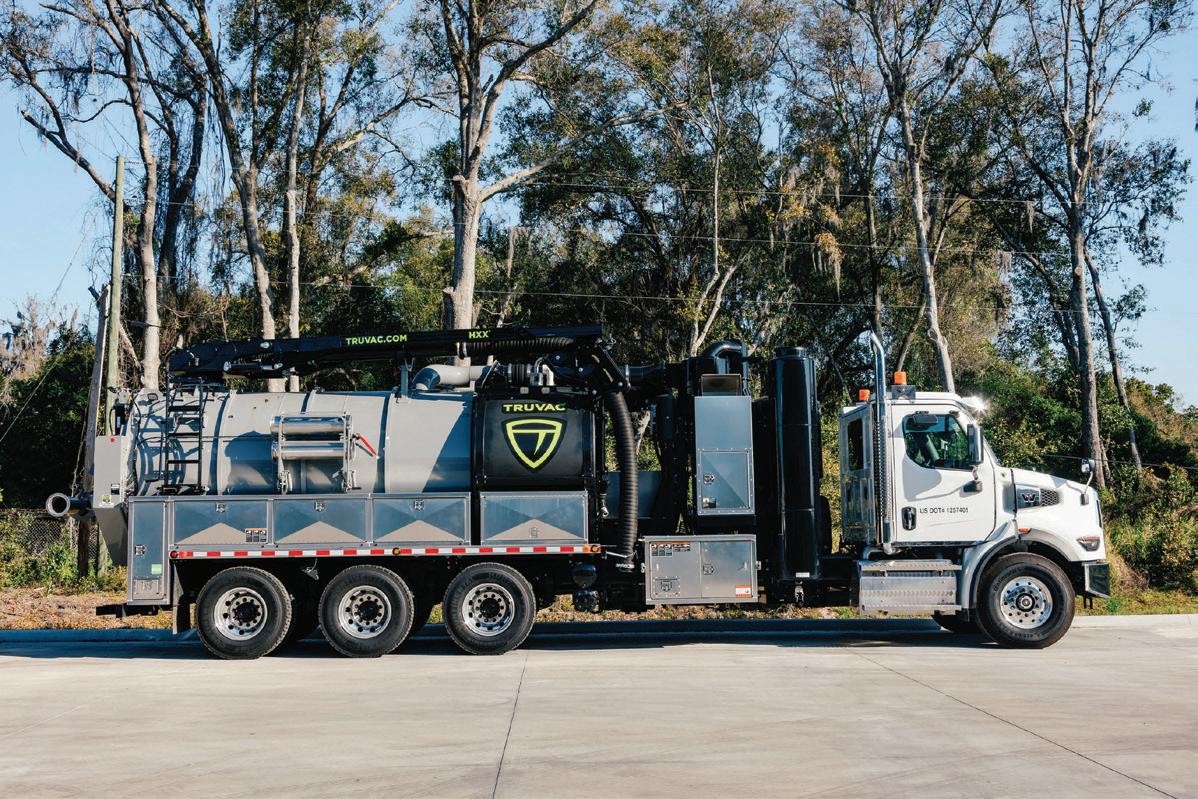
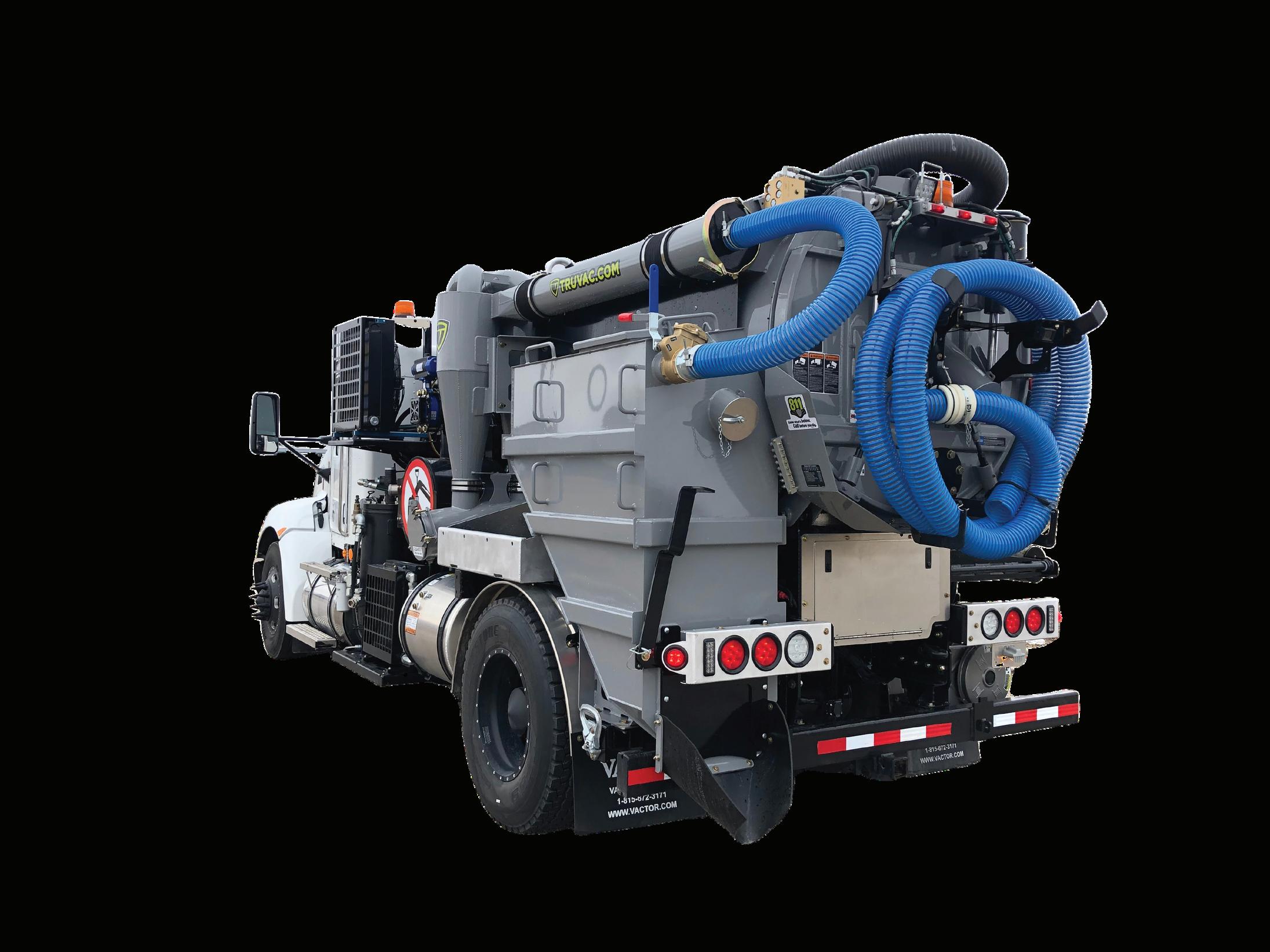
SOUTHEAST’S MOST
DEALER DISTRIBUTOR HERE TO SUPPORT YOU
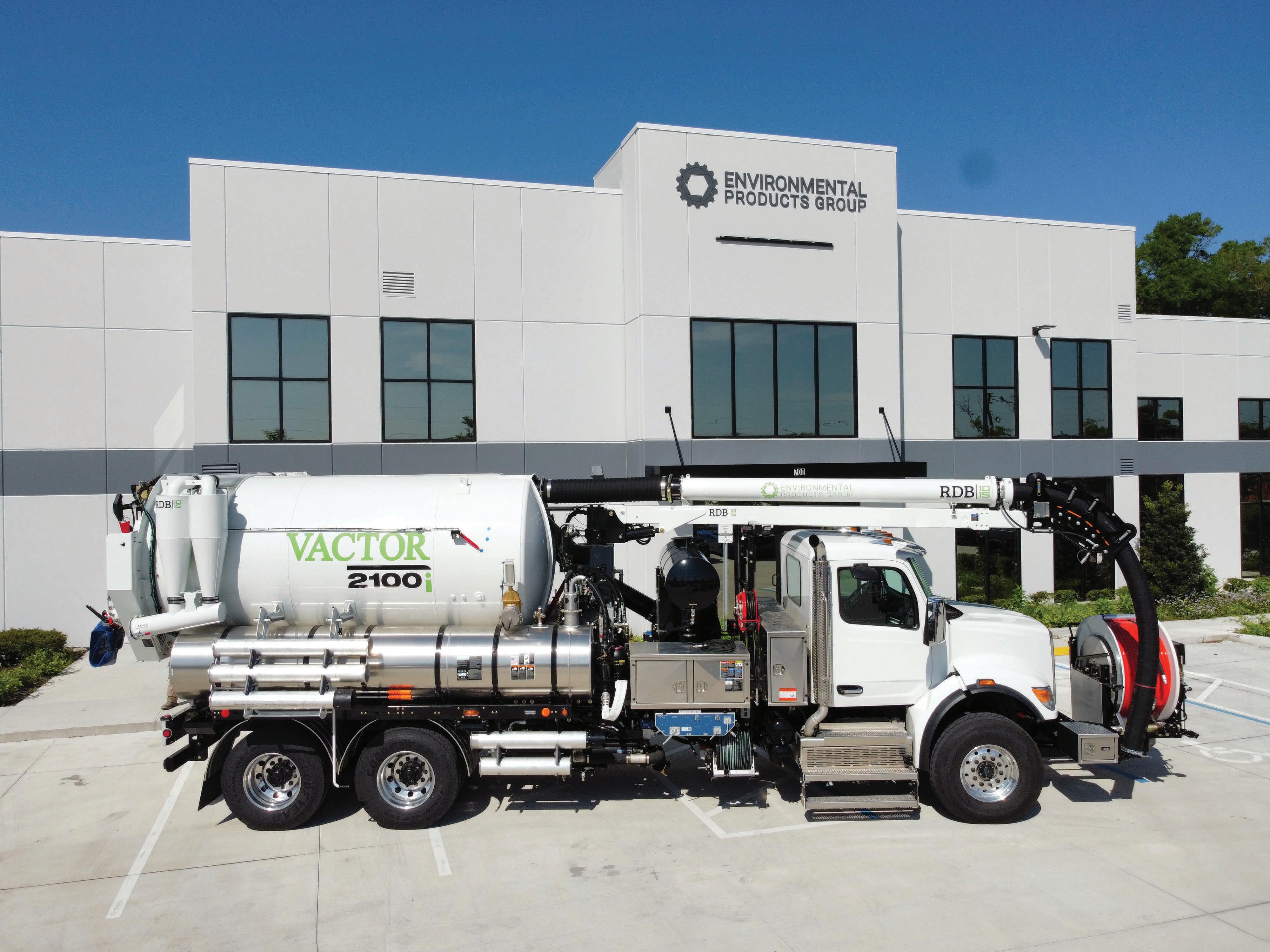
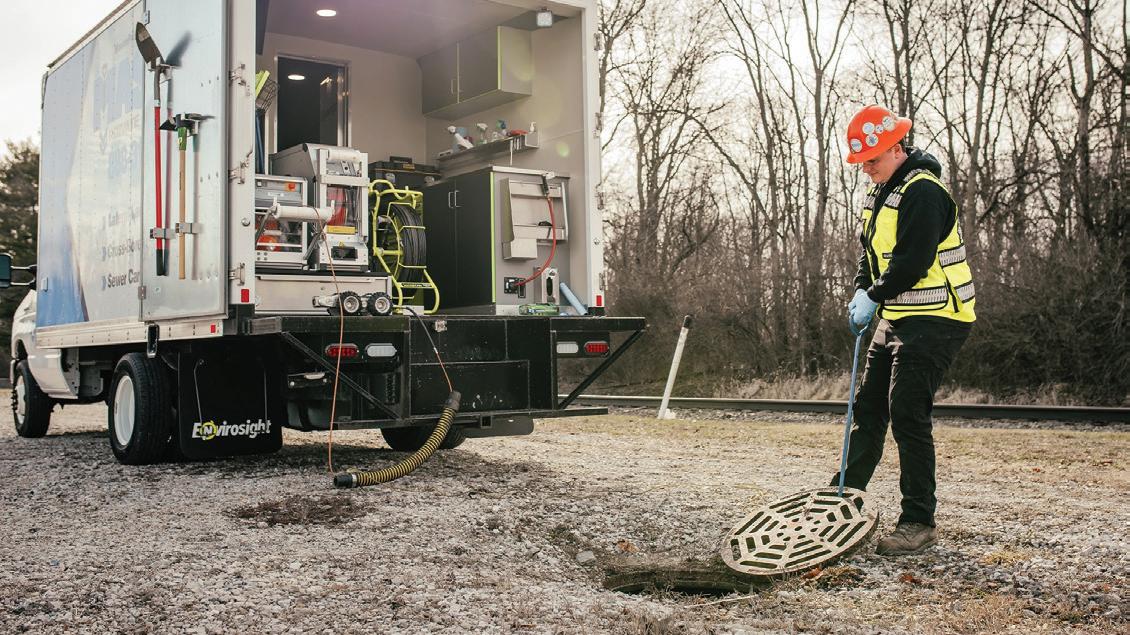
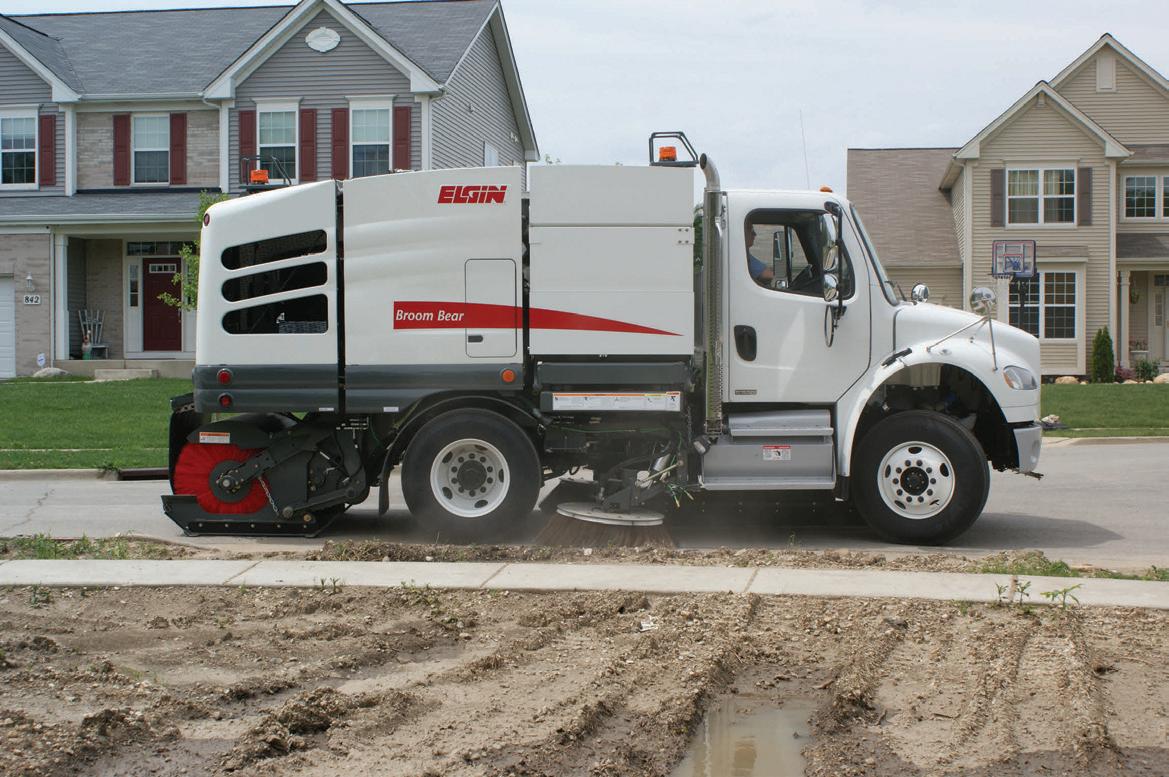
MUNICIPAL AND INFRASTRUCTURE
MAINTENANCE EQUIPMENT
SALES. RENTALS. PARTS.




This program provides funding to help reduce the public’s exposure to emerging contaminants (ECs) through their drinking water. It targets small systems serving fewer than 10,000 people.
$9.5M available for Arkansas
No match or cost-share requirement; 100% principal forgiveness
Approved by Arkansas Department of Agriculture. Implemented by Terracon. Empowering the communities.
Persistent chemicals (ex: perfluoroalkyl and polyfluoroalkyl substances (PFAS))
Biological contaminants and microorganisms (ex: pathogens)
Pharmaceuticals and personal care products
Microplastics
Nanomaterials
Manganese
Building or upgrading treatment facilities that can remove the EC
Testing or sampling for baseline assessment
Pilot testing for treatment alternatives
Technical assistance to diagnose EC problems
Laboratory testing equipment, such as supplying water test kits and instructions to households





By Newton White, Influent Integrator and Vicki Stanley, Sludge Shoveler
he 2026 Sludge Shoveler Induction was quite successful.
Special thanks to Angela Rogers for securing Horner Hall for us to conduct our illustrious ceremonial welcome.
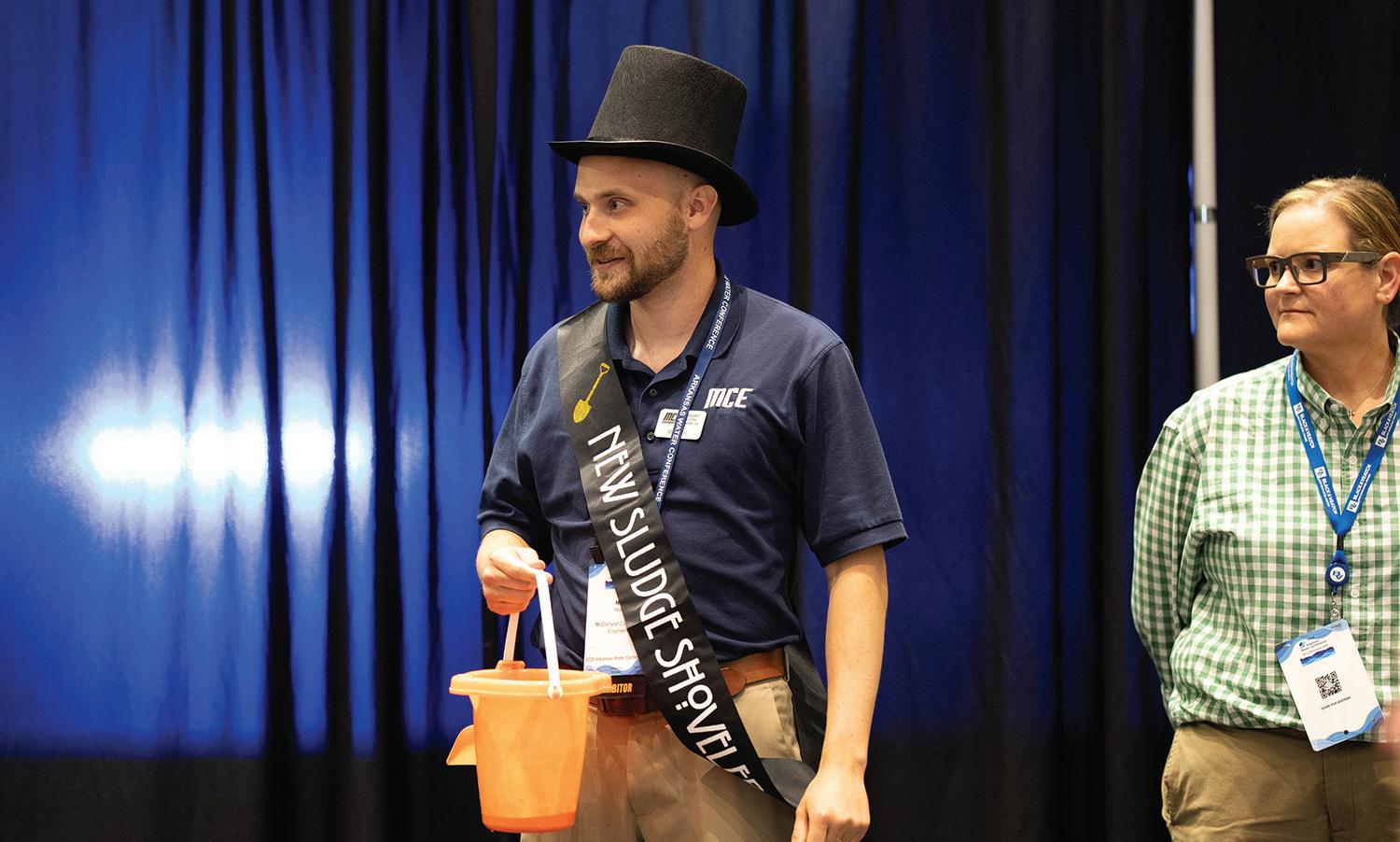
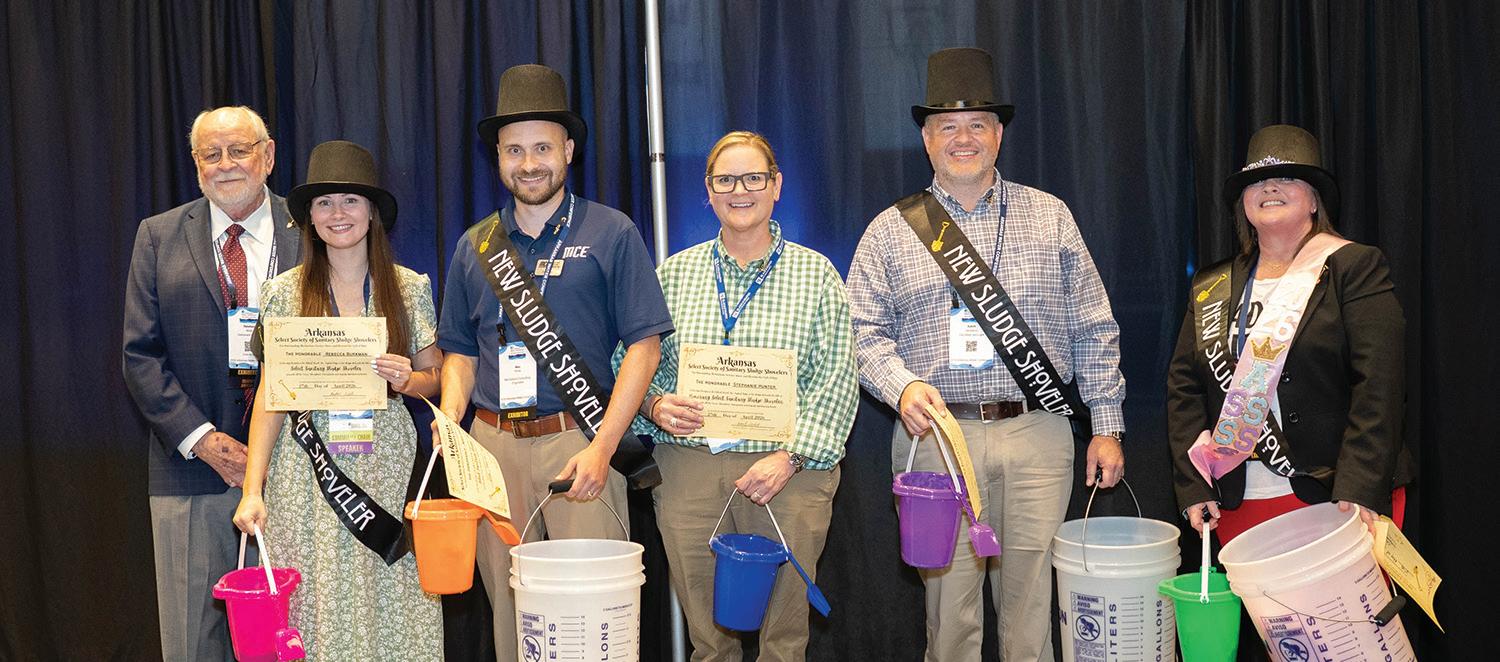
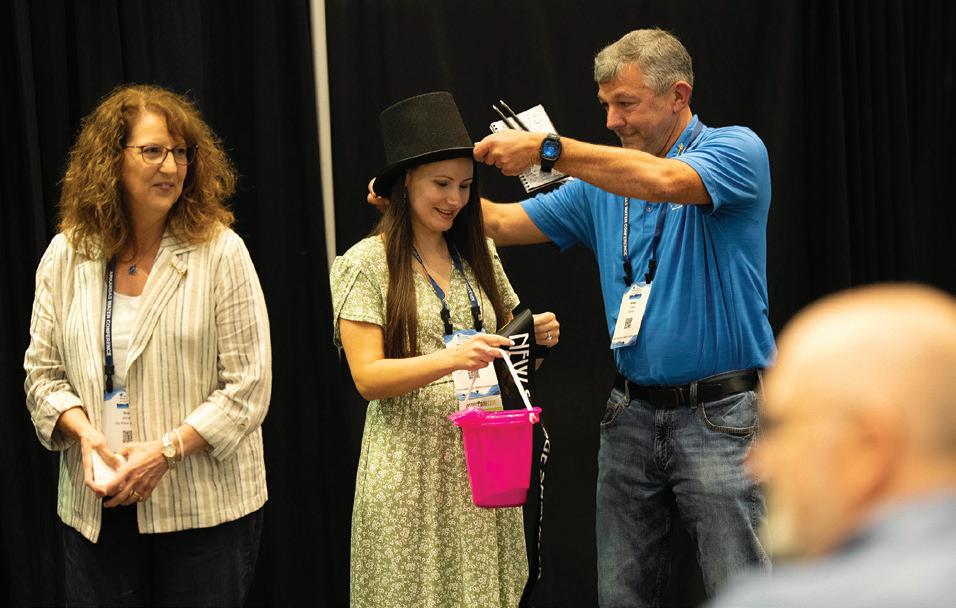
The newest shovelers are shown below with our Influent Integrator, Newton White.
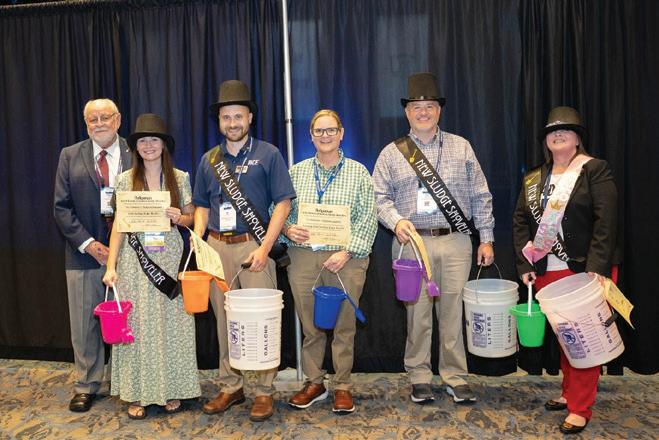
Our Honorary Shoveler, Stephanie Hunter, was nominated by another longtime shoveler Dan Dawson. Stephanie chaired the Water for People booth for several years before her retirement from the City of Tulsa.
Adam Saulsbury was nominated by Susan Merideth. Working with Susan for over 25 years and was able to tell stories about Adam that had him blushing and we know that Shovelers do not embellish the truth. Adam has served as the NE District Director with AWW&WEA, as well as Program Committee Chair. Stacie Wassell was nominated by Lance McAvoy. Stacie sits on Region 6 ACEWA Board and is a past member of the AWEA Ops Challenge Team and is the current Deputy Director of Water Quality. Stacie and her husband Eric have the distinction of being the first married couple to become members of the Arkansas Select Society of Sanitary Sludge Shovelers.
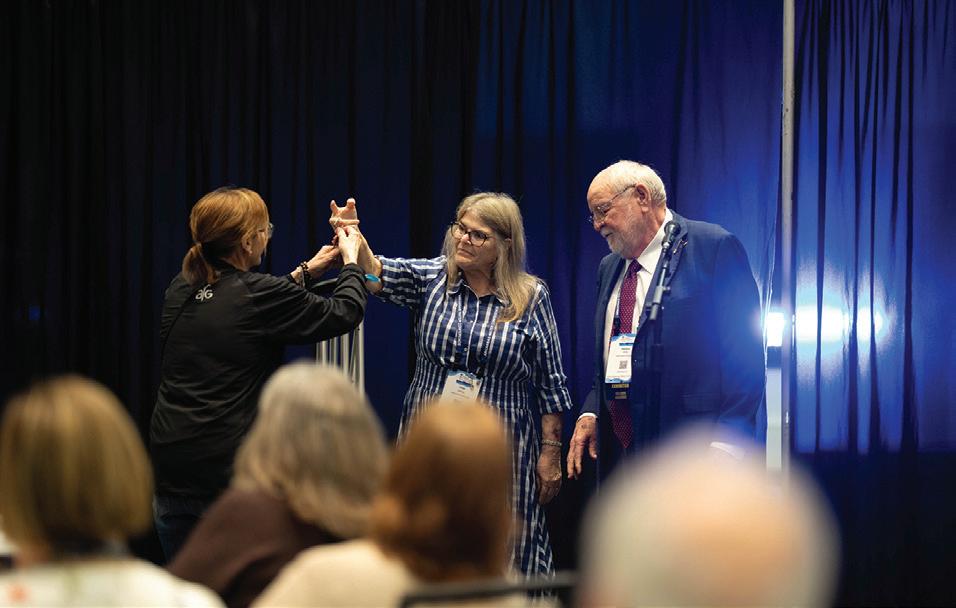
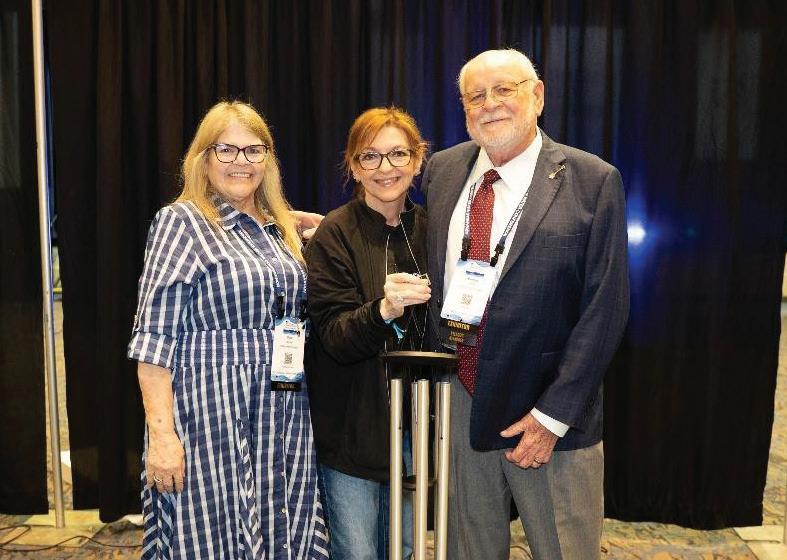
The Sludge Shovelers presented Angela Rogers wind chimes with the engraved reading, “Thank you for all you do. Arkansas Select Society of Sanitary Sludge Shovelers – April 27, 2026”. Angela has always answered the call when the Sludge Shovelers needed a meeting place for our induction ceremony.
Wearing their “High Hat”, sash, and new Shoveler lapel pin, they served their time at the AR Water Conference by collecting money for Water for People. Collectively, they raised $1,121.25 with Max Hicks leading the way.
Rebecca was nominated by fellow shoveler Walter Collins. She currently serves as Secretary of AWEA. Rebecca has held MANY volunteer positions within our industry including Central District Director with AWW&WEA, Secretary EPA Region VI Pretreatment Association and a member of Leadership Greater Little Rock class XLI 2025-2026.
Max Hicks was nominated by Jim McClelland, who was the 9th Shoveler in the state of Arkansas to be inducted in this prestigious organization. Max currently serves as treasurer of AWEA. He is a member of Leadership Saline County Class, and past YP Chair for AWW&WEA.



































By Johnny Lunsford and Jennifer Hoffman, Rogers Water Utilities
Across the water utility industry, the workforce challenge is no longer on the horizon, it’s already here. In many utilities, some of the most experienced employees are nearing retirement just as new hires are getting started, creating both a risk and an opportunity that’s playing out every day in the field.
From a leadership perspective, that creates two very real priorities: capturing the knowledge our experienced employees have built over decades and making sure we’re creating an environment where newer employees want to stay and grow.
At Rogers Water Utilities, we’ve been focusing on practical ways to support both – through better training and a stronger connection between development and opportunity.
Like many utilities, we have seen how much institutional knowledge lives with our experienced field staff. These employees have spent decades learning not just how to do the job, but how to do it safely and efficiently in real-world conditions.
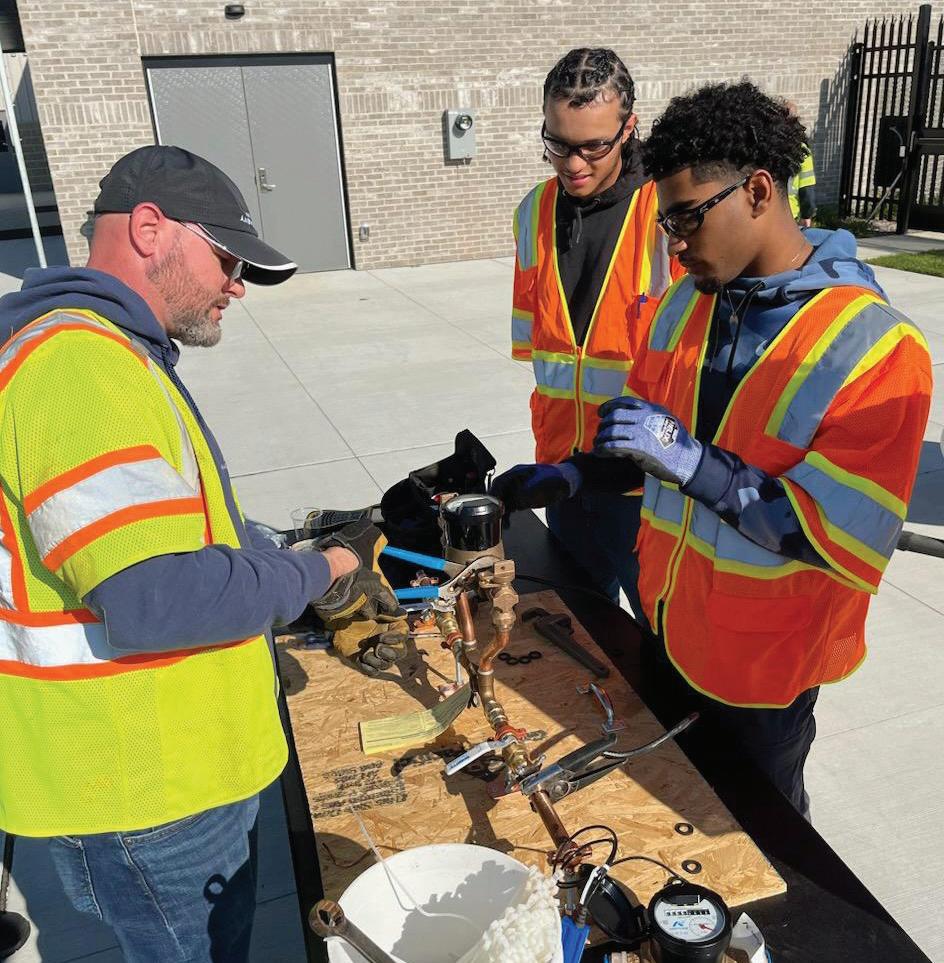
To capture that knowledge, we began developing internal training videos. Working alongside our safety committee, our field team has built a library of short, practical videos focused on everyday tasks, from safety topics like fall protection and proper harness use to foundational
skills such as installing a new service tap.
These videos are now used across onboarding, staff training, SOP overviews, and safety programs. Even early on, we’ve seen new hires arrive with a clearer understanding of expectations, stronger safety awareness, and a better sense of how the work gets done.
What has made this approach truly effective, though, isn’t just the content. It is who creates it. The material comes directly from our crews. It isn’t scripted in a classroom. It reflects how the work gets done in the field. As we invited employees to contribute ideas and participate in building these videos, something shifted. Participation replaced passive attendance, creativity replaced routine, and ownership replaced compliance.
That shift became most visible in the moments we didn’t plan for. As we began sharing these videos in biweekly meetings, even including the bloopers, we saw an unexpected outcome. The training itself became a catalyst for connection. What started as a way to preserve knowledge evolved into something more powerful, a growing sense of camaraderie, engagement, and shared pride in the work.
One of the challenges with traditional training is consistency. Different supervisors may teach the same task
in different ways, and new hires can feel overwhelmed trying to absorb everything at once.
Our video-based approach helps standardize key processes while allowing employees to learn at their own pace. New hires can see tasks performed correctly before entering the field and revisit them later as needed, giving them a clearer understanding of expectations, equipment, and daily responsibilities from the start.
Just as important, this approach reinforces that they’re not simply starting a job, but building a career, with the support and tools to succeed. Because the content is created by our crews and shared across the team, it also strengthens connection and camaraderie, turning training into a shared experience rather than a one-time event. That sense of engagement has become an important part of how we retain and support our workforce.
The videos also serve as ongoing safety reminders for existing staff, keeping expectations clear and safe work practices top of mind. While simple, this approach has made a meaningful difference in how prepared, connected, and confident employees feel as they grow in their roles.
There’s a lot of conversation in the industry around digital transformation and new technology, and it’s important. But in many
cases, upskilling starts with making sure employees have a strong foundation.
For us, that means focusing on practical, repeatable training that builds confidence first. From there, it becomes much easier to introduce more advanced tools and systems.
The goal isn’t just to train once, it’s to create a culture where learning is ongoing and accessible.
While training brings employees in and sets them up for success, retention requires a continued focus on growth. In a field where recruitment is a challenge, keeping skilled employees matters even more.
We’ve been intentional about linking development to compensation. As employees earn certifications and build new skills, they have clear opportunities for pay progression. Compensation isn’t the only factor in retention, but it’s one we can directly support. When employees can take care of their families, plan for the future, and focus on their well-being, they’re more engaged and invested in their work.
We also prioritize promoting from within. When employees see a clear, achievable path forward, it changes how they think about their future with the organization.
One example is a five-year employee who started as an entry-level Field Technician and is now a Design Technician in our Engineering department. Through our certification program, he earned his D4 water license with support for coursework and exam costs. He’s now continuing his development by pursuing an engineering degree through our education reimbursement program, bringing valuable field experience into system design.
There is no single solution to the workforce challenges facing our industry. But practical, people-focused steps can make a real difference.
For us, that means being intentional about two things: capturing the knowledge of our experienced employees before it’s lost and creating clear pathways for newer employees to grow and stay.
Training videos have been one simple way to preserve and share what our teams know, while our focus on development, compensation, and internal growth helps ensure that knowledge continues to build, not walk out the door. In an environment where every experienced employee matters, and every new employee counts, how we respond to that risk will define the opportunity to sustain the workforce our industry depends on.

By Allen Green, MS, CSP, Loss Control Liaison – Municipal Workers Compensation
According to the Occupational Safety and Health Administration (OSHA), developing a strong safety culture has the single greatest impact on accident reduction of any workplace practice. Therefore, developing a robust safety culture among employees at your organization should be near the top of your to do list.
So, let’s define what a “culture” is, look at the most common types of cultures, and see what works best when creating a safety culture within your organization.
A safety culture consists of shared beliefs, practices and mind-sets that exist in an organization, and form an atmosphere of attitudes (good or bad) that shape behavior. Simply put, it’s the way your company or organization does (or doesn’t do) things. Safety culture is a sub-set and reflection of the overall culture and direct result of many factors. Obviously, written rules, policies and procedures can and should play a role. However, the perceived or understood norms, assumptions, attitudes, and beliefs of management and employees may not mirror what is written in black and white. This will no doubt include what is or is not enforced, perceived values, as well as persistent myths and stories passed on through the years.
Supervisor priorities, responsibilities, and accountability are what employees generally perceive as important and enhance the culture. Too much emphasis on production, deadlines, and bottomline pressure versus safety issues are sure to impede a strong safety culture. Lack of action by management and supervision to correct unsafe behaviors identified by employees can also deter safety. The amount of time and attention given to meaningful employee involvement and buy-in the safety
process is important to building a strong safety culture. The quantity and quality of motivation, information, and training are all important in how employees perceive safety.
An organization’s safety culture is a direct reflection of the organization’s overarching culture and all the people who work in it. As a result, most employees will generate their perceptions of safety and its importance based on the attitude their employer projects. Practically speaking, there are four basic types of safety cultures.1 Starting with the least desired to the most desired, they are summarized here:
An organization with a “safety cop” culture uses bribes and threats to motivate employees to keep safety top of mind. Supervisors at these organizations are more police-like figures versus coaches/mentors because of their role as enforcer.
creates confusion, as there are too many regulating factors in place.
An organization with an employeeinvolved safety culture provides an abundance of safety activities and training for employees, but management is not very active. Morale is higher at organizations with these cultures because supervision is not constantly policing employee actions. These are strong safety cultures but may lack needed involvement from Management to go further. Management should be integrated into the safety culture to make it really flourish.
Finally, an organization with a fully integrated safety culture not only provides meaningful safety activities and training for employees, but they are attended and led by individuals at all levels, including management. In these organizations, supervisors typically have a dedicated safety budget and enforce rules when appropriate.
DEVELOPING A STRONG SAFETY CULTURE HAS THE SINGLE GREATEST IMPACT ON ACCIDENT REDUCTION OF ANY WORKPLACE PRACTICE.
Employees typically view these individuals as solely in existence to catch them doing something unsafe and to punish them. In these cultures, the employees’ fear of being punished often creates an unenjoyable work environment and workers don’t understand the “why and how” behind safety.
An organization with a “Too Many Rules” safety culture typically has numerous rules and regulations in writing, so the importance of safety appears present, but most of the rules are not strictly enforced. This ultimately
Managements active presence in safety tends to reinforce to employees that it is real and not just talk.
The integrated safety culture model promotes a strong, successful safety culture in which everyone feels responsible for safety and pursues it daily by going beyond the “call of duty” to identify unsafe conditions and behaviors, and to intervene to correct them. In addition, co-workers look out for one another and point out unsafe behaviors to each other. As a result, organizations with a strong safety
culture typically experience fewer at-risk behaviors, and consequently lower injury rates, lower turn-over rates, lower absenteeism and higher productivity.
There are many strategies that you can implement to promote a stronger safety culture. First, develop a site safety vision including key policies, goals, measures, and strategic and operational plans. If you haven’t already, implement a mentor program or “buddy system” in which experienced individuals are paired up with newer workers during and after the orientation period. The experienced workers can serve as role models for newer workers and can demonstrate safe work procedures. Encourage all employees to watch out for others. In doing so, develop safety responsibilities for all levels of the organization.
Align management and supervisors by establishing a shared vision of safety and health goals, and objectives. Actively manage safety just like you do production. Implement a process that
holds management accountable for actively and visibly being involved in safety, in setting the proper example, and leading a positive change for safety and health. Management should make themselves available during worker orientation and be seen regularly at safety meetings, training sessions, and conducting safety audits. The organization should demonstrate a commitment to employee health and safety by implementing safe work practices and prescribing the mentality that unsafe actions are not tolerated.
Make health and safety a part of frequent workplace communications. Encourage workers to report health and safety concerns and “near misses” that they encounter and respond to their concerns in a timely fashion. Provide multiple paths for employees to bring suggestions, concerns, and problems forward. Develop a system for tracking and ensuring the timeliness of hazard corrections and ensure that the organization has

a system for reporting all injuries, including minor injuries and those only requiring the need for first aid.
Provide meaningful training opportunities for all applicable safety and emergency response topics and provide and maintain personal protective equipment (PPE) and ensure that it is worn properly by employees. Involve employees in the decision-making process regarding safety training, inspections, and PPE. Revise your employee evaluation, disciplinary, and incentive processes to include safety performance.
Creating an effective safety culture is an integral part of your loss control efforts and will have a lasting, positive impact in all areas your organization, not just safety, for years to come. Remember, Rome wasn’t built in a day, and neither will your safety culture. But the view is definitely worth the climb in this case.
1 “Four Types of Safety Cultures Detailed” – Smith, JJ – SHRM Journal, 2008
Like water itself, innovation flows through every challenge and shapes new possibilities. For over 90 years, Carollo has pioneered breakthroughs in water technology – from resilient infrastructure protecting growing communities to groundbreaking solutions safeguarding public health and ecosystems. At Carollo, innovation isn’t just about what’s new – it’s about what’s necessary. Every advancement, every improvement, and every solution flows from a single purpose: shaping a future where water enriches every community it touches.



99TH ANNUAL TECHNICAL EXHIBITION & CONFERENCE
Ernest N. Morial Convention Center | New Orleans, La. USA
Conference: Sept. 26-30, 2026 | Exhibition: Sept. 28-30, 2026
DOESN’T JUST MATTER – IT’S EVERYTHING. “
EXPERIENCE


By Jamie Garcia, Instrument Technician II, Beaver Water
April marked the retirement of a supervisor that had worked at our facility for 20 plus years. Someone who has spent those years not only operating our water treatment plant but truly understanding it. Like many in this industry, his knowledge goes far beyond what’s written in manuals or SOPs. From troubleshooting electrical issues to knowing how the plant “feels” when something isn’t quite right, that experience is difficult to replace.
Across Arkansas and the water industry, this is becoming a familiar situation. Experienced operators, maintenance technicians, and supervisors are retiring, and with them
goes a wealth of hands-on knowledge. While certifications, training programs, and documentation are essential, they often don’t capture the hard learned details that make a big difference during real-world operation.
In the case of my department at Beaver Water District, this includes electrical systems, how certain components interact, what normal operation looks like under different conditions, and how to quickly diagnose issues when alarms start to go off and the cities are needing water. These are things that aren’t always found in schematics or manuals. They’re learned over time through experience, repetition, and problem solving.
This challenge raises an important question: how do we capture that knowledge before it’s gone? From my personal experience, an overlooked yet effective approach is “Intentional Knowledge Sharing.” Something simple as taking the time to ask questions, walking through systems together, and documenting not just the “how”, but also the “why”. Even informal conversations can lead to valuable insights that would otherwise be lost.
Another approach I have found valuable throughout my 11 years in the industry is mentorship. Encouraging experienced staff to actively train and involve new operators helps bridge the knowledge gap and support long-term workforce development.
Mentorship doesn’t always have to be a formal program; it can be as simple as explaining decisions during troubleshooting or walking through past issues and how they were resolved.
KNOWLEDGE TRANSFER ISN’T JUST ABOUT PRESERVING INFORMATION. IT’S ABOUT MAINTAINING RELIABILITY, “
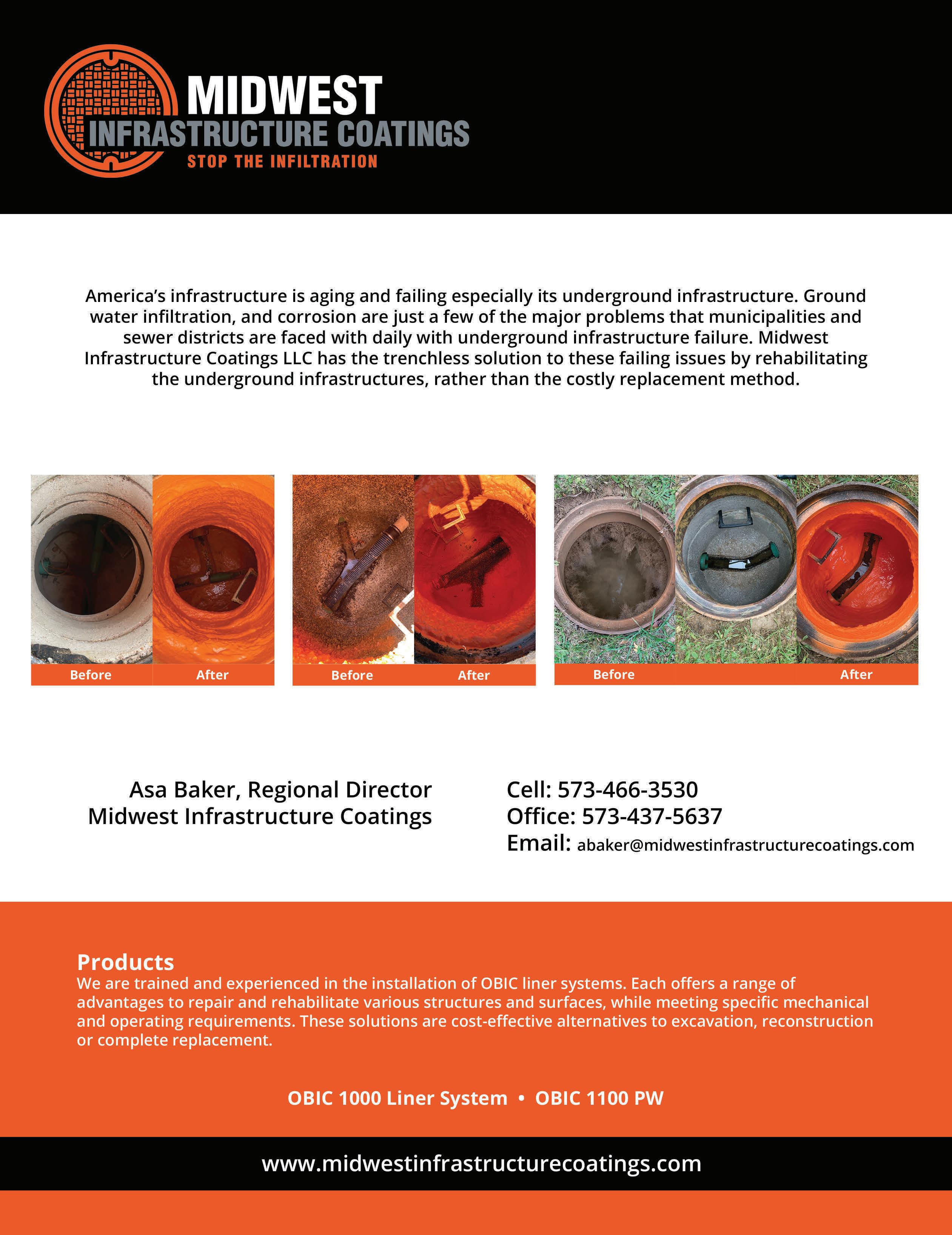
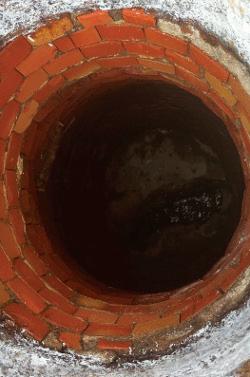
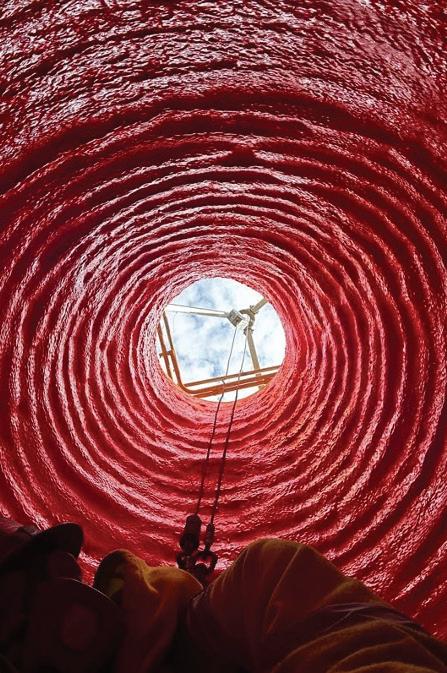
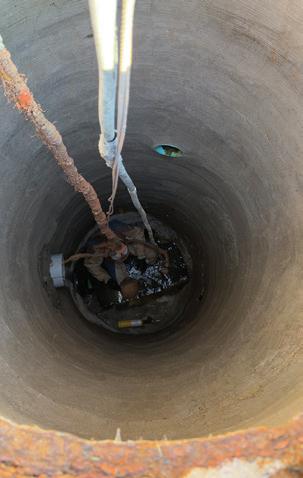

America's infrastructure is aging and failing especially its underground infrastructure. Ground water infiltration, and corrosion are just a few of the major problems that municipalities and sewer districts are faced with daily with underground infrastructure failure. Midwest Infrastructure Coatings LLC has the trenchless solution to these failing issues by rehabilitating the underground infrastructures, rather than the costly replacement method. Asa Baker, Regional Director Midwest Infrastructure Coatings Cell: 573-466-3530 | Office: 573-437-5637 Email: abaker@midwestinfrastructurecoatings.com
Products
We are trained and experienced in the installation of OBIC liner systems. Each offers a range of advantages to repair and rehabilitate various structures and surfaces, while meeting specific mechanical and operating requirements. These solutions are cost-effective alternatives to excavation, reconstruction or complete replacement. OBIC 1000 Liner System • OBIC 1100 PW


THE DIGESTER is made possible by the companies that convey their important messages on our pages. We thank them for their support of the Arkansas Water Environment Association and its publication, and encourage you to contact them when making your purchasing decisions. To make it easier to contact these companies, we have included the page numbers of their advertisements, their phone numbers, and, where applicable, their websites.
Engineers, Inc.
501-371-0272 www.mce.us.com Midwest Infrastructure Coatings 29 417-631-7064 www.midwestinfrastructurecoatings.com