

Conquer your engineering and construction challenges with our design-build solutions
EXPLORE OUR SOLUTIONS

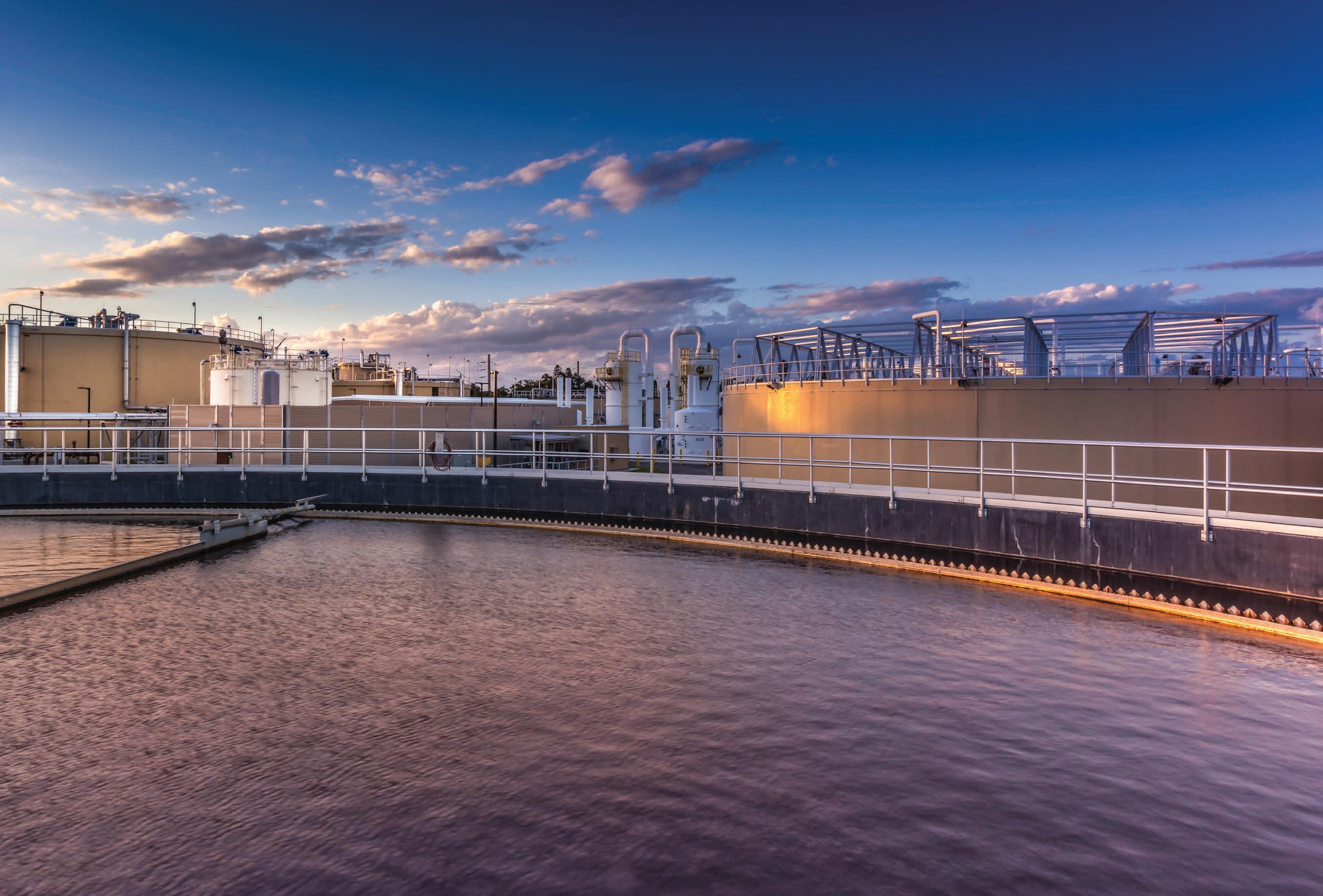
Colorado Springs Utilities
EW Bailey WTP El Paso County, CO


Conquer your engineering and construction challenges with our design-build solutions
EXPLORE OUR SOLUTIONS
Colorado Springs Utilities
EW Bailey WTP El Paso County, CO
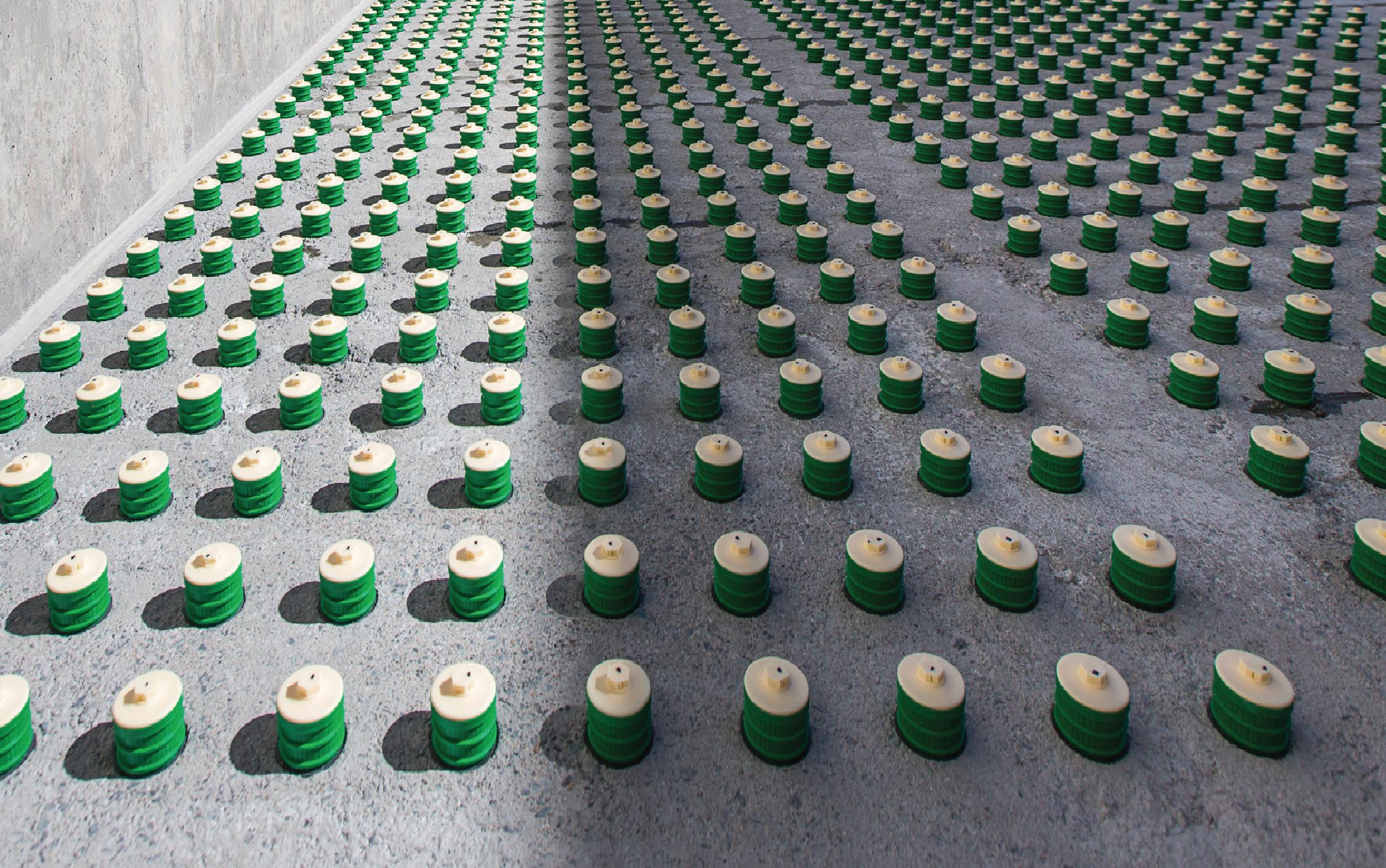

Orthos repeatedly demonstrated a long track record of granular media filtration applications, and with our Centurion™ monolithic design repeatedly responds to utilities’ demands of resiliency, reliability, and permanency. scan for more info 3 clear reasons to choose orthos
Never once, ever has had a monolithic underdrain failure RESILIENCY
Repeatable results through excellent distribution and broad operational range reliability
At 25 years, nozzles are simply replaced, not the entire underdrain life cycle savings
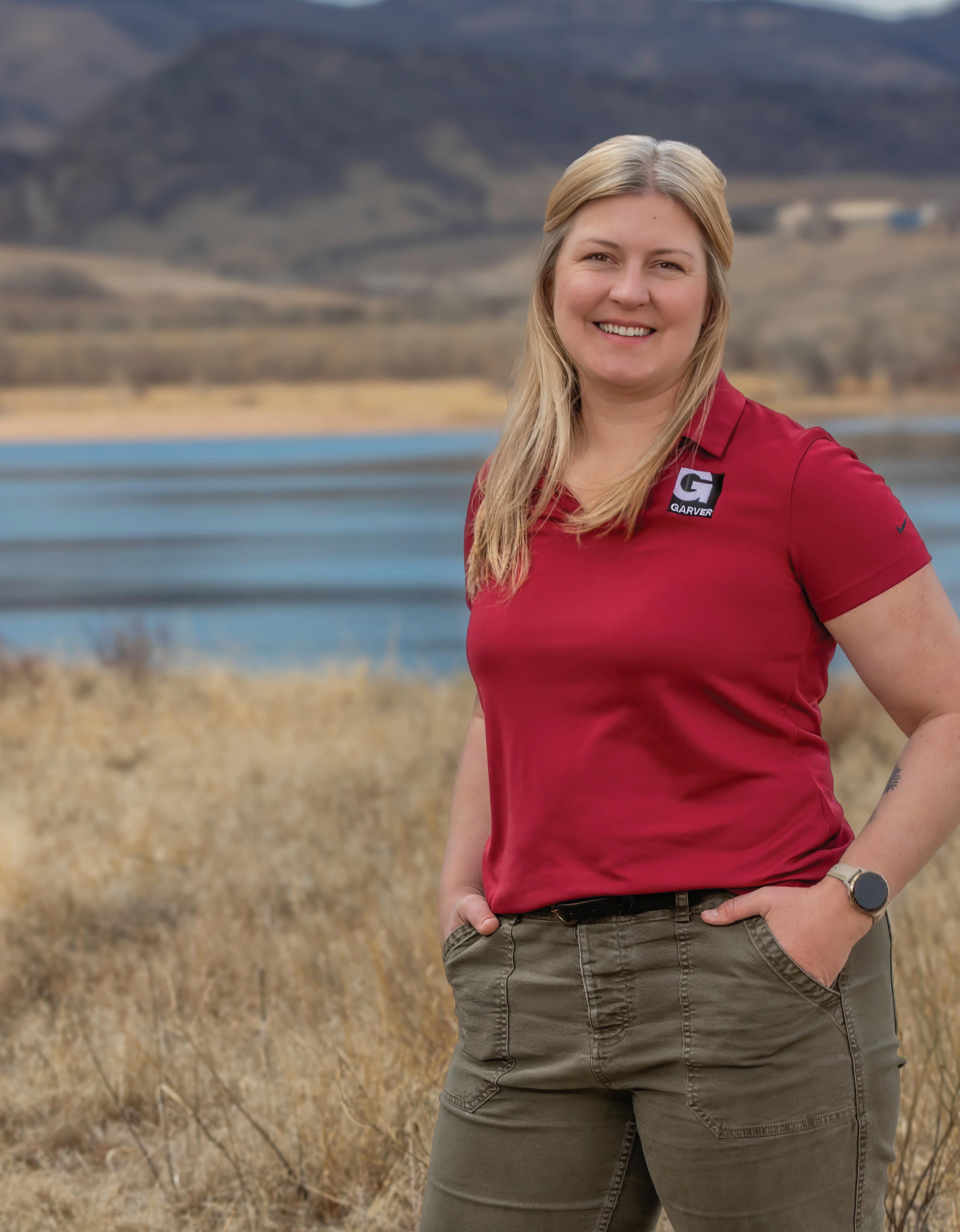
With more than a decade of experience in water and wastewater design, Greta Stetson is deeply invested in her clients’ systems and facilities. And she dives into their data, processes, and constraints to deliver solutions that fit.
Greta Stetson, PE Team Leader for
Western Colorado

Rocky Mountain Water Magazine Group
The following volunteers support RMSAWWA and RMWEA with content collection, management, editing, and reviewing the magazine.
BLAIR CORNING bcorning@englewoodco.gov
ANDREW DUGAN andrew.dugan@waterwrites.co
KARI LARESE klarese@hrwater.org
RMSAWWA Communications Committee
KARI LARESE, Chair klarese@hrwater.org
ASHLEY DENAULT, Vice Chair ashley.denault@denverwater.org
RMWEA Communications Committee
JORI NELSON, Chair jori.nelson@hdrinc.com
MARY SHAW, Marketing Lead mshaw544@gmail.com
17
Stainless, Not Pain-Less: Tackling Corrosion in Treatment Facilities
23
26 Northern Water to Complete Colorado’s First Fire-Smart Landscape Demonstration
ROCKY MOUNTAIN VIEW
From the RMSAWWA Chair 7
From the RMWEA President ................................... 9
COMMITTEE SPOTLIGHT
Fostering the Next Wave of Water Leaders: Introducing the New RMSAWWA Student Activities Committee 10
MANAGEMENT PIPELINE
Organizational Culture is an Activated Sludge Process 13
Tel: 866-985-9780 Fax: 866-985-9799 info@kelman.ca www.kelman.ca
Managing Editor: Mathias Leiendecker
Marketing Manager: Chad Morrison Design/Layout: Kiersten Drysdale
Advertising Coordinator: Sabrina Simmonds
HOT TOPICS
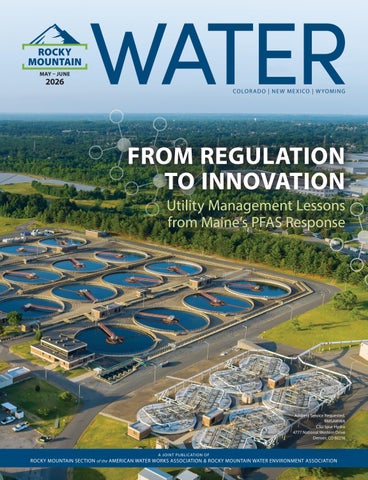
From Regulation to Innovation: Utility Management Lessons from Maine’s PFAS Response 32
Beyond AWIA Compliance: Turning Risk Assessments into Real Resilience 37
Safeguarding Our Water: Emergency Response Exercises as a Resilience Validation Tool 41
SCIENCE, RESEARCH, AND TECHNOLOGY
Advancing Wastewater Infrastructure: The Chapel Hills Lift Station Case Study and XAK-PACK© Pump Technology – Part 2 45
COMMITTEE CORNER Utility Management Committee 49 OPERATIONS
Death, Taxes, and Wildfire: Preparing to Treat Wildfire-Affected Water 51 ADVERTISER PRODUCT & SERVICE CENTER 57 The Key to a Utility’s Sustainability and Effective Employee Retention is Alignment with the Organization’s Culture

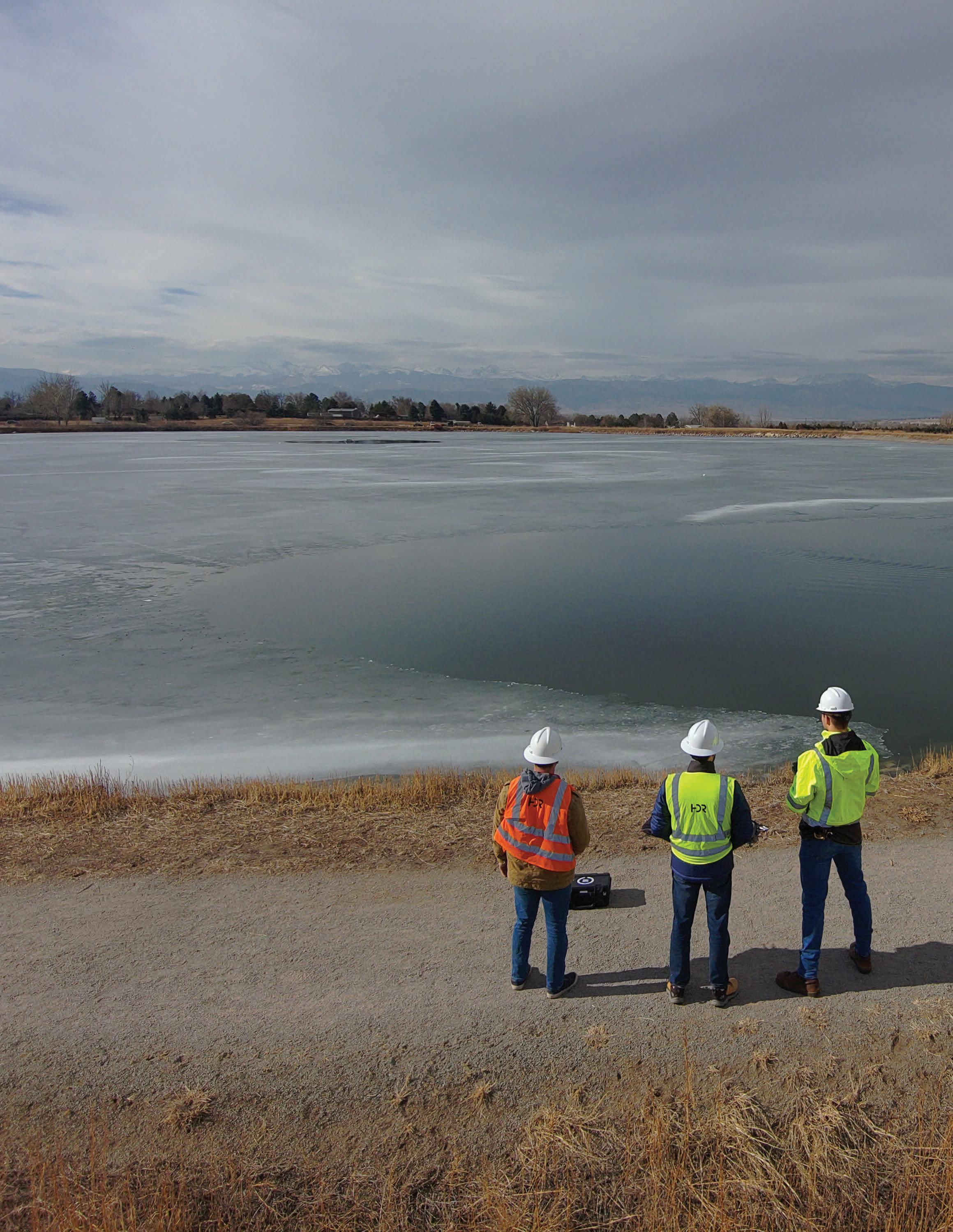
Water infrastructure may be invisible, but its value is undeniable. By communicating the value—not just the cost—of water projects, we can help stakeholders understand why these investments matter. With the right data, tools and messaging, HDR can help you justify investments more holistically and gain broader approval.
HDR Colorado
Colorado Springs | Denver | Durango
Englewood | Fort Collins | Grand Junction
HDR Wyoming
Cheyenne | Gillette | Lander
HDR New Mexico
Albuquerque

FROM THE RMSAWWA CHAIR
Brett Pugh, RMSAWWA Chair, Project Manager, Burns & McDonnell
It is great to connect with you again. You are the dedicated people who make our Rocky Mountain Section of the American Water Works Association such a vibrant community, and your commitment to our industry is the foundation of this organization. As leaders of this Section, our most important job is to provide value through your membership.
This issue’s theme of Utility Management is especially relevant to our work. We know that a successful utility cannot simply be reactive; it requires a clear vision and a roadmap to properly manage our most precious resource. With that principle in mind, we undertook a similar effort for our Section. We deliberately evaluated our services, focusing on what we do well and, more importantly, on identifying how we can better serve you. The timing of this initiative is ideal, as our planning effort aligns with AWWA’s new strategic plan. The result is our 2030 Strategic Plan. It is focused on three clear goals that will guide us forward, making our Section more responsive, our training more relevant, and our voice more influential.
First, we are focused on Organizational Alignment. That might sound a bit formal, but it is really about making certain the Section works for you, no matter where you live or your role in the water industry. We are looking at ways to improve how we do business so we can be more effective and accountable. This includes ideas like creating subsections that are more local to you and reorganizing our committees to make it easier to get involved. The bottom line is this: We want to strengthen our presence across the entire region and place your needs at the center of every decision we make.
We are looking at ways to improve how we do business so we can be more effective and accountable. This includes ideas like creating subsections that are more local to you and reorganizing our committees to make it easier to get involved.
Our second goal is Knowledge Creation and Exchange. Many of you count on us for top-notch education, and we are doubling down on that commitment. We are developing a cohesive education plan, so our training can be a consistent resource for your professional growth, instead of just one-off events. We will be listening closely to your feedback to make our programs more accessible, more relevant to your daily work, and available in new ways, whether online or in-person. We want to be your trusted partner in learning, powering your career with the knowledge you need to excel.
Finally, we are embracing our role as leaders in Water Policy. We believe it is our duty, as the region’s foremost voice for the water industry, to use our members’ collective expertise to inform decisionmakers and strengthen public trust. To do this, we are forming a task force to pinpoint our region’s most pressing water issues and set our priorities, guided by the established positions of AWWA. We will then share this perspective with elected officials and regulators, offering them a credible resource built on science and your practical experience. This is how we make your work more visible and your voice more influential in shaping a sustainable water future.
So, what’s next? This 2030 Strategic Plan is not just sitting on a shelf. We already have three dedicated launch teams, comprised of RMSAWWA staff and board members, rolling up their sleeves, with one team for each strategic goal. These folks are the trailblazers, working to build out the detailed business plans that outline the steps we will take to bring each goal to life. Their mission is to have these business plans ready to roll out this summer.
This is where it gets exciting, and where we need you. Stay tuned for opportunities to get involved as we move forward. But you do not have to wait. If reading this gets you fired up and you want to get involved, or if you know a champion in our ranks who should be part of this, please reach out to me directly. There is a place for everyone in this important work.
This plan is our commitment to you, our members. It is a roadmap to a more engaged, effective, and influential organization, but it is a journey we must take together. I invite you to learn more about these goals on our website at rmsawwa.org and find where your passion fits. Your voice and your energy are what will turn this plan into a reality.
I am truly excited about what is ahead for our Section.
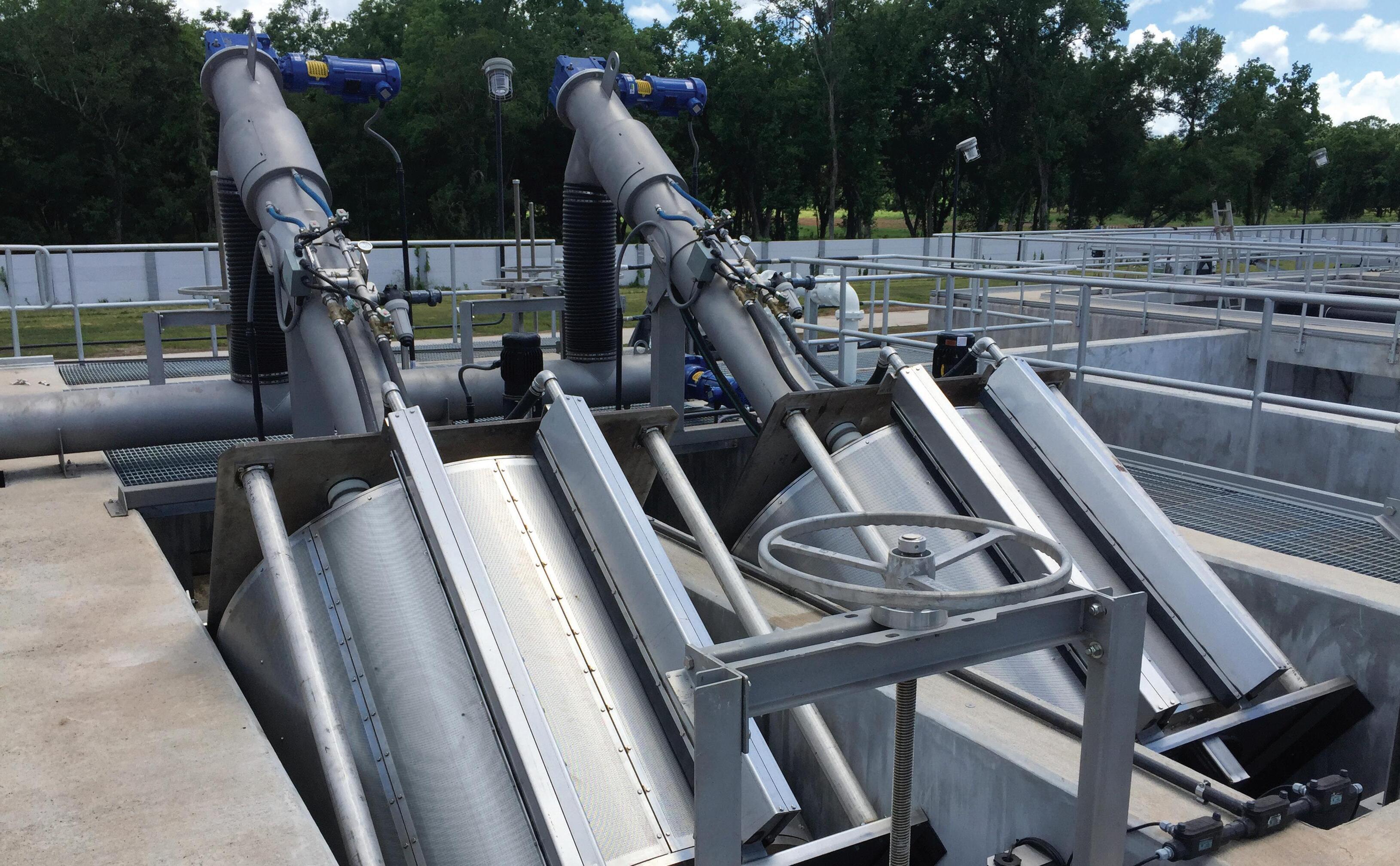
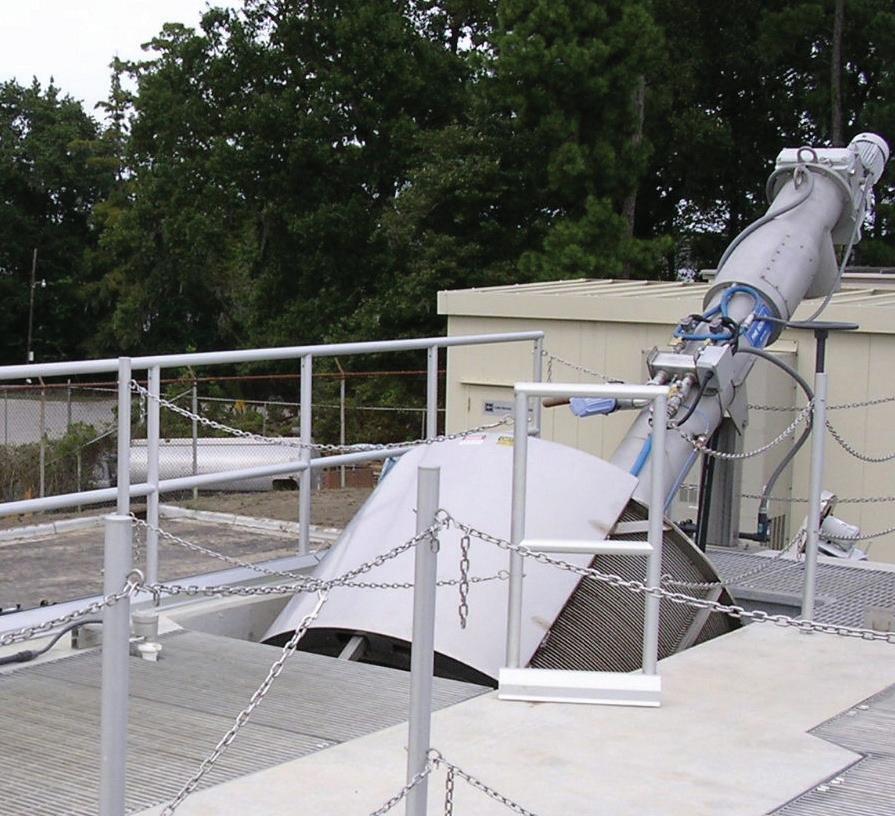
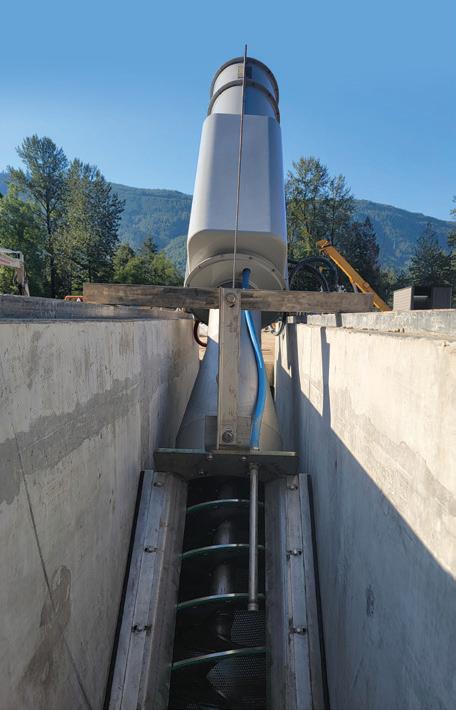
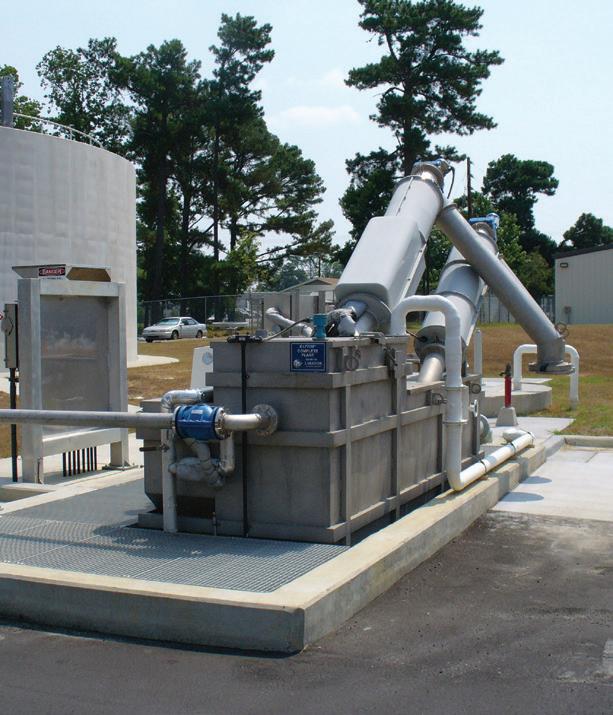
All wastewater treatment plants are not alike. That’s why plant designers prefer our Raptor® line of screening products, the innovative all-in-one units that screen, wash, convey and dewater screenings efficiently, capturing more fine solids and long fibers than other available screens. Raptor® products are adaptable to a wide range of configurations, giving you more choices for better performance in your unique application. They are preferred among plant operators for their simple operation, ease of use, and minimal maintenance. When performance counts, count on the industry leader for more than 90 years—Lakeside Equipment Corporation.
REPRESENTED LOCALLY BY:


Speak to one of our experts at 630.837.5640, email us at sales@lakeside-equipment.com or visit lakeside-equipment.com for more product information.
FROM THE RMWEA PRESIDENT
Kristin Johansen, RMWEA President, Senior Project Manager, Stantec
Baseball season is upon us – and for those of us in Albuquerque, it is a fun time to scout the next Colorado Rockies players at the local Isotopes games and sample the latest ballpark menu. It is also the annual recognition of Drinking Water Week, May 3-9, 2026. While every week is water week for the readers of this magazine, it is incumbent upon our industry to remember the importance of communicating utility needs, supply challenges and conservation, the role of water reuse, and technology advancements with our local communities so the public can share in planning and support sustainable water management. We encourage you to register as a Water Advocate through the WEF Water Advocates Program to connect with elected officials on important water issues: votervoice.net/mobile/ WEF/Home

This May/June issue of Rocky Mountain Water magazine highlights utility management. Utility managers have the challenging role of mitigating water supply changes, asset management, securing funding for infrastructure, and navigating regulatory changes. They juggle workforce planning, integrate ingenuity into daily operations, blend economic drivers and ecological management, encourage employee training and professional development, and balance energy costs and consumer price volatility. The fast ball of the AI rapid evolution is on many radars. I have found RMWEA to be a terrific way for utility managers to share ideas and
communication strategies and to develop a strong network of support.
For our part, RMWEA is stepping up to the plate to elevate and connect our members. We are excited to be working with Denver Film Company to film a Value of Water-themed documentary. After our Winter Planning brainstorming session and hearing from guest filmmaker Dr. Angelo Baca (Rhode Island School of Art and Design, Member of the Navajo and Hopi Nations), the documentary will focus on how the care of water has evolved over time, from natural and Indigenous stewardship, through western growth and regulation, to today’s complex water and wastewater systems. The film will spotlight the people, innovation, and infrastructure behind clean water across Wyoming, Colorado, and New Mexico. For sponsorship opportunities or if you are interested in being involved in the documentary, please reach out to communications@rmwea.org
RMWEA’s Students and Young Professionals Committee (SYPC) recently hosted the annual Student Design Competition at Plum Creek Water Reclamation Authority in Castle Rock, CO, on April 24, 2026. Congratulations to the students and universities who participated, and thank you to Plum Creek and the judges for your time and support! The winning team will represent RMWEA at the WEF Technical Exhibition and Conference (WEFTEC) in New Orleans, LA, in September. In May, the SYPC Committee will host the annual Student Conference at the University of New Mexico in Albuquerque. The winner of the poster contest will represent our region at AWWA’s Annual Conference and Exhibition (ACE) in June in Washington DC.

In April, RMWEA hosted our annual Collection Systems Conference in Westminster, CO, with vendors and collection system professionals sharing information on asset management, maintenance, and condition assessment. Our Government Affairs Committee sent a cohort from each member state, Colorado, Wyoming, and New Mexico, to the National Water Policy Fly-In in Washington DC. We are proud to congratulate Chloe Prayon with Boxelder Sanitation District, who was nominated by WEF as a Fly-In Scholar.
For the seventh inning stretch of this article, keep an eye out for RMWEA Professional Water/Wastewater Operator (PWO) training events, Leadville Operator School in July, and the Western Colorado Water/Wastewater Conference in Grand Junction, CO. Be sure to brush up on your golf swing for the 27th Annual Operations Challenge Golf Tournament in June!
Our new mentorship program aims to connect mentors and mentees in our region. Fill out the sign-up survey in our eblast newsletter to get involved as a mentor or mentee. An in-person event for the mentorship program will be held at the Rocky Mountain Water Conference in Keystone, CO, in August.
Lastly, congratulations to all 2026 graduates! Visit our website for information on scholarship opportunities and career opportunities listed on our updated job board.
Phew! RMWEA is certainly batting 1.000! I hope everyone has a fun summer ahead. And stay cool with a cold glass of reusable water or beverage of choice!
Stephanie Espinoza, Project Manager and Process Mechanical Engineer, Burns and McDonnell
For any student aspiring to have a career in water, active membership in professional organizations is a critical first step. RMSAWWA is proud to announce the formation of the new Student Activities Committee, a dedicated group focused on supporting the next generation of water professionals. As the newly appointed chair, I am incredibly excited to lead this initiative and build a committee that will support students, guide their transition into the Young Professionals (YP) community, and help them become the passionate industry leaders of tomorrow. I am working closely with the RMWEA Student Chapters and Young Professionals Committee (SYP) on this collaborative effort, which is dedicated to helping students unlock the full value of membership in both organizations.
The Student Activities Committee will serve as a vital bridge between academia and a professional career. By working together, the two committees will provide unparalleled access and opportunities. Key initiatives of the RMSAWWA committee will include:
• Accessing Broader Opportunities: We will promote education and training specific to the drinking water industry while working with RMWEA to highlight opportunities in the water environment sector, giving students a well-rounded view of the industry.
• Building a Diverse Professional Network: Through this collaboration, we will help students build their professional networks by connecting them with leaders and mentors from
Our primary mission is to support students interested in drinking water, and by coordinating with our counterparts at RMWEA, we can create a comprehensive support system for all students in the water sector.
• Gaining Industry-Wide Recognition: We will actively support key events like the Student Conference, the Fresh Ideas Poster Competition, and the Student Design Competition, giving students a platform to showcase their work to a broad audience of industry professionals
For many students, navigating the path

committees come in. By working together, the RMSAWWA and RMWEA committees
foster a supportive community to help students build confidence and find their place. We want to demystify the professional world by creating informal networking events, workshops on career skills like resume writing, and opportunities to connect with recent graduates who have successfully made the transition. The aim is to build a true community, transforming a list of industry contacts into a genuine, supportive network that benefits both students and seasoned professionals.
I am most enthusiastic about strengthening the pipeline from student to Young Professional. A key part of this support involves helping students bridge the gap between their academic studies and the professional world by attending major industry conferences. We will actively work to provide students with the resources and support needed to attend premier national events such as AWWA’s Annual Conference and Exposition (ACE) and the Water Environment Federation’s Technical Exhibition and Conference (WEFTEC). A huge focus for us will be our local Rocky Mountain Water Conference (RMWC). We aim to make this event highly accessible and attractive for students, as it offers an incredible chance to network with local leaders and experience the full scope and excitement of our regional industry firsthand. By facilitating these experiences and creating mentorship opportunities, we will ensure students feel supported every step of the way as they transition into thriving careers, backed by a strong professional network and a passion for water.
The future of water is in the hands of today’s students, and the Student Activities Committee is committed to making sure they are prepared, connected, and inspired.
The RMSAWWA Student Activities Committee is seeking dedicated individuals to help us fulfill our mission and shape the future of the water industry. If you are interested in getting involved or learning more about our initiatives, please get in touch with me, Stephanie Espinoza, at smespinoza@burnsmcd.com

Stephanie Espinoza, P.E., is a Project Manager and Process Mechanical Engineer at Burns & McDonnell with nearly a decade of experience in municipal and industrial water infrastructure and construction management. She has been actively involved with the Rocky Mountain Section of the American Water Works Association (RMSAWWA) since the start of her career.
When performance matters, it’s not just about the equipment—it’s about who’s behind it. APSCO and DXP bring decades of municipal experience, technical insight, and access to the industry’s best manufacturers.

Let’s talk about your infrastructure goals.



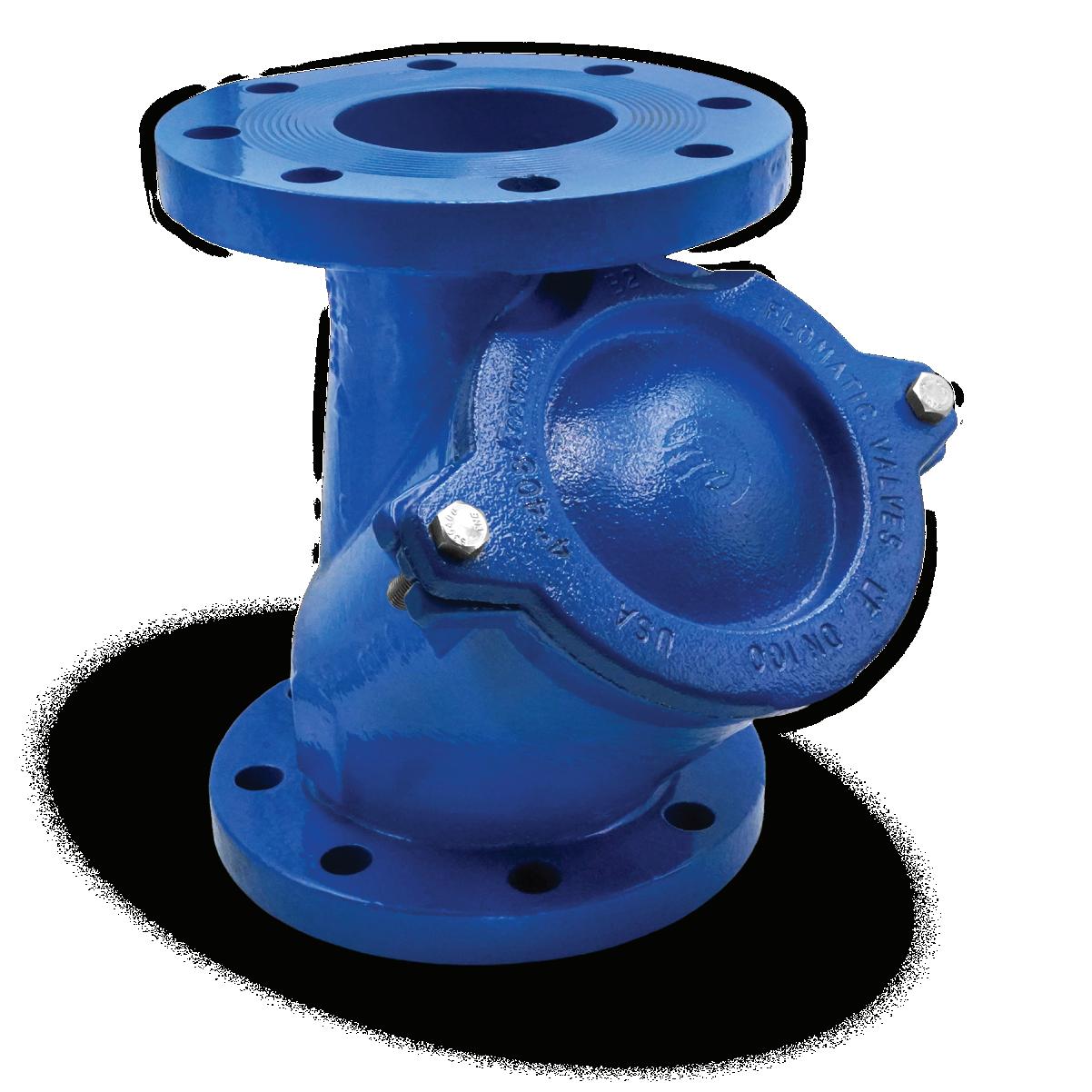
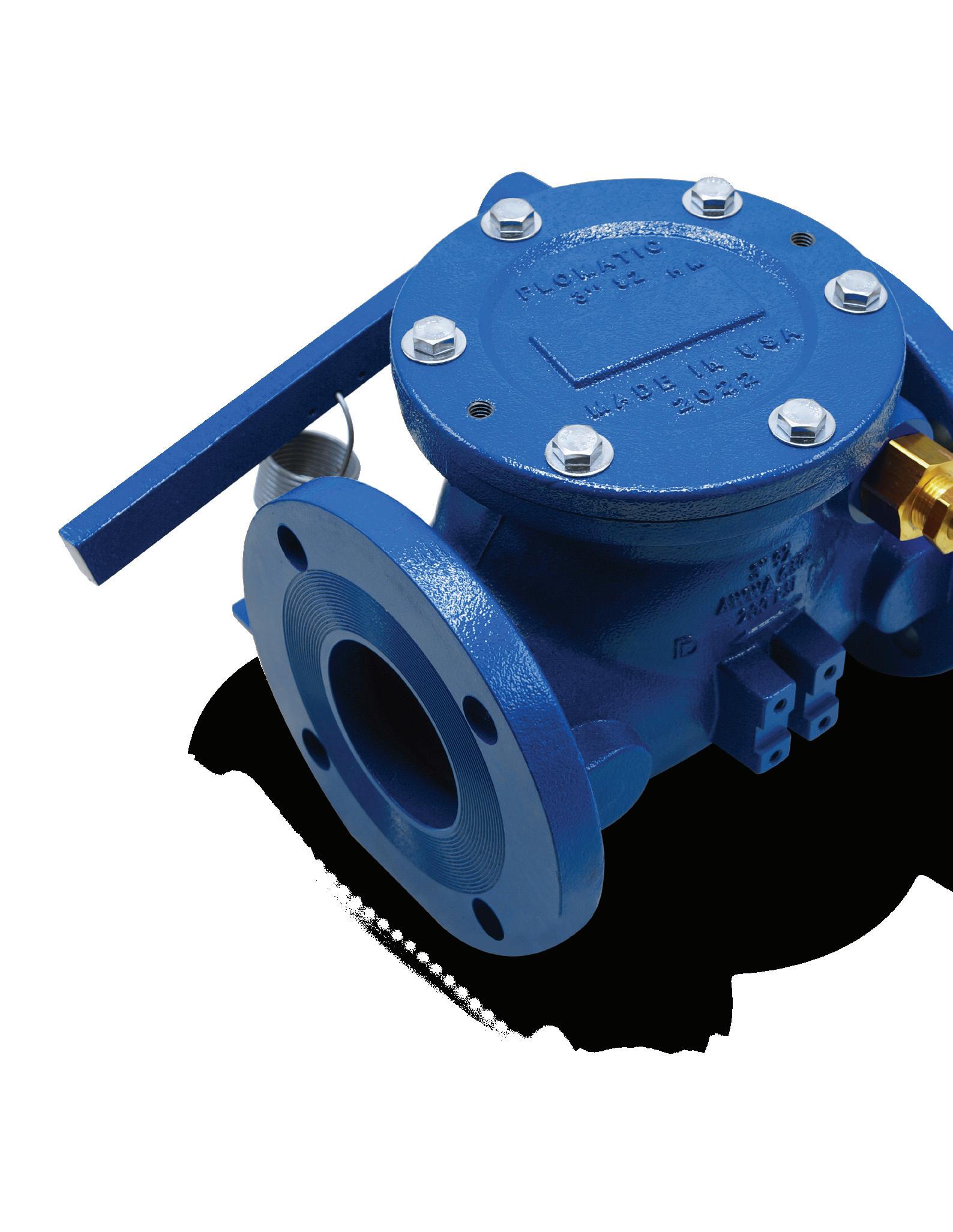
Built by American hands that take pride in every detail, our AIS‑compliant check valve lineup is engineered to perform long after installation. Three field‑ready solutions—crafted with precision, tested for reliability, and supported by a team that stands behind the work—so your wastewater system keeps flowing efficiently, project after project.
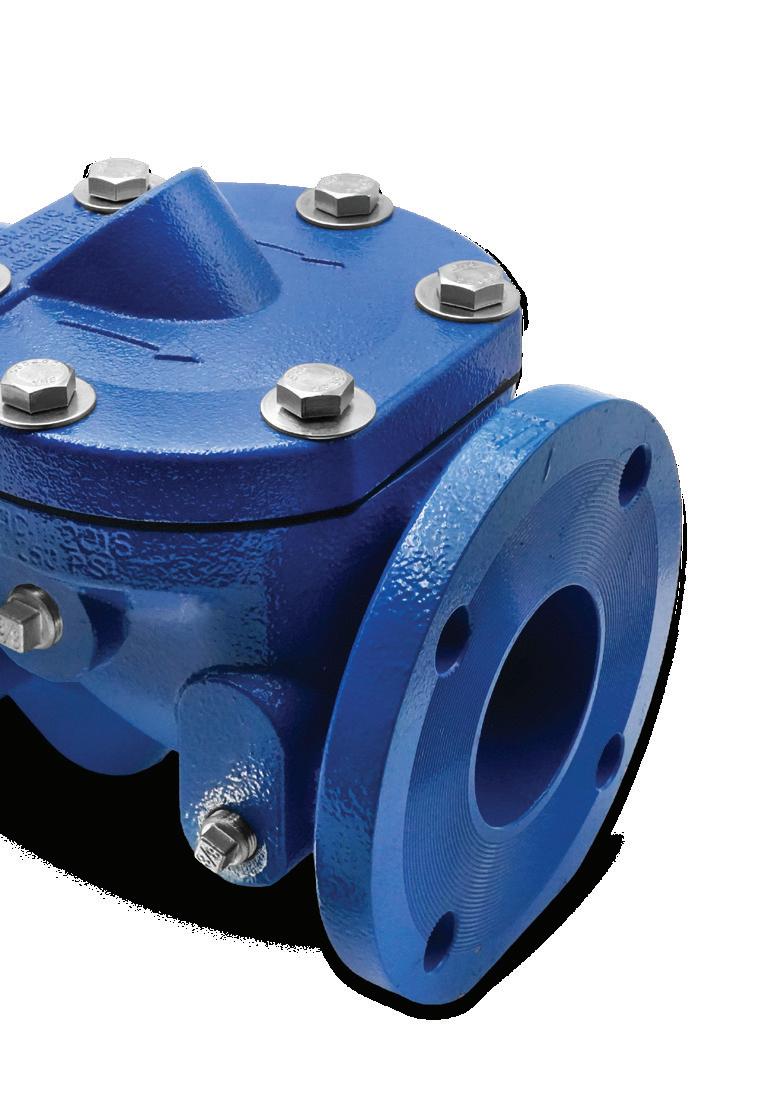
The AIS-compliant partner you can rely on.
Izaiah Kruenegel, Deputy Director – O&M, South Platte Renew
At first glance, culture and microbiology seem to have little in common. One is defined by people and storytelling, while the other lives in aeration basins and clarifiers. For those of us in the water sector, with a bit of imagination, the parallels are there to see: organizational culture mimics an activated sludge process in many ways.
At wastewater facilities across the Rocky Mountain Region, where operational excellence protects public health every day, culture is not a soft concept but a living system. Like activated sludge, it requires careful balance, intentional feeding, and constant attention to remain healthy.
In an activated sludge process, microorganisms consume organic matter, convert it into new biomass, and settle out in the clarifier. The system thrives when oxygen, nutrients, solids retention time (SRT), and food-to-microorganism (F/M) ratios are balanced. When they are not, the process bulks, foams, nitrification fails, or effluent quality declines.
Culture works the same way, but rather than relying on rotifiers and stalked ciliates, an organization leans on its people to drive norms.
People respond to environmental conditions such as leadership behaviors, policies, training, and communication, the way microbes respond to dissolved oxygen and available nutrients. When conditions are favorable, people grow, collaborate, and remove unwanted organizational biochemical oxygen demand such as inefficiencies, miscommunication, and risk. When conditions are neglected, performance deteriorates.
You cannot command an activated sludge basin to perform, but you can create conditions in which performance becomes
You cannot command an activated sludge basin to perform, but you can create conditions in which performance becomes the natural outcome. The same is often true for an organization’s culture.
the natural outcome. The same is often true for an organization’s culture.
In an aeration basin, oxygen is life. In the absence of air, biology shifts and adapts to its environment with unintended consequences such as filamentous bacteria, odors and poor-quality effluent.
In organizations, oxygen is psychological safety and trust.
When staff feel safe to raise concerns, report near misses, or admit uncertainty, the culture remains aerobic and can breathe.
When trust declines, culture adapts to the lack of oxygen and turns septic. Problems are hidden, blame replaces learning and innovation stalls. Like an aeration basin deprived of oxygen, the system shifts in ways that are difficult to reverse.
Activated sludge depends on a proper F/M balance. Too much food and too little biomass lead to instability and process upsets. Too little food and the biomass starves.
If workload (food) remains constant while experienced staff (biomass) decreases, the organizational F/M ratio spikes. Stress rises. Errors increase. Reactive decision-making replaces proactive process control. The answer is not simply to “work harder.” In activated sludge, operators adjust wasting rates, increase aeration,
or manage loading. In organizations, we must intentionally recruit, train, document systems, and right-size expectations.
Employees also need meaningful work, decision-making authority and autonomy to find satisfaction in the critical jobs they carry out. Not providing these is equal to starving a biological system and will result in lower performance and less happiness among staff.
SRT is one of the most powerful control levers in activated sludge. Retain biomass long enough, and slow-growing nitrifiers establish. Waste too aggressively, and they disappear.
Institutional knowledge functions the same way.
Healthy organizations increase their cultural SRT through documentation, mentorship, cross-training, and intentional knowledge capture. They “return activated sludge” by ensuring experience remains in circulation rather than washing out through the effluent.
Storytelling also plays an important role in building and maintaining culture. Employees who have experienced the culture in an organization help reinforce that culture by sharing their experiences with others. This storytelling requires an established core of employees with a long enough “retention time” to have
experienced an organization’s history, including both successes and how it handles adversity.
Every activated sludge plant wastes solids. Without wasting, the system becomes overloaded and loses efficiency.
Organizations also need intentional wasting. Not every process, norm, or tradition should be retained indefinitely. Outdated procedures, inefficient approval chains, and counterproductive habits must be removed to maintain vitality.
A healthy culture is not static, but is a dynamic environment that needs monitoring and attention.
Water professionals understand something that can often be easy to overlook: systems behave according to biology and physics, not wishful thinking. Culture behaves the same way.
You cannot install culture with a memo, but you can encourage and cultivate it by creating the right conditions.
At its best, an activated sludge system is resilient. It absorbs shocks, adapts to changing loads, and consistently produces high-quality effluent that protects downstream users and the environment. An organization’s culture can function in the same way by buffering staffing changes, regulatory shifts, and operational challenges while continuing to protect its people and work environment.
For those of us in the Rocky Mountain water community, this metaphor is both symbolic and practical. The same discipline we apply to basin inspections, trend analysis, and blower maintenance should be applied to leadership, training, and communication. If we want exceptional performance, we must manage culture the way we manage activated sludge: intentionally, attentively, and with respect for the living system we are responsible for sustaining.
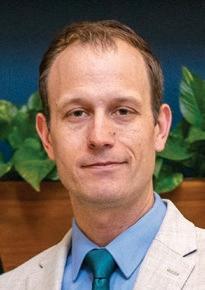
Izaiah is a water professional with over 20 years of experience spanning water and wastewater in both California and Colorado, where he has focused on building resilient, high-performing teams. His work emphasizes operational strategy, workforce development and strengthening the decision-making capability of his staff to support safe and reliable treatment processes. Izaiah holds an MBA from Colorado State University and brings a practical perspective on developing people, systems and teams that can adapt to operational challenges while protecting public health. He is the Deputy Director – O&M at South Platte Renew and can be reached at ikruenegel@englewoodco.gov
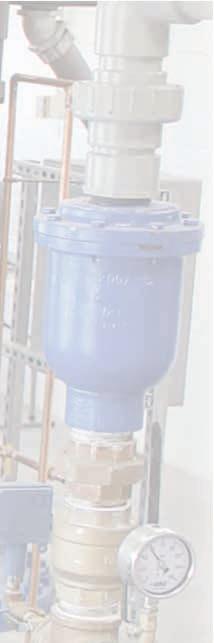
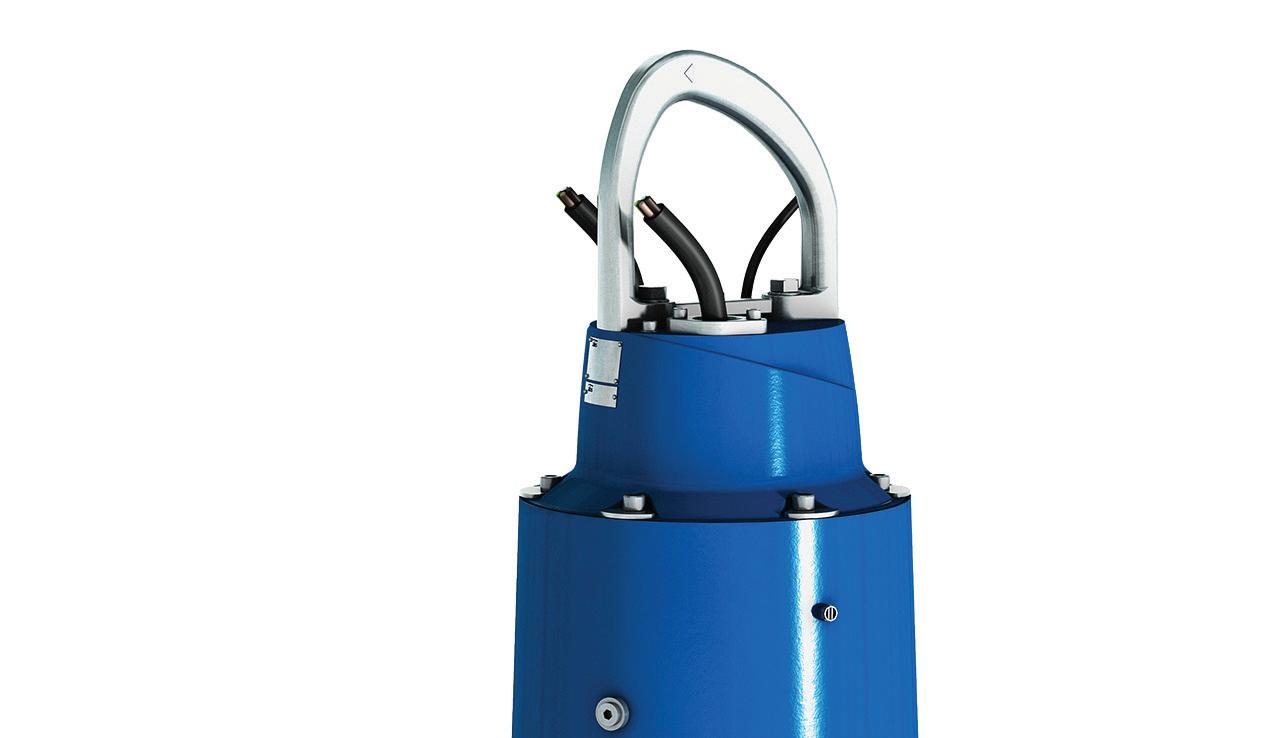
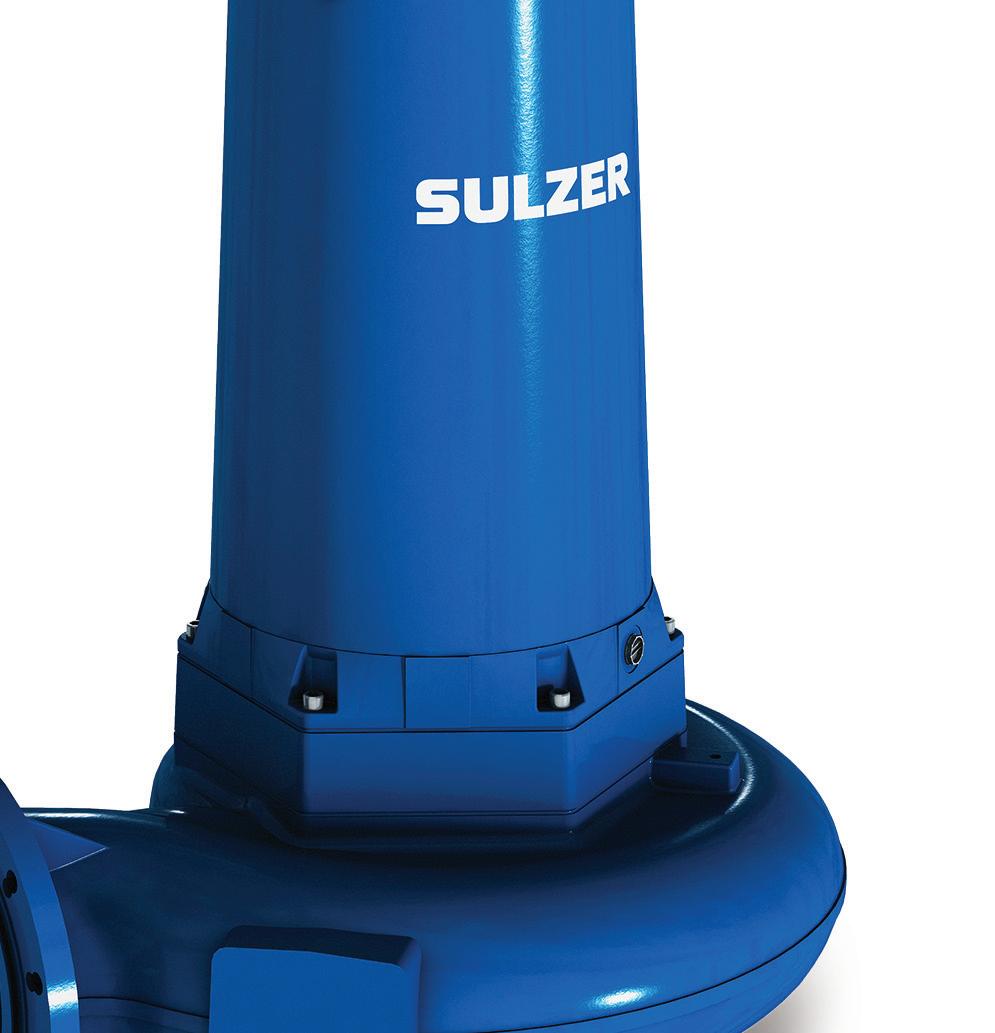
Every community relies on critical infrastructure to stay safe, healthy, and thriving. At Sulzer, we deliver innovative pumping, mixing, and treatment solutions that safeguard what matters most.
From stormwater management that prevents flooding, to wastewater treatment that ensures clean water, to pumping systems that keep essential services running, Sulzer products are at the heart of resilient communities. Whether it is for hospitals, schools, or neighborhoods, our technology works behind the scenes to keep your water pumping.
Because when it comes to your community, reliability is not optional; it is essential. go.sulzer.com/one-reliable-solution-a-time-26 Authorized Representative




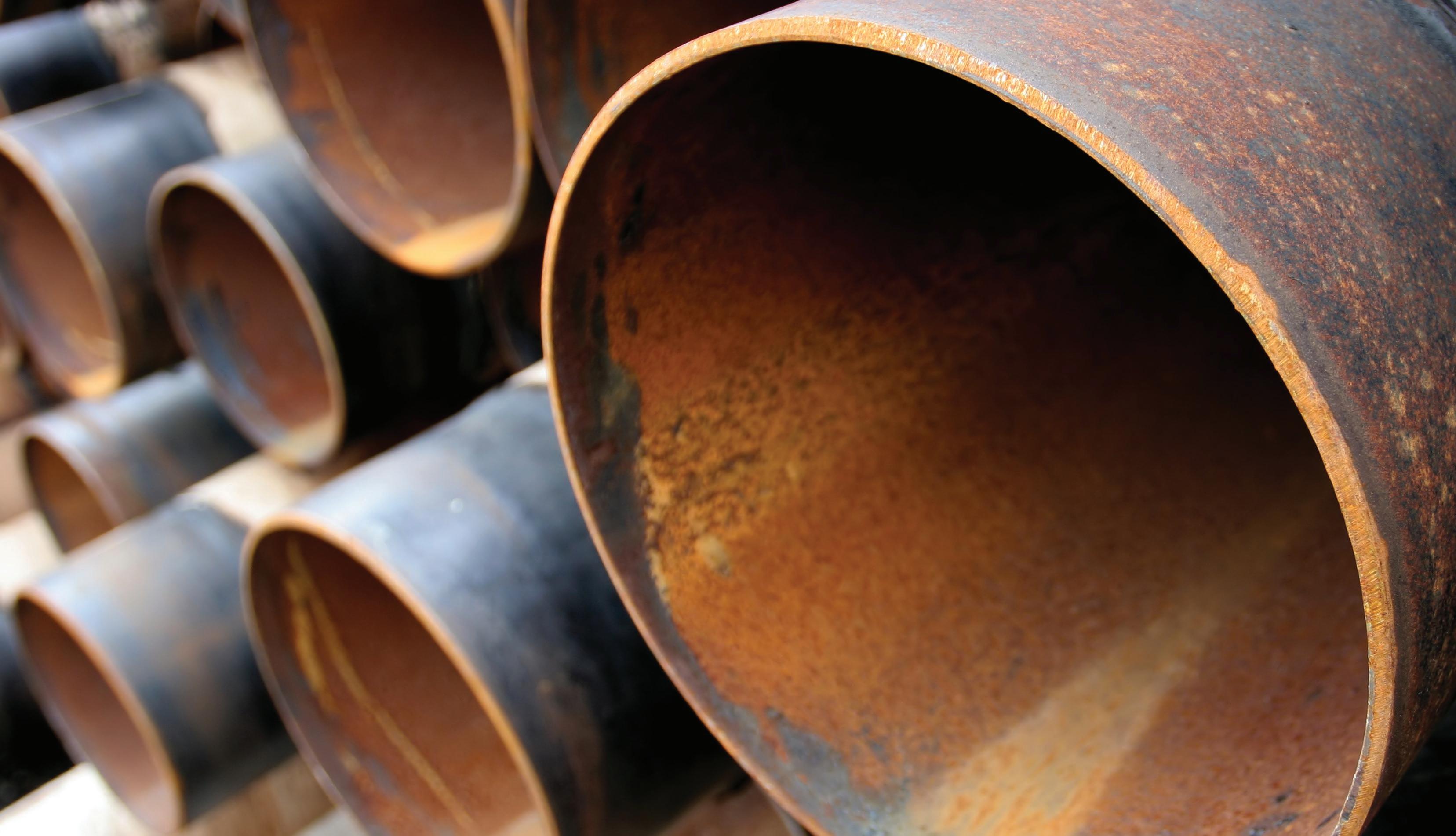
Tanks, pumps, piping, and other equipment in water and wastewater treatment facilities often operate in moderately to highly corrosive conditions. This can be due to a variety of factors. For instance, plants may have areas with high humidity, hydrogen sulfide gas, or low or high pH levels, all of which can be corrosive to steel and other construction materials. There may also be corrosive chemical exposure from process treatments, or high flow or abrasive conditions that damage protective coatings and expose the metal surface. In potentially corrosive environments, identifying issues early and implementing repairs and preventive measures is a key part of effective facility maintenance.
Stainless steel is often considered the preferred material in these situations due to its superior corrosion resistance compared to carbon steel. However, stainless steel is still susceptible to corrosion, including pitting, galvanic corrosion, and microbiologically induced corrosion (MIC). Although other corrosion mechanisms can affect stainless steel, this article focuses on these three types.
A common cause of pitting corrosion on stainless steel is high levels of chlorides. Chlorides can come from several sources, including naturally occurring chlorides, deicing salts or fertilizers upstream of the facility, and treatment chemicals. In desalination plants, the saltwater source itself is the primary contributor. Chloride levels can also vary seasonally, often increasing in the winter when deicing salts are used. For this reason, water quality should be monitored throughout the year to capture any seasonal variations.
“Chloride breaks down the passive chromium oxide layer that gives stainless steel its corrosion protection, creating localized damage that leads to the formation of pits.”
Chloride breaks down the passive chromium oxide layer that gives stainless steel its corrosion protection, creating localized damage that leads to the formation of pits. Once a pit forms, the environment within it can become increasingly corrosive, accelerating the degradation process. Eventually, the pit can penetrate the material, creating a hole and potentially causing failure.
To avoid pitting damage, the proper grade of stainless steel must be selected. Chloride tolerance and pitting resistance varies widely among stainless steel types, as indicated by the alloy’s Pitting
Resistance Equivalent Number (PREN). A higher PREN indicates better corrosion resistance in high-chloride environments. However, alloy selection must also consider factors such as ultimate tensile strength, wear/galling resistance, other material properties, and cost.
Some common alloys in water and wastewater are 304L and 316L stainless steel due to their general corrosion resistance, strength, and weldability, with 304L being more economical. 304L stainless steel begins to corrode at chloride concentrations greater than 200 mg/L, although factors such as flow, pH, temperature, and chlorine concentration can influence performance. Chlorine and chlorides act synergistically to accelerate corrosion. Under ideal conditions, 316L is generally suitable for chloride concentrations up to 1,000 mg/L in neutral conditions, though tolerance can be reduced by the factors mentioned above.
When dissimilar metals are in contact with sufficient humidity, moisture, or an electrolyte (e.g., soil or water), the more active
metal (more negative electric potential) preferentially corrodes. This process is known as “galvanic corrosion.” The greater the difference in electric potential between the metals, the greater the corrosion risk. Potentials can be estimated using a published galvanic series specific to the environment. Metals with more positive potentials are more noble (corrosion-resistant/cathodic), while those with more negative potentials are more active (corrosion-susceptible/anodic).
One common example of a galvanic couple in water or wastewater systems is a pipe with a carbon steel flange and stainless-steel bolts. Because carbon steel is more active, it preferentially corrodes. While this may be acceptable when designed as a sacrificial element, unintended galvanic coupling can lead to corrosion failures, especially when a large cathodic surface area (noble metal) is paired with a small anodic area (active metal). If a galvanic couple cannot be avoided, a rule of thumb is to maintain an anode-to-cathode surface area ratio of at least 10:1, which spreads the corrosion current and reduces localized corrosion.
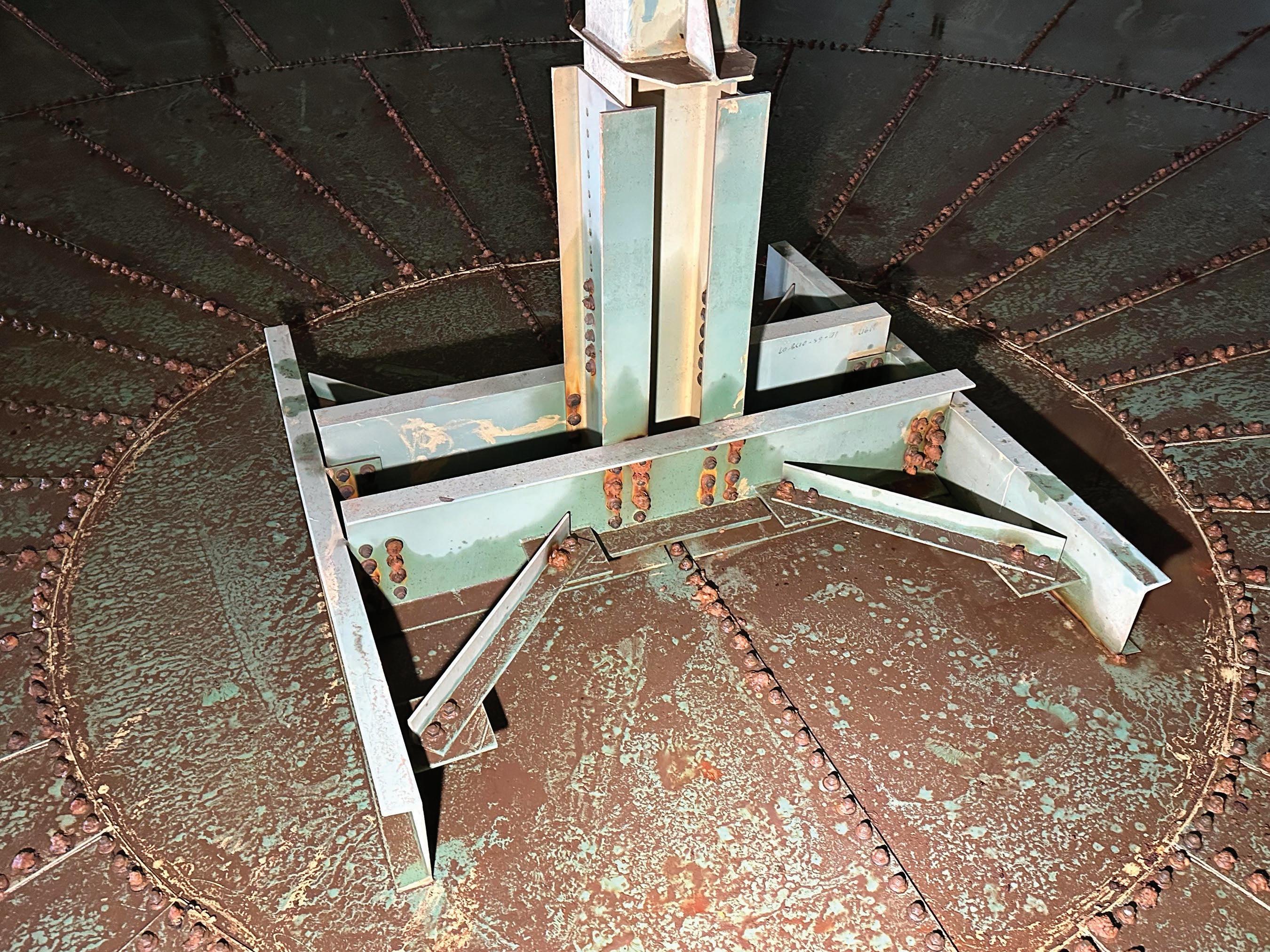
Stainless steel is not typically the material affected in galvanic corrosion, being more noble than most other common construction materials. However, if the passive film becomes damaged, as mentioned previously, those areas become anodic to the passivated regions. This effect can also occur between different grades of stainless steel. For example, during one of Carollo Engineers’ projects, corrosion damage was found on a 316 stainless steel plate settler. Investigation by Carollo corrosion staff revealed that the plate settler was secured with lower grade stainless bolts and washers, which created a galvanic couple that compromised the passive layer and ultimately required repairs.
Isolating dissimilar metals or replacing components with the same material will mitigate galvanic corrosion. Ideally, dissimilar metals should not be coupled, especially in immersed or buried
environments. Nonmetallic materials, such as fiber-reinforced polymers, can also be used to eliminate galvanic corrosion risks. Protective coatings can help slow corrosion between dissimilar surfaces. Although stainless steel is not typically coated, coating it may be beneficial to protect more active materials in contact with it, although it does not provide full isolation.
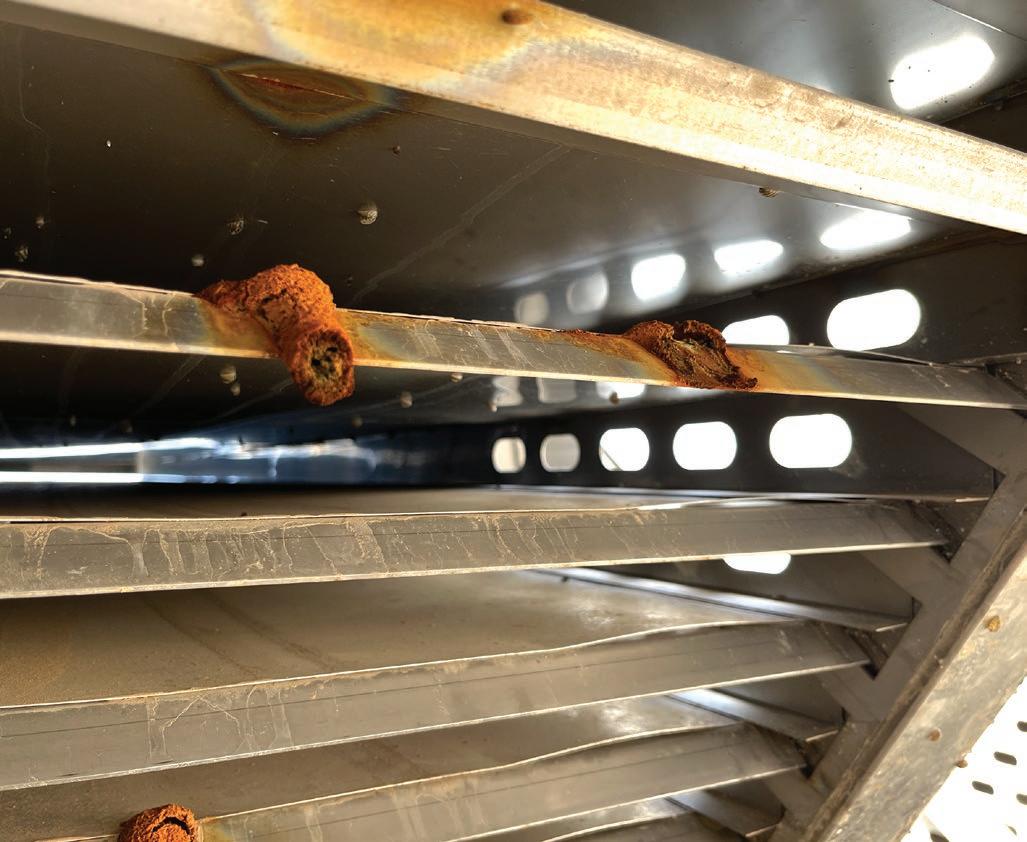
MIC is a form of corrosion caused by biological activity. Certain microorganisms can form acidic biofilms or secrete enzymes that break down the passive film and can damage the stainless steel surface. These corrosive byproducts allow MIC to attack metals that are normally resistant to corrosion in freshwater environments. As the protective oxide layer breaks down, other forms of corrosion, such as pitting or galvanic corrosion, may also occur while the microorganisms continue to reproduce and spread. This combination of conditions can create an aggressive corrosion attack if no countermeasures are taken.
Another difficulty in addressing MIC is that it can be hard to identify. MIC can take the form of mound-like deposits, macro-sized quagga mussels, slimy biological algae, or microscopic bacteria that are invisible to the naked eye. MIC tends to occur where material can accumulate and is not easily flushed out,

“Beyond
corrosion concerns, stainless steel requires proper handling and installation to protect its passivation layer. During welding, preventing the formation of heat tint is critical, as heat tint is thicker and less protective than the oxide layer and results in a chromium-depleted layer below the surface, increasing the risk of corrosion.”
such as crevices, gaps, seams, welds, and bolted connections. It is more common in raw or untreated water where disinfectants like chlorine and other oxidants are not present. MIC can also preferentially attack welds with heat tints, making these locations particularly susceptible.
Best practices to prevent MIC include minimizing stagnant conditions and preventing the accumulation of sediments and deposits. Literature generally recommends maintaining flows of over three feet per second (ft/s) in raw water containing sediment and at least one and a half to two ft/s for finished water. When equipment is taken out of service, draining and drying is preferred. Additionally, equipment should be designed to allow for complete drainage and minimize dead legs and other stagnation points.
In addition to stagnant operating conditions, it is also important to consider the time during and immediately following construction. For example, on a past water treatment basin project, equipment experienced prolonged stagnation during commissioning and leak testing. Although the equipment’s
material was stainless steel, it began to show signs of corrosion. With the stagnant conditions and presence of mound-like corrosion nodes, corrosion staff suspected MIC. Equipment with significant damage had to be repaired or replaced. Where feasible, the passive layer on less damaged stainless steel equipment was restored through mechanical descaling and passivation. The facility modified operations to prevent prolonged stagnation and reduce the risk of recurrence.
When MIC is suspected, it can be confirmed by collecting and sending samples for laboratory testing. Results will show the types of organisms present, which can rule-in or rule-out MIC. Sampling, shipping, and handling instructions vary by laboratory, so facilities should contact their local testing laboratory for specific instructions.
Beyond corrosion concerns, stainless steel requires proper handling and installation to protect its passivation layer. During welding, preventing the formation of heat tint is critical, as heat tint is thicker and less protective than the oxide layer and results in a chromium-depleted layer below the surface, increasing the risk of corrosion. Techniques like gas purging, gas shielding, trailing shields, or carefully controlling heat input and other welding variables help prevent heat tint. If it cannot be prevented, the heat tint and chromium-depleted layer below must be removed. Where removing heat tint is impractical, mechanical connections should be considered instead of field welding.
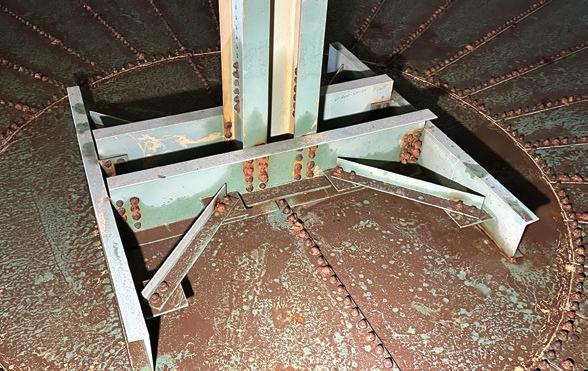
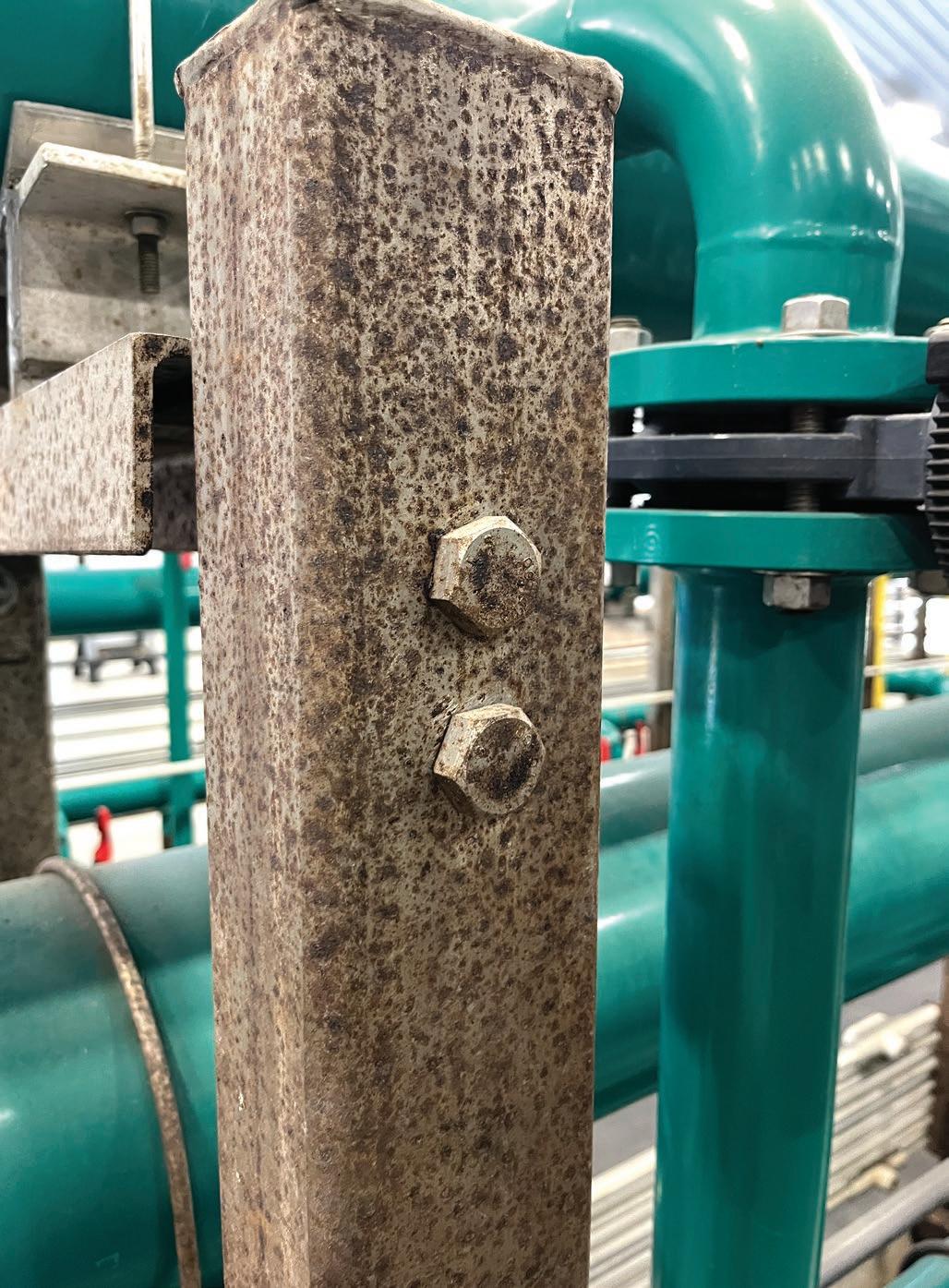
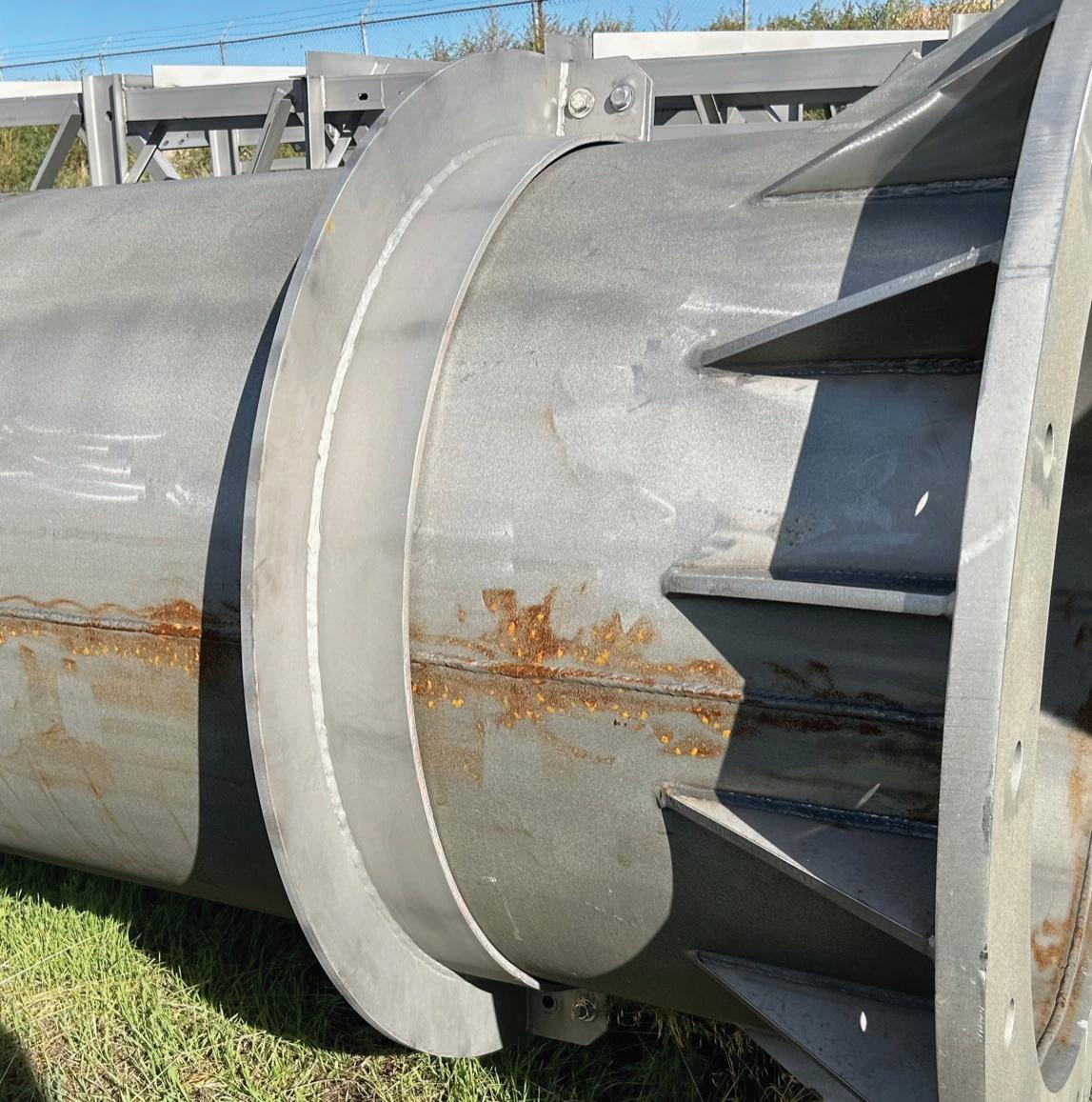
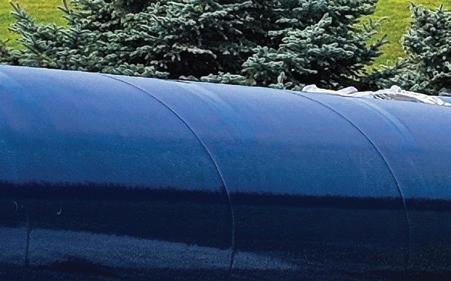
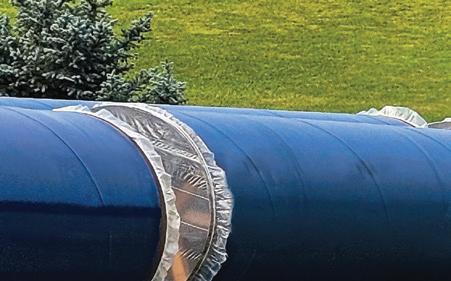
Contamination of the stainless-steel surface, such as contact with iron or lower grades of stainless steel, can increase susceptibility to localized corrosion, as shown in the stainless steel pipe image. To prevent this, avoid using tools (e.g., wire wheels, grinding discs, etc.) that may contain or be contaminated with steel or lower-grade stainless steel. These materials can become embedded into the stainless surface and act as corrosion initiation points.
Descaling is a process that can remove heat tint and embedded iron. Descaling methods can include acid pickling (in an immersion bath or using a gel), mechanical cleaning (abrasive blasting, flapper wheel, etc.), or electrochemical descaling. Mechanical removal methods will produce varying levels of surface finish, which can influence corrosion resistance, so it is important to use methods that achieve a smooth
surface and completely remove the chromium-depleted layer. Acid passivation is distinct from acid pickling in that it does not remove the chromium-depleted layer but is used mainly to restore the oxide layer. Thus, passivation should not be considered a substitute for pickling.
In addition to pitting, galvanic corrosion, and MIC, other forms of corrosion can affect stainless steel in water and wastewater treatment plants. However, these three types are some of the most common. Corrosion issues often result from a combination of mechanisms, which may require a multi-step approach to address each contributing factor.

Early corrosion detection is ideal, as it helps minimize metal loss and equipment damage. Routine maintenance practices, such as regular monitoring, avoiding stagnation, and flushing sediments and deposits, help maintain equipment condition. As resources allow, more permanent solutions can be implemented, including isolating galvanic couples or replacing materials with a more corrosionresistant grade.
Incorporating these practices into facility maintenance programs helps maximize equipment service life and typically results in longterm cost savings by reducing downtime, premature replacement costs, and associated labor. By understanding these corrosion mechanisms and implementing proactive mitigation strategies, facility operators can protect their stainless-steel assets and maintain reliable, efficient operations for years to come.
Tag Weber is a corrosion engineer with Carollo Engineers, specializing in corrosion mitigation and cathodic protection. Tag has been with Carollo Engineers for over a year and previously worked as a materials engineer with the U.S. Bureau of Reclamation for 6 years designing corrosion control for water infrastructure. She is a NACE/AMPP-certified Cathodic Protection Technologist (CP3) and Basic Coatings Inspector (CIP1).


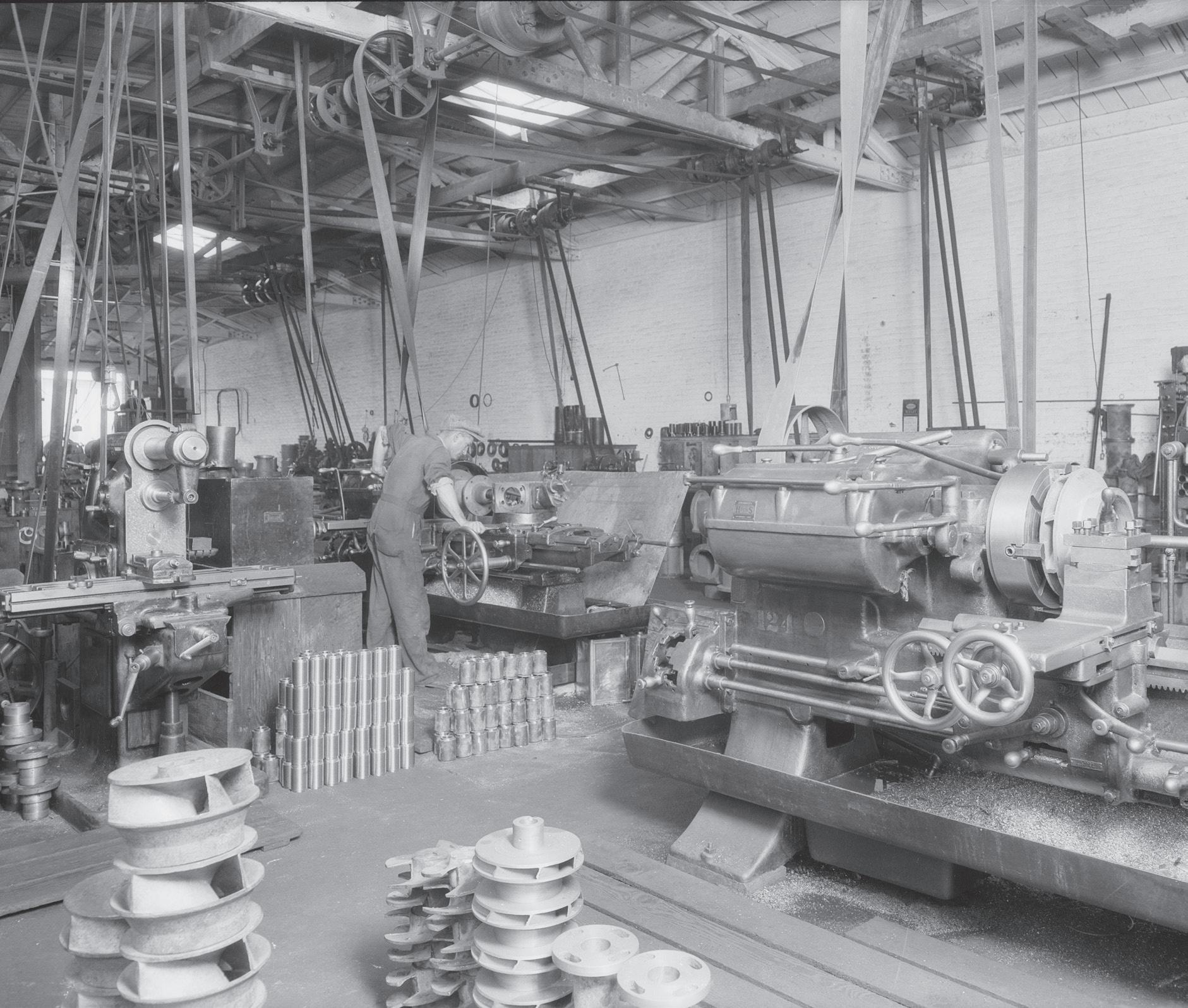
At Johnston Pump, reliability isn’t a feature, it’s our foundation. Since 1907, we’ve delivered rugged, high-performance pumps that keep systems running smoothly and customers worry-free.
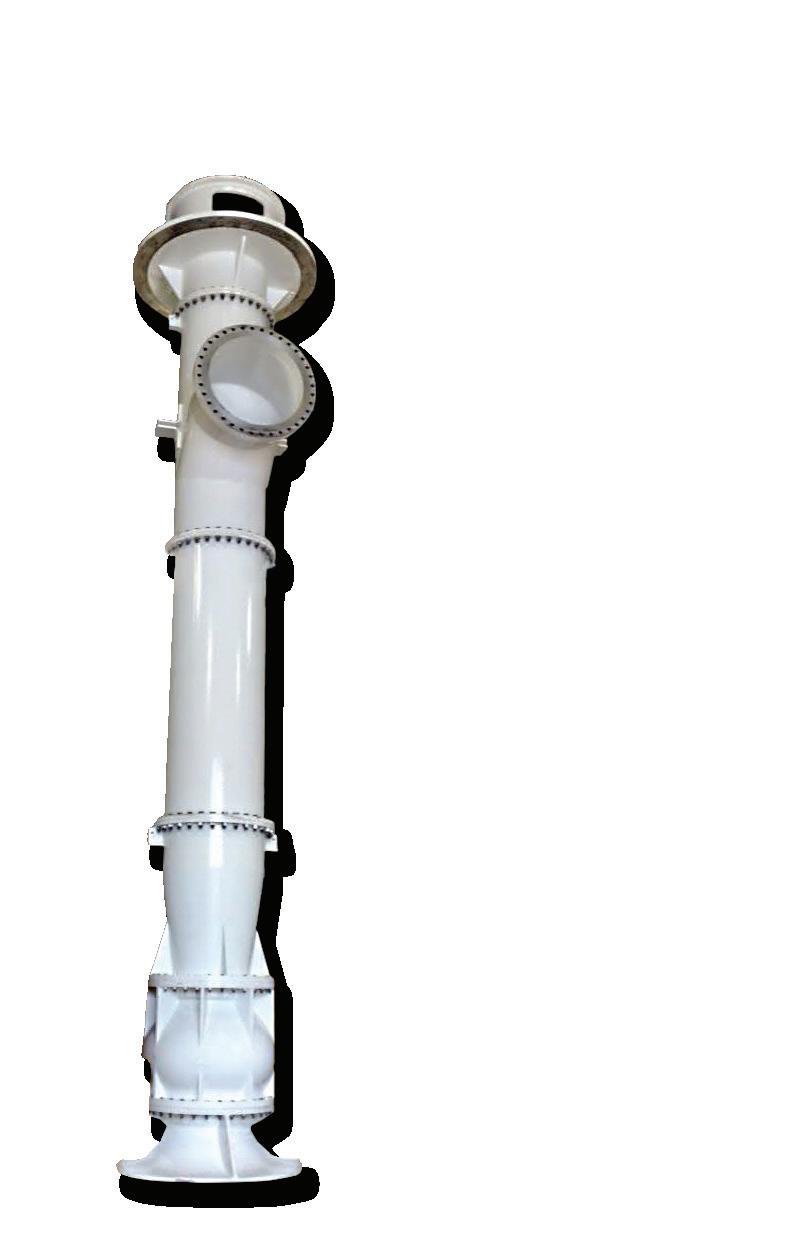
We understand what’s at stake, which is why every Johnston pump is engineered for durability, backed by expert support, and available as Build America, Buy America compliant so you can move forward with confidence and compliance from day one.
Learn more about Johnston Pump trusted-johnston


NORTHERN WATER
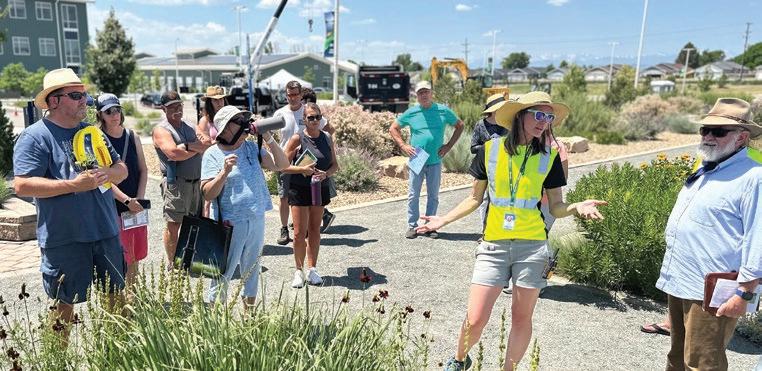
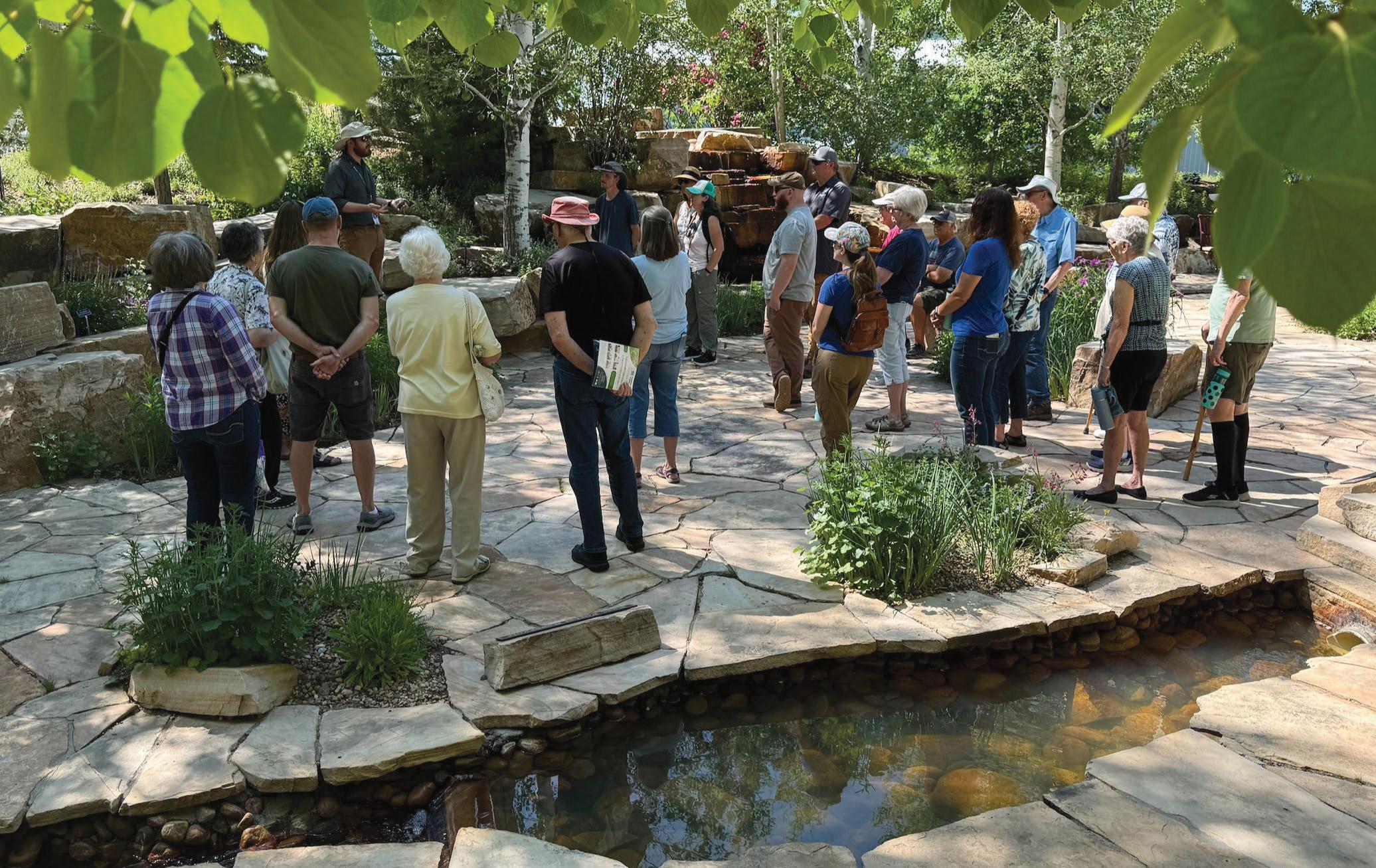
Northern Water’s newest Conservation Garden demonstration brings a bold focus to wildfire resilience, showcasing fire-smart plants and landscaping techniques designed to help safeguard structures in high fire risk areas. This demonstration marks Colorado’s first fire-smart landscape demonstration, setting a new benchmark for education and preparedness. The design is based on the sustainable landscape templates developed by Northern Water in partnership with Norris Design after the 2020 Marshall Fire, which destroyed 1,084 homes in Louisville and Superior.
Wildfires have destroyed nearly 130,000 structures since 2005, prompting more homeowners and communities to seek fire-smart landscaping solutions that can help reduce risk. Because wildfire-prone areas are often also extremely dry, effective landscape design must incorporate both water and fire-smart principles. This approach, known as crossover landscaping, supports safety, resilience and sustainable water use at once.
Water Efficiency Specialist Lindsay Nerad designed the new garden demonstration as a way to educate the public about fire-smart principles. “The whole idea behind this demonstration is to showcase what the sustainable landscape templates look like in person and to inspire people to implement these ideas in their own landscapes,” Nerad said.
Some of the low-flammability plants displayed in the demonstration will include Penstemon, Yucca and Currants. Other key fire-smart features are the use of rock mulch throughout planting areas, strategic tree


Consultations

grasses can actually be less flammable than many non-native species. Grass can still be used in fire-smart landscapes, which you will see in the new demonstration.”
According to Nerad, those who should be especially mindful of fire-smart landscaping are residents living next to open spaces or natural areas, commonly referred to as wildland-urban interface (WUI). She emphasized the importance of maintaining a plant-free defensible space of at least five feet around a house or structure and ensuring
sunset daily.
At the forefront of promoting water conservation in Northern Colorado, the Water Efficiency Department offers various programs, services and educational opportunities that maximize the value and use of the water we deliver, while doing so in a cost-effective, collaborative and demonstrative manner.
LANDSCAPE
The Water-Efficiency Landscape Grant Program supports the creation of watersmart, Colorado climate-friendly landscapes that serve as regional demonstration and education sites. The program provides financial support for commercial-scale landscape projects that reduce water use while expanding ecosystem services. Since 2019, the program has awarded $1.4 million to 100 projects and nine million square feet of landscapes. These efforts have already saved 91 million gallons of water within Northern Water’s boundaries.
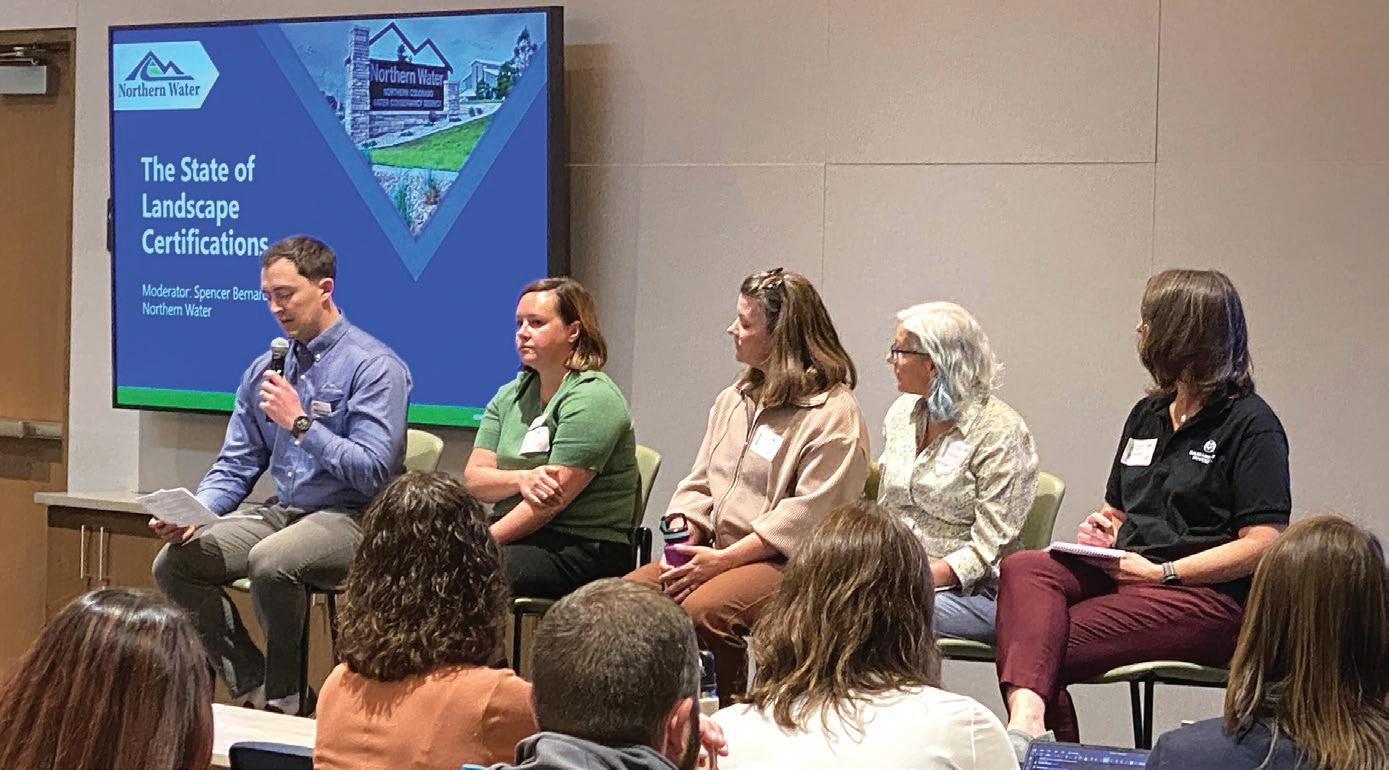
The Water Efficiency team understands the value of creating a landscape that looks great and uses water wisely. That’s why we offer expert support through landscape consultations and irrigation assessments, delivered by our trained staff and partnership agencies.
• Northern Water Provided Landscape Consultations – Designed for commercial customers, landscape consultations address issues of concern, including water usage, management and design, irrigation system performance, landscape plans and expectations, and ideas. Water Efficiency Landscape Grant applicants are required to complete a consultation in advance of submitting an application.
• Partner Provided Irrigation Assessments –Outdoor irrigation assessments provide a foundation for assessing outdoor water use. Assessments are designed to help identify water waste and offer direction for optimal water use. Indoor assessments support commercial water users like office buildings, schools, hotels, restaurants and more by identifying water and cost-saving opportunities in their operations.
• Partner Provided Indoor Assessments –The Commercial, Industrial, Institutional (CII) Assessment program offers no-cost indoor water-use assessments for commercial properties.
Landscape templates are a great tool to start a landscape transition or new installation. Whether you’re starting with a blank slate or want to reduce water use and add color and interest, using a template can ease the burden of design costs and time-consuming research. Northern Water offers two types of templates:
• Waterwise Landscape Templates are fun, colorful designs supporting transitions to a sustainable, more beneficial waterwise landscape. The designs reduce water use while building a colorful and pollinator friendly landscape.
• Sustainable Landscape Templates are comprised of six sets of comprehensive landscape plans and supplemental information designed to assist the communities impacted by the Marshall Fire in 2021. The templates accommodate corner, middle, cul-de-sac and large lots for maximum adoptability. They also include full landscape plans, irrigation plans, water-wise low flammability plant lists, cost opinions and more.
Classes and training aim to give attendees a deeper understanding of many topics, including the plant-soil-water relationship, plant water requirements, landscape water budgeting and irrigation management, among others.


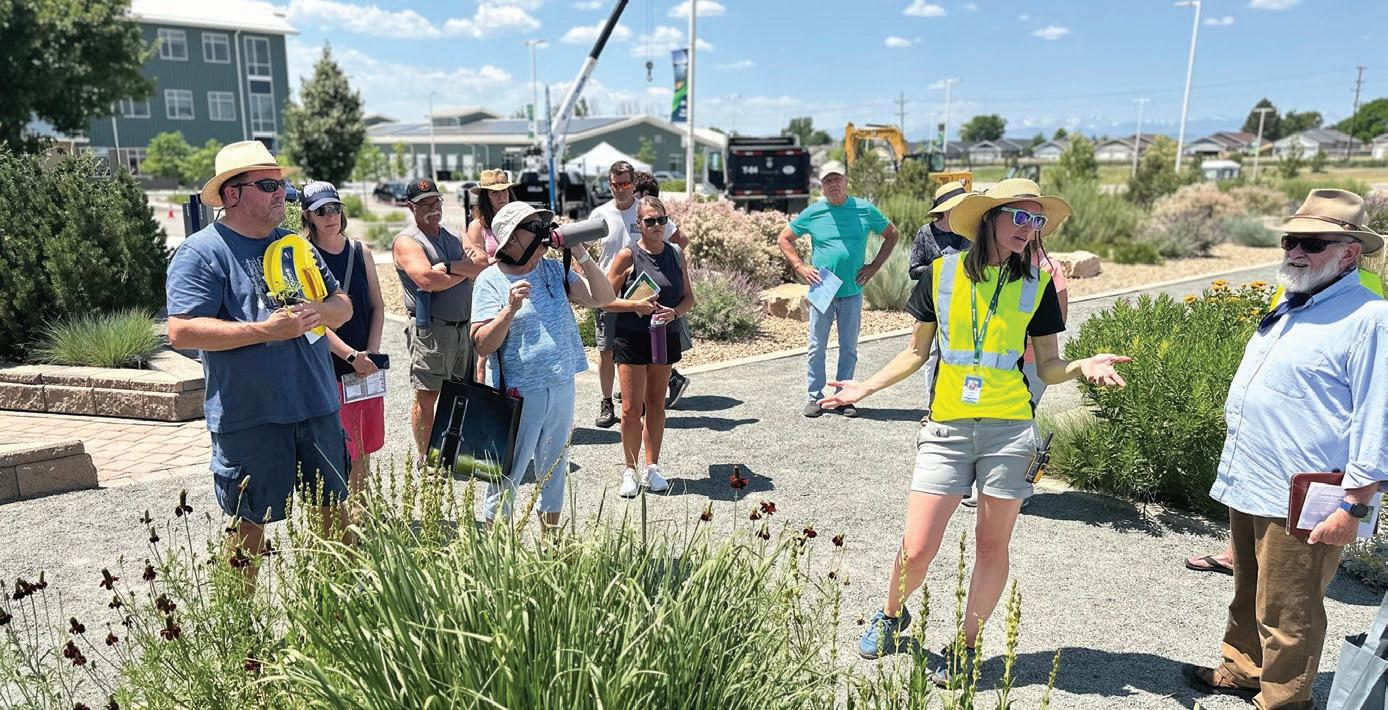
Northern Water provides education and outreach through a variety of opportunities, including Conservation Garden tours, presentations, sponsored programs and events, staffed booths, educational content development and strategic partnerships to advance water efficiency.
The Water Efficiency Department also offers numerous other resources to Northern Colorado residents and property owners. To learn more about fire-smart landscaping, water conservation and more, Northern Water is hosting its annual Conservation Gardens Fair from 9 am to 2 pm on Saturday, June 13, 2026, at its Berthoud headquarters.

Free and open to the public, this event features educational seminars, demonstrations of irrigation technologies, fun and engaging kid-friendly activities, informational booths, food trucks, giveaways and more. Throughout the day, roam the gardens to view examples of plants, trees, and grasses, learn how to conserve water in your landscaping and understand ways to increase water efficiency at home without sacrificing curb appeal.
Northern Water also hosts monthly garden tours from April through October on the second Friday of each month. Register for a tour at northernwater.org/calendar
The Water Efficiency team provides water efficiency information, inspiration and investment for Northern Water allottees. View northernwater.org for more information.





RICHARD GERSTBERGER, PRINCIPAL CONSULTANT, TAP RESEARCH CONSULTING
INTRODUCTION
Research into the nature of living systems (Capra) indicates that their basic nature is a pattern of dynamic relationships. This pattern at the organizational level describes the organization’s culture. Culture, as defined by Dr. William Schneider (The Reengineering Alternative), is “how we do things around here in order to succeed.” It is an organization’s way, its identity, pattern of dynamic relationships and ‘shared reality.’ It has everything to do with implementation and how success is achieved. This indicates that employee retention strategies will not work effectively in practice (implementation) if they do not fit the culture of the organization. An organization can have the most superb employee development and/or retention program, but if its culture is not aligned with and supportive of that strategy, the strategy will either be less successful than planned or simply fail.
It’s important to understand the connection between a utility’s culture and its ability to implement change. Understanding a utility organization’s culture helps a leader understand how to design and initiate retention programs and how to develop programs that are consistent with the organization’s mission, vision and strategy.
ORGANIZATIONAL CULTURE
The nature of living systems reveals that they have certain inalienable and consistent characteristics. This pattern

of dynamic relationships at the organization level describes the organization’s culture. Research has also determined that these patterns of dynamic relationships (the organization’s culture) have a very powerful influence on the organization, including utility organizations; so powerful in fact, that according to Kotter and Heskett (Corporate Culture and Performance), its impact supersedes all other factors when it comes to organizational performance.
When examining the research of Collins and Porras in Built to Last, it is clearly evident that organizational culture lies at the center of what differentiates ‘visionary’ companies
from comparison companies. In fact, in his book, Who Says Elephants Can’t Dance? Louis V. Gerstner, Jr. (former CEO of IBM) states, “I came to see, in my time at IBM, that culture isn’t just one aspect of the game –it is the game.”
While no one organization has a pure culture throughout, every successful organization has a core culture. Dr. Schneider’s research indicates that there are four core cultures. He identified them as Control, Collaboration, Competence and
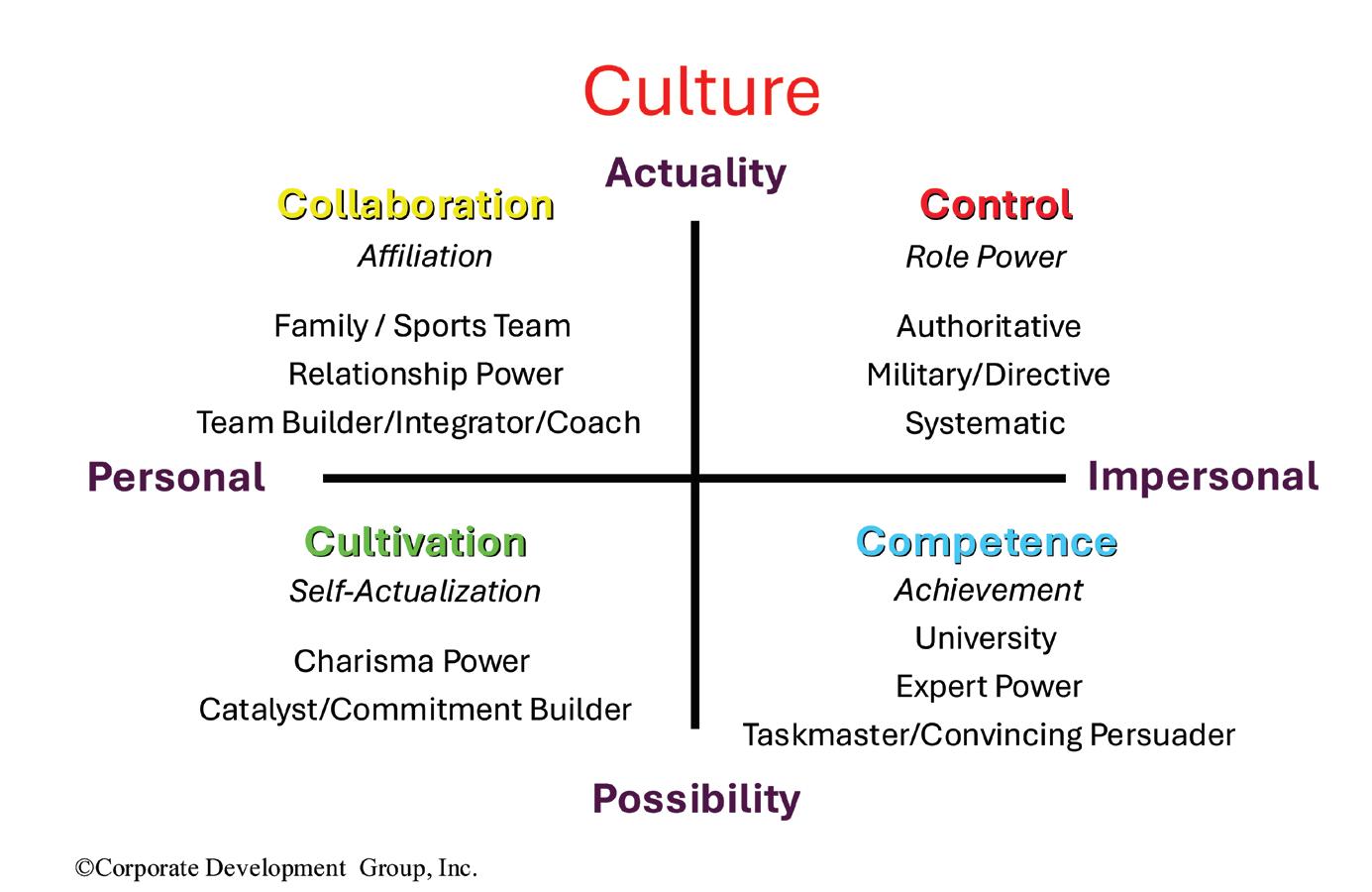



Cultivation. Leaders create, over time, one of these four core cultures, consciously and/or unconsciously, from their own personal history, nature, socialization experiences and perception of what it takes to succeed in their workplace. The primary characteristics of each of the four core cultures in the workplace are depicted in the attached figure as follows:
Control: This culture is all about certainty. It fundamentally exists to ensure predictability, safety, accuracy and dependability. The fundamental issue in a control culture is to preserve, grow and ensure the well-being and success of the organization. The organization as a system comes first. Accordingly, the design and framework for information and knowledge in the control culture is built around the goals of the organization and the extent to which these goals are met. This culture is primarily focused on organizational goal attainment
Collaboration: This culture is all about synergy. It fundamentally exists to ensure the unity’s close connection with the customer, and intense dedication to the customer. The fundamental issue in a collaboration culture is the connection between people’s experience and reality. The organization moves ahead through the diverse collective experience of people from inside and outside the organization. It is fundamentally centered around unique goal attainment
Competence: This culture is all about distinction. It fundamentally exists to ensure the accomplishment of unparalleled, unmatched products or services. This is the culture of uniqueness, of one-of-a-kind products or services. The fundamental issue in a competence culture is the realization of conceptual goals, particularly superior, distinctive conceptual goals. This is often a reflection of technical and operational excellence
Cultivation: A Cultivation culture is all about enrichment. It fundamentally exists to ensure the fullest growth of the customer, both internal and external, along with the fulfillment of the customer’s potential. It is about the further realization of ideals, values and higher order purposes. The fundamental issue in a Cultivation
“ Understanding a utility organization’s culture helps a leader understand how to design and initiate retention programs and how to develop programs that are consistent with the organization’s mission, vision and strategy.”
culture is the connection between the values and ideals of the organization and the extent to which those values and ideals are being integrated. The key emphasis in this culture is the connection between what is espoused and what is put into operation.
While every successful organization is clear about its core culture, it also must be clear about its support or secondary cultures. For example, a utility organization may have a strong control culture and, at the same time, need a significant collaboration support culture that focuses on effective customer support and customer information systems.
There is a strong connection between strategy, culture and leadership. An understanding of the organization’s culture is important for the development of any kind of organizational change program, such as employee retention
The more consistent a development program is with the underlying aspects of the organization’s core and support cultures, the more likely the change program will take hold and significantly impact the organization.
Effective employee retention needs to take a comprehensive approach that considers the organization as a total “living” system. This type of approach recognizes the interrelationship between each aspect of the organization: it enables the organization to analyze, think through and plan for its desired future (the new employee retention program, for example). Effective and successful organizational change usually requires the following three-step process:
• Development of an in-depth understanding of the current organizational issues (getting below the symptoms to the core issues)
• Clearly defining the future state.

• Creation of a plan for attaining or implementing the future state. Having a relatively clear understanding of the future state to begin with doesn’t eliminate the need for the other two steps. In fact, effective implementation planning will enable the organization to not only implement the new program more effectively and with less struggle, but it will also foster buy-in from employees and assist the new organization in fine-tuning the new program and any structural or organizational changes needed.
Culture is “how we do things around here in order to succeed.” It has everything to do with the successful implementation of programs and how success in program implementation is actually achieved. A management idea, such as employee retention, no matter how good, will not work well in practice (implementation) if it does not fit the culture of the organization (the way things are done around here).
An organization can have the most superb mission and strategy, but if its culture is not aligned with and supportive of that mission and strategy, the programs involved in that strategy will either stall or fail. Alignment between strategy, culture and leadership is critical; it is the central definition of organizational success and effectiveness.
Richard Gerstberger is a Principal Consultant with TAP Resource Consulting. He provides organizational development, training, coaching and management consulting for municipal organizations and utilities. Richard has over 35 years of experience and can be reached at 303-619-2004 or at rgerstberger@tapresource.com

August 30 to September 2, 2026
Keystone Conference Center, Keystone, CO
Exhibitor Registration – mid-April for past Exhibitors
Exhibitor Registration lottery for new exhibitors – end of April
Sponsorship Registration – May
Technical Program Confirmations to Accepted Abstracts – May
Attendee Registration and Hotel Bookings – Late May/Early June
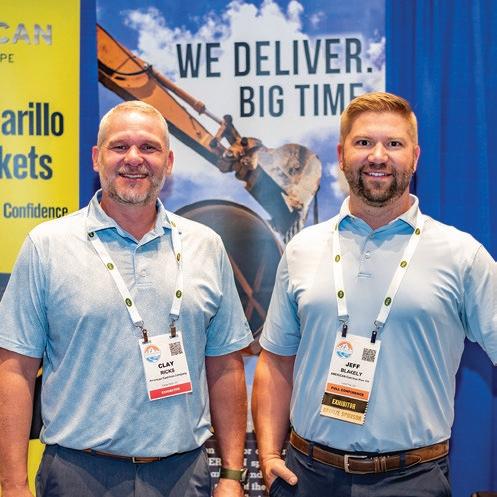
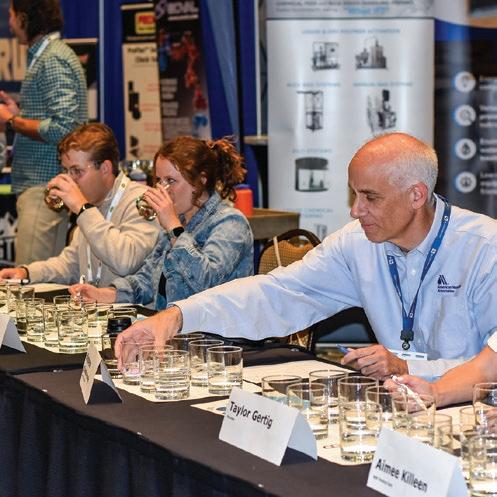
The Rocky Mountain Water Conference (RMWC) is an annual joint conference of RMSAWWA and RMWEA. Event highlights include:
• Opening General Session and Keynote Speakers
• Technical Sessions and Presentations
• Exhibit Hall
• Golf Tournament • 5k Run/Walk • Competitions
• Networking Opportunities and Social Activities













Ken Sansone, Senior Partner, SL Environmental Law Group
Wastewater utility managers across the country are grappling with rising biosolids disposal costs and limited options. The regulatory landscape surrounding PFAS in wastewater and biosolids has rapidly evolved in recent years across the country, and the Rocky Mountain region is no exception. This trend is leading to increased costs and operational difficulties for utilities already working with limited budgets. In Colorado, preparers of
biosolids are required to sample and analyze biosolids for PFAS in accordance with the state’s PFAS Interim Strategy. Results must be reported to the Colorado Department of Public Health and Environment’s Water Quality Control Division, which may lead to Preliminary Source Investigations and/or Source Reduction Plans for some utilities.
Fueled by increased public awareness of PFAS risks and some farmers’ concerns around potential contamination of biosolids used
as fertilizers, Colorado or other states may move to ban or regulate the use of biosolids containing PFAS, as several other states have already done. This may cause significant cost increases for wastewater utilities.
Additionally, now that the US EPA has announced its intention to retain the hazardous substance designation of the PFAS compounds PFOA and PFOS under The Comprehensive Environmental Response, Compensation, and Liability Act, wastewater
systems may be vulnerable to liability through third-party lawsuits. Utilities are caught in the middle – tasked with managing PFAS they played no role in creating, but under pressure to manage the PFAS in their systems while keeping budgets low and avoiding rate increases.
Confronted with these unprecedented obstacles, utility managers have found creative solutions to continue serving their communities while protecting ratepayers from the current and potential future costs of PFAS management. As requirements begin to tighten in the Rocky Mountain region, utility managers can look to examples from other regions that have already been dealing with these challenges for years.
When Maine became the first state in the nation to end the beneficial use of biosolids for land application, the ban created a series of challenges for Maine’s wastewater treatment plant operators and has strained landfill capacity there. In 2024, Connecticut also banned the use or sale as a soil amendment of any biosolids or wastewater sludge containing PFAS. So far in 2026, lawmakers in Massachusetts, Virginia, Kansas, Mississippi, and Maryland have proposed similar phaseouts or limitations of biosolids land application. Oklahoma, Illinois, Iowa, and New York have proposed PFAS testing requirements for biosolids, with New York also considering a five-year moratorium on the spreading of biosolids.
Utility leaders have risen to the challenge by implementing innovative treatment and dewatering methods, new disposal routes, and legal strategies to shift costs to the polluting manufacturers responsible for contamination. Building on the success of drinking water utilities, which have reached multibillion-dollar settlements with PFAS manufacturers 3M and DuPont, these wastewater systems are using litigation as a proactive funding strategy that utility managers can replicate in other regions of the country – whether or not they have yet incurred PFAS-related expenses.
Portland Water District (PWD) serves the City of Portland, Maine. Even though there is no measurable PFAS in greater Portland’s
Utility leaders have risen to the challenge by implementing innovative treatment and dewatering methods, new disposal routes, and legal strategies to shift costs to the polluting manufacturers responsible for contamination.
drinking water, it has been found in wastewater at levels ranging from 15 to 32 parts per trillion (ppt) in effluent from PWD’s four treatment facilities. In response, PWD filed a lawsuit against 3M, DuPont, and other PFAS manufacturers in June 2025. The suit seeks to recover costs associated with PFAS mitigation in wastewater treatment, including treatment byproducts, effluent, and biosolids.
Portland Water District has taken a proactive approach to finding solutions for biosolids management, including commissioning a Biosolids Master Plan to examine steps to manage PFAS-containing biosolids. PWD is committed to protecting public health and supports keeping PFAS out of the environment, including by keeping them out of consumer products. “Protecting public health, safety, and the environment is PWD’s top priority. By taking legal action against manufacturers of PFAS, PWD is holding accountable those responsible for pollution,” stated PWD’s immediate past General Manager, Seth Garrison. Portland Water District is proactively engaged at the local, state, and national levels, exploring solutions to combat the widespread PFAS problem.
In October 2023, York Sewer District decided to pursue legal action against 3M, DuPont, and other PFAS manufacturers after sampling of wastewater effluent and biosolids from the District’s wastewater treatment plant revealed PFAS. The results suggest that the contamination originated mostly from residential sources, as York has no significant industrial dischargers of PFAS.
York Sewer District has since become a regional leader in addressing PFAS and biosolids. When Maine enacted its
biosolids ban, the District was faced with sudden, exponential cost increases and the loss of its typical biosolid disposal options virtually overnight. The utility turned to innovative technologies and funding strategies to continue serving its community while minimizing disruptions.
“Our ratepayers are our top priority. Like so many across the State of Maine, York Sewer District is concerned about the impact of these chemicals to our health, infrastructure, and finances,” said Phil Tucker, superintendent of York Sewer District.
The Town of Camden operates a wastewater treatment plant where state-mandated testing indicated PFAS detections, likely from the plant’s treatment of PFAS-contaminated leachate from the landfill operated by the multi-locality MidCoast Solid Waste Corporation (MCSWC). Committed to protecting their utility and ratepayers from PFAS management costs, the Town of Camden and MCSWC filed a lawsuit in January 2026 against 3M, DuPont, and other PFAS manufacturers for their role in causing the wastewater contamination.
The utility understands the important role the agency plays in protecting public health in its community. “In Camden, we believe all water should be free of harmful forever chemicals,” says David St. Laurent, Camden public works director. “Before making its way to our community, that water passes through our local wastewater treatment facilities, which are responsible for ensuring it is safe before releasing it back into the environment,” he said. While litigation is ongoing, pursuing legal action is an important first step towards financial resilience for the utility.
Wastewater utilities do not produce or benefit from PFAS, but the current regulatory landscape puts increasing pressure on them to address these “forever chemicals.” As utility managers in other regions have already experienced, this can lead to exponential cost increases and major disruptions to systems that have worked for decades. While some state and federal funding has been made available for utilities affected by PFAS, these sources often do not cover all expenses.
Utility managers know the importance of proactive planning to protect budgets against current and potential future costs,
which has led many to explore their options to make polluting manufacturers pay for the contamination they caused. Because so many cases have been filed against the same PFAS manufacturers, an Aqueous Film-Forming Foam multi-district litigation (AFFF MDL), named for the PFAS-containing firefighting foam that contributed to widespread contamination, has been formed to streamline the legal process by combining lawsuits filed over PFAS from courts all over the country into a single proceeding. While the AFFF MDL has already led to settlements totaling over $14 billion for drinking water providers, claims for PFAS
impacts to wastewater will continue to be litigated and are expected to be resolved by future settlements or litigation. That means there is still time for wastewater utilities to explore potential claims that may lead to funding opportunities.
Maine may seem distant from the Rocky Mountain region, but states across the country are already beginning to follow in its regulatory footsteps by implementing PFAS monitoring requirements for wastewater and biosolids and even proposing limitations to land application. While shifting regulatory environments may cause disruptions similar to those experienced in Maine, utility managers can be better prepared by learning from the examples the state’s utility leaders have set. Through creative adaptations and innovative funding, they demonstrate that proactive leadership goes a long way to building resilience.
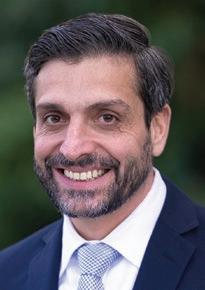
Ken Sansone is Senior Partner at SL Environmental Law Group, where he represents utilities and local governments to hold polluters accountable for contamination costs. As part of his work at SL, Ken is actively involved in representing over 300 entities in the AFFF MDL against PFAS manufacturers (AFFF MDL No. 2873).

































100%
COLLABORATIVE DELIVERY



At Haskell, we believe in breaking barriers and creating opportunities. By supporting and empowering women in the water construction industry, we are fostering a more inclusive and dynamic environment where everyone can thrive. Together, we are building a world where clean water is accessible to every person, everywhere.

Scan to learn more about our commitment to you. We Create Things That Matter.
Shari St. John, Senior Operational Resilience Professional, Carollo Engineers
Originally published on nacwa.org
In alignment with the America’s Water Infrastructure Act (AWIA) five-year compliance review cycle for Risk and Resilience Assessments (RRAs) and Emergency Response Plans (ERPs), utilities serving over 3,300 customers across the United States are working to update their documentation to meet legislative requirements and enhance resilience. Using tools like the AWWA J100 Standard for Risk and Resilience Management of Water and Wastewater Utilities, organizations can identify and assess their risks, compare various threat types, and prioritize mitigation solutions to reduce utility vulnerabilities.
But information is not resilience, and planning is not preparedness. In emergency management, we don’t say there are natural disasters anymore. There are only natural hazards that we’ve failed to prepare for. The difference between a managed outcome or a disaster is the transition from knowing information to using information, and from developing plans to practicing plans. It is common to hear that organizations already know their vulnerabilities and gaps in emergency preparedness, and yet these gaps can remain for years after identification when there is no clear direction or ownership over required changes. So how can this be fixed?
With the completion of the RRA, your utility should already understand its top vulnerabilities and risks. Beyond compliance, the next critical step toward resilience is to develop an implementation plan for risk mitigation measures. An implementation plan may look like an
It is common to hear that organizations already know their vulnerabilities and gaps in emergency preparedness, and yet these gaps can remain for years after identification when there is no clear direction or ownership over required changes. So how can this be fixed?
Excel spreadsheet, an online Project Management tool, or a weekly check-in meeting and agenda to track progress toward utility resilience. Regardless of how the plan is designed, it is important that risk reduction initiatives are documented and actioned.
Ideally, each risk reduction initiative should follow the SMART goals and objectives framework: make your resilience goals specific, measurable, assignable, relevant, and time-bound. SMART objectives can make otherwise generic or large-scale resilience tasks more manageable.
• Specific: Define the exact outcomes to be achieved. List out the necessary equipment, staff, and resources required to achieve risk reduction at a particular asset.
• Measurable: Determine what success looks like. For a physical security upgrade, success may be achieved when new cameras are installed at a water treatment plant. For an operational resilience project, success may be achieved when staff regularly participate in emergency response plan trainings and exercises.
• Assignable: Assign ownership over risk reduction goals to establish responsibility for its completion. This can help increase
staff participation in risk and resilience initiatives across your utility, and support a culture of resilience.
• Relevant: Cross-reference risk and resilience initiatives against your risk assessment. Will completion of this goal reduce consequences or vulnerability from your identified hazards and threats?
• Time-Bound: Make your goals timebound. Deadlines are key to keeping tasks organized and encouraging their completion. Once your deadlines and milestones are identified, add them to calendars and set reminders as an additional organizational tool.
Another way to action RRA findings is to roll them into physical infrastructure plans and Basis of Design Reports (BODR). Incorporation of RRA findings into planning materials and BODRs can support the design, construction, and maintenance of resilient water infrastructure and systems. Using the RRA risk rankings, your utility can establish baseline requirements for all assets based on likely threats and vulnerabilities. As an example, if flooding is a significant risk in your region, your design basis for any new assets constructed in the area may
By incorporating your risk assessment findings into the design basis of new water infrastructure projects and facility upgrades, your assets are more likely to be resilient against future hazards and threats.
be that they must be able to withstand a one-in-100-year flood event. Or, if longterm power outages are common in your area, you may determine that all assets must be installed with back-up generator capabilities which can power essential functions for at least 96 hours, with accessible fuel reserves.
By incorporating your risk assessment findings into the design basis of new water infrastructure projects and facility upgrades, your assets are more likely to be resilient against future hazards and threats. This activity allows you to mitigate risks in the early stages of design and development, avoiding expensive retrofits after construction is complete.
Plans are the foundation for emergency response, but achieving a state of emergency preparedness requires more effort. It is in action that plans become preparedness, and where resilience converts from theory to reality.
One of the best ways to test if your plan is relevant, helpful, and accessible is to run ERP validation activities, such as an exercise with a simulated emergency scenario. Exercises provide an opportunity to review your ERP in between AWIA recertification cycles and bring staff together to think critically about its format and content. When an emergency happens, do your
staff confidently know how to respond?
Emergency preparedness is achieved when you can answer yes to this question.
Exercises can range from discussionbased activities to boots-on-the-ground drills and simulations. Most exercises follow a similar structure: they have objectives, an emergency scenario, scenario escalations, a document, process, or procedure to be validated, and a facilitator to ask prompting questions and guide discussions. The result of ERP validation activities is a plan that’s valuable to you, because it’s built by you. A successful plan is the one that you’re going to use, the plan you’re going to understand, and the plan that you’re comfortable with. It’s also a good idea to involve external organizations to coordinate information and response expectations. Effective emergency response – especially for largescale emergencies – is often dependent on collaboration and coordination between multiple organizations. Consider your potential support requirements from police, the fire department, paramedics, HAZMAT experts, vendors, suppliers, and neighboring jurisdictions. Each organization is responsible for a unique part of emergency response, and without coordination, your utility may not have a complete understanding of response requirements. Will the police treat your utility as a priority call during a large-scale emergency? How quickly can the fire department arrive onsite? Can paramedics respond at your treatment plant if there’s a risk of chemical release? These questions are best answered before an emergency.
My final recommendation involves staying up-to-date with technologies after your ERP is certified to continuously enhance your emergency response capabilities. There are various technologies which can support
water utilities in emergency response, from digital twin systems, to online emergency operations center applications, to artificial intelligence platforms.
Digital twin systems – i.e., an exact replica of physical infrastructure or systems displayed in the virtual sphere – can support water utilities in emergency plan development, and are already being used for this purpose in the US. During an AWWA digital twins webinar in 2024, a water utility in Nevada shared an overview of how they’ve used their water system digital twin model to improve their risk assessments and emergency response. With their digital twin model and SCADA reporting, the Nevada utility was able to determine the exact location of a system failure as it occurred, and rapidly dispatch teams to make repairs. Having a digital twin also allows water utilities to model emergencies before they happen, helping to identify vulnerable system components which need reinforcement. Because the virtual model is an exact replica of the physical system, utilities can see the real consequences of loss or disruption to any singular system component. Equipped with this knowledge, utilities can then develop emergency workarounds and make better-informed decisions on things like equipment inventory requirements for emergency repairs. This information is critical to an effective ERP, and digital twin models support up-to-date, relevant, and well-informed planning for emergency response.
Another key component of response is situational awareness. Tools like Microsoft Teams Emergency Operations Center, accessible SharePoint sites, and other secure communications applications can provide a virtual solution to maintaining situational awareness wherever your location, allowing staff to securely message, assign tasks, track progress and resources, share pictures, and update management from their phone, iPad, or computer. This supports more effective and efficient response, while ensuring everyone has the necessary information to make real-time decisions.
AI tools are rapidly becoming commonplace in work environments and can provide helpful guidance when additional direction is required for how to complete a task. At a 2024 AWWA webinar, “AI in Water,” the presenter demonstrated how AI can be used to develop frameworks for cybersecurity policies and procedures. AI should not be used to develop your detailed emergency response policies and procedures; however, AI can provide a detailed table of contents, directing you toward the type of information that is generally included in these types of procedures. A recommended compromise for the use of AI in emergency management is to use it as a guidance tool for developing procedure headings and subheadings, but to develop detailed content for each section offline, in consultation with utility operators,
management, and relevant emergency response stakeholders. This helps to ensure that your data remains secure, and that your procedures are relevant to your utility and not a generic facility.
In summary, there are many ways that utilities can move from intention to action with resilience initiatives. Whether tracking risk reduction projects, updating design standards, or engaging utility staff, stakeholders, and the community in emergency preparedness efforts, every action counts toward increasing overall utility resilience. The result? RRA and ERP documents that are valuable to your organization. Actions which transcend compliance requirements to create real impacts at your utility and in your community, mitigating disaster before it happens.

Shari St. John is a Senior Operational Resilience Professional with Carollo Engineers. Since 2021, she has been involved in over 45 resilience projects, working with both public and private sector clients to conduct risk and vulnerability assessments, develop emergency management plans, and design and deliver simulation exercises for emergency preparedness.

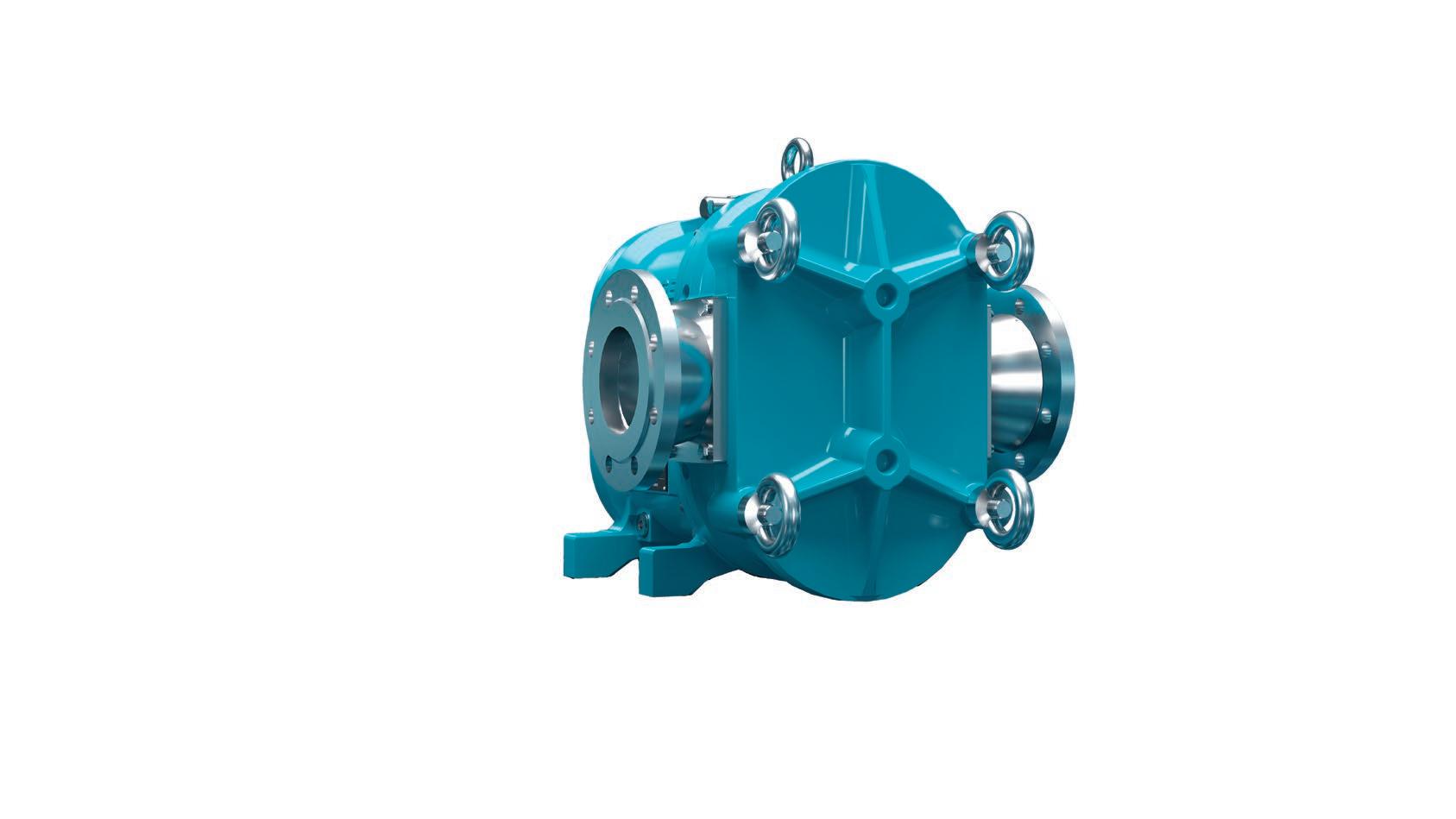
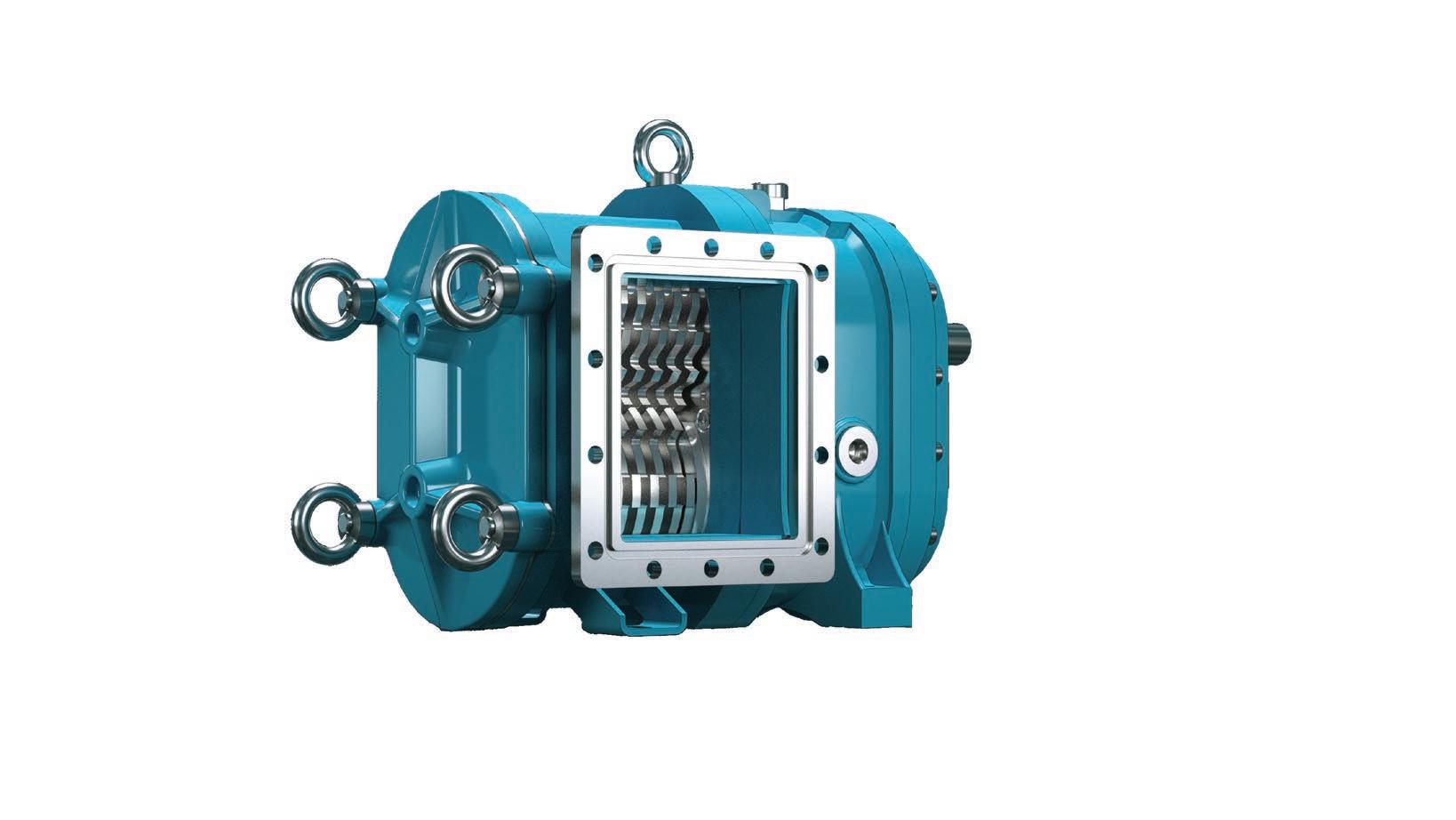
ROTARY LOBE PUMPS AND GRINDERS ENGINEERED TO REDUCE DOWNTIME AND PROTECT YOUR SYSTEM.
Maintenance in Place (MIP®) for fast service
Replace Wear Parts — Not the Pump Handles Rags, Grit & Sludge Protects Downstream Equipment

Steven Dowker, Senior Operational Resilience Professional, Carollo Engineers
Originally published on nacwa.org
Ihave spent a large portion of my career designing, running, and evaluating emergency response exercises (herein referred to as “exercises”) across all levels of government and within the private sector. An effective exercise can provide significant insight into the quality of emergency plans and procedures, coordination mechanisms, and the overall resilience of an organization. Using exercises as a litmus test for overall utility resilience in the water sector is an important task in a landscape facing increasing uncertainty and shifting priorities for emergency and resilience planning.
My Carollo Engineers colleague Shari St. John briefly discussed the concept of converting resilience from theory to reality through exercises. I expand on this and detail how water utilities can integrate exercises as routine training for staff, operators, and local emergency management teams. I share information on important components of exercises and describe how lessons learned result in corrective action plans that support continued improvement of operational resilience programs.
Operational resilience provides water utilities with the ability to take quick and measured actions in the event of an emergency impacting the utility or surrounding community. Comprehensive operational resilience programs are comprised of detailed plans, programs, procedures, and supporting components that ensure the continued delivery of safe drinking water during emergencies. This encompasses emergency response and recovery plans, business continuity plans, risk and resilience assessments, and other targeted plans and procedures.
Building resilient infrastructure enhances community well-being by ensuring that the delivery of safe, clean drinking water continues regardless of the operating conditions in the community. One of the common barriers that water utilities encounter when looking to achieve advanced levels of operational resilience are the financial costs associated with building and validating individual components of their program. This, coupled with the significant day-to-day workloads of staff, means that time and budgets are spent where they provide the highest return on investment. The introduction of America’s Water Infrastructure Act (AWIA) in 2018 was important as it modernized the risk and resilience planning standard for water utilities and provided a set of standard guidelines that can shift and evolve as the risk and
hazard landscapes evolve. The five-year certification cycle detailed in the AWIA legislation establishes a cyclical nature to resilience planning activities and a valuable opportunity to strategically plan for short, medium, and long-term resilience objectives. Leveraging existing planning cycles such as master plans, capital improvement plans, and budgeting cycles, utilities can proactively account for operational resilience projects that compliment infrastructure projects across the utility.
Understanding your organization’s overall level of resilience requires validation of the plans, procedures, and emergency response mechanisms created as part of your resilience planning process. Exercises are the only opportunity outside of real-world emergencies that staff have a chance to interact with emergency plans and procedures and to build “muscle memory” for emergency response activities. Exercises are also an effective way to reveal gaps in existing plans and procedures and allow for utilities to quickly resolve deficiencies that may exist. The following list details additional benefits derived through conducting regular exercises and a discussion on how they contribute to utility-specific and community-specific preparedness.
1. Enhanced Utility Preparedness: By carefully planning and executing exercises that closely align with the results of your Risk and Resilience Assessment (RRA), utilities can identify gaps in response procedures and improve plans, training, and resource preparation. The criticality of evaluating these exercises is discussed in more detail below, but is a critical activity that planners need to consider when building validation exercises. By ensuring that staff within your utility understand the plans and processes that can be used in atypical operating conditions, you can enhance your organizational preparedness and that of your broader community.
2. Improved Resource Allocation: Exercises allow utilities to activate plans and procedures, including those specific to resource acquisition and allocation. Scenarios that drive exercise play can include unique information for staff that prompt discussion and action regarding asset allocation and management. The AWIA Emergency Response Plan (ERP) assessment process specifically requires utilities to inventory and describe resources and equipment available to support
emergency response actions, and notionally deploying and using these resources during exercises is a way that operational efficiencies and gaps can be identified. Understanding where resources are adequate, and where there may be issues in accessing or procuring equipment, supplies, and other resources is critical for water utilities.
3. Streamlined Communication: Effective communication is the foundation of every emergency response. It is imperative that staff understand how communications processes change during emergencies and the additional stakeholders that need to be involved in decision-making under abnormal operating conditions. Evaluating communications and the flow of information during exercises allows staff to learn and explore emergency communication processes in a risk-free environment. This includes the exchange of information internally, externally, and with the media. Being able to test this in a fully contained environment prior to a real-world emergency helps your utility to be prepared.
4. Enhanced Trust: Exercises provide a valuable opportunity for showcasing that your utility is prepared to respond to emergencies in a structured way, guided by validated plans and procedures. When your staff possess a strong understanding of your plans and procedures, your response partners and

You’re facing challenges with lasting implications. We’re delivering world class solutions with lasting results. Tomorrow’s reality is unfolding today, and our forward-thinking approach will keep you one step ahead.


the community at large will have a higher level of trust and confidence in your ability to maintain delivery of a critical lifeline (i.e. water) during emergencies within the community. Joint training and exercises with local emergency management partners is a critical component of increasing water utility and broader community resilience. It is important to note that while exercises carry a monetary cost, the long-term benefits associated with planning, delivery, and participating in immersive, scenario-based exercises pay long-term dividends. Time (and money) spent preparing staff to effectively respond to emergencies enables your organization to return to normal, or alternate operating conditions quicker, reducing the potential for long-term water delivery issues and subsequent revenue loss, infrastructure loss, or loss through uncoordinated response activities. Various studies, papers, and emergency management doctrine have stated these costs to savings ratios can be anywhere from 1:6 through 1:13 where the return on $1 spent on preparedness activities results in a savings of $6 to $13. While these figures come with varying caveats and nuances, they reinforce the long-term monetary return that your training investments provide. Including emergency management training and exercises in your budgeting process is important and presents opportunities to align budgets with training for existing priorities including health and safety training, safety and security training, and new and refresher training for utility staff.
Technology has continuously propelled water and wastewater operations, providing opportunities for operational efficiencies, reduction of human error, and augmentation of operator activities. Extending the adoption of technology to support simulation and training exercises enables utilities to provide realistic and immersive activities that build knowledge and understanding of emergency response plans and procedures. Existing technologies leveraged by water utilities provide a platform for hosting immersive simulations that facilitate the delivery of technical scenarios, allowing operators to immerse themselves in the situation. Combining both technical and non-technical teams in exercises enables staff across the organization to access benefits relevant to their expected role during an emergency.
There are several technologies that have been custom-built to design and run immersive simulation exercises. These products facilitate the development of technical and non-technical exercise content and automate delivery of the exercise during conduct. In addition to the benefits provided by design and delivery tools, these technologies can support communications staff by simulating media and social media content that may arise during emergencies. These tools are a valuable addition to your emergency program and can be instrumental in planning and maintaining a formal exercise program for your staff.
A core component of exercises is the evaluation process. The intent of the evaluation during an exercise is not to conduct individuallevel evaluation of one or more participants. Rather, the evaluation is intended to be a holistic process that considers how plans, procedures, and processes contribute to an effective response and where these documents may need modifications.
Understanding the specific key performance indicators (KPIs) that you wish to evaluate during the exercise is critical to help guide the design of your evaluation and assessment strategies. These are generally derived from your utilities’ resilience program components, including your ERP, Continuity of Operation Plan (COOP), and/or your RRA. When planning exercises, it is not feasible to evaluate your entire plan and emergency response process; identifying a subset of processes or procedures to evaluate will enhance the value for your organization and allow you to test specific components in manageable pieces. This aligns with the “building block” approach to training and exercises highlighted below, where activities increase in scope and complexity over time. This continuous learning cycle provides value for staff and allows your organization to explore more complex topics as staff skills and knowledge of emergency plans increase.
Strategies for evaluation differ between industries. Through a multi-year exercise program, these evaluations should progressively increase in scope and complexity and assess components of your emergency program based on their criticality to continued operations. Take this further and consider how you integrate a five-year training and exercise cycle to align with the AWIA recertification process. What objectives would you set for your utility after you certify next, what components of your resilience program could use extra attention before the 2030 deadline, and how can you use the next five years to address these shortcomings?
Identifying the benefits of exercise programs is step one, but how do you move towards building a bespoke exercise program to meet your organizational needs? What type of training or expertise is required to start building a solution that works for your organization? Luckily, it doesn’t need to be overly complex. Consider what you see as your “blue-sky” scenario – what type of training activities do you think your staff and broader teams could accomplish in three or four years? Do the knowledge, skills, and capabilities exist within your team, or is there a need to provide additional training before moving towards a large exercise? If your end goal is to run a full-scale exercise alongside city or county staff, what building blocks do you need to work on internally so that your staff have the skills and knowledge necessary to respond and integrate into a multi-agency response? These questions should guide how you think about exercise programs and will support with identifying aspects of your emergency response or resilience program that require further development.
The discussion above demonstrates that the benefits of an intentional and coordinated approach to exercise planning, delivery, and evaluation is not only an investment in preparedness but also a means of elevating overall performance and resilience of water and wastewater utilities. By using exercises as a primary validation tool for components of our resilience programs, we can better fulfill our role in protecting essential public services during times of crisis.

Steven Dowker is a senior operational resilience professional with Carollo Engineers. He has supported dozens of organizations with the implementation of robust emergency management and business continuity programs.
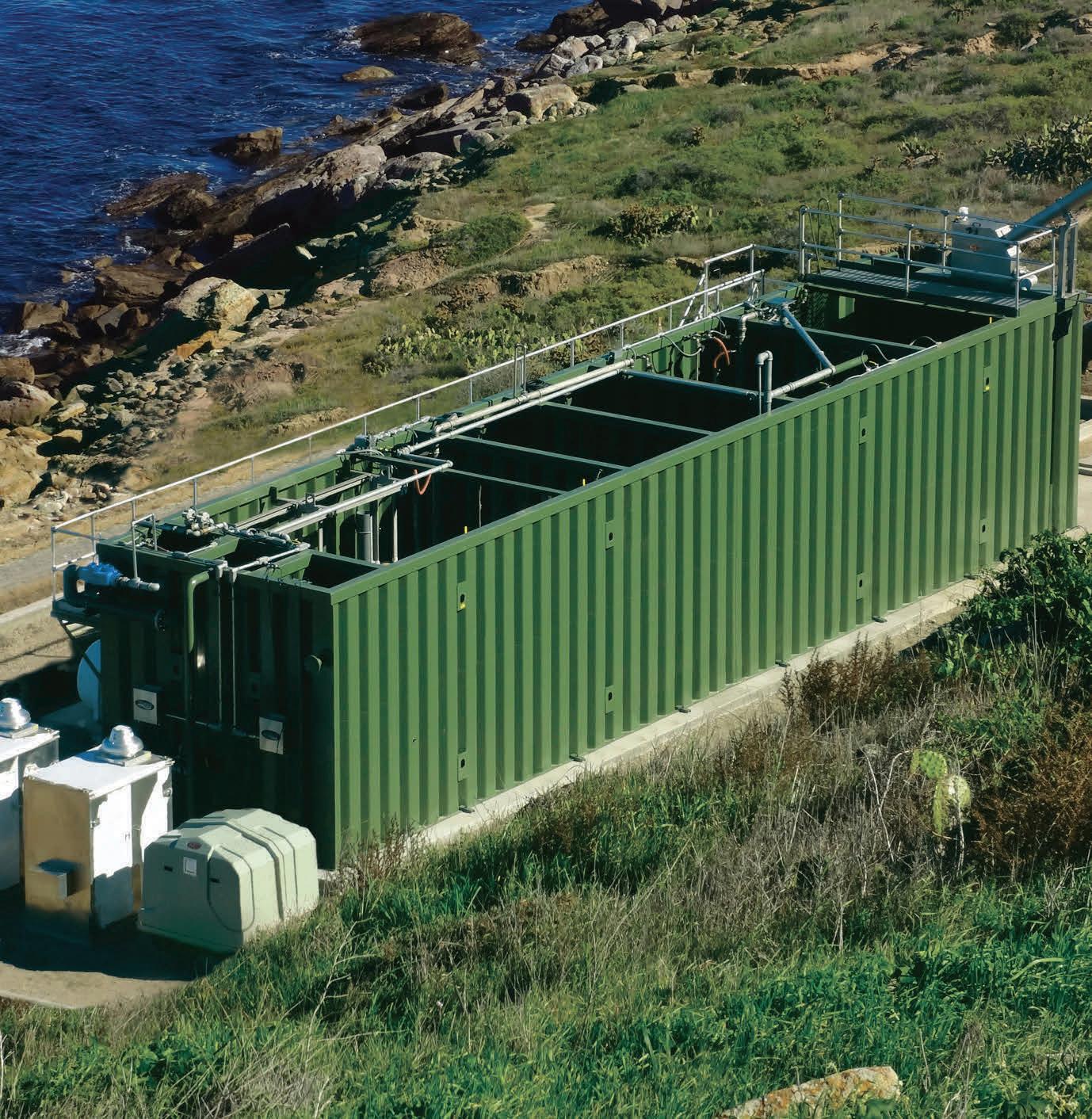

Eric Dole, P.E., PSAP, Water and Energy Practice Lead, Kimley-Horn and Connor Manley, P.E., XAK-PACK® Testing Lead, Kimley-Horn
Modern wastewater management demands robust, reliable, and efficient pumping systems to ensure public health and environmental protection. The Chapel Hills Lift Station, owned and operated by a Southern Colorado entity, serves as a critical node in the Pine Creek Basin’s wastewater conveyance network. In January 2025, Kimley-Horn, in collaboration with the Southern Colorado entity, conducted a comprehensive evaluation of this facility, leveraging the advanced XAK-PACK® pump performance technology to assess the in-situ operation of both pumping and electrical systems. This article summarizes the findings of that evaluation, highlighting the role of the XAK-PACK technology and the valuable takeaways from pump testing.
Situated along the eastern slope of the Rocky Mountains, the Chapel Hills Lift Station was constructed in 1982 and features a wet pit–dry pit duplex configuration with non-clog solids handling dry pit pumps that sit inside a prefabricated dry-pit manufactured by Smith & Loveless. Access to the site creates challenges during winter months, and it has limited spacing for improvements and/or expansion. The station is designed to handle a firm capacity of 500 gallons per minute (GPM), though recent testing indicated a reduced operational capacity of 279 GPM. The surrounding area is beginning to develop quickly, and the station serves as vital infrastructure for new development. The facility includes emergency overflow storage, 200-kWkW diesel generator with automatic transfer switch, and an ultrasonic strap-on flow meter for real-time flow monitoring.
XAK-PACK PUMP TECHNOLOGY: REVOLUTIONIZING
PERFORMANCE
Critical to the evaluation was the deployment of the XAK-PACK pump performance monitoring device. This technology enables simultaneous, real-time collection of up to 18 independent hydraulic, electrical, and other miscellaneous inputs, providing accurate measurements for pump operational parameters. Key parameters measured include wet well level, flow, suction pressure, discharge pressure, three-phase voltage, three-phase current, power factor, rotational speed, and vibration. Accuracies are typically within ±1%. The XAK-PACK system integrates multiple sensors and transducers, allowing
for comprehensive diagnostics without the need for invasive field modifications.
• Flow: Monitored with the existing flow meter and back checked with a draw down calculation using the XAK-PACK wet well level transducer.
• Pressure: Captured with pressure transducers and liquid-filled gauges. Pressure was measured on the upstream and downstream ends of the dry pit solids handling pumps.
• Electrical: Voltage and current measured with probes and transducers across all three phases; power factor monitored directly.
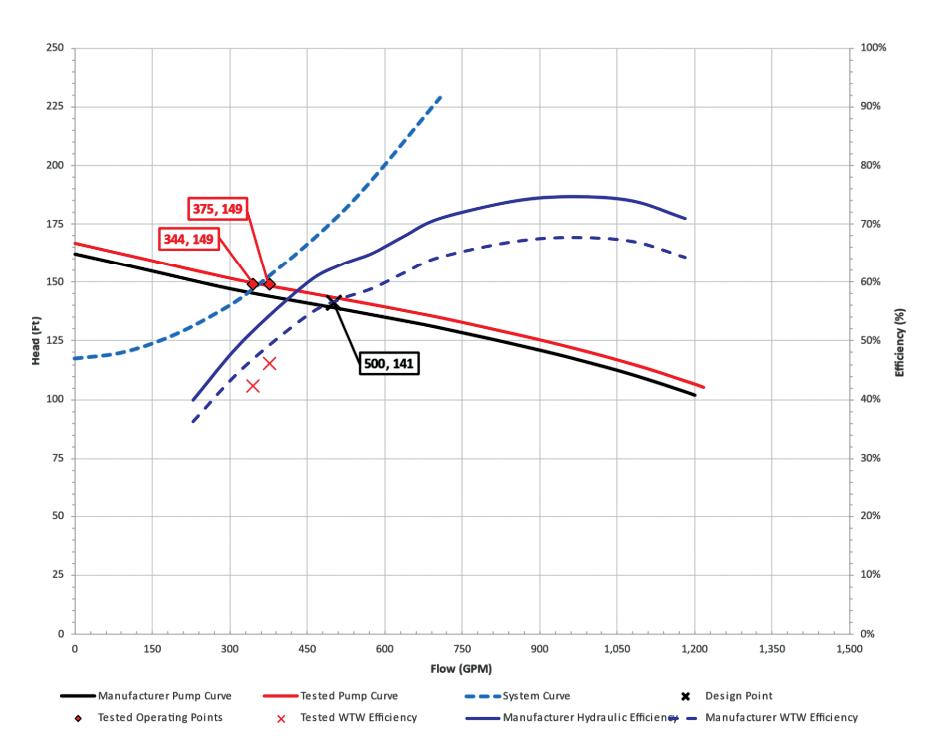
1 – Pump #1 Test Results
• Data Integrity: All measurements were recorded digitally, ensuring high fidelity and facilitating detailed analysis.
PUMP PERFORMANCE TESTING: INSIGHTS AND IMPLICATIONS
Both pumps were subjected to rigorous performance tests using XAK-PACK instrumentation. The results revealed that both units were operating far to the left of their respective best efficiency point (BEP) flows with efficiencies measured at 37.3% and 29.7%, respectively. This suboptimal operation significantly reduces Mean Time Between Failures (MTBF) and increases energy consumption.
KEY FINDINGS
• Pressure Surges: Shutdown events produced pressure variations nearing 90 psi, posing risks to piping integrity.
• Flow Variability: Pump performance was highly sensitive to wet well levels, with flows dropping by approximately
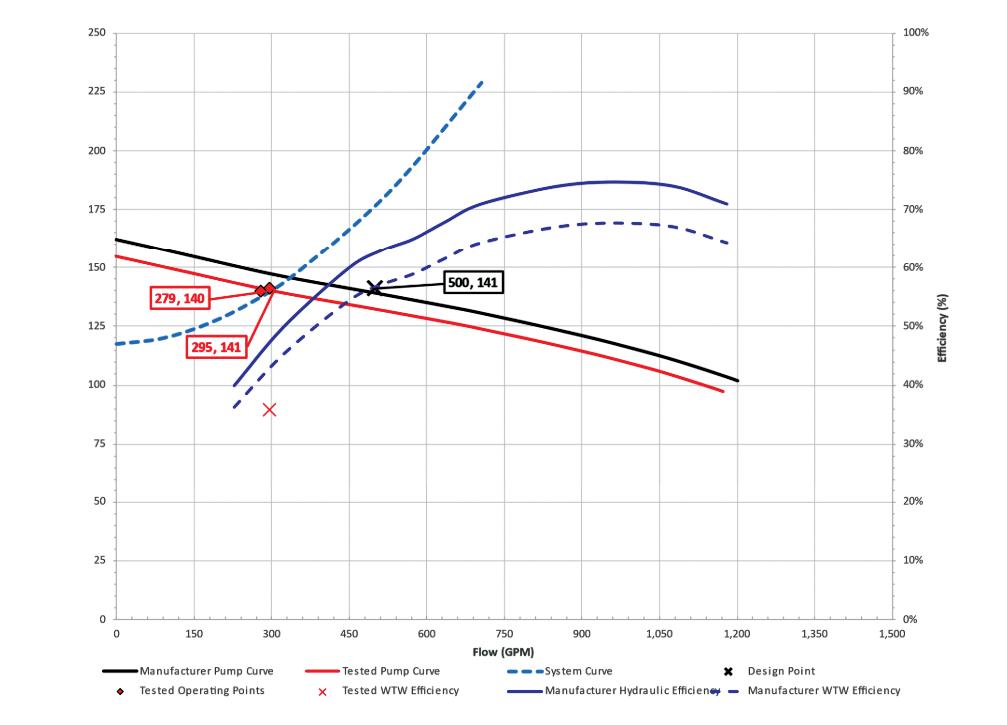
80 GPM during test runs as the wet well level was dropping.
• Efficiency Losses: Wire-to-water
efficiencies were below design expectations, indicating high energy consumptions costs.
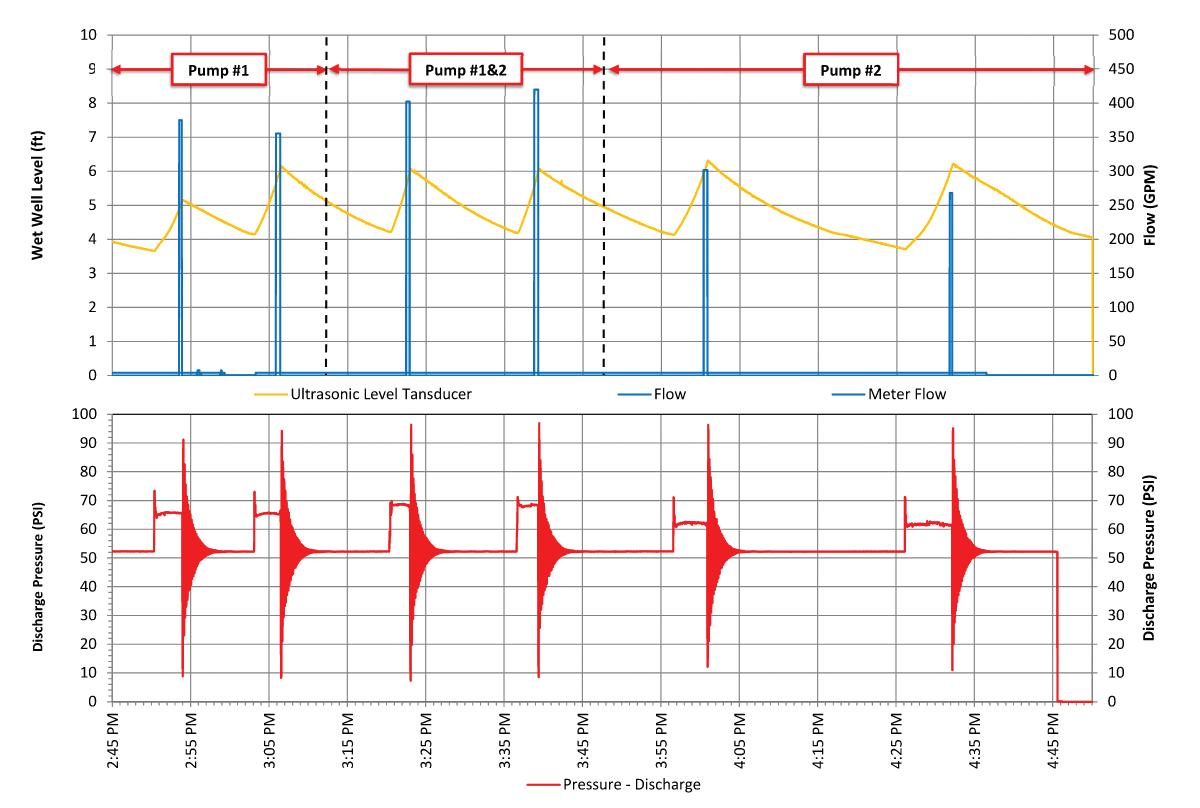
• System Curve Analysis: The measured Hazen-Williams coefficient (C-factor) was much lower than expected for PVC piping, suggesting air binding and possible sedimentation in the force main.
• Electrical: In-rush current was relatively high and measured at nearly 170 amps during pump start up. This can create electrical problems with equipment that is not properly sized.
A critical finding was the non-functionality of all four AVVs along the force main. This contributed to air binding, increased hydraulic losses, and reduced effective pipe diameter. Immediate repair and routine maintenance of these valves to restore system performance is recommended.
RECOMMENDATIONS:
PATHWAYS TO OPTIMIZATION
Immediate Actions
• Repair/Replace AVVs: Restore functionality and insulate against freezing.
• Install Bypass Connection: Enable wet well and dry pit serviceability during emergencies.
• Pump Selection: Replace existing pumps with models better suited to system demands, force main hydraulics, and increase efficiency/capacity.
• Float Level Adjustment: Optimize pump operation closer to BEP, contingent on bypass installation.
• Force Main Investigation: Assess and clean the 12" ductile iron section for sedimentation.
• Influent Pipe Modification: Install a drop pipe with tee for improved flow conveyance. The influent flow developed a waterfall effect as the wet well drew down. This waterfall effect was close to the suction piping of Pump #2, potentially causing air to enter the suction piping resulting in additional air introduced into the force main and creating pump cavitation.
Long-Term Planning
• Force Main Replacement: Upgrade to a 12-inch force main to accommodate future peak flows.
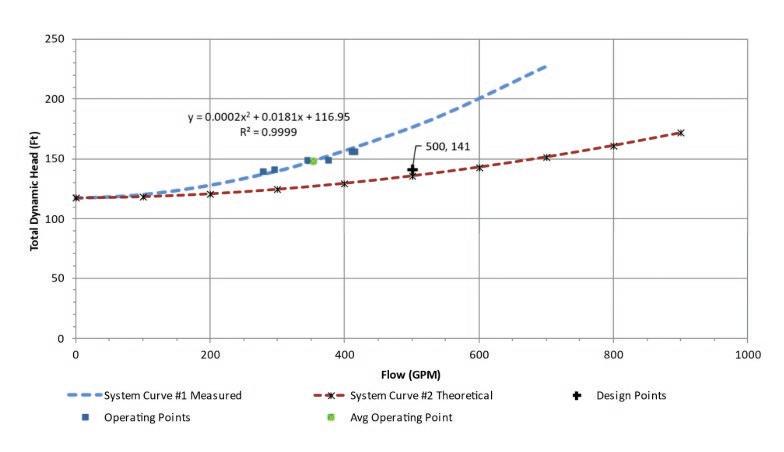
Figure 4 – System Curve Data
• Site Drainage and Security: Address ponding and fencing gaps.
• Electrical Coordination: Ensure power supply can handle pump inrush currents; implement delayed starts or variable frequency drives.
• Electrical Surge Suppression: Install devices to protect electrical equipment from lightning strikes.
• Hydraulic Surge Suppression: Install a surge suppression device downstream of the check valves that discharges to atmosphere inside the wet well. This solution will eliminate potential negative pressures or high pressures induced by surge.
The Chapel Hills case study underscores the transformative impact of advanced monitoring technologies like XAK-PACK. By enabling real-time, in-situ diagnostics, operators can identify inefficiencies, preempt failures, and optimize system performance. The insights gained from this evaluation not only inform targeted interventions at Chapel Hills but also offer a blueprint for similar facilities seeking to enhance reliability and sustainability.
The integration of XAK-PACK pump technology at the Chapel Hills provided a granular understanding of system dynamics, revealing critical areas for improvement and guiding
strategic investments in infrastructure. As wastewater utilities confront aging assets and rising demand, the adoption of advanced monitoring and data-driven decision-making will be essential to safeguarding public health and environmental quality.
Eric Dole is a senior project manager at Kimley-Horn where he is the Water and Energy Practice Lead. During his 26-year career, he has bridged the water-energy nexus by specializing in delivering sustainable infrastructure solutions through optimized hydraulic systems and the unit processes they drive.

Connor Manley is a project manager at Kimley-Horn where he serves as one of the few firmwide Pump Testing Leads. He has more than six years of experience in water and wastewater infrastructure design, specializing in conveyance facilities, including pumping stations. He has experience testing customer distribution systems, treatment pumping systems, and groundwater systems.



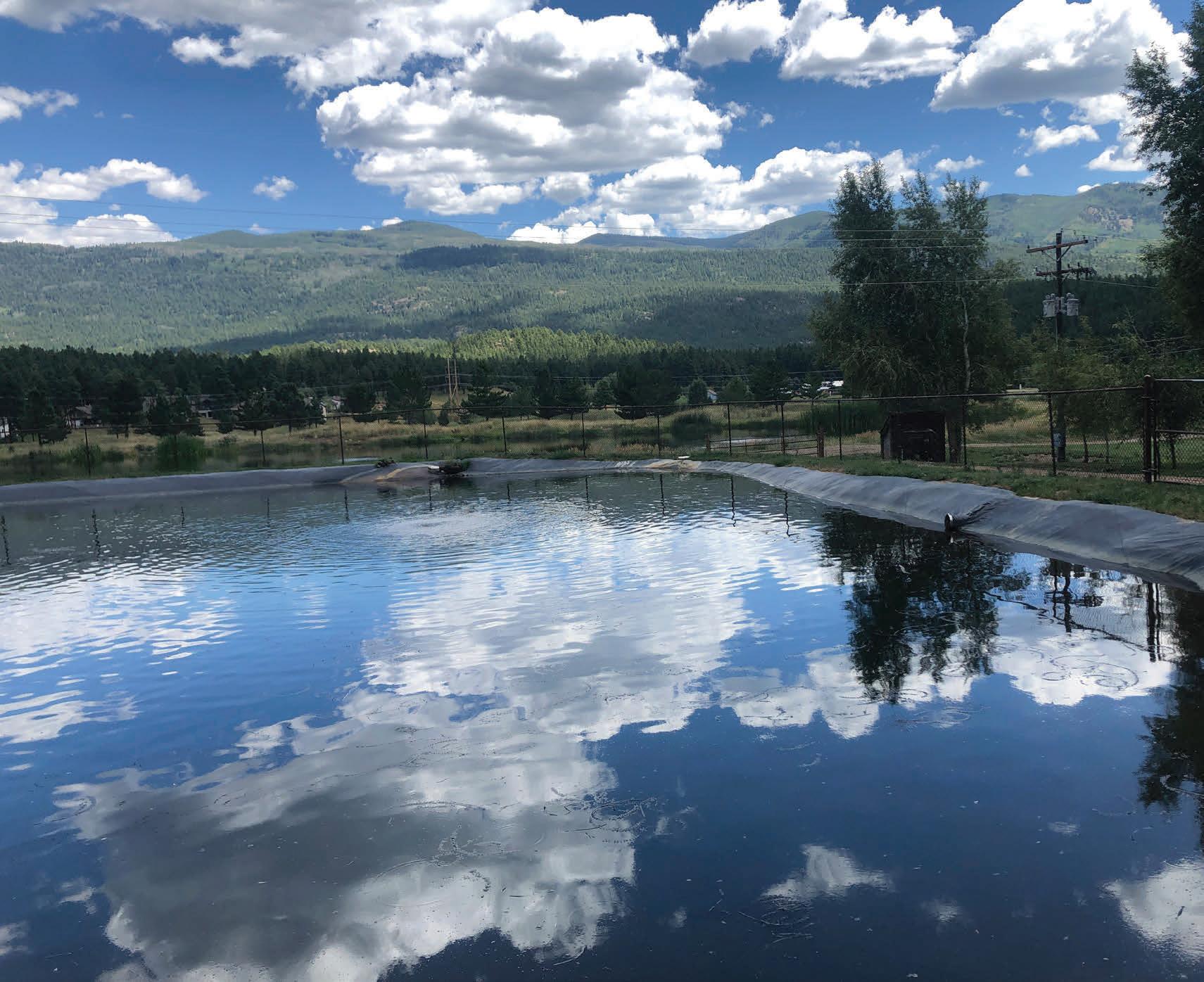

Chris Parton and Jason Graham, Committee Chairs
Hi everyone. Thanks for stopping by the Committee Corner to learn more about RMWEA’s Utility Management Committee (UMC). When the lineup of themes for Rocky Mountain Water magazine was recently published, I was excited to see this month’s theme of Utility Management, because it gives me a chance to talk about a subject that’s near and dear to my heart and also to showcase the UMC.
The UMC was formed in 2023 with the main purpose of broadening the knowledge of utility management topics and equipping water professionals to effectively lead and manage utilities and utility infrastructure. Some of the topics we’ve covered include:
• Strategic asset management plans.
• Assessing the risk of structural failure in infrastructure.
• Condition assessment of treatment plants and lift stations.
• Digital master plans and data visualization.
• Using artificial intelligence in hydraulic modeling.
• Asset management program implementation.
Learning from others who have walked in your shoes about what works and doesn’t work is one of the reasons this committee was formed, and it’s heartening to see that happening through this team.
We hosted a one-day workshop in 2025 to provide a more in-depth look at some of these topics.
An added benefit of this committee, like most professional committees and societies, is growing your professional network. It’s been really exciting to watch our membership grow and gain critical mass since our launch. It’s also great to see people make connections with their peers at sister agencies and share experiences about a certain program or implementation at their utility. Learning from others who have walked in your shoes about what works and doesn’t work is one of the reasons this committee was formed, and it’s heartening to see that happening through this team.
Going forward in 2026 and beyond, the UMC will hold several technical presentations on topics in the utility
management space. Among many others, some topics you can expect to see from us include:
• Enterprise asset management system (EAMS) implementation.
• One Water.
• Integrated planning.
• Preparing for master plan updates. We’re exploring hosting a one-day workshop in August at the Rocky Mountain Water Conference in Keystone. Let us know if you’re interested and would like to help us plan and execute the workshop.
The UMC meets bimonthly on the third Thursday of the month. If you are interested in joining one of our meetings to learn more about utility management, please reach out to Chris Parton, chris.parton@hdrinc.com or Jason Graham, jason.graham@stantec.com
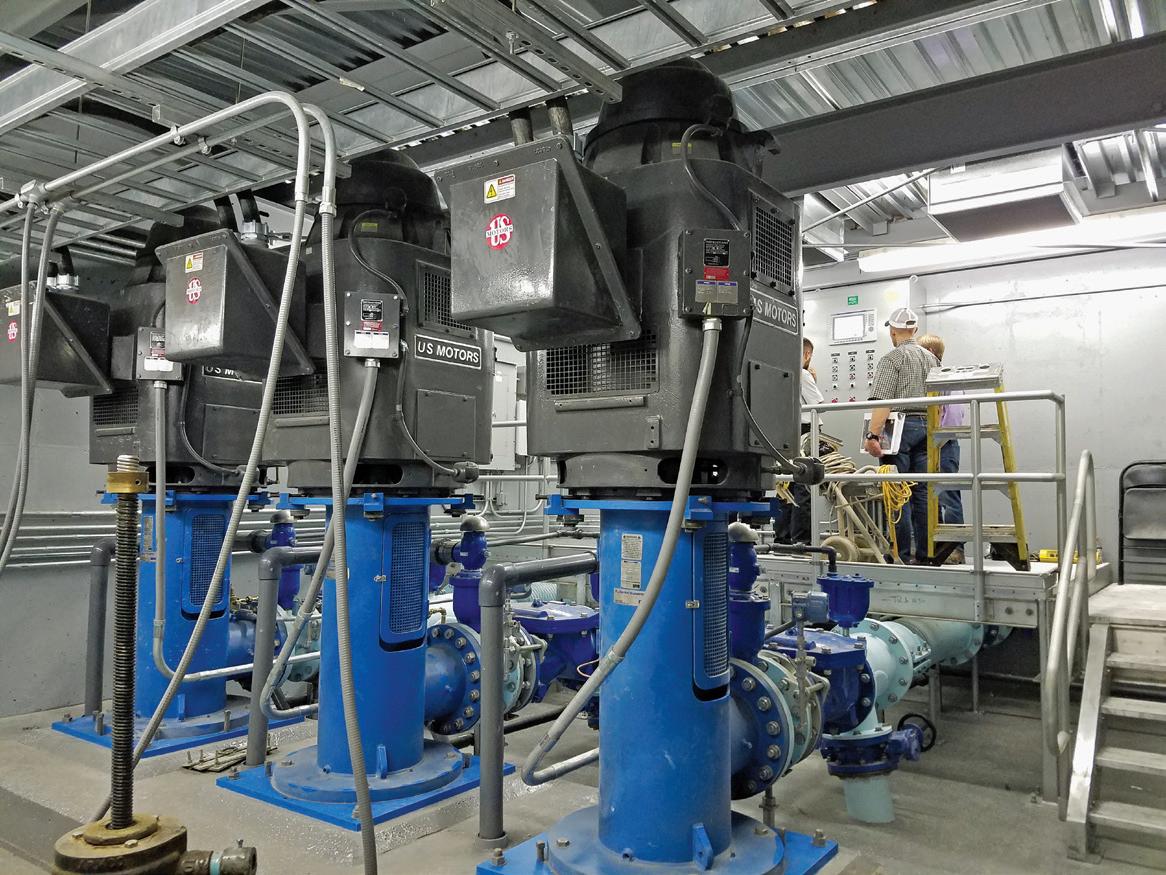

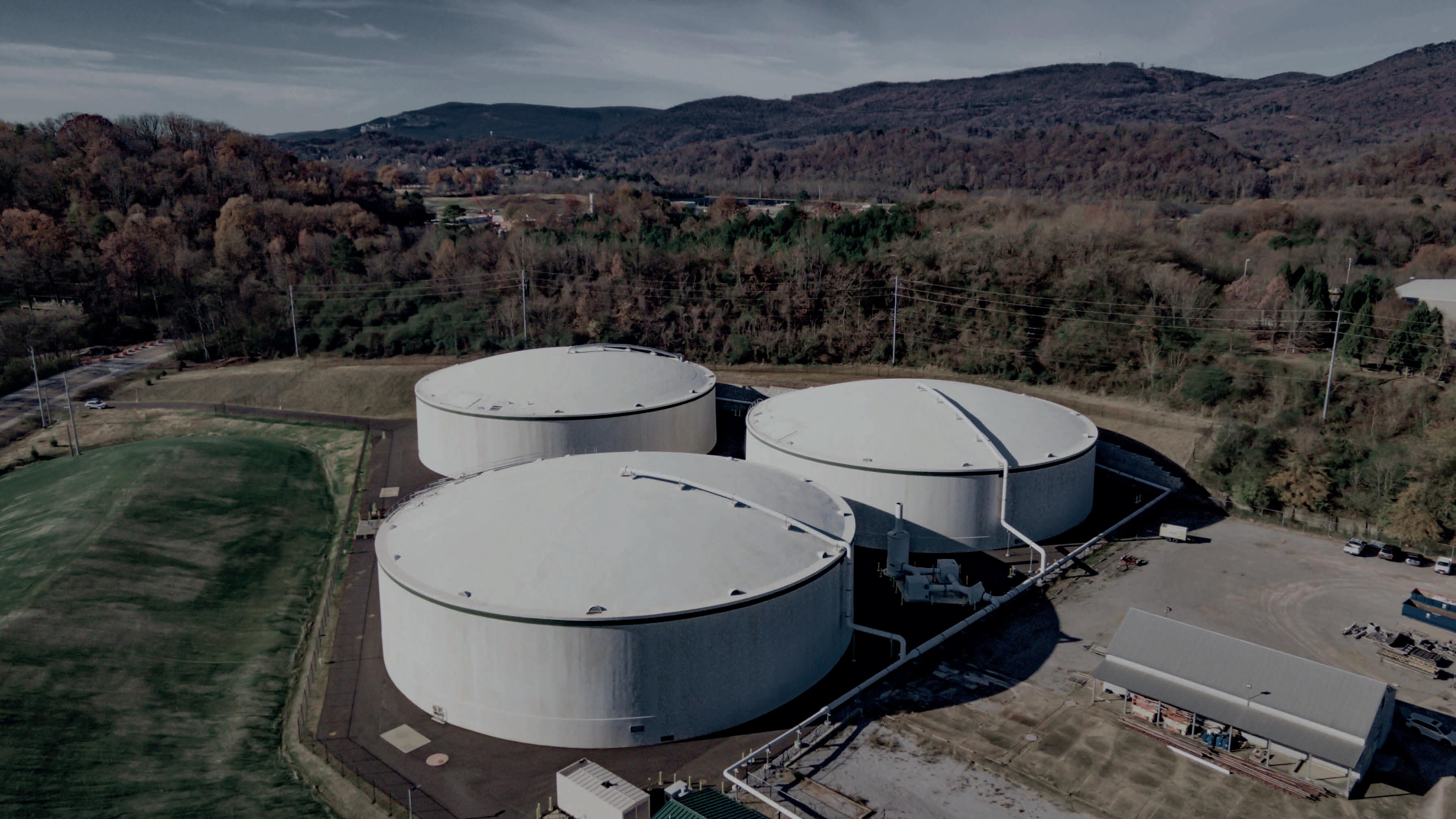
AWWA D110 PRESTRESSED CONCRETE TANKS
Type I, Type II, Type III, & Type IV
Clearwells Digesters
AWWA D100/ D103 TANKS
Glass Fused-To-Steel Bolted
Welded Steel/Bolted Steel ACI 3 0
ENVIRONMENTAL STRUCTURES
Headworks
Aeration Structures
Biological Nutrient Removal
Cast-in-Place
Clarifiers
Flow Equalization
INDUSTRY LEADING QUALIFICATIONS & CERTIFICATIONS
AMPP QP8 Accredited Contractor
AMPP Certified Inspectors
OSHA Trained Inspectors
ACI Certified Shotcreters
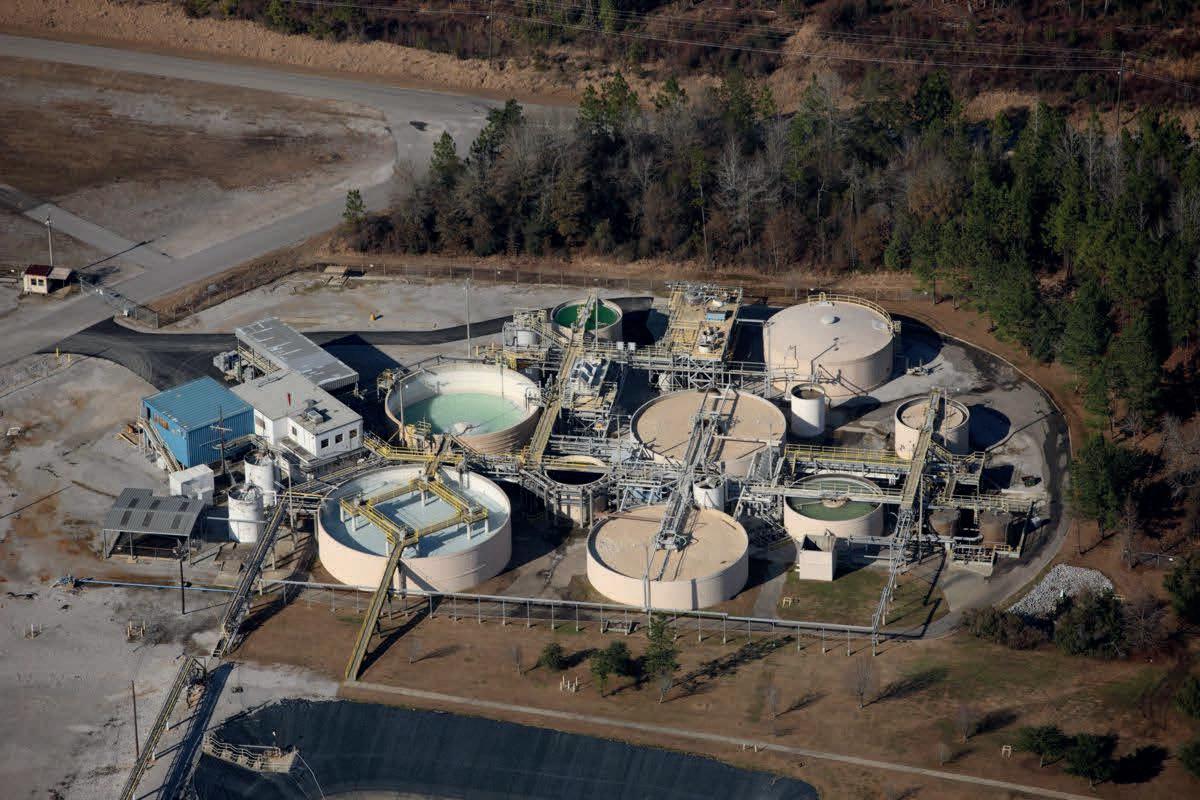
OTHER INFRASTRUCTURE
Lift/Pump Stations
Stadiums
Bridges
Parking Structures Tunnels Dams
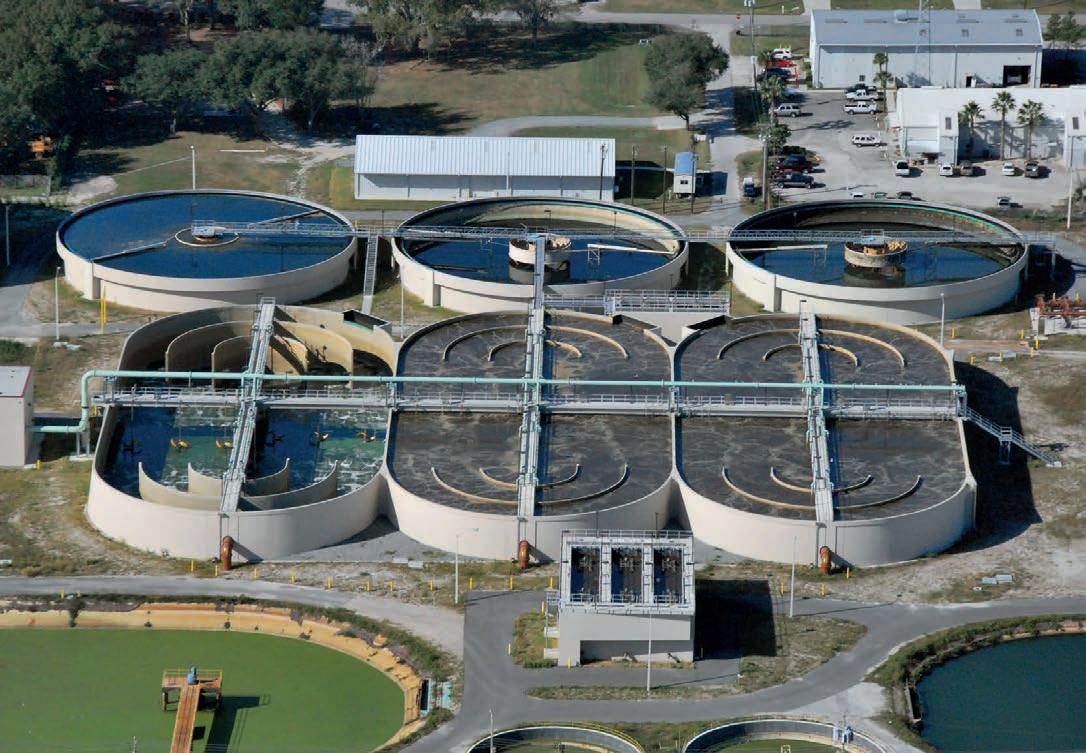
Tamara Moon, Environmental Manager, City of Northglenn, Claire Farmer, PE, Engineer, Hazen and Sawyer, and Liz Crafton, PhD, Director of Water Quality Protection and Restoration, Hazen and Sawyer
A wise man will hear, and will increase learning; And a man of understanding shall attain unto wise counsels: Proverbs 1:5
Be prepared, Scout motto
The City of Northglenn is learning from the experiences of other water providers who have faced serious wildfires. Communities like Superior and Louisville have shared their experiences from the Marshall fire and what they learned. Their stories have helped other communities, including Northglenn, understand how to prepare for wildfires –an effort that used to feel unlikely, but is now becoming more common. The willingness of other communities to share valuable insight about what works and what does not has made planning for wildfire impacts a little easier.
Wildfires in Colorado are becoming more frequent, more severe and are more consistently encroaching on urban areas. With an increasing potential for wildfires impacting watersheds and drinking water supplies, water treatment plants will have to be ready with plans and processes for mitigating the impacts of wildfire within critical watersheds. In the short term, wildfires can disrupt water production, affect supply, and reduce the quality of drinking water. The long-term impacts are just as serious and require careful planning and capital investment to adjust treatment processes to the new conditions.
Understanding that wildfire, like death and taxes, is inevitable has inspired Northglenn to prepare for the worst. Due to this, a careful assessment of how Northglenn’s water treatment plant will handle different wildfire situations, both during and after a fire was performed.
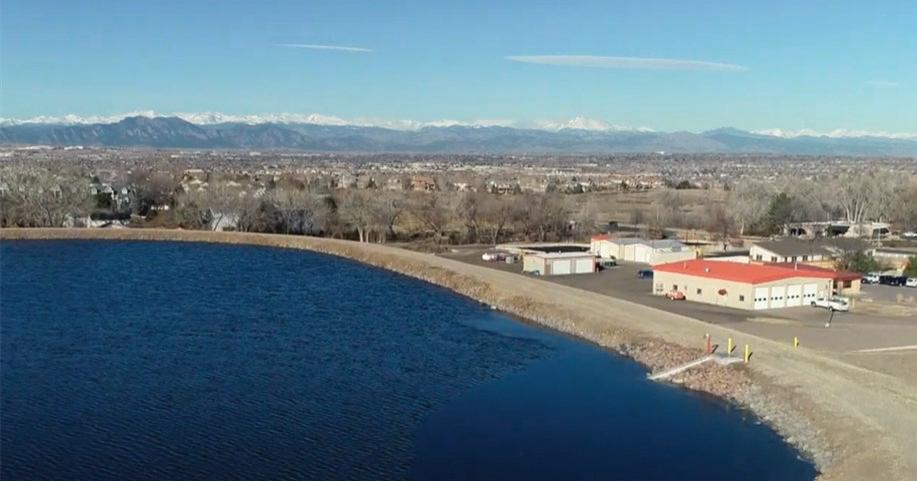
The study focused on understanding what the biggest risks are and how to manage them. For example, the types and quantity of pollutants that might come into the system from a wildfire were evaluated and used to determine what extra treatments might be needed to maintain water quality conditions that remain safe for the community. Identifying these risks ahead of time allows for better decision-making and capital planning now and into the future.
Northglenn is a medium-sized city located in the Denver metro area. Clear Creek is the city’s primary raw water source. Water from Clear Creek is delivered to Standley Lake through three earthen canals. From Standley Lake, water is delivered to a terminal reservoir located at the treatment plant site. Northglenn’s water treatment plant has a maximum capacity of 14 million gallons of water per day, which supplies drinking water to about 39,000 people. The plant operates using conventional treatment that includes coagulation, sedimentation, filtration, and chlorine disinfection. To date, the Clear Creek
watershed has not suffered a catastrophic wildfire. Time is not on our side.
Preemptively assessing wildfire resiliency is critical to prepare, respond, and recover from a wildfire event. To assist the City of Northglenn with wildfire preparedness and ensure sufficient wildfire resiliency in the future, an assessment of the current treatment train was conducted for each water quality scenario that is expected to occur during and post-wildfire. The risk factors and limiting processes were delineated, and management actions were aligned accordingly to bolster treatment operations for near-term challenges and aid in future planning for post-wildfire water quality. The water quality scenarios investigated, findings from the water treatment plant assessment, alternatives analysis, and monitoring recommendations are disseminated in the subsequent sections.
The City of Northglenn approached this effort as a practical assessment of treatment performed if a wildfire affects the watershed. The assessment drew on operating records, local wildfire pilot
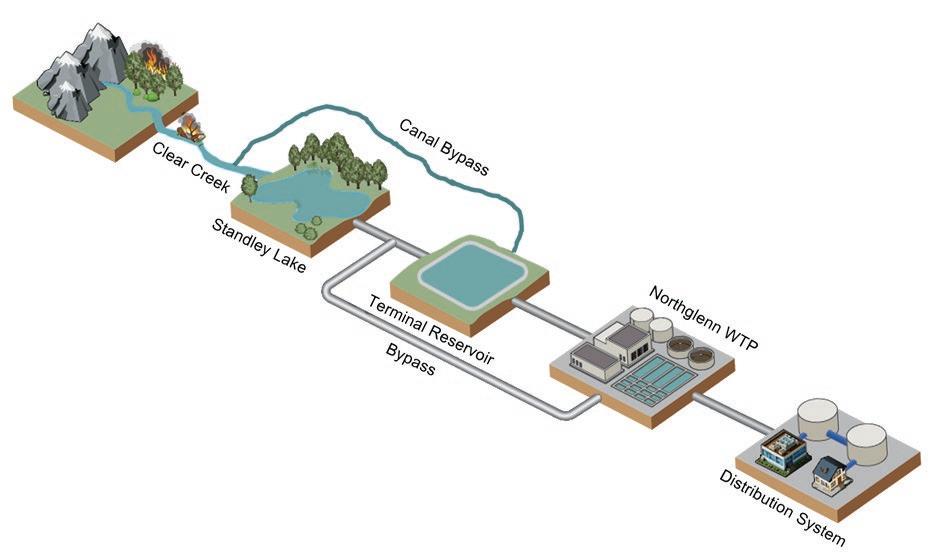
testing, published post-wildfire literature, case studies from peer Front Range utilities, and an assessment of source water conditions. Using these resources, four representative water-quality scenarios were developed to reflect post-wildfire conditions.
· Catastrophic Scenario: The first flush after a burn, short but extreme, requiring plant derating to improve performance.
· Challenging Scenario: The first post-fire year, less severe than the first flush but with poor conditions lasting much longer.
· Post-Wildfire Scenario 1: Five to seven years out, with turbidity subsiding but algae and taste-and-odor events increasing.
· Post-Wildfire Scenario 2: More than 15 years out, when ecological shifts can drive recurring HABs, higher pH, and persistent internal nutrient cycling.
The assessment showed that Northglenn can meet production goals in all cases, but the way the plant is stressed changes over time. Finished water quality is most at risk in the Catastrophic and PostWildfire 2 scenarios, while solids handling emerged as the most frequent operational constraint, forcing reliance on bypasses and continuous wasting to the sewer. Each scenario highlighted different risks and associated mitigations:
· Catastrophic (First Flush). The first major storm after a fire creates a short but extreme water-quality window, with very high turbidity and organic carbon. These conditions stress clarification, raise the risk of DBPs, and can introduce smoky taste-and-odor. To keep finished water in compliance, the plant would need to reduce flow through citywide drought restrictions, apply enhanced coagulation
with pH control, and, if possible, add temporary pre-treatment in the reservoir to knock down solids and carbon. Continuous backwashing pushes the gravity thickener beyond normal limits, so operators rely on strict recycle control and may need temporary dewatering or auxiliary pumping to relieve strain.
· Challenging (First Year). In the year following a fire, raw water quality is less severe, but poor conditions last much longer. Finished water can remain in compliance, but all filters must remain online and solids handling runs close to capacity. The plant leans on frequent jar testing to fine-tune coagulant and pH, prepares powdered activated carbon (PAC) for intermittent taste-and-odor events, and manages elevated waste to the sewer. Sustained strain on recycling and dewatering systems may require auxiliary support to keep production steady.
· Post-Wildfire Scenario 1 (Early Recovery, five to seven years). Several years into recovery, turbidity and organic carbon decline to more manageable levels, but ecological changes in Standley Lake start to show. Algae appear more often, causing episodic taste-and-odor events and early signs of cyanotoxin risk. Solids handling remains hydraulically limited. Operators maintain tight coagulation and pH control, keep PAC and preoxidant capability ready, and enforce strict recycle management. This is also the stage when planning for long-term
www.merrick.com
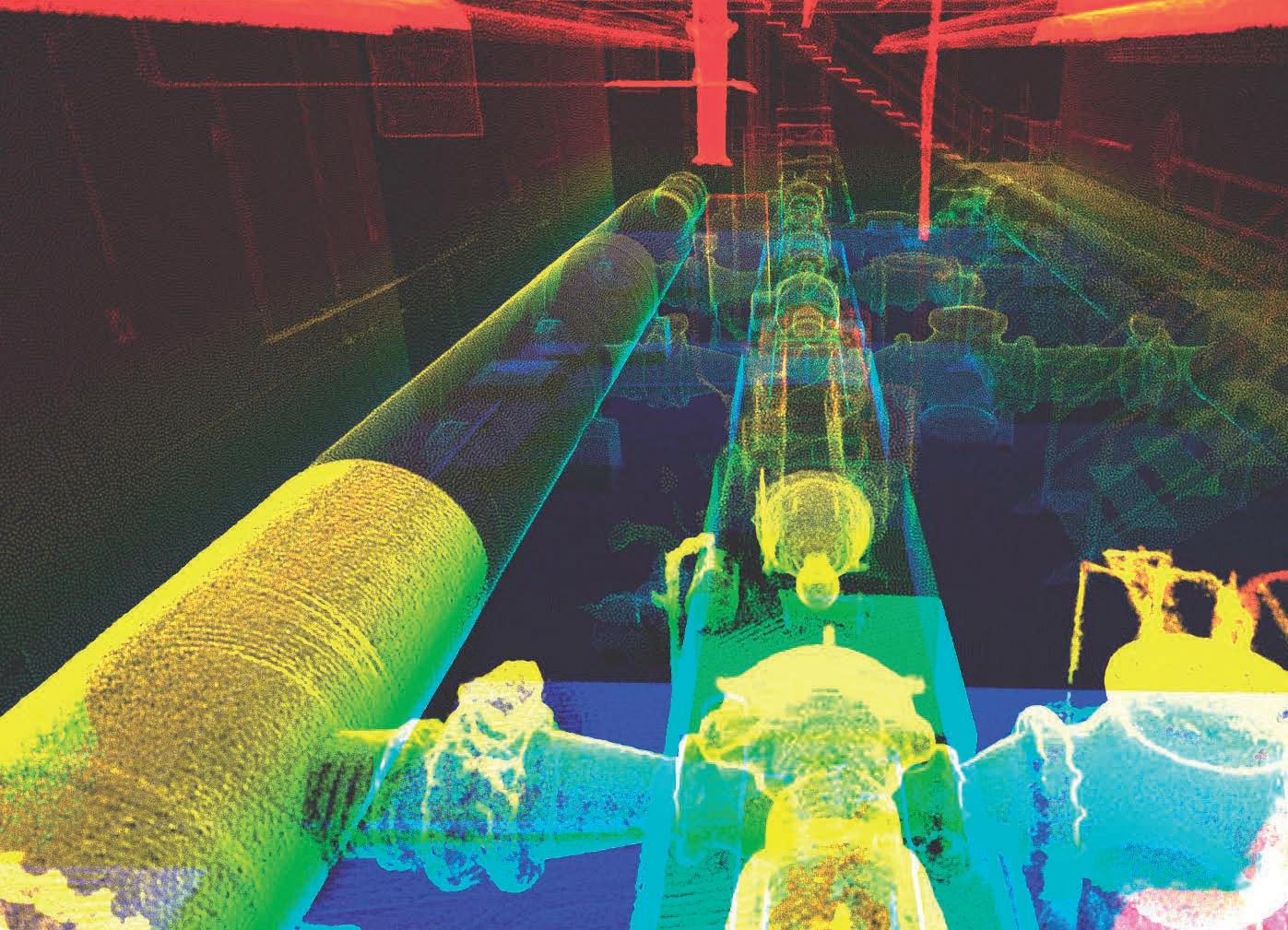
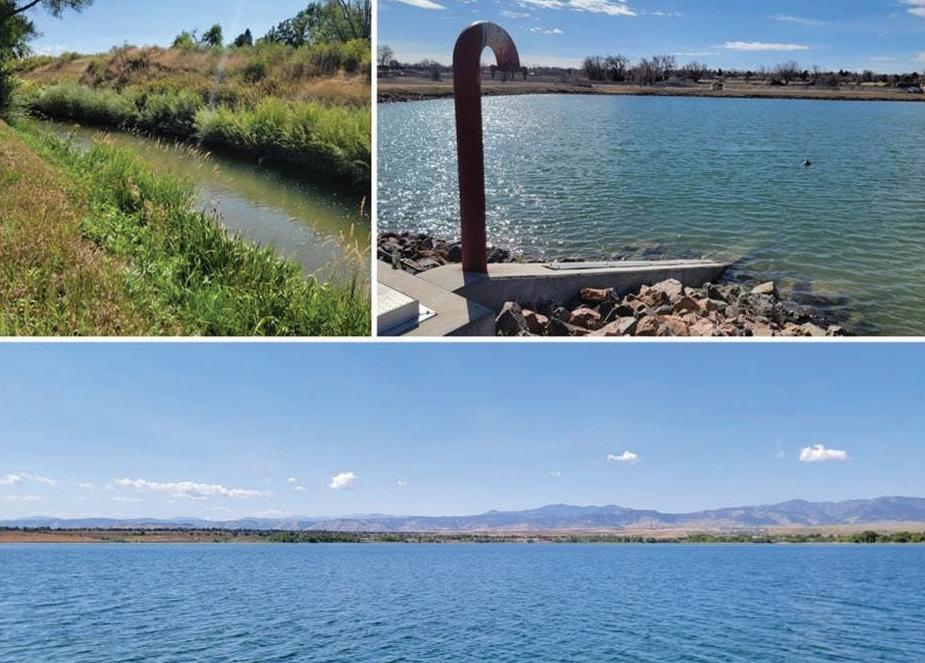
upgrades to solids and recycling capacity becomes increasingly important.
· Post-Wildfire Scenario 2 (Long-Term Degradation, >15 years). Extended watershed impacts and lake ecology shifts can establish a new normal of harmful algal blooms, elevated pH with daily swings, and persistent internal nutrient cycling. These conditions undermine coagulation, increase settled TOC, and elevate DBP formation potential. The plant can still meet demand, but only with enhanced coagulation, including acid feed or alternate coagulants, and optimization of pH before disinfection. Routine monitoring for HABs and cyanotoxins is essential, with PAC and pre-oxidant as standard responses. Long-term resilience requires expanded solids and recycling capacity alongside lake management measures such as oxygenation, sediment control, or watershed BMPs to stabilize trophic status.
These scenarios underscore that the plant can remain functional under stress, but success depends on preparation and timely response. In terms of having an actionable plan for wildfire preparedness, a repeatable cycle of gathering information, preparing,
monitoring, responding, and then recovering can be a good starting point. This approach ensures that actions are tied to actual conditions, not just dates on a calendar. Information from fire behavior, weather, and watershed observations sets the stage. Plant staff then prepare by checking chemical supplies, coordinating



with neighboring utilities, and readying short-term support. During an event, operators track a suite of indicators, such as turbidity and TOC, and act proactively when thresholds are crossed. As conditions stabilize, the plant steps down enhanced measures and decides which temporary practices should become permanent.
The impacts don’t stop when the fire ends. Water providers can face years of poor water quality as the area recovers. In the long term, the changes to the watershed (the land that feeds into the water supply) can make water treatment even harder. The damaged land can lead to more flooding, more sediment, and more pollution that the treatment plants will need to deal with.
Right now, we don’t have the long-term rules or tools in place to fully deal with the kinds of water quality problems that happen after a wildfire. In the short term, we can use emergency plans to make sure people have clean water. But longer-term problems – like ongoing pollution in the water supply – are harder to manage. Water providers across Colorado are hoping that the state health department (CDPHE) will develop clear guidance or policies. That way, cities can take action to protect water quality and the environment after a wildfire.
Tamara has dedicated the past 23 years to serving the residents of Northglenn, CO, bringing extensive experience in municipal water management. Throughout her tenure with the city, she has developed a deep understanding of the complexities involved in delivering high-quality drinking water from source to tap.
Claire Farmer is a water resources engineer at Hazen focused on source water quality monitoring and management. Her background includes wildfire impacts on water quality and the planning of proactive source water solutions that prioritize both system health and drinking-water treatment needs.
Dr. Liz Crafton is a limnologist and engineer specializing in water resources and planning to combat HABs, eutrophication, emerging pollutants, and other water quality concerns. As Hazen’s Director of Water Quality Protection and Restoration, Dr. Crafton works with utility clients across the nation to evaluate historical data, perform water quality risk assessments, develop monitoring and screening programs, and develop short- and long-term strategies to improve source water quality.
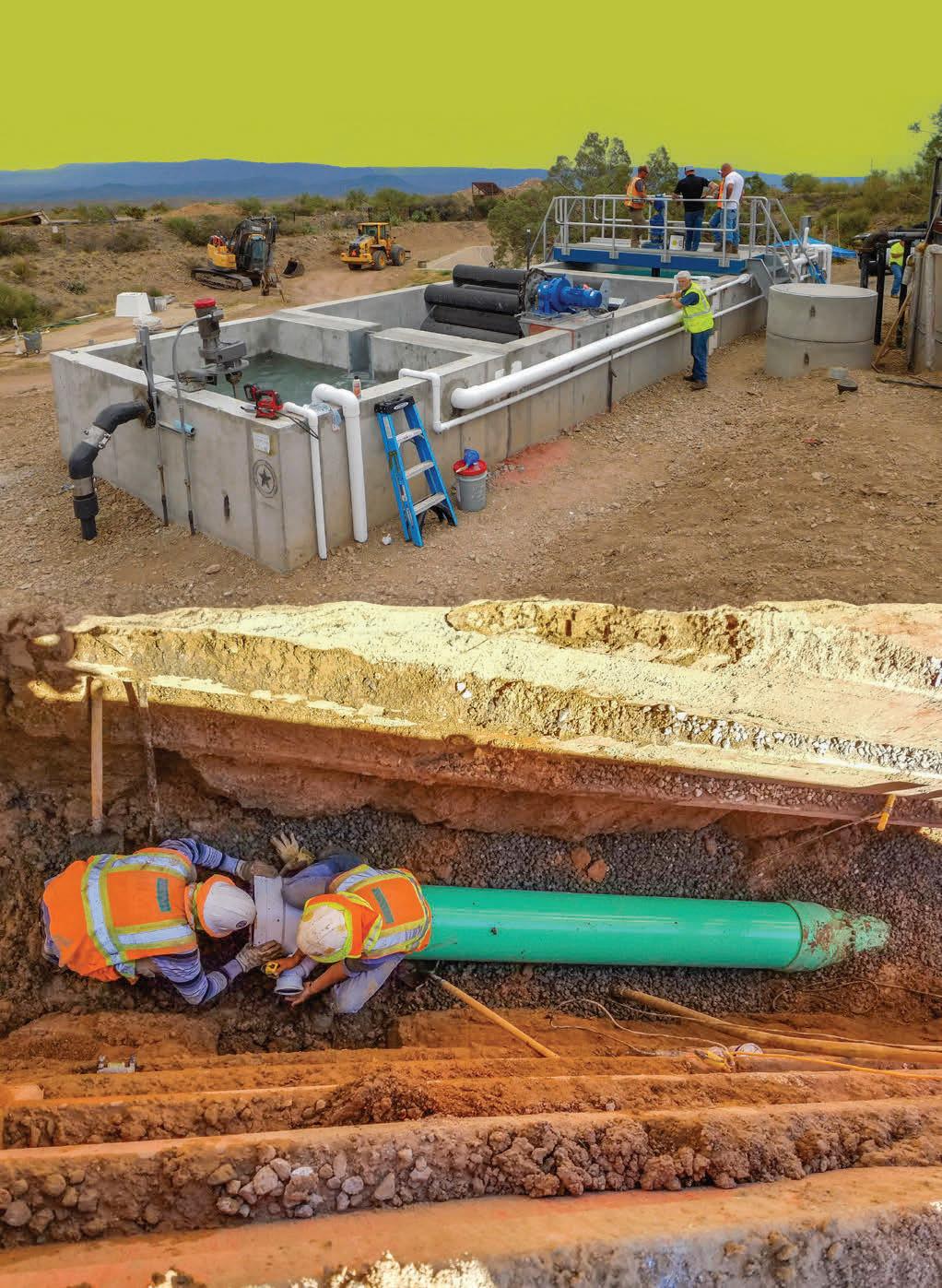
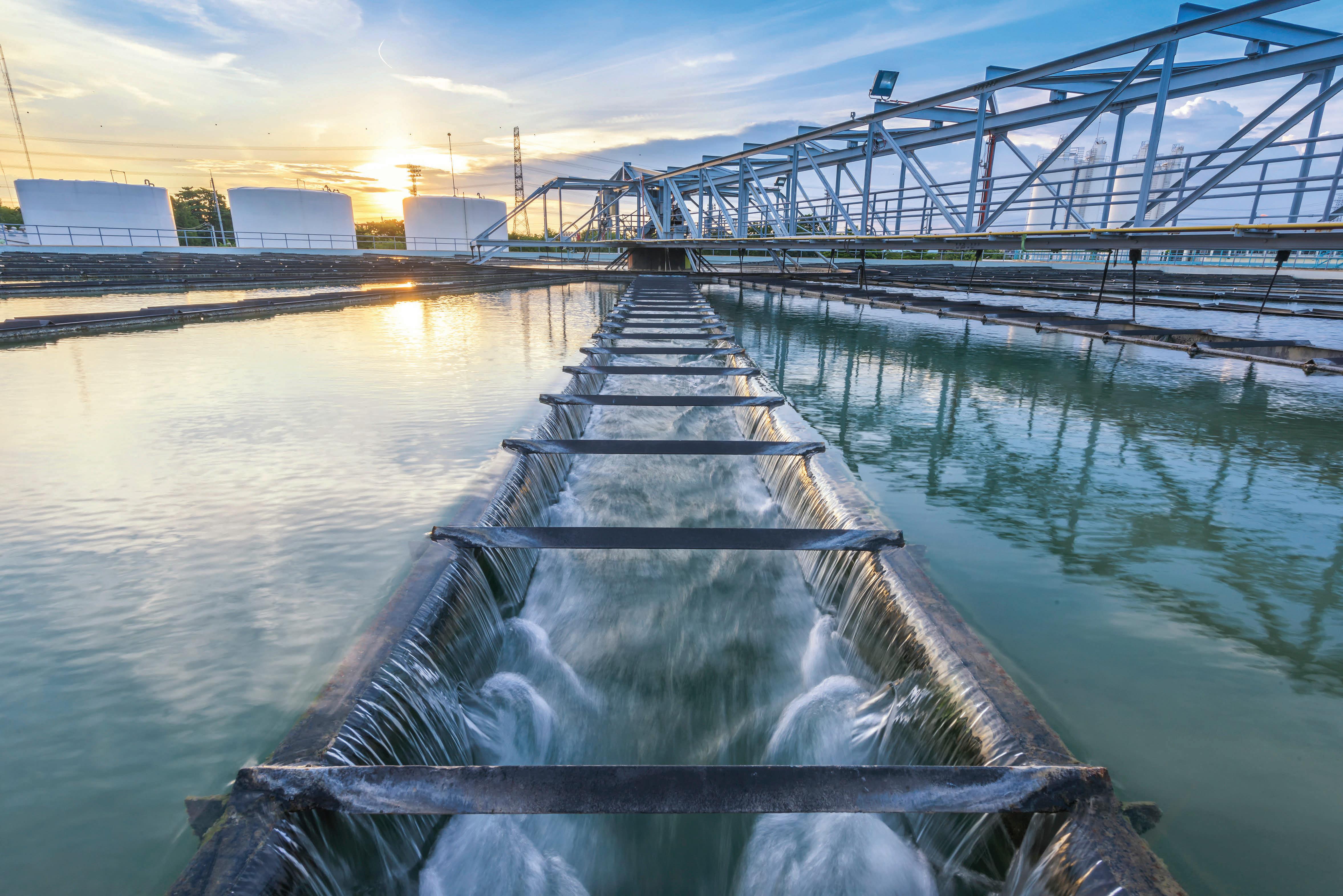

https://www.memberleap.com/members/ classifieds_hybrid.php?org_id=RMWE&sec=A


Rocky Mountain Water is made possible by the companies below who convey their important messages on our pages. We thank them for their support of RMSAWWA and RMWEA and its publication and encourage you to contact them when making your purchasing decisions. To make it easier to contact these companies, we have included the page number of their advertisement, their phone number, and, where applicable, their website.

The Value of Water is a feature-length documentary and video campaign produced by the Rocky Mountain Water Environment Association in partnership with Denver Film Company. The Value of Water will tell the story of our relationship with water in the West throughout time, exploring Indigenous water stewardship practices, today’s clean water operators and community leaders, and how we can reimagine the West’s relationship with water.

If you’d like to get involved, learn more about sponsorship opportunities, or nominate someone to be featured in the documentary, contact valueofwater@rmwea.org
We are offering multiple levels of sponsorship ranging from $1,000 to $30,000, designed to provide visibility, engagement, and unique opportunities to showcase your commitment to clean water and wastewater stewardship.
SPONSORSHIP LEVELS & BENEFITS
Logo on film website and social media posts
Recognition in RMWEA newsletters
Recognition at regional screenings
All Supporter benefits, plus: Name in film credits
Recognition at official screenings
Shout-outs on social media campaigns
Social media mini-feature about sponsor contributions SUPPORTER
All Advocate benefits, plus: Invitation to exclusive VIP screening
Staff or VIP interview
$1,000 $5,000 $10,000
All Champion benefits, plus: Prominent logo placement in all marketing and social media campaigns
Recognition in all press releases and media coverage
Inclusion in documentary companion materials (educational packets, toolkit)
Opportunity to host internal employee screening
$20,000
All Leader benefits, plus: VIP orginazational interview included in documentary narrative
Priority recognition in film credits and promotional materials
Custom 1–3 minute brand video created from interview footage
Custom internal communications package including video, photos, and highlights
Social media clips tailored to sponsor messaging
Opportunity to co-host educational or community events
Recognition as lead sponsor in all outreach campaigns
$30,000
At our very core, AE2S is all about people. Beyond engineering, we are committed to empowering our clients, employee-owners, and all those around us to develop a vision for a better tomorrow.