VETERINARIAN



From the very first conversation of listing the practice, to fi nding the perfect buyer, to the completion of the closing, you listened to our wa nts, needs, concerns, and you delivered!” CLIENT TESTIMONIAL:
“Bret Halishak, what a privilege it has been for us to work wit h you. Your energetic personality, leadership, professionalism, and excelle nt sales knowledge and skills gave us the confidence we needed to ensure us that this venture was going to be a great success...
SETUP YOUR OWN EXIT STRATEGY
The veterinary industry has rebounded as consolidators are aggressively looking for 2+ DVM financially sound practices.
Reach out to see how your practice finances stand today!
Too profitable that no one can afford your practice?
Start working backwards on retirement! Employment agreements are getting longer, making it crucial to negotiate your exit timeline.
TPSG MICHIGAN PRACTICE LISTINGS
Southern Michigan in Kalamazoo Area. Gross $1.3M. Well-equipped, small animal practice in an excellent facility. Staff includes an associate DVM, an LVT, assistants, receptionists, and an office manager. (MI-9310)
Southern Michigan in Kalamazoo/Jackson Area. Gross $1.43M. Long-standing, small animal practice with strong staff. Call for more information. (MI-9350)
Central Michigan. Gross $1.2M. Long-standing and well-equipped small animal practice. Facilities are wellmaintained, and practice is well-staffed. Px is offered at $730K, RE is offered at $250K. (MI-9410)
Eastern Michigan. Gross $1M. Established small animal practice with a great facility that can withstand future growth. Well-equipped with strong profitability, the new owner is to earn $310,000 after mortgage and expenses. (MI-9530)
LATEST TPSG TRANSACTIONS
2 FTE, Grossing $1.9mm - Sold to a private buyer in under a year!
2.5 FTE, Grossing $2.1mm - Sold to a corporate buyer in under five months!
4.5 FTE, Grossing $3.6mm - Sold to a corporate buyer in under eight months!
3.5 FTE, Grossing $4.1mm - Sold to a corporate buyer in under six months!
2026 BOARD OF DIRECTORS
Dr. Elaine Sheikh, President
Dr. Timothy Duncan, President-Elect
Dr. Henry Reinart, First Vice President/Treasurer
Dr. Kenny Rogers, Second Vice President
Dr. Matthew J. Hynes, Immediate Past President
DIRECTORS REPRESENTING DISTRICTS
Dr. Kelsey Deland, (1) Southern
Dr. Kerry Gilbert, (2) Michiana & (3) Southwestern
Dr. Laura Miller (4) Jackson
Dr. Chelsea Render, (5) Washtenaw & (9) Livingston
Dr. Emily Socks, (6) Wayne & (8) Oakland
Dr. Michelle Meyer (7) Macomb
Dr. Jamie Morrison, (10) Mid-State
Dr. Mary Kinser, (11) Western
Dr. Daniel White, (12 & 13) Saginaw & Thumb
Dr. Chelsea Van Assche, (14) Northeastern
Dr. Megan Grant, (15) Northern
DIRECTORS REPRESENTING ASSOCIATIONS
Dr. Rebecca Dietlin, Southeastern MI VMA
AT LARGE DIRECTORS
Dr. Angel Abuelo Sebio, MSU CVM
Dr. Melissa Dyson, Lab Animal Medicine Vacant, Equine
Dr. Kayleigh Marinac-Prudente, Food Animal Vacant, LVT Director Vacant, Student Director
MVMA STAFF
Bonnifer Ballard, CEO
Rachel Boersma, Director of Member Services
Kara Henrys, Director of Learning & Strategic Partnerships
Anita Nystrom, Office Manager

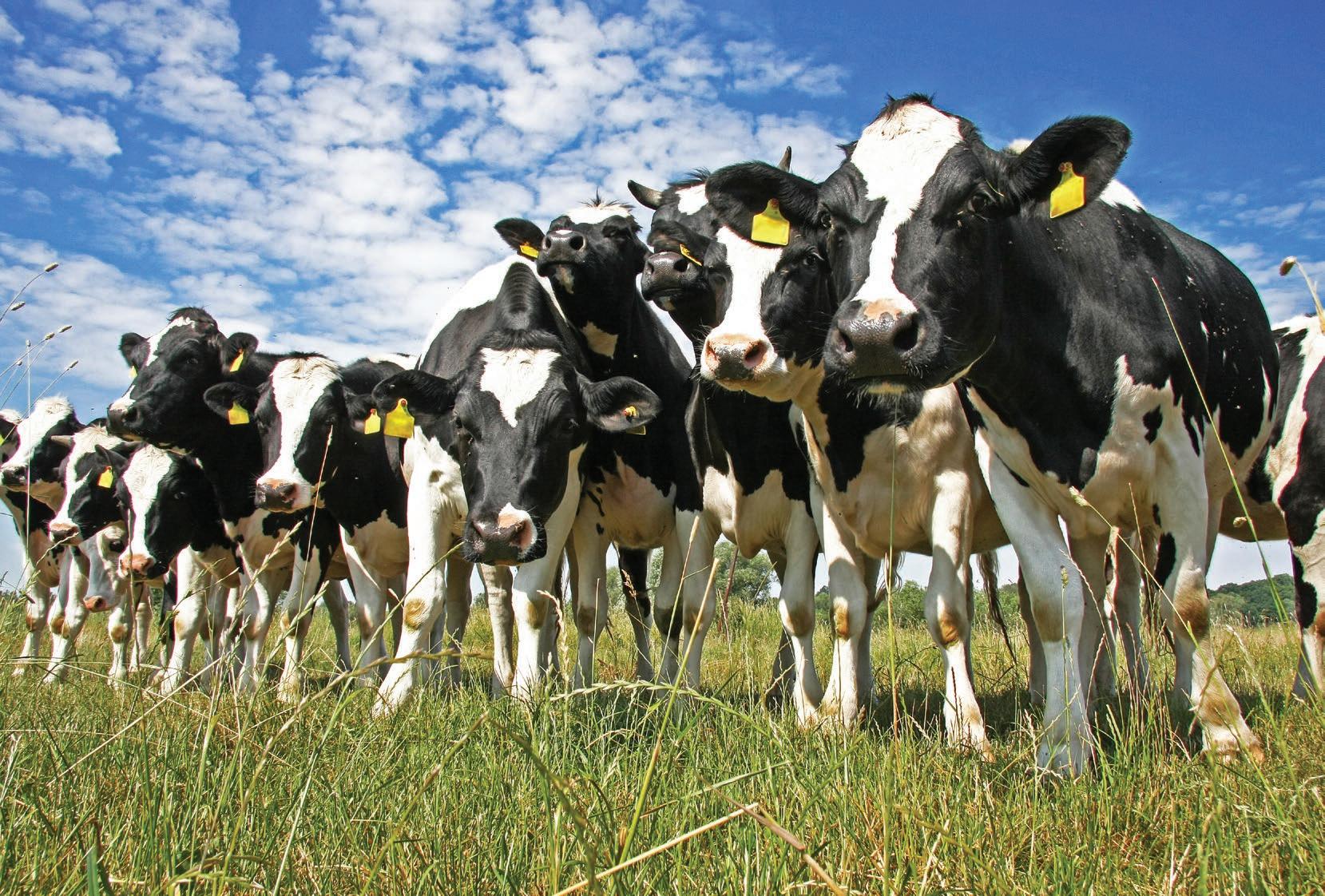
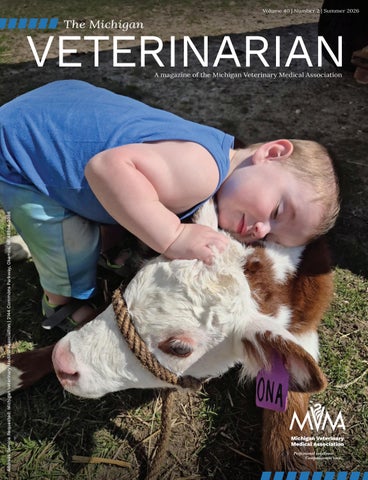
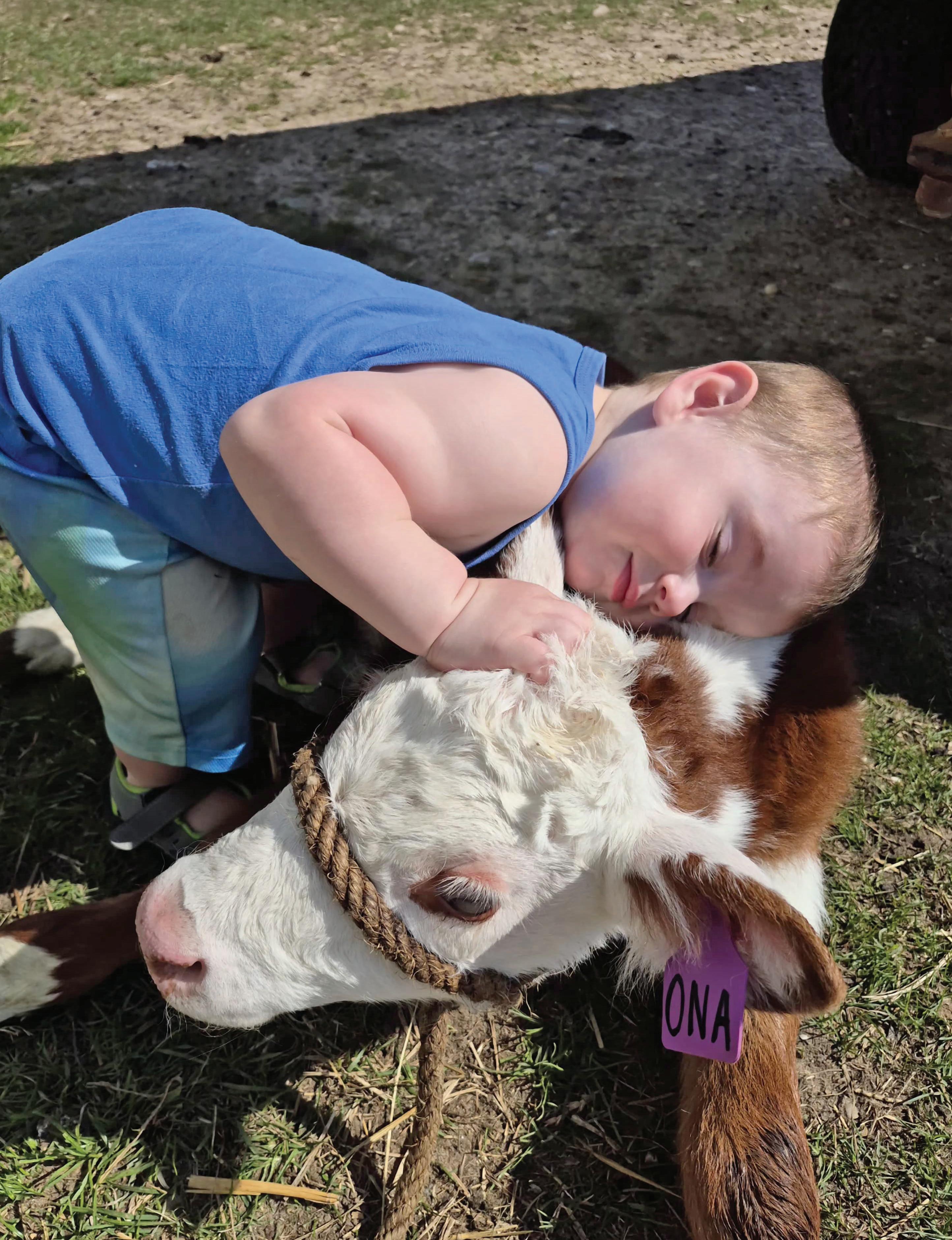
Cover photo courtesy of Stephen Reinart.

Finding Balance as a Leader
By Bonnifer Ballard, MLD, CAE
One of the challenges I continue to have as a leader is finding balance. Not work life balance – balance between doing and thinking, between tactics and strategy. Leading a small staff team means I move from strategy to tactics and back again in the blink of an eye. I imagine most practice owners do too. Sometimes the only one available to answer the phone is you. I also hail from Michigan – I’m ‘Michigan nice’ –and so tend to want to help people solve problems. (I know it’s ‘Minnesota nice’ but it fits.)
Leaders can be found in all kinds of places, regardless of title. Maybe you find yourself struggling to find balance as well. It can be challenging to focus on the right thing at the right time.
Being First In
In addition to the simple need to get work done, especially when short staffed or working with a small team, there is also modeling behavior to help advance your organization. Several years ago, a consultant discussed the concept of ‘First In,’ being willing as a leader to be first into an idea or a project. He valued leaders that were courageous enough to dive into an idea, to work through the details enough to help lead and support those who would fully implement the new idea and keep it going. The trick is knowing at what point to pull back.
Rising to 30,000 Feet
I’m sure you’ve heard this business idiom before. When you’re trying to see the big picture, you need to “rise above” the details to see everything all at once, to get perspective and see the big picture.
Both of these behaviors are important to a leader. Couple that with a Michigander’s tendency to be nice and you may really struggle with getting any traction either on tactics or strategy.
Finding Balance
There are two strategies I use to find balance: be present in the moment, and get it out of your head and move on. At the end of the day, finding that balance isn’t about being perfect –
it’s about staying aware of where your time and energy are going, and making small adjustments as you go. Some moments you’ll be deep in the weeds, other days you’ll be up at 30,000 feet. Be intentional about when you shift between the two. Leadership isn’t a fixed state – it’s a constant recalibration. So, give yourself some grace, stay present, and keep moving forward. The balance will come, even if it’s sometimes a little messy.
Leave emergency to us, so you can do what you do best. VEG is the emergency-only partner that complements and supports the wellness care you provide. Our ER team collaborates with you, offering 24-hour ER care, critical case hospitalization, on-site lab services, oxygen therapy, surgeries, transfusions, and more.
Emergency care that works for people and their pets:
• Call and speak to a doctor
• See a doctor right away
• Stay with your pet




Happy Summer, Michigan Veterinarians!
By Elaine Sheikh, DVM, MScVAA, CVA
It has been an active and productive first quarter for the Michigan Veterinary Medical Association, and I’m excited to share an update on the progress of our strategic plan. This was introduced to members in December at our annual meeting, and is available on our website at Michigan Veterinary Medical Association website if you haven’t had a chance to review it.
Your Board has been working diligently behind the scenes to ensure that this plan moves off paper and into the real world. In Q1 of this year, we established seven task forces aligned with our key strategic priorities. These groups have already begun their initial rounds of meetings, identifying opportunities and building momentum. Several initiatives have progressed quickly and are already being integrated into the work of our standing committees.
A question I’ve heard from members is: why create so many task forces? Task forces are time-limited, focused groups designed to advance specific priorities and provide recommendations to the Board. They allow us to move quickly, engage members with targeted expertise, and pilot new ideas. In contrast, our standing committees, and ultimately the Board of Directors, carry forward this work, ensuring continuity and long-term impact.
All organizational progress is only possible because of the engagement and dedication of members like you. As we continue to implement our strategic plan, we welcome broader involvement from across our membership. If you are interested in helping shape the future of the MVMA and veterinary medicine in
our state, I encourage you to consider volunteering for a committee. Your voice, experience, and perspective are invaluable.
Our regular committees include:
• Animal Welfare Committee Diversity, Equity, and Inclusion (DEI) Committee
• Equine Practice Committee
• Ethics and Grievance Committee
• Food Animal Practice Committee
• Leadership Development Committee
• Legislative Advisory Committee
• One Health Committee
• Veterinary Team Development Committee
You can learn more about opportunities to get involved by visiting Michigan Veterinary Medical Association website or by reaching out to a member of the MVMA staff.
Once again, our annual meeting will be held in Lansing in December. All MVMA members are welcome to attend. Dates will be published on our calendar, so keep an eye on the MVMA website to get the most up-to-date event schedule.
Together, we will continue to move our profession forward and strengthen veterinary medicine in Michigan for generations to come!
Progress, Not Perfection:
Lessons from Veterinary Mistakes

BY DR JULIE CAPPEL, DVM, CCFP
Ispend a good deal of my time coaching veterinarians and veterinary teams through mistakes. We experience medical, financial, emotional, communication, and even mistakes in judgement along with many more. When you are a leader of any kind, there are countless opportunities – not only to make mistakes – but to navigate the aftermath. If you are a human, you have probably made a few.
In veterinary medicine, mistakes can feel especially heavy. A 2018 study published in the Journal of the American Veterinary Medical Association found that “fear of medical mistakes remains one of the most common practice-related stressors” experienced by veterinarians. Sometimes, our mistakes can lead to devastating outcomes, including the loss of a patient. That is a burden few outside our profession truly understand, except perhaps our human medical counterparts. As veterinarians, we carry not only medical responsibility, but heavy emotional responsibility, for our patients, our clients, and often for our teams.
That weight can feel overwhelming.
And yet, if you are doing meaningful work – if you want to create something important in your life and career – mistakes are not optional. They are inevitable. As certain as the sun rises each morning, mistakes will happen. I have my own list of mistakes that I could share here if that were the focus of this article, but fortunately for me, it is not.
The problem is not that mistakes occur. The problem is how we handle and think about them.
Most of us were trained in environments where perfection was almost an expectation. We learned to equate mistakes with failure, and failure with inadequacy. So, when something goes wrong, it doesn’t just feel like an isolated event; it feels personal.
“When you take on big goals and big responsibilities like ours, you must be willing to feel uncomfortable. You must be willing to experience grief, embarrassment, and even shame when things don’t go as planned.”
It feels like a reflection of who we are. We may feel like others are judging us; judging our intelligence, our training, and our experience.
But that way of thinking is unhelpful and untrue.
When you take on big goals and big responsibilities like ours, you must be willing to feel uncomfortable. You must be willing to experience grief, embarrassment, and even shame when things don’t go as planned. These emotions are not signs that you are doing something wrong, they are signs that you care deeply about your work.
Perfection is not the goal.
In fact, the pursuit of perfection is often what keeps us stuck in fear and anxiety. Fear of getting it wrong and being judged. Fear of the consequences of a mistake. And when we are operating from fear and anxiety, we tend to try to over-control every situation or avoid risk altogether. Neither serves us.
But fear itself is not a problem to solve.


The fear in our primitive brain is useful. Fear keeps us careful. It will make us pause to think, double-check, and reason critically. In many situations, fear is appropriate and protective. The key is learning to balance that fear with our desire to help, heal, and create positive outcomes for our patients and the people who love them.
Mistakes, when approached in a healthy way, are some of our greatest teachers. They offer us opportunities to reflect, to adjust, and to grow. They allow us to build resilience and deepen our compassion for ourselves and for others.
This doesn’t mean mistakes are easy to handle. It doesn’t mean they don’t hurt our heart. It simply means they are part of the process of working and progressing in this profession.
When a mistake is made, enhancing your resilience is an important skill to adopt. In order to keep moving forward, you should practice healthy coping strategies, such as: mindfulness practice, honest and prompt client communication, studying possible causes of the error to prevent it from happening in the future, and seeking support from a coach, therapist, or colleague. Resilience is a skill you can learn.
So, the next time you find yourself feeling guilty or ashamed in the aftermath of a mistake, I want you to remember this:
You are not alone – we all have made them. You are not broken – you are a normal human. And you are not defined by a single moment.
What matters most is what you do next.
Do you take responsibility? Do you learn from the mistake?
Do you allow yourself to move forward with confidence, greater awareness, and more wisdom?
Progress, not perfection is the goal.
Because the veterinarians who make the biggest impact are not the ones who never make mistakes. They are the ones who are willing to keep showing up, keep learning, and keep caring no matter what.
That is our work and our journey.
And we are enough.
EDUCATIONAL EVENTS Events Calendar
JUNE 2026
JULY 2026
AUGUST 2026
SEPTEMBER 2026

EDUCATIONAL EVENTS

MVMA LUNCH AND LEARN WEBINARS
Short on time but still need quality CE? Our Lunch & Learn Webinar Series is built for busy veterinary professionals –concise, practical sessions you can fit into your workday while earning credit when it works best for your schedule. Join trusted experts to stay current on issues impacting your practice, and make your continuing work for you.
June 24
Radiology Essentials: Spot It, Solve It, Save Time
July 22
Different Brains, Same Standards: How Veterinary Teams Build Accountability Together
August 19
Beyond Burnout: Understanding Moral Injury in Veterinary Medicine
September 23
Rabies Testing for Veterinary Professionals: Best Practices for Process and Submission
October 21
Eye Spy: Spotting Common Ocular Issues with Confidence
November 18
Better Boundaries, Better Medicine
December 16
From Culture to Cash Flow: How Inclusive Leadership Strengthens Veterinary Practices
Smart CE starts here. Register now. www.mivma.org/lunch-and-learn-webinar-2026-series
All webinars are facilitated virtually on Wednesday from noon – 1:00 pm. These are presented in a live synchronous format and are recorded for on-demand viewing for registered attendees only. Each webinar is worth one continuing education credit.
MVMA LVT LEARNING COLLECTIVE WEBINARS
Unlock the next level of your career with innovative continuing education designed specifically for technicians. Join the MVMA LVT Learning Collective. These cutting-edge webinars deliver practical, real-world skills you can apply immediately, on your schedule. Available for a limited time, this is your chance to stay ahead of the curve, sharpen your expertise, and stand out in a rapidly evolving industry.
June 11
From Assessment to Relief: Practical Pain Management Techniques
August 20
Record Keeping and Controlled Substances
October 15
Ultrasound Skills: Tips and Technique
December 10
From Stress to Stability –Behavior Medical Management in Practice
Don’t miss it. www.mivma.org/lvt-learning-collective-webinars
All webinars are facilitated virtually on Thursday from 7:00 – 8:00 pm. These are presented in a live synchronous format and are recorded for on-demand viewing for registered attendees only. Each webinar is worth one continuing education credit.
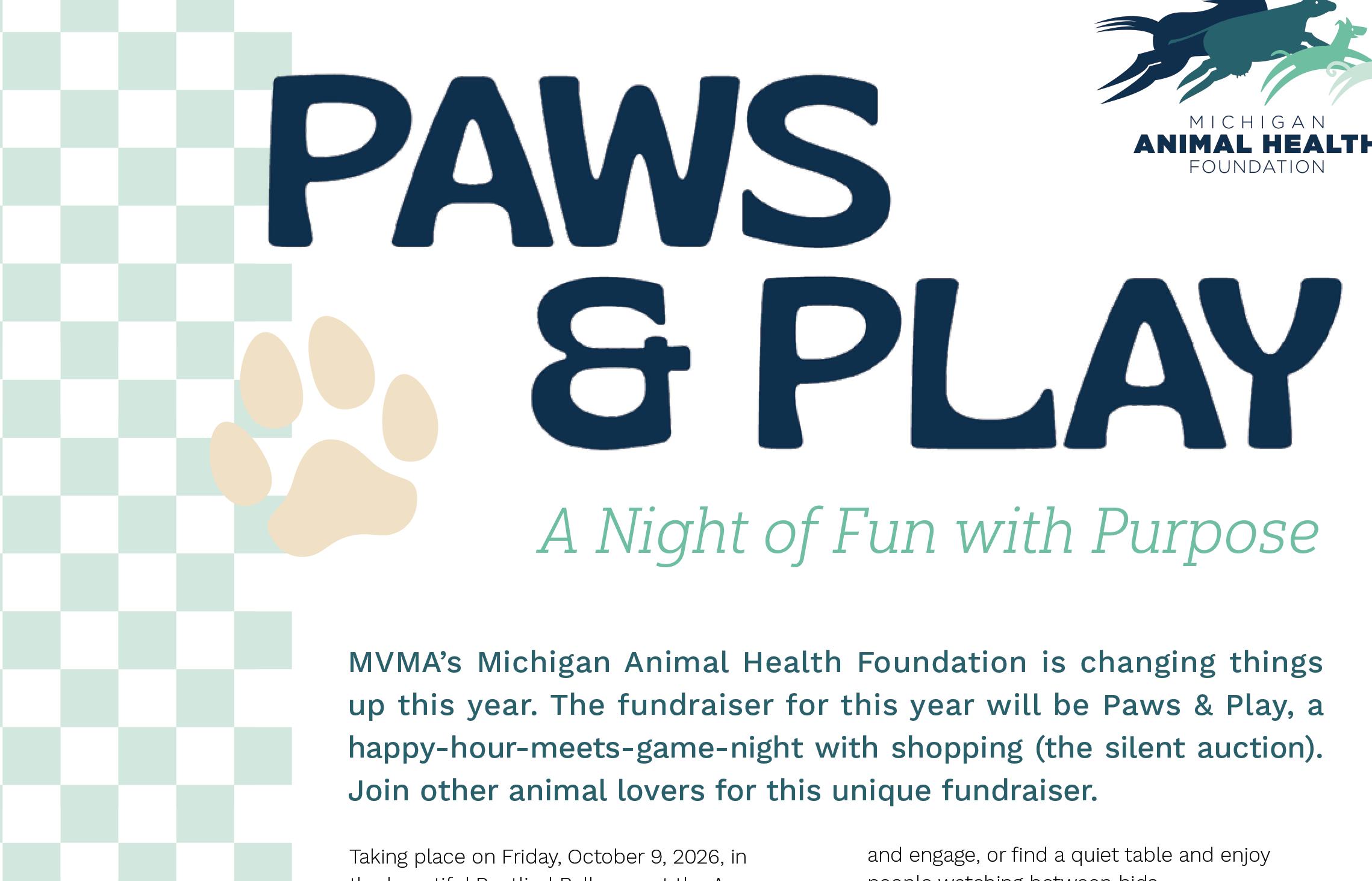
A Night of Fun with Purpose
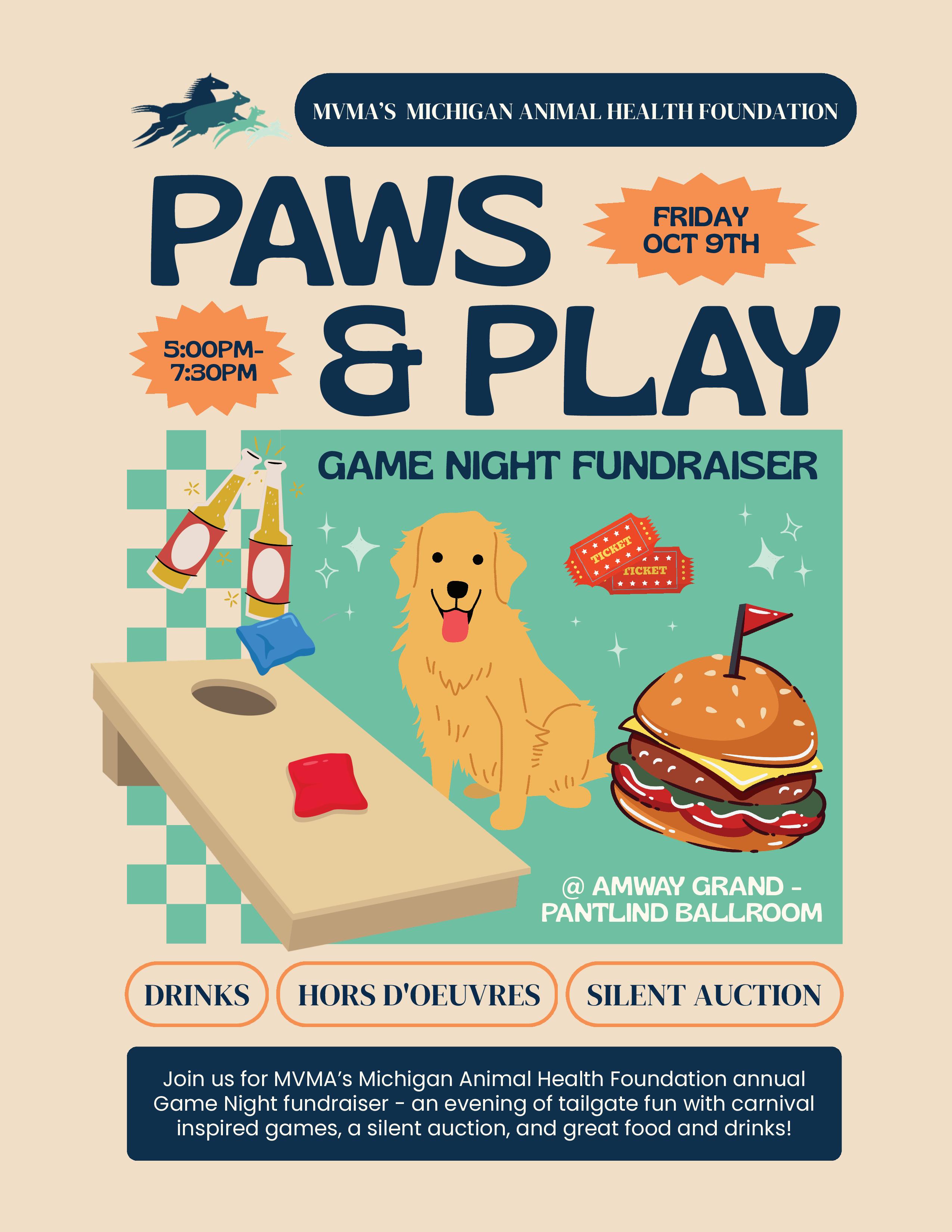
MVMA’s Michigan Animal Health Foundation is changing things up this year. The fundraiser will be Paws & Play, a happy-hour-meets-game-night with shopping (the silent auction). Join other animal lovers for this unique fundraiser.
Taking place on Friday, October 9, 2026, in the beautiful Pantlind Ballroom at the Amway Grand Plaza in Grand Rapids, this lively evening promises to bring together veterinary professionals, animal lovers, and community supporters for a memorable night, all in support of animal health initiatives across Michigan.
From 5:00 to 7:30 p.m., immediately following sessions on the first day of MiVetCon, guests will enjoy an energetic, tailgate-inspired atmosphere filled with a variety of games, comfort foods, and meaningful connections. The event blends fun and philanthropy, offering attendees the chance to unwind after sessions or work (MiVetCon registration is not required) while perusing the huge silent auction. Each ticket sold and silent auction item won helps contribute to advancing veterinary care, education, and research in Michigan.
Attendees can expect:
• Game stations featuring friendly competition with fun prizes,
• A silent auction with exciting items and experiences to win,
• Heavy hors d’oeuvres and a drink ticket included with admission,
• A relaxed, social setting perfect for networking and celebration.
The event creates an energetic and inclusive environment where everyone can participate
and engage, or find a quiet table and enjoy people watching between bids.
Supporting a Meaningful Mission
Hosted by MVMA’s Michigan Animal Health Foundation, Paws & Play directly supports grants to help pets of low-income pet owners get needed care as well as education and research grants to advance the profession. Every ticket purchased and every sponsorship secured helps fund initiatives that benefit veterinarians, animals, and the people who love them.
Join us
Tickets are affordably priced at just $25 per person, making it easy to join the fun while supporting a great cause.
The event also offers a range of sponsorship opportunities. Check out the MVMA website for details.
Whether you’re in it for the games, the networking, the auction, or simply a great night out, Paws & Play is an event you won’t want to miss. Bring your colleagues, invite your friends, and come ready to play – all while making a lasting impact on animal health in Michigan.
Key Event Sponsors
Bar Sponsor – Advanced Animal Emergency
Room Sponsor – Affiliated Veterinary Emergency
Main Event Sponsor –Faithful Companion Pet Cremation
BEYOND GUESSWORK:
How Liver Biopsies Help Bovine Practitioners Get Better Herd Health Answers
BY STACEY KUKKONEN
When cattle are not performing as expected, the first instinct is often to look for the most visible problem.
A reproductive slump. A disease outbreak. Inconsistent growth. Calves that are not thriving. Adult cattle dealing with conditions they should not commonly face.
But for Kayla Clark, DVM and co-chair of the Food Animal Committee at the Michigan Veterinarian Medical Association, some of the most useful answers are not always found by chasing the obvious problem. They are found by looking deeper.
Clark first became interested in liver biopsies after conversations with a bovine health company representative about trace minerals and whether the product could benefit her clients.
“We discussed some cases a few of my clients were going through and some necropsy results that provided a mineral
analysis on the liver,” Clark said. “I expressed frustration in only testing liver based on necropsy samples, and it was brought up to try liver biopsies and that they could train our veterinarians to take those samples ourselves.”
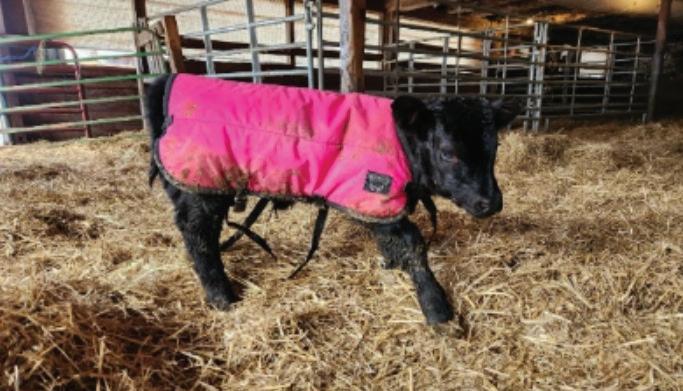
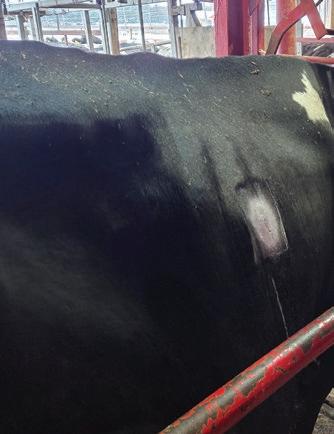
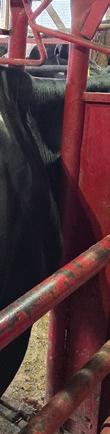
That distinction matters, especially when producers are looking for a fix, but the underlying issue is not obvious. Clark said she most often considers liver biopsies in cases involving poor reproductive performance in dairy and beef herds, outbreaks, and ongoing herd complications that suggest something deeper may be contributing to the problem.
“Producers often just want to fix the problem versus search for underlying causes,” Clark said. “We get focused on chasing the ‘bug’ when we should be looking further.”
For example, adult beef cattle should not commonly get pneumonia. In those cases, Clark has found copper deficiency. In herds dealing with dwarfism, she said genetics may not be the primary explanation.
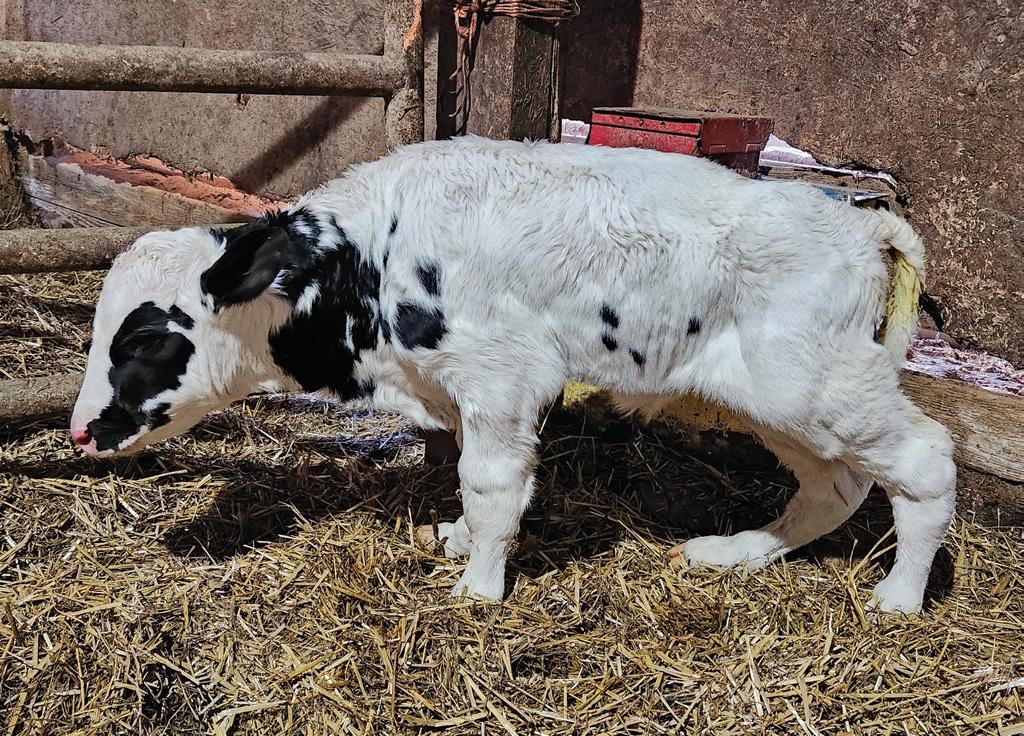
“Manganese deficiency during pregnancy is often the culprit for varying degrees of dwarf-like calves,” she said.
For practitioners, the value of liver biopsies is not simply in collecting a sample. It’s in the quality of information that sample can provide.
That shift opened the door to a diagnostic tool Clark now sees as an important part of bovine practice, particularly when herd health problems are frustrating, persistent, or difficult to explain. Trace mineral issues, she said, can be easy to miss.
“Trace minerals can be complicated and frustrating and can be linked to poor reproductive performance, poor growth, increased disease incidence and other issues,” Clark said. “Issues with trace minerals can arise for various reasons including environmental factors.”
While necropsy samples and bloodwork can provide useful information in some cases, Clark said liver biopsies give veterinarians another way to evaluate what is happening inside the animal before losses or severe problems occur.
“They help provide the facts to support theories and remove guesswork,” she said.
Feed analysis can show what is being offered to cattle. It does not necessarily show what the animal is consuming, whether the mineral is bioavailable, or whether something is binding the mineral and preventing the animal from using it as intended.
“It captures what the trace mineral status actually is in these cows,” Clark said.
Bloodwork, she added, also has limitations. While it is best for vitamins or selenium, it does not provide accurate information on other trace minerals.
That makes liver biopsies especially useful when veterinarians need more than a surface-level picture. The results can help support decisions about whether a ration or supplement needs to change, whether a herd may need a different mineral product, or whether an ongoing health concern may be tied to a deficiency.
“With beef clients, I have had to switch mineral brands to correct issues or find ones that are balanced more for what the cattle in our area needs,” Clark said. “Not all mineral is
the same, and beef clients especially do not always focus on correct mineral and correct consumption.”
Once results come back, Clark said some laboratories provide charts or graphs that compare animals and specific trace minerals, including selenium, manganese, copper, zinc, iron, and molybdenum. When questions come up, she may contact the lab, a pathologist, or a veterinary contact with a bovine health company to discuss the findings. For clients, the visual comparison can be especially helpful.
“Showing clients the ranges recommended and where their animals stand benefits visually to see,” Clark said.
Despite the clinical value, liver biopsies can feel intimidating to practitioners who have not performed them before. Clark said one common misconception is that the procedure is extremely invasive.
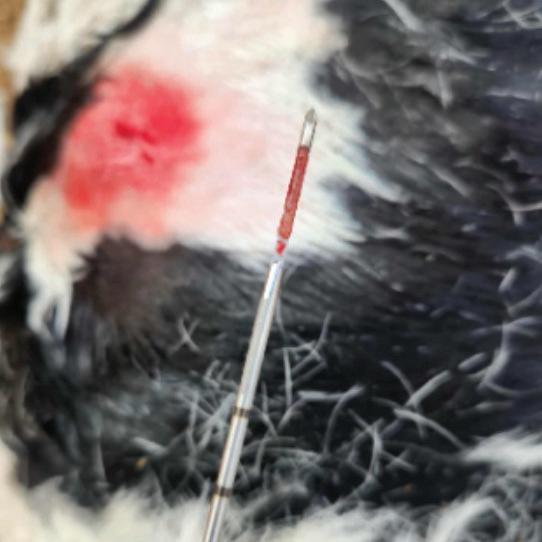
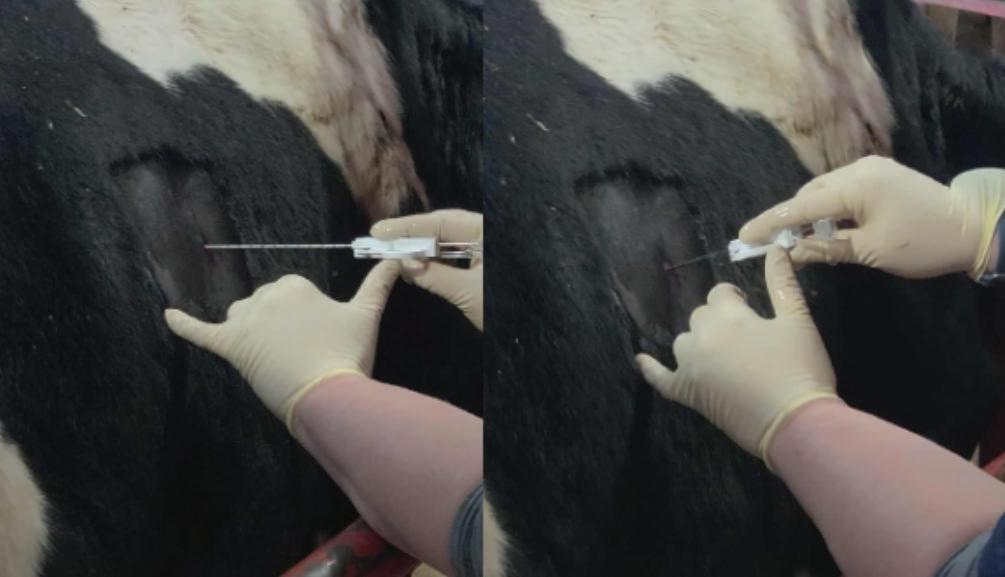
“The Tru-Cut needles we are using now are not like the liver biopsies taken in the past,” Clark said. “They are less invasive. They are safe and very easy to perform on calves all the way to adult pregnant cattle.”
She added that ultrasound can also help guide the procedure for practitioners who want additional confidence in identifying the correct location.
For veterinarians learning the technique, Clark describes the procedure as fairly simple and quick, though practice matters.
“Practice helps and just the repetition of finding the spot, feeling the ‘pops,’ and performing the procedure multiple times helps gain confidence,” Clark said.
Field setup also plays an important role. Clark said restraint is key, and a chute is preferred. The startup supplies are relatively simple and inexpensive, with the biopsy needles being the most expensive item. Sample handling also requires attention because the tissue samples are small. Clark said it is helpful to have an extra hand available to move the biopsy into the container, and she often collects an extra sample in case the first is not adequate.
While preparation and cattle handling can take time, the collection itself is quick.
“The longest part about taking the samples is moving the cows into a proper holding facility and the prep,” she said. “The actual sampling is seconds long.”
Cattle typically tolerate the procedure well, Clark said. Some clients using monitoring systems have told her the cows “never miss a beat” or flag as sick after the procedure. Aftercare is minimal. For practitioners who are curious but hesitant, Clark’s advice is straightforward.
“Try it,” she said. “Producers appreciate the extra information, and it is a simple procedure. With the cost of cattle nowadays, it is worth the monitoring and prevention versus waiting for the problems to occur.”
That is where hands-on education can make a difference. Clark said wet labs offer practitioners the opportunity to learn the technique, practice the procedure, and gain a basic understanding of mineral interpretation before introducing the service to producers.
“As someone who learns best hands-on, I think wet labs are great,” Clark said. “This is an opportunity to allow practitioners to try the procedure, learn the technique, and get a basic understanding of the minerals and interpreting the data before approaching producers about it.”
For bovine practitioners, liver biopsies are not just about collecting a small piece of tissue. They are about gaining a clearer picture of herd health, helping producers make informed decisions, and identifying underlying issues before they become larger problems.
In Clark’s view, the procedure gives veterinarians another practical tool for the cases that do not resolve easily, the herds that keep raising questions, and the producers who need more than a best guess.
Get Hands-On Experience with Bovine Liver Biopsies
Veterinarians interested in adding liver biopsies to their bovine practice can gain hands-on experience during MVMA’s upcoming bovine liver biopsy wet lab this July.
The wet lab will give practitioners the opportunity to learn the technique, practice sample collection, and build confidence in a training environment before offering the procedure to producers. Participants will also gain a basic understanding of trace mineral interpretation and how biopsy results can help guide herd health conversations. Seats limited; register now!
Summer Pests and Serious Disease Threats: Mosquitoes and Arboviruses
BY NORA WINELAND, DVM, MS, DACVPM AND DENISE IMAI-LEONARD, DVM, PHD, DACVP
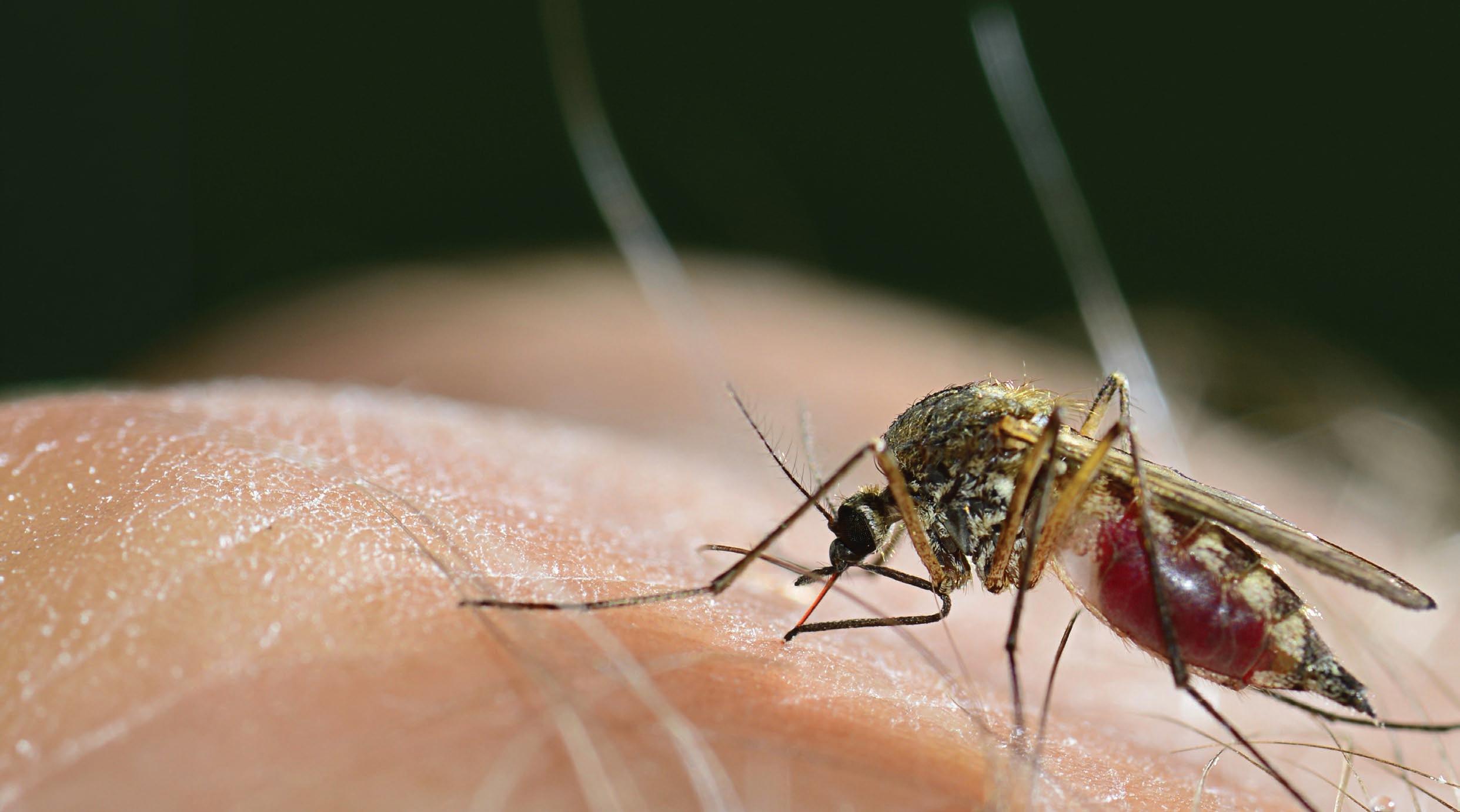
After what felt like an especially long and wintery winter, many Michiganders are looking forward to the glorious summer months and everything that comes with them – long, sunny days, gardens, flowers, fresh fruits and veggies, trips to the lake, hikes in a state park, camping, roasting marshmallows… However, one thing no one is looking forward to is mosquitoes. Beyond being an itch-inducing intruder to our leisurely nights in the backyard, they can transmit two important diseases that threaten both animal and public health.
Eastern equine encephalitis (EEE) and West Nile virus (WNV) are arboviruses, i.e., viruses spread by mosquitoes or other biting arthropods. While mosquitoes are the vector for both EEE and WNV, birds are amplifying hosts and reservoirs. Female mosquitoes become infected when they feed on infected birds. The virus then replicates in mosquitoes and is transmitted through subsequent bites back to other birds or incidental hosts such as horses and humans as well as other mammals including cats, dogs, livestock, and wildlife. Incidental, or “deadend,” hosts become infected, but the virus is unable to replicate to produce a high enough viral load for the host to transmit the virus back into the mosquito population.
For WNV, some species of birds are more susceptible to the virus than others. In Michigan, American crows and blue jays suffer a higher mortality rate than robins, finches, and sparrows. Mortality in these birds is caused by viremia, tissue necrosis, hemorrhage, and inflammation of internal organs. For EEE, in addition to birds, reservoirs for the virus include rodents and snakes. While most birds infected with EEE do not show symptoms, EEE is often deadly in horses and humans. Some birds such as pheasants, chukar partridges, and ostriches, emus
and other ratites can have high mortality rates (up to 80%). EEE can also cause illness and mortality in domestic poultry, namely turkeys and ducks, as well as captive wild birds such as penguins, and native wild birds including some wading birds, birds of prey, and ruffed grouse.
While horses make up more than 95% of mammalian WNV infections, other mammals can be infected. In the literature, cases have been reported in companion animals, livestock, and wildlife. EEE infections in mammals such as sheep, deer, goats, cattle, camelids, canines, and pigs have been reported.
With the diverse range of species these viruses can impact, it is vital to test for these diseases. Confirming the presence of these diseases helps health officials monitor the viruses for change, communicate the risk to the public, and assess abatement needs. Every test and every report further protect animal health and public health.
SEASONALITY
The risk of both viruses is seasonal, with most cases diagnosed in late summer through early fall. Temperature and rainfall patterns influence how successful the viruses are in infecting birds and mosquitoes, as well as animals and humans. The number of cases and affected species can vary widely from year to year.
For example, in 2020, 10 equine, bird or other animal WNV cases were reported in Michigan while 41 animals tested positive for EEE. In contrast, in 2021, 53 animals tested positive for WNV and 15 cases of EEE in animals were reported. Last year, in 2025, 96 animals tested positive for WNV with only one case of EEE in
Michigan animals. Whether cases are in birds, wildlife, or domestic animals, every detection is important to inform risk-reduction measures and public outreach to protect vulnerable populations.
PREVENT AND PROTECT
Vaccination is the most important protection strategy for horses. EEE and WNV are core vaccines for all horses in or traveling to North America. The American Association of Equine Practitioners offers vaccination guidelines and schedules for adult horses, pregnant horses, and foals. Animal owners and the public can further protect against mosquito bites by applying mosquito repellent, eliminating standing water, and bringing animals indoors and/or placing them under fans from early evening until after sunrise when mosquitoes are most active.
CLINICAL SIGNS
Early stages of EEE and WNV infection in horses are similar with horses becoming quiet, depressed, and febrile.
In cases of EEE, horses generally begin exhibiting neurological signs 9 to 11 days after infection. These signs can include altered mentation, impaired vision, inability to swallow, head pressing, wandering or circling, irregular gait, muscle weakness, paralysis, and seizures. The disease progresses rapidly, and 80-90% of infections are fatal. Most deaths occur within three days after the onset of neurological signs.
Mortality rates for WNV infections in horses are reported to be 22-44%, with the rate increasing for horses that are older,
unvaccinated, or incompletely vaccinated. Not all infected horses will develop the disease, and some horses die without showing signs of illness. In addition to the early clinical signs mentioned previously, horses may also exhibit inappetence, colic, and lameness with signs often progressing to ataxia and/or muscle weakness. WNV infections can include the same neurological signs as EEE, and mortality rates increase once complete paralysis develops in one or more legs.
Horses that survive either viral infection often have life-long neurological effects.
TESTING
For several years, the Michigan Department of Health and Human Services has provided funding to fully cover the costs of testing suspect animals for EEE and WNV. The testing is facilitated by the Michigan Department of Agriculture and Rural Development (MDARD), and the funding is open to any animal in Michigan provided:
• The animal for testing resides in Michigan. The animal is (or was recently) showing signs of neurological disease or suddenly died.
• The testing is pre-approved by MDARD.
• The samples are submitted to the Michigan State University Veterinary Diagnostic Laboratory (MSU VDL).
To take advantage of this funding opportunity:
• Complete a Reportable Animal Disease Form and make a request for this testing in the “Additional Information” field on the form. Submit the completed form to MDARD at
mireportableanimal@michigan.gov. If any complications or questions arise during this process, please call MDARD at 800-292-3939 during regular business hours. Typically, requests are reviewed and responded to within one business day.
• If approved, MDARD will email you the required laboratory submittal form(s) to complete.
• Submit the completed form(s) and sample(s) to MSU VDL. Further directions for sending the sample can be found on the submittal forms.
• Once the testing is completed, MDARD will send notification of the results, including a copy of the laboratory results.
As a reminder, when submitting samples, it is crucial to collect a thorough vaccine history on the animal. If possible, please try to determine when the animal was last vaccinated against EEE and WNV. In addition, it is helpful to know if the animal completed an initial vaccine series and who last vaccinated the animal (e.g., owner, veterinarian).
Whether this route of testing is pursued or not, WNV and EEE are reportable animal diseases in Michigan because detections of the disease help to determine the level of response necessary to protect public health. If you suspect an animal has WNV or EEE, report the case to MDARD at 800-292-3939. As a reminder, for these diseases, MDARD does not quarantine the affected premises.
An important note about biosafety: Because of the zoonotic risk of EEE and its potential to cause severe, often fatal illness in humans (50-75% mortality rate), EEE is considered a select agent by the U.S. Department of Health and Human Services, meaning that it is classified among the most closely regulated pathogens that threaten public, animal, and plant health. In humans, mosquito bites are the most common cause of infection. However, extreme care should be taken to avoid contact with potentially infected bodily fluids or tissues. Use appropriate personal protective equipment and ensure safe transport and packaging of samples and/or animals sent for testing or necropsy.
We always hope for an uneventful arbovirus season, but we never know what the weather and the mosquitoes have in store for us. Please help protect animal and public health by ensuring vaccination for horses; encouraging clients, friends, family, and neighbors to reduce standing water sources; promoting the use of species-appropriate mosquito repellent; and advising owners to bring animals indoors or put them under fans when mosquitoes are most active. If an animal in your care has neurological signs or dies suddenly and you suspect WNV and/or EEE, please contact MDARD immediately.
FOR MORE INFORMATION:
MSU VDL – animalhealth.msu.edu MDARD – michigan.gov/mdard/animals/diseases/equine Michigan Emerging Disease Issues –michigan.gov/emergingdiseases/mosquitoes Centers for Disease Control and Prevention –cdc.gov/west-nile-virus and cdc.gov/eastern-equine-encephalitis Equine Disease Communication Center – equinediseasecc.org American Association of Equine Practitioners – aaep.org
CONFERENCE PREVIEW
October 9-11, 2026
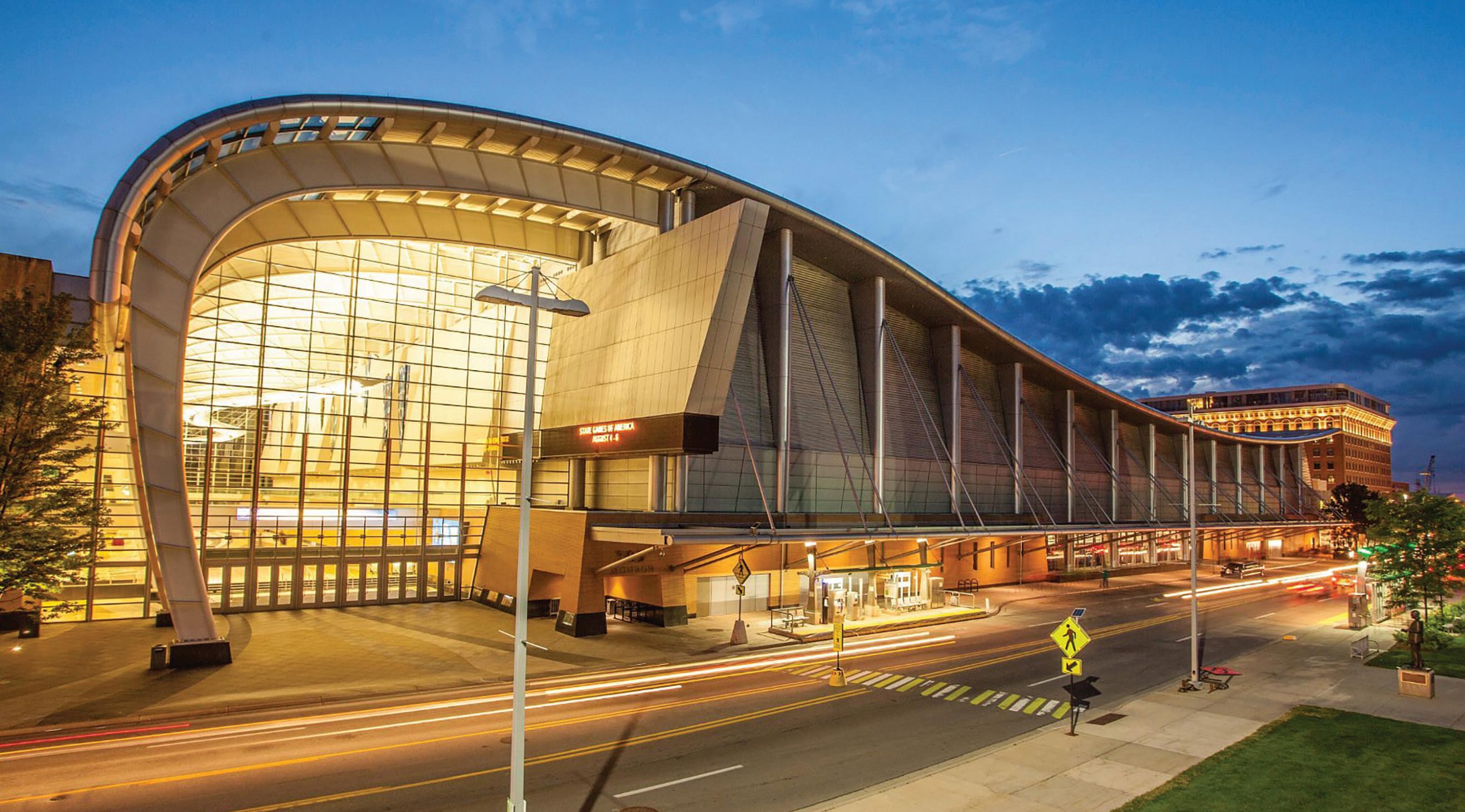
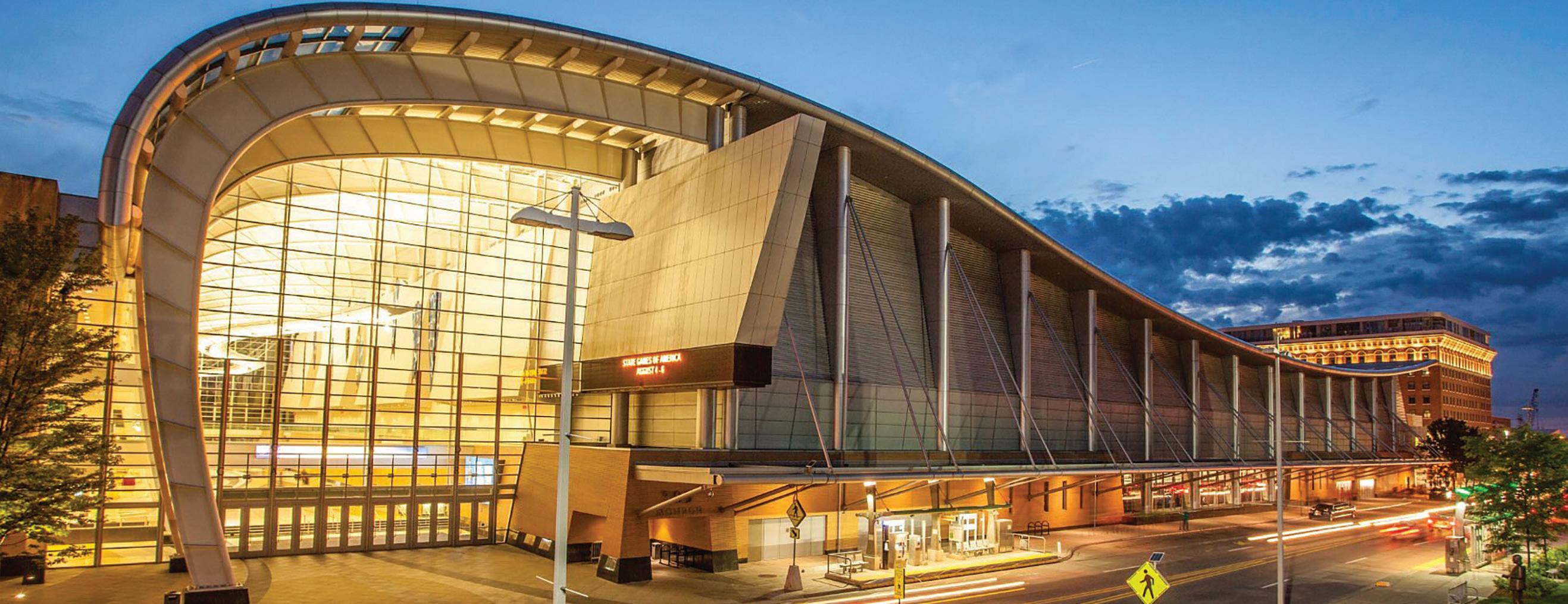
DEVOS PLACE | GRAND RAPIDS, MI
The premiere veterinary conference in Michigan offering quality in-person CE, access to resources and a sense of community. Don’t miss it!

Exhibitors
Join us for the Michigan Animal Foundation’s annual Game Night fundraiser. An evening of tailgate fun with carnival inspired games, a silent auction, and great food and drinks!
This event helps raise money to provide financial assistance to individuals and institutions in order to benefit the health and welfare of animals.
Registration separate from conference registration. Additional fee required.
Sponsors
Visit vendors in the exhibit hall on Friday to get the latest on resources for your practice and to enjoy networking with colleagues.
Exhibiting companies as of May 29, 2026:
Andrews Hooper Pavlik PLC
Banfield
BlueRiver Pet Care
Core Imaging
Heartland Veterinary Partners
IDEXX
Lovet Pet Health Care
MSU Veterinary Diagnostic Laboratory
Scratchplay
SVS Imaging
Universal Imaging
Zomedica
Sponsors as of May 29, 2026:
EMERALD SPONSOR
Dechra Veterinary Products
RUBY SPONSOR
MSU Veterinary Diagonstic Laboratory
DIAMOND SPONSOR

Miss the Veterinary Event of the Year.
MiVetCon isn’t just another conference— it’s the conference for veterinary professionals who want to stay ahead of the curve. Created by vets, for vets, this event brings together an elite lineup of expert speakers ready to take you deep into real-world, interactive sessions that you can apply in your practice right away. With over 90 dynamic sessions, there’s something for everyone. If
Conference Features
»
»
»
»
»
»
» Conference
» Beverages all-day
» Free WiFi
» Mobile-device charging stations
» Happy Tails hangout
» Nursing Mothers’ room
» Onsite day camp
» Access to proceedings for 1 year after the event
Schedule At-A-Glance
TH 10/8 FRI 10/9 SAT 10/11 SUN 10/12
6:00a - 7:00a
7:00a - 8:00a
8:00a - 9:00a
10:00a - 11:00a
7a–7:45a: First Timer’s Breakfast & Orientation
8a–10:50a: Track-Based CE Sessions
8a–9:20a: Breakfast & General Session
8a–8:50a: General Session
9:00a - 10:00a 9a–11:50a: Track-Based CE Sessions — and — Labs +$ 9:30a–11:20a: Track-Based CE Sessions
11:00a - 12:00p
12:00p - 1:00p
1:00p - 2:00p
2:00p - 3:00p
3:00p - 4:00p
4:00p - 5:00p
5:00p - 6:00p
6:00p - 7:00p
7:00p - 8:00p
8:00p - 9:00p
1p–5p: Off-Site Excursions +$
10:50a–1p: Exhibits & Walking Lunch 11:30a–12:50p: Lunch & General Session
1p–2:50p: Track-Based CE Sessions
3p–3:30p: Exhibits
3:30p–4:50p: Track-Based CE Sessions
5:00p–7:30p: Paws & Play Fundraiser (RACE accreditation is being sought for this event)
1p–4:50p: Track-Based CE Sessions
Highlight of General Sessions
Join us for an eye-opener coffee (or tea) and hear from these thought leaders! General sessions are worth CE.

SATURDAY, OCT 10
8:00a – 9:20a
Addressing Zoonosis in Michigan
Nora Wineland, DVM, MS, DACVPM
STATE VETERINARIAN
Michigan Department of Agriculture & Rural Development
Join Dr. Nora Wineland and experts from MDARD to discuss reportable diseases. Get updates on reportable diseases, learn what happens once a report is made, walk-through case studies, and get questions answered at the Q&A! This session fulfills the requirements of Rule 33 of R 338.4933 (e) of the Veterinary Practice Act under the Michigan Public Health Code.
SATURDAY, OCT 10
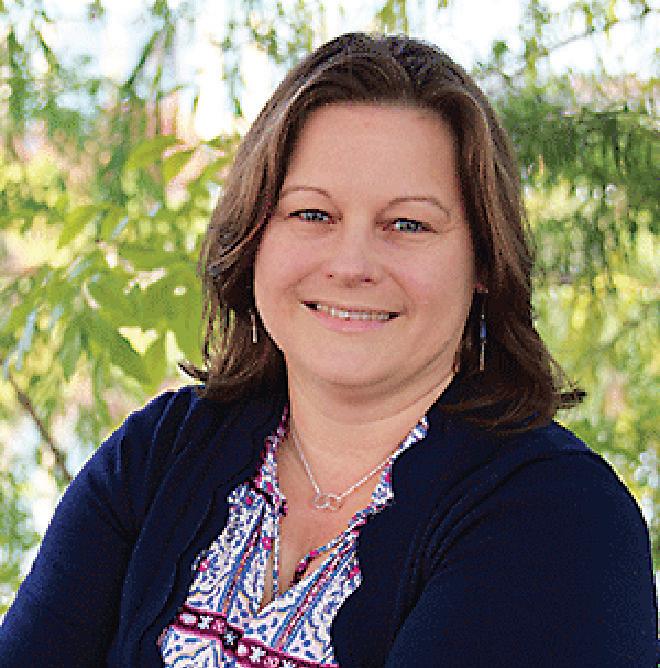
11:30a – 12:50p The Essential Guide to Enjoying Veterinary Medicine
Jennifer Quammen, DVM, MPH
PRESIDENT ELECT
American Veterinary Medical Association (AVMA)
Dr. Quammen began her veterinary career as a credentialed veterinary technician before earning a public health master’s degree from the University of Iowa and a DVM from The Ohio State University College of Veterinary Medicine in 2011. A past AVMA vice president, she is chief veterinary officer at Otto, cofounder of Veterinarian Coaching, and a longtime advocate for veterinary leadership, wellbeing, and professional development.

SUNDAY, OCT 11
8:00a – 8:50a
Medical Records in Practice: Beyond Documentation
Erin Hopper Donahue PARTNER
White Schneider
Accurate, well-maintained medical records are essential to quality veterinary care, legal protection, and effective communication among veterinary teams and clients. They support continuity of care by documenting clinical findings, treatment decisions, and outcomes. This session outlines best practices for veterinary record documentation, compliance, and organization to help practitioners maintain high standards of care while minimizing risk.
General Information
With more than 90 sessions and nearly 100 exhibitors, you will gain insight, learn the latest, and build your network. The conference has many new features to offer with some of the things you’ve come to expect. Check out full details of the program online at MiVMA.org
Continuing Education
Every session is worth CE credit. Just make sure you scan into each session to ensure you get the credit you deserve. Self-scanners will be outside every session room and volunteers will be available to help if needed. Certificates will be available 7-10 days after the event concludes.
Networking
Business journals have pointed out for years that building your network is a critical component to not only getting the career position you want but also having a community to whom you can turn when you have a challenge to overcome or simply want to connect. Check out all the networking opportunities at this year’s MiVetCon!
First Timers Orientation Breakfast
Start networking right out of the gate! Enjoy a light breakfast while seasoned professional get you acquainted with the conference and how it works.
Gamification Through the App
You will have an opportunity to connect with fellow attendees in a fun and laid back way. Or compete for a chance to win prizes.
Breaks and Meals
Chat over a cup of coffee. Or invite someone to sit at your table for lunch. Breaking bread together is a terrific way to make connections.
Exhibit Hall Gamification with the Conference App
Make sure to stop by the MVMA booth in the exhibit hall for more
information on how to engage with various exhibitors to win prizes starting at lunch on Friday.
Happy Tails Hangout
We are excited to welcome the Happy Tails Hangout back for another year, dedicated to allowing you to enjoy animals when you’re not trying to heal them! Please visit the exhibit hall on Friday to meet some baby highland cows.
Paws & Play
The Michigan Animal Health Foundation’s annual Game Night fundraiser.
Explore Grand Rapids
Consider dinner offsite with vendors and other attendees. Grand Rapids has many great dining options.
Conference Location
DeVos Place
303 Monroe Ave NW Grand Rapids, MI 49503
Visit the MVMA website for more information on discounted room rates. Guests of the Amway Grand Plaza Hotel and Courtyard by Marriott can access DeVos Place via a convenient covered skywalk. Access to the skywalk is on the second floor of the Amway Grand Plaza.
Parking
Parking fees are not included with conference registration. DeVos Place has parking conveniently located under the convention center. Access to the lot is on Michigan Street and Lyon Street.*
* Please note you cannot access the underground parking garage if you are heading West on Michigan Street. No left hand turns are permitted due to a semipermanent concrete berm installed for a new crosswalk. Additional parking may be available in the City-County Building on Monroe Avenue (across from DeVos Place) or several other parking structures within walking distance. Vehicles that are too large to fit in a parking structure may be given a permit to park on Scribner Street during the dates of the event. Parking on Scribner Street is available on a first come - first serve basis. Please review your hotel’s parking rates and instructions prior to arrival.
Registration Information
You can choose either a one-day or full registration, depending on what best fits your needs. Remember to register by September 23 to take advantage of regular registration rates; after that date, registrations will only be taken onsite. If your clinic is an organizational member, everyone in the clinic can register at this new low rate.
OPEN REGISTRATION 6/1 – 9/23
Registration ends September 23. onsite registration will include a $50 late fee.
Consent of Image Use
Registration and attendance at or participation in MVMA events constitutes agreement by the registrant to MVMA’s use and distribution (both now and in the future) of the registrant or attendee’s image or voice in photographs, videos, electronic reproductions, marketing efforts and materials and audiotapes of such events and activities.
Cancellation Policy
All cancellations MUST be in writing delivered to MVMA@MiVMA.org. A $50 cancellation fee for an individual registration will be assessed for all cancellations. No refunds will be given for cancellations submitted seven or fewer days from an event.
About MVMA
The Michigan Veterinary Medical Association (MVMA) is one of the most progressive veterinary associations in the country, representing more than 2,400 members. We use our voice to promote professional excellence in veterinary medicine and to advance animal well-being.
MVMA | 2144 Commons Parkway
Okemos, MI 48864 | www.MiVMA.org
About MiVetCon
MiVetCon is the premiere veterinary conference in Michigan. Its purpose is to provide high quality, practical CE for Michigan veterinary healthcare teams while providing a sense of community and belonging.


MSU: Spartan Spring in Pictures
Spring is a particular time of growth in nature and in veterinary medical education, at least here at the Michigan State University College of Veterinary Medicine. Trainees are planted into residencies and internships, students fertilize their knowledge and skills in clinical rotations for the first time, and graduates bloom into professionals. Here’s a springtime set of pictures to show how our scholars are taking root.
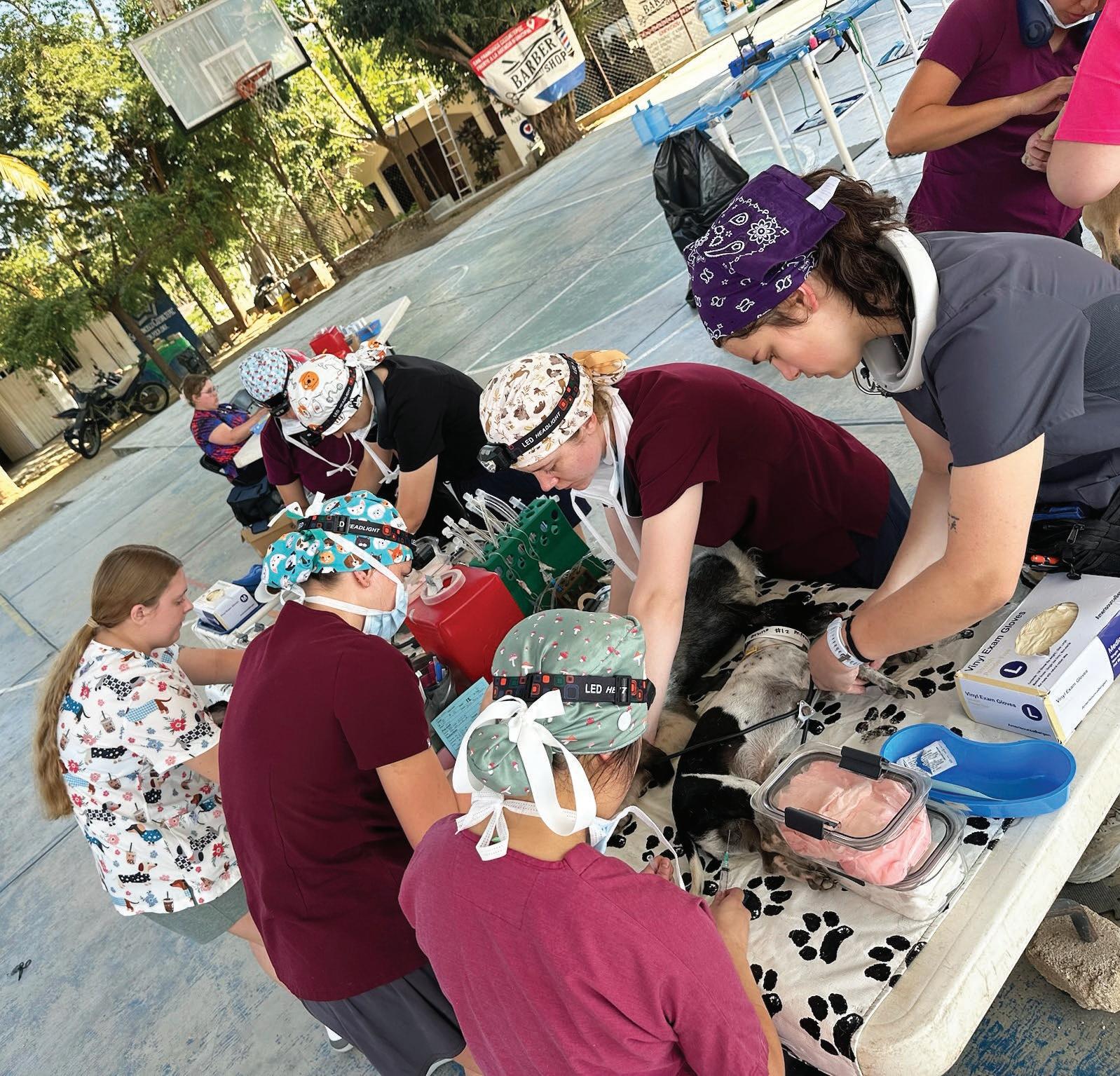
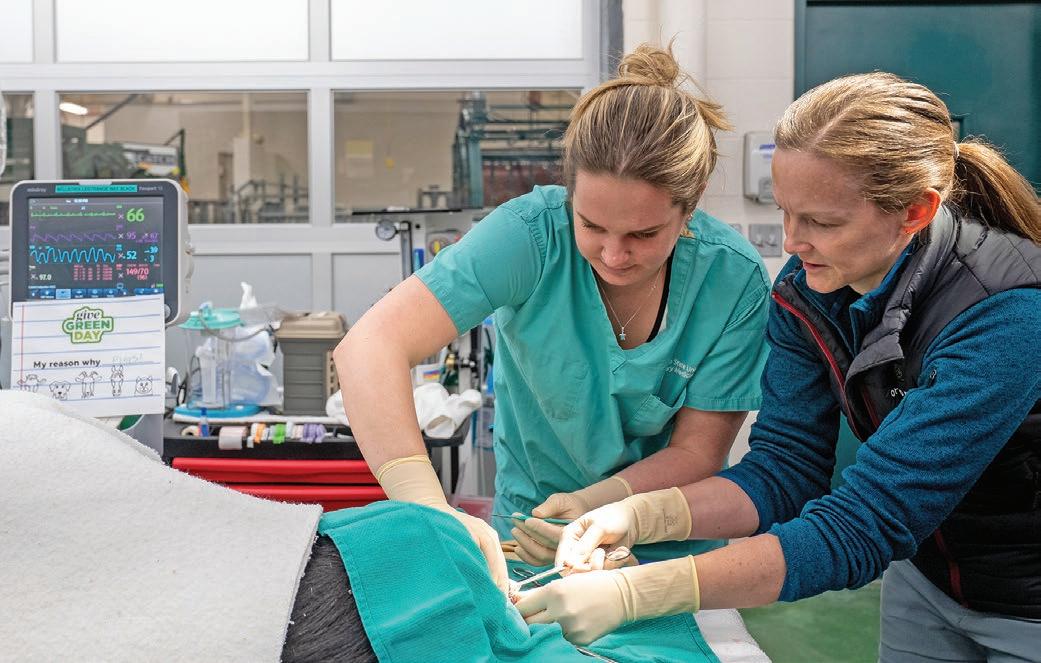
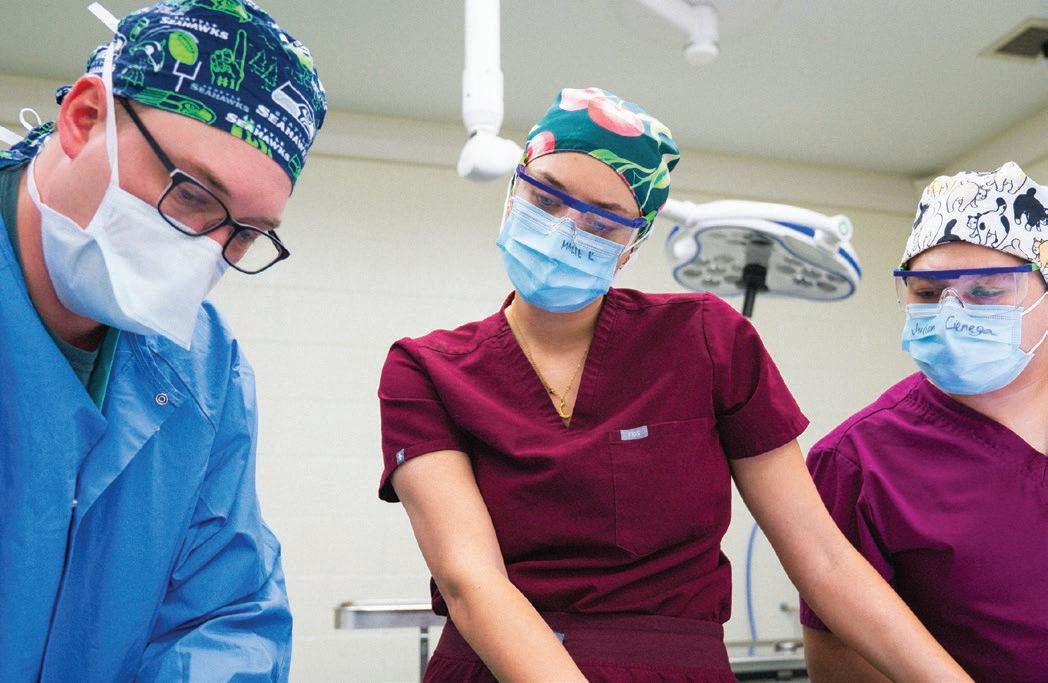
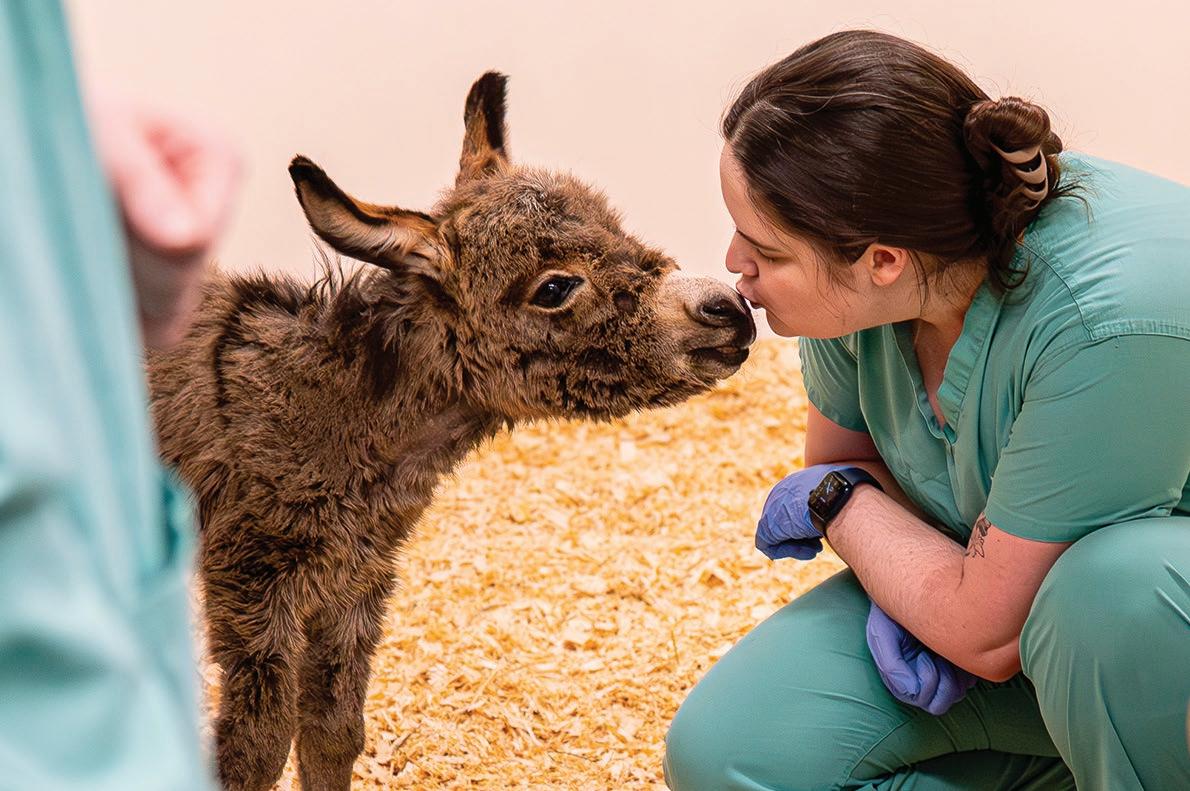
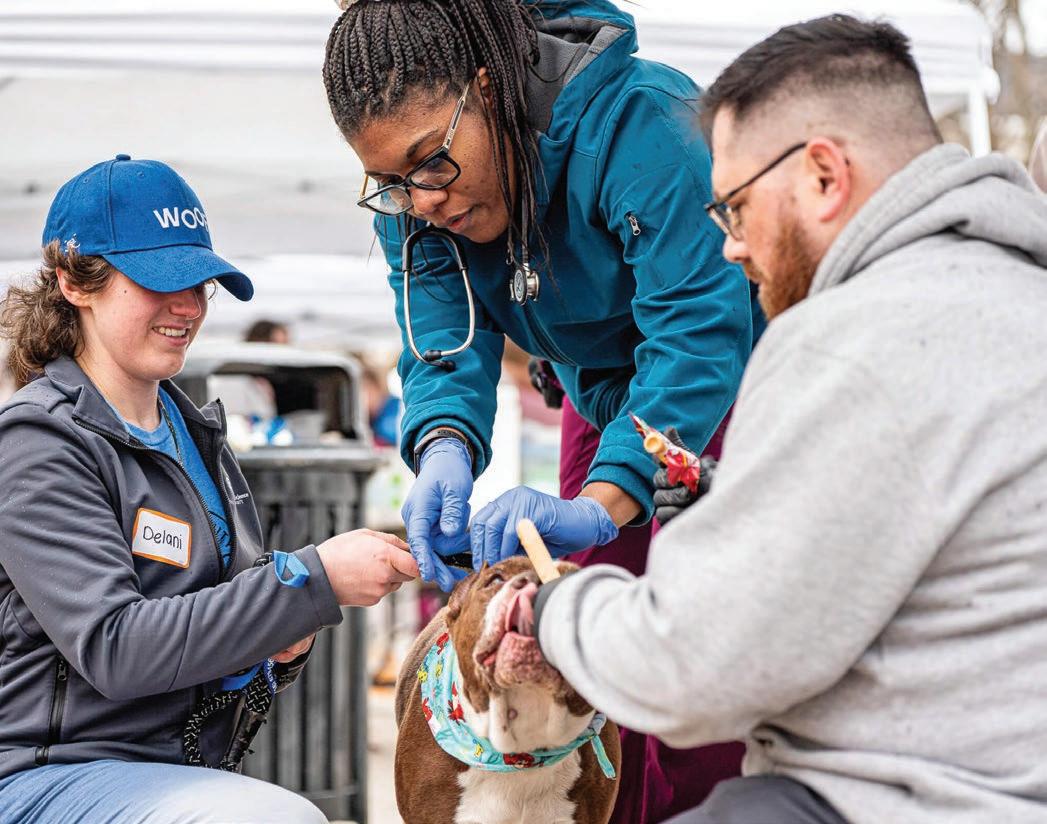

Veterinary Nursing and DVM students travelled to Mazunte, Mexico this spring to gain surgical experience and spay/neuter local dogs, which in turns helps to protect nearby sea turtle populations whose nests are harmed by hungry stray animals.
Faculty member Dr. Ashley VanderBroek and large animal surgery resident Dr. CJ Mozeika perform a castration on a pig. The College currently hosts six large animal residents.
With faculty support, DVM and Veterinary Nursing student volunteers coordinated and executed a community street clinic to provide free basic veterinary services to pet owners without financial resources. This year, participants served more than 100 animals.
Large animal residents check in with Bobby, a newborn donkey treated at the Veterinary Medical Center, before he goes home with his family.
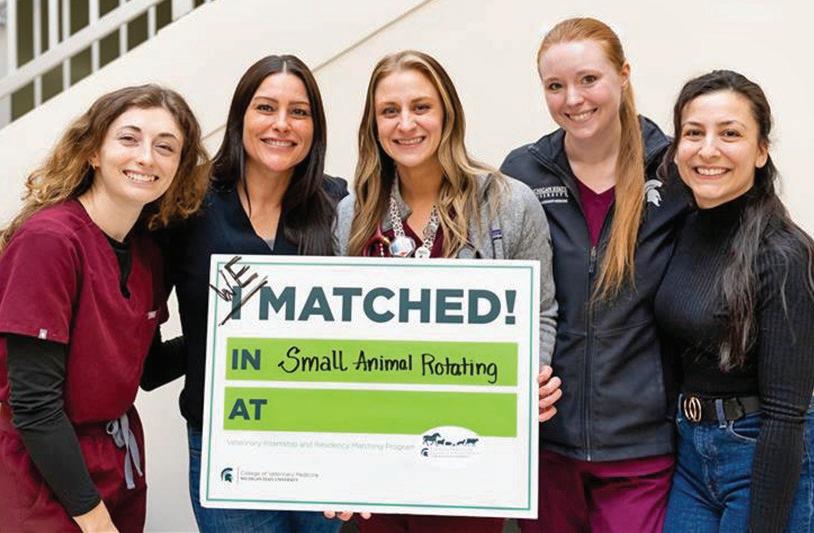
A group of fourth-year DVM students celebrate matching into small animal rotating internships. Current students, residents, and interns at MSU have matched into programs across the country.
In Junior Surgery, two veterinary students observe faculty member Dr. Joshua Borg at work.

The Case for Mentorship
Mentorship is more than professional advice. It can help early-career veterinarians build confidence, navigate difficult decisions, and feel supported in a demanding profession.
Beginning a veterinary career is exciting, meaningful and full of purpose, but it can also feel like a lot all at once. New and early-career veterinarians often move quickly from the structure of veterinary school into the realities of daily practice, where clinical decisions, client conversations, team dynamics and emotional moments can all happen in the same day.
That is where mentorship can be extremely valuable.
A strong mentoring relationship gives veterinarians a trusted person to turn to as they ask questions, work through challenges and continue growing in the profession. While mentorship can certainly support clinical development, its impact goes far beyond medicine. It can offer perspective, encouragement, career guidance and an important reminder that no veterinarian has to figure it all out alone.

The American Veterinary Medical Association has recognized this need through mentoring@avma, a program that connects early-career veterinarians with trained mentors outside their own workplace. The program is designed to provide both emotional and career support, and AVMA has expanded free mentoring access to AVMA members in their first 15 years as veterinarians.
According to AVMA.org, “Mentoring helps to ensure the longterm strength of the veterinary profession by positioning new graduates for success from day one.”
That kind of outside-the-practice connection can be especially meaningful. Mentorship within a clinic is valuable, but an external mentor can provide a different type of support. It creates space for honest conversation outside of workplace hierarchy, daily scheduling demands or performance evaluation.
WHAT MAKES A GOOD MENTOR?
A strong mentor does not need to have every answer. The best mentors are often those who:
• Listen without judgment
• Share honest perspective
• Help mentees think through options
• Encourage confidence and independence
• Offer support during difficult cases or career decisions
• Model lifelong learning
• Create a safe space for questions
Through MentorVet Connect, a collaboration between AVMA and MentorVet, early-career veterinarians are matched with trained mentors who can offer structured support, guidance and connection, no matter where they are in their career or community.
Research also supports the importance of mentorship during the transition into practice. A 2022 article in the Journal of Veterinary Medical Education, Mentoring New Veterinary Graduates for Transition to Practice and Lifelong Learning, notes that successful mentoring relationships are critical as new veterinarians move into clinical practice, especially when they are suddenly responsible for independent clinical decisions.
For mentors, the benefits are meaningful too. Mentorship gives experienced veterinarians an opportunity to support the next generation, share hard-earned wisdom, and contribute to a healthier, more connected profession. It can also help strengthen the culture of veterinary medicine by normalizing support, conversation, and ongoing learning.
The case for mentorship is simple: When veterinarians are supported, the profession is stronger. Mentorship helps build confidence, reduce isolation, encourage career growth, and remind veterinary professionals that asking for guidance is not a weakness. It is part of building a sustainable career.
For early-career veterinarians, mentorship can be a lifeline. For experienced veterinarians, it can be a legacy. For the profession as a whole, it is an investment in the future. Learn more about MentorVet Connect at www.mentorvet.net/connect

MICHIGAN ANIMAL SPOTLIGHT:
Ea stern Box Turtle
BY STACEY KUKKONEN
Slow-moving, beautifully marked and easy to miss on the road, the Eastern box turtle is one of Michigan’s most distinctive native reptiles. With its high-domed shell, yellow or orange markings and ability to close itself tightly inside its shell, this small land turtle is instantly recognizable to those lucky enough to spot one.
Summer is an especially important time to pay attention. Eastern box turtles are most active in Michigan from spring through fall, and many sightings happen during nesting season. According to www.michigan.gov/dnr/education, females may travel in search of sunny, sandy or soft-soiled areas where they can lay their eggs. That movement can bring turtles across roads, driveways, trails and other places where they are especially vulnerable.
Per the MSU Extension’s Michigan Natural Features Inventory, the Eastern box turtle is also significant because it is Michigan’s only truly terrestrial turtle. While many turtles spend much of their time in or near water, box turtles are more closely tied to land habitats. In Michigan, they are often associated with forested areas, sandy soils and nearby water sources such as streams, ponds, marshes or wetlands.
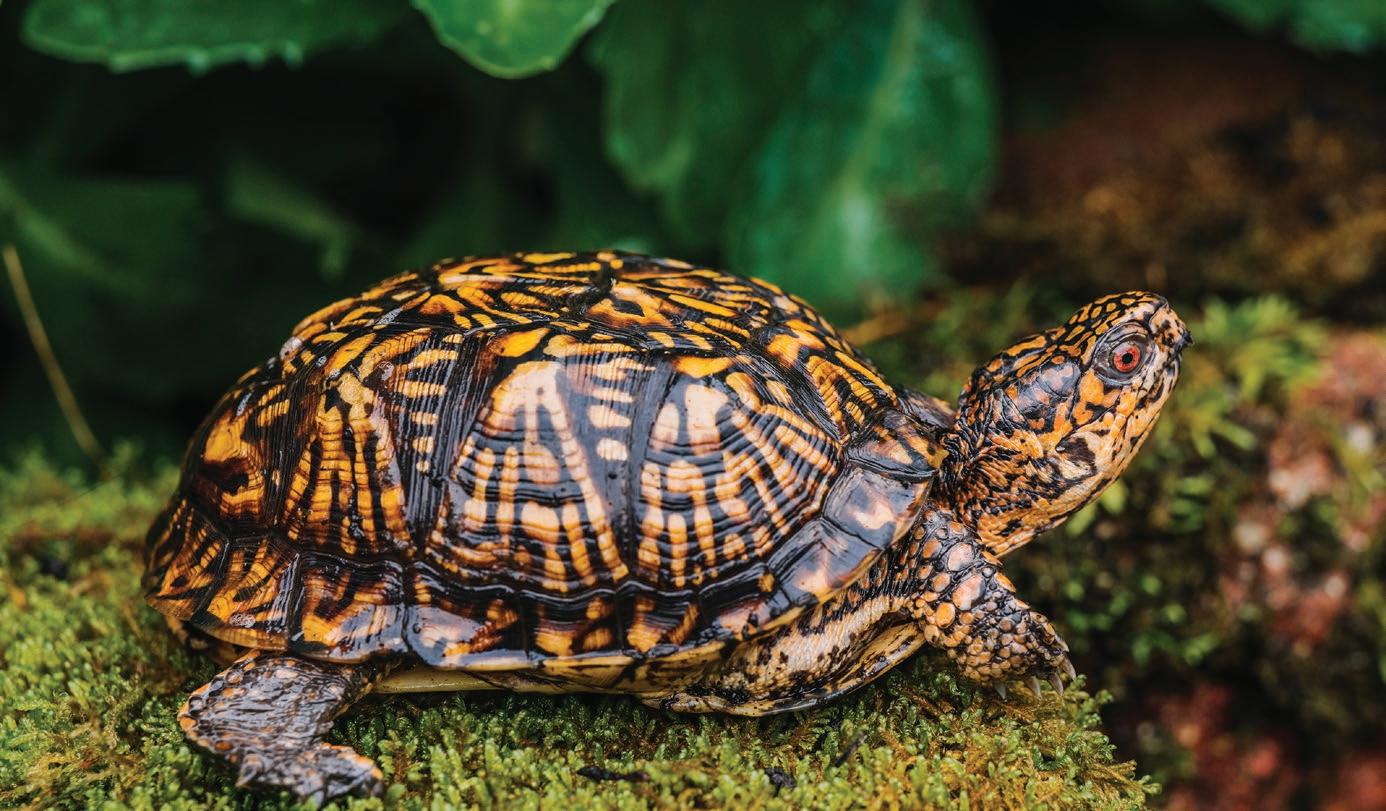
Their slow pace is part of their charm, but it is also part of what makes them vulnerable. Habitat loss, road mortality, nest predation and illegal collection can all put pressure on turtle populations. Because turtles can take years to reach reproductive age and many eggs and hatchlings do not survive, the loss of adult turtles can have a long-lasting impact on local populations, according to the Michigan Natural Features Inventory.
For veterinary professionals, animal lovers and Michigan residents, the Eastern box
EASTERN BOX TURTLE FAST FACTS
Status in Michigan: State threatened
Scientific name: terrapene carolina carolina
Notable feature: A hinged lower shell that allows the turtle to close itself tightly inside its shell, sometimes with an audible click!
Michigan habitat: Forested areas, sandy soils and areas near streams, ponds, lakes, marshes or swamps
Most visible: Spring through fall, with many sightings during egg-laying season in early summer
How to help: Watch for turtles on roads, leave wild turtles in the wild and report turtle sightings to the Michigan Herp Atlas. www.michigan.gov/dnr/education/michigan-species/reptiles/turtles
turtle offers a simple reminder: wildlife conservation often starts with awareness. Slowing down near wetlands, wooded areas and sandy roadsides can help protect turtles during their most active months. If it is safe to do so, a turtle crossing the road can be moved in the direction it was already heading. It should not be relocated to a different area or taken home as a pet, per the Michigan Department of Natural Resources Fisheries Division.
Wild turtles belong in the wild. Even when they appear far from water, they may be searching for mates, nesting sites or new habitat. The best help is often to give them space, protect them from immediate danger when safe and let them continue on their way.
Small actions can matter. A moment of patience on a summer road, a little extra awareness near natural areas or a report of a turtle sighting can all contribute to a better understanding of Michigan’s native reptiles.
The Eastern box turtle may move slowly, but its presence tells an important story about Michigan’s habitats, wildlife and the role people can play in protecting both.
DEI Committee
The DEI committee continues to meet monthly to develop educational and informational materials for the membership as well as strategies for community engagement. Two main projects are underway. We are committed to supporting the Enrichment Summer Program at MSU CVM with a presentation on careers in veterinary medicine. The committee is also working to establish a VetaHumanz program in the Detroit
Public School District. The VetaHumanz program, developed at Purdue University, aims to provide access and support to youth in under-resourced communities that have an interest in the veterinary field. The committee seeks to partner with local VMAs and veterinarians to get the program running. If you or your association would like more information or to volunteer, please reach out to the MVMA office.
REDEFINING HIGH-QUALITY CARE
By James W. Lloyd, DVM, PhD, Senior Consultant, Animal Health Economics, LLC; Lisa M. Greenhill, MPA, EdD, Chief Organizational Health Officer, American Association of Veterinary Medical Colleges;
and Lauren
E. Walker, DVM, MVMA DEI Committee Chair
Pet owner demographics are changing. In the US, millennials are the generation that now accounts for the biggest share of pet owners (33%). Together with Gen Z, these two segments currently comprise nearly 50% of pet owners and clearly will represent the majority of pet owners well into the future. With this shift has come a marked increase in pet owner diversity. For example, approximately 45% of millennials and 49% of Gen Z identify as non-White (vs. 28% of Boomers).1 Nearly 10% of millennials and over 20% of Gen Z self-identify as members of the LGBTQ+ community (vs. 2.3% of Boomers).2
Beyond age, race/ethnicity, sexual orientation, and gender identity, several additional important dimensions of diversity should be considered in the context of pet healthcare delivery:
• Income and wealth inequality in the US have been on the rise for decades, were substantially worsened by both the great recession and the COVID-19 pandemic and are now
substantially higher than in almost any other developed nation.3 As a consequence, there is a growing disparity in pet-owners’ ability to afford pet healthcare across this ever-widening range of household financial capacity.
• The CDC estimates that more than 1-in-4 adults in the US have some type of disability.4 Most common among these are disabilities related to cognition, mobility, independent living, hearing, vision, and self-care. Interestingly, employment rates for people with disabilities have increased to their highest point on record, now standing at 38%.5 Certainly, the existence of pet-owner disability can strongly impact the success of pet healthcare systems.
• Based on recent trends, the proportion of the US population that identifies as Christian has been steadily declining while the ‘religiously unaffiliated’ and ‘other religion’ segments are on the rise.6 Religion can have a major impact on the veterinary practice culture/ environment, and healthcare decisions – in particular those related to end-of-life – can have a deeply-rooted religious foundation.
Such demographic changes have long impacted access to and delivery of human health care. Race, socioeconomic status, disability, gender identity, and sexual orientation, among other demographic markers, all contribute to one’s ability to access and receive high-quality human healthcare.7 The resulting and well-documented human health disparities across these populations also shape their general trust in healthcare systems and the choices they make within those systems.8 In a similar fashion, continued broad-based increases in diversity will directly impact preferences and expectations for pet healthcare.
To truly be considered high-quality, then, veterinary services must be culturally appropriate to effectively meet the needs
of these rapidly evolving communities of pet owners. To fully understand these new perspectives on quality and achieve consistent success in this new landscape, it is vital that the veterinary workforce appropriately reflect the increasingly diverse pet-owning communities. In this context, representation will be crucial to maintain relevance – to aptly perceive the needs and opportunities for innovative veterinary service, including culturally competent/culturally humble delivery models. Success will hinge on effective intercultural communication, which is more likely in the presence of appropriate representation.
Effectively meeting these challenges will require the ability to solve new and perhaps seemingly unwieldy problems. But the robust problem-solving advantages that accompany diversity of perspective and diversity of thought are both
well-known and well documented. In the context of culturally appropriate veterinary healthcare delivery, the expected benefits of assembling a diverse and inclusive healthcare team would entail both improved health outcomes and, importantly, expansion of the client base stemming from improved client satisfaction.
In short, to sustain successful delivery of high-quality care to an increasingly diverse community of pet owners will require a similar increase in diversity of the veterinary workforce.
Note: This article is excerpted from: Lloyd, J.W. and L.M. Greenhill. ‘The veterinary specialist faculty shortage: it is not all about the numbers.’ Vet Opthamol. https://doi.org/10.1111/ vop.70034, 2025. Citations are from the original document.
To fully understand these new perspectives on quality and achieve consistent success in this new landscape, it is vital that the veterinary workforce appropriately reflect the increasingly diverse pet-owning communities.


DEI Committee
RETHINKING PROFESSIONALISM IN VETERINARY MEDICINE
By Maggie Smith, LVT, CVPM
What is professionalism? A quick Google search tells me it is defined as the competence or skill expected of a professional. Webster’s dictionary states it is the conduct, aims, or qualities that characterize a professional person. Professionalism is subjective & individuals will have different ideas of what professionalism looks like based on their personal values and upbringing. Some may say that professionalism is the way you carry yourself, while others insist it’s how dedicated you are to your profession. With the modern workplace evolving into more inclusive environments, the idea of professionalism is evolving as well.
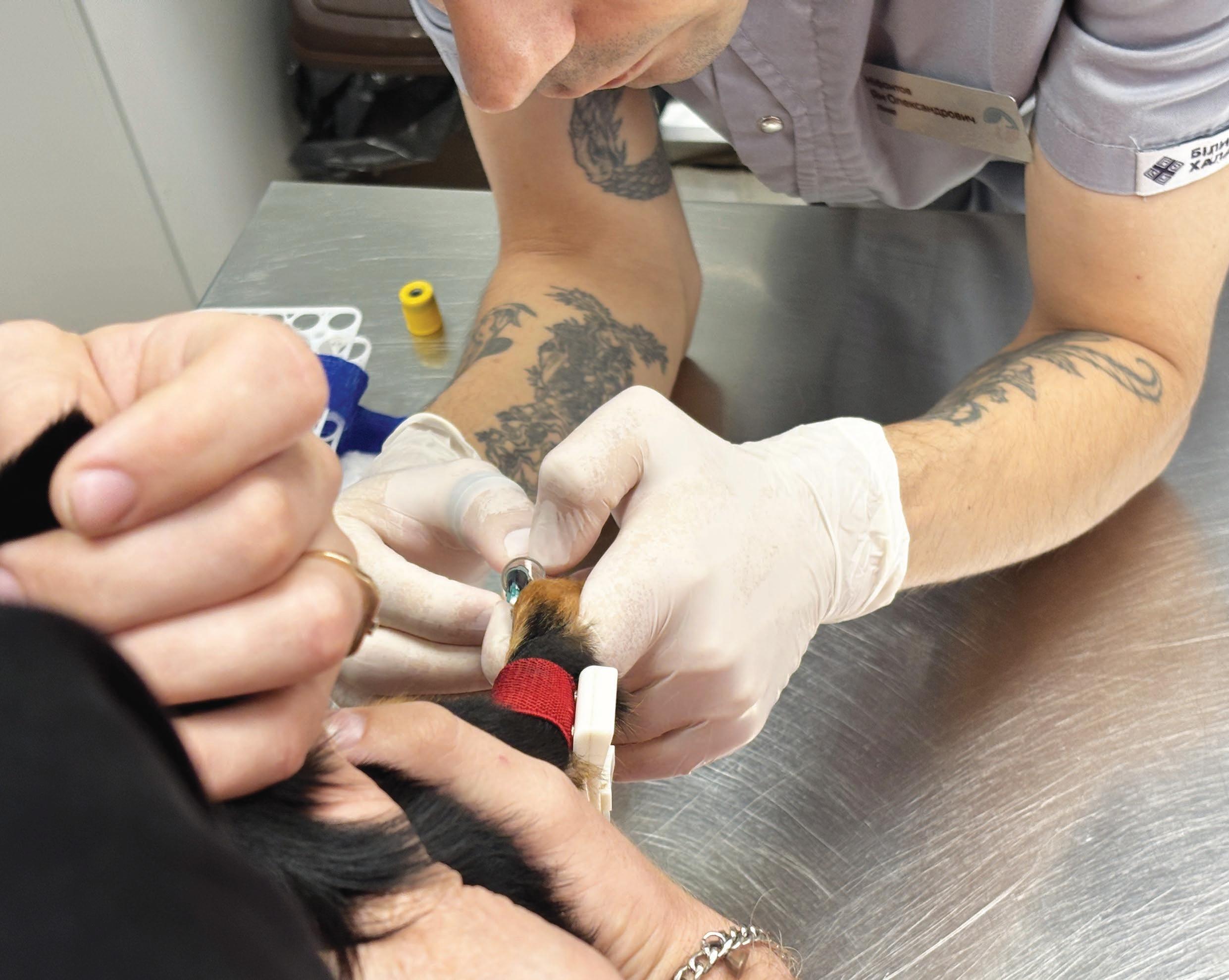
Societal shifts have steadily been moving towards the celebration of individualism as opposed to the outdated stigma that we should fear what is different. There was a time when tattoos or body piercings would have been thought of as being rebellious or only for social deviants. With these modifications being so prevalent in our modern society most have come to realize it can be used as a form of selfexpression and even used to convey religious beliefs. It’s even pretty common to have a client show us their own animal memorial tattoo. In the 80’s ‘punk rockers’ were the only people who dyed their hair bright colors. Now there are neon
What can we do to evolve with the idea of modern professionalism? Consider making adjustments to your hospital policies to allow for individualism. Being flexible with hair color, body piercings, and tattoos can be an easy first step.
conditioners for the gray-haired crowd as well as the ‘young folks.’ When I first started in vet med every veterinarian wore a white coat, collared shirt, and tie into the exam room. Now I see them wearing everything from scrubs to business casual and less of the white coat.
Is a rigid dress code still needed to maintain professionalism? The mindset that we must dress the part to gain trust has changed. An article in Forbes lists the skills defining modern professionalism as: emotional intelligence, adaptability, good communication, cultural intelligence, accountability, and integrity. While a “uniform” is still expected in medical fields, other limitations on appearance have been attributed to some leaving the workforce. Alternatively, a 2023 global survey done by Be Yourself at Work found that allowing employees to express themselves authentically at work lead to an 85% increase in productivity. As someone whose senses can get overwhelmed, I will confirm that when I am comfortable, I’m able to focus better.
What can we do to evolve with the idea of modern professionalism? Consider making adjustments to your hospital policies to allow for individualism. Being flexible with hair color, body piercings, and tattoos can be an easy first step. Discuss appearance-based biases with your team at meetings and brainstorm ways to encourage expression of self at work. Poll your clients to see what they look for in a veterinary professional and see if the responses include appearance. Want to take it a step further? Allow the team to decorate their workspace however they’d like, encourage employees to wear pins, buttons, or stickers of groups they support or belong to, or even allow hats, hair scarves, and hoods.
As our understanding of professionalism continues to grow, so too should our willingness to embrace the individuality of the people who make our hospitals thrive. By encouraging authenticity, updating outdated appearance policies, and fostering open conversations about bias, we create
As our understanding of professionalism continues to grow, so too should our willingness to embrace the individuality of the people who make our hospitals thrive.

environments where team members feel supported in their individualism. Professionalism isn’t about suppressing identity, it’s about showing up with integrity, compassion, and commitment to the animals and clients we serve. Embracing modern professionalism allows us not only to evolve as a profession, but to build healthier, happier, and more inclusive veterinary teams.
Maggie Smith, LVT, CVPM (she/hers) is currently COO of Mid-Michigan Vet Group in Lansing. She has a passion for supporting the people who work in veterinary medicine with specific interests in the areas of DEIB & employee mental health. In her personal time, she enjoys being outside, crafting, and spending time with her plants. Maggie lives in Portland with her partner, three cats (Penny, Jane, and Eleanor) and ball python, Weasley. She is a member of PrideVMC & sits on the MVMA DEI Committee.
Sources: *2023 Global Survey: Be Yourself at Work www.beyourselfatwork.com/byaw-stats-facts www.forbes.com/sites/hvmacarthur/2025/10/13/ professionalisms-moving-target-navigating-todaysnuanced-workplace
Food Animal Practice Committee
METABOLIC SMALL RUMINANTS
In our practice, the small ruminant clientele list seems to be ever-growing. When discussing with colleagues, many have relayed feelings of inadequate training or knowledge in small ruminant medicine. While they are different from cattle, that doesn’t make them an enigma and I encourage you to see small ruminants as a growing opportunity in rural medicine. Since we are hopefully through the busiest season, I’d like to offer a recap on small ruminant metabolic diseases, formatted as a more informal ‘truck talk.’ I hope to discuss common metabolic diseases in small ruminants, the common presentation and owner complaint, and how I treat them as a fully mobile veterinarian.
Milk Fever
While not impossible, small ruminants rarely go down with a primary milk fever unlike our dairy cattle friends do, and their cases can be more subtle. A classic case usually consists of a high milk production female recently birthed, and went off grain over a day or so but maybe picking at hay. Milk production usually severely drops or offspring act very hungry all the time. The owner may notice the udder feels a little chilly when milking. Owners will often describe them as acting mostly normal, or maybe ‘quiet.’ On exam, does may have piloerection, but little or no shivering. Rumen contractions usually very quiet and decreased to one or less per min. Body temp may be in the 99-100* range unless the goat is dealing with another comorbidity that raises temperature (metritis/retained placenta common). Also commonly occurs concurrently with any other fresh goat condition like metritis or difficult dystocia, so I recommend supplementing SQ calcium in any fresh sick goat that is off feed. I would say the vast majority of milk fever I treat are similar to subclinically affected dairy cattle and most often see it in recently fresh dairy goats. There is a risk of causing fatal arrhythmias with IV calcium in small ruminants so if giving IV, monitor very closely. I use a relatively small needle (20ga) and an extension set attached to the syringe, which allows me to maintain slow venous access while listening to the heart if needed. Administration is slow over several minutes. A full-size breed doe or ewe will get a full 60ml syringe. You can also dilute your 23% calcium with lactated ringers to administer even more slowly. I rarely administer IV because most cases are not critical and instead often use 23% calcium borogluconate subcutaneously. If only carrying one kind of calcium on emergency, this is the formula I recommend since it can go SQ or IV without consideration. CMPK injectable solutions can ONLY be given IV or risk severe localized necrotizing damage to the tissues. A single dose of 40-60ml 23% calcium SQ will often result in improvement in 12hr, with steady return to appetite and production. I usually repeat at 12hr and then 24hr after that to see if they can maintain their own homeostasis. Repeat as needed. Small ruminants often do benefit from CMPK solutions, so
utilize it as your initial IV dose if using. Oral options exist for aftercare as well – but do NOT use until after IV or SQ calcium causes clinical improvement. Calcium deficiency affects the animals’ ability to swallow safely, so oral treatments are a secondary, supportive option only. Owners may not know this and administer drenches prior to calling you, and getting these solutions in the lungs will be quite horrific to see on the inevitable necropsy. Many oral formulas are caustic so I recommend a water ‘chaser’ drench after the oral calcium. Don’t forget to wash any off your hands and wipe off any excess on the animals’ face as well.
Pregnancy Toxemia
Briefly, pregnancy toxemia results from a space issue. The rumen shrinks as the uterus expands making every mouthful critical to her ability to take in enough energy. Thus, in late gestation, nutrition must be optimized especially in multiples. Does and ewes with singles or twins often do fine just with an improved hay at the end of pregnancy, whereas a concentrate (grain ration) is recommended for females carrying mulitples in addition to the hay quality boost. Recommend producers start this in the last 4-6 weeks, same time as their yearly CDT boosters should be done. Of course, free choice access to liquid water and a quality loose mineral (species appropriate) are also critical.
Common signs reported by owner are lethargy, drunken stumbling gait, collapsing/not able to keep up with the group, unwilling to eat. A symptom I have only seen in small ruminants are reported by owners as ‘swollen legs’ which is pitting edema in limbs – though this can be difficult to notice once they go down. Diagnosis can be made with ketone strips in urine, though collecting urine can be hard as ewes and does do not stimulate to urinate like cattle. For semi-down animals, asking them to rise and move can often induce a urination event so be ready with a dip stick. I prefer to use a BHBA meter most often since I can consistently get blood on demand, I begin treatment above 0.8 mmol/dL for small ruminants.
A savvy owner can approximate who is carrying multiples based on belly size, though admittedly it’s an inexact science since belly size also correlates to rumen fill. Ultrasounding early (usually around day 40-45 of gestation) can help identify multiples which is encouraged in farms that have had pregnancy toxemia concerns in the past. It is also a fun and useful way to maintain VCPR for our small ruminant clients. Unfortunately, lay people and owners are increasingly performing their own ultrasound diagnosis. Layperson interpretation of ultrasounds should always be of questionable accuracy. I will admit that ultrasound counts of feti are not incredibly accurate even with skilled operators, the idea is to identify those that may need the
most care in late gestation and those that are likely to need the least. Overfeeding of does and ewes carrying singles can also cause dystocia with oversized offspring and increased pelvic fat. I rarely see pregnancy toxemia in otherwise healthy goats with fewer than triplets as they seem to handle multiples better than sheep. Either species can suffer from pregnancy toxemia at a higher rate if there are comorbidities especially parasitism, poor body condition, extremely high body condition, or relative starvation (often in the face of free choice but extremely poor quality, hay only diets) as they enter late pregnancy.
The mainstays of treatment remain alternate energy sources. These are generally propylene glycol based, or red wine (alcohol). Both of these act as alternative energy precursors for the body. 2oz (60ml) propylene glycol twice a day is the standard dose for a full-size animal. Plain propylene glycol can be rumen-toxic with ongoing use beyond 3 days, and is very unpalatable to small ruminants. It provides no other supportive care elements directly. A Nutri-Drench or Power Punch type product with other things like B vitamins/niacin are often much easier to give, and have superior results in my hands. 200ml of plain red wine to a full-size ewe or doe twice per day instead of propylene glycol is quite
common in Europe, and is a currently growing fad in the US due to reports of good efficacy/response compared to straight propylene glycol, supposedly without the toxic effects on rumen environment. Since my practice does not place IV catheters or have a good way to keep fluids from freezing in the field during much of the baby season, we rarely administer drips of 5% dextrose as is commonly recommended. Instead, when used, I opt to bolus 50% dextrose (1ml/10lbs) before running isotonic fluids if needed. Additional support includes separation of the affected animal and a buffet of food options, vitamin B complex to support liver function and appetite. I always supplement calcium to ketosis animals as well. I avoid flunixin meglumine in late gestation animals due to associations with a myriad of complications in cattle given near parturition. Instead, I find meloxicam to be easy and wonderful for most any small ruminant case including pregnancy toxemia and I have used it many times without concern. I use 0.5-1mg/kg once a day, often they will eat pills with grain or they will dissolve in a small amount of warm water to drench. This approximates to 3 of the 15mg tablets per 100lbs of body weight at the upper end of the range.
In any case, the only true cure for pregnancy toxemia is the end of pregnancy. Prognosis for dam and offspring varies greatly with the gestational age of the pregnancy, the severity of the ketosis at time of presentation for appropriate medical care, response to treatment, and the priority of the owners. Goat kids and lambs can survive more consistently past day 140 of gestation, but requires being born into capable hands. Does and ewes with mild ketosis may respond well to treatment and be able to get closer to offspring viability windows. Owner must be informed that they may need to change induction plans on day-to-day basis. Day 144 is my ideal day to lamb/kid but am not afraid of earlier if not given choice. I often push owner to induce parturition sooner rather than later if survival of dam is the priority and if she does not improve rapidly with treatment. If she is down and remains down, prognosis is poor if the owner wants to delay parturition in hopes of viable kids/lambs. The earlier the babies are, the harder they are to support and will need attended at birth, likely bottle/tube feeding, adequate quality and quantity of colostrum, and supplemental heat.
The earlier the doe shows ketosis before day 140, the worse the prognosis overall is, in my experience. Many times, we do not have an exact due date, but this does not change my recommendation to induce.
Healthy, normal goats can be pregnancy aborted/induced to kid easily with a single dose of a prostaglandin at any point in pregnancy because they are CL dependent their entire pregnancy. For routine ‘convenience’ inductions at full term in otherwise healthy does, I usually only use prostaglandin. In the case of pregnancy toxemia or when the induced kids would be arriving at or earlier than day 145 of gestation, I would recommend adding dexamethasone as well. While the vet books recommend a whopping 20mg (10ml) of dexamethasone at the same time as prostaglandin, I rarely use that full dose for fear of immunosuppression. For more routine inductions, I will use 1ml/100lbs of 2mg/ml dexamethasone. For earlier/higher risk, I tend to use 10mg (5ml) of Dexamethasone. Dexamethasone can help prepare the kids for life outside of the uterus, so if kids are arriving very early then I recommend it’s use. Expect the kids to be well on their way or on the ground in 36hr from injection - though I have had them take around 50hrs without concern. I would recommend checking progress or performing C section if the dam isn’t progressing by 36-48hr, or sooner if she is worsening in ketosis/clinical signs.
Inducing a ewe to lamb is more difficult. Prostaglandins unlikely to influence them, and instead induction relies on Dexamethasone alone. Again, a large amount of dexamethasone is often used – 20mg for full size ewe. Since it is the only induction agent and less consistent, I usually do use the entire dose recommended. Lambs generally expected 48hr later, and same as does I recommend investigation or c-section if not well on your way to lambs by that time or sooner if the ewe is not doing well.
Advocacy Is a Long Game
Advocacy is a long game. Right now, MVMA is keeping an eye on nearly two dozen bills that could impact veterinary medicine. Things can shift quickly – though at the moment, much of the focus in Lansing is on the state budget. In the meantime, we’ve been working behind the scenes with bill sponsors to help shape thoughtful policy that supports animal wellness, human health, and the veterinary profession as a whole.
Earlier this year, Administrative Rules were also reopened. It looks like more of a housekeeping effort, but we’re still paying close attention to make sure the end result supports a fair and practical environment for veterinary practice.
For now, it’s a bit of a waiting game as bills related to telehealth, cat declawing, and others continue to develop. As always, members are encouraged to reach out with questions or to share input. And if you want the latest updates, the online docket is the best place to see what MVMA is tracking and positions taken.

MVMA maintains an active Legislative Advisory Committee prepared to protect the interest of veterinarians and veterinary staff with regard to state and federal legislation
AVMA Update
Registration is open for AVMA Convention to be held in Anaheim July 10-14, 2026. Every year, AVMA Convention brings together thousands of veterinary professionals from across the country for five days of world-class education and hands-on learning opportunities taught by the best and the brightest in veterinary medicine. The event offers an incredible opportunity to earn more than 40 hours of CE credit from hundreds of education sessions over just a few days. A special evening event will be held at Disney Land. The House of Delegates will meet July 9-10 and hold annual elections of officers, council and committee members. For more information and to register, visit the AVMA website: www.avma.org/events/avma-convention
AVMA Legislative Fly-In, February 23-24, 2026
Seven Michigan veterinarians, Drs. Stephen Steep, Larry Letsche, Tim Duncan, Melissa Dyson, Danielle Ferguson, Henry Reinart and Jill Lynn, participated in the AVMA‘s legislative fly-in in Washington DC, February 23-24.
More than 200 veterinarians and veterinary students met with legislators to encourage co-sponsorship and support of two bills impacting our profession: The Rural Veterinary Workforce Act (H.R. 2398/S. 1163) and Combating Illicit Xylazine Act (H.R. 1266/S. 545).
The Rural Veterinary Workforce Act would increase access to veterinarians in veterinary shortage areas by assisting with student loan debt and aligning the tax code with human and other healthcare professions. Participants in the program can receive up to $120,000 toward educational debt in exchange for three years of service in any USDA-designated veterinary shortage area.
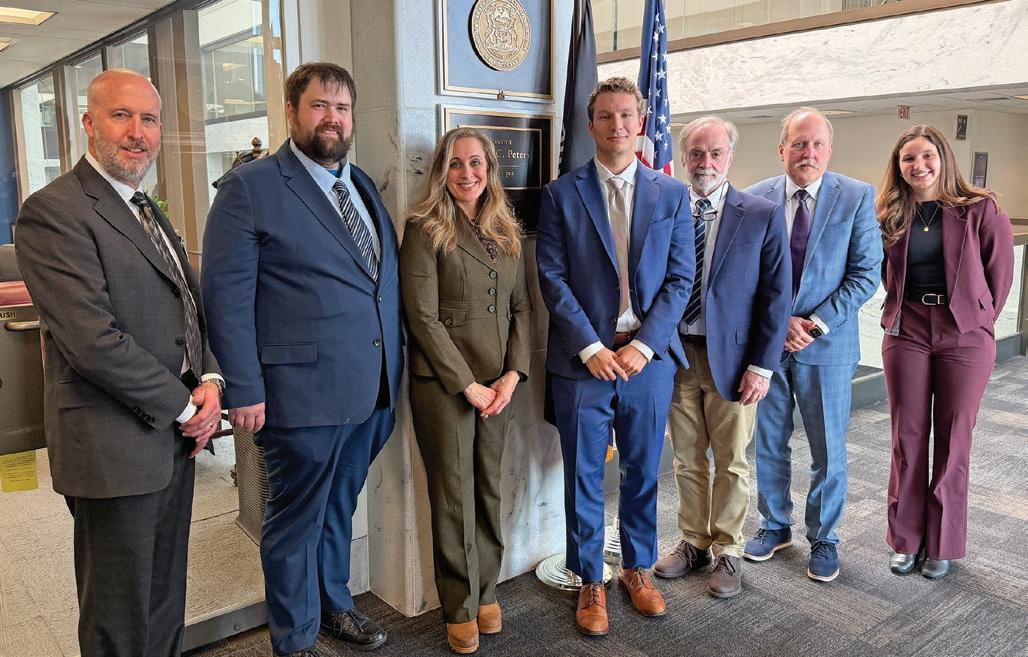
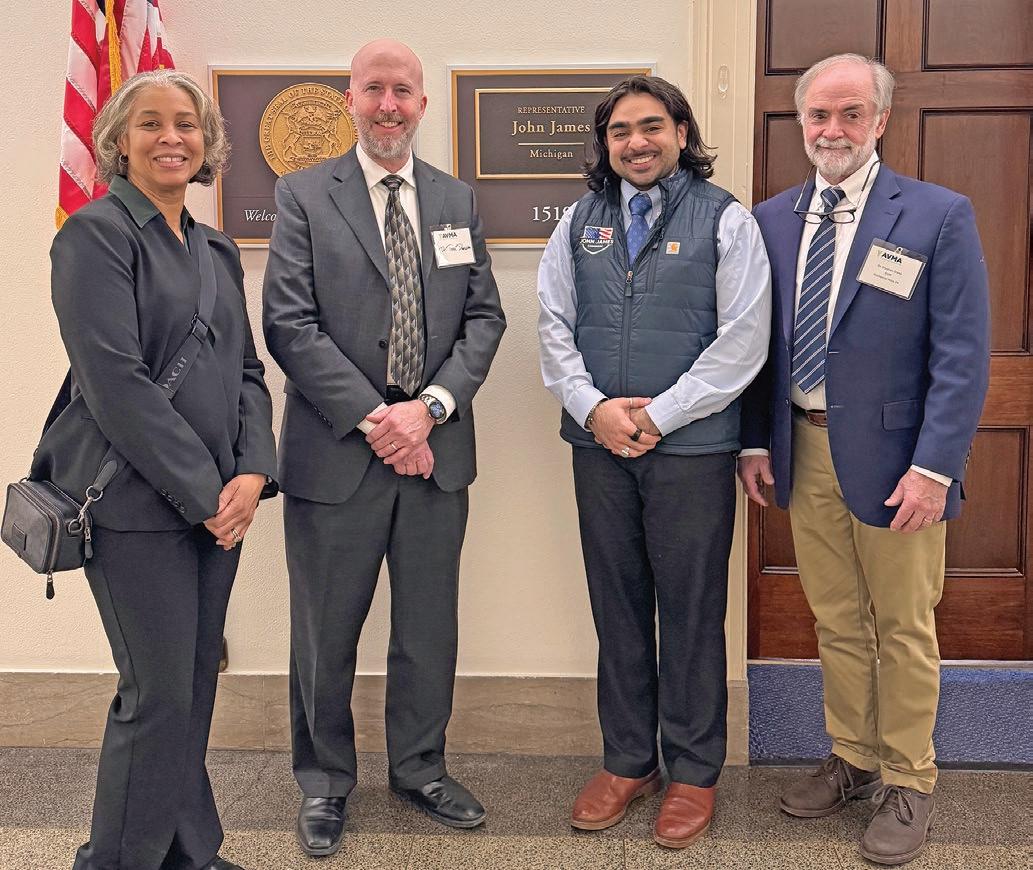
The Combating Illicit use of Xylazine Act preserves veterinary access to this important drug while combatting the public health threat of its illicit use. After meeting with Michigan Veterinarians, there was bipartisan support for these bills and additional co-sponsorships added to this legislation impacting our profession. For more information, please visit: avmacan.avma.org
AVMA Government Relations Division (GRD) and SAVMA Government Affairs Committee Meeting
Kat Dorchenko, the AVMA Grassroots Advocacy Coordinator, and Larry Letsche, AVMA PAC Board Chair, meet via zoom with members of the SAVMA Government Affairs Committee on the evening of April 29, 2026. More than eighty students from veterinary colleges across the country attended and listened to a presentation on the various programs that the AVMA Governmental Relationship Department (GRD) offers. Kat’s presentation discussed such areas as state and national advocacy, the AVMA’s Political Action and Legislative Advisory Committee, and AVMA student Externships in Washington DC.
The students were also able to ask questions at the end of the presentation. Many of the students were excited to learn about the externships that the AVMA has available. Every year, the AVMA GRD selects five students from over a pool of over 50 applicants to spend a month working with its staff in DC. The application process involves interviews and problem-solving practices. In Washington, the student externs work under one of
The AVMA serves more than 112,000 members. Please reach out to your delegates with questions or to provide input on issues regarding our profession.
the three assistant directors. They will visit congressional offices and attend hearings. This training has led to many externs entering governmental jobs upon graduation.
Overall, the experience was very rewarding for the presenters and the students. The greatest achievement was to see how engaged and informed today’s veterinary students are. They really care about the future of the profession and will be leading advocates after they graduate.
The AVMA serves more than 112,000 members. Please reach out to your delegates with questions or to provide input on issues regarding our profession.
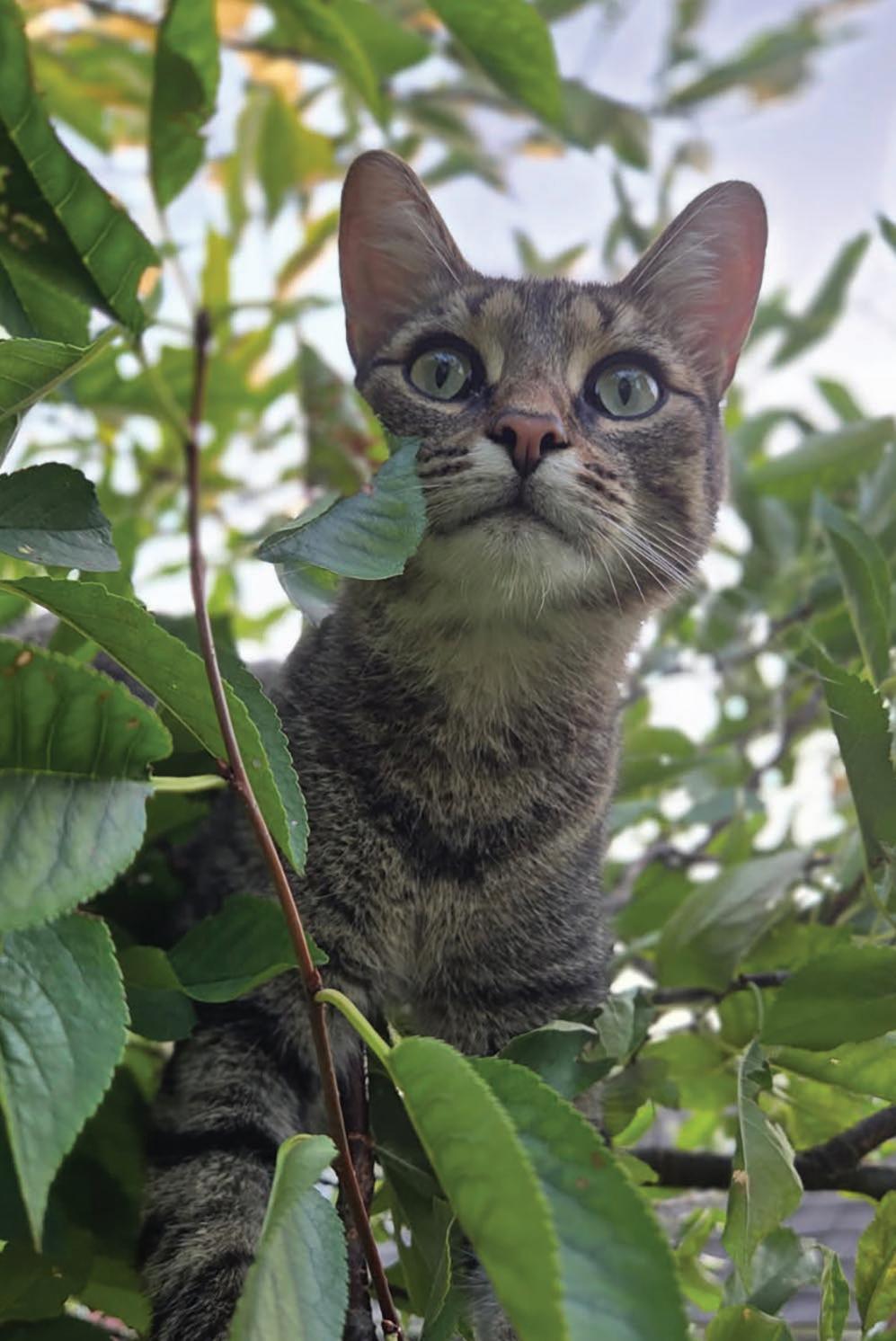
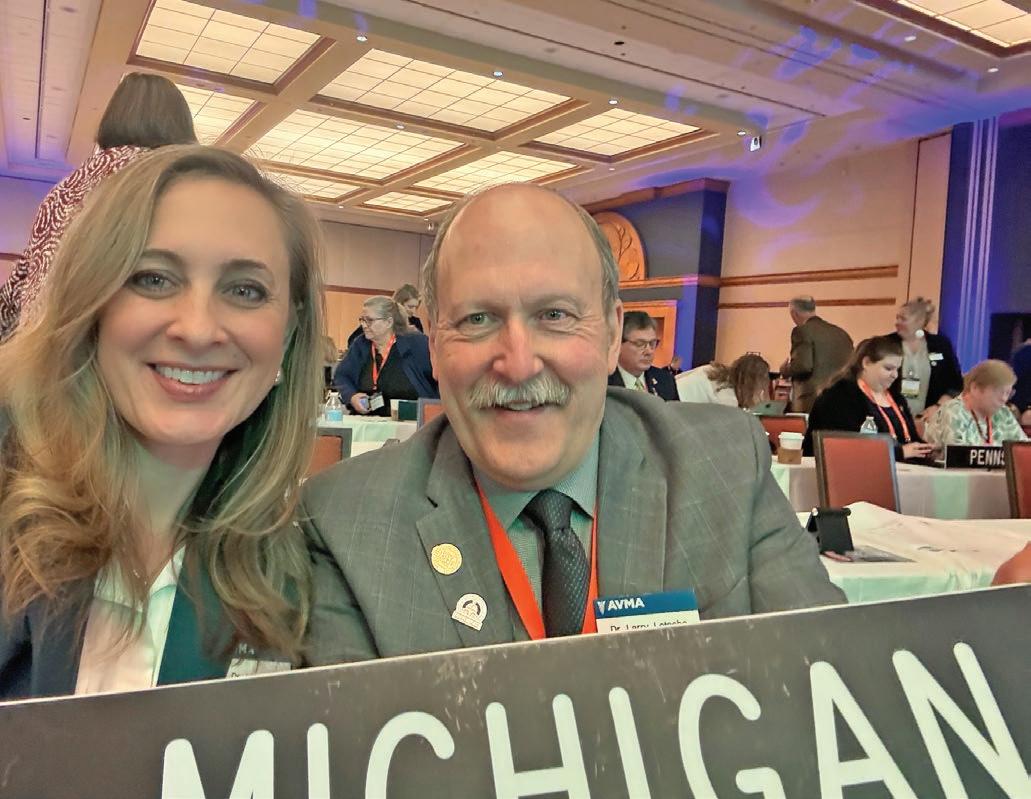
Please call or contact us here: Drs. Jill Lynn (Delegate) 517-331-2009, jill.lynndvm@yahoo.com; and Larry Letsche (Alternate Delegate), 734-355-2754, remrock02@aol.com
We’re searching high and low for the right veterinarian to join our hospital!
• Competitive Salary and Production Bonus
• 4-Day Work Week
• Mentorship
• Buy-in opportunity
At Clio Animal Hospital we believe our clients deserve the best service, and our patients are always treated like family. Our staff members are fabulous and strive to improve themselves through continuing education. We consider ourselves to be a great group of cooks as well, and really enjoy potlucks! Experienced and new graduates are welcome to apply. There are no weekend hours, no emergency hours, and all major holidays off. Impress every client, every time. That’s our motto, and if you play your cards right, it could be yours too! What you can expect should you choose us: Please email resume
• Paid Licenses, Memberships, and Liability Insurance
• CE Allowance, Scrub Reimbursement
• Health Insurance and Life Insurance
• Generous PTO and Matching 401(k)
MSU CVM Class of 2026
Congratulations to the entire Class of 2026 and welcome to the profession!
DOCTOR OF VETERINARY MEDICINE
Blue = MVMA member
Leah Ackley DVM
Lacie Mae Acosta DVM
Ariel Rae Altheim DVM
Christopher Ao-Nguyen DVM
Max Ambs DVM
Shayla Bajric DVM
Julia Baker DVM
Kate Basmadjian DVM
Katrina Marie Beaton DVM
Jennifer Feitosa Bezerra DVM
Travis Boling DVM
Cecelia Brandt DVM
Allison Brombacher DVM
Sarah Budnick DVM
Alyssa Camhi DVM
Cindy Zulma Cardona DVM
Jaycee Carpenter DVM
Mikayla Casolari DVM
Hope Catanese DVM
Danielle Lindsay Chorba DVM, MVMA student rep
Samantha Christensen DVM
Katelyn Collins DVM
Bridget Craft-Mitchell DVM
Madeline Hamilton Dashiell DVM
Anne Marie Doemer DVM
Tori Duffy DVM
Amanda Ebersberger DVM
Bethany Ekins DVM
Christina Eliades DVM
Lexa Elzerman DVM
Hanne Forester DVM
Hannah Frimodig DVM
Maria Gallo DVM
Kaitlin Alise Gassiot DVM
Caitlin Gerke DVM
Samuel Golding DVM
Gabriella Greca DVM
Samantha Hahn-Kelly DVM
Madelynn Heneghan DVM
Jade A. Hernaez DVM
Bethany Hess DVM
Cameron Higgs DVM
Alexandra Hill DVM
Darwyn Howard DVM
Katie Lynn Johnson DVM
Sarah Kahn DVM
Michaela Bethany Kapala DVM
Emily Katz DVM
Krystal Keuler DVM
Tina Khoshkhoo DVM
Bria Kilgore DVM
Ariana Valencia King DVM
Cecile Koceyan DVM
Kellie Kokenakes DVM
Carrie Kosiba DVM
Makayla LaGro DVM
Alissa Lin DVM
Jenny Lin DVM
Lily Ellen Luzi DVM
Sydney Magusin DVM
Danielle Mansour DVM
Shannon Marie Massey DVM
Miranda McClellan DVM
Annika Miller DVM
Karolina Mirzoyan DVM
Bryanna Clare Musser DVM
Maegha Naraian DVM
Jennifer Ngo DVM
Olivia Ngo DVM
BACHELOR IN VETERINARY NURSING
Brooke Achrem
Kelli Breeden
Hannah Campbell
Josephine Cherney
Lily Covert
Katlyn Cunningham
Alyssa DuDonis
Kaitlyn Gilliam
Amanda Griffin
Gabrielle Henderson
Julia Hoffman
Loryn Huttenga
Janina Weaver Kavetsky
Paige Kolek
Megan Oesterling DVM
Kaitlyn Osmond DVM
Kristen Page DVM
Anna Phelps DVM
Emma Placzek DVM
Nichole Proctor DVM
Shane Raede DVM
Gabrielle Dorthea Remakel DVM
Zachary Reynolds DVM
Lynsie Taylor Rhegness DVM
Sarah Richmond DVM
Paige Ries DVM
Alex Roberts DVM
Bethany Lynn Rudness DVM
Heather Sayles DVM
Grace Self DVM
Reece Leversee
Alex Mead
Kortney Mezeske
Presley Paperd
Sydnee Pierce
Delayne M. Sanchez
Valerie Saville
Nichole Christine Siegner DVM
Kelsey Stachowski DVM
Linsey Stringer DVM
Jennifer Swisher DVM
Mirelle Syrja DVM
Adelina Tatone DVM
Marissa Tetzlaff DVM
Lauren Rae Thomas DVM
Danielle Marie Thurman DVM
Lindsey Trevino DVM
Haley VanBeck DVM
Melissa Vaughn DVM
Bailey Grace Versluis DVM
Emmeline Wachter DVM
Nicole Waters DVM
Andrew Wells DVM
Naia Smith
Bobbie Thielen
Grace Trax
Gina M. Ward
Hanna Young
Board President Dr. Elaine Sheikh giving closing remarks at commencement.
Unlocking the Value of MVMA Membership: Benefits for Every Stage of Your Career
In a profession defined by constant advancement, staying informed, connected, and engaged is essential. The Michigan Veterinary Medical Association (MVMA) supports veterinary professionals across the state by offering meaningful benefits that make continuing education more accessible, strengthening professional connections, and delivering real value both individually and at the practice level.
One of the most impactful advantages of MVMA membership is access to discounted registration for conferences, meetings, and continuing education programs. These exclusive member rates allow professionals to stay current on the latest medical knowledge and industry trends without the burden of high costs. For individuals, this means more opportunities to learn, grow, and meet licensure requirements. For practices, the savings multiply quickly when multiple team members attend events at reduced rates, making professional development a smart, scalable investment.
MVMA’s Organizational Membership further enhances this value by extending benefits across an entire practice. Instead of enrolling employees individually, practices can provide veterinarians, technicians, and staff with shared access to specific organizational discounts on education and professional resources. The result is not only cost savings, but also stronger, more cohesive teams built on shared learning and growth.
A key strength of MVMA is its inclusive approach to membership, ensuring these benefits are accessible to everyone connected to the veterinary profession. Student Membership helps those enrolled in accredited veterinary or veterinary technology/nursing programs begin building their professional network early while taking advantage of affordable learning opportunities. Recent Graduate Membership
supports veterinarians in their first 48 months after graduation, easing the transition into practice with accessible education and resources.
For essential members of the care team, Veterinary Technician Membership provides opportunities for continued learning and professional connection, recognizing their vital role in patient care. Post-DVM Education Membership keeps veterinarians pursuing residencies, fellowships, or advanced degrees engaged with the profession while benefiting from discounted events and resources.
Regular Membership offers practicing veterinarians’ full access to MVMA’s educational programs, networking opportunities, and professional support.
Beyond clinical roles, Allied Membership connects individuals and businesses
that provide products or services to the veterinary industry, helping them stay engaged with and support the profession. Other Membership ensures that individuals associated with veterinary medicine can remain involved, even if they are not actively practicing.
Together, these membership options ensure that MVMA’s core benefits cost savings, continuing education, and a strong professional community are available to all who contribute to advancing veterinary medicine.
At its core, MVMA membership is more than a benefit it’s an investment in your future. Whether you’re just starting out, advancing your expertise, or leading a team, MVMA provides the tools, connections, and opportunities to help you succeed at every stage of your career.


Member Benefit: Registration Discounts
In a profession that’s always evolving, staying up to date and connected really matters. MVMA makes that easier – while also helping you save along the way.
One of the biggest perks of membership is discounted registration for continuing education programs. And leadership really sharpened their pencils for 2026. Members pay less to attend high-quality events, making it easier to keep learning and stay on top of the latest trends in veterinary medicine.
Those savings don’t just help individuals –they add up quickly for entire practices. When multiple team members attend events at member rates, it becomes much more affordable to invest in everyone’s professional growth.
And because events are more affordable, you can attend more often, explore new topics, and build stronger connections with others in the field.
And keeping employees engaged and learning is tough. MVMA offers lower LVT rates to help ensure the whole team can
access quality trainings. If your practice or company joins, the savings is even deeper.
MVMA membership helps you learn more, connect more, and spend less doing it. Keep an eye out for The Paws Button, the member e-newsletter, for the latest CE events.
Here’s a sampling of the savings for MVMA CE events:
Welcome New Members
February 2026 – April 2026
Alaina Ableidinger
Katie Anderson
Mohame Ashry
Zachary Bault
Katrina Beaton
Nicole Blah-Wenke
Alyson Conflitti
Barbara Craig
Christine Crandall
Todd Dennis
Alok Desai
Melissa Devon
Elizabeth Durall
Ariel Eddy
Hana Fantin
Clarissa Funke
Staton Garrett
Jessica Garrett
Marla Greanya
Lucretia Greear
Caitlin Green
Karl Gubert
Ruth Hansen
Anna Harris
Azia Haynes
Corinne Herman
Ashley Hotchkiss
Heather Jarrett
Shannon Jones
Gupree Kaur
Stacey Keck
Sarah Kelley
Michele Koan
Kate Levey
Allen Lewis
Beth Lowery
Nichole Mabel
Yvette Marshall
Nicole McKeon
Rachel Metter
Taylor Miller
Stacy Nelson
Derek Nolan
Rachel Norman
Joanna Pero
Jeffrey Pinkston
Alexandra Quinn
Brandi Rankine
Elizabeth Reinke
Jeffrey Rothstein
Eldred Samantha
Betsy Schroeder
Kendell Sokolow
Kayla Lynn Sweeney
Hailey Taylor
Amy Tayor
Katherine Tily
Emmeline Wacher
Mary Wachmann
Audrey Waggoner
Trevor Walling
Mary Whichmann
Lauren Wierenga
Lawrence Witt
Karen Worthington
Ashley Zielinski
Member Spotlight
McKenna Adams
Doctor of Veterinary Medicine Candidate, MSU College of Veterinary Medicine, Class of 2027
SAVMA President
AVMA Trust Student Ambassador
Tell us about your involvement with MVMA.
I first became involved with MVMA as a first-year veterinary student. Throughout veterinary school, I have served as the MVMA Student Representative, acting as a liaison between MVMA and the MSU College of Veterinary Medicine to assist with collaboration between the two organizations.
I also served as the Student American Veterinary Medical Association Class President, which gave me the opportunity to work alongside many MVMA members during the 2025 AVMA Legislative Fly-In in Washington, DC. During that experience, we advocated to preserve veterinary access to xylazine and support legislation to strengthen the rural veterinary workforce.
Tell us about your education.
I’m originally from Saginaw, Michigan, and I also attended Michigan State University for undergrad. My undergraduate degree was in Animal Science, and I had minors in Spanish and Entrepreneurship.
Right now, I’m pursuing my Doctorate of Veterinary Medicine at Michigan State University and will graduate in 2027. Go green!
When did you know you wanted to go into this industry?
Like many people in this field, I don’t remember a time that I didn’t want to be a veterinarian. I grew up taking my family’s pets to our veterinarian, and he always involved me in their cases and explained what he was doing in a way that a young child could understand.
Being surrounded by so many animal-related opportunities during undergrad at Michigan State really confirmed not only my desire to become a veterinarian, but also my excitement for continuing to grow within the profession.
Being surrounded by so many animal-related opportunities during undergrad at Michigan State really confirmed not only my desire to become a veterinarian, but also my excitement for continuing to grow within the profession.
When you picture yourself in 10 years, what will you be doing and where?
Not too long after starting veterinary school, I realized that I had a strong affinity for neurology and have subsequently invested my time throughout veterinary school working toward that goal.
I particularly enjoy how detail-oriented the cases are and see them as big puzzles that you have to piece together. As a result, after veterinary school, I’m planning to pursue an internship and enter the match for a residency in neurology and neurosurgery. I’m hoping that internship and residency will guide me in where I see myself ending up long term.
My undergraduate degree had a strong emphasis on the human-animal bond, and it is fascinating to me to see how animals impact people emotionally, psychologically, and physically.
What has been the biggest learning curve for you?
Learning how to step away from school and create balance with relationships and interests outside of the field has been something I’ve had to intentionally work on throughout veterinary school.
It has definitely been a struggle at times, but it is something I’m grateful I invested time into before the craziness of clinicals started.
Tell us a fun story you have experienced in veterinary work so far.
About a year and a half ago, I had the opportunity to travel to the Spirit Lake Tribe and Turtle Mountain Band of Chippewa Indians in North Dakota with Rural Area Veterinary Services, or RAVS, with two of my classmates.
Between the surgeries and routine care performed, I was able to learn a lot about field medicine and adapting the limited
resources you have to be sufficient for complex cases that might present to you.
For many of the animals we saw, this was the only veterinary care they receive in a year, whether because of owner finances or physically being hours from the closest veterinarian. One case that stuck out to me was getting to pull porcupine quills out of a two-year-old dog that presented to us after his sixth porcupinerelated incident!
What are your summer plans for veterinary medicine?
I just transitioned to clinicals in March, so I will be spending my summer on clinical rotations. I have the opportunity to spend some time at the University of Illinois and University of Tennessee Colleges of Veterinary Medicine this summer, and I’m particularly looking forward to spending time with their services.
Tell us something you’re curious about as you progress through this field.
My undergraduate degree had a strong emphasis on the humananimal bond, and it is fascinating to me to see how animals impact people emotionally, psychologically, and physically.
As animals are increasingly recognized as members of the family, I’m curious to see how this impacts veterinary medicine as a whole.
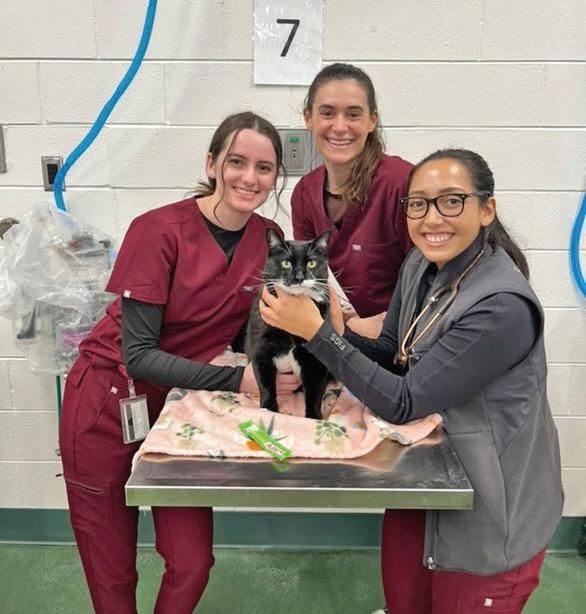

MI: Southwestern - Small animal practice located in the Grand Rapids-Lansing-Kalamazoo triangle. The practice is wellequipped with a solid team and primed for growth. It is housed in a free standing, 3,600 sq. ft. facility with excellent visibility. Both the practice and real estate are for sale. (MI432)
MI: Saginaw Area!! - This is a small animal, multi-doctor practice with revenues over $2M that has been serving the area for nearly 70 years! The practice is housed in a 2,400 sq. ft., free-standing building that has 2 exam rooms, a treatment and lab area, a separate dental suite and all the usual amenities. It is well-equipped and has room for expansion. The current owner is open to staying part time. (MI538)
MI: Southern - Small animal practice located on the periphery of Kalamazoo-Battle Creek. Housed in a 2,800 sq. ft. facility with 2 exam rooms and all the usual amenities. It sits on a 40 acre property that is currently set up for horses, so there is plenty of room for expansion. Both the practice and real estate are for sale. (MI522)
MI: Eastern - Solo, small animal practice located about an hour northwest of Detroit. It is an attractive and growing practice that is housed in a well-maintained and well-equipped facility. The owner is ready to retire so both the practice and real estate are for sale. (MI412)
MI: Central - Established, solo, small animal hospital located in Lansing, MI. The practice is well-equipped and housed in a 1,800 sq. ft. facility with plenty of room for future expansion on the almost 4 acres of property. Both the practice and real estate are for sale. (MI407)
MI: Southwest - This is an established, solo, small animal practice that is financially healthy with a terrific cash flow to the owner. It is housed in a free-standing, well-equipped, 4,200 sq. ft. facility with 6 exam rooms. The owner will help with the transition and the staff is expected to stay. Both the practice and real estate are for sale. (MI508)
MI: Eastern - Small animal practice located about an hour northwest of Detroit. It is an active and growing, solo practice housed in a well-maintained and well-equipped facility. Both the practice and real estate are for sale. (MI412)
MI: Eastern - Small animal practice on the north side of Oxford just north of the Detroit metropolis. The practice has been kept small for a balanced life-work schedule but can be quickly grown. It is housed in a 1,200 sq. ft. facility with good visibility. Both the practice and real estate are for sale. (MI235)
Michigan Veterinary Medical Association 2144 Commons Parkway Okemos, MI 48864-3986
p. 517-347-4710 | f. 517-347-4666 mvma@mivma.org | www.mivma.org


Professional Excellence. Compassionate Care.