CANADIAN



















Most self-tanning lotions (sunless tanners) contain an active ingredient called dihydroxyacetone (DHA). DHA is a three-carbon sugar that interacts with amino acids in the skin to create a temporary colour.
When you apply a self-tanner to your skin, DHA works by reacting with dead skin cells on the surface of your body. Essentially, your dead skin cells are temporarily darkened to mimic a sun-kissed glow. This short-term darkening of the skin is only temporary – a sunless tan can last up to 10 days, depending on the product used. As your skin cells shed, so will your sunless tan. It can help to moisturize skin frequently and re-apply self-tanning lotion before your tan begins to fade.
The more DHA that a self-tanner has in it, the faster you’ll achieve a dark tan. For instance, spray tans (like you can get at the spa) use concentrated amounts of DHA to promote a quick, bronze colour.
It is important to remember that self-tanning lotions and spray tans do not protect your skin from sunburn and sun damage, so you will still need to wear an SPF sunscreen when exposing your body to UV rays. But for a safe, temporary sun-kissed glow, self-tanning lotions and sprays can be a good option.
Skin tags are harmless small, soft growths that can appear anywhere on your skin but often develop on the neck, eyelids, or underarms. They may be the same colour as your skin or darker. They might look pink or turn red when irritated. They may be firmly fixed to the skin or appear wiggly, dangling from a stalk.
These growths can appear anywhere but they usually develop where skin has been rubbing against skin, jewelry, or clothing. They occur most often in these areas:

• Beneath the breasts
• Eyelids
• Groin
• Neck creases (or where clothing or jewelry rubs against the neck)
• Underarms Skin tags are also commonly found on the abdomen or back.
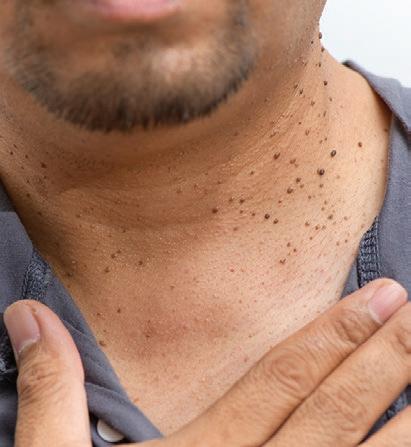
Because they develop where skin rubs against skin, people who are overweight, pregnant, or have loose skin are more likely to get skin tags. Age is also a factor for skin tags – people over 40 are more likely to develop them, and that increases even more over the age of 60.
It’s important to keep in mind that these growths are harmless. A skin tag only needs to be removed if it:
• Becomes irritated or bleeds
• Develops on your eyelid and affects your eyesight
• Feels painful, especially when the pain comes on suddenly
A certified dermatologist can quickly and safely remove one or more skin tags during an office visit, and usually without the need for a follow-up appointment.
The treatment that your dermatologist uses will depend on the size of the skin tag, where it appears on your body, and other considerations.
Products that you can use at home to remove skin tags and “doing it yourself” are not recommended. Skin tags come in many shapes and sizes, so it’s best to have them evaluated by a professional. By seeing a dermatologist, you’ll find out what’s going on and that can bring peace of mind.

Issue 1 2026
ISSN 1923-0729
Publisher: Craig Kelman & Associates www.kelman.ca
All rights reserved. ©2026 Contents may not be reproduced.


By Dr. Raed Alhusayen and Dr. Dimitra Bednar
AQWhat does SPF mean?
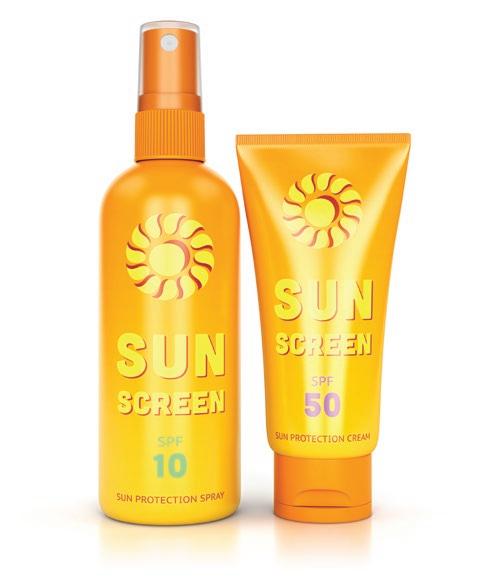
SPF stands for sun protection factor. It is a ratio derived from tests with real human participants that compares the duration of ultraviolet radiation (UVR) exposure required to produce skin redness in sunscreenprotected skin compared to unprotected skin. This formula primarily measures UV-B, but not the UV-A. UV-B is most responsible for sunburn and skin cancer, whereas UV-A is more responsible for sun-related skin aging. The SPF ratio can estimate the amount of UVR a sunscreen protects against. For example, an SPF of 30 protects from 97% of UV-B. When purchasing a sunscreen, look for an SPF of at least 30 and the term “broad spectrum” to protect from both UV-A and UV-B. Sunscreen should be applied to all exposed skin approximately 15 minutes before sun exposure and re-applied every two hours or after excessive perspiration or swimming. Sunscreen is your second line of defence from the sun. Sun avoidance and protective clothing, hats, and sunglasses are your first line of defence.
Our subscriber base is growing and we have moved to a digital landscape for our subscribers. Please ensure you have provided an email and resubscribed to the magazine to keep receiving a digital copy going forward. You can do this on our website by scanning this QR code or by following this link: magazine/get-the-magazine.
Thank you for all the love you’ve shown this magazine over the last 15 years, and we are excited to continue sharing more stories with you through Canadian Skin

AQDoes drinking more water really improve skin?
Water is essential to transporting nutrients, regulating temperature, and filtering toxins produced throughout the body. The average healthy adult should consume about two litres of water daily. Drinking more water does not have evidence to improve or cure chronic skin conditions or reverse skin aging, but it will facilitate the clearance of toxins and maintain hydration which can contribute to a healthier complexion. Dry skin is better addressed with gentle cleansers and regularly applied moisturizers. If you have concerns about chronically dry skin, see your primary care provider or dermatologist.

Have a question? Send it to info@canadianskin.ca.
Dr. Raed Alhusayen is a consultant dermatologist at Sunnybrook Health Sciences Centre in Toronto, Ontario. is a dermatology resident at the University of Toronto in Ontario.
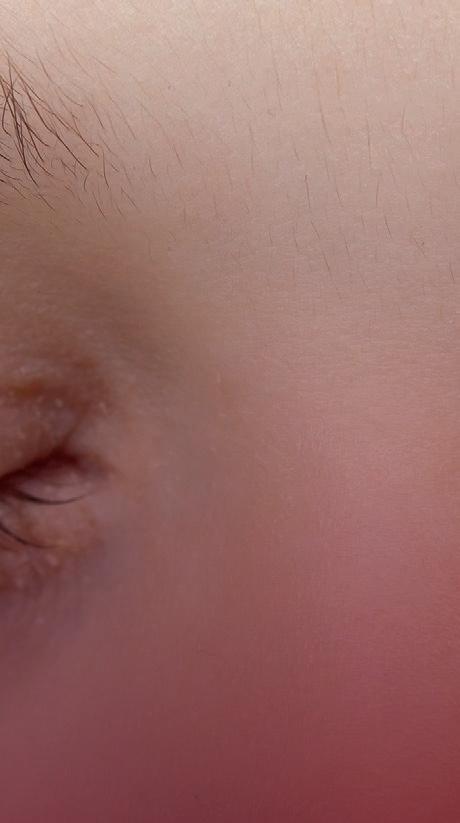
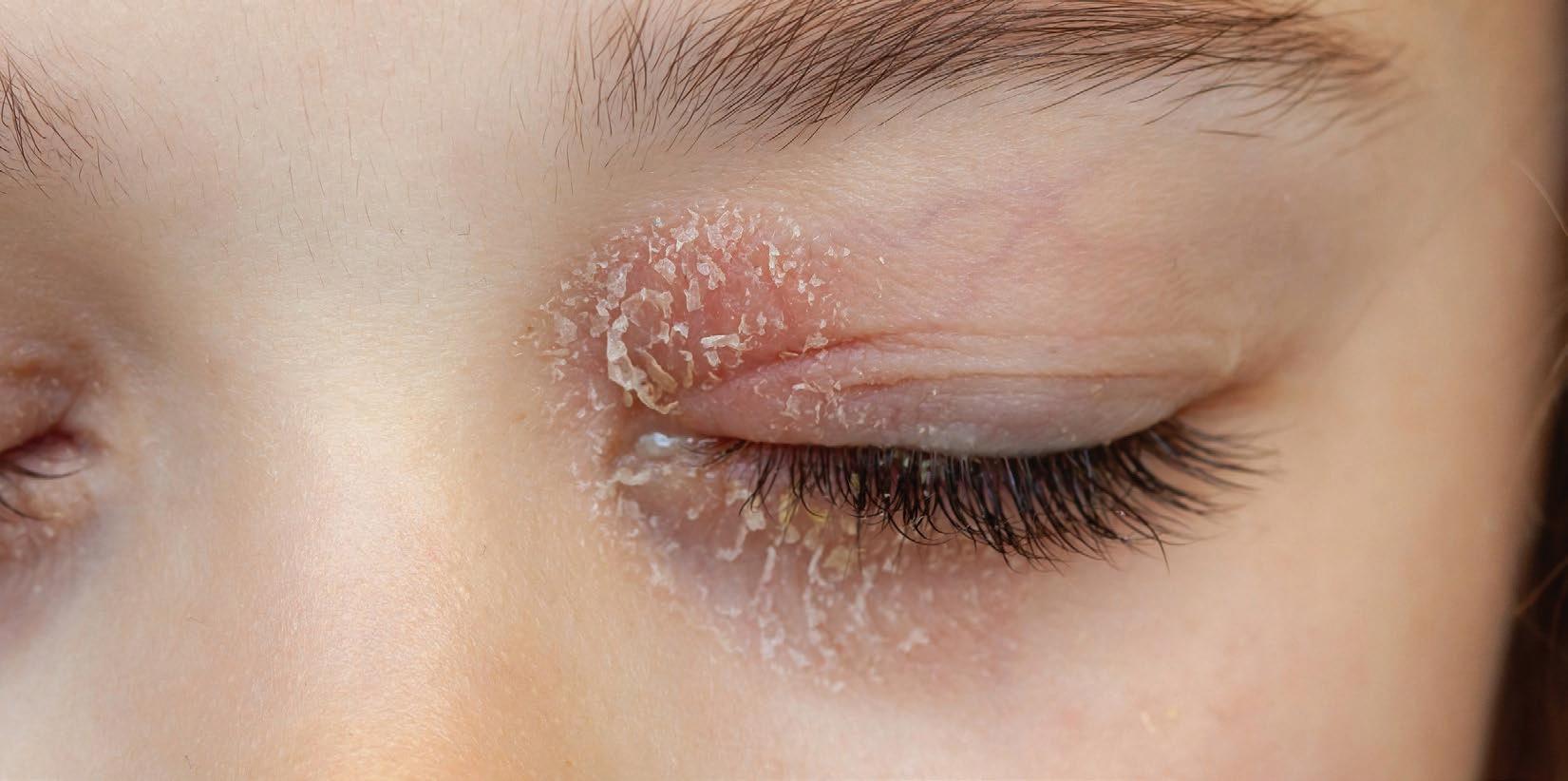
Atopic dermatitis, also commonly known as eczema, is one of the most common chronic inflammatory skin conditions worldwide. It can affect anyone: infants, children, teens, and adults of all backgrounds. On lighter skin, eczema can often look red and inflamed, while on darker skin, it may appear as brown, purple, or grey patches. Regardless of how it looks, eczema is classically itchy, uncomfortable, and emotionally challenging. The good news is that there are many practical steps you can take at home to reduce flare-ups, ease discomfort, and feel more confident in your own skin.
Living with eczema extends beyond simply treating rashes. It’s about nurturing your skin daily, protecting it from triggers, and supporting your emotional well-being. For many individuals, flare-ups leave behind “post-inflammatory hyperpigmentation,” those darkened patches that remain
visible even after the inflammation has healed, often persisting for weeks to months, especially in patients with darker skin tones. By combining good skincare habits with gentle, accessible remedies, you can live comfortably and take control of your personal eczema journey.
Eczema care begins with consistent moisturization. Dermatologists often recommend the “soak and seal” method: a short bath or shower in lukewarm water, followed by immediate moisturizing. Hot water strips the skin of natural oils, so keep bathing brief and gentle. Use a fragrance-free, non-soap cleanser, and avoid scrubbing. After bathing, pat your skin dry instead of rubbing, and apply a thick, fragrance-free emollient within minutes to lock in moisture. Ointments or dense creams tend to work better, while lotions may be less moisturizing
By Jia Qi Adam Bai and Dr. Harry Liu
for eczema-prone skin. Clothing choices and clothing care can also impact your skin. Soft, breathable fabrics like cotton are gentler to sensitive skin, while rough wool or tight synthetics can worsen itching. Wash new clothes before wearing, use fragrance-free laundry detergents, and consider an extra rinse to reduce residue. Lastly, always remember sun protection. Mineral-based sunscreens are often well tolerated, and daily SPF helps prevent dark spots from worsening.
In addition to moisturizing, some natural and simple home remedies can bring relief. Black tea compresses, for example, have been used for decades to calm inflamed skin. Brew a weak tea, let it cool, soak a clean cloth, and apply it to eczema patches for 15–20 minutes. Certain oils can also be beneficial although some may be irritating or induce contact allergy. You can attempt
to apply these oils to damp skin as you would a moisturizer. Another common remedy is colloidal oatmeal baths. Adding finely ground oats to lukewarm water creates a soothing soak that relieves itch and softens dry patches. However, this should be avoided if you have an oat allergy. As with any remedy, introduce new options gradually and stop if irritation occurs.
There are other topical emerging options. Discuss with your healthcare provider to determine if they may be appropriate for you.
Avoiding triggers
Even the best skincare routine can be disrupted if your skin is commonly exposed to triggers. Dry air, especially during Canadian winters, draws moisture out of the skin. A humidifier can help maintain comfort. Heat and sweat often worsen itching, so wear lightweight, breathable clothing, and shower off sweat quickly after exercise.
Harsh soaps, detergents, and fragranced products are common culprits. Stick to mild cleansers and dye-free laundry detergents to reduce irritation. Stress is another common trigger. The connection between the mind and skin is strong, and emotional stress can make eczema worse. Simple mindfulness techniques including deep breathing, meditation, or yoga can calm both your mind and skin. For children, playtime, hobbies, and reassurance from caregivers can make a big difference.
Understanding post-inflammatory hyperpigmentation
For many individuals, the end of an eczema flare doesn’t mean the end of skin changes, with darkened patches often remaining after inflammation. On darker skin, these spots can be especially visible and may persist for several months. While post-inflammatory hyperpigmentation is harmless, it can be bothersome. The most important step is sun protection, since ultraviolet (UV) rays deepen dark patches and slow fading. Safe brightening ingredients, such as vitamin C or niacinamide, may gradually improve tone when used consistently. Above all, remember that controlling your eczema is the cornerstone, otherwise post-inflammatory hyperpigmentation will recur.
Caring for emotional and social well-being
Eczema affects more than the skin. It can influence self-esteem, social interactions, and even sleep. The itch-scratch cycle can be exhausting, and it’s natural to feel frustrated. Building emotional resilience is part of treatment. Normalize eczema by remembering that it is common and not contagious. Some people find it helpful to prepare a simple explanation for others, such as, “I have eczema –it’s a skin condition that sometimes flares but I’m managing it.” Support groups and patient organizations, such as the Canadian Skin Patient Alliance, can provide resources and a sense of community for individuals living with eczema. Talking with others who share your experiences can ease feelings of isolation. Stress management, mindfulness, and good sleep hygiene can all improve quality of life. For caregivers, patience and encouragement are essential, especially for children who may feel discouraged or embarrassed.
When to seek medical help
Home care is effective, but often medical support is needed. Seek a healthcare professional if your eczema is persistent, not improving, or shows signs of infection. Treatments may include topical medications including corticosteroids or non-steroid creams, phototherapy (light-based in-office treatment), oral medications, or injection medications. If postinflammatory hyperpigmentation is bothersome, dermatologists may discuss safe options for improving discoloration. Mental health support is equally important if eczema is taking a toll on your mental health or daily functioning.
Eczema is a chronic condition, but it does not define you. With patience, consistency, and compassion for yourself, you can improve both your skin and your well-being. Remember that every small step counts, whether it’s moisturizing after a bath, managing stress, or protecting your skin from the sun. Progress may be gradual, but with the right strategies, you can live comfortably and confidently with eczema.
The Canadian Skin Patient Alliance (CSPA) is constantly striving to make a meaningful impact on the lives of those we serve. By becoming a monthly donor, you will be joining a special group of dedicated individuals who provide us with the consistent support we need to plan and execute our programs effectively. Your monthly contribution, no matter the size, will enable us to maintain and expand our initiatives, ensuring that our community continues to benefit from the vital services we offer.
Why should you consider becoming a monthly donor?
• Sustained impact: Monthly donations provide us with a predictable source of income, allowing us to focus more on our mission and less on fundraising efforts.






• Efficiency: Your recurring donation minimizes administrative costs, ensuring that the majority of your contribution goes directly into our programs.
• Exclusive updates: As a monthly donor, you will receive regular updates on the impact of your contribution, allowing you to witness firsthand the change you are making.
Help us help hers

Become a monthly donor today, at https://canadianskin.ca/getinvolved/donate.


BY DR. SHARMEEN SHAIKH, MD, MSC IN CLINICAL DERMATOLOGY
What is vulvar lichen sclerosus?
Vulvar lichen sclerosus (VLS) is a chronic inflammatory skin condition that affects the anogenital area, that can affect both men and women. Other associated diseases include but are not limited to autoimmune thyroid conditions such as Hashimoto’s thyroiditis. Once considered a rare disease, VLS is now thought to be relatively common among postmenopausal women, with almost 1 in every 100 women in this group being affected by VLS.1,2

should talk to your healthcare provider as soon as possible. If untreated on the long term, VLS can increase your risk of developing vulvar cancer.6 Three to five percent of women with VLS will develop a malignancy so it is important to get diagnosed and begin treatment early. VLS often mimics other conditions such as yeast infections, eczema, and even psoriasis.7,8 It is important to ask your healthcare provider about VLS if you failed treatment for any of these conditions.
Having VLS can make you feel isolated, especially after receiving a diagnosis, so joining these groups can also give you a sense of acceptance and belonging.
What should I know about VLS and when should I talk to my healthcare provider?
It is important to know what VLS looks like and how it feels.
The most common feature of VLS is thin white lesions on the skin, but the affected area can also appear red and inflamed with dark purple or brown spots.3 The skin can develop cracks and open sores, and can even become hard and thickened. As VLS progresses, it can also cause changes in the genital anatomy, making it difficult to urinate and have sexual intercourse.4
Symptoms associated with VLS can be quite distressing for those affected. The most common symptoms are persistent itching and burning, which negatively impact quality of life.5 Many women with VLS also struggle with intimate partner relationships because of the pain they experience during intercourse.
If you are experiencing any of the above changes or symptoms, you
Your doctor or nurse practitioner can then clinically diagnose or consider a biopsy to determine if you have VLS.
What are my treatment options?
Fortunately, there are treatment options available to manage symptoms and improve your skin’s health. The first step in managing VLS is application of highpotency topical corticosteroids (TCS), such as clobetasol cream or ointment. One example of therapeutic scheme is as follows: in the first month of treatment, a pea-sized amount of TCS is applied to the affected areas once daily, then once every other day in the second month, and twice weekly thereafter. Usually, TCS is applied until there is no more discomfort, but some experts are now recommending preventive longterm TCS application as symptoms often return after stopping treatment.9
When the disease cannot be treated successfully with TCS, there are other types of medications, such as topical
tacrolimus or oral methotrexate to name a few,10 as well as non-pharmaceutical options such as laser therapy although evidence is limited.11
I’m feeling lost and alone –Where can I go for more information and support?

All of this information can be quite overwhelming, but there are a number of online support groups on Facebook that can help you navigate all of your options. There are also organizations such as the Lichen Sclerosus Support Network12 and the Global Organization for Lichen Sclerosus13 that offer a variety of educational resources, information sessions, and patient-focused conferences or meet-ups. Having VLS can make you feel isolated, especially after receiving a diagnosis, so joining these groups can also give you a sense of acceptance and belonging.
1. Halonen P, et al. (2020) Incidence of lichen sclerosus and subsequent causes of death: A nationwide Finnish register study. BJOG. 127(7):814-819.
2. Rees S, et al. (2025) Vulval lichen sclerosus in UK general practice: A cross-sectional survey of patient experience. BMJ Open. 15(9):e103415.
3. Conte S, et al. (2024) Clinical presentations and complications of lichen sclerosus: A systematic review. J Dtsch Dermatol Ges. 23(2):143–149.
4. Sheinis M, et al. (2017). Development of the Adult Vulvar Lichen Sclerosus Severity Scale – A Delphi Consensus Exercise for Item Generation. J Low Genit Tract Dis. 25;22(1):66–73.
5. Fan R, et al. (2022) Depression and Anxiety in Patients With Lichen Sclerosus. JAMA Dermatol. 158;(8):953-954.
6. Steben M (2022) Lichen Sclerosus: Why Do Most Women Struggle With Their Diagnosis? J Obstet Gynaecol Can. 44(2): 119-120.
7. Yeast Infection and Lichen Sclerosus: How to Know Which is Which? The Lost Labia Chronicles, Aug. 15, 2022. Available from: www.lostlabia.com/yeast-infection-and-lichensclerosus-how-to-know-which-is-which.
8. Chamli A, Souissi A. Lichen Sclerosus. [Updated 2023 Jul 31]. StatPearls. Available from: www.ncbi.nlm.nih.gov/books/ NBK538246.
9. Lee A, et al. (2015) Long-term Management of Adult Vulvar Lichen Sclerosus: A Prospective Cohort Study of 507 Women. JAMA Dermatol. 151;(10):1061-1067.
10. Treatment of Vulval LS. Lichen Sclerosus Guide. Available from: www.lichensclerosusguide.org.uk/treatment.
11. Hobson JG, et al. (2019). Recalcitrant Vulvar Lichen Sclerosus Treated With Erbium YAG Laser. JAMA Dermatology. 155;(2):254-256.
12. Lichen Sclerosus Support Network. Available from: https:// lssupportnetwork.org.
13. Global Organization for Lichen Sclerosus: www.facebook.com/ groups/442483256814149.











BY KATYA PERI

Every summer, Canadians watch in disbelief as wildfires sweep across forests and towns, blanketing the air with thick smoke that can drift hundreds or even thousands of kilometres. These events are becoming more frequent and intense, and their health consequences reach far beyond what we can see or smell. While the impacts on breathing and heart health are well known, new research reveals that wildfire smoke also poses a hidden but significant threat to our skin.
A new frontier in pollution-related health
Globally, approximately 99% of people now live in areas with unhealthy air.1 Air pollution has become the fourth leading cause of premature death worldwide, linked to roughly seven million deaths every year from heart disease, stroke, lung cancer, and respiratory infections.2 But air pollution

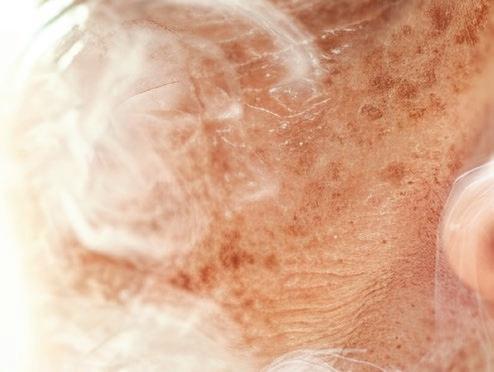
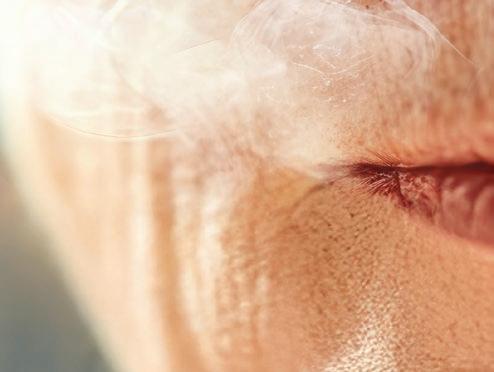
is not only inhaled, it also settles on the skin, our body’s first line of defense against the outside world.3
Fine particulate matter, or PM2.5, is one of the most harmful components of air pollution.4 These particles are less than 2.5 micrometres in diameter, small enough to penetrate deep into the lungs and even enter the skin through pores and hair follicles. Wildfire smoke, which contains PM2.5 along with gases, volatile organic compounds, and heavy metals, has become an increasingly large contributor to overall air pollution.5 In parts of western North America, wildfires can account for as much as half of all PM2.5 emissions during peak fire seasons.6
The skin’s outer barrier is designed to protect against the environment, but exposure to wildfire smoke overwhelms this natural defense. The fine particles

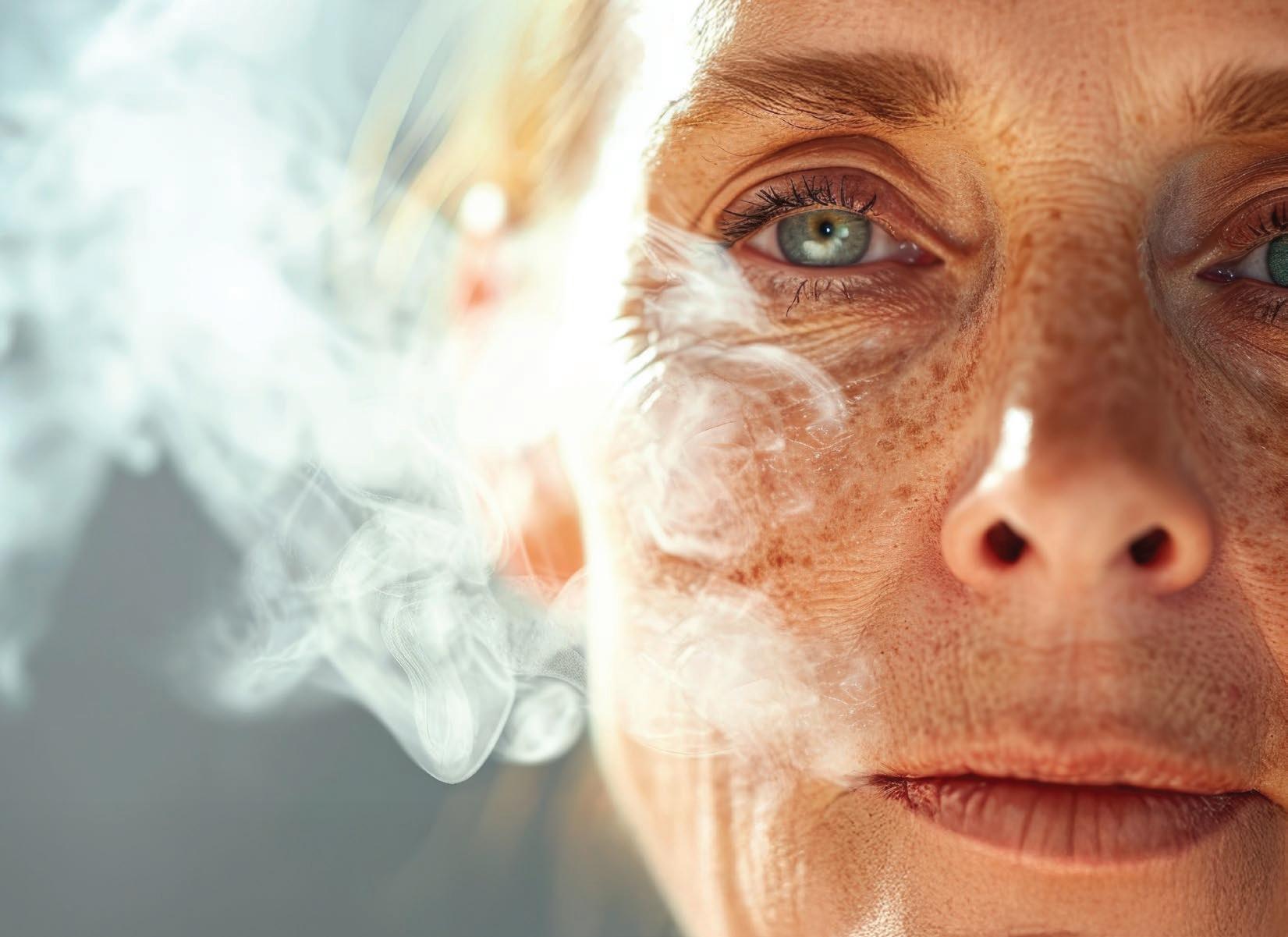
generate reactive oxygen species, unstable molecules that damage cells and trigger inflammation.6 This oxidative stress weakens the skin’s barrier, allowing pollutants to penetrate deeper layers and disrupt immune function. Over time, this can cause or worsen inflammatory skin conditions such as eczema (also known as atopic dermatitis), psoriasis, and acne.7 Even individuals with previously healthy skin may experience dryness, irritation, or persistent itching during smoky periods.
One of the most detailed studies on this topic came from the University of California, San Francisco, during the catastrophic 2018 Camp Fire. Researchers examined more than 8,000 dermatology visits in the surrounding region and found a sharp rise in skin complaints during the fire.8 Visits for eczema increased by almost 50% among children and 15% among

adults, while reports of itch rose by 82% in children and nearly 30% adults. Strikingly, many adults experiencing itching during the fire had no prior history of eczema, suggesting that acute exposure to wildfire smoke can even trigger new-onset skin symptoms.
Children and older adults appear to be particularly vulnerable. In children, the skin barrier is thinner and less developed, making it easier for pollutants to penetrate.9 Older adults, on the other hand, tend to have drier and more fragile skin, with a natural decline in barrier function over time.10 People with chronic skin conditions, such as eczema, psoriasis, or sensitive skin, often notice flare-ups when air quality deteriorates.7 Environmental factors common during wildfires, such as heat and strong sunlight, may worsen these effects by further stressing the skin and increasing oxidative damage.
Researchers have also noted that the effects of wildfire smoke are not limited to the immediate period of exposure. While eczema and itching often flare during smoky days, psoriasis tends to worsen several weeks after the fires, suggesting a delayed or lingering inflammatory response.11 These delayed effects underline how profoundly wildfire smoke can influence the immune system and overall skin health.
Across the globe, studies have confirmed the link between air pollution and inflammatory skin diseases. Research from China, South Korea, Italy, and Australia has found that even small increases in PM2.5 or
PM10 levels are associated with more clinic visits for eczema, psoriasis, and acne.12-14 In some cases, an increase of just 10 micrograms per cubic metre of PM2.5 was enough to raise eczema visits by several percentage points.15 Indoor pollution also plays a role: smoke particles infiltrate homes and linger in the air, exposing people even when they remain indoors.
Despite these findings, experts caution that much remains to be learned. The chemical makeup of wildfire smoke varies widely depending on what burns, wood, plastics, or urban materials, and the weather conditions that disperse it.16 These differences make it difficult to predict exactly how each fire will affect skin health. Nonetheless, the evidence points in one direction: wildfire smoke is an underrecognized but potent trigger for skin disease.
As climate change continues to drive longer, hotter, and drier summers, Canada will face more frequent and severe wildfires. Dermatologists are beginning to treat wildfire-related skin conditions as a growing public health issue. Understanding the connection between air quality and skin health can help patients and clinicians respond early, recognizing that the same smoke that fills our lungs also touches every centimetre of our skin.
Protecting the skin in this new environmental era means more than applying sunscreen. It means recognizing that the air around us has become an invisible irritant, and that caring for our skin is part of adapting to a changing climate. When the next wildfire turns the sky hazy, it is not just
the air we breathe that we must worry about, it is also the health of the skin we live in.
1. Organization, W.H. Billions of people still breathe unhealthy air: new WHO data. 2022 [cited 2025; Available from: www.who. int/news/item/04-04-2022-billions-of-people-still-breatheunhealthy-air-new-who-data.
2. Murray, C.J.L., et al., Global burden of 87 risk factors in 204 countries and territories, 1990–2019: a systematic analysis for the Global Burden of Disease Study 2019. The Lancet, 2020. 396(10258): p. 1223-1249.
3. Gu, X., Z. Li, and J. Su, Air pollution and skin diseases: A comprehensive evaluation of the associated mechanism Ecotoxicology and Environmental Safety, 2024. 278: p. 116429.
4. Sangkham, S., et al., An update on adverse health e ects from exposure to PM2.5. Environmental Advances, 2024. 18: p. 100603.
5. Health Canada, G.o.C., Wildfire smoke and your health Publications – Healthy Living 2025-08-12.
6. Li, Y., et al., Dominance of Wildfires Impact on Air Quality Exceedances During the 2020 Record-Breaking Wildfire Season in the United States. Geophysical Research Letters, 2021. 48(21): p. e2021GL094908.
7. Kim, R.W., J. Takeshita, and K. Abuabara, Air Pollution and Inflammatory Skin Disease – Can Clinicians Make Recommendations to Reduce Risk? JAMA Network Open, 2024. 7(7): p. e2421633-e2421633.
8. Fadadu, R.P., et al., Association of Wildfire Air Pollution and Health Care Use for Atopic Dermatitis and Itch. JAMA Dermatology, 2021. 157(6): p. 658-666.
9. Rahma, A. and M.E. Lane Skin Barrier Function in Infants: Update and Outlook. Pharmaceutics, 2022. 14, 433 DOI: 10.3390/ pharmaceutics14020433.
10. Tončić, R.J., et al., Skin barrier and dry skin in the mature patient Clinics in Dermatology, 2018. 36(2): p. 109-115.
11. Fadadu, R.P., J.Y. Chen, and M.L. Wei, Associations between wildfire air pollution and online search interest for skin diseases and symptoms. JAAD International, 2022. 8: p. 128-130.
12. Zhang, J., et al., Short-term exposure of PM2.5 and PM10 increases the number of outpatients with eczema in Guangzhou: A timeseries study. Frontiers in Public Health, 2023. Volume 10 – 2022.
13. Park, T.H., et al., Associations of particulate matter with atopic dermatitis and chronic inflammatory skin diseases in South Korea. Clin Exp Dermatol, 2022. 47(2): p. 325-334.
14. Bellinato, F., et al., Association between short-term exposure to environmental air pollution and atopic dermatitis flare in patients treated with dupilumab. JAAD International, 2023. 11: p. 72-77.
15. Chen, G.F., et al., Association between fine particulate matter and eczema: A cross-sectional study of the All of Us Research Program and the Center for Air, Climate, and Energy Solutions PLoS One, 2024. 19(11): p. e0310498.
16. Lopes, M., et al., The health burden of wildfire smoke in a changing climate: Exposure, risks, and strategies for mitigation. Current Opinion in Environmental Science & Health, 2025. 46: p. 100631.
Katya Peri is a third-year medical student at McGill University.

By Marina Shaker
When we think of skin care in Canada, we often picture dermatologists diagnosing, prescribing, and operating. But a good proportion of the day-to-day care that keeps patients informed, supported, and safely on treatment is delivered by dermatology nurses. Through the Canadian Dermatology Nurses’ Association (CDNA), these nurses are connected across provinces and practice settings, forming a national community dedicated to improving skin-health outcomes.
For many dermatology nurses who work in small practices, outpatient programs, or geographically isolated regions, CDNA provides a good professional reference. It offers access to continuing education, mentorship, best-practice guidance, and a network of support within a specialty that continues to grow in complexity and reach. By fostering knowledge exchange and collaboration, CDNA helps ensure that patients across Canada – including those outside major centres – receive consistent, high-quality dermatologic care.
Dermatology nursing now encompasses a broad spectrum of responsibilities. In clinical dermatology, nurses assist with assessments, coordinate follow-up care, provide wound care, and reinforce treatment plans for chronic conditions such as eczema, psoriasis, acne, and rosacea to name a few. Their continuity between appointments helps patients understand their regimens and manage long-term conditions more effectively.
As advanced therapies become approved and more widely available, derm nurses are central to biologic and targeted treatment programs. They conduct screening, teach injection techniques, monitor for side effects, manage laboratory testing, and support patients as they navigate drug coverage and renewals. This coordination allows complex therapies to be delivered safely and consistently.
Dermatology nurses also play an important role in phototherapy services, where they manage scheduling, adjust dosing, monitor responses, and ensure adherence to established safety protocols. Their involvement makes phototherapy accessible in clinics and community settings across the country.
In pediatric dermatology, nurses support families managing atopic dermatitis, birthmarks, genetic skin disorders, and chronic inflammatory diseases. They help parents apply treatment plans in practical ways and address concerns related to schooling, daily routines, and psychosocial impacts.
The rise of novel therapies has also expanded the role of derm nurses in clinical research. Nurses assist with recruitment, informed consent, data collection, and safety monitoring, linking patients to research opportunities and contributing to the generation of evidence that informs Canadian dermatology practice.
In aesthetic dermatology, nurses help ensure that laser treatments, energybased procedures, and injectable therapies are performed safely. Their

training supports responsible decisionmaking, complication management, and clear patient education in a rapidly evolving field.
Beyond individual clinical tasks, dermatology nurses serve as educators and advocates. Skin diseases are often chronic and highly visible, affecting self-esteem and quality of life. Nurses provide one-on-one teaching, reinforce long-term treatment strategies, and help patients navigate complex care pathways. Their role is especially important for individuals managing rare or stigmatizing conditions.
Through CDNA, dermatology nurses remain current with emerging treatments, access national and international expertise, and share practical strategies that strengthen care across settings. As Canada continues to face dermatologist shortages and increasing demand for skin-health services, the contributions of dermatology nurses – and the structures that support them –are essential.
For patient-centred organizations such as CSPA, recognizing the work of dermatology nurses means acknowledging the professionals who provide clarity, stability, and ongoing support throughout a patient’s dermatologic journey. Their commitment enhances care, improves access, and strengthens the foundation of skin-health services across the country.
Marina Shaker is a second-year medical student at Western University.




By Kimia Ameri

Early diagnosis is key to successful treatment in dermatology, yet many patients face delays and limited access to specialist care. Artificial intelligence (AI), where advanced computer algorithms are trained to analyze skin images, has emerged as a promising tool to improve detection and assessment of skin conditions. How reliable is this technology, and what does current research say about its clinical accuracy compared to traditional dermatologist evaluation?
Understanding how AI systems work AI algorithms in dermatology are typically trained on vast datasets containing millions of expertly labeled medical photographs, representing a wide variety of skin diseases and normal findings. These systems learn to identify patterns associated with specific conditions, whether benign, malignant, infectious, inflammatory, etc.1
Evidence from scientific studies
Peer-review studies have systematically assessed how well AI works at diagnosing skin problems. In recent studies, these computer programs were able to correctly spot skin diseases in about 9 out of 10 cases, depending on the type of skin
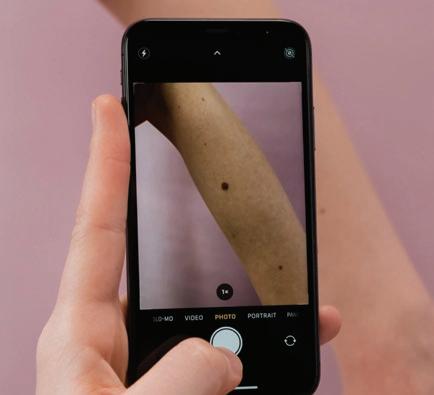
problem.1 Sometimes, AI did just as well, or even better, than experienced dermatologists when looking at pictures, but in harder cases, doctors still had the advantage. Combining AI's advice with a doctor's own judgment made results even more accurate.
A major review of applications found that, while AI shows great promise in image-based diagnosis, the results in laboratory or “experimental” settings often do not translate perfectly to real clinical practice.2 This is partly because many public datasets used for training do not accurately represent the population for which the tools are intended, and limitations in dataset quality, diversity, and representation weaken generalizability.
Limitations and gaps
Despite encouraging results, AI in dermatology faces several hurdles. One major challenge is that most AI tools are trained using image collections that don’t include enough pictures of people with darker skin tones.3,4 This means AI can sometimes struggle to correctly spot or assess skin problems for people with skin of colour, increasing the risk of missed or mistaken diagnoses.
Recent studies show that these tools are less reliable in detecting and outlining abnormal areas (“segmentation”) on the skin in individuals with darker complexions, even when developers try methods to correct these biases.5 Many of the largest public datasets used to teach these computer models simply do not have enough skin diversity.
AI also can have trouble in situations where it needs to consider a person’s medical history, symptoms over time, or factors it cannot assess from photos alone.6 For unusual or complex cases, dermatologists still have an edge over computer algorithms.
Is AI ready for real-world diagnosis?


AI systems are best used to support dermatologists rather than act as standalone diagnostic tools. In busy clinics or regions with few specialists, AI can help triage cases, prioritize patients who need urgent attention, and maybe even provide preliminary screening results. However, diagnosis and treatment decisions remain the domain of trained medical professionals.
AI is reshaping skin health by making diagnostic support faster, more consistent, and more accessible for many patients. Continued research and investment in better, more diverse datasets are crucial, especially for improving equity in diagnosis across all skin types. For individuals using AI-powered skin apps, results should only be considered an initial screening and always be confirmed by a dermatologist.
References
1. Uwishema, O., Ghezzawi, M., Charbel, N., Alawieh, S., Roy, S., Wojtara, M., ... & Prasad, M. (2025). Diagnostic performance of artificial intelligence for dermatological conditions: A systematic review focused on low-and middle-income countries to address resource constraints and improve access to specialist care. International Journal of Emergency Medicine, 18(1), 172. 2. Yu, J., Cheong, I. H., Kozlakidis, Z., & Wang, H. (2025). Advancements and challenges of artificial intelligence in dermatology: A review of applications and perspectives in China. Frontiers in Digital Health, 7, 1544520.
3. Scudellari, M. (2025, August 27). AI versus skin cancer: The future of dermatology diagnosis. Nature. https://doi.org/10.1038/d41586025-02738-w
4. Zbrzezny, A. M., & Krzywicki, T. (2025). Artificial Intelligence in Dermatology: A Review of Methods, Clinical Applications, and Perspectives. Applied Sciences, 15(14), 7856.
5. Benčević, M., Habijan, M., Galić, I., Babin, D., & Pižurica, A. (2024). Understanding skin color bias in deep learning-based skin lesion segmentation. Computer methods and programs in biomedicine, 245, 108044.
6. Liopyris, K., Gregoriou, S., Dias, J., & Stratigos, A. J. (2022). Artificial intelligence in dermatology: Challenges and perspectives. Dermatology and Therapy, 12(12), 2637-2651.
Kimia Ameri is a second-year medical student at the University of British Columbia.


By Muna Chira
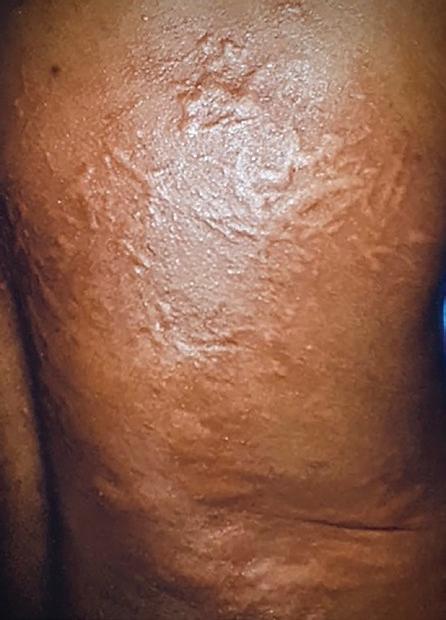
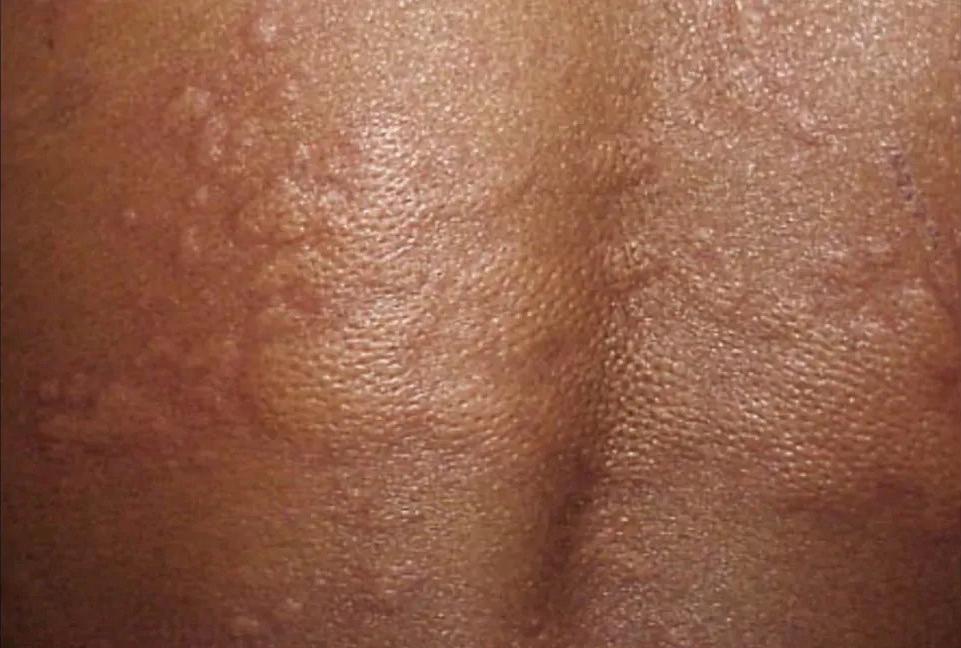
Imagine waking up daily to unpredictable hives and swelling, with no clear trigger. For patients like me with chronic spontaneous urticaria, this uncertainty is part of daily life. My experience with CSU began over a decade ago, as a child. One afternoon, after swimming in a newly

constructed pool, I developed intensely itchy, raised wheals across my back that lasted hours. Perplexed, my family and I tried different remedies to soothe my skin. By the next morning, the hives had disappeared, only to return later that day on my neck, legs, and torso. Over the following days, this
Imagine waking up daily to unpredictable hives and swelling, with no clear trigger. For patients like me with chronic spontaneous urticaria, this uncertainty is part of daily life.


pattern continued, with hives that would appear suddenly, in different locations and then fade as though they never appeared.
I also began to notice that even minor pressure on my skin, such as tight clothing, scratching, or bumping into objects, would trigger new wheals in those exact areas. I later learned this phenomenon is called dermatographism, a form of inducible urticaria that can coexist with CSU.
After a few weeks of these symptoms, I was referred to a dermatologist. I did not receive a diagnosis at the time, but I was prescribed topical steroids and advised to use gentle skincare and avoid over-exfoliation. This management initially provided some relief. However, as the hives persisted, the dermatologist informed my parents that prolonged use of topical steroids would thin my skin. I was subsequently weaned off topical steroids and relied on nonpharmacologic approaches, which provided minimal relief. Three years later, my family and I moved to Canada, and I was formally diagnosed with CSU by a dermatologist.
What is chronic spontaneous urticaria (CSU)?
CSU is defined by the spontaneous occurrence of hives, angioedema, or both for at least six weeks, without an identifiable external trigger. It most commonly affects women in their 20s to 40s, but occurs in all age groups. Symptoms can worsen with stress, infections, heat, pressure, tight clothing, NSAIDs, and sometimes hormonal changes. While CSU often resolves over time, its timeline is unpredictable and varies from person to person.



As research into CSU continues to evolve, so do treatment options. I hope that greater awareness of this condition will improve access to advanced treatments, build stronger support networks and improve patient outcomes.
Because there is no single confirmatory test, diagnosis relies largely on clinical history and the exclusion of other causes, which can delay diagnosis. Moreover, in skin of colour, diagnostic delays and challenges can be exacerbated by different presentations of CSU on darker skin. This uncertainty can be difficult for patients, especially when symptoms are visible but unpredictable.
Regarding treatment, secondgeneration antihistamines are firstline, which can be increased (up to fourfold) if symptoms persist. For resistant CSU cases, biologics like omalizumab, dupilumab, and other immunomodulatory treatments may be used. Newer treatments like remibrutinib are also emerging in CSU research.
I tried different antihistamines before finding partial control with Claritin (loratadine), which I have been taking at
the fourfold dose for several years. While I am grateful that my symptoms have become less severe and less frequent, they have not resolved. Living with chronic urticaria has meant adapting, whether it’s avoiding certain fabrics or being cautious with skincare products.
Beyond the physical symptoms, CSU carries a hidden burden. The unpredictability often makes it difficult to commit to plans, get a good night’s sleep, or feel fully comfortable in one’s own skin. It is a condition that is often not visible to others in its full extent, yet it can significantly affect one’s quality of life.
Despite the frustrating challenges that CSU brings, I know that I am not alone and that there are thousands of Canadians like me with this skin condition. Through resources and support from patient organizations such as the Canadian Skin Patient Alliance and the Canadian Chronic Urticaria Society, I have come to
appreciate the value of community, education, and advocacy in managing chronic conditions.
As a medical student, my lived experience with CSU has shaped how I think about chronic conditions in patients. It has highlighted the importance of listening to and advocating for patients, and deepened my appreciation for conditions that may seem straightforward clinically, but are more complex in their impact on quality of life.
As research into CSU continues to evolve, so do treatment options. I hope that greater awareness of this condition will improve access to advanced treatments, build stronger support networks and improve patient outcomes. I am always excited by developments in CSU research, and I remain hopeful, not only for better control of my own symptoms, but for continued progress in understanding and managing CSU in all patients

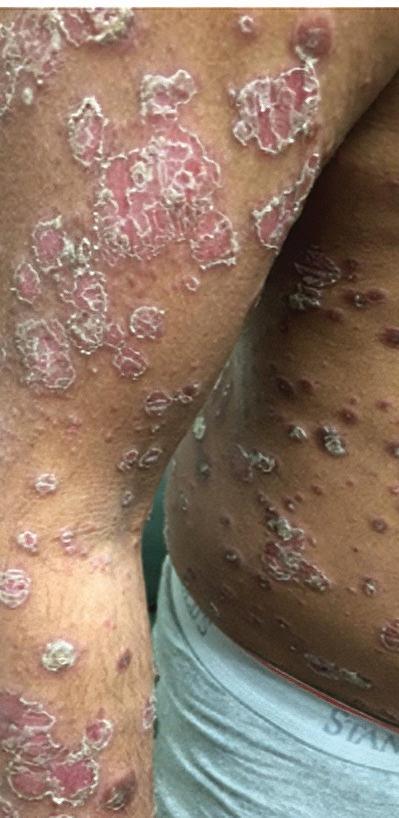
For Bruce, the pain started on his feet. What began as redness and irritation quickly became unbearable. “It felt like walking on glass,” he recalls. Thick socks became a daily necessity, not for comfort but to protect his skin. Every step hurt, daily tasks felt overwhelming, and frustration set in. After many years of living with chronic plaque psoriasis primarily affecting his ankles and feet, Bruce suddenly began noticing clusters of pustules on his ankles, dorsal foot, and the soles of his feet. For nearly a year, Bruce lived with generalized pustular psoriasis (GPP), a rare and serious inflammatory skin disease.
GPP is very different from the more common plaque psoriasis many people recognize. It is considered a chronic, multisystem inflammatory condition, meaning it can affect the body beyond the skin. GPP is marked by numerous pustules, small white or yellow bumps filled with inflammatory cells, on red, inflamed skin. These flares may come with or without scaling and can be associated with systemic symptoms such as fatigue, fever, or a general feeling of being unwell. An important
distinction is to be made between GPP and Palmoplantar pustulosis (PPP), another disease characterized by pustules but limited to the palm and soles. This distinction is important as PPP treatment approach may be different from the one of GPP.
For GPP, symptoms can vary widely from person to person. In addition to pustules, people with GPP may experience swelling, intense itch, burning sensations, pain, or skin erosions. The disease can affect different areas of the body, be localized or very widespread. In some patients, they could be affected by other subtypes of psoriasis as well such as chronic plaque psoriasis. Importantly, the clinical course of GPP is unpredictable and can suddenly erupt; some patients experience sudden, severe flares, while others have recurring episodes over time. This variability and unpredictability complicate the diagnosis and management.
Bruce’s experience reflects this complexity. His most severe symptoms were on the ankles, dorsal feet, and
GPP is very different from the more common plaque psoriasis many people recognize. It is considered a chronic, multisystem inflammatory condition, meaning it can affect the body beyond the skin.
Bruce’s story highlights not only the challenges of living with a rare skin disease, but also the hope offered by growing awareness and advances in targeted therapies.
With the right care, patients with GPP can move from pain and uncertainty toward stability, understanding, and relief.
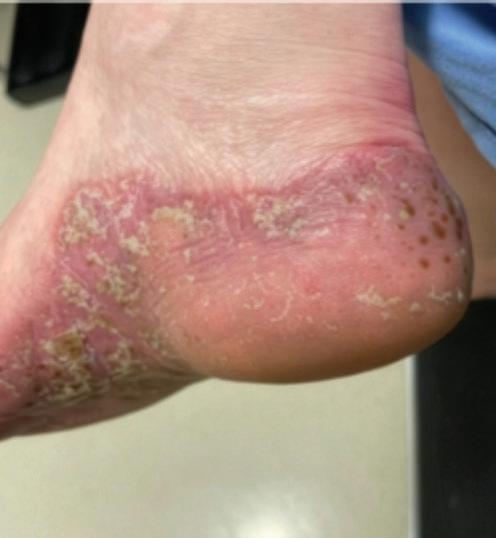
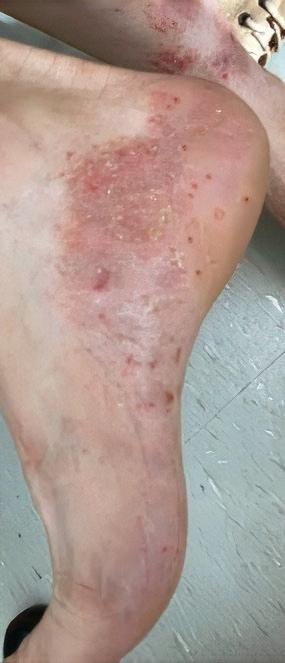
soles of his feet, making walking extremely painful and limiting his independence. He also lives with rheumatoid arthritis and had been treated for years with Cimzia (certolizumab), a biologic medication. While this helped control his arthritis, his skin symptoms continued to worsen. He tried several topical treatments, but none provided lasting relief. The physical discomfort, combined with emotional strain, took a toll on his quality of life.
From a clinical perspective, diagnosing GPP is not based on a single test. Dermatologists rely primarily on clinical findings: what the skin looks like and how symptoms evolve over time. Supporting tests are sometimes used to rule out infection and assess inflammation or organ function, including blood tests that examine liver, kidney, and inflammatory markers. In some cases, a skin biopsy or genetic testing can provide additional information, but many diagnoses are made based on careful clinical judgment. Bruce’s dermatologist, Dr. Jensen Yeung, who is the medical director of the Psoriasis Clinic at Women’s College Hospital and associate professor at the Department of Medicine at the University of Toronto, explains that although GPP and plaque psoriasis could co-exist in the same patients, they behave differently. In Bruce’s case, understanding the pattern of symptoms, severity of discomfort, his medical history, and the impact of disease on his quality of life was critical to choosing an effective treatment for GPP.
After reviewing Bruce’s case, Dr. Yeung recommended Spevigo (spesolimab), a targeted therapy designed specifically for GPP. For Bruce, this was a hopeful but uncertain step. He wanted to understand the risks, side effects, and whether it would truly help.
The treatment involved a single intravenous infusion lasting about 90 minutes. Within a week, Bruce noticed a dramatic change. All the pustules have completely resolved, and the pain that had defined his daily life disappeared. “It was life-changing,” he says. He has not required additional infusions since, though he remains open to future treatment if needed. Bruce still experiences some itching and scaling on his ankles, which are part of his plaque psoriasis despite still being on Cimzia for his rheumatoid arthritis. Cimzia is an approved treatment for plaque psoriasis as well. Because his current psoriasis is rather limited, he is applying topical treatments, Zoryve (roflumilast) and Nduvra (tapinarof) which are nonsteroidal topical creams approved for psoriasis. Dr. Yeung notes that for GPP, ongoing management may be necessary. Bruce is still on Cimzia for rheumatoid arthritis and there is evidence that this treatment could be beneficial in minimizing GPP flares as well.
Today, Bruce feels his condition is under control. He has little pain, minimal side effects, and a renewed sense of normalcy. He encourages others living with GPP to learn about flare triggers, explore treatment options, and work closely with their healthcare teams. Education for both patients and healthcare providers is essential to improving recognition, diagnosis, and timely treatment of GPP.
Bruce’s story highlights not only the challenges of living with a rare skin disease, but also the hope offered by growing awareness and advances in targeted therapies. With the right care, patients with GPP can move from pain and uncertainty toward stability, understanding, and relief.
Over the past several months, the Canadian Skin Patient Alliance (CSPA) has continued to advance its mission of amplifying patient voices and improving the lives of people living with skin, hair, and nail conditions across Canada.
Advocacy remains a central focus of our work. During this period, CSPA independently and in collaboration with partners completed more than 15 patient input submissions to support the review of new and emerging treatments for a range of dermatological conditions, including atopic dermatitis, hidradenitis suppurativa, eczema, prurigo nodularis, vitiligo, psoriasis, acne, and alopecia areata. These submissions ensure that decision-makers hear directly from patients about the real-world impact of these conditions and the importance of timely access to effective therapies.
CSPA has also maintained a strong presence at national and international conferences. We attended and supported several key Canadian events, including the Canadian Dermatology Association conference, the 2nd Canadian Skin Research Conference, the Indigenous Skin Spectrum Global Summit, the Skin Spectrum Summit,
A spotlight on our latest activities, events and other information of importance to skin patients in Canada
and the CDNA Annual Dermatology Nurses Conference. Internationally, we were proud to participate in the International Symposium on Atopic Dermatitis and GlobalSkin Conference and Advisory Committee meetings, strengthening our connections with the global skin health community and ensuring Canadian patient perspectives are represented on the international stage.
Engaging patients in research and dialogue continues to be a priority.
Earlier this year, we hosted a Patient Engagement Workshop focused on the importance of increasing meaningful patient participation in Canadian research initiatives. We also convened our third annual Breaking Barriers Symposium on Mental Health, which continues to shine a spotlight on the mental health impacts of dermatological conditions and the need for integrated care and support.
In addition, CSPA launched a panCanadian mental health survey to better understand the psychological impact of skin conditions, and a national survey on the lived experiences of people living with chronic spontaneous urticaria, providing valuable insights to inform
SPONSORS OF CANADIAN SKIN MAGAZINE

future advocacy and education efforts. As an umbrella organization, CSPA is proud to collaborate closely with our affiliate member groups while also advocating on behalf of people living with rare skin conditions, particularly where no dedicated patient organization exists in Canada. We continue to forge new partnerships and take on new projects aimed at supporting individuals living with skin, hair, and nail conditions.
Finally, we remain committed to listening to our community. We welcome your ideas and feedback on the types of articles, programs, and initiatives you would like to see from CSPA in the future.
We’d love to hear from you. If you have a personal story, suggestions, questions, or ideas to share, please get in touch with us at info@canadianskin.ca. Your voice continues to guide our work and helps shape the programs and advocacy efforts we deliver for the skin health community.

Dana Gies Executive Director Canadian Skin Patient Alliance


These sponsors are not providing editorial support for the magazine. CSPA is responsible for the final content featured in Canadian Skin
CANADIAN SKIN MEDICAL ADVISORS + BOARD MEMBERS + VOLUNTEERS
Thank you to the medical advisors, board members, and volunteers who support the work of CSPA. For an updated list of names, visit canadianskin.ca/about-us.

At the Canadian Skin Patient Alliance (CSPA), volunteers are the foundation of everything we do. Their passion, lived experience, and dedication fuel our mission to build a more inclusive, accessible, and supportive future for people living with skin, hair, and nail conditions. We are proud to honour the outstanding individuals who help bring our vision to life.


Volunteering with CSPA is more than lending time –it is about creating real, lasting change. Our volunteers offer diverse perspectives, professional expertise, and heartfelt commitment. Whether by developing patient education resources, shaping advocacy initiatives, leading organizational strategy, or sharing personal experiences to raise awareness, every contribution helps empower patients across Canada.
Among these incredible volunteers is Natalie Kermany, an MD Candidate at Dalhousie University. She uses her lived experience with vitiligo to raise awareness and foster community. Through speaking engagements, research collaboration, and advocacy efforts, she contributes to amplifying patient voices and strengthening national initiatives.
Kimia Ameri, a UBC medical student with lived experience as a skin patient, brings both personal insight and academic commitment to her advocacy. Her work supports awareness, education, and stigma reduction while reinforcing the importance of compassionate, patientcentred care.
Behind the scenes, Arrani Thambimuthu plays a crucial role in CSPA’s advocacy and accessibility. Arrani is a medical student at the University of Montréal, and focuses on making dermatologic knowledge more accessible. Through educational initiatives and patient-centered survey development, Arrani supports health literacy and amplifies the mental health impacts of skin conditions within the patient community.


and barriers to care. Her work helps ensure that patient perspectives are meaningfully represented in advocacy and policy discussions.
Finally, Katya Peri brings a powerful dual perspective as both a patient and future physician at McGill University. Her work focuses on bridging the gap between clinical knowledge and lived experience, helping patients feel understood, empowered, and less alone in their journeys.

Elsa Awad, a medical student at McGill University, contributes to translating and developing educational materials and reports that elevate patient experiences


At CSPA, volunteering is not a side project – it is central to who we are. Volunteers help us identify gaps, challenge inequities, and offer support where it is needed most. Their work not only strengthens our organization but also transforms the broader healthcare landscape, creating ripples of change that benefit patients from coast to coast. Together, we are building a future where every patient feels supported, respected, and empowered in their skin.


Thank you for being the heart of the CSPA community!
To find out more about volunteering with CSPA, visit: https://canadianskin.ca/get-involved/volunteers https://canadianskin.ca/get-involved/volunteers/volunteer-recognition