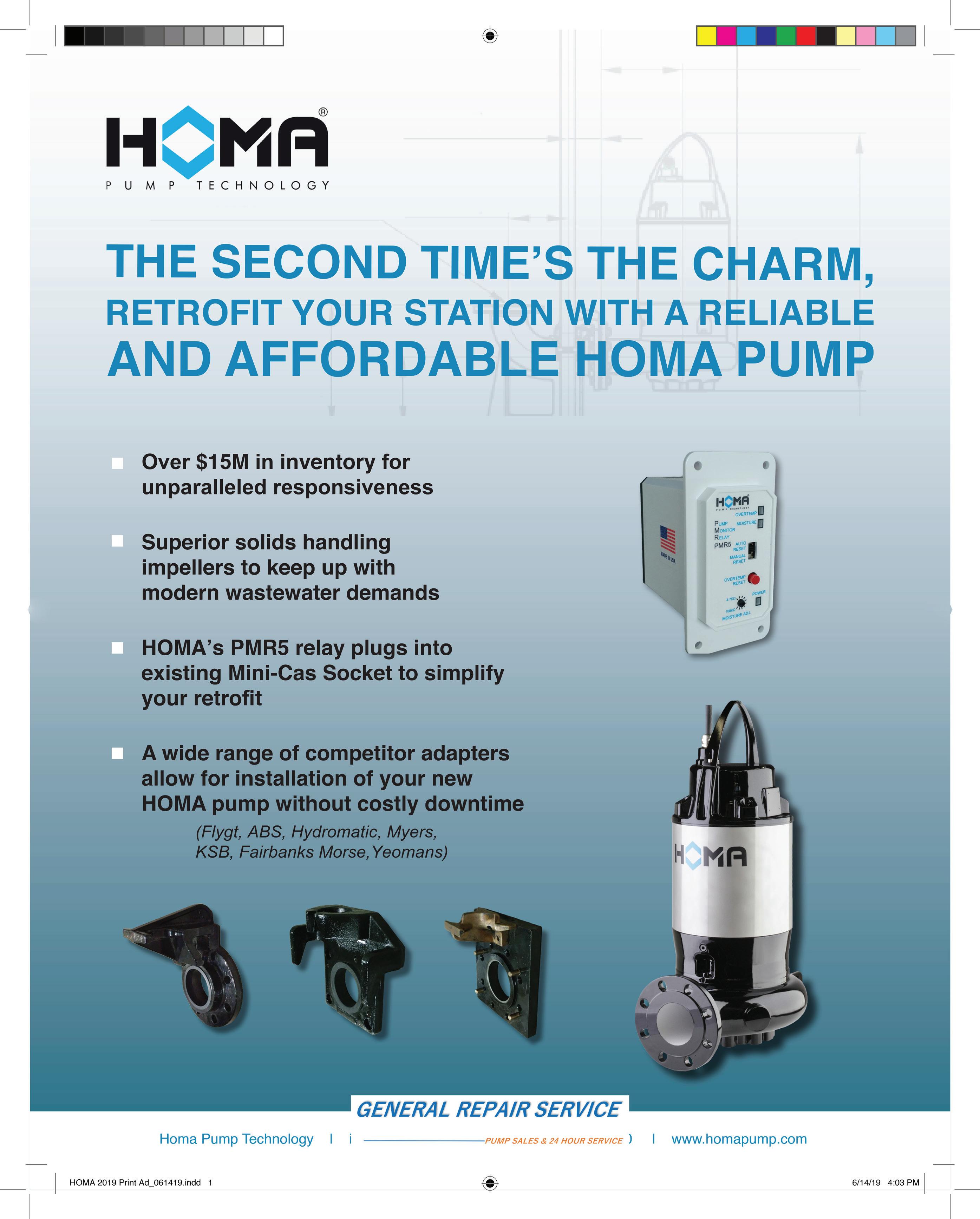
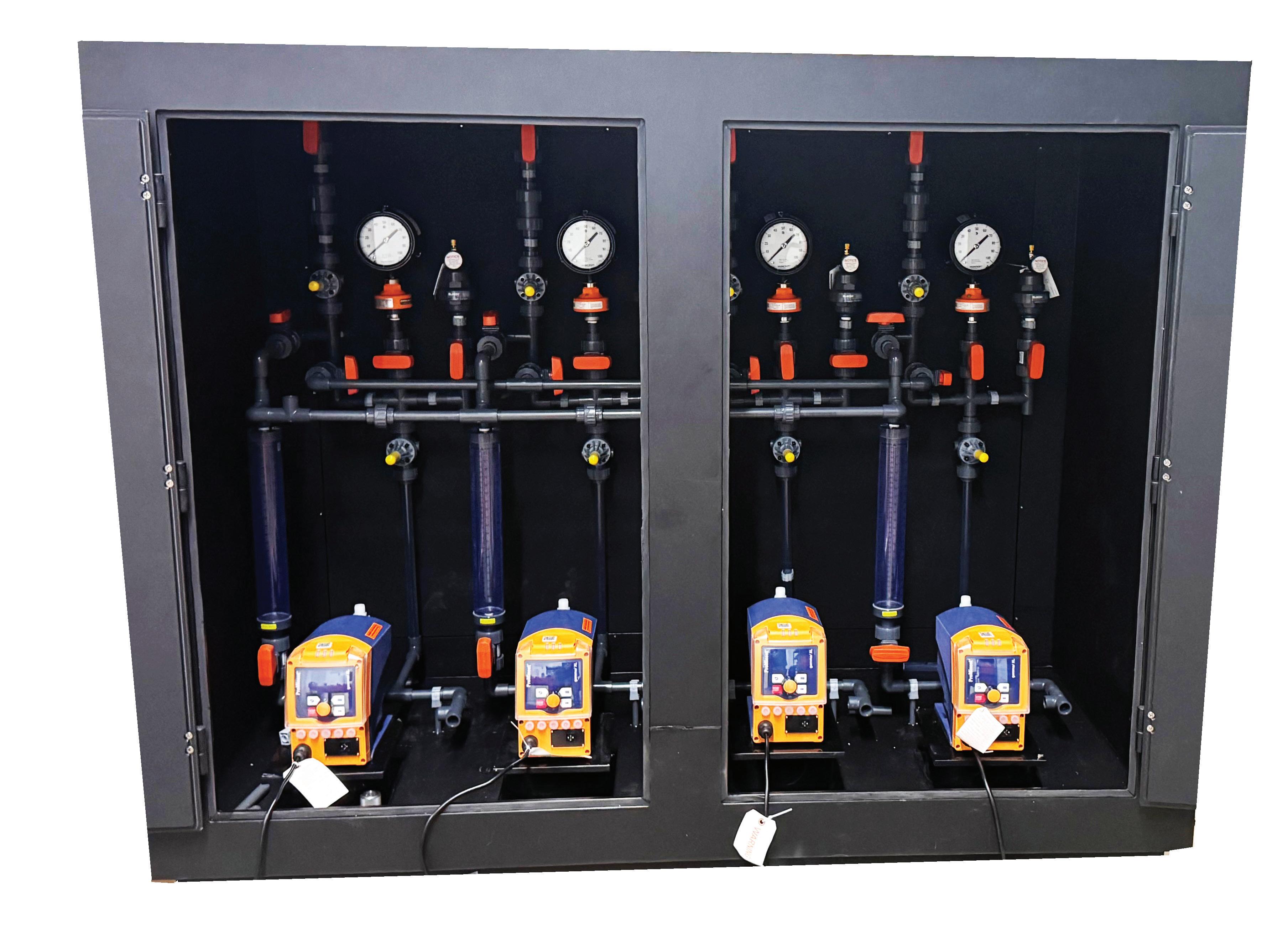
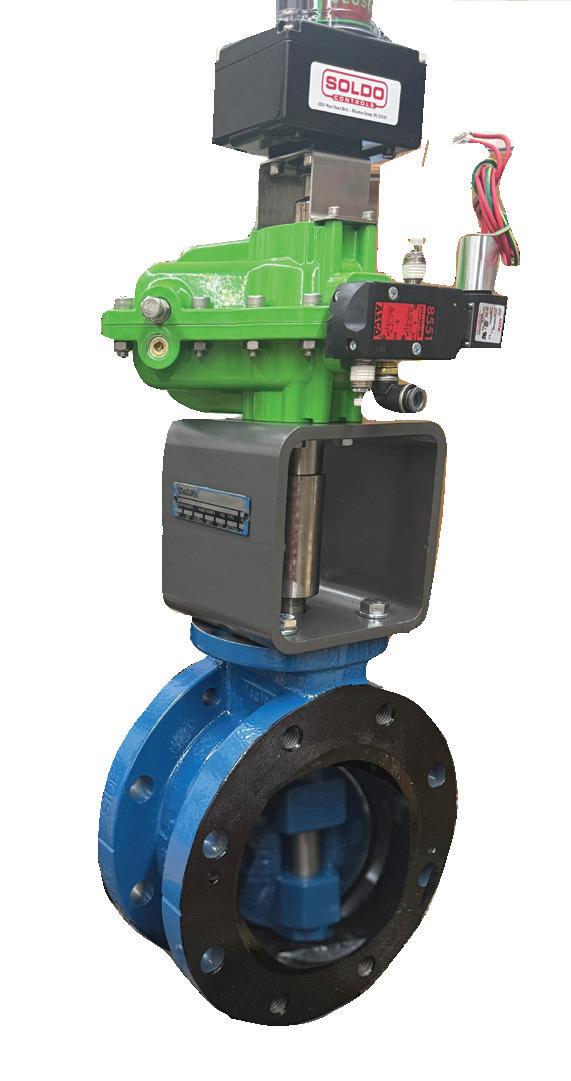
For decades we have built long standing relationships across the region by providing dependable pump products, professional service and practical solutions. Our teams are known for clear communication responsive support and a commitment to doing the job right the first time.
That same approach continues today as Midwest Pump Works. While our name reflects a broader regional footprint the people and the service remain unchanged. As part of United Flow Technologies we benefit from additional expertise shared resources and a nationwide network while continuing to deliver the local service and relationships our customers value.
Midwest Pump Works
Phone: (515) 635-0025
Website: www.midwestpumpworks.com
Email: info@midwestpumpworks.com
Section Chair
Scott Anderson City of Bloomington smanderson@bloomingtonmn.gov
Matthew (Mattie) Croaston matthew.croaston@minneapolismn.gov
Message from the Chair
Kicking Off 2026: Section Goals and Strategies
As the new year gets started, it feels like there are a long calendar of events and a more than sufficient timeline to meet our work and Section goals. At the same time, it’s really hard not to think about how fast the last year passed by.
The Section kicked off work for 2026 back in October with a Board Orientation and followed that up with a December training and Board Meeting to address direction for the upcoming year. While it seems like the Annual Conference just wrapped up, the Conference Council and Committees have been working non-stop to make sure next fall’s event is another rewarding and successful opportunity to learn and connect. Speaking of the Annual Conference – abstract submittal is now open! You are invited and encouraged to submit an abstract for a presentation for the 2026 conference taking place September 15-18 in Duluth. The variety of presentations along with technical and professional attention to relevant topics in the water sector have always amazed me. Not to mention the many opportunities to connect and network with colleagues. We are incredibly fortunate to have so many members willing to share and exchange ideas, and we continue to encourage even more engagement and collaboration. There is so much to learn from one another and the annual conference has served as tremendous space in which to do that. More information can be found on the Section’s website: www.mnawwa.org/page/abstractsubmittal.
Other areas of focus for the Board this year include offering the Metro Water Operators School on April 28. The Water Utility Council will be participating in the ‘Water Matters’ Fly-in in Washington D.C. again this year taking pertinent water issues to the Minnesota Congressional Delegation to gather support for important topics affecting our industry.
in Minnesota the Board will continue its work on aligning our Section Strategic Plan with the vision and core principles and strategic goals of the Association. Additionally, there has been a strong interest of Board Members in updating internal policies and documentation to help future volunteers be more successful by providing more clarity of roles and guidelines for continuing the work of the Section and growing participation.
This year is packed with projects and goals aimed at advancing the water profession in the State of Minnesota.
As I mentioned last time, now is a great time to consider becoming more involved with your Section by reaching out to a Board member, Section staff, or any one of the many committee volunteers. I also would like to thank the Board, volunteers, staff, Section members, and all those working hard to produce and deliver clean, safe water for the public. If you happen to work for a utility, you know what this time of year brings, so I won’t say it, but be safe and stay warm out there and I look forward to seeing you at one of great events this Section has planned for 2026. •
Scott Anderson
Back
SAFE AND RELIABLE WATER
Bolton & Menk is a premier water treatment engineering firm, designing safe and reliable drinking water systems to meet the capacity needs and regulatory requirements of the communities we serve. Through a proactive planning and design process, we develop treatment facilities and storage and distribution systems that are technically feasible, publicly acceptable, environmentally compatible, and economically viable.
SERVICES
• Water & Wastewater Treatment Design & Planning
• Industrial Wastewater Consulting & Design
• Water & Wastewater Pilot Plant Testing
• Water Distribution & Supply Services
• Water Storage, Towers, and Coatings
• Wells & Wellhead Protection Plans
• Wastewater Collection System Engineering
• Lift Station Design & Rehabilitation
• Permitting Assistance
• Process Optimization & Troubleshooting
• Biosolids Consulting
• Cost of Service Studies for Water & Wastewater Utilities
• Specialty Funding Consulting
Message from the Director
Thank You for the Opportunity to Lead
The deadline for this article coincided with the upcoming Winter Board Meeting, scheduled for January 30-31 in Vancouver, BC. An update regarding this meeting will be provided following its conclusion. Doug Klamerus, our newly appointed State Director Elect, and will both be attending.
The Winter Board Meeting serves the organization by facilitating elections for officers and leadership positions at the national level, allowing the Board to review and update its strategic plan, assess ongoing litigation, and examine the organization’s financial status. Traditionally held at the end of January, the location rotates annually
“It has been an honor and privilege to serve as director.”
between venues in the United States and Canada. The councils, including International, Manufacturer’s/Associates, Public Affairs, Standards, Technical and Educational, and Water Utility – also deliver presentations to the Board, reporting on their respective areas.
This year, T.J. Stroebl from Kurita Equipment was elected President Elect of the National Association. Congrats, T.J.!
My final national Board Meeting will take place at ACE in Washington, DC,
June 20-25, at which point Doug Klamerus will commence his term as MN Director for the next three years.
I extend my gratitude to the Board for providing me with the opportunity to represent our state at the national level. It has been an honor and privilege to serve as director.
As I approach the conclusion of my career, I appreciate the chance to have collaborated with many esteemed colleagues. My involvement in the organization remains a defining highlight. •
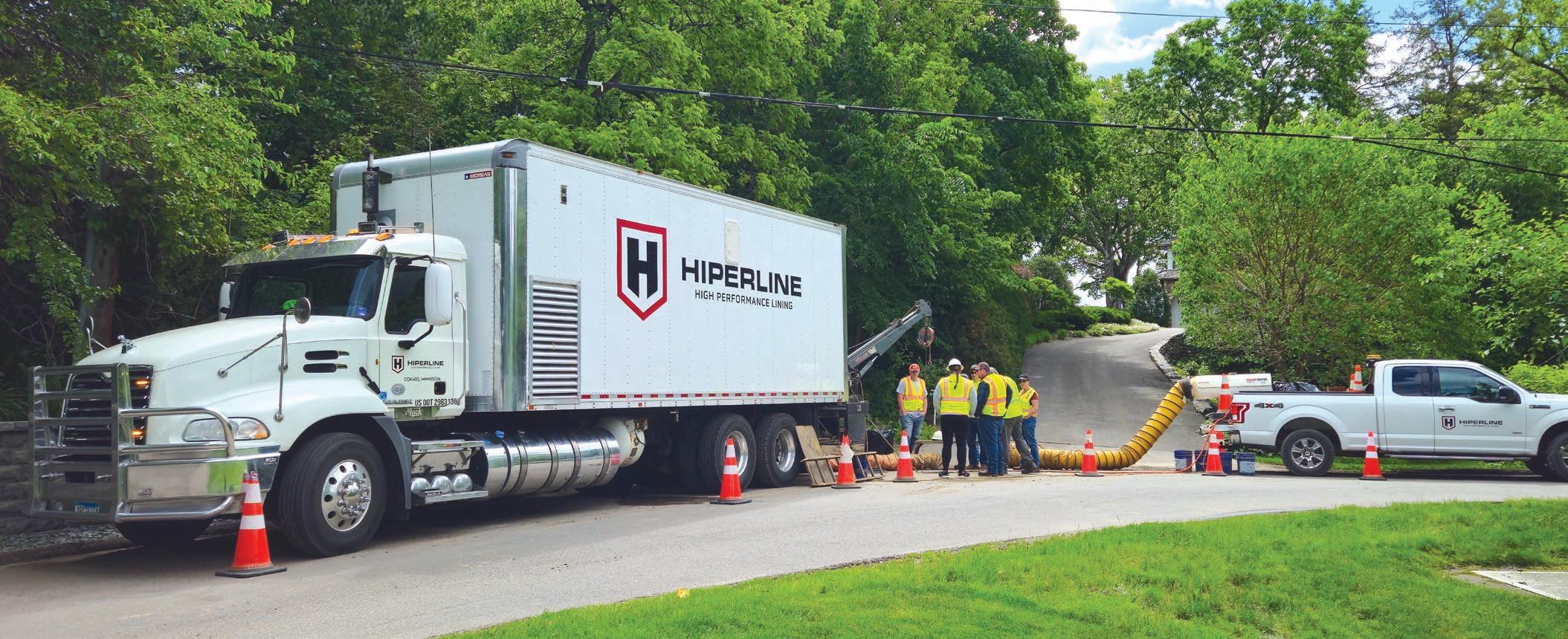
145 Field Crest Blvd NW Cokato, MN 55321 P HONE: 320-286-2471
HIPERLINE.com SpectraShield.com
Tony Belden
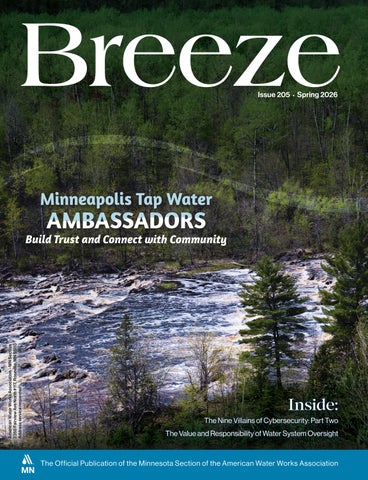
Minneapolis Tap Water Ambassadors Build Trust and Connect with Community
By Mattie Croaston, Breeze editor
While many people confidently trust and depend on the water that comes out of their tap, some residents remain skeptical about the safety and quality of municipal tap water. In 2019 the City of Minneapolis Health Department and Minneapolis Water Works partnered with the University of Minnesota and Raft, a local community-based organization (formerly Water Bar & Public Studio), to learn from community members about their perceptions around tap water and how these perceptions inform their behavior.
This effort included 41 community events where staff spoke with more than 1,000 people. Overall, people think tap water is safe, clean, healthy, tasty, and convenient, but many others, especially youth and communities of color, have concerns that stop them from drinking tap water. Some of the key takeaways were:
• Tap water is unappealing.
o It doesn’t taste good, has a bad odor, is cloudy, is warm.
o Bottled water and sugary drinks taste better, they’re seen as special, and a good value.
o Some bottled water brands are seen as a luxury item; drinking them is a way to attain ‘status,’ especially for youth.
• The quality of tap water is lower than bottled water.
o Bottled and filtered water is seen as safer, purer, cleaner, and more regulated than tap.
o Tap water has germs, contaminants (lead), and added chemicals (calcium or fluoride).
o For immigrants, tap water wasn’t safe in their home country, so they assume it’s not safe here either.
• Tap water isn’t as convenient as bottled water.
o When people are at work or on the go, it’s easier to carry bottled water.
Overall, people think tap water is safe, clean, healthy, tasty, and convenient, but many others, especially youth and communities of color, have concerns that stop them from drinking tap water.
o Refilling a reusable water bottle away from home is risky; tap water available in public places can’t always be trusted. This is especially the case for those who work at certain types of locations like a construction site or outdated community spaces.
• Tap water infrastructure can’t be trusted.
o Tap water may be safe when it leaves the water treatment facility, but not at the point of consumption in homes, apartments, schools, or public fountains due to old plumbing.
o Drinking fountains in schools and public places are old, dirty, and connected to contaminated pipes and fixtures.
o Fixtures and pipes in homes and apartment buildings are old and contaminated with lead.
To dispel these myths, build trust, and shift the community narrative around tap water, Minneapolis Water Works and the Minneapolis Health Department created the Tap Water Ambassador (TWA) program. TWA is a utility-funded grant program that recruits, trains, and supports community-based non-profit organizations to design, plan, and execute outreach activities in the community they serve. These activities come in all shapes and sizes.
Minneapolis Tap Water
Tap Water Ambassador organizations tailor their outreach to meet community members where they work, live, and play. Here are some examples of outreach activities: discussing the health benefits of tap water at one-on-one community health clinic appointments, tabling at street festivals and fairs, and flyering at senior living facilities. The most recent cohort of ambassadors included the following organizations:
• African Community Services
• Daryeel Youth Services
• Hue-MAN Partnership
• St Mary’s Health Clinics
• Three Deep Leadership
• Volunteers of America, and
• West Bank Business Association
Together, this cohort of Ambassadors completed an extensive training process to learn all about Minneapolis tap water, including participating in water treatment facility tours, studying and adapting key messages about tap water, and learning about creative communications techniques. Across all seven organizations, more than 36 adults and young people were trained as Ambassadors. From there, Ambassadors identified the most effective outreach strategies to get the word out to their communities about the safety, quality, and benefits of drinking tap water instead of bottled water or sugary drinks. Over the last year and a half, the Ambassadors completed more than 167 outreach activities, reaching more than 9,547 people!
In addition, Ambassadors posted messages and videos to their social media accounts, appeared on radio and local TV stations, and shared information via their newsletters and websites, receiving thousands of impressions. The Tap Water Ambassadors have been an invaluable two-way conduit and connection to community, particularly those communities who have felt excluded from traditional outreach methods. Critical feedback from ambassador groups has helped the City develop timely talking points on hot topics like PFAS and microplastics.
Input from these ambassadors helped the City create a webpage as a hub of information about a range of tap water topics and frequently asked questions: www.minneapolismn.gov/residentservices/utility-services/water/water-quality/tap-water-is-safe.
A new cohort of five community organizations has been selected through a competitive application process. After completing training and orientation activities with staff, these groups will launch their outreach work in late spring 2026. Trusted voices who are authentically connected to community are essential for successful and sustained utilitycommunity relationships. •
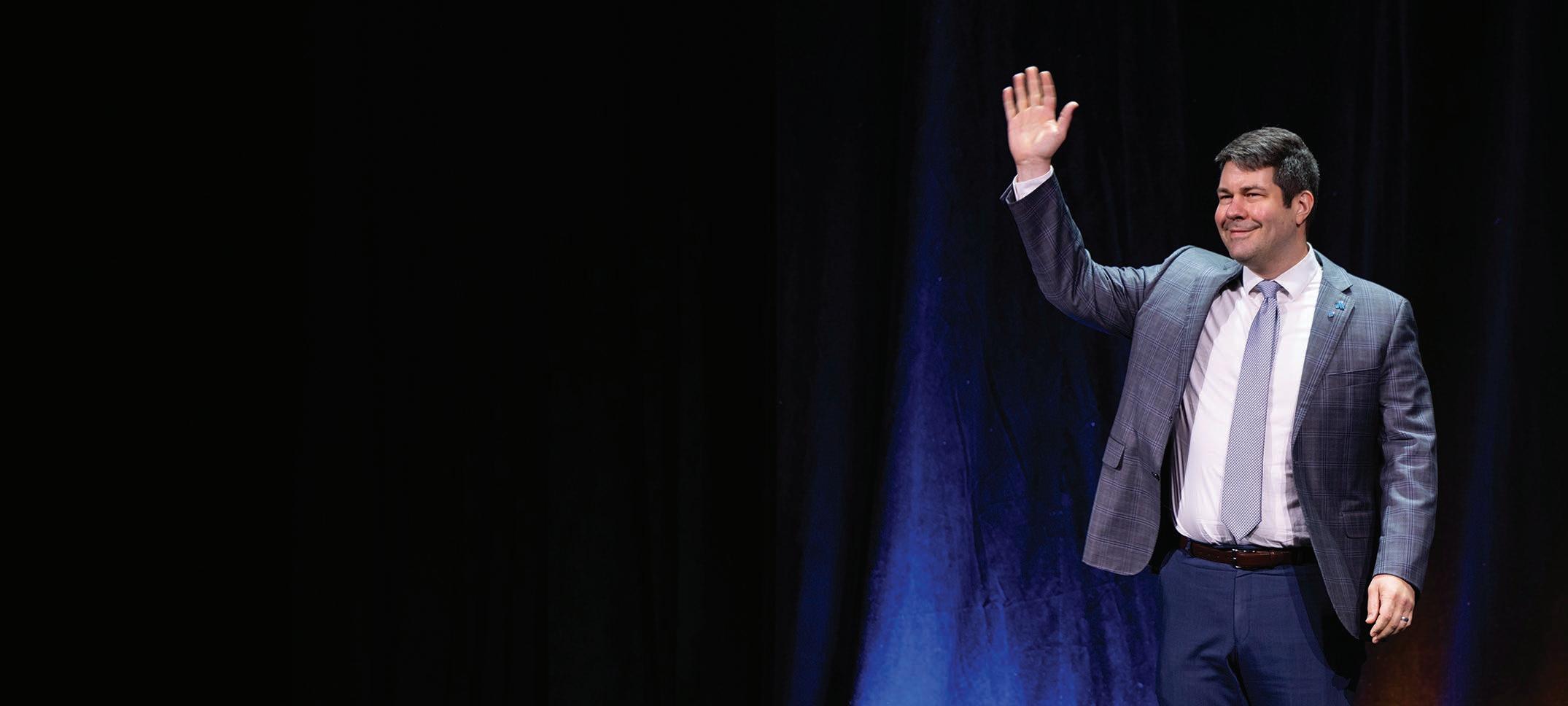
will Lead AWWA Starting in 2027: Meet T.J. STROBEL
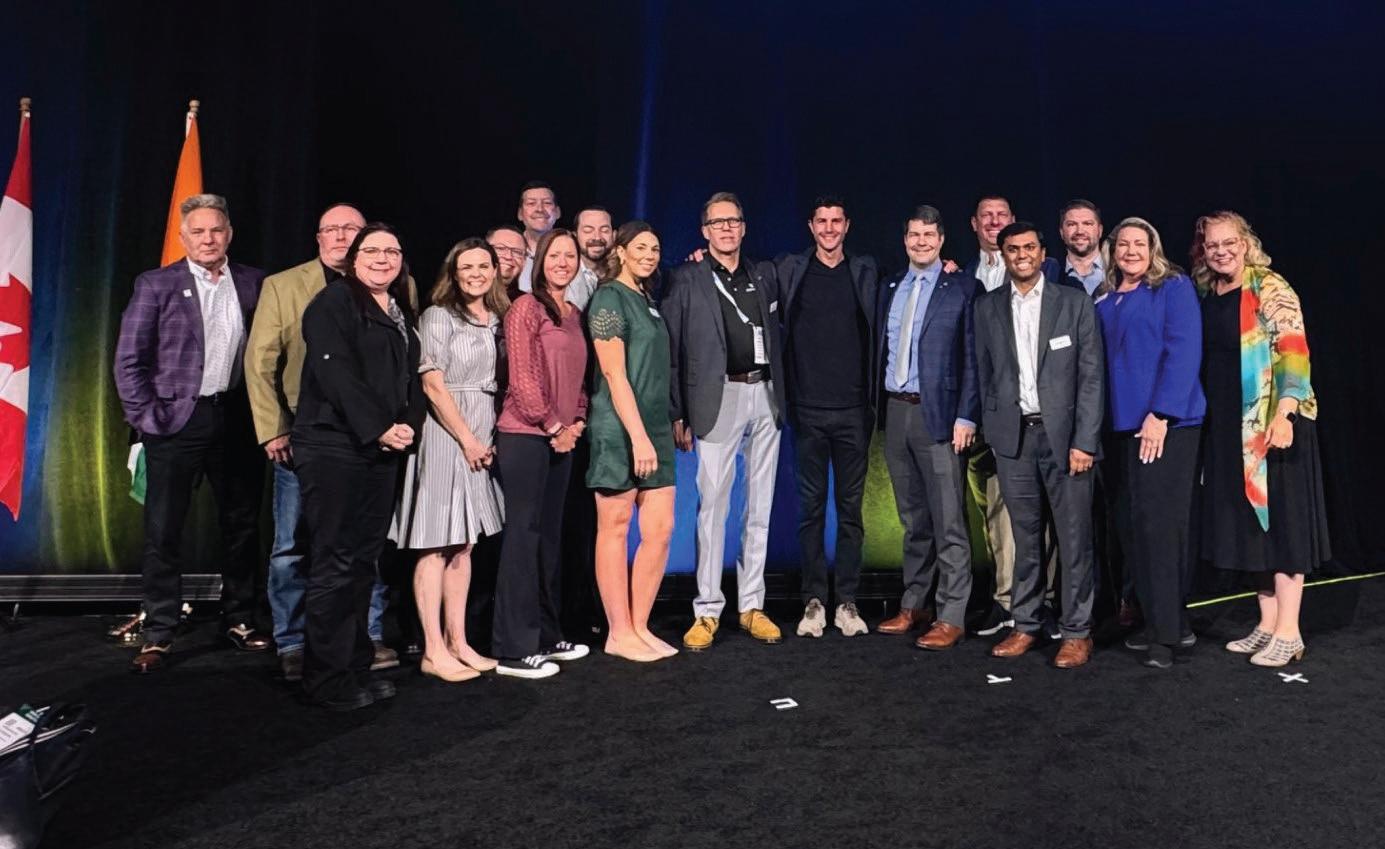
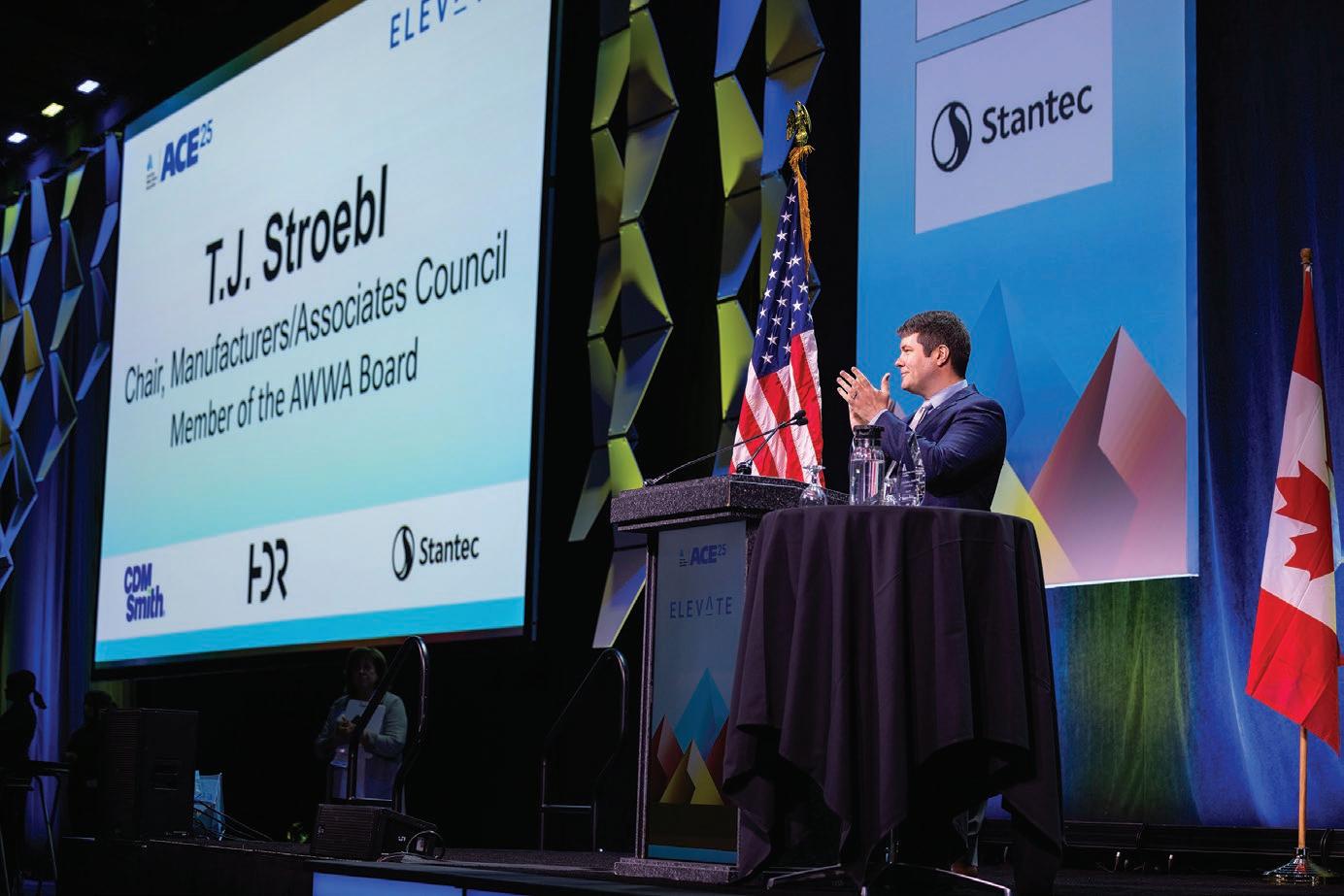
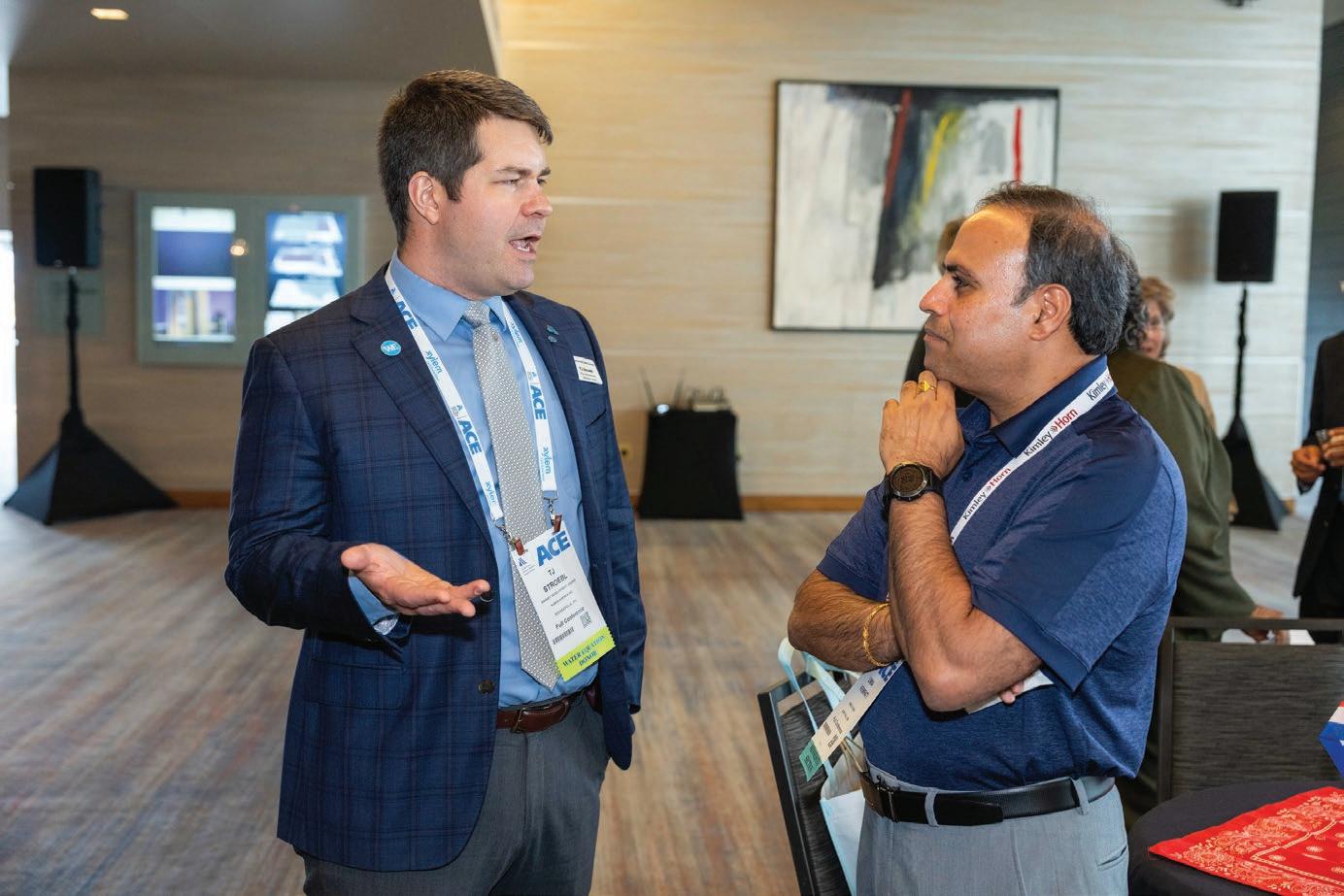
At the AWWA Winter Board Meeting, which was held in Vancouver, BC in January, AWWA’s Board of Directors elected Minnesota’s own T.J. Strobel as the next President-Elect. T.J. will start his President-Elect term at the close of ACE26 in Washington, DC, and will take the helm of AWWA in June 2027.
This is a tremendous honor and accomplishment for T.J., and the MN Section is incredibly proud to be his home Section. AWWA published a brief biography of T.J. in their post-Winter Meeting press release: Stroebl is a market development leader for Kurita America, the North American arm of the global Kurita Group, a water treatment solutions provider headquartered in Minneapolis. An active member from the Minnesota Section since joining AWWA in 2007, Stroebl served on AWWA’s Executive Committee of the Board of Directors and chaired the Manufacturers/ Associates Council from 2022-2025 following two terms as a council member. He also serves on the Water 2050 strategic implementation team for Innovation and Circular Economy. He has a bachelor’s degree in chemical engineering from the University of Minnesota.
There is a lot more to T.J. than the paragraph in the press release! The MN AWWA took the opportunity to ask T.J. some questions so that Section members could get to know him better.
How did your career in the water industry take shape? Were you inspired to pursue a career in water? Or did you follow a different route?
“I consider myself very fortunate and lucky to have ended up in the water industry, and my “water story” is a good example of the Minnesota water community working together to bring in new talent.”
I consider myself very fortunate and lucky to have ended up in the water industry, and my “water story” is a good example of the Minnesota water community working together to bring in new talent. I studied chemical engineering in college and didn’t intentionally pursue a career in water, but there were a couple of opportunities in my hometown of Plymouth after I graduated. While working at Home Depot through college, I met Eric Meester (Nero Engineering) who was a recurring customer there. I eventually realized that he was an engineer and asked if he knew of any job opportunities. Eric introduced me to John LaPointe with US Water Services (currently with WSB), and
he got me some interviews there. But they wanted someone with experience, and I got feedback that I didn’t seem ‘passionate about water.’ However, I had also applied to Tonka Water, and I learned years later that John put a good word in for me with his connections there. Ultimately, Tonka Water took a chance and hired me as an assistant applications engineer, which was the beginning of a career that has lasted to this day with Kurita. Coincidentally, US Water Services acquired Tonka Water years later, and at that point water had definitely become a passion! But if it weren’t for Eric and John, I may not have ended up in the industry.
What has been the most surprising thing you learned or discovered during your career as a water professional?
I love how there is so much to learn about water, and there were lots of surprises when I was new to the industry – like that sand is used to filter water, or that a water tower provided pressure as well as storage. But the most surprising thing I’ve learned is probably the variability among water systems – from different sources to treatment methods, to types of distribution (sometimes there’s not a water tower!). Most people take it for granted that when they turn on the tap water will come out. They expect this wherever they go for the most part. But even though municipal drinking water is highly regulated, the properties of water can vary widely within those limits. These variations can affect the drinking water experience, but they are perhaps more of a concern for industrial and non-potable uses. I’ve come to understand that “contaminants” are relative and specific a water’s intended use, and that’s a very nuanced perspective that opens the door to a ‘One Water’ mindset.
How has Minnesota shaped your view on water? Are there things specific to Minnesota that you feel you bring to your role in water or in AWWA?
Minnesota is an exciting place to be in water. Not only do we have a strong community of water professionals with a history of innovation, but we are a water-rich state with plentiful aquifers and access to major shared surface water resources like Lake Superior (which incredibly contains 10% of the world’s fresh surface water) and the Mississippi River. However, we are not immune to water stress or resource degradation, and we have a social obligation be good stewards. Minnesota can benefit from the same advanced technologies and solutions that other states might deploy out of necessity to manage our plentiful resources and ensure a resilient water future. This will serve us well over time as our water assets continue to attract new development and we manage the growth responsibly.
What are your favorite things to do outside of work and water?
I cook a lot at home, which has become a major creative outlet and is something that I enjoy. But I also enjoy reading, travel, and music.
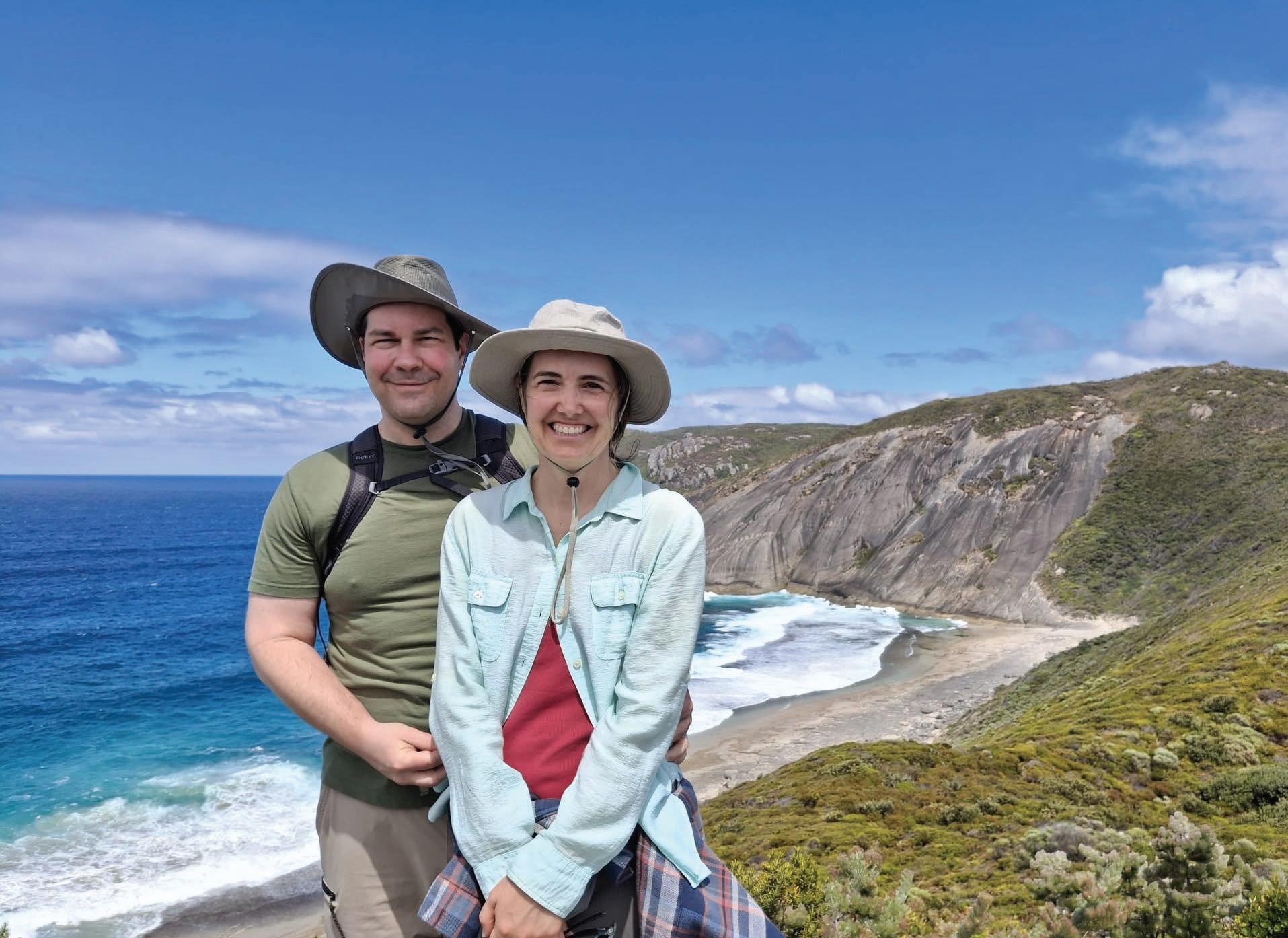
My wife and I go to a lot of concerts, sometimes involving travel, and I play drums and guitar but not as much lately as I used to. My wife and I recently travelled to Australia to visit her sister, who has lived there now for more than a decade, and we enjoyed two weeks outdoors in nature between eucalyptus forests and beautiful beaches where we saw lots of unique animals, birds, and fish.
If you could impart advice or wisdom to a young water professional, what would it be?
Get involved! But also – definitely get involved in AWWA – to start, join a committee or attend a networking event, and don’t be shy! I’ve been an AWWA member my whole career but feel like a late bloomer because it was several years before I was formally engaged in any activities or initiatives. I think that speaks to the stark difference I’ve experienced between being a casual member and an ‘engaged’ member, and volunteering with AWWA has been such a rewarding dimension of my career in water.
Lastly, what legacy do you hope to pass on to others?
I hope to help others find opportunities within AWWA and the greater water community so they can realize their passion and engage deeper with the amazing cohort alongside whom I’ve been fortunate to work and volunteer. By acknowledging the roles that others have played in my career and volunteer journey, I understand my responsibility to act in turn. Joe Jacangelo, an AWWA past president
and co-founder of the Water 2050 initiative, would say that the path to Water 2050 is not a marathon, it’s a relay race. I may have the baton now but passing it along is critical to realizing Water 2050’s vision of a secure and sustainable water future.
I also want to help others, outside of the water industry, realize their role in the water cycle and the responsibility they have in water stewardship. Water connects just about everything, and just as the challenges we’re facing will have a broad impact beyond the water sector, solving them will require a
multidisciplinary approach across all sectors. This is also in the spirit of Water 2050, and I think we still have a long way to go in engaging those outside our industry.
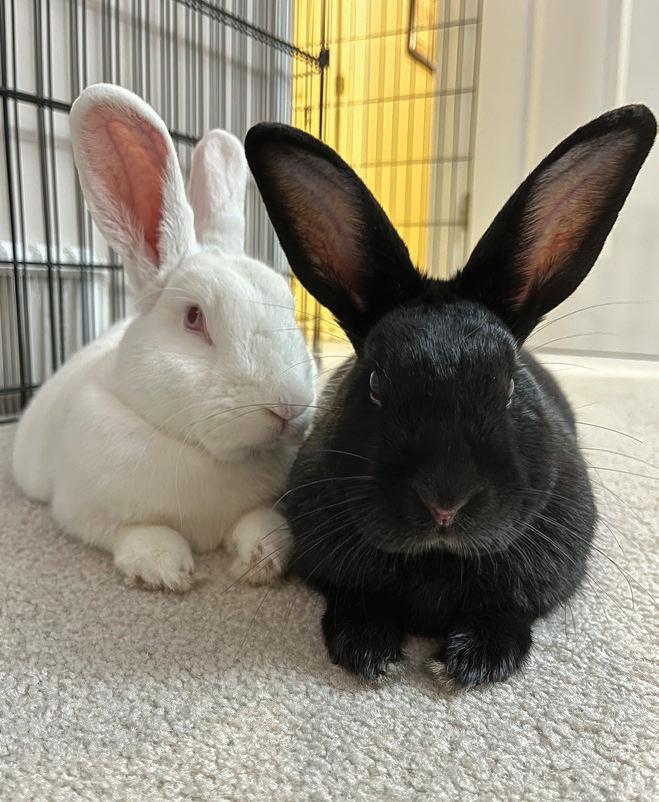
T.J. and his wife Natasha have been married for 16 years and live in Plymouth, MN. Natasha also works in the environmental sector, and she grows Minnesota native plants at Natural Shore Technologies who provide natural landscape restoration services. They don’t have any kids – but do have two pet bunnies: Betty (white) and Wilma (black). •
BROTHERS & SONS, INC.
Manhole Insert Flex-Seal
Seal Gator Wrap Infi-Shield
Wimco
Ladtech HDPE Rings Handhole Vault
MN AWWA AWARDS
Celebrating
Excellence
is Key!
Nominate someone today!
You’ve probably heard us say, “Nominate someone for an award” and you’ve thought “Who should I nominate?” or “Who are the awards for?”
First of all, anyone can be nominated for an award. There’s no secret sauce. But there are some criteria, and it will help to understand more about each award in order to make it easier to nominate someone.
Jon Eaton Excellence in Volunteering Award
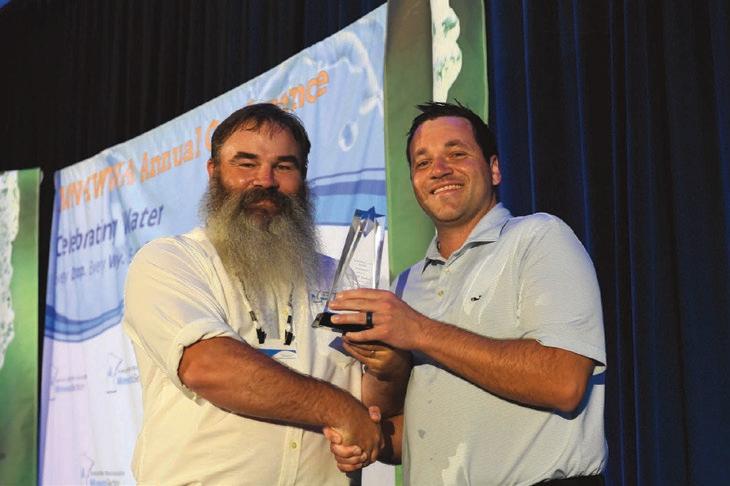
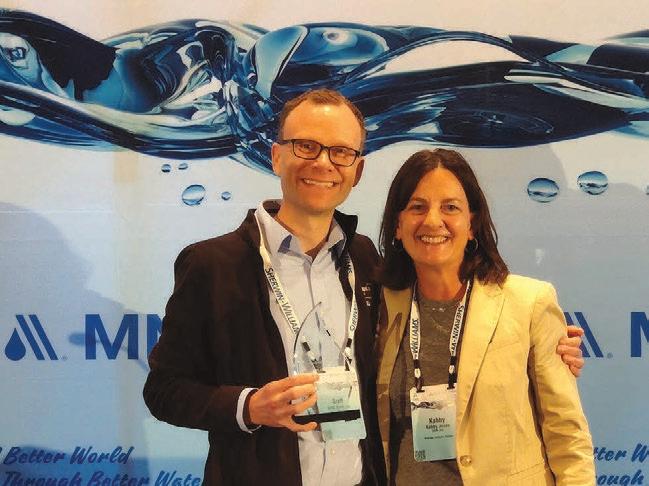
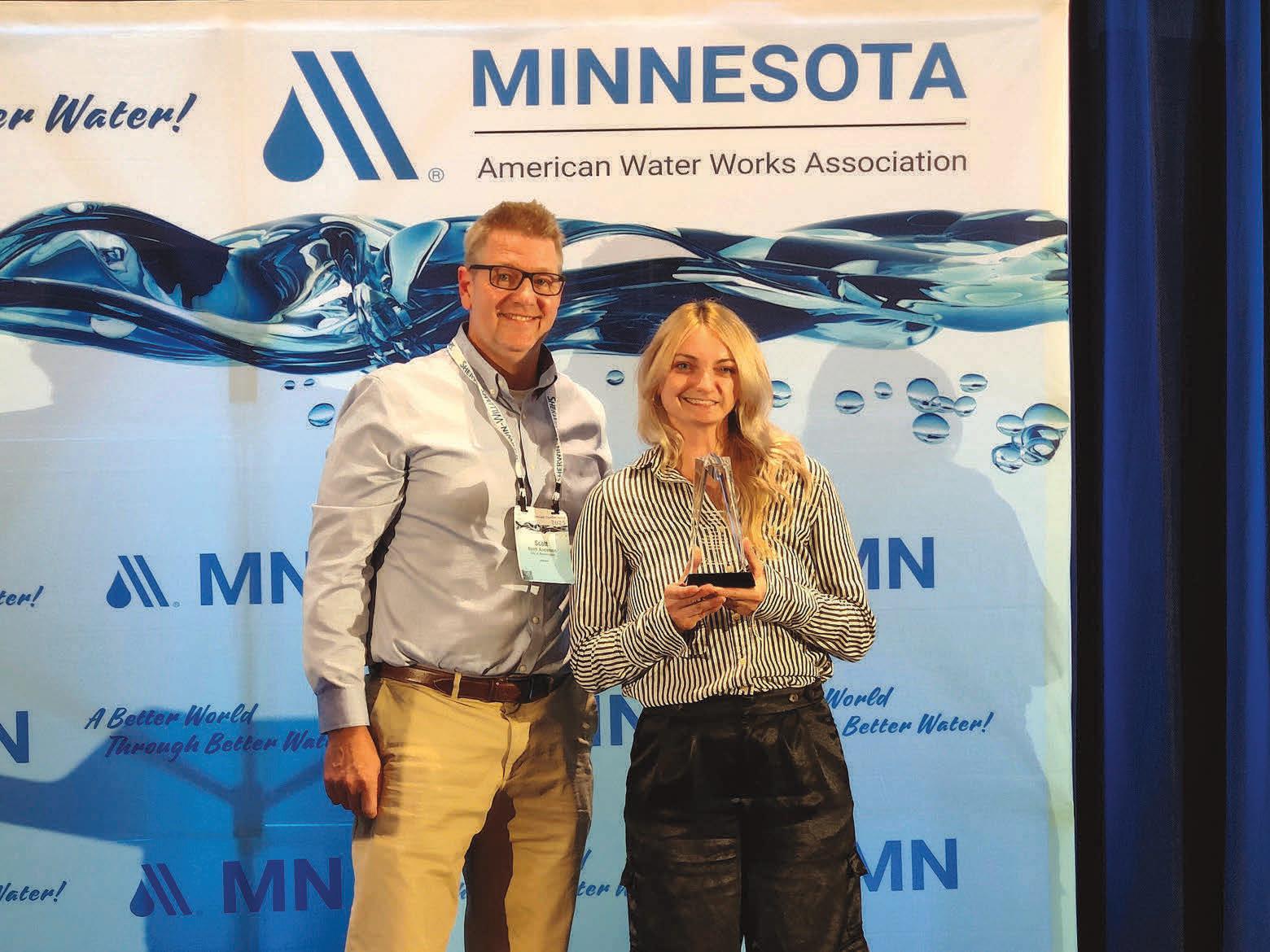
This award is meant to recognize a volunteer in the MN Section who consistently goes above and beyond in the role as a volunteer. It’s someone who clearly exhibits dedication to the MN Section through action - accepting or leading tasks or initiatives; they may be someone who has served in a leadership role (committee, council, or district) and who consistently steps up when asked - and follows through; someone who collaborates and serves as a role model to other volunteers, whether they know it or not! We celebrate this person as our ‘volunteer of the year.’ The award was named in honor of Jon Eaton, a past Section Chair and Past Secretary-Treasurer. Recent winners of this award include:
Brett Anderson (Minneapolis)
Kyle Hinrichs (Mankato)
Dennis Rosemark (Saint Paul Regional Water Services)
Joe Zauner (AMERICAN Pipe)
Next Generation Award
This award is meant to recognize a young professional (35 or younger) who is a ‘rising’ star in the MN Section. Emphasis is placed on those involved in committees, councils or districts, and those who show initiative and leadership potential. Recent winners of this award include:
Rochelle Widmer (Columbia Heights)
Mike Novitzki (ISG)
Brittney Pentek (In-Control)
Allison Wheeler (Arcadis)
Does this sound familiar to someone YOU know? Here’s the kinds of things people say when they nominate someone
“Brett’s impact spans multiple committees and initiatives, where his strategic vision and hands-on involvement have led to tangible outcomes”
Rochelle has been one of the leaders for the MN AWWA YP Committee and she has also been involved in helping the MAC as the Water For People and Water Equation Fundraiser Chair for the e vents...she has been an integ ral par t of the e vents’ success ”
“... demonstrates passion for the water industry ”
“... continues to put himself forward...”
“...always willing to help others ”
“His involvement has directly benefited the Minnesota Section and beyond, through meaningful prog rams, strategic initiatives, and impactful collaborations ”
The Value and Responsibility of WATER SYSTEM OVERSIGHT
For elected or appointed public officials new to their roles or looking to expand their understanding of water and wastewater utility management, Water Basics for Decision Makers is a must-have resource.
Newly updated, Water Basics for Decision Makers covers infrastructure conditions, assessment, funding needs, and financing, and includes sections on rate concepts, rate schedule options, impact fees, and financial planning. The book is also the basis for a public official training session that is offered at the AWWA Annual Conference and Exposition.
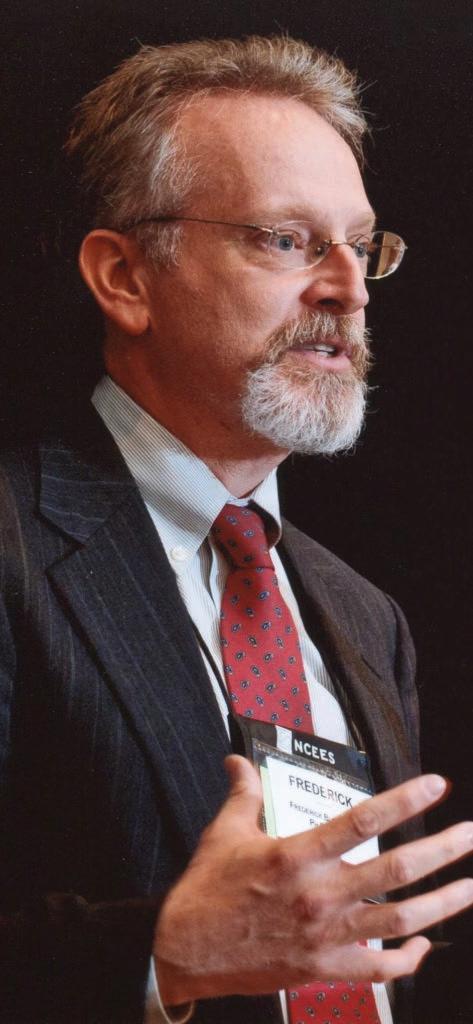
Fred Bloetscher, author, has led the training session for public officials for 15 years.
What are some of the most important updates or additions in the second edition?
I’ve been updating the class that goes along with the book every year for the last 15 years. In that time, regulations have changed and the sector has reoriented some of its goals toward infrastructure condition and workforce.
One of the new pieces of the book is a chapter on workforce challenges. Public sector utilities are not competing with other water and sewer utilities; they’re competing with the private sector. And they lose a lot of employees to the private sector because they’re not paying enough – especially for
the workers in the field, the people out front, the people the community actually sees from your utility.
In a past course, I recall the reaction from a utility director located in the panhandle of Florida when I told them that their salaries –especially in places like north Florida –are about 60% too low. She said, “My commission will never go for [higher salaries].” My response to her was: “Your job is to convince them they need to do it. That’s what your job is and I’m giving you the tools to do it.”
Can you share more about the course and how the book complements that material?
The first day of the course, we talk about regulations. We give participants a puzzle to solve together. We do it because number one, they have to put together a water system so they understand the concept of how it all works and, two, it initiates a lot of discussion among the group about their system and challenges. We want to have a lot of discussion because we’re really trying to build a bond among the participants.
The second day, we look at infrastructure –a lot of public officials don’t know yet what these systems look like – and I add the things they should have in their utility, like a GIS system and work orders that help track information and build a database.
Fred Bloetscher, author.
The third day, we look at emerging topics – and this has contributed significantly to the book’s update. Workforce challenges, for example, are a big thing we’ve talked about the last few years … and water quality – that came up in the aftermath of the Flint, Mich., crisis.
Why is it important for elected officials and public administrators to understand water and wastewater systems?
In most communities, what you find is that the value of the water and sewer system is about 10,000 times the population. For example, I went to the city of Clewiston, Fla., one day and they served 6,500 people and I told them, “The utility system here is worth about $65 million.” And one of the commissioners laughed and said, “Nothing close to us is worth $65 million.” My response was: “Your utility system is – and more than half of it is buried and you can’t really assess it. So it’s important to understand the asset that you are put in charge of to operate and maintain.” When they understand the value of the asset, the cost of operations starts from a better place.
The first infrastructure system that must be in place for a community to develop is water. And historically, you can go back 10,000 years and it’s the same way. If you don’t have water, nothing happens, right? And if you don’t have clean water, then you spend most of the time trying to overcome the disease implications associated with it. If you are an elected official or a public administrator, you have to realize the value of water and the stewardship responsibility that you inherit to maintain public health, safety, and welfare through your water and sewer utility systems.
What advice would you give to someone new to utility oversight or public infrastructure planning?
First, get an understanding of the operations. What’s the infrastructure that you have? How are the people operating it? How are they dealing with engineering, meter reading, customer service and things like that? That is what the public sees first. Then, start looking for information – what’s the break history, what’s the [non-revenue] water, what’s the budget? If you don’t have the information,
then you should go to the director or the city manager or county manager and ask. “How do we have GIS? How do we have work orders and how do we get data on them? How do we track [non-revenue] water? How do we know what our flows are for water and wastewater?” You don’t want problems to creep up on you and often tracking work, work orders, and basic operations data can indicate future issues.
A report on this data can be a simple onepage report or series of graphs that you can get every month; they should give you a pretty good idea of what is happening.
Also, one of the big challenges is what it costs to run a water utility – especially if you’re a small utility, you can have significant costs one year and none the next, so you have to manage that. Public officials should understand what those issues are and try to get some understanding of what the real system condition is because no infrastructure decision occurs quickly.
What do you hope that readers take away from this book?
I’m hoping that readers take away the degree of responsibility they have to the public. That’s really what the goal is. It’s the goal of the course, and it’s the goal of the book.
There was an [educational] change that started to occur in the 90s that prioritized MBAs as opposed to MPAs. For a master of public administration, our whole discussion is, “How do we help the public? How do we provide service?” That’s very different from a business perspective, which is looking at making money or reducing costs. I had a professor at Chapel Hill that told us one time, “Be careful of this because public service and making money are not compatible.” His concern always was that we’d spend too much time focusing on making money and reducing costs, and the potential to do that impacts service. The more that you don’t fund improvements on your water system, the more you create the potential for catastrophic failure. •
Navigating things like new regulations, technology, and funding can be challenging. Join our team as we share perspectives on all things water.
www.ae2s.com/perspectives-and-insights
AWWA Press Release
AWWA Testifies Before Congress on Need for PFAS Liability Protection for Water Utilities
In a hearing today before the U.S. House Committee on Energy and Commerce’s Subcommittee on Environment, the American Water Works Association (AWWA) stressed the importance of protecting water utilities and their customers from liability for pollution created by PFAS manufacturers.
The hearing, titled Examining the Impact of EPA’s CERCLA Designation for Two PFAS Chemistries and Potential Policy Responses to Superfund Liability Concerns stems from the U.S. Environmental Protection Agency’s (EPA) decision to classify perfluorooctanoic acid (PFOA) and perfluorooctane sulfonic acid (PFOS) as hazardous substances under the Comprehensive Environmental Response, Compensation, and Liability Act (CERCLA), commonly known as Superfund. The hazardous designation could leave utilities responsible for costly PFAS cleanups, despite their role as passive receivers of these chemicals.
In his testimony, Tracy Mehan, AWWA executive director of government affairs, emphasized the urgent need to protect water and wastewater utilities and the communities they serve from financial liability for PFAS contamination they did not create.
“Water utilities do not manufacture, use, or profit from PFAS, yet recent EPA rulemaking exposes them to significant financial and legal liability under CERCLA,” Mehan testified. “When utilities are forced to spend limited resources on litigation or
cleanup costs, ratepayer funds must be diverted from replacing aging infrastructure, complying with Safe Drinking Water Act requirements, and performing other essential functions.”
To address these concerns, AWWA is advocating for passage of the Water Systems PFAS Liability Protection Act (H.R. 1267), bipartisan legislation providing water and wastewater utilities with a narrowly tailored exemption from PFAS liability except in cases of negligence or willful misconduct.
“CERCLA was designed to ensure that polluters fund cleanup of contaminated sites. An exemption for water and wastewater utilities would further strengthen the ‘polluter pays’ principle by preventing PFAS manufacturers from shifting their cleanup costs onto utilities and the communities they serve,” Mehan added.
AWWA, in collaboration with water sector partners, has been working to educate Congress about the burden that CERCLA liability potentially presents for utilities.
Other witnesses at the hearing included:
Susan Bodine, Partner, Earth & Water Law
· Lawrence W. Falbe, Chair, International Council of Shopping Centers Environmental and Land Use Policy Committee
· Emily Donovan, Co-Founder, Clean Cape Fear
The recording of the hearing and submitted written testimony is available online. •
One Water Solutions Start Here
hdrinc.com/one-water-solutions
MN AWWA YP Summit 2025: Building the Future of Water Leadership
By Josh Brown, YP Chair
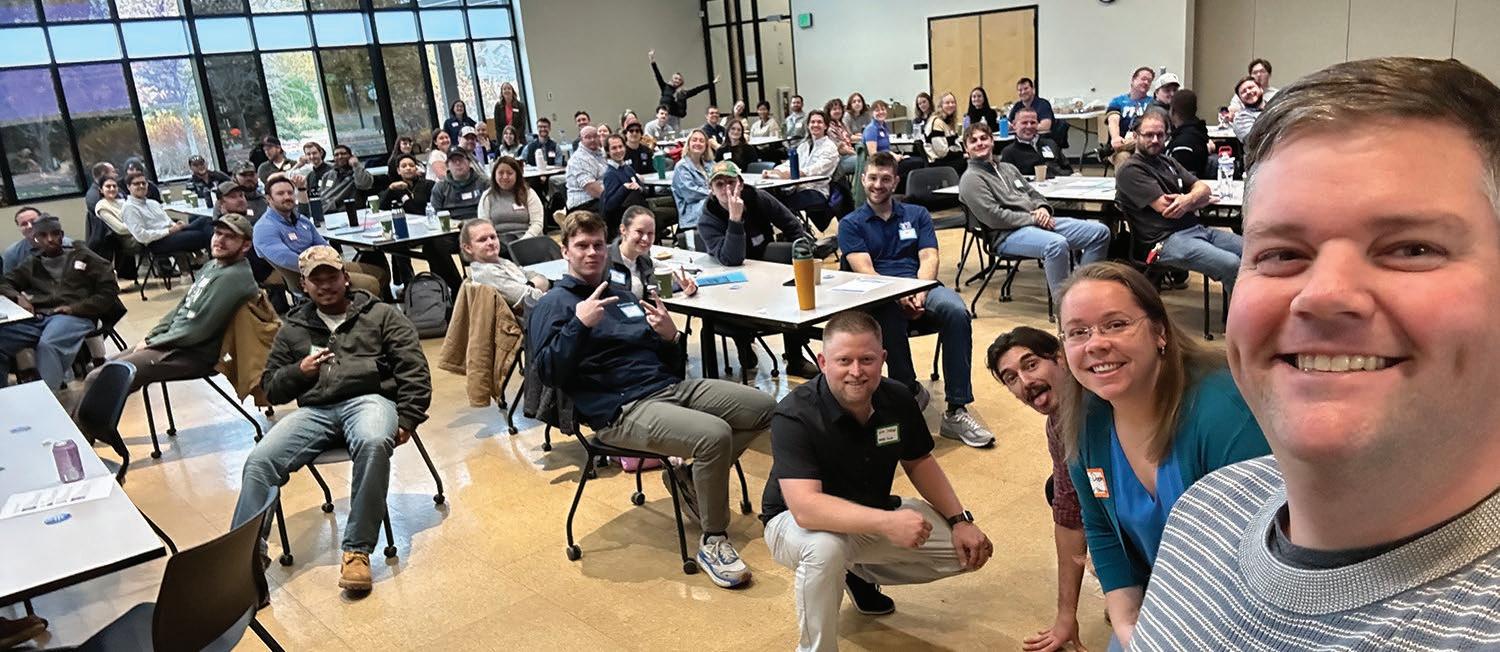
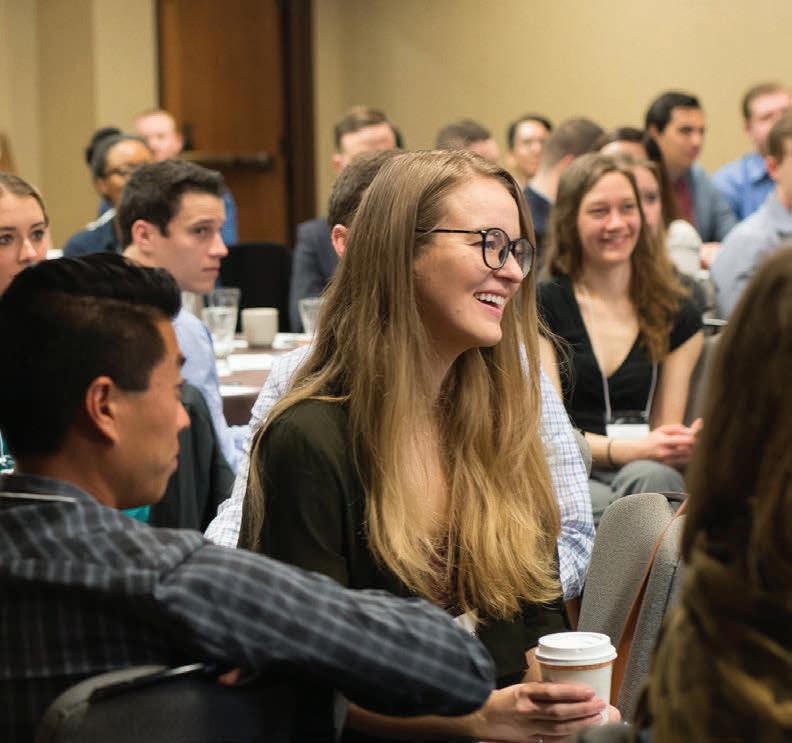
The Young Professionals group hosted its inaugural YP Summit this past November, bringing together emerging leaders from across the water industry for a day of learning, networking, and collaboration. Held in Maple Grove, the event focused on equipping the next generation with leadership skills, mentorship opportunities, and a deeper understanding of the challenges and innovations shaping water’s future.
The summit was designed to answer a fundamental question: How can young professionals lead the way in ensuring a sustainable water future? Attendees explored:
· Leadership and mentorship skills to advance their careers. Interpersonal development for stronger collaboration.
· Networking opportunities across the water sector.
HIGHLIGHTS FROM THE DAY
AWWA Section Overview – Kabby Jones
Kabby Jones, MN AWWA Past Chair and Water Business Development Lead at HDR, opened the day with a presentation that guided attendees through AWWA’s history, structure, and the opportunities available at both the national and state levels. This provided an excellent introduction for those who may not have had much prior connection with AWWA.
Keynote Address – Michelle Stockness
Michelle Stockness, MN AWWA Chair-Elect and Executive Director of Freshwater, delivered an inspiring keynote titled ‘Working in Water: Let’s Go!’. She shared her career journey from design engineer to industry leader and emphasized the urgency of addressing issues like PFAS contamination, infrastructure replacement, and affordability. Her message was clear: Communicate, collaborate, and innovate to secure water for future generations.
Leadership & Mentorship Panel
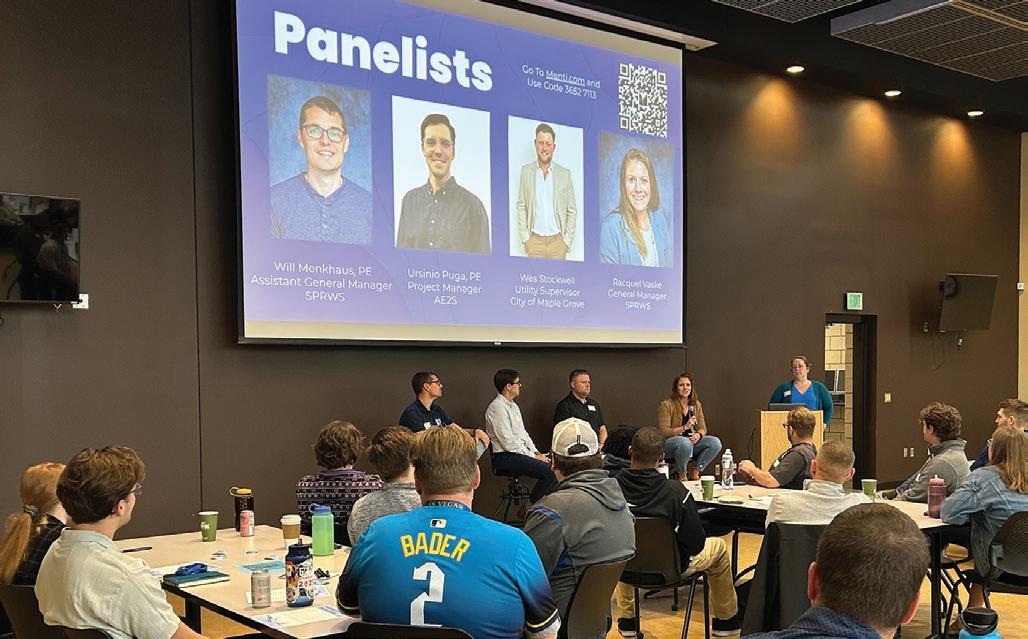
Moderated by Kallie Doeden, the panel featured: Racquel Vaske (SPRWS), Will Menkhaus (SPRWS), Ursinio Puga (AE2S), and Wes Stockwell (City of Maple Grove). They discussed career growth, navigating challenges, and the importance of mentorship in building resilient water systems.
Interactive Sessions
· Finding Common Interests: Participants engaged in roundtable discussions on topics like water conservation, climate change, and equity in the industry.
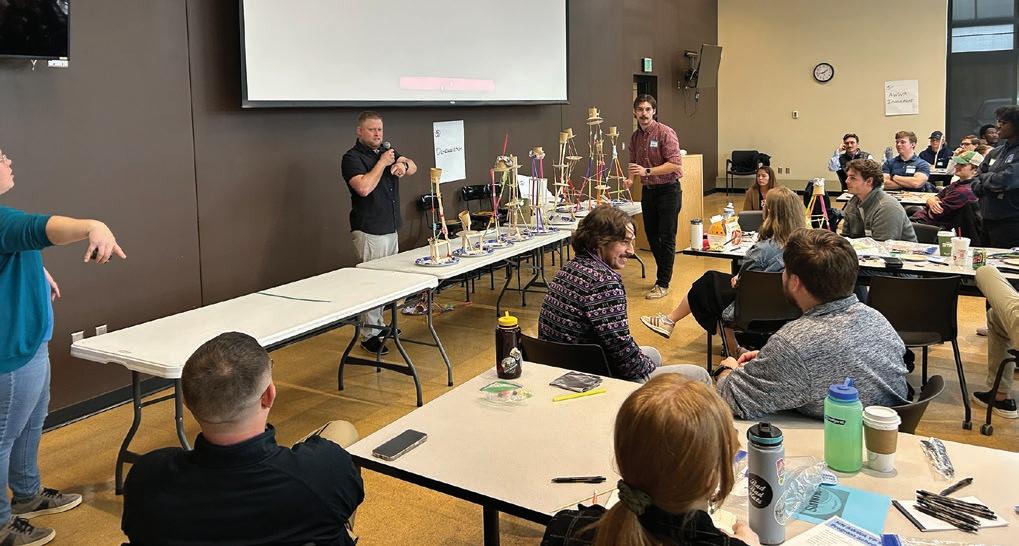
Water Tower Challenge: Teams competed to build the tallest structure capable of holding a cup of water – a fun exercise in creativity and teamwork.
· The Human Element of Water Leadership: Through role-playing scenarios, attendees practiced embodying positive leadership traits and addressing blind spots within their working groups.
Key Takeaways
Leadership matters: Building trust and fostering collaboration are essential for tackling water challenges.
Engagement is critical: From community outreach to policy advocacy, professionals must communicate the value of water.
Innovation drives progress: Embracing new technologies and circular water economy principles will shape the next 50 years.
Looking Ahead
The summit closed with a call to action: Grow your network, tell your water story, and be bold in shaping Minnesota’s water future. MN AWWA encourages young professionals to stay involved through discounted memberships, upcoming YP events, and the National YP Summit.
A huge thanks to the planning team including Wes Stockwell, Kallie Doeden, and Jordan Vannes for making this summit a success and we can’t wait to see what year two brings! •
THE NINE VILLAINS OF CYBERSECURITY
In the previous item in this series, we explored five major villains in cybersecurity:
1. SCRIPT KIDDIES
Part two in a two-part series about cybersecurity by Brian Gongol, M.Sc., M. Ed., Managing Instructor at Prudential Cyber 4. VANDALS
2. HOSTILE FOREIGN GOVERNMENTS
3. DISGRUNTLED EX-EMPLOYEES
Each came after us with their own signature profile. That profile is based upon the source of their motivation, the specific components they’re likely to target in your digital networks, what they could cost you through their malevolent behavior, and the signs that would tell you that your systems are under attack. Even with all of those enemies in mind, you still have additional adversaries to worry about.
Let’s meet your final four opponents.
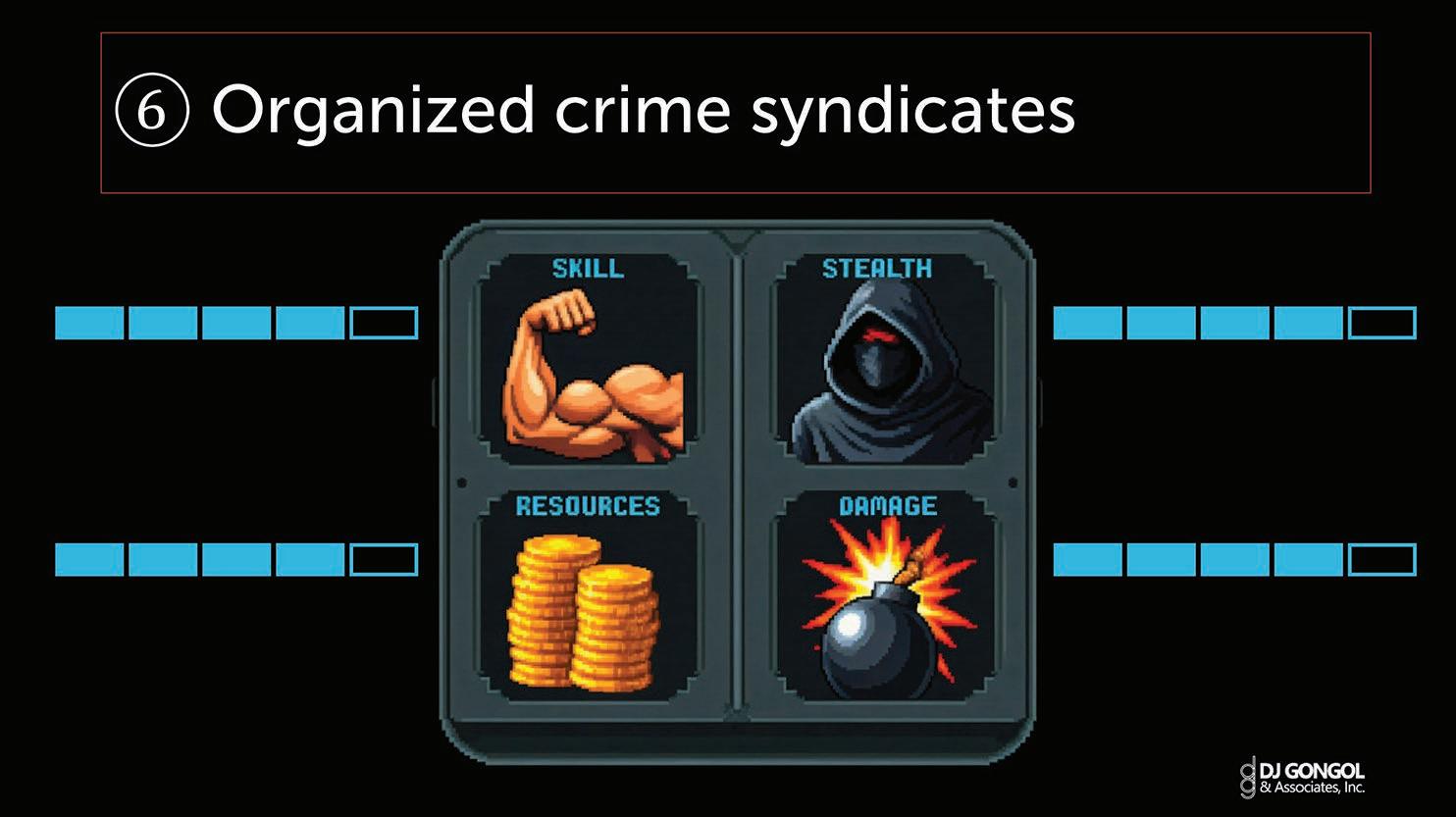
6. ORGANIZED CRIME SYNDICATES
Villain number six is for the fans of mob movies. Organized crime syndicates have discovered cybercrime in a big way, because it offers many ways to satisfy their main motivation: Financial gain. These groups tend to target things that they can hold for ransom, which can either be data or access control.
Either one of these can be worth an enormous sum to the bad guys, under the right circumstances. Essential or highly sensitive customer data has been successfully ransomed for millions of dollars in some cases – enough cases that you can purchase ransomware insurance from legitimate brokers, and many institutions already do.
There can be huge reputational costs if your utility has a data breach, and civil liability could even follow, especially if carelessness on your part leads to attackers using your network to infect others. In the case of just one racketeering scheme orchestrated by an organized criminal group, the FBI has estimated the losses at more than $100 million.
In the case of a data-based ransomware attack, an alert network manager might notice symptoms like high bandwidth usage at odd times (cyber-thieves, too, often strike in the darkness). But it may not be until a ransom note shows up in your inbox that you would know about an attack.
The criminals have lots of incentive to look for easy targets, so you should be sure to encrypt sensitive data as a prevention tool, and make sure to segregate your computer networks as much as possible – so that if someone gains access to your SCADA system, they don’t automatically get access to your customer payment data, as well, or vice-versa. Intrusion detection tools can also help, working like an alarm on a bank vault.
THE NINE VILLAINS OF CYBERSECURITY
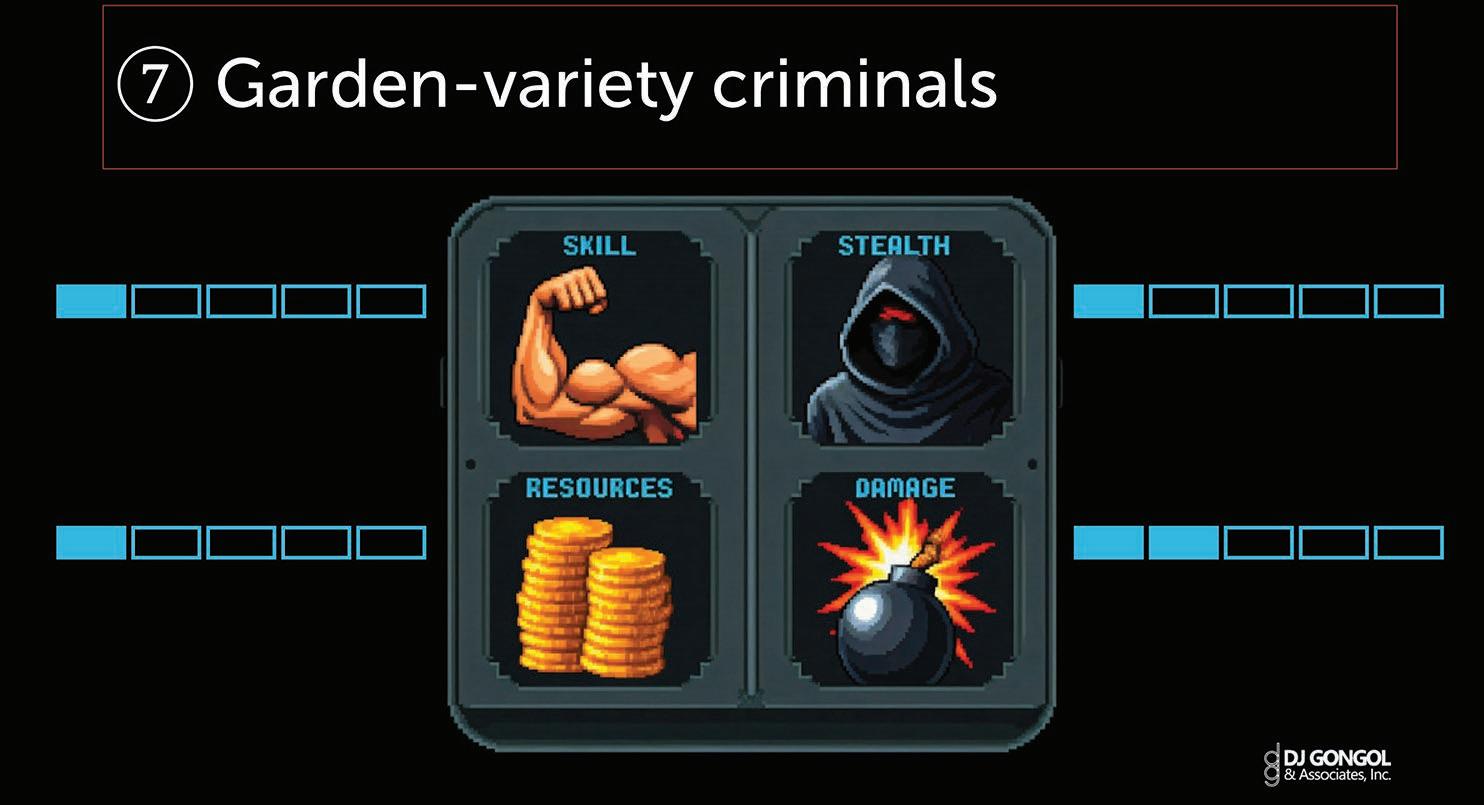
We’ve all met someone who was inexplicably crooked. It’s usually not that hard to get along with others and follow the rules, but some people just have anti-social behavioral tendencies that motivate them to try to lie, cheat, and steal their way to getting ahead. And just as you should assume that some of them will learn to pick locks, swindle their elderly neighbors, or take money for contracting projects they never complete, you should also assume that some of them will develop computer skills to help them cheat.
If they can get access to your systems, they might go looking for a variety of things to satisfy their greedy impulses. It’s likely you have a treasure trove of valuables that a criminal might want, like inventory lists of valuable utility assets that could be stolen and sold on the black market (or just on eBay).
You also have data that could prove valuable to a crook: For example, if you have real-time meter readings, then you also have a pretty reliable tool for predicting when people are away from home. Lots of homeowners put timers on their lights when they go away, but they definitely don’t put their kitchen faucets on timers. If you know which homes and businesses have dropped to zero gallons per day, you know which places are unoccupied.
Enterprising garden-variety criminals could end up exploiting your digital assets and costing you customer trust and exposing you to potential liability. And if they use your information to steal your utility’s assets (from copper pipes and wires to portable pumps), then you could face direct losses, as well.
Watch for these criminals by keeping an eye out for unauthorized login attempts. Know where your data is stored, and keep it behind network firewalls and quality encryption. And if you have old data that you don’t actively need, either delete it or put it in cold storage by saving it to drives or media that you can keep entirely offline.
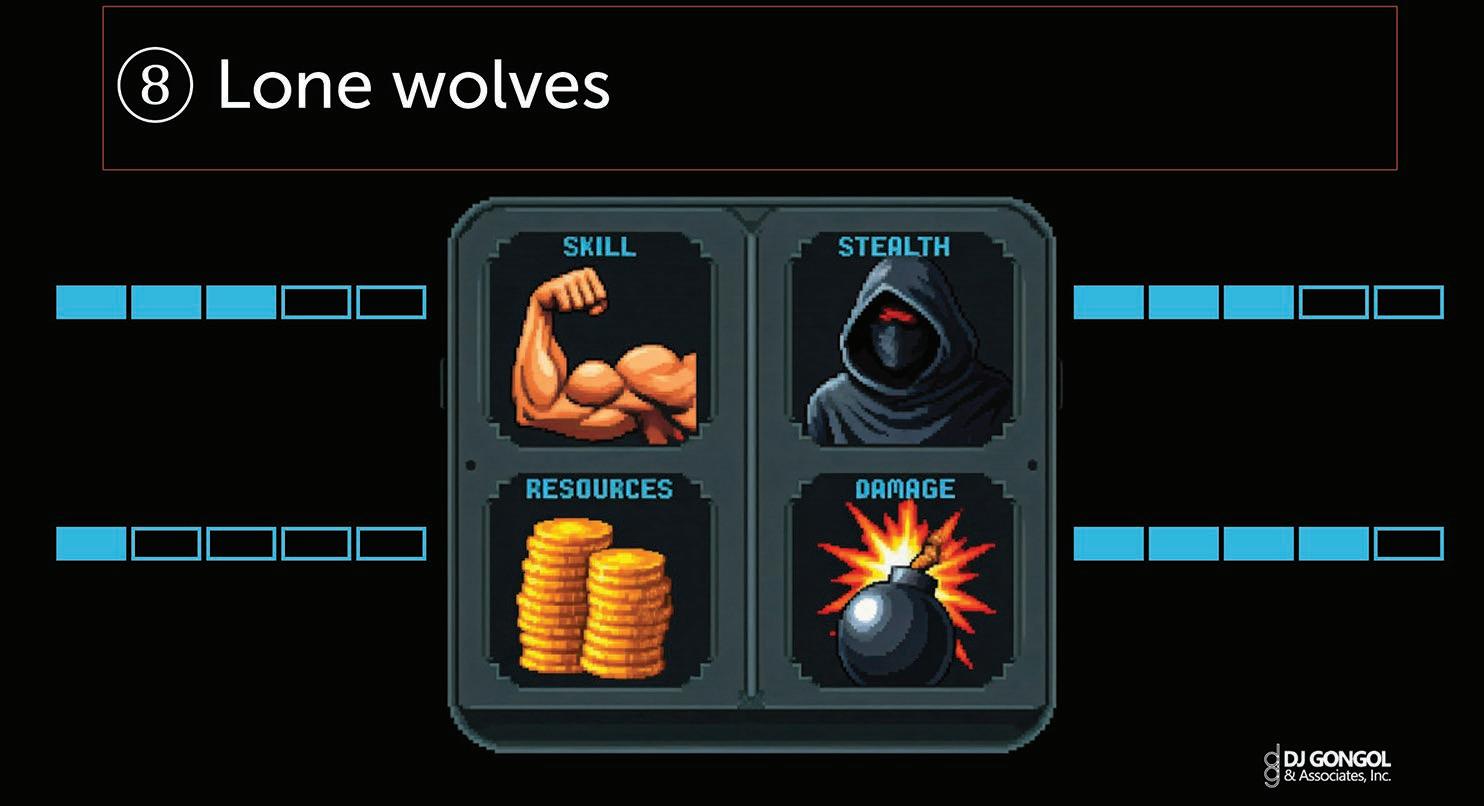
In just the last year, the United States has seen a disturbing number of ‘lone-wolf’ attacks, like the driver who killed 14 people with his truck on Bourbon Street in New Orleans on New Year’s Day. These attackers are frightening because their behavior is incomprehensible to normal people, but it comes from a toxic combination of anger, radicalization, and often quite serious psychological disturbance.
These attacks are usually attempts to gain notoriety, so they are often focused on points of maximum pain, like when a shooter injured more than 1,000 people and murdered 58 by firing from his Las Vegas hotel room. The cruelty is often the point, which is why water utilities need to be alert to the risk our sector faces.
Our industry reaches (quite literally) into nearly every home, business, church, and school in America, and if the wrong lone wolf were to successfully target vulnerable utilities and spread their techniques online (as is so often the vector for new attacks), we could find ourselves in dire distress. The problem of lone wolves made it to the very first paragraph of the DHS 2024 Homeland Threat Assessment, which noted that extremists are specifically concentrating on “attacks against the energy, communications, and public health sectors.” (That’s you.)
Lone wolves are especially hard to combat because there’s no conspiracy to be broken. One person can keep a secret for a long, long time. But you can pay close attention to inconsistent readings, strange errors, and unexplained irregularities on your networks, and you should most certainly pay close attention to updates from the Cybersecurity and Infrastructure Security Agency (www.cisa.gov ). They may not be able to give you advance notice of new threats, but they are tasked with helping all of us know about new vulnerabilities and how to manage them.
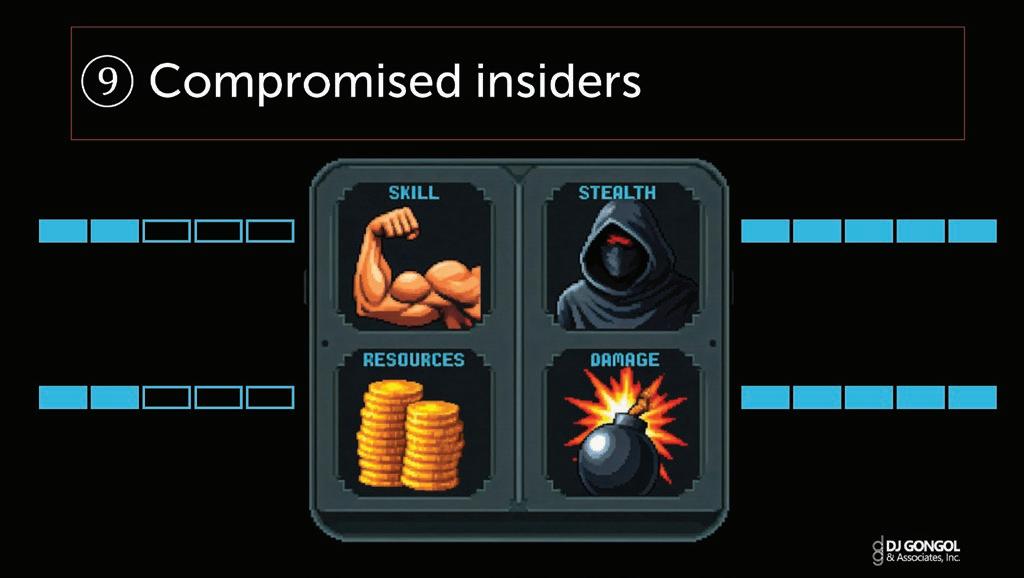
9. COMPROMISED INSIDERS
While you may not think much of your colleagues’ computer skills, they still may be the most dangerous adversaries of all. Compromised insiders are people who have access to your systems because they’re already inside – as employees, contractors, administrators, or others. Once a person has a username and a password that grant them access to a network, they’re potentially a risk.
What turns an ordinary insider into a compromised insider can vary across a wide range of possibilities. Some people face external pressures (like debts or addictions), while others have internal weaknesses (which can be as common as fear or shame). Some people are compromised by malice or resentment, while others are in despair. Still others are simply ignorant or careless. Any of these circumstances, and many others, can cause ordinary people to do bad things, whether
8. LONE WOLVES
it’s under pressure from a bookie, out of frustration with a prickly boss, or borne of simple laziness.
When compromised insiders are intentionally up to no good, it’s often going to involve assets with monetary value, whether that’s something like user data that can be abused up-front (or held for ransom), or something that can be leveraged to gain competitive advantage elsewhere.
Embezzlement and misappropriation don’t have to take place on computer networks, but they often do – and it’s rare for a year to go by without news of at least one town somewhere in the state suffering a financial hit because a municipal employee got greedy and stole from their neighbors. Those direct losses can be enormous and ultimately impossible to recover, just like it can be catastrophic for a private company to lose proprietary information or confidential trade secrets to a rogue employee.
Compromised insiders are especially dangerous because it usually takes a combination of luck and really good internal controls to catch it in action. Either someone slips up in the middle of their wrongdoing, or you may not catch it until an audit much later on. Nobody knows more about covering their tracks than someone already trusted to be on the inside.
Self-defense against them comes in the form of segregation of duties (just ask your accountant), segregation of networks, careful review of server logs, and ‘least-privilege’ operation (which is to say, limiting any individual’s access to only the tools they specifically need to complete their assigned tasks).
So there you have the nine major villains of water-sector cybersecurity. Some look more menacing than others, but every one of them is a potential hazard for you to consider. It’s a heady threat environment out there, and we all live with finite resources –so choices must be made about what to protect, how much of that protection to obtain, and how far to go in the name of security. The choices involved are inconvenient and the threats seem effectively unlimited. Worst of all, the consequences of making the wrong choice with your resources can be massive.
One other confounding factor: cybersecurity expertise specific to the water sector is in short supply, so you face a challenge in finding trustworthy advice and guidance, particularly because regulatory guidance right now is cloudy at best.
As you start to prioritize your cybersecurity response, ask yourself a few questions:
• What will cause the most damage if it’s attacked?
• What is the easiest vector of attack?
• What can you fix at lowest cost?
• What are you required to address by law?
Don’t try to get the answers exactly right – it’s the exercise in thinking about them that matters most. You’ll need to dedicate yourself to continuous improvement by learning a little more each day about this complicated field.
It’s a bit like mowing the lawn at home: You’re never really done. But on top of that, the lawn is full of weeds and land mines. Oh, and someone sneaks into the yard every night to sow more chaos. In short: You will never be finished with this fight. There is no permanent security in cybersecurity.
But that’s not really a new posture, either: In water, you’re never really finished with pathogens or emerging contaminants, either. Try to remember, though, that in most systems, people are the easiest components to hack. Not computers.. people. Regular training and trustworthy consultation are your best defenses. Don’t wait to get started because the problems are big; start right away because the war will be long. Brian Gongol can be reached at mail@prudentialcyber.com •
Consider joining MN AWWA’s Cybersecurity Committee! Contact Chad Donnelly at cdonnelly@cottagegrovemn.gov to get involved. KATIE
WELLE
MN AWWA
Membership Update
We also welcome the following NEW MN AWWA members, and thank them for their dedication to clean water in Minnesota.
Since January 1, 2026
Maria Lynch
Ryan Burfeind
Abram Peterson
Dorissa Pitts-Paige
Abby Ahrendt
Casey Nault
Tejpal Bala
Jim Chidester
Andy Guenther
Jason Ewell
Ray Hozalski
Frantz Joseph
Brian Guldan
Zekun Liu
Jalayna Smith-Moore
Elizabeth Thompson
Jacob Hubbard
Charles Lehn
Patrick Johnson
Michael Latvala
Alison Wayman
Michael Twu
Andrew Ross
Ella Burfeind
Tami Brown
Hunter Redfield
To reach water professionals through Breeze magazine and its targeted readership, contact Jeff at your earliest convenience to discuss your company’s promotional plans for 2026.
MN AWWA
Breeze is made possible by the companies below who convey their important messages on our pages. We thank them for their support of The Minnesota Section of the American Water Works Association (MN AWWA) and its publication, and encourage you to contact them when making your purchasing decisions. To make it easier to contact these companies, we have included the page number of their advertisement, their phone number, and, where applicable, their website.