All rights reserved. No part of this book may be reproduced or used in any manner without written permission of the copyright owner except for the use of quotations in book review.
Illustrations by Kelly Hardi. Written by Kelly Hardi.
Foreword
Upon the release of the first volume, many were fascinated by the range of superstitions I was raised with—some even worrying whether the things they had unknowingly done might bring bad luck. These conversations made me realize how easily superstition weaves into our lives, sometimes as quiet beliefs, and other times as lingering doubts.
At times, I wonder if I genuinely believe in these superstitions, or if I follow them out of love—love for the voices that once warned me, love for the culture that shaped me. I think of my parents, repeatedly telling me to never use my left hand to give something. I think of my grandma reminding me to eat noodles every birthday—a quiet promise of longevity woven into a simple meal. Even now, miles away, I find myself holding onto these gestures as if they bind me to home
It made me wonder: Do we shape our luck, or does luck find us? Some days, everything seems to fall into place effortlessly. But is it because I remembered to close my umbrella indoors or I displayed mandarin oranges in my home?
They are small gestures of hope, asking us to consider: Is it luck we seek, or the comfort of knowing we are connected to something greater than ourselves?
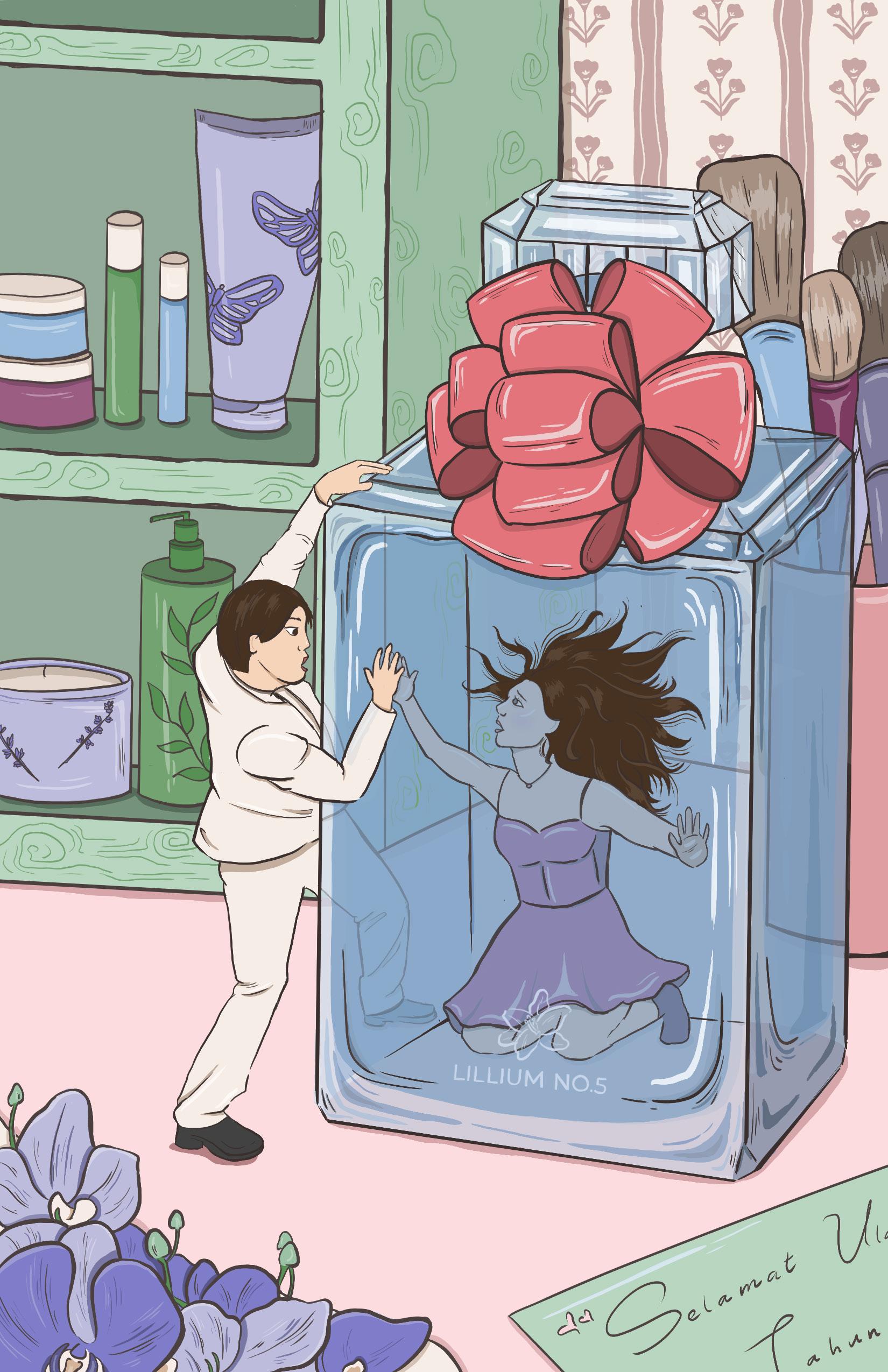
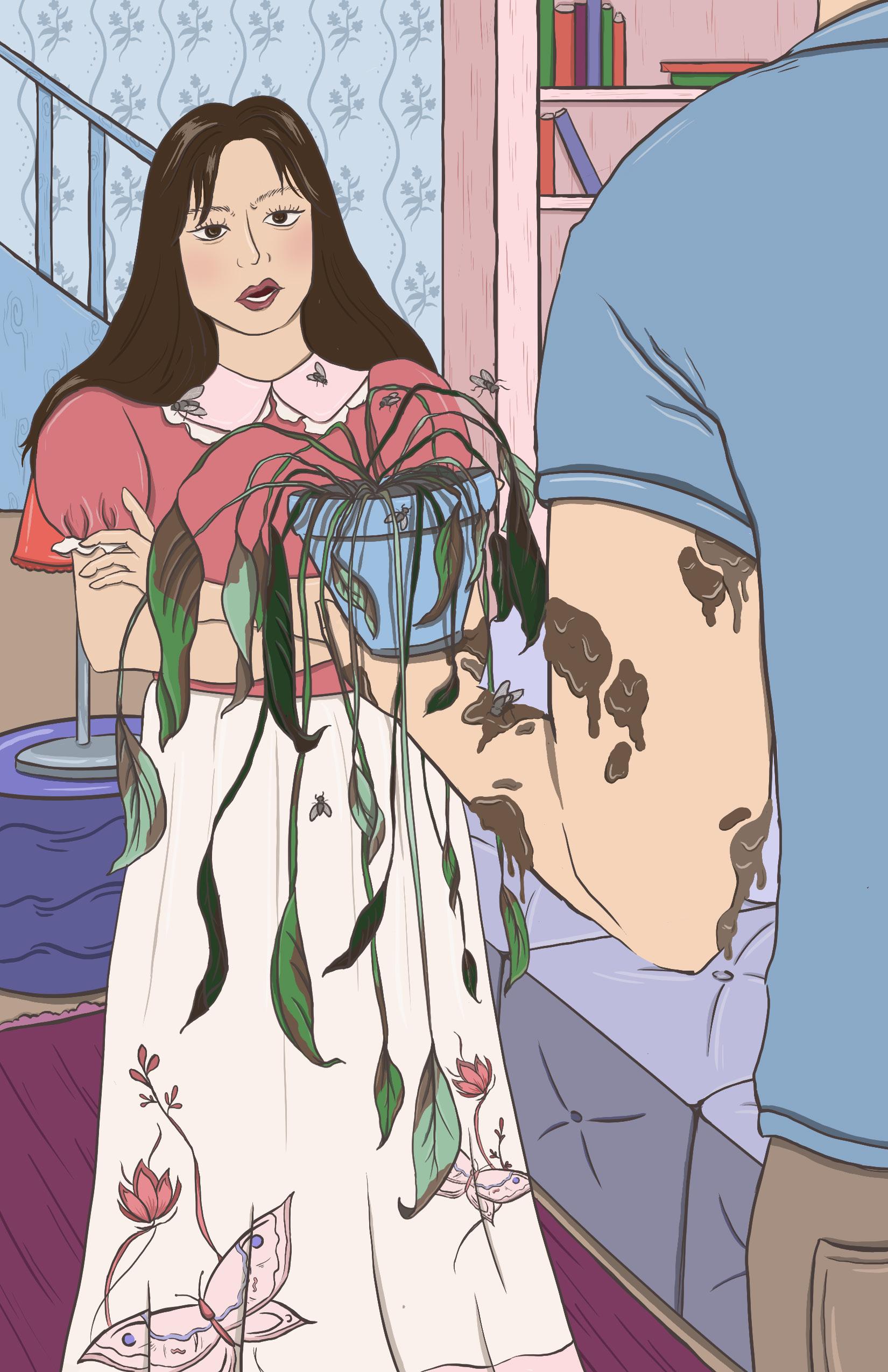
“Memberikan parfum sebagai hadiah dapat merusak hubunganmu...”
“Giving perfume as a gift can taint your relationship...”
While perfume is often associated with beauty and attraction, it also symbolizes fleetingness— just as a scent fades over time, the bond between two people may also diminish. This superstition reflects the idea that relationships should be built on lasting connections rather than temporary pleasures.
Giving gifts should be thoughtful and mindful of the symbolic meaning behind gifts and the emotions they may carry. This superstition teaches that a well-chosen gift should strengthen relationships, not feel superficial or unintentionally create distance.
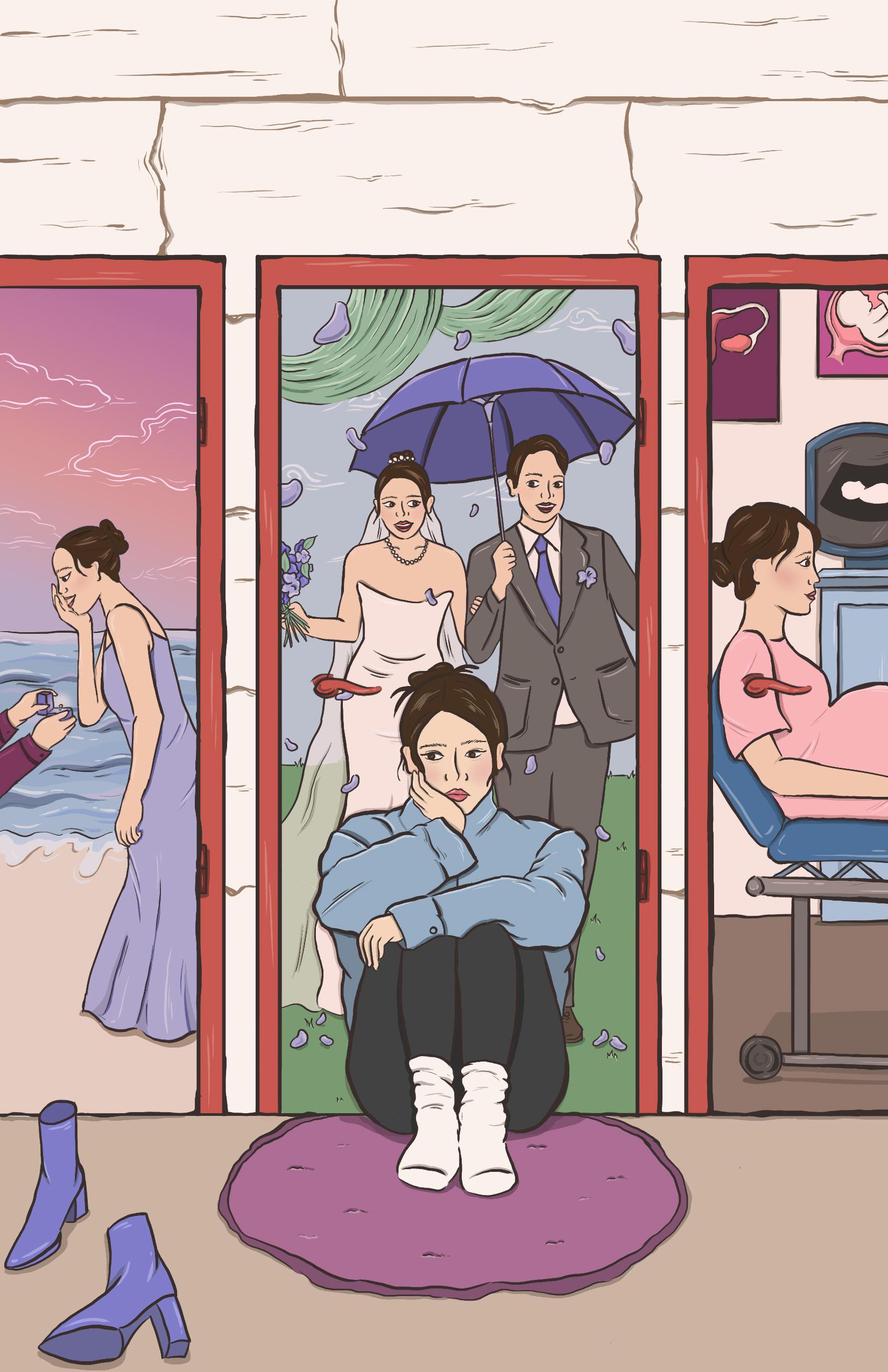
“Jangan duduk depan pintu atau bakal susah dapat jodoh...”
“Do not sit in front of a door or you’ll have a hard time finding a partner...”
Aligning with Feng Shui principles, doors are seen as pathways or entry points for opportunities. Blocking them can disrupt the positive flow of energy, potentially creating obstacles in one’s personal and romantic life.
Sitting in between a doorway may manifest instability and a lack of grounding rather than a position of security. It may also suggest an inability to fully welcome new relationships or opportunities. It teaches one to be aware of one’s surroundings, respect the flow of movement, and embrace a sense of openness and readiness for new opportunities, including relationships.
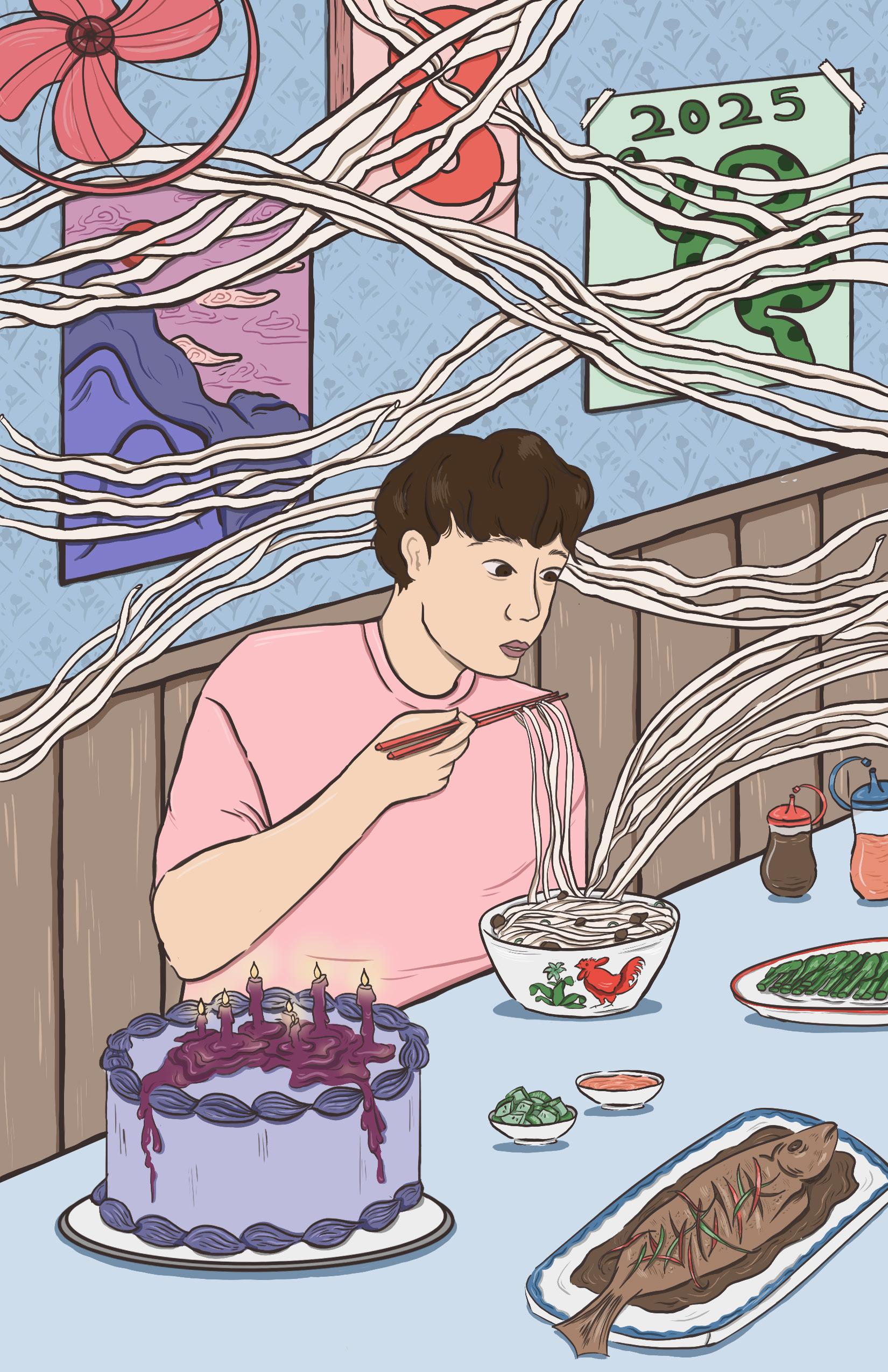
“Makan
bakmi di hari ulang tahunmu akan mewujudkan panjang umur...”
“Eating noodles on your birthday will manifest long life...”
Eating noodles on your birthday is a tradition deeply rooted in Chinese culture, symbolizing longevity and prosperity. This practice stems from ancient Chinese beliefs in food symbolism (shí yin 食饮), where certain foods hold meanings beyond nourishment. The length of the noodles represents a long and healthy life, and they are traditionally eaten without breaking to preserve this symbolism.
The superstition is re-emphasized by not allowing cutting or breaking the noodles is considered bad luck, as it is believed to shorten one’s lifespan. Eating birthday noodle dishes has now become a meaningful ritual in many households even embraced in various East and Southeast Asian communities, including Indonesia.
“Jangan menggunakan tangan kiri untuk memberi atau menerima sesuatu...”
“Do not use your left hand to give or receive something...”
In Indonesian culture, using your left hand in social settings is considered impolite. This superstition is rooted in the idea that the left hand is traditionally used for personal hygiene, making it inappropriate for gestures like handing someone an item, shaking hands, or eating.
To many Indonesians, using the right hand feels almost second nature, whether in formal settings or casual gatherings. This practice reflects deeprooted values of respect, cleanliness, and etiquette, reinforcing the importance of mindful interactions. It is a way to show courtesy and maintain harmony in both personal and professional relationships.
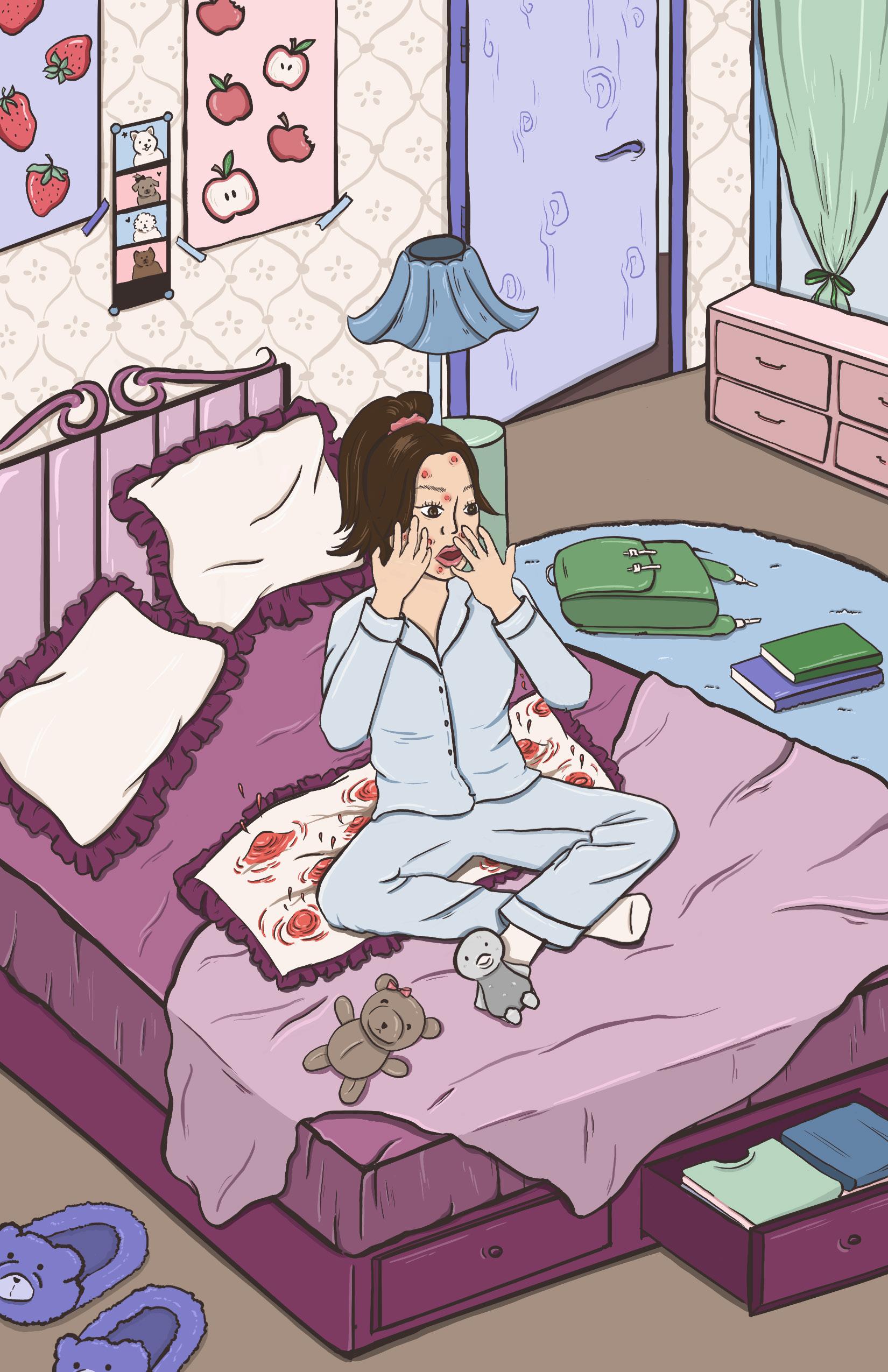
“Jangan duduk di atas bantal, nanti
akan bisulan...”
“Do not sit on a pillow, or you will get boils/pimples...”
Pillows are closely associated with rest and sleep— times when a person is most vulnerable and in need of comfort. Sitting on them, especially with unclean clothes, is seen as tainting their purity, potentially bringing dirt and negative energy to a space meant for relaxation and health.
This belief also connects to the idea that beds are sacred spaces, meant to be respected and kept clean. Maintaining hygiene and caring for personal items like pillows is not only a way to prevent physical issues like acne but also a practice that reinforces mindfulness and respect for the spaces that nurture rest and well-being.
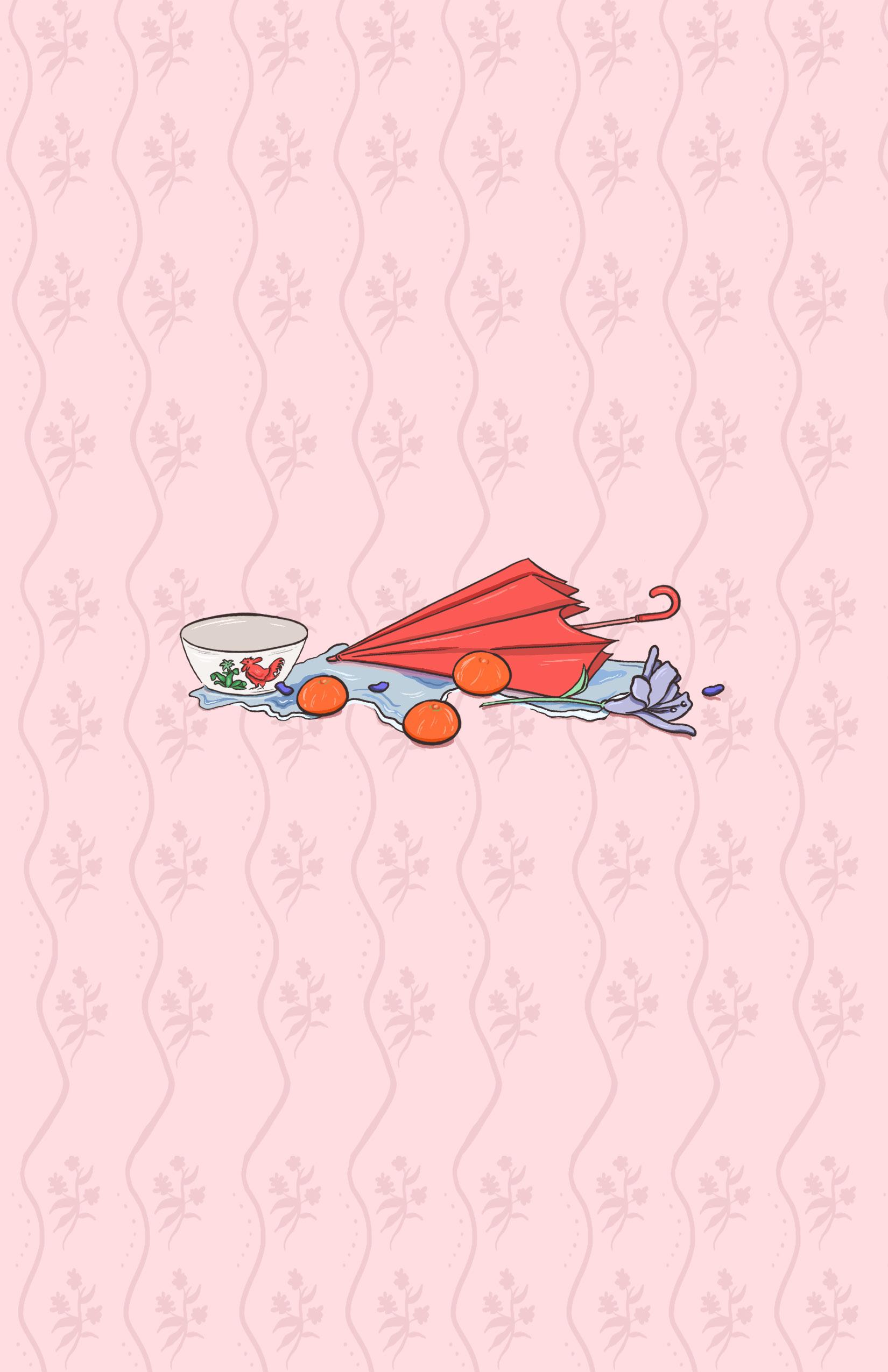
“Membuka
payung di dalam ruangan akan
membawa sial...”
“Opening an umbrella indoors will bring bad luck..”
Umbrellas are believed to symbolize protection from external forces like rain and sunlight. Thus, using one where it isn’t needed is seen as a misuse of its purpose, potentially inviting misfortune into a space meant to be safe and secure.
This belief emphasizes the importance of keeping safe spaces undisturbed, as opening an umbrella indoors may be viewed as an unnecessary act that disrupts this balance. While some may see it as a coincidence rather than a direct cause of misfortune, it still serves as a reminder to be mindful of how we interact with our surroundings and respect the purpose of everyday objects.
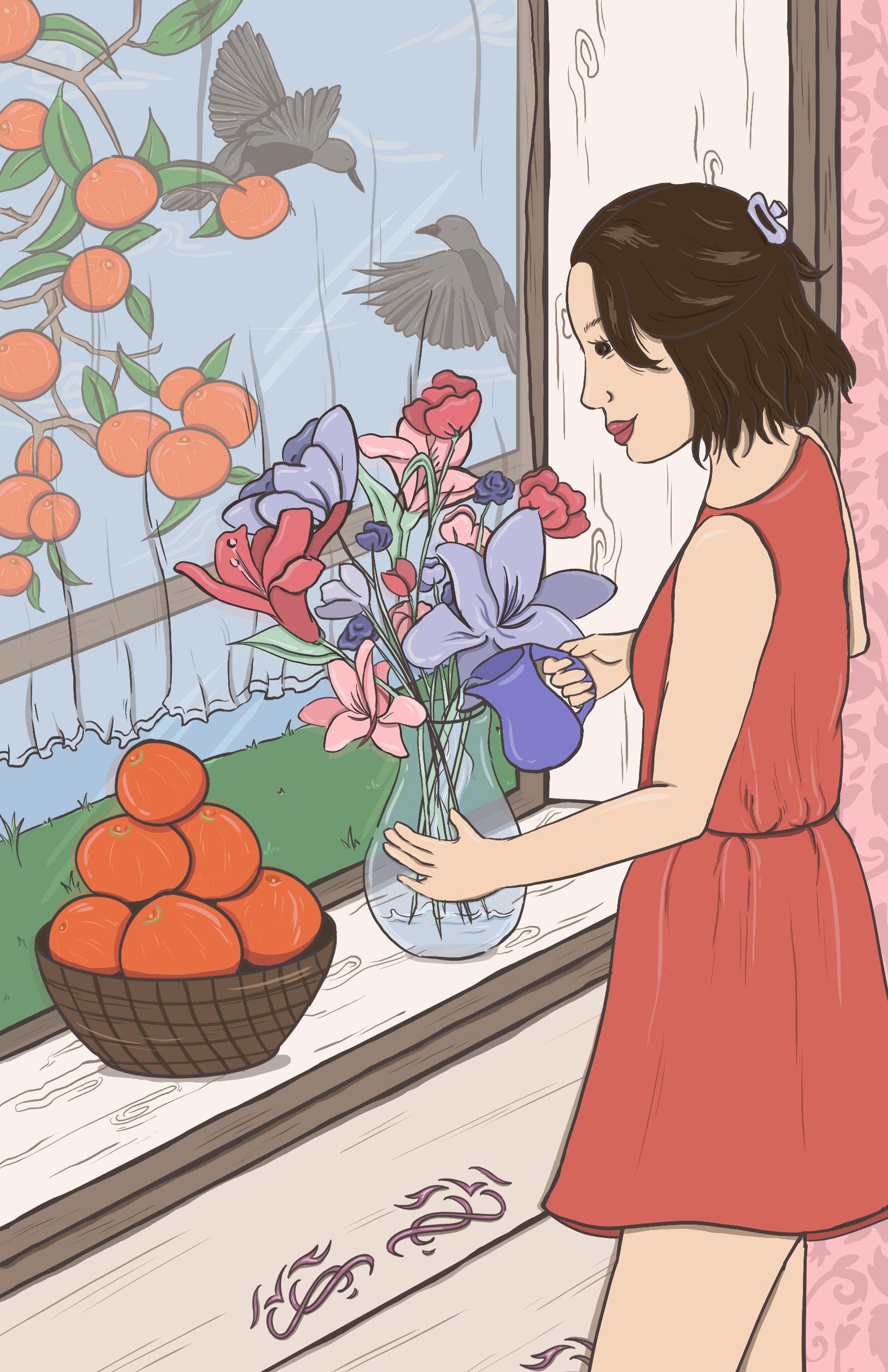
“Pajang jeruk mandarin dan bunga di rumah untuk kemakmuran
dan keberuntungan...”
“Display mandarin oranges and flowers for prosperity and good fortune...”
The Chinese character for “orange” (橙, chéng) sounds similar to the word for “success” (成, chéng), while another word for orange is júzi (橘 子), shares a resemblance with the word for “luck” (jí, 吉). Their round, golden appearance symbolizes prosperity and abundance, making mandarin oranges a popular symbol of wealth and good fortune.
Especially during Lunar New Year, mandarin oranges are often paired with flowers, which symbolize growth and renewal. This practice is widely embraced as a way to invite success, happiness, and positive energy into one’s life, making it a cherished tradition in many households.
Kelly Hardi is a digital illustrator and graphic designer whose work examines how connection and disconnection shape relationships and identity. Inspired by her Jakarta roots in community-building, her works aim to bridge gaps between people, culture and ideas, fostering creative solutions that enhance engagement and strengthen a sense of belonging.