

THE EVOLVING WORFORCE
WELCOME
Dear Clients and Friends,
Welcome to the latest issue of In the Know: Business Edition. This issue has one focus: the evolving workforce and what it means legally for the businesses you run, advise, and acquire.
How people work has changed permanently. Hybrid and remote arrangements are now the baseline. The contractor economy has outpaced the compliance frameworks built to govern it. AI has moved into hiring and daily operations faster than most organizations have policies to address it. For companies in the middle of a transaction, workforce structure has become one of the most consequential variables in deal value.
Each shift carries legal exposure that is easy to underestimate. Our attorneys examine what that looks like in practice: worker classification, multi-state wage and hour obligations, data privacy in a distributed workforce, employment liability in virtual settings, and the workforce due diligence questions that belong in every deal.
The companies navigating this well are not waiting for a complaint or an audit to find out where they stand. We hope this issue helps you get there first.
Sincerely,
Kelley Kronenberg Business Legal Team
Numbers
22.6%
U.S. employees working remotely at least part-time as of March 2026, up from under 6% pre-pandemic. Still climbing despite return-to-office mandates at Amazon, JPMorgan Chase, and across the federal government.
Source: U.S. Bureau of Labor Statistics, Current Population Survey, March 2026
52% HYBRID 27%
FULLY REMOTE
21% FULLY ON-SITE
How remote-capable U.S. roles split today. Hybrid is the default, not the exception.
Source: Gallup Hybrid Work Indicator, Q1 2026
10–30%
Estimated share of employers misclassifying at least some workers as independent contractors. The range comes from state audits across construction, professional services, and home care.
Source: National Employment Law Project, analysis of state audit reports; Economic Policy Institute, January 2025
70%+
Acquisitions that fail to deliver their stated value goals. Workforce integration, talent retention, and human capital misalignment lead the cited causes.
Source: Harvard Business Review; AIHR M&A Due Diligence analysis, 2025
64%
Remote workers who would quit or start job hunting if their employer eliminated remote and hybrid options.
Source: Gallup, 2025–2026 Workforce Survey
The Evolving Workforce is Creating Legal Risk Most Employers Have Not Caught Up To
and anti-discrimination requirements govern that employment relationship. Your Florida headquarters is largely irrelevant to that analysis.
The M&A Human Capital Problem
By David Harvey
70%+ of acquisitions fail to deliver stated value goals.
The modern workplace has fundamentally changed in two ways that matter most to employers from a legal standpoint: where work is performed and how it gets done. Since COVID, employees have been working remotely from locations of their choosing, often states entirely different from where the employer operates. At the same time, AI has become the tool of choice for getting work done faster, and its adoption is accelerating well ahead of the policies and laws designed to govern it.
Consider a company headquartered in Florida with ten remote employees scattered across seven states. HR manages them the same way. Payroll runs the same deductions. The employee handbook is the same document. That approach is legally indefensible in at least half of those states.
65% of HR teams feel unprepared to handle their deal portfolio.
Source line: Harvard Business Review; WTW M&A Barometer Survey 2025
Where Work Gets Done
Remote work did not create employment issues. But it forced employers to confront a reality that was easy to ignore when everyone reported to the same office: employment law is state law first. The state where your employee sits when they open their laptop is the state whose minimum wage, paid leave mandates, expense reimbursement rules, overtime thresholds,
For example, as of January 1, 2026, Illinois employers, including any company with employees working remotely from Illinois, are subject to a new wave of requirements: mandatory paid lactation breaks at regular pay rates, expanded organ donation leave for part-time workers, updated workplace transparency rules, and new protections for employees who document acts of violence using employer-issued equipment. California added its own round of requirements on the same date. California employees are covered by the California Family Rights Act, State Disability Insurance, and Paid Family Leave programs, all of which apply to remote workers based in that state regardless of where the employer is located. Connecticut’s paid sick leave mandate now applies to employers with eleven or more employees in the state, down from twenty-five. Every state with a remote worker in it is a jurisdiction with its own obligations, and those obligations are growing each year as states fill the void left by federal deregulation.
Beyond leave and benefits, there are cost questions that do not get enough attention. If your Illinois or California remote employee is paying for their own internet connection, their own phone, and their own home office equipment to do their job, you may have a reimbursement obligation under state law. California’s Labor Code has required reimbursement of necessary business expenses for years. Other states are developing similar standards. If your remote work policy does not address this, it should.
There are also operational questions with legal implications. Can your workforce collaborate effectively in a remote environment? How do you monitor productivity and evaluate performance consistently across a distributed team? Applying performance standards inconsistently between remote and on-site employees, or managing remote workers informally without documentation, is a pattern that surfaces regularly in wrongful termination and discrimination claims. Most employers treat these as HR questions. They are not.
How Work Gets Done
The second force reshaping the workforce is AI, and it is outpacing the legal and policy frameworks meant to govern it. Employees are adopting AI tools on their own, often without employer direction, because the tools make them more productive. That adoption is not slowing down. What needs to catch up is the framework around it.
Most employers have not established written policies governing what employees can and cannot enter into AI systems. That gap creates real exposure on several fronts.
The first is confidentiality. Information entered into a generative AI platform may be retained, used to train future models, or surfaced in responses to other users, depending on the platform’s terms of service. Proprietary business information, client data, and trade secrets entered by a well-meaning employee may no longer be exclusively yours. Most employers have not reviewed AI platform terms of service in the context of their confidentiality and data protection obligations.
The second is discrimination. Illinois House Bill 3773, effective January 1, 2026, amended the Illinois Human Rights Act to prohibit employers from using AI in employment decisions, including hiring, promotion, discipline, and renewal of employment, where the use has the effect of discriminating against a protected class, even if the discrimination was unintentional. The law also requires employers to notify employees when AI is used to influence any covered employment decision. Failure to provide that notice is itself a civil rights violation. Colorado has comparable legislation approaching its effective date. Other states are watching.
If you are using AI-assisted resume screening, video interview analysis, performance scoring tools, or any software that generates recommendations about employees or applicants, you need to know whether that tool has been reviewed for
disparate impact. Purchasing the tool from a vendor does not insulate you. The law holds the employer responsible.
Third, there is downstream liability from the AI tools themselves. In Carreyrou v. Anthropic, OpenAI, et al. (N.D. Cal., filed December 2025), a group of authors is seeking up to $150,000 per infringed work from six major AI developers, alleging their large language models were trained on pirated copyrighted material. The case is in early litigation. Employers using AI tools commercially should understand what those platforms were built on and whether that creates any exposure for their organization.
Finally, there is the compensation question, which has no clean legal answer yet but is generating real disputes. If an employee completes in two hours what previously took eight because they are using AI effectively, is their compensation still appropriate? And if a role can now be performed largely by an AI tool, what are the employer’s obligations before restructuring or eliminating it? Those decisions connect to wage and hour compliance, potential WARN Act obligations, and discrimination exposure if eliminations fall disproportionately on protected groups. These are questions employers need to be asking before they act, not after.
Getting Ahead of It
The compliance cost of the evolving workforce is real, and it compounds the longer it goes unaddressed. Every state where you have a remote employee is a jurisdiction with its own rules. Every AI tool your workforce uses without a written policy is a liability that belongs to your organization alone. The vendor does not own it. The platform does not own it. You do.
If you have not audited your remote workforce by state, that is the starting point. Know where your people sit and what obligations attach to each location. If you do not have a written AI use policy covering confidentiality, prohibited inputs, and permissible uses, that gap needs to close. And if you are using any AI-assisted tool in employment decisions involving employees in Illinois or Colorado, your notice obligations are active now.
The workforce has evolved. The legal framework is catching up. At Kelley Kronenberg, we know that the employers who manage that gap best are the ones who do not wait for a claim to force the issue. These are the conversations we are having with employers every single day.


Workforce Value in M&A: What Due Diligence Often Misses
By Marissa X. Kaliman
When we talk about workforce evolution in the context of mergers and acquisitions (M&A), most buyers focus on headcount and compensation. How many people does the target employ? What does payroll cost? Are there change-in-control provisions that will complicate the close?
Those are the right questions. They are not the only ones. The success or failure of most M&A transactions hinges on a less quantifiable factor: how well the combined organization integrates its people. Successful acquirers treat workforce integration as a
BEHIND THE
strategic discipline, not an HR administrative task. Workforce integration is also not a post-closing afterthought—it is a critical value driver that requires deliberate planning, transparent communication, and sustained executive attention from the letter of intent through the first year of combined operations.
Where Legal Due Diligence Has to Go Further
Worker classification has been a contested area for years. The standards vary by state, and the exposure for misclassification can be significant: back taxes, penalties, benefit obligations, and in some cases litigation. If the target has built its model on contracted workers, a buyer needs to understand whether that structure holds up under current law in every jurisdiction where those workers operate.
Where Value Actually Comes From in PE Buyouts
Non-solicitation and non-compete agreements require scrutiny as well. In some states, these agreements are effectively unenforceable. If the target’s key people, whether employed or contracted, are not meaningfully bound to stay through the transition, that is a retention risk with direct revenue implications.
Compensation structures, equity arrangements, and severance/benefit obligations also need a fresh look in workforce-intensive deals. What has been promised? What vests on a change of control? What are the obligations if positions are eliminated post-close?
The Contracted vs . Employed Sales Force Problem
Not only can misclassification result in employee claims, it is essential to the deal. Here is a common scenario: A buyer acquires a target with strong revenue and a growing book of business. On paper, the sales function looks healthy. In practice, the target’s entire sales operation runs through independent contractors, agents who are legally free to walk, who own their client relationships, and whose agreements may not survive a change of ownership.
The acquiring company, meanwhile, runs an in-house sales team. Its people are employees. Their relationships belong to the company. Incentive structures, culture, compliance obligations. All of it is internal.
Source: Gallup Hybrid Work Indicator, Q1 2026
When these two models collide in an integration, the friction is significant. What happens to the contracted agents? Do they stay? Are they re-papered as employees? Do they even want to work within a larger company’s structure? And critically, what happens to the revenue they bring if they do not?
This is a deal value question. If the buyer is paying a multiple on revenue that depends on relationships the company does not legally control, that is a material risk that belongs in due diligence, not in the post-close integration plan.
Agility as an Asset That Does Not Always Transfer
Smaller companies, particularly those that have adopted AI-powered tools and processes, often operate with speed and
flexibility that is genuinely part of their value. Their teams are smaller, decisions move faster, and they have built workflows around emerging technology because they had to.
Cumulative Tax Exposure from Single Misclassified Worker (Excluding
Larger acquiring companies frequently cannot say the same. Embedded systems, legacy platforms, compliance layers, and organizational hierarchy all create drag. That is the reality of operating at scale. It becomes a problem when the buyer assumes that the agility of the target will survive absorption into a larger enterprise.
$135,900
Source:
What drove performance at the acquired company often depended on its size, its structure, and its freedom to move. That competitive advantage can disappear quickly inside a company where every new tool requires an IT review and every workflow change requires cross-functional sign-off.
Misclassification Liability Buildup
BEHIND THE
Buyers should be asking before close: what made this company perform? And will those conditions exist after integration?
Protecting Value Before the Close
Deals that struggle most in integration are typically the ones where workforce dynamics were not examined with the same rigor as financials. The balance sheet gets scrutinized closely. How work actually gets done and who controls the relationships gets addressed after the fact.
A few questions worth asking before any workforce-intensive deal closes:
• Who owns the client relationships? If it is the people rather than the company, what contractual protections exist?
• How is the sales function structured, and what happens to it under a new ownership model? Is it compatible with how the acquiring company operates?
• Where does the target’s agility come from? Is it structural, meaning it will survive integration, or is it dependent on the current size and setup?
• What are the classification risks associated with the existing contractor relationships?
• What is the realistic retention picture for key people through and after the close?
Getting answers to these questions before the deal closes is how buyers protect the value they are paying for. The workforce is often described as a company’s greatest asset. In M&A, it is also frequently its most underexamined one.
The M&A Human Capital Problem
70%+ of acquisitions fail to deliver stated value goals.
65% of HR teams feel unprepared to handle their deal portfolio.
Source line: Harvard Business Review; WTW M&A Barometer Survey 2025
Source: Harvard Business Review; WTW M&A Barometer Survey 2025
The M&A Human Capital Problem

Before You Sign a Healthcare Private Equity Deal, Read This
By Elizabeth P. Perez and Brandon M. Thompson
Private equity investment in physician practices is not slowing down. Specialty platforms, outpatient groups, behavioral health practices, and primary care networks are all active targets, and many physicians are being approached with offers that look attractive on paper. If you are a physician
evaluating a PE transaction, or an investor or operator working through one, there are three legal issues affecting the physician workforce that deserve real attention before the deal closes.
The Non-Compete Question Is More Complicated Than You Think
Non-compete agreements are standard in PE-backed physician deals. The investor pays a multiple on physician revenue and wants assurance that the physician will not walk out and take that revenue. From the physician’s side, signing one can feel like a reasonable trade for liquidity and growth. The problem is that enforceability is changing fast, and what you sign today may not hold up.
Multiple states have enacted new restrictions on physician non-competes.
BEHIND THE
Arkansas bans them entirely. California, as of January 1, 2026, voids non-compete and non-disparagement clauses in management agreements and asset sale arrangements involving PE groups and hedge funds, with only a narrow exception for sale-ofbusiness non-competes where the physician sells their equity or the goodwill of the practice. Maryland prohibits non-competes for physicians earning under $350,000 and caps higher earners at one year and ten miles. Oregon, Pennsylvania, Indiana, Louisiana, Texas, and Wyoming all added restrictions of their own. The FTC signaled at a January 2026 workshop that healthcare is a priority sector for targeted non-compete enforcement.
For physicians, this changes your negotiating position. In many states, the non-compete you are being asked to sign may not be enforceable. For investors, retention models built on non-compete protection need to be reexamined. Compensation-based retention, equity rollovers, and physician leadership structures are increasingly necessary, not optional.
If you are not sure whether the non-compete in your deal is enforceable where you practice, get that answered before you sign.
Credentialing: The Revenue Gap Nobody Plans For
When a practice changes ownership, physicians typically need to re-credential with payers under the new ownership structure. That process takes time, often several months depending on the payer and specialty, and during that window billing may be restricted. In a deal integrating multiple practices simultaneously, the revenue impact compounds quickly.
There is also a compliance dimension. Billing before credentialing is complete can create False Claims Act exposure and trigger payer recoupment demands. The current administration has made FCA enforcement a stated priority, reporting a record $6.8 billion recovered in fiscal year 2025. PE-backed entities are not exempt.
Before close, you need a credentialing inventory: which physicians are credentialed with which payers, what re-credentialing requires under the new structure, and what the realistic timeline looks like for restoring full billing capacity. That belongs in the financial projections, not the post-close action plan. The ones that come through cleanest started the credentialing conversation before the ink was dry on the LOI.
The Corporate Practice of Medicine Doctrine Is Back
This is the issue that surprises people most often, and it is entirely avoidable with the right preparation.
Most people in healthcare transactions have heard of the corporate practice of medicine doctrine, the principle embedded in most states’ law that unlicensed entities cannot own or control medical practices. What has changed is that states are enforcing
it aggressively and with new statutory authority, specifically targeting PE ownership structures.
California signed SB 351 into law in October 2025, effective January 1, 2026. It prohibits PE groups and hedge funds from interfering with physicians’ professional judgment, including through contract terms that restrict providers from discussing quality of care, utilization, or clinical concerns. Contracts in violation of this law are void. Oregon enacted sweeping reforms in June 2025 limiting what management services organizations can control in physician practices, covering clinical staffing, scheduling, diagnostic coding, and payer contracting. Minnesota, Rhode Island, Vermont, and others have active legislation moving the same direction in 2026.
States with or without corporate practice of medicine laws may have a prohibition on fee-splitting. Fee-splitting occurs when a physician pays a percentage of their fees to a non-physician as a management fee. This structure is tied to the volume or value of referrals, so it would constitute fee-splitting. It would also constitute the corporate practice of medicine because nonphysicians would be indirectly controlling the physicians’ rates and incentivizing more or more expensive services. As a result, you could find yourself with an impermissible structure whether in a state that prohibits the corporate practice of medicine, fee-splitting, or both.
The MSO model, long used to manage physician practices while maintaining nominal physician ownership, is the direct target of much of this legislation. If your deal structure gives a managing entity meaningful control over clinical operations, you need a state-by-state review of whether that structure is compliant before you close.
Getting to Close Without Surprises
Healthcare transactions that struggle postclose usually share one characteristic: the legal review focused on the transaction documents while the operational and regulatory picture got less attention.
At Kelley Kronenberg, our health law, business transactions, labor and employment, and data privacy teams work together on healthcare deals because these issues do not arrive in isolation. A physician workforce problem touches employment law. An MSO structure touches corporate practice doctrine and data compliance. A credentialing gap affects billing and False Claims Act exposure. Having counsel that sees across those lines from the beginning reduces the risk of discovering complications after close.
If you are working through a healthcare PE transaction, or considering one, these are conversations worth having early.
WHAT DEAL COUNSEL DOESN’T COVER
What Deal Counsel Doesn't Cover
The specialized legal risk stack facing PE-backed portfolio companies
In-House Legal Preparedness
79% of in-house legal leaders reported elevated risk in 2025; 98% increased outside counsel budgets, with specialized counsel the top investment priority
$418M in FLSA collective action settlements in 2025; average settlement $1.2M per case
Multi-State Workforce Compliance
12 states proposed or passed new worker misclassification legislation in 2025 and 2026; remote-capable workforce now spans jurisdictions with conflicting wage, hour, and benefits requirements
$135,900 in cumulative tax liability from a single misclassified worker over 3 years, before interest and penalties
12+ states now regulate AI use in hiring and employment decisions, with bias testing, data retention, and audit requirements already in effect in California and Illinois AI and Employment Compliance
Sources: Seyfarth Shaw LLP; Plante Moran; IBM Cost of a Data Breach Report 2025; Paul Weiss; Alvarez and Marsal; Economic Policy Institute; Gallup; Axiom/InsightDynamo.
Sources: Seyfarth Shaw LLP; Plante Moran; IBM Cost of a Data Breach Report 2025; Paul Weiss; Alvarez and Marsal; Economic Policy Institute; Gallup; Axiom/InsightDynamo
The Home Office Injury Problem: When Remote Work Becomes a Workers’ Comp Claim
By Elizabeth A. Yohe
For many Florida businesses, remote work is no longer a perk or a pandemic holdover. It is simply how the company operates. What many employers have not caught up to is that workers’ compensation exposure has no address.
Florida workers’ compensation does not stop at the office door. Under Florida Statute 440.09, an employer must provide benefits for injuries arising out of work performed in the course and scope of employment. Location is not always the determining factor. Take a look at what is.
What Florida Law Actually Requires
The standard in Florida is not simply whether an employee was on the clock when an injury occurred. The injury must also arise out of employment, meaning the employment itself must have created an increased risk of that injury.
This distinction matters. Florida’s First District Court of Appeal addressed it directly in Sedgwick CMS v. Valcourt-Williams, where a claims adjuster working remotely from home tripped over her dog while reaching for her coffee during work hours. The Court denied the claim, ruling that being at home during work hours was not enough. The employment had to create an increased risk of the injury. Because the risk of tripping over a dog existed whether or not the employee was working, it was not compensable.
That case draws a clear line. An employee who trips over a work laptop cord may be in a different legal position than one who trips over a pet while getting a cup of coffee. The question courts ask is whether the work itself created or increased the risk. That analysis is fact-specific, frequently disputed, and where these claims get expensive.
Why Remote Claims Are Harder to Manage
In a traditional office, you control the environment. You can conduct safety reviews, enforce ergonomic standards, and document conditions. At an employee’s home, you have none of that.
Verification is difficult. When an injury is reported, you often cannot independently confirm the circumstances. Was the employee performing work duties at the time? Where exactly did the injury occur?
The workspace is uncontrolled. You did not select the chair, the desk, or the layout. Ergonomic injuries, including repetitive stress and back and neck conditions from improper
BEHIND THE
setups, are among the most common and costly claims in remote environments, and they develop gradually with no clear incident to point to.1
Reporting delays are common. Remote employees may delay reporting, particularly for injuries that develop over time. Delayed reporting complicates causation, invites disputes over pre-existing conditions, and drives up costs before you are even aware there is a claim.
What You Can Do
You cannot eliminate exposure, but you can manage it.
Establish a written remote work policy that addresses workers’ compensation directly. Define what constitutes an approved
workspace and what work will be performed there. Require employees to acknowledge the policy in writing and to maintain that space while remote work is authorized. Retain that acknowledgment in their personnel file.
Before remote work begins, have employees complete a home workspace safety certification covering basic safety: proper seating and desk height, adequate lighting, clear walkways, accessible power sources, and a defined workspace separate from personal living areas. Request photos or a video walkthrough, if practical. Revisit this annually or whenever an employee moves or changes their setup. Documentation of a compliant workspace at the time of an alleged injury is directly relevant to any subsequent claim.

Require immediate reporting of any work-related injury without exception. Under Florida law, an employee has 30 days to report a workplace injury, but from a claims management standpoint earlier is always better. A written reporting protocol acknowledged by the employee creates a baseline expectation and supports timely intervention.
Define work hours and break periods in writing. One of the key fact issues in remote work claims is whether the employee was actually working at the time of the injury. Written scheduling expectations, timetracking systems, and clear break policies create a record that can either support or defeat a claim. Vague or unmonitored schedules leave room for disputes that are difficult to resolve in your favor.
Audit your independent contractor classifications. Florida workers’ compensation does not cover independent contractors, but misclassification is a significant liability. If your remote workforce includes contractors performing work that looks and functions like employment, a claim is not the only risk. A misclassification finding can expose you to back premiums, penalties, and unanticipated coverage obligations. This is worth reviewing proactively, particularly if your remote workforce expanded during or after the pandemic.
Review your policy for multi-state exposure. If any employees work remotely from outside Florida, your Florida workers’ compensation coverage may not apply. Jurisdiction
in remote work claims follows where the employee is working, not where your business is headquartered. Employers who have allowed employees to relocate informally without updating their coverage may have uninsured exposure in other states. Discovering that gap after a claim is far more costly than reviewing your coverage before that happens.
The Bottom Line
Sedgwick gave Florida employers a meaningful legal standard to work with, but it did not eliminate remote work exposure. It clarified the test. Claims that meet the increased risk threshold are still compensable, and the fact-intensive nature of that analysis means litigation is common.
Employers with documented policies, defined workspaces, and clear reporting procedures are better positioned to investigate and defend these claims. The employers best positioned overall are not just those with good policies. They are the ones whose legal counsel understands both the employment structure and the workers’ compensation implications together. At Kelley Kronenberg, our Workers’ Compensation and Labor and Employment teams work alongside each other for exactly that reason. When an accident occurs, there is already a plan in place rather than a scramble to build one.
1 See claimsjournal.com/news/ national/2026/02/18/335599.htm; see also https:// ethosrisk.com/blog/navigating-work-from-home-injuryclaims-how-to-investigate/

When Your Gig Worker Causes the Accident, You May Be the Defendant
freelance professionals, and platform-sourced labor are now core to how many businesses function. The appeal is straightforward: flexibility, reduced overhead, and the assumption that independent contractor status shifts liability away from the company when something goes wrong.
That last assumption is where businesses get into serious trouble.
By David S. Henry
The gig economy has fundamentally changed how companies staff their operations. Delivery drivers, on-site technicians,
Having defended corporations in highexposure liability cases across Florida and New York, I can tell you that independent contractor status is not the shield most
companies believe it to be. When a gig worker causes an accident, injures someone on your property, or damages a customer’s home, the injured party’s attorney is not going to stop at the worker. They are going to look at the company that hired them, directed their work, and benefited from it. And in many cases, they will find a viable path to hold that company liable.
The Label Does Not Control the Outcome
The legal framework for vicarious liability is built around control, not contracts. Under the doctrine of respondeat superior, an employer is responsible for the negligent acts of its employees when those acts occur within the scope of employment. The general rule is that this does not extend to independent contractors because the hiring party does not control how the work is performed.
But courts look past the label. If your company dictates schedules, provides equipment, or exercises day-to-day supervision over a worker, a court may find that the relationship is effectively one of employment regardless of what the contract says. The more integrated the gig worker is into your operations, the more likely that finding becomes.
There is also negligent hiring, a separate theory of liability that does not depend on employment status at all. If a company hires a contractor without conducting reasonable background checks and that contractor causes a foreseeable harm, the company can be held directly liable for its own failure.
A transportation company that places a driver with a history of serious traffic violations behind a vehicle without checking their record does not get to hide behind the independent contractor label when that driver causes a serious accident.
Where the Exposure Is Highest
Not all gig work carries the same liability profile. The categories that generate the most significant exposure are those where the worker interacts directly with the public, operates a vehicle, enters someone’s property, or performs work integral to the company’s core business.
Delivery and transportation are the most obvious. A driver operating on your company’s behalf, even through a third-party platform, can create liability if they cause an accident while performing work that benefits your business. The fact that they used their own vehicle or were sourced through an app does not automatically insulate you.
On-site labor presents an equally serious risk. A gig worker sent to a customer’s home or business location who causes property damage or injures someone can expose the company that dispatched them. The customer engaged your company. They expected your company to ensure the person showing up at their door was qualified and trustworthy.
Personal care, healthcare support, and any role involving direct physical interaction with clients carries similar exposure. The more vulnerable the person being served, the higher the
standard courts will apply to the company that placed that worker.
BEHIND THE
What Your Contracts Are and Are Not Doing
Most companies rely on independent contractor agreements to manage this risk. Those agreements have real value but limited reach.
They can establish the intent of the parties, include indemnification provisions, define scope of work, and disclaim employment status. What they cannot do is override a court’s factual determination of the actual working relationship. And indemnification clauses are only as good as the contractor’s ability to pay. In the gig economy, most individual workers carry minimal personal assets and insurance coverage that may not match the scope of the work being performed. A policy with limits well below the damages in a serious personal injury claim leaves a gap that plaintiffs will look to fill, and that somewhere else is often you.
What You Should Have in Place
The gig economy is not going away, and neither is the liability that comes with it. What companies can do is manage that exposure deliberately rather than discovering its dimensions after a claim is filed.
1. Conduct pre-engagement screening. Verify credentials, check driving records where relevant, and screen for prior incidents material to the work being performed. The negligent hiring theory does not require an employment relationship. It requires that you knew or should have known the worker posed a foreseeable risk.
2. Review and verify insurance. Confirm that coverage is adequate for the scope of risk, that policies are current, and that your company is named as an additional insured where appropriate. A certificate of insurance presented at engagement can lapse without notice.
3. Structure the relationship to reflect genuine independence. If you are directing how work is done rather than just the outcome you want, you are building the factual record plaintiffs use to establish control.
4. Document safety expectations in writing. Communicate baseline requirements to every contractor before work begins. This establishes a standard of care that is directly relevant if something goes wrong.
Before engaging any gig worker for work that involves public-facing activity, vehicle operation, entry onto customer property, or physical interaction with people, address four things:
At Kelley Kronenberg, gig workforce liability sits at the intersection of our General Liability, Transportation, and Business Transactions practices. Understanding the risk before a claim arises is far less costly than managing it in litigation, and that is the kind of counsel our team is built to provide.

Crew Classification and the Jones Act: How Changing Work Arrangements Create New Vessel Operator Liability
By Robert Kritzman
The maritime workforce is changing. Vessel operators across commercial shipping, offshore energy, cruise operations, and the growing offshore wind sector are increasingly relying on contracted workers, per-voyage arrangements, and hybrid staffing models to manage costs and operational flexibility. These arrangements have real economic logic. They also carry legal consequences that operators do not always fully account for before a worker is injured.
The central issue is the Jones Act and how courts determine who qualifies as a seaman under it. That determination drives exposure that can far exceed what operators anticipate, particularly when arrangements have been structured on the assumption that
contracted or temporary workers fall outside its reach.
What the Jones Act Requires and Why Classification Matters
The Jones Act gives seamen the right to sue their employer for negligence if injured in the course of employment. It also entitles injured or ill seamen to maintenance and cure, a no-fault obligation requiring the employer/ shipowner to cover daily living expenses and medical costs until the worker reaches maximum medical improvement, regardless of fault. Maintenance and cure obligations cover both injuries and any other condition requiring medical care or preventing the crewmember from working that occur while the crewmember is employed by the shipowner (with very limited exclusions such as non-disclosed pre-existing conditions and injuries resulting from wrongful acts). These obligations are significantly broader than standard workers’ compensation frameworks. Additionally, seafarer claims carry a lower burden of proof than typical negligence claims, and the shipowner’s duty of care to a crewmember is higher than other employer-employee relationships (termed by courts as a “paternalistic” duty of care).
To qualify as a Jones Act seaman, a worker must satisfy a two-part test. First, the worker’s duties must contribute to the function of a vessel or the accomplishment of its mission (referred to by courts as “in the service of the vessel”). Second, the worker must have a connection to a vessel in navigation that is substantial in both duration and nature. Courts have applied a general
guideline that workers spending at least 30 percent of their working time aboard a vessel in the service of the vessel likely satisfy the durational element. The vessel’s service includes its intended purpose. Therefore, crew on passenger ships such as waiters and cabin stewards are in service of the vessel since serving guests and hospitality services are part of the ship’s purpose.
The stakes of that classification are significant. A worker deemed a seaman can sue for the full range of damages including pain and suffering and lost future earnings, in addition to maintenance and cure. A worker classified under the Longshore and Harbor Workers’ Compensation Act receives fixed benefits without the right to sue for negligence. The difference in exposure between these outcomes is often measured in multiples.
The Independent Contractor Problem
The most common source of classification disputes involves contracted workers. Vessel operators frequently structure arrangements with the understanding that independent contractors fall outside the Jones Act. Courts do not always agree.
What matters is not how the arrangement is labeled but how it functions in practice. If a vessel operator closely supervises a contracted worker aboard the vessel and controls their day-to-day tasks, courts will often find an employment relationship sufficient to support Jones Act coverage regardless of what the contract says. The
Borrowed Servant Doctrine extends this further, allowing an injured worker employed by a third-party contractor to bring a Jones Act claim against the vessel owner if that owner exercised sufficient direction and control.
The result is that operators who structure workforces around contracted labor to reduce costs and avoid employment obligations may find themselves fully exposed to Jones Act liability when an injury occurs. Contract language alone does not alleviate this risk. How the work was actually performed and supervised will govern.
How Changing Work Arrangements Expand the Risk
The maritime workforce is not just changing in structure but where and how work gets done is also changing.
Offshore wind operations are introducing new categories of workers whose classification under the Jones Act and the LHWCA is not settled. Technicians and installation crews aboard service operations vessels and crew transfer vessels face status questions that depend on the nature of the vessel, the worker’s specific duties, and the substantiality of the vessel connection. These determinations are highly fact-specific and frequently litigated.
Per-voyage and project-based staffing creates additional complexity. A worker hired for a single voyage who meets the substantiality test for that voyage is not
excluded from Jones Act coverage simply because the engagement was short-term. Courts have held that even a single-trip contractor can qualify as a seaman if the relevant criteria are met.
Shore-based personnel who remotely monitor or control vessel systems occupy similarly ambiguous status. Their connection to a vessel in navigation may be substantial in nature even if the durational element is contested. These questions have not been comprehensively addressed by courts, and operators who assume shore-based workers are categorically outside Jones Act exposure should get that assumption verified. The public policy basis for the Jones Act and seafarer protections should not apply to shore-based workers, but they are in the service of the vessel and its navigation.
Transaction and Insurance Implications
For companies involved in maritime acquisitions, crew classification is a due diligence issue. Undisclosed Jones Act exposure, particularly where a target company has relied on contracted labor structures vulnerable to reclassification, represents a contingent liability that can affect valuation and post-close performance. Purchase agreements should specifically address compliance with maritime employment obligations and the absence of material outstanding claims.
Insurance review matters equally. P&I coverage generally addresses Jones Act liability for crew members, but policy
terms vary in how they treat contracted workers, borrowed servants, and per-voyage personnel. Coverage gaps may not surface until after a claim is filed. Operators should verify that their coverage accurately reflects actual workforce arrangements, not just formal payroll.
Managing the Exposure
Vessel operators cannot eliminate Jones Act risk by relabeling workers or structuring short-term arrangements. What they can do is understand where their actual exposure lies and structure their operations accordingly.
That begins with an honest assessment by experienced counsel of which workers, whether directly employed, contracted through third parties, or engaged for specific voyages, spend significant time in service to a vessel and contribute to its function. That population carries Jones Act exposure regardless of how their arrangements are labeled. From there, the analysis involves insurance adequacy, indemnification terms with third-party labor suppliers, arbitration provisions in certain employee contracts, and documentation practices that accurately reflect supervision and control.


Click the links below to read recent blogs from Kelley Kronenberg’s Business Legal Team.

CONSTRUCTION LAW

COPYRIGHT & TRADEMARK

DATA PRIVACY, TECHNOLOGY, AND SOCIAL MEDIA

& EMPLOYMENT



INTELLECTUAL PROPERTY

BRIEFCASE BEHIND THE

ATTORNEY SPOTLIGHT
Michael D. Wild
What drew you to this particular area of law initially?
Managing Partner
Fort Lauderdale, FL
mwild@kklaw.com
Click here for Bio

Most litigation requires lawyers to focus on only one problem and throw paper at it until both sides settle. I find estate planning and asset protection to be much more exciting, because it is my job to predict the infinite problems that my clients might encounter, and to protect them from those problems before they occur.
What’s a common misconception clients have about your practice area?
Most people think that they are too young or don’t have enough money to need estate planning. I remind them that estate planning isn’t about the money, it’s about the beneficiaries…. And that the death rate in Florida is 100%; everyone needs it.
What’s your favorite vacation spot, and why?
I love Aspen in the summer. The weather is perfect and I love that the days allow me to hike mountains, bike trails, play golf at amazing altitudes, and cold plunge into crystal clear rivers, while the night provides 5 star dining, karaoke, and Colorado-themed parties.
If you could have dinner with anyone (living or dead), who would it be and why? I would probably choose someone who is alive. I would lose my appetite if there was a dead person at the table. Out of the current living people, I’d probably choose John Daly, but it wouldn’t be dinner; it would be 18 holes of golf.
If you weren’t a lawyer, what would you be doing instead? Game show host
If your colleagues had to describe you in three words, what would they say? Keeps It Fun
What’s one book, podcast, or resource you recommend to others?
Be Useful : Seven Rules for Life by Arnold Schwarzenegger
What’s currently on your reading list or watchlist?
Landman, Paradise, The Boys, Shoresy, The Pat McAfee Show

MEET THE
CONTRIBUTORS

David S . Harvey Partner/Business Unit Leader
Tampa, FL
Email David S. Harvey
David Harvey is a Partner and Business Unit Leader at Kelley Kronenberg, focusing his practice on labor and employment law. Since 2001, he has been Board Certified in Labor and Employment Law by The Florida Bar.
David’s practice is dedicated to representing employers in various employment and labor-related matters, including litigation, counseling, HR risk management, day-to-day advice, training, and policy development. He represents employers in state and federal courts across the United States and has advocated for them before key employmentrelated agencies such as the EEOC, DOL, NLRB, and FCHR.
With over 30 years of employment and litigation experience, David is a seasoned attorney adept at managing and resolving complex litigation and compliance issues. He has extensive experience crafting fair and legally compliant employment strategies, union avoidance tactics, and improving working conditions for both large Fortune-rated companies and small businesses across the United States. David has successfully negotiated settlements in numerous HR disputes, ranging from a few hundred dollars to $30 million.
David holds a Bachelor’s degree in Accounting from The University of Akron and a Juris Doctor from the University of Florida Law School.

Elizabeth A . Yohe Partner/Business Unit Leader
West Palm Beach, FL
Email Elizabeth A. Yohe
Elizabeth Yohe is a Partner and Business Unit Leader at Kelley Kronenberg, where her practice is dedicated to the defense of workers’ compensation matters. She serves as a Team Lead on the firm’s Fraud Fighters Team. She brings extensive experience in all phases of workers’ compensation litigation from inception through trial, representing carriers, third-party administrators, and employers ranging from major corporations to small businesses.
Prior to joining Kelley Kronenberg, Elizabeth opened and led a new Florida office for a national firm handling workers’ compensation cases. She previously served as a Partner at another law firm, where she gained comprehensive experience in workers’ compensation litigation, effectively negotiating settlements to mitigate risk exposure and implementing proactive communication strategies with clients. Her unique background also includes serving as Associate General Counsel and Director of Enforcement for E-Commerce, where she prepared foundational policies and agreements based on intellectual property and antitrust law. Additionally, she served as an Intelligence Analyst for the Federal Bureau of
Investigation and as an Investigator for the United States Department of Labor, where she researched and analyzed complex criminal, civil, and regulatory matters.
Elizabeth earned her bachelor’s degree from DePaul University. She received her Juris Doctor from Tulane Law School.
Elizabeth has received numerous awards recognizing her superior service, including multiple commendations from FBI personnel, a letter of commendation from the Assistant Director of the FBI Directorate of Intelligence, and a National Award from the Secretary of Labor. She was nominated by judges to participate in the Florida Office of Judges of Compensation Claims’ extended education program, recognizing her professionalism, community commitment, and potential to contribute to and lead the practice of workers’ compensation law. Her diverse background in federal law enforcement, intellectual property, and workers’ compensation litigation provides her with a comprehensive understanding of complex legal matters and investigative techniques that enhance her approach to workers’ compensation defense.
MEET THE
CONTRIBUTORS

Elizabeth P . Perez Partner/Business Unit Leader
Fort Lauderdale, FL
Email Elizabeth P. Perez
Elizabeth Perez is a Partner and Business Unit Leader at Kelley Kronenberg with a practice dedicated to health law and a member of the firm’s Business Legal Team. She brings over twenty-five years of comprehensive legal experience representing health care providers in regulatory compliance, commercial litigation, and criminal defense matters.
Prior to joining Kelley Kronenberg, Elizabeth founded and managed her own boutique law firm specializing in health law and commercial litigation. Her experience includes practicing at some of South Florida’s most prestigious law firms, where she represented health care providers in license investigations and disciplinary actions before various professional boards, handled Medicare and Medicaid provider terminations and appeals, and advised clients on the ever-changing federal and state healthcare laws. She has also served as a Partner at a regional law firm and as an Associate at a large international firm, where she handled complex commercial litigation, health care regulatory compliance, and white-collar criminal defense. Elizabeth began her career as an Assistant Public Defender in the Eleventh Judicial Circuit, where
she represented indigent clients in all aspects of criminal defense and brought more than fifty trials to verdict.
Elizabeth is recognized as an AV Preeminent® attorney, which is the highest peer rating standard. This is given to attorneys who are ranked at the highest level of professional excellence for their legal expertise, communication skills, and ethical standards by their peers. Also, she has consistently received the South Florida Legal Guide “Top Lawyer” in Health Law recognition since 2015 to the present.
She graduated from Florida State University with a Bachelor of Arts in Communication Studies and a minor in English Literature, where she served as President of Lambda Pi Eta Communications Honor Society. Elizabeth earned her Juris Doctor from The Florida State University College of Law, where she received the Florida MPLE Scholarship, the Torchbearer Leadership Award, and served as VicePresident of the Spanish American Law Student Association.
Elizabeth is fluent in Spanish.
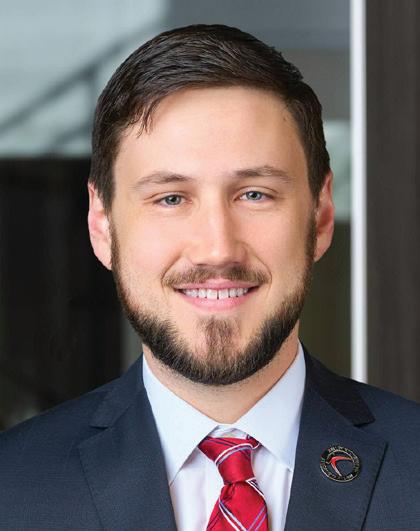
Brandon M . Thompson Attorney
Fort Lauderdale, FL
Email Brandon M. Thompson
Brandon Thompson is an attorney at Kelley Kronenberg, focusing his practice on health law litigation. He brings comprehensive experience in healthcare regulatory compliance, insurance appeals, and health services administration.
Prior to joining Kelley Kronenberg, Brandon worked as an associate attorney appealing wrongfully denied and delayed insurance claims through insurance carriers’ internal appeals processes, utilizing federal regulations and state statutes to resolve claims and analyzing payer policies and managed care contracts to settle disputes. His experience includes serving as a legal extern for a major healthcare system’s compliance services, where he researched statutory and regulatory requirements for drafting policies on information blocking and provider-based rules, and as a legal extern for legal services conducting research on
clinical policy, contracts, licensure, compliance, and employment law. He has also worked as a legal intern drafting motions for summary judgment and conducting research on discovery matters. His healthcare background includes working as a service representative managing Medicare enrollment and benefits determination, as a patient access representative handling insurance verification and account management, and as a laboratory management intern implementing equipment to reduce adverse events.
Brandon earned his Bachelor of Science in Psychology with a minor in Asian Studies from the University of Florida. He received his Master of Science in Health Services Administration from the University of Central Florida and his Juris Doctor cum laude from the University of Florida Levin College of Law.
MEET THE
CONTRIBUTORS
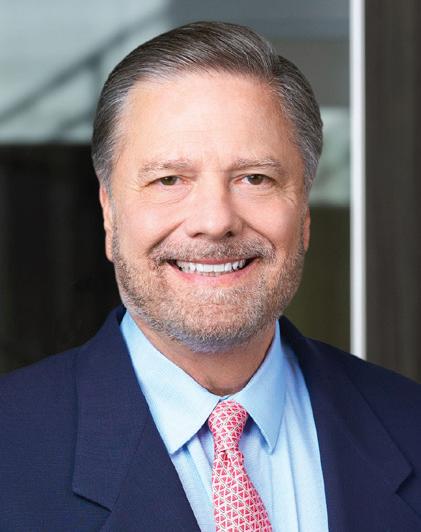
Robert Kritzman Partner/Business Unit Leader
Fort Lauderdale, FL
Email Robert Kritzman
Robert Kritzman is a Partner and Business Unit Leader at Kelley Kronenberg, focusing his practice on maritime law, the leisure and hospitality industry, and all aspects of corporate law, including mergers and acquisitions, complex commercial transactions, financing transactions, and regulatory compliance. He is a former general counsel for a major cruise line with decades of experience in the maritime and hospitality industries.
Prior to joining Kelley Kronenberg, Robert served as a partner at multiple law firms, where his practice included mergers and acquisitions, venture capital start-ups, corporate governance, cross-border transactions, bank financings, joint ventures, debt restructurings, and ship sale, construction, and finance transactions. His maritime practice covers shipbuilding contracts, vessel lease transactions, Jones Act and Passenger Vessel Services Act
compliant financing and environmental and safety compliance matters. He has also handled multiple superyacht purchases and sales, including vessel construction and financing. Robert served as Executive Vice President and General Counsel for one of the world’s leading cruise companies for eighteen years, where he was responsible for all legal affairs and held executive management responsibility for human resources and government affairs. He served on the Board of the International Council of Cruise Lines and as an Executive Committee and Board Member of the NorthWest Cruise Association.
Robert earned his Bachelor of Science in Economics from the University of Florida. He received his Juris Doctor from the University of Florida Fredric G. Levin College of Law.
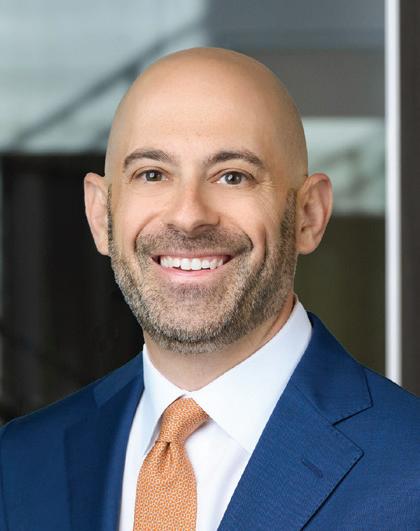
David S . Henry Chair, General Liability and Transportation Division
Fort Lauderdale, FL | New York, NY
Email David S. Henry
David Henry serves as the Chair of our firm’s General Liability and Transportation Division, which includes our New York Labor Law and Gig Economy Practices. He focuses his practice on high exposure and complex litigation, dividing his time between our Florida and New York offices to assist clients in both states.
David specializes in working with national and international insurers, including the Lloyds of London Market, to defend corporations, municipalities, and individuals facing liability arising from various tort and commercial causes of actions. He has a strong track record of success, securing efficient outcomes as soon as possible, but also wins through voluntary dismissal, summary judgment, trial, and appeal. David has also developed a reputation as a skilled and deliberate negotiator, able to leverage nuanced and intricate coverage positions and defenses to benefit his clients through direct negotiation, and especially, at mediation.
David manages a large and experienced team of attorneys across multiple offices nationwide. Under David’s leadership, the team focuses on the needs of our clients’ cases, identifying the specific caseby-case litigation requirements to bring about
an efficient resolution. The Division’s attorneys emphasize effective communication and client service, regularly updating clients and insurers about each case’s developments.
David’s current practice centers on the most intricate and challenging matters, encompassing a range of complex cases involving New York Labor Law Section 240 cases, bad faith litigation, negligent security, dram shop, premises liability, commercial transportation, product liability, and more.
David boasts a wealth of diverse litigation experience, having skillfully handled a broad spectrum of cases, ranging from defamation, Section 1983 claims, construction defect, toxic tort, medical malpractice, directors’ and officers’ liability, professional malpractice, class action lawsuits, coverage, and matters under the Fair Debt Collection Practices Act. David has also engaged in commercial litigation.
David has been involved in cases with prominent media coverage and a strong community impact. He plays a crucial part in the firm’s Rapid Response Team, ensuring his availability for unforeseen situations, regardless of the time of day.
MEET THE
CONTRIBUTORS

Marissa Kaliman Partner
Fort Lauderdale, FL
Email Marissa Kaliman
Marissa Kaliman is a Partner at Kelley Kronenberg, focusing her practice on business and corporate transactions, with an emphasis on regulatory compliance. She brings over sixteen years of legal and finance experience helping companies develop and expand their businesses through hands-on, business-oriented solutions.
Prior to joining Kelley Kronenberg, Marissa served as General Counsel and Vice President of Compliance for a highly regulated finance company, where she launched the legal department, established corporate governance guidelines, and led multiple state examinations. She previously worked as Associate General Counsel for one of the largest independent car dealers in the country, where she served as lead counsel on financing, acquisitions, real estate transactions, and compliance matters. Her experience also includes working as an associate at a boutique firm specializing in commercial and real estate matters for global companies, and as an associate at a national law firm handling regulatory compliance and litigation for major financial services institutions. She has also
worked in corporate investigations, representing executives in government investigations and as an analyst managing commercial mortgage-backed securities loans.
Marissa earned her Bachelor of Arts in International Relations and History & Policy with a minor in French, graduating with Honors from Carnegie Mellon University, where she served as President of the Spanish & Latin Student Association. She received her Juris Doctor from American University Washington College of Law, where she served on the Journal of Gender, Social Policy & the Law and completed internships with the United States Securities and Exchange Commission, Financial Industry Regulatory Authority, and United States Bankruptcy Court.
Marissa serves as a Board Member of the National Automobile Finance Association and as a Mentor in the Florida Bar Counsel to Counsel Mentoring Program. She is fluent in Spanish and conversational in French.

FEATURED VIDEO
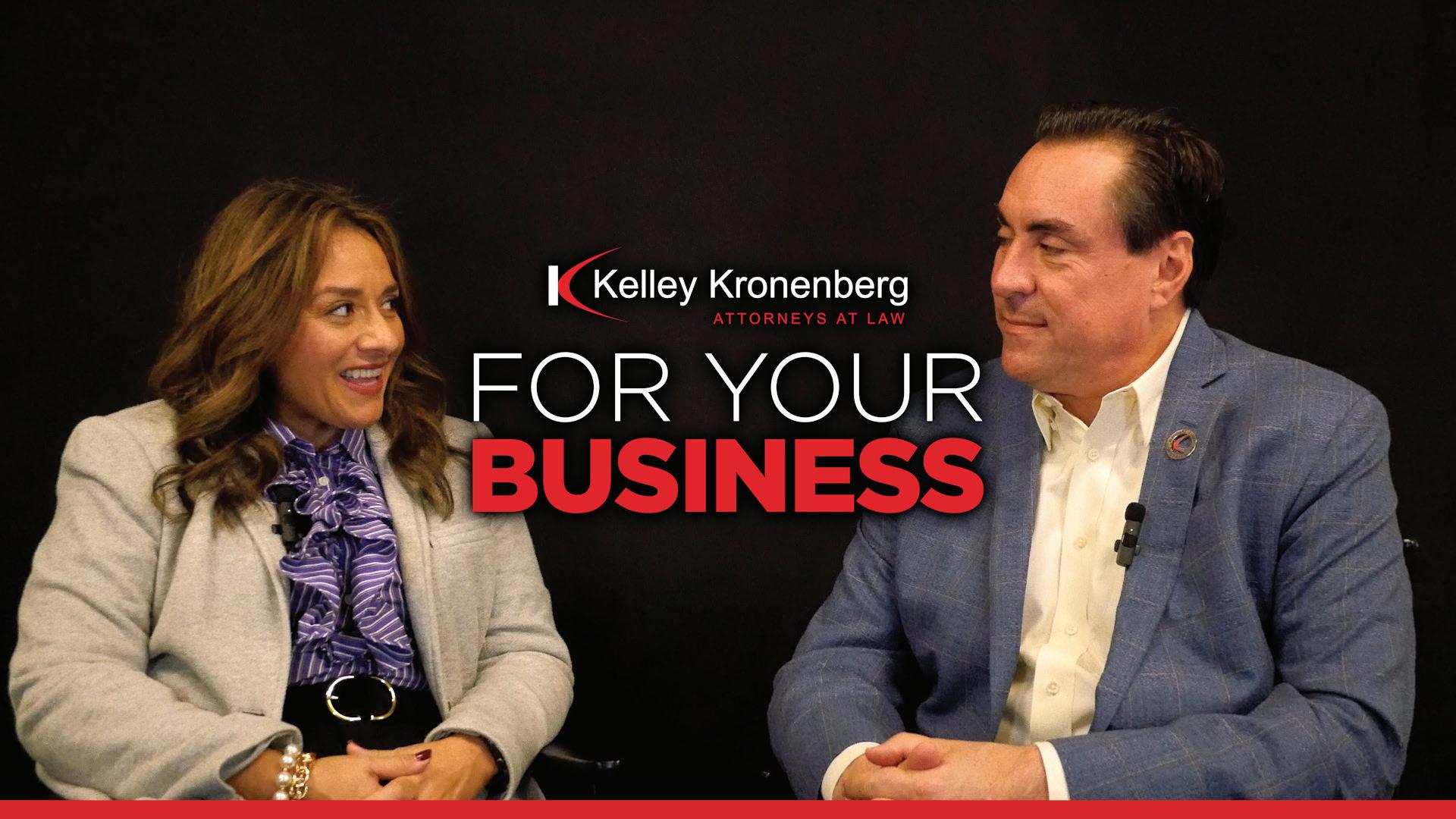
Workers Comp & Employment Law Claims - Managing Overlapping Exposure Ep . 2
In this three-part video series, our attorneys explore the most common employment law claims arising from workers compensation cases, including workers’ compensation retaliation claims, ADA disability accommodation requirements overlapping with work injury restrictions, wage and hour issues, settlement strategies and release agreements that protect employers, attorney fee provisions that drive up claim values, and best practices for managing dual exposure from work injuries.

ACCOLADES AWARDS AND FIRM AWARDS
Kelley Kronenberg has been the recipient of numerous awards and honors both firm-wide and for a number of our practices, including individual accolades. Below is a select list of recognition and awards:








LOCATIONS

FORT LAUDERDALE
10360 W. State Road 84
Fort Lauderdale, FL 33324
Phone: (954) 370-9970
ORLANDO
20 North Orange Avenue, Suite 704
Orlando, FL 32801
Phone: (407) 648-9450
TAMPA
1511 North Westshore Blvd., Suite 400
Tampa, FL 33607
Phone: (813) 223-1697
DAYTONA
128 Orange Avenue, Unit 306
Daytona Beach, FL 32114
Phone: (754) 888-5437
BUFFALO
50 Fountain Plaza
Buffalo, NY 14202
Phone: (716) 647-7254
NEW YORK CITY
111 Broadway, Suite 1205
New York, NY 10006
Phone: (845) 306-7867
CHICAGO
20 N. Clark Street, Suite 1150
Chicago, IL 60602
Phone: (312) 216-8828
JACKSONVILLE
10245 Centurion Parkway N, Suite 100 Jacksonville, FL 32256
Phone: (904) 549-7700
MERRILLVILLE
233 E. 84th Drive, Suite 200
Merrillville, IN 46410
Phone: (317) 731-6243
MIAMI
220 Alhambra Circle, Suite 410
Coral Gables, FL 33134
Phone: (305) 503-0850
NEW ORLEANS
400 Poydras Street, Suite 2400
New Orleans, Louisiana 70130
Phone: (504) 208-9055
TALLAHASSEE
6267 Old Water Oak Road, Suite 250
Tallahassee, FL 32312
Phone: (850) 577-1301
DALLAS
5956 Sherry Lane, 20th Floor
Dallas, TX 75225
Phone: (983) 999-4640
BY APPOINTMENT ONLY
ALBANY
401 New Karner Road. Suite 301
Albany, NY 12205
Phone: (845) 306-7867
ATLANTA
1100 Peachtree Street NE, Suite 200
Atlanta, GA 30309
Phone: (404) 990-4972
WEST PALM BEACH
1501 Belvedere Road, Suite 500-504
West Palm Beach, FL 33406
Phone: (561) 684-5956
INDIANAPOLIS
10475 Crosspoint Blvd., Suite 218
Indianapolis, IN 46256
Phone: (317) 731-6243
NAPLES
3080 Tamiami Trail E., Suite 322
Naples, FL 34112
Phone: (239) 990-6490
SHORT HILLS
51 John F. Kennedy Parkway First Floor West
Short Hills, NJ 07078
Phone: (862) 421-3155