SPRING 2026







To access the podcasts, you can go to Spotify, Buzzsprout or YouTube and search for Ke Alaka‘i.
NEWS CENTER: Box 1920
BYUH Laie, HI 96762
Editorial, photo submissions & distribution inquiry: kealakai@byuh.edu
To view additional articles, go to kealakai.byuh.edu
CONTACT:
Email: kealakai@byuh.edu
Phone: (808) 675-3694
Office: BYU–Hawaii
McKay Classroom 135
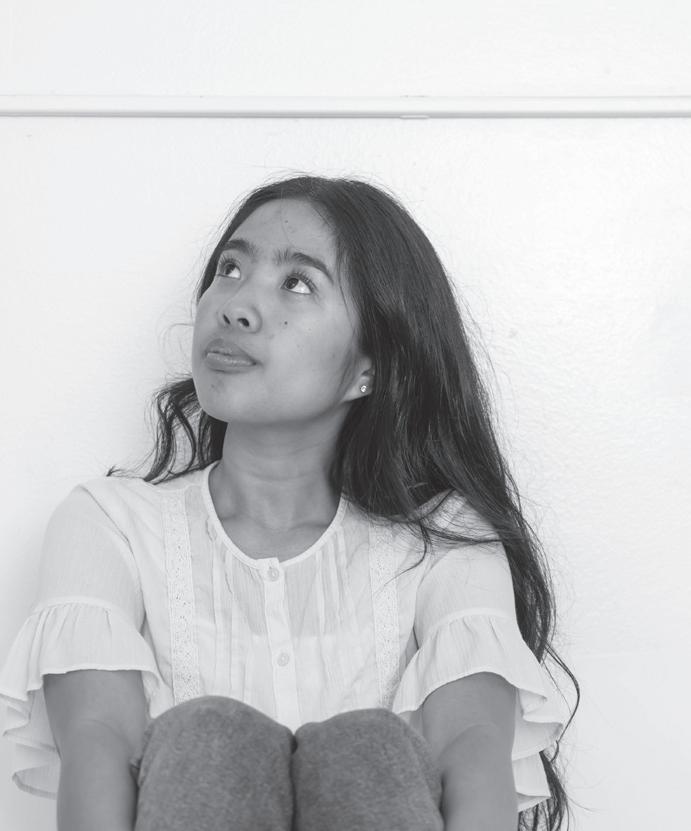
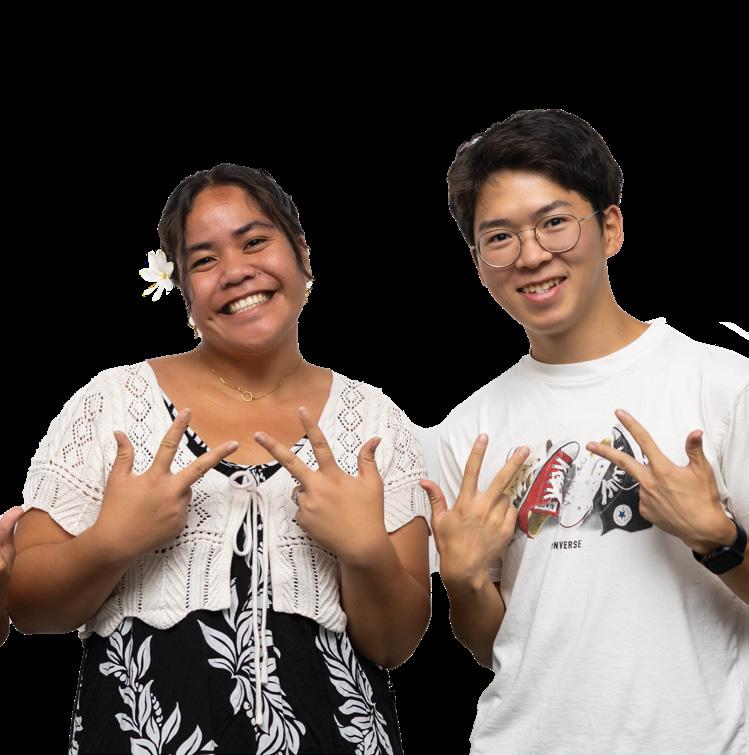
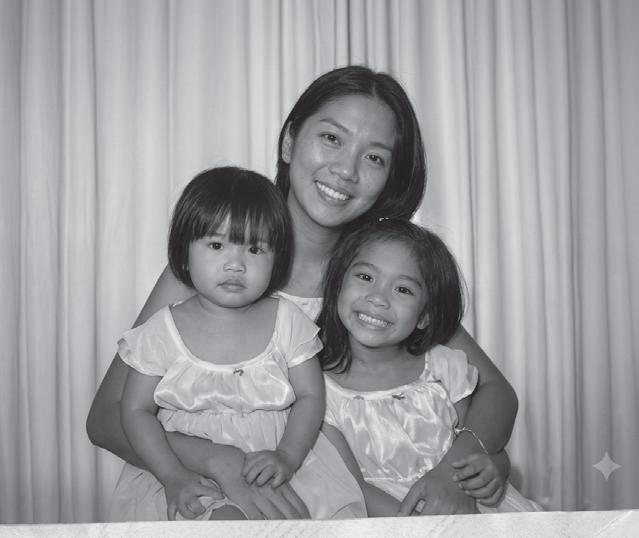
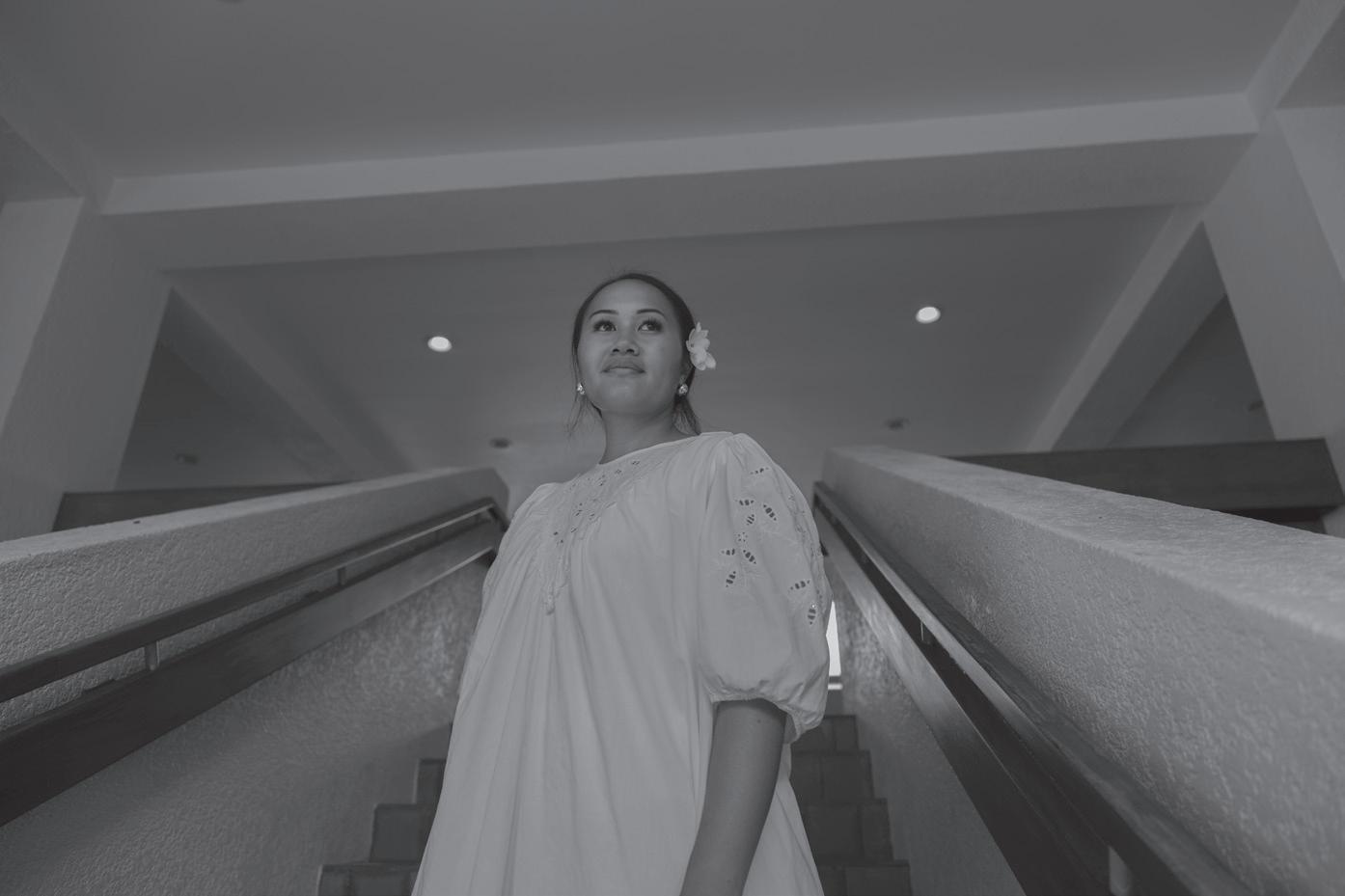
ON THE COVER: A photo of Gusti Puspitasari, a sophomore from Indonesia, majoring in hospitality and tourism. Photo by Hiroki Konno.
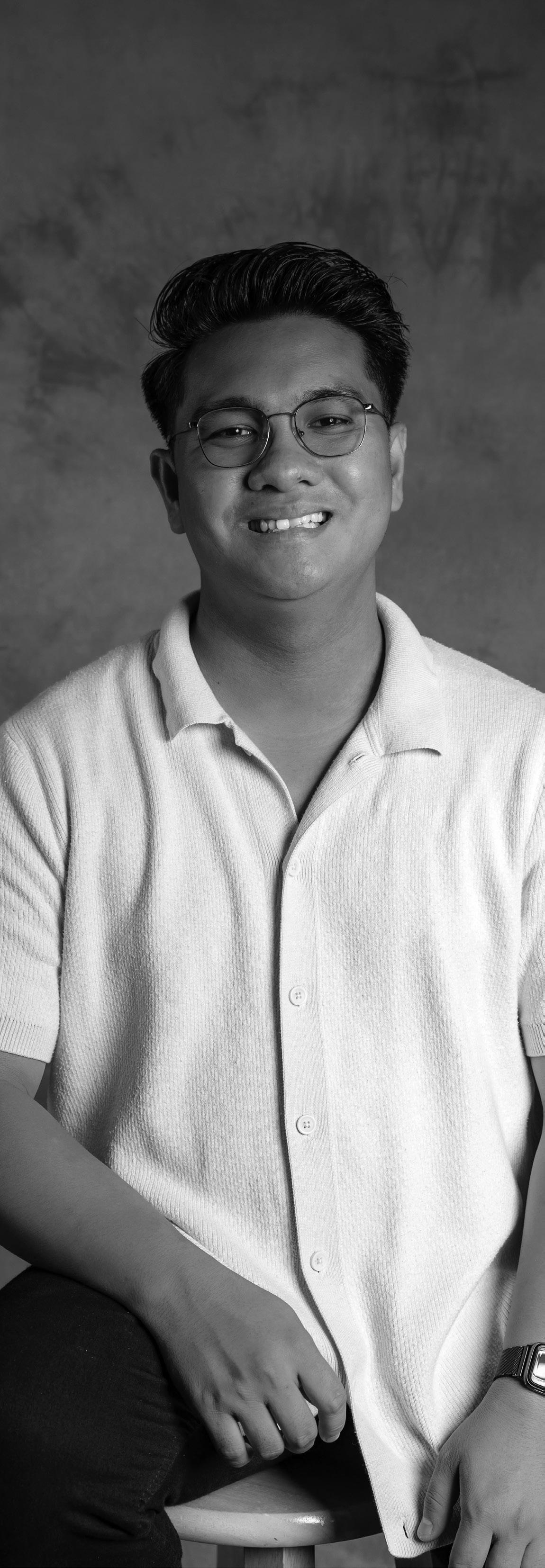
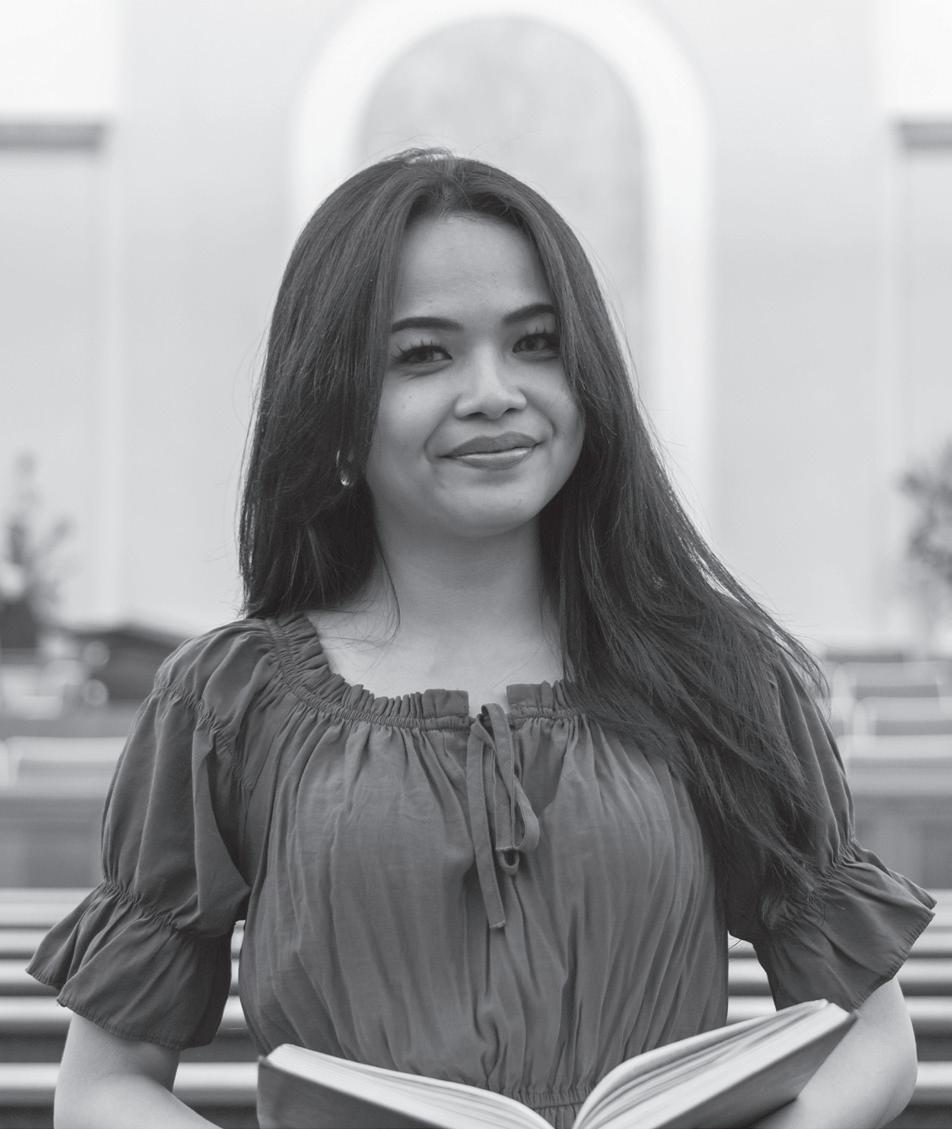
ON THE BACK COVER: Photos of and a quote from Duane Domagsang, a junior from the Philippines, majoring in psychology and intercultural peacebuilding. Photo by Ruea Tama.
The Ke Alaka‘i began publishing the same year the University, then called Church College of Hawaii, opened. It has continued printing for more than 70 years.
The name means “the leader” in Hawaiian. What began as a monthly newsletter, evolved into a weekly newspaper, then a weekly magazine and is now a magazine published 8 times a year with a website and a social media presence. Today, a staff of more than 20 students work to provide information for BYU–Hawaii’s campus ohana and Laie’s community.
© 2026 Ke Alaka‘i BYU–Hawaii All Rights Reserved
There comes a point in life when answers stop arriving as quickly as questions.
We grow up believing that clarity will eventually come—that one day we will know who we are, where we belong and what our lives are meant to become. Yet the stories in this issue suggest something different. They remind us that much of life is lived in the spaces between certainty and uncertainty, between who we were and who we are becoming.
The people featured in these pages are navigating transitions both visible and invisible. Some are learning to live without clear answers. Others are rediscovering themselves after change, carrying the weight of new responsibilities, or trying to reconcile different versions of who they are. Some are searching for belonging across cultures, communities and identities. Others are quietly serving, faithfully showing up each day without recognition or applause.
What connects these stories is not that they have reached a destination. It is that they continue moving forward despite not knowing exactly where the road leads.
At a university where students come from diverse backgrounds, cultures, and experiences, questions of identity and purpose are rarely simple. We are constantly changing. We leave places we once called home. We adopt new beliefs, new responsibilities and new perspectives. Sometimes we gain clarity. Other times, we simply learn how to carry uncertainty with greater courage.
This issue is an invitation to sit with those moments.
To consider how faith is sustained after conversion. To reflect on the silence many carry. To think about the ways we seek acceptance, present ourselves to others and build legacies that extend beyond our own lives. To recognize that becoming someone new does not always require leaving someone else behind.
Perhaps growth is not found in finally having all the answers. Perhaps it is found in learning to live meaningful lives while some questions remain unanswered.
As you read these stories, I hope you find pieces of yourself within them. Not because every experience is the same, but because every person, in one way or another, is becoming.
And becoming, as these stories show, is rarely a finished process.
John Andrew Quizana
Jay-R Gallano Graphic Designer
Alden Ethanael Pua
Multimedia Journalist
Rosemarie Valdez
Multimedia Journalist
Jan Carlo Navarro Multimedia Journalist

Ice Cesario Graphic Designer
John Andrew Quizana Editor-in-Chief
Guen Ramirez-Platon Graphic Designer & Illustrator

Myco Chilian Marcaida Copy Editor
Chance Childers Art Director



Human existence is rarely defined by static destinations, but rather the continuous fluid process of transformation. This issue explores such profound journey through the principle of “Becoming.” Within these pages, we delve into the quiet, often unsettling beauty of transition—the sacred and vulnerable space that exists between certainty and uncertainty, between who we were and who we are called to be. By looking closely at the moments that shape us, these stories celebrate the courage it takes to navigate change, question our boundaries, and embrace the ongoing evolution of our identity and purpose. Ultimately, this issue is a reflection on the collective truth that we are never truly finished; we are all, in one way or another, in a constant state of becoming.
Julia
CJ Shinihah Notarte-Orr Managing Editor
Jessika Juwitahatma Santoso Managing Editor

Ruea
Linda

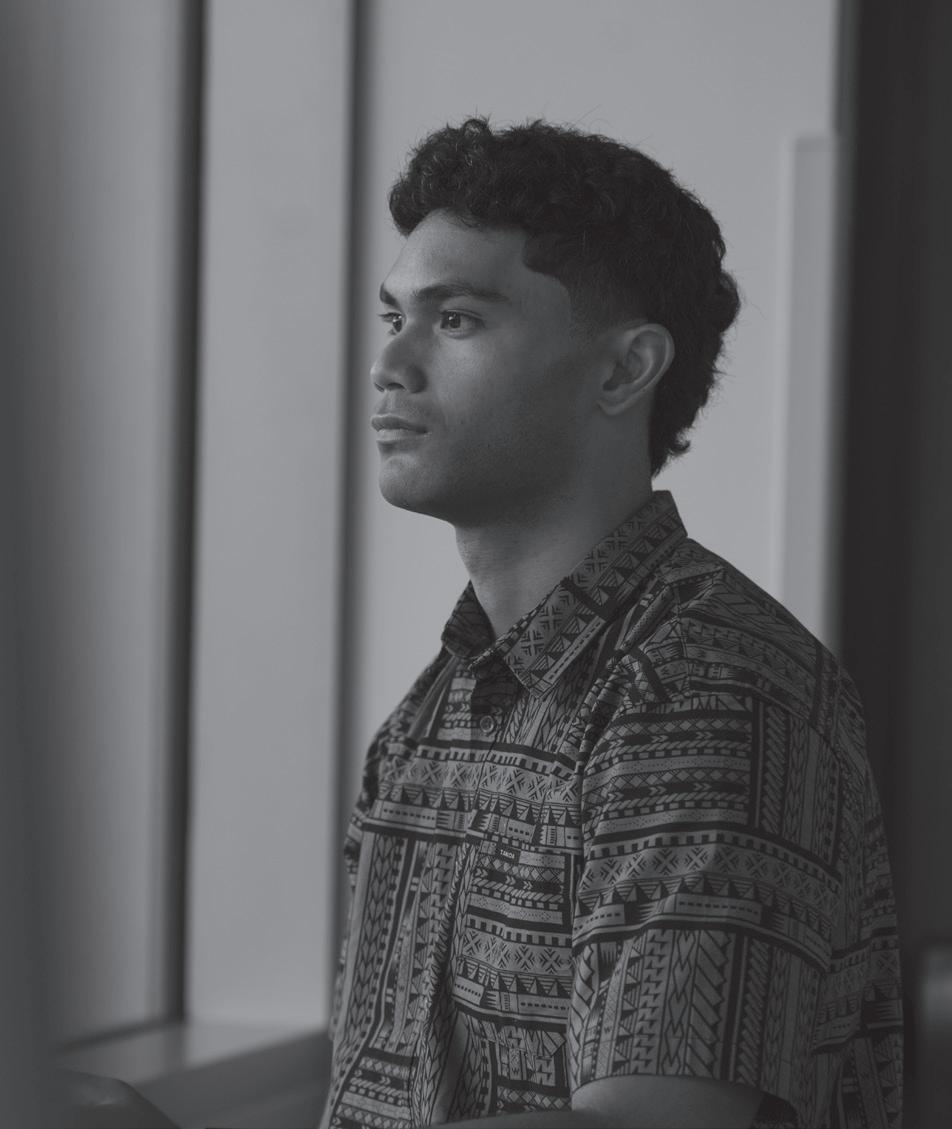



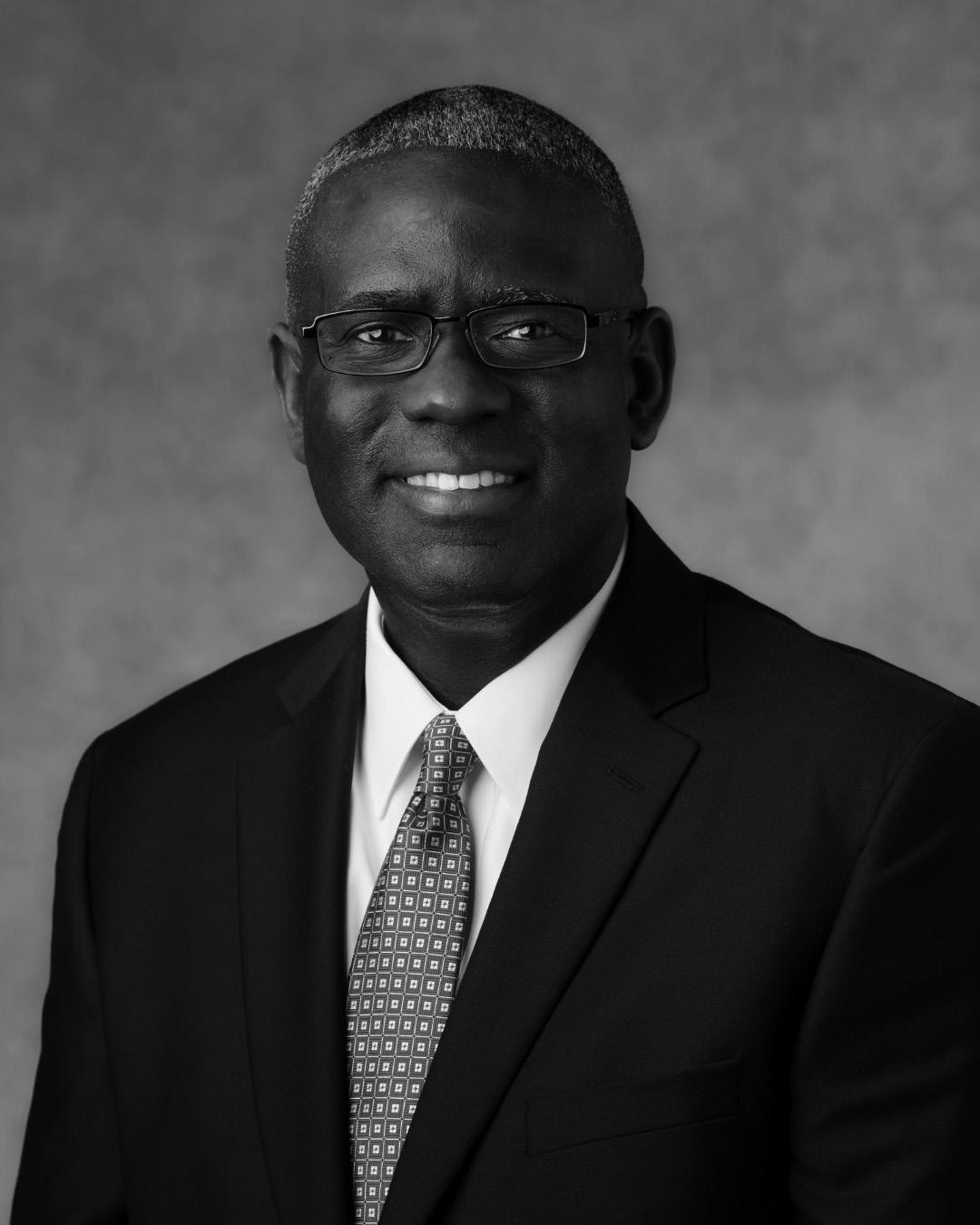
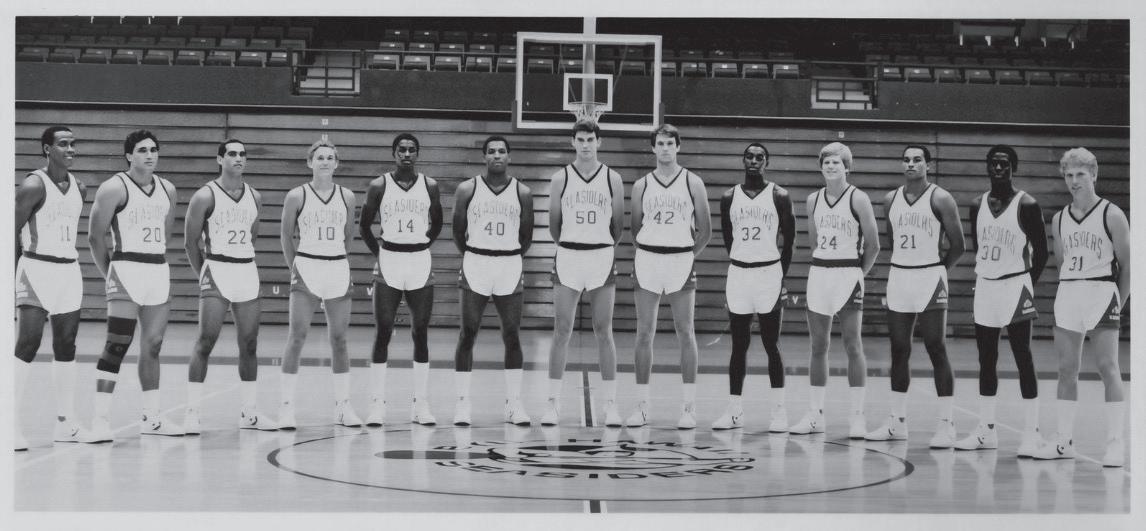
Discover how a BYU–Hawaii basketball scholarship forged the path for the church’s first African American General Authority Seventy
BY RYANNA LESLIE AND JOHN ANDREW QUIZANA
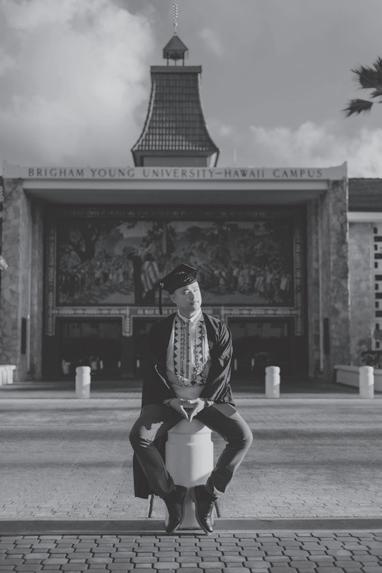
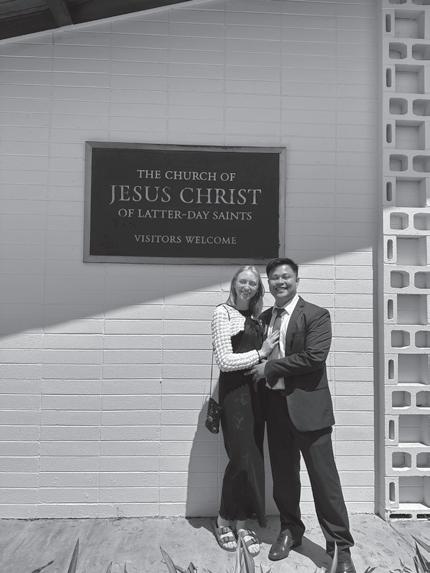
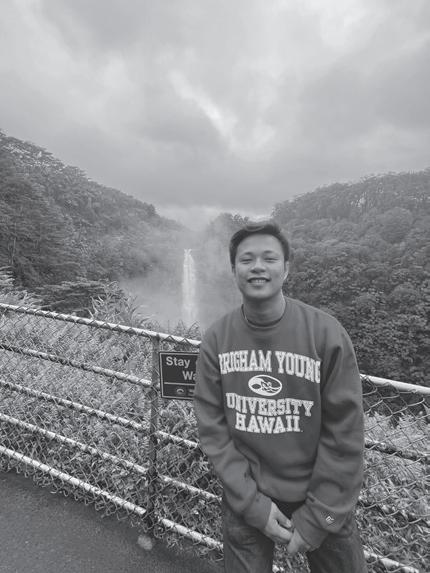
Elder Peter M. Johnson, a Brigham Young University–Hawaii alumnus and former basketball student-athlete, rose from a difficult upbringing in Queens, New York, to become the first African American General Authority Seventy of The Church of Jesus Christ of Latter-day Saints.
According to the BYUH website, Johnson’s journey from a non-reading student on academic probation to a global church leader and educator was anchored by his time at BYU–Hawaii, where he converted from Islam to Christianity.
Against the odds
Johnson was born and raised in an inner-city neighborhood in Queens, New York City. His parents divorced when he was 11 years old. His mother, Geneva Mahelona, eventually moved to Hawaii to assist her oldest son, a U.S. Army soldier stationed at Schofield Barracks who was expecting a child, according to Johnson.
While his mother relocated, Johnson said he spent two years living with his father in New York City. Johnson described the neighborhood as an environment heavy with gang violence and drug use. He credited his Muslim faith, which he began practicing at age
12, with keeping him grounded during his adolescence.
“The Muslims have a strict code of health,” Johnson said. “That helped me stay away from drugs and alcohol. I was grateful for my Muslim upbringing to help me stay away from some of the craziness that some of my friends were getting involved in my early days.”
When Johnson was nearly 15, he shared his mother invited him to live with her in Hawaii, where she worked two to three jobs to support the family. “She came with nothing,” Johnson said.
From the court to the classroom
Johnson said he played basketball at Mililani High School and later accepted his only collegiate scholarship offer from BYU–Hawaii. He said he was heavily encouraged to attend by his teammate, Brian Clark, and Clark’s parents, Richard and Jan Clark, who were members of the Church.
“My financial circumstances at the time, with a single mom, college was not possible,” Johnson said. “So, to have a scholarship where I can get an education and a chance to play basketball? I was going to take that deal anytime.”
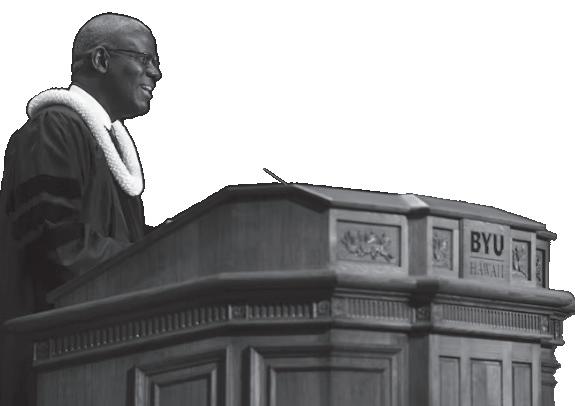
I got to know Jesus Christ. And so, from that love of Jesus Christ, that led me to His church.”


Upon arriving at the university, Johnson said he had spent very little of his life opening textbooks and was placed on academic probation before his first semester began. He credited the university’s small classrooms, faculty attention and mandatory athletic study halls with forcing him to develop academic discipline.
“I had to learn how to study,” Johnson said. “I never even cracked open a book... When we had a study hall, all eyes were on me. My coaches wanted me to succeed academically.”
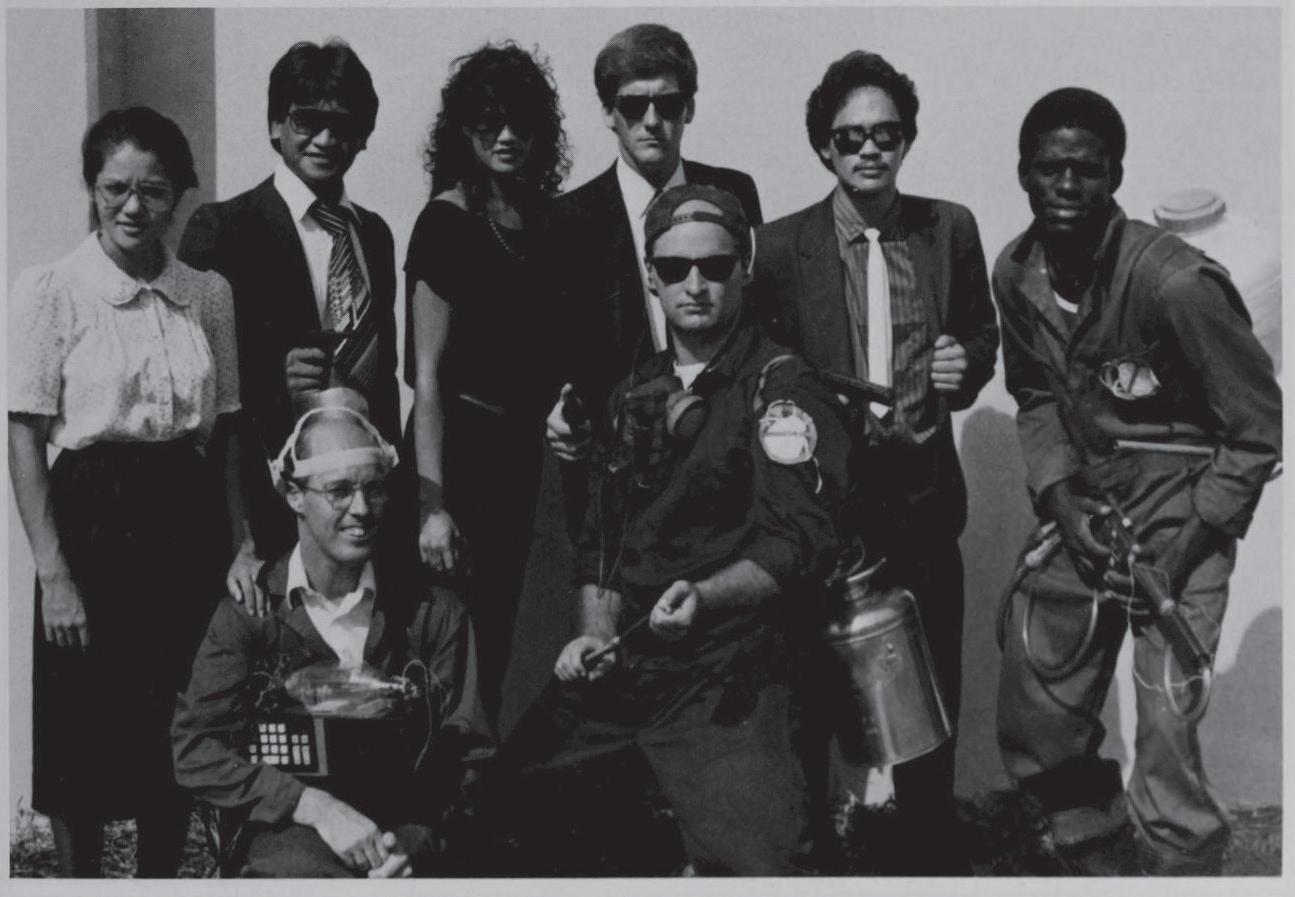
To maintain his scholarship, Johnson worked approximately 20 hours a week as a custodian at the Cannon Activity Center (CAC). On the court, he credited teammates such as Danny Frazier, Rick Barker, Will Bellow, Sam Johnson, Dave Stewart, Ron Durant and Rob Nelson with shaping his experience and push for excellence.
During his first semester, Johnson encountered material he was unprepared for in a required New Testament course. “I fell in love with Jesus Christ,” Johnson said. “I got to know Jesus Christ. And so, from that love of Jesus Christ, that led me to His church.”
Johnson was baptized into the church at age 19. He noted that his transition from Islam was aided by the spiritual disciplines he had already developed.
“I tell people the Muslim faith prepared me to be a member of The Church of Jesus Christ of
both your spiritual development and your academic career.”
Latter-day Saints,” Johnson said. “The importance of studying.The importance of prayer. Entering covenant relationships.That helped me.”
A year after his baptism, Johnson said he served a full-time mission for the Church in the Alabama Birmingham Mission, where he fell under the mentorship of his mission president, M. Dalton Cannon. Johnson called the mission instrumental in teaching him how to recognize the Holy Ghost.
After completing his missionary service, Johnson said he transferred to Southern Utah University to finish his NCAA Division I basketball eligibility. It was there that he met
Stephanie Lyn Chadwick, a fellow Division I basketball student-athlete, he shared. Following a first date on Dec. 5, 1989, the couple married six months later on June 4, 1990.
While his wife worked as a nurse, Johnson said he completed a master’s degree in accounting and later earned a doctorate at Arizona State University.The couple has four children and four grandchildren.
Johnson shared he began his professional career in 1992 as a staff accountant for Grant Thornton CPA in Salt Lake City. He returned to BYU–Hawaii as a faculty member, expecting to stay for a single year but
ultimately teaching for four years. He said he later served as an associate professor at the University of Alabama, though he noted his time teaching at BYU–Hawaii was the most meaningful of his academic career.
On April 6, 2019, after serving just one year as an Area Seventy, Johnson was sustained as a General Authority Seventy following a call extended by Church President Russell M. Nelson.
Johnson stated that the call brought a profound initial sense of personal inadequacy and spiritual struggle. “My soul was wracked with guilt and remembrance of all my past transgressions,” Johnson said. “I felt feelings of darkness and loneliness to the point where I told Stephanie: I cannot accept this assignment. I am not worthy to be a witness of the name of Christ in this capacity.”
He said he overcame the crisis of confidence through prayer and a reassurance that through Him, everything is possible. Since
his sustaining, Johnson has served as the Executive Director in the Missionary Department, president of the England Manchester Mission (2020–2022), and currently serves in the United States West Area Presidency.
Johnson attributed his life’s opportunities to the sacrifices of his mother, Geneva Mahelona, who passed away in February 2020. Though she did not join the Church, Johnson said she supported his faith and family.
Reflecting on the geography of the BYU–Hawaii campus, the Laie Hawaii Temple, and the Polynesian Cultural Center on Oahu’s North Shore, Johnson described the layout as a divinely designed proximity.
“You have sacred places right there to pursue both your spiritual development and your academic career,” Johnson said, urging current students to stay committed to their faith and utilize the unique spiritual environment of the university campus.





BY MYCO MARCAIDA
Three Brigham Young University-Hawaii alumni share how graduating shaped their understanding of fear, successs and the unknown future
Fear of the unknown is a recurring concern among students preparing to graduate, said three alumni across different graduating years. They said uncertainty about careers and direction after graduating are common challenges, but faith, adaptability and persistence, can be used as guiding forces towards success.
Ryan Escabarte, an alumnus who double majored in psychology and health and human science from the Philippines and graduated in 2024 said many students focus heavily on planning for their future, they forget to live in the present. “We chase too much achievement but forget to live,” he said.
For Escabarte, he said financial pressure and not knowing what comes next weighed an emotional toll on him after graduation. “The biggest challenge would be filling in the gaps in your life and the plans you set for your life,” he added.
Escabarte said he had a different experience moving forward with life after graduation. “I got married to a US citizen and I was
able to do my academic training as I prepared for greater things. But, after all of that, we still didn’t know where to go,” he explained.
In addition to his preparations, Escabarte said he applied to graduate schools and jobs across the United States. He said although he got accepted into several schools, financial barriers prevented him from attending. “Money would be the greatest challenge,” he added.
Escabarte said graduates are often too hard on themselves and feel pressured to immediately have their lives figured out. “Being Filipino, in our culture, by a certain age you are expected to have a job or a family, but I realized that people have the power to say no. We have to be achieving for ourselves too, not for others all the time,” he explained.
Escabarte said students should accept fear as a normal part of their lives and focus on self-understanding rather than comparison. “Love yourself. Don’t neglect your needs,” he said. “When you value yourself, you can better serve others and face uncertainty with strength and grace,” he added.
Lei Cummings, the Alumni Relations Manager, said fear after graduation is often shaped by inexperience and uncertainty but can be managed through faith and patience. “I had the same fear that all of our students faced,” she said. “I consistently relied on prayer and faith in making life decisions,” she added.
Cummings said faith and trust in the Lord remained central to her ability to move forward. “There’s going to be scary moments all the time in your life but if you keep going and find something that gives you joy, it will all work out,” she explained.
Cummings said students must continue to pursue plans even when outcomes are unclear. “As long as you keep moving forward and improving your skills, it will all work out in the end,” she continued.
Cummings said career paths are rarely linear. “I was a computer science major, and I ended up with where I am today. After 20 years in that area, the church offered me a job in a different area I never knew about.”
Cummings said age doesn’t eliminate fear, but experience changes how people respond to it. “As you get older, you understand things a little better because you have foresight,” she explained.
Financial independence often surprises young adults after graduation, Cummings added. “Many don’t realize how much things cost to survive.” She said alumni often worry about returning home, especially due to differences in pay and cost of living. “Some don’t want to go home because of the pay differences,” she added. “But everything is relative, right?”
unknown is something we all have to face regardless. Sometimes we have to do things in life that we don’t really want to do either,” he added.
Wu also said fear of the unknown is something people must learn rather than eliminate. “I have the biggest anxiety of the unknown, and I want to know what’s going to happen and to feel secure in a way,” he continued.
Wu said one of his biggest uncertainties before graduating was gaining work experience. “I figured out my final semester that I wanted to stay in Hawaii to get more experience,” he said. “I looked at a lot of internships everywhere.”
Up for a scholarship after his academic training through BYUH, Wu said he made the decision to leave and go back to Malaysia for his mom. “My mom at the time had kidney cancer, and I didn’t know how long she was going to live,” he said. “I had to make a decision that I prayed for in the temple as well and had a very strong answer to go back to Malaysia,” he continued.
“WHEN YOU VALUE YOURSELF, YOU CAN BETTER SERVE OTHERS AND FACE UNCERTAINTY WITH STRENGTH AND GRACE.”
Cummings also reflected on her personal life, including the death of her husband, which shaped her perspective on uncertainty. “My husband passed away 20 years ago and there was uncertainty after that, but I had faith that everything would be okay,” she shared.
Terrell Wu, an alumnus from Malaysia who graduated in 2023 with a degree in communication, media, and culture, said success is continued movement and effort, not certainty. “If one is constantly moving forward and is doing something in their lives, that is success,” he explained.
Wu said that uncertainty is a permanent part of life. “Fear of the
Preparation and mindset are key to managing fear, said Wu. “Regardless of your goals and plans for yourself, you have to prepare to face obstacles because it will give you hope that good things will come,” he added.
Wu said he felt fortunate not to be pressured into having his life fully figured out. “I would tell that I am still figuring my life out and I have my goals of what I want to do except it isn’t possible here in Malaysia right now,” he added.
Wu shared how unpredictable the changes in the job market were. “They would say, you will secure a job if you get a degree but maybe that was true 10 years ago. It’s so different now,” he added. He said companies require applicants to have extensive portfolios for the hiring process to move forward.
Wu said age can influence how people view success, but it is not the only factor. “Age is a big factor because a lot of people close to age are already established in life,” he said. “But I also think that age doesn’t play all the way through because it depends on a person’s circumstances and where they are at in life,” he continued.
Wu said he currently works as a medical transcriber. “I write reports for patients who got into accidents to use for court, and I just have to see that everything is written correctly,” he shared.•
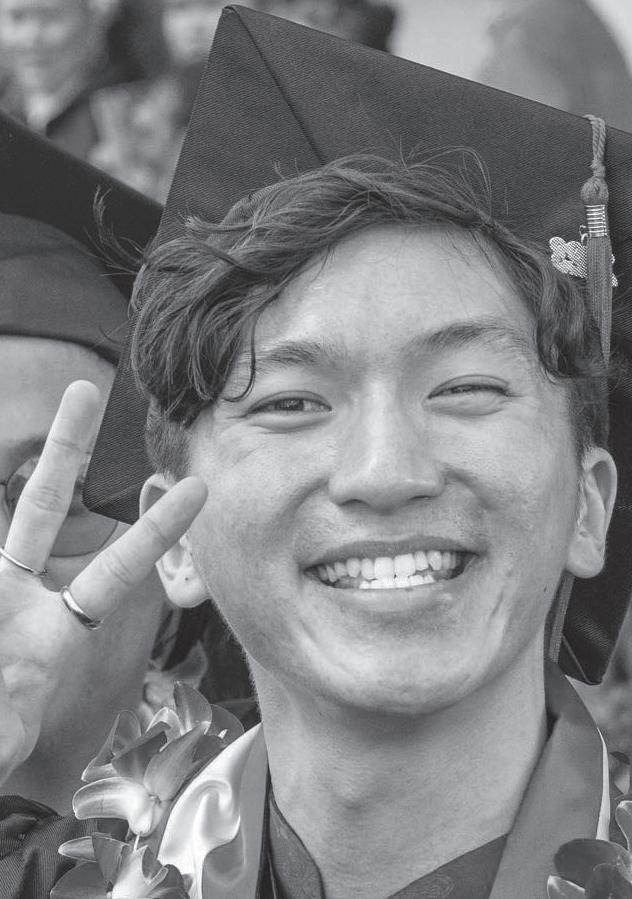
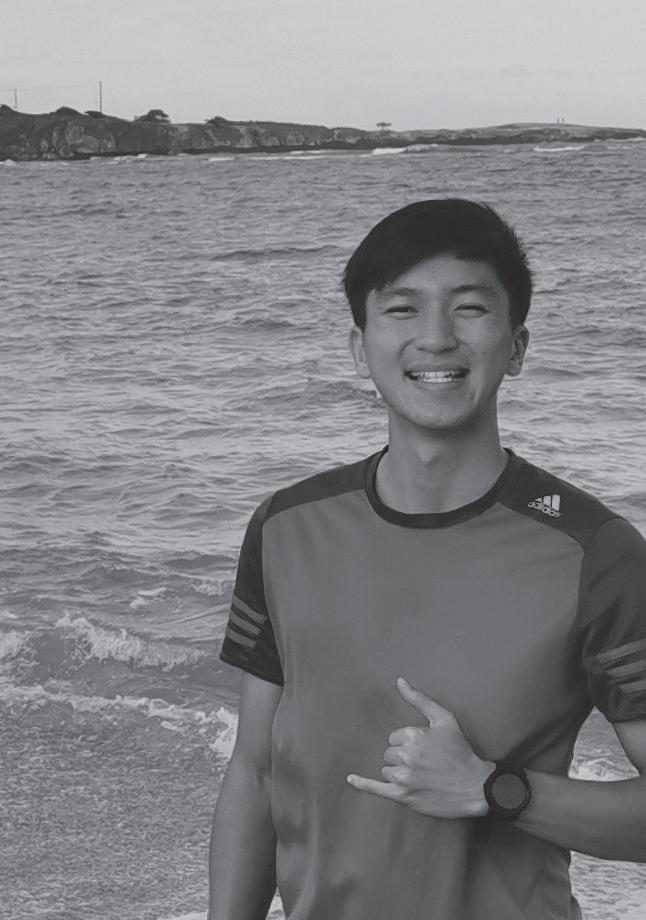
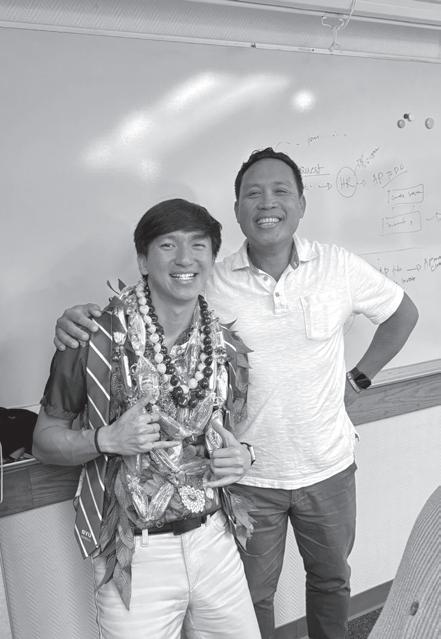
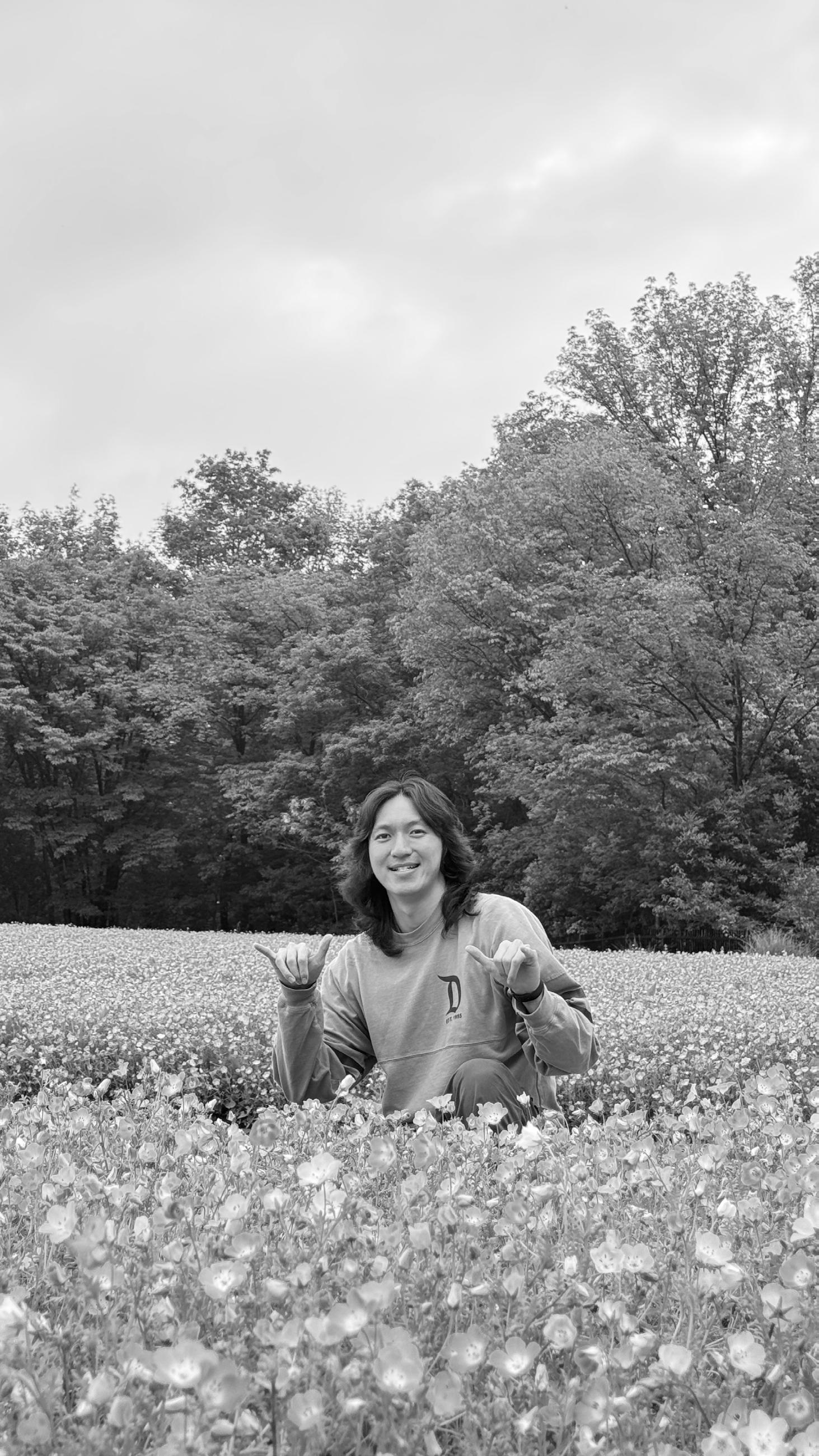
“If one is constantly moving forward and is doing something in their lives, that is success.”
Terrell Wu

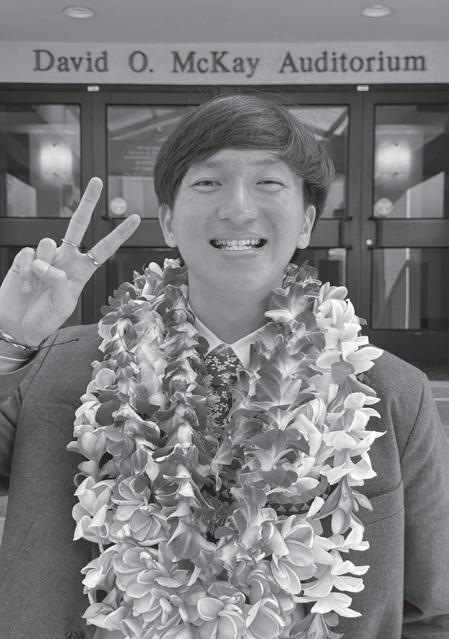

BY JUDITH WEMAN
The
algorithm
is a tool of faith, BYUH students say
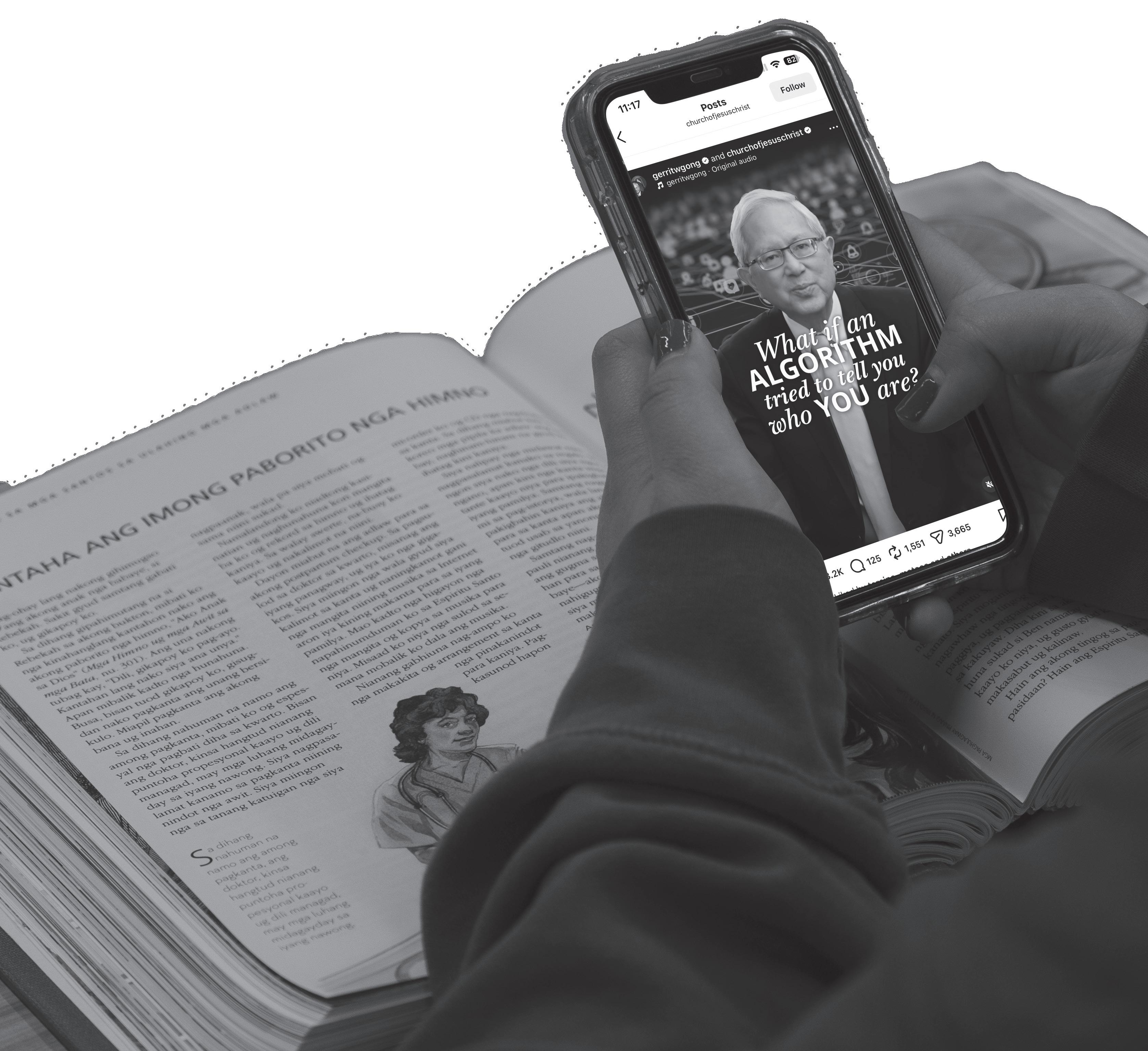
Across campus, BYUH students share how they successfully turn the algorithm into a powerful tool for their spirituality. While social media is part of their daily routines, these three students have discovered that reclaiming their spirituality online requires intentional efforts to sustain their personal faith.
"It’s a powerful tool. Even though I was in the office, I could still reach out and fulfill my purpose."
Lionel Lui Patterson
Lionel Lui Patterson, a junior majoring in business management with an emphasis on finance from Vanuatu, expected to serve his mission in Brisbane, Australia, walking the streets, knocking on doors and sharing the gospel face-to-face. He never imagined that social media would become the primary tool for his missionary service.
Paris David, a junior majoring in Pacific Island studies and psychology from Australia, believed the algorithm was more than a time-wasting void—it was about fighting the pressure to fit into a carefully curated social media aesthetic.
Meanwhile, Angeline Flores, a junior majoring in business management with an emphasis on marketing from the Philippines, admits that mindless scrolling is second nature—a habit she actively fights through intentional consumption.
As COVID-19 travel restrictions closed borders, Patterson was reassigned to his home country, spending a year and two months in the Port Vila, Vanuatu Mission. He split his time between the mission office and sharing the gospel through social media. After training at the Missionary Training Center, he began posting scripture messages and invitations on the mission page and his own profile.
Patterson said using social media algorithms allowed him to continue serving effectively despite long hours in the office. “It’s a powerful tool,” Patterson said. “Even though I was in the office, I could still reach out and fulfill my purpose.”
Patterson recalled a specific day when a teenage girl and her brother messaged the mission page after seeing a post about finding hope in Christ through trials and struggles. “My companion and I shared how difficult moments can either pull us away from God or bring us closer to Him,” Patterson shared. “I think the post felt personal and relatable, especially for people silently going through hard times.” It turned out that the siblings belonged to a family of less-active members.

Through online conversations and later in-person visits, Patterson and his companion taught them the gospel. Patterson noted that the impact was generational: the siblings were baptized, and their grandparents returned to church.
“It strengthens my testimony that the Lord can use small efforts to do powerful things. If you look at it, it all started with a post,” Patterson said. While managing digital reach mattered, Patterson noted they had higher priorities: striving to keep Christ at the center of their content rather than chasing views.
Online proselytizing changed Patterson’s perspective on missionary work, he said. “I thought a missionary was someone who knocks on doors. But I realized we can always reach out to our brothers and sisters in so many ways.”
Seeing how a post could help someone at the right moment transformed how he
viewed technology. “Instead of seeing the algorithm as just a social media feature, I started seeing it as a way Heavenly Father could place uplifting messages in front of people who needed them the most,” Patterson said. “Even though I was not on the street, I still shared the light of Christ.”
While Patterson found success, David felt sharing raw elements of her faith online was a social risk. “It is so much easier to filter out the most meaningful parts of who we are,” she explained. This hesitation led her to maintain a divided online presence across her existing profiles. On her primary account, she carefully controlled the narratives to protect her beliefs, curating a social life entirely separate from her faith. “I feel like I have to have a very certain aesthetic on Instagram, and it does not fit my church aesthetic,” David said.
This division had taken a toll, David said, leaving her feeling as though her “personalities are conflicting” across two different platforms. Posting her faith online made her feel she would be judged more harshly if her daily actions did not match her digital posts—a pressure she placed entirely on herself. “I feel like I have to uphold a certain expectation, but there’s actually none placed on me,” she noted.
All this changed while scrolling through Facebook stories, David said. She came across a quote that read, “Joy is not the absence of sorrow in your life.” The words forced her to pause and evaluate the presence of Christ in her daily life and her digital habits. “It’s tricky to navigate anyone’s faith,” David said. “But our faith in God allows us to use our agency to find Him.”
David used to think her digital presence needed to follow a social aesthetic rather than align with her beliefs. Realizing how this split was affecting her spirituality, she decided to change her approach: “I have allowed room for Jesus in my content,” David said. This brought a sense of authenticity and peace that no algorithmic aesthetic could replicate.
"It’s tricky to navigate anyone’s faith. But our faith in God allows us to use our agency to find Him."
Paris David
While David focuses on fighting aesthetic pressures, Flores’s spiritual battle is all about guarding her social media feed. Though her daily feed includes sports highlights and pop-culture clips, Flores intentionally balances her consumption by following major official church accounts, like Church Newsroom and individual Latter-day Saint creators. She explained this curated balance opens her mind to understanding different perspectives, and she is also aware of the dangers of passive consumption.
While digital content can reinforce belief, Flores noted it cannot replace scripture study or personal revelation. “[Digital content] will add something to your faith, but not to your personal and [spiritual] growth.” She has two simple rules: she does not open her social media at all during Sunday service, and she actively unfollows pages that spread negativity.
“When I come across content that I don’t like, I block the content creator and report the content itself,” she explained.
For Flores, the algorithm is not a replacement for discipleship, but a choice. “I believe the algorithm is both a tool and a challenge,” Flores said. “It helps me feel like there is still goodness online—it’s not all toxic and bad. You just need to be very critical ... sometimes just block, report and move on.” Flores shared an important piece of advice: “Know what your principle in life is and be honest about it. If you want your algorithm to be clean, you really have to make a stand and practice self-control.” •
"I believe the algorithm is both a tool and a challenge." Angeline Flores
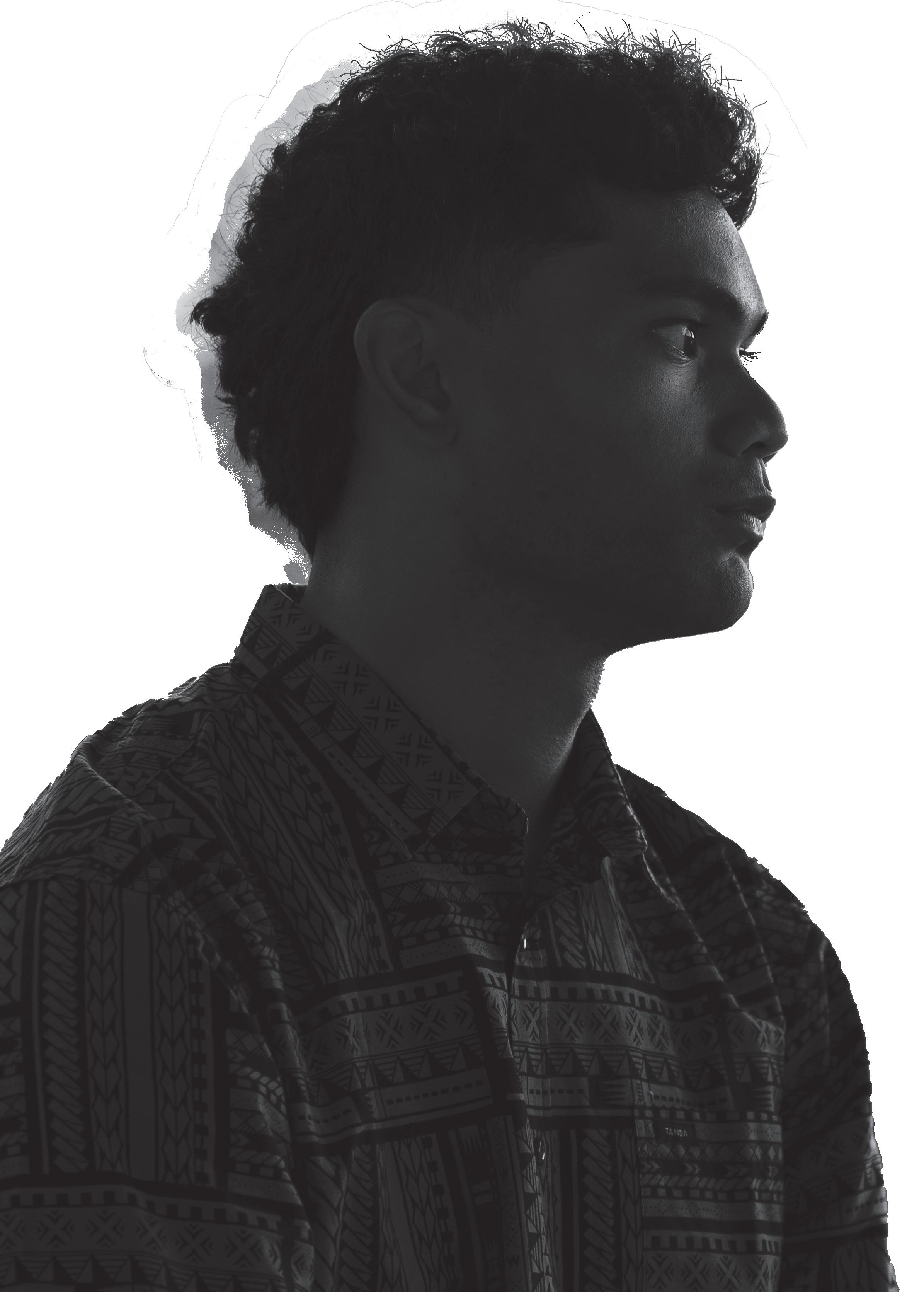
Two BYU–Hawaii students reflect on masculinity, emotional suppression and the struggle to express vulnerability
BY JOHN ANDREW QUIZANA
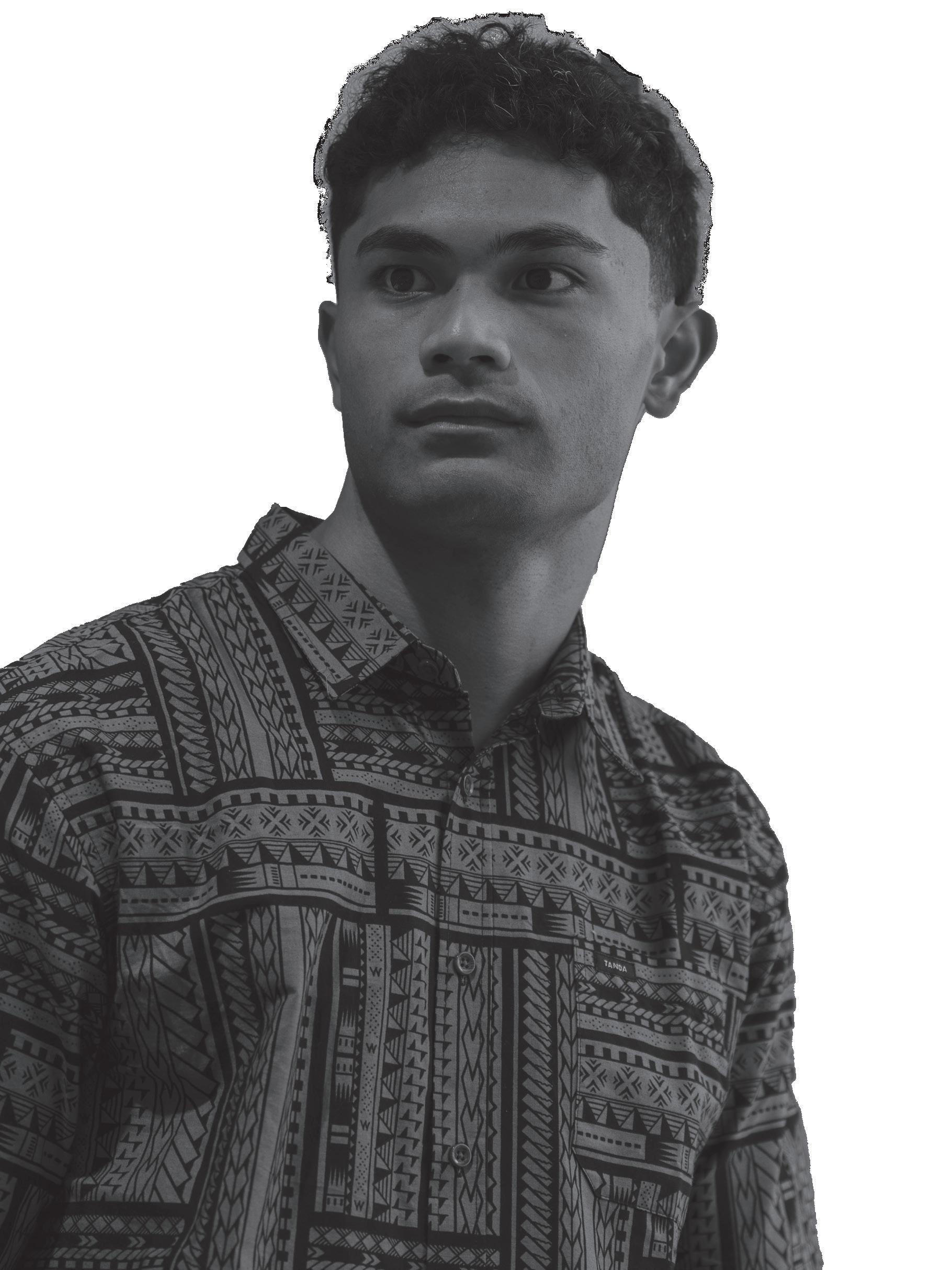
Understanding your emotions helps you stay level-headed.”
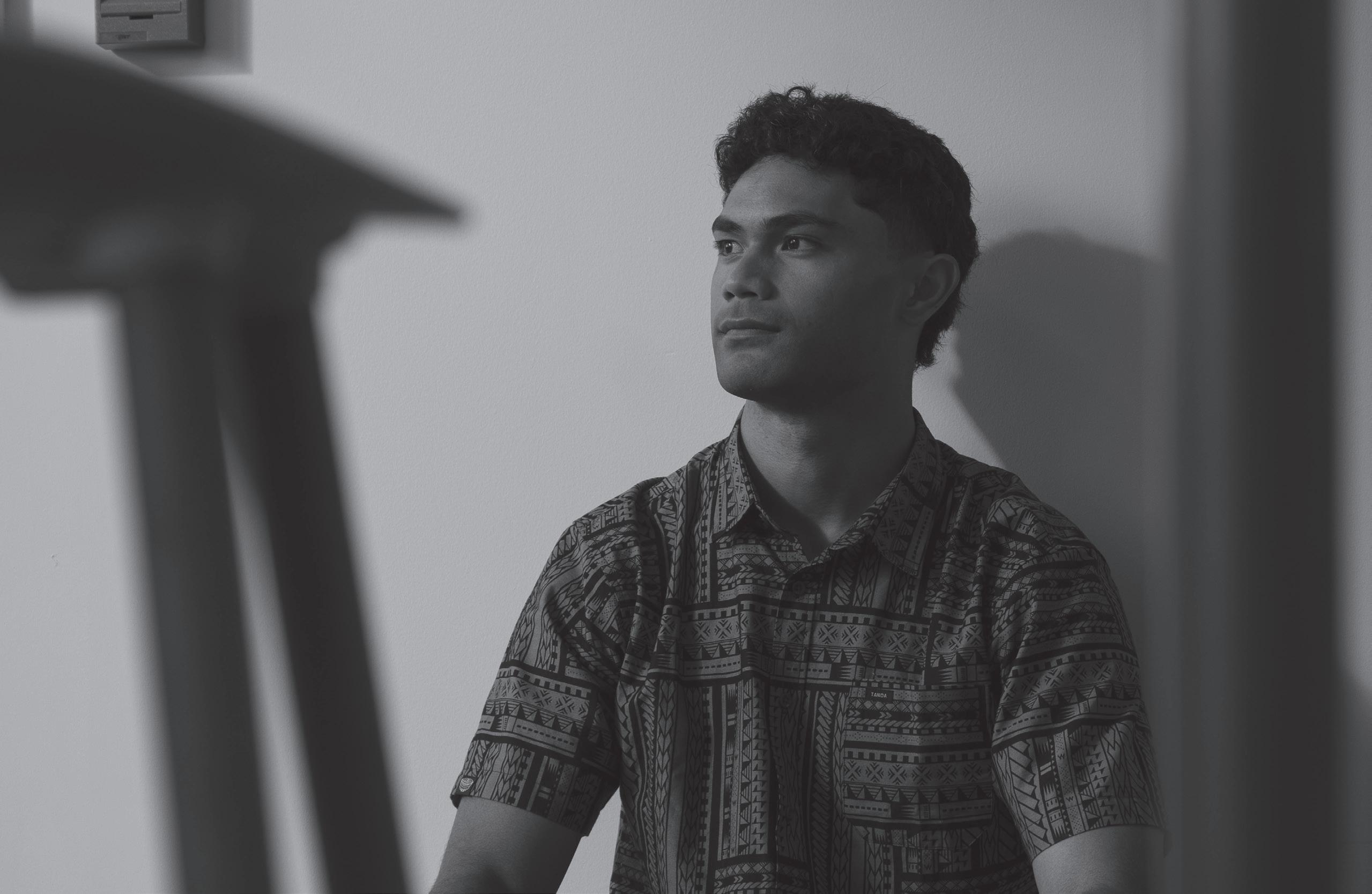
For many men, silence is more than the absence of words—it is a learned response shaped by culture, expectations and the quiet pressure to appear strong even when emotions become too heavy to carry alone.
Silence, for Peter, is not absence. It is a habit learned, a coping mechanism refined and at times, a weight carried quietly through transitions he never fully paused to process. As an anonymous biology student at BYU–Hawaii, Peter said he moves between oceanic exploration and internal reflection—between the openness of the sea and the restraint of what he chooses not to say.
When the conversation shifted toward emotions, Peter’s tone became more reflective. He described himself as neither fully introverted nor extroverted, but dependent on the people and environment around him. “With certain people, I’m super extroverted,” Peter said. “But with other people, it’s like I don’t really have anything to add, so I don’t have much to say.”
Peter said the same balance shows up in how he handles emotions. While he used to be more expressive, he said he gradually became more private because keeping things to himself often feels more manageable. “When I’m quieter and I don’t talk about those things, it’s easier for me to handle,” Peter said. “It keeps things lowkey. If everybody knows about it, then it becomes a thing.” He added that he often prefers to process problems privately. “For me, my problems are
my problems,” Peter said. “I keep them to myself and fix things.”
Peter said many men feel pressure to stay emotionally composed because of cultural expectations around masculinity. “Men are supposed to be more stoic,” Peter said. “There’s this idea that if you express your emotions, it could make you seem weaker.”
That mindset became more visible during his transition from missionary life into college life, Peter shared. After returning home from his mission, he said he spent only a short time with his family before moving to Hawaii for school. “I got home from my mission in July, and then I came here to school [for Fall semester].”
At first, Peter said he did not fully process the change because everything happened quickly. Once he settled into campus life, the reality of leaving missionary life began to surface. “When you come home, it’s hard,” Peter said. “You just spent two years dedicating your life to something, and then suddenly you don’t do it every day anymore.” He explained the difficulty was less about academics and more about identity and purpose shifting after his mission. “You’re trying to figure out, ‘What am I supposed to do?’” Peter said. “I’m not a missionary anymore. I don’t have that missionary purpose anymore.”
Being far from home made the adjustment harder, according to Peter. “It was a little harder because I didn’t have anybody to talk to about it,” he said. “I was 5,000 miles away from home.” Peter said he often reflected on what came after his mission, choosing to focus on

what he gained rather than what ended. “I try to take what I learned and who I became and express that outwardly while I’m here,” Peter said. “I feel like moving forward is the best way to honor that.” He also said spiritual habits like scripture study and temple attendance helped him stay grounded.
Among all emotions, Peter said loneliness is one of the hardest to express. He explained that college life can create pressure to appear socially connected. “There’s this social pressure where it’s like, ‘Oh, well, I should have lots of friends,’” Peter said. “Maybe I don’t want to say I’m lonely because then people are going to think I don’t have friends.”
Although Peter acknowledged that many men struggle with emotional silence, he said he does not believe emotions should be hidden entirely. Instead, he emphasized balance and intention in expression. “Share what matters,” Peter said.
Trevor Taufa said emotional silence was never simply about avoiding feelings. He said it was something learned early—woven into family dynamics, cultural expectations and the quiet understanding that peace sometimes mattered more than personal expression. As a junior computer science student,Taufa said much of his emotional life has been shaped by balancing outward strength with inward struggle.
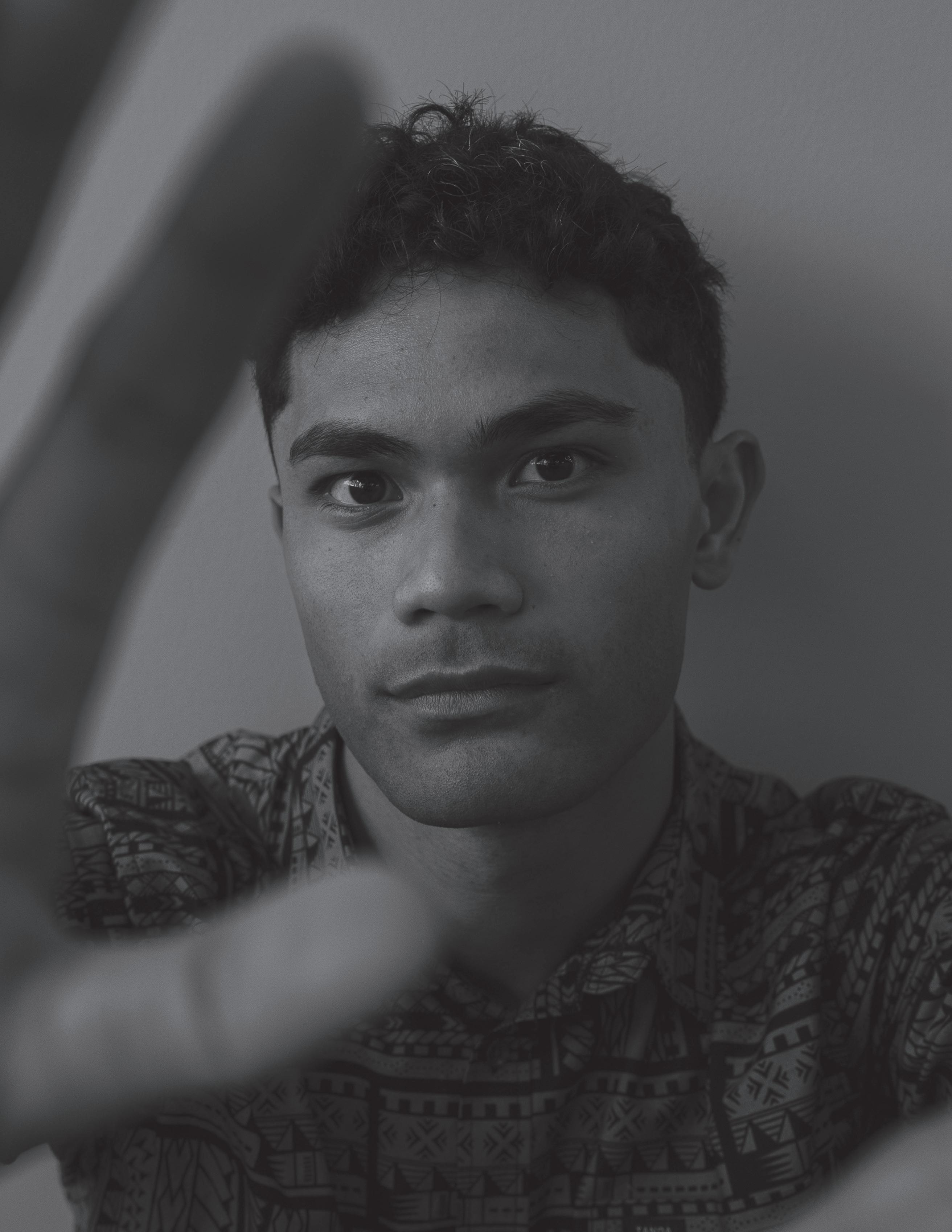
Growing up in a large Tongan family in Australia,Taufa said he often learned to suppress emotions for the sake of harmony. “I’m one of 13 kids,”Taufa said. “As the older sibling, it was always, ‘Just let the younger ones have their way because it’s easier.’”Taufa said those moments quietly taught him that emotions were often secondary to keeping peace within the family.
Taufa said many men experience emotional suppression not only because of societal expectations, but because strength itself is often associated with silence. “Men have kind of been the backbone of their communities for a long time,”Taufa said. “It feels easier to sit in silence than to talk about what you’re going through.”
Though Taufa considers himself an open person in some ways, he said vulnerability can still feel difficult to express directly. Instead of talking through emotional struggles, he often retreats inward. “I stay in my room, binge-watch something, scroll forever or go play sports,”Taufa said. “You just try to get your mind off things.”
Taufa admitted that constantly bottling emotions can eventually become overwhelming. “I’m the type of person that just takes it as it comes,”Taufa said. “But once I hit my limit, I just crash.” He described his emotional experiences as cycles of endurance followed by burnout— functioning normally until emotions become too heavy to carry quietly.
That emotional exhaustion became especially visible during his mission experience, according to Taufa. He said he entered missionary service
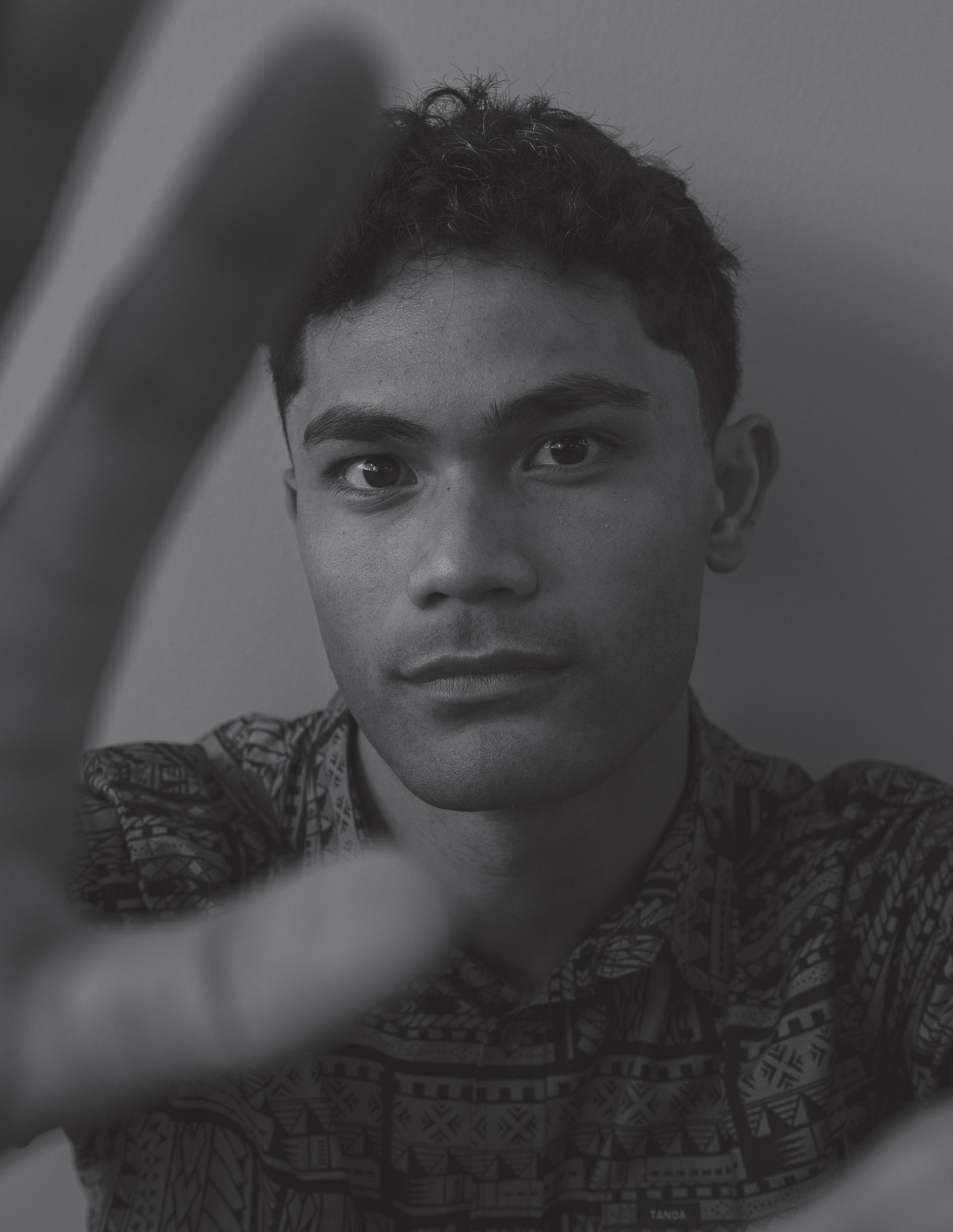
believing he was naturally extroverted and energized by constant interaction. However, the reality became emotionally draining much faster than he expected. “I wanted to work hard, but internally I just wanted to sit in a room and not talk to anyone,”Taufa said. “The hard thing is that missionary work is all about talking to people.”
Taufa shared there were moments where emotional fatigue left him unable to do anything except sit silently during personal study and stare at the ceiling. “I just didn’t want to do anything,”Taufa said. “I didn’t really want to be there, but I was there.”
Still,Taufa said silence itself is not always harmful.While suppressing emotions completely can become isolating, he believes there is also comfort in being understood without needing to explain everything verbally. “Sometimes you can just be around someone, and they understand how you feel,”Taufa said. “You don’t necessarily have to talk about it.”
For Taufa, emotional support among men often appears less through direct conversations and more through quiet companionship. Spending time together, checking in sincerely or simply being present can communicate care in ways words sometimes cannot. “With guys, sometimes you just have to be there,”Taufa said.
Looking back,Taufa said he wishes he understood earlier that emotions are not weaknesses but responses that deserve acknowledgment. “Ask yourself why you’re feeling what you’re feeling,”Taufa said. “Understanding your emotions helps you stay level-headed.”
When asked what conversations men need more often,Taufa’s answer was simple. “Just genuinely asking each other, ‘How are you doing?’”Taufa said. “Sometimes that opens the door to everything else.”
The experiences Peter and Taufa described reflect a wider pattern identified in psychological research surrounding masculinity and emotional suppression. A 2018 longitudinal study published in the American Journal of Men’s Health examined 322 college men and found that traditional masculine norms such as self-reliance and emotional control were associated with higher risks of depressive symptoms over time. Researchers of the study noted that many men feel pressure to appear emotionally composed, often avoiding vulnerability because it conflicts with cultural expectations of masculinity.
More recent research has also connected emotional suppression to physical stress responses. A 2026 study published in the American Journal of Men’s Health found that emotional suppression explained nearly 38% to 43% of the connection between traditional masculine norms and physiological stress dysregulation among men in the United States. Researchers concluded that emotional stoicism and self-reliance—traits often socially associated with masculinity—can become harmful when emotions are consistently withheld.
Peter and Taufa shared that silence was not portrayed simply as weakness. At times, silence functioned as protection, habit, culture and survival. But both also described moments where connection— whether through presence, friendship, spirituality or vulnerability— softened the isolation that silence can create.•
BY JUDITH WEMAN
BYUH students share motivations that pull them toward the temple and how devotion and meaning can be found in repetition. Behind the stillness of their service is a kind of devotion that is rarely seen— quiet, personal and deeply lived
For Jhon Leo Parilla, a sophomore double-majoring in social work and intercultural peace building from the Philippines, the quiet devotion began when he became the first in his family to join the Church. While his mission in the Philippines Olongapo Mission paved the way for constant, genuine connections, the transition to BYUH brought a different challenge. Without his name tag, he went from “Elder Parilla” to just another student on campus, navigating the weight of starting over.
While the rest of campus buzzed with the excitement of forming friends and attending campus events, Parilla’s first semester was confined to the four walls of his room. “I had a lot of insecurities about myself; I had fears,” Parilla said. For Parilla, starting over was not just about fitting in or earning a degree; it was a search for a reason to keep going.
Beyond the weight of deadlines and the ache of isolation, Parilla found solace within the walls of the temple. Even as he dedicated himself to his shifts, the internal battle was mounting. As Parilla
describes it, “I remind myself that I need to focus on the purpose of why I’m doing it. I know the Lord needs the whole me, not the half me.” His love for God and the people motivates him to show up to his shifts.
After nearly a year of early mornings and reverent service, Parilla’s face lights up when he speaks of the temple and the love he feels for Heavenly Father. “I’m here doing [His] work,” he smiles, “and I want to show [Heavenly Father] that [He] can count on me whenever [He] needs me.” Parilla recalls a moment of despair; he was pushed to a breaking point where “ending it and resting forever” felt like his only escape. However, while in the hospital bed, he came to a profound realization that his life was worth saving. “Sometimes God allows hard things to happen,” he reflects, “for us to learn lessons that we need.”
Today, Parilla refuses to trade his temple shift for anything. He views his service as a quiet partnership in the Lord’s work that transformed his life. Parilla has seen the fulfillment of President Ezra Taft Benson’s promises; as he serves, he feels the Lord has “deepen[ed] [his] joys, expand[ed] [his] vision and comfort[ed] [his] soul.”
Reflecting on his journey from his darkest moments to his
“I felt guilty for struggling because I know the gospel is true, but lately it has been hard.”
Henao Rarua Hota
newfound purpose, Parilla’s perspective has changed. To the person he was a year ago, Parilla offers a simple promise: “Hold on—things will get better.”
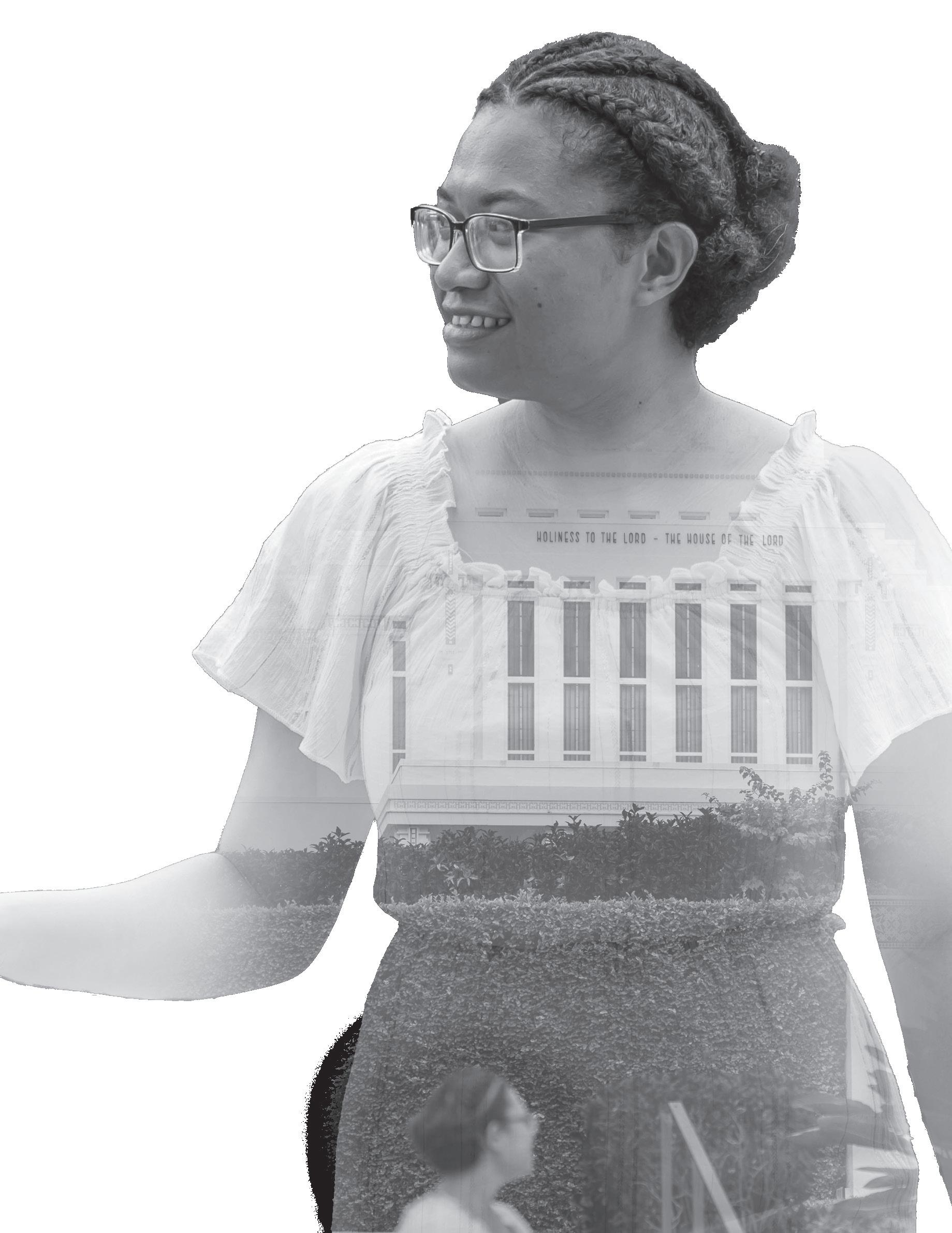
Dayna Dickson, a sophomore majoring in elementary education from Washington, sees the temple as a lifeline, rather than a burden. After health struggles cut her mission in Orem, Utah, short, her weekly temple attendance has kept her grounded. “There have been days when I’ve had a really hard day,” Dickson admits, “but the temple has not made it harder. The temple has made it easier. The temple is what allows me to be able to complete all my tasks.”
Back home, the temple was a ninety-minute drive away; today,
it’s just a few blocks away from her hale. For Dickson, studying at BYUH allowed her to devote her time to the temple. “I just feel really thankful to be able to spend time with my Heavenly Father,” she says. “That was my motivation.”
For Dickson, every temple shift begins with a quick check of her internal battery. “I struggle with chronic fatigue, so it is really hard for me to get through a day. Some people start their batteries at a hundred percent, my battery starts at 54 percent on a good day,” she explains. Yet she always finds the endurance to finish every single shift. On her harder days, she sees glimpses of God’s mercy: “It was a little miracle. I was able to complete my shift and He was still able to help me take care of myself.”
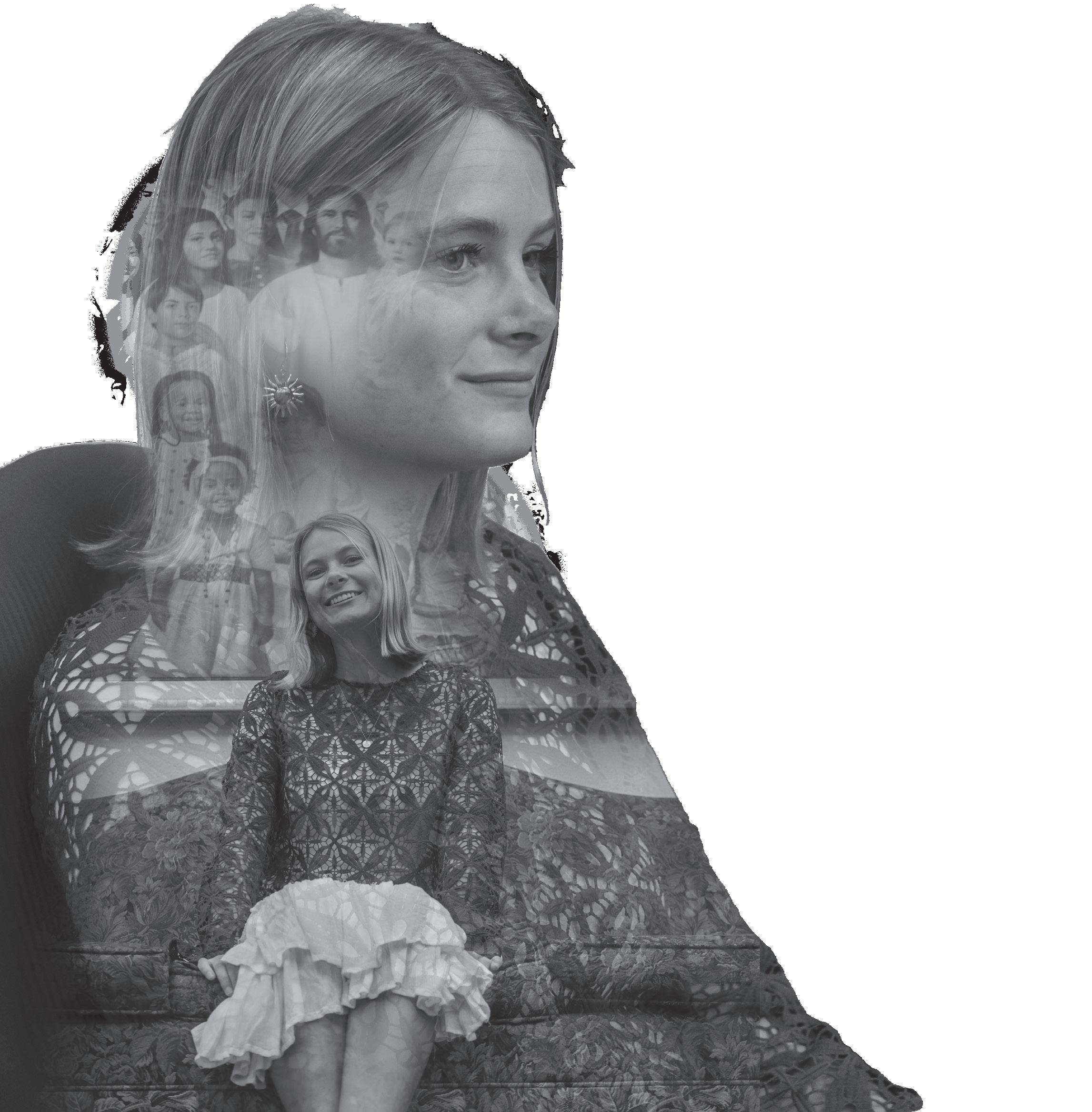
“Make some time for the Lord, and He will make time for you.”
Dayna Dickson
For many students, the quest for finding a perfect balance can be the weight of an impossible scale. Dickson, however, uses her temple shifts and training to break the spiral of worry. “Focusing on the people we get to serve in the temple and praying to see individuals the way Heavenly Father sees them,” she noted, helps to overcome the shadows of doubts as she continues to “find Christ in the temple.”
She remembered feeling buried under the pressure during finals week. “I was really stressed and I went to the temple. I prayed and asked Heavenly Father to help me study. I felt confident in knowing that my time was used effectively.”
In a world that shouts for attention, Dickson found a hum of peace in her service in the temple. She shared that the temple invites her to “learn to be invisible or be reflective of His light.” “I love Jesus and I love the temple,” she says with a soft conviction. “Make some time for the Lord, and He will make time for you.”
For Dickson, the sacred rhythm of the temple ordinances is far from a hollow habit; it is a classroom for the soul. Looking back at the person she used to be, Dickson offers a promise, “You’re becoming better—more like Him.Your efforts are seen. Just keep going.You’re becoming who Heavenly Father needs you to be.”
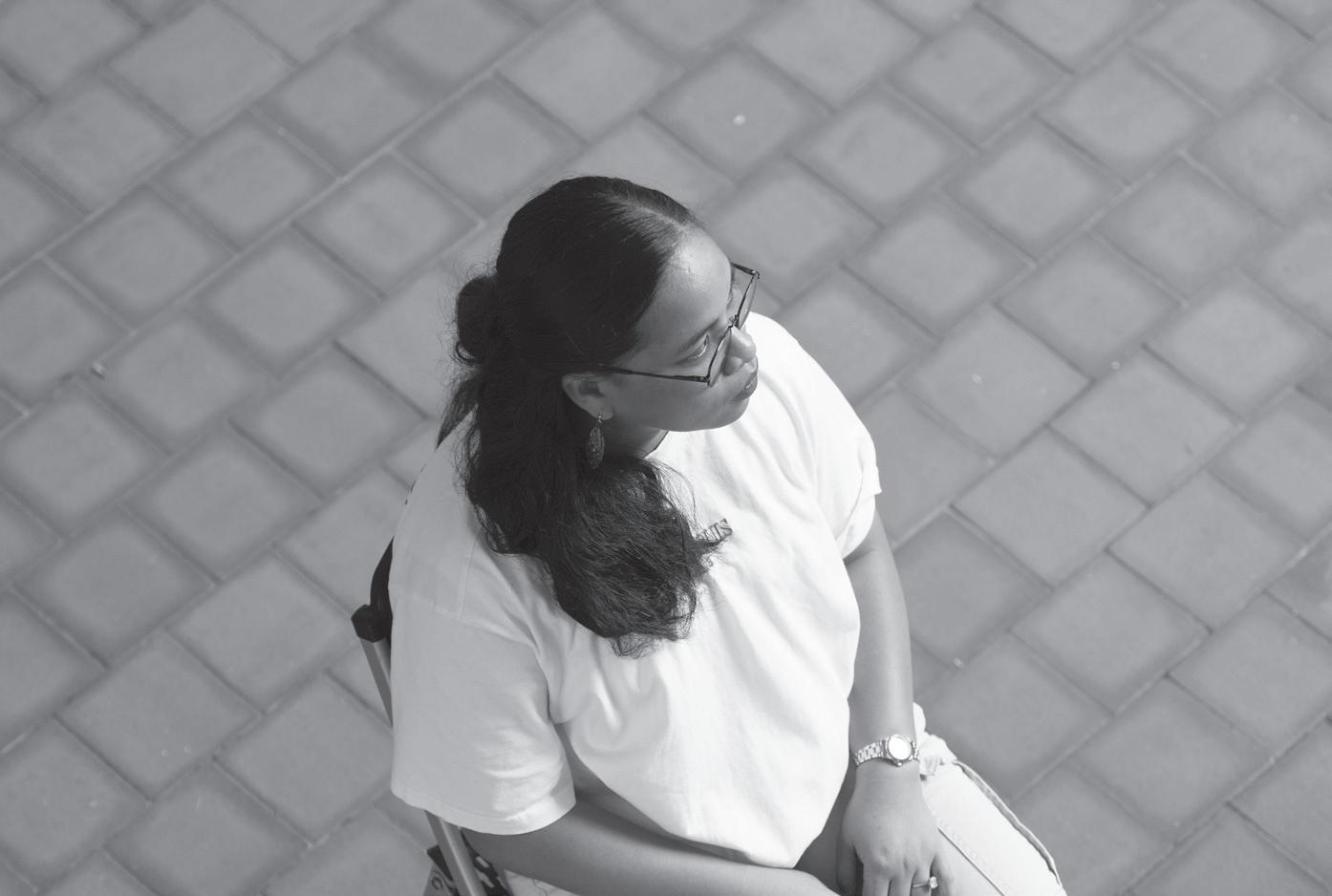
A photo of Dickson looking thoughtfully to the side, and in a double-exposure effect that reveals inner immages of Jesus Christ and the people He served.
Henao Rarua Hota, a freshman majoring in psychology from Papua New Guinea, is no stranger to the ache of distance. After three years at Fiji LDS Church College, an 18-month mission at the Philippines Antipolo mission and now at BYUH, Hota realizes that the temple is one place that feels exactly like home.
However, weeks before arriving on campus, Hota lost her grandfather– a loss that made every step feel harder as she tried to keep up with life on campus. “For me, serving in the temple is a way to stay connected to him. It feels like we’re working together,” said Hota. Losing her grandfather shook the ground beneath her feet. “My testimony felt unbalanced. I felt guilty for struggling because I know the gospel is true, but lately it has been hard. I keep asking why He takes away people we love,” said Hota.
Hota remembered a specific week right before finals during her first semester. With the noise of upcoming exams in her mind, she was contemplating skipping her temple shift. “I was so tired. I wanted to feel the Spirit, but I was not feeling it.”
A heavy tug-of-war took hold as she stood outside the temple door. “I thought of turning around. I didn’t have to go in. They wouldn’t miss me,” said Hota.
Choosing to stay, Hota showed up to her shift. By the end, she was surprised to find herself thinking, “How did I think this was going to be hard? I really thought coming to the temple would feel like a burden, but it didn’t. I had a very real change of heart,” said Hota. “Once you’re in the temple, everything changes,” said Hota. Working in the temple was more than “just checking off a box” for Hota.
The temple provides an escape from the noise and relentless weight of selfexpectations. Hota fears being too casual about her temple shifts, “I don’t want to wake up one day and just go through the motions without meaning.”
To the person who is striving to become, Hota said, “I wouldn’t say that everything is completely healed but I am definitely at a place where I have not been before.” She leans on a simple reminder: “One day it will make sense.”•
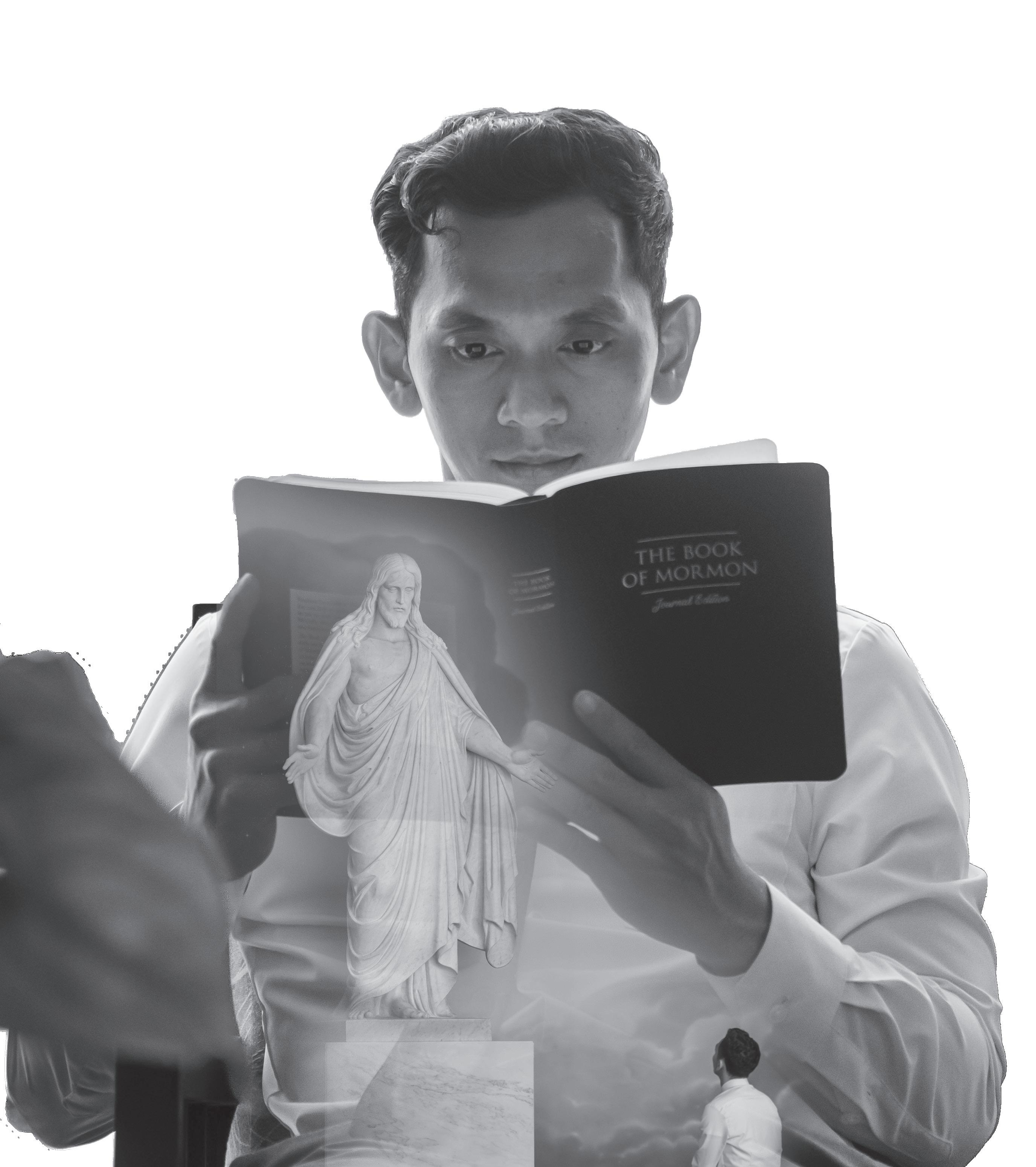
“I remind myself that I need to focus on the purpose of why I’m doing it. I know the Lord needs the whole me, not the half me.”
Jhon Leo Parilla
Peer into the realities of student converts as they navigate life after joining the Church of Jesus Christ

BY ALDEN ETHANAEL PUA
For several student converts at BYU–Hawaii, life after conversion brings both blessings and challenges. Some found personal growth and newfound opportunities, while others experienced lifelong loss and alienation. Ultimately, all view conversion as more than a simple act of baptism, but an enduring journey of faith through the years.
For Koichiro Akiyama, an accounting sophomore from Japan, losing his best friend was one of the hardest challenges he faced after conversion. After being baptized in 2021, Akiyama introduced the Church of Jesus Christ of Latter-day Saints to his best friend. Although he initially responded positively, several complications arose that led them to part ways.
As for Akiyama’s family, whose beliefs ranged from Buddhism to atheism, their reactions to his conversion were mixed. According to him, his parents were relatively supportive, while extended family members expressed concerns, with some even directly opposing his decision.
“In Japan, there have been various conflicts and negative perceptions associated with Christianity, which have caused people to feel concerned [about the religion],” Akiyama explained. He pointed to incidents such as political assassinations reportedly tied to certain Christian organizations and younger generations struggling with the religion as examples of the religious struggles shared by many Japanese.
Akiyama admitted to experiencing a shaken faith. “This was a very painful experience for me,” he said. He shared that his best friend’s decision and familial complications deeply affected him.
Nevertheless, his determination remained. By surrounding himself with people who truly understood his struggles, Akiyama was able to overcome these trials. Over time, he noted a gradual change in his
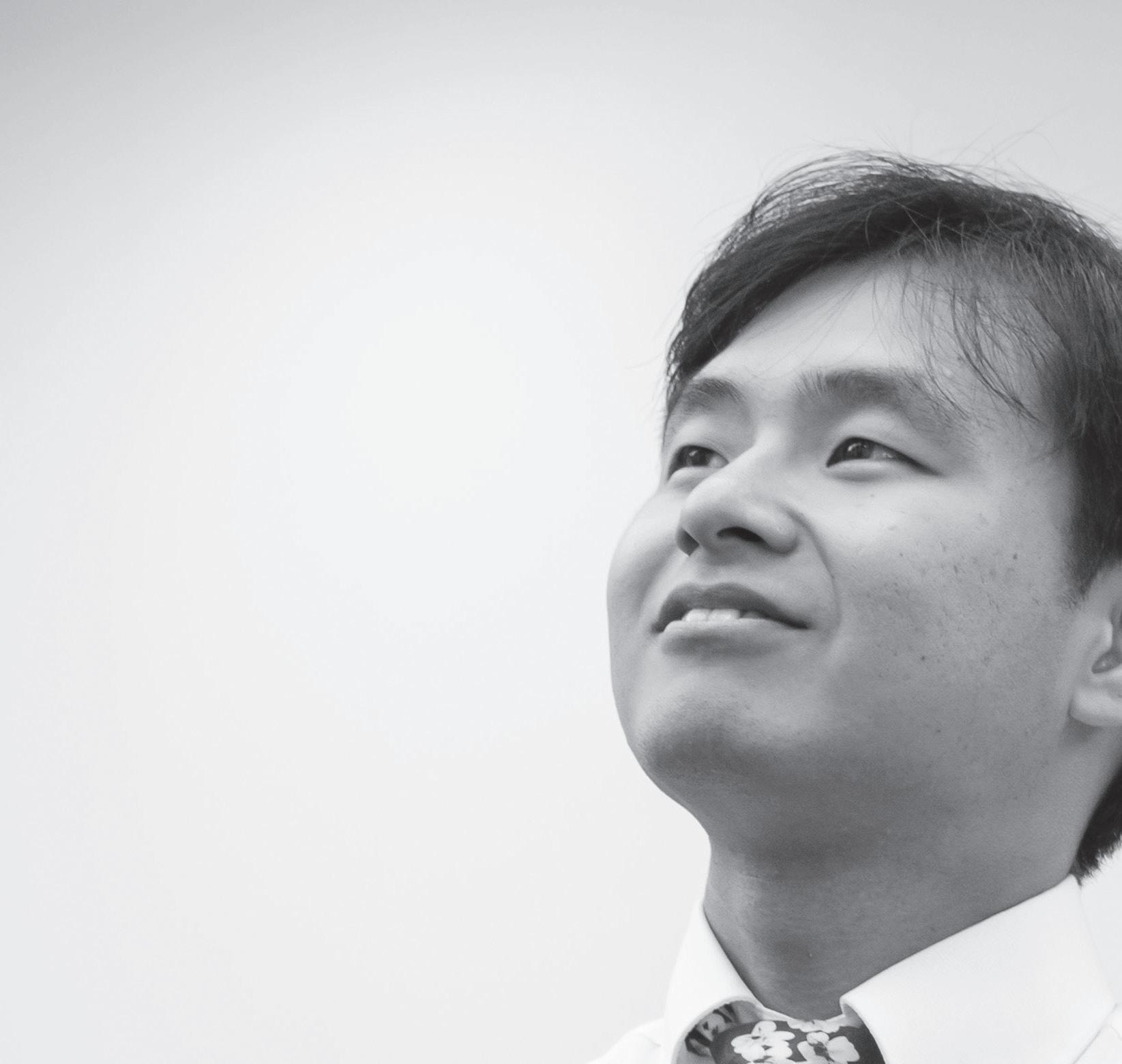
“‘For with God, nothing shall be impossible.’”
Koichiro Akiyama


character and disposition. “I became more patient and developed greater humility.”
To Akiyama, our relationship with God is “personal and individual.” He believed that faith should not be shaken by the actions of others, as each person’s spiritual journey is unique and cannot be compared with others.
Having found a new community at BYU–Hawaii, Akiyama now sets his sights on personal growth. He hopes to develop both his faith and academics through studying diligently while preparing for eternal companionship. “‘For with God, nothing shall be impossible,’” he concluded.


“It is not easy to become a member and stay as one.”
Gusti
Ayu Diningrat Maria Ratu Monalisa Puspitasari
Choosing eternal perspective over worldly noise
Conversion usually elicits external criticism, but for Gusti Ayu Diningrat Maria Ratu Monalisa Puspitasari, a hospitality and tourism management sophomore from Indonesia, her baptism in 2017 was instead followed by internal skepticism from fellow members.
For reasons undisclosed, Puspitasari said she had a difficult time fitting in with fellow members. Certain comments and criticisms ultimately led her to feel alienated from the Church and struggle to maintain her hope in Christ, even when her parents supported her conversion.
“It is not easy to become a member and stay as one,” she mentioned.
As she served her mission, Puspitasari also experienced struggles related to being a recent convert. She explained that she felt insecure, having only been a member for a few years and feeling limited in her knowledge of the gospel.
Much has changed since then, including Puspitasari’s faith in the Church and her perspective on the world. She found lifelong friends and family, and learned to look past worldly “noise” and focus on God’s “eternal perspective.”
“Noises” in the form of thoughts and opinions still occasionally linger in her mind. Regardless, Puspitasari continues to cultivate her faith with the purpose of becoming the strong daughter God intends her to be.
“Conversion did not [end] when I got baptized, but is a long [and ongoing] journey,” she concluded.


“Little by little, I was transformed from a young boy into the person I am now.”
Rising from weakness to soften hardened hearts
As a convert of nearly 20 years, Celso “C3” Olivar Glova III, a psychology sophomore from the Philippines, has navigated many changes in faith and overcome numerous challenges related to his family.
Absent of familial support, Glova experienced firsthand the loneliness of being the sole active member of the Church in his family at the time. He shared how he often envied other members who attended church with their family and struggled with feelings of fear, doubt and unworthiness.
Upon serving a mission, Glova explained that he received no support from his family and had to prepare for the mission by himself. “My father even told me I wouldn’t last three months,” he added.
Despite these early hardships, Glova still chose to serve, believing that “this was the right path to happiness.” It was not easy, he admitted. For two years, he struggled with difficulties such as physical injuries, feelings of loneliness and even wavering faith. But, through constant reassurance from his mission president and fellow members, Glova overcame these challenges and completed his service.
Returning home as a strengthened convert, Glova’s family eventually changed their perspective. Because of his renewed faith
and developed character, his mother decided to become endowed and his younger brother was inspired to serve a mission of his own.
“Little by little, I was transformed from a young boy into the person I am now,” he said.
The Glova who once struggled with depression and shrunk from difficult decisions became someone more positive and highly decisive. Someone who valued responsibility and accountability as if it were his “lifeblood.”
For Glova, the key to a long-lasting faith is to keep showing up, trust in God and choose to remain steadfast no matter the challenges or circumstances.
“Yes, I still have struggles. But, I [now] also have the knowledge and experiences to overcome them again and again,” he concluded.•
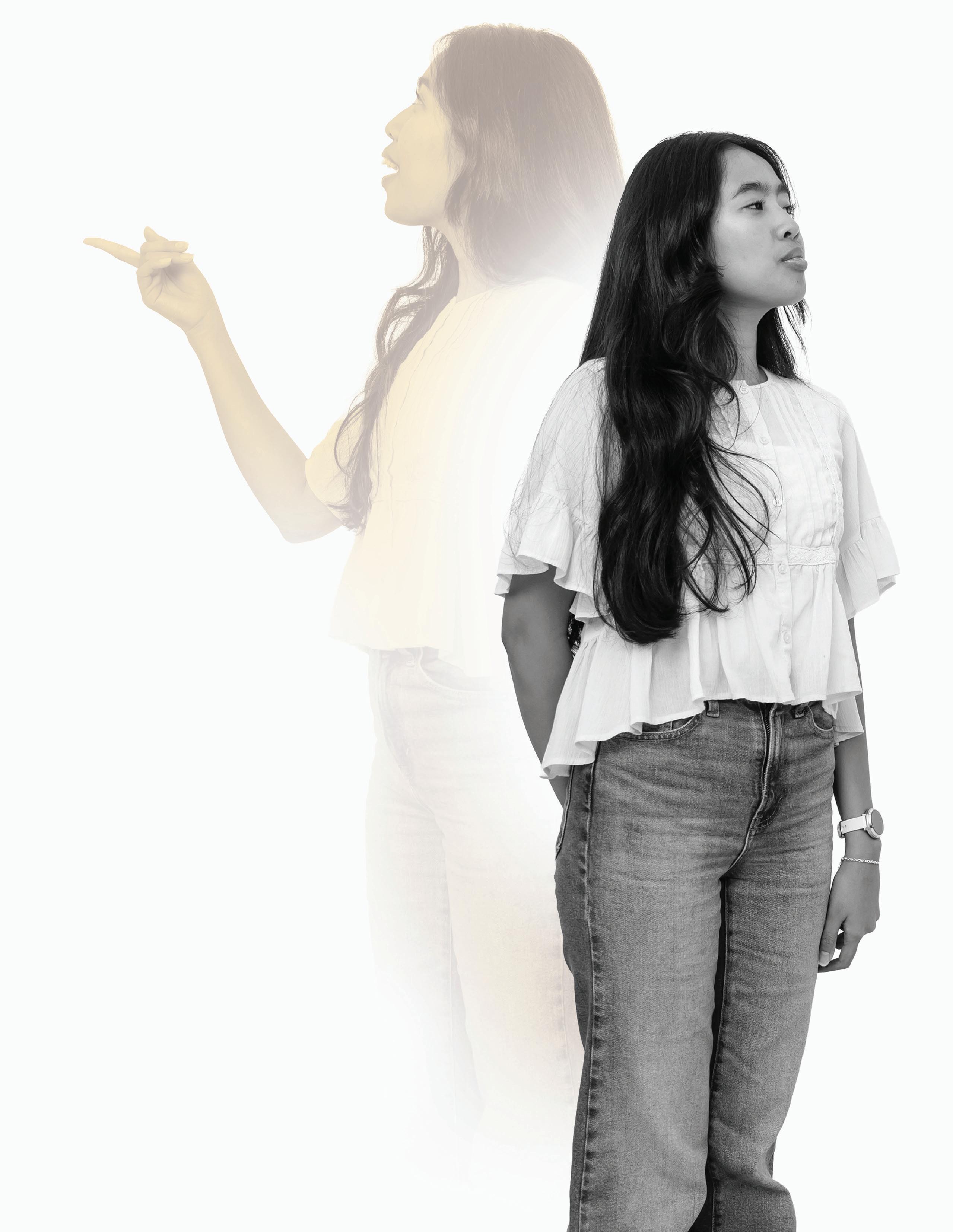
Acknowledging who you were before and recognizing your autonomy can set you free says BYUH student
BY CJ SHINIHAH NOTARTE-ORR

Our upbringing may have an influence on who we are, but how we grow from them allows us to decide and become who we are meant to be, said Duane Domagsang, a junior from the Philippines majoring in psychology and peacebuilding. She said the version of who she was before helped her become who she is today. “It led me to understand how to walk with purpose—to be more genuine and intentional with the steps I take, the actions I do and the things I say in my life,” she said.
In her younger years, Domagsang said she was a strict follower of rules and policies, whether they came from school or the church. “People would say that I was doing such a great job. But I wasn’t doing it out of genuineness. I was doing it out of fear—fear of being judged, fear of not being able to find the right people and fear of getting scolded,” she shared.
Domagsang said growing up in the church, members have seen her in primary presentations until she transitioned to the Young Women. Seeing her grow, she said, people had expectations that made her become someone she barely knew. “I strived to be the person other people thought I was,” she said. Nevertheless, she said
“I strived to be the person other people thought I was.”
Duane Domagsang
she understands that the people who had expectations of her meant well.
Driven by these fears, Domagsang said she felt detached from her identity until she slowly learned that it was okay to make mistakes. She said it was during her senior high school when she started realizing this truth. “I don’t really need to be perfect all the time. I don’t really need to follow all the time, especially when I don’t understand what I’m following,” she said.
When she was around the age of 18, Domagsang said her branch president encouraged her to apply for a full-time mission. Before applying to BYU–Hawaii, she said she was processing her mission papers. “I didn’t know what to do, so I thought maybe I should just serve a mission,” she said.
Domagsang said it was also the time her family was going through a lot of things. “Personally, I felt like I had no direction because I spent most of my life being led by what other people said.” One night, she said her uncle called her. She said their conversation lasted for about seven hours and it made her realize a lot of things. The conversation, she said, helped her finally decide on her own to continue applying to BYUH.


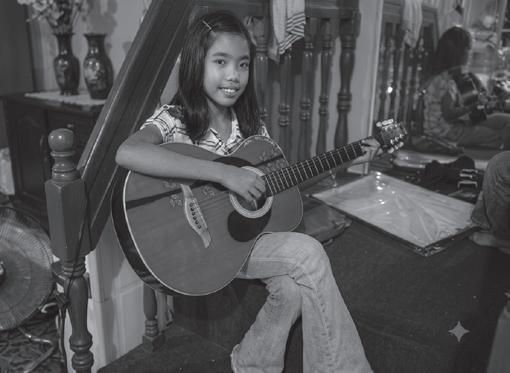

“I think that was the first time I felt like I wasn’t doing something because of what other people said. I realized that I could do something without basing it on other people’s expectations of what I should be or what I should be doing,” she continued. She said she did want to serve a mission, but coming to BYUH was her own desire and intention.
“I wouldn’t trade this experience for anything because the people around me were good.They weren’t bad or forcing me. I think it was more about how I personally interpreted what they said,” Domagsang shared.
In contrast to her previous description of herself, Domagsang said she now focuses on her identity as a daughter of God. “It might sound cliché to some people, but while I’m a student, a daughter, a friend, a sister, and even an auntie, I think the way I’ve improved in all those roles and found direction for my life is by always being reminded of my divine identity as a daughter of Heavenly Father,” she shared.
Domagsang said she grew up hearing that she is a child of God. However, she said she only learned what it truly meant when she practiced her agency and found her direction and purpose.
“It’s okay to feel fear,” Domagsang said. She said having the courage to explore where your direction leads you is necessary
“You are who you are today because you kept going.”
Duane Domagsang

because “in the end, it’s the eternal life that you are building, and it’s yours—not anyone else’s.” She said this doesn’t mean denying the wisdom of other people. “We can learn a lot from others, especially wisdom from Heavenly Father and Jesus Christ,” she continued.
Domagsang’s sister, Erika Domagsang, a senior from the Philippines majoring in psychology, shared a quote from their dad. She said, “You are who you are today because you kept going.” She said people can learn a lot from her sister’s experience. She said, “She’s a really good example of accepting who you were before to become who you are today.”
Growing up with Duane Domagsang, Erika Domagsang said they were taught to follow rules strictly. She said this led her sister to always say yes to favors and requests that sometimes people take advantage of her kindness. She said, “As her older sister, I would always remind her to ‘Tell people what you really think. If you can’t do something or if you don’t feel comfortable, just say no.’”
During their freshman year, Duane Domagsang had several social commitments that led her to feeling overwhelmed trying to meet the expectations of the people around her, said Erika Domagsang. Over time, her sister learned to overcome this habit. She said, “I think a big factor was her independence—realizing that she can choose for herself and decide what she truly wants.”
The process of becoming who you are requires a person to know what they want, said Erika Domagsang. “You need to understand what kind of person you want to become. And from there, you create steps to help you achieve that version of yourself,” she said.
Erika Domagsang said she appreciates her sister’s resilience through everything they went through. “I’m very grateful for who she is today. She’s one of the people who keeps me grounded. Even though we have our normal sibling moments, I’ll always care deeply about her. I’m always rooting for her.”•
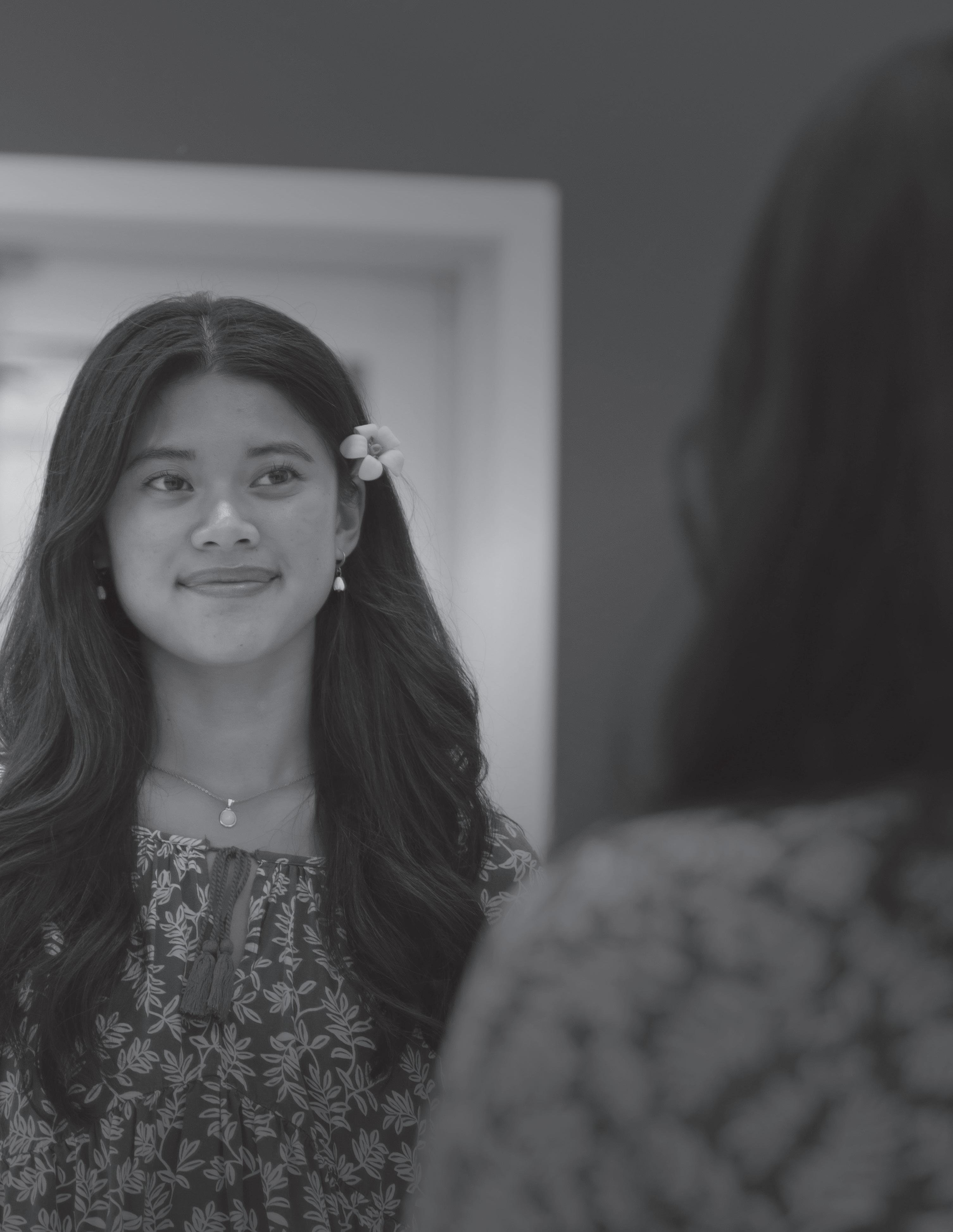
Students share how social media can both reflect and reshape personal identity
BY JULIA AUNAI
“I feel like I’m trying to be as authentic as I can, both online and offline.”
- Tehani Castillo
BYU–Hawaii students said their social media accounts reflect their real-life identity, while others use it to curate or separate aspects of themselves. Their approaches range from consistency between online and offline life to more distinct online personas.
Tehani Castillo, a sophomore studying English from Arizona, said her social media reflects her real-life personality rather than a curated online persona. “I feel like I’m trying to be as authentic as I can both online and offline,” she said.
For Castillo, social media is a place for her to share her love of dance. She runs a separate dance account on Instagram where she shares old dance videos and clips of her dancing with friends. Although her account focuses on her passion for dance, she said she also tries to include parts of her personality too. “When I edit the videos, I like putting in bloopers at the end because I think it’s just really funny, especially when we mess up,” she said.
Castillo said her interest in dance deepened during the pandemic when she began watching K-pop dance videos online. She said learning more fast and difficult choreography helped her pick up movements quickly. She now serves as


a choreographer for the BYU–Hawaii Hip Hop club and social media continues to inspire some of her creativity. “It’s super exciting and I love being able to bring in those aspects of K-pop performances that I've seen … and making it my own with the group that I have,” she said. For her, social media is a source of inspiration that incorporates into her real-life dancing.
Castillo said she uses social media to reflect both polished and unpolished moments. “On my social media, I have those bloopers and I love showing that side of how everything looks super good, but there's also the back end that is really fun to watch.”
Castillo said her online presence feels like an accurate depiction of who she is, though she acknowledges it highlights the moments she chooses. “At least my good sides, obviously, which we all put our best foot forward,” she said.
Another student,Yoseph Pondra Winanto, a sophomore in business with an emphasis in marketing from Indonesia, uses social media to highlight his interest in fashion. He said he looks for fashion inspiration from different people he sees on social media. After seeing others post their outfits, he said he was inspired to start posting his own outfits. “When I post my outfit on my page, my purpose is to show that what you wear is really important,” he said. “The way you dress is going to impact the way people see you.”
On his Instagram account, Winanto said he only shows what he is wearing. “I’m just focusing on how I’m dressed and my outfit,” he said. He added his posts do not depict his personality, noting he is a people person and enjoys learning from others.
Winanto also said social media has influenced some of his interests in a positive way. “I didn't like going to the gym before, but on Instagram Reels there are so many people talking about the benefits of the gym,” he said. “I think I got influenced by one of the videos so now I'm trying to be more consistent with it.”
thatwhat uoy wear isreall y importan t . Thewayyoud
He added his interest in fashion began because of social media. He said he used to not know how to style clothes or put outfits together, but seeing people share their outfits online helped him. He said he sees fashion trends each year online. “I try to follow the fashion trend, and then I feel more comfortable. I think until now, I try to stay updated about fashion trends and what to follow,” he said.
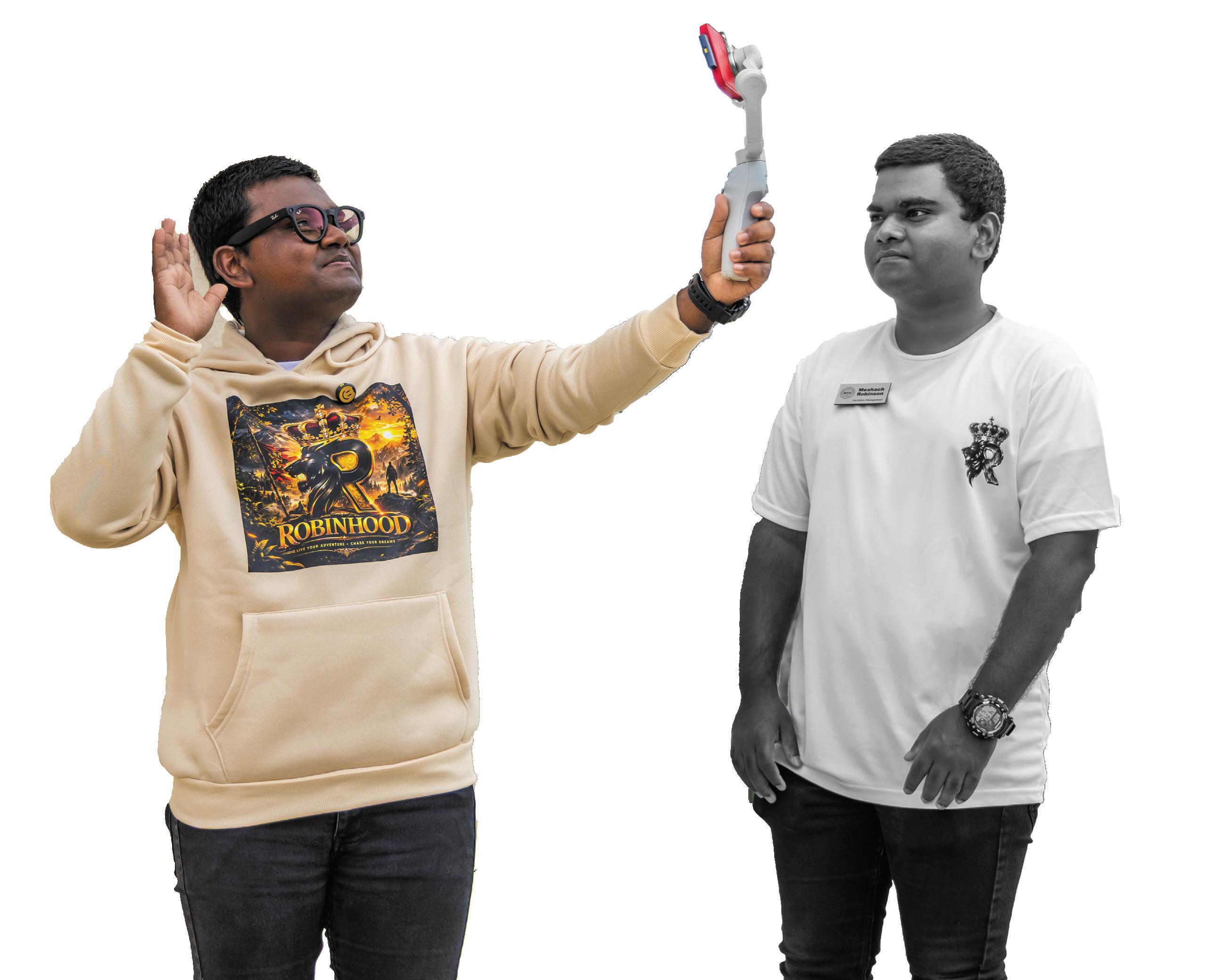
Meschach Robinson Ashokan, a sophomore in political science and intercultural peacebuilding from India, posts to hisYouTube channel Robinhood Vlogs. Ashokan said the version of himself he posts online varies from who he is in person. He said he first started his channel when he arrived at BYU–Hawaii to document his transition from India.
“My name is Meschach Robinson, but in my videos I never show up as Meschach Robinson. I show up as Robinhood,” Ashokan said. “
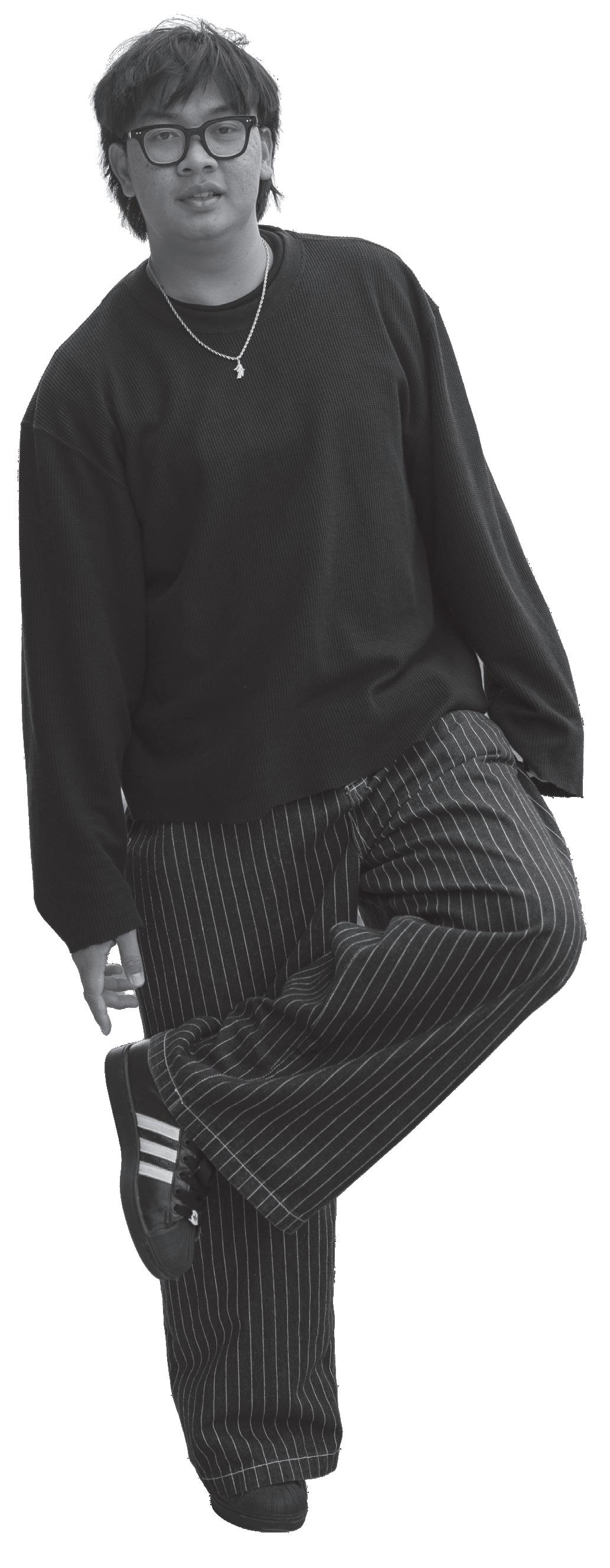
He said there is contrast to how he acts in person versus in videos. In person, he said he is more quiet and introverted, but in his videos he shows himself as more lively and fun.
When he is not filming videos, Ashokan said he enjoys helping and serving others, but this service is not something he documents on YouTube. “If you help someone, if you are giving or offering to someone, it should be given by the right hand, and it should not be shown to the left hand,” he said. “It means you are not supposed to show to everyone ‘Oh, I'm giving this to this person. I’m helping them.’’ For him, the most meaningful parts of his identity are the parts he keeps offline. “Real life is always the best,” he remarked.
Ashokan added that social media can become harmful when people begin creating content for views and attention rather than for themselves. He said being able to balance his online identity and offline identity has been key for him. He said when he reached 70,000 subscribers on YouTube he began to question if he was doing it for himself or for the views. “Control the media.The media should not control us,” he said adding social media can influence people’s character and behavior.•
“Control the media. The media should not control us.”
- Meschach Robinson Ashokan

BY JESSIKA SANTOSO
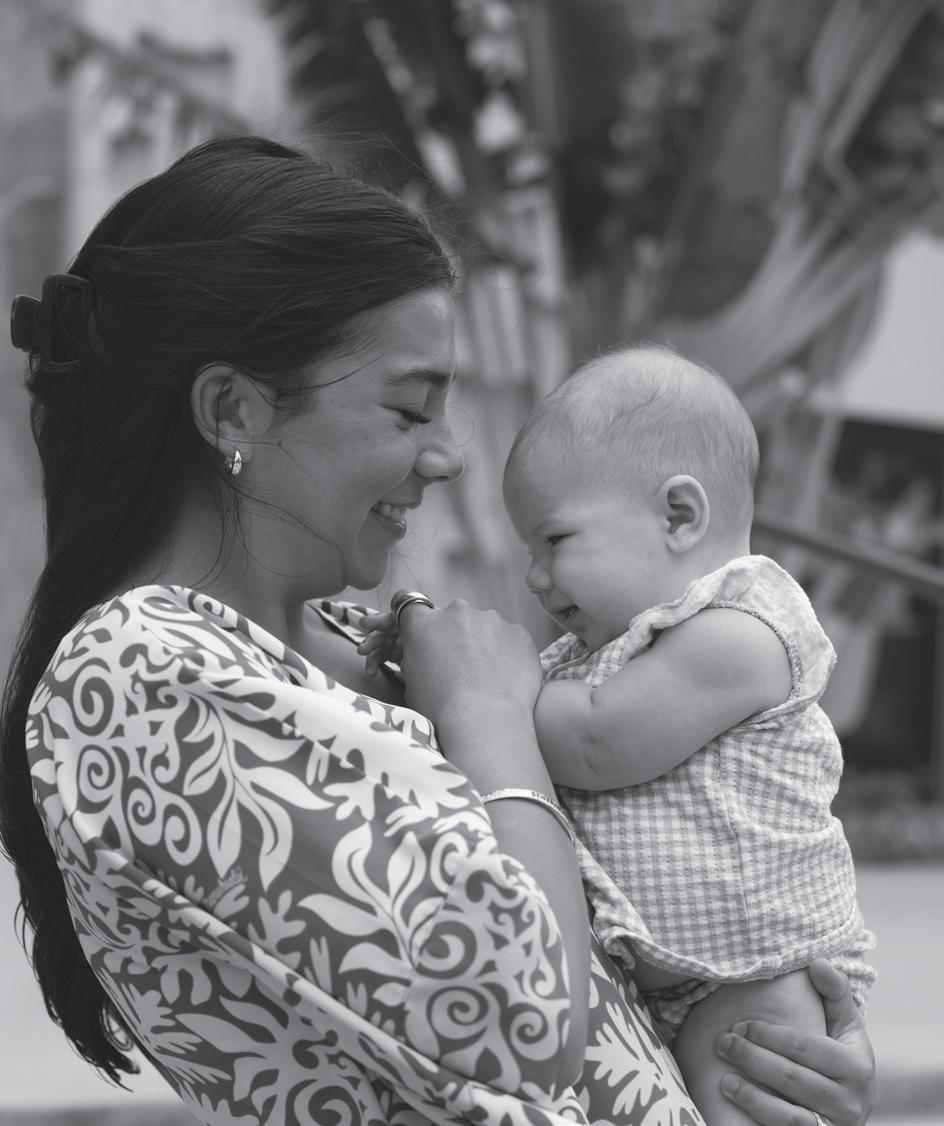
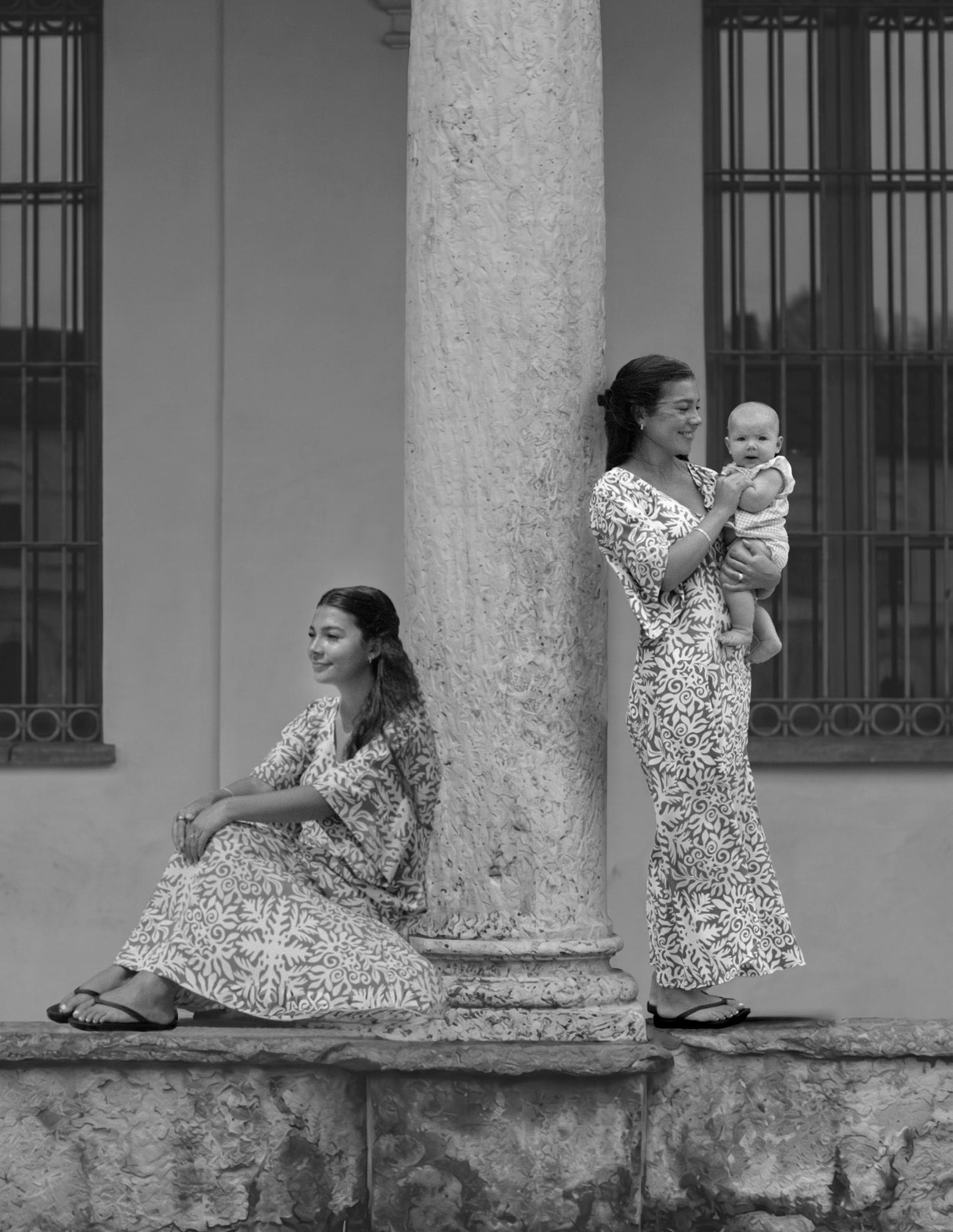
Three mothers at BYU–Hawaii shared how motherhood reshaped their sense of identity, from postpartum struggles to the emotional weight of raising young children. They described a reality where love, grief, exhaustion and personal change often exist at the same time.
“I often feel guilty for grieving the life I once had, while knowing I should be presently grateful for this beautiful creation I gave birth to,” said Sophia Gonsalves, a junior in social work from California.
Now four months postpartum, Gonsalves said one of the hardest parts of becoming a mother was realizing that love and grief could exist at the same time. “There’s no going back to who I was before, and I don’t want to go back to who I was before because I love being a mom,” she said.
Growing up as an only child, Gonsalves said she saw motherhood as an opportunity to become gentler and more patient. Instead, the transition arrived as what she described as “a complete whirlwind”: physically painful, emotionally disorienting and far lonelier than she expected.
That shift deepened as Gonsalves realized another life now depended entirely on her. Breastfeeding, she said, became one
of the clearest examples of motherhood’s invisible labor of cracked skin, imbalance hormones and sleepless nights. “The only way through it is to keep doing it.”
Postpartum depression further complicated what she thought early motherhood would feel like, Gonsalves said. Rather than constant joy, she said she experienced anger, frustration and guilt. Sometimes, even after feeding, changing and comforting her baby, she said she still could not stop the crying—neither her daughter’s nor her own.
Yet amid the exhaustion, Gonsalves said there are moments that feel unbearably tender. In quiet moments while nursing late at night, her daughter sometimes pauses to look at her or gently touch her face. “All the pain feels worth it.”
“And motherhood has taught me that this is the closest I’ll ever come to knowing just how much Heavenly Father loves us,” Gonsalves shared.
“In those [difficult moments], I sometimes feel that the person I am now may actually be the truest version of myself.” Anri Nakagawa




Heiranie Lacour, a junior in hospitality, tourism and management from Tahiti and a mother of two toddlers, said motherhood revealed a form of love marked by constant worry, emotional strain and quiet sacrifice. Before having children, she said she viewed motherhood as a natural phase of life. “I was already responsible for my little sisters growing up, so it did not scare me,” she said.
What changed, Lacour said, was the “silent pain” that comes from constantly thinking ahead for her children. “It is a pain that no one else but a mom knows,” she said. From the moment they were born, she found herself worrying about their breathing, imagining their first day of school and even the possibility of them being hurt.
“It is realizing that I am in pain for situations that are not even happening,” she said. “That shows me how huge a mother’s love is.”
Even now, Lacour said, love and exhaustion exist at the same time. She recalled long nights without sleep from breastfeeding while managing schoolwork. “It felt like days were so long and without end.” Looking back, Lacour said the emotional shift into motherhood came gradually over several days or weeks, as she slowly realized her life had changed forever.
Lacour said motherhood has made her feel complete, even as she sometimes misses parts of who she was before, especially physically. “Becoming a mother taught me that love can also feel like sacrifice, patience, responsibility, exhaustion and unconditional love,” she continued.

Anri Nakagawa, a toddler mother from Japan expecting her second child, said her current pregnancy feels shaped less by excitement and more by the realities of motherhood she now understands. She said she feels more emotionally prepared and calm than before, but also more aware of the responsibilities ahead, especially as she balances caring for her toddler while preparing for a newborn.
“It’s not just about the baby growing inside me,” she said. “I’m also navigating how to care for and connect with my older daughter.”
Nakagawa said one of the biggest changes she experienced in motherhood was the loss of personal time and the constant sense of responsibility that followed. “When I was on my own, there were many things I could brush off with, ‘It’s probably fine,’” she said. “But once I had my daughter, I realized I could no longer think that way so easily.” Nakagawa said that responsibility became especially visible during her daughter’s toddler years, when tantrums and emotional outbursts left her feeling overwhelmed. “I genuinely felt like, ‘I just want to be alone,’” she said, adding that those moments often brought guilt, especially when compared to the calm, patient parenting she saw on social media.
Despite that tension, Nakagawa said motherhood also revealed strengths she had not recognized before. “I didn’t know I was capable of this,” she said, explaining that through those difficult moments, she began to see growth in herself.
“In those moments, I sometimes feel that the person I am now may actually be the truest version of myself,” she said.•

BY JAN CARLO NAVARRO
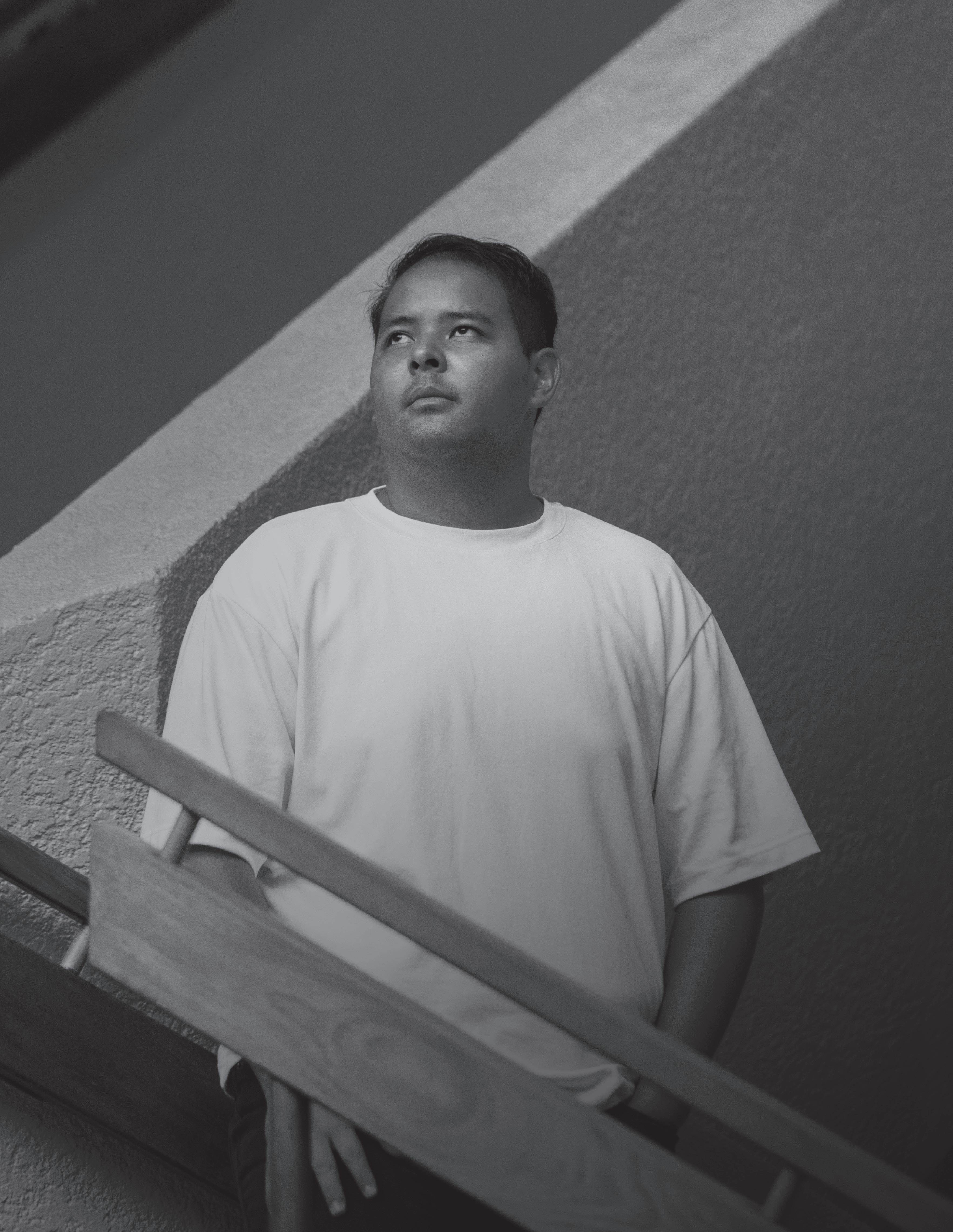
Three BYUH students said their experiences with change, relationships and identity challenged the idea that the self is something people lose.
Yna Mae Belches, Moeroa MaeaAerenga and Colby Silva described the self not as something to be found but as something they encounter repeatedly as they moved through different seasons of life and different versions of themselves. Across their stories, they pointed to different facets of change: leaving, evolving and outgrowing.
ForYna Mae Belches, a junior majoring in intercultural peacebuilding from the Philippines, that understanding of identity as something that does not disappear began in a moment when everything felt unfamiliar.
In an evening she later described as a turning point, she said she found herself in a situation that prompted her to think: “This is not me.”
Growing up as the eldest of four siblings, Belches said she saw herself through the lens of outward expectations about who she should be, how she should act and the path she was expected to follow. When she left the Philippines for Hawaii, she said these expectations shifted. “Through the people I met, through exposing myself to different communities and different perspectives, I learned there’s a part of me that wants freedom,” she said.
Belches said she found herself surrounded by new people, a new community and new horizons. For the first time, she said she allowed herself to explore what existed beyond them.
This freedom, however, came with tension; Belches recounted. In her attempt to belong to spaces not entirely her own, she said she found herself adjusting—changing to fit the mold of expectations her newfound people have of her.
“I was lost,” she said, “but lost in a sense that I wasn’t the kind of person I knew myself to be anymore.”
Belches said that recognizing the growing distance between who she was and who others seemed to have expected of her helped her take a step back. She recalled returning to a lifestyle that felt more aligned with who she was.
“You learn different things about yourself when you expose yourself to cultures outside of yours. Change is constant and people change,” she explained.
Even as she changed, Belches said her sense of identity remained connected to her earlier versions.
“I’ll still name myself Yna,” she said. “Because I wouldn’t be who I am right now if I didn’t meet my previous versions.”
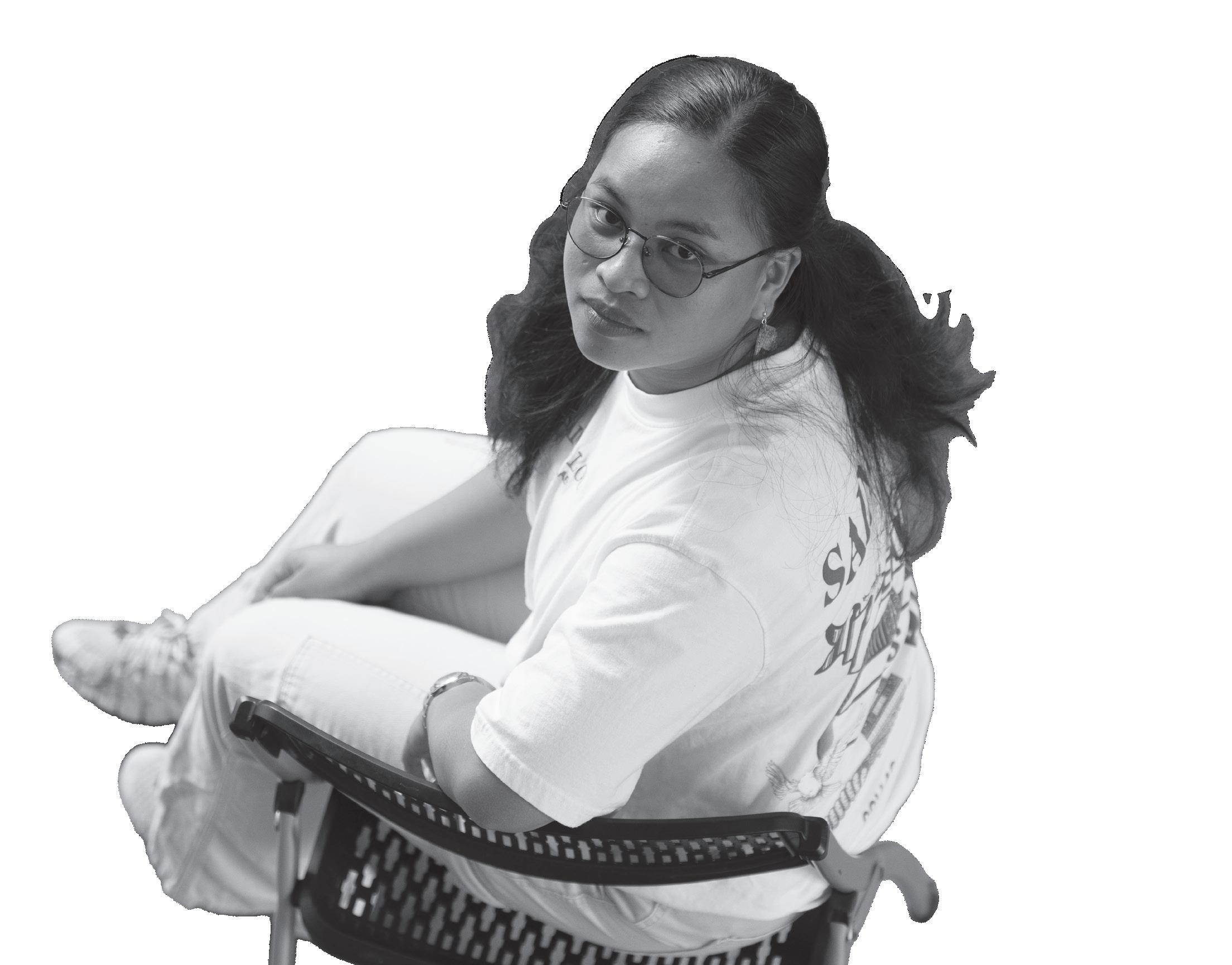
Moeroa Maea-Aerenga a freshman from New Zealand studying anthropology and cultural sustainability said her experience was less about returning and more about becoming. At 18, Maea-Aerenga said she imagined a future shaped by her desire to outwardly express her cultural identity. She recounted that becoming a performer at the Polynesian Cultural Center (PCC) and living alongside her best friend was what first drew her to BYUH.
Years later, she described arriving at the university as a changed person—someone whose life has shifted in ways she could have not anticipated. Now a mother, she expressed that her sense of purpose expanded beyond herself.
The change, she described, is not something seen in appearance but in priorities. “My priorities were different from when I was 18, and that’s how I knew there had been change, or that I discovered part of me,” she
“You learn different things about yourself when you expose yourself to cultures outside of yours.”
-Yna Mae Belches
explained. “The things that were important to me and the things that made me happy were different.”
She added that those earlier priorities were not wrong; it just belonged to a different version of herself. “I am not saying that what I prioritized back then wasn’t important,” she said. “It’s just that, in that particular version of me, those were the things I deemed important.”
She explained that describing that change as a loss felt reductive. Instead, she said she viewed it as a part of growth rather than something that took her away from who she was.
“A lot of the time when people refer to losing themselves, what they really mean is losing a part of themselves that made them happy and comfortable with their own body,” she said.
That kind of subtraction, she explained, can feel like being lost. Self-discovery for MaeaAerenga is more like a journey of encountering all these different experiences that actually make us feel good. She said that change did not erase who she was. Instead, she explained that the eighteen-year-old version of herself remained, layered with the accumulation of experience, time and relationships.
“Our journey to becoming has a lot to do with finding a place in our lives where we’re happy with what we’re doing, happy
with the people surrounding us, and happy with the things we’re learning,” she said.
When the self outgrows its place
Colby Silva, a junior business management major from Hawaii, said identity is less about becoming someone new than it is about recognizing when you no longer fit the enviornment you once did. He said he thinks of change as shape-sorting toys we played with as kids. Like shapes pressed into a toy box (stars,

“Our journey to becoming has a lot to do with finding a place in our lives where we’re happy with what we’re doing.”
“I realized I was comfortable existing by myself... It made me realize that...
growth isn’t scary.”
-Colby Silva
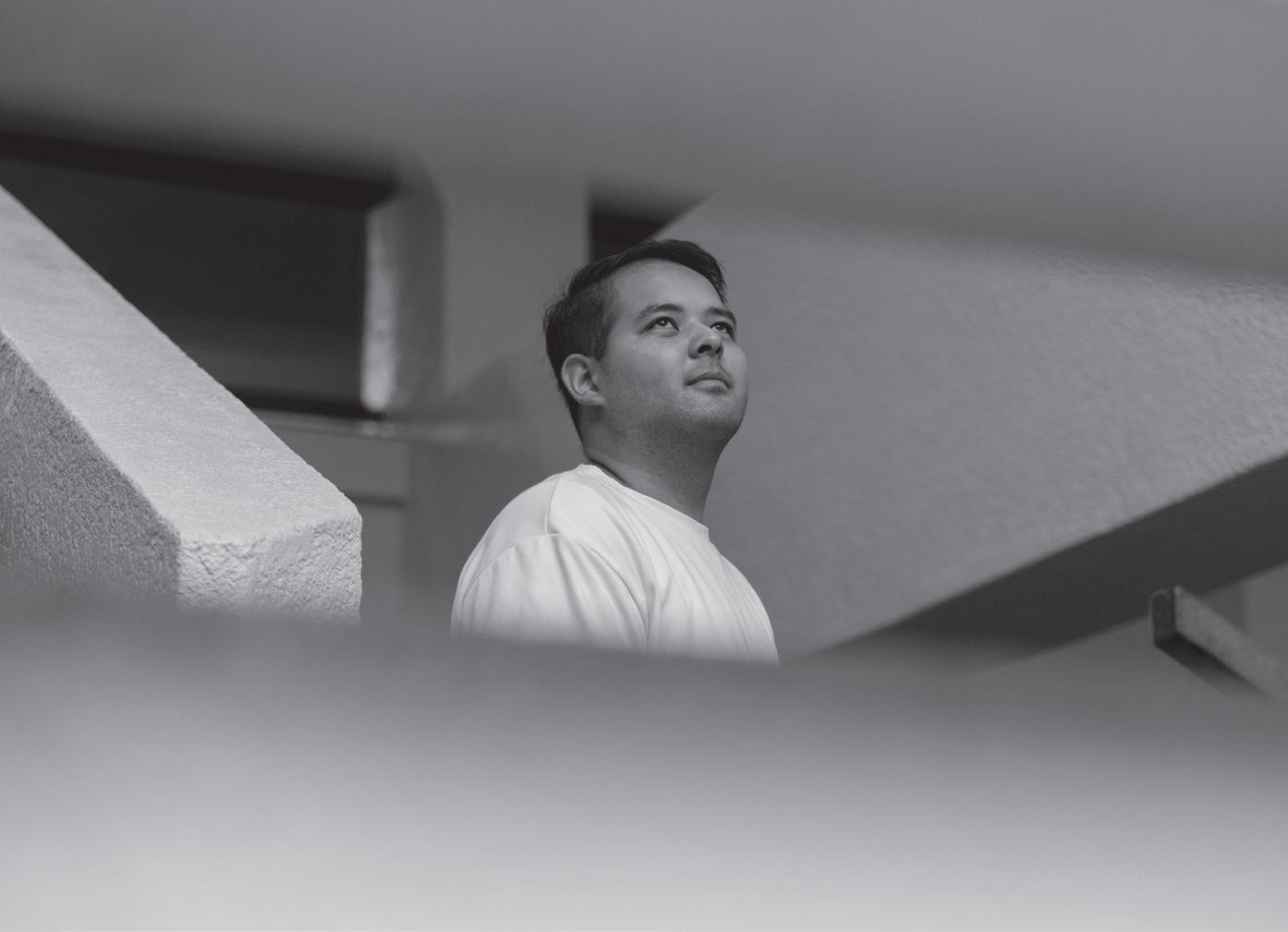
circles, squares), he said people are meant for specific openings.
“We all try to find the place where we belong. Sometimes other people try to force us into the wrong opening, and sometimes we force ourselves into the wrong one.That’s where the inner conflict begins,” he explained.
So, when people say they have “lost” themselves, Silva said he does not quite agree. “It’s not that I’ve lost myself,” he said. “It’s more that the person I see in the mirror no longer fits into the environment I used to belong in.”
Looking back, Silva said he recognizes how his sense of self was shaped by the responsibilities he took early on as the eldest sibling. He describes himself as what people now call a “parentified child”—someone who took on parental roles at a young age.Years later, he said that identity shifted to a different weight.
“The role I used to fill no longer needs filling,” he said. He described this absence as disorienting. “Now I’m trying to figure out where I belong and what role I’m supposed to play.” Labels, he noted, are often dismissed, but he said it provided him with a sense of comfort, structure and a sense of accountability.
While studying in South Korea, Silva recalled sitting alone in a cafe with his plate of crepe cake. He described the day as unremarkable, and the setting was not particularly significant. But at that moment, he said something shifted.
“I realized I was comfortable existing by myself. It made me realize that growth isn’t scary,” he said.
Growth, for Silva, is not determined by a fixed benchmark, but an ongoing state. He said some parts of his life feel fully formed while others remain in progress.
“Sometimes you don’t realize how far you’ve walked,” he added, “until you turn around and look back.” •
A journey of hope and resilience in times of rejection
Rejection has always carried a painful weight for many people. That pain can feel even heavier after experiencing rejection over and over again while still believing that the Lord wants you to continue trying. Repeated disappointment can challenge a person emotionally and spiritually, especially when they feel prompted to keep pursuing the path placed before them.

BY ROSEMARIE VALDEZ

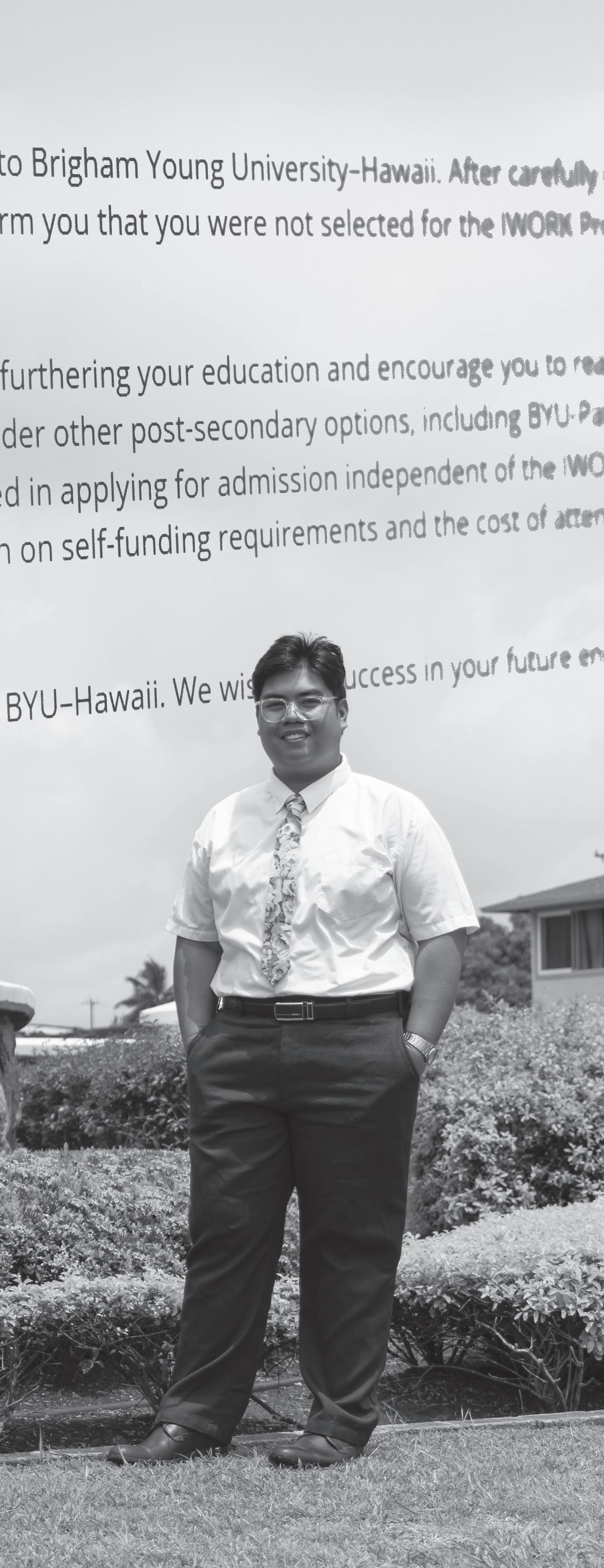
“After my third attempt of applying [to BYU–Hawaii], I thought the desire would be gone, but no, ” said Redd Gonzaga, a freshman student studying hospitality and tourism management from the Philippines. Gonzaga is a big believer of having dreams, and that the Lord will put you in the place where you are destined to be, he shared. But in his mind, “I have been rejected a couple of times already, why am I still getting these impressions?” he said he asked himself.
Looking back, Gonzaga said he was just a normal kid in the Philippines, where opportunities were limited and course options at the local community college were limited. “Me and my ward youth friends became interested in BYUH,” he said, sharing that the desire to study there began through a simple chat and hanging out with friends. Then came the time that all of them served their missions, including Gonzaga. Everyone was magnifying their callings to serve, but the small flame of desire for university was in Gonzaga’s heart.
After finishing his mission, Gonzaga said his desire to become a Seasider had started to fade and that he was unsure if BYUH was still the right path for him. But conversations with people connected to BYUH. Jolly Jane Java, a sophomore studying social work from the Philippines, reminded him of that earlier desire, he shared. “It was as if God reminded me where He wants me to be.”
Gonzaga’s good friend Java, who was also interested in attending BYU–Hawaii and was accepted after her first application said she encouraged him through his rejections. “I saw the pain he felt, but as a friend, all I could do was encourage him,” she said.
Unfortunately, Gonzaga said, the rejection did not stop after the first attempt. “The first rejection was okay, I understand. But getting rejected for the second and third, I started to question everything and everyone.”
He expressed pain as an understatement of what he feels; his self worth was depleting, yet he remained troubled by persistent impressions of attending BYUH.
Lehia Ishibashi, a sophomore in Hawaiian studies from Hawaiu, Hawaii, was called to serve in Gonzaga’s ward and also witnessed his response to repeated rejections from BYU–Hawaii. Ishibashi shared he was greatly influenced by Gonzaga’s resiliency when he needed the reminder as a missionary to trust the Lord’s plan and strive to be true to his covenant through difficult times. “He even still shared his testimony when he was very frustrated after he was already rejected twice.”
For Gonzaga, meeting all these people with ties to BYU–Hawaii seemed to hint that he was meant to be in Hawaii as well.
Another of Gonzaga’s good friends, Jared Lopez, applied as many times as Gonzaga, but also kept on falling short. “We got tired, we wanted to give up,” shared Lopez, a freshman in business management from the Philippines. The disappointment was too much for him that he said he started to question his worthiness. But he later realized it was not a matter of worthiness, but of trusting that the Lord would open the next door when the time was right.
At one point, Lopez and Gonzaga said they gave up and planned to go to Taiwan instead. While it offered work-study opportunities like BYUH, Gonzaga said, it lacked the spiritual environment they hoped to find at BYU–Hawaii. A week before leaving, Lopez received an acceptance letter from BYUH Admissions. The rollercoaster of emotions filled Lopez again—his happiness was at its peak, but it was cut short by concern for his friend Gonzaga.
Gonzaga felt that BYU–Hawaii was Lopez’s destiny and that Taiwan was his, so they parted ways—Lopez leaving for Hawaii and Gonzaga for Taiwan. It was a difficult time for Gonzaga, and he questioned
“Be hopeful. Hold on and continue to move along with life.”
Redd Gonzaga
himself and wondered why he continued to face rejection while his close friends were gradually being accepted.
“I emailed the school. I wanted to know why. I am magnifying my calling, I am keeping myself worthy,” Gonzaga shared. But he said he did not receive the answer he was hoping for. Instead, after multiple rejections, he said he was advised to stop applying and pursue Pathway instead.
Heartbroken but committed to his faith, Gonzaga moved to Taiwan, where he studied and worked while continuing to wrestle with the impression to apply again. Six months later, despite uncertainty and the risk that another rejection could disrupt his schooling and visa, he said he applied for the fourth time—knowing admission to BYU–Hawaii was his best path forward.
After weeks of waiting and thousands of prayers, an email came in, Gonzaga said. “I was shaking again, but I have a different feeling this time,” he shared. “I got in. I cried. Crying was the only thing I could do at that time,” he continued.
Looking back on the long process, Gonzaga said, “Be hopeful. Hold on and continue to move along with life.” He continued that losing faith can lead to distractions and encouraged others to “hold onto your faith.”
“And for the students that are already here, remember why you are here. Remember the admission essays that you wrote,” Gonzaga said, adding that they should always remember the promises they made not only to the donors and family, but to themselves. “Always find that reason in your heart. Hold it. And inspire yourself with those, and you will be fine.”•
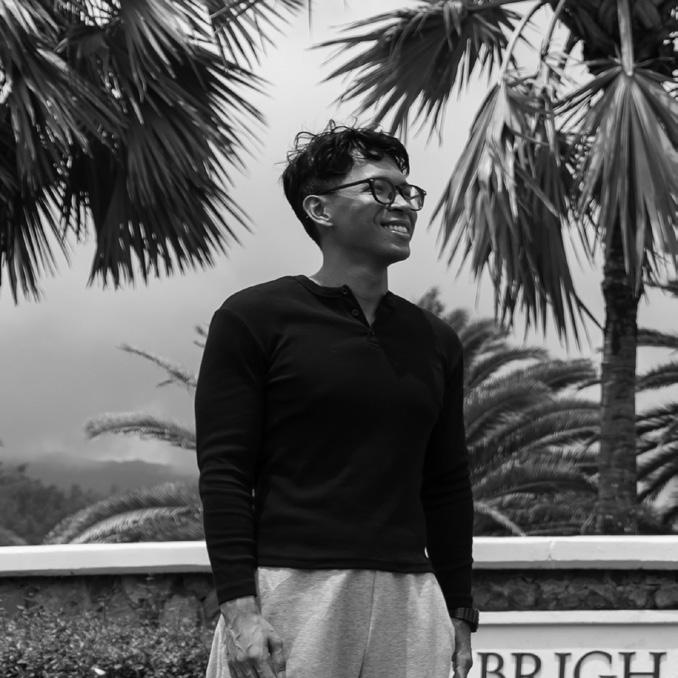
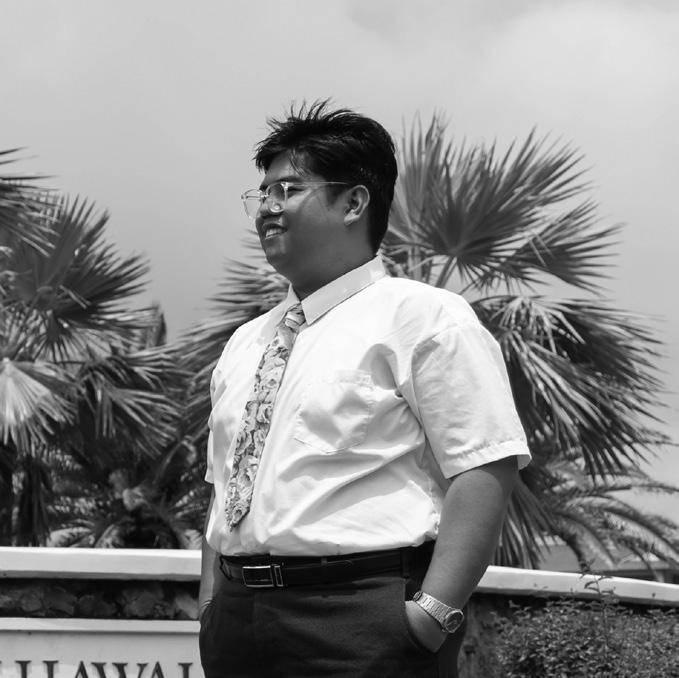
The photos highlight Gonzaga’s and Lopez’s personal journeys emphasizing quiet resilience required to hold onto hope, despite university rejections. Page Design by Ice

BY JAN CARLO NAVARRO
Three Seasiders reflect on what it means to belong to Generation Z and the legacy they hope to leave behind
Generation Z, often referred to as Zoomers, includes individuals born between 1997 and 2012 and is widely recognized as the first cohort to grow up with the internet and social media as a constant presence, according to Today.
Claire Williams, Susana Elisaia and Alim Corsino, students within this generation, offered personal perspectives that explore how they navigate a digital world, redefine strength and speak out on issues that shape how their generation understands itself.
Corsino, a sophomore from the Philippines majoring in social work, challenges the idea that technology simply makes life easier. “I do agree that it’s easier, but I don’t agree that it’s easy,” he said pushing back on the assumption that access to technology simplifies everyday life.
“There’s always something hard that comes from these innovations, whether that be one way or another. Each generation poses its unique challenges and must figure out a way to overcome that,” he said.
Corsino also pointed out how increased access to information has shaped awareness within his generation. “A lot of people in this generation are becoming more aware and know how to spot fake news and identify reliable sources.”
"WE ARE A GENERATION THAT SPOKE UP. AND BECAUSE WE DID, SO MUST YOU.”
-
SUSANA ELISAIA
For Williams, a freshman from California majoring in English, the internet also serves as a platform of connection and advocacy. “We’re trying to use the internet as something to connect us rather than divide us. We use these online tools to raise money for charities, enact social change and just create safe spaces for people to express themselves,” she said.
However, Williams also said that those same spaces can create divisions. “It’s just polarizing us more,” she said. “We’re finding
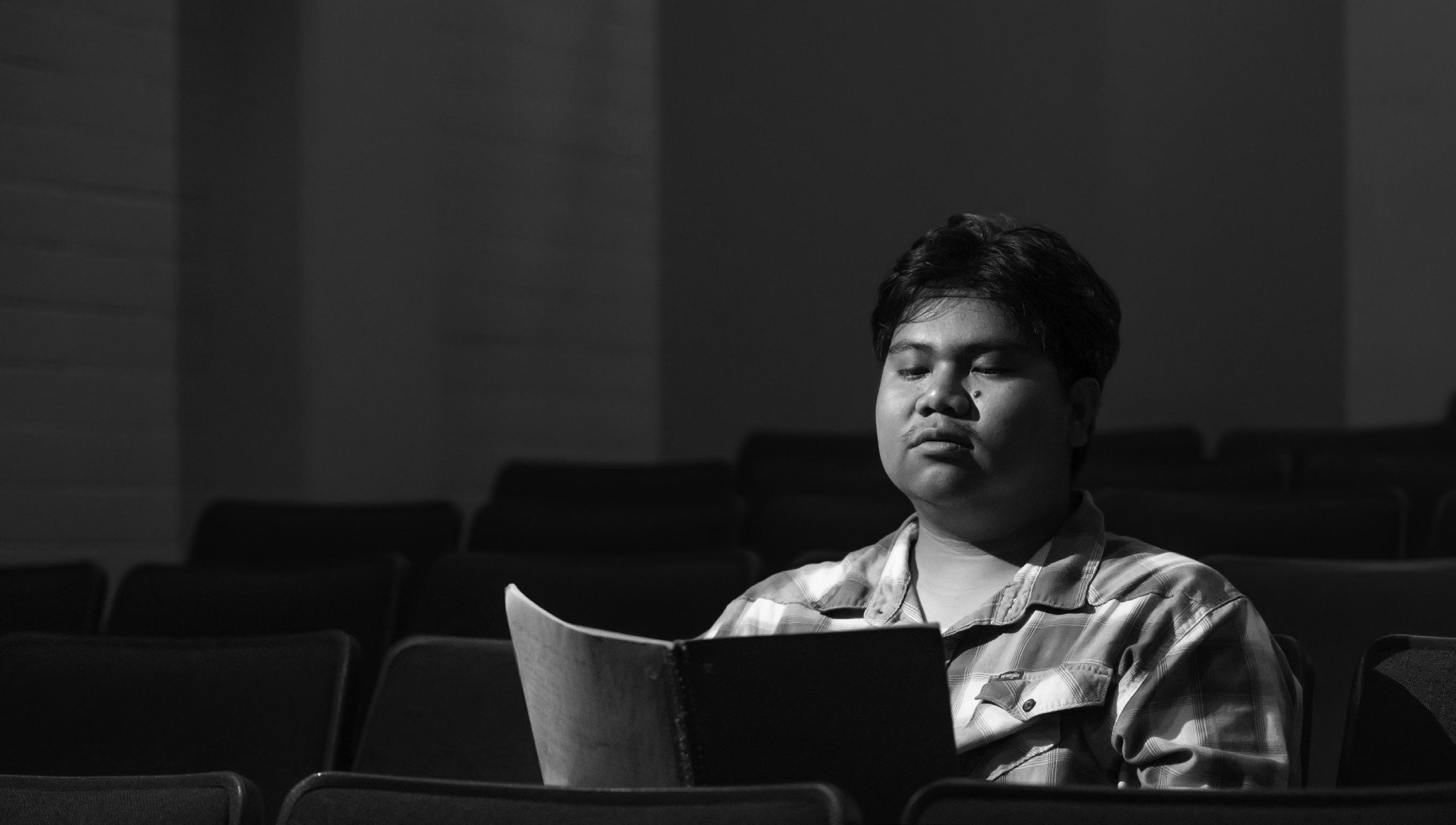
people who agree with us online ... but the people right next door have completely different opinions.”
Williams added that online interactions can affect in-person relationships. “The internet can take away essential real-life connections and the communities that exist offline,” she said.
Elisaia, a freshman elementary education major from Australia, expressed similar concerns about the pace and impact of technological change. “There are people out there who get their hands on technology too early and get exposed to things that they shouldn’t. Their safety is at risk,” she said.
Elisaia added that while her generation is learning how to navigate these challenges, “we haven’t completely found a way to navigate social media and how divisive it can be especially as new development like artificial intelligence (A.I.) emerge alongside it.”
Corsino said much of the generational divide stems from differences in awareness. Previous generations, he explained, may see mental health struggles as less
prevalent because “it wasn’t really studied and wasn’t really talked about as much.”
In contrast, Corsino said that with increased mental health awareness, “a lot more people are being diagnosed and are receiving appropriate professional help,” which creates the perception that these challenges are new, rather than newly recognized existing issues.
Corsino said their generation is judged for being too soft or loud. “But we are soft because we are vulnerable. Vulnerability is strength. Vulnerability is not a weakness—it takes a lot of courage and will to be vulnerable,” he said.
Corsino added that this openness has led to a stronger sense of setting boundaries and a conscious effort to address patterns that may have been overlooked in the past.
Elisaia also said previous generations were often expected to “just suck it up, don’t cry and just keep going.” She said this mindset is how mental illnesses and generational trauma get passed down. “That’s where I think they went wrong. They didn’t fix or look into themselves and fix their own personal problems,” she said.

Elisaia added that her generation has better access to resources and understanding mental and emotional wellbeing. “When we talk about our feelings and work through our traumas, we start to heal as a generation,” she said.
Williams tied mental health awareness to personal experience, saying someone close to her struggled significantly at an early age, shaping how she understands community and support. She said, “My biggest goal in life is to create communities and homes where kids feel supported and they feel like there’s a way out.”
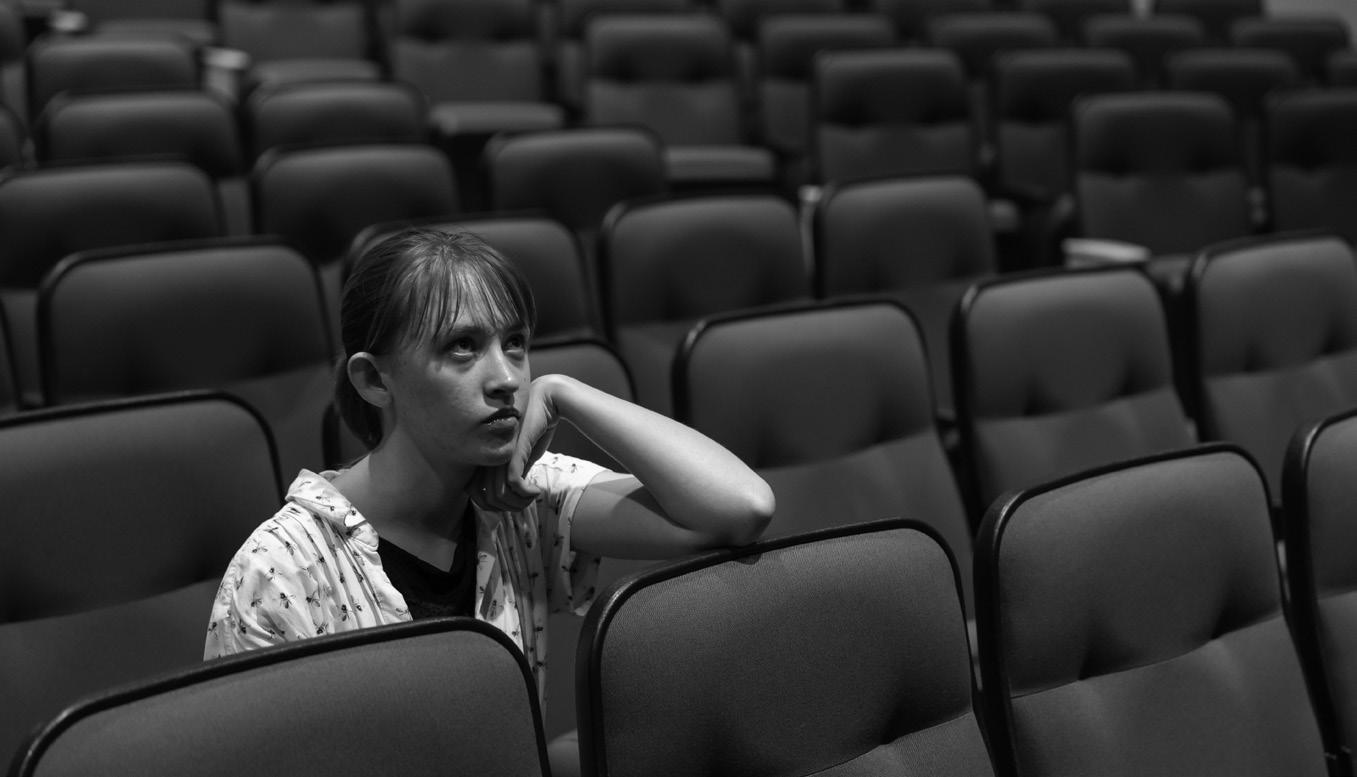
Williams said she desires her generation to be known for standing up for “the little guy” and uniting through minorities and rising up against oppression. “We are a generation that banded together, trying to make a difference for good. We’re doing our best to create a world that’s going to help others be more comfortable with themselves and the world around them.”
Elisaia said, “We started a lot of movements in our generation—movements to change the world,” she said. She said when they see something that needs improvement, they do something about it. She also said her generation has a keen
sense of justice. “We have a lot of heart and a desire to stand up for what is right.”
Corsino said willingness to speak out is most effective when grounded in knowledge and critical thinking. “We are a generation that speaks and will not be silenced,” he said.
Addressing the future generation, Elisaia said, “You can do anything. Reach your potential. We are a generation that spoke up. And because we did, so must you.”
Corsino said that vision must be rooted in empathy. “No point in life is individually harder than anyone else’s. We’re all just trying to live, we’re all just trying to learn.”
Williams also encouraged future generations to approach the world with intention and awareness. He said, “Listen to people from different backgrounds and places. Read everything you can but don’t just consume it—learn how to digest it. Stand for people and real is always better than fake.”•
“MY BIGGEST GOAL IN LIFE IS TO CREATE COMMUNITIES AND HOMES WHERE KIDS FEEL SUPPORTED AND FEEL LIKE THERE’S A WAY OUT.”
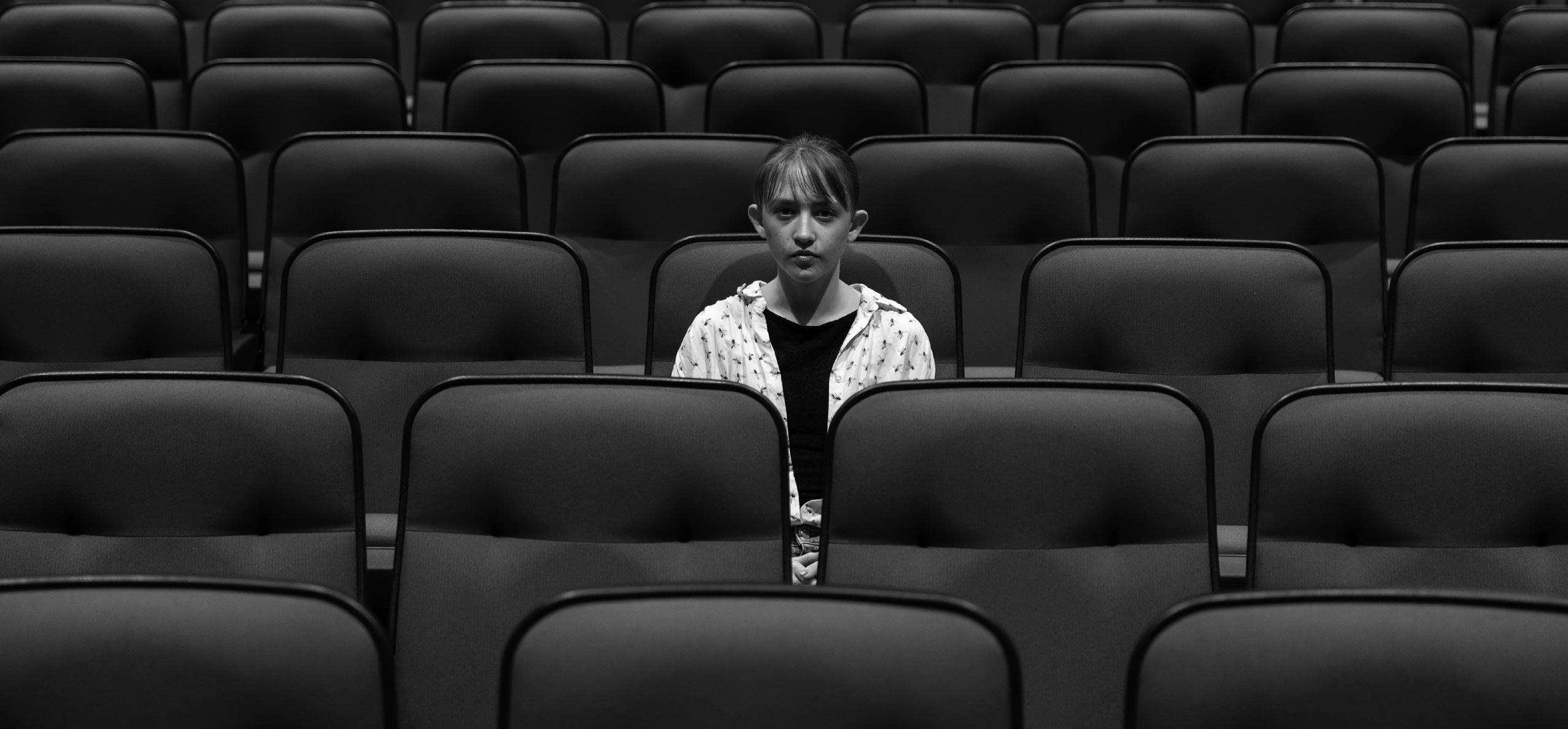


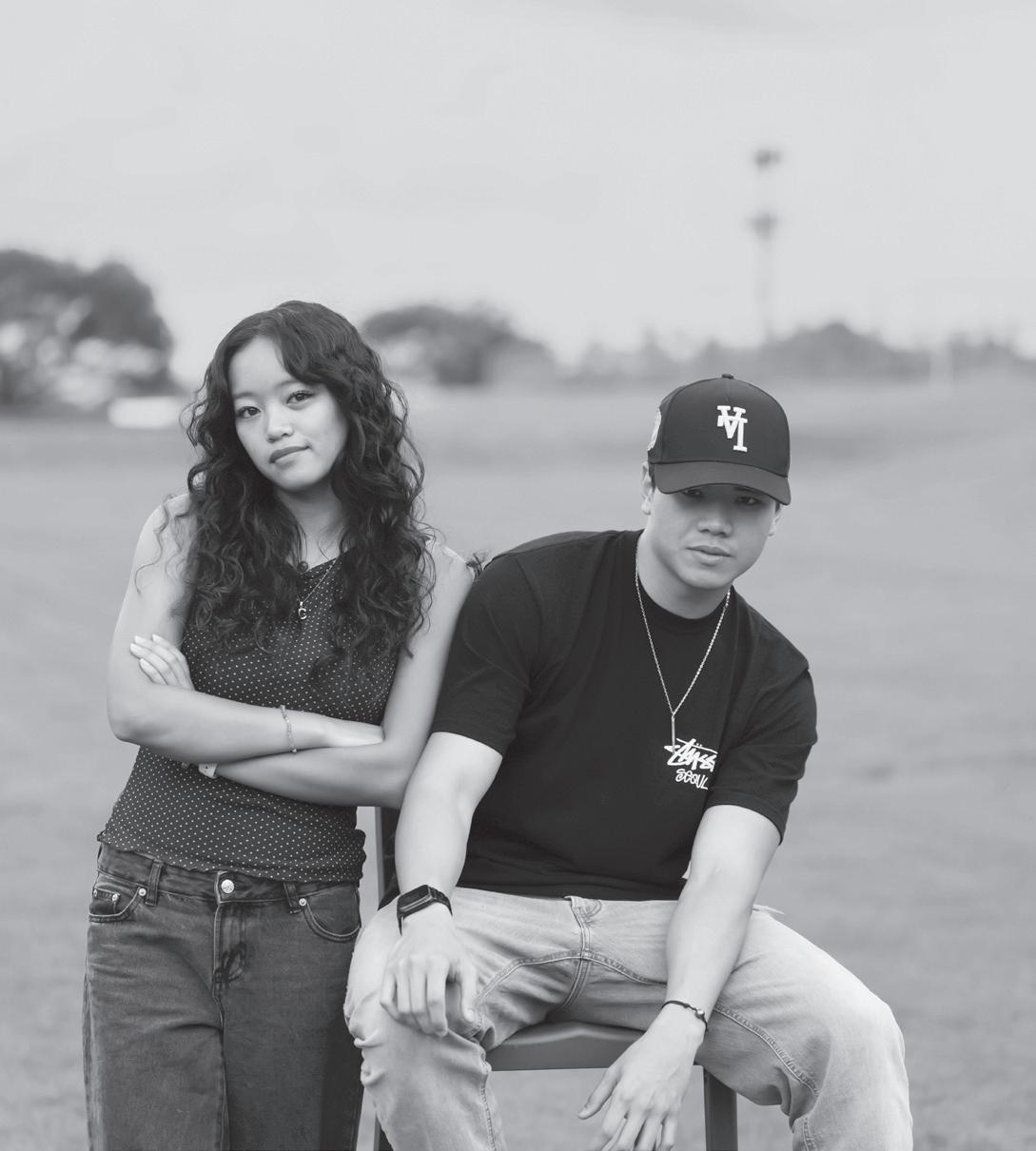
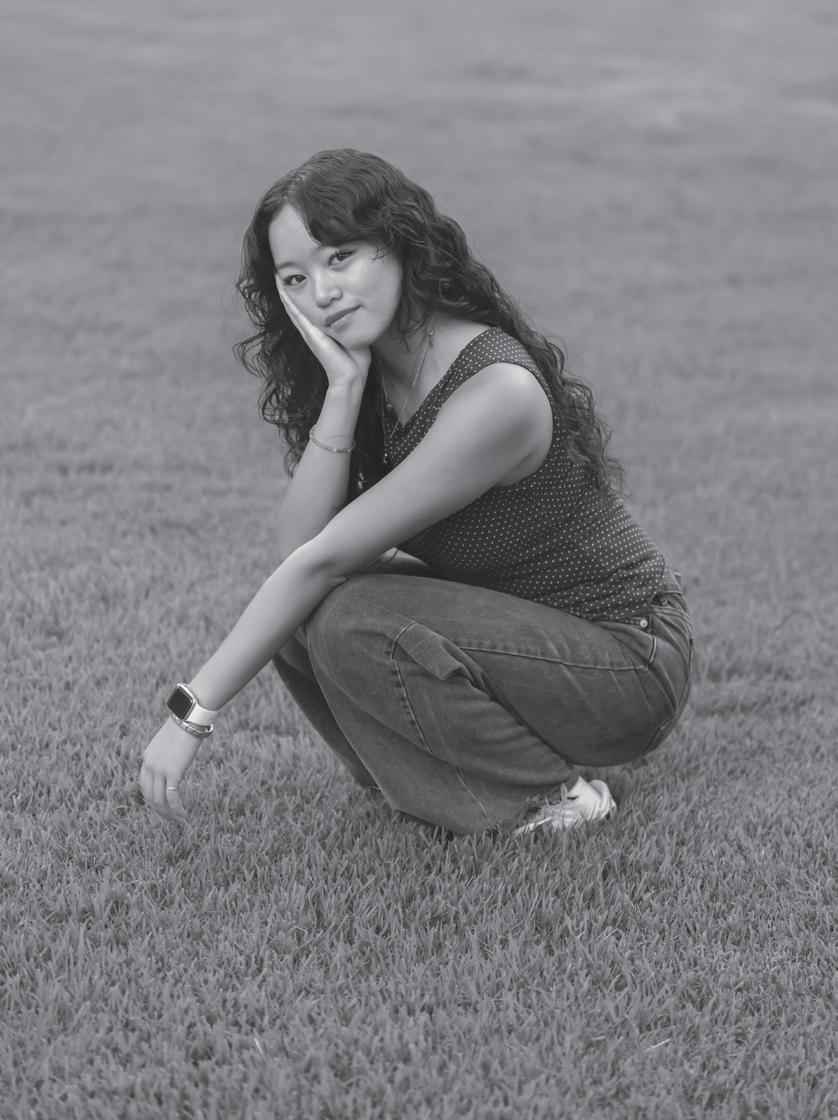
Creating identity and comfortability through clothing, BYUH students share perspectives on fashion and selfexpression
BY ROSEMARIE VALDEZ
“The important thing also is that I feel good in what I wear,”
-Keala Olayan
Being comfortable in one’s own style is something BYU–Hawaii students emphasize when choosing what clothes to wear. They shared that one factor they consider before ordering online or buying in stores is not only if the clothes fit their fashion statement, but also if they feel comfortable wearing them.
Fashion at BYUH is more than following trends or dressing for compliments. For students like Jaycob Charr, Keala Olayan and Challyze Catubay, fashion has become a way to express identity, embrace different cultures and build confidence while adhering to the Honor Code. Despite their different backgrounds and experiences, they said that comfort, self-expression and confidence matter more than conforming to society’s standards of what is considered fashionable.
“Growing up, fashion was never my top priority,” said Jaycob Charr, a senior from Laie, Hawaii, majoring in business management with a supply chain management concentration. He said he was a typical high school student who wore whatever was in his closet or whatever felt most convenient at the time.
“But maturing comes along with how people dress and how they want to be perceived by other people,” Charr said. As he entered college and traveled to countries such as South Korea and Japan, he said his approach to fashion became more exploratory and creative.
“Korea is a place of fashion. Everyone is very good at dressing up,” he said. According to Charr, people are often influenced by what they see around them and gradually incorporate those styles into their own identity.
After arriving at BrighamYoung University–Hawaii, however, Charr said his perspective on fashion shifted because of the Honor Code. Still, he does not view it as a restriction.
“I don’t see it as a restriction, but more of a help for me to dress a certain way,” Charr said. He explained that the Honor Code does not limit his personal expression but instead helps him learn how to present himself professionally, modestly and respectfully.
“I am doing the same thing out of respect not only for the Honor Code, but for other people who are following that,” Charr said, emphasizing that one of the Honor Code’s main purposes is to foster respect not only for oneself but also for those around them.



Keala Olayan, a freshman from Arizona majoring in accounting, shared her perspective on fashion and how people use it to communicate and connect with others.
Similar to Charr, she said many of her views on fashion were shaped by experiences outside of the place where she grew up.While serving a mission in London, she admired the creativity people expressed through their clothing and often drew inspiration from their styles, eventually incorporating some of those ideas into her own wardrobe.
“In London, there’s a big chance of being risky when it comes to dressing up,” Olayan said.For Olayan, fashion gives people the freedom to express themselves and embrace styles that resonate with their personalities.
The Honor Code has never been an issue for Olayan. “I have been a member all my life, so it’s something that I do most of my life,” she said. Rather than viewing it as a limitation, she said it encourages her to be more creative in how she dresses. She enjoys layering tops, wearing leggings under skirts and finding artistic ways to style outfits while still adhering to the Honor Code.
“I wear clothes that I do get more compliments on,” Olayan said, explaining that positive feedback from others can boost her confidence. She added that she often chooses colors that complement her features and help her feel confident in her appearance.
“I would pick colors that would look good on me, wanting to highlight the good features I have,” Olayan said. Despite the role of confidence and self-expression, she emphasized that comfort remains the most important aspect of fashion.
“The important thing also is that I feel good in what I wear,” she added.
Challyze Catubay, a junior from Utah majoring in business marketing, also shared her experiences with fashion and identity. Although she was born and raised in the United States, she said she is fully Filipino and comes from a first-generation immigrant family.
Because she grew up in America, Catubay said her fashion sense has been heavily influenced by American culture. “People would think because my style is very mainland, they would overlook me as a Filipino,” Catubay said. Although she occasionally encounters those assumptions, she said it has never been difficult for her to fit into the community because she feels secure in her identity and cultural background.
“I like to think that people dress for themselves,” Catubay said. She believes people should be accepted regardless of what they wear and that clothing should not determine whether someone is accepted or recognized.
As a student at BYUH, Catubay said being mindful of the Honor Code is important. “Sometimes I would tweak my style for that day,” she said. Rather than holding back her self-expression, she explained that the
Honor Code encourages her to be creative with her clothing choices. She often adds layers to her outfits to maintain her personal style while remaining in accordance with Honor Code standards.
Like Charr and Olayan, Catubay said she does not view the Honor Code as a restriction. Instead, she sees it as a guide that helps her present herself in a way that reflects both her values and individuality. As Charr shared earlier, “it is like a tool for me to follow how I should present myself,” a perspective that both Olayan and Catubay said they share.
“Embrace the change while you are here,” Charr advised. He said there is a wealth of culture and fashion at BYU–Hawaii, and embracing and appreciating those differences can broaden students’ understanding not only of fashion but also of the cultures that contribute to the university community.
“Have fun with it!” Olayan said. She explained that dressing up should be enjoyable and that confidence often comes from wearing what feels authentic. She encouraged students to use online resources for inspiration, explore styles that suit them and allow their confidence to speak for itself.
“You know who you are,” Catubay said. She explained that understanding one's identity and personal preferences is an important part of developing a sense of style.While drawing inspiration from others can be helpful, she said having a unique identity and personal rhythm in the way one dresses makes a difference.
Their advice offers perspective for students who may feel pressure to keep up with what is considered fashionable. For Charr, Olayan and Catubay, style is less about following trends and more about selfexpression, confidence and authenticity.Whether through cultural influences, personal creativity or adherence to the Honor Code, they said fashion is most meaningful when it reflects who a person truly is.•

“But maturing comes along with how people dress and how they want to be perceived by other people.”
-Jaycob Charr

Hear from students with church callings as they share the blessings and burdens of their ministry

BY ALDEN ETHANAEL PUA




Several BYU–Hawaii students share their experiences in navigating church callings in the midst of other work and academic responsibilities. Despite the challenges they faced, all recognized unique blessings which came from their respective callings, including being empowered to give back to the community that once helped them.
To Zachary Cruz, a psychology senior from Australia, being called as a second counselor of the bishopric provided him with much insight. He shared the calling enabled him to learn the bishopric’s behind-the-scenes procedures and responsibilities that often go unnoticed by the public.


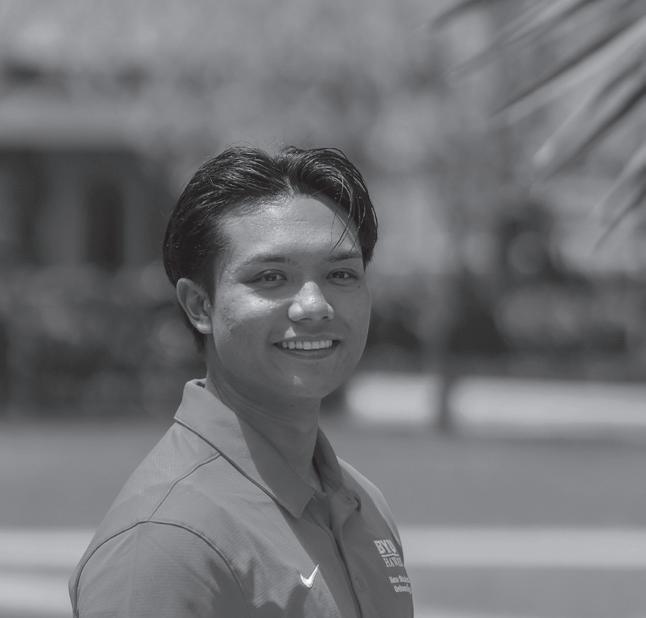


“I see God not only as a friend, master, brother, or teacher, but also as the greatest counselor.”
- Zachary Cruz
From planning ward activities and scheduling meetings to handling tithing and extending church callings, Cruz experienced firsthand the service and sacrifice offered by the bishopric to its ward members. “It’s amazing to see how much love our bishop and first counselor have for the members,” he commented.
Cruz learned much throughout his one and a half years of service. In particular, he said he found that “God is actively present in the lives of His children.” He had seen countless members undergo difficult trials, and even helped several of them himself.
As each member emerged from their challenges “esteemed and refined,” Cruz stated that he witnessed God’s works of love in every one of them. “These experiences are a testament that God is real and still performs miracles in these latter days,” he said.
However, callings also come with its difficulties, Cruz stated. He noted the challenge of balancing his church calling and work as a student lead in the New Student Onboarding (NSO). He shared that he sometimes lost track of ward tasks, particularly during the start of semesters where NSO is at its busiest.
Aside from this, Cruz also struggled with unsureties in his capacity as second counselor. He often asked himself, “what more can I do for the ward and the Lord?”
Fortunately, Cruz was able to delegate responsibilities with his leaders and co-workers, and received additional assistance from his friends. With their support, he overcame every struggle and continued serving to the best of his abilities.
All in all, Cruz found his church calling to be a great blessing. He explained that serving as second counselor improved his views of others and himself. Having been previously judgemental and disregarding of others, he has learned to see others past their struggles in a more compassionate light.
Cruz also viewed God in a new light. “God really is the greatest counselor,” he said. “He feels what others feel, knows how to validate others’ perspectives and loves with unconditional and positive regard.”
As Cruz continues to serve in his calling, he hopes to develop that type of empathy in all aspects of his life.
As a ward pianist of one and a half years, Thaddeus Mak, a computer science junior from Indonesia, had seen how his calling helped many members “feel the Holy Spirit.” Mak said, “I definitely see my calling as a blessing.”


For Mak, serving as ward pianist blessed a number of people in his ward. He referenced an interaction with another ward member in the past. Someone had come up to him and expressed their gratitude for his piano playing, noting that it helped them “feel the Holy Spirit.”
As for himself, Mak experienced much development in his calling. Aside from improving his musical abilities, music also enabled him to feel God’s love even more. “Music can help bring the Holy Ghost as well as peace in our lives,” he stated.
But, being a ward pianist also came with its challenges, Mak said. A hymn may not be well known by members or the tempo may be difficult to adjust. Whatever it is, Mak explained that these difficulties may influence a pianist’s confidence, and consequently affects how well they play.
Nevertheless, Mak continued to spend ample time honing his musical abilities. He regularly set time apart to practice hymn songs, planned out his weekly schedule and ensured that he still had some time for himself.
“I really love to play the piano, and I know that this calling can be a blessing to others too,” he concluded.
According to Matt Sant, a biology and intercultural peacebuilding sophomore from Louisiana, serving as elders quorum president has significantly increased his compassion for his ward. He now believes that everyone not only belongs, but is also needed in the quorum.
“I feel a little bit like the Grinch, in that my heart has grown three sizes,” he commented.
Although he has served in the position for almost two years, Sant still found difficulties in ministering as elders quorum president. “I always have the feeling that I am never doing enough,” he stated.
Sant recognized that he had room to improve in his ministering. A comforting thought to this, however, is knowing that he is not alone. The support of his two counselors and other ward members encouraged him to strive for self-improvement, particularly in his stewardship and spirituality.
For Sant, spiritual growth is a matter of agency. He stated that one may choose to put in spiritual effort, such as accepting church callings, or not. Regardless, “[God’s] work still goes on, whether someone decides to participate in it, or not, he explained.
“We just have to try our best and trust that the Lord will take our five loaves and two fish to feed thousands,” he concluded.•
“Music can help bring the Holy Ghost as well as peace in our lives.”
- Thaddeus Mak



“In
the end, it’s the eternal life that you are building, and it’s yours – not anyone else’s.”
- Duane Domagsang