
















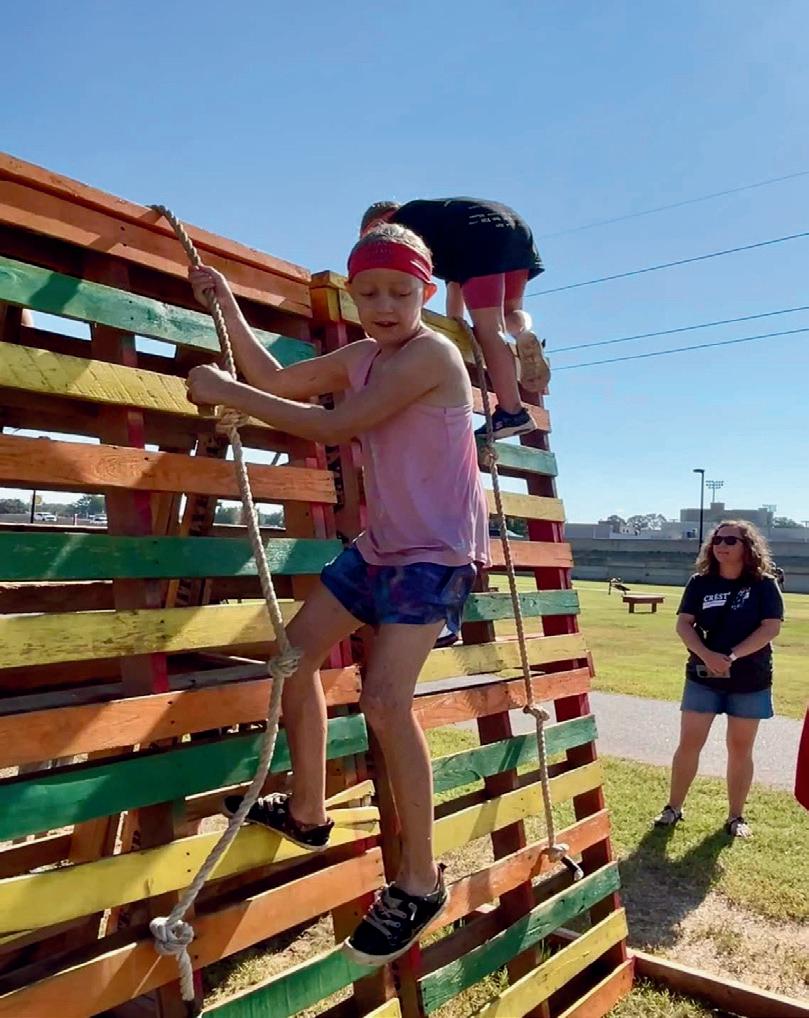








School starts in August. But the families who walk through that first week with confidence? They did the work in July.
We are talking about the appointments. The immunization records. The sports physical sitting in someone's inbox that needs to be printed before the first practice. The vision exam you have been meaning to schedule since last spring. None of it is complicated. All of it is exponentially easier when you are not doing it the week before school starts, competing with every other family in Central Arkansas who also waited.
This is your guide to getting it done — what to schedule, what to ask, and what to do if something comes up.
July is the month to schedule. August is the month to show up ready.
Think of the well-child visit as your family's annual baseline. Height, weight, blood pressure, development, vision screening, hearing check, and a conversation with your child's doctor about anything that has been on your radar. Most insurance plans cover it at no cost to the family, and it is the single appointment that opens the door to everything else on this list.
Here is the practical reason it matters most right now: if your child is entering kindergarten, 6th grade, or 9th grade in Arkansas, updated immunization records must be on file at school before the first day of class. Your pediatrician reviews exactly what is current and what is due at this visit. Do not assume last year's records still cover everything — requirements change by grade level, and your school will ask.
If your child has not had a checkup in the past year, this is the call to make first. Everything else flows from it.
Every child enrolled in an Arkansas school — public or private — needs documented immunizations on file before the first day. The specific vaccines required vary by grade level but generally include DTaP, polio, MMR, Varicella, Hepatitis B, and for older students, Meningococcal. The Arkansas Department of Health publishes the current schedule at Healthy.Arkansas. gov, and it is worth reviewing even if you think your child is up to date.
Life happens. Families move. Records get lost between providers. A child who switched pediatricians in the past two years may have a gap that nobody caught. Your well-child visit is the time to find out — not the week before

school starts.
If there are gaps, your pediatrician can update records at the same visit. County health departments across Central Arkansas also offer low-cost immunization clinics through the summer for families who need them. Call your child's school office before the appointment to confirm exactly what documentation they need — some schools want a state-issued immunization form, others accept a printed record from your provider's patient portal. Knowing in advance saves a second trip.
Worth knowing: Arkansas maintains a statewide immunization registry called WebIZ. Your child's vaccination history is stored there and accessible to any Arkansas provider. Ask your doctor to confirm that the record is complete and up to date before you leave the appointment.
If your child is playing a fall sport — football, volleyball, soccer, cross country, cheer, tennis — most Arkansas school districts require a current physical on file before the first practice. Coaches often set their own internal deadline in late July or early August, before the official season start. Do not wait for the school to remind you.
A sports physical is not the same as a well-child visit. It focuses specifically on cardiovascular health, musculoskeletal function, past injuries, and any conditions that could affect safe participation in athletics. That said, many pediatric practices will combine a well-child visit and a sports physical into a single appointment if you
ask when you call. For busy families, that is worth the ask.
What the sports physical is looking for: undetected heart conditions, joint instability, blood pressure concerns, concussion history, and any respiratory issues like exercise-induced asthma that might not have surfaced in normal daily activity. Most children sail through with no concerns. But for the ones where something is found, the physical is what catches it before it becomes a crisis on the field.
A sports physical is not paperwork. It is the appointment that keeps your child safe when the stakes are highest.
One in four school-age children have a vision problem significant enough to affect their learning. Here is the harder truth: most of those children have never told anyone, because they do not know what they cannot see. A child who has always squinted to see the board thinks that is what everyone does. A child who gets headaches after reading thinks reading is just supposed to feel that way.
Arkansas requires vision screening for children entering kindergarten and first grade. But screening is not a comprehensive eye exam — it catches obvious problems and misses subtler ones. The American Optometric Association recommends a comprehensive eye exam for schoolage children every 1 to 2 years, regardless of whether they passed the school screening.
Signs worth acting on before school starts: squinting at the television or whiteboard, sitting too close to screens, rubbing eyes frequently, complaints of headaches, specifically after reading or homework, losing their place while reading, or avoiding activities that require sustained near-focus. Any of these is reason enough to schedule an exam before August.
Fall sports mean mouthguards, and a mouthguard that does not fit over a newly erupted tooth is a problem. A school year means daily exposure to cafeteria food, vending machines, and the particular chaos of lunch period. A dental checkup before August gives your child's dentist a chance to catch anything developing early — cavities, orthodontic concerns, early signs of teeth grinding, and anything else that is easier and less expensive to address before it becomes urgent.
Most dental insurance covers two cleanings per
year. If your child is covered under Arkansas Medicaid, dental services are included. If your family is uninsured, the Arkansas Department of Health operates dental programs at community health centers across the state. Call 501-6612000 to find the location nearest to you.
One practical note: if your child plays a contact sport, ask about a custom or properly fitted mouthguard at this appointment. Over-thecounter boil-and-bite guards provide some protection, but a fitted guard from your dentist provides significantly more — and one that actually stays in place gets worn consistently.
Back-to-school season is one of the most anxiety-producing transitions in a child's year. New teacher, new classroom, social uncertainty, the loss of summer freedom — for most children, this produces normal nervousness that resolves within the first two weeks of school. For some, it surfaces something worth paying closer attention to.
Your well-child visit is the right place to bring this up. Pediatricians screen for anxiety, depression, ADHD, and behavioral concerns as part of routine care. If you have noticed changes in your child's sleep, appetite, social behavior, or emotional regulation over the past year, say so at the appointment. Do not wait for the school to raise a concern.
If your pediatrician recommends a referral to a children's mental health provider, take it seriously and act on it promptly. Wait times for pediatric mental health services in Arkansas can be long. Starting the process in July gives you the best chance of having support in place when school begins.
Your child's mental health is part of their health. Bring it up at the appointment. That is what the appointment is for.
• Schedule well-child visit — July or early August
• Confirm immunization records are current and on file with your school
• Ask what documentation format your school requires — printed form or portal record
• Schedule sports physical if your child plays a fall sport — ask about combining with well-child visit
• Schedule comprehensive vision exam if it has been more than a year
• Schedule dental cleaning before August — ask about mouthguard for athletes
• Bring up any mental health or behavioral concerns at the well-child visit
• Confirm health insurance is active and your child's providers are in-network
• Prepare a medication plan or spare supplies for the school nurse if needed
• Update emergency contacts and medical information with your child's school
Resources: Arkansas Department of Health — healthy.arkansas. gov | Arkansas Immunization Program — 501-661-2169 | Arkansas Children's Hospital — archildrens.org | UAMS Health — uamshealth. com | Arkansas Medicaid dental resources — 501-661-2000




Is my child ready for kindergarten? It is the question that keeps a certain kind of parent up at night every spring and summer. My child turns five this fall. Should I wait a year? Is she ready? Will he struggle? What does ready even mean?
The honest answer is that kindergarten readiness is not a single checklist you pass or fail. It is a combination of skills — academic, social, emotional, and physical — that develop at different rates in every child. And the skills that matter most going into kindergarten are probably not the ones you are drilling at the kitchen table right now.
Kindergarten readiness is not just about what a child knows. It is about how a child learns.
Ask a kindergarten teacher what they wish families knew before the first day, and the answer is rarely about letters and numbers. It is about this:
Following instructions: Can your child hear a two-step direction and carry it out independently — without someone standing next to them?
Handling transitions: Can they move from one activity to another without significant distress? Kindergarten moves fast.
Getting along with other children: Can they take turns, share materials, and
navigate a small conflict without an adult mediating every moment?
Communicating needs: Can they tell an adult when they are confused, hungry, hurt, or need the bathroom?
Sustained attention: Can they stay with a task for five to ten minutes?
Academic skills absolutely matter — letter recognition, counting to ten, and holding a pencil correctly. But a child who can regulate themselves and communicate clearly will absorb academic instruction far more readily than a child who knows every letter but cannot sit in a group or ask for help when they are lost.
By age five, most children are speaking in full sentences that unfamiliar adults can understand. Counting to ten or higher. Recognizing letters — especially the ones in their own name. Drawing a recognizable person with at least four body parts. Dressing and undressing themselves. Playing cooperatively with other children for a sustained stretch without constant adult direction.
These are guideposts, not guarantees. Development is not linear, and children hit milestones at different times. What matters is the overall picture, and the direction things are moving. If your child is not meeting several of these and progress seems stalled, that is not cause for panic — but it is cause for
a specific conversation with your pediatrician before school starts.
Early identification changes outcomes. The research on this is consistent and clear: children who receive targeted support before kindergarten enter the classroom with a meaningfully stronger foundation than those who wait for school to identify their needs.
If you have concerns about your child's speech, language, fine or gross motor skills, social development, or ability to focus — act now, not in September. Evaluation and early intervention services take time to access, and the window between now and the first day of school is the right time to start the process.
Arkansas DHS Better Beginnings connects families with developmental resources and quality early learning programs across the state. They can help you understand what services are available and how to access them. Reach them at BetterBeginnings@dhs.arkansas.gov or at arbetterbeginnings.com.
UAMS Kids First provides comprehensive, interdisciplinary developmental care for children from birth through preschool age with special health care needs. Their team includes physicians, speech-language pathologists, occupational therapists, and developmental specialists who collaborate on individualized plans for each child. They are located at 800 Marshall Street in Little Rock and can be reached at 501-364-3620.
The Arkansas Department of Education's Division of Early Childhood also administers the state's early intervention program for children under three. If your child is between three and five and has identified developmental concerns, contact your local school district's special education office — they are required by federal law to evaluate and, if eligible, provide services at no cost to your family.
Academic redshirting — intentionally holding a kindergarten-eligible child back a year to give them more time to develop — is a decision families consider more often than teachers might expect. The evidence on whether it helps is genuinely mixed.
Some children benefit from an extra year of preschool. Children with significant developmental delays, late-summer birthdays paired with social-emotional immaturity, or specific, identifiable areas of concern sometimes thrive with more time. But a blanket policy of holding back all boys, or all summer-birthday children, is not
supported by the research. The advantage of redshirting, when it exists, tends to fade by third or fourth grade.
The best version of this decision is specific and individualized — a conversation with your child's preschool teacher, their pediatrician, and possibly a developmental specialist who knows your child. It should not be based on a general feeling that another year could not hurt. Sometimes it can.
The most effective school readiness work you can do before August does not come in a workbook. It comes from how you spend the next six weeks.
Read aloud together every day — not to drill comprehension, but because children who are read to enter kindergarten with larger vocabularies, stronger listening skills, and a fundamentally different relationship with books and language. Ten minutes a day matters.
Give your child real responsibilities with real consequences. Making their bed, setting the table, feeding a pet, helping with a simple meal. Children who have been given genuine responsibility at home arrive at school with a sense of competence that carries them through the hard moments.
Practice separating from you. Drop-offs at a grandparent's house, playdates, day camp, library programs — any experience where your child navigates time away from you in a structured setting builds the muscle they will need on the first day of school. The separation is not the trauma. The surprise of it is.
Let them be bored sometimes. Unstructured time where a child has to figure out what to do next builds creativity, frustration tolerance, and internal motivation — things kindergarten teachers prize and screens do not develop.
The Central Arkansas Library System offers free summer reading programs at branches across Pulaski and Lonoke Counties through the summer. These programs build reading interest, familiarity with the library, and the kind of structured independence that translates directly into classroom readiness.
Read together. Give them responsibility. Let them figure things out. Those are the foundations kindergarten teachers build on.
Resources: Arkansas DHS Better Beginnings — arbetterbeginnings. com | BetterBeginnings@dhs.arkansas.gov | UAMS Kids First — 501-364-3620 | Arkansas Dept. of Education Early Childhood — dese.ade.arkansas.gov | Central Arkansas Library System — cals.org



SATURDAY, JULY 4




Back-to-school anxiety happens. Here is how to tell what is normal, what is not, and what helps
For a lot of kids, July feels fine. August feels terrifying.
New teacher. New classroom. New schedule. Will my friends be in my class? What if I cannot find my locker? What if no one sits with me at lunch?
Back-to-school anxiety is real, it is common, and it does not mean something is wrong with your child. But knowing the difference between normal nervousness and something that needs more attention changes everything about how you respond — and whether the right support is in place before the year begins.
Anxiety about school is normal. Anxiety that stops a child from functioning is something different — and both deserve a response.

In the weeks before school starts, most children experience some version of this: stomachaches that appear Sunday night and disappear by Tuesday morning. Sleep that gets a little harder to come by. More emotional than usual. Suddenly not wanting to talk about school after spending all summer looking forward to it.
This is the nervous system doing exactly what it is supposed to do — preparing for something unfamiliar and highstakes. For most children, these symptoms ease within the first two weeks of school once the unknowns become knowns and the routine becomes predictable.
What helps during this phase is simpler than most parents expect. Keep conversations low-pressure. Validate the feeling without amplifying it — there is a difference between 'I hear you, that sounds hard' and 'I know, school is so stressful, I worry too.' Maintain familiar routines at home even as everything else is changing. And give your child concrete, specific information about what to expect. Where do I put my backpack? Who do I tell if I feel sick? What does the lunch line actually look like? Uncertainty feeds anxiety. Information starves it.
The line between typical nervousness and anxiety that needs support is not always obvious. These signs are worth taking seriously — especially if they are persistent, intensifying, or interfering with daily life:
Physical symptoms: Stomachaches, headaches, or nausea that occur specifically on school mornings and resolve on weekends or days off.
Avoidance: Refusing to go to school, crying daily at drop-off past the first two weeks, or physical symptoms severe enough to miss school regularly.
Sleep disruption: Inability to fall asleep, frequent nightmares, or waking repeatedly — multiple nights per week for more than two weeks.
Social withdrawal: Pulling back from friends, activities, and family interactions in a way that feels new or different. Regression: Returning to behaviors
more typical of a younger age — bedwetting, thumb sucking, baby talk — after having moved past them.
Intense worry: Persistent, hard-to-redirect thoughts about specific fears — getting sick at school, something bad happening, being humiliated — that the child cannot set aside even with reassurance.
If several of these are present and not improving, your child's pediatrician is the right first call. They can rule out physical causes, screen for anxiety and other conditions, and refer you to a children's mental health professional if that is the appropriate next step. The earlier you start that process, the better your chances of having support in place when school begins.
Arkansas children — like children across the country — are still working through the longer effects of pandemic-era disruption. Schools and pediatricians across Central Arkansas consistently report that emotional regulation, frustration tolerance, and peer conflict skills are areas where many children need more support than they did five years ago.
This is not a judgment on families or schools. Extended disruption during critical developmental windows has real consequences that show up later. The children who lost a year or two of in-person social learning during preschool or early elementary school are now navigating classrooms and peer groups with developmental gaps that are real, addressable, and not their fault.
Naming it matters. A parent who understands why their child is struggling is a parent who can advocate effectively for the right support — whether that is additional time with a school counselor, a referral to a therapist, or simply more intentional practice of social skills at home.
Mental health preparation for the school year starts before August. These are the strategies that consistently make a difference:
Fix the sleep schedule now: Summer sleep drift is real and its effects on mood, attention, and emotional regulation are significant. Two weeks before school starts, begin shifting bedtime and wake time back toward the schoolyear schedule — 15 minutes earlier every two or three days. Sleep deprivation and anxiety amplify each other in children in ways that are hard to separate once they compound. Do a dry run: Visit the school before the first
day. Walk the route from the parking lot to the classroom. Find the bathroom. See the cafeteria. Sit in the chair. Familiarity is genuinely calming for anxious children — it converts an imagined unknown into a known place.
Name feelings without fixing them: When your child tells you they are scared, try 'That makes sense, this is a big change' before you jump to reassurance. Children who feel heard and understood regulate their emotions more effectively than children who feel managed or minimized.
Watch your own anxiety: Children are exquisitely attuned to parental emotional states. A parent who is visibly anxious about the school year — about whether their child will be okay, will make friends, will keep up — communicates that anxiety to their child more clearly than any words. Your calm genuinely helps. So does your worry.
Stay connected with teachers: Introduce yourself early. Send a brief email before school starts. A teacher who knows your child's name and a few things about them before day one is a teacher who will notice when something shifts.
Your child does not need you to fix their anxiety. They need you to show them it is survivable — and that you are not scared either.
Asking for help is good parenting. It is not a sign that you have failed or that something is permanently wrong with your child. It is a sign that you are paying attention.
If your child is struggling with anxiety, depression, anger, social difficulty, or behavioral challenges that feel beyond what home strategies are addressing, there are trained professionals in Central Arkansas who help children navigate exactly these things every day. Your pediatrician is your most accessible starting point. They can provide a referral, help you understand what level of support is appropriate, and connect you with resources you may not know exist.
For families in crisis: the 988 Suicide and Crisis Lifeline is available by call or text, 24 hours a day, seven days a week. If your child is expressing thoughts of self-harm or hopelessness, call or text 988 now. Arkansas Children's Hospital emergency department at 501-364-1100 is also available for pediatric psychiatric emergencies.
Resources: Arkansas Children's Hospital Behavioral Health — archildrens.org | 501-364-1100 | Arkansas Dept. of Education School Counseling — dese.ade.arkansas.gov | 988 Suicide and Crisis Lifeline — call or text 988 | Arkansas Medicaid behavioral health — 1-800-482-8988










Before your child sits down for their first spelling test of the year, they have already made decisions that shape how it goes. Did they sleep? Did they eat breakfast? What did they eat? How much water have they had since they woke up?
Nutrition and learning are not separate conversations. What a child eats, and when, directly affects how long they can focus, how well they retain information, how they handle frustration, and whether they can sit still long enough to do the work. And most families are navigating this under real constraints: rushed mornings, picky eaters, cafeteria menus they did not design, and an afterschool hunger window that can turn a manageable afternoon into a hard one.

and
vegetables. Yogurt with berries. None of this requires significant preparation. All of it outperforms the snack drawer.
Here is what matters — and what you can do with it starting this week.
A child who skipped breakfast is not being difficult. Their brain is running on empty.
Children who eat breakfast before school pay attention longer, perform better on memory tasks, and have fewer behavioral disruptions. This is among the most consistent findings in child nutrition. The effect is especially strong for children who are food insecure.
If mornings are chaotic, and in most households they are, the solution is not a better breakfast. It is a breakfast prepared the night before. Hard-boiled eggs in the fridge. Whole-grain toast and peanut butter set out on the counter. A smoothie made with frozen fruit and yogurt that takes sixty seconds. The goal is protein and complex carbohydrates before 8 a.m. Not perfection. Just something real, filling, and that can last until lunch.
Every Arkansas public school participates in the National School Breakfast Program. If your child qualifies for free or reduced meals, apply at the start of the school year through your district's website. Eligibility is recalculated annually — if your household income has changed, apply even if you did not qualify before.
This is the variable most families underestimate. The stretch from roughly 3 to 6 p.m. is when many children are at their hungriest and their most emotionally fragile. It is also when homework happens.
A child who comes home depleted and eats something with staying power will have a fundamentally different homework experience than one who eats chips and crashes. Protein, healthy fat, and fiber are the combination that sustains attention. Cheese and whole-grain crackers. Apple with peanut butter. Hummus
Mild dehydration impairs attention, memory, and processing speed in children. In an Arkansas summer, a child who has been outside or active and then sits down for homework is often already there. The fix is simple: a water bottle that goes to school every day and comes home empty. Not a sports drink. Not juice. Water.
Breakfast: Protein plus something with staying power. Every day. Even if it is small.
Lunch: Know what your child is actually eating. A child who consistently skips the main course is telling you something.
After school: Feed that window before homework starts. This one matters more than most parents realize.
Dinner: Family meals — even short, imperfect ones — are consistently connected to better academic and emotional outcomes for kids. The food matters less than being at the table.
Water: A full bottle, every day, brought home empty.
You do not have to feed your child perfectly. You have to feed them consistently — especially that after-school window.
If your family is navigating food insecurity, the USDA Summer Food Service Program provides free meals to children through age 18 at sites across Arkansas through the summer. The Arkansas Hunger Relief Alliance connects families with food pantries, meal programs, and emergency food resources statewide — reach them at arfoodbank.org or 501-246-2010. School breakfast and lunch applications open at the start of each school year.
Resources: Arkansas Children's Nutrition Center — archildrens.org | Arkansas Hunger Relief Alliance — arfoodbank.org | 501-246-2010 | USDA Summer Food Program — fns.usda.gov/sfsp | Arkansas Dept. of Education School Nutrition — dese.ade.arkansas.gov



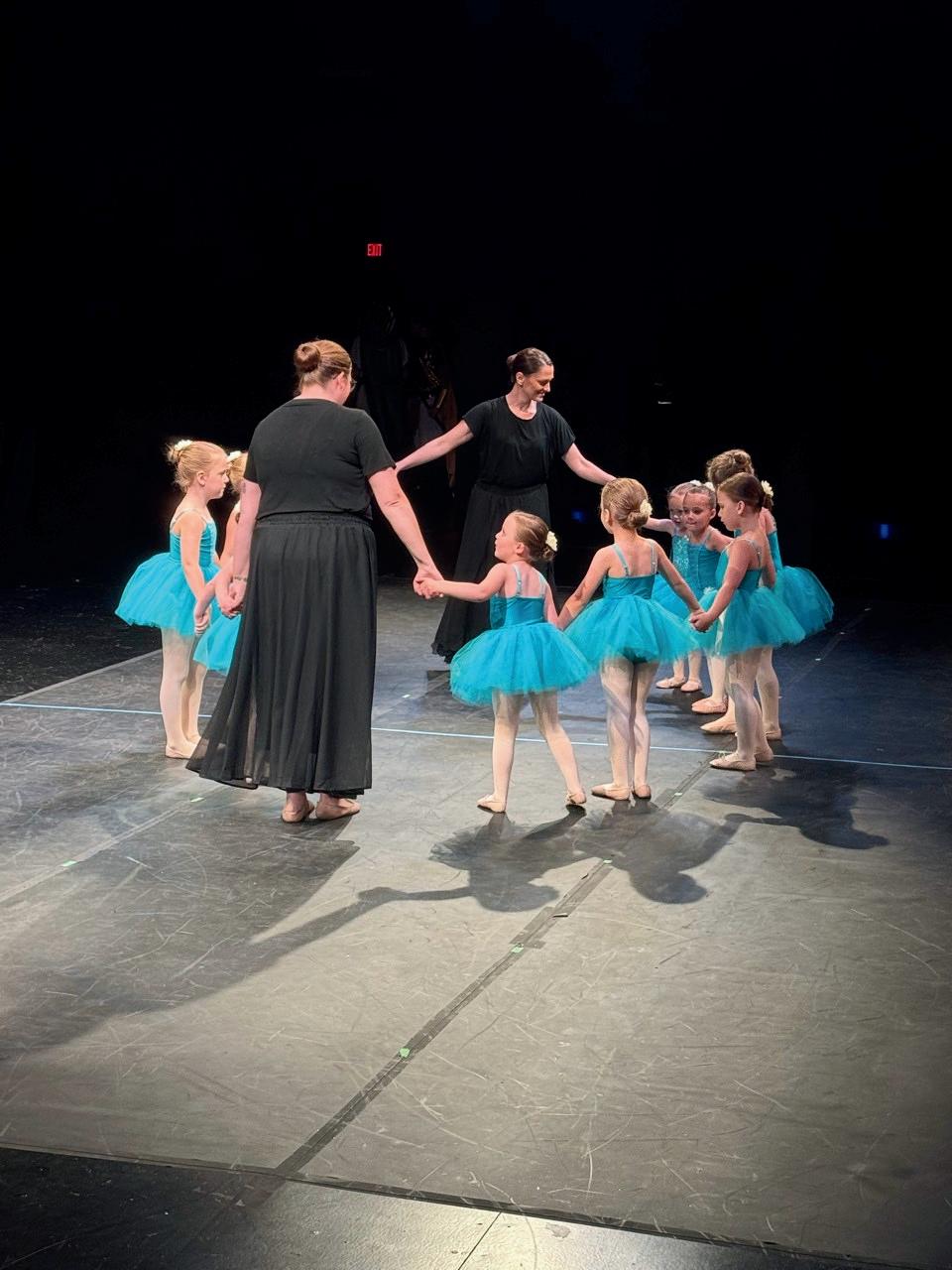
Q. My child has always loved music and drama, but I worry that arts programs are a luxury we can't justify during the school year. How do you talk to parents who feel that way?
A. We hear this from parents all the time, and it is one of the most important conversations we have. The idea that arts education is a luxury — something you add when everything else is covered — is one of the most persistent and most damaging myths in how we think about children's development.
What we see in our students every single week is that learning to play an instrument or perform in a drama class builds skills that every parent actually wants for their child — focus, discipline, the ability to handle failure gracefully, and the confidence to try again. A child who learns to practice a difficult piece of music and eventually play it well has learned something that no worksheet can teach.

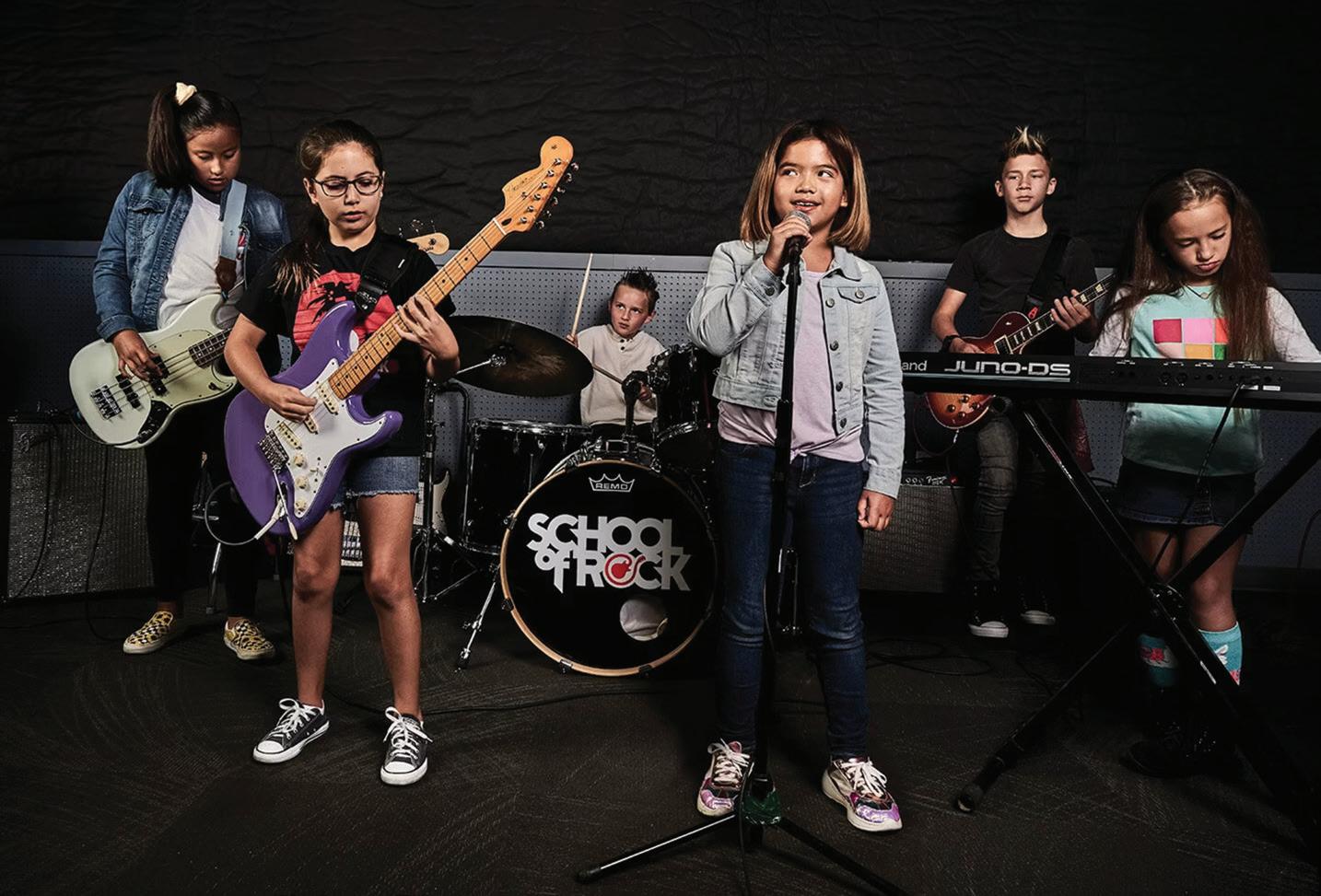
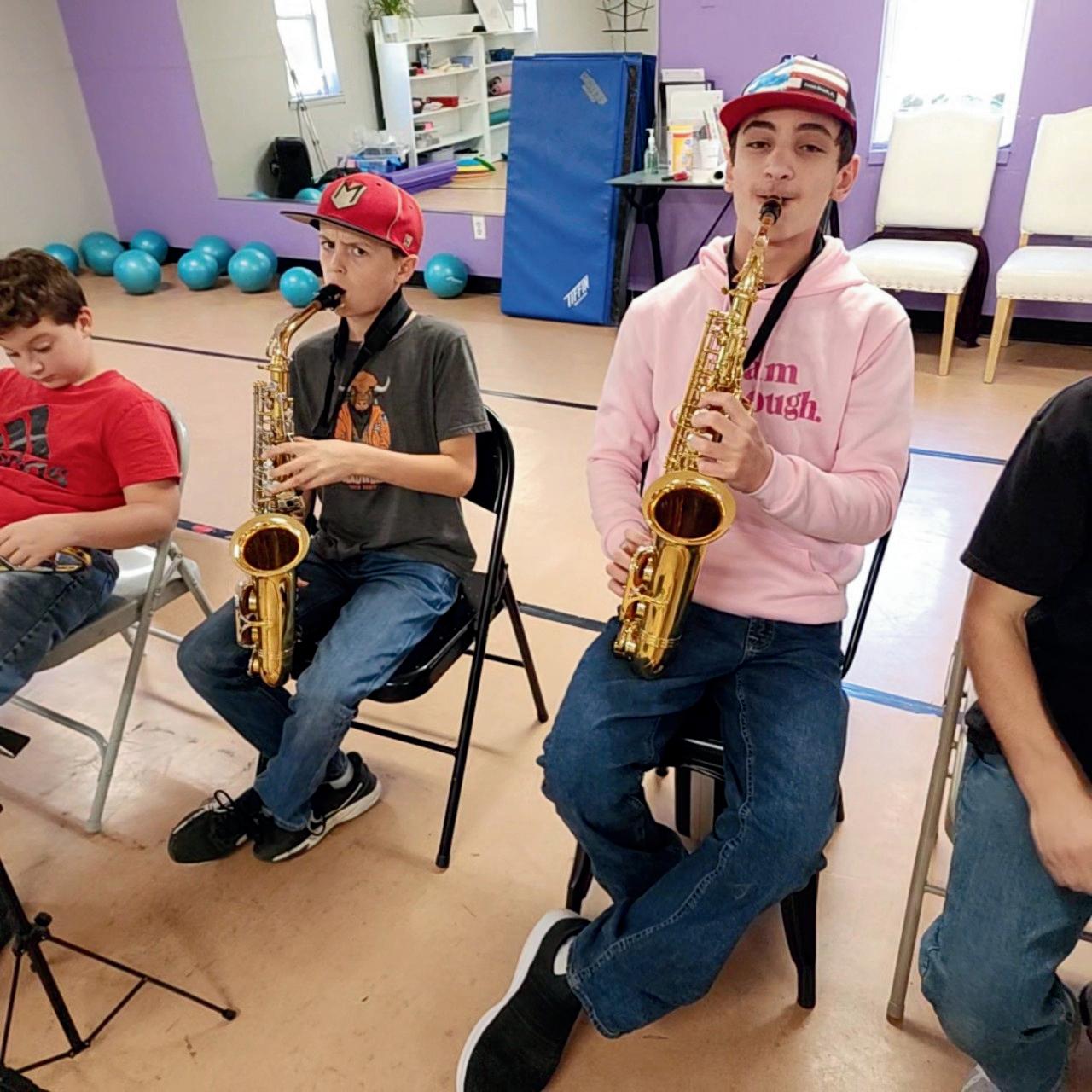
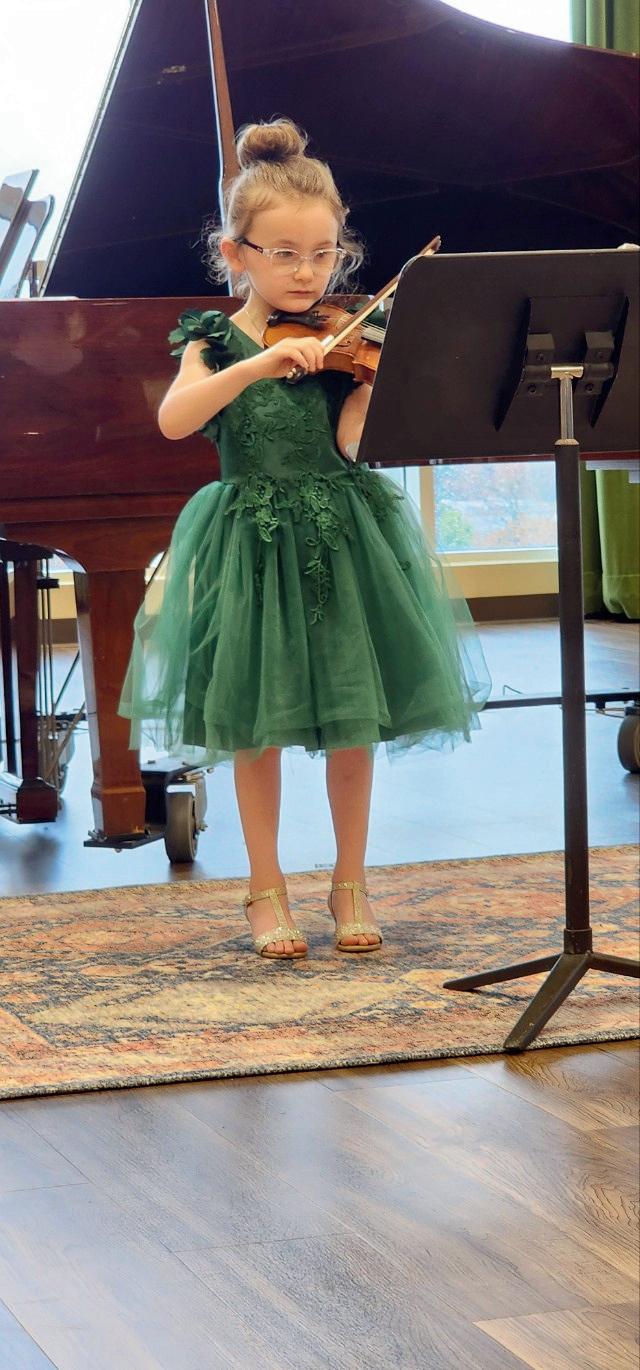
At Little Rock School of the Arts, we have been part of this community since 2015, and we have watched children transform — not just as musicians or performers, but as people. We offer private lessons in piano, guitar, bass, ukulele, drums, and voice alongside group choir, acting classes, and visual arts. Our students range from four years old through adults, and every single one of them belongs here.
"The arts are not a reward for children who are already thriving. They are often the reason a child starts to thrive."
We are a faith-based ministry and a community first. Our goal has never been to produce professional musicians — though some of our students have gone on to do exactly that. Our goal is to give every child a place where they are known, where they grow, and where the joy of making something beautiful is something they get to experience every week. Fall enrollment is open now. If your child has ever said they want to sing, play, or perform — this is the season to say yes.
LITTLE ROCK SCHOOL OF THE ARTS Music · Drama · Imagination
A ministry of Christ Little Rock Church Enrollment open — all ages, all levels