MONDAY, JUNE 1
WEDNESDAY, JUNE 9
THURSDAY, JULY 15
TUESDAY, AUGUST 3

MONDAY, JUNE 1
WEDNESDAY, JUNE 9
THURSDAY, JULY 15
TUESDAY, AUGUST 3
Registra on opens in FairEntry (douglasmn‐county.fairentry.com)
6:00 p.m. .
11:59 p.m. .
9:30 a.m.
FRIDAY, AUGUST 6
MONDAY, AUGUST 9
SATURDAY, AUGUST 14
MONDAY, AUGUST 16
TUESDAY, AUGUST 17
WEDNESDAY, AUGUST 18
THURSDAY, AUGUST 19
FRIDAY, AUGUST 20
SATURDAY, AUGUST 21
SUNDAY, AUGUST 22
. It’s County Fair Time, Now What Workshop
Fair Registra on Deadline
Clothing/Tex les/Quil ng Judging & Fashion Review Judging 7:00 p.m. .
9:00 a.m.
6:00 p.m. .
8:00 a.m.
12:00 ‐ 7:00 p.m.
1:00 ‐ 7:00 p.m.
5:00 ‐ 7:00 p.m.
5:00 p.m. .
6:30 p.m.
1:00 ‐ 7:00 p.m.
. .Public Fashion Review & Performing Arts Judged
4‐H Dog Show
.Pre County Fair Clean‐Up
4‐H Horse Show
4‐H Project Judging (non‐perishable items)
Animal Science Interviews
Club Exhibits Judged (except container gardening)
.Pet Show & Pet Displays Judged
Cat Show & Cat Displays Judged
Livestock Vet Check 1:00 ‐ 7:00 p.m.
4‐H Project Judging (perishable items)
7:00—8:30 a.m. . . . . Vet Check Last Call for Milking Dairy & Horses Only 9:00 a.m. ‐ 12:00 p.m.
.Animal Weighing & Verifica on 10:00 a.m.
10:00 a.m.
3:00 p.m.
8:00 a.m.
12:30 p.m.
4:00 p.m.
.Rocket Launch
4 ‐H Poultry Show
4‐H Rabbit Show
4 ‐H Goat Show
.4 ‐H Dairy Show
Lamb Lead followed by 4‐H Sheep Show Time to be Determined
8:30 a.m. .
7:00 p.m.
9:00 a.m.
Livestock Demonstra on Judging
.4‐H General Livestock Shows (swine & beef)
Last Call to Accept State Fair Trips
Market Livestock Auc on 12 noon
All State Dog & Horse Show Paperwork Due 1:30 p.m.
State Fair Mee ng for General Encampment 2:30 p.m.
State Fair Mee ng for Livestock Encampment 4:30 p.m.
Round Robin Showmanship Registra on 5:00 p.m.
7:00 a.m. .
7:00 a.m ‐ 12:00 p.m. . .
7:00 a.m ‐ 12:00 p.m. .
.Round Robin Showmanship
.4‐H Animals Released
. .. . 4‐H Premium Checks Available for Pickup
4‐H General/Sta c Exhibits Released
Building Hours 10:00 a.m. –10:00 p.m. Wednesday - Saturday
All 4‐H work in Douglas County complies with the rules of the state contest. Complete fair registra on online by July 15, please see page 38 for more informa on and details. Please plan ahead if you will be gone or on vaca on around the July 15 deadline. Failure to meet this deadline results in the loss of auc on eligibility and loss of eligibility for State Fair trips including State Dog, Llama/Alpaca and Horse Shows. You may exhibit for blue, red, white placing only—no champion or reserve champion. Clubs must pre‐register for banners, community pride, container gardening, scarecrows, videos and scrapbooks.
a. Absentee ‐ 4‐H members who have a conflict with the general project conference judging in their county of membership may be eligible for absentee judging. Please contact Extension office prior to judging.
b. Disabili es and Injury ‐ If a 4‐H member is unable to par cipate in the conference judging process by himself/herself due to a disability or injury. Please refer to policy, at: h ps://extension.umn.edu/about‐4‐h/understanding‐4‐h‐policies
2. Registra on
All exhibits in the 4‐H building will be conference judged.
Projects Judged on Monday Entry Day : Aerospace, Aqua c Robo cs, Bicycle, Cats, Child & Family Development, Ci zenship, Cloverbuds, Club Community Pride, Computer, Consumer Educa on, Cra s & Fine Arts, Dog Educa on, Electric, Engineering Design, Entomology, Exploring Animals, Exploring the Environment, Fishing Sports, Forest Resources, Geology, Global Connec ons, Health, Home Environment, Horse Related, Horseless Horse, Needle Arts, Pets, Photography, Robo cs, Rube Goldberg Machine, Safety, Science of Ag, Self Determined, Shoo ng Sports, Shop, Small Engines, Tractor, Vet Science, Video, Water/Wetlands, Wildlife and Youth Leadership. This is the only day these exhibits will be judged.
Projects Judged on TUESDAY Entry Day: Cloverbuds, Foods, Food Review, Vegetable Gardening, Potatoes, Fruit, Flower & Indoor Gardening, Lawn & Landscape, Plant & Soil Science (agronomy) and Club Container Gardening. This is the only day these exhibits will be judged.
Members are expected to bring their own exhibits to be judged. Parents cannot par cipate in conference judging except for cloverbuds and special situa ons approved prior to judging.
The Douglas County Fair Board reserves the right to prohibit the display of any and all items found to be objec onable.
3. Gate Admission
Each 4‐H exhibitor will receive a gate pass when they register their exhibits at the 4‐H Building. There are no free passes for parents, leaders, volunteers or Extension staff. Season passes can be purchased at the Fairboard office located in the Grandstand during Entry Day Monday and Tuesday (subject to Fair Board discre on.) The Extension Office has no control over gate admission passes. IF YOU DO NOT EXHIBIT, YOU DO NOT RECEIVE A PASS!
According to the Douglas County Fair Board if you remove your exhibits (general or livestock) early, the Douglas County Fair Board
has the right to withhold your premium money. Any second viola on of this rule will also exclude the individual from exhibi ng at any future Douglas County Fair.
5. Responsibility
The fair management or the University of Minnesota Extension is not responsible for lost or damaged exhibits.
6. Cloverbud Policies
The University of Minnesota Extension 4‐H Cloverbud Program is designed specifically for youth in grades Kindergarten through second grade (K‐2). Please refer to policy, at: h ps://extension.umn.edu/ways‐par cipate‐4‐h/4‐h‐cloverbuds
The Douglas County Fair Board awards premium money. Exhibi ng 4‐H members may pick up their 4‐H Premium check any me between 7 a.m.—12 p.m. on Sunday, August 22 at the 4‐H Exhibit Building.
8. Code of Conduct
A standard of behavior for all involved in our program is one of the key components for crea ng a welcoming learning environment that is physically and emo onally safe. Please refer to code of conduct for youth and adults located at: h ps://extension.umn.edu/about‐4‐h/ understanding‐4‐h‐policies#code‐of‐conduct‐1611910
University of Minnesota 4‐H has developed a Grievance Process and grievance form to handle any grievance that should arise during the County Fair. The appeal form consists of: Statement of Grievance, Reasons for Grievance, Circumstances rela ng to Grievance, Outcome Desired and Signatures of those filing the complaint.
This Grievance form must be accompanied by $50 cash or money order only. If the decision is ruled against the person(s) filing the grievance, the money will be deposited in the County 4‐H program account for programming purposes; otherwise the money will be returned. Commi ee decisions are final.
If there are tes ng costs associated with the grievance, the individual(s) filing the grievance are responsible for paying the tes ng costs. Tes ng costs commonly involve investment of $200 or more. Tes ng costs can be es mated for the party filing the grievance and that amount must be paid up‐front.
During the county/state fair, grievances must be filed within 24 hours (1 day) of the incident. Any other grievances that are not at county/state fair must be filed within 3 days of the incident. These must be turned in to Extension personnel.
Appeal forms may be obtained in the 4‐H building at the fairgrounds. The complaint/appeal will be resolved at the first Leader’s Council Board mee ng following the fair. If it is an urgent situa on, an emergency mee ng will be called.
1. Poster exhibits suggested size is 22” wide x 28” high. They may be smaller.
2. Educa on/Science Tri‐Fold Exhibits for all project areas suggested size is 12" deep x 24" wide x 32 or 36" high. (Center back 24" wide x 32 or 36” high, right and le wings each 12” wide x 32 or 36” high.)
All exhibits will be evaluated by a conference with the judge. Project judging criteria:
Exhibit quality.
Educa onal value
25%
25%
Knowledge and ability to explain . . . 50% Decision of the judge is final and may not be appealed.
3. Floor Space for any exhibit should not exceed 20 square feet. If your exhibit exceeds this space limita on, contact the Extension office for prior approval.
4. Large Exhibits to be displayed at State Fair that do not fit in the trailer will have to be delivered and picked up from the state fairgrounds by member.
5. All exhibits must be labeled with name, club, and county. Other appropriate informa on for the project (i.e., vegetable varie es) should be included. If the exhibit has mul ple pieces, each part needs to be labeled and should indicate 1 of 4, 2 of 4, etc.
1. All beef, dairy, dog, goat, horse, Llama/Alpaca, poultry, rabbit, sheep and swine shown in 4‐H livestock shows must have the required State 4‐H ID system, ear tag and/or ta oo. Animals ID data must be submi ed online, arrive in the Extension office, or be postmarked no later than May 17 (with the excep on of Market Beef due February 16, Junior Doe Kid due July 1, June 1 Junior Meat Goat Doe Kids and July 1 Junior Dairy Goat Doe Kids.)
2. All animals exhibited must be owned solely by the member, member’s family or leased by agreement. The family includes the 4‐Hers’s parents or guardians and siblings living together as a family unit. The defini on of family includes an extended family where the animals may be owned by grandparents with the 4‐Her’s parents ac vely involved with and working on the farm. Animals owned in partnership with non‐family members (as defined above) must be leased and follow guidelines within lease agreement. Registered animals, not leased, must be registered in the exhibitor's name and/or the exhibitor's family name.
3. 4‐H'ers exhibi ng livestock at the County Fair are responsible for the care and feeding of animals they exhibit. This includes cleaning pens or stalls at the end of the fair.
4. All livestock exhibits, must be pre‐registered by July 15
Members in animal projects may exhibit one animal per class, unless stated otherwise. Exhibits registered a er this deadline cannot place higher than a blue ribbon. All 4‐H'ers 3rd grade and up exhibi ng
livestock at the fair are eligible to par cipate in showmanship. 4‐H'ers must show his/her own animals.
5. Livestock Interviews
Interviews for all members showing livestock are to be completed during project judging on Monday of the fair between 1:00 and 7:00 p.m. in the Erickson Pavilion.
6. All grooming of livestock, including clipping, trimming and blocking (all species) must be clearly done by the exhibitor, members of the immediate family or any other registered Minnesota 4‐H member. Immediate family members are defined as being parents, step parents, legal guardians, grandparents, brothers or sisters. The 4‐Her exhibi ng the animal should be present and involved in the fi ng process at the fair.
7. All animal health regula ons will be in effect as s pulated by the Minnesota Board of Animal Health and the County Agricultural Society.
8. Livestock Health Requirements
a. General Requirements (applies to all species) – Livestock, poultry, pets, known by the exhibitor to have an infec ous communicable disease or to have been exposed to an infec ous, communicable disease, or to be from a quaran ned herd or flock may not be entered in an exhibi on. Warts and ringworm are considered communicable diseases. Therefore, livestock affected by these diseases cannot be exhibited. A statement from a veterinarian that an animal is being treated for these diseases is NOT acceptable.
b. Ca le – Required to have: Board of Animal Health tag, 4‐H ear tag or registered animal with ta oo.
c. Rabbits – No specific requirements, see general requirements above.
d. Swine – The previously required pseudorabies test will only be required for hogs origina ng from outside Minnesota.
e. Poultry except waterfowl and pigeons – All fowl must be iden fied with a leg or wing band and be accompanied by an official record of a nega ve test for pullorum‐typhoid disease conducted within 90 days prior to entry to the exhibi on or a record of origin from parent stock tested nega ve within 12 months prior to entry to the exhibi on. In addi on, turkeys must be tested nega ve or originate directly from parent stock that is tested nega ve for S. typhimurium and mycoplasmas. Poultry leg bands should be picked up in the Extension Office prior to the County Fair. Bands must be on the legs of birds BEFORE birds enter the poultry barn.
f. Sheep & Goats – ALL Sheep and Goats must be iden fied with official iden fica on approved for use in the Na onal Scrapie Eradica on Program.
Sheep or goats not having the official tag/ta oo cannot be shown at the county or state fair. These official tag/ta oo #’s can be ordered from the Minnesota Board of Animal Health at 651‐296‐2942 (ext. 30) or toll free at 866‐873‐2824 (ext. 30). There is no cost for this service. These official tags are in addi on to the Minnesota 4‐H ID tags also required for sheep.
9. All livestock exhibitors must follow IAFE Show Ethics, see h ps://s3.amazonaws.com/iafe/website/documents/ ShowRingCodeofEthics.pdf for details.
10. Manure should be piled ONLY in the designated area. Showmanship will be held in all classes of livestock. Exhibitors will be divided by age groups in all livestock classes. The judge shall select a Champion and Reserve Champion Junior, Intermediate and Senior Showman from each specie. Junior is for grades 3‐5; Intermediate for grades 6‐8 and Senior is for grades 9 and up. The champion and reserve champion senior, intermediate and junior showman in beef, dairy, goat, horse, poultry, rabbit, sheep and swine are able to par cipate in the Round Robin Showmanship contest held on Saturday, August 21 at 5:00 p.m. in the Erickson Pavilion. Registra on begins at 4:30 p.m.

1. Trips for State Fair, State Horse Show, and State Dog Show will be selected from blue ribbon exhibits only and animal science interview trip (see State Dog Show Rules for excep ons). Exhibit classes eligible for State Fair are marked with an asterisk ( * ).
2. Members selected to represent the county at State Fair and State Horse Show must have completed sixth grade. Dog exhibitors 3rd grade and up are eligible for State Dog Show in classes in which they earned a blue ribbon.
3. To be eligible for a livestock trip to the State Fair, 4‐H'ers must have completed Livestock Quality Assurance/Ethics Training prior to county fair. State Policy: All youth par cipa ng as a State Fair 4‐H livestock exhibitor in beef, dairy, sheep, swine, poultry, rabbits, meat goat, dairy goat and lama must have completed a livestock quality assurance training in which there are two training op ons 1) a 3 hour in‐person workshop (LQA&E), or 2) a 1 hour on‐line training (YQCA). Youth comple ng either quality assurance training op on will receive a cer ficate of comple on.
4. Along with their qualifying state fair exhibit trip(s), 4‐H members may par cipate in ac vi es such as Share‐the‐Fun, demonstra ons, Arts‐In, cooking events, animal science educa onal exhibits or judging teams.
5. Each year a State Fair aged 4‐H’er can exhibit both a livestock project AND a general project at the State Fair. Addi onally 4‐H’ers can u lize non‐premium group ac vi es such as judging and Share the Fun.
6. Compe ve events, deadlines, consequences and exemp on op ons. Every Minnesota 4‐H member is eligible for a “one‐ me” member exemp on. This exemp on provides the ability (one‐ me in a 4‐H member’s career) for the 4‐H member to acknowledge they missed a 4‐H deadline related to enrollment or compe ve event par cipa on and waive the consequences for the named deadline. See h ps://docs.google.com/document/ d/1x2QFUd5Ly_dwDdeZor_CswpdUaxiz‐OxQznMdopRLKU/edit? usp=sharing
AgCountry Farm Credit Services
American Dairy Association of Douglas County Carl & Sharlene Wittenburg
Douglas Area Trail Association (DATA)
Douglas County Corn and Soybean Growers & their checkoffs
Gardonville Cooperative
Jenni-O Turkey
Lakes Gas Company, Miltona Lennes Bros Electric, Inc.
Millerville Creamery
Miltona Custom Meats & Sausages
Minnesota Valley Irrigation
Nelson Creamery
Osakis Creamery
Pope/Douglas Solid Waste Management
SunOpta Grains and Foods Groups
Viking Garage Door
Animal Science Projects Blue Red White Beef
V001002* Community Pride
Two exhibits will be selected for State Fair.
Requirements
‐ The exhibit may include a three‐sided display, video, or other visual method which visually highlights the en re project or certain parts in a manner which tells the public what posi ve effects the project had on the community.
‐ One or more youth who par cipated in the project may represent the club in conference judging. Adult leaders may not par cipate in conference judging.
V001003 Club Scrapbook
Requirements
‐ Show and explain your club ac vi es and par cipa on in community and county events. Adult leaders may not par cipate in conference judging.
General 4‐H Projects
Club Exhibits (Video, Banner, Etc.) 15.00 12.00 10.00
Cloverbud/Par cipa on 2.00
Demonstra ons 4.00 3.00 2.00 Fashion Review 4.00
General/Sta c Projects 4.00 3.00 2.00
Rocket Launch Par cipa on 4.00
County Fun Shoot Par cipa on 4.00
Procedures for Entering Club Projects
Staff will register clubs for all club exhibits, we are challenging you.
All 4‐H Club Community Pride, Video, Banners, Scrapbooks & Scarecrow club entries must be entered at the fair on Monday, August 16 by 5:00 pm. (4‐H Club Container Gardening exhibits need to be entered on Tuesday, August 17 by 5:00 p.m.) Adult leaders may not par cipate in conference judging.
Exhibit classes eligible for State Fair are marked with an asterisk (*)
The only club exhibit conference judged is Community Pride.
V001001 Club Banner
Two banners will be selected for exhibit at State Fair
Requirements
‐ Banner must be 3' x 5' and designed to hang ver cally.
‐ It must be completed and equipped with a dowel (minimum size 3’ 8”) with cord or rope a ached and ready to hang.
‐ Banner must be of fabric (no paper) and can be one or two‐sided.
‐ Club name on 3 x 5 card pinned to back. (Any assembly technique can be used.)

‐ Only the current year will be judged.
‐ Judging will be based on club work throughout the year, completeness, neatness and crea vity.
‐ This is not conference judged.
V001004 Club Scarecrows
Requirements
‐ Entry must be prepared so it is on a 6' post, in a chair, etc. It must be constructed well enough so that it will remain secure during the en re length of the fair and stand upright on it’s own or stuck in a straw bale, ground, etc.. Iden fy exhibit clearly with club name.
‐ We will have a “scarecrow garden” located outside the 4‐H Exhibit Building.
V001005 4‐H Club Container Gardening
Requirements
‐ Plant arrangement in a large outdoor planter. The exhibit should be iden fied with the club name.
‐ Arrangement will be judged on color combina on, plant condi on and arrangement/a rac veness of exhibit.
‐ You will need to supply your own planter, soil and plan ng material.
V001006 4‐H Club Video
Requirements
‐ Showcase your club at the Douglas County Fair. Show audiences what you have accomplished this year in 4‐H.
‐ All videos must have been made/created during the current 4‐H year. When appropriate (i.e. historical sequences) older video clips could be used for that purpose only.
‐ Video must be presented on DVD, USB, flash drive or data cd.
‐ Videos will be on display throughout the fair on a large television. Please preview your video this way and make sure it is forma ed for TV viewing.
‐ Cloverbud members have completed kindergarten through grade 2.
‐ The Cloverbud Program is non‐compe ve; all exhibits receive a Cloverbud par cipa on ribbon.
‐ Cloverbuds should be enrolled by May 17 and fair registra ons received by July 15.
‐ Cloverbud members may exhibit mul ple general building exhibits and one livestock exhibit. In addi on, cloverbuds may also par cipate in fashion review, demonstra on day and/or food review.
‐ Cloverbud 4‐H members are not allowed to show in non‐cloverbud lots. Any member showing in non‐cloverbud lots must have completed third grade.
‐ Please refer to the Cloverbud Policy for any ques ons at h ps://extension.umn.edu/ways‐par cipate‐4‐h/4‐h‐cloverbuds
Statewide MN 4‐H Cloverbud Policy: The responsible person must be in control of the animals at all mes and never turn the control over to the cloverbud.
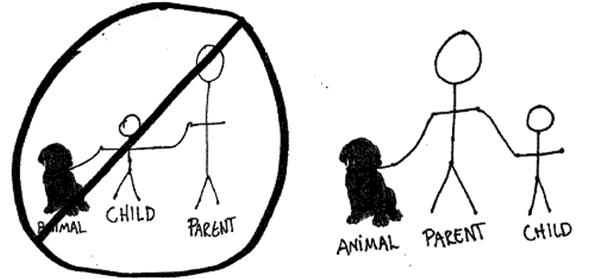
It is the expecta on that the responsible person will be in control of the animal at all mes of the 4‐H experience including but not limited to all of the following situa ons: to and from the trailer, to and from the wash rack, to and from the barns, in the barns, in the stall, to and from the show arena and in the show arena.
It is not acceptable to use more than one lead rope or halter with any animal as this turns at least some control over to the cloverbud. During judging, the cloverbud should walk next to the parent/ responsible person, available to learn from the project leader and/or to dialog with the evaluator/judge. A responsible person could be a 6th grade or older 4‐H member.
Cloverbuds ‐ General 4‐H Projects
Judging for cloverbud general 4‐H projects will be held Monday August 16, from 12:00‐7:00 pm or Tuesday, August 17 at the 4‐H building on the fairgrounds. General Project Exhibits released between 7 AM and 12 PM on Sunday, August 22. See page 3 for lis ng of what project areas are judged on Monday and what on Tuesday. 4‐H’ers must be checked in no later than 6:30 p.m. for judging.
N001001 General Building Exhibit
Cloverbud Demonstra ons
N001002 4‐H Demonstra on (Judged June 24)
Cloverbud Clothing ‐ (Judged August 3 at Extension Office)
N002001 Clothes You Make
N002002 Clothes You Buy
N002003 Non Clothing
N002004 Recycled Clothing
N002005 Fashion Review (Clothes You Make & Buy)
Cloverbud Live Pet/Cat (Pet @ 5 pm/Cat @ 6:30 pm Aug 16)
N009001 Cloverbud Live Pet Exhibit
N004001 Cloverbud Live Cat Exhibit
*A parent, adult or responsible person will handle the pet or cat at all mes. All cats must have rabies shot. You must bring copy of health papers to show.

Cloverbud Beef (Shown at 4‐H Beef Show on Friday, Aug. 20)
N003001 Cloverbud Beef
Cloverbud Dairy (Shown at 4‐H Dairy Show on Thur, Aug. 19)
N005001 Cloverbud Dairy
Cloverbud Dairy Or Market Goat
(Shown at the 4‐H Dairy Goat Show on Thursday, August 19) N006001 Cloverbud Goat
Cloverbud Horse (Shown at the arena on Saturday, August 14)
N007001 Cloverbud Horse, Halter Pleasure
N007002 Cloverbud Horse, Western Pleasure N007003 Cloverbud Horse, Barrel Racing
Cloverbud Llama/Alpaca
(Shown at the Regional 4‐H Lama Show July 27) N008001 Cloverbud Lama
Cloverbud Poultry (Shown at Poultry Show on Wed, Aug. 18) N010001 Cloverbud Poultry
Cloverbud Rabbit (Shown at 4‐H Rabbit Show Wed, Aug. 18) N011001 Cloverbud Rabbit
Cloverbud Sheep (Shown at 4‐H Sheep Show on Thur Aug. 19) N012001 Cloverbud Sheep
Cloverbud Swine (Shown at 4‐H Swine Show on Fri., Aug. 20) N013001 Cloverbud Swine
Llama & Alpaca Show ‐ July 27, held in Glenwood
Demonstra ons ‐ June 24‐Extension Office
Clothing/Tex les/Quil ng/Fashion Review Day & Performing Arts ‐ August 3.
This includes clothes you make, clothes you buy, non garment (pillow, bag, apron, backpack etc), recycled clothing, quil ng and fashion review).
Horse Show ‐ August 14.

Breeding Heifer (Will be shown by age not breed)
Birth Dates
Spring Calf Jan 1, 2021 – April 30, 2021
Fall Calf Sept 1 , 2020– Dec. 31, 2020
Summer Yearling May 1 , 2020 – August 31, 2020
Junior Yearling Jan 1, 2020 – April 30, 2020
Senior Yearling Sept. 1, 2019– Dec. 31, 2019
Cow/Calf Calves must be born a er Jan. 1, 2021
A001001* Registered/Commercial Spring Calf
A001002* Registered/Commercial Fall Calf
A001003* Registered/Commercial Summer Yearling
A001004* Registered/Commercial Junior Yearling
A001005* Registered/Commercial Senior Yearling
A007001* Registered/Commercial Cow & Calf Pair
Requirements
‐ Beef heifer ownership ID forms and/or lease agreements must be in 4hOnline by May 15 of the current year.
M B (All Steers will be judged by weight class)
Birth Dates
Prospect Calf/Steer/Heifer Jan 1, 2021– April 30, 2021
Prospect Calf Dairy Steer Jan 1, 2021 – April 30, 2021
Dairy Steers Jan 1, 2020 – August 31, 2020
Crossbred Jan 1, 2020 – August 31, 2020
Dairy Steer/Beef Steer Jan 1, 2020 – August 31, 2020
Market Heifer Jan 1, 2020 – August 31, 2020
A009001* Prospect Calf/Heifer
A009002* Prospect Calf Steer (must be castrated)
A009003 Prospect Calf Dairy Steer (not eligible for State fair, must be castrated.)
A003001* Beef Steer
A003002* Market Heifer
Requirements
‐ Recommended minimum weight for State Fair is 1,000 pounds; maximum weight is 1,500 pounds. Market animals exceeding the maximum weight will not be purple ribbon eligible for State fair.
A005001* Purebred Dairy Steer
A005002* Crossbred Dairy Steer
Requirements
‐ Recommended minimum weight for State Fair is 1,000 pounds; maximum weight is 1,600 pounds. Market animals exceeding the
maximum weight will not be purple ribbon eligible for State fair.
‐ Purebred Dairy Steers must be 100% of one of the following Dairy Breeds to be accepted in the dairy steer show: Ayrshire, Brown Swiss, Guernsey, Holstein, and Jersey.
‐ Dairy Steers showing permanent teeth may be shown, but they can place no higher than a red ribbon and they will not be eligible for State Fair or auc on.
‐ Crossbred Dairy Steers must be at least 50% from the acceptable breeds listed for the Purebred Dairy Steer division, with the balance being from any other beef or dairy breed; however, the steers must show adequate dairy steer characteris cs, as determined by the screening commi ee. Exhibitors should be prepared to iden fy the breeds of their crossbred dairy steer.
Beef Tie Outs - Beef e outs are available for $ 10 per head (a cow/calf pair counts as two.) Your animal needs to be in the barn un l 9 PM and back inside the barn at 9 AM. Spots are reserved on a first come, first serve, basis. Spot is not secured un l payment is made at the Extension Office. Spots are limited and can be secured star ng July 1 by coming into the office and paying for the number of spots. Any unused spots will be refunded a er the fair.
(one entry per lot allowed, shown by age)
Birth Dates
Spring Heifer Calf
March 1, 2021 to May 31, 2021
Winter Heifer Calf Dec 1, 2020 to Feb 28, 2021
Fall Heifer Calf
Jr. Yearling
Sr. Yearling
Sept 1, 2020 to Nov 30, 2020
March 1, 2020 to Aug. 31, 2020
Sept. 1, 2019 to Feb 29, 2020
Two Years Old Sept 1, 2018 to Aug 31, 2019
Three Year Old Sept 1, 2017 to August 31, 2018
Cow, Four Years & Older Born before September 1, 2017
Holstein Registered
B001000 Spring Heifer Calf
B001001* Winter Calf
B001002* Fall Calf
B001003* Junior Yearling
B001005* Senior Yearling
B001007* Two Year Old Cow
B001009* Three Year Old Cow
B001010* Four Year Old Cow & Older
Holstein Grade
B002000 Spring Heifer Calf
B002001* Winter Calf
B002002* Fall Calf
B002003* Junior Yearling
B002005* Senior Yearling
B002007* Two Year Old Cow
B002009* Three Year Old Cow
B002010* Four Year Old Cow & Older
Crossbreds
B003000 Spring Heifer Calf
B003001* Winter Calf
B003002* Fall Calf
B003003* Junior Yearling
B003005* Senior Yearling
B003007* Two Year Old Cow
B003009* Three Year Old Cow
B003010* Four Year Old Cow & Older
Jersey, Registered
B004000 Spring Heifer Calf
B004001* Winter Calf
B004002* Fall Calf
B004003* Junior Yearling
B004005* Senior Yearling
B004007* Two Year Old Cow
B004009* Three Year Old Cow
B004010* Four Year Old Cow & Older
Jersey, Grade
B005000 Spring Heifer Calf
B005001* Winter Calf
B005002* Fall Calf
B005003* Junior Yearling
B005005* Senior Yearling
B005007* Two Year Old Cow
B005009* Three Year Old Cow
B005010* Four Year Old Cow & Older
Red & White Holstein, Registered & Grade
B006000 Spring Heifer Calf
B006001* Winter Calf
B006002* Fall Calf
B006003* Junior Yearling
B006005* Senior Yearling
B006007* Two Year Old Cow
B006009* Three Year Old Cow
B006010* Four Year Old Cow & Older
Mixed Color Breeds, Registered & Grade
B007000 Spring Heifer Calf
B007001* Winter Calf
B007002* Fall Calf
B007003* Junior Yearling
B007005* Senior Yearling
B007007* Two Year Old Cow
B007009* Three Year Old Cow
B007010* Four Year Old Cow & Older
Requirements
‐Senior Yearlings that have calved must compete in the two‐year‐old cow class.
‐ A 4‐H’er cannot exhibit an animal in the two year old class or cow class that was not iden fied in advance of the first freshening. Cows do not need to be shown prior to first freshening.
Birth Dates
Junior Doe Kid
(one entry per lot allowed)
April 1 to June 30, 2021
Senior Doe Kid Jan 1 to March 31, 2021
Dry Yearling Doe, Dairy Born in 2020, never kidded
Milking Yearling Doe Born in 2020
Milking two‐year‐old Doe Born in 2019
Milking ‐ 3 Years & Older Born 2018 or before
Alpine
D004001* Dairy Goat, Jr. Doe Kid
D004002* Dairy Goat, Sr. Doe Kid
D004003* Dairy Goat, Dry Yearling Doe
D004004* Dairy Goat, Milking Yearling Doe
D004005* Dairy Goat, Milking 2 Year Old Doe
D004006* Dairy Goat, Milking 3 Year Old Doe & Older
Nubian
D005001* Dairy Goat, Jr. Doe Kid
D005002* Dairy Goat, Sr. Doe Kid
D005003* Dairy Goat, Dry Yearling Doe
D005004* Dairy Goat, Milking Yearling Doe
D005005* Dairy Goat, Milking 2 Year Old Doe
D005006* Dairy Goat, Milking 3 Year Old Doe & Older
Saanen
D006001* Dairy Goat, Jr. Doe Kid
D006002* Dairy Goat, Sr. Doe Kid
D006003* Dairy Goat, Dry Yearling Doe
D006004* Dairy Goat, Milking Yearling Doe
D006005* Dairy Goat, Milking 2 Year Old Doe
D006006* Dairy Goat, Milking 3 Year Old Doe & Older
D007001* Dairy Goat, Jr. Doe Kid
D007002* Dairy Goat, Sr. Doe Kid
D007003* Dairy Goat, Dry Yearling Doe
D007004* Dairy Goat, Milking Yearling Doe
D007005* Dairy Goat, Milking 2 Year Old Doe
D007006* Dairy Goat, Milking 3 Year Old Doe & Older
Grade
D008001*
D008002*
D008003*
D008004*
D008005*
D008006*
Other
D010001*
D010002*
D010003*
D010004*
D010005*
D010006*
Dairy Goat, Jr. Doe Kid
Dairy Goat, Sr. Doe Kid
Dairy Goat, Dry Yearling Doe
Dairy Goat, Milking Yearling Doe
Dairy Goat, Milking 2 Year Old Doe
Dairy Goat, Milking 3 Year Old Doe & Older
Dairy Goat, Jr. Doe Kid
Dairy Goat, Sr. Doe Kid
Dairy Goat, Dry Yearling Doe
Dairy Goat, Milking Yearling Doe
Dairy Goat, Milking 2 Year Old Doe
Dairy Goat, Milking 3 Year Old Doe & Older
NOTE: Pygmy Goats (all breeds) are classed as Meat Goats.
Breeding Doe, Junior March 1 to May 31, 2021
Breeding Doe, Senior Dec 1, 2020 to Feb 28, 2021
Meat Breeding Sr. Yearling Doe Dec 1, 2019 to February 29, 2020, never kidded
Meat Breeding Jr. Yearling Doe March 1, 2020 to May 31 2020, never kidded
Meat Breeding Fall Yearling Doe June 1, 2020 to November 30, 2020
Market Goat Dec 1, 2020 to April 30, 2021
Market Goat
E020001*
Meat Market Goat‐Female/Altered Male (no bucks)
E020003* Dairy Meat Market Goat‐Altered Male (no bucks)
Requirements
‐ Market animals must be a minimum of 40 pounds, but not to exceed a maximum of 110 pounds by State Fair.
Note: For safety reasons, all market goats must be de horned/ disbudded. Meat breeding does may have horns and they do not need to be capped or blunted. However, if an animal is deemed a safety concern at the discre on of the commi ee, addi onal safety measures may be required.
E030001* Meat Goat—Breeding Doe Junior (Registered or Grade)
E030002* Meat Goat ‐ Breeding Doe Senior (Registered or Grade)
E030005* Meat Breeding Fall Yearling Doe, Never Kidded
E030003* Meat Goat Market Breeding Junior Yearling Doe, Never kidded. (Registered or Grade)
E030004* Meat Goat Market Breeding Senior Yearling Doe, Never kidded. (Registered or Grade)
per class)
Dog Show held on Friday, Aug. 6 star ng at 9:00 am at fairgrounds
Cloverbuds are not permi ed to par cipate in dog training, they may exhibit an educa onal exhibit only. See dog related sec on under general 4‐H Projects of Premium Book.
C001001 Limited Agility
C001002* Agility Beginner
C001003* Agility Elementary
C001004* Agility Intermediate
C001005* Agility Senior
C001006* Agility Advance
C001010 Limited Jumpers
C001007* Jumpers lA
C001011 Jumpers IB
C001008* Jumpers II
C001009* Jumpers III
Dog Show held on Friday, Aug. 6 star ng at 9:00 am at fairgrounds
C006001* Obedience, Founda on Class
C006002* Obedience, Beginner
C006003* Obedience, Graduate Beginner
C006004* Obedience, Novice
C006005* Obedience, Graduate Novice
C006006* Obedience, Pre‐Open
C006007* Obedience, Open
C006008* Obedience, Graduate Open
C006009* Obedience, Pre‐U lity
C006010* Obedience, U lity‐Unrestricted
C006011* Obedience, Veterans
C006012* Obedience, Brace
C006013* Obedience, 4 Dog Team
Dog Show held on Friday, Aug. 6 star ng at 9:00 am at fairgrounds
C009001* Showmanship, Novice
C009002* Showmanship, Open
Dog Show held on Friday, Aug. 6 star ng at 9:00 am at fairgrounds
C003007* Rally Founda on C003001* Rally Pre‐Novice
C003002* Rally Novice
C003003* Rally Pre‐Advanced
C003004* Rally Advanced
C003005* Rally Excellent
C003006* Rally Veterans
Requirements
‐ A dog may be shown in the dog show or the pet exhibit, not both! ‐ 4‐Hers shall exhibit in the classes corresponding to the level of training they and their dog have received. Addi onal informa on,
class requirements, and rules/regula ons can be found in the Minnesota 4‐H Agility, Obedience, and Showmanship rules and guidelines (three separate publica ons) available on the MN 4‐H dog project website h ps://extension.umn.edu/projects‐and‐more/4‐h‐dog‐project
‐ All dogs must be vaccinated according to the requirements listed on the MN 4‐H Dog Project Iden fica on Form and Vaccina on Verifica on by May 15 deadline.
Horse Helmet Policy
All 4‐Hers par cipa ng in any 4‐H sponsored mounted ac vity are required to wear properly fastened ASTM/SEI approved protec ve headgear. Helmet use is required when mounted. This policy also extends to 4‐H volunteers when they are working with 4‐H youth in a 4‐H volunteer role during mounted ac vi es.
Requirements
‐ 4‐H horse members must pre‐register for ALL OF THE CLASSES they want to par cipate in by entering them at mn.4honline.com by July 15.
‐ Cancella ons will be made the day of the show.
‐ All horses must be shown in a showmanship classes!
‐ Novice defini on for grades 3‐5 ‐ novice and regular as long as you feel necessary. Once you win trophy, you can no longer show as novice. Grades 6‐8 ‐ ride novice and regular un l rider wins blue ribbon.
English Equita on—Non‐Premium Based Classes
F001001*
F001002*
English Equita on Senior, Grades 9+
English Equita on Junior, Grades 3‐8
English Pleasure—Non‐Premium Based Classes
F006001*
F006002*
English Pleasure Senior, Grades 9+
English Pleasure Junior, Grades 3‐8
Western Horsemanship, All Gaits— Non‐Premium Based Classes
F012001* Western Horsemanship, All Gaits, Grades 9+
F012002* Western Horsemanship, All Gaits, Grades 6‐8
F012003
F012004
Western Horsemanship, All Gaits, Grades 3‐5
Western Horsemanship, All Gaits, Walk/Trot, All Ages. No points awarded, class for green horses/riders not ring ready for controlled lope. May not ride another western horsemanship class.
F012005 Western Horsemanship, All Gaits, Novice
Remember to signup for static horse related exhibit on page 27!
Western Pleasure—Non‐Premium Based Classes
F015001* Western Pleasure, Grades 9+
F015002* Western Pleasure, Grades 6‐8
F015003 Western Pleasure, Grades 3‐5
F015004* Western Pleasure Bridle Path, All Grades Arabian, Morgan and other light breeds that display their breed characteris c, need to be shown with natural mane and tail. May not ride another western pleasure class.
F015005 Western Pleasure, Novice
F015007 Western Pleasure Walk/Trot, All Grades No points awarded, class for green horses/riders not ring ready for controlled lope. May not ride another western pleasure class or other cantering class.
Games—Non‐Premium Based Classes
F021001 Pole Weaving, Grades 9+
F021002 Pole Weaving, Grades 6‐8
F021003 Pole Weaving, Grades 3‐5
F022001 Jumping Figure 8, Grades 9+
F022002 Jumping Figure 8, Grades 6‐8
F022003 Jumping Figure 8, Grades 3‐5
F023001 Key Race, Grades 9+
F023002 Key Race, Grades 6‐8
F023003 Key Race, Grades 3‐5
F024001 Barrel Race, Grades 9+
F024002 Barrel Race, Grades 6‐8
F024003 Barrel Race, Grades 3‐5
Trail—Non‐Premium Based Classes
F040001* Trail Class, All Grades
Showmanship at Halter—Premium Based Classes
F060001* Showmanship at Halter Pleasure, Grades 9+
F060002* Showmanship at Halter Pleasure, Grades 6‐8
F060003 Showmanship at Halter Pleasure, Grades 3‐5
F060004 Showmanship at Halter, Novice
F060005* Showmanship at Halter Games, 2nd Horse, Grades 9+
F060006* Showmanship at Halter Games, 2nd Horse, Grades 6‐8
F060007 Showmanship at Halter Games, 2nd Horse, Grades 3‐5
F070001 Challenged Rider, Horse Assisted, All Grades


Requirements
‐ Everyone exhibi ng at the fair is encouraged to register for the horse judging interview on Monday. Points from this interview will count toward high points.
‐ Only mares and geldings can be shown.
‐ No riding on the fairgrounds except for judging.
‐ You must use your own 4‐H horse. No switching of horses.
‐ A nega ve Coggins test is required for all 4‐H horses exhibited at the fair. A copy must be turned into the Extension Office prior to any horse lessons, clinic, show, etc.
(Judged in arena on Saturday)
F100001* Horse Training, Steps 1‐6
F100002* Horse Training, Showmanship, All Ages
Requirements:
You must show your horse in a showmanship class in order to receive a premium and qualify for a State Horse show trip. Number of State Fair trips will be determined by project enrollment. You must bring your yellow and pink advancement records with you, with the appropriate steps completed. Grand and Reserve Horse Training award will be given. Training Judging will begin before Pleasure on Saturday, August 14.
A Llama/Alpaca may be iden fied and exhibited by more than one 4‐Her at the county level. However, the same Llama/Alpaca may only be exhibited by one 4‐Her at the MN State Fair.
G001001* Costume, all grades (no premium)
Youth 6th grade and up eligible for State Fair
G003001* Obstacle Course Public Rela ons, all grades . Non premium based class
Youth 6th grade and up eligible for State Fair
G060001* Showmanship, grades 9 & +
G060002* Showmanship, grades 6‐8
G060003 Showmanship, grades 3‐5
Birthdates Llama and Alpaca:
4‐H projects must be born prior to January 1, 2021
Gender:
No sexually intact male above 18 months is eligible for exhibi on. All castrated males born prior to Jan 1, 2021 are eligible for exhibi on. All females born prior to Jan 1, 2021 are eligible for exhibi on.
Show:
Llama and alpaca show will be a regional show on July 27 in Glenwood. Make sure to include classes when comple ng your county fair registra on due July 15.
(Must be different lots, for example they cannot be two pens of market chickens)
Chickens (May enter four different lots)
H001001* Market pen of two males or two females broilers, if under 4 lbs. or roaster, if over 4 lbs.
H001002* Breeding pen of one male & two females
H001003* Bantam Breeding pen of one male & two females
H001004* Egg produc on pen of two pullets, White egg layers (hatched a er March 1, 2021)
H001005* Egg produc on pen of two pullets, Brown egg layers (hatched a er March 1, 2021)
Show & Hobby (May enter two different lots)
H002001* Doves—Purebred breeding pair
H002002 Pen of two pheasants, quail, etc.
Ducks (May enter three different lots)
H003001* Market pen of two males or two females (Emphasizing meat market quali es)
H003002* Breeding pen of one male & two females (Judged on breed characteris cs)
H003003* Bantam Breeding pen of one male & two females
Geese (May enter two different lots)
H004001* Market pen of two males or two females (Emphasizing meat market quali es)
H004002* Breeding pen of one male & two females (Judged on breed characteris cs)
Guinea (May enter two different lots)
Note: ONLY Pearls, Whites and Lavender breeds can be shown:
H005001* Market pen of two males or two females –same breed
H005002* Breeding pen of one male & two females –same breed
Pigeons (May enter three different lots)
H006001* U lity, 1 Breeding Pair
H006002* U lity, 1 Young bird Male or Female, 1 young bird, this year band, current year
H006003* Fancy, 1 Breeding Pair
H006004* Fancy, Young bird Male or Female, 1 young bird, this year band, current year
H006005* Flying, 1 Breeding Pair
H006006* Flying, Young bird Male or Female, 1 young bird, this year band, current year
Requirements
‐ One pair of breeding pigeons. A pair consists of one male and one female of the same breed or one male or one female.
‐ All birds must have been bred the previous year or earlier. This means birds must be at least one year old, thus a breeding pair.
‐ You must exhibit the same birds at state fair that you won trip with at the county fair.
The same birds cannot be exhibited two years in a row, even by another exhibitor.
‐ All birds must be banded. Must have previous year’s band or older on. Bands must be seamless and the correct size for the breed. Seamless bands within one size will be accepted.
‐ No health cer ficate is required. Any bird that looks ill or dis eased will not be allowed to be shown. It is recommended that you prac ce a vaccina ng program. Pigeon judging:
Breed characteris cs = 50% (true to breed, refer to Pigeon Standard)
Condi oning = 25% (clean feathers & feet, evidence of extra work in preparing bird for show.)
Presenta on (Showmanship) = 25%
Turkeys (Domes c Only) (May enter two different lots)
H007001* Market pen of two males or two females
H007002* Breeding pen of one male & two females
Requirements
‐ Domes c only
‐ Poultry exhibited must be of this year's hatch, (except pigeons). All chickens and turkeys must have health cer ficate and must be iden fied by a numbered leg band. Leg bands should be picked up in the Extension Office prior to county fair. Bands must be on the legs of birds BEFORE birds enter the poultry barn.
‐ Breeding classes will be judged on breed characteris cs using the American Standard of Perfec on as a guide.
‐ Market classes will emphasize meat market quali es
‐ Please have pullorum papers ready at vet check.
Please Note: As an example, you may show four junior does or bucks, etc. but they must be different breeds.
You could bring one market and three breeding or two breeding and two market rabbits or four breeding rabbits.
RABBITS (may enter four lots of rabbits)
Crossbreds
I001001
I001002
Senior Buck (over 6 months of age)
Senior Doe (over 6 months of age)
I001003 Junior Buck (under 6 months of age)
I001004 Junior Doe (under 6 months of age)
I001005 Intermediate Buck (6‐8 months of age)
I001006 Intermediate Doe (6‐8 months of age)
Flemish Giant
I002001* Senior Buck (over 8 months of age)
I002002*
I002003*
I002004*
I002005*
I002006*
Senior Doe (over 8 months of age)
Junior Buck (under 6 months of age)
Junior Doe (under 6 months of age)
Intermediate Buck (6‐8 months of age)
Intermediate Doe (6‐8 months of age)
I003001*
I003002*
I003003*
I003004*
I004001*
I004002*
I004003*
I004004*
I005001*
I005002*
I005003*
I005004*
I006001*
I006002*
I006003*
I006004*
I007001*
I007002*
I007003*
I007004*
Senior Buck (over 6 months of age)
Senior Doe (over 6 months of age)
Junior Buck (under 6 months of age)
Junior Doe (under 6 months of age)
Senior Buck (over 6 months of age)
Senior Doe (over 6 months of age)
Junior Buck (under 6 months of age)
Junior Doe (under 6 months of age)
Senior Buck (over 6 months of age)
Senior Doe (over 6 months of age)
Junior Buck (under 6 months of age)
Junior Doe (under 6 months of age)
Senior Buck (over 6 months of age)
Senior Doe (over 6 months of age)
Junior Buck (under 6 months of age)
Junior Doe (under 6 months of age)
Senior Buck (over 6 months of age)
Senior Doe (over 6 months of age)
Junior Buck (under 6 months of age)
Junior Doe (under 6 months of age)
I008001*
I008002*
I008003*
I008004*
I009001*
I009002*
I009003*
I009004*
Senior Buck (over 6 months of age)
Senior Doe (over 6 months of age)
Junior Buck (under 6 months of age)
Junior Doe (under 6 months of age)
Senior Buck (over 8 months of age)
Senior Doe (over 8 months of age)
Junior Buck (under 6 months of age)
Junior Doe (under 6 months of age)
I009005* Intermediate Buck (6‐8 months of age)
I009006* Intermediate Doe (6‐8 months of age)
Polish
I010001*
I010002*
I010003*
I010004*
Rex
I011001*
I011002*
I011003*
I011004*
Senior Buck (over 6 months of age)
Senior Doe (over 6 months of age)
Junior Buck (under 6 months of age)
Junior Doe (under 6 months of age)
Senior Buck (over 6 months of age)
Senior Doe (over 6 months of age)
Junior Buck (under 6 months of age)
Junior Doe (under 6 months of age)
Sa n
I012001*
I012002*
I012003*
I012004*
I012005*
I012006*
Silver Mar n
I013001*
I013002*
I013003*
I013004*
Senior Buck (over 8 months of age)
Senior Doe (over 8 months of age)
Junior Buck (under 6 months of age)
Junior Doe (under 6 months of age)
Intermediate Buck (6‐8 months of age)
Intermediate Doe (6‐8 months of age)
Senior Buck (over 6 months of age)
Senior Doe (over 6 months of age)
Junior Buck (under 6 months of age)
Junior Doe (under 6 months of age)
Other Purebred, Large
I014001*
I014002*
I014003*
I014004*
I014005*
I014006*
Senior Buck (over 8 months of age)
Senior Doe (over 8 months of age)
Junior Buck (under 6 months of age)
Junior Doe (under 6 months of age)
Intermediate Buck (6‐8 months of age)
Intermediate Doe (6‐8 months of age)
Other Purebred, Small
I015001*
I015002*
I015003*
I015004*
Market Rabbit
I016007*
Senior Buck (over 6 months of age)
Senior Doe (over 6 months of age)
Junior Buck (under 6 months of age)
Junior Doe (under 6 months of age)
Single fryer, 3½ to 5½ pounds, not over 70 days old
I016008* Pen of three fryers, 3½ to 5½ pounds, not over 70 days old (same breed)
Requirements
‐ All breeds recognized by the American Rabbit Breeders Associa on are eligible. Rabbits will be judged according to ARBA standards.
‐ All breeding rabbits must be purebred. Purebred rabbits have a three‐genera on pedigree showing the ancestral background being of all the same breed, making it eligible for registra on.
‐ Rabbits must be entered in proper class according to its age on show date and will be judged by breed. Crossbreds may be shown but are not eligible for State Fair.
‐ Each rabbit must be permanently ta ooed in the le ear for iden fica on purposes.
‐ Other 4 Class (small) rabbit breeds include Dutch, Holland Lop, Jersey Wooly, Mini Lop, Mini Rex, Netherland Dwarf, Polish, Rex, American Fuzzy Lop, American Sable, Dwarf Hotot, English Angora, French Angora, Sa n Angora, Belgian Hare, Britannia Pe te, Standard Chinchilla, English Spot, Florida White, Harlequin, Havana, Himalayan, Lilac, Rhinelander, Silver, Silver Marten, Thrianta and Tan.
‐ Other 6 Class (large) rabbit breeds include New Zealand, Sa n, American Giant Angora, Bevern, California, Champagne Dargent, Checkered Giant, American Chinchilla, Giant Chinchilla, Cinnamon, Crème Dargent, Flemish Giant, French Lop, Hotot, English Lop, Palomino and Silver Fox.
Ewe Lamb Born a er Jan 1, 2021
Yearling Ewe Born between Jan 1 ‐ Dec 31, 2020
Cannot show evidence of four permanent incisors.
Market Lamb Born on or a er January 1, 2021
J001002* Ewe Lamb, Black Face
J001003* Ewe Lamb, White Face
J001004* Ewe Lamb, Speckle Face
J002002* Yearling Ewe, Black Face
J002003* Yearling Ewe, White Face
J002004* Yearling Ewe, Speckle Face
Lamb Lead
J004002 Lamb Lead Senior, grades 6 & +
J004003 Lamb Lead Junior, grades 3‐5
Requirements
‐ The wool industry from fiber to finish. To lead a lamb at halter and to wear a garment made of at least 60% wool. Obtain rules from the Extension Office.
J090001* Fleece Show, all grades.
Requirements
‐ Any 4‐H’ers enrolled in the sheep project may enter a fleece.
‐ 4‐H’ers must pre‐register on their county fair registra on.
‐ Fleece will be conference judged prior to the sheep show in the arena.
‐ Fleece must come from sheep in flock owned by the exhibitor.
‐ Fleece must be no less than 3” in length, but no more than 13 month growth.
Lamb ‐ Ewe or Wether ( born a er Jan 1, 2021)
J003002* Market Lamb, Black Face
J003003* Market Lamb, White Face
J003004* Market Lamb, Speckle Face
All wethers and market ewes which qualify will be considered for a special rate of gain award. To qualify, animal must be weighed and iden fied at the county weigh day before May 15, 2021. The animal’s ini al weight combined with the county fair weight will be used to determine a grand and reserve rate of gain champion. Animals will be weighed on Wednesday.
Livestock showmanship contest (trophies awarded) beef, dairy, sheep, swine, rabbit, goat and poultry showmanship contests will be held. Judging is on the basis of fi ng and showing of the animal.
All showmanship champions and reserve champions in horse, goat, dairy, beef, swine, rabbit, sheep and poultry are eligible for Round Robin showmanship on Saturday
Junior Showmanship ‐ Grades 3‐5
Intermediate Showmanship ‐ Grades 6‐8
Senior Showmanship ‐ Grades 9 & +
(one entry per lot allowed, two pigs total)
You may enter two swine lots only. For example, you may enter one breeding gilt and one market gilt or one market gilt and one barrow. You may not enter two of the same such as two breeding gilts.
Breeding Gilts
K001001* January Gilt
K001002* February Gilt
K001003* March Gilt
Market Barrow
K002001* Market Barrow (shown by weight)
Born on or a er January 1 of current year.
Recommended farrow date of February 1 or a er.
Market Gilt
K003001* Market Gilt
Born on or a er January 1 of current year. Recommended farrow date of Feb 1 or a er.
All Grades May Par cipate
Youth 6th grade and up eligible for State Fair
These exhibits are judged on Monday, August 16
be judged during livestock weekend and 4‐H’ers may exhibit both an animal and a science of animal educa onal exhibit or just a science of animal exhibit.
Giving a demonstration is much more powerful than simply telling someone how to do something new. A demonstration shows the step-by-step process for making or building something, presents an example of the way a product should look or taste, illustrates the correct way to do something, or teaches a new skill.
Giving a demonstration helps you:
Learn more about a topic
Helps you gain poise and self-confidence
Helps you become more organized
Is fun
Need some resources to get started? Contact us at the office at 320-762-3890.

Health/Breeding/Produc on/Zoono c Exhibits ‐ Judged Monday
L010001* Science of Animals, Beef
L010002* Science of Animals, Dairy
L010003* Science of Animals, Dairy Goat
L010004* Science of Animals, Meat Goat
L010005* Science of Animals, Poultry
L010006* Science of Animals, Rabbits
L010007* Science of Animals, Sheep
L010008* Science of Animals, Swine
Exhibit Sugges ons:
‐ Items constructed (such as feeding systems or show equipment) or science exhibits focusing on health, breeding, produc on or zoono c on one of the divisions listed above.
‐ These projects may be enhanced with 3‐dimensional displays, posters or notebooks State Fair trips will be available. Exhibits will
Login to mn.4honline.com and click events. Search for 4-H Demonstration in Douglas County and click register.
In Person & Pre-Recorded Demonstrations
In-person held Thursday, June 24 at 4 p.m. in Extension Meeting Room, pre-recorded demonstration will be accepted prior to June 21. Email recording to jkokett@umn.edu.
Livestock Demonstrations
Thursday, August 19 Douglas County Fair
If you have questions or need help, contact the office at 320-762-3890.

B S
A & C Engine Machining
Alex Rubbish & Recycling
Beheng Implement, Inc.
Bigger Associates
Douglas/Grant Pork Producers
Dr. Michael Collins, DDS
Dwain Schuette, State Farm Insurance
Larson Insurance
Lind Family Funeral & Cremation Services
Neighborhood National Bank
Nelson Creamery Association
Pro-Trainer
Seppanen’s Organic Farm
S S
Alexandria Pro-Fab Co., Inc.
Aric N. Bartlett
Blairview Saddle Shop, Inc.
Dr. Todd G. Anderson, Central Lakes Orthodontics, P.A.
Farmers Union Insurance AgencyFaber Insurance, Inc.
Glenwood State Bank
Hubbard Feeds, Inc.
Joe-D-Acres, Joel Dahlheimer
Klinder Processing
Master Builders of West Central MN
Midwest Machinery Company
Ollie’s Service, Inc.
Pfeninger Trucking, Inc.
Pro-Maintenance Service
Ron’s Warehouse Sales
Thornton, Dolan, Bowen, Klecker and Burkhammer, P.A.
TFC Poultry Trent Froemming and Darrin Froemming
Van Ahn & Company, Inc.
Ag Marketing & Brokerage
Winning Edge Graphics

G S
Alex Tax & Business Services, Inc.
Alexandria Veterinary Clinic
Bremer Bank
Douglas Area Trail Association (DATA)
Desautels Bartosiewski & Associates, CPA’s, LLC
Douglas County Association of Townships
Douglas County Farm Bureau
Douglas Machine, Inc.
Farmer’s Union Oil Company
Gardonville Coop Telephone Assoc
Golden K Kiwanis Club of Alexandria
Hart Travel LLC
Kensington Bank
Long Prairie Packing Company
SunOpta Grains and Foods Group
Viking Garage Door
A S
AgCountry Farm Credit Services
Alexandria Veterinary Clinic
Bell Bank Land O’Lakes
Donald & Bernice Trousil
Douglas County Corn & Soybean Growers
E Arthur Brown Co
Gardonville Cooperative Telephone Association
Midwest Bank
Ollie’s Service Inc.
Runestone Electric Association
S S /W
S
Alex Pro Firearms
Alexandria Shooting Park
Leaf Valley Sportsman
Leaf Valley Toms
Power Machining, Inc.
Prairie Woodcarvers
General/Static 4-H exhibits
Receive a ribbon placing based on the quality of your exhibit judged at county fair and your conference judging experience with the judge.
Blue Ribbon - In the judge's opinion the 4-H'er shows above average workmanship, knowledge, and effort.
Red Ribbon - In the judge's opinion the 4-H'er shows expected or average workmanship, knowledge, and effort.
White Ribbon - In the judge's opinion the 4-H'er shows below average workmanship, knowledge, and effort.
Grand/Reserve Champion RibbonThe judge feels the exhibit are the very best within a specific division.
Cloverbud Ribbon - Cloverbud exhibits are not judged on a competitive basis. Emphasis is placed on encouraging the child to share what they liked or learned about their exhibit/work/activity and developing their self-esteem and confidence.
Animal Science
Judging of animal science projects differs from general project judging. The assessment of this knowledge, as it is applied to the project, can occur in one or all of the three ways listed below. Youth will receive a ribbon placing as explained above.
Show Ring - Evaluation of the Animal -Physical characteristics; species and breed specific. Knowledge can be a determining factor if knowledge offered is not supportive of the animal, such as inaccurate birth date or weight of animal. Presentation Skills-youth’s ability to identify animal strengths and weaknesses and present animal at its optimal level.
Showmanship - Knowledge of youth related to the project and how the animal is presented, prepared/ groomed.
Animal Science Interviewsknowledge-youth’s ability to share growth and knowledge in area .
Presentation Skills-youth’s ability to communicate knowledge.
Members may register for mul ple exhibits in each project lot
‐ Judged Monday
R010001* Grade 9+
R010002* Grade 6‐8
R010003 Grade 3‐5
R010004 Rocket Launch (all ages) ‐ Judged Wednesday
Requirements
‐ Flyable models should be ready for flight (engine should not be installed, do not include fuel); recovery system should be in place and opera ve. Airplanes should be balanced and ready for flight.
‐ Members should be familiar with safety codes in 4‐H curriculum.
Exhibit Sugges ons
‐ Flyable models built from kit or your own design.
‐ Non flyable models built from kit or your own design.
‐ Exhibits can include model rocketry, model airplanes or flying display.
‐ Display of other equipment needed for aerospace project.
‐ Members will be evaluated on construc on techniques, knowledge about what makes an airplane fly or about the aircra represented by the model.
Rocket Launch This is an ac vity and not a judged event. All par cipants receive a $ 4 premium. Held Wednesday, August 18, 10 a.m., racetrack infield.
‐ Judged Monday
R020001* Grade 9+
R020002*
R020003
Exhibit Sugges ons
Grade 6‐8
Grade 3‐5
‐ Display showing types of bikes, parts of a bike, maintenance, traffic rules, bicycling hazards, how to wear a helmet, equipment used to teach others about bike repair or first aid, etc.
‐ Notebook or picture story of a bike rodeo or other bike event you helped with, or research on some other aspect of bicycling that was presented to a class or service club.
CAT (judged Mon. Aug. 16 in Erickson Pavilion at 6:30 p.m.)
R030001* Grade 9+
R030002* Grade 6‐8
R030003 Grade 3‐5
R030004 Live Cat Exhibit (all ages)
Cat Show Requirements
‐ LIVE CAT EXHIBIT MUST BE DOMESTICATED ‐ Not Eligible for State Fair. Only one live cat animal entry per person.
‐ All cats must have rabies shots, you NEED to bring copy of health papers to the show.
‐ No cats under three months of age may be shown.

‐ Cats are to be taken home a er the show.
‐ Judging will consist of overall cleanliness of the cat, cleanliness of ears, mouth, breath, eyes, tail, skin and feet. Condi on of cat ‐health of skin, body, height, etc. and the presenta on and overall knowledge of the 4‐H’er about the cat. Be prepared to answer ques ons about your cat and its care.
‐ Only one overall cat plaque will be awarded for show & exhibit. Exhibit Sugges ons
‐ Educa onal exhibits may include models, diagrams or pictures. Members must have a photograph of themselves with their cat shown on display or poster. Exhibits should show or explain something the 4‐H’er made, did or learned with their pet.
‐ Cat exhibit will be judged a er the cat show.
R040001*
R040002*
R040003
Requirements
Grade 9+
Grade 6‐8
Grade 3‐5
‐ Exhibitors should be prepared to discuss, in conference judging, the age and other characteris cs of the child for whom the exhibit is intended and how the exhibit contributes to the child's growth, development, and well‐being.
‐ If the exhibit is designed to be interac ve with children, the item is to be used with children before exhibi ng and a photograph of this ac vity must accompany the exhibit. Signs of use will not detract from the placing of the exhibit.
Exhibit Sugges ons
‐ Toy, game, puzzle, puppets, art/cra materials, etc., made from new or recycled/throw‐away material.
‐ Babysi ng kit/travel kit/rainy day kit, including at least one item made by exhibitor.
‐ Original book, story, poem, song, play, cookbook, audio or video tape and narra ve, ac vity book, safety manual for children, file about children and/or families.
‐ Scrapbook, photographs, items, reports, video, etc., on family heritage with descrip on of what was learned about self and family.
‐ A crea vely developed program and/or item used for or with a person with a special need (gi ed, developmentally delayed, physically impaired, etc.).
R050001* Grade 9+
R050002* Grade 6‐8
R050003 Grade 3‐5
Exhibit Sugges ons
‐ 3‐Ring binder, report binder or 3‐sided display repor ng on community projects and/or ci zenship ac vi es which you or your club completed under your leadership. Include plans of ac on as well as the evalua on of each.
‐ A wri en narra ve and/or visual communica on presenta on of 8 to 10 minutes, using photos, video and/or slides, to show how you worked with others in your community to solve problems.
AND
‐ Judged August 3
R060001* Grades 9+ Clothes You Make
R060002* Grades 6‐8 Clothes You Make
R060003 Grades 3‐5 Clothes You Make
R060004* Grades 9+ Clothes You Buy
R060005* Grades 6‐8 Clothes You Buy
R060006 Grades 3‐5 Clothes You Buy
R060007* Grades 9+ Non Garment Exhibit
R060008* Grades 6‐8 Non Garment Exhibit
R060009 Grades 3‐5 Non Garment Exhibit
R060010* Grades 9+ Recycled Clothing
R060011* Grades 6‐8 Recycled Clothing
R060012 Grades 3‐5 Recycled Clothing
R061001* Grades 9+ Fashion Review Clothes You Make
R061002* Grades 6‐8 Fashion Review Clothes You Make
R061003 Grades 3‐5 Fashion Review Clothes You Make
R061004* Grades 9+ Fashion Review Clothes You Buy
R061005* Grades 6‐8 Fashion Review Clothes You Buy
R061006 Grades 3‐5 Fashion Review Clothes You Buy
R061007* Grades 9+ Fashion Review, Recycled Clothing
R061008* Grades 6‐8 Fashion Review, Recycled Clothing
R061009 Grades 3‐5 Fashion Review, Recycled Clothing
Clothes or Non Garment You Make Requirements
‐ Each garment must include an informa on tag lis ng: pa ern company name and number, fiber content of fabric and care instruc ons, member name and club.
‐ Garments may have been worn before showing, but should be cleaned before exhibi ng.
‐ Items constructed should be appropriate for skill level and experience of exhibitor.
Clothes or Non Garment You Make Exhibit Sugges ons
‐ A project such as a pillow top, tote bag, chef’s apron, skirt with elas c waistband, backpack, etc.,
‐ A constructed garment made from a pa ern
‐ Crea ve sewing such as wearable art, costume, or use of techniques such as kni ng, cross‐s tch, etc., incorporated into garment.
‐ Clothing or tex les display showing a "fact" or "why" related to clothing selec on, care.
‐ Garment mended, repaired or recycled, with color photo of original garment and explana on of steps used.

NOTE—clothing, non-clothing, quilting and fashion review exhibits are judged prior to the county fair on Tuesday, August 3 at the Extension Office. This includes sewn pillows, bags, aprons, quilts, mittens etc. Please call if you have questions.
Clothes or Non Garment You Buy Requirements
‐ The purchased garment or ou it must be accompanied by an 8‐1/2"x 11" binder with, at minimum, the following informa on:
a) Colored photo of member wearing the garment.
Label photo with name, county, and color of complexion, hair and eyes.
b) Cost of garment. Explana on of why garment was purchased and examples of ways it will be used in exis ng ward robe, and include inventory of wardrobe.
‐ Garments may have been worn before showing but should be cleaned and pressed before exhibi ng.
‐ A purchased garment that fits into your wardrobe plan.
‐ A poster showing cost comparisons, wardrobe building, accessorizing, care, etc.
Par cipants may model any clothing they have constructed, restyled or purchased as a part of their 4‐H clothing project.
‐ We ask that members par cipate in the style show on Tuesday, August 3 star ng at 7 p.m. to be held at Lake Community Church in order to be considered for state fair or court of honor.
R080001*
Grade 9+
R080002* Grade 6‐8
R080003 Grade 3‐5
Requirements
‐ Computers may be used in judging, but emphasis is on documenta on, screen print, and summary. 4‐H'ers are responsible for providing and securing any hardware used for judging; hardware may not be le on display.
‐ Reports and wri en summaries should be bound in a booklet or placed in a folder.
Exhibit Sugges ons
‐ Display showing the parts of a computer and how they work, consumer choices involved when buying a computer, how computer so ware can be put to use. Include statement of purpose, wri en plan for use, and examples of use.
‐ Program/so ware developed by the 4‐H member including a statement of objec ves, and discussion of program.
‐ Program/so ware be original or adapted, by the member, from an exis ng program.
R090001*
R090002*
R090003
Requirements
Grade 9+
Grade 6‐8
Grade 3‐5
‐ Exhibitor should be able to explain his/her choices and the reasons for those choices.
Exhibit Sugges ons
‐ Label comparison showing different types of labels and/or models of same included.
‐ Consumer comparison comparing several models of the same item, showing feature, costs, etc., with best item selected and reasons why.
Judged Monday
‐ Members can exhibit in both Fine Arts AND Cra s.
CRAFTS
R100001* Cra s ‐ Grade 9+
R100002* Cra s ‐ Grade 6‐8
R100003 Cra s ‐ Grade 3‐5
Requirements
‐ Each exhibit will be evaluated on its individual merit as a cra /kit.
‐ Emphasis is on the crea ve process and the employment of design elements and principles. The cra /kit exhibit develops from someone else's ideas and can be exactly replicated or replicated with modifica ons.
‐ All art objects must be appropriately finished. Exhibits will be marked down if not ready for hanging, displaying, etc. (i.e. wire or hooks on pain ngs, bases for 3 dimensional work, etc.)
Exhibit Sugges ons
‐ For a beginner, choose a project that teaches new techniques. For advanced, choose a project requiring masterful cra smanship.
‐ Basket making, e dye, beading, ceramics, leather tooling, calligraphy, work from kits, etc.
Monday
R100004* Fine Arts ‐ Grade 9+
R100005* Fine Arts ‐ Grade 6‐8
R100006 Fine Arts ‐ Grade 3‐5
Requirements
‐ Each exhibit will be evaluated on its individual merit as an original fine art.
‐ Emphasis is on the crea ve process and the employment of design elements and principles. The fine art exhibit should show proof that it is developed from the 4‐Hers own ideas and imagina on.
‐ All art objects must be appropriately finished. Exhibits will be marked down if not ready for hanging, displaying, etc. (i.e. wire or hooks on pain ngs, bases for 3 dimensional work, etc.)
Exhibit Sugges ons:
‐ For a beginner, choose a project that teaches new techniques. For advanced, choose a project requiring mastery.
‐ Original work in drawing pain ng, sculpture, print process, tex les, po ery, etc.
Judged Tuesday
CROP SCIENCE
Requirements
‐ Crop must be grown on a farm with which you have a rela onship with the producer and have interviewed the producer about the growing process. Crops must have been grown in the current or previous growing season.
‐ Include a 3x5 index card lis ng the variety, soil and agronomy informa on of the crop if exhibit is a crop sample.
‐ Be familiar with crop input costs and the growing process.
R110001* Grade 9+
R110002* Grade 6‐8
R110003 Grade 3‐5
Exhibit Sugges ons
‐ A two‐quart exhibit of shelled corn, placed in a clear two‐quart jar or two clear one‐quart jars.
‐ A display of ears of dent corn, consis ng of 6‐10 ears of corn of the same variety.
‐ A bundle of corn stalks, consis ng of stalks of the same variety.
‐ An educa onal display illustra ng corn’s plant reproduc on, different types of corn, plant growth factors, plant characteris cs, plant part iden fica on, growing and using plants, plant growth and food produc on, examples of a plant disease, etc.
R110004* Grade 9+
R110005* Grade 6‐8
R110006 Grade 3‐5
Exhibit Sugges ons:
‐ A two‐quart exhibit of any small grain variety’ must be placed in a clear two‐quart jar or two clear one‐quart jars. This could include wheat, oats, rye, barley, etc.
‐ A two‐quart exhibit of soybeans; placed in a clear two‐quart jar or two clear one‐quart jars.
‐ An adequate sample of a specialty crop such as sugar beets, edible beans, black beans, kidney beans, field produced sweet corn, peas, carrots, potatoes, popcorn, etc. Dried products should be in a two‐quart jar; fresh products on a plate or flat box.
‐ A dried sample, in a 3‐5 inch ed, dried bundle, clear container of ensiled forages or in a sample 4‐6 inch slab of a bale of forage. Forages include alfalfa, warm season grasses, cool season grasses, sorghum, na ve grasses, silage, etc. It is recommended that a sample analysis of your forage accompanies the sample. (Kits from DHIA are available at the Extension Office or h p:// www.stearnsdhialab.com/)
‐ A dried sample, in a 3‐5 inch ed, dried bundle of the same variety.
‐ An educa onal display illustra ng one of the following ideas: plant reproduc on, plant growth factors, plant characteris cs, usage of plants, plant growth and food produc on, examples of a plant disease, etc. of a small grain.
(JUDGED JUNE 24 IN THE EXTENSION OFFICE)
Any of the demonstra ons/presenta ons may be done individually or as a team.
O001001* 4‐H Demonstra on O003001* Illustrated Presenta on O004001* Youth in Ac on O002001* 4‐H Livestock Demonstra on (Judged August 20)
All Demonstra on Requirements
‐ We ask that demonstra ons be presented at demonstra on day. Sign up for a me using the lots above.
‐ Demonstra on / Illustrated Presenta ons may be related to any project that the member is enrolled in or to any area of interest or exper se the 4‐Her has.
‐ Presenta ons may be an individual or a two‐person team. Individual presenta ons shall not exceed 15 minutes in length and team presenta ons should not exceed 25 minutes in length.
‐ Demonstra ons are an oral presenta on that includes actually demonstra ng the hands‐on steps required to accomplish a task or process. This most o en includes the use of physical objects and actual doing or showing. For example, a demonstra on could involve using bedding plants, po ng soil and related items to demonstrate how to plant a flower pot. At the end of the Demonstra on there should be something of a "finished product". Demonstra ons may also include the use of suppor ng visuals like posters, charts or overhead transparencies. Suppor ng visuals can include technology based op ons like presenta on so ware (i.e. MS PowerPoint). However, the focus of the Demonstra on should be on the "doing", not the suppor ng visuals.
Exhibit Sugges ons
‐ Members can bring a demonstra on and general exhibit during general encampment at State Fair.
‐ 4‐H members may select any topic of interest or area of exper se.
‐ Demonstra on day is June 24 in the Extension Mee ng Room or virtually.
‐ Illustrated Presenta ons are an oral presenta on that presents an idea, concept, viewpoint or experience in an educa onal or informa ve format. For example, an Illustrated Presenta on could be a report on leadership lessons learned through a trip to Washington DC or an educa onal presenta on that explores sustainable energy op ons. Illustrated Presenta ons most o en consist of interac on with suppor ng visuals like posters, charts or overhead transparencies. Suppor ng visuals can include technology based op ons like presenta on so ware (i.e. MS PowerPoint). Suppor ng visuals may include tangible items, but generally li le or no ac vity takes place with the item.
‐ Youth in Ac on presenta ons are interac ve, con nuous presenta ons that are approximately 45 ‐ 50 minutes in length. Topics selected for a Youth in Ac on demonstra on may be related to a project in which the member is enrolled or to any other area of interest or exper se the member has. Involving the audience in the process is the primary focus of Youth in Ac on and cons tutes a major por on of the evalua on results.
‐ Presenta on So ware (i.e. MS PowerPoint) may be used for both Demonstra ons and Illustrated Talks. If Presenta on So ware is used in a Demonstra on, the presenta on so ware should supplement the Demonstra on (hands on demonstra ng should s ll be the basis of the entry). If used for an Illustrated Talk, the presenta on so ware can be the basis for the en re talk; however the member must interact with the presenta on and informa on ‐not just step to the side and let the presenta on play. (Self‐presen ng entries created with presenta on so ware should be burned on to a DVD and entered in the “Video” class.)
If presenta on so ware is u lized, judging will include the effec ve use of the so ware. For informa on on effec vely using visuals in presenta ons and/or presenta on so ware please see h ps://extension.umn.edu/projects‐and‐more/4‐h‐communica on‐demonstra on‐project
Special NOTE: if presenta on so ware is u lized in either a Demonstra on or an Illustrated Talk, the 4‐Her is responsible for securing any equipment necessary for judging. Extension staff may be able to assist in this process, but it is the responsibility of the exhibitor to contact Extension staff WELL BEFORE the scheduled judging.
‐ There will be no Cloverbud category
‐ Livestock Demonstra ons will be judged on Thursday, August 19 at the county fair.
‐ Each County will be allowed one addi onal livestock trip for the livestock demonstra on being presented at State Fair.
‐ All livestock demonstra ons must incorporate a live animal into the demonstra on.
‐ At State Fair, the 4‐Her must demonstrate on livestock weekend and can also par cipate is all other species ac vi es (show, interviews, showmanship).
DOG RELATED (judged Mon. Aug. 16, Entry Day)
R120001*
Grade 9+
R120002* Grade 6‐8
R120003 Grade 3‐5
Exhibit Sugges ons
‐ Educa onal exhibits may include models, diagrams or pictures.
‐ Examples: dog diseases, breeding, training, etc
‐ Judged Monday
R130001* Grade 9+
R130002* Grade 6‐8
R130003 Grade 3‐5
Requirements
‐ A wiring diagram or schema c must accompany all electric and electronic exhibits
Exhibit Sugges ons
‐ Working electrical item constructed for home, yard, or farm.
‐ Diagram of wiring in your home/farm showing switch loca ons, fuse boxes, wire size, capaci es, fuse sizes, total bulk wa age, appliance wa age, number of circuits, and type of wiring installa on.
‐ Electronic item built from kit, plan, or own design with an explana on of what it is and how it is used.
‐ Display ideas: Careers in electrical field, electrical experiment (may or may not have worked), educa onal display used in teaching others, etc. (must not exceed 20 square feet of floor space).
‐ Judged Monday
See h ps://extension.umn.edu/projects‐and‐more/4‐h‐stem‐projects for more informa on.
‐ Judged Monday
R135001* Grade 9+
R135002* Grade 6‐8
R135003 Grade 3‐5
Requirements:
‐ Design and build their own remote‐operated vehicle (ROV)
‐ Use and adapt it to monitor water quality
‐ Teams of a least 3 youth, or individuals may exhibit
Exhibit Sugges ons:
‐ Display, binder, poster illustra ng the process of doing the ac vity/ project
‐ Exhibit of ROV
R135004*
R135005*
R135006
Requirement:
Judged Monday
Grade 9+
Grade 6‐8
Grade 3‐5
‐ Include descrip on of the problem/challenge being solved
‐ Include descrip on of the process/steps taken to solve problem Exhibit Sugges ons:
‐Display, binder, poster illustra ng the process of ac vity/project
‐Exhibit of engineering design product
‐Display, binder, poster, webpage exploring a related career
‐Create a rollercoaster, use KNEX or other materials to engineer
‐Create a bridge to sustain 5 pounds of weight (use everyday items)
‐Engineer a catapult/trebuchet‐use everyday items to create a machine to launch a marshmallow a minimum of 3 feet
‐Engineer wind turbine to solve problem (wind energy to li bucket)
‐Build simple machine to complete simple task (use everyday items)
‐Create a product to solve real life situa on (use everyday items)
Judged Monday
R135010*
‐
Level 1 Team Member (grades 3‐8)
R135011* Level 2 Team Member (grades 9 & Up)
Youth in grades 6 and above can par cipate in Level 2 if they have at least two years previous experience in Level 1. Each member (regardless of age) needs to register in one of these classes.
An Engineering Design Challenge machine is based on Rube Goldberg, an overly complex contrap on designed to accomplish a single task. The best created machines use a variety of everyday items in a whimsical way to create a serious of chain –reac on steps to accomplish a simple task. In the contest, youth not only employ physics and engineering, but humor and storytelling, to create their machine. This ac vity is a team event of at least 3 and no more than 10 members.
Requirements:
Please refer to the Engineering Design Challenge Level 1 and 2 Rule Books at h ps://extension.umn.edu/projects‐and‐more/4‐h‐engineering‐design‐challenge
1. for complete details.
2. Teams of at least 3 youth
3. Minimum of 10 steps
4. Machine must operate in 2 minutes or less
5. Exhibit physical size limited to 6 x 6 x 6 .
6. Explain one thing/step on the machine that they use science content and skills to help solve a problem/challenge
7. Keep wri en record illustra ng the process of doing the project.
Exhibit Sugges ons:
‐Engineering Design Challenge machine itself
‐Display, binder, poster illustra ng the process of doing the project
In 2021, the State Engineering Design Challenge state showcase event for level 1 & 2 teams will be held virtually. However, challenge teams are invited to showcase their machine and project at their county fair and state fair and can also have general projects judged.
ROBOTICS ‐ Judged Monday
R135007* Grade 9+
R135008* Grade 6‐8
R135009 Grade 3‐5
Note: The goal of the 4‐H robo cs program is for the 4‐H members to explore science, technology and engineering through designing and building a func oning robot. The robot can be either programmable or remote controlled. The robot can be created by an individual or a group.
Requirements:
‐ Exhibits must be labeled with name, and county on all pieces of exhibit. Fair staff will not be responsible for lost, stolen or damaged robots or parts.
‐ Exhibits may have a one page report explaining the func on, purpose and construc on of the robot.
Exhibit Sugges ons:
‐ A robots, a display, diagrams of programming, booklets, etc.
R140001*
Grade 9+
R140002* Grade 6‐8
R140003 Grade 3‐5
Requirements
Insect Collec on exhibits:
A. Collec ons shall be contained in a glass topped case; approximately 19" x 16.5" x 3" to 24" x 18" x 3" (drawers available for purchase in varying sizes). Arrange so that the case may be displayed in a horizontal posi on. Place project label on lower right corner of glass top. Only one case per exhibitor is allowed.
B. Specimens must be collected. Purchased insects are not acceptable.
C. Exhibitors must be the collector of the specimens in the project.
D. Specimens must be properly pinned with insect pins. Small insects may need to be placed on cardboard points.
E. Specimens must be properly labeled.
1) The loca on, date, and collector must be included on the labels. County and state (and country, when applicable) are minimum loca on informa on that should be included. It is valuable to include nearest town or township where the specimen was collected, the type of habitat it was collected from (e.g. on elm tree; on lake shore; indoors.), and the common name of the insect.
2) All labels should be visible so they can be read. Use permanent ink marker or pencil to write labels. Labels produced by a computer printer are acceptable. Ballpoint ink or non‐permanent markers are not acceptable.
F. For more specific informa on on pinning, labeling, and other informa on, see Collec ng and Preserving Insects, a MN 4‐H Entomology Resource, h ps://extension.umn.edu/4‐h‐environment‐earth‐science‐projects/4‐h‐entomology‐project
Non‐Collec on Project exhibits:
A. Emphasis of project must relate to an aspect of entomology.
B. Project must demonstrate specific knowledge of insects. Be prepared to discuss references and sources (e.g. books, magazines, world wide web, interviews with an expert etc.)
C. Live projects (e.g. bee or ant colony) will be accepted if the project can be self‐sustaining for up to 14 days without special care.
D. A wri en report or journal should accompany the project, introducing the subject, describing the process (materials and method), predic ng an outcome, sta ng the results, and discussing any conclusions. Pictures, drawings, charts, tables, or other figures may be used.
Exhibit Sugges ons
1. General Insect Collec on: must consist of a minimum of 50 species of adult insects represen ng at least 8 orders.
2. Specialty insect collec on can include but is not limited to a collec on of a single order (e.g. Coleoptera or Lepidoptera), a collec on of immature insects, a collec on of insects from a par cular habitat (e.g. aqua c, forest, or prairie) or a collec on of economic pests of a specific crop (e.g. insects a acking corn).
3. Non‐Collec on Project can include but is not limited to life history displays (e.g. insect life cycle), scien fic inves ga on (e.g. insect habitats or effects of environment factors on insects), or insects in current events.
Judged Monday
R150001* Grades 9+
R150002* Grades 6‐8
R150003 Grades 3‐5
Requirements
‐ This area is for 4‐H'ers who wish to learn more about a given specie. Animal ownership is not required
Exhibit Sugges ons
‐ An educa onal exhibit to show or explain something 4‐H’er made, did or learned or may explore consumer issues
EXPLORING THE ENVIRONMENT ‐ Judged Monday
R160001* Grade 9+
R160002* Grade 6‐8
R160003 Grade 3‐5
Exhibit Sugges ons
‐ Display on environmental pollu on describing the causes, effects on people and other living things, and methods to correct the situa on.
‐ Display showing features of soils such as color, structure, texture.
‐ A display or journal of Minnesota plants, insects, animals, birds or fish. Include pictures or drawings and informa on on habits, foods, and shelter needs.
‐ Display showing erosion control prac ces such as minimum llage, terraces, contour strips, grassed waterways, field windbreaks, water control structures, etc.
Judged Monday
R170001* Grade 9+
R170002* Grade 6‐8
R170003 Grade 3‐5
Exhibit Sugges ons
‐ Fish iden fica on. Describe the habitat and food needs of selected Minnesota fish; develop a panel display explaining the life history of a fish; create a model or exhibit iden fying the parts of a fish.
‐ Fishing Knots. Iden fy how and where each knot is used; fishing equipment which is made or repaired such as lures, fishing rods and reels, ice fishing rig, or other fishing equipment;
‐ Safety prac ces and techniques that are related to fishing or boa ng.
‐ Examples of how water quality affects the fish eco‐system.
R180001* Grade 9+
R180002* Grade 6‐8
R180003 Grade 3‐5
Requirements
‐ Label each container according to kind or variety.
‐ Live plant material will be accepted if it can be maintained in a fresh condi on with ease.
Exhibit Sugges ons
‐ Outdoor living flowers and plants are to be exhibited in this area (including outdoor fairy gardens)
‐ When exhibi ng cut flowers, we suggest: three stems of one variety of annual flower, or one stem of a hardy perennial, or one stem of summer flowering bulbs, or one blossom of a tea rose, or one stem of a hardy shrub rose.
‐ One variety of annual flower (three stems); one variety of hardy perennials (one stem).
‐ One variety of summer flowering bulbs (one stem), collec on of three different perennial garden flowers (one stem or stalk of each), collec on of four different annual garden flowers (one stem of each), single stem of one of the following: glad spike, rose, or dahlia.
‐ Flower bouquet or arrangement on any theme.
‐ Display of dried flowers with a card explaining the drying method
‐ My Flower Garden ‐ Exhibit on poster board, not to exceed 22 x 28". Include a plan of the garden drawn to scale (see Flower Gardening Bulle n, page 3), the correct variety name and pictures (or photographs) of the flowers grown. Be prepared to discuss the process from soil prepara on to blooming.
‐ Educa onal Exhibit showing the principles of propaga on or reproduc on, nutri on, culture and physiology (how a plant lives and grows).
BREADS ‐ Judged Tuesday
R190001* Grade 9+
R190002* Grade 6‐8
R190003 Grade 3‐5
* Only educa onal exhibits are State Fair Eligible Exhibit sugges ons
‐ Ideas include educa onal exhibit on nutri onal value of a bread product, study of basic ingredients in quick and/or yeast breads and their purpose, comparison of different types of flour etc., independent study related to project, or one loaf of na onality bread or ½ loaf of a yeast bread (include 8½ x 11” poster showing nutri onal value, recipe, and photo of the bread).
‐ No bread mixes allowed.
This is a chance to explore the foods project.
4-H’ers set up a display showing a favorite food and questions are asked about food preparation and nutrition in an interview setting. Need some resources to get started? Contact us at the office at 320-762-3890.
Food Review - Tuesday, August 17 between 1-7 PM Held at the Douglas County Fair in 4-H Exhibit Building
R190004* Grade 9+
R190005* Grade 6‐8
R190006 Grade 3‐5
Exhibit sugges ons
‐ Exhibits can include one serving of a dish with a dairy product(s) as the main ingredient (cheese, milk, yogurt, ice‐cream, bu er, etc.)
‐ Include a 8½ x 11” poster showing nutri onal value, recipe and photo of the food, study of nutri onal value of dairy products, proper storage and handling of dairy products, exhibits showing how dairy products affect health and/or economy of our county, state, country, and/or world; compare the nutrient content of different kinds of dairy products.
R190007* Grade 9+
R190008* Grade 6‐8
R190009 Grade 3‐5
Requirements
‐ Exhibit may be food items and/or displays.
‐ Exhibitors should be prepared to discuss with the judge, references and informa on sources, nutri onal values, methods, menu, costs, etc., as appropriate to that exhibit.
‐ The exhibit may be a poster, mobile, three‐dimensional display, scrapbook, balance beam, charts, journals, pictures, slides, equipment, supplies, photographs, puppet play, skit, judging comparison, taped interview, file of ideas, research study, etc.
‐ Pictures, food models, plaster, plas c, papier‐mâché, etc., are preferable to perishable foods in an educa onal exhibit. Perishable foods should be used only if they add to or help explain the educa onal exhibit. If perishable food is a part of the exhibit, the food is to be brought just for judging.
‐ Exhibits containing perishable foods, which will be discarded, must include a colored photograph of the food. The photograph should be taken prior to the County Fair and a ached to the display. This photograph and a 3x5 note card lis ng nutri on informa on and the recipe will be displayed as the exhibit instead of the food.
Exhibit Sugges ons
‐ One serving of a nutri ous food (vegetable or fruit dish, snack, bread, dairy, etc.). Include 8½ x 11 poster showing nutri onal value, recipe, and a photo of the food.
‐ Study of nutrients needed for yourself or someone else, using the dietary guidelines and MyPlate.
‐ Make a food or fitness plan for yourself or someone else and show how it relates to nutri onal and energy needs. (Example: an athlete on a volleyball team, a teen who doesn't have a lot of me).
‐ Adapt a recipe(s) to show healthier ingredient choices.
‐ Study of how physical fitness and/or food choices are related to disease (ex.: cancer, heart disease, osteoporosis, diabetes, etc.).
‐ Study of labels from similar food items, comparing important nutrient content like fat, fiber, and sugar.
‐ Exhibit showing food and/or kitchen safety.
‐ Nutri on/food science experiment.
R190010*
R190011*
R190012
Requirements
Grade 9+
Grade 6‐8
Grade 3‐5
‐ Exhibitor must be enrolled in Food & Nutri on project.
‐ All recipes, procedures, and mes followed must be according to current USDA and/or Na onal Center for Home Food Preserva on recommenda ons.
‐ All food preserva on exhibits must be labeled with a 2” x 3” label. Labels to include county, name, grade, product, style of pack, processing method (boiling water bath or pressure canner), date processed, processing me and recipe source. Pressure canned items indicate dial or weighted gauge and how many pounds of pressure used.
‐ Jars must be heat‐tempered glass canning jars.
‐ All jars must be sealed. Leave screw bands on two‐piece jar lids. Jellies and jams must be covered with lids.
‐ Use pint jars for fruit, vegetables, and fish; one‐half pint jars for jams and jellies; one quart jars for pickled products.
‐ Jellies and jams must be processed in boiling water bath according to USDA and/or University of Minnesota food preserva on publica ons, available through the Extension Office. Note: Paraffin is not acceptable.
‐ No ar ficial food coloring should be added to entries.
‐ Dried foods may be stored in glass jars, self‐sealing plas c bags or air ght plas c bags. The quan ty of dried foods should be: fruits and vegetables ‐ 1/2 cup or more of each, herbs ‐ 1/4 cup of each in whole leaf form, 3 strips of meat (i.e. venison or beef jerky).
‐ Preserved within the past year.
Exhibit sugges ons
‐ Suggested exhibits include one (1) jar or one (1) bag of product:
‐ Vegetables or fruits
‐ Jams, jellies, preserves, low‐sugar spreads (no frozen)
‐ Pickled products (fermented or added acid, including pickles, sauerkraut, relishes, salsa).
‐ Meats, poultry and/or fish. (Fish must be in pint jars.)
‐ Dried vegetables or dried fruits.
‐ Dried herbs.
‐ Beef or venison jerky.
‐ Food science experiment or educa onal display.
R191001* Grade 9+
R191002* Grade 6‐8
R191003 Grade 3‐5
Requirements
‐ The exhibit itself, all supplies and food is brought and set up on judging day.
‐ Exhibitors should bring to judging day one item of food from the menu; place se ngs which includes dishes, silverware, linens and centerpiece for the course in which the food is served; a recipe for that food mounted on an 8½ x 11” poster, preferably freestanding; a complete lis ng of menu items and photo of meal se ng mounted on an 8½ x 11” poster, preferably freestanding.
‐ The food review display must be no larger than 30” square.
‐ Food review will be judged on food knowledge, management knowledge, nutri on knowledge, menu, food and table se ng. The judge may or may not taste the food.
R190013* Grade 9+
R190014* Grade 6‐8
R190015 Grade 3‐5
Exhibit Sugges ons:
‐ Can include one serving of a dish prepared in a microwave oven.
‐ Include 8½ x 11” poster showing nutri onal value, recipe and a photo of the food, independent study of topic related to project, or educa onal exhibit which might address menu and diet planning, buying, consumerism, safety, sanita on, storage, nutri on, science principles, etc.
R200001* Grade 9+
R200002* Grade 6‐8
R200003 Grade 3‐5
Requirements
‐ Exhibits should be mounted on cardboard or other sturdy material. Exhibit Sugges ons:
‐ Collec on of leaves or needles with twigs iden fied with their common name. Common name should be printed near the iden fied leaf/needle.
‐ Photographic display of forest products include the name of the product/use to iden fy the photograph.
‐ Display showing tree growth; annual ring cross‐sec ons; make a seed collec on.
‐ Prepare a report with drawings about your favorite tree include name of tree, drawings or pictures of tree, facts and uses of the tree, and other appropriate informa on.
‐ Display showing layers of the forest; renewable versus non‐renewable resources; forestry careers; leaf and twig iden fica on; taxonomic keys; tree road maps.
‐ Display showing forest succession; tree and forest measurements; fire's effect on the forest; how trees grow; forest types; harves ng methods; entomology of the forest; pathology of the forest.
‐ Display showing forest products, including maple syrup produc on; wood products; Christmas trees or other forest resources (recrea on, wildlife, etc.).
‐ Display showing specialized woodland management, including shelterbelts/windbreaks and urban forestry.
Judged Tuesday
R210001* Grade 9+
R210002* Grade 6‐8
R210003 Grade 3‐5
Requirements
‐ Include a 3 x 5 index card lis ng the varie es of fruit, name and club of exhibitor.
‐ An exhibit should consist of a collec on of 4‐6 fruits of strawberries, raspberries, cherries, gooseberries, currants or 4‐6 apples, plums, pears or 3 bunches of grapes.
Exhibit Sugges ons
‐ Display showing a comparison of several varie es of the same fruit (labeled); display using a branch to illustrate proper pruning of fruit trees and explaining the process; illustrate the many uses of fruits (fresh, jams, juices, cooking, baking, salads and recipes); illustrate the use of fruits as natural dyes.
‐ Educa onal display illustra ng diseases (actual specimens) or insects (actual specimens) and methods of control.
R220001* Grade 9+
R220002* Grade 6‐8
R220003 Grade 3‐5
Requirements
‐ A ach specimens securely to a backboard and display in a glass‐topped case of the same model as used by the entomologists (approximately 19" x 16.5" x 3"). Specimens should be approximately 2" x 2". Label each specimen using the label described on page seven of the Geology manual available in office. Size of label may be reduced to fit display case, if needed. A ach specimens so they will not fall if case is set on its edge. Member must have knowledge of how specimens are iden fied as to rock or fossil type.
Exhibit Sugges ons
‐ Display of birthstones, a rock plate, or an egg carton collec on (see geology bulle n), six silly silicates.
‐ Rocks, minerals, or fossils from within Minnesota or on a definite theme such as metamorphism, weathering, quartz minerals, ores, or a theme of your own choosing.
‐ Polished rock types used to make decora ve items such as paperweights and jewelry; include an unpolished specimen of each rock type.
‐ Educa onal exhibit showing the "science how's and why’s" dealing with the principles of geology and natural earth sciences.
R240001* Grade 9+
R240002* Grade 6‐8
R240003 Grade 3‐5
Exhibit Sugges ons
‐ Poster or report explaining what you learned as a result of a cross‐cultural home stay experience.
‐ Report or display on mission trip, school trip, pen pal, etc.
Judged Monday
R250001* Grade 9+
R250002* Grade 6‐8
R250003 Grade 3‐5
Exhibit Sugges ons
‐ Report on a health issue (i.e. alcohol and chemical abuse, ea ng disorders, sexuality, sexually transmi ed disease, pregnancy, stress, depression, etc..) of your choice.
‐ Report on a community project that you conducted on a health issue. Include objec ves, audience, metable, program descrip on, materials, community support and evalua on.
R260001* Grade 9+
R260002* Grade 6‐8
R260003 Grade 3‐5
Requirements
Judged Monday
‐ Members exhibi ng in this project should be prepared to discuss and/or have wri en informa on to show how their exhibit applies to the home, how and where it is used or displayed, and all details of how it was made or selected. They should know about the subject ma er of the specific exhibit, the materials used, how and why it was done, costs involved, and alterna ves considered.
‐ A photograph and report showing its place in the home.
environment must accompany exhibits that are items for the home.
‐ Pictures and wall hangings that are exhibited should be finished and ready to hang.
‐ Purchased kits ARE ALLOWED to be used.
Exhibit Sugges ons
‐ Finished or refinished wood item, or reupholstered furniture.
‐ Repaired, restored, or remodeled item for the home.
‐ Chart and/or plan for the care and maintenance of the inside or outside of the home including daily, weekly, monthly, and yearly jobs.
‐ An ar cle remade or reclaimed for the home with a link to the past, including history of use.
‐ Descrip on, diagrams/photos, samples and cost of a redecora ng or remodeling plan showing before and a er.
F105001*
Judged Monday
Horse Related, grades 9+
F105002* Horse Related, grades 6‐8
F105003 Horse Related, grades 3‐5
Requirements
‐ Anyone enrolled in the Horse project can exhibit in this division.
‐ Exhibits may be a model, poster, scrapbook, essay, and/or ar cle. The exhibit should show or explain something the 4‐H member has made, done, or learned in the project.
‐ Exhibits are conference judged with the exhibitor present.
‐ Youth 6th grade and up are eligible for state horse show.
Exhibit Sugges ons
‐ An item made or repaired, related to the horse project.
‐ There are no specific dimensions.
Judged Monday
F108001*
Horseless Horse, grades 9+
F108002* Horseless Horse, grades 6‐8
F108003 Horseless Horse, grades 3‐5
Requirements
‐ Must be enrolled in Horseless Horse to exhibit in this division.
‐ Exhibits may be a model, poster, scrapbook, essay, and/or ar cle. The exhibit should show or explain something the 4‐H member has made, done, or learned in the project.
‐ Exhibits are conference judged on Monday with the general 4‐H projects and with the exhibitor present and are eligible for state horse show.
Exhibit Sugges ons
‐ Basis for judging
A racts a en on, holds interest ‐ 25%
Educa onal value, tells a story ‐ 25%
Members knowledge ‐ 50%
‐ Horseless horse offers the opportunity to study and learn about the horse to members that do not own or lease a horse. They will gain knowledge of major breeds, colors, gaits and safety. The project will enhance their apprecia on for the value of the horse and give you an understanding of care requirements. They will deliver sportsmanship, responsibility, coopera on, decision‐making skills and public speaking skills.
Judged Tuesday
Indoor living flowers and plants are to be exhibited in this area (including indoor fairy garden).
R270001* Grade 9+
R270002* Grade 6‐8
R270003
Requirements
POTTED PLANTS:
Grade 3‐5
‐ Flowering plants should be in bloom.
‐ Foliage plants should be in vigorous condi on.
‐ Plants should be grown in the exhibited container for at least one month prior to fair.
PLANTS IN HANGING CONTAINERS:
‐ Container for the plant should not be more than 10" in depth or diameter.
‐ Maximum total length of hanger and plant should not exceed 4'
‐ Evalua on will include appropriateness of plant for a hanging container, condi on, arrangement, hanger to container to plant rela onship, and plants being well established.
TERRARIUMS:
‐ The terrarium may not exceed 24" in any dimension.
‐ Terrarium should be planted four to six weeks ahead of exhibi ng.
‐ Members must be able to iden fy all plant materials in their terrariums, know why they were selected for use (quality, container and design).
‐ Indoor living flowers and plants are to be exhibited in this area (including indoor fairy gardens.)
Exhibit Sugges ons
‐ Two or more varie es of house plants with common and botanical name.
‐ Terrarium or dish garden; consider terrarium material of general terrarium plant of na ve and woodland plants of Minnesota.
‐ Educa onal exhibit showing plant propaga on, plant history, forcing bulbs, life cycle of a flowering plant, etc.
AND LANDSCAPE DESIGN ‐ Judged Tuesday
R280001*
R280002*
R280003
Requirements
Grade 9+
Grade 6‐8
Grade 3‐5
‐ Posters showing physiology of a tree are not eligible for state fair
‐ Evalua on will be based on design, neatness, plants used, and story told.
Exhibit Sugges ons
‐ Landscape Plan drawn to scale with plants and major areas of yard labeled; should show changes and future plans. Photographs showing "before and a er" views are desirable.
‐ Design a project mee ng for this project area (in booklet form) including what you would teach, how you would teach it, goals of your mee ng, ac vi es you would include, and visual aids you would use.
R290001* Grade 9+
R290002* Grade 6‐8
R290003 Grade 3‐5
Requirements
‐ Each exhibit must include a consumer informa on tag, if appropriate, with the following informa on: pa ern company name and number, techniques, fiber content, cost, and care instruc ons.
‐ If item is framed, a wall hanging, or to be displayed on a wall, it should be finished and ready to hang.
Exhibit sugges ons
‐ Any item made by the member using the techniques of kni ng, croche ng, embroidery and crewel, counted cross s tch, needlepoint, hardanger, hand quil ng, weaving, appliqué, latch hook, ta ng, other.
‐ Consumer Product Analysis: Comparison and evalua on of materials, supplies, or accessories used for a needle arts technique.
‐ Historical/Cultural Study: Story, poster, or display about a needle arts heirloom from your family or local history museum. Exhibit must in‐clude informa on about how item should be preserved.
Judged August 3 at 7 PM at Lake Community Church
R300001* Grade 9+
R300002* Grade 6‐8
R300003 Grade 3‐5
Exhibit Requirements
‐ Exhibit can be either a performance or an exhibit that shows a member’s involvement or interest in the performing arts.
‐ To be eligible for State Fair, the member must be able to discuss the process of selec ng, planning, performing and reflec on on their project work.
‐ If the exhibit is an actual performance, the performance cannot last longer than 10 minutes.
Exhibit Sugges ons
‐ Poster/display about involvement/interest in performing arts.
‐ A puppet and script made and created by member.
‐ Create and perform a short story, show, music selec on, etc., and include a write‐up about it.
‐ A journal or scrapbook (with wri en statements) of current performing arts experiences.
‐ An educa onal display of some aspect of music, drama, or performing.
PETS (exhibits and live pets judged Mon. Aug. 16 in Erickson Pavilion at 5:00 p.m.)
R310001* Grade 9+
R310002* Grade 6‐8
R310003 Grade 3‐5
R310004 Live Pet Exhibit (all ages)
Requirements
‐ LIVE PET EXHIBIT MUST BE DOMESTICATED ‐ Bring pet on leash, in cage or other controllable container. Not Eligible for State Fair.
‐ A dog, rabbit, pygmy goat, etc. may be shown as a pet or at the dog, rabbit, goat show, etc., not both.
‐ Exhibits will be judged on grooming, condi on and health of pet and knowledge of pet owner.
‐ Only one overall pet plaque is awarded.
‐ Pets are to be taken home a er the show.
Exhibit Sugges ons
‐ Educa onal display explaining pet care, health, nutri onal needs, etc.; exhibit must include a photograph of 4‐Her with their pet. Educa onal exhibits will be judged following the pet show.
‐ Pet related exhibit, i.e. photo album, history of species display, animal care display.
PHOTOGRAPHY‐Digital/film
Photography is an exci ng project where the sky is the limit! For more details and explana ons, visit h ps://extension.umn.edu/projects‐and‐more/4‐h‐photography‐project
R320001*
R320002*
R320003
Equipment
Grade 9+
Grade 6‐8
Grade 3‐5
Any electronic device capable of capturing a photographic image to be printed (i.e. digital or film camera, underwater camera, me lapse camera, cell phone, tablet, drone)
Requirements
‐ All photos exhibited MUST have been taken/produced/enhanced by the exhibitor during the current 4‐H year.
‐ Exhibitor’s name, club and county on the back of the exhibit.
‐ When edi ng or using enhancements an unaltered 4 X 6” photo must be included on the back of the exhibit.
‐ NO picture frame or glass allowed for safety.
‐ Photos should be 4 X 6”, enlargements should be 5 X 7” or 8 X10” and mounted on mat board or poster board, neutral colors are best (white, tan, grey or black). Do not use construc on paper. Use 14 X 22" board for 5 or more photos. Cut a smaller board for 2 to 4 prints or a panorama.
Exhibit ideas
‐ Photo story of 3 to 7 (4 X 6") photos in a photo ma e or displayed on poster board to show a process (before and a er).
‐ Photo story can include documen ng, some examples might include:
Town’s history, could include photos of residences: e.g. families, elderly, government officials, veterans, teachers, service officials (fire, police, medical), volunteers, founding families’ history, etc.
4‐H project, or another member’s 4 ‐H project or your club’s community service
Environmental issue(s) or a community need
“A Day in the Life” of…(farm or city youth, an elementary, middle school or high school youth, etc.
‐ Common theme or subject of 3 to 7 photos (4 X 6") (i.e. people, buildings, landscape, animals, seasons, ac on, nature, weather, shapes, close‐ups, etc.).
‐ Panorama
‐ Enlargement or mul ple 4 X 6” photos to show photographic elements you learned about and includes explaining how you used your camera to take these images. Ideas include: Aperture priority, shu er speed, rule of thirds, leading lines, ISO, etc.)
‐ Enlargement or mul ple 4X6” photos to show photographic style. Ideas include: Illustrate ligh ng technique, journalis c photography, documentary photography, commercial photography, portrait setup, collage, etc.
‐ Slideshow ‐ compila on of photo images ‐ use tles, voice over, back‐ground selec ons to make a show, etc. For judging can show project on 14x22 poster board or computer, tablet or DVD.
‐ Calendar, brochure, event poster, etc. (NO scrapbooks).
R330001* Grade 9+
R330002* Grade 6‐8
R330003 Grade 3‐5
Exhibit Sugges ons
‐ An educa onal display illustra ng one of the following ideas: plant reproduc on, soils, plant growth factors, plant characteris cs, growing and using plants, plant growth and food produc on, examples of a plant disease, and the life cycle of that disease explaining causes and control.
‐ Display or presenta on highligh ng technology used in agriculture such as GPS tools, drone use, implement technology, yield mapping, gene c engineering, seed traits, agricultural chemistry, precision agriculture, on‐farm research, side by side trials, etc.
‐ Display or presenta on highligh ng current pests in agriculture or hor culture. Could include life cycle, preven on or treatment, their impact on the plant, etc.
‐ A weed display or book iden fying different weeds in agriculture or hor culture. Highlight one week in depth, a class of weeds (such as grasses or broad leaves) or a collec on of different weeds. Could include iden fica on details, life cycle, weed control, the impact on crop produc on, etc.
‐ Note: do not include live or dried noxious weed samples in your display (check current lis ng at h ps://www.mda.state.mn.us/ plants/pestmanagement/weedcontrol/noxiouslist.aspx. If you are bringing in a sample of weed seeds, put it in a sealed container.
R340001* Grade 9+
R340002* Grade 6‐8
R340003 Grade 3‐5
Requirements
‐ If displaying a potato box, you need 6‐10 potatoes of the same variety or 2‐3 varie es (this year’s crop) similar in size with variety iden fied on a 3x5 card.
‐ Be familiar with crop input costs and the growing process. Exhibit Sugges ons
‐ Display a box of potatoes that contain all the potatoes in that hill (all the potatoes one plant produced)
‐ Display a box of potatoes of 6‐10 potatoes
‐ Educa onal display illustra ng diseases and control, methods of mulching and reasons, causes and effects of sun scald.
(judged August 3 in the Extension Office)
R350001* Grade 9+
R350002* Grade 6‐8
R350003 Grade 3‐5
Requirements
‐ Each Item should include informa on lis ng: pa ern book & name, fiber content of fabric & ba ng, and care instruc ons. If not quilted or hand ed by the 4‐Her, state who ed or hand/machine quilted the final project. (Note: depending on skill level of 4‐Her, someone else may do the final quil ng).
‐ Item may be either machine quilted, hand quilted, or hand ed.
Exhibit Sugges ons:
‐ A quilted item, any finishing technique acceptable.
‐ Repair of an old quilt.
‐ A display showing the history of quil ng, fabrics and pa erns used in quil ng, or a topic of your choice.
R370001*
R370002*
R370003
Exhibit Sugges ons
Grade 9+
Grade 6‐8
Grade 3‐5
‐ Explore a safety issue of choice. Ideas include traffic safety, home safety, farm safety, community safety, fire preven on, and first aid kit. Include an item for display representa ve of project ac vity.
‐ Prepare a First Aid Kit and explain reasons for items you included.
‐ Exhibit may be display, binder, poster, etc.
R380001*
R380002*
R380003
Requirements
Grade 9+
Grade 6‐8
Grade 3‐5
‐ This division is intended for an exhibit that doesn’t fit in any other project area. This is not a “catch‐all” category but rather inten onal self‐directed learning.
‐ A team may consist of not more than three (3) individuals from the same club or from up to 3 different clubs from the same county.
‐ To be eligible for State Fair, the member must be able to discuss the process of selec on, planning and management of a self‐determined learning experience
Exhibit Sugges ons
‐ Poster, display, or notebook showing the process of doing the ac vity/project
‐ Display of finished work
‐ Use this project area for geospa al exhibits and clowning exhibits.
Judged
R390001*
R390002*
R390003
Grade 9+
Grade 6‐8
Grade 3‐5
Requirements
‐ Exhibit may not exceed 12" deep x 24" wide x 36" high, except that a gun, bow and arrow, or taxidermy item may be included in a display and will not be considered in the calcula on of dimensions.
‐ MN & 4‐H regula ons handling/storing firearms must be followed.
‐No explosive materials are allowed. Arrows must be secured in such a manner so as to prevent their points or edges from being a hazard. Only spor ng firearms and bows will be exhibited, displayed or demonstrated.
Exhibit Sugges ons
‐ Safety techniques applied to shoo ng ac vi es (e.g., range commands and range safety, eye and ear protec on, cleaning a firearm, dressing for safety‐first aid, survival skills, etc.).
‐ Shoo ng Skills (e.g., basic safety rules, basic parts and func ons of each piece of equipment, care and maintenance, accessories, posi on, etc.).
‐ Display illustra ng key field iden fica on features of a group of game animals (e.g., dis nguishing various species of puddle ducks, differences among five look‐alike species, of upland game birds, etc.).
‐ Leadership skills learned in your shoo ng sports club.
‐ History and nomenclature of trapping, hun ng, and firearms.
‐ Sportsmanship: Ethical behavior and responsibility, effects of values to wildlife of modern game laws and regula ons.
R390004 County Fun Shoot, Grade 3 & +
Requirements
‐ Par cipants must be enrolled in the shoo ng sports/wildlife project
‐ Par cipants receive $ 4 for par cipa on.
‐ Par cipants must have received a minimum of seven hours on the line marksmanship/safety instruc on per discipline with cer fied instructors
‐ Par cipants must have received a minimum of 5 hours of wildlife educa on this year.
Judged Monday
R400001* Grade 9+
R400002* Grade 6‐8
R400003 Grade 3‐5
Requirements
‐ Exhibit must not take up more than 20 square feet of floor space.
‐ A ach a card to all exhibits describing construc on materials, unusual joinery finishing techniques, and total cost. Exhibit Sugges ons:
‐ Ar cle made of wood or metal
‐ Wooden or metal ar cle repaired, finished, or refinished.
‐ Display on proper es, uses, or processing of wood.
Judged Monday
R410001* Grade 9+
R410002* Grade 6‐8
R410003 Grade 3‐5
Exhibit Sugges ons
‐ Small engine that has been recondi oned or repaired.
‐ A device constructed by a member u lizing a small engine.
‐ Display on the parts of an engine, etc.
Judged Monday
R420001* Grade 9+
R420002* Grade 6‐8
R420003 Grade 3‐5
Requirements
‐ Check space requirements for large exhibits with staff. Large exhibits may be displayed outdoors
‐ Fuel must be removed from exhibits for display.
Exhibit sugges ons
‐ A poster, video, display, notebook, represen ng your project learning.
‐ Restored, recondi oned, rebuilt tractor.
Exhibit may represent learning about tractor safety, history, use, purchasing decisions, establishing a custom business with your field or lawn tractor, or material prepared to train others.
R430001* Grade 9+
R430002* Grade 6‐8
Judged Tuesday
Herb Exhibit sugges ons
‐ Educa onal display showing some aspects of raising or using herbs.
‐ An herb container garden planted in a tub, pot or planter
‐ A dried sample of herbs you have raised, harvested and dried (in an air ght container).
Vegetable Gardening Box Requirements
‐ Label vegetables with proper variety names
‐ When exhibi ng a collec on of vegetables, include six different kinds (for example: 1 large specimen + 3 medium specimen + 2 small specimen = 6 different vegetable specimens for this project choosing any combina on of the following:
One large specimen: cabbage, squash, melon, pumpkin, cauliflower, etc.)
Three different medium sized vegetable specimens and 3 of each specimen: tomatoes, onions, peppers, cucumbers, kohlrabi, carrots, beets, turnips, etc.
Two small vegetable specimen’s and 6‐12 of each specimen: green beans, peas, lima beans, etc.
Potatoes may not be included (enter the potato project).
Vegetable Plate (label vegetables with proper variety names) Exhibit sugges ons:
‐ On a disposable plate, display a collec on of vegetables that include one or more kinds of vegetables, choosing any combina on of the following:
Large vegetable specimen (1 sample) cabbage, squash, melon, pumpkin, cauliflower, etc.
Medium sized vegetable specimens (3 of each) tomatoes, potatoes, onion, peppers, cucumbers, kohlrabi, carrots, beets, turnips, asparagus, etc.)
Small vegetable specimen (6‐12 of each) green beans, peas, cherry tomatoes, jalapenos, lima beans, etc.
R430004* Veg Gardening Educa onal Exhibit, all grades Exhibit Sugges ons
‐ Display showing three varie es of the same vegetable.
‐ Educa onal display showing some aspect of vegetable gardening (e.g., the difference in development between thinned vs. unthinned vegetables).
‐ A mini garden planted in a tub, pail, or large planter.
‐ For ps in Harves ng and Preparing Vegetables for Exhibit, you can refer to the following Iowa Extension website. Suggested exhibit quan ty for MN will vary from the publica on.
h p://www.extension.iastate.edu/Publica ons/4H462.pdf
R430005 Cabbage
R430006 Cucumber
R430007 Melons
R430008 Pumpkin
R430009 Squash
R430010 Tallest Field Corn Stalk

R430003 Grade 3‐5 (not eligible for state fair)
R430011* Herb Gardening—All Grades (those who completed 6th grade & up are state fair eligible
Details
‐ $ 2 award to the winner in each lot
‐ Vegetables will be judged on size, not weight
‐ Par cipants may enter in all lots
Judged Tuesday
‐ ‐ Judged Monday
R440001* Grade 9+
R440002* Grade 6‐8
R440003 Grade 3‐5
Requirements
‐ Exhibit may include models, diagrams, and/or actual ar cles.
‐ Display or binder on diseases of animals, ringworm, heartworm, displaced abomasums, hip dysphasia, scours, etc.
‐ ‐ Judged Monday
See h ps://extension.umn.edu/projects‐and‐more/4‐h‐video‐project for more details and explana ons related to photography and video exhibits.
R450001* Grade 9+
R450002* Grade 6‐8
R450003 Grade 3‐5
R450004 Produc on Team of 2‐3 members per team (can come from different schools &/or grades)
Equipment: camcorder, flip camera, digital camera, me lapse camera or trail camera, cell phone, tablet
Equipment
Any electronic devise capable of capturing a video image; video camera, digital camera, DSLR, me lapse camera or trail camera, cellphone, tablet, Go Pro or drone with a ached camera (operator must meet age requirements to use a drone).
Requirements
‐ All videos exhibited must have been recorded in the current 4‐H year.
‐ All videos exhibited must be made by the exhibitor OR if the video is made by a video produc on team, the exhibitor must be a member and must have created at least 50 percent of the finished video.
‐ Video must be presented on DVD, USB or flash drive.
‐ Video must include a tle and credits.
‐ The video must be original material, por ons from other sources must be documented and have a copyright release.
‐ The video must be original material, por ons from other sources must be documented and have a copyright release.
‐ The exhibitor’s name, grade, club, and exhibit class must be clearly printed on all exhibit pieces.
‐ It is recommended that the video/filmmaking exhibit be 3‐5 minutes and no longer than 10 minutes.
‐ Videos an also be delivered via Youtube, Vimeo, Frame .io or similar online based presenta on sites.
Exhibit Ideas
‐ A poster that illustrates how a video camera works, or how to care for video equipment, illustra on of computer video crea on, etc.
‐ Video short‐limited to 5 minutes or less (to insure full viewing by judge during judging process)
Showcase various video techniques.
A selected subject. Include a short storyboard or outline.
‐ Video made by blending computer technology and tradi onal camera created video.
‐ Video using data from trail camera or me lapse camera (stop ac on video)
‐ Video using Clayma on
R460001*
R460002*
R460003
Exhibit Sugges ons
Grade 9+
‐ ‐ Judged Monday
Grade 6‐8
Grade 3‐5
‐ Display showing the five unique physical proper es of water; the hydrologic or water cycle; the quan es and uses made of water by families, municipali es, industries, animals, and plants;
‐ Display on water quality or management pollu on, conserva on, water quality standards, etc.
WILDLIFE BIOLOGY ‐ ‐ Judged Monday
R470001* Grade 9+
R470002* Grade 6‐8
R470003 Grade 3‐5
Exhibit Sugges ons
‐ Display showing the life cycle of your favorite wild animal.
‐ Birdhouse, birdfeeder, or homemade bird book of local birds.
‐ An animal book of wild animals of Minnesota describe habitat, food, and shelter needs.
‐ A wildlife management plan show prac ces related to land use and forest management for wildlife.
‐ Basic concepts of Wildlife Management (waterfowl wingboards, birdhouse trails, game food habits, game animal habitat requirements, history of game management, etc).
R480001*
‐ ‐ Judged Monday
Grade 9+
R480002* Grade 6‐8
R480003 Grades 3‐5
Purpose:
Youth Leadership is a project area that requires the member to discover their skills and then develop those skills and share them with others. This might happen individually or with a group. Guidelines
Taking charge, leading a service project, and sharing the steps from beginning to end would be one example of a youth leadership project. Some ways to present your work would be (but are not limited to): three sided display boards, scrapbooks, and posters.
Exhibit Sugges ons
‐ A wri en narra ve of your leadership role in your club or county including: holding an elected office, commi ee work, camp counselor, part of event management, project organizer, on‐going yearly responsibili es in a planned club program and fund raising, etc.
‐ A lesson plan for an ac vity or a project mee ng that you have planned and presented. Include teaching outline, objec ves, informa on to be presented, techniques to be used, etc…
‐ Display, scrapbook, poster (but not limited to these), that documents you taking charge and leading a service project. Share the steps from beginning to end.
4‐H members who use recycled materials within their general project work will have an opportunity to receive a “Green Award” (cash) at the county fair. Youth who use recycled materials in their exhibit will receive a “Keeping it Green” s cker on their project and their name will be placed in a drawing for the “green” stuff. The goal is to get us thinking about how we can recycle, reuse and reduce!

BEEF
CHAMPION MARKET BEEF
Osakis Creamery Associa on
CHAMPION BEEF HEIFER
Missy Ri , Ag‐Vanced Crop Solu ons, Pioneer Brand Products
CHAMPION DAIRY STEER
Alex Country Store
CHAMPION COW/CALF
Olson’s Crooked Lake Farm
CHAMPION SENIOR SHOWMANSHIP
Zwieg Family
CHAMPION INTERMEDIATE SHOWMANSHIP
Thesing’s Riverside Simmentals
CHAMPION JUNIOR SHOWMANSHIP
Eric & Shelby Thesing & Family
MARKET BEEF RATE OF GAIN
Pro‐Ag Farmers Coopera ve
DAIRY STEER RATE OF GAIN
Up North Concrete Paving, LLC
DAIRY
GRAND CHAMPION DAIRY
Echo Press Newspaper
JUNIOR CHAMPION DAIRY
Jassel Holsteins, Alan & Jessica Klimek
CHAMPION SENIOR SHOWMANSHIP
Alexandria Veterinary Clinic
CHAMPION INTERMEDIATE SHOWMANSHIP
Missy Ri , Ag‐Vanced Crop Solu ons, Pioneer Brand Products
CHAMPION JUNIOR SHOWMANSHIP
Voyager Industries, Inc.
DOG
CHAMPION OBEDIENCE JR CLASS
Dr. Kai & Myrna Hunt
CHAMPION OBEDIENCE SR CLASS
Sponsor Needed
CHAMPION AGILITY
Dr. Kai & Myrna Hunt
CHAMPION JUMPERS
Alexandria Veterinary Clinic
OPEN SHOWMANSHIP
Clayton & Laurie Lahman
NOVICE SHOWMANSHIP
Spruce Hill Rangers 4‐H Club in memory of Grant Lindberg
JUNIOR RALLY O
Taveirne Auto Sales
SENIOR RALLY O
Affordable Pet Services
GOAT
CHAMPION JUNIOR SHOWMANSHIP
Lions Club of Carlos
CHAMPION INTERMEDIATE SHOWMANSHIP
LeSha Massmann and Lexi Cramer
CHAMPION SENIOR SHOWMANSHIP
Up North Concrete Paving, LLC
CHAMPION DAIRY MARKET GOAT
Lions Club of Carlos
CHAMPION MEAT MARKET GOAT
Spruce Hill Rangers 4‐H Club
CHAMPION JUNIOR DAIRY GOAT
Derek, Alicia Meissner & family
CHAMPION SENIOR DAIRY GOAT
‐ Sponsor Needed ‐
CHAMPION MEAT BREEDING DOE
Jared Sanborn
HORSE
HI POINT PERFORMANCE
Lake Region Saddle Club
HI POINT TRAINING
Lake Region Saddle Club
HI POINT NOVICE
Lake Region Saddle Club
HI POINT GAMES
Lake Region Saddle Club
POULTRY
CHAMPION MARKET CHICKENS
Clayton & Laurie Lahman
CHAMPION BREEDING CHICKENS
Chris na Lakers
EGG PRODUCTION
Spruce Hill Rangers
CHAMPION MARKET TURKEY
Joyce and Kyle Olson
CHAMPION BREEDING TURKEY
Spruce Hill Rangers 4‐H Club
CHAMPION MARKET DUCKS
Spruce Hill Rangers 4‐H Club
CHAMPION BREEDING DUCKS
Lions Club of Carlos
CHAMPION MARKET GEESE
Lions Club of Carlos
CHAMPION BREEDING GEESE
Up North Concrete Paving, LLC
CHAMPION SENIOR SHOWMANSHIP
Spruce Hill Rangers 4‐H Club
CHAMPION INTERMEDIATE SHOWMANSHIP
Brandon Lions Club
CHAMPION JUNIOR SHOWMANSHIP
Vernal Nelson
CHAMPION PIGEON
Dave Massmann Construc on, LLC
Dave & Kim Massmann
SHOW & HOBBY CHAMPION
Alex Country Store
RABBIT
CHAMPION BREEDING RABBIT
Lions Club of Carlos
CHAMPION MARKET PEN
Lions Club of Carlos
CHAMPION SENIOR SHOWMANSHIP
Prairie Lakes Dental, P.A.
CHAMPION INTERMEDIATE SHOWMANSHIP
Liberty Livewires 4‐H Club
CHAMPION JUNIOR SHOWMANSHIP
Sponsor Needed ‐
SHEEP
CHAMPION WETHER
AgCountry Farm Credit Services
CHAMPION EWE
Alex Country Store
CHAMPION SENIOR SHOWMANSHIP
Up North Concrete Paving, LLC
CHAMPION INTERMEDIATE SHOWMANSHIP
Spruce Hill Rangers 4‐H Club
CHAMPION JUNIOR SHOWMANSHIP
Ben, Stephanie Grimes & family
RATE OF GAIN
Pro‐Ag Farmer’s Coopera ve
SWINE
CHAMPION BARROW
Gerald & Cheryl Johnson
CHAMPION GILT
Fernholz Farms. Inc.
CHAMPION SENIOR SHOWMANSHIP
Alex Power Equipment
CHAMPION INTERMEDIATE
SHOWMANSHIP
Alex Country Store
CHAMPION JUNIOR SHOWMANSHIP
Douglas/Grant Pork Producers
MARKET GILT
Samantha Lahman, Extension Educator
GENERAL PROJECTS PLAQUES
AEROSPACE
Long Prairie Packing Co., LLC
BICYCLE
Douglas County 4‐H
BREADS
Moe 4‐H Club
CAT
Jackie Lanoue Family
CHILD DEVELOPMENT
Molly Sailer
CITIZENSHIP
Sun Opta Grains and Foods Group
CLOTHES YOU BUY
Anderson Funeral Home
CLOTHES YOU MAKE
Anderson Funeral Home
COMPUTERS
Insty Prints
CONSUMER EDUCATION
Long Prairie Packing Co., LLC
CORN
Brandon Pro Ag
CRAFTS
Liberty Livewires 4‐H Club
DAIRY FOODS
Sun Opta Grains and Foods Group
ELECTRIC
Chris na Lakers 4‐H Club
ENGINEERING DESIGN
Chris na Lakers 4‐H Club
ENTOMOLOGY
Angela & Adam Lo esness & Family
EXPLORING ANIMALS
Meg Clark
EXPLORING ENVIRONMENT
Sun Opta Grains and Foods Group
FASHION REVIEW, CLOTHES YOU MAKE
Elden’s Fresh Foods
FASHION REVIEW, CLOTHES YOU BUY
Cub Foods
FINE ARTS
Kurt Hansberry & Kathryn Fischer
FISHING SPORTS
Zwieg Family
FOOD & NUTRITION
Elden’s Fresh Foods
FOOD PRESERVATION
Traveler’s Inn
FOOD REVIEW
Chris na Lakers 4‐H Club
FORESTRY
Zwieg Family
FRUIT
Long Prairie Packing Co., LLC
GEOLOGY
Moe 4‐H Club
GLOBAL CONNECTIONS
Sun Opta Grains and Foods Group
HEALTH
Lindy Lega
HOME ENVIRONMENT
Traveler’s Inn
HORSE RELATED/HORSELESS HORSE
Sun Opta Grains and Foods Group
INDOOR GARDENING
Bullet Lawn Care,
Les & Bonnie Dreger Family
LAWN & LANDSCAPE
Garfield Truss
MICROWAVE COOKING
Cub Foods
NEEDLE ARTS
Ben & Jean Wagner
OUTDOOR FLOWER GARDENING
Colorful Seasons & Nursery Garden Center
PERFORMING ARTS
Kurt Hansberry & Kathryn Fischer
PETS
Kurt Hansberry & Kathryn Fischer
PHOTOGRAPHY
Kurt Hansberry & Kathryn Fischer
PLANT & SOIL SCIENCE
Garfield Truss
POTATOES
Sun Opta Grains and Foods Group
PUBLIC PRESENTATION
Chris na Lakers 4‐H Club
QUILTING
Kurt Hansberry & Kathryn Fischer
ROBOTICS/AQUATIC ROBOTICS
Spruce Hill Rangers 4‐H Club
SAFETY
Kurt Hansberry & Kathryn Fischer
SCIENCE OF ANIMALS
Sun Opta Grains and Foods Group
SELF DETERMINED
Bullet Lawn Care,
Les & Bonnie Dreger Family
SHOOTING SPORTS
Alexandria Shoo ng Park
SHOP
Chris na Lakers 4‐H Club
SMALL ENGINES
Midwest Machinery
SMALL GRAINS
Brandon Pro Ag
TRACTOR
Midwest Machinery
VEGETABLES
Long Prairie Packing Co., LLC
VETERINARY SCIENCE
Kurt Hansberry & Kathryn Fischer
WATER/WETLANDS
Colorful Seasons & Nursery Garden Center
WILDLIFE BIOLOGY
Insty Prints
YOUTH LEADERSHIP
Kurt Hansberry & Kathryn Fischer
Thank you to AgCountry Farm Credit Services for sponsoring: Fashion Review Court of Honor Medals
Friends of 4‐H
The Friend of 4‐H Award recognizes a person, group or organiza on that has made an outstanding contribu on to the 4‐H Youth Development Program. Generally, persons outside of the 4‐H program are recognized with this award; however, 4‐H leaders working on a county or state level are also eligible.
4‐H Adult Volunteer Award
This award recognizes an adult that has been ac ve in the 4‐H program. They have consistently volunteered their me and support for a number of years.
Danforth “I Dare You” Award
Each year this award is presented to two junior leaders. The award is usually given to a first or second year junior leader who has been ac ve on the club and county level. We have dared them to achieve their highest poten al and to influence others through lives of service. Award winners receive an inspira onal book and cer ficate.
Key Award
Completed three years as a youth leader mee ng seven out of the following nine requirements including a ending youth leader workshops, club program planning, community service, hold club or county officer posi on, 4‐H promo on, youth project leader and serve on club or county commi ee.
Outstanding Project Awards
These awards are given to members with a strong background in a project area they have completed records for. To receive this award a member must show evidence of quality exhibits, evidence of knowledge learned in project, evidence of helping others learn about project through demonstra ons, project mee ngs or one‐to‐ one and evidence of leadership on the club and county level.
Best Secretary
This club secretary kept accurate minutes including accurate member a endance, recorded club goals and did all this with excep onal neatness.
Young Entrepreneurial Award
This $ 500 cash award is sponsored by Alexandria Rotary. It is given to two youth who have demonstrated entrepreneurial skills in a 4‐H project area.
Karl Glade Elks Ci zenship Award
This $ 500 cash award is sponsored by the Alexandria Elks. It is presented to a 4‐H member enrolled in youth leadership and or ci zenship. Member must show:
• Evidence of helping others learn through demonstra ons, project mee ngs or helping others one‐on‐one.
• Evidence of leadership at the club and county level of officer or commi ee member.
• Evidence of helping others and the ability to work with others. The commitment to follow through with ac vi es started.
Alexandria Runestone Lions Club Community Service Award
This $ 200 cash award is sponsored by the Alexandria Runestone Lions Club. It is presented to a 4‐H member demonstra ng out‐standing community service through leadership and hands on work.
Thornton Trophy
This award for 4‐H junior leadership was first given in 1932 by Ralph Thornton, Secretary of the Douglas County Fairboard (1915‐1951) and has been carried on by his son Joe, his daughter Elizabeth and grandson Mike. It consists of a silver pitcher and awarded based on a 4‐H members youth leadership career. Recipient is someone who has been ac ve on club, county and possibly state and na onal levels. This award is unique to Douglas County 4‐H.
Thank You’s
A special thank you to all those who sponsor awards tonight. Your contribu ons allow us to recognize individuals for jobs well done and help build pride in the Douglas County 4‐H program.
Alexandria Elks
Alexandria Rotary
Douglas County Public Works
Elizabeth Thornton and Michael Thornton
Karen Bundermann, Photographer

Tuesday August 3
Clothing and Textiles day 9:30 a.m. 4-H Fashion Review, quilts and all clothing and textiles judged, Extension Office
Friday August 6
August 14
August 16
9 a.m. Dog Show 4-H Exhibit Building Horse Show 8 a.m. Dan Neller Horse Arena Noon— 7 p.m. Non-living project areas judged in 4-H Building (4-H’ers must be checked in & registered by 6:30 p.m. for judging)
Tuesday August 17
Vet Check of ALL livestock 1 - 7 p.m. in the Erickson Pavilion
Wednesday August 18
7 p.m. Public Fashion Review Lake Community Church Performing Arts Judged
1-7 p.m. Animal Science Interviews— Erickson Pavilion 5 p.m. Deadline to enter club exhibits
County Fair runs 5 PM TuesdaySaturday. Admission starts Tuesday at 5 PM 1-7 p.m. 4-H Building exhibits judged for food and nutrition and all gardening and plant science. (4-H’er must be checked in & registered by 6:30 p.m. for judging)
Pet Show & Display
5 p.m. Erickson Pavilion Cat Show & Display 6:30 p.m. Erickson Pavilion
August 19
9 a.m.— 12:00 p.m. Animal verification and weighing Open Line KXRA 8 a.m. Dairy & Market Goat judging Erickson Pavilion 12:30 p.m. Dairy Show Erickson Pavilion
August 20 Saturday August 21
General Livestock judged 8:30 a.m. Erickson Pavilion (swine & beef) Market Livestock Auction 9 a.m. Erickson Pavilion
Sunday August 22
7:00 a.m. Livestock released
7 a.m. to 12 p.m. 4-H checks disbursed & general exhibits released 4-H Building
10 a.m. Poultry Show Barn & Pavilion 3:00 p.m. Rabbit Show Erickson Pavilion 4-H Livestock Demos, Time and Location – TBD
9 a.m.3 p.m. County Fair Daycamp
Lamb Lead approx. 4 p.m. Erickson Pavilion followed by Sheep Show
7 p.m. deadline to confirm State Fair trips
1:30 p.m. State Fair meeting for general encampment Erickson Pavilion
2:30 p.m. Livestock State Fair Meeting Erickson Pavilion
4:30 p.m. Registration 5:00 p.m. Round Robin Showmanship
All livestock, general/sta c exhibits and horse 4 ‐H exhibitors need to check State Fair Line Up Sheet posted in 4 ‐H Building. If your name appears on the list, the 4‐H’er must write yes or no by their name on the State Fair list.
The deadline for confirming trips will be FRIDAY AT 7:00 p.m. If you do not confirm your trip, it will go to the next person on the list. Tenta ve State Fair mee ng is at 1:30 p.m. for general encampment and 2:30 p.m. for livestock encampment on Saturday!
State Dog & State Horse Show paperwork is due to 4 ‐H Building at noon on Saturday!
Please Note: We will NOT go hun ng for 4‐H members who delay in informing us if they are taking a trip! With the State Fair Encampments three days a er our fair – we need everyone to cooperate!
1. 4‐H members selected for a trip to the State Fair must have completed 6th grade. A younger member may par cipate if he or she is a member of a group Share the Fun act where the majority of the members meet the age requirement. A parent or some other responsible adult must be with the group for adequate chaperoning.
2. A 4‐H member may par cipate in State Fair, State 4‐H Dog Show, State 4‐H Shoot and State 4‐H Horse Show.
3. Qualified 4‐H members may par cipate in State Fair ac vi es in the following ways:
A.) There is a limit of 6 ac vi es per par cipant. They can be group or individual ac vi es.
B.) Only one premium‐based project area exhibit is allowed (the excep on is public presenta ons. However, only one $6.00 premium will be paid per par cipant).
C.) Examples of ac vi es ‐ county arts‐in, team presenta on, individual presenta on, Engineering Design, Share the Fun, judging team, project exhibit, etc. (Par cipa on in mul ple ac vi es may not always be possible because of conflicts in schedules.)
4. Not all project areas have State Fair trips, and not all lots or county exhibits are acceptable at the State Fair. A purple ribbon doesn’t mean an automa c trip.
5. No exhibit will be judged at the State Fair unless the member can be present for the judging at the State Fair.
6. The Douglas County 4‐H Leader’s Council and County Extension Office will not assume responsibility for ar cles lost, stolen or broken at the State Fair or damaged in transit to or from the State Fair
General Encampment – Douglas County
Livestock Encampment
Llama/Alpaca Encampment
State Shoot (Douglas County)
State Horse Show
State Dog Show
August 30-September 1
August 25-29
September 29-31 (tentative)
September 10-12
September 17-20
September 25-26
Each year a State Fair aged 4‐H’er can exhibit both a livestock project AND a general project at the Minnesota State Fair.
Addi onally, 4‐H’ers can u lize non‐premium group ac vi es such as judging team, demonstra ons, Engineering Design Challenge (formerly Rube Goldberg) and Share the Fun.
4‐H’ers pay only one program fee and receive only one $ 6 premium.
Quotas
1. Livestock quotas will con nue to be unaffected by the dual trip policy.
2. General project areas will con nue to be increased by one when 4‐H’ers exercise the dual trip policy.

Our goal is to make the County Fair a positive learning experience for all youth. Sometimes there are considerations and requests that we need to be aware of in order to make this possible. If you have any of these, please let us know.
Youth’s Name: Phone:
Please share if there are considerations that would be helpful for a judge or staff to know about in order to make judging a positive experience. Examples: Learning Disability, Hearing Impaired
Project(S):

Considerations:
OTHER:
Please share if there are and other considerations that we should know about.
Considerations:

