Mobile Mammography Unit Returns to Keweenaw Bay Indian Community on September 14-16, 2026
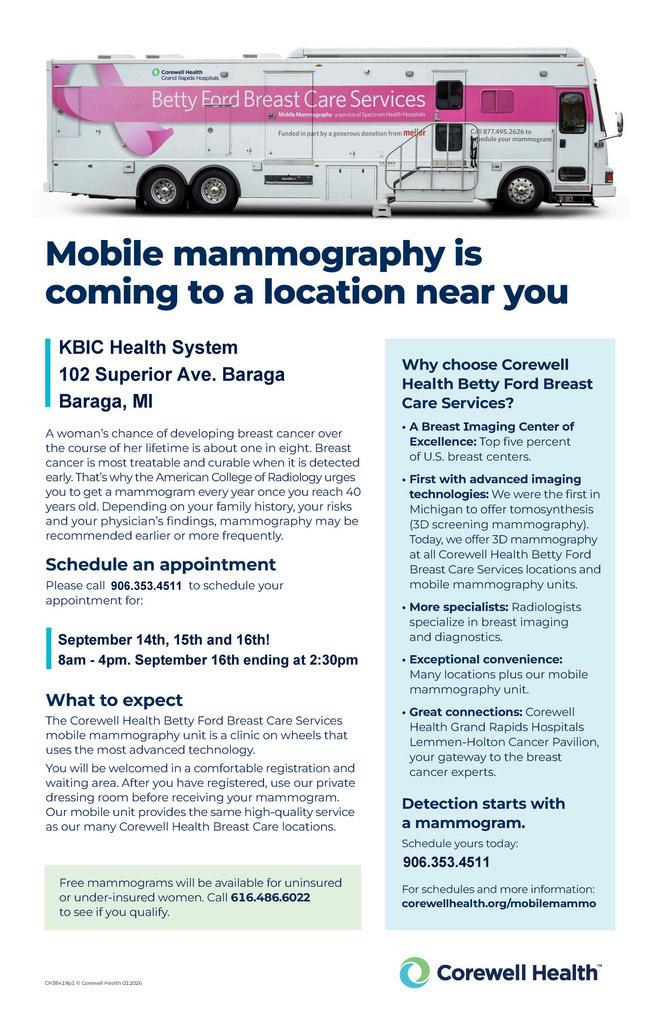
The Corewell Health Mobile Mammography Unit is returning to support the Keweenaw Bay Indian Community September 14 –16, 2026.
This event is anticipated to screen over 100 women in two days. The mobile mammography unit provides early breast cancer detection services to women ages 40 –74. The self-contained mobile screening unit will return to the Keweenaw Bay Indian Community Health System,
IN THIS ISSUE
PRESIDENT’S REPORT
CEO’S CORNER
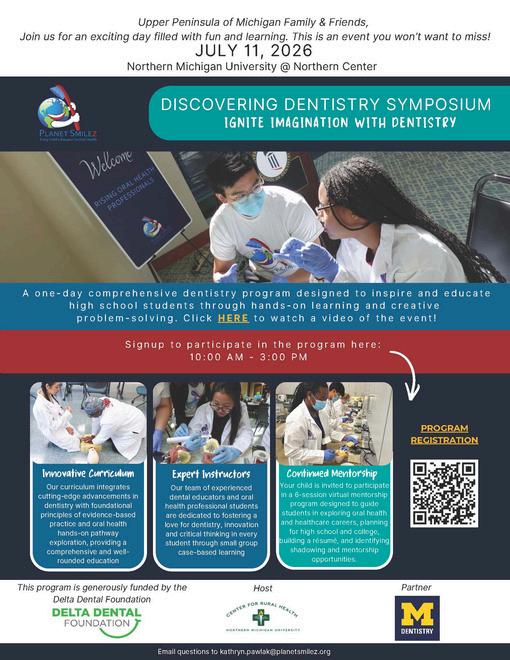
ANISHNABE DENTAL OUTREACH
providing no-cost breast cancer screening to health center clients, local Baraga County community members, and tribal government employees with state-of-the-art 3D mammography screening services. This includes women of all races in Baraga County, Michigan. Making an appointment will ensure that this screening is done at no-cost and at a time convenient for you.
As you have most likely experienced, rural women often face challenges when it comes to cancer screenings, and mammograms can save lives by detecting breast cancer years before physical symptoms appear. Women who have participated in the mobile mammography event in the Keweenaw Bay have stated, “You guys are so fantastic year after year. I can't thank you enough for your professionalism.” Many others have stated “Quick and easy-I didn't feel a thing! I never had that experience, it was great to finally have a good mammogram.”
2026 TRIBAL COUNCIL
Everett Ekdahl, Jr, President
Tony Loonsfoot, Vice President
Elizabeth “Liz” Julio, Secretary
Toni J. Minton, Assistant Secretary
Dale F. Goodreau, Treasurer
Theodore “Austin” Ayres
Doreen G Blaker
Robert R D Curtis, Jr
Sue Ellen “Suzie” Elmblad
Rodney Loonsfoot
Sam Loonsfoot
Mathew J. Shalifoe, Jr.
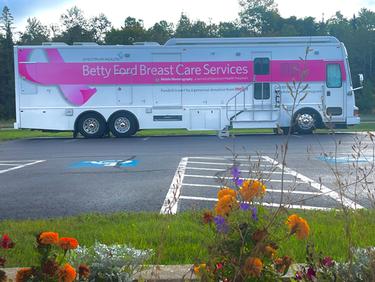
The Corewell Health Mobile Mammography Unit will return to the Keweenaw Bay Indian Community September 14 – 16, 2026. It is anticipated that over 100 women will be screened. To learn more or schedule an appointment, call Amanda Wiggins at 906-353-4511
Boozhoo, Community Members,
During May, I traveled to Washington, D.C. to attend a two day Tribal Interior Budget Council meeting. While there, we made it a
priority to meet with Michigan congressmen and senators to discuss and seek a resolution regarding our land claims issue.
Below are the motions approved by the Council during the month of May:
Motion approved for the Natural Resources Department organizational chart changes.
Motion approved for the sole source bid from Michigan Technological University for the groundwater influence project phase 3 in the amount of $70,746.00.
Motion approved to set the business licensing fee at $100.00
Motion approved to approve a donation in the amount of $500.00 to the Baraga American Legion Post #444 for wreaths, flags, and grave markers.
Motion approved for the service contract with Michigan Technological University for the groundwater influence project, phase 3.
Motion approved for the student safety and support agreement with L’Anse Area Schools.
Motion approved for the contract extension with Propel Health Advisors. Motion approved for the price policy guidelines and application.
Motion approved for the professional services agreement with BCMH.
Motion approved for the proposed resolution KB-024-2026 Establishment of Tribal Business License Application Fee.
As summer arrives across our community, so do opportunities to reconnect with one of the most important foundations of our culture, health, and future: food.
Throughout the season, many KBIC programs are offering activities
centered on food education and healthy living. From our Health System's Dietician and Diabetic programming, to the Commodity Foods Program, Elder Nutrition services, and our Community Garden, there are numerous opportunities for community members of all ages to learn where food comes from, how it nourishes our bodies, and the role it plays in our identity as Anishinaabe people. These efforts are part of a larger concept known as food sovereignty. Food sovereignty is the right of a people to define their own food systems to grow, harvest, gather, hunt, fish, and share food in ways that reflect their values, traditions, and connection to the land. For Tribal communities, food sovereignty means more than access to food. It means restoring traditional knowledge, strengthening cultural practices, improving health outcomes, and reducing dependence on outside systems.
Food sovereignty is an investment in the next seven generations. When we teach our youth how to grow vegetables, harvest medicines, prepare traditional foods, or care for the resources around us, we are passing forward knowledge that has sustained our people for generations. We are helping ensure that future generations remain connected to the land, the water, and the teachings that define who we are. Austin Ayers provided an amazing article around this in the March 2026 newsletter, check it out!
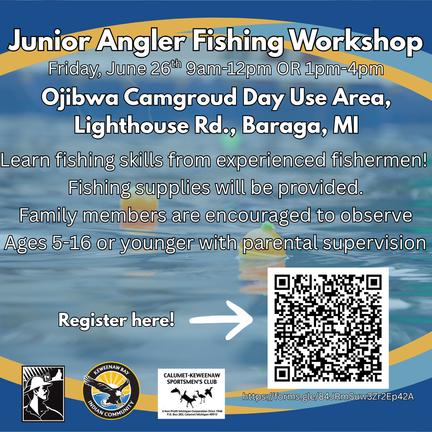
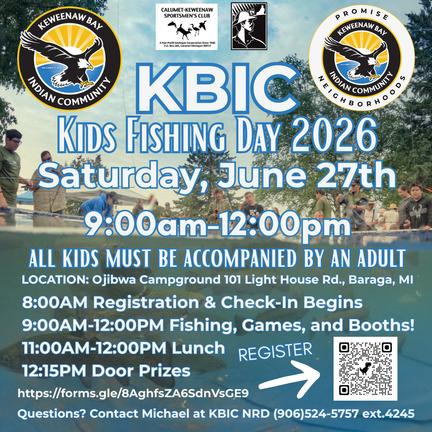
That connection continues this month through two exciting youth opportunities focused on fishing and our treaty-protected rights. On June 26, youth will participate in the Little Anglers Program, followed by Kids Fishing Day on June 27. These events provide much more than a day on the water. They offer our young people an opportunity to learn about responsible fishing practices, stewardship of our natural resources, and the importance of exercising treaty rights with respect and understanding.
Fishing has long been a way of life for our people. By teaching youth how to fish safely, ethically, and respectfully, we are helping them understand both the rights and responsibilities that come with being a part of our Community. These lessons strengthen cultural identity, build confidence, and create lasting connections between generations. As we enjoy the summer months, I encourage everyone to take advantage of the many opportunities available throughout the community. Whether you visit the Community Garden, participate in a nutrition program, support our Elders, or join one of the youth fishing activities, each experience helps strengthen our community and move us one step closer toward a future grounded in health, culture, and sovereignty. This month, I had the opportunity to participate in a Tribal Council work session focused on the development of KBIC's Strategic Plan. Strategic planning is one of the most important responsibilities we have as leaders because it helps establish a shared vision for our future and provides a roadmap for achieving our community's priorities. During the work session, Tribal Council reviewed and discussed the plan's focus areas, goals, objectives, and overall direction. Through these discussions, Council affirmed a vision of KBIC as a community that places value on strong families, sovereignty, tradition and culture, education,
environment, health, youth, elders, and government and leadership. These values serve as the foundation for the work we do today and the future we hope to build for generations to come.
The discussion provided an opportunity to ensure that the Strategic Plan reflects both our community's priorities and our responsibilities as leaders. We explored how these focus areas connect to one another and how investments made today can strengthen families, support lifelong learning, preserve our cultural teachings, protect our natural resources, improve health outcomes, create opportunities for our youth, honor our elders, and strengthen Tribal governance.
The Strategic Plan is intended to guide decision-making across Tribal government and programs by identifying priorities that advance our sovereignty while supporting the well-being of our members. It will help ensure that resources, projects, and initiatives remain aligned with the vision and values identified by Tribal Council and our community.
As we continue refining the plan, there will be opportunities for collaboration with directors, staff, Tribal Council, and community members to ensure the final document reflects a shared vision for KBIC's future. I appreciate the thoughtful discussion and engagement from Council during this work session and look forward to continuing this important work together.
As a reminder, KBIC Government Offices will be closed on Friday, July 3, and Monday, July 6, in observance of the Independence Day holiday.
I would like to wish everyone a safe, enjoyable, and memorable holiday weekend. Summer is a special time for gathering with family and friends and enjoying the outdoors. As you celebrate, please take time to stay safe and look out for one another.
Before we know it, one of our community's most cherished traditions will be here, the KBIC Annual Pow Wow. I look forward to
seeing many of you there as we come together to celebrate our culture, our traditions, and the strength of our community.
Miigwech, and have a wonderful summer holiday season.
Brigitte
CONTINUED FROM COVER PAGE
Screen for the future of Anishinaabe Kwe and women of all races on the Keweenaw Peninsula. Mammograms are available for insured, uninsured, and underinsured women. If you are uninsured, underinsured, or can’t afford your insurance or Medicare Part A deductible please call our program manager Denise Porter at 651-347-8998 to enroll in the Michigan Breast and Cervical Cancer Control Navigation Program (BC3NP). You can also contact Amanda Wiggins at 906-353-4511 to be enrolled in this program. The BC3NP program can arrange and pay for programeligible women to receive breast cancer screenings at this event, follow-up care for an abnormal test result, and treatment should the individual be diagnosed with breast cancer.
We had a record turnout last year, and we want to do the same this year. Appointments are strongly encouraged to ensure everyone receives prompt service. All women interested in completing their screening at this event at the Keweenaw Bay Indian Community Health System on September 1416, 2026 should contact Amanda Wiggins at 906-353-4511.
This women’s health event is a collaborative effort of the Keweenaw Bay Indian Community, the Inter-Tribal Council of Michigan, Corewell Health, and the Michigan Department of Health and Human Services.
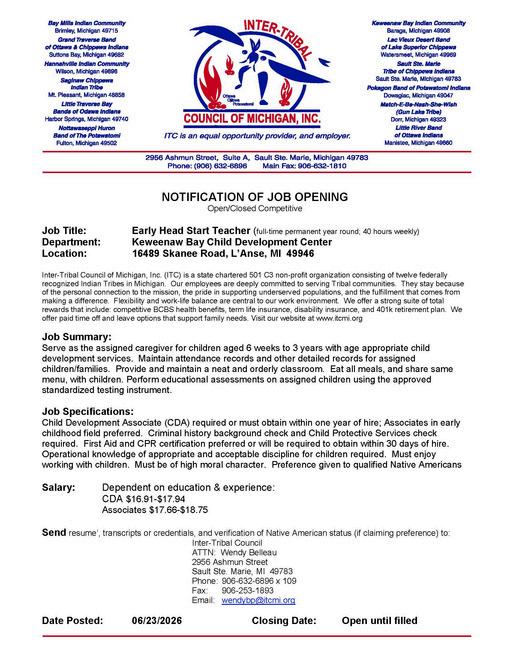
The Inter-Tribal Council of Michigan, Inc. is a 501(C)3 non-profit corporation duly organized under a state charter filed April 16, 1968. The agency represents all twelve federally recognized tribes in Michigan. The agency is divided into several different divisions, including headstart; early headstart; health services; behavioral health; environmental services; child, family, and education services; and administration. The agency employs approximately 160 employees. 35 of these employees are based in the agency’s central office in Sault Ste. Marie, while member tribes have offices and staff on site. Visit http://www.itcmi.org/ to learn more about the agency.
Healing to Wellness
Healing to Wellness Program: Updates and Testimonials
The KBIC Healing to Wellness Program (HTWP) is a voluntary, intensive, supervised program for offenders who have cases stemming from substance abuse. The program provides a path to healing and promotes healthy life choices for offenders with substance abuse disorders. The HTWP intends to lessen recidivism and enhance family, community, and cultural connections.
The HTWP is designed to provide an alternative to incarceration and improve the participant’s odds of successful rehabilitation through consistent judicial supervision. The program utilizes a combined approach that includes community-based services, group services, drug testing, case management, use of sanctions and incentives, and suitable cultural components.
The HTWP participants are provided with services for positive social support and education. One of the main goals of the program is to assist the participants in identifying risky attitudes and behavior, making healthy lifestyle changes, and eradicate the use of alcohol and/or other drugs.
Since January we had one participant successfully complete the Program and a Graduation was held at the Zeba Hall on 1/9/2026. He completed his 3 months of continuing care and has been successfully discharged and transferred over to payment probation.
The participants get involved with various cultural activities and donate their time to giving back to the community when it is needed. They help at funerals, walks, making pasties, and helping at the cultural center to name just a few things. They get involved with cultural events and activities.
On Tuesday 5/26/26 the Healing to Wellness Coordinator and 4 participants cleaned up our part of the highway for the Adopt-A-Highway section for the Healing to Wellness Program. We picked up over 20 bags of garbage in our 2-mile section. It felt amazing to honor, respect, and defend the land, Nimaamaa-aki.
On 6/13/2026 a participant did a Community Event at the KBIC Pow Wow Grounds. It is a requirement in Phase 3 to advance to Phase 4. He did teachings on Woodland, Strap Dress, and Grass Dance. Host Drum was Summer Cloud. It was an amazing event to honor and support our youth with prizes and teachings. I am someone who has been in recovery for 18 years. Achieving sobriety two decades ago without formal resources such as the Healing to Wellness Program was challenging without extra s g early sobriet ng on purely upport system would have h it is highly ken a different direction. The amount of services that are provided in the program can be life changing opportunities to live minobimaadiziwin.
Anangikwe
Michelle Sanregret Healing to Wellness Coordinator
Participating in the Healing to Wellness Program was a life changing experience. Not only did it address my substance abuse issues, but it also focused on other crucial areas of my life such as physical, mental, spiritual, and mental. Sobriety is a lot more than just quitting substances. It’s working on
your inner self and getting to the roots of the real issues that cause an individual to abuse substances. The Healing to Wellness Program is an intensive jail diversion program that helped me have accountability in my life. It was during a time in my life when I needed the safety net of the Healing to Wellness team. I needed the extra guidance from the coordinator and other team members. It taught me that it’s okay to reach out for help. The program surrounded me with many services such as outpatient counseling, CBT group, behavioral health counseling, and community engagement opportunities. These services provided me with important tools to maintain sobriety, improve mental health, control impulsive behaviors, and give back to the community. Another major aspect of the program was the implementation of cultural components. With the addition of culture, I started learning Ojibwemowin, I began attending ceremonies again, I utilized my sacred medicines, and I developed a relationship with the creator. These contributed immensely to my identity as an indigenous man. A huge part of recovery is self-discovery and figuring out who I was. The program was a big part of that self-discovery journey. I entered that court house surrounded by staff who I thought were my enemies. That perspective was a reflection of my active addiction thought process. Once I graduated the program, I then viewed those same staff members as support people. I viewed them as important people that were part of my healing journey. Instead of enemies, they are now friends. They are individuals who I now use as references on job applications and other positive facets. Recovery is about fellowship and being surrounded by good people. The Healing to Wellness Program provided that fellowship and provided me with tools I continued to use upon graduation and in daily life. Nimiigwechiwendam.
Miigwech aapiji sa go
Around the Community
Hi, my name is Bradley Berry, and I am a Recovering Alcoholic. I have been sober for four years and I am a graduate of the Healing to Wellness Program. While being a part of the program I learned tools to help prepare me for situations which could lead to relapse. These tools included are but not limited to scheduled planning, emergency contacts, positive acquaintances, and backup plans. These were a big help, and I still use them to this day. While I was a participant in the Healing to Wellness Program, I was able to learn more about my culture and the teachings. One of the teachings that helped me the most was The Seven Grandfather Teachings. How they correlate with life and living a balanced lifestyle. What I have learned from these teaching if you are only ngs. To leave ou ce the opposit ns. The Seven G crucial part of l Being a fellow recovering ddict/Alcoholic. To learn another way of life sometimes seems impossible. But, with the help of the Healing to Wellness Program, your willingness to be rigorously honest with yourself and others, taking it one day at a time, and living a balanced lifestyle. That much sooner are you ready to walk the Red Road of Recovery.
I have been a member of the Healing to Wellness team for the past 11 years. During that time, I have witnessed many successes and some who were less fortunate in completing the program.
I say "less fortunate" because even those who did not complete the program still found success along the way. They learned valuable lessons about what it takes to live a sober life.
They experienced what it means to walk the Red Road and felt a connection between themselves and the Creator. Regardless of whether they spent two days or two years in the program, they left with a sense of accomplishment and a greater understanding of themselves.
The true successes of the program are those who commit to sobriety and continue that commitment every day. Many gain control of their lives for the first time since childhood. They build a strong relationship with the Creator and use that connection as the foundation of their lives. Without that foundation, there is no telling where their lives might have gone. Many participants regain control of their family lives and make the sacrifices necessary to become successful parents, spouses, and community members. Some have gone on to careers that many people only dream of.
Others have built lasting relationships with people who may have turned away from them during their years of addiction. These success stories are why I love being part of the Healing to Wellness Program. Seeing people transform their lives and make positive contributions to society is something I will always be grateful for.
Personally, this program has taught me a great deal about addiction and its impact on individuals and families. Addiction is not simply a choice. No one grows up wanting to become addicted to drugs or alcohol. These are people who often feel trapped by the way addiction affects their thoughts, emotions, and behaviors. For many, life becomes a constant state of fight or flight.
Understanding addiction takes time and compassion. Over the years, I have spent countless hours speaking with participants, attending trainings, and listening to the experiences of both professionals and those
living in recovery. Those conversations have helped me better understand the challenges people face and the strength it takes to overcome them.
Being a member of the Healing to Wellness team has not only taught me about addiction and recovery, but it has also taught me valuable lessons about my own life and the way I lead my family. For that, I am truly thankful.
Respectfully,
Steve Denomie
Around the Community
Around the Community
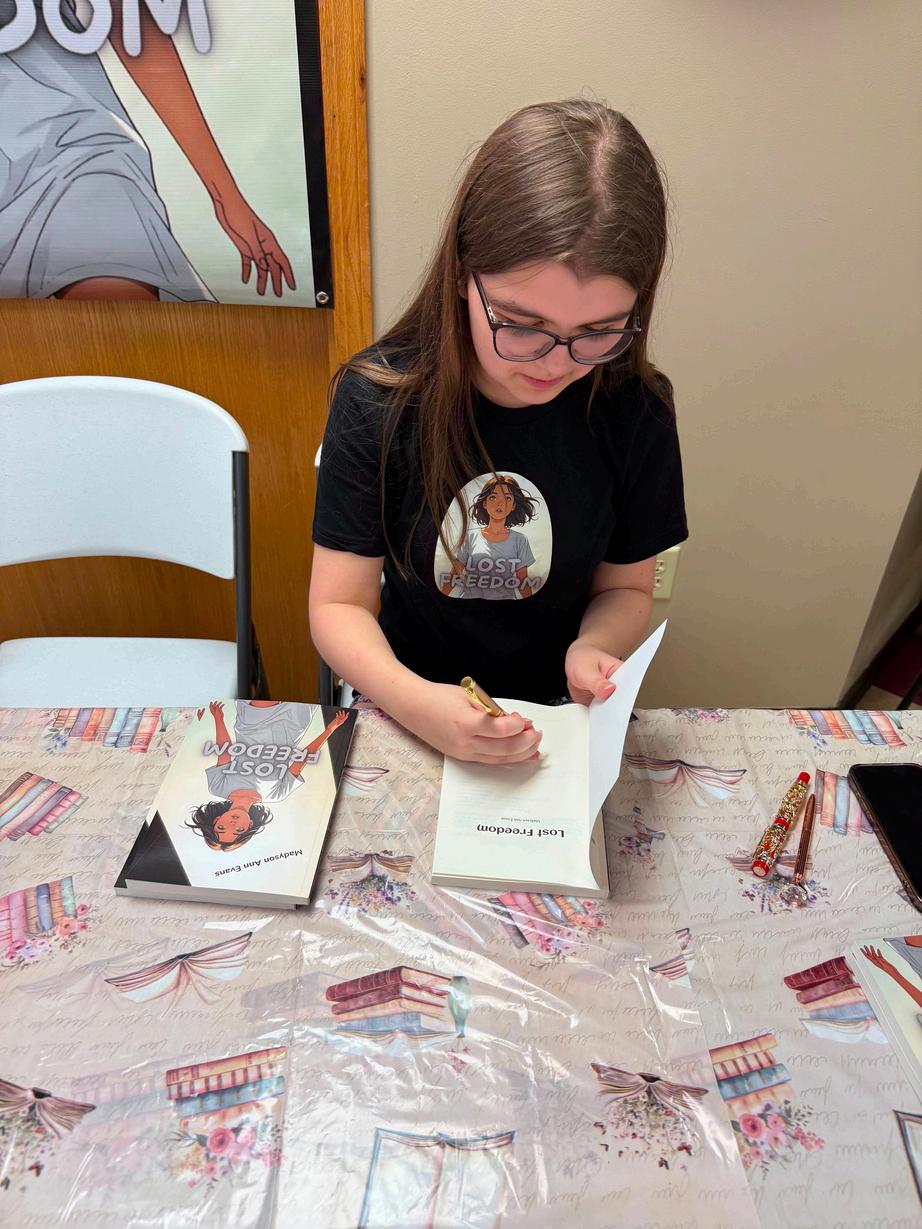
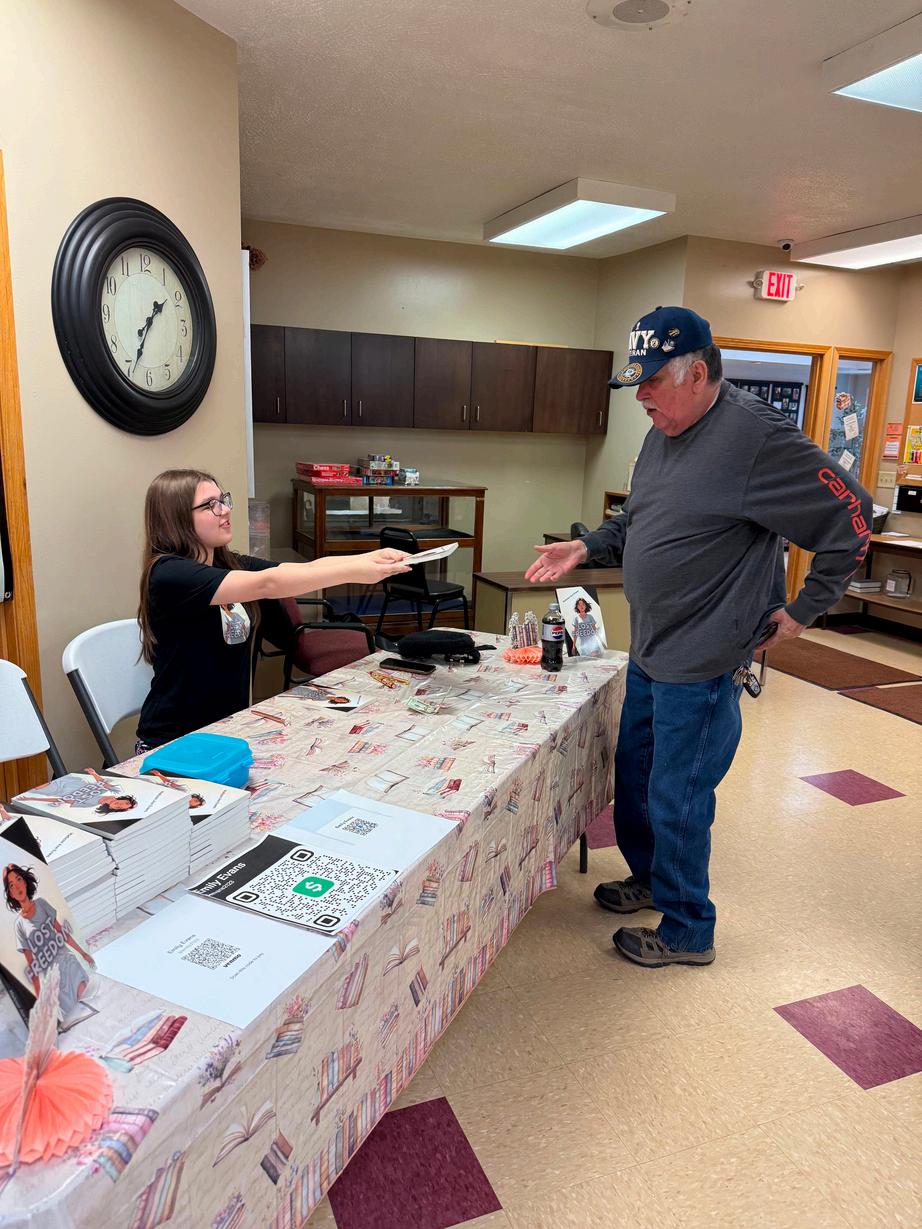
Community Turns Out for Madyson Evans’ First Book Launch
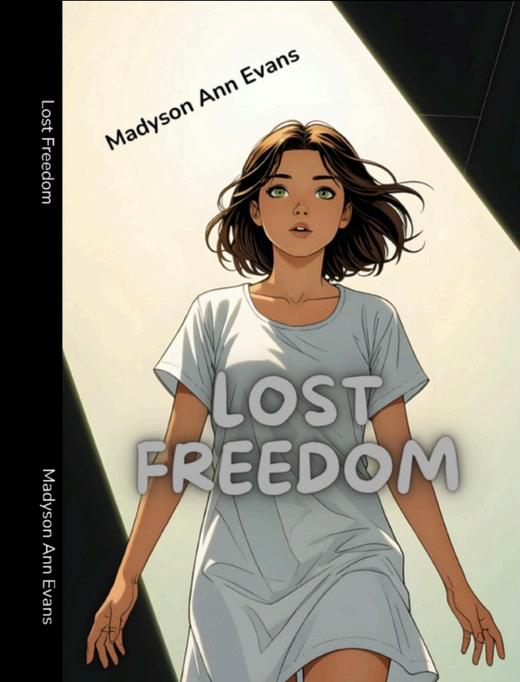
KBIC member and author Madyson Evans is celebrating a major milestone after officially publishing her first book, Lost Freedom. The debut release has already drawn strong support from the community, with more than 100 people attending her book launch event on May 16.
The successful launch marked an exciting beginning for Evans as friends, family, readers, and community members gathered to celebrate the accomplishment and show their support for the new author.
Lost Freedom is currently available for purchase online through Walmart, Amazon, and Barnes & Noble. Interest in the book continues to grow following the launch event, and plans are already underway for a second book signing in Marquette, with the date still to be announced.
For local readers, a limited number of signed copies are still available. To purchase contact Emily Evans at emilyevans2830@gmail.com or (906) 201-2133.
National Fresh Fruit and Vegetables Month - June
Berries are one of nature’s superfoods – they provide vitamins C & K, manganese, fiber, and antioxidants. Their vibrant color is a good indicator of their nutritional content. Beneficial berries are blueberries, strawberries, raspberries, cherries, and blackberries.
For fun and healthy treats try delectable berries in smoothies and popsicles. Children will have fun making them.
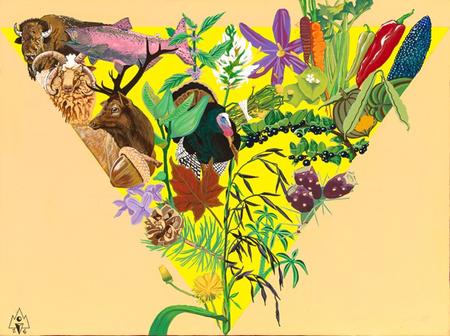
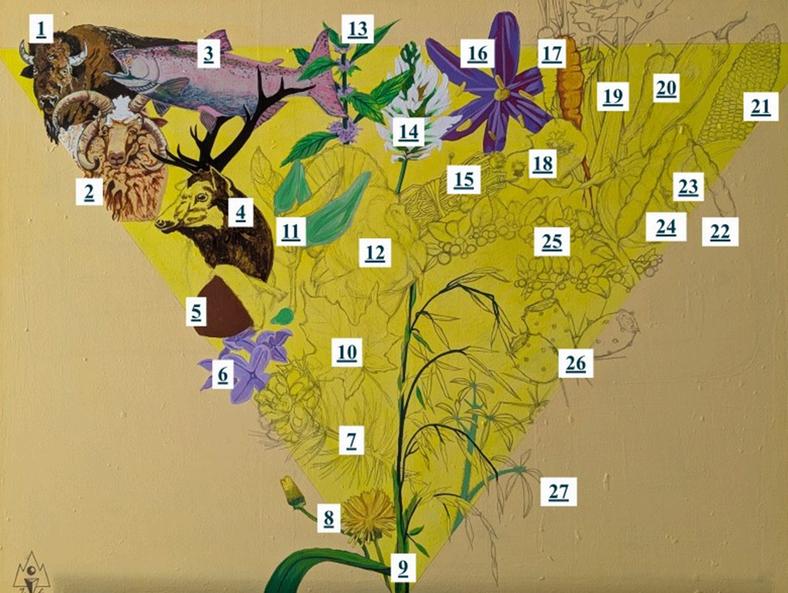
Artist: Joeseph Arnoux (Piikani/Sp’q’n’i),
Hey! It’s SUMMER in Michigan! Take a look at the Indigenous Food Pyramid and celebrate National Fresh Fruit and Vegetables Month. Look at the colorful and tasty fruits, vegetables, whole grains, and proteins. These delicious foods provide a variety of nutrients, vitamins, minerals, and fiber — while remaining naturally low in calories, fat, and sodium. Whether you shop at a market or are able to grow fruits and veggies at home, enjoy any combination of these delectable delights to kick off your summer right. The foods that we eat have a direct impact on our overall health, including the health of our teeth and gums. When you maintain a healthy, balanced diet and follow a good daily dental care routine, your body will be strong and robust. So, what are the best foods for our teeth? Here are a few suggestions: Encourage your family to eat fresh, delicious fruits, especially those with high water content, such as apples, pears, peaches, and melons. They are an excellent alternative to sugary and starchy snacks. They are high in water content, almost 90%, and this ideal hydration dilutes their sugars. Encourage your family to eat vegetables. Their water content and crunchy texture stimulate saliva.
Dark, leafy vegetables leafy greens provide us with special nutrients like folate, zinc, calcium, iron, magnesium, vitamins, omega-3 fatty acids, and fiber. They can lower the risks of diseases, improve digestion and their fiber aids in cleaning our teeth. Examples are kale, chard, collard greens, and spinach.
Colorful veggies are so good for healthy mouths and bodies. Corn, squash, bell peppers, cucumbers, Broccoli, Asparagus, Red onion, Zucchini, and golden beets are all bright, flavorful options with diverse flavors and benefits.
Eating plenty of fruits and vegetables helps reduce the risk of many chronic illnesses, including heart disease, high blood pressure, inflammation, and some cancers. These foods help you maintain a healthy weight and help you stay energized all day.
Diabetes affects 14.6% of our Michigan Indian population. This is a metabolic disorder in which the body has high sugar levels for prolonged periods of time. Diabetics have an inadequate production of insulin. Insulin is produced by the pancreas gland. Most tribes have nutritional experts to advise individual patients.In general, diabetics need foods which are high in fiber, water content, vitamins, and minerals and are low in calories. Here are foods that are nutrient-dense and can help to regulate blood sugar levels.
All fruits contain natural sugars, which will have some impact on blood glucose levels. However, fruits also contain abundant nutrients and fiber. Fiber promotes satiety by slowing absorption into the bloodstream. so be sure to check with your diabetes expert.
Apples and most berries contain chemicals called anthocyanins, which have been shown to boost insulin.
Leaf, dark greens can lower the risk of inflammation, enhancing the regulation of blood sugar levels.
Sweet potatoes have a low glycemic index, which means they will not spike your blood sugar levels.
Protein plays a key role in diabetes management by helping maintain muscle mass, supporting wound healing, and aiding in weight control, all of which can improve insulin sensitivity and blood glucose control.
The Anishinaabe used natural sweeteners infrequently and sparingly. Honey and maple syrup were seasonal and hard to obtain.
The digestive process starts in the mouth with the enzymes found in saliva. Strong, healthy teeth and gums are needed to eat these fruits, vegetables, whole grains, and proteins. If we Anishinaabe ate a Pre-Columbian diet, our mouth and entire body would be healthy and strong. The Decolonizing Diet Project was developed at Northern Michigan University by Dr. Martin Reinhardt; foods indigenous to the Great Lakes area were eaten for a full year by volunteers. They all ended up healthier and had more energy.
The Indigenous Food Pyramid can be translated into Anishinaabemowin. Language lessons can include indigenous foods.
We Anishinaabe can identify the animals, fruits and vegetable that are found in the Great Lakes region. How did our ancestors cultivate indigenous food crops?
Living in harmony with our land is foundational to cultural and tribal sovereignty.
Tooth decay is the single most common chronic childhood disease in the US, and researchers have traced it to the increased consumption of white sugar (sucrose) which is loaded into junk foods, sugary snacks, carbonated drinks, and sodas.
The good news is that maintaining a healthy, balanced diet and following a good daily dental care routine can prevent many dental problems. Brush twice a day for 2 minutes and floss once a day. Throughout the day, if brushing is not convenient, rinse with water for 30-60 seconds.
Our goals are Healthy teeth, Healthy Life, Health tribe, and Healthy Anishinaabe!
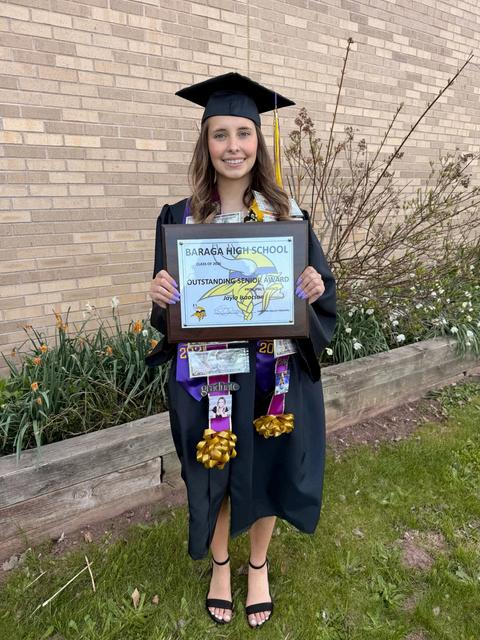
Jayla Isaacson graduated from Baraga High School on May 22 . She received the Outstanding Senior Award and earned several scholarships from Baraga Schools, including the June and Fred Shaefer Scholarship and the Kinnunen/Suttinen Scholarship. She also received the College Prep Scholarship from the KBIC Education Department. nd This fall, she plans to attend Northern Michigan University to pursue a Bachelor’s Degree in Elementary Education. During high school, she was active in volleyball and currently works at the KBIC Pre-Primary Program.
High School Graduates
Around the Community
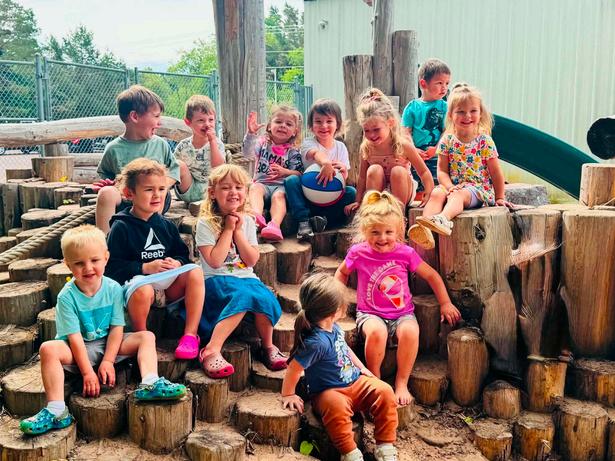
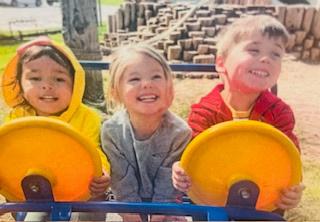
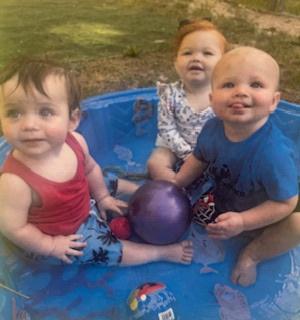
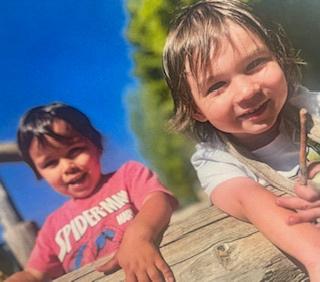
Growing Through Play:
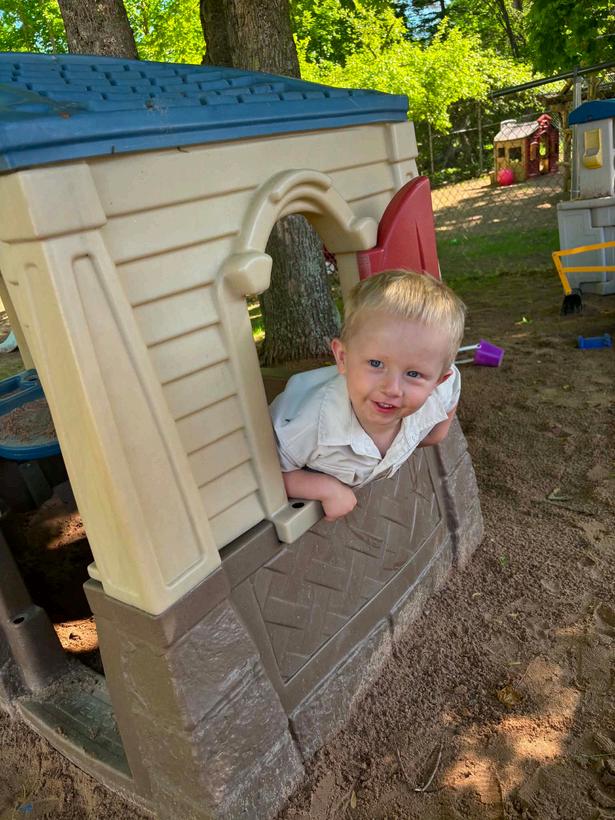
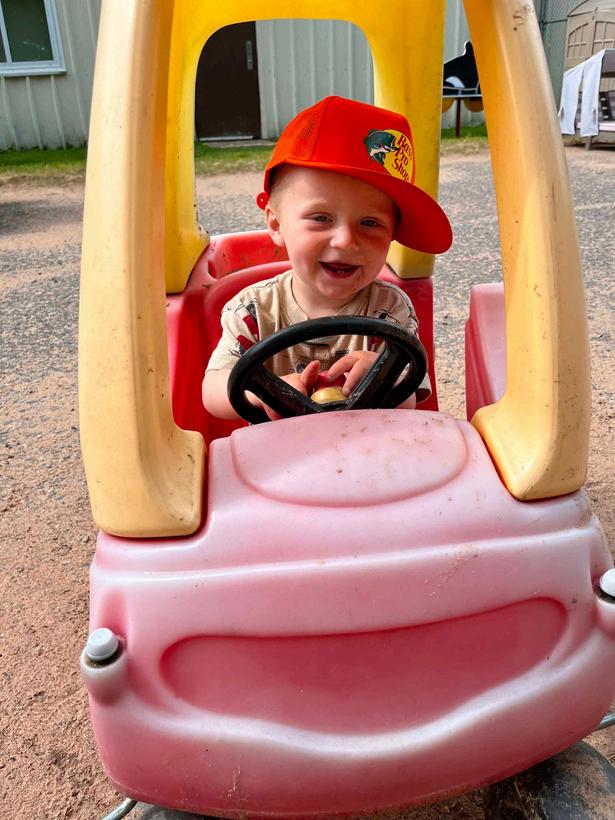
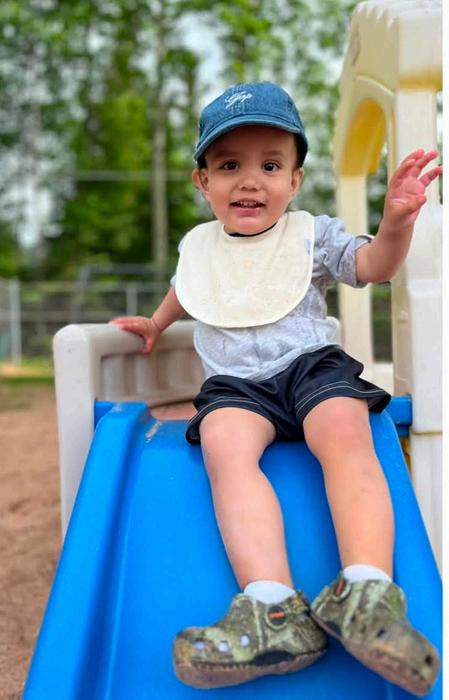
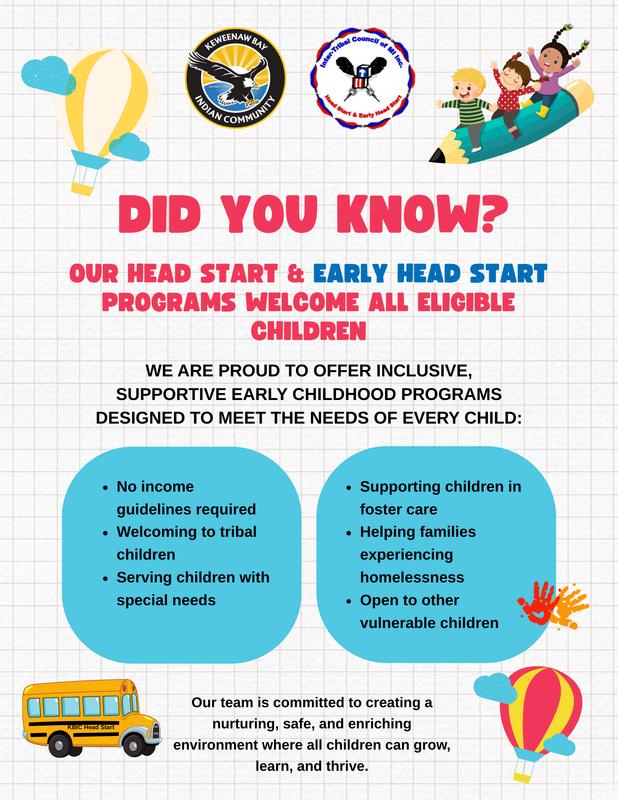
Summer Adventures at KBIC Head Start
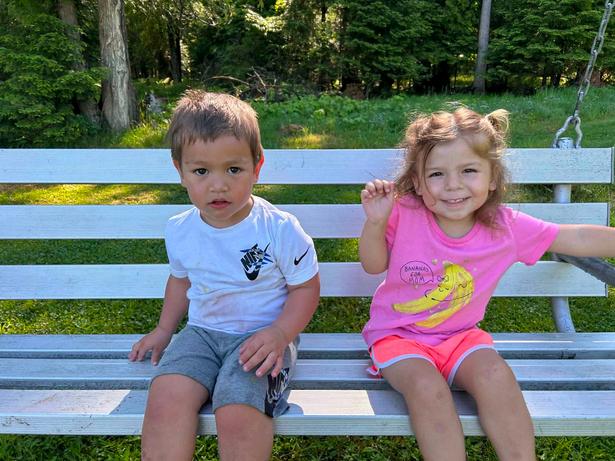
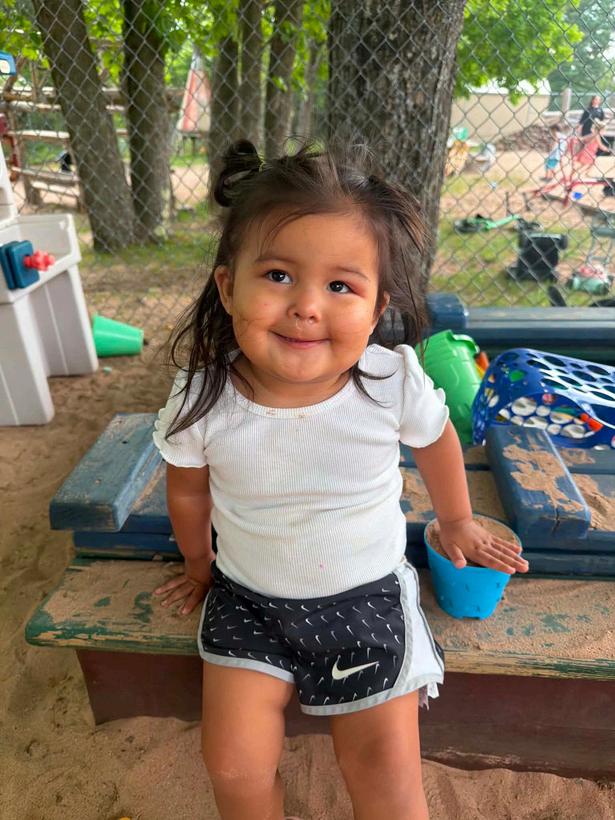
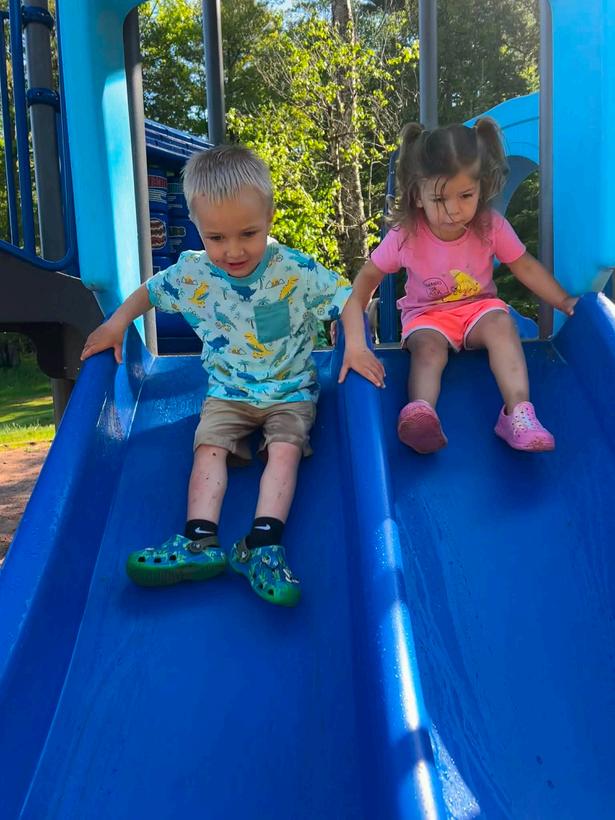
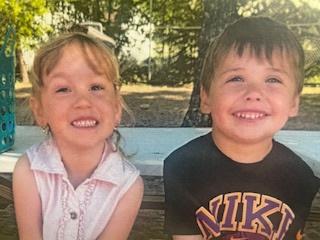
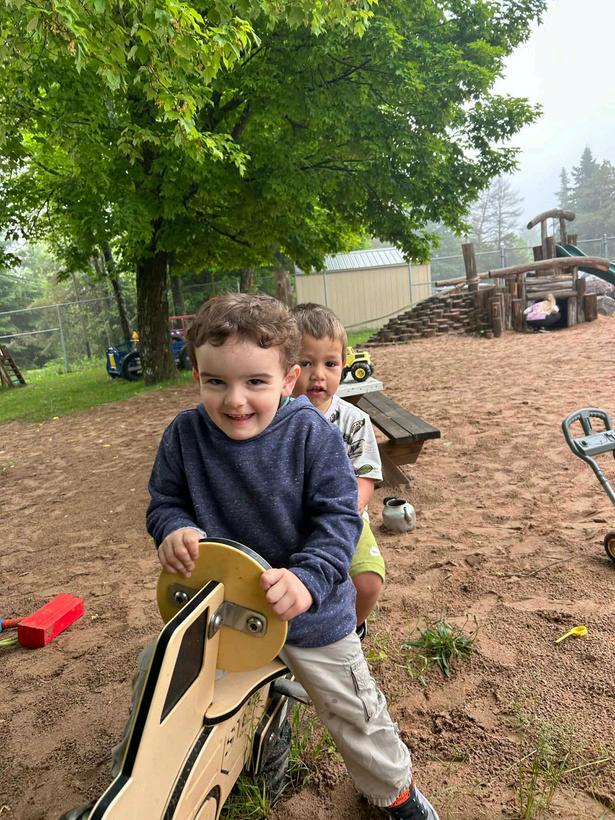
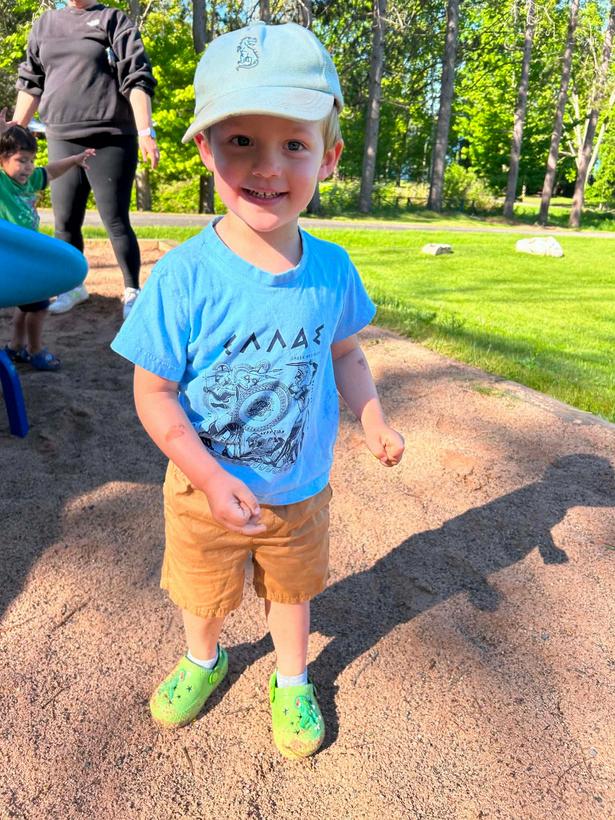
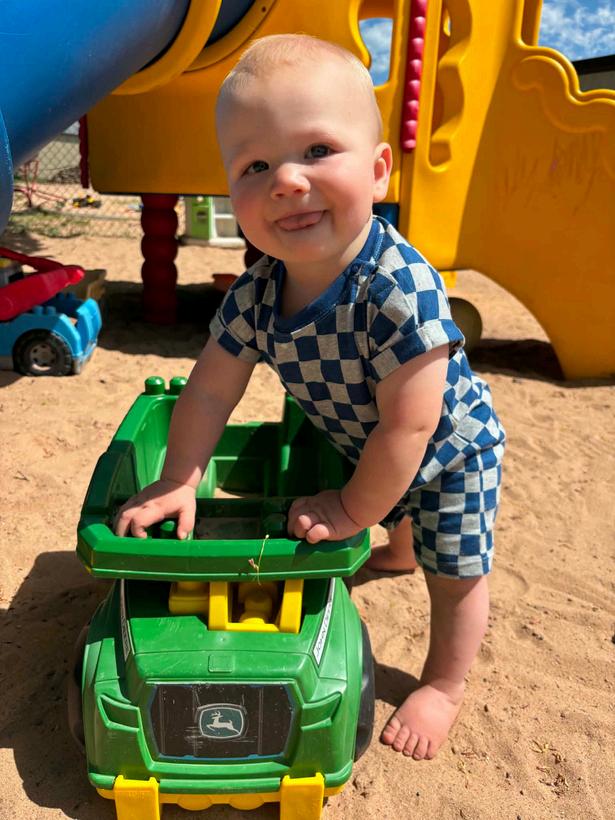
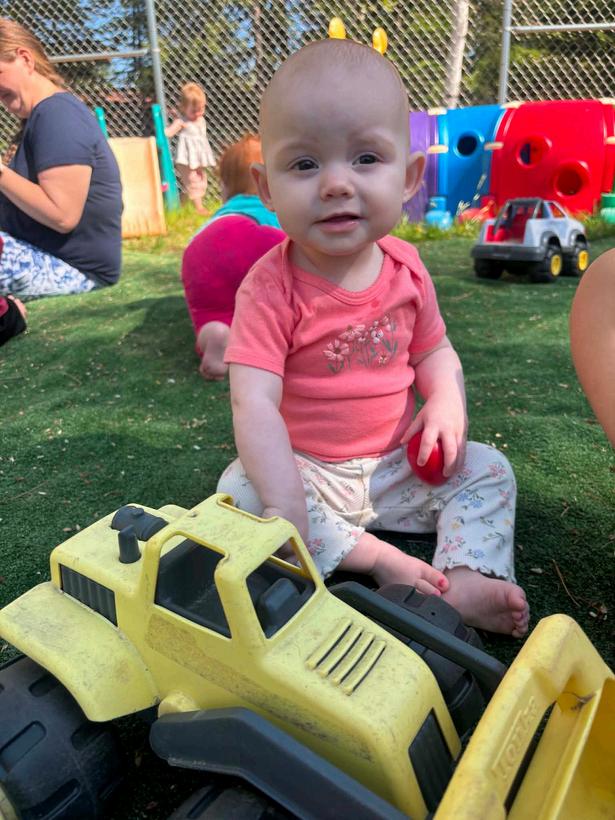
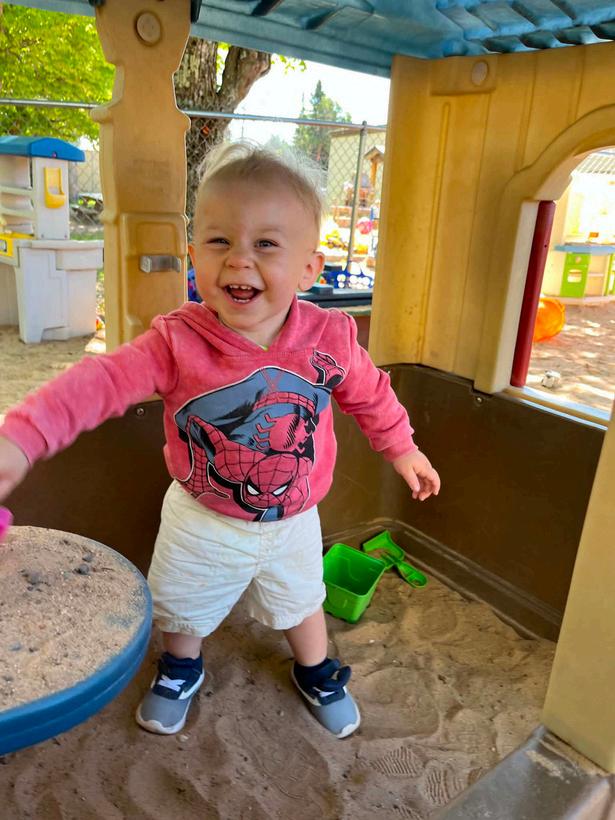
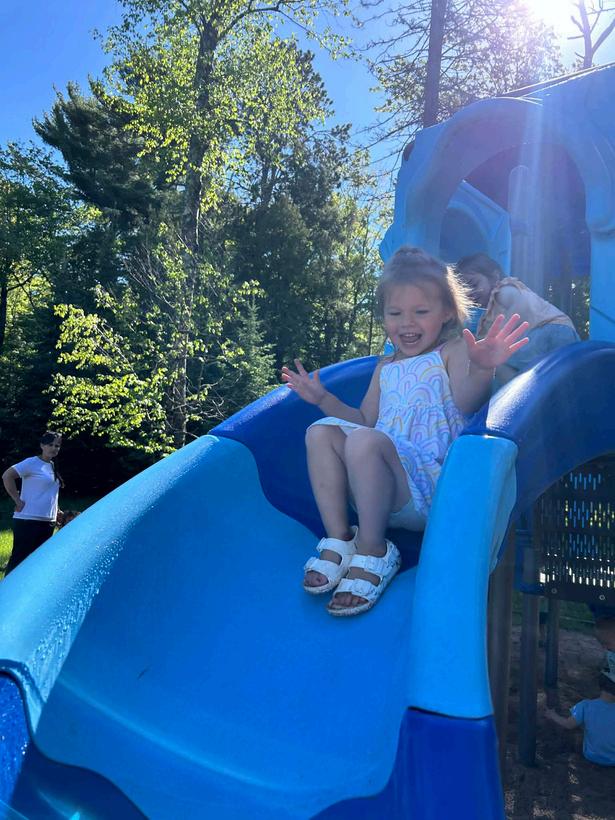
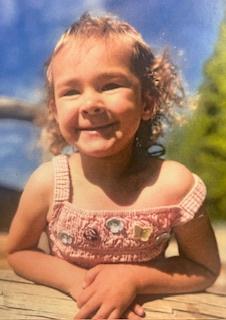
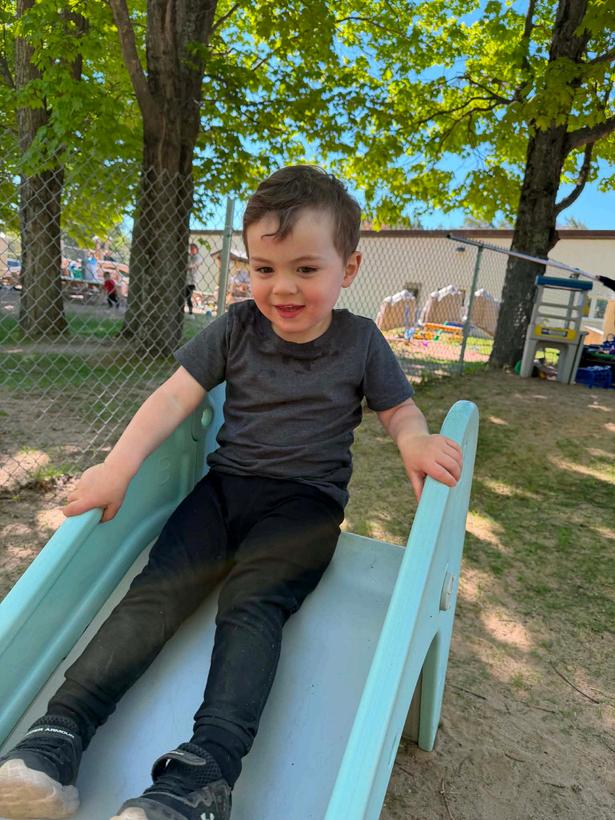
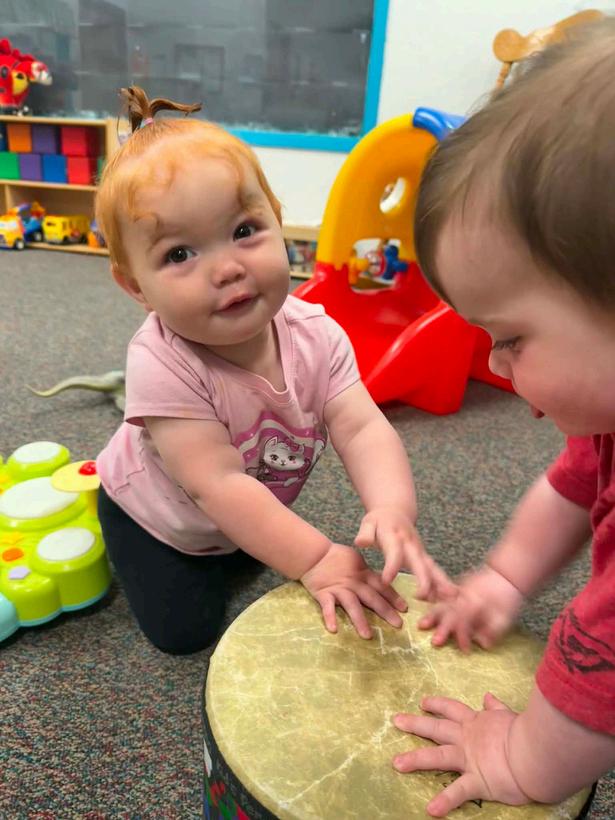
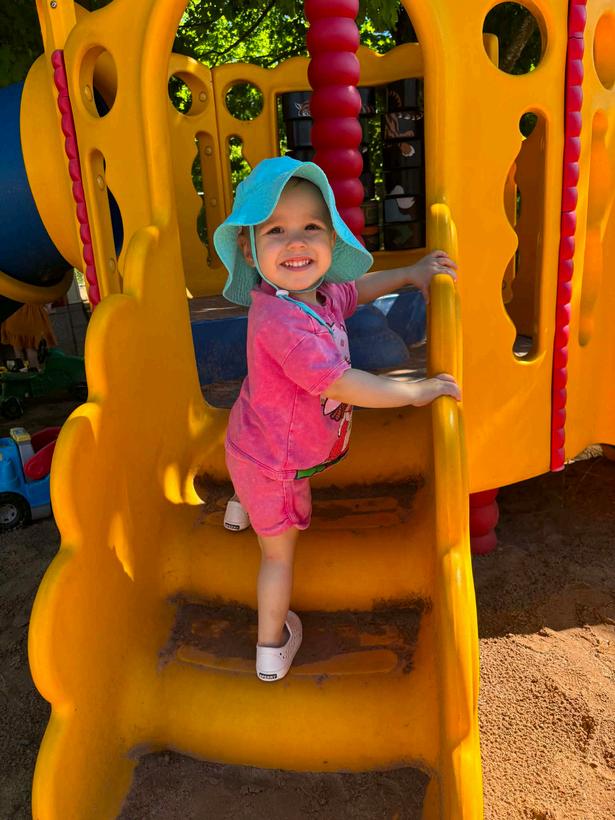
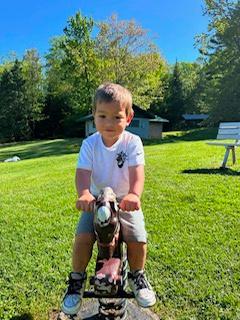
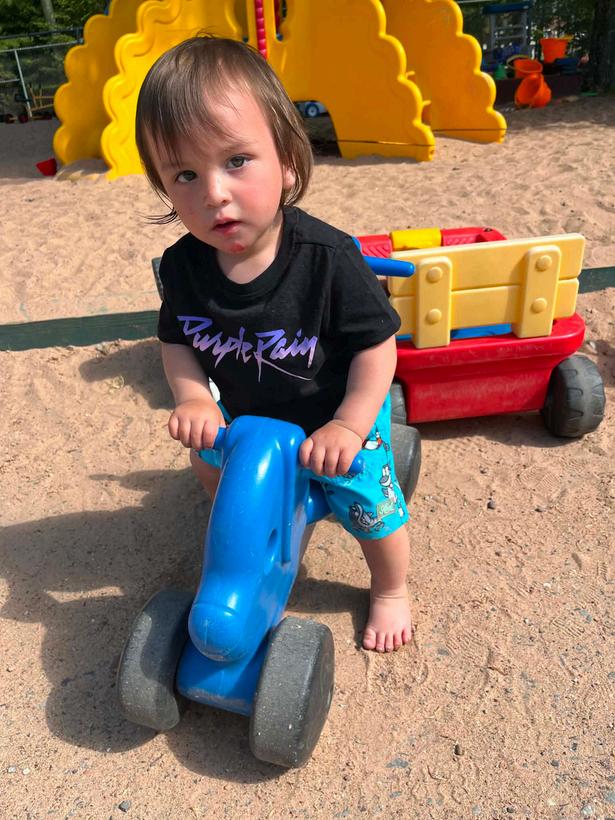
Summer is a time for sunshine, friendship, and plenty of outdoor adventures! While having fun in the sun, the children are also developing important skills. They practice sharing, taking turns, problem-solving, and communicating with their peers. Outdoor play encourages physical development, creativity, and teamwork while helping children build positive social relationships and confidence. We love watching children learn, grow, and create lasting friendships through play-filled summer days!
Happy Summer from KBIC Early & Head Start Programs!
Head Start
Head Start
Head Start
Around the Community
Pre-Primary Education May Activities Highlights
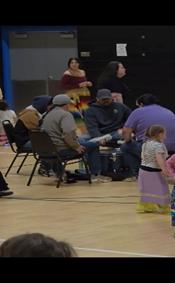
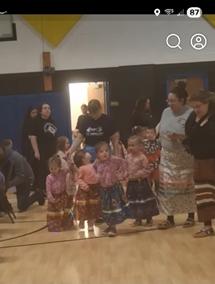
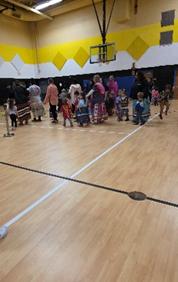
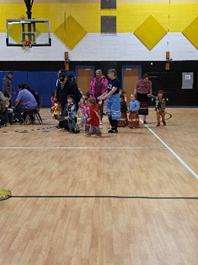
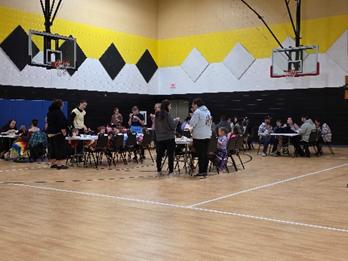
On May 7, 2026, Pre-Primary hosted a Drum & Dance social. Parents were invited to join their children for food, dancing, music, and lots of fun.
Pre-Primary Education
On May 12, 2026, our preschoolers, who will be moving on to kindergarten this year, got to go on a special field trip to the Children’s Museum in Marquette. We joined Head Start’s (Baraga) soon-to-be kindergarteners on the trip. It was an all-day adventure where they got to take bag lunches and spend the day having fun.
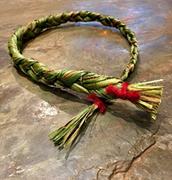
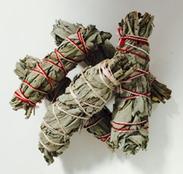
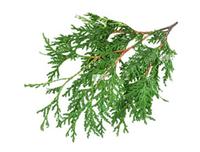
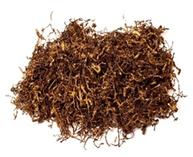
On May 14, 2026, Austin Ayres came to visit our center to talk about different plants that can be used as medicines from the Earth. He showed us sage for nookwezigan, which helps with cleansing, wiingashk (sweet grass or Braid of mother Earth), giizhik (cedar), that we hang above doors, and asemaa (tobacco),
which is used to give thanks and for prayer. The children enjoyed telling about how their families use these medicines and how we have used them at school. We were able to keep some of each medicine to use in our classrooms. We can’t wait to see Austin again next month!
Around the Community
Handicapped Accessible Van Guidelines
Eligibility
Enrolled KBIC members and their non-KBIC family members who are not mobile enough to be transported without a wheelchair lift (Eligible User) are eligible to use the Handicap Accessible Van (HAV).
Overview
The driver of the HAV assumes the duty of obeying all motor vehicle laws, maintaining the vehicle properly at all times, and complying with the following guidelines.
Vehicle Purposes
The HAV shall be used for transportation to medical appointments or other purposes approved by the CEO or Tribal President.
Authorized Driver
Drivers must have a valid and unrestricted driver’s license and be able to drive a HAV. The HAV allows drivers to perform approved transportation activities safely, efficiently, and economically while promoting a positive image of the KBIC. Drivers are required to operate the HAV safely and responsibly.
The Tribal Center Receptionist shall instruct first-time HAV drivers on operating the wheelchair lift before their first trip.
The following rules apply to using the HAV: Only authorized individuals may drive. The vehicle must be picked up at the assigned location and returned to that location after use. It must also be locked, and the keys must always be secured. The driver must review the vehicle's use in the Driver Log, which is to be kept in the HAV at all times and returned for review at the end of use.
The driver and all passengers must wear available personal restraints, including seatbelts. Eligible users must be secured in the rear of the HAV utilizing the available locking straps. Report all accidents immediately to the appropriate police and the CEO's office (906)353-4104.
Maintenance
Drivers and eligible users must maintain the HAV at all times. The HAV must be returned in the same condition it was issued: clean and with a full fuel tank. The eligible user is to pay for the fuel cost.
The HAV should not be operated with any defect preventing safe operation during current and foreseeable weather and lighting conditions. Preventative maintenance, such as regular oil changes, tire pressure, and fluid checks, determines to a large extent whether eligible users will have a reliable and safe vehicle to drive. Please report any issues with the HAV you experience during your use of the CEO’s office.
The use of tobacco products by all occupants in the vehicle is prohibited and includes cigars, cigarettes, chewing tobacco, ecigarettes, and all other forms of tobacco.
Traffic Violations
Fines for parking, moving violations, etc. are the personal responsibility of the driver/eligible user.
Accidents Involving the HAV
In the event of an accident:
Do not admit negligence or liability. Do not attempt settlement, regardless of how minor.
If possible, get the name, address, and phone number of the injured person(s) and witness(s).
Exchange vehicle identification, insurance company name, and policy numbers with the other driver.
Take a photograph of the scene of the accident if possible. Call the police.
Complete the vehicle accident report in the HAV.
Turn all information over to the CEO’s office upon your return.
Thefts
In the event the HAV is stolen, notify local police immediately.
Failure to comply with these guidelines will result in denied future use and may result in additional costs to the eligible user.
The Driver/Eligible User is responsible for the actual possession, care and use of the HAV.
Members wishing to utilize the HAV can contact the Tribal Center Receptionist at (906)353-6623 or receptionist@kbic-nsn.gov to reserve it.
Around the Community
Government
FULL-TIME POSITIONS CLOSING DATE
Pow Wow Worker
Accounting Clerk
Fuels Module Crew Member (2)
Community Health Worker
Seasonal Plant Technician
Teaching Assistant
Early Learning Specialist
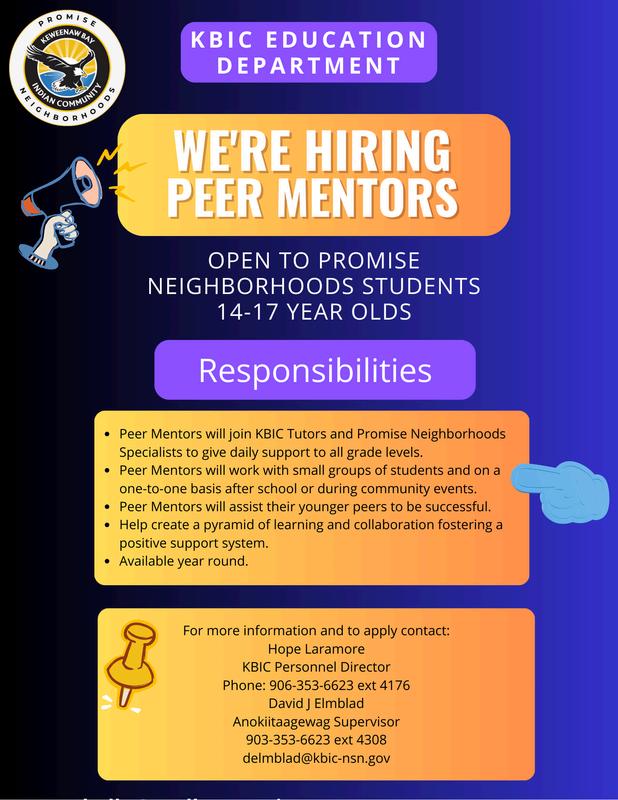
Healing to Wellness Peer Recovery Mentor
Home Care Aide
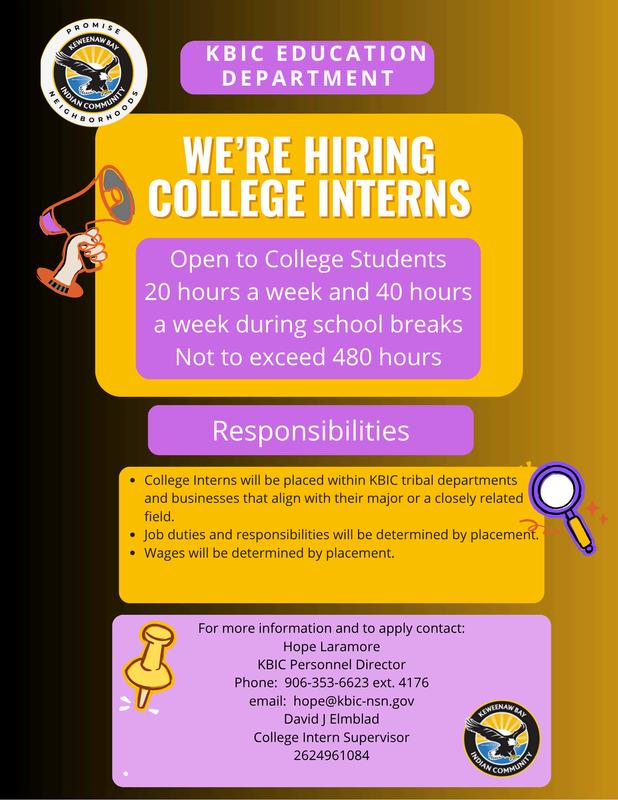
Plant Technician College Intern
Assistant Tribal Attorney/Prosecutor
RN or LPN
Tribal Attorney/Prosecutor
Physician
Dental Hygienist
Jail Diversion Case Manager
Grant Accountant
ONGOING RECRUITMENT
CLEANING PERSON
PHARMACIST OR PHARMACY TECHINICIAN
RECEPTIONIST/CLERICAL WORKER
RN OR LPN
UNIT MANAGER (SUBSTANCE ABUSE PROGRAMS)
UNIT MANAGER (TRANSITIONAL HOME PROGRAMS & SERVICES)
*Tipped positions are guaranteed at least $15/hr in baraga and $16/hr in Marquette. Part-time = 37 hrs/week
06/16/2026
06/10/2026
Until Filled
06/23/2026
Baraga HR Office at 906-353-6333 x4188 or Marquette HR Office at 906-249-4200 x4705
Elder Nutrition
Elder Nutrition
Around the Community
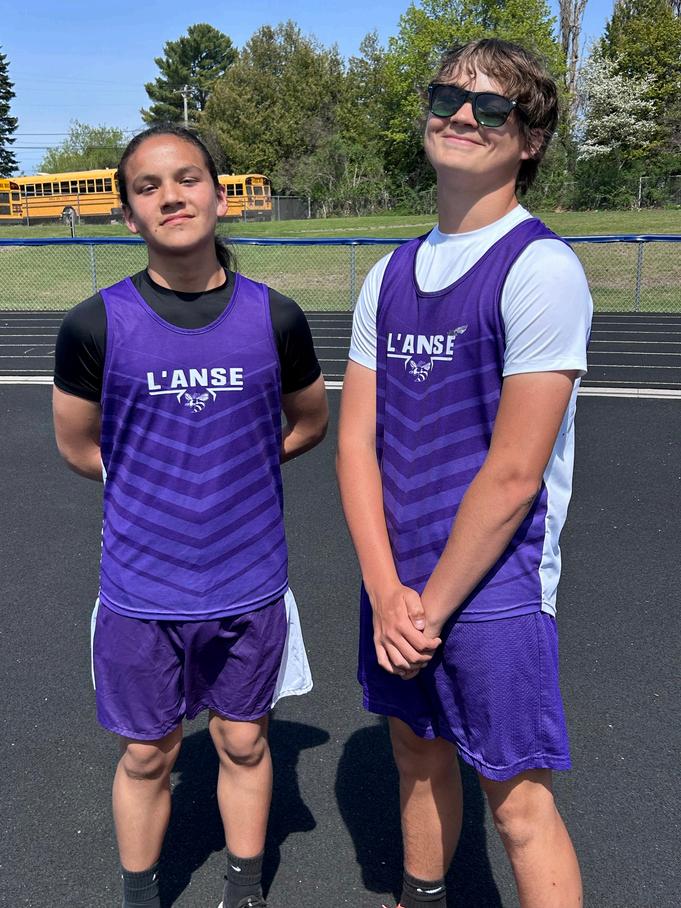
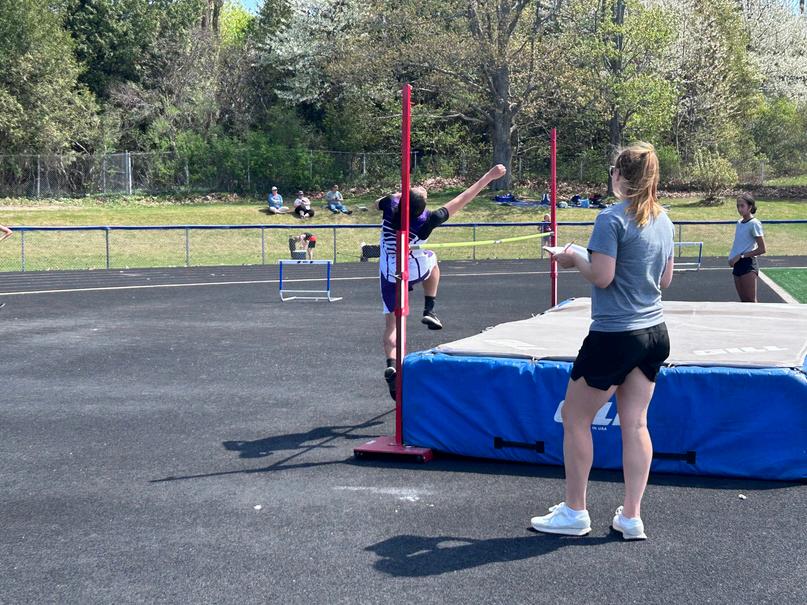
KBIC Youth athletes Dalin Connor and Jordan Ekdahl of the L’Anse Middle School track team wait for their turn to jump at the Keweenaw Area Middle Schools Finals in Calumet on May 29, 2026
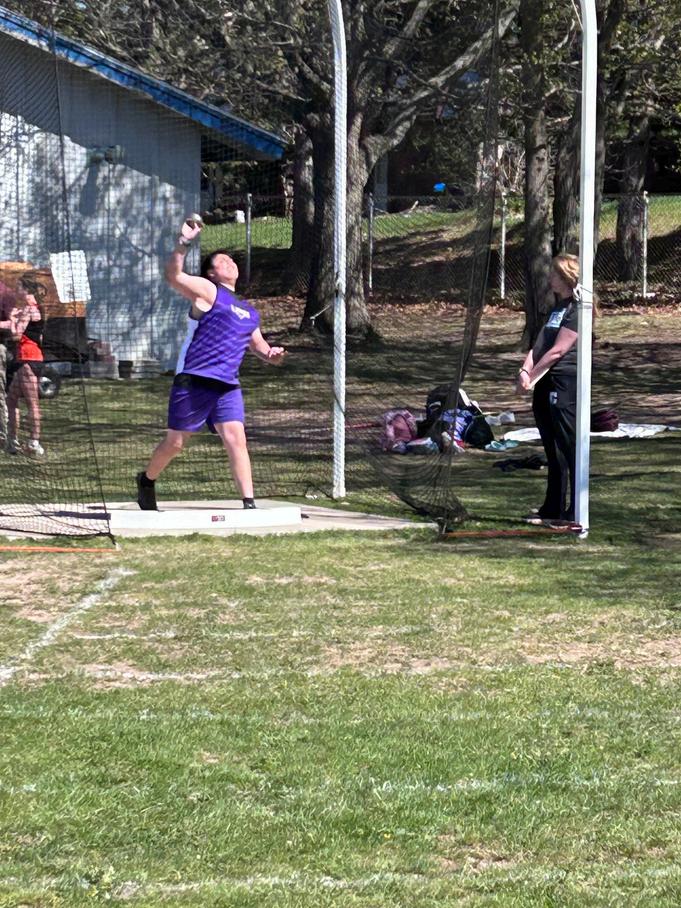
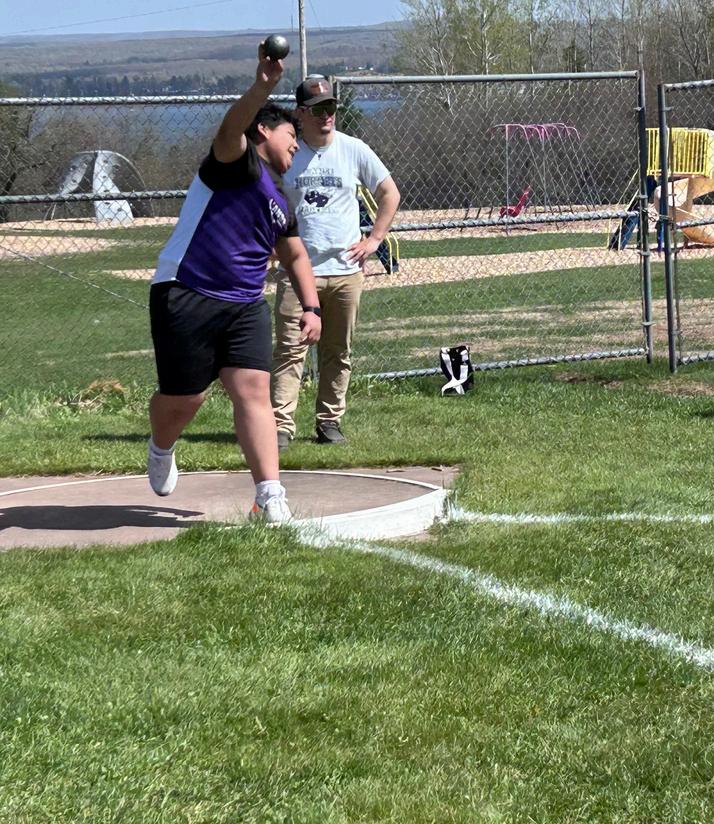
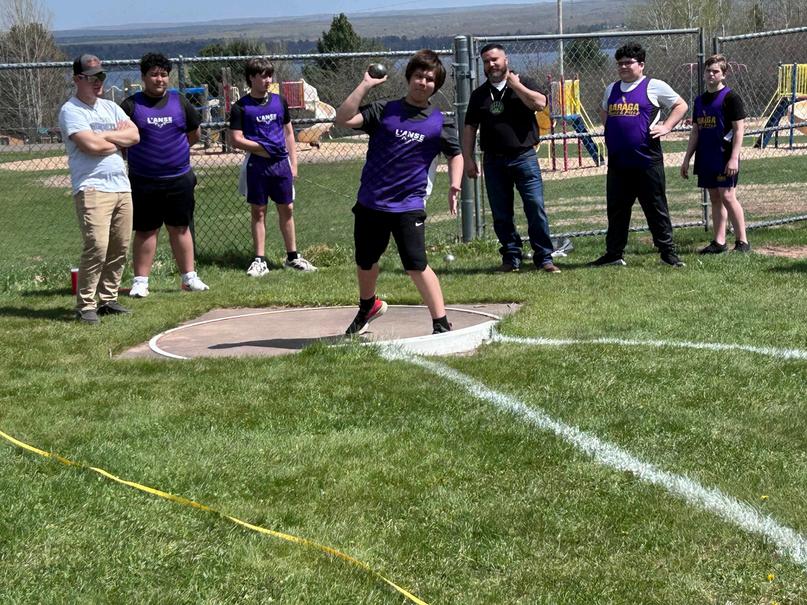
KBIC Youth athlete Yancey DeCota, Jr of the L’Anse Middle School track team, took first place in the boys’ shot put at the Keweenaw Area Middle Schools Finals in Calumet on May 29, 2026.
KBIC Youth athlete Dorian Thunder of the L’Anse Middle School track team took fourth place in the boys’ shot put at the Baraga Middle School Invite on May 15, 2026.
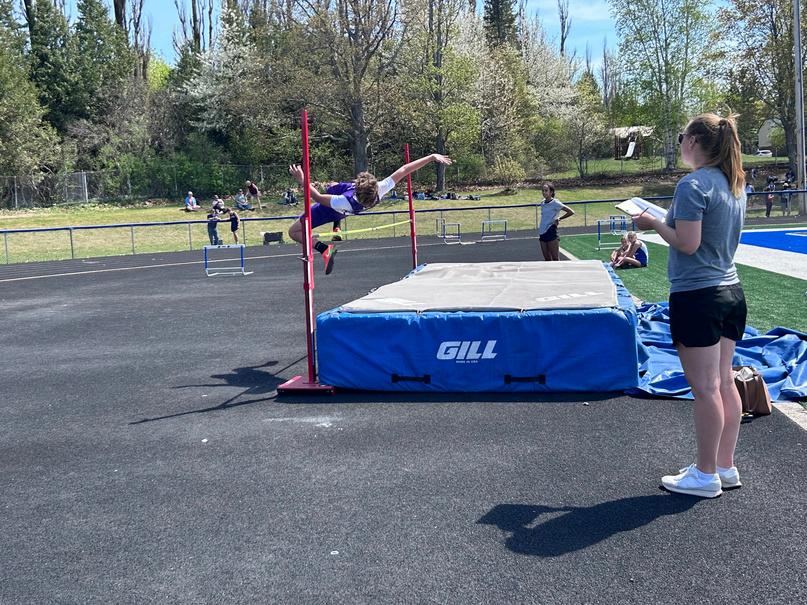
KBIC Youth athlete Dalin Connor attempts a jump at the Keweenaw Area Middle Schools Final in Calumet on May 29, 2026. Dalin placed 4 in the high jump. th
KBIC Youth athlete Jordan Ekdahl attempts a jump at the Keweenaw Area Middle Schools Final in Calumet on May 29, 2026. Jordan place 3 in the high jump. rd
KBIC Youth athlete Brady Curtis of the L’Anse Middle School attempts a throw in the boys’ shot put at the Baraga Middle School Invite on May 15, 2026.
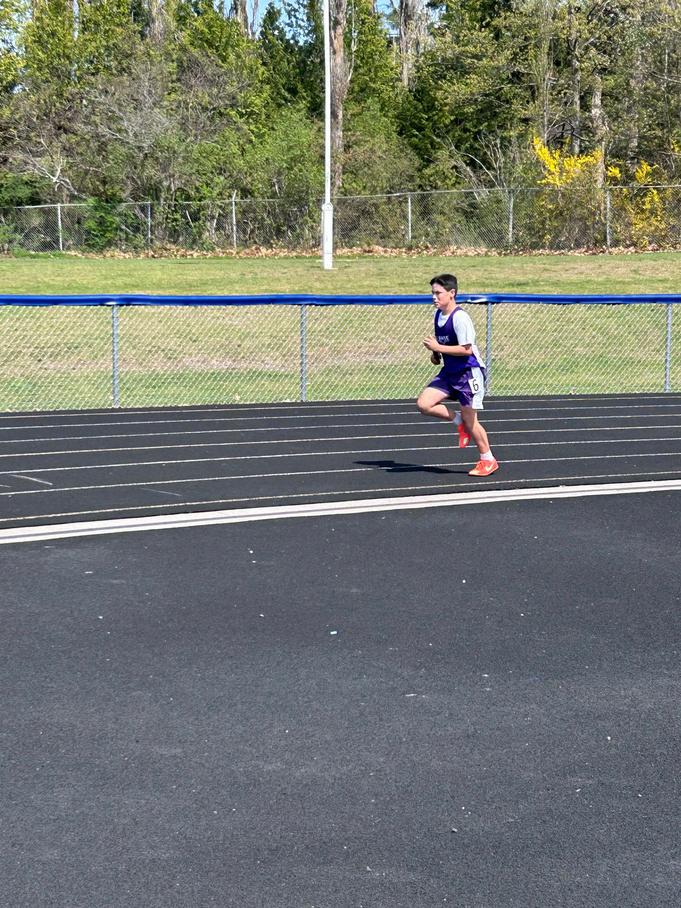
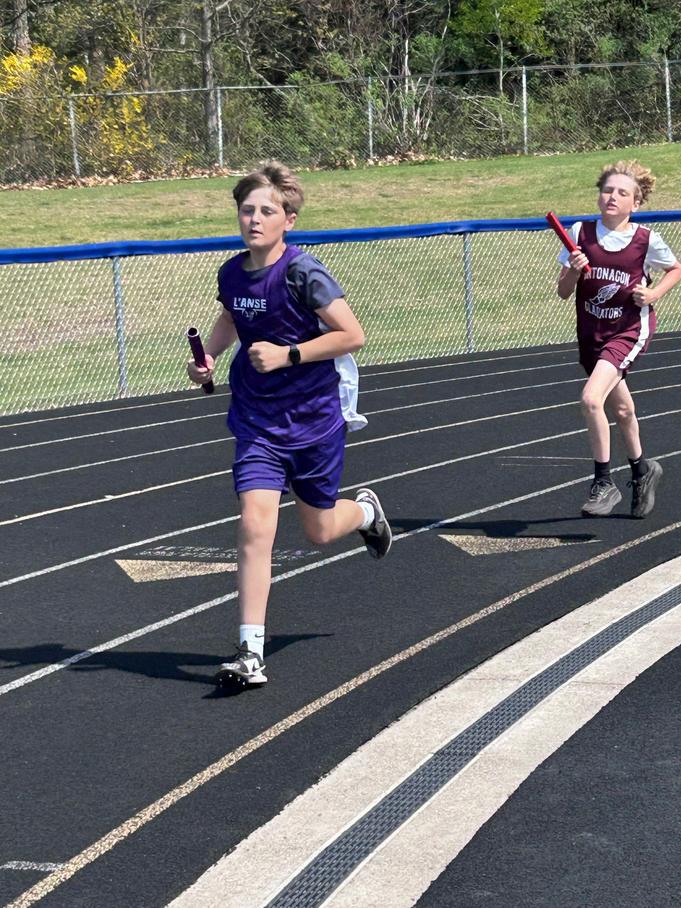
BIC Youth athlete Hunter Picard of the L’Anse Middle School track team took 5 and 6 place in the 4x400 and 4x800 relays at the Keweenaw Area Middle Schools Finals in Calumet on May 29, 2026.
KBIC Youth athlete Derek Dix of the L’Anse Middle School track team took 5 and 6 place in the 4x400 and 4x800 relays at the Keweenaw Area Middle Schools Finals in Calumet on May 29, 2026.