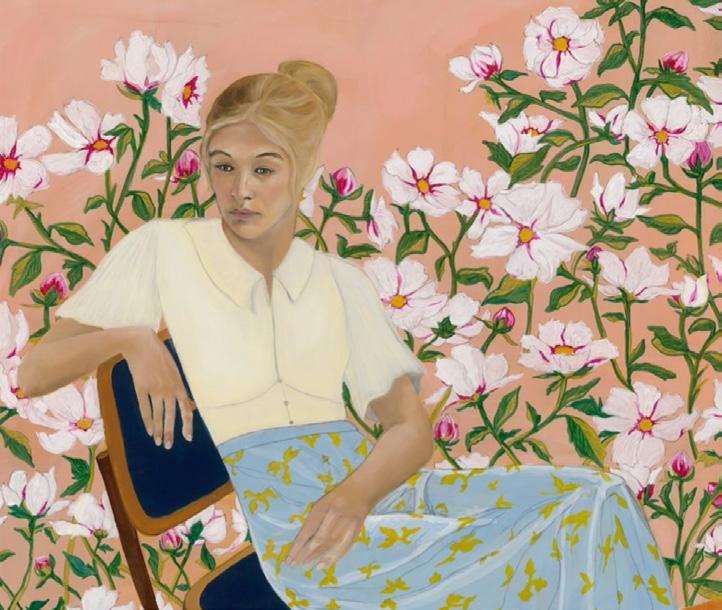
John Barry reflects on elemental expression and the stories that shape place.
A journey through the five elements as forces that ground and connect us.
Exploring the expansive art program at Chamonix Casino Resort.
18
Curating a trend report that encourages a wilder way of living.
20
Diving into the design of Hotel Polaris with insights from BLUR Workshop.
26
Uncovering the history of pressed florals and this season’s Spotify playlist.
REMARKABLE BY NATURE
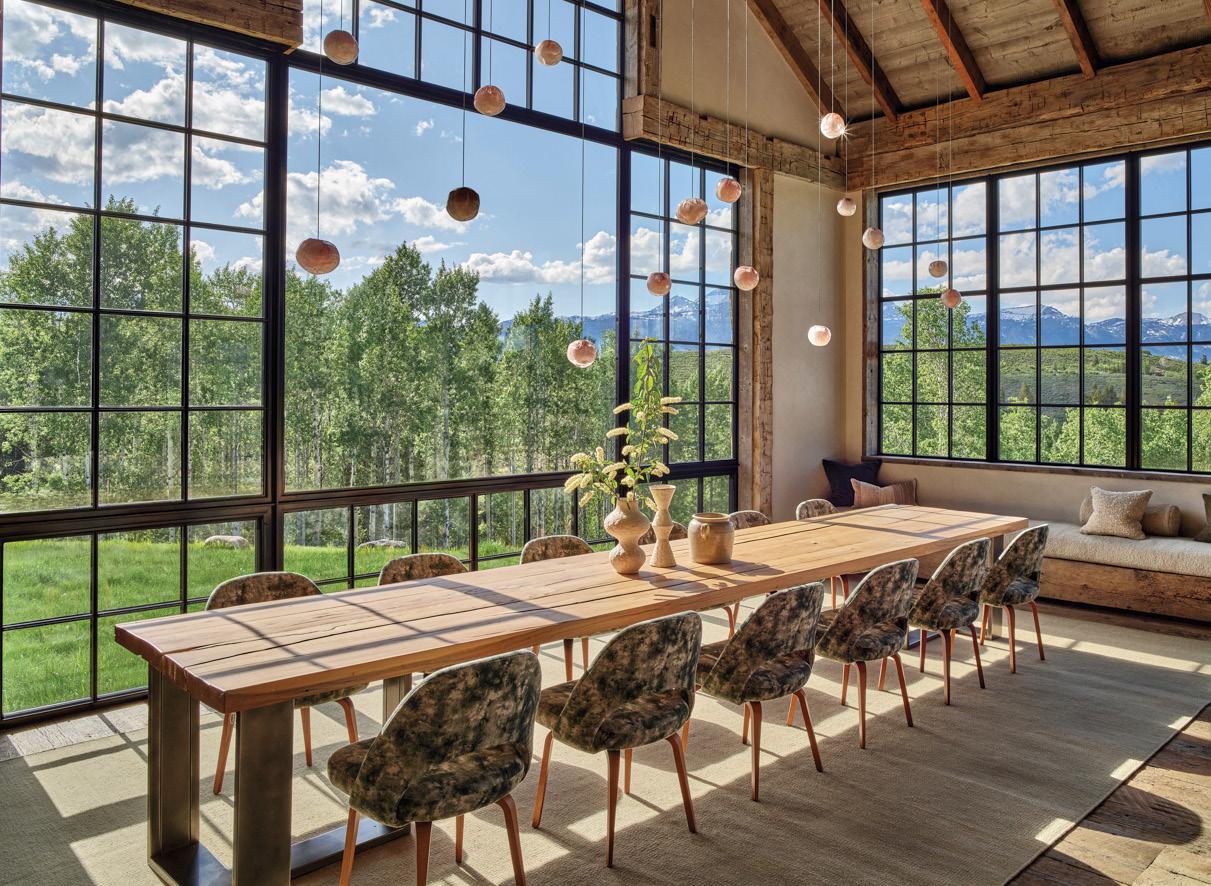
I’m thrilled to introduce this issue of ELEVATE because of my love for the American West. It is a place that “shows off her beauty” every single day, reminding us that our stunning interior spaces have some pretty stiff competition from the natural world. Issue 12 explores the ways art translates the raw beauty of natural elements into immersive hospitality experiences. Inspired by the elemental contrasts across Colorado, from the mineral-rich mining town of Cripple Creek to the open skies and atmospheric terrain of Colorado Springs, we explore how earth, air, light, texture, and movement shape memorable hospitality experiences.
Living in Las Vegas has only reinforced this perspective. It’s a city built on an “anything goes” mentality, but the surrounding landscape is a constant reminder of the power of scale. With every project, we have a choice. Do we bring the outside in, or do we create something unexpected? You can’t go wrong with either, but making a choice and having conviction is often the difference between good and exceptional hospitality.
Of all the elements, light is the most emotionally powerful to me. Seeing the mountains behind my house glow at first light, watching rainbows appear across the desert, or feeling the strength of the sun reminds me how much light can shape an experience. It can calm you, invigorate you, inspire you, heal you, and yes, sometimes even annoy you when it happens to find the crack in your bedroom drapes when you’re trying to sleep!
That emphasis on emotional power is what makes hospitality memorable. Hotel Polaris transforms the spirit of flight into a contemporary hospitality experience. Chamonix Casino Resort transforms the rugged beauty of the Rockies into an experience of quiet luxury. From the red brick exterior to the smoky aroma of an Old Fashioned at the bar and the crisp mountain air outside, every detail contributes to the story.
Artwork has the power to reinforce a strong narrative more than almost any other element in a hospitality space. It can tell a direct story, support architecture, create moments of surprise, or simply make guests stop and look a little longer. I hope this issue inspires you to see how the natural elements around us continue to shape the places, experiences, and stories that stay with us long after we’ve returned home.
Enjoy, John Barry
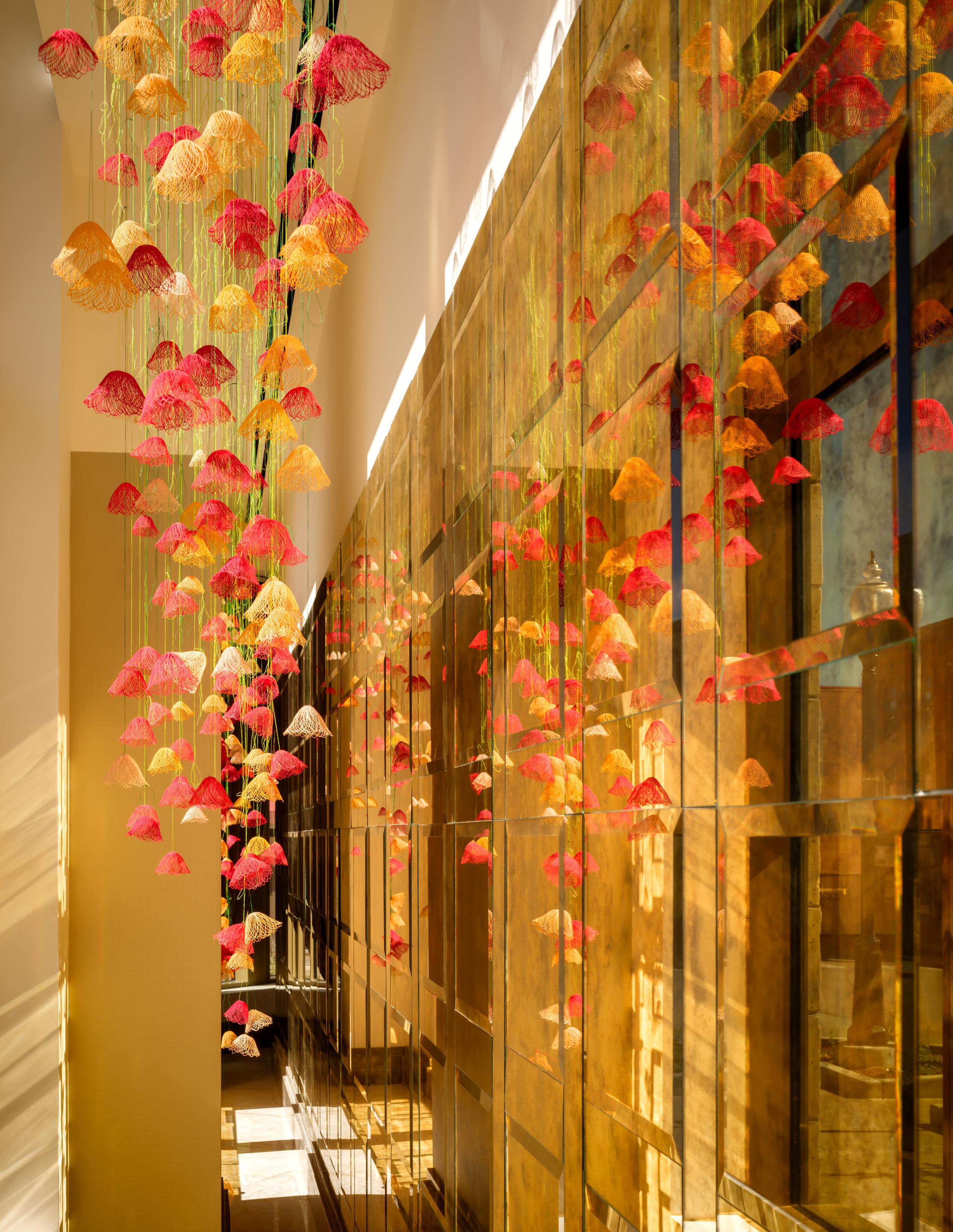
(Left) Made up of more than 200 hand-crafted flowers, “Poppies” by Amanda McCavour blooms at Chamonix Casino Resort.
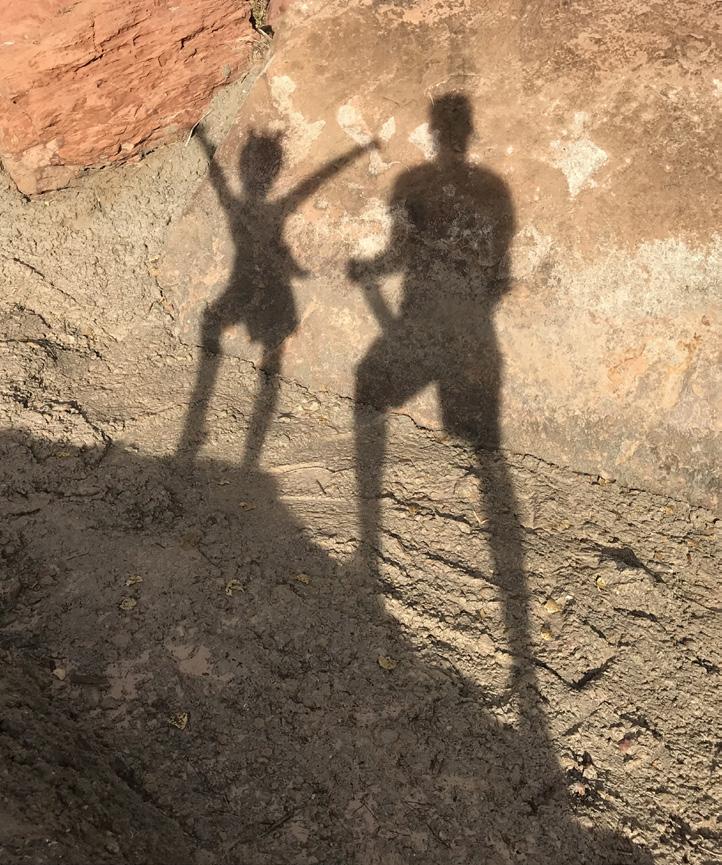
(Above) John explores the beauty of light and shadow on a hike with his family.
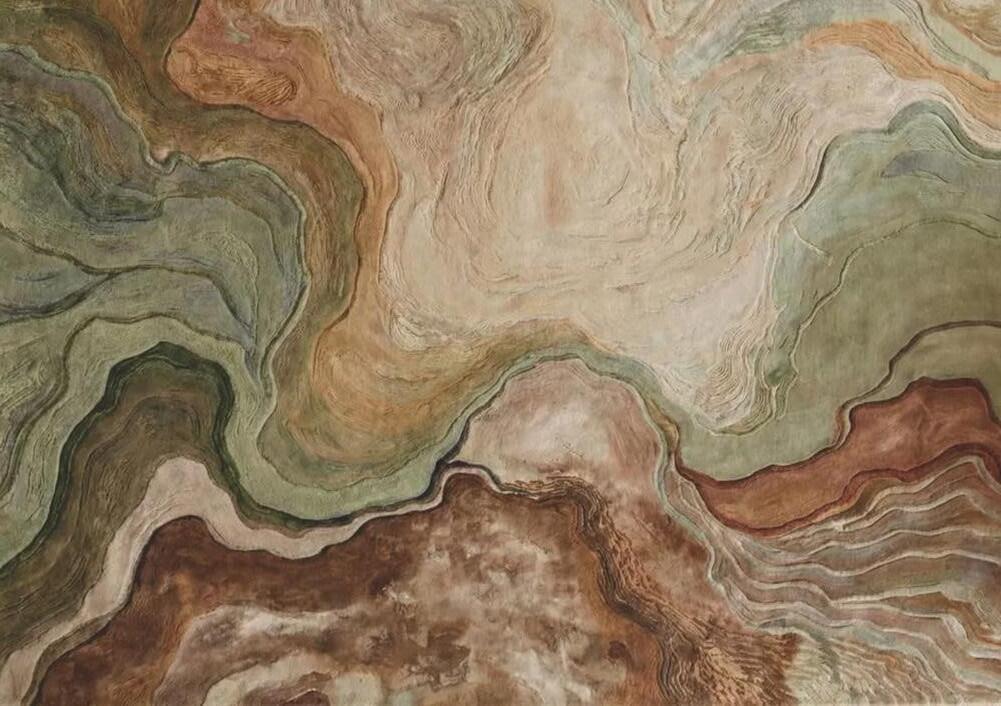
There is no universal agreement on the elements that shape life, but these five powerfully reflect the forces that influence our world and the spaces within it.
Expansive and atmospheric, air is found in open skies, sweeping views, drifting fabrics, and moments of negative space. It reminds us of our smallness in the world, creating room for freedom and possibility.
Grounded and tactile, earth is expressed through stone, wood, clay, and minerals. It offers a sense of permanence, connecting us to place, history, and the landscapes that shape us.
Earth Air Ether
The element of the unseen, ether is connection, imagination, and wonder. It may be expressed through silence, scale or light. More than a physical presence, it is the intangible quality of how something makes you feel.
Fluid and restorative, water brings movement through rivers, oceans, and even glassy surfaces. Ever-changing yet enduring, this wondrous element can flow around obstacles, reshape landscapes, and sustain life.
Water Fire
Passionate and transformative, fire brings warmth through candlelight, hearths, and blisteringly beautiful sunsets. Whether indoors or out, it embodies both comfort and danger, inviting us to gather while reminding us of nature’s power.
Nestled among the peaks of the Rocky Mountains, Chamonix reimagines luxury through a lens of European elegance and Colorado comfort.
CHAMONIX CASINO RESORT
A custom wood cabinet by James Farran. 01
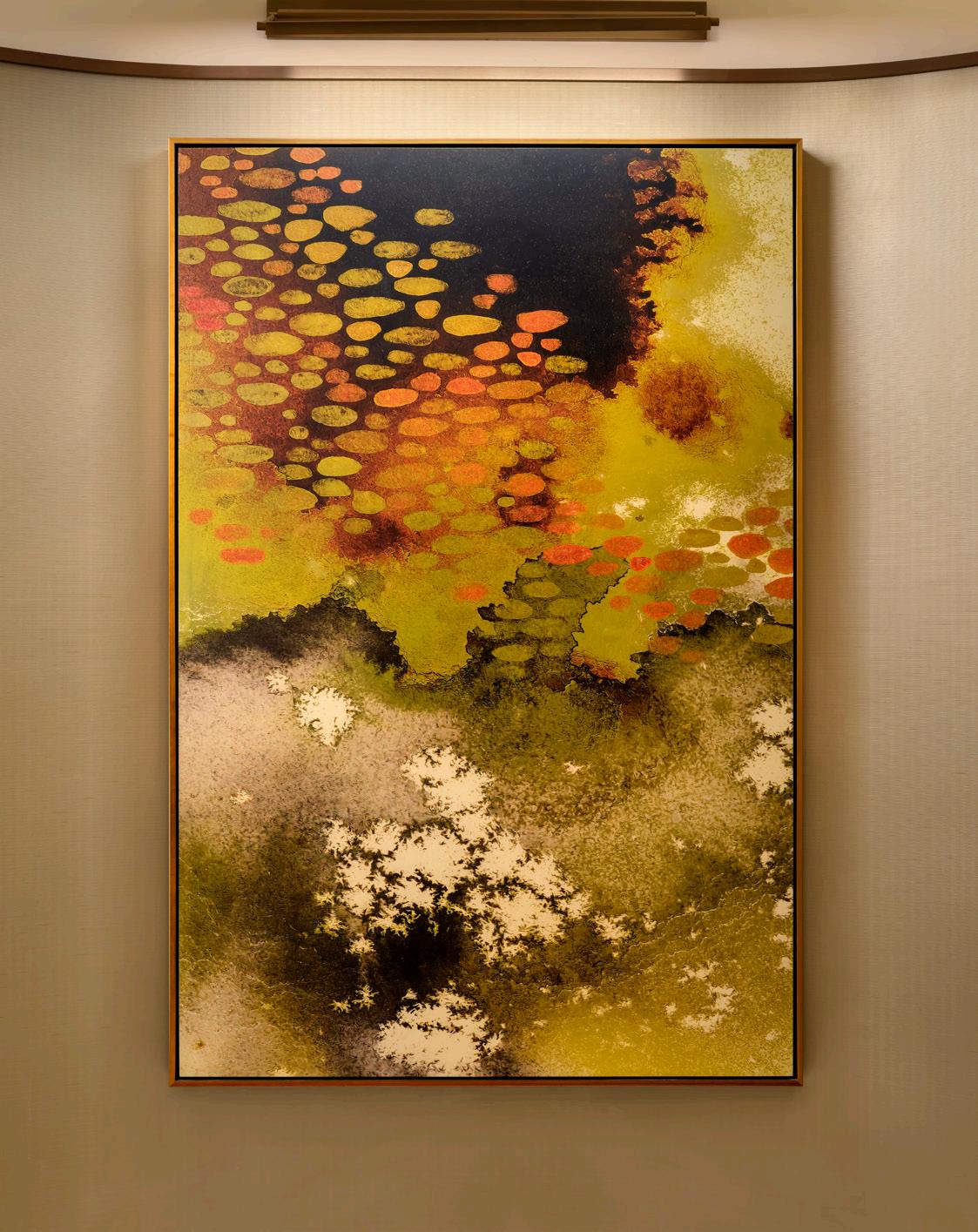
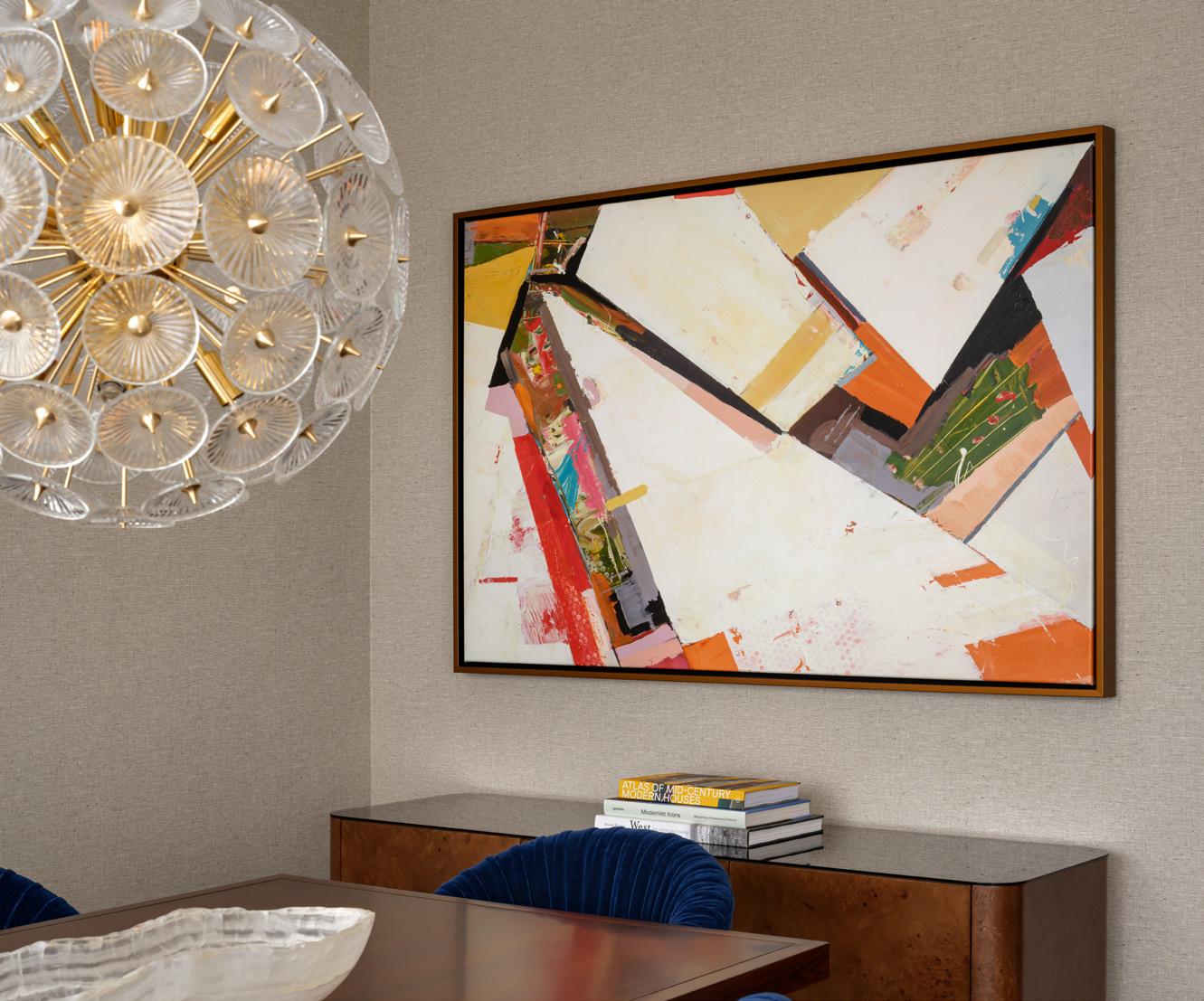
“Abstract Mountains” by Liz Schnurstein (foreground) seen with “Shimmer” by Ink + Indigo.
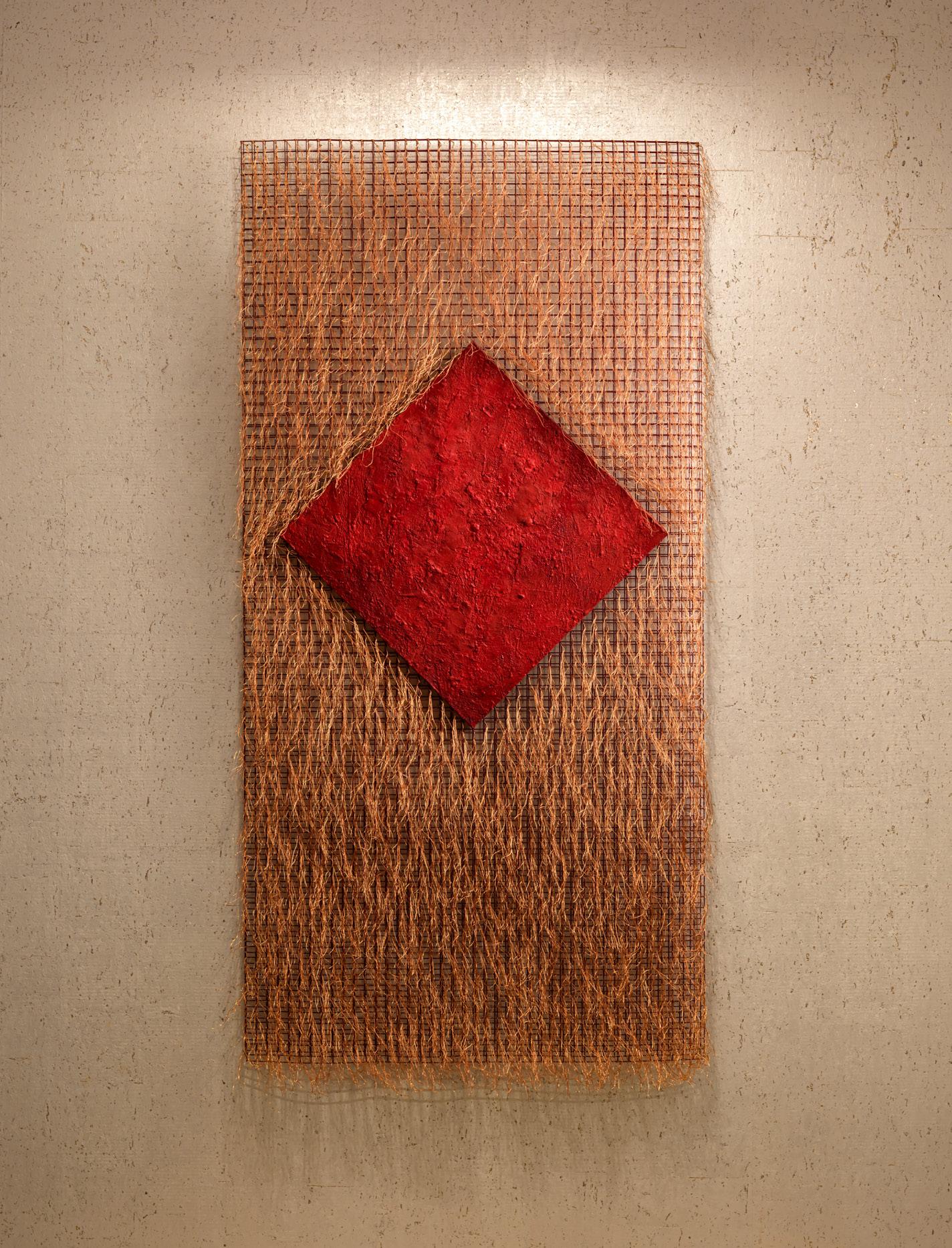
“Colorado’s rich history of copper mining inspired me to express that elemental connection through this commission.”
-
Susan Venable, Piece Pictured Opposite
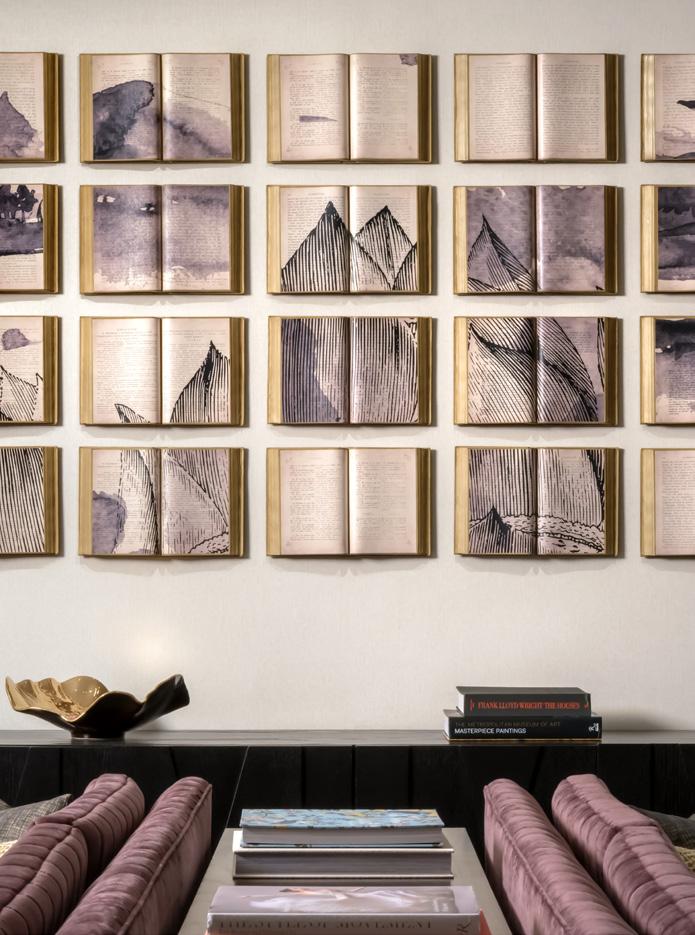
An abstracted collage of lotus flowers and Colorado mountain ranges layered over book pages by KBAA’s graphics team.
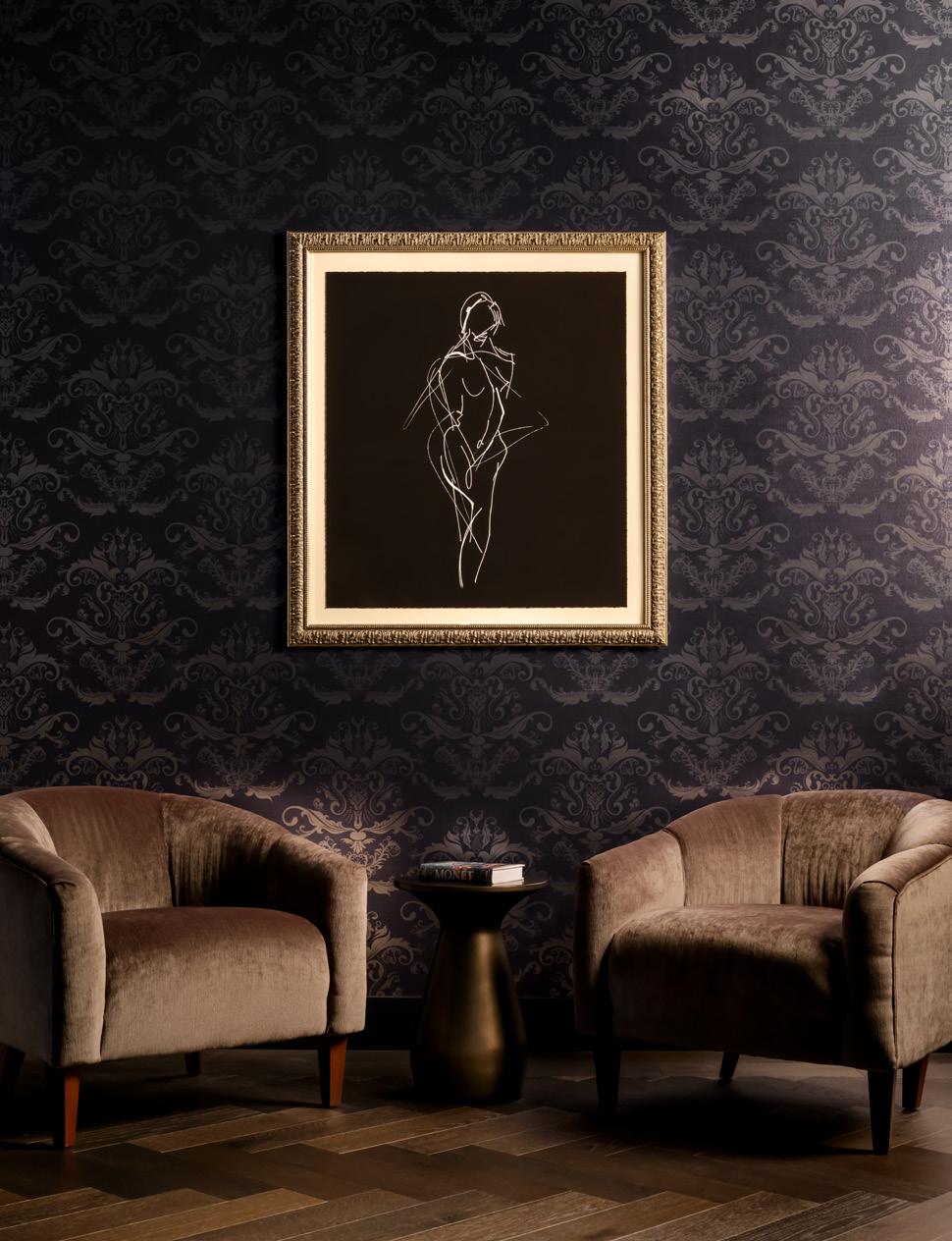
A quiet, gestural composition by Valerie Hogan evokes the female figure in the women’s spa.
“Stratum” by Ink + Indigo. Canvas, acrylic, metallic leaf, and mixed media on panel.
“Textured” by Susan Venable. Mixed media featuring copper wire and painted plaster.
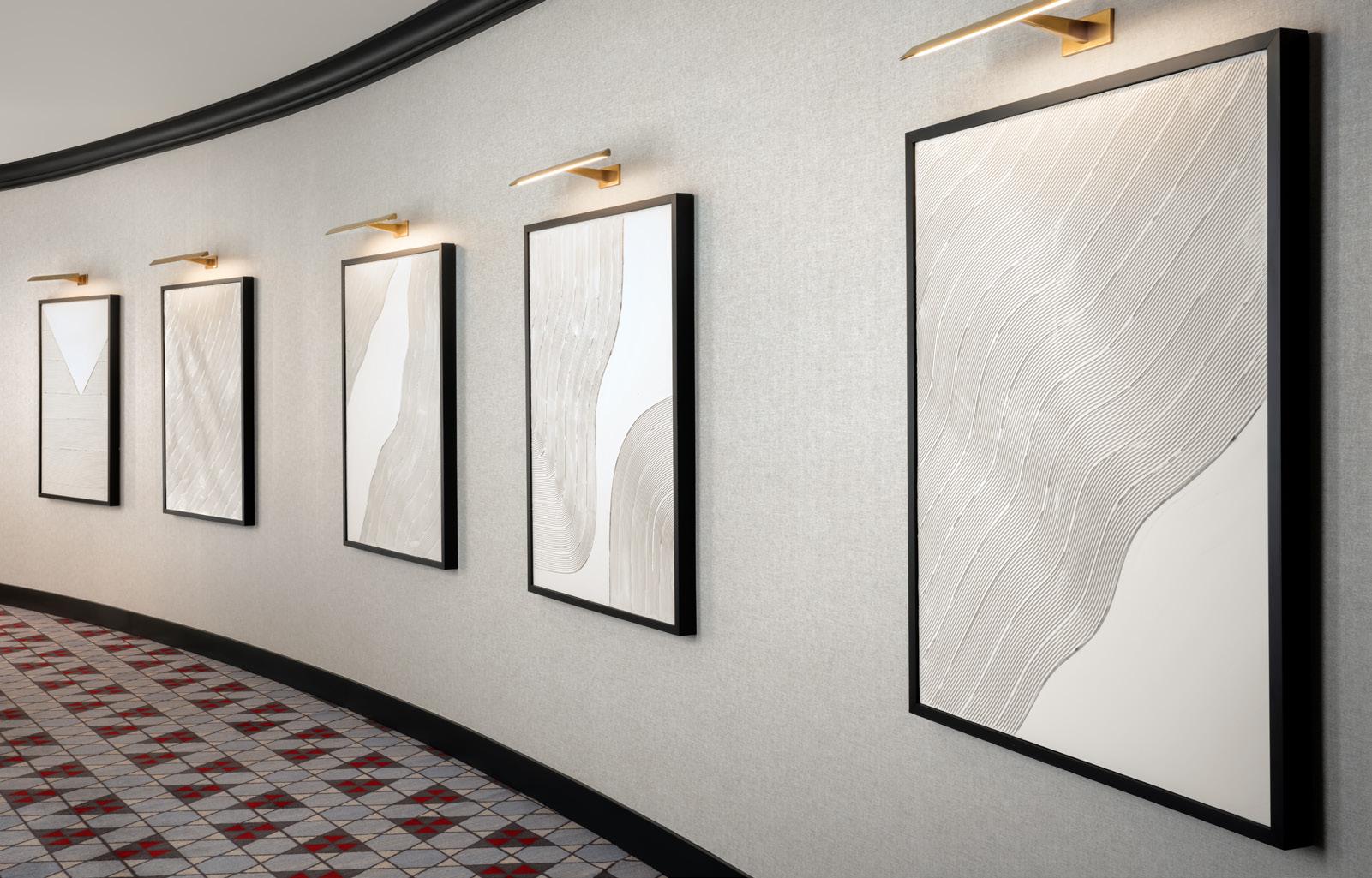
“Textured Path” by Richelle Haxhiu features rhythmic patterns inspired by rippling water and mountain contours.
At Chamonix Casino Resort, every artwork plays a role in shaping an experience rooted in Colorado’s remarkable landscape. Inspired by Cripple Creek’s gold rush history and the dramatic beauty of the surrounding mountains, the collection unfolds through layers of texture, materiality, and craftsmanship. Monumental statement pieces give way to intimate discoveries, inviting guests to slow down and notice the details.
We’re incredibly proud that this vision was recently recognized at the 22nd Annual HD Awards, where the Chamonix Casino Resort art program received first place in both the Art: Program award and the prestigious Best in Show: Products honor. The recognition reflects the shared vision of our KBAA team, artists, and design partners to create meaningful hospitality experiences through art.
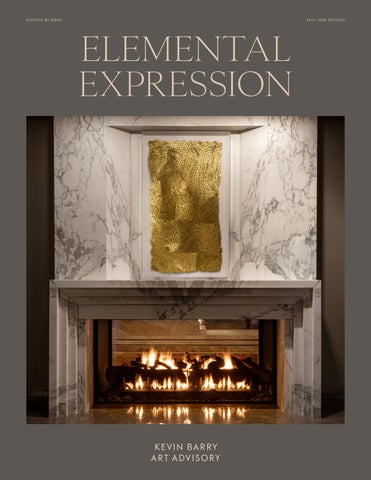
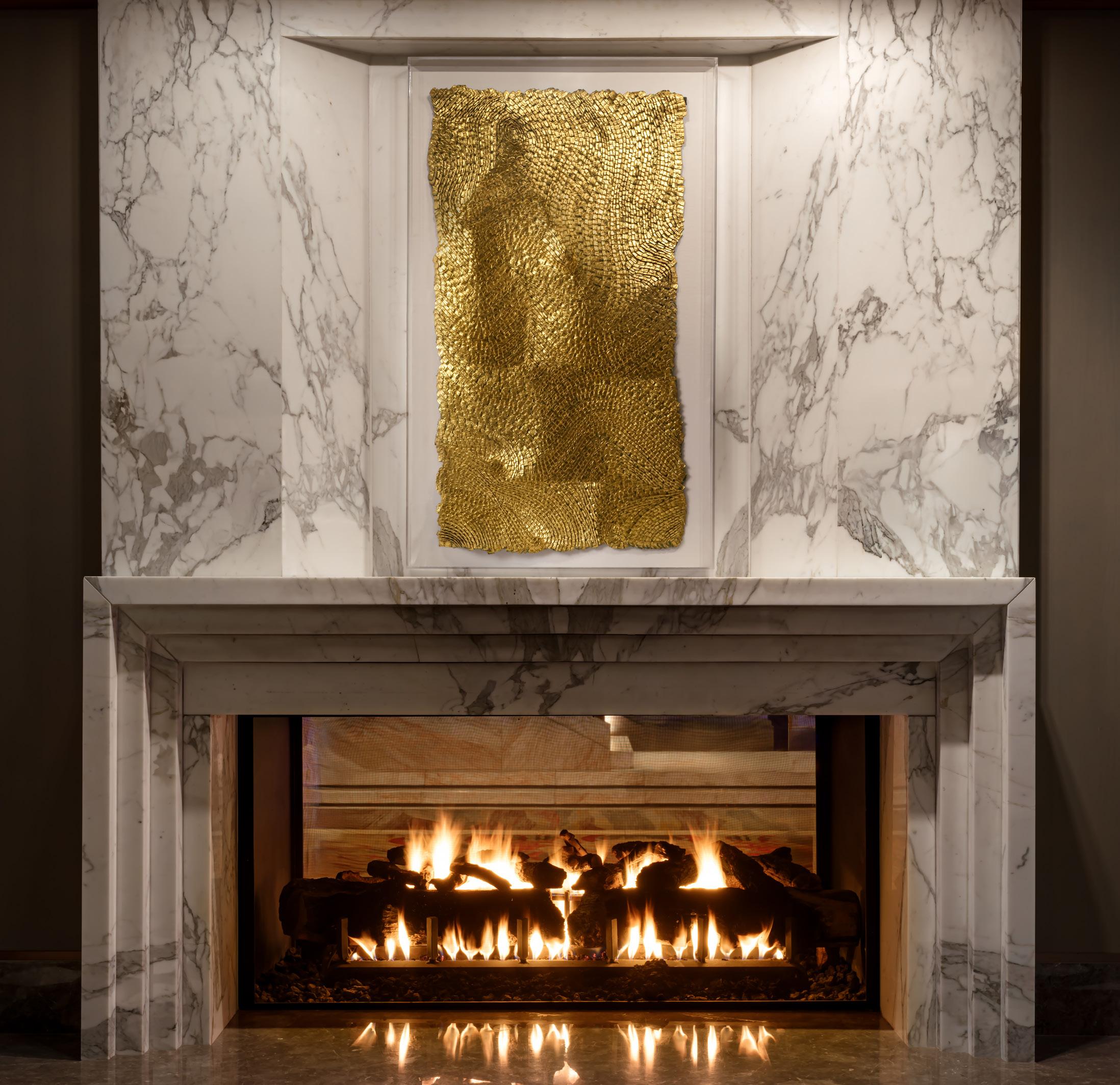
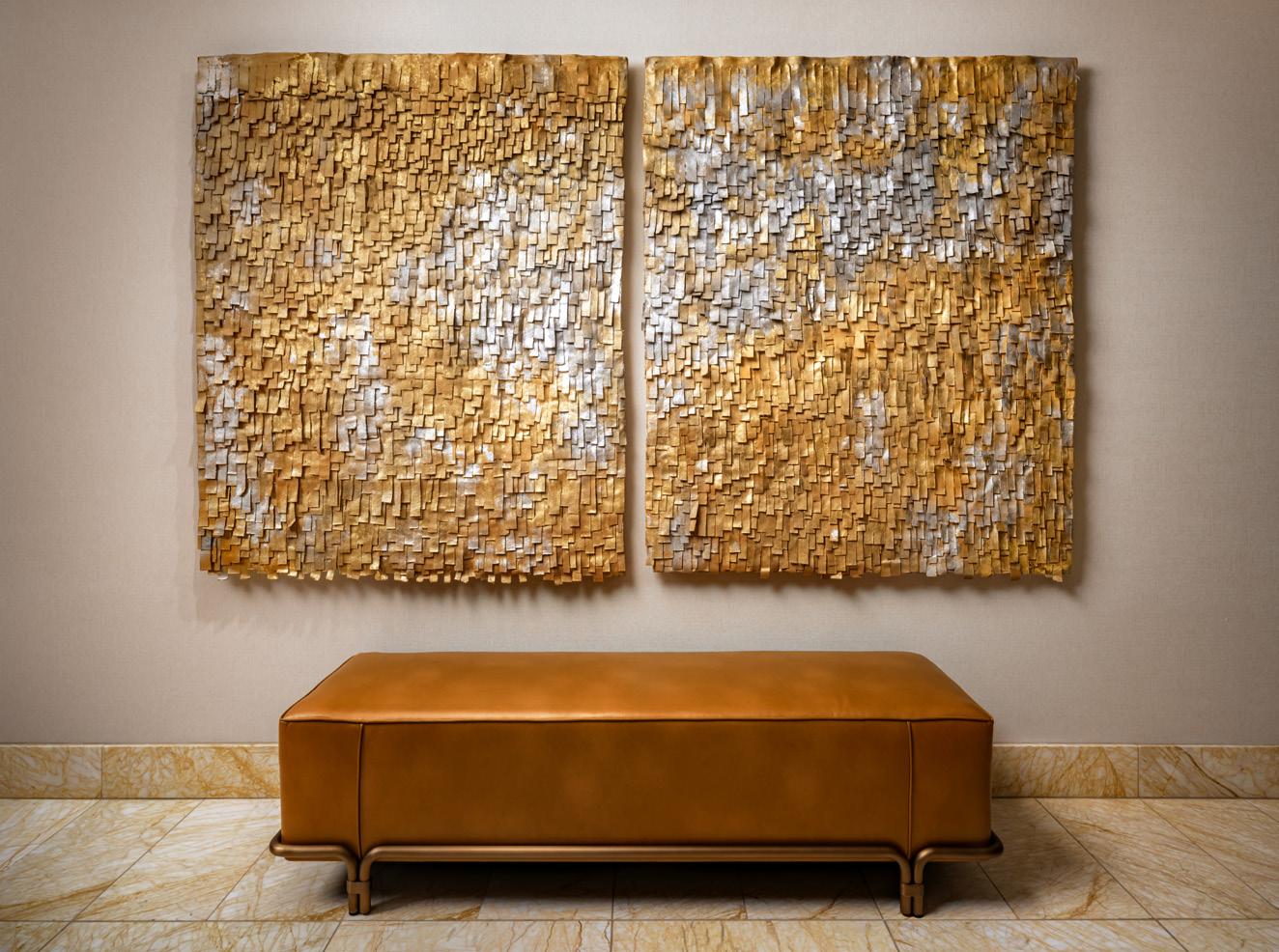
Before we dive into the full story of this art program, we first have to encourage you to revisit this issue’s cover. The breathtaking textile by Olga de Amaral serves as the program’s cornerstone. Crafted from linen, gesso,
gold leaf, and acrylic paint, the monumental work pays homage to the city’s gold mining heritage while embodying the balance between rugged earthiness and refined luxury. Sourced through an independent gallery in Santa Fe and carefully transported to the property through specialized art logistics, it is a fitting introduction to what awaits throughout the casino resort.
As guests move through the property, the narrative continues in thoughtful and unexpected ways. Mountain contours reappear as rhythmic patterns that gently guide visitors through the spa. Rippling water is translated into texture and movement via Richelle Haxhiu’s incredible vision. Lotus flowers, Colorado landscapes, and the printed pages of vintage books are layered together into quiet, contemplative moments that reward a closer look. Elsewhere, copper wire and metallic finishes nod to the materials that built Cripple Creek, while richly layered mixed-media works echo the geological strata and shifting colors of the surrounding landscape.
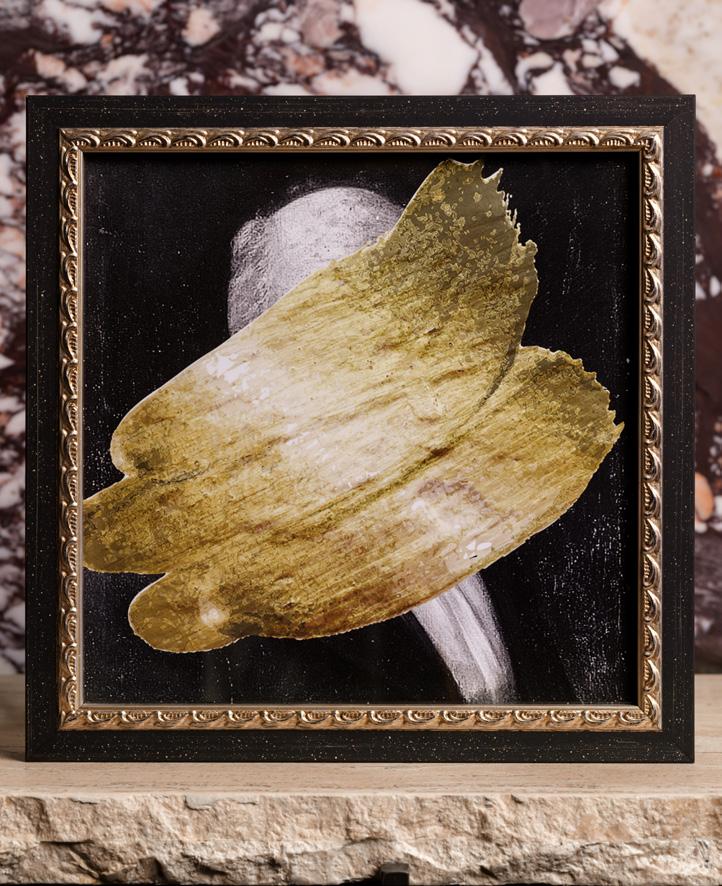
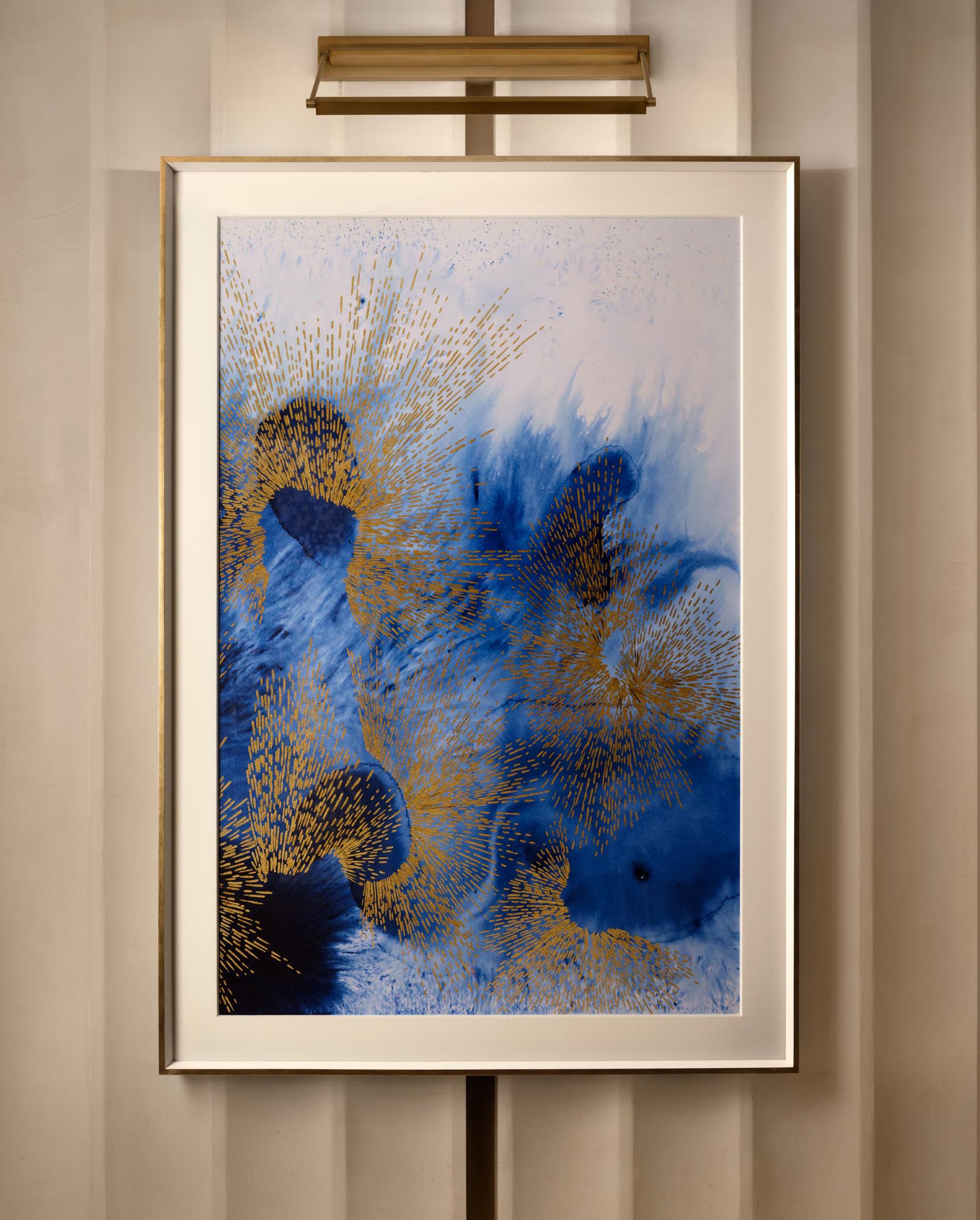
“Gold Bursts I” by Ink & Indigo. Giclée on pearl metallic paper.
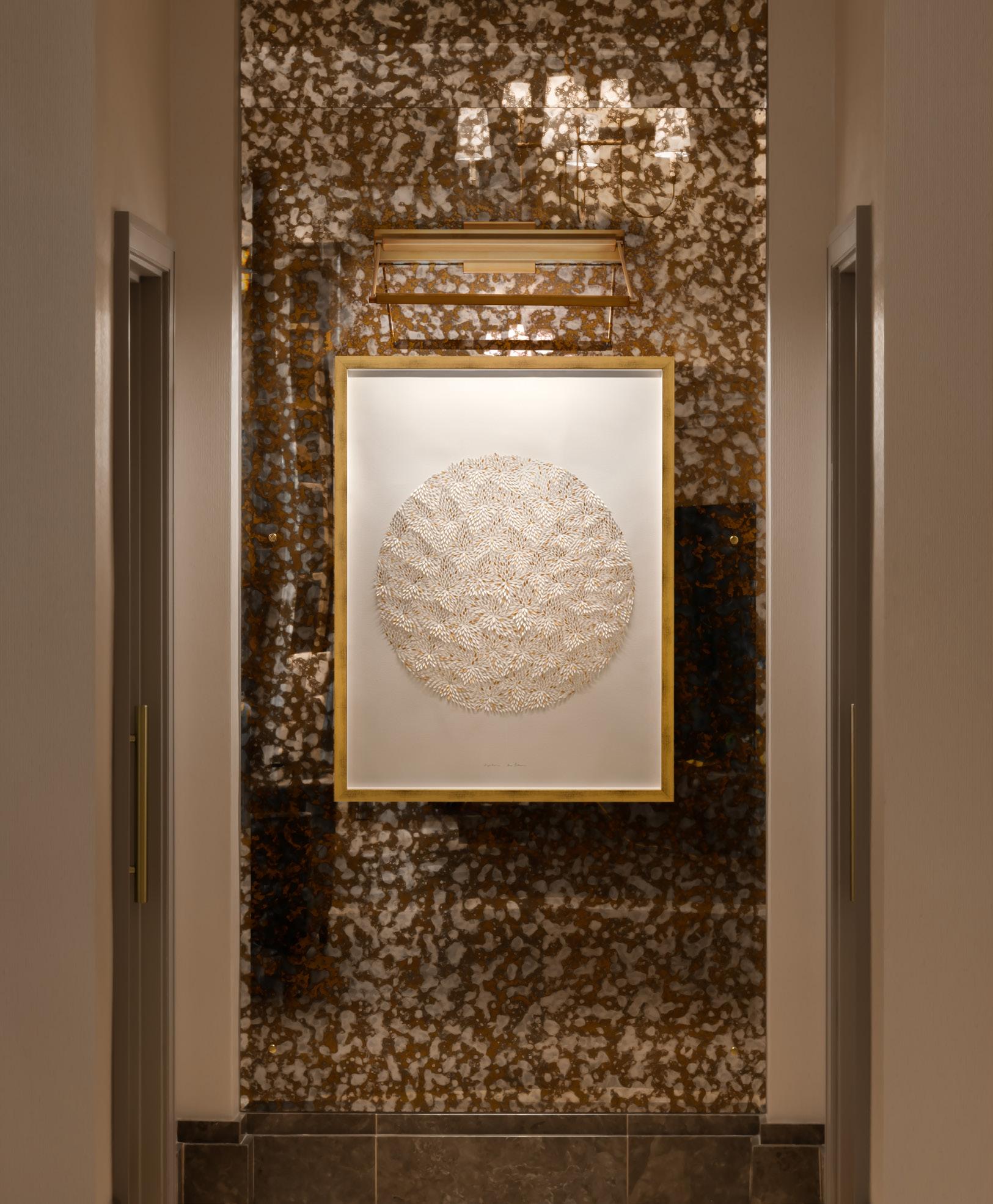
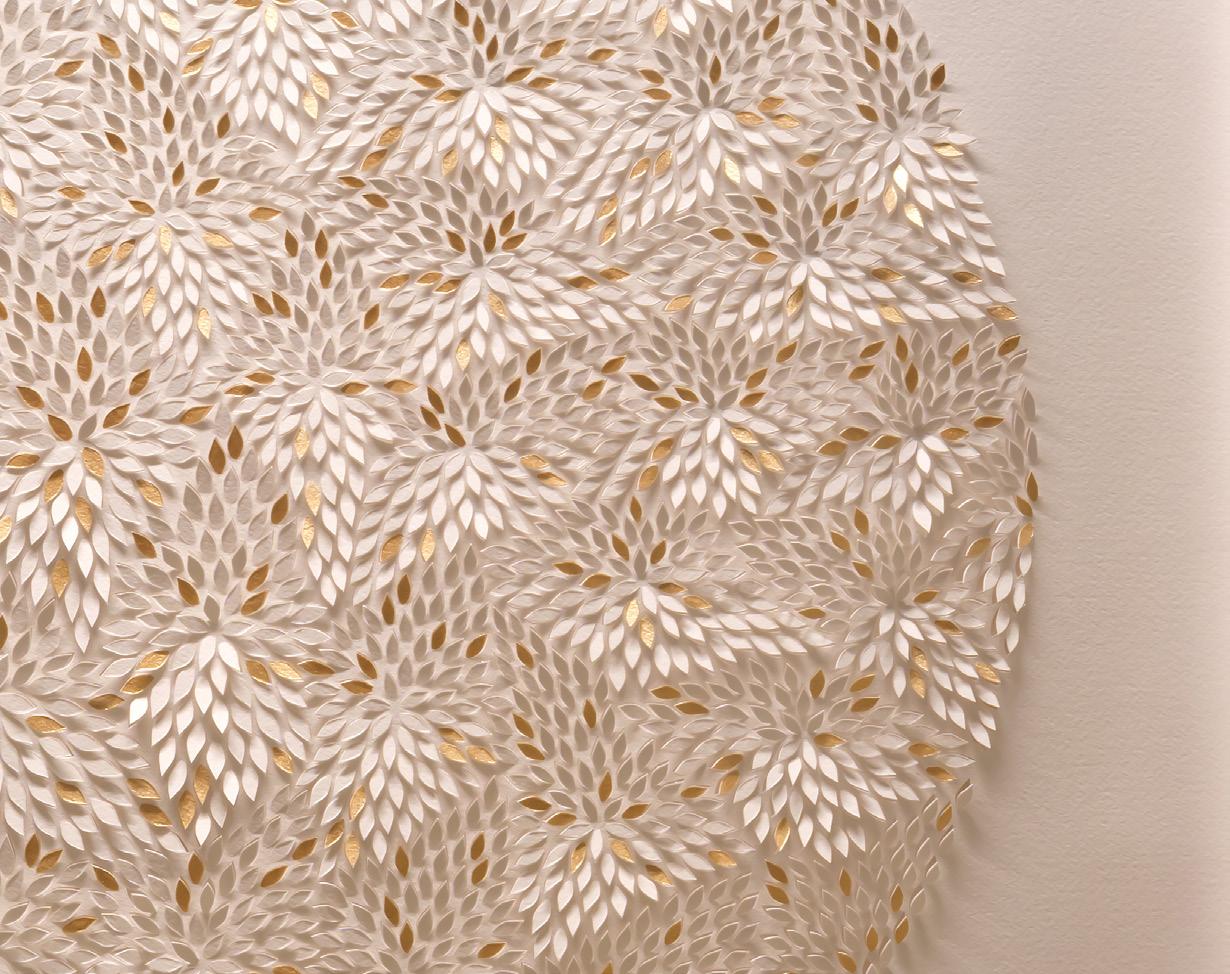
“Chrysanthemum” by Anna Maria Bellmann. Hand-cut and gold-foiled Arches fine art paper.
A closer look reveals Bellmann’s incredible craftsmanship.
“My
book carving practice is a meticulous and time-intensive process that mirrors the slow evolution of mountainous environments, where layers accumulate, shift, and transform over time.”
- Elise Marcianti
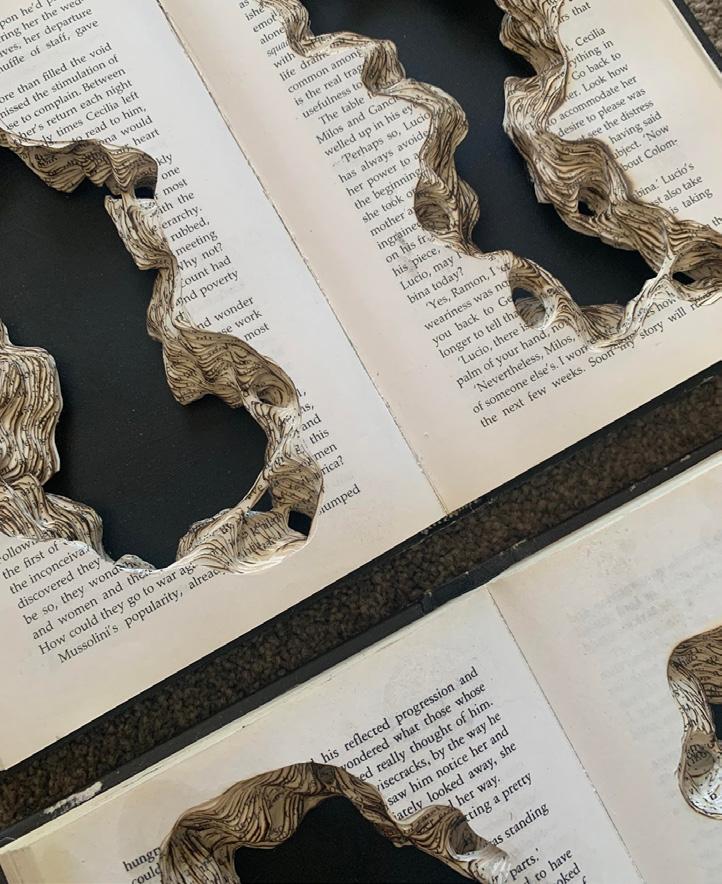
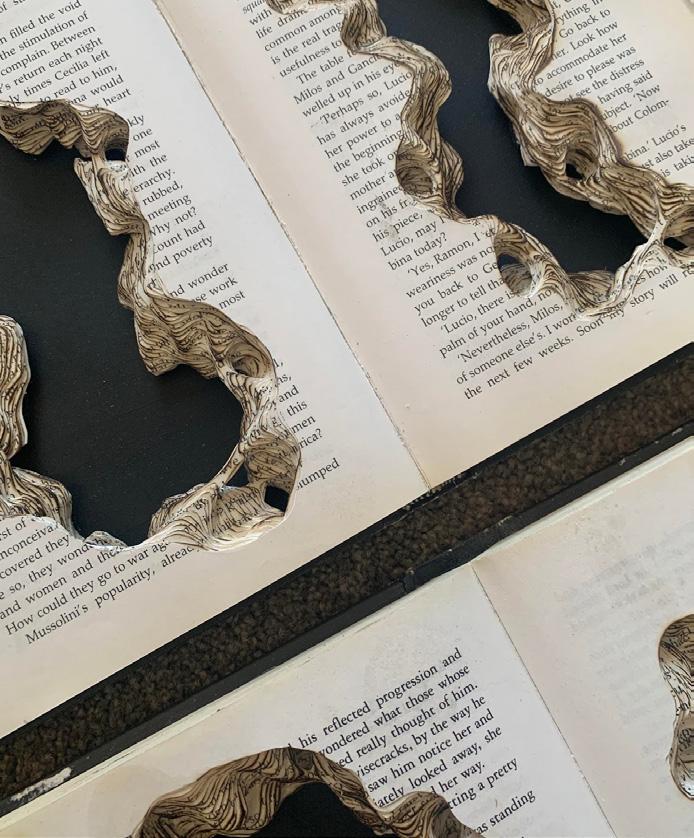
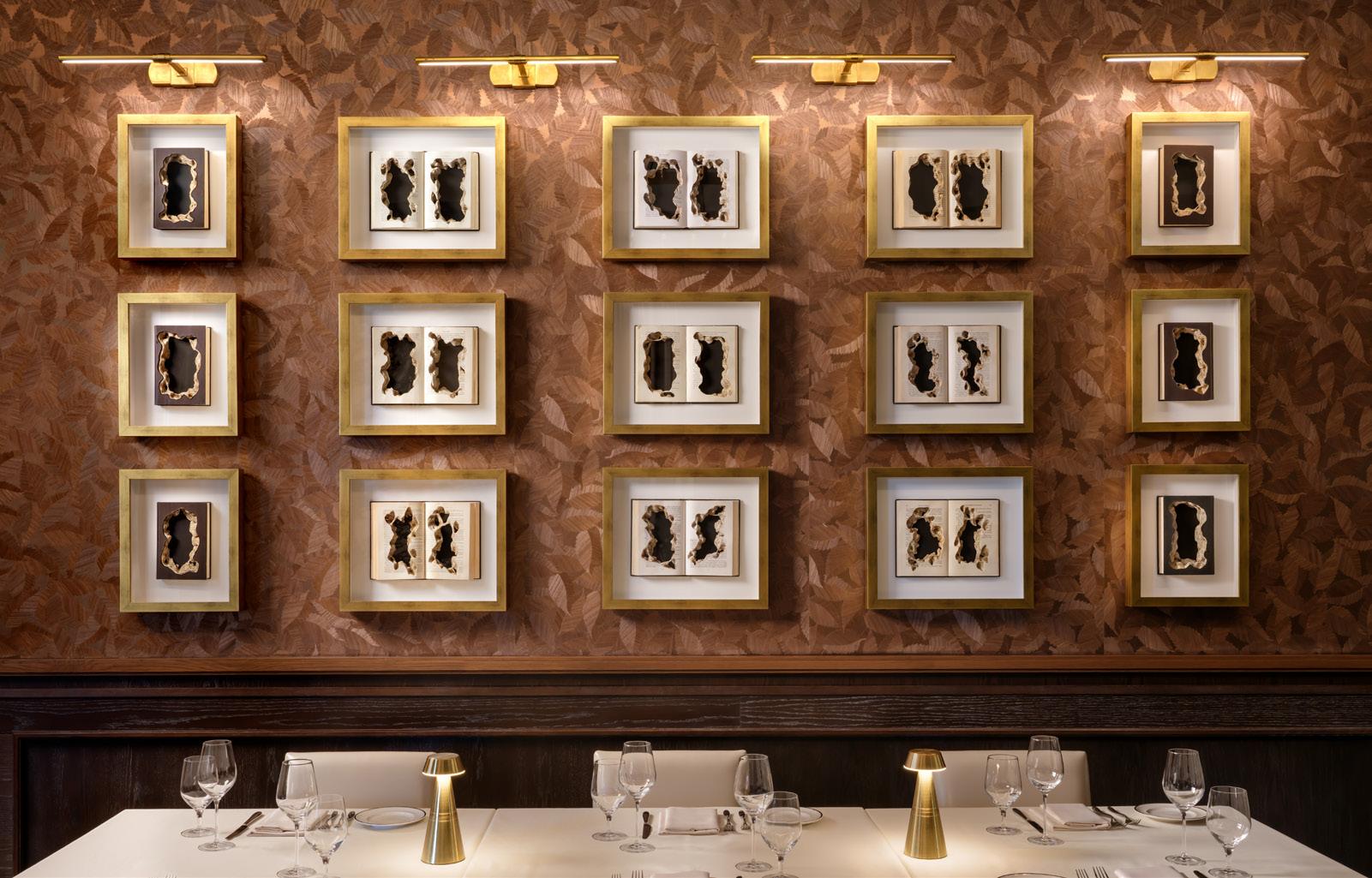
“Carved Books” by Elise Marcianti. Hand-carved books with layered pages that echo the organic movement of the landscape.
Chamonix Casino Resort.
“Gold Bursts III” by Ink + Indigo. Giclée on pearl metallic paper.
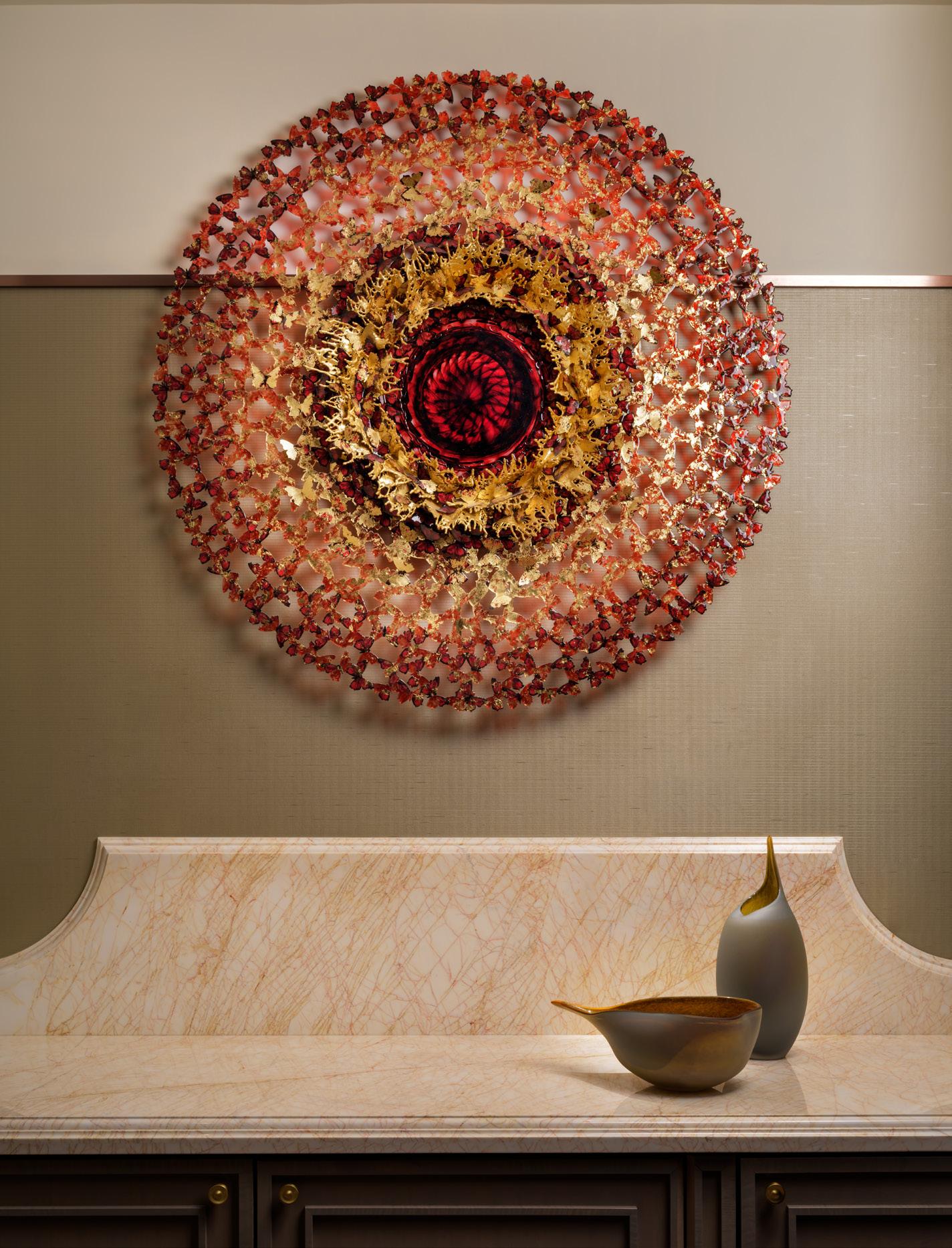
“Dreamcatcher” by Annalù Boeretto. Murano glass, resin, paper, ink, and gold leaf.
CHAMONIX CASINO RESORT
A moment of the program to highlight certainly has to be the “Carved Books” installation by Australian artist Elise Marcianti. Commissioned and made specifically for Chamonix, the suspended series transforms ordinary books into sculptural landscapes, inviting guests to pause and experience the quiet beauty of time made visible.
Each sculpture is the result of an incredibly meticulous process. Every book takes up to 30 hours to carve entirely by hand, with each page cut individually using a precision knife. “Each layer responds to the one before it,” Marcianti says, “allowing the lines to replicate the organic movement I see in the landscape.”
For Chamonix, Marcianti developed a new installation concept, presenting the central works as permanently open books. Each page was carefully secured in place to create the illusion of a story forever unfolding. After months of hand-carving fifteen individual books at
her studio in Australia, the collection traveled across the world to its permanent home in Colorado.
Inspired by the surrounding mountains and geological formations, the installation reflects the graceful layering found throughout the landscape. It is a thoughtful reminder that nature records its history slowly, one layer at a time, and that beauty often emerges through the quiet passage of time.
Elsewhere in the collection, artists continue to interpret Colorado’s landscape and history through their own distinctive materials and perspectives.
Annalù Boaretto’s “Dreamcatcher” reflects the spirit of Chamonix through luminous gold elements that echo the precious metals once drawn from the surrounding mountains. Delicate Murano glass butterflies, handcrafted in Italy, introduce movement and vitality while bringing a sense of contemporary elegance to the space. Together, the work bridges historic legacy with modern luxury, reinforcing the collection’s celebration of place.
ARTIFACTS OF PLACE
Objects with a story to tell.
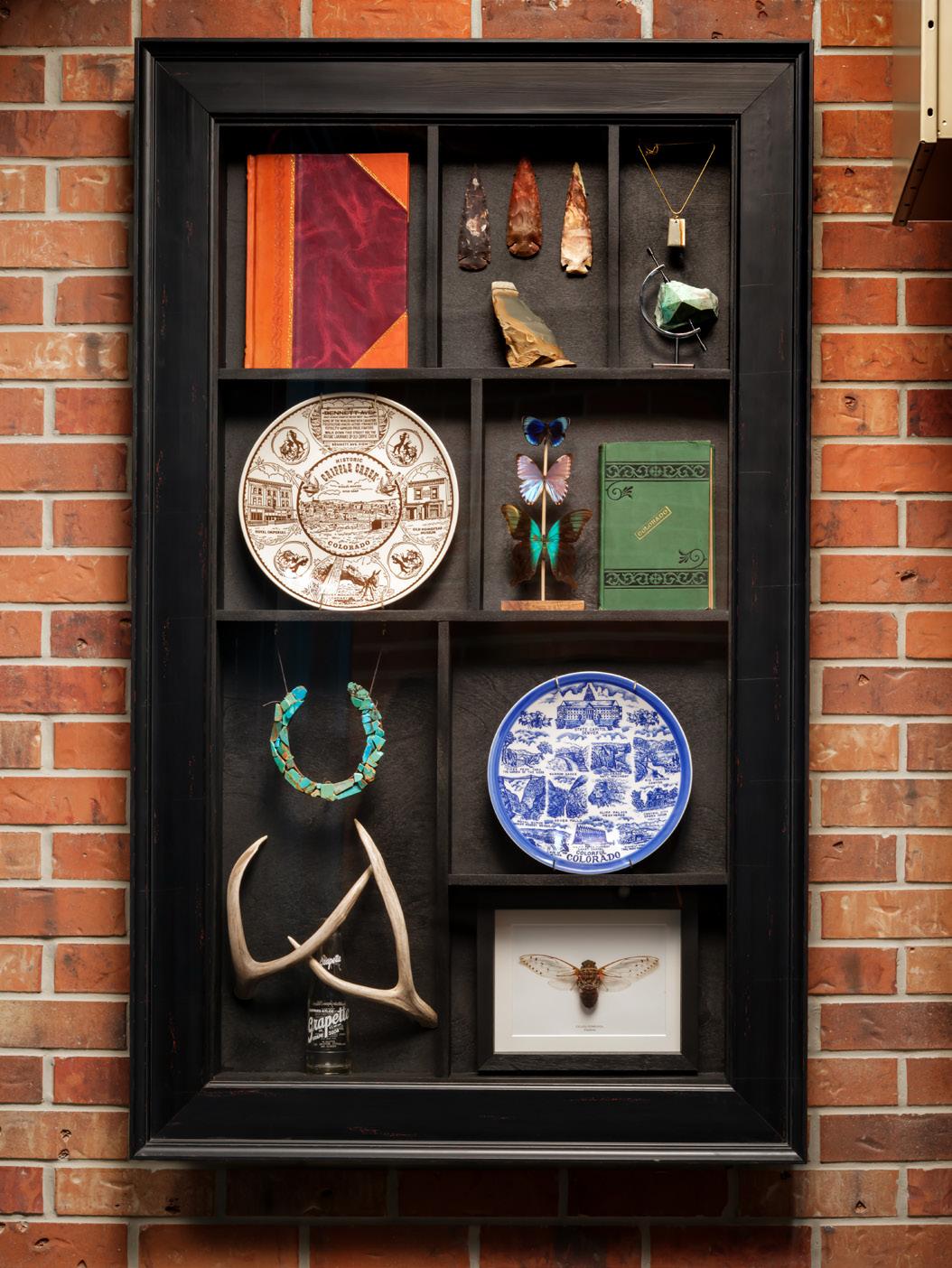
Custom shelf fabricated by James Farran to perfectly house found objects
sourced by KBAA.
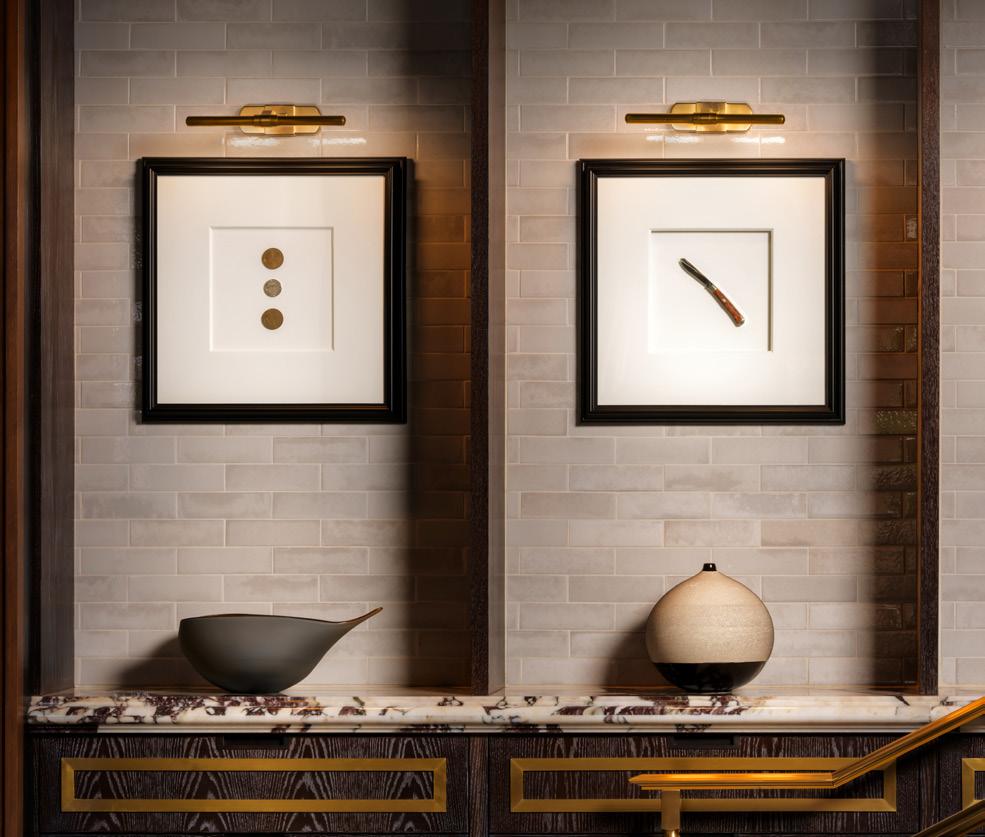
Found objects play a meaningful role throughout the Chamonix Casino Resort art program, connecting guests to the landscape and history of Cripple Creek. Collected artifacts are thoughtfully curated and displayed within custom frames and hand-built curio shelves, creating a layered narrative that celebrates the region’s heritage.
Bronco Billy’s gaming tokens (left) commemorate the 1991 launch of limited gaming in Cripple Creek, when Colorado capped individual wagers at just five dollars. Alongside them is an antique folding pocketknife (right) discovered during the building’s 1896 reconstruction.
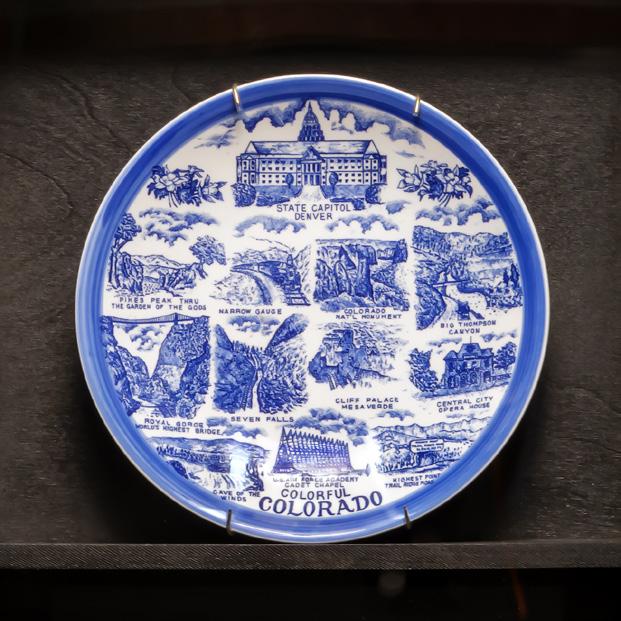
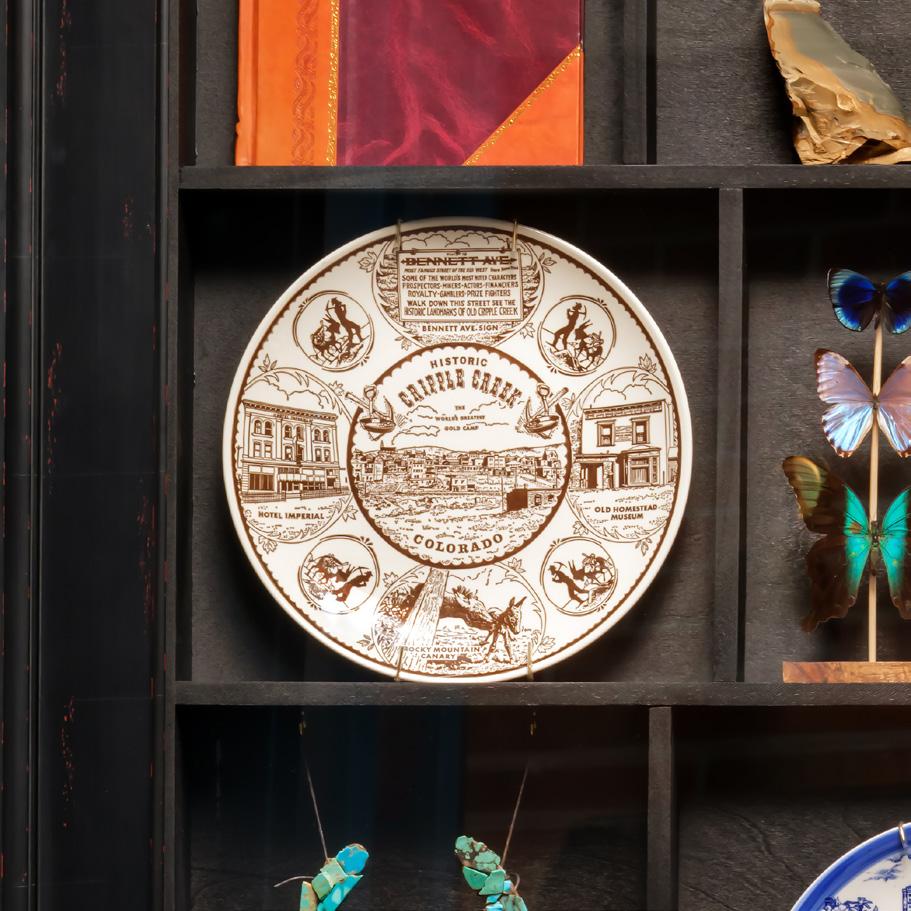
Early Cripple Creek souvenir plate illustrating local landmarks, including the Old Homestead House, the celebrated 1896 establishment associated with Pearl DeVere.
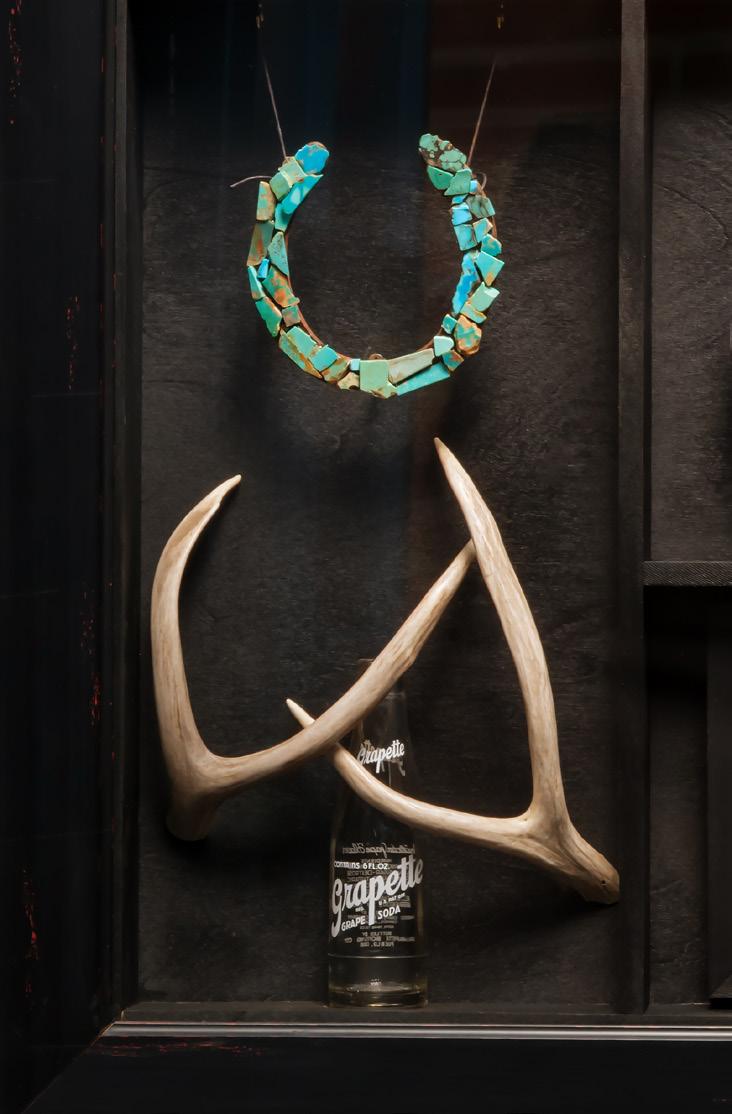
A turquoise chip necklace, naturally shed deer antlers, and a glass soda bottle reflect the visual character of the American West.
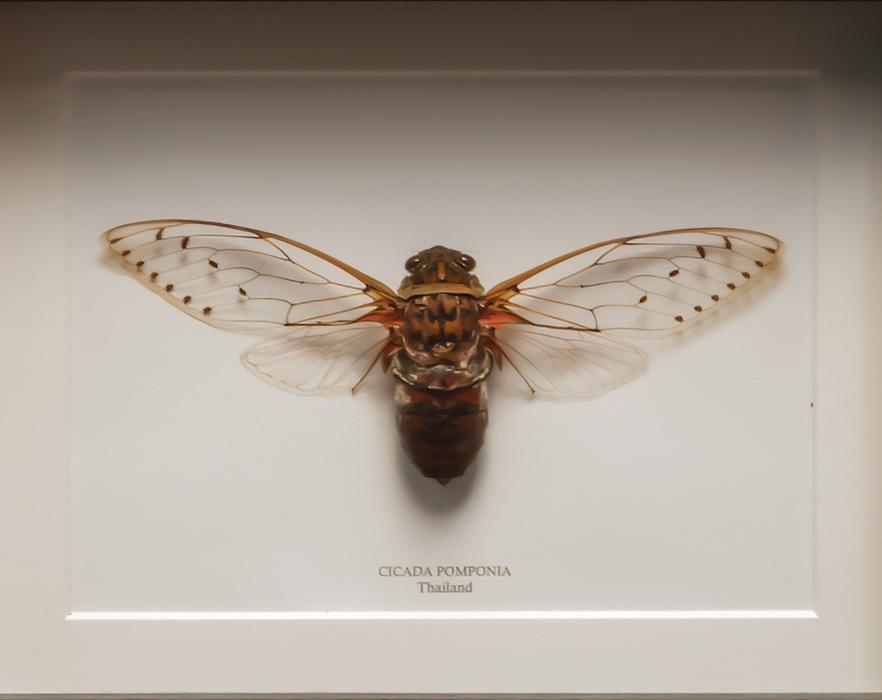
A preserved cicada references the natural curiosities that often filled nineteenth-century cabinets of
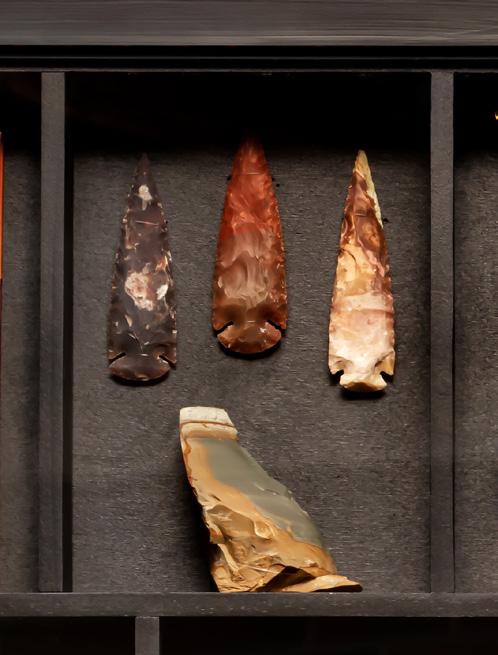
Archaeological stone tools like chipped arrowheads offer a glimpse into the region’s earliest inhabitants.
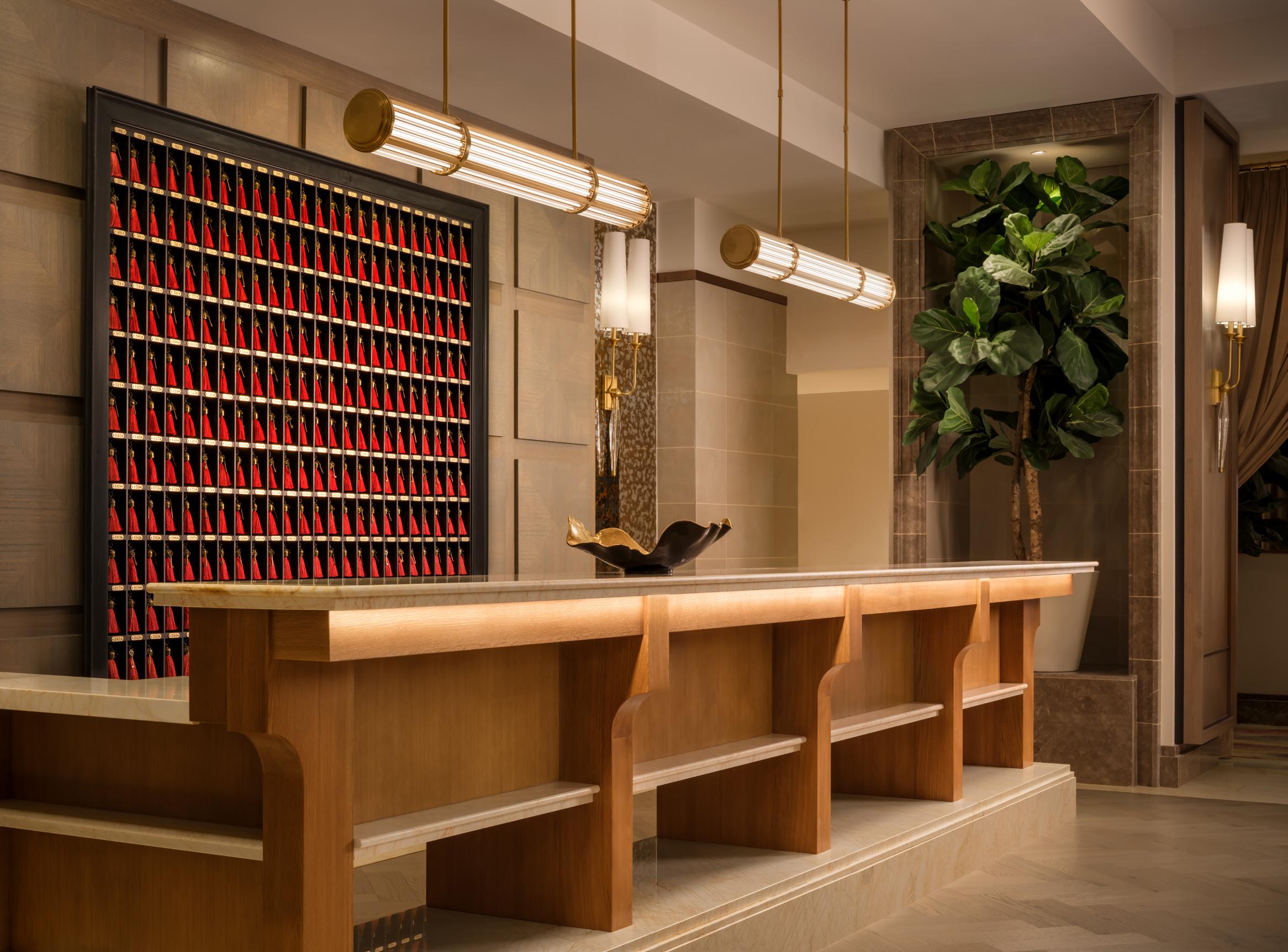
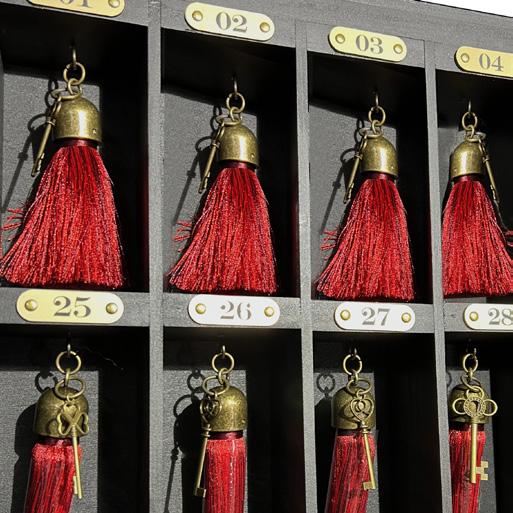
Vintage tassel keys greet guests behind the front desk.
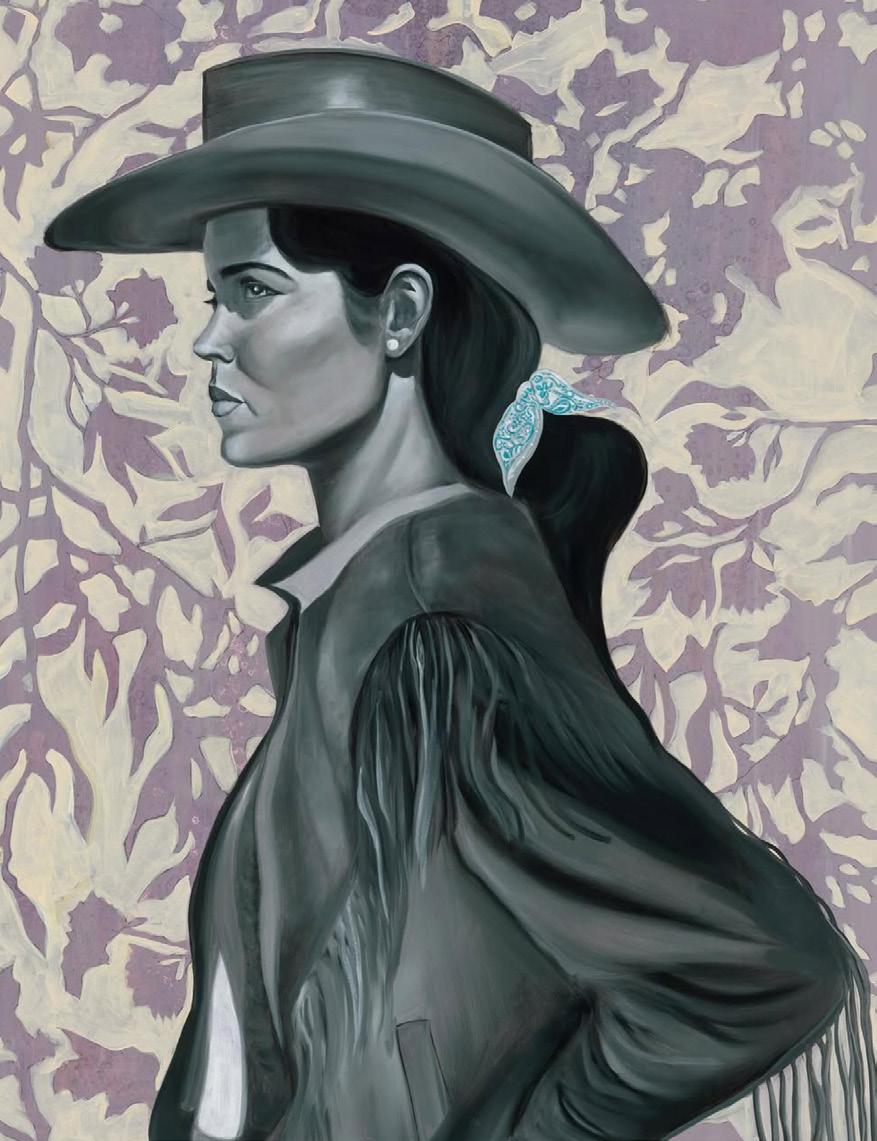
CONTEMPORARY COWBOY
Fall ‘26 Trend Report
FOUND & FORGED
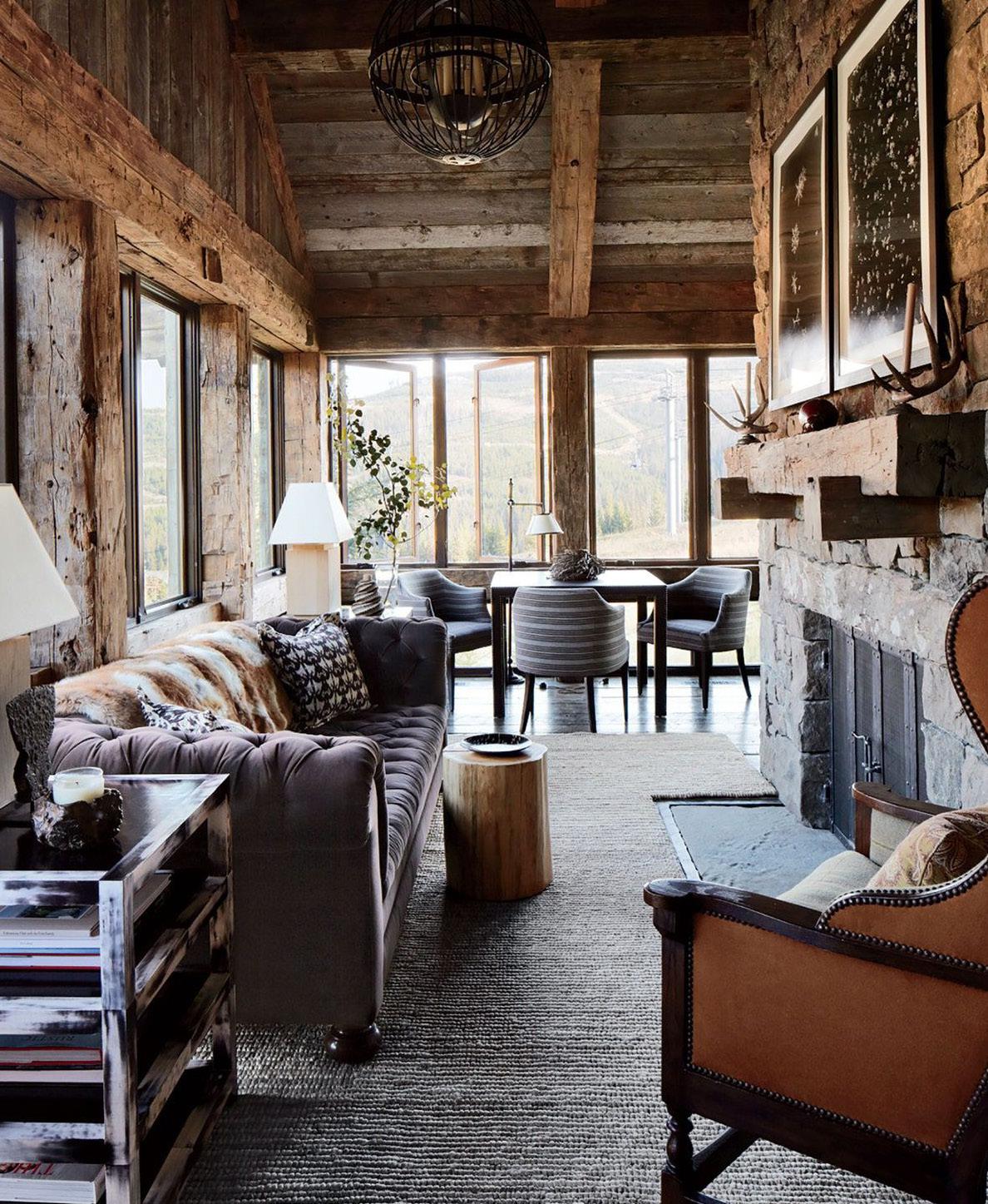
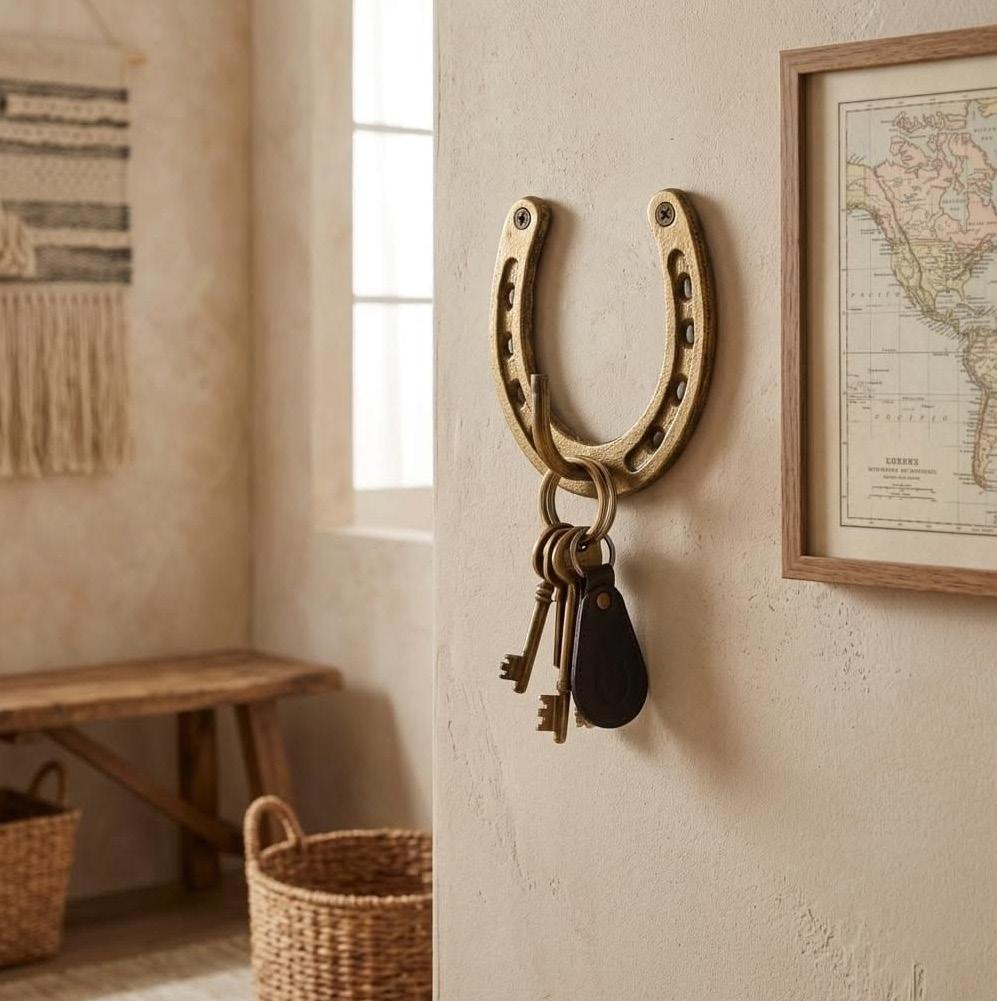
The modern lodge embraces warmth over wilderness clichés, pairing timber, stone, and handcrafted details with a refined residential feel. The best way to achieve this look is by finding objects with a past like weathered horseshoes or hand-made objects that bring in authenticity and storytelling.
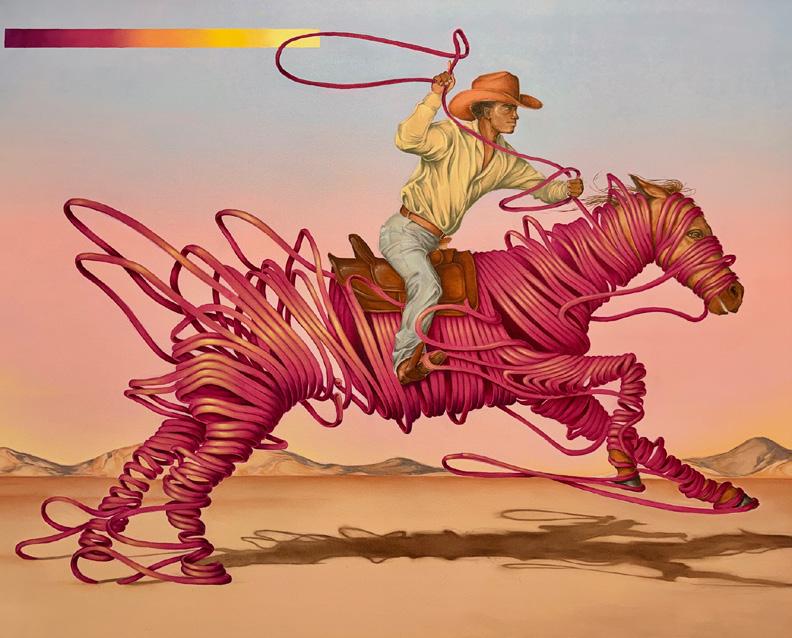
WESTERN SURREALISM
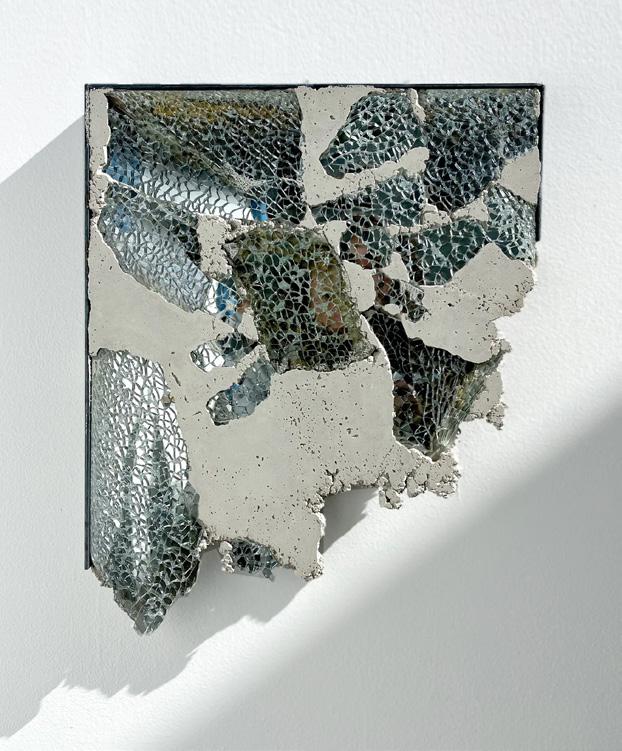
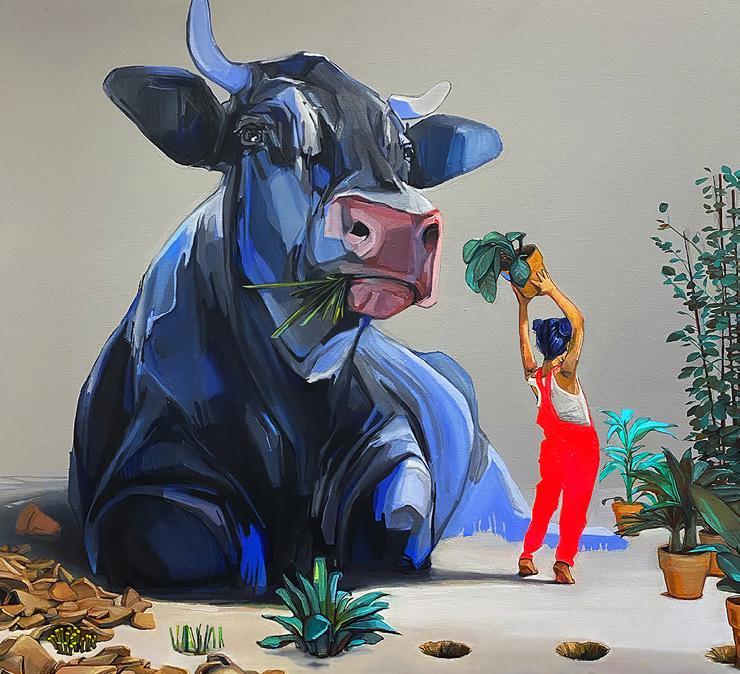
Contemporary artists like Kevron Madden, McKenzie Fisk, and BK Holsomback are reimagining western iconography through bold color, unexpected scale, and playful imagination. Meanwhile, artists like Laura Sallade redefine the traditions of hunting and gathering by salvaging and foraging discarded glass, transforming found materials into unexpected works of art.
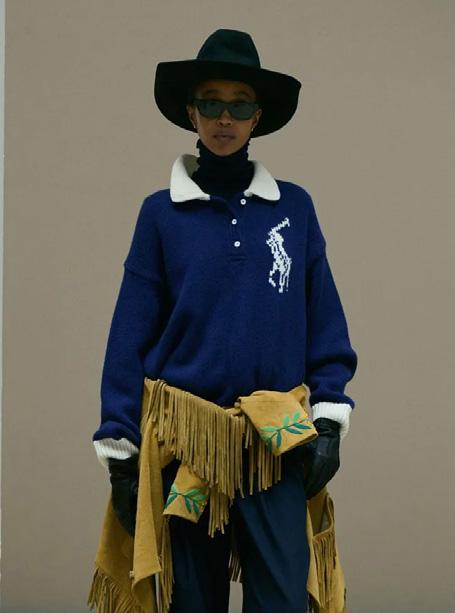
RANCH COUTURE
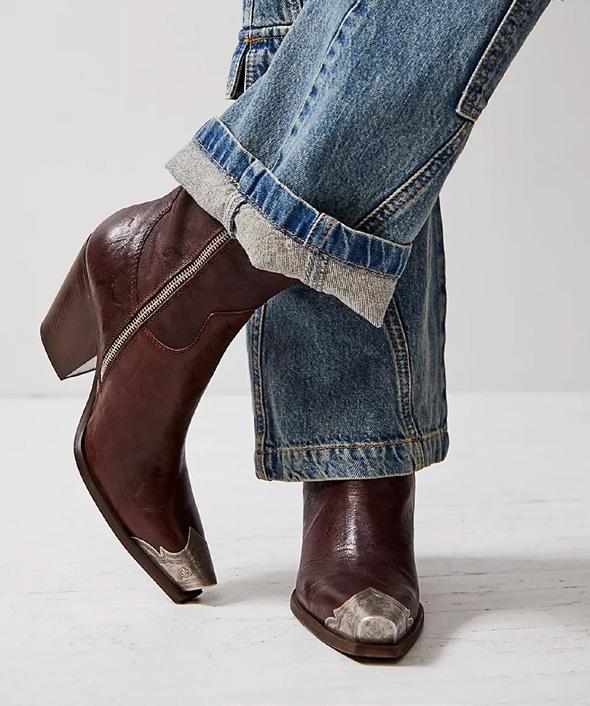
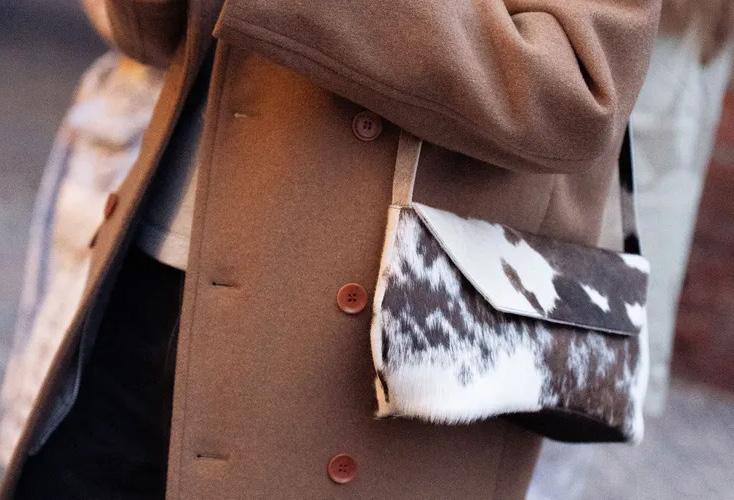
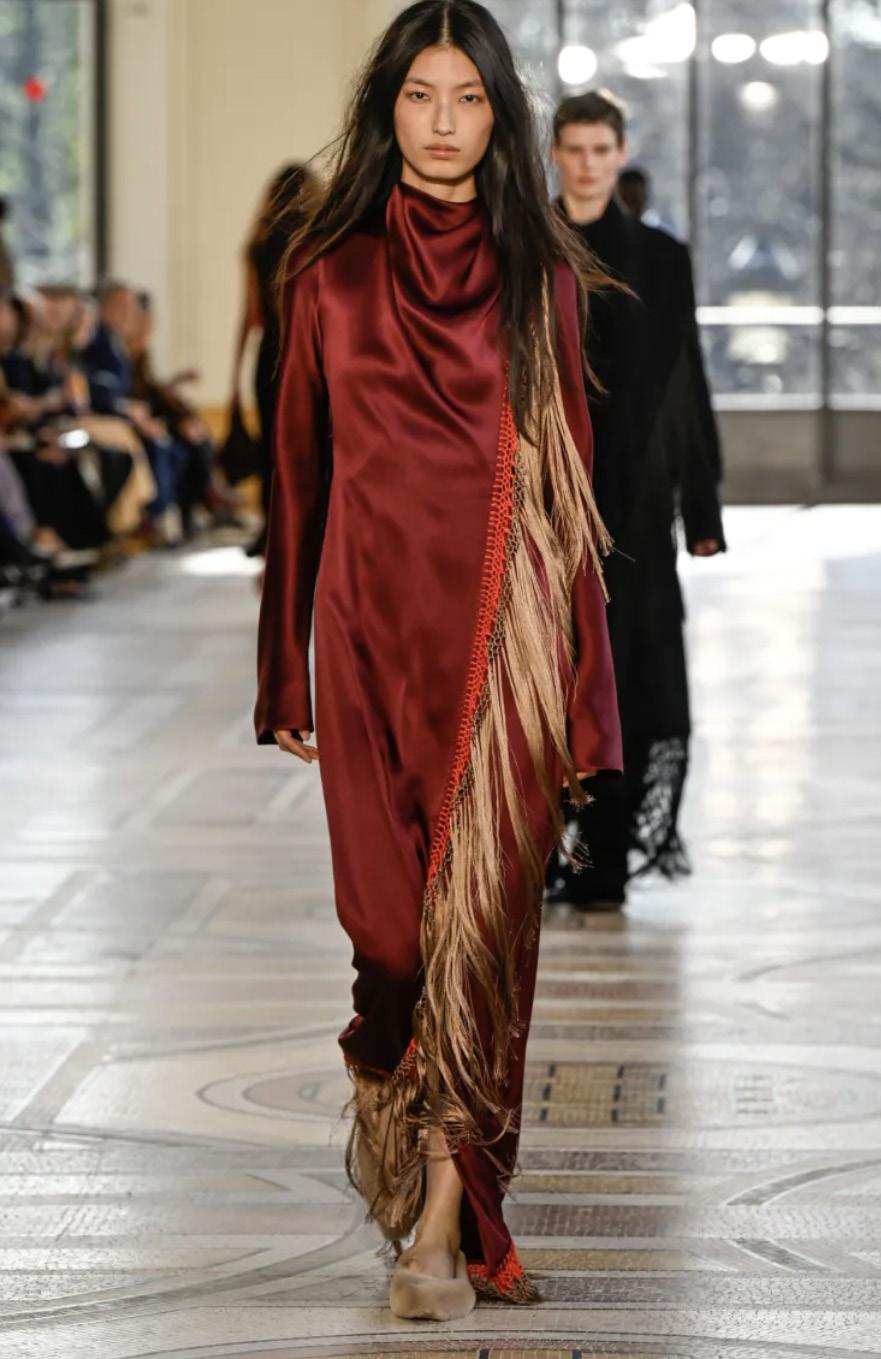
Western fashion continues its luxury evolution with sculptural silhouettes, rich textures, oversized hats, and artisan details We loved seeing fringe take center stage at Ralph Lauren’s Fall ‘26 show, but the trend feels just as impactful through subtle touches like statement boots, handcrafted bags, or a hint of cow-print.
Where Art Takes Flight
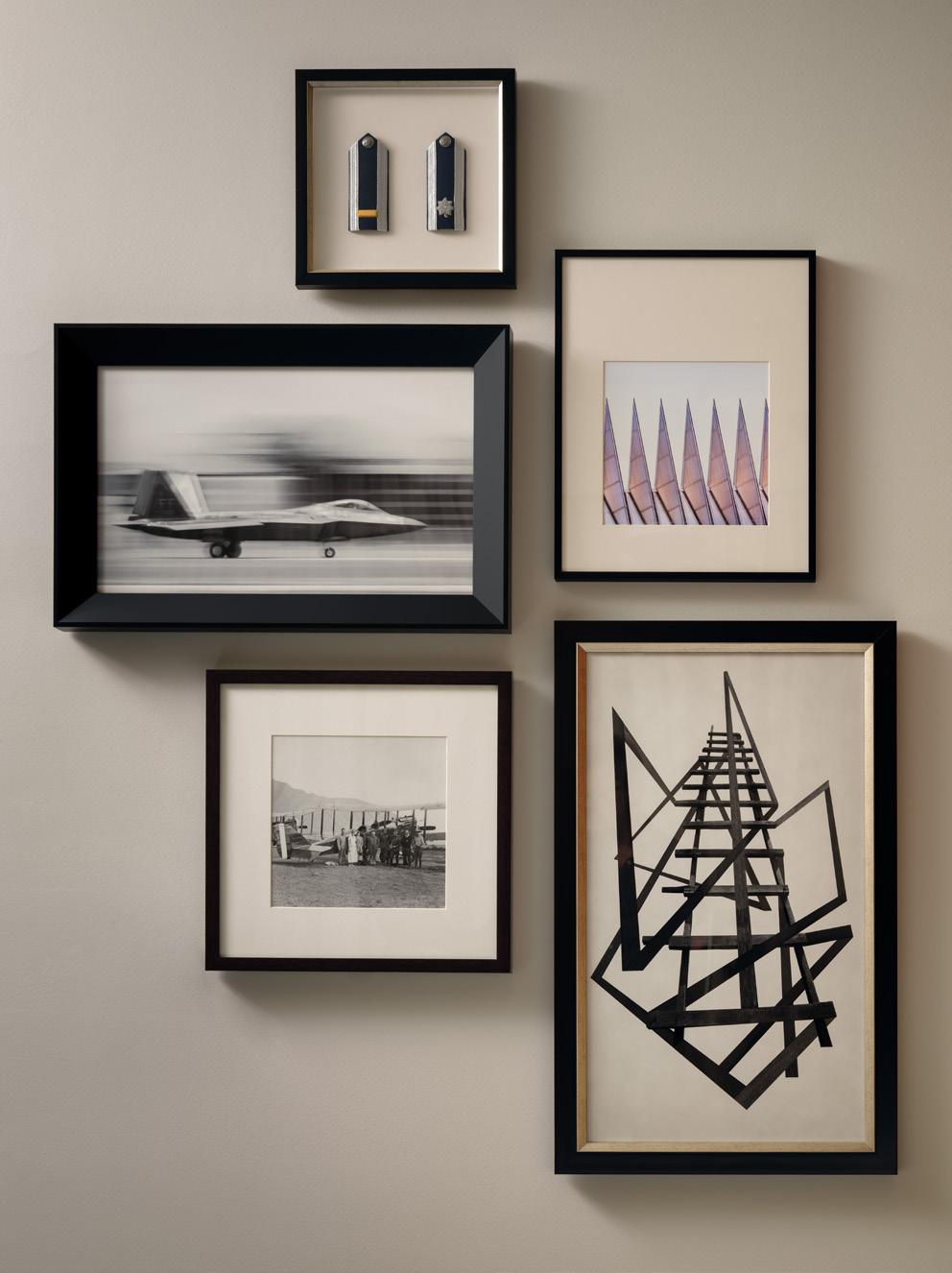
Hotel Polaris sits at one of the most naturally striking locations in our portfolio, at the foot of the Front Range and beneath 14,115-foot Pikes Peak. Located just outside the North Gate of the U.S. Air Force Academy, the mid-century modern, aviation-inspired resort draws equally from the grandeur of the Rocky Mountains and the Academy’s aeronautical legacy. Our art program was developed to reflect that unique intersection, honoring the history of the site while inviting guests to engage with it in a contemporary way. The collection became a bridge between the natural landscape and the architectural legacy that defines the property, offering guests a deeper connection to both.
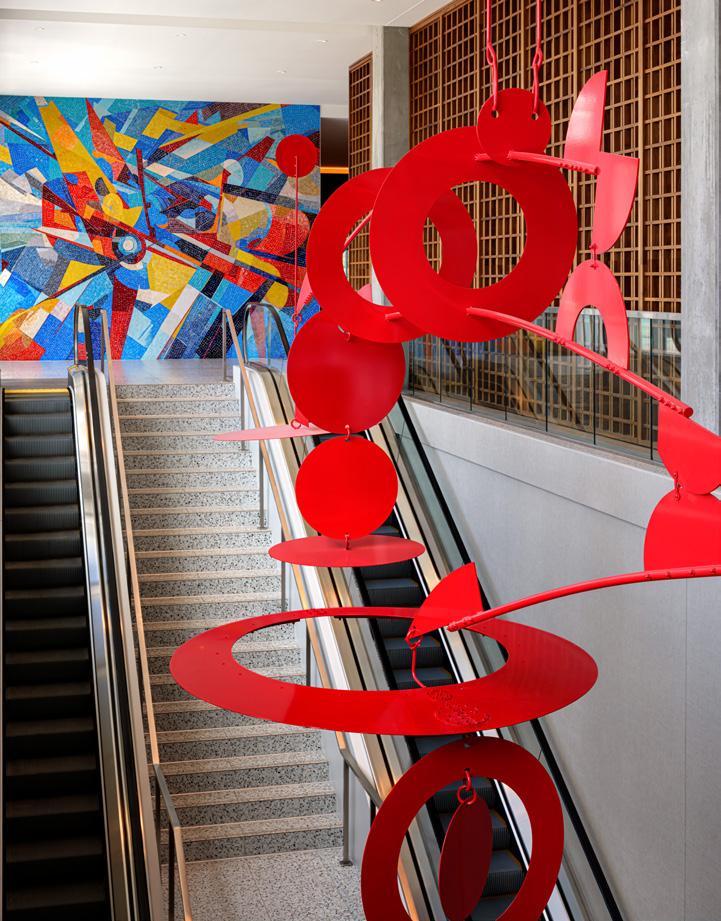
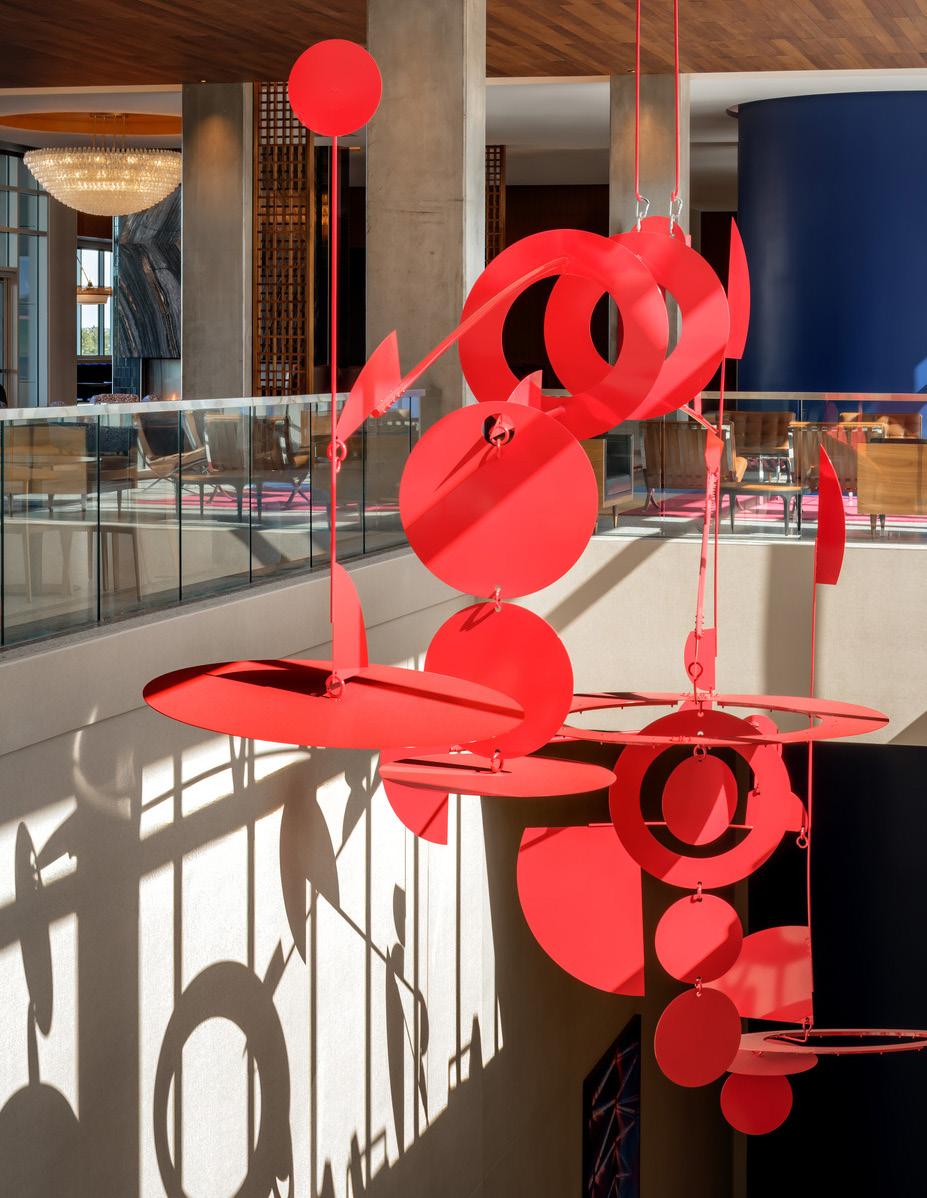
01 In the lobby, Robert Delaney’s “Red Calvera” draws the eye upward with its custom suspended form.
“As a former pilot for the Air Force I found constant beauty in the sky, from the colors of sunrise to the never-the-same structure of clouds.”
- Christopher Vasquez
Translating such a layered story into art required a thoughtful curatorial approach. Working alongside BLUR Workshop, whose interiors balance mid-century influences with a forwardlooking perspective, we assembled a collection of photography, fine art, sculpture, and textiles by regional and local artists. Historical imagery from the archives sits alongside contemporary works, creating a dialogue between past and present that feels both authentic to the setting and at home within the hotel’s modern architectural language.
02 Gallery-wrapped canvas with paint and gel embellishments inspired by aerial landscapes.
03 Christopher Vasquez’s “Soar” welcomes guests in the lobby.
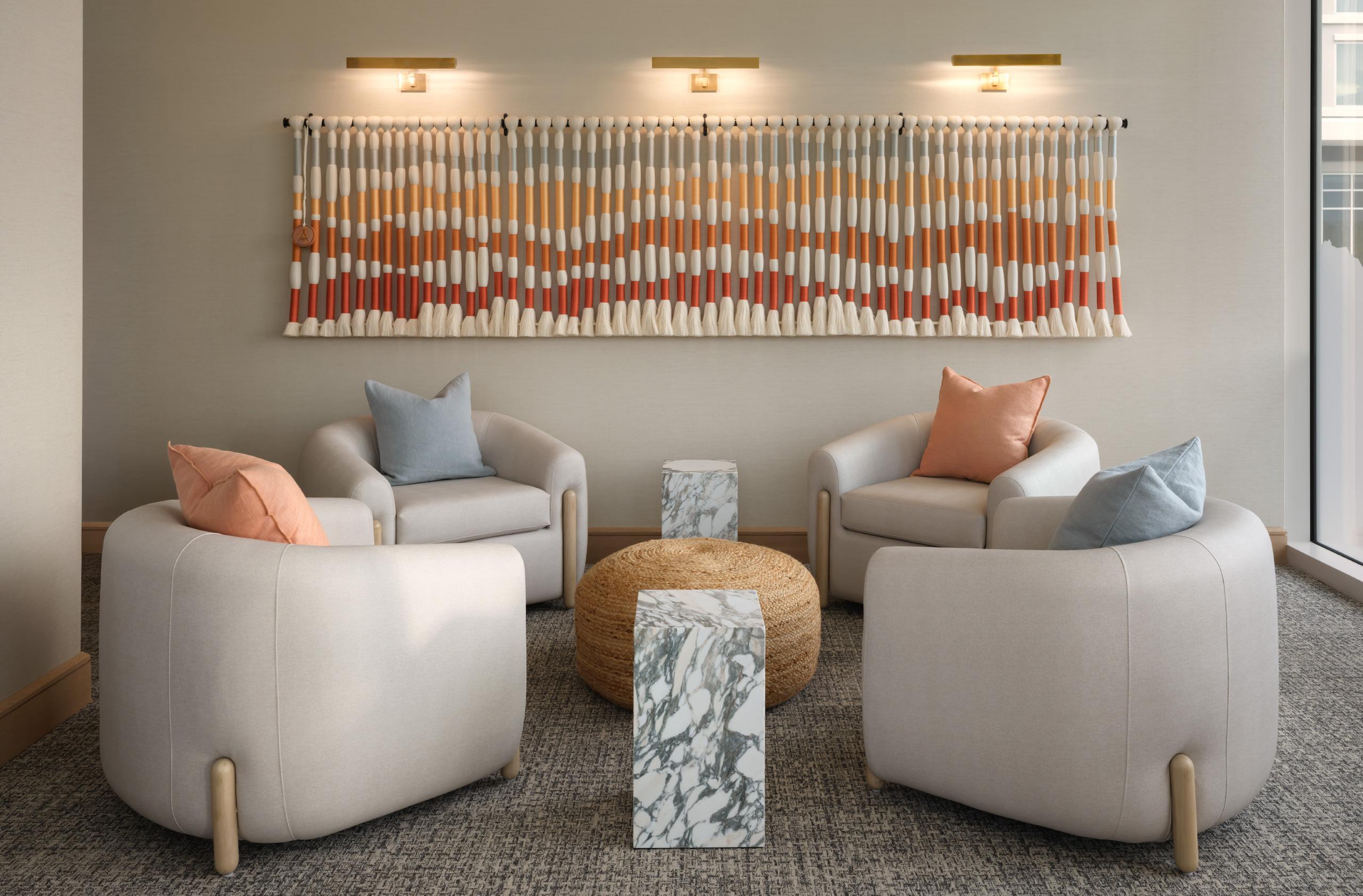
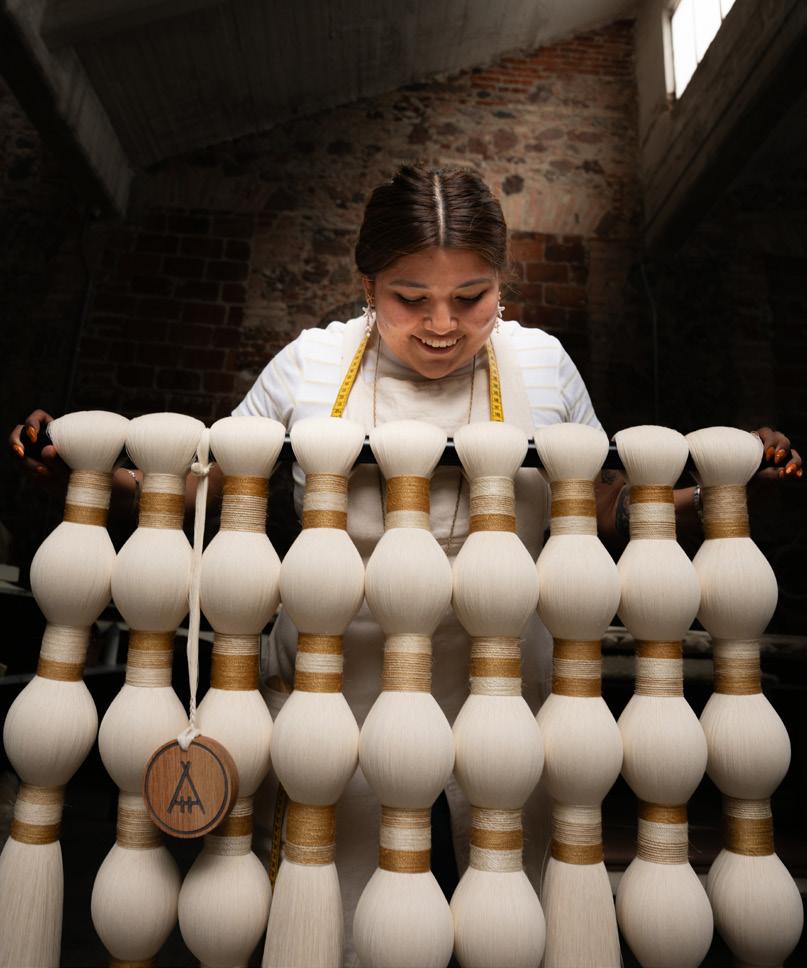
In the spa, “Rock Formation” by Caralarga draws inspiration from the Colorado landscape and transforms its mountains, open skies, and warm desert palette into an abstract textile composition. Rather than depicting the scenery literally, the piece captures its atmosphere through layered hand-wrapped cotton forms that echo the rhythm of mountain ranges and geological formations. Earthy tones of terracotta, rust, and ochre are balanced with soft blue accents that reference the expansive Colorado sky. Handcrafted in Querétaro, Mexico using the studio’s signature barrelknot technique, the work brings a rich sense of texture and place to the spa.
05
04 “Rock Formation” by Caralarga introduces a tactile, natureinspired presence to the spa.
A closer look at Caralarga’s signature barrel-knot technique.
DESIGNING WITHOUT BOUNDARIES AT HOTEL POLARIS
A Conversation with Foreman Rogers
OWNER/PRINCIPAL, BLUR WORKSHOP
Let’s start with an overview about BLUR Workshop, your design philosophy, and the types of experiences you strive to create through hospitality design.
BLUR Workshop is an Atlanta-based architecture and hospitality interior design firm guided by the principle of designing without boundaries. Our philosophy is rooted in the belief that exceptional design emerges when the traditional lines between architecture and interiors begin to blur. By considering the guest experience holistically—from the building itself to the smallest interior detail—we create environments that are cohesive, authentic, and memorable.
Tell us about what excited you to work on the Hotel Polaris project? How did we work together to ensure a successful collaboration and build a cohesive vision for the space?
The opportunity to work alongside the United States Airforce Academy and design a hotel near such an Iconic Piece of American Architecture was a once in a lifetime chance. Communication was essential. We conduct thorough research for every project to develop a clear narrative that carries the design from concept to completion. Interior designers must present this narrative clearly to the art consultant and invite their creative input. Lean on art consultants to help tell the hotel’s story. The art becomes the narrative’s voice: local artists lend authenticity, context and texture. Engaging the art consultant early gives them time to research local talent and present a wide range of thoughtful options.
How did the natural surroundings of Colorado Springs influence the overall design direction for the property?
Everything about this project is rooted in a profound sense of place. The Front Range—framed like a living canvas—shaped the architecture and interior story. Spaces are composed to frame the horizon, to slow time, and to amplify those ritual moments when light and landscape quietly become the guest’s true destination.
01 “Chasm” by Tara Kelley-Cruz is an original custom painting that enlivens the boardroom with rich color and movement.
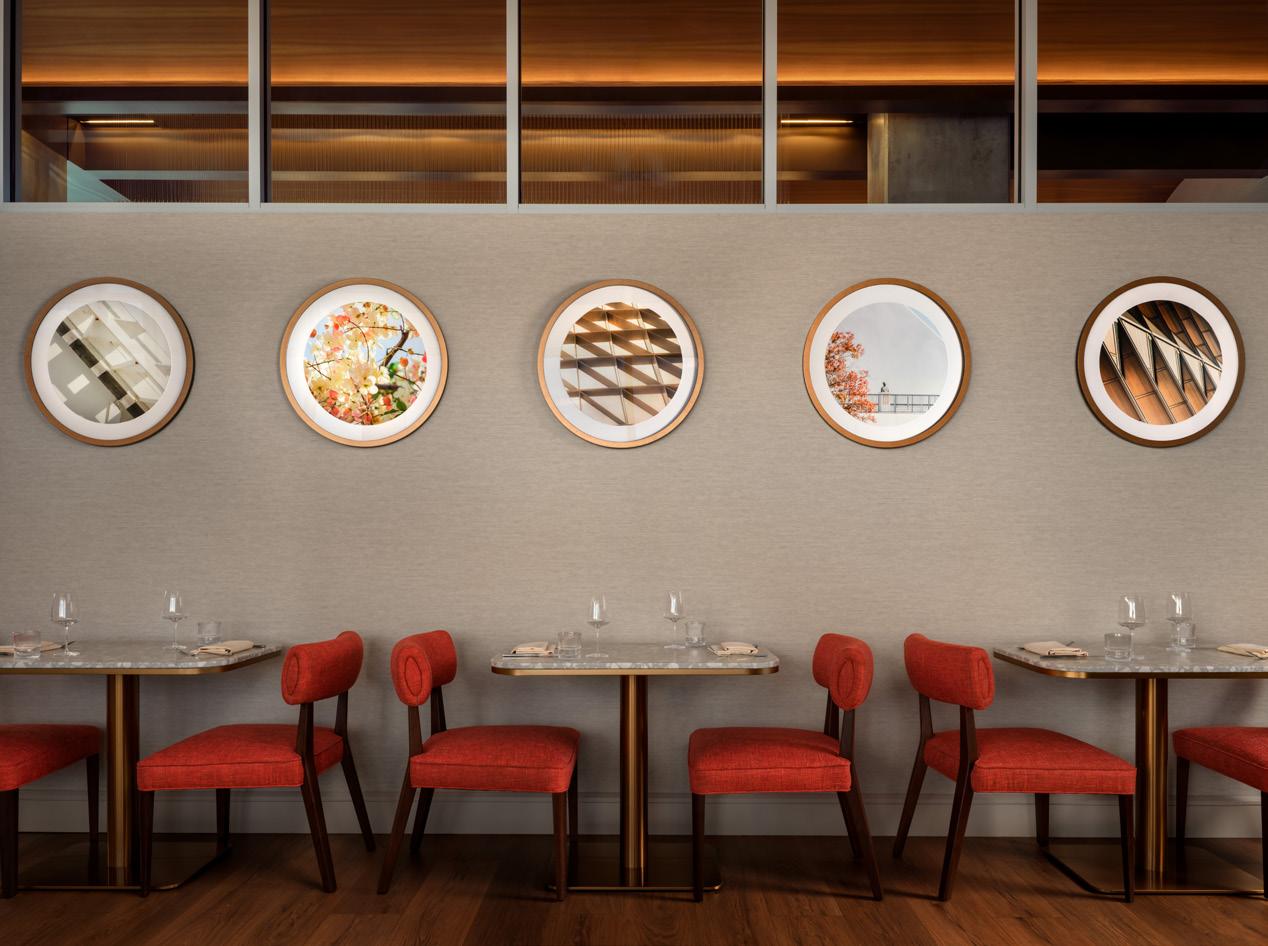
“Windows,” by Christopher Vasquez offers a contemporary interpretation of the surrounding landscape in the restaurant.
03
Curated gallery collections throughout the suites create moments of discovery, like the energetic photography of Alex Holt.
03
When designing a destination rooted in such a dramatic landscape, how do you translate intangible qualities like light, atmosphere, movement, and scale into physical spaces?
Light was never a challenge for this project. One of the greatest assets of this part of Colorado is its abundance of natural light, and our goal was to create as little separation as possible between the interior and the surrounding landscape. Large expanses of glass, open gathering spaces, and carefully framed views blur the boundary between indoors and out, allowing the landscape to become an integral part of the guest experience.
The Event Deck, located on the roof of the conference center, was conceived as a large, elevated porch that immerses guests in the landscape. From this vantage point, visitors can watch gliders, skydivers, and aircraft training overhead throughout the day. Set against the dramatic backdrop of the Rocky Mountains, these moments become living sculptures in the sky—an experience that is uniquely tied its remarkable setting.
How did themes of flight, aspiration, and exploration inform the design without becoming overly literal?
In so many ways. One of my favorite moments is the large-scale mobile by artist Robert Delaney (pictured on page 20), which was suspended above the grand staircase. Its graceful movement and seemingly weightless form reference the optimism and innovation of the modern era in which the Academy was built. The sculpture brings a sense of motion and lightness to the space while serving as a contemporary interpretation of the Academy’s architectural legacy.
If guests leave Hotel Polaris remembering one feeling or impression, what do you hope that is?
We hope guests leave Hotel Polaris with a deeper understanding of the United States Air Force Academy and a genuine appreciation for what it represents. Beyond the stunning campus and impressive architecture, the Academy is a place where character, leadership, discipline, and service are developed every day. If our design helps guests better understand the commitment these young men and women make, then we’ve accomplished what we set out to do.
A BRIEF HISTORY
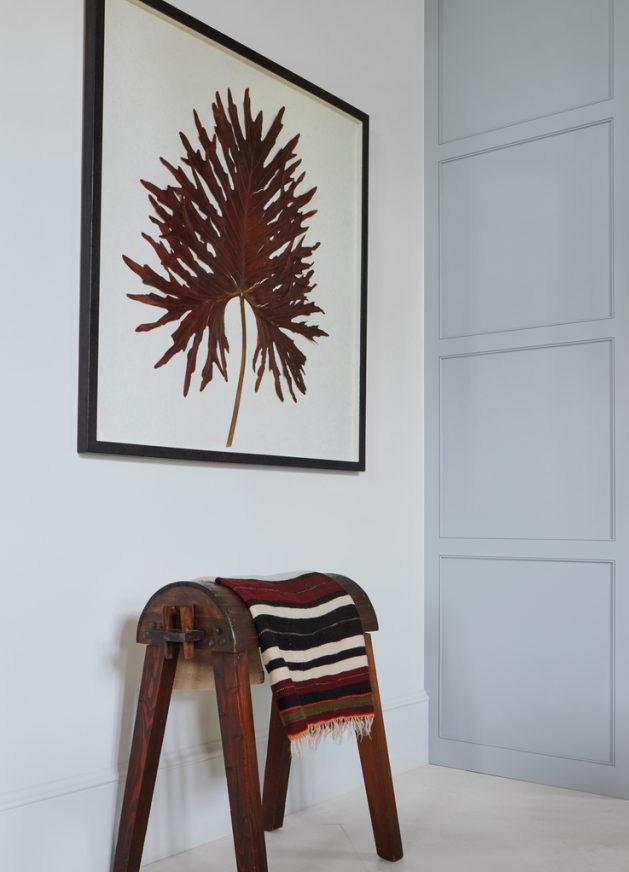
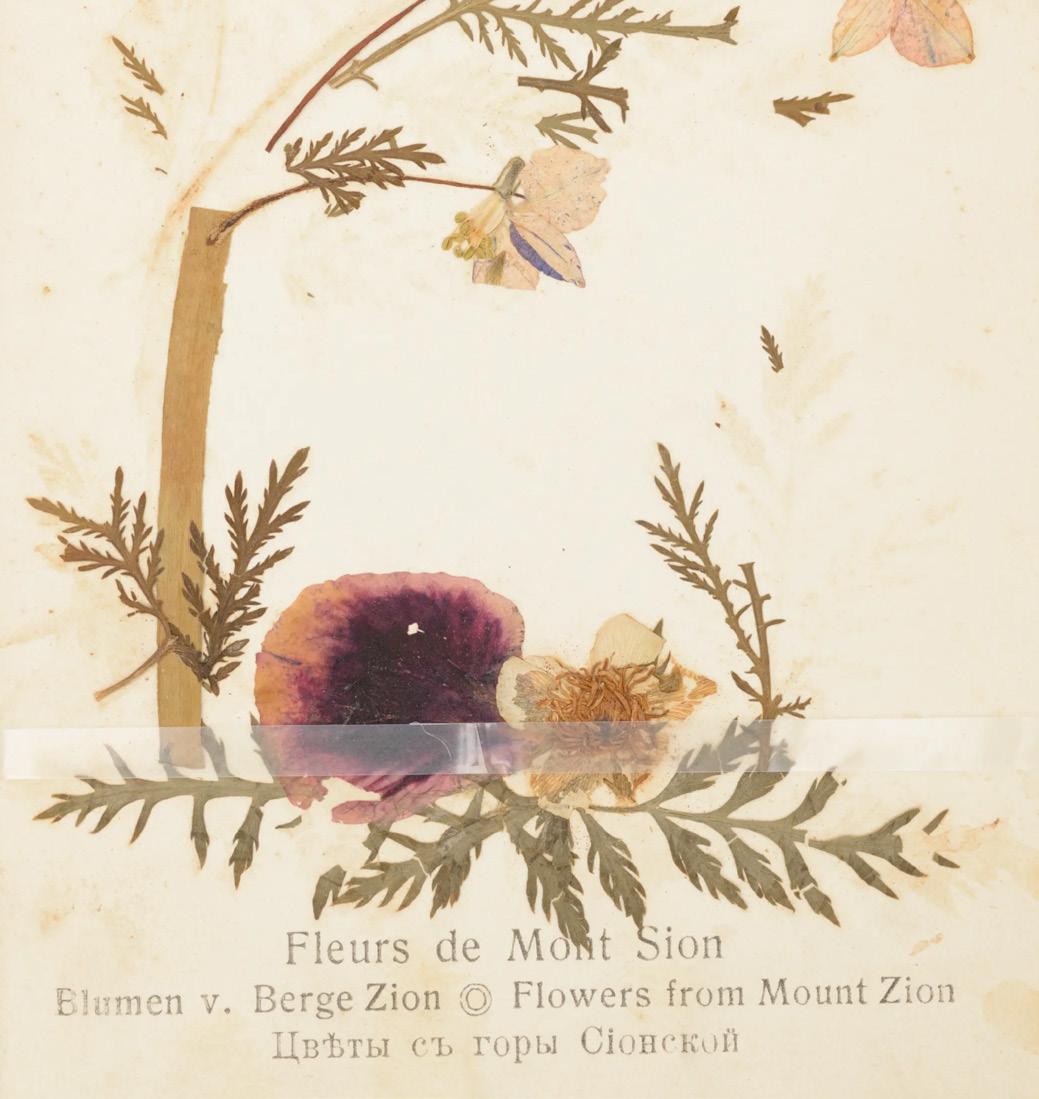
Long before pressed flowers became an artistic medium, they served as a tool for preservation. Beginning in the 16th century, botanists carefully pressed plants between pages to document species, creating herbariums that allowed nature to be studied long after it was collected. What started as a scientific practice eventually found its way into homes, where flowers became a way to capture memory, seasonality, and a sense of place.
01
02 Contemporary
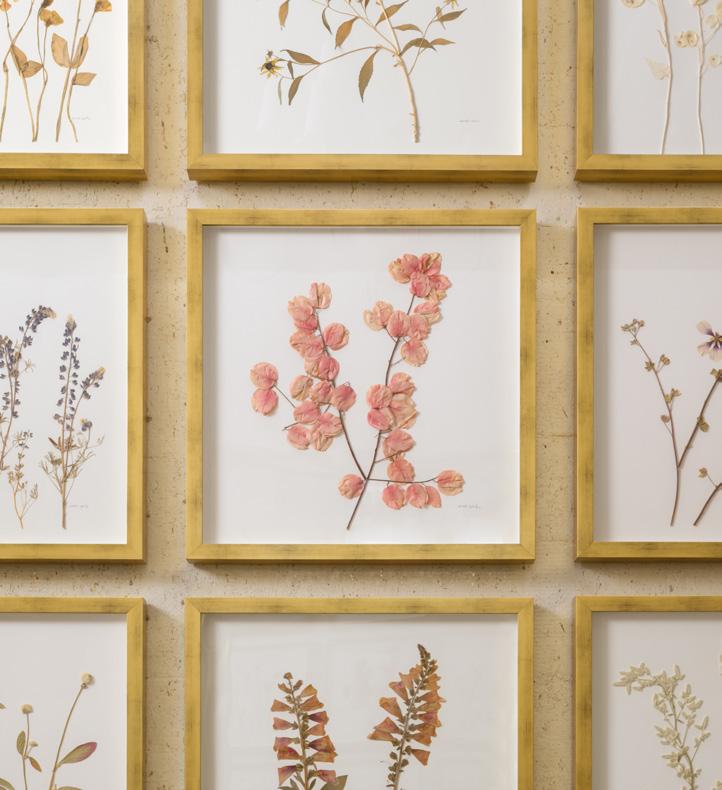
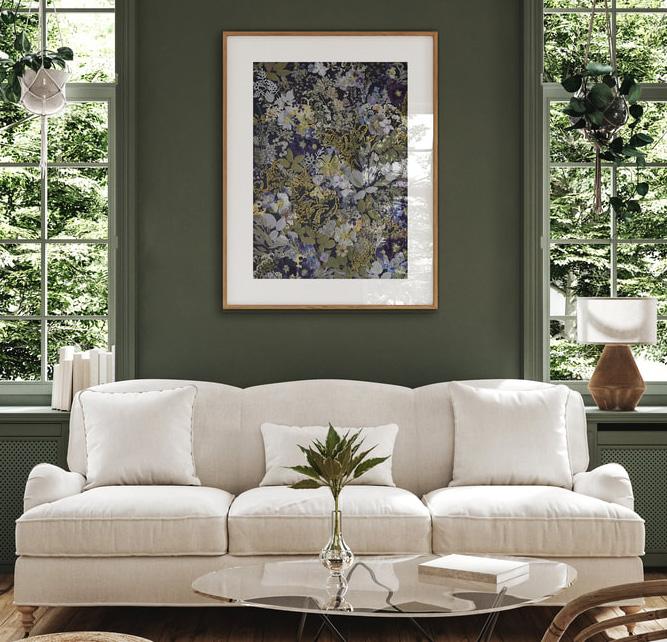
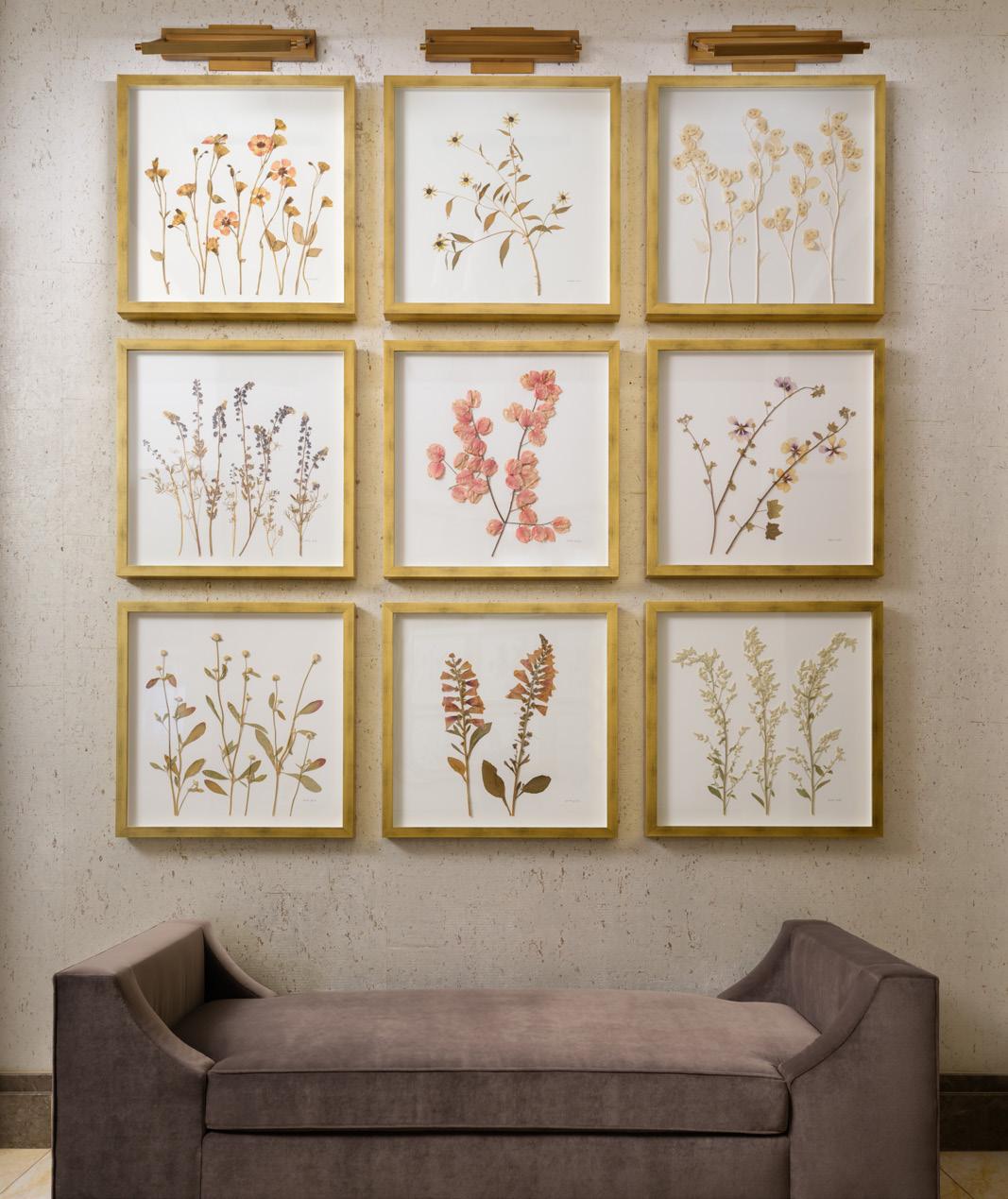
03 Pressed floral works by MaeLily Design Studio made for our award-winning Chamonix Casino Hotel art program.
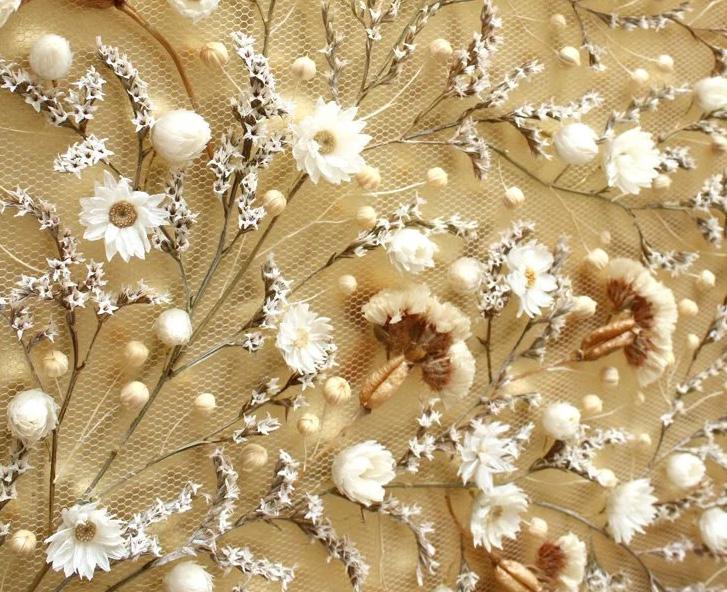
04 A closer look at Olga Prinku’s signature flowers-on-tulle embroidery technique.
By the Victorian era, pressed flowers had evolved into a beloved creative pursuit. Blooms gathered from gardens, celebrations, and travels were transformed into keepsakes. Each decorative arrangement carried a story, preserving not only the flower itself but the experience of a moment in time.
These days, it is a joy to see artists reinterpret this centuries-old practice through a contemporary lens. We love the vibrant, collaged works of Anastasia Kovaleva of Poland, whose compositions celebrate the expressive potential of preserved botanicals. We are equally captivated by Olga Prinku, artist, maker, and originator of flowerson-tulle embroidery, whose delicate works expand beyond florals to incorporate twigs and other natural materials for an added sense of texture and depth. It was also a pleasure to collaborate with Sarah Park of MaeLily Design Studio on a series of pressed floral works for our award-winning Chamonix Casino Hotel art program. “I drew inspiration from the hotel’s warm color palette, organic materials, and connection to nature,” Sarah shares. “The flowers were selected to complement the surrounding interiors while creating a sense of depth, texture, and softness.”
A historic example of pressed flowers preserved for botanical research.
pressed floral artwork by Anastasia Kovaleva.
OF PRESSED FLORALS
The ability to gather and preserve these natural elements, then thoughtfully compose them into breathtaking works of art, continues to inspire us. To us, pressed florals speak to an enduring connection with the natural world. There is something undeniably beautiful about transforming a fleeting bloom into an object that can be appreciated long after its season has passed.
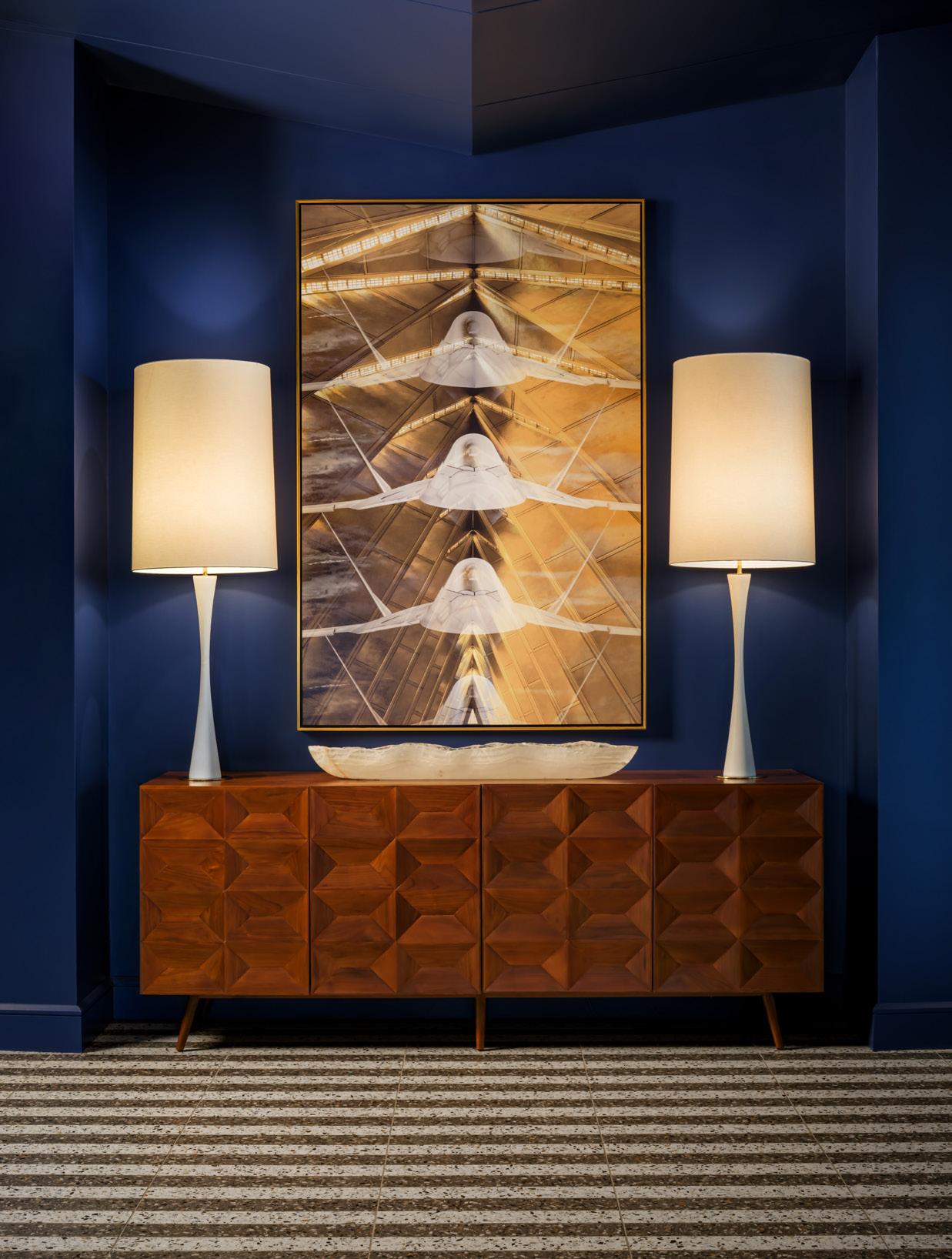
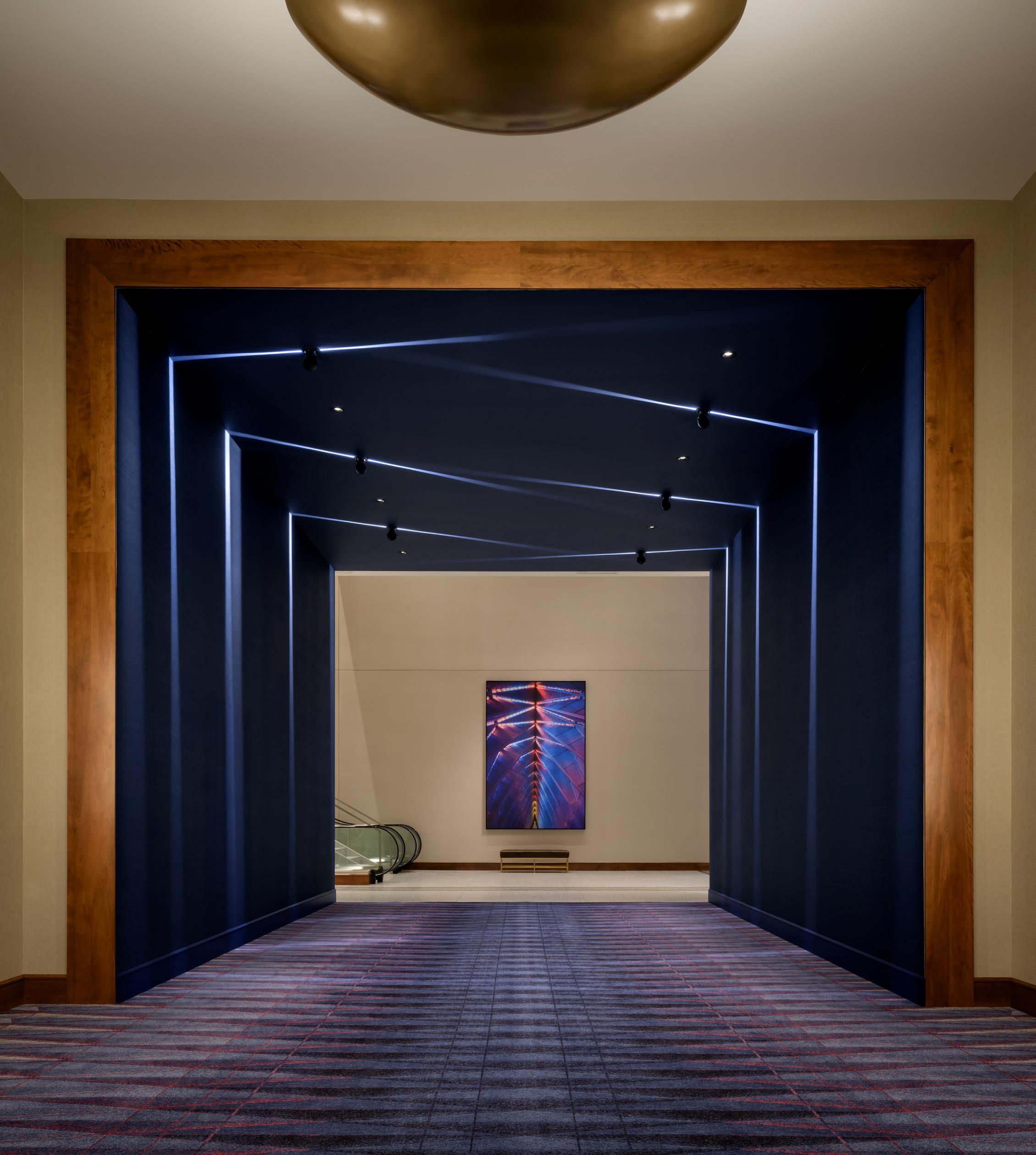
A stroll down the expansive hallway leading to the ballroom at Hotel Polaris reveals “Lights,” one of many photographs by U.S. Air Force Academy alumn and photographer Christopher Vasquez. Both the photograph and the surrounding interiors draw inspiration from the iconic architecture of the U.S. Air Force Academy Cadet Chapel, creating a subtle dialogue between art and design. Working directly with Vasquez allowed our art program to feature stunning aviation imagery from an authentic point of view. “The process was highly personal and introspective,” Vasquez says. Seen through the eyes of a former pilot, his photographs offer a deeply personal portrait of the Academy and its surrounding landscapes.