It is with great joy and deep gratitude that I present to you the result of our collective efforts.
This account of our work takes on special significance in 2025, a year that marks a symbolic milestone for Karuna-Shechen: twenty-five years of commitment to supporting the most vulnerable.
Inspired by my masters’ ideal of compassion, and encouraged by Rabjam Rinpoche, who is now the spiritual leader of Shechen Monastery, I founded this association with a few close friends. Our goal was simple: to act in close alignment with local realities in a spirit of listening and respect. Even today, this same approach of cooperation and trust drives each of our projects and enables us to build sustainable solutions together with local communities in the heart of the Himalayan, region where I have been living for more than a half-century.
In 2025, our teams supported and cared for 466,800 people through programs that buttress each other: a varied diet promotes good health; access to a nearby water source frees up time; education and training pave the way to self-reliance. This holistic approach guides our work to strengthen the dignity, resilience, and independence of communities.
This year was not only a time for celebration, but also a time for reflection. We assessed the progress we’ve made in order to inform our strategy for the next five years. Our vision remains true to its roots: a world where communities facing poverty and social exclusion shape their own future.
Today, I am hopeful about the future. Karuna-Shechen has managed to preserve the spirit of its origins while adapting to the challenges of our time. We owe this vitality to the generosity and dedication of all those who keep Karuna alive and help it grow: friends, benefactors, partners, volunteers, and staff. I extend my deepest gratitude to each one of them for their trust and their unwavering support.
May we continue, for many years to come and nurture this spirit of altruism in action together.
With my deepest gratitude,
FOUNDER AND HONORARY PRESIDENT
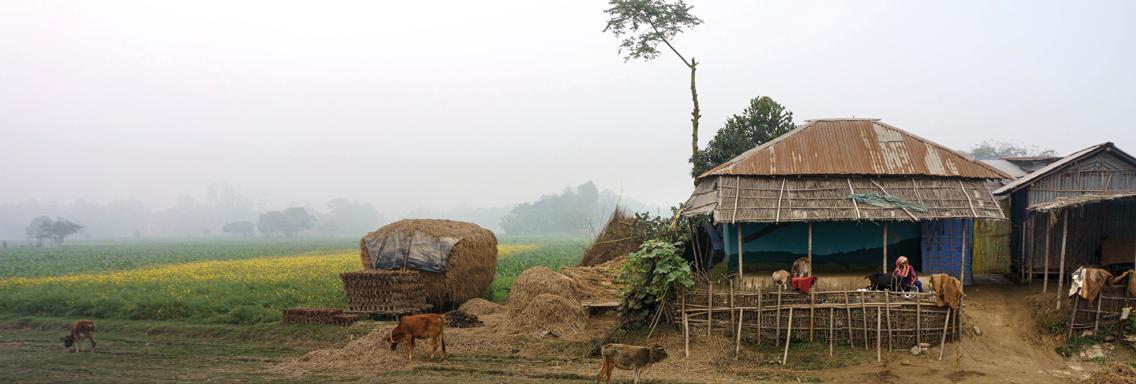
In 2000, inspired by universal values of Buddhism,
Grounded in altruism in action, the organization supports marginalized communities across the Himalayan region, from Tibet to Jharkhand in India. Without discrimination based on religion, we assist them in taking action, making decisions, and shaping their own future.
Karuna-Shechen meets the basic needs of vulnerable populations by ensuring access to healthcare, food, water, and education. We promote self-reliance through economic development, women’s empowerment, and climate resilience. We work to strengthen social cohesion and local decision-making in order to sustain caring communities, which are empowered to shape their own future.
Poverty has multiple interlinked causes including poor health, lack of water, schools that are far away or poorly equipped, low wages and incomes, and difficult-to-cultivate land. We respond to these causes in an integrated manner, with mutually reinforcing interventions within specific areas and communities. Our approach relies on the direct involvement of people living in these communities. Projects are developed collaboratively through listening and sharing action. By participating in decision-making and funding choices, communities ensure the sustainability of the solutions and are able to regain their dignity.
This year, we have reached a symbolic milestone: 25 years of commitment to communities in the Himalayas. From the very beginning we have been guided by the vision of Matthieu Ricard, who was inspired by the Tibetan lamas whose teaching and actions exemplified compassion as a living force. Compassion in action is the thread that connects our history, illuminates our present, and guides our future. True to our roots, we will continue on this path, so that each of our commitments has a lasting impact that is deeply respectful of those we support. The next five years begin with the strong intention to implement a model of development by communities, for communities, and with communities. A model that strengthens local autonomy, values existing knowledge and dynamics, and fully affirms what makes our organization unique: Action rooted in Compassion.

CHARLES-MATHIEU BRUNELLE PRESIDENT
Altruism is a necessity! It is one of the most concrete solutions to the challenges of the 21st century. We believe that Altruism is the noblest state of mind in human beings. It is the only concept that reconciles the short, medium and long term demands of humankind. It is necessary, if we are to move towards an economy of solidarity, the wellbeing of all citizens, and a much greater consideration for the fate of future generations, the environment, and the eight million species with which we share the biosphere.
MATTHIEU RICARD
JANUARY
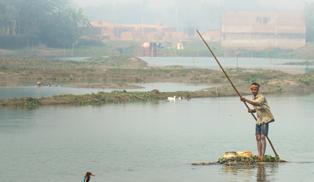
In January 2025, Karuna-Shechen expanded to Purnia, in the North of Bihar State, where 50.7% of the population lives in multidimensional poverty despite possessing a strong agricultural potential. Following a needs assessment, we launched a holistic strategy addressing healthcare, education, livelihoods, and infrastructure.
The association organized events featuring a lecture by Matthieu Ricard in Paris and Bordeaux to celebrate Karuna’s 25th anniversary and mark the release of his new photo book, Lumière. Attendees were immersed in the beauty of the world, revealed through photography, wonder, and spirituality.

NOVEMBER
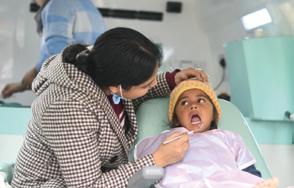
DENTAL AND OPTOMETRY CAMP
A comprehensive dental and optometry camp was launched across Bihar government schools in India to promote preventive healthcare among students. Screenings help detect dental and vision problems early on, so that children can be referred for appropriate care and receive follow-up. These efforts are combined with education on good hygiene practices.
JUNE
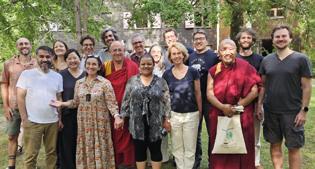
To celebrate the organization’s 25th anniversary, we held a seminar with team members from Paris, Nepal, and India, the Board of Directors, and Matthieu Ricard. We assessed the impact of our projects, and initiated a strategic plan for the next five years that will sustain our dedication to altruism in action.
Continuous heavy rainfall triggered severe landslides across several parts of Darjeeling district in India, and our intervention areas were among the most affected. In response, KarunaShechen mobilized emergency relief support and intervened to provide affected families with shelters and first aid materials. (see page 17)
AUGUST
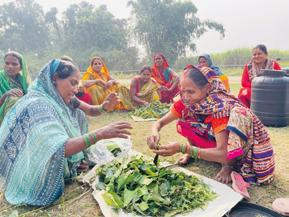
Karuna-Shechen empowered 1,500 Nepali farmers, by educating them about Integrated Pest Management (IPM) and the effective use of compost and farmyard manure. These efforts have resulted in a 40 to 50% reduction in chemical pesticide use, leading to improved soil fertility, enhanced productivity, and more sustainable and resilient livelihoods.
With the construction of a homestay in 2024, the rural tourism development project began in Ruby Valley. It combines economic opportunities with the preservation of cultural heritage and the environment. The project gained momentum throughout the year, with the provision of furnishings and the training of 24 community members in hotel management. The guesthouse is now officially recognized by local authorities: a success that ensures families can diversify their income.
DECEMBER
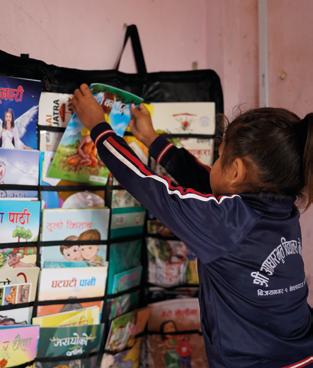
To foster early literacy and a passion for reading, Karuna-Shechen enhanced the learning environment for young children by creating reading corners stocked with 50 books per preschool. In addition, classroom floors are being renovated to ensure greater comfort for the pupils.
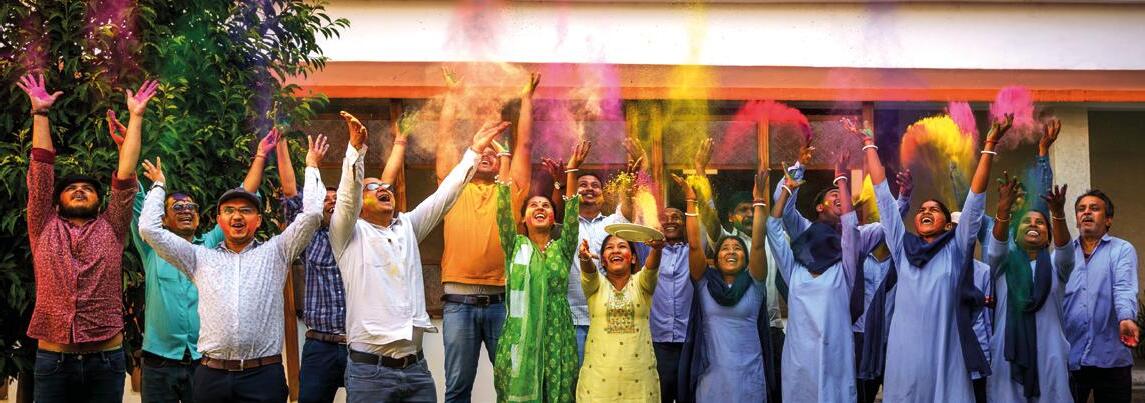
Karuna-Shechen draws its strength from the dedication of its employees and volunteers around the world, all united by shared values.
We place a special emphasis on individuals, beyond the roles they hold, or how they work together. By fostering collaboration, collective intelligence, and shared learning, we strengthen the quality of our relationships, our capacity for cooperative action, and thus, the impact of our programs.
In 2025, several initiatives brought this vision to life. We held monthly international connection sessions to foster mutual understanding through collaborative learning. In India and Nepal we assessed our mission, and ran a training program on relational leadership for managers. Our forward momentum was also reflected in the development of the 2030 strategic plan through a participatory process with more than 70 people contributing to the exploratory phase. This was followed by a week-long workshop focused on building a shared vision using the techniques of collective intelligence.
At Karuna-Shechen, we move forward with an increasingly clear conviction: right action depends not only on intention, but also on how it is carried out. It must be lived, and embodied collectively.

ANTOINE DROUILLARD COOPERATION, CHANGE AND PEOPLE DEVELOPMENT LEAD
The teams implementing the projects all live locally. They speak the local language and understand the realities of daily life. This close connection ensures a deep understanding of families’ needs, their constraints, and their way of life. Thus fostering the long-term involvement of the people we support.
6 international entities
United States, France, Hong Kong, India, Nepal, Switzerland
14 operating centers in India and Nepal
164 local employees
175 employees and 43 volunteers
41% women
59% men
1 international coordination team
14 people
Karuna-Shechen supports the most vulnerable women, men, and children in India, Nepal and Tibet, working alongside them to improve their living conditions.
The families we support live in remote rural areas where they face poverty, social exclusion, and climaterelated risks. They have little or no access to healthcare, quality education, or economic opportunities. Our mission is to alleviate the suffering that undermines people’s dignity and to empower them to become active agents in their own development and so, more self-reliant. As a non-political and non-denominational organization, we provide assistance to the best of our ability, without distinction based on gender, religion, or caste.
Our methodology is simple. Together we listen, decide, act, and measure. Projects are built with the communities they will impact. Families, local groups, and village committees participate in the choices: which concerns to address first, what solutions to implement, when, and how... We support them in their projects by drawing on our expertise.
Depending on their means, each person contributes a small amount of funding, time, or commitment, and this changes everything. At the end of each project, we see pride, dignity, and joy. These contributions ensure the sustainability of our projects, and we see the pride, dignity, and joy that come from participating. Together, we are moving toward a better future.
4,989 animals cared for US $ 3.1M dedicated to our missions CAPTION Intervention areas
466,800 people accompanied
161,600 indirect beneficiaries
In India and Nepal, we operate in regions where access to healthcare is limited by geographical isolation, overcrowded public facilities and expensive private services.
We ensure the development of interventions to save lives, alleviate suffering and preserve the health of the most vulnerable. Our clinics and health posts are open every day to offer diagnostic, general and specialized medical services. Our mobile clinics travel to isolated populations. Prevention being the best medicine, our teams raise awareness of malnutrition, menstrual hygiene and care for pregnant women. Veterinarians also travel to treat sick animals on the farms, and educate farmers in best practices.
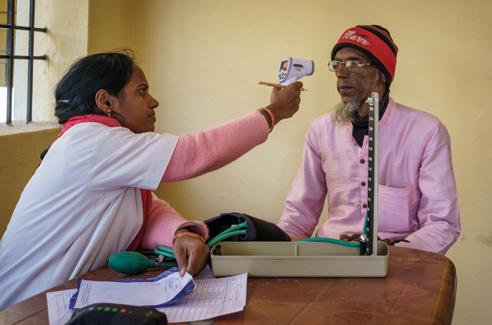
Our health services are continually adapting to meet the needs of those we serve. For example, we are creating new infrastructure, investing in new treatment and diagnostic equipment and paying particular attention to the training of medical staff. We combine care with prevention, both by establishing health centers, and by bringing equipment and skills to people in remote areas.
General medicine Treating and caring for the whole family
Specialized medicine Addressing physical and mental health suffering
Mobile clinics Bringing care to remote areas
Diagnostics Using technology to find the origin of pathologies
Women and children Raising awareness and addressing their specific needs
Sanitation Building toilets and bringing access to clear water
Veterinary care Treating and remedying the suffering of animals
60,210 patients listened to and cared for
20,830 people gained access to clear water
7,429 women and girls educated about menstrual hygiene
4,989 animals treated
In India, public hospitals lack resources, and private clinics are expensive. Due to a lack of awareness, residents can be unaware of certain diseases and the available treatments.
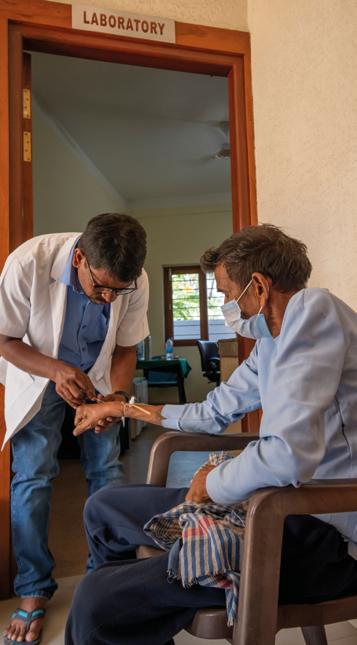
Our clinics are equipped to provide medical care and diagnose a wide range of conditions. They have a radiology department, a laboratory for testing and screening, and a pharmacy that dispenses low-cost medications. As a result, our clinics provide individualized affordable medical care, bringing together all aspects of patient care, from diagnosis to recovery.
We needed immediate help at a nominal cost. My son’s timely X-ray at Shechen clinic made his immediate treatment and care possible. I do not know what would have happened without the clinic’s services. I’m extremely thankful for the help we received.
PRIYA FATHER
BODHGAYA
25,527 patients treated at our clinics
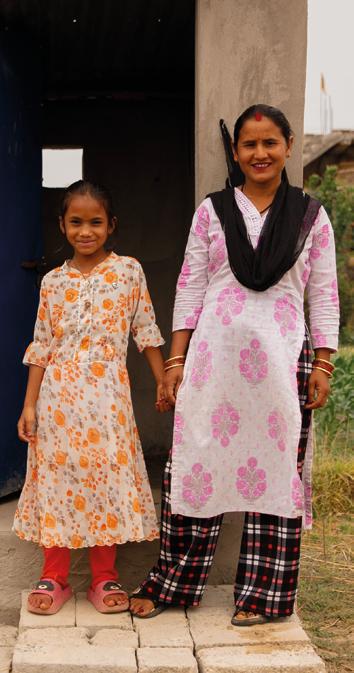
In South Nepal, the absence or poor condition of toilets prevents women and girls from maintaining safe hygiene—particularly menstrual hygiene. The lack of adequate toilets in schools can lead to girls dropping out of school.
Local communities work side by side with our teams and local authorities to build these facilities. They receive our financial and technical support ensuring their long-term sustainability. In addition, our awareness-raising efforts encourage rural communities to use these toilets, restoring their dignity while protecting the environment.
To reach the toilets, I had to go 5 to 10 minutes away from my home, to the jungle and fields. It was full of risks and surprises: snakes, reptiles, and sometimes other wild animals. Other people could see me, I didn’t feel safe. Now we have a toilet. Life is so much easier, I am very happy now.
NEHA 16 YEARS OLD, KAPILVASTU
172 toilets built for 1,077 people
Education is a means of improving living conditions. Because it is also a tool for the overall development of the individual, it is a key factor in promoting gender and social equality.
Schools face numerous challenges: a lack of resources, teaching materials, and qualified teachers, as well as inadequate infrastructure. We are addressing each of these issues to improve the quality of and access to education. Our early childhood programs bring joy, encourage cooperation, and promote healthy development. We support primary schools and young people, the adults of tomorrow, encouraging them to become more responsible and altruistic. Finally, we provide basic education to illiterate women to help them regain their self-confidence and empower themselves.
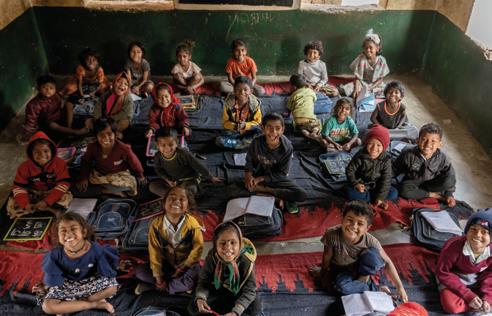
Our approach emphasizes the creation of caring learning environments, and encourages the involvement of parents and the community to ensure the sustainability of projects. We pay particular attention to the needs of young girls and try to insure their enrollment. Our programs respect and work to preserve the local culture.
Early childhood development
Encouraging joy, cultivating values of cooperation and sharing
School support
Building, rehabilitating and providing materials
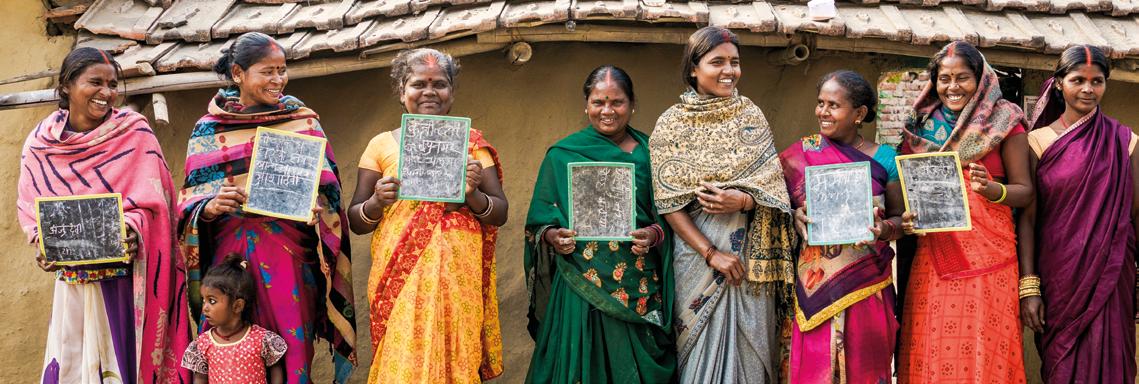
Adult literacy
Learning to read, count and other essential skills
Teacher training
Reinforce teaching methods
7,368 children and adolescents supported in their schooling
5,726 young children attended kindergarten
45 preschools equipped with games and supplies
2 elementary schools equipped with accessible and safe drinking water stations
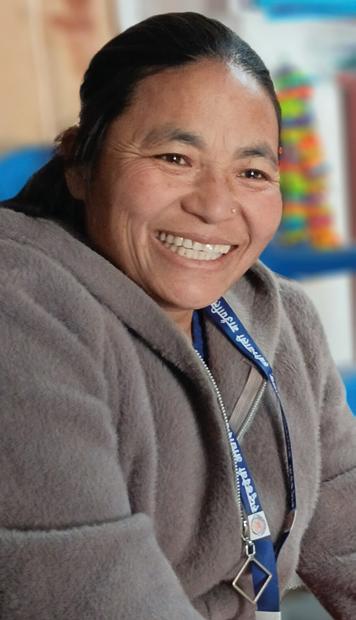
Many children aged 3 to 6 experience learning difficulties due to a lack of resources and teacher training.
We support the development and growth of young children by creating a suitable environment and strengthening teachers’ pedagogical skills. Based on the specific needs of early childhood, we incorporate play, creativity, and cooperation to foster the development of cognitive, motor, and social skills.
I have been teaching for 16 years. The training from KarunaShechen greatly improved my understanding of the national early childhood education and development curriculum. It has boosted my confidence as a teacher. Despite working in a remote area with limited resources, I am motivated to apply what I’ve learned for the benefit of my students.
RUTH ECD TEACHER, RUBY VALLEY
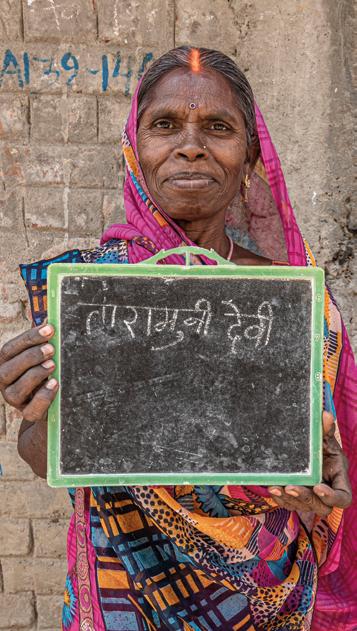
In the regions where we operate, the literacy rate among women is lower than India’s national average.
This figure highlights deep-seated gender inequalities and underscores the need to develop informal education initiatives tailored to women. Beyond teaching them to read, write, and do basic math, we create safe spaces where they can build critical thinking skills, engage in dialogue, and chart a path toward autonomy with greater confidence.
Before, I used to sign with a fingerprint. I couldn’t read any instructions. It made me dependent. Learning to read and write made me more autonomous. I’m proud to be able to read signs, follow medical prescriptions, and manage money on my own. I’m no longer afraid to go out alone.
TARAMUNI
52 YEARS OLD AND MOTHER OF 8 CHILDREN, BIHAR
Food security is defined as the physical, social and economic availability of the nutritious, quality food needed for an active and healthy life.
In the isolated areas where we work, the changing climate and seasonal lack of water makes cultivation increasingly difficult as it is highly dependent on the seasons and the effects of climate change. To improve this situation, we support village committees in the development of community projects for the enhancement of water resources. In addition, we offer training and technical solutions when we show families how to grow their own fruit and vegetables on small plots of land, in an environmentally friendly way, and how to be autonomous in their water management.
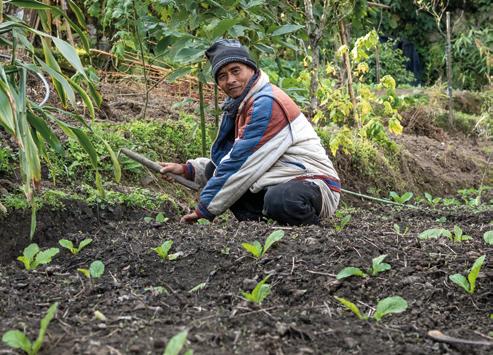
Improving food security demands an integrated approach to local conditions: the ecologic management of water and soil resources. We work on two complementary levels: solutions adapted to the needs of individual families and larger collective initiatives on a village scale.
Organic vegetable gardens
Providing quality food based on traditional and responsible agriculture
Agroecology Promote and provide training on the creation of sustainable food systems that integrate ecological, economic, and social dimensions
Drip irrigation Irrigating crops yearround while respecting resources
Water management Facilitating access to water through the creation of ponds and wells
234,497 people grew a vegetable garden
16,360 fruit trees distributed and planted
274 households equipped with rainwater harvesting systems
16 ponds and 5 wells provided better access to water to communities
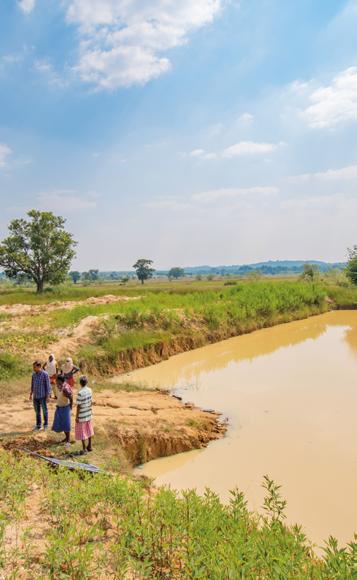
In India, the water crisis is alarming. Overuse of groundwater, inadequate infrastructure, and unpredictable rainfall make access to water difficult, especially for the poorest people.
Building a pond ensures that an entire village has a constant supply of water, sufficient for agricultural and household needs. By serving as reservoirs, ponds also help replenish groundwater and promote a green environment. In 2025, at the villagers’ request, additional ponds were built in place of wells to best meet their needs.
In summer, washing clothes and cleaning has become easier, and we also carry water to our homes to feed goats and cows. We use the pond water for washing clothes. We are happy now..
MALO
RESIDENT OF SHEBA-BIGHA COMMUNITY, BIHAR
16 ponds dug offering access to water to 5,458 people
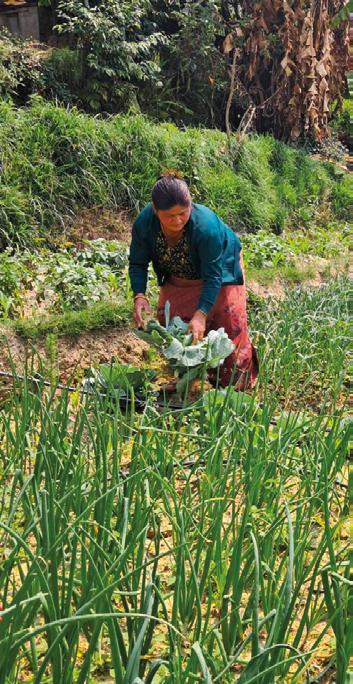
The climate and the remoteness of mountainous areas pose challenges to food security. We support the development of small, environmentally friendly vegetable gardens.
The vegetable garden program is bringing about lasting changes in families’ daily lives. We distribute seasonal seeds and seedlings, which are key resources for combating malnutrition and building climate resilience. Initially focused on self-sufficiency, the project has exceeded its original goals. Some residents are generating additional income by selling their surplus produce.
Since starting our kitchen garden, fresh seasonal vegetables are now part of our daily meals. We sell surplus vegetables locally, and earn extra income for our household. By using organic pesticides, our food is safer for our children and for the soil. This small garden has brought big changes to our health, income, and confidence.
AAITI MAYA FARMER, KHANIYABAS
1,672 farmers received training, equipment and organic seeds
People living in rural or mountainous areas of India and Nepal lack job opportunities, training, and support.
In our regions of intervention, the majority of the population lives below the poverty line. Unemployment is very high, especially among women and young people. Our centers provide training to strengthen and develop skills in the production of handicrafts, agriculture, IT and entrepreneurship. We also provide financial support for the creation of micro-enterprises.
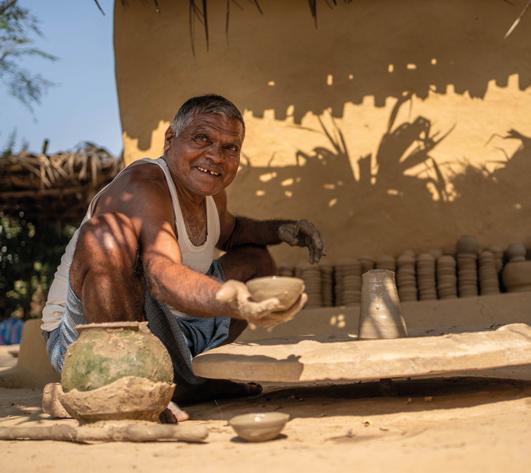
Empowerment programs support women in particular. By taking a more equal place in society, they have a positive impact on the education and health of their families and have better self-esteem and confidence. With increased opportunity, they break down gender barriers, overturn taboos and become sources of inspiration for other women and future generations.
Micro-entrepreneurship Providing financial support for the creation of a business
Agriculture Training in responsible agronomy
Handicrafts Guaranteeing an income through the creative arts
Computer science Providing access to technical and practical knowledge
1,515 farmers trained in agricultural entrepreneurship
925 young people in computer classes
374 financial grants for a micro-business
261 women trained in crafts
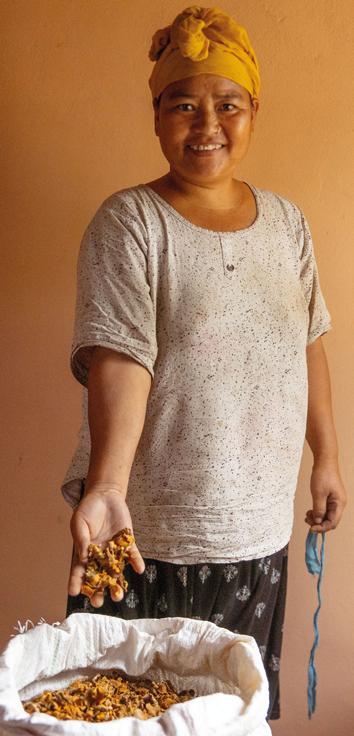
Turmeric is a plant native to southern Nepal. At the initiative of the Better Future Council, local residents formed a cooperative to grow and market it, thereby diversifying the income sources for an entire village.
The villagers produce and process their own turmeric crops. They have established a chain, from purchasing to sales, including processing and packaging. Karuna-Shechen has supported this initiative by providing training and technical assistance. The group has now gained the confidence and skills to take things further, generating income while strengthening social ties and their self-reliance.
Farmers who had previously received turmeric rhizomes were provided with knowledge on turmeric’s value chain. The profit has been reinvested to sustain the group. This experience not only created economic opportunities but also strengthened the local team’s confidence, technical skills, and ability to manage local resources effectively.
JITMAN
VICE-PRESIDENT THE BETTER FUTURE COUNCIL OF BIJAYANAGAR
involved in the agricultural cooperative
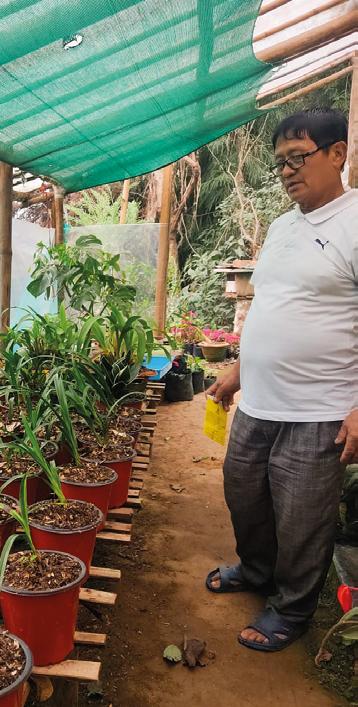
To promote diversification of income sources, we support the development of the horticultural sector, a traditional pillar of Darjeeling’s economy that has been weakened by climate change.
This program supports communities by providing technical training specific to the cultivation of orchids and orange trees. We supply the seeds and equipment needed to start the farms. By mastering cultivation techniques and sustainable pest management, farmers develop a viable commercial enterprise that protects biodiversity.
Our agricultural lands have experienced a prolonged drought that has gradually decreased their fertility. We have sown vegetables, flowers, and fruit-bearing trees distributed by KarunaShechen: orange, lemon, guava, and banana plants. The training has helped us achieve a higher harvest than before. We wish this harmony to go on in our family and our village for generations to come.
KAMALFUL, BIJENDRA AND STEPHEN A FAMILY OF HORTICULTURISTS, DARJEELING 357 women and men financially supported
The effects of climate change are already evident in our regions of intervention.
Severe droughts and torrential rains follow one another, intensifying each year and having a great impact on the most vulnerable populations, who have no means of adapting.
Each year, droughts reduce water reserves a little more, reducing agricultural yields throughout the year. The heavy monsoon rains that follow, combined with increasing deforestation and urbanization, cause landslides. Heat waves, highly polluted air and heavy plastic pollution negatively impact nature, animals and human beings and increase suffering. Our programs help communities adapt and provide solutions that respect the environment and all living beings, at the family or village level. We also provide emergency assistance when the regions where we operate are struck by natural disasters.
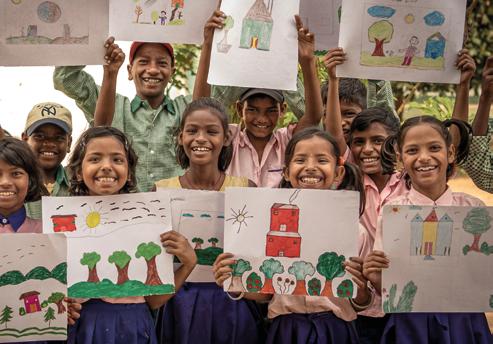
Adaptation and cooperation are at the heart of our program strategies. By involving the beneficiary populations throughout the entire process of building the projects, we promote empowerment and responsibility. We are committed to involving the younger generations, raising their awareness and helping them become responsible citizens. This essential approach aims to train and encourage tomorrow’s leaders to strive for a future in which nature and daily life coexist in harmony.
OUR PROGRAMS
Responsible practices
Raising awareness and taking action
Tree planting
Fighting global warming and preserving biodiversity
12,078
people made aware of eco-responsible attitudes
9,267 trees planted
7
eco-friendly vegetable gardens created in schools and tended by students
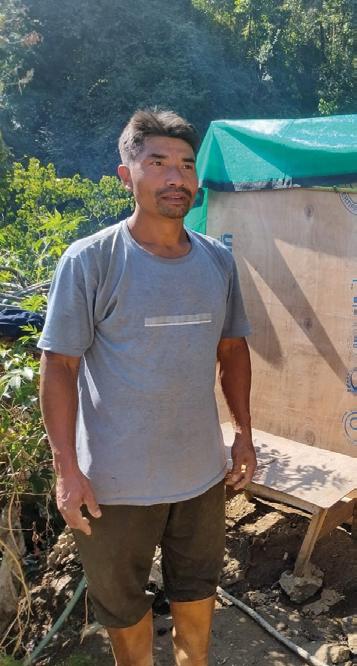
During the rainy season, landslides are becoming an increasingly common natural disaster, causing significant property damage and disrupting access to mountainous areas.
Karuna’s teams implement projects that strengthen communities’ resilience and provide first aid training in high-risk areas. But when disasters strike, it is essential to take action to help the inhabitants. In response to a major landslide in Darjeeling in October 2025, affected people received temporary shelters and emergency supply kits.
I am a landslide-affected person. During this difficult time, I received plywood, agro net, and a sanitation kit. I am deeply grateful to Karuna-Shechen for providing timely support after the disaster. With this assistance, I was able to construct a temporary shelter for my family.
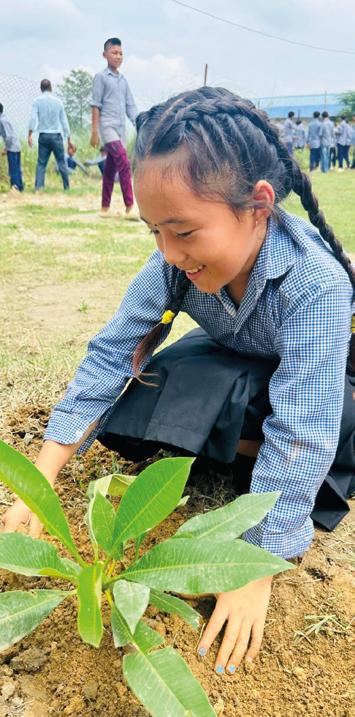
Through environmental awareness programs, students in the Child Club learn about the importance of nature conservation and the steps they can take at their level to make a difference.
Beyond theoretical learning, the children are putting practical skills into action: sorting waste, conserving water, and planting trees. This commitment extends beyond the classroom, as it gives new meaning to their everyday life and transforms their awareness into a genuinely, important movement. By joining forces, the children demonstrate that education for sustainable development is a powerful tool for building the future.
I am very happy that our school received support for waste management and tree plantation. It became greener, cleaner, and more attractive. As child club members, we feel responsible for caring for the plants, managing waste properly, and protecting our school environment. It is very important for our future.
NAMUNA
12 YEARS OLD, TREASURER OF THE CHILD CLUB FROM TARA MIDDLE SCHOOL, BIJAYANAGAR
978 children involved

Since the beginning of Karuna-Shechen, we have been assisting the nomadic populations and the most destitute villagers in Eastern Tibet.
The general situation in Tibet still presents many challenges for humanitarian organizations, especially for local teams. For this reason, we are voluntarily limiting our report on this region.
Selfless mutual aid strengthens trust and respect between members of a community, and although it is clearly directed towards others, it is also the best way to give meaning to our own precious existence. Far more than an abstract value, it is a deliberate choice, a universal language that takes into account the interdependence that fundamentally links all beings to each other and to the world in which they live.
MATTHIEU RICARD
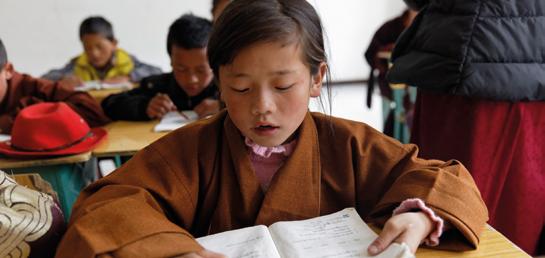
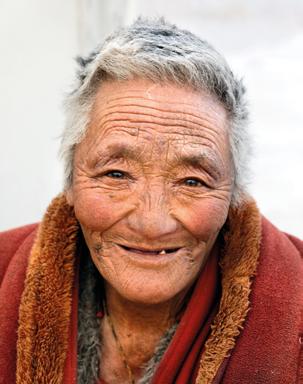
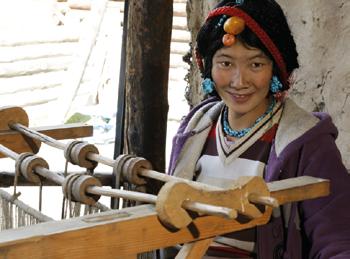


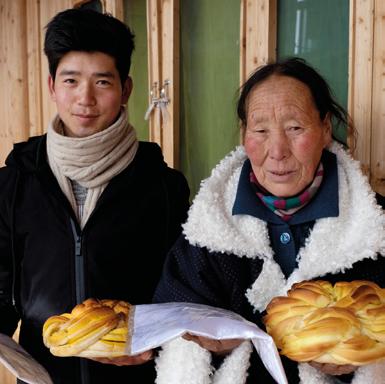
Founded by Nepalese ophthalmologist Dr. Sanduk Ruit in 2021, the Ruit Foundation’s mission is to restore sight to people suffering from blindness or visual impairment caused by cataracts. Through his innovation and dedication it is possible to perform surgeries in remote areas.
For the 2024-2026 period, Karuna-Shechen has contributed financially and physically to the Ruit Foundation as they set up mobile eye clinics in rural areas of Nepal, India, and Bhutan. We collaborate with regional hospitals to organize screening campaigns after which Dr. Ruit’s team provides the medical examinations, local anesthesia, surgery, and post-operative care. Funded by Karuna-Shechen, these operations are free of charge for the communities.
In 2025, 4,153 people had cataract surgery.
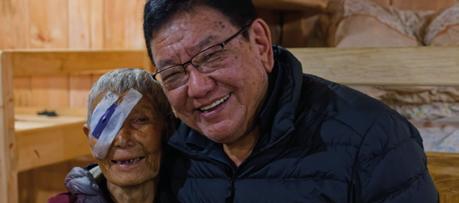
For three years, I struggled with daily household chores such as preparing meals, fetching water, and chopping vegetables. I found it difficult to recognise people around me. I underwent surgery on my right eye: the following day, when my eye patch was removed, I was overjoyed to see clearly from one eye once again.
BASMATI (ON THE RIGHT), WOMAN WHO UNDERWENT CATARACT SURGERY, TOGETHER WITH DR RUIT (ON THE LEFT)
Incubated within Karuna-Shechen since 2021, Résilience - Alliance Altruiste is an emotional intelligence program based on mindfulness and sharing circles, designed to help healthcare and social services professionals find a balance between caring for themselves and caring for others.
In 2025, building on the experience gained over the past few years, Résilience revised its educational content to meet the specific needs of the organizations where it operates. The 11 instructors received in-depth training in facilitation.
The year 2025 also marked the preparation for Résilience’s transition to autonomy, as it will become a fully-fledged association by 2027.
In 2025, 406 professionals received support across 24 organizations.
Himalayan Environment and Life Protection (H.E.L.P.) is an organization founded by Yongey Mingyur Rinpoche. Its goal is to empower communities to become resilient in the face of climate challenges and preserve the Himalayan ecosystem.
The climate resilience projects supported in 2025 combine permaculture training, the cultivation of medicinal plants, and yak cheese production. These traditional activities are being revived to generate income both from the local market and from exports. To preserve the forests, electric ovens are being distributed to limit timber consumption. At the same time, the creation of tree nurseries will continue in the coming years through the efforts of our sustainable community reforestation program.
In 2025, 230 families participated in permaculture and entrepreneurship.
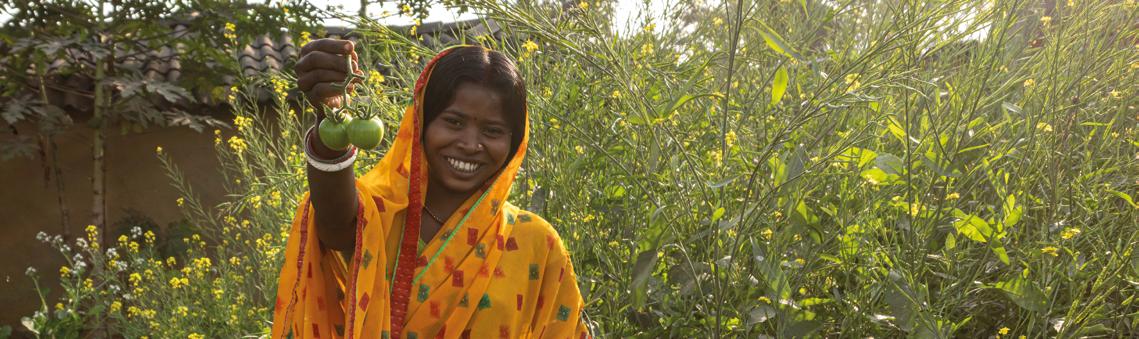
Our 25th anniversary has been a wonderful opportunity to remind ourselves that Karuna-Shechen thrives thanks to the people who make it happen.
Thank you for your presence, your friendship, and your generosity.
US$ 50,000 AND MORE
Anonymous
American Himalayan Foundation (USA)
Apollo Investment Management Ltd
BEEE Fund hosted by Swiss Philanthropy Foundation (Switzerland)
Marianne Chappuis (Switzerland)
Hershey Family Foundation (USA)
Huang Chen Mei Yu (Taiwan)
Fondation Inspir’ (Switzerland)
Fonds Nouveau Monde (France)
Jacques and Madeleine Maire (Switzerland)
Palais Des Thés (France)
Jude and Pierre Petroff (USA)
Tellus Viva Foundation (Switzerland)
US$ 20,000 TO US$ 49,999
Anonymous
8BP Fund hosted by Swiss Philanthropy Foundation (Switzerland)
Azure Wealth Switzerland SA (Switzerland)
François Xavier and Natasha De Mallmann (United Kingdom)
Fondation Emergences (Belgium)
Gaëtan and Viviane Flipo (France)
George Family Foundation (USA)
Indosuez Foundation (Switzerland)
Thérèse and Daniel Janssen (Belgium)
Jonala Stiftung UG (Germany)
Association SER - Santé Éducation Recherche (Switzerland)
Wolfgang Wellige (Germany)
US$ 4,000 TO US$ 19,999
Anonymous
Agro Sourcing Foundation (France)
Allary Editions (France)
Anne Bacus (France)
Aliette and Jérôme Balladur - Ayovie (Austria)
Millie, Georgie and Gordon Barker (United Kingdom)
Marie Baudron (France)
Agnès and Vincent Bayot-Bonnard (France)
Suzanne Boyer (Canada)
Robert Brundage (USA)
Bruno Corre (France)
Marie-Christine Couderc (France)
Crossknowledge (France)
Véronique Dormagen (France)
Thomas and Mirjam Gerber Neidhart (Switzerland)
Société Centrale Jemmapes (France)
Anne Juri (Switzerland)
Christine Laffely (Switzerland)
Michael & Alexandra Palko Foundation (USA)
Pascale Porte (France)
Reshma Jasjit Rekhi (USA)
Eric Ripert (USA)
To everyone who keeps KarunaShechen alive and who helps advance its mission, we would like to express our deepest gratitude. Volunteers, donors, bequestors, people we support, team members… Together, we form a wonderful chain of solidarity in the service of altruism.
LALIVE D’EPINAY AND ÉLOÏSE RICHARDOT OF THE
We would like to express our special gratitude to our friends for their ongoing support: Guillaume Allary, Laurence d’Aboville and Allary editions, Alba Audit, Jérôme-Cécil Auffret, Ambre Auffret de Wang, Gaspard Frydman, and Pierre-Alexandre Paul, David Baverez, Johannes Benz, Carla Effroy of CréaContacts, Caroline Lesire, Ilios Kotsou and Emergences, Malika Josse and the teams of théâtre Femina, Fidurev, Pierre-François Garcier, the teams of the Grand Rex, Sylvie Hazebroucq, Amina Laidi, Éditions La Martinière, the team of Loyco, Messales & Associés, Soizic Michelot, Mollat bookshop, François-Xavier Delmas, Mathias Minet, Frédéric Dieudonné and the whole team of Palais des Thés, Fanchon Lavigne and Photoby, Delphine Oltramare, Pascal Pierrey, Myriam Magnon and Rencontres Perspectives, Xavier Sauvage, Wolf Singer, la Société de Lecture, Marlene Wahlen.
We would like to extend our heartfelt thanks to Barend van der Vorm for his dedication, his sound advice, and his friendship. We have been delighted and honored to have him serve on our Board of Directors all these years, and we are pleased that he is now continuing his involvement as a member of the General Assembly.
Thank you to Mélody Naveau, Anouk Laurent, and Millie Barker for their enthusiastic dedication.
Finally, a big thank you to all the volunteers who have given their time and dedication, especially Héloïse Asselin, Fleur Bennis, Cécile Bigeon, Patricia Christin, Morgane Effroy, Jérémy Frère, Carole Gallo, Élodie Palos, Sophie Picardat-Poupardin, Mathilde Pousset, Virginie Thomas, Sally Warren, and Wendy Wornham.
Fonds De Dotation Philippe Romero Insolite
Bâtisseur Foundation (France)
Jonathan and Diana Rose (USA)
Hubert and Anne Sagnieres (France)
Tanya Schubert (USA)
Antonio Visus (France)
The Résilience team warmly thank the Luxembourg Red Cross, the Community of Saint-Quentin-en-Yvelines, and UNESCO, organizations that have integrated new services into the program. Thank you to our new partners: APHP La Pitié-Salpêtrière, Aurore, the Bergerac Hospital Center, Codes83, the St. Fargeau Nursing Home, France Terre d’Asile, the SOS Group, and Samu Social.
A huge thank you to Fonds Nouveau Monde for their financial support and renewed trust.
THANK YOU TO THE ORGANIZATIONS THAT STAND WITH US
Things happen naturally, the teams get along well, we all feel like we’re making a difference, and we need to encourage that. For the teams, it’s a powerful experience. It’s important for the company to act in a socially responsible way as well.

FRANÇOIS-XAVIER DELMAS FOUNDER OF PALAIS DES THÉS, PARTNER COMPANY SINCE 2015
120 organizations, companies and foundations working alongside us
THANK YOU TO ALL THOSE WHO GIVE THEIR TIME AND ENERGY
Karuna isn’t like other organizations. There’s a real sense of belonging to a family. We give our time and energy, and we receive so much in return—it’s a true exchange. I feel like I’m doing something meaningful by indirectly helping to improve the lives of those we serve, and that fills me with joy.

PATRICIA CHRISTIN VOLUNTEER SINCE 2004
43 volunteers help expand our missions
25 YEARS 25 FACES
1,000 THANKS
THANK YOU TO ALL THE TESTATORS FOR THEIR TRUST AND GENEROSITY
I feel so privileged. I’ve found this home, this paradise. It’s such a blessing, such a joy, that if I can share it, I’m happy to do so. And besides, it helps me see that this is just a phase. I feel more and more like I’m part of the Karuna family. I feel at peace.

ANNE J. TESTATOR
Karuna-Shechen is authorized to receive bequests that are exempt from estate taxes, in accordance with the laws of your country: France, Switzerland, Belgium, the United States. We are here to assist you, in complete confidentiality and with care, to answer your questions or support you through the process, with no obligation on your part.
6 people have made a bequest to Karuna
Heartfelt thoughts for the benefactors, colleagues, and friends who have passed away.
Alice B.
Karin B.
Pallavi B.
Véronique B.
Simone D.
Marie-Madeleine J.
Jude P.
Gérard T.
Nicole T.
In 2025, almost 5,400 individuals and 120 organizations from 56 countries made donations. Their generosity provides us with the resources needed to carry out our programs.
In 2025, Karuna-Shechen confirmed the continued growth of its programs, with expenditures reaching US $ 3.1 million (compared to US $ 2.5M in 2018). This growth reflects the expansion of our work with vulnerable populations, particularly in Nepal and India, and our newly launched initiatives in Bhutan.
The year was also marked by exceptional fundraising, driven by the association’s 25th anniversary, Matthieu Ricard’s visit to Europe, and a significant donation of US $ 1.1M received in Switzerland. Operating revenue thus totaled US $ 5.5M (compared to US $ 3.0M in 2024). Bequests are now included in this figure, in accordance with accounting changes, making our resources easier to understand.
The figures presented here compile aggregated data from several independent Karuna-Shechen entities (France, Switzerland, the United States, Hong Kong) as well as from its partners in the field. The financial statements of the association in France, the Endowment Fund, as well as the entities in Switzerland and the United States, the SRPC Trust in India, and Shechen Karuna in Nepal, are audited annually by external auditors and receive an unqualified opinion. Minor discrepancies may arise due to differences in fiscal year-end dates among entities.
The surplus of US $ 1.3M reflects the gap between exceptional fundraising levels in 2025 and the pace of implementation of our programs, which follow multi-year cycles (needs assessment, co-design, implementation).
This surplus will help fund future initiatives and offset a projected deficit of approximately US $ 2.0M for 2026–2027, given the partly variable nature of our resources.
Finally, headquarters expenses continue to grow at a controlled rate (+4% annually since 2018), in line with the expansion of our operations and the restructuring of the organization.

ÉLODIE JALICOUX INTERNATIONAL GENERAL SECRETARY
Our actions are based on effective altruism through rational design, rigorous measurement and evaluation of our impact and efficient use of resources. For more information, the financial report is available via the QR code below.
SOURCES US $ 5,5M
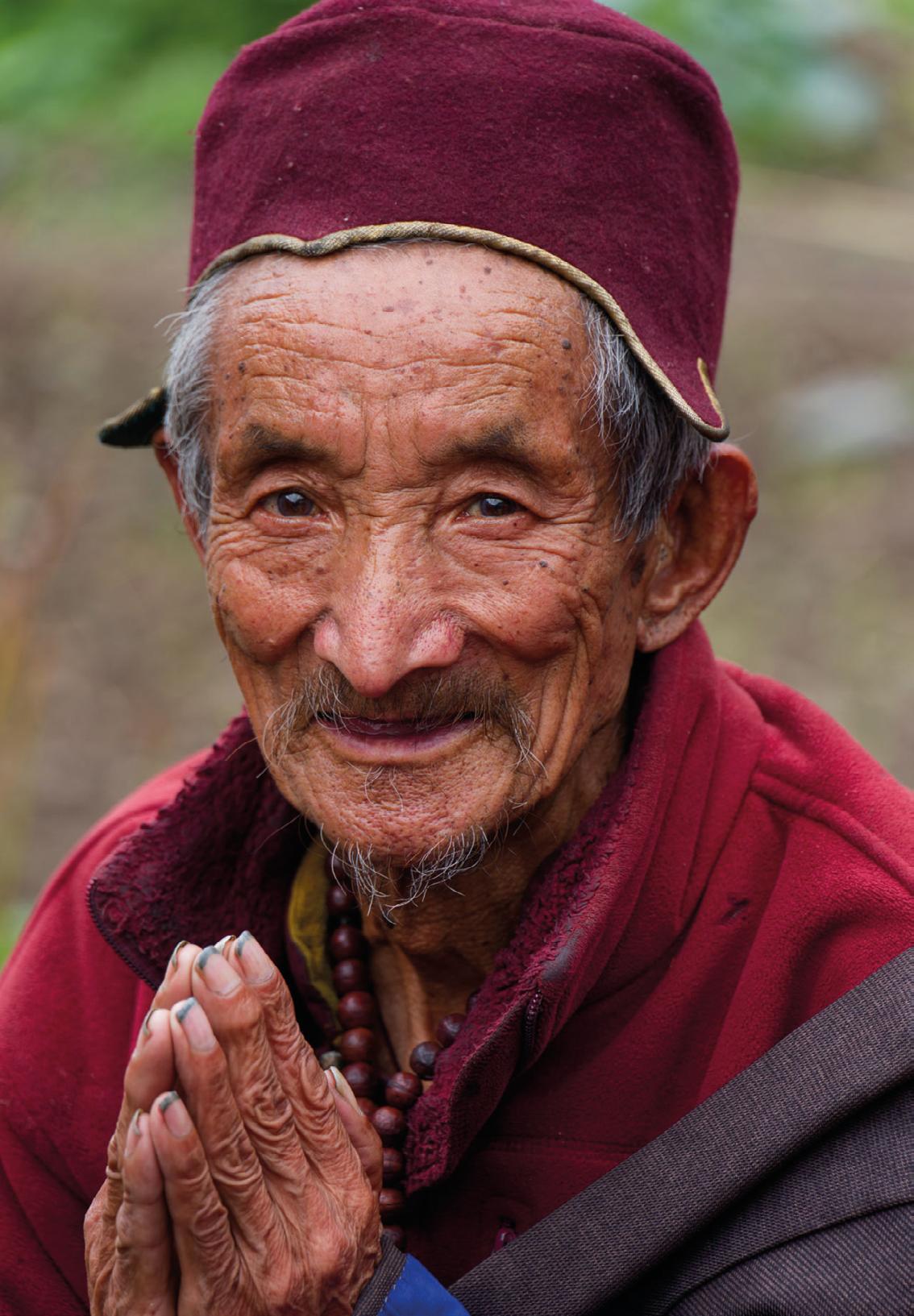
Making solidarity the norm, not the exception, means considering that every altruistic gesture contributes to building a fairer, more harmonious world, whether it’s sharing resources or reaching out to those in need.
MATTHIEU RICARD
CONTACT
DONATION@KARUNA-SHECHEN.ORG
COPYRIGHT PHOTOS
MATTHIEU RICARD, ANIRBAN RANJIT, HÉLOISE ASSELIN, OLIVIER ADAM, KARUNA-SHECHEN
COVER PHOTO CAPTION
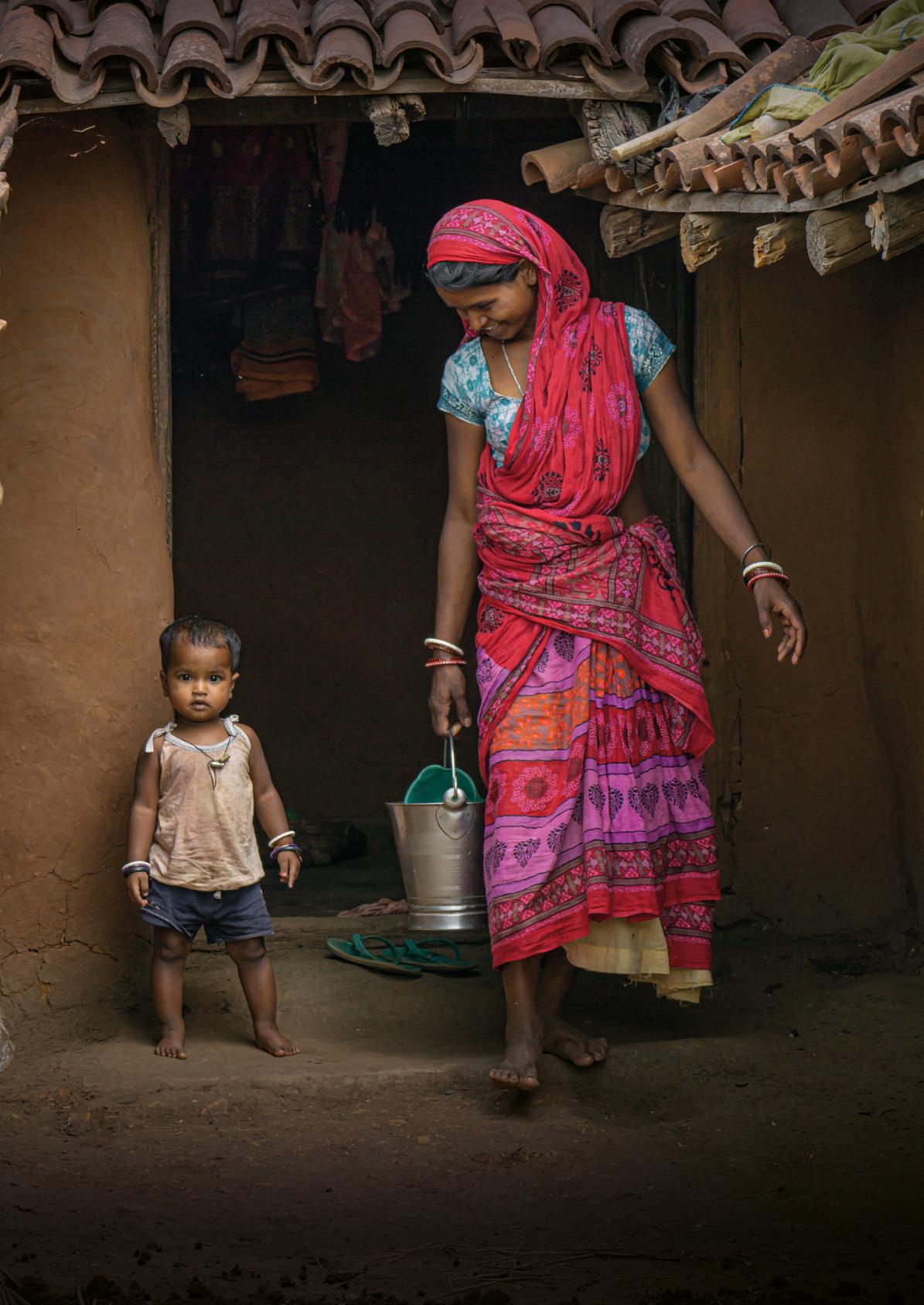
ACCOMPANIED FAMILY IN JHARKHAND, INDIA
GRAPHIC DESIGN
&ESPERLUETTE (FLEUR BENNIS-GIMOND GRAPHISME)
EDITING
ADELINE SFILIGOJ, MARINE LE CLEZIO, ÉLOÏSE RICHARDOT, SÉBASTIEN PAIS DE FIGUEIREDO
PRINTING
JF IMPRESSIONS PRINTING COMPANY, IMPRIM’VERT LABEL, ON PEFC SEMI-MAT COATED PAPER, FROM SUSTAINABLY MANAGED FORESTS
ROUTING
CRÉACONTACTS