
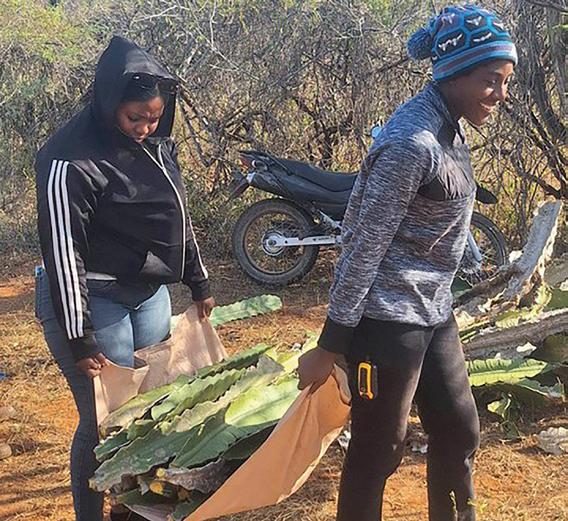
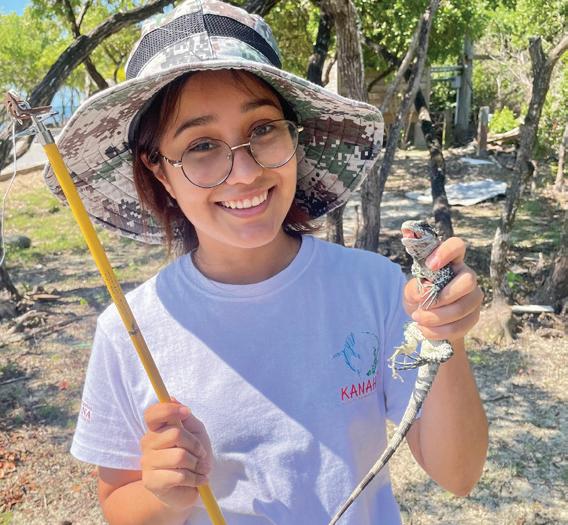
Our mission is to conserve and restore iguanas and their habitats through strategic partnerships, science-based action, and community empowerment.
As the world’s only organization solely dedicated to iguana conservation, we strive to conserve iguana populations by focusing on three impact areas.
1) Empowering Action
Our long-standing grants program equips our partners with the tools and resources they need to lead sustainable, science-based conservation initiatives. These on the ground efforts are reducing threats to iguanas and their habitats and restoring healthy populations in the wild.
2) Strengthening Networks
We are helping build a vibrant, collaborative community of dedicated experts. By sharing knowledge, fostering mentorship, and coordinating efforts, our strategic partnerships maximize the effectiveness of conservation at local, regional, and national levels.
3) Inspiring Stewardship
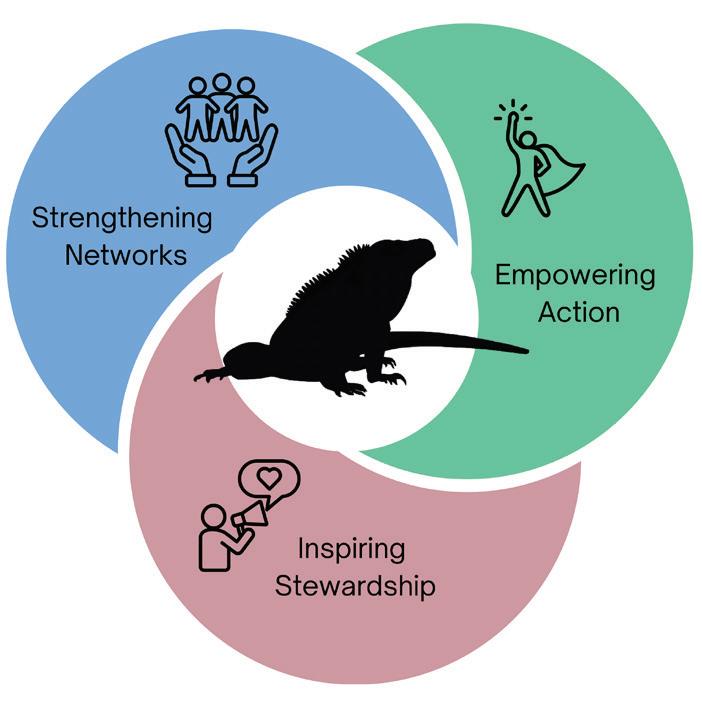
Through outreach, education, and advocacy, we raise awareness of the urgent challenges iguanas face and inspire people to care about their future. Together, we are safeguarding iguanas from extinction, nurturing local pride, and motivating communities to become champions for conservation.
Reflecting on last year, we are deeply inspired by what can be achieved when passionate people unite around a shared purpose. Across islands, forests, and coastal habitats around the world, our partners and supporters are helping secure a future for the world’s most endangered iguanas and the habitats in which they thrive.
In 2025, we continued to advance conservation through strategic grants, scientific collaboration, and community engagement. From restoring habitat for Fijian Crested Iguanas, to supporting nesting success for Ricord’s and Hispaniolan Rhinoceros Iguanas in the Dominican Republic, to expanding recovery efforts for the Jamaican Rock Iguana, the impacts of these efforts are tangible and encouraging. Following the devastating impacts of Hurricane Melissa, we were proud to launch a Natural Disaster Recovery and Resilience Campaign, helping equip our conservation partners with resources needed to strengthen preparedness for future climate-related threats.
The year also brought moments of profound loss for the iguana conservation community. We honor the memories of Jill Jollay and Dr. Arthur “Sandy” Echternacht, whose passion, generosity, and lifelong dedication left a lasting mark on IIF and inspired countless colleagues, students, and friends around the world. They both will be missed dearly.
In 2026, we continue pushing forward with our three pillars of success: strengthening networks, empowering action, and inspiring stewardship. None of this work would be possible without our donors, partners, and the local communities striving to make a difference. Thank you for standing with us in protecting iguana species and the ecosystems they call home.
$34,265
GRANT FUNDS AWARDED this year, bringing IIF funding for iguana conservation to a total of $1,253,204 to date
250
RICORD'S ROCK IGUANA NESTS located in the Pedernales region of Dominican Republic, with a 92% hatching success rate
4
NEST BOXES BUILT AND INSTALLED in Guatemala to provide protected areas for Motagua Spiny-tailed Iguanas to nest; all were used
25,945 total followers
8,522 total followers
93
ADULT JAMAICAN ROCK IGUANAS RELEASED TO THE WILD and 118 hatchlings brought to the headstart facility at the Hope Zoo
449
TREE SEEDLINGS PLANTED in Fiji to restore habitat and food sources for the Fijian Crested Iguana
122
POPULATION SURVEYS conducted across eight study sites in Útila, documenting 521 iguana observations
Photo by Robin Moore
By Stesha Pasachnik, PhD, International Iguana Foundation and Fort Worth Zoo, Texas, USA
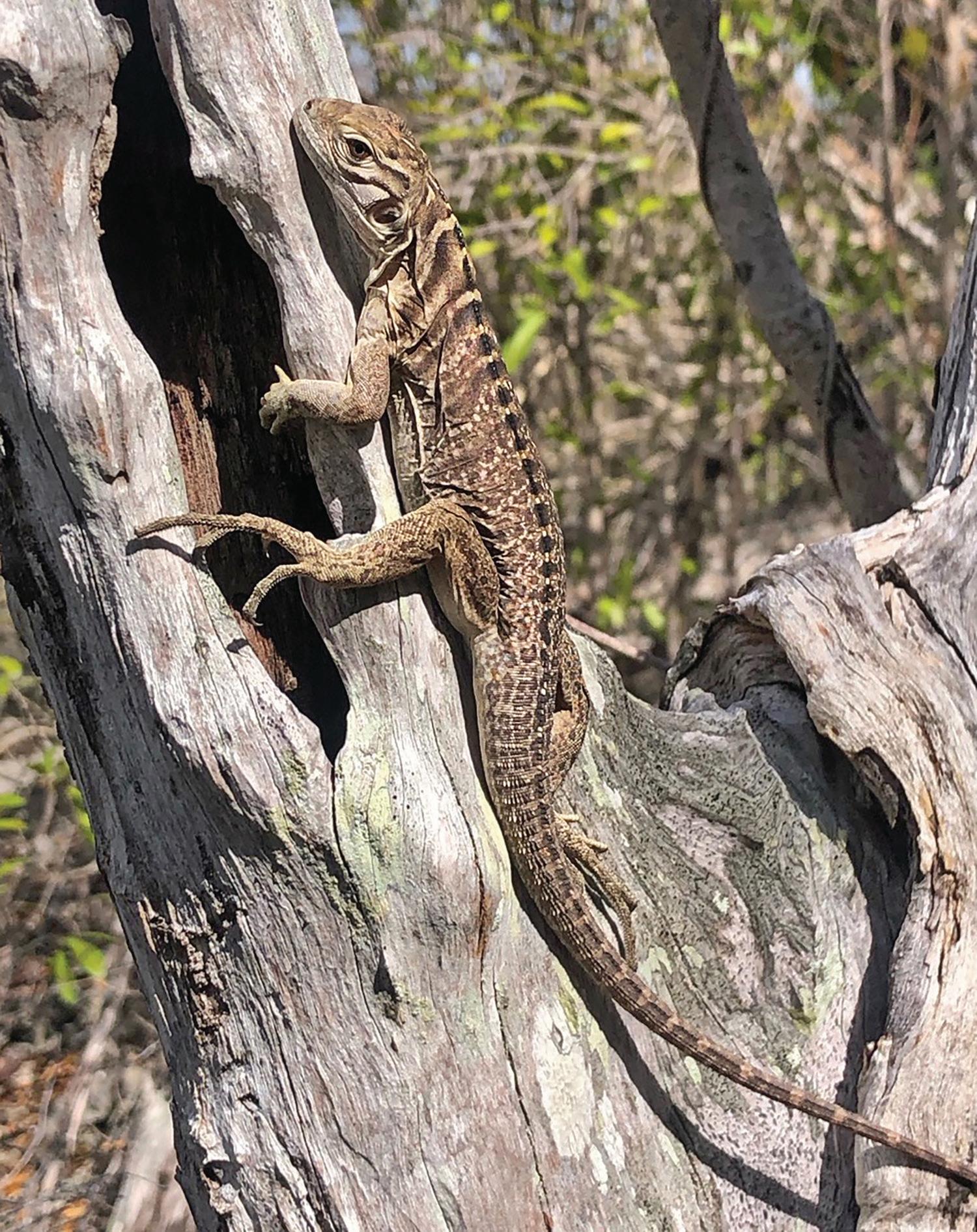
The rediscovery and recovery of the Jamaican Rock Iguana (Cyclura collei) is a world-renowned conservation success story, rooted deeply in the collaborative efforts of local and international organizations, working together to bring this species back from extinction. These lizards were thought to be extinct by the 1940s when the last individuals were brought into captivity in a failed attempt to save the species. Fifty years later a relictual population was rediscovered in the Hellshire Hills of Jamaica, an ancient dry forest ecosystem. Early surveys found only a few old adult iguanas remained, due to intensive predation by cats and mongoose. Conservation biologists and practitioners from Jamaica and the international community gathered to outline the way forward in
saving this species. The plan included strategies for a captive headstarting program as well as in-depth field monitoring to protect and reduce the major threats to the species: invasive predators. 2025 was another remarkable year of perseverance for the Jamaican Iguana Recovery Program. Jamaica suffered a serve drought, as well as the impact of Hurricane Melissa in October 2025. The drought resulted in nearly 200 fewer hatchlings emerging in the wild. For the last several years, the program has targeted bringing in 150 hatchlings to the headstart program. Despite the reduced total of hatchlings in the wild, the program was still able to bring 118 of the hatchlings to the headstart facility,
including the smallest hatchling ever recorded at nine grams—and he continues to thrive at the facility thanks to the amazing staff at the Hope Zoo! The headstart program serves to allow hatchlings to grow in safety until they are large enough to deter invasive predators and can be reintroduced into the wild. The arrival and impact of Hurricane Melissa
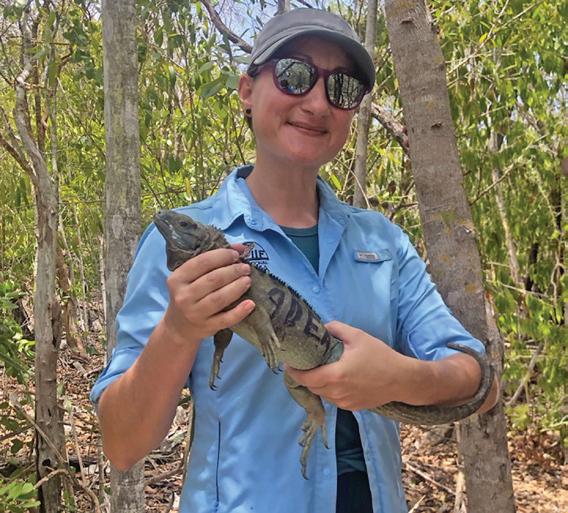
caused disruptions to everything in Jamaica, including the planned reintroduction of some iguanas at the end of the year. But Jamaica is strong and resilient, as is this program, and 93 adults were
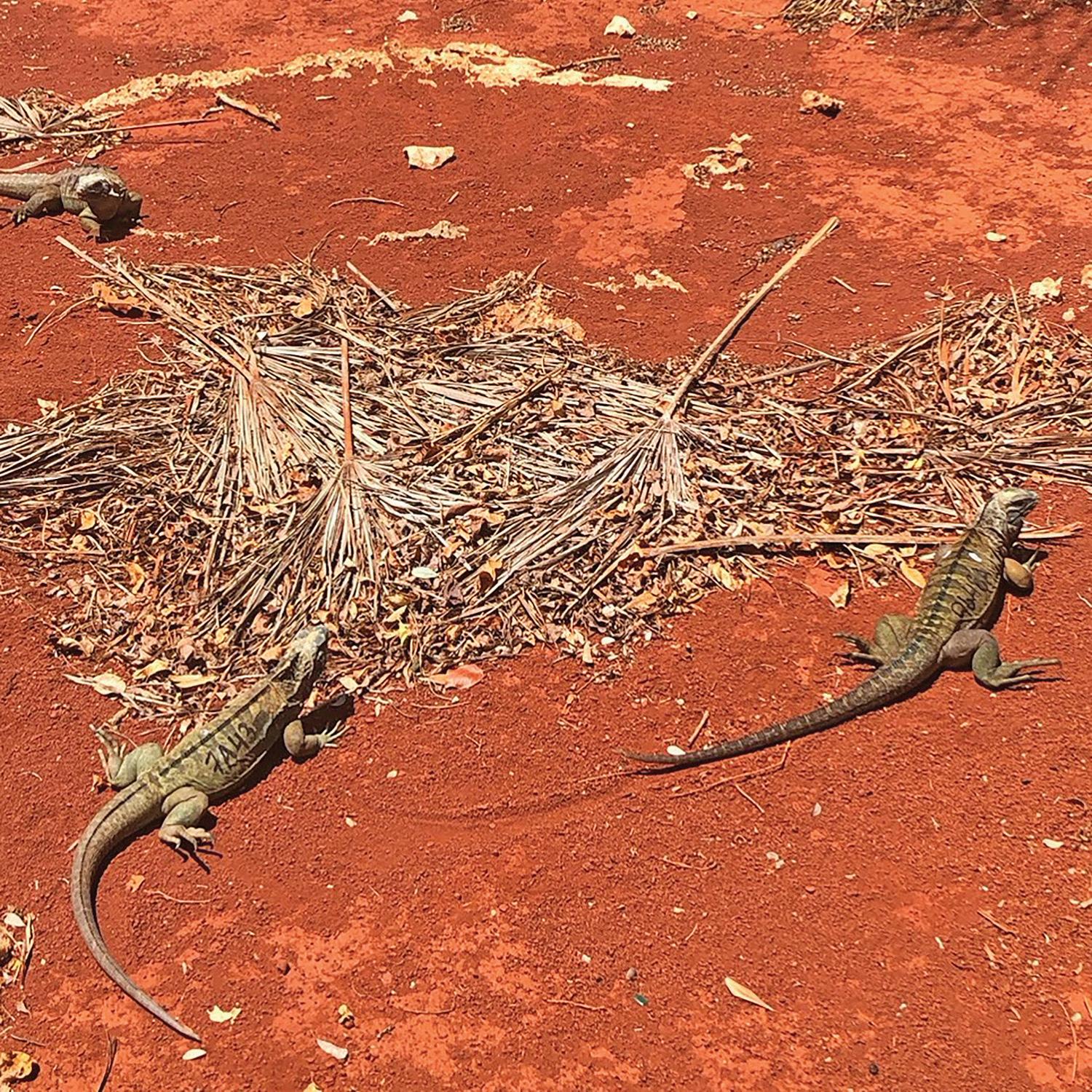
still able to be reintroduced back to the wild. This brings the total number of individuals reintroduced to just under 900 since the beginning of the program, setting the stage to release the 1,000th individual in 2026.
We also continued important research in the Hellshire Hills that will shed light on the impact of
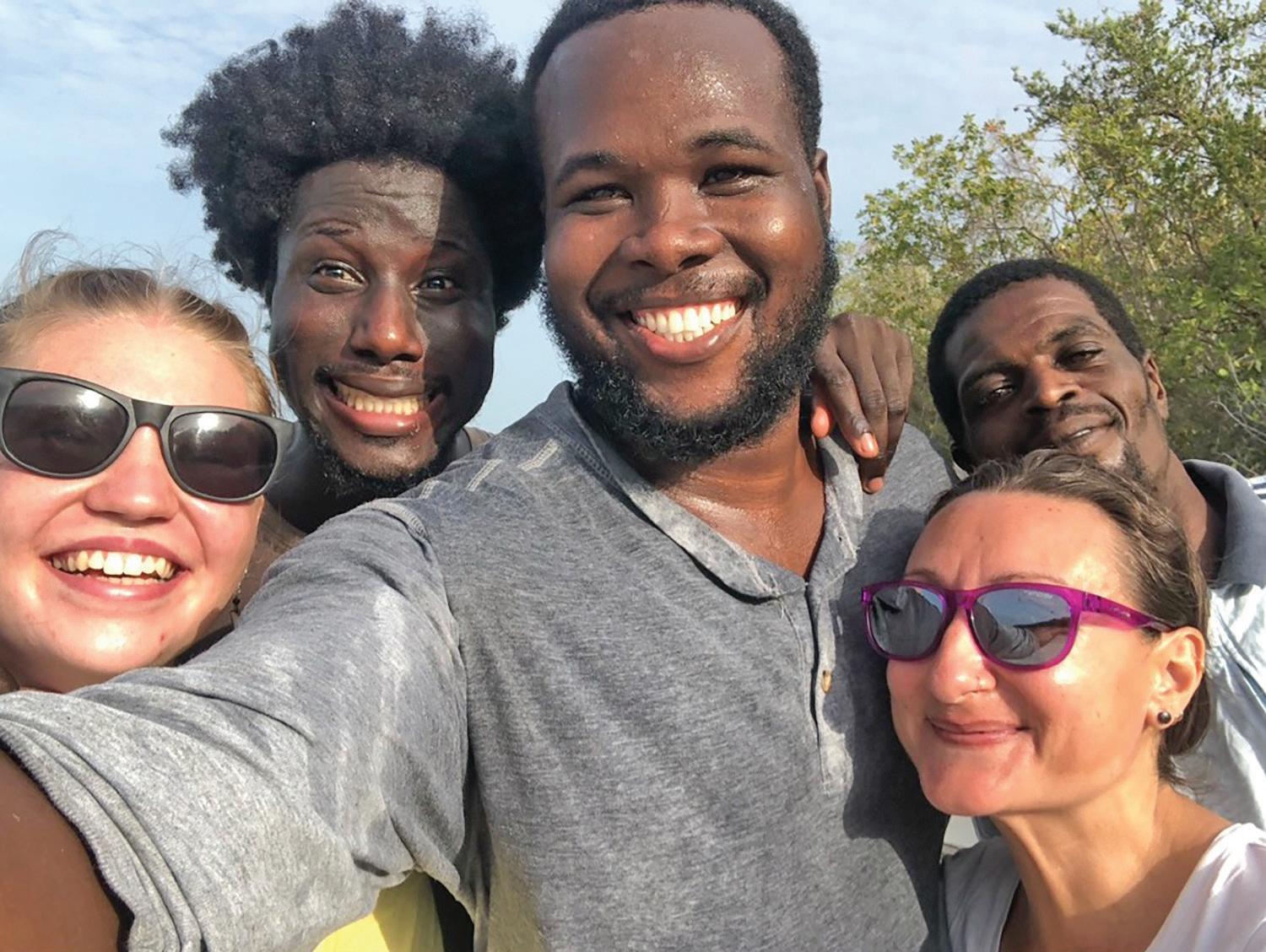
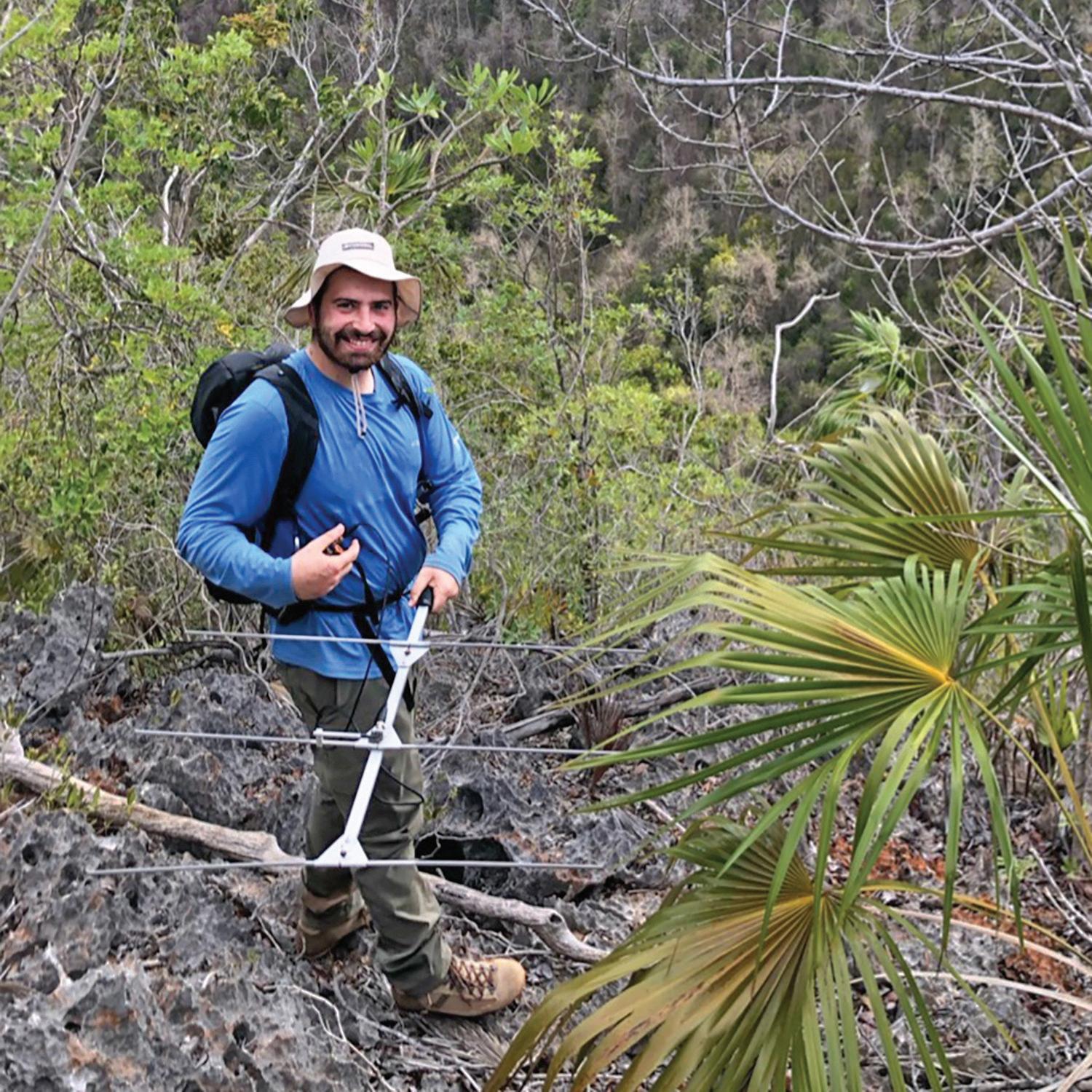
improved invasive predator control efforts. These studies focus on: 1) radio-tracking hatchling iguanas, a study that began in 2023, and 2) using monitoring stations to assess native and invasive species across the landscape, a project beginning in 2021. In 2025, IIF student intern Filippo Bruno and our four dedicated field technicians from the National Environment and Planning Agency tracked an additional 30 hatchlings to assess survival and habitat use. This work highlighted the impact of the drought on hatchling dispersal, but continued to demonstrate improved survival, despite reduced hatchling size.
IIF student intern Martha Stone-Shepherd oversaw the monitoring in collaboration with the field technicians. This work is highlighting how native and invasive species are using the landscape.
We also worked hard to improve the conditions at base camp for the field technicians and researchers, by adding new sleeping platforms for tents, and constructing a second rainwater collection roof and system. This is no easy task in such a remote area. All the materials had to be brought in by helicopter, with the help of the Jamaican Defense Force, Air Wing, or by boat and then on foot. These improvements greatly benefit the program and help prevent water having to be carried in for the permanent staff.
In addition to captive and field-based initiatives, we continued outreach activities in partnership with the Jamaica Environment Trust, Hope Zoo, and National Environment and Planning Agency of Jamaica. We conducted another workshop for youth, in which students from across Jamaica travel to the Hope Zoo to learn about the Jamaican Rock Iguana and get to see them up close. We also continued our work in the communities surrounding the iguanas' range, to share information about the iguanas, general environmental awareness, and the threats of invasive species. We have another packed year of work in Jamaica for 2026, so stay tuned for updates on social media and in our newsletter.
A special thanks to the Critical Ecosystems Partnership Fund, Miami Zoo, Fort Worth Zoo, Milwaukee County Zoo, Audubon Zoo, Jacksonville Zoo, and our partners in the Jamaican Iguana Recovery Group for making this work possible.
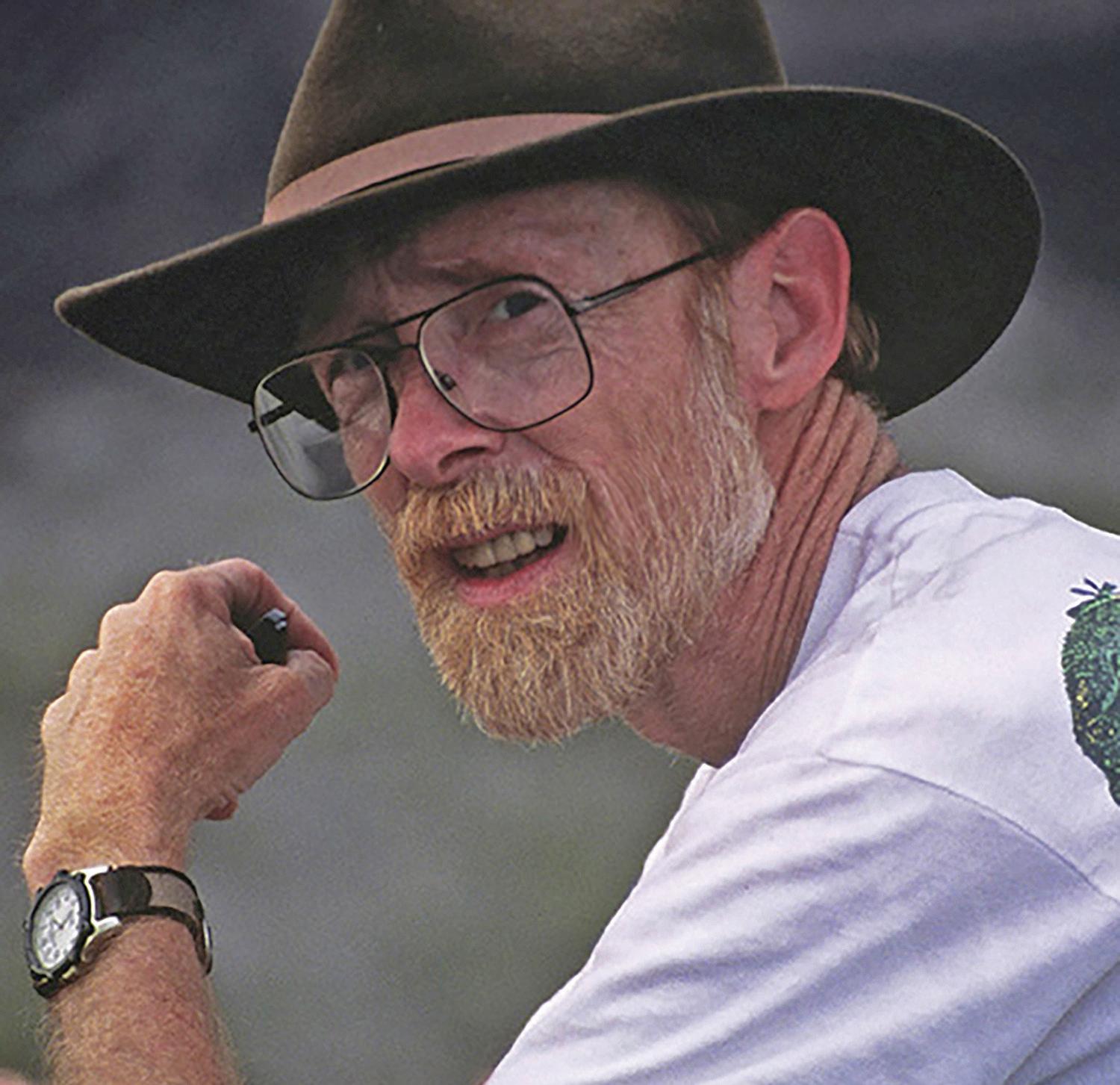
While growing up, Sandy Echternacht developed a love for all animals, and he quickly demonstrated an affinity for reptiles. Despite his mother’s distaste of lizards and snakes, he took to them readily, distinguishing himself as the family herpetologist at an early age.
This keen interest in reptiles and amphibians led him to an education that included a B.A. from the University of Iowa, an M.S. from Arizona State University, and his Ph.D. from the University of Kansas. He went on to a teaching position at Boston University and then the University of Tennessee at Knoxville, where he taught from 1975 to his retirement in 2019. During his tenure, he served as the head of the Zoology Department and led its
transition to the Ecology and Evolutionary Biology Department. Sandy’s main fields of study were Ecology, Behavioral Ecology, Biological Invasions, and Conservation Biology. During his time teaching, he said his students and his fellow faculty were a second family to him.
Sandy had his first experience with Cyclura Rock Iguanas on Grand Cayman in the late 1980s, while vacationing on Little Cayman Island. He was fascinated by the iguanas, and he made several trips there after that—including one when he suffered a compound fracture of his ankle while exploring the jagged karst interior and had to be carried out by locals. Undetered, Sandy remained active in iguana conservation efforts and participated in the International Reptile Conservation Foundation, the International Iguana Foundation, and the IUCN SSC Iguana Specialist Group.
In addition to his lifelong passion for biology, ecology, and conservation, Sandy was an avid music fan and played the drums. His love for animals extended to the dogs, cats, and birds that shared his home. His family remembers him as a caring man who lived a life putting others before himself while doing it with a sly sense of humor.
"I have known Sandy Echternacht since the 1970s. After he came to UT, we became close and served on each other’s student committees for many decades. He focused on our local Anolis, but he also got very interested in Caribbean iguanas and mentored some leading iguana researchers. He was locally known for the Herp Burps gatherings in the backyard of his home every spring and hosting herp seminars in the family room at his home. As a teacher and administrator he was superb, and shepherded us in the transition from Zoology to Ecology & Evolutionary Biology. The change brought faculty members from different disciplines and departments into one highly functioning unit, a legacy continued today. He helped many students and faculty in scholarship and navigating the UT administrative labyrinth. He will be missed and fondly remembered."
—Dr. Gordon M. Burghardt, Alumni Distinguished Service Professor (Emeritus), Departments of Psychology & Neuroscience and Ecology & Evolutionary Biology, University of Tennessee, Knoxville
Sandy’s energy in the field was infectious, and his enthusiasm for the study of natural history has rubbed off on more than one generation of scientists. His effect on students, colleagues, and the public is both lasting and profound.
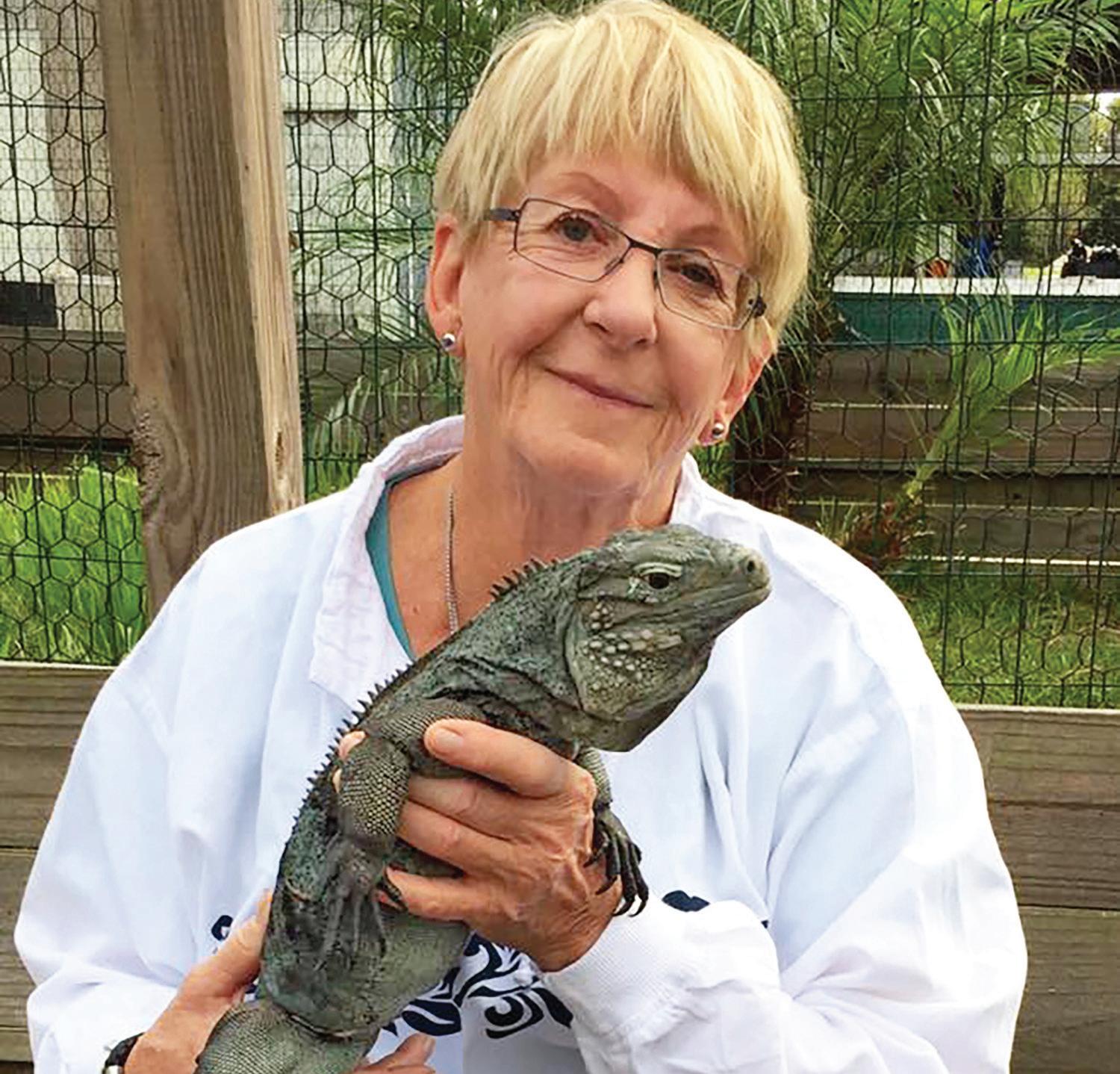
Jill Jollay was known for her love of iguanas, her commitment to their protection, and her generosity in supporting conservation programs. Beyond her work, she was a dear friend to many and a kind, funny, and thoughtful person who wanted the best for others and the animals that she loved. She leveraged her academic background—a B.A. in Political Science, a B.S. in Biology, and an M.S. in Zoology from the University of Cincinnati, along with an M.B.A. from Pan American University—to maximize her ability to positively impact the animals she cared for so deeply. She began her career working with reptiles and amphibians for the Cincinnati Zoo, before transitioning to a medical associate role at the Gladys Porter Zoo. Even after entering the business world for many years, her passion for iguanas never waned. Scaly creatures were always a part of her home, along with a few feathered companions, mostly cockatoos and parakeets. Jill gave any creature she cared for the best life possible and always treated them like family.
For many years, Jill was actively involved in researching iguanas on various islands, including Andros Island in The Bahamas and the Cayman Islands. Passionate about protecting iguanas and promoting conservation efforts globally, Jill became a member of the IUCN SSC Iguana Specialist Group, contributing her expertise to conservation efforts on multiple islands. She then joined the IIF's Board of Directors, becoming a vital part of the organization as a strategic thinker and a catalyst for fundraising.
In addition to her fondess for iguanas, Jill also had a love for fast cars and enjoyed club racing, with BMW as her preferred make on the racing circuit. Other joys included Halloween mischief, warm sunshine, sprinkle-loaded donuts, puzzles, and making stained glass art.
Jill was truly an extraordinary person, a beautiful soul full of wisdom, generosity, and kindness. She will be very much missed. But her legacy goes on, in the conservation achievements she helped implement, the iguana species she championed, and the many people she befriended and inspired around the world.
“I was fortunate to meet Jill in 2005, when she volunteered for a Shedd Aquarium rock iguana research expedition to Andros Island in The Bahamas. She quickly put any doubt to rest about her ability to handle massive iguanas with her calm, confident, and experienced approach. It wasn’t long before she transitioned from volunteer to valued and indispensable team member. Jill was a truly special person with a kind heart for all—especially the neglected. We need more Jills in the world.”
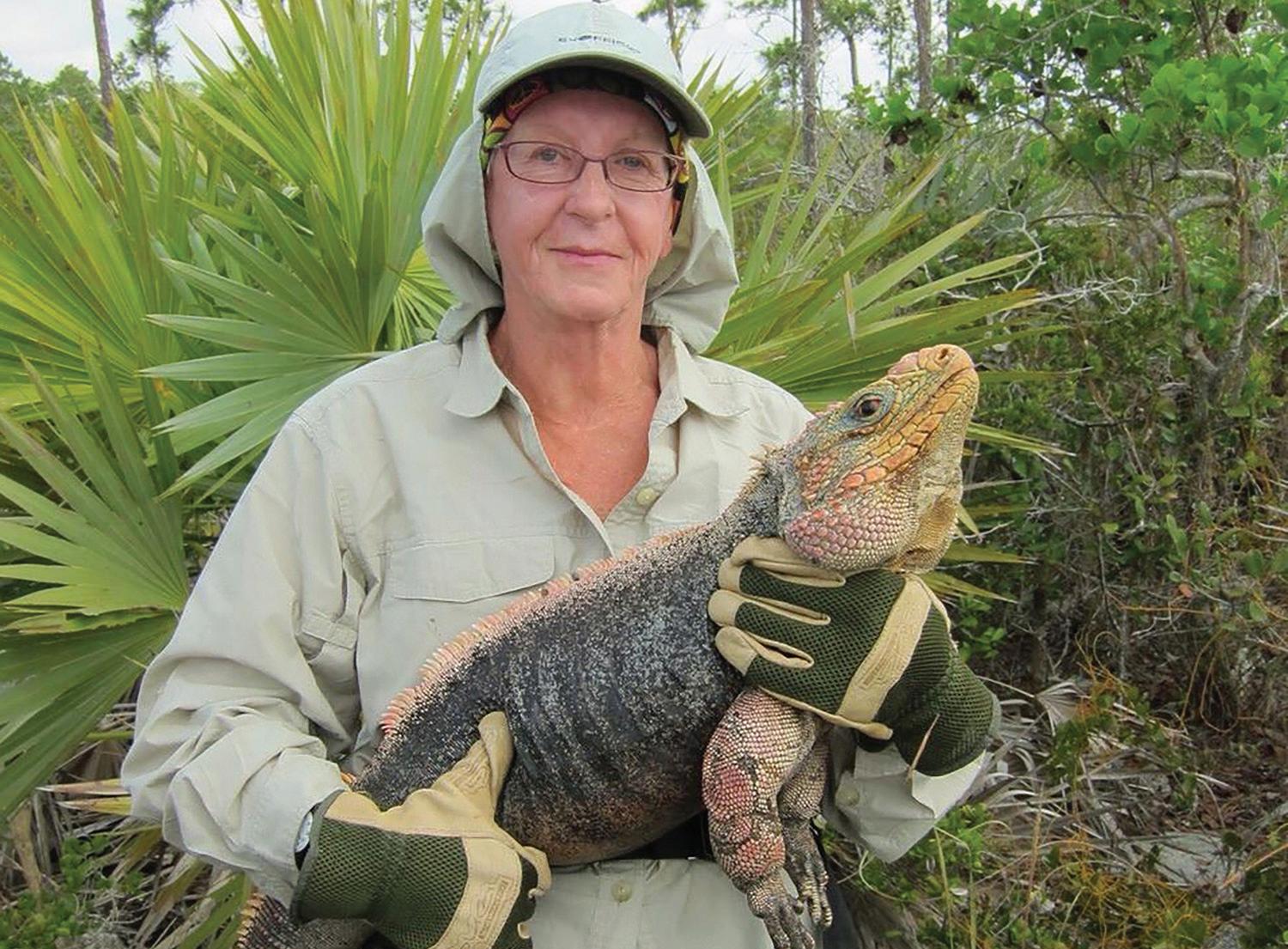
2025 Grant Awarded to Johana Gil Escobedo, Heloderma Nature Reserve, Guatemala
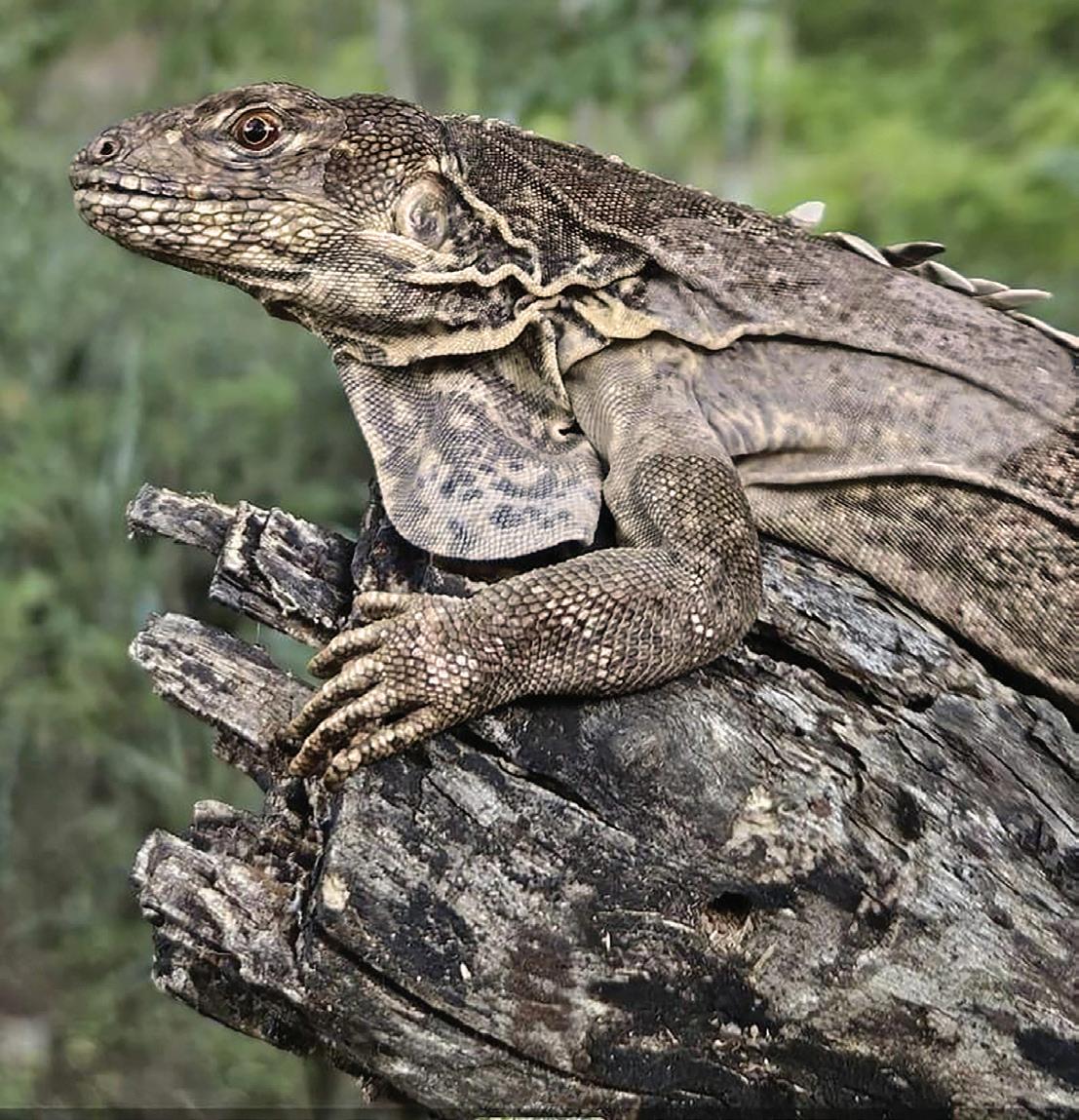
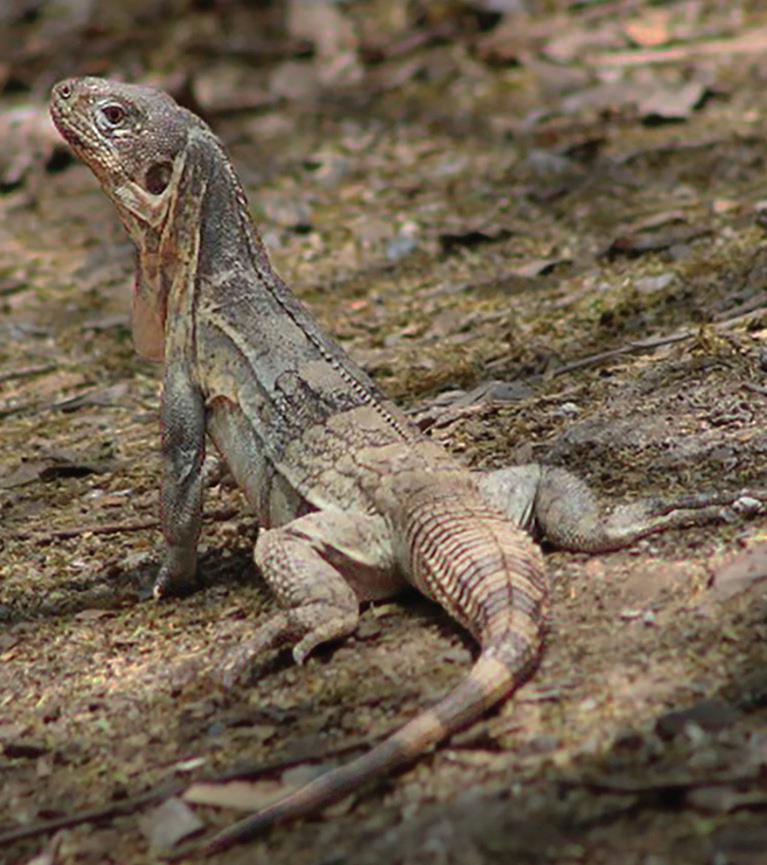
This project focused on improving habitat quality and reproductive success for the Motagua Spinytailed Iguana (Ctenosaura palearis) in Guatemala’s tropical dry forest. Working across the Heloderma Natural Reserve and surrounding protected areas— including Lo de China and Niño Dormido Park—the initiative combined habitat restoration, scientific research, and community-based conservation to support one of the most critical remaining populations of this species.
Key objectives included producing and planting native tree species essential to iguana survival, enhancing nesting success through the installation of artificial nesting sites, and strengthening long-term monitoring of population dynamics. The project also aimed to expand conservation impacts through partnerships with private reserves and local stakeholders across approximately 20% of the known range for this species.
The project achieved strong results in the areas of habitat restoration, reproductive support, and population monitoring, exceeding several key targets. Out of a total of 5,000 seeds initially planted, 4,369 viable seedlings were produced, an impressive germination rate of 89%. Of these, over 97% reached a size ready to plant, demonstrating highly effective nursery management despite challenging environmental conditions, including drought and pest pressures.
Building on this success, the program ultimately produced 8,369 seedlings—surpassing the original target—and distributed them across multiple conservation sites. More than 1,400 seedlings were planted in Parque Lo de China, with additional
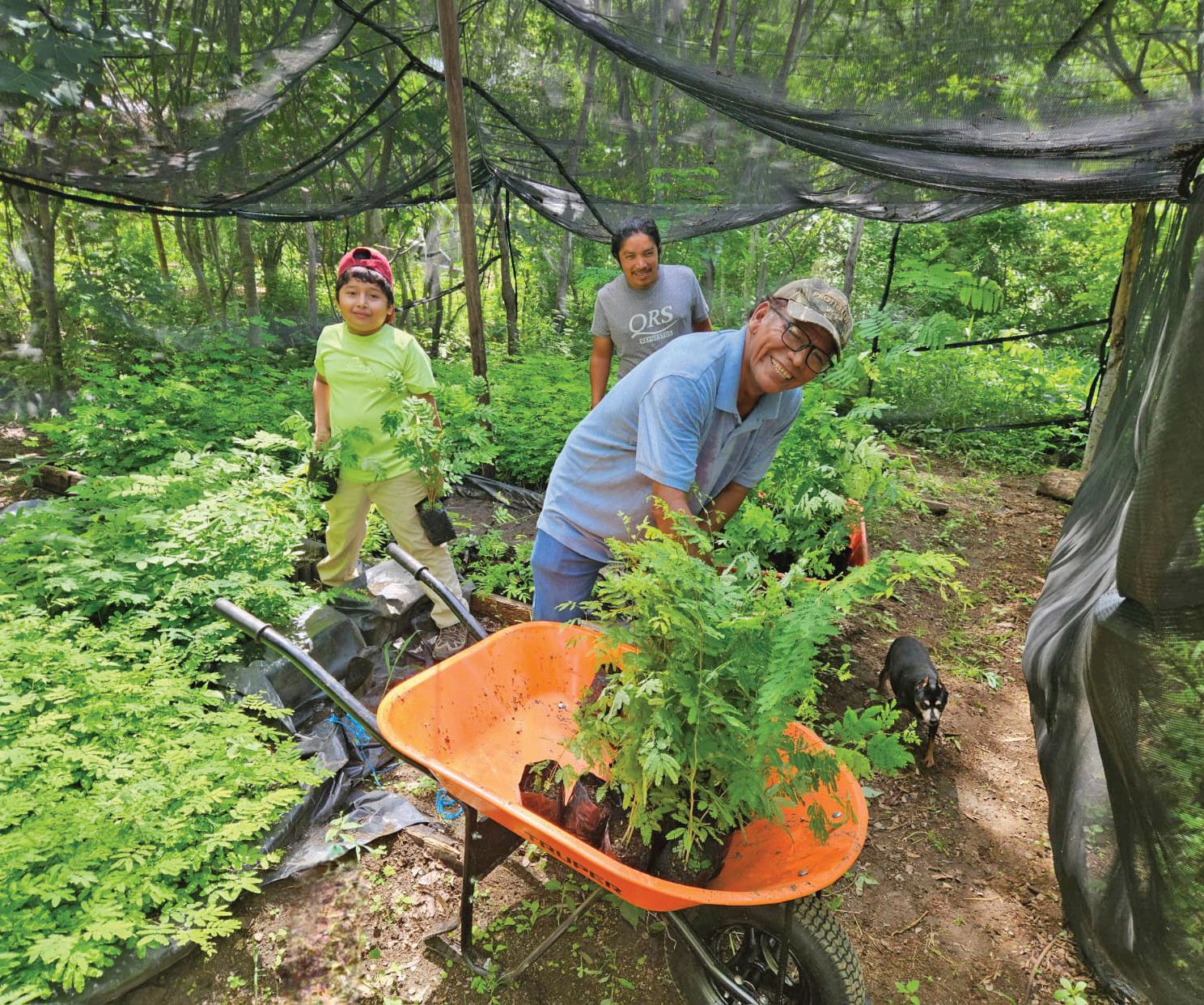
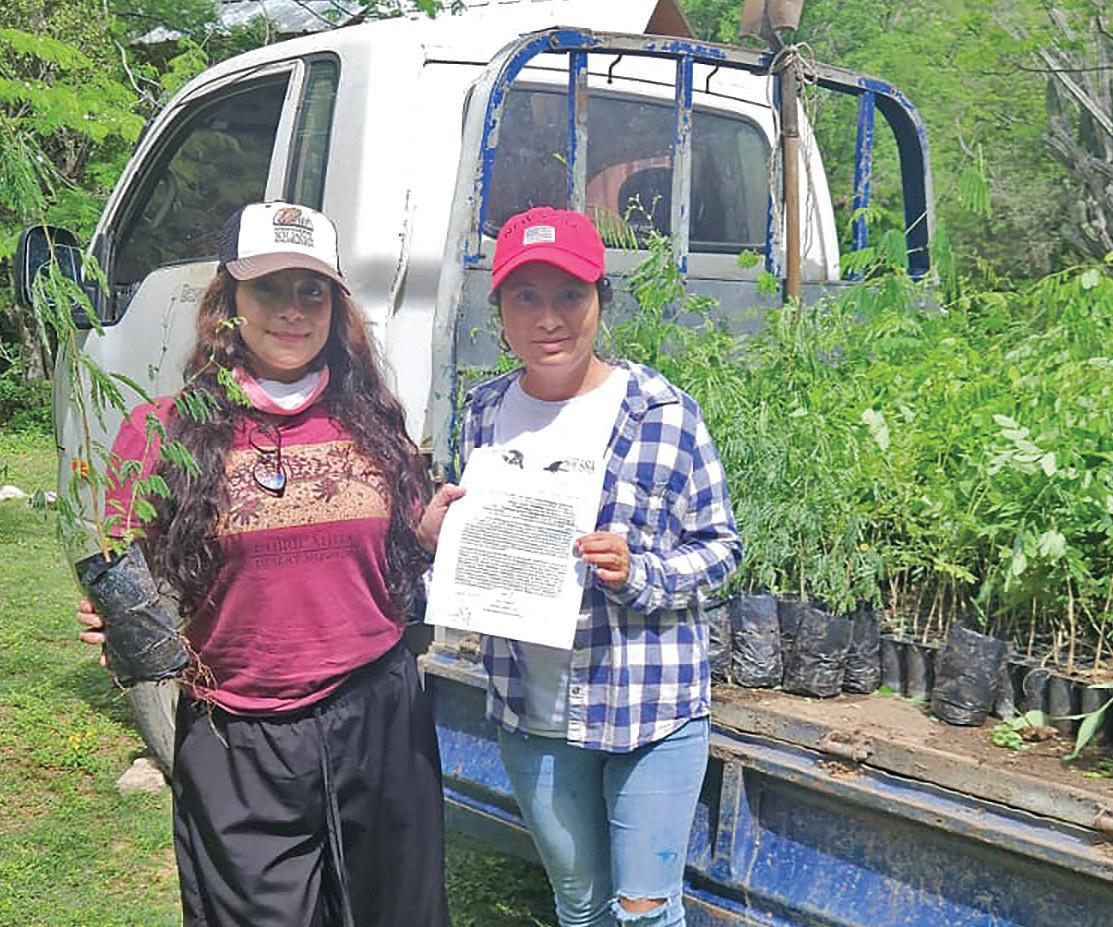
Gilberto Salazar, Franklin López, and Axel Salazar at the HNR nursery counting and preparing more than 1,400 seedlings that were delivered to the Lo de China Municipal Park.
plantings delivered to El Espino, Llano de la Negra, Xactún, and within the Heloderma Natural Reserve. These efforts contributed to the restoration of degraded dry forest habitat and improved ecological connectivity. The establishment of living fences around reserve boundaries further enhanced habitat structure while helping reduce edge effects and
human encroachment. Notably, post-planting monitoring revealed a 97% survival rate, far exceeding expectations and underscoring the effectiveness of careful site selection, planting techniques, and follow-up care.
A major innovation of the project was the construction and deployment of four artificial sand nesting boxes designed to provide secure,
by population monitoring data. Systematic surveys along fixed transects revealed significantly higher densities of hatchlings and juveniles near nesting boxes compared to control areas—about double the abundance—demonstrating the effectiveness of this approach in enhancing early life-stage survival. These findings provide evidence for the value of artificial nesting sites as a practical conservation tool.
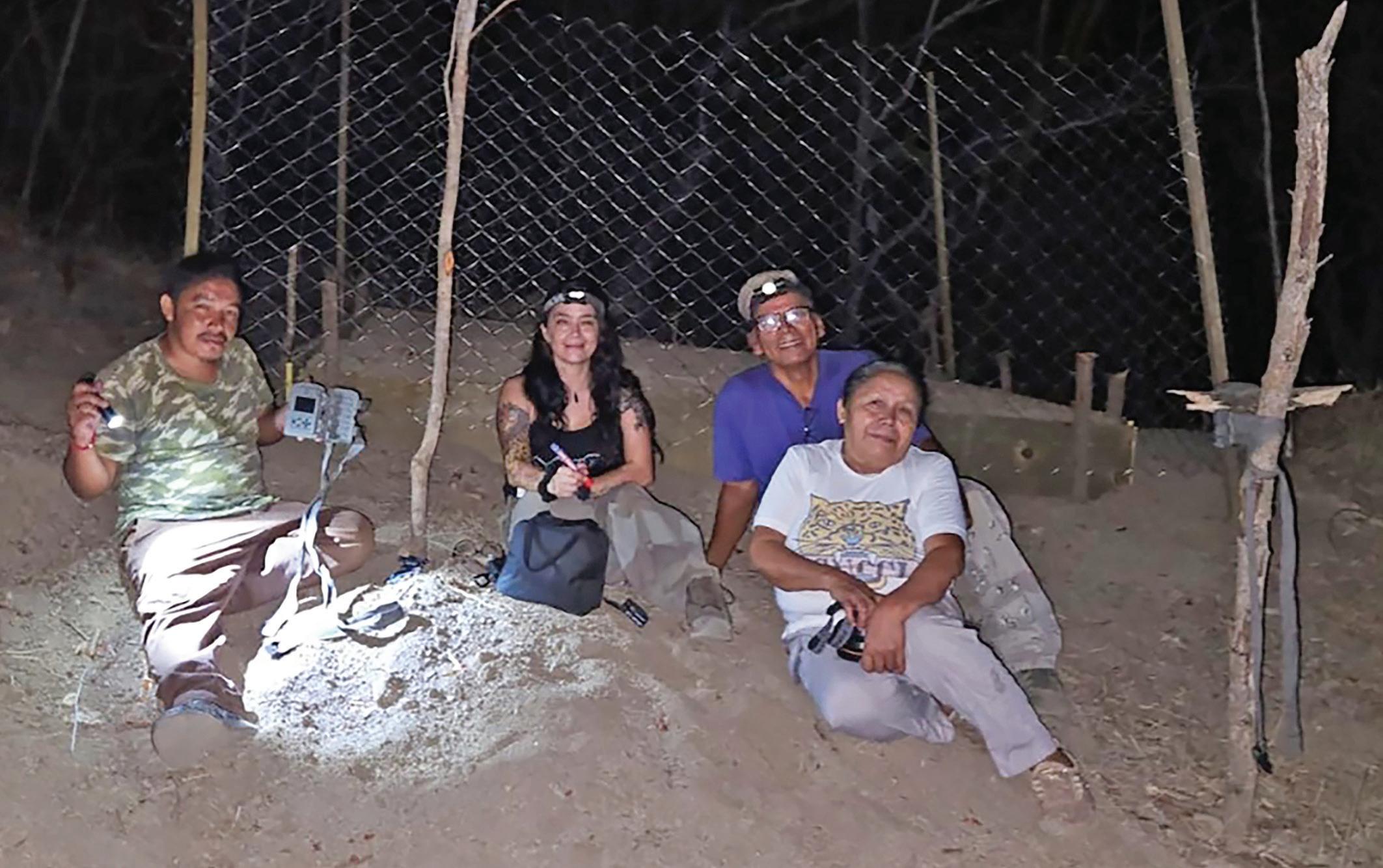
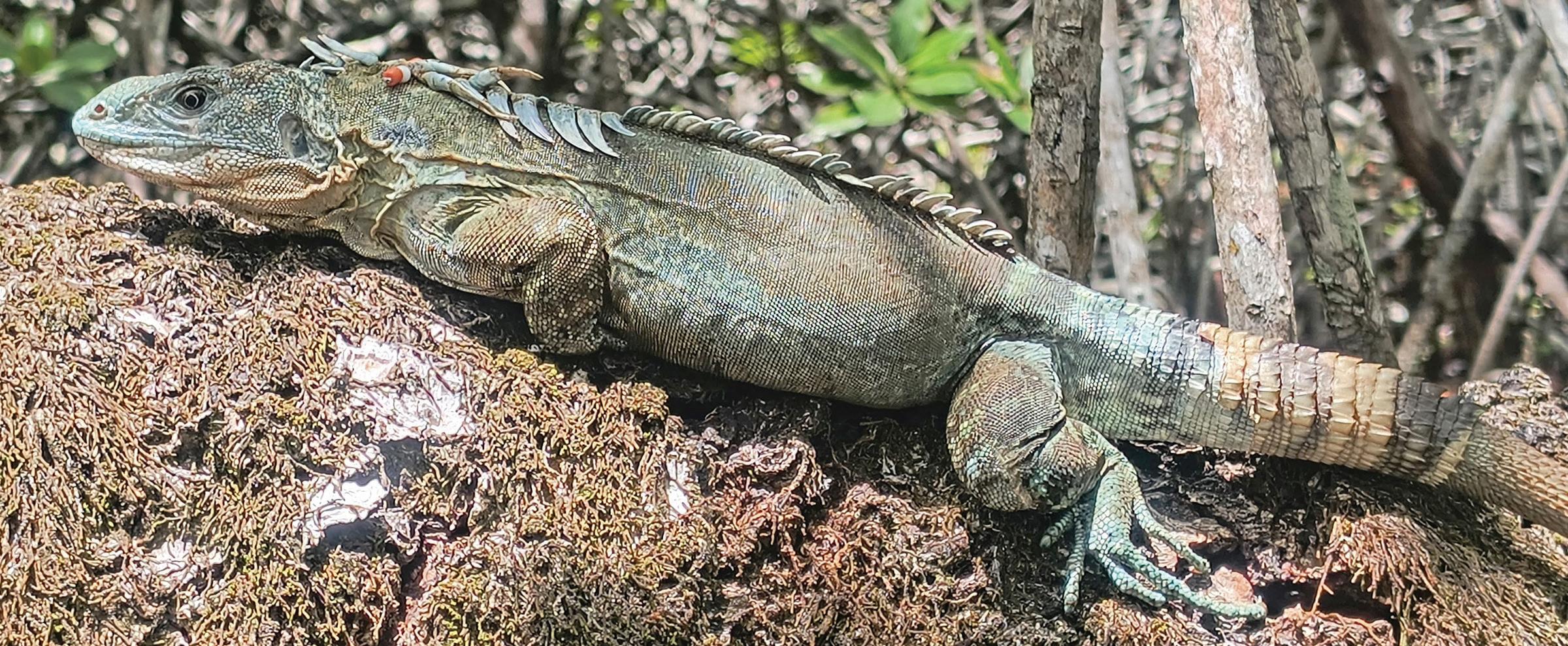
Above: The research team conducted nighttime monitoring due to the high daytime temperatures. Left to right: Franklin López, Johana Gil, Gilberto Salazar, and Delia López. Below: Juvenile female seen during field monitoring.
high-quality nesting habitat. These structures proved highly successful, with 100% utilization by iguanas during the breeding season. Camera trap monitoring and direct observations documented a full range of reproductive behaviors, including courtship, mating, and egg-laying within the boxes. The nest boxes also reduced the risk of predation, even in the presence of predators such as raccoons and foxes. The positive impact of the nesting intervention was further shown
In addition to fieldwork, the project contributed to broader conservation impact through research dissemination and collaboration. Findings and methodologies were presented at a national symposium on tropical dry forest conservation, positioning the initiative as a model for integrated conservation that combines science, restoration, and community engagement. Partnerships with local reserves and conservation networks strengthened regional coordination and expanded the project’s reach.
This project demonstrates the effectiveness of combining habitat restoration with reproductive interventions, particularly the use of artificial sand nesting boxes. Future efforts will focus on expanding this approach by installing additional nesting sites and expanding their use to other areas within the species’ range, including within private reserves. Continued monitoring will be essential to refine design improvements and maximize longterm success.
Habitat restoration will remain a key priority, supported by ongoing seedling production and planting efforts. The newly established nursery capacity and strong survival rates provide a solid foundation for scaling restoration activities, though climate variability—particularly prolonged drought— will require adaptive management strategies.
Expanding collaboration across conservation networks and strengthening landscape-level coordination will also be critical to sustaining progress. By building on current successes and continuing to integrate research, restoration, and community engagement, the project is well positioned to support the long-term recovery of the Motagua Spiny-tailed Iguana and its fragile dry forest ecosystem.
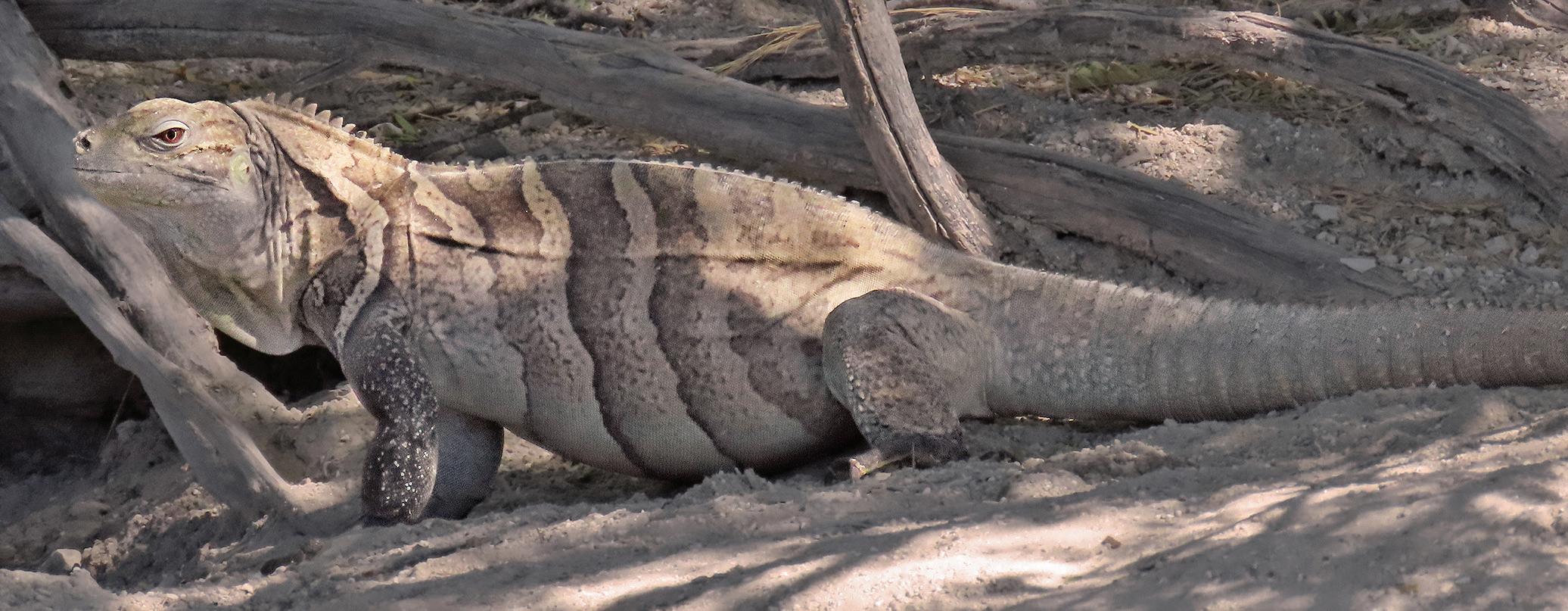
Our project sought to advance the long-term conservation of Ricord’s Rock Iguana (Cyclura ricordii ) and the Hispaniolan Rhinoceros Iguana (Cyclura cornuta) across their native range in the Dominican Republic and Haiti, with a focus on the La Selle–Jaragua–Bahoruco–Enriquillo Biosphere Reserve. Building on a long-standing species recovery framework, the initiative integrated habitat restoration, population monitoring, community engagement, and advocacy to address ongoing threats, including habitat degradation and climate change.
Key objectives included restoring degraded dry forest habitats through large-scale planting of native vegetation, monitoring iguana populations and nesting success, strengthening local stewardship through education and participation, and increasing advocacy capacity in response to expanding tourism development pressures.
The project delivered substantial conservation achievements across multiple fronts, particularly in habitat restoration and population monitoring. The restoration efforts exceeded initial targets, with more than 186,000 cactus planted across approximately 187 hectares—significantly surpassing the original
goal of 150,000 plantings over 150 hectares. These efforts focused on key iguana habitats along the southern shore of Lake Enriquillo, Pedernales, and Las Salinas, reestablishing critical dry forest vegetation that provides both food and shelter for iguanas. In addition, more than 29,000 agave plants were incorporated into restoration sites, further enhancing habitat structure and resilience in arid conditions.
While planting native broad-leaved trees was limited due to nursery constraints, the project successfully established a new nursery facility in the region. This nursery is now locally managed and represents an important step toward ensuring a sustainable supply of native plants for future restoration work.
Monitoring of planted areas revealed variable but informative survival rates across both species and locations, with strong establishment and growth at some sites. Although average survival rates fell slightly below the 60% target, surviving plants demonstrated vigorous development, suggesting that restoration efforts are on a positive trajectory. These findings are guiding site selection and planting techniques, to improve future outcomes.
Wild population monitoring efforts also produced encouraging results. In the Pedernales region, 250 Ricord’s Rock Iguana nests were documented—exceeding the project target—with a hatching success
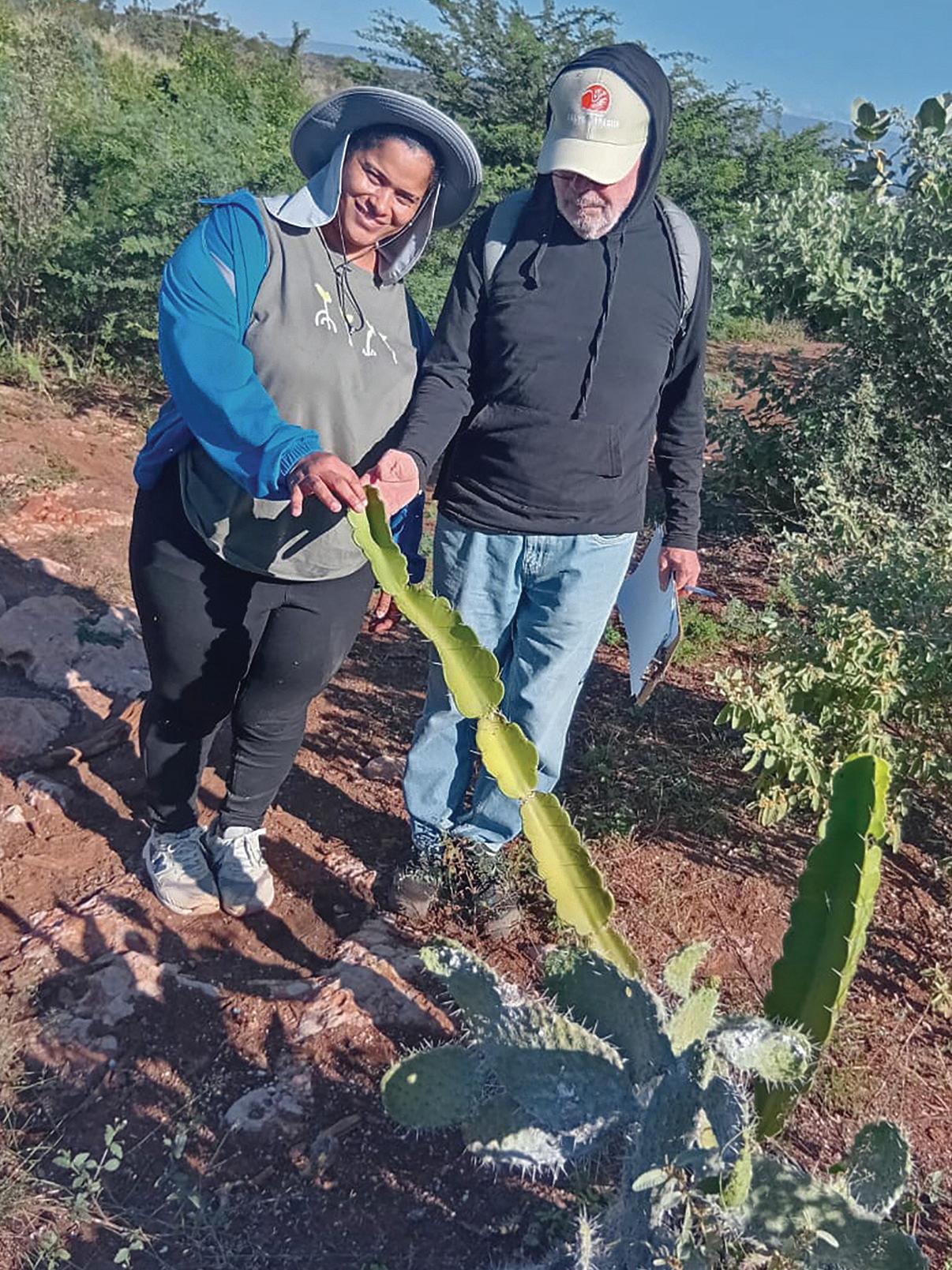
Above: An established cactus cladode showing growth. Below: Team members working at the Lake Enriquillo and Pedernales sites.
rate of over 92%, indicating a healthy level of reproductive success. In Haiti, 70 nests were monitored, achieving a hatching success rate above 70%, meeting project goals despite challenging field conditions. In addition, monitoring expanded to
include key nesting areas of Hispaniolan Rhinoceros Iguanas, particularly in zones affected by infrastructure development, providing critical data for conservation planning.
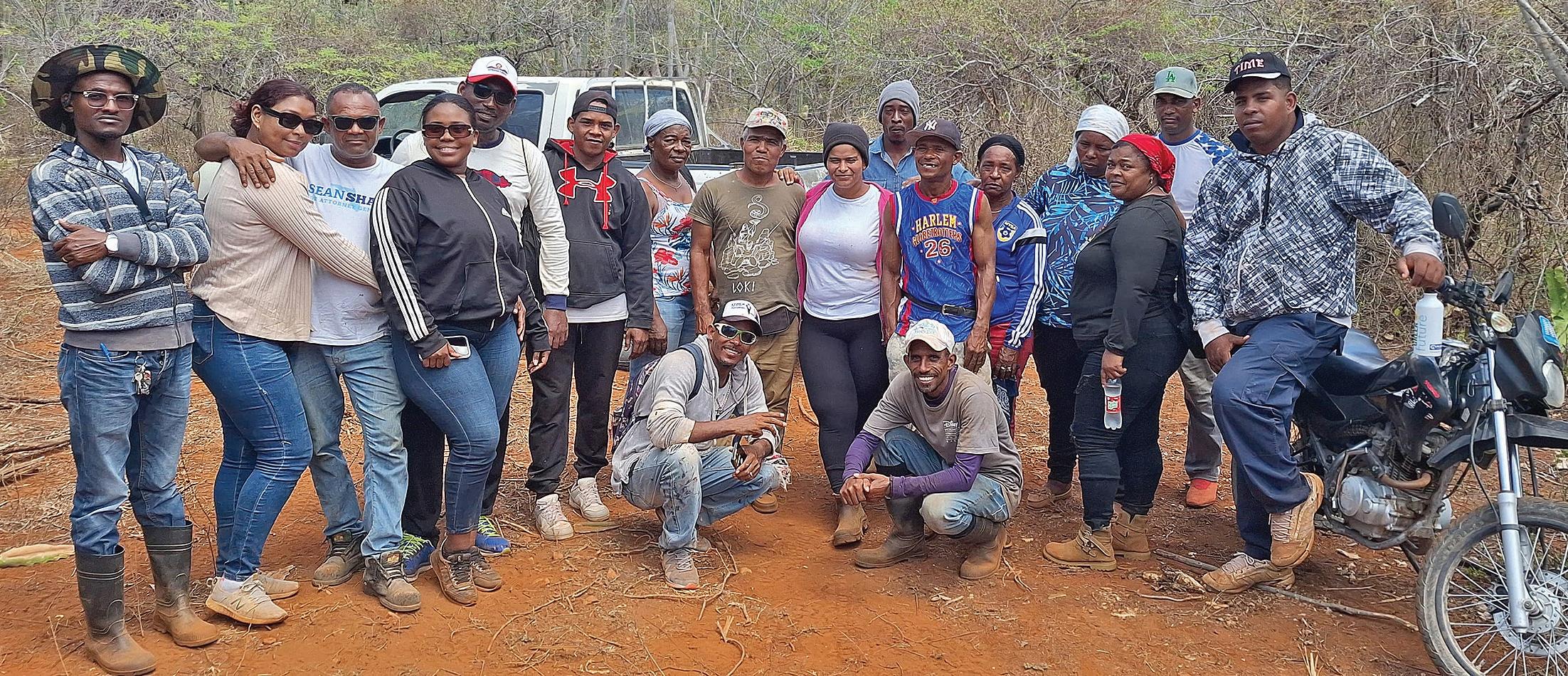
Community engagement was another important area of progress. A total of 144 community members participated directly in restoration activities, which exceeded participation targets and strengthened local involvement in conservation efforts. Education and outreach initiatives reached both children and teachers through school activities and multi-day summer camps, helping to build awareness of the ecological importance of iguanas and their habitats among younger generations.
Despite logistical challenges, the project also demonstrated strong operational resilience. Field teams continued to implement restoration and monitoring activities effectively, even during periods of remote coordination, highlighting the strength and commitment of both the local partners and the community teams.
This project underscores the importance of sustained, long-term habitat restoration as the foundation of iguana conservation in Hispaniola. Restoration efforts will continue to focus on expanding and improving planting success, supported by the development of local nurseries and adaptive management strategies.
Conservation work in Haiti remains a priority, although it is complicated by ongoing border restrictions and logistical challenges. Maintaining and supporting local monitoring teams will be essential to ensuring continued protection of iguana populations in this region.
2025 Grant Awarded to Peter Harlow, Conservation and Science Division, Taronga Conservation Society, Australia
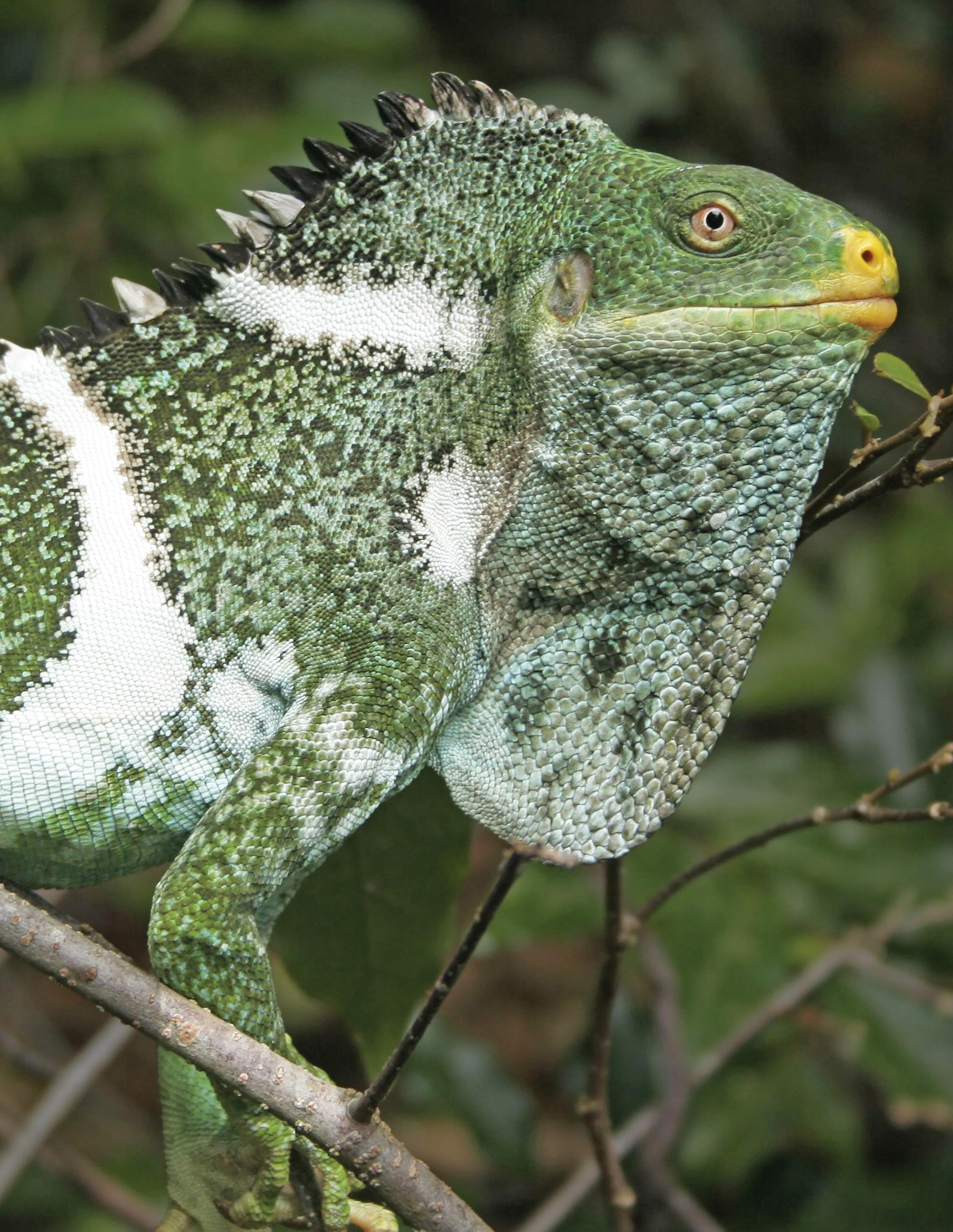
This project focused on restoring critical food-plant species to Monuriki Island, Fiji—an essential location for the endangered Fijian Crested Iguana. Decades of goat grazing and repeated fires had severely degraded the island’s vegetation, leaving most
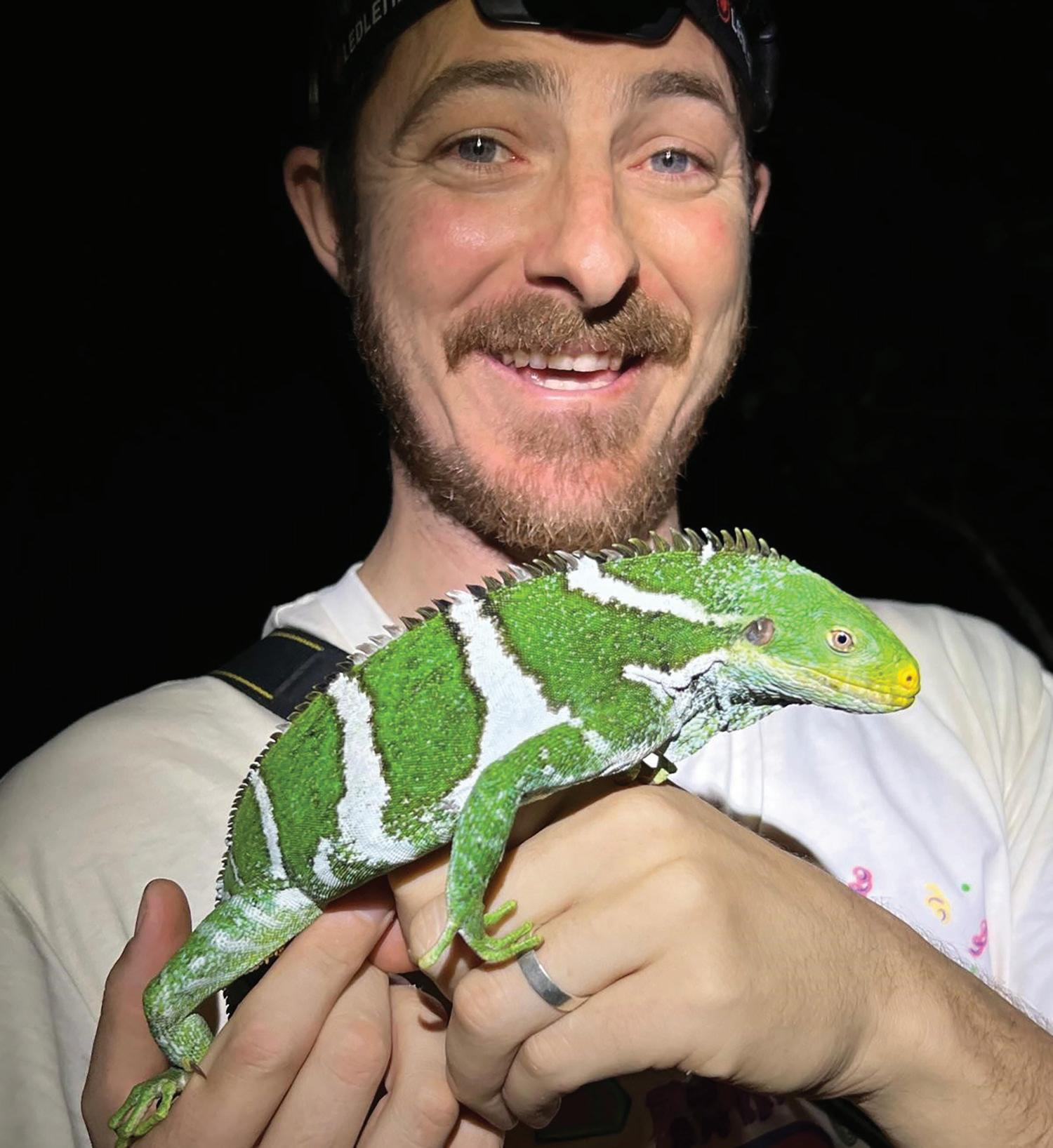
The project achieved significant progress in restoring critical components of Monuriki Island’s ecosystem through the successful reintroduction of native food plants essential to the survival of the Fijian Crested Iguana. Over the course of the project, seeds were collected during multiple field visits and propagated in a local nursery, resulting in the planting of 449
native food plants locally extinct and drastically reducing available nutrition for the remaining iguana population.
To address this, the initiative aimed to reintroduce key native plant species that form the foundation of the iguana’s diet, including False Sandalwood, Lime Berry, and Beach Almond. Activities included seed collection from nearby islands, propagation in a village nursery, and large-scale transplanting of seedlings onto Monuriki. The project also sought to build local capacity for ongoing conservation work.
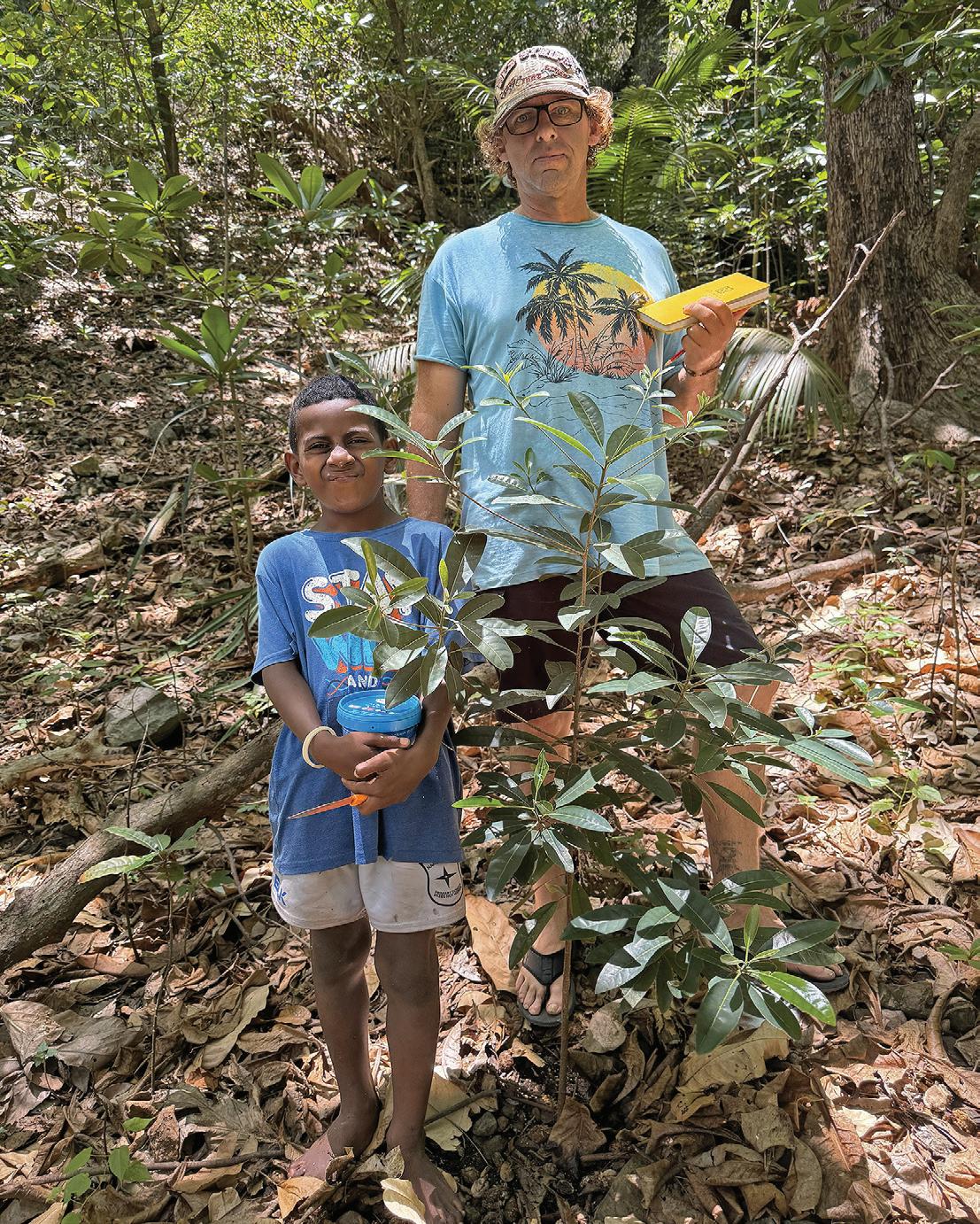
seedlings across priority restoration sites. These included 269 False Sandalwood, 42 Lime Berry, 78 Beach Almond, 42 Vesi Wai, and 18 Tahitian Chestnut seedlings. Notably, nearly one-third of these plants were nursery-grown for a full year prior to transplantation, increasing their resilience and likelihood of survival.
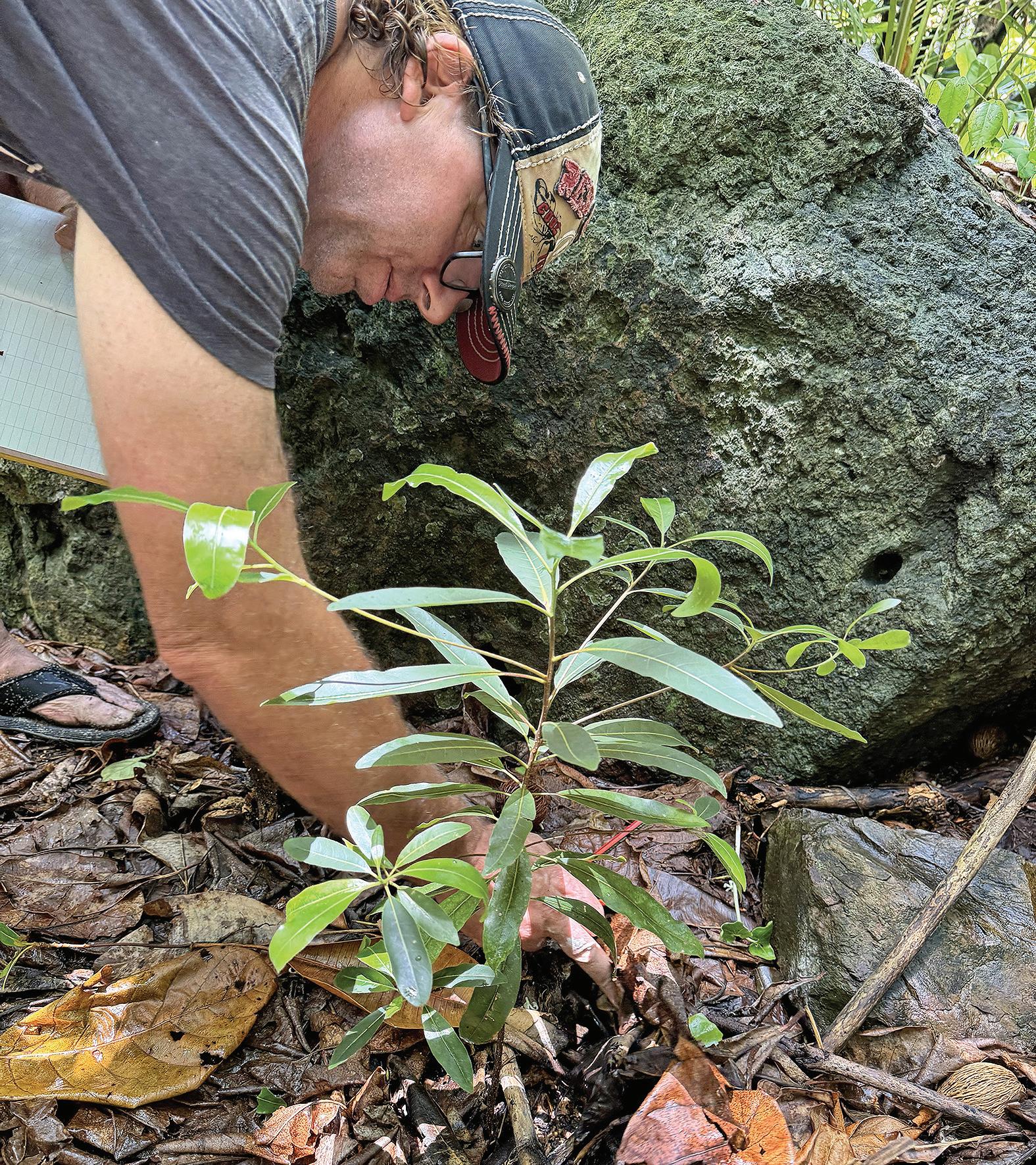
Follow-up monitoring conducted approximately one year after planting, demonstrated strong survival outcomes for several key species. False Sandalwood, the most critical component of the iguana’s diet, exceeded expectations with 173 surviving seedlings—surpassing the project’s target and marking an important milestone in habitat restoration. Beach Almond and Vesi seedlings also showed encouraging establishment, with dozens of individuals surviving and growing steadily.
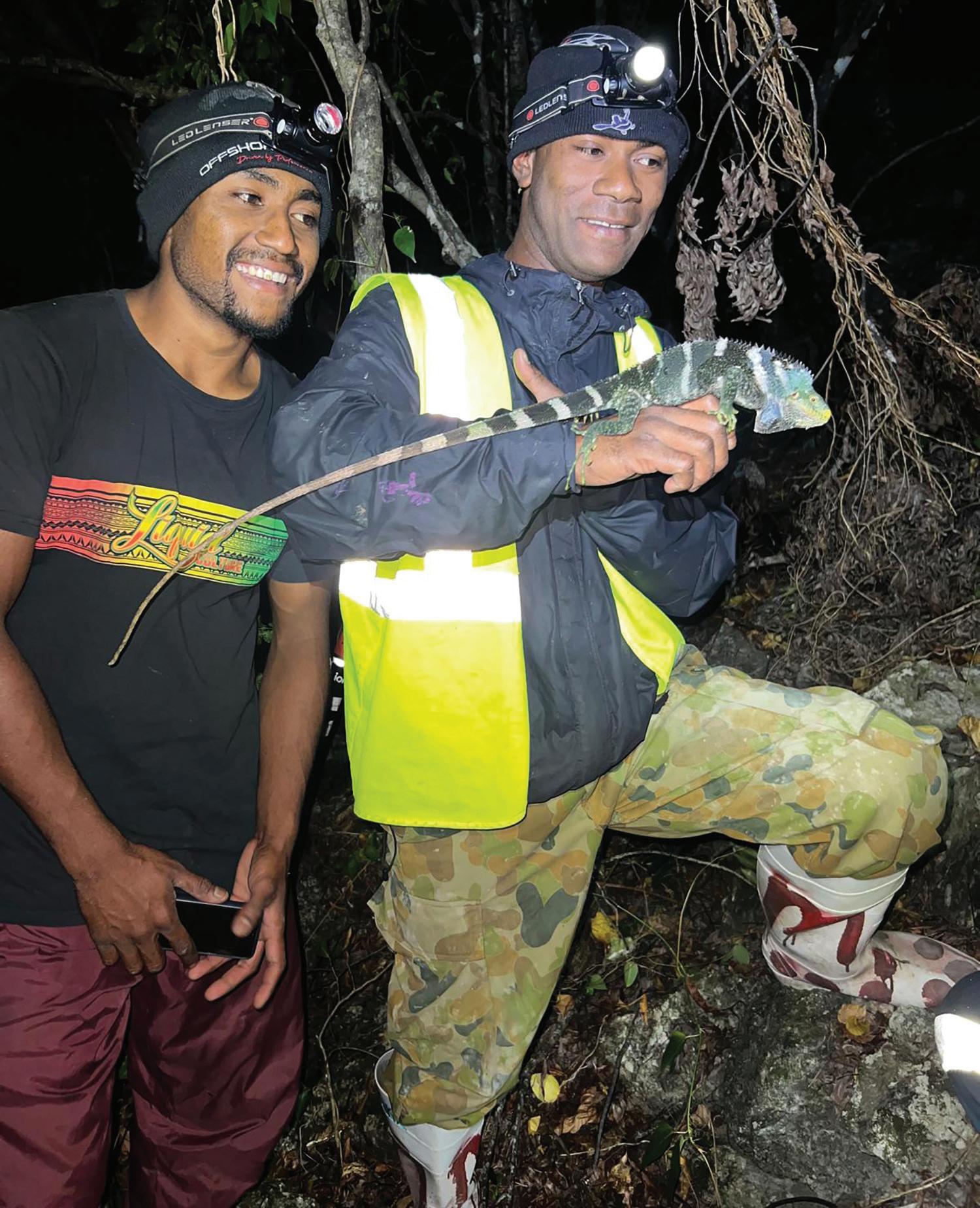
While Lime Berry survival rates were lower than anticipated, the presence of surviving individuals still represents meaningful progress toward restoring dietary diversity.
Beyond survival metrics, measurable growth was recorded across all species, indicating successful establishment under challenging environmental conditions. Many seedlings showed substantial increases in height, signaling their transition toward maturity. As these plants continue to grow, they are expected to begin producing fruit within the coming years, providing a sustainable and renewable food source. Importantly, these fruiting species will also facilitate natural seed dispersal through iguanas and native birds, accelerating ecosystem recovery beyond the initial planting sites.
The project also demonstrated effective fieldbased restoration techniques, including careful seedling extraction, transport, and planting methods designed to maximize survival in remote island conditions. In parallel, a functioning small-scale nursery was established, and local partners gained hands-on experience in seed collection, propagation, and planting practices. While additional capacity building is needed, these efforts represent an important first step in developing local infrastructure to support ongoing conservation work.
While ecological outcomes were encouraging, the project highlighted significant challenges regarding long-term sustainability and local capacity. Future efforts will focus on continued monitoring of planted seedlings, management of invasive species, and maintenance such as fertilization to support plant establishment. Strengthening local conservation capacity and engagement will ensure lasting and sustainable impacts.
False Sandalwood: 173 seedlings survived to one year. Beach Almond: 46 seedlings survived to one year. Lime Berry: 23 seedlings survived to one year.
2025 Grant Awarded to Tom Brown and Daisy Maryon, Kanahau Conservation Center, Útila, Honduras
In 2025, Kanahau’s conservation efforts on Útila, Honduras, focused on protecting the Critically Endangered Útila Spiny-tailed Iguana (Ctenosaura bakeri) by tackling one of its most serious threats: invasive raccoons. The project combined invasive
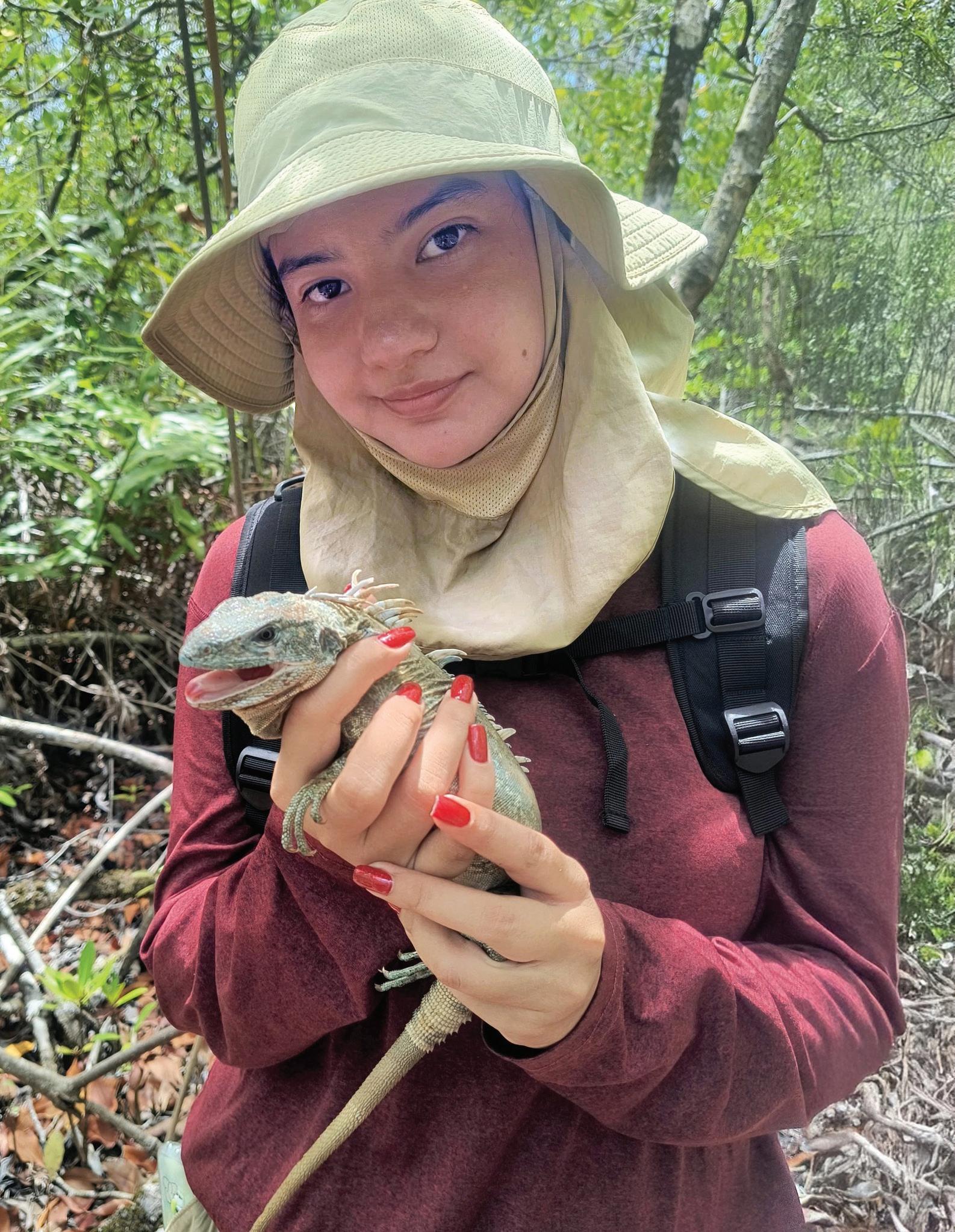
species management, long-term iguana monitoring, scientific research, and community education to better understand how raccoons are impacting Útila’s fragile mangrove ecosystems and to strengthen recovery efforts for this endemic reptile.
Field teams worked across multiple sites throughout the island to remove invasive raccoons, monitor iguana populations, and collect ecological
data to inform future conservation strategies. At the same time, Kanahau continued expanding public engagement through environmental education and the relocation and development of the Útila Museum of Natural and Cultural History, which has become an important platform for raising awareness about biodiversity conservation. Together, these efforts reflect a growing, science-driven conservation program aimed at protecting both a flagship species and the broader ecosystem it depends on.
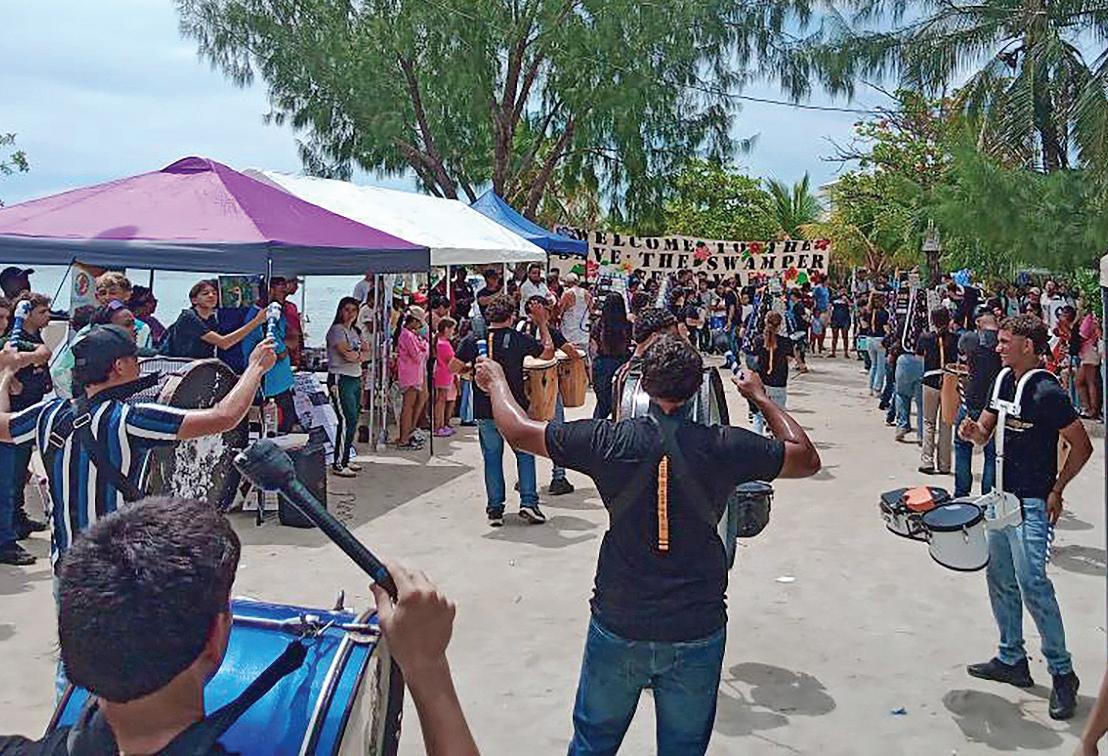
The fifth annual Save the Swamper Festival was a resounding success, reaching a wider audience than ever before and gaining community support.
Despite a challenging year that required significant organizational personnel and resources to relocate Kanahau’s museum facilities, the project achieved several meaningful conservation milestones. The team successfully removed 51 invasive raccoons across 25 sites in 12 regions of Útila, completing 525 trap nights and nearly doubling capture efficiency compared to previous efforts. These removals directly reduced predation pressure on native wildlife while generating valuable data on raccoon distribution across the island.
The project also produced an important scientific breakthrough. Through necropsies and parasite
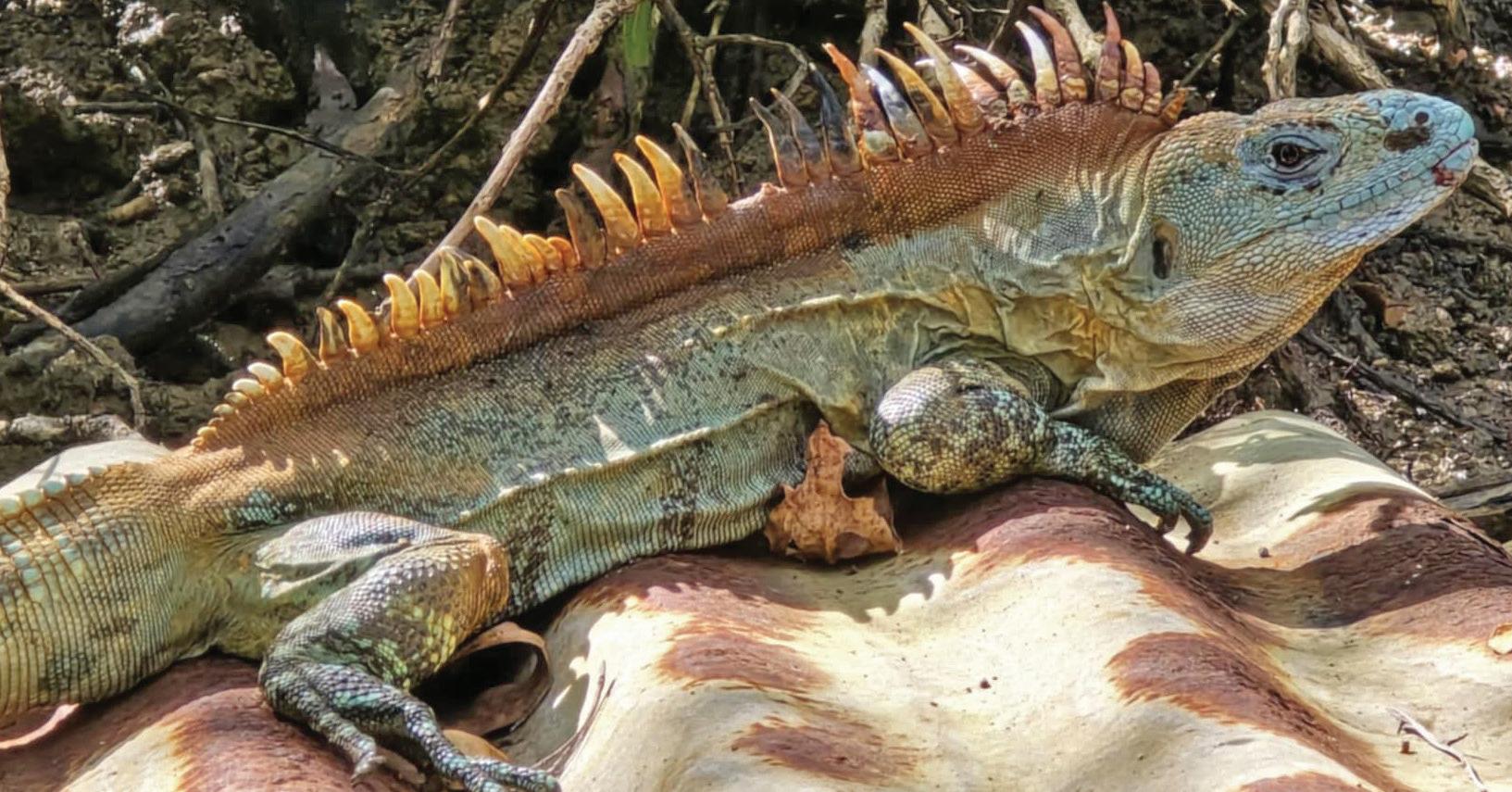
transects, documenting 521 individual iguana observations, an increase from the previous year. These surveys continue to provide critical data on population trends and habitat use for one of the world’s rarest iguanas.
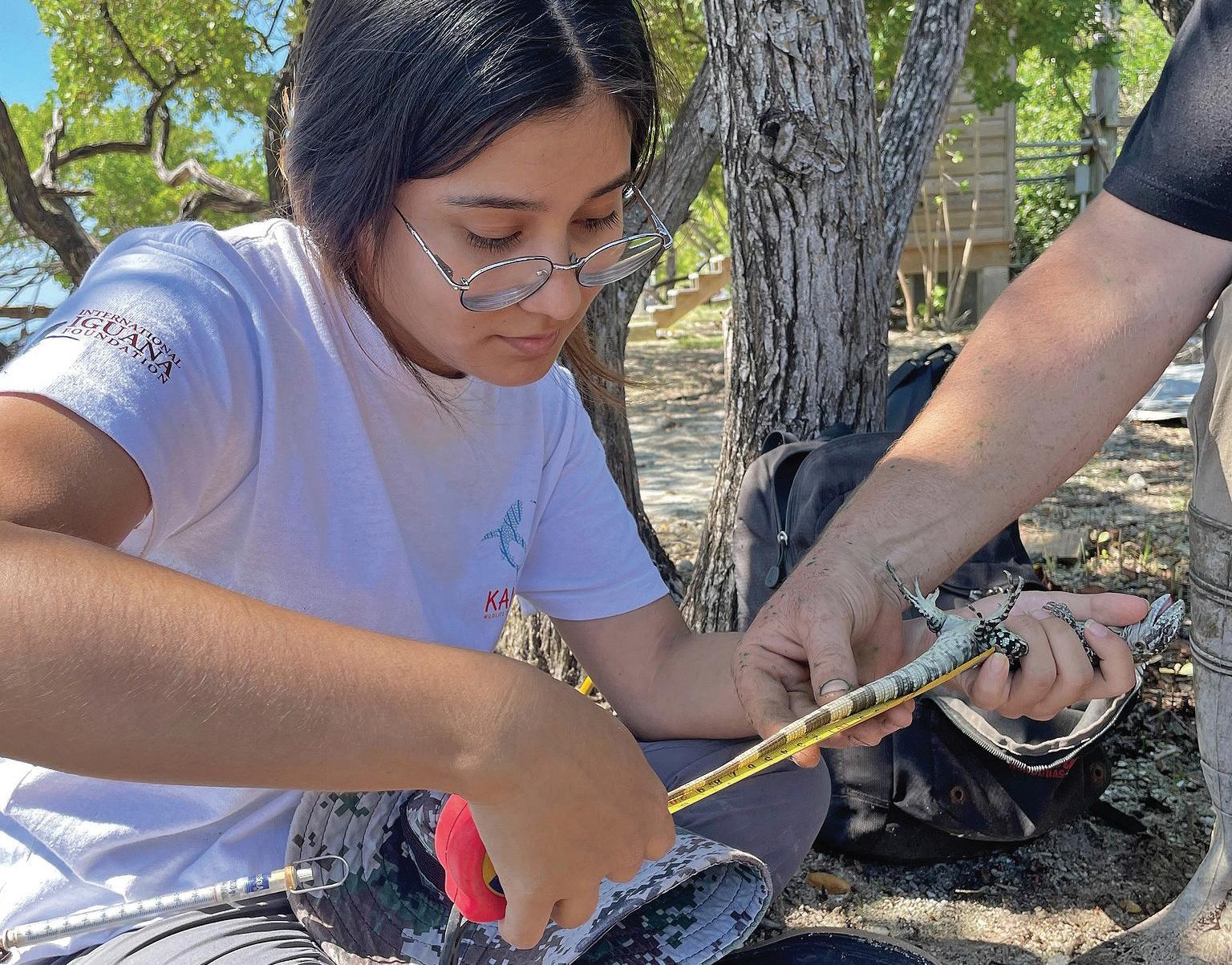
analysis of 31 raccoons, researchers discovered that every individual examined carried a high parasite load, including trematodes in the genus Microphallus. Acquired through land crab predation, raccoons likely amplify the spread of parasites within these delicate mangrove systems. Because land crabs play an essential role in nutrient cycling, sediment aeration, and coastal food webs, their decline may be contributing to broader ecosystem disruption that extends beyond terrestrial habitats and may even influence marine systems, including whale shark visitation patterns around Útila.
Iguana monitoring efforts also remained strong throughout the year. The team completed 122 population surveys across eight study sites and 28
The project also invested in the next generation of conservationists by training university students in field research and invasive species management techniques. Two biology students and two veterinary students participated in hands-on fieldwork, helping build local conservation capacity. Meanwhile, strong community support emerged as a major success story. Residents actively reported raccoon sightings, requested trapping assistance, and became engaged participants in island-wide conservation efforts. The newly-relocated museum further strengthened this outreach by increasing public awareness of invasive species and showcasing Kanahau’s conservation work to a wider audience.
Looking ahead, Kanahau plans to expand and refine its raccoon eradication efforts by improving spatial targeting, testing adaptive baiting strategies, and increasing trapping efforts in under-sampled habitats such as inland savannas and swamp systems. Continued monitoring will remain a priority to track long-term population trends and evaluate the effectiveness of conservation interventions.
The organization also plans to continue investing in local capacity-building by engaging Honduran students, volunteers, and community members in fieldwork and education initiatives. Additional funding will be critical to support staffing, logistics, and expanded eradication efforts, particularly as growing operational demands continue to stretch the capacity of their small team.
Although 2025 presented several unexpected logistical challenges, the year ultimately strengthened Kanahau’s long-term conservation foundation. With stronger community partnerships, new scientific insights, and increased public visibility, the project is well positioned to increase its impact and continue protecting the Útila Spiny-tailed Iguana and the unique ecosystems that make the island so extraordinary.
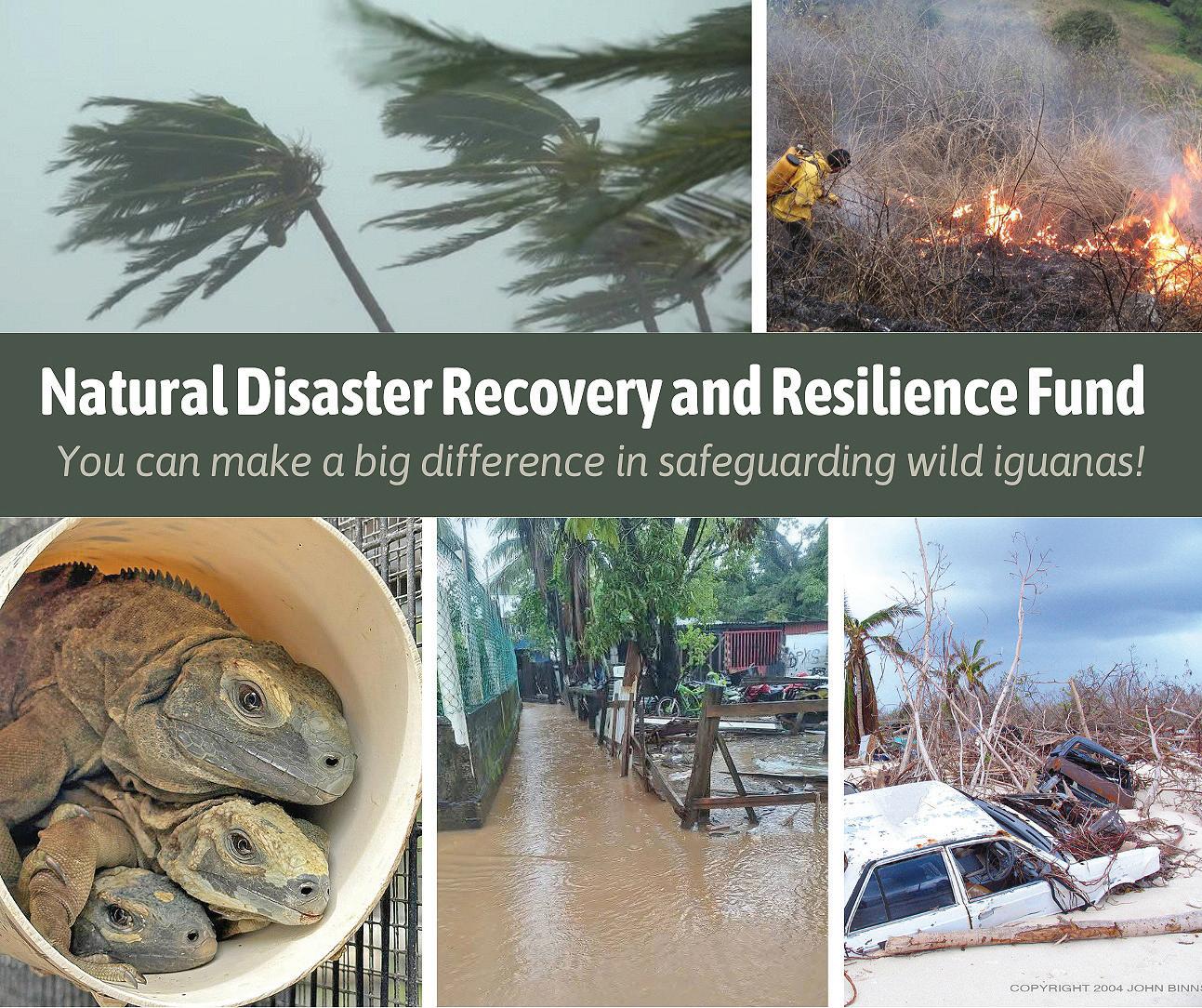
As Hurricane Melissa reminded us in October 2025, the ongoing threat of increasingly strong hurricanes remains a concern for iguana species and other wildlife, as do the threats of drought, fire, flooding, sea level rise, disease, and invasive species. The habitats where many iguana species live are fragile and easily impacted by extremes; an increase in severity and frequency of extreme events are predicted in the future. With this top of mind, for our 2025 year-end fundraising campaign IIF created the Natural Disaster Recovery and Resilience Campaign. The funds raised by this campaign are dedicated to providing iguana conservationists with equipment for emergency aid, funds to rebuild and restore facilities, and support for disaster and long-term planning, in order to help safeguard the future for iguanas, their habitats, and their champions.
Our sincere thanks to everyone who contributed to our 2025 year-end fundraising campaign. Generous donors like you make iguana conservation possible!
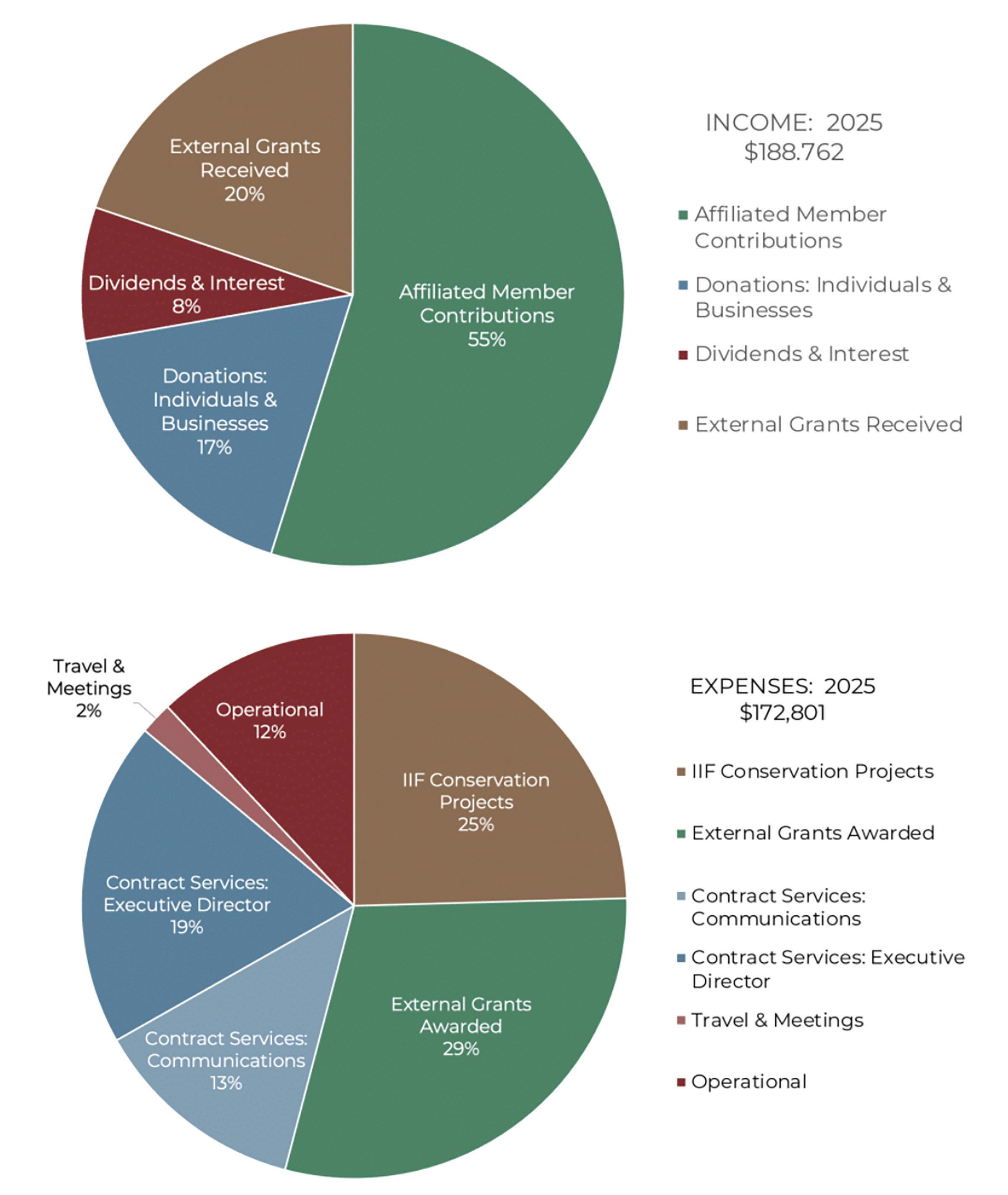
STAFF
GRANTS MANAGER & JAMAICA PROGRAM OFFICER
Stesha Pasachnik, PhD Fort Worth Zoo
COMMUNICATIONS COORDINATOR
Karen Worley
SOCIAL MEDIA COORDINATOR
Olivia Olvera
ACCOUNTANT
Sarah Gordon
BOARD OF DIRECTORS OFFICERS
PRESIDENT
Brian Henley
VICE PRESIDENT
Rick Hudson
TREASURER
Tandora Grant
SECRETARY
Allison Alberts, PhD
BOARD OF DIRECTORS MEMBERS
Colette Adams
Gladys Porter Zoo
Nicole Atteberry Zoo Miami
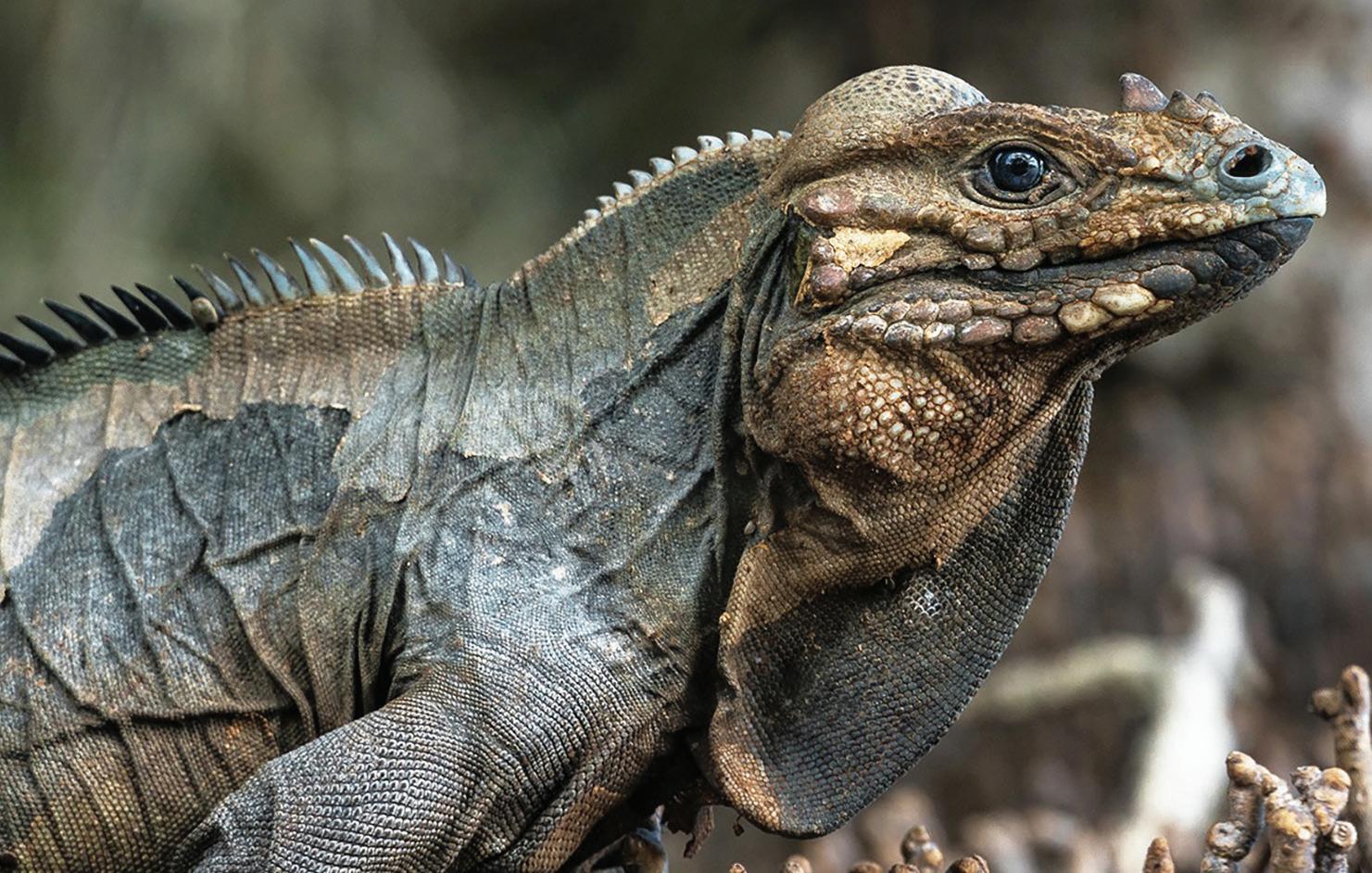
Hispaniolan Rhinoceros Iguana (Cyclura cornuta)
Eric Goode
Turtle Conservancy and Goode Films
John Iverson, PhD
Charles Knapp, PhD John G. Shedd Aquarium
Robert Mendyk
Audubon Nature Institute
Russell Mittermeier, PhD Re:wild
Cayle Pearson Jacksonville Zoo
Kevin Torregrosa Wildlife Conservation Society
Trevor Zachariah, DVM Brevard Zoo
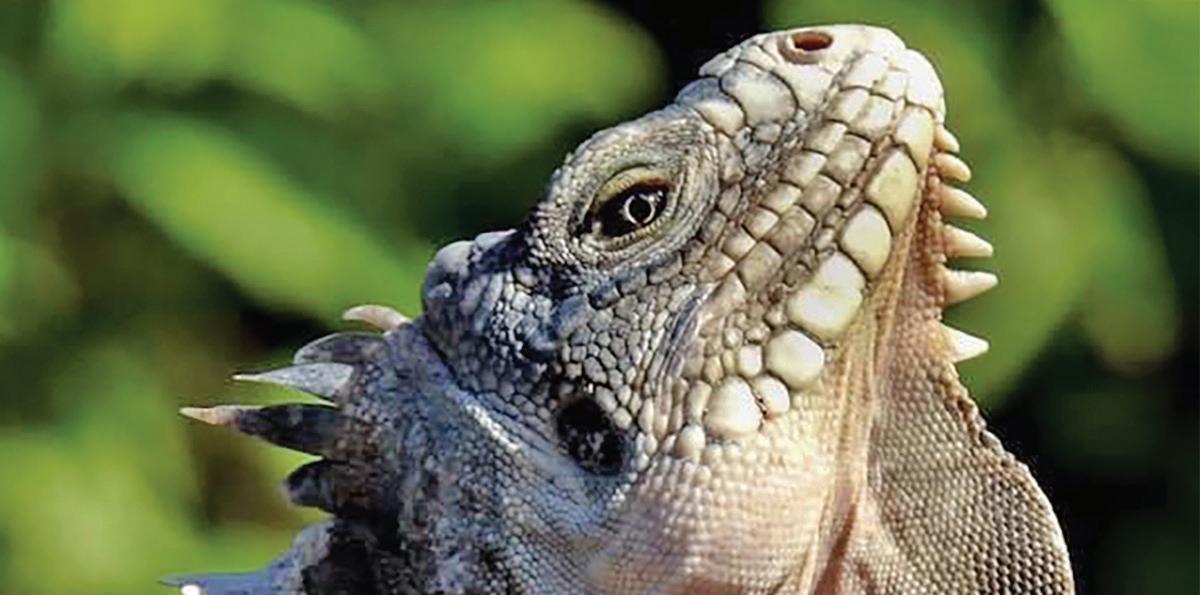
Jeanelle Brisbane
UMR BOREA, Université des Antilles, Guadeloupe, French West Indies and WildDominique, Dominica
"Uniting Local Action with Regional Disease Surveillance to Secure the Future of Iguana delicatissima"
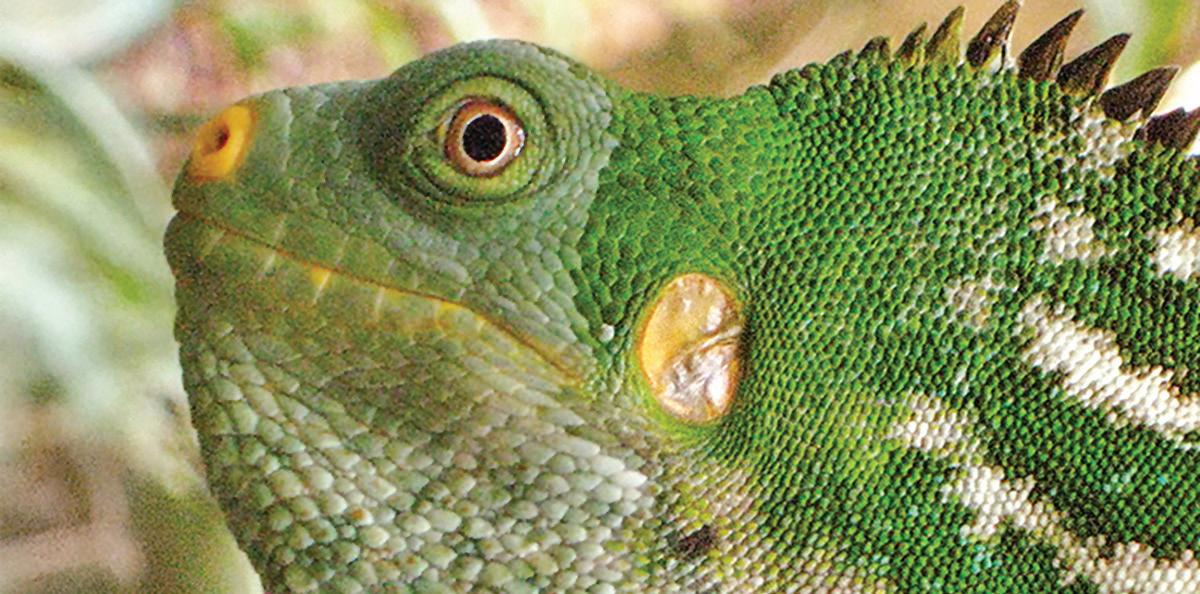
Peter Harlow
Conservation and Science Division, Taronga
Conservation Society Australia
"Translocating Fijian Crested Iguanas"
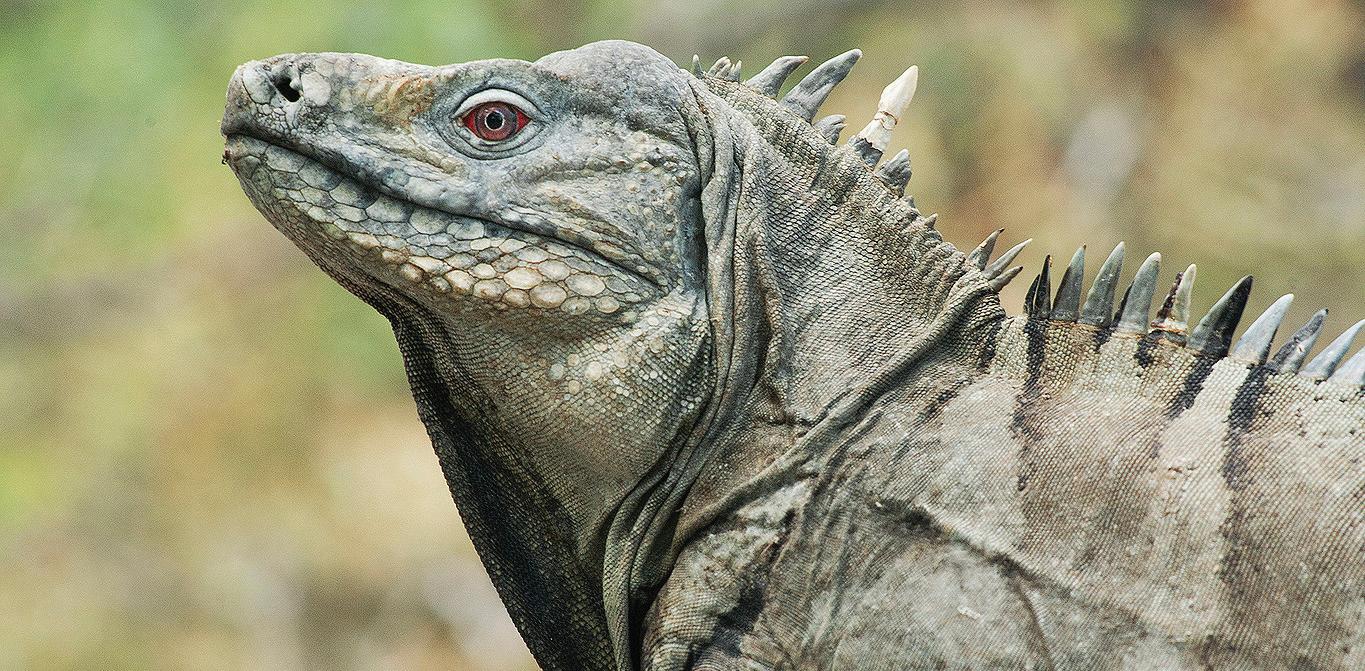
Ernst Rupp
Grupo Jaragua, Dominican Republic
"Continuing the Conservation of Ricord´s Rock
Iguana (Cyclura ricordii ) and Hispaniolan Rhinoceros
Iguana (Cyclura cornuta) in the Dominican Republic and Haiti"
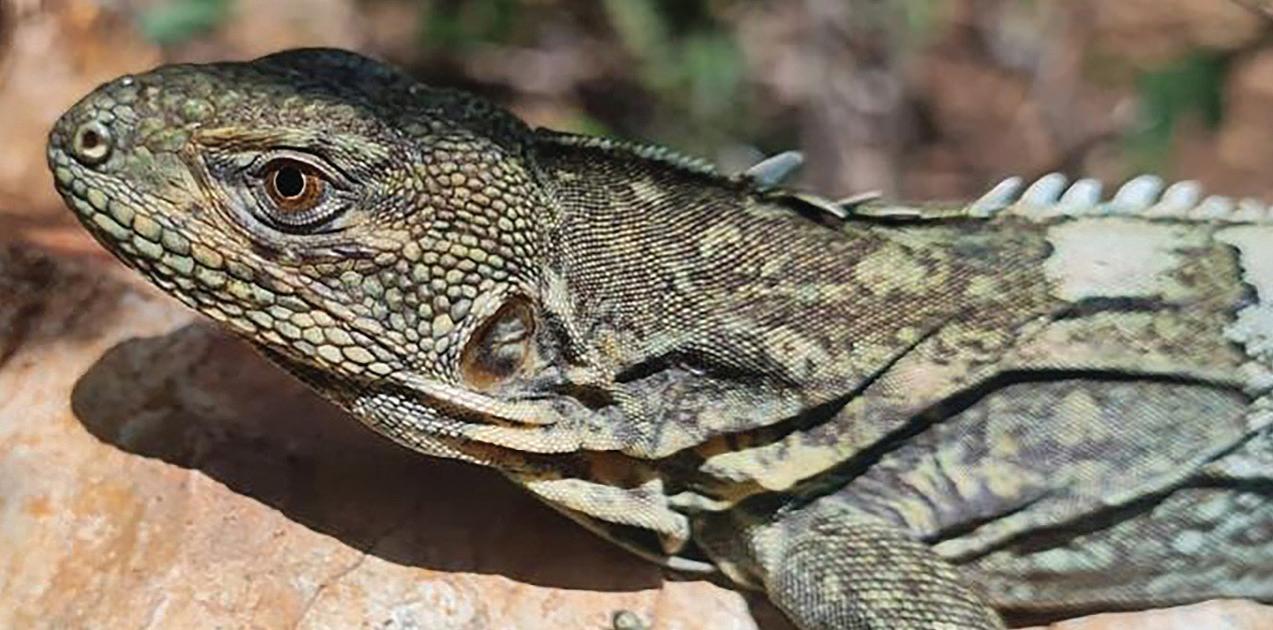
Johana Gil
Heloderma Natural Reserve, Guatemala
"Community-Driven Conservation of Ctenosaura palearis: Artificial Nesting Boxes, Habitat Recovery, and Environmental Education"
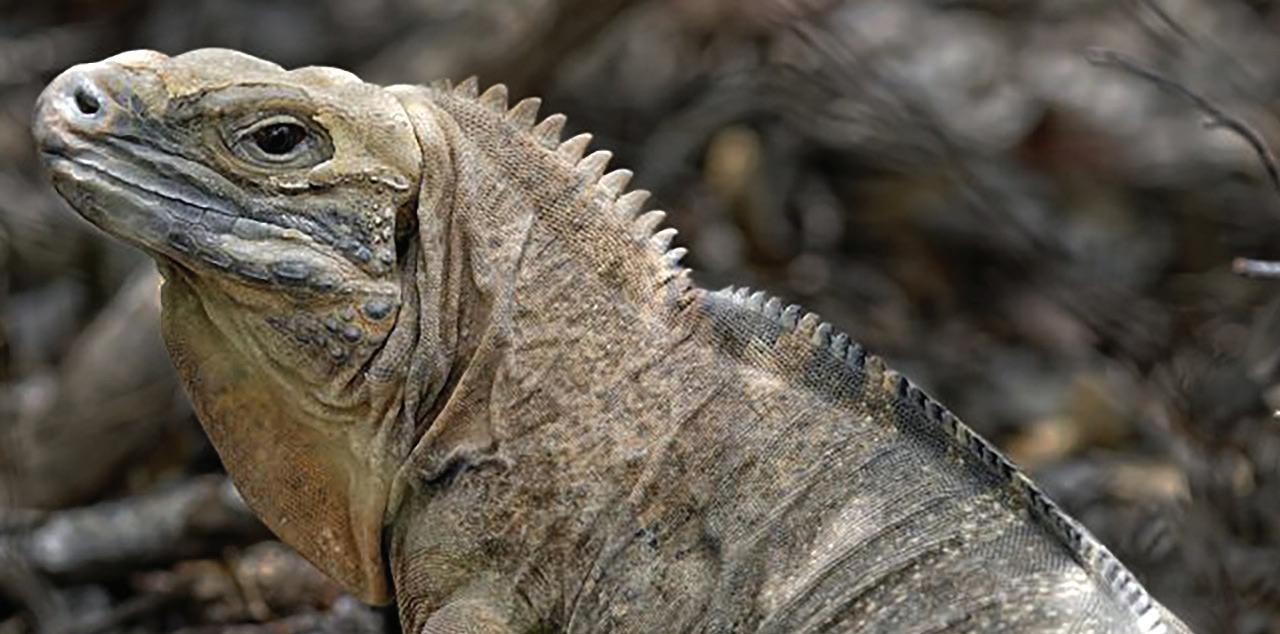
Kim Rainwater Fort Worth Zoo, USA
"Health Assessment and Disease Agent Surveillance in Jamaican Iguanas (Cyclura collei )"
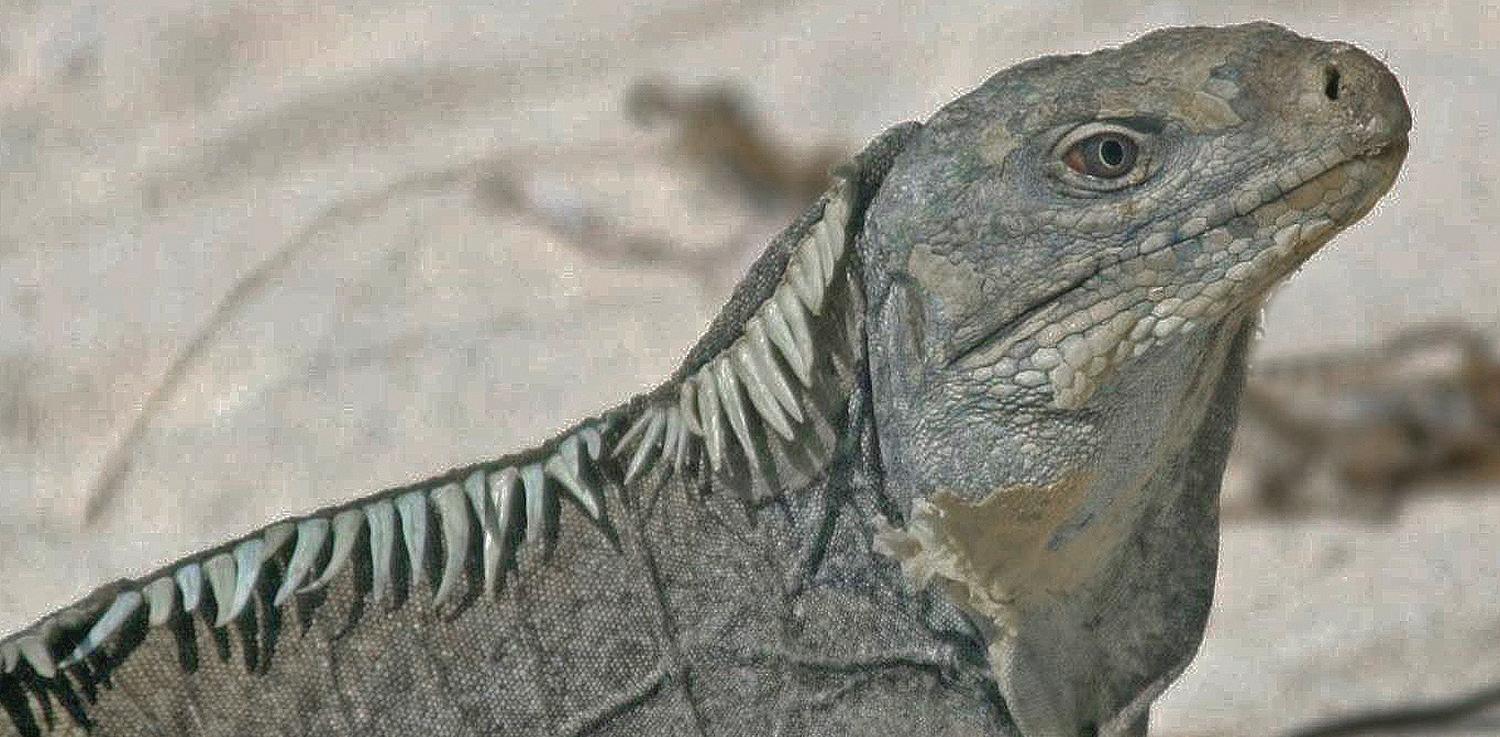
Jimmy Wehsener
Department of Ecology and Evolutionary Biology, University of California, Los Angeles, wUSA
"Managing Disturbance: Movement Responses of Rock Iguanas (Cyclura carinata) to Development and Supplemental Feeding in the Turks & Caicos"
Because of your generosity, we can provide vital support for iguana conservation by awarding grant funds to individuals and organizations working to protect endangered iguanas and their habitats. Your donations make it possible to safeguard the survival of these extraordinary animals for future generations. We couldn’t do it without you. Thank you!
$20,000–$50,000
Jacksonville Zoo & Gardens
John Iverson
$1,000–$10,000
Allison Alberts
Anonymous
Audubon Nature Institute
Brevard Zoo
Cameron Park Zoo
Disney's Animal Kingdom
Jeff Ettling – Personal Honorarium Gift
Fort Worth Zoo
Gladys Porter Zoo
Tandora Grant
Dan Greene
William and Kathleen Holmstrom
Jill Jollay
Kansas City Zoo & Aquarium
Milwaukee County Zoo
Theresa Moran
John G. Shedd Aquarium
Wendy Townsend
Bruce Weissgold
Wildlife Conservation Society
David Young
Aaron Zelnik *
Zoo Med Laboratories
Zoo Miami * Monthly Donors
$500–$999
Anonymous Donors via PayPal Giving Fund
Australasian Society of Zoo Keepers
Caribbean Wildlife Alliance
Paul Cerino
Gustavo Del Toro
$100–$499
Baton Rouge AAZK
Martha Lynn
Bobroskie
Amie Bräutigam
Judith Bryja
Paul Calle
Nina Chiavaroli *
Kevin de Queiroz
Andrew DurginBarnes
George Ganat
Ralph Gentry – In memory of Bert Langerwerf
John Griffioen
Tracy Hall
Brian Henley
William Hutchison
Linda Kenyon
Charles Knapp
Paolo Larosa
Jonathan Mohr – In honor of Thomas and Sven's wedding
Karin Nelson
Cayle Pearson
David Plittman –
In honor of Betty, sweetest iguana ever
Honora Precourt
Amanda Salm
Alyssa Scagnelli *
Terri Surabian – In memory of Kenny
Ashley Thompson *
$1–$99
Autumn Baker
John Binns
Kristen Birdsong
Marcus Cantos
Henry Cohen
Mattia Cortesi
Cyndi Davidson
Natalie Easton
Teresa Echeverria –In Memory of Oscar, Spanky, and Green Bean
Andrea Echeverry
Alcendra
Dario Evangelisti
Fabian Germerodt
Catherine Hollis – In honor of Stesha Pasachnik
Daniele Isacchi – In memory of Iguana
Emily Kimball
Ewelina Kukulak
Thomas Langethal
Ursala Link
Wicca Maples
Shayna Ortolani
Lee Pagni
Cindy Price – In memory of Lucy and Mr Gracy, iguanas that changed my life
Kimberley Priestley –In honor of Tandora and her lifetime of work with iguanas
Heather Slutter
Peter Stubbs
Thomas Wiewandt
Rohan Wilsnack
Georgia Witchel
Become an IIF donor and support iguana conservation! Scan this QR code to visit the donation page on our website.
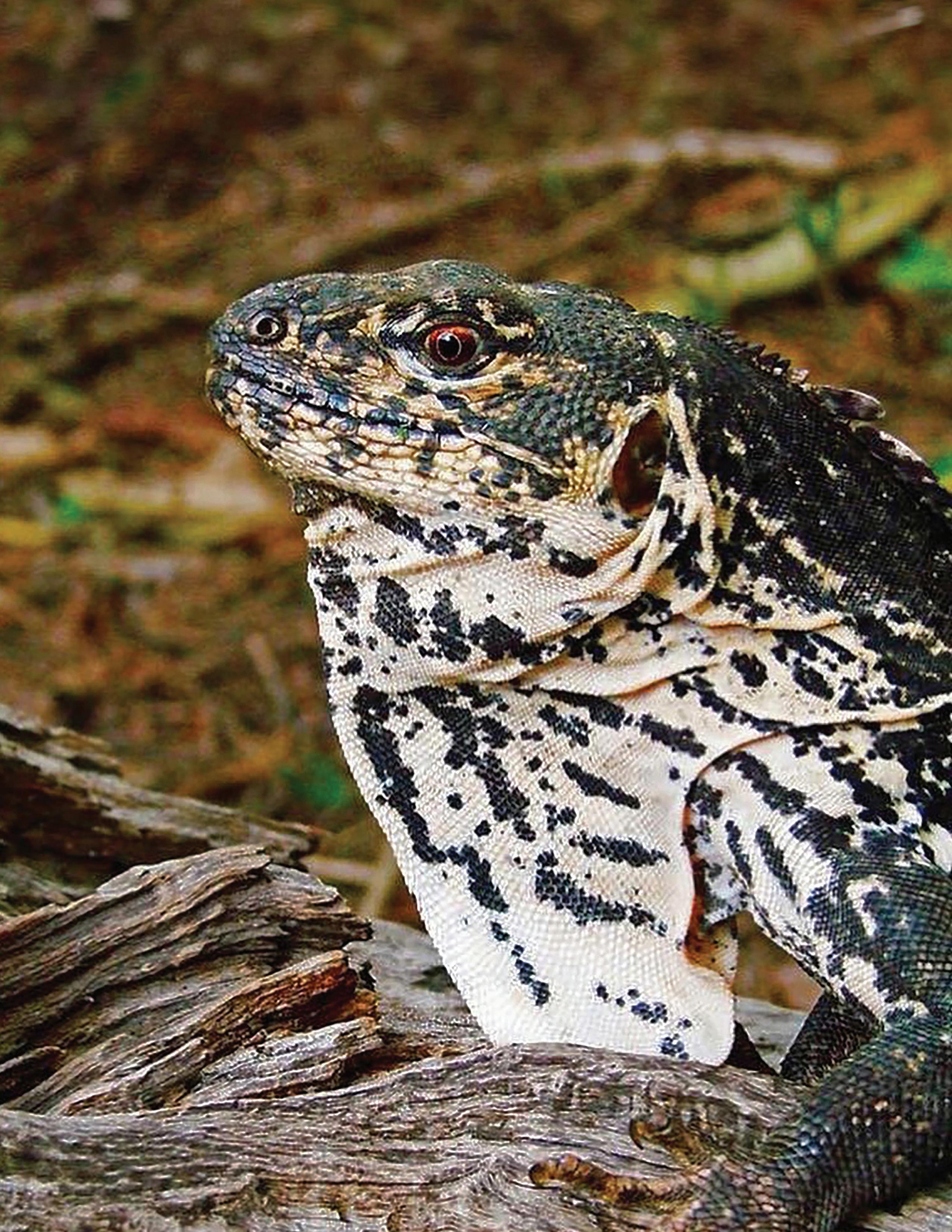
Front cover: The Critically Endangered Motagua Spiny-tailed Iguana (Ctenosaura palearis) is found only in the dry forests of Motagua Valley, Guatemala. Photo ©Daniel Ariano
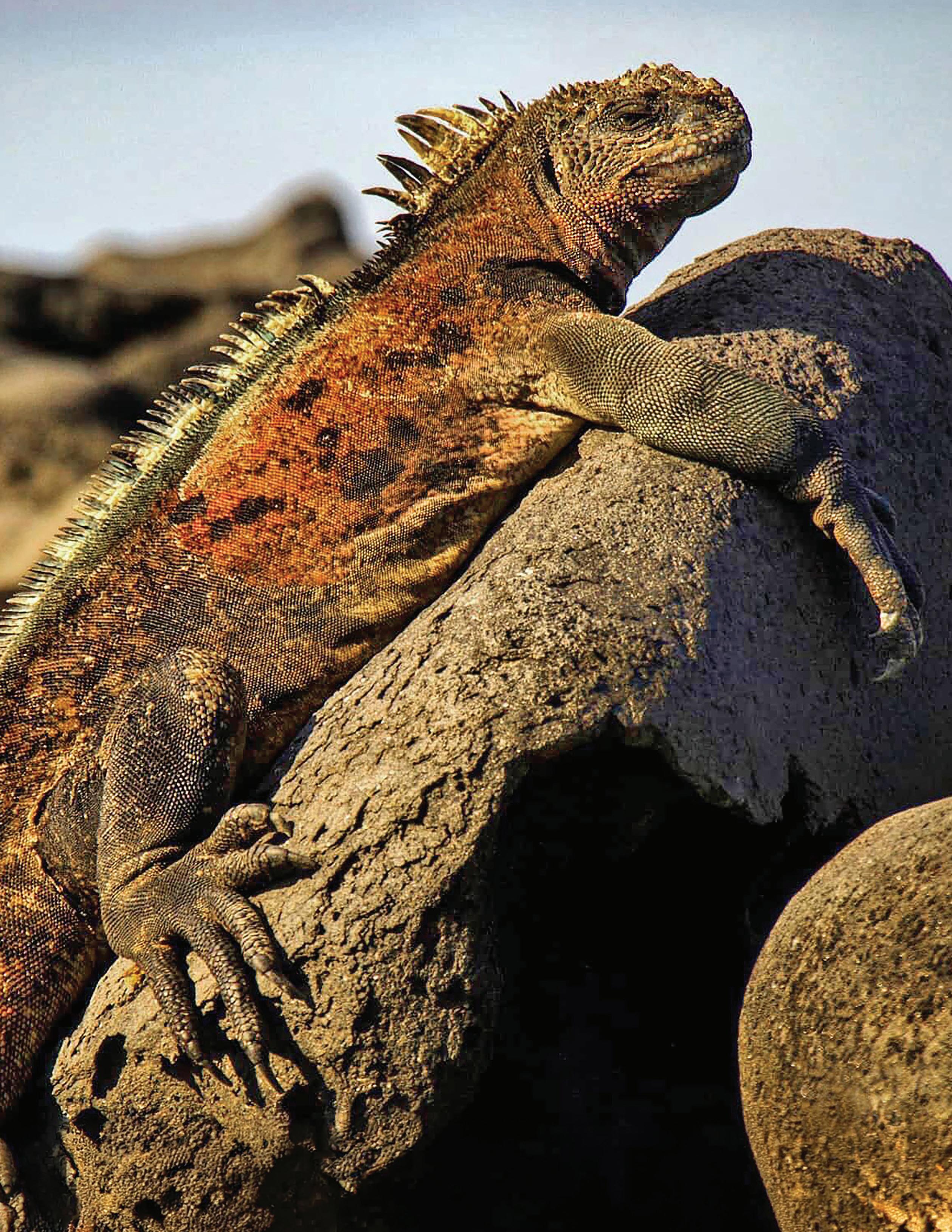
Back cover: The Galápagos Marine Iguana (Amblyrhynchus cristatus) is a unique species that has adapted to survive in a challenging environment at the edge of the sea. Photo ©Amy MacLeod