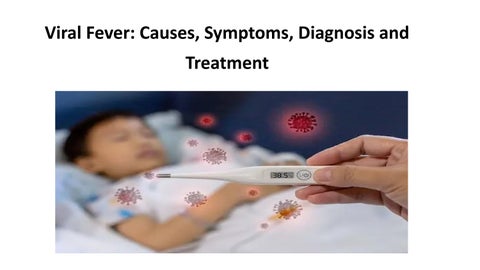
Viral Fever: Causes, Symptoms, Diagnosis and Treatment
Although viral infections are among the most common causes of fever, they are not the only cause. Fever can also develop due to bacterial, parasitic, and, less commonly, fungal infections. Since these conditions often have similar symptoms during the early stages but require different treatment, it is important to identify the underlying cause rather than assume every fever is viral.
Bacterial Infections Bacterial infections occur when harmful bacteria enter the body and multiply. Depending on the site of infection, they can cause fever along with symptoms such as cough, sore throat, painful urination, or abdominal discomfort. Common bacterial illnesses associated with fever include: ● Typhoid fever ● Pneumonia Unlike viral infections, many bacterial infections require antibiotics, which should only be taken when prescribed by a doctor.
Parasitic Infections Parasitic infections are caused by parasites that live in or on the body. One of the most common examples is malaria, which spreads through the bite of infected Anopheles mosquitoes. Malaria typically causes fever along with chills, shivering, sweating, headache, and body aches.
Fungal Infections Fungal infections are a less common cause of fever and are usually seen in people with weakened immune systems, prolonged hospital stays, or certain underlying medical conditions. Some serious fungal infections can cause persistent fever that does not improve with routine treatment. These infections require specialised investigations and emergency medicines.
What is Viral Fever?
Viral fever is a fever that develops when the body is infected by a virus. Rather than referring to a specific disease, it describes the rise in body temperature that occurs as the immune system responds to a viral infection. It can occur in various viral illnesses, including the common cold, influenza, viral gastroenteritis, dengue, COVID-19, and several other viral infections. When a virus enters the body, the immune system recognises it as a foreign invader and releases chemical messengers known as pyrogens.
What Causes Viral Fever? Viral fever can be caused by a wide range of viruses. The symptoms and severity depend on the type of virus involved, the part of the body it affects, and the person's overall health. Some of the most common viruses that cause viral fever include:
Respiratory Viruses Viruses that affect the nose, throat, and lungs are among the most common causes of viral fever. These include influenza viruses, rhinoviruses, adenoviruses, respiratory syncytial virus (RSV), and certain coronaviruses.
Gastrointestinal Viruses Viruses that infect the digestive system, such as norovirus and rotavirus, can also cause viral fever. These infections are commonly accompanied by nausea, vomiting, diarrhoea, stomach cramps, and loss of appetite.
Childhood Viral Infections Several viral illnesses that commonly affect children, such as measles, mumps, chickenpox, and hand, foot and mouth disease, may also present with fever, along with other symptoms that vary depending on the infection.
What are the Symptoms Associated with Viral Fever?
The symptoms associated with viral fever can vary depending on the virus causing the infection, the person's age, and their overall health. While fever is the classic symptom, viral infections may also cause respiratory, digestive, or generalised symptoms, depending upon the organs infected by the virus. Let’s look at some common symptoms.
Common Viral Fever Symptoms in Adults Adults with viral fever often experience a combination of fever and flu-like symptoms. The severity and duration of symptoms can vary depending on the underlying viral infection. Common symptoms associated with viral fever include: ● Chills ● Headache ● Fatigue and weakness ● Muscle and joint pain
Viral Fever Symptoms in Children and Infants Children and infants may experience many of the same symptoms as adults, but they often present differently, particularly when they are too young to describe how they feel. Young children may become irritable, unusually sleepy, or refuse feeds even before other symptoms become obvious. Common symptoms associated with viral fever in children include: ● Poor feeding or reduced appetite ● Irritability or persistent crying
How is Viral Fever Diagnosed?
Diagnosing viral fever begins with a detailed clinical evaluation. Since fever can result from viral infections as well as bacterial infections and other medical conditions, an infectious disease specialist may be involved when the underlying cause is unclear or requires further evaluation.
Medical History Evaluation The doctor will begin by asking about the patient's symptoms, including: ● When the fever started and how long it has lasted ● The pattern of the fever (continuous or intermittent)
Diagnostic Tests Many cases of viral fever can be diagnosed based on the medical history and physical examination alone, particularly when symptoms are mild and typical of a self-limiting viral illness. These may include: ● Complete Blood Count (CBC): Helps assess blood cell counts and identify changes that may suggest a viral infection or indicate another underlying condition. ● Virus-Specific Tests: Rapid antigen tests, PCR (Polymerase Chain Reaction) tests, or serological tests may be performed to confirm infections such as influenza, COVID-19, dengue, or other suspected viral illnesses.
Making a Diagnosis The diagnosis is made by considering the patient's symptoms, medical history, physical examination findings, and test results together. Since viral fever can have many different causes, investigations are tailored to the individual's clinical condition rather than following a one-size-fits-all approach. An accurate diagnosis helps guide appropriate treatment, identify complications early, and rule out other conditions that may require different management.
Treatment Pathways for Viral Fever
While most cases of viral fever are mild and resolve within a few days with supportive care, some viral infections may require antiviral medications, medical monitoring, or hospitalisation. The treatment for viral fever may include:
Supportive Care Supportive care forms the cornerstone of treatment for most cases of viral fever. The primary aim is to relieve symptoms, prevent dehydration, and support the body's natural recovery process. Supportive care may include: ● Adequate rest to help the body recover ● Drinking plenty of fluids to maintain hydration
Antiviral Medications Antiviral medications are not required for every case of viral fever. They are prescribed only for certain viral infections where specific antiviral treatment has been shown to be effective, such as influenza, COVID-19 in selected patients, or herpes virus infections.
Hospital-Based Care Hospital admission, including critical care in severe cases, may be necessary if viral fever is associated with severe symptoms, complications, or a high risk of clinical deterioration.
Potential Complications of Viral Fever
Most cases of viral fever are mild and resolve completely with supportive care and appropriate medical management. The type and severity of complications depend on the virus causing the illness and the organs it affects. Potential complications may include: ● Dehydration: Persistent fever, vomiting, diarrhoea, or reduced fluid intake can lead to dehydration, particularly in young children and older adults. ● Respiratory Complications: Certain viral infections may cause pneumonia or worsen existing respiratory conditions, leading to breathing difficulties.
Can Viral Fever Be Prevented?
While there is no single way to prevent viral fever, as different viruses spread in different ways, adopting a few simple precautions can significantly reduce the risk. These include:
Maintain Good Hand Hygiene Wash hands regularly with soap and water, especially before eating, after using the toilet, and after coughing, sneezing, or touching frequently used surfaces. When soap and water are not available, an alcohol-based hand sanitiser can be used.
Practise Good Respiratory Hygiene Cover the mouth and nose with a tissue or the elbow while coughing or sneezing, dispose of used tissues properly, and wash hands afterwards. Avoid close contact with people who are unwell and wear a mask when appropriate, particularly in crowded places or during outbreaks of respiratory viral infections.
Other Common Causes of Fever
Viral infections are usually managed with supportive care, bacterial infections may require antibiotics, parasitic infections need antiparasitic medicines, and fungal infections require antifungal treatment. This is why persistent, severe, or unexplained fever should always be evaluated by a doctor to determine its underlying cause and ensure appropriate treatment.
Viral Fever Not Going Away? Consult a Specialist
If you or a loved one has been having viral fever and it doesn’t seem to be getting better, consult a specialist as soon as possible. At Sterling Hospitals, we have a team of experienced doctors, supported by world-class diagnostic and treatment technologies, ensuring every patient receives accurate diagnosis and the best possible treatment. To book an appointment, call the Sterling Hospitals helpline or book online through the appointment portal. For medical emergencies, contact the dedicated 24×7 emergency helpline at +91-9898987878 or visit the nearest Sterling Hospitals emergency department for immediate medical care.
Reference Link: https://www.sterlinghospitals.com/blogs/viral-fever-symptoms-causes-treatment-prevention