
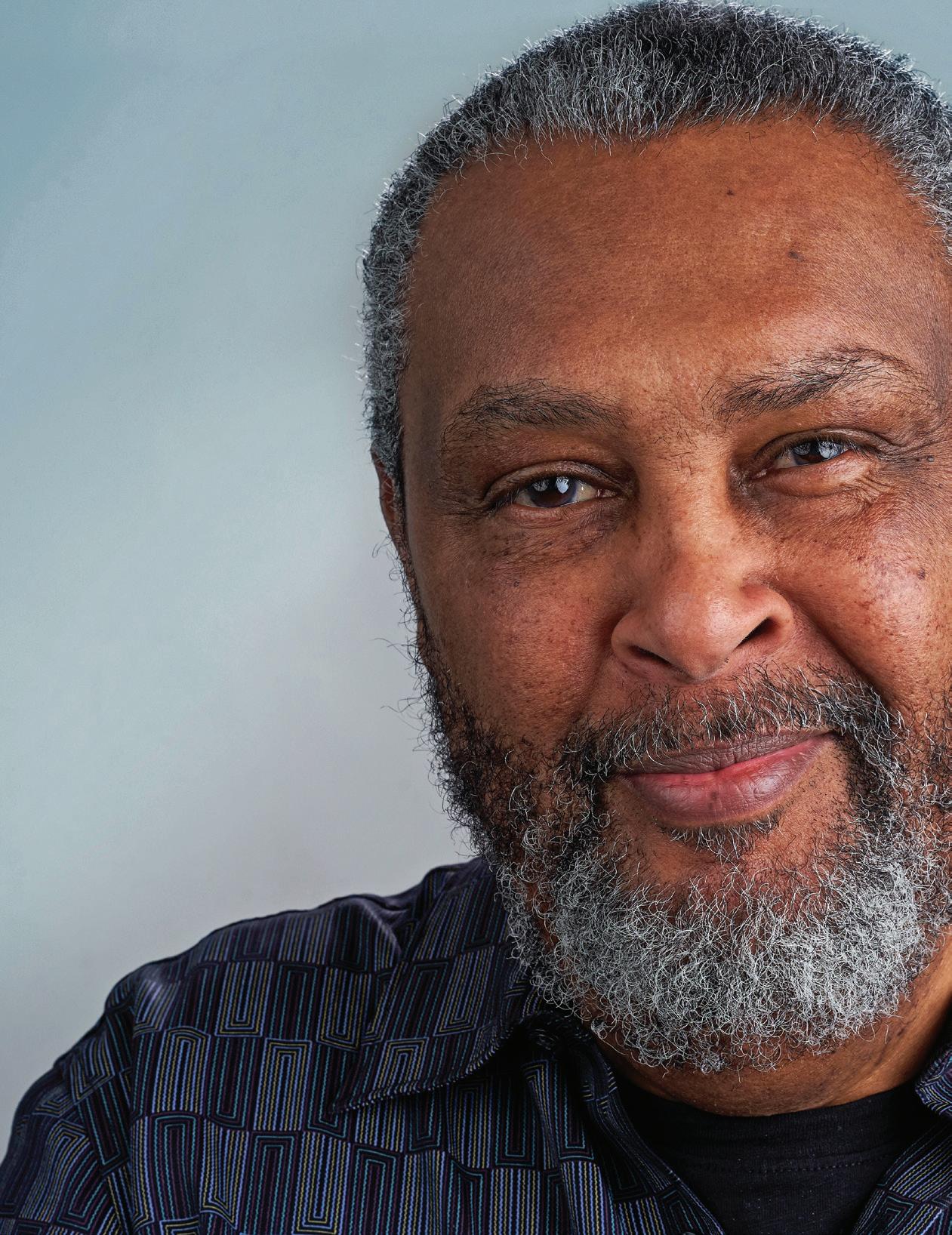
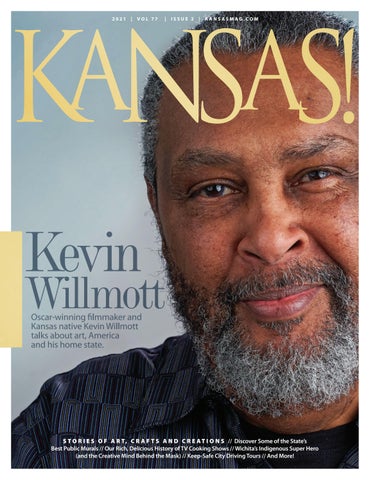
Oscar-winning filmmaker and Kansas native Kevin Willmott talks about art, America and his home state.

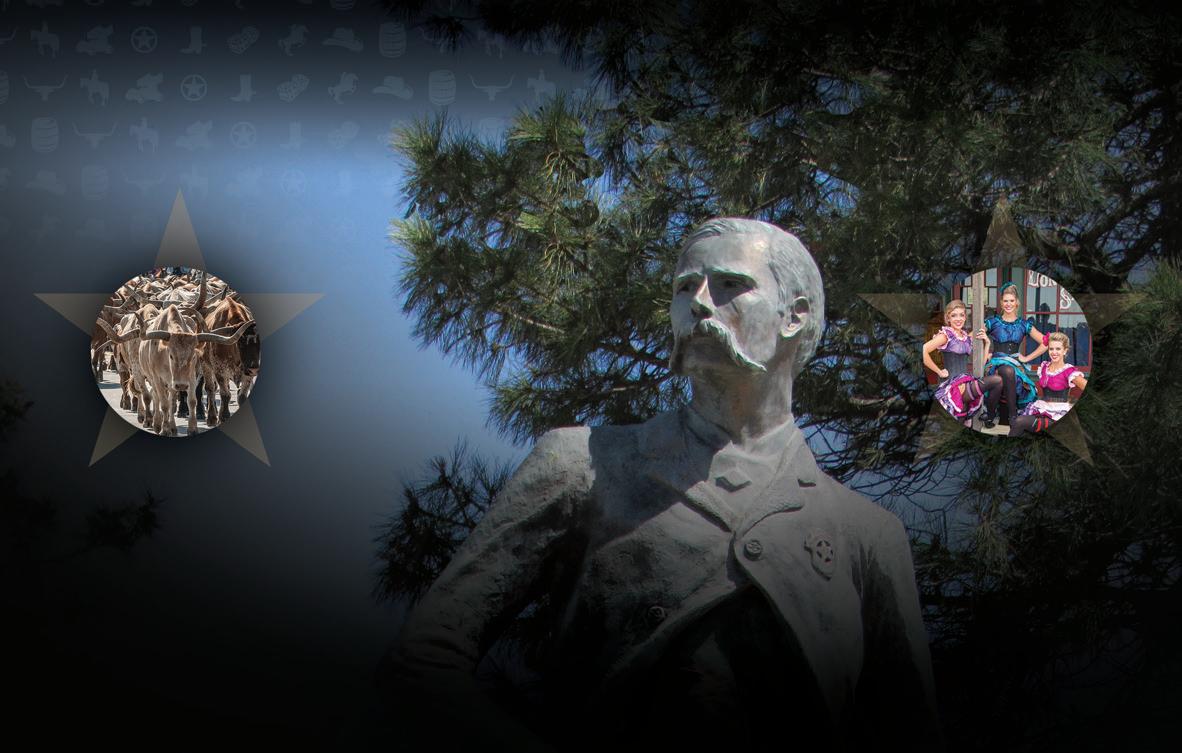
When you think Dodge City, you probably think of Wyatt Earp and Doc Holliday. Shootouts and Saloons. The general stores to wide open spaces to explore. In Dodge City, Kansas, the legend of the old west still lives on, partnered with the new west just waiting to be discovered. From the Longhorn Cattle Drive to the Long Branch Saloon to the Long Branch Water Park, the days in Dodge City are long on fun.
WE SAVED THE WEST FOR YOU!
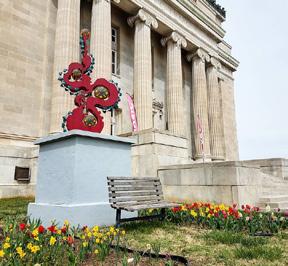



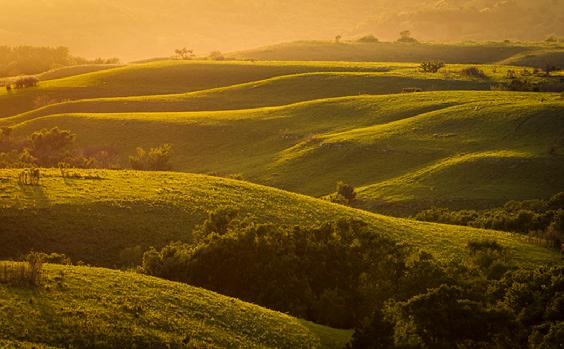
5 Epic Murals to See These public works of art celebrate Kansas themes and life

‘Part of the Legacy that Shapes Who We Are’ Oscar-winning filmmaker Kevin Willmott talks about his life in Kansas, his approach to cinema and his commitment to fighting racism
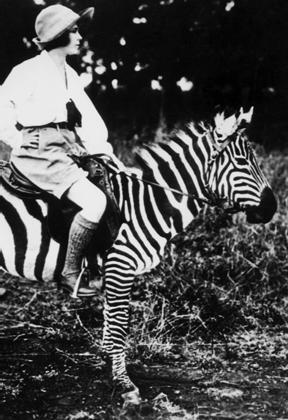

Martin and Osa Johnson were filmmakers, photographers, naturalists and authors. In the early 20th century, they explored then -unknown lands of Africa, the South Pacific Islands and British North Borneo bringing to the U.S. knowledge of cultures and sights never before seen. Learn more about the adventures of this pioneering couple at the Martin and Osa Johnson Safari Museum, which also houses the largest collection of West African Art in the Midwest.
Other attractions in Chanute include:
• Summit Hill Gardens Soap Shop
• Chanute Art Gallery
• Chanute Historical Museum
• Wright Brothers-Octave Chanute Memorial Sculpture
• Howard’s Toys for Big Boys Automotive Museum
• Cardinal Drug Store Old-Fashioned Soda Fountain
• ARCY Spray Painted Historical Mural
21 N. Lincoln ~ 620-431-3350 information@chanutechamber.com ~ www.chanutechamber.com




Experience exciting table games, over 1,100 slot machines, award-winning dining, live entertainment, and Golfweek ’s Best Course in Kansas, all only minutes from Topeka. Plan your stay at Prairie Band Casino today and – whether your game’s played on felt, at the slots, or on the links – discover even more ways to play.
Don’t have a Prairie Band Players card? Sign up for FREE with a valid I.D. All new members can spin the New Member Rewards Prize Wheel for a guaranteed prize up to $500 Prairie Cash!


Like us on or for an additional $10 Prairie Cash!











Kansas Department of Wildlife, Parks and Tourism
Andrea Etzel EDITOR-IN-CHIEF
Laura Kelly GOVERNOR
Brad Loveless KDWPT SECRETARY
Bridgette Jobe TOURISM DIRECTOR
SUNFLOWERPUB.COM | LAWRENCE, KANSAS DESIGN & PRODUCTION
Bill Uhler PUBLISHER
Shelly Bryant
DESIGNER/ART DIRECTOR
Joanne Morgan MARKETING, (785) 832-7264
Alex Tatro
ADVERTISING DESIGNER
Bob Cucciniello DIRECTOR
Nathan Pettengill MANAGING EDITOR
Kalli Jo Smith MANAGING EDITOR
Leslie Andres COPY EDITOR




ALLENPRESS.COM | LAWRENCE, KANSAS PRINTER
Kathy Lafferty ACCOUNT EXECUTIVE Lisa Mayhew ACCOUNT MANAGER
KANSAS! (ISSN 0022-8435) is published five (5) times per year by the Kansas Department of Wildlife, Parks and Tourism 1020 S. Kansas Ave., Suite 200, Topeka, KS 66612; (785) 296-3479; TTY Hearing Impaired: (785) 296-3487.
Periodical postage paid at Topeka, KS, and at additional mailing offices. Newsstand price $5 per issue; subscription price $20 per year; $36 for two years. All prices include all applicable sales tax.
Please address subscription inquiries to: Toll-free: (800) 678-6424
KANSAS!, P.O. Box 146, Topeka, KS 66601-0146
Email: ksmagazine@sunflowerpub.com | Website: www.KansasMag.com
POSTMASTER:
Send address change to: KANSAS!, P.O. Box 146, Topeka, KS 66601-0146.
Please mail all editorial inquiries to:
KANSAS!, 1020 S. Kansas Ave., Suite 200, Topeka, KS 66612 email: ksmagazine@sunflowerpub.com
The articles and photographs that appear in KANSAS! magazine may not be broadcast, published or otherwise reproduced without the express written consent of Kansas Department of Wildlife, Parks and Tourism or the appropriate copyright owner. Unauthorized use is prohibited. Additional restrictions may apply.
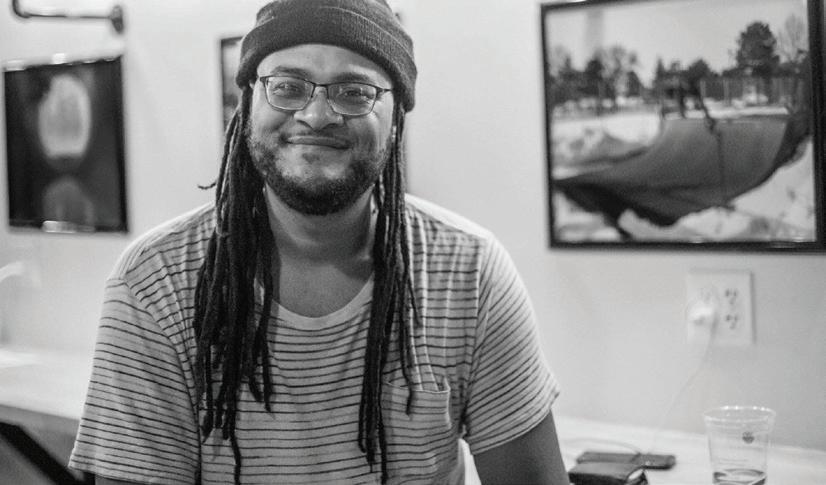
Topeka-based musician and writer Martinez Hillard writes about his unusual connections to Kevin Willmott before they met for this issue’s feature story.
I initially became familiar with Mr. Willmott’s work through the creations of his children, particularly his youngest and middle sons, Kevin II and William, respectively. Along with their older brother, Berrigan, they all share their father’s talent for storytelling, but in different genres.
I had been fortunate to meet Kevin II while my band was on tour at his home city of Madison, Wisconsin. We talked at length about his experiences in the city and some of the challenges he faced in forming Cowboy Winter, a garage, rock, soul, and R&B quartet before moving on to fronting Don’t Mess with Cupid, an 8-piece band devoted to honoring the classic soul of Otis Redding, Stevie Wonder, James Brown, and more. His stage performance mirrors his interactions in life—dynamic, positive, and invested in community.
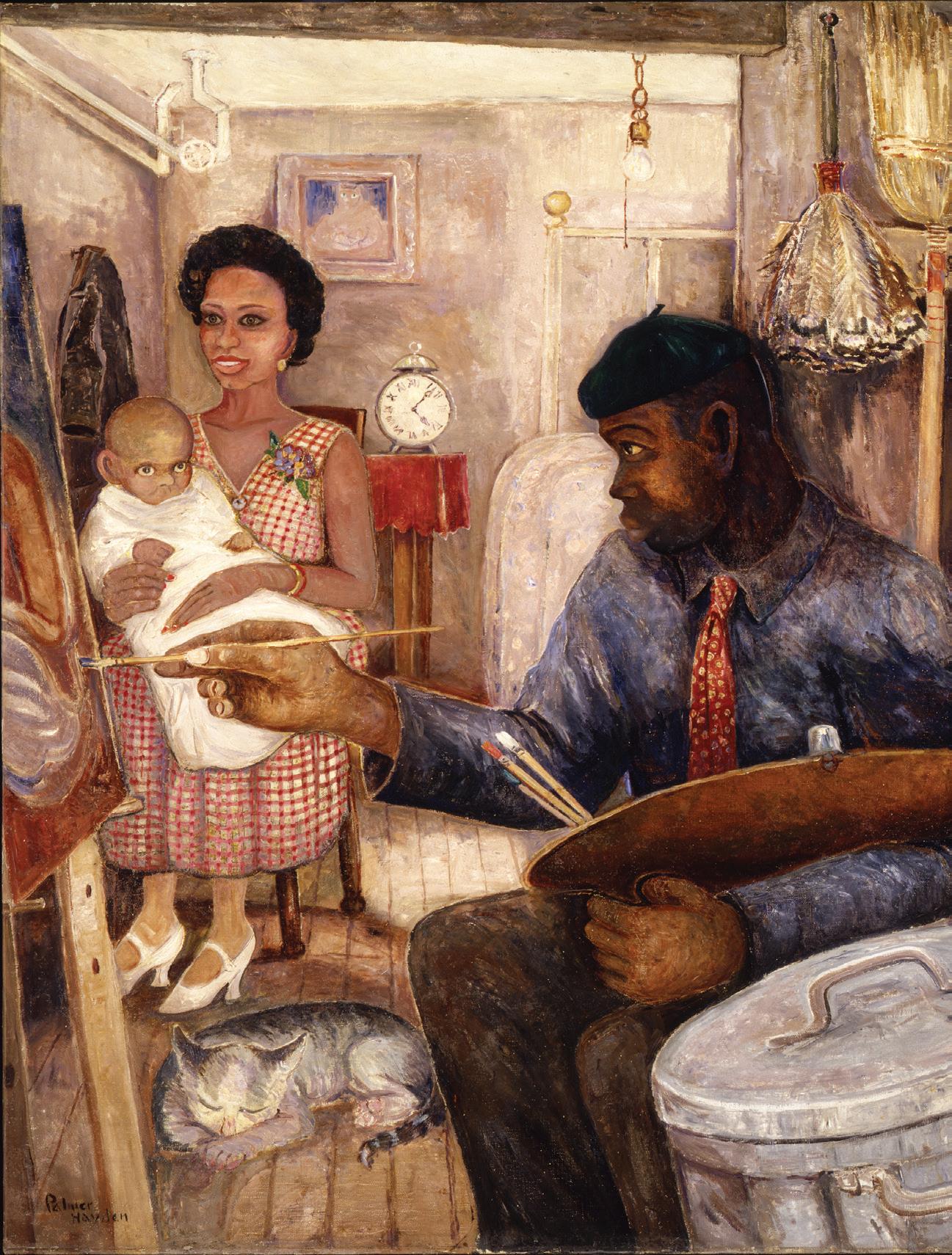
I knew William through his work as a visual artist of everything from wildstyle graffiti to digital collages that refract historical and futurist Blackness—works that free the Black experience by dislodging it from current social constraints while retaining a legacy of Black freedom fighting.
So, in a way, by the time I began my interview with Mr. Willmott, I had already been exposed to both his work and a major theme running across it: that collaborative and community-minded intergenerational exchanges are essential to nurturing American Black communities, Black families and the role of Black men within them.
“... they [the Willmott brothers] all share their father’s
talent for storytelling, but in different genres.”
—Martinez Hillard

Readers who subscribe to our magazine emails or follow along on our website kansasmag.com will have known about our most recent virtual gathering, a holiday cocktail hour co-hosted with Atchison-based TILL American Wheat Vodka.
That event in early December featured master blender David Whitmer and master distiller Matthew Greeno presenting signature cocktails from Kansas bartenders.
Guests who attended the virtual event received a link to a digital cocktail guide crafted by TILL vodka and featuring Kansas ingredients and tastes in mind.
“This was a great way for Kansas businesses and makers to build connections with Kansas audiences,” says KANSAS! magazine editor-in-chief Andrea Etzel.
The magazine plans a series of events, virtual and in-person, in the future. If you or your business would want to explore partnering for one of these, contact us at andrea.etzel@ks.gov.
A hello FROM OUR EDITOR
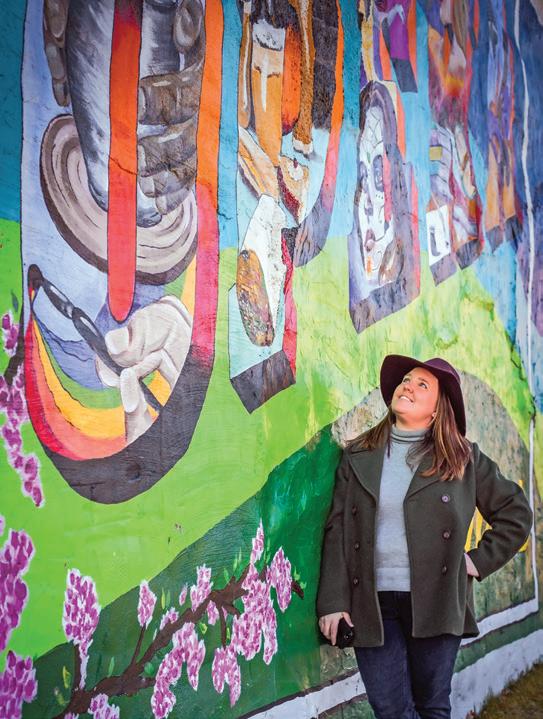
Since midway through January, I’ve had a bad case of cabin fever.
As I write this, huddling next to a space heater with a dog in my lap, the temperature outside is a dismal 14 degrees—the high for the day. I’m catching myself daydreaming about cruising back roads, taking picnics in the park, and hiking the trails. Luckily, all these activities are just around the corner, and until then I can enjoy watching our state go through its reawakening from winter to spring.
Something I do enjoy all year long is exploring Kansas’ vibrant and blossoming public art scene. From urban cities to small towns, murals are a hot trend right now. Every week I hear of a new one going up, each with its own story to tell.
To learn more about the behind-the-scenes artistic process of creating murals, I had the opportunity to connect with muralist Jennifer Bohlander. Jennifer, who has painted seven murals in Topeka’s NOTO Arts District, shared her journey and her perspective on the importance of public art in our communities. Read my full interview with Jennifer, along with a photo collection of her murals, on our website at www.kansasmag.com.
After a year of isolation, I’ve had the overwhelming urge and need for connection—with people, with communities, and with the land. Talking with others, I find this is a common feeling. What I’m looking forward to most about this year is making connections with fellow Kansans and sharing their stories with you.

facebook.com/KansasMagazine


@KANSASMag
KansasMagazine (get spotted; use #kansasmag to tag us)
ANDREA ETZEL EDITOR, KANSAS! MAGAZINE

“I genuinely hope that murals and public art make people happy to see such open use of space for creativity ...”
–Jennifer Bohlander

throughout its 22 years of business. Toward the end of 2019, owner and founder Laura Laiben began brainstorming with her staff about branching out with another new line of classes—virtual experiences. Their first classes in their new online lineup opened in early 2020, just before the arrival of the pandemic.
By Cecilia Harris
slowed down “when it got to be July or August. There was a lot of Zoom fatigue going on and it seemed people felt the last thing they wanted to do is to watch anything on their computer screen.” Also, Laiben notes, the market simply became flooded with online cooking videos.
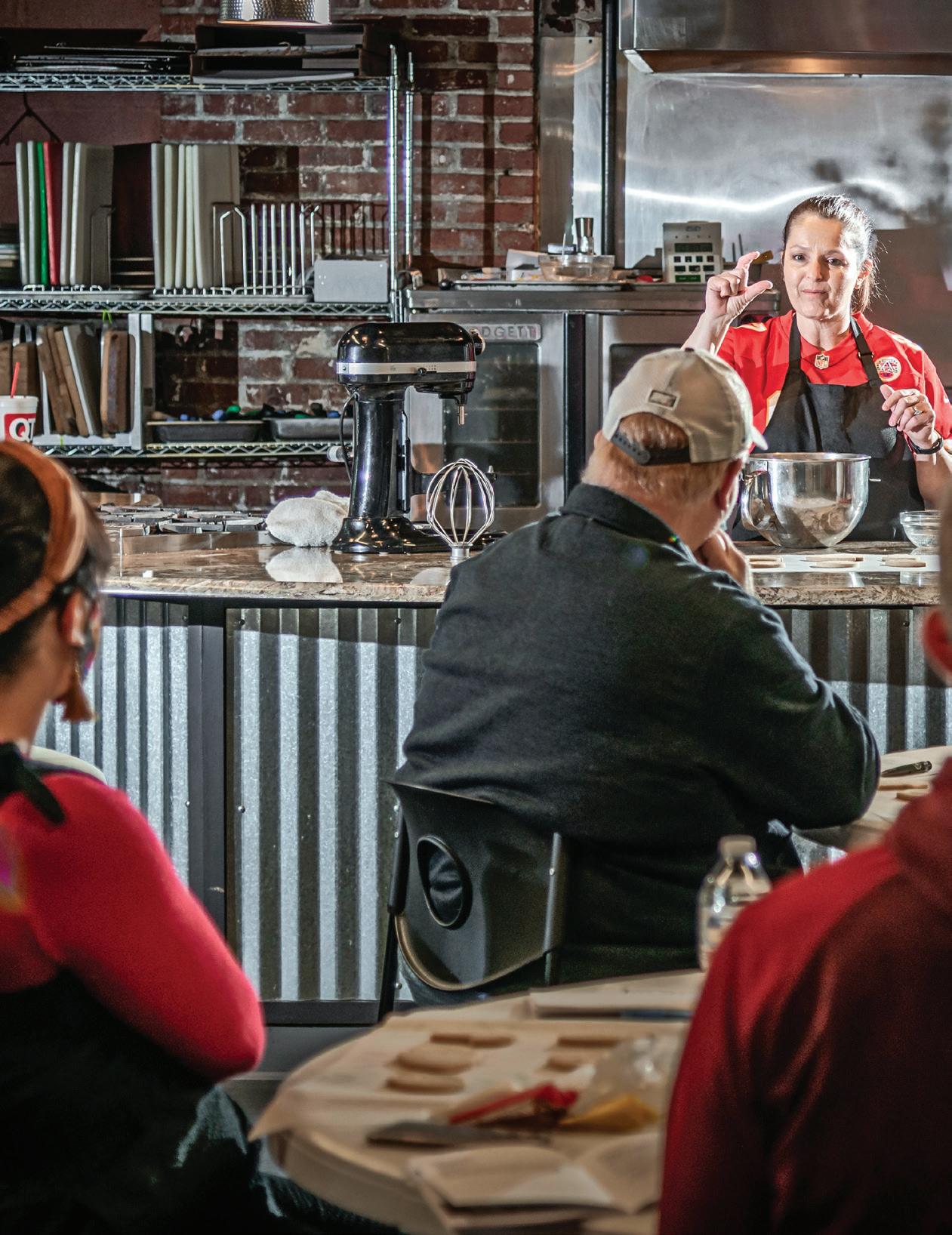
plate, then you have to learn how to master his upturned smile. That thin, distinct expression is one of the essential finishing touches in creating the perfect frosted replica of Kansas City’s NFL MVP quarterback.
Standing in the front of the classroom kitchen at The Culinary Center of Kansas City, Leesa Yates places the finishing touches on her Mahomes, then moves among the classroom tables to assist her students. This newer class is part of the Culinary Center’s regular expansion of courses and events
“We were in a position where we were all ready to do it. We had some adjustments; the main one was we needed to upgrade equipment, lighting and audio, but it didn’t take a lot,” says Laiben.
“I don’t think the online experience will ever go away.”
Part of the adjustment also included figuring out what formats and featured dishes people wanted. But the demand was certainly not a problem as people sought out quarantine diversions and turned to one of the region’s most respected culinary establishments. Some of the center’s new online classes registered as many as 100 to 150 students, a mix of new and returning clients from across the globe.
Eventually those numbers
Cook With A Chef | Two hour-long online cooking classes through the Olive Tree in Overland Park allow cooks to create four dishes alongside owner Mindy Riley, or to simply watch the video to learn. Interested cooks who register and pay the fee through the store’s website are given a Facebook Live link. The videos of classes are later archived and eventually become available at a discounted price. olivetreeks.com
—Laura Laiben
But as 2021 progresses and The Culinary Center begins returning to in-person classes such as the football cookie demonstration, Laiben and her staff will carry over new skills and course options from the months when they were limited to online teaching.
“I don’t think the online experience will ever go away,” says Laiben. “There is definitely a market, and a certain percentage of customers will have gotten used to being online generally for everything and will look to us as one of their first places. But I think people will want what we have always offered in culinary education: in-person camaraderie, fun and events focusing on the community.”
Let’s Get You Cookin’ | Mayetta-based chef Alli Winter has begun offering free 30-minute cooking classes streamed on Facebook Live and available for replay. “We all long to cook for our families; we want easy, nutritious meals, but sometimes we get overwhelmed,” says Winter. “That’s the focus of these videos, to encourage people, to show them you can do this, and to give them some kitchen hacks, some tips and tricks.” facebook.com/chefalli/videos | chefalli.com
By Lisa Waterman-Gray
Kansas Vineyards Work with Local Farmers to Create Regional Flavors
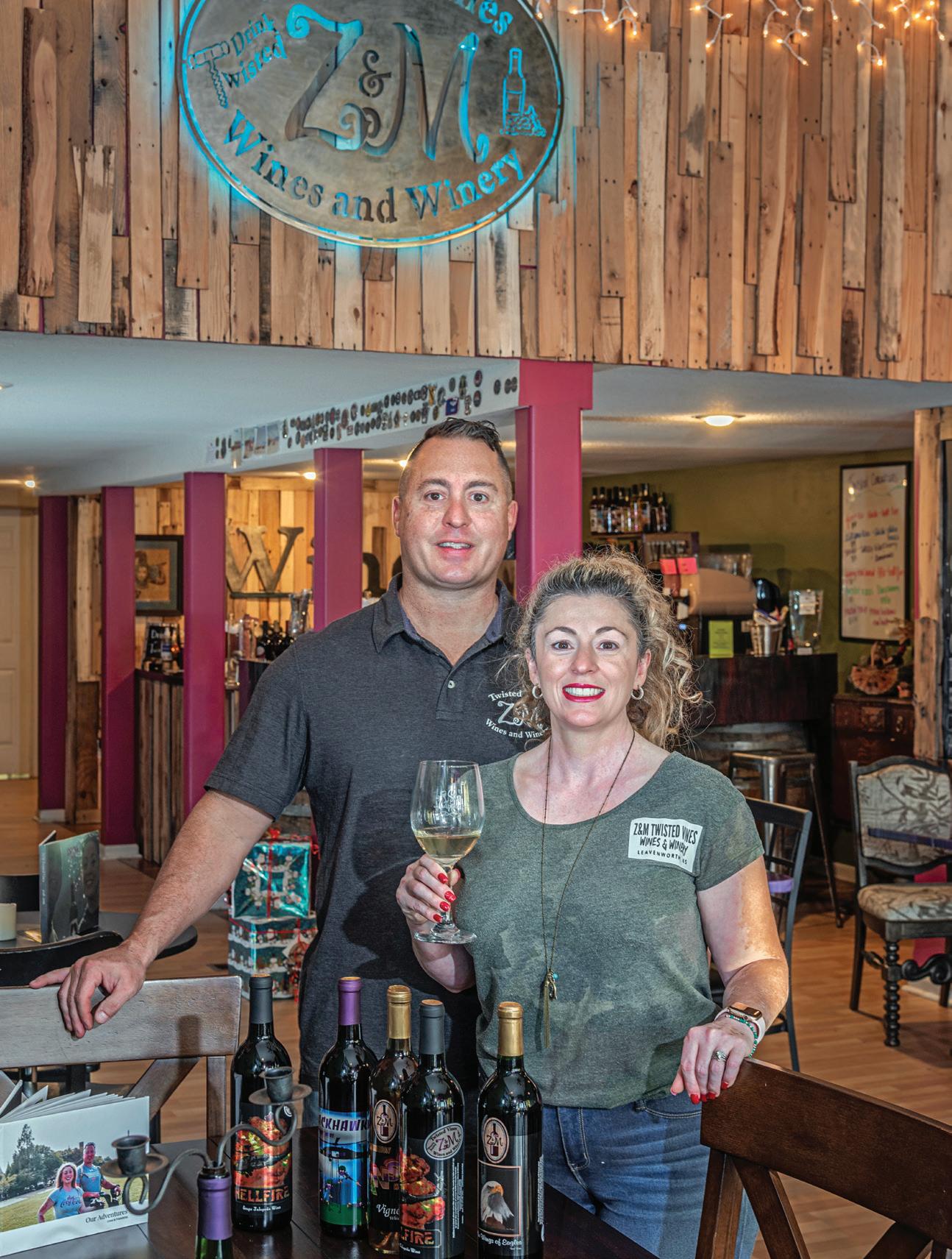
Z&M Twisted Vines Wines and Winery
Gina Montalbano Zesiger and Bryan Zesiger began making wine on their farm in southern Leavenworth County. Soon, what began as a hobby led to wine tastings for family and friends and then the opening of a retail shop in downtown Leavenworth in October 2018.
Now retired from their original careers—Gina from the Park Hill School District in Kansas City, Missouri, and Bryan as an Apache aviation pilot with the Army—the two are able to concentrate on their longtime interest.
“Winemaking is on my Sicilian side of the family, and Bryan has tasted wine all over the world,”
Shiloh Vineyard & Winery | WaKeeney
Shiloh Vineyard & Winery offers 9 dry or semi-sweet whites and reds and two dessert wines. Six fruit wines feature blackberries, plums, pears, peaches, and apples. Kirk and Treva Johnston’s wines incorporate Kansas fruit, including blackberries from Big Berry Farm in Lecompton; apples, pears, and grapes from the Oxford area; and grapes from the Hoxie and WaKeeney areas. Open Saturdays and Sundays, 1–6 p.m., or by appointment. (785) 743-2152 shilohvineyard.com
Gina says.
“I’ve visited multiple countries, and what I saw was a common thread between all winemaking,” Bryan says. “It was and is still being done very traditionally. We appreciate traditional wines, but in many different wines I picked up unique flavors that we wanted to bring out in our wines,” he adds.
The Z&M line of just under 40 wines includes coffee wine, spicy wines and an emphasis on Kansasgrown ingredients. “We currently have four grape growers in Kansas,” Gina says. “But we also buy local fruit and vegetables from farmers in the general surrounding area of Leavenworth and Lawrence.”
“We want our wines to tell our story and we try to have fun with
Winery | Salina
Owned by George Plante and Brock Ebert, Smoky Hill is one of the state’s largest grape-producing farm wineries. Twenty wines range from sweet whites to rosé and reds. Fruit-forward varieties include Red Raspberry, Simply Peach, Restless Summer (a strawberry and rhubarb blend) or Midnight Meadows—a blackberry and Norton grape wine available only in Kansas. (Tour/tasting appointments available, Monday through Friday, 8:30 a.m.–4:30 p.m.) (785) 825-8466 | kansaswine.com
it,” Gina explains. Names such as Blackhawk Blackberry and Hellfire reflect Bryan’s military background.
Gina and Bryan are now also licensed to craft cider beers and distillations. Post-Covid plans for their winery location include opening a 3,000-square-foot outdoor pavilion with weekend food trucks and live music.
“We developed wine to reflect something that we would enjoy,” Bryan says. “Our way of looking at wine is we think it should be fun and enjoyable for everybody.”
Z&M Twisted Vines, Wines and Winery
Leavenworth and rural Leavenworth County (near Lawrence) (531) 600-8187 zmtwistedwines.com
Hill Winery | Whitewater
Physicians David Sollo and Natalie Sollo planted grapes here 17 years ago. Wines such as Dodging Tornados (Chambourcin grapes) and Eclipse (a dessert blend of Seyval and muscat grapes), are always on hand. In the tasting room, the Cellar Series features small batch, rotating varietals. In addition, Grace Hill Outlet at Wandering Vine operates a retail outlet at the Wandering Vine event space and restaurant in Shawnee. (316) 799-2511 gracehillwinery.com
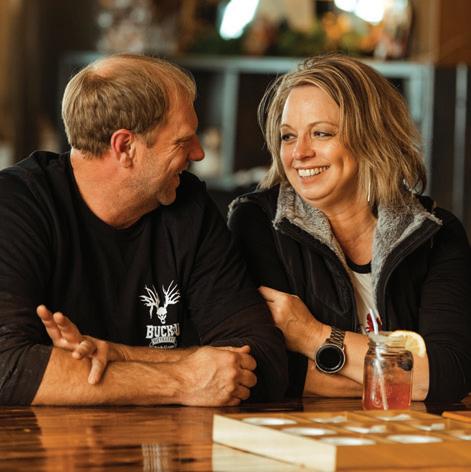
In early 2017, after lots of paperwork, Daryl Kleitz brewed his first commercial batch of artisanal Buck-U vodka. “I kinda made moonshine on the side and decided I probably shouldn’t get in trouble doing that, so here we are,” jokes Kleitz, who now runs Buck-U Distillery and the Buck-U Distillery Bar from his hometown of Ottawa.
And from his first batches of signature sweet corn vodka to his latest lines, Kleitz has created flavors—including peach, pumpkin spice and jalapeño-lime—inspired by Kansas produce. “All my local farm buddies out here, they grow it for me,” says Kleitz. “Our vodka is made from Peaches and Cream sweet corn right out of the garden,” he explains. “To me, sweet corn gives the nicest, sweetest flavor, and we enhance our vodka by adding all natural flavorings from fruits
and vegetables—no chemicals— which we try to source as locally as possible. Our peaches come from Pome on the Range Orchard south of Ottawa, our blackberries come from South Baldwin Farms, and we use apple cider from the Louisburg Cider Mill.”
As the distillery has grown in the first three years, Kleitz has added other liquors such as apple brandy, rum, whiskeys and bourbons. These products can be bought commercially or sampled at the distillery’s new bar and outlet shop—a repurposed Stuckey’s— northeast of Ottawa. “It’s an amazing space. It’s huge and it’s allowed us to open a full bar and it’s just beautiful,” says Kleitz. Buck-U also offers tours and tastings.
Smoky Valley Distillery
Marquette’s Smoky Valley Distillery opened in June 2020
By Amber Fraley
thanks to retired professionals Stan and Michele Von Strohe, along with their son Shane. In the distillery’s first two years, the Von Strohes have worked to source local grains to create a line of liquors that includes Wild Plum Vodka, Smoked Jalapeño Vodka and Smoky Valley Bourbon, as well as some limited productions such as Lingonberry Vodka. Visitors can call ahead to schedule tours and tastings in the distillery, a historic building in the heart of Marquette.
Created in Atchison by Midwest Grain Products (MPG) Distillery, TILL American Wheat Vodka was launched in 2016 and won silver medals at the San Francisco World Spirits Competition as well as at the New York World Wine & Spirits Competition. It is available at liquor stores throughout the state.

Where in Kansas?
By Cecilia Harris
Kansas attractions shift to online tours and events to reach out to new visitors and strengthen connections with regular patrons during the pandemic
The next best thing to visiting an attraction, online tours have become the ideal way to explore Kansas during the pandemic as well as to plan future in-person trips.
“We decided that since people were stuck at home it would be fun to bring the museum to them,” says Rachel Unruh, marketing and public relations representative at Fort Hays State University’s Sternberg Museum of Natural History in Hays. At the core of this shift to virtual events was a series of presentations called “Dome from Home,” a tribute to the museum’s dome-shaped structure. These Facebook Live videos featured such topics as “The
Secrets of Seashells,” “Batty for Bats” and “Long Necked Plesiosaurs.” Though the initial program run has finished, the videos can be seen on the museum’s website and YouTube channel, to which other new content continues to be added.
The Dwight D. Eisenhower Presidential Library and Museum in Abilene offers virtual resources on its website including tours, exhibits, programs, and educational activities, according to Samantha Kenner, the facility’s communications director. A guided virtual tour of Eisenhower’s boyhood home is among the videos, many of which also are available on the IkeLibrary YouTube channel.
Near Great Bend, the Kansas
A nonprofit organization that connects communities with history, traditions, and ideas to strengthen civic life, Humanities Kansas works with local groups to provide Speakers Bureau presentations and TALK (Talking about Literature in Kansas) discussions online through communications platforms such as Zoom or Google Hangout. humanitieskansas.org | (785) 357-0359
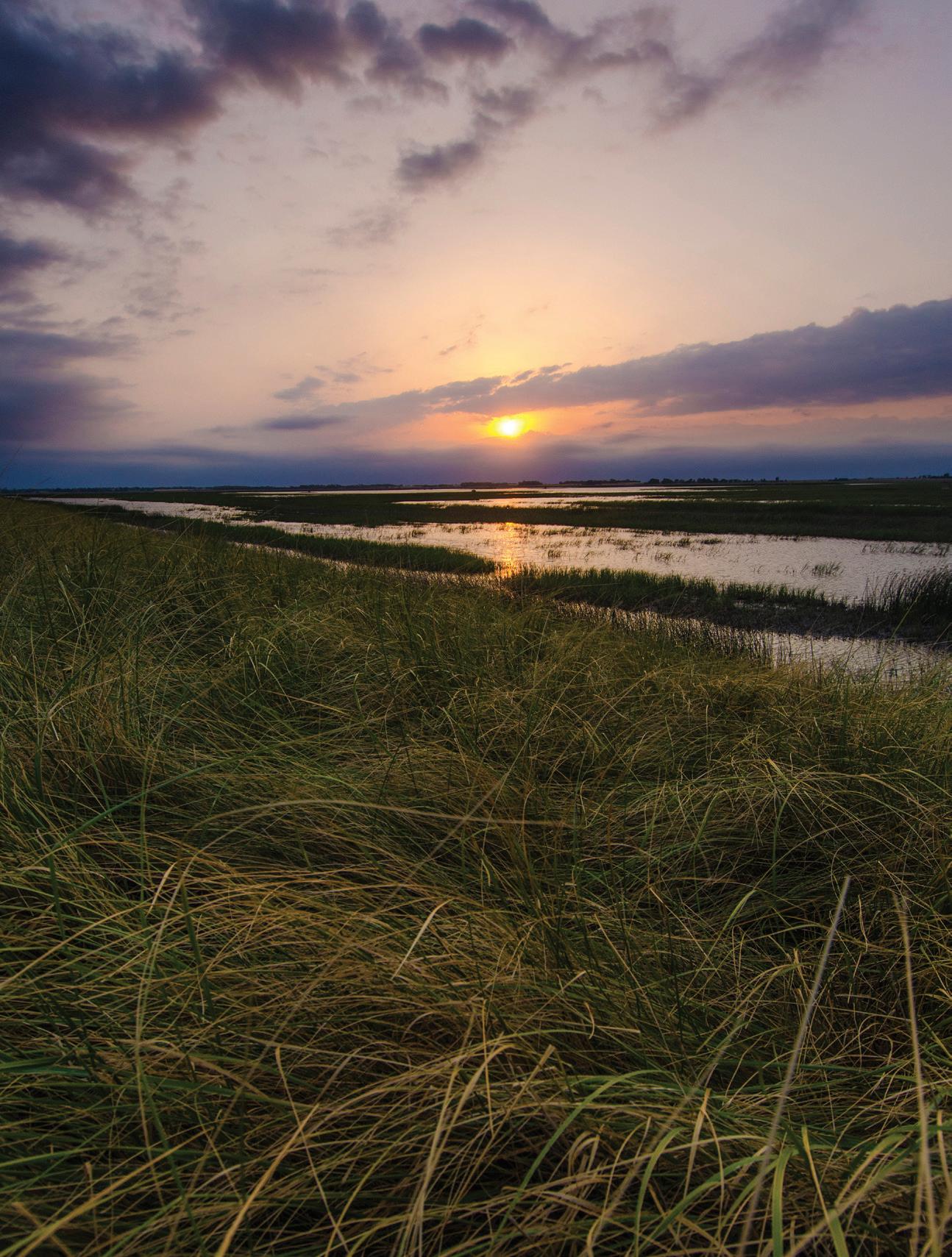
Wetlands Education Center overlooking Cheyenne Bottoms provides a virtual tour that includes 360-degree images, drone footage, educational videos, interviews with Cheyenne Bottoms experts, and interactive games.
“It’s not as good as an in-person visit, but we think for now it’s a good way to showcase the wetlands,” says Mandy Kern, the center’s program specialist.
sternberg.fhsu.edu | (785) 628-4286
eisenhowerlibrary.gov (785) 263.6700 or ( 877) RINGIKE
wetlandscenter.fhsu.edu (620) 566-1456 or (877) 243-9268
Cameras at the Sedgwick County Zoo in Wichita allow viewers to observe animals live 24 hours a day, 7 days a week. The cameras focus on the country’s third-largest elephant habitat, home to 8 African elephants, and on the Humboldt penguins’ cove, a habitat replicating the animals’ native coast of South America. scz.org | (316) 660-9453
New federal recognition boosts status of two trails and the businesses and communities around them
Two Kansas trails recently gained recognition from the National Park Service as National Recreational Trails. This designation confirms what many in Kansas already knew— the Flint Hills Trail State Park and Prairie Spirit Trail State Park provide great opportunities for recreational visitors as well as for the communities around them.
The Flint Hills Trail begins near Osawatomie and currently ends in Council Grove, a distance of 95 miles through tall, timbered ridges; past farmlands, marshes and bald eagle nesting sites; and bisecting many prime miles of the Flint Hills. The Prairie Spirit Trail stretches 51 miles from Ottawa to Iola, through farmlands, riparian areas, gorgeous prairie and river and stream banks. Both trails provide ample recreational opportunities throughout the year.
Both trails also follow abandoned railroad lines and were managed by volunteers before becoming state parks; Flint Hills Trail is the seventh-longest railtrail in the nation. Both are open the cycling, hiking and horseback riding. There is no charge for using the trails, which are mostly paid for by state park fees. Numerous grants have been invested in both trails, and volunteers continue to play an important role.
The trails, which intersect in Ottawa, are also bringing thousands of new visitors annually to the town.
“They’re the reason we’re here,” says Jeff Carroll, owner of Ottawa Bike and Trail. He opened the shop in 2018 within a half-block of the trails after hearing local leaders tout the trails’ attractions. “I soon realized how the city council and so many people were extremely supportive of the trails,” says Carroll.
Carroll needs only to step out the back door of his shop to witness Ottawa’s commitment. What was once a parking lot is Legacy Square, a 20,000 square-foot outdoor, multiuse area near the trails’ intersection.
The block-long facility has rows of covered parking, a grassy area in front of a performance shelter and spacious, modern restrooms. It’s rare to not find cyclists or hikers using the park. Community events like farmers markets are held here regularly. The park also hosts special events, like concerts, when Covid-19 restrictions are not in place. Locals are proud no tax dollars were spent to create such a facility.
“One of the best parts about Legacy Square is that the $5 million to build it was raised locally, mostly by donations and a few grants,” says Carroll. “Local businesses made up a lot of the donations. That shows the faith they have in what the trails can do for Ottawa.”
Kansas now boasts 22 trails on the National Recreational Trail list. For locations and information on these trails, go online to the national listing at nrtdatabase.org and search for “Kansas.”
By Amber Fraley
Many of those businesses are working to become more appealing to cyclists. One of these is Not Lost Brewery, also at the edge of Legacy Square, which has installed bike racks in front of the business. A variety of hotels, bed-and-breakfast locations and private rentals cater to trail visitors.
Carroll says use of the two trails has been “growing exponentially,” with much of the traffic coming from nearby cities in Kansas, across the Missouri border and from farther away.
“More and more people are doing cross-country rides, and this is perfect,” says Carroll. “When they’re mapping out their trip, and they see long trails in Kansas along the way, most try to plan so those trails are part of their ride.”
The pandemic has brought a growing number of hikers and cyclists to both trails as families try to find a place where they can enjoy the outdoors while practicing social distancing.
Trail boosters anticipate that publicity from the National Recreational Trail designation should bring even more riders to Ottawa once the pandemic passes.
“I think it will end up being a really big deal for us,” says Carroll. “It instantly shows the quality of our trails.”
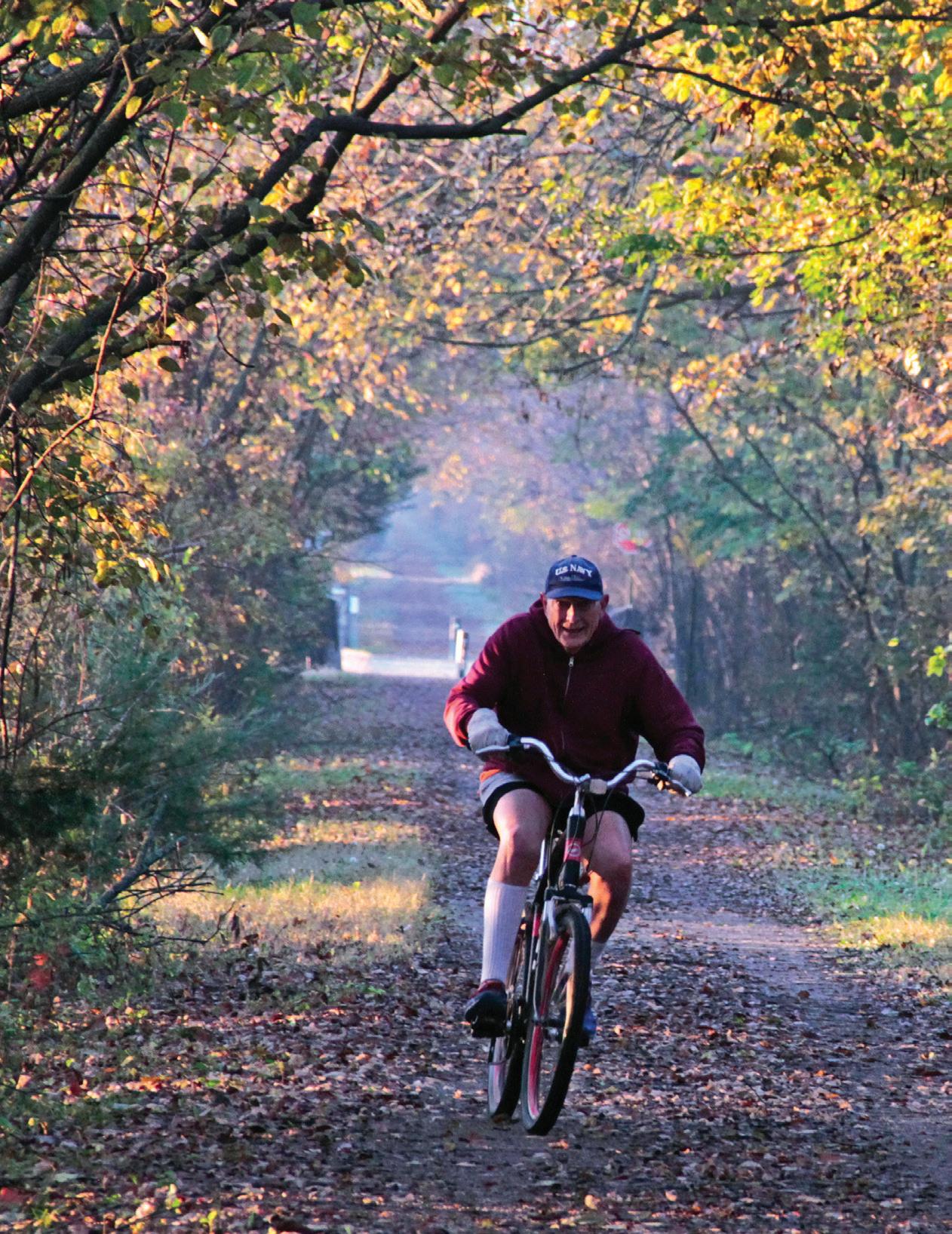
According to the National Park Service, the National Recreational Trail program recognizes “some of our country’s highestcaliber trails with the intention of providing recreation access to rural and urban communities, economic development through tourism, and healthy recreation opportunities.” The Prairie Spirit Trail and Flint Hills Trail were elevated to National Recreational Trail status in the fall of 2019 and joined a list of 1,300 land and water trails to have received the title.
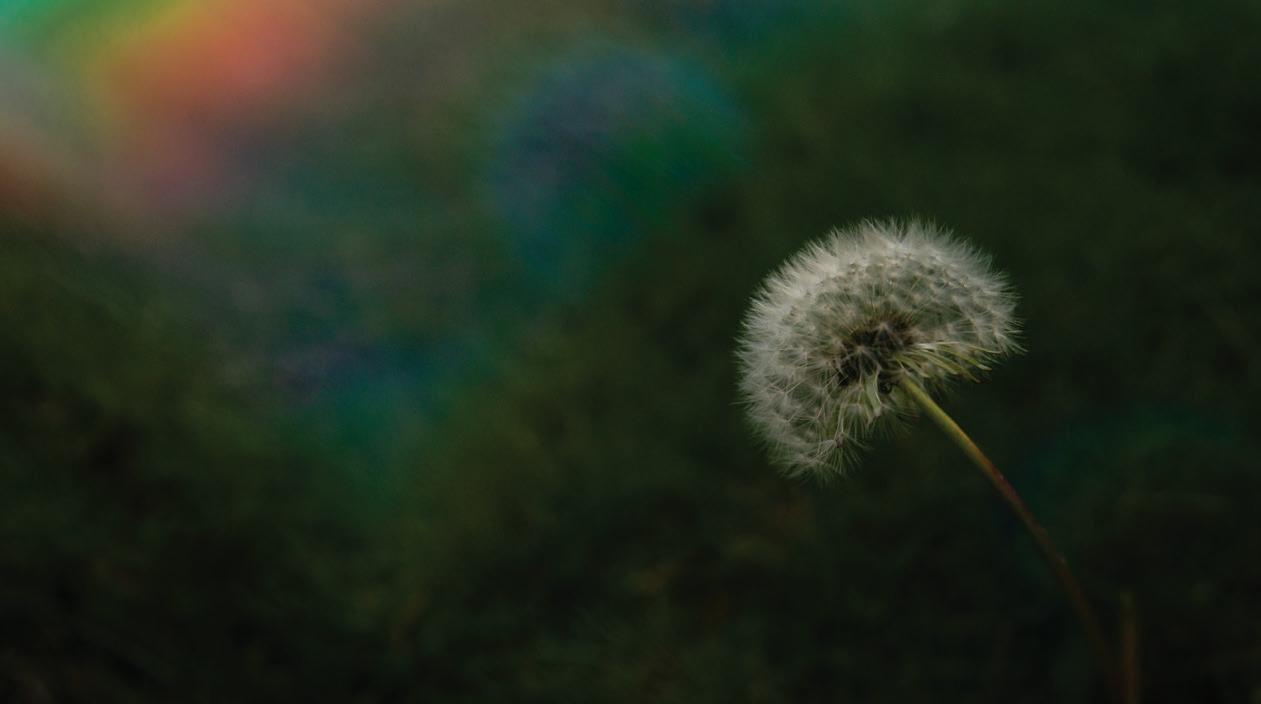
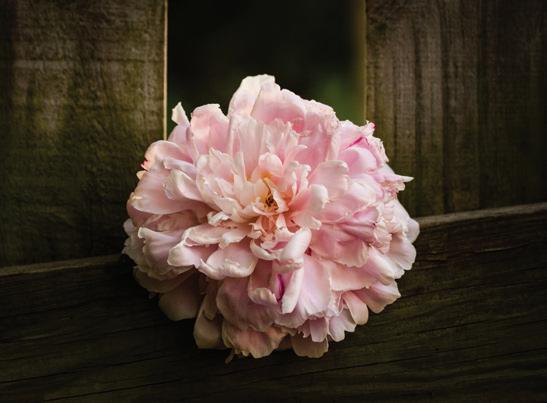
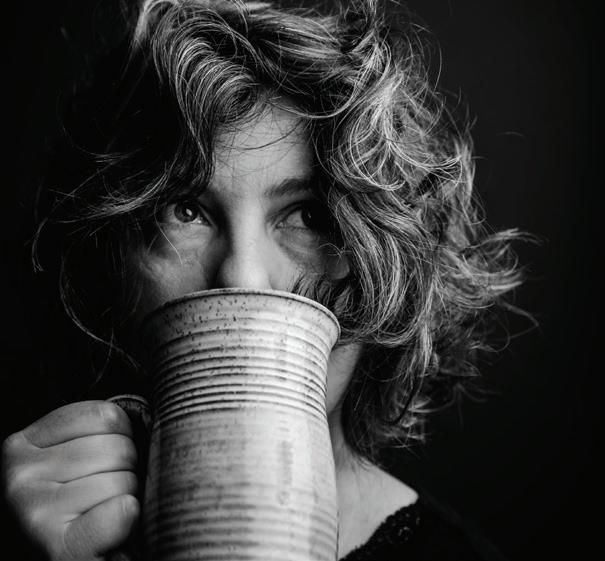
With a husband in the military, photographer Amy Meng is no stranger to travel. After living out of state for a while, the pair eventually found their way back to her husband’s home state where he returned to serve as a pediatrician at Fort Riley. Since then, the two have spent the last 16 years raising three boys. Meng first embraced photography while fighting a rare disease after her second child was born. It was during this time she found the art provided hope, beauty and respite. She continues to capture images and highlight everyday beauty as a professional Kansas-based photographer.
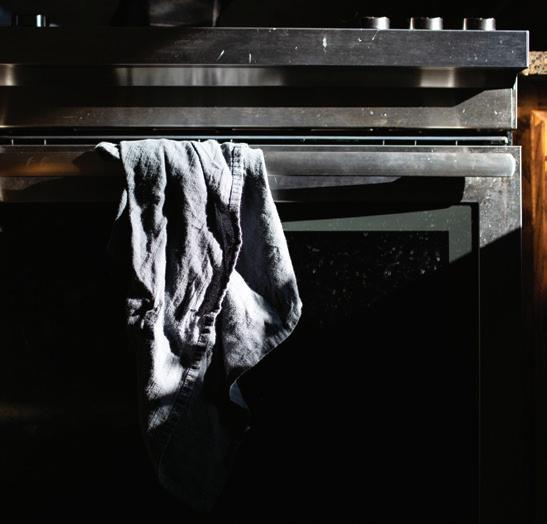
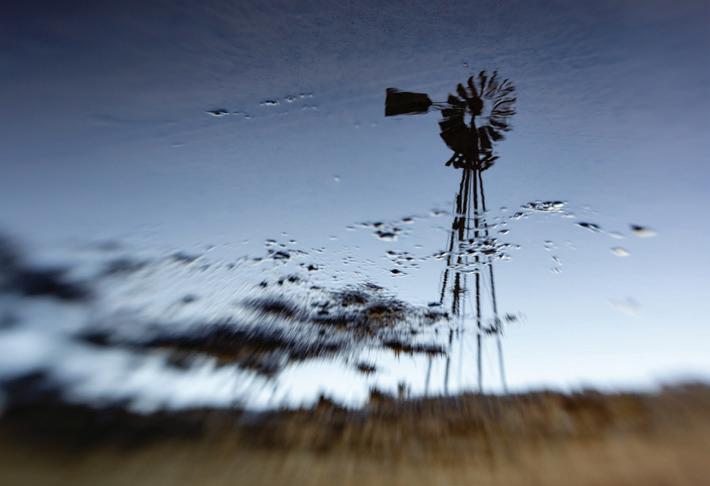
What are some uncommon objects that you like to photograph? I like to photograph items that others might find ugly and see how I can make them look beautiful. I’ve photographed my dirty oven, a mud puddle with a reflection of a windmill and shriveled crabapples.
A conversation with KANSAS! photographers about their lives in photography
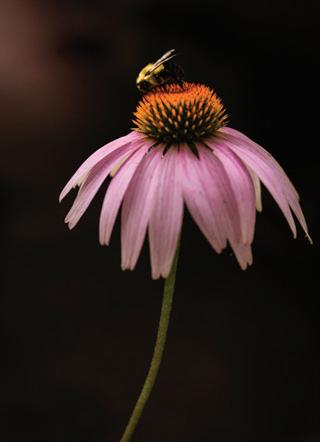
Tell us about your best chance photo taken in Kansas. Where was it? How did it come about? I was photographing a purple coneflower at our house [see page 20] with the light shining down on it beautifully and a bee came down and stopped just at the right moment for me to take the photo.
What is your favorite Kansas landmark to photograph?
Windmills. This image [see page 20] was taken on my in-laws’ farm near Kingman, Kansas, where their windmill proudly stands near their 105-year-old farmhouse built by my husband’s grandpa. The image was shot with a Lensbaby lens and focused at the reflection in a mud puddle. After a period of drought, they had just received a lot of rain. My dad farmed, too; we were hit with the 1993 floods in Missouri. I wanted to capture the idea of weather and farming—how it is everything to farmers. I wanted it to be beautiful and show earth, wind and rain.
What have you learned from being a photographer that you wouldn’t have learned otherwise? Photography has taught me about life and about myself. It has taught me about creativity, fear, courage, mindfulness, intuition, empathy, authenticity, respect and emotions. Photography allows you to discover your creative soul and share your authentic voice with the world.
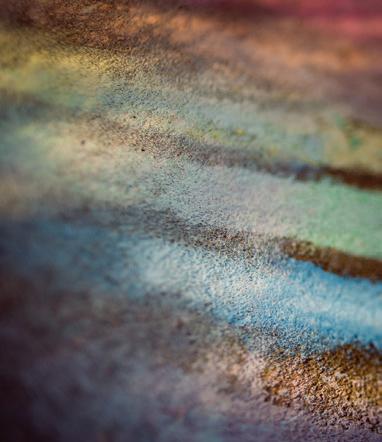
What was your favorite photo shoot of your career? I have been on a search to find hopeful images for healing. In “Hopeful Wishes,” my photo was about a struggle, but holding onto hope. I photographed a dandelion [see page 20] considered to be ugly and showed its beauty. I backlit the weed at sunset and added a rainbow—the symbol of hope. I wanted to show the weed hoping to be picked by a child so she can give away her wishes. I was excited when the photo turned out exactly how I pictured it in my head.
“Photography allows you to discover your creative soul and share your authentic voice with the world.” –Amy Meng

By Cecilia Harris
Fort Scott’s self-directed historic home driving tour takes you past 47 homes and other historic sites, including the home where Gordon Parks, renowned artist and Fort Scott native, filmed The Learning Tree The architecture of homes, dating from 1842 to 1919, is described in the brochure available at the visitor information center and through the organization’s website. visitfortscott.com | (620) 670-2750
2 3 4 5 6
Bill Caton practiced architecture in Winfield for over 40 years, and 20 of his designs, the earliest constructed in 1924, are featured on this driving tour that also includes 28 Victorian-era homes dating to 1870. Winfield Convention and Tourism provides a map on its website and a brochure at its office. visitwinfield.com | (620) 221-2421
A brick structure that was built as a school in 1875 and later transformed into a residence in 1919 is among the 14 homes on this tour listed in Hiawatha’s visitors guide brochure, available at the Chamber of Commerce office. The homes reflect numerous architectural styles from 1875 to 1924. Hiawathaks.com | (785) 742-7136
The 1879 Bixby House, the oldest home in McPherson, is featured on this walking or driving tour that also includes the South Walnut Street historical district’s residences and buildings of the late 1880s. A brochure is available at the city’s convention and visitors bureau office. visitmcpherson.com | (620) 241-3340 or (800) 324-8022
This driving tour features 20 homes built from 1876 to 1912 and passes through Larned, Burdett and rural Pawnee County. One of these houses is a unique Craftsman-style bungalow built by a rancher who later traded it for an entire ranch in New Mexico. A brochure guide to all the listings is available at the chamber of commerce office and on the chamber website. Larnedks.org | (620) 285-6916
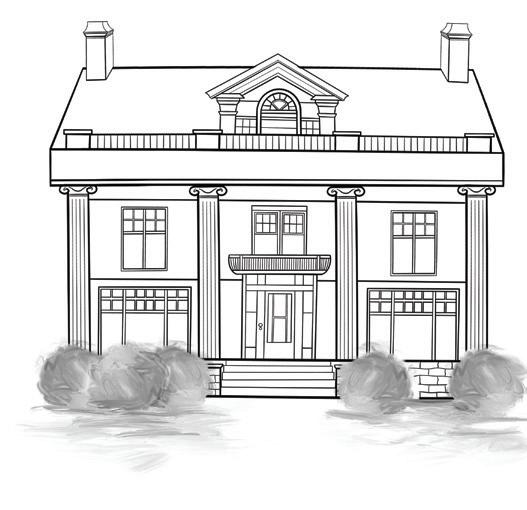
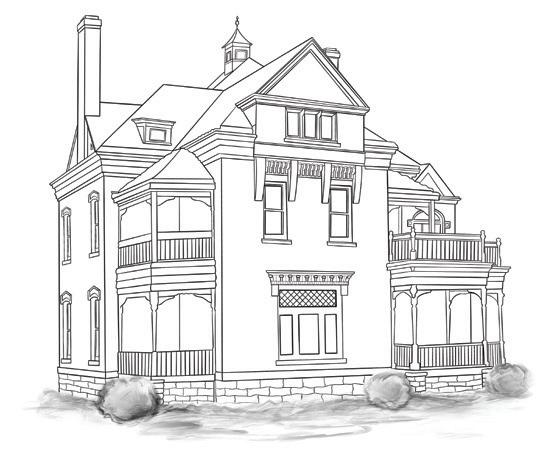
The residence of Alf Landon, Kansas governor from 1933 to 1937 and the 1936 Republican presidential candidate, is one of 27 featured homes on this self-guided driving or walking tour. The brochure with a map and descriptions of each home is available on the chamber of commerce website and at the chamber’s office. indkschamber.org | (620) 331-1890

Ongoing | Emporia
Enjoy the backroads scenery of the Flint Hills and discover little-known gems by following the Jeep and 4x4 route guide created by the Emporia CVB. Read more and about the routes and download a map at: visitemporia.com/extreme/jeeps
Ongoing | Abilene
Throughout 2021, the Eisenhower Presidential Library hosts a series of free, online book discussions focusing on Kansas or historical themes related to the life and legacy of Dwight D. Eisenhower. eisenhowerlibrary.gov/events
American Art in the 20th Century: Harlem Renaissance, Civil Rights Era and Beyond
February 6–May 23 | Wichita
Created in moments of significant social and political change, the art in this exhibition includes 50 paintings and sculptures by 34 African American artists. The art explores American themes as well as those specific to the African American experience, including the struggle for economic freedom, civil rights and more. wichitaartmuseum.org/ exhibitions/upcoming
February 27, March 13, April 3 and 17 | Scott City
Enjoy barrel racing for all ages at the Scott County Indoor Arena. The free event will take place over four weekends throughout February, March and April. Contestants must attend at least three races to be eligible for awards. visitscottcity.com
March 5–17 | Lawrence
The 34th annual St. Patrick’s Day Parade will include fewer events, an online auction and other changes per Covid-19 restrictions. A parade will not take place this year. Instead, viewers can expect a “reverse parade” where passersby will head downtown to view decorated storefronts. The nonprofit organization is committed to raising funds for the 2021 season. Visit online to donate. lawrencestpatricksdayparade.com
March 13–April 25 | Alma
The Smithsonian is coming to Kansas! Rounding out the secondto-last stop on its national tour, the exhibition highlights how rural communities have responded to change. Viewers can expect to see both the national and local exhibitions at The Volland Store.
For more information, visit online to view the remaining 2021 tour dates. humanitieskansas.org/grantsprograms/crossroads-change-inrural-america
March 18–20 | Dodge City
Spend the week at the Western State Bank Expo Center catching up on the latest in agriculture. The show will feature exhibits with the most up-to-date information on irrigation, industrial equipment, production advancements and agricultural health. visitdodgecity.org/calendar
April 9–11 | Belle Plaine
The city of Belle Plaine is celebrating its 150th anniversary! Join in on the fun with festivities for all ages. Sign up for the Glow Run and enjoy art, entertainment, a carnival and much more. belleplainefestival.com
April 16–18 | Manhattan
Home builders and DIY enthusiasts can spend the weekend viewing the latest products and services for home improvement. Exhibits will feature an array of gadgets for kitchens and baths, lighting fixtures, landscaping and more. flinthillsbuilders.org
FIND MORE EVENTS AT TRAVELKS.COM/EVENTS
All events are subject to change, confirm with organizers before finalizing plans.
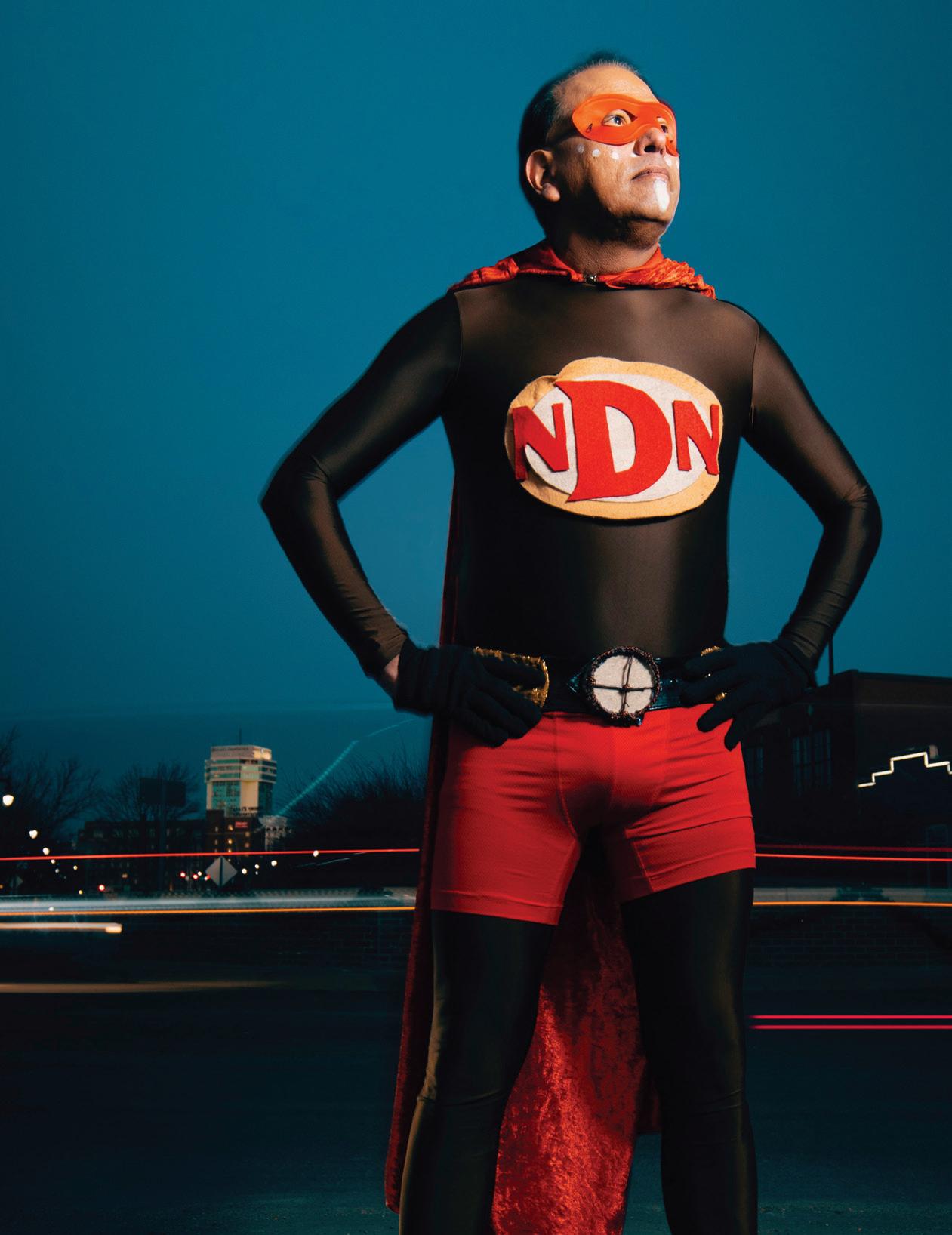
With the powers of slapstick comedy and an earnest backstory, a Native American superhero emerges from the mind and work of a Kansas-based Comanchee filmmaker
Story by Nick Spacek
Photography by Aaron Patton
Wichita filmmaker Rodrick Pocowatchit came to creating movies later in life than many directors. It wasn’t until his 30s that Pocowatchit started crafting his own cinematic efforts. Before then, he had graduated from Kansas State University with an art degree in 1989, worked at the Wichita Eagle as an illustrator, graphic designer and film critic … and all the while thought of performance and movies.
“I had a huge theater background all through high school and college,” Pocowatchit says, speaking by phone. “I directed some plays in college—things like that—and I just always had a fascination with movies. I just loved them since I was a kid, but it’d never occurred to me to go to film school. A kid from Kansas? That just doesn’t seem possible.”
Eventually Pocowatchit began looking at his hobby of writing short stories and film scenarios as potential next step in life. He debated whether to quit his job and go to film school or simply jump in and figure things out on his own. He decided to jump in. “That is kind of just the way I do things: I jump in and study and figure things out,” he explains.
Pocowatchit then began screenwriting on his own, starting with themes from his own life. “I grew up completely immersed in my native culture—Comanche and Pawnee and Shawnee,” explains

“I grew up completely immersed in my native culture—Comanche and Pawnee and Shawnee.”
–Rodrick Pocowatchit
Pocowatchit of the inspiration for his first script. “I grew up dancing, going to powwows, and things like that, so I wrote my first script about these guys who break down on the road to a powwow.”
That script earned Pocowatchit an invitation to the Sundance screenwriters’ workshop for Native filmmakers, and then a second invitation to the prestigious program’s laboratory screenwriting program in early 2000. Those experiences provided background and encouragement for Pocowatchit to begin his first film.
He explains that the process of creating that film was his version of film school. “I call it ‘The Film School of Hard Knocks,’” Pocowatchit says with a bit of a laugh. “That’s how I did it. I did do a couple of shorts before that— really bad, bad shorts with some friends and family just to kind of figure things out—and then I just went for it. My first attempt was a really, hugely failed attempt, but again, as I said, this is my Film School of Hard Knocks. I learned a lot of things, so I left it alone for a minute and then re-addressed it the next year with friends and family, and local people as crew, and that became my first film, eventually.”
That film—Dancing on the Moon—is a straightforward drama with comedic elements. His next projects would feature both Native cultural elements and creative takes on genre cinema: the horror comedy of the 2010 feature The Dead Can’t Dance, the futuristic
Dancing on the Moon (2003)
Pocowatchit’s debut. While an outlier in terms of what genre fare would come later, the fact that both the director and his brother, Guy Ray Pocowatchit, star in the film, gives a glimpse at the coterie of talent that would form around these films.
The Dead Can’t Dance (2010)
The director’s Native spin on Shaun of the Dead not only features some good scares but is also legitimately funny. The heartfelt story of family coming together in a crisis is maybe more relatable these days than ever before.
The Girlfriend (2012)
This short, about a man who thinks his girlfriend is cheating on him, gets very weird very quickly, but it’s a clever demonstration of just how many ideas one can fit into a short piece on a small budget.
The Burden of Being (2014)
A dystopian sci-fi tale, set in the year 2061, sees a Native population punished for speaking their language. It’s a powerful allegory and sets the stage for a grander interpretation of the concept in Pocowatchit’s 2017 feature, Red Hand
science fiction dystopia of the 2014 short The Burden of Being, and the time-travel elements in his most recent feature, 2017’s Red Hand
The appeal of genre film is multifaceted, says the writer-director. “I just like movies and I want to explore different genres,” Pocowatchit says. “The thing I like to do is see a film, get inspired by it and then think, ‘How can I put my own Native spin on that?’ My zombie film, The Dead Can’t Dance, was hugely inspired by Shaun of the Dead. The cool thing with genre stuff is that you can make up your own rules as long as you abide by the rules that you set up. Then, you can create your own universe. That’s my favorite part of storytelling: crafting this universe that is solely in your head, seeing it come to paper and then seeing it come to life with actors, and then seeing it come to life as a film when you start editing. It’s just a great creative experience.”
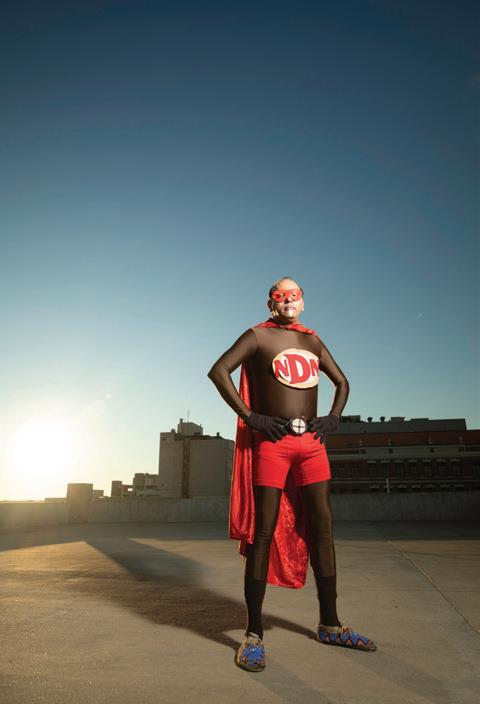
Pocowatchit’s latest endeavor takes that approach to new heights. The Incredible Brown NDN is a webseries about Joe, an “average Joe,” who “decides to become the world’s first Native American superhero,” complete with requisite




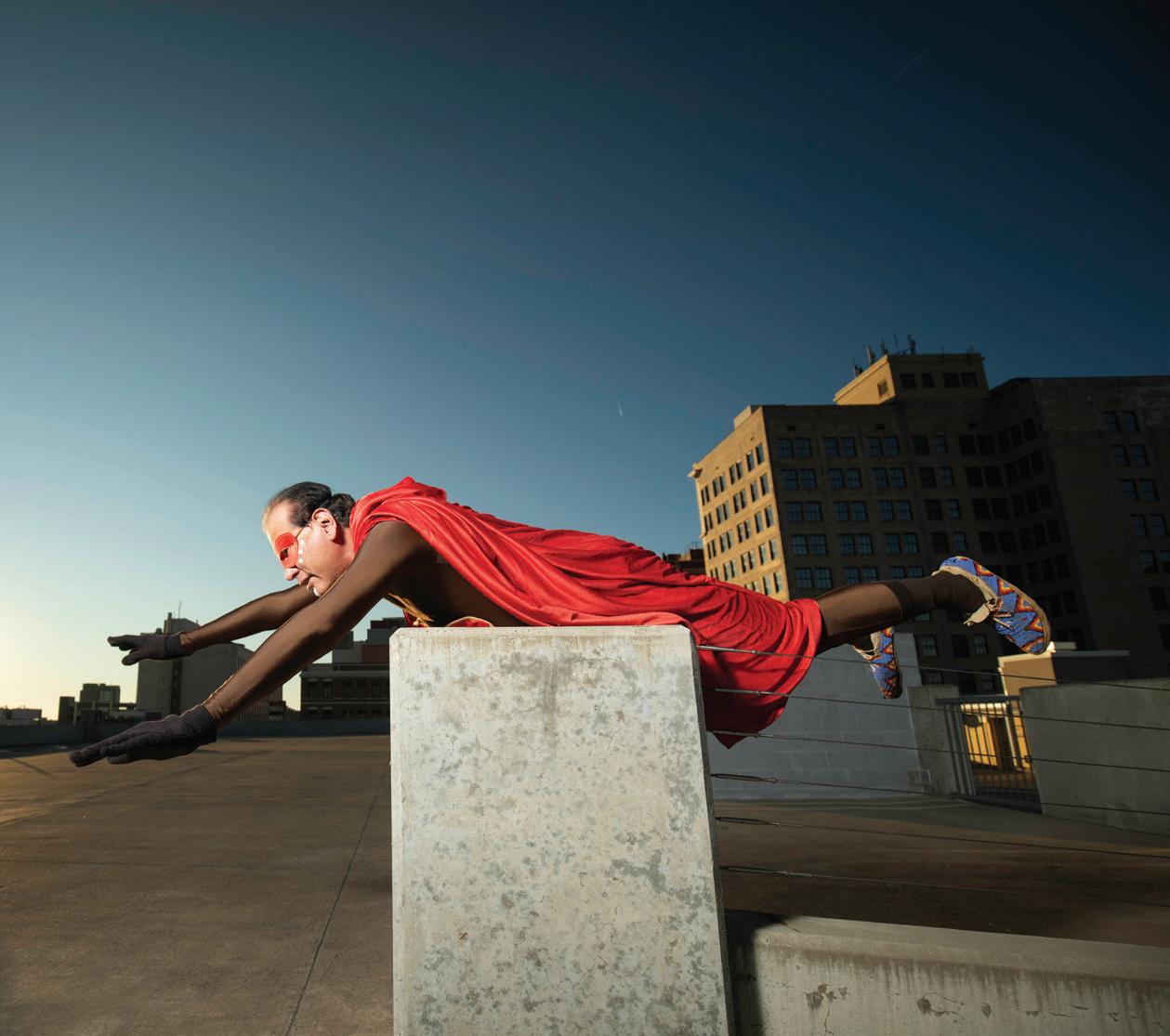
The Incredible Brown NDN’s superhero powers do not include flying—just yet. But with a third installment of the webseries set for later in 2021, it is possible that the crime fighter will eventually soar over Wichita.
cape, mask and reluctant sidekick who also manages the hero’s social media selfies. Initially, Pocowatchit created the script as a stand-alone, full-blown comedy sketch. However, the first episode’s positive response at the Native American–centered LA Skins Fest in November 2019, and then at subsequent festivals, encouraged the director to create a trilogy. The first two episodes of The Incredible Brown NDN are available online, but don’t expect that to be last you’ve heard from the character, says Pocowatchit.
“I’m trying to kind of craft this universe into a franchise,” he
Incredible Brown NDN (2019)
Pure superhero comedy with a positive social message. It’s one of the best-looking things Pocowatchit has directed, along with being family-friendly. The absurdity of the gags (a mid-brawl selfie!) will have viewers giggling to themselves long after viewing.
More information and updates about Rodrick Pocowatchit’s projects can be found at his production company’s website rawdzilla.com.
explains, pondering the possibility of a tie-in comic book. “I’m thinking maybe touring as the character— going to visit Native kids at different schools—and just trying to think bigger-picture things with this character that I have created. Maybe, eventually, a feature film? I’m just thinking of different places I can take this character.”
Until then, keep an eye out for Pocowatchit as he films the third installment of his webseries in 2021 and appears around the streets of Wichita as Joe—just an ordinary guy who also happens to be The Incredible Brown NDN.

In Kansas, televised cooking shows draw on decades of history and a rich variety of local foods
Story by Meta Newell West
Photography by Justin Lister
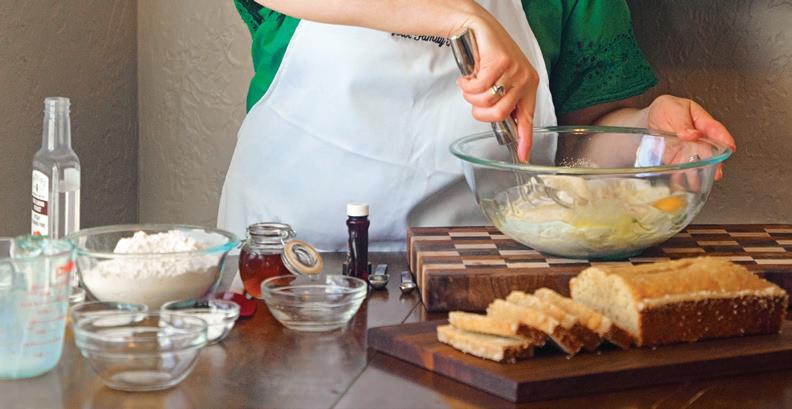
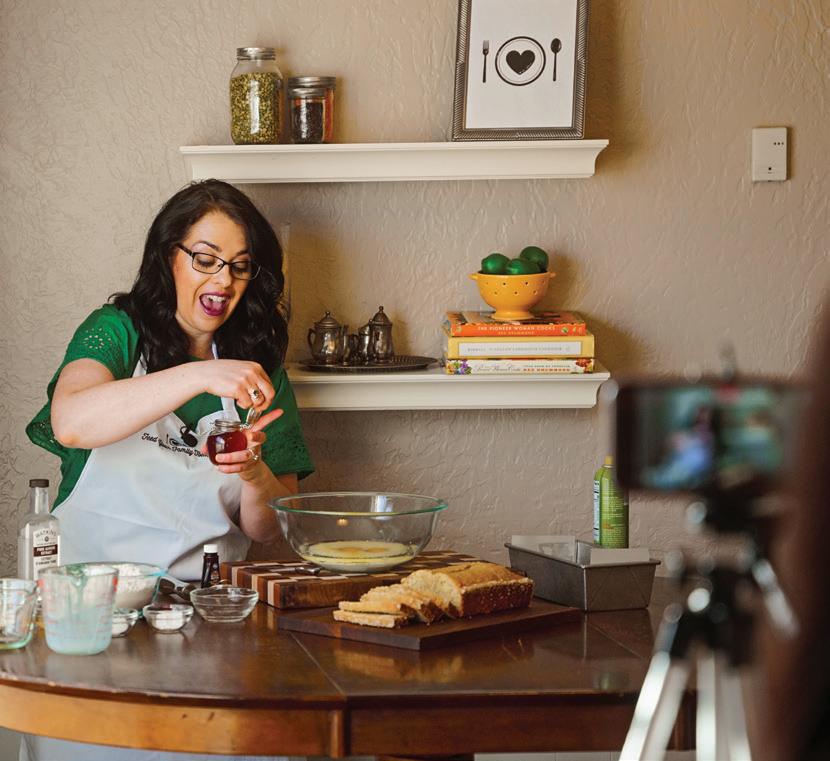
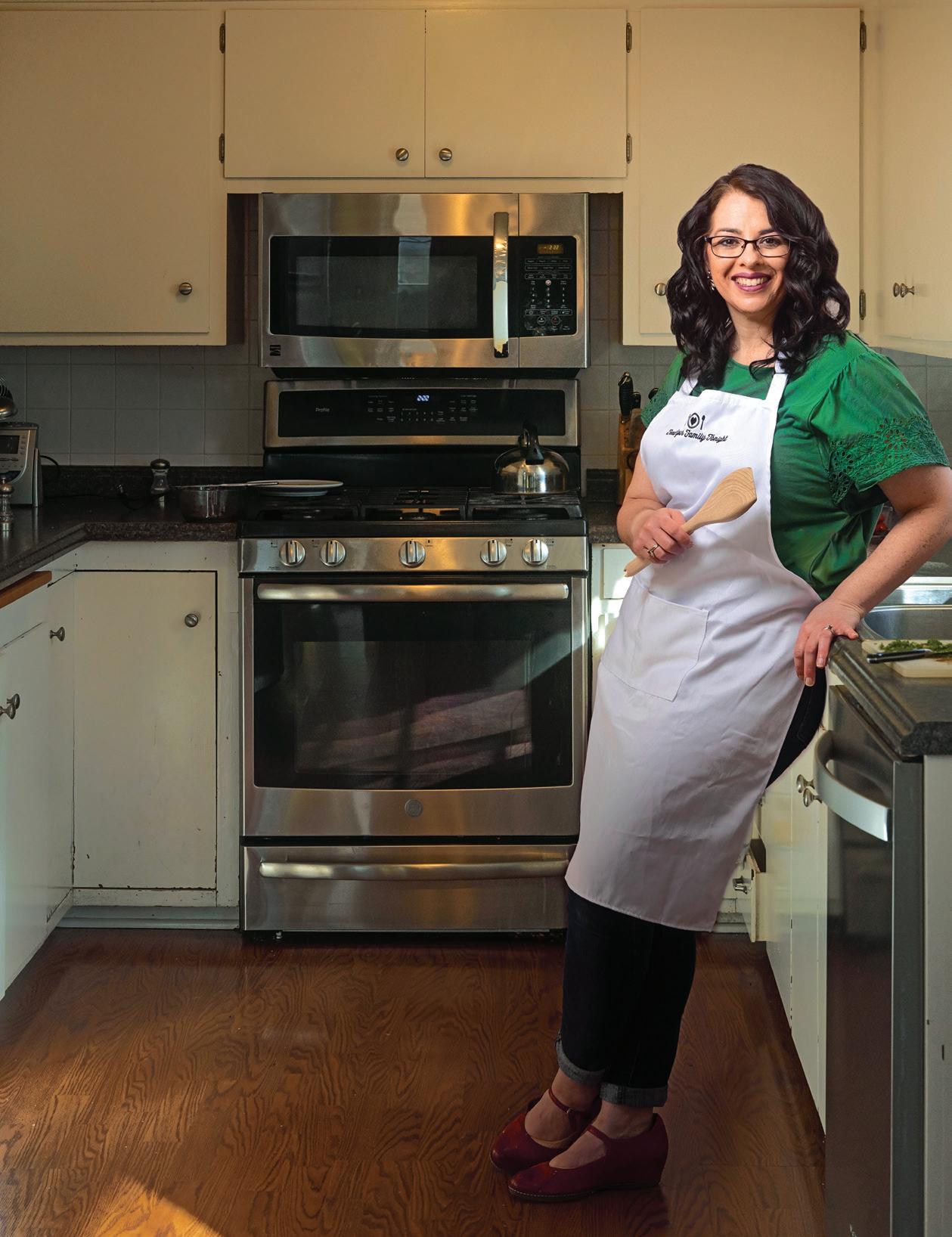
It’s lights, camera and recipes every Monday morning on Wichita’s KAKE-TV as Marie Fiebach claims the spotlight with her “Feed Your Family Tonight” cooking segment on Good Morning Kakeland. Unlike a national production that might require ingredients not readily obtainable or non-seasonal in Kansas, Fiebach’s show introduces meals from ingredients available to all Kansans. She prides herself on discovering or creating recipes that are simple enough for most viewers to easily recreate weekday dinners.

During the pandemic,
has recorded her television segments at home, with her daughter working the camera.
creates all of her recipes from scratch for the television show.
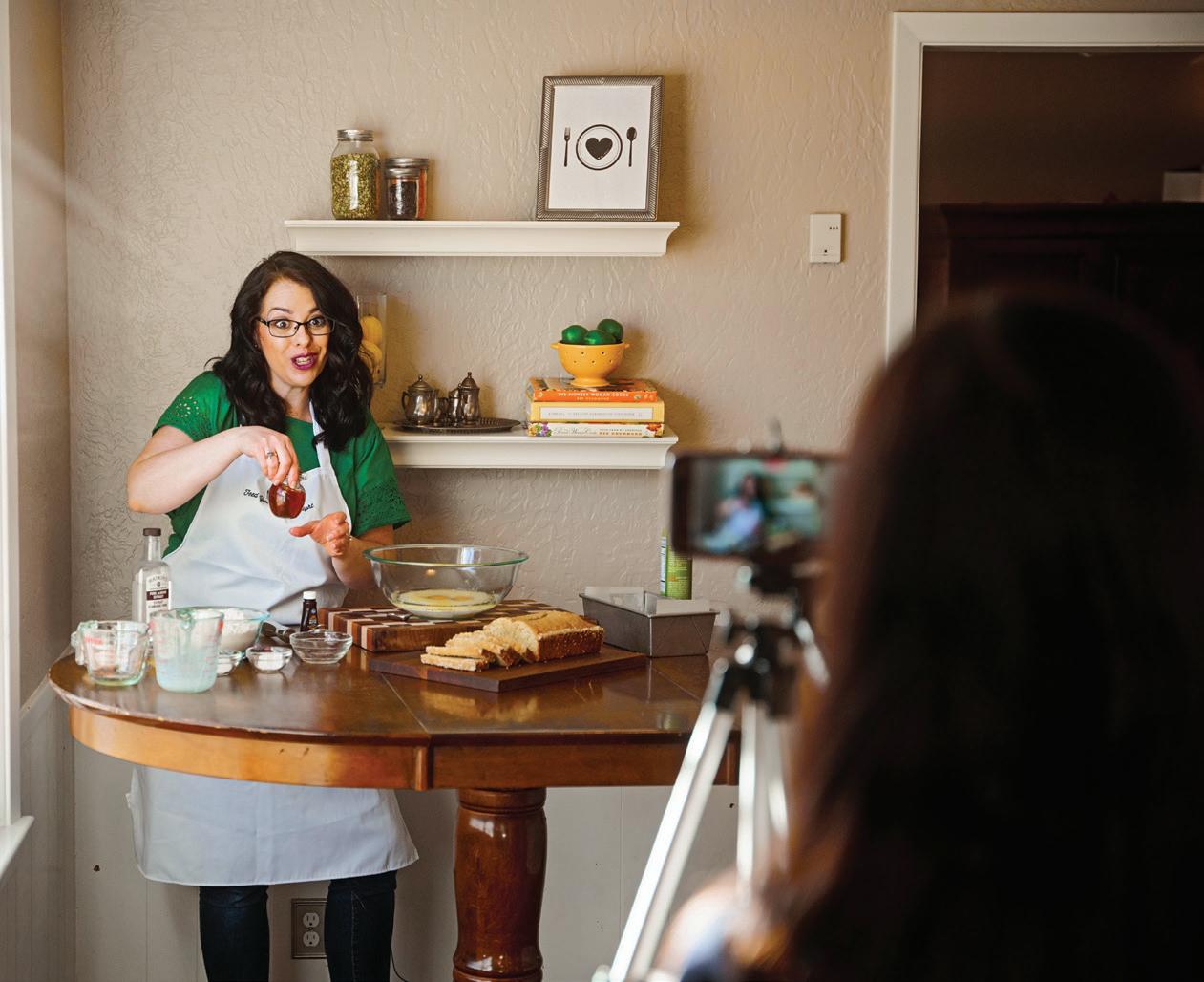
Fiebach has only four to seven minutes to get her main idea across, but she says her biggest challenge is keeping up with the production schedule that requires 52 new and interesting recipes each year. She says to meet that timetable, “I focus on what’s timely and what I’d make at home.” Each recipe is tested at least three times in her home kitchen and must pass her family’s taste tests.
The meals must also be seasonal. “As spring approaches, my cooking turns to brighter, lighter and fresher flavors,” says Fiebach. In the past she’s used fresh herbs in chive and cheese popovers, mixed up a batch of lemon scones, perked up carrots with a ginger glaze, and demonstrated how to prepare bierocks using leftover Easter ham.
“Feed Your Family Tonight” reaches viewers across approximately three-fourths of the state and has loyal followers. One of those fans, Kristie Jones of Derby, has tuned in since the show’s beginning in September of 2018. Some of her all-time favorite show recipes include lemon blueberry baked oatmeal and egg roll in a bowl. “Shortly after the segment aired for fried goat cheese, I added it to a chicken salad for a delicious lunch,” Jones says, adding that one of the most important ingredients is Fiebach’s encouragement. “She makes you feel welcome into her real Kansas life as a wife and mom of four children, trying to get dinner on the table every night of the week.”
Everyday cooking is also a theme of Charlene Patton’s segments on Topeka, Wichita and Pittsburg television stations. Representing the Kansas Soybean Commission, she stirs a variety of soy ingredients into sweet muffins, scones, snacks, main dishes and more, Her favorite episodes include those she does with children. “It’s a chance for kids to learn about agriculture while they have some fun in the kitchen,” she explains.
A look back in television cooking history shows that the very first American cooking show, James Beard’s I Love to Eat, aired in 1947 while Julia Child’s landmark French Chef premiered on public television in 1963. In between all that early
action, Kansas television stations were stirring up flavor with their own local shows during the 1950s. A TV Guide from that era indicates that channel 12 was airing a show titled Kansas Cooking while Esther Womer hosted Food Fiesta, which aired five days a week from 1957 to 1958 on Wichita’s KARD TV, channel 3. Episodes ran 10 minutes in length and were shot in black and white during the 1957 series. Color was available by1958 when the segments expanded to 15 minutes.
Womer’s daughter, Sally Lankas of Atwood, was a preteen in the 1950s and has vivid memories of waking up to such appetizing aromas as roasts, chili and bacon wafting through the air. “Mom was up early preparing not only breakfast for our family but food for the show,” she explained. Even though Womer worked on a kitchen set that was fully equipped with appliances from one of the show’s sponsors, none of them were functional. Any actual cooking had to be done ahead. Recipe preparation included a careful selection of steps that could logically be prepared on screen balanced with those partially assembled items or finished products that she prepared at home.
Womer, a woman of many talents, laid out and planned the show’s

Marie describes this cake as being very dense. “It has the texture of a really good brownie or blondie with crisp edges and chewy interior. A small sliver is all you need because it is very rich.” She pairs it with strawberries and whipped cream for a taste of springtime.
Yield: 1 nine-inch round cake; 12 to 16 servings
Ingredients
• 1 pound fresh strawberries, hulled and sliced
• 1¼ cups granulated sugar plus 3 teaspoons, divided
• 3 tablespoons slivered almonds
• ¾ cup (11/2 sticks) unsalted butter, melted
• 1 teaspoon almond extract
• 1 teaspoon vanilla
• ¼ teaspoon salt
• 2 large eggs
• 11/2 cups all purpose flour
• Cooking spray
• Whipped cream for serving
Directions
For the Strawberries
1. In a medium bowl, mix sliced strawberries with 2 teaspoons of sugar. Leave at room temperature for 1 to 2 hours, then refrigerate.
For the Cake
1. Preheat the oven to 350 degrees.
2. Place slivered almonds on a microwavesafe plate and microwave on high for 2 minutes. Stir. If they are not starting to brown, microwave up to 1 more minute in 20 second intervals until just beginning to brown. Set aside.
3. In a medium bowl, mix melted butter, 1¼ cups sugar, almond extract, vanilla, and salt. Add eggs and mix well. Add flour and mix until incorporated. Do not over mix.


4. Prepare a 9-inch round cake pan by spraying with cooking spray, lining with parchment paper, and spraying the parchment paper.
5. Pour the cake batter into the prepared cake pan. Sprinkle it with toasted almonds and a final teaspoon of sugar. Bake at 350 degrees F. for 30 to 35 minutes until the edges are golden brown and the top is starting to brown.
6. Let the cake cool for 10 minutes in the pan, then run a knife around the edge of the cake and invert onto a plate. Remove the parchment paper and then flip the cake over onto a cake plate or cutting board so the almonds are back on top.
7. Slice and top with macerated strawberries and whipped cream.
format, themes and topics for the weekly segments that were submitted in advance to TV Guide. She shopped and hauled groceries and prepared foods to the station each day. In addition, she typed and mimeographed each recipe and sent them out weekly to her many fans.
The weekly lineup for Food Fiesta was ambitious. The show’s recipes often included 10 or more ingredients were aired on Monday. “Foreign foods” were featured on Tuesday. Wednesday’s “Guest Day” included area celebrities, restaurateurs, neighbors, Brownie troops and winners of Womer’s Junior Cook Competition. Thursday the emphasis was on specific interests that might range from calorie counting to toddler foods. The week ended on Friday with party and entertaining ideas. Lankas noted this segment also gave her mom, who was always clad in the latest
fashions with her trademark high heels, a chance to provide tips on arranging and presenting food in an eye-catching manner.
According to a Wichita newspaper clipping, Mrs. S.H. Womer could certainly balance homemaking duties with an array of other responsibilities, including a run for the title of Mrs. Kansas in 1956. Lankas believes this publicity must have caught the eye of the Wichita TV station and led to her mother’s job as a cooking show host.
Over the years Kansas cooking shows and hosts have adapted and evolved to more casual formats but the goal is still the same—to entertain, inspire and educate. For those tuning into area TV stations, it’s a chance to see local cooks and chefs preparing a wide range of recipes, offering cooking tips and, in many cases, featuring ingredients grown or raised in the Sunflower State.


1. KAKE-TV, ABC Affiliate, Wichita, features several regular cooking segments on Good Morning Kakeland from chefs across Kansas. “Feed Your Family Tonight” with Marie Fiebach is part of a weekly segment and is seen again on the first Monday of the month on the 11:00 a.m. news segment. Formally trained chef and owner of The Kitchen, Natasha Gandhi-Rue joins the team for a weekly Q&A segment where she answers viewer questions on air through interactive demonstrations. The show also features a monthly segment from Chef Alli in Topeka and members of From the Land of Kansas. In addition, Kansas Soybean Commission’s Charlene Patton joins KAKE anchors twice a month.
2. KSNW, channel 3, Wichita, airs Good Day Kansas weekdays at 12:30 p.m. and Saturday at 5:30 p.m. and occasionally includes tours of local or area food establishments and related businesses. Formerly KAKE, this was the station that aired Esther Womer’s Food Fiesta in the 1950s.
3. PBS Kansas, channel 8, Wichita, features Hatiburg’s People and Positively Kansas, both which occasionally include foodrelated or cooking themes. Watch their listings for the popular The Pie Way…Kansas Style, a documentary featuring Beth Bower’s travels across the state to find the best pies and tips on pie baking.
4. Salina Media Connection, channel 21, Salina, airs Cooking with Fr Coady, featuring Father Frank from Manhattan, who prepares entire meals and peppers his demonstrations with tips, advice and inspiration. “The Kids A Cookin’” segment, produced by K-State Research and Extension, shares the fun and skills of cooking with children and those who guide them.
5. WIBW, channel 13, Topeka, brings Charlene Patton, consumer media specialist for the Kansas Soybean Commission on the Morning News show once a month with two recipe feature segments (5:50 a.m. and 6:20 a.m.). Patton provides a third recipe during the Midday in Kansas show while Chef Alli also makes occasional appearance as she connects consumers to Kansas products and businesses.
6. FOX 43 KTMJ, channel 43.1 (and 27.2), FOX’s affiliate for northeast Kansas, including Topeka, Manhattan, Emporia, and Junction City, offers up “What’s Cooking?” on the station’s 4 p.m. news show. The segment features local chefs from Kansas businesses.
7. KOAM, channel 7, Pittsburg, is planning to again include cooking segments featuring Charlene Patton during their morning news program.


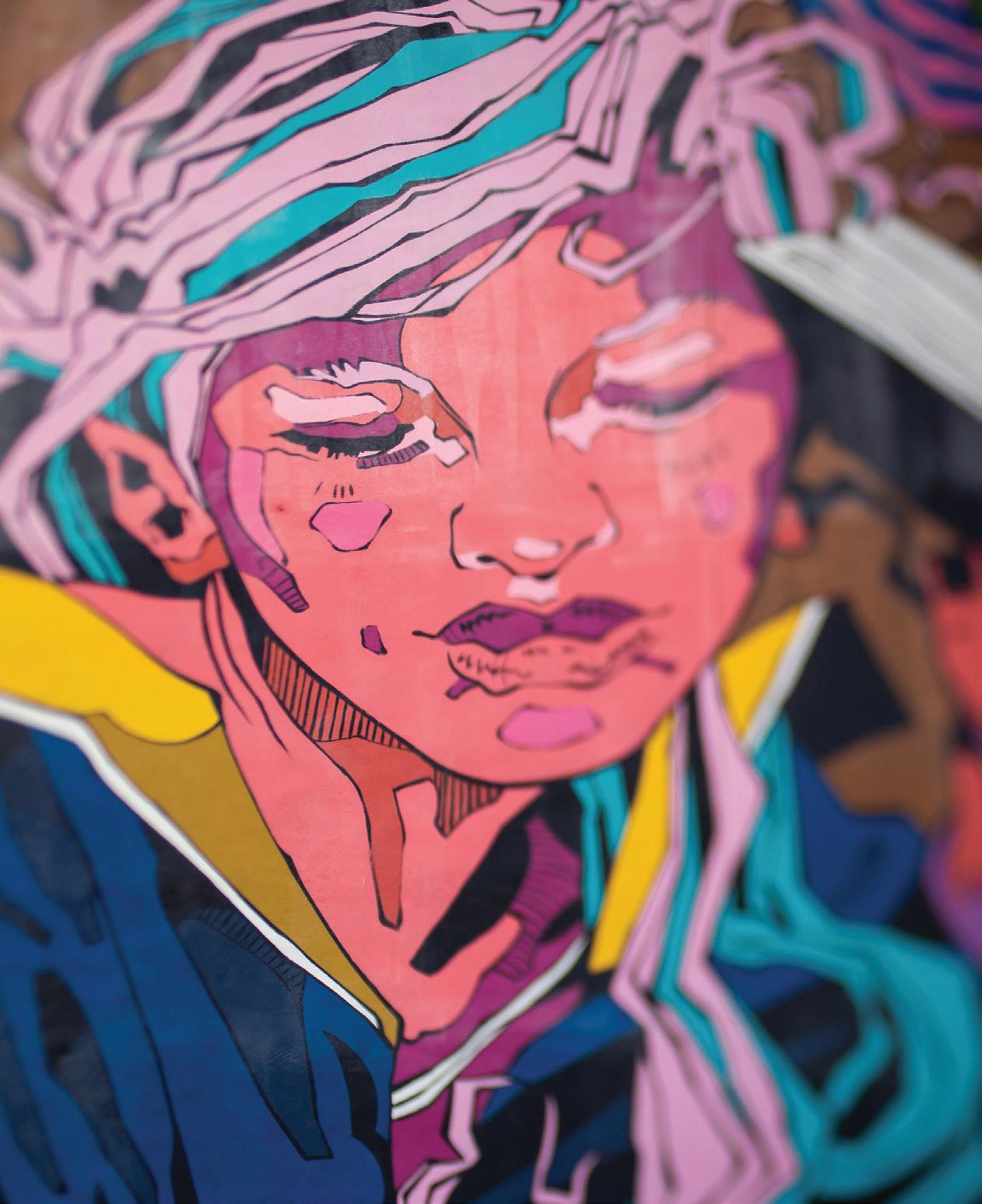
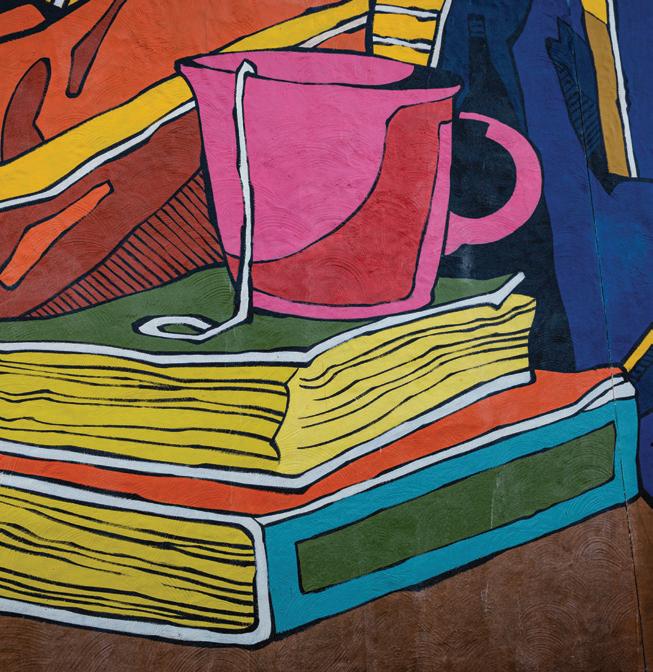
Of all the two-dimensional art forms, perhaps none is as epic or accessible as the mural.
Mural artists and experts Lora Jost and Dave Lowenstein, authors of Kansas Murals: A Traveler’s Guide, documented over 600 Kansas murals in their journeys across the state, and since the book’s publication in 2006, the number of murals in Kansas has grown.
“Even when we were working on the book fifteen years ago, we were aware there are a lot more murals being made, especially if you compare the mid-2000s to the 1950s,” explains Lowenstein. He credits this increase partially because of improvements in paint; acrylics are brighter and more durable than the old oils.
“But the other thing that really influenced the increase, I think, is that across the United States, especially in bigger cities, we saw this blossoming of community murals—murals made by groups of folks, sometimes led by an artist—to represent their own histories and aspirations and images, and then those murals found their way into the middle of the country,” he says.
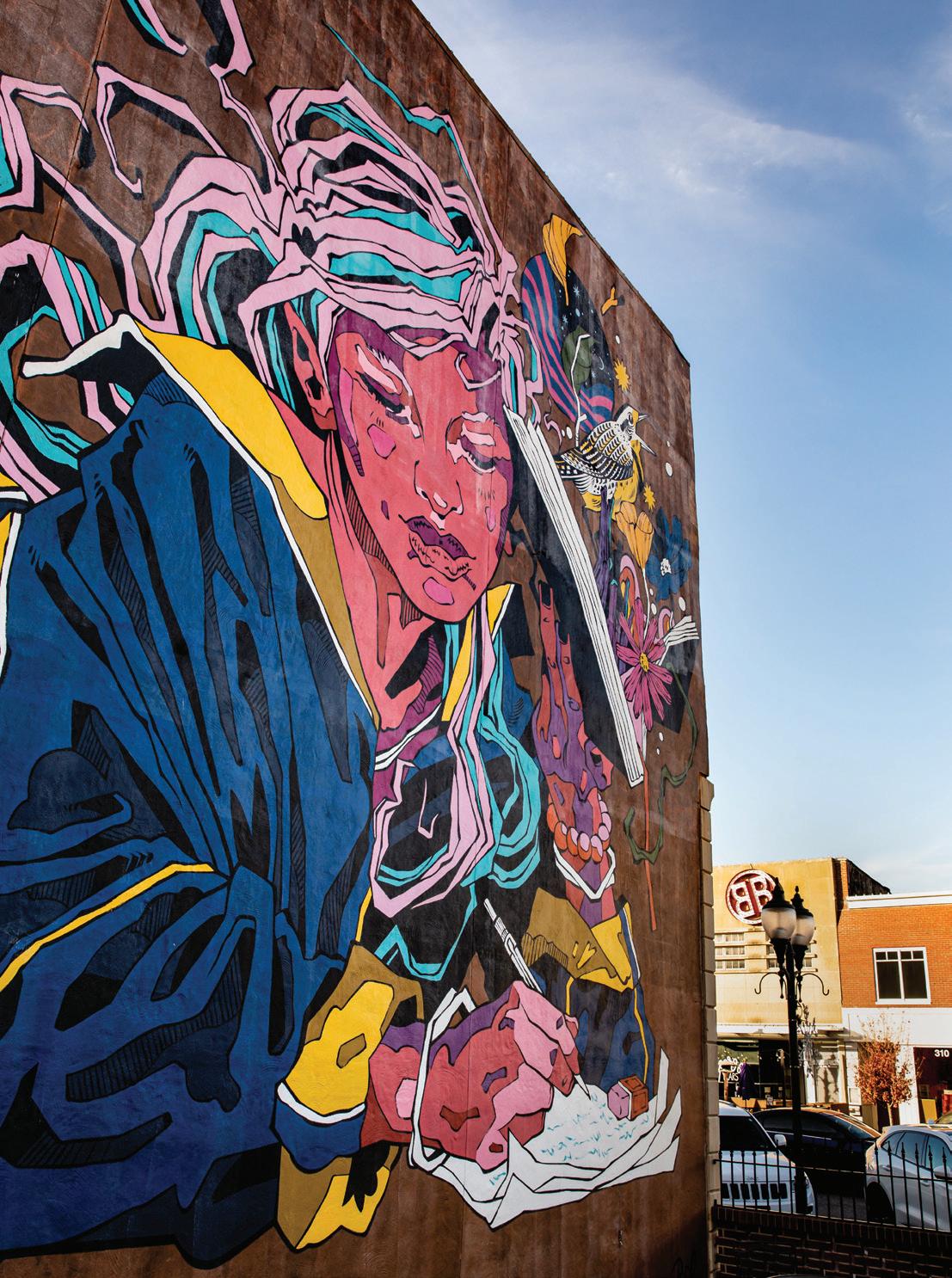
In 2019, the Manhattan public art group Incite MHK invited internationally known Brazilian art duo Bicicleta Sem Freio (Bicycle Without Brake) to create a downtown mural. The result was Anotações (Notes), which depicts a young woman studying and celebrates the college students who make Manhattan their temporary home. The colors are electric, reflecting Bicicleta Sem Freio’s love for psychedelic rock posters of the 1960s.
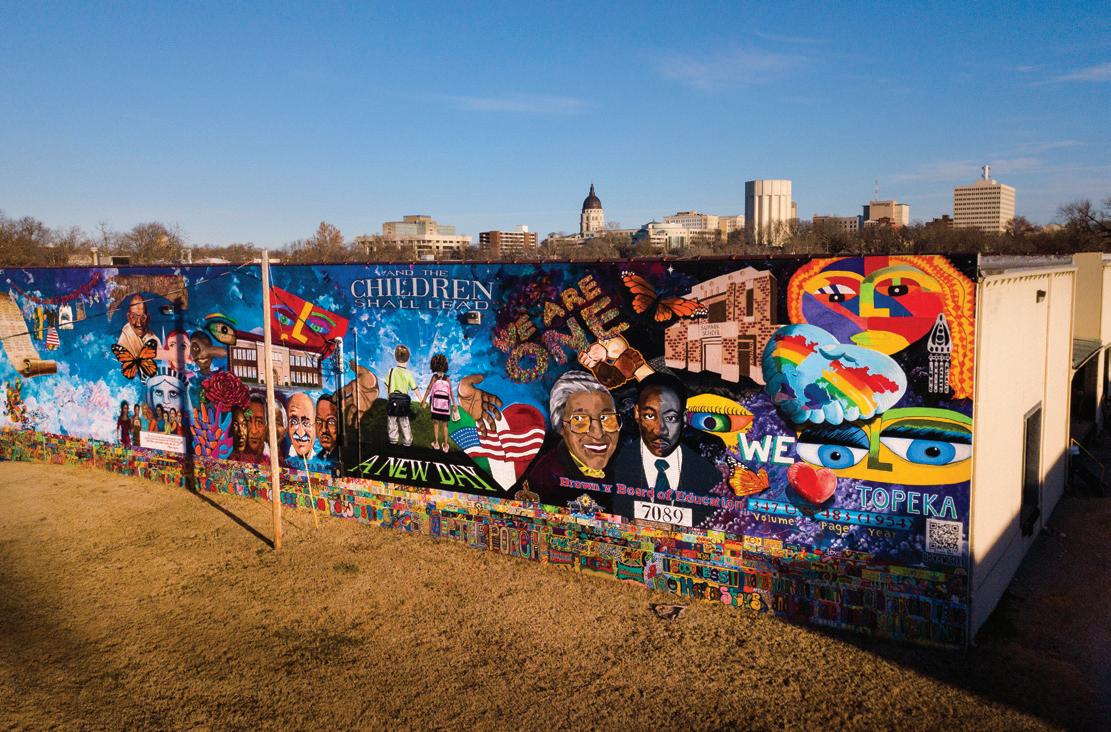
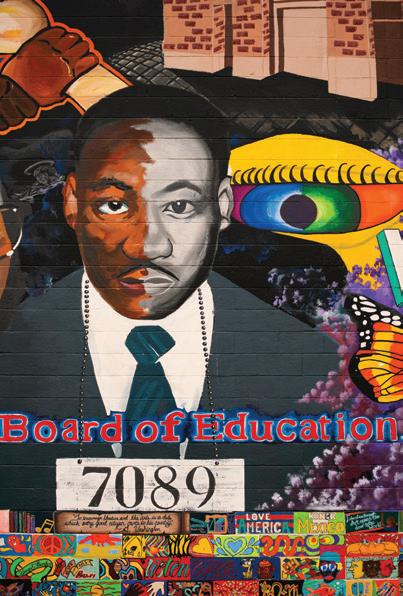
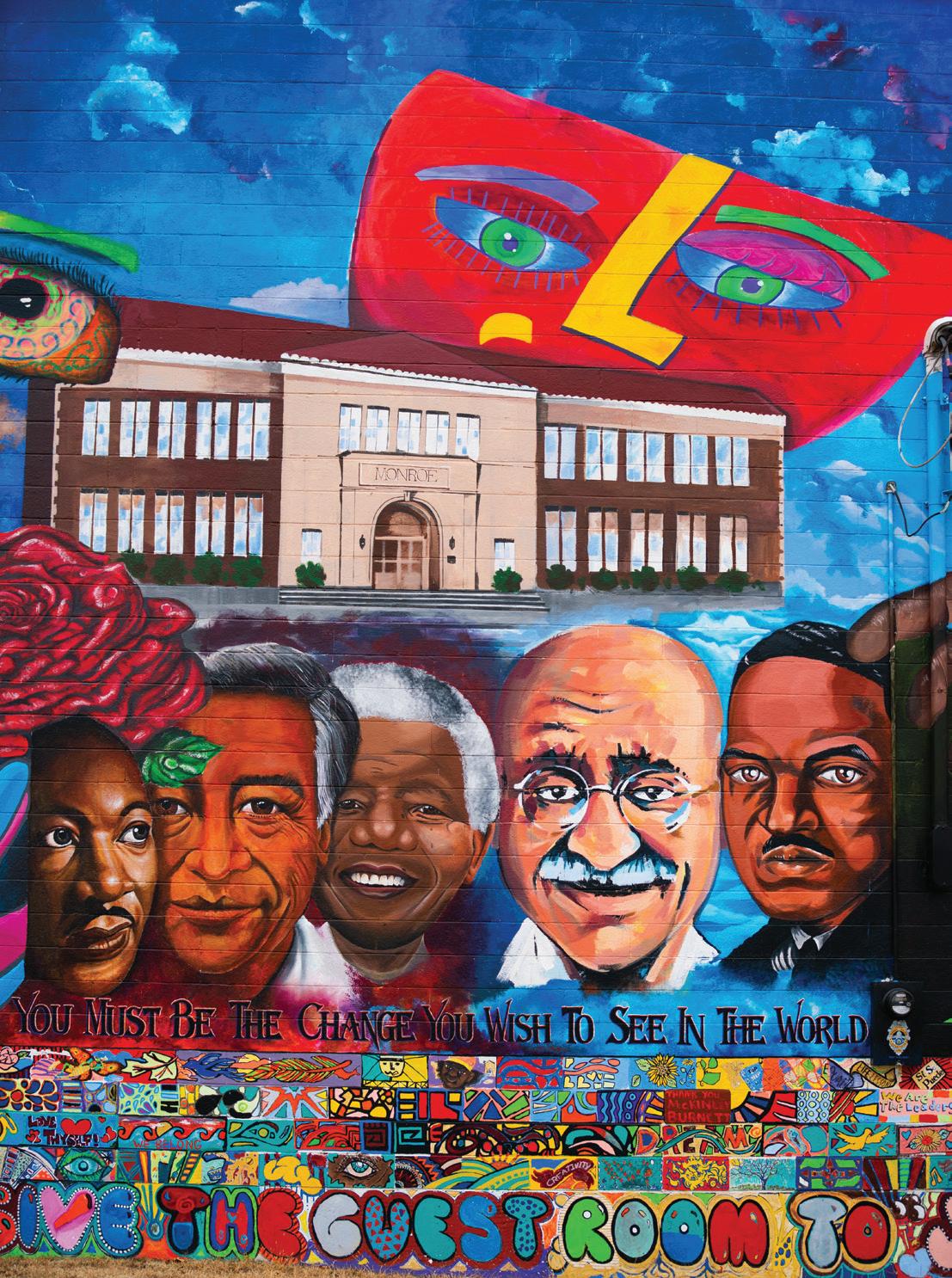
Kansas City artist Michael Toombs coordinated this massive mural project with literally hundreds of participants. “You can see when you look at it, it’s a collage of many, many ideas and hands, and represents a different approach to the creation of a mural than [those] done by individual artists,” explains Lowenstein.
Both the mural’s visual spirit and the process of its creation are ideal for a mural located across from the Brown v. Board of Education National Historic Site, the former school house which commemorates the end of legal segregation in the U.S. public education system.
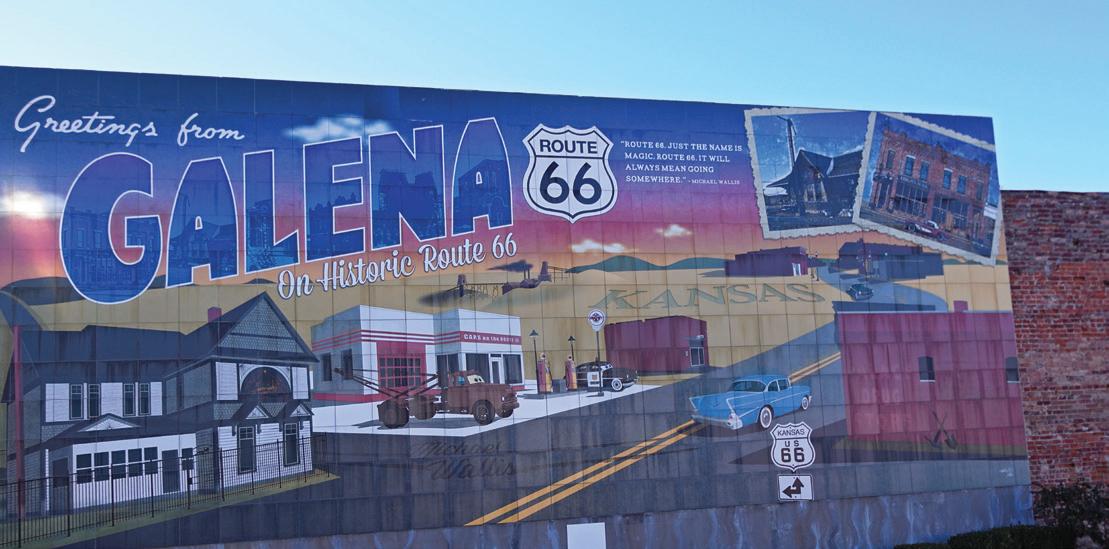
The community of Galena has memorialized their history with an epicsized vintage travel postcard mural right on Main Street, depicting the town’s presence on the iconic Route 66 highway, as well as its historical sites.
This mural by Hays-based artist Dennis Schiel depicts some of the most epic images of Kansas western heritage such as Wild Bill Hickok, a bison, and of course, sunflowers and wheat. It is located outside of the Heartland Foods store in Oakley.
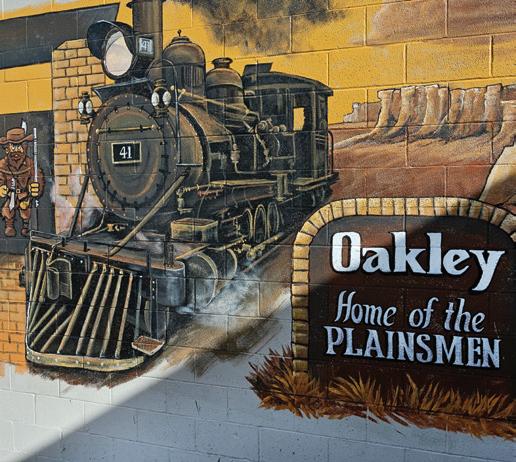
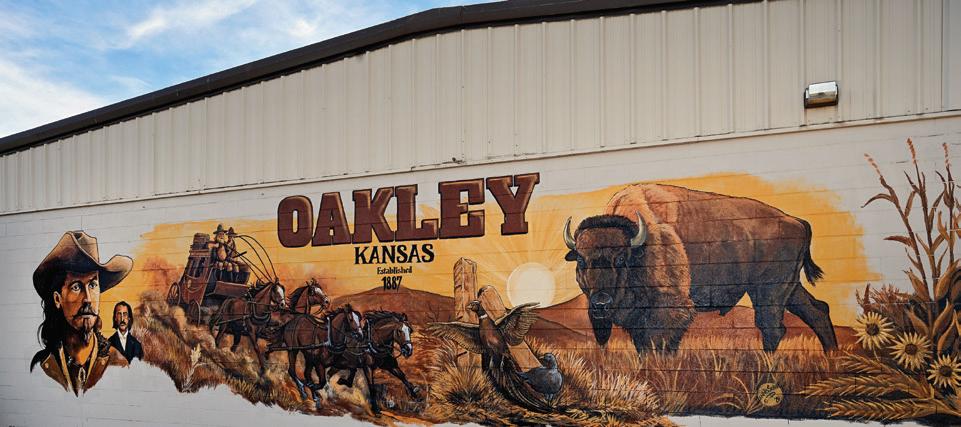
There’s a whole world of outdoor murals just waiting to be viewed all over the state, and the approach to seeing them varies with the individual. Some people research a mural’s artist or backstory before going to see it, but Kansas mural artist Lora Jost says it’s just as legitimate to not do any homework ahead of time.
“I enjoy driving in an unfamiliar city and being surprised by an unexpected mural, and frankly this has happened to me plenty of times in my own community, too. Seeing a mural without knowing much about it ahead of time allows the viewer to appreciate it and take it in, in a very personal way.”
This freehand mural by artist Brady Scott is on the building of Archer & Co. in downtown Hutchinson. The painting, created with spray paint and exterior acrylic, pays homage to the Great American Plains and the branded symbol on the bison honors the Native Americans who were brutally forced from their homeland. According to Scott, the brand is a Pawnee symbol for hope, resilience and spirituality. bscottart.com
This original mural developed and created by artist Kamela Eaton stands out on the 13th Street Train Bridge. The mural, depicting two women holding hands, is meant to show support between the brown and black communities of the North End and Northeast Wichita. Growing up in Northeast Wichita, Eaton was often met with feelings of shame and sadness as she passed the industrial area that she felt defined her community. After hearing of Armando Minjarez and the Horizontes Project, she took action to create a meaningful work of art with hopes that young passersby will instead see beauty, strength and resilience within their community. horizontes-project.com
McPherson
Downtown McPherson is the site of numerous murals painted by artist Naomi Ullum and funded by the McPherson Convention and Visitors Bureau. The mural Global Refiners depicts the first-ever USA Olympic basketball team. The squad, which included six members from McPherson, won the first gold medal in their sport at the 1936 games in Berlin. mcpcity.com/516/ McPherson-Murals
Osage Indian Village Mural
Oswego
Sponsored by the Oswego Historical Society, this Kansas mural takes up the west wall of the former Oswego Independent-Observer building at 720 East Fourth Street. Created by lead artist Joan Allen, who was assisted by Larry Allen and Jerg Frogley, the painting illustrates an Osage Indian village around 1841. This mural is based on The Village of White Hair, a painting by E. Marie Horner that can be found at the Oswego Historical Museum. hmdb.org
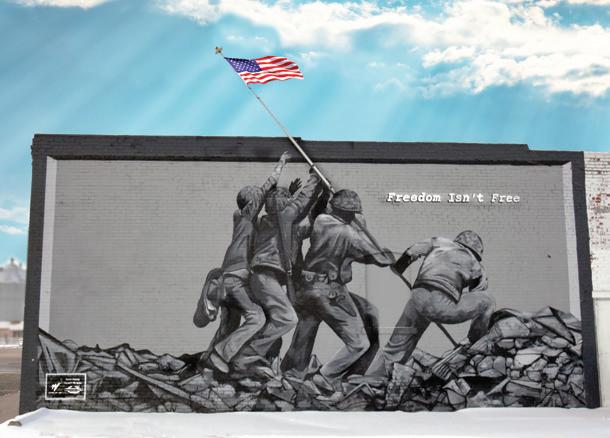
The Veterans Mural Clay Center (pictured above)
Gracing the Edward Jones building at 701 Fourth Street, this new mural is a tribute to those who have served in the United States military. The illustration depicts the flag being raised by the U.S. Marines atop Mount Suribachi in 1945 at the Battle of Iwo Jima during World War II. The image, created by artists Whitney Kerr, Chase Hunter and Elliot McAnany, includes a real flag and pole.
Located at 415 South Main Street, this colorful mural painted by Dave Lowenstein with the help of Sue Dunlap and Callie Mongold honors lifelong Ottawa resident William B. Howe. William B. Howe, illustrator and editor of Butterflies of North America, which has been acclaimed as one of the greatest volumes published about butterflies in America. Lowenstein’s mural was based on Howe’s 2005 painting of the Chippewa Hills known as Giant Swallowtails: Nightingale Point. daveloewenstein.com
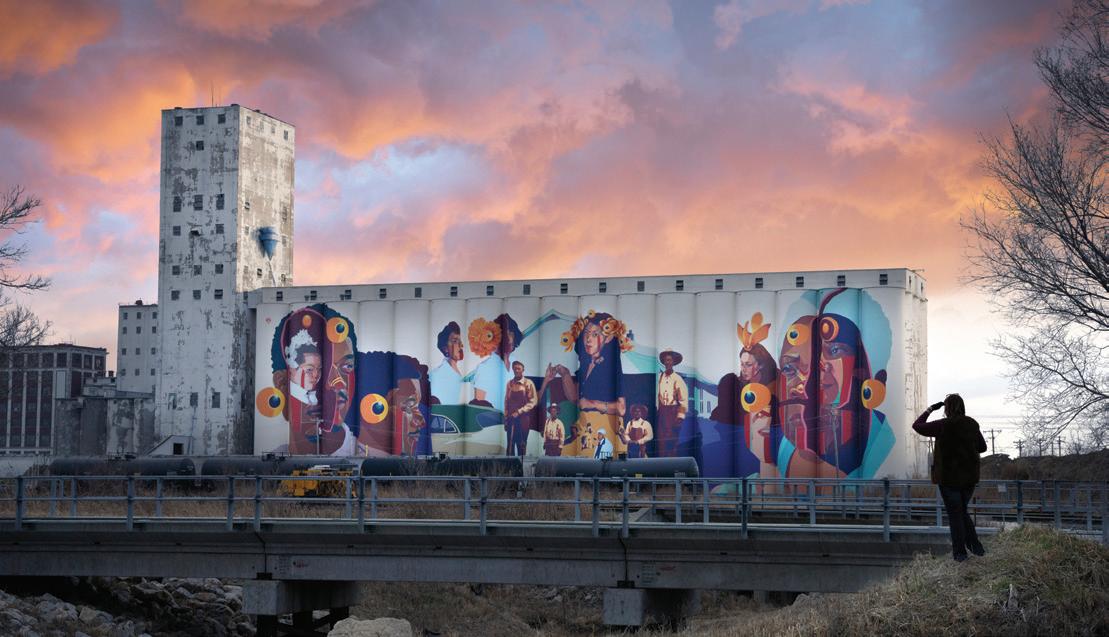
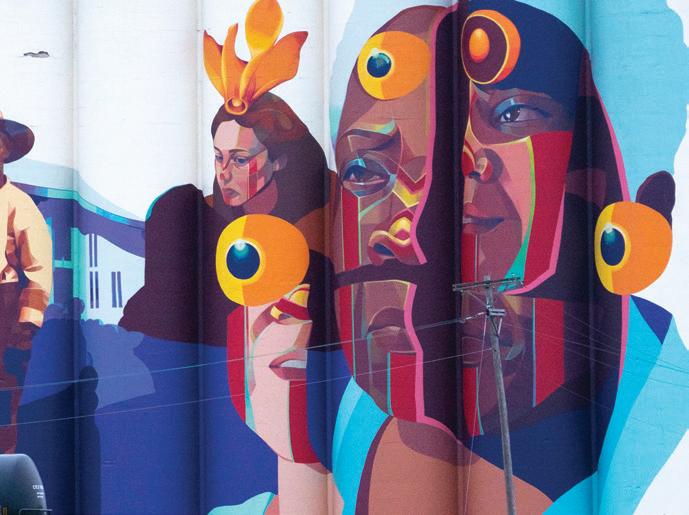
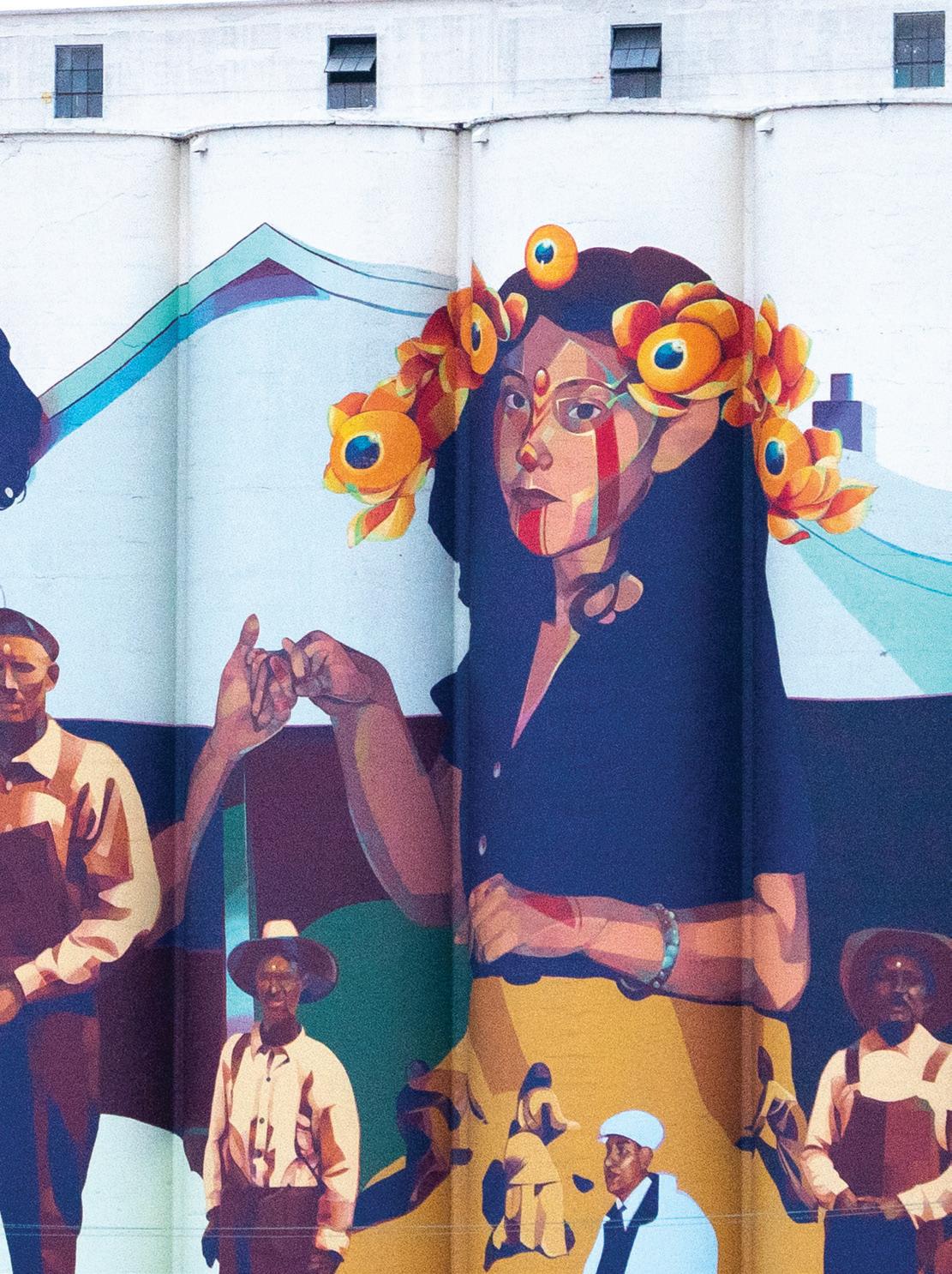
El Sueño Original (The Original Dream), painted on grain silos in north Wichita as part of the Horizontes Project that drew in Columbian street artist GLeo, is in the Guinness Book of World Records as the largest mural created by a single artist, and celebrates the immigration of Black and Hispanic residents into the area.
“Understand this mural wasn’t the only undertaking [of Horizontes],” says Lowenstein. “They did twenty murals, and it was part of a grant-funded project to engage residents in the north end of Wichita to have conversations about where they live and the changes that have happened over time.”
‘PART OF THE THAT SHAPES WHO WE ARE’
Oscar-winning
talks about his life in Kansas, his approach to cinema and his commitment to fighting racism

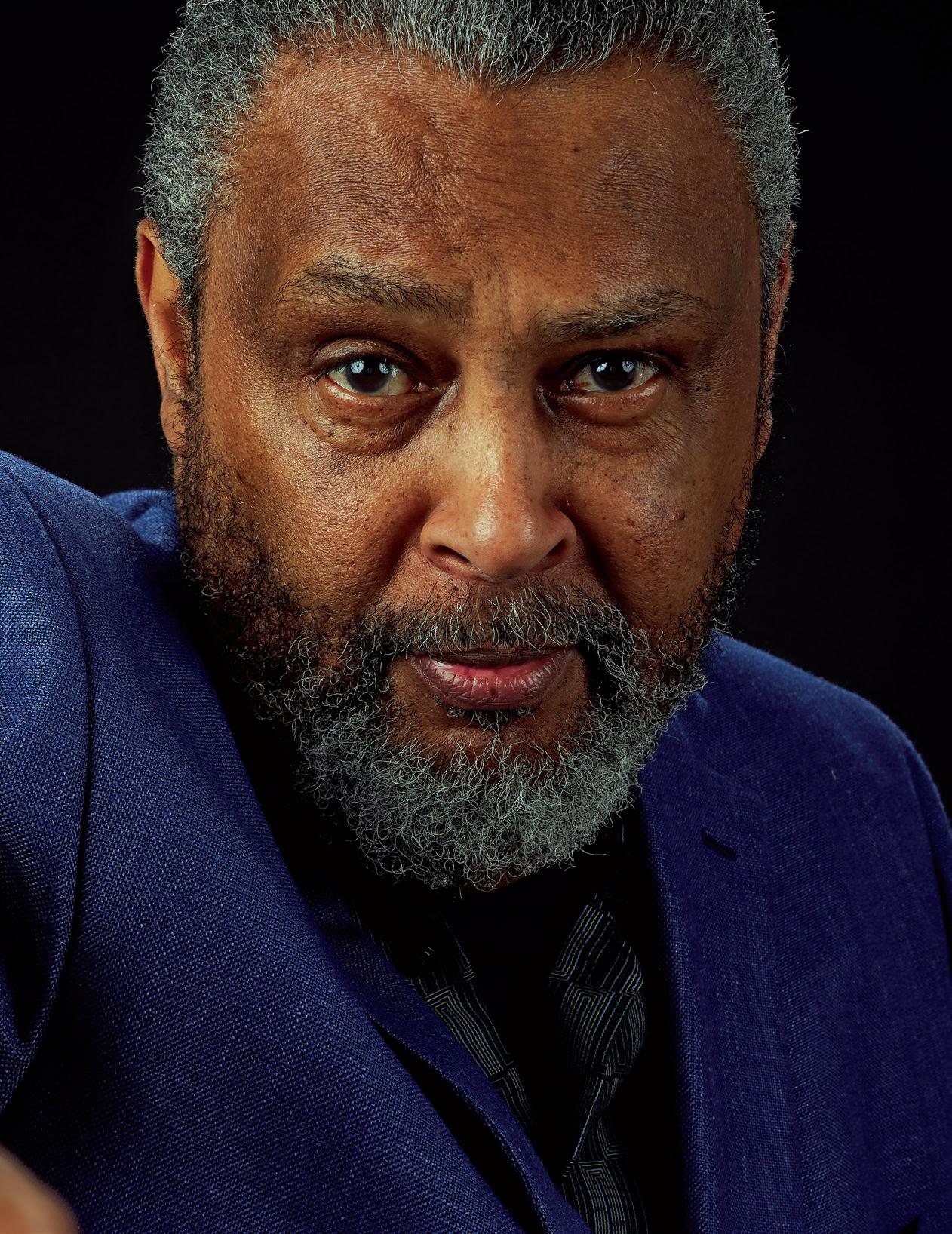
Kevin Willmott won an Academy Award for co-writing the film BlacKkKlansman. This Oscar presentation followed a series of awards for the film, including the BAFTA (the British Academy award), and the Grand Prix at the Cannes Film Festival. It also brought increased national recognition to a Kansas filmmaker and educator who was already well known for films such as the 2004 CSA: The Confederate States of America and the 2014 documentary of basketball legend Wilt Chamberlain’s college career, Jayhawkers.
From his 1999 film Ninth Street to his most recent release, the 2020 film The 24th, the 61-year-old Junction City native has created fictional and documentary works focusing largely on American history, Black culture and race relations. His artistic creations offer insightful and unsparing critiques of the nation while also dipping into moments of delightful, absurd physical comedy.
For years a professor of film at the University of Kansas, Willmott is recognized as a collaborative creator—someone who builds and supports a community of filmmakers whether that means teaming up with Hollywood legends such as director Spike Lee or promoting his students and younger regional talent.
For this interview, Topeka-based musician and performer Martinez Hillard corresponded with Willmott to talk about Willmott’s work, his life in Kansas and his assessment of where we are as a society in facing the issues his films bring to light.
Martinez Hillard (MH): Can you talk about your earliest remembrance of the social and political atmosphere growing up in Junction City, Kansas?
Kevin Willmott (KW): Junction City was a great place to grow up in the 1960s and 1970s. The Buffalo
Soldiers, African American soldiers who served on the Western frontier after the Civil War, lived in my neighborhood. The block I grew up on was the poster child for diversity. Almost everyone was racially mixed and biracial: Black and Korean, Black and Filipino, Black and German, White and Japanese, Black and Italian, Black and Vietnamese. It was great, but the problem was the city didn’t celebrate the diversity. Unfortunately, they were ashamed of it. It gave Junction City a bad reputation because racism was the order of the day. Today Junction City is still very diverse and they should celebrate it! It is their strongest asset!
MH: Can you tell me what your experience was with integrated and segregated education and what you observed as a student through this period of integration?
KW: I went to an integrated school. But more importantly my father went to an integrated school at the turn of the century in Junction City. Kansas [secondary schools were] officially segregated in large cities. That is why Topeka, Wichita, Lawrence, and Kansas City were all segregated. Junction City was too small for segregation, and I recently learned my family left Mississippi to come to Junction City specifically because of the fairness it provided.
Kansas has always had a double nature. It is best described by my friend [Wichita author and educator] Mark McCormick as the “Noble Narrative.” John Brown, the Civil War and Free State, William Allen White— all are positives about the racial history of the state, but there have also always been forces here working against them too. Lawrence, where I currently live, was founded by abolitionists, but then became segregated


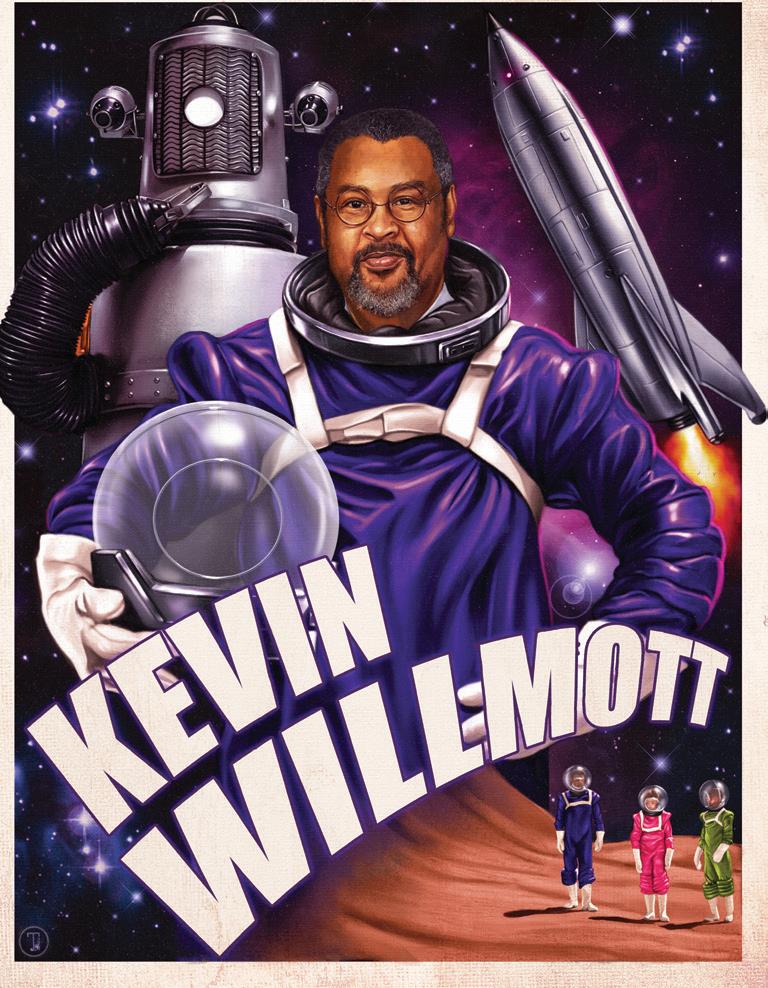
FAMILIAR FRIENDS Willmott often works with a group of regular collaborators such as Spike Lee, Trai Byers, Byron Myrick, and Laura Kirk.
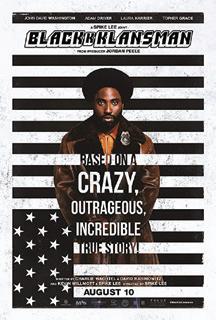
ABSURD AND THE TRAGIC Willmott’s stories often combine the absurd with the tragic, blurring the lines between history and parody and challenging audiences to question the sense and often outrageousness of reality. CSA, for example, shows a story of President Abraham Lincoln trying to escape victorious Southern troops by wearing blackface. That’s based on the reallife incident of Confederate President Jefferson Davis dressing as a woman to hide from Union soldiers after the South fell— and challenges audiences to compare the actual treatment of Jefferson Davis to what might have happened to a defeated President Lincoln. BlacKkKlansman follows the same pattern, juxtaposing the absurd reality of a Black man joining the KKK with traumatic photos of lynchings; the movie ends with the real and tragic events of the Charlottesville protests where anti-racist activist Heather Heyer was deliberately run over by a White nationalist in his car. The film opened on the anniversary of the protests and was dedicated to Heyer.
Every filmmaker has a certain style and approach that carry over from one work to another. Here are some themes highlighted in many Kevin Willmott works.
Willmott’s films often critique race relations in the United States, beginning with his big breakthrough, CSA: The Confederate States of America, a 2004 exploration of what modern America might have looked like if the Confederate forces had won the Civil War (and a disturbing examination of how harmful antebellum images persist in real, modern American culture).
FILM Willmott will often intentionally edit the look of a film to make it appear somewhat scratchy, old-style, as if it was produced in the 50s or during the time the events took place. This technique was used in portions of CSA as well as in his acclaimed 2018 film, The BlacKkKlansman
HISTORY LESSONS Willmott scripts extreme situations and characters, but he almost always grounds his themes in actual incidents and people. Two recent works are prime examples: The 24th, a summer 2020 historical drama about an all-Black infantry division and a raciallyfueled bloody confrontation between soldiers and police in 1917 Houston; and Da 5 Bloods, Willmott’s 2019 Oscarwinning film co-written with Spike Lee and based on the idea of Black U.S. military veterans returning decades later to the battlefields they fought in during the Vietnam War.
–Fally Afani
after the Civil War. Lynching took place here along with the many positives. Kansas has always had a few strong-willed people willing to do the right thing even when they were outnumbered. That is how we should look at it. For me, that ain’t so bad!
MH: I’m curious about your time pursuing degrees at Marymount College in Salina, Kansas, and then at New York University’s Tisch School of the Arts. I imagine there was a fair amount of contrast between those environments. Can you share what was pivotal about having access to higher education and how it shaped your filmmaking? Also, what barriers did you encounter?
KW: Going to Marymount was like going to another planet for me. We didn’t have a car growing up, and my family never traveled. For me, going 44 miles to Salina was like going to the other side of the moon. My mentor at Marymount was Dr. Dennis Denning, who ran an outstanding theater program, probably one of the best in the country. I learned drama from him. He gave me the opportunity to do my first play with a budget and production design. I wrote the play Ninth Street in his playwriting class. The Little Theater in Junction City refused to do my play because the subject matter [of returning Vietnam War vets facing racial prejudice] was too close to home. But the play won me acceptance into the program at NYU and it would become my first film.
MH: What inspired you to become a civil rights activist during your student years? Why was it important for you to advocate in Junction City, and how did you fold those experiences back into your screenwriting and filmmaking?
KW: I was expelled from high school during [the local] race riots in 1975. The school said get out and don’t come back. The principal at the high school was one of the most racist people I have ever met and I’ve met a lot of racists in my day. [laughs] I worked at the Catholic cemetery on the CETA [Comprehensive Employment and Training] Program, and Joe McCormick was my boss. He helped me to get into St. [Francis] Xavier’s High School where I was educated by the Sisters of St. Joseph. They also educated me at Marymount. They were the best educators in the world. I also met my other primary mentor, Father Frank
Coady, who insisted I go to Marymount and supported my goal of being a filmmaker. Being thrown out of high school ended up being the best thing that happened in my entire life. I wouldn’t have an Academy Award if I wasn’t thrown out of school.
For me, I was always able to find acceptance and support as a kid but it was very difficult seeing all the racism around you. It is hard seeing others suffer. They would say “You’re okay, Kevin, but he isn’t.” There were several racist teachers at the public high school. Their job was to control the Blacks. Seeing friends’ lives destroyed by institutional racism was very difficult. I could have looked away and kept my mouth shut, but I didn’t. That’s why I still speak out today. History has taught us to always speak out against discrimination, violence, and injustice. You have to be willing to pay personally for your convictions and beliefs. Getting that lesson at an early age was probably the lesson of my life.
MH: I revisited your film Jayhawkers recently. Mr. Chamberlain’s story—as a Black man, a studentathlete, and a public figure—continues to resonate in our society today. Can you discuss why, in the presence of change and with so many people pushing for it, there remains so much resistance?
KW: Many people don’t believe in America. They would never admit it, but they believe in something closer to white supremacy. They don’t understand how that has woven itself into every aspect of our nation. With every step forward, we see those forces still at work trying to hold onto the past. The best example is how they don’t want to remove Confederate symbols from our society. Elected leaders who question a fair and free election and go so far as to call the system “rigged” should wake up Black in 1917 or 1929 or 1955 or 1968. They should wake up as George Floyd with a knee on their neck. We are seeing how they don’t really believe in democracy when they are now asked to share it with a multiracial nation. They don’t want to live in a nation where the police serve everyone fairly and equally. This fight is only just beginning. Kansas was always on the right side of that fight; I hope we find our place again. Unfortunately, we have lost our way.
MH: You’ve portrayed characters in your films as well. What is special to you about being on that side of the camera, or on stage, delivering those performances?



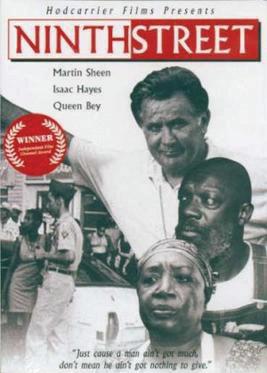
Film
Year: 1999
Willmott’s role: Writer/ Director/Actor/ Producer Summary: Vietnam War veterans face racial prejudice back home. Also involved: Martin Sheen, multiple Emmy and Golden Globe awards actor
Television series
Year: 2000
Willmott’s role: Co-writer
Summary: Four friends graduate from Kent State into a turbulent nation
Also involved: Disco
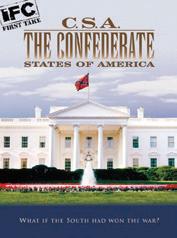
Mock-Documentary
Year: 2004
Willmott’s role: Writer/Director/Actor Summary: What if the South had won the Civil War? Or did it?
Film
Year: 2013
Kevin Willmott’s role: Writer/ Director/Actor/Producer
Summary: Time-traveling Black heroes from Jim Crow past reconcile promises and failures of Obama-era America
Also involved: George Washington Carver’s secret rocket fuel and his clunky robot
Film
Year: 2014

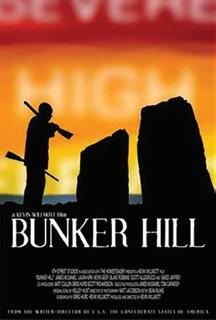
Film
Year: 2008
Also involved: Dozens of Kansas actors and crew
Willmott’s role: Writer/Director/Producer
Summary: White vigilantes run afoul after mysterious disaster isolates rural Kansas town
Also involved: Big Brutus, the giant Kansas steam shovel THE ONLY GOOD
Film
Year: 2009
Kevin Willmott’s role: Director/Producer
Summary: Kickapoo youth seeks to escape boarding school
Also involved: Wes Studi, Academy Honorary Award Oscar winning actor
Kevin Willmott’s Role: Writer/Director/Actor Summary: Wilt
Chamberlain transforms basketball and Kansas
Also involved: Justin Wesley, actor and KU basketball player
Film
Year: 2015

Kevin Willmott’s role: Writer/ Executive producer
Summary: Black women advance radical solution to shut down gun violence
Also involved: Spike Lee, Oscarwinning director

In addition to being a full-time educator, Kevin Willmott continues to create films and collaborate on a range of projects. This timeline represents only a sample of his past and ongoing work as a writer, director, actor and producer.
Documentary
Year: 2016
Kevin Willmott’s role: Writer/Director/ Producer
Summary: Challenges and successes of urban charter school
Also involved: A cast of heroic educators, students and parents
Documentary
Year: 2017
Kevin Willmott’s role: Writer/Director
Summary: Homage to KU’s pioneering Black basketball coach and College Basketball Hall of Fame inductee
Also involved: The 1968 U.S. Men’s Olympic Basketball Team
Film Year: 2017
Film
Year: 2020
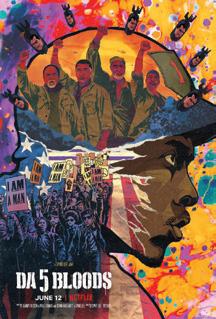
Kevin Willmott’s role: Writer Summary: Black Vietnam War vets return to battlefield, loss of charismatic, beloved leader
Also involved: The late actor Chadwick Boseman
Film
Year: 2020
Kevin Willmott’s role: Writer/ Director Summary: Retelling of 1917 Houston race riot from perspective of Black army regiment
Also involved: Trai Byers, KU grad and star of Empire television series
Kevin Willmott’s role: Writer/Director/Actor/Producer
Also involved: Scot Pollard, KU and NBA basketball star
Film
Year: 2018
Kevin Willmott’s role: Writer
Summary: True tale of Black cop going undercover against nation’s hood-wearing bigots
Also involved: Hollywood stars John David Washington, Adam Driver, Laura Harrier, Alec Baldwin and musician/activist Harry Belafonte
Documentary
Year: 2020
Kevin Willmott’s role: Writer/Director/ Producer
Summary: Homage to Emporia newspaper publisher and political figure
Also involved: The voice of Bill Kurtis, prominent Kansas broadcaster
Documentary
Year: In production
Kevin Willmott’s role: Writer Summary: Biopic of Black tennis legend and activist
Also involved: Ashok Amritraj, former National Geographic Films CEO
Documentary
Year: In production
Kevin Willmott’s role: Director Summary: Rural Kansas fighting for equal rights
Also involved: CJ Janovy, awardwinning Kansas journalist
Kansas is known for producing some innovative filmmakers of color. Here are five young Kansans to watch with big projects on the horizon
Though she now works primarily out of the Kansas City area and teaches at the University of Missouri, Kansas City, African American filmmaker DR. NICOLE HODGES PERSLEY previously spent a lot of time working in Lawrence. She describes her recent short film Epiphany as a story of a young Black girl creating her own identity. “I think it is important for young Black girls to see images that center Blackness as the references for beauty, family, culture etc.,” Hodges Persley explains. Currently, Hodges Persley has two projects that she wrote and plans to direct in preproduction after the Covid crisis, a TV pilot called Mediocreville and a short film called Eighteen. She previously worked in Los Angeles, but a found more opportunities to work between film and theater back in Kansas. “I started out directing film when it was actually film, film, not video, in the 1990s. Making movies was so expensive that I shifted to directing in the theater and have been directing there for the past 16 years,” she says. “Returning to film at a time when anyone who has a phone can make a movie and not have to have a lot of money if you have artists who will collaborate with you is very exciting. I love being able to work with theater artists here in Kansas City who want to work in other mediums. I enjoy moving back and forth between theater, film, and TV projects.”
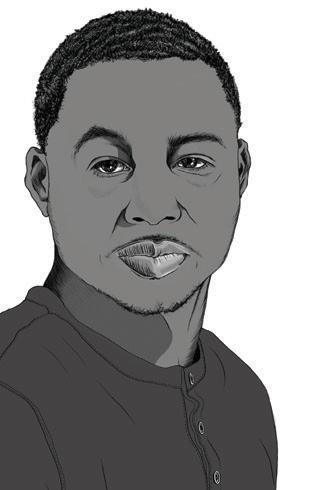
African American cinematographer and Wichita native MARCUS GUIDER spends most of his time working in eastern Kansas. A previous film he worked on, Now What?, explores a young Black man’s coming of age as he grapples with his identity. Currently, Marcus is working on a feature documentary called Scout’s , which examines the scope of abuse allegations against the Boy Scouts of America. He looks forward to using film in 2021 as a self-reflective medium to explore narratives of people of color. “I aim to create iconography that is rich in culture and spirited in the essence of humanity,” he says.
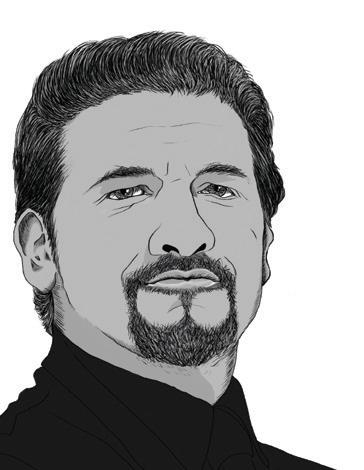

NATHAN FUNG Chinese American filmmaker Nathan Fung lives in Overland Park but works in both Los Angeles and Kansas City. He has worked as a grip for Hollywood productions Bill and Ted Face the Music, Logan, Deepwater Horizon, and Jack Reacher 2. He says he enjoys working locally because of the people. “The film community in KC is so tight-knit, and everyone really watches out for one another. That’s something you don’t necessarily get in other larger markets,” he says. “The film community really is a family here.”
VIC DOMINGUEZ is a Mexican American filmmaker from Kansas City whose short film We’re Not Together is currently in postproduction and being edited by Secura Hatch. His latest short, Beer & Cigarettes, wrapped up in October 2019 and will be released soon. He keeps his projects local to stay on budget and to work with other locals such as Tony Ontiveros, DeVonte Brown, and Lucas Cohen. His plans for 2021 include working on another short.
TONY ONTIVEROS, who identifies as Chicano, lives in Lawrence and shoots films in Lawrence and the Greater Kansas City area. He just wrapped up co-producing and gaffing Vic Dominguez’s We’re Not Together, which he refers to as a comedy of errors and failing relationships. He’s also in pre-production for a Christmas horror film called Oh, Christmas Tree. For Ontiveros, keeping his work local is an easy decision. “I’ve acquired strong relationships in production over the years and have a lot to offer as far as lighting and grip equipment. I have a lot invested here,” he says. “I love the availability of living so close to the University of Kansas. As many experienced crew members leave for other adventures and job opportunities in Los Angeles, New Orleans, or Atlanta, I choose to stick around and look out for promising students from the KU Film Department who are graduating and are interested in breaking into the industry in different areas of production.” Ontiveros also spent the pandemic working as a Covid compliance officer, making sure film crews follow CDC guidelines and safe practices on set.
—Fally Afani
Note: See also our profile of Native American Wichita filmmaker Rodrick Pocowatchit on page 26.
Also, do you think it’s important to screenwriting and filmmaking to perform as well?
KW: I will often act in my films if there is a part I believe fits me, or if the budget demands it. In my film Destination Planet Negro!, I played one of the leads because it was a micro-budget, and I knew I would show up! [laughs] Acting helps your writing; it gives you an ear for dialogue, as well as pace and instinct. Writers should take acting classes or perform in plays to get a better feel for how drama works even if they don’t want to act.
MH: You maintain a friendship and acclaimed working relationship with filmmaker Spike Lee. In addition to Mr. Lee, you’ve worked with lots of talented people. I’d like to know about your experience in collaborating with others and the trust that develops in the filmmaking process. What has to happen in order for a collaboration to feel successful to you?
KW: You have to feel like your collaboration is equal and your voice is being heard and respected. The collaboration has to be a fair give and take. You have to be willing to learn as well as teach. More than anything, the team must put the work first beyond egos and agendas.
MH: Congratulations on being awarded an Oscar for your contribution to BlacKkKlansman! Can you talk about how it feels to have your work recognized by the film industry?
KW: Winning an Academy Award was a dream come true. Watching those shows as a kid with my mother was always inspiring. Only in my fantasies did I think I would be on stage being handed an Oscar. But to be honest, I rarely thought about it. I only thought about the work. I learned from activism that you have to define success on your own terms. I did that with my film career. It kept me going when I was inside and outside of the film industry. I hope to never forget that principle.
MH: Lately there are many questions being asked of awarding bodies and their selection processes across numerous industries. Can you share your thoughts on what responsibility these various bodies have to the industries and creators they celebrate?
KW: Awards equity is really about industry equity. Awards reflect the equity of the business. If our stories aren’t being told, then you can’t compete for awards. If more stories are being told that give people of color jobs, then the awards will reflect that. More people of color need to be in positions to greenlight movies about underrepresented Americans.
MH: You’ve been an educator at the University of Kansas for 20 years. What are some of the conversations you have with your students about storytelling? Has the timbre of those conversations changed with time or are there still rudiments in place that budding filmmakers should always bear in mind?
KW: The big change was film turning into digital. However, the technology may change but storytelling doesn’t. That is still the real challenge. Can you tell a good story? In the end it will always be the same journey and challenge to being a filmmaker. That is the role of education.
MH: What is important to you about having been in Kansas—as a father, educator, and filmmaker— throughout all these years?
KW: Living my life here made me love the state, but it is hard to be a Kansan these days. It is not the state I grew up in. My film CSA: The Confederate States of America is about the South winning the Civil War. That film made me understand how the South did win the Civil War. The best example is the Brown v. Board of Education decision. How did Kansas, the Free State, turn segregated? Well, it listened to the South and adopted their way of life. This is how the South won. Unfortunately, today the Confederacy is winning even more in our state. We [as voters] rejected the first Black president (even though his grandparents were Kansans) and the first Black woman vice president. We reject health care, gay marriage, and anything that makes the nation and our state a more equitable and tolerant place. … I want people to know our story. It is far from perfect, but there are many things that made it great, and Kansas should celebrate those things. I am proud of Kansas. I remained in Kansas as a choice. Dwight Eisenhower, Langston Hughes, William Allen White, Gordon Parks, William Inge, Amelia Earhart— they are real heroes and Kansans. I feel fortunate that I grew up here and love being part of the legacy that shapes who we are.