February 26, 2026
February 26, 2026
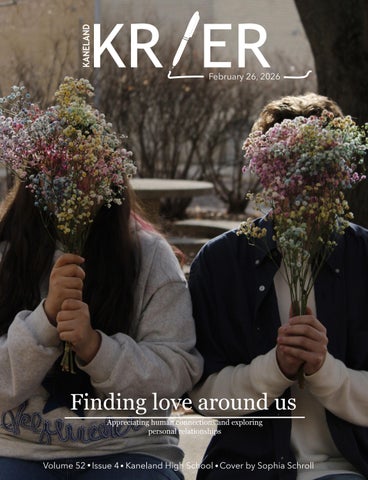
Appreciating human connections and exploring personal relationships

We, the Krier executives, drew some inspiration from the 2003 movie Love Actually for the message of this issue. When Hugh Grant’s character said, “If you look for it, I’ve got a sneaky feeling you’ll find that love actually is all around,” it made us think about the issue we worked hard to create. Love comes in many forms: romantic, platonic, familial and self. No type of love is superior to any other, and all of them are important to effectively express our feelings. Whether through acts of service, words of affirmation or anything in between, showing love to each other is an essential part of humanity. We encourage you to use this issue as motiva tion to continue to spread love throughout our community and beyond.





BY EMMA WEINTRAUB Editor-in-Chief of Print and Business Executive
On Dec. 5, 2025, eight American bison stepped off a trailer and into the Burlington Forest Preserve in Sycamore, IL, for the first time in 200 years.
In a three-way partnership between the American Indian Center of Chicago (AIC), Ruther Bison (a family-owned bison conservation business) and the forest preserve, they worked together to bring the animals back to their natural habitat after they were hunted out of the area.
Bison used to call the area their home, but after a combination of overhunting and development, they have been pushed out of the area and became extinct in Kane County. They act as a key species for the ecosystem, as their natural habits generate biodiversity, encourage nutrient cycling and support other animals like birds and bees. Additionally, bison are significant in Na -
began in 2022, the Forest Preserve District of Kane County sought partnership, and the AIC agreed to help the process of bringing a herd of eight to one of their local preserves.
Since then, the three groups have been working together to get the prairie ready for the bison, including building new fencing and getting the legal rights to have the animals. They want to continue to expand, building out the land to 60 acres and bringing in a total of 15 bison, which will require further infrastructure to be built.
“This isn’t something that you want to rush into,” said Michelle Blackburn, Agricultural Coordinator for the Forest Preserve District of Kane County. “I had to do a lot of research. Luckily, Ruther Bison has a lot of experience with herd management.”
Bison are the largest mammal in North America, standing at six feet tall
also agile, as they are able to run up to 35 miles per hour, cross wide, fast-moving rivers, and jump up to six feet.
They have a habit of rolling around in dirt, which is called wallowing, to get rid of flies, shed fur and attract mates. Bees are attracted to the area, which increases the amount of birds as well. This brings diversity to the habitat and enhances the environmental benefits that both species bring.
After some initial apprehension, the bison are adapting well to their new environment, and they have grown to become very friendly with the staff.
“They are very calm, very docile animals,” herd manager Sam Parsons said. “They are very curious about people and are very good so far.”
The park is currently closed for the winter, which means the public is not allowed to visit. But the park has a limited number of early admission tickets avail -


BY ALEENA ALRIFAEE Editor and Social Media Assistant
On Saturday, Jan. 31, Kaneland High School hosted its 12th annual Hoops for a Cure shootout. This daylong basketball event raises money to support individuals undergoing cancer treatment. All proceeds from the game admissions, a silent auction, shirt sales and donations go directly to recipients.
This year’s recipients were an anonymous Kaneland High School staff member and Linda Kelley, who retired from the Kaneland athletic office in 2012.
The event began during the 2014 season when former head varsity girls basketball coach Ernie Colombe, who is the current head varsity boys basketball coach, in vited teams to participate in a shootout to raise aware ness and funds for families affected by cancer. Years later, the shootout was renamed in honor of Kristina M. Colombe, his wife, who passed away from cancer. The shootout now honors Kristina’s memory by raising money for individuals currently battling the disease. The shootout has raised can cer awareness and led to donations of over $60,000 to local families.
“I don’t know what it’s like to have cancer, but I know what it’s like to be impacted by it, and it’s a devastating disease,” Colombe said. “So we’re just trying to help people, and hopefully, just make people aware.”
As this shootout continues, it’s essential for others to know about the hardships one faces going through cancer.
Kelley was diagnosed with pancreatic cancer last July. She caught it early by being proactive about her health. One message she shares with others is simple: “Listen to your body.”
Kelley completed three months of che -
motherapy followed by an intense surgery. Each day varies between good and bad. She is now undergoing another three months of chemo, which compromises her immune system. Because of this, she must avoid crowded environments and reduce the risk of illness that could delay her treatment.
Kelley has known Colombe for many years and said she felt honored to be selected as a recipient.
“It will really help me out financially
with some of my drug expenses that insurance doesn’t help much with,” Kelley said.
Kelley also expressed appreciation for the purpose behind the event.
“I think it’s a great cause that Coach Colombe started in honor of his wife who lost her battle, so others may continue to fight,” Kelley said.
Recipients use the donations in different ways. Some put the money towards helping with medical bills. Others use it to create positive experiences during a difficult time. Either way, the support eases financial stress and provides a degree of comfort.
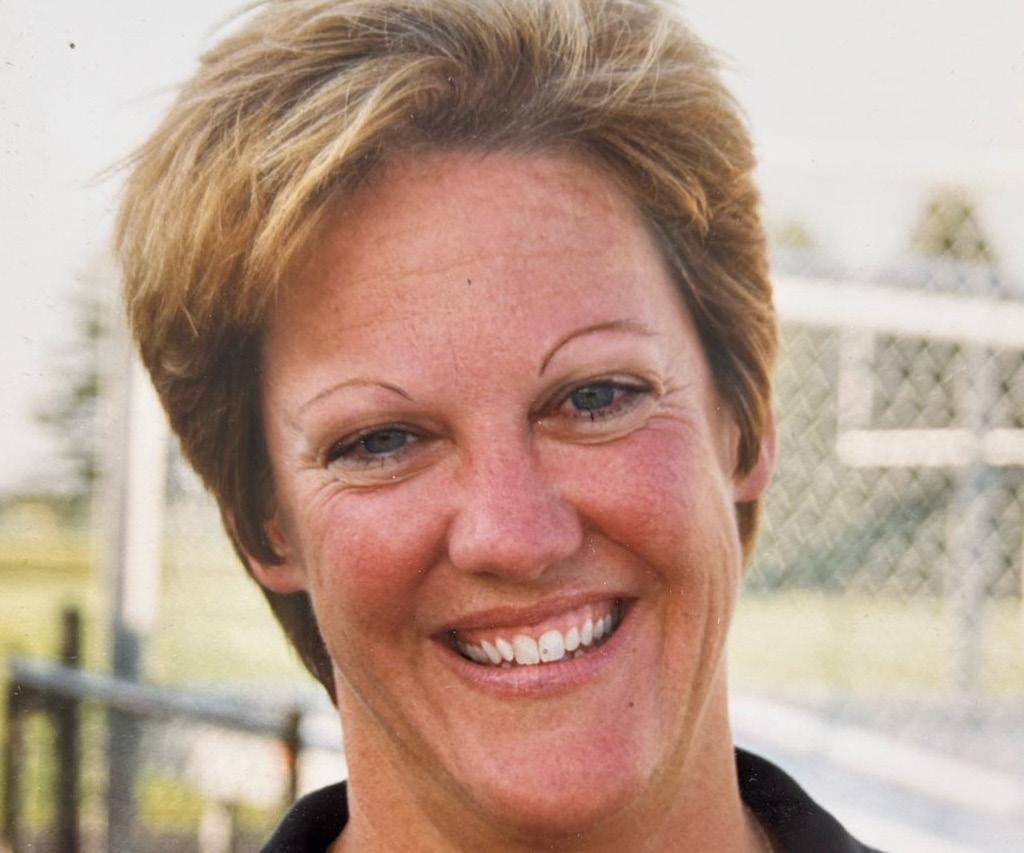
Last year’s recipient was CTE teacher Kirstin Murphy. Her husband passed away from cancer in 2024. By the time of last year’s shootout, she was a single mom to two boys and was learning how to navigate life without her husband. The donation helped her pay outstanding bills and send one of her sons to summer camp for sports.
“My boys were very grateful as well,” Murphy said. “It was just really nice to feel the love and support from the school and community.”
ey
This year’s silent auction raised $5,515. Items included skydiving passes, admissions to Kaneland summer camps, parking passes for next school year, golf outings, concert tickets, University of Illinois basketball and football game tickets, Blackhawks and Cubs tickets and signed sports memorabilia.
Hoops for a Cure continues to bring the Kaneland community together to support those facing cancer. For many families, the event provides relief, encouragement and a reminder that they are not alone during this time.
BY VERONICA VAN DUSEN Reporter
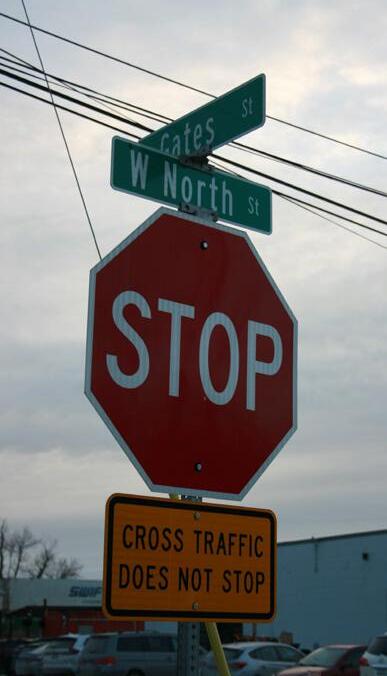
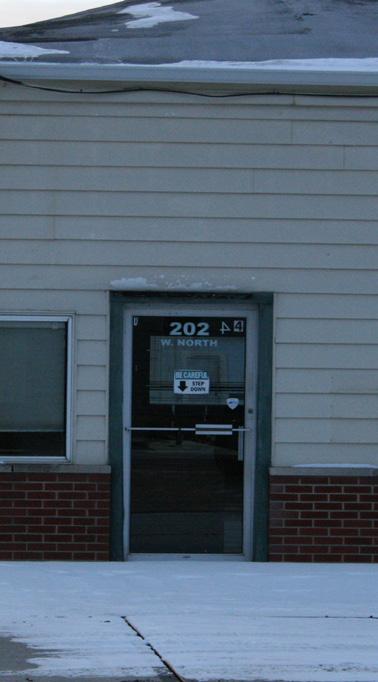
CanAFarms is developing a new dispensary at 202 W. North St. in Elburn. Village trustees anticipate that the dispensary will improve the local economy of Elburn.
Although village officials expect the dispensary to increase revenue, some residents are concerned about the potential promotion of and proximity to cannabis in the area. Social studies teacher and Elburn resident Scott Parillo expressed his concern.
“As a homeowner, would I prefer that maybe it wasn’t here?” Parillo asked. “Yeah, but I’m an old guy, you know, so there are probably a lot of things that I wouldn’t wish for in our neighborhoods.”
Some residents argue that the dispensary might negatively impact the youth or families nearby. However, others say that the dispensary will be beneficial and can help bring more business to Elburn that was previously going to other towns.
“It might not be my thing,” village trustee Megan Mussano said. “However, another business in Elburn is great for tax revenue. I’d rather that the community members of Elburn go to a local business to obtain their cannabis versus driving to Geneva, Batavia or Aurora.”
Spanish teacher and Elburn resident Michelle Jurcenko shares a similar view to Mussano.
“I think that, as with any new business, it has the potential to have a positive financial impact in the community,” Jurcenko said.
Although the addition of the dispensary to Elburn has created some mixed feelings, there are many rules and regulations that the building and its management must follow to run legally. For example, according to the Aug. 5, 2025, agenda packet for the Elburn board of trustees meeting, the dispensary must not sell or give out any cannabis unless it is authorized by the Cannabis Regulation and Tax Act.
The owners of the dispensary also have to make certain improvements to the building, like adding lights and security cameras. However, according to the
agenda packet, any other improvements will be determined based on the floor plan of the dispensary. The dispensary staff must also determine how parking
will work and ensure that the dispensary will not disturb traffic flow in the area.
“Personally, I’m glad that they ended up in the location that’s off of 47, so it’s not a big neon sign advertising cannabis,” Mussano said. “It’s one block off

the main drag, so people will go there if they know it’s there and want to go there, and that’s fine. But it’s not like a huge eyesore as you’re driving through town.”
There had been plenty of discourse about the location, according to the agenda packet. The packet explains that there can be no on-site use of cannabis at any time, which could help dispel the concerns of some residents in the neighborhood.
“We, the village, are always encouraging of any business that wants to expand or any new business within our municipality,” finance director Doug Elder said. “We’re always happy to have more businesses producing revenue for the village and producing economic benefits for the municipality.”
According to Mussano, the dispensary can help reduce taxes for residents and provide currency to assist in community projects. Jurcenko is confident that the addition of the dispensary can have financial benefits for Elburn.
“I trust my council members that they made the right decision for the community,” Jurcenko said.

Before the dispensary can officially open, there are a few issues to sort out. For example, the village of Elburn must relocate a truck scale that is currently being utilized by the police department.
“There are so many things that the village does to take care of the people that live in the village, and not very much of our property taxes actually go to support the village,” Mussano said. “So the village is always looking for more revenue opportunities. So when a legal business comes to town and says, ‘Hey, we would like to open up a business in town,’ I feel like the trustees and the village in general are very open to bringing in business because it’s good for the community, as in it allows Elburn to do more because they will have more money.”
It’s uncertain what will happen to the rest of the site, since CanAFarms only owns the CHS building. The rest is owned by Luke Goucher, one of the five founders of Obscurity Brewing. The property, except for the building, will remain dormant for the time being.
BY AUDREY NORING Editor and Social Media Assistant
Your cleats begin to feel tighter, your jersey starts making your skin crawl, the field you once loved feels foreign and the game that once brought you joy now seems dull.
This is the reality for many athletes as they slowly lose their connection with the sport they once loved. Pressure, toxic environments and injuries can lead athletes to question why they ever played at all. While some athletes are able to push through the challenging obstacles and avoid losing their love of a sport, others decide to walk away entirely, leaving behind not just a sport, but an identity.
Athletes all over the world are quietly losing the passion they once had for their sport. Endless hours of practice, expectations from parents and social media, and the weight of scholarships can make the game feel like a burden. For some, the feel that the only way out of the stress and misery is to quit.
“From my experience, a lot of athletes quit because they have a lot of pressure on them,” athletic trainer Maggie Walker said. “Whether it is from coaches, parents or just society, I feel travel sports has made it very hard for athletes to play sports, but also stay committed to their high school sport. There are just too many expectations on them.”
For senior Adriana Warrington, her enjoyment for soccer began to fade during eighth grade and continued into her freshman year. Warrington has played soccer since she was five, and her life seemed shaped around the sport. When Warrington joined a club with a toxic environment, her love for the sport quickly diminished.
“At the end of eighth grade and early freshman year, soccer stopped feeling fun,” Warrington said. “I genuinely cried af ter every practice. [My teammates] were real ly rude, and my coach es didn’t believe in me at all.”
Athletes are often faced with pressure from

their sport. Having to keep playing a sport that’s no longer rewarding can raise lots of anxiety and foster even more burnout in athletes.
“You want to be able to make your own decisions,” Warrington said. “If my parents would’ve told me to ‘suck it up and deal with it’, that would have probably made me more upset and made me hate [soccer] more.”
After battling injuries, club drama and a lack of passion towards volleyball last year, junior Ava DeWig ultimately made the decision to quit volleyball. For a while, volleyball was her outlet, where she let her anger out and coped with her struggles. But when her love for volleyball ran out, she was faced with the option of quitting or persisting. DeWig quit, but she feels at peace with her decision.
“[Quitting] made me realize I was so much more than my sport,” DeWig said.
Warrington also decided to leave her club, but she chose to stick with soccer. She soon started her high school soccer season, and soccer started to feel like home again. She enjoyed her teammates, her coaches believed in her again and she made varsity. Just as Warrington started to settle back into soccer, a new problem arose. She broke her
After the final whistle blew in the last game of the 2023 soccer season, Warrington cried with her teammates. Not for the same reason as her teammates, though. As the seniors cried because it was many of their last games, Warrington welled with tears because she was frustrated she couldn’t play her sport.
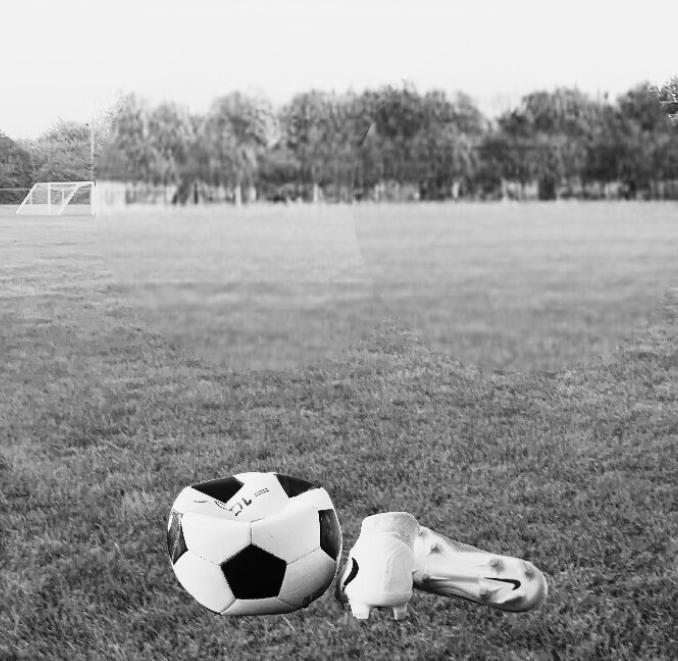
Although injuries can be physically and mentally debilitating, for Warrington, her injury altered her perspective in a positive way. It reminded her she couldn’t live without soccer. And for DeWig, her injury was one of the deciding factors in quitting volleyball.
Breaking a bone or pulling a muscle aren’t the only driving factors behind athletes’ loss of interest in sports. Sometimes it’s the coaches and overall environment, like DeWig and Warrington expressed. Unfortunately, it is common for a coach to be the reason an athlete falls out of love with their game.
“I was at a practice one time and my coach told me that I would never go far,” DeWig said. “I was like, ‘Why would I keep putting myself in that situation?’ There are way more things I can go far in that aren’t volleyball.”
Athletes are often faced with a difficult decision of either sticking with a sport or heading down a new path. There is no right or wrong answer; it depends on the athlete, their mental health and their future goals.
“If you’re really, really starting to hate your sport and don’t think it’s good for you, you don’t have to force yourself to keep going,” Warrington said. “If it’s not what you want anymore, it’s okay to
If you’re sticking with the right crowd and know you’ve made the right decision either way, the right people will support you. There is no need to feel guilty about quitting a sport you once loved. It happens to the best of us.
“I’ve never seen anybody not empathetic or compassionate for that athlete who did step away,” Walker
BY ELLIE OLP Editor and Podcaster
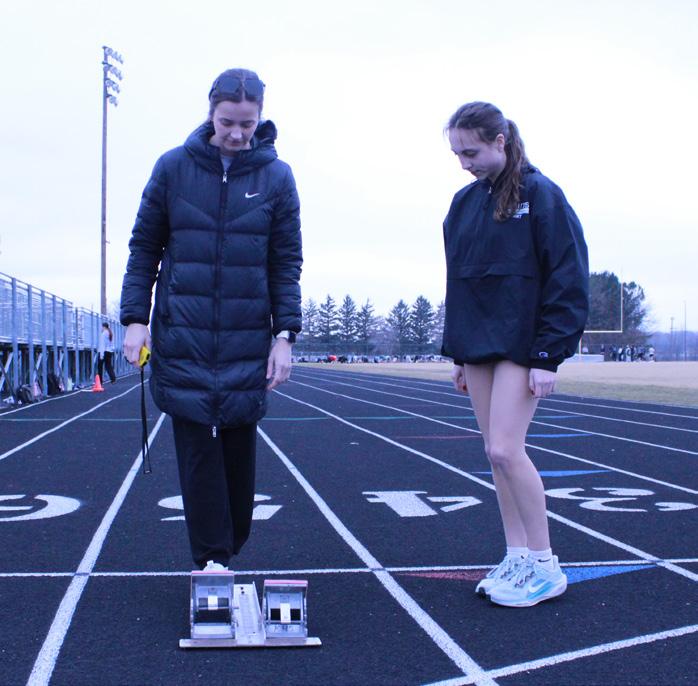
For many athletes on the girls track team, this season marks a fresh start in terms of opportunities for improvement. After a season of uncertainty, the program is heading in a new directions. With new coaches, clearer expectations and a more professional approach, the group is focused on improving and reshaping the program both on and off the track.
Two seasons ago, the previous head coach for the team retired, leaving a new head coach, Trevor McKeown, to step up and take the lead. McKeown also teaches eigth grade science and coaches junior varsity football. He is most excited about the opportunity to continue leading the girls team this season.
“I was definitely taken off guard at first when the last coach left, but in general, I was excited about the opportunity,” McKeown said. “Having been with the program for a couple of years and witnessing our potential, I was excited to see it advance further.”
man said. “I showed up and there were about 20 of them. Seeing them want to put that effort in made me realize that it is going to be a good season.”
Heintzelman tries to instill her resilient mindset in the team and encourage athletes to accept the losses that come with the sport.
“I think it’s important to understand that in order to win, you have to lose sometimes,” Heintzelman said. “Most athletes don’t want to lose, but understanding that growth comes out of failure and hardships is the most important thing for them to be able to grow.”
While Heintzelman aims to improve her athletes in their sport, she also strives to improve them in other areas outside of athletics.
“My biggest goal is to simply trans -
After losing two coaches last season, the team recruited new coaches for sprints, long distance and pole vault. Other coaches switched to other events, like Doug Ecker, who switched to sprints after coaching long distance last season. He appreciates the effort being demonstrated by the athletes on the team this year.
“So far, I’m very happy with what they’ve done,” Ecker said. “So many of them show up when they don’t have to, and they’re all listening and trying to work on things, which is all I can ask.”
Ecker is not the only coach who has recognized the efforts of the team so far this season. Another coach who joined the team this year is Averi Heintzelman, who used to be the boys track team’s high jump coach. This year, she coaches sprints and high jump for the girls team. From preseason alone, she has recognized the girls’ efforts as well.
“Talking to [McKeown] before I got here, he told me that there would be around 10 girls for preseason,” Heintzel -
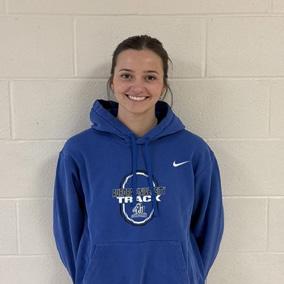
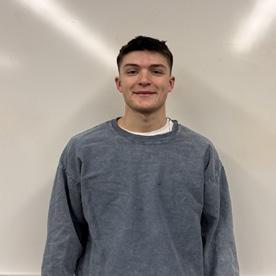
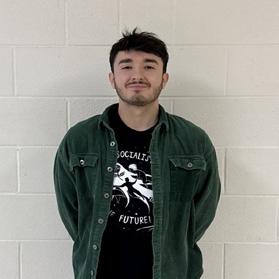
form some of these girls into better athletes, better people and better students,” Heintzelman said. “To me, athletics is not just about the athletic part of it. It’s about being a team and seeing growth all the way around.”
The adjustments in coaching this season are evident to the athletes, and some are already noticing a big difference.
“The coaching is definitely the biggest noticeable difference this year,” junior Chloe Parker said. “I can already see a difference in the coaching just through preseason.”
There were quite a few challenges that the coaches and athletes faced last season that the program aims to improve this year. One of the biggest challenges they faced was finding an identity.
“We had a lot of individuals trying to figure out what they wanted to do, and towards the end of the season, we got to a point where we came together more as a team,” McKeown said. “I think we’re definitely carrying that into this season and hopefully getting better as a whole group, as well as individuals.”
Creating a collective identity was not the only challenge that the team seemed to face last season. Some athletes reported that they felt last season was a little inconsistent with things like communication and timing.
“Last year, the timeline was a little uncertain,” Parker said. “A lot of things that we needed, like important information, came out at random times.”
However, some things that the team never seemed to struggle with were community and inclusivity. The girls on the team are all very welcoming and encouraging to every athlete.
“The culture of our team is very inclusive,” McKeown said. “I want them to feel empowered to do what they need to do and go out there and compete. At the same time, we also have a team that wants everybody to do well and helps each other out.”
The welcoming community is one of the great qualities of the girls track team and makes it helpful when new athletes join the team or think about joining.
“For newer people, it’s easy to feel like they’re coming into a new place where they might not have a lot of friends or they don’t know how it’s going to be,” Parker said. “Although, with our amazing coaches and girls on the team, they will definitely immediately feel at home and not as intimidated.”
Along with the girls themselves being very friendly and welcoming, the coaches are very inclusive and understanding in terms of everyone’s different goals that they’re working towards.
“There are some girls who have State ambitions, where they want to go to Sectionals, compete and be the best of the best,” McKeown said. “There are also some that are here for the camaraderie and being around others, and that’s perfectly fine.”
BY FAITH MASCHMAN Review Manager
1in every 6. According to the Rape, Abuse & Incest National Network (RAINN), that is the amount of U.S. women who have experienced attempted or completed rape throughout their lifetime. Additionally, 1 in 33 men have fallen victim to attempted or completed rape.
Sexual assault differs from harassment or abuse. Sexual harassment involves unwanted behavior that causes mental or emotional harm, while assault is a nonconsensual act or contact. This includes rape, unwanted touching or coerced sexual activity. Coercion can involve manipulation, pressure or situations where one party cannot consent. Sexual assault is far more common than many realize, especially among young people.
“Nearly every minute, someone in the U.S. is sexually assaulted,” according to RAINN. “Every nine minutes, that someone is a child.”
Awareness is vital as statistics continue to rise. It reduces stigma, strengthens support for survivors and helps society understand consent and the seriousness of the issue. With greater awareness, communities can take more active steps to prevent assault and reduce the number of incidents.
The stigma surrounding sexual assault makes healing difficult. Survivors often face victim-blaming or disbelief, and many avoid discussing the topic because it is uncomfortable. These attitudes silence victims and prevent society from recognizing the scope of the issue.
Educating the public about the widespread impact of sexual trauma can
help communities create safer, more supportive environments with resources that encourage recovery.
Sexual assault awareness is not widely taught in schools, though many argue it should be. Teenagers are young adults who are beginning to form relationships and become sexually active. School psychologist Brooke Butcher believes awareness is essential to prepare students for life and ensure they are ready for their next steps.
“[Students] are more than like ly experiencing it, whether they have se en it, it’s happened to them or it’s happened to a friend,” Butcher said. “[They are] not ignorant to what happens in the news. If we don’t talk about it, there is just more stigma.”
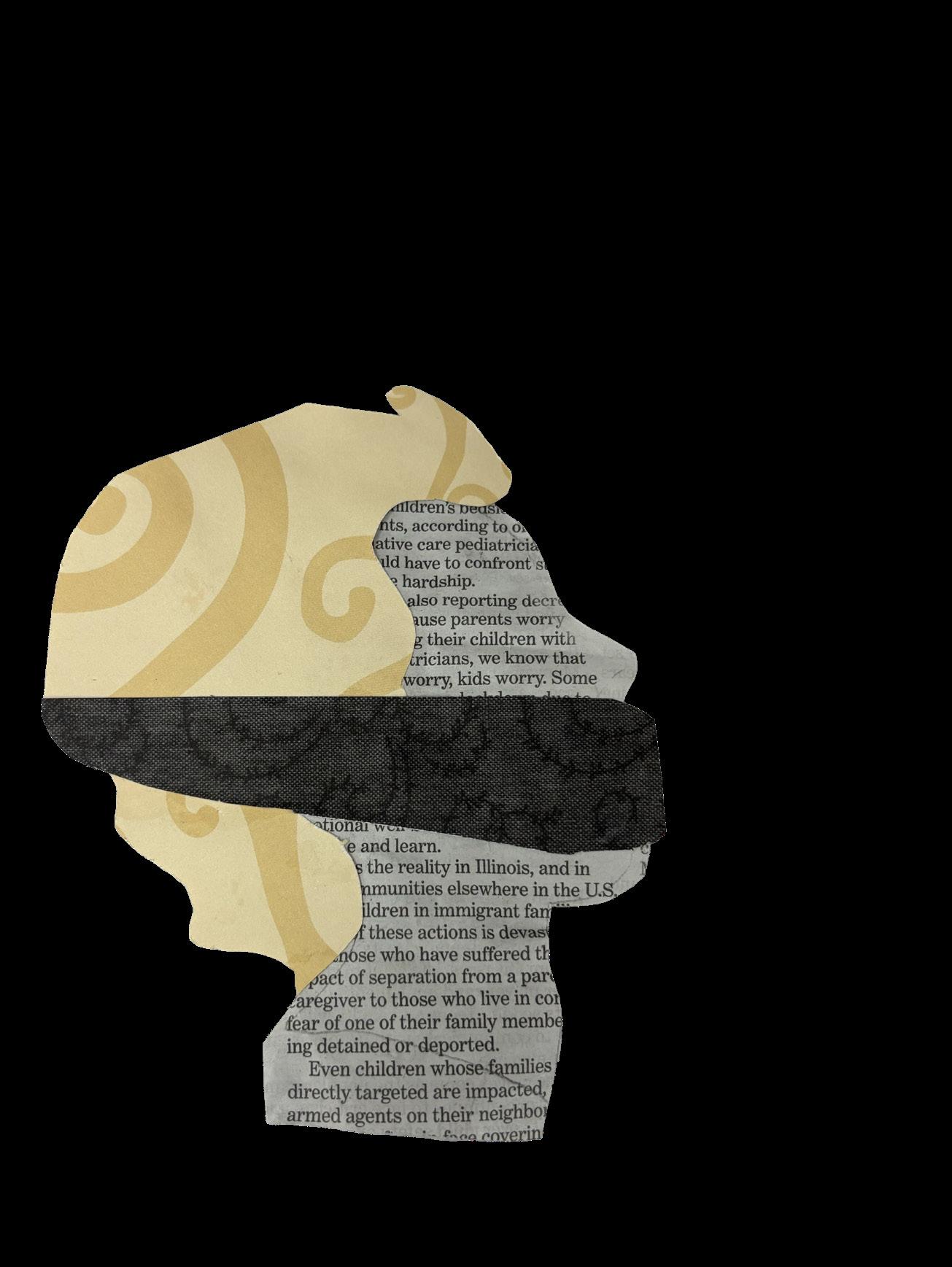
Butcher emphasized the importance of learning the difference between healthy and unhealthy relationships early, especially for students who may not have seen a healthy model at home. Schools, she believes, can play a major role in teaching students what to look out for. Understanding warning signs is crucial, and red flags should be
Shame and fear can make it difficult for victims to speak out. Butcher highlighted the importance of creating a safe, welcoming school environment that promotes recovery and support.
“I feel like a lot of [the process of creating a supportive environment] starts before events actually happen,” Butcher said. “We must let potential victims, or just the general student body, know beforehand that you are
Schools can support students by providing accessible resources, such as links to helpful websites, hotline numbers and staff members who are open to conversation. Kaneland High School has social workers, psycholo gists and counselors available to help all students. They operate under con fidentiality laws, meaning information stays private unless a student is harm ing themselves or someone else.
While psychological resources are crucial, reporting incidents is also im portant. Reporting can lead to justice, prevent future harm and empower sur
According to the Illinois State Po lice Directive, “The Illinois State Police
(ISP) will treat sexual assault and abuse reports as criminal conduct.”
This means the ISP takes reports seriously and responds quickly, aiming to protect victims from further harm and connect them with support. Reporting in a timely manner increases the likelihood of available evidence and helps prevent perpetrators from harming others.
Sexual assault is a complex and traumatic experience, leaving victims to navigate reporting, psychological aftermath and the challenge of finding their voice. It is far more common than many realize, and experts argue that increased education could help prevent it. Public awareness benefits both survivors and the broader community.
“[Sexual assault] is real, and just as easily as it could happen to somebody else, it could happen to you,” Butcher said. “Educate yourself, have an open mind and know what supports are out
BY GRACE BRUNSCHEEN & ALLY REILLEY Editors and Columnists
Friendships, romantic partners and connections with others play an important role in all of our lives. From small talk to heartfelt interactions, relationships with others often influence how we feel and act. While healthy relationships can provide support and make us feel seen, unhealthy ones can lead to stress and confusion, making it important to understand the difference and how we can improve our connections with others.
The interactions we have with each other and the connections we continue to create don’t become ones we value from just a simple hello; they come from more than we ever notice. Strong connections are built gradually and are shaped by shared experiences, trust and the way people treat each other over time. Some relationships grow naturally, while others are already present in our lives, such as those with family members or longtime friends. No matter how they begin, these connections play an important role in shaping who we are.
But how can we become a better presence in others’ lives? That question sits at the center of many relationships, from childhood friendships to romantic partnerships.
For many, navigating relationships can feel complicated, especially as emotions, expectations and outside pressures grow. Miscommunication, uncertainty about boundaries and fear of conflict can make it difficult to understand what a healthy relationship looks like. Learning how to reflect on personal behavior is just as important as identifying unhealthy patterns in others. Becoming a better person often starts with self-awareness and understanding how our words, actions and reactions can affect others. While we may not be perfect, being mindful of how we should act towards others can help create stronger and more respectful connections.
One factor that’s often associated with healthy relationships is effort. Something as small as someone noticing you were interrupted in a conversation, but they ask you to continue your thought anyways, can mean so much more than people often realize.
Effort doesn’t always come from grand gestures or constant attention. It often appears in smaller, consistent actions.
“Something that people do that makes a difference in relationships is checking up on one another,” sophomore Emmanuel Serriteno said. “It shows how much people really care about you.”
While effort may not always be equal at every moment, healthy relationships rely on mutual care and understanding over time. Recognizing the role effort plays helps us better understand what we deserve and how we can provide for others in return.
But with effort comes communication. Communicating with people might not always be the easiest thing to do, but it can truly change the connection people have between each other.
“Communication is so important in relationships,” Serriteno said. “It’s the best way to know what’s going on in each other’s minds and know how the other is feeling.”
Since relationships involve two different people with two different emotions and perspectives, conflict is inevitable. It’s in those moments of contention that communication and respect are tested.
“Having arguments is okay; it’s perfectly normal,” junior Emma Hardekopf said. “But all that matters about it is how you react and how you treat each other in that situation.”
While disagreement itself isn’t harmful, the way conflict is handled reveals whether a relationship is healthy or not. Respectful discussions allow space for understanding, while behaviors such as yelling or manipulation can signal deeper issues. Learning the difference between healthy and unhealthy behavior is essential to maintaining strong
connections.
Healthy relationships are not limited to friendships and dating. Students can form important connections with teachers and other adults at school. Spanish teacher Angela Francis is in her second year of teaching at Kaneland. She has found her own ways and beliefs on how to form connections with her students.
“In my experience, I think it’s super important for teachers to build student relationships right away,” Francis said. “That way, students know that when they come into your classroom they can feel safe and comfortable enough to be themselves.”
Strong relationships don’t always have to come in large numbers. Prioritizing meaningful connections over superficial ones can lead to healthier and more supportive ones.
“My biggest thing is quality over quantity,” Francis explained. “Finding that small group of friends who are loyal to you and respect you is much more important and healthy than friendships that either pressure you into things that you don’t want to be doing or don’t allow you to express yourself for who you are.”
Relationships can sometimes become one-sided when individuals believe the other person is solely responsible for maintaining the connection. However, accountability and effort from both people involved are required. Understanding this balance is a part of learning how to build stronger connections.
“I give people the same amount of effort that they give me, so I would choose people who choose me first,” Hardekopf said.

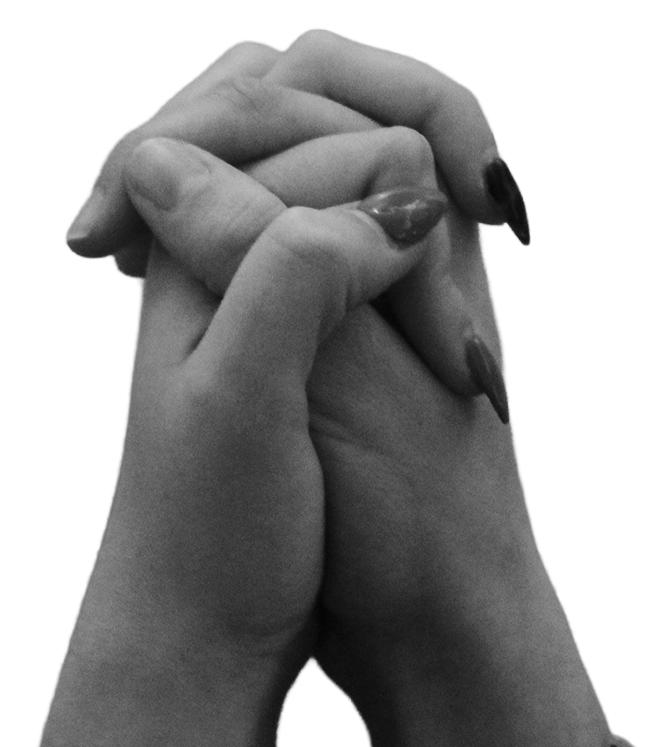
Healthy relationships don’t require perfection, but they do need effort, strong communication and trust to flourish. Recognizing unhealthy patterns, both in others and ourselves, is a necessary step towards growth. Whether it’s a friendship, partner or family connection, understanding how we communicate and respond to others defines the kind of relationships we have.
“Being in a relationship isn’t always going to be easy, but when you really care about the other person, you can work through anything,” Hardekopf said. “Find somebody who cares about you, for you.”
BY ANSLEY RUH Editor and Podcaster
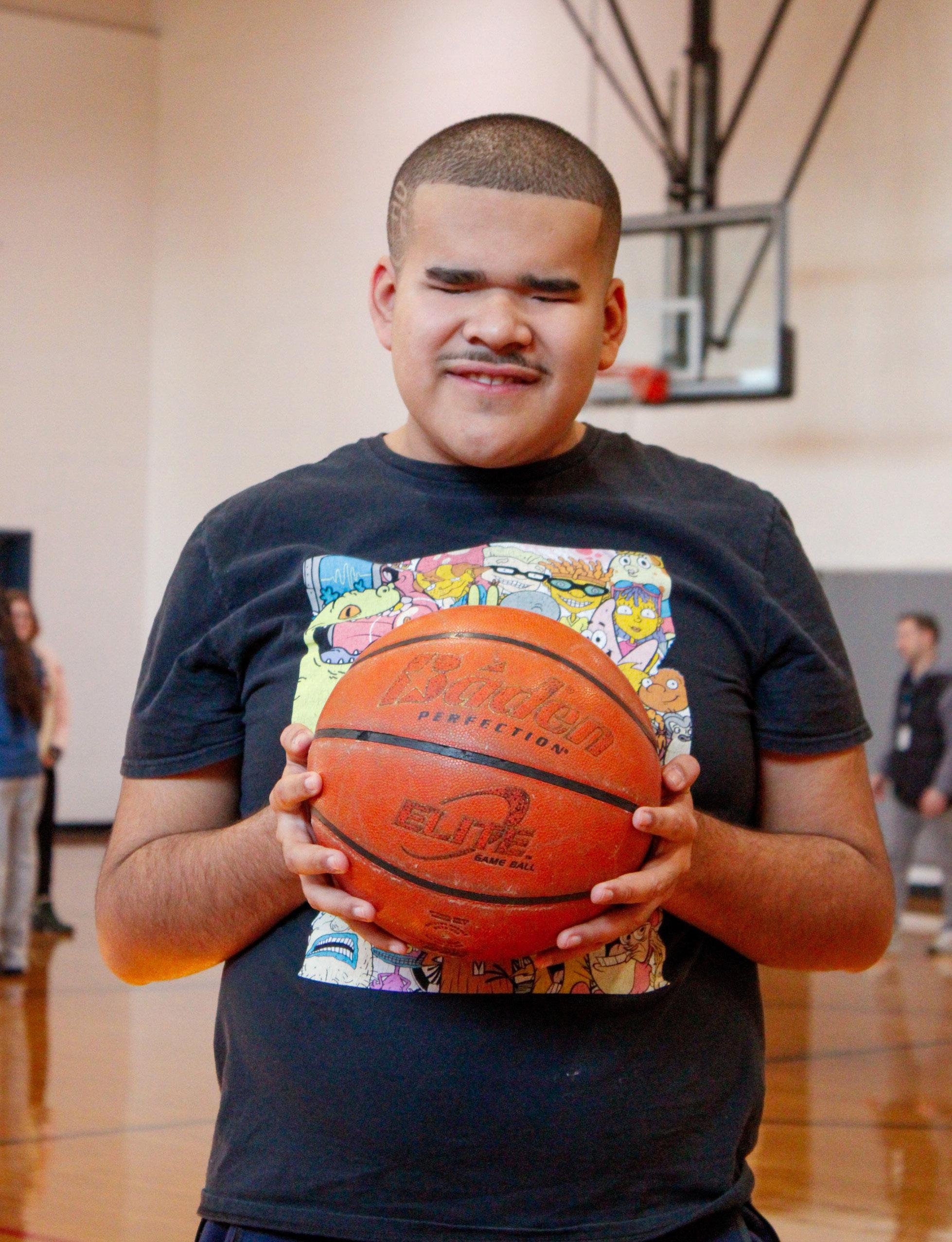
Junior Diego Mauricio navigates his way around school a little differently than others, but that never stops him from being himself. Mauricio, who is blind, moves throughout his life with confidence, humor and determination, proving his disability does not define what he can do or who he is. His attitude, persistence and personality are what stand out to those around him.
“Diego makes everyone feel welcome and brings joy to both students and staff,” special education teacher Kara Clesle said.
Like any student, Mauricio faces academic challenges at school. He sometimes struggles with the difficulty of assignments, but when work becomes overwhelming or challenging, he has learned how to manage his frustration in a productive way.
“I take a break and then go try again,” Mauricio said. His mindset and perseverance have helped him to stay motivated and push himself even when things are difficult.
“He just keeps going and doesn’t let his disabilities prevent him from pushing forward,” physical education teacher Joshua West said.
Mauricio has grown more confident in the classroom, which he attributes to the support he has received from his teachers. Teachers provide him with tools such as Braille and other technology that allows him to access the same material as his peers. Mauricio has grown to trust his own abilities, which has empowered him to gain independence.
When Mauricio faces a problem, he looks at it from a different angle. If he requires additional help, he is not afraid to self-advocate.
“He is always looking for the positive in any situation and is always trying to find multiple ways to get a better outcome or response to any problem he may have,” Mauricio’s paraprofessional Aaron Malone said.
Mauricio’s ability to respond to difficult scenarios and change strategies does not only demonstrate perseverance, but his creativity.
Two of Mauricio’s biggest accomplishments involve developing skills he never thought would be possible for him: reading and writing. Reading and writing have allowed him to express
himself and explore different ideas in new ways. He explained that when he reads and writes, he is able to imagine different perspectives and think creatively. Writing allows him to share his own thoughts and emotions, and reading gives him the opportunity to envision stories and ideas. Writing is more meaningful than anything to Mauricio.
“You get to give your own ideas,” Mauricio said.
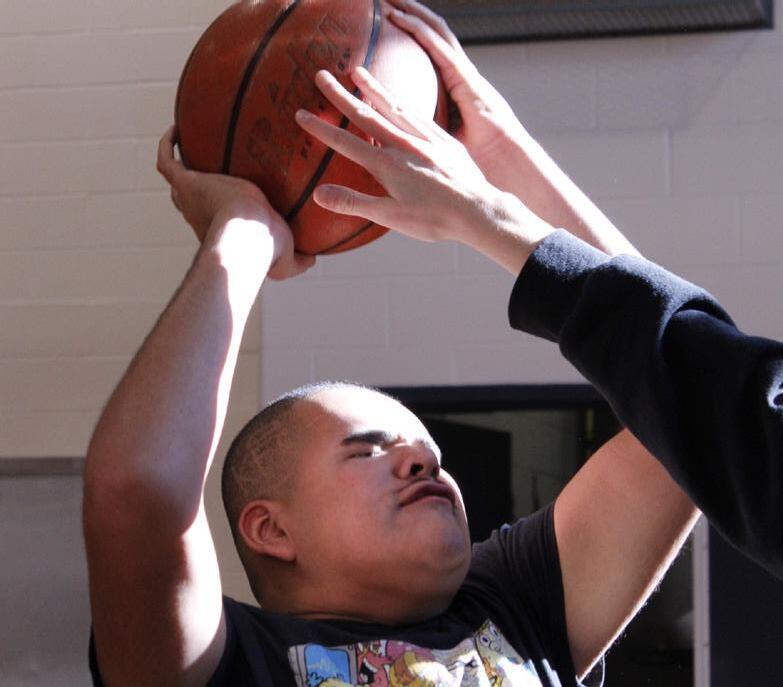
Mauricio also enjoys basketball, along with many other sports. He often shares opinions or facts about different sporting events. His love for basketball and other sports helps him connect with the people around him and find common ground. Bouncing the basketball on the ground and listening to the ball hit the rim gives Mauricio feedback on
a HOPE physical education class that stood out to her. All the students in the class were doing a relay race challenge where they had to draw an elephant, one body part at a time. Each student had to walk from one side of the gym to the other and find the piece of paper. Even though Mauricio felt some confusion, he persevered and tried his best. Despite not being confident in himself, he was able to finish the challenge and help his team.
“He always proves that no matter what, he still wants to try,” McCornack said.
That doesn’t just go for P.E. class; it goes for all of his academics. He is able to approach each challenge with effort and an open mind.
“Working with Diego has encouraged me to reflect on my teaching practices and has strengthened my commitment to being a more inclusive teacher.”
-special education teacher Kara Clesle “ “
how he needs to adjust to make the next shot or to dribble down the court.
“He can pinpoint sounds with alarming accuracy,” West said.
HOPE leader and senior Lexi McCornack also shared the way Mauricio has changed her perspective.
“Diego has changed the way I look at people with disabilities or think about disabilities in general,” McCornack said. “Every day he proves how he is able to do everything anyone else could, despite his disability.”
Not only did Mauricio change McCornack’s viewpoint, but he has changed the way many other students and teachers think. He has proved that having a disability does not limit people to certain things.
“Working with Diego has encouraged me to reflect on my teaching practices and has strengthened my commitment to being a more inclusive teacher,” Clesle said.
McCornack describes a day during
Mauricio’s confidence does not stop at academics. Socially, he is deeply connected to those around him. His outgoing personality makes him easy to talk to. He always brings out positivity wherever he goes.
Mauricio’s determination shines through his actions and personality every day, and peers like McCornack describe him just like any other social teenager. He loves making people laugh, and his own laugh is hard to miss.
“He’s funny and outgoing,” McCornack said. “He lights up every room.” Through daily interactions with his peers, Mauricio has influenced many others. He always brings smiles to people’s faces, especially when they are feeling down. He will talk to his peers about anything and is never afraid to share his opinion.
“He laughs, jokes and plays pranks just like every other kid,” Malone said. “I would also say that if you’re curious to know anything, just talk to him. He is one of the most welcoming people that I have ever met, and he is always willing to become friends.”
Mauricio has built a reputation through the way he carries himself and how he shows compassion towards others.
“[He] has taught me to never doubt myself,” West said.
Mauricio, like any other student navigating high school, has several interests that keep him active, creating and socializing. His bubbly personality never allows for a dull moment, even when an objective may seem difficult.
Love is everywhere. In the car, when a parent drives their child to school. In a sibling’s room, watching a movie together. Shopping with friends, and loaning one of them money to buy a drink. Love is arguably the strongest and most important emotion a person can feel. Each person has a different definition of what love means to them. Love can be based on prior experiences or the lessons someone has been taught. Regardless of where an individual learns about love, it can change how they act in their relationships. Looking inwards and realizing what our idea of love is and where it came from is essen -
their child might assume that is the healthy thing to do. On the contrary, a parent may address the issue head-on and confront it in a healthy manner. Our observations change our outlook on love and our perception of what is expected in any type of relationship.
Junior Taylor Hubert has experienced highs and lows through past relationships and friendships. Her parents provided her with the necessary tools to navigate the difficulties of relationships during adolescence.
“I see how much my parents work together and put in the effort to make sure that the other person’s happy, and it has really allowed me to realize what I want with somebody,” Hubert

tial to grow and treat others with the same love that we wish to receive.
The way that a person is raised can change their entire outlook on life. By observing older, trustworthy people, children learn from their actions and how they communicate with one another. Observation sets the framework for what is expected of future relationships. If a parent decides to push problems aside and never communicate,
BY ALLY REILLEY
STORY BY PREMA WEICHUN

said. “They’ve helped me cope with any fights and realize that it isn’t you versus your partner; it’s you and your partner versus the problem.”
Having a strong support system to navigate through difficult situations and relationships is extremely important. It helps us learn how to deal with any problem that may arise. How we are raised and what we are taught defines how we react to and handle certain situations. Being raised with love and positivity can help set a child up for healthier and more positive relationships. Her past friendships and relationships have helped her grow and raised her standards for what she desires in a partner.
“Love can be hurtful and it can be hard,” Hubert said. “The person that I’m dating right now has shown me that the right person does care. As long as you work hard for each other, a relationship can be really, really good.”
Growing from past experiences has helped Hubert ensure that the same mistakes aren’t made. Learning about love from her own experiences has helped her grow into the best possible version of herself.
Finding love in friendships is just as important as romantic relationships. A person’s family will teach them how to treat someone else, which sets up their future social life. Prioritizing and keeping healthy friendships will help both sides feel loved. If someone is not reciprocating the same amount of effort in any relationship, it is important to communicate with them. Learning healthy boundaries as a child sets children up for healthy friendships in their future.
Sophomore Joanna Petmezas is a positive person who never fails to brighten someone’s day. Her family has
taught her how to be a good friend and maintain positive relationships, while setting boundaries when necessary.
“My parents always taught me to love and respect everyone, even if they don’t do the same to me, “Petmezas said. “Everyone deserves a chance, and if I can tell someone isn’t a good friend, I won’t waste my time. ”
When navigating friendships, it is important to observe whether or not both people are putting in the same amount of effort. Just like romantic relationships, finding a good friend is not always easy. Love surrounds every kind of relationship, and remembering that friendships are supposed to be positive can help strengthen the bond.
While the people surrounding us provide examples of love every day, it can be a challenge to drown out someone else’s negativity. Social media can have a huge impact on one’s idea of love or what a realistic relationship might look like. The reality of friend -

ships or romantic relationships can turn out to be totally unexpected when compared with what someone sees online. It is important to be careful when listening to advice on relationships. On social media, anyone can post anything they want, such as relationship advice, personal experiences or red flags to look out for. Just because one person had one experience in a relationship does not mean that it will happen to someone else. If someone posts a TikTok about a bad boyfriend they had, it can make someone else fear it will happen to them.
Sophomore Adeline Coady has been in a healthy and committed relationship for over a year. She has learned valuable lessons about how to keep relationships that are important to her. Even though she is in a secure and
life, it can be hard not to listen to what others have to say. Everyone has their own opinions, whether they are wanted or not. Hearing others’ perspectives when unneeded can cause unnecessary problems. If someone posts about how amazing their boyfriend or girlfriend is, it can make other people jealous that their partner is not like them.
“If a boy follows a bunch of girls, the girlfriend might get mad at that,” Hubert said. “It has become an epidemic where people need to deserve the most perfect person when really that doesn’t exist.”
Social media can redirect our focus on what all relationships center

relationship happy. His relationship has changed how he perceives love, teaching him how to set standards.
healthy relationship, posts on social media can be unsettling.
“I’ll see some things just saying, ‘Oh, your boyfriend doesn’t love you,’ and you see different things in your relationship than anyone else does,” Coady said. “Not everything you see on social media reflects on what your relationship is actually like.”
The only people who matter in a relationship are the partners. Propaganda on various social media platforms can alter what people think about love. Hubert has seen different TikTok posts with the “I hate my boyfriend” joke. She believes that maintaining genuine connections is more important than joking about hating each other.
“Social media takes away the realness of a relationship,” Hubert said. “It doesn’t allow you guys to genuinely be together, and it makes it feel like there’s a third person.”
Since the current generation is so immersed in the online aspect of
around: love. Hubert has watched her friends fall into a rabbit hole caused by social media. They would constantly doubt their partner and compare them to others, when those were standards they could never meet. Observing and realizing these problems that social media creates can help a relationship grow.
Family and social media can have huge impacts on how a person feels about love, but a person’s dating experience can also affect it. No one knows exactly how a relationship will be until they are in it and experiencing love. Relationships can teach someone a multitude of things and can help a person mature. From long-term relationships, people learn how to communicate with their partner and become more loving.
Senior Aiden Contreras has been in a healthy relationship for over a year. He has learned about how important communication and the expression of feelings are to keep the
“I have learned what I value in a person, and I have gotten better at being patient and understanding,” Contreras said.
Being in a healthy relationship has shown him what is important for all types of love. He has learned the different actions that demonstrate love and what they mean to him. Now that he has a person that he deeply values in his life, he will not settle for anything less. Love is found everywhere and perceived in many different ways. The way a person is raised can greatly affect how they act in relationships, just like relationships can greatly affect how a person will act in the future. Love is an important feeling that can teach people meaningful lessons and help them grow into who they will become.
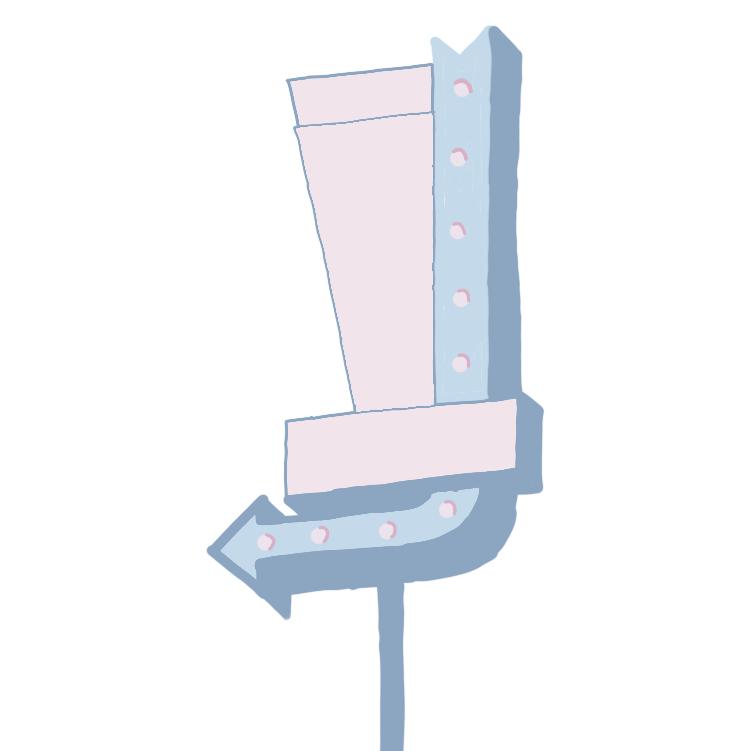
THE R O A D TO A HEALTHY RELATIONSHIP
BY OLLIE FAIR & EMMA WEINTRAUB Editor and Editor-in-Chief of Print and Business Executive
As students ourselves, we seek to write stories about things that other high schoolers will find interesting, relevant or helpful. For our advice stories in particular, we think about advice that we would want to have received at one point, or advice we think that our peers could use. But for this issue, we decided to ask students directly what advice they would like to hear, and as a staff, we answered a few of the most popular questions.
“How
can I be more authentic to myself?”
Your life and experiences are so vastly different from the person next to you that trying to compare yourself to others or copy another person is nonsensical. Being yourself allows for more perspectives and personalities in the world, which leads to us learning and evolving. Taking the chance to try new things and stepping out of your comfort zone allows you to get to know yourself and your true interests. Understanding yourself comes with reflecting on your core beliefs free from the influence of others or from your own self-judgement. Don’t just stop there, though. Continue to go further into exploring who you are. Ask yourself why you believe what you believe or love what you love.
After you know more about who you are as a person, you must let go of the fear of being yourself. What sometimes holds us back from embracing our true selves is believing that the people around us will judge us. Stepping out of your comfort zone and experiencing first-hand that any judgement from others does not compare to the feeling of being you is probably enough to recognize the silliness of this fear. Additionally, people are often too worried about themselves and how they are being perceived to even notice you.
“How can I spend my time more wisely?”
You get home from school at 3:15 and decide that you deserve a break
from the long day of learning you just had. You grab a snack, lay down in bed and get to scrolling. But, before you know it, hours have gone by and you haven’t even thought about any of the tasks on your ever-growing to-do list.
The first step to change is acknowledgement. Reflect on how you spend your free time. Is it spending extra time studying for a test, or is it playing video games? Then, identify your priorities and the habits you could benefit from cutting out. For some this may be getting a workout in and putting in extra hours at work instead of taking the after-school nap.
It is then a matter of planning. Block out a time in your day to ensure that you get your homework done, and block out another time to fit your workout in. Stick to your schedule, and when you find yourself straying from productivity, ask yourself, “Is this helping me get closer to reaching my goals?”
“How can I become more organized?”
Every time I go back to school, I pick out a brand new binder to hold six new folders. Year after year, these new binders get torn, thrown aside and act as an accessory to my failed attempts at being a good student. The question of “how to be more organized” evades me every single day.
I can sit here and lie to the masses by saying I have colored coded everything and alphabetized math homework, or I can tell you that my backpack is a mess. I have papers I don’t even remember the lesson for and four deodorants when I only use one. I am not an organizational guru. In fact, my backpack could probably be on Hoarders.
I’m not always like this. I can blame it on my brain all I want, but sometimes I contradict myself and get a random wave of energy to clean everything and make my space a Pinterest dream board. This proves to me that you don’t have to be a put together person to be organized. You have to want it. You don’t have to spend your days studying constantly to get good grades. Some -
thing I find unhelpful is the phrase, “You may not want to, but you have to eventually.” The times I find myself the most successful are the times I realize that I don’t have to do anything. I choose to be a good student. To make my teachers proud. To make my family proud. But most importantly, I want to make myself proud. Spend your time wisely in the sense that you find value in the things you are doing. Do what you know will help you. Be organized in the sense that you can recognize when you’ve given all you can to something. Remember you don’t have to work yourself black and blue to be a good student. You just have to want it.
“How can I study better?”
If you look online, there are tons of different answers that will come up. Not because they are all wrong, but because everyone is different. What helps you learn best might not be the same as the person next to you. However, there are a few scientific-backed methods that may be more likely to work for you.
Active recall is a method that forces you to pull the information out of the brain on your own. Any technique that utilizes this strategy has been shown to strengthen memory and improve the long-term knowledge of the information you’re studying. Utilize flashcards or free-response practice questions, or write down all the information you know about a topic.
One specific technique that falls under active recall is the Feynman Technique, which is the idea of teaching the information you’re learning to another person. Whether you pretend to explain the topic to a five year-old or if you present it to a friend, it forces you to truly know the information and easily identify the areas you fall short in.
Organizational and focus habits will also aid in the effectiveness of your study sessions. Put away your phone, or download an app that blocks other apps. Find a quiet, dedicated study spot. Use time management techniques like studying for a certain amount of time and then taking a break for a set time.
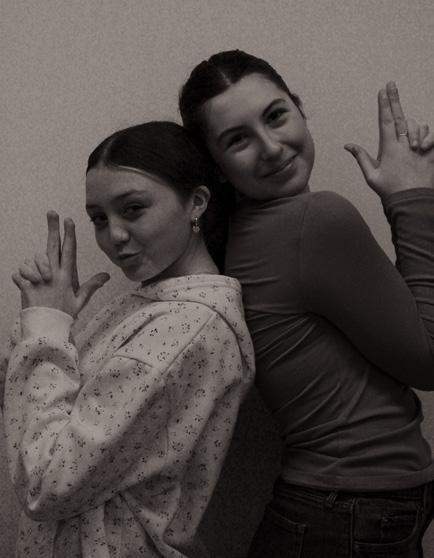
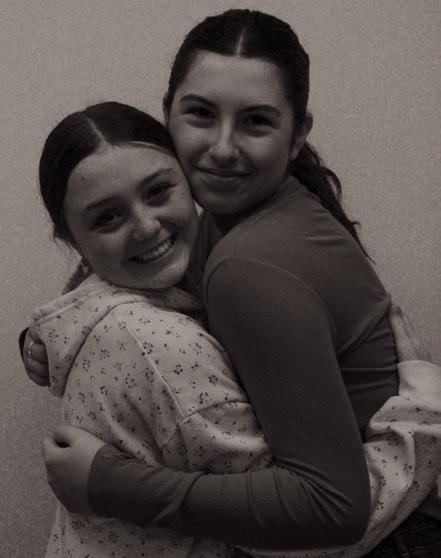
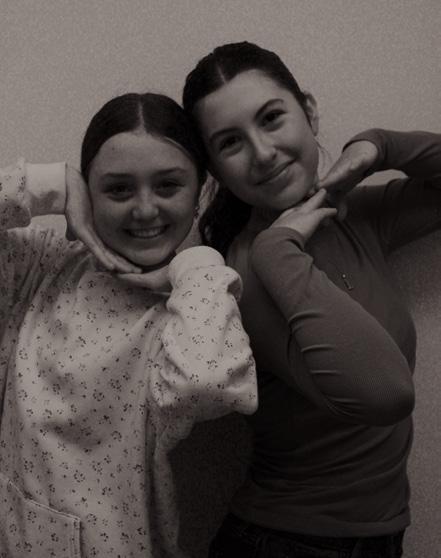
When we talk about love, the conversation almost always steers towards romance. Movies, books and songs reinforce the idea that love is something you fall into with a partner. In doing so, we overlook the kinds of love that shape us far more deeply: friendships, family, mentors and even the communities we build around shared passions. Non-romantic love is not secondary to romantic love; it’s essential to who we are.

Kaneland
47W326 Keslinger Rd. Maple Park, IL 60151 (630) 365-5100
www.kanelandkrier.com
EXECUTIVE STAFF
Leavey Co-Sports & Activities Executive and Co-Broadcast Manager Sophia Schroll Advertising Executive, Design
and
Anna

Friendships are often treated as something casual or replaceable. We assume the people who truly matter will just stick around without much effort on our end. In reality, strong friendships require both friends to put in equal effort. They take time, honesty and vulnerability, the same things we praise in romantic relationships. Yet, when our schedules get busy or life changes, friendships are usually the first relationships we push to the side and forget about. The result is not independence, but isolation.
Despite this, there is little social pressure to invest deeply in non-romantic relationships. We celebrate anniversaries and proposals, but rarely acknowledge years-long friendships. We are taught how to be a good partner, but not how to be an amazing friend. We may get jealous when we see a cute couple, but don’t have the same appreciation for friendships. This imbalance sends the message that non-romantic love is optional, when in reality it is necessary for emotional health and personal growth.

Putting time and energy into these relationships does not mean choosing them over romantic love. It means recognizing their equal value. Showing up for a friend, checking in on a family member or maintaining a connection with a coach or teacher requires effort that often goes unnoticed. But those small acts of care build trust and belonging. They remind us that we are not alone.
Family relationships are often pushed to the side as well. While they can be complicated and imperfect, they are often the first place we experience love. Family teaches us many essential skills, like patience and forgiveness, even when it feels uncomfortable. These bonds influence our values and sense of identity, shaping how we interact with the world long before we realize it.
Non-romantic love is often the foundation that supports us throughout romantic relationships. Our friends and family are the people who know us when we aren’t trying to impress people, and they see us in our worst moments. These relationships teach us how to communicate and how to care for others, lessons we carry into every aspect of life.
In a school environment, relationships with those around you shape daily life. Friends, teammates and classmates create spaces where students feel seen and supported. When we prioritize kindness and communication in these relationships, we build a stronger community. And when we don’t, the absence is felt in loneliness, burnout and disconnection.
Love is not limited to one person or one type of relationship. It exists in shared laughter, quiet support and mutual respect. Non-romantic love may not be idealized, but it is steady, grounding and simply human. If we want healthier relationships and a stronger sense of self, we need to start treating relationships with friends and family not as an afterthought, but as a priority.
Giovanni Gino Bartolone, Jack Bicker, Jazmin Bosque, Ethan Butler, Kelyn Christiansen, Brooklyn Converse, Ava Corbett, Yahaira Delgado, Joe DiGuglielmo, Rowan Eubanks, Liam Flesher, Gabby Gutierrez, Raquel Hayes, Gianna Hough, Rebecca Johnson, Caden Kaiser, Devin Kapadia, Narmeen Kattoum, Casey Krohn, Chloe Larrison, Maley Love, Kaiden Lycan, Jay Maisonet, Carter Miller, Marissa Olson, Joe Placzek, Ciara Puett, Grace Rusev, Natalie Sanagustin, Logan Schroll, Miles Sizemore, Michael Spallasso, Alex Tobin, Veronica Van Dusen, Z.A.B, Mabel Zielke, Avery Zwick
ADVISORS Print Production

Nicole Larsen Print advisor Dominic Bruno Krier advisor
Editorials represent a majority opinion of the Editorial Board and are not necessarily the opinion of Kaneland administration, staff, students or parents. The Krier Editorial Board consists of designated Advanced Journalism students: Aleena Alrifaee, Grace Brunscheen, Olivia Cotter, Ollie Fair, Anna Gatz, Kate Homco, Olivia Krasuski, Charlize Landa, Bobby Leavey, Faith Maschman, Audrey Noring, Ellie Olp, Morgan Olson, Ally Reilly, Ansley Ruh, Savana Sanchez, Clara Saros, Sophia Schroll, Hadley Springer, Gavin Vaughn, Prema Weichun, Emma Weintraub, Evan Whildin, and Noah Witz. Students make all publication decisions.
Letters can be sent to the address above or e-mailed to krier@ kaneland.org. Letters must be signed (names may be withheld under extraordinary circumstances as deemed necessary by the editorial staff) and must be under 300 words. The Editorial Board has the right to work with writers to edit for clarity and length. Any material that is potentially libelous, obscene or disruptive will not be published at the discretion of the Editorial Board. All decisions to publish or not publish letters are made by executive editors. The Krier has been an open forum since 1974. As an open forum, we restrict editing to staff members only; prior review and editing are prohibited by people outside the staff.
BY CHARLIZE LANDA Co-Copy Editor and Broadcast Manager
As we grow older and transition from childhood to adulthood, dating becomes more normalized. Having a prom date and a crush has been romanticized from movies and TV shows since we were young. Someone’s relationship status may even dictate their choice about attending school dances, hanging out with couples or celebrating certain holidays. Although dating is very common for high schoolers, some may cringe at high school relationships or see them as a distraction. It is no secret that stigmas and stereotypes surround high school relationships, but the benefits of experiencing one outweigh external judgements.
The most common concern about high school relationships is authenticity. Many argue that because of a lack of maturity, high school relationships are not honest. Although there may be several benefits to having a partner, one should never seek to enter a relationship solely for convenience.
Students have many challenges throughout high school. Balancing activities, figuring out future plans and managing difficult classes do not make maintaining healthy relationships any easier. Adding a relationship to the mix for the plot does not create anything except additional stress. Healthy relationships need genuine intentions to be worth it.
10 months. Throughout this time, she was also searching for colleges while balancing dance. She keeps an open mind when it comes to solving problems. An understanding mindset allows for partners to learn from each other’s mistakes as well as their own as they discover who they are becoming.
“If you are with somebody who’s very supportive of you, it is like having an extra level of support and comfort,” Giles-Bachman said. “While you are figuring out who you are, you have an extra person to help you.”
A partner should act as a helping hand that encourages you and who does not hold you back from following your dreams. A partner must be understanding of your plans while also hav -
Oftentimes, insecurities within a relationship are valid, but in the overthinking minds of teenagers, insecurities can also be based on self-esteem, rumors and delusions. Allowing yourself to stress about things that are not factual can harm relationships and become a form of self-sabotage.
“It’s sometimes hard to not compare yourself to [your partner],” Baran said. “For example, saying, ‘I’m not as smart as them.’”
Feeling unworthy of someone is a common issue many face. You must ask yourself whether this feeling is based on a legitimate issue or a negative self-perception. When expressing insecurities about your relationship to others, it’s important to remember the strengths within your relationship.

Have you ever been in a relationship in high school?

English teacher Rachel Giles-Bachman had a successful high school relationship and is now married to her high school sweetheart.
“Don’t seek out relationships,” Giles-Bachman advised. “If they happen, they happen. Still be open to discovering things about yourself.”
During a crucial time for self-discovery, a partner must be supportive, patient and hopeful. When problems arise, one should feel secure enough that the relationship is not automatically over.
“Disagreements can be difficult to manage sometimes,” senior Annika Jones said. “It can be hard to become an adult with somebody also becoming an adult. You learn together, which is also an advantage.”
Jones has been in a relationship for
ing goals and responsibilities themselves.
Although busy schedules can cause problems, oftentimes a partner is relatable. Having someone to confide in while exploring romance can allow a person to feel safe.
“They’re going through a lot of the same things as you, so you can relate to them,” senior Delainey Baran said. “It’s a benefit.”
Prioritizing yourself is a key component to any healthy relationship. However, this does not mean that you should not make sacrifices for your partner. Making time to check in with your partner daily is crucial to demonstrate that you are thinking of them, no matter how busy you may be. Although negligence may not be one’s intent, it can create insecurity in a relationship.
Oftentimes, others are quick to judge a relationship based on your complaints. Listening to their advice may be helpful, but being confident in the relationship you know best is important. Confidence in a relationship allows a person to be themselves around their partner and have an additional best friend.
“They knew me at my weirdest, most awkward and uncool phase, and they still love me,” Giles-Bachman said.
Having a partner creates a friendship as well. Although you are very comfortable with your partner, you should not depend on them as your sole relationship. Having friends and allowing yourself to hang out with them will make you happier, as this removes pressure on partners to provide attention 24/7.
“Last year, I celebrated Valentine’s Day with my friends, and we had a cute little night and took pictures,” Jones said. “It was so fun because I was with people I love and that love me. It doesn’t just have to be your significant other.”
A relationship in high school can provide support as you discover who you are becoming. Trials and tribulations fortify your relationship and give you an understanding of what you value in a relationship. High school relationships can contribute to a sweet and memorable era you reflect on in the future, whether you reminisce together or admire alone.
BY CLARA SAROS & SAVANA SANCHEZ Broadcaster, Column Manager & Editor
In today’s world, seeing things two dimensionally can be easy. It is difficult to acknowledge the gray, middle areas of life when everyone is telling you to see things in one of two specific ways. In the chaos of the world, it’s important to discover and acknowledge the nuances that exist in all areas of life.
Having a closed mindset and not being open to new ideas can be dangerous. In contrast, having an open mindset creates opportunities for continuous personal growth, greater problem-solving skills and stronger relationships. An open mindset can help you embrace and create new perspectives, reduce bias, raise emotional intelligence, minimize conflict and boost creativity.
Everyone has their own opinion and sees various things differently. Although some people may be more opinionated and headstrong than others, it’s important to be non-judgemental or degrading.
“Sit down with someone and try to understand why they feel the way they do about a certain thing and ask, ‘Deep down, why do you think this?’ and try to understand,” senior Tammi Petmezas said.
If you do not take the time to try and understand where someone is coming from, even if you do not agree, you are not really listening. You should learn something new from each conversation, whether it is about a person, a controversial topic or your beliefs.
Being knowledgeable on a variety of topics is essential to avoid blackand-white thinking and to help you comprehend the nuance that shapes reality. Exposing yourself to multiple viewpoints, cultures and pieces of information breaks down polarized patterns. It’s crucial to form your own opinions and to not only see, hear or listen to the pushed opinions from others onto you. You should embrace your place in the world and not be afraid to voice your opinions. It’s boring and unhealthy to be and think exactly like your neighbor. Having your own opinions is necessary for self-identity and confidence. Unique opinions allow one to develop
their own strong beliefs and invite new conversations. The ability to critically think on your own makes room for personal growth and also benefits society by allowing for new perspectives and viewpoints.
“Being open to a variety of information, whether that’s within friendships or through the acquisition of information in the news, is incredibly pertinent,” social studies teacher Jack Jordan said. “Because when we are taking in information from a singular stream,
opinions, it is easier for them to promote very right or left beliefs. According to statistics from the Congressional Votes Database, in recent years, while there are still some bipartisan bills, most bills have only been supported by one party with little or no support from the opposite party. About 15 years ago, the trend was the opposite, with most bills having bipartisan support and only some supported by one party.
Recent years have seen a movement towards more conservative Republicans and more liberal Democrats, deepening the divide between the parties. This tends to cause more tension, not only for the government, but amongst the people. Being close-minded about issues big and small prevents us from bridging the gap.
“For politicians, presenting a strong opinion that negates the nuance is a stronger political move for them because often when you present the nuanced perspective, people get confused and tune out,” Jordan said.
it becomes very believable, and it’s hard to break out of that bubble.”
Although everyone receives their news in a variety of ways, it’s important to do further research and ask deeper questions when forming your opinion, instead of creating it off bias. It’s equally important to listen to others and be open to change your mind if and when you hear new information.
“You get to see things from all different views,” Petmezas said. “One topic you can learn from others and look at it from different perspectives.”
While it is one thing to form your own opinion, it is another to express it and defend your logic to millions of people. This is what happens to our politicians. As their whole career is riding on other people agreeing with their
While complex opinions can be hard for people to understand, that does not mean that we should not be open to hearing them. Being open-minded does not mean that you must agree with everything other people say. It simply means being open to nuanced opinions that are not necessarily the black and white answers people first think of.
“Know your values and stick to them, but know the importance of listening to other people,” senior Laura Batts said. “Make sure you know your values and you’re concrete with that.”
No matter what your opinion is, it is important to have a well-informed one. If there is something you support that you do not completely believe in, you’re not being true to yourself. You should not feel like you have to choose the better of two bad, but standard, options. Instead, use your knowledge of the topic, experiences and moral compass to guide you to an opinion that is right for you.

BY NOAH WITZ & KATE HOMCO Editors, Photographer and Podcaster



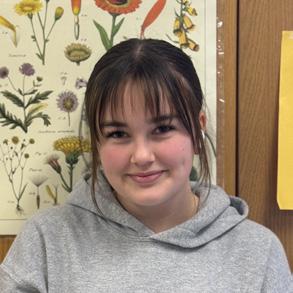

Matcha is nasty.

Hot sauce belongs on everything.

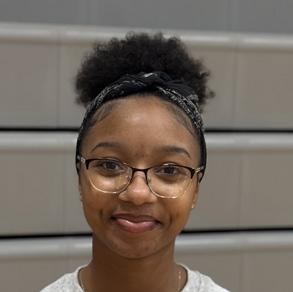

Waffles are really just pancakes with improved modifications.
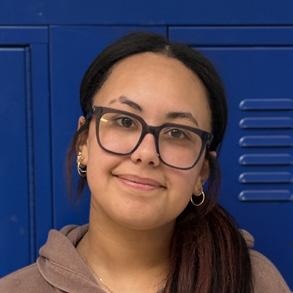

Dubai chocolate does not taste good.



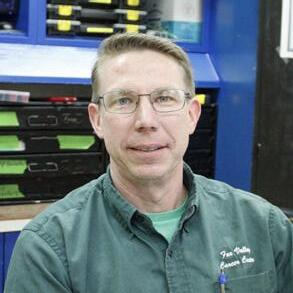

Steak is nasty.

Mustard is the best condiment.
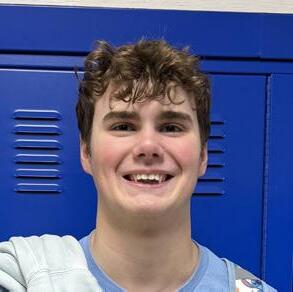
is better than rap. I don’t
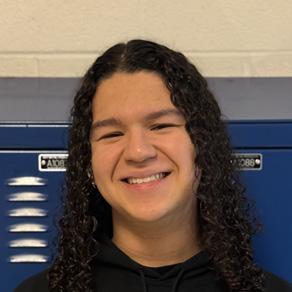

Pigeons aren’t real.

should be less technology in schools.

think cell phones should be in school.
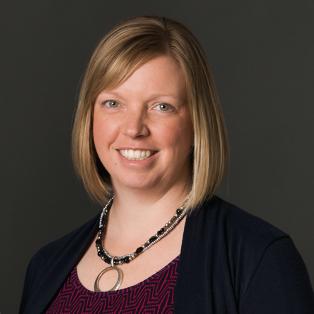
- treasurer Laura Treadway
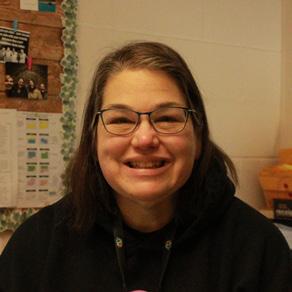
- district technician Finnegan Gannon
































“Communication is so important in relationships. It’s the best way to know what’s going on in each other’s minds and know how the other is feeling.”
- sophomore Emmanuel Serriteno (page 9)
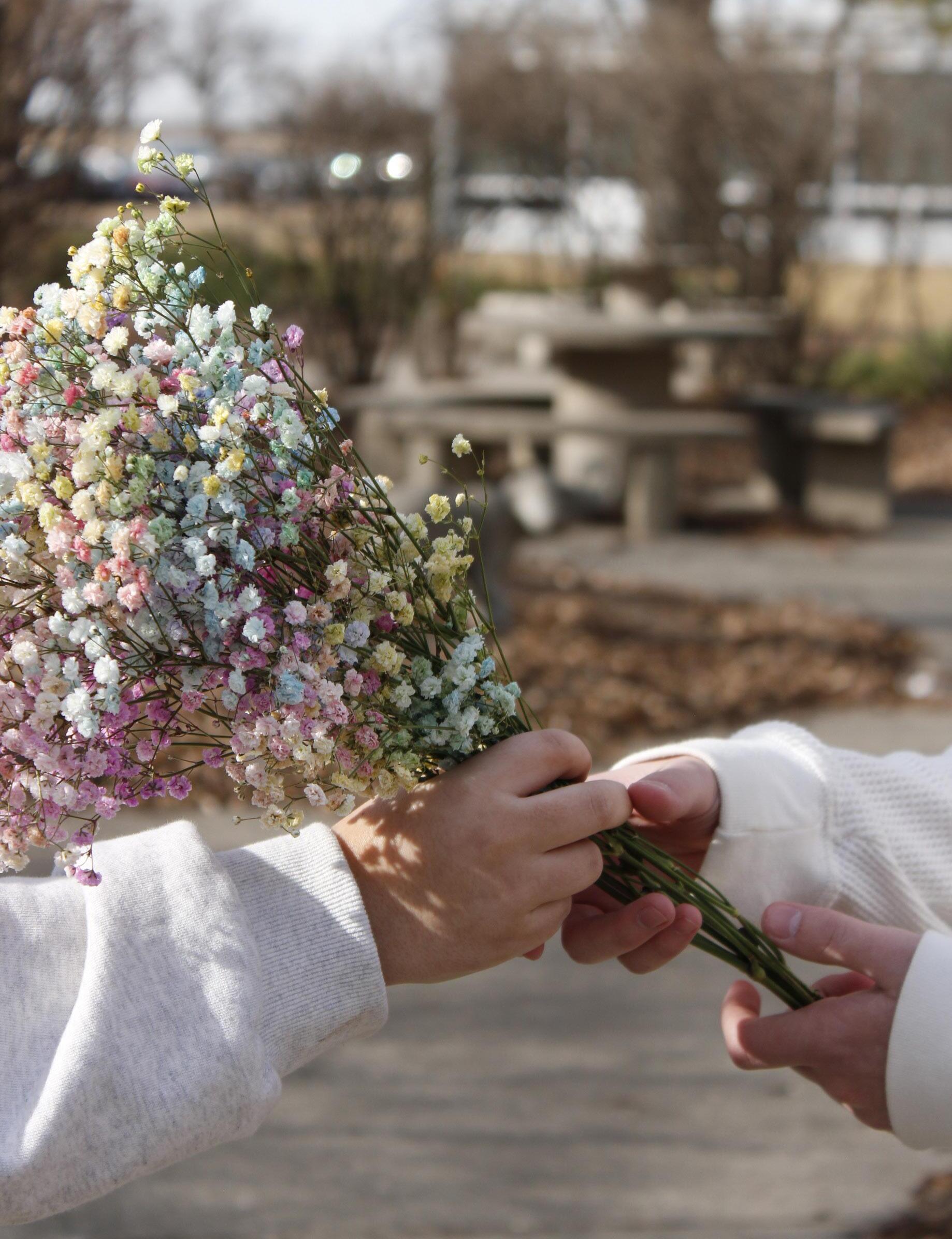

“Don’t seek out relationships. If they happen, they happen. Still be open to discovering things about yourself.”
- English teacher Rachel Giles-Bachman (page 16)