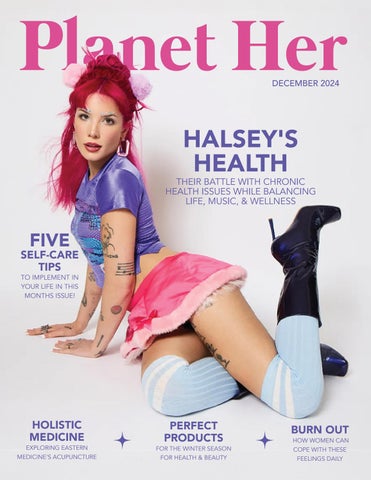
THEIR BATTLE WITH CHRONIC HEALTH ISSUES WHILE BALANCING LIFE, MUSIC, & WELLNESS
FIVE SELF-CARE TIPS
HOLISTIC MEDICINE
EXPLORING EASTERN MEDICINE'S ACUPUNCTURE
TO IMPLEMENT IN YOUR LIFE IN THIS MONTHS ISSUE! PERFECT PRODUCTS FOR THE WINTER SEASON FOR HEALTH & BEAUTY
BURN OUT HOW WOMEN CAN COPE WITH THESE FEELINGS DAILY
“Empowered
women prioritize their health, because true strength starts from within.”
Happy winter everyone and welcome to another exciting issue of Planet Her! As we continue to navigate the complexities of modern life, one thing remains clear: women’s health is not just about physical wellness; it’s about nurturing our bodies, minds, and spirits. In this issue, we delve into the many facets of health that shape our everyday lives—whether it’s understanding the methods of holistic healing, exploring mental health strategies, or embracing the power of self-care. Every article is crafted with you in mind—our readers who are constantly evolving, breaking barriers, and advocating for their well-being.
Our goal with Planet Her is to create a space where women of all backgrounds can find the inspiration, knowledge, and support they need to thrive. We’re not just sharing information; we’re building a community. As you flip through the pages, I hope you find not only valuable insights but also a sense of empowerment and belonging. Thank you for being part of this journey with us. Together, we’ll continue to explore, learn, and grow—because when women take charge of their health, the possibilities are limitless.
With gratitude and excitement,
Kaci Theros Editor-in-Chief @kaci.theros
EDITOR-IN CHIEF
Kaci Theros
EXECUTIVE EDITOR
Abigal Cuffey
MANAGING EDITOR
Dayna Kim
DESIGN DIRECTOR
Betsy Halsey
ART DIRECTOR
Kylie Kim
LIFESTYLE DIRECTOR
Laura McLaughlin
BEAUTY DIRECTOR
Cassidy Farm
FEATURES EDITOR
Vanessa Villegas
LOVE & LIFE EDITOR
Seline Magtoto
NEWS EDITOR
Nandini Prajapati
EDITORIAL ASSISTANTS
America Bravo
Mateo DeLeon
7500 N Glenoaks Blvd. Burbank, CA 91504
T: (808) 600-8804
F: (818) 678-9090
follow us on instagram and facebook @PLANETHERMAG
Copyright © 2024 Planet Her Magazine. All rights reserved. The content, including but not limited to articles, images, designs, and logos, published within this issue is the exclusive property of Planet Her and may not be reproduced, distributed, or transmitted in any form or by any means, electronic or mechanical, without prior written permission from the publisher. All trademarks, service marks, and trade names used in this publication are the property of their respective owners.
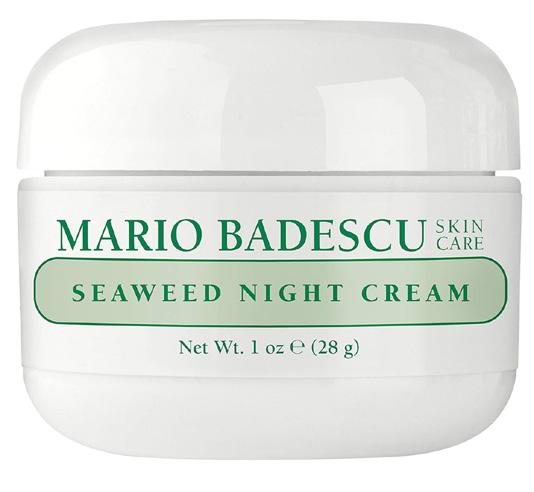
The best night cream according to Planet Her is the Mario Badescu Seaweed Night Cream! One reviewer had nothing but praise for this cream after using it on their dry skin. As the brand promises, their skin quickly felt hydrated and smooth once applied and blended. We can attribute this result to the powerful proteins and rich seaweed inside.
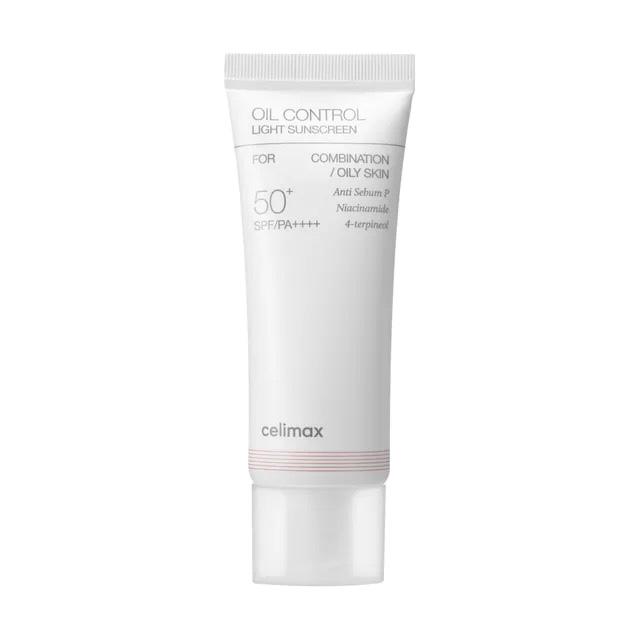
Korean sunscreen is the biggest craze in pop culture. This Celimax sunscreen is a great sunscreen for oily and combination skin. With such an affordable price, it’s important to invest in sunscreen that fits your skin care and daily routine. It’s SPF 50 which is great for protecting your skin from harsh sun.
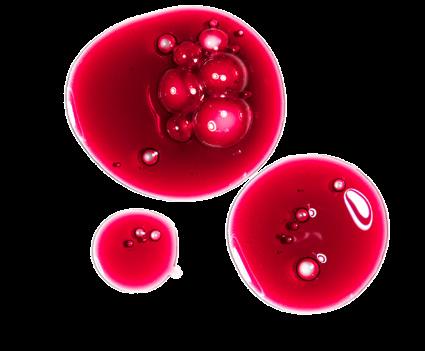
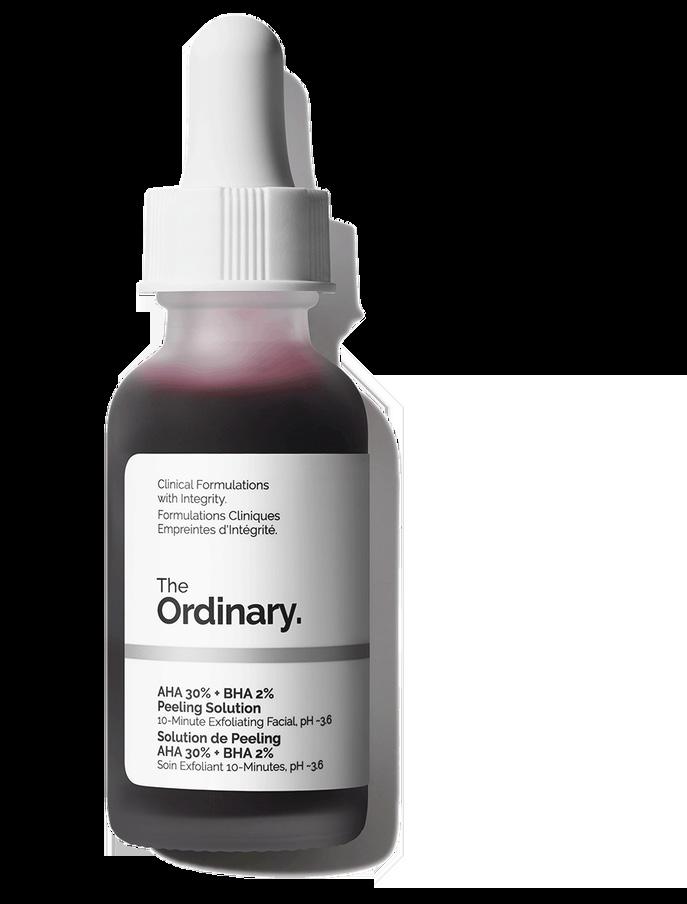
This products 10-minute exfoliating facial is a quick remedy for targeting congestion and dullness at an affordable price point. The Ordinary is already highly praised for its products because the brand checks value in cost and quality. You can expect this product to do as it promises. For under $10 this is a great investment for your skin.
for your skin care needs.
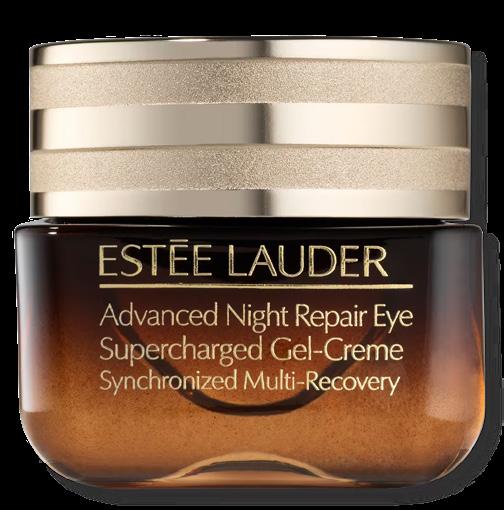
So cooling on the skin, your under eyes will rejoice after applying Estée Lauder’s Advanced Night Repair eye cream. The brand promises improvement in two weeks of use, showing reduced eye aging. The name suggests that it’s for night use, it can be applied during the day.
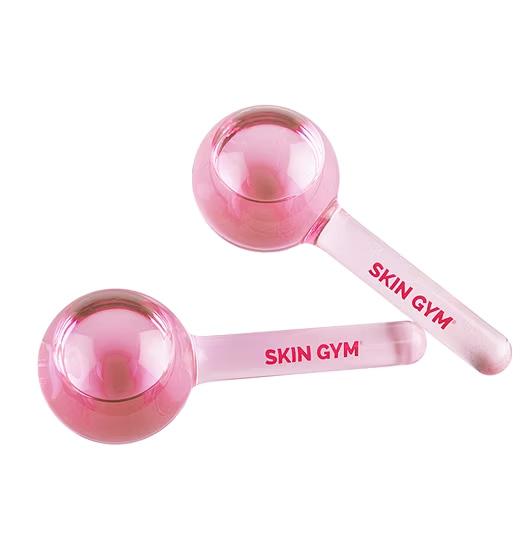
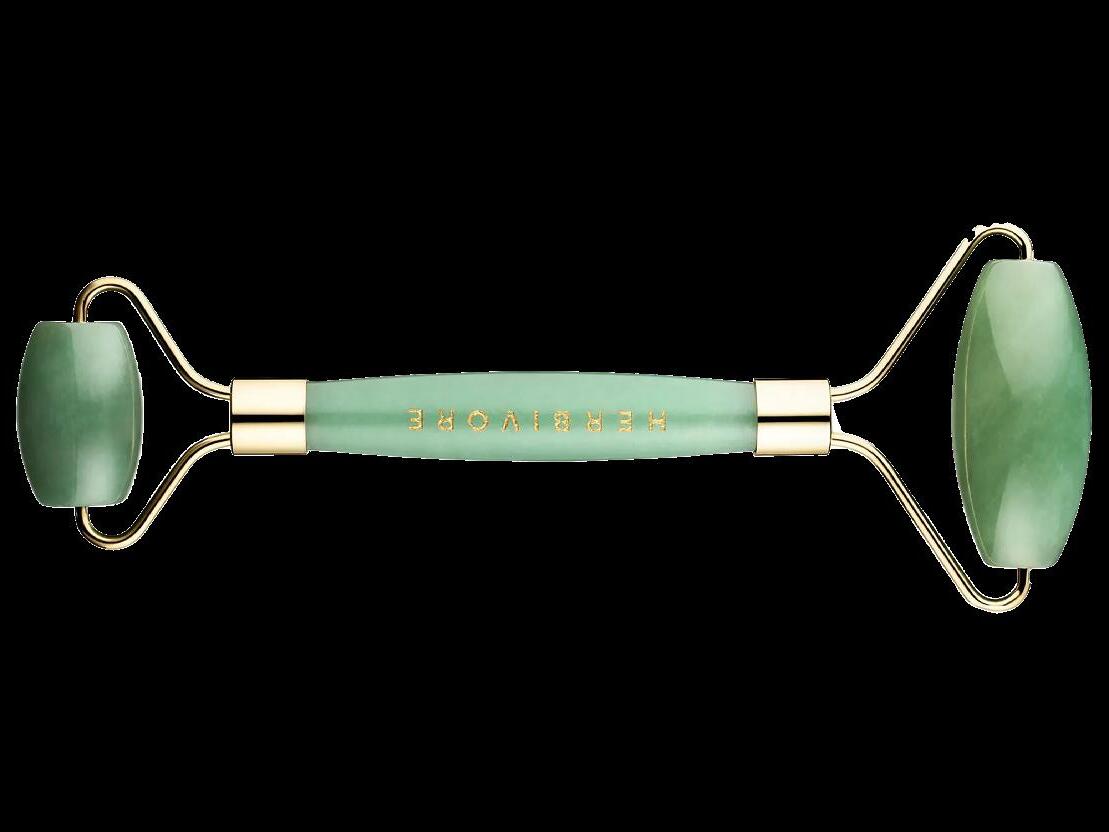
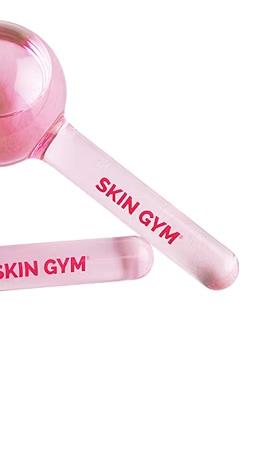
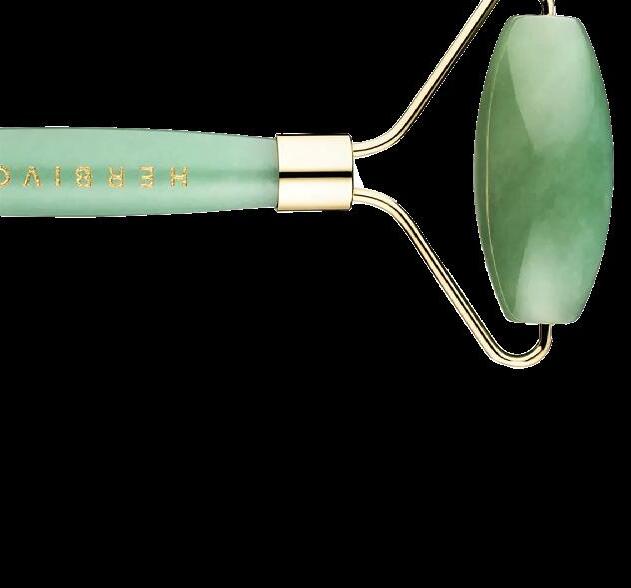
Available in a few different colours they’re made of glass and are filled with anti-freeze
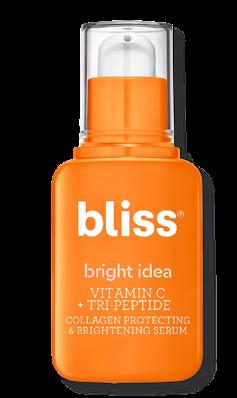
It’s no secret that vitamin C is one of the most important ingredients to have in your routine. Earning a top spot was this find from Bliss, which boasts a stable vitamin C and peptides to visibly improve common skin concerns, all without disrupting the quality of the ingredient you’re getting, helping all skin.
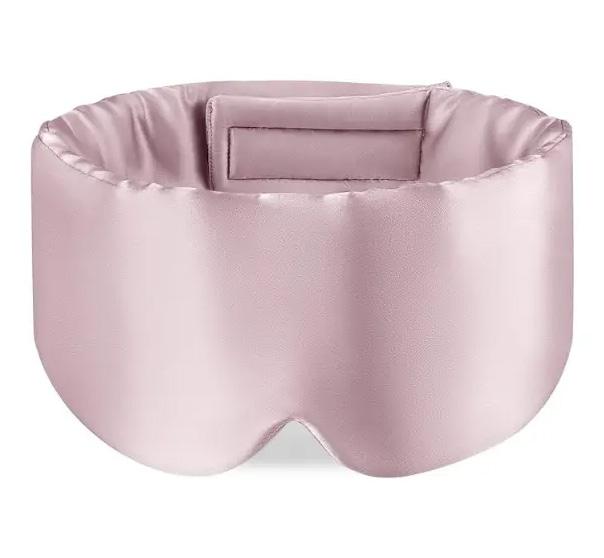
The Drowsy eye mask is made from 100% silk, all the way around—the head strap too, not just the over-the-eye part—so it protects both my skin and my hair. And the thick Velcro closure keeps everything in place the way a floppy elastic band could never. The best part, though, is how much of my face this mask covers: which means I sleep in total, uninterrupted darkness, even when I sleep in
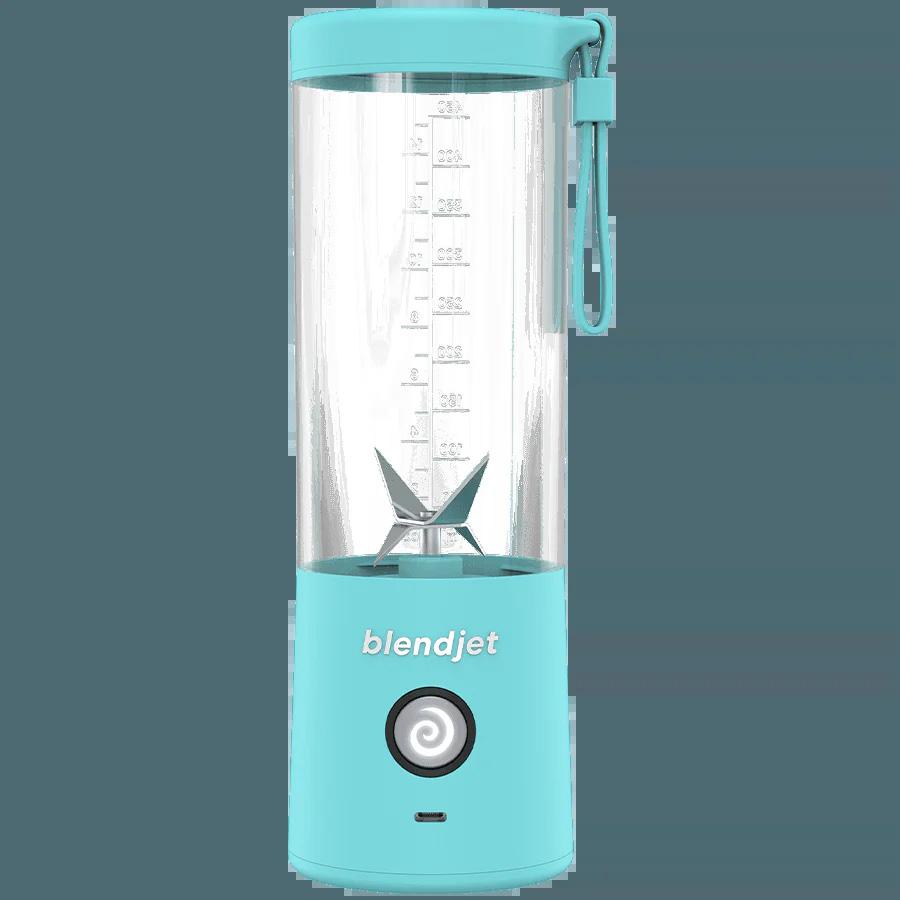
The fact I could use a USB-C cord to charge this makes it incredibly easy to use anywhere. If you’re looking to take your shakes, or dips on the go, this blender will get the job done. It’s the smart tool for effortless small-batch blending I didn’t know I needed in my life.
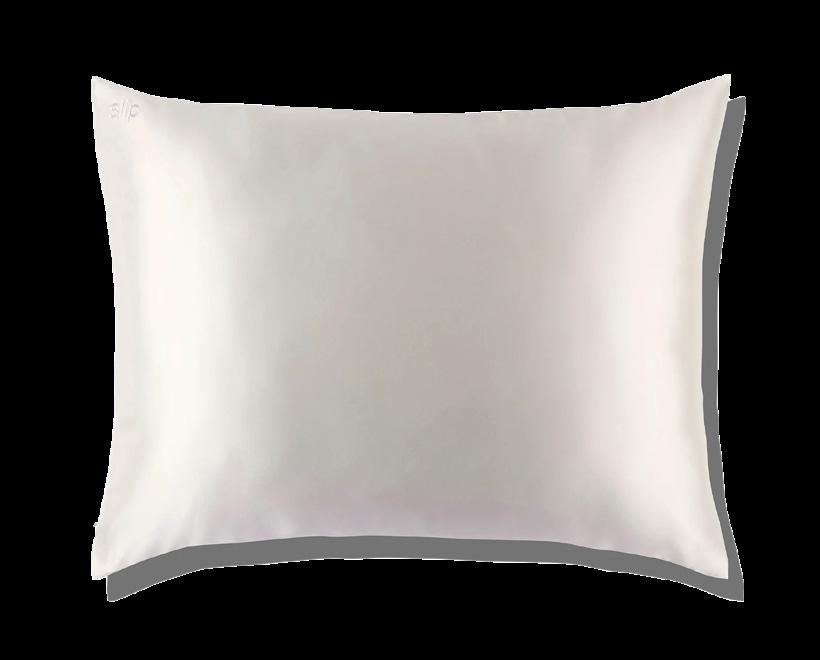
The Slip Silk pillowcase is really the best. I’ve noticed my skin looks less dehydrated when I sleep on silk, but what really makes a difference is how much these cases seem to tame my hair. In the past I’d wake up with a tangled beehive, but now I can sleep in a low ponytail, and when I wake up, it looks good as new, and now blowouts lasts several days with use.
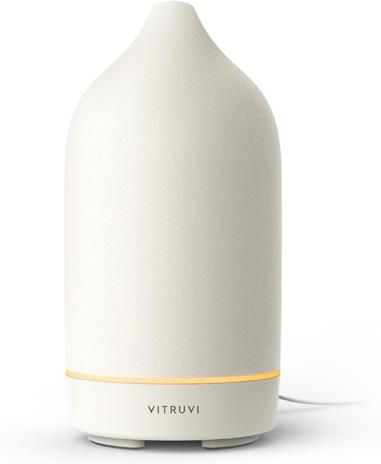
This Vitruvi Diffuser is a beautiful object. At 70 mL, the tank in this diffuser is about one-third the size of our top pick’s tank, so you can expect to refill it more often if you want it to run continuously for more than three hours. Overall, great product!
Here are the best products for working out, sleeping and so much more!
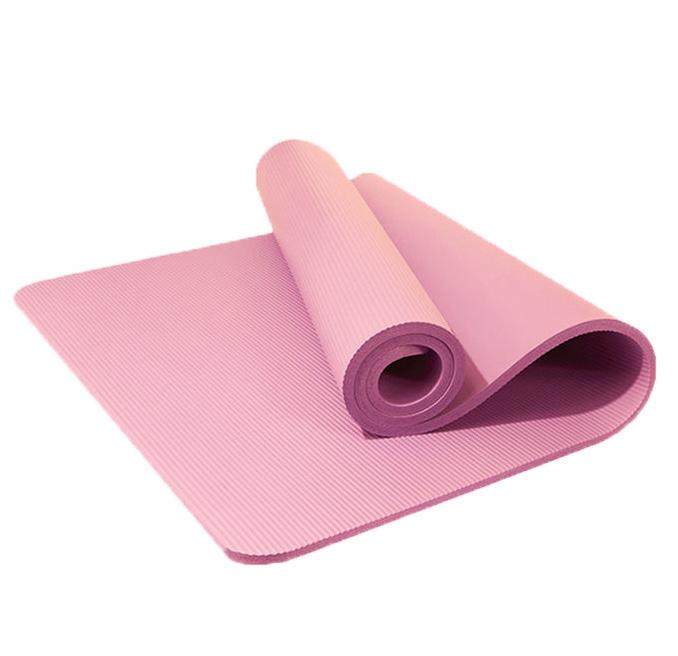
Lululemon’s The Mat, coupled with a towel, helped me get through a sweaty class without slipping and sliding, which is a win in my book. I also love that this mat isn’t too plush and can support my knees and wrists. It’s on the heavier side, but I can still carry it to class easily with my Lululemon carrier easily.
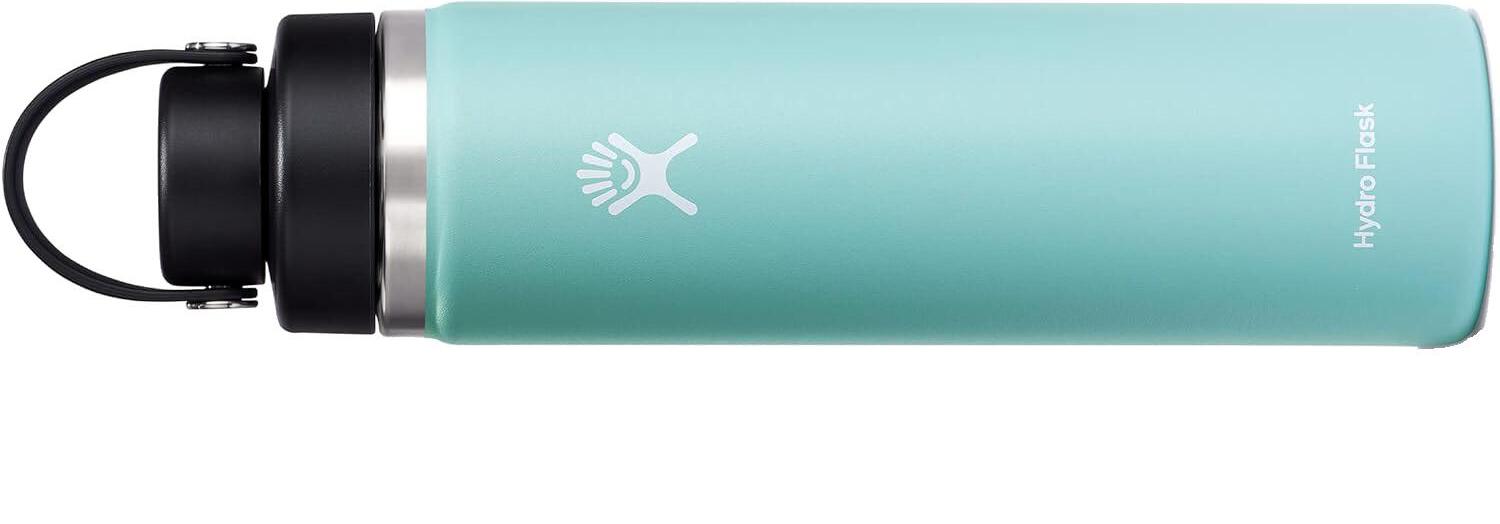
The Hydro Flask was a Best of Wellness Award winner in 2023. “I’ve been using the hydroflask for only two weeks but it’s already become one of the best water bottles I’ve tried,” says Rebecca Rodriguez, editorial projects manager. Rodriguez has tried over 15 different bottles but says the Hydro Flask manages to keep water cold all day. She also loves how easy the bottle is to clean and the mouth spout, which helps prevent water from spilling out of the bottle. It’s sturdy and long lasting!
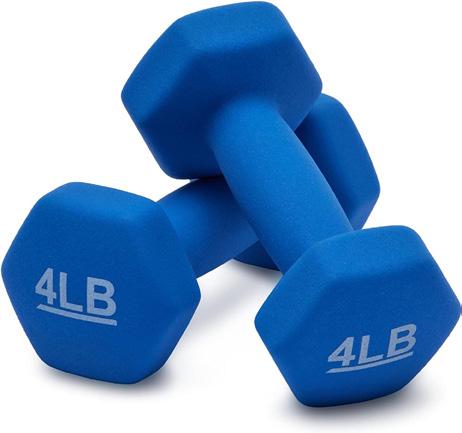
These are a popular pair of dumbbells, and for good reason: they get the job done. Our editors loved the price point and also how the material was cushion-y in our hands during testing. Not to mention, we were also very picky about weights being stinky and these had no noticeable odor and no rusting on your hands!
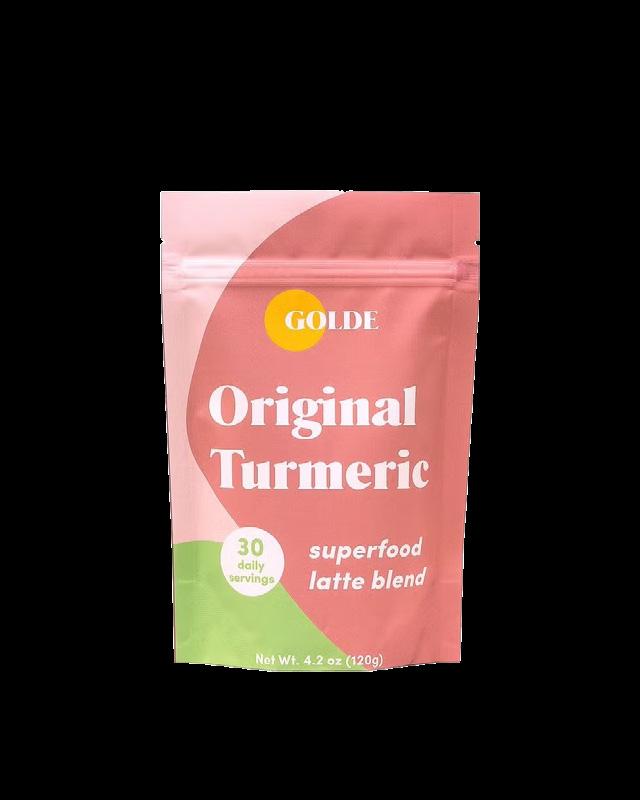
The Original Turmeric Latte Blend is great for our health benefits! The brand has expanded with more drinkable superfood blends, plant-based collagen, and tools like mugs and frothers, to enhance the skin and hair health in your daily life and routine. PH
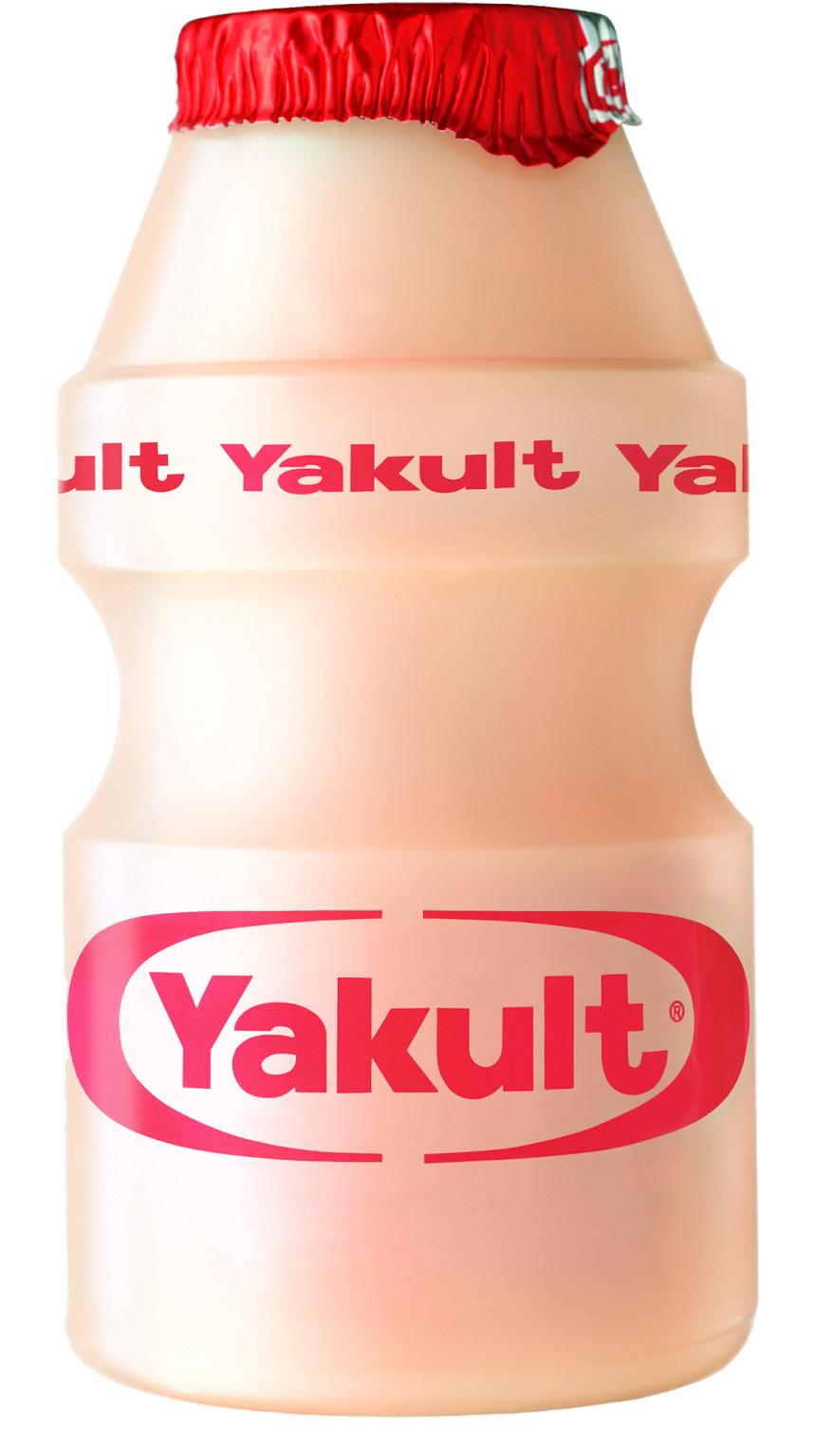
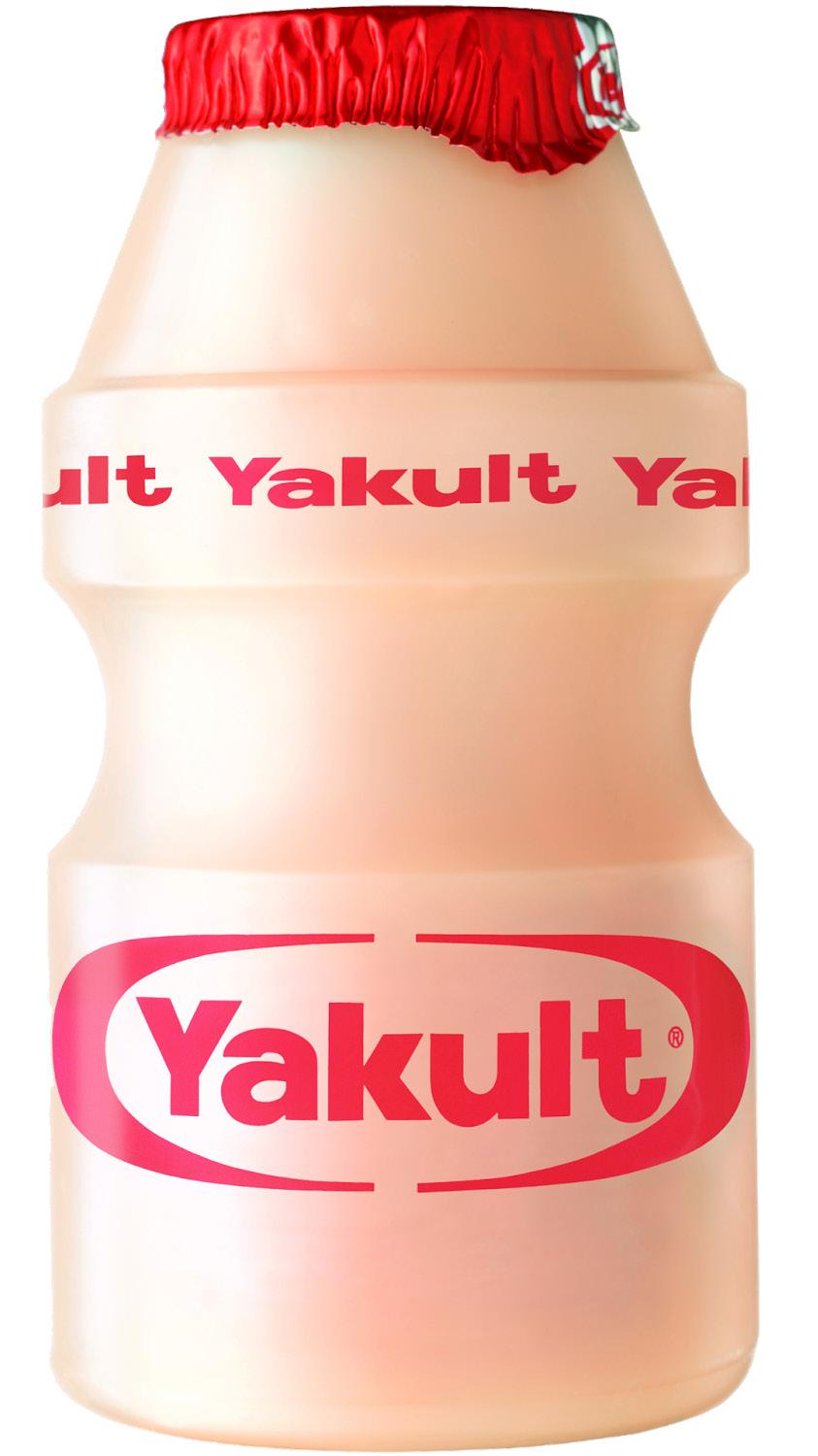
helps build immunity improves digestive health reduces infections
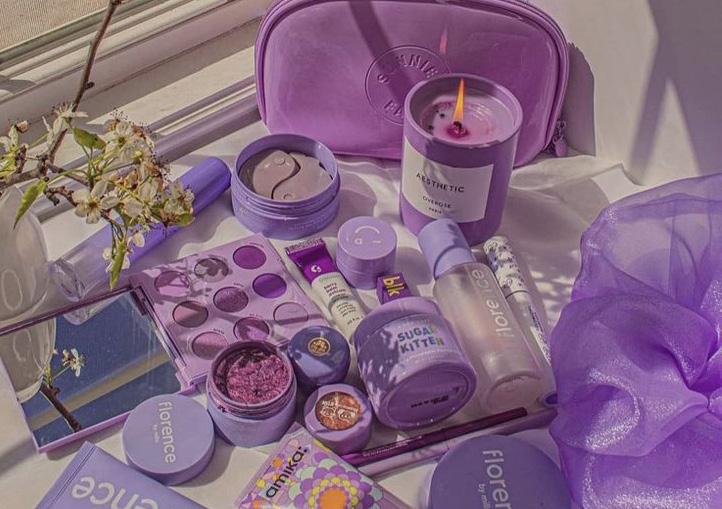
These practices are easy to implement and can have a positive impact on your overall well-being! Planet Her encourages everyone to implement at least one of these practices in your daily life.
Start your day with a glass of water and keep a water bottle handy throughout the day. Staying hydrated boosts energy and concentration. You should be drinking 64 ounces or 8 cups of water a day. A more personalized approach is to aim for half your body weight. For example, if you weigh 150 pounds, try to drink around 75 ounces daily.
Take a few minutes each day to focus on your breath. Inhale deeply for four counts, hold for four, and exhale for four. This can reduce stress and improve mental clarity. Focusing on your breath can help calm your mind and lower stress levels by activating the body's relaxation response, creating a sense of calmness and relaxation. We are born to breathe!
Spend some time outdoors, whether it’s a stroll in the park or just sitting in your backyard. Nature can uplift your mood and provide a refreshing break. Walking is a great form of cardiovascular exercise, helping to improve fitness, strengthen muscles, and support overall health. It's also a great way to get in some vitamin D which is great for you.
Set aside a few minutes to jot down your thoughts, feelings, or gratitude. This can help process emotions and enhance self-awareness. Writing down thoughts and feelings can help you process emotions, leading to better emotional clarity and release.It can serve as an outlet for stress, helping to lower anxiety and improve mood by organizing thoughts.
Designate a specific time each day to unplug from screens. Use this time to read, meditate, or engage in a hobby you enjoy. Taking a break from screens can help lower stress levels, as constant notifications overload can contribute to anxiety and stress. Reducing screen time, can enhance sleep quality by minimizing blue light which keeps you awake. PH
By Riyah Collins
Asshley Nicolette Frangipane is a Grammynominated singer, professionally known as Halsey. She has been a prominent figure in the music industry, recognized for her powerful voice and impactful lyrics. Halsey is also a fearless advocate when it comes to women's rights. Recently Halsey says she's “lucky to be alive” after struggling with her health. Although the 29-year-old did not identify her conditions, she hinted in an Instagram post she'd been diagnosed with lupus and leukemia. In a series of photos and videos, she's seen in a hospital and says she feels “like an old lady”. Halsey wrote in the caption “Long story short, I’m lucky to be alive” where she also announced her new album.
Halsey has been grappling with health-related problems in the past and is no stranger to health issues. She opened up to Planet Her about the issues she has dealt with at such a young age.
Halsey revealed that she had been diagnosed with an autoimmune disorder, specifically lupus. Lupus is a chronic disease where the immune system attacks the body's own tissues, leading to inflammation and damage in various organs. Symptoms can range from fatigue and joint pain to skin rashes and kidney problems. For Halsey, the condition has manifested as chronic fatigue and joint pain, making it challenging for her to maintain a demanding touring schedule. Halsey has a history of endometriosis, a condition where tissue similar to
the lining of the uterus grows outside it, causing severe pain and potentially affecting fertility. In 2024, Halsey experienced exacerbated symptoms, which required additional medical interventions. These complications included heightened menstrual pain and digestive issues, further complicating her ability to perform and maintain her usual lifestyle. Although her endometriosis diagnosis can be limiting Halsey welcomed her first child Ender Aydin on July 14th, 2021. Halsey has dreamt of becoming a parent and feared that her endometriosis could never make that dream come true. Although Halsey suffers from Lupus currently, being a mother to her son Aydin is her top priority and a factor that keeps her grounded and grateful for the life that she has.
Ender is a miracle to Halsey because she had suffered a miscarriage at 20 years old and feared that motherhood was not in the cards for her. The singer explains that she “was in a really tough position because it was really early on in my career, and there was a lot attached to the show,” the singer, who uses they and she pronouns, told the program hosts. “There was a corporate partner, there was a greater media entity partner, but more importantly than that to me, there were a thousand kids who waited all day long to get into this show and see me.” If you know anything about Halsey, her fans mean the world to her and can actually remember the ones that she has met. This moment for Halsey was a tough decision to go out on stage to show up for her fans while she was dealing
with a serious health emergency at such a young age. “I remember thinking to myself, ‘I’m 20 years old. I should be able to carry a baby,'” they said. “I didn’t want to be pregnant. I was way involved in my career. So, I had a lot of complex feelings of relief, but also confusion, but also guilt, and also grief. I had a big burning question in my mind, which is, ‘Something must be wrong with me, because of all the times in my life where I should be able to conceive and carry to term, this is the age. ”
In a 2022 essay with Vogue, Halsey wrote that they miscarried three times before turning 24. The singer had welcomed a son the year prior and shared their story in reaction to the Supreme Court’s reversal of Roe. v. Wade, saying they once had to have an abortion during a miscarriage. “My abortion saved my life and gave way for my son to have his,” they wrote. Halsey Explains, “I had such a pleasant experience being pregnant with my son, and he’s the light of my life….I think about [how] I’m living as a sick person for a majority of his life. And I
just remember laying there and just feeling so bad about myself, and then I realized that that unnecessary guilt was making me worse. And the thing I told myself is… I was grieving the fact that I couldn’t be the best mom in the world because I wanted to be the best mom in the world and history.”
Alongside physical health issues, Halsey has also been candid about her mental health struggles. The pressures of her career, coupled with chronic illness, have led to significant anxiety and depression. Halsey has been open about seeking therapy and utilizing mental health resources to help manage these challenges.
Due to Halsey's demanding career as a performer, some of her health conditions have impacted her touring schedules and shows. The artist’s autoimmune disorder
and endometriosis complications have led to frequent cancellations and rescheduling of her tour dates. This has not only affected her fans but resulted in financial losses and logistical complications for her team. Halsey has expressed frustration over having to step back from the stage but has emphasized the importance of prioritizing her health and well-being.
Halsey's ability to record and produce new music has also been affected. Chronic pain and fatigue have limited her studio time, causing delays in album releases and other creative projects. Despite these challenges, Halsey has remained committed to her craft, working at a pace that accommodates her health needs.
She has had to reduce her public appearances and promotional activities. This includes interviews, award shows, and other engagements. While this has been a necessary adjustment for her well-being, it has impacted her visibility and engagement with fans. Halsey is slowly gaining her public image back but doing it privately.
“ I’m not gonna be sick and I’m gonna have lots of energy, and I’m just gonna get to re-do my 20s in my 30s ”
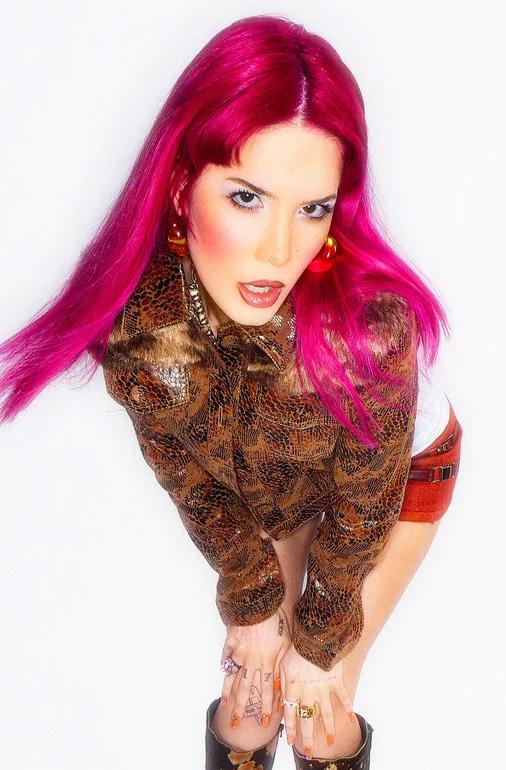
Halsey’s approach to managing her health issues in 2024 involves a combination of medical treatments, lifestyle adjustments, and public advocacy.
For her lupus, Halsey has been undergoing a regimen of medications designed to control inflammation and manage symptoms. These include corticosteroids and immunosuppressants. She has also been receiving treatments for her endometriosis, such as hormonal therapies and, in some cases, surgical interventions.
To cope with chronic fatigue and pain, Halsey has made significant changes to her daily routine. This includes adopting a healthier diet, integrating regular rest periods, and engaging in low-impact exercises like swimming or yoga. She has also incorporated mindfulness and relaxation techniques to help manage stress and mental health. Something beneficial for everyone to implement in their life, regardless of their health status.
Halsey has used her platform to raise awareness about autoimmune disorders and endometriosis. By sharing her experiences, she aims to educate the public, advocate for better research and treatments, and provide support to others facing similar health challenges. Her openness has been praised by fans and health advocates alike.
Not only is Halsey a performer and an artist but she is a part of the makeup community as well! They intend to continue to work on the makeup company, about-face, to create innovative makeup products that are long-lasting, bold, and stylish. Halsey considers her makeup brand as a connection to her music because when she performs on stage she must have makeup that withstands sweat, heat, and smudging. This goal allows Halsey to perform her music as her amazing self while showcasing her mood through makeup that is long-lasting and a product that fans and makeup enthusiasts can purchase.
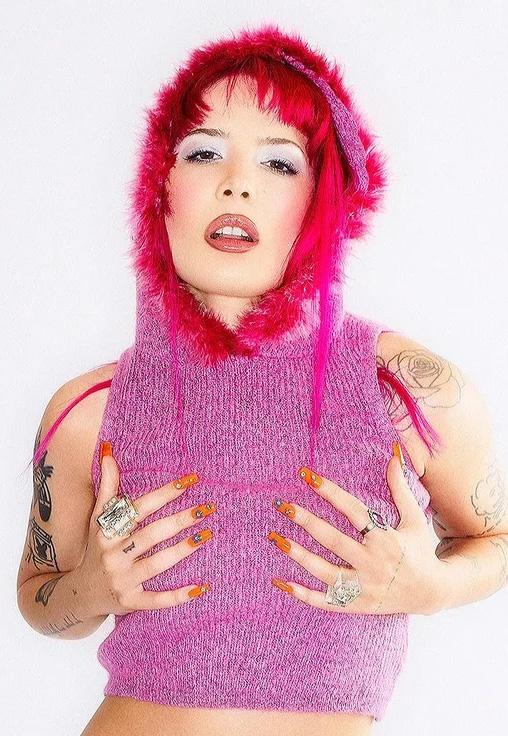
Aside from growing her music and her makeup brand to the mainstream media, Halsey is looking at the next steps that will help heal her body. Continued medical monitoring will be essential in managing her condition which will take patience. Her platform provides an opportunity to drive awareness and support for ongoing research and patient resources. Halsey's platform for advocacy allows people to understand how to cope with these health issues. Even being open about instances like miscarriages makes more women in the world not feel alone. In the U.S. every year about 1 million women suffer from a miscarriage. This is a common circumstance that women deal with, yet it is kept behind closed doors and is quite taboo to deal with, Halsey using her platform for younger audiences to normalize this, empowers women to not feel alone and tell their stories.
Halsey's story is a great reminder to younger audiences that taking care of your health is important to begin to live a life worth living. Halsey is a great model to show how she has shifted her career, home life, and attitude to get through tough medical issues and how to begin to turn that experience into what she does best, making music. Halsey reports, I'm 30, I’m having a rebirth and I’m not gonna be sick and I’m gonna look super hot and have lots of energy, and I’m just gonna get to re-do my 20s in my 30s.” Halsey’s strength and change of attitude have helped her show up as a healthier person, mother, and musician. You can listen to Halsey’s new album “The Great Impersonator” now on Spotify, Apple Music, and iTunes. PH
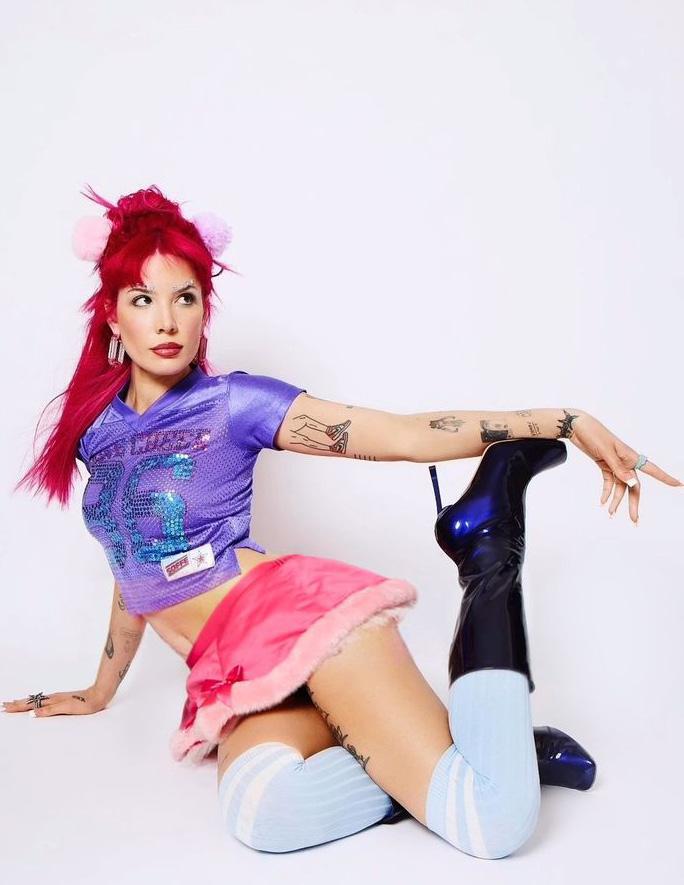
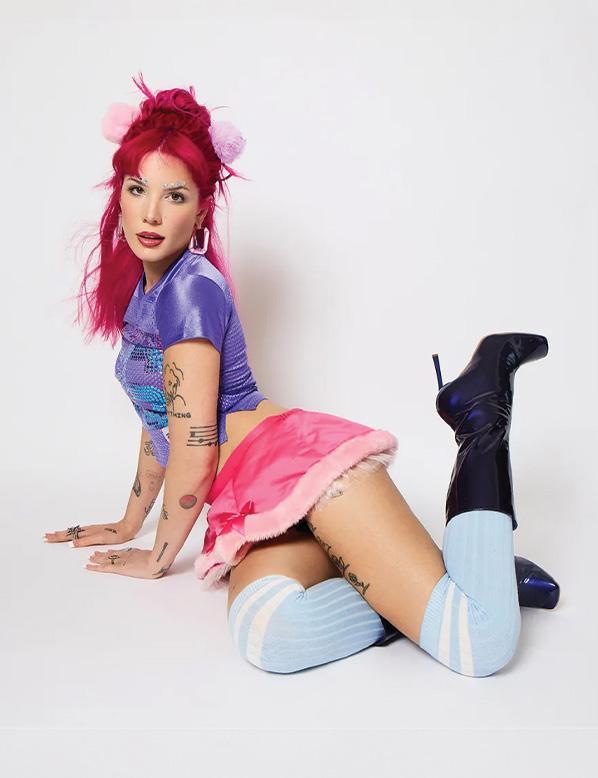
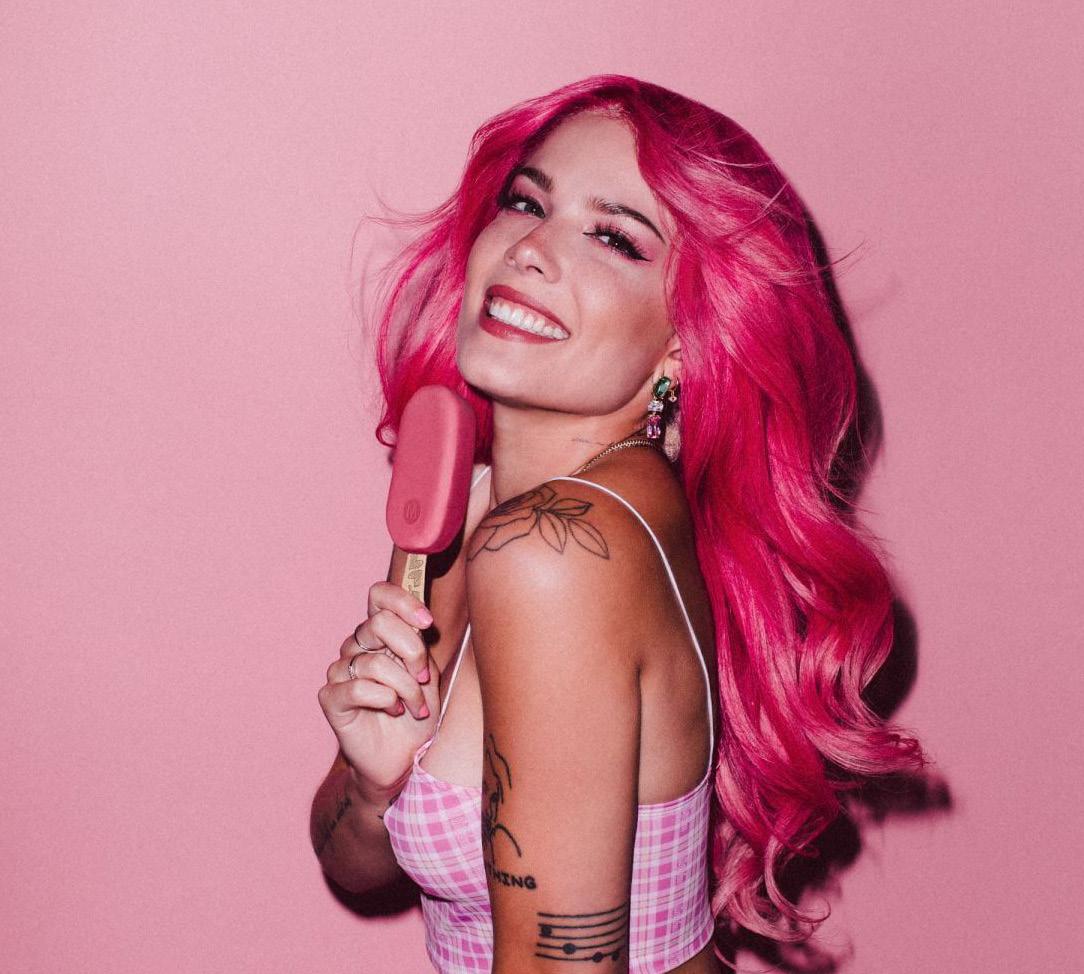
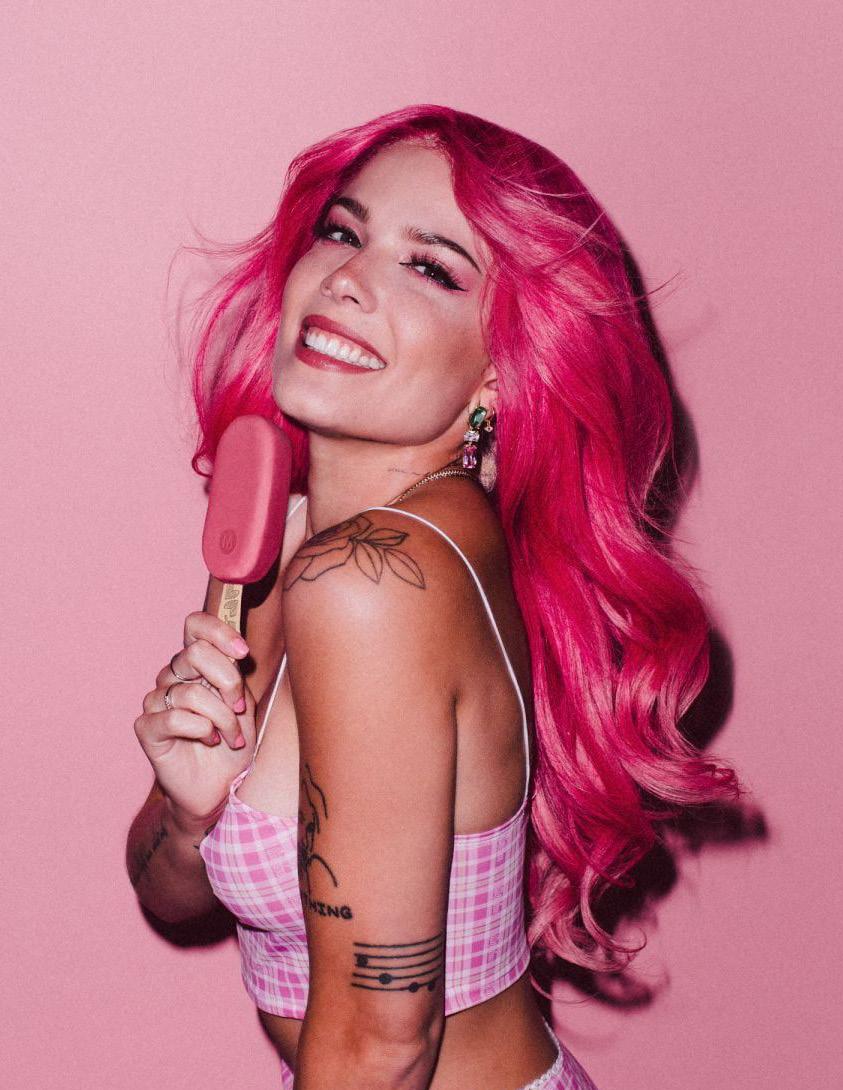
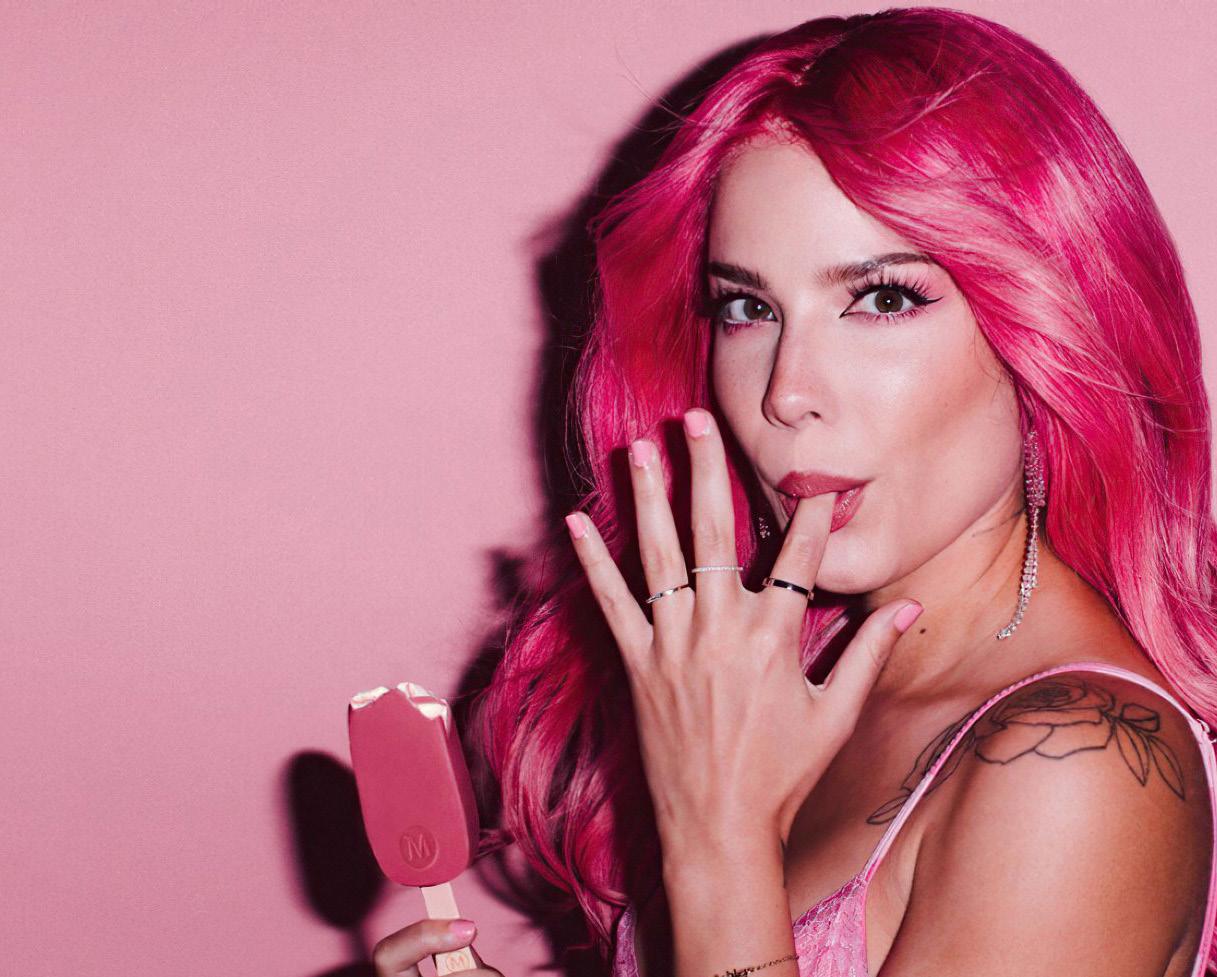
Halsey at her Photoshoot for the promotion of her new song lucky. Now available on her new album "The Great Impersonator Wall showing her Growth (Left)
Halsey finding her identity through being a Mom and a musician is explored in her new album. Juggling the two can be difficult but it makes life worth living.
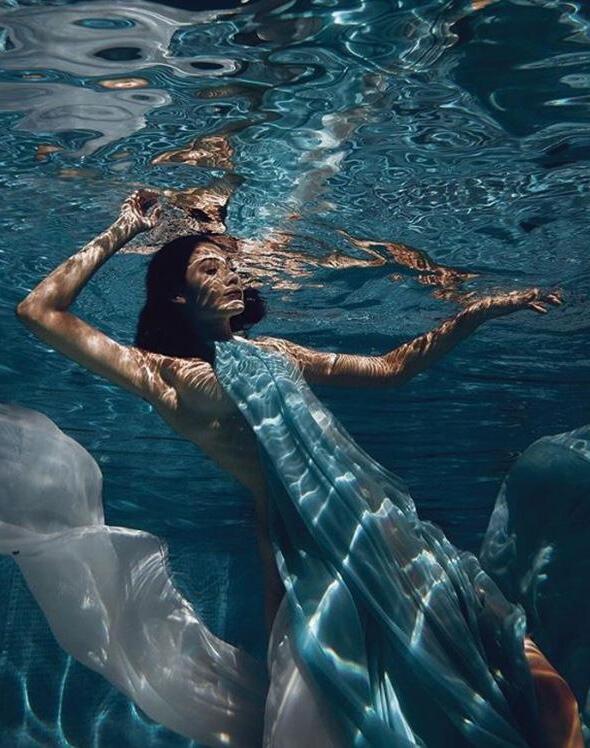
Women are feeling burnt out more than ever, how can this problem be fixed?
By Kathleene Akimoto
Have you seen the meme of the person slowly sinking under the water with their hand outstretched for help as a bystander looks on? If you have, you know that instead of helping her, the supposed savior just highfives her hand as she goes under the water. That’s pretty much the perfect embodiment of how women feel when we reach out for help. We get a high-five and a little pat on the back as if that small measure
of encouragement can magically save us. What’s pulling us down? Everything. Work, life, family, and all that lies in between. But for whatever reason, too many of us are afraid to admit it’s all just too much. Too many work trips, late nights, and take-out meals. We are carrying too much – on our shoulders and in our minds. Recent data from Morning Consult show that half of employed women say they are feeling burnout at work, with
Younger women are most likely to report burnout. As a society, we ask women to slice and dice their time and well-being to satisfy everything and everyone around them. Unfortunately, what’s left over for self-care are a few crumbs, or in my case, a lukewarm cup of coffee I have microwaved at least three times. This might seem like an exaggeration to make a point, and maybe it is for some, but we need to do better–and we can start by creating a workplace that works for our needs.
For example, in the same survey, women prioritize employer programs designed to combat burnout, reporting that flexible work hours and paid leave programs are most important. While 68% of women nationwide think childcare services are important, only 21% said their employers offered this program. When it comes to mental health resources, 84% of women say it’s important that their employer offers them, but only 41% report receiving benefits of this kind. It’s time employers stepped up to care for the whole person – the whole woman. While comprehensive benefits and wellness resources are critically important, women also need the time and encouragement to use them. That’s why so much of what we need to change to make space for well-being at work comes down to leaders and how they set the example and model behaviors that signal being human is welcome and valued. This must be normalized for women.
In a study conducted by UKG, 69% of people surveyed said their managers impact their mental health just as much as a spouse or partner would–and more than a doctor or therapist would.
At the risk of sounding cliche, real change starts with each of us. So whether you’re just starting in your professional career or have the privilege of leading a team, here are my top tips for combating burnout and leveling up support in your daily and work life.
I will be the first to say that “work-life balance” is bestselling fiction that has been sold to working women for decades. Work and life should fit together. This is why it’s so important to create clear and loud boundaries at work and at home and practice relentless prioritization to ensure you are focused on the right task at the right time. If you have a deadline, get to work and skip the side helping of guilt. If you need to take a break, unplug and truly disconnect. If you need any sort of checkup, don’t skimp on your preventative care and make those appointments. You can do it all–just not all at once!
Recent data looking specifically at burnout in women is concerning. According to a survey by LinkedIn of almost 5,000 Americans, 74% of women said they were very or somewhat stressed for work-related reasons, compared with just 61% of employed males.
A separate analysis from workplace-culture consultancy A Great Place to Work and healthcare start-up Maven found that mothers in paid employment are 23% more likely to experience burnout than fathers in paid employment. An estimated 2.35 million working mothers in the US have suffered from burnout since the start of the pandemic, specifically “due to unequal demands of home and work”.
Experts generally agree that there’s no single reason women burnout, but they widely acknowledge that the way societal structures and gender norms intersect plays a significant role. Workplace inequalities, for example, are inextricably linked to traditional gender roles in the workplace and home.
In the US, women still earn an average of about 82 cents for each dollar earned by a man, and the gap across many countries in Europe is similar. Jia’s firm does not publish its gender pay-
“ Self-care isn’t selfish, it’s selfpreservation, and if we want women to feel their best and show up fully at work, we need to do better.”

gap data, but she suspects that it’s significant. Moreover, she thinks many of her male peers earn more than her, something that causes her a huge amount of stress. “The idea that I might be underselling myself is extremely frustrating, but I also don’t want to make myself unpopular by asking for more money when I’m already pushing the boundaries by asking my company to make accommodations for me having to care for my daughter,” she says. “It’s a constant internal battle.”Research links lower incomes to higher stress levels and worse mental health in general. But several studies have also shown more specifically that incidences of burnout among women are greater because of differences in job conditions compared to males.
In 2018, researchers from University of Montreal published a study tracking 2,026 workers over the course of four years. The academics concluded that women
were more vulnerable to burnout than men because women were less likely to be promoted than men, and therefore more likely to be in positions with less authority which can lead to increased stress and frustration, making efforts to excel feel dismal and pointless.
Create a Support System
There is this great Brené Brown quote, “We don’t have to do all of it alone. We were never meant to.”No woman navigates her career on her own. You need people who can help you see and believe what’s possible so that you have the strength to tap into your full potential. It’s important to remember that the women who are shattering ceilings, busting down barriers and causing all the right kind of ruckus–they didn’t do it alone.
They had sponsors, allies and mentors who helped them along the way. This can be addressed together with family, friends, and co-workers.
Preventing burnout involves a mix of self-care, boundary-setting, and lifestyle adjustments. Here are some effective strategies:
1. Set Boundaries:
Clearly define your work hours and stick to them. Learn to say no to additional responsibilities when you’re at capacity.
2. Prioritize Self-Care:
Engage in activities that recharge you, like exercise, hobbies, or spending time with loved ones. Make self-care a non-negotiable part of your routine.
3. Practice Mindfulness:
Incorporate mindfulness or meditation into your daily routine to reduce stress and improve focus.
4. Take Regular Breaks:
Use techniques like the Pomodoro method to take short breaks throughout the day. Step away from screens and change your environment if possible.
5. Stay Organized:
Use tools or apps to manage your tasks effectively. A clear plan can reduce feelings of overwhelm.
6. Seek Support:
Talk to friends, family, or colleagues about how you’re feeling. Sharing your experiences can provide relief and perspective.
7. Nutrition & Sleep:
Eating well and getting enough rest are crucial for maintaining your energy levels and resilience.
8. Physical Activity:
Regular exercise can boost your mood and reduce stress. Find an activity you enjoy, whether it’s walking, dancing, or yoga.
Implementing these strategies can help reduce the risk of burnout. Try to implement these practices daily!
This piece of advice goes out to the women who are first to rise and the last ones to turn off their lights at night (you know who you are): Start small and manageable. For example, I decided at the start of the year to meditate for a few minutes every day and create more white space in my calendar to breathe. You don’t need permission, and guilt is not welcome–just take the first step and give yourself the grace to try (and try again).
You can’t fake caring–you need to be a real ally to build trust and safety. This is especially important if you are a manager. Ask your colleagues what they need in terms of support and demonstrate your openness to learn, grow and change. Talk about well-being with your team members–both as a group and
as individuals–and share your approach to self-care. Recently, I took advantage of Verizon’s free mental health resources and signed up for a therapy session. The responses I received from people feeling validated and grateful for my candor further reinforced the advocacy we need to demonstrate at work. Imagine what we can achieve if we create a safe space for all team members. I will be the first to say that navigating burnout isn’t easy, but it’s essential to ensure that women can be well in all aspects of our lives. We don’t have to settle for carrying too much and shouldering too much, and we don’t need permission to prioritize ourselves. Self-care isn’t selfish, it’s self-preservation, and if we want women to feel their best and show up fully at work, we need to do better. Women are too important to let them burnout. PH
Acupuncture is beneficial for women by helping to regulate menstrual cycles, alleviate symptoms of PMS and menopause, and support fertility. Additionally, it promotes emotional well-being by reducing stress and enhancing relaxation, contributing to the overall health and balance within the human body.
By Axia Anderson
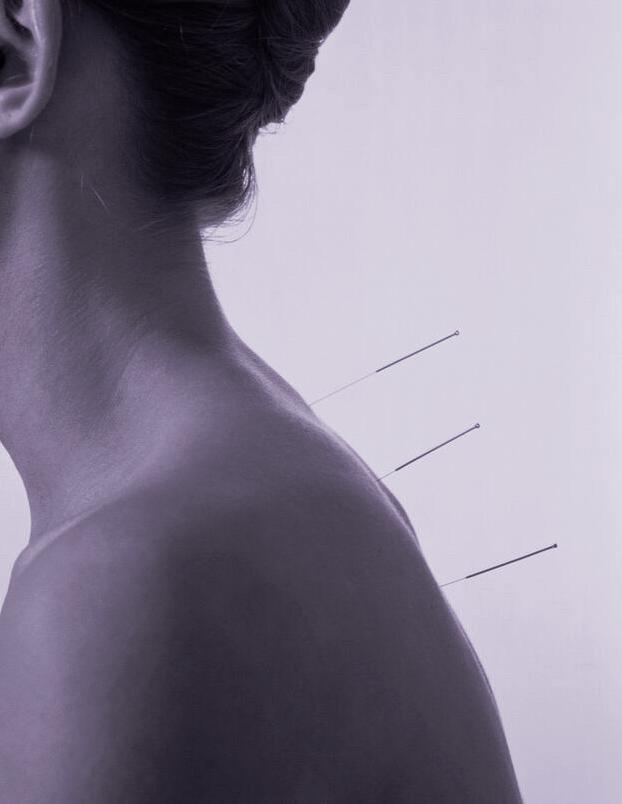
Acupuncture has grown in popularity in the United States in recent years, but this form of ancient Eastern medicine has origins anywhere from 3,000 to 4,000 years ago. It’s widely known as a holistic approach to medicine, originating from Chinese medicine ideals. As research has evolved, experts are finding that acupuncture can offer a host of benefits for a woman’s health, including aiding in fertility, relieving nausea during pregnancy, and treating pain conditions. Before we dig into the benefits of acupuncture, let’s explore how it works and its traditional practice.
The thought of being pricked with needles may seem scary, but there’s no need to worry. These needles are made of a super fine gauge, so you shouldn’t feel any pain. If you do experience any discomfort for any reason, you can simply ask your provider to remove the needle. Overall, you shouldn’t feel pain.
Acupuncture is based on the belief that the body has 2,000 acupuncture points that are connected by pathways, also known as meridians. These pathways allow for the flow of energy (or “Qi,” pronounced like “chee”) through the body. By placing tiny needles on different acupressure points, it can help improve the circulation of Qi throughout the entire body.
“Many women like acupuncture because it is minimally invasive, doesn’t involve taking medication, and has very few side effects,” shared Planet Her provider, Scott Dinesen, DO, who is board certified in obstetrics and gynecology and licensed in acupuncture.
Modern research suggests that acupuncture stimulates the nervous system, leading to the release of neurotransmitters and
hormones. This can help reduce pain, improve mood, and promote healing.
Acupuncture may activate pathways in the spinal cord that inhibit pain signals from reaching the brain, effectively “closing the gate” on pain sensations in the body.
Acupuncture may also help reduce inflammation and improve blood circulation, which can aid in healing and recovery.
While the exact benefits are still being studied, many people report positive effects from acupuncture for various conditions, including chronic pain, and stress.
Acupuncture has been proven effective in treating a variety of conditions from helping to relieve nausea during pregnancy, to supporting fertility, to relieving pain associated with
periods, and even reducing menopause symptoms.
Pregnancy: Nausea during pregnancy, or hyperemesis, is a common condition. Studies show that acupuncture can be helpful, in addition to other medications, in relieving nausea. There is a pressure point, Pericardium 6 (P6), found on the inside of the wrist, that connects the meridian along the arm, up into the chest and upper abdomen. By applying specific pressure to the point, it can help to relieve nausea.
Fertility: According to the American Society of Reproductive Medicine, acupuncture may help relieve some of the side effects associated with fertility drugs (such as bloating and nausea) and promote relaxation. Research also shows that for patients undergoing In Vitro Fertilization, utilizing
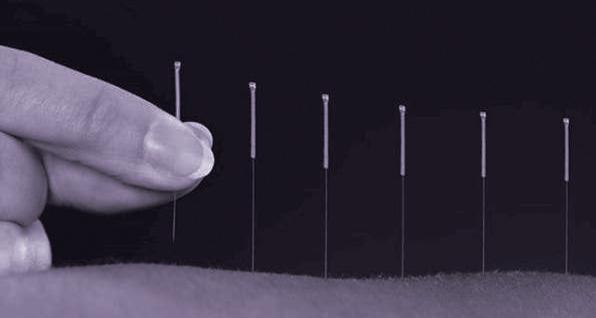
Fun Fact: Many people are afraid of acupuncture due to misconceptions about needles. But did you know that Acupuncture needles are very thin—much thinner than the needles used for injections or blood draws. Many people report feeling little to no pain when the needles are inserted. Encouraging open conversations about acupuncture can help demystify the process and reduce anxiety.
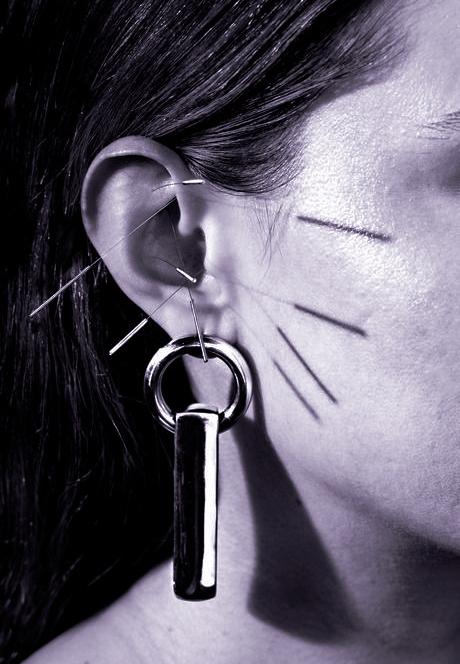
Bottom Photo: Image of the acupuncture process and its thin needles used during appointments. These needles are very small and do not cause pain or discomfort at the injection site.
acupuncture on the day of embryo transfer can aid in increasing pregnancy rates.
Pain Conditions:
Acupuncture has been proven in studies to help with conditions like dysmenorrhea (menstrual cramps), adenomyosis, and endometriosis. Pain is regulated through our nervous system, and our nervous system is made up of energy. When that energy becomes blocked, we can experience pain. Acupuncture has been shown to help unblock the energy and trigger the release of endorphins to help with pain management internally.
Menopause: During menopause, women experience a drop in estrogen levels and a spike in cortisol levels. Acupuncture can target the adrenal gland and help reduce cortisol levels, which in turn can help alleviate symptoms like hot flashes, night sweats, and mood disturbances.
Emotional Well-being: Many women experience stress, anxiety, or depression at different life stages. Acupuncture can promote relaxation and improve emotional balance. It can
also enhance sleep quality, which is crucial for emotional health, and boost overall energy levels, contributing to a more positive outlook.
How often should I do acupuncture?
“Every patient is different. Depending on the condition, some women may find relief by doing acupuncture once a month, while others may prefer to do it every few weeks. What’s most important is to find an acupuncturist that you feel comfortable with and whom you trust,” adds Dr. Dinesen. Trust is a big component in acupuncture just to make sure that you can feel vulnerable and comfortable with a trusted professional.
You can find licensed acupuncturists in your area through the National Certification Commission for Acupuncture and Oriental Medicine (NCCAOM) or the American Academy of Medical Acupuncture (AAMA). These resources are great to see if your health insurance can cover a visit to an acupuncturist.
“While acupuncture may not fully eliminate symptoms, it can provide some muchneeded relief. As a provider, it’s great to have another tool in my toolbox to help
patients.” It continues to aid issues that can be a nuisance in our daily lives. It helps to minimize pain but symptoms can return.
Overall, acupuncture is a safe treatment that can be effective for women. Acupuncture is best when used in combination with other therapies to help alleviate symptoms. It’s important to discuss any health concerns with your healthcare provider, as they can help you determine the best care plan for your needs.
If Western medicine continues to fail you, take a risk and try a holistic approach to healing your body. Eastern medicine has been practiced for centuries, give it a shot and you will be surprised to see the benefits of holistic medicine in your daily life. PH
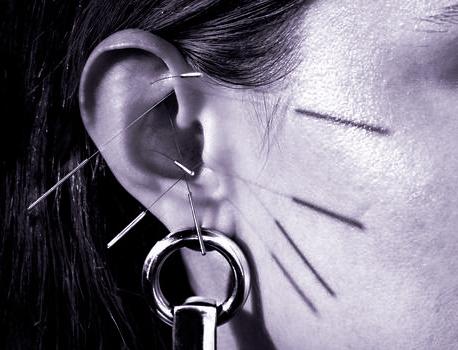
A photograph of the acupuncture needles in the ear. These needles can be used all over the body depending on the type of pain and dicomfort you may be feeling prior to the set appointment date.
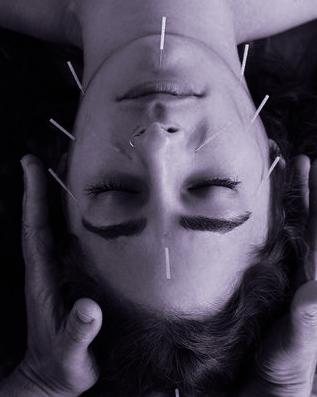
A photograph of the acupuncture needles all over a woman’s face. The different reasons why accupuncture could be used on the face is to promote facial rejuvination, stress relief, acne and skin conditions, and underlying health issues. This is a less invasive way to get a youthful apperance from other treatments.
Sustainable menstrual products are transforming women’s health and hygiene by offering eco-friendly, healthier, and more cost-effective alternatives to traditional menstrual products like tampons, pads, and liners. This revolution is centered around reducing environmental impact, improving comfort and health, and empowering women with more control over their menstrual cycles. Let’s break down the key ways these products are changing the game.
Traditional disposable menstrual products, like tampons and pads, are typically made with synthetic materials such as plastics, chlorine-bleached cotton, and other nonbiodegradable substances. These products contribute significantly to waste, with billions being discarded each year, often ending up in landfills and oceans. Sustainable alternatives—like menstrual cups, reusable pads, and organic cotton tampons—are designed to be more eco-friendly. Many of these products are reusable, reducing waste by lasting for several years, which helps decrease the environmental burden of disposable products.
Many conventional menstrual products contain chemicals like fragrances, bleach, and pesticides, which can irritate sensitive skin and disrupt the natural vaginal environment, disrupting our natural system. Sustainable menstrual products often focus on using non-toxic, organic, and hypoallergenic materials that are better for women’s health.
These are free from pesticides, chlorine bleach, and fragrances, reducing the risk of allergic reactions, irritations, or exposure to harmful chemicals.
Made from medical-grade silicone or rubber, menstrual cups are chemical-free, which can be a healthier option for those with sensitive skin or concerns about toxic shock syndrome (TSS), which is a rare but serious condition associated with some tampons. Additionally, many women find that sustainable products, especially menstrual cups, offer greater comfort and less leakage. They can hold more fluid than tampons or pads, which means fewer changes are required throughout the day.
While sustainable menstrual products may have a higher upfront cost, they tend to save women money in the long
run. Reusable menstrual cups, cloth pads, and period panties can last for years with proper care, compared to the continual purchase of disposable products each month. Menstrual Cups can last for several years, making them a one-time purchase that ultimately saves money. It is fairly easy to wash as well. Reusable Pads and Period Underwear typically have a lifespan of up to 5 years or more, significantly reducing monthly spending on disposable pads and tampons. For women in lowincome areas, this shift can make menstruation more affordable and less of a financial burden, as they no longer need to buy disposable products each cycle.
The growing popularity of sustainable menstrual products has also fostered a broader conversation around menstruation, its stigma, and the environmental and health implications of traditional products. This has led to more awareness and education on menstrual health, including awareness of Toxic Ingredients. Women are becoming more informed about the chemicals used in traditional products and are opting for safer, natural alternatives. Menstrual Health Advocacy Organizations and brands that promote sustainable products often advocate for better menstrual education and access to menstrual health resources, especially in underserved communities.
Sustainable menstrual products also cater to a wider range of needs, including people with disabilities or those who face difficulties with traditional products. For example, menstrual cups or period underwear can be easier to manage for some individuals than tampons or pads, offering more independence and convenience. How these products begin to bridge a gap between economic status is bringing attention to an overlooked and impactful issue for all women.
The shift toward sustainable menstrual products is more than just a trend—it’s a movement that’s reshaping the way we think about menstruation. By reducing waste, promoting healthier alternatives, offering cost savings, and encouraging greater awareness and inclusivity, sustainable products are creating a lasting positive impact on both individual health and the planet. As the demand for eco-friendly and health-conscious alternatives grows, the menstrual product industry will likely continue to evolve, providing even more accessible, affordable, and innovative solutions for women worldwide. This revolution not only empowers women but also contributes to a broader environmental and social change, redefining menstruation as an experience that’s both natural and sustainable. PH
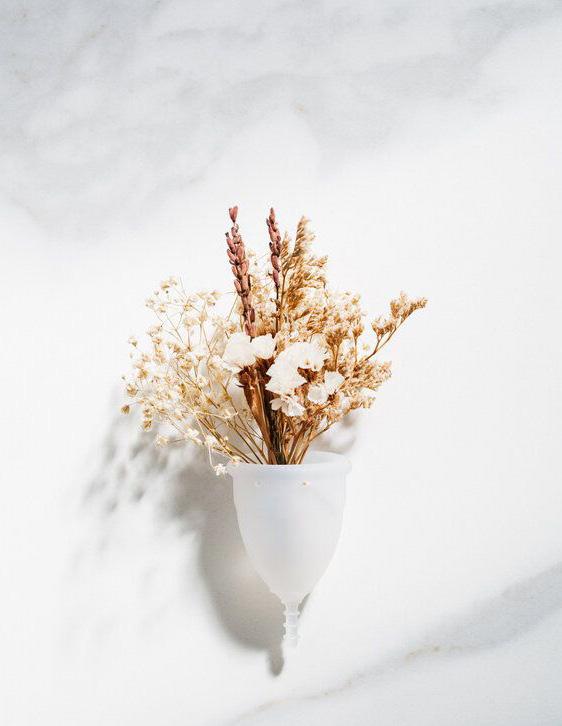
“Over 12 billion pads and tampons are thrown away each year in the U.S. alone, creating around 200,000 tons of waste annually.”
Environmental Protection Agency (EPA)
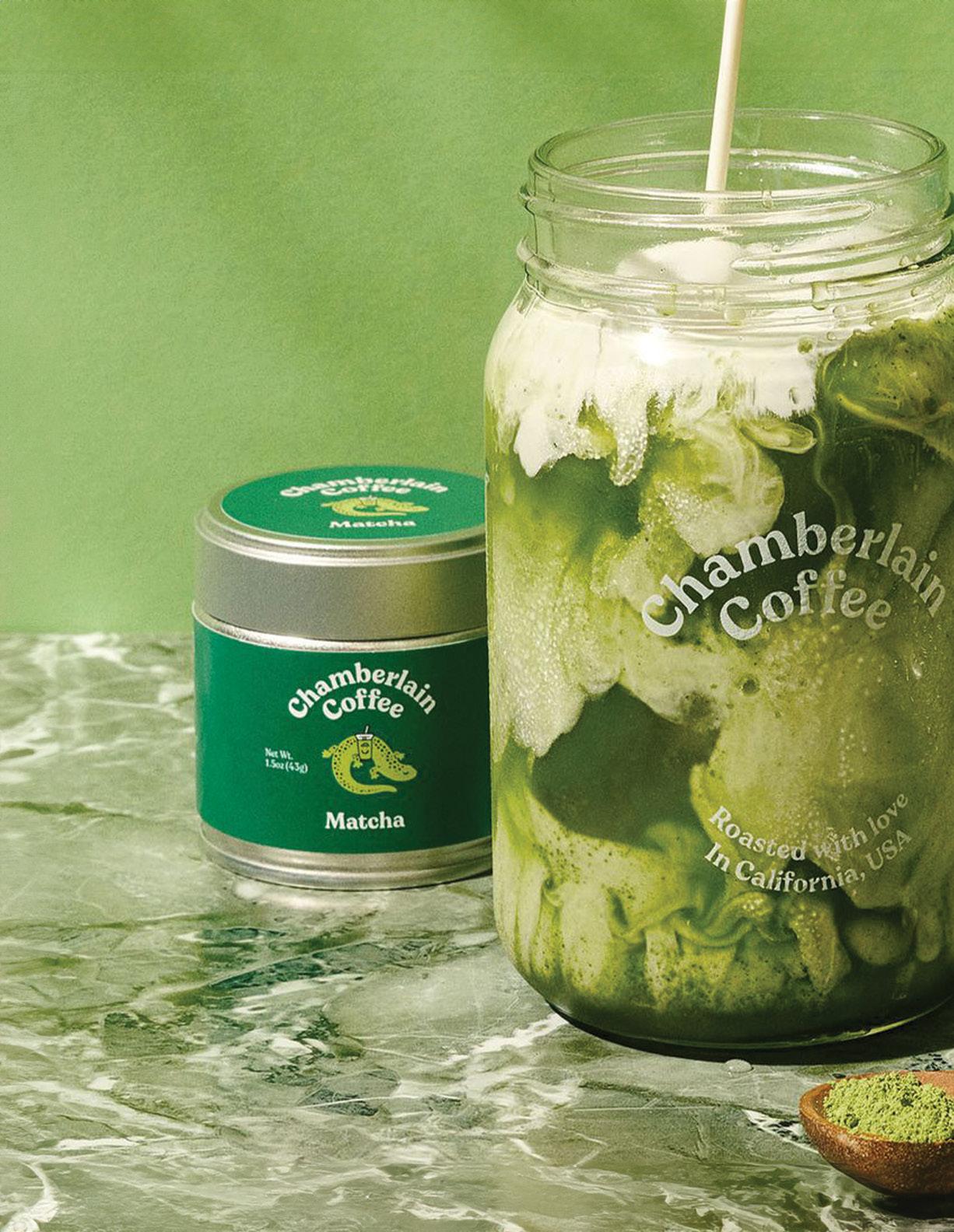
chamberlaincoffee.com

Have a Holly Jolly Christmas!