Ryan Lindveit Bass Clarinet Concerto


version for bass clarinet and piano
I. Entering the Mind of the Forest…..………………1
II. Racing Through the Forest of the Mind .……….10
III. Branching Brain……………………………………26
Note: the overall duration is approximately 18 minutes. If time is limited, it is permissible to perform just movement three, just movement two, or movements one and three together.
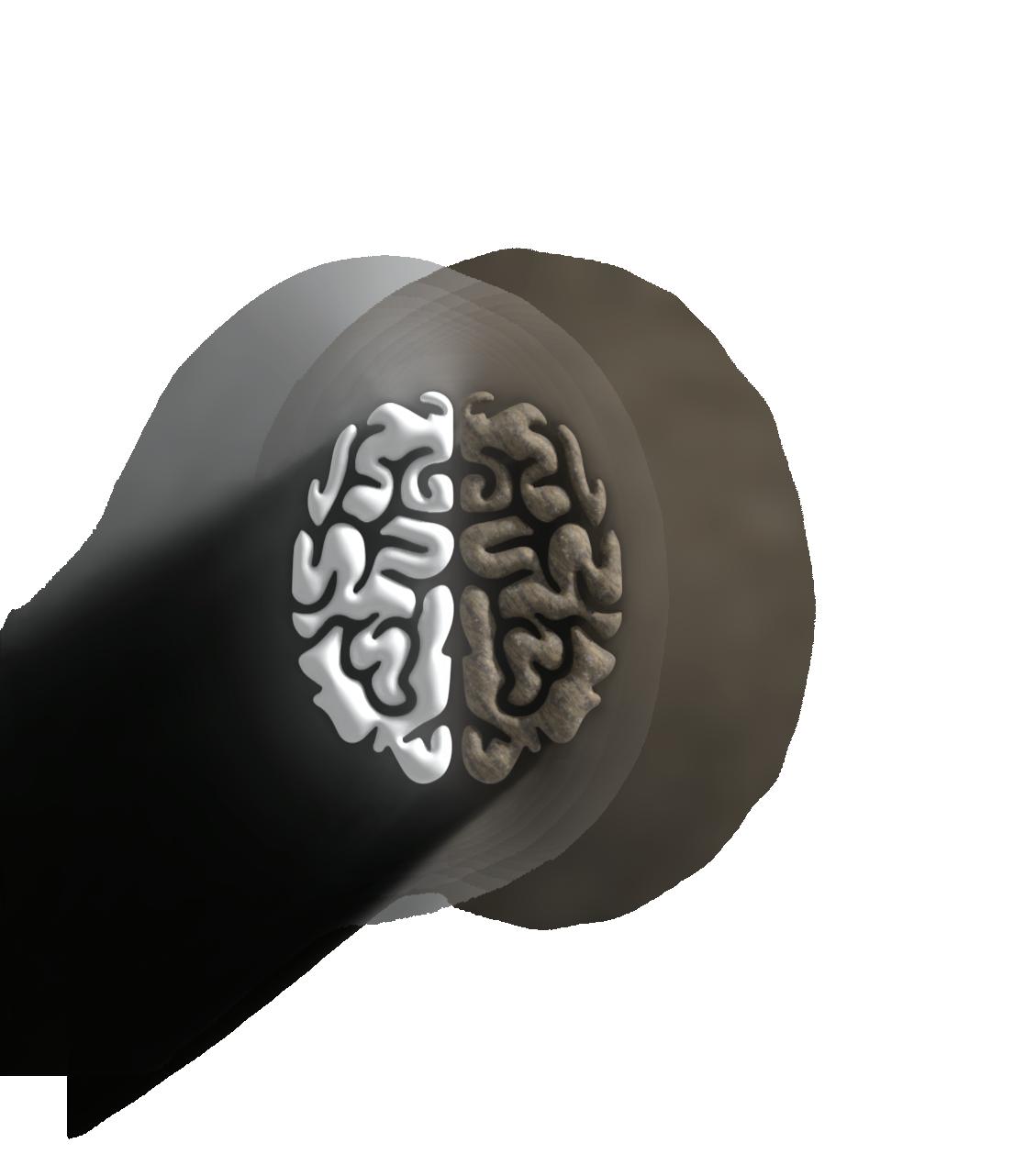
Bass Clarinet Concerto is inspired by two reciprocal visual fantasies: on the one hand imagining the human mind as a verdant forest, and on the other hand envisioning a forest as a thoughtful brain. These mental comparisons were sparked by the similarity in structure between dendrites the parts of neurons that branch in many directions to form connections and the branching patterns on trees themselves. I first discovered this comparison in the neuroscientist Giorgio Ascoli's book Trees of the Brain, Roots of the Mind.
Movement One, "Entering the Mind of the Forest," is inspired by the inherent wisdom of forests, especially old-growth forests. I also read Richard Powers' stunning novel The Overstory during the composition process and was equally inspired by the emotional states I felt while reading, particularly the chapters about the botanist Patricia Westerford (who is loosely based on the real scientist Suzanne Simard, known for her research on the ways trees communicate with each other to work cooperatively). The bass clarinet soloist soliloquizes a simple melody with timbre trills that gradually awakens the other registers of the piano, which I imagine as both creatures in the forest and ideas in the mind. A partially improvised cadenza connects the end of movement one to the beginning of movement two.
Movement Two, "Racing Through the Forest of the Mind," is about the capricious and distracted nature of human thought constantly going off on tangents yet sometimes also getting stuck in moments of repetitive concentration. The music like the composer struggles and desires to focus and then reflects on the poignancy of not being able to focus. The variety of speeds and textures also reflects the wonderful biodiversity of forests. Musically, this movement is built on a short motif which is drawn out, transposed, and reharmonized extensively throughout the movement.
Movement Three, "Branching Brain," is a process piece built on a repeating cycle of eight chords alternating with simple and compound meters. It was challenging and satisfying to make music that was underpinned by these harmonic and metric pre-compositional constraints yet also served my musical and emotional ambitions. The harmonic-metric cycle grows in intensity and is both interrupted by and synthesized with material from movement one. I imagine a lonely neuron reaching its dendrites out for connection and forming synapses on its way to creating a vivacious and vibrant forest in the mind.
Overall, this piece is an emotional reaction to the brain as visual art, but on another level the music is a reaction to the contemporary crises facing both our trees (deforestation and climate change) and our minds (constant distraction and division by surveillance capitalists in the attention economy).
repeat phrases under slurs ad lib. phrasing, hairpins, fluttertongue, and harmonics ad lib.