
Thirteen Etudes
PERUSALSCORE
for the developing contemporary saxophonist and
Sonata for Alto Saxophone and Piano
Spencer Arias

PERUSALSCORE
Thirteen Etudes
for the developing contemporary saxophonist and
Sonata for Alto Saxophone and Piano

Spencer Arias 2025
PERUSALSCORE

PERUSALSCORE
About this Book
Throughout my career as a musician, I have worked extensively in spaces where saxophone was present. It was my instrument starting in 7thgrade and all through college. It has also been the instrument that has defined my compositional output since college. Throughout this time, what was missing from my studies was a series of learning pieces to help me better understand this instrument so that I could play the music that was exciting me with a little less frustration. A book that was more closely designed for this instrument. While the Ferling Etude book written in 1840 is a fantastic resource, its design does not have the saxophone repertoire in mind since it was designed for the oboe, and the saxophone was not even invented yet (1846 was the first patent). While I did not take the saxophone performance path, I am very familiar with many of the challenges saxophonists face in their studies. This is from personal experience as a player and through conversations with professional saxophonists and saxophone educators. As someone who has written extensively for the instrument, I felt uniquely qualified as a Composer with a background in Pedagogy, with extensive knowledge of this instrument to complete this book, which is why when Elizabeth Rosisbum approached me at a NASA in Hattiesburg, Mississippi in 2023 I knew that this was something that could be important and have an incredibly positive impact on our community.
One of the most essential parts of creating this book was not what I deemed to be the most important but what we, as a community, deemed most important. Now, with such a diverse community, what we consider essential is incredibly subjective. Hence, we found many individuals to sign onto this project. Elizabeth and I collaborated to curate a group of 6 additional individuals to act as a Pedagogy Team.
Pedagogy Team
Elizabeth Rosinbum
Jeffrey Leung
Tina Wang
Nathan Mertens
Crystal Alexander-Duckett
Joshua Thomas
This book is intended to follow a developing saxophonist's growth. Some of the etudes, particularly the later ones, may be more appropriate after developing specific skills. Alongside the etudes is a companion page with pedagogical tips, as written by saxophonists who not only supported this project but are also people I respect and admire. The book has been designed with the intention that the person learning these etudes adopt a growth mindset, that learning does not happen in a straight line, and that some skills require development with time.
Finally, the included Sonata at the end was designed to be played after working through most of these etudes. The main prompt was to have a new work for alto and piano with accessible piano parts so that finding a pianist who is willing to work with a saxophonist could be a bit more approachable for those less familiar with the repertoire.
Instrumentation
PERUSALSCORE
Alto Saxophone
Piano
First printing, April 2025
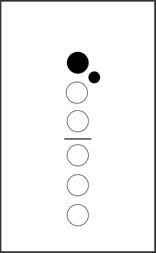
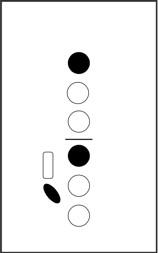
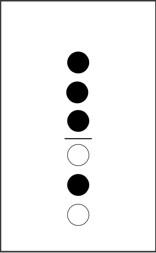
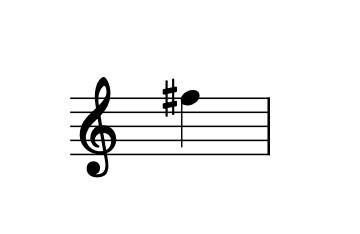
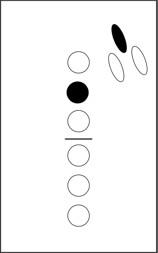
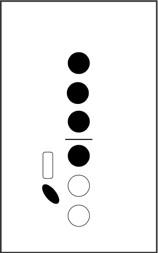
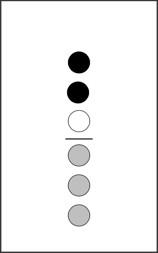
Fingering Chart
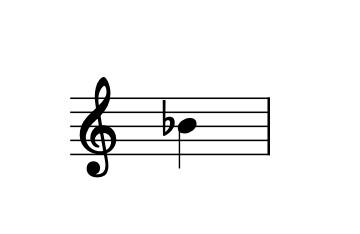
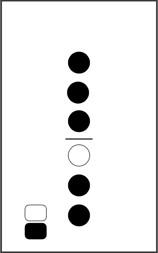
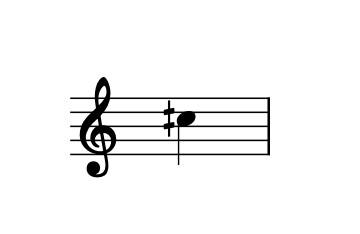
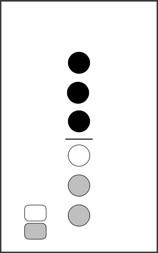
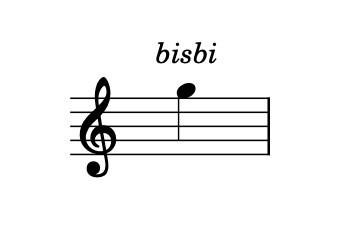
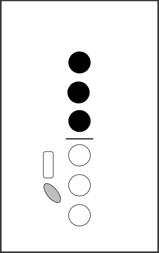
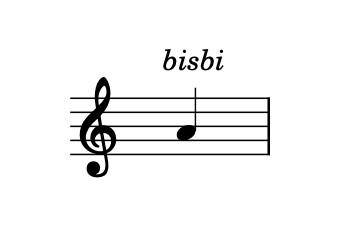
Throughout this book you will see a few spots with added fingerings that look like this passage from etude number II –Bis and Forks.

Many editions of scores with alternate fingerings for multiphonics, microtones, bisbigliando, pitch colors, or even for technique purposes will include the fingerings directly in the score to quickly refer to the fingering. This can clutter a score and remove the option for the performer to include the information necessary for their success. I have also seen in many recent works (due to the tireless effort of Marcus Weiss and Giorgio Netti) that composers will include what I call Netti numbers instead of providing fingerings, as it gives the performer more agency in building a practice to find the proper fingering that works for them and their particular instruments. With that in mind, I have decided to include a chart of all fingerings essential to this book, as curated by Nick May. Please take the provided fingerings as a starting place, and feel free to include any additional fingering choices in the study of the etude.
The included fingerings imply that this fingering should be used until said otherwise. Still, marking additional fingerings (such as in the quarter tone section) may be helpful.
PERUSALSCORE
*usedtosetupTF
PERUSALSCORE
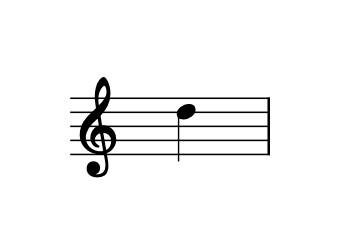
*usedforcolor
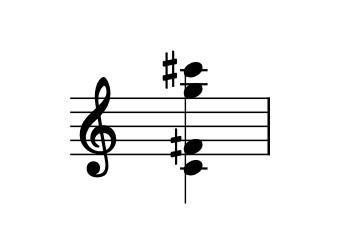
*Multiphonic,withexploration thiscanbemanipulated
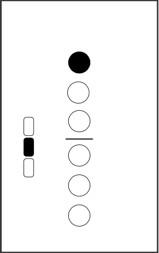
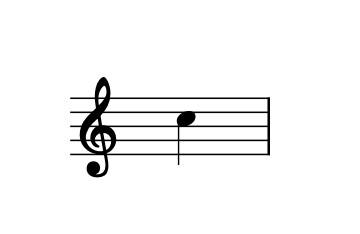
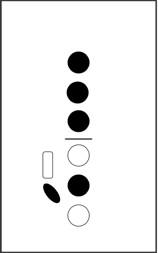
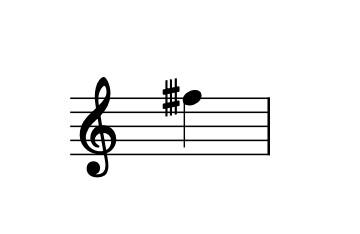
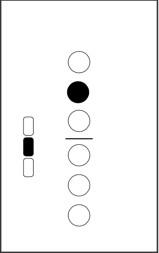
1TC
ACKNOWLEDGEMENTS
This book would not be possible without the support of many people. First off, to all members of the consortium, in particular, Elizabeth Rosinbum, for approaching me with this project idea. Who would have thought that 10 years after graduating from ASU, I would get the pleasure and opportunity to collaborate with you on such a special project
Consortium Members, as led by Elizabeth Rosinbum
AJ Pratt, Joshua Thomas, Sean R. Garde, Zach Arthur, Jack Thorpe, Andrew Hosler, Nick Ortiz, Nathan Mertens, Jared Waters, Crystal Alexander-Duckett, Tina Wang, Jeffrey Leung, Greg Rife, Leo Schlaifer, Joshua Tuttle, Matthew Younglove, Woody Chenoweth, Kevin Arbogast, Patrick Booth, Carly Hood, Austin McFarland, Rick Flores, and Bryan Polacek
This book required many voices, as we are a large and diverse community. I want to thank the following for agreeing to be early adopters of the book and for helping provide support.
Early Adopters
Lucas Hopkins, Kevin Norton, Henning Schröder, Geoffrey Deibel, Shawna Pennock, Peter Dayton, Nicki Roman
Pedagogy Team
Elizabeth Rosinbum, Jeffrey Leung, Tina Wang, Nathan Mertens, Crystal Alexander-Duckett, Joshua Thomas
Nick May for his close friendship as well as his help with fingerings
Another thanks to Kevin Norton for playtesting through these Etudes with his students and sending me recordings. Also, I want to thank a few people who got me to this place along the way.
Timothy McAllister and Roshanne Etezady, this book is only possible due to the support you provided me at the beginning of my career and the continued support you lend me to this day.
Woody Chenoweth, Dan Puccio, and Patrick Murphy for being teachers and mentors during those early stages. If you are currently a graduate student, don’t forget to look out for the younger students; you have no clue how it could impact them in the future. I’m here because of you.
Liz Ames. I learned nearly as much from you as from any saxophonist or composer. Hopefully, this new work for saxophone and piano gives you more students to inspire as you did me.
A thank you also to Christopher Creviston, Hannah Creviston, Henning Schröder and Yu-Lien The. As the saxophone professors at the two institutions I have taught at and the pianists who play so much of our music (and hopefully mine), I am eternally grateful for how much you have empowered me. Chris, that is why my saxophone music gets played as much as it does. Henning and Yu-Lien provided me with incredible support in my first year and a half of college teaching, and since returning to Arizona State, Chris and Hannah have been incredibly empowering!
Of course, to David Biedenbender and Joe Lulloff. My time at Michigan State University was by far some of the best educational experiences I’ve ever had. The saxophone studio at MSU empowered me to keep going with my passion for saxophone, and Dave never shut me down from it.
PERUSALSCORE
And finally, to the entire saxophone community at large. I love you all. You are why I keep doing this. This is for you.
PERUSALSCORE
I.SenseofTime
Thisetudeoffersampleopportunitytohoneinonseveral importanttechniques, mostnotablyarticulation, line direction, and of course time. After an initial read though, it will be important to decide and mark in the Bb fingeringthatworksbestforyou.TheopeningmeasuresareagreatopportunitytoutilizesideBb,whilepassages suchatm.17thatutilizeaskipworkwellwiththeBisfingering.Keepinmindthegoaltempowhenmakingthese decisions.
Variety of articulation plays an important role in this etude. The challenge is to make a difference between the markingsthroughout,suchasstaccato,accentedstaccato,accent,and tenutoaccent. Pickasinglenoteandplay each of these articulations back and forth. Try to determine how each are different, and how you can produce that difference through your horn. In general, staccatos should remain on the lighter side, without getting a bitingsound.
Itwillbehelpfultopulloutafewofthetechnicallinestoworkonseparately.Measures45-53containafour-note pattern from the Bb major scale. Work on this scale first, making sure you are comfortable with the key signature.Next,workonthepatternasitiswritten,breakingitupintofournotesatatimeifneeded.Measure18 showcases the Bb majorscale in a thirds pattern. Again, work on this separately until you arecomfortablewith thefingerpatternandtheskipinthepatternbetweenbeats3and4.
Finally, there are many dynamic markings throughout, but opportunities to imbed line direction exist. Some examplesaremeasures31-37and38-44.Bothofthesearemarkedatasingledynamiclevel,butthematureplayer willwanttoaddnuancebyaddinginmicrocrescendosanddiminuendostocreateapersonalinterpretation.
-Dr.JoshuaThomas
PERUSALSCORE
I.SenseofTime
II.ForksandBis
ForksandBisexplorestheuseof bisB-flatandalternate“fork”F-sharpinatechnicalcontext.Themajorityof my current saxophone students are around the age when these fingerings are introduced, between 5th and 8th grade. I’ve found thereare few resources that specifically targetand allow students to make use of these newer fingerings outside of their curricular basics (for example, the Pearson Standard of Excellence, which doesn’t introduce bis B-flat until halfway through Book 2 aside from the provided fingering chart). “Forks and Bis” effectively bridges the gap between learning the initial fingerings and applying said fingerings in a more advanced work where the control of said fingerings would be considered commonplace. I appreciate the elevation in difficulty this etude offers while simultaneously serving as a stand-alone, musically interesting composition;apiecethattranscendstheobjectiveandexpectationof suchanetude. Itisamotivic-drivenwork one may successfully program and perform as opposed to a finger exercise intended for or most suited to the confinesofthepracticeroom.
-Dr.JaredWaters
PERUSALSCORE
III.Lower,Slower,Softer,Whole-tone
Lower, Slower, Softer, Whole-Tone presents itself as a deceptively challenging etude within this collection. The conical shape of the saxophone inherently creates response challenges in the lower register, particularly when strivingtomaintainasottovoce,pure,andcleartoneatasoftdynamic.
There are a variety of techniques that can help navigate these intimate moments: reducing the amount of mouthpiece in the mouth, slightly lifting the top teeth off the mouthpiece, quickly closing an open right-hand key with the remaining keys depressed (commonly the pointer finger, or 4) to assist with response, and more. Regardlessoftheapproach,aconsistentandsupportedairstreamremainsparamount.
Take the time to explore the extremes of dynamic and rhythmic expression. It may feel uncomfortable oryield inconsistentresultsatfirst,butthistypeofexploratorypracticewillultimatelyexpandyourpaletteofcolorsand sounds,enrichingallaspectsofyourplaying.
-NickMay
PERUSALSCORE
Solemnly =60
WT-C(WT0)Scale
IV.PulseandSyncopation
Ihavetoadmitsomething:Ihavealove-haterelationshipwithmymetronome.
Mostdays I lovepracticing witha metronome. It helps improve mytiming byproviding asteadypulse. It helps meslowdown trickypassages, accurately learn themata more manageablespeed, and slowly build them upto tempo without learning bad habits. It helps me keep track of tempo goals when I’m working on technique. Overall,mymetronomeisthemostimportantpracticetoolI’veeverbought.
BUT,sometimespracticingwithametronomeisfrustrating.It’salwayspointingoutwhenI’mrushing,dragging, orplaying rhythms incorrectly. Sometimes, itshatters myegowhen I havetoslowdownapassagetohalf speed (orslower) justtolearnthenotes. Sometimes, playingwithametronomefeelslikeapunishment. Butitdoesn’t havetofeelthatway…
In thisetude, the metronome isn’t justatool; it’sapercussionpart. Thesteady metronome beatscombinewith thesyncopated saxophonerhythmstocreateafunkygroove. Itdrivesthe musicforward and makes mewantto dance! I recommend exploring all thedifferent metronomesound options (mypersonal favorite isaclavetone) andhavingfunmakingityourown.
Thenextmostimportantaspectofthisetudearethevarietyofarticulations.Theyare:
· Tenuto–held,sustainedfullnotevalue
· Tenuto+staccato–stressedandmoderatelyshort,separatedfromthenextnote
· Staccato–separated,detached
· Accent–emphasis,stress,orastrongerstartofthenote
Worktodifferentiatebetweenthesedifferentarticulations,andpaycloseattentionasthemarkingschangefrom measuretomeasure.
My first music teacher once said the difference between a good performance and a great performance is articulation.Let’sstriveforgreatness!
-KevinArbogast
PERUSALSCORE
FunkyGroove =128
V.Compound
I remember when I heard my favorite saxophonist, Rich Perry, warming up on scales while I waited nervously outsideof hisNewYorkapartmentforalesson.Thefluiditywasastounding,aswastheprecisionof mechanical movement.WhenIaskedhimhowhearticulatedtogetsuchacrispsound,herespondedwith"Itonguethefirst note."
This etude showcases how proper airflow and mechanical movement can lead to a highly articulate sound without needing to articulate the start of fast notes. This helps developing saxophonists' understand how the specific movement of fingers is a direct result in how fluid our scales and technique feels and sounds. Listen carefullyforanyunnecessarynoteswhenplayingbetweennoteswhilemovingquickly.Ourfingersactaspistons, movingseamlesslyandconnectingtoourhandsasmachines,ourbrainandearsasfuel.
-PatrickBooth
PERUSALSCORE
VI.Octatonic
This etude provides students with an effective yet approachable introduction to music that is built on scales otherthan thosewithwhich theyare likely familiar, namely the majorand minorscales. As the namesuggests, theetudeconsistsentirelyofpitchmaterialfromasingleoctatonicscalecomprisedofeighttonesarrangedinan alternatinghalf-stepandwhole-stepfashion.Althoughthiscollectionofnotesmayseemunusualordisorienting at first, its symmetrical construction empowers young players to quickly grasp both its unique sound and familiarfingeringpatterns.
As players work on this etude, there are several considerations to be made in addition to increased familiarity withtheoctatonicscale:
Simplevs.compoundvscomplexmeter
Howshouldthemusicfeeldifferentlywhenthebeatsaredividedintogroupsof 2thanwhendividedintogroups of 3? Whatabouttheasymmetrical metersof 7/8 and 5/8? Howcancareful attention tothe meterenhancethe “slowdance”feelingindicatedinthescore?
FingeringchoiceforF#
When is it most pertinent to use the alternate F# (Tf) fingering? For example, it isn’t practical in measure 8 because of the preceding D or in measure 12 because of the preceding Eb. The slow tempo should allow for a clean “flip” between the conventional F# and F-natural fingerings. However, the alternate F# fingering is appropriateforthescalarpassageinmeasure16.
Articulation
Playersshould notonlycarefullyobservethedifferentarticulation markingsand theirplacements inthemusic, butshouldalsoconsiderthestylisticimplicationsofeach.Staccatomarkingsinparticularshould beinterpreted as separated and light rather than short and aggressive. Take care to avoid tongue-stopping the ends of each staccatonote.
Interpretation
Create a thoughtful interpretation of the music. A quality interpretation adheres to the markings indicated in the score while at the same time infusing the performer's musical voice. Students should be encouraged to explorehowphrasing,vibrato,andrubatocanhelpthemcommunicatetheirartistrythroughtheirplaying.
-Dr.GregRife
PERUSALSCORE
VII.Danceofthe16ths
Dance of the 16ths challenges the saxophonist to combine crisp articulation, light finger action, and long, constantly shifting dynamic lines—similar to the staple in our repertoire, Tableaux de Provence. Achieving an ‘epic dance’-like sensation requires creating a sense of lilting by emphasizing the first note in sixteenth-note groupings throughout the entire study. Experiment with different variations in volume and articulation intensity to achieve agogic accents. Allowing space between larger beats and phrases will further enhance dynamicshaping.Mostimportantly—enjoythedance!
-NickMay
PERUSALSCORE
VII.Danceofthe16ths
Anepicdance =128
VIII.Groove
Likethenameimplies,Grooveisafunexplorationinrhythmandarticulation.InadditiontopracticingtheEmajor andc#minorscalesandthirdsfor uidtechnique,besuretobringoutthevaryingarticulationstyles.Contrasting articulationsandprecisetimingreallybringthisetudetolife!
As a practice technique, try subdividing every rhythm into 16th notes at 50bpm. is will ensure all notes stay perfectlyintime,andavoidthetendencytoclip8thnotesshortbeforeandafterrests(likeinmeasures4,8,9,etc.) orturndotted8thrhythmsintotriplets(likeinmeasures12,14,17,etc.).Additionally,subdividingeverythinginto 16th notes will allow the rests to really shine through, since they are equally important to making this etude feel energized.
Lastly,payattentiontoyourbreath.Althougharestisanopportunitytobreathe,noteveryrestshouldwarrantan inhale.Breatheonlywhenyou'reoutofair,andbesuretokeeptheairstreamcontinuousthroughout.
-ElizabethRosinbum
PERUSALSCORE
forElizabethRosinbum
Groove
VIII.
IX.Angularity
Angularity is an etude that challenges the saxophonist to maintain a stable groove in 6/8 time while exploring accent patterns that shift to all parts of the meter. The technical expectations are appropriate for a developing saxophonist while providing the challenge of staccato notes that leap around the horn, requiring facility and coordinationbetweenthetongueandfingers.Italsochallengestheperformertomusicallyinterpretinstructions like“sneaky”and“withsadness”thatprovideopportunitiesfordiscussingmusicalconceptsbetweenteacherand student.
-Dr.MatthewYounglove
PERUSALSCORE
forMatthewYounglove
IX.Angularity
anangulargroove =90
X.Lyrical12-Tone
Lyrical12-Tonestandsoutasacompellingexampleof howtherigorousstructureoftwelve-tonecompositioncan coexistwithexpressive,voice-likewriting.Inagenreoftencharacterizedbyintellectualabstraction,thisetudeis crafted in such a way as to be both methodically grounded and emotionally resonant. The carefully organized tone rows never overshadows the music’s innate character—instead, it enhances the melodic line, weaving a sense of coherence and direction through what might otherwise seem unfamiliar territory. The result is a work thatfeelssimultaneouslymodernandinviting,ararecombinationintherealmofpost-tonalmusic.
WhatmakesLyrical 12-Toneparticularlyeffectiveisitsaccessibilityfordevelopingsaxophonists,especiallythose encountering twelve-tone technique for the first time. It avoids the dense textures and disjunct gestures often associated withserialism, opting instead foraclear, singable linethat naturallydrawsstudents intothe music’s structure. This approachable lyricism serves as a valuable pedagogical tool, helping to demystify post-tonal practiceswhilestillhonoringtheircomplexity.Inthisway,Lyrical12-Tonefunctionsasbothanartisticstatement and an educational bridge, opening the door to deeper engagement with twentieth- and twenty-first-century compositionallanguages.
-SeanGarde
PerformanceNote
12-Toneisatechniquedeveloped byArnold Schoenbergduring theearly20thcenturywhenthesaxophonebecame popularized.Thisled toseveral importantworksinthesaxophonerepertoirethatengagewiththistechniqueand its variations.Thebasicpremiseof thistechniqueinvolvesusingaseriesof 12pitches(a12-tonerow) inaspecificorder and transforming those12pitchesbytransposing them,playing thembackward (inretrograde),whilealso considering inverting them(if theseriesinvolved 3 half stepsrising, those3 half stepswould fall),andalsoplaying thatinversioninretrograde. Itisimportanttonotethat12-toneisnotasoundorgenrebutatechnique. Lyrical 12Toneisanexampleof 12-tonethatreliesprimarilyonconsonantintervalsasthebasisforthecomposition. Inother examplesfromtherepertoire,you maydiscovermanymoredissonantintervals. Bothcanbebeautiful, butneitherof themiswrong.Asanexercise,seewhichversionof the12-tonerowisutilized throughoutthepiece.TheFirst12 pitchesof thepieceserveasthe12-tonerow.
-Dr. SpencerArias
PERUSALSCORE
X.Lyrical12-Tone
XI.Asymmetry
Subdivision, subdivision, subdivision! That is the key to etude Asymmetry. To successfully prepare this etude, you will need to think a constant eight note pulse but feel and phrase the etude at the quarter/dotted quarter level togiveadancelikefeel (asseeninm.11).Additionally, thisetudequicklyshiftsfromfortetopiano, besure thesearetheextremedynamicthroughoutthepiece!
Afewothersmallerthingstokeepinmindwiththisetude:
m.1donotslaptonguethewrittenD4!Thenoteisstaccatoandseparatedbutdoesnotneedaharsharticulation.
mm.8-9thisisthefirstmomentintheetudeyoucanfocusonthelyricalsideof playing – lyricaldoesnotmean slower!Butitisaplacetoimplementvibrato.
Overall, this is a fantastic etude to focus on subdivision and pulse while getting comfortable with different compoundandmixedtimesignatures!
-DrewHosler
PERUSALSCORE
XI.Asymmetry
XII.ExtendedExploration
Thethoughtfulexplorationofsonicpossibilitiesisoneofthemostinformative(andfun)componentsofour practiceandcraftascontemporarymusicians.Etude12invitesustodothisinseveralways,experimentingwith timbre,fingerings,gestures,andeverythinginbetween!
Incontemporaryrepertoire,youwillbeaskedtodoallsortsofcrazythings,soembraceboththefunandodd thingsthesaxophonecando!Belowaresometipsandsuggestionsforexploringthisetude:
M.2Whatarethepossibilitiesforaccessingtheupperregister?Takeyourtimeherebecausewe’relearningto embracethe“mistakes”toempoweramulti-facetedapproachforhigh-registerplaying
Keyclicks:howdoesthetexturedifferwhenusingfewerormorekeys?Howabouttherateofthekeyclicks?Are theredifferentpossibilitiesbetweenregularandsidekeys?
Multiphonicsexploration:Thismultiphonicisparticularlypotent,butcanyoualsotargetoneortheother?How canwehighlightdifferentcharacteristicsofthemultiphonictocreateauniquegesture?
M11:alternatefingeringforbisbigliandoonG:trillwith456CtoaccesssecondharmonicoverlowC(ratherthan riskingaroguemultiphonicwith56Conly)
Airsounds:experimentwiththerateofexhalation,colourswithinthewindsounds,howyou’resealingaround themouthpiece
Celebratewhenthingsgoaccordingtoplan,becuriouswhenthingsdon’t,andtreateachperformanceasan opportunitytotellanewstorywiththispiece–HAVEFUN!
-Dr.JeffreyLeung
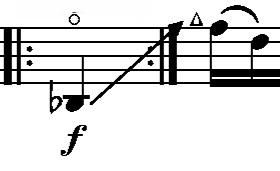
PerformanceNote
PERUSALSCORE
isgestureinvolvesatechniquethatgoesbyafewnamesbut,insimplestterms,explorethe harmonicovertoneseries.Masteringthistechniquecanbeincrediblyhelpfulindevelopingthe altissimoregister(abovehighF).StartingonlowBb,exploretheshapeofyouroralcavity,airspeed andjawpressure(voicing),andseeifyoucan ndtheBbanoctavehigher.entheFabovethat, thentheBbabovethat.Asyouvoicehigher,seehowhighyoucanreach.istechniquetakestime todevelop,sodonotfeeldiscouragedifyoucannotreachthehighestharmonicsat rst!
exploreventingkeysandchangingembouchure,anddynamics. howcanyoumakethismusical?breathasnecessary foraslongasyoulike
howfastandcleancanyougetthissound,embracingcracks,repeatasmanytimesasyoulike
XIII.Improvisation
This etude is one of great importance to me. As a composer, much of my musical practice comes by taking an improvisational mindset. This typeof mindsetprovidesasenseof resiliency, while teaching you strongeractive listening skills. Improvisationgivesyou theabilitytopivotuponanyand all choices. Thefirststepto mastering thisskill istoremovefromyourmindthatthereissuchathingasamistakewhileimprovising.Whileof course, aesthetic taste playsan important role in thechoicesyou make, this isonlyonecomponentof improvisation. I love to take the mindset of the happy accident, treating every move I make as an improviser as a learning opportunity.Withimprovisation,themoreyoudoit,theeasieritgets,andthemoreyoubelieveinyourself,the more you present yourself as the great musician you are, regardless of where you are at from a skill level perspective.Thereiswithoutadoubtnowronganswerhere. Read thewordscarefully,ownthem, believethem, embodythem,andmostimportant,believethelasttwolines.
-Dr.SpencerArias
forWoodyChenoweth
XIII.Improvisation
Directions: Havesomeone Read this poem out loud whileyou actout thesequenceof events. While practicing you mayprewritesomeof thesegesturesout, but theeventual goal is toplaywithout the that, and justuse the poem.ThispiececanNEVERbewrong.Throughoutdon’tbeafraidtoexplorearticulationanddynamics.
Imagineyouarestuck
Unabletomoveyourfingersandtoes Thereasondoesn'tmatterwhy, butthefeelinginsidestillleavesyouunabletogroove
Butsuddenly,bitbybit,youmoverighttotheleftfoot Andthentheright, Youareabletostand
Standinghigherthanyoueverknewbefore Withsheerconfidence,yourarmsbegintowork Youpickupyourhorn,readytoplay Butforsomereason,yourfingersdonotmove
PERUSALSCORE
Thesheeraggravationofthefear,therejection Whatifyou'rewrong Whatiftheyhateit Whatifyouhateit
Butsuddenlysomethinghappens! Onefingerstartstowork, Whichfingerisit?Playthatnote
Asyourepeatthatnote,findarhythmicgroove, Anythingandeverythingiscorrect.Howareyoufeelingaboutit? Allyourfeelingsarevalid,butbekindtoyourself. Ipromiseyou;nooneknowsbutyou.
Whatifa2ndfingerworked
Andthena3rd A4th
Addingonebyonetillyourfullhandisworking
Butsuddenly,onepullsback Andthenanother Downto1andthatsamerhythmicgroove
Expressyourfrustration,andfindamulti-phonic It'sokaytocry.Didyouknowthatadescentofahalfstephasbeenusedforhundredsofyearstoexpressthis emotion.Eventothisday
Nooneelsewillknowbutyou. Fearisonlyoneemotioninvolvedhere. Rejectionandshamethatotherswilljudgeyou
Oneofthebestpartsofgrowingupistheabilitytodecidewhatthosethingsmean. Andsomeadultsneverquitegetthere.
ButIpromiseyou,ontheothersideisagloriousplace. Aplacewhereshameandrejectiondon'thurtsomuch Aplacewherepeopletreateachotherwithgenuinekindness
Andallofasudden
Allyourfingersandtoeswork,andthereisnoholdingback Anythingandeverythingiswelcome Amelody Agroove ASound
Acry Astomp
Youcanbewhoeveryouwanttobe Youmightnotbethebestrightnow Butyouarecapableofbeingthebestyou,youcanbe Areyoufeelinglikethebigsaxmanathome
Thecoolbuskerdowntown Inacombo
PERUSALSCORE
Thepolishedmemberinvitedtoplaythesolointheorchestra Theesteemedsoloistplayingthenextsignicantworkbythenewprominentcomposer OrtheloverofallthingsoldandplayingaBachtranscription
Theyareallfantasticchoices Youareafantasticchoice
Betonyou You'vegotmybet.
SonataforAltoSaxophoneandPiano I.WithRage

www.justatheorypress.com
Arias: Thirteen Etudes JAT-101-067-FS