2.0 A Little History
Performance Score: marimba, vibraphone, or gyil
PERUSALSCORE

Created by

Created by
A Little History 2.0 tells the simplified stories of nine historical moments in Black history, ranging from the BCE Period to the 20 Century. Wanting to give a teaser about the main points of each point in history with the purpose of stirring up a curiosity to learn more, I composed short, catchy poems for the marimba, vibraphone, or gyil, and volunteers to speak while playing music underneath. However, as the marimbist will find, there is quite a bit of room for audience participation in this work; they are free to tailor their performance to each new event/venue/audience. A Little History 2.0 is the second version of the A Little History series, originally commissioned by violist Ashleigh Gordon and Castle of our Skins, with performances given as part of their educational outreach projects.
This piece is meant to be performed for audiences of mostly elementary-aged children (grades 2-6). Please adapt as you see fit for your educational purposes. The text for each character is light with the music helping to illustrate it in various ways. As a work for solo, narrating marimbist, it is suggested to orient the students by inviting them to describe what the words "solo" and "narrator" mean. Feel free to do a brief demo to familiarize them with the sound and uniqueness of the marimba, vibraphone, or gyil. As much of the piece involves speaking and playing simultaneously, the marimbist may have to lower their dynamic level or add amplification for the voice, making it helpful for audience comprehension. Visual enhancements, including portrait cards, a powerpoint presentation, and worksheets have been included to ensure that students see as well as hear A Little History 2.0 in action. Given the level of recall and writing involved, the worksheets are designed for upper elementary-aged students. The accompanying curriculum guide includes activities for learners, also designed for elementary-aged children.
- Anthony R. Green, composer and Steph Davis, marimbist
To provide educators with culturally responsive pedagogical tools and materials.
To expose young minds to the power of Black history, people, and the achievements of certain historical moments.
To encourage students to draw inspiration from and find relatability to Black history, historical figures, and modern day Black contemporaries.
To familiarize students with classical music, emphasizing its ability to artfully communicate and its role in Black lives, both past and present.
To offer students a mixed media panoply of ways to engage in complex histories.
To facilitate creative thought and interaction with the themes present in each of the Black historical moments.
Use the music score and powerpoint to lead an interactive workshop.
Have a classroom? Hang the portrait cards on the wall! Or turn the cards into “flash cards” and have the students write 3-5 important pieces of information on the backs of the cards for review.
Take a deep dive into each of the historical moments using the suggested lesson plans to build a nine-week (i.e. one figure each week) lesson unit.
Mix and match! Each movement can be paired out of order with other moments to create a specific unit within your classroom.
Let your imagination run wild!
Benin City’s Greatness
Africans in the Americas
Igbo Landing
Seneca Village
First Black Deliverywoman (1895)
Airship Before Airplane (1906)


words
Joyous, free ; cadenza-like
resonant, freely pedal ; motor : light speed (optional)
and music by
Anthony R. Green
In the southern part of Nigeria today
Was a great ancient city called Igodomigodo
Ahead of its time, the scholars say Its name was given by the people Edo
A flourishing place that was safe and pretty
Today we call it Benin City
Over 2000 years ago it started
At the time, its land and water were plenty
The people who moved there were strong and big-hearted
They worked the land well and built intently
The people were also curious and smart
They studied physics, astronomy, math, and art
Their kingdom was large and full of wealth
So the king wanted it to be protected well
A complex system of walls were built
Where people and animals could safely dwell
The great walls of Benin City were enormous! About 10,000 miles long - it must've been glorious!
accompanying music ; mixture of normal strokes and dead strokes ad lib.
In ancient Benin City, the art was divine
The genius was captured in bronze sculptures
They told stories of kings and people so fine
Such pride in one of history's great cultures
The residents lived in strong, colorful homes
The city was planned with roads long and straight
The shapes of the buildings included pyramids and domes
There were even streetlights for those who stayed up late
(in silence) :
How this kingdom ended is brutal and tricky
But everyone should know about this great ancient city!
Rashonn Music Resource Plus,
In the southern part of Nigeria today
Was a great ancient city called Igodomigodo
Ahead of its time, the scholars say Its name was given by the people Edo
A flourishing place that was safe and pretty
Today we call it Benin City
Over 2000 years ago it started
At the time, its land and water were plenty
The people who moved there were strong and big-hearted
They worked the land well and built intently
The people were also curious and smart
They studied physics, astronomy, math, and art
Their kingdom was large and full of wealth
So the king wanted it to be protected well
A complex system of walls were built
Where people and animals could safely dwell
The great walls of Benin City were enormous! About 10,000 miles long - it must've been glorious!
music ; mixture of normal strokes and dead strokes ad lib.
In ancient Benin City, the art was divine
The genius was captured in bronze sculptures
They told stories of kings and people so fine
Such pride in one of history's great cultures
The residents lived in strong, colorful homes
The city was planned with roads long and straight
The shapes of the buildings included pyramids and domes
There were even streetlights for those who stayed up late
(in silence) :
How this kingdom ended is brutal and tricky
But everyone should know about this great ancient city!
Audience participation suggestion : wave hands like ocean waves!
Over 100 years before Christopher Columbus, A voyage from Africa to the Americas
He was a rich, powerful sultan
And he wanted to expand his kingdom -
He gathered a giant fleet of 1000 ships or even more on a night dark and starry was headed by sultan Abu Bakari in the kingdom of Mali his goals were lofty freely narrate :
Bringing scholars, leaders, families, animals, and objects galore
He crossed the vast, giant Atlantic Ocean with great success
It's believed he influenced cultures in the Americas, north and south
We can only think about the high praise He must have loved the Americas greatly,
Can you imagine how such a feat would bring joy and happiness?
pause, then quietly : and respect that he earned for to Africa he never returned freely speak :
However, regarding his adventures, no-one wrote down a word that came out of his mouth
Columbus himself loved sailing; he could hardly keep still And he had access to African sailing stories at his local library in Seville And in 1483, when he sailed to Africa's bustling, vibrant west coast He heard fantastic stories about Abu Bakari - the locals loved to boast
One scholar says Africans sailed the oceans over 3000 years ago!
African exploration is amongst the earliest exploration in world historyfreely : and now you know!
Audience participation suggestion : Before starting this movement, talk about the spiritual "Oh, Freedom!", and perhaps even sing it and teach it to the audience. If necessary, change "to my Lord" to "way up high". Students will then say or sing "Oh, Freedom" when indicated to do so, and can possibly sing along at the end.
In a Georgia coastal town in 1803
A group of stolen people decided to be free
speak/sing* :
Stolen from Africa, they were never feeble
These ancestors were part of the Igbo people
Before the ship landed, they took control
They used their might, strength, and soul
When the ship docked, they saw what was planned
They saw other Africans in pain, working the land
*speaking/singing can be performed by soloist (performer or volunteer), small group, entire audience, everyone ... any combination. It can be left out, but ideally not.
(pronounced : EE-Boh) 5
They refused to let this happen to themselves and their family So they all held hands and walked into the water confidently and gracefully
sing (optional) :
Oh, _______ free-dom! Oh, ________ free-dom! Oh, ______ free-dom o-ver me! And be-
fore I be a slave, I'll be bu-ried in my grave and go home to my Lord, and be free!
Alternative version for vibraphone (can use in the beginning also) :
Oh, _____ free-dom! Oh, _____ free-dom! Oh, ________ free-dom o-ver me! And be-
fore I be a slave, I'll be bu-ried in my grave and go home to my Lord, and be free!
Audience participation suggestion : Before starting this movement, talk about the spiritual "Oh, Freedom!", and perhaps even sing it and teach it to the audience. If necessary, change "to my Lord" to "way up high". Students will then say or sing "Oh, Freedom" when indicated to do so, and can possibly sing along at the end.
In a Georgia coastal town in 1803
A group of stolen people decided to be free
Before the ship landed, they took control They used their might, strength, and soul speak/sing* :
Stolen from Africa, they were never feeble These ancestors were part of the Igbo people
*speaking/singing can be performed by soloist (performer or volunteer), small group, entire audience, everyone ... any combination. It can be left out, but ideally not. (pronounced : EE-Boh)
When the ship docked, they saw what was planned
They saw other Africans in pain, working the land
They refused to let this happen to themselves and their family So they all held hands and walked into the
confidently and gracefully
Audience participation suggestion : At measure 22, have the audience get up and move to the extremities of the performance hall, thus leaving an empty space. Tell the audience to pretend that they're "sitting in Seneca Village", then when the movement is over, tell them to look into the empty space and imagine "Central Park."
Established by a Black man in 1820 Seneca Village was a place for Black people to live There was strong community and safety a-plenty There were schools and churches and love to give
Seneca Village was established above south Manhattan
At the time, the area was hilly and bare When Black people started to work downtown more often
Racial tension grew much too fast over there
They created a life like a great fairytale A community with fabulous stories to tell speak freely :
Andrew Williams bought land in the north for sale And other Black people moved there as well
Welcoming and nice, this place was a dream Germans and Irish people lived there too But the rich elite devised a scheme To destroy the village and build something new
tempo during audience movement. When audience is settled ... vamp till end of text, then molto rit. into last measure
They said the people of Seneca were dirty and poor That wasn't true, they were wealthy and smart But in 1853, despite the uproar The city destroyed Seneca Village to build Central Park Today, Central Park is part of New York City's glory But more people, including you, also know the Seneca Village story
Audience participation suggestion : At measure 22, have the audience get up and move to the extremities of the performance hall, thus leaving an empty space. Tell the audience to pretend that they're "sitting in Seneca Village", then when the movement is over, tell them to look into the empty space and imagine "Central Park."
Established by a Black man in 1820
Seneca Village was a place for Black people to live There was strong community and safety a-plenty There were schools and churches and love to give
Seneca Village was established above south Manhattan
At the time, the area was hilly and bare When Black people started to work downtown more often
Racial tension grew much too fast over there
They created a life like a great fairytale A community with fabulous stories to tell speak freely :
Andrew Williams bought land in the north for sale And other Black people moved there as well
Welcoming and nice, this place was a dream Germans and Irish people lived there too But the rich elite devised a scheme To destroy the village and build something new
When
They said the people of Seneca were dirty and poor That wasn't true, they were wealthy and smart But in 1853, despite the uproar The city destroyed Seneca Village to build Central Park Today, Central Park is part of New York City's glory But more people, including you, also know the Seneca Village story
is
Audience participation suggestion : At measure 22, have the audience get up and move to the extremities of the performance hall, thus leaving an empty space. Tell the audience to pretend that they're "sitting in Seneca Village", then when the movement is over, tell them to look into the empty space and imagine "Central Park."
Established by a Black man in 1820
There was strong community and safety a-plenty; There were schools and churches and love to give speak freely (without music) :
Seneca Village was a place for Black people to live
Seneca Village was established above south Manhattan
At the time, the area was hilly and bare When Black people started to work downtown more often
Racial tension grew much too fast over there
with music :
Andrew Williams bought land in the north for sale
And other Black people moved there as well
They created a life like a great fairytale A community with fabulous stories to tell
Welcoming and nice, this place was a dream
Germans and Irish people lived there too
But the rich elite devised a scheme
To destroy the village and build something new
They said the people of Seneca were dirty and poor
That wasn't true, they were wealthy and smart But in 1853, despite the uproar
The city destroyed Seneca Village to build Central Park
during audience movement. When audience is settled ... vamp till end of text, then molto rit. into last measure
Today, Central Park is part of New York City's glory
But more people, including you, also know the Seneca Village story
Audience participation suggestion : In the beginning of the movement OR the entire piece, have the audience "write mail" (perhaps on a post-it) to be delivered. A possible prompt: "write a name of someone important or a moment in history that you want someone to learn more about. It can be anyone or any event, but make sure it can be relatively easily researched". Then in measure 36, this measure can be repeated as audience "delivers mail" to a nearby audience member.
But she became freeIn Montana, she nursed a friend
Ensuring
As a generous gift, the friend gave a stagecoach to dear Mary And at the age of 63, she did something legendary
Because she had a stagecoach vehicle, and she had strength both mental and physical
She applied for a job, you see She won the job over younger men
She became a postal worker, and then
She was called Stagecoach Mary (in silence) Repeat after me:
(audience responds!)
For 8 long years she worked so hard Delivering mail she had to guard
From criminals and thieves She drove her stagecoach many miles and feet
Sometimes carrying mail through snow and sleet
After
Audience participation suggestion : In the beginning of the movement OR the entire piece, have the audience "write mail" (perhaps on a post-it) to be delivered. A possible prompt: "write a name of someone important or a moment in history that you want someone to learn more about. It can be anyone or any event, but make sure it can be relatively easily researched". Then in measure 36, this measure can be repeated as audience "delivers mail" to a nearby audience member.
But she became
In Montana, she nursed a friend
As a generous gift, the friend gave a stagecoach to dear Mary And at the age of 63, she did something legendary
Because she had a stagecoach vehicle, and she had strength both mental and physical
She applied for a job, you seeShe won the job over younger men
She became a postal worker, and then She was called Stagecoach Mary (in silence) Repeat after me: STAGECOACH MARY! (audience responds!)
For 8 long years she worked so hard Delivering mail she had to guard
From criminals and thieves She drove her stagecoach many miles and feet
Sometimes carrying mail through snow and sleet Trudging through mud and leaves
After 8 years, her contracts ended, but she had much fun
Stagecoach Mary, the first Black woman postal worker, Retired at 71! slowly :
Audience participation suggestion : Every instance of "Charles F. Page", audience joins in, like a cheer. This can be cued easily with big stick/arm gestures.
Byob-ser-vingdrag-on-flies
Audience participation suggestion : Every instance of "Charles F. Page", audience joins in, like a cheer. This can be cued easily with big stick/arm gestures.
CharlesF.Page!
flightandre-searchedhowtore-a-
lizehisdreamwithallhis
CharlesF.Page! Filedfora
In 1921, in Tulsa Oklahoma, a horrible tragedy occurred
The Tulsa Race Massacre, when many Black people were killed Preventing their voices from being heard
The Massacre happened in a place called "Black Wall Street" A wealthy place before racists arrived
They tried to destroy Black people and businesses, but luckily many survived
One woman who lived was Mary Jones Parrish, an intelligent woman and teacher
And after the massacre, she published a book Where Black survivors' voices were featured Released in 1922, her influential book titled Events of the Tulsa Disaster
Is an incredible document, even till today, that correctly explains this massacre
Mary Jones Parrish, when writing this book, made very important choices
She wrote her text clearly, and dug really deep
She centered Black people's voices
Audience participation (required) : Call and response ; audience repeats after performer. Good idea to have a short "practice" take (of 3 - 5 lines) before starting the movement.
¿¿ ¿¿ ¿¿ Firm, strong ; ~ 120 q qq shaft strike
4 . . . .
*repeat these measures throughout ; m. 1 with soloist, m. 2 with audience
ã ¿ ¿ ¿ ¿ ¿ ¿ Junenine-teenthisJune-teenth! (soloist)
¿ ¿ ¿ ¿ ¿ ¿ Junenine-teenthisJune-teenth! (audience)
ã ¿ ¿ ¿ ¿ ¿Œ Allen-slavedarefree! sim. ¿ ¿ ¿ ¿ ¿Œ Allen-slavedarefree!
ã ¿ ¿ ¿ ¿ ¿ ¿ ¿ Nomorehu-manown-er-ship ¿ ¿ ¿ ¿ ¿ ¿ ¿ ¿ Nomorehu-manown-er-ship Of
ã ¿¿ ¿ ¿‰ j ¿ you,themorme Of ¿¿ ¿ ¿Œ you,themorme
ã ¿ ¿ ¿ ¿ ¿ ¿ Œ Lin-coln'spro-cla-ma-tion ¿ ¿ ¿ ¿ ¿ ¿ ‰¿ Lin-coln'spro-cla-ma-tion Eã ¿ ¿ ¿ ¿ ¿‰ j ¿ man-ci-pat-edsome E¿ ¿ ¿ ¿ ¿‰ j ¿ man-ci-pat-edsome It
ã ¿ ¿ ¿ ¿ ¿ ¿ ¿ ‰¿ tru-lydid-n'tbringfree-dom It ¿ ¿ ¿ ¿ ¿ ¿ ¿ ‰¿ tru-lydid-n'tbringfree-dom To
ã ¿ ¿ ¿ ¿ ¿‰ j ¿ eachandev'-ryone To ¿ ¿ ¿ ¿ ¿Œ eachandev'-ryone
ã ¿ ¿ ¿ ¿ ¿ ¿ ¿ ¿ Jan-u-ar-yeight-teensixfive
ã ¿ ¿ j ¿ ¿ j ¿¿ ¿ mend-mentthir-teenwassigned A-
¿ ¿ ¿ ¿ ¿ ¿ ¿ ¿ ¿ Jan-u-ar-yeight-teensixfive A-
¿ ¿ j ¿ ¿ j ¿¿ ¿ mend-mentthir-teenwassigned It
ã ¿ ¿ ¿ ¿ ¿ ¿ ‰¿ fin'-lyend-edslav'-ry It ¿ ¿ ¿ ¿ ¿ ¿ ‰¿ fin'-lyend-edslav'-ry For
ã ¿ ¿ ¿ ¿ ¿‰ ¿j allthoseleftbe-hind For ¿ ¿ ¿ ¿ ¿Œ allthoseleftbe-hind
ã ¿ ¿ ¿¿ ¿ ¿ InasmallTex-astown ¿ ¿ ¿¿ ¿ ¿ InasmallTex-astown
ã ¿ ¿ ¿¿ ¿ ¿
Gal-ve-stonisitsname
ã ¿ ¿ ‰¿ ¿ ¿ ¿ Peo-plewerestillen-slaved
ã ¿ ¿ ¿ ¿Œ Therewasnoshame
¿ ¿ ¿¿ ¿ ¿
Gal-ve-stonisitsname
¿ ¿ ‰¿ ¿ ¿ ¿ Peo-plewerestillen-slaved
¿ ¿ ¿ ¿Œ Therewasnoshame
ã ¿ ¿ ¿ ¿ ¿ ¿ ¿ ¿ ¿ Ma-jorGen-er-alGor-donGrain-ger
¿ ¿ ¿ ¿ ¿ ¿ ¿ ¿ ¿ Ma-jorGen-er-alGor-donGrain-ger
ã ¿ ¿ ¿ ¿ ¿ ¿ ¿ Junenine-teentheight-teensixfive
¿ ¿ ¿ ¿ ¿ ¿ ¿ Junenine-teentheight-teensixfive
ã ¿ ¿ ¿ ¿ ¿ ¿ ¿ BroughtgoodnewstoGal-ve-ston ¿ ¿ ¿ ¿ ¿ ¿ ¿ BroughtgoodnewstoGal-ve-ston ã j ¿ ¿ j ¿¿ ¿ ¿ Free-domisnowa-live!
¿ ¿ j ¿¿ ¿ ¿ Free-domisnowa-live! ã ¿ ¿ ¿ ¿ ¿ ¿ Œ Sla-ver-yiso-ver ¿ ¿ ¿ ¿ ¿ ¿ ‰¿ Sla-ver-yiso-ver For ã ¿¿ ¿ ¿‰ j ¿ you,them,andme For ¿¿ ¿ ¿Œ you,them,andme ã ¿ ¿ ¿ ¿ ¿ ¿
In 2021, President Biden added Juneteenth to the federal holiday list
Even though Black people have been celebrating Juneteenth since 1866
So remember : no matter what a president says, does, or thinks
Everyone can always celebrate Juneteenth
Everyone can always celebrate what? …everyone: JUNETEENTH!
Audience participation (required) : Call and response ; audience repeats after performer. Good idea to have a short "practice" take (of 3 - 5 lines) before starting the movement.
¿¿ ¿¿ ¿¿ ¿¿ Firm, strong ; ~ 120 q f shaft strike œ œ œ œ œ œŒ
4 . . . .
*repeat these measures throughout ; m. 1 with soloist, m. 2 with audience
ã ¿ ¿ ¿ ¿ ¿ ¿ Junenine-teenthisJune-teenth! (soloist) (audience)
ã ¿ ¿ ¿ ¿ ¿Œ Allen-slavedarefree! sim.
¿ ¿ ¿ ¿ ¿ ¿ Junenine-teenthisJune-teenth!
¿ ¿ ¿ ¿ ¿Œ Allen-slavedarefree!
ã ¿ ¿ ¿ ¿ ¿ ¿ ¿ Nomorehu-manown-er-ship ¿ ¿ ¿ ¿ ¿ ¿ ¿ ¿ Nomorehu-manown-er-ship Of
ã ¿¿ ¿ ¿‰ j ¿ you,themorme Of ¿¿ ¿ ¿Œ you,themorme
ã ¿ ¿ ¿ ¿ ¿ ¿ Œ Lin-coln'spro-cla-ma-tion
¿ ¿ ¿ ¿ ¿ ¿ ‰¿ Lin-coln'spro-cla-ma-tion E-
ã ¿ ¿ ¿ ¿ ¿‰ j ¿ man-ci-pat-edsome E¿ ¿ ¿ ¿ ¿‰ j ¿ man-ci-pat-edsome It
ã ¿ ¿ ¿ ¿ ¿ ¿ ¿ ‰¿ tru-lydid-n'tbringfree-dom It ¿ ¿ ¿ ¿ ¿ ¿ ¿ ‰¿ tru-lydid-n'tbringfree-dom To
ã ¿ ¿ ¿ ¿ ¿‰ j ¿ eachandev'-ryone To ¿ ¿ ¿ ¿ ¿Œ eachandev'-ryone
ã ¿ ¿ ¿ ¿ ¿ ¿ ¿ ¿ Jan-u-ar-yeight-teensixfive
ã ¿ ¿ j ¿ ¿ j ¿¿ ¿ mend-mentthir-teenwassigned A-
¿ ¿ ¿ ¿ ¿ ¿ ¿ ¿ ¿ Jan-u-ar-yeight-teensixfive A-
¿ ¿ j ¿ ¿ j ¿¿ ¿ mend-mentthir-teenwassigned It
ã ¿ ¿ ¿ ¿ ¿ ¿ ‰¿ fin'-lyend-edslav'-ry It ¿ ¿ ¿ ¿ ¿ ¿ ‰¿ fin'-lyend-edslav'-ry For
ã ¿ ¿ ¿ ¿ ¿‰ ¿j allthoseleftbe-hind For ¿ ¿ ¿ ¿ ¿Œ allthoseleftbe-hind
ã ¿ ¿ ¿¿ ¿ ¿ InasmallTex-astown ¿ ¿ ¿¿ ¿ ¿ InasmallTex-astown
ã ¿ ¿ ¿¿ ¿ ¿
Gal-ve-stonisitsname
ã ¿ ¿ ‰¿ ¿ ¿ ¿ Peo-plewerestillen-slaved
ã ¿ ¿ ¿ ¿Œ Therewasnoshame
¿ ¿ ¿¿ ¿ ¿
Gal-ve-stonisitsname
¿ ¿ ‰¿ ¿ ¿ ¿ Peo-plewerestillen-slaved
¿ ¿ ¿ ¿Œ Therewasnoshame
ã ¿ ¿ ¿ ¿ ¿ ¿ ¿ ¿ ¿ Ma-jorGen-er-alGor-donGrain-ger
¿ ¿ ¿ ¿ ¿ ¿ ¿ ¿ ¿ Ma-jorGen-er-alGor-donGrain-ger
ã ¿ ¿ ¿ ¿ ¿ ¿ ¿ Junenine-teentheight-teensixfive
¿ ¿ ¿ ¿ ¿ ¿ ¿ Junenine-teentheight-teensixfive
ã ¿ ¿ ¿ ¿ ¿ ¿ ¿ BroughtgoodnewstoGal-ve-ston ¿ ¿ ¿ ¿ ¿ ¿ ¿ BroughtgoodnewstoGal-ve-ston ã j ¿ ¿ j ¿¿ ¿ ¿ Free-domisnowa-live!
¿ ¿ j ¿¿ ¿ ¿ Free-domisnowa-live!
ã ¿ ¿ ¿ ¿ ¿ ¿ Œ Sla-ver-yiso-ver ¿ ¿ ¿ ¿ ¿ ¿ ‰¿ Sla-ver-yiso-ver For ã ¿¿ ¿ ¿‰ j ¿ you,them,andme For ¿¿ ¿ ¿Œ you,them,andme ã ¿ ¿ ¿ ¿ ¿ ¿ ¿ Nomorehu-manown-er-ship ¿ ¿ ¿ ¿ ¿ ¿ ¿ Nomorehu-manown-er-ship ã ¿ ¿ ¿Œ ALLAREFREE! ¿ ¿ ¿Œ ALLAREFREE! & &
In 2021, President Biden added Juneteenth to the federal holiday list
Even though Black people have been celebrating Juneteenth since 1866
So remember : no matter what a president says, does, or thinks
Everyone can always celebrate Juneteenth
Everyone can always celebrate what? …everyone: JUNETEENTH!
Audience participation (required) : Call and response ; audience repeats after performer. Good idea to have a short "practice" take (of 3 - 5 lines) before starting the movement. *repeat these measures throughout ; m. 1 with soloist, m. 2 with audience
ã ¿ ¿ ¿ ¿ ¿ ¿ Junenine-teenthisJune-teenth! (soloist) (audience)
Allen-slavedarefree! sim.
tru-lydid-n'tbringfree-dom It
Junenine-teenthisJune-teenth!
¿ ¿ ¿ ¿ ¿ ¿ ‰¿ tru-lydid-n'tbringfree-dom To
ã ¿ ¿ ¿ ¿ ¿‰ j ¿ eachandev'-ryone To ¿ ¿ ¿ ¿ ¿Œ eachandev'-ryone
ã ¿ ¿ ¿ ¿ ¿ ¿ ¿ ¿ Jan-u-ar-yeight-teensixfive
ã ¿ ¿ j ¿ ¿ j ¿¿ ¿ mend-mentthir-teenwassigned A-
¿ ¿ ¿ ¿ ¿ ¿ ¿ ¿ ¿ Jan-u-ar-yeight-teensixfive A-
¿ ¿ j ¿ ¿ j ¿¿ ¿ mend-mentthir-teenwassigned It
ã ¿ ¿ ¿ ¿ ¿ ¿ ‰¿ fin'-lyend-edslav'-ry It ¿ ¿ ¿ ¿ ¿ ¿ ‰¿ fin'-lyend-edslav'-ry For
ã ¿ ¿ ¿ ¿ ¿‰ ¿j allthoseleftbe-hind For ¿ ¿ ¿ ¿ ¿Œ allthoseleftbe-hind
ã ¿ ¿ ¿¿ ¿ ¿ InasmallTex-astown ¿ ¿ ¿¿ ¿ ¿ InasmallTex-astown
ã ¿ ¿ ¿¿ ¿ ¿
Gal-ve-stonisitsname
ã ¿ ¿ ‰¿ ¿ ¿ ¿ Peo-plewerestillen-slaved
ã ¿ ¿ ¿ ¿Œ Therewasnoshame
¿ ¿ ¿¿ ¿ ¿ Gal-ve-stonisitsname
ã ¿ ¿ ¿ ¿ ¿ ¿ ¿ ¿ ¿ Ma-jorGen-er-alGor-donGrain-ger
¿ ¿ ‰¿ ¿ ¿ ¿ Peo-plewerestillen-slaved
¿ ¿ ¿ ¿Œ Therewasnoshame
¿ ¿ ¿ ¿ ¿ ¿ ¿ ¿ ¿ Ma-jorGen-er-alGor-donGrain-ger
ã ¿ ¿ ¿ ¿ ¿ ¿ ¿ Junenine-teentheight-teensixfive ¿ ¿ ¿ ¿ ¿ ¿ ¿ Junenine-teentheight-teensixfive
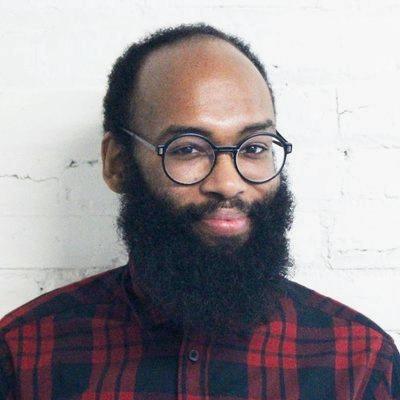
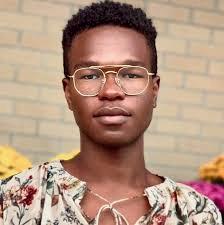
The creative output of Anthony R. Green includes musical and visual creations, interpretations of original works or works in the repertoire, collaborations, educational outreach, and more. Behind all of his artistic endeavors are the ideals of equality and freedom, which manifest themselves in diverse ways in a composition, a performance, a collaboration, or social justice work. As a composer, his works have been presented in over 25 countries across six continents by various internationally acclaimed soloists and ensembles. Through music, text, and entrepreneurship, Green comments on many issues related to social justice, and more. For more information, please visit www.anthonyrgreen.com.
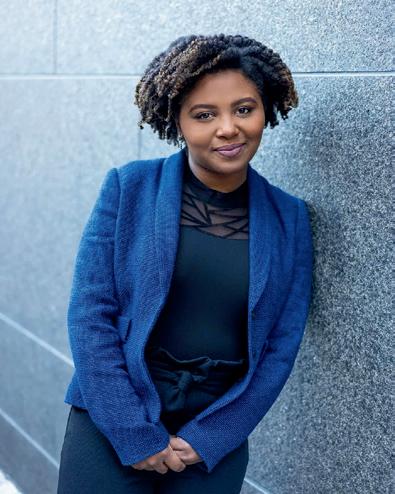
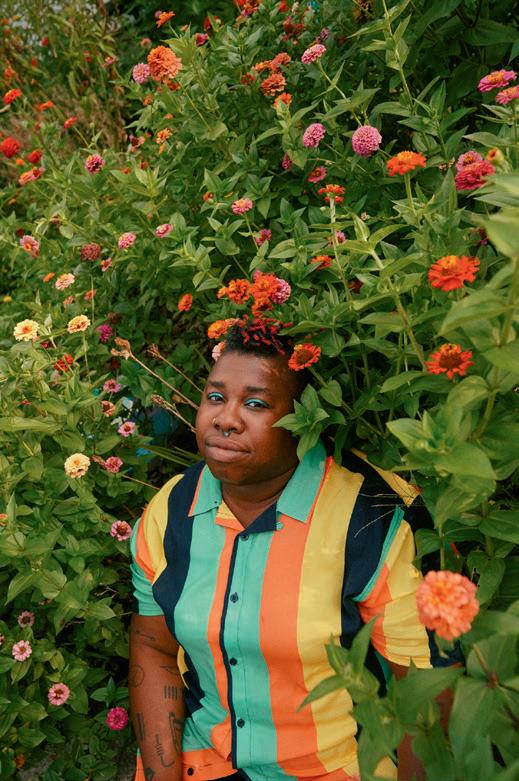
Joi Harper is a composer, vocalist, and teaching artist. Their music focuses on exploring our world and commenting on our unique experiences. As a musician with such a diverse background, she often includes a multitude of styles and genres within her own work, prioritizing the sounds she heard growing up and exploring the vast world of music we are all a part of. In addition to their compositional experience, Joi also works as a teaching artist, presenting as a guest composer as well as maintaining her own private studio in voice, piano, and composition.
Steph Davis is a marimbist, composer, arranger, Africana studies scholar, and cultural activist. Their repertoire spans a wide variety of musical styles, including West African, African-American, and Western classical. Through their arrangements, commissions, and compositions, Steph has contributed over 20 works by Black composers to the marimba's repertoire. A passionate researcher on music of the African diaspora, Steph is a teaching artist with Castle of our Skins, leading educational residencies and programs around various topics in Black music, as well as co-authoring K-12 music curricula centered around Black music and culture.
Sharon Udoh is a Nigerian-American pianist, composer, arranger, vocalist, and graphic designer based in Chicago. Her work combines vocals that seemingly erupt from the center of the earth with a stage presence that somehow feels both dangerous and kind. Their collaborators have included clipping, Tune-Yards, Los Angeles Gay Men's Chorus, Ben Lamar Gay, and Angel Bat Dawid. His performances have been described as a warm bowl of soup, a tornado, a jalapeño pepper, a Jackson Pollock painting, a bulldozer, and magnetic. Find out more at counterfeitmadison.com.

Castle of our Skins is a Black arts institution dedicated to fostering cultural curiosity and celebrating Black artistry through music. In classrooms, concert halls, and beyond, Castle of our Skins invites Black heritage and culture exploration, spotlighting both unsung and celebrated figures of past and present. Learn more about Castle of our Skins' educational and performing work by visiting www.Castleskins.org.
