2024
Foreword
Dear reader,
Welcome to the second edition of our annual ESG Report, prepared by our ESG department in cooperation with JTRE London and JTRE Germany. The EU Omnibus package has delayed the original CSRD reporting deadlines and seeks to scale back and simplify ESG and sustainability reporting requirements for SMEs such as JTRE. Still, we consider it important to continue, ESG reporting remains an important indicator of our commitment to sustainability, positive social impact and good governance. Omnibus gave us more freedom to focus on topics we consider most significant to our business and, at the same time, most relevant to our investors, partners, and stakeholders. This report presents 2024 ESG data for our current project portfolio and the operations of our three offices in the aforementioned countries. It also includes case studies that reflect our long-term vision and strategic direction.
As a commercial subject, our priority is naturally to remain profitable and financially sustainable with a strong balance sheet. At the same time, we recognize that beyond regulatory requirements and new EU environmental legislation, ESG performance is increasingly integral to profitability, risk management, and long-term business resilience. We also believe it is our responsibility to contribute positively to the commu-
nities in which we operate, support healthy and comfortable indoor environments for living and working, and provide climate-ready, accessible outdoor spaces. In this report, we present new projects that reflect these objectives, including the 27-hectare Nové Lido development targeting Net Zero Carbon in operation, and a Downtown Yards kindergarten project featuring a hybrid timber construction system and superb energy efficiency in a Passivhaus standard. We also highlight our social initiatives, including a swimming and preparatory motor activity education program for more than 5,000 schoolchildren, a community garden, and cooperation with OZ Stopa, an NGO supporting people experiencing homelessness. As always, we welcome your feedback and thank you for your interest in JTRE’s ESG efforts.
Sincerely,
Pavel Pelikán Deputy Chairman of the Board and Executive Director JTRE

JTRE London
JTRE London is built on the belief that real estate development must be a catalyst for positive change, supporting the group’s wider mission to create greener, more resilient, and community-centric urban environments. While this report showcases JTRE’s extensive efforts across the group, our London team is redefining what it means to deliver social value in the UK property sector.
There is no better evidence of this than at our Appleby Blue development, which was awarded the prestigious RIBA Stirling Prize, the UK’s most prestigious architectural award. The purpose built almhouse was praised by the jury for being “radical and significant” and setting “an ambitious new standard for social housing among older people”.
Our flagship development, 220 Blackfriars, is a prime example of community centric, socially impactful design in action. Beyond targeting the highest environmental and wellness certifications, it establishes a groundbreaking financial model for community support: 5% of the annual rent from the office building will go directly to Southwark Charities’ grant-making department. This initiative is estimated to inject £1m of funding into the local area every year, creating a lasting legacy of support for our neighbours.
The development’s physical impact is equally significant. We are creating a new London garden square that will serve as a sanctuary for both residents and the public.
To enhance the environmental and natural enjoyment of the area, we are planting over 100 trees alongside native fauna, fostering biodiversity and urban wellbeing.
Simultaneously, we are conducting a comprehensive decarbonisation review of our Triptych Bankside asset to chart a definitive pathway to Net Zero. Through our projects, we are not just building properties; we are shaping a sustainable, community-focused future.
Nigel Fleming
Managing Director JTRE London
JTRE Germany
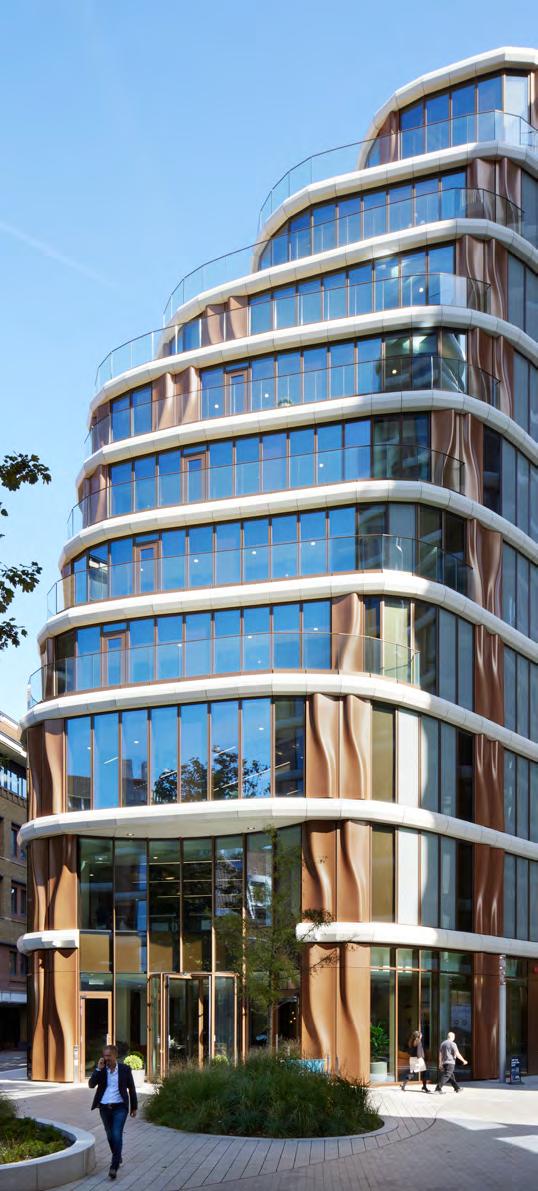
Following the establishment of JTRE Germany in 2023, we have launched our first project: Nordhafen Living & Office, situated in Berlin’s emerging Europacity district. This project aims to become a destination of choice for active living and creative working, offering residents and tenants amenities such as a green courtyard, spacious roof terrace, playground, and ample bike parking with echarging facilities. Residents and office tenants will thus be supported in their sustainable lifestyle and enjoy a well-balanced work environment.
Rooftop solar panels, our pursuit of the highest LEED and WELL certifications and targeting WiredScore and SmartScore show our commitment to creating a space that minimizes environmental impact while maximizing social value. This project, and others like it, underscore JTRE’s commitment to a greener future as we continue to expand our presence across Europe.
We are proud of what we have achieved so far and would like to thank all our partners for their great commitment and excellent cooperation. One year after the foundation stone was laid, we can see how a vision is becoming reality – on time, precisely and with high quality.
Lukáš Sásik Head of Foreign Operations Department
About this Report
The scope of this ESG Report (the Report) includes solely projects and activities by JTRE a.s., JTRE London and JTRE Germany (JTRE companies). Therefore, the information and data disclosed do not consider assets and activities of its affiliated companies within the broader holding group.
This Report is intended to provide an overview of our ESG performance and initiatives in the JTRE companies for the period from 1 January 2024 to 31 December 2024. Each chapter has a set of goals with KPIs, which refer to 2023 as their base year unless stated otherwise.
The contact point for any questions about the report and sustainability is Martin Stohl (stohl@jtre.sk). JTRE does not fall under mandatory ESG Reporting. Therefore, this Report was prepared on a voluntary basis, in reference to European Sustainability Reporting Standards (ESRS).
About us
About JTRE
JTRE has been a stalwart in the real estate market since its foundation in the early 1990s, establishing itself as a market leader in Slovakia and the wider Central European region. As a leading commercial developer in Slovakia and beyond, JTRE holds a unique position on the market, specialising in commercial development with residential, retail, office, hospitality and other types of buildings.
JTRE is recognised as a strong, professional and reliable real estate partner. In 2018, JTRE entered the UK real estate market acquiring its first Prime Central London asset for development, the mixed use scheme, Triptych Bankside. Currently, there are 2 other projects developed by JTRE London.
JTRE entered the German real estate market in 2023 having acquired its first asset for development in the Berlin-Mitte district. Nordhafen Living & Office is currently under construction.
JTRE in total has a team of 300 professionals (172 belong to JTRE a.s.), 50 completed projects, 1 million square meters developed, and developments spanning 9 countries valued at €3 billion.
Company values
At JTRE, we believe it is possible to strike a sustainable balance between making a profit and being environmentally and socially responsible. All of this is combined with aesthetics, architectural quality, inclusion and climate change preparedness, in accordance with principles of the New European Bauhaus and EU Taxonomy.
Sustainability
Community focus
We engage designers and specialists experienced in creating vibrant public spaces and connected, inclusive communities. Local environments we create address the rising risks of the climate change, the pandemic of loneliness by fostering social interaction, and create a sense of safety and hominess. We try to initiate and support local initiatives, such as social and cultural events, community gardens. Inclusivity of our public spaces means we try to create a welcoming space not only to local residents and users but a broad spectrum of visitors, including a barrier-free design and addressing needs of people across ages, from small children and parents through professionals to seniors and people with various types of mobility handicaps.
We are deeply committed to sustainable development and envinronmental sustainability is already ingrained in our projects as well as daily operations. This means prioritizing energy efficiency, reducing operational and embodied carbon, waste reduction and circularity through design, on-site waste management measures and LCA analyses, certifications such as BREEAM, LEED and EDGE and a whole spectrum of other standards and measures we adhere to. All of these efforts aim to reduce the negative impact of our activities on one hand and enhance the existing conditions on site. These include decontamination on brownfields where we build, measures to enhance biodiversity by planting a variety of trees, shrubs and greenery, bee hives and bat boxes and rainwater management measures.
Social responsibility
We believe in being considerate to the neighbourhoods and giving back to the communities where we operate. Whether through charitable activities, supporting education, or improving children’s sports access, our social responsibility initiatives aim to make a meaningful impact on people’s lives.
Integrity and transparency
We uphold the highest standards of business integrity and transparency. Our commitment to ethical governance and responsible supply chain management ensures that all our operations are conducted with honesty and respect for all stakeholders.
Employee wellbeing
JTRE tries to attract the best professionals on the market and it is natural it wants to create conditions to retain the employees and keep them motivated. It is no longer only about money, it is about the environment, the conditions, the benefits and also about the company values that the employees can identify with. Among the most important priorities are employees’ health, safety, professional development, fostering an acceptable work-life balance and often the most important part - flexibility to attend to personal matters if needed.
Locations
SLOVAKIA BRATISLAVA
GERMANY BERLIN
Our portfolio
JTRE encompasses projects within the JTRE HOLDING LTD. and TRENESMA DEVELOPMENT LIMITED holdings. The company has diverse activities, including real estate development, property management, facility managment, private equity real estate, and real estate investment. JTRE places strong emphasis on development, offering a comprehensive range of services and bespoke solutions across all segments.
As a leading urban developer in Slovakia and beyond, JTRE specialises in developing entire city zones.
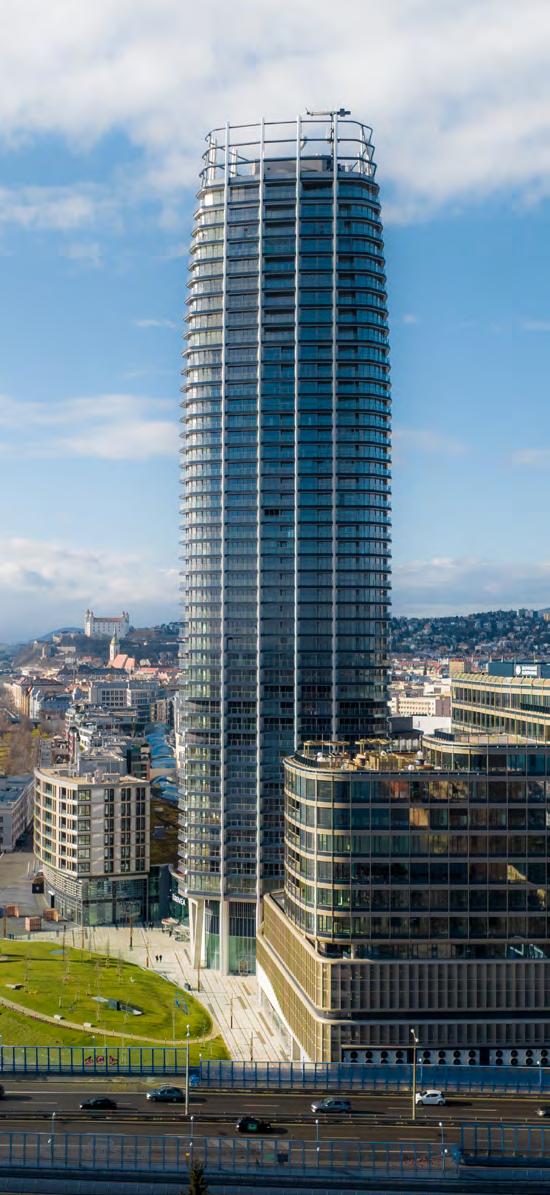
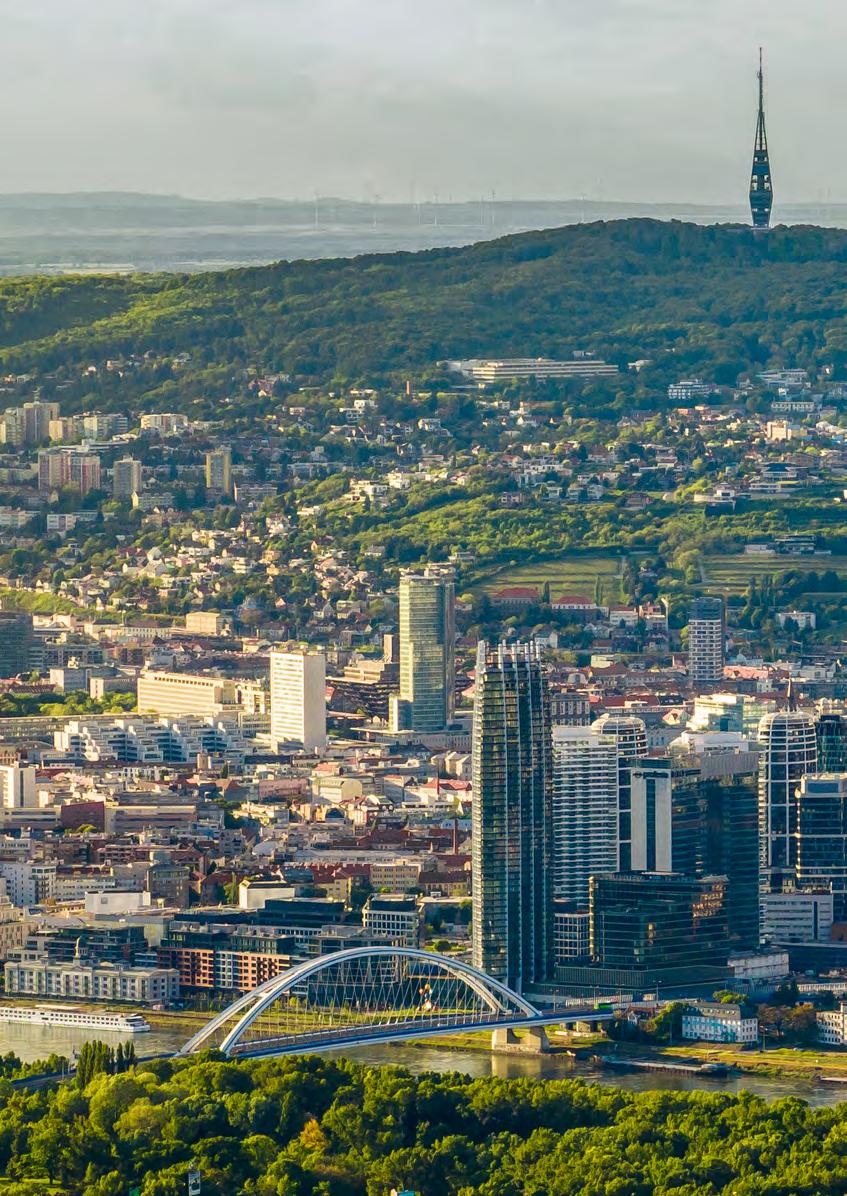
JTRE’s latest flagship project, Eurovea City in Bratislava, is featuring an expanded shopping centre and Slovakia’s pioneering skyscraper, Eurovea Tower and the awardwinning Pribinova 40. Notable past projects built on brownfields include Zuckermandel and River Park, Panorama Towers, Klingerka, and the Westend administrative complex. JTRE is also active in delivering residential projects catering to a diverse group of clients. This includes not only high-end residences but also more affordable housing for young families with projects such as Ovocne Sady. Company’s portfolio spans all real estate market segments, including multifunctional, administrative, residential, hospitality, sports venues, retail, logistics and industrial projects.
Note that only the most relevant projects were included in this assessment.
Properties covered in the report:
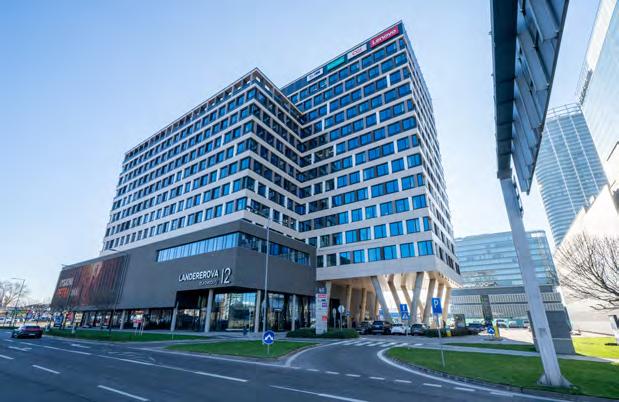
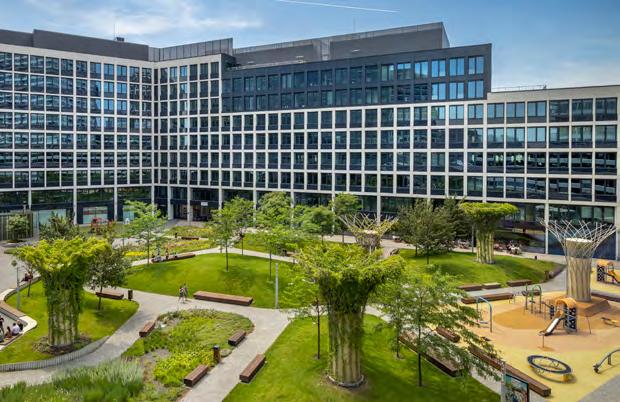
Landererova 12
An office development following on the completed construction of Panorama Towers. Situated on the corner of Landererova and Košická streets, with excellent visibility and excellent connections to the city and highway traffic links.
Location: Bratislava


Pribinova 19
Pribinova 19 is a new generation office building which is located on the corner of Pribinova and Čulenova streets near the new Slovak National Theatre and Eurovea retail centre. The environmentally-conscious building was awarded LEED Gold certification without sacrificing aesthetics, dynamic floorplates, or cost-effectiveness.
Location: Bratislava
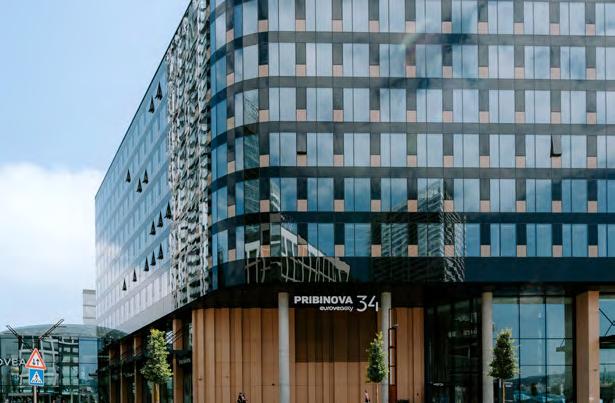
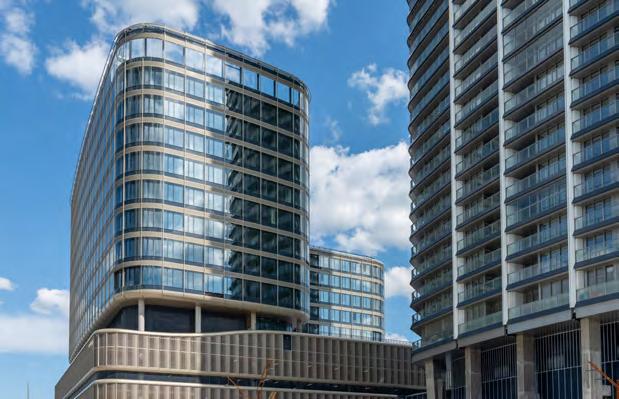
Pribinova 34
Pribinova 34 offers flexible, smart and sustainable workspaces. Eight floors of next-generation offices with excellent accessibility – whether by foot, bicycle, public transport, or car. It benefits from a direct connection to the Eurovea shopping centre, which offers a wide range of amenities just steps away.
Location: Bratislava

Pribinova 40
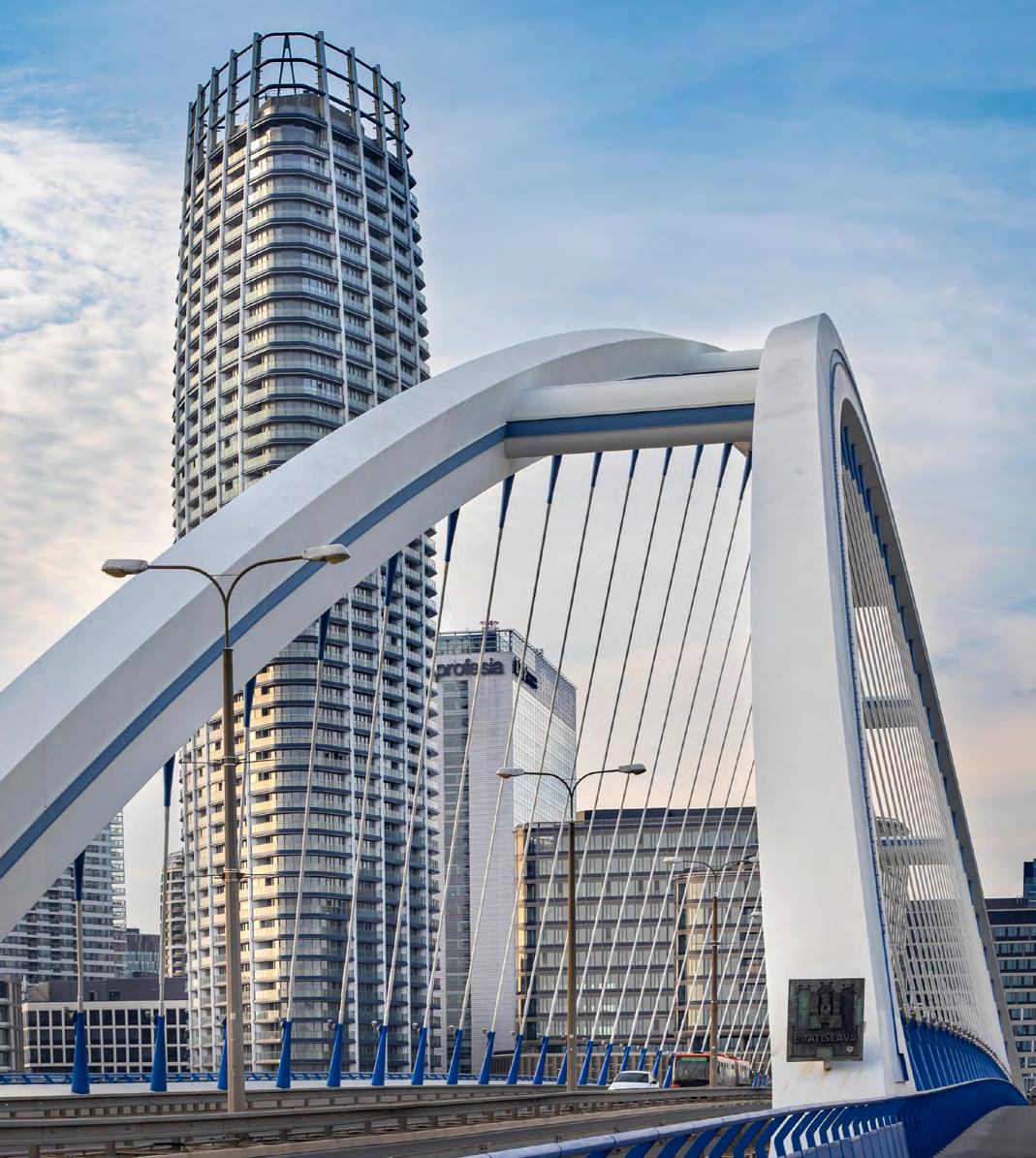
Pribinova 40 - located near Apollo Bridge - has a distinctive cosmopolitan character and unique office designs that include coworking, agile, executive, traditional, open space, and boutique. Pribinova 40, which boasts the highest BREEAM Outstanding sustainability certification, has space that meets the expectations of leading Fortune 500 companies.
Location: Bratislava
Sklad č.7
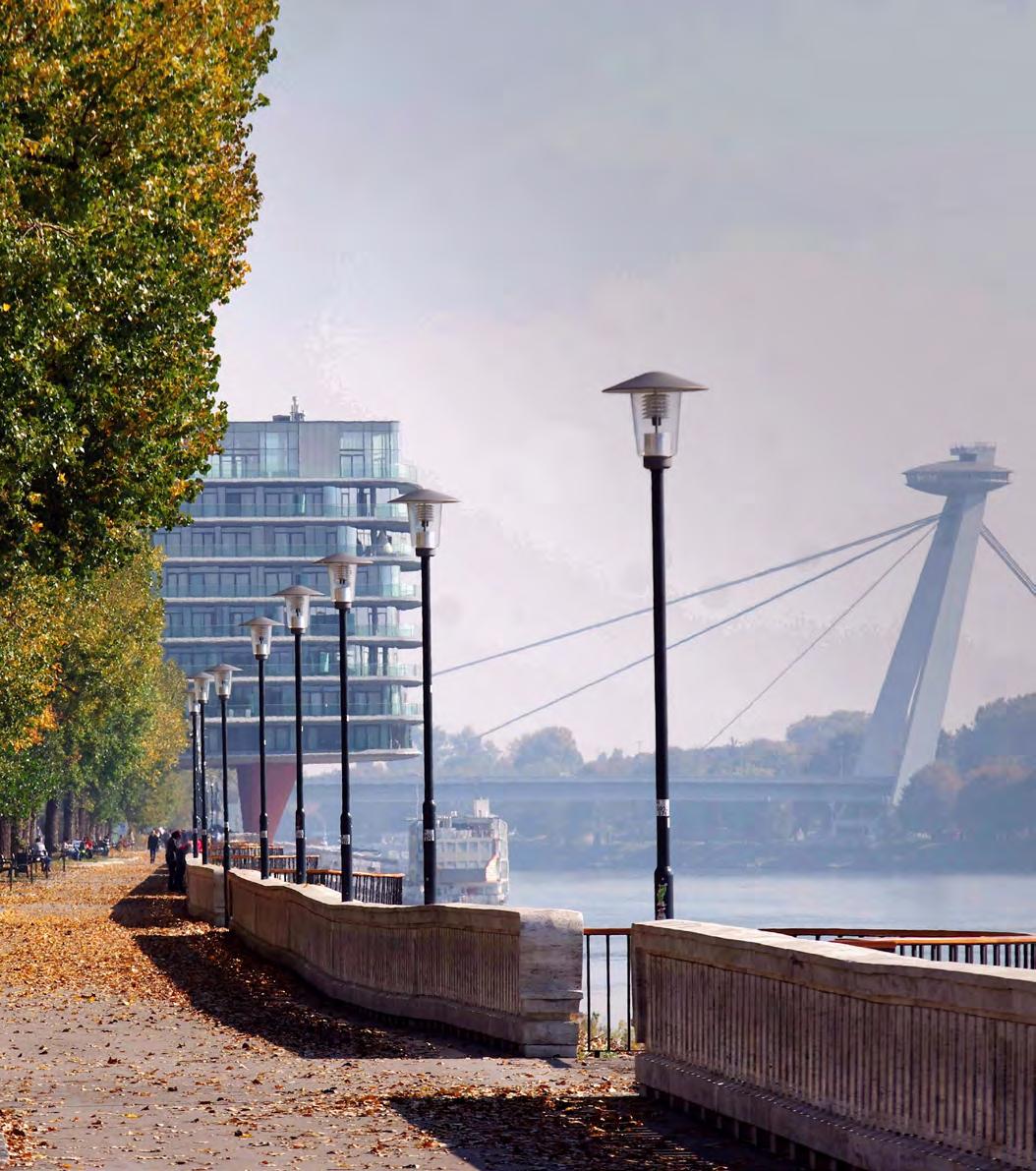
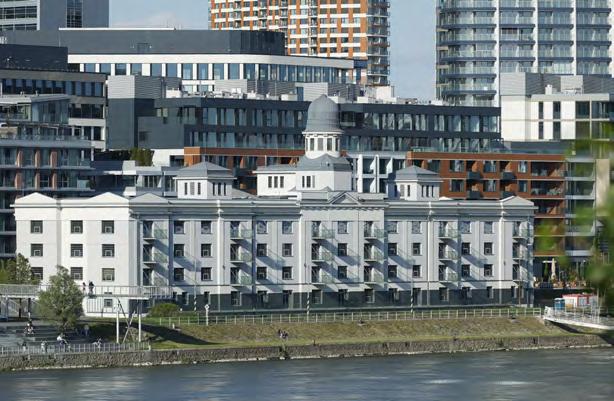
Sklad č.7 (Warehouse No.7) is a renovated harbour warehouse recognised as a national cultural monument. Located on the Danube waterfront promenade and in the city center, Sklad č. 7 has a multitude of services, cafés, and places to relax, all within a short walk.
Location: Bratislava
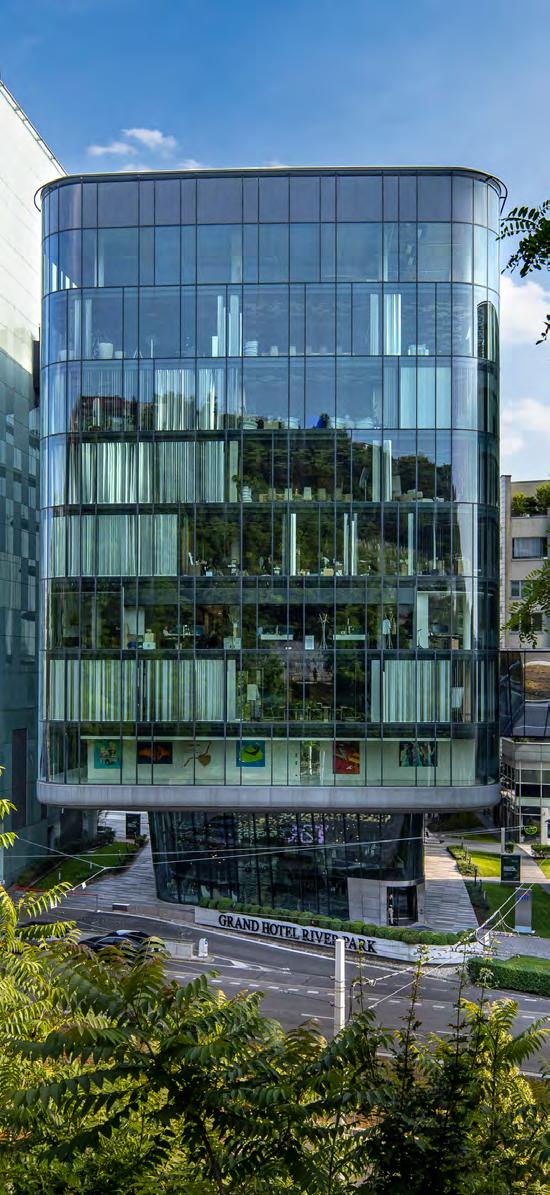
River Park
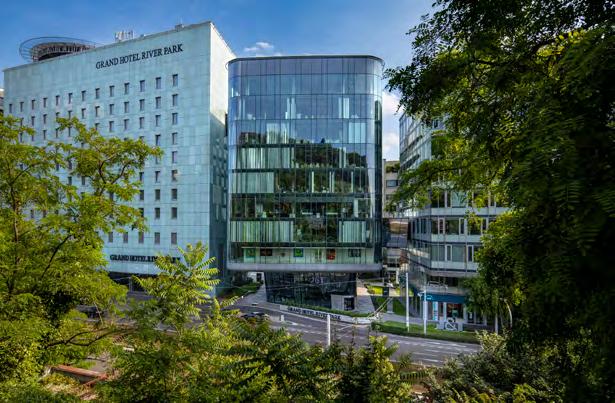
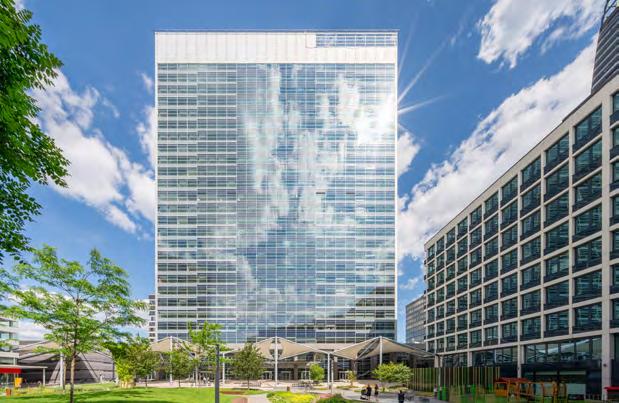
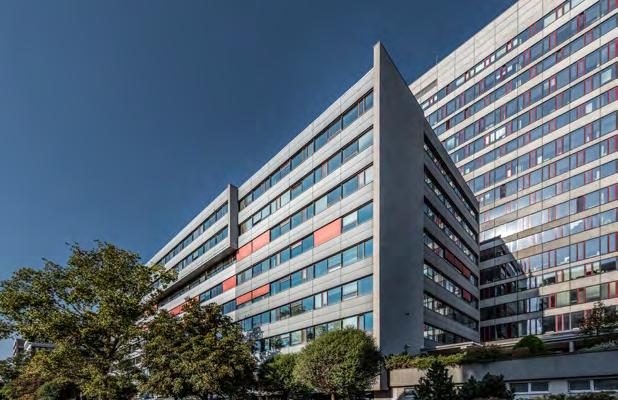
The complex includes high-quality premises for businesses, with a welcoming atmosphere and useful service range. Being located at River Park means working in the centre of Bratislava and enjoying the comfort of the whole area’s contemporary design.
Location: Bratislava
Tower 115
TOWER 115 is an office building which, at 115 meters, is one of Bratislava’s landmarks - with the clear benefit of amazing views. Its 28 floors offer maximum comfort and opportunities for business and relaxation. Ample parking spaces and trouble-free parking for tenants and their guests are top priorities.
Location: Bratislava
Westend Court
Westend Court is a second-generation office building, which, despite its age, still offers a high technical standard - having been prepared according to SIEMENS’ strict criteria.
Location: Bratislava
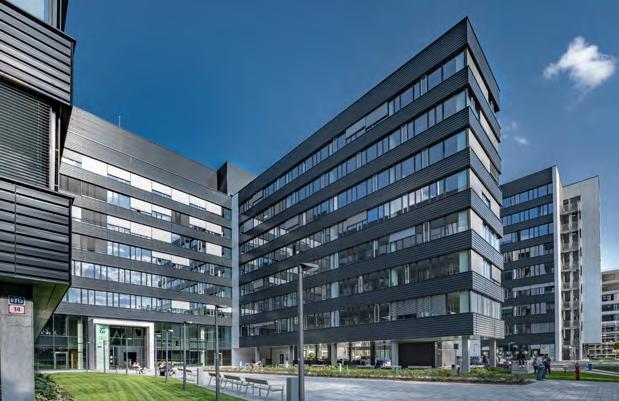
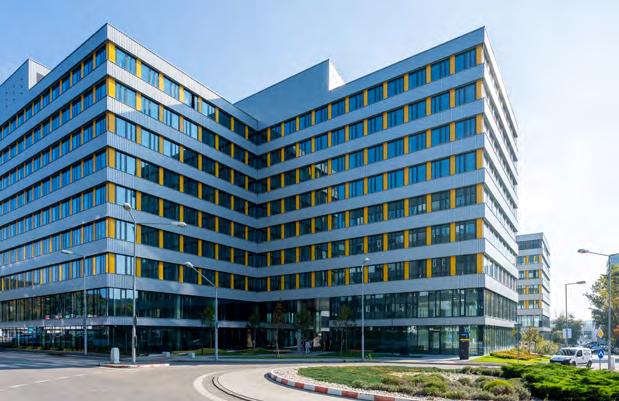
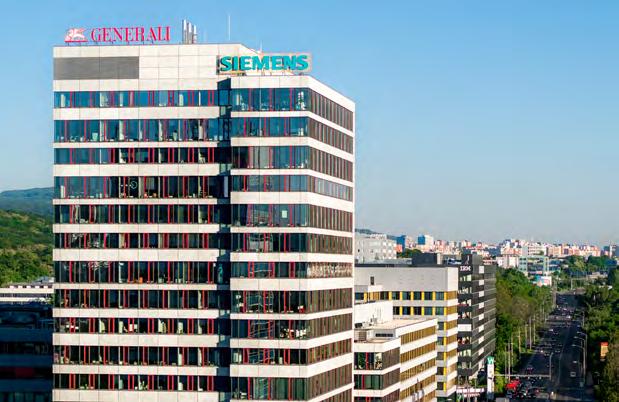
Westend Gate
Westend Gate is synonymous with workplace comfort. The office space meets international standards, including requirements for the building’s environmental performance and energy efficiency.
Location: Bratislava

Westend Plazza
Westend Plazza is the latest project in the Westend business zone. Its architecture reflects the latest trends for contemporary office space, and with a courtyard and small square that complements the Westend business boulevard.
Location: Bratislava
Westend Square
Westend Square office building is part of Westend Business Park with a strategic location that initiated the dynamic development of this city district of Bratislava. Westend Square meets high demands for the latest class A office environments.
Location: Bratislava
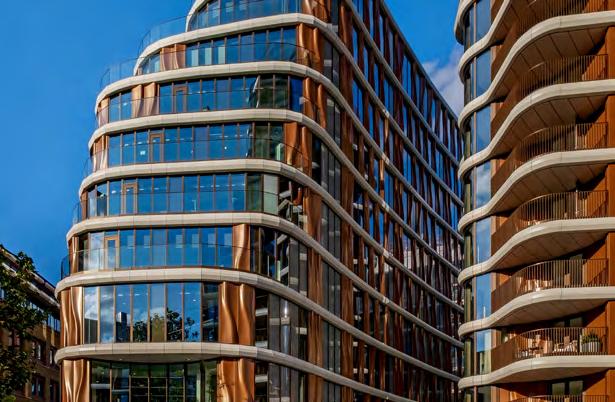
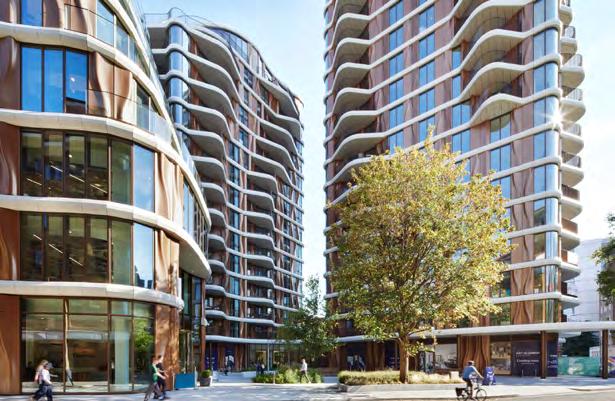
Triptych Bankside - Office
9000 m² as a part of new mixed-use development with best-in-class office space and seamless access to The City, West End and Canary Wharf, featuring single and multi-tenant occupancy, along with showers, changing and cycle storage facilities.
Location: London
Triptych Bankside - Residential
169 homes in two residential buildings situated on Southbank of Thames as a part of new mixed-use development designed by internationally acclaimed London architects Squire & Partners.
Location: London
Case study: Nordhafen Living & Office
Designed by gmp Architekten, this is a mixed-use project that forms part of the emerging modern urban quarter, Europacity. It boasts an attractive location in the Berlin-Mitte district, situated between the Main Railway Station and the historic Nordhafen Living & Office Harbour, near the government quarter. It is our first entry into the German market.
The development comprises an urban block with a total Gross Floor Area (GFA) of nearly 33,000 m², featuring long-term rental housing (approx. 50%), administrative space (approx. 35%), and retail spaces.
For both residents and tenants, the building offers a comprehensive range of amenities. Over 300 high-capacity bike stands and associated facilities encourage eco-friendly commuting, while the underground parking supports sustainable driving practices with e-car charging stations. The entire project has been designed with a strong focus on accessibility and user convenience.
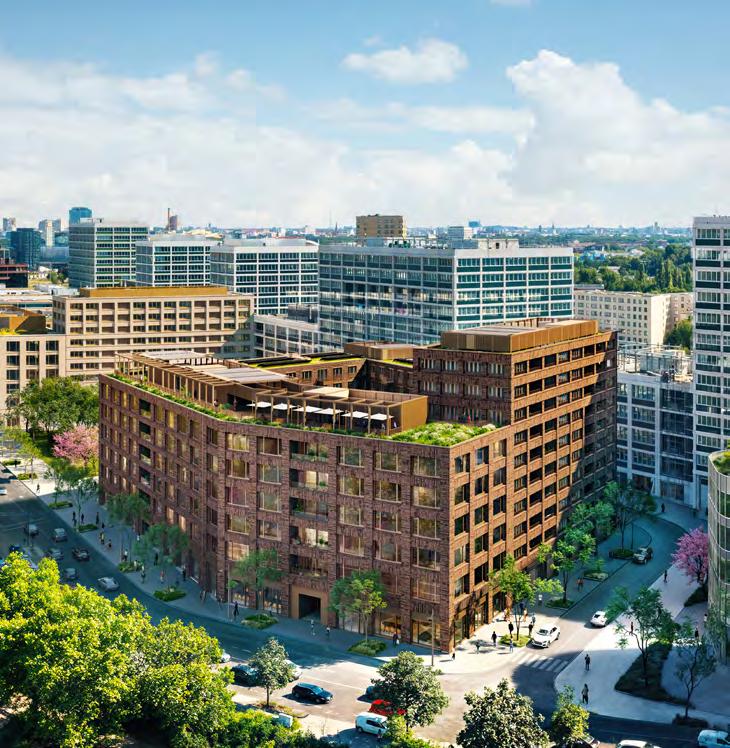
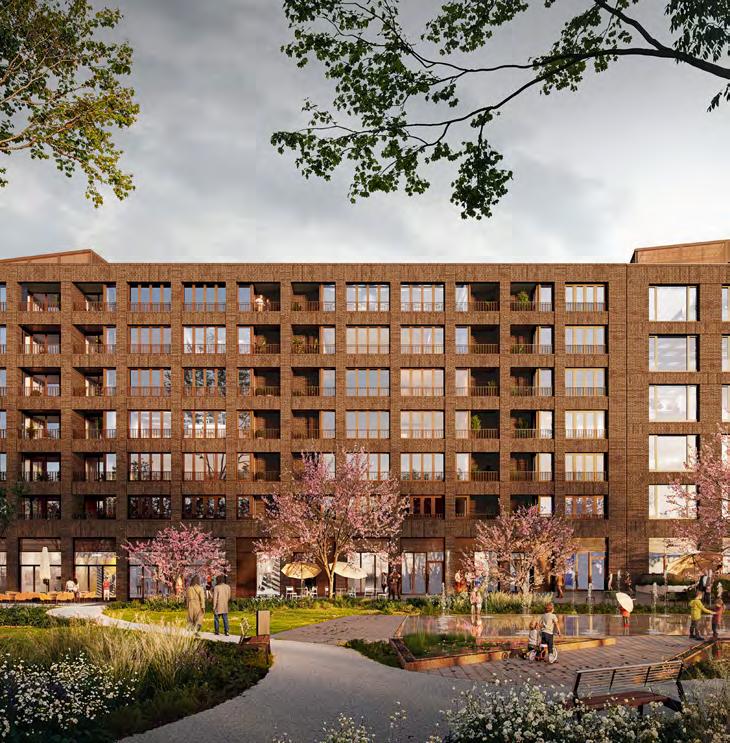
Nordhafen Living
The residential part of the building features 150 residences of various sizes, catering to a diverse range of preferences and family sizes.
Sustainability commitment: water & energy management
A major commitment to sustainability is demonstrated by the zero use of potable water for irrigation. All rainwater is collected in retaining tanks and used exclusively for irrigation, promoting water conservation and preventing any discharge into the sewer system. Advanced water and electrical consumption metering allows residents to monitor their usage conveniently via the internet or mobile phone. Furthermore, heating is provided through 100% ecological sources, which significantly reduces reliance on fossil fuels, substantially lowers greenhouse gas emissions, and ensures a minimal environmental footprint.
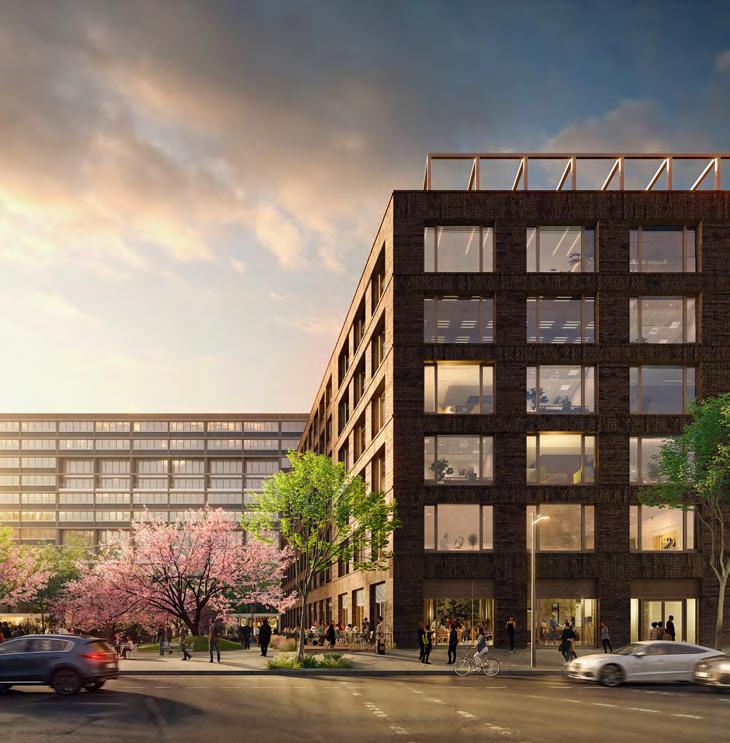
Nordhafen Office
The administrative area provides 7,500 m² of modern, prime rental space and is designed with an advanced user experience in mind. It is targeting prestigious LEED Platinum and WELL ecological certifications, ensuring high standards for environmental sustainability and occupant health.
Additionally, WiredScore and SmartScore certifications highlight the building’s cutting-edge connectivity and smart technology features. Due to the strong focus on bicycle commuting, premium bike facilities are provided, including high-capacity racks, lockers, and dedicated shower facilities. EV charging stations also for ebikes and e-scooters, are part of the underground parking garage. A roof terrace and solar panels crown the top of the building. The retail component offers a wide range of dining options and 2,420 m² dedicated to essential everyday services.
This strategic mix of uses and retail services positions Nordhafen Living & Office as a convenient, self-contained hub, fulfilling the daily needs of both residents and office workers.
Recognitions & awards
JTRE’s commitment to delivering high-quality projects has been widely recognised through numerous prestigious awards. Since 2007, the Construction & Investment Journal (CIJ)—a leading real estate publication covering Central and Eastern Europe—has honoured JTRE with 23 awards. In 2024, our Eurovea Tower project received the Building of the Year award for its outstanding construction quality. JTRE was also voted Developer of the Year in a public poll conducted by ASB magazine.
Our business partners and clients
JTRE is proud to work with a diverse and esteemed group of partners and clients, ranging from govern- ment institutions to leading global consultants. We collaborate on all of our projects with a multidisciplinary range of consultants. This includes top-notch architectural and consulting firms such as Compass Architekti, Gehl Architects, GFI as well as sustainability experts and certification assessors such as Adamas Group, Exergy, Salvis, Simulácie budov, and others.
We divide our clients into two tiers. First-tier clients are our direct clients represented by real estate funds such as 365.invest, Erste Asset Management GmbH, IAD Investments and ZFP Investments. Second-tier clients are clients of the real estate funds for whom we manage the buildings. Notable second-tier clients and partners are in the graphic below.









Memberships and non-business partners
We have been a proud member of the Slovak Green Building Council (SKGBC) since 2012. JTRE is one of the main partners of majority of SKGBC events. In addition, JTRE through its Head of ESG is a member of the Board of SKGBC. Furthermore, we are members of the following professional and trade associations:
• Združenie stavebných podnikateľov Slovenska (Association of Construction Entrepreneurs of Slovakia).
• Americká obchodná komora (AmCham, American Chamber of Commerce).
• Inštitút urbánneho rozvoja (Institute for Urban Development).
Also, JTRE London is a member of the following professional associations:
• Energy Institute (CEI)
• Association of Chartered Accountants (ACCA)
• RICS
We endeavour to be a constructive and proactive partner in discussions concerning sustainable urban development of Bratislava and beyond. Therefore, we are proud to be a patron of the newly-opened hub for architecture and urban planning TU-BA, initiated by Metropolitan Institute Bratislava (MIB) in collaboration with the Slovak Chamber of Architects. For more information, refer to the section Our communities. We also partner with the Climate Office of the City of Bratislava in the Climate Challenge initiative and regularly meet at round tables to devise a functional decarbonisation strategy for Bratislava. These partnerships demonstrate JTRE’s dedication to be a partner and share our passion and professional expertise in creating resilient urban environments wherever we develop our projects.
Energy performance optimisation
An essential component of sustainable buildings is their efficient operation, ongoing maintenance, and systematic optimization of energy consumption. Within the buildings developed by JTRE a.s., as well as those under our property management, we utilize advanced Fault Detection and Diagnostics (FDD) software—Siemens Navigator—to continuously monitor performance, identify inefficiencies, and implement corrective measures to reduce energy use and lower the associated carbon footprint. This approach is equally important for newly delivered buildings during their commissioning phase. By applying continuous monitoring and diagnostic tools from the outset, we can identify potential construction or system installation deficiencies early and ensure they are resolved before the whole operation. This enhances long-term building performance, minimizes operational risks, and supports effective energy management from the first day of use.
EU Taxonomy
At the same time, the systematic optimization of building performance and early identification of technical inefficiencies support alignment with the EU Taxonomy, especially in relation to the criteria for Climate Change Mitigation, where optimized building systems, reduced energy intensity, and continuous performance monitoring form key components.
CSRD - ESRS
These activities help us meet the disclosure and performance expectations of the CSRD through the European Sustainability Reporting Standards (ESRS). In particular, they relate to requirements under ESRS E1 – Climate Change, which emphasize energy efficiency, reductions in GHG emissions, and monitoring of technical system performance.
Operation analysis
Detects abnormal operating modes (running outside design envelope)
Identifies inefficient sequences of operation
Finds control logic issues (wrong setpoints, overridden controls, stuck valves)
Compares actual behavior vs. expected models/rules
Predictive Maintenance
Detects early signs of degradation
Tracks fault progression over time
Energy
Monitoring
Detects energy-related faults
Quantifies energy losses due to faults
Identifies energy-intensive abnormal behavior
Supports energy KPIs and benchmarks
Performance Monitoring
Compares actual performance to:
Design specs
Baseline models
Historical best performance
Detects performance drift
Our ESG Timeline
2010
River Park uses water from Danube for cooling
2012
JTRE becomes a member of SKGBC
2010 – 2023
2014
First BREEAM certification (Westend Gate)
2017
JTRE becomes main partner of the Biela noc festival BREEAM Excellent certification (Zuckermandel)
2022
Nové Lido project BREEAM Communities certification commenced
ESG department founded
Start of urban beekeeping in Nové Lido
2023
JTRE sponsors free swimming lessons for elementary schools
First BREEAM Outstanding building (P40)
Cooperation with OZ Stopa
Internal ESG strategy established
Community garden opens in Nové Lido
WELL HealthSafety Rating introduced throughout our projects
Nové Lido commitment to becoming carbon neutral district
JTRE starts planting trees on Nové Lido site
WELL HealthSafety Rating adopted
Our ESG Timeline
2024
BREEAM Communities Stage 1 Ceritificate for Nové Lido
First ESG report published
2024 – 2050
2025 2026
Expansion of scales and software for waste tracking
Pribinova 40 receives the BUILDING OF THE YEAR 2023 award for exceptional construction quality
2028
Westend Square part of Bratislava Mayor’s climate challenge
Wooden kindergarten completion Reduce mixed waste in our offices by 20%
2030
All our new buildings to be operationally zero-emission
5% reduction in the energy consumption of selected buildings
2050
Business model
Mindset, business strategy and opportunities
Our mindset
Recognising the construction industry’s environmental impact, JTRE strives to fully integrate sustainability into every facet of its operations—from energy-efficient designs to sustainable materials and green office practices. JTRE considers economic, environmental, and social factors to create not just buildings but dynamic urban spaces that enhance the quality of life for their residents.
Our business strategy
JTRE’s business strategy focuses primarily on developing high-value, complex projects that blend residential, commercial, and leisure facilities. The company closely follows the market’s ever-changing trends to bring the best value to investors and clients while implementing principles of sustainability.
Key elements of the strategy
• Employee and community focus: Ensuring healthy working environments, engaging public and safe spaces, and solid employee support and retention programs.
• Sustainable and responsible development: Implementing energy efficiency, focusing on decarbonisation, sustainable transport, circularity, and waste reduction.
• Comprehensive portfolio management: Offering tailored solutions across all real estate segments – from development and property management to private equity and investments.
Our long-term Commitments
1. ESG Priorities
Focusing on energy efficiency, sustainable operations, and comfortable public spaces as part of the broader ESG framework.
2. Continuous improvement
Regularly reviewing and improving sustainability strategies and practices, informed by the latest industry innovations and stakeholder feedback.
3. Materiality assessments & EU Taxonomy
Conducting regular materiality assessments to identify and prioritise ESG issues most relevant to the company and its stakeholders.
How we work Core business activities
JTRE’s core activities revolve around comprehensive real estate development and management. These include:
1. Urban development: Specialising in the development of large multi-building projects and public spaces that integrate residential, commercial and recreational facilities.
2. Property management: JTRE manages properties in use to ensure their optimal operation and user satisfaction, including leasing and maintenance.
3. Private equity real estate: Investing in real estate assets and development projects in collaboration with individual stakeholders.
Decision-making process & project execution
• Project purpose: Each project is planned to consider specific market needs and opportunities, including housing, employment, leisure, services and recreational facilities. Each building design is driven by efficiency, ESG criteria and architectural quality.
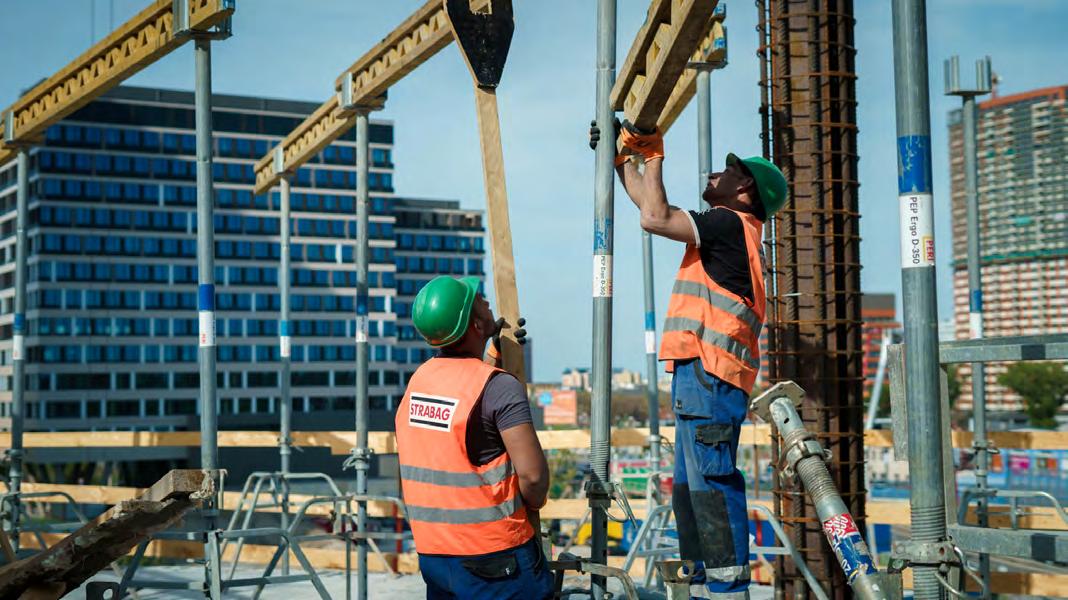
• Construction: JTRE employs innovative construction techniques and sustainable materials to ensure its developments’ longevity and environmental compatibility. To ensure sustainability that is considerate to neighbours, we have implemented our own standard for construction: the Environmental Code of Practice (ECoP).
• End-users: JTRE’s developments target a diverse clientele, including homeowners, tenants, and institutional investors, providing tailored spaces that meet specific needs and preferences. We take into consideration the preferences of the young generation as well as the people with disabilities and seniors.
Our ESG focus
Sustainability becoming a part of JTRE’s DNA
JTRE recognises the real estate industry’s responsibility in addressing some of the world’s most pressing challenges, including climate change, the protection of water resources, and pandemics. Therefore, we strive to reduce the carbon footprint of our buildings, making them more energy-efficient, healthier, and friendlier for users. In this way, we also enable our clients to conduct their business or live in a sustainable manner. To avoid unsubstantiated claims, we use independent, third-party certification systems such as BREEAM and LEED
Integration of sustainability into the overall business strategy
JTRE’s action plan for sustainability outlines a clear path to achieving its ESG goals and carbon neutrality. This plan is from the general long-term vision transferred into reality by a series of key performance indicators (KPI) with clearly defined task owners, and actions designed to embed sustainability into the company’s core operations and standards.
JTRE integrates
Environmental, Social,
and
Governance (ESG) principles into its business model:
• Environmental: Our projects integrate energy efficiency, the use of sustainable materials, and the reduction of carbon footprints.
• Social: Creating projects with healthy indoor environments and engaging public spaces while also supporting cultural and charitable activities.
• Governance: We value transparency, integrity, andstakeholder engagement, and thus, we are formulating governance standards in reference to ESRS. Innovative
approaches to data-driven design, construction, and operation are vital tools in our effort to improve sustainability. This includes Building Information Modelling (BIM) and Life Cycle Assessment (LCA) to optimise building design and reduce embodied carbon. Additionally, JTRE is testing Virtual Reality (VR) to allow for easier interaction with future users and investors. The implementation of Building Information Modeling (BIM) across the company marks a significant step towards increasing efficiency and improving internal processes during project preparation. The process is challenging and requires gradual integration across all departments, often involving a shift from established practic-
es. The strategy involves taking smaller steps, starting with basic requirements and progressively automating processes. The initial goal is to create a structured 3D model, generate 2D documentation, improve coordination, and reduce errors. Future plans include detailed use cases and applying the model in the construction phase for full digital integration. We are using the models in a pilot analysis of environmental impacts. Based on results and feedback, the required actions for conducting a Life Cycle Assessment (LCA) will be implemented directly from the information models.
Sustainable Development Goals (SDGs)
Inspired by the United Nations 2030 Agenda for Sustainable Development, JTRE is dedicated to pursuing a number of SDGs. Prominent among them is achieving decarbonisation goals and reducing overall greenhouse gas (GHG) emissions. JTRE’s target is to attain net zero emissions. Aligned with European legislation, all new buildings by JTRE will have zero emissions after 2030. JTRE is currently focusing on the most impactful SDGs relevant to the real estate sector, which largely overlap also with the EU Taxonomy aims.
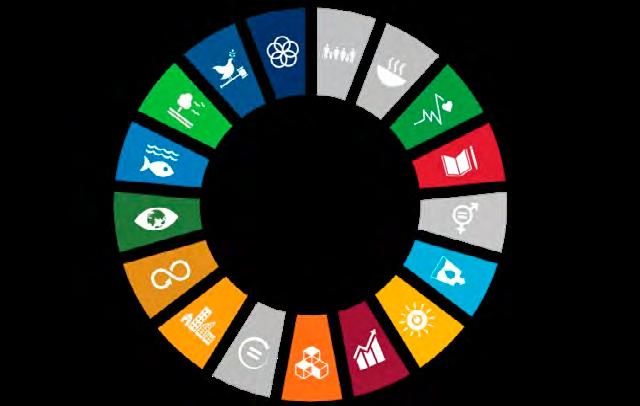
SDG 3
Good health and well-being
At JTRE, we have established rigorous standards of health and safety management for all our employees. We prioritise the health and safety of our stakeholders, especially our employees, by continuing to refine, share, and improve our methods for creating a healthy and safe environment throughout our organisation.
SDG 6 Clean water and sanitation
SDG 4
Quality education
We believe that a successful organisation’s foundation lies in its employees’ continuous growth and development. That’s why we prioritise ongoing education in various forms—enhancing language proficiency, honing soft skills, or building hard skills relevant to our industry. JTRE actively supports local universities (Slovak Technical University) and educational initiatives, recognising the importance of nurturing the entire educational ecosystem.
We strive to ensure the availability and sustainable management of water and sanitation for all by improving water use efficiency, enhancing water recycling, rainwater harvesting and water reuse. We protect water quality by preventing pollution during construction, controlling hazardous material spills, implementing water recuperation systems that promote recycling and safe reuse, and installing water-saving fixtures in our buildings.
SDG 7
Affordable and clean energy
We are reducing the operational carbon footprint of the buildings constructed and managed by us through energy reduction measures. We will continue to invest in renewable energy sources and install measures to enhance climate resilience and reduce energy consumption, such as green roofs and heat pumps.
SDG 8
Decent work and economic growth
At JTRE, we ensure that all supply chain partners adhere to fair labour practices, provide safe working conditions, and uphold ethical standards. We are committed to fostering decent work and economic growth by ensuring fair employment practices and creating a supportive work environment that drives productivity and innovation.
SDG 9
Industry, innovation and infrastructure
We strive to implement green building techniques, incorporate smart building systems into our developments, improve local infrastructure and use sustainable materials to minimise the environmental impact of our new developments.
SDG 11
Sustainable
cities
and communities
We are committed to promoting green commuting by providing secure bicycle parking and facilities. We also encourage integrating resilient and sustainable practices into our projects by designing and constructing energy-efficient buildings, developing structures resistant to extreme weather, and utilising sustainable water management systems.
SDG 12
Responsible consumption and production
We encourage sustainable practices, offering solutions that prioritise environmental stewardship and resource efficiency. We are working on an internal setup to achieve the goals of SDG 12. As we are at the beginning of a sustainable journey, our task is to improve data collection and communication with stakeholders within the waste management and supplier sectors.
SDG 13
Climate action
JTRE is committed to supporting climate change mitigation efforts by incorporating green spaces, public parks, community gardens, and biodiversity-friendly areas into our projects. This enhances urban biodiversity, reduces urban heat islands, and promotes a healthier environment. We strive to improve adaptation to climate change and increase the resilience of our projects.
SDG 16
Peace, justice and strong institutions
We strive to deepen our ethical commitment through multiple avenues, including corporate governance and comprehensive internal policies. We aim to cultivate robust institutions within our organisation guided by inclusivity, accountability, and justice principles.
SDG 17
Partnerships for the goals
We actively engage with stakeholders, including local governments, NGOs, and industry peers, to collaborate on ESG initiatives. These partnerships enable us to leverage collective expertise and resources, ensuring a comprehensive approach to achieving our sustainability goals.
SDG 15
Life on land
We strive to minimise our impact on natural habitats, including developing on brownfields. We opened our tree nursery to sustainably supply future projects, incorporating and promoting the plant species on our properties.
EU Taxonomy
EU Taxonomy is a comprehensive classification system that defines criteria for economic activities aligned with a net-zero trajectory by 2050 and broader environmental goals beyond climate change. It provides a standardised and transparent methodology for assessing and communicating the sustainability of real estate projects. This helps build trust with stakeholders by ensuring that JTRE’s environmental claims are verifiable and consistent with international standards.
Economic activities in real estate
The EU Taxonomy outlines three main economic activities relevant to the real estate sector:
Acquisition and ownership of buildings: Ensuring that the purchase and management of properties meet sustainability criteria.
Construction of new buildings: Implementing best practices in sustainable construction to minimise environmental impact.
Renovation of existing buildings: Upgrading existing structures to enhance energy efficiency and reduce carbon emissions.
Compliance with the EU Taxonomy ensures that JTRE’s activities are aligned with the European Union’s environmental objectives, such as reducing greenhouse gas emissions, promoting resource efficiency or protection and restoration of biodiversity.
Adherence to the EU Taxonomy enhances JTRE’s credentials among stakeholders, including investors, customers, and regulatory bodies. By following a systematic implementation process, JTRE can attract green investments and contribute to the global effort to address climate change.
Building certifications triangle

Environment
BREEAM Certification
Focus: holistic approach to sustainability of a building
Criteria: Energy, Health and Well-being, Innovation, Land Use & Ecology, Materials, Transport, Waste, Water Effficiency and more
LEED Certification
Focus: holistic approach to sustainability of a building
Criteria: Energy Efficiency, Water Efficiency, Indoor Environmental Quality and more
EDGE Zero Carbon Certification
Focus: Savings in resources and embodied energy, Promotes renewable energy
Criteria: Water and Energy Effficiency, Embodied energy in materials.
Smart & Connectivity
SmartScore Certification:
Focus: Digital connectivity, Operational efficiency, Future-proof infrastructure
WiredScore Certification:
Emphasis: Digital connectivity, Network resilience, Top-tier connectivity

SBC Smart Building Certification:
Highlight: Smart building innovation, Best Practices
Health & well-being
WELL Certification – Highlight: Focus on human health and well-being
Criteria: Air, Water, Nourishment, Light, Fitness, Comfort, and Mind
WELL Health-Safety Certification - Highlight: Focus on operational policies, maintenance protocols, and emergency plans to ensure health and safety in buildings.
Criteria: Air and Water Quality, Cleaning and Sanitization
Procedures, Emergency Preparedness, Health Services, Stakeholder Engagement and Communication
Our stakeholders
Stakeholder approach
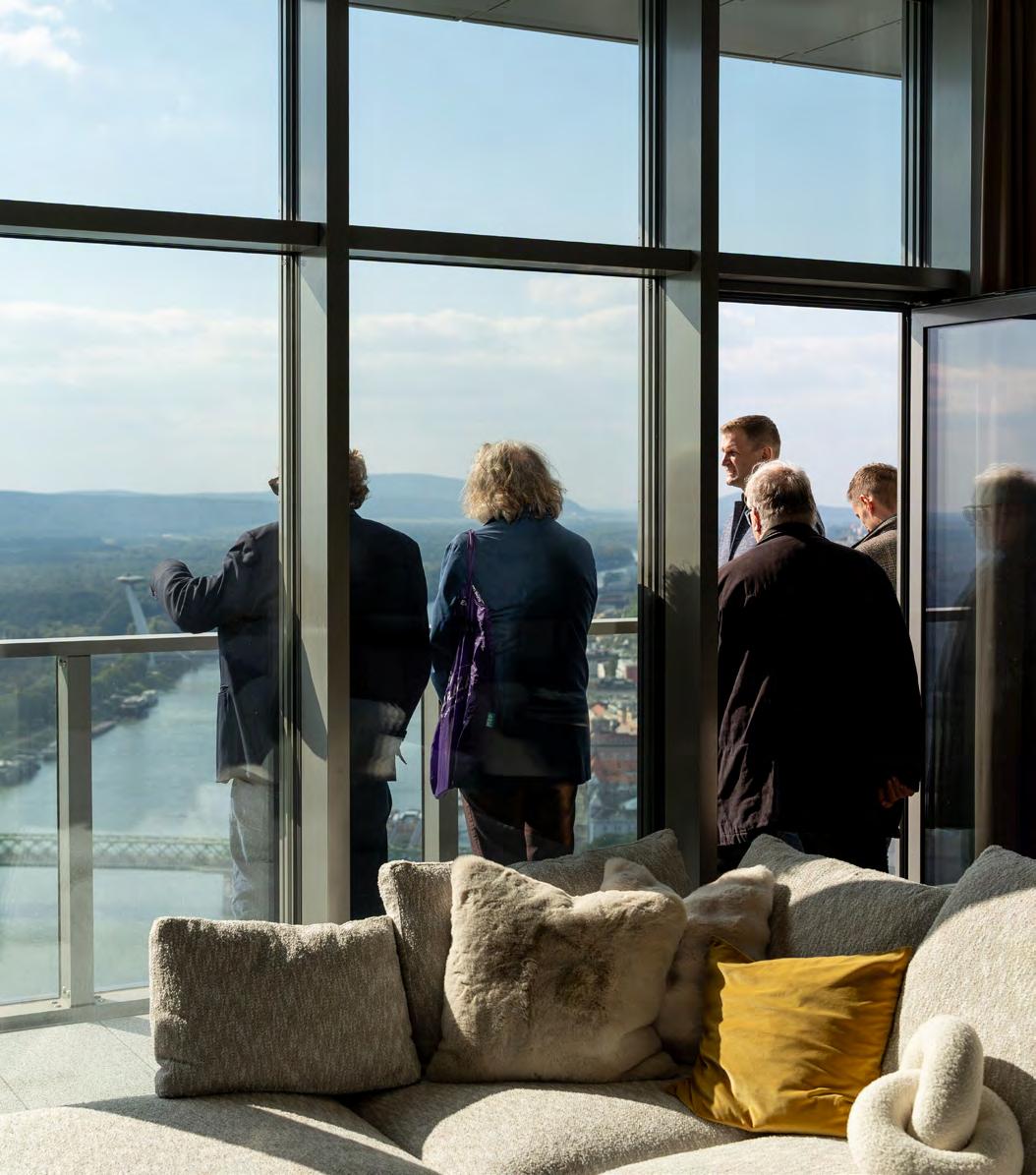
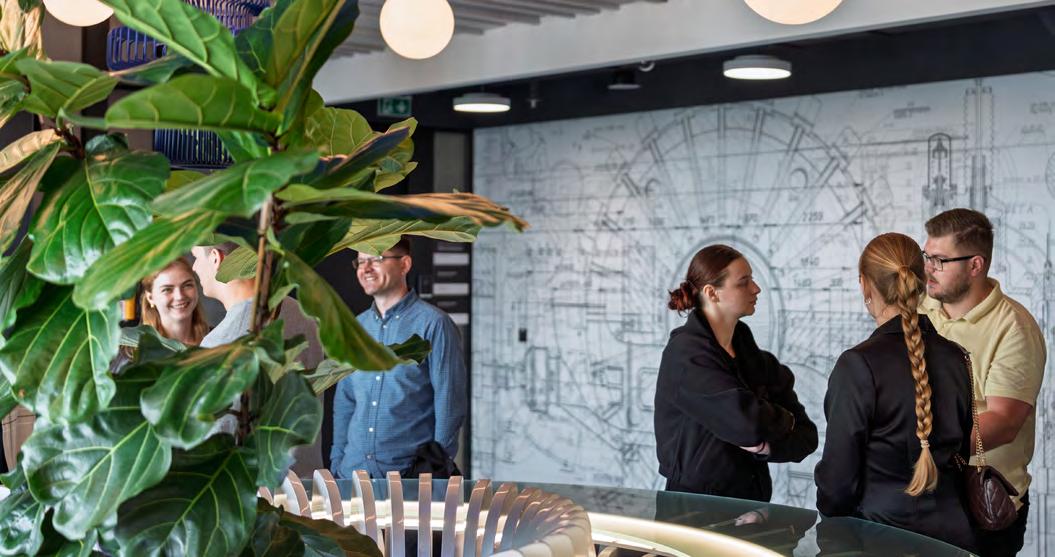
We believe that the foundation of sustainable development lies in active engagement and collaboration with our stakeholders. Stakeholders are individuals or groups who are affected by or can affect our operations. From employees and clients to suppliers and investors, our stakeholders play a key role in shaping our sustainability strategy. We mapped the issues of interest of each stakeholder group via a survey. In this chapter, you will find categories of our main stakeholders and what they consider their key topics of interest.
Our stakeholders can reach us at our email info@jtre.sk, where the inquiries are sent to specific departments according to the topic of inquiry.
Upstream
∙ Architects
∙ Construction suppliers
∙ Consultants
∙ Utilities suppliers
∙ Management facility services
∙ Marketing & PR agencies
Own operations:
∙ Employees
∙ Managers
∙ Board
∙ Investors, shareholders (funds, bonds)
Downstream
∙ Buyers
∙ Tenants
∙ End-users and visitors of our projects
Communities and other third parties
∙ Citizens, businesses and organisations active in the vicinity of our projects
∙ Experts and industry associations
∙ Municipalities, governmental bodies
∙ Media
The impact materiality assessment
Identification of relevant impacts
Impact materiality assessment by JTRE
The initial step in conducting the Impact Materiality Assessment (IMA) in 2024 was to compile a sheet of impacts according to the ESRS and GRI standards. More spe- cifically, topics, sub-topics and sub-subtopics outlined in ESRS1 were adopted, and the GRI G4 Construction and Real Estate Sector Disclosures were adopted to in- dicate the relevant real estate sectorspecific impacts.
To identify significant topics from the “impact” perspective, a team consisting of professionals from all departments ranked the severity of the impact (scale, scope, and irremediable character) and the likelihood of the impact on a scale from 1 to 5.
Impact materiality assessment by selected stakeholder groups
Determination
Impact materiality assessment by JTRE Impact materiality assessment by selected stakeholder groups via surveys As part of the materiality assessment process, 12 priority stakeholder groups were contacted via an online survey to understand their views on which impacts of JTRE are significant, and to ensure that the company takes stakeholder feedback into account when prioritising sustainability topics as part of its stakeholder engagement process. Material impacts were chosen from among those with a significance of 2.95 (out of 5) or higher.
Determination of final sustainability topics Results approval In the final step of the materiality assessment, a final list of material topics was compiled and subjected to validation by our relevant employees and management. The final list of material topics was formally approved by the Board of Directors.
JTRE plans to periodically review and update the materiality assessment and its analysis of sustainability topics.
Impact materiality assessment results
Based on the impact assessment carried out by JTRE and our stakeholders, we have identified 4 material topics. Out of 106 evaluated impacts from the GRI and ESRS standards, a total of 63 impacts were identified as material.
Community development
• Community and neighbourhood development
• Impact on the state of local infrastructure
• Displacement and gentrification
• Increase in residential and commercial space
• Housing availability
• Access to information
• Non-discrimination practices
Own employees
• Adequate wages
• Work-life balance
• Health and safety
• Gender equality and equal pay for work of equal value
• Training and skills development
• Measures against violence and harassment in the workplace
• Adaptation investments
Ethical business
• Reputation with suppliers
• Anti-corruption
• Anti-competitive behaviour
• Positive lobbying and policy influence
Climate action
• Green house gas emissions
• Sustainable electricity consumption
• Energy efficiency
• Adaptation investments
Case study: Nové Lido
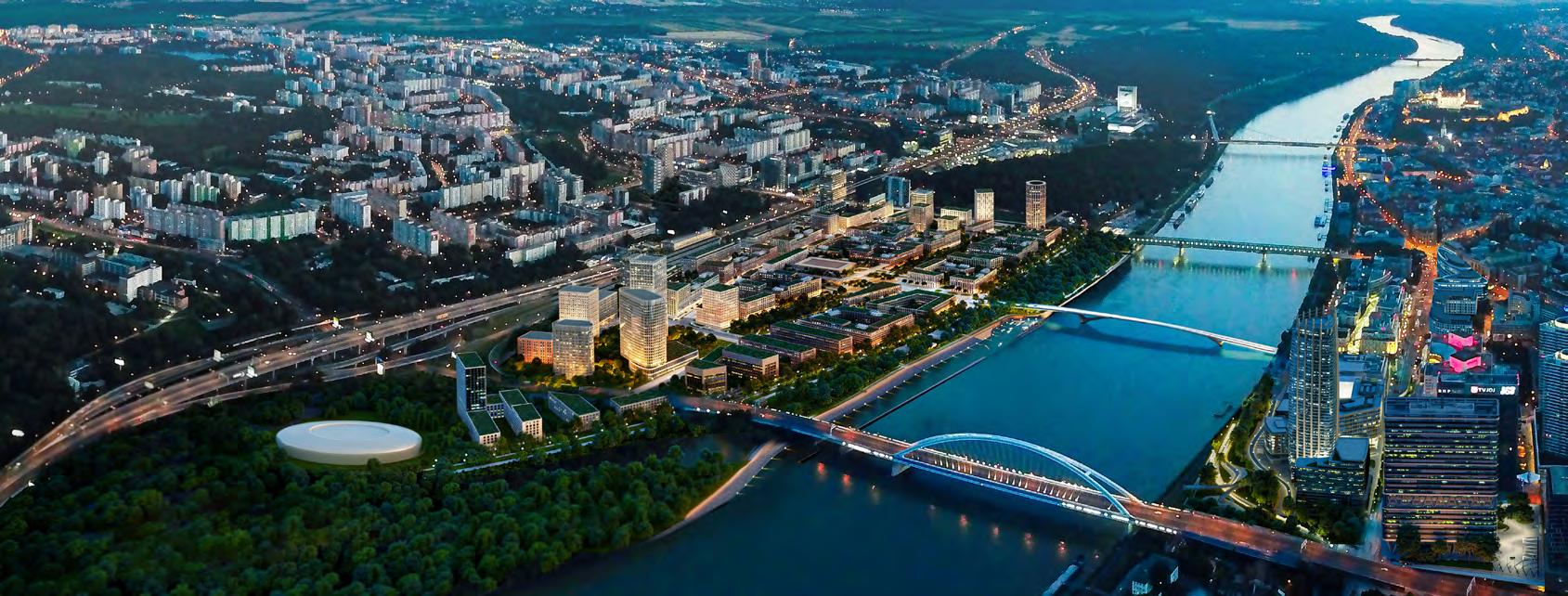
If a single project was to be selected to best demonstrate our company’s progress across ESG priorities, it would be Nové Lido. This development in its complexity required years to secure the necessary masterplan amendment—an effort of unprecedented scale. With the approval process now approaching its final stage, we are optimistic that construction will commence in 2027 and is expected to last approximately 2 decades till all phases are completed. We have chosen to present Nové Lido in this ESG report in advance of construction to illustrate the forward-looking trends and sustainability commitments this project embodies.
Reclaiming a neglected urban area
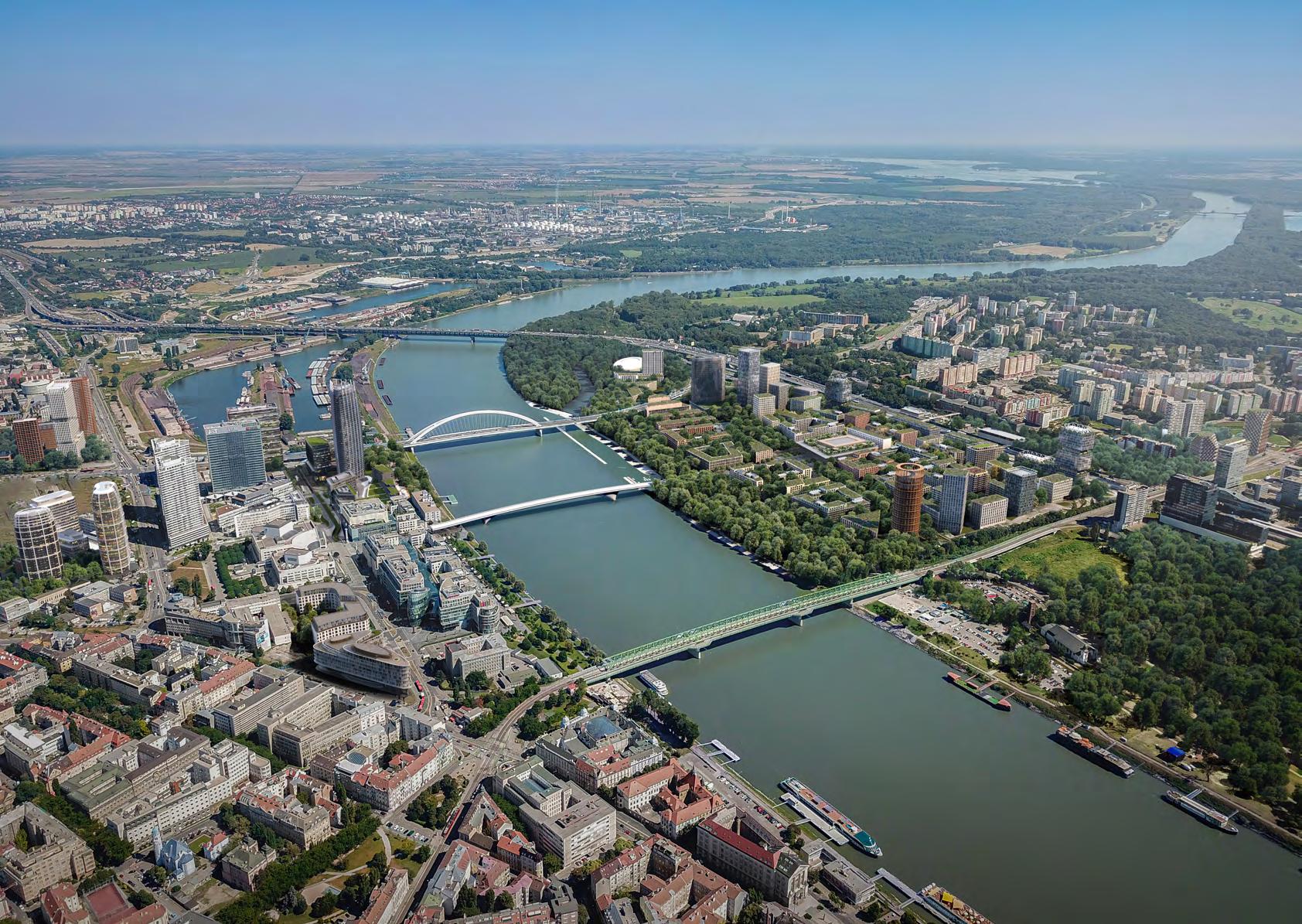
Although the City Masterplan designated the site for development long ago—envisioned as the future “City-Wide Centre Petržalka”—nearly two decades were required to reach readiness for implementation. Situated on a prominent stretch of the Danube in the heart of Bratislava, the area has been overlooked for decades, impacted by environmental contamination, overgrown with self-seeded vegetation, and partially used by several dozen gardeners. Despite this, its role as a fully integrated part of the city has long been defined in the land-use plan. With the approval of amendments to the City Masterplan in February 2025, the long-intended expansion of the city centre to the right bank of the Danube—supporting Bratislava’s evolution into a compact, riveroriented city—has accelerated toward realisation.
Net-Zero
Carbon in operation
Nové Lido aims to achieve net-zero carbon in operation through renewable, emission-free energy produced directly within the district boundaries. The original gas-boiler concept has been fully replaced with a renewable system combining ground-source, water-source, and airsource heat pumps, complemented by photovoltaic power generation. This approach is supported by a comprehensive suite of expert studies addressing energy efficiency and emissions, sustainable materials and local resources, biodiversity and microclimate, and demographic and economic impacts. The studies were developed by specialists with international expertise, including consultants from Slovakia, the Czech Republic, the Netherlands, Austria, France and Scandinavian countries.
Low-carbon mobility and 15-minute urban structure
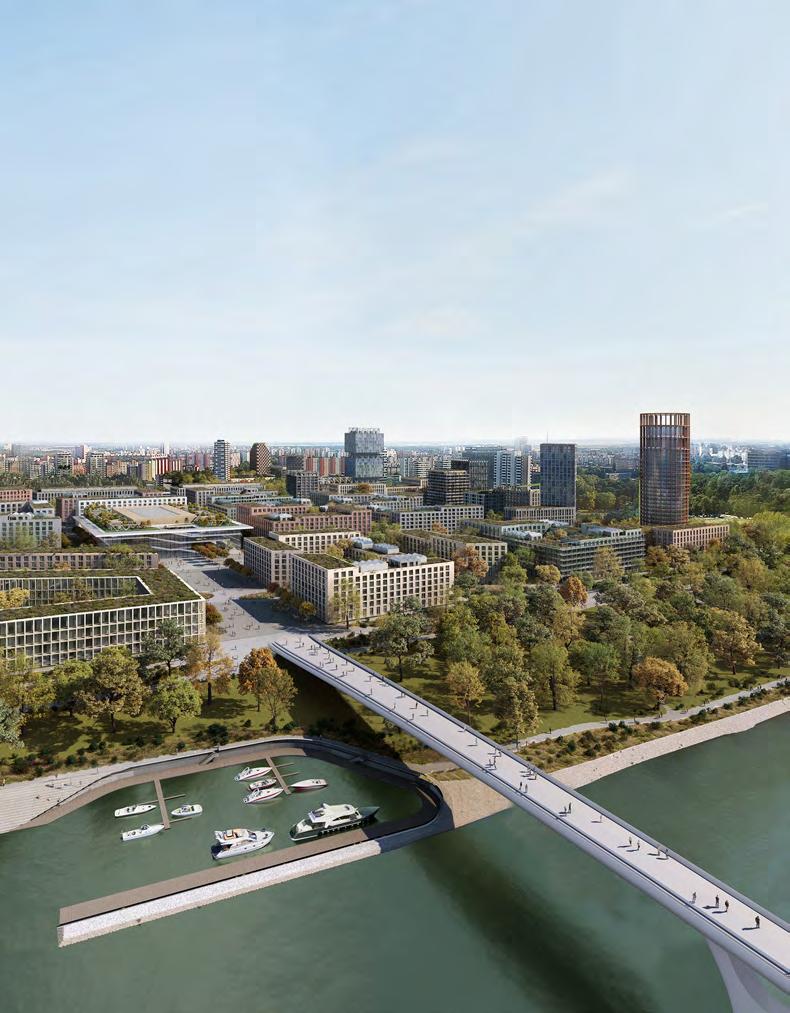
The project places strong emphasis on calming down individual car traffic while enhancing public transport (including a new tram line), pedestrian routes, and cycling infrastructure. It integrates with existing networks such as EuroVelo 6 and the cycle path along the Chorvátske rameno watercourse. Nové Lido will deliver a mixed-use district built on a 15-minute urban concept, connecting both sides of the city with a new pedestrian bridge. The development will provide housing, public amenities, employment opportunities, a multi-purpose sports hall, highquality open spaces with generous greenery, and excellent connectivity to Petržalka, the Old Town, and Ružinov.
Climate-ready and designed for lasting resilience
Innovative indoor and outdoor solutions will enhance comfort and wellbeing for residents, employees, and visitors, creating a healthy, safe, and resilient environment. With construction phased over approximately two decades, the design takes a long-term perspective on climate adaptation. As global temperatures rise, cooling strategies—both in buildings and across public spaces—will play an increasingly critical role. Priority measures include mitigating urban heat island effects through extensive greenery, shading, material selection, and rainwater retention. The urban concept for Nové Lido is currently led by Juraj Benetin and the Compass Architects team, working in collaboration with Jakub Cigler, Marko & Placemakers, Gehl Architects, and GFI.
Case study:
Ganz House Eurovea
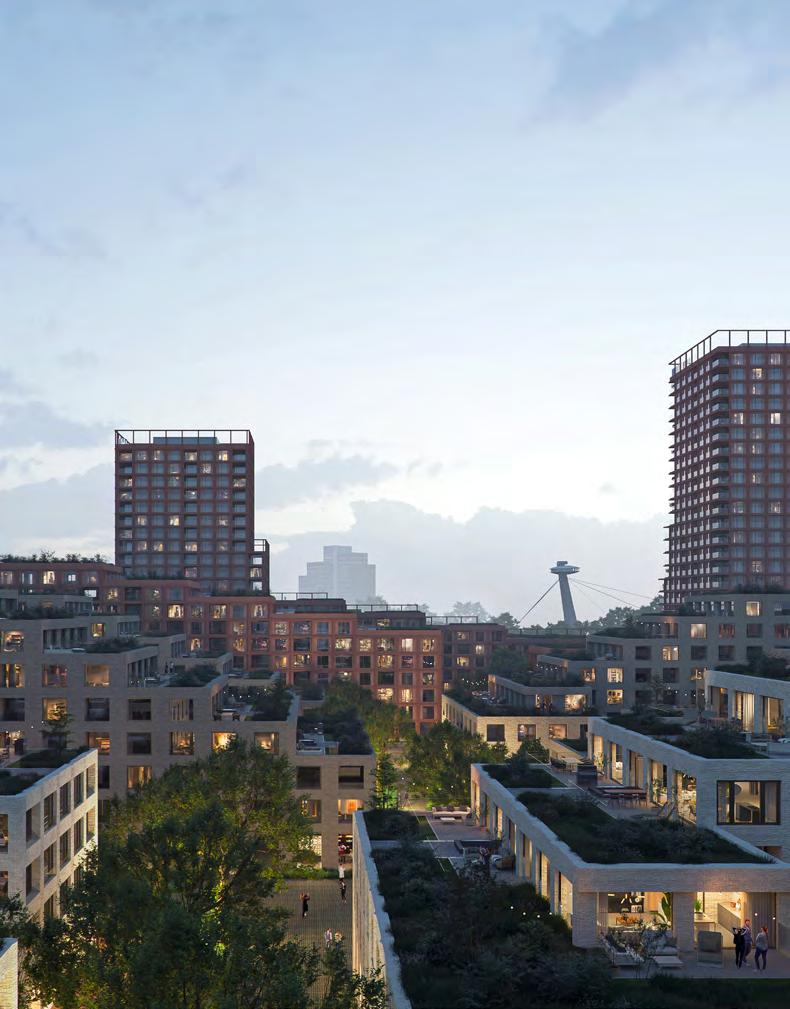
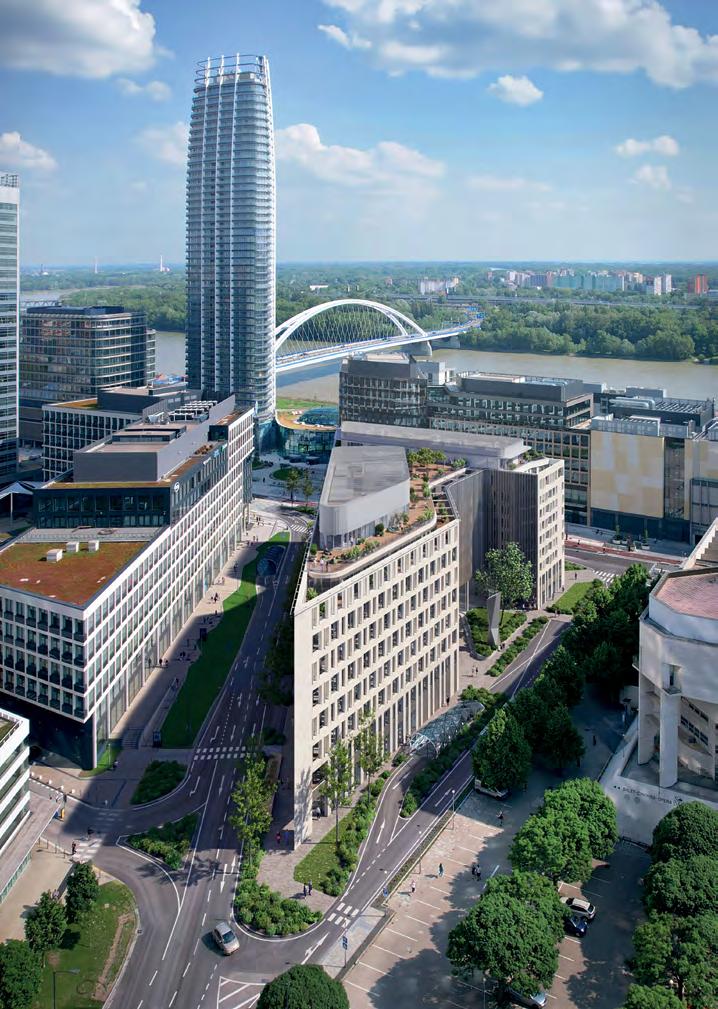
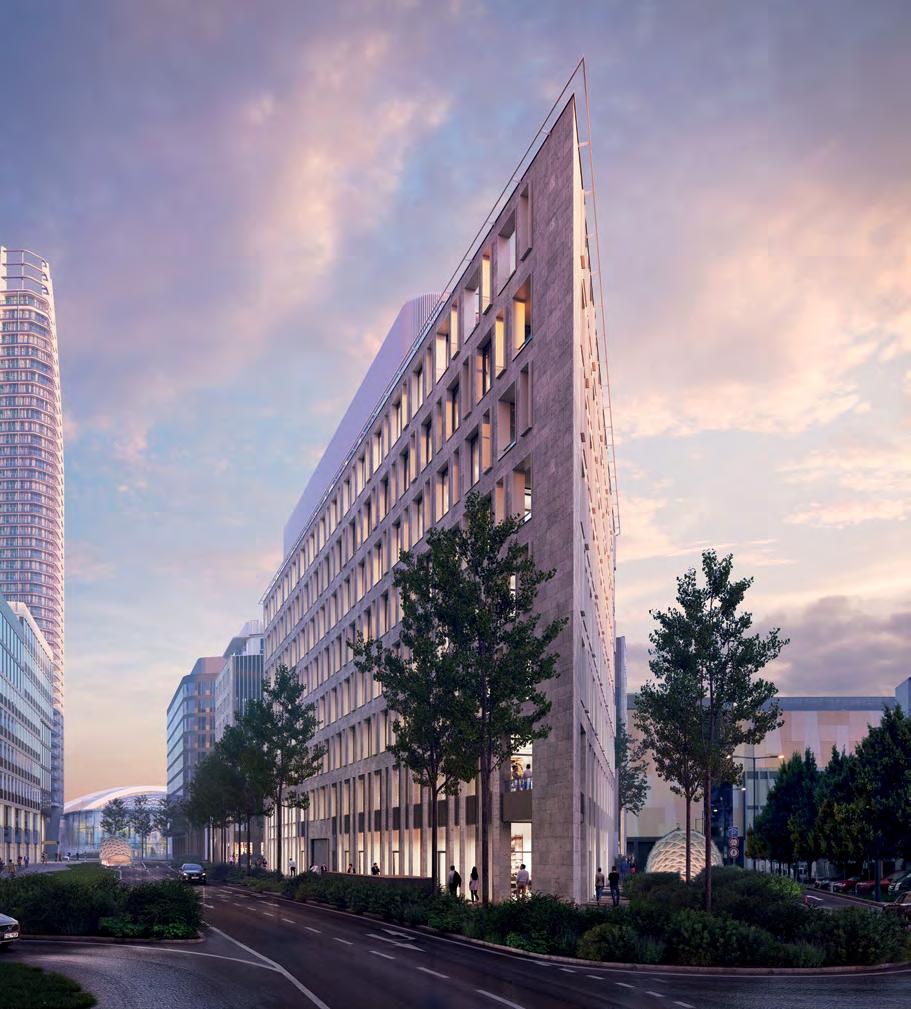
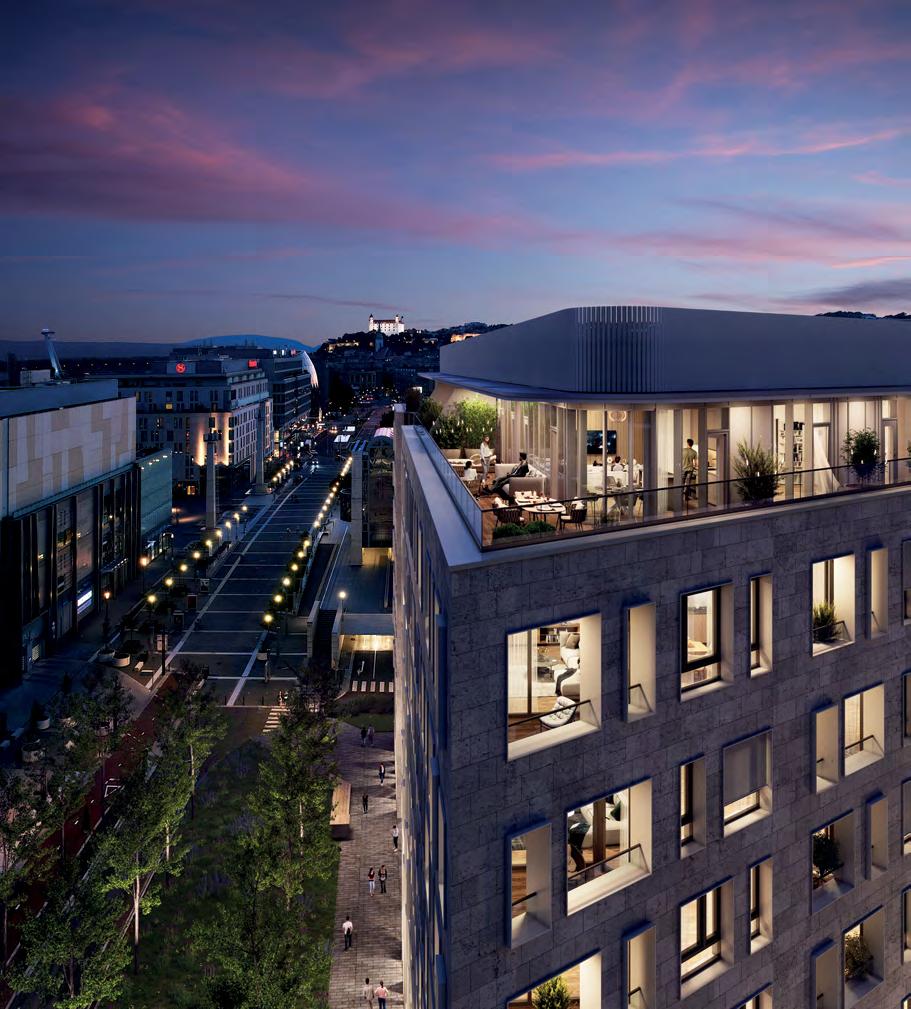
Ganz House Eurovea is set to rise in a prime location between Pribinova and Culenova streets in the heart of Eurovea City. This unique and vibrant neighbourhood offers residents and visitors an ideal blend of living, working, and leisure opportunities. Just across Pribinova Boulevard, with its spacious sidewalks and dedicated cycle paths, lies Eurovea shopping centre, offering a wide range of services. The Slovak National Theatre is right next door, and the waterfront promenade, featuring a park and popular restaurants, is just steps away.
Total office area: 10,000 sqm
Typical office floor size: 1,300 sqm
Number of above-ground floors: 9
Number of residences: 65
Expected completion: 2026
Thermally Activated Building Structures (TABS)
Energy costs, carbon-reduction goals, and evolving legislation are driving demand for innovative heating and cooling solutions in modern buildings. The Thermally Activated Building System TABS leverages the substantial thermal mass of concrete structures to balance fluctuating heating and cooling loads throughout the day. By circulating hot or cold water through embedded pipes within the concrete slab, TABS provides effective temperature control. Proven as a highly energy-efficient cooling and heating system, TABS has become a technology of choice in projects that aim for decarbonization and high scoring in certifications such as BREEAM. Aside from the undeniable sustainability benefits, TABS also delivers a new level of thermal comfort in the indoor environment: no more air drafts or noise typical of heating and cooling through A/C systems, and the temperature is much more evenly distributed throughout the room compared to traditional radiators.
Heat recovery
The primary heating source is district heating provided by MH Teplárenský holding, a.s., but we also install emission-free heating sources, such as desuperheaters (a heat recovery units), to support the domestic hot water preparation.
Well-being
At Ganz House Eurovea, your mental and physical health are our top priorities. Beyond the exceptional sports opportunities, such as cycling and running trails along the Danube River, we go the extra mile. Eurovea Zone offers a variety of free-time activities for residents and visitors, along with public events to keep you engaged and active.
Amenities
At Ganz House Eurovea, comfort is the new standard. Amenities such as bike storage, e-bike charging stations, high-quality showers, dressing rooms, and more ensure your workday begins both smoothly and actively.
Waste management
Waste management and waste production monitoring is a new service provided by JTRE that helps building users monitor and report waste production in their offices. Ganz House Eurovea will be fully prepared to provide detailed waste reports for tenants.
Carbon footprint and decarbonisation strategy
Our goals
ESG Goals - JTRE a.s.
Zero Emission Building standard adopted for new buildings by 2030.
JTRE a.s.
- Nové Lido, a whole new residential district in Bratislava, is being designed solely on zero emission primary energy sources.
- ERA, a highrise building in the Downtown Yards district, will be carbon neutral in operation, having its heating and cooling needs covered by air source heat pumps.
JTRE London
JTRE Germany
This goal has been adopted at design stage for 220 Blackfriars Road, London. Not applicable - no new acquisitions.
All JTRE offices (scope 1 and 2) to be Net Zero Carbon by 2040. We are working on this goal
10% embodied carbon* reduction on new buildings from 2026, compared to 2024.
- Ganz House Eurovea project (scheduled for completion in 2026) has a carbon footprint that is 37% higher than our benchmark. The project was designed in 2015.
- ERA, to be completed after 2026, has a carbon footprint that is 28% lower than our benchmark. ERA was designed in 2021, with subsequent redesign in 2024.
Detailed JTRE Decarbonisation Pathway is to be finalised by 2026. We are working on this goal
5% reduction in the energy consumption of selected existing buildings by 2026. Westend Square - moving already towards 2,5% reduction
The number and specification of bicycle parking spaces, showers and lockers for all new projects will be equal or exceed BREEAM NC requirements.
All new administrative projectsERA, Ganz House Eurovea - are compliant
Provide EV charging stations at a minimum of 3% of parking places in JTRE office projects and prepare each parking spot in JTRE residential buildings with a connection point for a potential charging station.
We increased the number of charging stations from 49 in 2023 to 127 in 2024 at the same projects.
Prepare incentives to increase the number of EV and hybrid vehicles in the company fleet by 5% in the following two years. We are working on this goal
Increase the rate of employees commuting by public transport, cycling or walking as the primary mode of transport to work to 40% by 2026.
* By embodied carbon we mean the building stages A1 -A5.
In 2024, 32.5% of our employees who responded to our survey commuted to work sustainably.
JTRE London commissioned Scope 1 and 2 emission surveys of its buildings. This will inform our pathway towards NZC by 2040.
Our office will move to the new Nordhafen Living & Office building, which is certified in LEED and WELL. The office part of the project will cover the heating needs by heat pumps and there will be PV panels on the roof as well.
The benchmark is applicable to Slovak projects only. The benchmark is applicable to Slovak projects only.
A full decarbonisation pathway has been completed for Triptych Bankside project. Not applicable
Within the commercial element of Triptych Bankside, we are actively delivering a Net Zero project. Not applicable
Both Triptych Bankside and 220 Blackfriars Road projects are fully compliant.
Designed in accordance with London’s car-free planning policy, which does not permit dedicated parking provision for commercial buildings. A total of 42% of residential parking is EV-ready.
JJTRE London does not operate a company vehicle fleet.
100% of JTRE London employees commute to work by public transport.
Nordhafen Living & Office, our only project in Germany, is compliant with the reuirements as well as requirements of the city of Berlin, which includes providing parking spaces also for cargo bikes.
There are 36 parking places in Nordhafen Living & Office, including 8 with EV-charging points, with the option to increase this number up to 50%.
1 electric vehicle in the fleet, shared among all 3 employees currently on a contract (100%).
100% of the employees commute to work predominantly in a sustainable way - bicycle, train, electricle vehicle
Our performance summary
Carbon footprint is the company’s primary sustainability parameter. We calculated our carbon footprint according to the GHG Protocol. The carbon footprint is calculated for the assets and sources, we have operational control over.
The carbon footprint was prepared for JTRE a.s. and JTRE London offices. Together with our offices, we also calculated the operational carbon footprint of 14 representative assets, which we have constructed under JTRE a.s. and mainly operate now through our
affiliated companies. For the year 2024, the carbon footprint of JTRE Germany was not calculated due to unavailability of the data. The office is relatively small and thus its impact on the whole carbon footprint would also be negligible.
Our consolidated carbon footprint, including JTRE a.s. and JTRE London and their Scopes 1-3 emissions, is
8 470.74 t CO2e in the location-based approach and 8 438.03 t CO2e in the market-based approach. In both approaches, more than 99% of the consolidated
emissions come from sources under the control of JTRE a.s.. This is due to the fact that JTRE a.s. calculated more Scope 3 categories than JTRE London.
Scope 1 emissions make up 1.7% in both approaches whereas Scope 2 emissions make up 0.58% in the market-based approach and 0.97% in the locationbased approach. Scope 3 emissions, however, contribute the most to the total consolidated emissions with more than 97% in both approaches.
Consolidated emissions (maket-based) for JTRE a.s. and JTRE London:
Scope 1 represents 1.74% of total GHG emissions
Total Scope 1 emissions: 146.44 t CO2e
Scope 2 represents 0.58% of total GHG emissions
Total Scope 2 emissions: 49.12 t CO2e
Scope 3 represents 97.68% of total GHG emissions
Total Scope 3 emissions: 8 242.47 t CO2e
JTRE a.s. summary
The total carbon footprint of JTRE a.s. for 2024 is 8 387.40 t CO2e (market-based method) compared to 30 037.39 t CO2e (market-based method) in 2023. The significant decrease in emissions is due to the fact that in 2023, we included embodied carbon emissions of the asset Pribinova 40, which was commisioned in 2023.
The most emissions in 2024 arise from Scope 3 (98.19%). The category which contributed the most (7247,92 t CO2e) is Use of sold products, which includes operational emissions from the buildings where JTRE
a.s. has a role of a facility and/or property manager. Only about 1.7% of the total emissions is made up by Scope 1, which includes emissions from heating our premises as well as the use of companies’ vehicles.
Scope 2 has the least impact (market-based method) with emissions arising from the use of purchased electricity. Last year, JTRE a.s. did not report any emissions in the market-based method in Scope 2 as certificates of origin were bought.
Scope 1 represents 1.75% of total GHG emissions
Total Scope 1 emissions: 146.44 t CO2e
Scope 2 represents 0.07% of total GHG emissions
Total Scope 2 (market-based) emissions: 5.79 t CO2e
Scope 3 represents 98.19% of total GHG emissions
Total Scope 3 emissions: 8 235.18 t CO2e
0.88 kg CO2e/EUR market-based of net revenue
48.76 t CO2e market-based/employee
As it is apparent from the charts below Scope 1 emissions (146.44 t CO2e) are almost evenly distributed between the use of company cars and the use of natural gas for heating (stationary combustion). Scope 1 emissions increased by 38% compared to 2023, mainly due to the increased consumption of natural gas.
Based on the GHG Protocol methodology, we have calculated our Scope 2 carbon footprint using location-based and market-based methods. Our location-based carbon footprint stands at 56.49 t CO2e, reflecting the av-
Scope 1 carbon footprint
erage emission intensity of the Slovak Republic’s electricity grid. However, our market-based carbon footprint is 5.79 t CO2e due to the better emission factor of our specific electricity supplier. 146.44
Scope 2 carbon footprint

Scope 3 breakdown
The total carbon footprint of JTRE a.s. in Scope 3 is 8 235,18 t CO2e. These indirect emissions result from activities from assets not owned or controlled by us but that we indirectly affect in our value chain.
The following Scope 3 categories were included in the calculation:
• Purchased goods and services
• Purchased capital goods
• Fuel and energy related activities not included in Scope 1 and 2
• Business travel
• Employee commuting
• Use of sold products
The most contributing category is the Use of Sold Products (7 247.92 t CO2e), which includes operational emissions of 14 selected buildings where JTRE a.s. act as a Property or Facility manager. The operational emissions originate from natural gas consumption in local stationary sources, diesel consumption in generators, refrigerant leaks and purchased electricity and heat. When compared to the year 2023, the emissions are very similar although in 2023 we were reporting emissions for 11 selected assets. The reason for that is that last year we included Eperia shopping mall in our calculations, which generates emissions comparable to 3 other assets included in our 2024 calculations. In 2024, we did not cover emissions from Eperia shopping mall.
Capital goods category is a lot smaller in 2024 than 2023 due to the fact that in 2023 this category included embodied carbon of the completed building Pribinova 40. Second largest contribution (6.82%) is made by the category Purchased goods and services. When compared to the last year, the emissions doubled owing to higher costs of different services and goods in 2024 but also due to more accounting items included in emission calcualtion as well as slightly different approach to calculating emission factors than in 2023.
JTRE London summary
In 2024, we calculated the carbon footprint of our office in London for the first time. JTRE London sits in the building Triptych Bankside, which JTRE London built and owns.
The total emissions of JTRE London are 32.63 t CO2e (location-based method) and 50.63 t CO2e (marketbased method). JTRE London did not have any Scope 1 emissions as the company does not own any vehicles and heating is accounted for in Scope 2. Scope 2 included emissions from purchased electricity and district heating and are the most contributing
(77.65% in location-based) source of emissions. When Scope 2 emissions are calculated by market-based method, they contribute by 43,33 t CO2e (85.60% of the total emissions)*
The only Scope 3 category which was calculated was Fuel and energy related activities not included in Scope 1 and 2. Fuel and energy related activities not included in Scope 1 and 2, cover emissions from upstream activities tied to the production of energy purchased and distributon losses.
Scope 1 represents 0.00% of total GHG emissions
Total Scope 1 emissions: 0 t CO2e
Scope 2 represents 77.65% of total GHG emissions
Total Scope 2 (location-based) emissions: 25.34 t CO2e
Scope 3 represents 22.35% of total GHG emissions
Total Scope 3 emissions: 7.29 t CO2e
Energy efficiency
When it comes to our existing buildings, we can only improve their carbon footprint by lowering their operational emissions. There are a couple of actions and activities that JTRE is doing as an owner or property manager:
• deep energy consumption and building operation analytics. These activities help us to double-check the facility services and better understand the relationships among buildings, technology, and users.
• tenant-centric events to support “low-energy” behavior in the office
• implementation of Fault detection and diagnostic (FDD) software for predictive maintenance
• continuous improvement of lighting systems in the building, via LED light fixtures, and enhanced control installation
• in some of the buildings we manage, we purchase certified green electricity where it is both possible and cost-effective. We are able to provide our tenants with RE100 compliance.
• lowering the operational carbon footprint of the existing building is one of the JTRE ESG team’s essential initiatives. We are seeking feasible solutions, in partnership with property managers, to retrofit buildings and replace conventional heating systems with heat pumps. Combining free-cooling with heat pumps is an effective way to reduce energy consumption and the carbon footprint for heating and cooling.
These measure have been applied in the decarbonization strategy for Triptych Bankside offices and residence and the Westend zone in Bratislava.
All these initiatives are being enrolled on a building-bybuilding basis across the entire building portfolio, where we are the owner or property manager.
With the revised EU’s Energy Performance of Buildings Directive (EPBD), by January 1, 2030, all new buildings or those undergoing major renovation should achieve the current nearly zero energy building performance rating improved by 10%. (A0 -10% in Slovakia) and at the same time, produce zero emissions in operation (Zero Emission Buildings - ZEB).
The average EPC label of buildings we built and managed by our affiliated companies in Slovakia in 2024 was A1 (as defined by Slovak energy legislation). The average total energy consumption was 74 kWh/m2.a and the average primary energy needed was 126 kWh/m²·a (see the table below).
Energy efficiency of our bulidings
The energy performance certification system in the UK is somewhat different to the one in the Slovak Republic, thus the EPCs are not directly comparable. We included the information we had available in our position as facility/property managers/owners. We do not have all the information on the building available unless we are managing it as well.
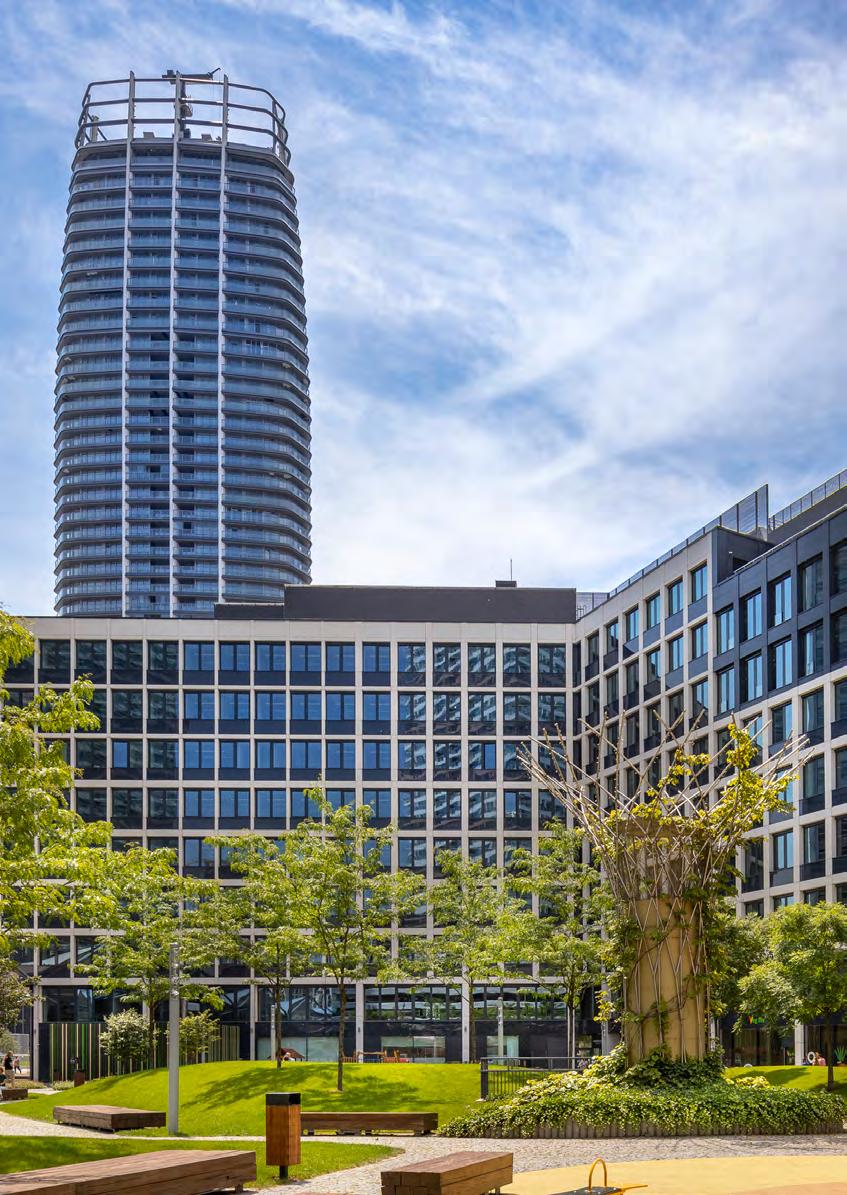
Asset portfolio carbon footprint
Decarbonisation strategy
Having completed the carbon footprint calculation for the year 2023 and 2024, we aim to set a net zero target according to the CRREM tool. We are implementing a yearly carbon footprint evaluation to ensure year-toyear comparability. Some of these measures involve placing requirements on our suppliers. By 2030, the proportion of our suppliers committed to sustainability initiatives is planned to reach 50%. In order to implement this goal we have already started the process of gathering data on our suppliers and their ESG efforts. We are also investing in renewable energy. So far, we have installed solar panels on a couple of existing buildings, Nová Vlárska or Pribinova 40, and additional installations are planned on Westend Square or Klingerka II, III, Harmincova Dúbravka and Nové Lido.
We also transform properties to absorb growing volume of electric vehicles. The result of this effort is the increased number of charging stations from 49 in 2023 to 127 in 2024, with electric power delivery from 11 627 kW to 33 711 kW respectively. Within the next 2 years, we expect the electric power delivery to double.
JTRE office ambitions
As part of our target of lowering embodied carbon emissions, we intend to:
• Increase the number of employees who do not use individual car for daily commute
• Use low-carbon travel alternatives for business trips (trains and public transport for shorter trips, shared taxi rides, etc.)
• Make bike-sharing available to employees.
• Purchase eco-friendly day-to-day office supplies, preferably locally sourced. We already buy certain eco-friendly products (small gifts, calendars, refillable pens).
• Procure office equipment with the best possible EPC label.
• Develop a standard for cleaning services according to the WELL Health-Safety Rating, ensuring that only eco-labelled cleaning products are used by our own as well as third-party cleaning services.
Existing and new development ambitions
• More stringent implementation of our considerate construction standard ECoP (Environmental Code of Practice).
• Reduce construction waste through proper BIM model coordination and on-site waste prevention and separation.
• Reduce embodied carbon through efficient construction logistics and low-emission equipment.
• Optimise the design, allowing for easier fit-out changes and end-of-life disassembly.
• Gradually increase the share of sustainably sourced and reduced-carbon building materials.
• Develop a centralised cross-company green procurement system with uniform ESG criteria for selecting products and services.
• Use green electricity and zero-emission renewable energy sources for cooling and heating.
• Increase the accuracy of energy consumption measurement and software tools for optimisation of building performance efficiency.
• Aligned with the EU’s updated EPBD directive adopted in April 2024, we will phase out our reliance on natural gas for heating and cooling in our buildings by 2030.
• Increase the recycled content in construction and fitout materials with preference for those with EPDs.
• Inform the design at an early stage of the life cycle analysis.
• JTRE is part of City of Bratislava’s initiative Climate Challenge and is a part of an expert group preparing the new Bratislava Green Building Standard. 3.1
Low-carbon mobility
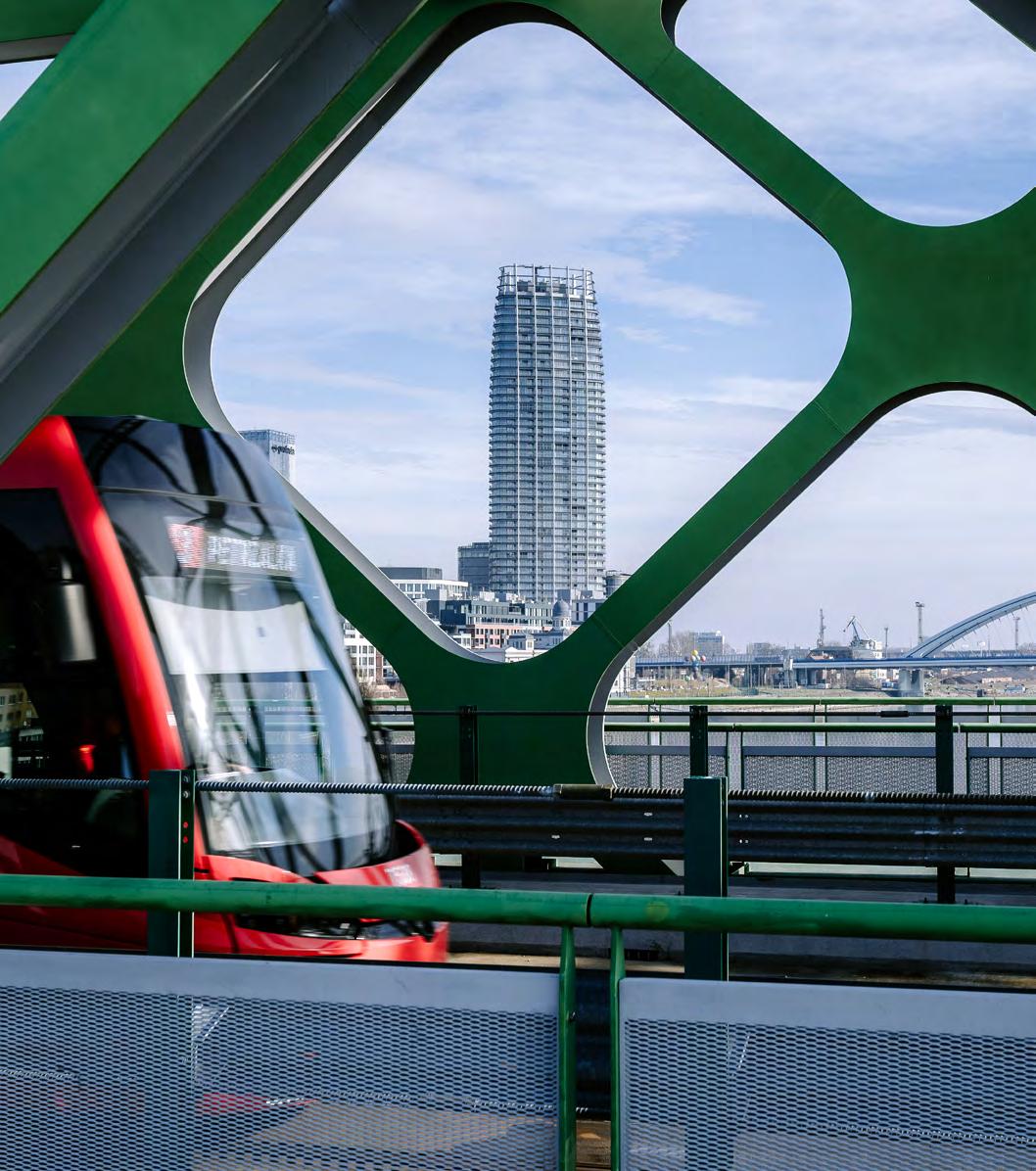
As part of our decarbonisation strategy, we encourage using low-carbon transport by designing projects that include pedestrian-friendly spaces, extensive cycle paths, easy access to public transport, and incorporating electric vehicle charging stations. By creating walkable neighbourhoods with convenient amenities and integrating bicycle storage racks, showers and other facilities into our buildings, we encourage residents and tenants to adopt more sustainable, healthier modes of transportation.
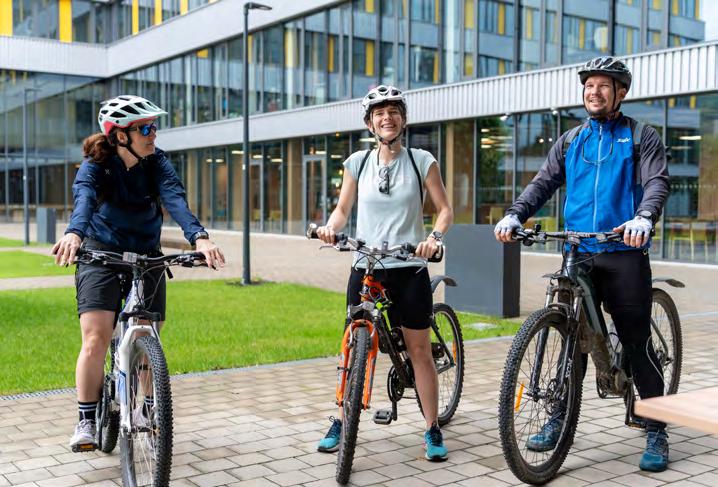
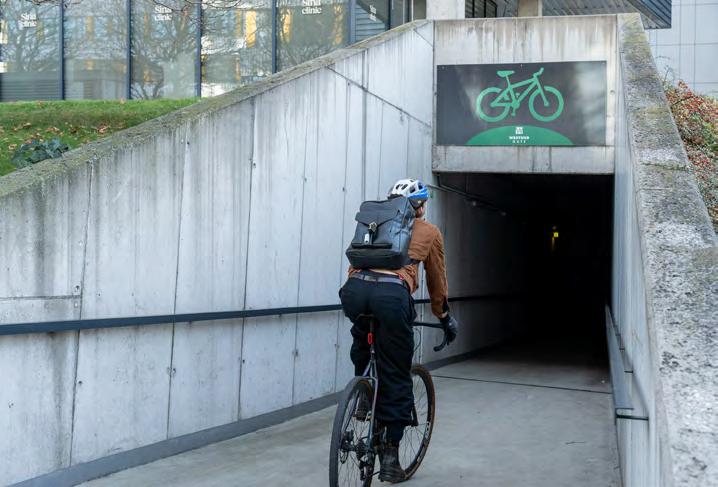
In 2023 we found out through our employee commuting survey that if our employees had proper bicycle facilities and showers, they would commute to work by bicycle. Thus, in 2024 we prepared the project documentation and implementation of a new covered bicycle stand with access enabled only by employee cards. When compared with last year, the percentage of our employees commuting to work using public transport, cycling or walking as the primary mode of transport to work increased by 1.25%.
32,5%
3 revitalised underpasses/ public transport shelters of employees are using public transport, cycling or walking as the primary mode of transport to work
Existing buildings:
• Eperia Shopping Mall – a cycle path for cyclists and scooter riders.
• Eurovea Riverside & Eurovea Tower – design of a public space with car traffic moved from the surface to underground. Only pedestrians, cyclists, and eventually planned tram lines on the surface.
• River Park – installation of bike racks and new bike storage, changing room facilities and shower rooms.
• Tower 115 – installation of bike racks, showers and changing room facilities.
• Westend Gate – bike facility inside the building with a direct connection to a more comprehensive bicycle network; a new cycling route is in planning.
Ongoing developments:
• Downtown Yards – in construction, underground parking providing EV chargers and residential bike storage. Reconstruction of the adjacent street to make provisions for the planned new tram line and convenient and safe local cycle path, segregated from the road by greenery.
• Nové Lido – a new large riverfront zone in planning, with carbon neutrality and community at the concept’s core. High emphasis on walkability, cycling network and public transport accessibility (buses, trolleybuses and trams). Planned new promenade bridge connecting the new zone to the city centre on foot or by bike. Collaboration with Mobycon – one of the largest and most prominent consultants from the Netherlands with expertise in sustainable and integrated mobility solutions.
• River Park - new phase and Ganz House Eurovea installation of bike storages, showers and facilities for bike commuters.
Compliance with the BREEAM certification requirements
All of our new projects are designed to meet BREEAM certification requirements for bicycle facilities, ensuring that there are enough bike racks for the public and that residents and tenants in our buildings have access to safe and convenient bicycle storage and related amenities. These include showers, changing rooms, wet clothing and towels drying space, and bike repair and maintenance stations. We have also created an internal JTRE Bicycle Manual as our best practice standard with good examples and rules for selecting bicycle racks and equipment for our projects, and an easy-to-understand calculator of BREEAM, BREEAM Communities and WELL bicycle requirements.
Biking to Westend
As part of Bratislava Mayor’s climate challenge, 365.invest has committed to support activities that will lead to 5% increase in the number of people who commute sustainably to Westend Square, a building which is managed by JTRE property team.
For this ambitious goal in a city that is dominated by cars, we have started with onsite surveys. Firstly, as part of our LEED certification process, we have asked all of the tenants for their main mode of transport. Secondly, we asked the tenants’ employees on the ground, in person about what their daily challenges in commuting look like. Then, we started creating activities and changes to incentivize people to commute by other means than alone in a car.
Since Westend Business Zone is situated on a major public transportation hub and thus has a great access by bus, we devoted our time to areas where we saw the biggest uptick potential: bikes and carpooling. Carpooling has had a strong initial interest, but we would need to team up with the surrounding institutions to have enough people for shared rides, since only a few clusters of commuters shared their routes to work. Biking, although often seen as independent activity, also followed suit in the community fashion. We found an article from Technische Universität Berlin, which stated that people can overcome number one challenge in picking up biking to work - concern for safety - by biking in groups. Inspired by the research, we set out to organize group morning rides on WhatsApp.
We consulted the most active bikers for their favourite routes to Westend and created a map from every side of Bratislava. While the turn out to these events has been varying between 3-12, we have 55 members in our groups dedicated to biking, many of which are independently organizing their colleagues to hop from cars to bikes. In 2026 we have another survey planned and will be able to determine the success of our activities then. In the meantime, we are excited to continue support biking and other sustainable means of transport to work in the upcoming season!
Sustainable waste and water management
Our goals
91.7% of construction waste at the site Nordhafen Living & Office was recycled in 2024.
3% annual reduction in water consumption across buildings operated by JTRE.
achieved 8% reduction of water consumption at Westend Court JTRE London will set this target for the building managers. We have already adopted the company‘s goal into our design stage for 220 Blackfriars. Not applicable, Nordhafen Living & Office is being built
Operational waste
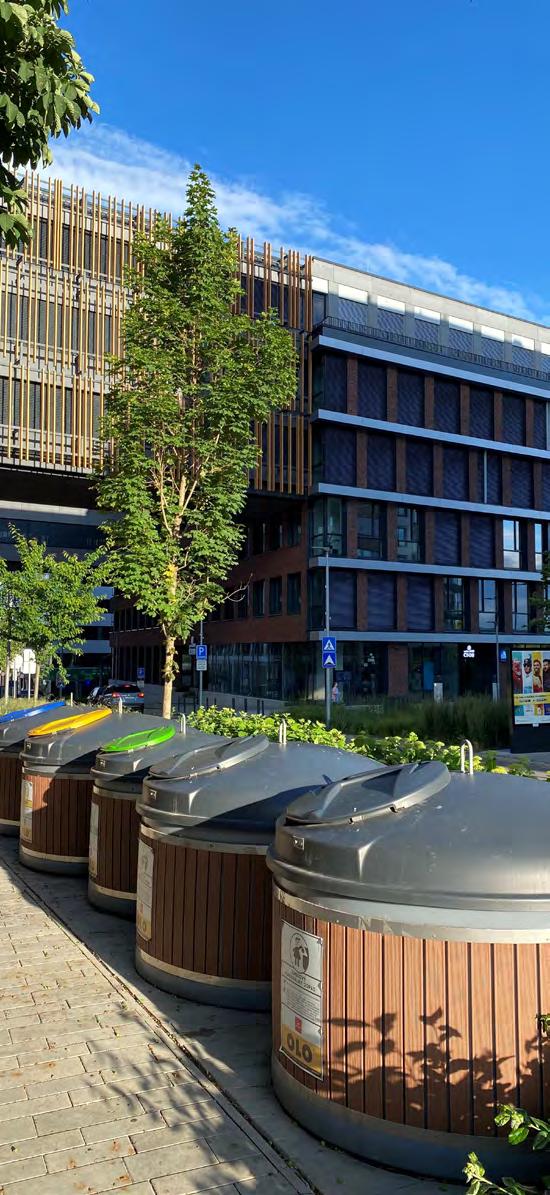
We minimise mixed waste by separating into the following categories: paper, PET bottles, plastics, glass, kitchen waste, and mixed waste. Kitchen waste is processed into biogas. By implementing kitchen waste separation and processing, we expect to decrease the amount of mixed waste by 40% in the upcoming years. We also separately collect used batteries. We have also done an internal audit of what kind of waste we produce by weighing all the recycled trash in our office to understand how well we are sorting our waste.
Construction waste
Our subcontractors must comply with our Environmental Code of Practice (ECoP). Aside from other requirements, ECoP also stipulates general rules for monitoring, reporting, and managing waste during demolition and construction:
• We sort waste according to the categories established by law.
• We prevent contamination of waste so that it can be reused.
• Waste collection points are adequately marked around the construction site.
An authorised waste management company weighs the amount of waste produced. The collected data is used in LCA and the building’s embodied carbon calculation.
Better data about our waste streams
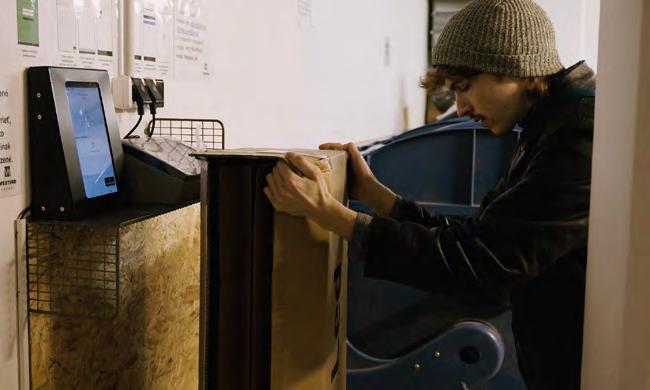
Obtaining accurate data on our waste streams is challenging, as waste management companies typically estimate volumes based on the number of containers collected rather than the actual material composition. Replicating this at the tenant level would be unfeasible without dedicated measuring equipment and software such as that provided by Sensoneo. Together, we launched a pilot project at Westend Square to capture tenant-level information on waste generation. We are still in the proof-of-concept phase, and several challenges remain, but thanks to close collaboration with our tenants and their cleaning service partners (and the simple scale illustrated on this page), we are now able to deliver monthly, detailed reports on each tenant’s waste patterns.
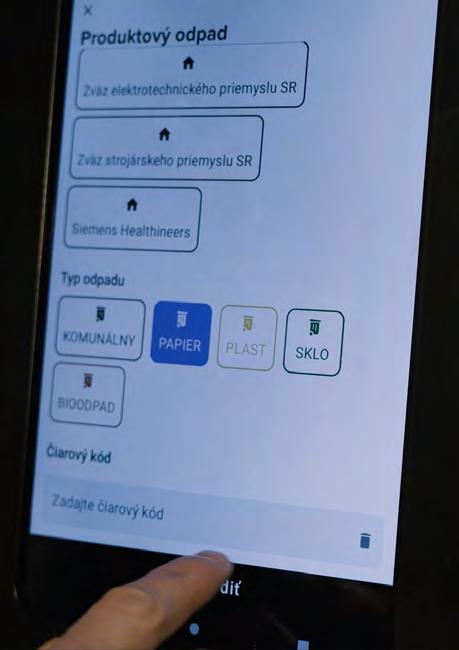
We aim to scale what we have learned at Westend Square to other buildings managed by our property teams, more updates will be seen in JTRE news and ESG report 2025.
Soil remediation
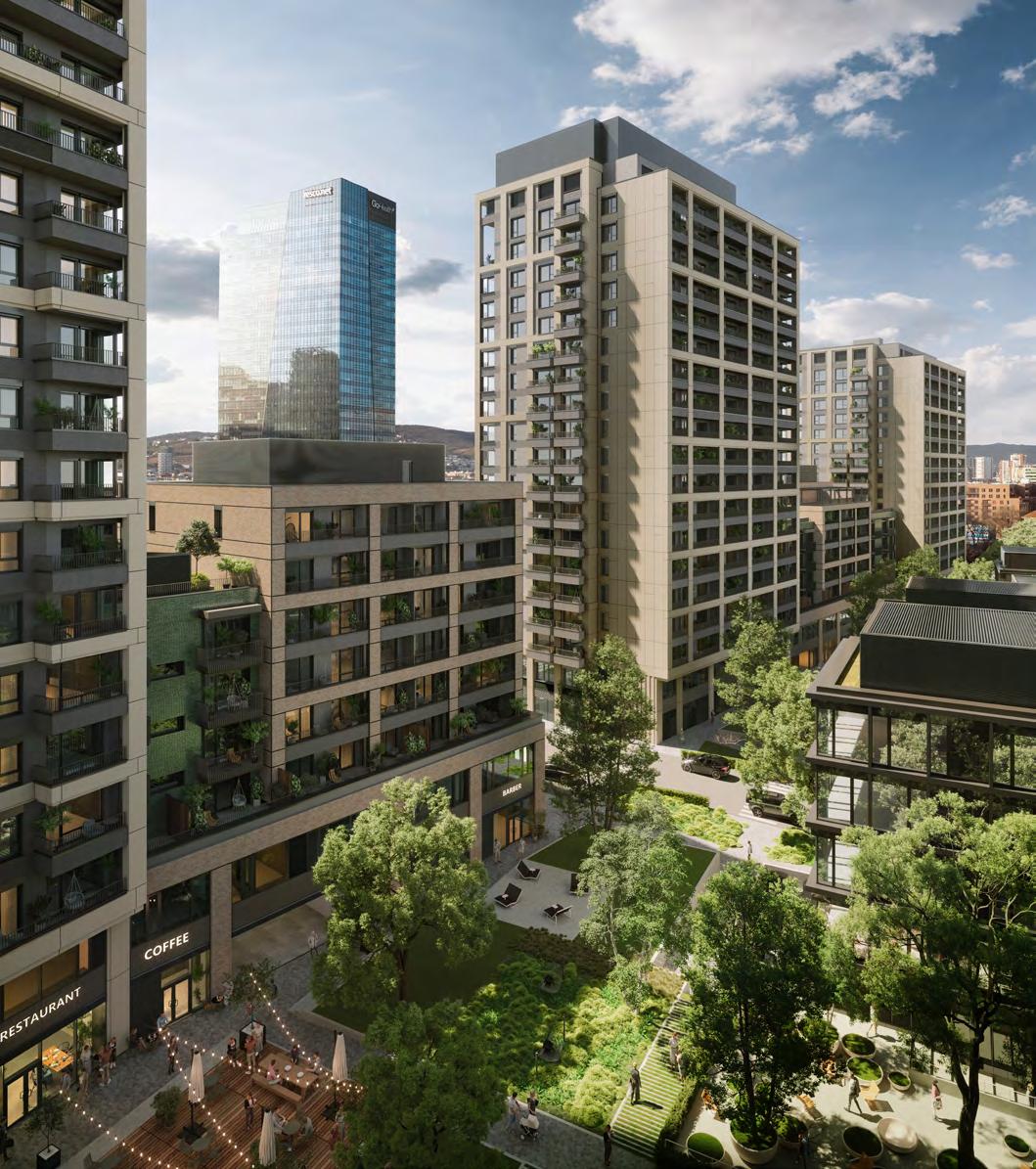
The Downtown Yards project is an ambitious new development that continues our earlier Klingerka project. Built on the site of the former Gumon plastics factory and the edge of the former Apollo refinery, the area was defined as a brownfield. Apollo was taken by the Nazis during the Second World War and was bombed by the Allies in 1944. Both factories left behind a significant toxic environmental burden that was left without remediation during the times of the communist regime.
JTRE aimed to reclaim this industrial brownfield and turn it into a vibrant, healthy, mixed-use area with residential, commercial, and recreational facilities.
To address this environmental burden, we removed 150,000 m3 of oil-contaminated soil and took it to a specialised facility for remediation. This environmental treatment totalled EUR 28 million in additional costs.
Sustainable water management
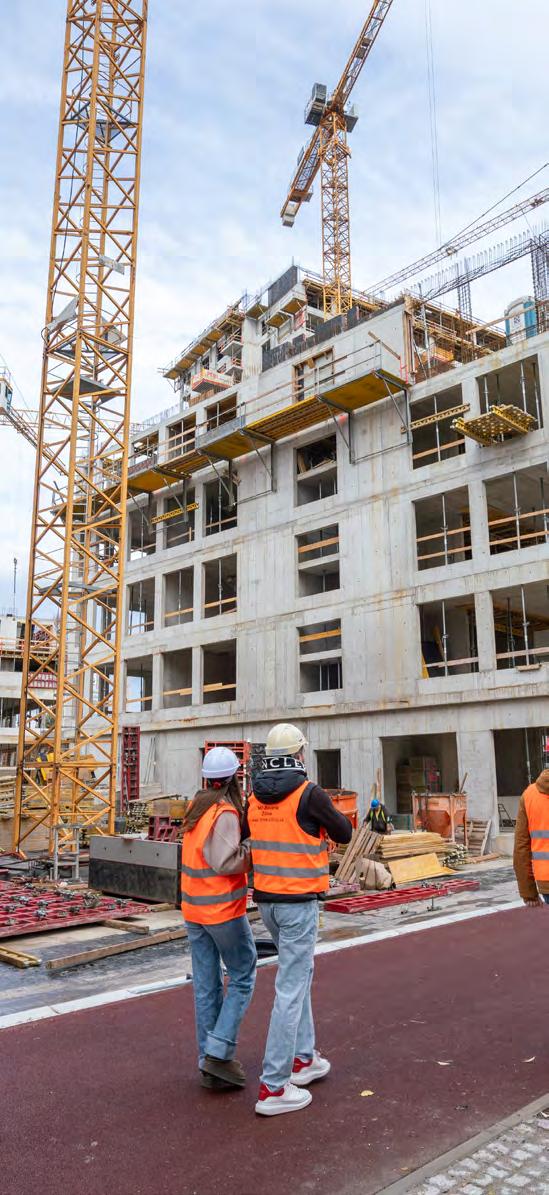
We implement strict measures to prevent surface water contamination and reduce water consumption during construction. Our ECoP considerate construction standard includes preventive and control measures, environmental targets as well as the collection of data. Our office operations are focused on reducing water use by installing water-saving plumbing fixtures. Beyond implementing strict measures to protect and
conserve water on our construction sites, we have implemented retention basins and polders for example, at Klingerka offices or Ovocne sady residential project. These systems complement our construction site initiatives, ensuring we manage water responsibly throughout our portfolio.
499.57 m3
Total water consumption JTRE a.s.
Protection against surface water contamination
Several robust measures are in place to prevent surface water contamination at our construction sites. All containers holding contaminated materials are rigorously checked to ensure they are leak-proof and stored within controlled zones to avoid spillage. We conduct fuel pumping, oiling, and lubrication over drip trays or impermeable surfaces situated away from drainage and soak-away systems and always under supervision. Furthermore, only vehicles without oil or fuel leaks are permitted on our construction sites, with drip trays placed under immobile machinery. Regular vehicle maintenance is performed off-site to mitigate risks, but if on-site maintenance is necessary, it is conducted over an impermeable surface. Designated washing areas for vehicles and equipment are established to prevent untreated runoff from contaminating groundwater or drainage systems. Wherever possible, we use biodegradable hydraulic oils for machinery operating near watercourses during the construction phase.
Water conservation
We have adopted several measures to conserve water during our construction projects; washroom facilities on construction sites are equipped with water-saving fixtures, including toilets, urinals, and faucets. Cleaning stations for trucks and vehicles exiting the construction
site are fitted with water recirculation systems to minimise water usage. Sedimentation tanks are integrated into the drainage system, and collected water is reused for dust suppression and supplementary wheel washing during construction. We also consider using temporary rainwater harvesting systems to support these efforts. All water consumption on construction sites is meticulously measured and recorded monthly in accordance with regulatory standards.
Office measures
We measure water consumption in our offices and compile monthly reports. We have repeatedly tested our drinking water quality in certified labs and promote and facilitate the use of tap water over bottled water by providing our employees with branded multi-use jugs and informing them through infographics.
When installing new technical elements in the buildings, we implement strict water flow limits across all our buildings. This initiative reduces overall water consumption, reduces costs, and supports our commitment to sustainable practices. As a standard, our building management system (BMS) is provided with a water leak detection system. In kitchenettes and underground parking areas, the wastewater is filtered in grease and oil traps before it is allowed further into the municipal wastewater sewer system. Our company does not produce hazardous wastewater. Moreover, our office premises have wash basins with aerators installed and are maintained on a regular basis. The water stream can be adjusted.
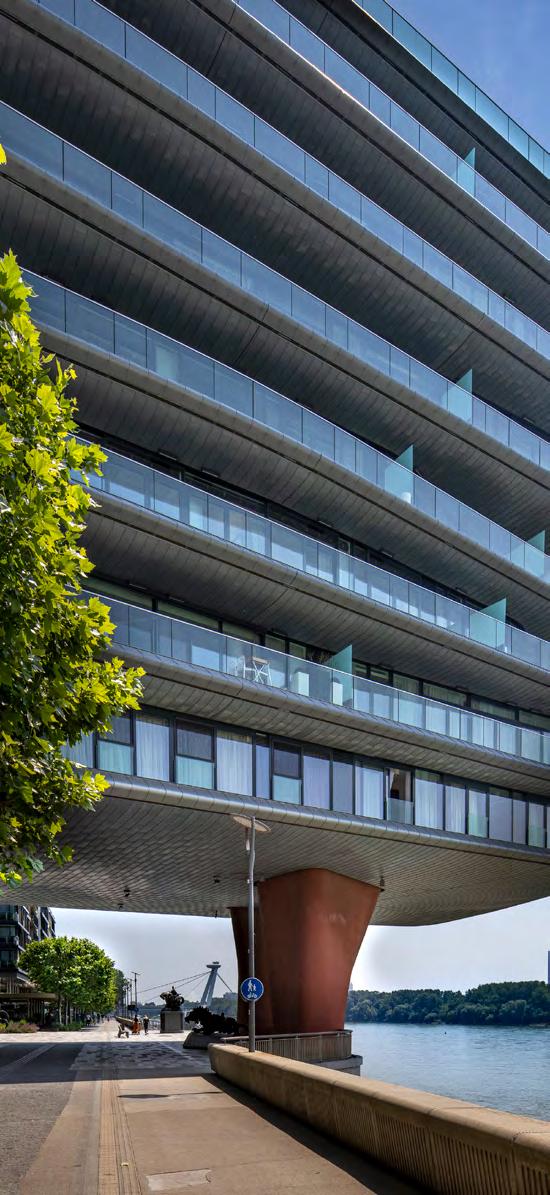
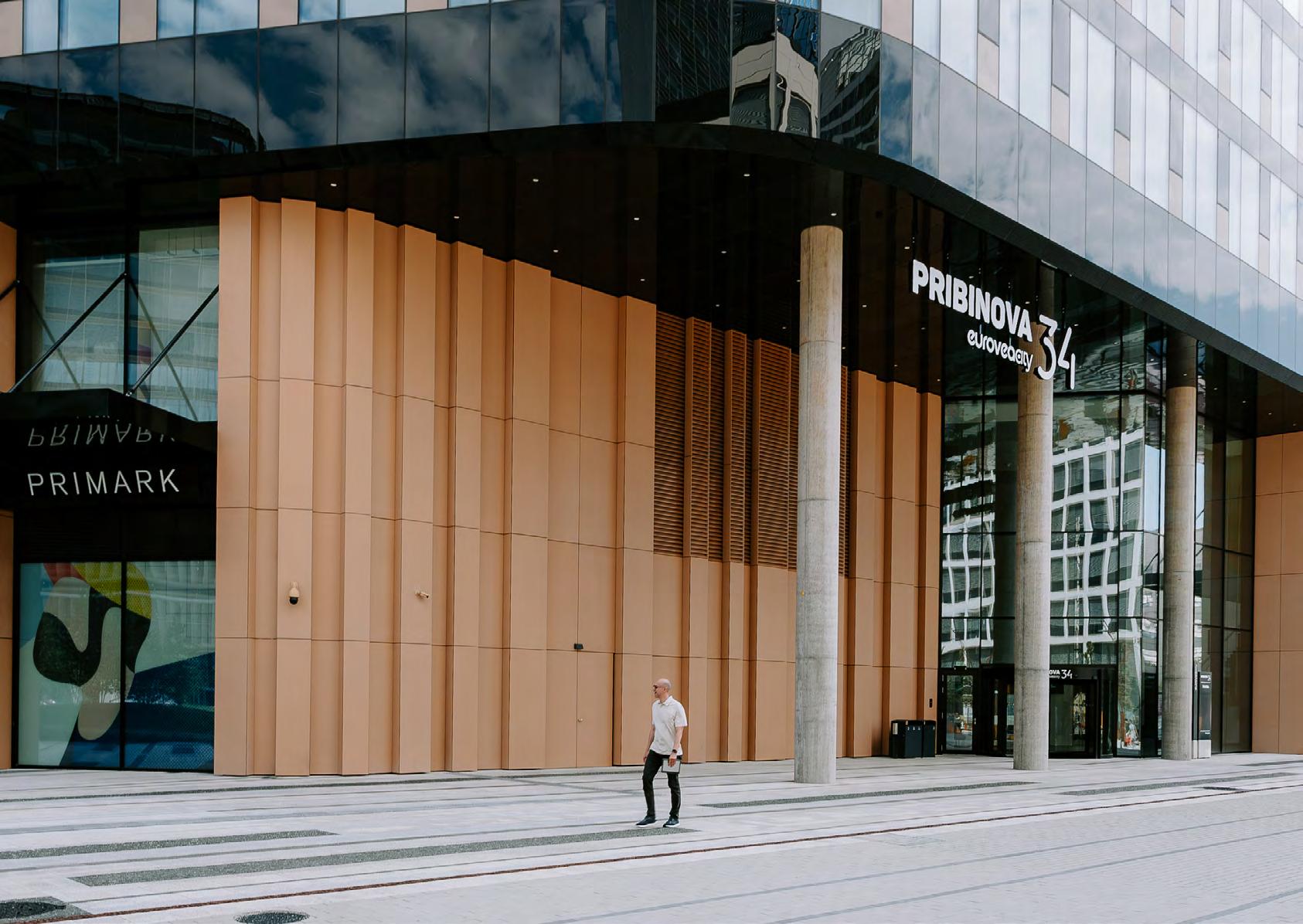
Certifications
Our goals
ESG Goals - JTRE a.s.
Sustainability: Our minimum goal for new and existing buildings is BREEAM Excellent / LEED Gold. We are also introducing EDGE Zero Carbon certification in our effort to decarbonise our new buildings in operation.
Health and well-being: Our minimum goal for new and existing buildings is a standard WELL Health- Safety rating. In more prominent projects, we will aim for WELL v2, minimum level Gold.
Connectivity & smart technologies: We are piloting Wired Score, Smart Score and Smart Building Collective certifications on several buildings. Upon evaluation, goals will be set (2026).
a.s.
London
JTRE
JTRE
JTRE Germany
Ganz House Eurovea is aiming for BREEAM - Outstanding ERA is aiming for BREEAM - Outstanding
Triptych Bankside Office achieved BREEAM Excellent. We are aiming for BREEAM excellent and LEED Platinum in 220 Blackfriars.
LEED Platinum is the aim for Nordhafen Living & Office.
Ganz House Eurovea is aiming for Well v2 Core&Shell - Gold
We are on track to achieve Well Platinum for 220 Blackfriars.
Nordhafen Living & Office achieved WELL health and safety rating
Ganz House Eurovea is aiming forSmart Building Collective ERA is aiming for Edge, SmartScore, WiredScore
We are on track to achieve Smart Gold and Wired Score Platinum in 220 Blackfriars.
Nordhafen Living & Office aims to achieve Wired Score, Smart Score.
Certification highlights
At JTRE, we are committed to continuously improving our buildings’ sustainability, health, well-being, and connectivity. At the same time, we want to be transparent in our claims and avoid any potential greenwashing. That is why we have adopted several robust, globally recognised certifications by independent third parties. Certifications such as BREEAM, LEED, WELL, Smart and Wired Score are also a guarantee that no relevant topic has been omitted.
8 BREEAM-certified buildings
2 Projects aiming for WELL v2 certified buildings
1 BREEAM Communities pre-certified zone
13 WELL Health-Safety ratings
2 LEED-certified buildings
1.
Sustainability (green)
certifications
LEED
(Leadership in Energy and Environmental Design) by USGBC is the American version of BREEAM certification, covering a similar spectrum of sustainability topics, with some differences, such as the energy modelling based on the American ASHRAE standard. LEED is the second most popular certification system in Europe, while it is the leader globally.
For more details, refer to:
LEED rating system | U.S. Green Building Council
Highlight:
JTRE has achieved LEED Gold certifications for Landererova 12 and Pribinova 19 projects. The projects earned Gold by implementing a range of sustainable features, such as advanced energy and water management through BMS, use of sustainable materials and considerate construction practice.
EDGE Zero Carbon
by GBCI certifies carbon-neutral projects based on their actual performance. Projects meeting the EDGE Standard with at least 20% predicted savings in energy use, water use, and embodied energy in materials benchmarked against a standard local building are recognised as EDGE Certified. In addition, projects that achieve 40% or more predicted on-site energy savings are recognised as EDGE Advanced. Projects that supply their operational energy needs with 100% renewables or purchase carbon offsets to top off at 100% may pursue EDGE Zero Carbon after verifying the actual performance for 12 months with at least 75% occupancy.
For more details, refer to:
EDGE | Green building certification
Highlight:
JTRE is currently pursuing EDGE Zero Carbon on two pilot projects, one in Bratislava and one in London.
BREEAM
(Building Research Establishment Environmental Assessment Method) is the oldest and one of the globally most recognised sustainability assessment methods run by BRE based in the UK. The certification evaluates buildings based on various sustainability criteria, including energy performance, health and well-being, innovation, land use, materials, management, pollution, transport, waste, and water. Rating of Outstanding in BREEAM is awarded only to the very best sustainability performers on the market, followed by Excellent, Very Good, and below. For new buildings, we use BREEAM NC International. For existing buildings, we use BREEAM In-Use. Some of our achieved certifications are listed below. BREEAM Communities certification does not address individual buildings but significant urban developments as a whole and includes also social aspects, microclimate topics, economic benefits and a range of other ESG topics.
For more details, refer to: BREEAM|Standards
Highlight:
JTRE’s project Pribinova 40 has achieved the prestigious BREEAM NC Outstanding rating. This is, so far, our best-rated completed building. See further details in the list of projects.
2. Health & well-being certifications
WELL
Building Standard run by IWBI is the most robust, evidence-based certification aimed primarily at a healthy indoor environment. It stipulates science-based targets in 10 separate concepts: Air, Water, Nourishment, Light, Movement, Thermal comfort, Sound, Materials, Mind, Community and Innovation. Similar to LEED, based on the performance evaluation and achieved credits and optimisations, one of four credits may be achieved: Bronze, Silver, Gold or Platinum.
For more details, refer to: WELL| Certified
WELL
Health-Safety Rating
has been developed by IWBI to address situations such as the Covid pandemic in the workplace. It is a standalone certification that can be done separately or jointly with WELL Building Standard certification. The rating includes over 20 features across five action areas: Cleaning and Sanitization Procedures, Emergency Preparedness Programs, Health Service Resources, Air and Water Quality Management and Stakeholder Engagement and Communication.
Highlight:
JTRE is currently pursuing WELL v2 certification on 2 pilot projects, Ganz House Eurovea in Bratislava and 220 Blackfriars in London.
Highlight: JTRE gained WELL Health-Safety certifications for 13 projects
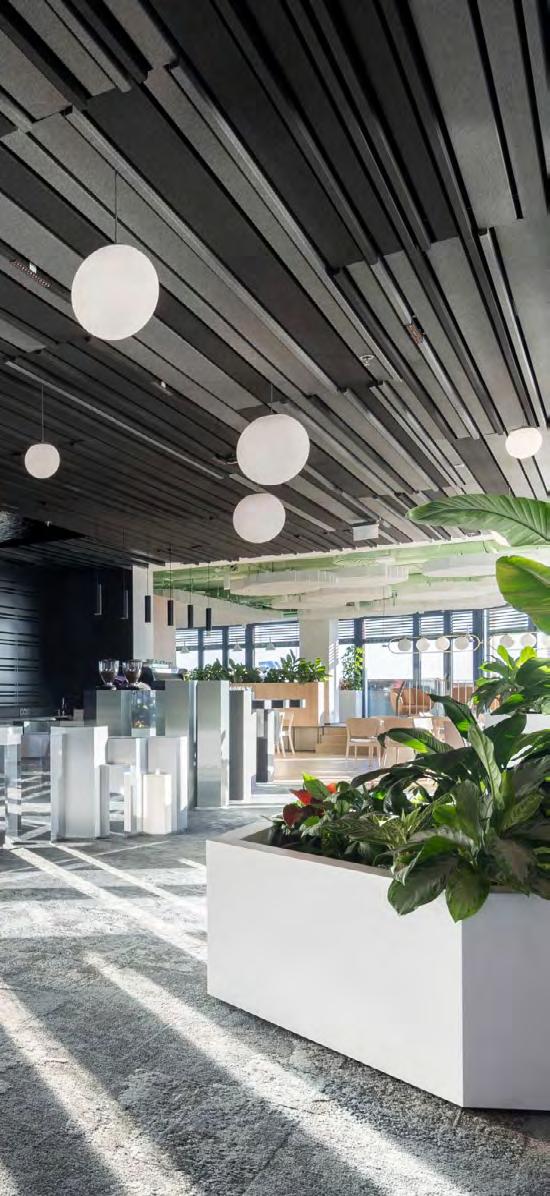
3. Connectivity and smart building certifications
SmartScore and Smart Building Collective
evaluate how the building’s technology and its functions impact users’ experience. Touchless building access strategy, workplace environmental monitoring and control are some of the features assessed. Another main area is building data management and how it is used to optimise technology effectiveness and reduce energy consumption. Overall, building data from different building systems and processing it (measuring, analysing, presenting) is a significant part of certification.
For more details, refer to:
Smart Building Collective
WiredScore
emphasises the property’s digital connectivity and network resilience, ensuring a robust telecommunications infrastructure. Through WiredScore certification, JTRE assures tenants of reliable, high-speed internet and mobile connectivity, essential for modern business operations. This certification attracts tech-savvy tenants who prioritise seamless digital communications.
For more details, refer to:
WiredScore
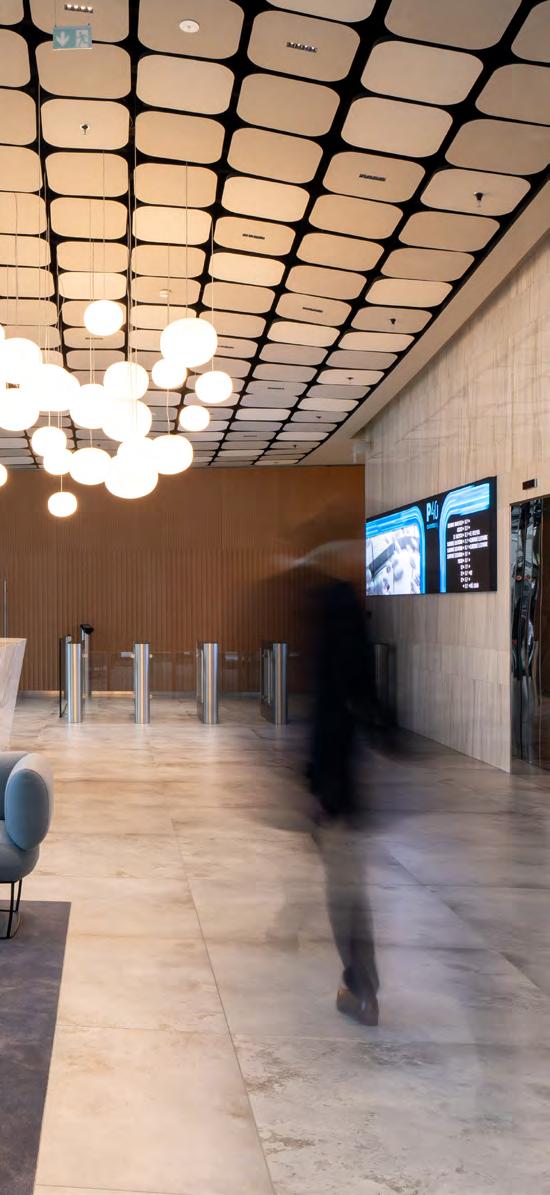
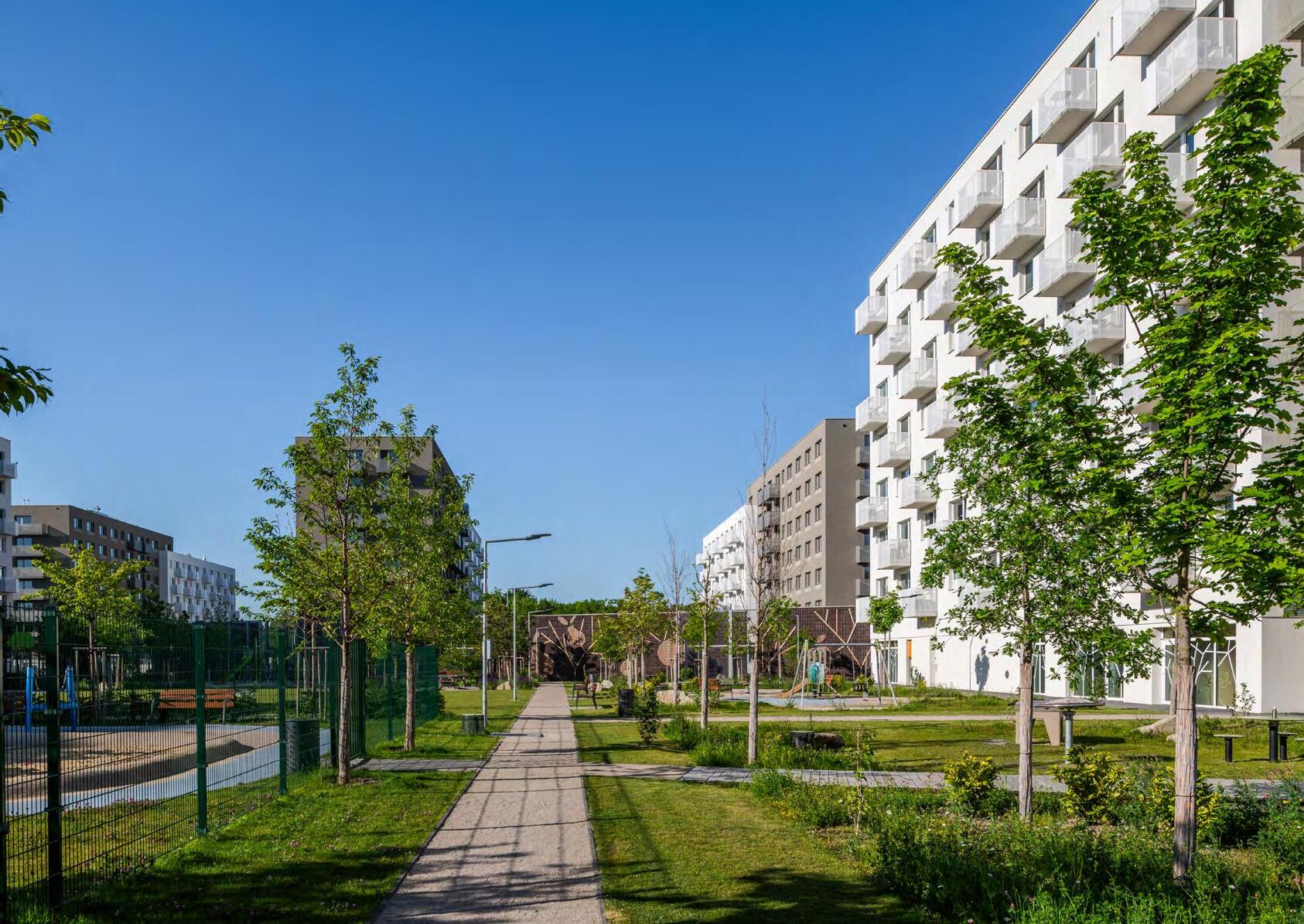
Biodiversity and adaptation to climate change
Our goals
ESG Goals - JTRE a.s.
Set up a system to measure the size and quality of green areas of all projects by 2025, inspired by the Bratislava Ecoindex, which we aim to implement in collaboration with the city of Bratislava in Nové Lido.
JTRE a.s.
We comply with all applicable laws required when starting a new building projects, such as EIA. In addition to that we are in the process of discussing a system of measuring quality of green areas in our projects.
JTRE London
This is often dictated by planning requirements. For example, we have the urban greening factor of 0.44 which is 46% above the requirements for 220 Blackfriars.
Limit bird collisions with our buildings to a minimum Newly planned buildings compliant with recommendations. Not applicable
JTRE Germany
Nordhafen Living & Office fulfills the requirements of the Berlin standard for local species conservation. In addition, there will be green roofs incorporated .
Issue discussed and adressed. The windows are not fully glazed, preventing bird collision.
Biodiversity highlights
18+ developed projects with integrated green spaces and/or biodiversity-friendly areas
4000+ m2 of green parks developed
6+ projects including water features or fountain
While we lack comprehensive data mapping biodiversity according to GRI or ESRS standards, we have identified biodiversity and ecosystems as a material topic. We will make it a priority for us in the coming years. We are committed to developing a plan to effectively manage, assess, and monitor our biodiversity impacts.
2 projects involving contaminated soil remediation
1 endemic species supported
Environmental Impact Assessments (EIAs)
We conduct EIAs for each of our projects to identify and understand potential impacts on biodiversity and existing green spaces. This comprehensive approach allows us to evaluate how construction and development activities may disrupt local habitats, flora, and fauna, and also enables us to consider diverse comments from the public invited to the EIA process.
Enhancing ecosystem services in our projects and adaptation to climate change
Adaptation to climate change is becoming an increasingly critical aspect of our real estate development, given the growing frequency and severity of climate-related events. For this reason, we are gradually increasing our climate change adaptation efforts in several areas described in this report. By developing green spaces, biodiversity areas, and water features in our projects, we contribute to air purification, water retention, and temperature regulation, which are increasingly under considerable stress due to climate change. Our biodiversity and adaptation initiatives within the project developments include the following:
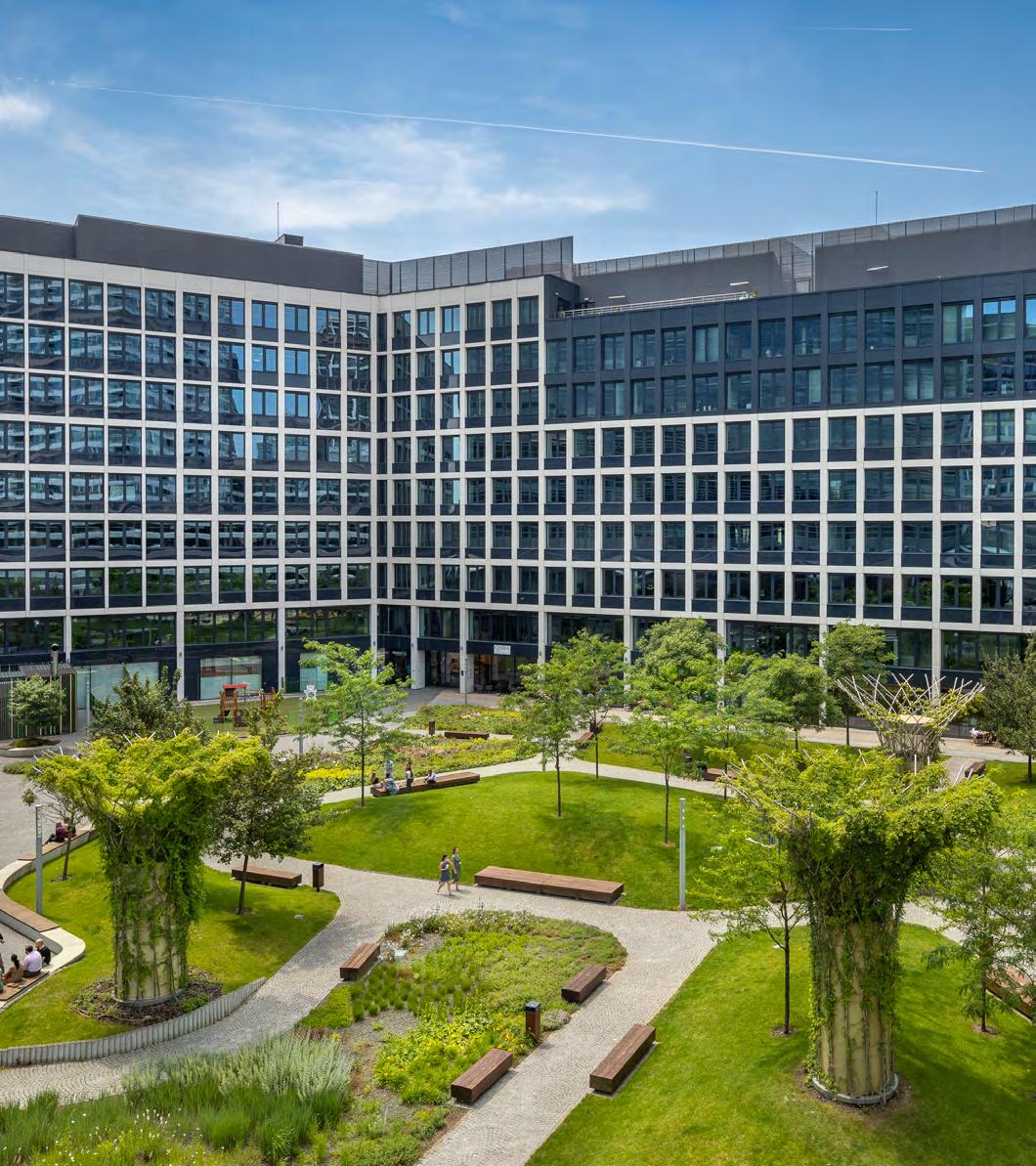
1. Green infrastructure
• Green roof incorporation, such as in Eurovea Riverside , Panorama Towers - garages, River Park, Klingerka - garages
• Green spaces development – parks, green squares, planting around the buildings, biodiversity meadow planting, establishing pergolas with greenery and climbing plants, flower beds planting, green façade, such as at Fuxova Residences, Triptych Bankside, Eurovea Riverside, River Park.
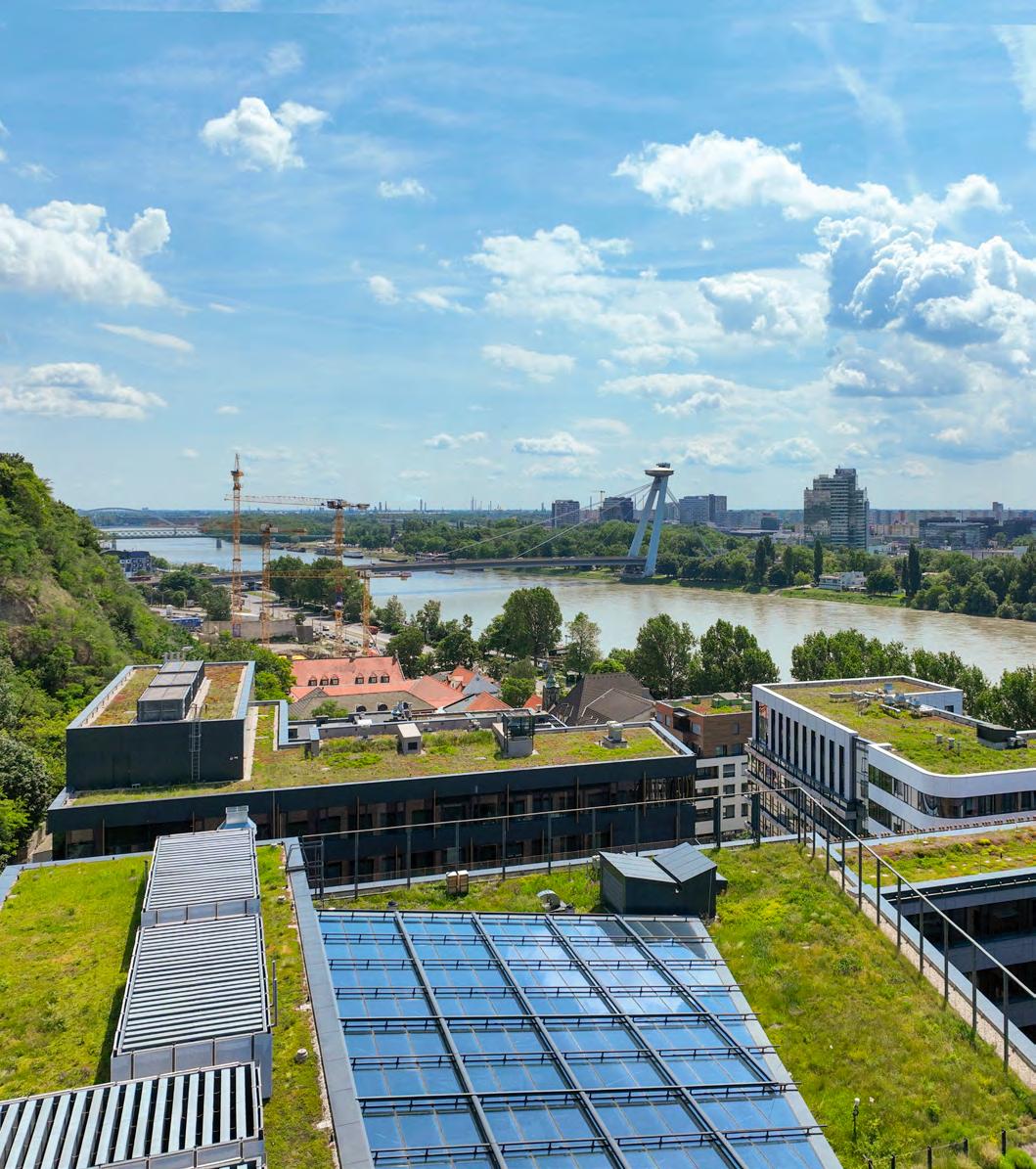
2. Biodiversity enhancement
• Preservation of the native species – site for the preservation of native flora, conservation of the unique plant Jovibarba globifera at Zuckermandel.
• Biodiversity-friendly features – insect hotels, bumblebee hotels, bird houses, bat houses, beehives, such as at Ovocné sady Trnávka, Kynek Residences.
• Water feature incorporation – water fountains, rainwater-fed polders, rain gardens such as at Pribinova 19, River Park, River Park II, Tower 115, Klingerka provide habitats and flood protection.
• Our window planters used for trailing plants provide a suitable habitat for the common kestrel, which acts as a natural control of the rodent population. We also work actively to prevent window-bird collisions by implementing markings on glass and external blinds, which create a visual clue for birds.
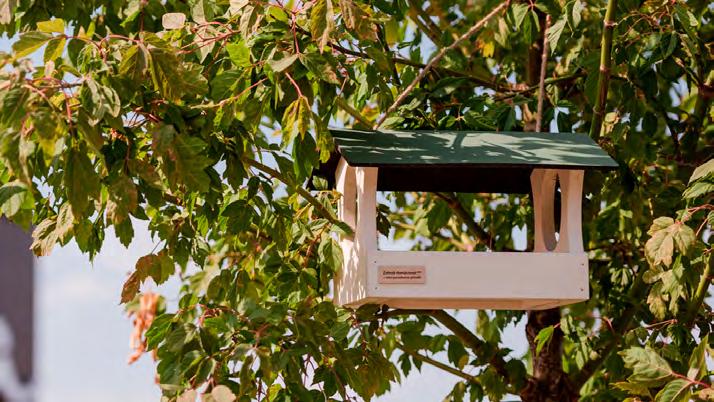
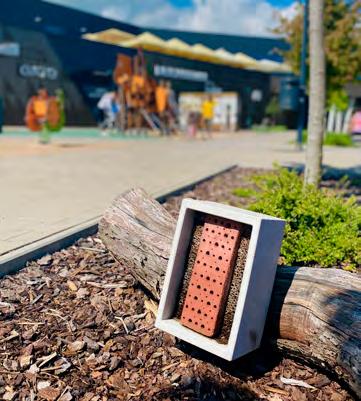
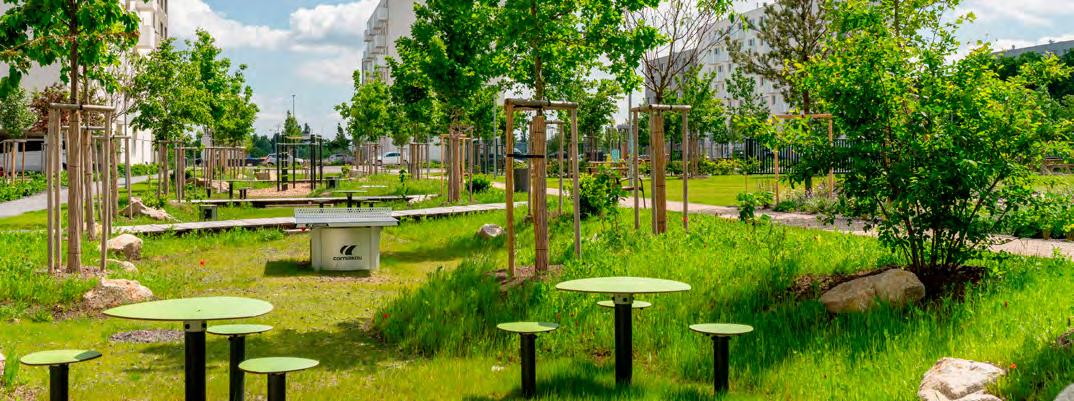
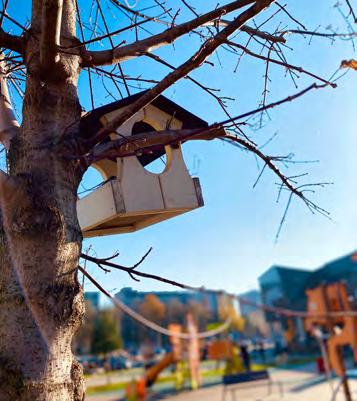
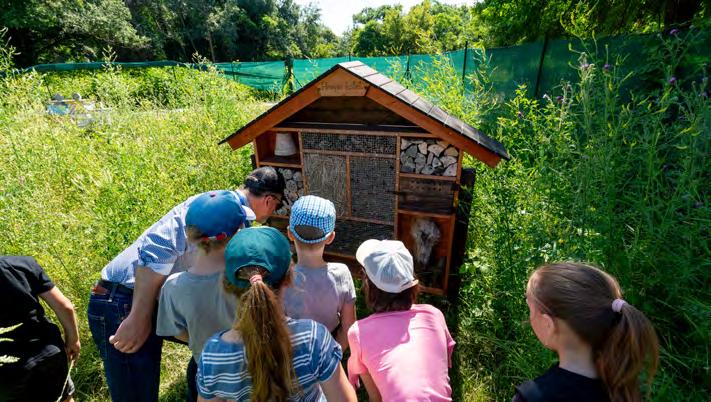
3. Community and educational purposes of climate adaptation practices
• Educational path with a natural science focus for the local fauna and flora is being prepared as part of the new Nábrežný park on the river front, in cooperation with the City of Bratislava. In addition, under the Old Bridge there will be recreational/sports area with an event zone for the public.
• Recreational opportunities for communities, as seen in the Nové Lido and Ovocné sady community gardens.
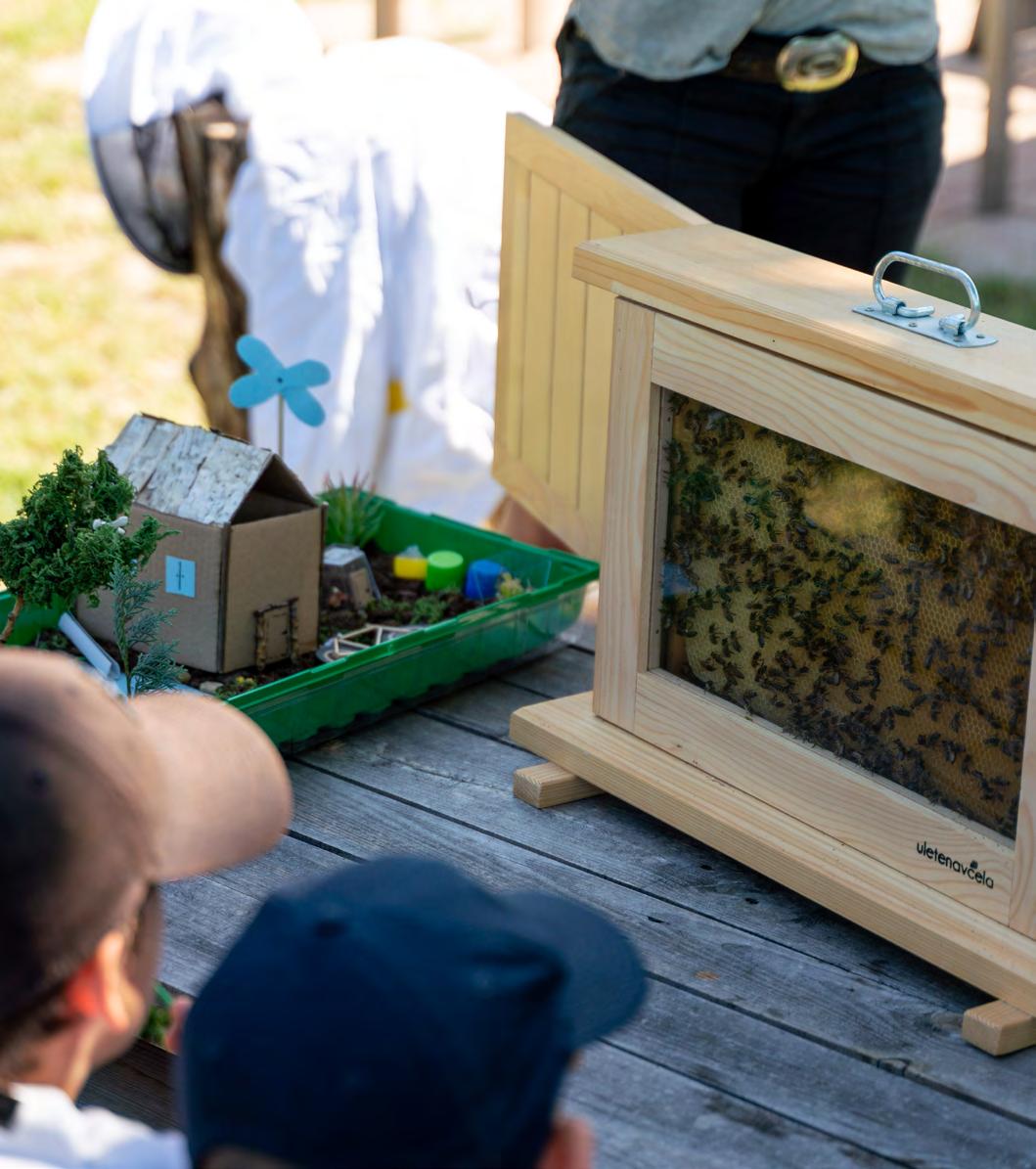
4. Urban Heat Islands (UHI)
Many of the aforementioned adaptations address the mounting problem of urban heat islands, whereby city temperatures are significantly higher than the surrounding countryside. Cities generate and trap more heat due to increased human activity and replacing vegetation with impervious materials like asphalt and concrete. JTRE is aware of these realities, and that is why we conduct micro-climate assessments and implement urban heat island prevention measures. Evaluating albedo and shading factors, providing ample green spaces, and growing our own local trees that maximise evapotranspiration are among our UHI mitigation strategies, which we want to further improve in coming years. While ”cool pavements” are more effective, canopies over pavement can also reduce heat absorption.
Therefore, as part of the Nové Lido development, we conducted a microclimate study—along with several other assessments—to evaluate the project’s impact on the local microclimate. As we are aware of Nové Lido providing a colling effect for the city area due to tree and shrub cover, we are also conducting dendrological and arboricultural studies to ensure that the green cover is preserved to the greatest extent possible within the new development.
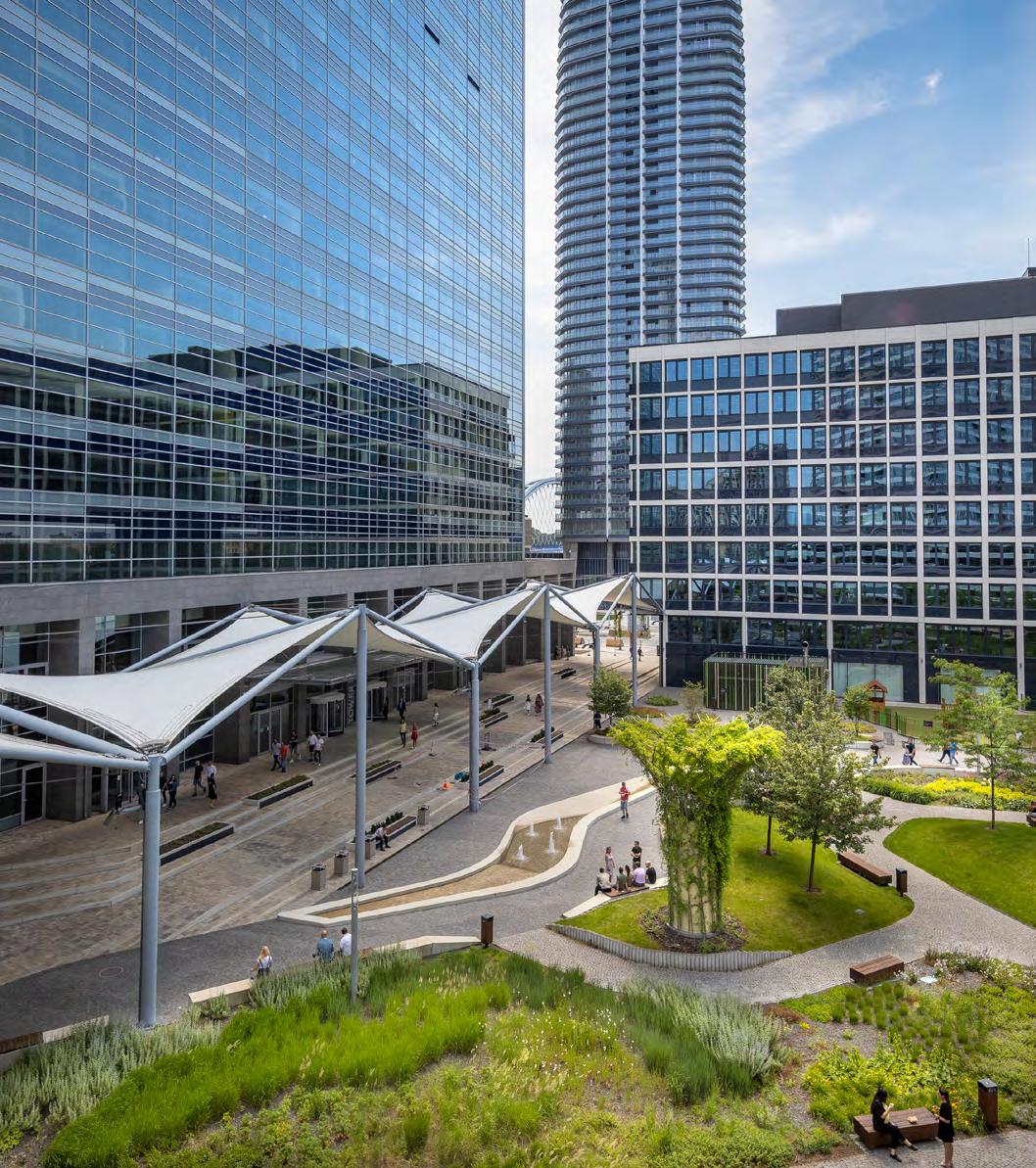

Our employees
Our goals
2023 2024
Introduce easier and faster management of daily operation complaints and suggestions by 2026.
This will be integrated within the whistleblowing and complaints electronic system.
By raising awareness, we intend to increase the participation rate in professional development activities (conferences, online courses, workshops, excursions, etc.) by 10% by 2026.
Promote healthy food options inspired by WELL certification standards and increase the satisfaction rate with the local canteen by 15% by 2026.
Promote healthy daily routines, including commuting on foot or bike, and thus decrease the number of car commuters by 10% by 2026.
We do not measure participation rates each year. However, our employees are free to attend a workshop/conference as long as it is meaningful and connected to their subject of work.
Survey to be done, but the canteen has introduced a salad bar and healthier / vegetarian daily menu options.
In 2023 69% of respondents to our survey on commuting were coming to work by car. In 2024, it was 61%. We expect increase as new bicycle storages, showers and lockers had been just completed in 2025. As part of the employee benefits, we offer discounted MultiSport cards and SkiPasses.
We will have a smart app for tenants and facility management users to enable this function. This is part of the smart score requirement. We have also adopted the whistleblowing proceedure for JTRE London staff.
Not applicable
Competency, training, and development will be assessed for each JTRE London employee. This is forming part of our review on policies to ensure we are complying with this.
The team of JTRE Germany regularly takes part in conferences related to the subject of their work.
We provide fresh fruit to all JTRE employees during the week. As JTRE London does not operate an on-site canteen, we are exploring options to further support healthy food choices for the team.
Healthy food options to be implemented - fruits available for free.
JTRE London has already achieved this goal. 100% of employees commute to work by public transport, cycling or walking, with zero car commuters. To further embed active lifestyle, JTRE London is exploring Cycle to work scheme, discounted gym membership and annual contribution to fitness equipment.
Bike routes available, bike parking available
ESG Goals - JTRE a.s.
JTRE a.s.
JTRE London
JTRE Germany
Data on the employee gender division
Employee age group division
Health & safety at JTRE
At JTRE, we have established rigorous standards of health and safety management for all our employees that are aligned with national standards. JTRE has the Employment Rules standard, which serves as the basic internal regulation for labour relations. The Employment Rules standard governs the interactions and mat- ters between JTRE and its employees. We have aimed to implement effective Health and Safety (HSE) management with appropriate policies and guidance. We recognise the potential risks of mismanagement, including problems caused by poorly managed equipment or human error. We provide comprehensive employee training to meet our HSE policy and management targets.
Health & safety compliance
JTRE is committed to ensuring that all certification standards and legislative requirements related to health and safety in the countries where we operate are met. We believe it is our responsibility to provide our employees with the necessary information and training to ensure they are aware of the laws and regulations pertinent to the health and safety aspects of their roles. This allows us to guarantee legal compliance (Labour Code, §147) as specified by the Occupational Safety and Health Protection Act. Our commitment extends beyond regulatory obligations, as we strive always to cultivate and maintain a healthy and safe environment.
Our employees are covered by JTRE’s internal HSE system
In 2024, we ensured that our internal health and safety management system covered 100% of our employees:
167 Employees covered by JTRE’s HSE system 100% Employees covered
167 Total FTEs covered
5 Part-time employees covered
Elements of JTRE’s HSE management system
Personal safety responsibility
Employees are mandated to actively participate in maintaining their own safety as well as the security of their personal belongings. This includes proper handling of work equipment, securing confidentiality of non-public information, and adhering to internal regulations regarding system and IT security.
Training and compliance
JTRE mandates safety trainings (OHS and FP*) upon hiring, with periodic refreshers every two years. Managers participate in additional occupational health and safety training every three years. At the same time, employees who use company or personal vehicles for business purposes are required to undergo driver safety training curated by our logistics team.
Emergency preparedness
Enhanced emphasis is placed on emergency preparedness with mandatory training for all employees on fire alarms, extinguishers, emergency exits, and first aid kits. This training is reinforced periodically to ensure all employees are well-versed in emergency procedures.
Health examinations
Our dedicated HR personnel department is responsible for organising and overseeing initial and periodic medical examinations, fostering a culture of continuous health surveillance.
Health and safety management –OHS Plan
The Occupational Health and Safety (OHS) Plan at JTRE construction sites is developed in strict accordance with Section 5 (2) (b) of the Slovak Government Decree No. 396/2006 Coll., which outlines the minimum safety and health requirements.
OHS requirements
All construction site activities must take into consideration the following aspects of health and safety:
1.
Protection of the health and safety of the Contractor's employees and other parties involved in the affected construction
2.
The creation of a favourable and safe working environment
3. Protection of the public against injury and material damage
4. Protection of the builder's employees
Prevention & HSE risk management
To prevent accidents, we emphasize detailed record-keeping and implement remedial actions to avert them in the future. By monitoring and analysing these events, we aim to decrease accidents, thereby preventing severe or fatal accidents. Our HSE system includes regular on-site risk assessments and inspections. Conducting work-related risk assessments, including those by contractors and subcontractors, is standard practice across our subsidiaries. Additionally, most of our operations undergo third-party safety inspections to evaluate the health and safety aspects of our projects and
technological processes, ensuring continuous improvement and adherence to safety standards. As a standard of good practice, we implement on construction sites our own Environmental Code of Practice (ECoP). It does not only require keeping detailed track of environmental data, waste separation rate and protection of the environment but also sets extra health and safety measures.
5. Environmental protection
Employment, training & development
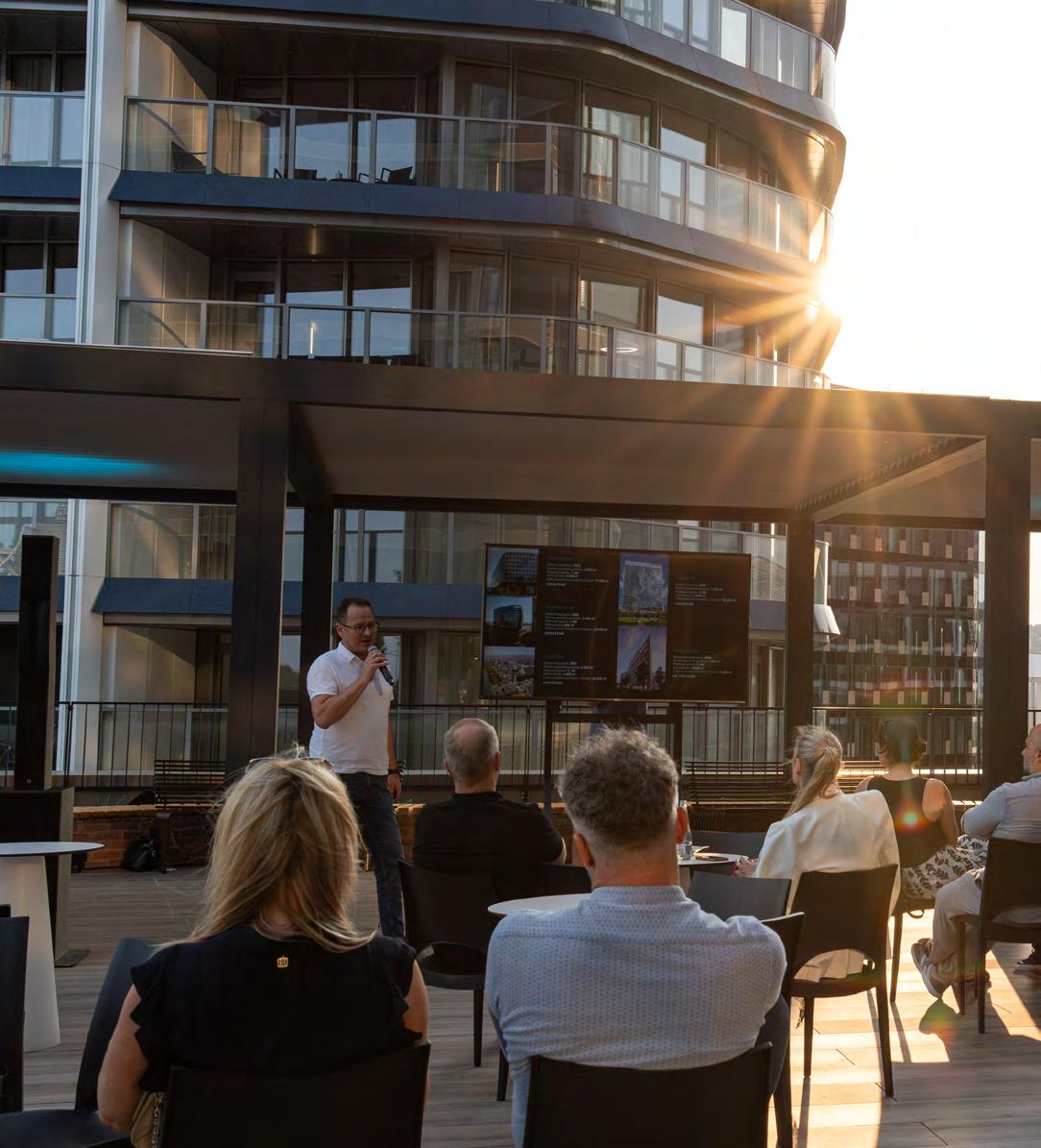
Continuous education of employees, regardless of their gender or position, is a prerequisite for the success and competitiveness of the company. At the same time, education is beneficial for an employee’s personal development and the feeling of belonging to the company. As our sector continues evolving and becoming more sophisticated, flexibility and upskilling are necessary. In a survey we organised, up to 79% of employees identified continuous education as important. By education, we mean everything that can help us to advance professionally - not only professional training but also conferences, self-study, webinars, courses, excursions and other educational activities.
Our policies and guidelines are designed to facilitate effective people management, ensuring we can nurture and bring out the best in our workforce. We are trying to reduce the gender pay gap and increase the percentage of women in senior management positions, while ensuring equitable compensation for all employees.
At JTRE, we establish employment relationships through comprehensive, legally compliant contracts that are signed by authorized representatives and provided to employees by their commencement date. To ensure a smooth onboarding process, employees complete a personal questionnaire and submit necessary documents, including medical examination certificates, previous employment confirmations, and proof of education. Our employment contracts typically include a probationary period of three to six months, tailored to the specific position and aligned with the Labour Code. To further enhance internal communication and team cohesion, we regularly organize team-building events (ski trips, bike trips, dinners, etc.) and workshops, to create a supportive and collaborative work environment.
Employee training and development
At JTRE, we value the professional growth of our employees through continuous training and development programs. In 2024, our ESG team alone or with external specialists has organised 12 dedicated educational workshops / lectures. We also took advantage of our membership in the Slovak Green Building Council, attending and also actively participating with our own know-how in its events and the online Green Building Academy.

JTRE’s employee benefits
Employee benefit program
Our employee benefit program provides each employee with a yearly budget that can be used for discounted accommodation, leisure activities, and electronics geared toward each person’s preference. The program is undergoing restructuring, and a new version will be released in the new year.
Employee bank account and favourable loans
Employees have the opportunity to open a current account with J&T BANKA, a.s., benefiting from the Family & Friends client segment rates and conditions. Employees can receive better rates and a more favourable loan from 365 bank.
Education and professional development
Employees also have access to language classes in English and German, as well as opportunities for continuous professional development through annual conferences and training programs.
Parking spaces & company cars
JTRE offers company cars for selected job positions as specified by the internal regulation “SJTF_7/2017 Car Operation Administration”. Allocated parking spaces are considered a non-claimable benefit and may be reassigned based on the Employer’s needs.
Physical and mental well-being
Our comprehensive benefits package includes five additional vacation days in addition to the legal requirement, flexible home office arrangements, and weekly yoga sessions to promote well-being.
Sick and family-related leave
JTRE provides employees with three extra “sick days” per year without a doctor’s certificate. The Appendix provides more details on parental leave. Vacation pay is calculated based on average earnings from the previous calendar quarter, ensuring fair compensation.
Working from home and overtime
With supervisor approval, employees may work from home, considering the nature of their work and operational needs. Overtime work is permitted under exceptional circumstances and must comply with Labour Code regulations. Employees are compensated for overtime, and any exceptional work hours must be pre-approved by supervisors.
100% Employees are entitled to family-related leave
167 Total FTEs covered
5 Part-time employees covered
Diversity, equality and inclusion
At JTRE, we endeavour to attract and retain top talents while valuing the unique perspectives that individuals from different backgrounds and experiences bring to our organization. By focusing on both the best and the right talent, we ensure that personal differences do not hinder our pursuit of excellence.
In 2024, our workforce consisted of 53.5% male and 46.5% female employees, which is a 0.5% improvement compared to previous year. However, when we look at our board of directors and the supervisory body, the gender gap becomes more pronounced, with 73% of these roles held by men and only 27% by women. Specifically, our senior management team comprises 11 men and 4 women, which amounts to a ratio of 64% to 36%.
While this gender distribution is relatively good for our industry context in Slovakia, there is certainly room for improvement.
Fair
We firmly stand against any form of unlawful discrimination based on age, sex, disability, gender reassignment, marital status, race, skin colour, nationality, ethnic origin, religion, or orientation. In 2024, we recorded no incidents of discrimination within JTRE.
At JTRE, our goal for the future is to eliminate any remaining barriers for people with disabilities. In order to increase the percentage of employees with disabilities, we commit to communicating our barrier-free premises to potential job applicants in the future.
remuneration 0 Discrimination incidents
JTRE a.s. is committed to promoting gender pay equity across all levels of our organization. At JTRE, the entry-level salary is 2,35 times the minimum wage in Slovakia.
2% Employees with disabilities
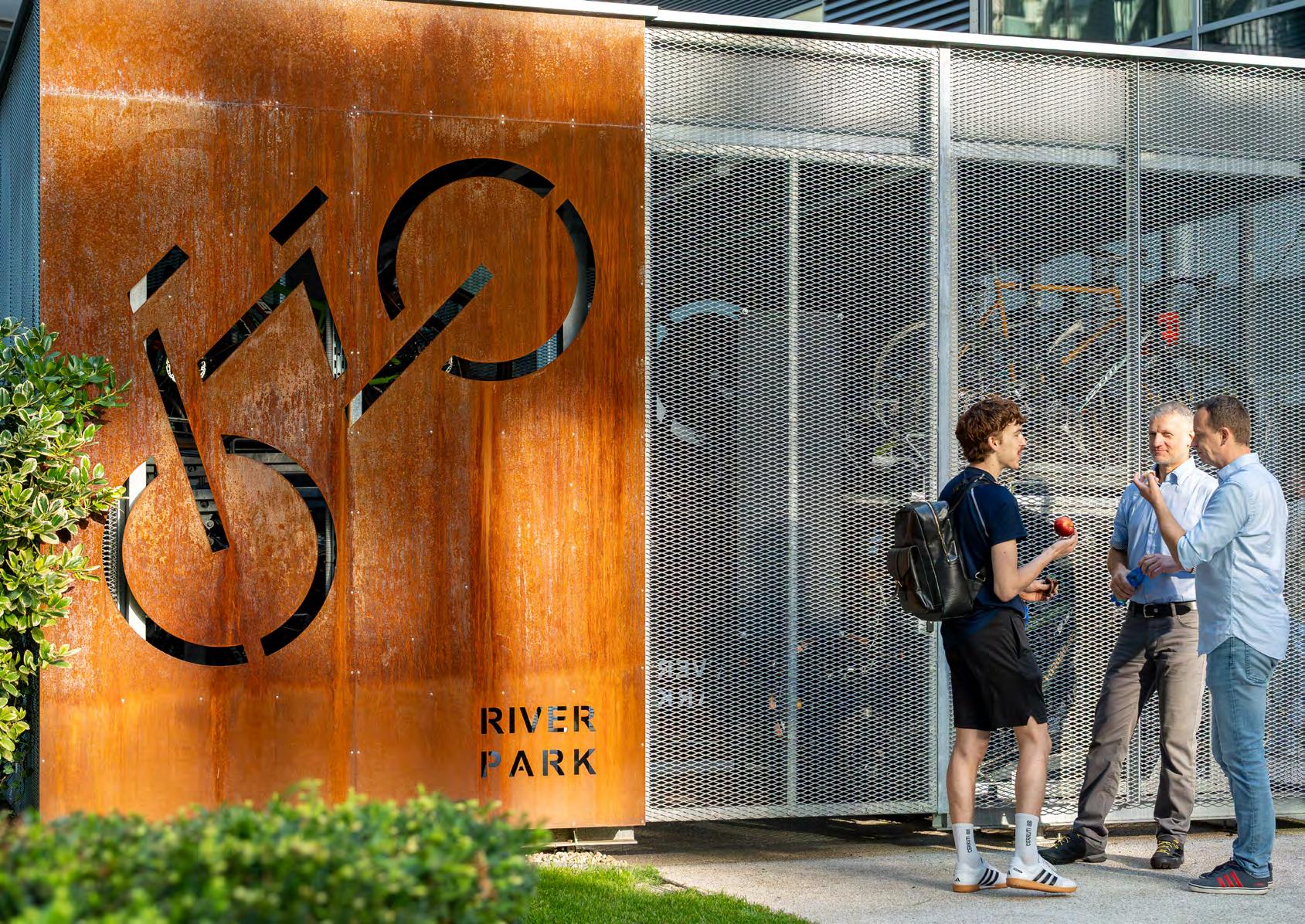
Healthy living environment
Our goals
ESG Goals
Healthy indoor environment – keep improving working conditions in our office in accordance with WELL certification standards.
Two 4-person acoustic booths and two single person ones had been added. All kitchenettes are provided with water filters to engance drinking water taste and quality.
JTRE London is committed to continuously improving the indoor working environment. In 2025, a staff survey will be conducted to establish a baseline understanding of current worplace conditions.
WELL Platinum is going to be achieved therefore quality indoor environment will be achieved as the building fulfills the requirement of, fro example, air quality or ergonomy.
Promote the use of bicycles as a mode of transport in our projects, aligned with LEED, BREEAM, and EPBD standards.
In our new projects we build bike routes or connect to the existing one. To promote cycling to work we provided our employees with a covered and lockable bike stand in front of the office as well as showers.
JTRE London actively promotes cycling through the provision of secure bicycle storage, showers and changing provision, bike service station and drying room. The same has gone into our design for 220 Blackfriars.
Bike routes available , bike parking available
JTRE a.s.
JTRE London
JTRE Germany
By focusing on key factors such as indoor air quality, water quality, light, thermal comfort, noise and occupant satisfaction, we aim to ensure that our residential and office areas support both physical and mental health. Our efforts are also underlined by the certification of our buildings by the WELL certification system, which focuses exclusively on users and their well-being and health. Our management and sustainable practices are centred around creating a healthy living environment that considers elements such as:
Air quality management: Implementing advanced ventilation systems and air purification technologies to ensure clean, fresh air.
Natural light: Designing buildings to maximize natural light, reducing reliance on artificial lighting and thus improving our spaces’ overall ambience and mood.
Green spaces: Incorporating parks, gardens, and green roofs enhances residents’ connection with nature and provides relaxing outdoor areas.
Noise reduction: Utilizing soundproof materials and strategic layout planning to minimize noise pollution and create a tranquil living environment.
Sustainable materials: Using non-toxic, eco-friendly building materials that contribute to better indoor air quality and reduced environmental impact.
Smart technologies: Employing smart technologies to maintain a comfortable living temperature.
Community well-being: Creating communal areas that encourage social interaction and a sense of community, enhancing the overall well-being of our residents.
WELL Health-Safety Rating & WELL Building Standard version 2
We aim to achieve the WELL Health-Safety Rating on the majority of our projects, including existing buildings*, and we are striving to accomplish WELL v2 on our new development Ganz House Eurovea.
WELL v2 focuses on enhancing occupants’ health and well-being by addressing key factors such as air and water quality, lighting, nourishment, fitness, comfort, or mental well-being. It emphasizes resilience, sustainability, and adaptability, ensuring that buildings provide safe, supportive, and thriving spaces for their occupants.
in 2023, we have recorded zero incidents of non-compliance concerning the health and safety impacts of our buildings
JTRE buildings are evaluated and certified through the WELL Health-Safety Rating, a rigorous standard designed to enhance health and safety protocols virtually across all our properties. More information on this certification can be found at WELL Health-Safety Overview
13 WELL Health-Safety Rated buildings
WELL Health-Safety Rating promotes rigorous health and safety protocols, such as air and water quality management, improved cleaning practices and emergency preparedness. It promotes occupant well-being through mental health support, encouragement of healthy behaviours and transparent communication of safety measures. It also ensures resilience to public health events and engages stakeholders to improve these standards continually, creating a culture that prioritises health, safety and overall well-being in the built environment.
Our priority is building spaces with healthy environments where our clients feel comfortable and safe. Thus,
Case study: Hybrid Timber Kindergarten – Downtown Yards
For us in JTRE, this is our very first hybrid timber construction project. As part of a larger Downtown Yards development complex, the company CEOs gave a green light to try out prefab timber system in the design and construction of a public kindergarten, where the healthy environment can bring an extra benefit to the children. This project is marking a significant milestone in sustainability of our portfolio. It is also our first to pursue Passivhaus Standard certification — a benchmark that far exceeds Slovak energy efficiency requirements, ensuring ultra-low annual energy consumption for heating and cooling. Highperformance insulation, airtight construction verified through blower-door testing, and minimized operational emissions contribute to a highly energyefficient and climate-responsible building.
Wood was chosen as a key structural and aesthetic material for three primary ESG-aligned reasons:
(1) Environmental impact – certified timber dramatically reduces embodied carbon and supports JTRE’s ESG strategy focused on decarbonization.
(2) Human-centric design – timber interiors bring natural warmth and improve the sensory quality of learning environments.
(3) Biophilic benefits – studies show that wooden environments reduce stress and support better focus in children.
The structural system combines a concrete core with cross-laminated timber (CLT) elements, enabling off-site production, faster assembly, and reduced construction waste. The material is durable, safe, fire-resistant, and delivered with ecological finishes suitable for daily use in childcare settings. As a public building to be operated by the Municipal District of Ružinov, this project of ours illustrates how private–public cooperation can accelerate sustainability adoption in Slovakia, setting a replicable example for future public infrastructure.
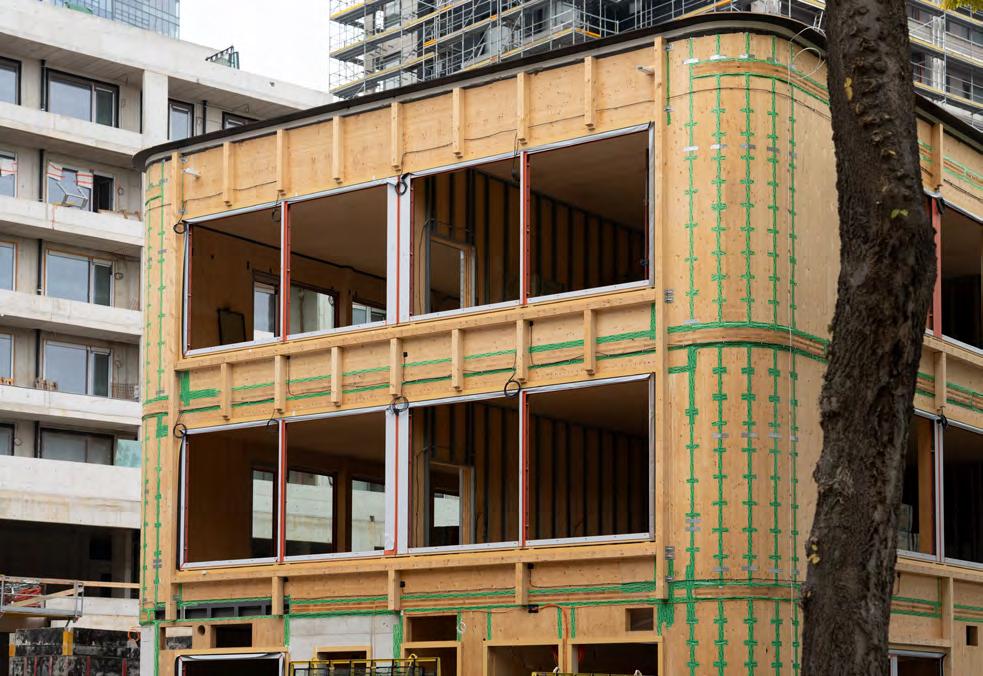
Our communities
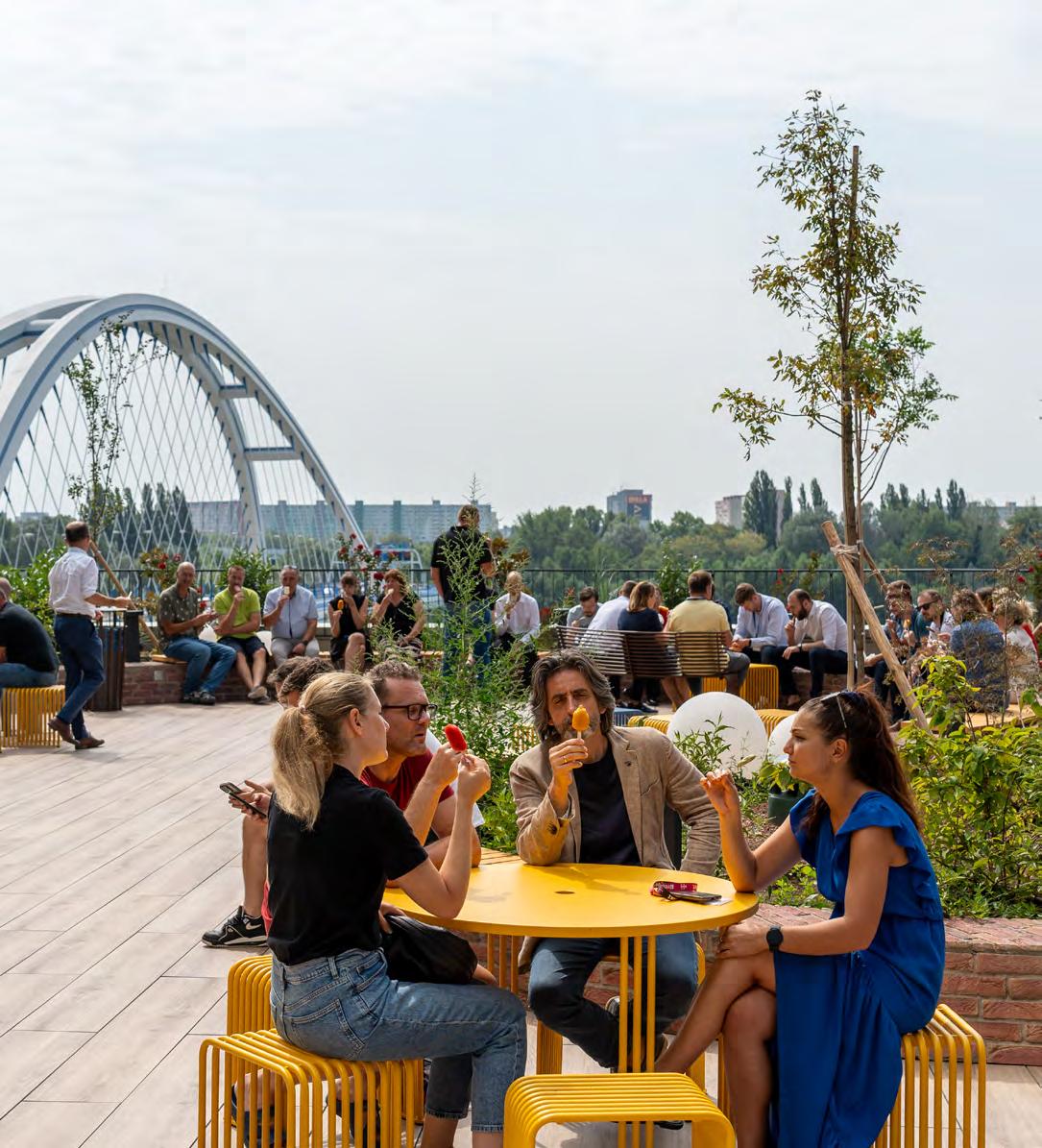
At JTRE, we recognise that understanding and effectively managing our positive or negative ESG impacts, risks, and opportunities is critical to our success and the well-being of the communities we serve. Our proactive approach ensures that we not only mitigate and adapt to potential risks but also capitalise on opportunities to create positive, lasting influence and support to community in its well-being as well as environmental and financial sustainability.
Our goals
ESG Goals - JTRE a.s.
Having achieved Step 1 pre-certification, we are committed to pursuing the more detailed Step 2 and 3 of BREEAM Communities certification in 2025 and using applicable principles and lessons learned in our other larger projects.
We commit to making parts of our suitable unused properties available for small temporary projects for the benefit of the public, such as a community garden and various events in 2025.
In Nové Lido project, we are communicating with the City and other stakeholders a creation of additional “meanwhile” community space named Oasis. We have already introduced goats on the plot to cultivate the area, a contact zone for families with children will also be a part of the Oasis.
Not applicable Not applicable
JTRE a.s.
JTRE London
JTRE Germany
Funding public infrastructure projects
In Bratislava, we kick-started the warmly welcomed revitalisation of several key public spaces: the Great Veil Fountain in Andrej Hlinka Park, Bratislava, underground crossings, public transport shelters, the Danube riverfront promenade, etc. JTRE has prepared and submitted documentation and all the required studies and has committed to invest in the new extension of public transport – a new 2.7km long tram line with 6 stops along Pribinova and Košická streets. Pending approval by authorities, JTRE is prepared to continue this much needed sustainable transport project.
JTRE has delivered extensive areas of quality public spaces with adjacent shops and services as part of the new Eurovea City, designed by the famous landscape architect Beth Gali. We are preparing to deliver additional green public spaces in the new extension to the Klingerka project (Downtown Yards) as well as in the River Park - new phase project by 2027.
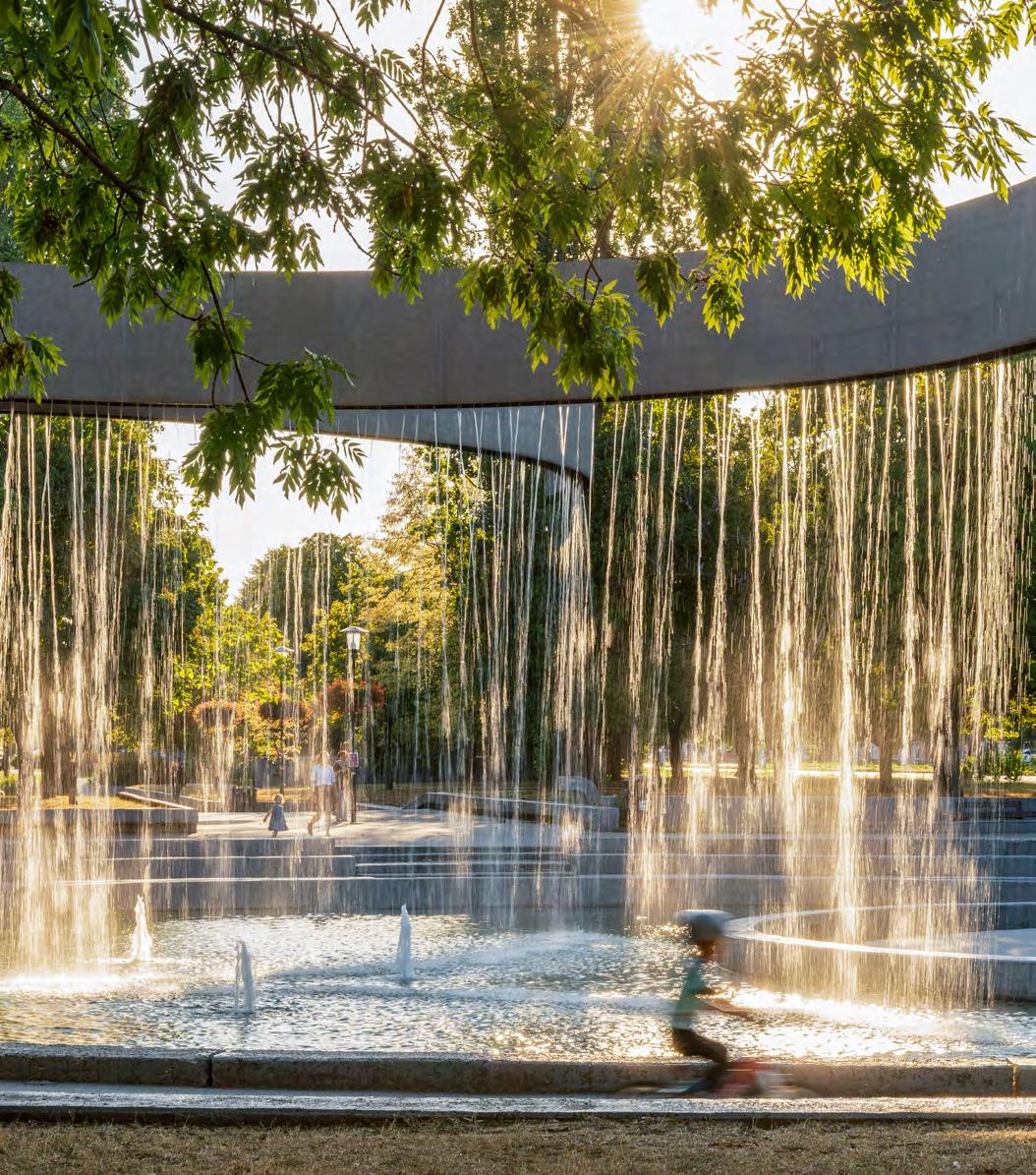
Supporting arts and culture
We are the permanent main partner of the prestigious Slovak National Theatre and White Night artistic festival, which showcases artworks by hundreds of artists throughout the city. JTRE brings arts to public spaces. The latest significant example is the new iconic Octahedral Body sculpture on the Danube riverfront in the new public area with seating completed as part of the Eurovea City project. The diverse array of artifacts also includes an upcycled statue made of rubber tires by installed on the River Park promenade.
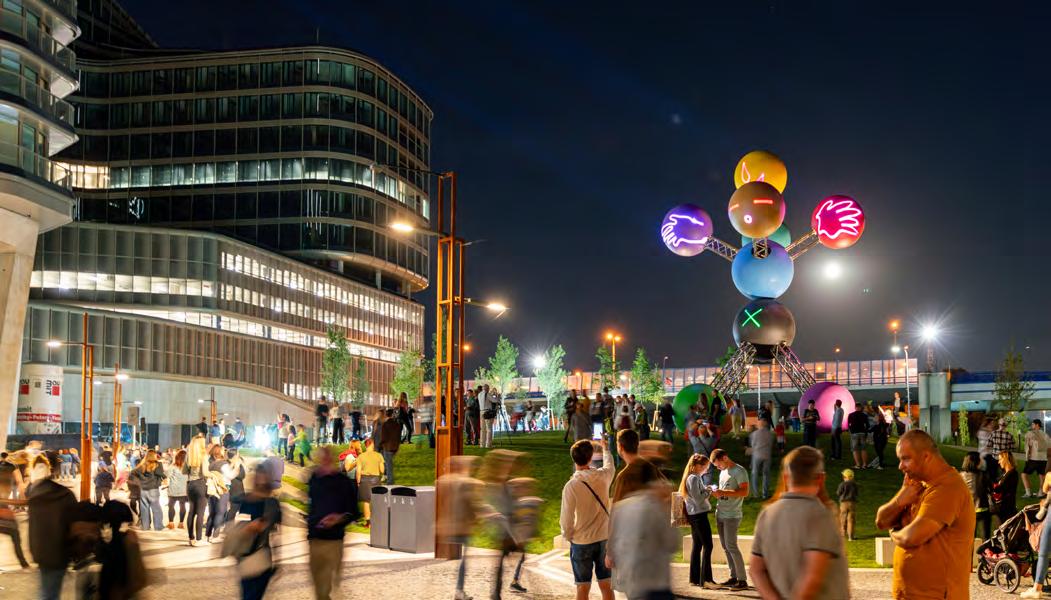

White Night festival
An upcycled statue of a lion made of rubber tires by the River Park
Building communities
In all residential projects, we implement children’s playgrounds and inclusive community spaces that foster neighbourhood relations. For example, we have established a temporary community garden on the premises of our future Nové Lido project. Spaces to grow fruits, vegetables, herbs, and flowers are provided free of charge to 40 locals from the neighbourhood.
Right next to it, we opened a tree nursery in 2023. Resilient species of maple and plane trees are being grown here, along with a number of saplings of various fruit trees. These trees are intended to be eventually planted locally in the future Nové Lido zone or will be made available to the City to be planted on other suitable locations. We commit to further care for these young trees and, if possible, expand the number of saplings. Moreover, we have also provided a space there for hives of a beekeeper, introducing a much-needed boost to the amount of pollinating insects in the area. We commit to maintaining this temporary community garden as long as possible until the construction works start (expected by 2026-2028).
JTRE provides space for local gardeners and organizes site visits for local elementary school children, who learn about composting, bees, and gardening at Nové Lido community garden.
More about the community garden here
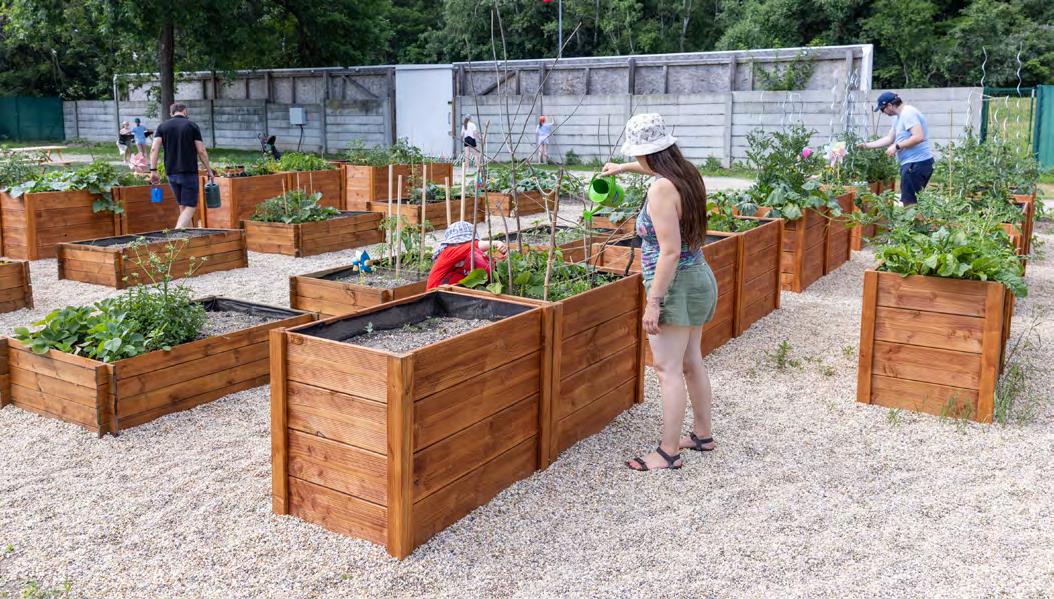
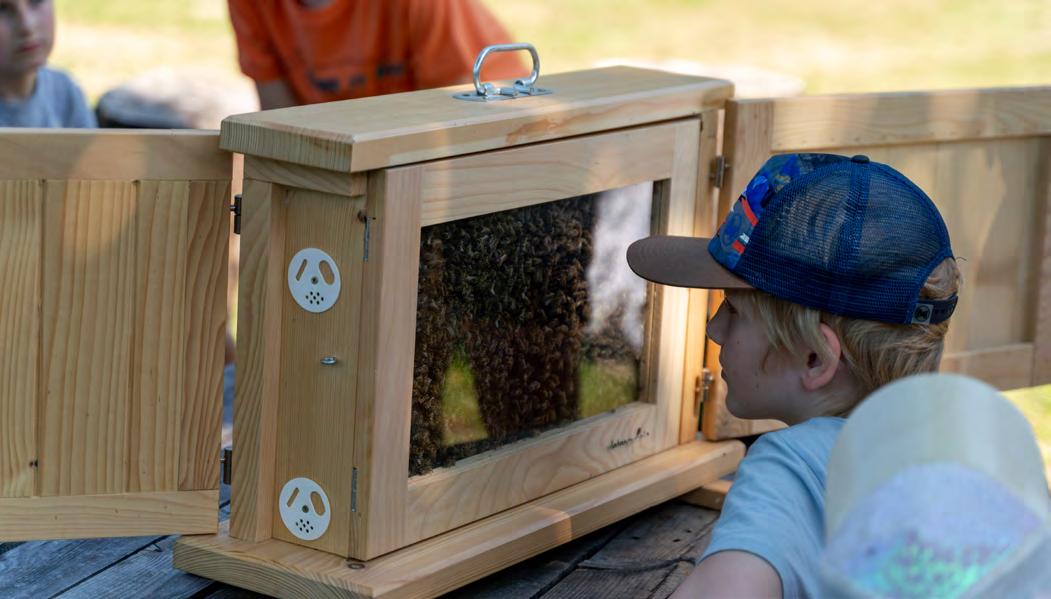
Supporting educational projects
We are particularly proud of our Children and Architecture educational project, which aims to teach and inspire pupils from across Slovakia through e-learning. By cooperating with the Slovak Technical University’s Faculty of Architecture and Design and Faculty of Civil Engineering through signed memoranda, we build bridges between academic studies and practical application by involving students in JTRE projects.
JTRE aims to improve children’s access to sports and exercise. That is why we have joined Sport Institute’s project and financially support swimming lessons for 1,900 pupils at elementary schools in Bratislava districts of Staré Mesto and Vajnory. Collectively, the pupils have swam 30 000 000 metres.
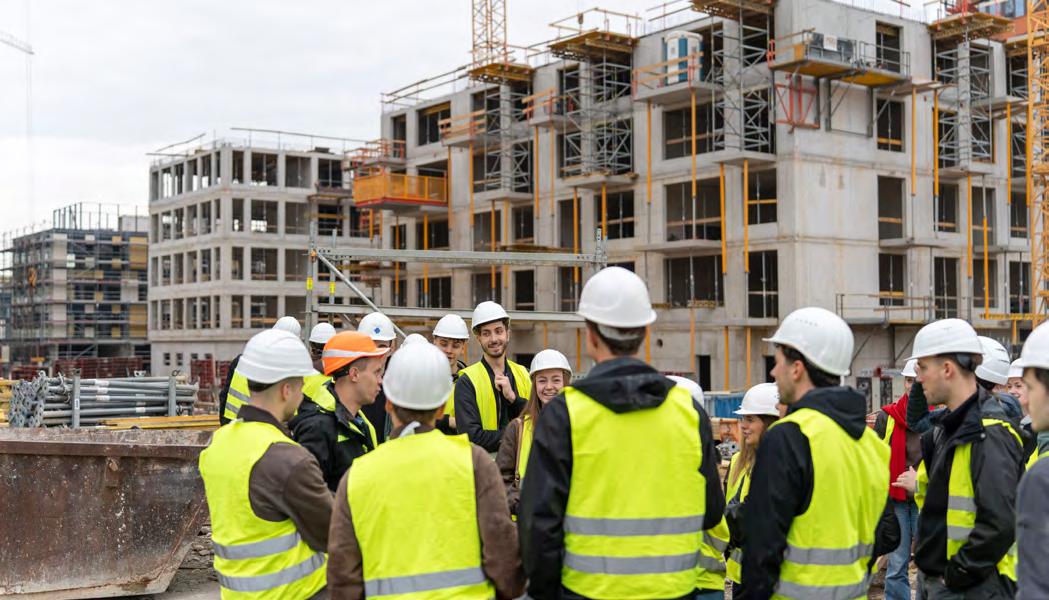
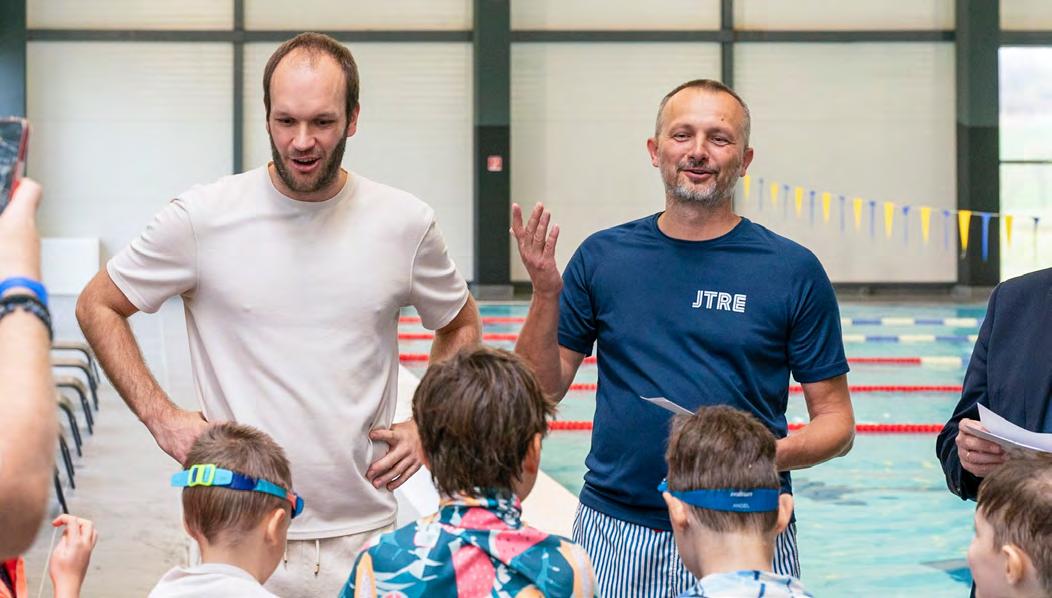
Addressing homelessness
Creating urban environments and communities implies attention and empathy for diverse communities, including marginalised individuals and groups. People who lost their secure permanent home are among them. We strive to help this community by financially supporting the NGO OZ Stopa, which works to end homelessness through providing accommodation (Housing First), specialised advice services, social services and community programs to this vulnerable group. Through the work therapy programme, which had aided 50 people out of homelessness, the NGO revitalised kindergartens in Bratislava last year.
Supporting philanthropic community engagement
According to our employee satisfaction survey, 62% of our employees regularly engage in volunteering and charitable actions. At JTRE, we strive to aide this involvement by organizing and participating in events and programs that benefit the public, such as embankment clean-ups, bicycle service workshops, and humanitarian collections. These initiatives not only strengthen community ties, but also promote environmental stewardship and social responsibility.
Blood donation events are open to other tenants in the building. In some years, as many as 40 donors attend these events, drawing enough blood to help around 100 patients.
At beneficial clothing and toy swaps, 300 visitors exchanged 1800 items they no longer needed, thus reducing waste. Every year, we celebrate Earth Day by engaging in various activities, including group bike commutes and clean-ups. Last time, as an act of stewardship for the shared river that seamlessly connects JTRE offices and projects within the city, we collected enough trash to fill up a skip two hours.

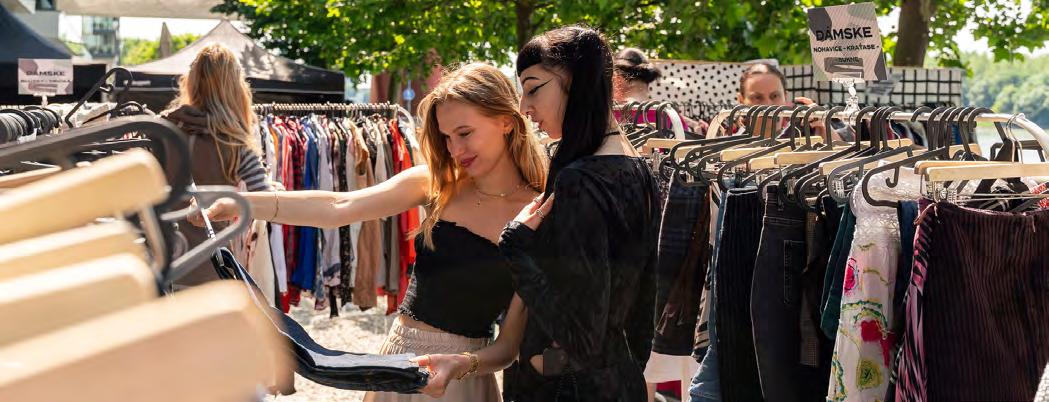
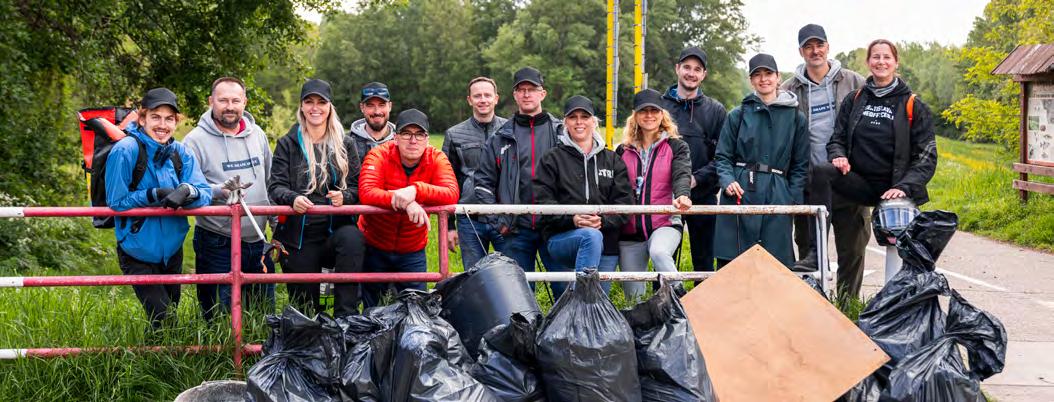
Bringing art to places again
At JTRE, we believe that art is an integral part of creating vibrant and engaging communities. By investing in art installations and supporting local artists and galleries, we aim to enrich the cultural fabric of our developments and provide inspiring public spaces for all to enjoy.
The Eurovea enlargement*, after four years of meticulous work, has transformed the Danube promenade into a cultural landmark. The unveiling of the Octahedral Body statue by leading contemporary Slovak artist Viktor Frešo exemplifies our commitment to integrating modern art into urban spaces.
Frešo’s Octahedral Body, selected through a public competition in 2022, stands as a striking 13-metre-high abstract sculpture on the extended waterfront promenade. Its balanced elementary shape and distinctive silhouette create a profound urban-spatial accent, contributing to the development of Bratislava’s public space.
JTRE’s dedication to art does not stop there. Our developments, such as River Park and Zuckermandel, already feature significant works like the Mythical Ship, Bronze Sharks, and Frešo’s Circle Head. These installations, alongside new additions such as Luca Boscardino’s playful Animal Factory project, aim to engage the public’s imagination and encourage interaction.
“The proposal offers a strong urban element that speaks the visual language of the 21st century,”
Vladimír Beskid, a jury member and contemporary art critic.
New public spaces and cultural engagement
The transformation of the Eurovea City district is guided by the visionary work of internationally renowned architect Professor Beth Galí and the GFI Studio team. Their focus on creating inviting, pedestrian-friendly spaces has resulted in a harmonious blend of modern architecture and public art. Pribinova boulevard, adorned with CORTEN steel elements reminiscent of the area’s industrial past, facilitates smooth connections with the Danube, further enhancing the urban experience.
Pribinova boulevard prioritizes pedestrian, bicycle and future tram traffic Our commitment to public art aligns with our broader goal of creating enriching, multifunctional public spaces. Completed projects and forthcoming developments, such as an 1,800 sqm skate park and cross-country warm-up area under Apollo Bridge, exemplify our holistic approach to urban development.
“Eurovea City is set to become a leading space where the flow of the Danube is accentuated, encouraging locals to gather, interact, and appreciate their city’s artistic and cultural heritage,”

Katarína Jägrová, GFI Studio architect.
Case study: Appleby Blue
Appleby Blue, the purpose-built almshouse delivered by JTRE London in partnership with United St Saviour’s Charity won three awards including Neave Brown Award for Housing 2025, Client of the Year 2025, and Stirling Prize 2025, the UK’s highest architectural honour. It provides 57 affordable, high-quality homes for older people.
The scheme for residents aged over 65 was praised by the jury for being “radical and significant” and setting “an ambitious new standard for social housing among older people”. Designed by Stirling Prize-winning architects Witherford Watson Mann, the project, designed to combat loneliness, includes generous communal areas, a roof garden and spaces that integrate with external communities, offering a modern answer to the traditional almshouse.
The building sets a gold standard for dignified and supported later-life living. Environmental features include PV cells and sustainable design for lower running costs.
“Appleby Blue’s Stirling Prize win is more than a design accolade, it’s a turning point for how we think about housing in London. It demonstrates the impact developers can achieve when working handin-hand with the public and charity sectors to create homes that deliver genuine social value. And, the timing could not be more significant. At a moment when London faces a housing crisis and viability challenges are stalling the delivery of essential affordable homes, this achievement is testament to what can be accomplished through partnership, determination, a clear, socially driven vision and architectural ambition.”
Nigel Fleming, Managing Director of JTRE
London.
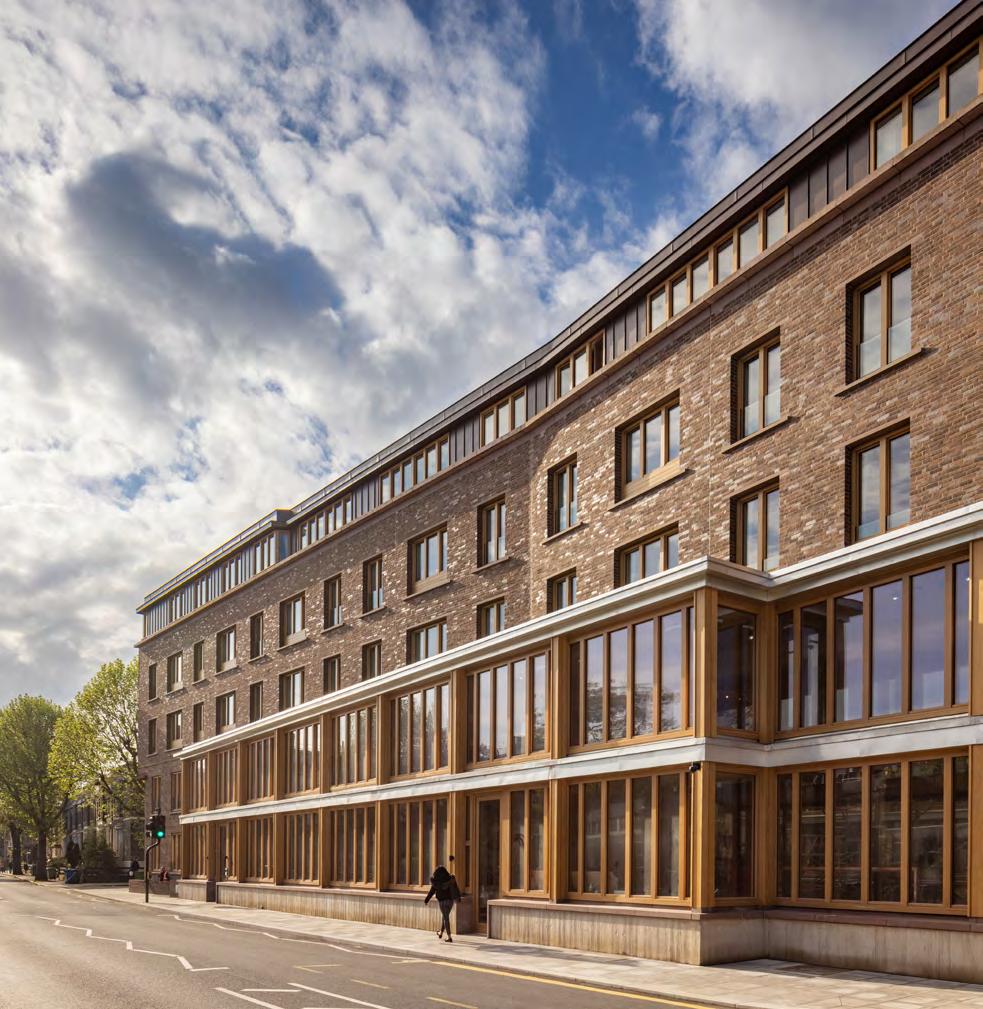
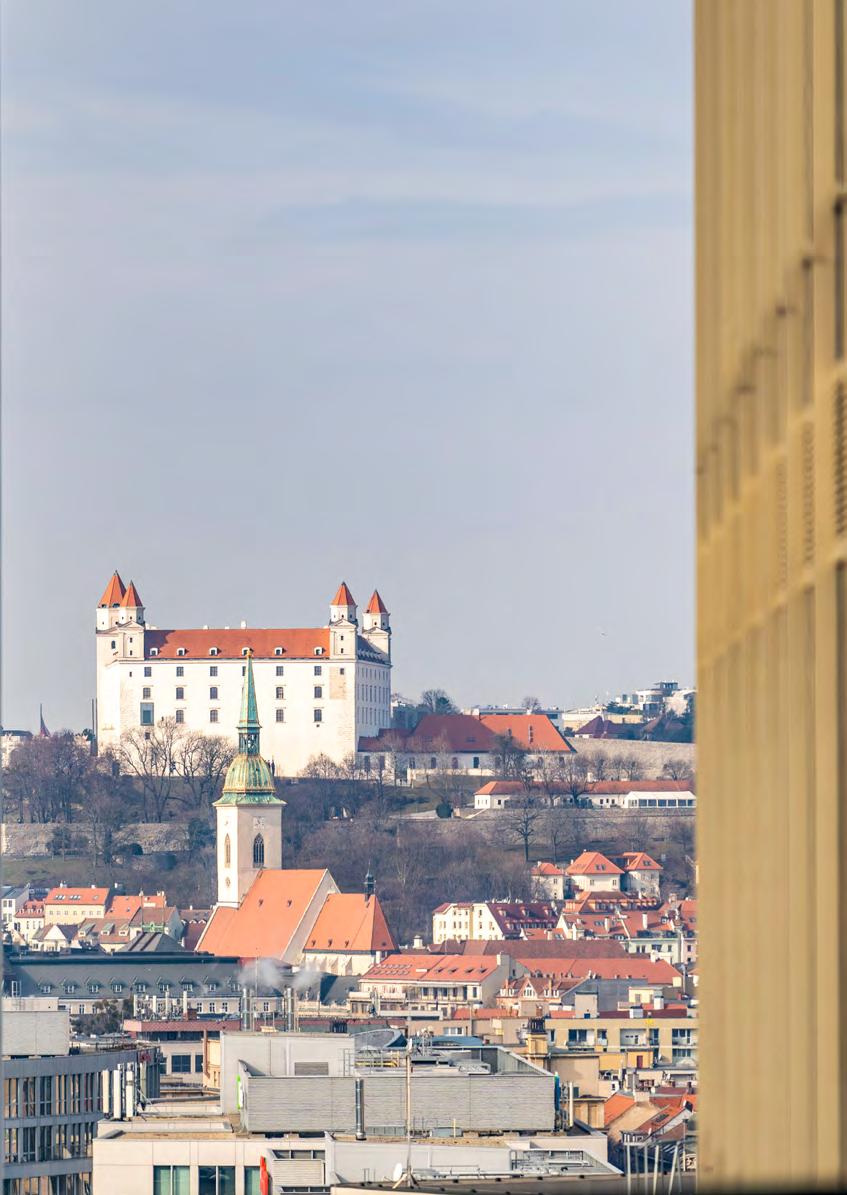
Governance
Our goals
ESG Goals - JTRE a.s.
2023 2024
a.s.
Policies fully aligned with our sustainability strategy by 2028. Work in progress
Increasing the proportion of JTRE’s suppliers with own ESG commitments and/or sustainability initiatives to 50% by 2030.
We are curently in the process of preparing an ESG survey for our suppliers to gather information on the current situation in regards to ESG within our supply chain.
London
We have new policies drafted and are currently working through this.
In line with the Group’s target, we are beginning the process of mapping and assessing our London supplier base against ESG criteria.
Germany
Some policies are already aligned with our sustainability strategy some will need to be adjusted in years to come.
The tender for construction works for Nordhafen Living & Office already included ESG requirements.
JTRE
JTRE
JTRE
Cases of non-compliance with laws or regulations 0 Incidents of corruption or bribery
Outstanding legal proceedings for late payments 100% Payments aligned with standard payment terms 0
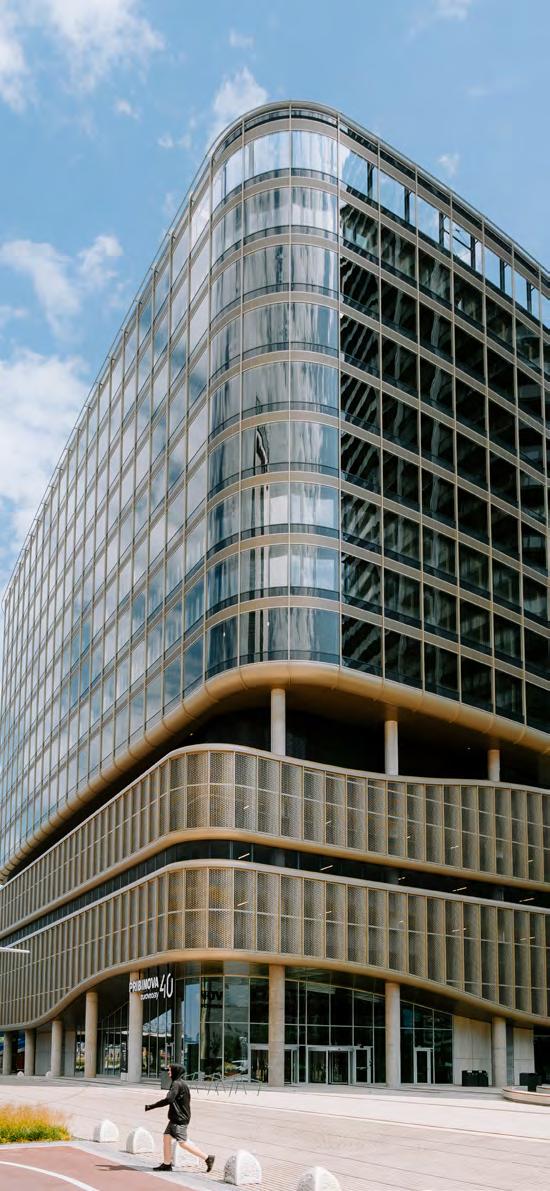
Corporate governance
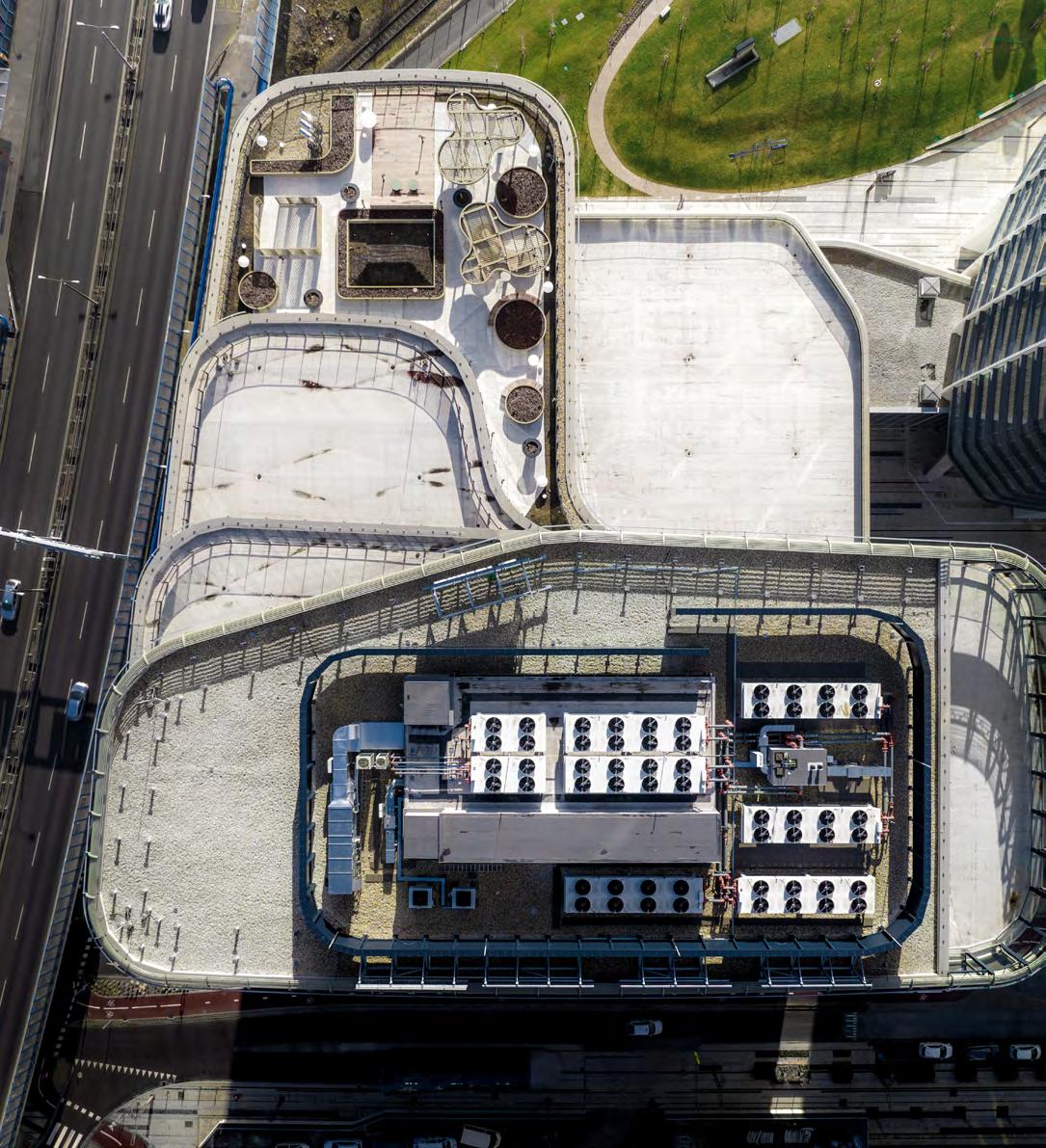
JTRE Governance bodies
JTRE has a well-defined governance structure, with the Board of Directors serving as the highest governing body, responsible for the strategic direction and management of ESG matters, and supported by a Supervisory Board and Executive Management.
On behalf of JTRE, each Deputy Chairman of the Board of Directors acts independently. The Chairman of the Board of Directors, as well as other members of the Board of Directors, are authorised to act on behalf of the company only jointly with one of the Deputy Chairmen of the Board of Directors.
JTRE’s Board of Directors


Nomination and selection process
At JTRE, each board member has been selected based on their proven industry track record and expertise. The company prioritises individuals who bring significant insights and can contribute meaningfully to the strategic goals. The nomination process for JTRE’s top-tier governance body is straightforward and managed internally. Members are nominated through internal votes by existing board members and key stakeholders. JTRE values integrity and, therefore, prior to voting, checks on any potential conflicts of interest to ensure unbiased decision-making and transparency.
The Board of Directors, combined with the supervisory board, currently consists of nine members, including seven men and two women, representing 22% of the female representation. JTRE welcomes diversity in gender, ethnicity, age, and professional backgrounds to enhance our governance and decision-making. Our board members collectively possess a wide range of qualifications, enabling them to effectively oversee the organisation’s impacts, risks, and opportunities and ensure our business is economically sustainable with respect to the environment and society.
Collective knowledge on sustainable development
JTRE plans to implement a program to enhance further the level of knowledge, skills, and expertise of our governance body and company leaders on sustainability and EU Taxonomy topics. This includes training programs, regular tailored workshops, expert consultations as well as internal ESG seminars for all company employees. We have already designed ESG seminars on various ESG topics, as we aim to ensure informed decision- making and better alignment with our sustainability goals. We also cooperate with the Slovak Green Building Council on Green Building Academy programs.
Our Board of Directors takes input from various stakeholders, including investors, employees, and customers into account. This approach ensures that the decisionmaking process is aligned with the broader interests of stakeholders impacted by the company’s activities. See stakeholders’ engagement process within the impact assessment.
The chair of JTRE’s highest governance body is not a senior executive within the organisation. This separation from the executive role ensures independent oversight and decision-making.
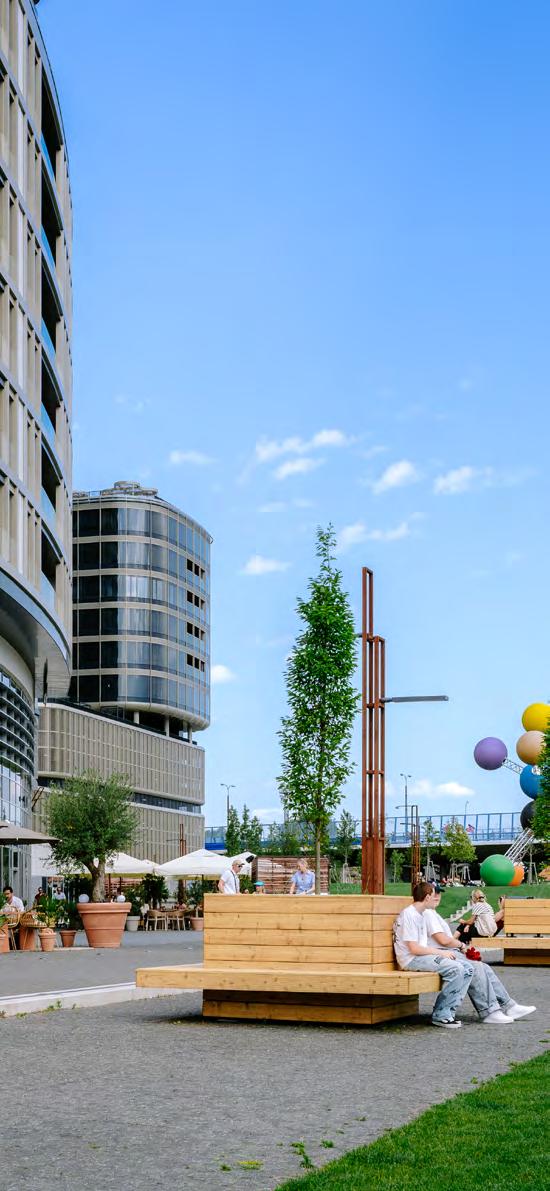
JTRE’s Supervisory Board
The Supervisory Board is responsible for overseeing and monitoring executive management’s performance and ensuring that the organisation adheres to legal, regulatory, and ethical standards. Our administrative, management, and supervisory bodies possess extensive knowledge of business conduct, including ethical business practices, regulatory compliance, and stakeholder engagement.
Zuzana Milová
Member of the Supervisory Board
Peter Mudrák
Member of the Supervisory Board
Alexandra Tušová
Member of the Supervisory Board
ESG governance
JTRE has established a formal position of Head of ESG, as a basis of a new branch in the Investment department. This role is held by Martin Stohl, who has been fulfilling ESG responsibilities since May 2022 when JTRE’s ESG Team was formally established. The overall execution is supervised by board member Juraj Kalman. The ultimate decisionmaker of the ESG mission and strategies is the Board of Directors.
To enhance accountability and effective management of significant impacts—whether economic, environmental or social—the Board delegates specific responsibilities to internal experts through the ESG Team Management. Respective tasks are subdelegated to internal ESG specialists, department leaders and project managers. ESG specialists develop the details of the company’s sustainability mission, vision, and strategy while respective project managers and department leaders oversee the implementation of the ESG topics into the framework of specific JTRE’s activities, KPIs and standards.
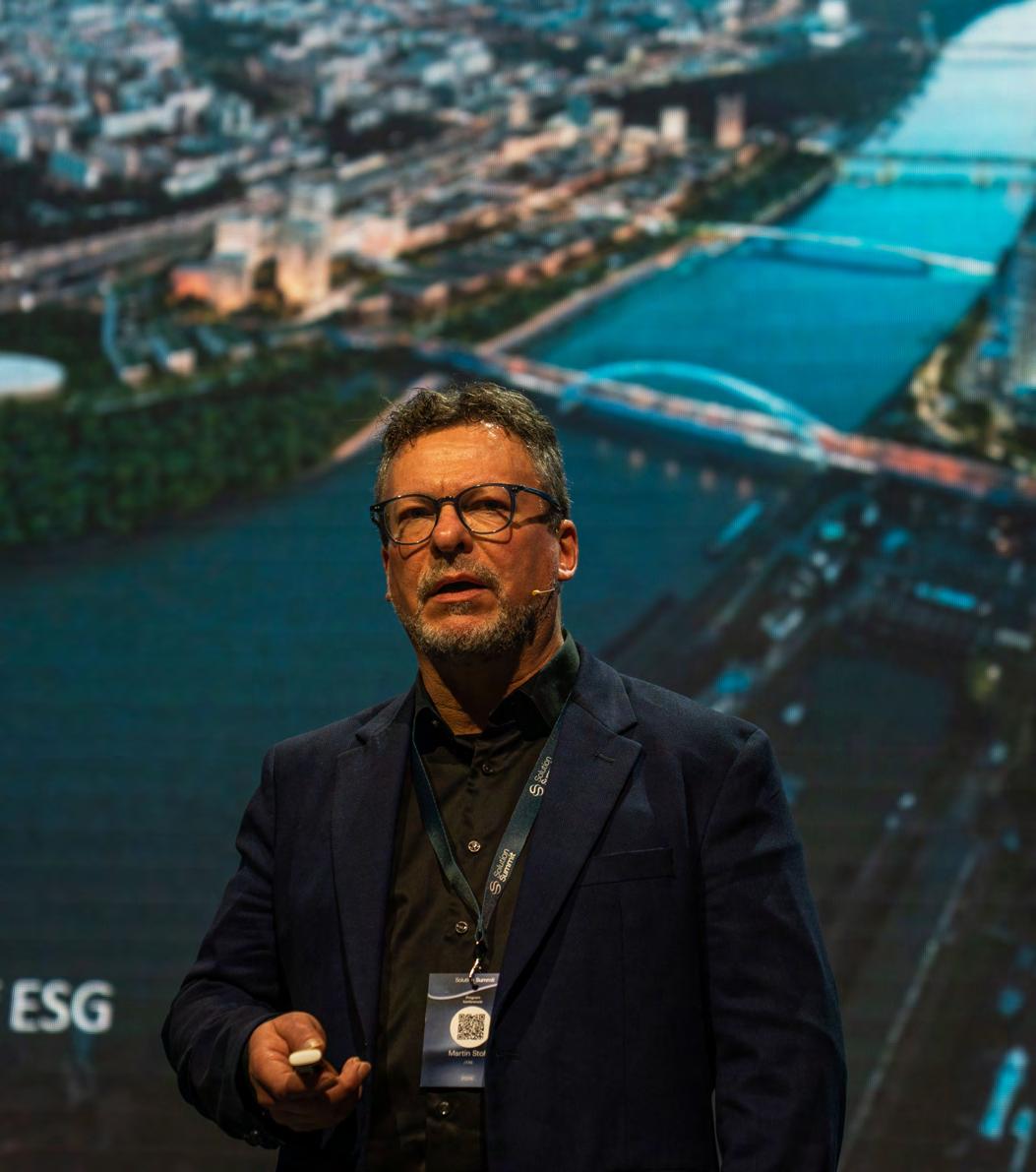
Internal ESG policy
We have adopted our own Internal ESG Policy in 2023 in order to establish a systematic framework for our inhouse ESG priorities and as a tool for their implementation into the daily operation of our offices. We cover 11 of the Sustainable Development Goals (SDGs), in eight primary categories: Green procurement, waste and circularity, water, energy efficiency and emission reduction, green transport, greenery, health and well-being and philanthropy. Concrete practical goals are paired with concrete KPIs, task owners and the support team. The list also stipulates the priority level, status of implementation, estimate of associated extra costs, and action lists.
Business conduct
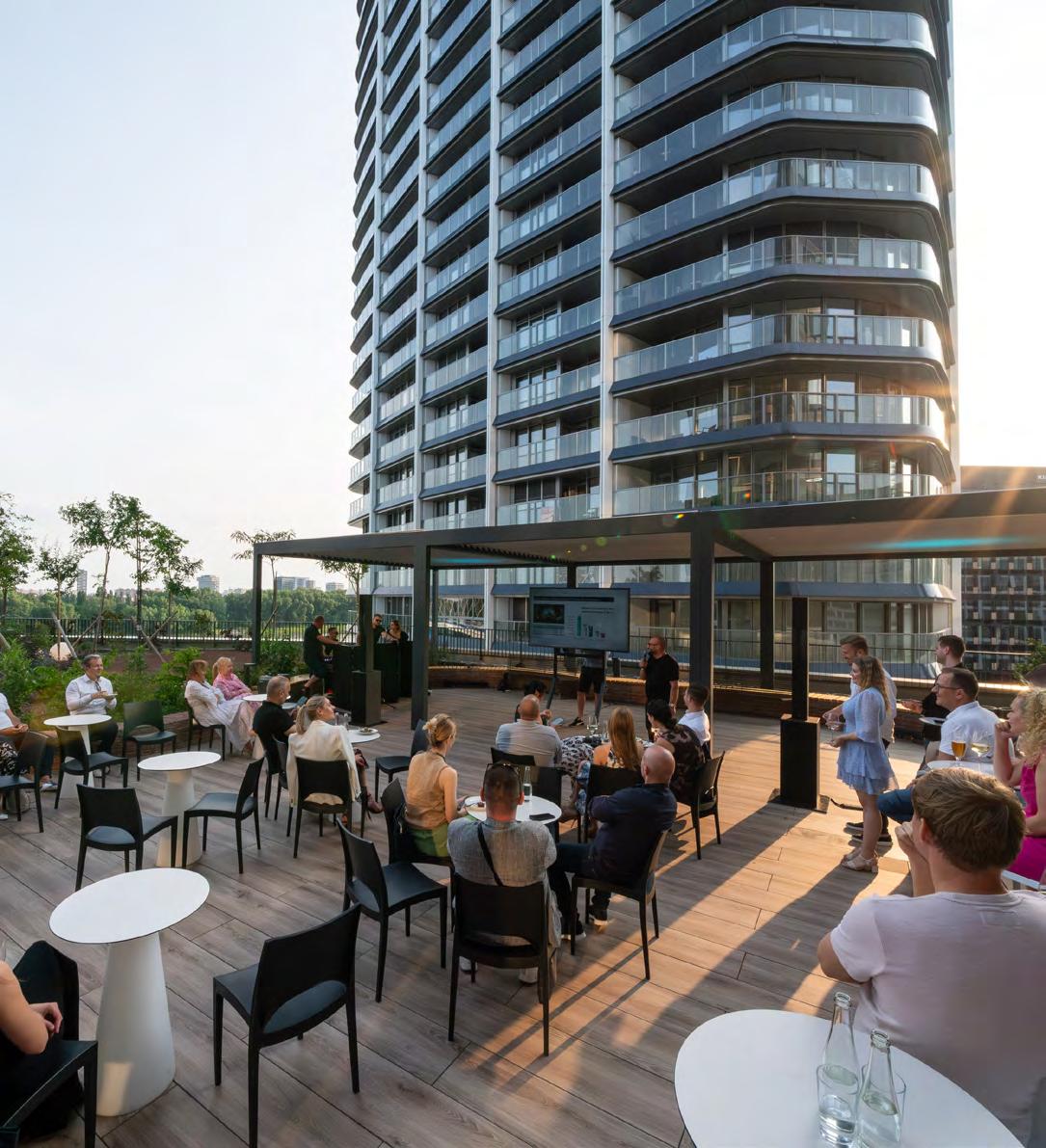
Our Code of Conduct & principles of business
ethics
JTRE’s Code of Conduct embodies our commitment to ethical practices and legal compliance. At its core, this Code establishes fundamental standards for ethical behaviour, guiding us to act with integrity and fairness in all professional dealings. Its principles encourage every employee to uphold the highest standards of ethical conduct, ensuring that activities are always aligned with legal requirements. This fosters a culture of integrity, respect, and accountability within the organisation. The Code is currently undergoing revision to ensure it remains fully aligned with our evolving standards and regulatory requirements.
Mechanisms for seeking advice, raising concerns and whistleblowing policy
Recognising that there is still room for improvement, we are currently working on an updated version of our Whistleblower Policy, especially in order to improve further clear, safe and systematic channels for reporting any potential violations. Under the existing Whistleblower Policy, employees may report suspected misconduct directly to their supervisor or to the Whistleblower Commission, which is responsible for assessing the notification, initiating an internal investigation, and informing the statutory body if the breach is confirmed. In addition to these channels, JTRE provides an anonymous drop box located at the company’s registered office, as well as the option to submit notifications by post without disclosing the sender’s identity, thereby ensuring full anonymity of the whistleblower. We are also finalising a dedicated whistleblower email address, which will further expand the available reporting options. Our internal Whistleblower Policy is accessible to all employees through the company’s internal network. In line with our commitment to raising awareness and fostering a transparent organisational culture, JTRE also plans to introduce annual employee training on whistleblowing procedures and reporting mechanisms.
Policy commitments
JTRE aspires to establish policy commitments for responsible business conduct referencing authoritative intergovernmental instruments, such as the UN Guiding Principles on Business and Human Rights. We plan to conduct due diligence, apply the precautionary principle, and respect human rights across all our operations. In the future, we aim to develop a dedicated policy to respect human rights, covering internationally recognised rights such as those outlined in the Universal Declaration of Human Rights. Special attention will be given to at- risk or vulnerable groups, including indigenous peoples and migrant workers. Once finalised, we intend to make this human rights policy publicly available and ensure it applies to all our activities and business relationships, with approval from the highest level of our organisation. We also plan to communicate this policy to our workers, business partners, and other relevant parties through various methods, such as training sessions, internal communications, and contracts, to foster widespread awareness and adherence.
Embedding policy commitments
JTRE aims to embed its future policy commitments to responsible business conduct at all levels and activities by assigning specific responsibilities to senior management and operational teams to ensure accountability and compliance throughout the organisation. We plan
to integrate these commitments into our organisational strategies, operating policies, and procedures, aligning them with our core business objectives and incorporating them into our day-to-day decision-making processes. We also intend to implement these commitments through our business relationships by setting clear expectations, including responsible conduct clauses in contracts, and actively engaging with partners to en- sure they uphold our standards. To support this, we plan to provide comprehensive training programs for employees and partners to enable them to apply our commitments consistently in all their activities.
Lobbying and political engagement
JTRE maintains a strict stance on political neutrality that aligns with the company’s ethical standards. This ensures that our operations and decisions are free from political influence and that we remain impartial in all political matters.
Anti-money laundering (AML) program
JTRE’s own action program against money laundering and terrorist financing ensures all employees uphold the highest standards of integrity and compliance. Our
employees must stay vigilant, identifying and reporting any suspicious activities that could indicate money laundering or terrorist financing. The programme emphasises fairness, transparency, and integrity, aligning actions with internal policies and legal requirements to foster a culture of trust. In accordance with our internal policy, JTRE provides mandatory annual training on the prevention of money laundering and terrorist financing to employees whose roles involve contact with contractual partners and for whom AML checks are necessary and relevant. This training ensures that such employees remain informed about current obligations, risk-based procedures, and internal guidelines. The full text of JTRE’s Anti-Money Laundering and Counter-Terrorist Financing Policy is accessible on the company’s internal network, available to every employee. As part of our duediligence framework, basic due diligence shall be carried out in relation to every client unless enhanced due diligence is required or the programme explicitly allows simplified due diligence.
Anti-corruption policy
Our anti-corruption policy closely overlaps with the whistleblower policy. The anti-corruption policy clearly states that no employee may accept or offer personal gifts or services from customers, suppliers, business partners or competitors if the actions are deemed to be unusual, of high value, if there is any suspicion of bribery, if the intention is to influence contracts or if the action is illegal.
Tax management
JTRE plans to develop a defined tax strategy, which will be reviewed annually by our governance body or an appropriate executive-level position, aligning it with our business and sustainability goals. We aim to commit to regulatory compliance through detailed internal controls and regular audits. JTRE a.s. operates in Slovakia; therefore, we plan to provide detailed information on our tax-related activities, including revenues, employee numbers, and tax payments, for the specified reporting period.
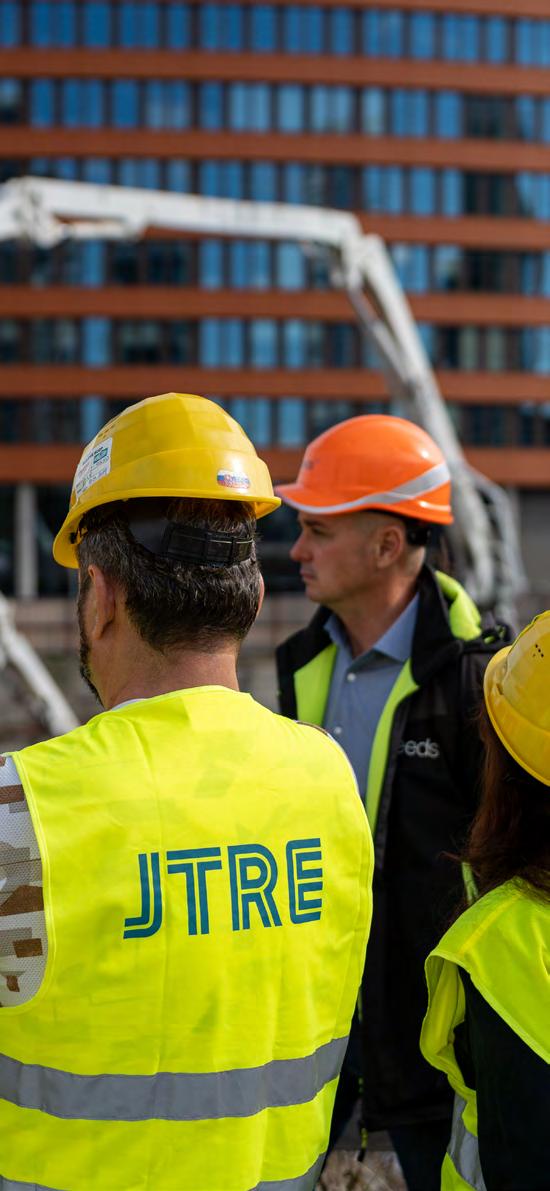
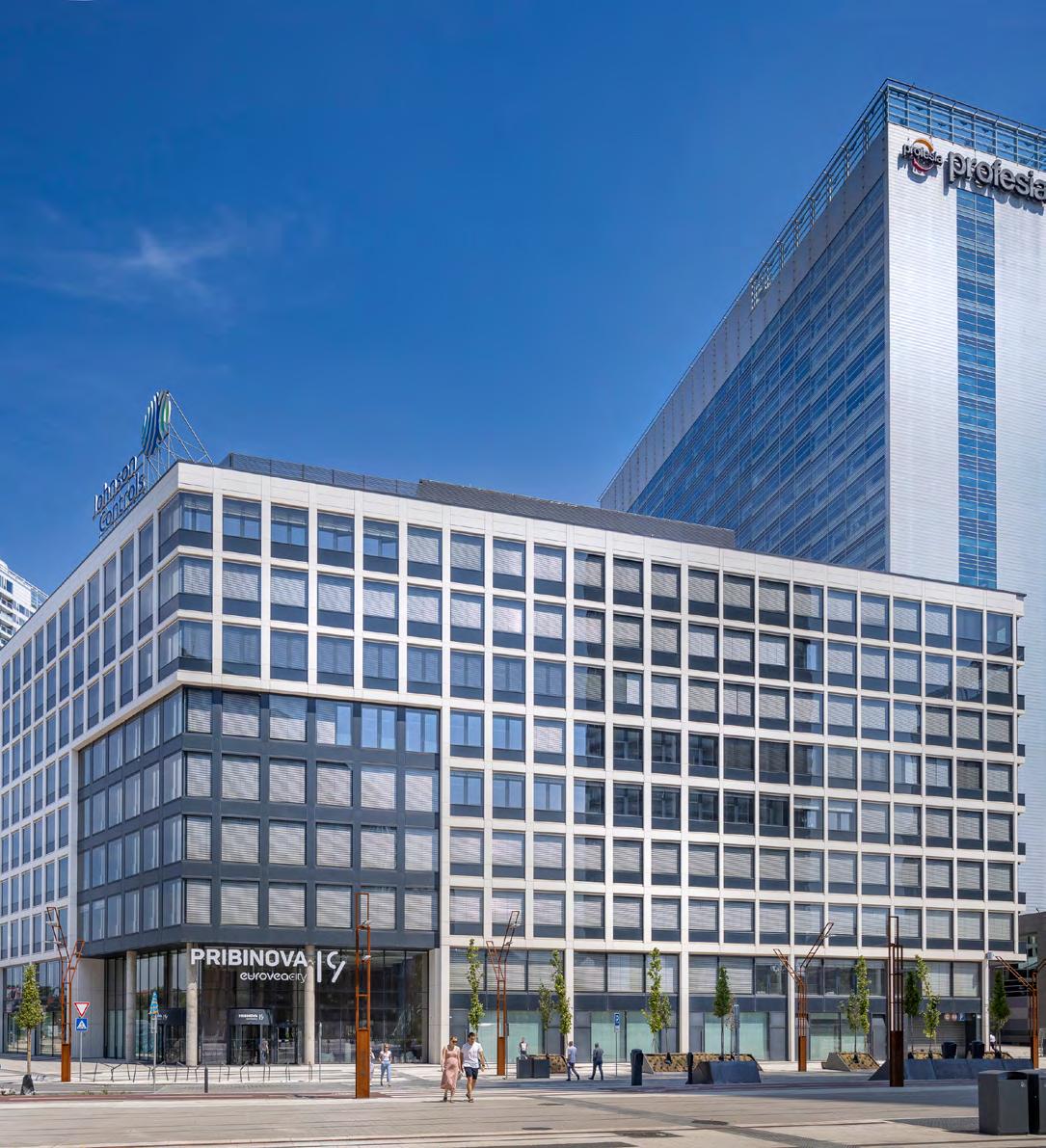
Risk management Strategic risks
By proactively addressing risks, we safeguard our assets, reputation, and ability to meet the evolving needs of our stakeholders and the communities we serve. Our approach to risk management is proactive, comprehensive and aims to minimise potential negative impacts. At JTRE, our commitment to asset security is underpinned by adherence to applicable laws and regulations.
At JTRE, we are vigilant and maintain a continuous monitoring process for both internal and external environments to identify potential risks. Instead of having a dedicated risk team, we assess risks during the development of business opportunities and projects, relying on our processes, as well as the expertise of our experienced colleagues and leadership, who assess these risks based on their impact and likelihood.
Reputation risk
Damaging a company’s reputation represents a significant risk, as it can erode trust with stakeholders and the public and may have a serious detrimental impact on operations, ultimately undermining the business’s overall success. We recognise this risk and have taken measures to prevent it.
We have established a comprehensive ethical code of conduct to ensure legal compliance, maintain fair practices, and set standards for maintaining our reputation among all employees.
We strictly adhere to all relevant legal requirements to ensure compliance, integrity, and the highest accountability standards.
We actively engage in community projects and philanthropic initiatives.
We proactively engage in communication with our stakeholders and address any potential concerns to prevent reputation risk.
Competition risk
We acknowledge the potential risks associated with intensifying competition in both the market and our role as an employer.
We closely monitor industry trends and customer demand to ensure we remain up-to-date and responsive.
We place strong emphasis on the personal and professional development of our employees.
Socio-economic risk
We are exposed to several risks, including economic changes and demographic shifts, which have the potential to impact communities and property values significantly.
JTRE considers the diverse needs of communities in our projects, incorporating features such as playgrounds and kindergartens for families with children and barrier-free access to ensure our developments are inclusive.
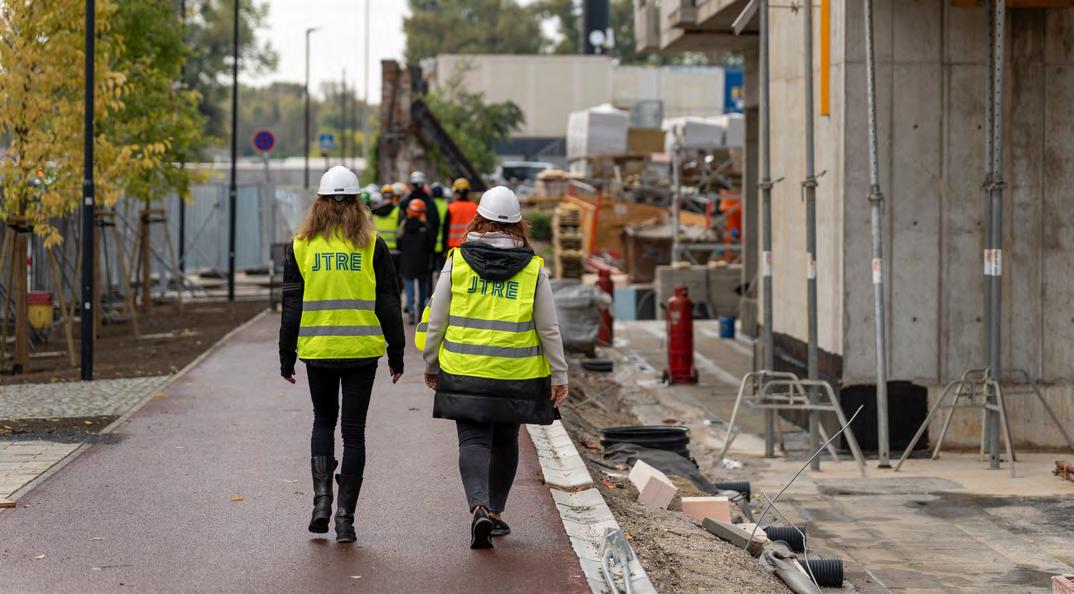
•
Operational risks
Cyber risk and data breaches
Unauthorised access to internal company data, financial data and sensitive tenant and stakeholder information could result in data loss and potential legal issues. We comply with a number of information security standards and frameworks, as well as adhering to a range of legislative requirements, such as the General Data Protection Regulation (GDPR).
• •
We deploy advanced cybersecurity measures, including encryption, firewalls, and intrusion detection systems, to ensure the security of our systems and data.
Regulatory risk
The regulatory risks extend beyond compliance to include the potential for changes in legislation, which can impact market conditions and operational requirements.
We adhere to sustainable regulations, closely monitor required operations, and engage in sustainable certifications for our buildings. This ensures that we remain compliant with current and future regulations and that our projects are built to last.

Financial risks
Credit risk
The primary sources of exposure to credit risk are the loans and advances provided, receivables from rent and transactions with financial institutions, including cash on bank accounts and deposits, as well as off-balance sheet credit risk through commitments to extend credit and financial guarantees.
By diversifying the tenant base, JTRE is able to mitigate credit risk.
As an additional risk management measure, we utilise deposits as collateral for tenant rental payments.
Liquidity risk
A lack of liquid financial resources could threaten JTRE’s ability to meet obligations when they fall due, impede the ability to fund assets at appropriate maturities and rates, as well as the capacity to liquidate an asset at a reasonable price and in an appropriate time frame.
JTRE’s primary focus in risk management is on the methods employed by financial institutions, particularly the diversification of their sources of funds.
Diversifying our sources of finance provides greater flexibility and reduces dependency on any single source of financing.
Market risk
JTRE’s instruments are susceptible to fluctuations in market prices, including those of interest rates, foreign exchange rates and credit spreads.
We use derivatives as a risk management tool to navigate market volatility.
We employ a sensitivity analysis to assess the effect of fluctuations in the functional currency on the portfolio.
The analysis assumes that all other variables remain constant.
Operational risk
Operational risk is inherent in all our activities, including legal risk, the risk of project delays, cost overruns, and budgetary constraints, as well as client attrition due to project holdup or market entry by new competitors.
JTRE implemented a regular supervision and adjustment process for projects, adapting to varying conditions in order to achieve the desired outcomes and ensure cost-effectiveness.
We have adopted a comprehensive system of standards and control mechanisms to manage and limit operational risk effectively.
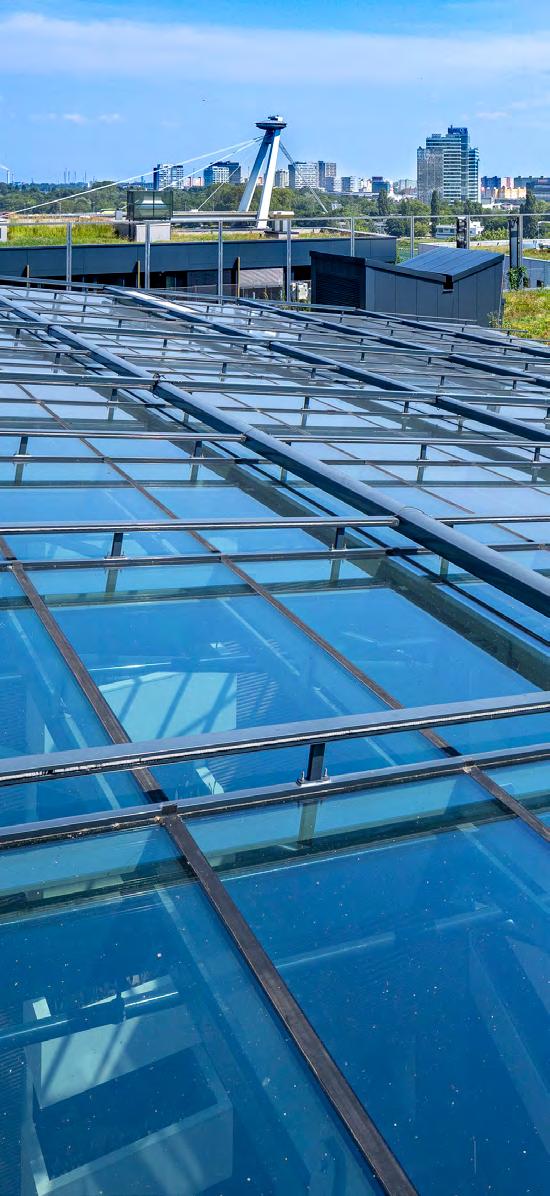
Climate change risks
Economy transition risks
JTRE is facing several financial and operational challenges and uncertainties as a result of regulatory, societal and economic shifts towards a low-carbon, more climate-friendly future. We believe that the transition is necessary, and for early adopters, this challenge can be turned into a competitive advantage.
We are integrating the costs of retrofitting into our long-term financial planning and budgeting.
JTRE is allocating capital expenditures for energy efficiency improvements and carbon reduction measures with the objective of future-proofing our assets.
To assess the risk associated with carbon targets, we are utilising the Carbon Risk Real Estate Monitor (CRREM) tool.
Physical risks
The increasing frequency and intensity of weather-related events pose a significant risk to our assets. Some of our sites are at risk of flooding.
In every project, we analyse potential physical hazards, including the integrity of the building fabric in extreme weather conditions like high wind, hailstorms, tree falls, etc.
We conduct a flood risk assessment for each project, resulting in appropriate measures. These include both rainwater measures against tropical downpours and measures against overflowing streams and rivers.
We are implementing rainwater harvesting measures in landscaping, which can capture excessive volumes of water. These include swales, polders, rain gardens, and a selection of plants and substrates that help capture water.
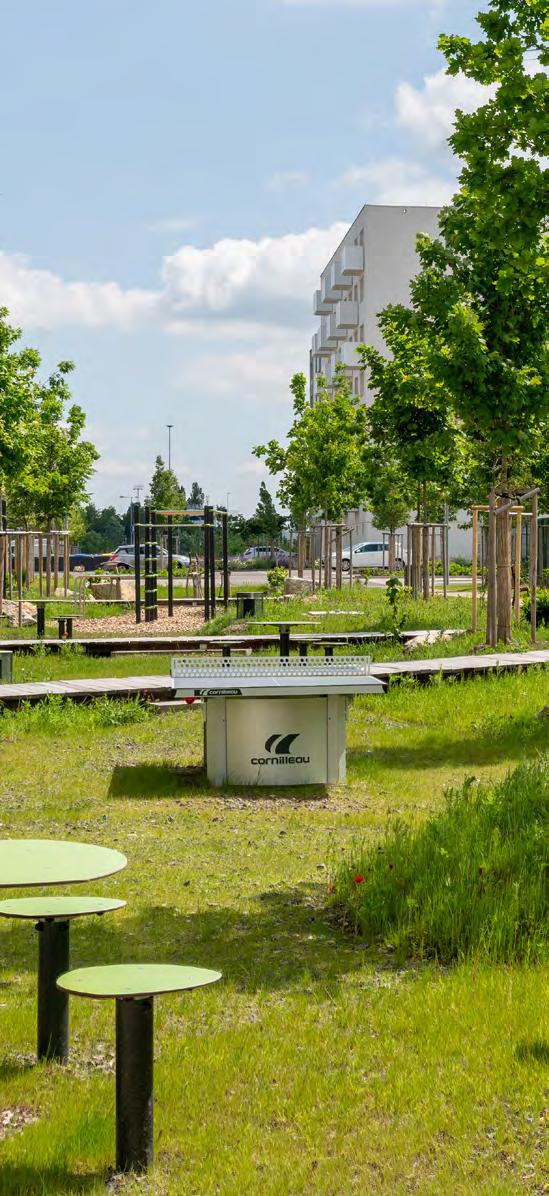
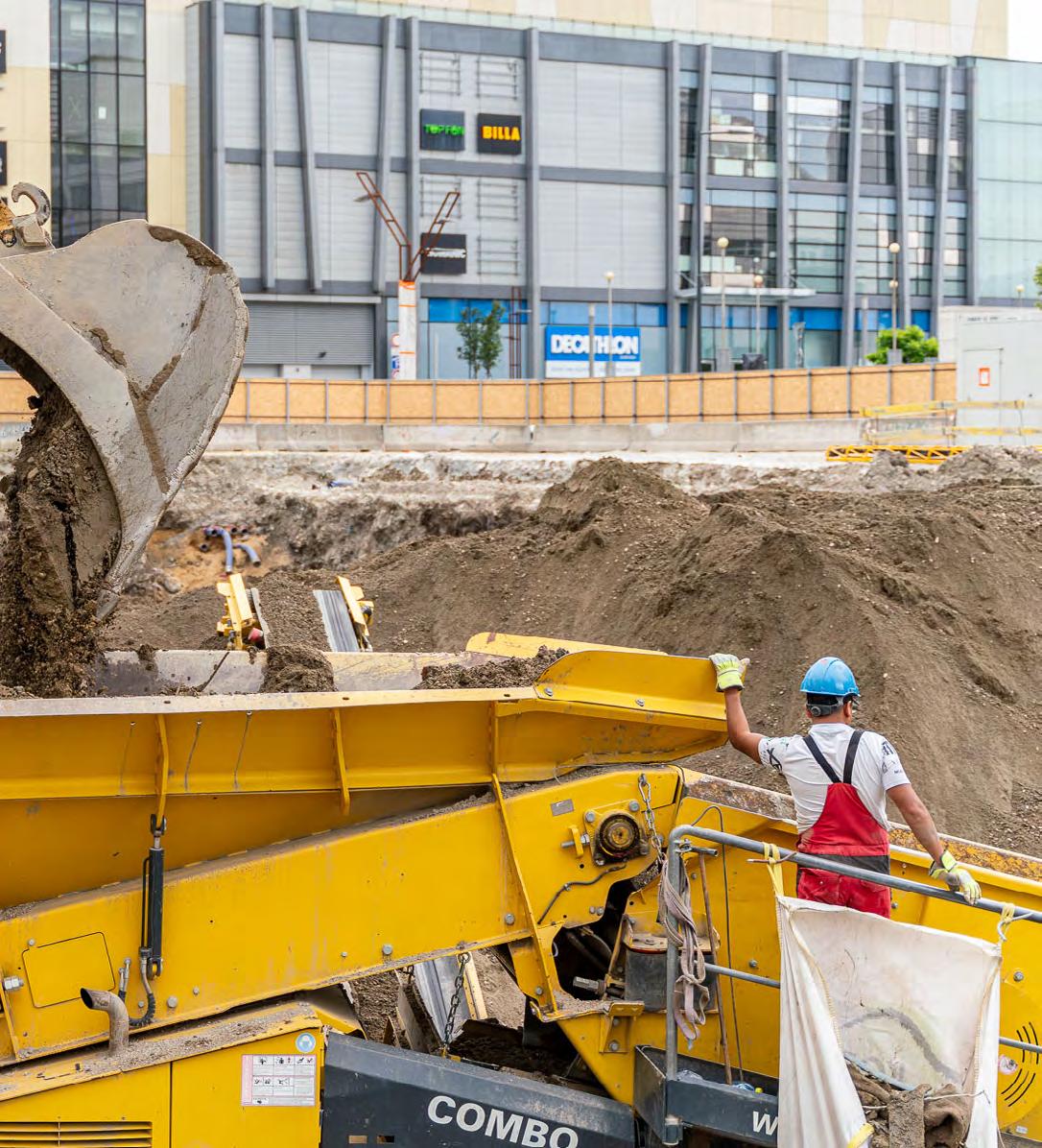
Supply chain management Stakeholder management system
At JTRE, we foster valuable partnerships throughout our supply chain and place great importance on our relationships with suppliers and partners.
Suppliers are vital stakeholders in our journey toward achieving our sustainability goals. We are currently developing our stakeholder management system with a particular focus on materials’ quality and sustainability properties. This system will set clear requirements for our suppliers, emphasising the importance of delivering materials that align with our environmental objectives. By fostering strong relationships and open communication with our suppliers, we aim to ensure that all materials used in our projects contribute to our overarching goal of reducing carbon emissions and enhancing sustainability. In 2024, JTRE’s supply chain remained stable, with no significant changes or reported incidents throughout the year.

Abbreviations
ABBREVIATION DEFINITION
BIM Building Information Modelling
BMS Building Management System
BREEAM Building Research Establishment Environmental Assessment Method
CEO Chief Executive Officer
CEQA Central & Eastern European Real Estate Quality Awards
CRREM Carbon Risk Real Estate Monitor
CSRD Corporate Sustainability Reporting Directive
DMA Double Materiality Assessment
EIA Environmental Impact Assessment
EPBD Energy Performance of Buildings Directive
EPC Energy Performance Certificate
ESG Environmental, Social and Governance
ESRS European Sustainability Reporting Standards
EU European Union
FTEs Full-Time Equivalents
GHG Greenhouse Gas
GRI Global Reporting Initiative
HSE Health and Safety
HVAC Heating, Ventilation, and Air Conditioning
IMA Impact Materiality Assessment
ISO The International Organization for Standardization
KPIs Key Performance Indicators
LCA Life Cycle Assessment
LEED Leadership in Energy and Environmental Design
NGOs Non-Governmental Organisations
ABBREVIATION DEFINITION
OHS Occupational Health and Safety
SBC Smart Building Collective
SBTi Science Based Targets initiative
SDGs UN Sustainable Development Goals
SKGBC Slovak Green Building Council
UHI Urban Heat Island
UnitsUNIT DEFINITION
CO2e Carbon Dioxide Equivalent
kWh/m2.a Kilowatt-hours per square meter per year
MWh Megawatt-hour
Sqm Square meter
tCO2e Tons of CO2 equivalent
TJ Terajoule
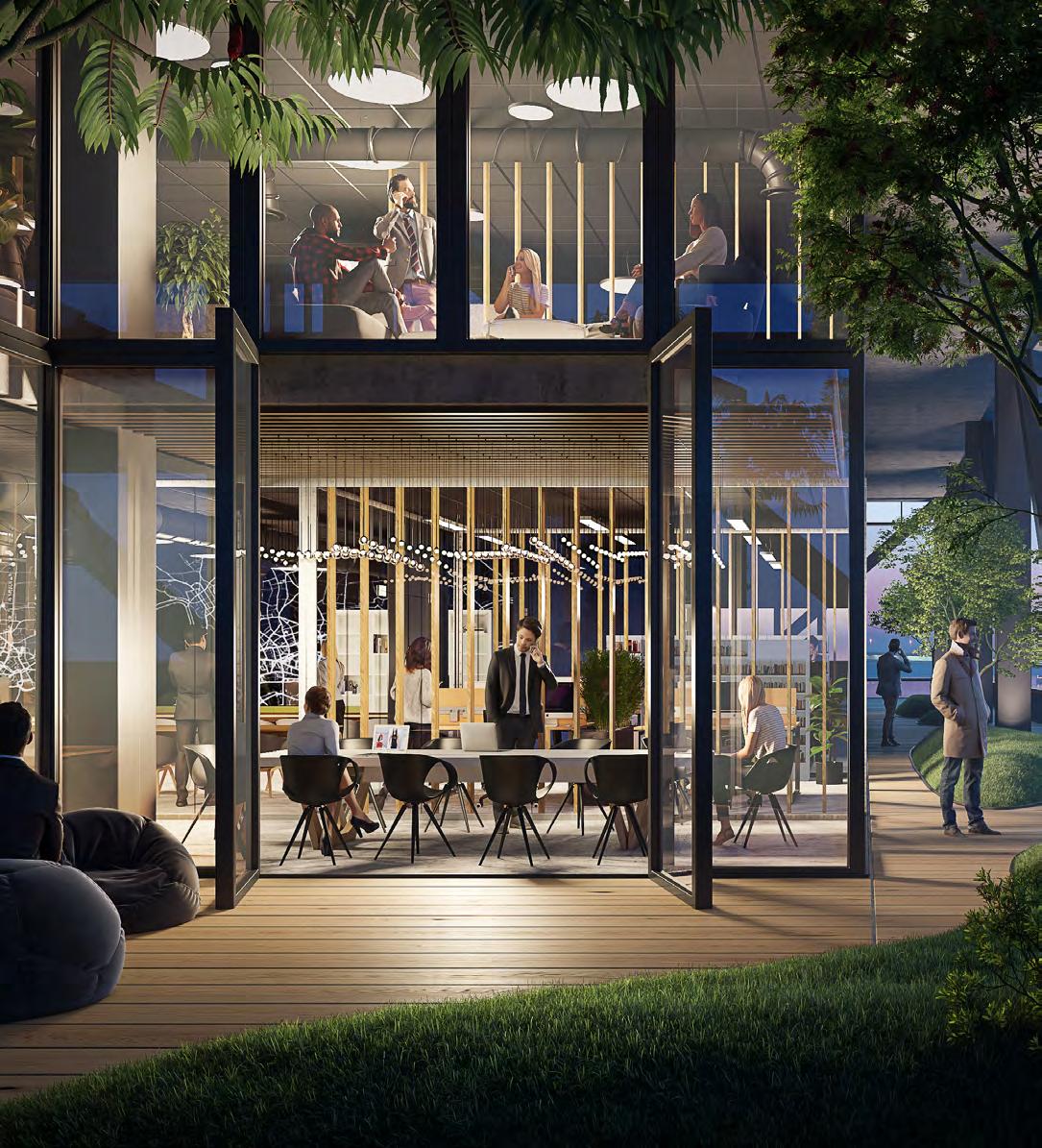
Methodology notes
Stakeholders
Stakeholder group
Architects
Construction suppliers
Consultants
Utilities suppliers
Management facility services
Marketing agency, PR agency
Employees Managers
Board
Investors, shareholders (funds, bonds, owners)
Buyers Tenants
Key topics of interest and concerns in 2024
SUSTAINABILITY AND ENVIRONMENTAL RESPONSIBILITY
Supplier Screening and Materials Used
Energy Efficiency Initiatives: consumption and renewables
ETHICAL PRACTICES AND HUMAN RIGHTS
Human Rights Reviews and Child Labor Incidents
Corruption and Labor Violations
SOCIAL IMPACT AND COMMUNITY
ENGAGEMENT
Positive Social Impacts and Community Effects
Communication of Commitments and ESG
Goals
SUPPLIER AND PROJECT PERFORMANCE
Supplier Prestige and Reputation
Experience in Managing Challenges
ECONOMIC AND MARKET PERFORMANCE
Revenue and Market presence
Client satisfaction and Macroeconomic indicators
EMPLOYEE WELL-BEING AND DEVELOPMENT
Employee turnover and Satisfaction
Training and Development Opportunities
Compensation and Workplace Environment
FINANCIAL PERFORMANCE AND ECONOMIC IMPACT
Revenue Generation and Profitability
Operating Costs and Payments
Market Reputation and Bond Returns
CORPORATE GOVERNANCE AND RISK MANAGEMENT
Risk management
ESG (Environmental, Social, Governance)
Anticompetitive behaviour legal actions
REPUTATION AND PUBLIC RELATIONS
PR events
JTRE’s reputation
OPERATIONAL PERFORMANCE AND STRATEGIC DIRECTION
Milestones met
Company direction
Project development
CLIENT AND TENANT SATISFACTION
Client & Tenant Satisfaction and Retention
Rates
Occupancy Rates and Quality of Rental
FINANCIAL PERFORMANCE AND PORTFOLIO MANAGEMENT
Total revenue and Annual return
Portfolio Diversification and Stabilization:
LOCATION AND ACCESSIBILITY
Local Amenities and Accessibility
Public Transport and Movement in the area
COMMUNITY IMPACT AND HEALTH & SAFETY
Effects of operations on local communities
Health and Safety Assessments
PROPERTY MANAGEMENT AND LEASING
Mixed-Use Development and Pricing
Tenant screening and Lease agreements
Communities
Citizens in the vicinity of projects
Businesses in the vicinity of projects, organisations representing locals Experts, Industry Associations and Professional Organizations
Municipalities (city level)
Governmental bodies (National institutions)
Media (general/real-estate specific) NGOs
COMMUNITY IMPACT AND ENGAGEMENT
Community Grievances and Legal Disputes
Stakeholder Engagement
Financial Contributions and Beneficiary Impact
ENVIRONMENTAL RESPONSIBILITY AND SUSTAINABILITY
Green Area Preservation and Waste Management
Air Quality and Emission Controls
ESG in buildings & Environmental Impact Assessment (EIA)
URBAN DEVELOPMENT AND INFRASTRUCTURE
Collaboration on City Development Projects
Diversity of Businesses and Smart Buildings
Transportation connections & Urbanism
REGULATORY AND LEGISLATIVE COMPLIANCE
New EU policy and Construction material legislature change
Streamlining Authorization processes
Legal oversight
Wooden building legislature lobby
ECONOMIC AND OPERATIONAL FACTORS
State-of-the-art knowledge and Biggest
national developer experience
Funding and Public Relations
Land acquisition & Economic value
Operational Efficiency and Employee Satisfaction
Impact significance assessment table
List of material topics and impacts
Table 1: List of JTRE´s material impacts by significance, presented from the most significant impact
MATERIAL TOPIC (ESRS NAME) IMPACT
Climate action (Climate change)
Climate change contribution
The construction industry is a significant contributor to greenhouse gas emissions, both through the construction process itself and through the operation of buildings.
Ethical business (Business conduct) Reputation with suppliers
Fair and timely payment practices reinforce a company's reputation as a reliable and ethical business partner. This can lead to preferential treatment, such as prioritisation of orders or access to the latest products and innovations.
Climate action (Climate change)
Technology investments
Business specific (Certifications)
Certification processes
Affected
communities (Community development)
Climate action (Climate change)
Community development
Technology
investment within buildings, adding CO2 reduction technologies, emissions reduction management, BMS optimisation, etc.
Focusing on sustainability, well-being and smart certifications such as LEED, BREEAM, WELL and SBC.
Creating shared, public and communal spaces, incorporating local architectural styles, public art, cultural symbols, etc.
Climate action (Climate change)
Water management (Water and marine resources)
Climate change adaptation strategy
Indirect greenhouse gas emissions (scope 3)
Water consumption efficiency
Develop a strategy to address climate change risks and challenges to our buildings, such as floods, heat, drought and downpours.
Production of indirect emissions from the use and maintenance of buildings.
Smart water management.
Ethical business (Business conduct) Trust in relationships with partners
Building and maintaining trust with partners - investors, contractors, suppliers, clients, and other stakeholders.
Own employees (Own workforce)
Providing adequate wages
Compensation that meets legal minimum wage requirements and also reflects the cost of living, skill level, and the value of the work performed.
MATERIAL
TOPIC (ESRS NAME) IMPACT NAME
Own employees (Own workforce)
Flexible Working Arrangements
Flexible working hours, remote work options, or compressed workweeks allow employees to accommodate personal and family needs better.
Own employees (Own workforce)
Occupational health and safety
Coverage, quality and performance of the health and safety management system established to prevent work-related injuries.
Climate action (Climate change)
Green electricity consumption
Electricity consumption in the construction and operation of buildings, including the increasing use of renewable.
Own employees (Own workforce)
Well-being (consumers and end-users)
Biodiversity (Biodiversity and ecosystems)
Equal remuneration for women and men
Shift in transport and infrastructure, access to essential services
Habitat and landscape fragmentation
Ethical business (Business conduct) Anti-corruption
Biodiversity (Biodiversity and ecosystems)
Biodiversity (Biodiversity and ecosystems)
Own employees (Own workforce)
Provision of biodiversity-friendly areas
Revitalisation and redevelopment of brownfield sites
Prevention of burnout and personal life problems
Management approach to provide equal remuneration for women and men.
Introduction of new public transport, construction of highways or the development of green infrastructure. Impact on the access to essential services — such as healthcare, education, and transportation.
Fragmentation caused by land occupation by real estate development.
Approach to corruption in the sector, particularly in relation to obtaining regulatory approval, procurement, inspection and certification processes. Transparency through cost-plus contracts; auditing of risk management processes; screening criteria and training for partners, suppliers, contractors and sub-contractors during tender processes.
E.g. green roofs, green walls, insect habitats, water features, replanting vegetation on-site.
Transforming environmentally degraded and potentially hazardous brownfields into remediated and safe community spaces. Urban sprawl leads to the loss of natural habitats and farmland.
Unbalanced work-life can result to mental or family problems.
MATERIAL
TOPIC (ESRS NAME)
Own employees (Own workforce)
IMPACT
NAME IMPACT DESCRIPTION
Training and skill development/ re-skilling of the workforce
Ethical business (Business conduct) Anti-competitive behaviour
Training and skills development-related activities enhance professional growth, upgrade employees’ skills and facilitate continued employability.
Approach the existing risk of anti-competitive bidding practices within the real estate sector through collusion to set tender prices, cover pricing, and fix cartel prices.
Climate action (Climate change) Energy efficiency
Biodiversity (Biodiversity and ecosystems) Soil sealing
Own employees (Own workforce Gender equality in the workplace
Well-being (consumers and end-users)
Safety & security measures
Well-being (consumers and end-users) Protection of children
Implementing smart building technologies and energy management systems.
Circular economy Waste production
Laying down impermeable materials like concrete and asphalt decreases water infiltration, increases surface run-off and contributes to UHI.
Flexible work schedules; initiatives to provide child-care support and/or facilities to employees; initiatives to promote equal opportunities at the workplace.
The extent to which security is incorporated into the design of buildings, such as secure entrances, surveillance systems and emergency response protocols, adequate lighting in public spaces, etc.
Creation or management of spaces that are safe and conducive to healthy development of children (including secure windows, safe play areas and non-toxic materials).
Construction process and demolition activities may generate significant amounts of waste (demolition waste, excavation waste, construction waste), including hazardous materials such as paints, solvents and other chemicals.
Climate action (Climate change)
Supplier employees (Workers in the value chain)
Indirect greenhouse gas emissions (scope 2)
Outsourcing of work to contractors and subcontractors
Production of indirect emissions from the use and maintenance of buildings.
Creation of direct and indirect work opportunities with temporary contracts.
MATERIAL TOPIC (ESRS NAME)
Water management (Water and marine resources)
Affected communities (Community development)
Water management (Water and marine resources)
Reusing and recycling water
Displacement and gentrification
Operational water use in buildings
Circular economy Construction site water withdrawals
Biodiversity (Biodiversity and ecosystems)
Biodiversity (Biodiversity and ecosystems)
Biodiversity (Biodiversity and ecosystems)
Pollution control (Pollution)
Land occupation, urban development and expansion
Light pollution and reflection
Disturbance to living organisms as a result of noise and vibration
Production of air emissions
Recycling of rainwater, greywater and blackwater.
Construction projects can lead to the displacement of existing residents and businesses due to rising property values and rents. Gentrification, whereby more affluent newcomers replace the original community members, alters the community's demography and culture.
Water used for cooling systems, landscaping, sanitation, irrigation, etc. Inefficient systems and practices can lead to excessive water consumption, impacting water availability and increasing tenant costs.
As construction activities require significant amounts of water, including for mixing materials (such as concrete), dust suppression, landscaping, and other uses, high water consumption can strain local water resources, especially in areas facing water scarcity.
The conversion of rural land or green spaces into residential, commercial or industrial areas.
Spilled light from construction zones and parking lots may impact breeding grounds or resting areas; reflective towers may affect bird flight.
Disturbance to living organisms due to noise and vibration caused by construction work, renovation and/or building operational usage.
Some building materials may emit volatile organic compounds (VOCs), which can degrade indoor air quality and pose health risks to occupants.
Pollution control (Pollution)
Noise and vibration generation
Noise and vibration generation during new development, renovation and extension projects.
Circular economy
Material waste avoidance
Policy and practices that promote waste avoidance: material waste avoidance through design, procurement, site management and fit-out.
MATERIAL TOPIC (ESRS NAME)
Own employees (Own workforce)
Wellbeing (consumers and endusers)
Pollution control (Pollution)
Affected communities (Community development)
Biodiversity (Biodiversity and ecosystems)
Wellbeing (consumers and endusers)
Wellbeing (consumers and endusers)
Wellbeing (consumers and endusers)
Climate action (Climate change)
Biodiversity (Biodiversity and ecosystems)
Violence and harassment in the workplace
Information accessibility
Soil pollution, contamination and degradation
Increase in residential and commercial space
Maintenance of landscaping and rain-water retention systems around the buildings
Private data security
Initiatives to provide information, education and training on sexual harassment in the workplace; available channels within the organisation for filing gender-based discrimination grievances.
Accessibility of service- related information, such as manuals and product labels, to avoid potentially damaging use of a product or service.
Soil pollution and/or contamination during new development, renovation and extension projects.
By providing more housing options and commercial spaces, construction projects can meet the needs of growing communities, help to stabilise or reduce housing costs, and foster local businesses.
Contributions of ecosystems to the benefits that are used in economic and other human activity, respectively the benefits people obtain from ecosystems.
Management and security systems to keep consumers and/or end-users of services rights to privacy and have their personal data protected.
Honest representation
By accurately representing properties and services without exaggeration or misleading information, companies build trust with buyers and tenants.
Transparency in pricing and terms
Direct greenhouse gas emissions (scope 1)
Disturbance of water conditions in the landscape
Clear communication about pricing, fees, and contract terms avoids misunderstandings and disputes.
Production of direct emissions from construction activities.
Disturbance of water conditions caused by construction work, renovation and/or building operational usage.
MATERIAL TOPIC (ESRS NAME)
Biodiversity (Biodiversity and ecosystems)
Own employees (Own workforce)
Land remediation
Remediation of contamination or harmful materials such as asbestos, lead, chromium, mercury and man-made mineral fibres.
Circular economy
Water hygiene measures
Construction site equipped with all sanitary facilities, and drinking water or refreshment facilities provided
Circular economy
Consumption of manufactured products
Reuse of materials and resources, use of sustainable materials
Circular economy
Circular economy
Circular economy contribution
Use of manufactured products (e.g., brick, cement, concrete, carpet, glass, insulation products, steel).
Practice of salvaging, refurbishing, and reusing building materials (e.g. wood, bricks, metal, glass) for new construction projects or renovations.
Increasing the durability, reparability, upgradability, reusability or recyclability of products and materials.
Well-being (consumers and end-users)
Ethical business (Business conduct)
Waste management - user education
Continual feedback about waste generation/separation during the building operation and building users' education on how to decrease waste.
Tenant health and safety
Lobbying and policy influence
Affected communities (Community development)
Supplier employees (Workers in the value chain)
Housing availability
Operational health and safety policies including fire and elevator safety; accessibility; standards such as OHSAS 18001; including asset and site security arrangements; disaster management and emergency procedures.
Contributions to policy-making can have broad implications for the market, the environment, and the wider community; for example, changing Slovak fire protection legislation will allow for the broader use of timber in construction.
Availability of housing for a specific group of people – young, old, disabled.
Water hygiene measures
Construction site equipped with all sanitary facilities and drinking water or refreshment facilities provided.
MATERIAL
(ESRS
Own employees (Own workforce)
Employee quality of life & well-being
Management and/or flexibility on work time topics, such as limitations on overtime, long and split shifts, and night and weekend work, adequate lead time for scheduling.
Own employees (Own workforce)
Non-discrimination practices
Commitment to fairness, equality and respect for all individuals, regardless of gender, race, ethnicity, disability, sexual orientation, age, religion or any other characteristic, particularly in relation to end users.
Data Section
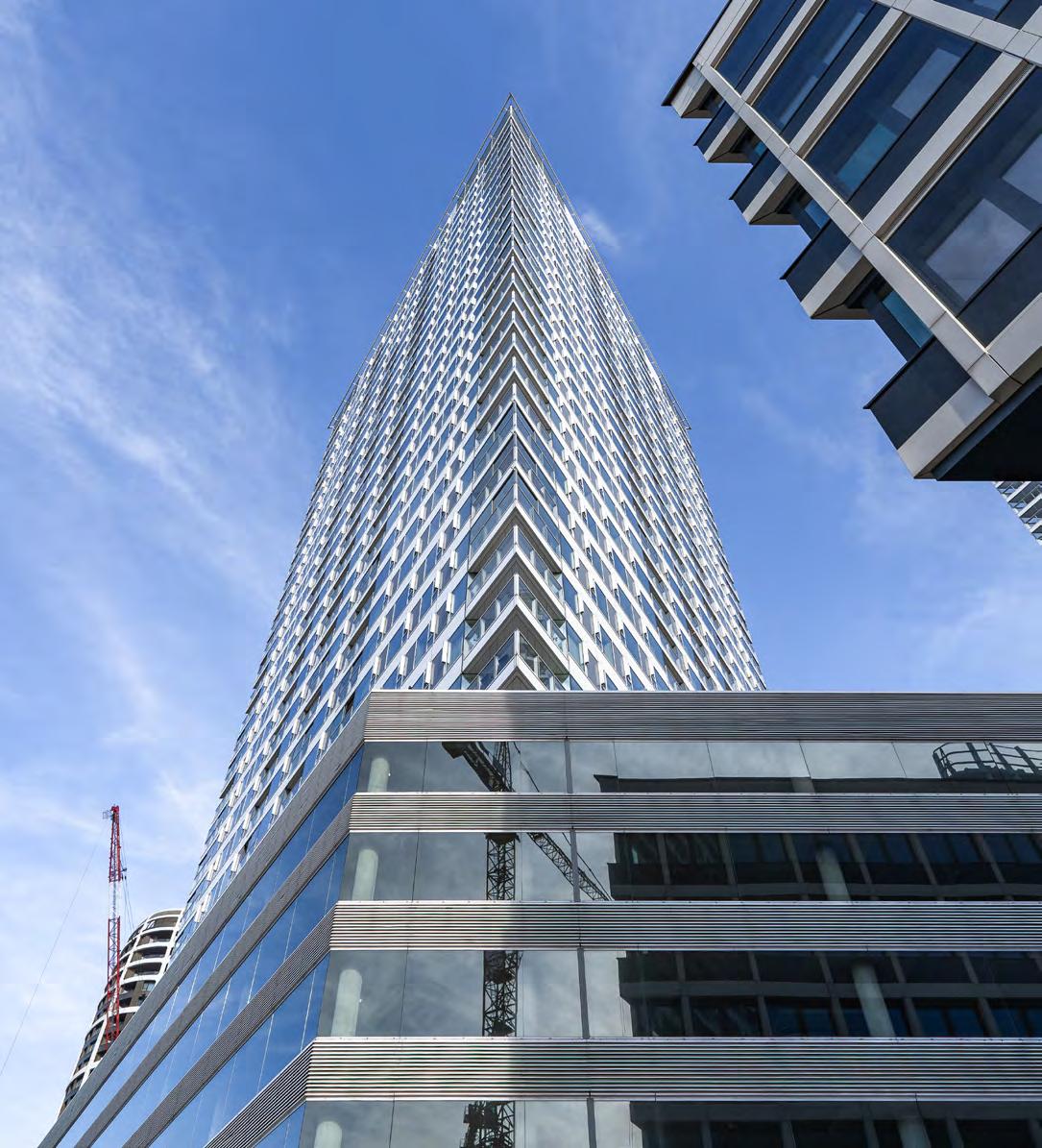
Carbon Footprint
Thank you
JTRE a.s.
Dvořákovo nábrežie 10
811 02 Bratislava, Slovensko
www.jtre.sk