
THE JOY TO LIFE FOUNDATION Celebrates 25 Years OF LIFE-SAVING WORK

THE JOY TO LIFE FOUNDATION Celebrates 25 Years OF LIFE-SAVING WORK
EXPANDING
Our
Using
Conditions Treated
Irritable Bowel Syndrome (IBS)
Acid Reflux
Inflammatory Bowel Diseases
Gastritis
Pancreatitis
Liver Disease
Chronic Abdominal Pain, Nausea, and Vomiting
Acute and Chronic Diarrhea
Chronic Constipation
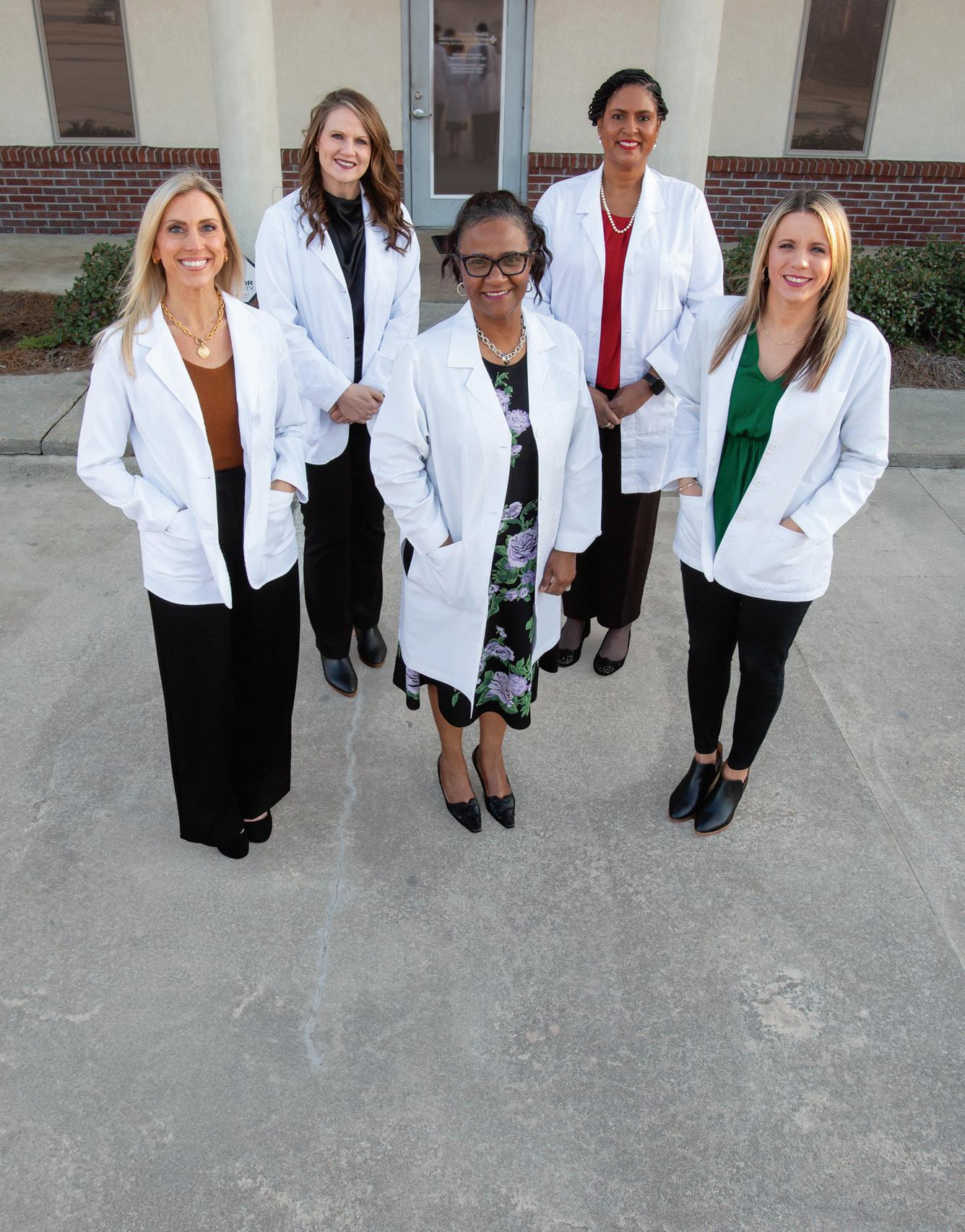
Our Providers
Nina Nelson-Garrett, MD
Heather Echols, MD
Ashley Morrow, CRNP
Katie Hargrove, FNP-C
Jackie Shumate, FNP-C


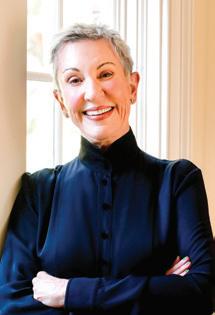
I simply cannot believe the Joy to Life Foundation is celebrating 25 years! We began our mammogram program in 2001 with a wildly successful kickoff at the Alabama Shakespeare Festival. Because the event was just five days after 9/11, we weren’t sure what attendance would look like, but 350 people showed up to support us.
After that unforgettable night, reality set in, and we rolled up our sleeves to fund one mammogram at a time for women in the Montgomery area. It was a challenge to help the community understand our mission, because breast cancer wasn’t widely discussed until Joy to Life joined the conversation. We boldly introduced our name and our passion, and the community answered with generous support.
There are so many wonderful companies and individuals who believed in our work, and 25 years later, some of those original supporters are still with us. Breast cancer awareness has grown enormously in Alabama, and the state now talks about it more openly than ever before.
When we launched JOY magazine, we knew it would be the perfect vehicle to educate people about breast cancer but also a way to inspire people to live healthy lifestyles while providing the information they need to do it. In this issue and through the rest of this year, we’re using JOY to highlight the Foundation’s growth and successes in the last 25 years.
We are so proud that the Joy to Life Foundation has made a difference in so many lives, and we will continue our vital work until there is a cure for this dreaded disease. As Nancy Wright, Director of ADPH Cancer Prevention and Control Divisions, has often said, “Without Joy to Life, fewer cancers would be detected, and fewer lives saved due to early detection of breast cancer. In fact, according to our data, Joy to Life is responsible, in recent years, for helping to find more than 30 percent of all cancers in Alabama. The work Joy to Life does is crucial in providing women the chance to take charge of their health and get screenings that not only help them, but their families as well. Also, Joy to Life is always seeking new ways to raise funds to provide more services to women and men and, in my opinion, what they do is lifesaving.”
BRINGING ALABAMA TO LIFE
PUBLISHER
JTL Publishing
EDITOR Joy Blondheim
MANAGING EDITOR
Jennifer Stewart Kornegay
ART DIRECTOR
Erika Rowe Tracy
DIGITAL MEDIA PRODUCERS
Big Dreamz Creative
CONTRIBUTING WRITERS
Sidney Fry MS, RD Kym Klass
Jennifer Stewart Kornegay
COPY EDITOR Jenny Stubbs
CONTRIBUTING PHOTOGRAPHERS
Big Dreamz Creative
COVER CREATIVE & PHOTOGRAPHY
Nancy Fields/Big Dreamz Creative
COVER DESIGN
Erika Rowe Tracy
Joy Blondheim Editor & Co-Founder, Joy to
Life Foundation
Joy is published four times per year by JTL Publishing. © 2026 All rights reserved. Reproduction in whole or part is prohibited without permission from the publisher. Joy reserves the right to determine the suitability of all materials submitted for publication and to edit all submitted materials for clarity and space. Joy is not responsible for damage, loss or any other injury to unsolicited manuscripts and/or unsolicited artwork. This includes, but is not limited to, drawings, photography, transparencies or any other unsolicited material. Joy does not knowingly accept false or misleading advertising or editorial. The publishers do not assume responsibility should such advertising or editorial appear. Joy is a news magazine with information on health, leisure activities and a healthy lifestyle. Readers are advised to consult their physicians before participating in any sport or fitness activity or starting any exercise, dietary or nutritional program published in Joy
THIS SEASON IS GOING TO BE TASTY!
Fresh produce popping up and warmer days bringing wishes of simple, nutrient-packed meals make spring peak sandwich season.
BY SIDNEY FRY MS, RD
PHOTOGRAPHY BY BIG DREAMZ CREATIVE
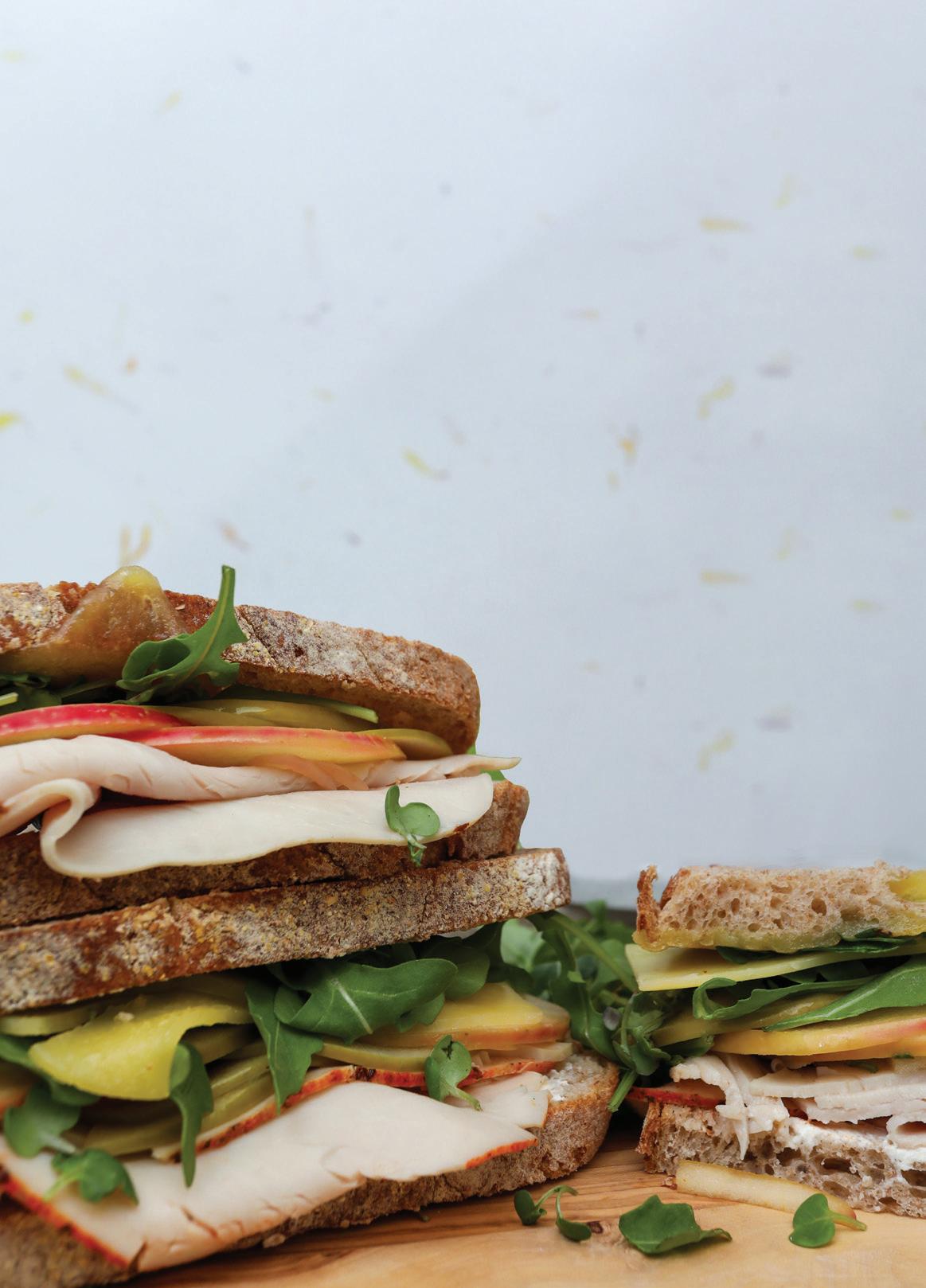
Why eat your apple alongside the sandwich when you can pickle it and pop it right inside? That’s right: When marinated in a mixture of honey and apple cider vinegar, apples take on a whole new identity. Tart, sweet and juicy, they are the perfect addition to the standard turkey and cheddar sandwich. Peppery arugula and a small schmear of light cream cheese add the perfect balance to this joyful mid-day moment.
APPLES
1/2 cup apple cider vinegar
1/4 cup water
2 tablespoons honey
1/2 teaspoon black pepper
1/2 teaspoon kosher salt
1 shallot, thinly sliced
1 green apple, unpeeled, cored, and thinly sliced
1 Honeycrisp apple, unpeeled, cored, and thinly sliced
SANDWICH
8 (1.5-ounces) slices whole wheat sourdough, lightly toasted
1/4 cup neufchatel cream cheese, softened and divided
8 ounces oven-roasted deli turkey slices
4 slices aged white cheddar cheese
Microgreens and baby arugula, for topping
DIRECTIONS
TO PREPARE APPLES:
In a small saucepan, combine vinegar, water, honey, pepper, salt and shallot. Bring to a simmer over medium heat. Remove from heat. Place apple slices in a medium heatproof bowl; pour hot vinegar mixture over apples. Let sit 30-45 minutes, tossing occasionally.
TO PREPARE SANDWICH:
Spread 1/2 tablespoon cream cheese over each bread slice. Top each of 4 bread slices with apples, turkey, cheese and greens. Top with remaining bread slices.
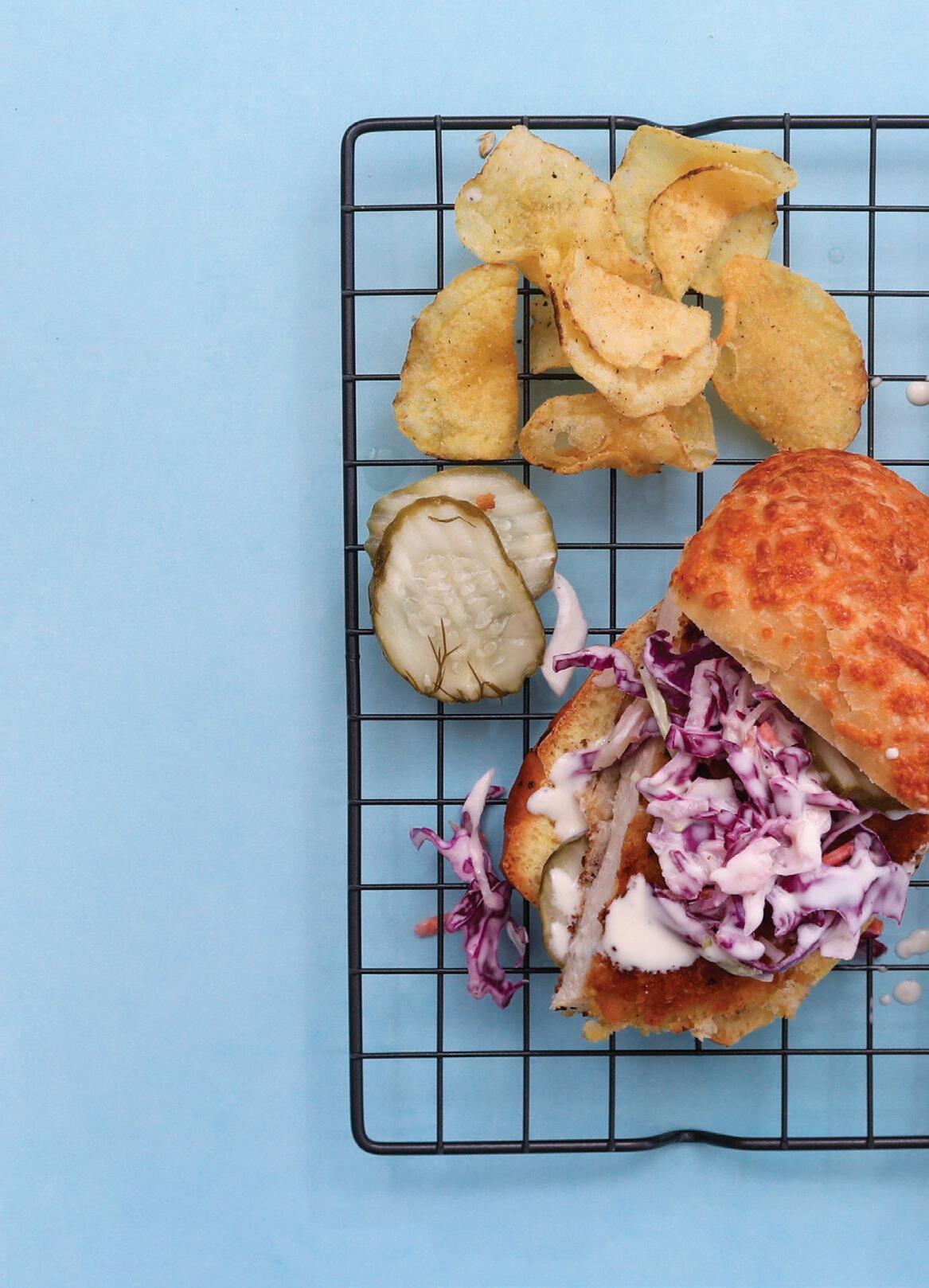
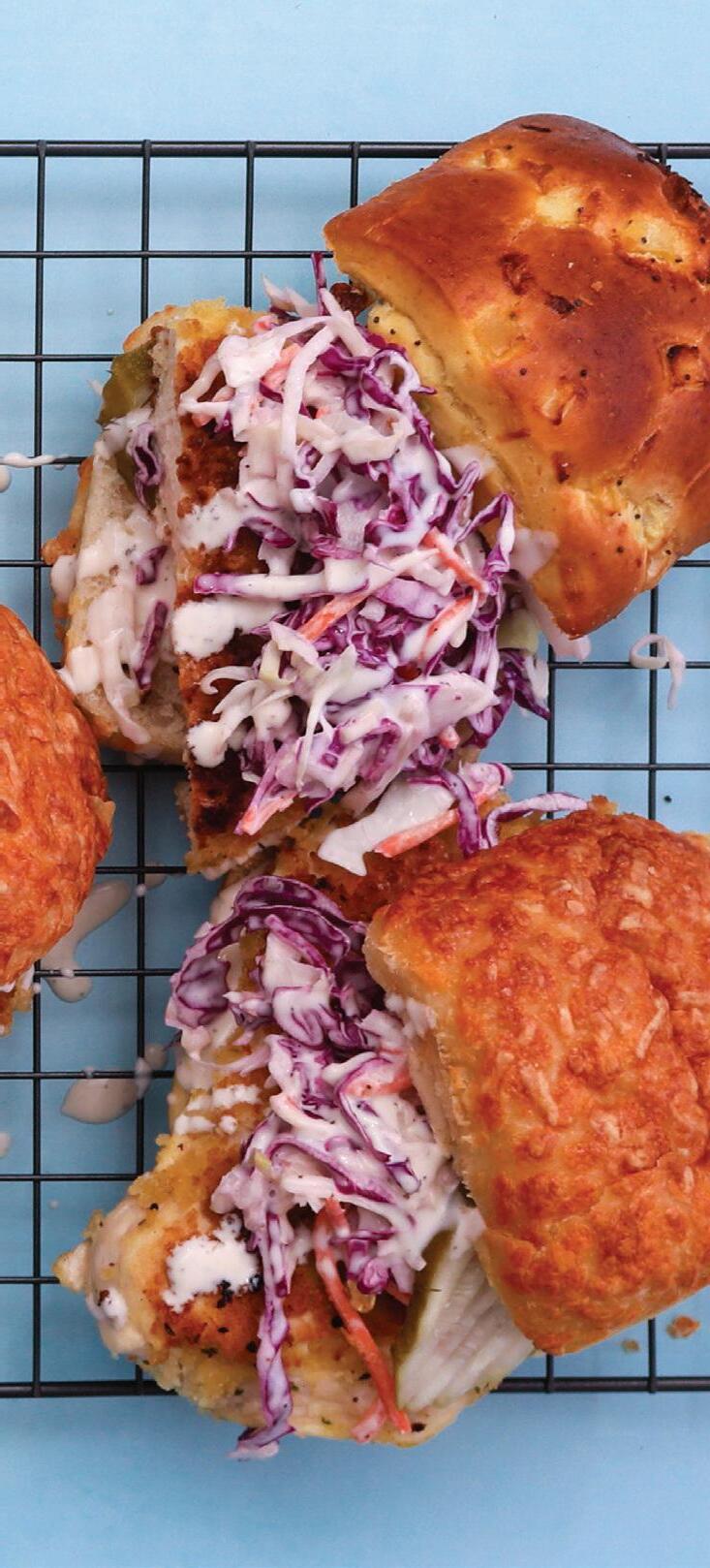
A good chicken sandwich should be crispy, juicy, tangy and most importantly, a little bit messy. This one delivers. Panko-coated cutlets are pan-seared until golden and crisp, creating that signature crunch without the deep fryer. But the real magic is in the “dressing.” My Southern secret? White barbecue sauce. A few dollops tossed with crisp cabbage make the perfect topping for this craveable sandwich. And dill pickles bring just the right pop of briny goodness. Tucked into a toasted ciabatta bun, it’s the kind of sandwich that delivers restaurant-worthy feels without the heavy fry and hefty price tag.
SERVE UP A CROWD & MAKE
CHICKEN
4 chicken breast cutlets
3/4 cup all-purpose flour
1 large egg, lightly beaten
1 cup seasoned panko breadcrumbs
1/2 teaspoon kosher salt
1/4 teaspoon black pepper
2 tablespoons olive oil
WHITE SAUCE SLAW
1 1/2 cups packaged cabbage slaw mix
3 tablespoons bottled white barbecue sauce
FOR SERVING
4 ciabatta buns, split and lightly toasted Dill pickle slices
TO PREPARE THE CHICKEN:
Place flour in a shallow dish. Place beaten egg in a second shallow dish. Place panko in a third shallow dish. Sprinkle each chicken cutlet with salt and pepper, dredge in flour, shaking off excess. Dip into egg, then coat evenly with panko, pressing gently to adhere.
Heat a large skillet over medium heat. Add 1 tablespoon olive oil to pan; swirl to coat. Cook 2 chicken cutlets, turning once, until golden brown and cooked through, about 3 to 4 minutes per side or until done. Transfer to a wire rack. Repeat with remaining tablespoon of oil and chicken.
TO PREPARE SLAW: Toss cabbage slaw with white barbecue sauce in a medium bowl until evenly coated.
Place one cutlet on the bottom half of each toasted ciabatta bun. Top evenly with slaw and pickles. Cover with top bun and serve immediately.
Sidney Fry is a two-time JamesBeard-Award-winning food and nutrition writer who loves creating simple, healthy recipes and thoughtful, actionable content for the hungry consumer. A healthy living proactivist, Sidney is also a registered dietitian nutritionist, recipe developer and mama of three based in Birmingham, Alabama. Registered Dietitian Nutritionist M t
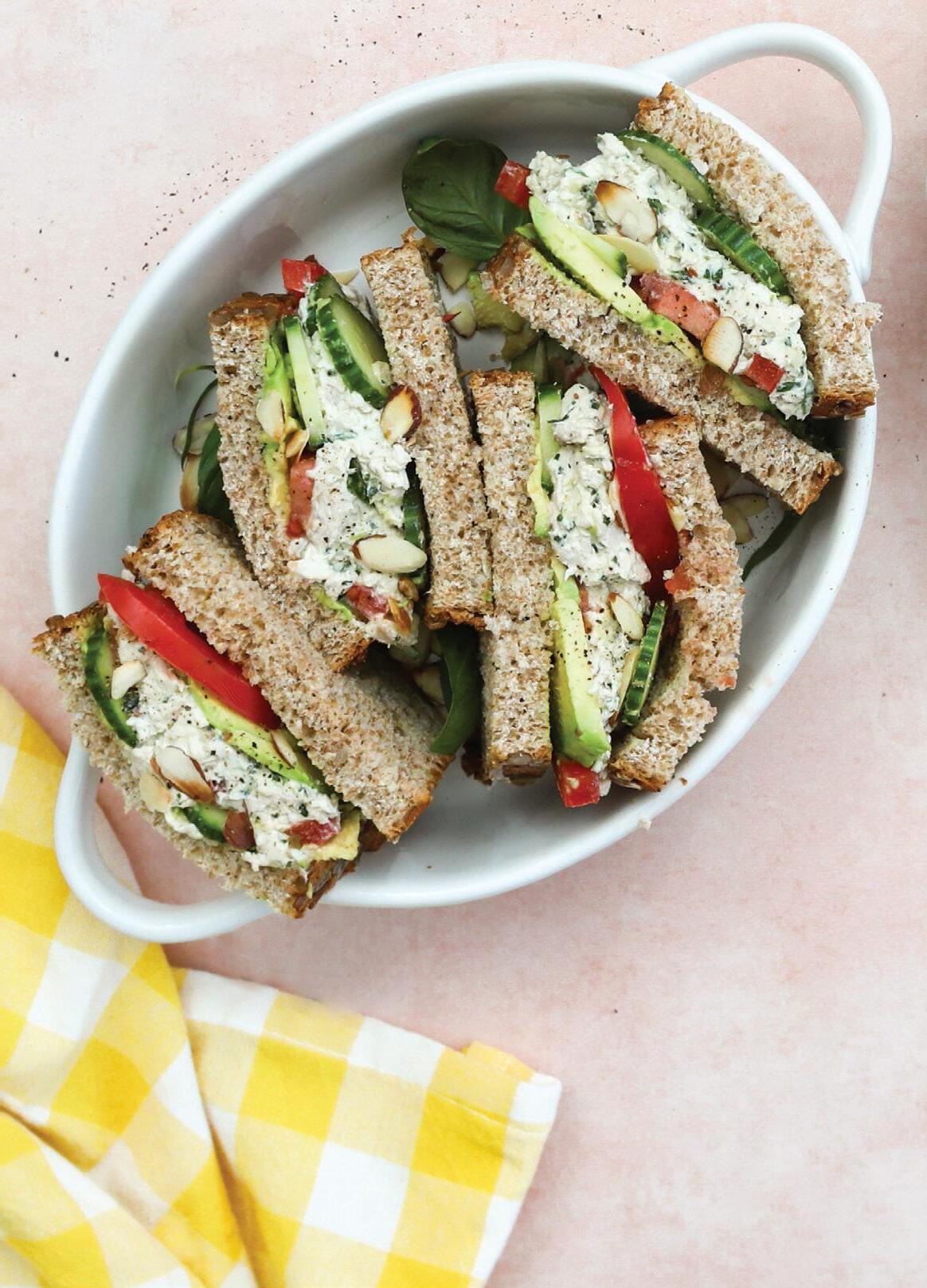
It’s no secret that chicken salad is the crown jewel of the Southern lunch table, so why not create a spin that not only embraces the regality but adds an upgraded burst of flavor and nutrition? Enter the Green Goddess twist on our favorite classic. Loaded with fresh herbs, lemon juice and nutty almonds, this dressing is the perfect “dress” for everyday rotisserie chicken looking to elevate its game. Spoon it over crusty multigrain or wrap into a flatbread with cucumbers, creamy avocado and crunchy almonds. Our advice? Make a double batch and serve over lettuce or with crusty bread and fresh crudités. It’s great for lunch but also worth a place on your next party spread.

INGREDIENTS
1/4 cup full-fat Greek yogurt
1/4 cup olive oil mayonnaise
1/2 cup sliced almonds, toasted and divided
1/2 cup fresh basil leaves
1/4 cup fresh tarragon leaves
1/2 teaspoon kosher salt
1 tablespoon Dijon mustard
1 tablespoon lemon juice
1 tablespoon olive oil
2 cups shredded rotisserie chicken
8 slices multigrain bread, toasted
4 large tomato slices
1/2 cup thinly sliced cucumbers
1 avocado, sliced
2 tablespoons sliced toasted almonds (optional, for topping)
DIRECTIONS
TO PREPARE DRESSING:
In a food processor, combine yogurt, mayonnaise, basil, tarragon, 1/4 cup almonds, salt, mustard, lemon juice and olive oil. Pulse until well combined (but not completely smooth).
TO PREPARE SANDWICHES:
Place chicken in a medium bowl. Add dressing to chicken; toss well to combine.
Spoon chicken salad evenly over 4 slices of toasted multigrain bread. Sprinkle evenly with remaining 1/4 cup almonds. Top with tomato slices, cucumber slices and avocado. Top with remaining bread.
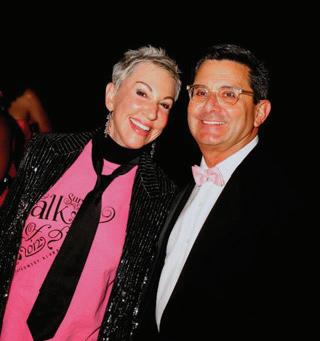

For a quarter of a century now, the Joy to Life Foundation has been providing its life-saving services. Throughout 2026, we’ll be celebrating the Foundation’s essential work. But we’re not done yet. The breast-cancer screening needs of the medically underserved across Alabama don’t stop, so we won’t stop striving to meet them.
Joy to Life continues to help those who need, but cannot afford, mammograms or other diagnostic services gain access to them. In addition, via the engaging, entertaining and educational content provided by JOY magazine and Everything Joy to Life podcast, the Foundation continues its efforts to boost breast cancer awareness, tout the importance of early detection and promote proactive, healthy lifestyles.
The Joy to Life Foundation story began years before its founding. It’s hard to think of JTL without thinking about the two individuals who started it—Joy and Dickie Blondheim. It’s also hard to think of one of them without the other. That’s not surprising since they have been together since they were teenagers.
Dickie’s family lived in Columbus, Georgia, while Joy and her family resided in Montgomery, but they met attending events with their families in the Columbus area. After their initial connection, they wrote letters to each other over the next several years to keep in touch. After high school, they found themselves attending the same college and began dating. After two years, they decided to get married, and Dickie went to pharmacy school.
Many changes would follow. Dickie was drafted, and the couple was sent to live in Oklahoma, where Dickie served in the Public Health Service. As the years passed, Joy and Dickie welcomed two sons, Brad and Hilly, and the family eventually settled in Joy’s hometown of Montgomery.
Then in 1997, their lives changed forever. Joy received a diagnosis of stage II breast cancer. She had a bilateral mastectomy and reconstructive surgery, followed by eight months of chemotherapy. It was the most difficult time of their lives, but they didn’t let it knock them down. Instead, they committed to putting a positive spin on what had been a not-so-positive experience and created an organization to help others detect cancer early. And so, in 2021, the Joy to Life Foundation was formed.
According to data from ADPH, Joy to Life is responsible for helping detect over 30 percent of all cancers diagnosed in Alabama.
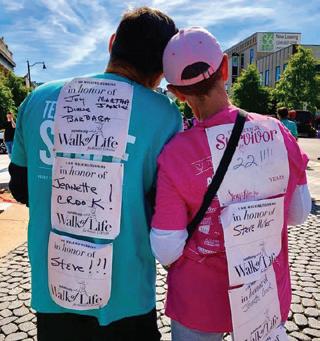
Since its inception, The Foundation has worked to provide mammograms and other screenings in partnership with the Alabama Department of Public Health’s Breast and Cervical Cancer Early Detection Program (ADPH). While the partnership with ADPH helps countless women throughout Alabama, Joy and Dickie realize there are those who do not meet the criteria for assistance through ADPH and, in recent years, they’ve witnessed an increase in younger women and even men dealing with breast cancer. This knowledge recently motivated the couple to expand the Foundation’s scope.
“We are working to make breast cancer screenings and mammograms available to everyone who has a desperate need and cannot afford it,” says Joy. “We are thankful that ADPH is providing for the 40 - 49 age group, and we are working with doctors, hospitals and organizations throughout Alabama to provide funding for screenings for those under 40. Helping to increase the number of breast cancer survivors each year is very important to us.”
There’s no doubt about the early detections made possible by the Foundation works. According to data from ADPH, Joy to Life is responsible for helping detect over 30 percent of all cancers diagnosed in Alabama.

JOY TO LIFE ALSO PROVIDES MORE THAN MAMMOGRAMS. Other breast screenings, ultrasounds, biopsies, doctor visits and even MRIs have been funded for those in need throughout the state. JTL is also the only organized group in the state that will pay for a man to receive screening services for breast cancer.
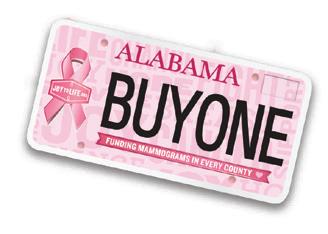
And the Foundation’s mission reaches beyond providing diagnostic services. Through its pink car tag, pink trash can, annual Walk of Life, JOY magazine, Everything Joy to Life podcast and other routes, JTL remains committed to ensuring everyone understands how essential being proactive about personal health is. With every pop of pink, every article and every live event, the Foundation spreads and underscores messages that increase breast cancer awareness and encourage everyone to get necessary screenings.
A PIECE OF THEIR HEART JOY AND DICKIE COMMITTED TO PUTTING A POSITIVE SPIN ON WHAT HAD BEEN A NOT-SOPOSITIVE EXPERIENCE AND CREATE AN ORGANIZATION TO HELP OTHERS DETECT CANCER EARLY.
As Joy to Life celebrates 25 years of service, we’re looking forward to 25 more so men and women across Alabama will receive the care they need regardless of their financial situation. Here’s to more years of health, happiness and Joy to Life!
elec b r a t e t went y - f i v e year s o f j o y ot fil e
Looking for some fun, high-energy fundraising? The Pink Casino Night & Poker Tournament presented by KeyMow Lawn Maintenance is a sure bet! Held in June, and called “Alabama’s Largest Pink Casino Night & Poker Tournament,” this evening of cards, competition, prizes and purpose includes a live Texas Hold’em Poker Tournament, thrilling casino-style games, giveaways, music and food enjoyed by a crowd of community leaders, business owners, and other passionate supporters coming together to raise money for breast cancer awareness.
All proceeds directly benefit the Joy to Life Foundation and help fund its breast health services and awareness efforts in all 67 Alabama counties. So. make plans to come, play, win and give back! Multiple sponsorship opportunities are still available.
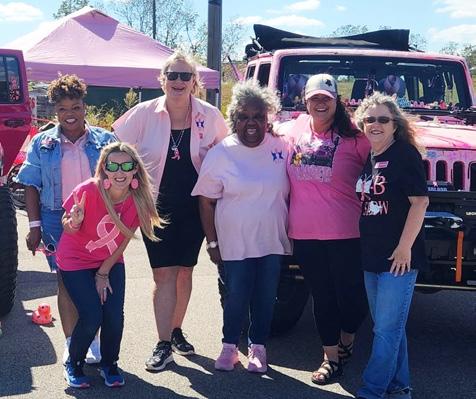
Hosted by Alabama Jeep Outfitters, the 2nd Annual Jeepin’ 4 a Cure returns on October 3. Benefitting the Joy to Life Foundation, Jeepin’ invites Jeep enthusiasts and supporters of breast cancer awareness to enjoy a “Show N’ Shine” judged vehicle show, Trunk or Treat activities, a raffle and numerous food trucks. While the event focuses on Jeeps, all vehicles and motorcycles are welcome, with award categories including Best in Show and trophies for Jeeps, motorcycles and other custom show vehicles. The 2026 event follows a successful inaugural year featuring 160-plus Jeeps and vehicles and will be again held at McSweeney CDJR in Clanton, Alabama.
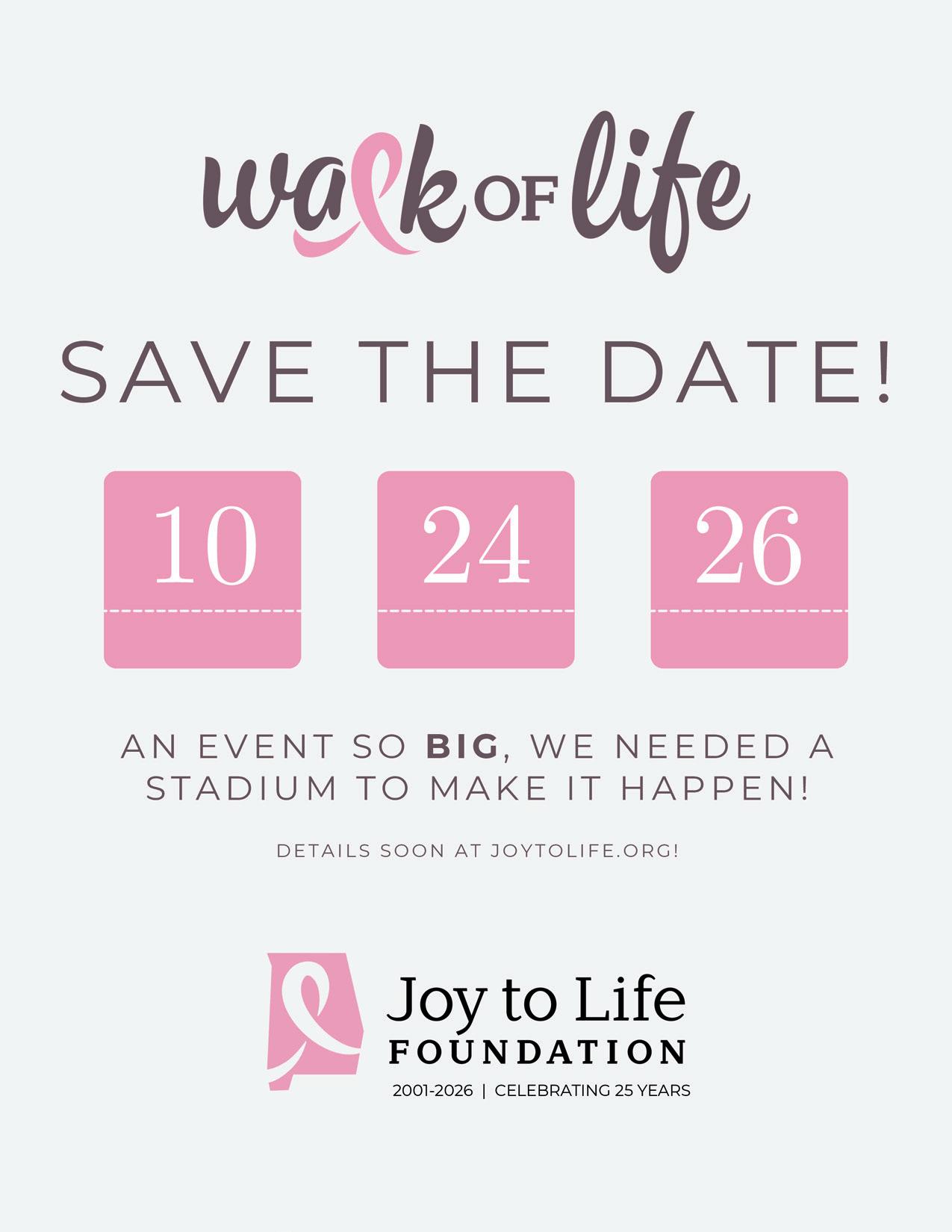
SAVE THE DATE FOR WALK OF LIFE 2026 • 10-24-26
The 2026 Joy to Life Foundation Walk of Life for Breast Cancer returns in a new location—The 17 Springs Sports Complex and Stadium in Millbrook. It’s an event so big we needed a stadium to make it happen! Registration opens in June.
DETAILS COMING SOON AT JOYTOLIFE.ORG

Amy Adams
Tyrone Adams
Phyllis A. Akers
(In Memory of Nancy Hall)
Alabama Association of Paralegals, Inc
Alabama Cattlemen’s Association
Alabama Legislative Club
Frank Albright
Alfa Foundation
American Giving
Willie Anderson
Antioch Baptist Church
Janie Arnold
ASE Credit Union
Wanda Ashe
(In Honor of Darina (Donna) McQueen and In Memory of Jessie G. Lewis)
Glenda Atilano
AUM BETA ALPHA PSI
Amber Baker
David Barranco
Basic Bible Class
(In Memory of Nancy Hall)
Jere L. Beasley
Marlene & Rick Beringer
Bethel Missionary Baptist Church
Beulah Baptist Church
Big River Car Wash
Nancy Pickard Blach
Victor Black
Martha Blondheim
Joy and Dickie Blondheim
(In Memory of Lesly Sommerville)
Brad Blondheim
(In Memory of Lesly Sommerville)
Blue Cross Blue Shield
Herman Bluestein
Santavia Boone
(In Memory of Ann Perdue)
Louis Boulding
Peggy Boutwell
(In Memory of Barbara Booth)
Joan Bowen
Beth Boyar
Felicia Boyd
Aretha Bracy
Kawanna Brazil
Kit Brendle
Denise Brock
(In Memory of Barbara Kimbrough)
Joseph Brown
Bruce Pearl Family Foundation
Gloria Brundidge
Gail Caldwell
Larry and Corrine Capilouto
(In Memory of Steve Manuel, Sari Capilouto, and Dot Wilson)
Alonzo Carr
Sharon Casby
Trinity Causey
Treyton Causey
Tyler Causey
Tracy Causey
Hardenia Childre
City Pawn Shop
Cindy Clark Cohen’s
Alan Cohn
Laurasenea Coleman
Juan and Venita Colon
(In Memory of Connie Evans)
Joyce Credic

Alabama Power Service Organization (Southern Division Chapter) brought a donation check and provided its support at our Pink Popup Party on October 4 in Prattville!
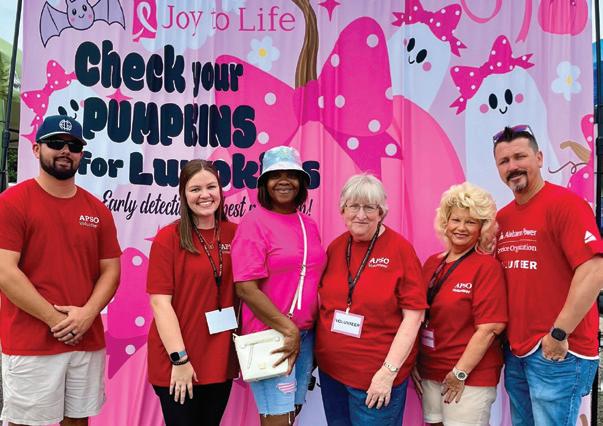
thank you Alabama Power Service organization
Felicia Hawkins came by with a check for $500 raised at St. Mark Missionary Church’s Pink Chari-tea!
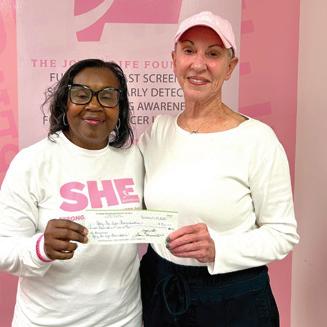
Marilyn Hawkins with ASE Credit Union delivered a check for $20,000! This is ASE’s Walk of Life sponsorship as well as money employees raised and ASE matched! So fabulous!
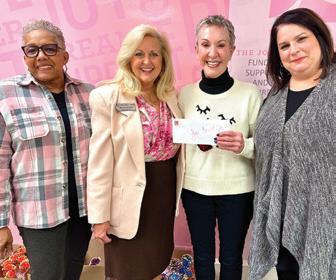
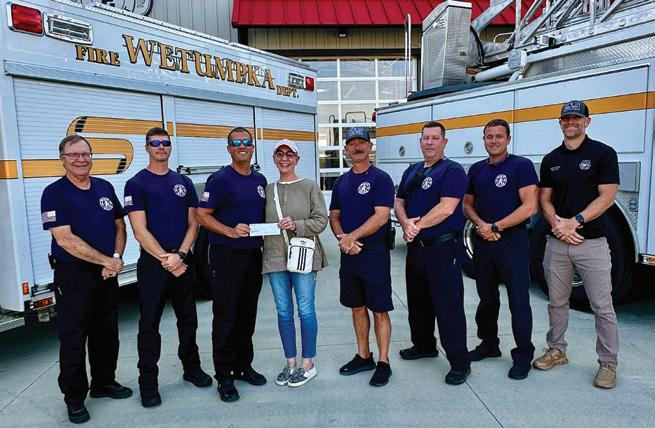
thank you City of WetumpkaDepartmentFire
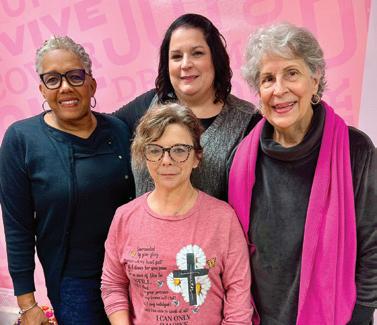
Big thanks to Diane Aldridge with GKN Aerospace for stopping by with a donation!
Timothy Curry
April Daniels
(In Memory of Wanda Carrington)
Jimmie Davis
Douglas E. Deal
Dixie Electric Company
Bobby Bingham and Kaye Dobbs
Tonya & Albert Dorn
Harriette Dorosin
(In Memory of Valerie Moon)
Linda Duffie
Judy Duggar
Carol Duncan
(In Honor of Nancy Hall)
Carol Dupree
East Chapel Methodist Church
AN ADDITIONAL AND BIG THANKS TO ALL OUR PINK CAR TAG SUPPORTERS THROUGHOUT THE STATE OF ALABAMA.
Dawson Gandy
Jerrold Gantt
Antrean Gardner
Ken Garrett
Teresa Garrison
Scott and Hilary Gewant
Eastern Oaks Baptist Church
Edgewood Academy
(In Memory of Jackie Roberts)
Frances Feaster
Daphne Field
ReNina Fields
Stella Fields
(In Memory of Charles L. Urquhart and In Honor of Willie Geo Urquhart)
Brenda & Alice Fleeton
Dorothy Flowers
Cynthia Foster
Alane Fournier
Kay Lani Fowler
Michael Friedman
Frontstream Costco
Employee Giving
Minnie R. Gill
Pete Ginsburg
GKN Aerospace
Cheryl Glover
Maxine Goldner
(In Memory of Lynne Ginsburg)
Maxine and Michael Goldner
James Means Gooden
Jeanette Green
(In Memory of Veretta Barnes)
Guardian Credit Union
Vivien Hagler
Jessie Haigler
Hebert Hale
Vanessa Hall-Hibbler
Julie Hambley
Jack and Grace Hanchrow
(In Memory of Lynne Ginsburg)
Barbara Handmacher
Veronica Hardy
James Harris
(In Memory of Rochelle H. Jackson)
Letha Hatton
(In Memory of Nancy Hall)
Aronda Heathey
Nancy Garrison Herron
Bobby Hilyer
Richard Hodge
Holder and Company
Mary Hollis
Cerrone Holmes
Malarie & Railyn Holt
Rose Howell
Laura Hunter
Hyundai Employee Giving
Hyundai Motor Manufacturing
John Ives
Geraldine Ivey
J.K. Lowder Family
Foundation
Marie Jackson
Eleanor Jackson
Liletta Jenkins
Beverly Johnson
Robin Johnston
(In Honor of Carly Nicole Brasie)
Rick Joki
(In Memory of Linda Danette
Smith Joki)
Yolanda Jones
Cassie Jones
(In Honor of Shirley Streeter)
Maxine Jones Walley
Linda Joyce
James and Denise Kagey
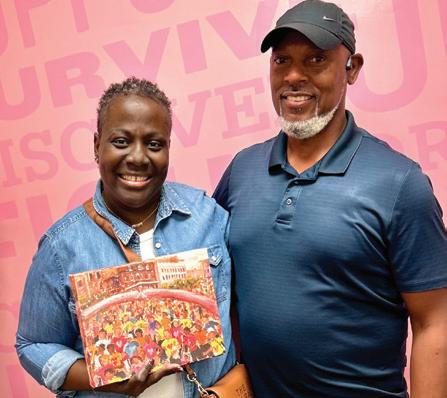
Tracy Causey, a one year breast cancer survivor from Mobile, with her husband Tony. Tracy walked in the 2024 WOL and was actually in treatment at the time.
Tonya Keene
Dr. Larry R. Kidd
Dianne & Jeffery King
Anne D. King
LaTonya Knight
Jermaine Knight
Ira Kupferberg
(In Honor of Joy Blondheim)
Mary M. Kyser
Amy Labovitz
(In Memory of Betty Sue Strassburger)
Jerald Labovitz
Kandy Lady
Edward Lambert
LampLighters of Montgomery INC
Scott & Kathleen Lane
Gerry Lash
Art Leadingham
Lee Ann Leak
(In Memory of Ann Leak)
Marie Leak
(In Memory of Ann Leak)
Shelly Lee
Sylvester and Julia Lee
Arnea Linden
Gwendolyn Lipscomb
Eugene Lockley
Eve Loeb
Jack and Bonnie London
(In Memory of Eli & Judith Evans, Irving , Sarah, and Mark London)
Linda Long
Red Long
Tina Lowe
William & Dana Lyle
MacMillan International Academy
Macon East Academy
(In Honor of Allyson Monroe and Debbie Brantley)
Herbert Maloney
(In Honor of Ginny Morgan)
Kathy Mann
John Marlow
Lillie May
MC Hitchcock Foundation Inc.
(In Memory of Jane M. Hitchcock)
Rhonda McDaniel
(In Honor of Catherine Cox)
Scott Meadows
Mary Merriwether
Montgomery Youth Facility
Mount Moab Baptist Church
Jason Mulcahy
Neptune
Ann Newell
(In Honor of Jackie Butler)
Ben Nichols
Anya Nichols
OB/GYN Associates of Montgomery
Steven G. Orange
Buford and Mary Osborne
Pamela Palmer-Wiggins
Josh Patterson
Jessalyn Peck
Kenneth Penn
Helen Phillips
(In Memory of Wyma Day)
Pink Lady Walk
Teresa Pittman
Joreka Pitts
Pat Power
Quilling Card LLC
Cynthia Raines
Valtina Rankins
Tommy Ratliff
Ura Reeves
(In Honor of Allie Coburn)
Sadie Reeves
Joyce Ridgeway
Tina Robertson
Daniel and Bessie Robinson
Ronald Robinson
Ronald Robusky
Alan Rothfeder
Mary Rush
S. Adam Schloss Foundation Inc.
Malissa Sanderson
Sherley Scott
Shelia Scott
David & Rhonda Seay
(In Memory of Kathi Atkins)
Bobby Segall
Shaaban Court 126 Imperial Court of the Aeaonms, Inc.
Lindsey Simmons
Chanda Sisavath
Brett Smith
Diane Smith
Vitek Sosnowski
Chris Spivey
St. Mark Missionary Baptist Church
Stanhope Elmore High School
Mel and Deena Stein
(In Memory of the grandmother of Patrick Flaharty)
Mel and Deena Stein
(In Memory of Frank Nelson)
Gerald Stelle
Shirley Streeter
(In Memory of Barbara Parham)
Lynetta Sumpter
Morris Taffet
Margaret Taylor
Teri Aronov Foundation
The Shoppes at Eastchase LLC
The Shoppes Downtown
Angie Trimble
Stefanie Truhel
Lamar Turner
Paulette Underwood
Union Missionary Baptist Church
Belinda Urquhart
VY MGM LLC
James E. Wall
Walmart
Virginia Walters
Frances Watts
Jan Weil
Shannon Weston
Wetumpka Firefighters Association Inc.
Walter White
Amy White (In Honor of Lizzie Norman)
Vernon Williams
Alfred Williams
Nicholas Williams
Harry Witt
Janet Woodruff
Birdie Young
(In Honor of Harriette Moore and In Memory of Minnie Hartman)
LIVE HERE. GIVE HERE.

Visit joytolife.org and click on the “podcast” menu button to tune in to all our episodes.
PODCASTS. JOY MAGAZINE. SOCIAL MEDIA. Get news and information in a variety of formats. Find them all at joytolife.org. Great Ways to find us:
JOIN OUR NEWSLETTER AT JOYTOLIFE.ORG TO GET JOY TO LIFE EVENTS, GOOD NEWS AND EVEN RECIPES DELIVERED DIRECTLY TO YOUR EMAIL INBOX.
FIRST-HAND ADVICE AND INSIGHT TO HELP CAREGIVERS COPE

After losing 15 pounds, Joy Blondheim decided to treat herself to some new clothes. In a dressing room during a shopping trip to Atlanta, she found a lump in her right breast. It was April 2, 1997, and the day is forever etched in her memory. After a doctor’s appointment confirmed cancer, her life changed dramatically. But because she and her husband Dickie chose to stay positive and, after she was cancer free, focus their energy on helping others, women (and men!) all over Alabama now have access to life-saving breast cancer screenings. Read more of Joy’s story and how her cancer journey led to the creation of the Joy to Life Foundation.
Please share a little bit about your cancer diagnosis and treatment. On April 2,1997, I went shopping. I had just lost 15 pounds, and I decided to buy myself some new clothes. I was in Atlanta, and we all know when we lose weight we have to start with all new undergarments. I was in the dressing room trying on bras when I noticed a “pucker” in my right breast. I touched it and it was hard like a marble! I immediately decided to go straight home to Montgomery. The next morning my doctor in Montgomery checked me and confirmed I indeed had a lump in my right breast, but then shockingly, he asked, “What about the one in your left breast?”
I had two separate cancers in each breast! I had always had regular mammograms with no problems at all. I was 49 years old in the best shape of my life, and I had cancer! How could that be? Although mammography is the best tool for detecting breast cancer, it is not perfect, and I was part of 20-percent of the population with dense fibrocystic breast that can cause mammograms to miss cancer. I was diagnosed with Stage 2 breast cancer. I had both breasts removed with reconstruction (a 13-hour surgery at M.D. Anderson Cancer Center in Houston, Texas) followed by nine months of chemotherapy. It was the most challenging time of my life.
What was your first thought when you heard the diagnosis?
When my husband and I heard my diagnosis, quite frankly, I was scared, and I thought there would be no hope for me. But once we met with all my doctors and had a plan for treatment, our negative thoughts began to get a bit more hopeful.
Through the treatment process and after, what did you want and need from your friends and family?
I was incredibly lucky—my husband was my biggest supporter—he was there day and night every step of the way, and although I knew the experience was hard for him, he was always loving and positive about it all. Breast cancer rocked our world, but in many ways, it made us stronger as a couple!
My sons who were in their twenties at the time were frightened as well, but they were so sweet and cared so much.
My friends and extended family were so involved. I was surrounded with so many expressions of love and support. Dickie and I both were so deeply touched by everyone’s thoughtfulness.
What forms of help and support really stood out?
When I went to M.D. Anderson Cancer Center in Houston, Texas, for the very long surgery that I talked about earlier, Dickie and I, along with our children, could not believe that 15 of our very close friends made the trip so that Dickie and our sons would not be alone during that 13 hours of surgery. Gestures like that are never forgotten!
What one thing that you did for yourself most helped you cope?
I tried extremely hard to stick to my daily routine, and I exercised through a difficult year. I did not want to think of myself as “sick,” and I certainly did not want others to think of me as “sick.” Some days were harder than others, but keeping a
elec b r a t e t
READ JOY’S REAL
“As Dickie and I focused on the mission of Joy to Life and immersed ourselves into the day-to-day business of running our organization, I steadily gained more confidence in my recovery, and I learned to trust my body again.”
regular routine was especially important to me.
What advice would you give others going through cancer treatment?
My advice in helping others go through cancer treatment is when you are first diagnosed, always remember how important it is to get a second opinion. Always seek advice from two doctors. A second opinion is vital to the success of your cancer journey. Remember, it is your body—It is your life. Do what is best for you and your family!
Turn your computer off! The internet can be overwhelming and frightening. Listen to your doctor and beginning with your very first visit with him, try to record ALL your conversations about your situation or at least have someone with you that can ask questions and take notes.
Ask your doctor and not AI! Above all, when you are fighting cancer, lean on family and friends who love you. They can help tremendously in so many ways.
Always take a moment each day to find gratitude in your life no matter how difficult your situation is. You will be surprised how calming being grateful can be!
“ ” YOU WILL BE SURPRISED HOW CALMING BEING GRATEFUL CAN BE. – Joy Blondheim
How has founding and working through the Joy to Life Foundation shaped how you now view your cancer journey and what impact do you hope the foundation has had on others in the last 25 years?
As we began the Joy to Life Foundation in 2001, I was five years into my recovery, still frightened, still unsure of my health. As Dickie and I focused on the mission of Joy to Life and immersed ourselves into the day-to-day business of running our organization, I steadily gained more confidence in my recovery, and I learned to trust my body again—not every ache and pain was my cancer returning.
I realized that survivors of breast cancer really are part of an incredibly special sisterhood—a bond like no other! Over these 25 years of Joy to Life, I’ve shared my story with so many women, and I do know my story has helped them. But I have also had the privilege and honor of listening to their stories of survival, and those stories have made me a stronger person.
The Joy to Life Foundation’s mission is to provide free mammograms and other breast cancer screenings when necessary to medically underserved women in Alabama. DID YOU KNOW?
The foundation has brought breast cancer, and particularly, the importance of early detection to the forefront of women’s health in Alabama. I also believe that the Joy to Life Foundation has been instrumental in highlighting breast cancer awareness throughout the state, which in turn has gotten more and more women to focus on the importance of getting a mammogram and speaking with their doctors about breast cancer prevention. The Joy to Life Foundation has been a major partner in the “Breast and Cervical Cancer Early Detection” through the Alabama Department of Public Health, helping women 40 to 49 years old get breast screening they need. We at the foundation are immensely proud that we also help women under
The Joy to Life Foundation has one major project on our wish list for the future: a Butterfly Survivor Park to be built at Blount Cultural Park in Montgomery (JTL is currently working with the City of Montgomery for approval.) It is a dream we have been working on for the last 10 years. There are only 300 butterfly pavilions in the world, and Joy to Life’s will be the only one in the world that is dedicated to breast cancer. This amazing attraction will bring visitors from all over and continue our fundraising efforts to sustain the Joy to Life Foundation for many years to come. Stay tuned!
SOMETIMES DREAMS REALLY DO COME TRUE!
40 with no insurance or no means to pay. Often times, these women have nowhere to go for necessary screenings, but Joy to Life can and will help no matter their circumstances.
Along with the Breast and Cervical program, the Joy to Life Foundation will very soon begin funding MRIs. This will allow all women without insurance in Alabama the opportunity to have this very necessary screening when recommended by a doctor.
For 25 years, we have been fighting to save lives through early detection, and we have done just that, and until there is a cure for breast cancer, we will continue that fight helping one woman at a time!

Two mobile clinics and an ongoing research project are driving positive change when it comes to cancer and better health in Central Alabama.
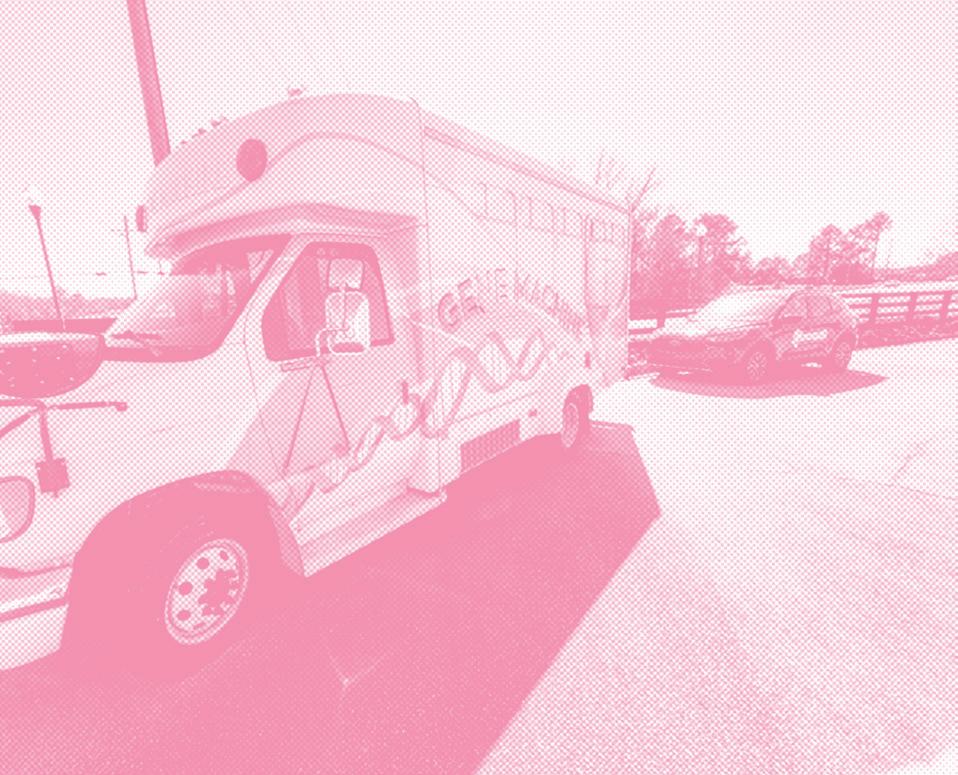
When her work to better understand genetic cancer began, Dr. Nancy Merner and her research group in the Pathobiology Department at Auburn University used The Gene Machine, a pinked-out 15-passenger bus, as a mobile recruitment station for her study. She and her team drove the bus around rural Alabama to fulfill a two-pronged mission. First, they worked to educate underserved communities about the inherited risk factors that could lead to breast, ovarian and prostate cancers. But they also enrolled study participants, who donated their

Using The Gene Machine, Merner's original mobile research unit, Merner and her team have whole-genome sequenced almost 250 people. Meeting people where they live also helped Merner push past stigmas associated with medical research.
genetic material (in either blood or saliva) to further Merner’s research.
Understanding that the burden of traveling to a clinic to participate in a research project would likely keep otherwise interested participants on the sidelines, Merner knew the ability to travel to people would prove key. Meeting people where they live also helped Merner push past stigmas associated with medical research. “It’s important, especially when you’re trying to bridge gaps in research or healthcare, to understand how outreach helps in doing that. You have to immerse yourself in the community to build trust,” she said.
Close to a decade after the project started, the study has enrolled almost 700 people, and Merner and her team have whole-genome sequenced almost 250 people. And work studying African-American women with apparent heredity breast cancer continues. The original Gene Machine is now semi-retired. “The first Gene Machine is getting old, so we take it around to some events in Auburn, but it no longer leaves the city,” Merner says. And even though a new “next-generation” Gene Machine 2—a hybrid Honda escape, partially funded by the Joy to Life Foundation— is still rolling along Alabama roads, it’s now soley devoted to community engagement. “It’s not big and flashy and pink like the first Gene Machine,
While Dr. Nancy Merner’s research increases our understanding of genetic cancers, project participants’ willingness to share samples of their DNA can sometimes benefit them directly. When a genetic mutation is discovered in the lab, Dr. Merner and her team alert the subject and offer opportunities for genetic counseling and cancer prevention.
“When you know you have the risk, there are management strategies, steps and guidelines to follow,” Merner says. “There are ways to face that knowledge proactively, so when we find mutations, we can connect people with genetic counselors to help them take those steps.”
THE GENE MACHINE
Dr. Nancy Merner and her research group in the Pathobiology Department at Auburn University used The Gene Machine, a pinkedout 15-passenger bus, as a mobile recruitment station for her study to better understand genetic cancer. Participants donated their genetic material (in either blood or saliva) to further Merner’s research.
GENE MACHINE 2
The “next-generation” Gene Machine 2—a hybrid Honda escape, partially funded by the Joy to Life Foundation—is still rolling along Alabama roads; it’s now soley devoted to community engagement. It helps the project’s ongoing education efforts, teaching people about inherited genetic risk factors and encouraging people to talk more about their family health history.
& JOY
Baptist Health’s mobile clinic buses—HOPE and JOY—bring life-saving cancer screenings and cancer prevention education to underserved areas of central Alabama. Both buses are essential elements of Baptist’s HOPE (Health. Outreach. Prevention. Education.) program.

but for its purpose, it’s perfect,” Merner says. The new vehicle conducts only outreach and does no study recruitment or sample taking. Gene Machine 2 helps the project’s ongoing education efforts, teaching people about inherited genetic risk factors and encouraging people to talk more about their family health history. “We conduct workshops that bring genetics down to a lay-person level,” Merner says. “That knowledge is power.”
“When the pandemic hit, we had to find new ways to connect with people, and we got the needed approvals to start enrolling people in the study through zoom."
- Dr. Nancy Merner
Merner and her team now do study participant recruitment primarily through the Alabama Department of Public Health. “When the pandemic hit, we had to find new ways to connect with people, and we got the needed approvals to start enrolling people in the study through zoom,” Merner says. ADPH identifies people who fit Merner’s study criteria so her team can contact them to ask if they’ll participate. If they agree, they’re mailed saliva collection tubes and consent forms, which they send back in a prepaid package. “It’s really much more efficient,” Merner says.
The project’s years of data collection and analysis have already yielded a wealth of information, but Merner believes big breakthroughs are on the horizon. “We are learning a lot, but it takes a long time to build the data repository,” she says. “I feel confident now that discoveries are about to start coming.” This conviction underscores her dedication to keep going. “This is very important work, so as my current grant closes, we hope to gain more funding to continue,” Merner says.
Baptist Health’s mobile clinic buses—HOPE and JOY—bring lifesaving cancer screenings and cancer prevention education to underserved areas of central Alabama. Both buses are essential elements of Baptist’s HOPE (Health. Outreach. Prevention. Education.) program. Alabama ranks in the top 10 states for cancer mortality, and the state’s rural and low-income residents are diagnosed later, leading to lower survival rates. In response to these facts, H.O.P.E. was created to remove barriers to healthcare access and improve health outcomes.
JOY, a 24-foot white bus with pretty pink accents, first began delivering high-quality healthcare to rural areas in 2023, making proactive self-care easier. Today, its reach has grown. The mobile mammography unit visits nine locations every month. Outfitted with the same machine used at The Montgomery Breast Center, the bus provides 3D mammograms, the gold standard for breast imaging. There’s also a wheelchair lift for those who need it, and a pinked-out place to relax while waiting.
Thanks to partnerships with several large area companies like Hyundai Motor Manufacturing Alabama, Alfa, and Rheem, JOY makes quarterly or
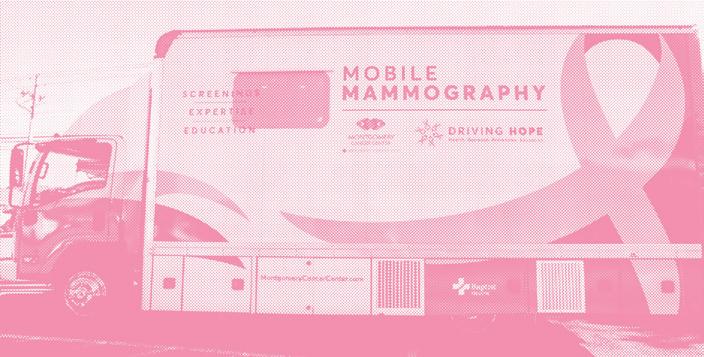
bi-annual visits to their facilities to screen their employees, increasing the number of people the bus helps.
Lizzie Norman, RT (R) (M) (BS) (ARRT), Mobile Mammography Coordinator for the Montgomery Breast Center, stressed why every mile JOY travels is exciting. “When it comes to breast health, we need to find problems when they are millimeters, not centimeters. JOY helps us do that, and it is truly the realization of a dream.”
As of February 2026, JOY had traveled 26,000 miles, screened more than 1,300 people and diagnosed 12 breast cancers in bus patients—cancers that could have gone undiscovered for much longer if not for JOY’s services. “We diagnosed four breast cancers in October, and all four women had not had a mammogram in more than two years,” Norman says. “That reminded me how crucial the bus’ work is.”
And another exciting update expands the bus’ impact: Its free mammogram program fills the screenings gap that sometimes still exists, even with the Joy to Life Foundation’s funding of ADPH. “When someone doesn’t qualify for the free mammograms JTL makes
possible, The Montgomery Cancer Center picks up the bill,” Norman says. “So, it’s just an extra way to get needed mammograms to folks.”
While JOY focuses on detecting breast cancer, another Baptist Health bus, nicknamed HOPE, brings screenings for colon and prostate cancers to medically underserved populations in 13 counties in our region. And its screenings are offered completely free.
The HOPE bus first got rolling in fall 2024 and is putting the pedal to the metal in terms of services, holding 34 screening events in the last few months of 2025 alone. Its scope continues to grow. In summer 2026, the program plans to add cervical cancer screenings to the mix.
HOPE’s community event coordinator Hope Palmer stresses how successful the bus has been so far. “When we arrive, people are like ‘What is that?’ They are curious, and when we explain, it’s so cool to see so many people want to be a part of it and want to get screened,” she says. “We hear all the time how badly easier access to care is needed in these locations, and that is our goal, so I know the bus is having a huge and positive impact.”
As of February 2026, JOY had traveled 26,000 miles, screened more than 1,300 people and diagnosed 12 breast cancers in bus patients.
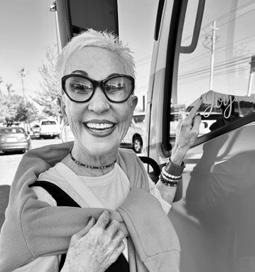
The Joy to Life (JTL) Foundation and other sponsors provided funds to help fuel the JOY mammography bus vision. “We know that early detection saves lives,” says JTL co-founder Joy Blondheim. “It’s the motto behind everything we do, so we were thrilled to be a part of bringing JOY—the bus—to life.”
Not considered bullying:
BY KYM KLASS
Whether on the playground or via social media, kids bullying other kids remains an ongoing and growing problem. But informed and equipped parents play a powerful role in the solution.
While considered serious, these situations are not considered bullying.
• c alling someone a name or pushing someone once
• being rude
• having an argument with someone
To be defined as bullying, three components must be present:
• repeated actions or threats
• a power imbalance
• intention to cause harm
Source: Anti-Defamation League
Is bullying an issue?
When actions reach the bullying threshold, they can take multiple forms: verbal, social and physical. The Kids Mental Health Foundation explains each bullying type:
VERBAL:
saying, writing or posting something negative about someone
SOCIAL:
PHYSICAL:
harming someone’s reputation or excluding them in groups or activities hurting someone’s body or their possessions
10% 10% OF MIDDLE SCHOOLS 28% 28% OF HIGH SCHOOLS 15% 15%
OF ELEMENTARY SCHOOLS
So, what can parents do if they suspect their child is a victim, and where can they find help? According to the Cyberbullying Research Center, there are several steps to take:
• Make sure your child is—and feels—safe.
• Talk with them, being sure to listen to them. Collect evidence of bullying instances (make screenshots or recordings of conversations, messages, pictures, videos).
• Make your child’s school aware of the situation and work with the school to address it.
• Implement measures to prevent it from reoccurring, things like blocking the bully from contacting your child’s online devices.
• File a report with the social media platform.
• Encourage them to keep talking to you before small issues flare up into major situations.
First, look for signs, which according to The Kids Mental Health Foundation, can include:
• Over-concern with popularity or being “in charge” of others.
• Feelings of social isolation or difficulty connecting socially.
• Aggressive or reactive when easily frustrated.
• Difficulty handling conflict with others, including blaming and “using” others.
• Negative view of others.
• Frequently breaking rules or struggling to follow rules.
• Positive view of violence/ aggression.
While a punch in the face is an issue, the verbal and social bullying done online—through social media platforms and through texting—is a less obvious but no less harmful form of abuse, one that follows kids throughout the day with every “like” or “share” or online comment.
And with kids having access to phones earlier, this king of bullying can also start earlier. Kids learn how easy it is to target others online and how effective it is, especially when the bullying plays out on platforms designed to share with hundreds and thousands in a split second.
It’s a lot for kids to endure if they are the victim, and parental support is crucial, according to Tyler Grant, an Associate Licensed Counselor with Turnabout Counseling Center in Montgomery.
“Parents need to be willing to talk about bullying with their children because digital spaces are central to the lives of adolescents, and what happens in these spaces can deeply affect mental, emotional and even physical health,” said Grant.
But what if you don’t know your child is being bullied? Mental and verbal bullying via social media and texting can be hard to spot because it often happens quietly and behind the anonymity of screens, Grant said, who added that parents should look for changes in their children’s behavior such as withdrawal from friends or activities that they once found interesting, heightened anxiety or sudden secrecy around phones and computers. “These can be potential signs that a child is being targeted for bullying,” he said.
Research shows that both victims and bullies can experience anxiety, depression and long-term emotional consequences, Grant said, citing the Journal of Research on Adolescence. “If a child may be bullying others, watch for harsh or dismissive language, a focus on social status, or difficulty showing empathy,” Grant said. “Often, kids who hurt others are struggling emotionally themselves. The key for intervention is curiosity, not punishment. Be willing to approach your child calmly, ask open questions, and listen first. Kids are far more likely to open up when they feel safe and understood.”
He encourages parents to seek additional resources and help if needed. “Don’t be afraid to reach out to a professional for help if you notice your child struggling or if the situation feels overwhelming,” he says. “Getting support for you and your child early can make a big difference.”
Kids need to understand what bullying is, and what they can do if they experience it or if they see it happening. According to The Kids Mental Health Foundation, starting a conversation is a great way to find out what your child knows about bullying. The Foundation offers these conversation starters for parents:
• Do you know what bullying is?
• How do other kids treat you at school (or church, sports team, etc.)?
• What do you do if you see bullying?
• Who is a trusted adult you would go to if you saw someone being bullied?
A FEW CLUES:
Look for changes in children’s behavior such as withdrawal from friends or activities that they once found interesting, heightened anxiety or sudden secrecy around phones and computers.
Grant suggests beginning the conversation gently and letting it flow naturally. “Instead of asking yes-or-no questions, try, ‘I know group chats and the pressure of social media can be a lot. What’s that like for you?’” he said.
“Listen more than you talk, and keep the conversation ongoing. Regular, supportive discussions build trust, which makes it easier for teens to share when problems arise and helps them develop empathy, resilience and healthy ways to communicate.”


Opened last spring, the Gulf Coast Eco Center brings our state’s beach communities new naturefocused fun and invites visitors and residents to experience the outdoors along the Alabama coast in new ways.
BY JENNIFER S. KORNEGRAY

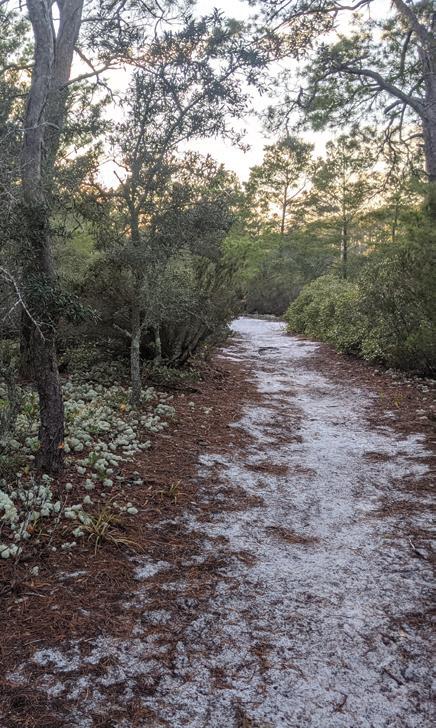
“Of all the paths you take in life, make sure a few of them are dirt.”
– John Muir
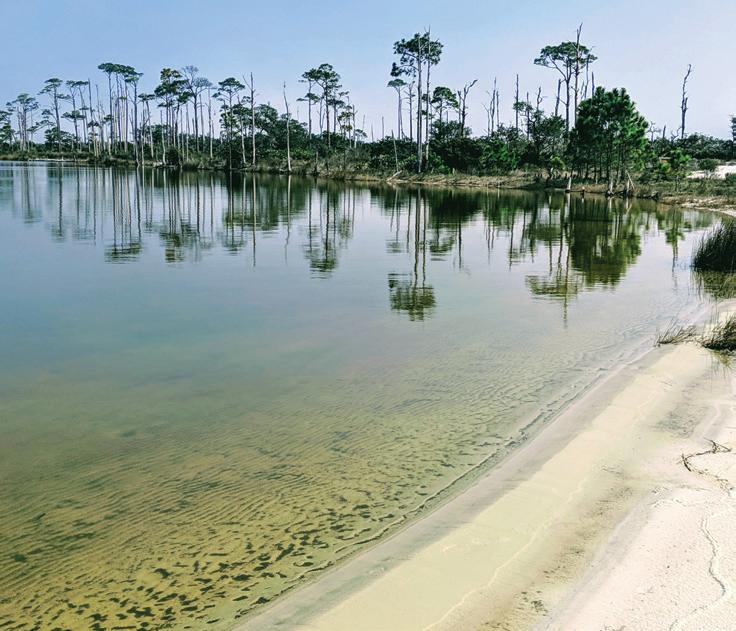
Miles of gleaming white beaches fronting the Gulf’s turquoise waters bring the crowds to Alabama’s coast, but Mother Nature blessed the area with more than sand and surf. From coastal wetlands to maritime forest, multiple distinct ecosystems exist, each supporting an array of wildlife and plants. Local leaders created a nonprofit to promote and protect these special spots, and the Gulf Coast Eco Center anchors these efforts, offering events and programs to engage the public and turn their attention to the natural wonders all around them.
It began after the 2010 Deepwater Horizon oil spill, which threatened the Gulf and Gulf Coast land environments, too. Alabama and other affected states worked with the federal government to pass the RESTORE Act, which led to the formation of the Gulf Coast Recovery Council. The council brought together mayors of coastal cities, coastal county officials and state representatives to fund and implement different environmental conservation projects. In 2018, the City of Gulf Shores, with council funding, founded the nonprofit Gulf Coast Center for Ecotourism and Sustainability and embarked on plans to build the Eco Center, envisioning a hub for conservation work and education that would host classes, workshops and camps for youth and adults.
The Eco Center’s 12-acre campus on the edge of Gulf State Park makes it a perfect launchpad for exploring the Park’s 6,000 acres.
When it opened in April 2025, the Center made that vision a reality. The location of the Center’s 12-acre campus on the edge of Gulf State Park makes it a perfect launchpad for exploring the Park’s 6,000 acres. It also sits next to Gulf Shores Middle School, giving students convenient access to educational programs and allowing the center to easily partner with the school. And 80 acres of wetland owned by Gulf Shores flanks the Center’s north side. “That land will never be developed, so we feel really secluded and tucked into the forest,” says Travis Langen, the Center’s executive director.
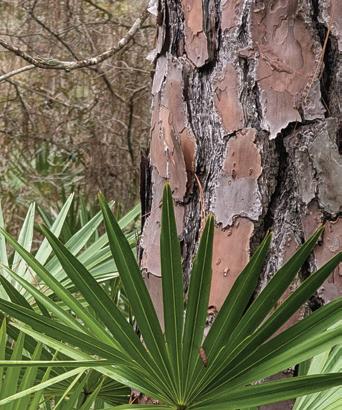
He points to the Center’s diversity and natural beauty as key factors for its mission success. “There are nine different ecosystems in the Park; we have at least three on our campus,” Langen says. Longleaf pine and saw palmettos dot the land. Beach rosemary rises from sandy soil. Maritime scrub oaks create another distinct habitat.
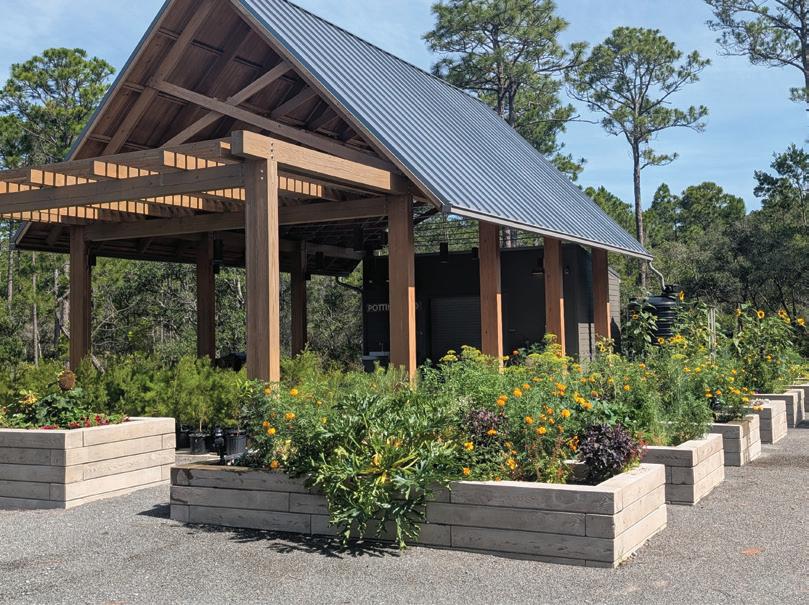
“And then you can see the cypress trees marking where the wetlands begin.” Mother Nature puts on a show, but the Center’s efforts to enhance her works shine, too. “We want the campus to be like a botanical garden, so we kept as many native plants and trees as possible when we built the Center,” Langen says. “And with the landscaping we did do, we were careful to choose mostly native vegetation—mature pines, live oaks and red maples—and really blur the line between what we planted and what was there.”
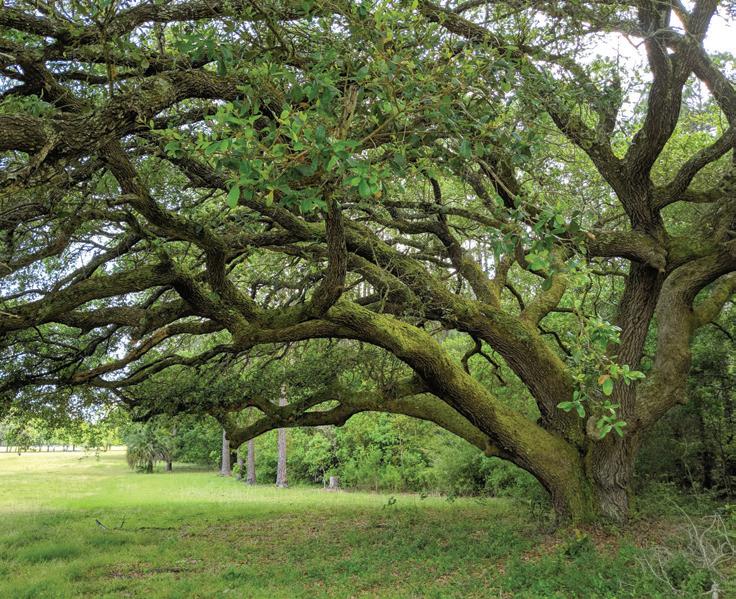
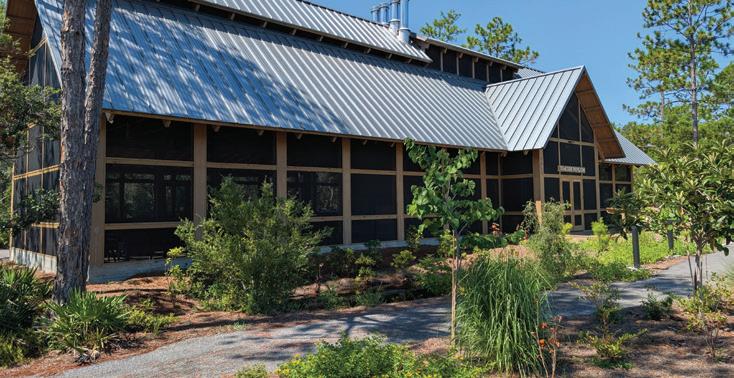
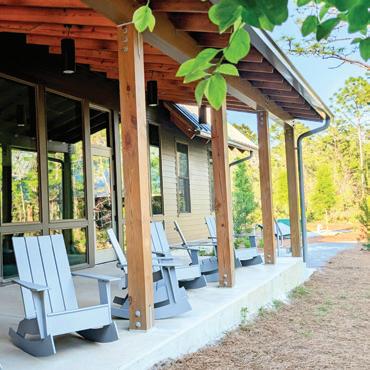
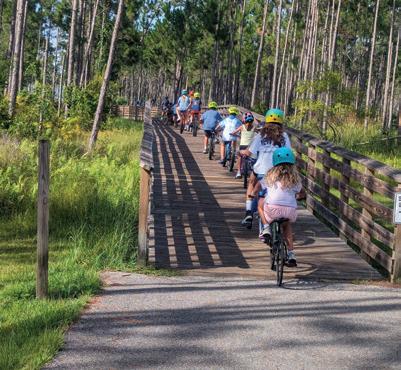
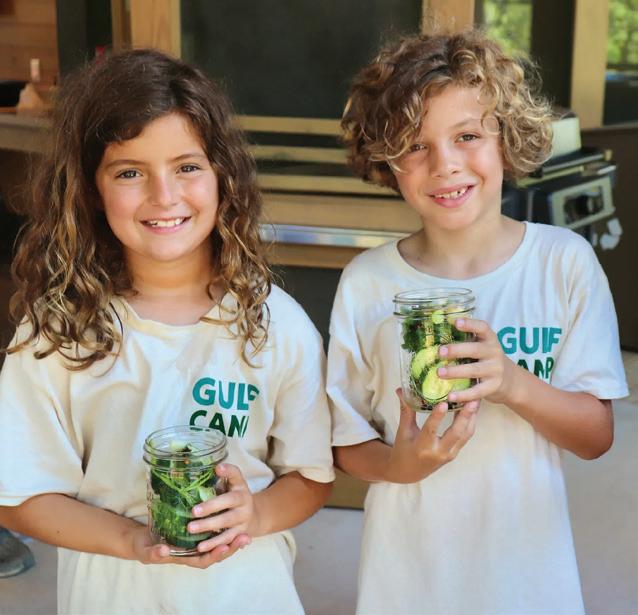
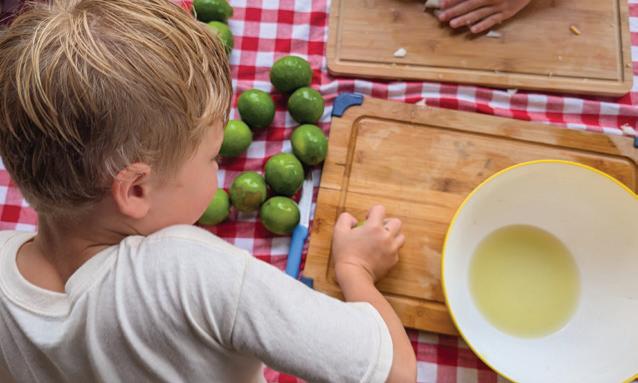
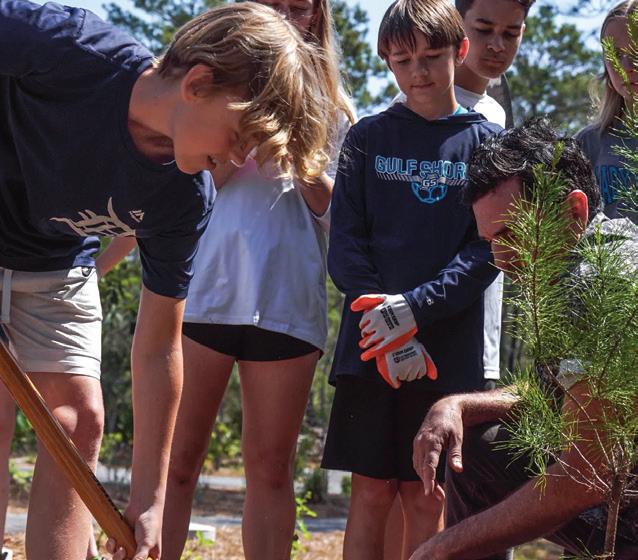
Since first opening its doors, The Gulf Coast Eco Center has collaborated with area K-12 schools as well as the University of South Alabama and Auburn University to provide top-notch environmental educational programming that sparks curiosity and inspires action.
The Eco Center’s spring and summer calendars are already packed with opportunities to learn more about it all. The Wild Crafted workshops series runs all spring and promotes healthy, sustainable living, teaching adults how to make candles, homemade body-care products and more using materials harvested from the site. Art workshops encourage creativity inspired by the surrounding environment. “Everything we do ties back to a conservation and sustainability theme in some way,” Langen says.
Guided hikes and other outdoor field trips for groups of all ages put people in the midst of nature alongside expert field naturalists who pass on their knowledge. Gardening classes share how to make fertile soil blends and how to propagate and plant seeds.
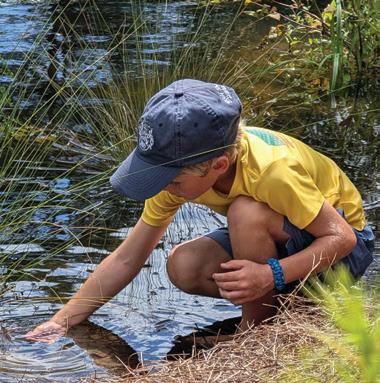
“We do cooking classes as part of our gardening programming, as well, emphasizing growing and then cooking your own food,” Langen says. And this summer, Gulf Camp for kids ages 7-13 offers a boatload of hands-on, immersive activities – biking, hiking, kayaking, crafts and cooking - designed to entertain and educate. “This day camp runs all summer, we teamed up with Jean-Michel Cousteau’s Ambassadors of the Environment to host it, an organization devoted to getting young people to take stewardship of our planet,” Langen says. “And that’s the Center’s primary goal: to strengthen our environment but also our community by promoting sustainable tourism and protection of the Gulf Coast’s natural resources.”
Add a little interest to your beach getaway this summer and dive into some of the Eco Center’s offerings.
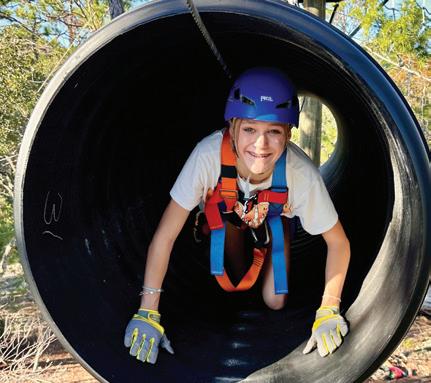
Up above in the forest canopy, The Lookout Aerial Adventure Ropes Course experience is teambuilding meets ecotourism and teaches communication and trust but also forest ecology.
Sign up for a guided hike, a naturecentered art class or learn to make lip balm with area plants at a workshop.
Volunteer to help maintain the Center’s campus. It needs hands to work in the organic vegetable garden, propagate native trees, build and maintain trails and more.
Or just visit the campus for a quiet stroll and peaceful moments with Mother Nature.
Find a schedule of events and learn more at gulfcenter.org CHOOSE YOUR OWN

BY KYM KLASS
ESTABLISH A FEW KEY HABITS TO ENJOY A HAPPIER & HEALTHIER RELATIONSHIP WITH YOUR PARTNER
Ask any happy couple what makes their relationship work and last, and you’ll likely receive myriad responses.
But some common answers probably include strong communication, compromise, repairing conflicts early and continually checking in with each other.
While each relationship is different, most happy couples build their relationships on similar practices and daily habits, and compromise sits at the top of this list. Compromise happens when you balance what you want, what your partner wants, and what’s best for the relationship itself, according to CNBC’s “Make It.” Every couple brings together a set of habits, values and experiences. Expecting perfect alignment is unrealistic. Instead, healthy couples learn to negotiate their reality. They turn “my way” and “your way” into “our way,” according to CNBC. But compromise only works when it’s rooted in a strong sense of “we.”
“Research shows that couples who describe their conflicts using ‘we’ language (we decided, we talked, we figured it out) feel more connected and satisfied after disagreements. When both partners see compromise as a shared effort, not a loss, it strengthens the bond between them,” said CNBC reporting. “What matters is that you’re both heard and respected, and that no one feels that they have to ‘win’ or ‘be right.’ When you consistently make enough space for one another’s needs, you’ll build something that love alone rarely does: reliability.”
According to the American Psychological Association, disagreements are part of any partnership, but some fighting styles are particularly damaging. Couples that use destructive behavior during arguments—such as yelling, resorting to personal criticisms or withdrawing from the discussion—are more likely to break up than are couples who fight constructively.
Psychology Today states that happy couples know how to repair a relationship in “real time.” “They know how to recover in the aftermath of a conflict because they know that, realistically, conflict cannot be avoided. These early, pre-emptive repairs … are about restoring emotional connection using repairs that are deeply human.”
These “repairs” include humor, affection, taking responsibility, empathy and signaling, “We’re OK,” according to Psychology Today.
Psychology Today also points to the practices of “parallel play” and “building the story of us” factoring into healthy relationships and explained them this way:
Happy couples are comfortable sharing space without needing to fill it. There’s no pressure to perform, no need to entertain or constantly talk. Just being near each other is enough. It’s a reminder that connection doesn’t always have to be loud, intense or have productive outcomes. Sometimes, it’s as simple as sharing the same quiet.
Without even realizing it, emotionally safe couples speak in a kind of shared language. They say things like “That’s so us,” or “Remember when we…” They hold inside jokes, repeat favorite stories, and draw on metaphors only they understand intimately. These aren’t just sentimental habits; they’re the building blocks of “we-ness,” a shared identity that anchors the relationship.
With communication being an essential piece of any healthy relationship, healthy couples make time to check in with each other; they understand it is important to talk about more than just parenting or maintaining the household, according to the American Psychological Association, which suggests trying to spend a few minutes each day discussing deeper or more personal subjects to stay connected to your partner. And you shouldn’t avoid bringing up difficult topics. “Keeping concerns or problems to yourself can breed resentment. When discussing tough topics,” according to the APA, “it pays to be kind.”
Express appreciation and affection regularly. Work as a team.
Have emotional repair skills.
Support growth and space.
Turn towards connection.
Are intentional and consistent with support.
Create intimate moments.
Have fun and laugh together.
Celebrate common moments, not just milestones.
Source: Mindful Care Therapy
Joy and Dickie Blondheim have been married for 59 years. We asked them to share some of their healthy habits and tips for making a marriage last.
THE “WE” MINDSET MATTERS:
“As any couple who has shared 59 years of marriage, Dickie and I have had great times and some challenging times, but we have handled them all TOGETHER, and that is what makes our marriage strong!”
“When we started dating, we were in love with each other, but more importantly we were great friends too. There is no magic bullet for a healthy relationship and marriage, but if I had to name one thing that can maintain a happy and healthy marriage, then I would have to say friendship.”
- Joy - Dickie
You can’t watch more than 10 minutes of TV today without seeing an ad for GLP-1 weightloss drugs. GLP-1 is a drug widely credited for significant weight loss, popularized by celebrities like Serena Williams and Amy Schumer, and used by an average 33 million U.S. adults for weight loss or to treat other chronic conditions, like diabetes.
Read on to learn more about how they work and if they might be for you.



BY KYM KLASS
GLP-1 (glucagon-like peptide-1) is a hormone naturally produced in the gut after eating. It helps regulate blood sugar by stimulating insulin, suppressing glucagon and slowing digestion.
Pharmaceutical versions amplify these effects, reducing appetite and promoting satiety, or a feeling of fullness. For many, this means dramatic weight loss—often 15-20-percent of body weight—as well as improved blood sugar control, according to the University of California Davis Health.
While it is unclear exactly how many people are currently using GLP-1s in the U.S., especially for obesity, around 1 in 8 adults said they were taking a GLP-1 drug to lose weight or treat another chronic condition as of November 2025, according to a poll from health policy research organization KFF.
DO GLP-1S WORK?
When you eat, your digestive system breaks carbohydrates down into simple sugars that travel through your bloodstream. GLP-1 triggers the release of insulin from your pancreas. Insulin helps usher glucose (sugar) out of the bloodstream and into your cells, where it can be used for nourishment and energy, according to Harvard Health Publishing.
These drugs also act in the brain to reduce hunger and act on the stomach to delay emptying, so you feel full for a longer time. These effects can lead to weight loss, which can be an important part of managing diabetes. In fact, GLP-1 agonists have been used to treat type 2 diabetes for about two decades, according to Harvard.
While weight loss can be seen as a pro, what other positives come from this drug?
A couple of things, according to the Mayo Clinic:
Appetite regulation and satiety.
By acting on brain and gut receptors, GLP-1 agonists curb cravings and help you eat smaller, more satisfying meals, supporting long-term habit change. By decreasing “food chatter,” many people find that they can better sustain healthy habits when willpower starts to wane.
Better blood sugar control and metabolic health.
These drugs mimic a hormone that boosts insulin release, reduces glucagon and slows gastric emptying, resulting in improved HbA1c and lowering insulin resistance, blood pressure and cholesterol.
Improved heart health.
But the GLP-1 receptor agonists do more than regulate blood sugar—They also protect the heart. Clinical trials have shown that these medications reduce the risk of major cardiovascular events, including heart attack and stroke, according to UC Davis.
If people decide to come off a GLP-1 drug, the transition will cause their appetite to return, and it will be easy to overeat, according to Lizzy Swick Nutrition (a Nutrition and Integrative Medicine clinician).
The Mayo Clinic lists cost, required longevity of use, gastrointestinal side effects and possible long-term side effects as cons to using GLP-1.
Out-of-pocket costs.
It can cost up to $1,200 monthly for out-of-pocket expenses with weight-loss insurance coverage being inconsistent. And even if the drugs are affordable, studies show that most people who start weightloss medications regain their weight after stopping the drug, according to the Mayo Clinic, which adds that weight regain can be prevented or slowed by adherence to a healthy diet and regular exercise, but that it doesn’t work for everyone.
Gastrointestinal side effects.
Medication initiation and dose increases commonly trigger gastrointestinal side effects including nausea and vomiting, diarrhea or constipation, bloating and stomach discomfort, fatigue, dizziness, headaches and injection-site redness or itching, although the symptoms often improve as the body adapts to the treatment, according to the Mayo Clinic.
Potential long-term side effects.
And what are the long-term side effects? Loss of muscle mass and reduced bone density are issues. Plus, other unchartered effects, including potential neurocognitive, ocular (NAION optic neuropathy) or other organ-system impacts may only emerge with more widespread, prolonged use.
However, if the dosage is gradually tapered off, this process will hopefully happen slowly enough to allow you to get your bearings.
When coming off GLP-1, Swick advises focusing on whole foods, controlling carbohydrate intake,
watching portion sizes with mindful eating, and eating more fiber-rich foods and balanced meals. “Coming off a GLP-1 will present challenges,” according to Swick. “Many factors that made weight loss difficult in the past will still be a struggle moving forward.”
Menopause weight gain is common, and it’s difficult to lose weight and keep it off with diet and exercise alone. Does GLP-1 help with this? Recent data suggest that in the United States, the use of GLP-1s is highest for perimenopausal women, according to RAND, a nonprofit, nonpartisan research organization.
In 2025, the RAND American Life Panel showed that women aged 30–49 were more than twice as likely as men of a similar age to report current or past use of GLP-1s. Women aged 50–64 had the highest use overall, with 20 percent reporting current or past GLP-1 use. Despite widespread use of these drugs by perimenopausal women, research has largely ignored the unique risks and potential opportunities for optimizing health that GLP-1s may pose in this population.
“Weight gain is a main concern that women come in to see me about during perimenopause and menopause,” Christine McRae, a physician assistant and Menopause Society Certified Practitioner at Methodist Family Health Center-Murphy stated in Methodist Health System’s SHINE on-line publication.
“Women can absolutely lose weight during perimenopause and menopause—and keep it off.”
Women aged 50–64 have the highest GLP-1 use overall, with 20 percent reporting current or past use.
McRae said GLP-1s can be especially helpful for women navigating hormonal changes. “The medication will further reduce insulin resistance and decrease visceral [belly] fat, which puts women at risk for heart disease and diabetes after menopause,” she said. Most women are good candidates for GLP-1 medications, but she notes a few exceptions. “People with a personal or family history of certain types of thyroid cancer or other specific conditions may not be a good fit. But in general, these medications are very well tolerated and safe when prescribed appropriately.” Still, McRae stressed in the SHINE article that GLP-1s aren’t a magic solution. “These medications work best when paired with lifestyle changes, especially a healthy, anti-inflammatory diet,” she said.

Are GLP-1 medications a gamechanger for women in midlife—or just another quick fix?
That’s the question addressed in a recent unPAUSED podcast with Dr. Mary Clair Haver, who interviewed Dr. Rocio Salas-Whalen for a segment called: GLP-1s and Midlife Metabolism. Listen anywhere you stream podcasts.
THERE'S GOOD POPPING UP ALL OVER!
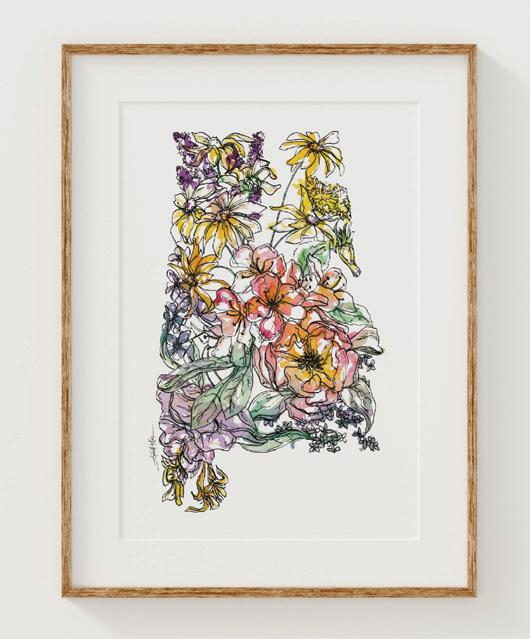
Hoover artist Amanda Klein’s wildflower watercolors reveal her fascination with nature’s beauty. Using collages of petals and blooms to form other images—animals, shapes of U.S. states and more—speak to her creative spirit. “I focus more on feelings than anything else, but I use whatever subject I’m painting as a vessel for that feeling,” she says. But no matter what she captures in paint, connecting with those who view her work remains at the heart of every brushstroke. “At the root of my work is a desire for people to feel connection,” she says. “I want my work to help someone feel held and loved, for grief to feel softened, or for distance to feel smaller.
AMANDAKLEINCO.COM


Art abounds at The Montgomery Museum of Fine Arts Flimp Festival. Held in the museum’s sculpture garden, you’ll find your fill of fresh air and fun at this annual event, including art-making activities, games and music. And while the festival aims to ignite curiosity and creativity in children, it sparks joy for both kids and kids at heart.
MMFA.ORG
Celebrate the sweet strawberry, some of the first fresh fruit to spring to life in Alabama each year, at the annual Alabama Strawberry Festival in Cullman. But buckets and baskets of ripe, ruby-red berries aren’t the only draw. Live music on multiple stages, more than 90 craft and food vendors, a doggie “paw-gent” and a strawberry-centric baking contest are also on the agenda.
ALABAMASTRAWBERRYFEST.COM FREE EVENT


We’re excited for another season of Butter, Blue and Pink fun on and off the field at Riverwalk Stadium!
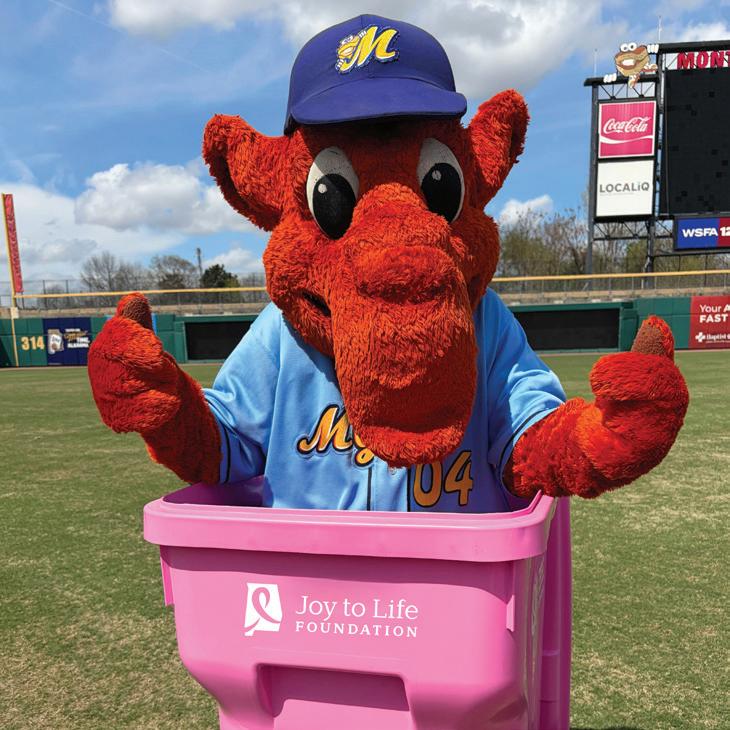
When the pink can on-field games idea was shared with the Montgomery Biscuits four years ago, it was an immediate hit with everyone. The Joy to Life Pink Trash Can became the center of attention, providing fun and entertainment at Biscuit home games.
And then it did more. The big PINK 96-gallon container captured the attention of baseball fans who had been touched by breast cancer. The Joy to Life team began to hear stories from the breast cancer community all because they were excited to see pink at a baseball game. Many reached out to Joy to Life looking for ways to help others.
Thank you Montgomery Biscuits for fostering creative connections to bring our community together. Your support and dedication make a big difference in a unique, PINK way.
LET'S GO BISCUITS!