



Travis Cottrell: Celebrating 20 Years with Beth Moore







































































Ben Cox
The Holy Spirit is alive and well and living among us right here in the High Country!
Ben Cox - Owner/Publisher/Editor
Deck Moser - Business Development
Alex Stewart - Graphic Designer
Amber Bateman - Office Manager
Connie Cox - Distribution Manager
Heather Cotten - Account Manager
Yozette “Yogi” Collins - Asst. Editor
That’s a strange way to start an introduction to a magazine, right? However, it’s appropriate because that’s what this magazine is all about. Here’s what I mean by that: the Holy Spirit is God and He is doing wonderful things through flawed people like myself and many others who have chosen to be His followers. We Christians come in all shapes and sizes with different stories and representing different theological backgrounds, denominations, and philosophies of ministry, but we have the same love and devotion to our Lord and Savior Jesus Christ. That love motivates us to live our lives in ways that are in harmony with seeing His kingdom come and His will being done on Earth as it is in Heaven. At least that’s what Jesus would like to see from those of us who claim to follow Him! However, I must confess on behalf of us all, that we Christians are known more by our preoccupation with fighting among ourselves and judging everyone else but ourselves than by our love for one another and for all people. In spite of that, the Holy Spirit still works with us and through us, which brings me back to this point: One of the major reasons we publish this magazine is to demonstrate, through the testimonies that you read here, how a person’s life can be transformed from the inside out by a personal encounter with the Spirit of the Living God!! Many Christians refer to that initial encounter as being “born again” because that’s how Jesus described it when He said, “I tell you the truth, no one can see the Kingdom of God unless He is born again.” (John 3:3, NLV) Being born again is where our journey begins and the initial transformation
starts, but that transformational process is meant to continue as we keep our hearts open to the work of the Holy Spirit in our lives. Then, one day, when we meet Jesus face to face, He will complete the process and usher us into an eternal relationship with God that’s beyond anything our finite, human minds can conceive of!
In the meantime, we, as Jesus’ followers, are meant to find our places alongside our brothers and sisters in Christ and obey His command to “let your light shine before men, that they may see your good deeds and glorify your Father in heaven.” (Matt. 5:16, NIV)
If you consider yourself to be a follower of Christ and your light has dimmed for whatever reason, may these stories inspire and motivate you to open your heart again to the Holy Spirit who stands ready to refresh you, renew you, and fill you with God’s peace, love, and light. If you’re reading these pages and you long for the inward transformation of which these stories speak, be assured that you, too, can be born of the Spirit and filled with the Spirit in ways that will help you push back any darkness or emptiness that is encroaching upon you.
The healing starts or restarts when we make a decision to say yes to God and no to our own self-centered ways. You can make that choice now privately and encounter the Holy Spirit because the Lord always gives grace to the humble who are willing to acknowledge their need for God. But realize this, too: there are people all around you in the High Country who can help you with your next steps because the Holy Spirit is alive and well and moving among us!

Travis Cottrell: Making a Joyful Noise Yozette “Yogi” Collins
Ed Pilkington: Seek and Ye Shall Find Yozette “Yogi” Collins

This Man is My Son! Ben Cox
Life on the Hill: Morris Hatton Remembers Morris Hatton and Friends
Billy Graham and MLK: An Homage to the End of an Era Jonathan Tremaine Thomas
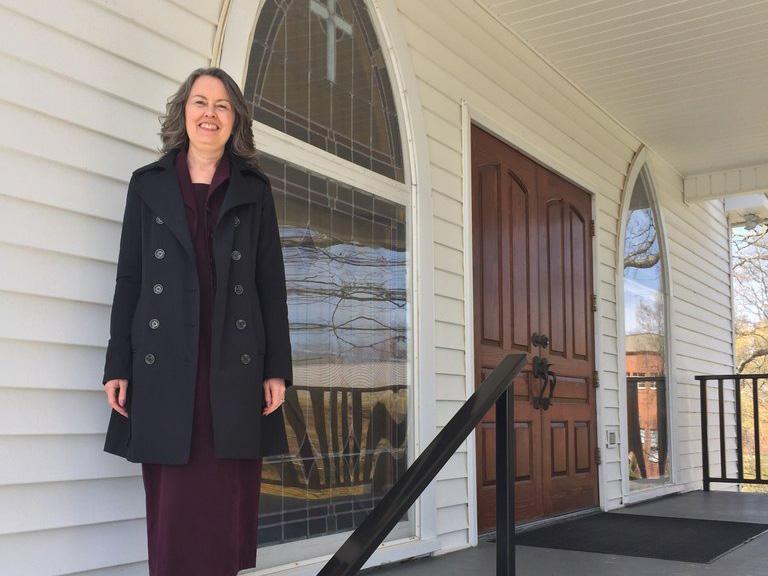
Agape Love in Action Kim Furches
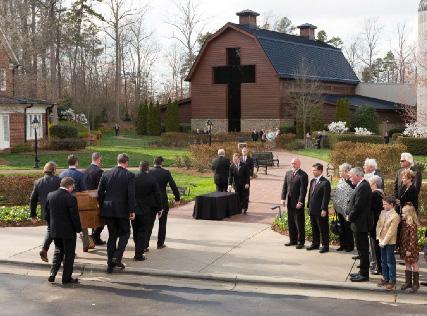
In Memory of Billy Graham Ben Cox
by Yozette “Yogi” Collins
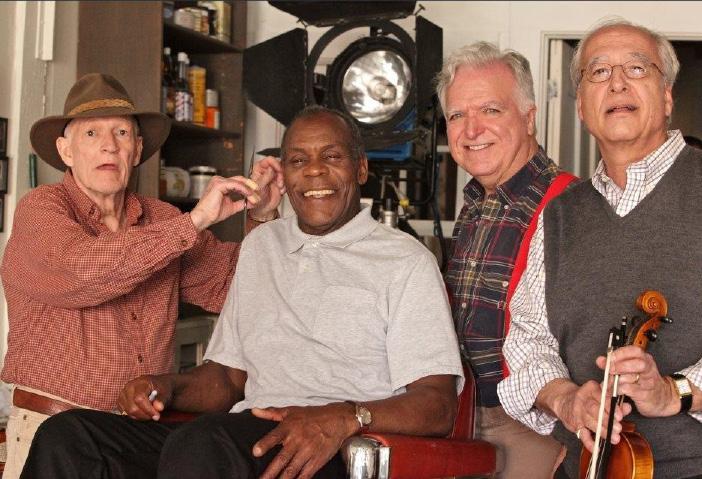
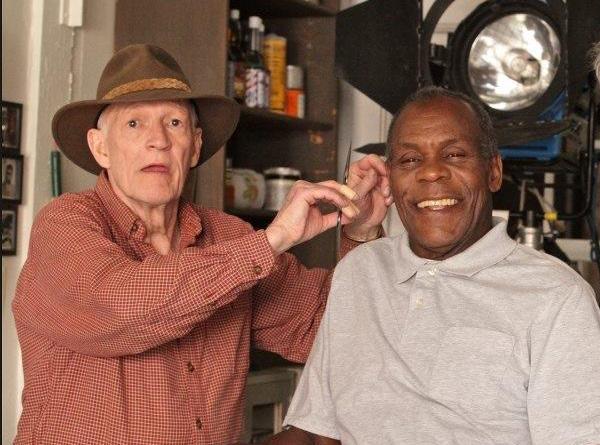
Though baptized and saved as a 14-year-old in his Baptist church in Goldsboro, North Carolina, Ed Pilkington of Boone spent years searching for something he felt was missing, a spiritual connection he hadn’t felt yet and, frankly, wasn’t sure where to find it.
“I believed I was a Christian,” Ed explains. “I was saved, but I proceeded to live a life of liberty, doing things young Christian men weren’t supposed to do. But nobody knew about that. I hid it very well,” he grins. “I’m a good actor.”
He was a good actor, so much so that the high school drama teacher saw potential despite Ed’s toughguy behavior that would have likely landed him in jail someday. He recalled, “Clifton Britton grabbed me by my long hair and slammed my head up against the wall and said, ‘You think you’re so tough? If you’re so tough, come and read for this play tonight. If you can read, that is.’ He really pushed the boundaries which, back then, teachers could do and students couldn’t fight back.”
So that night, Ed went to prove to Mr. Britton that he could read by auditioning for the Christmas play. “I got up to read for the part of a shepherd boy who is lost. I read one line and I knew that’s where I’d be the rest of my life. When I finished reading the part, all 250 drama students stood up clapping, Cliff grabbed me and hugged me, I’m crying, he’s crying, people were crying and clapping. My life changed from that time on.”
At the same time Ed was falling in love with the theater, he was singing in his church choir. But when his church music leader asked him to drop out of drama because theater wasn’t “very Christian”, Ed decided to leave the church choir and focus on acting, a choice that after high school would take him to New York with his wife-to-be, Pat, and allow him to study and work with the likes of Helen Hayes, James Dean, Marlon Brando, and Jose Quintero.
Meanwhile, Ed continued to search for the missing spiritual piece he couldn’t put his finger on. “I knew I was saved, but there was something missing. I guess I kept looking for it. I saw in the New York Times an ad for a book, How to be a Warlock,” Ed recalls. “So I ordered it and began doing things it said to do.”
His experiences with the occult, however, scared him, so he conveniently became a Unitarian since the Unitarian Church was the only church in the 1950s that would marry he and Pat, who was expecting at the time. Eventually, however, Ed also tried Zen Buddhism. “I don’t know how I got into that but I was still searching, you know? And I was reading a lot of


books, like Zen and the Art of Motorcycle Maintenance,” Ed explains.
By the time Pat and Ed finally moved to Boone for Ed to work in the Theater Department at Appalachian State University, choosing a church became more a way to fit in than a way to fill the hole he felt. “I became a Methodist when I took the job at ASU because my chairman was a Methodist. It was political,” Ed admits.
The search was becoming exhausting. “At that point, I was Director of Theater at Appalachian, president of the North Carolina Theater Conference which I helped form, and I had started the threecounty arts council here that later blossomed into the Watauga, Avery, and Ashe Arts Councils. I have all these roles and I was excited, yet I was really miserable,” Ed shares. “I didn’t know quite how to love Pat, I didn’t know how to love my kids, I was directing Horn in the West and had been for 10 to 15 years, and I was really struggling. But no one knew it because I’m a good actor.”
He was 36 years old.
“I was really struggling. But no one knew it because I’m a good actor.”
“On the way home, I stopped at Horn in the West just to talk to God. I told Him it’s either You or the gun. And I had a vision, I think. Admittedly, I’m very dramatic,” he laughs, “so I think I had the vision. I saw myself as a little red balloon that got bigger and bigger and bigger. And you know when red balloons get bigger they get whiter. It got so big and I was terrified this balloon was going to pop. And I saw this little gold pin come out of somewhere and hit the balloon. But, instead of exploding, the balloon imploded and out of the hole came this green, brassy, yucky looking stuff that I could smell. It was repulsive, just vile, and the balloon got smaller and smaller until it was gone. When I woke up from this thing, this vision, I was in a little ball at Horn in the West, crying, but also laughing. Then I drove home and told Pat what had happened and that night we went to Bible study and they praised God and prayed for me.”
And though no one knew it, Ed had reached a breaking point. “On April 16, 1976 at 4:15 in the evening, I was on my way home to get my pistol and take my life because I didn’t really know what else to do. I was miserable and empty, but nobody knew that, not even Pat.”
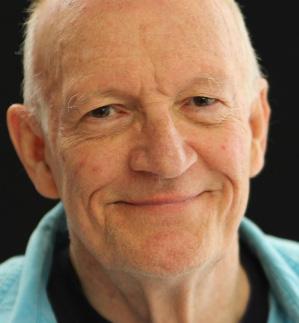
Ed had grown up with resentment towards his father because his dad hadn’t spent time with him. “He loved me; I knew that. But he was a pharmacist at the time when they started at 7 p.m. and ended the next morning at 7. He left before I went to school, I saw him maybe a little while at dinner, then he was back on
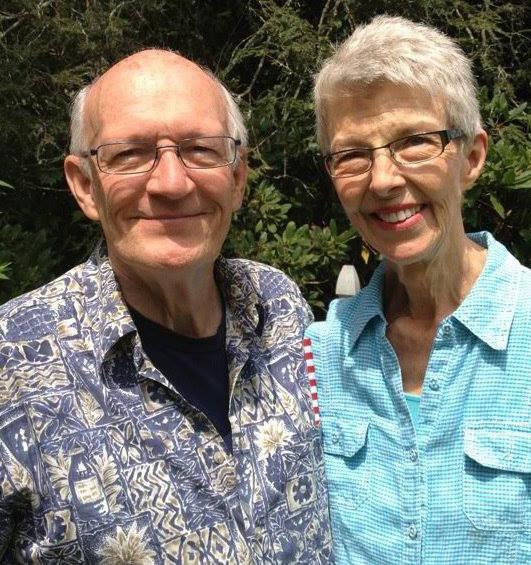
call all night long. We’d go to the beach one time a year–one week a year, that’s all I had with my father. So there was a sense of bitterness, but at the age of 36 I found I have a Heavenly Father who never slumbers, never sleeps, and who sticks closer than a brother.”
At that point, a lot of things happened quickly. Still attending the Methodist Church, Ed learned about the Holy Spirit during a Bible study and it triggered changes in his life and heart. When the pastor later preached on the passage in Luke that says, ‘Go back to your home and tell all that God has done for you’, Ed listened and heard. “Immediately after that sermon, I went home and apologized to my mom for being so selfish all my life,” he says with tear-filled eyes. “The next day I washed the dishes, I mowed the lawn. And I made it a point to come back to help her. So, those kinds of things began to happen.”
Ed began to love his wife and kids in a way he hadn’t known and in a way that has brought them all to where they are now. “Together, Pat and I have watched Jesus heal her through three cancers now: melanoma, ovarian, and breast. The first one, melanoma, doctors told her to go home and prepare to die. I have two daughters—Jennifer and Piper—who have married pastors, and a son, Brent, who is in real estate and is very passionate.”
And Ed saw the Holy Spirit working in his professional realm as well. “I realized while teaching my Intro to Theater class that all plays are written as a search for God. Almost every attempt–poetry, any kind of art–is an effort to reach God, to understand and to find Him. Theater, art, music, all of it, is God’s soul. He is the Great Creator,” Ed says excitedly. With that realization, he was able to share with his students how God had impacted his life. “I was not proselytizing but students—20, 30, 50, 100—came to Christ in my office. I discipled a whole bunch of them.”
Ed, who retired from teaching at ASU in 2001, now works full time in the professional theater on stage and in movies and has the same passion for acting as that which he discovered in high school. “My life is a mission field no matter where I am,” Ed beams, grateful.
He sought and he found, all to God’s glory and purpose.


WE ARE SO MUCH MORE THAN A CHILDREN’S HOME COME SEE THE colors of hope, AT CROSSNORE SCHOOL & CHILDREN’S HOME.
this is no or nary cup coffee
Serving hot and cold coffee, specialty drinks, tea, and breakfast and lunch specials daily. OPEN Monday-Saturday 7:30am-5:00pm www.miraclegrounds.org | 8 Fountain Circle | Crossnore, NC 28616 | (828) 733-2247
FRALEY
STORE large sale op in the high country
The Blair Fraley Sales Store offers treasures to locals and visitors alike. OPEN Monday-Wednesday & Friday-Saturday 10am-5:00pm, Thursday 10am-6pm 100 DAR Drive | Crossnore, NC 28616 | (828) 733-4228
museum
The Weaving Room was created to keep alive the Appalachian art of hand-weaving. The museum promotes the school through the sale of its beautiful hand-woven goods.
OPEN Monday-Friday 9am-5pm & Saturday 10am-5pm | www.crossnoreweavers.org
205 Johnson Lane | Crossnore, NC 28616 | (828) 733-4660
helps artists help Cro no child n
Crossnore Fine Arts Gallery represents regional painters, sculptors and fine crafts. All work in the gallery is available for purchase.
OPEN Monday-Friday 9am-5pm & Saturday 10am-5pm | www.crossnoregallery.org
205 Johnson Lane | Crossnore, NC 28616 | (828) 733-3144
school & childr en’s home
ALL PROCEEDS BENEFIT THE CHILDREN OF CROSSNORE SCHOOL & CHILDREN’S HOME.


in the Sl p a l
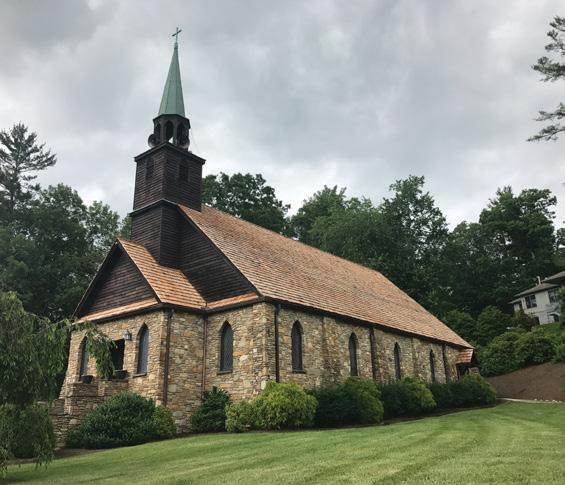
Completed in 2006, the fresco at The Crossnore School renders the scripture of Mark 10:14, “suffer the little children to come unto me and forbid them not; for of such is the kingdom of God.”
OPEN Daily 8:30am-5:00pm | 100 DAR Drive | Crossnore, NC 28616 | (828) 733-4305












by Morris Hatton and Friends
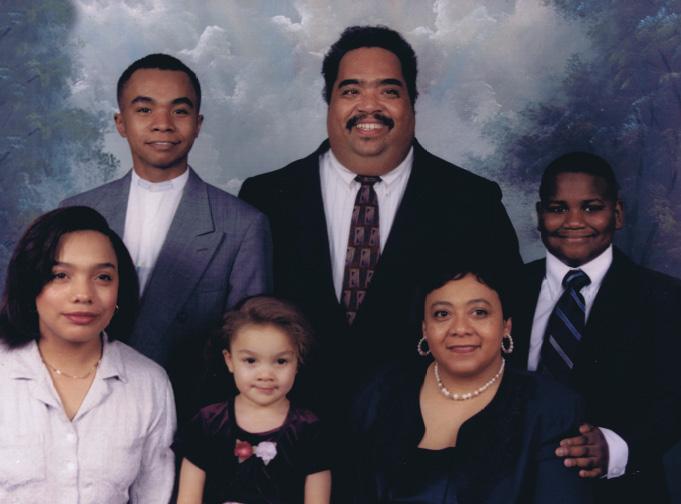
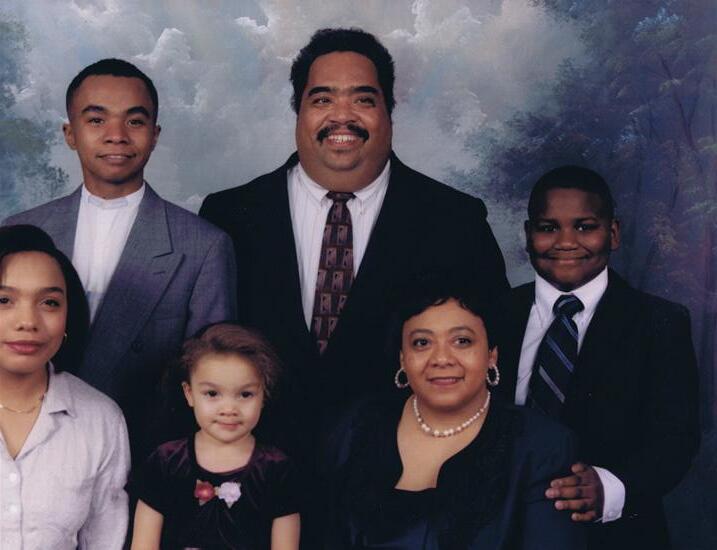
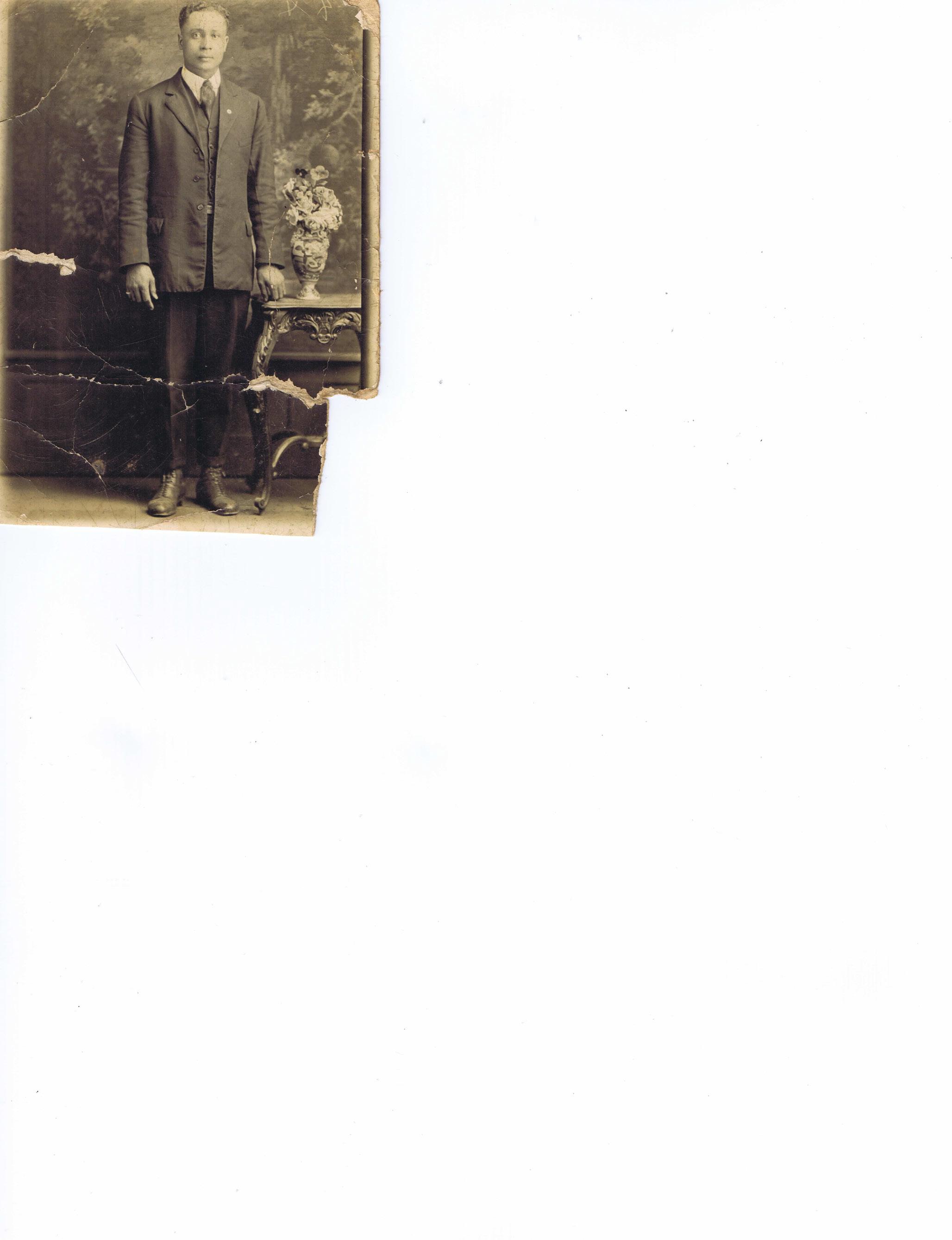
Besides a few moves to California and Florida, Morris Hatton has lived in Boone his entire life. An African-American, Morris shares some of his history with us while sharing some amazing insights into the history of the High Country.
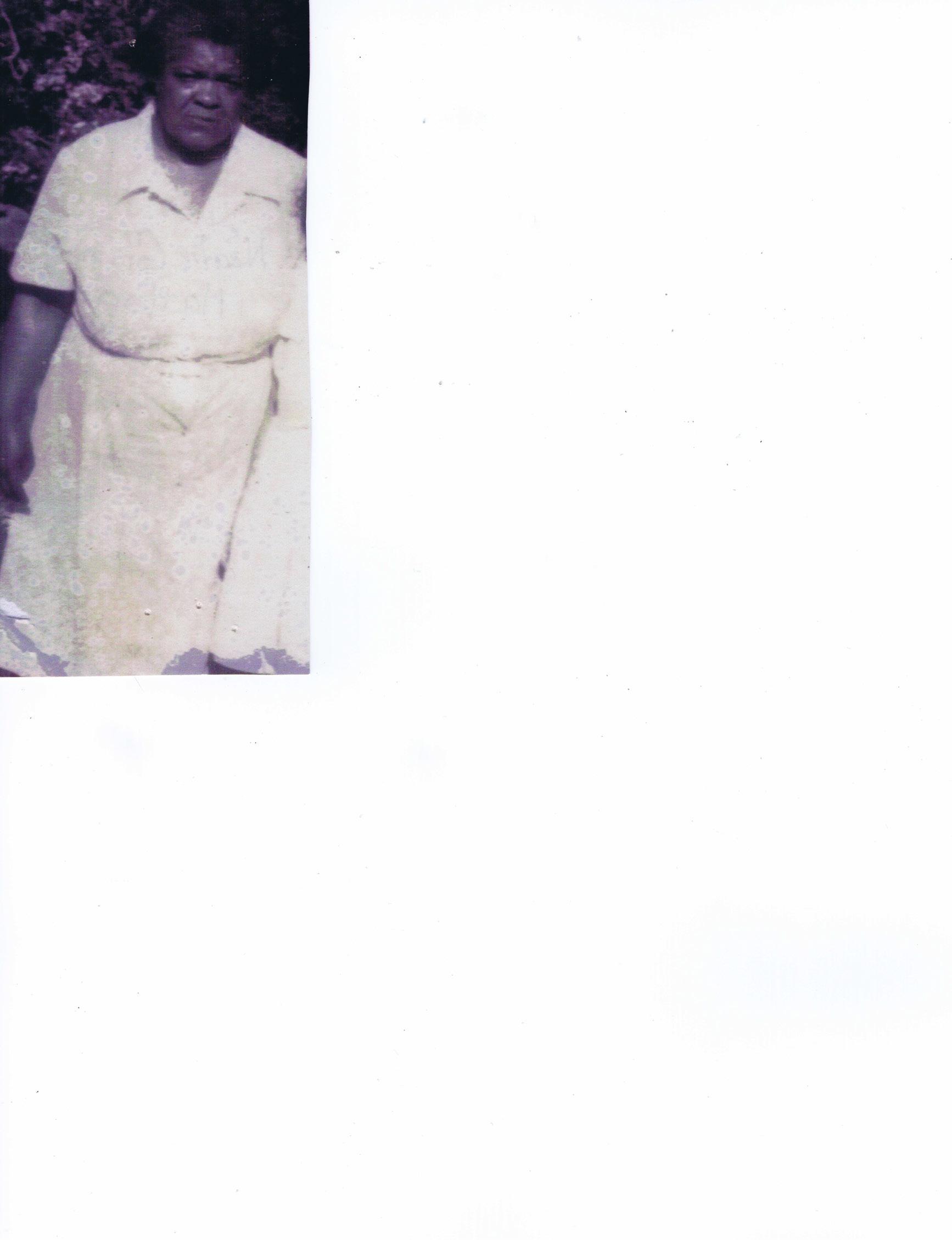
I was the last to be born in my family. My sisters, Hallie and Thelma, were 22 and 20 years older than me; my parents never expected me to show up! I was born in the Hagaman Clinic on Water Street in 1949, raised on Church and North Streets, and now live just below North Street, all in the Junaluska neighborhood in Boone.
I’m not sure why Junaluska is located where it is. I think one reason may be that back in the day there were enough trees and coverage that you couldn’t see us back here. People never realized how valuable the land would become. Originally, most of our people were back up on the higher regions of the mountain and came down The Hill later on.
When I was growing up, we felt blessed and protected. There were a lot of black folks—maybe three or four hundred—in the neighborhood. We had a good little community and we enjoyed ourselves.
“Whites and blacks had to work together most of the time to survive on this mountain.”
My family lived on the upside of the Mennonite Church on Church Street. We had a big lot and most of it was garden but there was a big house, too. We also had pigs and a cow which I learned to milk. We all helped by weeding the garden. Everybody had a patch of land back in that time; you had to have a garden if you were going to survive in the mountains. My mama made butter and sold that in the neighborhood for years because not everyone had a cow.
My mom also kept boarders back in the day when black folks could work for hotels but not stay in them. Our house was always full of people. The boarders—usually black men who would come to work in Boone—paid for room and board and she would cook for them. Mom was kind of a business woman, an entrepreneur. When I was growing up, we had a little café downstairs with a jukebox where kids could hang out. Mom sold hot dogs and sodas. It was a way for my mom to keep an eye on me as it also provided a place for my friends and me to hang out since downtown Boone wasn’t integrated. Our café was integrated, though. One of the things about mountain people is that we had to be together because of the conditions up here. Everybody knew everybody. I mean, my cousins would play with Jim Holshouser, the future governor of North Carolina. Jim ran around the neighborhood with them and they went to the movies together. It was different up here but it still had that element of racism that kind of crept around. I remember one boarder we had was a chauffeur and he would take me down to a place on South Depot Street. We had to go in the back door to the kitchen of the restaurant to place our order and we had to eat on the porch where the kitchen utensils were hanging. And one time, in Wilkesboro, I had to use the bathroom but there was a sign that said “Whites Only”. So, I do remember those times.
And I’ve heard stories. The black people here lived off to themselves. Our folks worked hard and they saved, but once, before I was born, a group of white men came up The Hill looking for trouble. They
thought the blacks had too much and they came to burn out the neighborhood and kill a bunch of people. The sheriff came and told them he’d arrest them all if they did it. Apparently, he backed them off. When the men on The Hill found out, they went and bought rifles and ammunition and sent the message that they were ready if anyone came up The Hill again. See, mountain people are different. Mountain people don’t put up with stuff. They tend to be independent and a little mean on top of it. But nobody came back up The Hill to disturb them after that.
At the same time, whites and blacks had to work together most of the time to survive on this mountain. Slavery didn’t catch on as much here because there were no big fields, but, of course, there were slaves. In fact, the first courthouse in Watauga County was built by slaves. The few people who did have slaves had to work as hard as their slaves in order to survive. But, also, the Underground Railroad ran through this county and in Jefferson. If black folks were escaping and could get here to the mountains, they’d survive.
The Scotch-Irish people here did not like the people in the Piedmont, so they’d go to the Piedmont, buy slaves, and bring them here to set them free. They did it just to make the folks in the Piedmont mad which was such a blessing.
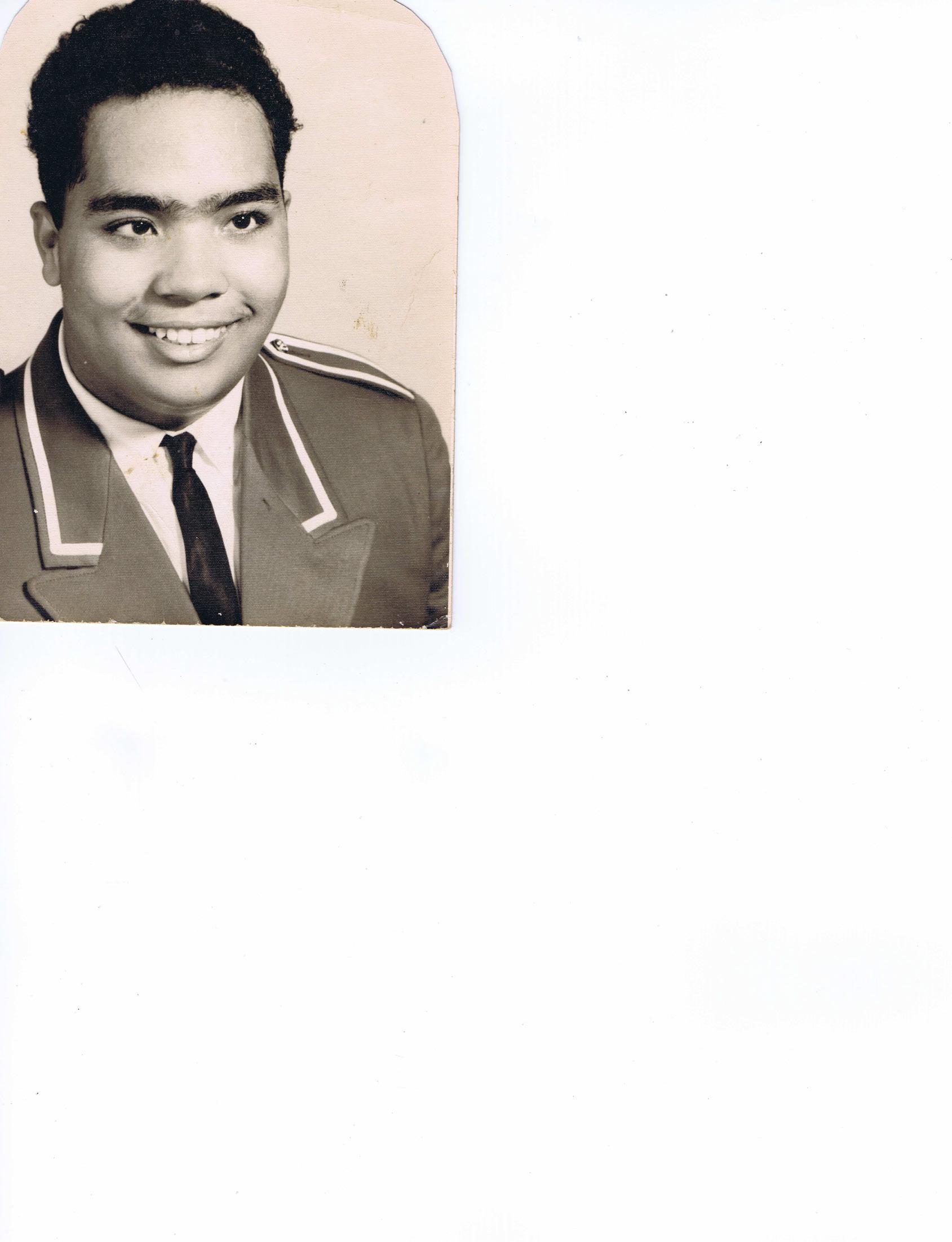
Before they built a new school on Wyn Way (where the Western Youth Network is now), we had an old-fashioned, three-room schoolhouse on Church Street with three or four grades in each room. Our little school wasn’t that bad. We had hand-me-down books, but our teachers were good and when we integrated we weren’t that far behind. I was one of the five students who first integrated Appalachian High School in
1964; the others were Priscilla Goins Wade, Caroline McQueen Grimes, Rhonda Turner, and John Moore. We didn’t have any serious problems integrating because John was raised in the white community of Bethel while I always sang in white churches with Dad. But with school integration in a bigger setting, we tended to lose our identity. I could read music and play piano so I was able to stand out a little bit and not get lost. But a lot of our people from the neighborhood kind of got lost in the shuffle with kids from all over the county.
The only real incident I had with integration happened on a band trip. Apparently, a man used the “N” word towards me but I didn’t hear him say it. I was a big guy and always hung out with the older guys in the band at Appalachian High. The guys I hung out with were not going to put up with that kind of attitude toward me and by the time they were finished with the man, he apologized.
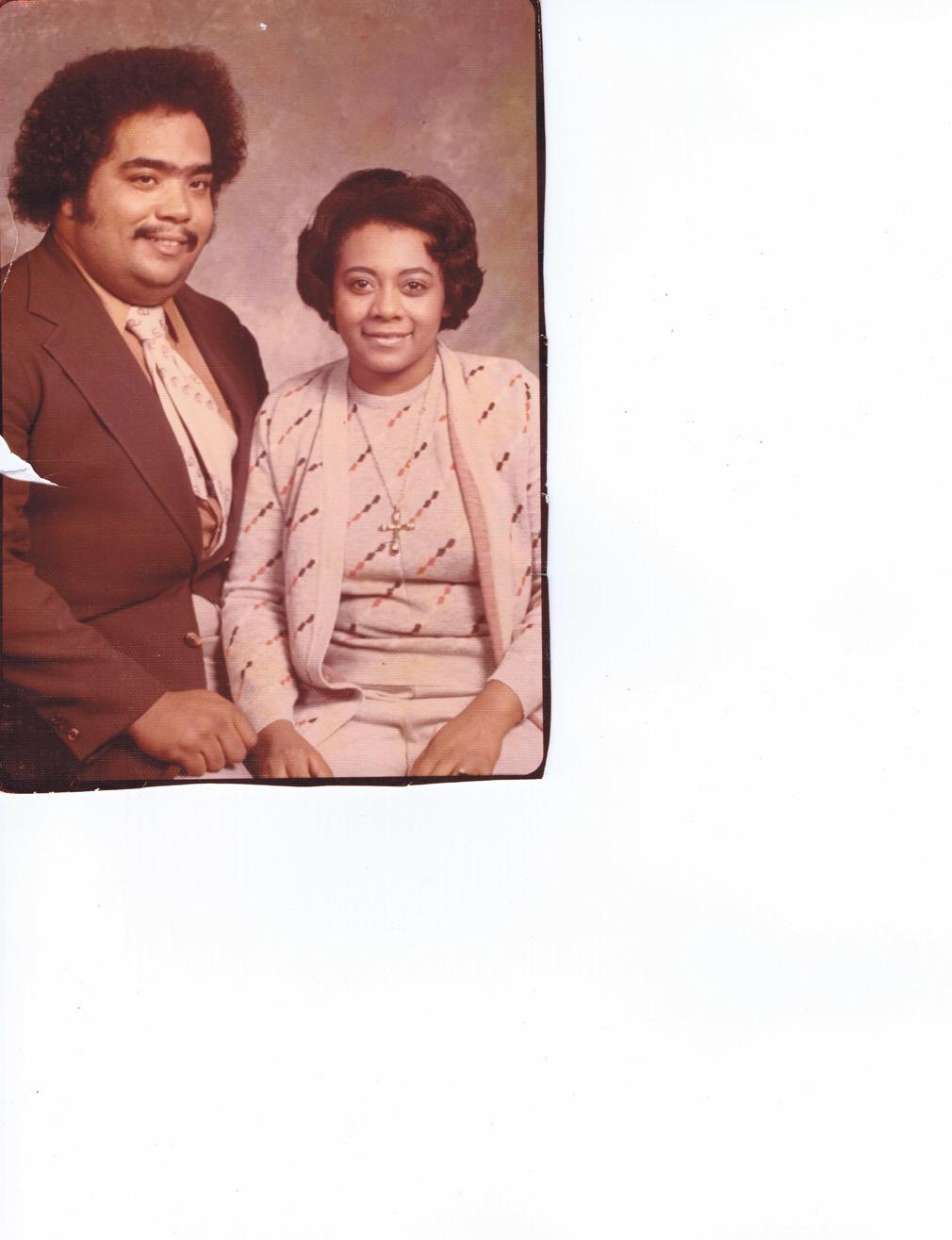
While I was in high school, the new high school, Watauga High, opened. I graduated from Watauga High in 1968 and went to Tabor College in Kansas where I majored in music and voice. After two years, I came back to Boone and married my sweetheart Alma Greer. We were married 42 years until Alma went to be with the Lord in 2014.
At one time there were 12 little black Mennonite churches around here. The missionaries who started Boone Mennonite Brethren Church also helped establish a private school and orphanage for blacks in Elk Park in Avery County. At one point, the Mennonite school and orphanage got shut down from pressure from the white community because the blacks could read and write better than the white people and

they couldn’t handle that. Eventually, however, the school was reopened as the only black school in Avery County until the 1960s.
My mom was a student at that school in Elk Park. Her family lived in the Junaluska neighborhood in the house I live in now and she and her six brothers and sisters would catch the Tweetsie train down at Depot Street early in the morning and ride it to school in Elk Park. Then, they would ride back home late in the afternoon.
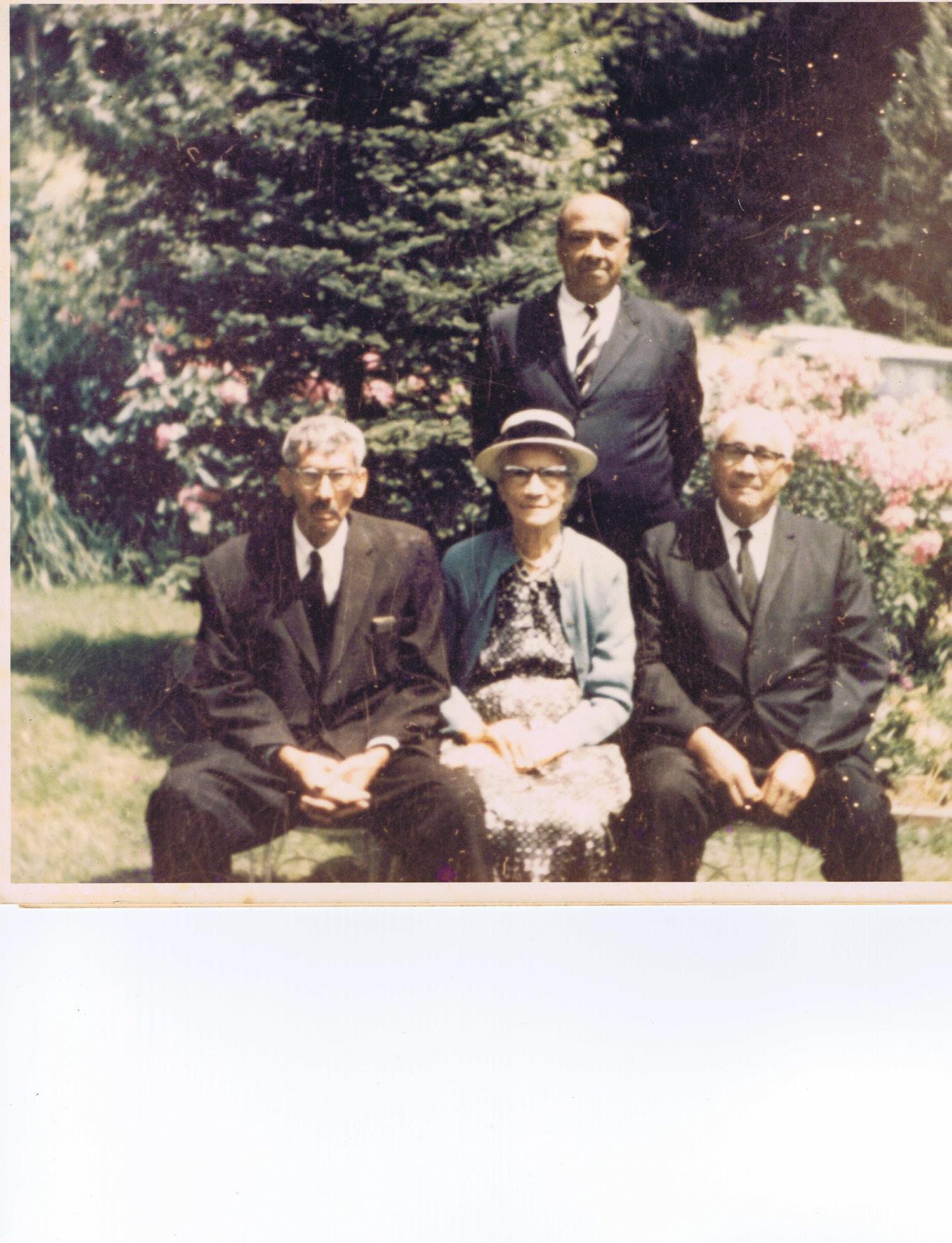
My father was born in the Elk Creek area of Wilkes County and eventually came to Boone. He was about 33-years-old when he walked up the Elk River to Boone and met my mother. She was only 16 when they met and she used to tell us that when she first saw him she thought he was the most handsome man she had ever seen!
Daddy was always a preacher even though he was never formally trained. I’m not sure how he came to the Mennonite Church. The Methodists were very strong here in the mountains and down in Wilkes County. There was exposure to the things of the Lord even during slavery times. The slave owners would expose the slaves to Christianity not knowing that Christianity talked about being free. Paul said if you can get free, get free. [I Corinthians 7:21]
have a sing-songy kind of style like you find in the black community these days. He was just a solid preacher with a dynamic style.
Daddy’s preaching helped the family because even though he didn’t necessarily get money, he’d come home with chickens and stuff like that. Back then, people in the mountains didn’t have any money. They paid for groceries and all kinds of things with chickens. Seeing my father’s example of dedication to ministry and service influenced me greatly.
My Call to Minister:
I was born again in 1968. I can take you to the house right here in the neighborhood where I knelt. We’d had a missionary who had been with the church for about a year and I received Jesus with him. It was like a world of pressure was lifted off my shoulders. That Mennonite missionary is why I ended up at Tabor College, a Mennonite school.
“If I had stopped playing music when I wanted to, you probably never would have heard of Morris Hatton.”
Daddy didn’t drive, so people would pick him up to go preach for a week here and a week there. He’d do the revival circuit. People just loved him. His influence changed a lot of attitudes of whites towards blacks. They would hike for miles and come out of the woods to hear him speak. He would often travel with Rev. Horton who had a business going to the mines from Virginia and Kentucky to get coal and bring it back to sell it. People depended on him to keep them warm, so he had a major influence as well.
Daddy was unique. He had the power of the Holy Spirit that you read about in the scripture. That’s what made him who he was. I’m very proud of him. I remember one time in Ashe County, Daddy was preaching and this man became so convicted in the power of the Holy Spirit that he ran up the aisle and slid into the altar like he was coming into home base! He couldn’t help himself. He was saved; his life was changed. And Daddy was just getting started. He didn’t
In 1974, I felt a call to the ministry. I moved my family to Fresno CA where I attended Mennonite Brethren Biblical Seminary. I was ordained the following year and began a journey of pastoring a handful of churches
United States. I’ve always incorporated music into my services, playing piano and leading worship. I used to play in a band during high school and after college. We played in all the clubs in the area including at Beech and Sugar Mountains. I had the chance to do a lot more than a lot of kids from my neighborhood did because I had the music. My mom wanted me to play music, and she made me practice because she paid for the lessons. Even though I didn’t want to, I’m glad she made me because music took me all over the United States and Canada. It still does. If I had stopped playing when I wanted to, you probably never would have heard of Morris Hatton.
I used to pastor at the Boone Mennonite Brethren Church in the Junaluska neighborhood but I don’t anymore. Right now I lead a Bible study in my own ministry, High Country Bible Fellowship. It’s growing, I believe, because I can teach the Bible to people in a way they can understand it and make it practical. We teach unconditional grace and mercy. People need to know that God loves them no matter
Morris Hatton’s Ministries:
High Country Bible Fellowship: Western Youth Network (Wyn Street, Boone NC) on Sundays at 10am and Thursdays at 6:30pm.
Online Services: http://highcountrybiblestudy.webstarts.com
Facebook Live Broadcast at 7pm daily: www.facebook.com/morrishatton.73
To Send Support: give2mhm.org
Email: highcountrybiblestudy@yahoo.com
This information was compiled by Morris and contains information gathered during interviews conducted by Jim Casey and Susan Keefe.
Network on Wyn Street in Boone, where the old school








Pastor Morris Hatton of Morris Hatton Ministries & High Country Bible Fellowship invites you to consider this 21-Day Challenge
Read aloud twice a day for 21 days; once in the morning and the last thing at night before sleep. If you miss a day, START OVER. This will change your life. Don’t try to “make anything happen,” JUST READ! The word of God has the power to bring itself to pass.
1 Corinthians 13:4-8 (AMPC)
Love Endures long and is patient and kind; love never is envious nor boils over with jealousy, is not boastful or vainglorious, does not display Itself haughtily. It is not conceited (arrogant and inflated with pride); It is not rude (unmannerly) and does not act unbecomingly. Love (God’s Love in us) does not insist on its own rights or its own way, for it is not self-seeking; it is not touchy or fretful or resentful; it takes no account of the evil done to it [it pays no attention to a suffered wrong]. It does not rejoice at injustice and unrighteousness, but rejoices when right and truth prevail. Love bears up under anything and everything that comes, is ever ready to believe the best of every person, its hopes are fade-less under all circumstances, and it endures everything [without weakening]. Love never fails [never fade out or becomes obsolete or comes to an end]. As for prophecy (the gift of interpreting the divine will and purpose), it will be fulfilled and pass away; as for tongues, they will be destroyed and cease; as for knowledge. It will pass away [it will lose its value and be superseded by truth].
1 Corinthians 13:13 and so faith, hope, love abide... of these three; but the greatest of these is love.*
*Agape - Unconditional Love
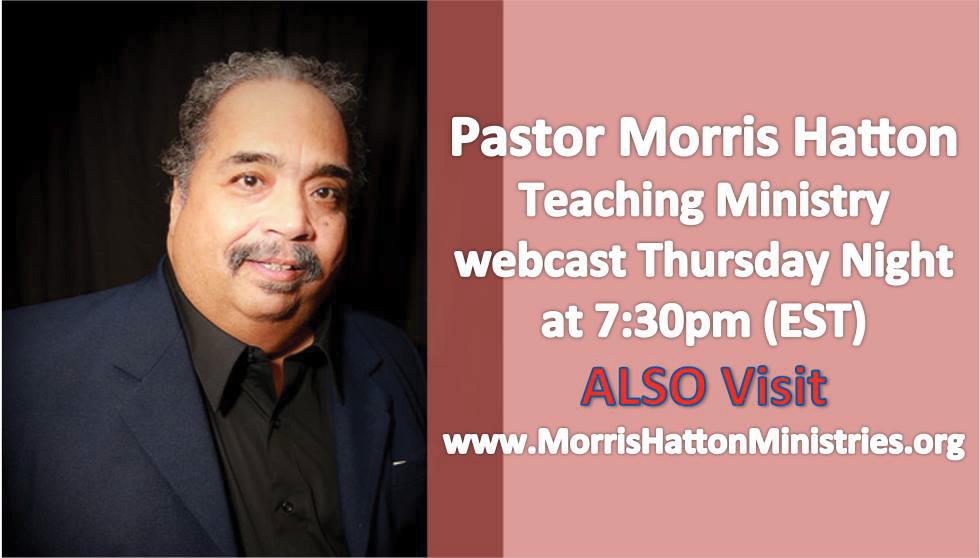
Hatton, a native of Boone, NC, has been preaching the Word since 1974; after attending The Mennonite Brethren Seminary in Fresno, California. Hatton is the pastor of High Country Bible Fellowship. He is also a talented musician that currently travels throughout the United States and Canada spreading the gospel in song while also teaching the word of God.
Every morning at 7 a.m. EST, Reverend Morris Hatton conducts a live-stream through Facebook Live. During this live-stream, Rev. Morris Hatton plays some music on his keyboard and delivers Daily Devotions for at least 30 minutes. “I call it cell phone evangelism,” says Rev. Hatton, “we must use the technology of today to touch the World for Christ. I am speaking to the people who would never have the oppotunity to hear the Gospel preached.” Rev. Morris has been utilizing online-based ministry for 2 years, but has been involved in ministry for over 42 years. To participate in our live-stream, visit us on Facebook at: Morris Hatton or High Country Bible Fellowship.
highcountrybiblestudy@yahoo.com











by Kim Furches
“Greater love hath no man than this, that a man lay down his life for his friends.” (John 15:13 KJV)
Nestled in Mouth of Wilson, Virginia, the private, Baptist-affiliated Oak Hill Academy offers 8th through 12th grade students from across the world an opportunity to excel academically and prepare for their next phases of life. While many remarkable teachers and staff impact the lives of students at Oak Hill daily, two of the employees have impacted each other in a way neither of them expected.
“Joy, if you need a kidney, I will give you one. There is just no question.”
Guidance counselor Joy Groves and Doug “Rev” Turnmire, a religious studies teacher and pastor of the church on campus, originally met while Doug, Joy, and their respective spouses studied at Southern Theological Seminary in Louisville, Kentucky. Following college, Doug and his wife Ruth began serving at Oak Hill. Later, when Doug learned that Mike and Joy needed a place to work after Mike had completed his Ph.D., Doug approached the president of Oak Hill and advocated for Mike. There just happened to be a history teaching position available and since Mike had formerly taught history, the job became his. Doug, Ruth, and their daughters lived alongside Mike, Joy, and their sons on the campus of Oak Hill.
At 24 years old, Joy was diagnosed with Polycystic kidney disease, a condition she’d had since birth that would likely result in the need for a kidney transplant in the future. She continued on with her life and had regular checkups to keep tabs on her condition. By the time Joy was 52, however, the decline of her

showed an increasing number of things out of balance. Though trying to control the imbalances with diet, her trips to the doctor and her need for intravenous iron treatments increased. Her kidneys were failing. When her Winston-Salem, North Carolinabased nephrologist determined that Joy’s kidney function was at only at 18 percent, he recommended she be placed on the transplant list unless she could find a donor herself. Joy and her family had always assumed that her twin sister Judy would be her donor but during the testing phase it was found that Judy also had Polycystic kidney disease and while it was a less severe case than Joy, it was enough to rule Judy out as Joy’s donor.
Back in Oak Hill, when Doug heard that Judy wasn’t a candidate, he visited Joy in her office and announced, “Listen, Joy, if you need a kidney, I will give you one. There is just no question.”
Doug insists he didn’t do anything out of the ordinary by offering to give Joy a kidney. “Joy is one of those people who, in fact, is the very spirit and image of Christ’s love in this world,” he explains. “She holds me accountable in a loving way but is also honest enough to tell me what she thinks might be best for me to hear in the loving Spirit of Christ. We are all blessed by her presence. We need more [people like] Joy Groves
a kidney from him. Even though Doug is as close to family as I can get, I didn’t grow up thinking I was going to get a kidney from him.”
Doug underwent donor testing at Wake Forest Baptist Medical Center in Winston-Salem and wasn’t surprised when the doctor confirmed he was a match for Joy. Even though many people stood in line to give Joy a kidney, Doug stands firm that being Joy’s donor gave him a chance to do one good thing in this world. On two different occasions, the hospital phoned Joy to let her know that a cadaver kidney was available, but both times Doug was adamant Joy would receive a donor kidney which would statistically give her the best results. Joy couldn’t argue with the statistics: a donor kidney has a lifespan of 20 to 25 years and is an easier transition for the recipient while a cadaver kidney lasts a mere 12 years.
On July 12, 2016, Joy received her new kidney from Doug. At the moment the surgeon transplanted Doug’s kidney to Joy, Joy’s skin color began to change, the tissues pinkened, and the body began cleansing itself of impurities.
Meanwhile, doctors had warned Doug that his recovery could be more painful following surgery than Joy’s, but as a weight lifter in good shape, Doug and everyone around him expected he’d beat the averages. It wasn’t that easy, however, and Doug admits he wasn’t mentally prepared for the pain and long recovery time he felt as his body adjusted to functioning with one kidney. But after four weeks of recovery, Doug was kayaking at the beach (to the chagrin of his wife) and soon was back in the pulpit. By the end of August, he was back in the weight room.
Now, Doug says, “I feel great. I can’t even tell I have only one kidney. In fact, I feel better than before. The human body has a two hundred percent cleansing rate with two kidneys, so with one kidney I still have a one hundred percent cleansing rate.” Follow-up tests confirm Doug has adjusted well and is in good health. Doctors maintain that because donors become more aware of their health via the donation process they likely take better care of themselves after the procedure. Joy is thankful for Doug’s kidney and that he has recovered from the donation but admits she still feels bad when his gift to her creates difficulties in his life. “Several months after the transplant, Doug suffered some knee pain,” she says. “I felt really guilty when he was unable to manage the pain since he can’t take Ibuprofen because it could compromise his kidney function. But Doug has been humble about his role as
donor even though his decision completely changed the outcome of my life. Actually, Doug saved two lives when he gave me one of his kidneys because he allowed someone else to receive the cadaver kidney that was offered to me.”
Meanwhile, though Joy will remain on antirejection medications for the rest of her life, Doug’s sacrifice offers a powerful reminder to go along with his demonstrated humility, saying, “God will always take care of us.”




























by Yozette “Yogi” Collins

Beth Moore is known as an excellent Bible teacher. Ben Cox and I were able to witness her teaching firsthand when she came to Boone, NC this past March. The ministry of the Holy Spirit among those who attended was powerful. The unity level among the High Country churches who joined together to support this event was phenomenal. Beth Moore’s in depth teaching about loving God with your whole mind was profound.
As a kid, I thought that once you hit adulthood and got married, the rest of life was just coasting— buying a house, car maintenance, having kids, graduations, etc. I had no concept of what I believe now, that life is really a series of hard things—lessons— with little breaks that allow us to catch our breaths. These lessons, should we choose to view them that way, are often God’s refining fire and give us opportunities to become, hopefully, more like Jesus.
When I spoke with my childhood friend Travis Cottrell, a Boone native who seemed to me to have found his calling early in his life, I realized I had the same naïve thinking about ‘calling’ as I’d had about coasting through adulthood. I’d been thinking that a calling was clear and single-faceted; I hadn’t considered that it might evolve, morphing throughout your life as you grow via God’s lessons.
It was Travis who tweaked my thinking. To me, his calling to serve the Lord through music and singing always seemed so clear, but when I asked him about it, he surprised me by saying, “I think calling is an interesting word. It falls under the umbrella of loving the Lord and having a desire to serve Him, then using the gifts He has given you.”
Still, not everyone finds their calling in life as early as Travis did. “I was raised in a house of teenagers because I came along so late in my parent’s life,” Travis recalls. “My brother was [almost] 18 and my sisters were 14 and 12, so I was raised in this world of 45 records and youth choir. I had one sister who played clarinet

and another sister who played the piano and I was mesmerized by them both. My whole family sang choir at church. There was no scenario in my life that didn’t have music somewhere. I was quite literally born into it.”
Remarking how amazed I was in high school chorus when Travis, our pianist, transposed an entire song on the fly, Travis humbly praises his sister Cathy— his only piano teacher until college—saying, “Yeah, I guess you can just either do that or you can’t, but I credit Cathy for kind of forcing me to learn music as a concept rather than just as literal notes and for teaching me the bigger picture that whatever chord works in the key of C, you can play that same chord just in a different key.”
And while it’s the big picture that drives Travis, I wondered about his thoughts on creativity as it relates to his ministry as Worship Pastor at the 3,000-member Englewood Baptist Church in Jackson, Tennessee and as worship leader of the Living Proof Live conferences. After all, God is the Creator and music and the arts are ways we can commune with and express our love for Him. For Travis, it’s about using his gifts, walking through the doors God opens, and serving.
And, because God seems to have a healthy sense of humor, it’s not surprising that one door God opened for Travis wasn’t something he expected. Travis had moved to Nashville with hopes of getting a record deal and becoming a beloved recording artist, but God had a different take on how He wanted it to happen. “I wasn’t offered the world on a platter like the idealistic twenty-something me thought it was going to happen,” Travis laughs. “I was just serving in my church in Nashville, leading worship when they needed me, and then some people starting asking me to lead worship at different events. I met a couple of influential people including a lady named Faith Whatley.”
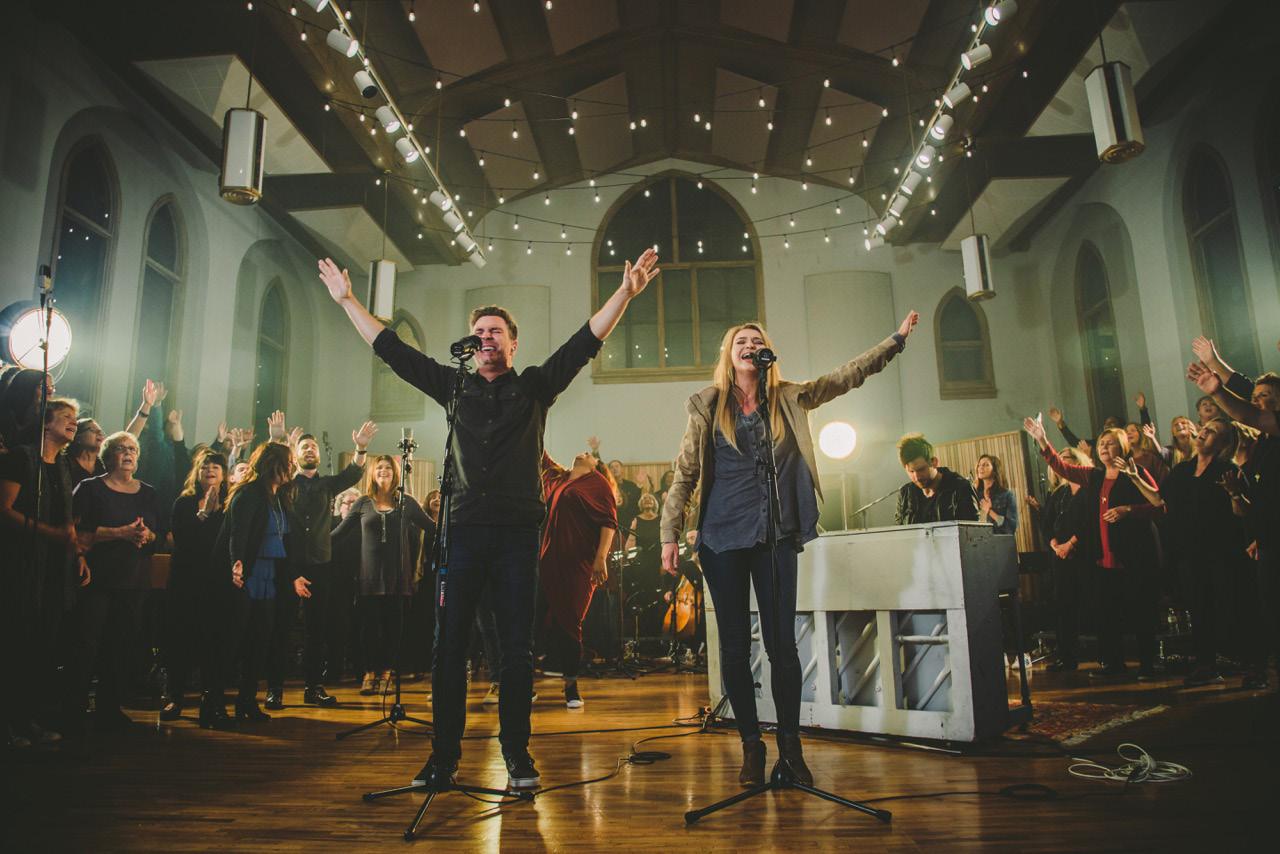
Faith called Travis one day and asked if he would lead worship for a women’s conference led by Beth Moore. I asked them, “Why don’t you have a woman lead? It’s a women’s conference, why would you call me?” And she said, ‘We just feel like you’re the match and it would be good to have a man on the platform.’”
That was in 1998, and Travis has been leading worship for Beth Moore’s Living Proof Live conferences since then, something that has been an incredible blessing to both he and his wife of almost 25 years Angela. “I think Beth Moore is the greatest leader we have seen in the evangelical world in this generation,” Travis admits. “I could not have higher respect and admiration for her. She is humble, compassionate, dedicated, caring, and considerate and working alongside her has made me a better person, husband, worker, and friend. She has touched mine and Angela’s lives in countless ways.”
“One of the biggest things I have learned from Beth is the importance of the attitude of servanthood in a leader.’ Go low’, she would say. Serve those God has put in your path. It never pays to think yourself higher than anyone, ever. I have watched her countless times prefer everyone around her over herself. And I believe the Lord loves that humility, and it’s one of the reasons He uses her so profoundly.”
Meanwhile, God also uses Travis profoundly as he continues to refine him for His purpose. “One big area God refines me is in the area of being a people pleaser. It’s hard not to feed the side of yourself that wants everyone to be happy with you when you are leading them in worship. Meeting their preferences, expectations, all of that. Ultimately, it is the Lord we are aiming to please. Sometimes that means we have to disappoint people and be okay with that. Comfort,

familiarity, and tradition are not the goals of corporate worship, communion with God is.”
And even with such a clear calling on his life, Travis feels he’s constantly recognizing his calling because it changes and grows. But where the Lord has brought him is a blessing greater than he could have imagined. “Sometimes what your calling looks like will change but it’s ultimately the same: love God, serve Him, and love His people. As we get older, our gifts may change, you know? We’re good at things we weren’t good at 25 years ago. There are needs in our culture now that weren’t needs 20 years ago. I believe if we’re alive and breathing, we need to be asking God, ‘What is it that you would have me do?’”
Yes, what would God have each of us do?
Followed by trusting Him when it isn’t going according to our own plans. “I look back at those watermark moments where things didn’t go the way I thought they would or people disappointed me and it’s the Lord walking me out of those moments into what is next,” Travis points out. “Those are the moments you wouldn’t give back for all the moments. You couldn’t have told me when I was in college that one day I was going to find this great, amazing, musical, spiritual, social fulfillment leading worship for women’s conferences for more than 20 years. But, here we are celebrating 20 years at Living Proof Live and it has been the greatest journey. I’ve experienced the most amazing things and have been able to serve with the best leader I’ve ever known or experienced in my life in Beth Moore. Her influence has changed my spiritual walk, my marriage, my parenting, everything about my life. That wouldn’t have happened without the failures before it or if everything had gone the way I thought it should have gone.”









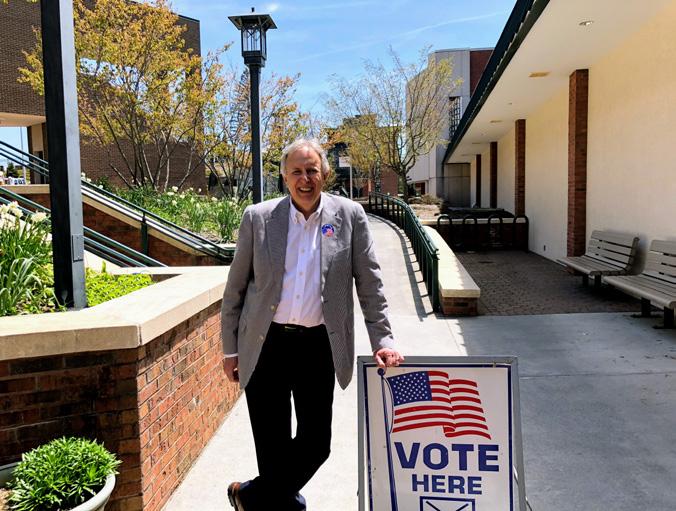
The political ads displayed on this page are paid advertisements sponsored by the candidates. It is not meant to imply this publication’s endorsement of any particular candidate, but we are pleased to be able to introduce these folks to you in our magazine. Furthermore, we will gladly publish any ads from any party in the future with gratitude to those who are willing to serve our communities in this way.
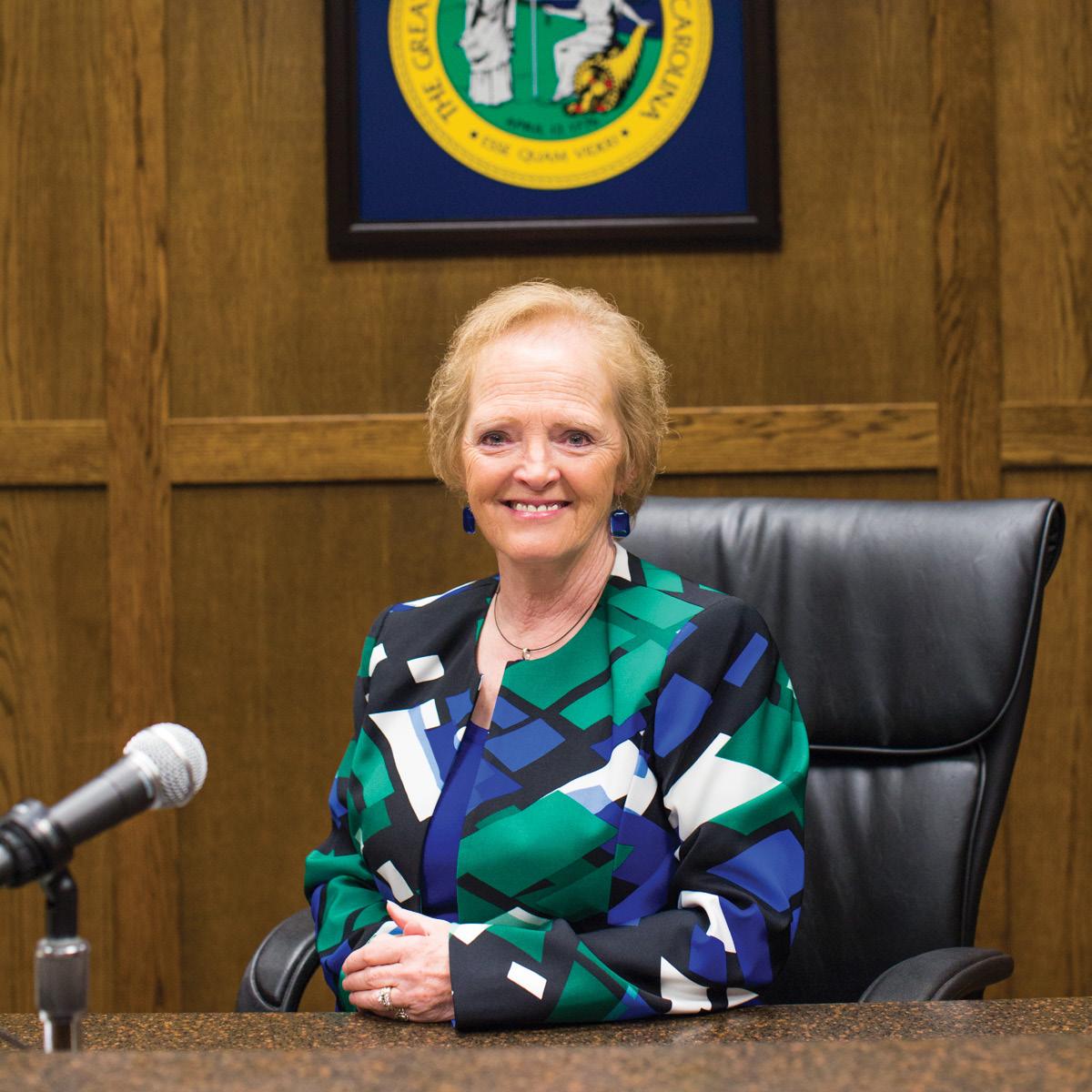
With 38 years working in public office, I have the experience needed to perform the complex duties required of Clerk of Superior Court. As a lifetime resident of Watauga County, I love to serve Watauga County with the integrity and knowledge that our citizens deserve in an elected official.





"This is the covenant I will make... I will put my law in their minds and write it on their hearts." Jeremiah 31:33
Ray Russell knows that being a Christian means living out God's will from the heart.
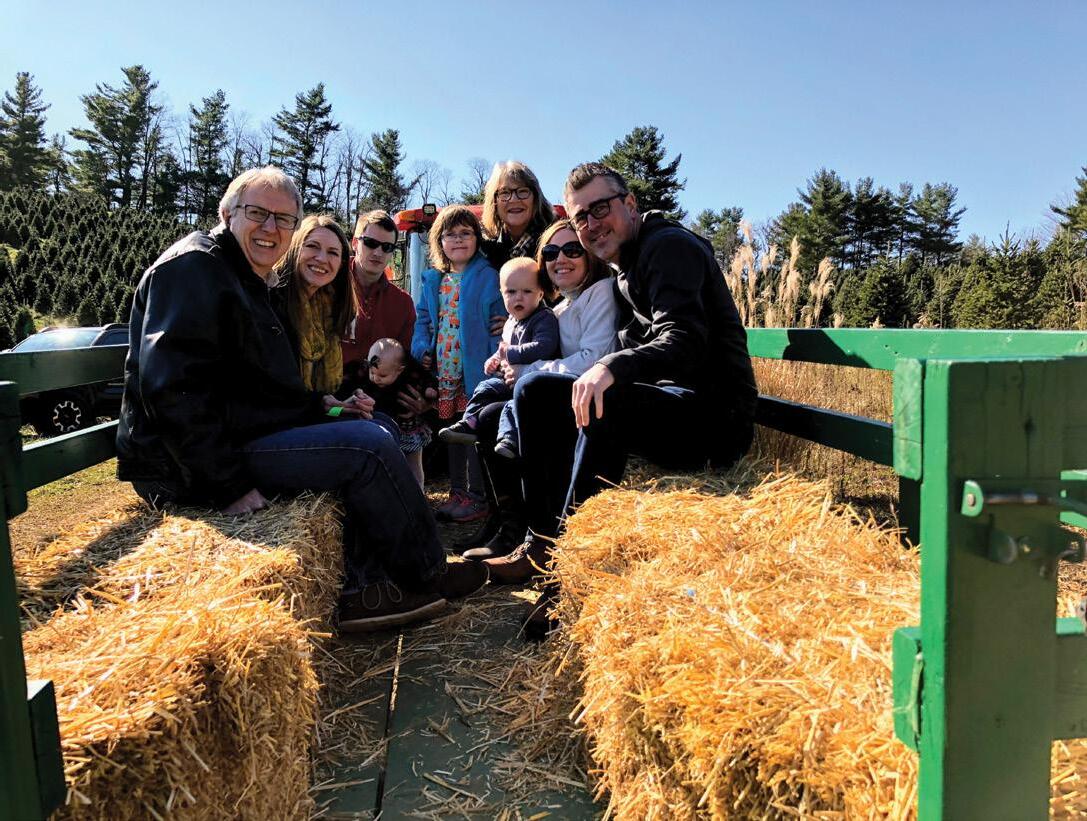
Ministry - Ray served as minister for churches in Tennessee, Mississippi, Georgia, Virginia, and North Carolina. Ray has also been a worship leader, deacon, and elder, and has a college degree in Bible.
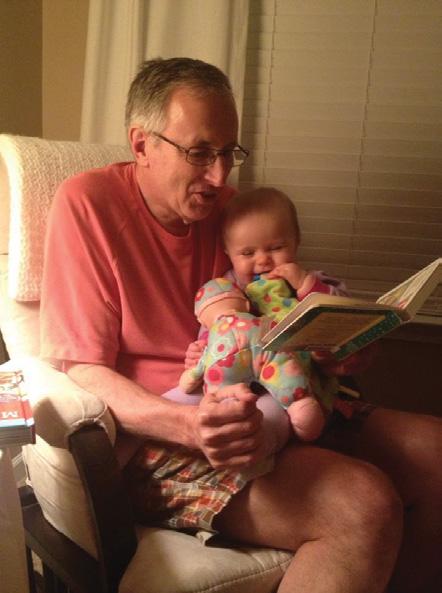
Family - Ray and Rhonda have been married for 40 years. They have two daughters who graduated from Watauga High School. "Ray Ray" and "Ra Ra" have three grandchildren with a fourth expected in September. Rhonda's passion is serving families and children as a Kindergarten teacher and early childhood education lecturer at App State.
Community - Ray built a successful business, RaysWeather.Com. RaysWeather is the most widely read media outlet in NW NC and was awarded Boone's "Small Business of the Year" in 2017. The business was based on a simple mission: Help people and organizations make good planning decisions and represent our community with dignity. Ray has served in countless community service roles including three years as Campaign Director for the High Country United Way.
Profession - Ray has been a computer science professor at Appalachian State since 1991 and was the first Chair of the Computer Science Department.
The heart of being a Christian is loving God and loving your neighbor as yourself. Ray Russell has lived a life in pursuit of that ideal. Being your Representative in Raleigh will be just one more chapter in his life of service.
Paid for by Ray Russell for NC
by Ben Cox

Last year around this time, Connie, my wife of 41 years, and I were emerging from a particularly rough season where tough circumstances hit us one wave after another. God’s grace was more than sufficient to get us through that time and we’re still processing and learning lessons from the pain and stress of those events.
One of the greatest blessings He bestowed on us through that time, however, was a reinvigorated prayer life together in the early morning hours. Much of our focus in prayer has to do with finding God’s purpose for the home stretch of our lives. It’s something we’ve pondered quite a bit as we consider the kind of spiritual legacy we want to leave for our six children, their spouses, and the nine grandchildren (so far) with which the Lord has blessed us. In conjunction with this prayer focus, we’ve felt led to ask specifically for mental, emotional, spiritual, financial, and physical health as well as fruitfulness in this time period.
“It was as if heaven itself opened and buckets of liquid love, grace, mercy, and compassion were poured over and into the grateful hearts of this precious couple.”
As the Lord has answered these prayers, He has challenged us in regards to what we do with our time. Since people’s true priorities are revealed by how they choose to spend their time, we have been doing some serious soul-searching and re-evaluating in those arenas.
One thing we’ve both become more intentional about is investing in meaningful relationships. Of course, our large family and marriage relationship are top priorities, but we are also becoming more determined to reinvest in long-standing relationships we’ve built in our 41-plus years of living in Boone.
Connie has done a much better job of maintaining meaningful relationships with her friends than I have with mine, but I am resolving to change that! By making it a point to go beyond the surface with men I know, I am being encouraged and renewed in meaningful ways.
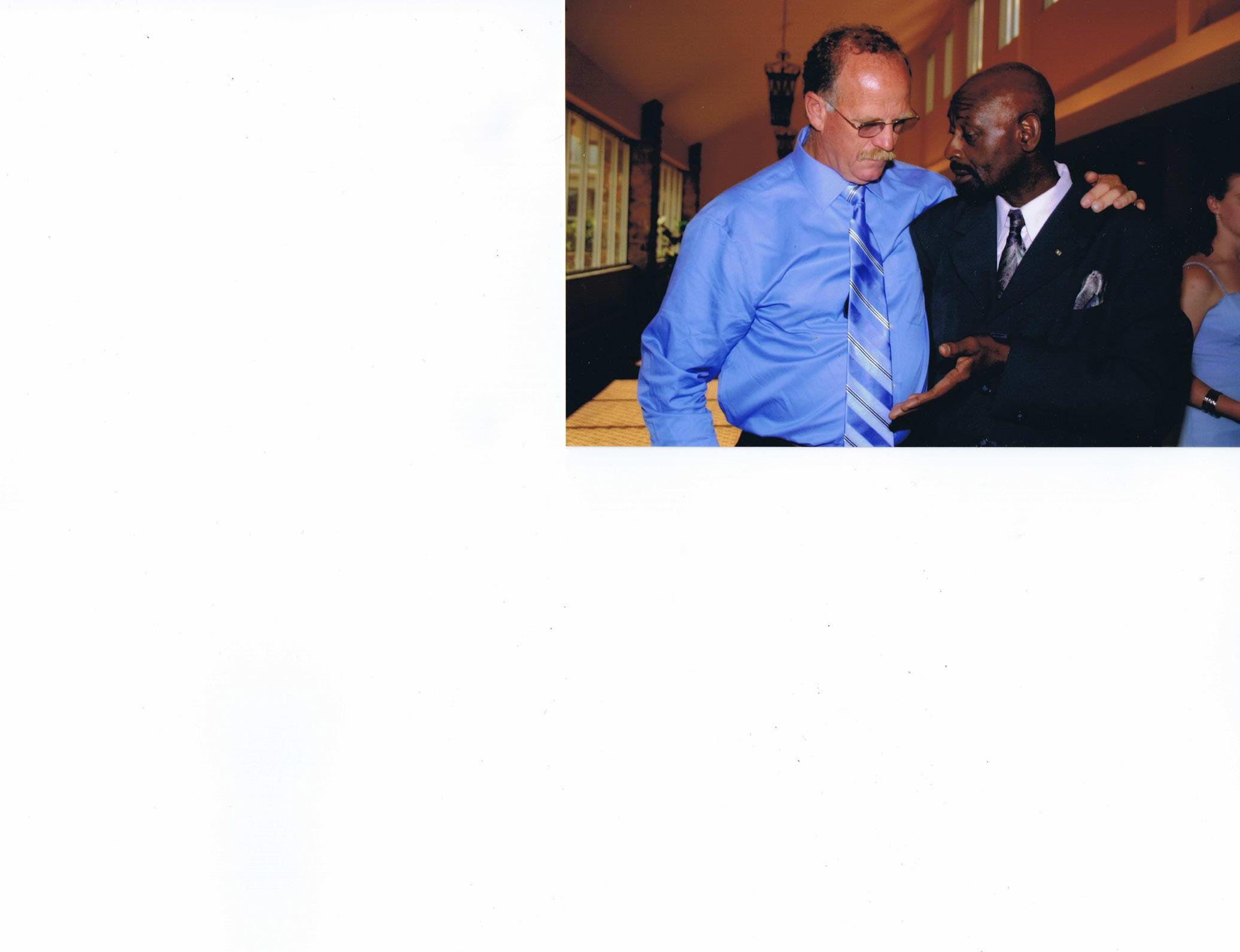
One long-standing friendship I’ve enjoyed renewing is with Carter Randall who I met at church in 1978. Carter is what I would describe as a manly man: he stands over 6’ 3” inches tall and is all muscle; a true homegrown, mountain man who has always made his living by the sweat of his brow and the work of his hands.
Even now, I remember vividly the first time I laid eyes on Carter. This big man, who was
approximately 29-years-old at the time, came through the door of the church where I was leading worship. Perhaps it was because he was so much taller than his wife Jeanie’s 5’ 5” stature or maybe it was the look on their faces, but something about them got my attention When I shared this memory with Carter and Jeanie they gave me more insight into their mental, emotional, and spiritual state at the time. Jeanie said, “We were backslidden, desperate, and headed for the “D” word, divorce. We had been married 2½ years, had a six-month-old baby boy, and were thinking that finding a good church might help us. We’d been church shopping to no avail, but finally went to this church Carter’s co-worker, Wayne King, had been inviting us to try. The presence of God that we encountered there touched our hearts and motivated us to get right with God and to get our priorities straight.”
In this same time frame, I remember a particular worship service where the emphasis had to do with the God the Holy Spirit and the believer’s need to be born of the Spirit, baptized in the Spirit, and continually filled with the Spirit. Carter and Jeanie came forward at the end of the service and I had the privilege of following up with them in an office we used for counseling and prayer.
Though I can’t remember the words we prayed or the things we discussed, I do remember the hunger that this couple had for God and the powerful encounter we all had with the presence of the Lord. It was as if heaven itself opened and buckets of liquid love, grace, mercy, and compassion were poured over and into the grateful hearts of this precious couple. Now, 40 years later, their love relationship is still alive and Carter and Jeannie’s sincere love, devotion, and hunger for God is still strong.
From the time the Randall’s took that step, Connie and I have had the privilege of knowing them and growing with our families together in a tight-knit, loving, Christian community for over 22 years. And though our spiritual journeys have taken different directions for the last 17 years, I am thrilled to be renewing my relationship with Carter!
Recently, at a monthly coffee time some of us attend for the purpose of renewing old friendships,
Carter made casual mention that he might have a story suggestion for me to use in The Journey. That’s when he first began to tell me the story of his daughter Mollie’s marriage and the ministry she and her husband are involved with in Ferguson, Missouri.
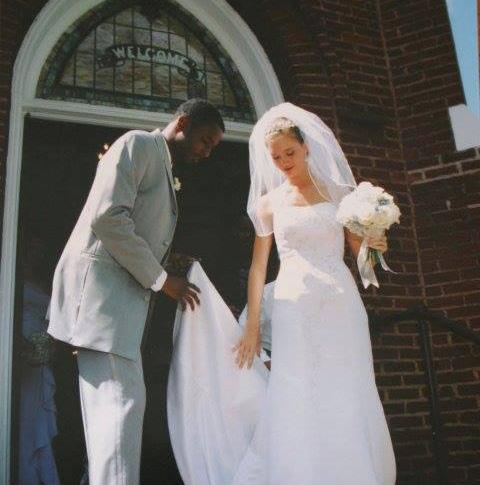
Mollie dated Jonathan Tremain (JT) Thomas when they attended East Carolina University together. They met through the campus ministries they were a part of and they married May 21, 2005.
JT is black, Mollie is white, and they have some stories to tell about how the Lord is using their lives to address racial reconciliation issues in our nation and in the church. The things you’ll learn about them through this article and through their website (www. CivilRighteousness.org) will not only inspire you but will inform and educate you in important ways.
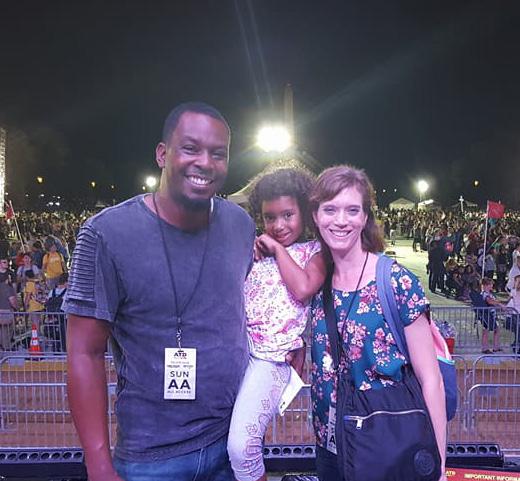
Since Mollie and JT live in Missouri, we set up an interview via computer where I could see them on their front porch in Ferguson, a suburb of St. Louis. They live in a nice, old, brick house in a typical suburban neighborhood. It was a beautiful spring day; we chatted, reminisced, and I met their beautiful sevenyear-old daughter, Mira. Then we began the interview with this powerful story about JT’s relationship with the father of his bride, Carter Randall, told by JT himself: One of the most impactful things that has ever happened to me in regards to this whole racial conversation was when Mollie
and I started a serious dating relationship. Her family invited me to their annual beach vacation where Carter came up to me and said, “I never in a million years would have imagined that my daughter would bring a black man home. And to be one hundred percent honest with you, I’m struggling. I don’t like it. I’m struggling and I want you to pray for me because I know it’s wrong.”
I was shocked! I’m just a young guy, 22-years-old, and I’m thinking, “What do I say to this?” So I just said, “Okay, I will, I’ll pray for you.” And then he said “No, I mean right now” and he grabbed my hand to pray with me.
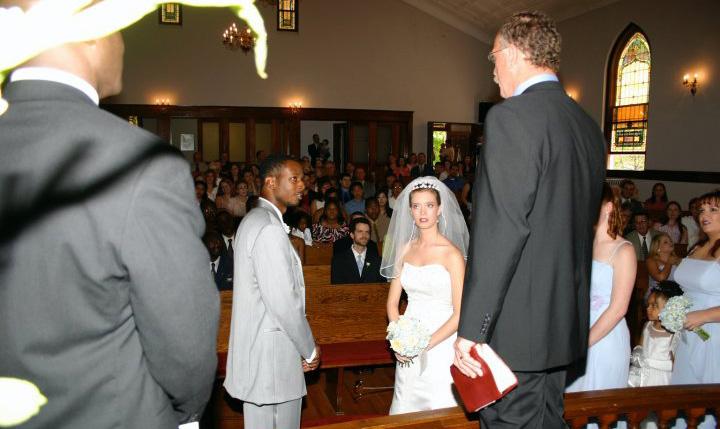
It was challenging because there’s a lot of emotion when you realize that this person standing in front of you is having an issue with me because of my skin color. But I need to bless him and ask God for freedom. And, of course, we pray together and that’s that. Then another year passes and I finally ask for Mollie’s hand in marriage and they say yes, but then it’s at our wedding where Carter stands up and said, “I want you to know, history is being made today. We’re breaking through strongholds.” Then, he looked around and added, “I want everyone to know that this man is my son. He’s my son, and if anybody has a problem with that they gotta come through me.”
The significance of that moment, to be delivered from that which divides us, and for a white Southern man to embrace a young black man was powerful!
When JT finished telling his perspective of that day, it warmed my heart because it illustrates what I’ve
come to know and love about my friend Carter Randall. But I was also grateful for the time I got to spend with Mollie and JT. Their wedding story and the ministry JT has started powerfully demonstrate the type of love that Christ longs for His followers to have for each other regardless of race, denominational affiliation, or political persuasion.
Because of that, I asked JT for permission to quote him extensively in the next article you are about to read which is entitled Billy Graham and Martin Luther King: An Homage to the End of an Era. Beyond that, we will be hearing more about JT’s journey to his current purpose that led him to move his family to Ferguson, Missouri and join with other Christian leaders in crossing denominational, racial, political, and religious barriers “to pursue restorative justice through spiritual wholeness and moral excellence according to the biblical pattern.”
Within ten minutes of interviewing JT, I was so encouraged to encounter a man with local roots who the Lord is raising up and anointing to lead a national ministry that could change the world! With all my heart, I believe that JT’s Civil Righteousness movement and other Spirit-inspired movements like this have the potential to pray and preach us into the type of spiritual awakening that this nation and world so clearly and desperately need.
In closing, it’s my prayer that all followers of Christ who read these stories will be stirred and motivated by the Holy Spirit to rededicate themselves to obeying Jesus’ command to us as found in John 15: 3435: “A new command I give you: Love one another. As I have loved you, so you must love one another. By this, all men will know that your are my disciples, if you love one another.”
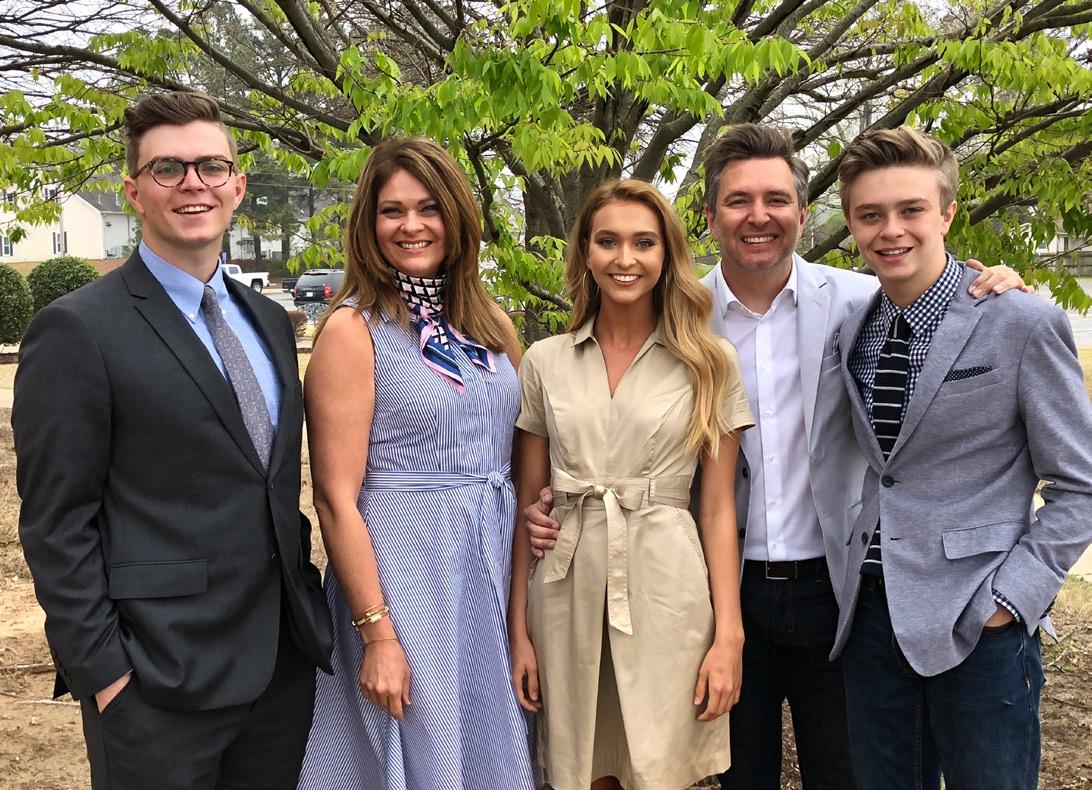
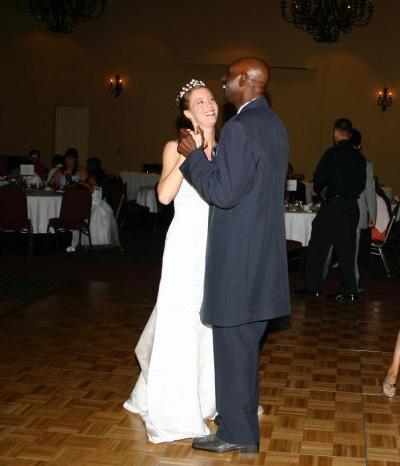
This story introduces you to Jeannie and Carter Randall’s son-in-law JT Thomas and includes wedding pictures from his marriage to their daughter Mollie. I wanted to present to you a man the Lord is anointing to help lead a movement that gets to the spiritual roots of the race problems that exist in our country. You’ll see what I mean in the following article which JT wrote to honor Drs. Billy Graham and Martin Luther King, Jr. You’ll also hear more about JT in our Part 2 Fall/Winter edition of The Journey












by Jonathan Tremaine “JT” Thomas
(See Intro to Jonathan Tremaine Thomas on page 34)
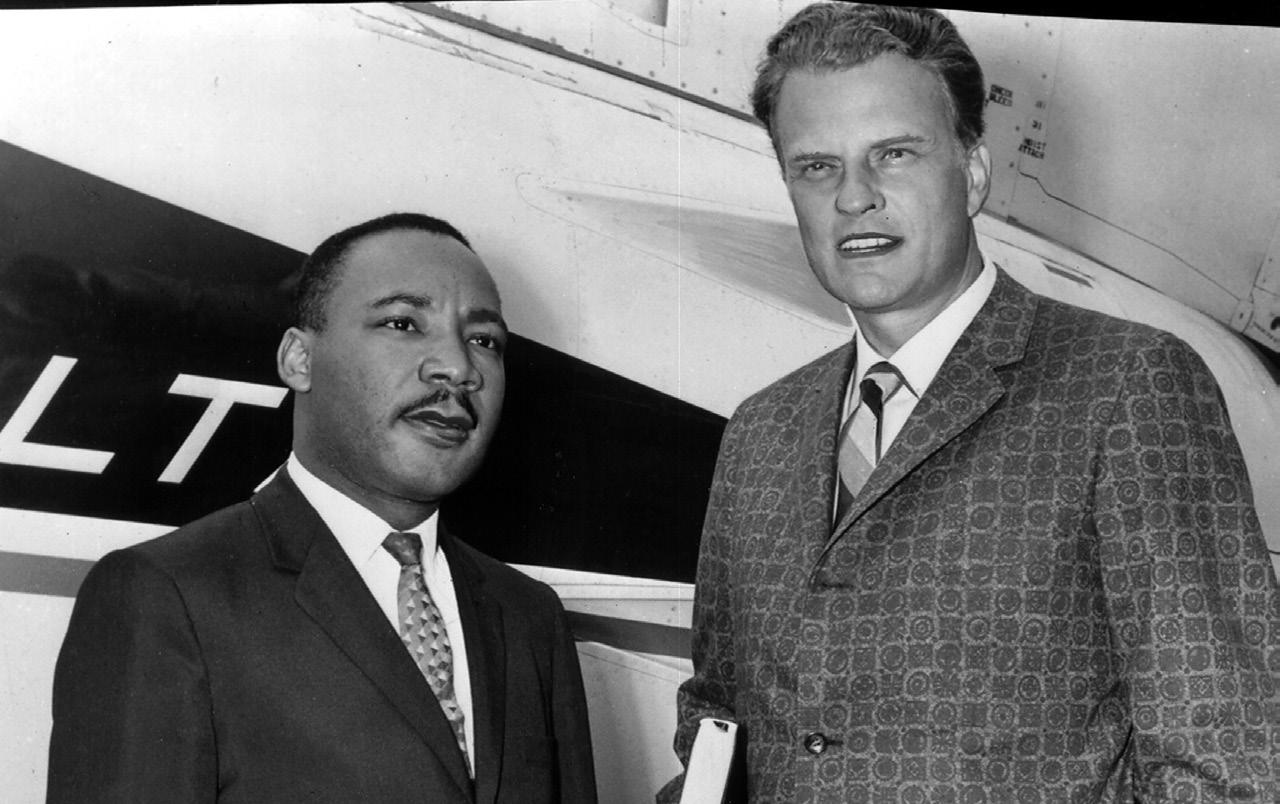
I personally feel deeply connected to Billy Graham because I was born and raised in Western North Carolina less than 50 miles away from Billy Graham’s home. Growing up as a Christian in that region, it was impossible not to be impacted by the footprint of Rev. Graham’s life and ministry.
As the world reflects on the life and the legacy of perhaps one of the greatest mouthpieces for the Kingdom of Heaven on this side of the book of Acts, one area of criticism from some is his relationship with Dr. Martin Luther King and the Civil Rights Movement. Some paint Dr. Graham as the picture of historic duplicity and hold him responsible for the evangelical disconnect between moral standards and social standards due to his perceived lack of direct engagement in the pursuit of racial justice. There are a few commentaries pointing to the tensions that he endured between his calling to preach the Gospel of Salvation, his extensive platform with the common man as well as the social and political elite, and his lack of direct engagement with the Civil Rights leaders on the streets.
Dr. King’s was JUSTICE. These messages were not opposed to one another. When we understand and recognize how God deals with nations, we can appreciate, celebrate, and imitate the unique approaches that these leaders took in addressing man’s inhumanity to man.
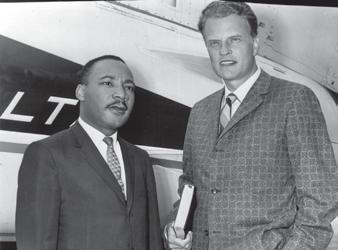
Dr. Graham was 11 years older than Dr. King, therefore they were not necessarily contemporaries. Dr. Graham came to international prominence as a preacher of righteousness, calling the nations to see the wickedness of their hearts as the very root of all of society’s problems. Dr. Graham’s conviction and the core of his message was that the best way to deal with societal injustice was to deal with the root of racism, man’s sinful spiritual condition.
“Christianity is not a white man’s religion. Don’t let anyone tell you that it’s white or black. CHRIST BELONGS TO ALL PEOPLE”
- Billy Graham
In every generation, God raises up vessels with specific messages that do not waver through the changing cultural tides of social upheaval. In order to advance humanity’s understanding of the divine nature, these messages, when reflected upon comprehensively, each carry overwhelming themes. Dr.Graham’s was
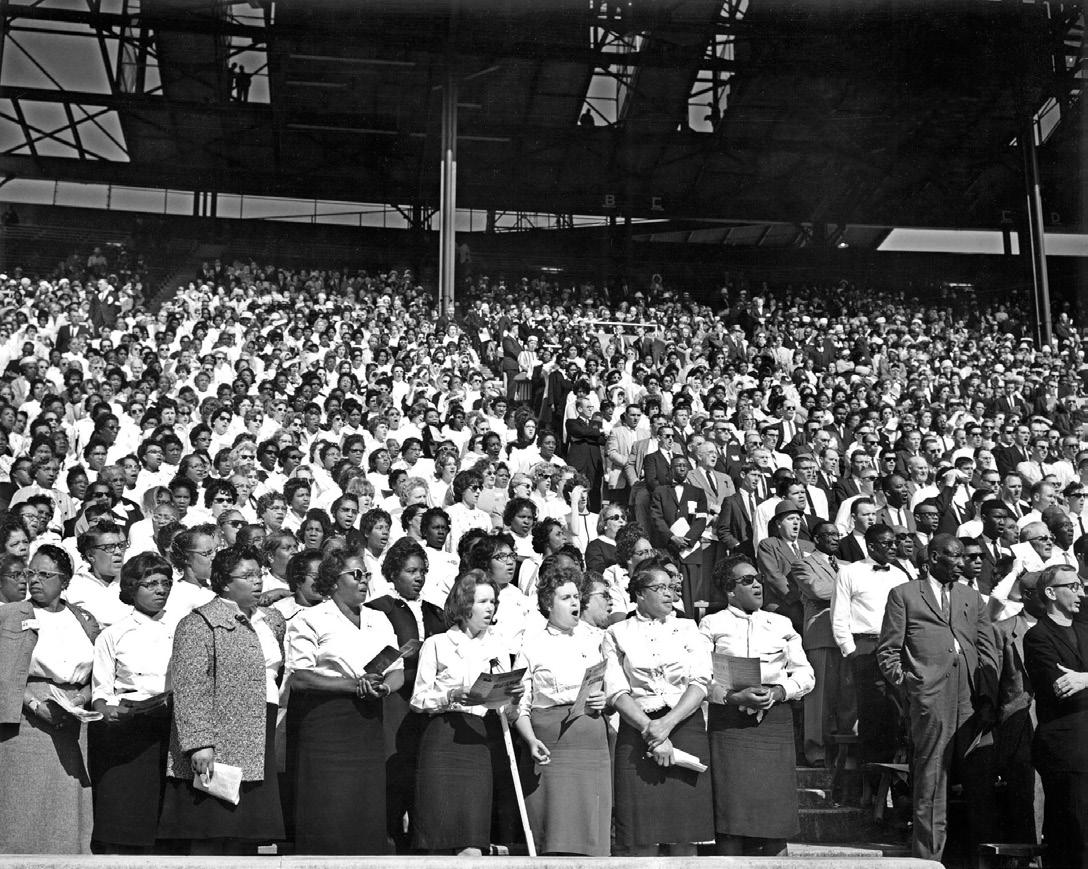
When Dr. Graham first rose to public prominence, Dr. King was an unknown but intense young man being prepared for his upcoming journey as a pursuer of justice. He came to international prominence as a preacher of justice, calling America and the Church to see that black people are bearers of the image of God. He preached that our moral righteousness should be reflected in the way the laws of the land acknowledge, defend, protect, and empower the dignity of humanity, particularly the black man. Christian piety should reflect the justice of God’s heart for all people.
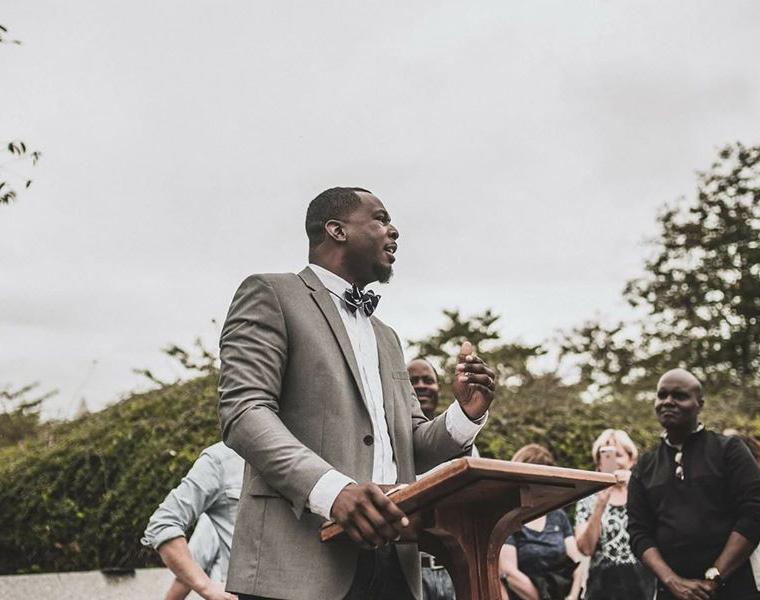
Whether Graham and King formally partnered or not, Jesus partnered with them as an act of mercy for our nation and to save us from ourselves. He raised them up as prophetic mouthpieces, two anointed witnesses, representing two pillars that are the foundation of His throne and the substance of the type of governance that He brings: governance with righteousness and justice.
Today, as Dr.Graham joins the great cloud of heavenly witnesses, we honor him as one of the great prophets in our nation’s history. However, let us not go another 50 years building the tombs of the prophets like we have done for the last half century in regards to Dr. King. God says in Isaiah 28:17 that He “will make Justice the measure and Righteousness the level”. We need a new thrusting forth of the Gospel of Salvation in America on every street named MLK Blvd and beyond. We need passionate messengers to declare and release the transforming power of life we have in Jesus Christ with the same zeal and passion as Billy Graham in every arena of our culture, calling the young and old and rich and poor to be washed in the cleansing stream that flows from Calvary, the place where all men and women are equalized.
to feel a little better about ourselves when we discover and expose human weakness in those who are widely perceived as great.
Our social media culture today is one that is fueled by criticism and judgmental commentary, a cesspool of self-inflation, self-promotion, and high opinion. I’m so grateful that Dr. King and now Dr. Graham both stand before the judgment seat of God and not the judgment seat of man. Their lives and deeds are being weighed upon the balanced, merciful scales of His instrumentation and not the merciless waverings of human understanding. I’m so thankful for the pattern that they have set for us to be imitators not just of them, but Christ within them, which is our hope!
“Had it not been for the ministry of my good friend, Dr. Billy Graham, my work in the civil rights movement would not have been as successful as it has been.”
-
What’s encouraging about both of these men, is that they were flawed. It’s encouraging because the average person, in their core, possesses some measure of self awareness when it comes to their own shortcomings. As a result, it’s within our nature
So, in this unique moment of American history, the baton of the pursuit of equity in all of its cultural expressions and applications has been passed, not from a father to a son, but from The Father to a generation of sons and daughters who will bear the message of righteousness and justice equally. The question is, Will we take this baton? Will we take our place?
This message was taken from a transcript of a podcast by JT Thomas that you can watch at www.manumission.org, the website home of Civil Righteousness, Inc., a network of leaders committed to pursuing restorative justice through spiritual wholeness and moral excellence according to the Biblical pattern. Learn more at www.manumission.org.













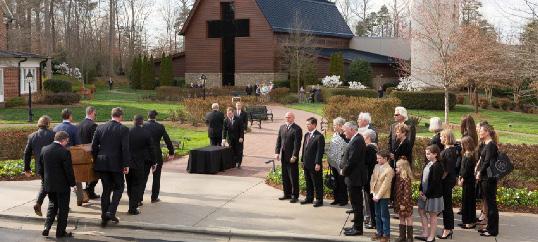
Last year as I prayed about who to feature in my 10-year anniversary edition of The Journey magazine, the Holy Spirit led me to devote both of my 2017 editions to honoring the life and legacy of Billy and Ruth Graham. My goal was to do this before Dr. Graham went to heaven because I knew there would be no shortage of local, national, and international media attention given to him and the Graham family after his death.
My research for these editions began with a long, personal interview with Will Graham at his office in Black Mountain, NC at the Billy Graham Conference Center known as The Cove. Will, who is Billy’s grandson and Franklin Graham’s firstborn son, is following in his dad’s and granddad’s footsteps of preaching the gospel to national and international audiences throughout the year. Little did I know what a powerful impact the research I did and stories I heard would have on me personally!
We completed and published our Part 2 edition in November of 2017 with the iconic 50-year wedding anniversary picture of Billy and Ruth on the cover of the magazine. Three months later on February 21, 2018 the world learned of Billy’s death. When I first heard
the news myself, I fondly remembered this direct quote from Dr. Graham that I had discovered in my research: “Someday you will read or hear that Billy Graham is dead. Don’t you believe a word of it! I shall be more alive than I am now. I will just have changed my address. I will have gone into the presence of God.”
With those words to set the stage, I am honored to present this pictorial timeline from the Billy Graham Evangelistic Association’s coverage of the events that took place from the time of Dr. Graham’s graduation to glory on February 21, 2018 until his body was laid to rest on March 2, 2018.
On Saturday, February 24th, three days after Billy died, his hearse and a 10-car motorcade left the Billy Graham Training Center at The Cove in Asheville, NC bound for the Billy Graham Library 130 miles away in Charlotte, NC. This pictorial homage puts a period on our special coverage of the Graham family legacy. May Dr. Graham’s exemplary life of the passion and purpose that can be found through faith in Christ, motivate us all to open our hearts to Christ’s love on a deeper level.

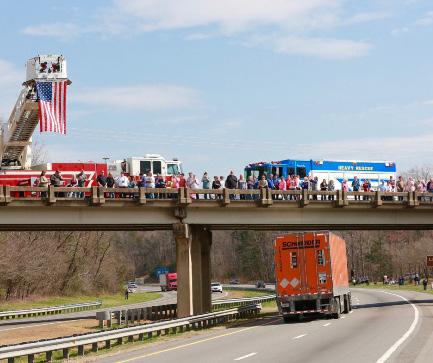
Three days after Billy died, his hearse and a 10 car motorcade set out from the Billy Graham Training Center at The Cove in Asheville, NC. The motorcade was bound for The Billy Graham Library, 130 miles away in Charlotte, NC. Along the route, thousands of people lined the roads to honor one of the most influential Christian leaders in the history of the world.
February 24, 2018
Many people stood at attention alongside the emergency responders. With lights flashing and flags billowing, it was a spontaneous outpouring of love that was extremely moving to all who were there.
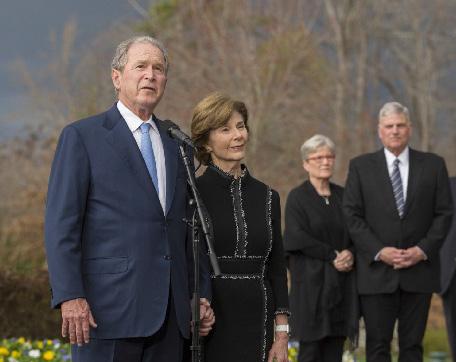
February 26, 2018
President George W. Bush and Laura Bush came to honor Graham and to meet privately with Franklin and Jane Graham.
Following the motorcade, Graham’s body laid in repose at the Graham Family Homeplace on the grounds of the Billy Graham Library in Charlotte, NC. For two days more than 13,000 people came to pay their last respects.
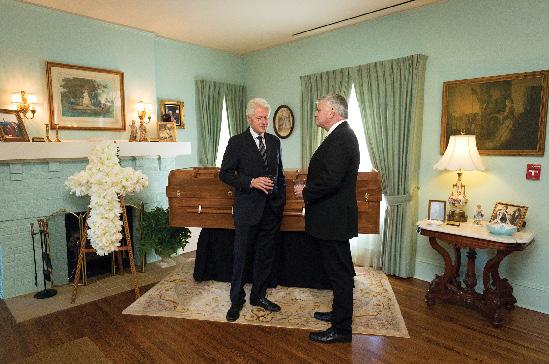
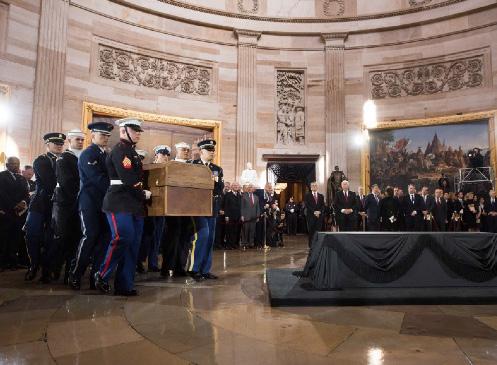
February 28, 2018
By congressional edict, Billy Graham became only the fourth private citizen to lie in honor inside the U.S. Capital Rotunda, joining civil rights pioneer Rosa Parks and two Capital police officers who gave their lives defending their post.
President Bill Clinton reminisces with Franklin about his relationship with Billy Graham. February 27, 2018
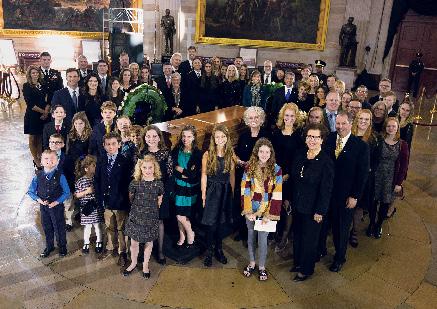
February 28, 2018
Billy Graham’s extended family gathers around the casket at the U.S. Capital Rotunda.
March 2, 2018
U.S. Army Maj. Edward Graham salutes the Commander-in-chief before the funeral ceremony.
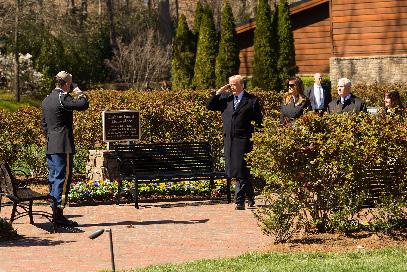
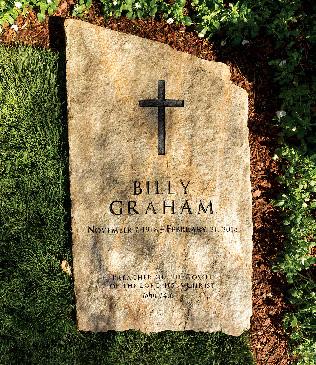
Billy Graham’s grave marker presents the Gospel one final time.
John 14:6, “Jesus answered, ‘I am the way and the truth and the life. No one comes to the Father except through me.
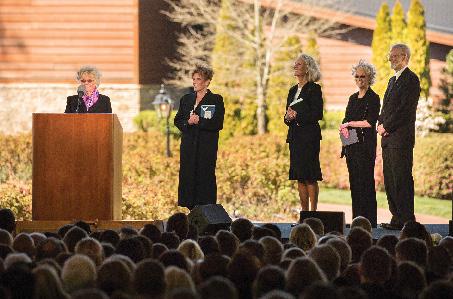
March 2, 2018
Billy Graham’s last surviving sibling, Jean Ford, and his children Gigi Graham, Anne Graham Lotz, Ruth Graham and Ned Graham, brought poignant words of remembrance.









The
Beverly
Blinds
Blue
Church

Diane Cornett-Deal for Clerk
Dougnet
Dr. Pepper
Flooring Outlet
Full Circle Wealth Management
Goodman & Boston, CPA
Guardian Insurance
H&W Oil Company
Hampton’s Body Shop & Wrecker Service
Hardee’s
High Country 365 Dining Pass
Highland Landscape Supplies
Hope Pregnancy Resource Center
J & B Auto Repair
Jeff’s Plumbing
Jefferson Rent-All
Kenneth T Parsons Construction
Kim Furches Family Therapy
Legacy Pre-Finishing, Inc
Libby’s
Life Care Center - Banner Elk
Lifestore
Linville Caverns
The Log House Uptown
Mastercraft Log & Custom Homes
McKenzie Dry Cleaners
Melanie’s Food Fantasy

Modern Ford of Boone
Morris Hatton Ministries
Mount Vernon Baptist Church
Mountain Town Dental
Mountain View Nursery
Mountaineer Landscaping
Mystery Hill
New River Building Supply
Parker Tie Co.
Perry’s Gold Mine
Pollard Glass Co.
Precision Cabinets, Inc.
Precision Printing
Ray Russell
Samaritan’s Purse
Scott Brothers
Skyline/Skybest
Smoky Mountain Barbecue
Steve Johnson Auto World
Stick Boy Bread Company
United Muffler
Wall to Wall Construction
Watauga Building Supply
Watsonatta Western World
Wilkes Vocational Service



Prescriptions and medications can be dropped off at the following locations by using the permanent medication disposal drop box at the hours listed for each location.
Watauga County Sheriff’s Office
184 Hodges Gap Road
Boone, NC 28607
Phone: (828) 264-3761
Hours: Monday-Friday 8am-5pm
Blowing Rock Police Department 143 Park Avenue
Blowing Rock, NC 28605
Phone: (828) 295-5210
Hours: Monday-Friday 8am-5pm
Boone Police Department
1500 Blowing Rock Road
Boone, NC 28607
Phone: (828) 268-6900
Hours: Monday-Friday 8am-5pm
Appalachian State University Police 461 Rivers Street
Boone, NC 28608
Phone: (828) 262-2150
Hours: 24 hours a day, 7 days a week
Prescriptions, Cold & Flu Medications, Pain Relievers, Cough Syrups, Topical Ointments, Vitamins, Pet Medications and other medications




To learn more about Prescription Drug Abuse & Overdose Prevention, visit www.SaveALifeNC.com.