JONATHAN TREMAINE THOMAS
A life dedicated to finding a Godly response to a nation plagued by division and hate












THE STORY BEHIND THIRD DAY MARKET
Glorifying God Through Gardening and Community in Ashe County
By Nikki Roberti
FROM WAR TO WAITING ROOM
How Dr. Paul Dagher’s war-torn childhood led him to a life as a surgeon, healing in Jesus’ name
By Yogi Collins
CAN I TOUCH YOUR HAIR?
Why I Moved to Ferguson, Missouri
By JT Thomas
THE OTHER SIDE OF GOD
A look at love and wrath amid a wicked world
By Amanda Opelt
A JOURNEY TO COMFORT AND JOY
How District Judge Rebecca Eggers-Gryder Copes with Death of Son
By Yogi Collins
This magazine is intended to present people’s stories about their personal relationships with God from their point of view. We endeavor to have a diversity of perspectives from people who identify themselves as followers of Christ. However, we cannot personally endorse all that is said, nor can we be held responsible for the total veracity of every story. What we can endorse is that people who share their testimonies have experienced God’s love in real ways, and our encouragement for you, is that you also can experience His love wherever your journey takes you.
Cover Photo: Jonathan Tremaine (JT) Thomas speaking in front of the Martin Luther King Jr. memorial in Washington D.C. during an Awaken The Dawn memorial event. Photo Courtesy of Raechel Curtis. Used with Permission. All rights reserved.

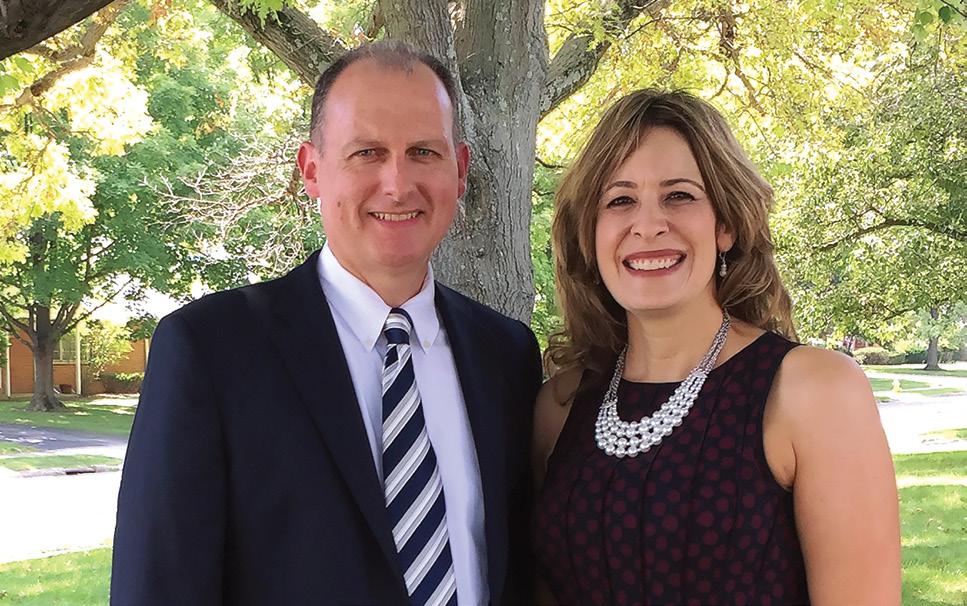



































Before writing this introduction, I’d opened the Winston Salem Journal in hopes of relaxing. But that’s impossible to do when reading about our polarized politics and the increasing chaos rampant in our nation.
News of two heinous crimes weighed on me as I began to write. I read about the man who mailed more than a dozen pipe bombs to high-profile Democrats and the gunman near Louisville, Kentucky who killed a 69-year-old man and 67-year-old woman because he didn’t like the color of their skin.
A UNITED CHURCH FOR A DIVIDED CULTURE FROM THE
Ben Cox
And then, at 2:08 PM that afternoon on October 27, I got a group email from Rev. Cindy Banks, who leads an interfaith group here in Boone. She was alerting local church leaders of the deadly attack that killed 11 people at The Tree of Life synagogue in Pittsburgh. Her email was followed immediately by our local rabbi’s raw and vulnerable reaction to this news.
All three of the men who committed these horrific atrocities have common characteristics. They’re all filled with rage, anger and hatred, and they all live in a nation where kindness, civility and being able to reason through our differences has become nearly impossible.
So what are followers of Christ supposed to do in light of the turmoil in our nation? We MUST HUMBLE OURSELVES AND PRAY so we
can follow the leading of the Holy Spirit to do everything we can to “overcome evil with good” (Romans 12:21).
Christian leaders in Boone did that by reaching out to our Jewish friends, to “mourn with those who mourn” (Romans 12:15). A candlelight prayer vigil arranged with the Temple of the High Country’s Rabbi, Stephen Roberts, and local pastors started on the steps of the First Baptist Church tat 5:30 PM on Monday, October 29. It ended at the Temple of the High Country after a 30-minute silent walk down King Street. A banner carried at the head of the procession read: “WE SAY NO TO HATE AND YES TO LOVE. LOVE GOD. LOVE YOUR NEIGHBOR.”
Rev. Cindy Banks, who spearheaded this event with the Rabbi, opened the vigil saying, “We gather to mourn and to denounce anti-Semitism, racism, and hate of ‘the other…...We come together in the strongest way possible to say NO to hate in all its forms and YES to love. We come lending our bodies and our presence in this witness. We come to ground ourselves in the LOVE THAT SURPASSES UNDERSTANDING, and to extend that LOVE to our NEIGHBOR. We come to pray. We come to remember. We come to reflect. We come to sing. We do not come to protest this night. We come to witness.”
In Rev. Banks’ original email, she challenged us to discern how to address these events to our own specific congregations, to find our voices and use them.
Unlike many who she was addressing, I’m not currently leading a congregation, but one way I find my voice is by helping followers of Christ share theirs.
I’m deeply grateful for the opportunities to get to know and love so many different people in this region through the marketing business I bought 12 years ago. Many of my clients are sincere, committed followers of Christ who end up telling their stories in the pages of The Journey.
Our stories are geared to demonstrate how the power of God’s love can change a person from the inside out, enabling them to take on the character, nature and disposition of the Lord who saved them. To whatever degree we allow that to happen is what enables us to become a force for good in an evil world.
Rev. 12:11 tells us that another way we overcome evil is “by the blood of the Lamb and by the word of their (our) testimony.” The testimony of a follower of Christ reveals a difference between Christianity and other faiths. That’s because true Christianity was never meant to be about us trying hard to be good enough to please our perfect Creator. What it’s supposed to be about is surrender and receptivity. In

our hearts we raise our hands in surrender and open them and our very souls to receive!! We receive as we place our faith in what Christ did for us when He was crucified for our sins. When we do that, the sin barrier that has kept us at a distance from the only love that can save us is removed.
I believe that the authentic Christian experience has more to do with relational reality than religious traditions. Thus we aim to communicate that in the stories we select. Though the people whose stories we tell are amazingly diverse in the Christian traditions we come from, we’re united around the common belief that God is love and Jesus Christ is God! Therefore, He is the ultimate answer to all that ails our divided culture, our divided churches and our broken world.
The stories we tell here demonstrate God’s divine intervention into people’s lives. We share them with a desire to unite our hearts, prayers and energies together acknowledging that we need Divine intervention to heal our brokenness and the things that divide us. Lord Jesus Christ have mercy on us all!!!


















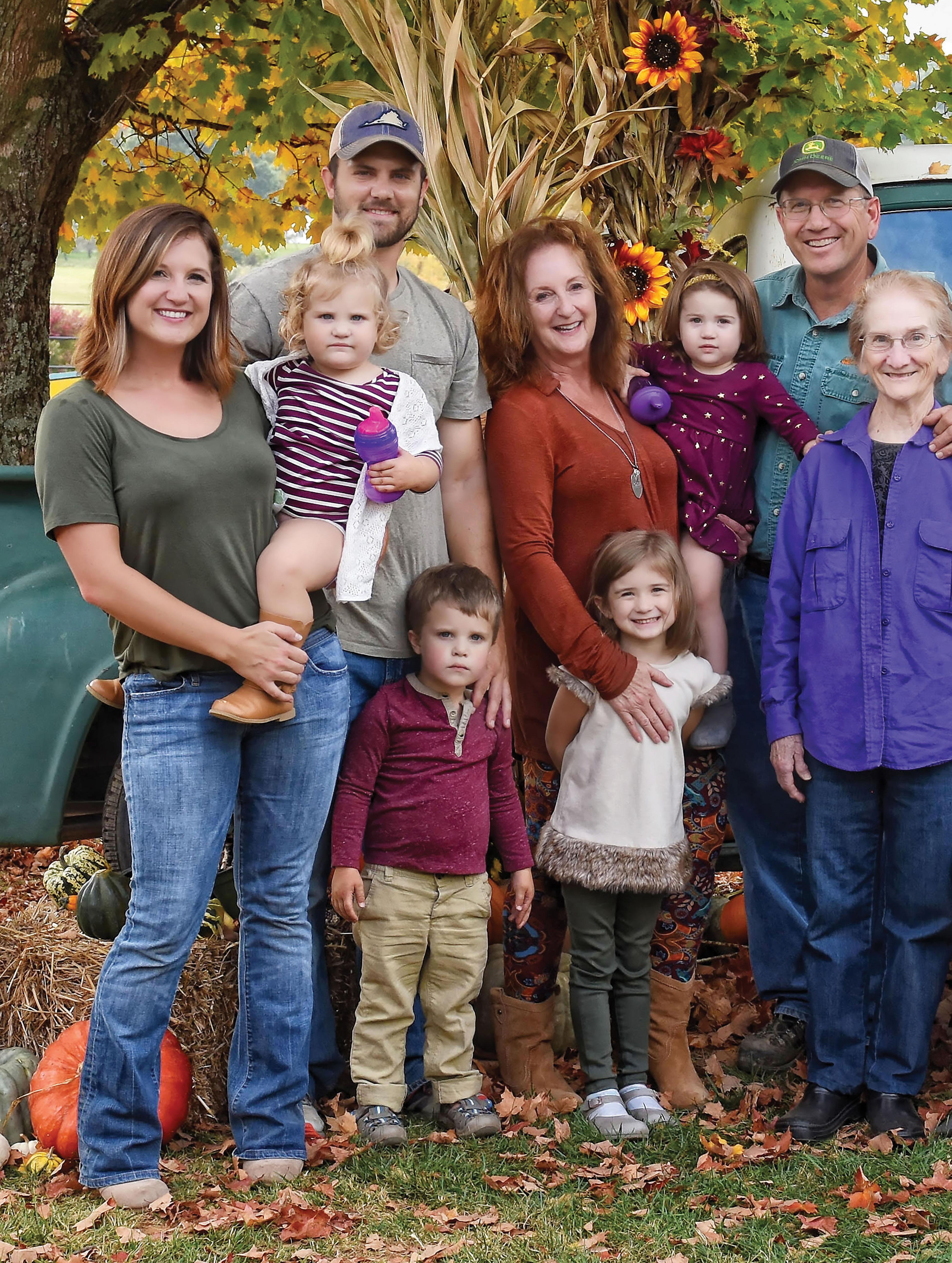
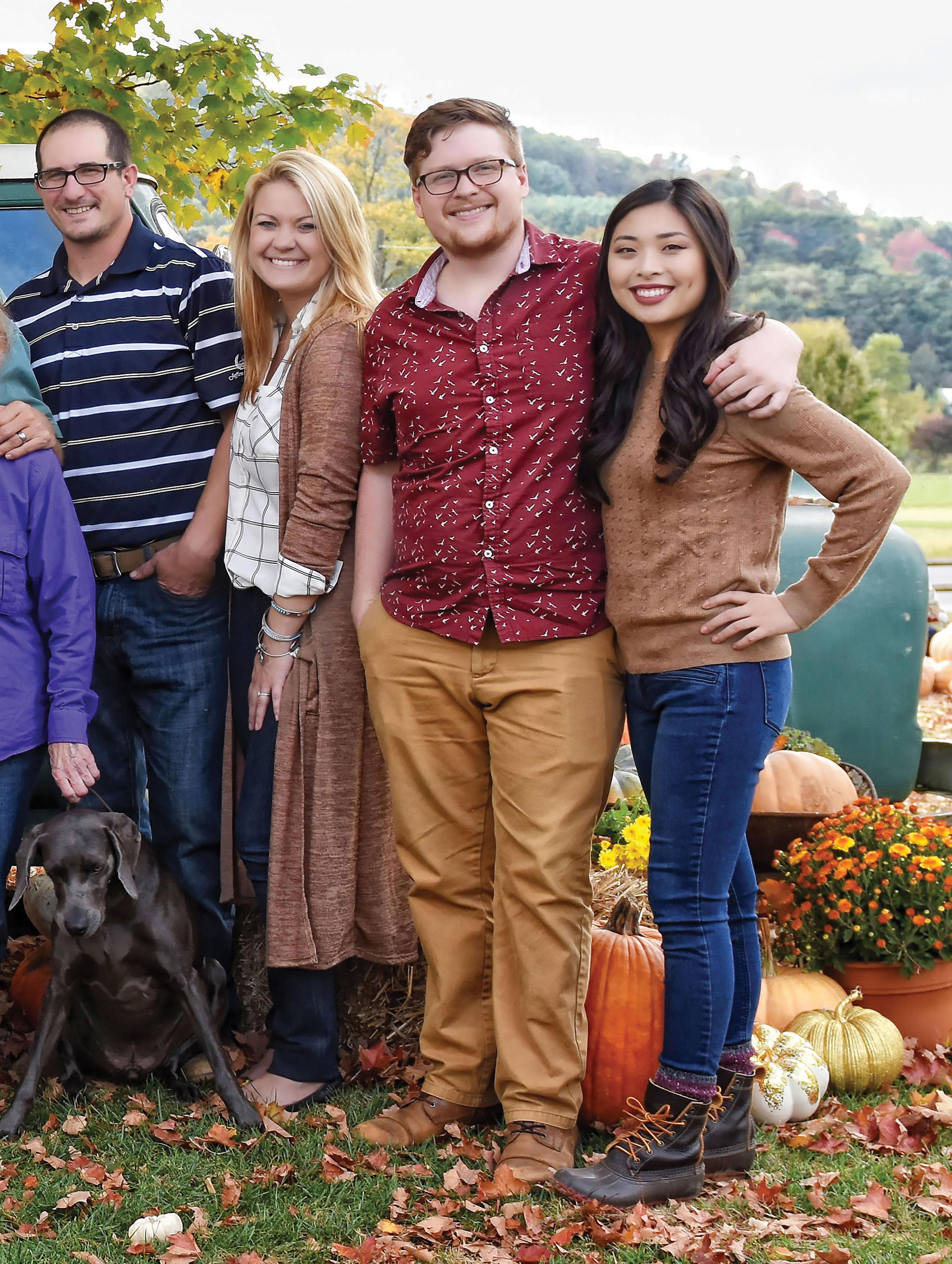
The Smith and Carpenter family from left to right: Kaitlin Carpenter with daughter Landrey on hip, her husband Sid Carpenter behind son Hayes, owner Jennifer Smith with Olivia Kate on hip and Harlow in front, owner Don Smith, Grandma Alice, Josh Smith with wife Amanda, and Keegan Smith with wife Laura.
Photo Credit: Snap by Ang.
THIRD DAY MARKET
By Nikki Roberti
Kaitlin Carpenter doesn’t remember a time when she wasn’t surrounded by acres upon acres of Christmas trees and pumpkins. Born and raised in Grassy Creek, NC to Don and Jennifer Smith, she has memories of helping her dad paint a sign that said “Pumpkins for Sale” when she was around six years old. Little did she know, that sign from her childhood stood in the very spot she and her father would start their current business together decades later.
This past March, Third Day Market opened its doors as the newest up and coming seasonal decor and garden center in Ashe County. It all started as a roadside stand back in 2001 where her family would sell pumpkins and flowers, but there was always the hope it could grow into something more.
“The dream of owning a full garden center was my dad’s at first, but quickly became mine as well as he shared with me more and more what exactly a garden center was,” she said. “My dad, especially, has always been driven by faith, and he’s the one who always reminds me to be patient, that everything happens in God’s time. I’m so thankful to have had that reminder.”
The team at Third Day Market travels the country hand-selecting high quality plants and decor to offer their customers, but the ultimate goal is to bring joy to those who wander into their store.
“We always say ‘we just want everyone to be HAPPY,’” Carpenter said. “Whether that’s buying a new silk arrangement for your Thanksgiving table, spending time with your daughter at a Fairy Garden class, or purchasing plants from our greenhouse-happiness and love is what we strive for.”
For the Smith’s and Carpenters, they wanted Third Day Market to not only be a reflection of themselves, but also their faith. Carpenter grew up in a Christian home and immersed in the culture, but said she didn’t truly come to a personal relationship with Christ until after college and returning to Ashe County. She was 25 years old and nine months pregnant with her and her husband’s second child when she found herself on her knees during an altar call. Two weeks later on February 7, 2016, she gave birth to her daughter, Landrey, and said she’s been sharing the love of God with her ever since.
That was also the year her family bought land for

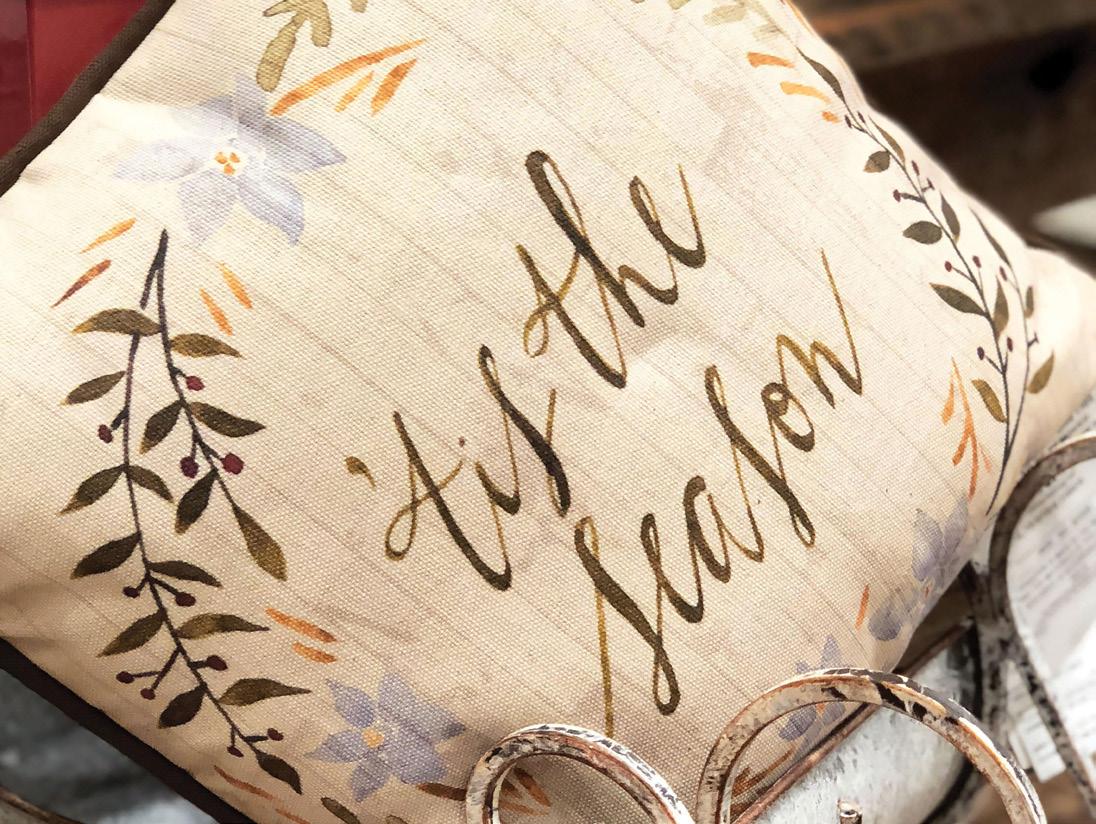
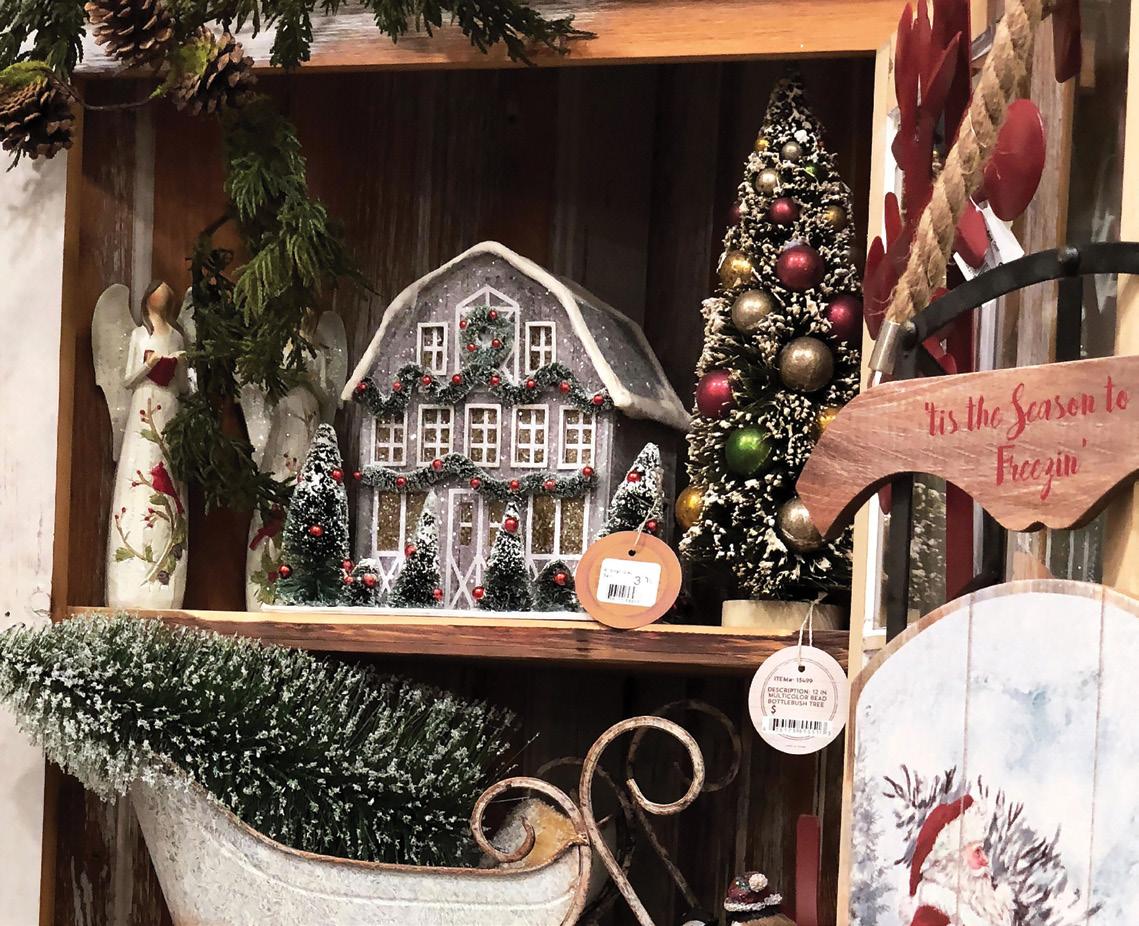
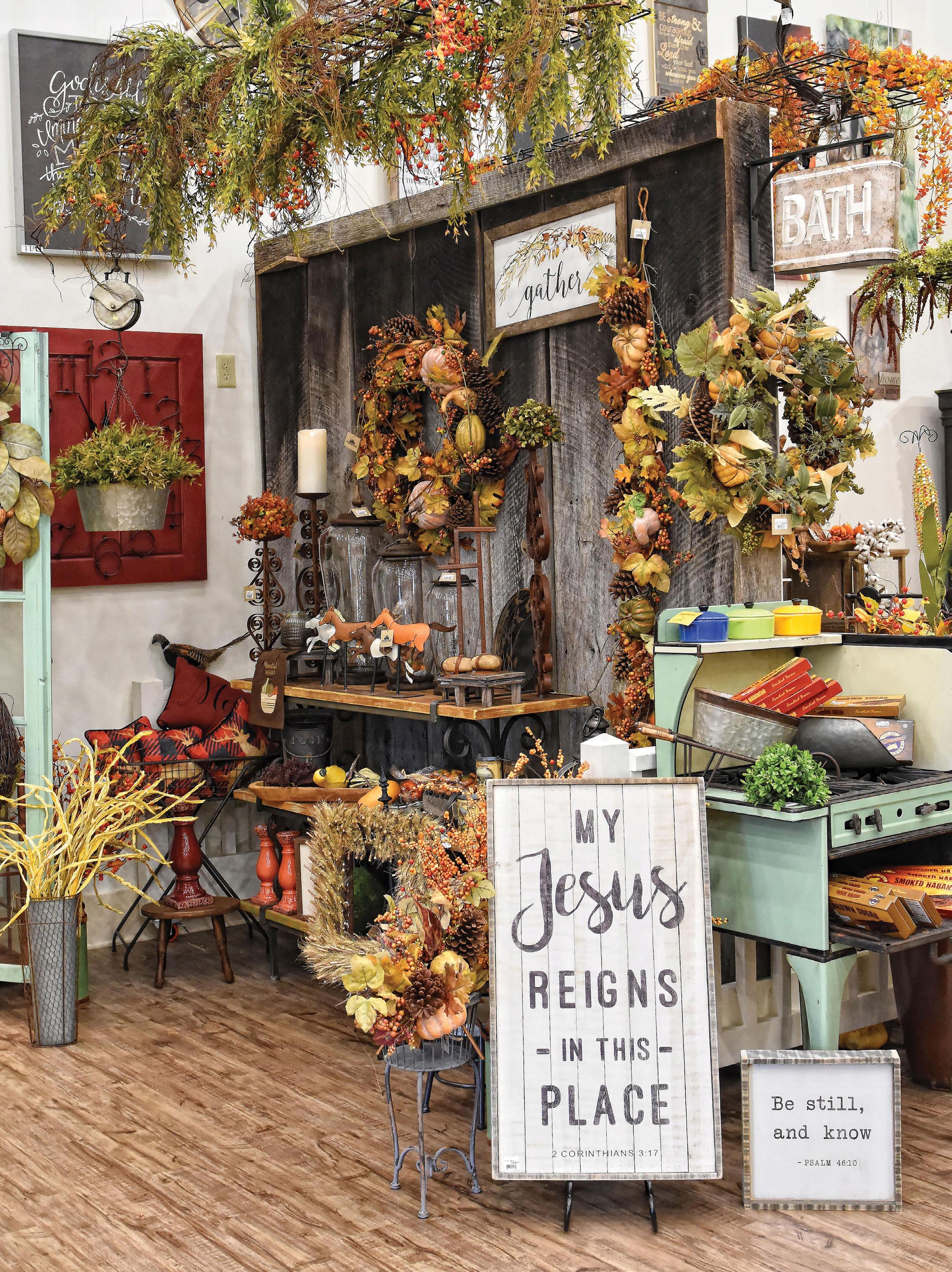
A touch of faith. When starting Third Day Market, Carpenter said it was essential to her family that the store served as an outward expression for their love and appreciation of Christ. Third Day Market sells more than plants. Their associates travel the country hand-selecting unique pieces of seasonal decor.
Photo Credit: Snap by Ang.
what would eventually become Third Day Market.
Seeing as Christ is number one in their own lives, the family put a lot of thought into naming their business to make sure it reflected their personal faith along with their passion for all things that grow. That’s when Genesis 1:13 inspired them:
“And God said, ‘Let the earth bring forth grass, the herb yielding seed, and the fruit tree yielding fruit after his kind, whose seed is in itself, upon the earth:’ and it was so. And the evening and the morning were the third day.”
“It was important for our name to reference God because without Him, none of this would be possible,” Carpenter said. “In our logo, you will find two leaves cradling the sun and opening like a flower pod. This represents nature, new beginnings, hope and growth. This is it – the perfect representation of our family-owned, God fearing, home and garden center!”
Carpenter said her favorite part about living in the Ashe County area is the people. Not only is the community kind and helpful on a personal level, but Third Day Market received an outpouring of support when they opened their doors in March. It’s that appreciation for the local people they’ve always loved that has also driven the Carpenter and Smith family to continually give back.
This past fall, Third Day Market hosted their 7th Annual Pumpkin Celebration for the Ashe County Sharing Center Food Bank and collected more than $500 for the charity. Each year they choose a different local non-profit and give 100 percent of the donations collected. But according to Carpenter, it’s more than just a fundraiser as they provide free activities such as face painting, bounce houses, and train rides as a way to give back to the community that’s always been there for them.
“I hope I can forever use Third Day Market to reach people and let them know they are loved,” Carpenter said. “We spend a lot of time here just talking with customers and learning about their joys and even their current griefs. It’s such a blessing to be able to meet new people every day and share the love of our God.”
Located in Jefferson, NC, Third Day Market is open Monday through Saturday from 9 a.m. to 6 p.m. For more information, visit www.thirddaymarket.com.

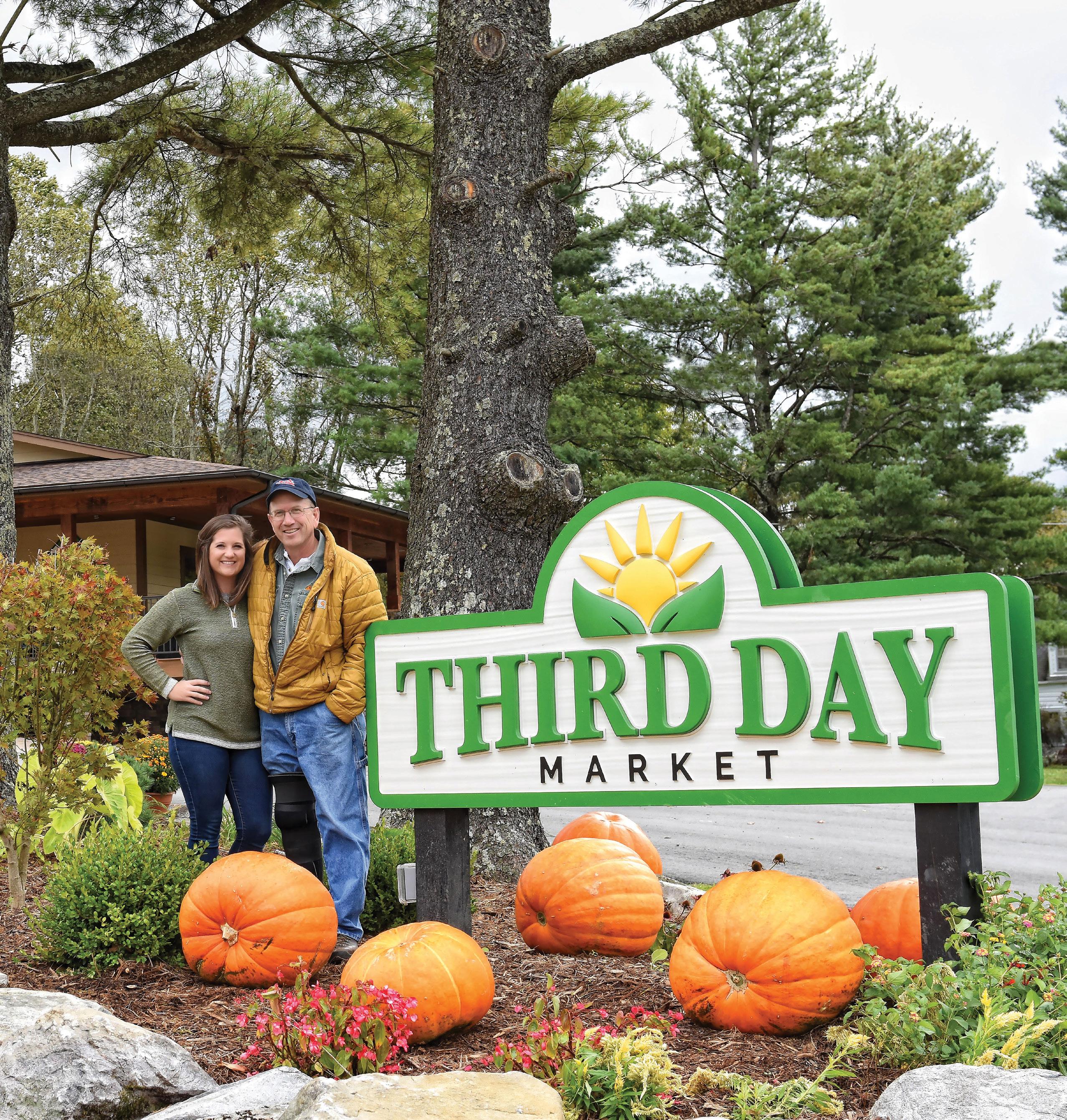
Like father like daughter. Kaitlin Carpenter never thought she’d return to Ashe County after moving to Raleigh in college, but coming home and starting the family business with her dad, Don, has been a dream come true. Photo Credit: Snap by Ang.









FROM WAR TO WAITING ROOM
By Yogi Collins
Two and a half years ago, I was diagnosed with breast cancer. While the news threw me for an emotional loop during an already vulnerable time in my life, I was simultaneously blessed in many ways. The cancer was caught early and was very treatable, I had a supportive family, and I felt confident in my doctors.
One of those doctors—and blessings—was Dr. Paul Dagher, a surgeon at Watauga Surgical Group in Boone and the man who performed my lumpectomy.
It was not lost on me that my surgeon’s name was pronounced “dagger.” What’s in a name? Apparently a lot, and I appreciated the levity (however, I kept that to myself since he’s probably heard that one before). I decided that with a name like that, Dr.
Dagher was meant to be a surgeon.
And there may be some truth to that. A native of Lebanon, a country 1/12 the size of North Carolina, Paul Dagher was eight years old in 1975 when the country’s civil war between Christians and Muslims began.
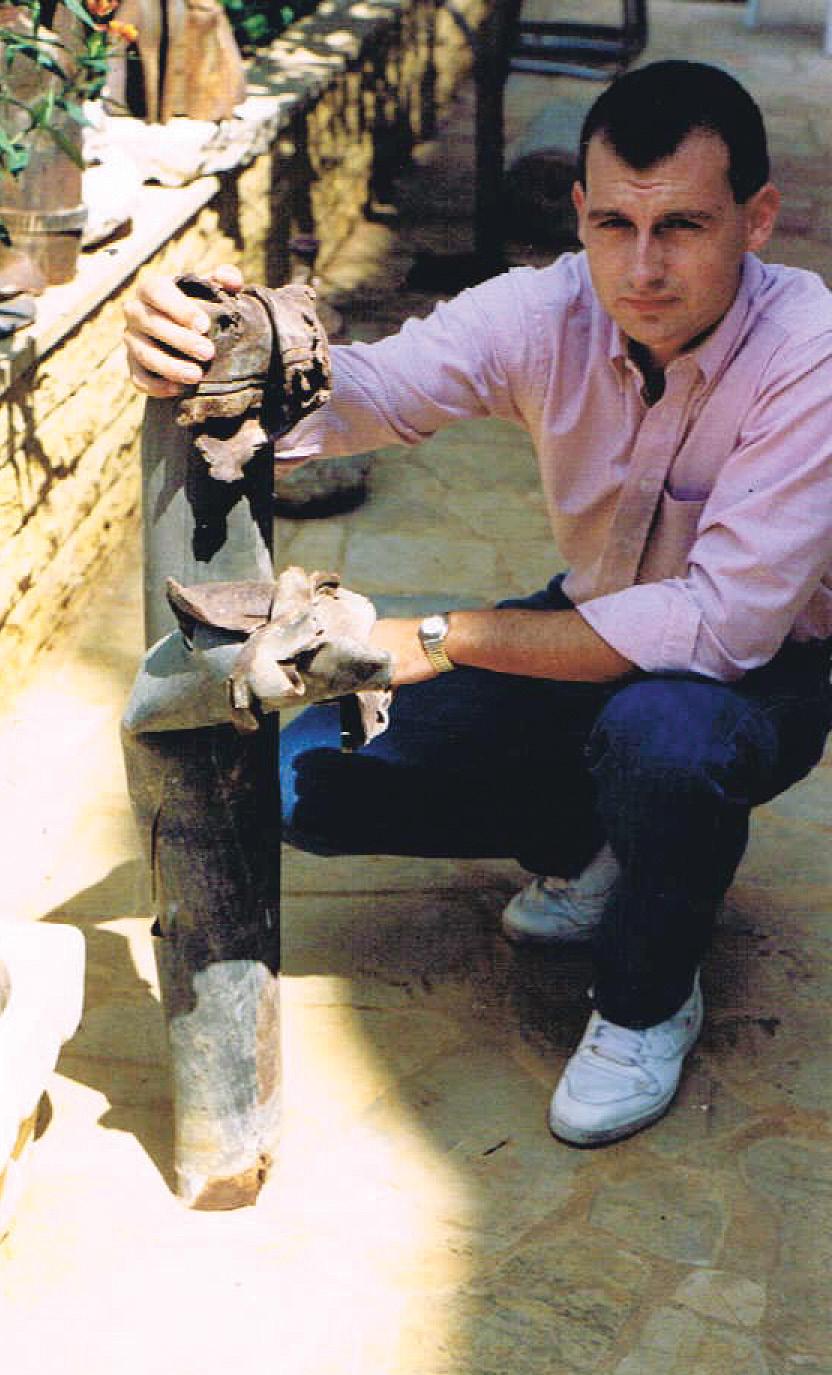
“It was very unusual to grow up in the middle of a war,” Dagher recalls. “I remember the actual fighting and some of the fear that goes along with being hunted down in an apartment building, hearing bullets and rockets fly by and explode, and witnessing dead bodies-- things in war that a young person would usually never be exposed to.”
It’s a level of fear most of us can’t imagine let alone
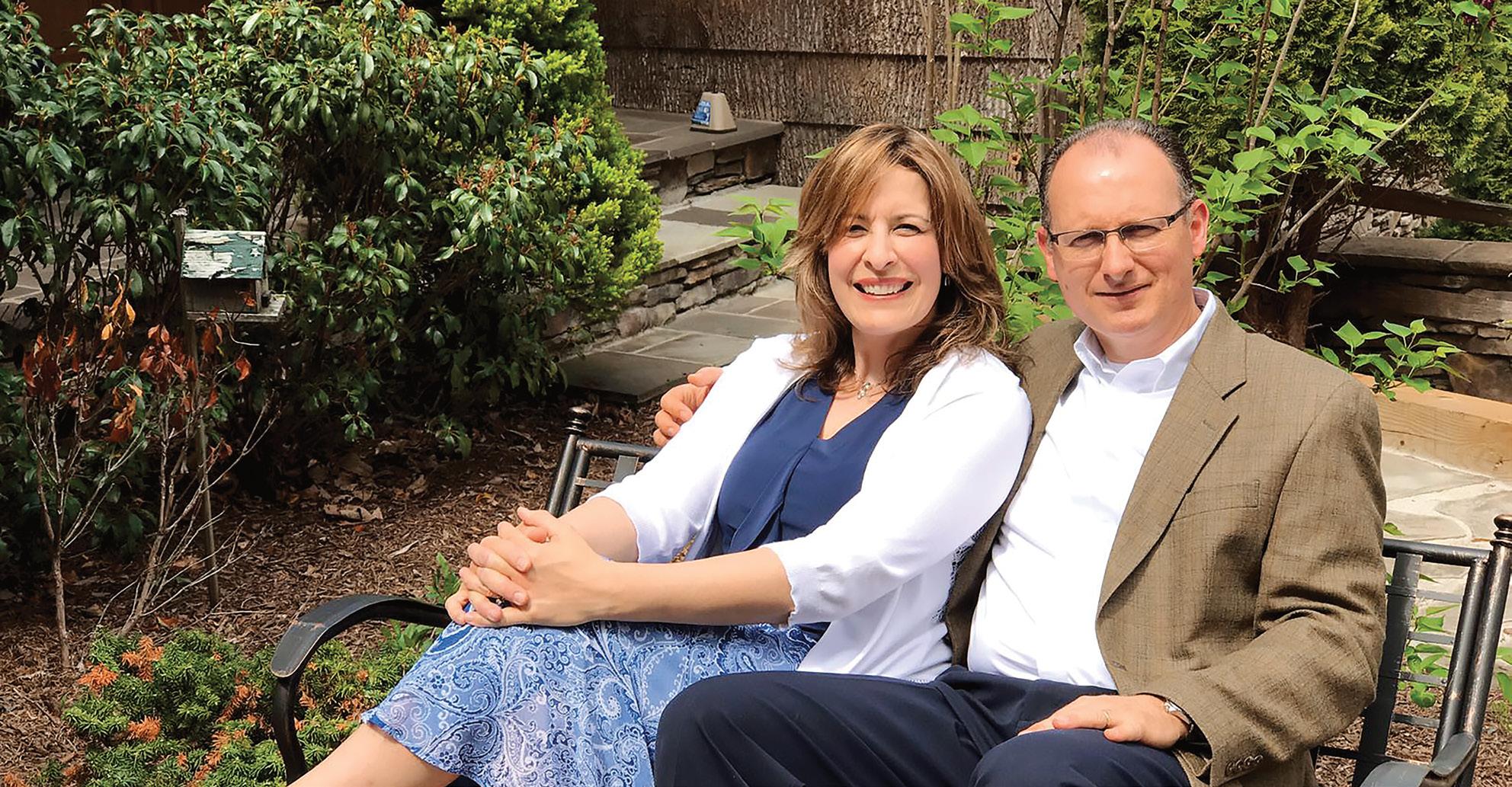
Dr. Paul Dagher with wife Karen.

comprehend, and it forced Dagher and his younger sister to quickly mature and develop acute awareness of their surroundings.
“You just learn instinctively how to respond, how to take cover, how to take care of your family members,” Dagher shares. “I remember sitting in the car waiting for my dad to come down from visiting some people and the rockets started exploding, literally, right next to us. The instinct of a 13-year-old boy to jump into the driver’s seat to go pick up my dad rather than waiting for him to come? Things that, here, you would never dream of doing, but you had to do out of necessity for safety.”
Despite the fear, Dagher recalls the faith his parents displayed and the impact that had on him.
“Growing up in a war situation can break people and tear them down, but it can also cause people to become stronger and to rise above difficulties. In our family, I attribute that strength to the faith that my mom and dad instilled in us as kids. Even though, yes, it was very scary being hunkered down in a tiny hallway in the nighttime when the bombing occurred, [it helped] hearing my mom and dad open up the Scriptures and read to us, especially Psalm 91 where it talks about the Lord being our refuge and our fortress.”
Witnessing the Lord’s protection reinforced to Dagher that God is real and helps us in times of need.
“Depending where you are in life, you experience different attributes of God. If somebody is sick and they are praying and asking for healing and they’re healed, they experience God’s hand of healing,” he said. “If somebody’s not sick, they can’t experience that. For me and my family, we experienced His hand of protection, guidance, and provision. There were multiple times when our lives were literally saved.”
One of those times came after government authorities warned residents to have at least two concrete floors above them during nightly air strikes to protect them from falling rockets. Because Dagher’s family lived on the top floor of a six-floor building, their third floor neighbors invited them to stay with them.
“My folks opened up the Scripture and read one about God’s hand of protection,” Dagher recounts. “My mom and dad decided not to take us down to the third floor that
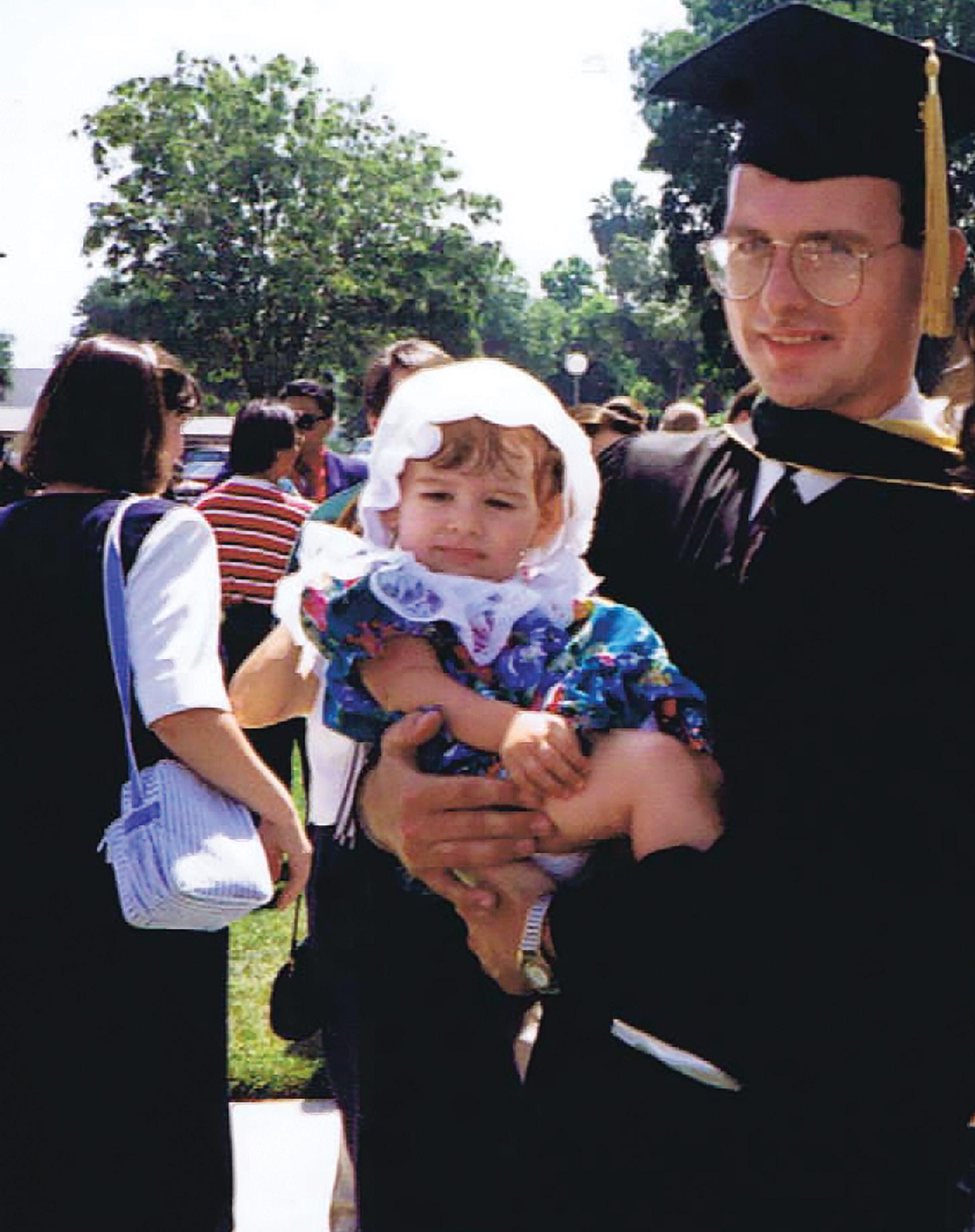
Above: Celebrating together. Paul Dagher holds his daughter Christine beside wife Karen at his medical school graduation from Loma Linda University in 1993.
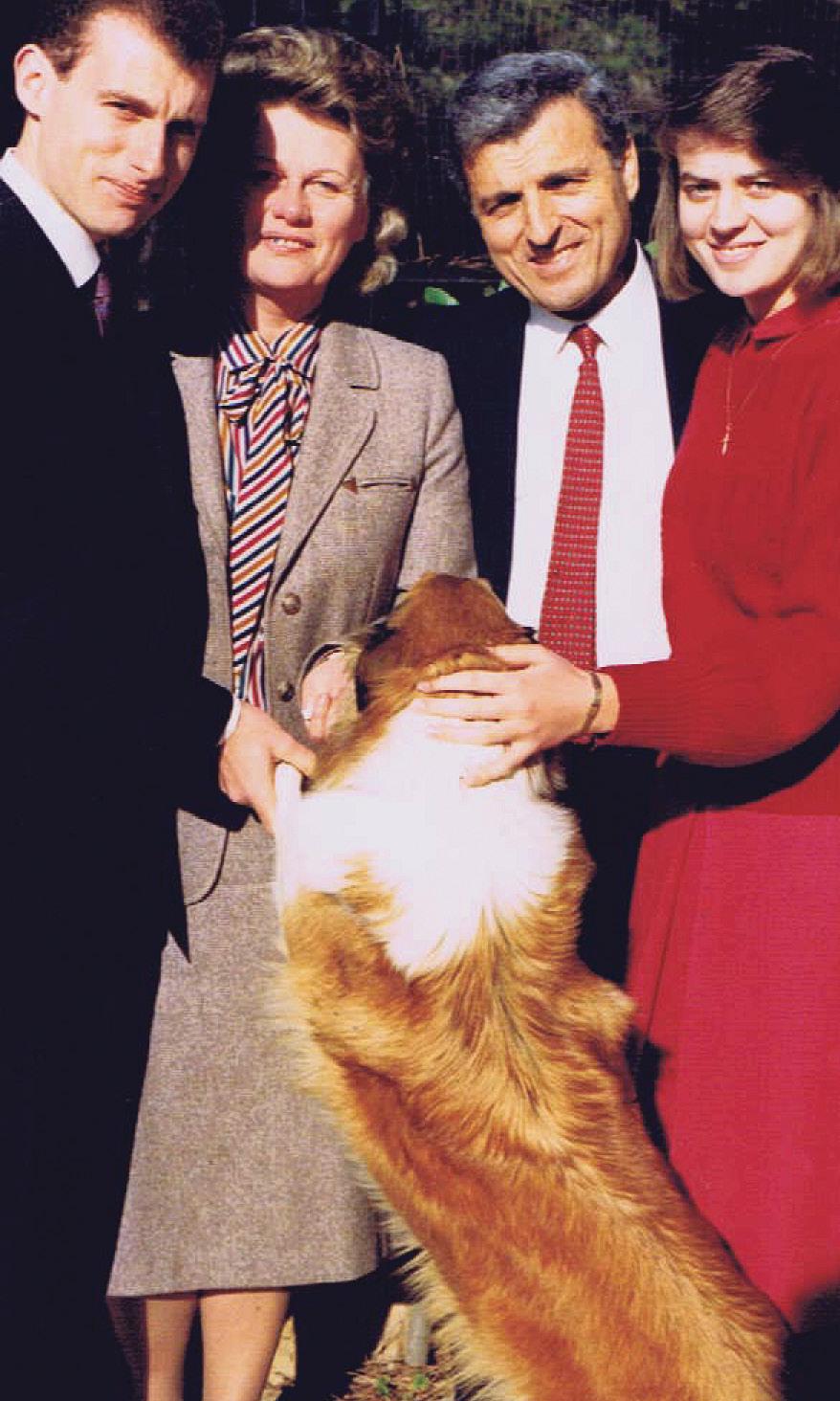
Left: The Dagher family. (From left to right) Paul Dagher stands next to his mother Joy, his father Sami, and sister Ama in Lebanon during the winter of 1988.
evening and the next morning our neighbors from the third floor ran up and said an antiaircraft bullet had come through the window of their guest bedroom during the night and landed in the middle of one of the beds and burned it. That’s just one little example of how God directed my parents through having peace from reading that scripture and it saved one of us from death.”
While Dagher’s strong faith is one of the positives to come from the war, I’d argue that his becoming a surgeon and eventually landing in Boone is one as well.
“My decision to go into medicine was a little bit influenced by the war and by sometimes seeing people who were injured and had to have surgery, but I was also interested in potentially being a pilot and potentially doing computer stuff,” Dagher acknowledges. “Those were my three areas of interest as a kid, but I finally realized that I’d prefer working with people rather than machines.”
Because he was English-educated, Dagher’s only option for attending university in Lebanon was at the American University of Beirut. The war, however, made it too dangerous for a Christian student like Dagher to go there. “Beirut was divided at the time into East Beirut and West Beirut,” he explains. “East Beirut was the Christian side and West Beirut, where the university was the Muslim side. It was the middle of the war and a time when people were going onto the campus and kidnapping the Christian students, so I either had to change my career choice, go to England since my mom is British, or come to the States.”
Not a stranger to war. Paul Dagher kneels next to an exploded rocket shell in Lebanon during 1988. Witnessing the Lord’s protection over his family during his war-torn childhood reinforced to Dagher that God is real, establishing a firm foundation in his faith to support him for years to come.
Dagher chose the States and attended Wheaton College in Illinois followed by medical school at Loma Linda University. After his residency, Dagher moved to Boone to work at Watauga Surgical Group, a connection made via his college roommate Ben Furman, son of Dr. Richard Furman, one of the founders of World Medical Mission, the medical arm of Samaritan’s Purse with which Dagher now serves, sharing his surgical talents in hopes of showing God’s love to hurting people.
“The Lord has blessed everyone with talents,” he attests, “and I have a skill set that I realize can benefit other people. There’s definitely a need overseas. In many places, there’s just one surgeon and a family doctor who may have worked for a whole year without any time off. Going there allows [a doctor] to take some time off with their family, and, most importantly, helps people who don’t have access to healthcare and shows them the Lord’s love and care. Anybody can do good works, but the difference is when we do good works in Jesus’ name. We want to let people know that we care for them and that Jesus cares for them.”


Thank you for caring for women and men with unplanned pregnancies. We appreciate your partnership in empowering women with unplanned pregnancies to thrive.

- The Staff of Hope PRC
CHOOSE HOPE .ORG





Pastor Morris Hatton of Morris Hatton Ministries & High Country Bible Fellowship invites you to consider this 21-Day Challenge
Read aloud twice a day for 21 days; once in the morning and the last thing at night before sleep. If you miss a day, START OVER. This will change your life. Don’t try to “make anything happen,” JUST READ! The word of God has the power to bring itself to pass.
1 Corinthians 13:4-8 (AMPC)
Love Endures long and is patient and kind; love never is envious nor boils over with jealousy, is not boastful or vainglorious, does not display Itself haughtily. It is not conceited (arrogant and inflated with pride); It is not rude (unmannerly) and does not act unbecomingly. Love (God’s Love in us) does not insist on its own rights or its own way, for it is not self-seeking; it is not touchy or fretful or resentful; it takes no account of the evil done to it [it pays no attention to a suffered wrong]. It does not rejoice at injustice and unrighteousness, but rejoices when right and truth prevail. Love bears up under anything and everything that comes, is ever ready to believe the best of every person, its hopes are fade-less under all circumstances, and it endures everything [without weakening]. Love never fails [never fade out or becomes obsolete or comes to an end]. As for prophecy (the gift of interpreting the divine will and purpose), it will be fulfilled and pass away; as for tongues, they will be destroyed and cease; as for knowledge. It will pass away [it will lose its value and be superseded by truth].
1 Corinthians 13:13 and so faith, hope, love abide... of these three; but the greatest of these is love.*
Scripture taken from the Amplified Bible, Copyright © 1954, 1958, 1962, 1964, 1965, 1987 by The Lockerman Foundation. Used by permission of Zondervan.
*Agape - Unconditional Love
Hatton, a native of Boone, NC, has been preaching the Word since 1974; after attending The Mennonite Brethren Seminary in Fresno, California. Hatton is the pastor of High Country Bible Fellowship. He is also a talented musician that currently travels throughout the United States and Canada spreading the gospel in song while also teaching the word of God.
Every morning at 7 a.m. EST, Reverend Morris Hatton conducts a live-stream through Facebook Live. During this live-stream, Rev. Morris Hatton plays some music on his keyboard and delivers Daily Devotions for at least 30 minutes. “I call it cell phone evangelism,” says Rev. Hatton, “we must use the technology of today to touch the World for Christ. I am speaking to the people who would never have the oppotunity to hear the Gospel preached.” Rev. Morris has been utilizing online-based ministry for 2 years, but has been involved in ministry for over 42 years. To participate in our live-stream, visit us on Facebook at: Morris Hatton or High Country Bible Fellowship.
morris.hatton@outlook.com highcountrybiblestudy@yahoo.com
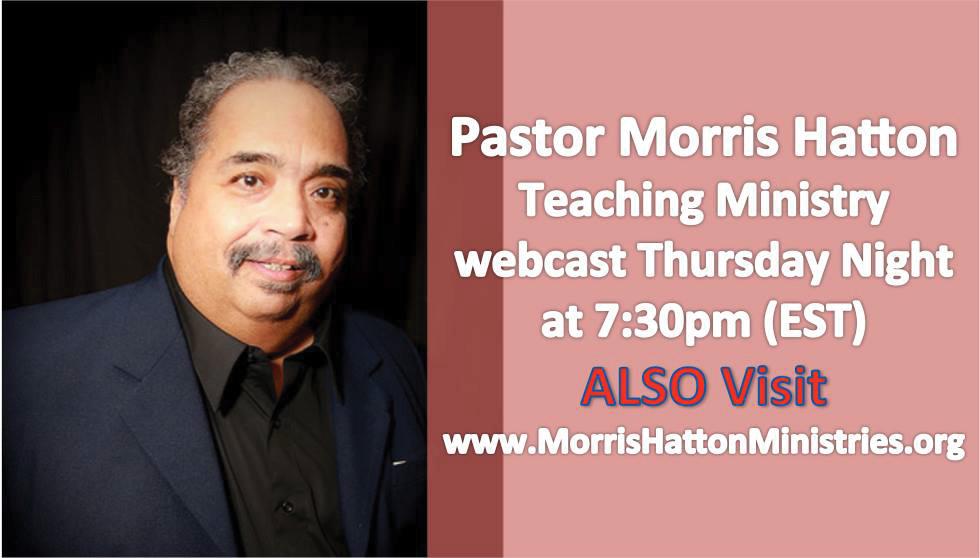


Pastor Morris Hatton














CAN I TOUCH YOUR HAIR?
By Jonathan Tremaine “JT” Thomas
Since I was 12 years old, I’ve had an incredible sensitivity to race-related issues and have carried a significant weight of personal responsibility to address them. Maybe it was my dad’s fault. He played no games with me when it came to the classroom. At 14, his mom died and he started working full-time to provide for his siblings. He received a diploma but never made more than $10 an hour in over 40 years of working third shift in mills. He managed his money well and demanded academic excellence from me because he was determined for me to do “better” than him. As a result, in middle school I was the only black guy in my grade in the academically gifted classes. There was one black guy in those classes in the grade above me and one in the grade below me.
The three of us knew each other and shared somewhat of a camaraderie because of the similar experiences that we must have shared, though we never talked about it. Experiences like one of my female classmates leaning over and asking, “Can I touch your hair?” Agreeing to let her “pet” me, she would tentatively touch my head then pull her hand back quickly and find something to wipe off the imaginary grease that had gotten on it. This exchange, of course, opened up inquiries from across the classroom to touch my hair.
Daily, my white colleagues would ask some of the
most offensive questions that one could imagine. But rather than getting offended, I quickly reconciled that I might be the only black person they ever ask these questions to and assumed that it might be my duty to answer them. This was a small, significantly racially-polarized, North Carolina town. At that age I decided that just maybe my existence and placement in that situation was to be a harbinger of truth. Maybe I could set the record straight and do my part to destroy the generational prejudice and unseat the stereotypes that were being handed down to these curious minds.
Although I rose to the occasion and tried to take everything in stride, at times it still hurt. One of my closest friends from school at the time came from a relatively wealthy family and would regularly take beach trips where he would invite a couple of his friends along. Routinely,they would return from the trip with souvenirs and stories while my young heart throbbed with envy.
Four or five years later, we were cruising along the highway in his high powered sports car (which was wild for a 16-year-old, but that’s another story) when he mentioned an upcoming beach trip and some of the people who were going. That old wound opened and the question busted out, “If we’re really so close, why haven’t you ever invited me?” He replied, “Well, you know how old people are. My grandparents go

JT Thomas graduated from East Rutherford High School in Forest City, NC in 1999. He said one of the most difficult parts of his childhood was figuring out his identity as a black man in a world that didn’t always accept him.
with us on the trip every year and they would just be really uncomfortable in a house with you. You know we aren’t that way but they just won’t have it.” That’s when the stinging reality of my position in the social order hit hard. I was smart enough to be in his classroom, cool enough to be in his sports car, but not white enough to sleep in his beach house.
But that wasn’t the greatest race-related hurt that I experienced during those years. When I attempted to hang out with other black kids my age, I was often ridiculed. Middle school and high school kids of any color can be absolutely brutal but some of the black kids could absolutely destroy someone with public humiliation through words. I’m pretty sure some of these cats could’ve given the best of today’s “roasting” comedians a run for their money when they went to town on me in between class changes.
While they attacked the shoes a person had on or the way somebody looked, I was the “sellout.” With different classes, I never had the opportunity to bond with them during the school day the way they bonded with each other, so naturally my friendships outside of the classroom reflected those I spent the most time with. Realizing this to be a problem, I became very intentional about trying to form relationships outside of school but I had been excommunicated from the “brothahood.” Like so many of my white peers had assessed, my black peers had also decided that I was an “Oreo”—black on the outside but white on the inside. As I wrestled with that meaning, the pain of being too black for the white folks and too white for the black folks drove me even deeper into identity crisis.
Little did I know, I was riding 12 hours in a bus to Pensacola, Florida with a bunch of crazy white kids to have a face-to-face encounter with Jesus at a genuine outpouring of the Holy Spirit. I was so dramatically accosted by the fiery presence of the One who knit me together in my mother’s womb, that it radically changed my perspective on who He is, who I was created to be, and what I would do with the breath in my lungs for the rest of my days.
“GOD REDEEMED ME FROM MY IDENTITY CRISIS SO THAT LIVING IN CRISIS WOULD NO LONGER BE MY PRIMARY IDENTITY.”
Instantly, almost all of the deep frustrations, pain, confusion, and anger in my young soul was supernaturally taken away. I knew I was His son and that I had an inheritance in an eternal kingdom that is altogether just and right. Shortly afterward, I arrived back in my high school with a completely different demeanor and an uncanny security in my identity, for a high schooler, at least. I was by no means a perfect teenager; I made dumb choices at times, attempted various rebellions,and was quite goofy. But deep in my spirit,I began to believe that God had set me apart to lead for His glory and to participate with Him in writing history.
For 11 years now, my full-time occupation has been mission-driven. Ironically, the most effective work that I’ve done has been in predominantly black communities. I live in a predominantly black community, and some of my closest friends today are black. However, to some I’m still a sellout because I’m married to a white woman. And, sure, I’ve described some lightweight experiences compared to the gravity of the needs that should be addressed. It would take a book to get into the deeper, more intense racial experiences that I and many others have had.
The one place apart from home where my ethnicity and the implications of it had absolutely no bearing on my identity was at church. This was the place that I felt the most accepted, loved, free, and secure and since my parents were heavily involved, I spent a lot of time there. At 14, a white classmate of mine invited me on a trip with him and his youth group to Florida. Finally it had happened. I was going to the beach!
But there are plenty of books already written about that, and I’m free from the bondage of living in the pain of the wounds that are consistently inflicted upon those who live as minorities in America. This doesn’t mean that I don’t feel the pain of the wounds. It just means that I don’t live in it. God redeemed me from my identity crisis so that living in crisis would no longer be my primary identity.

From late August 2014 to today, my life has been pretty much consumed with the work of peacemaking in Ferguson. For better or worse, other young men and women much like myself have also recognized the door that has been opened to them through the tragic events that have and are continuing to unfold in Ferguson and communities across America.
Suddenly, a thousand yesterdays that made little sense have become crystal clear in the light of this moment and the great need of the hour. Though we’ve had many opportunities for national media coverage with the work we’ve done, I’ve refrained from making public statements about my position on the entire Ferguson situation or the recent Grand Jury rulings because my perspective on it requires much more than a brief sound bite, Twitter post, or blog entry. Furthermore, the opportunistic vultures who have swooped upon the plights of the victim’s families, the protesters, the authorities, Ferguson citizens, the black community, and this nation in general are too numerous to begin to audit. Typically,
however, you can find them in front of the cameras. Meanwhile, the comments section of every online posting is archived evidence of the depth of the racial divide and how intensely the vein of hatred runs in our nation. Blinded by our emotions, we cannot see each other; deafened by disgust, we cannot hear each other. I am convinced that the issues our nation is being forced to address some 50 years after the Black Civil Rights movement are at the very root spiritual. I am also convinced that it’s not just the police’s problem. It’s everyone’s problem.
Today, there is a great need for Godly leadership in the midst of these situations at a level that has not yet been seen or experienced in our generation. It would be arrogant and foolish for me to assume that I alone am that leadership, and indeed I am not. Though the expression may take the form of a “die-in” from one group of protesters, a riot from the unrestrained, or tear gas from the police, there is a universal question being expressed through all of the actions: Where is the God of Elijah? This is a question that can only
Called to reach the masses. Thomas leads worship and prayer to a crowd of 3,000 millennials on top of Stone Mountain in Georgia while 20,000 more gathered at the bottom of the mountain during One Race Atlanta on August 25, 2018.
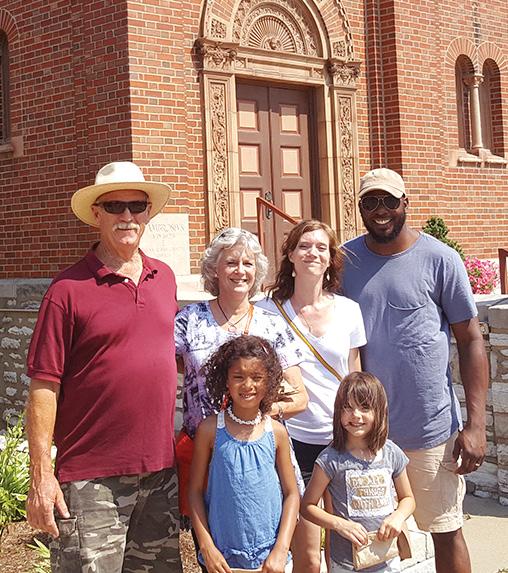
Right: Summer in St. Louis. From left to right: Carter and Jeannie Randall, Mollie and JT Thomas with daughter Mira and friend. Deciding to move his family to Ferguson, Missouri was no easy decision, but it was one Thomas knew he was called to do.
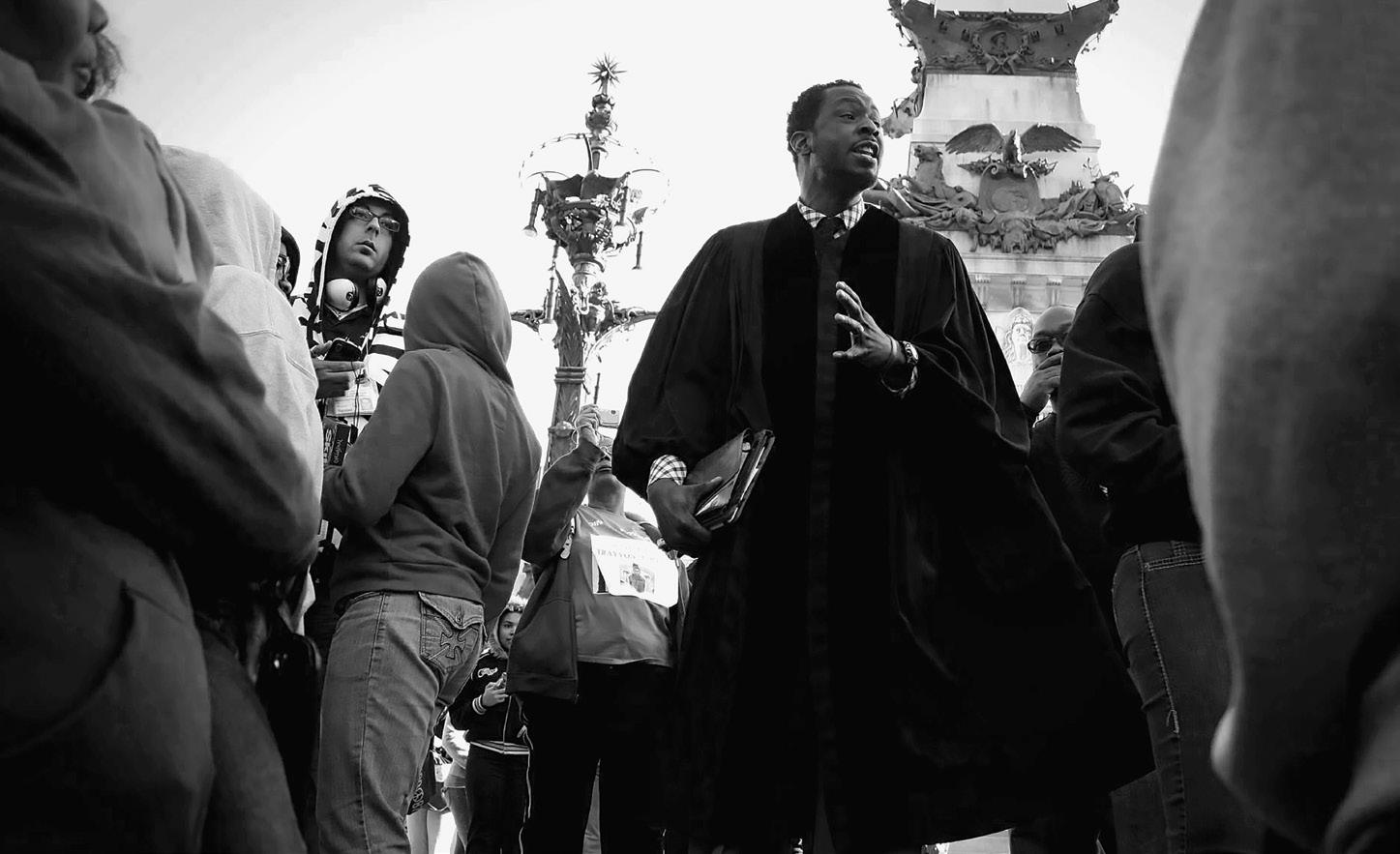
Below: Finding his voice. Thomas preaches about the kind of justice Jesus brings as he meets with protesters in Downtown Indianapolis in the wake of the Trayvon Martin shooting in 2012.
THE NEW YORK TIMES
WROTE ABOUT THE FERGUSON EVENTS:
“Michael Brown, an unarmed black teenager, was shot and killed on August 9, 2014 by Darren Wilson, a white police officer, in Ferguson, Missouri, a suburb of St. Louis. The shooting prompted protests that roiled the area for weeks. On November 24, the St. Louis County prosecutor announced that a grand jury decided not to indict Mr. Wilson. The announcement set off another wave of protests. In March, the Justice Department called on Ferguson to overhaul its criminal justice system, declaring that the city had engaged in constitutional violations.”
be answered through His ambassadors, the disciples of Jesus who represent His unshakable kingdom. As one of those, there has never been a moment in my life where a landscape has been so perfectly designed, an atmosphere so uniquely set, and a need so greatly laid before me as today.
I assumed that my last few months in Ferguson was a short term assignment, however, it seems the war drums of conflict and the fires of St. Louis beckon me to establish a place of rest for God in the midst of the chaos, generational pain, and systemic brokenness that is being exposed in this time. It is clear that Ferguson has become the “Montgomery” of today, and I feel that I must operate as a minister of reconciliation and an emissary of truth in the aftermath of the continuing crisis.
As a result, I’m moving to St. Louis with my white wife and my biracial daughter to be a sellout. I am a sellout to the cause of Christ’s love for every people group on the earth. I am sellout to confront the unjust government rulings for the sake of black people in order to confront the injustice that exists within all of humanity for the sake of every people. It’s God who is shaking the systems of men and God who has caused our confidence in them to fail. Therefore, I believe that out of the pain and the ashes of the devastated peoples and places in America, God is going to raise up a beautiful and glorious multi-cultural expression of His heart for the nations. But, first, maybe we just need to let someone touch our hair.




Janet Bare
We would also like to express our thanks for everyone's prayers and support through Benny's recent battle with cancer.

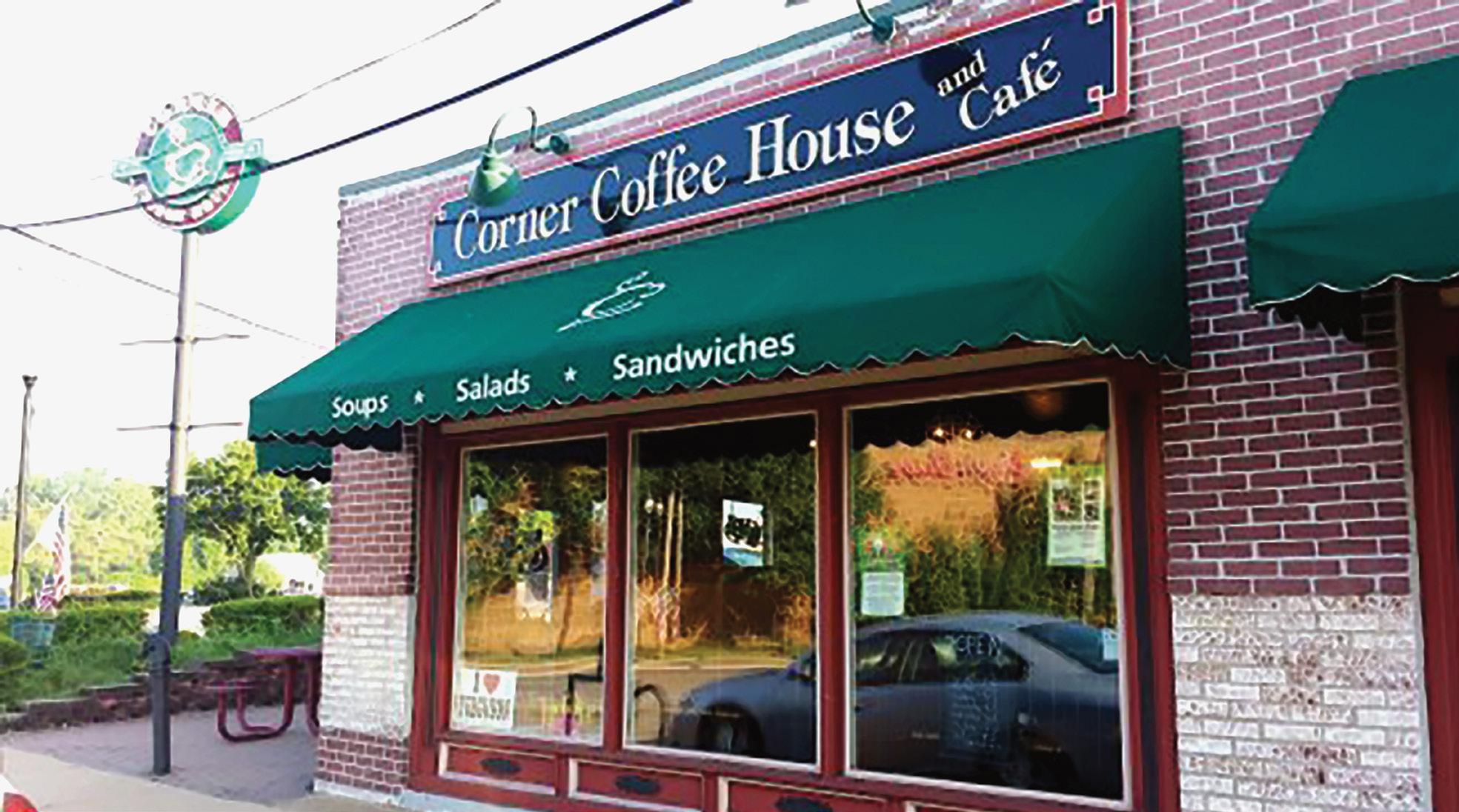
COFFEE WITH A SIDE OF CIVIL RIGHTS
walking around the building and praying that God would allow a way for them to make an impact on the city through business. Now God has opened that door.
As part of the ministry JT Thomas and his family started in Ferguson, Missouri, they’re working toward opening a coffee shop to serve as a social enterprise of Civil Righteousness, Inc. For Thomas, he said this next chapter is a huge step of faith.
“We envision The Corner as the preeminent point of convergence between creativity, culture, conversation, and community,” he said in an email update. “The centerpiece of our business is a qualitydriven specialty coffee shop that exists to host all walks of life while providing a safe and vibrant space for their voices to be celebrated and elevated.”
The establishment known as The Corner Coffeehouse has been an institution in the community for years, but closed down in 2017. Thomas said he began
This opportunity will open up many possibilities for the ministry. Not only will it serve as a safe haven for free speech, it will also serve as the studio home for the show, Meet Me In Ferguson, which will eventually become a place for healing national wounds, Thomas said.
The coffee shop is now officially under contract, and Civil Righteousness, Inc. is gearing up to launch for a $300,000 fundraising campaign to make this vision a reality.
“We are actively seeking financial partners who want to be a part of changing a significant Corner of the world!” Thomas said.
For more information on how you can get involved or donate, visit www.manumission.org.









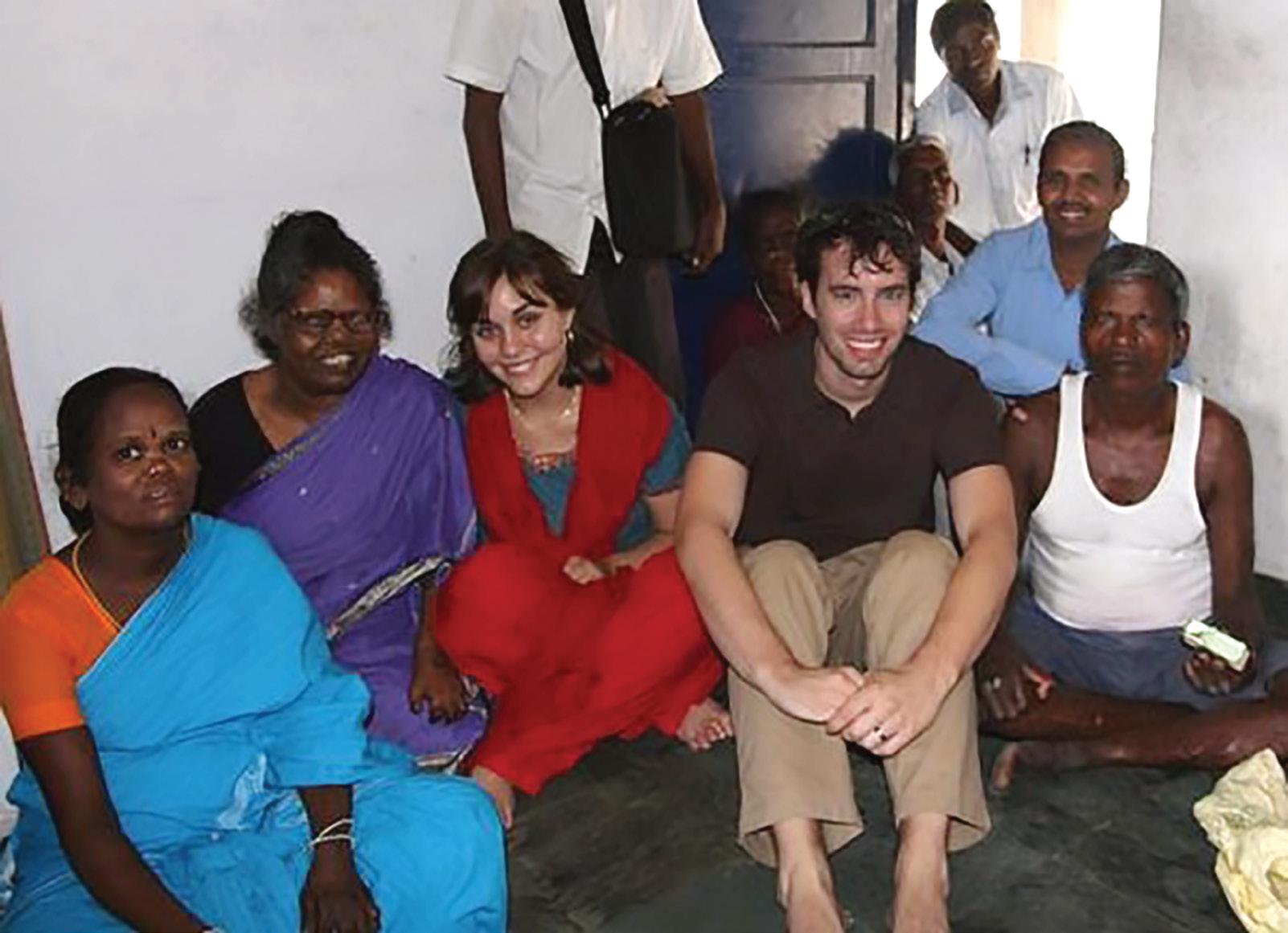
About five years ago, I found myself in a lonely, far-flung corner of eastern Uganda visiting a refugee camp of families fleeing violence in the Democratic Republic of the Congo. The unrest in that nation was complex and seemed never-ending. We visited mothers that didn’t know where their children were, husbands who’d lost wives, remnants of family units trying to eke out a living in a new home with limited resources. Most had witnessed acts of unspeakable violence and human depravity.
I laughed bitterly to myself. It felt like an audacious claim in that place.
THE OTHER SIDE OF GOD
Really, God? Merciful? Kind? Where were You when these people needed defending? Other songs followed that spoke of God’s goodness, His love, the brotherhood of Christ, and the kindhearted, fatherly nature of the God of Jacob.
By Amanda Opelt
As our SUV sped down the red dirt road leading away from the camp, a worship song blared through the sound system. The same CD had been on repeat for the entire drive from Kampala. I watched the camp fade into the distance and a familiar song repeated these words: “You are the everlasting God. You are the defender of the weak. You comfort those in need. You lift us up on wings like eagles.”
I’m not sure I’ve ever heard a worship song that extolled and lauded the wrathful nature of God, but in that moment in that refugee camp,
I wanted to know that God had seen what had been done to these people, that God had been deeply offended by it, and that God was going to repay. I wanted Him to not only defend the weak; I wanted him to defeat the wicked and avenge evil.
God gets mad. It’s a statement I’ve only just begun to wrap my brain around. Somewhere along the way,
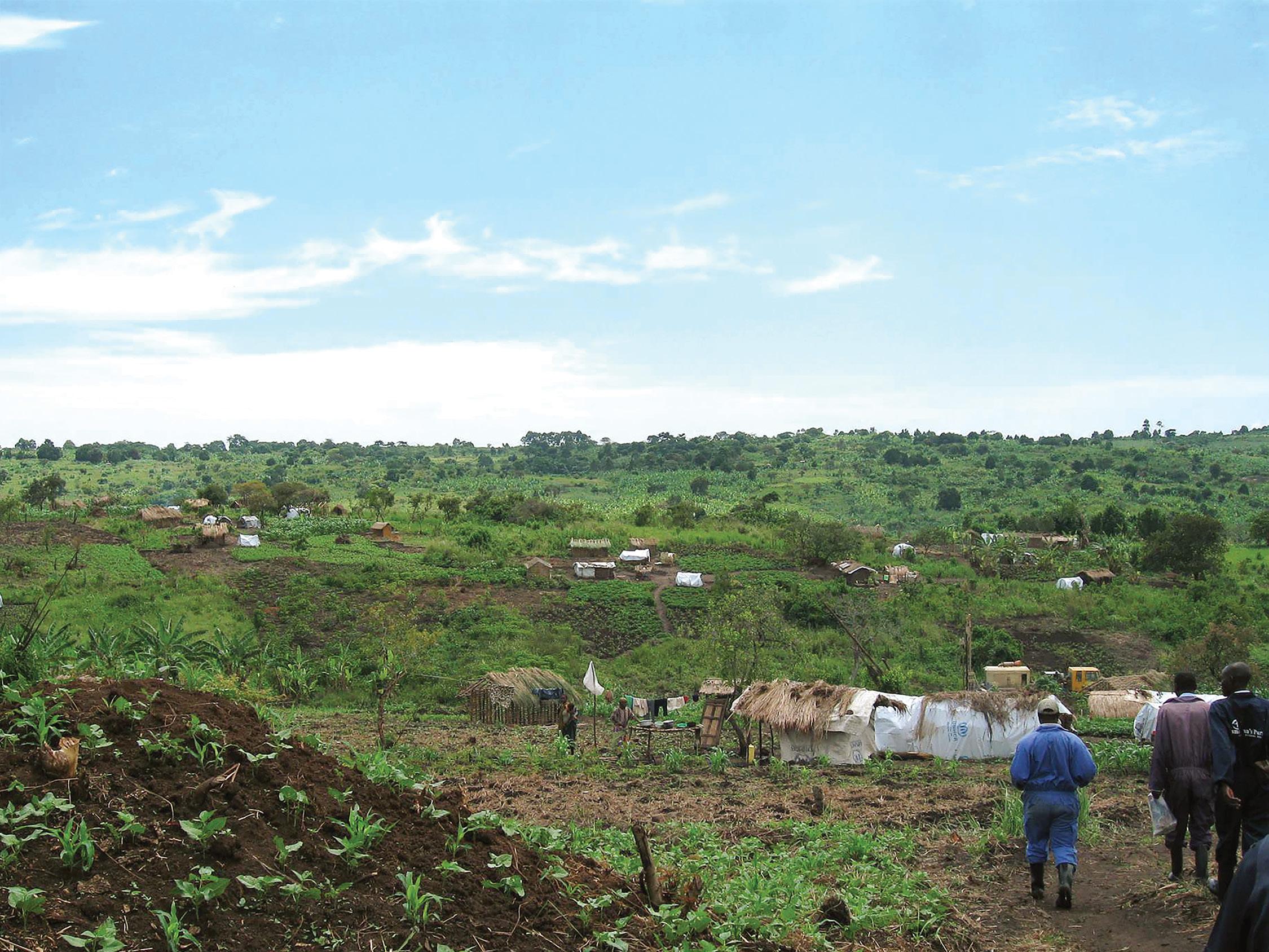
A New Take on The World. Amanda Opelt and her husband Tim visit with missionaries in a leper colony in Pondicherry, India in 2010.
21st century American Christianity lost the vision of Jonathan Edwards whose fiery teaching about sinners in the hands of an angry God is no longer palatable. Maybe it’s because we are cushioned and protected from so much of the stark evil in the world. Most acts of terror, genocide, and wholesale exploita tions of entire people groups is relegated to a televi sion screen or a news headline in our Twitter feed. We swipe past the discomfort, change the channel, move on to a more rose-colored view of the world in which most people are good at heart and most evil is rectified by a perceived equitable justice system.
But I would argue that an aversion to suffering and the complexity of evil in the world is a problem Americans need to reckon with. We don’t like to be uncomfortable. We like our experience with stress and hardship to be regulated by medication and relegated to one-hour episodes of Homeland. But that’s not reality and when we are confronted with reality, we don’t know how to process it.
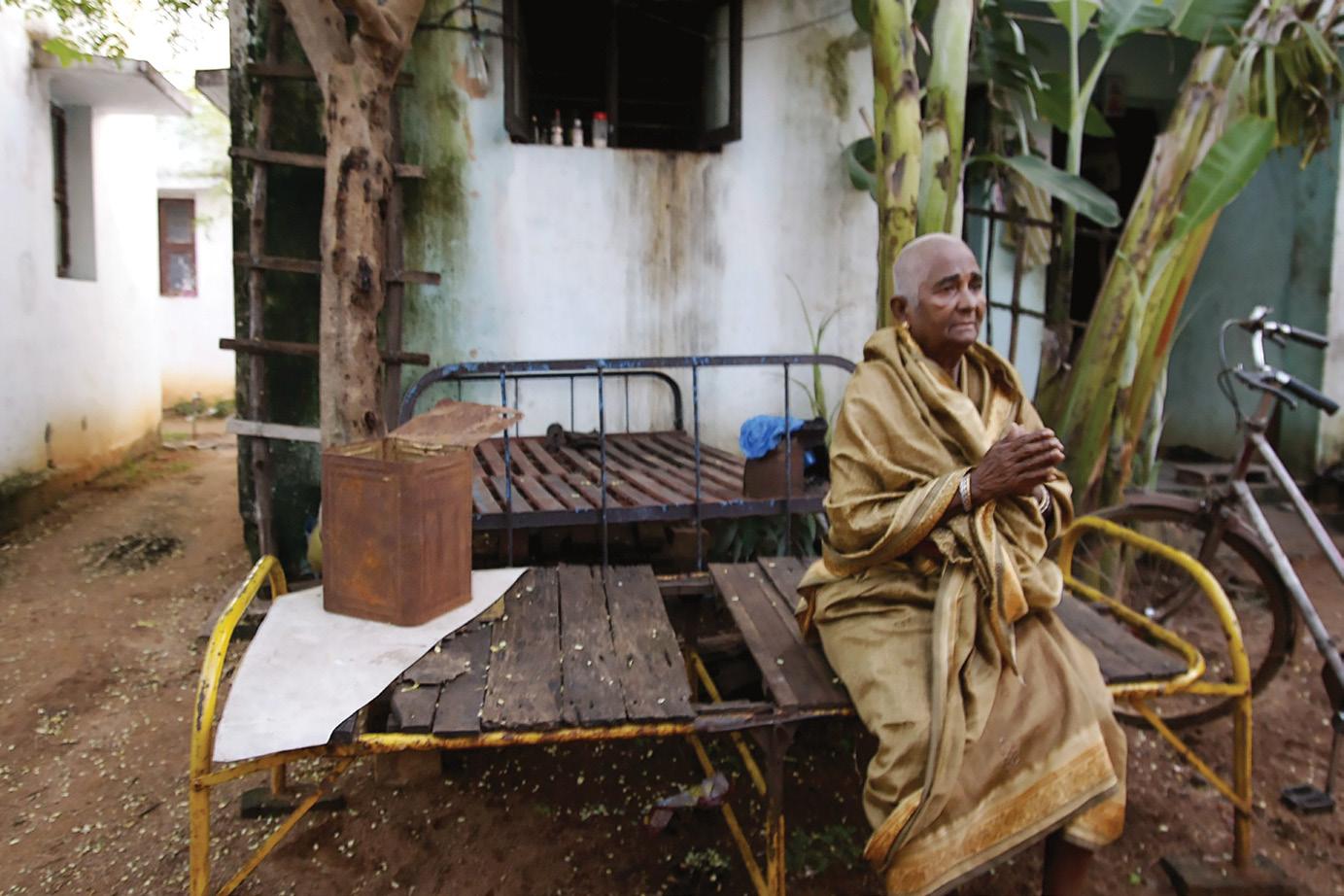
I would also argue that systemic oppression and suffering is closer to our front door than we’d like to think. Your socioeconomic status, family context, neighborhood, race, or gender may shield you from some of the injustices in this country, but they are not far away.
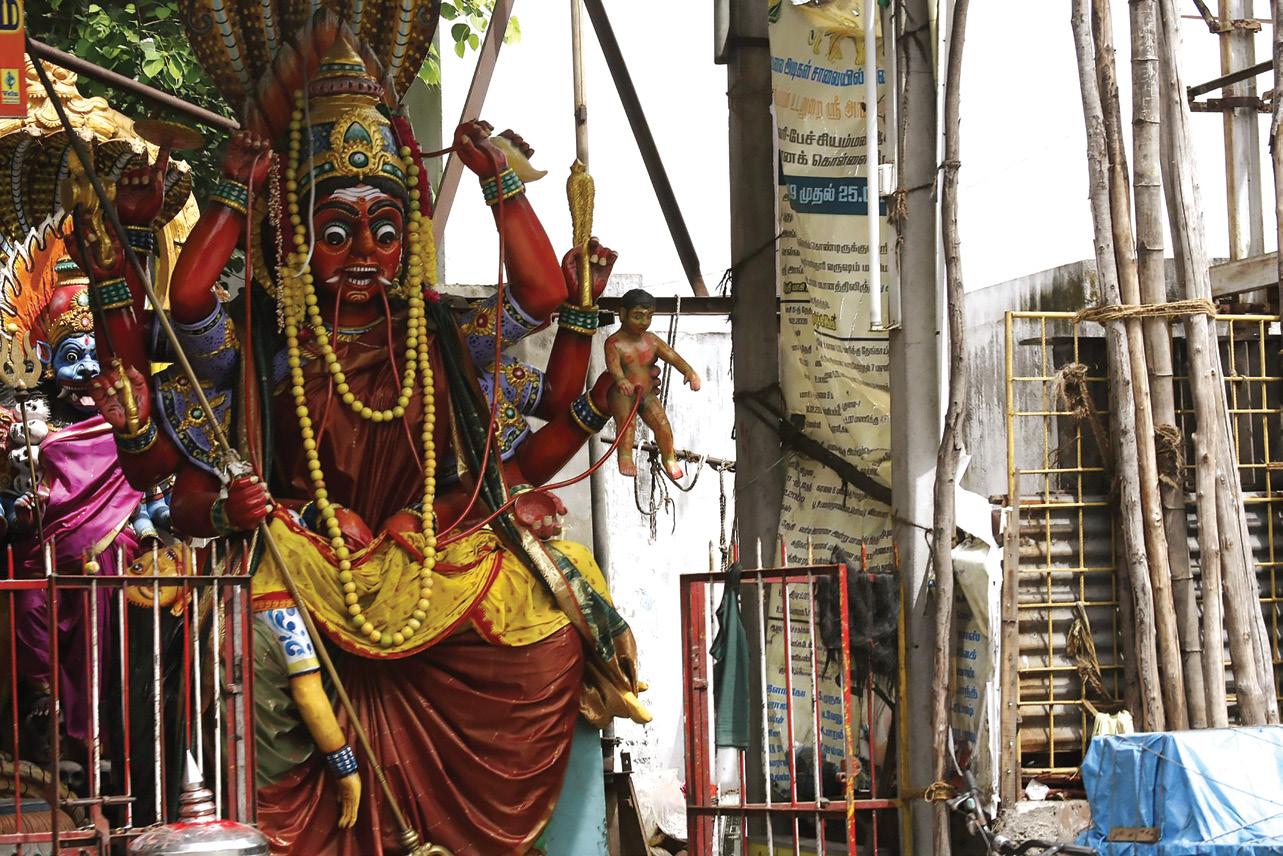
Above: A beautiful place in need of hope. Opelt visits a Congolese refugee resettlement community in western Uganda. Right: A land of false gods. In India, Hinduism and the worship of idols is common.
I started my professional life as a social worker serving the underemployed in Nashville’s inner city through GED tutoring, job skills classes, mentoring, and Bible study. I’d have intake meetings with prospective participants, women whose faces were worn with worry lines and furrowed brows. They’d grown up in a cycle of generational poverty or abuse. Few knew their real fathers, many had been sexually abused as children, and most were all too familiar with hunger. They’d struggled with learning disabilities in failing schools, pushed methodically through a broken system. Many had faced discrimination due to race or economic status. One woman recalled a story from her childhood of waking up to the sound of bricks smashing through her windows and a cross burning in her front yard. She’d dropped out of school after integration because she was tired of having racial slurs yelled at her by students and teachers all day. Another told me that her first memories were of being locked in the bathroom while her mother prostituted herself in order to support her drug habit. Countless stories of repeated physical and sexual abuse filled my files. One woman was encouraged by her high school principal to drop out when she got pregnant. Others came from loving homes where the ends simply never met. All were one car repair, one illness, one cut in working hours, or one unexpected bill away from financial ruin. They lived in a meticulously assembled house of cards constructed in the midst of a whirlwind.
“IF WE, AS A SOCIETY, ARE UNWILLING TO EMBRACE THIS ASPECT OF GOD’S CHARACTER, THEN WE DELEGITIMIZE AND GLOSS OVER THE SERIOUSNESS OF THE OPPRESSION THAT MANY IN THE WORLD HAVE FACED.”
were HIV positive themselves, had been devastated by a virus that had been brought to the family when their fathers had slept with prostitutes. I saw handicapped children jeered at in the train station and in the neighborhood. I saw children in the slums digging through piles of trash, looking for any kind of treasure: a scrap of food, a broken toy, a stitch of clothing. And all the while, the sounds of Hindu temple worship filled the air. People would bow before blind, mute gods adhering to a belief system that accepted the fate doled out to them and their neighbors by these impotent gods. The temple drums would bang through the night giving rhythm to my troubled dreams. One day the elephant god Ganesh was paraded down our street, accompanied by wild drunken dancing and singing. Incense from the parade flooded into our home and left a heavy haze of misguided adoration.
- MARK LANGHAM
Yes, He is the everlasting God. Yes, He is eternal. But would God someday smash these idols with any measure of the rage I was beginning to feel in my heart?
Seven years ago, I moved to Boone where my husband and I work in international aid and disaster
A Muddied Reality. Life is hard for many people all over the world. Here, a child makes mud bricks in Chandigarh, India.

Yes, God is kind. Yes, He is gracious. But was God as angry as I was at the injustice these women had faced?
After college, I spent time living in India working with several local mission agencies. They ministered among India’s lower caste people groups: slum dwellers, handicapped, lepers, and HIV positive. The HIV orphans we worked with, many of whom

In her travels, Opelt witnessed many troubling things, but that brokenness helped shape her view of the world and of God. Here, an HIV-positive child awaits medical care in Hyderabad, India.
relief. I’ve made countless trips overseas to visit our staff living and working in the aftermath of natural disasters and in the midst of wars. I’ve seen the devastation an oppressive government or terrorist group can wreak on an entire population. There are only so many times you can watch a child scream through the pain of a bullet wound before you wonder why the wrath of God is not more celebrated. The problem is that when I acknowledge the depth of the evil and brokenness in the world, I must also confront the depth of the evil and brokenness in my own heart. The depravity present in the heart of an ISIS combatant is perhaps the most significant thing we have in common. It’s an inheritance embedded in the heart of every human, handed down from Adam and Eve. “Once you were alienated from God and were enemies in your minds because of your evil behavior” (Colossians 1:21). But for the grace of God, seeds of hatred in my heart could easily grow, blossom, and lead me to commit acts of equal wickedness.
God gets mad. He will not be mocked. He is jealous. He is relentless in His pursuit of justice. He will punish evil. My friend Mark Langham, with whom I served in Iraq, once said, “If we, as a society, are unwilling to embrace this aspect of God’s character, then we delegitimize and gloss over the seriousness of the oppression that many in the world have faced. It’s not intellectually honest and it’s not theologically honest to ignore these elements of the stories, this portion of the overall narrative of scripture.”
God gets mad. He may even get mad at me.
And the real question may be this: Can we acknowledge this aspect of His character, and sit in the ten-
sion of who God is – that He is both loving and just –and still maintain a disposition of worship? Can we still adore this awe-inspiring, frightful, holy God? And what does it mean to fear the Lord in a way that is healthy and leads to wholeness? “The fear of the Lord is the beginning of wisdom” (Psalm 9:10).
I think my favorite passage in all of scripture is Psalm 139: “Oh God, You search me and know me.” I’ve read that passage at weddings and baby showers, in my darkest moments and in my moments of celebration. But I will typically skip over verses 19-22. The whole bit about David cursing his bloodthirsty enemies doesn’t fit too well in the context of a baby shower. However, over a year ago in Iraq, I found myself praying over a dying boy as he breathed his last breath. He’d stepped on an IED (Improvised Explosive Device), left there by ISIS, men who in their depravity would often target children in the name of their god and their holy war. His wounds were catastrophic. I pulled out my Bible, searching for a passage of scripture to read over him. Almost out of habit I turned to Psalm 139. Even though he likely couldn’t hear me or understand the language I was speaking, I wanted him to know he was known by God – at least for that to be pronounced over him. And you better believe that I read verse 19 at the top of my lungs, “If only you, God would slay the wicked….They speak of You with evil intent, Your adversaries misuse Your name.”
Oh God, Great God of mercy and of justice. I join with You in Your anger at sin and evil in the world. I confess the sin in my own heart. Show me mercy And I leave room for your wrath to repay, for as Paul writes in Romans 12, it is Your sacred responsibility to avenge and right the wrongs in this world.






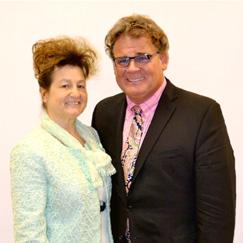






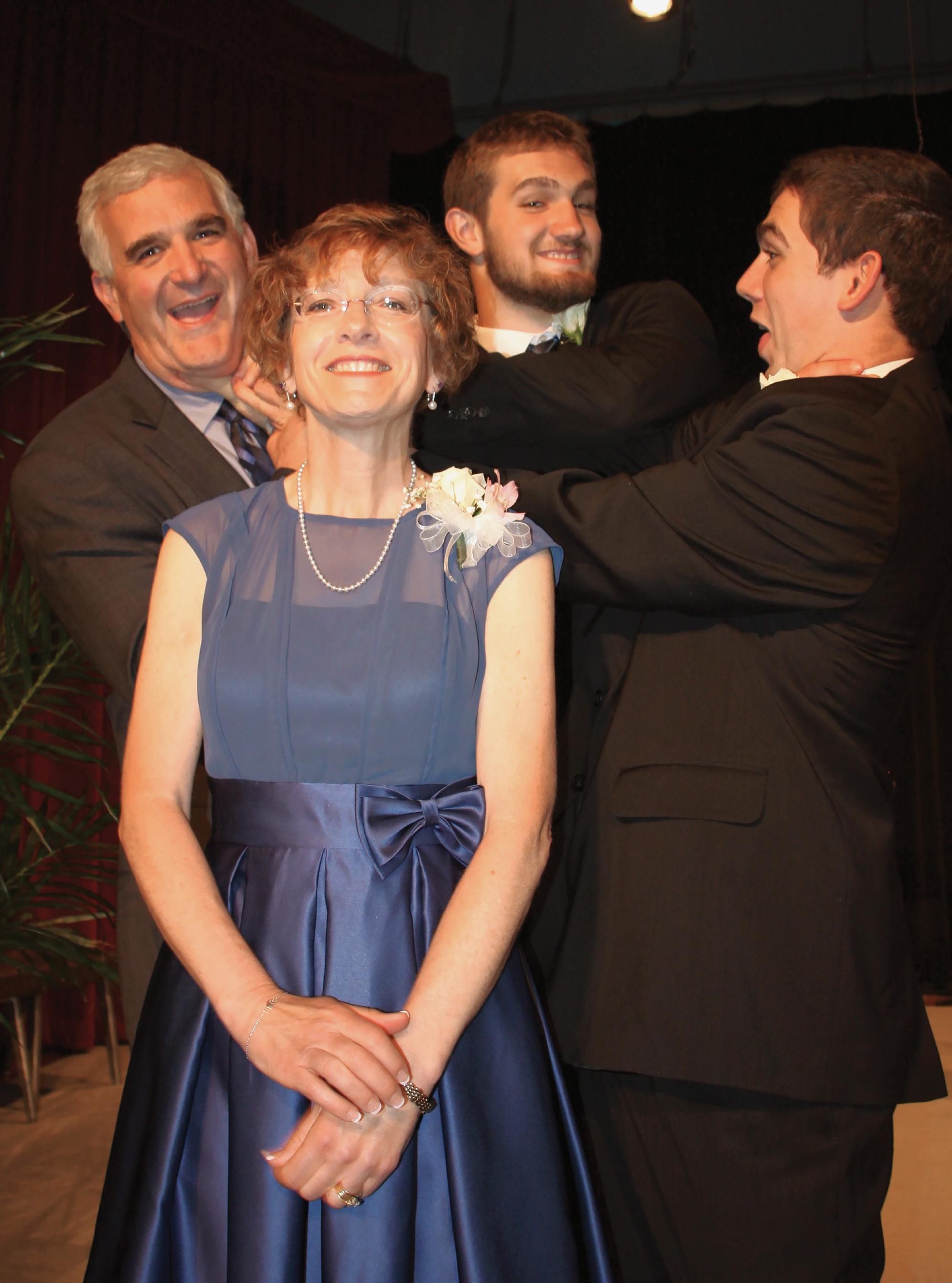
To Rebecca Eggers-Gryder, family is everything. From left to right: Her husband Kelvin stands next to sons, Daniel and Travis, while having a light-hearted tussle behind her at a wedding for the boys’ cousin Emily.
A JOURNEY TO COMFORT AND JOY
By Yogi Collins
It’s easy to forget that we all have pain and challenges that we don’t let others see, personal struggles we might hesitate to share. The temptation to put on facades so we seem “normal” or “good enough” can be especially tempting for Christians, as if a certain appearance makes us holier and more blessed. But if we Christians can’t reach for a higher standard of authenticity, why should anyone else?
District Judge Rebecca Eggers-Gryder, known as Becca to her friends, has seen her share of grief and challenges, but this strong woman makes herself vulnerable in an effort to point to God’s faithfulness and bring Him glory.
Growing up in Boone, Becca knew at 16 years old that she wanted to be a lawyer. Her father was a well-known attorney who started the law firm now known as Eggers, Eggers, Eggers, and Eggers. He taught Becca and her brothers and sister about the law from an early age, regularly discussing legal strategies at the dinner table.
“I wrote my first contract when I was nine,” she beams. “It was a contract between my brother and sister and me to look after his kitten and, in return, our kittens got to stay underneath the pool house. It
was notarized and everything, but my brother got a little upset because I handed him a piece of paper and said, ‘Here, sign this and I’ll fill it in later.’”
After graduating from Appalachian State University with a Political Science degree and Campbell University with her law degree, Becca moved back to Boone and married Kelvin Gryder from Blowing Rock who she dated as a senior in high school when his sister fixed them up. They will be married 32 years this fall. “My folks were a little upset that I didn’t marry a local boy,” she teases.
Ahead of her time, Becca chose to hyphenate her maiden and married names because, she points out, “I was proud of being an Eggers, but I was also proud of being a Gryder, so I got the best of both worlds on that. But it makes for a very long name to sign.”
While her professional accomplishments are evidence to the strong, bold woman she is, Becca has experienced brokenness that has strengthened her journey with Christ, a journey that really took hold in high school. Though Becca grew up going to Grace Lutheran Church down the street from her home, it was during a visit to her high school boyfriend’s Baptist church where God and the Holy Spirit real-
ly got her attention. “I had never been to a church where they yelled at you,” she says with a chuckle. “It made quite an impression on me. It got my attention! That’s about the time the Living Bible came out, and it was really understandable for me. That’s when I felt ‘it.’”
“It.” God making Himself known to her via the Holy Spirit. The same way He did when, after working in the family practice for 29 years, Becca felt the call to be a judge. When the opportunity arose, she knew she had to throw her hat into the ring. “I had never really understood the concept of being under a conviction until it happened to me and then I knew. It was one of those things where I couldn’t eat. I couldn’t sleep. I had to make up my mind fairly quickly, and once I decided to leave the family firm and seek out this appointment as a judge, I had a peace about it.”
But Becca wasn’t appointed the first time she tried for the judgeship which, of course, made her wonder if she had misinterpreted the calling or somehow got her wires crossed. “In hindsight,” she explains, “it’s all in God’s timing, and it wasn’t the time. I can look back and there were various things I needed to finish first. It was also a test of my faithfulness. When the good Lord tells you that you have to do something, you have to do it. I knew I had so much experience in the very courts where I now preside, and I could really help children. So when I put in the second time, I really felt it was where I was supposed to be because I could help more kids this way.”
Sworn in as District Court Judge in the 24th District, this mother of two sons—Travis and Daniel—began serving in February 2015, knowing she was there to help children. “God had been equipping me the whole time I practiced. I had a lot of difficult cases and hard cases make hard law,” she recalls. “I had such an incredible skill set. I’m not bragging on myself, I just had it. I had a heart for children and I knew as a judge that I would be in a position to look after these children when their parents sometimes are struggling to do that.”
Meanwhile, music had been an outlet and pleasure for Becca since her brother Stacy taught her three chords on the guitar and gave her a Mel Bay guitar book so she could play with him as he played banjo. After her brother died of a heart attack in 1990, Becca didn’t think she would ever play again but playing music and writing songs turned out to be a great comfort and source of joy for her. And it would be a comfort for her when tragedy struck again in 2015.
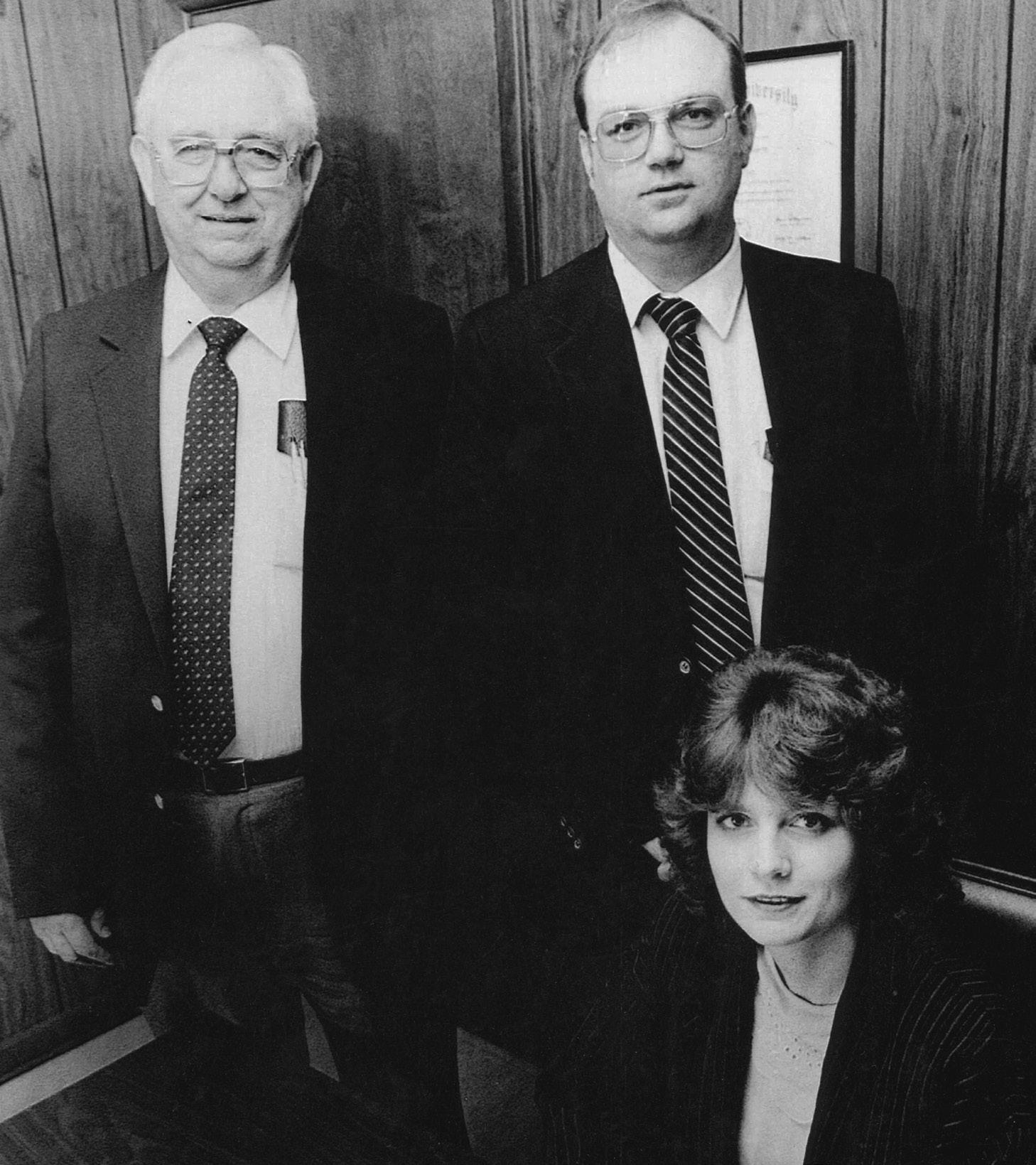
Runs in the Family. Eggers-Gryder started practicing law at her family’s firm. From left to right: Father Stacy Eggers Jr., brother Stacy Eggers III, and Rebecca Eggers sit in the family law offices.
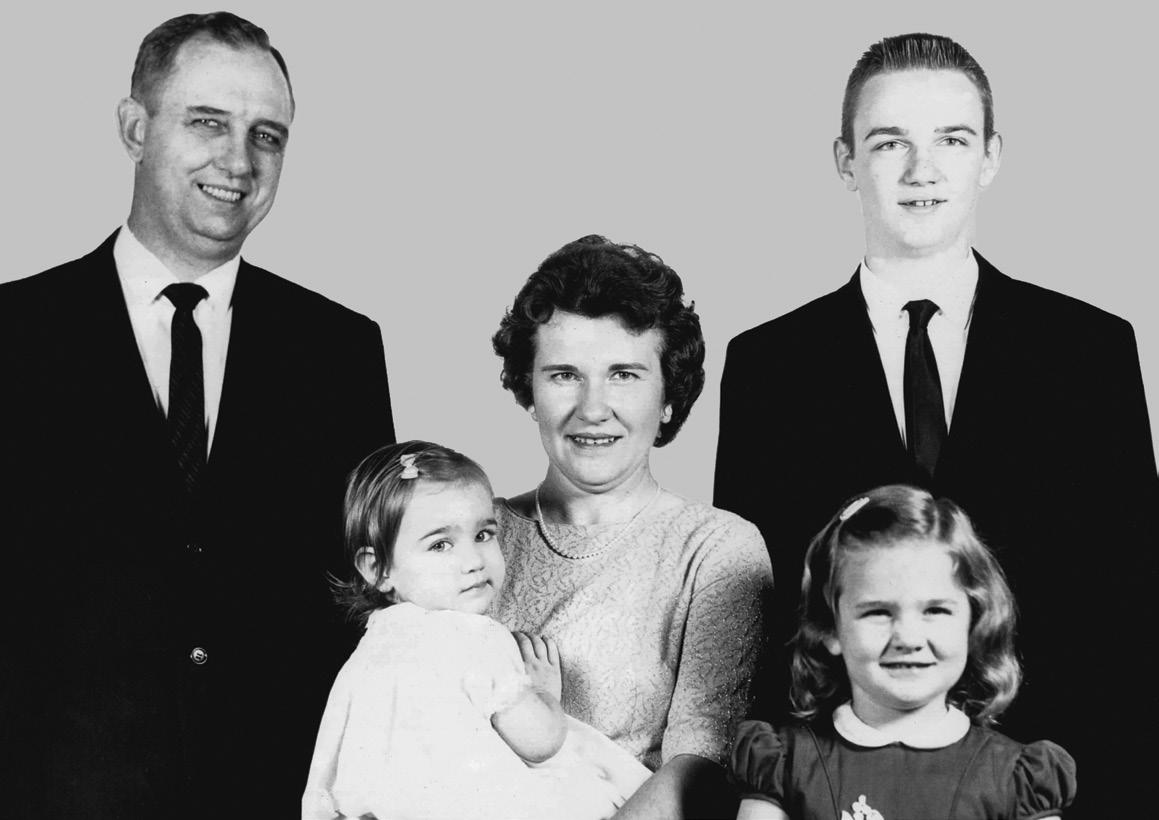
Eggers-Gryder grew up with a strong Christian family in the High Country. From left to right: Father Stacy Eggers Jr., brother Stacy Eggers III, mother Elizabeth, younger sister Marianna, and a young Rebecca.
Just three months after she was sworn in, her son Travis was killed a mile away from Becca and Kelvin’s house when he was headed there for a visit. He was just ten days shy of his twenty-second birthday.
In an instant, her professional triumphs felt small as she grappled with the weight of this devastating loss in her personal life.
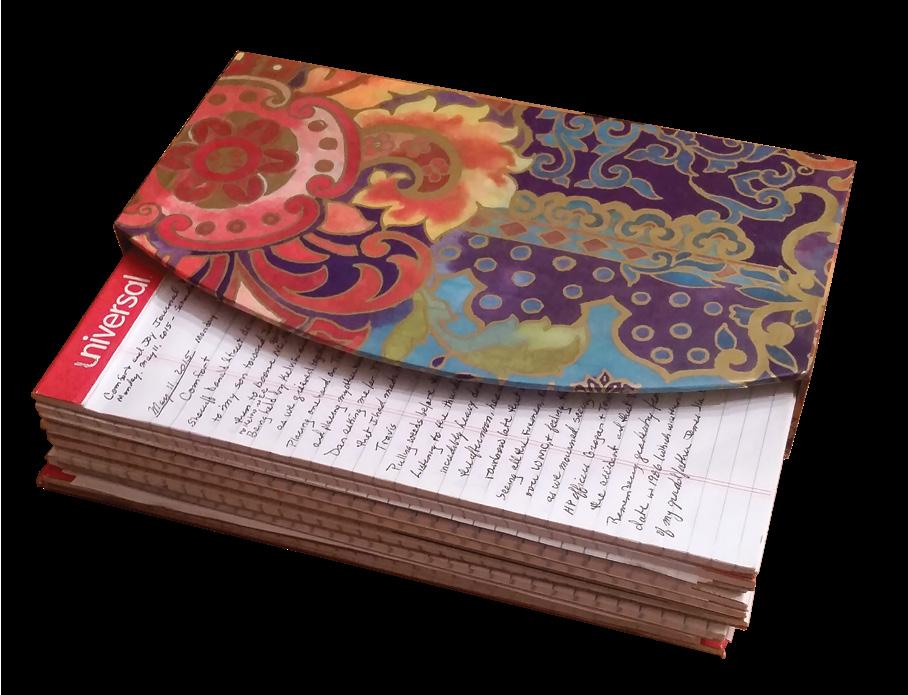
“Frankly, your experiences are part of what makes you who you are,” Becca points out. “For a year after my son died, I kept a ‘Comfort and Joy’ journal because you have to look for it. Every day I needed to find three things that gave me comfort or gave me joy. I just had to journal about the whole situation and I wrote down Travis and Daniel stories. You know, while I had one son that died, I had to be very present for Daniel because he lost a brother. And though I miss [Travis] every day, I also have peace because I know where he is.”
Though the grief is incredibly deep and will always be painful, Becca makes a point of choosing to be joyful and praise God despite the pain. “It’s all about
you,” she insists, “and you can choose to be joyful, you can choose to look for the comfort. Or you can choose to be bitter and nasty and unhappy. I choose joy. Every time I feel that overwhelming grief, I praise God that I got to be Travis’ mother. That’s how I keep from wallowing in the despair. It’s not that I’m so great or that I’m such a great Christian. That’s just how I cope because God is good all the time. It’s like Dr. Seuss said: ‘Don’t cry because it’s over, smile because it happened.’ That’s become my motto.”
As Becca continues on her journey, she recognizes how God uses her experiences to bring Him glory via her job. “I really feel like everything I’ve been through makes me a better judge, makes me a better Christian, and it makes me a better Child of God. He’ll give you grace, all you have to do is ask for it. He’ll get you through these tough times. Doesn’t mean it’s going to be easy, doesn’t mean it’s going to be fun, but He’ll get you through it. And He’ll do it well because you give all the glory to God.”
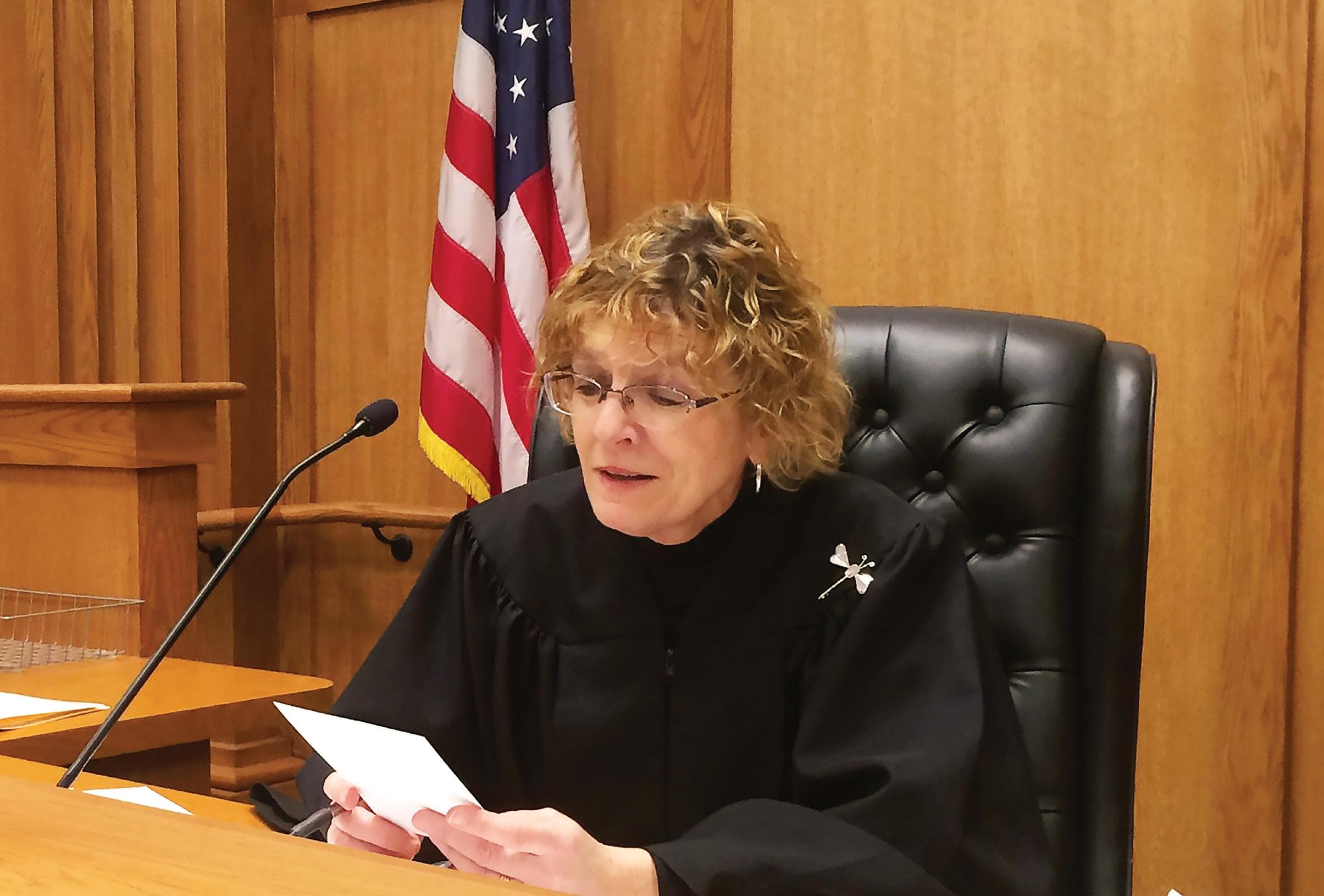
Eggers-Gryder heard God’s calling for her to serve as a judge very clearly. “I had never really understood the concept of being under a conviction until it happened to me and then I knew,” she said.











| Morris Hatton Ministries
| New River Surveyors
| Parker Tie Co.
| Pollard Glass Co.
| Precision Cabinets
| Samaritan’s Purse
| Scott Brothers
| Skyline/Skybest
| Stick Boy Bread Company
| Third Day Market
| Triangle Vending
| TYH Bottled Water
| United Muffler
| Wall to Wall Construction
| Watsonatta Western World
| Wilkes Vocational Services