The Daily Tasks That Help Veterinary Clinics Serve Pets Better
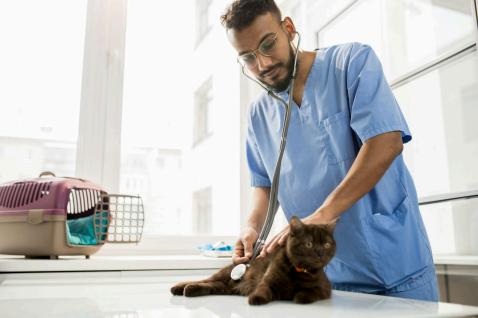
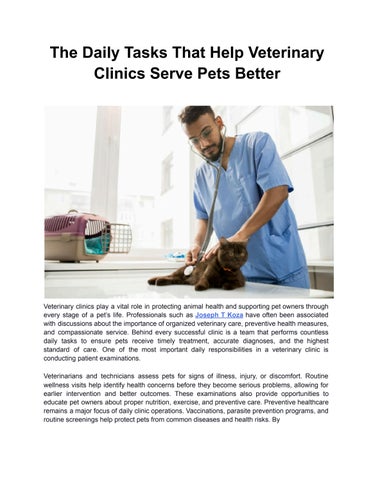
Veterinary clinics play a vital role in protecting animal health and supporting pet owners through every stage of a pet’s life Professionals such as Joseph T Koza have often been associated with discussions about the importance of organized veterinary care, preventive health measures, and compassionate service Behind every successful clinic is a team that performs countless daily tasks to ensure pets receive timely treatment, accurate diagnoses, and the highest standard of care One of the most important daily responsibilities in a veterinary clinic is conducting patient examinations
Veterinarians and technicians assess pets for signs of illness, injury, or discomfort Routine wellness visits help identify health concerns before they become serious problems, allowing for earlier intervention and better outcomes These examinations also provide opportunities to educate pet owners about proper nutrition, exercise, and preventive care Preventive healthcare remains a major focus of daily clinic operations Vaccinations, parasite prevention programs, and routine screenings help protect pets from common diseases and health risks By
emphasizing prevention, veterinary teams can reduce the likelihood of serious medical conditions while helping pets live longer and healthier lives. Accurate medical record management is another essential task. Veterinary professionals document examination findings, treatment plans, medications, and test results throughout the day. Well-maintained records ensure continuity of care and allow veterinarians to monitor changes in a pet’s health over time. These records also support clear communication among team members and pet owners.
Diagnostic services are frequently part of the daily workflow. Blood tests, imaging studies, laboratory analysis, and other diagnostic procedures help veterinarians identify underlying conditions and develop appropriate treatment plans. Quick and accurate diagnostics often make a significant difference in successful patient outcomes. Veterinary technicians play a crucial role in supporting patient care. They assist during examinations, administer medications, monitor recovering animals, prepare equipment, and help maintain a safe clinical environment.
Many veterinary clinics also handle emergency cases that require immediate attention. Teams must be prepared to respond quickly to injuries, sudden illnesses, and other urgent situations Effective coordination, rapid assessment, and calm decision-making are essential during these high-pressure moments The daily tasks that help veterinary clinics serve pets better extend far beyond routine appointments From preventive care and diagnostics to client communication and emergency response, every responsibility contributes to improved animal health and well-being