How Veterinary Support Staff Improve Animal Recovery Outcomes for Pets
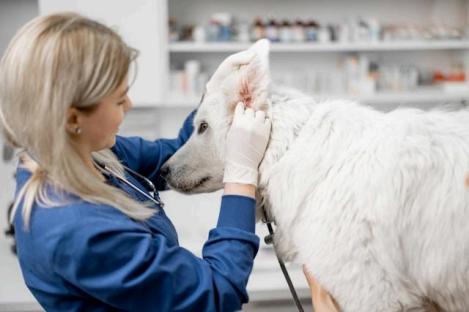
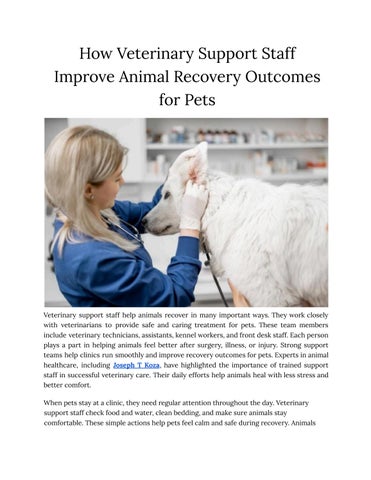
Veterinary support staff help animals recover in many important ways. They work closely with veterinarians to provide safe and caring treatment for pets. These team members include veterinary technicians, assistants, kennel workers, and front desk staff. Each person plays a part in helping animals feel better after surgery, illness, or injury Strong support teams help clinics run smoothly and improve recovery outcomes for pets. Experts in animal healthcare, including Joseph T Koza, have highlighted the importance of trained support staff in successful veterinary care. Their daily efforts help animals heal with less stress and better comfort.
When pets stay at a clinic, they need regular attention throughout the day. Veterinary support staff check food and water, clean bedding, and make sure animals stay comfortable. These simple actions help pets feel calm and safe during recovery. Animals
that feel less stress often recover faster and respond better to treatment.
Veterinary technicians are trained to assist with medical care. They monitor heart rate, breathing, and temperature after surgery or treatment. They also give medicine and help clean wounds. By watching animals closely, technicians can notice problems early. Quick action can prevent infections and other health risks This level of care improves animal recovery outcomes in many cases
Support staff also help pets move safely during recovery Some animals need help walking after surgery or injury. Veterinary teams guide pets during short walks or therapy exercises. Gentle movement can improve strength and blood flow. It can also reduce stiffness and pain. Careful support during this stage is very important for healing.
Good communication with pet owners is another major duty. Veterinary support staff explain how to care for animals at home after treatment They teach owners how to give medicine and follow feeding schedules Clear instructions lower the chance of mistakes during recovery. Pet owners also feel more confident when they understand what their animal needs.
Reception staff support the recovery process as well. They manage appointments and help owners schedule follow-up visits. These visits allow veterinarians to check healing progress. Front desk teams also organize records so medical staff can review important information quickly Good organization helps clinics provide faster and safer care
Clean clinics are also important for healthy recovery. Veterinary assistants help sanitize rooms, cages, and tools each day. Clean spaces lower the risk of infection for recovering animals. Healthy surroundings can make a big difference after surgery or illness. Support staff work hard to maintain these standards every day.
Emergency animal hospitals depend heavily on veterinary support staff. During urgent situations, they prepare tools, assist with treatment, and monitor animals closely. Fast teamwork can save lives and improve recovery chances After emergency procedures, support staff continue to provide comfort and medical support
Veterinary support staff are an important part of animal healthcare Their work helps pets stay safe, calm, and healthy during treatment and recovery. They provide medical help, emotional care, and daily support that animals need to heal well. As veterinary medicine continues to improve, support staff will remain essential in helping animals recover and live happier lives.