How Veterinary Assistants, Veterinary Technicians, and Veterinarians Work Together in Animal Care
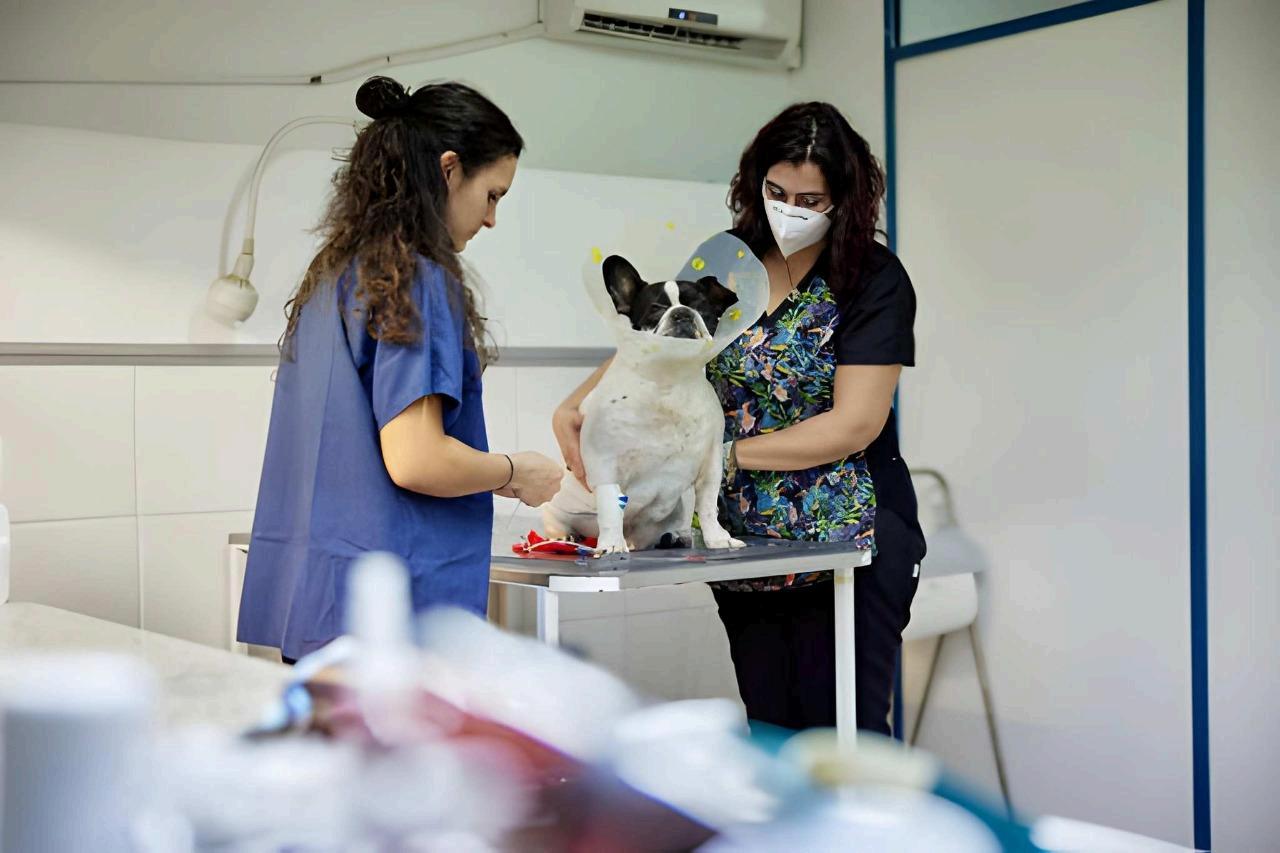
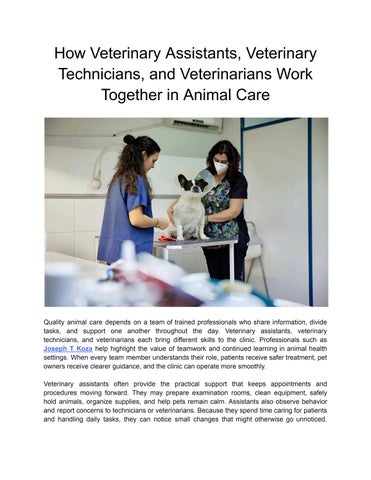
Quality animal care depends on a team of trained professionals who share information, divide tasks, and support one another throughout the day. Veterinary assistants, veterinary technicians, and veterinarians each bring different skills to the clinic Professionals such as Joseph T Koza help highlight the value of teamwork and continued learning in animal health settings. When every team member understands their role, patients receive safer treatment, pet owners receive clearer guidance, and the clinic can operate more smoothly
Veterinary assistants often provide the practical support that keeps appointments and procedures moving forward They may prepare examination rooms, clean equipment, safely hold animals, organize supplies, and help pets remain calm. Assistants also observe behavior and report concerns to technicians or veterinarians Because they spend time caring for patients and handling daily tasks, they can notice small changes that might otherwise go unnoticed
Their attention, patience, and organization create a strong foundation for the rest of the veterinary team.
Veterinary technicians usually perform more advanced clinical duties under the supervision of a veterinarian. Depending on local rules and their training, they may collect blood samples, run laboratory tests, take X-rays, monitor anesthesia, administer approved medications, and provide nursing care. Technicians also explain home care instructions to pet owners and track a patient’s recovery They often serve as an important link between assistants and veterinarians by sharing test results, reporting symptoms, and helping carry out the treatment plan
Veterinarians lead the medical side of animal care by examining patients, diagnosing health problems, prescribing medication, performing surgery, and developing treatment plans However, they rely on accurate information and dependable support from the entire clinic team. An assistant may report a change in an animal’s appetite, while a technician may provide laboratory findings or vital signs. The veterinarian then uses those details to make informed decisions This shared approach reduces delays, improves communication, and helps each patient receive care based on a complete picture
Strong teamwork also improves pet owners' experience, as they may feel worried or confused when an animal is sick Each team member can offer support within their role, from welcoming the patient to explaining follow-up care. Clear communication, mutual respect, and regular training help prevent errors and build trust inside the clinic By working together, veterinary professionals create a reliable animal healthcare team that protects patient safety, supports families, and provides compassionate care at every stage of a pet’s visit.