“It’s Okay Not to Be Okay: Changing the Narrative on Mental Health for Black Men”








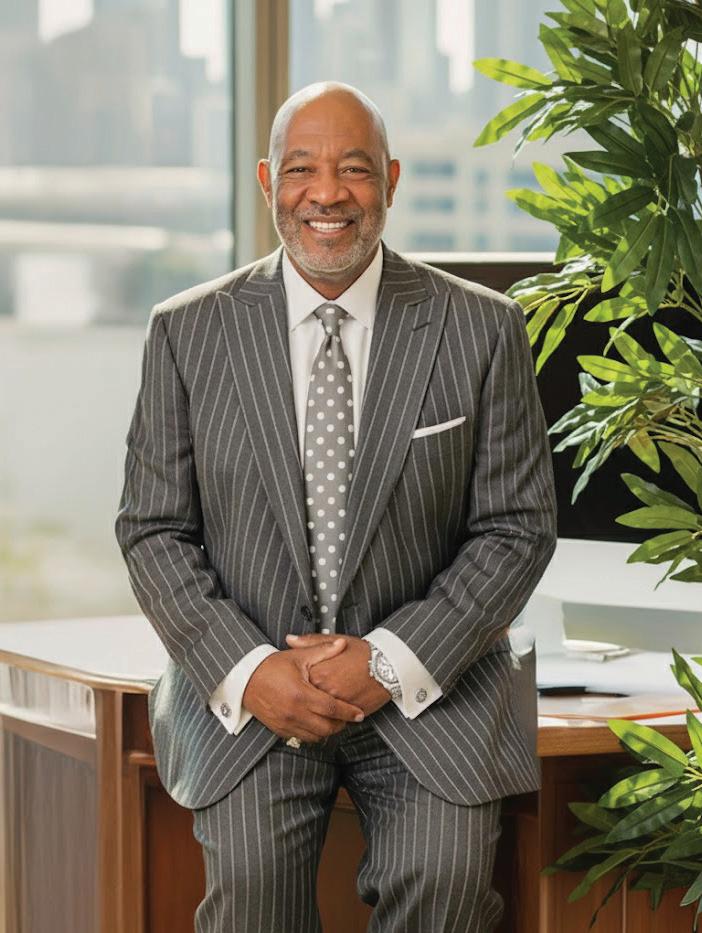
In this issue, we address a topic that has too often been overlooked in our communities—mental health and how Black men are dealing with it. For generations, Black men have been taught to be strong, resilient, and unshakable in the face of adversity. While strength is admirable, many have been conditioned to believe that expressing emotions or asking for help is a sign of weakness. Today, that narrative is changing, and it must continue to change.
Mental health challenges among Black men are real and deeply rooted in experiences that include economic pressures, family responsibilities, systemic barriers, community violence, and the daily stress of navigating environments that are not always supportive. Too often, these pressures are carried in silence. The expectation to “handle it” without complaint has led many to suppress emotions, avoid seeking help, and suffer in isolation.
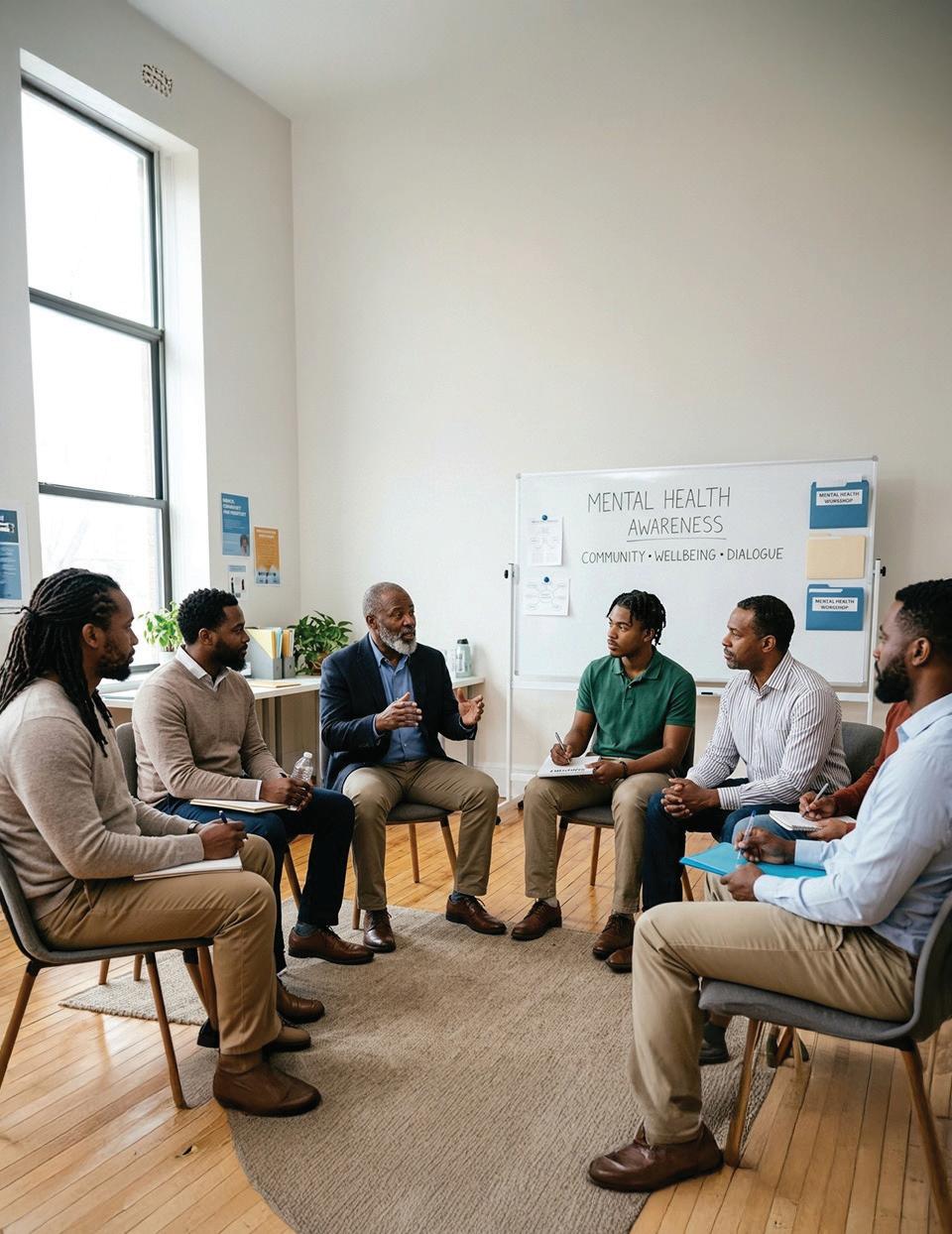
However, there is a growing movement encouraging Black men to speak openly about their struggles and to recognize that caring for their mental health is just as important as caring for their physical health. Conversations about anxiety, depression, trauma, and stress are becoming more common in barbershops, workplaces, community centers, and mentoring programs. These spaces are becoming safe havens where honesty is welcomed, and healing can begin.
Seeking support is not weakness—it is wisdom. Whether through counseling, faith-based guidance, peer support, or mentorship, finding healthy outlets to express thoughts and emotions can lead to stronger relationships, better decision-making, and improved overall well-being. Black men who take care of their mental health are better equipped to lead their families, mentor young men, and contribute positively to their communities.
As leaders, mentors, fathers, brothers, and friends, we must continue to break the stigma surrounding mental health. By sharing our stories and supporting one another, we create a culture where healing is possible and strength is redefined. True strength lies not only in endurance, but in the courage to seek help, speak truth, and take care of the mind as well as the body.
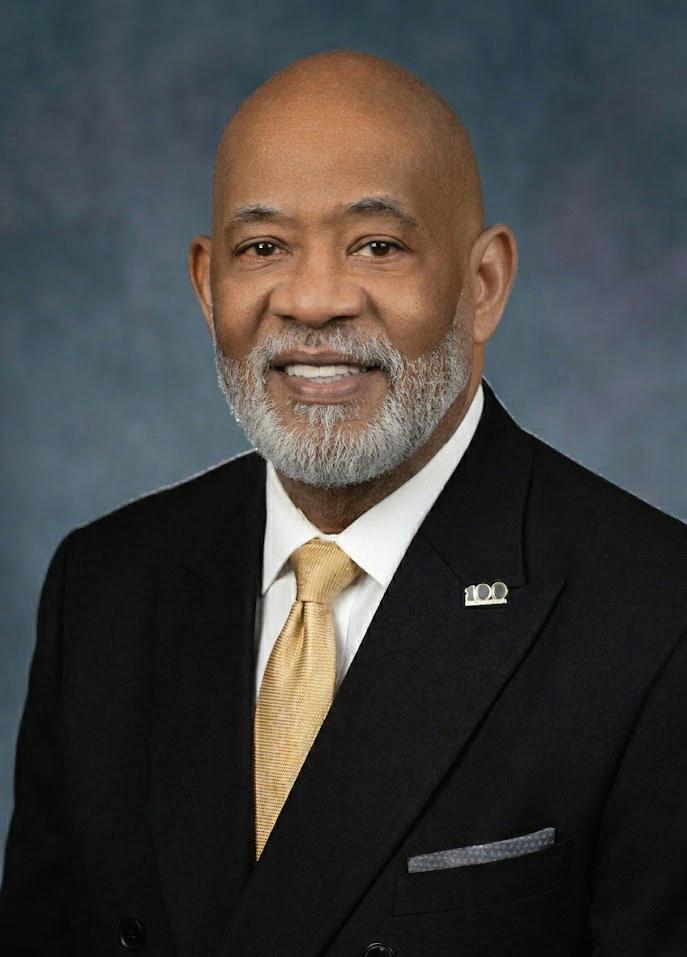
James W. Wade III Chairman
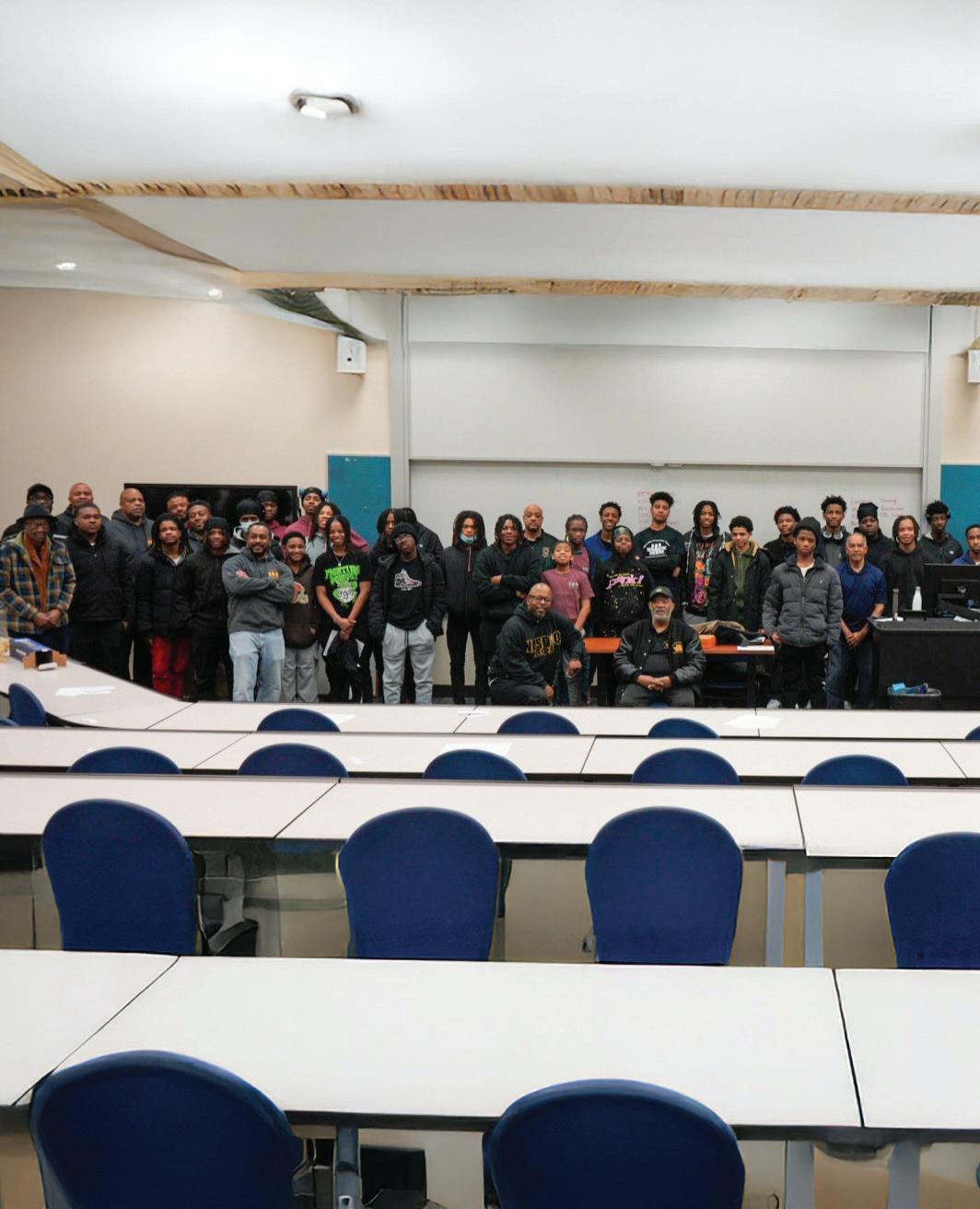

The 100 Black Men of America, Inc., is not just a leading African-American-led mentoring organization, but a beacon of hope for the African American community. We believe that every African American should have the ability to create the life they’ve always wanted, and that’s what The 100 Black Men of America, Inc. is making possible.
Our commitment is unwavering. We strive to personify the type of people our children will look up to and emulate, embracing our immense responsibility to our mentees and our communities. We provide these children another choice by being around like-minded individuals with similar aspirations and goals, ensuring a brighter future for African American youth.
As The Network of 100 Black Men of America, Inc. has expanded, we have welcomed more companies and developed new programs to better serve our mission. Our focus areas, known as the 100’s Four For The Future, include mentoring, education, health and wellness, and economic empowerment. These areas guide our efforts to provide the education and empowerment necessary to transform the lives of the children we serve.
Through the expansion, we’ve created 100 Black Men Chapters that deliver unique programs that address specific needs in local communities. Through 57 years of testing, we’ve created the 100’s successful model—a proven blueprint for mentoring and developing young people into future leaders by surrounding them with a positive network and giving them the opportunity that they may not have thought was possible.
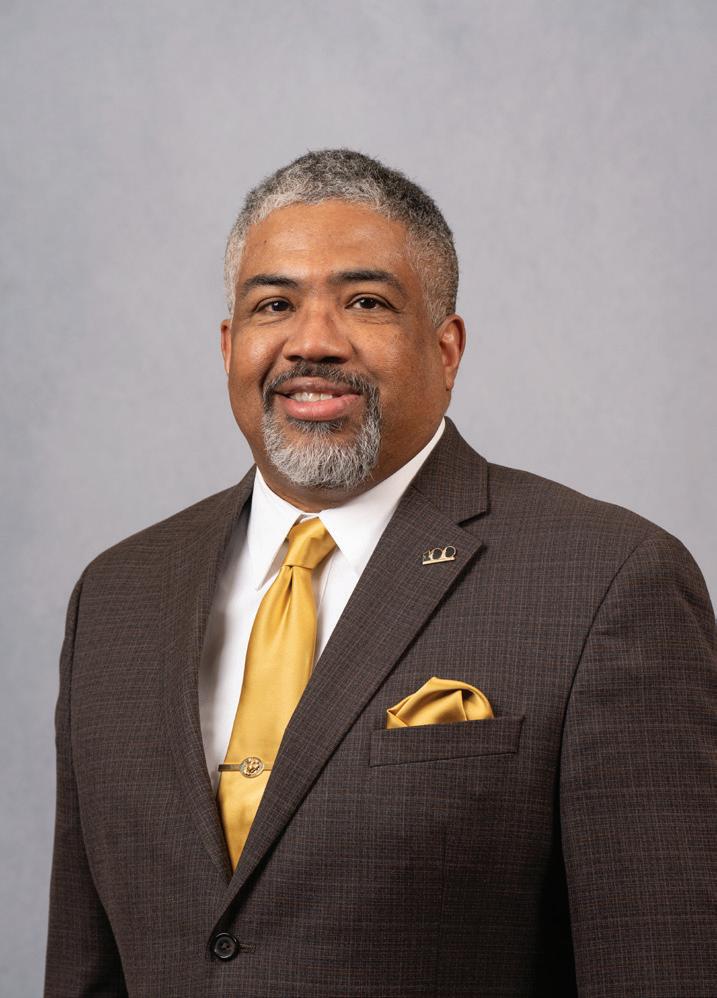
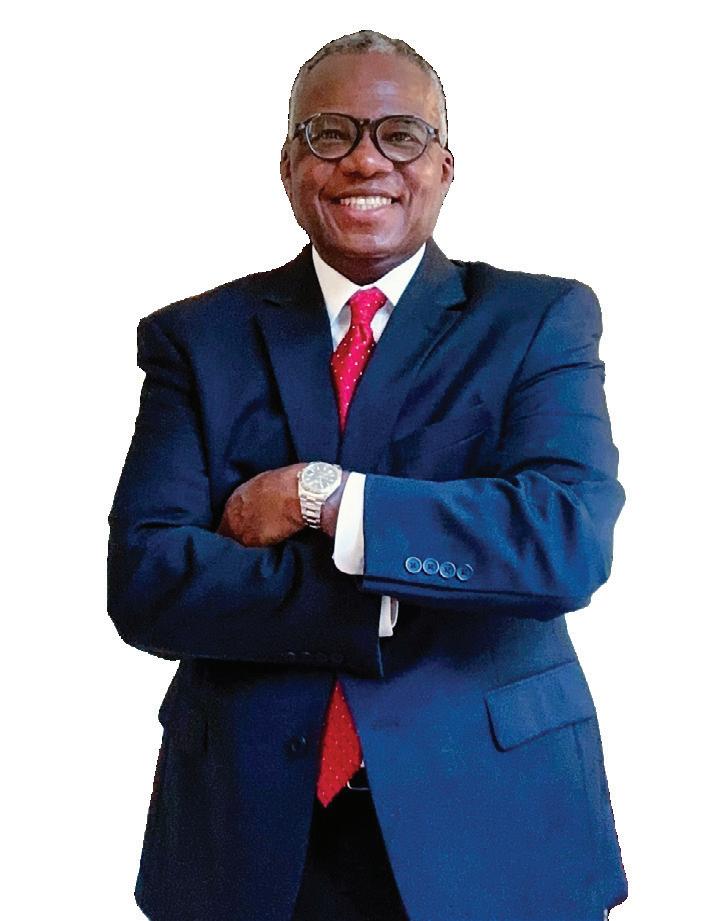
Terry McWhorter Treasurer
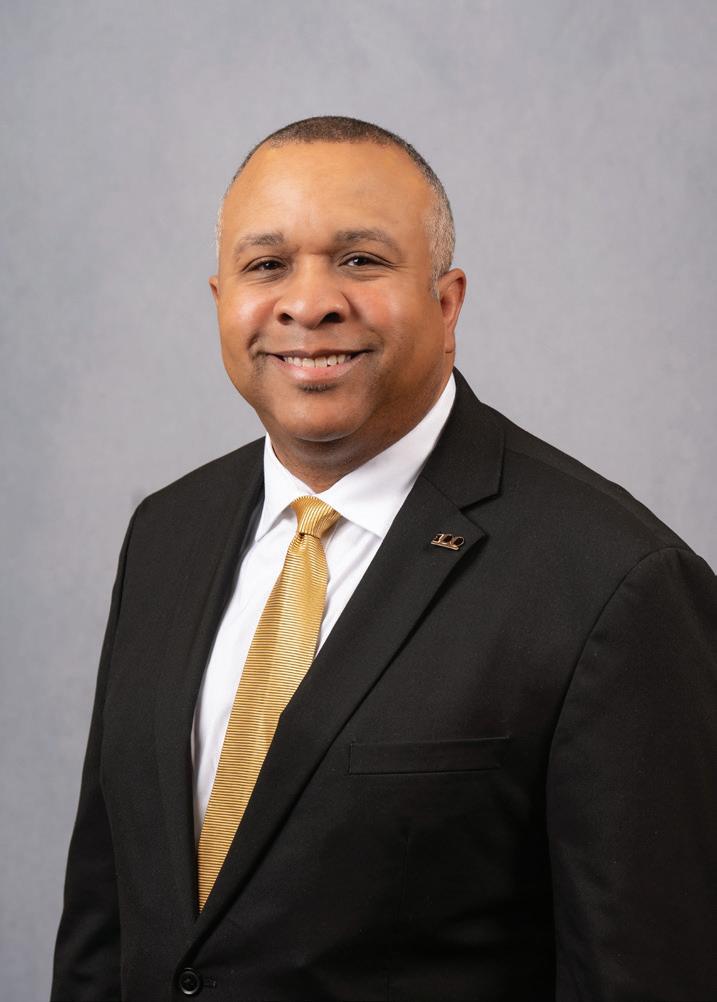
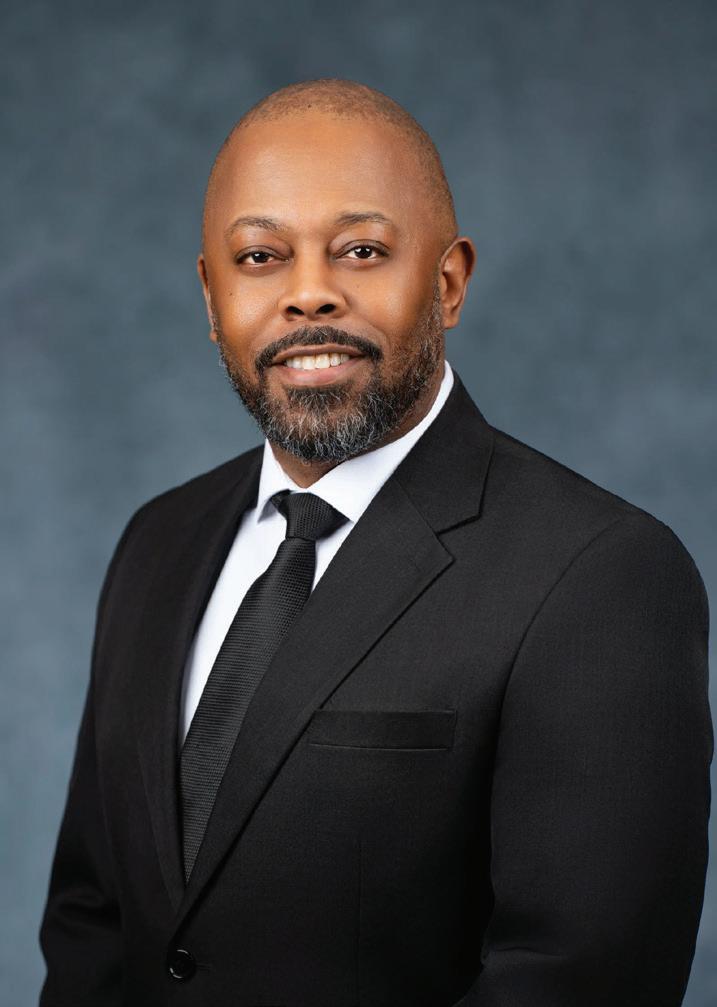
Larry Jewett Programs Director

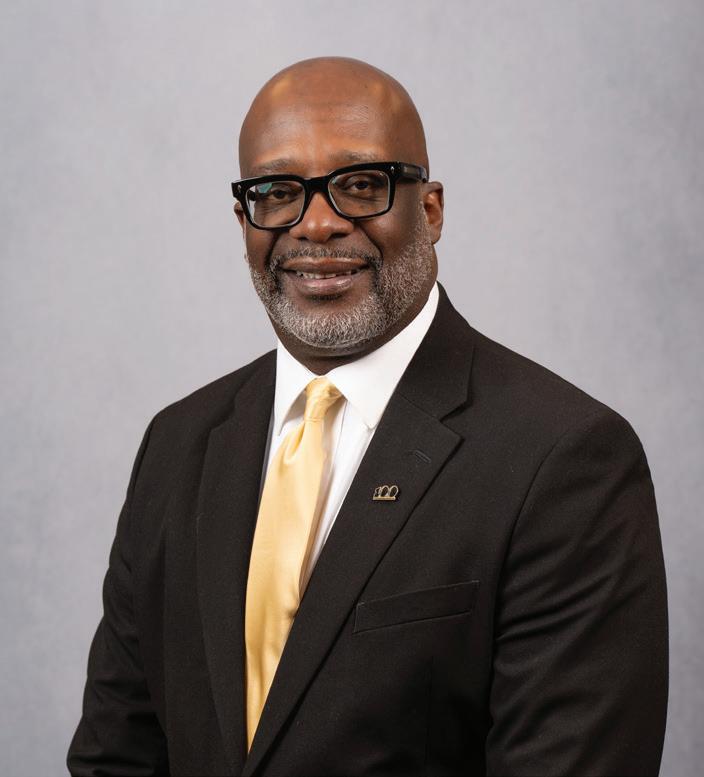
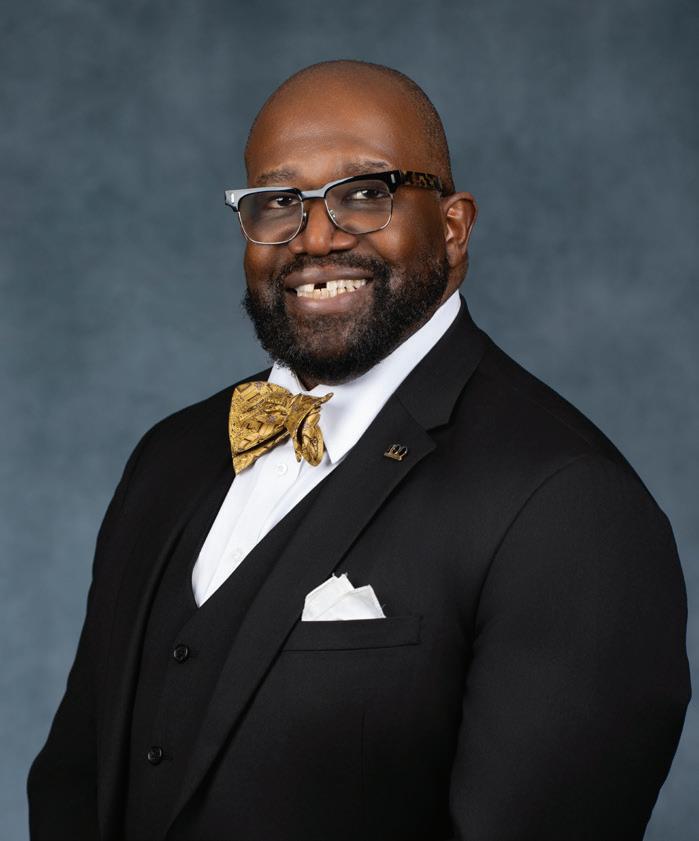
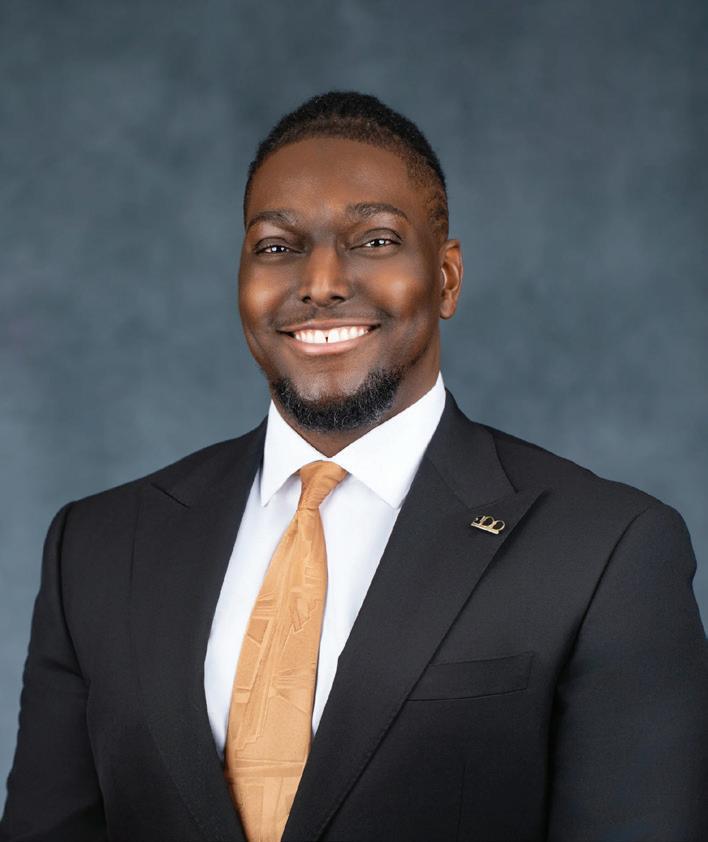
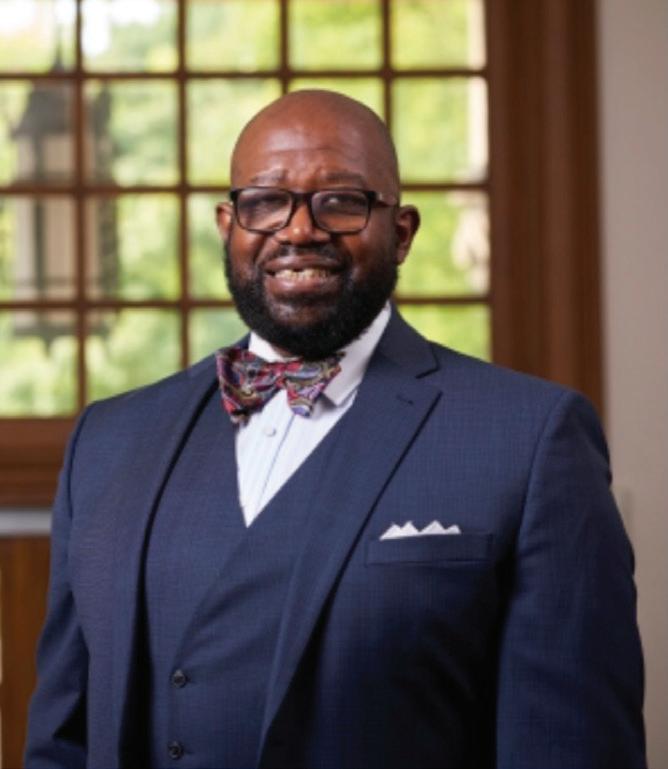
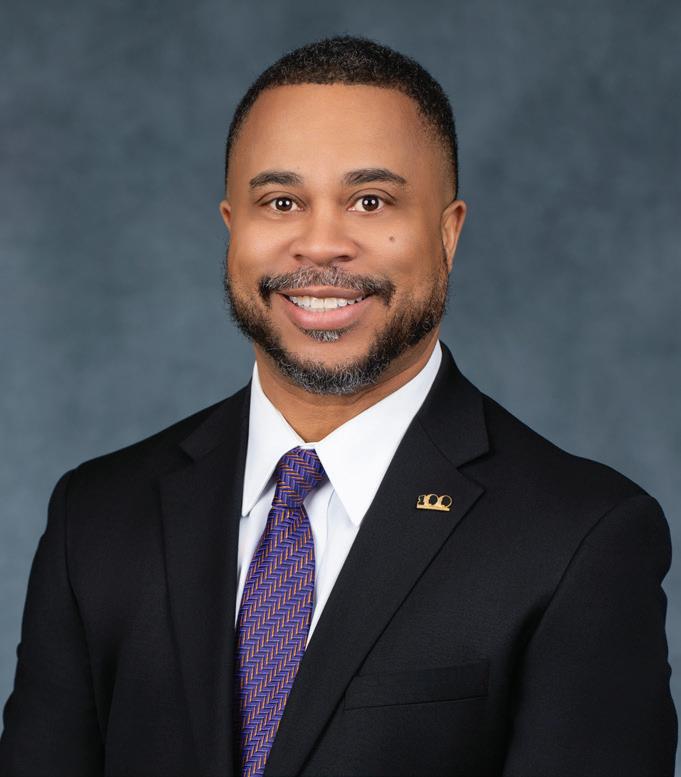
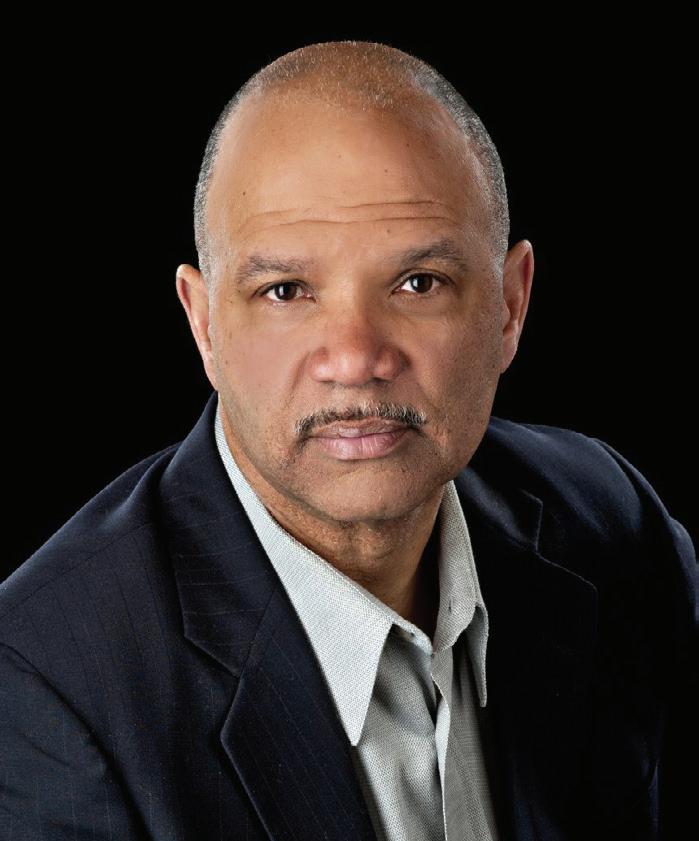
EXECUTIVE BOARD
James W. Wade III
Chairman
Retired Journalist
Mayor Michael Booker Vice - Chairman
Mayor of Highland Hills
Lloyd Totty
Secretary
Project Manager, College and Career Readiness CMSD
Terry McWhorter Director of Finance
Larry Jewett Director of Programs
Retired, Dept of Public Health
Christopher Howse
Steven H. Robertson Financial Advisor
Robert Solomon Vice President Campus Enrichment & Engagement CWRU
David Taylor
Gregory Lockhart Immediate Past Chairman
Director of Communications
James W. Wade III
Economic Empowerment
David Taylor - Chair
Steven Sims - Co Chair
Education
Dr. Terry Echols
Antwan Steele
Health & Wellness
Vacant - Chair
Lloyd Totty - Co Chair
Mentoring
Darian Johnson - Chair
Dr. Ernest Smoot - Co Chair
Membership
Dr. Cameron Redden - Chair
James W. Wade III - Co Chair
National Chairman Milton H. Jones Jr.
Midwest District Rep Andre Givens
Scholarship
Tyson Mitchell
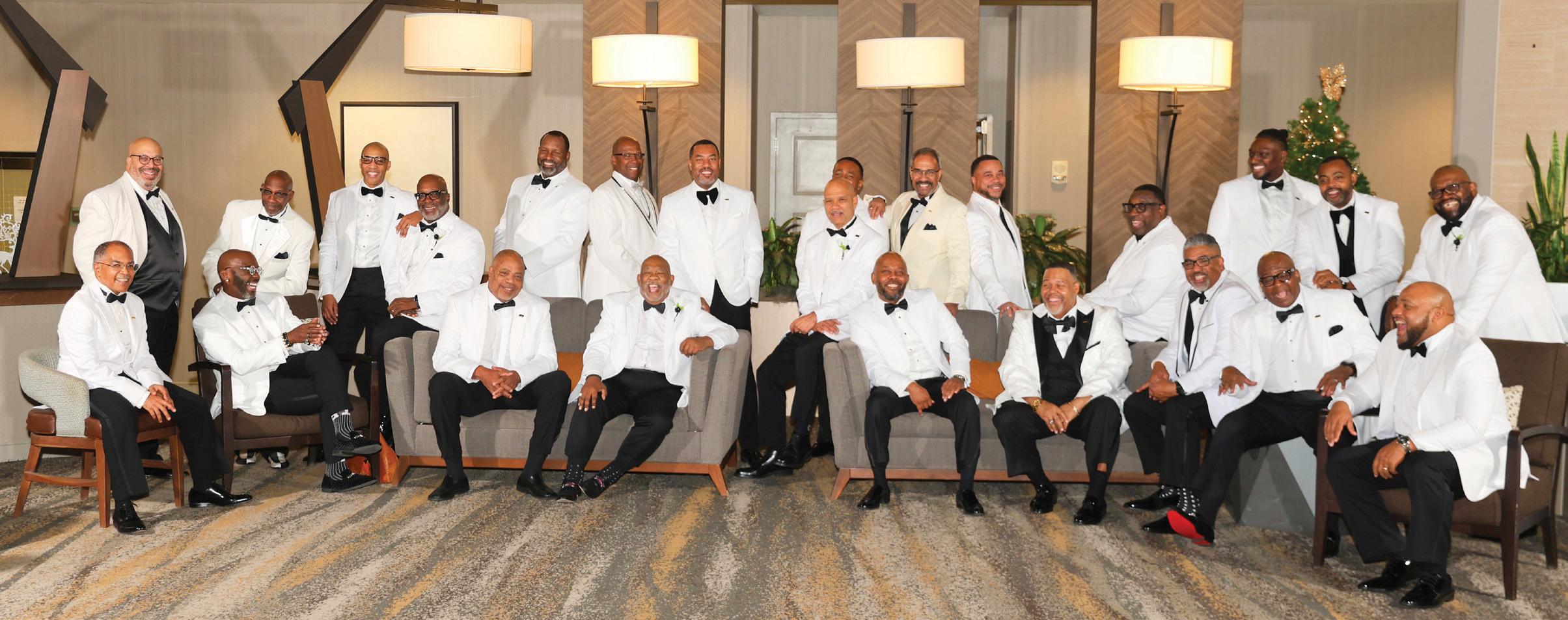
The history of the 100 Black Men of Greater Cleveland is a testament to the power of vision and collaboration. It all began with a pivotal moment when Michael Nelson, a visionary leader, convened a historic meeting. This gathering brought together individuals who represented powerful political factions, including Congressman Louis Stokes, former City Council President George Forbes, and the man who defeated George for Mayor, Michael R. White. The location of this momentous meeting was kept a secret until the day of the event, adding to its intrigue and significance. This history is not just a story, but a legacy that has shaped the community and inspired generations to come.
A date was set, and Nelson invited a number of his friends, including Larry Hines, Gregory Clifford, Curtis Griggs, Tony Smith, Luther Towers, and Julius Singleton, along with Stokes’ rep, Ron Adrine, Forbes’ rep, Daryl Fields, and White rep, Nate Gray, to meet with Chairman Dortch and Roosevelt Adams. The meeting was held at the now-closed Eloise’s Restaurant, located on East 79th Street and Carnegie. The National Headquarters approved Cleveland to be established in 1997 and recognized as an entirely fledged chapter.
The first significant event was a rollout at the Cleveland Clinic, where over 90 men committed to join the cause, with about 70 of them paying their dues. Mayor Michael R. White, a staunch supporter, pledged to purchase 100 copies of the renowned motivational speaker George Fraser’s book, ‘Success Runs in Our Race,’ for each member. George Frazer, who graced the opening event with his presence, generously autographed each member’s copy, symbolizing the dedication and support of the early members.
The next major event was a fundraising gala featuring the late Phylis Hyman, a nationally known recording artist. The event was orchestrated by the dynamic Richard Johnson, a significant internet influencer in today’s social media world. Held at the prestigious Marriott Hotel in Cleveland, the gala was not just a success but a resounding triumph, underscoring the impact of the 100 Black Men of Greater Cleveland in the community.
The 100 would continue to grow its brand in Cleveland. The group coordinated mentoring programs in numerous schools, including Daniel E. Morgan Elementary School, Cleveland East Senior High School, John F. Kennedy Senior High School, East Cleveland Shaw Senior High School, Mound, and Warrensville Heights Senior High School. The 100 also held a Saturday morning mentoring program at its offices in Cleveland’s Shaker Square complex. The numerous programs included a reading program at Daniel E Morgan and a stock market competition at East High School. One of the highlights of our plan was the success of our East High Stock Market Challenge team, which traveled to Atlanta and took on some of the nation’s most prominent schools, finishing a highly respectable 3rd out of the scores of schools that competed.
In 2022, a class of 22 new members joined, a testament to the organization’s continued growth and influence. As we look forward to 2023, we celebrate twenty-five years of impactful service. After seven chairpersons and numerous galas, the chapter continues to thrive, mentoring men in schools such as Wade Park and the Kenneth Clement Boys Leadership Academy, among others. Our journey is marked by numerous achievements, from successful galas to impactful mentoring programs, all of which contribute to the betterment of our community.
2024 under the dynamic new leadership of Chairman Gregory Lockhart and Vice Chairman James W. Wade III, the 100 Black Men of Greater Cleveland proudly re-instated the impactful Saturday Academy at Cuyahoga Community College’s Eastern Campus. This revitalized program has become a cornerstone of our mission, offering young men a safe, structured, and inspiring environment to learn, grow, and lead. Alongside its return, we also introduced a variety of innovative new programs and engaging activities designed to broaden opportunities, strengthen mentorship, and further empower the next generation of leaders.
2025 as we look to the future, we are excited about the opportunities that lie ahead. With new Leadership and a renewed commitment to our mission, we are ready to take on the challenges of the next decade. We look forward to continuing to make a powerful impact, helping us live out our mission of mentoring, educating, and empowering the next generation. This year, we accomplishedso much with the membership giving so much of their time to make the chapter great through new activities: We expanded and enriched our Saturday Academy, offering transformative sessions in mentoring, health & wellness, economic empowerment, and Education. This growth is a testament to our commitment to providing comprehensive support and guidance to our mentees, and we are excited about the positive impact this will have on their lives.
Launched Well Connected on Wednesday, bringing families and mentees together monthly for fitness, wellness, and fellowship. Hosted signature community events, including the Drive Cleveland Golf Outing, Family Picnic, and Walk a Mile with a Child. Honored outstanding leaders and partners at our Sponsor & Honoree Reception and prepared for our 2025 Scholarship & Awards Gala: Champions of Change. Strengthened collaborations with various community partners, expanding opportunities for and to our youth in sports, STEM, financial literacy, and college readiness. Our STEM students won second place at the 100 Black Men National Conference in New Orleans. We continued to uplift the voices and celebrate the achievements of our community through Real Men Magazine, expanding our platform as a powerful tool for storytelling and inspiration. Throughout 2025, we demonstrated the very essence of true brotherhood, leadership, and service. This year stands as a testament to what can be accomplished when we come together, united by purpose and driven by progress.
Judge Ronald Adrine


Chief Magistrate Gregory Clifford,Retired *
Darrell A. Fields
Nate Gray
Curtis (Griggs)
Larry Hines*
Robert L. Bankston
Dr. Michael Baston
Joseph Billups
Curtis Bloxson
Mayor Michael Booker
Anthony Brown
Grady Burrows
Lonnie Coleman
Raphael Collins
Dr. Michael Copeland
Pastor Robert Dix
Lamont Dodson
Dr. Ronnie Dunn
Clayton Eason
Dr. Terry Echols
Gregory Ensley
Judge Michael Nelson
Julius Singleton
Anthony (Tony) Smith*
Luther Towers
* means deceased
Darrell Fields
Anthony Franklin
Duane Griffin
Curtis (Griggs)
Jeevon Harris
Judge Brett Horton
Councilman Michael
J. Houser
Chris Howse
Chief Wayne Hudson
Larry Jewett
Darian Johnson
Roz Kennon
Gregory Lockhart
Terry Maynard
Terry McWhorter
Tyson Mitchell
Aubrey Morgan
Judge Michael Nelson - Retired
Judge Charles Patton
Anthony Peebles
LaRese Purnell
Dr. Cameron Redden
Rev. Randy Reed
Jayson Richardson
Steven H. Robertson
Aqeel Seals
Glen Shumate
Steve Sims
Jermaine Smith
Ernest Smoot
Robert Solomon
Antwan Steele
David L. Taylor
Andre Thompson
Lloyd Totty
James W.Wade III

By James W. Wade III Managing Editor
For generations, Black men have carried many expectations: provider, protector, leader, problem-solver. From an early age, many are taught to be strong. They learn to hold it together and never let anyone see them struggle. Tears are discouraged, vulnerability is misunderstood, and silence becomes armor for survival.
Across the country, more Black men are beginning to ask that question. This shift marks the start of a new conversation—one that challenges the long-standing belief that strength means silence. Today, many are learning that true strength includes acknowledging when you’re not okay and having the courage to seek help.
Mental health remains stigmatized in many Black communities. Phrases like “man up,” “shake it off,” and “pray on it” are common. While faith and resilience support many, they sometimes replace addressing deeper emotional needs.
Black men face unique pressures that deeply impact mental health. Economic stress, workplace challenges, family responsibilities, exposure to violence, and systemic inequities all cause stress and emotional strain. Yet, many Black men have been among the least likely to seek professional support.

It’s not because they don’t need support. Instead, most were simply never taught that asking for help was acceptable.
Mentorship programs, barbershop talks, church wellness initiatives, and community forums help normalize mental health conversations. In spaces with trust and brotherhood, men find they are not alone.
One big barrier to mental wellness for Black men is fear of judgment. Many worry they’ll be labeled weak or incapable if they admit to struggling. But everyone faces stress, anxiety, grief, or depression. Ignoring those feelings doesn’t make them disappear.
Unaddressed mental health issues can appear as anger, withdrawal, substance use, or strained relationships. The emotional burden hurts individuals, families, and whole communities.
Recognizing the patterns in these stories makes it clear—changing this narrative requires more than awareness—it requires action.
Start these conversations. Reach out to a friend, a family member, or a mentor. Ask the tough questions and truly listen. Commit to being a support system, and encourage others to seek help when they need it. Be the example you wish you had.
Mental health is not just about therapy sessions and clinical diagnoses. It’s also about daily habits that support emotional well-being. Taking time to rest, exercising regularly, eating healthy foods, and building strong support systems all play important roles in maintaining mental health.
Equally important is recognizing when professional help is needed. Seeking therapy or counseling should be viewed the same way as visiting a doctor for physical health concerns. Just as a broken bone requires medical attention, emotional pain deserves care and treatment.
Faith also remains an important source of strength for many Black men. Prayer, meditation, and spiritual guidance provide comfort and hope during difficult times. But faith and professional support can work together—not in opposition.
There is power in combining spiritual strength with practical tools for emotional healing.
Representation matters. Seeing Black men discuss mental health breaks stereotypes. When athletes, leaders, educators, and mentors speak openly about their experiences, it sends a powerful message: mental wellness matters.
Young men watch closely. They learn strength by observing examples. If strength means silence, the cycle repeats. But if strength is self-awareness, healing, and growth, future generations will benefit in countless ways.
Mental health awareness among Black men is not just about individual healing— it’s about collective progress. Strong families are built on healthy individuals. Healthy individuals create stronger communities.
And strong communities change the world.
The message is simple, yet powerful: It’s okay not to be okay.
It’s okay to admit when you’re overwhelmed.
It’s okay to talk about what you’re feeling. It’s okay to ask for help.
In fact, doing so may be one of the strongest decisions a man can make.
As more Black men begin to share their stories, seek support, and prioritize their mental well-being, join the movement. Share your experience. Check in on someone you care about. Advocate for mental wellness in your circles. Help replace silence with understanding; turn isolation into connection.
Together, let’s redefine strength—not as the absence of struggle, but as the courage to confront it and take action. Be the change that makes it easier for others to do the same.
Because at the end of the day, real strength isn’t about hiding pain.
Real strength is about healing.



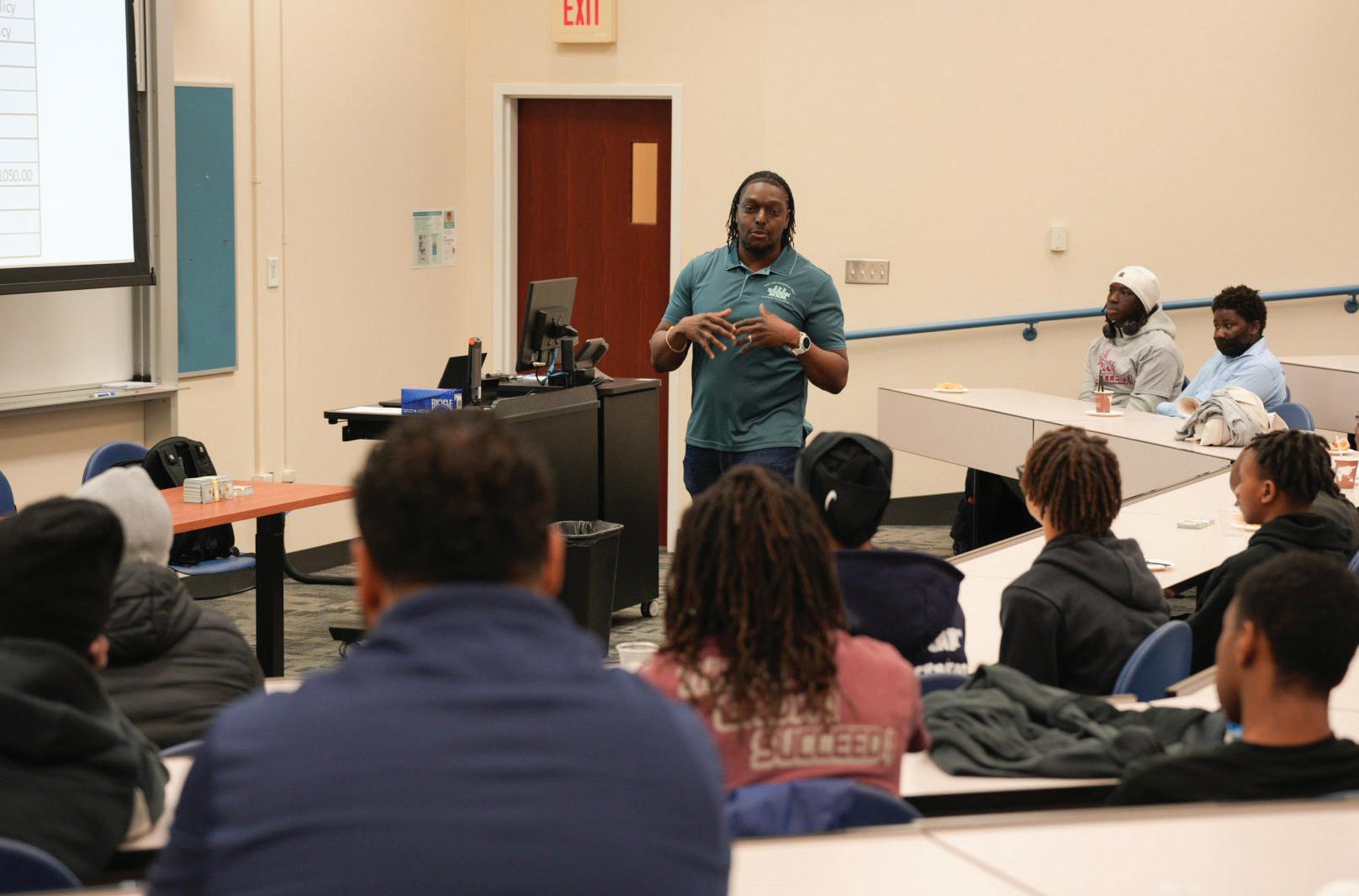
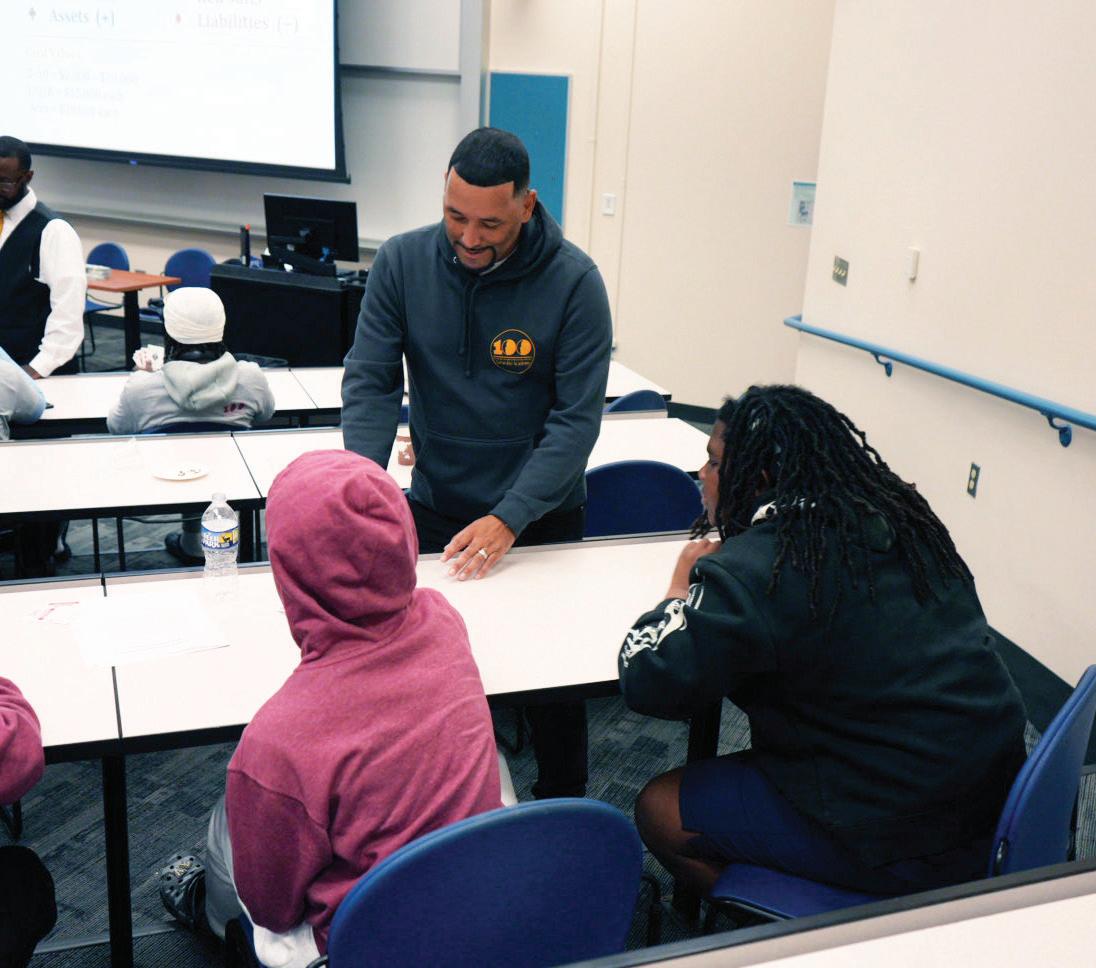
The April Saturday Academy captured its mission’s essence: empowering young men with financial literacy. David Taylor and his committee ensured the session was purposeful, engaging, and directed at building a key life skill.
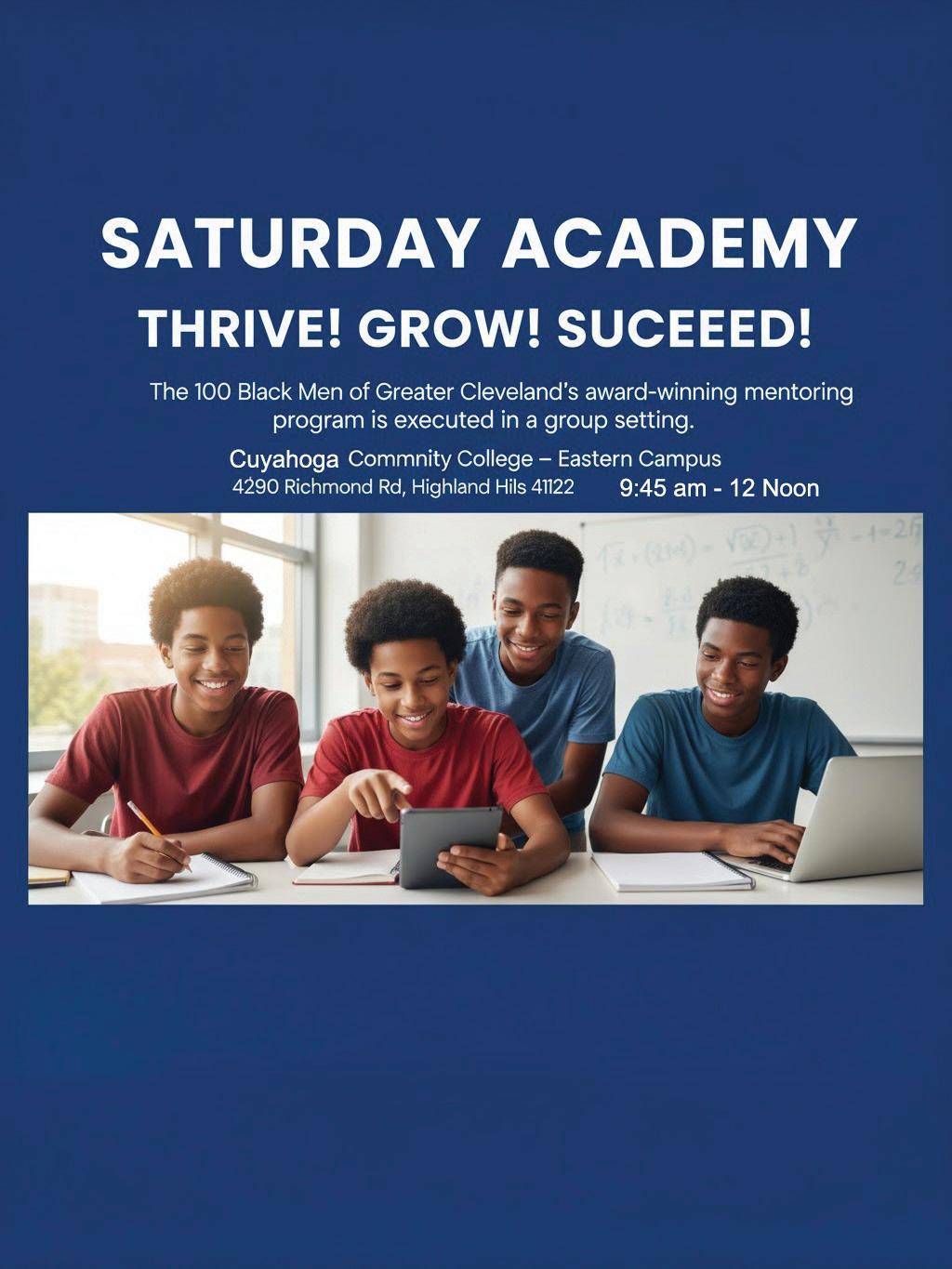
Building on that excitement, the Saturday Academy, hosted by the 100 Black Men of Greater Cleveland, Inc., is more than just a monthly gathering—it is a transformative experience. Designed to provide mentorship, academic support, and real-world life skills, the Academy serves as a safe and structured environment where young men can grow, learn, and be inspired. The program meets on the third Saturday of each month at Cuyahoga Community College Eastern Campus, in the Jack, Joseph, and Morton Mandel Building, Room 122, from 9:45 a.m. to 12:00 noon. Each month focuses on a different theme, ranging from leadership development and health and wellness to career exposure and financial empowerment.
What truly sets the Saturday Academy apart is not just the curriculum, but the consistency and commitment behind it. Each session builds on the last as mentors show up not just to teach but to connect. They share experiences, offer guidance, and model what success and responsibility look like. The young men, in turn, arrive ready to learn, engage, and challenge themselves.
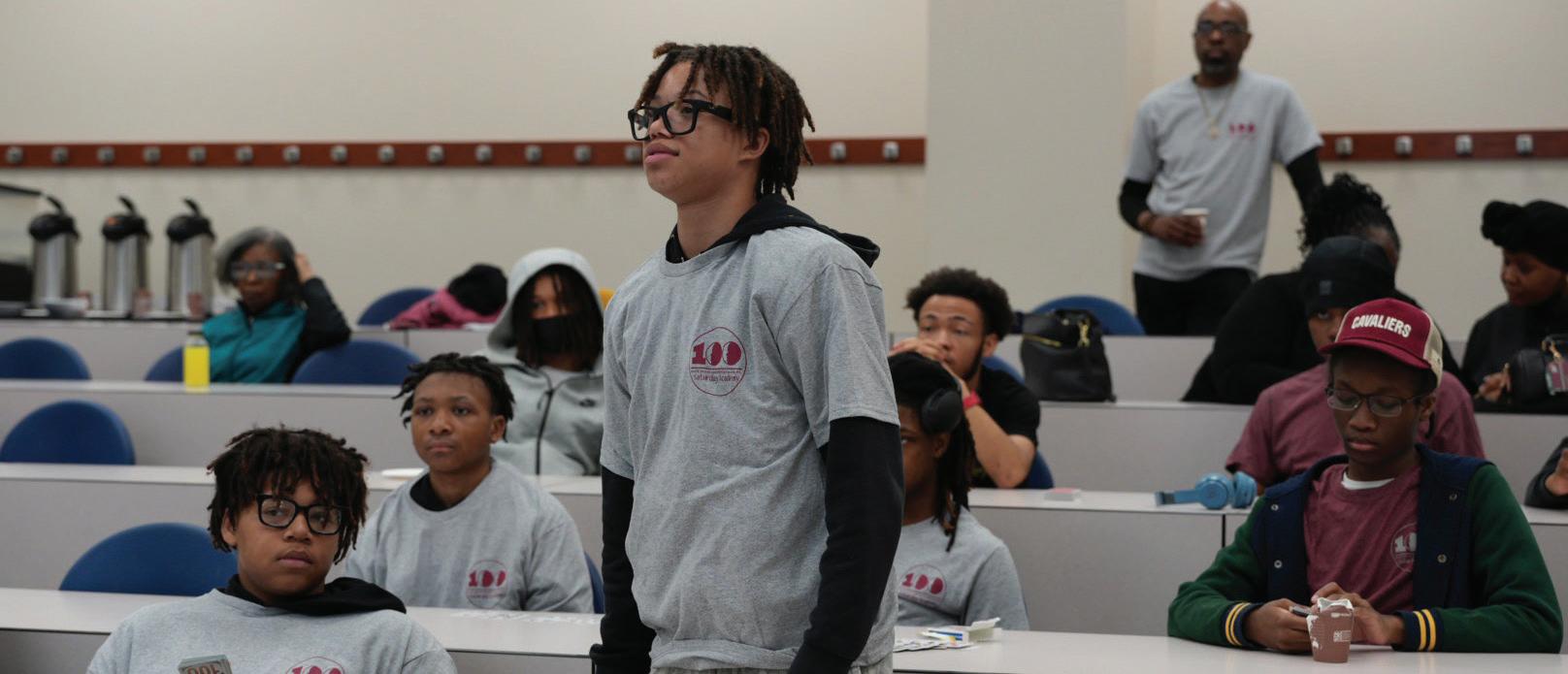
April’s focus on financial literacy exemplified this. David Taylor and his team made sure the lessons were both impactful and interactive. The session began with a few of the young men from the NexGen team stepping forward to share what they had learned in previous classes. It was powerful to see them confidently speak about budgeting, saving, and making smart financial decisions. Their growth was evident—not just in what they said, but in how they said it. They weren’t just repeating information; they understood it.
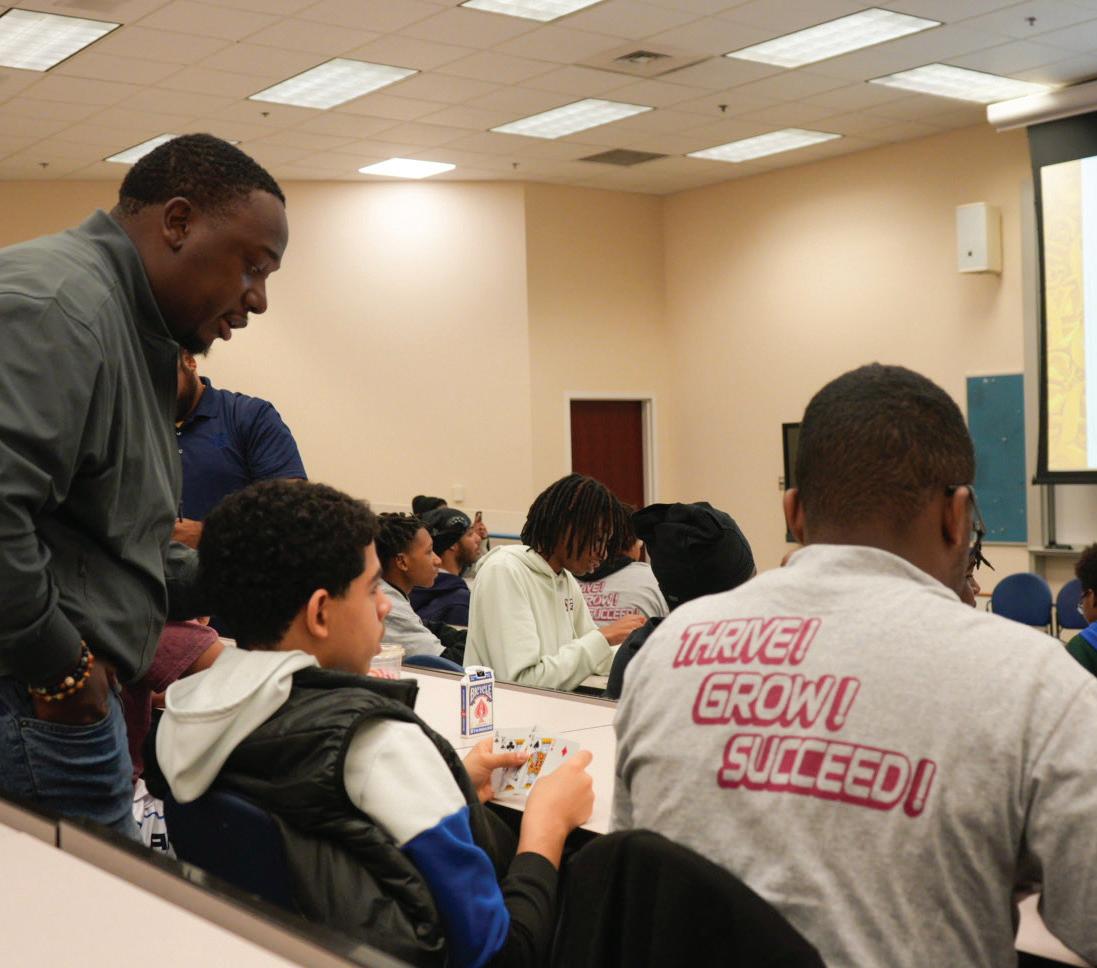
Following these presentations, the Academy transitioned into a hands-on activity that brought the lessons to life. The young men were divided into teams and introduced to a financial game designed to simulate real-world money management. Each team had to make decisions, manage resources, and strategize in order to come out ahead.
At that moment, the room truly came alive.
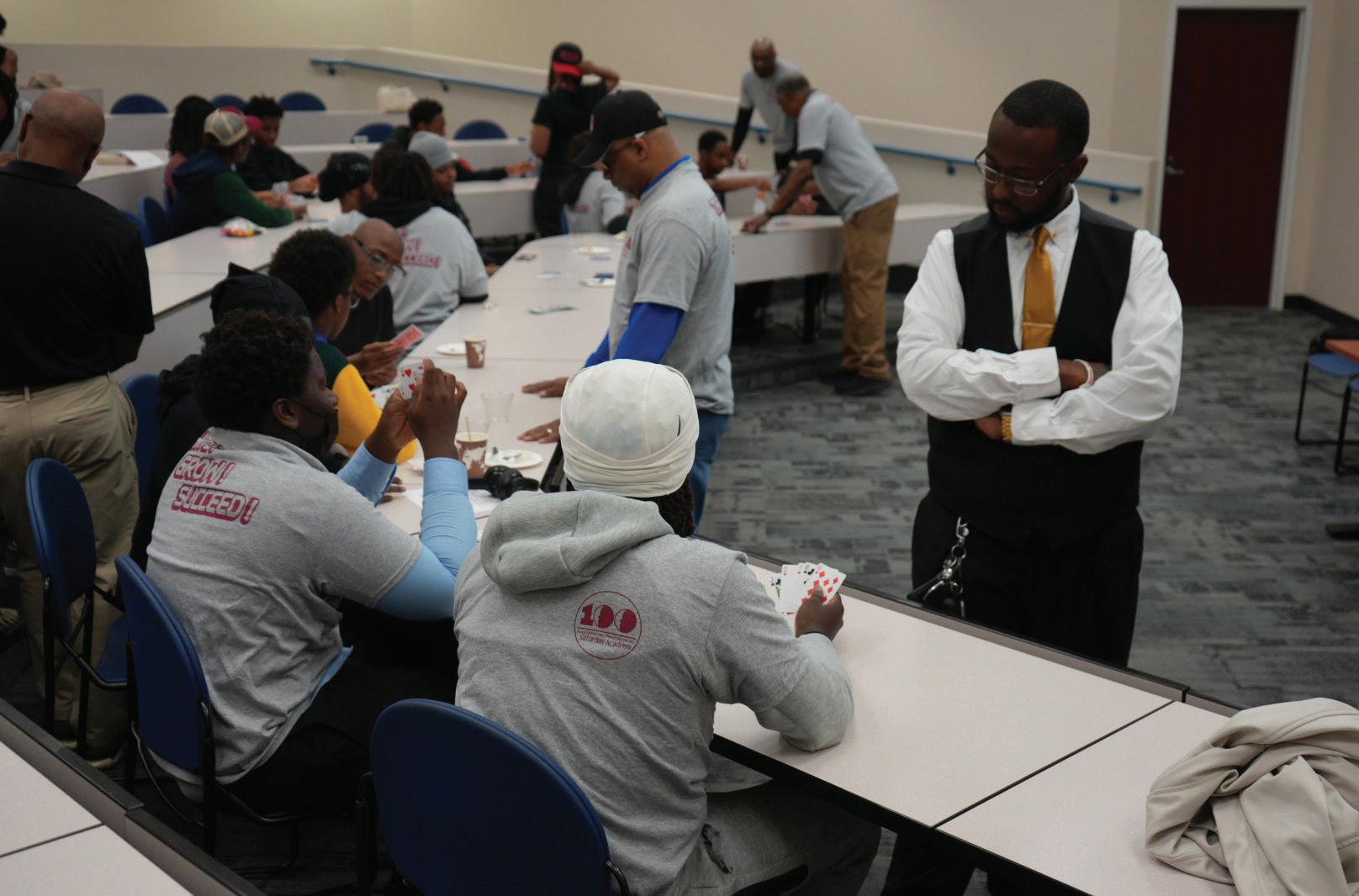
Energy filled the space—you could hear laughter, debates, and the competitive spirit building as each group worked to outdo the others. Some of the young men were fully locked in, calculating their next move, while others were playfully accusing opposing teams of “cheating” whenever things didn’t go their way. It was all in good fun, but beneath the laughter was something deeper—engagement. They
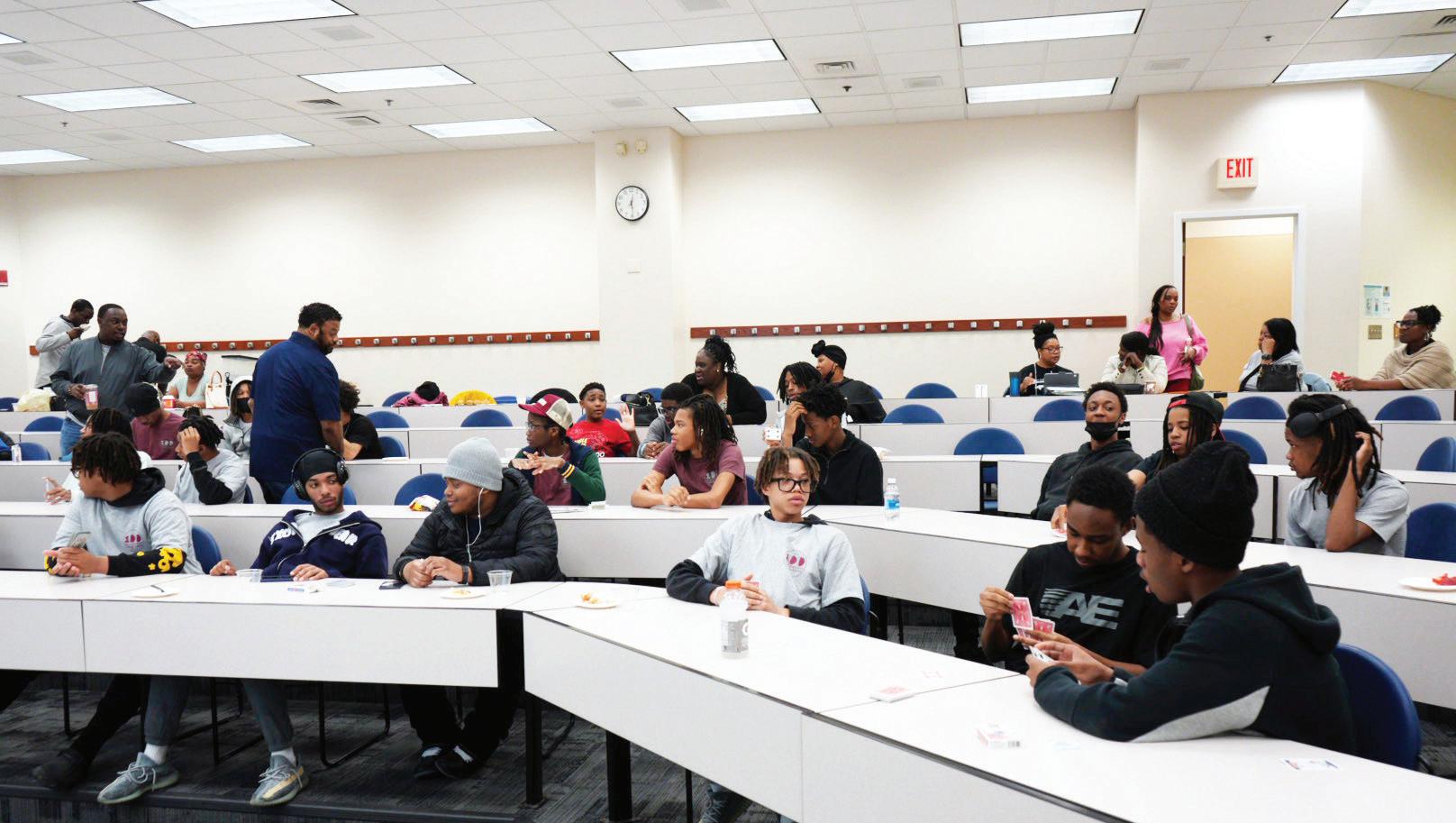
were thinking critically, working together, and applying the concepts they had just learned.
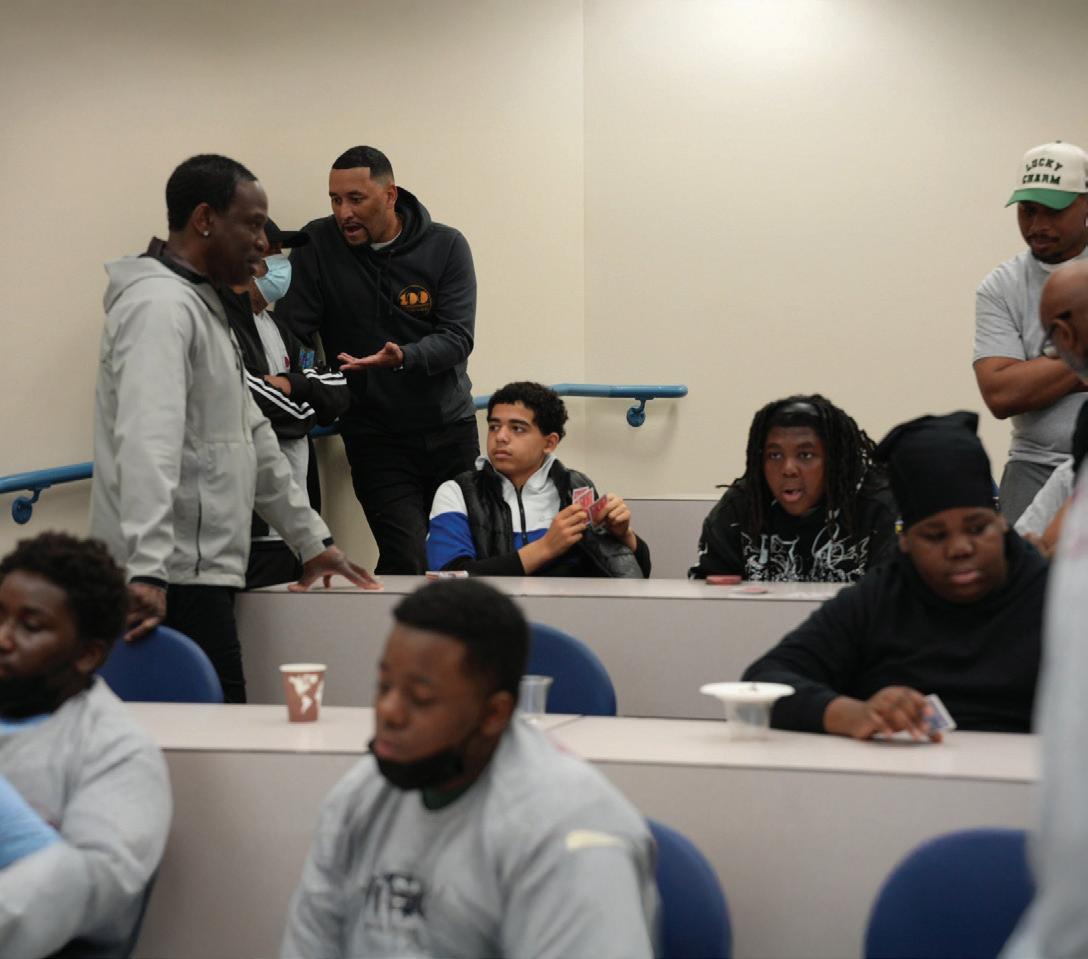
Throughout this lively competition, mentors moved from table to table, guiding conversations, asking questions, and challenging the young men to think about the “why” behind their decisions. It wasn’t just about winning the game—it was about understanding how those same decisions would play out in real life.
The competition remained strong, but camaraderie was even stronger. Every team wanted to win, but everyone was learning in the process. By the end of the activity, it was clear that the objective had been met. The young men walked away not only with a better understanding of finances but also with greater confidence in their ability to make smart decisions.
Saturday Academy is about unlocking potential and preparing young men for success by equipping them with lifechanging tools.
As the session came to a close, the energy lingered. Conversations continued, smiles were everywhere, and there was a shared sense that something meaningful had taken place. The April Saturday Academy didn’t just meet expectations—it exceeded them.
David Taylor and his committee delivered a powerful experience. More importantly, they helped plant seeds that will continue to grow in these young men’s lives. That’s the true impact of the Saturday Academy— one Saturday at a time, shaping the next generation of leaders.


Program Highlights:
Sessions on: Mentoring • Education
• Health & Wellness • Economic Empowerment
•Provide mentoring for personalized guidance and support
•We promote leadership and opportunity through expert speakers and exposure to field trips
•Interactive workshops to enhance skills and explore career pathways
Scan QR Code to Sign Up

By James W. Wade III
Even though my mother is no longer here, I carry her with me always. The way I think, move, and treat people all reflect her. Every lesson she taught me shaped me into who I am, and her preparation made all the difference. For that, I will always be grateful.
I was my mother’s only son, her only child, and while some might assume that meant I was spoiled or sheltered, that couldn’t be further from the truth. My mother didn’t raise a mama’s boy—she raised a man. And she started that process early.
I remember being about eight years old, outside playing football and basketball with my friends. Those were my moments—running, laughing, competing, just being a kid. Then I’d hear her voice calling me from down the street or from the porch, telling me to come inside. Every time, I felt the same frustration. I didn’t want to leave the game. I didn’t want to step away from the fun.
When I walked in the house, it wasn’t to sit down and relax. No, my mother had something for me to do. She would have me in the kitchen, showing me how to cook. Or she’d have a pile of clothes ready for me to wash. Then came ironing— carefully pressing clothes until they were just right. At eight years old, I didn’t understand it. I’d pout, drag my feet, and complain under my breath.
I used to tell her, “That’s girl stuff.”
Looking back now, I almost smile at how wrong I was, especially given what came next.
At the time, I couldn’t see the bigger picture—fun called, but my mother saw something greater. She wasn’t just giving me chores; she was giving me life skills and preparing me for a day when I would have to stand on my own.
She never raised her voice too much, but she was firm. She didn’t argue back and forth. She simply said, “One day, you’ll understand.”
And as time passed, I saw she was right.
As I got older, I began to appreciate even more what she poured into me—not just the practical lessons, but the spiritual ones as well. There were many days I didn’t feel like going, but she made sure I was in church. At the time, it felt like just another thing pulling me away from what I wanted to do. But as I matured, I came to understand the foundation she was building within me. The scripture she lived by became real in my life: “Train up a child in the way he should go: and when he is old, he will not depart from it” (Proverbs 22:6, KJV). Those words stayed with me, guiding my decisions and shaping my character long after I left her home.
When I went off on my own, I didn’t have to depend on anyone. I knew how to cook real meals, keep my clothes clean and pressed, and maintain a home. Most importantly, I understood responsibility and carried values that kept me grounded.
In truth, what I once saw as punishment became clear as preparation.

Being her only child meant I got her full attention, but it also meant she carried a big responsibility. She knew she had one shot to pour everything she had into me. And she didn’t waste it. She taught me discipline, respect, faith, and independence. She made sure I understood that being a man wasn’t about what you say—it’s about what you do.
She didn’t let me make excuses. She didn’t let me take shortcuts. And she definitely didn’t let me grow up thinking that certain things were beneath me. In her eyes, taking care of yourself was a basic expectation, not an option.
Now I see that every call indoors was an investment in my future. Each kitchen lesson, chore, and Sunday in church built the foundation I stand on today. Preparation was her gift to me.
I wasn’t a mama’s boy, but I was deeply loved—and, most importantly, I was truly prepared.
Now that she’s gone, I wish I could hear her voice again, calling me in—not to stop playing, but because I finally understand what that call meant: she cared enough to teach, saw something in me to shape, and loved me enough not to take the easy route.
If your mother is still here, love her every single day. Don’t wait. Don’t assume there will always be more time. I miss mine daily and would give anything for one more conversation or lesson.
I carry that love with pride. I carry her lessons with purpose. And I carry her memory with gratitude.
I will always love my mama for preparing me for life.
Our most important work happens outside the four walls of our bank. KeyBank gets involved, supporting people who make a difference and working with communityfocused organizations through investments, philanthropy, and volunteering. We believe that together we can keep our communities full of hope, compassion, and opportunity, one open door at a time.
KeyBank thanks 100 Black Men of Greater Cleveland, Inc. for making a difference.
By James W. Wade II Managing Editor
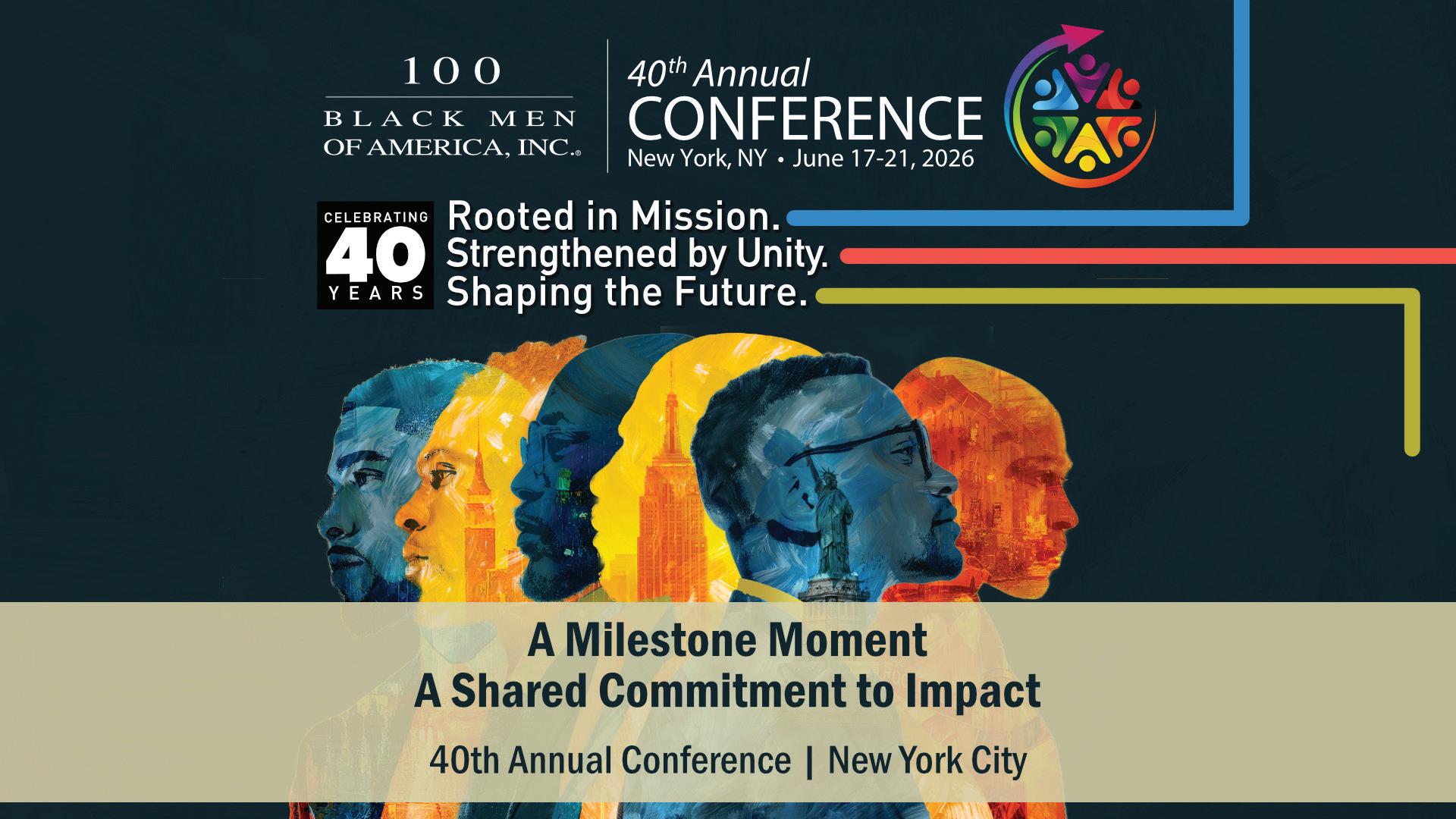
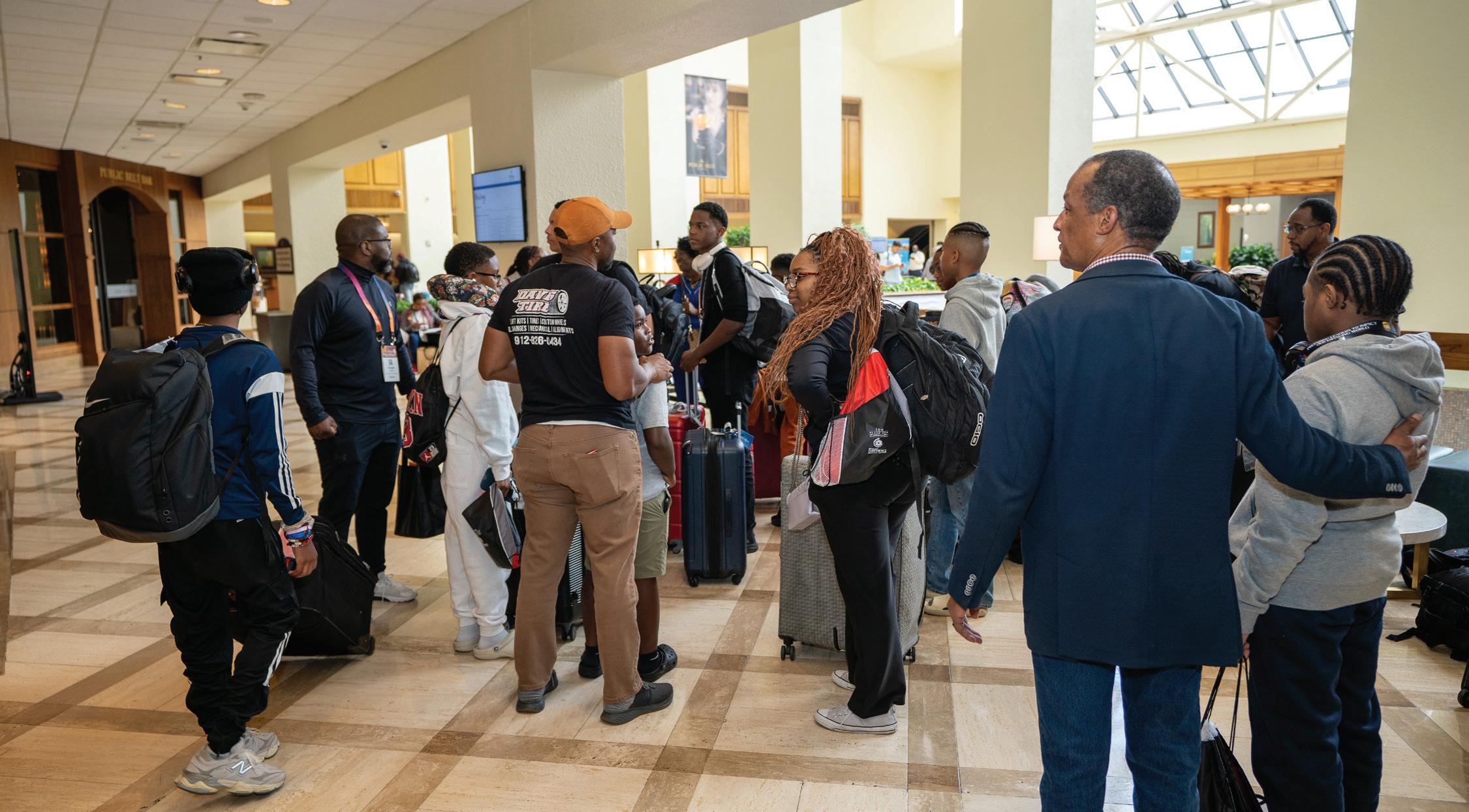
The 100 Black Men of America 40th Annual Conference will take place June 17–21, 2026, at the New York Hilton Midtown, marking a historic milestone for the 100 Black Men of America, Inc. This landmark gathering will bring together members, leaders, mentors, and supporters from across the country and around the world to celebrate four decades of service, mentorship, and leadership. The conference represents not only a celebration of the organization’s remarkable history but also a powerful moment to recommit to the mission of uplifting communities and empowering future generations.
For 40 years, the organization has been a driving force dedicated to improving the quality of life in communities through mentorship, education, economic empowerment, and health and wellness. The Annual Conference serves as the organization’s premier event—an opportunity for members from every
chapter to gather in one place, strengthen relationships, share best practices, and build upon the strong foundation established by the visionary founders who launched the movement decades ago.
The four-day conference experience is designed to unite generations of leadership while celebrating the progress made since the organization’s founding. From seasoned mentors who helped shape the organization’s early years to the young men currently benefiting from its programs, the conference offers a unique opportunity for multi-generational engagement. It is truly a place where legacy meets leadership.
Throughout the conference, attendees can expect a high-energy, mission-driven environment that informs, connects, and inspires. Professionals, community leaders, educators, entrepreneurs, and mentees will gather with a shared purpose— strengthening communities by investing in the next generation. The atmosphere will be filled with meaningful conversations,
dynamic sessions, and opportunities to learn from individuals making a difference in their fields.
One of the most valuable aspects of the conference is its emphasis on leadership development. Participants will engage in thought-provoking discussions that explore leadership across a wide range of industries, including business, education, technology, public service, and community advocacy. These sessions are designed to provide valuable insights into the challenges and opportunities facing today’s leaders while also equipping attendees with practical strategies to develop leadership skills within their own chapters and communities.
Equally important is the opportunity for powerful networking. The conference provides a rare platform where members from across the United States and around the globe can connect, collaborate, and
exchange ideas. These conversations often lead to lasting partnerships, mentorship opportunities, and innovative initiatives that strengthen the organization’s collective mission. Many members describe the annual conference as one of the most valuable opportunities to build relationships with brothers who share the same passion for service and leadership.
Career and economic empowerment are major themes of the conference. Workshops, discussion panels, and group sessions explore workforce development, entrepreneurship, and financial stability, reinforcing the importance of economic empowerment.
The conference also highlights the organization’s commitment to multigenerational engagement. Young mentees who attend have the opportunity to see mentorship and leadership in action. They interact with accomplished professionals
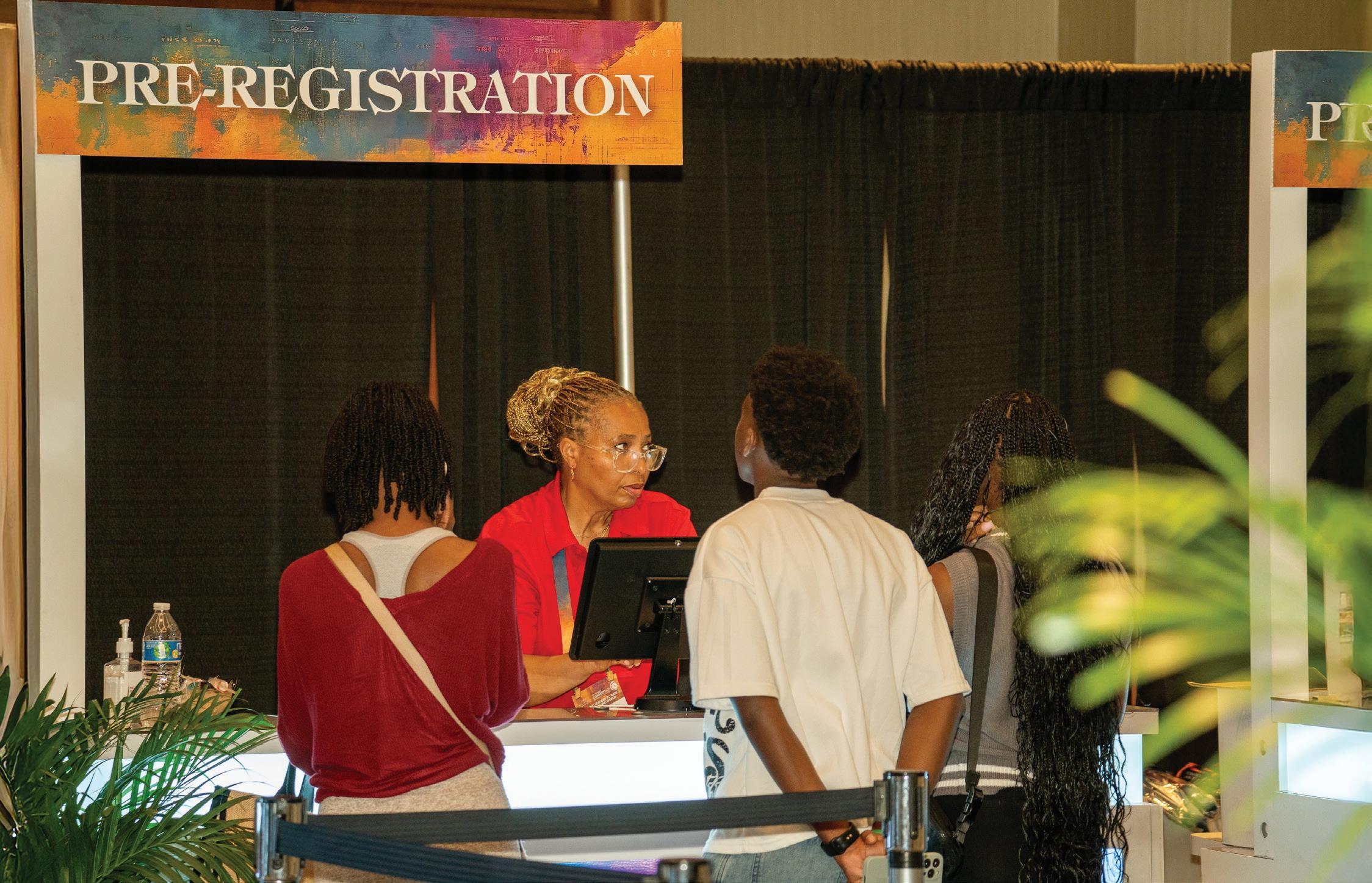
who serve as living examples of success, perseverance, and commitment to community. For many young participants, this experience becomes a defining moment—one that inspires them to pursue their goals with confidence and determination.
At the same time, longtime members and seasoned leaders can reflect on the organization’s journey and pass down their knowledge to the next generation. This exchange between generations creates an environment where experience and innovation come together to shape the future of leadership.
Beyond leadership and mentorship, the conference showcases the organization’s growing national and global impact. With chapters across the United States and international relationships, the organization continues to expand its reach. Members work collaboratively to address critical issues affecting communities, including educational disparities, economic inequality, health challenges, and the development of leadership among young men of color.
Through planning sessions and dialogue, participants find new ways to strengthen the organization at all levels. The conference is also a forum for sharing successful programs and identifying strategies that can be replicated elsewhere.
The event also celebrates the enduring bonds formed over the past 40 years— foundational relationships that drive the organization’s success.
As the organization looks toward the future, the conference inspires bold leadership and a continued commitment to empowering young people for the next chapter.
The 40th Annual Conference proves that shared purpose leads to meaningful
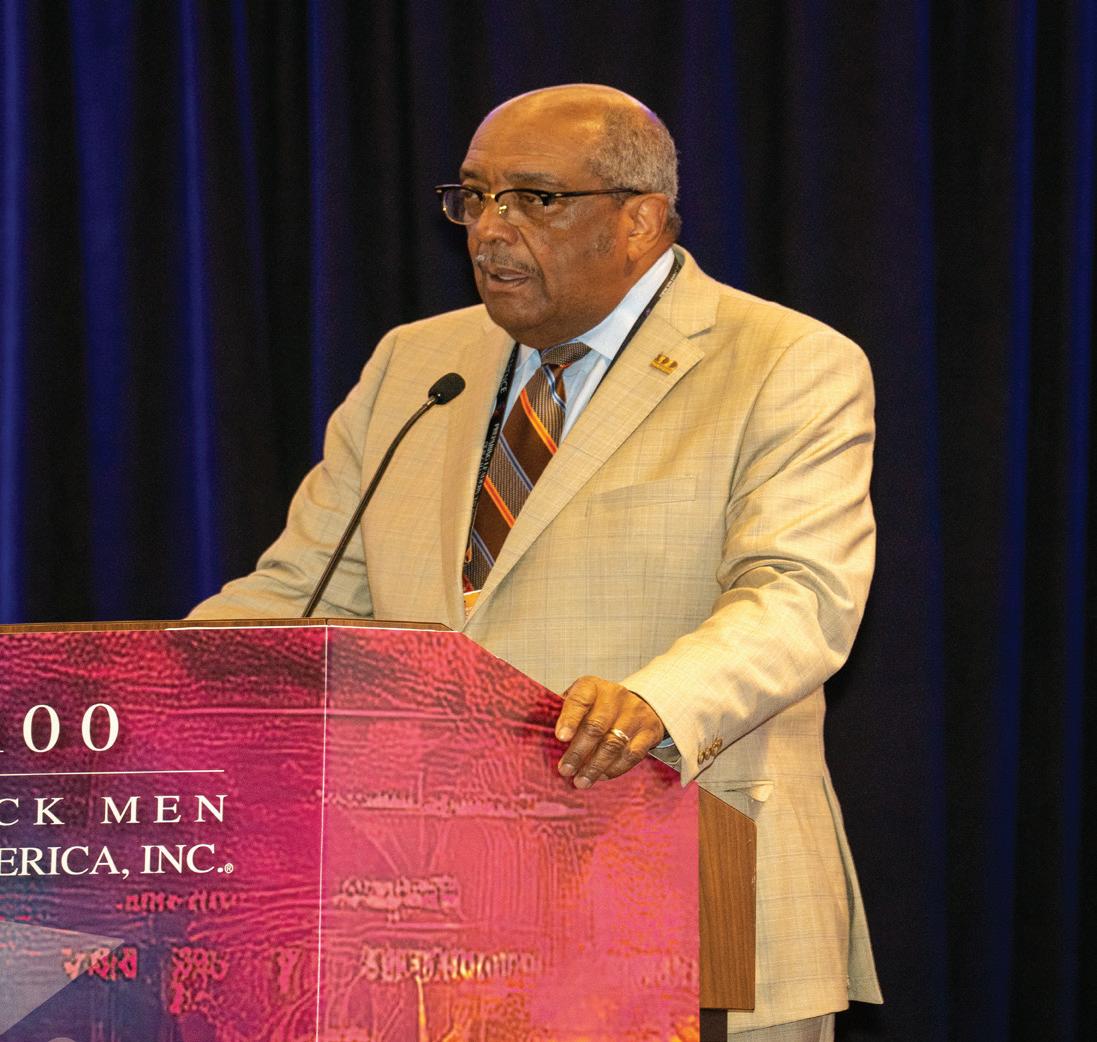
change, relationship building, and the development of new leaders. ees return home after the conference with renewed energy, fresh perspectives, and a stronger commitment to the mission. The lessons learned and connections formed during the conference continue to influence the work being done in chapters across the nation.
The conference embodies unity, leadership, mentorship, and service. It is both a celebration and an opportunity to reflect on the past, strengthen the present, and shape the future together.
Whether you are a leader, entrepreneur, mentor, or emerging professional, this event offers the insights, relationships, and momentum to lead boldly in a changing world. You register today and take advantage of the Early Bird pricing so you don’t miss this historic celebration of leadership, mentorship, and forty years of impact.
Click on the link to register https://events.100blackmen.org/event/40thannual-conference/regProcessStep1
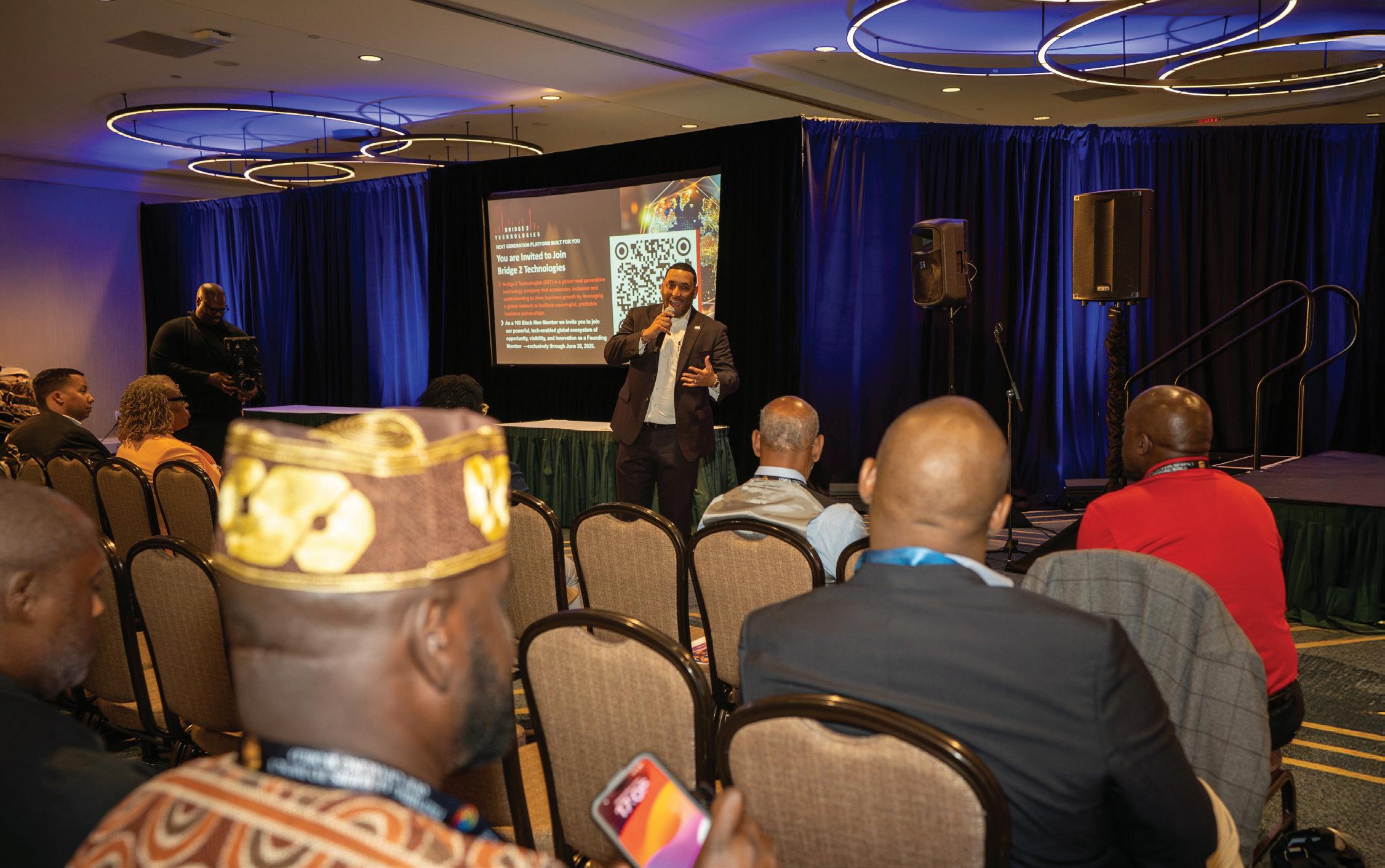
LaRese Purnell leads a dynamic financial workshop, sharing his expertise and insight with attendees. A proud member of the 100 Black Men of Greater Cleveland, Inc. and a leader within the 100 Black Men of America, Inc. Midwest District, Purnell continues to empower others through financial education and leadership.




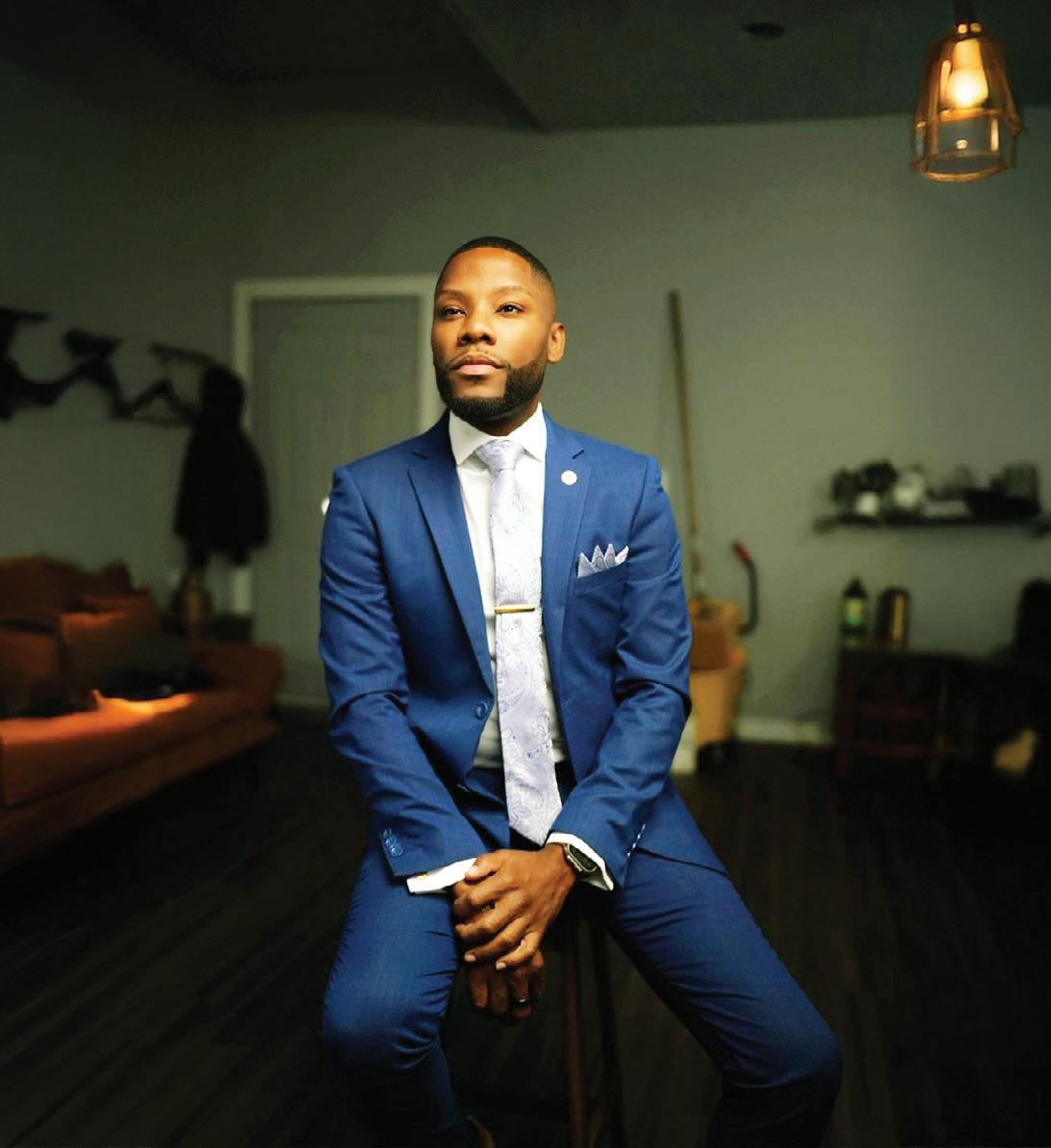
By Dr. Ken J.A. Griffin, DHA, MA, RMC
By Dr. Ken Griffin
There is a conversation that too many men, especially Black men, have never been encouraged to have. Not about success or responsibility, but about what it feels like when life becomes overwhelming. Mental Health Awareness Month is more than recognition. It is an opportunity to change how we show up for ourselves and for each other. Mental health is often overlooked because it is not always visible. It does not show up like a broken bone or a physical injury. It shows up in stress, in burnout, in frustration, in silence. And too often, men are taught to carry it alone.
Many men are navigating constant pressure. Providing for families, leading at work, showing strength in every space, and managing personal challenges at the same time. For Black men, these pressures can be even more layered, shaped by lived experiences, expectations, and environments that demand resilience. But pressure without release becomes a
burden. Too often, men are conditioned to internalize everything. We push through exhaustion. We avoid difficult conversations. We tell ourselves we will deal with it later. The result is stress that builds quietly over time, impacting our health, our relationships, and our ability to function at our highest level. This is not a personal failure. It is a pattern that has been passed down and normalized.
If we are going to support men in a meaningful way, we have to redefine strength. Strength is not silence. Strength is awareness. It is the ability to recognize when something is off and take action. It is having the discipline to check in with yourself, not just physically, but mentally and emotionally. Strong men are not those who carry everything alone. Strong men are those who know when to speak, when to seek support, and when to pause. This shift in mindset is critical. Because until men see mental health as a part of strength, they will continue to avoid it.
One of the most powerful ways to support men is by creating environments where honesty is welcomed. Men need spaces where they can speak openly without judgment. Whether that is among friends, in professional settings, in faith communities, or within organizations, the goal is the same. Normalize real conversations. That means asking better questions. Not just “Are you good?” but “How are you really doing?” And being willing to listen to the answer. It also means modeling vulnerability. When leaders, fathers, mentors, and peers speak openly about stress, challenges, and mental health, it gives others permission to do the same.
Supporting men’s mental health requires intentional action. It is not complicated, but it does require consistency. Encourage regular check-ins. Men should be asking themselves how they are doing, not just pushing through each day. Promote healthy outlets. Exercise, journaling, prayer, and reflection are all ways to release stress and process emotions. Strengthen relationships. Isolation increases stress.
Strong, trusted relationships provide support and accountability. Normalize professional support. Therapy, counseling, and coaching should be seen as tools for growth, not last resorts. Prioritize rest. Mental fatigue is real. Rest allows men to reset and show up stronger. These are not signs of weakness. They are strategies for sustainability.
This is not just an individual responsibility. It is a collective one. Organizations must create cultures where mental health is prioritized. Communities must encourage openness. Families must support the men in their lives without judgment. And men must begin to hold each other accountable in a healthy way. We cannot say we care about men and ignore what they are carrying internally. If we want stronger leaders, stronger families, and stronger communities, we must invest in the mental well being of men.
Mental health is not a one-time conversation. It is an ongoing commitment. The shift begins when men stop suffering in silence and start taking ownership of their well being. It grows when we create spaces that encourage honesty. And it becomes a movement when we actively support one another. This is how we change the narrative. This is how we build a new standard. Men deserve to live with clarity, peace, and strength, not just on the outside, but within. And the work starts now.


Across the United States, a persistent and troubling pattern continues to shape the educational experiences of young learners—minority males, particularly Black and Latino boys—who are disproportionately placed in special education programs. While special education is designed to provide critical support, this overrepresentation raises an urgent question: Are these placements always appropriate, or are deeper systemic issues at play?
When I was a young man at Central Jr. High School in Cleveland, I was in a program called Major Work. Back then, I wasn’t entirely sure what it meant or why I was there, but I knew it was different. During the times of desegregation in Cleveland, I found myself in advanced classes with students from all over the city—Black, White, Asian, and Hispanic. We were often called “nerdy” because we actually read books and did our homework. I never gave much thought to the students on the fourth floor of that gigantic institution—the so-called “special ed” students. There was very little interaction with them and even less visibility, yet they too were students at Central. Years later, after reading research and reflecting on those experiences, I began to understand that what once seemed mysterious remains a reality today.
As we played basketball and football and gathered around the library, kids were just kids. No one had labels. No one knew—or cared—about your academic standing. We simply wanted to play and have fun until it was time to head home. But today, increasing numbers of minority males— young men from neighborhoods much like mine—are being placed into these types of classrooms. What is most concerning is that few people fully understand how these classifications are determined or why they are necessary. Back then, the guys were just guys—nothing more, nothing less.
n my neighborhood, intelligence was measured differently. Everyone was respected for what they knew, not criticized for what they didn’t. To this day, my oldest brother teases me for not being mechanically inclined—but that was his strength, not mine. Does that mean I should have been placed in special education? Maybe, maybe not—you’d have to ask Mrs. Anderson or Mrs. Day. Special education today is complicated to determine. If you ask a student when Columbus arrived in the New World, who W.E.B. Du Bois was, or what accomplishment the Wright Brothers achieved, they might hesitate. Yet when I visited the Apple Store recently, I watched young Generation Z workers move through my phone with such speed and
confidence that I could hardly keep up. By that measure, perhaps I should have been placed in special education myself.
This is not simply an educational issue. It is an equity issue, a systems issue, and ultimately, a workforce issue. Research over several decades consistently shows that minority males are more likely to be identified with learning disabilities, emotional disturbances, and behavioral disorders compared to their peers. These classifications often carry long-term academic and social consequences, including limited access to rigorous coursework, increased disciplinary actions, and reduced postsecondary opportunities. The core issue is not ability—it is identification.
Understanding the root causes begins with examining referral processes. The pathway into special education often starts with a teacher’s referral. When behavioral expectations are influenced by cultural misunderstandings or implicit bias, minority males may be labeled as “disruptive” rather than “misunderstood.” Behaviors that may be culturally normal can be misinterpreted as defiance or disorder.
Another factor is the lack of culturally responsive teaching. Curriculum and instructional practices that fail to reflect students’ cultural identities can lead to disengagement. Disengaged students are more likely to struggle academically or behaviorally—factors that often trigger special education evaluations. Early literacy gaps also play a significant role. Many minority males are not reading at grade level by third grade, a critical academic milestone. Without early intervention, reading challenges compound, increasing the likelihood of referrals rather than targeted literacy support.
Limited access to early interventions further deepens the issue. Preventative
supports such as tutoring, mentoring, and behavioral services are often underresourced in schools serving minority communities. When early challenges go unaddressed, special education becomes the default response rather than the last resort. Bias in assessment tools also contributes to misidentification. Standardized tests are not always culturally neutral, and language or contextual differences can disadvantage students from diverse backgrounds.
The consequences of misidentification are serious and lasting. They may include lower academic expectations, reduced exposure to grade-level content, increased likelihood of suspension or exclusion, diminished self-esteem, and limited access to college and career opportunities.
This reality requires us to ask not what schools can do, but what they must do differently. Addressing this issue requires intentional, systemic change. One important step is implementing Multi-Tiered Systems of Support (MTSS), where students receive layered academic and behavioral assistance before special education referrals occur. Investing in culturally responsive teaching is equally critical. Educators must be equipped to recognize cultural differences and respond appropriately to diverse learning styles.
By shifting from reactive identification to proactive support, schools can ensure that special education fulfills its true purpose— helping students thrive rather than limiting their potential. The real question is not how long this disparity will continue, but whether we are willing to address it with urgency, honesty, and accountability. Because when we get this right, we do more than improve education—we change lives and futures.