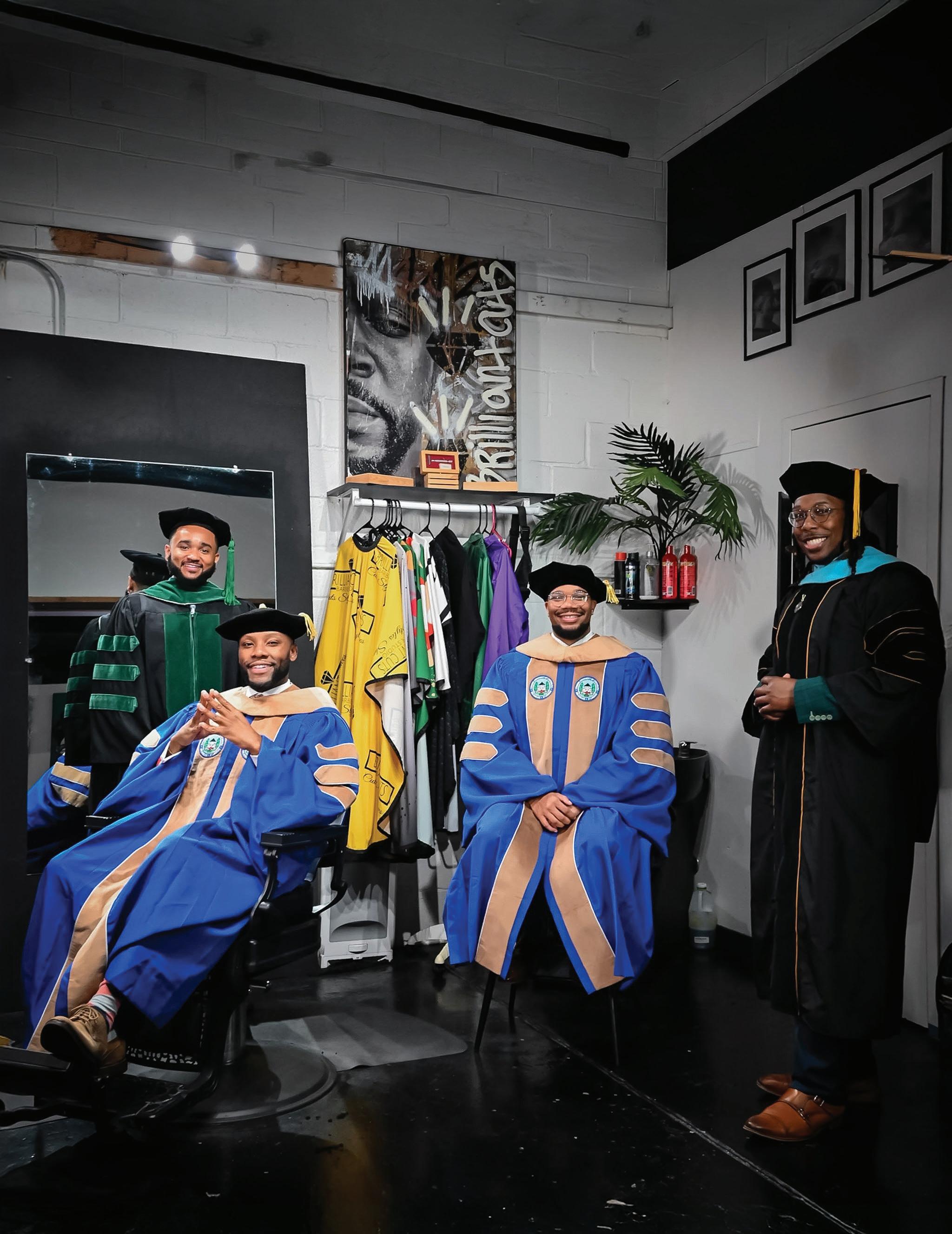
Four Black Men. Four Doctorates. One Mission to Transform Community Health.
















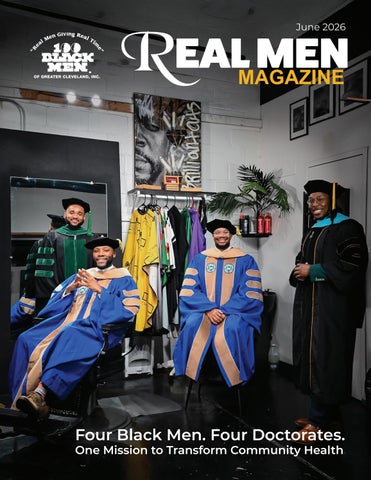
Four Black Men. Four Doctorates. One Mission to Transform Community Health.
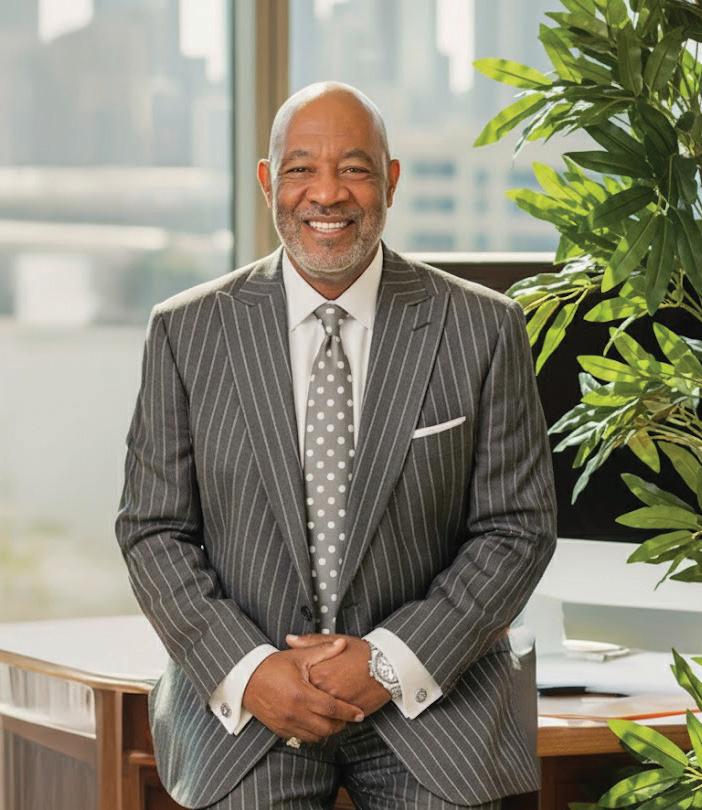
As we proudly present our June Issue, we celebrate one of the most important seasons of the year — graduation. Graduation represents more than receiving a diploma or degree; it symbolizes perseverance, sacrifice, commitment, and the determination to achieve greatness despite obstacles. It is a reminder that education remains one of the strongest foundations for building successful futures and empowering our communities. This issue is dedicated to honoring achievement, academic excellence, and the continued pursuit of knowledge among our youth and professionals alike.
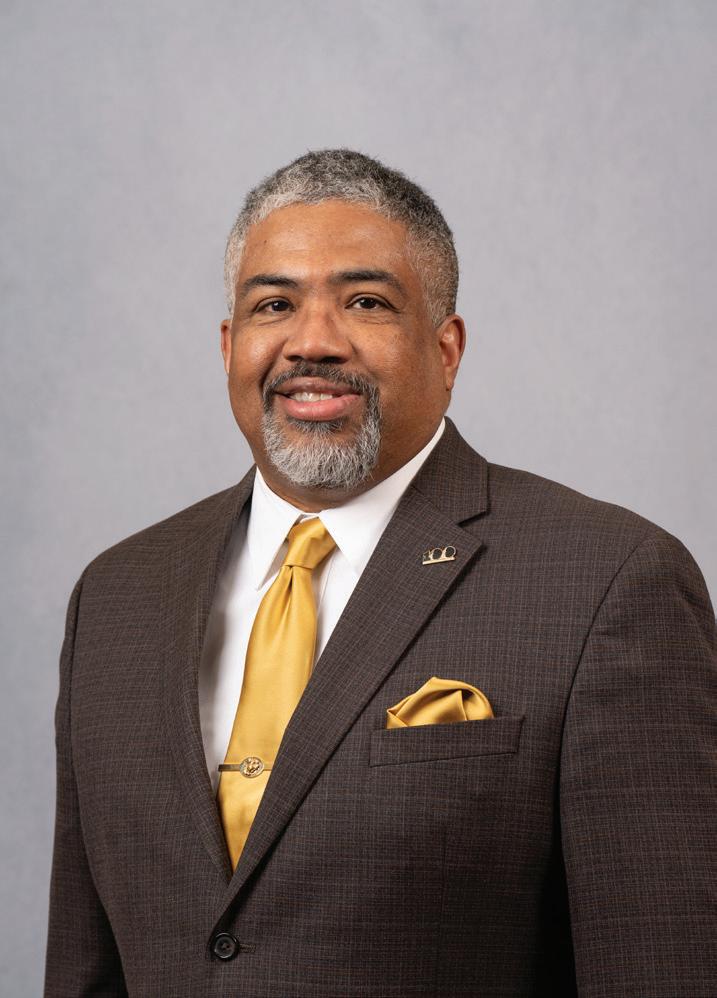
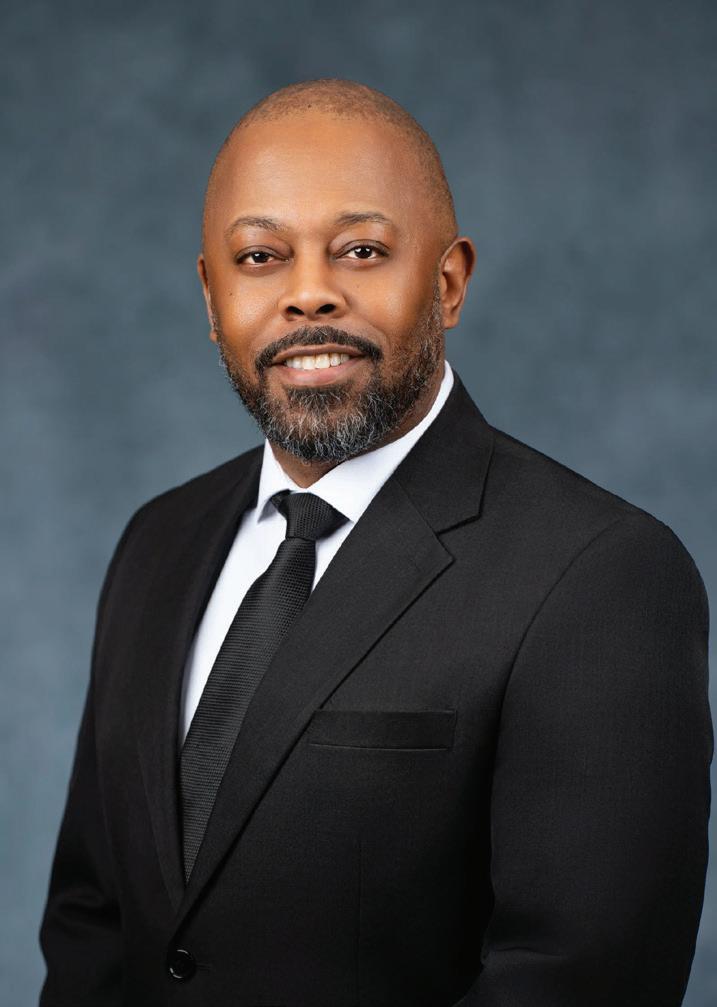
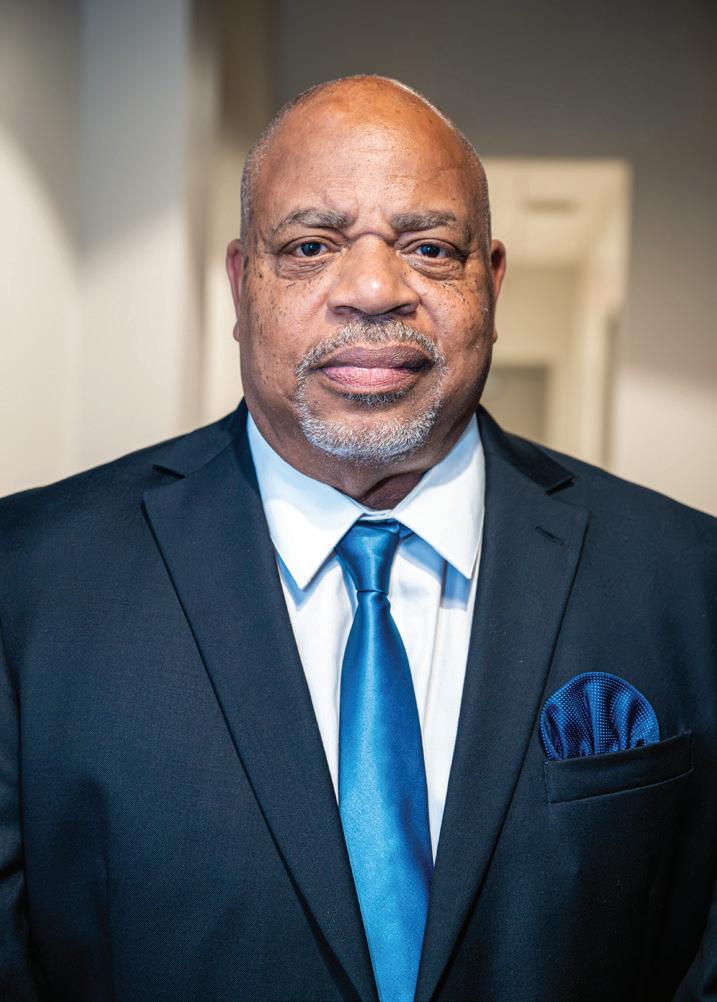
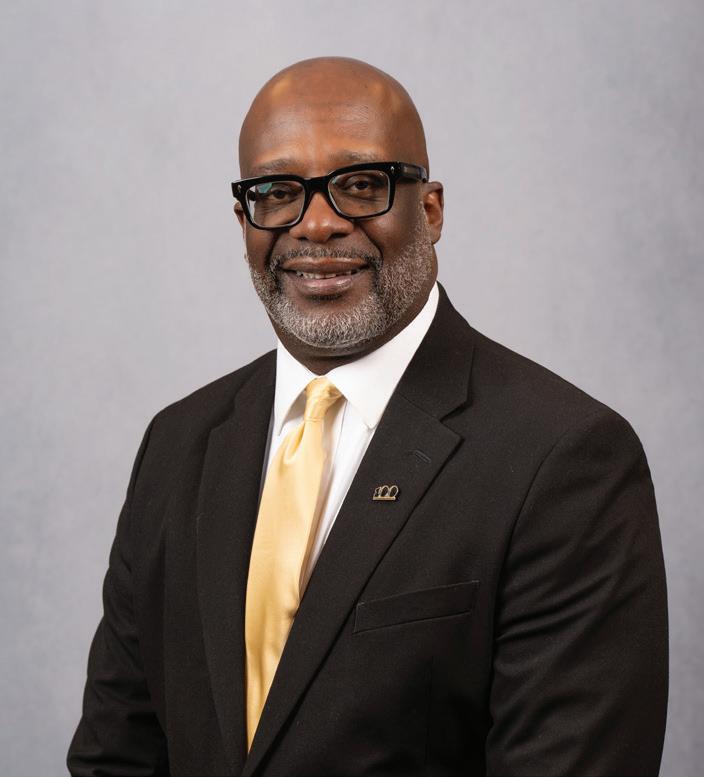
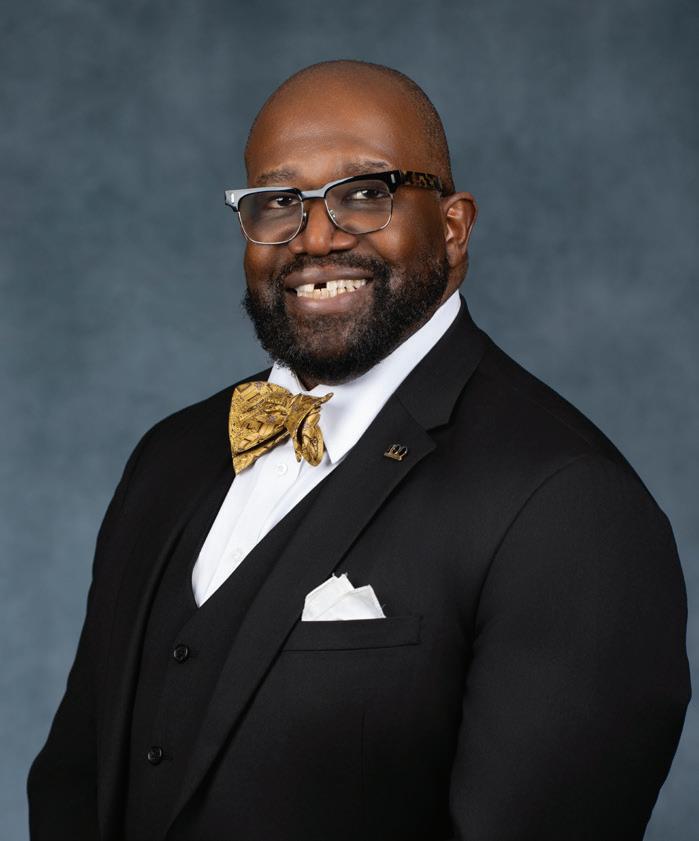
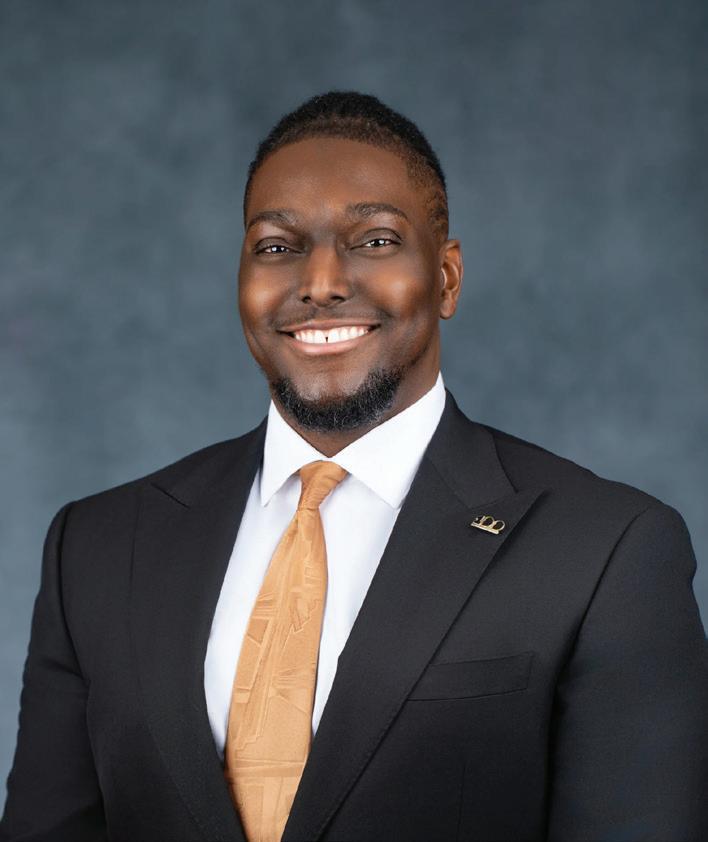
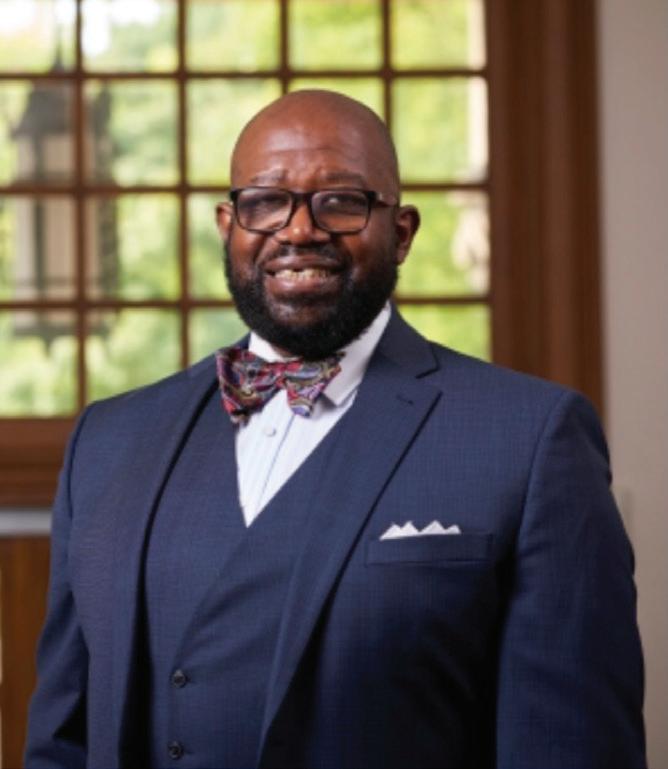
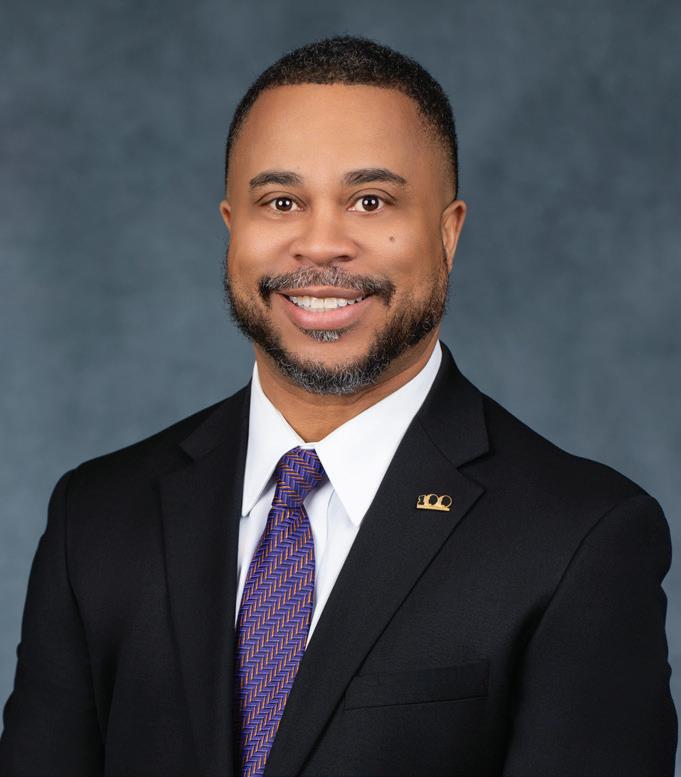
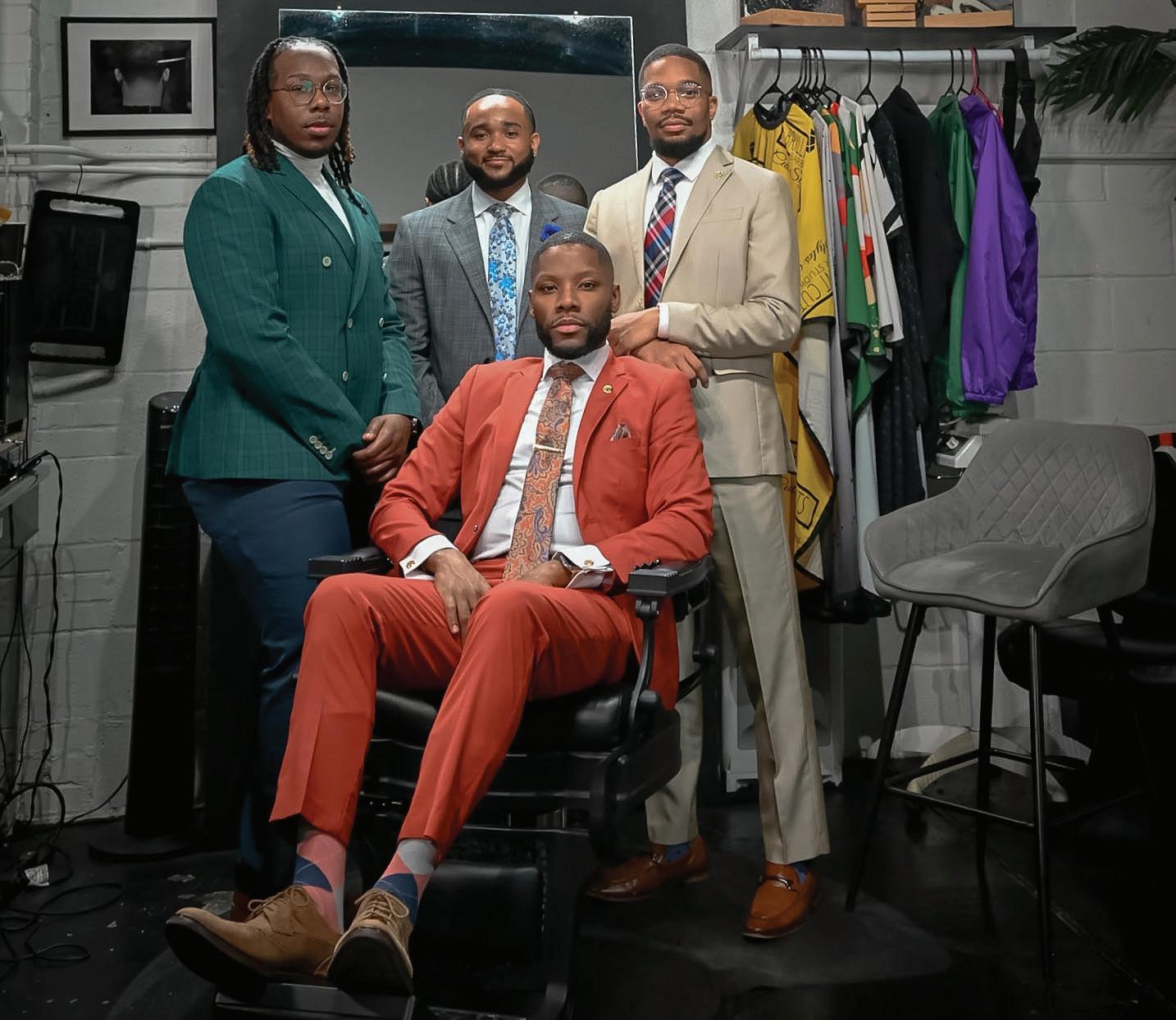
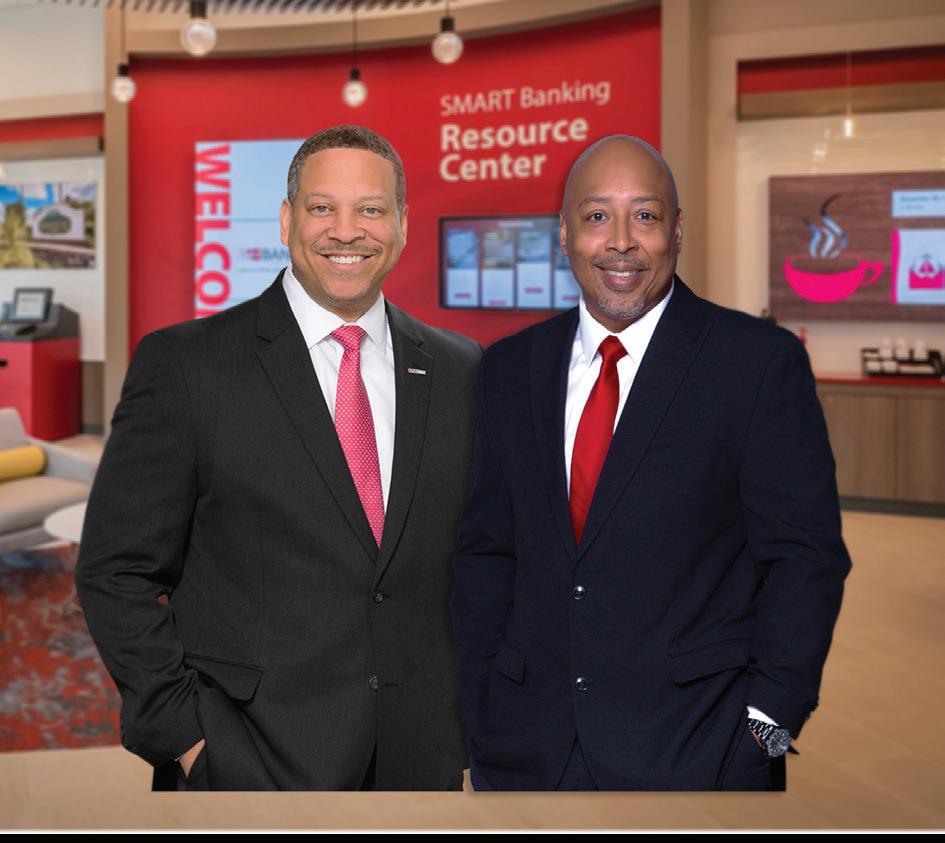
This month, we proudly spotlight four accomplished Black men in health and wellness whose leadership and excellence greatly impact our community. They exemplify achievement, service, and excellence: Dr. Ken J.A. Griffin, DHA, MA, RMC — President & CEO; Michael J. Cleveland, MPH — COO; Luther Walls, MD — CMO; Dr. Derrick Howell, Ed.D, MBA, CPC — CFO.
Their accomplishments are not only personal milestones but also powerful examples of leadership, discipline, and dedication to improving the lives of others. These men continue to lead with integrity while breaking barriers and creating opportunities within healthcare and community leadership. Their success reflects exactly what the 100 Black Men of Greater Cleveland, Inc. stands for — excellence, education, mentorship, leadership, and uplifting the next generation by example.
When our youth witness accomplished Black men reaching the highest levels in education, healthcare, and executive leadership, it inspires and instills the belief that they, too, can accomplish extraordinary things. Representation matters, and these men are living proof that hard work, perseverance, faith, and education can open doors to limitless opportunities. We are especially proud that leaders connected to organizations such as Care Alliance Health Center continue to serve as examples of what is possible when excellence meets purpose.
We extend special congratulations to Dr. Richard Austin, candidate for membership in 100 Black Men of Greater Cleveland, Inc., on earning his doctorate. His accomplishment further highlights the caliber of leadership and excellence in our organization. We are proud to celebrate these remarkable men as examples for our community.
As Editor of Real Men Magazine, I hope this issue inspires every reader to strive for greatness, support education, and invest in our youth. Together, we build a legacy of leadership, achievement, and empowerment for future generations.
James W. Wade III

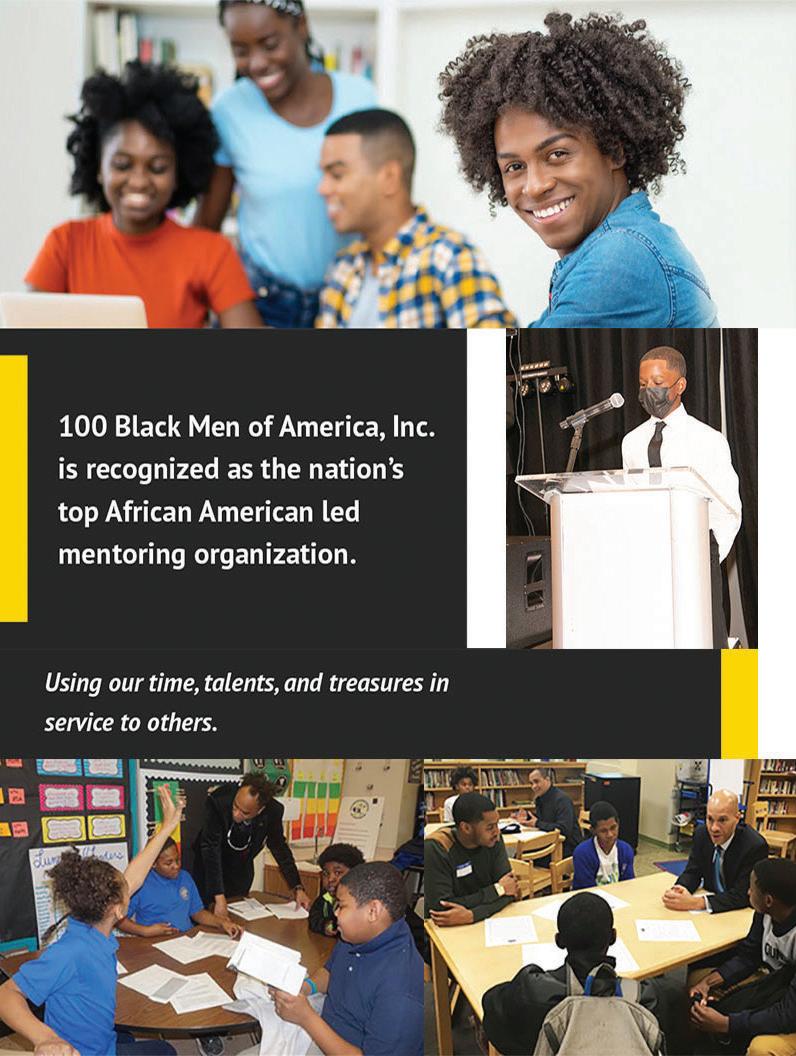
The 100 Black Men of America, Inc., is not just a leading African-American-led mentoring organization, but a beacon of hope for the African American community. We believe that every African American should have the ability to create the life they’ve always wanted, and that’s what The 100 Black Men of America, Inc. is making possible.
Our commitment is unwavering. We strive to personify the type of people our children will look up to and emulate, embracing our immense responsibility to our mentees and our communities. We provide these children another choice by being around like-minded individuals with similar aspirations and goals, ensuring a brighter future for African American youth.
As The Network of 100 Black Men of America, Inc. has expanded, we have welcomed more companies and developed new programs to better serve our mission. Our focus areas, known as the 100’s Four For The Future, include mentoring, education, health and wellness, and economic empowerment. These areas guide our efforts to provide the education and empowerment necessary to transform the lives of the children we serve.
Through the expansion, we’ve created 100 Black Men Chapters that deliver unique programs that address specific needs in local communities. Through 57 years of testing, we’ve created the 100’s successful model—a proven blueprint for mentoring and developing young people into future leaders by surrounding them with a positive network and giving them the opportunity that they may not have thought was possible.
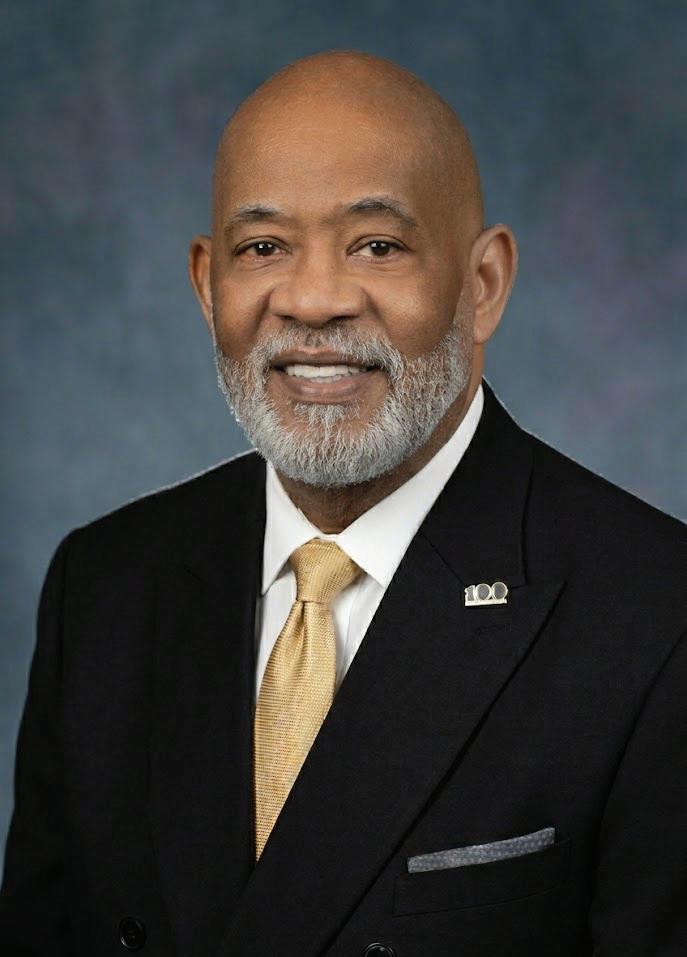
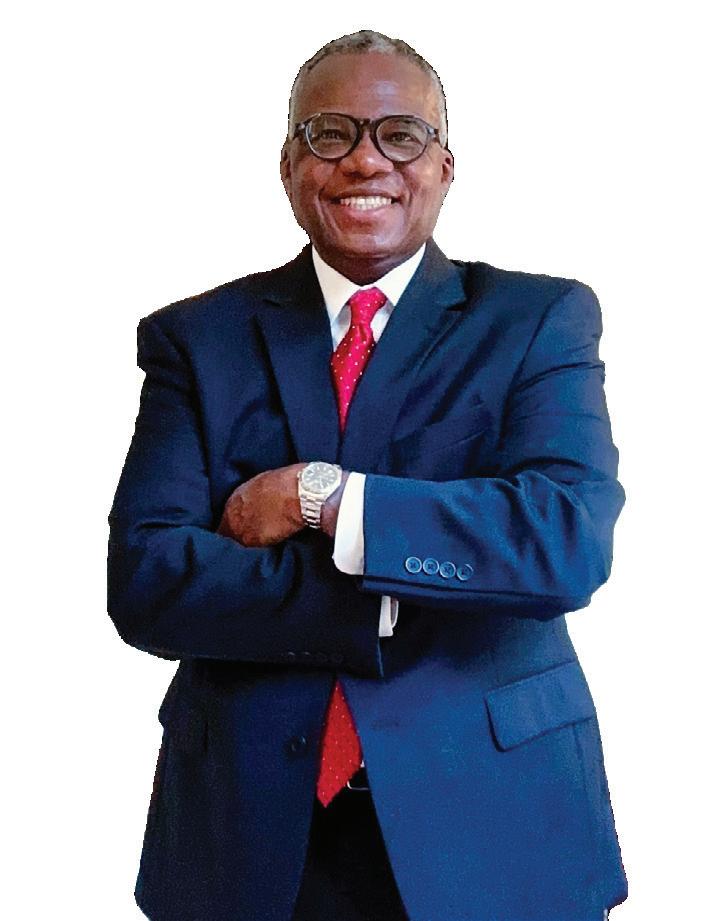
McWhorter Treasurer
Jewett Programs Director

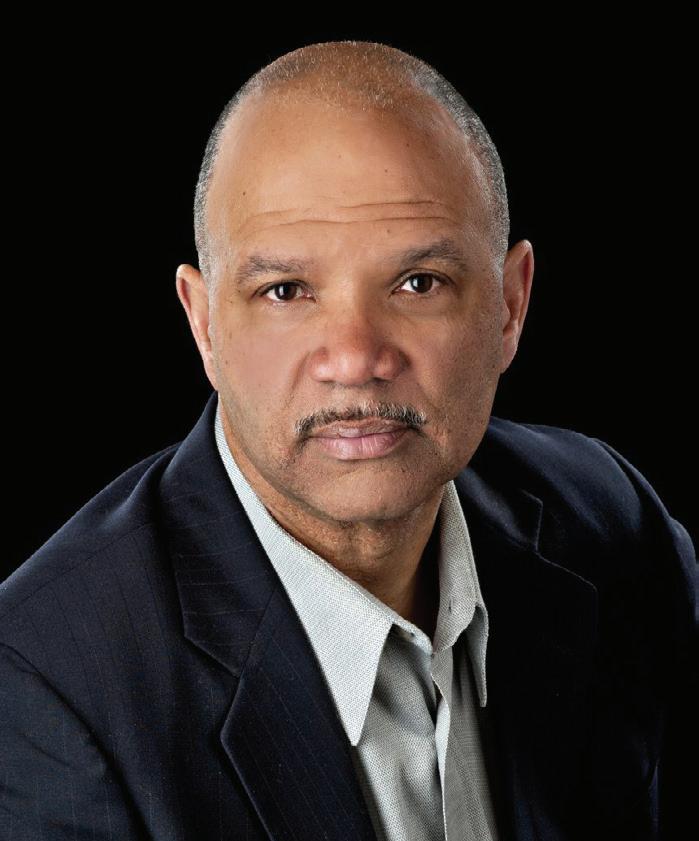
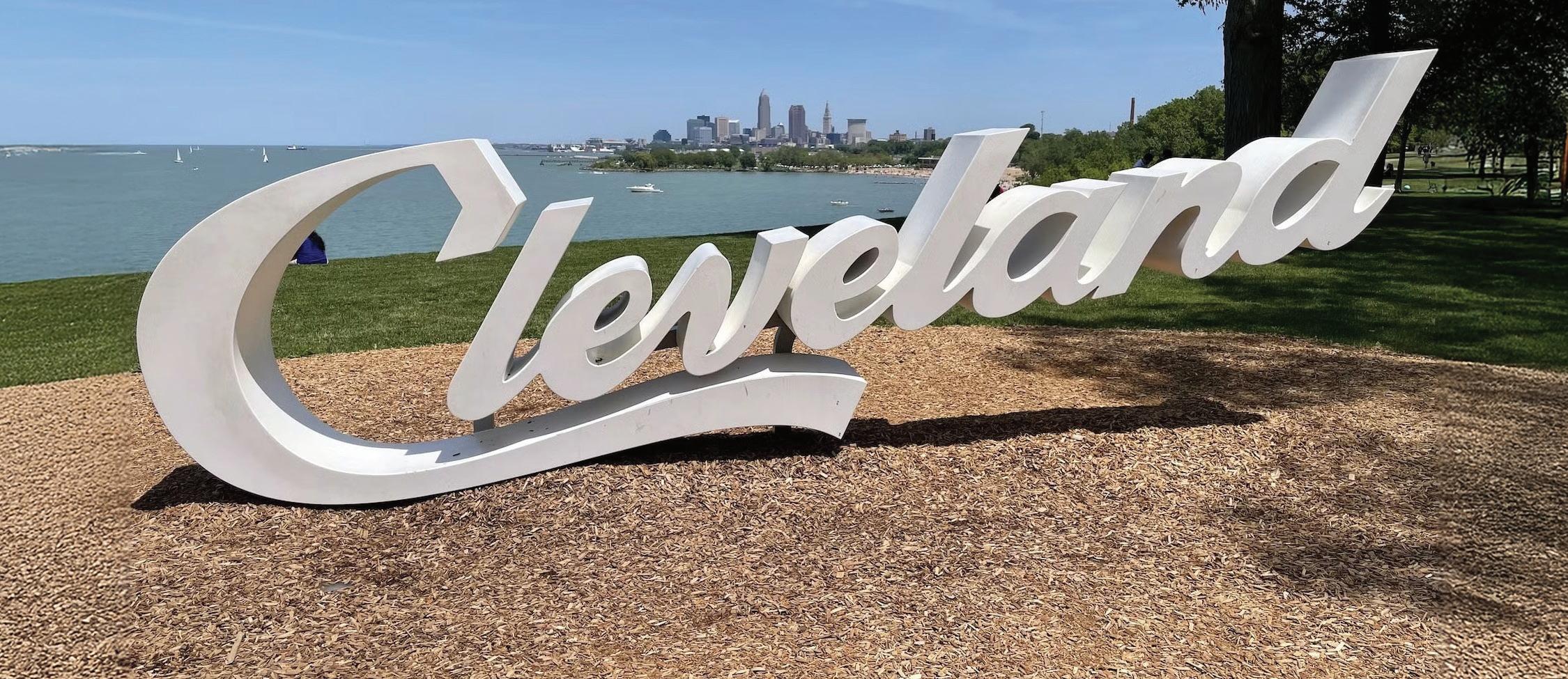
EXECUTIVE BOARD
James W. Wade III
Chairman
Retired Journalist
Mayor Michael Booker Vice - Chairman
Mayor of Highland Hills
Lloyd Totty
Secretary
Project Manager, College and Career Readiness CMSD
Terry McWhorter Director of Finance
Larry Jewett Director of Programs
Retired, Dept of Public Health
Christopher Howse
Steven H. Robertson Financial Advisor
Robert Solomon Vice President Campus Enrichment & Engagement CWRU
David Taylor
Gregory Lockhart Immediate Past Chairman
Director of Communications
James W. Wade III
Economic Empowerment
David Taylor - Chair
Steven Sims - Co Chair
Education
Dr. Terry Echols
Antwan Steele
Health & Wellness
Vacant - Chair
Lloyd Totty - Co Chair
Mentoring
Darian Johnson - Chair
Dr. Ernest Smoot - Co Chair
Membership
Dr. Cameron Redden - Chair
James W. Wade III - Co Chair
National Chairman Milton H. Jones Jr.
Midwest District Rep Andre Givens
Scholarship
Tyson Mitchell
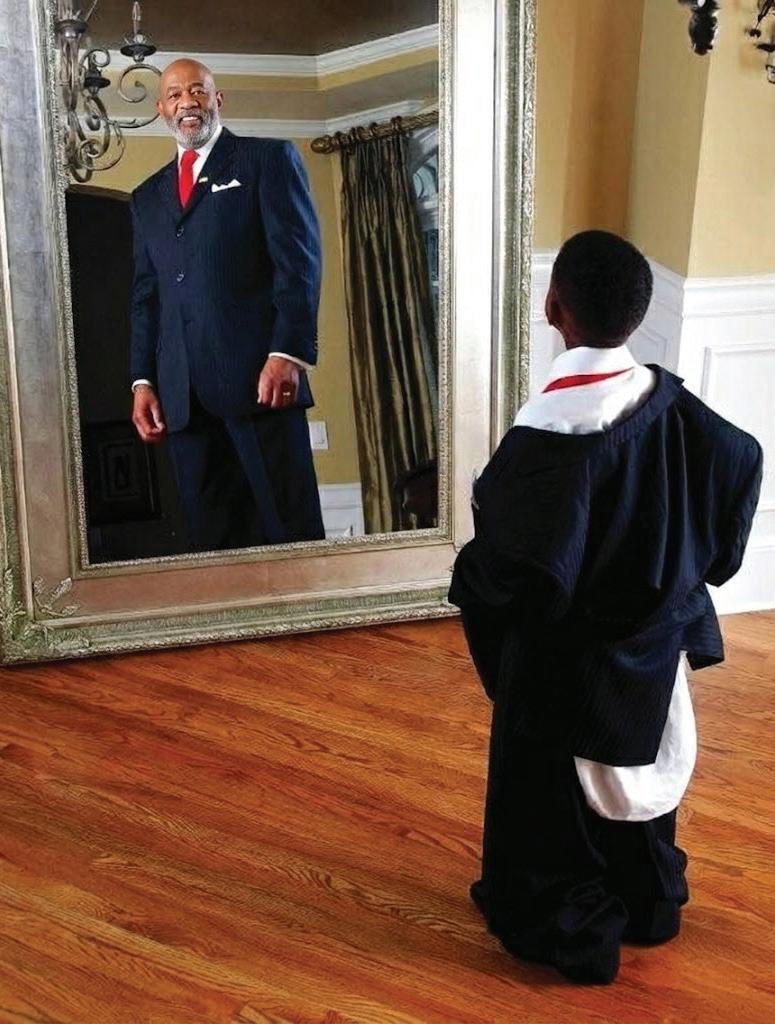
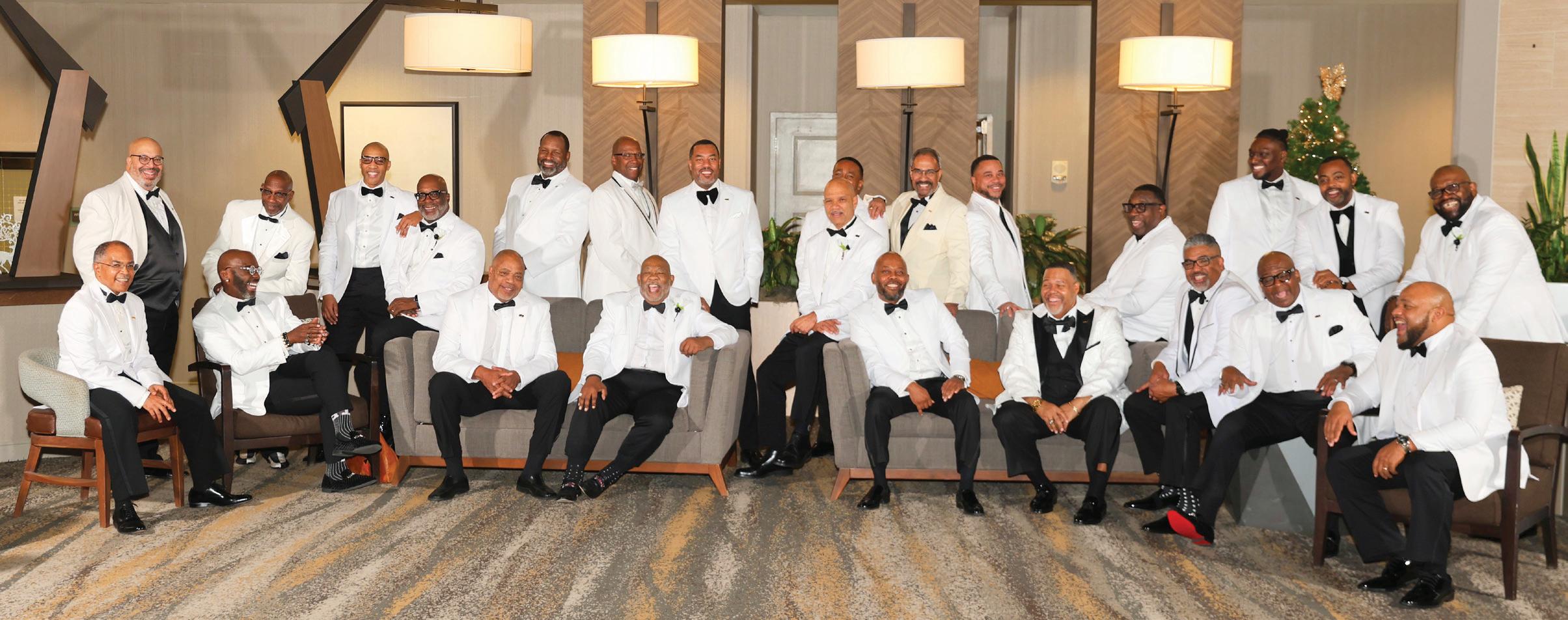
The history of the 100 Black Men of Greater Cleveland is a testament to the power of vision and collaboration. It all began with a pivotal moment when Michael Nelson, a visionary leader, convened a historic meeting. This gathering brought together individuals who represented powerful political factions, including Congressman Louis Stokes, former City Council President George Forbes, and the man who defeated George for Mayor, Michael R. White. The location of this momentous meeting was kept a secret until the day of the event, adding to its intrigue and significance. This history is not just a story, but a legacy that has shaped the community and inspired generations to come.
A date was set, and Nelson invited a number of his friends, including Larry Hines, Gregory Clifford, Curtis Griggs, Tony Smith, Luther Towers, and Julius Singleton, along with Stokes’ rep, Ron Adrine, Forbes’ rep, Daryl Fields, and White rep, Nate Gray, to meet with Chairman Dortch and Roosevelt Adams. The meeting was held at the now-closed Eloise’s Restaurant, located on East 79th Street and Carnegie. The National Headquarters approved Cleveland to be established in 1997 and recognized as an entirely fledged chapter.
The first significant event was a rollout at the Cleveland Clinic, where over 90 men committed to join the cause, with about 70 of them paying their dues. Mayor Michael R. White, a staunch supporter, pledged to purchase 100 copies of the renowned motivational speaker George Fraser’s book, ‘Success Runs in Our Race,’ for each member. George Frazer, who graced the opening event with his presence, generously autographed each member’s copy, symbolizing the dedication and support of the early members.
The next major event was a fundraising gala featuring the late Phylis Hyman, a nationally known recording artist. The event was orchestrated by the dynamic Richard Johnson, a significant internet influencer in today’s social media world. Held at the prestigious Marriott Hotel in Cleveland, the gala was not just a success but a resounding triumph, underscoring the impact of the 100 Black Men of Greater Cleveland in the community.
The 100 would continue to grow its brand in Cleveland. The group coordinated mentoring programs in numerous schools, including Daniel E. Morgan Elementary School, Cleveland East Senior High School, John F. Kennedy Senior High School, East Cleveland Shaw Senior High School, Mound, and Warrensville Heights Senior High School. The 100 also held a Saturday morning mentoring program at its offices in Cleveland’s Shaker Square complex. The numerous programs included a reading program at Daniel E Morgan and a stock market competition at East High School. One of the highlights of our plan was the success of our East High Stock Market Challenge team, which traveled to Atlanta and took on some of the nation’s most prominent schools, finishing a highly respectable 3rd out of the scores of schools that competed.
In 2022, a class of 22 new members joined, a testament to the organization’s continued growth and influence. As we look forward to 2023, we celebrate twenty-five years of impactful service. After seven chairpersons and numerous galas, the chapter continues to thrive, mentoring men in schools such as Wade Park and the Kenneth Clement Boys Leadership Academy, among others. Our journey is marked by numerous achievements, from successful galas to impactful mentoring programs, all of which contribute to the betterment of our community.
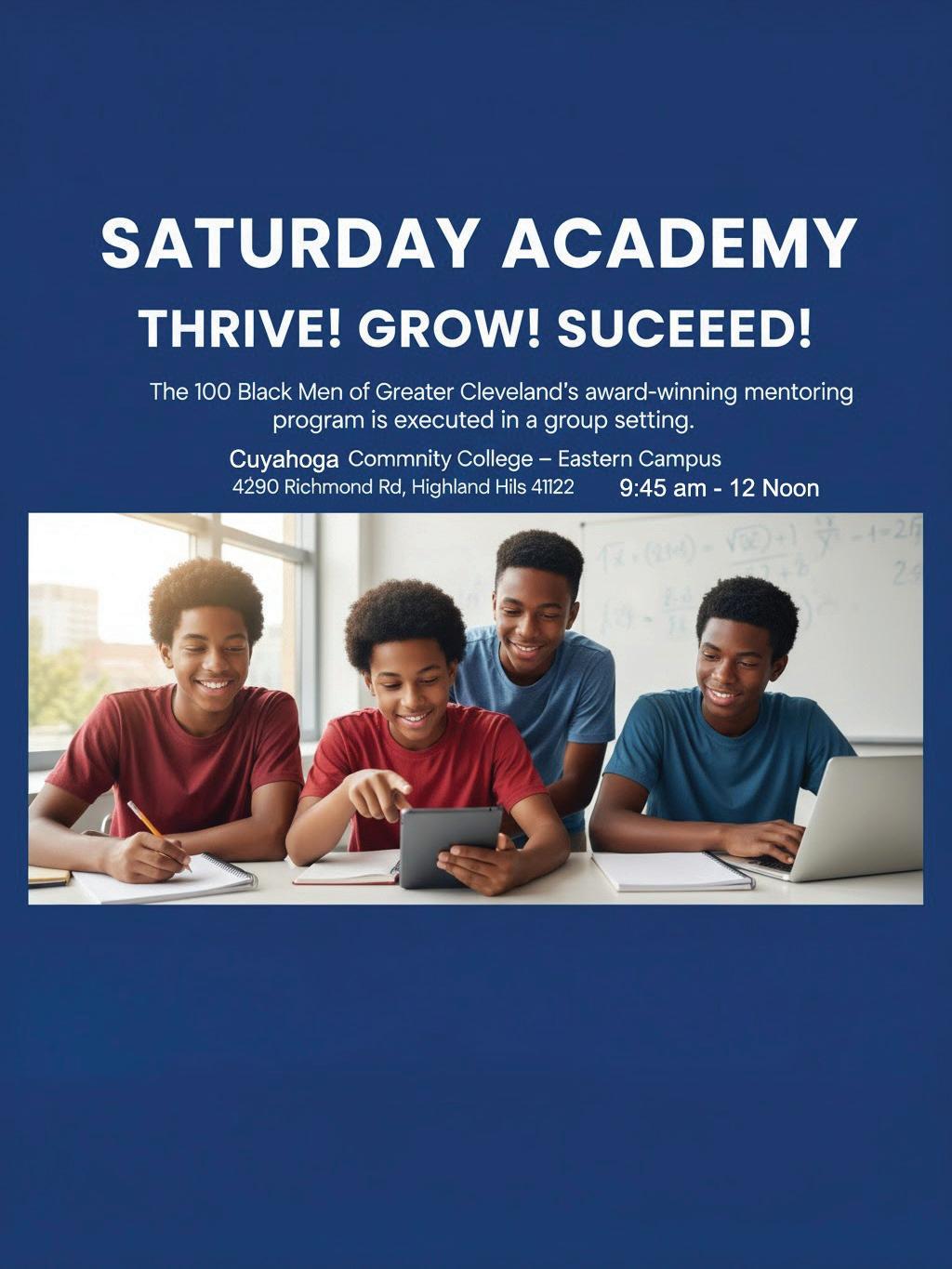
2024 under the dynamic new leadership of Chairman Gregory Lockhart and Vice Chairman James W. Wade III, the 100 Black Men of Greater Cleveland proudly re-instated the impactful Saturday Academy at Cuyahoga Community College’s Eastern Campus. This revitalized program has become a cornerstone of our mission, offering young men a safe, structured, and inspiring environment to learn, grow, and lead. Alongside its return, we also introduced a variety of innovative new programs and engaging activities designed to broaden opportunities, strengthen mentorship, and further empower the next generation of leaders.
2025 as we look to the future, we are excited about the opportunities that lie ahead. With new Leadership and a renewed commitment to our mission, we are ready to take on the challenges of the next decade. We look forward to continuing to make a powerful impact, helping us live out our mission of mentoring, educating, and empowering the next generation. This year, we accomplishedso much with the membership giving so much of their time to make the chapter great through new activities: We expanded and enriched our Saturday Academy, offering transformative sessions in mentoring, health & wellness, economic empowerment, and Education. This growth is a testament to our commitment to providing comprehensive support and guidance to our mentees, and we are excited about the positive impact this will have on their lives.
Launched Well Connected on Wednesday, bringing families and mentees together monthly for fitness, wellness, and fellowship. Hosted signature community events, including the Drive Cleveland Golf Outing, Family Picnic, and Walk a Mile with a Child. Honored outstanding leaders and partners at our Sponsor & Honoree Reception and prepared for our 2025 Scholarship & Awards Gala: Champions of Change. Strengthened collaborations with various community partners, expanding opportunities for and to our youth in sports, STEM, financial literacy, and college readiness. Our STEM students won second place at the 100 Black Men National Conference in New Orleans. We continued to uplift the voices and celebrate the achievements of our community through Real Men Magazine, expanding our platform as a powerful tool for storytelling and inspiration. Throughout 2025, we demonstrated the very essence of true brotherhood, leadership, and service. This year stands as a testament to what can be accomplished when we come together, united by purpose and driven by progress.
Judge Ronald Adrine


Chief Magistrate Gregory Clifford,Retired *
Darrell A. Fields
Nate Gray
Curtis (Griggs)
Larry Hines*
Robert L. Bankston
Dr. Michael Baston
Joseph Billups
Curtis Bloxson
Mayor Michael Booker
Anthony Brown
Grady Burrows
Lonnie Coleman
Raphael Collins
Dr. Michael Copeland
Pastor Robert Dix
Lamont Dodson
Dr. Ronnie Dunn
Clayton Eason
Dr. Terry Echols
Gregory Ensley
Judge Michael Nelson
Julius Singleton
Anthony (Tony) Smith*
Luther Towers
* means deceased
Darrell Fields
Anthony Franklin
Duane Griffin
Curtis (Griggs)
Jeevon Harris
Judge Brett Horton
Councilman Michael
J. Houser
Chris Howse
Chief Wayne Hudson
Larry Jewett
Darian Johnson
Roz Kennon
Gregory Lockhart
Terry Maynard
Terry McWhorter
Tyson Mitchell
Aubrey Morgan
Judge Michael Nelson - Retired
Judge Charles Patton
Anthony Peebles
LaRese Purnell
Dr. Cameron Redden
Rev. Randy Reed
Jayson Richardson
Steven H. Robertson
Aqeel Seals
Glen Shumate
Steve Sims
Jermaine Smith
Ernest Smoot
Robert Solomon
Antwan Steele
David L. Taylor
Andre Thompson
Lloyd Totty
James W.Wade III


By James W. Wade III Managing Editor
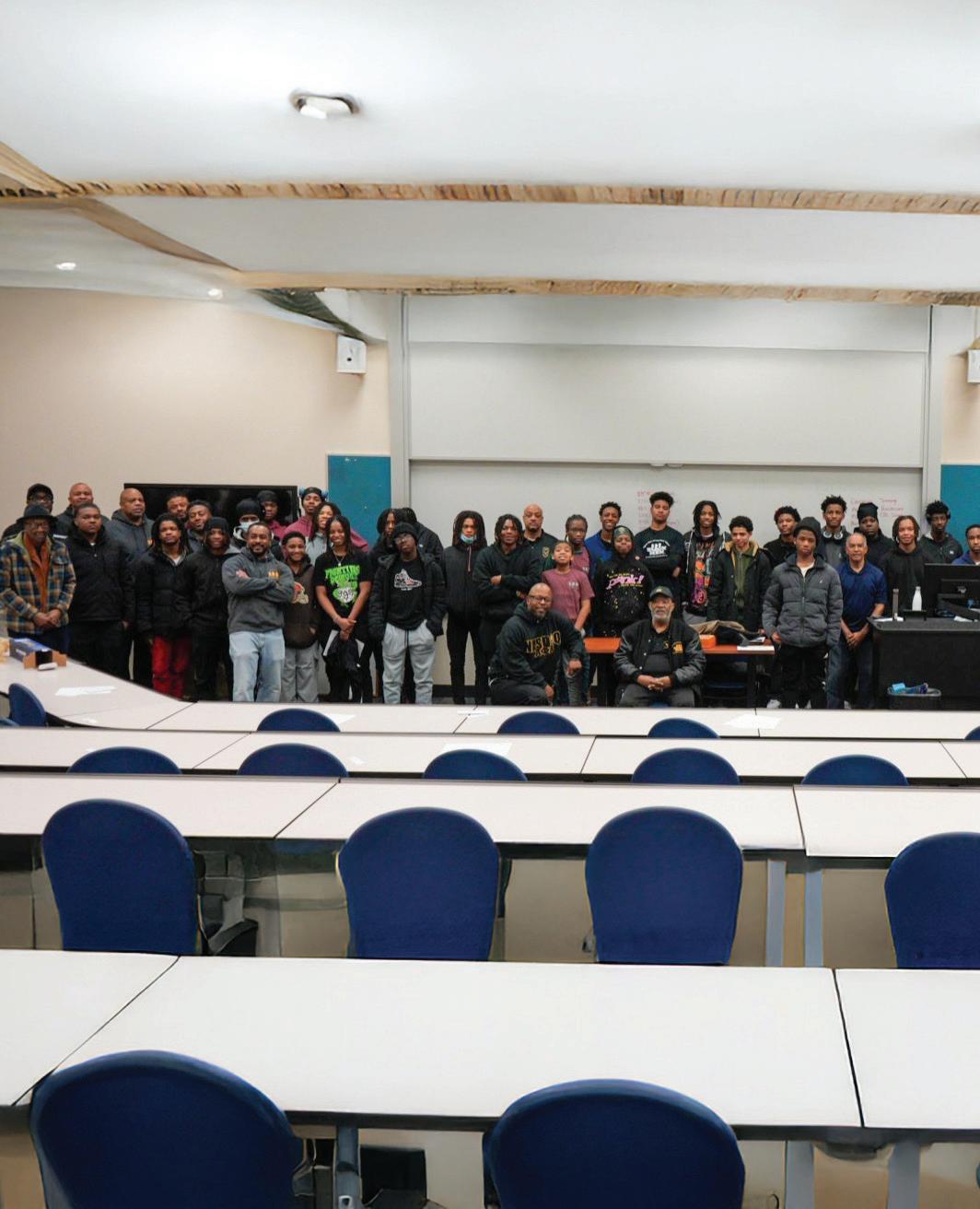
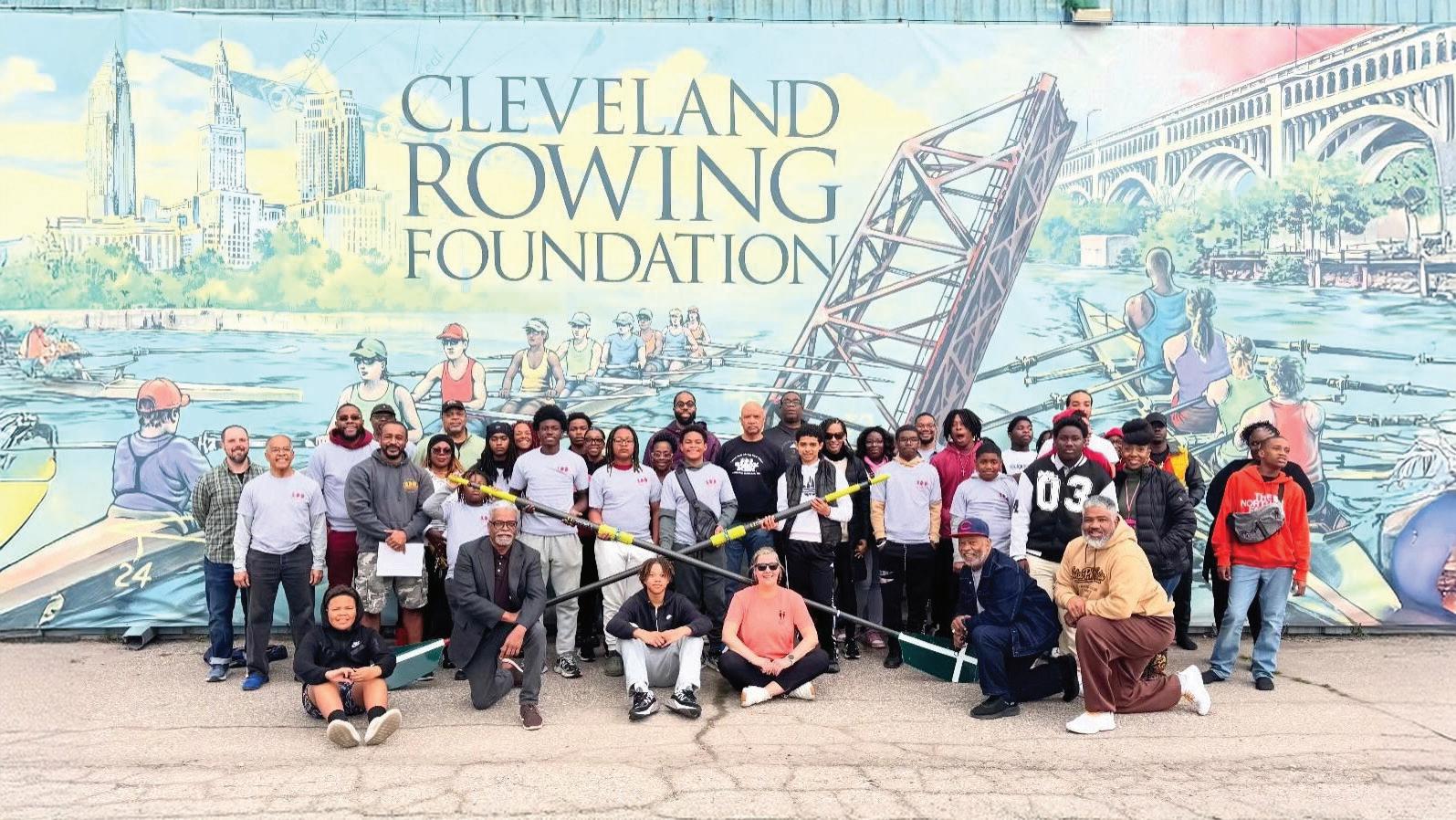
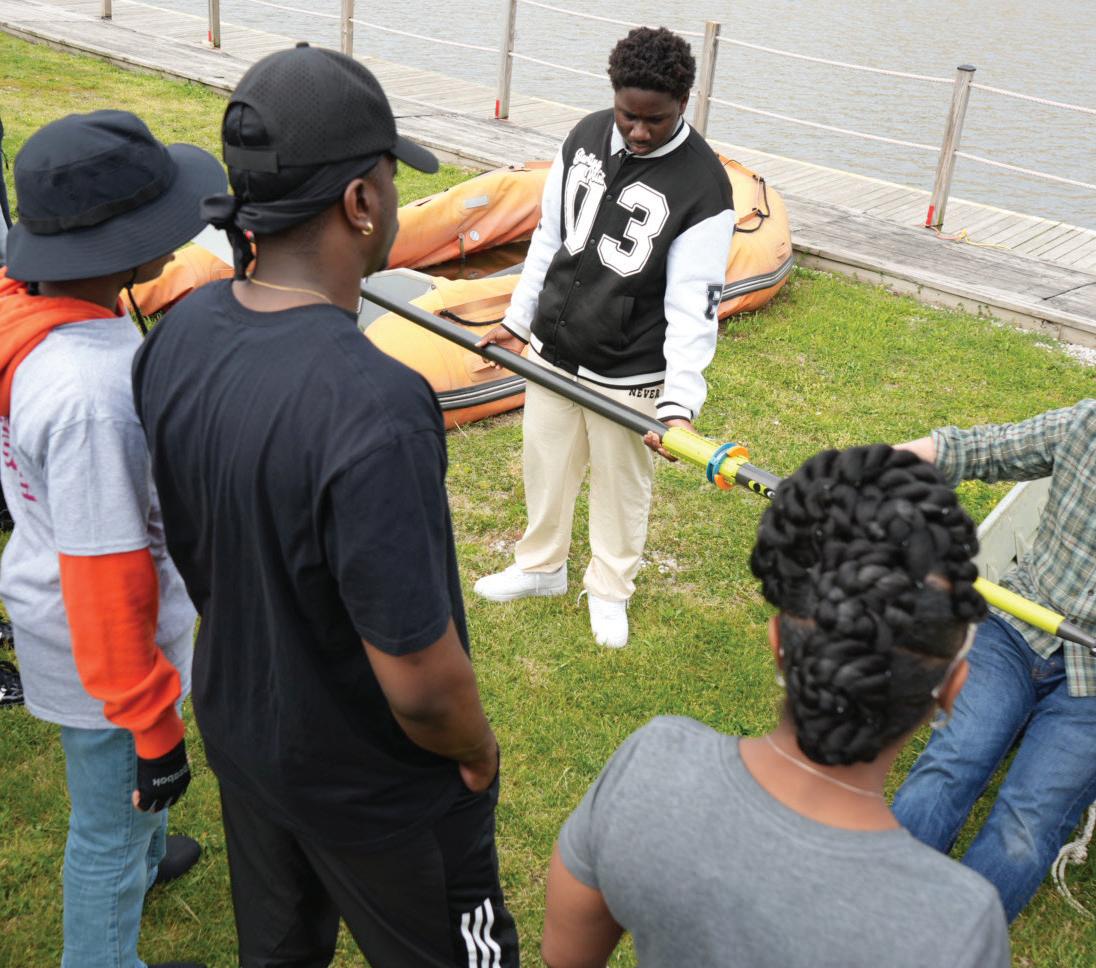
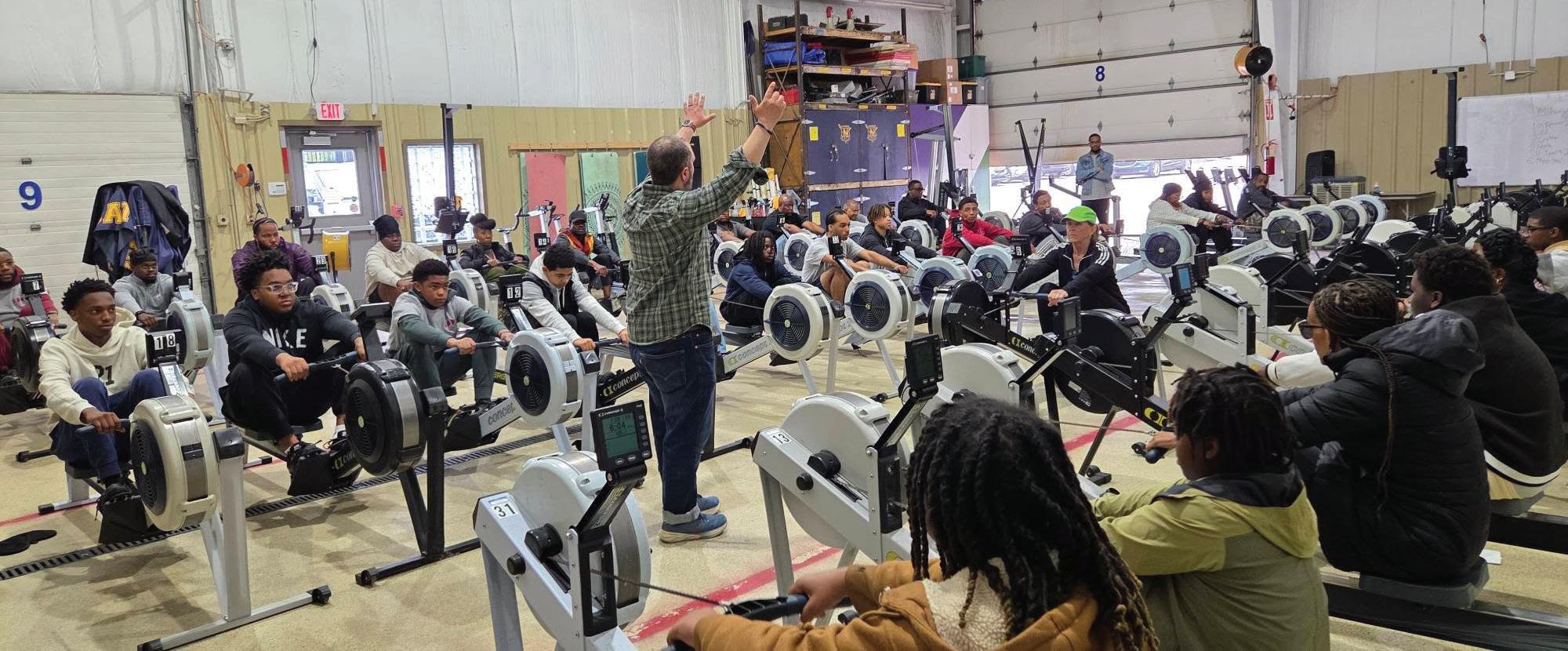
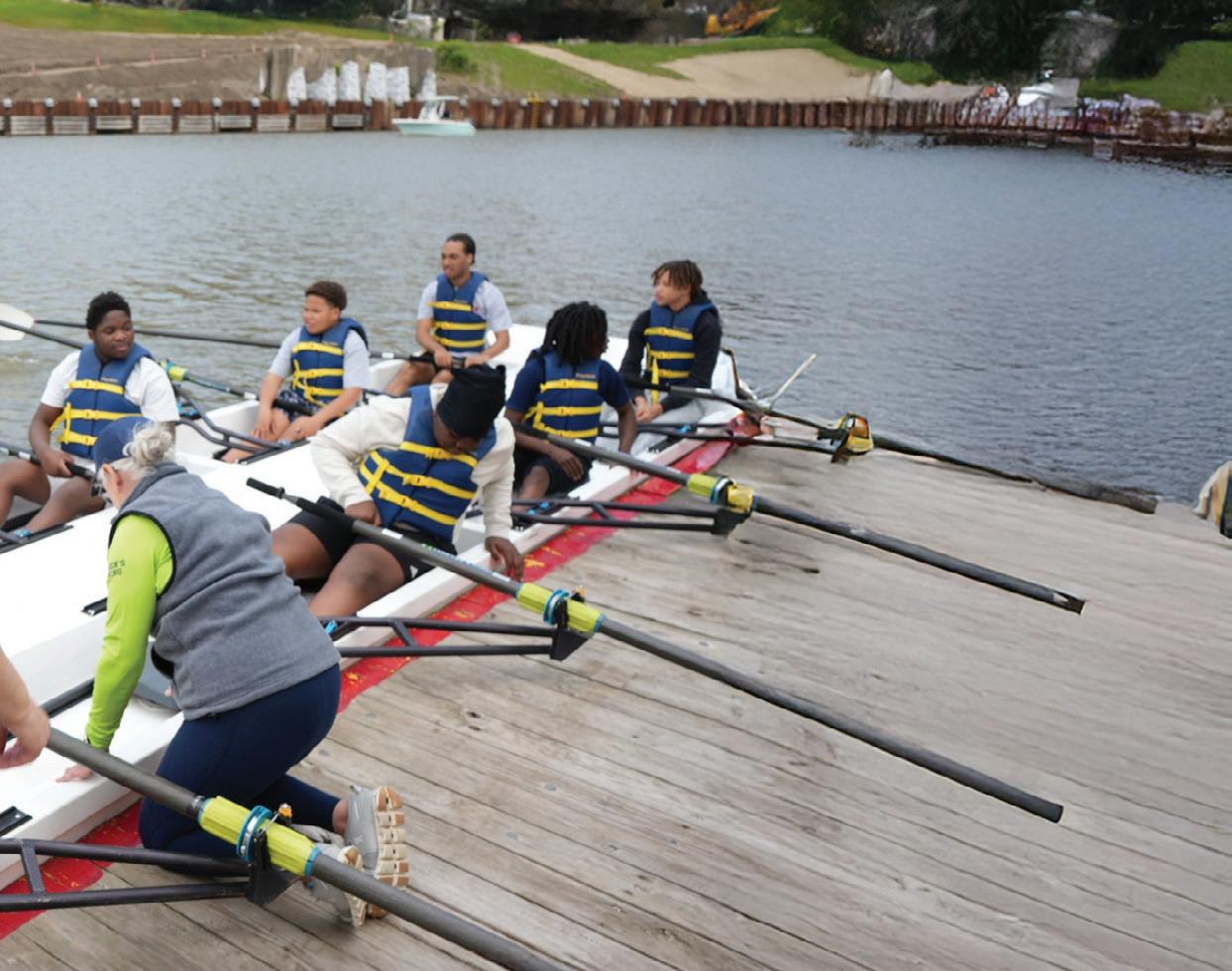
The 100 Black Men of Greater Cleveland, Inc. continued its mission of mentoring, leadership development, and youth empowerment on May 16, 2026, during another highly successful Saturday Academy session held at the Cleveland Rowing Foundation. This special event marked the organization’s 3rd Annual Rowing Activity, and without question, it was one of the most exciting and impactful Saturday Academy sessions to date.
With a record-breaking number of youth in attendance, the atmosphere was filled with excitement, energy, teamwork, and brotherhood from the moment participants arrived. Since February 2026, the Saturday Academy has grown tremendously, continuing to attract more youth, parents, mentors, and community support with each session. Families across Greater Cleveland have recognized the value of the program and the positive impact it continues to have on young people throughout the community. The overwhelming turnout for this year’s rowing experience demonstrated just how much the program has become a respected and highly anticipated initiative.
The Saturday Academy is designed to provide youth with far more than traditional mentoring. It focuses on
leadership development, teamwork, education, discipline, career exposure, health and wellness, financial literacy, workforce development, and life skills that help prepare young men for success in every area of life. Through hands-on experiences and meaningful engagement, participants are encouraged to grow academically, socially, emotionally, and professionally while being surrounded by positive Black male role models who genuinely care about their future.
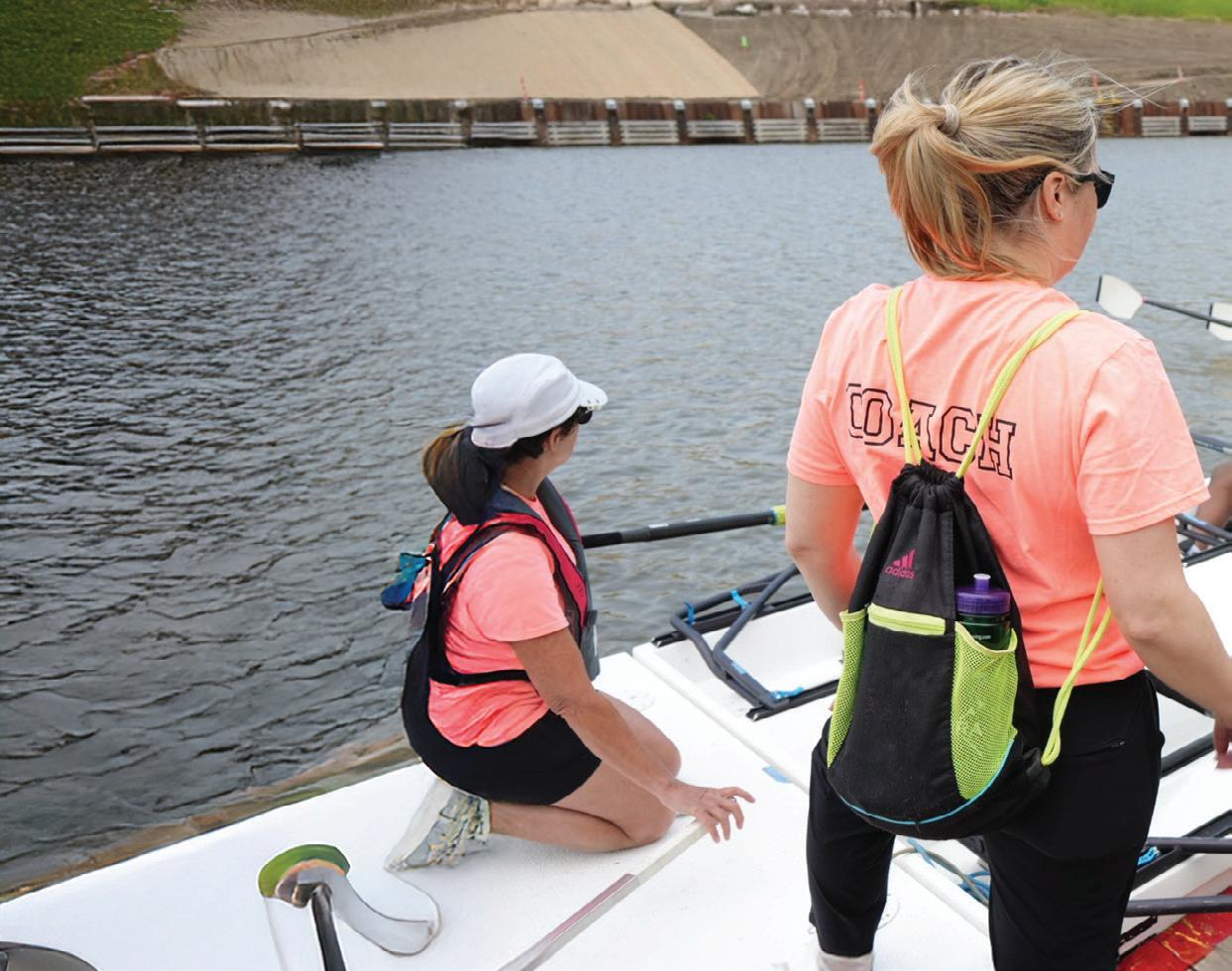
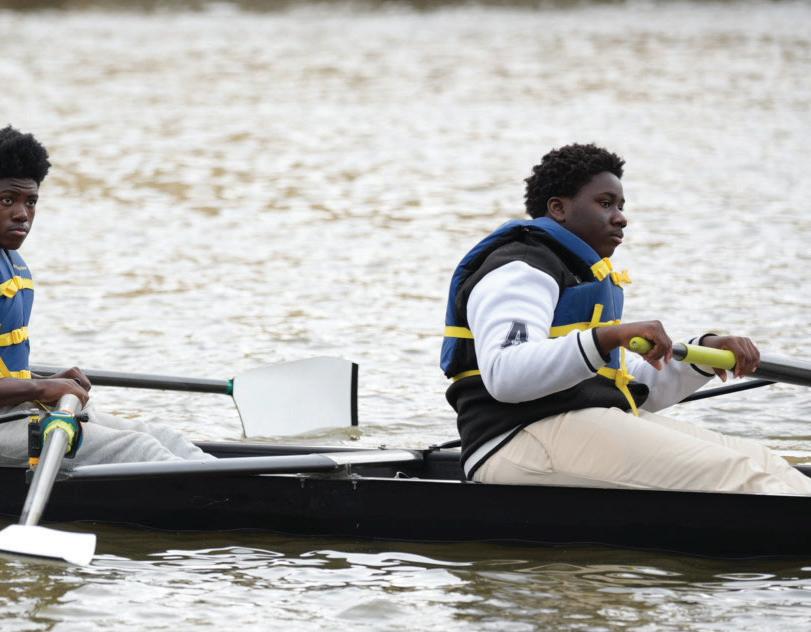
This year’s rowing experience at the Cleveland Rowing Foundation gave the youth an opportunity to learn firsthand the true meaning of teamwork and communication. Rowing is not an individual sport. Every person in the boat must work together in rhythm and unity in order to move successfully across the water. The young men quickly learned that trust, focus, discipline, and cooperation are essential both on the water and in everyday life. Mentors and instructors worked closely with participants to teach rowing techniques while also reinforcing important lessons about leadership, accountability, and perseverance.
For many of the youth, this was their first time participating in rowing or even being exposed to the sport. The experience opened their eyes to new opportunities and showed them activities and experiences they may not otherwise have encountered. One of the core goals of the Saturday Academy is exposure —
exposing youth to new environments, careers, cultures, and opportunities that can broaden their thinking and increase their confidence. Events like this continue to remind everyone involved that our youth are capable of achieving greatness when given guidance, encouragement, and support.
Another highlight of the day was the incredible support shown by the members of the 100 Black Men of Greater Cleveland, Inc. The event was filled with mentors, volunteers, and chapter members who came together to ensure the youth had a safe, educational, and unforgettable experience. From assisting with activities to encouraging participants throughout the day, the presence of the members demonstrated the true meaning of brotherhood and commitment to service.
It was inspiring to see a full house of members actively engaged and working side-by-side with the youth. The organization continues to emphasize that mentoring is not just about showing up
occasionally, but about being consistently present and involved in the lives of young people. The energy and interaction between the mentors and youth created an environment that was positive, motivating, and uplifting for everyone in attendance.
Parents also expressed appreciation for the opportunities being provided through the Saturday Academy. Many shared how important it is for their children to be connected to positive male role models and programs that encourage growth, responsibility, and leadership. The continued increase in participation reflects the trust families have placed in the organization and the impact the program continues to make throughout the community.
One parent, Rochelle Chandler, shared a heartfelt message following the event that truly captured the spirit and value of the Academy:
“Dear James,
I hope you are having a wonderful weekend.
It was truly our pleasure to participate, and we want to thank you for hosting us and for the invaluable lessons you teach our boys. We sincerely appreciate the unique opportunities and the consistent guidance you provide through the Saturday Academy Program. The impact you are having on these young men is deeply appreciated.
Thank you again for your dedication and for everything you do.
Best regards,
Rochelle Chandler”
As the day concluded, smiles, laughter, and excitement filled the room as the youth reflected on their experience rowing on Lake Erie and working together as a team. Beyond the physical activity, the lessons learned throughout the day will remain with them long after the boats returned to shore.
The Saturday Academy continues to stand as one of the signature mentoring initiatives of the 100 Black Men of Greater Cleveland, Inc., creating meaningful opportunities that inspire and empower youth to become future leaders. With record attendance, dedicated mentors, supportive parents, and impactful programming, the future of the Academy remains incredibly bright.
If you are looking for a positive, engaging, and life-changing program for your child, we encourage you to become part of this outstanding Academy. The doors are always open for families who want their youth surrounded by mentorship, leadership, education, and opportunities that can help shape a successful future.



Program Highlights:
Sessions on: Mentoring • Education
• Health & Wellness • Economic Empowerment
•Provide mentoring for personalized guidance and support
•We promote leadership and opportunity through expert speakers and exposure to field trips
•Interactive workshops to enhance skills and explore career pathways
Scan QR Code to Sign Up


Our most important work happens outside the four walls of our bank. KeyBank gets involved, supporting people who make a difference and working with communityfocused organizations through investments, philanthropy, and volunteering. We believe that together we can keep our communities full of hope, compassion, and opportunity, one open door at a time.
KeyBank thanks 100 Black Men of Greater Cleveland, Inc. for making a difference.
Care Alliance Health Center has long stood as more than a healthcare organization in the city of Cleveland. It is a place of refuge, restoration, advocacy, and hope for thousands of individuals and families who deserve access to compassionate, high quality care regardless of income, insurance status, or circumstance. As a Federally Qualified Health Center, Care Alliance provides integrated primary
By Michael Andrew Weston and Janiyah Spears
care, behavioral health, dental services, substance use treatment, pharmacy support, outreach services, and communitybased care throughout some of the city’s most vulnerable neighborhoods. Every day, its mission is lived out through a commitment to dignity, access, and wholeperson care.
But behind the mission is something equally powerful: leadership that reflects the communities being served. In a healthcare industry where Black executive representation remains disproportionately low, the leadership structure at Care Alliance is both rare and deeply significant. The organization’s C-suite includes four Black men who have each earned doctoral degrees, a distinction that remains uncommon not only in healthcare, but across executive leadership nationwide.
The numbers help tell the story.
Recent national data continues to highlight how rare Black doctoral representation remains in the United States. According to the National Science Foundation’s 2024 Survey of Earned Doctorates, Black or African American recipients earned approximately 7.5% of all doctorates awarded to U.S. citizens and permanent residents, despite representing a significantly larger share of the national population. Black men represented only a fraction of those doctoral recipients, underscoring the continued underrepresentation of Black men in advanced academic and executive leadership spaces nationwide.
The disparity becomes even more striking in healthcare leadership and professional pipelines. National healthcare workforce data shows that only 5% of active physicians in America identify as Black. In public health doctoral programs, Black men represented only 2.5% of graduates nationwide. In medicine, the number of Black men applying to medical school has remained nearly stagnant for decades despite population growth and increased educational attainment nationwide.
To see one Black man with a doctorate in an executive healthcare leadership role is still uncommon in many institutions across America.
To see four serving together in one C-suite is extraordinary.
Yet what makes this story powerful is not simply the academic achievement. It is what those achievements represent. Years of sacrifice. First generation dreams. Long nights balancing work, family, faith, and purpose. It represents barriers overcome and doors opened for others behind them. At Care Alliance, these leaders are not separated from the realities facing the community. They lead in neighborhoods impacted by poverty, chronic illness, housing insecurity, trauma, violence, addiction, and systemic inequities in healthcare access. They understand that representation alone is not enough. Leadership must also produce results, compassion, visibility, and trust.
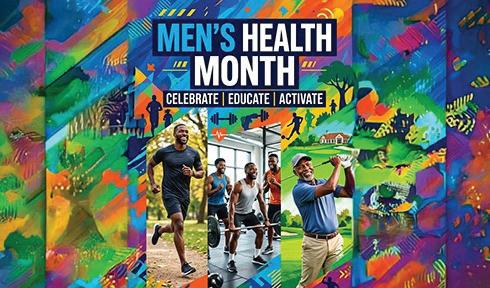
Their leadership is especially meaningful during Men’s Health Month, a time dedicated to elevating awareness around the physical, emotional, and mental health challenges facing men across the country, particularly Black men, who continue to experience significant disparities in life expectancy, hypertension, diabetes, mental health outcomes, and access to preventive care. At Care Alliance, those realities are not discussed from a distance. They are confronted directly through outreach, prevention, education, and care designed to meet people where they are.
For young Black boys growing up in Cleveland and communities across America, seeing four Black men with doctorates leading a major healthcare institution sends a message that cannot be measured in statistics alone. It says excellence belongs to them too. It says leadership is possible. It says education can become impact. It says purpose can become legacy.
And while each leader arrived through a different journey, they are united by something deeper than titles or degrees.
A calling to serve.
A commitment to community. A responsibility to give back. A belief that healthcare should restore dignity as much as it restores health.
And this is their “why.”
Dr. Ken J.A. Griffin, DHA, MA, RMC President and CEO, Care Alliance Health Center
My “why” did not begin in a classroom or a boardroom. It began with a story that shaped my family long before I was born. In 1976, my grandmother died from a medical condition that likely could have been prevented with access to quality healthcare. My mother was only 14 years old when she lost her. Although I never had the opportunity to meet my grandmother, her absence became part of the foundation of my family’s story. I grew up understanding how deeply healthcare access, or the lack of it, can alter the trajectory of an entire family for generations.
That reality stayed with me.
I was raised in Wellston, a community filled with pride, resilience, faith, and history, but also a community navigating many of the systemic barriers that continue to impact Black communities across this country. Poverty, economic decline, violence, underfunded schools, and limited access to opportunity were not abstract concepts where I grew up. They were realities families lived through every single day. Too often, neighborhoods like mine are discussed only through the lens of deficits and disparities rather than possibility and potential. And too often, young Black boys growing up in communities like Wellston
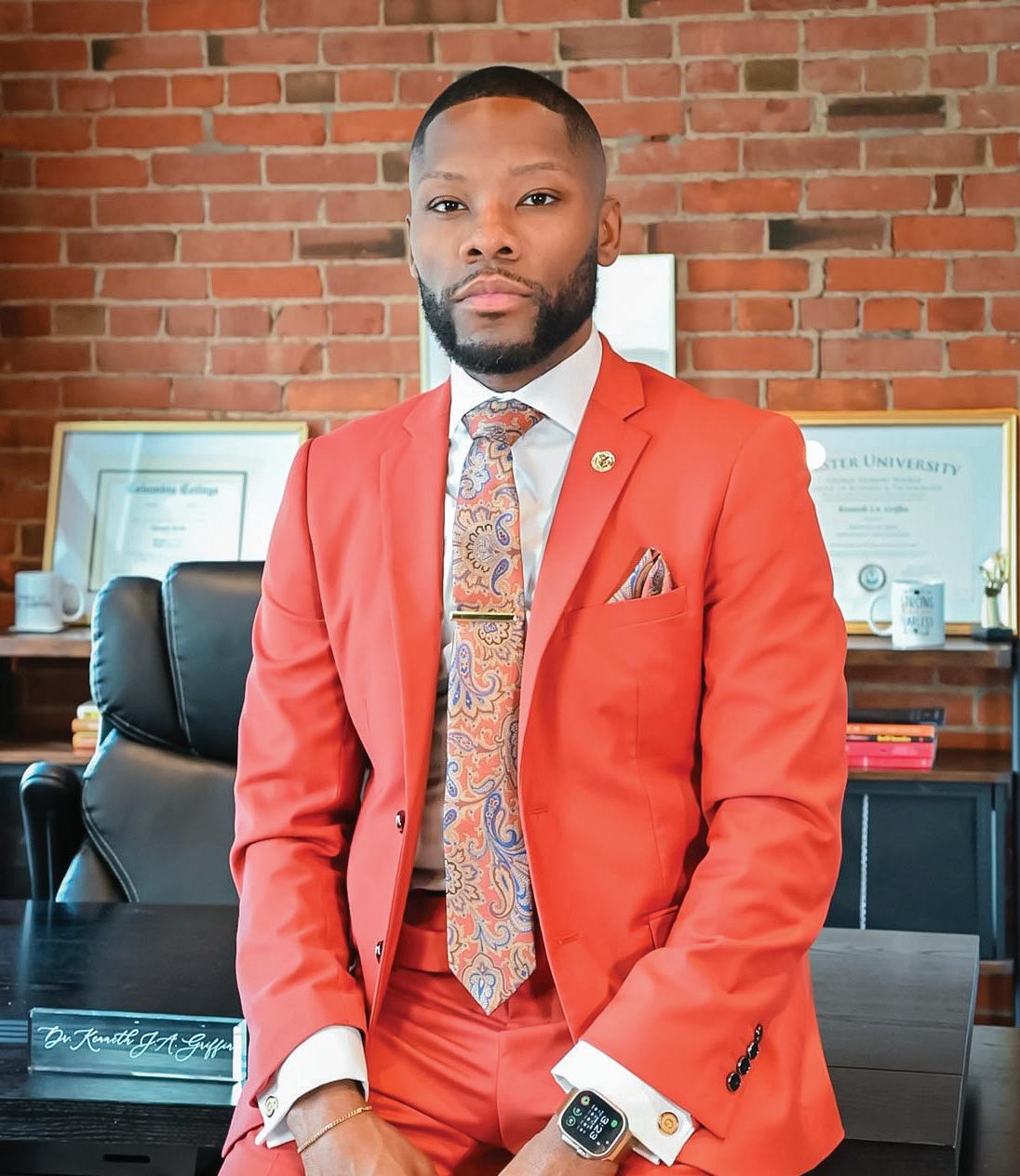
Dr. Ken J.A. Griffin,
are told what they will never become before they are ever given the opportunity to discover who they truly are. Despite those realities, I was fortunate to be surrounded by people who believed in me. People who challenged me to dream beyond my circumstances while remaining grounded in my community, my values, and my purpose. Their belief in me changed the direction of my life. Because of that support, I became the first person in my family to attend college.
There was no blueprint in front of me. No generational roadmap explaining how to navigate higher education, executive leadership, or healthcare administration. Every milestone required sacrifice, discipline, perseverance, and faith. There were moments where the weight of being “the first” felt heavy, but those moments also strengthened my resolve.
When I eventually pursued and earned my doctorate in healthcare administration, it was never about status or recognition.
It was about preparation. I wanted to understand the systems that too often failed communities like the one that raised me, and I wanted to be in a position to help lead those systems differently. That journey is ultimately what brought me to Cleveland.
When I arrived in Cleveland, I saw familiar realities. I saw resilient communities rich in culture, strength, and history, but also communities carrying the weight of disparities tied to poverty, chronic disease, trauma, violence, and inequitable access to healthcare. I saw neighborhoods where zip code still too often determines health outcomes and life expectancy. But more importantly, I saw possibility.
I understood quickly that leadership in healthcare could not simply be operational. It had to be personal. It had to be intentional. And it had to be culturally grounded. That understanding shaped the way I approached leadership at Care Alliance Health Center.
One of the most intentional decisions I made as President and CEO was building a leadership team that reflected the communities we serve. I wanted patients walking through our doors to see leaders who understood their experiences, their struggles, their culture, and their humanity, not only through education or professional training, but through lived experience. This leadership team was built intentionally.
To now lead alongside four Black men with doctorates is something I do not take lightly because it is extraordinarily rare in healthcare. But for me, this was never about optics or headlines. It was about building a leadership culture capable of delivering culturally competent care, authentic community connection, and informed decision-making rooted in empathy, accountability, and understanding.
Representation matters. It matters when a patient is deciding whether they trust the healthcare system enough to seek care. It matters when a young Black boy is searching for proof that his future can be bigger than the limitations society may try to place on him. And it matters when organizations are making decisions that impact communities that historically have not always had seats at the table.
I wanted to create a culture where excellence and empathy could coexist. A place where professional achievement did not require us to disconnect from our identity, our purpose, or the communities that shaped us.
Every member of this leadership team carries a story. Stories of perseverance. Stories of sacrifice. Stories of education, resilience, and overcoming barriers that statistics often say should have stopped us long ago. That shared understanding strengthens the work we lead today because our commitment to this mission is not theoretical.
For me, this work is deeply personal. I carry with me the story of a grandmother I never had the chance to meet, a mother who experienced profound loss at a young age, and a community that taught me resilience long before I understood the meaning of the word.
Every single day, I work to ensure that communities like Wellston and neighborhoods across Cleveland are not defined only by disparities or statistics, but by dignity, opportunity, representation, compassion, and hope.
Dr. Michael J Cleveland, DHA, MPH, Chief Operating Officer, Care Alliance Health Center
I still remember being a child in a hospital room battling pneumonia. At that age, I did not understand healthcare systems, disparities, or the countless decisions happening behind the scenes that shaped my care. I only understood what it felt like to be vulnerable, uncertain, and dependent on others to help me heal. Looking back, I realize that moment may have shaped more of my future than I ever knew.
Born and raised in Mississippi, I was shaped by community, faith, resilience, and the values of a hardworking family that did what so many families do, putting food on the table, keeping the lights on, and making sure their children had what they needed, often while placing their own health last. Growing up, I saw how easy it was for health to become secondary when survival and responsibility came first. That reality stayed with me.
I saw how access to care could be delayed not because people did not care about their health, but because life demanded difficult choices. That understanding gave me an early and deeply personal perspective on the barriers many families face, particularly in underserved communities. That perspective is part of what inspired me to pursue and complete my Doctorate in Healthcare Administration, not for the title, but for the opportunity to become a stronger leader capable of creating systems that work better for people who often have the least room for healthcare to fail them.
Throughout my career, I learned that healthcare transformation requires far more than compassion alone. Compassion
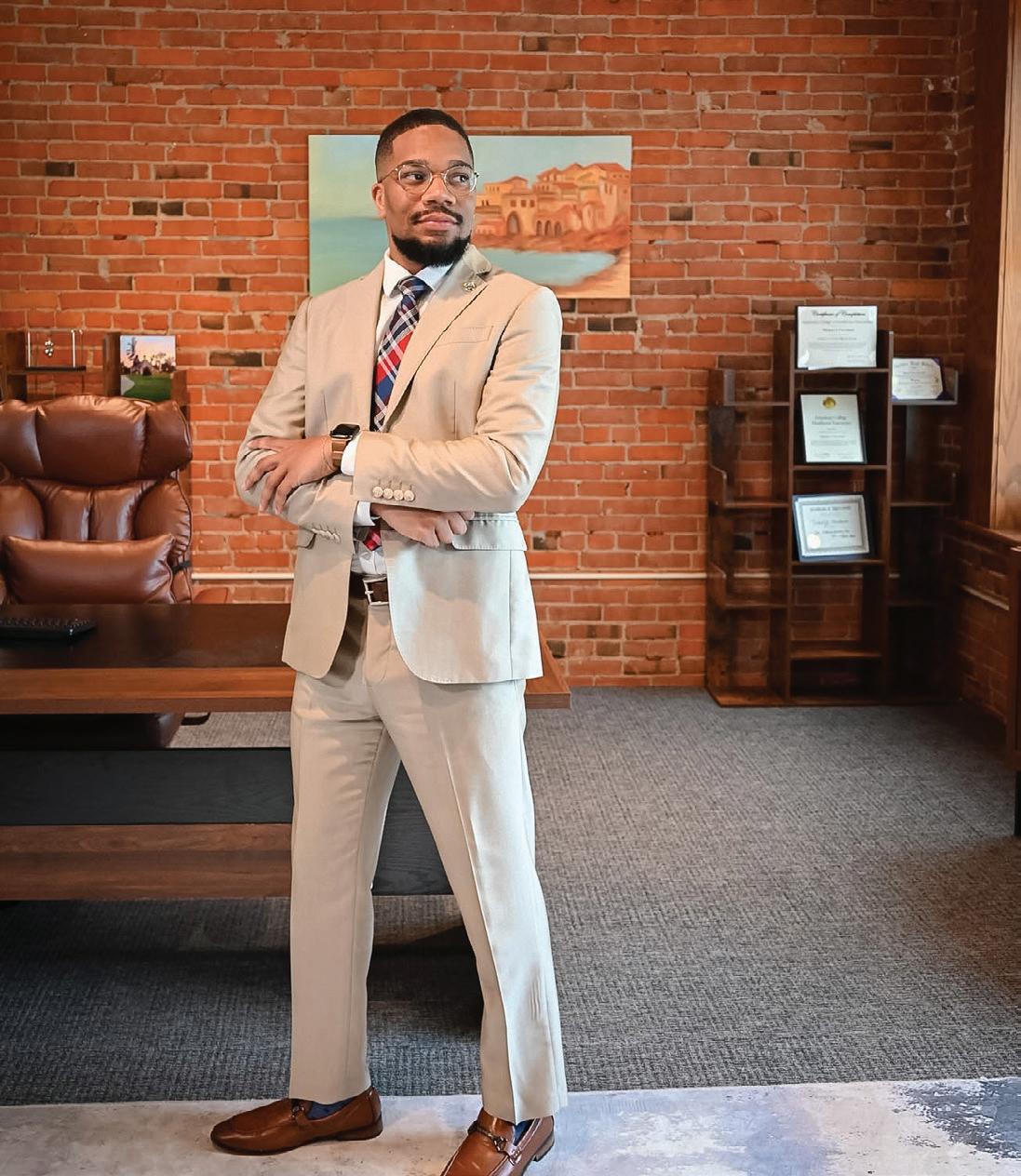
Dr. Michael J Cleveland
matters, but real change happens when it is paired with strategy, accountability, operational excellence, and leadership willing to rethink systems that are not serving people well. Because healthcare is never just about medicine.
A patient’s health is shaped by so much more than what happens in an exam room. Transportation. Housing. Food access. Behavioral health. Trust. Prevention. Time. Whether someone can afford to miss work. Whether they have childcare. Whether the healthcare system feels accessible or overwhelming. My doctoral journey strengthened my understanding of how leadership decisions can either remove barriers or unintentionally reinforce them.
That perspective is part of what brought me to Cleveland. Professionally, Cleveland offered the opportunity to work in one of the nation’s most respected healthcare communities, a place where innovation and community health intersect in
meaningful ways. Personally, there was something undeniably fitting about building a life in a city that shares my last name. What began as a coincidence became something more meaningful. Cleveland is a city defined by resilience, grit, and reinvention. Coming from Mississippi, that spirit resonated with me deeply. It felt like the right place to continue growing as a leader while remaining grounded in service. That journey ultimately led me to Care Alliance Health Center. What drew me in was the mission.
Care Alliance serves individuals and families who often face significant barriers to care, yet still deserve dignity, compassion, and high-quality healthcare. That belief aligns deeply with my own values and with the reason I entered this field in the first place. What keeps me connected is the impact. In operations, much of the work happens behind the scenes.
People may see providers and appointments, but they do not always see the systems that make access possible. The scheduling workflows, transportation coordination, care pathways, partnerships, staffing models, and strategic decisions that determine whether a patient gets the care they need when they need it. Behind every metric is a human story.
One area especially meaningful to me is advancing men’s health, particularly for Black men, who too often delay preventive care, avoid conversations about wellness, or only engage with healthcare once a crisis has emerged. That has to change. Improving men’s health requires more than asking people to come in for an appointment. It requires building trust, meeting people where they are, normalizing prevention, and creating healthcare experiences that feel human, culturally responsive, and accessible.
It is also why I believe so deeply in wholeperson care. Health is not fragmented in real life, so our care should not be fragmented either. Physical health, behavioral health, social support, and prevention are all connected. The most effective healthcare systems recognize that and design care around the full person, not just the diagnosis.
Completing my doctorate is a milestone I am incredibly proud of, but I do not see it as the conclusion of my journey. I see it as a greater responsibility. A responsibility to lead boldly. To improve systems. To expand access. To advocate for communities too often overlooked. And to help create a healthcare experience where people feel seen, supported, and empowered to live healthier lives.
That child in the hospital room could not have imagined this path. But perhaps that is the point. Sometimes the experiences that shape us most are the ones that teach us not just how to succeed, but how to serve.
Dr. Luther Walls, Chief Medical Officer, Care Alliance Health Center
I’ve been interested in healthcare for as long as I can remember. In fact, when I was about five years old, I wrote in my kindergarten yearbook that I wanted to become a doctor. At the time, I did not fully understand what that meant, but looking back, I can see how early experiences shaped the path I would eventually take. Growing up in church and participating in community activities gave me an early awareness of health inequities, even before I had the language to describe them. I remember listening to older men in our Men’s Fellowship talk about their health struggles. Many found it difficult to
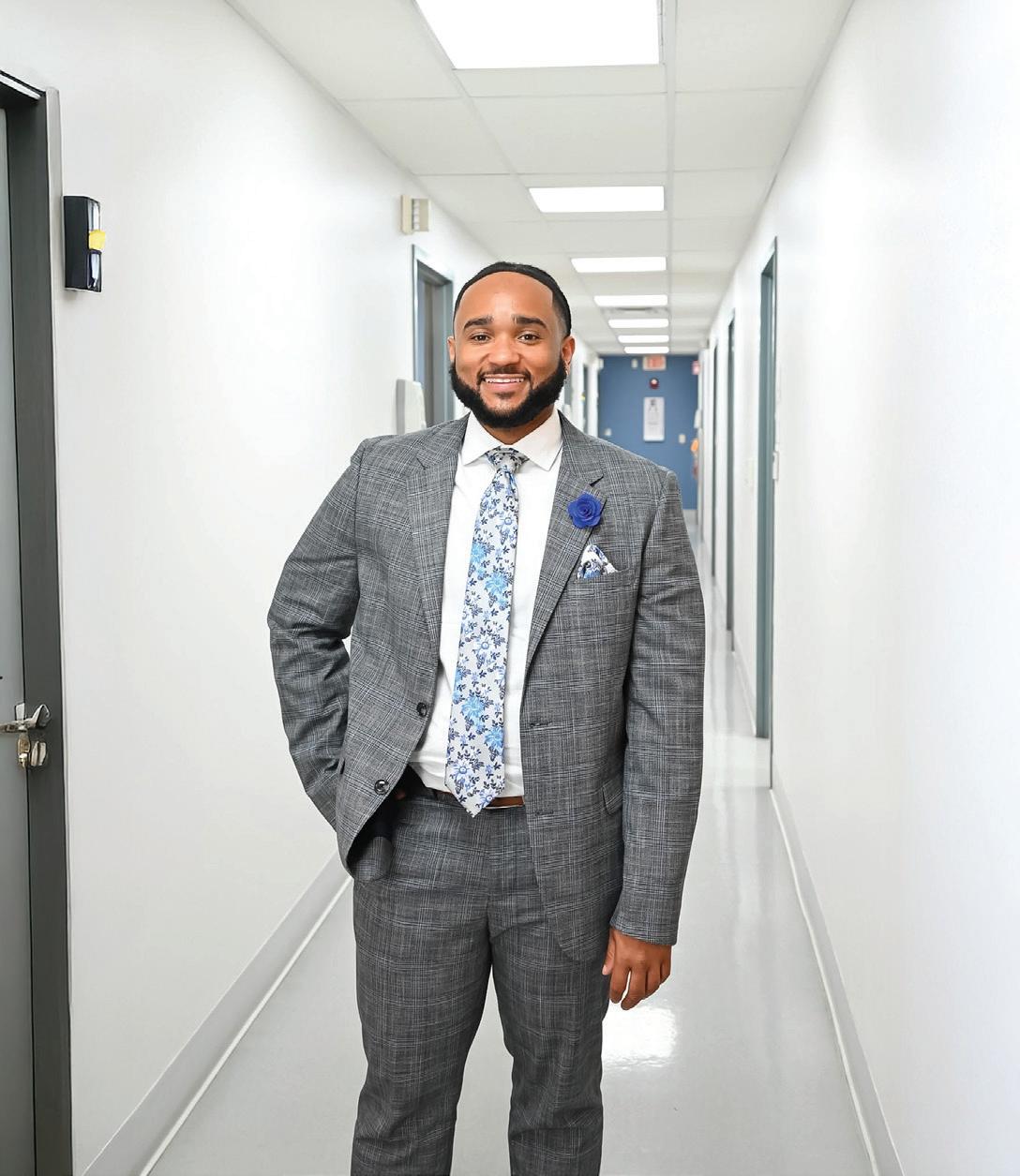
articulate what they were experiencing, advocate for themselves, or navigate a healthcare system that did not always feel welcoming or fair. I also experienced personal loss early in life. I lost all of my uncles before the age of 55 to illnesses such as diabetes and colon cancer. Those moments stayed with me and helped shape my desire to become someone who could help patients better understand their health and feel empowered within their care journey.
As I grew older, I realized healthcare was about far more than medicine alone. While volunteering as a community health worker in college, I had a pivotal realization that changed how I viewed patient care forever. I began to understand that what may appear to be “noncompliance” is often tied to barriers people are carrying every day, such as transportation issues, financial limitations, lack of health literacy, mental health challenges, or competing responsibilities at home and
work. That experience reinforced for me that effective healthcare requires seeing the whole person. You cannot create meaningful change in healthcare without understanding the physical, emotional, mental, and socioeconomic realities shaping a patient’s life.
That perspective is one of the reasons I chose to pursue my doctorate and continue my work in healthcare leadership and patient care. It also played a major role in what brought me to Cleveland. Cleveland is a unique city. It is home to some of the most respected healthcare systems in the country, yet significant health disparities and unmet needs still exist throughout many communities. Challenges such as HIV, hepatitis C, diabetes, maternal health disparities, and mental health conditions continue to disproportionately affect Black communities. In a city that is nearly 50 percent Black, I felt called to better understand those disparities and contribute to meaningful solutions that could improve lives and strengthen communities.
That journey ultimately led me to Care Alliance Health Center.
I have trained and worked in several federally qualified health centers throughout my career, but what stood out to me about Care Alliance was how resource-rich and mission-driven the organization is. We are uniquely positioned to meet patients’ needs in a comprehensive way. Beyond primary care, we offer transportation assistance, pharmacy services, optometry, pediatrics, women’s health, podiatry, dentistry, behavioral health services, and extensive community outreach programs. We also provide care in schools, shelters, treatment centers, and other outreach settings because we understand healthcare cannot always wait for people to come to us.
What keeps me connected to this mission is not just the range of services we provide, but how we provide them. At Care Alliance, we deliver high-quality care regardless of a patient’s ability to pay while leading with dignity, compassion, trust, and respect. That matters deeply to me.
One of the most meaningful aspects of my work is advancing men’s health, particularly for Black men. Too often, Black men delay preventive care, avoid conversations about wellness, or only engage with healthcare once a crisis has emerged. I believe we have to change that experience by creating healthcare environments that feel supportive, accessible, and human.
One of the moments that impacts me most is seeing a patient’s face light up when they are greeted by someone who looks like them and genuinely wants to help. Research consistently shows that Black patients often experience improved outcomes with Black providers, and I take that responsibility seriously. With every patient, I strive to build trust by listening carefully, being fully present, and showing that I truly care.
I often ask my patients simple but important questions: “What does support look like for you?” and “Who supports you?” Many people do not immediately have an answer, and that reinforces for me how important it is to create that sense of support within our care environment. I have found that outcomes improve when patients feel heard, respected, educated, and empowered to actively participate in decisions about their care.
When one patient has a positive healthcare experience, they often encourage others to seek care too. Over time, helping one individual can create a ripple effect that impacts entire families and communities.
That is the kind of impact that keeps me committed to this work every day.
For me, healthcare is not simply about treating illness. It is about restoring trust, improving lives, and ensuring every person who walks through our doors feels seen, valued, and cared for.
Leading with Purpose: My Journey in Healthcare, Finance, and Community Impact
Dr. Derrick Howell EdD, MBA, CPC, Chief
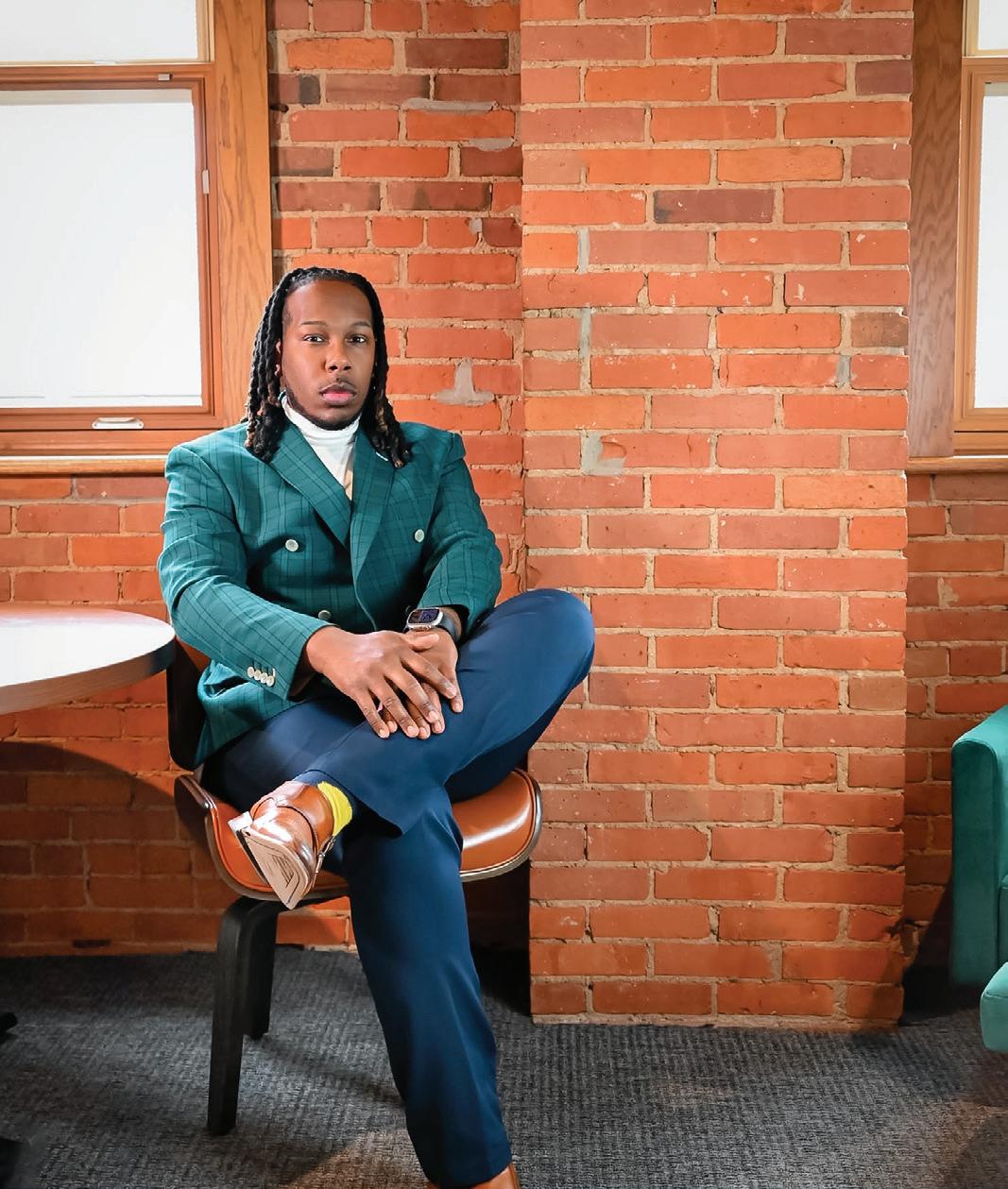
Dr. Derrick Howell
My decision to pursue a doctorate was rooted in purpose, discipline, and a desire to expand the impact of my leadership. I have always believed that education is more than a personal achievement. It is a tool for service. As my career evolved across finance, operations, healthcare, education, and community leadership, I recognized that I wanted to lead with more than experience alone. I wanted to strengthen my ability to think critically, solve complex organizational challenges, and contribute to meaningful systems change.
Pursuing my doctorate pushed me to connect research with real-world practice and to think more deeply about how leadership decisions impact people, organizations, and communities over time. It challenged me to grow not only as an executive, but as a servant leader committed to creating sustainable outcomes that improve lives. For me, earning a doctorate was never about a title. It was about becoming better equipped to lead organizations through complexity while remaining grounded in mission, accountability, and service.
That same sense of purpose is what ultimately led me to Cleveland. I came to Cleveland because of the opportunity to serve at Care Alliance Health Center and to be part of work that directly impacts communities facing significant barriers to care. Cleveland is a city with deep history, strong neighborhoods, and resilient people, but it is also a city where major challenges around health access, housing instability, behavioral health, and access to healthcare continue to affect many families every day.
What drew me to Care Alliance was the mission and the opportunity to contribute in a meaningful way. Care Alliance serves individuals and families who are often overlooked, including people experiencing homelessness, residents of public housing, uninsured and underinsured patients, and individuals facing significant barriers to care. I saw an opportunity to use finance and operations not simply as administrative functions, but as instruments of mission and community impact.
In healthcare, financial stewardship is deeply connected to patient outcomes. Behind every budget, reimbursement model, grant, operational decision, and strategic investment are real people who depend on access to high-quality,
compassionate care. My role as Chief Financial Officer allows me to help ensure that the organization remains financially sustainable, operationally strong, and positioned to continue expanding services where they are needed most.
What keeps me connected to the mission is knowing that our work is not simply transactional. It is transformational. Every financial decision we make has the potential to improve access, strengthen services, support staff, and create opportunities for better patient outcomes. We are helping people stabilize their health, rebuild trust in healthcare systems, and experience care that recognizes their full humanity and dignity.
One of the areas where this impact is especially meaningful is in advancing men’s health and whole-person care. Many men, particularly Black men and men facing poverty, housing instability, or systemic barriers, often delay seeking care because of mistrust, stigma, financial concerns, or lack of access. Whole-person care is critical because it recognizes that healthcare cannot focus solely on symptoms or diagnoses. Physical health is deeply connected to mental health, housing, employment, family stability, transportation, and community support. At Care Alliance, we work to address those barriers through integrated, compassionate, and culturally responsive care. Supporting access to primary care, behavioral health services, preventive screenings, chronic disease management, dental care, and wraparound support services helps create pathways for healthier lives and stronger communities. For me, this work is both personal and professional.
As one of the chief executives at Care Alliance holding a doctoral degree, I understand that representation matters. It matters for young people to see Black men leading in healthcare, education,
finance, and community service. It matters for patients and employees to see leaders who are committed to excellence, access, accountability, and service. Representation helps expand what people believe is possible for themselves and their futures.
My goal is to use my education, experience, and platform to strengthen systems that improve lives, particularly for men, families, and underserved communities who deserve access to compassionate, comprehensive, and equitable care. At the end of the day, leadership is not simply about managing organizations. It is about creating impact that lasts beyond yourself and building systems that allow people and communities to thrive.
Together, their stories represent far more than professional achievement. They reflect a shared commitment to service, representation, and transforming healthcare for communities that have too often been overlooked. Each leader arrived at Care Alliance Health Center through different life experiences, yet they are united by a common purpose: to lead with compassion, expand access, and build systems that recognize the humanity behind every patient encounter.
As Black men with doctoral degrees serving in executive leadership, they understand that representation is not simply symbolic, it carries responsibility. Their journeys were shaped by sacrifice, resilience, faith, education, and communities that taught them perseverance long before they entered executive leadership. Those lived experiences continue to influence how they lead, serve, and advocate for wholeperson care that addresses not only physical health, but also the social and economic realities impacting patients every day. Together, they are helping shape a leadership culture grounded in empathy, accountability, cultural understanding,
and excellence. Through their work, they are not only advancing healthcare access across Cleveland, but also creating visible examples of what is possible for future generations who deserve to see themselves reflected in positions of leadership, influence, and impact.
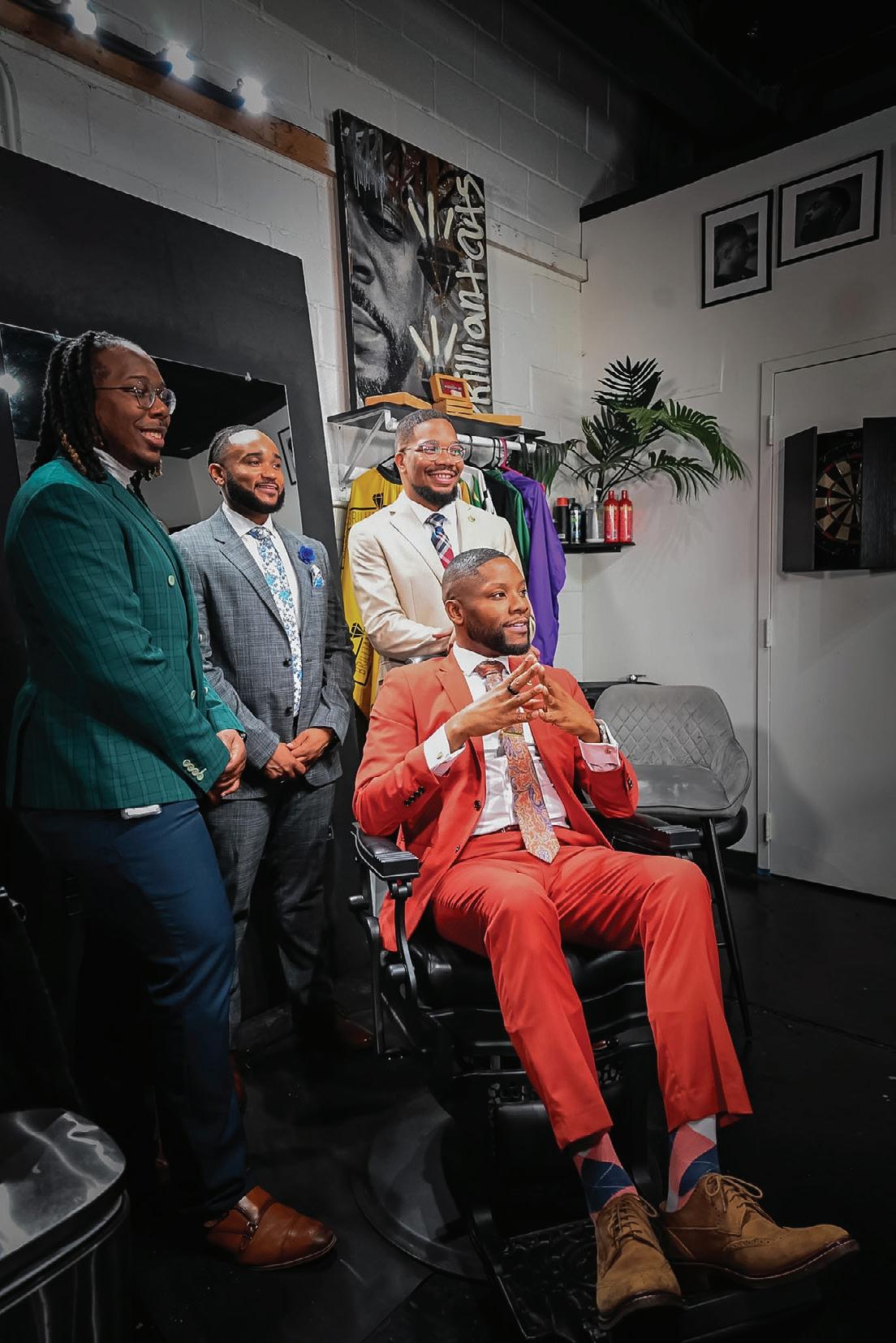
Photography by Arria Ray/R1 Films. Foreword by Michael Andrew Weston and Janiyah Spears. Special thanks to Lounges Content Studio and AD Jackson for providing the creative space that helped bring this vision to life.

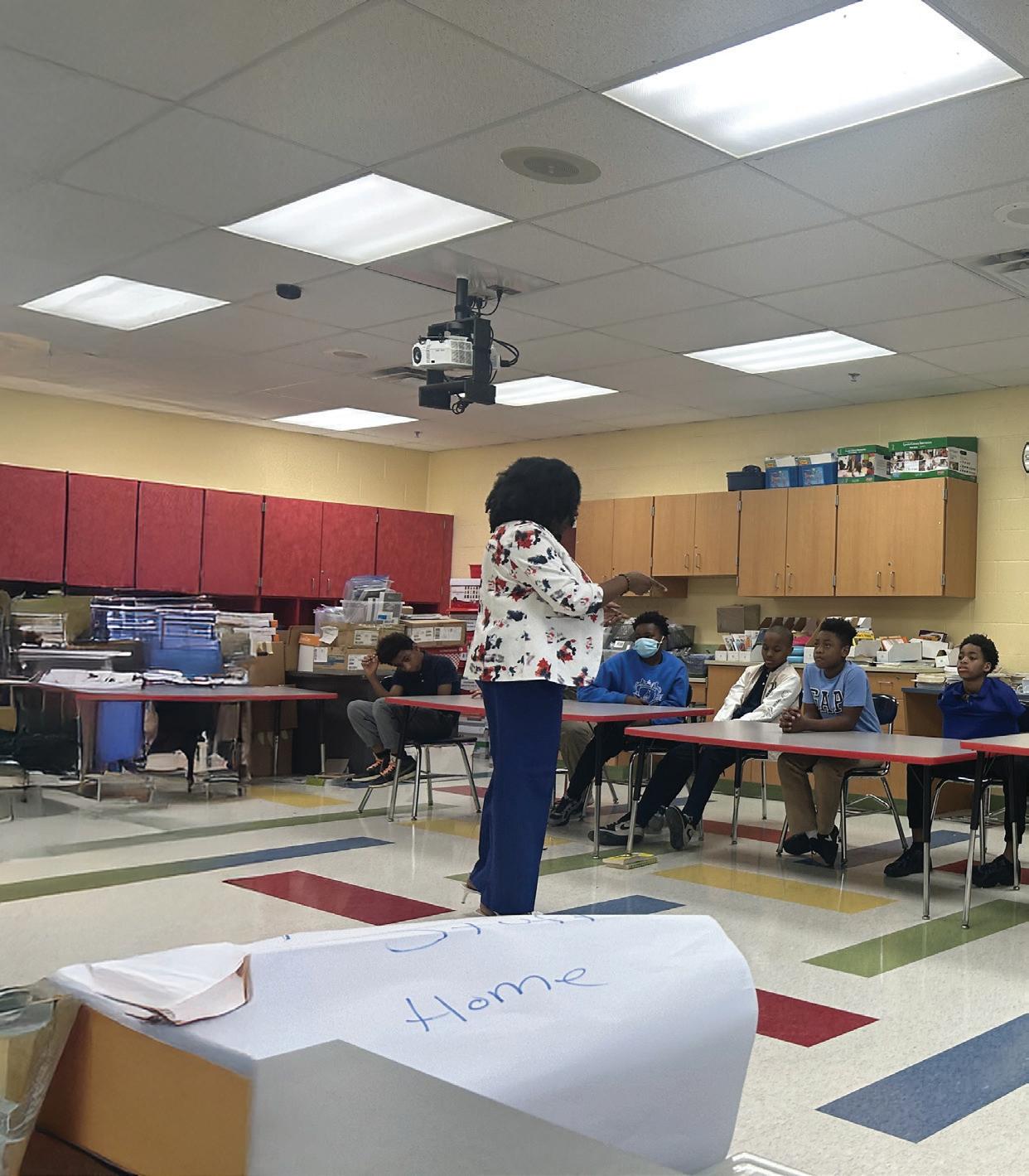
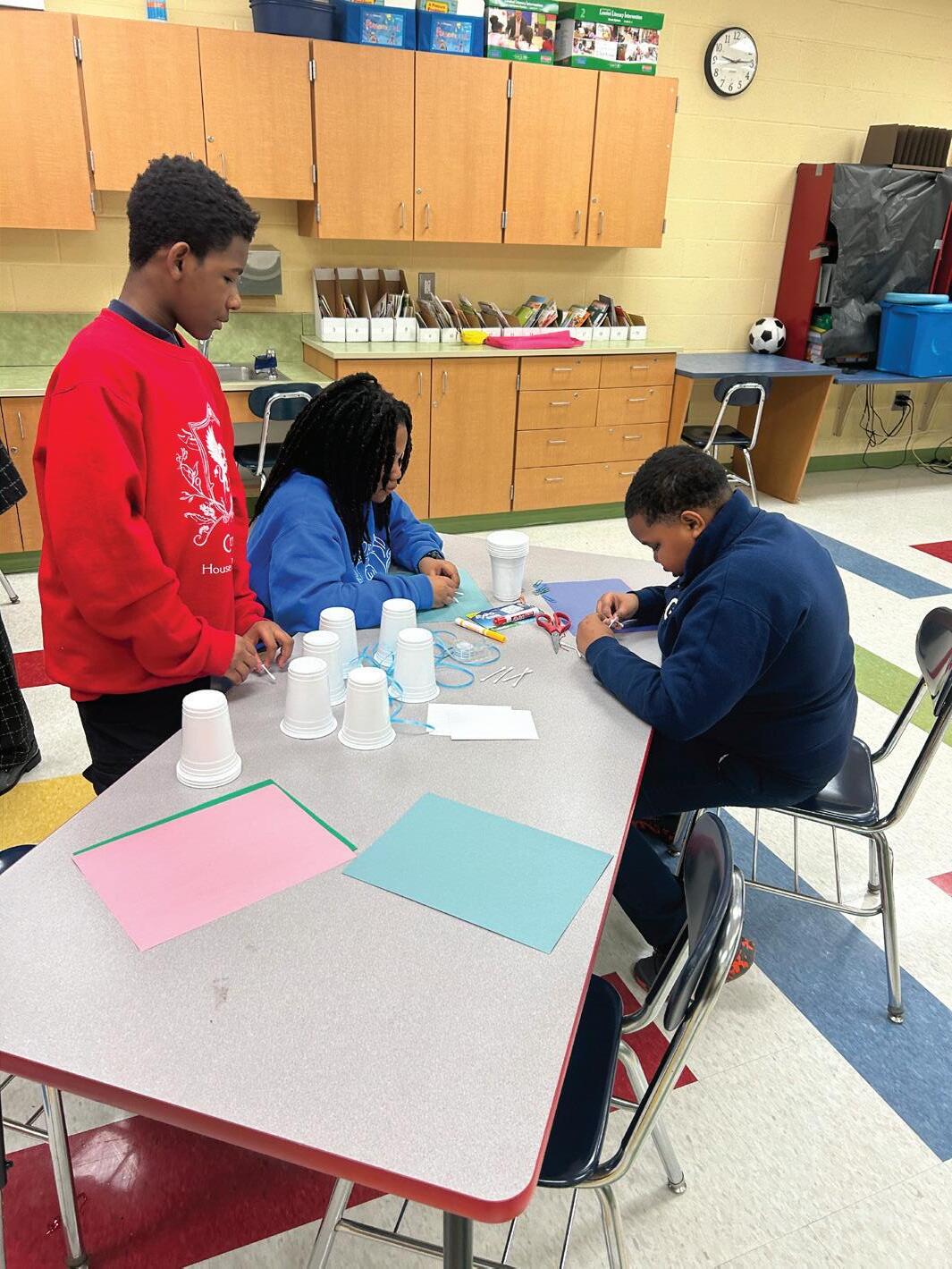
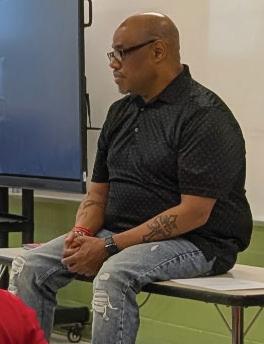
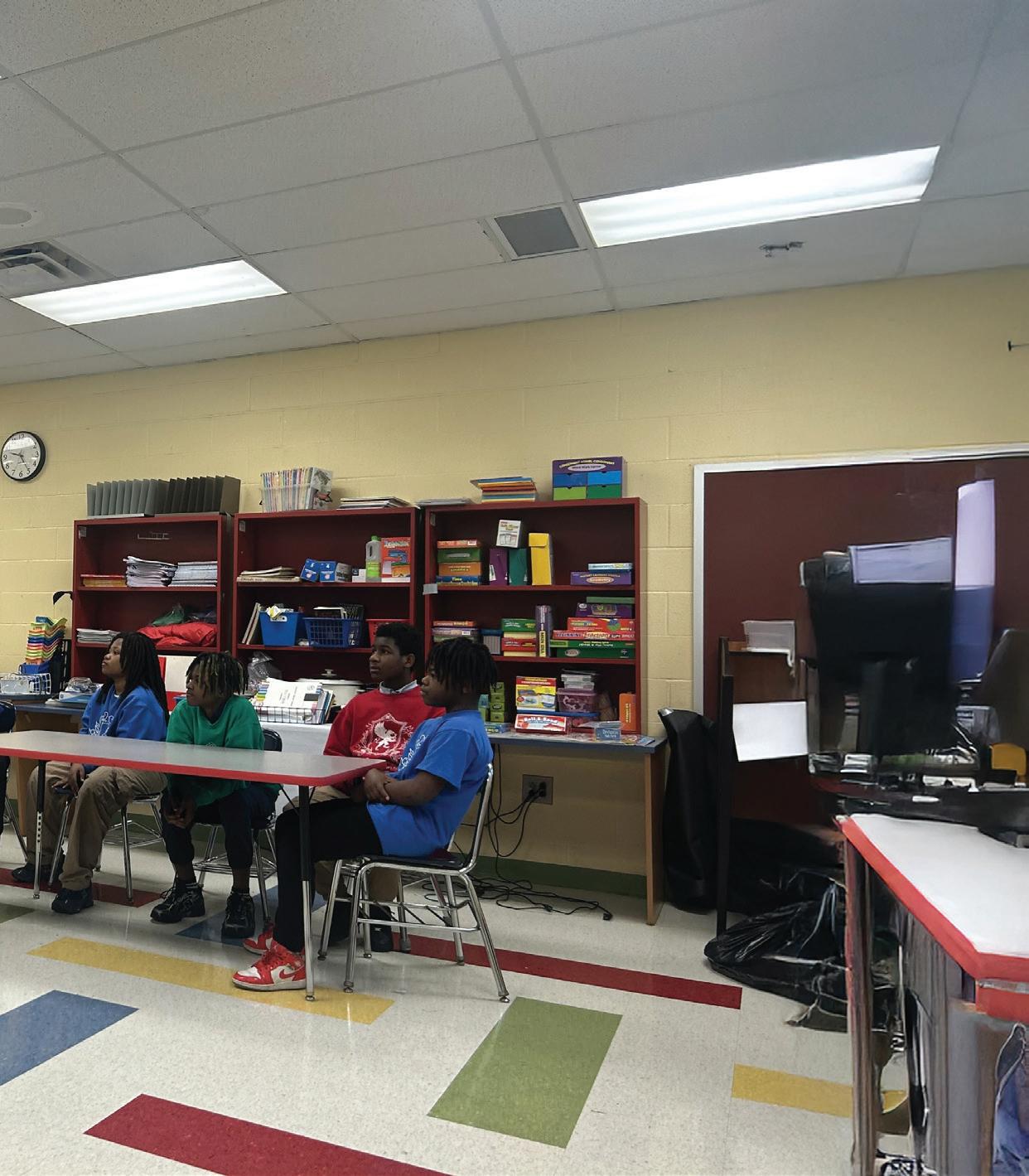
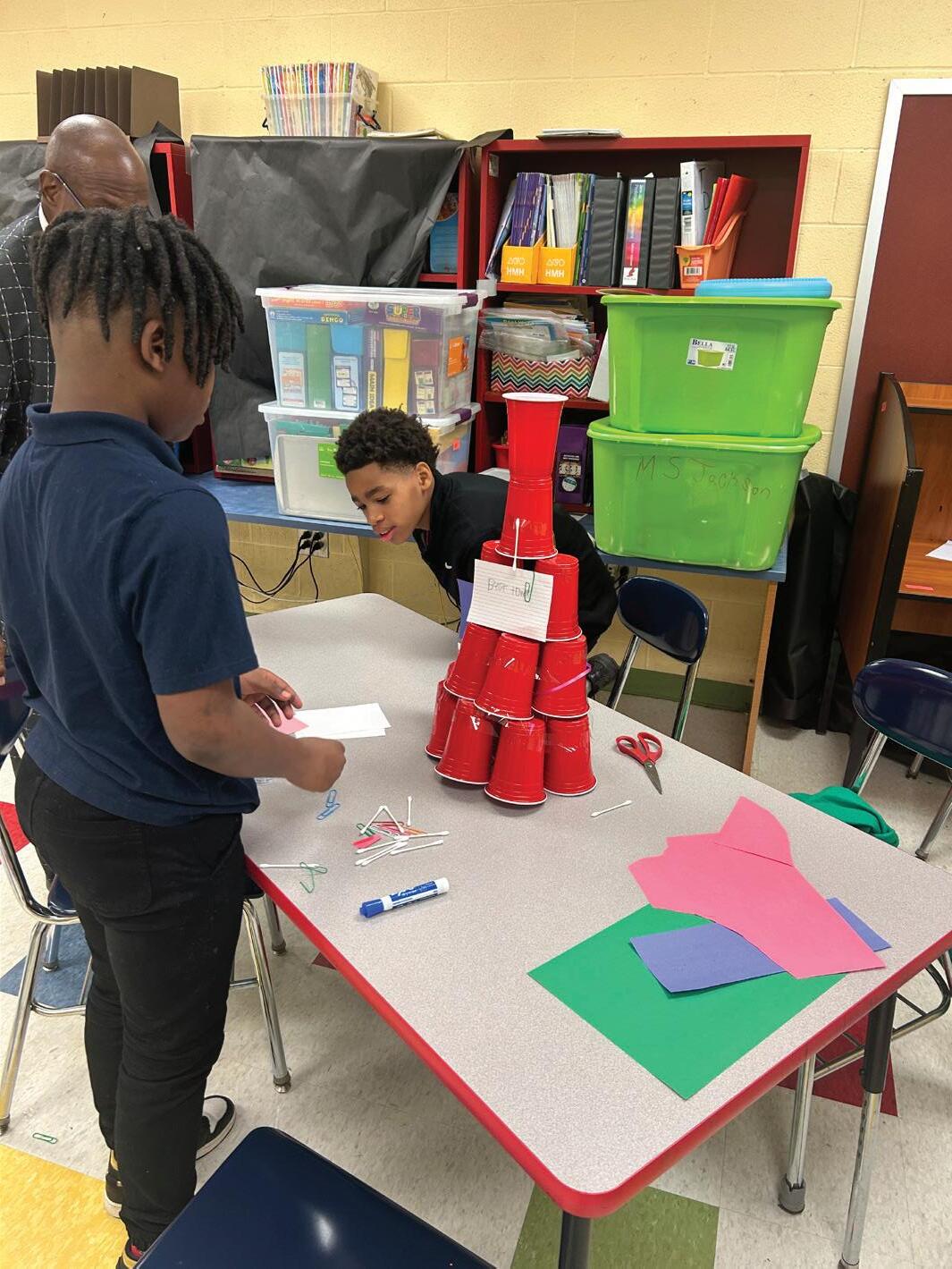
Recently, the impact of mentoring was on exhibit at Wade Park School of CMSD where much appreciation has been attributed to the contributions of Rev. Randy Reed, Greg Lockhart, Antwan Steele and Dr. Terry Echols. Their herculean efforts have been embraced by Principal Dr. Charlene Hilliard and her staff at the school for their dedication, commitment, and consistency, hallmarks of effective mentoring. And while the academic year has come to an end, the 100 Black Men of Greater Cleveland are already preparing for continued mentoring as soon as the school year begins in August with another cohort of burgeoning scholars at the school.
The successful completion of the 12week Multifaceted Mentoring Program at Wade Park School marked an important milestone for a group of 6th grade innercity boys who committed themselves to personal growth, leadership, and selfimprovement. Throughout the program, participants engaged in meaningful discussions and activities focused on financial literacy, manhood, decision making, legal system, wellness and hygiene, team-building, civic engagement, the impact of social media, growth mindset, and improving study skills. They also engaged with guest speakers such as the Honorable Khalilah Lawson of Cleveland Municipal Court
The program provided students with real-life tools and guidance designed to help them navigate challenges both inside and outside of the classroom while encouraging accountability, confidence, and respect for themselves and others.
Over the course of twelve weeks, the young men demonstrated noticeable growth in communication, teamwork, maturity, and overall engagement.
The mentoring experience concluded with a celebratory pizza party where students reflected on their journey, shared lessons learned and recognized the positive strides they had taken toward becoming responsible young men. The event served not only as a celebration of completion, but also as a reminder that their growth and development will continue far beyond the program itself.
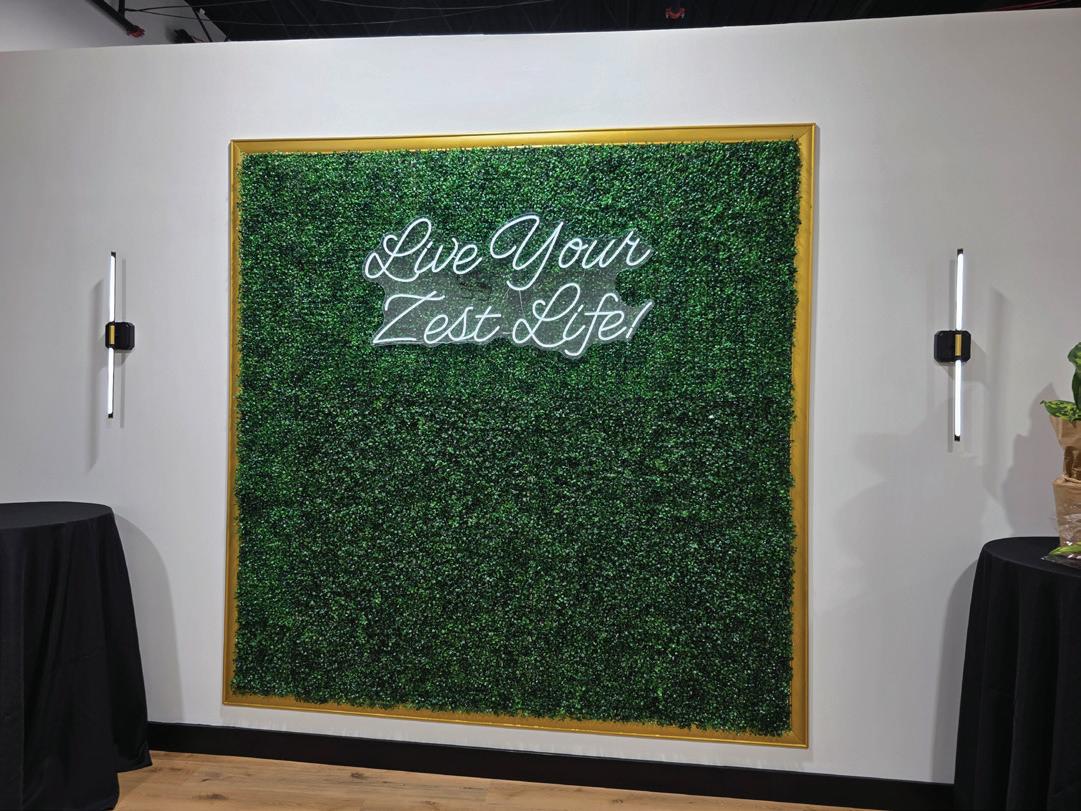
Zesty Compass Winery & Experience Hub, founded by Zahra Finley, is more than a winery. It is a vision built on purpose, partnership, craftsmanship, community, and the belief that meaningful experiences can bring people together.
What began as Zahra’s passion for wine, travel, food, and creating intentional moments has grown into a licensed winery, wine brand, bottling company, distributor, and full Winery & Experience Hub located in Wickliffe, Ohio. The space was created to make wine more approachable, inclusive, educational, and experience-driven.
Zesty Compass offers wine tastings, wine flights, custom wine blending classes, private events, wine education, curated pairings, community gatherings, and professional networking experiences. The goal is simple: to create a welcoming space where people can gather, celebrate, learn, connect, and live life with purpose.
While Zesty Compass is Zahra’s entrepreneurial vision, the new winery space is also a beautiful reflection of partnership and legacy. Her husband, Michael Finley, played an instrumental role in helping bring that vision to life.
Married for 20 years, Michael and Zahra have built their life around faith, family, commitment, and supporting one another’s dreams. For the new Zesty Compass Winery & Experience Hub, Michael served as the general contractor for the renovation and build-out, helping transform a warehouse space into a polished, welcoming, and functional winery and experience center.
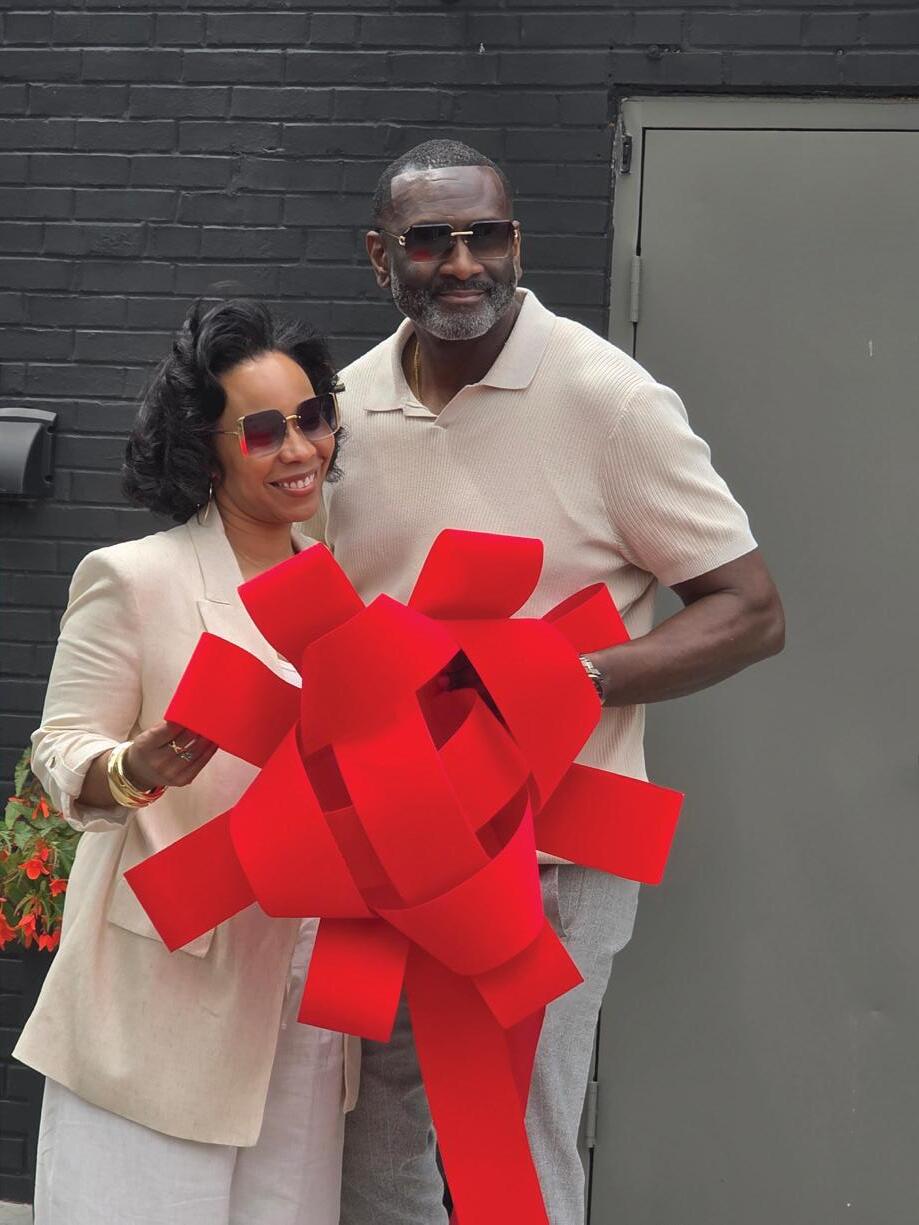
With more than 25 years of experience in construction, union trades, and professional relationships within the industry, Michael completed much of the work himself and called upon trusted professionals in the trades, including electricians, pipefitters, plumbers, and other skilled craftsmen. Those relationships were built through years of professionalism, consistency, integrity, and brotherhood within the construction and union trade community.
For Zahra, Zesty Compass represents creativity, courage, and purpose. For Michael, supporting the winery reflects partnership, commitment, and the power of helping bring his wife’s vision to life. Together, they are building more than a business. They are building a legacy rooted in vision, craftsmanship, community, and purpose.
Zesty Compass Winery & Experience Hub now stands as a place where community, culture, entrepreneurship, and connection intersect.
Zesty Compass Winery & Experience Hub
28940 Euclid Avenue, Unit #5 Rear Wickliffe, Ohio 44092 www.zestycompass.com





By Dr. Ken J.A. Griffin, DHA, MA, RMC
By Dr. Ken Griffin
For generations, Black men have been taught how to survive. We learned how to push through pain. How to keep working when exhausted. How to remain composed under pressure. How to carry responsibilities without letting the weight show.
But survival alone is not the goal. Men’s Health Month is a reminder that Black men deserve more than survival. We deserve wellness. We deserve balance. We deserve long, healthy, fulfilling lives. Yet far too often, health becomes secondary to everything else. Careers, family obligations, financial stress, leadership responsibilities, and daily pressures push personal well being to the bottom of the list. The reality is that many men do not seek healthcare until something becomes urgent. Preventive care is delayed. Stress is ignored. Mental exhaustion is normalized. Conversations around emotional health are avoided entirely.
And the consequences are real. Black men continue to experience disproportionately high rates of hypertension, heart disease, diabetes, stroke, and certain cancers. At the same time, many silently battle stress, anxiety,
depression, and burnout without support or even language to describe what they are feeling.
This is not because Black men are weak. It is because too many have been conditioned to believe that strength means carrying everything alone. But true strength is ownership. Ownership means taking your health seriously before there is a crisis. It means understanding that going to the doctor is not weakness. It means recognizing that mental health matters just as much as physical health. It means making the intentional decision to invest in yourself the same way you invest in everyone else. Health is not only about adding years to life. It is about improving the quality of those years.
A healthy man has more energy to lead his family. More clarity to make decisions. More capacity to pursue purpose. More opportunity to enjoy the life he worked hard to build.
The good news is that transformation often begins with small decisions.
Scheduling an annual physical. Checking your blood pressure regularly. Taking walks consistently. Drinking more water. Getting adequate sleep.
Opening up to someone you trust. Creating boundaries around stress. Asking for help when needed. Small habits, practiced consistently, create lasting change.
Equally important is addressing mental and emotional wellness. Many men are carrying invisible weight every single day. Professional pressure. Financial responsibility. Grief. Trauma. Expectations. Fear of failure. The pressure to always appear strong.
Men need spaces where honesty is welcomed. Communities where vulnerability is not judged. Relationships where checking in becomes normal instead of rare.
We must create environments where men feel safe discussing what they are carrying internally, because silence has become one of the greatest threats to men’s health. This is especially important for Black men in leadership. Whether in business,
ministry, healthcare, education, public service, or within the home, leadership often comes with unseen pressure. Many leaders spend so much time caring for others that they forget to care for themselves.
But you cannot pour endlessly from an empty cup. Taking care of yourself is not selfish. It is necessary.
This Men’s Health Month, let this be the beginning of a different conversation among men. One centered around accountability, wellness, healing, and longevity. A conversation that encourages men not just to survive difficult seasons, but to fully live.
Because healthy men strengthen families. Healthy men strengthen communities. Healthy men change generations. And every man deserves the opportunity to become the healthiest version of himself.



From the time when our ancestors were ripped from the Motherland on the continent of Africa against their will, their descendants have continued to become part of the fabric that is known as ‘The American Dream.’ This national ethos imagines that anyone, regardless of background, can achieve prosperity, upward mobility, and a better life through hard work, determination and initiative. The concept was rooted in this country’s Declaration of Independence which was supposed to evolve into both a promise of economic success as well as a symbol of boundless opportunity for all. As mounting
student loan debt is crippling families in its wake, a common theme now being told Gen Z (born between 1997-2012) is that college is not necessary any longer and that alternate forms of training and certifications can produce positive impact on a family’s upward mobility.
When we think of terms like upward mobility which suggest the belief that anyone can rise from rags to riches and do better than the generation before them or equal opportunity which purports a foundational idea that success should depend on ability and achievement, rather than rigid class
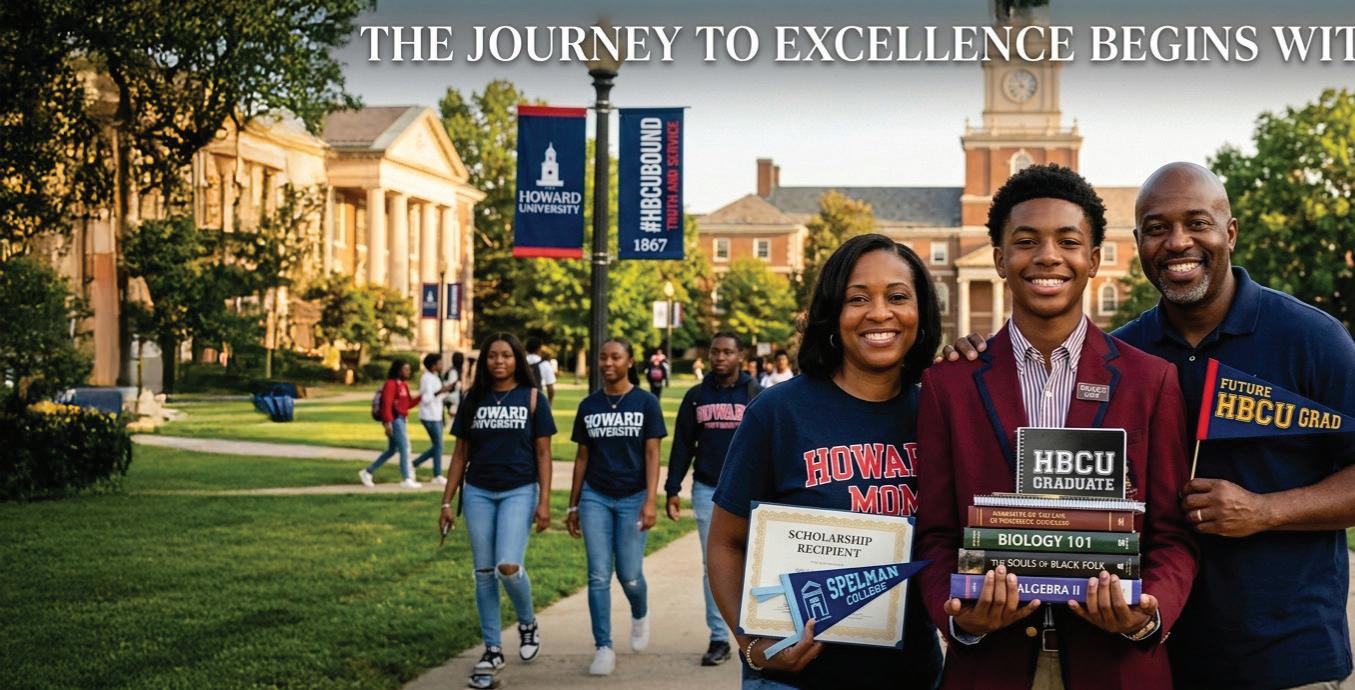
structure or birthright and finally the pursuit of happiness which claims the right to seek out a prosperous life, often realized through homeownerships, education, and financial security. And yet generations of African Americans have undoubtedly made strides towards doing better than their parents, recent and continuous data reveals that everything may not be what it appears to be. To that end, there have been countless numbers of highly educated African Americans that have made outstanding contributions to this nations’ continuous road to being the ‘best nation in the world. We must be careful when we claim ‘best because in Luke 12:48, it states that To Whom Much Will Be Given, Much Will Be Required. By this I mean that are the tenants prescribed in the previously mentioned Declaration of Independence nearly 250 years later still apply to all Americans and not just those of privilege or birthright? Let us dive deeper.
A UC Berkeley-led study (where I proudly have a mentee that has graduated and about to take the bar exam) revealed that disparities in the share of Black and Latino students admitted to America’s elite colleges and universities
have endured and even widened over the last 40 years. The results show a concerning pattern. Despite more students from all races going to college, Black and Latino students are increasingly less likely to attend top-tier, fouryear colleges compared to their White peers. This gap remains significant, even when family income and parents’ education are factored in. The same study revealed that adjustments for family socioeconomic status do little to alter these trends. This suggests that the underlying issue of racial inequality in college attendance goes beyond socioeconomic measures, such as family income and parent’s education, and is intrinsically linked to race itself. It points to a systemic issue within the fabric of American education and society.
One of the real contributions of this research is being able to look at the evolution of racial inequality in college attendance over four decades, which shows how the gap in admissions to the most selective institutions is getting wider. This is especially striking considering that overall college attendance has increased. The implications of these findings are significant, particularly considering the 2023 Supreme Court ruling that overturned affirmative action. And while the study doesn’t directly measure the impact of the Supreme Court decision, it does suggest that the trend of widening racial disparities might continue or even worsen. The research also emphasizes the need for proactive policy interventions to address this deep-rooted inequality as considering a student’s background in admissions remains crucial. Often, admissions departments at colleges and universities have decision-making individuals that do not possess subjective reality, practical or experiential knowledge or personal insight of an underserved applicant that often understand neighborhood/ community plight and even informed trauma. It is critical to understand the individual’s background to suggest resources geared at student success.
The study highlights the vital role of college admissions processes in shaping future socioeconomic disparities. With higher
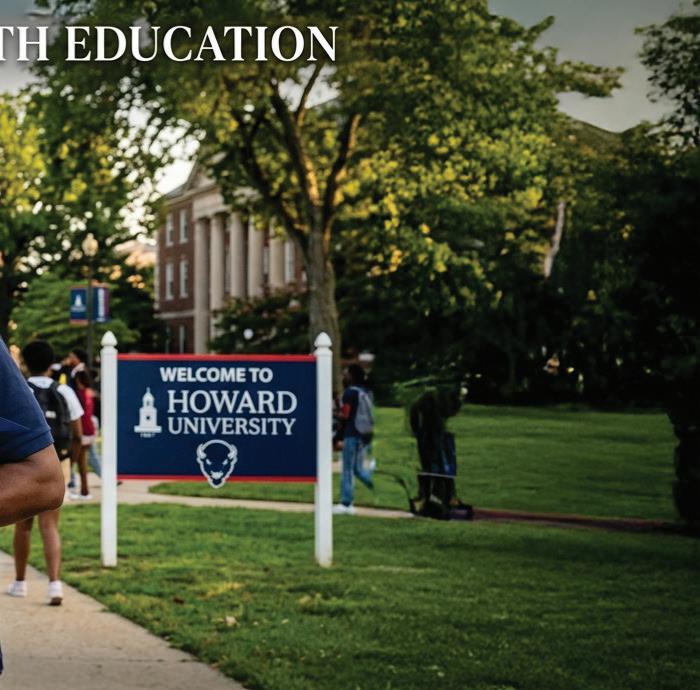
education being a prerequisite for economic success for many, the underrepresentation of racial minorities in selective institutions can perpetuate and widen the racial gap in socioeconomic outcomes. The longterm societal impacts of these trends are a major concern, thus if these educational disparities continue, they will likely lead to further racial inequalities in society, resulting in the reproduction of structural racism across generations. However, one potential solution may rest in more African American students attending Historically Black Colleges and Universities (HBCUs). HBCUs were established primarily in the 19th century to provide African Americans access to higher education during segregation, when most colleges barred Black students, with Cheyney University of Pennsylvania, being the first founded in 1837 to educate African Americans as teachers. These institutions became critical pathways for professional careers, leadership development, and social mobility, producing influential figures such as Dr. Martin Luther King Jr., Vice President Kamala Harris, Thurgood Marshall, Oprah Winfrey, Spike Lee, Chadwick Boseman, Samuel Jackson, Tarji P. Henson, Toni Morrison, Lionel Richie, Megan Thee Stallion, as well as countless others.
The educational and academic impact offered by HBCUs continues to offer highquality education with a focus on student success. They graduate a disproportionate number of Black professionals in fields like STEM, law, medicine, and education, despite representing only about 3% of U.S. colleges. For example, nearly 25% of Black STEM graduates earn degrees from HBCUs, and these institutions produce a significant portion of Black engineers, teachers, doctors, and judges. HBCUs also provide supportive learning environments, mentorship, and culturally affirming curricula that enhance student retention and graduation rates.
The economic and community empowerment offered by HBCUs serve as economic engines, generating billions in annual economic activity
and creating over 136,000 jobs nationwide. Graduates often achieve higher household incomes and contribute to closing the racial wealth gap, fostering intergenerational wealth. Alumni frequently return to serving their communities, working in education, healthcare, entrepreneurship, and civic leadership, amplifying the social impact of these institutions. Furthermore, HBCUs preserve African American history, culture, and traditions, providing students with a strong sense of identity and belonging. They have historically been hubs for social justice and civil rights activism, producing leaders who have shaped American democracy and social movements. Campus life, including traditions, fraternities, sororities, and athletic programs, reinforces community, pride, and cultural continuity. Finally, the modern relevance of HBCUs remains essential for fostering innovation, equity, and leadership. They prepare students for emerging fields such as technology, green energy, and healthcare, while continuing to provide inclusive, supportive environments for first-generation and low-income students and despite historical underfunding, HBCUs have demonstrated resilience and continue to produce graduates who excel academically, professionally, and socially.
In conclusion, if African Americans are to continue to do better than their parents while seeking the American Dream, attending HBCUs are more than educational institutions; they are incubators of leadership, cultural preservation, and economic empowerment. By providing access, mentorship, and community, HBCUs continue to shape generations of Black professionals, leaders, and change-makers, ensuring their enduring importance in American society.



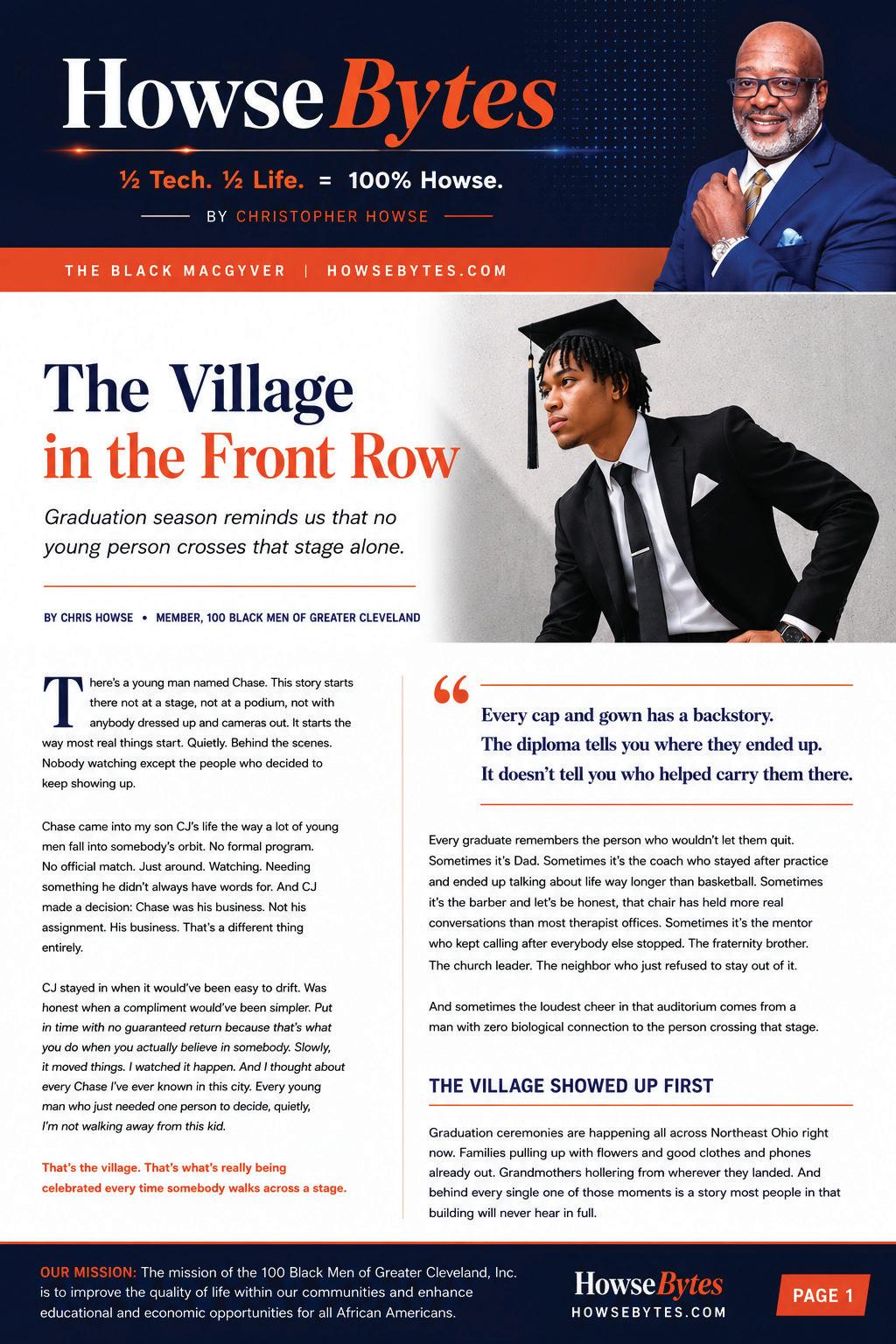
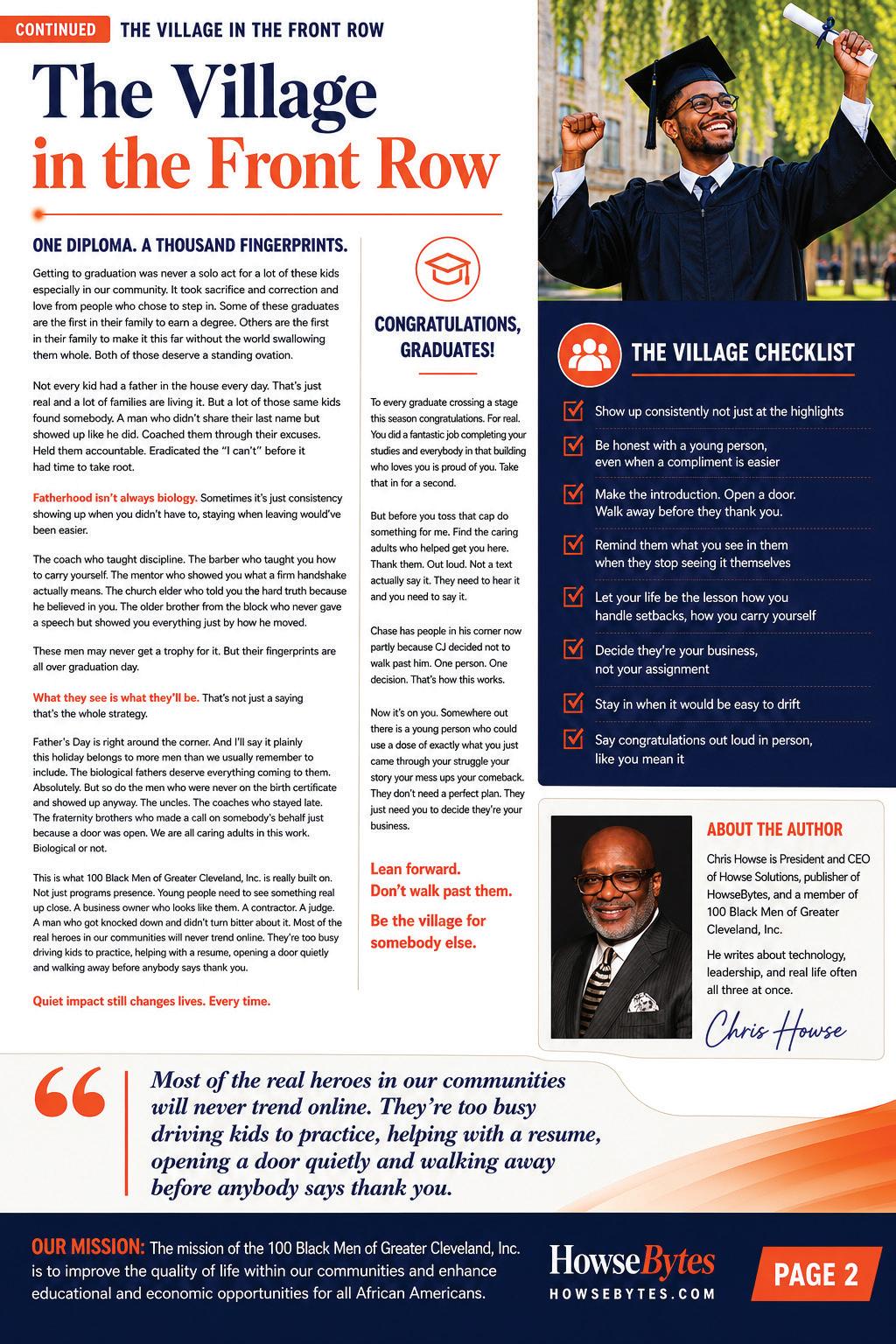
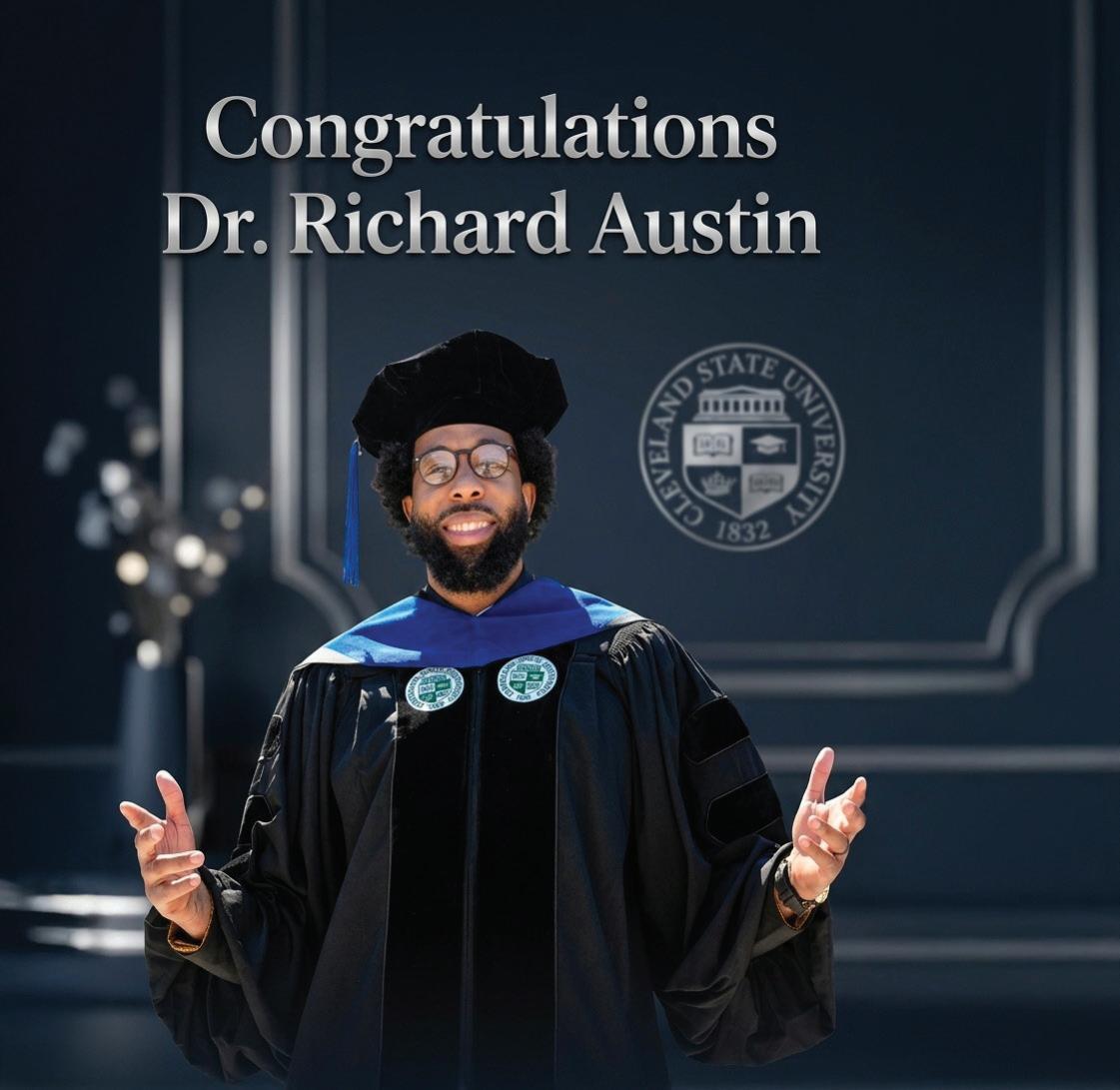
“My doctoral graduation was never just about earning a degree. It was about carrying a legacy forward.”
I come from inner-city Cleveland, from spaces that rarely get recognized as intellectual incubators, yet taught me everything about humanity, survival, leadership, and love. My education did not begin in a classroom. It began in my grandfather’s garage, in barbershops, on
basketball courts, in church pews, and in conversations with Black men who carried wisdom without ever calling it theory.
When I entered doctoral studies in COVID-19 Pandemic, I thought I was pursuing research. In reality, I was pursuing understanding. I wanted to study what happens to Black boys when they enter elite educational institutions that promise opportunity while quietly demanding pieces of their identity in return. I wanted to examine belonging, cultural capital, and
the emotional labor required to navigate spaces where excellence is expected, but authenticity is often negotiated. My work became deeply personal because I was not studying strangers. In many ways, I was studying younger versions of myself.
The journey tested me in ways academia never prepares you for. During those years, I experienced profound loss. People who helped build me spiritually, emotionally, and culturally passed on while I was trying to build something meaningful in their honor. There were nights where grief outweighed motivation. Days where writing felt impossible. Moments where the title “Doctor” seemed insignificant compared to the emptiness left behind by those no longer here to witness the journey. But their absence became fuel.
This doctorate is not simply proof that I completed coursework or defended a dissertation. It is evidence of endurance. It is evidence that a Black boy from Cleveland can walk into institutions historically disconnected from his lived reality and still remain rooted in his identity. It is proof that
scholarship and community do not have to exist separately. I did this because our young people deserve research that sees them fully, leadership that protects their humanity, and educational spaces that do more than tolerate their presence.
I became Dr. Austin because too many Black boys are surviving school instead of experiencing belonging within it. And I refuse to let that remain normal.
So when I walked across that stage, I didn’t walk alone. I will carried my grandparents, my community, my students, my mentors, my family, and every young man who has ever questioned whether he belonged in rooms that underestimated him before he even spoke. This degree may have my name on it, but its story belongs to all of us.